User login
Single Preop Dose of Dexamethasone Linked to Improved Cholecystectomy Recovery
SAN DIEGO – A single dose of dexamethasone given before outpatient laparoscopic cholecystectomy significantly improved measures of postoperative recovery and length of hospitalization, as well as quality of life after discharge, compared with placebo.
The findings of this randomized, double-blind study support previous studies suggesting that preoperative small-dose steroid therapy enhanced recovery, Dr. Glenn S. Murphy and his associates reported at the Annual Meeting of the American Society of Anesthesiologists.
The current study randomized patients undergoing elective laparoscopic cholecystectomy to receive either 8 mg dexamethasone or saline placebo 60 minutes before incision. All patients were expected to have same-day discharge, and all caregivers and patients were blinded to group assignment. The surgical procedures were standardized, as were fluid administration, ventilation, and anesthesia management using propofol, sevoflurane, rocuronium, fentanyl, and/or ondansetron.
The staff measured nausea, vomiting, pain, and fatigue preoperatively and at discharge from the postanesthesia care unit (PACU) and the ambulatory surgery unit (ASU). They recorded analgesic requirements during the hospitalization, and the length of time required to meet criteria for discharge from the PACU and ASU.
In addition, health status was assessed at baseline immediately prior to surgery using a previously validated 40-item scoring system, and patients took home another copy of this quality-of-recovery survey (QoR-40) to be completed 24 hours after discharge from the ASU.
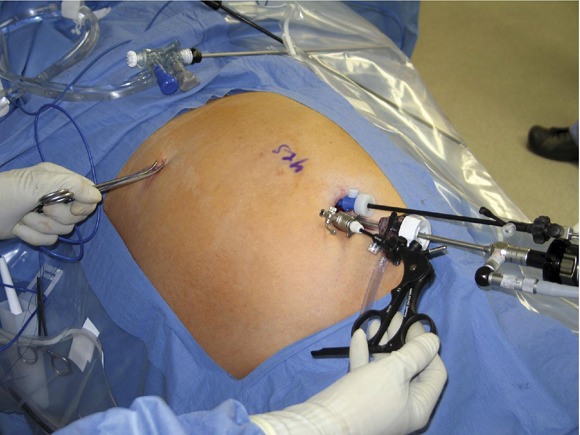
At baseline, the 56 patients in the dexamethasone group did not differ significantly from the 59 in the placebo group in terms of age, sex, height, weight, ASA physical status, history of smoking or drinking, hypertension, asthma, sleep apnea, or thyroid disease. Complete data were not available for five patients who were dropped from the analysis.
In the ASU, the dexamethasone group has less nausea, fatigue, and treatment of emetic symptoms, compared with the control group. In the PACU, the dexamethasone group had lower pain scores and less nausea, treatment of emetic symptoms, and need for analgesics. The dexamethasone patients had a 55 minute shorter stay in the ASU and were in the hospital 70 minutes less was than the control group, said Dr. Murphy of Northwestern University, Chicago.
The QoR-40 scores did not differ significantly between groups before surgery, but on postoperative day 1, the median global score in the control group was significantly lower (score of 161), compared with the dexamethasone group (score of 178), reflecting a worse quality of recovery in the control group, he said.
Three of the individual dimensions measured by the QoR-40 scored significantly lower in the control group, compared with the dexamethasone group postoperatively: emotional state (35 vs. 41), physical comfort (45 vs. 51), and pain (26 vs. 31). Scores for psychological support and physical independence did not differ significantly between groups.
Laparoscopic cholecystectomy is one of the most common elective surgical procedures in the United States, and up to 80% of patients may be discharged from the hospital on the day of surgery, data suggest. Investigators have looked to small-dose steroid therapy as a way to attenuate physiologic responses to minimally invasive surgery that can impair recovery and delay discharge, such as metabolic, hormonal, inflammatory, and immune responses activated by the surgery. Dexamethasone, a potent corticosteroid, has a biological half-life of 24-36 hours.
Dr. Murphy has been a consultant for Schering-Plough, which markets products containing dexamethasone.
SAN DIEGO – A single dose of dexamethasone given before outpatient laparoscopic cholecystectomy significantly improved measures of postoperative recovery and length of hospitalization, as well as quality of life after discharge, compared with placebo.
The findings of this randomized, double-blind study support previous studies suggesting that preoperative small-dose steroid therapy enhanced recovery, Dr. Glenn S. Murphy and his associates reported at the Annual Meeting of the American Society of Anesthesiologists.
The current study randomized patients undergoing elective laparoscopic cholecystectomy to receive either 8 mg dexamethasone or saline placebo 60 minutes before incision. All patients were expected to have same-day discharge, and all caregivers and patients were blinded to group assignment. The surgical procedures were standardized, as were fluid administration, ventilation, and anesthesia management using propofol, sevoflurane, rocuronium, fentanyl, and/or ondansetron.
The staff measured nausea, vomiting, pain, and fatigue preoperatively and at discharge from the postanesthesia care unit (PACU) and the ambulatory surgery unit (ASU). They recorded analgesic requirements during the hospitalization, and the length of time required to meet criteria for discharge from the PACU and ASU.
In addition, health status was assessed at baseline immediately prior to surgery using a previously validated 40-item scoring system, and patients took home another copy of this quality-of-recovery survey (QoR-40) to be completed 24 hours after discharge from the ASU.
At baseline, the 56 patients in the dexamethasone group did not differ significantly from the 59 in the placebo group in terms of age, sex, height, weight, ASA physical status, history of smoking or drinking, hypertension, asthma, sleep apnea, or thyroid disease. Complete data were not available for five patients who were dropped from the analysis.
In the ASU, the dexamethasone group has less nausea, fatigue, and treatment of emetic symptoms, compared with the control group. In the PACU, the dexamethasone group had lower pain scores and less nausea, treatment of emetic symptoms, and need for analgesics. The dexamethasone patients had a 55 minute shorter stay in the ASU and were in the hospital 70 minutes less was than the control group, said Dr. Murphy of Northwestern University, Chicago.
The QoR-40 scores did not differ significantly between groups before surgery, but on postoperative day 1, the median global score in the control group was significantly lower (score of 161), compared with the dexamethasone group (score of 178), reflecting a worse quality of recovery in the control group, he said.
Three of the individual dimensions measured by the QoR-40 scored significantly lower in the control group, compared with the dexamethasone group postoperatively: emotional state (35 vs. 41), physical comfort (45 vs. 51), and pain (26 vs. 31). Scores for psychological support and physical independence did not differ significantly between groups.
Laparoscopic cholecystectomy is one of the most common elective surgical procedures in the United States, and up to 80% of patients may be discharged from the hospital on the day of surgery, data suggest. Investigators have looked to small-dose steroid therapy as a way to attenuate physiologic responses to minimally invasive surgery that can impair recovery and delay discharge, such as metabolic, hormonal, inflammatory, and immune responses activated by the surgery. Dexamethasone, a potent corticosteroid, has a biological half-life of 24-36 hours.
Dr. Murphy has been a consultant for Schering-Plough, which markets products containing dexamethasone.
SAN DIEGO – A single dose of dexamethasone given before outpatient laparoscopic cholecystectomy significantly improved measures of postoperative recovery and length of hospitalization, as well as quality of life after discharge, compared with placebo.
The findings of this randomized, double-blind study support previous studies suggesting that preoperative small-dose steroid therapy enhanced recovery, Dr. Glenn S. Murphy and his associates reported at the Annual Meeting of the American Society of Anesthesiologists.
The current study randomized patients undergoing elective laparoscopic cholecystectomy to receive either 8 mg dexamethasone or saline placebo 60 minutes before incision. All patients were expected to have same-day discharge, and all caregivers and patients were blinded to group assignment. The surgical procedures were standardized, as were fluid administration, ventilation, and anesthesia management using propofol, sevoflurane, rocuronium, fentanyl, and/or ondansetron.
The staff measured nausea, vomiting, pain, and fatigue preoperatively and at discharge from the postanesthesia care unit (PACU) and the ambulatory surgery unit (ASU). They recorded analgesic requirements during the hospitalization, and the length of time required to meet criteria for discharge from the PACU and ASU.
In addition, health status was assessed at baseline immediately prior to surgery using a previously validated 40-item scoring system, and patients took home another copy of this quality-of-recovery survey (QoR-40) to be completed 24 hours after discharge from the ASU.
At baseline, the 56 patients in the dexamethasone group did not differ significantly from the 59 in the placebo group in terms of age, sex, height, weight, ASA physical status, history of smoking or drinking, hypertension, asthma, sleep apnea, or thyroid disease. Complete data were not available for five patients who were dropped from the analysis.
In the ASU, the dexamethasone group has less nausea, fatigue, and treatment of emetic symptoms, compared with the control group. In the PACU, the dexamethasone group had lower pain scores and less nausea, treatment of emetic symptoms, and need for analgesics. The dexamethasone patients had a 55 minute shorter stay in the ASU and were in the hospital 70 minutes less was than the control group, said Dr. Murphy of Northwestern University, Chicago.
The QoR-40 scores did not differ significantly between groups before surgery, but on postoperative day 1, the median global score in the control group was significantly lower (score of 161), compared with the dexamethasone group (score of 178), reflecting a worse quality of recovery in the control group, he said.
Three of the individual dimensions measured by the QoR-40 scored significantly lower in the control group, compared with the dexamethasone group postoperatively: emotional state (35 vs. 41), physical comfort (45 vs. 51), and pain (26 vs. 31). Scores for psychological support and physical independence did not differ significantly between groups.
Laparoscopic cholecystectomy is one of the most common elective surgical procedures in the United States, and up to 80% of patients may be discharged from the hospital on the day of surgery, data suggest. Investigators have looked to small-dose steroid therapy as a way to attenuate physiologic responses to minimally invasive surgery that can impair recovery and delay discharge, such as metabolic, hormonal, inflammatory, and immune responses activated by the surgery. Dexamethasone, a potent corticosteroid, has a biological half-life of 24-36 hours.
Dr. Murphy has been a consultant for Schering-Plough, which markets products containing dexamethasone.
FROM THE ANNUAL MEETING OF THE AMERICAN SOCIETY OF ANESTHESIOLOGISTS
Hip-Replacement Revision Rate Falls With Age
BRUSSELS – When younger patients receive a total hip replacement, they are more likely to eventually need revision surgery, compared with older patients, according to findings from a 12-year follow-up study of more than 58,000 Medicare patients.
The finding makes sense and comes as no surprise, but the documentation of a link between younger age and increased revision rates has important implications for prosthesis design.
“As total hip replacement indications extend to increasingly younger populations, [the patients’] mortality risk will diminish, and a vast majority will remain at risk for revision for decades,” Dr. Jeffrey N. Katz said at the annual World Congress on Osteoarthritis.
“Research evaluating technical innovations to increase prosthesis longevity should recognize the competing risk of mortality. In a 75- or 80-year old, revision is a rather infrequent event; their implant will likely outsurvive them. The older a patient is, the more likely the patient is to die with their original prosthesis intact,” said Dr. Katz of the department of medicine at Harvard Medical School, Boston, and director of the orthopedic and arthritis center for outcomes research at Brigham and Women’s Hospital in that city.
“If a prosthesis manufacturer wants to increase the longevity of a prosthesis, the patients to target are those younger than 65. For patients who gets through the perioperative period, the real issue is biomaterials: How likely are the biomaterials to wear out over time?” he noted.
Currently, about 280,000 total hip replacements are performed in the United States annually (more than 90% because of osteoarthritis), along with 40,000 revision hip surgeries each year. Revisions alone cost more than $1 billion annually.
Dr. Katz and his associates studied the 58,521 Medicare beneficiaries who underwent a total hip replacement during July 1995–June 1996. Two-thirds were women, and 60% were aged 65-75 years, with the remaining patients older than 75 years. The researchers had complete follow-up records for all patients for the subsequent 12 years, through 2008. They presumed that all patients in this group with subsequent hip surgery had revisions, although it’s also possible that the second surgery involved the contralateral hip.
During follow-up, 60% of the patients who were older than 75 years at the time of surgery died; during the 12-year follow-up, the survivors had a revision rate of 9%. Among patients aged 65-75 years at the time of their initial hip surgery, 30% died during follow-up, with the survivors having a 13% revision rate. In both age groups, men had a higher revision rate than did women.
“Younger patients are more active and heavier,” Dr. Katz explained in an interview at the congress, which was organized by the Osteoarthritis Research Society International. “Younger patients probably wear their [prosthetic] joints out faster, and – given the same amount of wear – they are offered [revision] surgery more frequently and they accept surgery more frequently.
“We don’t have data for 45- to 65-year-olds, but by extension, their mortality is unlikely over the following 20 years, while a revision is likely. The younger age group has a very real risk of facing a revision in their lifetime. If a manufacturer could improve the longevity of their prosthesis, it would potentially save them an operation,” Dr. Katz said.
Dr. Katz said that he had no disclosures.
BRUSSELS – When younger patients receive a total hip replacement, they are more likely to eventually need revision surgery, compared with older patients, according to findings from a 12-year follow-up study of more than 58,000 Medicare patients.
The finding makes sense and comes as no surprise, but the documentation of a link between younger age and increased revision rates has important implications for prosthesis design.
“As total hip replacement indications extend to increasingly younger populations, [the patients’] mortality risk will diminish, and a vast majority will remain at risk for revision for decades,” Dr. Jeffrey N. Katz said at the annual World Congress on Osteoarthritis.
“Research evaluating technical innovations to increase prosthesis longevity should recognize the competing risk of mortality. In a 75- or 80-year old, revision is a rather infrequent event; their implant will likely outsurvive them. The older a patient is, the more likely the patient is to die with their original prosthesis intact,” said Dr. Katz of the department of medicine at Harvard Medical School, Boston, and director of the orthopedic and arthritis center for outcomes research at Brigham and Women’s Hospital in that city.
“If a prosthesis manufacturer wants to increase the longevity of a prosthesis, the patients to target are those younger than 65. For patients who gets through the perioperative period, the real issue is biomaterials: How likely are the biomaterials to wear out over time?” he noted.
Currently, about 280,000 total hip replacements are performed in the United States annually (more than 90% because of osteoarthritis), along with 40,000 revision hip surgeries each year. Revisions alone cost more than $1 billion annually.
Dr. Katz and his associates studied the 58,521 Medicare beneficiaries who underwent a total hip replacement during July 1995–June 1996. Two-thirds were women, and 60% were aged 65-75 years, with the remaining patients older than 75 years. The researchers had complete follow-up records for all patients for the subsequent 12 years, through 2008. They presumed that all patients in this group with subsequent hip surgery had revisions, although it’s also possible that the second surgery involved the contralateral hip.
During follow-up, 60% of the patients who were older than 75 years at the time of surgery died; during the 12-year follow-up, the survivors had a revision rate of 9%. Among patients aged 65-75 years at the time of their initial hip surgery, 30% died during follow-up, with the survivors having a 13% revision rate. In both age groups, men had a higher revision rate than did women.
“Younger patients are more active and heavier,” Dr. Katz explained in an interview at the congress, which was organized by the Osteoarthritis Research Society International. “Younger patients probably wear their [prosthetic] joints out faster, and – given the same amount of wear – they are offered [revision] surgery more frequently and they accept surgery more frequently.
“We don’t have data for 45- to 65-year-olds, but by extension, their mortality is unlikely over the following 20 years, while a revision is likely. The younger age group has a very real risk of facing a revision in their lifetime. If a manufacturer could improve the longevity of their prosthesis, it would potentially save them an operation,” Dr. Katz said.
Dr. Katz said that he had no disclosures.
BRUSSELS – When younger patients receive a total hip replacement, they are more likely to eventually need revision surgery, compared with older patients, according to findings from a 12-year follow-up study of more than 58,000 Medicare patients.
The finding makes sense and comes as no surprise, but the documentation of a link between younger age and increased revision rates has important implications for prosthesis design.
“As total hip replacement indications extend to increasingly younger populations, [the patients’] mortality risk will diminish, and a vast majority will remain at risk for revision for decades,” Dr. Jeffrey N. Katz said at the annual World Congress on Osteoarthritis.
“Research evaluating technical innovations to increase prosthesis longevity should recognize the competing risk of mortality. In a 75- or 80-year old, revision is a rather infrequent event; their implant will likely outsurvive them. The older a patient is, the more likely the patient is to die with their original prosthesis intact,” said Dr. Katz of the department of medicine at Harvard Medical School, Boston, and director of the orthopedic and arthritis center for outcomes research at Brigham and Women’s Hospital in that city.
“If a prosthesis manufacturer wants to increase the longevity of a prosthesis, the patients to target are those younger than 65. For patients who gets through the perioperative period, the real issue is biomaterials: How likely are the biomaterials to wear out over time?” he noted.
Currently, about 280,000 total hip replacements are performed in the United States annually (more than 90% because of osteoarthritis), along with 40,000 revision hip surgeries each year. Revisions alone cost more than $1 billion annually.
Dr. Katz and his associates studied the 58,521 Medicare beneficiaries who underwent a total hip replacement during July 1995–June 1996. Two-thirds were women, and 60% were aged 65-75 years, with the remaining patients older than 75 years. The researchers had complete follow-up records for all patients for the subsequent 12 years, through 2008. They presumed that all patients in this group with subsequent hip surgery had revisions, although it’s also possible that the second surgery involved the contralateral hip.
During follow-up, 60% of the patients who were older than 75 years at the time of surgery died; during the 12-year follow-up, the survivors had a revision rate of 9%. Among patients aged 65-75 years at the time of their initial hip surgery, 30% died during follow-up, with the survivors having a 13% revision rate. In both age groups, men had a higher revision rate than did women.
“Younger patients are more active and heavier,” Dr. Katz explained in an interview at the congress, which was organized by the Osteoarthritis Research Society International. “Younger patients probably wear their [prosthetic] joints out faster, and – given the same amount of wear – they are offered [revision] surgery more frequently and they accept surgery more frequently.
“We don’t have data for 45- to 65-year-olds, but by extension, their mortality is unlikely over the following 20 years, while a revision is likely. The younger age group has a very real risk of facing a revision in their lifetime. If a manufacturer could improve the longevity of their prosthesis, it would potentially save them an operation,” Dr. Katz said.
Dr. Katz said that he had no disclosures.
Never Say Never: Surgical Errors Remain a Concern
The frequency of surgical complications involving a wrong site or wrong patient remains high, even in the era of the Universal Protocol.
The Joint Commission introduced the Universal Protocol to ensure the correct patient, site, and procedure. Although it became effective July 1, 2004, there still exists a lack of data about the true incidence of wrong-patient and wrong-site operations, called “never events,” according to new research reported in the October issue of Archives of Surgery.
To determine the frequency, root causes, and outcomes of these never events, Dr. Philip F. Stahel of Denver Health Medical Center and the University of Colorado School of Medicine, and colleagues performed a retrospective analysis of the Colorado Physician Insurance Company’s (COPIC’s) comprehensive database (Arch. Surg. 2010;145:978-84).
Dr. Stahel and his colleagues screened 27,370 physician self-reported adverse occurrences between Jan. 1, 2002, and June 1, 2008. The researchers initially found 119 wrong-site and 29 wrong-patient procedures, but eliminated cases they could not classify as being a factual wrong site or wrong patient. The final analysis consisted of 107 wrong-site and 25 wrong-patient procedures.
Analysis of root causes found errors in:
- Diagnosis, a root cause for 14 (56.0%) wrong-patient and 13 (12.1%) wrong-site procedures.
- Communication, 25 (100%) wrong-patient and 52 (48.6%) wrong-site procedures.
- Judgment, 2 (8.0%) wrong-patient and 91 (85.0%) wrong-site procedures.
- Treatment, 22 (88.0%) wrong-patient and 9 (92.5%) wrong-site procedures.
In addition, system issues were a root cause in 21 (84.0%) wrong-patient procedures and 78 (72.9%) wrong-site procedures. This category included time-out not being performed in 77 (72%) wrong-site cases.
Wrong-patient cases often were due to a mix-up of patients’ medical records, radiographs, and laboratory or biopsy samples, as well as errors in communication.
Next, the researchers looked at outcomes, namely:
- Death, which occurred in 1 patient (0.9%) secondary to a wrong-site procedure.
- Significant harm, which occurred in 5 (20%) wrong-patient and 38 (35.5%) wrong-site cases.
- Minimal harm or functional impairment, which occurred in 8 (32%) wrong-patient and 65 (60.7%) wrong-site cases.
- No-harm event, which occurred in 9 (36%) wrong-patient and 3 (2.8%) wrong-site cases.
The most frequent specialties involved in wrong-patient procedures were internal medicine (24.0% of cases) as well as family or general practice, pathology, urology, obstetrics-gynecology, and pediatrics (8.0% each). The most frequent specialties involved in wrong-site occurrences were orthopedic surgery (22.4% of cases), general surgery (16.8%), and anesthesiology (12.1%).
Overall, nonsurgical specialties were involved in 14 (48.3%) wrong-patient and 29 (27.1%) wrong-site cases.
“The findings from the present study emphasize a continuing and concerning occurrence of wrong-site and wrong-patient procedures in the current era of the Universal Protocol, leading to frequent patient harm and, rarely, patient death,” the researchers said. “Shockingly, nonsurgical disciplines equally contribute to patient injuries related to wrong-site procedures.”
The researchers believe these findings warrant expansion of the Universal Protocol to nonsurgical specialties.
Limitations of the study include the restricted coverage of the COPIC database to about 6,000 physicians in Colorado; the potential for subjective bias in determining root causes; and the designation of inadequate planning for the procedure, which represents a generic category.
Although compliance with the Universal Protocol is important, “it is not the magic wand of Merlin,” Dr. Marin A. Makary said in an accompanying editorial commentary. Consider the fact that the Universal Protocol has been in place since 2004, yet Dr. Stahel and his colleagues found that preventable errors, or “never events,” exist at alarming rates, Dr. Makary noted.
Further, the number of wrong-site procedures that this study cites more likely reflect the number of errors reported rather than the actual rates of events. So, the number of wrong-site procedures is probably much higher than reflected here, Dr. Makary indicated.
He suggested that a more accurate measurement comes from the complication rates and safety culture scores under the National Surgical Quality Improvement Program, or NSQIP. Safety culture scores reflect the comfort level of hospital employees about speaking up about safety concerns. To improve public reporting and benchmarking, hospitals should be required to publicly report their NSQIP outcomes and culture scores, he said (Arch. Surg. 2010;145:984).
Finally, the Universal Protocol, while important, does not relieve hospital systems from emphasizing individual responsibility in preventing surgical errors, concluded Dr. Makary, who is with the department of surgery at Johns Hopkins University, Baltimore.
Coauthors on the research analysis reported the following conflicts: Dr. Ted J. Clarke is the chief executive officer of COPIC; Dr. Jeffrey Varnell and Dr. Alan Lembitz are employed by COPIC; and Dr. Michael S. Victoroff and Dr. Dennis J. Boyle are consultants for COPIC.
Dr. Makary reported that he had no disclosures.
Although compliance with the Universal Protocol is important, “it is not the magic wand of Merlin.” Consider: The Universal Protocol has been in place since 2004, yet Dr. Philip F. Stahel and colleagues found that preventable errors, or “never events,” exist at alarming rates. Further, the number of wrong-site procedures this study cites more likely reflect the number of errors reported rather than the actual rates of events. So, the number of wrong-site procedures is probably much higher than reflected here.
Perhaps a more accurate measurement comes from the complication rates and safety culture scores under the National Surgical Quality Improvement Program, or NSQIP. Safety culture scores reflect the comfort level of hospital employees about speaking up about safety concerns. To improve public reporting and benchmarking, hospitals should be required to publicly report their NSQIP outcomes and culture scores.
Finally, the Universal Protocol, while important, does not relieve hospital systems from emphasizing individual responsibility in preventing surgical errors.
Martin A. Makary, M.D., M.P.H., is with the department of surgery at Johns Hopkins University, Baltimore. His remarks were made in an accompanying commentary to the article. He has no conflicts to disclose.
Although compliance with the Universal Protocol is important, “it is not the magic wand of Merlin.” Consider: The Universal Protocol has been in place since 2004, yet Dr. Philip F. Stahel and colleagues found that preventable errors, or “never events,” exist at alarming rates. Further, the number of wrong-site procedures this study cites more likely reflect the number of errors reported rather than the actual rates of events. So, the number of wrong-site procedures is probably much higher than reflected here.
Perhaps a more accurate measurement comes from the complication rates and safety culture scores under the National Surgical Quality Improvement Program, or NSQIP. Safety culture scores reflect the comfort level of hospital employees about speaking up about safety concerns. To improve public reporting and benchmarking, hospitals should be required to publicly report their NSQIP outcomes and culture scores.
Finally, the Universal Protocol, while important, does not relieve hospital systems from emphasizing individual responsibility in preventing surgical errors.
Martin A. Makary, M.D., M.P.H., is with the department of surgery at Johns Hopkins University, Baltimore. His remarks were made in an accompanying commentary to the article. He has no conflicts to disclose.
Although compliance with the Universal Protocol is important, “it is not the magic wand of Merlin.” Consider: The Universal Protocol has been in place since 2004, yet Dr. Philip F. Stahel and colleagues found that preventable errors, or “never events,” exist at alarming rates. Further, the number of wrong-site procedures this study cites more likely reflect the number of errors reported rather than the actual rates of events. So, the number of wrong-site procedures is probably much higher than reflected here.
Perhaps a more accurate measurement comes from the complication rates and safety culture scores under the National Surgical Quality Improvement Program, or NSQIP. Safety culture scores reflect the comfort level of hospital employees about speaking up about safety concerns. To improve public reporting and benchmarking, hospitals should be required to publicly report their NSQIP outcomes and culture scores.
Finally, the Universal Protocol, while important, does not relieve hospital systems from emphasizing individual responsibility in preventing surgical errors.
Martin A. Makary, M.D., M.P.H., is with the department of surgery at Johns Hopkins University, Baltimore. His remarks were made in an accompanying commentary to the article. He has no conflicts to disclose.
The frequency of surgical complications involving a wrong site or wrong patient remains high, even in the era of the Universal Protocol.
The Joint Commission introduced the Universal Protocol to ensure the correct patient, site, and procedure. Although it became effective July 1, 2004, there still exists a lack of data about the true incidence of wrong-patient and wrong-site operations, called “never events,” according to new research reported in the October issue of Archives of Surgery.
To determine the frequency, root causes, and outcomes of these never events, Dr. Philip F. Stahel of Denver Health Medical Center and the University of Colorado School of Medicine, and colleagues performed a retrospective analysis of the Colorado Physician Insurance Company’s (COPIC’s) comprehensive database (Arch. Surg. 2010;145:978-84).
Dr. Stahel and his colleagues screened 27,370 physician self-reported adverse occurrences between Jan. 1, 2002, and June 1, 2008. The researchers initially found 119 wrong-site and 29 wrong-patient procedures, but eliminated cases they could not classify as being a factual wrong site or wrong patient. The final analysis consisted of 107 wrong-site and 25 wrong-patient procedures.
Analysis of root causes found errors in:
- Diagnosis, a root cause for 14 (56.0%) wrong-patient and 13 (12.1%) wrong-site procedures.
- Communication, 25 (100%) wrong-patient and 52 (48.6%) wrong-site procedures.
- Judgment, 2 (8.0%) wrong-patient and 91 (85.0%) wrong-site procedures.
- Treatment, 22 (88.0%) wrong-patient and 9 (92.5%) wrong-site procedures.
In addition, system issues were a root cause in 21 (84.0%) wrong-patient procedures and 78 (72.9%) wrong-site procedures. This category included time-out not being performed in 77 (72%) wrong-site cases.
Wrong-patient cases often were due to a mix-up of patients’ medical records, radiographs, and laboratory or biopsy samples, as well as errors in communication.
Next, the researchers looked at outcomes, namely:
- Death, which occurred in 1 patient (0.9%) secondary to a wrong-site procedure.
- Significant harm, which occurred in 5 (20%) wrong-patient and 38 (35.5%) wrong-site cases.
- Minimal harm or functional impairment, which occurred in 8 (32%) wrong-patient and 65 (60.7%) wrong-site cases.
- No-harm event, which occurred in 9 (36%) wrong-patient and 3 (2.8%) wrong-site cases.
The most frequent specialties involved in wrong-patient procedures were internal medicine (24.0% of cases) as well as family or general practice, pathology, urology, obstetrics-gynecology, and pediatrics (8.0% each). The most frequent specialties involved in wrong-site occurrences were orthopedic surgery (22.4% of cases), general surgery (16.8%), and anesthesiology (12.1%).
Overall, nonsurgical specialties were involved in 14 (48.3%) wrong-patient and 29 (27.1%) wrong-site cases.
“The findings from the present study emphasize a continuing and concerning occurrence of wrong-site and wrong-patient procedures in the current era of the Universal Protocol, leading to frequent patient harm and, rarely, patient death,” the researchers said. “Shockingly, nonsurgical disciplines equally contribute to patient injuries related to wrong-site procedures.”
The researchers believe these findings warrant expansion of the Universal Protocol to nonsurgical specialties.
Limitations of the study include the restricted coverage of the COPIC database to about 6,000 physicians in Colorado; the potential for subjective bias in determining root causes; and the designation of inadequate planning for the procedure, which represents a generic category.
Although compliance with the Universal Protocol is important, “it is not the magic wand of Merlin,” Dr. Marin A. Makary said in an accompanying editorial commentary. Consider the fact that the Universal Protocol has been in place since 2004, yet Dr. Stahel and his colleagues found that preventable errors, or “never events,” exist at alarming rates, Dr. Makary noted.
Further, the number of wrong-site procedures that this study cites more likely reflect the number of errors reported rather than the actual rates of events. So, the number of wrong-site procedures is probably much higher than reflected here, Dr. Makary indicated.
He suggested that a more accurate measurement comes from the complication rates and safety culture scores under the National Surgical Quality Improvement Program, or NSQIP. Safety culture scores reflect the comfort level of hospital employees about speaking up about safety concerns. To improve public reporting and benchmarking, hospitals should be required to publicly report their NSQIP outcomes and culture scores, he said (Arch. Surg. 2010;145:984).
Finally, the Universal Protocol, while important, does not relieve hospital systems from emphasizing individual responsibility in preventing surgical errors, concluded Dr. Makary, who is with the department of surgery at Johns Hopkins University, Baltimore.
Coauthors on the research analysis reported the following conflicts: Dr. Ted J. Clarke is the chief executive officer of COPIC; Dr. Jeffrey Varnell and Dr. Alan Lembitz are employed by COPIC; and Dr. Michael S. Victoroff and Dr. Dennis J. Boyle are consultants for COPIC.
Dr. Makary reported that he had no disclosures.
The frequency of surgical complications involving a wrong site or wrong patient remains high, even in the era of the Universal Protocol.
The Joint Commission introduced the Universal Protocol to ensure the correct patient, site, and procedure. Although it became effective July 1, 2004, there still exists a lack of data about the true incidence of wrong-patient and wrong-site operations, called “never events,” according to new research reported in the October issue of Archives of Surgery.
To determine the frequency, root causes, and outcomes of these never events, Dr. Philip F. Stahel of Denver Health Medical Center and the University of Colorado School of Medicine, and colleagues performed a retrospective analysis of the Colorado Physician Insurance Company’s (COPIC’s) comprehensive database (Arch. Surg. 2010;145:978-84).
Dr. Stahel and his colleagues screened 27,370 physician self-reported adverse occurrences between Jan. 1, 2002, and June 1, 2008. The researchers initially found 119 wrong-site and 29 wrong-patient procedures, but eliminated cases they could not classify as being a factual wrong site or wrong patient. The final analysis consisted of 107 wrong-site and 25 wrong-patient procedures.
Analysis of root causes found errors in:
- Diagnosis, a root cause for 14 (56.0%) wrong-patient and 13 (12.1%) wrong-site procedures.
- Communication, 25 (100%) wrong-patient and 52 (48.6%) wrong-site procedures.
- Judgment, 2 (8.0%) wrong-patient and 91 (85.0%) wrong-site procedures.
- Treatment, 22 (88.0%) wrong-patient and 9 (92.5%) wrong-site procedures.
In addition, system issues were a root cause in 21 (84.0%) wrong-patient procedures and 78 (72.9%) wrong-site procedures. This category included time-out not being performed in 77 (72%) wrong-site cases.
Wrong-patient cases often were due to a mix-up of patients’ medical records, radiographs, and laboratory or biopsy samples, as well as errors in communication.
Next, the researchers looked at outcomes, namely:
- Death, which occurred in 1 patient (0.9%) secondary to a wrong-site procedure.
- Significant harm, which occurred in 5 (20%) wrong-patient and 38 (35.5%) wrong-site cases.
- Minimal harm or functional impairment, which occurred in 8 (32%) wrong-patient and 65 (60.7%) wrong-site cases.
- No-harm event, which occurred in 9 (36%) wrong-patient and 3 (2.8%) wrong-site cases.
The most frequent specialties involved in wrong-patient procedures were internal medicine (24.0% of cases) as well as family or general practice, pathology, urology, obstetrics-gynecology, and pediatrics (8.0% each). The most frequent specialties involved in wrong-site occurrences were orthopedic surgery (22.4% of cases), general surgery (16.8%), and anesthesiology (12.1%).
Overall, nonsurgical specialties were involved in 14 (48.3%) wrong-patient and 29 (27.1%) wrong-site cases.
“The findings from the present study emphasize a continuing and concerning occurrence of wrong-site and wrong-patient procedures in the current era of the Universal Protocol, leading to frequent patient harm and, rarely, patient death,” the researchers said. “Shockingly, nonsurgical disciplines equally contribute to patient injuries related to wrong-site procedures.”
The researchers believe these findings warrant expansion of the Universal Protocol to nonsurgical specialties.
Limitations of the study include the restricted coverage of the COPIC database to about 6,000 physicians in Colorado; the potential for subjective bias in determining root causes; and the designation of inadequate planning for the procedure, which represents a generic category.
Although compliance with the Universal Protocol is important, “it is not the magic wand of Merlin,” Dr. Marin A. Makary said in an accompanying editorial commentary. Consider the fact that the Universal Protocol has been in place since 2004, yet Dr. Stahel and his colleagues found that preventable errors, or “never events,” exist at alarming rates, Dr. Makary noted.
Further, the number of wrong-site procedures that this study cites more likely reflect the number of errors reported rather than the actual rates of events. So, the number of wrong-site procedures is probably much higher than reflected here, Dr. Makary indicated.
He suggested that a more accurate measurement comes from the complication rates and safety culture scores under the National Surgical Quality Improvement Program, or NSQIP. Safety culture scores reflect the comfort level of hospital employees about speaking up about safety concerns. To improve public reporting and benchmarking, hospitals should be required to publicly report their NSQIP outcomes and culture scores, he said (Arch. Surg. 2010;145:984).
Finally, the Universal Protocol, while important, does not relieve hospital systems from emphasizing individual responsibility in preventing surgical errors, concluded Dr. Makary, who is with the department of surgery at Johns Hopkins University, Baltimore.
Coauthors on the research analysis reported the following conflicts: Dr. Ted J. Clarke is the chief executive officer of COPIC; Dr. Jeffrey Varnell and Dr. Alan Lembitz are employed by COPIC; and Dr. Michael S. Victoroff and Dr. Dennis J. Boyle are consultants for COPIC.
Dr. Makary reported that he had no disclosures.
from archives of surgery
Open Surgery Holds Its Own in TEVAR Era
INDIANAPOLIS – The introduction of thoracic endovascular aortic repair increased the total number of aneurysm repairs, but did not replace conventional surgery, according to a population-based analysis.
The study, using the Nationwide Inpatient Sample (NIS) database, is the first to evaluate national trends in utilization of thoracic endovascular aortic repair (TEVAR) and to provide outcomes in the “real world,” according to principal investigator Dr. Jeffrey Jim. The NIS database is the largest all-payer inpatient care database in the United States and is designed to approximate a 20% sample of all U.S. hospitals.
Researchers at Washington University in St. Louis identified 18,267 hospitalizations for treatment of intact thoracic aortic aneurysms from October 2005, when the first ICD-9 procedural code for TEVAR became available, through December 2008, the latest data available.
A total of 4,649 patients (25%) underwent TEVAR and 13,618 (75%) underwent open aneurysm repair (OAR).
In terms of utilization, TEVAR was immediately adopted on a national basis, Dr. Jim said at the annual meeting of the Midwestern Vascular Surgical Society. The overall use of TEVAR in the study period was 25.6%.
The use of OAR, however, did not significantly decrease with the introduction of TEVAR. The number of OAR cases rose from 704 in the fourth quarter of 2005 to 1,264 cases in the fourth quarter of 2008. At the same time, the total number of thoracic aneurysm repairs jumped from 3,946 for all of 2005 to 6,628 for 2008.
“One thing that’s very surprising is that it [TEVAR] was rapidly adopted in the beginning, but really hasn’t changed over time,” said Dr. Jim, a vascular surgeon at Washington University.
Although sex did not significantly influence the use of TEVAR, age was a big factor, he said. Almost half (49%) of patients aged 80 years and older were treated with TEVAR, compared with 29.5% of those aged 65-79 years, and just 14% for those aged 50-64 years.
Overall mortality rates were similar: 3.2% for TEVAR and 2.6% for OAR. While TEVAR conferred no mortality benefit, it was associated with a significantly shorter length of stay (mean, 7.4 days vs. 9.1 days for OAR patients) and significantly fewer patients with any complication (38% vs. 51%), Dr. Jim said.
The use of TEVAR vs. OAR was associated with significantly lower rates of cardiac (5.4% vs. 17%), pulmonary (3% vs. 5%) and respiratory (5.5% vs. 7.5%) complications, but a significantly higher rate of neurologic complications (0.7% vs. 0.1%). This was true even though TEVAR patients had a significantly higher prevalence of comorbid conditions than did OAR patients, including cerebral (10% vs. 4.4%), peripheral vascular disease (18% vs. 6%), chronic obstructive pulmonary disease (35.5% vs. 18%), and renal insufficiency (14% vs. 6.5%).
Dr. Jim acknowledged the study was limited by the inherent variability in the accuracy of coding, the lack of anatomical information and operative details, and the inability to perform a longitudinal analysis or to accurately evaluate the rate of spinal cord ischemic injuries/paraplegia.
Still, the analysis is more inclusive than are institution reports, state databases, and even Medicare databases, which cover only about two-thirds of this population, he said.
While one attendee questioned the accuracy of the NIS database, the most pointed comment came from Dr. Alexander Shepard, codirector of the Edith and Benson Ford Heart & Vascular Institute in Detroit: “I rise to challenge all of us to look at these results and ask ourselves what we are really accomplishing with some of these patients.”
He noted that clinical trials show a 1-year mortality rate approaching 25% for patients who undergo thoracic repairs, whether open or endovascular. In addition, there is the issue of quality of life in relation to the outlay of reimbursement and financing.
“Just because it can be done, should it be done?” he asked. “I would challenge all of us, as we look at these older patients that we’re subjecting to these procedures – are we really getting the bang for our buck?”
Dr. Jim reported no conflicts or study support. Coinvestigator Dr. Luis Sanchez stated that he has consulting agreements with Aptus Endosystems Inc., Cook Medical Inc., Endologix Inc., W.L. Gore & Associates Inc., Medtronic Inc., and Trivascular Inc.
INDIANAPOLIS – The introduction of thoracic endovascular aortic repair increased the total number of aneurysm repairs, but did not replace conventional surgery, according to a population-based analysis.
The study, using the Nationwide Inpatient Sample (NIS) database, is the first to evaluate national trends in utilization of thoracic endovascular aortic repair (TEVAR) and to provide outcomes in the “real world,” according to principal investigator Dr. Jeffrey Jim. The NIS database is the largest all-payer inpatient care database in the United States and is designed to approximate a 20% sample of all U.S. hospitals.
Researchers at Washington University in St. Louis identified 18,267 hospitalizations for treatment of intact thoracic aortic aneurysms from October 2005, when the first ICD-9 procedural code for TEVAR became available, through December 2008, the latest data available.
A total of 4,649 patients (25%) underwent TEVAR and 13,618 (75%) underwent open aneurysm repair (OAR).
In terms of utilization, TEVAR was immediately adopted on a national basis, Dr. Jim said at the annual meeting of the Midwestern Vascular Surgical Society. The overall use of TEVAR in the study period was 25.6%.
The use of OAR, however, did not significantly decrease with the introduction of TEVAR. The number of OAR cases rose from 704 in the fourth quarter of 2005 to 1,264 cases in the fourth quarter of 2008. At the same time, the total number of thoracic aneurysm repairs jumped from 3,946 for all of 2005 to 6,628 for 2008.
“One thing that’s very surprising is that it [TEVAR] was rapidly adopted in the beginning, but really hasn’t changed over time,” said Dr. Jim, a vascular surgeon at Washington University.
Although sex did not significantly influence the use of TEVAR, age was a big factor, he said. Almost half (49%) of patients aged 80 years and older were treated with TEVAR, compared with 29.5% of those aged 65-79 years, and just 14% for those aged 50-64 years.
Overall mortality rates were similar: 3.2% for TEVAR and 2.6% for OAR. While TEVAR conferred no mortality benefit, it was associated with a significantly shorter length of stay (mean, 7.4 days vs. 9.1 days for OAR patients) and significantly fewer patients with any complication (38% vs. 51%), Dr. Jim said.
The use of TEVAR vs. OAR was associated with significantly lower rates of cardiac (5.4% vs. 17%), pulmonary (3% vs. 5%) and respiratory (5.5% vs. 7.5%) complications, but a significantly higher rate of neurologic complications (0.7% vs. 0.1%). This was true even though TEVAR patients had a significantly higher prevalence of comorbid conditions than did OAR patients, including cerebral (10% vs. 4.4%), peripheral vascular disease (18% vs. 6%), chronic obstructive pulmonary disease (35.5% vs. 18%), and renal insufficiency (14% vs. 6.5%).
Dr. Jim acknowledged the study was limited by the inherent variability in the accuracy of coding, the lack of anatomical information and operative details, and the inability to perform a longitudinal analysis or to accurately evaluate the rate of spinal cord ischemic injuries/paraplegia.
Still, the analysis is more inclusive than are institution reports, state databases, and even Medicare databases, which cover only about two-thirds of this population, he said.
While one attendee questioned the accuracy of the NIS database, the most pointed comment came from Dr. Alexander Shepard, codirector of the Edith and Benson Ford Heart & Vascular Institute in Detroit: “I rise to challenge all of us to look at these results and ask ourselves what we are really accomplishing with some of these patients.”
He noted that clinical trials show a 1-year mortality rate approaching 25% for patients who undergo thoracic repairs, whether open or endovascular. In addition, there is the issue of quality of life in relation to the outlay of reimbursement and financing.
“Just because it can be done, should it be done?” he asked. “I would challenge all of us, as we look at these older patients that we’re subjecting to these procedures – are we really getting the bang for our buck?”
Dr. Jim reported no conflicts or study support. Coinvestigator Dr. Luis Sanchez stated that he has consulting agreements with Aptus Endosystems Inc., Cook Medical Inc., Endologix Inc., W.L. Gore & Associates Inc., Medtronic Inc., and Trivascular Inc.
INDIANAPOLIS – The introduction of thoracic endovascular aortic repair increased the total number of aneurysm repairs, but did not replace conventional surgery, according to a population-based analysis.
The study, using the Nationwide Inpatient Sample (NIS) database, is the first to evaluate national trends in utilization of thoracic endovascular aortic repair (TEVAR) and to provide outcomes in the “real world,” according to principal investigator Dr. Jeffrey Jim. The NIS database is the largest all-payer inpatient care database in the United States and is designed to approximate a 20% sample of all U.S. hospitals.
Researchers at Washington University in St. Louis identified 18,267 hospitalizations for treatment of intact thoracic aortic aneurysms from October 2005, when the first ICD-9 procedural code for TEVAR became available, through December 2008, the latest data available.
A total of 4,649 patients (25%) underwent TEVAR and 13,618 (75%) underwent open aneurysm repair (OAR).
In terms of utilization, TEVAR was immediately adopted on a national basis, Dr. Jim said at the annual meeting of the Midwestern Vascular Surgical Society. The overall use of TEVAR in the study period was 25.6%.
The use of OAR, however, did not significantly decrease with the introduction of TEVAR. The number of OAR cases rose from 704 in the fourth quarter of 2005 to 1,264 cases in the fourth quarter of 2008. At the same time, the total number of thoracic aneurysm repairs jumped from 3,946 for all of 2005 to 6,628 for 2008.
“One thing that’s very surprising is that it [TEVAR] was rapidly adopted in the beginning, but really hasn’t changed over time,” said Dr. Jim, a vascular surgeon at Washington University.
Although sex did not significantly influence the use of TEVAR, age was a big factor, he said. Almost half (49%) of patients aged 80 years and older were treated with TEVAR, compared with 29.5% of those aged 65-79 years, and just 14% for those aged 50-64 years.
Overall mortality rates were similar: 3.2% for TEVAR and 2.6% for OAR. While TEVAR conferred no mortality benefit, it was associated with a significantly shorter length of stay (mean, 7.4 days vs. 9.1 days for OAR patients) and significantly fewer patients with any complication (38% vs. 51%), Dr. Jim said.
The use of TEVAR vs. OAR was associated with significantly lower rates of cardiac (5.4% vs. 17%), pulmonary (3% vs. 5%) and respiratory (5.5% vs. 7.5%) complications, but a significantly higher rate of neurologic complications (0.7% vs. 0.1%). This was true even though TEVAR patients had a significantly higher prevalence of comorbid conditions than did OAR patients, including cerebral (10% vs. 4.4%), peripheral vascular disease (18% vs. 6%), chronic obstructive pulmonary disease (35.5% vs. 18%), and renal insufficiency (14% vs. 6.5%).
Dr. Jim acknowledged the study was limited by the inherent variability in the accuracy of coding, the lack of anatomical information and operative details, and the inability to perform a longitudinal analysis or to accurately evaluate the rate of spinal cord ischemic injuries/paraplegia.
Still, the analysis is more inclusive than are institution reports, state databases, and even Medicare databases, which cover only about two-thirds of this population, he said.
While one attendee questioned the accuracy of the NIS database, the most pointed comment came from Dr. Alexander Shepard, codirector of the Edith and Benson Ford Heart & Vascular Institute in Detroit: “I rise to challenge all of us to look at these results and ask ourselves what we are really accomplishing with some of these patients.”
He noted that clinical trials show a 1-year mortality rate approaching 25% for patients who undergo thoracic repairs, whether open or endovascular. In addition, there is the issue of quality of life in relation to the outlay of reimbursement and financing.
“Just because it can be done, should it be done?” he asked. “I would challenge all of us, as we look at these older patients that we’re subjecting to these procedures – are we really getting the bang for our buck?”
Dr. Jim reported no conflicts or study support. Coinvestigator Dr. Luis Sanchez stated that he has consulting agreements with Aptus Endosystems Inc., Cook Medical Inc., Endologix Inc., W.L. Gore & Associates Inc., Medtronic Inc., and Trivascular Inc.
Colchicine Prevents Post-Pericardiotomy Syndrome Following Cardiac Surgery
STOCKHOLM – Daily, prophylactic treatment with colchicine for 1 month following cardiac surgery safely cut the incidence of post-pericardiotomy syndrome by more than half in a placebo-controlled trial with 360 patients, the first large, controlled trial to ever assess a treatment for this common, post-surgical complication.
“Colchicine is safe and effective for the primary prevention of PPS [post-pericardiotomy syndrome] and its related complications,” Dr. Massimo Imazio said at the annual Congress of the European Society of Cardiology. “The main limitation of the study is the lack of standardized criteria for diagnosing PPS,” which means that some patients counted as developing PPS may have had a mild form of the syndrome. Notably, the study constituted the first attempt to apply objective PPS diagnostic criteria, said Dr. Imazio, a cardiologist at Maria Vittoria Hospital in Torino, Italy.
The study employed a “simple and sound methodology,” and finding that colchicine treatment prevented one episode of PPS for every eight cardiac surgery patients treated, the number needed to treat, “is very good,” commented Dr. Andre Keren, professor of medicine and director of the Heart Failure and Heart Muscle Disease Center at Hadassah University Hospital in Jerusalem.The new study “was a carefully performed trial in which colchicine provided effective and safe treatment,” Dr. Keren said.
Results from prior reports indicated that 10%-40% of all patients undergoing cardiac surgery developed PPS. The new findings supported that, with a PPS incidence of 21% among patients in the placebo group followed for 12 months. In addition, 85% of all PPS cases occurred during the first 30 days following surgery, a finding that prompted Dr. Imazio to recommend limiting colchicine treatment to the first post-operative month.
The Colchicine for the Prevention of the Post-Pericardiotomy Syndrome (COPPS) trial enrolled patients aged 18 years or older who underwent cardiac surgery. Their average age was 66, and two-thirds were men. Enrolled patients most frequently had undergone isolated coronary artery bypass grafting, in 47%, followed by isolated valve surgery, in 30%, a combined procedure, in 19%, isolated aortic surgery in 3%, and other types of surgery making up the remaining cases.
Starting on the third day after surgery, patients received either 1 mg oral colchicine b.i.d for one day followed by 0.5 mg b.i.d. for 29 days or placebo. Patients weighing less than 70 kg received 0.5 mg b.i.d. on the first postoperative day followed by 0.5 mg daily for 29 days.
The researchers diagnosed PPS when patients developed at least two of the following conditions during follow-up: A fever lasting longer than the first postoperative week with no evidence of systemic or local infection, pleuritic chest pain, friction rub, pleural effusion, or new or worsening pericardial effusion.
During the first 12 months after surgery, 38 of the 180 placebo patients, 21%, developed PPS by these criteria compared with 16 patients in the colchicine arm, 9%, a statistically significant difference. Pleural effusion occurred most often, in 26% of the placebo patients and in 12% of those on colchicine, followed by new or worsening pericardial effusion, in 23% of placebo patients and 13% in the active-treatment arm. Concurrent with Dr. Imazio’s report, an article detailing the results appeared online (Eur Heart J. 2010) doi: 10.1093/eurheartj/ehq3190).
No patient in the study developed a serious side effect. Side effects, most often gastrointestinal intolerance, occurred in 5% of placebo patients and in 9% on colchicine, a difference that was not statistically significant. Gastrointestinal intolerance is a well established adverse effect of colchicine.
Dr. Imazio noted that PPS presents with a broad range of severity and pleuro-pericardial involvement. At the mild end of the spectrum is an asymptomatic effusion. On the severe end is massive pleural effusion causing cardiac tamponade. “But we need to be aware of all episodes because of the risk of recurrence and readmission if [PPS is] not recognized early,” he said.
Until now, colchicine, a generic, anti-inflammatory drug, has primarily been known as a treatment for gouty arthritis.
Disclosures: The study did not receive commercial funding, but Acarpia, a Portuguese company, supplied the colchicine and placebo tablets used in the study. Dr. Imazio said that he and his associates had no disclosures.
STOCKHOLM – Daily, prophylactic treatment with colchicine for 1 month following cardiac surgery safely cut the incidence of post-pericardiotomy syndrome by more than half in a placebo-controlled trial with 360 patients, the first large, controlled trial to ever assess a treatment for this common, post-surgical complication.
“Colchicine is safe and effective for the primary prevention of PPS [post-pericardiotomy syndrome] and its related complications,” Dr. Massimo Imazio said at the annual Congress of the European Society of Cardiology. “The main limitation of the study is the lack of standardized criteria for diagnosing PPS,” which means that some patients counted as developing PPS may have had a mild form of the syndrome. Notably, the study constituted the first attempt to apply objective PPS diagnostic criteria, said Dr. Imazio, a cardiologist at Maria Vittoria Hospital in Torino, Italy.
The study employed a “simple and sound methodology,” and finding that colchicine treatment prevented one episode of PPS for every eight cardiac surgery patients treated, the number needed to treat, “is very good,” commented Dr. Andre Keren, professor of medicine and director of the Heart Failure and Heart Muscle Disease Center at Hadassah University Hospital in Jerusalem.The new study “was a carefully performed trial in which colchicine provided effective and safe treatment,” Dr. Keren said.
Results from prior reports indicated that 10%-40% of all patients undergoing cardiac surgery developed PPS. The new findings supported that, with a PPS incidence of 21% among patients in the placebo group followed for 12 months. In addition, 85% of all PPS cases occurred during the first 30 days following surgery, a finding that prompted Dr. Imazio to recommend limiting colchicine treatment to the first post-operative month.
The Colchicine for the Prevention of the Post-Pericardiotomy Syndrome (COPPS) trial enrolled patients aged 18 years or older who underwent cardiac surgery. Their average age was 66, and two-thirds were men. Enrolled patients most frequently had undergone isolated coronary artery bypass grafting, in 47%, followed by isolated valve surgery, in 30%, a combined procedure, in 19%, isolated aortic surgery in 3%, and other types of surgery making up the remaining cases.
Starting on the third day after surgery, patients received either 1 mg oral colchicine b.i.d for one day followed by 0.5 mg b.i.d. for 29 days or placebo. Patients weighing less than 70 kg received 0.5 mg b.i.d. on the first postoperative day followed by 0.5 mg daily for 29 days.
The researchers diagnosed PPS when patients developed at least two of the following conditions during follow-up: A fever lasting longer than the first postoperative week with no evidence of systemic or local infection, pleuritic chest pain, friction rub, pleural effusion, or new or worsening pericardial effusion.
During the first 12 months after surgery, 38 of the 180 placebo patients, 21%, developed PPS by these criteria compared with 16 patients in the colchicine arm, 9%, a statistically significant difference. Pleural effusion occurred most often, in 26% of the placebo patients and in 12% of those on colchicine, followed by new or worsening pericardial effusion, in 23% of placebo patients and 13% in the active-treatment arm. Concurrent with Dr. Imazio’s report, an article detailing the results appeared online (Eur Heart J. 2010) doi: 10.1093/eurheartj/ehq3190).
No patient in the study developed a serious side effect. Side effects, most often gastrointestinal intolerance, occurred in 5% of placebo patients and in 9% on colchicine, a difference that was not statistically significant. Gastrointestinal intolerance is a well established adverse effect of colchicine.
Dr. Imazio noted that PPS presents with a broad range of severity and pleuro-pericardial involvement. At the mild end of the spectrum is an asymptomatic effusion. On the severe end is massive pleural effusion causing cardiac tamponade. “But we need to be aware of all episodes because of the risk of recurrence and readmission if [PPS is] not recognized early,” he said.
Until now, colchicine, a generic, anti-inflammatory drug, has primarily been known as a treatment for gouty arthritis.
Disclosures: The study did not receive commercial funding, but Acarpia, a Portuguese company, supplied the colchicine and placebo tablets used in the study. Dr. Imazio said that he and his associates had no disclosures.
STOCKHOLM – Daily, prophylactic treatment with colchicine for 1 month following cardiac surgery safely cut the incidence of post-pericardiotomy syndrome by more than half in a placebo-controlled trial with 360 patients, the first large, controlled trial to ever assess a treatment for this common, post-surgical complication.
“Colchicine is safe and effective for the primary prevention of PPS [post-pericardiotomy syndrome] and its related complications,” Dr. Massimo Imazio said at the annual Congress of the European Society of Cardiology. “The main limitation of the study is the lack of standardized criteria for diagnosing PPS,” which means that some patients counted as developing PPS may have had a mild form of the syndrome. Notably, the study constituted the first attempt to apply objective PPS diagnostic criteria, said Dr. Imazio, a cardiologist at Maria Vittoria Hospital in Torino, Italy.
The study employed a “simple and sound methodology,” and finding that colchicine treatment prevented one episode of PPS for every eight cardiac surgery patients treated, the number needed to treat, “is very good,” commented Dr. Andre Keren, professor of medicine and director of the Heart Failure and Heart Muscle Disease Center at Hadassah University Hospital in Jerusalem.The new study “was a carefully performed trial in which colchicine provided effective and safe treatment,” Dr. Keren said.
Results from prior reports indicated that 10%-40% of all patients undergoing cardiac surgery developed PPS. The new findings supported that, with a PPS incidence of 21% among patients in the placebo group followed for 12 months. In addition, 85% of all PPS cases occurred during the first 30 days following surgery, a finding that prompted Dr. Imazio to recommend limiting colchicine treatment to the first post-operative month.
The Colchicine for the Prevention of the Post-Pericardiotomy Syndrome (COPPS) trial enrolled patients aged 18 years or older who underwent cardiac surgery. Their average age was 66, and two-thirds were men. Enrolled patients most frequently had undergone isolated coronary artery bypass grafting, in 47%, followed by isolated valve surgery, in 30%, a combined procedure, in 19%, isolated aortic surgery in 3%, and other types of surgery making up the remaining cases.
Starting on the third day after surgery, patients received either 1 mg oral colchicine b.i.d for one day followed by 0.5 mg b.i.d. for 29 days or placebo. Patients weighing less than 70 kg received 0.5 mg b.i.d. on the first postoperative day followed by 0.5 mg daily for 29 days.
The researchers diagnosed PPS when patients developed at least two of the following conditions during follow-up: A fever lasting longer than the first postoperative week with no evidence of systemic or local infection, pleuritic chest pain, friction rub, pleural effusion, or new or worsening pericardial effusion.
During the first 12 months after surgery, 38 of the 180 placebo patients, 21%, developed PPS by these criteria compared with 16 patients in the colchicine arm, 9%, a statistically significant difference. Pleural effusion occurred most often, in 26% of the placebo patients and in 12% of those on colchicine, followed by new or worsening pericardial effusion, in 23% of placebo patients and 13% in the active-treatment arm. Concurrent with Dr. Imazio’s report, an article detailing the results appeared online (Eur Heart J. 2010) doi: 10.1093/eurheartj/ehq3190).
No patient in the study developed a serious side effect. Side effects, most often gastrointestinal intolerance, occurred in 5% of placebo patients and in 9% on colchicine, a difference that was not statistically significant. Gastrointestinal intolerance is a well established adverse effect of colchicine.
Dr. Imazio noted that PPS presents with a broad range of severity and pleuro-pericardial involvement. At the mild end of the spectrum is an asymptomatic effusion. On the severe end is massive pleural effusion causing cardiac tamponade. “But we need to be aware of all episodes because of the risk of recurrence and readmission if [PPS is] not recognized early,” he said.
Until now, colchicine, a generic, anti-inflammatory drug, has primarily been known as a treatment for gouty arthritis.
Disclosures: The study did not receive commercial funding, but Acarpia, a Portuguese company, supplied the colchicine and placebo tablets used in the study. Dr. Imazio said that he and his associates had no disclosures.
New Surgical Technique Improves Success With Anterior Vaginal Prolapse Repair
ST. LOUIS – A new surgical approach that addresses the anatomical cause of anterior vaginal wall prolapse has much higher success rates than do standard midline and paravaginal repairs that simply reduce the bulge, preliminary results in more than 500 patients suggest.
Success rates with the new procedure, which involves transverse defect repair, have been 91%-95% based on preliminary reports, compared with 40%-60% with traditional colporrhaphy – and even less when the complications associated with the increasing use of synthetic mesh come into play, Dr. S. Robert Kovac reported at an international pelvic reconstructive and vaginal surgery conference, which was sponsored by the Society of Pelvic Reconstructive Surgeons.
The findings regarding the new technique, which have been submitted for publication, need to be confirmed in additional studies. However, it appears that the approach, which does not require plication, trocars, or synthetic mesh, is quite promising for improving outcomes, Dr. Kovac said, adding that the key to successful treatment is finding the cause of the problem, understanding it, and treating it correctly.
“It’s not the material you use, it’s the technique you use,” he said.
In one study of 276 patients who had undergone multiple surgeries for repair and 122 patients undergoing primary repair, success rates using the new transverse repair technique were 91% at 12 months in 150 patients whose surgery involved sutures only, and 92% at 12 months in the remaining patients who were treated with Surgisis Biodesign (Cook Medical Inc.), said Dr. Kovac, the John D. Thompson Distinguished Professor of Gynecologic Surgery and director of the center for pelvic reconstructive surgery and urogynecology at Emory University, Atlanta.
The success rate was greater than 95% in a separate study of 122 patients with stage III or IV prolapse who underwent primary repair using Surgisis Biodesign and were followed for 12 months, he said.
The new transverse defect repair technique involves reattaching the pubocervical fascia to the pericervical ring to correct the transverse defect. This is followed by providing apical support to the iliococcygeal fascia and then to the retroperitoneal uterosacral ligaments at the level of their insertion at S2-S3.
The theory behind this approach to anterior vaginal wall prolapse is based on anatomical childbirth studies that provide “very, very strong evidence” demonstrating that transverse defects, and not midline or paravaginal defects, are the cause of cystocele, he explained.
The reason failure rates are so high with traditional colporrhaphy is because the source of the problem is not treated, he said, noting that despite consistently poor results, 80% of gynecologists are still using “this 100-year-old technique,” Dr. Kovac said.
Dr. Kovac teaches the use of Surgisis Biodesign for cystocele repair to visiting surgeons. Payment is made by Cook Medical to the department of gynecology and obstetrics at Emory University.
ST. LOUIS – A new surgical approach that addresses the anatomical cause of anterior vaginal wall prolapse has much higher success rates than do standard midline and paravaginal repairs that simply reduce the bulge, preliminary results in more than 500 patients suggest.
Success rates with the new procedure, which involves transverse defect repair, have been 91%-95% based on preliminary reports, compared with 40%-60% with traditional colporrhaphy – and even less when the complications associated with the increasing use of synthetic mesh come into play, Dr. S. Robert Kovac reported at an international pelvic reconstructive and vaginal surgery conference, which was sponsored by the Society of Pelvic Reconstructive Surgeons.
The findings regarding the new technique, which have been submitted for publication, need to be confirmed in additional studies. However, it appears that the approach, which does not require plication, trocars, or synthetic mesh, is quite promising for improving outcomes, Dr. Kovac said, adding that the key to successful treatment is finding the cause of the problem, understanding it, and treating it correctly.
“It’s not the material you use, it’s the technique you use,” he said.
In one study of 276 patients who had undergone multiple surgeries for repair and 122 patients undergoing primary repair, success rates using the new transverse repair technique were 91% at 12 months in 150 patients whose surgery involved sutures only, and 92% at 12 months in the remaining patients who were treated with Surgisis Biodesign (Cook Medical Inc.), said Dr. Kovac, the John D. Thompson Distinguished Professor of Gynecologic Surgery and director of the center for pelvic reconstructive surgery and urogynecology at Emory University, Atlanta.
The success rate was greater than 95% in a separate study of 122 patients with stage III or IV prolapse who underwent primary repair using Surgisis Biodesign and were followed for 12 months, he said.
The new transverse defect repair technique involves reattaching the pubocervical fascia to the pericervical ring to correct the transverse defect. This is followed by providing apical support to the iliococcygeal fascia and then to the retroperitoneal uterosacral ligaments at the level of their insertion at S2-S3.
The theory behind this approach to anterior vaginal wall prolapse is based on anatomical childbirth studies that provide “very, very strong evidence” demonstrating that transverse defects, and not midline or paravaginal defects, are the cause of cystocele, he explained.
The reason failure rates are so high with traditional colporrhaphy is because the source of the problem is not treated, he said, noting that despite consistently poor results, 80% of gynecologists are still using “this 100-year-old technique,” Dr. Kovac said.
Dr. Kovac teaches the use of Surgisis Biodesign for cystocele repair to visiting surgeons. Payment is made by Cook Medical to the department of gynecology and obstetrics at Emory University.
ST. LOUIS – A new surgical approach that addresses the anatomical cause of anterior vaginal wall prolapse has much higher success rates than do standard midline and paravaginal repairs that simply reduce the bulge, preliminary results in more than 500 patients suggest.
Success rates with the new procedure, which involves transverse defect repair, have been 91%-95% based on preliminary reports, compared with 40%-60% with traditional colporrhaphy – and even less when the complications associated with the increasing use of synthetic mesh come into play, Dr. S. Robert Kovac reported at an international pelvic reconstructive and vaginal surgery conference, which was sponsored by the Society of Pelvic Reconstructive Surgeons.
The findings regarding the new technique, which have been submitted for publication, need to be confirmed in additional studies. However, it appears that the approach, which does not require plication, trocars, or synthetic mesh, is quite promising for improving outcomes, Dr. Kovac said, adding that the key to successful treatment is finding the cause of the problem, understanding it, and treating it correctly.
“It’s not the material you use, it’s the technique you use,” he said.
In one study of 276 patients who had undergone multiple surgeries for repair and 122 patients undergoing primary repair, success rates using the new transverse repair technique were 91% at 12 months in 150 patients whose surgery involved sutures only, and 92% at 12 months in the remaining patients who were treated with Surgisis Biodesign (Cook Medical Inc.), said Dr. Kovac, the John D. Thompson Distinguished Professor of Gynecologic Surgery and director of the center for pelvic reconstructive surgery and urogynecology at Emory University, Atlanta.
The success rate was greater than 95% in a separate study of 122 patients with stage III or IV prolapse who underwent primary repair using Surgisis Biodesign and were followed for 12 months, he said.
The new transverse defect repair technique involves reattaching the pubocervical fascia to the pericervical ring to correct the transverse defect. This is followed by providing apical support to the iliococcygeal fascia and then to the retroperitoneal uterosacral ligaments at the level of their insertion at S2-S3.
The theory behind this approach to anterior vaginal wall prolapse is based on anatomical childbirth studies that provide “very, very strong evidence” demonstrating that transverse defects, and not midline or paravaginal defects, are the cause of cystocele, he explained.
The reason failure rates are so high with traditional colporrhaphy is because the source of the problem is not treated, he said, noting that despite consistently poor results, 80% of gynecologists are still using “this 100-year-old technique,” Dr. Kovac said.
Dr. Kovac teaches the use of Surgisis Biodesign for cystocele repair to visiting surgeons. Payment is made by Cook Medical to the department of gynecology and obstetrics at Emory University.
30-Day Outcomes Suggest Surgery for Acute Appendicitis May Be Delayed
Delaying surgery in adults with acute appendicitis does not appear to adversely affect 30-day outcomes, a study published in the September issue of the Archives of Surgery has shown.
“Because of potentially limited physical and professional staffing, an acute care surgeon may need to delay the operation of less critically ill patients to appropriately care for those requiring immediate attention. Our research demonstrates that the frequent, though previously minimally researched, practice of nonimmediate operative treatment of adult patients with acute appendicitis does not appear to significantly affect patient outcomes,” said Dr. Angela M. Ingraham of the University of Cincinnati and her associates.
They used data from the American College of Surgeons National Surgical Quality Improvement Program to examine 30-day morbidity and mortality outcomes in 32,782 patients treated for acute appendicitis between 2005 and 2009. In 75% of these cases, surgery was begun within 6 hours of admission. However, in 15% surgery was delayed for 6-12 hours, and in 10% it was delayed for more than 12 hours.
The patients, aged 16 and older, had either simple appendicitis (83%) or complicated appendicitis (17%). Seventy-six percent of the operations were laparoscopic and 24% were open.
Delaying the start of surgery, even for more than 12 hours, “[did] not represent a clinically significant burden,” wrote the investigators. After the data were adjusted to account for baseline differences in disease severity, there were no significant differences in overall morbidity or in serious morbidity/mortality across the three time intervals, said Dr. Ingraham, who is also in the division of research and optimal patient care, American College of Surgeons, and her colleagues.
Overall morbidity was 5.6% when appendectomy was performed within 6 hours, 5.6% when it was performed at 6-12 hours, and 6.0% when it was performed 12 hours or more after admission – differences that are not clinically significant. The corresponding rates of the composite outcome of serious morbidity and mortality were 3.0%, 3.1%, and 3.5%, respectively. These differences also are not clinically significant.
The overall length of stay (from surgical admission to discharge) was statistically significantly different among the three groups (1.8 days, 2.0 days, and 3.1 days, respectively), as was the length of postoperative stay (2.2 days for those whose surgery was performed 12 hours or more after admission vs. 1.8 days for the remaining two groups), although the latter was not clinically significant, according to the investigators.
Recent advances in imaging technology and antibiotic therapy have permitted better preoperative assessment and treatment, “allowing for nonoperative management of abscesses and phlegmons, and potentially limiting the need for immediate operative intervention to halt disease progression,” the investigators noted (Arch. Surg. 2010;145:886-92).
They acknowledged some limitations to the study, including the fact that “parity may have been influenced by differences in patient or organizational factors or by clinical interventions” unknown to the authors, but they added that their findings agree with those of “several other studies in the adult and pediatric literature that have found no increased rates of complications among patients who had a delay to appendectomy.”
Dr. Ingraham’s study received no industry support. The study investigators reported no financial disclosures.
The most important point of Dr. Ingraham’s study is that it validates the widespread practice of treating acute appendicitis urgently rather than emergently, said Dr. John G. Hunter.
“These data provide the justification for performing appendectomy as soon as is convenient” – which in many cases means the next morning rather than in the middle of the night. This allows the surgeon to face not just that appendectomy but the entire next day’s procedures without unnecessary fatigue.
“A secondary benefit is the savings to the hospital generated by minimizing staff and anesthesiologist presence late in the evening and during the wee hours of the morning,” he added.
“Financial savings without any evidence of adversity to the patient and the promise of a well-rested surgeon in the morning provide benefit sufficiently ample for me to embrace these recommendations. At the end of the day, it is clearly a win-win-win situation when the interests of the patient, the surgeon, and the hospital are in complete alignment around such a shift in surgical practice.”
Dr. Hunter is a surgeon at Oregon Health and Science University, Portland. He reported no financial disclosures. These comments are taken from his Invited Critique that accompanied Dr. Ingraham’s report (Arch. Surg. 2010;145:892).
The most important point of Dr. Ingraham’s study is that it validates the widespread practice of treating acute appendicitis urgently rather than emergently, said Dr. John G. Hunter.
“These data provide the justification for performing appendectomy as soon as is convenient” – which in many cases means the next morning rather than in the middle of the night. This allows the surgeon to face not just that appendectomy but the entire next day’s procedures without unnecessary fatigue.
“A secondary benefit is the savings to the hospital generated by minimizing staff and anesthesiologist presence late in the evening and during the wee hours of the morning,” he added.
“Financial savings without any evidence of adversity to the patient and the promise of a well-rested surgeon in the morning provide benefit sufficiently ample for me to embrace these recommendations. At the end of the day, it is clearly a win-win-win situation when the interests of the patient, the surgeon, and the hospital are in complete alignment around such a shift in surgical practice.”
Dr. Hunter is a surgeon at Oregon Health and Science University, Portland. He reported no financial disclosures. These comments are taken from his Invited Critique that accompanied Dr. Ingraham’s report (Arch. Surg. 2010;145:892).
The most important point of Dr. Ingraham’s study is that it validates the widespread practice of treating acute appendicitis urgently rather than emergently, said Dr. John G. Hunter.
“These data provide the justification for performing appendectomy as soon as is convenient” – which in many cases means the next morning rather than in the middle of the night. This allows the surgeon to face not just that appendectomy but the entire next day’s procedures without unnecessary fatigue.
“A secondary benefit is the savings to the hospital generated by minimizing staff and anesthesiologist presence late in the evening and during the wee hours of the morning,” he added.
“Financial savings without any evidence of adversity to the patient and the promise of a well-rested surgeon in the morning provide benefit sufficiently ample for me to embrace these recommendations. At the end of the day, it is clearly a win-win-win situation when the interests of the patient, the surgeon, and the hospital are in complete alignment around such a shift in surgical practice.”
Dr. Hunter is a surgeon at Oregon Health and Science University, Portland. He reported no financial disclosures. These comments are taken from his Invited Critique that accompanied Dr. Ingraham’s report (Arch. Surg. 2010;145:892).
Delaying surgery in adults with acute appendicitis does not appear to adversely affect 30-day outcomes, a study published in the September issue of the Archives of Surgery has shown.
“Because of potentially limited physical and professional staffing, an acute care surgeon may need to delay the operation of less critically ill patients to appropriately care for those requiring immediate attention. Our research demonstrates that the frequent, though previously minimally researched, practice of nonimmediate operative treatment of adult patients with acute appendicitis does not appear to significantly affect patient outcomes,” said Dr. Angela M. Ingraham of the University of Cincinnati and her associates.
They used data from the American College of Surgeons National Surgical Quality Improvement Program to examine 30-day morbidity and mortality outcomes in 32,782 patients treated for acute appendicitis between 2005 and 2009. In 75% of these cases, surgery was begun within 6 hours of admission. However, in 15% surgery was delayed for 6-12 hours, and in 10% it was delayed for more than 12 hours.
The patients, aged 16 and older, had either simple appendicitis (83%) or complicated appendicitis (17%). Seventy-six percent of the operations were laparoscopic and 24% were open.
Delaying the start of surgery, even for more than 12 hours, “[did] not represent a clinically significant burden,” wrote the investigators. After the data were adjusted to account for baseline differences in disease severity, there were no significant differences in overall morbidity or in serious morbidity/mortality across the three time intervals, said Dr. Ingraham, who is also in the division of research and optimal patient care, American College of Surgeons, and her colleagues.
Overall morbidity was 5.6% when appendectomy was performed within 6 hours, 5.6% when it was performed at 6-12 hours, and 6.0% when it was performed 12 hours or more after admission – differences that are not clinically significant. The corresponding rates of the composite outcome of serious morbidity and mortality were 3.0%, 3.1%, and 3.5%, respectively. These differences also are not clinically significant.
The overall length of stay (from surgical admission to discharge) was statistically significantly different among the three groups (1.8 days, 2.0 days, and 3.1 days, respectively), as was the length of postoperative stay (2.2 days for those whose surgery was performed 12 hours or more after admission vs. 1.8 days for the remaining two groups), although the latter was not clinically significant, according to the investigators.
Recent advances in imaging technology and antibiotic therapy have permitted better preoperative assessment and treatment, “allowing for nonoperative management of abscesses and phlegmons, and potentially limiting the need for immediate operative intervention to halt disease progression,” the investigators noted (Arch. Surg. 2010;145:886-92).
They acknowledged some limitations to the study, including the fact that “parity may have been influenced by differences in patient or organizational factors or by clinical interventions” unknown to the authors, but they added that their findings agree with those of “several other studies in the adult and pediatric literature that have found no increased rates of complications among patients who had a delay to appendectomy.”
Dr. Ingraham’s study received no industry support. The study investigators reported no financial disclosures.
Delaying surgery in adults with acute appendicitis does not appear to adversely affect 30-day outcomes, a study published in the September issue of the Archives of Surgery has shown.
“Because of potentially limited physical and professional staffing, an acute care surgeon may need to delay the operation of less critically ill patients to appropriately care for those requiring immediate attention. Our research demonstrates that the frequent, though previously minimally researched, practice of nonimmediate operative treatment of adult patients with acute appendicitis does not appear to significantly affect patient outcomes,” said Dr. Angela M. Ingraham of the University of Cincinnati and her associates.
They used data from the American College of Surgeons National Surgical Quality Improvement Program to examine 30-day morbidity and mortality outcomes in 32,782 patients treated for acute appendicitis between 2005 and 2009. In 75% of these cases, surgery was begun within 6 hours of admission. However, in 15% surgery was delayed for 6-12 hours, and in 10% it was delayed for more than 12 hours.
The patients, aged 16 and older, had either simple appendicitis (83%) or complicated appendicitis (17%). Seventy-six percent of the operations were laparoscopic and 24% were open.
Delaying the start of surgery, even for more than 12 hours, “[did] not represent a clinically significant burden,” wrote the investigators. After the data were adjusted to account for baseline differences in disease severity, there were no significant differences in overall morbidity or in serious morbidity/mortality across the three time intervals, said Dr. Ingraham, who is also in the division of research and optimal patient care, American College of Surgeons, and her colleagues.
Overall morbidity was 5.6% when appendectomy was performed within 6 hours, 5.6% when it was performed at 6-12 hours, and 6.0% when it was performed 12 hours or more after admission – differences that are not clinically significant. The corresponding rates of the composite outcome of serious morbidity and mortality were 3.0%, 3.1%, and 3.5%, respectively. These differences also are not clinically significant.
The overall length of stay (from surgical admission to discharge) was statistically significantly different among the three groups (1.8 days, 2.0 days, and 3.1 days, respectively), as was the length of postoperative stay (2.2 days for those whose surgery was performed 12 hours or more after admission vs. 1.8 days for the remaining two groups), although the latter was not clinically significant, according to the investigators.
Recent advances in imaging technology and antibiotic therapy have permitted better preoperative assessment and treatment, “allowing for nonoperative management of abscesses and phlegmons, and potentially limiting the need for immediate operative intervention to halt disease progression,” the investigators noted (Arch. Surg. 2010;145:886-92).
They acknowledged some limitations to the study, including the fact that “parity may have been influenced by differences in patient or organizational factors or by clinical interventions” unknown to the authors, but they added that their findings agree with those of “several other studies in the adult and pediatric literature that have found no increased rates of complications among patients who had a delay to appendectomy.”
Dr. Ingraham’s study received no industry support. The study investigators reported no financial disclosures.
Larger Uteri Can Be Removed Using Vaginal Hysterectomy Technique
ST. LOUIS – The vast majority of benign hysterectomies can – and should – be performed vaginally, according to Dr. Carl W. Zimmerman.
In fact, more than 90% of uteri weighing less than 250 g are accessible and can safely be removed vaginally by using guidelines endorsed by the board of directors of the Society of Pelvic Reconstructive Surgeons. Considerable evidence exists that many larger uteri also can be removed safely via the vaginal route, he said at the conference, which was sponsored by the society.
Despite this evidence, however, the minimally invasive vaginal approach remains underused in the United States, said Dr. Zimmerman, professor of obstetrics and gynecology at Vanderbilt University, Nashville, Tenn.
A lack of experience, familiarity with technique, and confidence is the main reasons why surgeons avoid the vaginal approach in favor of more invasive abdominal, laparoscopic, and robotic techniques. While the choice for vaginal hysterectomy should be made based – to a certain extent – on guidelines, it is important to consider skill acquisition, experience and competency, he said.
He encouraged those who are “on a learning curve” in terms of performing vaginal hysterectomy in patients with large uteri to obtain more experience by using this technique for uteri of 14-16 week size.
“That may sound big, but you’ll be amazed, you’ll be empowered, and your patients will do well,” he said, strongly recommending consideration of the concept of removing larger uteri by this method.
He outlined five main steps that must be completed to successfully remove an enlarged uterus vaginally, and provided tips on surgical instrumentation that can facilitate vaginal hysterectomy in cases involving a large uterus.
The first step is entry into the peritoneal cavity. This can be accomplished anteriorly or posteriorly, but experienced operators will delay entry into the anterior segment until the uterosacral and cardinal ligaments have been detached, and therefore they typically enter posteriorly.
“It’s often available to you, and it’s the easiest entry into the peritoneal cavity,” he said of the posterior approach.
The next two steps are to detach the uterosacral and cardinal ligaments, and to ligate the uterine artery.
Keep in mind that fibroids are the most common cause of uterine enlargement, and that most of the anatomical distortions in the fibroid uterus are limited to the area superior to the uterine artery. This “concept of uterine anatomic distortion” means that once steps 1-3 are completed, you “can be innovative about the way you debulk and remove the uterus. Once you have secured the support system, and you have divided the blood supply, then it becomes a mechanical exercise in converting a roughly globular structure into either various components that will come out, or a shape that will change and come out,” he explained.
Once the fourth step of debulking and removing the uterus is completed, the final step – vaginal adnexectomy – can be performed as needed based on the same indications that would be used if a scope was in place, or if the procedure was done abdominally, he said.
As for the best approaches to debulking the uterus, Dr. Zimmerman said morcellation is his primary technique, followed by coring, which is very useful for the adenomyotic uterus – and is particularly valuable for managing uteri up to 17 weeks in size.
The typical tools used in gynecologic surgery, such as Haney clamps, straight needle holders, and short instruments may be inadequate for performing vaginal hysterectomy involving large uteri. Instruments Dr. Zimmerman recommends for improving surgical skill and outcome include:
• Retractors. The correct retractors are one of the keys to success in vaginal hysterectomy; shop around and find the type that fits best into your system, Dr. Zimmerman advised. He listed Heaney, Harrington, malleable ribbon, Breisky-Navratil, and Steiner-Auvard among good options. Deaver retractors should be avoided because they increase risk of bladder injury, he said.
• Scissors. The right scissors can help with debulking when difficult angles are encountered. Jorgenson scissors, which Dr. Zimmerman learned to use in abdominal hysterectomy, are also useful in vaginal hysterectomy, because they create a right angle very valuable for debulking the uterus. Martin cartilage scissors, which have sharp points at the tips that can allow for insertion into a myoma and allow wedges to be cut, are very helpful, he said. Even a very dense or calcified myoma can be transected and debulked using these scissors.
• Lights. Whatever you choose to use to gain extra light is a good idea, he added. The Vital Vue surgical light, and a newer version – the Versalight, which is a multifunctional surgical light that provides irrigation, suction, and retraction, are good options. Dr. Zimmerman disclosed that he helped design the Versalight.
• Vulsellum forceps. These are useful for grasping myoma. Lahey, Gordon, and Segond forceps are all good options.
• Myotomes. Cobb and Langenbeck periosteal elevators that have been modified into both chisel tip and spoon tip myotomes can be helpful for enucleation.
With the proper equipment and surgical skills, vaginal hysterectomy is feasible in most cases, and the reduced morbidity, costs, and hospital length of stay associated with this approach should be enough incentive to encourage gynecologists to increase proficiency in the vaginal approach, Dr. Zimmerman said.
Keep in mind, he added, that in appropriately informed patients who have given consent to surgery, conversion to a more invasive approach is not a complication.
Dr. Zimmerman is a speaker/proctor for Cook Medical, proctor for Boston Scientific Corp. and Covidien, and receives Royalties from Lumitex Inc. and Marina Medical Instruments Inc.
ST. LOUIS – The vast majority of benign hysterectomies can – and should – be performed vaginally, according to Dr. Carl W. Zimmerman.
In fact, more than 90% of uteri weighing less than 250 g are accessible and can safely be removed vaginally by using guidelines endorsed by the board of directors of the Society of Pelvic Reconstructive Surgeons. Considerable evidence exists that many larger uteri also can be removed safely via the vaginal route, he said at the conference, which was sponsored by the society.
Despite this evidence, however, the minimally invasive vaginal approach remains underused in the United States, said Dr. Zimmerman, professor of obstetrics and gynecology at Vanderbilt University, Nashville, Tenn.
A lack of experience, familiarity with technique, and confidence is the main reasons why surgeons avoid the vaginal approach in favor of more invasive abdominal, laparoscopic, and robotic techniques. While the choice for vaginal hysterectomy should be made based – to a certain extent – on guidelines, it is important to consider skill acquisition, experience and competency, he said.
He encouraged those who are “on a learning curve” in terms of performing vaginal hysterectomy in patients with large uteri to obtain more experience by using this technique for uteri of 14-16 week size.
“That may sound big, but you’ll be amazed, you’ll be empowered, and your patients will do well,” he said, strongly recommending consideration of the concept of removing larger uteri by this method.
He outlined five main steps that must be completed to successfully remove an enlarged uterus vaginally, and provided tips on surgical instrumentation that can facilitate vaginal hysterectomy in cases involving a large uterus.
The first step is entry into the peritoneal cavity. This can be accomplished anteriorly or posteriorly, but experienced operators will delay entry into the anterior segment until the uterosacral and cardinal ligaments have been detached, and therefore they typically enter posteriorly.
“It’s often available to you, and it’s the easiest entry into the peritoneal cavity,” he said of the posterior approach.
The next two steps are to detach the uterosacral and cardinal ligaments, and to ligate the uterine artery.
Keep in mind that fibroids are the most common cause of uterine enlargement, and that most of the anatomical distortions in the fibroid uterus are limited to the area superior to the uterine artery. This “concept of uterine anatomic distortion” means that once steps 1-3 are completed, you “can be innovative about the way you debulk and remove the uterus. Once you have secured the support system, and you have divided the blood supply, then it becomes a mechanical exercise in converting a roughly globular structure into either various components that will come out, or a shape that will change and come out,” he explained.
Once the fourth step of debulking and removing the uterus is completed, the final step – vaginal adnexectomy – can be performed as needed based on the same indications that would be used if a scope was in place, or if the procedure was done abdominally, he said.
As for the best approaches to debulking the uterus, Dr. Zimmerman said morcellation is his primary technique, followed by coring, which is very useful for the adenomyotic uterus – and is particularly valuable for managing uteri up to 17 weeks in size.
The typical tools used in gynecologic surgery, such as Haney clamps, straight needle holders, and short instruments may be inadequate for performing vaginal hysterectomy involving large uteri. Instruments Dr. Zimmerman recommends for improving surgical skill and outcome include:
• Retractors. The correct retractors are one of the keys to success in vaginal hysterectomy; shop around and find the type that fits best into your system, Dr. Zimmerman advised. He listed Heaney, Harrington, malleable ribbon, Breisky-Navratil, and Steiner-Auvard among good options. Deaver retractors should be avoided because they increase risk of bladder injury, he said.
• Scissors. The right scissors can help with debulking when difficult angles are encountered. Jorgenson scissors, which Dr. Zimmerman learned to use in abdominal hysterectomy, are also useful in vaginal hysterectomy, because they create a right angle very valuable for debulking the uterus. Martin cartilage scissors, which have sharp points at the tips that can allow for insertion into a myoma and allow wedges to be cut, are very helpful, he said. Even a very dense or calcified myoma can be transected and debulked using these scissors.
• Lights. Whatever you choose to use to gain extra light is a good idea, he added. The Vital Vue surgical light, and a newer version – the Versalight, which is a multifunctional surgical light that provides irrigation, suction, and retraction, are good options. Dr. Zimmerman disclosed that he helped design the Versalight.
• Vulsellum forceps. These are useful for grasping myoma. Lahey, Gordon, and Segond forceps are all good options.
• Myotomes. Cobb and Langenbeck periosteal elevators that have been modified into both chisel tip and spoon tip myotomes can be helpful for enucleation.
With the proper equipment and surgical skills, vaginal hysterectomy is feasible in most cases, and the reduced morbidity, costs, and hospital length of stay associated with this approach should be enough incentive to encourage gynecologists to increase proficiency in the vaginal approach, Dr. Zimmerman said.
Keep in mind, he added, that in appropriately informed patients who have given consent to surgery, conversion to a more invasive approach is not a complication.
Dr. Zimmerman is a speaker/proctor for Cook Medical, proctor for Boston Scientific Corp. and Covidien, and receives Royalties from Lumitex Inc. and Marina Medical Instruments Inc.
ST. LOUIS – The vast majority of benign hysterectomies can – and should – be performed vaginally, according to Dr. Carl W. Zimmerman.
In fact, more than 90% of uteri weighing less than 250 g are accessible and can safely be removed vaginally by using guidelines endorsed by the board of directors of the Society of Pelvic Reconstructive Surgeons. Considerable evidence exists that many larger uteri also can be removed safely via the vaginal route, he said at the conference, which was sponsored by the society.
Despite this evidence, however, the minimally invasive vaginal approach remains underused in the United States, said Dr. Zimmerman, professor of obstetrics and gynecology at Vanderbilt University, Nashville, Tenn.
A lack of experience, familiarity with technique, and confidence is the main reasons why surgeons avoid the vaginal approach in favor of more invasive abdominal, laparoscopic, and robotic techniques. While the choice for vaginal hysterectomy should be made based – to a certain extent – on guidelines, it is important to consider skill acquisition, experience and competency, he said.
He encouraged those who are “on a learning curve” in terms of performing vaginal hysterectomy in patients with large uteri to obtain more experience by using this technique for uteri of 14-16 week size.
“That may sound big, but you’ll be amazed, you’ll be empowered, and your patients will do well,” he said, strongly recommending consideration of the concept of removing larger uteri by this method.
He outlined five main steps that must be completed to successfully remove an enlarged uterus vaginally, and provided tips on surgical instrumentation that can facilitate vaginal hysterectomy in cases involving a large uterus.
The first step is entry into the peritoneal cavity. This can be accomplished anteriorly or posteriorly, but experienced operators will delay entry into the anterior segment until the uterosacral and cardinal ligaments have been detached, and therefore they typically enter posteriorly.
“It’s often available to you, and it’s the easiest entry into the peritoneal cavity,” he said of the posterior approach.
The next two steps are to detach the uterosacral and cardinal ligaments, and to ligate the uterine artery.
Keep in mind that fibroids are the most common cause of uterine enlargement, and that most of the anatomical distortions in the fibroid uterus are limited to the area superior to the uterine artery. This “concept of uterine anatomic distortion” means that once steps 1-3 are completed, you “can be innovative about the way you debulk and remove the uterus. Once you have secured the support system, and you have divided the blood supply, then it becomes a mechanical exercise in converting a roughly globular structure into either various components that will come out, or a shape that will change and come out,” he explained.
Once the fourth step of debulking and removing the uterus is completed, the final step – vaginal adnexectomy – can be performed as needed based on the same indications that would be used if a scope was in place, or if the procedure was done abdominally, he said.
As for the best approaches to debulking the uterus, Dr. Zimmerman said morcellation is his primary technique, followed by coring, which is very useful for the adenomyotic uterus – and is particularly valuable for managing uteri up to 17 weeks in size.
The typical tools used in gynecologic surgery, such as Haney clamps, straight needle holders, and short instruments may be inadequate for performing vaginal hysterectomy involving large uteri. Instruments Dr. Zimmerman recommends for improving surgical skill and outcome include:
• Retractors. The correct retractors are one of the keys to success in vaginal hysterectomy; shop around and find the type that fits best into your system, Dr. Zimmerman advised. He listed Heaney, Harrington, malleable ribbon, Breisky-Navratil, and Steiner-Auvard among good options. Deaver retractors should be avoided because they increase risk of bladder injury, he said.
• Scissors. The right scissors can help with debulking when difficult angles are encountered. Jorgenson scissors, which Dr. Zimmerman learned to use in abdominal hysterectomy, are also useful in vaginal hysterectomy, because they create a right angle very valuable for debulking the uterus. Martin cartilage scissors, which have sharp points at the tips that can allow for insertion into a myoma and allow wedges to be cut, are very helpful, he said. Even a very dense or calcified myoma can be transected and debulked using these scissors.
• Lights. Whatever you choose to use to gain extra light is a good idea, he added. The Vital Vue surgical light, and a newer version – the Versalight, which is a multifunctional surgical light that provides irrigation, suction, and retraction, are good options. Dr. Zimmerman disclosed that he helped design the Versalight.
• Vulsellum forceps. These are useful for grasping myoma. Lahey, Gordon, and Segond forceps are all good options.
• Myotomes. Cobb and Langenbeck periosteal elevators that have been modified into both chisel tip and spoon tip myotomes can be helpful for enucleation.
With the proper equipment and surgical skills, vaginal hysterectomy is feasible in most cases, and the reduced morbidity, costs, and hospital length of stay associated with this approach should be enough incentive to encourage gynecologists to increase proficiency in the vaginal approach, Dr. Zimmerman said.
Keep in mind, he added, that in appropriately informed patients who have given consent to surgery, conversion to a more invasive approach is not a complication.
Dr. Zimmerman is a speaker/proctor for Cook Medical, proctor for Boston Scientific Corp. and Covidien, and receives Royalties from Lumitex Inc. and Marina Medical Instruments Inc.
Expert analysis from an international pelvic reconstructive and vaginal surgery conference
Arthroscopic Rotator Cuff Surgery Improves Function; Gabapentin Manages Pain
Arthroscopic rotator cuff repair is a safe and effective option for adults, including those older than 70 years, based on data from two studies published in the journal Arthroscopy.

In one prospective, randomized, double-blind study, a single 300-mg dose of gabapentin before arthroscopic rotator cuff surgery significantly reduced pain during the first 24 hours after surgery, compared with a placebo, with no increase in side effects.
Previous studies have shown that 300- to 1,200-mg doses of gabapentin can reduce postoperative pain, but side effects at higher doses remain a concern because of the older age of many patients who undergo rotator cuff surgery, the researchers noted.
To determine the effect of low-dose gabapentin on postoperative pain, Dr. Si Ra Bang of Sungkyunkwan University in Suwon, South Korea, and colleagues randomized 46 adults to receive either 300-mg gabapentin or a placebo 2 hours before surgery.
The average visual analog scale scores at 2, 6, and 12 hours after surgery were significantly lower in the gabapentin group, compared with the placebo group. The most common side effects were nausea and vomiting. Neither the use of fentanyl nor the occurrence of side effects was significantly different between the two groups. There were no significant demographic differences between the groups, and the average age of the patients was 58 years. (Arthroscopy 2010;26[suppl.]:S106-111).
The results suggest that “preoperative gabapentin may be useful in outpatient-based arthroscopic repair,” the researchers said. But more studies are needed to confirm the findings and the correct dose of gabapentin, they added.
In another study, Dr. Nikhil N. Verma of Rush University in Chicago and colleagues focused on outcomes of arthroscopic rotator cuff repair in 44 consecutive adults aged 70 years and older. After an average of 3 years’ follow-up, complete data were available for 39 patients with an average age of 75 years (Arthroscopy October 2010 [doi:10.1016/j.arthro.2010.01.031]).
Scores on the ASES (American Shoulder and Elbow Surgeons) scale, the SST (Simple Shoulder Test), and a visual analog pain scale improved significantly from baseline to final follow-up.
“Because elderly individuals increasingly desire to remain physically active, their activity expectations often justify surgical treatment of a rotator cuff lesion,” the case series investigators said.
At the final follow-up, the mean active forward flexion on the affected shoulder was 31.4 degrees greater, representing a significant improvement both from baseline (114.8 degrees) and postoperatively (146.2 degrees). The mean ASES score improved from 45.8 to 87.5, and the mean SST score improved from 3.9 to 9.8. The mean VAS pain score dropped from 4.6 to 0.5.
The study group included 18 men and 21 women. None of the patients reported a history of tobacco use, four had diabetes, and two had rheumatoid arthritis. The mean size of the rotator cuff tear was 3.24 cm. The tears were repaired with bioabsorbable or metal suture anchors.
The rehab process for all patients included passive range of motion and keeping the affected arm in a sling for 6 weeks, followed by 6 weeks of active motion, progressing to strengthening exercises after 12 weeks.
A majority of the patients (94%) said that they were satisfied with the results of the surgery and would do it again.
The study was limited by the lack of a control group and the lack of postoperative-imaging data, but it is the largest study of arthroscopic rotator cuff surgery in adults aged 70 years and older. Data on postoperative complications were similar to those from previous studies.
Given that the goal of rotator cuff surgery is improvement in pain and function, the results justify the use of arthroscopic rotator cuff surgery to treat older adults, the researchers said.
Dr. Verma and several colleagues have received research or institutional support from or served as consultants to orthopedic industry companies such as Arthrex, DJ Orthopaedics, Ossur, Smith & Nephew, Miomed, Athletico, and Linvatec. Dr. Bang and colleagues reported no financial conflicts.
Arthroscopic rotator cuff repair is a safe and effective option for adults, including those older than 70 years, based on data from two studies published in the journal Arthroscopy.
In one prospective, randomized, double-blind study, a single 300-mg dose of gabapentin before arthroscopic rotator cuff surgery significantly reduced pain during the first 24 hours after surgery, compared with a placebo, with no increase in side effects.
Previous studies have shown that 300- to 1,200-mg doses of gabapentin can reduce postoperative pain, but side effects at higher doses remain a concern because of the older age of many patients who undergo rotator cuff surgery, the researchers noted.
To determine the effect of low-dose gabapentin on postoperative pain, Dr. Si Ra Bang of Sungkyunkwan University in Suwon, South Korea, and colleagues randomized 46 adults to receive either 300-mg gabapentin or a placebo 2 hours before surgery.
The average visual analog scale scores at 2, 6, and 12 hours after surgery were significantly lower in the gabapentin group, compared with the placebo group. The most common side effects were nausea and vomiting. Neither the use of fentanyl nor the occurrence of side effects was significantly different between the two groups. There were no significant demographic differences between the groups, and the average age of the patients was 58 years. (Arthroscopy 2010;26[suppl.]:S106-111).
The results suggest that “preoperative gabapentin may be useful in outpatient-based arthroscopic repair,” the researchers said. But more studies are needed to confirm the findings and the correct dose of gabapentin, they added.
In another study, Dr. Nikhil N. Verma of Rush University in Chicago and colleagues focused on outcomes of arthroscopic rotator cuff repair in 44 consecutive adults aged 70 years and older. After an average of 3 years’ follow-up, complete data were available for 39 patients with an average age of 75 years (Arthroscopy October 2010 [doi:10.1016/j.arthro.2010.01.031]).
Scores on the ASES (American Shoulder and Elbow Surgeons) scale, the SST (Simple Shoulder Test), and a visual analog pain scale improved significantly from baseline to final follow-up.
“Because elderly individuals increasingly desire to remain physically active, their activity expectations often justify surgical treatment of a rotator cuff lesion,” the case series investigators said.
At the final follow-up, the mean active forward flexion on the affected shoulder was 31.4 degrees greater, representing a significant improvement both from baseline (114.8 degrees) and postoperatively (146.2 degrees). The mean ASES score improved from 45.8 to 87.5, and the mean SST score improved from 3.9 to 9.8. The mean VAS pain score dropped from 4.6 to 0.5.
The study group included 18 men and 21 women. None of the patients reported a history of tobacco use, four had diabetes, and two had rheumatoid arthritis. The mean size of the rotator cuff tear was 3.24 cm. The tears were repaired with bioabsorbable or metal suture anchors.
The rehab process for all patients included passive range of motion and keeping the affected arm in a sling for 6 weeks, followed by 6 weeks of active motion, progressing to strengthening exercises after 12 weeks.
A majority of the patients (94%) said that they were satisfied with the results of the surgery and would do it again.
The study was limited by the lack of a control group and the lack of postoperative-imaging data, but it is the largest study of arthroscopic rotator cuff surgery in adults aged 70 years and older. Data on postoperative complications were similar to those from previous studies.
Given that the goal of rotator cuff surgery is improvement in pain and function, the results justify the use of arthroscopic rotator cuff surgery to treat older adults, the researchers said.
Dr. Verma and several colleagues have received research or institutional support from or served as consultants to orthopedic industry companies such as Arthrex, DJ Orthopaedics, Ossur, Smith & Nephew, Miomed, Athletico, and Linvatec. Dr. Bang and colleagues reported no financial conflicts.
Arthroscopic rotator cuff repair is a safe and effective option for adults, including those older than 70 years, based on data from two studies published in the journal Arthroscopy.
In one prospective, randomized, double-blind study, a single 300-mg dose of gabapentin before arthroscopic rotator cuff surgery significantly reduced pain during the first 24 hours after surgery, compared with a placebo, with no increase in side effects.
Previous studies have shown that 300- to 1,200-mg doses of gabapentin can reduce postoperative pain, but side effects at higher doses remain a concern because of the older age of many patients who undergo rotator cuff surgery, the researchers noted.
To determine the effect of low-dose gabapentin on postoperative pain, Dr. Si Ra Bang of Sungkyunkwan University in Suwon, South Korea, and colleagues randomized 46 adults to receive either 300-mg gabapentin or a placebo 2 hours before surgery.
The average visual analog scale scores at 2, 6, and 12 hours after surgery were significantly lower in the gabapentin group, compared with the placebo group. The most common side effects were nausea and vomiting. Neither the use of fentanyl nor the occurrence of side effects was significantly different between the two groups. There were no significant demographic differences between the groups, and the average age of the patients was 58 years. (Arthroscopy 2010;26[suppl.]:S106-111).
The results suggest that “preoperative gabapentin may be useful in outpatient-based arthroscopic repair,” the researchers said. But more studies are needed to confirm the findings and the correct dose of gabapentin, they added.
In another study, Dr. Nikhil N. Verma of Rush University in Chicago and colleagues focused on outcomes of arthroscopic rotator cuff repair in 44 consecutive adults aged 70 years and older. After an average of 3 years’ follow-up, complete data were available for 39 patients with an average age of 75 years (Arthroscopy October 2010 [doi:10.1016/j.arthro.2010.01.031]).
Scores on the ASES (American Shoulder and Elbow Surgeons) scale, the SST (Simple Shoulder Test), and a visual analog pain scale improved significantly from baseline to final follow-up.
“Because elderly individuals increasingly desire to remain physically active, their activity expectations often justify surgical treatment of a rotator cuff lesion,” the case series investigators said.
At the final follow-up, the mean active forward flexion on the affected shoulder was 31.4 degrees greater, representing a significant improvement both from baseline (114.8 degrees) and postoperatively (146.2 degrees). The mean ASES score improved from 45.8 to 87.5, and the mean SST score improved from 3.9 to 9.8. The mean VAS pain score dropped from 4.6 to 0.5.
The study group included 18 men and 21 women. None of the patients reported a history of tobacco use, four had diabetes, and two had rheumatoid arthritis. The mean size of the rotator cuff tear was 3.24 cm. The tears were repaired with bioabsorbable or metal suture anchors.
The rehab process for all patients included passive range of motion and keeping the affected arm in a sling for 6 weeks, followed by 6 weeks of active motion, progressing to strengthening exercises after 12 weeks.
A majority of the patients (94%) said that they were satisfied with the results of the surgery and would do it again.
The study was limited by the lack of a control group and the lack of postoperative-imaging data, but it is the largest study of arthroscopic rotator cuff surgery in adults aged 70 years and older. Data on postoperative complications were similar to those from previous studies.
Given that the goal of rotator cuff surgery is improvement in pain and function, the results justify the use of arthroscopic rotator cuff surgery to treat older adults, the researchers said.
Dr. Verma and several colleagues have received research or institutional support from or served as consultants to orthopedic industry companies such as Arthrex, DJ Orthopaedics, Ossur, Smith & Nephew, Miomed, Athletico, and Linvatec. Dr. Bang and colleagues reported no financial conflicts.
NICE Bariatric Surgery Guidelines Not Followed
The National Institute for Health and Clinical Excellence said September 9 that not enough bariatric surgery is being performed in England. The agency cited a report commissioned by the Royal College of Surgeons, showing that only a small fraction of people eligible for weight loss surgery in England are actually receiving it.
About a quarter of Britons are obese, with obesity a rising trend despite numerous public health campaigns aimed at addressing it. Obesity-related disorders cost the National Health Service an estimated £4.3 billion annually, according to the U.K. Department of Health. Yet the report commissioned by the surgeons warns that English primary care trusts (PCT) are not following established clinical guidelines on bariatric surgery, which, if followed, would reduce health care costs systematically.
“If NICE guidelines on bariatric surgery were followed, direct NHS cost savings would be around £56 million a year,” NICE said in a press statement about the report. “PCTs are either ignoring NICE guidelines and rationing care for all but the most severely ill patients, or offering no service at all.”
The NICE statement stood in some contrast to the U.K. Department of Health’s response to the report, in which Public Health Minister Anne Milton said surgery “should always be a last resort” and that “it is up to individual trusts to commission a range of services to meet their local community’s needs.”
NICE officials contacted said they refused to speculate as to why their agency’s obesity guideline wasn’t being followed. However, the agency’s clinical guidelines, which include its obesity and bariatric surgery guideline, differ from its technical appraisals in that PCTs are not mandated to adhere to them.
The surgeons’ report – carried out by the Office of Health Economics, an independent research firm, and published Sept 8. – estimated that as many as many as 140,000 people in England qualified for bariatric surgery in 2009 and 2010 under guidelines published by NICE. Yet the actual number of surgeries performed at trusts in England in that time period was 3,607. This, the report concluded, was largely the result of different practices among different primary care trusts: “Adherence is generally sub-optimal but the number of procedures commissioned by PCTs ranged from one to 194 in 2009-10,” the report stated, “indicating a wide variation in practice.”
The 2006 NICE clinical guideline on obesity offers tiered recommendations on interventions based on the severity of a patient’s disease and the presence of comorbidities, with surgery as a last option following lifestyle and other interventions. According to the guideline, people with a body mass index of 40 or higher, and who have failed to lose weight through other means, qualify for surgery. People with a body mass index as low as 35 may quality for surgery if they have comorbidities, such as diabetes or high blood pressure.
Yet the trusts themselves seem to have decided to make surgery rarer, implementing the guidelines more stringently, according to the surgeons’ report, which used findings from other reports, a self-reported questionnaire to all 152 PCTs in England about their practices (81 responses were considered in the analysis), and additional records to gain a picture of how much bariatric surgery was really being performed.
The surveys revealed that the self-rationing was likely to continue in the current cost-cutting mood: “Although only one in ten PCTs that responded said that they would be reducing funding for obesity services, one third said that they would be applying the NICE guidance more stringently and none that the guidance would be applied less stringently,” the report said.
The National Institute for Health and Clinical Excellence said September 9 that not enough bariatric surgery is being performed in England. The agency cited a report commissioned by the Royal College of Surgeons, showing that only a small fraction of people eligible for weight loss surgery in England are actually receiving it.
About a quarter of Britons are obese, with obesity a rising trend despite numerous public health campaigns aimed at addressing it. Obesity-related disorders cost the National Health Service an estimated £4.3 billion annually, according to the U.K. Department of Health. Yet the report commissioned by the surgeons warns that English primary care trusts (PCT) are not following established clinical guidelines on bariatric surgery, which, if followed, would reduce health care costs systematically.
“If NICE guidelines on bariatric surgery were followed, direct NHS cost savings would be around £56 million a year,” NICE said in a press statement about the report. “PCTs are either ignoring NICE guidelines and rationing care for all but the most severely ill patients, or offering no service at all.”
The NICE statement stood in some contrast to the U.K. Department of Health’s response to the report, in which Public Health Minister Anne Milton said surgery “should always be a last resort” and that “it is up to individual trusts to commission a range of services to meet their local community’s needs.”
NICE officials contacted said they refused to speculate as to why their agency’s obesity guideline wasn’t being followed. However, the agency’s clinical guidelines, which include its obesity and bariatric surgery guideline, differ from its technical appraisals in that PCTs are not mandated to adhere to them.
The surgeons’ report – carried out by the Office of Health Economics, an independent research firm, and published Sept 8. – estimated that as many as many as 140,000 people in England qualified for bariatric surgery in 2009 and 2010 under guidelines published by NICE. Yet the actual number of surgeries performed at trusts in England in that time period was 3,607. This, the report concluded, was largely the result of different practices among different primary care trusts: “Adherence is generally sub-optimal but the number of procedures commissioned by PCTs ranged from one to 194 in 2009-10,” the report stated, “indicating a wide variation in practice.”
The 2006 NICE clinical guideline on obesity offers tiered recommendations on interventions based on the severity of a patient’s disease and the presence of comorbidities, with surgery as a last option following lifestyle and other interventions. According to the guideline, people with a body mass index of 40 or higher, and who have failed to lose weight through other means, qualify for surgery. People with a body mass index as low as 35 may quality for surgery if they have comorbidities, such as diabetes or high blood pressure.
Yet the trusts themselves seem to have decided to make surgery rarer, implementing the guidelines more stringently, according to the surgeons’ report, which used findings from other reports, a self-reported questionnaire to all 152 PCTs in England about their practices (81 responses were considered in the analysis), and additional records to gain a picture of how much bariatric surgery was really being performed.
The surveys revealed that the self-rationing was likely to continue in the current cost-cutting mood: “Although only one in ten PCTs that responded said that they would be reducing funding for obesity services, one third said that they would be applying the NICE guidance more stringently and none that the guidance would be applied less stringently,” the report said.
The National Institute for Health and Clinical Excellence said September 9 that not enough bariatric surgery is being performed in England. The agency cited a report commissioned by the Royal College of Surgeons, showing that only a small fraction of people eligible for weight loss surgery in England are actually receiving it.
About a quarter of Britons are obese, with obesity a rising trend despite numerous public health campaigns aimed at addressing it. Obesity-related disorders cost the National Health Service an estimated £4.3 billion annually, according to the U.K. Department of Health. Yet the report commissioned by the surgeons warns that English primary care trusts (PCT) are not following established clinical guidelines on bariatric surgery, which, if followed, would reduce health care costs systematically.
“If NICE guidelines on bariatric surgery were followed, direct NHS cost savings would be around £56 million a year,” NICE said in a press statement about the report. “PCTs are either ignoring NICE guidelines and rationing care for all but the most severely ill patients, or offering no service at all.”
The NICE statement stood in some contrast to the U.K. Department of Health’s response to the report, in which Public Health Minister Anne Milton said surgery “should always be a last resort” and that “it is up to individual trusts to commission a range of services to meet their local community’s needs.”
NICE officials contacted said they refused to speculate as to why their agency’s obesity guideline wasn’t being followed. However, the agency’s clinical guidelines, which include its obesity and bariatric surgery guideline, differ from its technical appraisals in that PCTs are not mandated to adhere to them.
The surgeons’ report – carried out by the Office of Health Economics, an independent research firm, and published Sept 8. – estimated that as many as many as 140,000 people in England qualified for bariatric surgery in 2009 and 2010 under guidelines published by NICE. Yet the actual number of surgeries performed at trusts in England in that time period was 3,607. This, the report concluded, was largely the result of different practices among different primary care trusts: “Adherence is generally sub-optimal but the number of procedures commissioned by PCTs ranged from one to 194 in 2009-10,” the report stated, “indicating a wide variation in practice.”
The 2006 NICE clinical guideline on obesity offers tiered recommendations on interventions based on the severity of a patient’s disease and the presence of comorbidities, with surgery as a last option following lifestyle and other interventions. According to the guideline, people with a body mass index of 40 or higher, and who have failed to lose weight through other means, qualify for surgery. People with a body mass index as low as 35 may quality for surgery if they have comorbidities, such as diabetes or high blood pressure.
Yet the trusts themselves seem to have decided to make surgery rarer, implementing the guidelines more stringently, according to the surgeons’ report, which used findings from other reports, a self-reported questionnaire to all 152 PCTs in England about their practices (81 responses were considered in the analysis), and additional records to gain a picture of how much bariatric surgery was really being performed.
The surveys revealed that the self-rationing was likely to continue in the current cost-cutting mood: “Although only one in ten PCTs that responded said that they would be reducing funding for obesity services, one third said that they would be applying the NICE guidance more stringently and none that the guidance would be applied less stringently,” the report said.