User login
The challenges of quality care improvement: Tackling lovely babies and tooth brushes
Dr. Mary Dixon-Woods kicked off the recent ASCO Quality Care Symposium with a rousing introductory lecture asking “Why is quality improvement so hard?” She outlined several barriers to quality cancer care, highlighting the role of operational defects. Oncology care is composed of “multiple interacting microsystems” that are complex and tightly coupled. A defect in one process along the system can propagate risks throughout the entire care chain. As an example, she cited outpatient chemotherapy where successful delivery is dependent on multiple factors, including production and precise dosing, on-time drug delivery, timely lab work, and successful coping with less predictable patient adverse reactions to treatment. In this high-risk clinical setting, nurses are frequently spending their time in “rescuing situations” and working around operational failures rather than being involved in a standardized work flow.
Poorly functioning systems stress providers, generating negative team dynamics, and ultimately impacting patient care.
Unfortunately, these system defects are not easily repaired. Reforms must be reality tested. Like parents who insist that their baby is the loveliest and eschew criticism, practitioners will often insist on the success of their intervention without submitting it to rigorous, independent analysis. There is a lack of attention to how the intervention will result in the desired outcome. Dr. Dixon-Woods urged that, as in other areas of medicine, quality improvement proposals require a theory that links the intervention to an outcome.
Furthermore, every problem should not be treated as something unique with the development of a local solution; rather there should be widespread adoption of successful interventions. “Standards are like tooth brushes, everyone has one, nobody wants to use anyone else’s,” she said.
The proliferation of local solutions degrades system safety. There is only a limited amount of organizational attention and the proliferation of forms and rules erodes the success of quality improvement interventions.
Dr. Dixon-Woods concluded that there is a way forward for quality improvement in oncology care. She emphasized the importance of highly functioning teams and collective competence to achieve quality improvement goals and of moving away from no blame to fostering a moral community and individual accountability. She also noted the importance of focusing on positive deviance, replicating the success of organizations that are doing quality improvement well. Finally, many of the issues underlying quality are “big and hairy,” and these, she states, require structural changes and must be confronted at the sector level through organizations such as ASCO.
Lung cancer management
Dr. Michael Fung-Kee-Fung followed Dr. Dixon-Woods with a discussion on improving lung cancer care and described how his team’s intervention at the Ottawa Hospital demonstrated how quality improvement in care delivery can be made in a complex and large cancer system.
Dr. Fung-Kee-Fung and his associates evaluated the journey of the lung cancer patient from suspicion of cancer to initial treatment. The researchers had noted that there was variable access to treatment depending on which specialty provider a patient with suspected lung cancer sees. Taking a systems-based approach, their goal was to get “the right patient to the right providers with the right information and tests to make the right treatment decision.”
The methodology involved a systems-wide view of the patient journey and standardizing it across the region, building collaboration between communities of providers and involving patient partnerships in redesigning patient flow, and, finally, “hard-wiring” these changes through technological solutions. After the development of their care platform, there was a 48% reduction in cumulative wait times from referral to initial treatment as well as increased patient satisfaction with coordination of care.
Dr. Ray Osarogiagbon also discussed the issue of quality improvement in lung cancer care delivery focusing on this issue of highly functioning teams and collective competence. His team examined the question of “quick, efficient, accurate triage into the treatment pathway most likely to provide the best possible outcome within the bounds of patient preference” and focused on the multidisciplinary care model. The researchers assembled diverse stakeholders (patients, caregivers, clinicians, hospital leaders, health insurance executives) to provide input on the characteristics of optimal care delivery. The stakeholders agreed that the benefits of multidisciplinary care include collaboration, coordination of care, concordance with guidelines, and timely care. They saw concerns, however, with conflicting treatment opinions, scheduling conflicts, and financial disincentives. They have now initiated a matched cohort comparative effectiveness study to compare multidisciplinary care against conventional serial care. Outcomes include timeliness of care, stage-confirmation rates, stage-appropriate treatment rates, patient reported outcomes, and survival. This study is currently ongoing, but it demonstrated the rigorous approach to quality improvement advocated by Dr. Dixon-Woods.
The future of quality improvement in the setting of payment reform
Dr. Deborah Schrag put much of the research in context in her abstract discussion on oncology practice innovators. She advocated that the Gertner Model of Analytics should be employed in oncology quality of care research with the adoption of prescriptive analytics, to “make good care happen consistently, every time.” This model has been applied to other industries and must be considered in the oncology space, especially in the setting of payment reform. These reforms will call for a proactive care system with, as Dr. Schrag points out, care delivered not just in offices but through phone calls, navigators, and nurses to keep patients well, outside the traditional office visit, and to avoid adverse events. She notes that clearly ER visits and hospitalizations will continue to happen but the key question will be the percentage that are avoidable.
As an example, our own research from the University of Chicago Medicine presented at the symposium evaluated this question of “avoidability” with respect to terminal oncology ICU hospitalizations. It is estimated that 8% of oncology patients die in the ICU. These terminal ICU hospitalizations come at high cost and are associated with a reduced quality of life for patients and families. Using our Cancer Registry, we identified patients who died in our ICU in fiscal year 2013. Each of these hospitalizations was reviewed by an oncologist, intensivist, and hospitalist to determine the clinical avoidability of the terminal hospitalization. Physicians identified 47% of these terminal hospitalizations as clinically avoidable with different medical management. Dr. Schrag notes that the Centers for Medicare & Medicaid Services’ goal is to move quickly from a pay for volume to a pay for value system within the next few years. There will thus be increasing pressure on providers to design interventions to prevent these avoidable adverse outcomes.
Conclusion: Paragons of quality excellence
Forward motion in quality improvement will be delivered in part by focusing on positive deviance, those organizations that have succeeded in delivering high-quality care. The symposium ended with a presentation of exemplars in quality. Dr. Randall Holcombe and Dr. Robert Siegel discussed delivering quality care at a large academic, urban institution and in the community setting respectively. Dr. Holcombe and Dr. Siegel both emphasized the need for the institution to have an openness to quality improvement interventions. Dr. Holcombe noted that engagement and ethos are critical to quality improvement, and Dr. Seigel emphasized the need for a culture of innovation that was open to change and novel approaches. The conference wrapped up with attendees excited for the symposium next year and with an enthusiasm for confronting the quality improvement challenges of lovely babies and tooth brushes with rigorously tested, innovative interventions that enhance the value of care delivered to cancer patients.
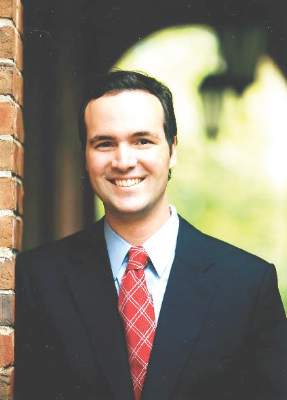
Dr. Daly is the chief fellow in the section of hematology/oncology at the University of Chicago Medicine. He also serves as a director of Quadrant Holdings Corporation and receives compensation from this entity. Frontline Medical Communications is a subsidiary of Quadrant Holdings Corporation.
Take the MD-IQ quiz related to this article!
Dr. Mary Dixon-Woods kicked off the recent ASCO Quality Care Symposium with a rousing introductory lecture asking “Why is quality improvement so hard?” She outlined several barriers to quality cancer care, highlighting the role of operational defects. Oncology care is composed of “multiple interacting microsystems” that are complex and tightly coupled. A defect in one process along the system can propagate risks throughout the entire care chain. As an example, she cited outpatient chemotherapy where successful delivery is dependent on multiple factors, including production and precise dosing, on-time drug delivery, timely lab work, and successful coping with less predictable patient adverse reactions to treatment. In this high-risk clinical setting, nurses are frequently spending their time in “rescuing situations” and working around operational failures rather than being involved in a standardized work flow.
Poorly functioning systems stress providers, generating negative team dynamics, and ultimately impacting patient care.
Unfortunately, these system defects are not easily repaired. Reforms must be reality tested. Like parents who insist that their baby is the loveliest and eschew criticism, practitioners will often insist on the success of their intervention without submitting it to rigorous, independent analysis. There is a lack of attention to how the intervention will result in the desired outcome. Dr. Dixon-Woods urged that, as in other areas of medicine, quality improvement proposals require a theory that links the intervention to an outcome.
Furthermore, every problem should not be treated as something unique with the development of a local solution; rather there should be widespread adoption of successful interventions. “Standards are like tooth brushes, everyone has one, nobody wants to use anyone else’s,” she said.
The proliferation of local solutions degrades system safety. There is only a limited amount of organizational attention and the proliferation of forms and rules erodes the success of quality improvement interventions.
Dr. Dixon-Woods concluded that there is a way forward for quality improvement in oncology care. She emphasized the importance of highly functioning teams and collective competence to achieve quality improvement goals and of moving away from no blame to fostering a moral community and individual accountability. She also noted the importance of focusing on positive deviance, replicating the success of organizations that are doing quality improvement well. Finally, many of the issues underlying quality are “big and hairy,” and these, she states, require structural changes and must be confronted at the sector level through organizations such as ASCO.
Lung cancer management
Dr. Michael Fung-Kee-Fung followed Dr. Dixon-Woods with a discussion on improving lung cancer care and described how his team’s intervention at the Ottawa Hospital demonstrated how quality improvement in care delivery can be made in a complex and large cancer system.
Dr. Fung-Kee-Fung and his associates evaluated the journey of the lung cancer patient from suspicion of cancer to initial treatment. The researchers had noted that there was variable access to treatment depending on which specialty provider a patient with suspected lung cancer sees. Taking a systems-based approach, their goal was to get “the right patient to the right providers with the right information and tests to make the right treatment decision.”
The methodology involved a systems-wide view of the patient journey and standardizing it across the region, building collaboration between communities of providers and involving patient partnerships in redesigning patient flow, and, finally, “hard-wiring” these changes through technological solutions. After the development of their care platform, there was a 48% reduction in cumulative wait times from referral to initial treatment as well as increased patient satisfaction with coordination of care.
Dr. Ray Osarogiagbon also discussed the issue of quality improvement in lung cancer care delivery focusing on this issue of highly functioning teams and collective competence. His team examined the question of “quick, efficient, accurate triage into the treatment pathway most likely to provide the best possible outcome within the bounds of patient preference” and focused on the multidisciplinary care model. The researchers assembled diverse stakeholders (patients, caregivers, clinicians, hospital leaders, health insurance executives) to provide input on the characteristics of optimal care delivery. The stakeholders agreed that the benefits of multidisciplinary care include collaboration, coordination of care, concordance with guidelines, and timely care. They saw concerns, however, with conflicting treatment opinions, scheduling conflicts, and financial disincentives. They have now initiated a matched cohort comparative effectiveness study to compare multidisciplinary care against conventional serial care. Outcomes include timeliness of care, stage-confirmation rates, stage-appropriate treatment rates, patient reported outcomes, and survival. This study is currently ongoing, but it demonstrated the rigorous approach to quality improvement advocated by Dr. Dixon-Woods.
The future of quality improvement in the setting of payment reform
Dr. Deborah Schrag put much of the research in context in her abstract discussion on oncology practice innovators. She advocated that the Gertner Model of Analytics should be employed in oncology quality of care research with the adoption of prescriptive analytics, to “make good care happen consistently, every time.” This model has been applied to other industries and must be considered in the oncology space, especially in the setting of payment reform. These reforms will call for a proactive care system with, as Dr. Schrag points out, care delivered not just in offices but through phone calls, navigators, and nurses to keep patients well, outside the traditional office visit, and to avoid adverse events. She notes that clearly ER visits and hospitalizations will continue to happen but the key question will be the percentage that are avoidable.
As an example, our own research from the University of Chicago Medicine presented at the symposium evaluated this question of “avoidability” with respect to terminal oncology ICU hospitalizations. It is estimated that 8% of oncology patients die in the ICU. These terminal ICU hospitalizations come at high cost and are associated with a reduced quality of life for patients and families. Using our Cancer Registry, we identified patients who died in our ICU in fiscal year 2013. Each of these hospitalizations was reviewed by an oncologist, intensivist, and hospitalist to determine the clinical avoidability of the terminal hospitalization. Physicians identified 47% of these terminal hospitalizations as clinically avoidable with different medical management. Dr. Schrag notes that the Centers for Medicare & Medicaid Services’ goal is to move quickly from a pay for volume to a pay for value system within the next few years. There will thus be increasing pressure on providers to design interventions to prevent these avoidable adverse outcomes.
Conclusion: Paragons of quality excellence
Forward motion in quality improvement will be delivered in part by focusing on positive deviance, those organizations that have succeeded in delivering high-quality care. The symposium ended with a presentation of exemplars in quality. Dr. Randall Holcombe and Dr. Robert Siegel discussed delivering quality care at a large academic, urban institution and in the community setting respectively. Dr. Holcombe and Dr. Siegel both emphasized the need for the institution to have an openness to quality improvement interventions. Dr. Holcombe noted that engagement and ethos are critical to quality improvement, and Dr. Seigel emphasized the need for a culture of innovation that was open to change and novel approaches. The conference wrapped up with attendees excited for the symposium next year and with an enthusiasm for confronting the quality improvement challenges of lovely babies and tooth brushes with rigorously tested, innovative interventions that enhance the value of care delivered to cancer patients.
Dr. Daly is the chief fellow in the section of hematology/oncology at the University of Chicago Medicine. He also serves as a director of Quadrant Holdings Corporation and receives compensation from this entity. Frontline Medical Communications is a subsidiary of Quadrant Holdings Corporation.
Take the MD-IQ quiz related to this article!
Dr. Mary Dixon-Woods kicked off the recent ASCO Quality Care Symposium with a rousing introductory lecture asking “Why is quality improvement so hard?” She outlined several barriers to quality cancer care, highlighting the role of operational defects. Oncology care is composed of “multiple interacting microsystems” that are complex and tightly coupled. A defect in one process along the system can propagate risks throughout the entire care chain. As an example, she cited outpatient chemotherapy where successful delivery is dependent on multiple factors, including production and precise dosing, on-time drug delivery, timely lab work, and successful coping with less predictable patient adverse reactions to treatment. In this high-risk clinical setting, nurses are frequently spending their time in “rescuing situations” and working around operational failures rather than being involved in a standardized work flow.
Poorly functioning systems stress providers, generating negative team dynamics, and ultimately impacting patient care.
Unfortunately, these system defects are not easily repaired. Reforms must be reality tested. Like parents who insist that their baby is the loveliest and eschew criticism, practitioners will often insist on the success of their intervention without submitting it to rigorous, independent analysis. There is a lack of attention to how the intervention will result in the desired outcome. Dr. Dixon-Woods urged that, as in other areas of medicine, quality improvement proposals require a theory that links the intervention to an outcome.
Furthermore, every problem should not be treated as something unique with the development of a local solution; rather there should be widespread adoption of successful interventions. “Standards are like tooth brushes, everyone has one, nobody wants to use anyone else’s,” she said.
The proliferation of local solutions degrades system safety. There is only a limited amount of organizational attention and the proliferation of forms and rules erodes the success of quality improvement interventions.
Dr. Dixon-Woods concluded that there is a way forward for quality improvement in oncology care. She emphasized the importance of highly functioning teams and collective competence to achieve quality improvement goals and of moving away from no blame to fostering a moral community and individual accountability. She also noted the importance of focusing on positive deviance, replicating the success of organizations that are doing quality improvement well. Finally, many of the issues underlying quality are “big and hairy,” and these, she states, require structural changes and must be confronted at the sector level through organizations such as ASCO.
Lung cancer management
Dr. Michael Fung-Kee-Fung followed Dr. Dixon-Woods with a discussion on improving lung cancer care and described how his team’s intervention at the Ottawa Hospital demonstrated how quality improvement in care delivery can be made in a complex and large cancer system.
Dr. Fung-Kee-Fung and his associates evaluated the journey of the lung cancer patient from suspicion of cancer to initial treatment. The researchers had noted that there was variable access to treatment depending on which specialty provider a patient with suspected lung cancer sees. Taking a systems-based approach, their goal was to get “the right patient to the right providers with the right information and tests to make the right treatment decision.”
The methodology involved a systems-wide view of the patient journey and standardizing it across the region, building collaboration between communities of providers and involving patient partnerships in redesigning patient flow, and, finally, “hard-wiring” these changes through technological solutions. After the development of their care platform, there was a 48% reduction in cumulative wait times from referral to initial treatment as well as increased patient satisfaction with coordination of care.
Dr. Ray Osarogiagbon also discussed the issue of quality improvement in lung cancer care delivery focusing on this issue of highly functioning teams and collective competence. His team examined the question of “quick, efficient, accurate triage into the treatment pathway most likely to provide the best possible outcome within the bounds of patient preference” and focused on the multidisciplinary care model. The researchers assembled diverse stakeholders (patients, caregivers, clinicians, hospital leaders, health insurance executives) to provide input on the characteristics of optimal care delivery. The stakeholders agreed that the benefits of multidisciplinary care include collaboration, coordination of care, concordance with guidelines, and timely care. They saw concerns, however, with conflicting treatment opinions, scheduling conflicts, and financial disincentives. They have now initiated a matched cohort comparative effectiveness study to compare multidisciplinary care against conventional serial care. Outcomes include timeliness of care, stage-confirmation rates, stage-appropriate treatment rates, patient reported outcomes, and survival. This study is currently ongoing, but it demonstrated the rigorous approach to quality improvement advocated by Dr. Dixon-Woods.
The future of quality improvement in the setting of payment reform
Dr. Deborah Schrag put much of the research in context in her abstract discussion on oncology practice innovators. She advocated that the Gertner Model of Analytics should be employed in oncology quality of care research with the adoption of prescriptive analytics, to “make good care happen consistently, every time.” This model has been applied to other industries and must be considered in the oncology space, especially in the setting of payment reform. These reforms will call for a proactive care system with, as Dr. Schrag points out, care delivered not just in offices but through phone calls, navigators, and nurses to keep patients well, outside the traditional office visit, and to avoid adverse events. She notes that clearly ER visits and hospitalizations will continue to happen but the key question will be the percentage that are avoidable.
As an example, our own research from the University of Chicago Medicine presented at the symposium evaluated this question of “avoidability” with respect to terminal oncology ICU hospitalizations. It is estimated that 8% of oncology patients die in the ICU. These terminal ICU hospitalizations come at high cost and are associated with a reduced quality of life for patients and families. Using our Cancer Registry, we identified patients who died in our ICU in fiscal year 2013. Each of these hospitalizations was reviewed by an oncologist, intensivist, and hospitalist to determine the clinical avoidability of the terminal hospitalization. Physicians identified 47% of these terminal hospitalizations as clinically avoidable with different medical management. Dr. Schrag notes that the Centers for Medicare & Medicaid Services’ goal is to move quickly from a pay for volume to a pay for value system within the next few years. There will thus be increasing pressure on providers to design interventions to prevent these avoidable adverse outcomes.
Conclusion: Paragons of quality excellence
Forward motion in quality improvement will be delivered in part by focusing on positive deviance, those organizations that have succeeded in delivering high-quality care. The symposium ended with a presentation of exemplars in quality. Dr. Randall Holcombe and Dr. Robert Siegel discussed delivering quality care at a large academic, urban institution and in the community setting respectively. Dr. Holcombe and Dr. Siegel both emphasized the need for the institution to have an openness to quality improvement interventions. Dr. Holcombe noted that engagement and ethos are critical to quality improvement, and Dr. Seigel emphasized the need for a culture of innovation that was open to change and novel approaches. The conference wrapped up with attendees excited for the symposium next year and with an enthusiasm for confronting the quality improvement challenges of lovely babies and tooth brushes with rigorously tested, innovative interventions that enhance the value of care delivered to cancer patients.
Dr. Daly is the chief fellow in the section of hematology/oncology at the University of Chicago Medicine. He also serves as a director of Quadrant Holdings Corporation and receives compensation from this entity. Frontline Medical Communications is a subsidiary of Quadrant Holdings Corporation.
Take the MD-IQ quiz related to this article!

Management of cancer-related pain
Acute promyelocytic leukemia presenting as a paraspinal mass
Acute promyelocytic leukemia (APL) is a distinct subtype of acute myeloid leukemia (AML) that is characterized by a balanced translocation between chromosomes 15 and 17 [t(15;17)], which results in the fusion of the promyelocytic leukemia (PML) and retinoic acid receptor α (RARA) genes.1,2 Historically, APL was a fatal disease because of the high relapse rates with cytotoxic chemotherapy alone and a significant bleeding risk secondary to disseminated intravascular coagulation (DIC).
Click on the PDF icon at the top of this introduction to read the full article.
Acute promyelocytic leukemia (APL) is a distinct subtype of acute myeloid leukemia (AML) that is characterized by a balanced translocation between chromosomes 15 and 17 [t(15;17)], which results in the fusion of the promyelocytic leukemia (PML) and retinoic acid receptor α (RARA) genes.1,2 Historically, APL was a fatal disease because of the high relapse rates with cytotoxic chemotherapy alone and a significant bleeding risk secondary to disseminated intravascular coagulation (DIC).
Click on the PDF icon at the top of this introduction to read the full article.
Acute promyelocytic leukemia (APL) is a distinct subtype of acute myeloid leukemia (AML) that is characterized by a balanced translocation between chromosomes 15 and 17 [t(15;17)], which results in the fusion of the promyelocytic leukemia (PML) and retinoic acid receptor α (RARA) genes.1,2 Historically, APL was a fatal disease because of the high relapse rates with cytotoxic chemotherapy alone and a significant bleeding risk secondary to disseminated intravascular coagulation (DIC).
Click on the PDF icon at the top of this introduction to read the full article.
Voluntary reporting to assess symptom burden among Yemeni cancer patients: common symptoms are frequently missed
Objective To assess the symptom burden experienced by Yemeni cancer patients by using VR and systematic assessment (SA).
Methods 50 cancer patients were asked an open question to voluntarily report their symptoms. This was followed by an SA of a list of 20 common physical symptoms that was drawn up based on the literature.
Results From 375 symptom entries related to the 20 symptoms, VR accounted for 66 entries (18%) and SA for 309 (82%). The mean number of VR symptoms/patient was 1.3, and the mean number of VR plus SA symptoms was 7.5 (P < .001). In all, 74% of VR symptoms and 57% of SA symptoms were moderate or severe. For each symptom, the percentage of patients who experienced it and did not report it voluntarily (missed) was 100% for bleeding, constipation, early satiety, hoarseness, taste changes, and weight loss. These were followed by anorexia (97%), skin symptoms (92%), dry mouth (91%), edema (89%), dyspnea (88%), sore mouth (88%), fatigue/weakness (85%), diarrhea (80%), dysphagia (80%), nausea (76%), cough (75%), urinary symptoms (75%), vomiting (62%), and pain (18%). Pain was the most common voluntarily reported symptom (56% of patients), the most commonly distressing (42%), and the least under-reported (18%).
Limitations Relatively small sample size; the SA included only 20 symptoms.
Conclusions SA of symptoms yields a more accurate estimation of symptom burden than does VR. As with many developing countries where the majority of cancer patients present at an incurable disease stage, Yemeni cancer patients suffer a high symptom burden, especially pain.
Click on the PDF icon at the top of this introduction to read the full article.
Objective To assess the symptom burden experienced by Yemeni cancer patients by using VR and systematic assessment (SA).
Methods 50 cancer patients were asked an open question to voluntarily report their symptoms. This was followed by an SA of a list of 20 common physical symptoms that was drawn up based on the literature.
Results From 375 symptom entries related to the 20 symptoms, VR accounted for 66 entries (18%) and SA for 309 (82%). The mean number of VR symptoms/patient was 1.3, and the mean number of VR plus SA symptoms was 7.5 (P < .001). In all, 74% of VR symptoms and 57% of SA symptoms were moderate or severe. For each symptom, the percentage of patients who experienced it and did not report it voluntarily (missed) was 100% for bleeding, constipation, early satiety, hoarseness, taste changes, and weight loss. These were followed by anorexia (97%), skin symptoms (92%), dry mouth (91%), edema (89%), dyspnea (88%), sore mouth (88%), fatigue/weakness (85%), diarrhea (80%), dysphagia (80%), nausea (76%), cough (75%), urinary symptoms (75%), vomiting (62%), and pain (18%). Pain was the most common voluntarily reported symptom (56% of patients), the most commonly distressing (42%), and the least under-reported (18%).
Limitations Relatively small sample size; the SA included only 20 symptoms.
Conclusions SA of symptoms yields a more accurate estimation of symptom burden than does VR. As with many developing countries where the majority of cancer patients present at an incurable disease stage, Yemeni cancer patients suffer a high symptom burden, especially pain.
Click on the PDF icon at the top of this introduction to read the full article.
Objective To assess the symptom burden experienced by Yemeni cancer patients by using VR and systematic assessment (SA).
Methods 50 cancer patients were asked an open question to voluntarily report their symptoms. This was followed by an SA of a list of 20 common physical symptoms that was drawn up based on the literature.
Results From 375 symptom entries related to the 20 symptoms, VR accounted for 66 entries (18%) and SA for 309 (82%). The mean number of VR symptoms/patient was 1.3, and the mean number of VR plus SA symptoms was 7.5 (P < .001). In all, 74% of VR symptoms and 57% of SA symptoms were moderate or severe. For each symptom, the percentage of patients who experienced it and did not report it voluntarily (missed) was 100% for bleeding, constipation, early satiety, hoarseness, taste changes, and weight loss. These were followed by anorexia (97%), skin symptoms (92%), dry mouth (91%), edema (89%), dyspnea (88%), sore mouth (88%), fatigue/weakness (85%), diarrhea (80%), dysphagia (80%), nausea (76%), cough (75%), urinary symptoms (75%), vomiting (62%), and pain (18%). Pain was the most common voluntarily reported symptom (56% of patients), the most commonly distressing (42%), and the least under-reported (18%).
Limitations Relatively small sample size; the SA included only 20 symptoms.
Conclusions SA of symptoms yields a more accurate estimation of symptom burden than does VR. As with many developing countries where the majority of cancer patients present at an incurable disease stage, Yemeni cancer patients suffer a high symptom burden, especially pain.
Click on the PDF icon at the top of this introduction to read the full article.
Oral anticancer therapy: a comprehensive assessment of patient perceptions and challenges
Background Oral anticancer agents are more convenient to use and better tolerated than traditional intravenous therapy but come with significant concerns about patient noncompliance, adverse effects, and high cost. Identifying areas for improvement in the medication use process may help ensure optimal use of these agents.
Methods 30 patients who were receiving oral anticancer therapy were administered a brief survey during their visits to an ambulatory Department of Veterans’ Affairs oncology clinic where pharmacists are heavily involved in providing initial and follow-up medication use education. Veterans aged 18 years or older were considered for inclusion into the study if they were currently being treated with an oral anticancer medication from a specified list for at least 1 month. Topics addressed included drug information sources, regimen compliance, management of side effects, and cost. The results were results were analyzed using univariate descriptive statistics.
Results Most of the patients were satisfied with their oral treatment, reporting ease of use with minimal side effect occurrence. Oncologists and pharmacists were equally named as sources of drug information.
Limitations Sample size was small and patients were overwhelmingly male. Response bias may be partially responsible for the observed results for regimen management, side effect occurrence, missed doses, and overall treatment satisfaction.
Conclusion Oral anticancer therapy represents a significant therapeutic advance for many types of cancer. Pharmacists can serve as vital informational resources to these patients. Further studies examining the role of pharmacist-led educational programs in terms of overall patient outcomes are warranted.
Background Oral anticancer agents are more convenient to use and better tolerated than traditional intravenous therapy but come with significant concerns about patient noncompliance, adverse effects, and high cost. Identifying areas for improvement in the medication use process may help ensure optimal use of these agents.
Methods 30 patients who were receiving oral anticancer therapy were administered a brief survey during their visits to an ambulatory Department of Veterans’ Affairs oncology clinic where pharmacists are heavily involved in providing initial and follow-up medication use education. Veterans aged 18 years or older were considered for inclusion into the study if they were currently being treated with an oral anticancer medication from a specified list for at least 1 month. Topics addressed included drug information sources, regimen compliance, management of side effects, and cost. The results were results were analyzed using univariate descriptive statistics.
Results Most of the patients were satisfied with their oral treatment, reporting ease of use with minimal side effect occurrence. Oncologists and pharmacists were equally named as sources of drug information.
Limitations Sample size was small and patients were overwhelmingly male. Response bias may be partially responsible for the observed results for regimen management, side effect occurrence, missed doses, and overall treatment satisfaction.
Conclusion Oral anticancer therapy represents a significant therapeutic advance for many types of cancer. Pharmacists can serve as vital informational resources to these patients. Further studies examining the role of pharmacist-led educational programs in terms of overall patient outcomes are warranted.
Background Oral anticancer agents are more convenient to use and better tolerated than traditional intravenous therapy but come with significant concerns about patient noncompliance, adverse effects, and high cost. Identifying areas for improvement in the medication use process may help ensure optimal use of these agents.
Methods 30 patients who were receiving oral anticancer therapy were administered a brief survey during their visits to an ambulatory Department of Veterans’ Affairs oncology clinic where pharmacists are heavily involved in providing initial and follow-up medication use education. Veterans aged 18 years or older were considered for inclusion into the study if they were currently being treated with an oral anticancer medication from a specified list for at least 1 month. Topics addressed included drug information sources, regimen compliance, management of side effects, and cost. The results were results were analyzed using univariate descriptive statistics.
Results Most of the patients were satisfied with their oral treatment, reporting ease of use with minimal side effect occurrence. Oncologists and pharmacists were equally named as sources of drug information.
Limitations Sample size was small and patients were overwhelmingly male. Response bias may be partially responsible for the observed results for regimen management, side effect occurrence, missed doses, and overall treatment satisfaction.
Conclusion Oral anticancer therapy represents a significant therapeutic advance for many types of cancer. Pharmacists can serve as vital informational resources to these patients. Further studies examining the role of pharmacist-led educational programs in terms of overall patient outcomes are warranted.
Impact of trimodality treatment on patient quality of life and arm function for superior sulcus tumors
Background Trimodality treatment leads to improved survival for superior sulcus tumor (SST) patients. Not much is known about the impact of this treatment on arm function and patient quality of life.
Objective To analyze arm function and quality of life in SST patients undergoing trimodality treatment.
Methods This was a prospective cohort study of consecutive SST patients treated with trimodality treatment that was conducted between April 1, 2010 and October 31, 2012. We obtained informed consent for 20 of 22 eligible patients. The 36-item Short Form Health Survey (SF-36) and disabilities of the arm, shoulder, and hand (DASH) questionnaires were used to asses patient quality of life and subjective arm function at 0 (preoperative day), 3, and 12 months after trimodality treatment.
Results DASH scores were significantly lower at 3 and 12 months (P = .024 and P = .011) compared with preoperative scores. Significantly lower scores were reported for the SF-36 domains of physical functioning at 12 months (P = .020) and of physical role functioning at 3 months (P = .041), and significantly more pain was reported at 3 and 12 months (P = .006 and P = .019, respectively). Patients who underwent T1 nerve root resection had lower scores for the SF-36 domain health change at 3 months (P = .037) compared with those in whom the T1 root was spared. For all other domains no differences were found.
Limitations Small sample size; patient pre-chemoradiation function and quality of life unknown.
Conclusion Subjective arm function and patient quality of life is reduced following trimodality treatment. Resection of the T1 nerve root has no significant long-term effect on the subjective arm function and quality of life.
Click on the PDF icon at the top of this introduction to read the full article.
Background Trimodality treatment leads to improved survival for superior sulcus tumor (SST) patients. Not much is known about the impact of this treatment on arm function and patient quality of life.
Objective To analyze arm function and quality of life in SST patients undergoing trimodality treatment.
Methods This was a prospective cohort study of consecutive SST patients treated with trimodality treatment that was conducted between April 1, 2010 and October 31, 2012. We obtained informed consent for 20 of 22 eligible patients. The 36-item Short Form Health Survey (SF-36) and disabilities of the arm, shoulder, and hand (DASH) questionnaires were used to asses patient quality of life and subjective arm function at 0 (preoperative day), 3, and 12 months after trimodality treatment.
Results DASH scores were significantly lower at 3 and 12 months (P = .024 and P = .011) compared with preoperative scores. Significantly lower scores were reported for the SF-36 domains of physical functioning at 12 months (P = .020) and of physical role functioning at 3 months (P = .041), and significantly more pain was reported at 3 and 12 months (P = .006 and P = .019, respectively). Patients who underwent T1 nerve root resection had lower scores for the SF-36 domain health change at 3 months (P = .037) compared with those in whom the T1 root was spared. For all other domains no differences were found.
Limitations Small sample size; patient pre-chemoradiation function and quality of life unknown.
Conclusion Subjective arm function and patient quality of life is reduced following trimodality treatment. Resection of the T1 nerve root has no significant long-term effect on the subjective arm function and quality of life.
Click on the PDF icon at the top of this introduction to read the full article.
Background Trimodality treatment leads to improved survival for superior sulcus tumor (SST) patients. Not much is known about the impact of this treatment on arm function and patient quality of life.
Objective To analyze arm function and quality of life in SST patients undergoing trimodality treatment.
Methods This was a prospective cohort study of consecutive SST patients treated with trimodality treatment that was conducted between April 1, 2010 and October 31, 2012. We obtained informed consent for 20 of 22 eligible patients. The 36-item Short Form Health Survey (SF-36) and disabilities of the arm, shoulder, and hand (DASH) questionnaires were used to asses patient quality of life and subjective arm function at 0 (preoperative day), 3, and 12 months after trimodality treatment.
Results DASH scores were significantly lower at 3 and 12 months (P = .024 and P = .011) compared with preoperative scores. Significantly lower scores were reported for the SF-36 domains of physical functioning at 12 months (P = .020) and of physical role functioning at 3 months (P = .041), and significantly more pain was reported at 3 and 12 months (P = .006 and P = .019, respectively). Patients who underwent T1 nerve root resection had lower scores for the SF-36 domain health change at 3 months (P = .037) compared with those in whom the T1 root was spared. For all other domains no differences were found.
Limitations Small sample size; patient pre-chemoradiation function and quality of life unknown.
Conclusion Subjective arm function and patient quality of life is reduced following trimodality treatment. Resection of the T1 nerve root has no significant long-term effect on the subjective arm function and quality of life.
Click on the PDF icon at the top of this introduction to read the full article.
Financial toxicity in cancer care
The cost of cancer care is increasing, with important implications for the delivery of high-quality, patient-centered care. In the clinical setting, patients and physicians express a desire to discuss out-of-pocket costs. Nevertheless, both groups feel inadequately prepared to participate in these discussions, and perhaps not surprisingly, the integration of these discussions into clinical practice seems to be the exception rather than the rule.
Click on the PDF icon at the top of this introduction to read the full article.
The cost of cancer care is increasing, with important implications for the delivery of high-quality, patient-centered care. In the clinical setting, patients and physicians express a desire to discuss out-of-pocket costs. Nevertheless, both groups feel inadequately prepared to participate in these discussions, and perhaps not surprisingly, the integration of these discussions into clinical practice seems to be the exception rather than the rule.
Click on the PDF icon at the top of this introduction to read the full article.
The cost of cancer care is increasing, with important implications for the delivery of high-quality, patient-centered care. In the clinical setting, patients and physicians express a desire to discuss out-of-pocket costs. Nevertheless, both groups feel inadequately prepared to participate in these discussions, and perhaps not surprisingly, the integration of these discussions into clinical practice seems to be the exception rather than the rule.
Click on the PDF icon at the top of this introduction to read the full article.
Opioid risk assessment in palliative medicine
Pain management with opioids is an integral part of palliative medicine. As the doses and durations of opioid therapy increase, the inherent risks of opioid therapy rise. Although opioids are effective analgesics, they bring with them complex medical and psychological side effects. Aberrant behavior is dangerous and can be difficult to identify as it results in a splitting in the goals of treatment between the patient and providers. One effective strategy in preventing that situation is through the early identification of at-risk patients.
Click on the PDF icon at the top of this introduction to read the full article.
Pain management with opioids is an integral part of palliative medicine. As the doses and durations of opioid therapy increase, the inherent risks of opioid therapy rise. Although opioids are effective analgesics, they bring with them complex medical and psychological side effects. Aberrant behavior is dangerous and can be difficult to identify as it results in a splitting in the goals of treatment between the patient and providers. One effective strategy in preventing that situation is through the early identification of at-risk patients.
Click on the PDF icon at the top of this introduction to read the full article.
Pain management with opioids is an integral part of palliative medicine. As the doses and durations of opioid therapy increase, the inherent risks of opioid therapy rise. Although opioids are effective analgesics, they bring with them complex medical and psychological side effects. Aberrant behavior is dangerous and can be difficult to identify as it results in a splitting in the goals of treatment between the patient and providers. One effective strategy in preventing that situation is through the early identification of at-risk patients.
Click on the PDF icon at the top of this introduction to read the full article.
CT of chest, extremity effective for sarcoma follow-up
BOSTON – CT scans appear to be effective for detecting local recurrences and pulmonary metastases in patients treated for soft-tissue sarcomas of the extremities, for about a third less than the cost of follow-up with MRI.
In a retrospective study by Dr. Allison Maciver and her colleagues, among 91 patients with soft-tissue sarcomas of the extremity followed with CT, 11 patients had a total of 14 local recurrences detected on CT, and 11 of the recurrences were in patients who were clinically asymptomatic.
Surveillance CT also identified 15 cases of pulmonary metastases, and 4 incidental second primary malignancies, Dr. Maciver of the Roswell Park Cancer Institute in Buffalo, N.Y., and her coinvestigators found, and there was only one false-positive recurrence.
The benefits of CT over extremity MRI in this population include decreased imaging time, lower cost, and a larger field of view, allowing for detection of second primary malignancies, she noted in a poster session at the annual Society of Surgical Oncology Cancer Symposium.
Many sarcomas of the extremities are highly aggressive, and timely detection of local recurrences could improve chances for limb-sparing salvage therapies. Although MRI has typically been used to follow patients with sarcomas, it is expensive and has a limited field of view, Dr. Maciver said.
In addition, the risk of pulmonary metastases with some soft-tissue sarcomas is high, necessitating the use of chest CT as a surveillance tool.
To see whether CT scans of the chest and extremities could be a cost-effective surveillance strategy for both local recurrences and pulmonary metastases, the investigators did a retrospective study of a prospective database of patients who underwent surgical resection for soft-tissue sarcomas of the extremities from 2001 through 2014 and who had CT as the primary follow-up imaging modality.
They identified a total of 91 high-risk patients followed for a median of 50.5 months. The patients had an estimated 5-year freedom from local recurrence of 82%, and from distant recurrence of 80%. Five-year overall survival was 76%.
Of the 15 patients found on CT to have pulmonary metastases, there were 4 incidentally discovered second primary cancers, including 1 each of non–small cell lung cancer, pancreatic adenocarcinoma, Merkel cell carcinomatosis, and myxofibrosarcoma. There were no false-positive pulmonary metastases.
The estimated cost of 10 years of surveillance, based on 2014 gross technical costs, was $64,969 per patient for chest CT and extremity MRI, compared with $41,595 per patient for chest and extremity CT surveillance, a potential cost savings with the CT-only strategy of $23,374 per patient.
The investigators said that the overall benefits of CT, including the cost savings in an accountable care organization model, “appear to outweigh the slightly increased radiation exposure.”
The study was internally funded. The authors reported having no relevant financial disclosures.
BOSTON – CT scans appear to be effective for detecting local recurrences and pulmonary metastases in patients treated for soft-tissue sarcomas of the extremities, for about a third less than the cost of follow-up with MRI.
In a retrospective study by Dr. Allison Maciver and her colleagues, among 91 patients with soft-tissue sarcomas of the extremity followed with CT, 11 patients had a total of 14 local recurrences detected on CT, and 11 of the recurrences were in patients who were clinically asymptomatic.
Surveillance CT also identified 15 cases of pulmonary metastases, and 4 incidental second primary malignancies, Dr. Maciver of the Roswell Park Cancer Institute in Buffalo, N.Y., and her coinvestigators found, and there was only one false-positive recurrence.
The benefits of CT over extremity MRI in this population include decreased imaging time, lower cost, and a larger field of view, allowing for detection of second primary malignancies, she noted in a poster session at the annual Society of Surgical Oncology Cancer Symposium.
Many sarcomas of the extremities are highly aggressive, and timely detection of local recurrences could improve chances for limb-sparing salvage therapies. Although MRI has typically been used to follow patients with sarcomas, it is expensive and has a limited field of view, Dr. Maciver said.
In addition, the risk of pulmonary metastases with some soft-tissue sarcomas is high, necessitating the use of chest CT as a surveillance tool.
To see whether CT scans of the chest and extremities could be a cost-effective surveillance strategy for both local recurrences and pulmonary metastases, the investigators did a retrospective study of a prospective database of patients who underwent surgical resection for soft-tissue sarcomas of the extremities from 2001 through 2014 and who had CT as the primary follow-up imaging modality.
They identified a total of 91 high-risk patients followed for a median of 50.5 months. The patients had an estimated 5-year freedom from local recurrence of 82%, and from distant recurrence of 80%. Five-year overall survival was 76%.
Of the 15 patients found on CT to have pulmonary metastases, there were 4 incidentally discovered second primary cancers, including 1 each of non–small cell lung cancer, pancreatic adenocarcinoma, Merkel cell carcinomatosis, and myxofibrosarcoma. There were no false-positive pulmonary metastases.
The estimated cost of 10 years of surveillance, based on 2014 gross technical costs, was $64,969 per patient for chest CT and extremity MRI, compared with $41,595 per patient for chest and extremity CT surveillance, a potential cost savings with the CT-only strategy of $23,374 per patient.
The investigators said that the overall benefits of CT, including the cost savings in an accountable care organization model, “appear to outweigh the slightly increased radiation exposure.”
The study was internally funded. The authors reported having no relevant financial disclosures.
BOSTON – CT scans appear to be effective for detecting local recurrences and pulmonary metastases in patients treated for soft-tissue sarcomas of the extremities, for about a third less than the cost of follow-up with MRI.
In a retrospective study by Dr. Allison Maciver and her colleagues, among 91 patients with soft-tissue sarcomas of the extremity followed with CT, 11 patients had a total of 14 local recurrences detected on CT, and 11 of the recurrences were in patients who were clinically asymptomatic.
Surveillance CT also identified 15 cases of pulmonary metastases, and 4 incidental second primary malignancies, Dr. Maciver of the Roswell Park Cancer Institute in Buffalo, N.Y., and her coinvestigators found, and there was only one false-positive recurrence.
The benefits of CT over extremity MRI in this population include decreased imaging time, lower cost, and a larger field of view, allowing for detection of second primary malignancies, she noted in a poster session at the annual Society of Surgical Oncology Cancer Symposium.
Many sarcomas of the extremities are highly aggressive, and timely detection of local recurrences could improve chances for limb-sparing salvage therapies. Although MRI has typically been used to follow patients with sarcomas, it is expensive and has a limited field of view, Dr. Maciver said.
In addition, the risk of pulmonary metastases with some soft-tissue sarcomas is high, necessitating the use of chest CT as a surveillance tool.
To see whether CT scans of the chest and extremities could be a cost-effective surveillance strategy for both local recurrences and pulmonary metastases, the investigators did a retrospective study of a prospective database of patients who underwent surgical resection for soft-tissue sarcomas of the extremities from 2001 through 2014 and who had CT as the primary follow-up imaging modality.
They identified a total of 91 high-risk patients followed for a median of 50.5 months. The patients had an estimated 5-year freedom from local recurrence of 82%, and from distant recurrence of 80%. Five-year overall survival was 76%.
Of the 15 patients found on CT to have pulmonary metastases, there were 4 incidentally discovered second primary cancers, including 1 each of non–small cell lung cancer, pancreatic adenocarcinoma, Merkel cell carcinomatosis, and myxofibrosarcoma. There were no false-positive pulmonary metastases.
The estimated cost of 10 years of surveillance, based on 2014 gross technical costs, was $64,969 per patient for chest CT and extremity MRI, compared with $41,595 per patient for chest and extremity CT surveillance, a potential cost savings with the CT-only strategy of $23,374 per patient.
The investigators said that the overall benefits of CT, including the cost savings in an accountable care organization model, “appear to outweigh the slightly increased radiation exposure.”
The study was internally funded. The authors reported having no relevant financial disclosures.
Key clinical point: Lower-cost CT scans of the extremity and chest appear to be effective for surveillance of patients following resection of soft-tissue sarcomas.
Major finding: Of 91 patients with soft-tissue sarcomas of the extremity followed with CT, 11 had a total of 14 local recurrences detected. Of the recurrences, 11 were clinically asymptomatic.
Data source: A retrospective study of a prospectively maintained surgical database.
Disclosures: The study was internally funded. The authors reported having no relevant financial disclosures.
ABMS approves new addiction medicine subspecialty
Many more physicians seeking to subspecialize in addiction medicine will now have the official blessing of the American Board of Medical Specialties.
ABMS announced March 14 its approval of an addiction medicine subspecialty that the American Board of Preventive Medicine (ABPM) will sponsor.
Physicians who are certified by any of the 24 ABMS member boards can apply for the addiction medicine certification. The American Board of Psychiatry and Neurology offers certification in addiction psychiatry, but only to psychiatrists.
ABPM hasn’t set a date for the addiction medicine subspecialty’s first board certification exam, which the board will develop. ABPM will post updates on its website, www.theabpm.org.
“Increasing the number of well-trained and certified specialists in addiction medicine will significantly increase access to care for those in need of intervention and treatment,” said ABPM’s board chair, Dr. Denece O. Kesler, in a statement.
One in seven Americans older than 12 years meets medical criteria for an addiction to nicotine, alcohol, or other drugs, according to statistics from the National Center on Addiction and Substance Abuse. But only 11% of those who need treatment are able to receive it, in part because of a lack of addiction medicine providers.
The American Board of Addiction Medicine (ABAM) hailed the new subspecialty. “This is a great day for addiction medicine,” Dr. Robert J. Sokol, president of ABAM and the Addiction Medicine Foundation (AMF), said in a statement. “This landmark event, more than any other, recognizes addiction as a preventable and treatable disease.”
ABAM has certified 3,902 physicians, according to the organization, which is not an ABMS member board. There are 40 AMF-sponsored fellowship training programs nationally, with a commitment to establish 125 more by 2025. AMF expects the ABMS recognition will lead to the fellowships gaining the imprimatur of the Accreditation Council on Graduate Medical Education.
“This is a positive development that has the potential to address a serious public health problem,” Dr. Daniel Lieberman, vice chairman of the psychiatry and behavioral health department at George Washington University, Washington, said in an interview. “This action will reassure doctors who are interested in addiction medicine that the time and effort they put into obtaining additional training will give them the status of a subspecialist with recognized expertise. It may also encourage young doctors to consider addiction medicine as a career path.”
Meanwhile, a package of mental health reforms moving in the U.S. Senate could improve patients’ access to addiction medicine providers. One of the bills, the TREAT Act, would increase the number of substance use detoxification patients that a qualified provider is legally allowed to treat annually, from 30 patients to 100 patients. The legislation also would allow those practitioners to request permission to annually treat unlimited numbers of patients thereafter.
On Twitter @whitneymcknight
Many more physicians seeking to subspecialize in addiction medicine will now have the official blessing of the American Board of Medical Specialties.
ABMS announced March 14 its approval of an addiction medicine subspecialty that the American Board of Preventive Medicine (ABPM) will sponsor.
Physicians who are certified by any of the 24 ABMS member boards can apply for the addiction medicine certification. The American Board of Psychiatry and Neurology offers certification in addiction psychiatry, but only to psychiatrists.
ABPM hasn’t set a date for the addiction medicine subspecialty’s first board certification exam, which the board will develop. ABPM will post updates on its website, www.theabpm.org.
“Increasing the number of well-trained and certified specialists in addiction medicine will significantly increase access to care for those in need of intervention and treatment,” said ABPM’s board chair, Dr. Denece O. Kesler, in a statement.
One in seven Americans older than 12 years meets medical criteria for an addiction to nicotine, alcohol, or other drugs, according to statistics from the National Center on Addiction and Substance Abuse. But only 11% of those who need treatment are able to receive it, in part because of a lack of addiction medicine providers.
The American Board of Addiction Medicine (ABAM) hailed the new subspecialty. “This is a great day for addiction medicine,” Dr. Robert J. Sokol, president of ABAM and the Addiction Medicine Foundation (AMF), said in a statement. “This landmark event, more than any other, recognizes addiction as a preventable and treatable disease.”
ABAM has certified 3,902 physicians, according to the organization, which is not an ABMS member board. There are 40 AMF-sponsored fellowship training programs nationally, with a commitment to establish 125 more by 2025. AMF expects the ABMS recognition will lead to the fellowships gaining the imprimatur of the Accreditation Council on Graduate Medical Education.
“This is a positive development that has the potential to address a serious public health problem,” Dr. Daniel Lieberman, vice chairman of the psychiatry and behavioral health department at George Washington University, Washington, said in an interview. “This action will reassure doctors who are interested in addiction medicine that the time and effort they put into obtaining additional training will give them the status of a subspecialist with recognized expertise. It may also encourage young doctors to consider addiction medicine as a career path.”
Meanwhile, a package of mental health reforms moving in the U.S. Senate could improve patients’ access to addiction medicine providers. One of the bills, the TREAT Act, would increase the number of substance use detoxification patients that a qualified provider is legally allowed to treat annually, from 30 patients to 100 patients. The legislation also would allow those practitioners to request permission to annually treat unlimited numbers of patients thereafter.
On Twitter @whitneymcknight
Many more physicians seeking to subspecialize in addiction medicine will now have the official blessing of the American Board of Medical Specialties.
ABMS announced March 14 its approval of an addiction medicine subspecialty that the American Board of Preventive Medicine (ABPM) will sponsor.
Physicians who are certified by any of the 24 ABMS member boards can apply for the addiction medicine certification. The American Board of Psychiatry and Neurology offers certification in addiction psychiatry, but only to psychiatrists.
ABPM hasn’t set a date for the addiction medicine subspecialty’s first board certification exam, which the board will develop. ABPM will post updates on its website, www.theabpm.org.
“Increasing the number of well-trained and certified specialists in addiction medicine will significantly increase access to care for those in need of intervention and treatment,” said ABPM’s board chair, Dr. Denece O. Kesler, in a statement.
One in seven Americans older than 12 years meets medical criteria for an addiction to nicotine, alcohol, or other drugs, according to statistics from the National Center on Addiction and Substance Abuse. But only 11% of those who need treatment are able to receive it, in part because of a lack of addiction medicine providers.
The American Board of Addiction Medicine (ABAM) hailed the new subspecialty. “This is a great day for addiction medicine,” Dr. Robert J. Sokol, president of ABAM and the Addiction Medicine Foundation (AMF), said in a statement. “This landmark event, more than any other, recognizes addiction as a preventable and treatable disease.”
ABAM has certified 3,902 physicians, according to the organization, which is not an ABMS member board. There are 40 AMF-sponsored fellowship training programs nationally, with a commitment to establish 125 more by 2025. AMF expects the ABMS recognition will lead to the fellowships gaining the imprimatur of the Accreditation Council on Graduate Medical Education.
“This is a positive development that has the potential to address a serious public health problem,” Dr. Daniel Lieberman, vice chairman of the psychiatry and behavioral health department at George Washington University, Washington, said in an interview. “This action will reassure doctors who are interested in addiction medicine that the time and effort they put into obtaining additional training will give them the status of a subspecialist with recognized expertise. It may also encourage young doctors to consider addiction medicine as a career path.”
Meanwhile, a package of mental health reforms moving in the U.S. Senate could improve patients’ access to addiction medicine providers. One of the bills, the TREAT Act, would increase the number of substance use detoxification patients that a qualified provider is legally allowed to treat annually, from 30 patients to 100 patients. The legislation also would allow those practitioners to request permission to annually treat unlimited numbers of patients thereafter.
On Twitter @whitneymcknight