User login
Damage of the Lateral Geniculate Nucleus in MS
Key clinical point: Lateral geniculate nucleus (LGN) volume loss in multiple sclerosis (MS) indicates structural damage with potential functional relevance.
Major finding: LGN volume was reduced in patients with relapsing-remitting MS vs healthy controls and was associated with ganglion cell-inner plexiform layer (GC-IPL) thickness and correlated with optic radiation (OR) lesion volume.
Study details: A cross-sectional study of 34 patients with relapsing-remitting MS and 33 matched healthy controls.
Disclosures: The lead author received funding for speaker or travel honoraria from Sanofi-Genzyme, Bayer AG, Teva, UCB-Pharma AG, and Hoffmann-La Roche.
Citation: Papadopoulou, et al. Neurology. doi:10.1212/WNL.0000000000007450.
Key clinical point: Lateral geniculate nucleus (LGN) volume loss in multiple sclerosis (MS) indicates structural damage with potential functional relevance.
Major finding: LGN volume was reduced in patients with relapsing-remitting MS vs healthy controls and was associated with ganglion cell-inner plexiform layer (GC-IPL) thickness and correlated with optic radiation (OR) lesion volume.
Study details: A cross-sectional study of 34 patients with relapsing-remitting MS and 33 matched healthy controls.
Disclosures: The lead author received funding for speaker or travel honoraria from Sanofi-Genzyme, Bayer AG, Teva, UCB-Pharma AG, and Hoffmann-La Roche.
Citation: Papadopoulou, et al. Neurology. doi:10.1212/WNL.0000000000007450.
Key clinical point: Lateral geniculate nucleus (LGN) volume loss in multiple sclerosis (MS) indicates structural damage with potential functional relevance.
Major finding: LGN volume was reduced in patients with relapsing-remitting MS vs healthy controls and was associated with ganglion cell-inner plexiform layer (GC-IPL) thickness and correlated with optic radiation (OR) lesion volume.
Study details: A cross-sectional study of 34 patients with relapsing-remitting MS and 33 matched healthy controls.
Disclosures: The lead author received funding for speaker or travel honoraria from Sanofi-Genzyme, Bayer AG, Teva, UCB-Pharma AG, and Hoffmann-La Roche.
Citation: Papadopoulou, et al. Neurology. doi:10.1212/WNL.0000000000007450.
Survey of MS Patients Reveals Pregnancy-Related Concerns
Key clinical point: Patients with multiple sclerosis report a wide range of concerns about family planning and pregnancy.
Major finding: Of the 137 respondents who did not become pregnant following diagnosis, 22 (16%) indicated that their decision was driven by multiple sclerosis–related concerns, including MS worsening with pregnancy (64%).
Study details: A survey of 174 women with confirmed MS diagnosis who received care at the University of Virginia Medical Center.
Disclosures: The study was supported by the ziMS Foundation.
Citation: Engel CE et al. ACTRIMS Forum 2019, Poster 307.
Key clinical point: Patients with multiple sclerosis report a wide range of concerns about family planning and pregnancy.
Major finding: Of the 137 respondents who did not become pregnant following diagnosis, 22 (16%) indicated that their decision was driven by multiple sclerosis–related concerns, including MS worsening with pregnancy (64%).
Study details: A survey of 174 women with confirmed MS diagnosis who received care at the University of Virginia Medical Center.
Disclosures: The study was supported by the ziMS Foundation.
Citation: Engel CE et al. ACTRIMS Forum 2019, Poster 307.
Key clinical point: Patients with multiple sclerosis report a wide range of concerns about family planning and pregnancy.
Major finding: Of the 137 respondents who did not become pregnant following diagnosis, 22 (16%) indicated that their decision was driven by multiple sclerosis–related concerns, including MS worsening with pregnancy (64%).
Study details: A survey of 174 women with confirmed MS diagnosis who received care at the University of Virginia Medical Center.
Disclosures: The study was supported by the ziMS Foundation.
Citation: Engel CE et al. ACTRIMS Forum 2019, Poster 307.
Can immune checkpoint inhibitors treat PML?
investigators reported in the New England Journal of Medicine.
Three research teams described 10 cases in which patients with PML received pembrolizumab or nivolumab.
In one study, researchers administered pembrolizumab to eight adults with PML. Five patients had clinical improvement or stabilization, whereas 3 patients did not. Among the patients with clinical improvement, treatment led to reduced JC viral load in cerebrospinal fluid (CSF) and increased CD4+ and CD8+ anti–JC virus activity in vitro. Among patients without clinical improvement, treatment did not meaningfully change viral load or antiviral cellular immune response.
In a separate letter, researchers in Germany described an additional patient with PML who had clinical stabilization and no disease progression on MRI after treatment with pembrolizumab.
In another letter, researchers in France described a patient with PML whose condition improved after treatment with nivolumab.
“Do pembrolizumab and nivolumab fit the bill for treatment of PML? The current reports are encouraging but suggest that the presence of JC virus–specific T cells in the blood is a prerequisite for their use,” said Igor J. Koralnik, MD, of the department of neurological sciences at Rush University Medical Center in Chicago, in an accompanying editorial. “A controlled trial may be needed to determine whether immune checkpoint inhibitors are indeed able to keep JC virus in check in patients with PML.”
Reinvigorating T cells
Both monoclonal antibodies target programmed cell death protein 1 (PD-1), which inhibits T-cell proliferation and cytokine production when it binds its associated ligand, Dr. Koralnik said. Pembrolizumab and nivolumab block this inhibition and have been used to spur T-cell activity against tumors in patients with cancer.
PML, an often fatal brain infection caused by the JC virus in patients with immunosuppression, has no specific treatment. Management hinges on “recovery of the immune system, either by treating the underlying cause of immunosuppression or by discontinuing the use of immunosuppressive medications,” said Dr. Koralnik.
Pembrolizumab
Prior studies have found that PD-1 expression is elevated on T lymphocytes of patients with PML. To determine whether PD-1 blockade with pembrolizumab reinvigorates anti–JC virus immune activity in patients with PML, Irene Cortese, MD, of the National Institutes of Health’s Neuroimmunology Clinic and her research colleagues administered pembrolizumab at a dose of 2 mg/kg of body weight every 4-6 weeks to eight adults with PML. The patients received 1-3 doses, and each patient had a different underlying condition.
In all patients, treatment induced down-regulation of PD-1 expression on lymphocytes in CSF and peripheral blood, and five of the eight patients had clinical stabilization or improvement. Of the other three patients who did not improve, one had stabilized prior to treatment and remained stable. The other two patients died from PML.
Additional reports
Separately, Sebastian Rauer, MD, of Albert Ludwigs University in Freiburg, Germany, and his colleagues reported that a patient with PML whose symptoms culminated in mutism in February 2018 began speaking again after receiving five infusions of pembrolizumab over 10 weeks. “In addition, the size and number of lesions on MRI decreased, and JCV was no longer detectable in CSF,” Dr. Rauer and his colleagues wrote. “The patient has remained stable as of the end of March 2019, with persistent but abating psychomotor slowing, aphasia, and disorientation.”
Finally, Ondine Walter, of Toulouse (France) University Hospital and colleagues described the case of a 60-year-old woman with PML who received nivolumab on a compassionate-use basis. Two weeks after treatment, JC viral load in CSF and blood had decreased. “Starting 8 weeks after the initiation of nivolumab therapy, the patient’s neurologic symptoms and signs stabilized, and subsequently she showed improved alertness, and the ptosis and hemiplegia abated.”
Reason for caution
Prior studies, however, give reasons for caution when considering the potential use of immune checkpoint inhibitors to treat PML, Dr. Koralnik noted. In one case, a patient developed an inflammatory form of PML known as immune reconstitution inflammatory syndrome after receiving nivolumab (J Neurovirol. 2019 March 12. doi: 10.1007/s13365-019-00738-x). In addition, researchers have reported a case of PML that occurred after 1 year of nivolumab treatment, and four cases of PML related to nivolumab have been reported in pharmacovigilance databases (Emerg Infect Dis. 2018;24:1594-6). The cost and safety profiles of the medications also may be considerations, Dr. Koralnik said.
The study by Dr. Cortese and colleagues was funded by the National Institutes of Health, and the authors had no relevant disclosures. Some of the research letter authors disclosed grants and personal fees from pharmaceutical companies.
SOURCES: Cortese I et al. N Engl J Med. 2019 Apr 10. doi: 10.1056/NEJMoa1815039; Rauer S et al. N Engl J Med. 2019 Apr 10. doi: 10.1056/NEJMc1817193; Walter O et al. N Engl J Med. 2019 Apr 10. doi: 10.1056/NEJMc1816198; Koralnik IJ. N Engl J Med. 2019 Apr 10. doi: 10.1056/NEJMe1904140.
investigators reported in the New England Journal of Medicine.
Three research teams described 10 cases in which patients with PML received pembrolizumab or nivolumab.
In one study, researchers administered pembrolizumab to eight adults with PML. Five patients had clinical improvement or stabilization, whereas 3 patients did not. Among the patients with clinical improvement, treatment led to reduced JC viral load in cerebrospinal fluid (CSF) and increased CD4+ and CD8+ anti–JC virus activity in vitro. Among patients without clinical improvement, treatment did not meaningfully change viral load or antiviral cellular immune response.
In a separate letter, researchers in Germany described an additional patient with PML who had clinical stabilization and no disease progression on MRI after treatment with pembrolizumab.
In another letter, researchers in France described a patient with PML whose condition improved after treatment with nivolumab.
“Do pembrolizumab and nivolumab fit the bill for treatment of PML? The current reports are encouraging but suggest that the presence of JC virus–specific T cells in the blood is a prerequisite for their use,” said Igor J. Koralnik, MD, of the department of neurological sciences at Rush University Medical Center in Chicago, in an accompanying editorial. “A controlled trial may be needed to determine whether immune checkpoint inhibitors are indeed able to keep JC virus in check in patients with PML.”
Reinvigorating T cells
Both monoclonal antibodies target programmed cell death protein 1 (PD-1), which inhibits T-cell proliferation and cytokine production when it binds its associated ligand, Dr. Koralnik said. Pembrolizumab and nivolumab block this inhibition and have been used to spur T-cell activity against tumors in patients with cancer.
PML, an often fatal brain infection caused by the JC virus in patients with immunosuppression, has no specific treatment. Management hinges on “recovery of the immune system, either by treating the underlying cause of immunosuppression or by discontinuing the use of immunosuppressive medications,” said Dr. Koralnik.
Pembrolizumab
Prior studies have found that PD-1 expression is elevated on T lymphocytes of patients with PML. To determine whether PD-1 blockade with pembrolizumab reinvigorates anti–JC virus immune activity in patients with PML, Irene Cortese, MD, of the National Institutes of Health’s Neuroimmunology Clinic and her research colleagues administered pembrolizumab at a dose of 2 mg/kg of body weight every 4-6 weeks to eight adults with PML. The patients received 1-3 doses, and each patient had a different underlying condition.
In all patients, treatment induced down-regulation of PD-1 expression on lymphocytes in CSF and peripheral blood, and five of the eight patients had clinical stabilization or improvement. Of the other three patients who did not improve, one had stabilized prior to treatment and remained stable. The other two patients died from PML.
Additional reports
Separately, Sebastian Rauer, MD, of Albert Ludwigs University in Freiburg, Germany, and his colleagues reported that a patient with PML whose symptoms culminated in mutism in February 2018 began speaking again after receiving five infusions of pembrolizumab over 10 weeks. “In addition, the size and number of lesions on MRI decreased, and JCV was no longer detectable in CSF,” Dr. Rauer and his colleagues wrote. “The patient has remained stable as of the end of March 2019, with persistent but abating psychomotor slowing, aphasia, and disorientation.”
Finally, Ondine Walter, of Toulouse (France) University Hospital and colleagues described the case of a 60-year-old woman with PML who received nivolumab on a compassionate-use basis. Two weeks after treatment, JC viral load in CSF and blood had decreased. “Starting 8 weeks after the initiation of nivolumab therapy, the patient’s neurologic symptoms and signs stabilized, and subsequently she showed improved alertness, and the ptosis and hemiplegia abated.”
Reason for caution
Prior studies, however, give reasons for caution when considering the potential use of immune checkpoint inhibitors to treat PML, Dr. Koralnik noted. In one case, a patient developed an inflammatory form of PML known as immune reconstitution inflammatory syndrome after receiving nivolumab (J Neurovirol. 2019 March 12. doi: 10.1007/s13365-019-00738-x). In addition, researchers have reported a case of PML that occurred after 1 year of nivolumab treatment, and four cases of PML related to nivolumab have been reported in pharmacovigilance databases (Emerg Infect Dis. 2018;24:1594-6). The cost and safety profiles of the medications also may be considerations, Dr. Koralnik said.
The study by Dr. Cortese and colleagues was funded by the National Institutes of Health, and the authors had no relevant disclosures. Some of the research letter authors disclosed grants and personal fees from pharmaceutical companies.
SOURCES: Cortese I et al. N Engl J Med. 2019 Apr 10. doi: 10.1056/NEJMoa1815039; Rauer S et al. N Engl J Med. 2019 Apr 10. doi: 10.1056/NEJMc1817193; Walter O et al. N Engl J Med. 2019 Apr 10. doi: 10.1056/NEJMc1816198; Koralnik IJ. N Engl J Med. 2019 Apr 10. doi: 10.1056/NEJMe1904140.
investigators reported in the New England Journal of Medicine.
Three research teams described 10 cases in which patients with PML received pembrolizumab or nivolumab.
In one study, researchers administered pembrolizumab to eight adults with PML. Five patients had clinical improvement or stabilization, whereas 3 patients did not. Among the patients with clinical improvement, treatment led to reduced JC viral load in cerebrospinal fluid (CSF) and increased CD4+ and CD8+ anti–JC virus activity in vitro. Among patients without clinical improvement, treatment did not meaningfully change viral load or antiviral cellular immune response.
In a separate letter, researchers in Germany described an additional patient with PML who had clinical stabilization and no disease progression on MRI after treatment with pembrolizumab.
In another letter, researchers in France described a patient with PML whose condition improved after treatment with nivolumab.
“Do pembrolizumab and nivolumab fit the bill for treatment of PML? The current reports are encouraging but suggest that the presence of JC virus–specific T cells in the blood is a prerequisite for their use,” said Igor J. Koralnik, MD, of the department of neurological sciences at Rush University Medical Center in Chicago, in an accompanying editorial. “A controlled trial may be needed to determine whether immune checkpoint inhibitors are indeed able to keep JC virus in check in patients with PML.”
Reinvigorating T cells
Both monoclonal antibodies target programmed cell death protein 1 (PD-1), which inhibits T-cell proliferation and cytokine production when it binds its associated ligand, Dr. Koralnik said. Pembrolizumab and nivolumab block this inhibition and have been used to spur T-cell activity against tumors in patients with cancer.
PML, an often fatal brain infection caused by the JC virus in patients with immunosuppression, has no specific treatment. Management hinges on “recovery of the immune system, either by treating the underlying cause of immunosuppression or by discontinuing the use of immunosuppressive medications,” said Dr. Koralnik.
Pembrolizumab
Prior studies have found that PD-1 expression is elevated on T lymphocytes of patients with PML. To determine whether PD-1 blockade with pembrolizumab reinvigorates anti–JC virus immune activity in patients with PML, Irene Cortese, MD, of the National Institutes of Health’s Neuroimmunology Clinic and her research colleagues administered pembrolizumab at a dose of 2 mg/kg of body weight every 4-6 weeks to eight adults with PML. The patients received 1-3 doses, and each patient had a different underlying condition.
In all patients, treatment induced down-regulation of PD-1 expression on lymphocytes in CSF and peripheral blood, and five of the eight patients had clinical stabilization or improvement. Of the other three patients who did not improve, one had stabilized prior to treatment and remained stable. The other two patients died from PML.
Additional reports
Separately, Sebastian Rauer, MD, of Albert Ludwigs University in Freiburg, Germany, and his colleagues reported that a patient with PML whose symptoms culminated in mutism in February 2018 began speaking again after receiving five infusions of pembrolizumab over 10 weeks. “In addition, the size and number of lesions on MRI decreased, and JCV was no longer detectable in CSF,” Dr. Rauer and his colleagues wrote. “The patient has remained stable as of the end of March 2019, with persistent but abating psychomotor slowing, aphasia, and disorientation.”
Finally, Ondine Walter, of Toulouse (France) University Hospital and colleagues described the case of a 60-year-old woman with PML who received nivolumab on a compassionate-use basis. Two weeks after treatment, JC viral load in CSF and blood had decreased. “Starting 8 weeks after the initiation of nivolumab therapy, the patient’s neurologic symptoms and signs stabilized, and subsequently she showed improved alertness, and the ptosis and hemiplegia abated.”
Reason for caution
Prior studies, however, give reasons for caution when considering the potential use of immune checkpoint inhibitors to treat PML, Dr. Koralnik noted. In one case, a patient developed an inflammatory form of PML known as immune reconstitution inflammatory syndrome after receiving nivolumab (J Neurovirol. 2019 March 12. doi: 10.1007/s13365-019-00738-x). In addition, researchers have reported a case of PML that occurred after 1 year of nivolumab treatment, and four cases of PML related to nivolumab have been reported in pharmacovigilance databases (Emerg Infect Dis. 2018;24:1594-6). The cost and safety profiles of the medications also may be considerations, Dr. Koralnik said.
The study by Dr. Cortese and colleagues was funded by the National Institutes of Health, and the authors had no relevant disclosures. Some of the research letter authors disclosed grants and personal fees from pharmaceutical companies.
SOURCES: Cortese I et al. N Engl J Med. 2019 Apr 10. doi: 10.1056/NEJMoa1815039; Rauer S et al. N Engl J Med. 2019 Apr 10. doi: 10.1056/NEJMc1817193; Walter O et al. N Engl J Med. 2019 Apr 10. doi: 10.1056/NEJMc1816198; Koralnik IJ. N Engl J Med. 2019 Apr 10. doi: 10.1056/NEJMe1904140.
FROM THE NEW ENGLAND JOURNAL OF MEDICINE
What Happens When RRMS Patients Discontinue Their DMT?
Key clinical point: Patients who discontinued disease-modifying therapy after a period of disease inactivity had a similar time to next event, compared with patients who remained on treatment.
Major finding: Compared with patients aged 45 years and younger, older patients who discontinued disease-modifying therapy had significantly favorable disease course in terms of time to clinical relapse (P = .032), time to MRI event (P = .013), and time to any inflammatory event (P = .0005).
Study details: A single-center study of 140 patients with relapsing remitting multiple sclerosis.
Disclosures: Dr. Yano reported that he has received a research grant from the Yoshida Scholarship Foundation in Japan. His coauthors reported having numerous financial ties to industry.
Citation: Yano H et al. ACTRIMS Forum 2019, Poster 061.
Key clinical point: Patients who discontinued disease-modifying therapy after a period of disease inactivity had a similar time to next event, compared with patients who remained on treatment.
Major finding: Compared with patients aged 45 years and younger, older patients who discontinued disease-modifying therapy had significantly favorable disease course in terms of time to clinical relapse (P = .032), time to MRI event (P = .013), and time to any inflammatory event (P = .0005).
Study details: A single-center study of 140 patients with relapsing remitting multiple sclerosis.
Disclosures: Dr. Yano reported that he has received a research grant from the Yoshida Scholarship Foundation in Japan. His coauthors reported having numerous financial ties to industry.
Citation: Yano H et al. ACTRIMS Forum 2019, Poster 061.
Key clinical point: Patients who discontinued disease-modifying therapy after a period of disease inactivity had a similar time to next event, compared with patients who remained on treatment.
Major finding: Compared with patients aged 45 years and younger, older patients who discontinued disease-modifying therapy had significantly favorable disease course in terms of time to clinical relapse (P = .032), time to MRI event (P = .013), and time to any inflammatory event (P = .0005).
Study details: A single-center study of 140 patients with relapsing remitting multiple sclerosis.
Disclosures: Dr. Yano reported that he has received a research grant from the Yoshida Scholarship Foundation in Japan. His coauthors reported having numerous financial ties to industry.
Citation: Yano H et al. ACTRIMS Forum 2019, Poster 061.
Which Comorbidities Diminish Quality of Life in Patients with MS?
Key clinical point: A higher number of comorbidities was associated with lower quality of life.
Major finding: All comorbidities accounted for 18.09% of the variance of overall health-related quality of life.
Study details: A longitudinal study of 902 patients with MS.
Disclosures: This study was supported by Multiple Sclerosis Research Australia.
Citation: Lo LMP et al. ACTRIMS Forum 2019, Abstract 80.
Key clinical point: A higher number of comorbidities was associated with lower quality of life.
Major finding: All comorbidities accounted for 18.09% of the variance of overall health-related quality of life.
Study details: A longitudinal study of 902 patients with MS.
Disclosures: This study was supported by Multiple Sclerosis Research Australia.
Citation: Lo LMP et al. ACTRIMS Forum 2019, Abstract 80.
Key clinical point: A higher number of comorbidities was associated with lower quality of life.
Major finding: All comorbidities accounted for 18.09% of the variance of overall health-related quality of life.
Study details: A longitudinal study of 902 patients with MS.
Disclosures: This study was supported by Multiple Sclerosis Research Australia.
Citation: Lo LMP et al. ACTRIMS Forum 2019, Abstract 80.
Cerebellar Volume May Predict Disability in Patients With Relapsing-Remitting MS
Key clinical point: In patients with relapsing-remitting MS, cerebellar volume may independently predict clinical disability as measured by the 25-foot walk test.
Major finding: Baseline cerebellar gray matter volume was the only MRI metric that significantly predicted 25-foot walk test results at 36 months (Beta = –0.172).
Study details: A retrospective analysis of MRI data from 838 patients in the phase 3 CombiRx trial.
Disclosures: The researchers had no disclosures.
Citation: Petracca M et al. ACTRIMS Forum 2019, Abstract 160.
Key clinical point: In patients with relapsing-remitting MS, cerebellar volume may independently predict clinical disability as measured by the 25-foot walk test.
Major finding: Baseline cerebellar gray matter volume was the only MRI metric that significantly predicted 25-foot walk test results at 36 months (Beta = –0.172).
Study details: A retrospective analysis of MRI data from 838 patients in the phase 3 CombiRx trial.
Disclosures: The researchers had no disclosures.
Citation: Petracca M et al. ACTRIMS Forum 2019, Abstract 160.
Key clinical point: In patients with relapsing-remitting MS, cerebellar volume may independently predict clinical disability as measured by the 25-foot walk test.
Major finding: Baseline cerebellar gray matter volume was the only MRI metric that significantly predicted 25-foot walk test results at 36 months (Beta = –0.172).
Study details: A retrospective analysis of MRI data from 838 patients in the phase 3 CombiRx trial.
Disclosures: The researchers had no disclosures.
Citation: Petracca M et al. ACTRIMS Forum 2019, Abstract 160.
What is medical marijuana actually useful for?
PHILADELPHIA – , some insights into adverse effects, and “a lot of the Wild West,” Ellie Grossman, MD, MPH, said here at the annual meeting of the American College of Physicians.
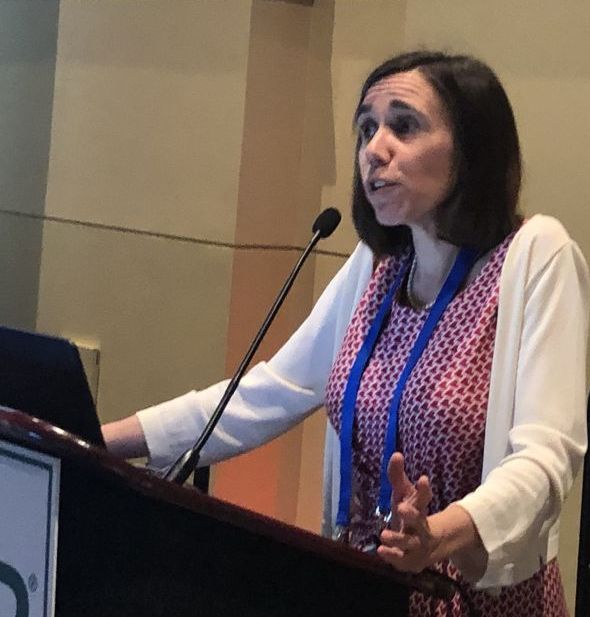
The opioid-sparing effects of medical marijuana have been highlighted in recent reports suggesting that cannabis users may use less opioids, and that states with medical marijuana laws have seen drops in opioid overdose mortality, Dr. Grossman said.
“That’s kind of a story on pain and cannabinoids, and that’s really the biggest story there is in terms of medical evidence and effectiveness for this agent,” said Dr. Grossman, an instructor at Harvard Medical School and Primary Care Lead for Behavioral Health Integration, Cambridge Health Alliance, Somerville, Mass.
However, being the top story in medical marijuana may not be a very high bar in 2019, given current issues with research in this area, including inconsistencies in medical marijuana formulations, relatively small numbers of patients enrolled in studies, and meta-analyses that have produced equivocal results.
“Unfortunately, this is an area where there’s a lot of, shall I say, ‘squishiness’ in the data, through no fault of the researchers involved – it’s just an area that’s really hard to study,” Dr. Goodman said in her update on medical marijuana use at the meeting.
Most studies of cannabinoids for chronic pain have compared these agents to placebo, rather than the long list of other medications that might be used to treat pain, Dr. Grossman said.
There are several meta-analyses available, including a recently published Cochrane review in which authors concluded that, for neuropathic pain, the potential benefits of cannabis-based medicines may outweigh their potential harms.
“The upshot here is that there may be some evidence for neuropathic pain, but the evidence is generally of poor quality and kind of mixed,” said Dr. Grossman.
State-level medical cannabis laws were linked to significantly lower opioid overdose mortality rates in a 2014 study (JAMA Intern Med. 2014;174[10]:1668-73). In more recent studies, states with medical cannabis laws were found to have lower Medicare Part D opioid-prescribing rates, and in another study, legalization of medical marijuana was linked to lower rates of chronic and high-risk opioid use.
“It certainly seems like maybe we as prescribers are prescribing [fewer] opioids if there’s medical cannabis around,” Dr. Grossman said. “What this means for our patients in the short term and long term, we don’t totally know. But clearly, fewer opioid overdoses is a way better thing than more, so there could be something here.”
The cannabinoids approved by the Food and Drug Administration include nabilone (Cesamet) and dronabinol (Marinol), both synthetic cannabinoids indicated for cancer chemotherapy–related nausea and vomiting, along with cannabidiol (Epidiolex), just approved in June 2018 for treatment of some rare pediatric refractory epilepsy syndromes, Dr. Grossman said.
For chemotherapy-induced nausea and vomiting, evidence suggests oral cannabinoids are more effective than placebo, but there’s mixed evidence as to whether they are better than other antiemetics, Dr. Grossman said, while in terms of spasticity related to multiple sclerosis, research has shown small improvements in patient-reported symptoms.
Long-term adverse event data specific to medical marijuana are scant, with much of the evidence coming from studies of recreational marijuana users, Dr. Grossman said.
Those long-term effects include increased risk of pulmonary effects such as cough, wheeze, and phlegm that improve with discontinuation; case reports of unintentional pediatric ingestions; and lower neonatal birth weight, which should be discussed with women of reproductive age who are using or considering medical marijuana, Dr. Grossman said.
Motor vehicle accidents, development of psychiatric symptoms, and psychosis relapse also have been linked to use, she said.
Some real-world adverse event data specific to medical marijuana data are available through the Minnesota medical cannabis program. They found 16% of surveyed users reported an adverse event within the first 4 months, including dry mouth, fatigue, mental clouding, and drowsiness, Dr. Grossman told attendees.
Dr. Grossman reported that she has no relationship with entities producing, marketing, reselling, or distributing health care goods or services consumed by, or used on, patients.
SOURCE: Grossman E. ACP 2019, Presentation MTP 010.
PHILADELPHIA – , some insights into adverse effects, and “a lot of the Wild West,” Ellie Grossman, MD, MPH, said here at the annual meeting of the American College of Physicians.
The opioid-sparing effects of medical marijuana have been highlighted in recent reports suggesting that cannabis users may use less opioids, and that states with medical marijuana laws have seen drops in opioid overdose mortality, Dr. Grossman said.
“That’s kind of a story on pain and cannabinoids, and that’s really the biggest story there is in terms of medical evidence and effectiveness for this agent,” said Dr. Grossman, an instructor at Harvard Medical School and Primary Care Lead for Behavioral Health Integration, Cambridge Health Alliance, Somerville, Mass.
However, being the top story in medical marijuana may not be a very high bar in 2019, given current issues with research in this area, including inconsistencies in medical marijuana formulations, relatively small numbers of patients enrolled in studies, and meta-analyses that have produced equivocal results.
“Unfortunately, this is an area where there’s a lot of, shall I say, ‘squishiness’ in the data, through no fault of the researchers involved – it’s just an area that’s really hard to study,” Dr. Goodman said in her update on medical marijuana use at the meeting.
Most studies of cannabinoids for chronic pain have compared these agents to placebo, rather than the long list of other medications that might be used to treat pain, Dr. Grossman said.
There are several meta-analyses available, including a recently published Cochrane review in which authors concluded that, for neuropathic pain, the potential benefits of cannabis-based medicines may outweigh their potential harms.
“The upshot here is that there may be some evidence for neuropathic pain, but the evidence is generally of poor quality and kind of mixed,” said Dr. Grossman.
State-level medical cannabis laws were linked to significantly lower opioid overdose mortality rates in a 2014 study (JAMA Intern Med. 2014;174[10]:1668-73). In more recent studies, states with medical cannabis laws were found to have lower Medicare Part D opioid-prescribing rates, and in another study, legalization of medical marijuana was linked to lower rates of chronic and high-risk opioid use.
“It certainly seems like maybe we as prescribers are prescribing [fewer] opioids if there’s medical cannabis around,” Dr. Grossman said. “What this means for our patients in the short term and long term, we don’t totally know. But clearly, fewer opioid overdoses is a way better thing than more, so there could be something here.”
The cannabinoids approved by the Food and Drug Administration include nabilone (Cesamet) and dronabinol (Marinol), both synthetic cannabinoids indicated for cancer chemotherapy–related nausea and vomiting, along with cannabidiol (Epidiolex), just approved in June 2018 for treatment of some rare pediatric refractory epilepsy syndromes, Dr. Grossman said.
For chemotherapy-induced nausea and vomiting, evidence suggests oral cannabinoids are more effective than placebo, but there’s mixed evidence as to whether they are better than other antiemetics, Dr. Grossman said, while in terms of spasticity related to multiple sclerosis, research has shown small improvements in patient-reported symptoms.
Long-term adverse event data specific to medical marijuana are scant, with much of the evidence coming from studies of recreational marijuana users, Dr. Grossman said.
Those long-term effects include increased risk of pulmonary effects such as cough, wheeze, and phlegm that improve with discontinuation; case reports of unintentional pediatric ingestions; and lower neonatal birth weight, which should be discussed with women of reproductive age who are using or considering medical marijuana, Dr. Grossman said.
Motor vehicle accidents, development of psychiatric symptoms, and psychosis relapse also have been linked to use, she said.
Some real-world adverse event data specific to medical marijuana data are available through the Minnesota medical cannabis program. They found 16% of surveyed users reported an adverse event within the first 4 months, including dry mouth, fatigue, mental clouding, and drowsiness, Dr. Grossman told attendees.
Dr. Grossman reported that she has no relationship with entities producing, marketing, reselling, or distributing health care goods or services consumed by, or used on, patients.
SOURCE: Grossman E. ACP 2019, Presentation MTP 010.
PHILADELPHIA – , some insights into adverse effects, and “a lot of the Wild West,” Ellie Grossman, MD, MPH, said here at the annual meeting of the American College of Physicians.
The opioid-sparing effects of medical marijuana have been highlighted in recent reports suggesting that cannabis users may use less opioids, and that states with medical marijuana laws have seen drops in opioid overdose mortality, Dr. Grossman said.
“That’s kind of a story on pain and cannabinoids, and that’s really the biggest story there is in terms of medical evidence and effectiveness for this agent,” said Dr. Grossman, an instructor at Harvard Medical School and Primary Care Lead for Behavioral Health Integration, Cambridge Health Alliance, Somerville, Mass.
However, being the top story in medical marijuana may not be a very high bar in 2019, given current issues with research in this area, including inconsistencies in medical marijuana formulations, relatively small numbers of patients enrolled in studies, and meta-analyses that have produced equivocal results.
“Unfortunately, this is an area where there’s a lot of, shall I say, ‘squishiness’ in the data, through no fault of the researchers involved – it’s just an area that’s really hard to study,” Dr. Goodman said in her update on medical marijuana use at the meeting.
Most studies of cannabinoids for chronic pain have compared these agents to placebo, rather than the long list of other medications that might be used to treat pain, Dr. Grossman said.
There are several meta-analyses available, including a recently published Cochrane review in which authors concluded that, for neuropathic pain, the potential benefits of cannabis-based medicines may outweigh their potential harms.
“The upshot here is that there may be some evidence for neuropathic pain, but the evidence is generally of poor quality and kind of mixed,” said Dr. Grossman.
State-level medical cannabis laws were linked to significantly lower opioid overdose mortality rates in a 2014 study (JAMA Intern Med. 2014;174[10]:1668-73). In more recent studies, states with medical cannabis laws were found to have lower Medicare Part D opioid-prescribing rates, and in another study, legalization of medical marijuana was linked to lower rates of chronic and high-risk opioid use.
“It certainly seems like maybe we as prescribers are prescribing [fewer] opioids if there’s medical cannabis around,” Dr. Grossman said. “What this means for our patients in the short term and long term, we don’t totally know. But clearly, fewer opioid overdoses is a way better thing than more, so there could be something here.”
The cannabinoids approved by the Food and Drug Administration include nabilone (Cesamet) and dronabinol (Marinol), both synthetic cannabinoids indicated for cancer chemotherapy–related nausea and vomiting, along with cannabidiol (Epidiolex), just approved in June 2018 for treatment of some rare pediatric refractory epilepsy syndromes, Dr. Grossman said.
For chemotherapy-induced nausea and vomiting, evidence suggests oral cannabinoids are more effective than placebo, but there’s mixed evidence as to whether they are better than other antiemetics, Dr. Grossman said, while in terms of spasticity related to multiple sclerosis, research has shown small improvements in patient-reported symptoms.
Long-term adverse event data specific to medical marijuana are scant, with much of the evidence coming from studies of recreational marijuana users, Dr. Grossman said.
Those long-term effects include increased risk of pulmonary effects such as cough, wheeze, and phlegm that improve with discontinuation; case reports of unintentional pediatric ingestions; and lower neonatal birth weight, which should be discussed with women of reproductive age who are using or considering medical marijuana, Dr. Grossman said.
Motor vehicle accidents, development of psychiatric symptoms, and psychosis relapse also have been linked to use, she said.
Some real-world adverse event data specific to medical marijuana data are available through the Minnesota medical cannabis program. They found 16% of surveyed users reported an adverse event within the first 4 months, including dry mouth, fatigue, mental clouding, and drowsiness, Dr. Grossman told attendees.
Dr. Grossman reported that she has no relationship with entities producing, marketing, reselling, or distributing health care goods or services consumed by, or used on, patients.
SOURCE: Grossman E. ACP 2019, Presentation MTP 010.
AT INTERNAL MEDICINE 2019
A blood biomarker for MS: Coming to clinics soon?
DALLAS – Neurologists soon may use a blood biomarker of axonal damage to monitor patients with multiple sclerosis (MS) and guide treatment decisions, according to a lecture delivered at ACTRIMS Forum 2019.

said David Leppert, MD, senior research associate in the department of neurology at University Hopsital Basel (Switzerland).
Among patients with MS, blood NfL levels predict disability, brain volume loss, and spinal cord atrophy. In addition, studies have found that blood NfL decreases in response to disease-modifying therapy (DMT) and that second-line DMTs may decrease blood NfL more than first-line DMTs do.
The establishment of normative databases and reference biomarkers may allow neurologists to use NfL in their care of individual patients, Dr. Leppert predicted at the meeting held by the Americas Committee for Treatment and Research in Multiple Sclerosis. “I am very positive that we will make a breakthrough in the next 2 or 3 years for an individual use of neurofilaments,” he said.
Response to DMT
An analysis of blood NfL levels from patients with MS and from healthy controls in two phase 3 trials of fingolimod, FREEDOMS and TRANSFORMS, provides insights into NfL’s response to DMT (Neurology. 2019 Mar 5;92[10]:e1007-15). In FREEDOMS, which compared fingolimod with placebo, “fingolimod leads to a rapid decrease of neurofilament levels, close to normality, while placebo patients continue to have high levels,” said Dr. Leppert, a coauthor of the study.
TRANSFORMS compared interferon-beta and fingolimod. “The clinical experience that fingolimod is a more potent compound than interferon is actually reflected here by the NfL results,” Dr. Leppert said. “Both compounds lead to a decrease of neurofilaments – so, a decrease of neuronal damage – but one drug is more potent than the other one.”
Similarly, data from the observational EPIC study indicate that patients who do not receive DMT have a consistent increase in NfL levels, whereas those who receive platform therapies have a slight decrease in NfL and those who receive second-line therapies have a greater decrease, Dr. Leppert said.
Decades of research
For about 20 years, researchers have studied neurofilaments in cerebrospinal fluid (CSF) as a potential biomarker for MS and other diseases, including Alzheimer’s disease, amyotrophic lateral sclerosis, Parkinson’s disease, and head trauma.
“What prevented the emergence of NfL to clinical practice was the inability to measure it in blood because levels are 50-100 times lower [in blood] than in CSF,” Dr. Leppert said.
The development of single molecule array (SIMOA) technology enabled researchers to show a proper correlation between levels of NfL in CSF and those in blood, Dr. Leppert said. “That is now allowing repetitive testing in an accessible fluid compartment, meaning serum or plasma,” he said.
Compared with brain MRI, NfL may provide novel insights into MS disease activity. “MRI is measuring a structural deficit of the past,” Dr. Leppert said. “NfL is measuring online, real time what axonal damage is occurring.”
Correlation with outcomes
At the group level, patients with MS have higher levels of NfL, compared with controls, and levels are higher in patients with progressive forms of MS versus relapsing forms. “Levels increase dramatically in the wake of relapse,” he said.
Barro et al. found that patients with higher serum levels of NfL are more likely to experience Expanded Disability Status Scale (EDSS) worsening (Brain. 2018 Aug 1;141[8]:2382-91). Furthermore, MRI lesions are independently associated with serum NfL, and patients with higher levels of serum NfL have significantly greater average loss in brain volume and spinal cord volume over 5 years.
A treatment algorithm
NfL someday could be incorporated into MS treatment algorithms, Dr. Leppert suggested. For instance, if a patient has high levels of disease activity based on MRI or clinical grounds, then prescribe a high-efficacy therapy. If not, measure NfL. “If the levels are low, then you can be assured to use platform therapies or continue what the patient has. But if NfL levels are high, then you should choose high efficacious therapies or switch to high-efficacious therapies in the long run,” he said.
Limitations and next steps
Although NfL is a specific marker of neuronal damage, it is not specific for the cause of the damage. Further studies are needed to better understand NfL metabolism and confounding factors such as age. Reference biomarkers likely will be needed “to conceptualize whether the signal of NfL is due to acute disease or chronic disease,” Dr. Leppert said.
“We need to optimize the assay and come to a worldwide agreement on the platform. We need to have prospective studies, mainly to achieve regulatory acceptance. And we need to have a normative database” to determine which NfL values are pathologic at a particular age, he said.
Despite the biomarker’s potential, blood NfL levels will not replace clinical expertise. “Biomarkers cannot be of value without a clinical backing and a clinical evaluation,” Dr. Leppert said. “The idea that this will replace us or any other person who makes a clinical judgment is a big error. NfL will prevail as a biomarker. ... But interpretation of the clinical background is germane.”
Dr. Leppert has been an employee of pharmaceutical companies, most recently Novartis.
DALLAS – Neurologists soon may use a blood biomarker of axonal damage to monitor patients with multiple sclerosis (MS) and guide treatment decisions, according to a lecture delivered at ACTRIMS Forum 2019.
said David Leppert, MD, senior research associate in the department of neurology at University Hopsital Basel (Switzerland).
Among patients with MS, blood NfL levels predict disability, brain volume loss, and spinal cord atrophy. In addition, studies have found that blood NfL decreases in response to disease-modifying therapy (DMT) and that second-line DMTs may decrease blood NfL more than first-line DMTs do.
The establishment of normative databases and reference biomarkers may allow neurologists to use NfL in their care of individual patients, Dr. Leppert predicted at the meeting held by the Americas Committee for Treatment and Research in Multiple Sclerosis. “I am very positive that we will make a breakthrough in the next 2 or 3 years for an individual use of neurofilaments,” he said.
Response to DMT
An analysis of blood NfL levels from patients with MS and from healthy controls in two phase 3 trials of fingolimod, FREEDOMS and TRANSFORMS, provides insights into NfL’s response to DMT (Neurology. 2019 Mar 5;92[10]:e1007-15). In FREEDOMS, which compared fingolimod with placebo, “fingolimod leads to a rapid decrease of neurofilament levels, close to normality, while placebo patients continue to have high levels,” said Dr. Leppert, a coauthor of the study.
TRANSFORMS compared interferon-beta and fingolimod. “The clinical experience that fingolimod is a more potent compound than interferon is actually reflected here by the NfL results,” Dr. Leppert said. “Both compounds lead to a decrease of neurofilaments – so, a decrease of neuronal damage – but one drug is more potent than the other one.”
Similarly, data from the observational EPIC study indicate that patients who do not receive DMT have a consistent increase in NfL levels, whereas those who receive platform therapies have a slight decrease in NfL and those who receive second-line therapies have a greater decrease, Dr. Leppert said.
Decades of research
For about 20 years, researchers have studied neurofilaments in cerebrospinal fluid (CSF) as a potential biomarker for MS and other diseases, including Alzheimer’s disease, amyotrophic lateral sclerosis, Parkinson’s disease, and head trauma.
“What prevented the emergence of NfL to clinical practice was the inability to measure it in blood because levels are 50-100 times lower [in blood] than in CSF,” Dr. Leppert said.
The development of single molecule array (SIMOA) technology enabled researchers to show a proper correlation between levels of NfL in CSF and those in blood, Dr. Leppert said. “That is now allowing repetitive testing in an accessible fluid compartment, meaning serum or plasma,” he said.
Compared with brain MRI, NfL may provide novel insights into MS disease activity. “MRI is measuring a structural deficit of the past,” Dr. Leppert said. “NfL is measuring online, real time what axonal damage is occurring.”
Correlation with outcomes
At the group level, patients with MS have higher levels of NfL, compared with controls, and levels are higher in patients with progressive forms of MS versus relapsing forms. “Levels increase dramatically in the wake of relapse,” he said.
Barro et al. found that patients with higher serum levels of NfL are more likely to experience Expanded Disability Status Scale (EDSS) worsening (Brain. 2018 Aug 1;141[8]:2382-91). Furthermore, MRI lesions are independently associated with serum NfL, and patients with higher levels of serum NfL have significantly greater average loss in brain volume and spinal cord volume over 5 years.
A treatment algorithm
NfL someday could be incorporated into MS treatment algorithms, Dr. Leppert suggested. For instance, if a patient has high levels of disease activity based on MRI or clinical grounds, then prescribe a high-efficacy therapy. If not, measure NfL. “If the levels are low, then you can be assured to use platform therapies or continue what the patient has. But if NfL levels are high, then you should choose high efficacious therapies or switch to high-efficacious therapies in the long run,” he said.
Limitations and next steps
Although NfL is a specific marker of neuronal damage, it is not specific for the cause of the damage. Further studies are needed to better understand NfL metabolism and confounding factors such as age. Reference biomarkers likely will be needed “to conceptualize whether the signal of NfL is due to acute disease or chronic disease,” Dr. Leppert said.
“We need to optimize the assay and come to a worldwide agreement on the platform. We need to have prospective studies, mainly to achieve regulatory acceptance. And we need to have a normative database” to determine which NfL values are pathologic at a particular age, he said.
Despite the biomarker’s potential, blood NfL levels will not replace clinical expertise. “Biomarkers cannot be of value without a clinical backing and a clinical evaluation,” Dr. Leppert said. “The idea that this will replace us or any other person who makes a clinical judgment is a big error. NfL will prevail as a biomarker. ... But interpretation of the clinical background is germane.”
Dr. Leppert has been an employee of pharmaceutical companies, most recently Novartis.
DALLAS – Neurologists soon may use a blood biomarker of axonal damage to monitor patients with multiple sclerosis (MS) and guide treatment decisions, according to a lecture delivered at ACTRIMS Forum 2019.
said David Leppert, MD, senior research associate in the department of neurology at University Hopsital Basel (Switzerland).
Among patients with MS, blood NfL levels predict disability, brain volume loss, and spinal cord atrophy. In addition, studies have found that blood NfL decreases in response to disease-modifying therapy (DMT) and that second-line DMTs may decrease blood NfL more than first-line DMTs do.
The establishment of normative databases and reference biomarkers may allow neurologists to use NfL in their care of individual patients, Dr. Leppert predicted at the meeting held by the Americas Committee for Treatment and Research in Multiple Sclerosis. “I am very positive that we will make a breakthrough in the next 2 or 3 years for an individual use of neurofilaments,” he said.
Response to DMT
An analysis of blood NfL levels from patients with MS and from healthy controls in two phase 3 trials of fingolimod, FREEDOMS and TRANSFORMS, provides insights into NfL’s response to DMT (Neurology. 2019 Mar 5;92[10]:e1007-15). In FREEDOMS, which compared fingolimod with placebo, “fingolimod leads to a rapid decrease of neurofilament levels, close to normality, while placebo patients continue to have high levels,” said Dr. Leppert, a coauthor of the study.
TRANSFORMS compared interferon-beta and fingolimod. “The clinical experience that fingolimod is a more potent compound than interferon is actually reflected here by the NfL results,” Dr. Leppert said. “Both compounds lead to a decrease of neurofilaments – so, a decrease of neuronal damage – but one drug is more potent than the other one.”
Similarly, data from the observational EPIC study indicate that patients who do not receive DMT have a consistent increase in NfL levels, whereas those who receive platform therapies have a slight decrease in NfL and those who receive second-line therapies have a greater decrease, Dr. Leppert said.
Decades of research
For about 20 years, researchers have studied neurofilaments in cerebrospinal fluid (CSF) as a potential biomarker for MS and other diseases, including Alzheimer’s disease, amyotrophic lateral sclerosis, Parkinson’s disease, and head trauma.
“What prevented the emergence of NfL to clinical practice was the inability to measure it in blood because levels are 50-100 times lower [in blood] than in CSF,” Dr. Leppert said.
The development of single molecule array (SIMOA) technology enabled researchers to show a proper correlation between levels of NfL in CSF and those in blood, Dr. Leppert said. “That is now allowing repetitive testing in an accessible fluid compartment, meaning serum or plasma,” he said.
Compared with brain MRI, NfL may provide novel insights into MS disease activity. “MRI is measuring a structural deficit of the past,” Dr. Leppert said. “NfL is measuring online, real time what axonal damage is occurring.”
Correlation with outcomes
At the group level, patients with MS have higher levels of NfL, compared with controls, and levels are higher in patients with progressive forms of MS versus relapsing forms. “Levels increase dramatically in the wake of relapse,” he said.
Barro et al. found that patients with higher serum levels of NfL are more likely to experience Expanded Disability Status Scale (EDSS) worsening (Brain. 2018 Aug 1;141[8]:2382-91). Furthermore, MRI lesions are independently associated with serum NfL, and patients with higher levels of serum NfL have significantly greater average loss in brain volume and spinal cord volume over 5 years.
A treatment algorithm
NfL someday could be incorporated into MS treatment algorithms, Dr. Leppert suggested. For instance, if a patient has high levels of disease activity based on MRI or clinical grounds, then prescribe a high-efficacy therapy. If not, measure NfL. “If the levels are low, then you can be assured to use platform therapies or continue what the patient has. But if NfL levels are high, then you should choose high efficacious therapies or switch to high-efficacious therapies in the long run,” he said.
Limitations and next steps
Although NfL is a specific marker of neuronal damage, it is not specific for the cause of the damage. Further studies are needed to better understand NfL metabolism and confounding factors such as age. Reference biomarkers likely will be needed “to conceptualize whether the signal of NfL is due to acute disease or chronic disease,” Dr. Leppert said.
“We need to optimize the assay and come to a worldwide agreement on the platform. We need to have prospective studies, mainly to achieve regulatory acceptance. And we need to have a normative database” to determine which NfL values are pathologic at a particular age, he said.
Despite the biomarker’s potential, blood NfL levels will not replace clinical expertise. “Biomarkers cannot be of value without a clinical backing and a clinical evaluation,” Dr. Leppert said. “The idea that this will replace us or any other person who makes a clinical judgment is a big error. NfL will prevail as a biomarker. ... But interpretation of the clinical background is germane.”
Dr. Leppert has been an employee of pharmaceutical companies, most recently Novartis.
EXPERT ANALYSIS FROM ACTRIMS FORUM 2019
Cerebellar volume may predict disability in patients with relapsing-remitting MS
DALLAS – Among patients with relapsing-remitting multiple sclerosis (MS), cerebellar volume may independently predict clinical disability as measured by the 25-foot walk test, according to a retrospective analysis of data from a phase 3 trial. Baseline cerebellar gray matter volume was the only MRI metric that significantly predicted 25-foot walk test results at 36 months, researchers reported at ACTRIMS Forum 2019, the meeting held by the Americas Committee for Treatment and Research in Multiple Sclerosis.

Investigators have found that demyelination in MS tends to occur in the cerebellum, and cerebellar atrophy contributes to clinical impairment in patients with the disease. In addition, cerebellar volume loss over one year may predict disease worsening in patients with progressive MS, said Maria Petracca, MD, PhD, a postdoctoral fellow at Icahn School of Medicine at Mount Sinai, New York, and her research colleagues. Prior studies, however, had not tested in a large group of patients whether baseline cerebellar volume predicts disability in relapsing-remitting MS.
To examine this question, Dr. Petracca and her colleagues analyzed MRI data from 838 of 1,008 patients in the phase 3 CombiRx trial. Patients in the multicenter, randomized trial had relapsing-remitting MS and received immunomodulatory treatment with glatiramer acetate, interferon beta-1a, or both. The researchers used an MRI analysis package to measure whole brain and cerebellar T2 and gadolinium-enhancing lesions, and they used statistical parametric mapping to measure gray matter fraction and cerebellar volume. Expanded Disability Status Scale (EDSS) scores and scores on the Multiple Sclerosis Functional Composite (MSFC) and its subcomponents were assessed at baseline and 36 months. The investigators assessed changes in clinical scores using repeated measure analysis of variance. They examined the relationship between MRI metrics and clinical disability at baseline and follow-up using ordinal and hierarchical multiple linear regression analysis.
At baseline, patients had a mean age of 37.7, and 72% were female. Median EDSS score was 2, and average cerebellar gray matter volume was 109.78 mL.
A regression model that included T2 and gadolinium-enhancing lesion volume, supratentorial gray matter volume, and cerebellar gray matter volume explained about 15% of the variance in EDSS and MSFC scores at baseline. Cerebellar volume was a significant predictor of MSFC (beta = 0.188).
The 25-foot walk test was the only clinical score that significantly worsened during follow-up – from an average of 4.94 seconds at baseline to 5.09 seconds at follow-up. “Baseline cerebellar gray matter volume was the only MRI metric to significantly predict 25-foot walk test scores at follow-up (beta = –0.172),” the researchers reported. “These results suggest that cerebellar volume is an independent predictor of clinical disability in MS patients as measured by 25-foot walk test.”
The researchers had no disclosures.
[email protected]
SOURCE: Petracca M et al. ACTRIMS Forum 2019, Abstract 160.
DALLAS – Among patients with relapsing-remitting multiple sclerosis (MS), cerebellar volume may independently predict clinical disability as measured by the 25-foot walk test, according to a retrospective analysis of data from a phase 3 trial. Baseline cerebellar gray matter volume was the only MRI metric that significantly predicted 25-foot walk test results at 36 months, researchers reported at ACTRIMS Forum 2019, the meeting held by the Americas Committee for Treatment and Research in Multiple Sclerosis.
Investigators have found that demyelination in MS tends to occur in the cerebellum, and cerebellar atrophy contributes to clinical impairment in patients with the disease. In addition, cerebellar volume loss over one year may predict disease worsening in patients with progressive MS, said Maria Petracca, MD, PhD, a postdoctoral fellow at Icahn School of Medicine at Mount Sinai, New York, and her research colleagues. Prior studies, however, had not tested in a large group of patients whether baseline cerebellar volume predicts disability in relapsing-remitting MS.
To examine this question, Dr. Petracca and her colleagues analyzed MRI data from 838 of 1,008 patients in the phase 3 CombiRx trial. Patients in the multicenter, randomized trial had relapsing-remitting MS and received immunomodulatory treatment with glatiramer acetate, interferon beta-1a, or both. The researchers used an MRI analysis package to measure whole brain and cerebellar T2 and gadolinium-enhancing lesions, and they used statistical parametric mapping to measure gray matter fraction and cerebellar volume. Expanded Disability Status Scale (EDSS) scores and scores on the Multiple Sclerosis Functional Composite (MSFC) and its subcomponents were assessed at baseline and 36 months. The investigators assessed changes in clinical scores using repeated measure analysis of variance. They examined the relationship between MRI metrics and clinical disability at baseline and follow-up using ordinal and hierarchical multiple linear regression analysis.
At baseline, patients had a mean age of 37.7, and 72% were female. Median EDSS score was 2, and average cerebellar gray matter volume was 109.78 mL.
A regression model that included T2 and gadolinium-enhancing lesion volume, supratentorial gray matter volume, and cerebellar gray matter volume explained about 15% of the variance in EDSS and MSFC scores at baseline. Cerebellar volume was a significant predictor of MSFC (beta = 0.188).
The 25-foot walk test was the only clinical score that significantly worsened during follow-up – from an average of 4.94 seconds at baseline to 5.09 seconds at follow-up. “Baseline cerebellar gray matter volume was the only MRI metric to significantly predict 25-foot walk test scores at follow-up (beta = –0.172),” the researchers reported. “These results suggest that cerebellar volume is an independent predictor of clinical disability in MS patients as measured by 25-foot walk test.”
The researchers had no disclosures.
[email protected]
SOURCE: Petracca M et al. ACTRIMS Forum 2019, Abstract 160.
DALLAS – Among patients with relapsing-remitting multiple sclerosis (MS), cerebellar volume may independently predict clinical disability as measured by the 25-foot walk test, according to a retrospective analysis of data from a phase 3 trial. Baseline cerebellar gray matter volume was the only MRI metric that significantly predicted 25-foot walk test results at 36 months, researchers reported at ACTRIMS Forum 2019, the meeting held by the Americas Committee for Treatment and Research in Multiple Sclerosis.
Investigators have found that demyelination in MS tends to occur in the cerebellum, and cerebellar atrophy contributes to clinical impairment in patients with the disease. In addition, cerebellar volume loss over one year may predict disease worsening in patients with progressive MS, said Maria Petracca, MD, PhD, a postdoctoral fellow at Icahn School of Medicine at Mount Sinai, New York, and her research colleagues. Prior studies, however, had not tested in a large group of patients whether baseline cerebellar volume predicts disability in relapsing-remitting MS.
To examine this question, Dr. Petracca and her colleagues analyzed MRI data from 838 of 1,008 patients in the phase 3 CombiRx trial. Patients in the multicenter, randomized trial had relapsing-remitting MS and received immunomodulatory treatment with glatiramer acetate, interferon beta-1a, or both. The researchers used an MRI analysis package to measure whole brain and cerebellar T2 and gadolinium-enhancing lesions, and they used statistical parametric mapping to measure gray matter fraction and cerebellar volume. Expanded Disability Status Scale (EDSS) scores and scores on the Multiple Sclerosis Functional Composite (MSFC) and its subcomponents were assessed at baseline and 36 months. The investigators assessed changes in clinical scores using repeated measure analysis of variance. They examined the relationship between MRI metrics and clinical disability at baseline and follow-up using ordinal and hierarchical multiple linear regression analysis.
At baseline, patients had a mean age of 37.7, and 72% were female. Median EDSS score was 2, and average cerebellar gray matter volume was 109.78 mL.
A regression model that included T2 and gadolinium-enhancing lesion volume, supratentorial gray matter volume, and cerebellar gray matter volume explained about 15% of the variance in EDSS and MSFC scores at baseline. Cerebellar volume was a significant predictor of MSFC (beta = 0.188).
The 25-foot walk test was the only clinical score that significantly worsened during follow-up – from an average of 4.94 seconds at baseline to 5.09 seconds at follow-up. “Baseline cerebellar gray matter volume was the only MRI metric to significantly predict 25-foot walk test scores at follow-up (beta = –0.172),” the researchers reported. “These results suggest that cerebellar volume is an independent predictor of clinical disability in MS patients as measured by 25-foot walk test.”
The researchers had no disclosures.
[email protected]
SOURCE: Petracca M et al. ACTRIMS Forum 2019, Abstract 160.
REPORTING FROM ACTRIMS FORUM 2019
Key clinical point: In patients with relapsing-remitting MS, cerebellar volume may independently predict clinical disability as measured by the 25-foot walk test.
Major finding: Baseline cerebellar gray matter volume was the only MRI metric that significantly predicted 25-foot walk test results at 36 months (Beta = –0.172).
Study details: A retrospective analysis of MRI data from 838 patients in the phase 3 CombiRx trial.
Disclosures: The researchers had no disclosures.
Source: Petracca M et al. ACTRIMS Forum 2019, Abstract 160.
FDA approves Mavenclad for treatment of relapsing MS
including relapsing/remitting and active secondary progressive disease.

The drug’s manufacturer, EMD Serono, said in a press release that cladribine is the first short-course oral therapy for such patients, and its use is generally recommended for patients who have had an inadequate response to, or are unable to tolerate, an alternate drug indicated for the treatment of MS. Cladribine is not recommended for use in patients with clinically isolated syndrome.
The agency’s decision is based on results from a clinical trial of 1,326 patients with relapsing MS who had experienced at least one relapse in the previous 12 months. Patients who received cladribine had significantly fewer relapses than did those who received placebo; the progression of disability was also significantly reduced in the cladribine group, compared with placebo, according to the FDA’s announcement.
The most common adverse events associated with cladribine include upper respiratory tract infections, headache, and decreased lymphocyte counts. In addition, the medication must be dispensed with a patient medication guide because the label includes a boxed warning for increased risk of malignancy and fetal harm. Other warnings include a risk for decreased lymphocyte count, hematologic toxicity and bone marrow suppression, and graft-versus-host-disease.
“We are committed to supporting the development of safe and effective treatments for patients with multiple sclerosis. The approval of Mavenclad represents an additional option for patients who have tried another treatment without success,” Billy Dunn, MD, director of the division of neurology products in the FDA’s Center for Drug Evaluation and Research, said in the announcement.
The approved dose of cladribine is 3.5 mg/kg body weight over 2 years, administered as one treatment course of 1.75 mg/kg per year, each consisting of 2 treatment weeks. Additional courses of cladribine are not to be administered because retreatment with cladribine during years 3 and 4 may further increase the risk of malignancy. The safety and efficacy of reinitiating cladribine more than 2 years after completing two treatment courses has not been studied, according to EMD Serono.
Cladribine is approved in more than 50 other countries and was approved for use in the European Union in August 2017.
including relapsing/remitting and active secondary progressive disease.
The drug’s manufacturer, EMD Serono, said in a press release that cladribine is the first short-course oral therapy for such patients, and its use is generally recommended for patients who have had an inadequate response to, or are unable to tolerate, an alternate drug indicated for the treatment of MS. Cladribine is not recommended for use in patients with clinically isolated syndrome.
The agency’s decision is based on results from a clinical trial of 1,326 patients with relapsing MS who had experienced at least one relapse in the previous 12 months. Patients who received cladribine had significantly fewer relapses than did those who received placebo; the progression of disability was also significantly reduced in the cladribine group, compared with placebo, according to the FDA’s announcement.
The most common adverse events associated with cladribine include upper respiratory tract infections, headache, and decreased lymphocyte counts. In addition, the medication must be dispensed with a patient medication guide because the label includes a boxed warning for increased risk of malignancy and fetal harm. Other warnings include a risk for decreased lymphocyte count, hematologic toxicity and bone marrow suppression, and graft-versus-host-disease.
“We are committed to supporting the development of safe and effective treatments for patients with multiple sclerosis. The approval of Mavenclad represents an additional option for patients who have tried another treatment without success,” Billy Dunn, MD, director of the division of neurology products in the FDA’s Center for Drug Evaluation and Research, said in the announcement.
The approved dose of cladribine is 3.5 mg/kg body weight over 2 years, administered as one treatment course of 1.75 mg/kg per year, each consisting of 2 treatment weeks. Additional courses of cladribine are not to be administered because retreatment with cladribine during years 3 and 4 may further increase the risk of malignancy. The safety and efficacy of reinitiating cladribine more than 2 years after completing two treatment courses has not been studied, according to EMD Serono.
Cladribine is approved in more than 50 other countries and was approved for use in the European Union in August 2017.
including relapsing/remitting and active secondary progressive disease.
The drug’s manufacturer, EMD Serono, said in a press release that cladribine is the first short-course oral therapy for such patients, and its use is generally recommended for patients who have had an inadequate response to, or are unable to tolerate, an alternate drug indicated for the treatment of MS. Cladribine is not recommended for use in patients with clinically isolated syndrome.
The agency’s decision is based on results from a clinical trial of 1,326 patients with relapsing MS who had experienced at least one relapse in the previous 12 months. Patients who received cladribine had significantly fewer relapses than did those who received placebo; the progression of disability was also significantly reduced in the cladribine group, compared with placebo, according to the FDA’s announcement.
The most common adverse events associated with cladribine include upper respiratory tract infections, headache, and decreased lymphocyte counts. In addition, the medication must be dispensed with a patient medication guide because the label includes a boxed warning for increased risk of malignancy and fetal harm. Other warnings include a risk for decreased lymphocyte count, hematologic toxicity and bone marrow suppression, and graft-versus-host-disease.
“We are committed to supporting the development of safe and effective treatments for patients with multiple sclerosis. The approval of Mavenclad represents an additional option for patients who have tried another treatment without success,” Billy Dunn, MD, director of the division of neurology products in the FDA’s Center for Drug Evaluation and Research, said in the announcement.
The approved dose of cladribine is 3.5 mg/kg body weight over 2 years, administered as one treatment course of 1.75 mg/kg per year, each consisting of 2 treatment weeks. Additional courses of cladribine are not to be administered because retreatment with cladribine during years 3 and 4 may further increase the risk of malignancy. The safety and efficacy of reinitiating cladribine more than 2 years after completing two treatment courses has not been studied, according to EMD Serono.
Cladribine is approved in more than 50 other countries and was approved for use in the European Union in August 2017.