User login
Elizabeth A. Thiele, MD, PhD
The video associated with this article is no longer available on this site. Please view all of our videos on the MDedge YouTube channel
The video associated with this article is no longer available on this site. Please view all of our videos on the MDedge YouTube channel
The video associated with this article is no longer available on this site. Please view all of our videos on the MDedge YouTube channel

Kimford J. Meador, MD
The video associated with this article is no longer available on this site. Please view all of our videos on the MDedge YouTube channel
The video associated with this article is no longer available on this site. Please view all of our videos on the MDedge YouTube channel
The video associated with this article is no longer available on this site. Please view all of our videos on the MDedge YouTube channel

VIDEO: NAFLD costing U.S. $290 billion annually
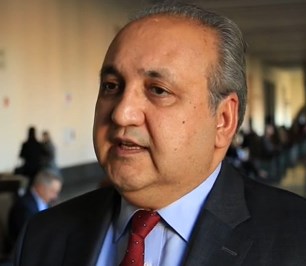
BOSTON – A sophisticated mathematical analysis shows that nonalcoholic fatty liver disease is costing the United States over $290 billion annually. A similar economic burden was seen in several Western European countries as well.
The study, which incorporated available data about current cases of nonalcoholic fatty liver disease (NAFLD), looked at both medical and nonmedical costs, as the disease’s economic and social impact extends far beyond medical bills.
“It impacts patients’ quality of life, their work productivity; there’s a significant fatigue associated with that. In addition to this, there is an economic burden of nonalcoholic fatty liver disease,” said the study’s lead author, Zobair Younossi, MD, in a video interview at the annual meeting of the American Association for the Study of Liver Diseases.
The video associated with this article is no longer available on this site. Please view all of our videos on the MDedge YouTube channel
Dr. Younossi, executive director of the Center for Liver Diseases at Inova Fairfax Hospital, Falls Church, Va., and his coinvestigators constructed a Markov chain to model costs associated with NAFLD. This mathematical technique allows the probability of the occurrence of an event to influence the model’s prediction of the probability of later events, a useful technique when trying to model real-world, dynamic conditions.
They used the Markov chain technique to model the transition of patients along the path of NAFLD progression. States included in the model were nonalcoholic steatohepatitis (NASH), NASH with fibrosis, compensated and decompensated cirrhosis, hepatocellular carcinoma, transplant, posttransplant, and death. The probabilities of progressing through these states were built from a meta-analysis and systematic literature review conducted by the authors, which they then adjusted by incorporating real-world data.
According to the model, annual direct medical costs are projected at $103 billion, or $1,613 for each of the 64 million NAFLD patients in the United States. The four European Union countries included in the model were Germany, France, Italy, and the United Kingdom. In aggregate, these countries are projected to have about 52 million people with NAFLD, for an annual cost of 35 billion euros. The estimated annual direct cost per patient varies by country, ranging from 354 euros to 1,163 euros.
When societal costs are incorporated, the numbers leap higher: to $292.19 billion in the United States, and over 200 billion euros in the four European countries studied.
In recent work, Dr. Younossi and his colleagues have reached an estimate that about a quarter of the world’s population has NAFLD. He said he was surprised to learn that the highest prevalences were in some areas of South America and the Middle East, with rapid increases in Asia as well.
However, the etiology of NAFLD helps explain these increases. “It’s really a phenotype. A number of different pathways lead to this disease; the most common is the one that is associated with obesity, type 2 diabetes, and insulin resistance,” said Dr. Younossi.
The subset of NAFLD patients who have NASH also risks progression to cirrhosis and hepatocellular carcinoma. According to Dr. Younossi’s examination of the UNOS transplant database, NASH is the second leading cause of liver transplantation in the United States, and one of the top three causes of death from liver disease.
These sobering data make the need for medical treatment for NASH an urgent priority, said Dr. Younossi. Currently, lifestyle modification such as weight loss is the only known treatment for NAFLD and NASH, “which is not easy to do,” he noted.
Several candidate drugs are in the pipeline currently. Also, said Dr. Younossi, NASH can be diagnosed only by liver biopsy currently, a risky and expensive procedure. The search is on for accurate and reliable imaging and serum biomarkers for NASH, so physicians can understand who’s most at risk for progression to more serious liver disease.
“The analysis quantifies the enormity of the clinical and economic burden of NAFLD, which will likely increase as incidence of NAFLD continues to rise with the increasing obesity and diabetes rates,” wrote Dr. Younossi and his coauthors.
Dr. Younossi reported having financial relationships with several pharmaceutical companies.
[email protected]
On Twitter @karioakes
BOSTON – A sophisticated mathematical analysis shows that nonalcoholic fatty liver disease is costing the United States over $290 billion annually. A similar economic burden was seen in several Western European countries as well.
The study, which incorporated available data about current cases of nonalcoholic fatty liver disease (NAFLD), looked at both medical and nonmedical costs, as the disease’s economic and social impact extends far beyond medical bills.
“It impacts patients’ quality of life, their work productivity; there’s a significant fatigue associated with that. In addition to this, there is an economic burden of nonalcoholic fatty liver disease,” said the study’s lead author, Zobair Younossi, MD, in a video interview at the annual meeting of the American Association for the Study of Liver Diseases.
The video associated with this article is no longer available on this site. Please view all of our videos on the MDedge YouTube channel
Dr. Younossi, executive director of the Center for Liver Diseases at Inova Fairfax Hospital, Falls Church, Va., and his coinvestigators constructed a Markov chain to model costs associated with NAFLD. This mathematical technique allows the probability of the occurrence of an event to influence the model’s prediction of the probability of later events, a useful technique when trying to model real-world, dynamic conditions.
They used the Markov chain technique to model the transition of patients along the path of NAFLD progression. States included in the model were nonalcoholic steatohepatitis (NASH), NASH with fibrosis, compensated and decompensated cirrhosis, hepatocellular carcinoma, transplant, posttransplant, and death. The probabilities of progressing through these states were built from a meta-analysis and systematic literature review conducted by the authors, which they then adjusted by incorporating real-world data.
According to the model, annual direct medical costs are projected at $103 billion, or $1,613 for each of the 64 million NAFLD patients in the United States. The four European Union countries included in the model were Germany, France, Italy, and the United Kingdom. In aggregate, these countries are projected to have about 52 million people with NAFLD, for an annual cost of 35 billion euros. The estimated annual direct cost per patient varies by country, ranging from 354 euros to 1,163 euros.
When societal costs are incorporated, the numbers leap higher: to $292.19 billion in the United States, and over 200 billion euros in the four European countries studied.
In recent work, Dr. Younossi and his colleagues have reached an estimate that about a quarter of the world’s population has NAFLD. He said he was surprised to learn that the highest prevalences were in some areas of South America and the Middle East, with rapid increases in Asia as well.
However, the etiology of NAFLD helps explain these increases. “It’s really a phenotype. A number of different pathways lead to this disease; the most common is the one that is associated with obesity, type 2 diabetes, and insulin resistance,” said Dr. Younossi.
The subset of NAFLD patients who have NASH also risks progression to cirrhosis and hepatocellular carcinoma. According to Dr. Younossi’s examination of the UNOS transplant database, NASH is the second leading cause of liver transplantation in the United States, and one of the top three causes of death from liver disease.
These sobering data make the need for medical treatment for NASH an urgent priority, said Dr. Younossi. Currently, lifestyle modification such as weight loss is the only known treatment for NAFLD and NASH, “which is not easy to do,” he noted.
Several candidate drugs are in the pipeline currently. Also, said Dr. Younossi, NASH can be diagnosed only by liver biopsy currently, a risky and expensive procedure. The search is on for accurate and reliable imaging and serum biomarkers for NASH, so physicians can understand who’s most at risk for progression to more serious liver disease.
“The analysis quantifies the enormity of the clinical and economic burden of NAFLD, which will likely increase as incidence of NAFLD continues to rise with the increasing obesity and diabetes rates,” wrote Dr. Younossi and his coauthors.
Dr. Younossi reported having financial relationships with several pharmaceutical companies.
[email protected]
On Twitter @karioakes
BOSTON – A sophisticated mathematical analysis shows that nonalcoholic fatty liver disease is costing the United States over $290 billion annually. A similar economic burden was seen in several Western European countries as well.
The study, which incorporated available data about current cases of nonalcoholic fatty liver disease (NAFLD), looked at both medical and nonmedical costs, as the disease’s economic and social impact extends far beyond medical bills.
“It impacts patients’ quality of life, their work productivity; there’s a significant fatigue associated with that. In addition to this, there is an economic burden of nonalcoholic fatty liver disease,” said the study’s lead author, Zobair Younossi, MD, in a video interview at the annual meeting of the American Association for the Study of Liver Diseases.
The video associated with this article is no longer available on this site. Please view all of our videos on the MDedge YouTube channel
Dr. Younossi, executive director of the Center for Liver Diseases at Inova Fairfax Hospital, Falls Church, Va., and his coinvestigators constructed a Markov chain to model costs associated with NAFLD. This mathematical technique allows the probability of the occurrence of an event to influence the model’s prediction of the probability of later events, a useful technique when trying to model real-world, dynamic conditions.
They used the Markov chain technique to model the transition of patients along the path of NAFLD progression. States included in the model were nonalcoholic steatohepatitis (NASH), NASH with fibrosis, compensated and decompensated cirrhosis, hepatocellular carcinoma, transplant, posttransplant, and death. The probabilities of progressing through these states were built from a meta-analysis and systematic literature review conducted by the authors, which they then adjusted by incorporating real-world data.
According to the model, annual direct medical costs are projected at $103 billion, or $1,613 for each of the 64 million NAFLD patients in the United States. The four European Union countries included in the model were Germany, France, Italy, and the United Kingdom. In aggregate, these countries are projected to have about 52 million people with NAFLD, for an annual cost of 35 billion euros. The estimated annual direct cost per patient varies by country, ranging from 354 euros to 1,163 euros.
When societal costs are incorporated, the numbers leap higher: to $292.19 billion in the United States, and over 200 billion euros in the four European countries studied.
In recent work, Dr. Younossi and his colleagues have reached an estimate that about a quarter of the world’s population has NAFLD. He said he was surprised to learn that the highest prevalences were in some areas of South America and the Middle East, with rapid increases in Asia as well.
However, the etiology of NAFLD helps explain these increases. “It’s really a phenotype. A number of different pathways lead to this disease; the most common is the one that is associated with obesity, type 2 diabetes, and insulin resistance,” said Dr. Younossi.
The subset of NAFLD patients who have NASH also risks progression to cirrhosis and hepatocellular carcinoma. According to Dr. Younossi’s examination of the UNOS transplant database, NASH is the second leading cause of liver transplantation in the United States, and one of the top three causes of death from liver disease.
These sobering data make the need for medical treatment for NASH an urgent priority, said Dr. Younossi. Currently, lifestyle modification such as weight loss is the only known treatment for NAFLD and NASH, “which is not easy to do,” he noted.
Several candidate drugs are in the pipeline currently. Also, said Dr. Younossi, NASH can be diagnosed only by liver biopsy currently, a risky and expensive procedure. The search is on for accurate and reliable imaging and serum biomarkers for NASH, so physicians can understand who’s most at risk for progression to more serious liver disease.
“The analysis quantifies the enormity of the clinical and economic burden of NAFLD, which will likely increase as incidence of NAFLD continues to rise with the increasing obesity and diabetes rates,” wrote Dr. Younossi and his coauthors.
Dr. Younossi reported having financial relationships with several pharmaceutical companies.
[email protected]
On Twitter @karioakes
Key clinical point:
Major finding: Annual direct medical costs alone are $1,613 for each of the estimated 64 million U.S. NAFLD patients.
Data source: Markov-chain modeling of NAFLD prevalence and morbidity in the United States and four European countries.
Disclosures: Dr. Younossi reported financial relationships with several pharmaceutical companies.
T-Capsulotomy to Improve Visualization of the Peripheral Compartment and Repair
The video associated with this article is no longer available on this site. Please view all of our videos on the MDedge YouTube channel
The video associated with this article is no longer available on this site. Please view all of our videos on the MDedge YouTube channel
The video associated with this article is no longer available on this site. Please view all of our videos on the MDedge YouTube channel

VIDEO: AIs associated with endothelial dysfunction, a predictor of CVD
SAN ANTONIO – Aromatase inhibitors (AIs) appear to be associated with declines in vascular endothelial function, which in turn have been associated with the development of cardiovascular disease, suggests a small study presented at the San Antonio Breast Cancer Symposium.
In this video interview, Anne Blaes, MD, from the Masonic Cancer Center at the University of Minnesota in Minneapolis, talks about the study, which compared endothelial function between postmenopausal women with hormone receptor–positive breast cancers treated with AIs and healthy postmenopausal controls.
Those treated with AIs, independent of the duration of therapy, had significantly worse endothelial function than healthy postmenopausal controls, as measured by the EndoPAT ratio.
The video associated with this article is no longer available on this site. Please view all of our videos on the MDedge YouTube channel
SAN ANTONIO – Aromatase inhibitors (AIs) appear to be associated with declines in vascular endothelial function, which in turn have been associated with the development of cardiovascular disease, suggests a small study presented at the San Antonio Breast Cancer Symposium.
In this video interview, Anne Blaes, MD, from the Masonic Cancer Center at the University of Minnesota in Minneapolis, talks about the study, which compared endothelial function between postmenopausal women with hormone receptor–positive breast cancers treated with AIs and healthy postmenopausal controls.
Those treated with AIs, independent of the duration of therapy, had significantly worse endothelial function than healthy postmenopausal controls, as measured by the EndoPAT ratio.
The video associated with this article is no longer available on this site. Please view all of our videos on the MDedge YouTube channel
SAN ANTONIO – Aromatase inhibitors (AIs) appear to be associated with declines in vascular endothelial function, which in turn have been associated with the development of cardiovascular disease, suggests a small study presented at the San Antonio Breast Cancer Symposium.
In this video interview, Anne Blaes, MD, from the Masonic Cancer Center at the University of Minnesota in Minneapolis, talks about the study, which compared endothelial function between postmenopausal women with hormone receptor–positive breast cancers treated with AIs and healthy postmenopausal controls.
Those treated with AIs, independent of the duration of therapy, had significantly worse endothelial function than healthy postmenopausal controls, as measured by the EndoPAT ratio.
The video associated with this article is no longer available on this site. Please view all of our videos on the MDedge YouTube channel
AT SABCS 2016

VIDEO: Watson for Oncology offers electronic curbside consults in breast cancer
SAN ANTONIO – Watson for Oncology or WFO, is the clinical cousin of the IBM-created cognitive computing system best known as the machine that defeated all-time champions on the TV quiz show “Jeopardy!”
WFO, however, has the much more important function of providing oncologists with evidence-based support for clinical decisions. Data being presented here at the San Antonio Breast Cancer Symposium show that in Bangalore, India, where WFO is used in a large hospital system, there is good concordance between tumor board recommendations and WFO’s recommendations about the treatment of breast cancer, although much more work needs to be done. The investigators emphasize that WFO is a highly useful tool that can augment but will not replace clinical judgment, and can never replace the physician-patient relationship.
In this video interview, Andrew Norden, MD, deputy chief health officer for the IBM Watson project, based in Cambridge, Mass., describes how Watson for Oncology works, and how different versions of the Watson platform are being used in medicine throughout the world.
The video associated with this article is no longer available on this site. Please view all of our videos on the MDedge YouTube channel
SAN ANTONIO – Watson for Oncology or WFO, is the clinical cousin of the IBM-created cognitive computing system best known as the machine that defeated all-time champions on the TV quiz show “Jeopardy!”
WFO, however, has the much more important function of providing oncologists with evidence-based support for clinical decisions. Data being presented here at the San Antonio Breast Cancer Symposium show that in Bangalore, India, where WFO is used in a large hospital system, there is good concordance between tumor board recommendations and WFO’s recommendations about the treatment of breast cancer, although much more work needs to be done. The investigators emphasize that WFO is a highly useful tool that can augment but will not replace clinical judgment, and can never replace the physician-patient relationship.
In this video interview, Andrew Norden, MD, deputy chief health officer for the IBM Watson project, based in Cambridge, Mass., describes how Watson for Oncology works, and how different versions of the Watson platform are being used in medicine throughout the world.
The video associated with this article is no longer available on this site. Please view all of our videos on the MDedge YouTube channel
SAN ANTONIO – Watson for Oncology or WFO, is the clinical cousin of the IBM-created cognitive computing system best known as the machine that defeated all-time champions on the TV quiz show “Jeopardy!”
WFO, however, has the much more important function of providing oncologists with evidence-based support for clinical decisions. Data being presented here at the San Antonio Breast Cancer Symposium show that in Bangalore, India, where WFO is used in a large hospital system, there is good concordance between tumor board recommendations and WFO’s recommendations about the treatment of breast cancer, although much more work needs to be done. The investigators emphasize that WFO is a highly useful tool that can augment but will not replace clinical judgment, and can never replace the physician-patient relationship.
In this video interview, Andrew Norden, MD, deputy chief health officer for the IBM Watson project, based in Cambridge, Mass., describes how Watson for Oncology works, and how different versions of the Watson platform are being used in medicine throughout the world.
The video associated with this article is no longer available on this site. Please view all of our videos on the MDedge YouTube channel
AT SABCS 2016

VIDEO: No effect of BRCA status on overall outcomes in early-onset breast cancer
SAN ANTONIO – No difference in outcomes was seen among young BRCA gene mutation carriers and noncarriers with early-stage invasive breast cancer in a large cohort in the United Kingdom, but a subgroup analysis of those with triple-negative breast cancer showed a clear survival advantage among BRCA mutation carriers.
The findings of the POSH (Prospective Study of Outcomes in Sporadic Versus Hereditary Breast Cancer) trial have important implications for treatment decision making – particularly with respect to surgery – for younger women with breast cancer, according to Diana M. Eccles, MD, of the University of Southampton (England) and University Hospital Southampton Foundation Trust.
The overall finding of no difference in outcomes – including for the primary endpoint of overall survival and secondary endpoints of overall and distant disease-free survival – was true in both univariate and multivariable analysis of data for 2,759 women (14% with BRCA mutations), aged 40 years and younger, who were enrolled over an 8-year period, beginning in 2000, from 126 oncology centers across the United Kingdom, and who were followed for a median of 8.2 years, Dr. Eccles reported at the San Antonio Breast Cancer Symposium.
“We looked at BRCA1 and BRCA2 separately, and we still could see absolutely no difference in survival between BRCA1 and BRCA2, and we were well powered to show a difference,” she said, noting that 99% of these patients were diagnosed based on symptomatic presentation and did not know they were BRCA mutation carriers.
The findings were different among 511 patients with triple-negative breast cancer, however,
“Here we did see a clear difference in survival in favor of BRCA gene carriers – 11% at 10 years. And what was interesting was this clear time-varying hazard of relapse, with the maximum benefit of surviving in the BRCA gene carriers observed in the first few years with a hazard for relapse at 5 years equivalent between the two groups,” she said.
The primary treatment approach in these patients was no different than that in the group as a whole, Dr. Eccles noted, explaining that those with and without triple-negative disease had similar usage of breast conserving vs. unilateral surgery and similar usage of anthracycline-based chemotherapy regimens, with taxane added in a small proportion, which was “very typical for treatment regimens at the time.”
A proportion of women with BRCA gene mutations that were found in the clinical setting had opted to have bilateral mastectomy (15% vs. 3% of noncarriers) “closely following or during their primary treatment diagnosis,” and a separate analysis showed an intriguing survival benefit among those who did not have bilateral mastectomy; survival was 2% better among those women at 5 and 10 years, again with a time-varying hazard, Dr. Eccles said, noting, however, that the study was not powered to show a difference in this measure.
“It’s intriguing that bilateral mastectomy after diagnosis does not seem to improve survival in these young gene carriers. These are very small numbers so we have to be careful, but this is good news for patients. Many patients believe that being a BRCA gene carrier, or even just having a family history is going to give them an adverse prognosis, and that’s clearly not true – and it’s also important that patients who are facing the difficult, difficult decisions around chemotherapy and breast cancer treatment don’t feel compelled to make a decision about bilateral mastectomy within that time shortly after their diagnosis and can reasonably reserve judgment about the extent of surgery until a later date,” she said.
She discussed her findings further in a video interview.
The video associated with this article is no longer available on this site. Please view all of our videos on the MDedge YouTube channel
SAN ANTONIO – No difference in outcomes was seen among young BRCA gene mutation carriers and noncarriers with early-stage invasive breast cancer in a large cohort in the United Kingdom, but a subgroup analysis of those with triple-negative breast cancer showed a clear survival advantage among BRCA mutation carriers.
The findings of the POSH (Prospective Study of Outcomes in Sporadic Versus Hereditary Breast Cancer) trial have important implications for treatment decision making – particularly with respect to surgery – for younger women with breast cancer, according to Diana M. Eccles, MD, of the University of Southampton (England) and University Hospital Southampton Foundation Trust.
The overall finding of no difference in outcomes – including for the primary endpoint of overall survival and secondary endpoints of overall and distant disease-free survival – was true in both univariate and multivariable analysis of data for 2,759 women (14% with BRCA mutations), aged 40 years and younger, who were enrolled over an 8-year period, beginning in 2000, from 126 oncology centers across the United Kingdom, and who were followed for a median of 8.2 years, Dr. Eccles reported at the San Antonio Breast Cancer Symposium.
“We looked at BRCA1 and BRCA2 separately, and we still could see absolutely no difference in survival between BRCA1 and BRCA2, and we were well powered to show a difference,” she said, noting that 99% of these patients were diagnosed based on symptomatic presentation and did not know they were BRCA mutation carriers.
The findings were different among 511 patients with triple-negative breast cancer, however,
“Here we did see a clear difference in survival in favor of BRCA gene carriers – 11% at 10 years. And what was interesting was this clear time-varying hazard of relapse, with the maximum benefit of surviving in the BRCA gene carriers observed in the first few years with a hazard for relapse at 5 years equivalent between the two groups,” she said.
The primary treatment approach in these patients was no different than that in the group as a whole, Dr. Eccles noted, explaining that those with and without triple-negative disease had similar usage of breast conserving vs. unilateral surgery and similar usage of anthracycline-based chemotherapy regimens, with taxane added in a small proportion, which was “very typical for treatment regimens at the time.”
A proportion of women with BRCA gene mutations that were found in the clinical setting had opted to have bilateral mastectomy (15% vs. 3% of noncarriers) “closely following or during their primary treatment diagnosis,” and a separate analysis showed an intriguing survival benefit among those who did not have bilateral mastectomy; survival was 2% better among those women at 5 and 10 years, again with a time-varying hazard, Dr. Eccles said, noting, however, that the study was not powered to show a difference in this measure.
“It’s intriguing that bilateral mastectomy after diagnosis does not seem to improve survival in these young gene carriers. These are very small numbers so we have to be careful, but this is good news for patients. Many patients believe that being a BRCA gene carrier, or even just having a family history is going to give them an adverse prognosis, and that’s clearly not true – and it’s also important that patients who are facing the difficult, difficult decisions around chemotherapy and breast cancer treatment don’t feel compelled to make a decision about bilateral mastectomy within that time shortly after their diagnosis and can reasonably reserve judgment about the extent of surgery until a later date,” she said.
She discussed her findings further in a video interview.
The video associated with this article is no longer available on this site. Please view all of our videos on the MDedge YouTube channel
SAN ANTONIO – No difference in outcomes was seen among young BRCA gene mutation carriers and noncarriers with early-stage invasive breast cancer in a large cohort in the United Kingdom, but a subgroup analysis of those with triple-negative breast cancer showed a clear survival advantage among BRCA mutation carriers.
The findings of the POSH (Prospective Study of Outcomes in Sporadic Versus Hereditary Breast Cancer) trial have important implications for treatment decision making – particularly with respect to surgery – for younger women with breast cancer, according to Diana M. Eccles, MD, of the University of Southampton (England) and University Hospital Southampton Foundation Trust.
The overall finding of no difference in outcomes – including for the primary endpoint of overall survival and secondary endpoints of overall and distant disease-free survival – was true in both univariate and multivariable analysis of data for 2,759 women (14% with BRCA mutations), aged 40 years and younger, who were enrolled over an 8-year period, beginning in 2000, from 126 oncology centers across the United Kingdom, and who were followed for a median of 8.2 years, Dr. Eccles reported at the San Antonio Breast Cancer Symposium.
“We looked at BRCA1 and BRCA2 separately, and we still could see absolutely no difference in survival between BRCA1 and BRCA2, and we were well powered to show a difference,” she said, noting that 99% of these patients were diagnosed based on symptomatic presentation and did not know they were BRCA mutation carriers.
The findings were different among 511 patients with triple-negative breast cancer, however,
“Here we did see a clear difference in survival in favor of BRCA gene carriers – 11% at 10 years. And what was interesting was this clear time-varying hazard of relapse, with the maximum benefit of surviving in the BRCA gene carriers observed in the first few years with a hazard for relapse at 5 years equivalent between the two groups,” she said.
The primary treatment approach in these patients was no different than that in the group as a whole, Dr. Eccles noted, explaining that those with and without triple-negative disease had similar usage of breast conserving vs. unilateral surgery and similar usage of anthracycline-based chemotherapy regimens, with taxane added in a small proportion, which was “very typical for treatment regimens at the time.”
A proportion of women with BRCA gene mutations that were found in the clinical setting had opted to have bilateral mastectomy (15% vs. 3% of noncarriers) “closely following or during their primary treatment diagnosis,” and a separate analysis showed an intriguing survival benefit among those who did not have bilateral mastectomy; survival was 2% better among those women at 5 and 10 years, again with a time-varying hazard, Dr. Eccles said, noting, however, that the study was not powered to show a difference in this measure.
“It’s intriguing that bilateral mastectomy after diagnosis does not seem to improve survival in these young gene carriers. These are very small numbers so we have to be careful, but this is good news for patients. Many patients believe that being a BRCA gene carrier, or even just having a family history is going to give them an adverse prognosis, and that’s clearly not true – and it’s also important that patients who are facing the difficult, difficult decisions around chemotherapy and breast cancer treatment don’t feel compelled to make a decision about bilateral mastectomy within that time shortly after their diagnosis and can reasonably reserve judgment about the extent of surgery until a later date,” she said.
She discussed her findings further in a video interview.
The video associated with this article is no longer available on this site. Please view all of our videos on the MDedge YouTube channel
AT SABCS 2016
Key clinical point:
Major finding: A significant 11% improvement in overall survival was seen among BRCA mutation carriers vs. noncarriers with triple-negative breast cancer.
Data source: The prospective POSH trial included 2,759 women with early-stage invasive breast cancer.
Disclosures: Dr. Eccles has been a consultant for AstraZeneca.

VIDEO: Tips & Strategies for the Hospital Medicine Job Search
Dr. Thomas Frederickson, Dr. Benjamin Frizner, and Dr. Darlene Tad-y are all experienced at hiring and mentoring hospitalists at all career stages. They offer tips and strategies for assessing opportunity and negotiating your ideal HM job.
The video associated with this article is no longer available on this site. Please view all of our videos on the MDedge YouTube channel
Dr. Thomas Frederickson, Dr. Benjamin Frizner, and Dr. Darlene Tad-y are all experienced at hiring and mentoring hospitalists at all career stages. They offer tips and strategies for assessing opportunity and negotiating your ideal HM job.
The video associated with this article is no longer available on this site. Please view all of our videos on the MDedge YouTube channel
Dr. Thomas Frederickson, Dr. Benjamin Frizner, and Dr. Darlene Tad-y are all experienced at hiring and mentoring hospitalists at all career stages. They offer tips and strategies for assessing opportunity and negotiating your ideal HM job.
The video associated with this article is no longer available on this site. Please view all of our videos on the MDedge YouTube channel

VIDEO: Investigator discusses fulvestrant/everolimus combo
SAN ANTONIO – Most women with hormone receptor–positive breast cancer treated with an aromatase inhibitor will eventually develop resistance to these agents. Strategies for overcoming resistance include the addition of everolimus (Affinitor) to a steroidal aromatase inhibitor (AI) such as exemestane (Aromasin), as in the BOLERO-2 trial.
Alternatively, blocking estrogen-receptor signaling through the use of a selective estrogen receptor down regulator, such as fulvestrant (Faslodex), may result in more complete blockade of the ER signaling pathway than would a steroidal AI such as exemestane.
In this video interview at the San Antonio Breast Cancer Symposium, Noah S. Kornblum, MD, of the Montefiore-Einstein Center for Cancer Care, New York, discusses findings from the phase II PrECOG 0102 trial comparing a combination of fulvestrant and everolimus to fulvestrant and placebo for the treatment of postmenopausal women with hormone receptor–positive, HER2-negative breast cancer resistant to AI therapy.
The combination was associated with a median progression-free survival of 10.4 months, compared with 5.1 months for fulvestrant plus placebo (hazard ratio, 0.60; P = .02).
Dr. Kornblum says that the study provides additional evidence for adding everolimus to anti-estrogen therapy in AI-resistant disease.
The video associated with this article is no longer available on this site. Please view all of our videos on the MDedge YouTube channel
SAN ANTONIO – Most women with hormone receptor–positive breast cancer treated with an aromatase inhibitor will eventually develop resistance to these agents. Strategies for overcoming resistance include the addition of everolimus (Affinitor) to a steroidal aromatase inhibitor (AI) such as exemestane (Aromasin), as in the BOLERO-2 trial.
Alternatively, blocking estrogen-receptor signaling through the use of a selective estrogen receptor down regulator, such as fulvestrant (Faslodex), may result in more complete blockade of the ER signaling pathway than would a steroidal AI such as exemestane.
In this video interview at the San Antonio Breast Cancer Symposium, Noah S. Kornblum, MD, of the Montefiore-Einstein Center for Cancer Care, New York, discusses findings from the phase II PrECOG 0102 trial comparing a combination of fulvestrant and everolimus to fulvestrant and placebo for the treatment of postmenopausal women with hormone receptor–positive, HER2-negative breast cancer resistant to AI therapy.
The combination was associated with a median progression-free survival of 10.4 months, compared with 5.1 months for fulvestrant plus placebo (hazard ratio, 0.60; P = .02).
Dr. Kornblum says that the study provides additional evidence for adding everolimus to anti-estrogen therapy in AI-resistant disease.
The video associated with this article is no longer available on this site. Please view all of our videos on the MDedge YouTube channel
SAN ANTONIO – Most women with hormone receptor–positive breast cancer treated with an aromatase inhibitor will eventually develop resistance to these agents. Strategies for overcoming resistance include the addition of everolimus (Affinitor) to a steroidal aromatase inhibitor (AI) such as exemestane (Aromasin), as in the BOLERO-2 trial.
Alternatively, blocking estrogen-receptor signaling through the use of a selective estrogen receptor down regulator, such as fulvestrant (Faslodex), may result in more complete blockade of the ER signaling pathway than would a steroidal AI such as exemestane.
In this video interview at the San Antonio Breast Cancer Symposium, Noah S. Kornblum, MD, of the Montefiore-Einstein Center for Cancer Care, New York, discusses findings from the phase II PrECOG 0102 trial comparing a combination of fulvestrant and everolimus to fulvestrant and placebo for the treatment of postmenopausal women with hormone receptor–positive, HER2-negative breast cancer resistant to AI therapy.
The combination was associated with a median progression-free survival of 10.4 months, compared with 5.1 months for fulvestrant plus placebo (hazard ratio, 0.60; P = .02).
Dr. Kornblum says that the study provides additional evidence for adding everolimus to anti-estrogen therapy in AI-resistant disease.
The video associated with this article is no longer available on this site. Please view all of our videos on the MDedge YouTube channel
AT SABCS 2016
VIDEO: Angiogenesis has a role to play in NASH and NAFLD
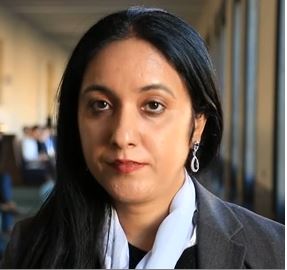
BOSTON – A multimodal research process has provided clues to the role of angiogenesis in nonalcoholic fatty liver disease (NAFLD) and its more serious cousin, nonalcoholic steatohepatitis (NASH).
In constructing a protocol that began with patients, moved on to bioinformatics and then performed final validation in the petri dish, Savneet Kaur, PhD, and her colleagues were able to identify several angiogenesis genes likely to contribute to the development of NAFLD and NASH.
“We have seen angiogenic mechanisms and angiogenic genes in the pathophysiology of nonalcoholic fatty liver disease,” said Dr. Kaur, professor of biotechnology at Gautam Buddha Medical School, Greater Noida, India, in a video interview at the annual meeting of the American Association for the Study of Liver Diseases.
The video associated with this article is no longer available on this site. Please view all of our videos on the MDedge YouTube channel
Dr. Kaur said that she and her coinvestigators began with a small group of eight patients with NASH, and seven patients with NAFLD, and also with seven healthy control participants. Genetic analysis and comparison of these patients yielded differential expression of certain genes already known to be associated with angiogenesis in the NASH and NAFLD, but not the healthy control participants.
“We did a microarray analysis, a high throughput gene expression study, and then we selected around 25 to 26 genes which were associated with oxidative stress and angiogenesis,” said Dr. Kaur.
For validation of these genes, Dr. Kaur and her associates used a larger study group of about 150 participants, again approximately evenly divided between those with mild NAFLD, those with more severe steatohepatitis, and healthy controls. “We validated the angiogenic genes in the subject group, and found that around 13 genes are preferentially expressed.”
“About 13 genes including VEGFR1, PIK3CA, CXCL8, NOS3, EREG, CCL2, PRKCE, PPar-gamma, PROK2, RUNX1, SIRT1, HMOX1 and CXCR4 showed significantly different gene expression in the [reverse transcription–polymerase chain reaction] analysis in Gr3 as compared to Gr1 (P less than .05 for each), whereas genes such as PIK3CA, CXCL8, NOS3, CCL2, PROK2, RUNX1, and HMOX1 were differentially expressed in Gr3 in comparison to Gr2 (P less than .05 each). A few genes, PPar-gamma, SIRT1, VEGFR1, HMOX1, PIK3CA, CXCR4, PROK2, and CCL2, showed correlations with fibrosis scores, angiogenesis scores, and NAFLD activity scores of the patients,” wrote Dr. Kaur and her colleagues in the abstract accompanying the poster presentation.
Taking these candidate genes, Dr. Kaur and her colleagues conducted a bioinformatics analysis to determine which transcription factors were controlling the genes. “We wanted to study the pathway – the mechanisms – to determine the upregulation and downregulation of these genes,” said Dr. Kaur.
Finally, Dr. Kaur and her associates took an in vitro approach, using human steatotic hepatocytes and endothelial cells, since “angiogenesis is a property of endothelial cells.” The two types of cells were cultured together, and angiogenic function and gene expression were examined, and checked against the genes and pathways identified in the first two steps. They again saw expression of the angiogenic pathways in the cell culture model. This was consistent with what is seen in patients with NAFLD and NASH: “Definitely, there’s an increase in angiogenesis. There’s an increase in the endothelial cell proliferation, with more fat, more steatosis in the patients,” said Dr. Kaur. Some genes, said Dr. Kaur, are “really important” to this process. Her group is now investigating how the genes are regulated, in order to understand better the precise role of angiogenesis in steatohepatitis.
The study was part of a joint Indo-German project, and sponsored by the Indian Council for Medical Research and the German Federal Ministry of Education and Research. Dr. Kaur reported no relevant conflicts of interest.
[email protected]
On Twitter @karioakes
BOSTON – A multimodal research process has provided clues to the role of angiogenesis in nonalcoholic fatty liver disease (NAFLD) and its more serious cousin, nonalcoholic steatohepatitis (NASH).
In constructing a protocol that began with patients, moved on to bioinformatics and then performed final validation in the petri dish, Savneet Kaur, PhD, and her colleagues were able to identify several angiogenesis genes likely to contribute to the development of NAFLD and NASH.
“We have seen angiogenic mechanisms and angiogenic genes in the pathophysiology of nonalcoholic fatty liver disease,” said Dr. Kaur, professor of biotechnology at Gautam Buddha Medical School, Greater Noida, India, in a video interview at the annual meeting of the American Association for the Study of Liver Diseases.
The video associated with this article is no longer available on this site. Please view all of our videos on the MDedge YouTube channel
Dr. Kaur said that she and her coinvestigators began with a small group of eight patients with NASH, and seven patients with NAFLD, and also with seven healthy control participants. Genetic analysis and comparison of these patients yielded differential expression of certain genes already known to be associated with angiogenesis in the NASH and NAFLD, but not the healthy control participants.
“We did a microarray analysis, a high throughput gene expression study, and then we selected around 25 to 26 genes which were associated with oxidative stress and angiogenesis,” said Dr. Kaur.
For validation of these genes, Dr. Kaur and her associates used a larger study group of about 150 participants, again approximately evenly divided between those with mild NAFLD, those with more severe steatohepatitis, and healthy controls. “We validated the angiogenic genes in the subject group, and found that around 13 genes are preferentially expressed.”
“About 13 genes including VEGFR1, PIK3CA, CXCL8, NOS3, EREG, CCL2, PRKCE, PPar-gamma, PROK2, RUNX1, SIRT1, HMOX1 and CXCR4 showed significantly different gene expression in the [reverse transcription–polymerase chain reaction] analysis in Gr3 as compared to Gr1 (P less than .05 for each), whereas genes such as PIK3CA, CXCL8, NOS3, CCL2, PROK2, RUNX1, and HMOX1 were differentially expressed in Gr3 in comparison to Gr2 (P less than .05 each). A few genes, PPar-gamma, SIRT1, VEGFR1, HMOX1, PIK3CA, CXCR4, PROK2, and CCL2, showed correlations with fibrosis scores, angiogenesis scores, and NAFLD activity scores of the patients,” wrote Dr. Kaur and her colleagues in the abstract accompanying the poster presentation.
Taking these candidate genes, Dr. Kaur and her colleagues conducted a bioinformatics analysis to determine which transcription factors were controlling the genes. “We wanted to study the pathway – the mechanisms – to determine the upregulation and downregulation of these genes,” said Dr. Kaur.
Finally, Dr. Kaur and her associates took an in vitro approach, using human steatotic hepatocytes and endothelial cells, since “angiogenesis is a property of endothelial cells.” The two types of cells were cultured together, and angiogenic function and gene expression were examined, and checked against the genes and pathways identified in the first two steps. They again saw expression of the angiogenic pathways in the cell culture model. This was consistent with what is seen in patients with NAFLD and NASH: “Definitely, there’s an increase in angiogenesis. There’s an increase in the endothelial cell proliferation, with more fat, more steatosis in the patients,” said Dr. Kaur. Some genes, said Dr. Kaur, are “really important” to this process. Her group is now investigating how the genes are regulated, in order to understand better the precise role of angiogenesis in steatohepatitis.
The study was part of a joint Indo-German project, and sponsored by the Indian Council for Medical Research and the German Federal Ministry of Education and Research. Dr. Kaur reported no relevant conflicts of interest.
[email protected]
On Twitter @karioakes
BOSTON – A multimodal research process has provided clues to the role of angiogenesis in nonalcoholic fatty liver disease (NAFLD) and its more serious cousin, nonalcoholic steatohepatitis (NASH).
In constructing a protocol that began with patients, moved on to bioinformatics and then performed final validation in the petri dish, Savneet Kaur, PhD, and her colleagues were able to identify several angiogenesis genes likely to contribute to the development of NAFLD and NASH.
“We have seen angiogenic mechanisms and angiogenic genes in the pathophysiology of nonalcoholic fatty liver disease,” said Dr. Kaur, professor of biotechnology at Gautam Buddha Medical School, Greater Noida, India, in a video interview at the annual meeting of the American Association for the Study of Liver Diseases.
The video associated with this article is no longer available on this site. Please view all of our videos on the MDedge YouTube channel
Dr. Kaur said that she and her coinvestigators began with a small group of eight patients with NASH, and seven patients with NAFLD, and also with seven healthy control participants. Genetic analysis and comparison of these patients yielded differential expression of certain genes already known to be associated with angiogenesis in the NASH and NAFLD, but not the healthy control participants.
“We did a microarray analysis, a high throughput gene expression study, and then we selected around 25 to 26 genes which were associated with oxidative stress and angiogenesis,” said Dr. Kaur.
For validation of these genes, Dr. Kaur and her associates used a larger study group of about 150 participants, again approximately evenly divided between those with mild NAFLD, those with more severe steatohepatitis, and healthy controls. “We validated the angiogenic genes in the subject group, and found that around 13 genes are preferentially expressed.”
“About 13 genes including VEGFR1, PIK3CA, CXCL8, NOS3, EREG, CCL2, PRKCE, PPar-gamma, PROK2, RUNX1, SIRT1, HMOX1 and CXCR4 showed significantly different gene expression in the [reverse transcription–polymerase chain reaction] analysis in Gr3 as compared to Gr1 (P less than .05 for each), whereas genes such as PIK3CA, CXCL8, NOS3, CCL2, PROK2, RUNX1, and HMOX1 were differentially expressed in Gr3 in comparison to Gr2 (P less than .05 each). A few genes, PPar-gamma, SIRT1, VEGFR1, HMOX1, PIK3CA, CXCR4, PROK2, and CCL2, showed correlations with fibrosis scores, angiogenesis scores, and NAFLD activity scores of the patients,” wrote Dr. Kaur and her colleagues in the abstract accompanying the poster presentation.
Taking these candidate genes, Dr. Kaur and her colleagues conducted a bioinformatics analysis to determine which transcription factors were controlling the genes. “We wanted to study the pathway – the mechanisms – to determine the upregulation and downregulation of these genes,” said Dr. Kaur.
Finally, Dr. Kaur and her associates took an in vitro approach, using human steatotic hepatocytes and endothelial cells, since “angiogenesis is a property of endothelial cells.” The two types of cells were cultured together, and angiogenic function and gene expression were examined, and checked against the genes and pathways identified in the first two steps. They again saw expression of the angiogenic pathways in the cell culture model. This was consistent with what is seen in patients with NAFLD and NASH: “Definitely, there’s an increase in angiogenesis. There’s an increase in the endothelial cell proliferation, with more fat, more steatosis in the patients,” said Dr. Kaur. Some genes, said Dr. Kaur, are “really important” to this process. Her group is now investigating how the genes are regulated, in order to understand better the precise role of angiogenesis in steatohepatitis.
The study was part of a joint Indo-German project, and sponsored by the Indian Council for Medical Research and the German Federal Ministry of Education and Research. Dr. Kaur reported no relevant conflicts of interest.
[email protected]
On Twitter @karioakes
AT THE LIVER MEETING 2016
Key clinical point:
Major finding: PPar-gamma, SIRT1, VEGFR1, and other genes are associated with fibrosis, angiogenesis, and steatosis.
Data source: Human bioinformatics–in vitro exploration of genetic pathways associated with angiogenesis in NASH and nonalcoholic fatty liver disease (NAFLD).
Disclosures: The study was part of a joint Indo-German project, and funded by the Indian Council for Medical Research and the German Federal Ministry of Education and Research. Dr. Kaur reported no relevant financial disclosures.