User login
The Hospitalist only
Debate Rages Over Hospitalists' Role in ICU Physician Shortage
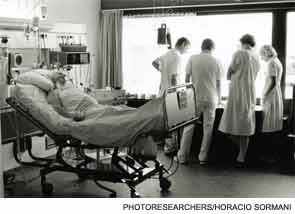
The long-simmering debate over whether and how hospitalists might help solve the worsening shortage of critical-care physicians is beginning to boil over.
In June, SHM and the Society of Critical Care Medicine (SCCM) issued a joint position paper proposing an expedited, one-year, critical-care fellowship for hospitalists with at least three years of clinical job experience, in lieu of the two-year fellowship now required for board certification.1
“Bringing qualified hospitalists into the critical-care workforce through rigorous sanctioned and accredited one-year training programs,” the paper asserted, “will open a new intensivist training pipeline and potentially offer more critically ill patients the benefits of providers who are unequivocally qualified to care for them.”
The backlash was swift and sharp. In a strongly worded editorial response published in July, the American College of Chest Physicians (ACCP) and the American Association of Critical-Care Nurses (AACN) declared that one year of fellowship training is inadequate for HM physicians to achieve competence in critical-care medicine.2 “No, the perfect should not be the enemy of the good in our efforts to craft solutions,” the editorial stated. “But the current imperfect SCCM/SHM proposal is an enemy of the existing good training processes already in place.”
HM leaders counter that the current strategies for bolstering the ranks of board-certified intensivists simply aren’t working, and that creative, outside-the-box thinking is required to solve the dilemma.

“Hospitalists are rapidly becoming a dominant, if not the dominant, block of physicians who are providing critical care in the United States. You can decide, if you want, whether that’s good or bad, but that’s the reality,” says Eric Siegal, MD, SFHM, lead author of the SHM/SCCM position paper, director of critical-care medicine at Aurora St. Luke’s Medical Center in Milwaukee, and an SHM board member. Given the escalating shortage of intensivists, he says, he believes that concerned stakeholders can either try to help develop the skills and knowledge of those hospitalists already in the ICU or “hope that a whole bunch of hospitalists suddenly decide to abandon their practices and complete two-year medical
critical-care fellowships.”
Intensivist leaders say that less training will do nothing to improve patient outcomes. “The reality is that hospitalists are doing it. The question should be, ‘Are they doing it well or at the detriment of the patient?’” asks Michael Baumann, MD, MS, FCCP, professor of medicine in the division of pulmonary, critical-care, and sleep medicine at the University of Mississippi Medical Center in Jackson. “The patient is the one who loses if we have somebody pinch-hitting, which is really what we’re talking about here,” adds Dr. Baumann, lead author of the ACCP/AACN editorial.
Staffing Shortfall
Despite the heated rhetoric, interviews with leaders on both sides suggest an eagerness to move forward in trying to collectively solve a problem that has vexed the entire medical community.
In 2000, the Leapfrog Group, a Washington, D.C.-based consortium of major healthcare purchasers focused on improving the safety, quality, and value of care, recommended that all ICUs should be staffed with physicians certified in critical-care medicine.3 As part of its rationale, the group cited research suggesting that greater intensivist use can yield better patient outcomes.
But a seminal study published the same year hinted at just how difficult meeting Leapfrog’s ambitious goal might be. Based on the trajectory of supply and demand, the authors forecast a 22% shortfall in intensivist hours by 2020, and a 35% shortfall by 2030, mainly due to a surge in demand from an aging U.S. population.4 A follow-up report in 2006 estimated that 53% of the nation’s ICU units had no intensivist coverage at all, and that only 4% of adult ICUs were meeting the full Leapfrog standards of high-intensity ICU staffing, dedicated attending physician coverage during the day, and dedicated coverage by any physician at night.5

—Timothy Buchman, PhD, MD, director, Emory University Center for Critical Care, Atlanta
Given the recent push for more outpatient treatment of less-critically-ill patients, many observers say the increased acuity of hospitalized patients—with more comorbidities—only exacerbates the mismatch between supply and demand. Making matters worse, providers are not evenly distributed throughout the country, with many smaller and rural hospitals already facing an acute shortage of intensivist services.
As a result, many hospitalists have been forced to step into the breach. According to SHM’s 2012 State of Hospital Medicine survey, 83.5% of responding nonacademic adult medicine groups said they routinely provide care for patients in an ICU setting, along with 27.9% of academic HM groups.
“So we have hospitalists who, either by choice or by default, care for patients who they may or may not be fully qualified to manage,” Dr. Siegal says. Practically speaking, he and his coauthors assert, the question of whether hospitalists should be in the ICU is now moot. The real question is how to ensure that those providers can deliver safe and effective care.
Experience vs. Training
Currently, internists who have completed fellowships in such specialties as pulmonary medicine, nephrology, and infectious disease can complete a one-year critical-care fellowship to obtain board certification. Experienced hospitalists have questioned the requirement that they instead complete a two-year fellowship, with no consideration given to the relevant clinical experience and maturity gained after years of hospitalist practice. In addition, they argue, it is logistically and financially unrealistic to expect a large cadre of experienced hospitalists to abandon their practices for two years to pursue critical-care training.
But Dr. Baumann says subpar internal-medicine residency requirements deserve much of the blame for offering inadequate training. “Critical care is a blend of critical thinking skills and procedural skills. Both of those are diminished tremendously in the current programs for internal medicine,” he says. “It’s really an indictment of our current training of internal-medicine residents now.”
SCCM, for its part, is sticking to its guns, albeit more quietly. When asked for comment, a spokesman issued a carefully worded statement that reads, “The paper reflects the society’s concerns regarding workforce shortages and the realities of today’s environment.”
The SHM/SCCM proposal makes sense provided that hospitalists are realistic about the types of patients they’ll see, says Timothy Buchman, PhD, MD, director of Emory University’s Center for Critical Care in Atlanta. “No one in their right mind will say one year is as good as two years. That would be folly,” he says. “On the other hand, that’s not the question. The question is, ‘Can we structure training that is competency-focused, so that the majority of people who enter the training will achieve the necessary levels of competency within a year?’”

Derek Angus, MD, chair of critical-care medicine at the University of Pittsburgh Medical Center and lead author of the 2000 study chronicling the intensivist shortfall, is more ambivalent. “Hospitalists and intensivists have to work hand in hand. In many ways, they are the two groups that run inpatient hospital medicine,” he says. In that respect, sorting out and streamlining training pathways might be a good idea.
“On the other hand, all of intensive-care training in the United States is a little thin in comparison to what goes on in many other countries,” Dr. Angus adds. “If anything, I would like to be seeing more vigorous training. So creating one more pathway that helps reinforce pretty light training feels like accreditation, in general, may be moving slightly in the wrong direction.”
Dr. Buchman and other observers view the debate as a difference in opinion among well-meaning people who are passionate about patient care. And they concede that no one knows yet who may be right.
“We do know that advanced training is required. We do know that it should be competency-focused,” Dr. Buchman says. “But what we don’t know is how long it’s really going to take to get to the competency levels that we believe are necessary to care for the patients.”
That point may provide one important opening for further discussions. Dr. Baumann agrees that the real issues are how to define critical-care competencies, how to measure them, and how to ensure that trainees prove their mettle as competent providers. “It really shouldn’t be time-based; it should be outcome-based,” he says.
The SHM/SCCM proposal, Dr. Siegal says, should be viewed as a conversation-starter. The true test will be whether everyone can reach an agreement on how to evaluate whether an ICU caregiver has attained the necessary knowledge, skills, and attitudes—and how relevant professional experience should factor into discussions over the length of training required for intensivist certification.
A Tiered Solution
The concept of tiered ICU care—already used in neonatal ICUs—might offer another opening for productive debate. “Can patients who are not that critically ill be managed by someone who hasn’t done that much critical-care training?” Dr. Angus asks. He believes it’s possible, provided patients are properly sorted and that hospitalists aren’t put in the uncomfortable position of managing medical conditions that they see only rarely. He has no problem, though, envisioning a tiered system in which fully trained intensivists spend most of their time managing the sickest patients, while other providers—including hospitalists—care for patients at intermediate risk.
Hospitalists have greeted the idea cautiously, noting that a two-tiered model might be difficult to define and standardize, and that it could present logistical challenges around transferring patients. However, Daniel D. Dressler, MD, MSc, SFHM, FACP, associate professor of internal medicine at Emory University School of Medicine and coauthor of the SHM/SCCM position paper, led a recent study that offers at least some support for a risk-based system.6
Overall, the study found no statistically significant difference in the length of stay or inpatient mortality rates for ICU patients cared for by hospitalist-led or intensivist-led teams. Among mechanically ventilated patients with intermediate illness severity, though, the study suggested that intensivist-led care resulted in a lower length of stay in both the hospital and ICU, as well as in a trend toward reduced inpatient mortality. “There may be some value in designing or developing a stratification system,” Dr. Dressler says, “but it definitely needs more study.”
In the meantime, Dr. Dressler says, more rapid solutions are needed. And although he says he understands and respects many of the doubts expressed about the SHM/SCCM proposal, he also believes some of the fear might be based on anecdotes about individual hospitalists who were deemed unlikely to thrive in an ICU environment. “For each person like that, we also know 10 or 20 people who might do really well” with just a year of additional training, says Dr. Dressler, a former SHM board member.
Now that both sides clearly have the attention of the other, leaders say they hope the opening salvos give way to more temperate discussions about how to move more skilled providers to the front lines.
“Health professionals are a smart and clever lot,” says Mary Stahl, RN, MSN, ACNS-BC, CCNS-CMC, CCRN, immediate past president of AACN and a clinical nurse specialist at the Mid America Heart Institute at Saint Luke’s Hospital in Kansas City, Mo. “I’m confident we’ll develop an effective solution—maybe several—by focusing on the fundamental belief that patients’ needs must drive caregivers’ knowledge and skills.”
Bryn Nelson is a freelance medical writer in Seattle.
References
- Siegal EM, Dressler DD, Dichter JR, Gorman MJ, Lipsett PA. Training a hospitalist workforce to address the intensivist shortage in American hospitals: a position paper from the Society of Hospital Medicine and the Society of Critical Care Medicine. J Hosp Med. 2012;7:359-364.
- Baumann MH, Simpson SQ, Stahl M, et al. First, do no harm: less training ≠ quality care. Chest. 2012;142:5-7.
- Milstein A, Galvin RS, Delbanco SF, et al. Improving the safety of health care: the Leapfrog initiative. Eff Clin Pract. 2000;3:313-316.
- Angus DC, Kelley MA, Schmitz RJ, et al. Caring for the critically ill patient. Current and projected workforce requirements for care of the critically ill and patients with pulmonary disease: can we meet the requirements of an aging population? JAMA. 2000;284:2762-2770.
- Angus DC, Shorr AF, White A, et al. Critical care delivery in the United States: distribution of services and compliance with Leapfrog recommendations. Crit Care Med. 2006;34:1016-1024.
- Wise KR, Akopov VA, Williams BR Jr., Ido MS, Leeper KV, Dressler DD. Hospitalists and intensivists in the medical ICU: a prospective observational study comparing mortality and length of stay between two staffing models. J Hosp Med. 2012;7:183-189.
The long-simmering debate over whether and how hospitalists might help solve the worsening shortage of critical-care physicians is beginning to boil over.
In June, SHM and the Society of Critical Care Medicine (SCCM) issued a joint position paper proposing an expedited, one-year, critical-care fellowship for hospitalists with at least three years of clinical job experience, in lieu of the two-year fellowship now required for board certification.1
“Bringing qualified hospitalists into the critical-care workforce through rigorous sanctioned and accredited one-year training programs,” the paper asserted, “will open a new intensivist training pipeline and potentially offer more critically ill patients the benefits of providers who are unequivocally qualified to care for them.”
The backlash was swift and sharp. In a strongly worded editorial response published in July, the American College of Chest Physicians (ACCP) and the American Association of Critical-Care Nurses (AACN) declared that one year of fellowship training is inadequate for HM physicians to achieve competence in critical-care medicine.2 “No, the perfect should not be the enemy of the good in our efforts to craft solutions,” the editorial stated. “But the current imperfect SCCM/SHM proposal is an enemy of the existing good training processes already in place.”
HM leaders counter that the current strategies for bolstering the ranks of board-certified intensivists simply aren’t working, and that creative, outside-the-box thinking is required to solve the dilemma.
“Hospitalists are rapidly becoming a dominant, if not the dominant, block of physicians who are providing critical care in the United States. You can decide, if you want, whether that’s good or bad, but that’s the reality,” says Eric Siegal, MD, SFHM, lead author of the SHM/SCCM position paper, director of critical-care medicine at Aurora St. Luke’s Medical Center in Milwaukee, and an SHM board member. Given the escalating shortage of intensivists, he says, he believes that concerned stakeholders can either try to help develop the skills and knowledge of those hospitalists already in the ICU or “hope that a whole bunch of hospitalists suddenly decide to abandon their practices and complete two-year medical
critical-care fellowships.”
Intensivist leaders say that less training will do nothing to improve patient outcomes. “The reality is that hospitalists are doing it. The question should be, ‘Are they doing it well or at the detriment of the patient?’” asks Michael Baumann, MD, MS, FCCP, professor of medicine in the division of pulmonary, critical-care, and sleep medicine at the University of Mississippi Medical Center in Jackson. “The patient is the one who loses if we have somebody pinch-hitting, which is really what we’re talking about here,” adds Dr. Baumann, lead author of the ACCP/AACN editorial.
Staffing Shortfall
Despite the heated rhetoric, interviews with leaders on both sides suggest an eagerness to move forward in trying to collectively solve a problem that has vexed the entire medical community.
In 2000, the Leapfrog Group, a Washington, D.C.-based consortium of major healthcare purchasers focused on improving the safety, quality, and value of care, recommended that all ICUs should be staffed with physicians certified in critical-care medicine.3 As part of its rationale, the group cited research suggesting that greater intensivist use can yield better patient outcomes.
But a seminal study published the same year hinted at just how difficult meeting Leapfrog’s ambitious goal might be. Based on the trajectory of supply and demand, the authors forecast a 22% shortfall in intensivist hours by 2020, and a 35% shortfall by 2030, mainly due to a surge in demand from an aging U.S. population.4 A follow-up report in 2006 estimated that 53% of the nation’s ICU units had no intensivist coverage at all, and that only 4% of adult ICUs were meeting the full Leapfrog standards of high-intensity ICU staffing, dedicated attending physician coverage during the day, and dedicated coverage by any physician at night.5
—Timothy Buchman, PhD, MD, director, Emory University Center for Critical Care, Atlanta
Given the recent push for more outpatient treatment of less-critically-ill patients, many observers say the increased acuity of hospitalized patients—with more comorbidities—only exacerbates the mismatch between supply and demand. Making matters worse, providers are not evenly distributed throughout the country, with many smaller and rural hospitals already facing an acute shortage of intensivist services.
As a result, many hospitalists have been forced to step into the breach. According to SHM’s 2012 State of Hospital Medicine survey, 83.5% of responding nonacademic adult medicine groups said they routinely provide care for patients in an ICU setting, along with 27.9% of academic HM groups.
“So we have hospitalists who, either by choice or by default, care for patients who they may or may not be fully qualified to manage,” Dr. Siegal says. Practically speaking, he and his coauthors assert, the question of whether hospitalists should be in the ICU is now moot. The real question is how to ensure that those providers can deliver safe and effective care.
Experience vs. Training
Currently, internists who have completed fellowships in such specialties as pulmonary medicine, nephrology, and infectious disease can complete a one-year critical-care fellowship to obtain board certification. Experienced hospitalists have questioned the requirement that they instead complete a two-year fellowship, with no consideration given to the relevant clinical experience and maturity gained after years of hospitalist practice. In addition, they argue, it is logistically and financially unrealistic to expect a large cadre of experienced hospitalists to abandon their practices for two years to pursue critical-care training.
But Dr. Baumann says subpar internal-medicine residency requirements deserve much of the blame for offering inadequate training. “Critical care is a blend of critical thinking skills and procedural skills. Both of those are diminished tremendously in the current programs for internal medicine,” he says. “It’s really an indictment of our current training of internal-medicine residents now.”
SCCM, for its part, is sticking to its guns, albeit more quietly. When asked for comment, a spokesman issued a carefully worded statement that reads, “The paper reflects the society’s concerns regarding workforce shortages and the realities of today’s environment.”
The SHM/SCCM proposal makes sense provided that hospitalists are realistic about the types of patients they’ll see, says Timothy Buchman, PhD, MD, director of Emory University’s Center for Critical Care in Atlanta. “No one in their right mind will say one year is as good as two years. That would be folly,” he says. “On the other hand, that’s not the question. The question is, ‘Can we structure training that is competency-focused, so that the majority of people who enter the training will achieve the necessary levels of competency within a year?’”
Derek Angus, MD, chair of critical-care medicine at the University of Pittsburgh Medical Center and lead author of the 2000 study chronicling the intensivist shortfall, is more ambivalent. “Hospitalists and intensivists have to work hand in hand. In many ways, they are the two groups that run inpatient hospital medicine,” he says. In that respect, sorting out and streamlining training pathways might be a good idea.
“On the other hand, all of intensive-care training in the United States is a little thin in comparison to what goes on in many other countries,” Dr. Angus adds. “If anything, I would like to be seeing more vigorous training. So creating one more pathway that helps reinforce pretty light training feels like accreditation, in general, may be moving slightly in the wrong direction.”
Dr. Buchman and other observers view the debate as a difference in opinion among well-meaning people who are passionate about patient care. And they concede that no one knows yet who may be right.
“We do know that advanced training is required. We do know that it should be competency-focused,” Dr. Buchman says. “But what we don’t know is how long it’s really going to take to get to the competency levels that we believe are necessary to care for the patients.”
That point may provide one important opening for further discussions. Dr. Baumann agrees that the real issues are how to define critical-care competencies, how to measure them, and how to ensure that trainees prove their mettle as competent providers. “It really shouldn’t be time-based; it should be outcome-based,” he says.
The SHM/SCCM proposal, Dr. Siegal says, should be viewed as a conversation-starter. The true test will be whether everyone can reach an agreement on how to evaluate whether an ICU caregiver has attained the necessary knowledge, skills, and attitudes—and how relevant professional experience should factor into discussions over the length of training required for intensivist certification.
A Tiered Solution
The concept of tiered ICU care—already used in neonatal ICUs—might offer another opening for productive debate. “Can patients who are not that critically ill be managed by someone who hasn’t done that much critical-care training?” Dr. Angus asks. He believes it’s possible, provided patients are properly sorted and that hospitalists aren’t put in the uncomfortable position of managing medical conditions that they see only rarely. He has no problem, though, envisioning a tiered system in which fully trained intensivists spend most of their time managing the sickest patients, while other providers—including hospitalists—care for patients at intermediate risk.
Hospitalists have greeted the idea cautiously, noting that a two-tiered model might be difficult to define and standardize, and that it could present logistical challenges around transferring patients. However, Daniel D. Dressler, MD, MSc, SFHM, FACP, associate professor of internal medicine at Emory University School of Medicine and coauthor of the SHM/SCCM position paper, led a recent study that offers at least some support for a risk-based system.6
Overall, the study found no statistically significant difference in the length of stay or inpatient mortality rates for ICU patients cared for by hospitalist-led or intensivist-led teams. Among mechanically ventilated patients with intermediate illness severity, though, the study suggested that intensivist-led care resulted in a lower length of stay in both the hospital and ICU, as well as in a trend toward reduced inpatient mortality. “There may be some value in designing or developing a stratification system,” Dr. Dressler says, “but it definitely needs more study.”
In the meantime, Dr. Dressler says, more rapid solutions are needed. And although he says he understands and respects many of the doubts expressed about the SHM/SCCM proposal, he also believes some of the fear might be based on anecdotes about individual hospitalists who were deemed unlikely to thrive in an ICU environment. “For each person like that, we also know 10 or 20 people who might do really well” with just a year of additional training, says Dr. Dressler, a former SHM board member.
Now that both sides clearly have the attention of the other, leaders say they hope the opening salvos give way to more temperate discussions about how to move more skilled providers to the front lines.
“Health professionals are a smart and clever lot,” says Mary Stahl, RN, MSN, ACNS-BC, CCNS-CMC, CCRN, immediate past president of AACN and a clinical nurse specialist at the Mid America Heart Institute at Saint Luke’s Hospital in Kansas City, Mo. “I’m confident we’ll develop an effective solution—maybe several—by focusing on the fundamental belief that patients’ needs must drive caregivers’ knowledge and skills.”
Bryn Nelson is a freelance medical writer in Seattle.
References
- Siegal EM, Dressler DD, Dichter JR, Gorman MJ, Lipsett PA. Training a hospitalist workforce to address the intensivist shortage in American hospitals: a position paper from the Society of Hospital Medicine and the Society of Critical Care Medicine. J Hosp Med. 2012;7:359-364.
- Baumann MH, Simpson SQ, Stahl M, et al. First, do no harm: less training ≠ quality care. Chest. 2012;142:5-7.
- Milstein A, Galvin RS, Delbanco SF, et al. Improving the safety of health care: the Leapfrog initiative. Eff Clin Pract. 2000;3:313-316.
- Angus DC, Kelley MA, Schmitz RJ, et al. Caring for the critically ill patient. Current and projected workforce requirements for care of the critically ill and patients with pulmonary disease: can we meet the requirements of an aging population? JAMA. 2000;284:2762-2770.
- Angus DC, Shorr AF, White A, et al. Critical care delivery in the United States: distribution of services and compliance with Leapfrog recommendations. Crit Care Med. 2006;34:1016-1024.
- Wise KR, Akopov VA, Williams BR Jr., Ido MS, Leeper KV, Dressler DD. Hospitalists and intensivists in the medical ICU: a prospective observational study comparing mortality and length of stay between two staffing models. J Hosp Med. 2012;7:183-189.
The long-simmering debate over whether and how hospitalists might help solve the worsening shortage of critical-care physicians is beginning to boil over.
In June, SHM and the Society of Critical Care Medicine (SCCM) issued a joint position paper proposing an expedited, one-year, critical-care fellowship for hospitalists with at least three years of clinical job experience, in lieu of the two-year fellowship now required for board certification.1
“Bringing qualified hospitalists into the critical-care workforce through rigorous sanctioned and accredited one-year training programs,” the paper asserted, “will open a new intensivist training pipeline and potentially offer more critically ill patients the benefits of providers who are unequivocally qualified to care for them.”
The backlash was swift and sharp. In a strongly worded editorial response published in July, the American College of Chest Physicians (ACCP) and the American Association of Critical-Care Nurses (AACN) declared that one year of fellowship training is inadequate for HM physicians to achieve competence in critical-care medicine.2 “No, the perfect should not be the enemy of the good in our efforts to craft solutions,” the editorial stated. “But the current imperfect SCCM/SHM proposal is an enemy of the existing good training processes already in place.”
HM leaders counter that the current strategies for bolstering the ranks of board-certified intensivists simply aren’t working, and that creative, outside-the-box thinking is required to solve the dilemma.
“Hospitalists are rapidly becoming a dominant, if not the dominant, block of physicians who are providing critical care in the United States. You can decide, if you want, whether that’s good or bad, but that’s the reality,” says Eric Siegal, MD, SFHM, lead author of the SHM/SCCM position paper, director of critical-care medicine at Aurora St. Luke’s Medical Center in Milwaukee, and an SHM board member. Given the escalating shortage of intensivists, he says, he believes that concerned stakeholders can either try to help develop the skills and knowledge of those hospitalists already in the ICU or “hope that a whole bunch of hospitalists suddenly decide to abandon their practices and complete two-year medical
critical-care fellowships.”
Intensivist leaders say that less training will do nothing to improve patient outcomes. “The reality is that hospitalists are doing it. The question should be, ‘Are they doing it well or at the detriment of the patient?’” asks Michael Baumann, MD, MS, FCCP, professor of medicine in the division of pulmonary, critical-care, and sleep medicine at the University of Mississippi Medical Center in Jackson. “The patient is the one who loses if we have somebody pinch-hitting, which is really what we’re talking about here,” adds Dr. Baumann, lead author of the ACCP/AACN editorial.
Staffing Shortfall
Despite the heated rhetoric, interviews with leaders on both sides suggest an eagerness to move forward in trying to collectively solve a problem that has vexed the entire medical community.
In 2000, the Leapfrog Group, a Washington, D.C.-based consortium of major healthcare purchasers focused on improving the safety, quality, and value of care, recommended that all ICUs should be staffed with physicians certified in critical-care medicine.3 As part of its rationale, the group cited research suggesting that greater intensivist use can yield better patient outcomes.
But a seminal study published the same year hinted at just how difficult meeting Leapfrog’s ambitious goal might be. Based on the trajectory of supply and demand, the authors forecast a 22% shortfall in intensivist hours by 2020, and a 35% shortfall by 2030, mainly due to a surge in demand from an aging U.S. population.4 A follow-up report in 2006 estimated that 53% of the nation’s ICU units had no intensivist coverage at all, and that only 4% of adult ICUs were meeting the full Leapfrog standards of high-intensity ICU staffing, dedicated attending physician coverage during the day, and dedicated coverage by any physician at night.5
—Timothy Buchman, PhD, MD, director, Emory University Center for Critical Care, Atlanta
Given the recent push for more outpatient treatment of less-critically-ill patients, many observers say the increased acuity of hospitalized patients—with more comorbidities—only exacerbates the mismatch between supply and demand. Making matters worse, providers are not evenly distributed throughout the country, with many smaller and rural hospitals already facing an acute shortage of intensivist services.
As a result, many hospitalists have been forced to step into the breach. According to SHM’s 2012 State of Hospital Medicine survey, 83.5% of responding nonacademic adult medicine groups said they routinely provide care for patients in an ICU setting, along with 27.9% of academic HM groups.
“So we have hospitalists who, either by choice or by default, care for patients who they may or may not be fully qualified to manage,” Dr. Siegal says. Practically speaking, he and his coauthors assert, the question of whether hospitalists should be in the ICU is now moot. The real question is how to ensure that those providers can deliver safe and effective care.
Experience vs. Training
Currently, internists who have completed fellowships in such specialties as pulmonary medicine, nephrology, and infectious disease can complete a one-year critical-care fellowship to obtain board certification. Experienced hospitalists have questioned the requirement that they instead complete a two-year fellowship, with no consideration given to the relevant clinical experience and maturity gained after years of hospitalist practice. In addition, they argue, it is logistically and financially unrealistic to expect a large cadre of experienced hospitalists to abandon their practices for two years to pursue critical-care training.
But Dr. Baumann says subpar internal-medicine residency requirements deserve much of the blame for offering inadequate training. “Critical care is a blend of critical thinking skills and procedural skills. Both of those are diminished tremendously in the current programs for internal medicine,” he says. “It’s really an indictment of our current training of internal-medicine residents now.”
SCCM, for its part, is sticking to its guns, albeit more quietly. When asked for comment, a spokesman issued a carefully worded statement that reads, “The paper reflects the society’s concerns regarding workforce shortages and the realities of today’s environment.”
The SHM/SCCM proposal makes sense provided that hospitalists are realistic about the types of patients they’ll see, says Timothy Buchman, PhD, MD, director of Emory University’s Center for Critical Care in Atlanta. “No one in their right mind will say one year is as good as two years. That would be folly,” he says. “On the other hand, that’s not the question. The question is, ‘Can we structure training that is competency-focused, so that the majority of people who enter the training will achieve the necessary levels of competency within a year?’”
Derek Angus, MD, chair of critical-care medicine at the University of Pittsburgh Medical Center and lead author of the 2000 study chronicling the intensivist shortfall, is more ambivalent. “Hospitalists and intensivists have to work hand in hand. In many ways, they are the two groups that run inpatient hospital medicine,” he says. In that respect, sorting out and streamlining training pathways might be a good idea.
“On the other hand, all of intensive-care training in the United States is a little thin in comparison to what goes on in many other countries,” Dr. Angus adds. “If anything, I would like to be seeing more vigorous training. So creating one more pathway that helps reinforce pretty light training feels like accreditation, in general, may be moving slightly in the wrong direction.”
Dr. Buchman and other observers view the debate as a difference in opinion among well-meaning people who are passionate about patient care. And they concede that no one knows yet who may be right.
“We do know that advanced training is required. We do know that it should be competency-focused,” Dr. Buchman says. “But what we don’t know is how long it’s really going to take to get to the competency levels that we believe are necessary to care for the patients.”
That point may provide one important opening for further discussions. Dr. Baumann agrees that the real issues are how to define critical-care competencies, how to measure them, and how to ensure that trainees prove their mettle as competent providers. “It really shouldn’t be time-based; it should be outcome-based,” he says.
The SHM/SCCM proposal, Dr. Siegal says, should be viewed as a conversation-starter. The true test will be whether everyone can reach an agreement on how to evaluate whether an ICU caregiver has attained the necessary knowledge, skills, and attitudes—and how relevant professional experience should factor into discussions over the length of training required for intensivist certification.
A Tiered Solution
The concept of tiered ICU care—already used in neonatal ICUs—might offer another opening for productive debate. “Can patients who are not that critically ill be managed by someone who hasn’t done that much critical-care training?” Dr. Angus asks. He believes it’s possible, provided patients are properly sorted and that hospitalists aren’t put in the uncomfortable position of managing medical conditions that they see only rarely. He has no problem, though, envisioning a tiered system in which fully trained intensivists spend most of their time managing the sickest patients, while other providers—including hospitalists—care for patients at intermediate risk.
Hospitalists have greeted the idea cautiously, noting that a two-tiered model might be difficult to define and standardize, and that it could present logistical challenges around transferring patients. However, Daniel D. Dressler, MD, MSc, SFHM, FACP, associate professor of internal medicine at Emory University School of Medicine and coauthor of the SHM/SCCM position paper, led a recent study that offers at least some support for a risk-based system.6
Overall, the study found no statistically significant difference in the length of stay or inpatient mortality rates for ICU patients cared for by hospitalist-led or intensivist-led teams. Among mechanically ventilated patients with intermediate illness severity, though, the study suggested that intensivist-led care resulted in a lower length of stay in both the hospital and ICU, as well as in a trend toward reduced inpatient mortality. “There may be some value in designing or developing a stratification system,” Dr. Dressler says, “but it definitely needs more study.”
In the meantime, Dr. Dressler says, more rapid solutions are needed. And although he says he understands and respects many of the doubts expressed about the SHM/SCCM proposal, he also believes some of the fear might be based on anecdotes about individual hospitalists who were deemed unlikely to thrive in an ICU environment. “For each person like that, we also know 10 or 20 people who might do really well” with just a year of additional training, says Dr. Dressler, a former SHM board member.
Now that both sides clearly have the attention of the other, leaders say they hope the opening salvos give way to more temperate discussions about how to move more skilled providers to the front lines.
“Health professionals are a smart and clever lot,” says Mary Stahl, RN, MSN, ACNS-BC, CCNS-CMC, CCRN, immediate past president of AACN and a clinical nurse specialist at the Mid America Heart Institute at Saint Luke’s Hospital in Kansas City, Mo. “I’m confident we’ll develop an effective solution—maybe several—by focusing on the fundamental belief that patients’ needs must drive caregivers’ knowledge and skills.”
Bryn Nelson is a freelance medical writer in Seattle.
References
- Siegal EM, Dressler DD, Dichter JR, Gorman MJ, Lipsett PA. Training a hospitalist workforce to address the intensivist shortage in American hospitals: a position paper from the Society of Hospital Medicine and the Society of Critical Care Medicine. J Hosp Med. 2012;7:359-364.
- Baumann MH, Simpson SQ, Stahl M, et al. First, do no harm: less training ≠ quality care. Chest. 2012;142:5-7.
- Milstein A, Galvin RS, Delbanco SF, et al. Improving the safety of health care: the Leapfrog initiative. Eff Clin Pract. 2000;3:313-316.
- Angus DC, Kelley MA, Schmitz RJ, et al. Caring for the critically ill patient. Current and projected workforce requirements for care of the critically ill and patients with pulmonary disease: can we meet the requirements of an aging population? JAMA. 2000;284:2762-2770.
- Angus DC, Shorr AF, White A, et al. Critical care delivery in the United States: distribution of services and compliance with Leapfrog recommendations. Crit Care Med. 2006;34:1016-1024.
- Wise KR, Akopov VA, Williams BR Jr., Ido MS, Leeper KV, Dressler DD. Hospitalists and intensivists in the medical ICU: a prospective observational study comparing mortality and length of stay between two staffing models. J Hosp Med. 2012;7:183-189.
Rules of Engagement Necessary for Comanagement of Orthopedic Patients

One of our providers wants to use adult hospitalists for coverage of inpatient orthopedic surgery patients. Is this acceptable practice? Are there qualifiers?
–Libby Gardner
Dr. Hospitalist responds:
Let’s see how far we can tackle this open-ended question. There has been lots of discussion on the topic of comanagement in the past by people eminently more qualified than I am. Still, it never hurts to take a fresh look at things.
For one, on the subject of admissions, I am a firm believer that hospitalists should admit all adult hip fractures. The overwhelming majority of the time, these patients are elderly with comorbid conditions. Sure, they are going to get their hip fixed, because the alternative is usually unacceptable, but some thought needs to go into the process. The orthopedic surgeon sees a hip that needs fixing and not much else. When issues like renal failure, afib, CHF, prior DVT, or dementia are present, hospitalists should take charge of the case. It is the best way to ensure that the patient receives optimal medical care and the documentation that goes along with it. I love our orthopedic surgeons, but I don’t want them primarily admitting, managing, and discharging my elderly patients. Let the surgeon do what they do best, which is operate, and leave the rest to us.
On the subject of orthopedic trauma, I take the exact opposite tack—this is not something for which I or most of my colleagues have expertise. A young, healthy patient with trauma should be admitted by the orthopedic service; that patient population’s complications are much more likely to be directly related to their trauma.
When it comes to elective surgery, when the admitting surgeon (orthopedic or otherwise) wants the help of a hospitalist, then I think it is of paramount importance to have clear “rules of engagement.” I think with good expectations, you can have a fantastic working relationship with your surgeons. Without them, it becomes a nightmare.
Here are my HM group’s rules for elective orthopedic surgery:
- Orthopedics handles all pain medications and VTE prophylaxis, including discharge prescriptions.
- Medicine handles all admit and discharge medication reconciliation (“med rec”).
- There is shared discussion on:
- Need for transfusion; and
- The VTE prophylaxis when a patient already is on chronic anticoagulation.
We do not vary from this protocol. I never adjust a patient’s pain medications. Even the floor nurses know this. Because I’m doing the admit med rec, it also means that the patient doesn’t have their HCTZ continued after 600cc of EBL and spinal anesthesia.
The system works because the rules are clear and the communication is consistent. This does not mean that we cover the orthopedic service at night. They are equally responsible for their patients under the items outlined above. In my view—and this might sound simplistic—the surgeon caused the post-op pain, so they should be responsible for managing it. On VTE prophylaxis, I might take a more nuanced view, but for our surgeons, they own the wound and the post-op follow-up, so they get the choice on what agent to use.
Would I accept an arrangement in which I covered all the orthopedic issues out of regular hours? Nope—not when they have primary responsibility for the case; they should always be directly available to the nurse. I think that anything else would be a system ripe for abuse.
Our exact rules will not work for every situation, but I would strongly encourage the two basic tenets from above: No. 1, the hospitalist should primarily admit and manage elderly hip fractures, and No. 2, clear rules of engagement should be established with your orthopedic or surgery group. It’s a discussion worth having during daylight hours, because trying to figure out the rules at 3 in the morning rarely ends well.
One of our providers wants to use adult hospitalists for coverage of inpatient orthopedic surgery patients. Is this acceptable practice? Are there qualifiers?
–Libby Gardner
Dr. Hospitalist responds:
Let’s see how far we can tackle this open-ended question. There has been lots of discussion on the topic of comanagement in the past by people eminently more qualified than I am. Still, it never hurts to take a fresh look at things.
For one, on the subject of admissions, I am a firm believer that hospitalists should admit all adult hip fractures. The overwhelming majority of the time, these patients are elderly with comorbid conditions. Sure, they are going to get their hip fixed, because the alternative is usually unacceptable, but some thought needs to go into the process. The orthopedic surgeon sees a hip that needs fixing and not much else. When issues like renal failure, afib, CHF, prior DVT, or dementia are present, hospitalists should take charge of the case. It is the best way to ensure that the patient receives optimal medical care and the documentation that goes along with it. I love our orthopedic surgeons, but I don’t want them primarily admitting, managing, and discharging my elderly patients. Let the surgeon do what they do best, which is operate, and leave the rest to us.
On the subject of orthopedic trauma, I take the exact opposite tack—this is not something for which I or most of my colleagues have expertise. A young, healthy patient with trauma should be admitted by the orthopedic service; that patient population’s complications are much more likely to be directly related to their trauma.
When it comes to elective surgery, when the admitting surgeon (orthopedic or otherwise) wants the help of a hospitalist, then I think it is of paramount importance to have clear “rules of engagement.” I think with good expectations, you can have a fantastic working relationship with your surgeons. Without them, it becomes a nightmare.
Here are my HM group’s rules for elective orthopedic surgery:
- Orthopedics handles all pain medications and VTE prophylaxis, including discharge prescriptions.
- Medicine handles all admit and discharge medication reconciliation (“med rec”).
- There is shared discussion on:
- Need for transfusion; and
- The VTE prophylaxis when a patient already is on chronic anticoagulation.
We do not vary from this protocol. I never adjust a patient’s pain medications. Even the floor nurses know this. Because I’m doing the admit med rec, it also means that the patient doesn’t have their HCTZ continued after 600cc of EBL and spinal anesthesia.
The system works because the rules are clear and the communication is consistent. This does not mean that we cover the orthopedic service at night. They are equally responsible for their patients under the items outlined above. In my view—and this might sound simplistic—the surgeon caused the post-op pain, so they should be responsible for managing it. On VTE prophylaxis, I might take a more nuanced view, but for our surgeons, they own the wound and the post-op follow-up, so they get the choice on what agent to use.
Would I accept an arrangement in which I covered all the orthopedic issues out of regular hours? Nope—not when they have primary responsibility for the case; they should always be directly available to the nurse. I think that anything else would be a system ripe for abuse.
Our exact rules will not work for every situation, but I would strongly encourage the two basic tenets from above: No. 1, the hospitalist should primarily admit and manage elderly hip fractures, and No. 2, clear rules of engagement should be established with your orthopedic or surgery group. It’s a discussion worth having during daylight hours, because trying to figure out the rules at 3 in the morning rarely ends well.
One of our providers wants to use adult hospitalists for coverage of inpatient orthopedic surgery patients. Is this acceptable practice? Are there qualifiers?
–Libby Gardner
Dr. Hospitalist responds:
Let’s see how far we can tackle this open-ended question. There has been lots of discussion on the topic of comanagement in the past by people eminently more qualified than I am. Still, it never hurts to take a fresh look at things.
For one, on the subject of admissions, I am a firm believer that hospitalists should admit all adult hip fractures. The overwhelming majority of the time, these patients are elderly with comorbid conditions. Sure, they are going to get their hip fixed, because the alternative is usually unacceptable, but some thought needs to go into the process. The orthopedic surgeon sees a hip that needs fixing and not much else. When issues like renal failure, afib, CHF, prior DVT, or dementia are present, hospitalists should take charge of the case. It is the best way to ensure that the patient receives optimal medical care and the documentation that goes along with it. I love our orthopedic surgeons, but I don’t want them primarily admitting, managing, and discharging my elderly patients. Let the surgeon do what they do best, which is operate, and leave the rest to us.
On the subject of orthopedic trauma, I take the exact opposite tack—this is not something for which I or most of my colleagues have expertise. A young, healthy patient with trauma should be admitted by the orthopedic service; that patient population’s complications are much more likely to be directly related to their trauma.
When it comes to elective surgery, when the admitting surgeon (orthopedic or otherwise) wants the help of a hospitalist, then I think it is of paramount importance to have clear “rules of engagement.” I think with good expectations, you can have a fantastic working relationship with your surgeons. Without them, it becomes a nightmare.
Here are my HM group’s rules for elective orthopedic surgery:
- Orthopedics handles all pain medications and VTE prophylaxis, including discharge prescriptions.
- Medicine handles all admit and discharge medication reconciliation (“med rec”).
- There is shared discussion on:
- Need for transfusion; and
- The VTE prophylaxis when a patient already is on chronic anticoagulation.
We do not vary from this protocol. I never adjust a patient’s pain medications. Even the floor nurses know this. Because I’m doing the admit med rec, it also means that the patient doesn’t have their HCTZ continued after 600cc of EBL and spinal anesthesia.
The system works because the rules are clear and the communication is consistent. This does not mean that we cover the orthopedic service at night. They are equally responsible for their patients under the items outlined above. In my view—and this might sound simplistic—the surgeon caused the post-op pain, so they should be responsible for managing it. On VTE prophylaxis, I might take a more nuanced view, but for our surgeons, they own the wound and the post-op follow-up, so they get the choice on what agent to use.
Would I accept an arrangement in which I covered all the orthopedic issues out of regular hours? Nope—not when they have primary responsibility for the case; they should always be directly available to the nurse. I think that anything else would be a system ripe for abuse.
Our exact rules will not work for every situation, but I would strongly encourage the two basic tenets from above: No. 1, the hospitalist should primarily admit and manage elderly hip fractures, and No. 2, clear rules of engagement should be established with your orthopedic or surgery group. It’s a discussion worth having during daylight hours, because trying to figure out the rules at 3 in the morning rarely ends well.
Hospitalists On the Move

Susan D. Hutchins, MD, has been named medical director of hospitalist services at Memorial Hermann The Woodlands Hospital in The Woodlands, Texas. Dr. Hutchins’ new responsibilities include managing nine hospitalists, two nurse practitioners, and one registered nurse as part of Memorial Hermann’s inpatient hospitalist program.

Lewis L. Low, MD, FCCM, FACP, has been promoted to senior vice president and chief medical officer of Legacy Health System in the Portland, Ore., and Vancouver, Wash., areas. Dr. Low has been commended by his colleagues for his supervision of several of Legacy’s hospitalist programs within the Portland metropolitan area.
Business Moves

Helena Regional Medical Center in Helena, Ark., began offering hospitalist services in September. Hospitalists will staff the 155-bed facility 24 hours a day in order to further the hospital’s mission of “Quality Care, Right Here.”
Inpatient Physicians of Southwest Florida (ISSF), a newly formed hospitalist group, has begun offering HM services in the Lee Memorial Health System’s Fort Myers, Fla.-area hospitals. ISSF is a collaborative between Brentwood, Tenn.-based Cogent HMG and the Hospitalist Group of Southwest Florida.

The Mauldin, S.C.-based OB Hospitalist Group has expanded its services to include the Owensboro Medical Health System’s 477-bed flagship facility in Owensboro, Ky., which serves northwestern Kentucky and southwestern Indiana.
—Michael O’Neal
Susan D. Hutchins, MD, has been named medical director of hospitalist services at Memorial Hermann The Woodlands Hospital in The Woodlands, Texas. Dr. Hutchins’ new responsibilities include managing nine hospitalists, two nurse practitioners, and one registered nurse as part of Memorial Hermann’s inpatient hospitalist program.
Lewis L. Low, MD, FCCM, FACP, has been promoted to senior vice president and chief medical officer of Legacy Health System in the Portland, Ore., and Vancouver, Wash., areas. Dr. Low has been commended by his colleagues for his supervision of several of Legacy’s hospitalist programs within the Portland metropolitan area.
Business Moves
Helena Regional Medical Center in Helena, Ark., began offering hospitalist services in September. Hospitalists will staff the 155-bed facility 24 hours a day in order to further the hospital’s mission of “Quality Care, Right Here.”
Inpatient Physicians of Southwest Florida (ISSF), a newly formed hospitalist group, has begun offering HM services in the Lee Memorial Health System’s Fort Myers, Fla.-area hospitals. ISSF is a collaborative between Brentwood, Tenn.-based Cogent HMG and the Hospitalist Group of Southwest Florida.
The Mauldin, S.C.-based OB Hospitalist Group has expanded its services to include the Owensboro Medical Health System’s 477-bed flagship facility in Owensboro, Ky., which serves northwestern Kentucky and southwestern Indiana.
—Michael O’Neal
Susan D. Hutchins, MD, has been named medical director of hospitalist services at Memorial Hermann The Woodlands Hospital in The Woodlands, Texas. Dr. Hutchins’ new responsibilities include managing nine hospitalists, two nurse practitioners, and one registered nurse as part of Memorial Hermann’s inpatient hospitalist program.
Lewis L. Low, MD, FCCM, FACP, has been promoted to senior vice president and chief medical officer of Legacy Health System in the Portland, Ore., and Vancouver, Wash., areas. Dr. Low has been commended by his colleagues for his supervision of several of Legacy’s hospitalist programs within the Portland metropolitan area.
Business Moves
Helena Regional Medical Center in Helena, Ark., began offering hospitalist services in September. Hospitalists will staff the 155-bed facility 24 hours a day in order to further the hospital’s mission of “Quality Care, Right Here.”
Inpatient Physicians of Southwest Florida (ISSF), a newly formed hospitalist group, has begun offering HM services in the Lee Memorial Health System’s Fort Myers, Fla.-area hospitals. ISSF is a collaborative between Brentwood, Tenn.-based Cogent HMG and the Hospitalist Group of Southwest Florida.
The Mauldin, S.C.-based OB Hospitalist Group has expanded its services to include the Owensboro Medical Health System’s 477-bed flagship facility in Owensboro, Ky., which serves northwestern Kentucky and southwestern Indiana.
—Michael O’Neal
Contracts Need to Ensure Physicians are Free Agents
Physicians often have medical interests other than clinical practice. A restrictive employment agreement could quash those endeavors. Physician employment agreements play an integral role in establishing the legal, financial, and operational structure of the relationship between employer and physician/employee.
One clause of particular interest to many physicians is the clause defining what a physician can and cannot do outside of providing medical services on behalf of their employer—meaning, can the physician engage in such outside activities as moonlighting, volunteering, or serving as an expert witness? Moreover, if income is generated from these outside activities, who does that income belong to—the physician or the employer?
These questions should be clearly answered in the employment agreement. And if the answers in the employment agreement do not mirror the physician’s wishes, then these terms should be negotiated with the employer and memorialized in the employment agreement.
Consult Your Contract
The first question is whether the physician is even permitted under their employment agreement to participate in activities or perform services outside of employment. Some employers prohibit engagement in outside activities and services altogether, while other employers permit certain activities that do not interfere with the physician’s day-to-day responsibilities. Physicians should be aware of requirements that give the employer the right to approve or reject outside activities. If the physician wants to be able to engage in moonlighting, expert witness consultations and testimony, speaking opportunities, volunteer efforts, teaching, research, or publishing, the physician’s desired activities should be specifically identified in the employment agreement as permitted activities.
For example: Dr. A was joining a medical practice and was presented with the group’s template employment agreement. The draft agreement precluded Dr. A from participating in any medically related outside activities. In the past, Dr. A had served as a volunteer doctor for the local marathon, a medical expert witness, and was a frequent paid speaker at conferences. For Dr. A, a prohibition on outside medical activities did not align with his interests. With minimal discussion, the practice permitted Dr. A to identify the outside activities that he could conduct without violating his employment agreement:
If a physician is permitted to engage in outside activities or services, the second question is whether income generated from such activities belongs to the physician or the employer. This often is a topic of negotiation. Physician and employer frequently do not see eye to eye on this issue. Physicians, on the one hand, often view the income generated from permitted outside activities to be separate and apart from his or her services on behalf of the employer, and thus are outside the reach of the practice. This position is strengthened if the activity occurs on the physician’s own time and outside of the employer’s hours of operation. Employers, on the other hand, often view income from outside activities as part of the employment relationship with the physician. Some employers are of the belief that the physician would not have had the opportunity to participate in the outside activity but for the physician’s employment with the particular employer.
Dr. A’s employer felt that it already was conceding by allowing Dr. A to engage in outside activities and insisted that any payment received by him for these services should be remitted to the practice. Dr. A agreed to this and negotiated for the outside activity monies to be included in his collection amounts, which was a factor in calculating Dr. A’s compensation:
The last question is whether outside activities are covered by the physician’s malpractice insurance policy. If the employer provides the policy for the benefit of the physician, the employer—and the malpractice insurance carrier—may exclude activities performed by the physician outside of his or her employment with that employer. This often is an issue for physicians who want to moonlight, as moonlighting for a third party frequently is excluded from coverage. It is important that the physician consult the malpractice insurance carrier to confirm whether certain activities are covered under the policy. It may be the case that a separate policy is required to insure the physician’s outside activities, even those activities that are unpaid.
Contract clauses describing what the physician can and cannot do outside of the employment relationship are of key importance. These clauses should mirror the individual physician’s medically related and extracurricular interests, and the financial benefits of these activities—if any—should be addressed in the employment agreement. Don’t forget to check with the insurance carrier to ensure that the activity is covered by the policy, as even volunteering medical services could expose a physician. It is best to address these issues at the onset of the employer-employee relationship. That way, all parties are on the same page from the beginning.
Steven Harris is a nationally recognized healthcare attorney and a member of the law firm McDonald Hopkins LLC in Chicago. Write to him at [email protected].
Physicians often have medical interests other than clinical practice. A restrictive employment agreement could quash those endeavors. Physician employment agreements play an integral role in establishing the legal, financial, and operational structure of the relationship between employer and physician/employee.
One clause of particular interest to many physicians is the clause defining what a physician can and cannot do outside of providing medical services on behalf of their employer—meaning, can the physician engage in such outside activities as moonlighting, volunteering, or serving as an expert witness? Moreover, if income is generated from these outside activities, who does that income belong to—the physician or the employer?
These questions should be clearly answered in the employment agreement. And if the answers in the employment agreement do not mirror the physician’s wishes, then these terms should be negotiated with the employer and memorialized in the employment agreement.
Consult Your Contract
The first question is whether the physician is even permitted under their employment agreement to participate in activities or perform services outside of employment. Some employers prohibit engagement in outside activities and services altogether, while other employers permit certain activities that do not interfere with the physician’s day-to-day responsibilities. Physicians should be aware of requirements that give the employer the right to approve or reject outside activities. If the physician wants to be able to engage in moonlighting, expert witness consultations and testimony, speaking opportunities, volunteer efforts, teaching, research, or publishing, the physician’s desired activities should be specifically identified in the employment agreement as permitted activities.
For example: Dr. A was joining a medical practice and was presented with the group’s template employment agreement. The draft agreement precluded Dr. A from participating in any medically related outside activities. In the past, Dr. A had served as a volunteer doctor for the local marathon, a medical expert witness, and was a frequent paid speaker at conferences. For Dr. A, a prohibition on outside medical activities did not align with his interests. With minimal discussion, the practice permitted Dr. A to identify the outside activities that he could conduct without violating his employment agreement:
If a physician is permitted to engage in outside activities or services, the second question is whether income generated from such activities belongs to the physician or the employer. This often is a topic of negotiation. Physician and employer frequently do not see eye to eye on this issue. Physicians, on the one hand, often view the income generated from permitted outside activities to be separate and apart from his or her services on behalf of the employer, and thus are outside the reach of the practice. This position is strengthened if the activity occurs on the physician’s own time and outside of the employer’s hours of operation. Employers, on the other hand, often view income from outside activities as part of the employment relationship with the physician. Some employers are of the belief that the physician would not have had the opportunity to participate in the outside activity but for the physician’s employment with the particular employer.
Dr. A’s employer felt that it already was conceding by allowing Dr. A to engage in outside activities and insisted that any payment received by him for these services should be remitted to the practice. Dr. A agreed to this and negotiated for the outside activity monies to be included in his collection amounts, which was a factor in calculating Dr. A’s compensation:
The last question is whether outside activities are covered by the physician’s malpractice insurance policy. If the employer provides the policy for the benefit of the physician, the employer—and the malpractice insurance carrier—may exclude activities performed by the physician outside of his or her employment with that employer. This often is an issue for physicians who want to moonlight, as moonlighting for a third party frequently is excluded from coverage. It is important that the physician consult the malpractice insurance carrier to confirm whether certain activities are covered under the policy. It may be the case that a separate policy is required to insure the physician’s outside activities, even those activities that are unpaid.
Contract clauses describing what the physician can and cannot do outside of the employment relationship are of key importance. These clauses should mirror the individual physician’s medically related and extracurricular interests, and the financial benefits of these activities—if any—should be addressed in the employment agreement. Don’t forget to check with the insurance carrier to ensure that the activity is covered by the policy, as even volunteering medical services could expose a physician. It is best to address these issues at the onset of the employer-employee relationship. That way, all parties are on the same page from the beginning.
Steven Harris is a nationally recognized healthcare attorney and a member of the law firm McDonald Hopkins LLC in Chicago. Write to him at [email protected].
Physicians often have medical interests other than clinical practice. A restrictive employment agreement could quash those endeavors. Physician employment agreements play an integral role in establishing the legal, financial, and operational structure of the relationship between employer and physician/employee.
One clause of particular interest to many physicians is the clause defining what a physician can and cannot do outside of providing medical services on behalf of their employer—meaning, can the physician engage in such outside activities as moonlighting, volunteering, or serving as an expert witness? Moreover, if income is generated from these outside activities, who does that income belong to—the physician or the employer?
These questions should be clearly answered in the employment agreement. And if the answers in the employment agreement do not mirror the physician’s wishes, then these terms should be negotiated with the employer and memorialized in the employment agreement.
Consult Your Contract
The first question is whether the physician is even permitted under their employment agreement to participate in activities or perform services outside of employment. Some employers prohibit engagement in outside activities and services altogether, while other employers permit certain activities that do not interfere with the physician’s day-to-day responsibilities. Physicians should be aware of requirements that give the employer the right to approve or reject outside activities. If the physician wants to be able to engage in moonlighting, expert witness consultations and testimony, speaking opportunities, volunteer efforts, teaching, research, or publishing, the physician’s desired activities should be specifically identified in the employment agreement as permitted activities.
For example: Dr. A was joining a medical practice and was presented with the group’s template employment agreement. The draft agreement precluded Dr. A from participating in any medically related outside activities. In the past, Dr. A had served as a volunteer doctor for the local marathon, a medical expert witness, and was a frequent paid speaker at conferences. For Dr. A, a prohibition on outside medical activities did not align with his interests. With minimal discussion, the practice permitted Dr. A to identify the outside activities that he could conduct without violating his employment agreement:
If a physician is permitted to engage in outside activities or services, the second question is whether income generated from such activities belongs to the physician or the employer. This often is a topic of negotiation. Physician and employer frequently do not see eye to eye on this issue. Physicians, on the one hand, often view the income generated from permitted outside activities to be separate and apart from his or her services on behalf of the employer, and thus are outside the reach of the practice. This position is strengthened if the activity occurs on the physician’s own time and outside of the employer’s hours of operation. Employers, on the other hand, often view income from outside activities as part of the employment relationship with the physician. Some employers are of the belief that the physician would not have had the opportunity to participate in the outside activity but for the physician’s employment with the particular employer.
Dr. A’s employer felt that it already was conceding by allowing Dr. A to engage in outside activities and insisted that any payment received by him for these services should be remitted to the practice. Dr. A agreed to this and negotiated for the outside activity monies to be included in his collection amounts, which was a factor in calculating Dr. A’s compensation:
The last question is whether outside activities are covered by the physician’s malpractice insurance policy. If the employer provides the policy for the benefit of the physician, the employer—and the malpractice insurance carrier—may exclude activities performed by the physician outside of his or her employment with that employer. This often is an issue for physicians who want to moonlight, as moonlighting for a third party frequently is excluded from coverage. It is important that the physician consult the malpractice insurance carrier to confirm whether certain activities are covered under the policy. It may be the case that a separate policy is required to insure the physician’s outside activities, even those activities that are unpaid.
Contract clauses describing what the physician can and cannot do outside of the employment relationship are of key importance. These clauses should mirror the individual physician’s medically related and extracurricular interests, and the financial benefits of these activities—if any—should be addressed in the employment agreement. Don’t forget to check with the insurance carrier to ensure that the activity is covered by the policy, as even volunteering medical services could expose a physician. It is best to address these issues at the onset of the employer-employee relationship. That way, all parties are on the same page from the beginning.
Steven Harris is a nationally recognized healthcare attorney and a member of the law firm McDonald Hopkins LLC in Chicago. Write to him at [email protected].
ICU Hospitalist Model Improves Quality of Care for Critically Ill Patients
Despite calls for board-certified intensivists to manage all critically ill patients, only a third of hospitalized ICU patients currently are seen by such a specialist—mostly because there are not enough of them to go around.1,2 More and more hospitalists, especially those in community hospitals, are working in ICUs (see “The Critical-Care Debate,”). With the proper training, that can be a good thing for patients and hospitalists, according to a Research, Innovations, and Clinical Vignettes (RIV) abstract presented at HM12 in San Diego.3
Lead author and hospitalist Mark Krivopal, MD, SFHM, formerly with TeamHealth in California and now vice president and medical director of clinical integration and hospital medicine at Steward Health Care in Boston, outlined a program at California’s Lodi Memorial Hospital that identified a group of hospitalists who had experience in caring for critically ill patients and credentials to perform such procedures as central-line placements, intubations, and ventilator management. The select group of TeamHealth hospitalists completed a two-day “Fundamentals of Critical Care Support” course offered by the Society of Critical Care Medicine (www.sccm.org), then began covering the ICU in shifts from 7 a.m. to 7 p.m. The program was so successful early on that hospital administration requested that it expand to a 24-hour service.
An ICU hospitalist program needs to be a partnership, Dr. Krivopal says. Essential oversight at Lodi Memorial is provided by the hospital’s sole pulmonologist.
Preliminary data showed a 35% reduction in ventilator days and 22% reduction in ICU stays, Dr. Krivopal says. The hospital also reports high satisfaction from nurses and other staff. Additional metrics, such as cost savings and patient satisfaction, are under review.
“So long as the level of training is sufficient, this is an approach that definitely should be explored,” he says, adding that young internists have many of the skills needed for ICU work. “But if you don’t keep those skills up [with practice] after residency, you lose them.”
References
- The Leapfrog Group. ICU physician staffing fact sheet. The Leapfrog Group website. Available at: http://www.leapfroggroup.org/media/file/Leapfrog-ICU_Physician_Staffing_Fact_Sheet.pdf. Accessed Aug. 29, 2012.
- Health Resources & Services Administration. Report to Congress: The critical care workforce: a study of the supply and demand for critical care physicians. U.S. Department of Health & Human Services website. Available at: http://bhpr.hrsa.gov/healthworkforce/reports/studycriticalcarephys.pdf. Accessed Aug. 29, 2012.
- Krivopal M, Hlaing M, Felber R, Himebaugh R. ICU hospitalist: a novel method of care for the critically ill patients in economically lean times. J Hosp Med. 2012;7(Suppl 2):192.
Despite calls for board-certified intensivists to manage all critically ill patients, only a third of hospitalized ICU patients currently are seen by such a specialist—mostly because there are not enough of them to go around.1,2 More and more hospitalists, especially those in community hospitals, are working in ICUs (see “The Critical-Care Debate,”). With the proper training, that can be a good thing for patients and hospitalists, according to a Research, Innovations, and Clinical Vignettes (RIV) abstract presented at HM12 in San Diego.3
Lead author and hospitalist Mark Krivopal, MD, SFHM, formerly with TeamHealth in California and now vice president and medical director of clinical integration and hospital medicine at Steward Health Care in Boston, outlined a program at California’s Lodi Memorial Hospital that identified a group of hospitalists who had experience in caring for critically ill patients and credentials to perform such procedures as central-line placements, intubations, and ventilator management. The select group of TeamHealth hospitalists completed a two-day “Fundamentals of Critical Care Support” course offered by the Society of Critical Care Medicine (www.sccm.org), then began covering the ICU in shifts from 7 a.m. to 7 p.m. The program was so successful early on that hospital administration requested that it expand to a 24-hour service.
An ICU hospitalist program needs to be a partnership, Dr. Krivopal says. Essential oversight at Lodi Memorial is provided by the hospital’s sole pulmonologist.
Preliminary data showed a 35% reduction in ventilator days and 22% reduction in ICU stays, Dr. Krivopal says. The hospital also reports high satisfaction from nurses and other staff. Additional metrics, such as cost savings and patient satisfaction, are under review.
“So long as the level of training is sufficient, this is an approach that definitely should be explored,” he says, adding that young internists have many of the skills needed for ICU work. “But if you don’t keep those skills up [with practice] after residency, you lose them.”
References
- The Leapfrog Group. ICU physician staffing fact sheet. The Leapfrog Group website. Available at: http://www.leapfroggroup.org/media/file/Leapfrog-ICU_Physician_Staffing_Fact_Sheet.pdf. Accessed Aug. 29, 2012.
- Health Resources & Services Administration. Report to Congress: The critical care workforce: a study of the supply and demand for critical care physicians. U.S. Department of Health & Human Services website. Available at: http://bhpr.hrsa.gov/healthworkforce/reports/studycriticalcarephys.pdf. Accessed Aug. 29, 2012.
- Krivopal M, Hlaing M, Felber R, Himebaugh R. ICU hospitalist: a novel method of care for the critically ill patients in economically lean times. J Hosp Med. 2012;7(Suppl 2):192.
Despite calls for board-certified intensivists to manage all critically ill patients, only a third of hospitalized ICU patients currently are seen by such a specialist—mostly because there are not enough of them to go around.1,2 More and more hospitalists, especially those in community hospitals, are working in ICUs (see “The Critical-Care Debate,”). With the proper training, that can be a good thing for patients and hospitalists, according to a Research, Innovations, and Clinical Vignettes (RIV) abstract presented at HM12 in San Diego.3
Lead author and hospitalist Mark Krivopal, MD, SFHM, formerly with TeamHealth in California and now vice president and medical director of clinical integration and hospital medicine at Steward Health Care in Boston, outlined a program at California’s Lodi Memorial Hospital that identified a group of hospitalists who had experience in caring for critically ill patients and credentials to perform such procedures as central-line placements, intubations, and ventilator management. The select group of TeamHealth hospitalists completed a two-day “Fundamentals of Critical Care Support” course offered by the Society of Critical Care Medicine (www.sccm.org), then began covering the ICU in shifts from 7 a.m. to 7 p.m. The program was so successful early on that hospital administration requested that it expand to a 24-hour service.
An ICU hospitalist program needs to be a partnership, Dr. Krivopal says. Essential oversight at Lodi Memorial is provided by the hospital’s sole pulmonologist.
Preliminary data showed a 35% reduction in ventilator days and 22% reduction in ICU stays, Dr. Krivopal says. The hospital also reports high satisfaction from nurses and other staff. Additional metrics, such as cost savings and patient satisfaction, are under review.
“So long as the level of training is sufficient, this is an approach that definitely should be explored,” he says, adding that young internists have many of the skills needed for ICU work. “But if you don’t keep those skills up [with practice] after residency, you lose them.”
References
- The Leapfrog Group. ICU physician staffing fact sheet. The Leapfrog Group website. Available at: http://www.leapfroggroup.org/media/file/Leapfrog-ICU_Physician_Staffing_Fact_Sheet.pdf. Accessed Aug. 29, 2012.
- Health Resources & Services Administration. Report to Congress: The critical care workforce: a study of the supply and demand for critical care physicians. U.S. Department of Health & Human Services website. Available at: http://bhpr.hrsa.gov/healthworkforce/reports/studycriticalcarephys.pdf. Accessed Aug. 29, 2012.
- Krivopal M, Hlaing M, Felber R, Himebaugh R. ICU hospitalist: a novel method of care for the critically ill patients in economically lean times. J Hosp Med. 2012;7(Suppl 2):192.
Sharp Rise in Imaging Test Rates has Slowed
A new study tracking the growth of advanced diagnostic imaging techniques found that the rate of growth for such tests is slowing dramatically, even as the total number of tests performed continues to grow.1 Starting in 2007, the rate of growth dropped sharply to about 1% to 3% from more than 6% per year during the previous decade.
Frank Levy, PhD, professor of urban economics at Massachusetts Institute of Technology in Cambridge, Mass., and one of the study’s authors, suggests that the previous growth of the technology could have been partly attributable to such nonmedical factors as profitability for hospitals and fear of malpractice by physicians. The slowdown, Dr. Levy says, also might reflect increased pushback from insurers, recognition of the cost and waste issues, and growing concerns about radiation exposure.
“There are many medical reasons for using these procedures—and many nonmedical reasons,” Dr. Levy says. “To use healthcare resources more efficiently, you should make sure your reason for ordering these tests is medical.”
SHM is working on a short list of sometimes unnecessary but commonly performed medical procedures, which it plans to submit to the American Board of Internal Medicine’s Choosing Wisely campaign this fall. One of the tests being considered for this list is serial chest X-rays for hospitalized patients outside of the ICU who are clinically stable, says Wendy Nickel, associate vice president of SHM’s Center for Hospital Innovation and Improvement. Unnecessary imaging tests are both a safety and a waste issue, she adds.
In related news, a study in the Journal of the National Cancer Institute found that 95.9% of patients 65 and older who have Stage IV cancer received at least one high-cost advanced imaging procedure (e.g. PET or nuclear medicine), with their utilization rates rising more rapidly than for earlier stages of disease.2 Such tests can lead to appropriate palliative measures but also can “distract patients from focusing on achievable end-of-life goals,” explain researchers from the Dana-Farber Cancer Institute in Boston.
References
- Lee D, Levy F. The sharp slowdown in growth of medical imaging: an early analysis suggests combination of policies was the cause. Health Affairs website. Available at: http://www.healthaffairs.org/alert_link.php?url=http://content.healthaffairs.org/content/early/2012/07/24/hlthaff.2011.1034&t=h&id=1590. Accessed Aug. 29, 2012.
- Hu YY, Kwok AC, Jiang W, et al. High-cost imaging in elderly patients with Stage IV cancer. J Natl Cancer Inst. 2012;104(15):1165-1173.
A new study tracking the growth of advanced diagnostic imaging techniques found that the rate of growth for such tests is slowing dramatically, even as the total number of tests performed continues to grow.1 Starting in 2007, the rate of growth dropped sharply to about 1% to 3% from more than 6% per year during the previous decade.
Frank Levy, PhD, professor of urban economics at Massachusetts Institute of Technology in Cambridge, Mass., and one of the study’s authors, suggests that the previous growth of the technology could have been partly attributable to such nonmedical factors as profitability for hospitals and fear of malpractice by physicians. The slowdown, Dr. Levy says, also might reflect increased pushback from insurers, recognition of the cost and waste issues, and growing concerns about radiation exposure.
“There are many medical reasons for using these procedures—and many nonmedical reasons,” Dr. Levy says. “To use healthcare resources more efficiently, you should make sure your reason for ordering these tests is medical.”
SHM is working on a short list of sometimes unnecessary but commonly performed medical procedures, which it plans to submit to the American Board of Internal Medicine’s Choosing Wisely campaign this fall. One of the tests being considered for this list is serial chest X-rays for hospitalized patients outside of the ICU who are clinically stable, says Wendy Nickel, associate vice president of SHM’s Center for Hospital Innovation and Improvement. Unnecessary imaging tests are both a safety and a waste issue, she adds.
In related news, a study in the Journal of the National Cancer Institute found that 95.9% of patients 65 and older who have Stage IV cancer received at least one high-cost advanced imaging procedure (e.g. PET or nuclear medicine), with their utilization rates rising more rapidly than for earlier stages of disease.2 Such tests can lead to appropriate palliative measures but also can “distract patients from focusing on achievable end-of-life goals,” explain researchers from the Dana-Farber Cancer Institute in Boston.
References
- Lee D, Levy F. The sharp slowdown in growth of medical imaging: an early analysis suggests combination of policies was the cause. Health Affairs website. Available at: http://www.healthaffairs.org/alert_link.php?url=http://content.healthaffairs.org/content/early/2012/07/24/hlthaff.2011.1034&t=h&id=1590. Accessed Aug. 29, 2012.
- Hu YY, Kwok AC, Jiang W, et al. High-cost imaging in elderly patients with Stage IV cancer. J Natl Cancer Inst. 2012;104(15):1165-1173.
A new study tracking the growth of advanced diagnostic imaging techniques found that the rate of growth for such tests is slowing dramatically, even as the total number of tests performed continues to grow.1 Starting in 2007, the rate of growth dropped sharply to about 1% to 3% from more than 6% per year during the previous decade.
Frank Levy, PhD, professor of urban economics at Massachusetts Institute of Technology in Cambridge, Mass., and one of the study’s authors, suggests that the previous growth of the technology could have been partly attributable to such nonmedical factors as profitability for hospitals and fear of malpractice by physicians. The slowdown, Dr. Levy says, also might reflect increased pushback from insurers, recognition of the cost and waste issues, and growing concerns about radiation exposure.
“There are many medical reasons for using these procedures—and many nonmedical reasons,” Dr. Levy says. “To use healthcare resources more efficiently, you should make sure your reason for ordering these tests is medical.”
SHM is working on a short list of sometimes unnecessary but commonly performed medical procedures, which it plans to submit to the American Board of Internal Medicine’s Choosing Wisely campaign this fall. One of the tests being considered for this list is serial chest X-rays for hospitalized patients outside of the ICU who are clinically stable, says Wendy Nickel, associate vice president of SHM’s Center for Hospital Innovation and Improvement. Unnecessary imaging tests are both a safety and a waste issue, she adds.
In related news, a study in the Journal of the National Cancer Institute found that 95.9% of patients 65 and older who have Stage IV cancer received at least one high-cost advanced imaging procedure (e.g. PET or nuclear medicine), with their utilization rates rising more rapidly than for earlier stages of disease.2 Such tests can lead to appropriate palliative measures but also can “distract patients from focusing on achievable end-of-life goals,” explain researchers from the Dana-Farber Cancer Institute in Boston.
References
- Lee D, Levy F. The sharp slowdown in growth of medical imaging: an early analysis suggests combination of policies was the cause. Health Affairs website. Available at: http://www.healthaffairs.org/alert_link.php?url=http://content.healthaffairs.org/content/early/2012/07/24/hlthaff.2011.1034&t=h&id=1590. Accessed Aug. 29, 2012.
- Hu YY, Kwok AC, Jiang W, et al. High-cost imaging in elderly patients with Stage IV cancer. J Natl Cancer Inst. 2012;104(15):1165-1173.
Noisy Hospitals Impede Sleep
Sleep-disturbing noise in the hospital is a big problem “that can really compromise a patient’s recovery process,” according to Orfeu Buxton, PhD, associate neuroscientist in the Division of Sleep Medicine at Brigham & Women’s Hospital in Boston.1
Researchers exposed a dozen healthy volunteers to typical nocturnal hospital noise while monitoring their sleep patterns and heart rates, systematically quantifying the disruptive capacity of a range of hospital sounds on sleep. Hospitalized patients routinely cite noise as a major factor that negatively affects quality of care, the researchers note. An Aug. 2 New York Times blog post by Pauline Chen, MD, suggests that government policies linking hospital reimbursement to patient satisfaction might finally turn hospital administrators’ focus on the need to bring this noise under better control.2
References
- Buxton OM, Ellenbogen JM, Wang W, et al. Sleep disruption due to hospital noises: a prospective evaluation. Ann Intern Med. 2012;157(3):170-179.
- Chen P. The clatter of the hospital room. New York Times website. Available at: http://well.blogs.nytimes.com/2012/08/02/the-clatter-of-the-hospital-room/. Accessed Aug. 29, 2012.
Sleep-disturbing noise in the hospital is a big problem “that can really compromise a patient’s recovery process,” according to Orfeu Buxton, PhD, associate neuroscientist in the Division of Sleep Medicine at Brigham & Women’s Hospital in Boston.1
Researchers exposed a dozen healthy volunteers to typical nocturnal hospital noise while monitoring their sleep patterns and heart rates, systematically quantifying the disruptive capacity of a range of hospital sounds on sleep. Hospitalized patients routinely cite noise as a major factor that negatively affects quality of care, the researchers note. An Aug. 2 New York Times blog post by Pauline Chen, MD, suggests that government policies linking hospital reimbursement to patient satisfaction might finally turn hospital administrators’ focus on the need to bring this noise under better control.2
References
- Buxton OM, Ellenbogen JM, Wang W, et al. Sleep disruption due to hospital noises: a prospective evaluation. Ann Intern Med. 2012;157(3):170-179.
- Chen P. The clatter of the hospital room. New York Times website. Available at: http://well.blogs.nytimes.com/2012/08/02/the-clatter-of-the-hospital-room/. Accessed Aug. 29, 2012.
Sleep-disturbing noise in the hospital is a big problem “that can really compromise a patient’s recovery process,” according to Orfeu Buxton, PhD, associate neuroscientist in the Division of Sleep Medicine at Brigham & Women’s Hospital in Boston.1
Researchers exposed a dozen healthy volunteers to typical nocturnal hospital noise while monitoring their sleep patterns and heart rates, systematically quantifying the disruptive capacity of a range of hospital sounds on sleep. Hospitalized patients routinely cite noise as a major factor that negatively affects quality of care, the researchers note. An Aug. 2 New York Times blog post by Pauline Chen, MD, suggests that government policies linking hospital reimbursement to patient satisfaction might finally turn hospital administrators’ focus on the need to bring this noise under better control.2
References
- Buxton OM, Ellenbogen JM, Wang W, et al. Sleep disruption due to hospital noises: a prospective evaluation. Ann Intern Med. 2012;157(3):170-179.
- Chen P. The clatter of the hospital room. New York Times website. Available at: http://well.blogs.nytimes.com/2012/08/02/the-clatter-of-the-hospital-room/. Accessed Aug. 29, 2012.
12 Things Cardiologists Think Hospitalists Need to Know
Only about a third of ideal candidates with heart failure are currently treated with [aldosterone antagonists], even though it markedly improves outcome and is Class I-recommended in the guidelines.

—Gregg Fonarow, MD, co-chief, University of California at Los Angeles division of cardiology, chair, American Heart Association’s Get With The Guidelines program steering committee

You might not have done a fellowship in cardiology, but quite often you probably feel like a cardiologist. Hospitalists frequently attend to patients on observation for heart problems and help manage even the most complex patients.
Often, you are working alongside the cardiologist. But other times, you’re on your own. Hospitalists are expected to carry an increasingly heavy load when it comes to heart-failure patients and many other kinds of patients with specialized disorders. It can be hard to keep up with what you need to know.
Top Twelve
- Recognize the new importance of beta-blockers for heart failure, and go with the best of them.
- It’s not readmissions that are the problem—it’s avoidable readmissions.
- New interventional technologies will mean more complex patients, so be ready.
- Aldosterone antagonists, though probably underutilized, can be very effective but require caution.
- Switching from IV diuretics to an oral regimen calls for careful monitoring.
- Patients with heart failure with preserved ejection fraction have outcomes over the longer haul similar to those with heart failure with reduced ejection fraction. And in preserved ejection fraction cases, the contributing illnesses must be addressed.
- Inotropic agents can do more harm than good.
- Pay attention to the ins and outs of new antiplatelet therapies.
- Bridging anticoagulant therapy in patients going for electrophysiology procedures should be done only some, not most, of the time.
- Some non-STEMI patients might benefit from getting to the catheterization lab quickly.
- Beware the idiosyncrasies of new anticoagulants.
- Be cognizant of stent thrombosis and how to manage it.
The Hospitalist spoke to several cardiologists about the latest in treatments, technologies, and HM’s role in the system of care. The following are their suggestions for what you really need to know about treating patients with heart conditions.
1) Recognize the new importance of beta-blockers for heart failure, and go with the best of them.
Angiotensin converting enzyme inhibitors and angiotensive receptor blockers have been part of the Centers for Medicare & Medicaid Services’ (CMS) core measures for heart failure for a long time, but beta-blockers at hospital discharge only recently have been added as American College of Cardiology/American Heart Association/American Medical Association–Physician Consortium for Performance Improvement measures for heart failure.1
“For those with heart failure and reduced left ventricular ejection fraction, very old and outdated concepts would have talked about potentially holding the beta-blocker during hospitalization for heart failure—or not initiating until the patient was an outpatient,” says Gregg Fonarow, MD, co-chief of the University of California at Los Angeles’ division of cardiology and chair of the steering committee for the American Heart Association’s Get With The Guidelines program. “[But] the guidelines and evidence, and often performance measures, linked to them are now explicit about initiating or maintaining beta-blockers during the heart-failure hospitalization.”
Beta-blockers should be initiated as patients are stabilized before discharge. Dr. Fonarow suggests hospitalists use only one of the three evidence-based therapies: carvedilol, metoprolol succinate, or bisoprolol.
“Many physicians have been using metoprolol tartrate or atenolol in heart-failure patients,” Dr. Fonarow says. “These are not known to improve clinical outcomes. So here’s an example where the specific medication is absolutely, critically important.”
2) It’s not readmissions that are the problem—it’s avoidable readmissions.
“The modifier is very important,” says Clyde Yancy, MD, chief of the division of cardiology at the Northwestern University Feinberg School of Medicine in Chicago. “Heart failure continues to be a problematic disease. Many patients now do really well, but some do not. Those patients are symptomatic and may require frequent hospitalizations for stabilization. We should not disallow or misdirect those patients who need inpatient care from receiving such because of an arbitrary incentive to reduce rehospitalizations out of fear of punitive financial damages. The unforeseen risks here are real.”
Dr. Yancy says studies based on CMS data have found that institutions with higher readmission rates have lower 30-day mortality rates.2 He cautions hospitalists to be “very thoughtful about an overzealous embrace of reducing all readmissions for heart failure.” Instead, the goal should be to limit the “avoidable readmissions.”
“And for the patient that clearly has advanced disease,” he says, “rather than triaging them away from the hospital, we really should be very respectful of their disease. Keep those patients where disease-modifying interventions can be deployed, and we can work to achieve the best possible outcome for those that have the most advanced disease.”
3) New interventional technologies will mean more complex patients, so be ready.
Advances in interventional procedures, including transcatheter aortic valve replacement (TAVR) and endoscopic mitral valve repair, will translate into a new population of highly complex patients. Many of these patients will be in their 80s or 90s.
“It’s a whole new paradigm shift of technology,” says John Harold, MD, president-elect of the American College of Cardiology and past chief of staff and department of medicine clinical chief of staff at Cedars-Sinai Medical Center in Los Angeles. “Very often, the hospitalist is at the front dealing with all of these issues.”
Many of these patients have other problems, including renal insufficiency, diabetes, and the like.
“They have all sorts of other things going on simultaneously, so very often the hospitalist becomes … the point person in dealing with all of these issues,” Dr. Harold says.
4) Aldosterone antagonists, though probably underutilized, can be very effective but require caution.
Aldosterone antagonists can greatly improve outcomes and reduce hospitalization in heart-failure patients, but they have to be used with very careful dosing and patient selection, Dr. Fonarow says. And they require early follow-up once patients are discharged.
“Only about a third of ideal candidates with heart failure are currently treated with this agent, even though it markedly improves outcome and is Class I-recommended in the guidelines,” Dr. Fonarow says. “But this is one where it needs to be started at appropriate low doses, with meticulous monitoring in both the inpatient and the outpatient setting, early follow-up, and early laboratory checks.”
5) Switching from IV diuretics to an oral regimen calls for careful monitoring.
Transitioning patients from IV diuretics to oral regimens is an area rife with mistakes, Dr. Fonarow says. It requires a lot of “meticulous attention to proper potassium supplementation and monitoring of renal function and electrolyte levels,” he says.
Medication reconciliation—“med rec”—is especially important during the transition from inpatient to outpatient.
“There are common medication errors that are made during this transition,” Dr. Fonarow says. “Hospitalists, along with other [care team] members, can really play a critically important role in trying to reduce that risk.”
6) Patients with heart failure with preserved ejection
fraction have outcomes over the longer haul similar to those with heart failure with reduced ejection fraction. And in preserved ejection fraction cases, the contributing illnesses must be addressed.
“We really can’t exercise a thought economy that just says, ‘Extrapolate the evidence-based therapies for heart failure with reduced ejection fraction to heart failure with preserved ejection fraction’ and expect good outcomes,” Dr. Yancy says. “That’s not the case. We don’t have an evidence base to substantiate that.”
He says one or more common comorbidities (e.g. atrial fibrillation, hypertension, obesity, diabetes, renal insufficiency) are present in 90% of patients with preserved ejection fraction. Treatment of those comorbidities—for example, rate control in afib patients, lowering the blood pressure in hypertension patients—has to be done with care.
“We should recognize that the therapy for this condition, albeit absent any specifically indicated interventions that will change its natural history, can still be skillfully constructed,” Dr. Yancy says. “But that construct needs to reflect the recommended, guideline-driven interventions for the concomitant other comorbidities.”
7) Inotropic agents can do more harm than good.
For patients who aren’t in cardiogenic shock, using inotropic agents doesn’t help. In fact, it might actually hurt. Dr. Fonarow says studies have shown these agents can “prolong length of stay, cause complications, and increase mortality risk.”
He notes that the use of inotropes should be avoided, or if it’s being considered, a cardiologist with knowledge and experience in heart failure should be involved in the treatment and care.
Statements about avoiding inotropes in heart failure, except under very specific circumstances, have been “incredibly strengthened” recently in the American College of Cardiology and Heart Failure Society of America guidelines.3
8) Pay attention to the ins and outs of new antiplatelet therapies.

—John Harold, MD, president-elect, American College of Cardiology, former chief of staff, department of medicine, Cedars-Sinai Medical Center, Los Angeles
Hospitalists caring for acute coronary syndrome patients need to familiarize themselves with updated guidelines and additional therapies that are now available, Dr. Fonarow says. New antiplatelet therapies (e.g. prasugrel and ticagrelor) are available as part of the armamentarium, along with the mainstay clopidogrel.
“These therapies lower the risk of recurrent events, lowered the risk of stent thrombosis,” he says. “In the case of ticagrelor, it actually lowered all-cause mortality. These are important new therapies, with new guideline recommendations, that all hospitalists should be aware of.”
9) Bridging anticoagulant therapy in patients going for electrophysiology procedures should be done only some, not most, of the time.
“Patients getting such devices as pacemakers or implantable cardioverter defribrillators (ICD) installed tend not to need bridging,” says Joaquin Cigarroa, MD, clinical chief of cardiology at Oregon Health & Science University in Portland.
He says it’s actually “safer” to do the procedure when patients “are on oral antithrombotics than switching them from an oral agent, and bridging with low- molecular-weight- or unfractionated heparin.”
“It’s a big deal,” Dr. Cigarroa adds, because it is risky to have elderly and frail patients on multiple antithrombotics. “Hemorrhagic complications in cardiology patients still occurs very frequently, so really be attuned to estimating bleeding risk and making sure that we’re dosing antithrombotics appropriately. Bridging should be the minority of patients, not the majority of patients.”
10) Some non-STEMI patients might benefit from getting to the catheterization lab quickly.
Door-to-balloon time is recognized as critical for ST-segment elevation myocardial infarction (STEMI) patients, but more recent work—such as in the TIMACS trial—finds benefits of early revascularization for some non-STEMI patients as well.2
“This trial showed that among higher-risk patients, using a validated risk score, that those patients did benefit from an early approach, meaning going to the cath lab in the first 12 hours of hospitalization,” Dr. Fonarow says. “We now have more information about the optimal timing of coronary angiography and potential revascularization of higher-risk patients with non-ST-segment elevation MI.”

11) Beware the idiosyncrasies of new anticoagulants.
The introduction of dabigatran and rivaroxaban (and, perhaps soon, apixaban) to the array of anticoagulant therapies brings a new slate of considerations for hospitalists, Dr. Harold says.
“For the majority of these, there’s no specific way to reverse the anticoagulant effect in the event of a major bleeding event,” he says. “There’s no simple antidote. And the effect can last up to 12 to 24 hours, depending on the renal function. This is what the hospitalist will be called to deal with: bleeding complications in patients who have these newer anticoagulants on board.”
Dr. Fonarow says that the new CHA2DS2-VASc score has been found to do a better job than the traditional CHADS2 score in assessing afib stroke risk.4
12) Be cognizant of stent thrombosis and how to manage it.
Dr. Harold says that most hospitalists probably are up to date on drug-eluting stents and the risk of stopping dual antiplatelet therapy within several months of implant, but that doesn’t mean they won’t treat patients whose primary-care physicians (PCPs) aren’t up to date. He recommends working on these cases with hematologists.
“That knowledge is not widespread in terms of the internal-medicine community,” he says. “I’ve seen situations where patients have had their Plavix stopped for colonoscopies and they’ve had stent thrombosis. It’s this knowledge of cardiac patients who come in with recent deployment of drug-eluting stents who may end up having other issues.”
Tom Collins is a freelance writer in South Florida.
References
- 2009 Focused Update: ACCF/AHA Guidelines for the Diagnosis and Management of Heart Failure in Adults. Circulation. 2009;119:1977-2016 an HFSA 2010 Comprehensive Heart Failure Practice Guideline. J Cardiac Failure. 2010;16(6):475-539.
- Gorodeski EZ, Starling RC, Blackstone EH. Are all readmissions bad readmissions? N Engl J Med. 2010;363:297-298.
- Mehta SR, Granger CB, Boden WE, et al. Early versus delayed invasive intervention in acute coronary syndromes. N Engl J Med. 2009;360(21):2165-2175.
- Olesen JB, Torp-Pedersen C, Hansen ML, Lip GY. The value of the CHA2DS2-VASc score for refining stroke risk stratification in patients with atrial fibrillation with a CHADS2 score 0-1: a nationwide cohort study. Thromb Haemost. 2012;107(6):1172-1179.
- Associations between outpatient heart failure process-of-care measures and mortality. Circulation. 2011;123(15):1601-1610.
Only about a third of ideal candidates with heart failure are currently treated with [aldosterone antagonists], even though it markedly improves outcome and is Class I-recommended in the guidelines.
—Gregg Fonarow, MD, co-chief, University of California at Los Angeles division of cardiology, chair, American Heart Association’s Get With The Guidelines program steering committee
You might not have done a fellowship in cardiology, but quite often you probably feel like a cardiologist. Hospitalists frequently attend to patients on observation for heart problems and help manage even the most complex patients.
Often, you are working alongside the cardiologist. But other times, you’re on your own. Hospitalists are expected to carry an increasingly heavy load when it comes to heart-failure patients and many other kinds of patients with specialized disorders. It can be hard to keep up with what you need to know.
Top Twelve
- Recognize the new importance of beta-blockers for heart failure, and go with the best of them.
- It’s not readmissions that are the problem—it’s avoidable readmissions.
- New interventional technologies will mean more complex patients, so be ready.
- Aldosterone antagonists, though probably underutilized, can be very effective but require caution.
- Switching from IV diuretics to an oral regimen calls for careful monitoring.
- Patients with heart failure with preserved ejection fraction have outcomes over the longer haul similar to those with heart failure with reduced ejection fraction. And in preserved ejection fraction cases, the contributing illnesses must be addressed.
- Inotropic agents can do more harm than good.
- Pay attention to the ins and outs of new antiplatelet therapies.
- Bridging anticoagulant therapy in patients going for electrophysiology procedures should be done only some, not most, of the time.
- Some non-STEMI patients might benefit from getting to the catheterization lab quickly.
- Beware the idiosyncrasies of new anticoagulants.
- Be cognizant of stent thrombosis and how to manage it.
The Hospitalist spoke to several cardiologists about the latest in treatments, technologies, and HM’s role in the system of care. The following are their suggestions for what you really need to know about treating patients with heart conditions.
1) Recognize the new importance of beta-blockers for heart failure, and go with the best of them.
Angiotensin converting enzyme inhibitors and angiotensive receptor blockers have been part of the Centers for Medicare & Medicaid Services’ (CMS) core measures for heart failure for a long time, but beta-blockers at hospital discharge only recently have been added as American College of Cardiology/American Heart Association/American Medical Association–Physician Consortium for Performance Improvement measures for heart failure.1
“For those with heart failure and reduced left ventricular ejection fraction, very old and outdated concepts would have talked about potentially holding the beta-blocker during hospitalization for heart failure—or not initiating until the patient was an outpatient,” says Gregg Fonarow, MD, co-chief of the University of California at Los Angeles’ division of cardiology and chair of the steering committee for the American Heart Association’s Get With The Guidelines program. “[But] the guidelines and evidence, and often performance measures, linked to them are now explicit about initiating or maintaining beta-blockers during the heart-failure hospitalization.”
Beta-blockers should be initiated as patients are stabilized before discharge. Dr. Fonarow suggests hospitalists use only one of the three evidence-based therapies: carvedilol, metoprolol succinate, or bisoprolol.
“Many physicians have been using metoprolol tartrate or atenolol in heart-failure patients,” Dr. Fonarow says. “These are not known to improve clinical outcomes. So here’s an example where the specific medication is absolutely, critically important.”
2) It’s not readmissions that are the problem—it’s avoidable readmissions.
“The modifier is very important,” says Clyde Yancy, MD, chief of the division of cardiology at the Northwestern University Feinberg School of Medicine in Chicago. “Heart failure continues to be a problematic disease. Many patients now do really well, but some do not. Those patients are symptomatic and may require frequent hospitalizations for stabilization. We should not disallow or misdirect those patients who need inpatient care from receiving such because of an arbitrary incentive to reduce rehospitalizations out of fear of punitive financial damages. The unforeseen risks here are real.”
Dr. Yancy says studies based on CMS data have found that institutions with higher readmission rates have lower 30-day mortality rates.2 He cautions hospitalists to be “very thoughtful about an overzealous embrace of reducing all readmissions for heart failure.” Instead, the goal should be to limit the “avoidable readmissions.”
“And for the patient that clearly has advanced disease,” he says, “rather than triaging them away from the hospital, we really should be very respectful of their disease. Keep those patients where disease-modifying interventions can be deployed, and we can work to achieve the best possible outcome for those that have the most advanced disease.”
3) New interventional technologies will mean more complex patients, so be ready.
Advances in interventional procedures, including transcatheter aortic valve replacement (TAVR) and endoscopic mitral valve repair, will translate into a new population of highly complex patients. Many of these patients will be in their 80s or 90s.
“It’s a whole new paradigm shift of technology,” says John Harold, MD, president-elect of the American College of Cardiology and past chief of staff and department of medicine clinical chief of staff at Cedars-Sinai Medical Center in Los Angeles. “Very often, the hospitalist is at the front dealing with all of these issues.”
Many of these patients have other problems, including renal insufficiency, diabetes, and the like.
“They have all sorts of other things going on simultaneously, so very often the hospitalist becomes … the point person in dealing with all of these issues,” Dr. Harold says.
4) Aldosterone antagonists, though probably underutilized, can be very effective but require caution.
Aldosterone antagonists can greatly improve outcomes and reduce hospitalization in heart-failure patients, but they have to be used with very careful dosing and patient selection, Dr. Fonarow says. And they require early follow-up once patients are discharged.
“Only about a third of ideal candidates with heart failure are currently treated with this agent, even though it markedly improves outcome and is Class I-recommended in the guidelines,” Dr. Fonarow says. “But this is one where it needs to be started at appropriate low doses, with meticulous monitoring in both the inpatient and the outpatient setting, early follow-up, and early laboratory checks.”
5) Switching from IV diuretics to an oral regimen calls for careful monitoring.
Transitioning patients from IV diuretics to oral regimens is an area rife with mistakes, Dr. Fonarow says. It requires a lot of “meticulous attention to proper potassium supplementation and monitoring of renal function and electrolyte levels,” he says.
Medication reconciliation—“med rec”—is especially important during the transition from inpatient to outpatient.
“There are common medication errors that are made during this transition,” Dr. Fonarow says. “Hospitalists, along with other [care team] members, can really play a critically important role in trying to reduce that risk.”
6) Patients with heart failure with preserved ejection
fraction have outcomes over the longer haul similar to those with heart failure with reduced ejection fraction. And in preserved ejection fraction cases, the contributing illnesses must be addressed.
“We really can’t exercise a thought economy that just says, ‘Extrapolate the evidence-based therapies for heart failure with reduced ejection fraction to heart failure with preserved ejection fraction’ and expect good outcomes,” Dr. Yancy says. “That’s not the case. We don’t have an evidence base to substantiate that.”
He says one or more common comorbidities (e.g. atrial fibrillation, hypertension, obesity, diabetes, renal insufficiency) are present in 90% of patients with preserved ejection fraction. Treatment of those comorbidities—for example, rate control in afib patients, lowering the blood pressure in hypertension patients—has to be done with care.
“We should recognize that the therapy for this condition, albeit absent any specifically indicated interventions that will change its natural history, can still be skillfully constructed,” Dr. Yancy says. “But that construct needs to reflect the recommended, guideline-driven interventions for the concomitant other comorbidities.”
7) Inotropic agents can do more harm than good.
For patients who aren’t in cardiogenic shock, using inotropic agents doesn’t help. In fact, it might actually hurt. Dr. Fonarow says studies have shown these agents can “prolong length of stay, cause complications, and increase mortality risk.”
He notes that the use of inotropes should be avoided, or if it’s being considered, a cardiologist with knowledge and experience in heart failure should be involved in the treatment and care.
Statements about avoiding inotropes in heart failure, except under very specific circumstances, have been “incredibly strengthened” recently in the American College of Cardiology and Heart Failure Society of America guidelines.3
8) Pay attention to the ins and outs of new antiplatelet therapies.
—John Harold, MD, president-elect, American College of Cardiology, former chief of staff, department of medicine, Cedars-Sinai Medical Center, Los Angeles
Hospitalists caring for acute coronary syndrome patients need to familiarize themselves with updated guidelines and additional therapies that are now available, Dr. Fonarow says. New antiplatelet therapies (e.g. prasugrel and ticagrelor) are available as part of the armamentarium, along with the mainstay clopidogrel.
“These therapies lower the risk of recurrent events, lowered the risk of stent thrombosis,” he says. “In the case of ticagrelor, it actually lowered all-cause mortality. These are important new therapies, with new guideline recommendations, that all hospitalists should be aware of.”
9) Bridging anticoagulant therapy in patients going for electrophysiology procedures should be done only some, not most, of the time.
“Patients getting such devices as pacemakers or implantable cardioverter defribrillators (ICD) installed tend not to need bridging,” says Joaquin Cigarroa, MD, clinical chief of cardiology at Oregon Health & Science University in Portland.
He says it’s actually “safer” to do the procedure when patients “are on oral antithrombotics than switching them from an oral agent, and bridging with low- molecular-weight- or unfractionated heparin.”
“It’s a big deal,” Dr. Cigarroa adds, because it is risky to have elderly and frail patients on multiple antithrombotics. “Hemorrhagic complications in cardiology patients still occurs very frequently, so really be attuned to estimating bleeding risk and making sure that we’re dosing antithrombotics appropriately. Bridging should be the minority of patients, not the majority of patients.”
10) Some non-STEMI patients might benefit from getting to the catheterization lab quickly.
Door-to-balloon time is recognized as critical for ST-segment elevation myocardial infarction (STEMI) patients, but more recent work—such as in the TIMACS trial—finds benefits of early revascularization for some non-STEMI patients as well.2
“This trial showed that among higher-risk patients, using a validated risk score, that those patients did benefit from an early approach, meaning going to the cath lab in the first 12 hours of hospitalization,” Dr. Fonarow says. “We now have more information about the optimal timing of coronary angiography and potential revascularization of higher-risk patients with non-ST-segment elevation MI.”
11) Beware the idiosyncrasies of new anticoagulants.
The introduction of dabigatran and rivaroxaban (and, perhaps soon, apixaban) to the array of anticoagulant therapies brings a new slate of considerations for hospitalists, Dr. Harold says.
“For the majority of these, there’s no specific way to reverse the anticoagulant effect in the event of a major bleeding event,” he says. “There’s no simple antidote. And the effect can last up to 12 to 24 hours, depending on the renal function. This is what the hospitalist will be called to deal with: bleeding complications in patients who have these newer anticoagulants on board.”
Dr. Fonarow says that the new CHA2DS2-VASc score has been found to do a better job than the traditional CHADS2 score in assessing afib stroke risk.4
12) Be cognizant of stent thrombosis and how to manage it.
Dr. Harold says that most hospitalists probably are up to date on drug-eluting stents and the risk of stopping dual antiplatelet therapy within several months of implant, but that doesn’t mean they won’t treat patients whose primary-care physicians (PCPs) aren’t up to date. He recommends working on these cases with hematologists.
“That knowledge is not widespread in terms of the internal-medicine community,” he says. “I’ve seen situations where patients have had their Plavix stopped for colonoscopies and they’ve had stent thrombosis. It’s this knowledge of cardiac patients who come in with recent deployment of drug-eluting stents who may end up having other issues.”
Tom Collins is a freelance writer in South Florida.
References
- 2009 Focused Update: ACCF/AHA Guidelines for the Diagnosis and Management of Heart Failure in Adults. Circulation. 2009;119:1977-2016 an HFSA 2010 Comprehensive Heart Failure Practice Guideline. J Cardiac Failure. 2010;16(6):475-539.
- Gorodeski EZ, Starling RC, Blackstone EH. Are all readmissions bad readmissions? N Engl J Med. 2010;363:297-298.
- Mehta SR, Granger CB, Boden WE, et al. Early versus delayed invasive intervention in acute coronary syndromes. N Engl J Med. 2009;360(21):2165-2175.
- Olesen JB, Torp-Pedersen C, Hansen ML, Lip GY. The value of the CHA2DS2-VASc score for refining stroke risk stratification in patients with atrial fibrillation with a CHADS2 score 0-1: a nationwide cohort study. Thromb Haemost. 2012;107(6):1172-1179.
- Associations between outpatient heart failure process-of-care measures and mortality. Circulation. 2011;123(15):1601-1610.
Only about a third of ideal candidates with heart failure are currently treated with [aldosterone antagonists], even though it markedly improves outcome and is Class I-recommended in the guidelines.
—Gregg Fonarow, MD, co-chief, University of California at Los Angeles division of cardiology, chair, American Heart Association’s Get With The Guidelines program steering committee
You might not have done a fellowship in cardiology, but quite often you probably feel like a cardiologist. Hospitalists frequently attend to patients on observation for heart problems and help manage even the most complex patients.
Often, you are working alongside the cardiologist. But other times, you’re on your own. Hospitalists are expected to carry an increasingly heavy load when it comes to heart-failure patients and many other kinds of patients with specialized disorders. It can be hard to keep up with what you need to know.
Top Twelve
- Recognize the new importance of beta-blockers for heart failure, and go with the best of them.
- It’s not readmissions that are the problem—it’s avoidable readmissions.
- New interventional technologies will mean more complex patients, so be ready.
- Aldosterone antagonists, though probably underutilized, can be very effective but require caution.
- Switching from IV diuretics to an oral regimen calls for careful monitoring.
- Patients with heart failure with preserved ejection fraction have outcomes over the longer haul similar to those with heart failure with reduced ejection fraction. And in preserved ejection fraction cases, the contributing illnesses must be addressed.
- Inotropic agents can do more harm than good.
- Pay attention to the ins and outs of new antiplatelet therapies.
- Bridging anticoagulant therapy in patients going for electrophysiology procedures should be done only some, not most, of the time.
- Some non-STEMI patients might benefit from getting to the catheterization lab quickly.
- Beware the idiosyncrasies of new anticoagulants.
- Be cognizant of stent thrombosis and how to manage it.
The Hospitalist spoke to several cardiologists about the latest in treatments, technologies, and HM’s role in the system of care. The following are their suggestions for what you really need to know about treating patients with heart conditions.
1) Recognize the new importance of beta-blockers for heart failure, and go with the best of them.
Angiotensin converting enzyme inhibitors and angiotensive receptor blockers have been part of the Centers for Medicare & Medicaid Services’ (CMS) core measures for heart failure for a long time, but beta-blockers at hospital discharge only recently have been added as American College of Cardiology/American Heart Association/American Medical Association–Physician Consortium for Performance Improvement measures for heart failure.1
“For those with heart failure and reduced left ventricular ejection fraction, very old and outdated concepts would have talked about potentially holding the beta-blocker during hospitalization for heart failure—or not initiating until the patient was an outpatient,” says Gregg Fonarow, MD, co-chief of the University of California at Los Angeles’ division of cardiology and chair of the steering committee for the American Heart Association’s Get With The Guidelines program. “[But] the guidelines and evidence, and often performance measures, linked to them are now explicit about initiating or maintaining beta-blockers during the heart-failure hospitalization.”
Beta-blockers should be initiated as patients are stabilized before discharge. Dr. Fonarow suggests hospitalists use only one of the three evidence-based therapies: carvedilol, metoprolol succinate, or bisoprolol.
“Many physicians have been using metoprolol tartrate or atenolol in heart-failure patients,” Dr. Fonarow says. “These are not known to improve clinical outcomes. So here’s an example where the specific medication is absolutely, critically important.”
2) It’s not readmissions that are the problem—it’s avoidable readmissions.
“The modifier is very important,” says Clyde Yancy, MD, chief of the division of cardiology at the Northwestern University Feinberg School of Medicine in Chicago. “Heart failure continues to be a problematic disease. Many patients now do really well, but some do not. Those patients are symptomatic and may require frequent hospitalizations for stabilization. We should not disallow or misdirect those patients who need inpatient care from receiving such because of an arbitrary incentive to reduce rehospitalizations out of fear of punitive financial damages. The unforeseen risks here are real.”
Dr. Yancy says studies based on CMS data have found that institutions with higher readmission rates have lower 30-day mortality rates.2 He cautions hospitalists to be “very thoughtful about an overzealous embrace of reducing all readmissions for heart failure.” Instead, the goal should be to limit the “avoidable readmissions.”
“And for the patient that clearly has advanced disease,” he says, “rather than triaging them away from the hospital, we really should be very respectful of their disease. Keep those patients where disease-modifying interventions can be deployed, and we can work to achieve the best possible outcome for those that have the most advanced disease.”
3) New interventional technologies will mean more complex patients, so be ready.
Advances in interventional procedures, including transcatheter aortic valve replacement (TAVR) and endoscopic mitral valve repair, will translate into a new population of highly complex patients. Many of these patients will be in their 80s or 90s.
“It’s a whole new paradigm shift of technology,” says John Harold, MD, president-elect of the American College of Cardiology and past chief of staff and department of medicine clinical chief of staff at Cedars-Sinai Medical Center in Los Angeles. “Very often, the hospitalist is at the front dealing with all of these issues.”
Many of these patients have other problems, including renal insufficiency, diabetes, and the like.
“They have all sorts of other things going on simultaneously, so very often the hospitalist becomes … the point person in dealing with all of these issues,” Dr. Harold says.
4) Aldosterone antagonists, though probably underutilized, can be very effective but require caution.
Aldosterone antagonists can greatly improve outcomes and reduce hospitalization in heart-failure patients, but they have to be used with very careful dosing and patient selection, Dr. Fonarow says. And they require early follow-up once patients are discharged.
“Only about a third of ideal candidates with heart failure are currently treated with this agent, even though it markedly improves outcome and is Class I-recommended in the guidelines,” Dr. Fonarow says. “But this is one where it needs to be started at appropriate low doses, with meticulous monitoring in both the inpatient and the outpatient setting, early follow-up, and early laboratory checks.”
5) Switching from IV diuretics to an oral regimen calls for careful monitoring.
Transitioning patients from IV diuretics to oral regimens is an area rife with mistakes, Dr. Fonarow says. It requires a lot of “meticulous attention to proper potassium supplementation and monitoring of renal function and electrolyte levels,” he says.
Medication reconciliation—“med rec”—is especially important during the transition from inpatient to outpatient.
“There are common medication errors that are made during this transition,” Dr. Fonarow says. “Hospitalists, along with other [care team] members, can really play a critically important role in trying to reduce that risk.”
6) Patients with heart failure with preserved ejection
fraction have outcomes over the longer haul similar to those with heart failure with reduced ejection fraction. And in preserved ejection fraction cases, the contributing illnesses must be addressed.
“We really can’t exercise a thought economy that just says, ‘Extrapolate the evidence-based therapies for heart failure with reduced ejection fraction to heart failure with preserved ejection fraction’ and expect good outcomes,” Dr. Yancy says. “That’s not the case. We don’t have an evidence base to substantiate that.”
He says one or more common comorbidities (e.g. atrial fibrillation, hypertension, obesity, diabetes, renal insufficiency) are present in 90% of patients with preserved ejection fraction. Treatment of those comorbidities—for example, rate control in afib patients, lowering the blood pressure in hypertension patients—has to be done with care.
“We should recognize that the therapy for this condition, albeit absent any specifically indicated interventions that will change its natural history, can still be skillfully constructed,” Dr. Yancy says. “But that construct needs to reflect the recommended, guideline-driven interventions for the concomitant other comorbidities.”
7) Inotropic agents can do more harm than good.
For patients who aren’t in cardiogenic shock, using inotropic agents doesn’t help. In fact, it might actually hurt. Dr. Fonarow says studies have shown these agents can “prolong length of stay, cause complications, and increase mortality risk.”
He notes that the use of inotropes should be avoided, or if it’s being considered, a cardiologist with knowledge and experience in heart failure should be involved in the treatment and care.
Statements about avoiding inotropes in heart failure, except under very specific circumstances, have been “incredibly strengthened” recently in the American College of Cardiology and Heart Failure Society of America guidelines.3
8) Pay attention to the ins and outs of new antiplatelet therapies.
—John Harold, MD, president-elect, American College of Cardiology, former chief of staff, department of medicine, Cedars-Sinai Medical Center, Los Angeles
Hospitalists caring for acute coronary syndrome patients need to familiarize themselves with updated guidelines and additional therapies that are now available, Dr. Fonarow says. New antiplatelet therapies (e.g. prasugrel and ticagrelor) are available as part of the armamentarium, along with the mainstay clopidogrel.
“These therapies lower the risk of recurrent events, lowered the risk of stent thrombosis,” he says. “In the case of ticagrelor, it actually lowered all-cause mortality. These are important new therapies, with new guideline recommendations, that all hospitalists should be aware of.”
9) Bridging anticoagulant therapy in patients going for electrophysiology procedures should be done only some, not most, of the time.
“Patients getting such devices as pacemakers or implantable cardioverter defribrillators (ICD) installed tend not to need bridging,” says Joaquin Cigarroa, MD, clinical chief of cardiology at Oregon Health & Science University in Portland.
He says it’s actually “safer” to do the procedure when patients “are on oral antithrombotics than switching them from an oral agent, and bridging with low- molecular-weight- or unfractionated heparin.”
“It’s a big deal,” Dr. Cigarroa adds, because it is risky to have elderly and frail patients on multiple antithrombotics. “Hemorrhagic complications in cardiology patients still occurs very frequently, so really be attuned to estimating bleeding risk and making sure that we’re dosing antithrombotics appropriately. Bridging should be the minority of patients, not the majority of patients.”
10) Some non-STEMI patients might benefit from getting to the catheterization lab quickly.
Door-to-balloon time is recognized as critical for ST-segment elevation myocardial infarction (STEMI) patients, but more recent work—such as in the TIMACS trial—finds benefits of early revascularization for some non-STEMI patients as well.2
“This trial showed that among higher-risk patients, using a validated risk score, that those patients did benefit from an early approach, meaning going to the cath lab in the first 12 hours of hospitalization,” Dr. Fonarow says. “We now have more information about the optimal timing of coronary angiography and potential revascularization of higher-risk patients with non-ST-segment elevation MI.”
11) Beware the idiosyncrasies of new anticoagulants.
The introduction of dabigatran and rivaroxaban (and, perhaps soon, apixaban) to the array of anticoagulant therapies brings a new slate of considerations for hospitalists, Dr. Harold says.
“For the majority of these, there’s no specific way to reverse the anticoagulant effect in the event of a major bleeding event,” he says. “There’s no simple antidote. And the effect can last up to 12 to 24 hours, depending on the renal function. This is what the hospitalist will be called to deal with: bleeding complications in patients who have these newer anticoagulants on board.”
Dr. Fonarow says that the new CHA2DS2-VASc score has been found to do a better job than the traditional CHADS2 score in assessing afib stroke risk.4
12) Be cognizant of stent thrombosis and how to manage it.
Dr. Harold says that most hospitalists probably are up to date on drug-eluting stents and the risk of stopping dual antiplatelet therapy within several months of implant, but that doesn’t mean they won’t treat patients whose primary-care physicians (PCPs) aren’t up to date. He recommends working on these cases with hematologists.
“That knowledge is not widespread in terms of the internal-medicine community,” he says. “I’ve seen situations where patients have had their Plavix stopped for colonoscopies and they’ve had stent thrombosis. It’s this knowledge of cardiac patients who come in with recent deployment of drug-eluting stents who may end up having other issues.”
Tom Collins is a freelance writer in South Florida.
References
- 2009 Focused Update: ACCF/AHA Guidelines for the Diagnosis and Management of Heart Failure in Adults. Circulation. 2009;119:1977-2016 an HFSA 2010 Comprehensive Heart Failure Practice Guideline. J Cardiac Failure. 2010;16(6):475-539.
- Gorodeski EZ, Starling RC, Blackstone EH. Are all readmissions bad readmissions? N Engl J Med. 2010;363:297-298.
- Mehta SR, Granger CB, Boden WE, et al. Early versus delayed invasive intervention in acute coronary syndromes. N Engl J Med. 2009;360(21):2165-2175.
- Olesen JB, Torp-Pedersen C, Hansen ML, Lip GY. The value of the CHA2DS2-VASc score for refining stroke risk stratification in patients with atrial fibrillation with a CHADS2 score 0-1: a nationwide cohort study. Thromb Haemost. 2012;107(6):1172-1179.
- Associations between outpatient heart failure process-of-care measures and mortality. Circulation. 2011;123(15):1601-1610.
Hospitalist-Led Teams Vital to Improved ED Care
Hospitalist-led teams in the ED help reduce diversions, improve patient flow, and provide more timely care to boarded patients, according to a study in the Journal of Hospital Medicine (JHM).
The single-center study, "Hospitalist-Led Medicine Emergency Department Team: Associations with Throughput, Timeliness of Patient Care, and Satisfaction," found a reduction in diversions due to medicine bed capacity of 27% (4.5% to 3%, P=<0.01). Boarded patients were rounded a mean of 2 hours and 9 minutes earlier with hospitalist-led teams; length of stay (LOS) in the ED, LOS in the hospital, and 48-hour returns were unchanged. The study, which took place at 477-bed Denver Health Medical Center (DHMC), assigned a hospitalist and an allied health provider to the ED during dayshifts. At night, ED coverage was rolled into the existing hospitalist duties.
Lead author Smitha R. Chadaga, MD, who works in DHMC's Department of Medicine, believes the study could spur more HM groups to consider dedicating a staffer to the ED. The team in Denver was created to care for medicine patients in the ED awaiting inpatient beds, and to work with nursing supervisors to improve bed management.
"There are numerous places that hospitalists can impact hospital flow, whether it's helping with bed management, providing consultative services to the ED, or caring for boarded patients," Dr. Chadaga says. "Knowing the ins and outs of inpatient medicine really lends itself well to some areas that hospitalists might not have thought about before."
Dr. Chadaga says the research is broadly applicable because HM groups can implement its different features. For example, adding a consultative phone service can help ED physicians determine whether a patient needs to be admitted and could improve patient flow.
Hospitalist-led teams in the ED help reduce diversions, improve patient flow, and provide more timely care to boarded patients, according to a study in the Journal of Hospital Medicine (JHM).
The single-center study, "Hospitalist-Led Medicine Emergency Department Team: Associations with Throughput, Timeliness of Patient Care, and Satisfaction," found a reduction in diversions due to medicine bed capacity of 27% (4.5% to 3%, P=<0.01). Boarded patients were rounded a mean of 2 hours and 9 minutes earlier with hospitalist-led teams; length of stay (LOS) in the ED, LOS in the hospital, and 48-hour returns were unchanged. The study, which took place at 477-bed Denver Health Medical Center (DHMC), assigned a hospitalist and an allied health provider to the ED during dayshifts. At night, ED coverage was rolled into the existing hospitalist duties.
Lead author Smitha R. Chadaga, MD, who works in DHMC's Department of Medicine, believes the study could spur more HM groups to consider dedicating a staffer to the ED. The team in Denver was created to care for medicine patients in the ED awaiting inpatient beds, and to work with nursing supervisors to improve bed management.
"There are numerous places that hospitalists can impact hospital flow, whether it's helping with bed management, providing consultative services to the ED, or caring for boarded patients," Dr. Chadaga says. "Knowing the ins and outs of inpatient medicine really lends itself well to some areas that hospitalists might not have thought about before."
Dr. Chadaga says the research is broadly applicable because HM groups can implement its different features. For example, adding a consultative phone service can help ED physicians determine whether a patient needs to be admitted and could improve patient flow.
Hospitalist-led teams in the ED help reduce diversions, improve patient flow, and provide more timely care to boarded patients, according to a study in the Journal of Hospital Medicine (JHM).
The single-center study, "Hospitalist-Led Medicine Emergency Department Team: Associations with Throughput, Timeliness of Patient Care, and Satisfaction," found a reduction in diversions due to medicine bed capacity of 27% (4.5% to 3%, P=<0.01). Boarded patients were rounded a mean of 2 hours and 9 minutes earlier with hospitalist-led teams; length of stay (LOS) in the ED, LOS in the hospital, and 48-hour returns were unchanged. The study, which took place at 477-bed Denver Health Medical Center (DHMC), assigned a hospitalist and an allied health provider to the ED during dayshifts. At night, ED coverage was rolled into the existing hospitalist duties.
Lead author Smitha R. Chadaga, MD, who works in DHMC's Department of Medicine, believes the study could spur more HM groups to consider dedicating a staffer to the ED. The team in Denver was created to care for medicine patients in the ED awaiting inpatient beds, and to work with nursing supervisors to improve bed management.
"There are numerous places that hospitalists can impact hospital flow, whether it's helping with bed management, providing consultative services to the ED, or caring for boarded patients," Dr. Chadaga says. "Knowing the ins and outs of inpatient medicine really lends itself well to some areas that hospitalists might not have thought about before."
Dr. Chadaga says the research is broadly applicable because HM groups can implement its different features. For example, adding a consultative phone service can help ED physicians determine whether a patient needs to be admitted and could improve patient flow.
Report: Hospitalists Can Trim Wasteful Healthcare Spending
An author of a report that estimates the national cost of unnecessary or wasteful healthcare at $750 billion per year hopes its findings will serve as a platform for hospitalists to spearhead improvements in healthcare delivery in the U.S.
The Institute of Medicine report, "Best Care at Lower Cost: The Path to Continuously Learning Health Care in America" [PDF], offers 10 broad recommendations that include reforming payment, adopting digital infrastructure, and simplifying transitional care. The paper was published earlier this month by a national committee of healthcare leaders, including Gary Kaplan, MD, FACP, FACMPE, FACPE, chairman and chief executive officer of Virginia Mason Health System in Seattle.
"The hospitalist is in a very unique position," Dr. Kaplan says. "They really are at the nexus of what we see as several of our key recommendations going forward."
In particular, Dr. Kaplan notes that healthcare delivery organizations should develop, implement, and fine-tune their "systems, engineering tools and process-improvement methods." Making such changes would help to "eliminate inefficiencies, remove unnecessary burdens on clinicians and staff, enhance patient experience, and improve patient health outcomes," he says.
"The hospitalists and the care teams with which the hospitalist connects are very critical to streamlining operations," Dr. Kaplan adds.
Many of the report's complaints about unnecessary testing, poor communication, and inefficient care delivery dovetail with the quality initiatives and practice-management improvements HM groups already push, Dr. Kaplan adds. To advance healthcare delivery's evolution, hospitalists should view the task of reform as an opportunity, not a challenge.
"There are very powerful opportunities for the hospitalist now to have great impact," he says. "To not just be the passive participants in a broken and dysfunctional system, but in many ways, [to be] one of the architects of an improved care system going forward."
An author of a report that estimates the national cost of unnecessary or wasteful healthcare at $750 billion per year hopes its findings will serve as a platform for hospitalists to spearhead improvements in healthcare delivery in the U.S.
The Institute of Medicine report, "Best Care at Lower Cost: The Path to Continuously Learning Health Care in America" [PDF], offers 10 broad recommendations that include reforming payment, adopting digital infrastructure, and simplifying transitional care. The paper was published earlier this month by a national committee of healthcare leaders, including Gary Kaplan, MD, FACP, FACMPE, FACPE, chairman and chief executive officer of Virginia Mason Health System in Seattle.
"The hospitalist is in a very unique position," Dr. Kaplan says. "They really are at the nexus of what we see as several of our key recommendations going forward."
In particular, Dr. Kaplan notes that healthcare delivery organizations should develop, implement, and fine-tune their "systems, engineering tools and process-improvement methods." Making such changes would help to "eliminate inefficiencies, remove unnecessary burdens on clinicians and staff, enhance patient experience, and improve patient health outcomes," he says.
"The hospitalists and the care teams with which the hospitalist connects are very critical to streamlining operations," Dr. Kaplan adds.
Many of the report's complaints about unnecessary testing, poor communication, and inefficient care delivery dovetail with the quality initiatives and practice-management improvements HM groups already push, Dr. Kaplan adds. To advance healthcare delivery's evolution, hospitalists should view the task of reform as an opportunity, not a challenge.
"There are very powerful opportunities for the hospitalist now to have great impact," he says. "To not just be the passive participants in a broken and dysfunctional system, but in many ways, [to be] one of the architects of an improved care system going forward."
An author of a report that estimates the national cost of unnecessary or wasteful healthcare at $750 billion per year hopes its findings will serve as a platform for hospitalists to spearhead improvements in healthcare delivery in the U.S.
The Institute of Medicine report, "Best Care at Lower Cost: The Path to Continuously Learning Health Care in America" [PDF], offers 10 broad recommendations that include reforming payment, adopting digital infrastructure, and simplifying transitional care. The paper was published earlier this month by a national committee of healthcare leaders, including Gary Kaplan, MD, FACP, FACMPE, FACPE, chairman and chief executive officer of Virginia Mason Health System in Seattle.
"The hospitalist is in a very unique position," Dr. Kaplan says. "They really are at the nexus of what we see as several of our key recommendations going forward."
In particular, Dr. Kaplan notes that healthcare delivery organizations should develop, implement, and fine-tune their "systems, engineering tools and process-improvement methods." Making such changes would help to "eliminate inefficiencies, remove unnecessary burdens on clinicians and staff, enhance patient experience, and improve patient health outcomes," he says.
"The hospitalists and the care teams with which the hospitalist connects are very critical to streamlining operations," Dr. Kaplan adds.
Many of the report's complaints about unnecessary testing, poor communication, and inefficient care delivery dovetail with the quality initiatives and practice-management improvements HM groups already push, Dr. Kaplan adds. To advance healthcare delivery's evolution, hospitalists should view the task of reform as an opportunity, not a challenge.
"There are very powerful opportunities for the hospitalist now to have great impact," he says. "To not just be the passive participants in a broken and dysfunctional system, but in many ways, [to be] one of the architects of an improved care system going forward."