User login
Upcoming Vascular Annual Meeting Highlights
Cutting-edge research presentations by vascular surgeons from around the world, a preview of the latest vascular surgery products and techniques, and an opportunity to interact with colleagues are all part of the upcoming Vascular Annual Meeting, being held June 5-7, in Boston. A large number of abstract submissions and diligent planning by the Vascular Annual Meeting Program Committee should make this meeting the premier educational event for vascular health professionals in 2014.
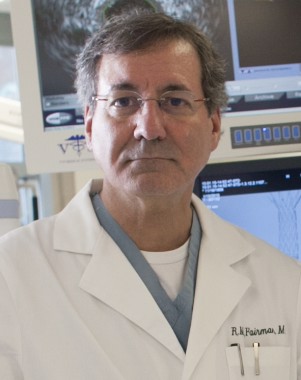
"This is an essential, scientific international meeting inclusive of academic and community-based practicing vascular surgeons," said Ronald Fairman, MD, Vascular Annual Meeting Program Chair. "The Program Committee has worked hard to elevate the meeting to a level of importance that most physicians will want to attend every year."
The education begins before the meeting officially gets underway with a pre-meeting program on June 4. Six postgraduate courses, with two running concurrently every three hours from 7 am to 5 pm, offer the latest, in-depth information on a variety of topics (separate registration and fee required).
These are followed by concurrent break-out sessions, which include a presentation on controversies in clinical practice.
Vascular Live is a new, interactive experience that puts exhibitors face-to-face with vascular surgeons for 30-minute presentations in the Exhibit Hall.
During Vascular Live, exhibitors will present new ideas, showcase breakthrough technologies, and discuss the latest trends in vascular surgery. State-of-the-art products and techniques will also be showcased in the Exhibit Hall, so take advantage of the opportunity to see a wide variety of vascular surgery products displayed in one location.
Outstanding lectures dominate the meeting on Thursday morning. Plan to attend the William von Liebig Forum, John Homans Lecture, and the E. Stanley Crawford Critical Issues Forum on the appropriate use of vascular surgery procedures.
On Friday, learn more about the Vascular Quality Initiative and hear SVS President Julie Freischlag, M.D.,deliver her presidential address titled, "Of Strategies and Chances." Saturday’s highlights include the top ten papers which appeared in the Journal of Vascular Surgery, Rapid Paced Papers, and the Late-Breaking Clinical Trials presentation.
In addition to these highlights, more than 100 oral presentations, plus 120 posters, on the most current vascular surgery research is available to Vascular Annual Meeting attendees.
Join colleagues in beautiful Boston, a city filled with history, great neighborhoods, fine dining, and more. Make plans now to attend the Vascular Annual Meeting to improve patient outcomes while learning from the leaders in vascular surgery.
Cutting-edge research presentations by vascular surgeons from around the world, a preview of the latest vascular surgery products and techniques, and an opportunity to interact with colleagues are all part of the upcoming Vascular Annual Meeting, being held June 5-7, in Boston. A large number of abstract submissions and diligent planning by the Vascular Annual Meeting Program Committee should make this meeting the premier educational event for vascular health professionals in 2014.
"This is an essential, scientific international meeting inclusive of academic and community-based practicing vascular surgeons," said Ronald Fairman, MD, Vascular Annual Meeting Program Chair. "The Program Committee has worked hard to elevate the meeting to a level of importance that most physicians will want to attend every year."
The education begins before the meeting officially gets underway with a pre-meeting program on June 4. Six postgraduate courses, with two running concurrently every three hours from 7 am to 5 pm, offer the latest, in-depth information on a variety of topics (separate registration and fee required).
These are followed by concurrent break-out sessions, which include a presentation on controversies in clinical practice.
Vascular Live is a new, interactive experience that puts exhibitors face-to-face with vascular surgeons for 30-minute presentations in the Exhibit Hall.
During Vascular Live, exhibitors will present new ideas, showcase breakthrough technologies, and discuss the latest trends in vascular surgery. State-of-the-art products and techniques will also be showcased in the Exhibit Hall, so take advantage of the opportunity to see a wide variety of vascular surgery products displayed in one location.
Outstanding lectures dominate the meeting on Thursday morning. Plan to attend the William von Liebig Forum, John Homans Lecture, and the E. Stanley Crawford Critical Issues Forum on the appropriate use of vascular surgery procedures.
On Friday, learn more about the Vascular Quality Initiative and hear SVS President Julie Freischlag, M.D.,deliver her presidential address titled, "Of Strategies and Chances." Saturday’s highlights include the top ten papers which appeared in the Journal of Vascular Surgery, Rapid Paced Papers, and the Late-Breaking Clinical Trials presentation.
In addition to these highlights, more than 100 oral presentations, plus 120 posters, on the most current vascular surgery research is available to Vascular Annual Meeting attendees.
Join colleagues in beautiful Boston, a city filled with history, great neighborhoods, fine dining, and more. Make plans now to attend the Vascular Annual Meeting to improve patient outcomes while learning from the leaders in vascular surgery.
Cutting-edge research presentations by vascular surgeons from around the world, a preview of the latest vascular surgery products and techniques, and an opportunity to interact with colleagues are all part of the upcoming Vascular Annual Meeting, being held June 5-7, in Boston. A large number of abstract submissions and diligent planning by the Vascular Annual Meeting Program Committee should make this meeting the premier educational event for vascular health professionals in 2014.
"This is an essential, scientific international meeting inclusive of academic and community-based practicing vascular surgeons," said Ronald Fairman, MD, Vascular Annual Meeting Program Chair. "The Program Committee has worked hard to elevate the meeting to a level of importance that most physicians will want to attend every year."
The education begins before the meeting officially gets underway with a pre-meeting program on June 4. Six postgraduate courses, with two running concurrently every three hours from 7 am to 5 pm, offer the latest, in-depth information on a variety of topics (separate registration and fee required).
These are followed by concurrent break-out sessions, which include a presentation on controversies in clinical practice.
Vascular Live is a new, interactive experience that puts exhibitors face-to-face with vascular surgeons for 30-minute presentations in the Exhibit Hall.
During Vascular Live, exhibitors will present new ideas, showcase breakthrough technologies, and discuss the latest trends in vascular surgery. State-of-the-art products and techniques will also be showcased in the Exhibit Hall, so take advantage of the opportunity to see a wide variety of vascular surgery products displayed in one location.
Outstanding lectures dominate the meeting on Thursday morning. Plan to attend the William von Liebig Forum, John Homans Lecture, and the E. Stanley Crawford Critical Issues Forum on the appropriate use of vascular surgery procedures.
On Friday, learn more about the Vascular Quality Initiative and hear SVS President Julie Freischlag, M.D.,deliver her presidential address titled, "Of Strategies and Chances." Saturday’s highlights include the top ten papers which appeared in the Journal of Vascular Surgery, Rapid Paced Papers, and the Late-Breaking Clinical Trials presentation.
In addition to these highlights, more than 100 oral presentations, plus 120 posters, on the most current vascular surgery research is available to Vascular Annual Meeting attendees.
Join colleagues in beautiful Boston, a city filled with history, great neighborhoods, fine dining, and more. Make plans now to attend the Vascular Annual Meeting to improve patient outcomes while learning from the leaders in vascular surgery.
The issue of medical frailty
With people aged 65 and over making up the fastest growing segment of the US population, medical frailty – and its attendant increase in perioperative morbidity and mortality – is a pressing topic for the vascular community.
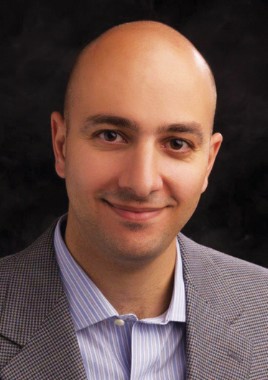
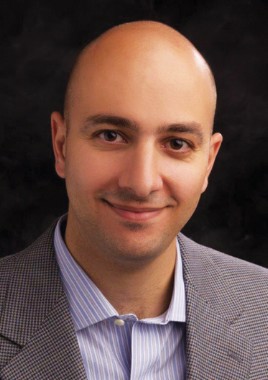
Dr. Yazan Duwayri is investigating long-term effects of frailty on vascular interventions using the Vascular Quality Initiative. He envisions a day when such research leads to a vascular surgery frailty index.
Dr. Duwayri is assistant professor of surgery, division of vascular surgery and endovascular therapy, at Emory University School of Medicine, and an author of the 2014 Vascular Annual Meeting poster presentation, "Frailty Increases Risk of Mortality After Elective Abdominal Aortic Aneurysm Repair Independent of Age and Comorbidity Status."
Why is medical frailty rising to prominence?
The utilization of surgical and medical services is disproportionately increasing in specialties like ours because of the aging population. Value-based models in health care are developing because of cost constraints, and to improve the quality of delivered health care.
Length of stay, failed discharges, and post-hospitalization institutionalization are important metrics in these models. Chronological age by itself has not been a consistent predictor of postoperative events. Similarly, various health traits have had inconsistent effects of small significance.
The need to aggregate these factors together into one single measure, frailty, has therefore risen to prominence.
Could you summarize the most significant research over the past three years on this topic?
Quantifying frailty and the development of frailty measurement tools dominated research in the earlier period. Over the last three years, there were several hundred publications on the topic of frailty. A significant portion of this research has focused on the impact of frailty scores on patient outcomes in varying disease processes and with different treatment modalities.
In the surgical literature, frailty was evaluated as a preoperative risk assessment measure and as a predictor of longevity. Frailty was found to be a predictor of short- and mid-term mortality after elective cardiac surgery and proximal aortic surgery independent of age. Similarly, there was a significant association between a higher preoperative frailty index and increased morbidity and mortality in thoracic surgery patients.
In general surgery patients, frailty has been shown to increase risk of complications, mortality, prolonged hospital stay and postoperative institutionalization.
A study of vascular surgery patients in ACS NSQIP also showed that the frailest patients have higher mortality and wound complication rates. Similarly, when core muscles size was used as a measure of frailty, it was found to correlate with worse outcomes after open abdominal aortic repairs.
Where are the gaps in knowledge?
The elderly constitute a significant portion of the population treated by vascular surgeons. Despite that, research on the effect of frailty on postoperative outcomes in our field has been limited thus far. Also, we need better understanding of the role of prehabilitation before interventions on frail patients, and whether or not it can improve outcomes.
Similarly, we need to pursue further research on longevity prediction using frailty, which can help guide vascular surgeons in the choice of therapies of asymptomatic pathologies such as aortic aneurysms and carotid artery disease. On a preclinical level, further research on the pathophysiology of frailty in vascular surgery patients is needed.
How are you using the Vascular Quality Initiative to address this issue?
The Vascular Quality Initiative has allowed us to prospectively collect a large number of variables on various vascular surgical procedures at different levels of complexity.
The large number of preoperative variables collected can allow for the development of a vascular surgery frailty index. Since VQI tracks outcomes longer than any other database, we are able to identify the long-term effects of frailty on our interventions.
Since medical frailty is multifactorial, how does this affect your model for patient care?
We have not yet implemented a preoperative method of quantifying frailty into our clinical practice.
However, we recognize the value of "accumulated deficits" and the burden of senescence in our patients during the preoperative interactions. This allows us to better estimate the risks and benefits of surgical therapy, and to set more realistic patient expectations.
With people aged 65 and over making up the fastest growing segment of the US population, medical frailty – and its attendant increase in perioperative morbidity and mortality – is a pressing topic for the vascular community.
Dr. Yazan Duwayri is investigating long-term effects of frailty on vascular interventions using the Vascular Quality Initiative. He envisions a day when such research leads to a vascular surgery frailty index.
Dr. Duwayri is assistant professor of surgery, division of vascular surgery and endovascular therapy, at Emory University School of Medicine, and an author of the 2014 Vascular Annual Meeting poster presentation, "Frailty Increases Risk of Mortality After Elective Abdominal Aortic Aneurysm Repair Independent of Age and Comorbidity Status."
Why is medical frailty rising to prominence?
The utilization of surgical and medical services is disproportionately increasing in specialties like ours because of the aging population. Value-based models in health care are developing because of cost constraints, and to improve the quality of delivered health care.
Length of stay, failed discharges, and post-hospitalization institutionalization are important metrics in these models. Chronological age by itself has not been a consistent predictor of postoperative events. Similarly, various health traits have had inconsistent effects of small significance.
The need to aggregate these factors together into one single measure, frailty, has therefore risen to prominence.
Could you summarize the most significant research over the past three years on this topic?
Quantifying frailty and the development of frailty measurement tools dominated research in the earlier period. Over the last three years, there were several hundred publications on the topic of frailty. A significant portion of this research has focused on the impact of frailty scores on patient outcomes in varying disease processes and with different treatment modalities.
In the surgical literature, frailty was evaluated as a preoperative risk assessment measure and as a predictor of longevity. Frailty was found to be a predictor of short- and mid-term mortality after elective cardiac surgery and proximal aortic surgery independent of age. Similarly, there was a significant association between a higher preoperative frailty index and increased morbidity and mortality in thoracic surgery patients.
In general surgery patients, frailty has been shown to increase risk of complications, mortality, prolonged hospital stay and postoperative institutionalization.
A study of vascular surgery patients in ACS NSQIP also showed that the frailest patients have higher mortality and wound complication rates. Similarly, when core muscles size was used as a measure of frailty, it was found to correlate with worse outcomes after open abdominal aortic repairs.
Where are the gaps in knowledge?
The elderly constitute a significant portion of the population treated by vascular surgeons. Despite that, research on the effect of frailty on postoperative outcomes in our field has been limited thus far. Also, we need better understanding of the role of prehabilitation before interventions on frail patients, and whether or not it can improve outcomes.
Similarly, we need to pursue further research on longevity prediction using frailty, which can help guide vascular surgeons in the choice of therapies of asymptomatic pathologies such as aortic aneurysms and carotid artery disease. On a preclinical level, further research on the pathophysiology of frailty in vascular surgery patients is needed.
How are you using the Vascular Quality Initiative to address this issue?
The Vascular Quality Initiative has allowed us to prospectively collect a large number of variables on various vascular surgical procedures at different levels of complexity.
The large number of preoperative variables collected can allow for the development of a vascular surgery frailty index. Since VQI tracks outcomes longer than any other database, we are able to identify the long-term effects of frailty on our interventions.
Since medical frailty is multifactorial, how does this affect your model for patient care?
We have not yet implemented a preoperative method of quantifying frailty into our clinical practice.
However, we recognize the value of "accumulated deficits" and the burden of senescence in our patients during the preoperative interactions. This allows us to better estimate the risks and benefits of surgical therapy, and to set more realistic patient expectations.
With people aged 65 and over making up the fastest growing segment of the US population, medical frailty – and its attendant increase in perioperative morbidity and mortality – is a pressing topic for the vascular community.
Dr. Yazan Duwayri is investigating long-term effects of frailty on vascular interventions using the Vascular Quality Initiative. He envisions a day when such research leads to a vascular surgery frailty index.
Dr. Duwayri is assistant professor of surgery, division of vascular surgery and endovascular therapy, at Emory University School of Medicine, and an author of the 2014 Vascular Annual Meeting poster presentation, "Frailty Increases Risk of Mortality After Elective Abdominal Aortic Aneurysm Repair Independent of Age and Comorbidity Status."
Why is medical frailty rising to prominence?
The utilization of surgical and medical services is disproportionately increasing in specialties like ours because of the aging population. Value-based models in health care are developing because of cost constraints, and to improve the quality of delivered health care.
Length of stay, failed discharges, and post-hospitalization institutionalization are important metrics in these models. Chronological age by itself has not been a consistent predictor of postoperative events. Similarly, various health traits have had inconsistent effects of small significance.
The need to aggregate these factors together into one single measure, frailty, has therefore risen to prominence.
Could you summarize the most significant research over the past three years on this topic?
Quantifying frailty and the development of frailty measurement tools dominated research in the earlier period. Over the last three years, there were several hundred publications on the topic of frailty. A significant portion of this research has focused on the impact of frailty scores on patient outcomes in varying disease processes and with different treatment modalities.
In the surgical literature, frailty was evaluated as a preoperative risk assessment measure and as a predictor of longevity. Frailty was found to be a predictor of short- and mid-term mortality after elective cardiac surgery and proximal aortic surgery independent of age. Similarly, there was a significant association between a higher preoperative frailty index and increased morbidity and mortality in thoracic surgery patients.
In general surgery patients, frailty has been shown to increase risk of complications, mortality, prolonged hospital stay and postoperative institutionalization.
A study of vascular surgery patients in ACS NSQIP also showed that the frailest patients have higher mortality and wound complication rates. Similarly, when core muscles size was used as a measure of frailty, it was found to correlate with worse outcomes after open abdominal aortic repairs.
Where are the gaps in knowledge?
The elderly constitute a significant portion of the population treated by vascular surgeons. Despite that, research on the effect of frailty on postoperative outcomes in our field has been limited thus far. Also, we need better understanding of the role of prehabilitation before interventions on frail patients, and whether or not it can improve outcomes.
Similarly, we need to pursue further research on longevity prediction using frailty, which can help guide vascular surgeons in the choice of therapies of asymptomatic pathologies such as aortic aneurysms and carotid artery disease. On a preclinical level, further research on the pathophysiology of frailty in vascular surgery patients is needed.
How are you using the Vascular Quality Initiative to address this issue?
The Vascular Quality Initiative has allowed us to prospectively collect a large number of variables on various vascular surgical procedures at different levels of complexity.
The large number of preoperative variables collected can allow for the development of a vascular surgery frailty index. Since VQI tracks outcomes longer than any other database, we are able to identify the long-term effects of frailty on our interventions.
Since medical frailty is multifactorial, how does this affect your model for patient care?
We have not yet implemented a preoperative method of quantifying frailty into our clinical practice.
However, we recognize the value of "accumulated deficits" and the burden of senescence in our patients during the preoperative interactions. This allows us to better estimate the risks and benefits of surgical therapy, and to set more realistic patient expectations.
SVS and FDA partner on TEVAR
To evaluate thoracic endovascular aortic repair (TEVAR) devices in the treatment of Type B aortic dissection, the SVS Patient Safety Organization is collaborating with the FDA and medical device manufacturers on a post-approval study.
The SVS PSO will use its Vascular Quality Initiative (VQI) registry to collect data on 400 cases with five-year follow-up for the Medtronic Valiant Thoracic Stent Graft with Captivia Delivery System and the Conformable GORE TAG Thoracic Endoprosthesis, both of which are FDA-approved devices available in the US.
The Gore and Medtronic TEVAR devices recently received FDA approval for treating descending aortic dissection. Approval was granted after safety and effectiveness was demonstrated in pre-market studies of the treatment of acute, complicated dissection.
Approval was broadened to include treatment of chronic and non-complicated dissection, with the proviso that the efficacy of TEVAR treatment of descending aortic dissection would be more fully analyzed through post-market study of these devices.
"This collaboration is the result of a year-long discussion with all stakeholders – the FDA, industry, and other surgical societies – to develop a quality improvement initiative that will provide real-world feedback.
This collaboration will meet the requirements of the FDA and provide relevant information to physicians and industry," said Jack L. Cronenwett, MD, SVS PSO medical director.
An informational meeting for those who wish to participate in the study will be held at 6:30 am on Friday, June 6, during the Vascular Annual Meeting in Boston. All VQI members who perform TEVAR to treat descending thoracic aortic dissection are invited to attend to learn more about the project.
Participating sites will be selected by the Steering Committee to participate in the five-year project based on their volume of TEVAR procedures and their interest and ability to collect additional information and follow-up. Reimbursement of up to $3,000 per patient will be awarded for the expense of entering additional data.
VQI sites not selected for the five-year project are invited to participate in a separate project to evaluate TEVAR treatment of aortic dissection using the standard VQI TEVAR form, along with standard one-year follow-up. Sites will be reimbursed $400 for each TEVAR dissection procedure that is entered.
This one-year project will continue for approximately seven years, or until the last patient in the five-year study reaches their four-year follow-up time point.
"We anticipate that this will be the first of many opportunities to combine QI projects in VQI with regulatory and other needs for clinical data that address joint goals for the improvement of vascular health care," said Richard Cambria, MD, who is overseeing the project.
Those interested in participating need to complete a survey at vsweb.org/TEVAR.
SVS PSO, Vascular Quality Initiative registry, Medtronic Valiant Thoracic Stent Graft with Captivia Delivery System, Conformable GORE TAG Thoracic Endoprosthesis,
To evaluate thoracic endovascular aortic repair (TEVAR) devices in the treatment of Type B aortic dissection, the SVS Patient Safety Organization is collaborating with the FDA and medical device manufacturers on a post-approval study.
The SVS PSO will use its Vascular Quality Initiative (VQI) registry to collect data on 400 cases with five-year follow-up for the Medtronic Valiant Thoracic Stent Graft with Captivia Delivery System and the Conformable GORE TAG Thoracic Endoprosthesis, both of which are FDA-approved devices available in the US.
The Gore and Medtronic TEVAR devices recently received FDA approval for treating descending aortic dissection. Approval was granted after safety and effectiveness was demonstrated in pre-market studies of the treatment of acute, complicated dissection.
Approval was broadened to include treatment of chronic and non-complicated dissection, with the proviso that the efficacy of TEVAR treatment of descending aortic dissection would be more fully analyzed through post-market study of these devices.
"This collaboration is the result of a year-long discussion with all stakeholders – the FDA, industry, and other surgical societies – to develop a quality improvement initiative that will provide real-world feedback.
This collaboration will meet the requirements of the FDA and provide relevant information to physicians and industry," said Jack L. Cronenwett, MD, SVS PSO medical director.
An informational meeting for those who wish to participate in the study will be held at 6:30 am on Friday, June 6, during the Vascular Annual Meeting in Boston. All VQI members who perform TEVAR to treat descending thoracic aortic dissection are invited to attend to learn more about the project.
Participating sites will be selected by the Steering Committee to participate in the five-year project based on their volume of TEVAR procedures and their interest and ability to collect additional information and follow-up. Reimbursement of up to $3,000 per patient will be awarded for the expense of entering additional data.
VQI sites not selected for the five-year project are invited to participate in a separate project to evaluate TEVAR treatment of aortic dissection using the standard VQI TEVAR form, along with standard one-year follow-up. Sites will be reimbursed $400 for each TEVAR dissection procedure that is entered.
This one-year project will continue for approximately seven years, or until the last patient in the five-year study reaches their four-year follow-up time point.
"We anticipate that this will be the first of many opportunities to combine QI projects in VQI with regulatory and other needs for clinical data that address joint goals for the improvement of vascular health care," said Richard Cambria, MD, who is overseeing the project.
Those interested in participating need to complete a survey at vsweb.org/TEVAR.
To evaluate thoracic endovascular aortic repair (TEVAR) devices in the treatment of Type B aortic dissection, the SVS Patient Safety Organization is collaborating with the FDA and medical device manufacturers on a post-approval study.
The SVS PSO will use its Vascular Quality Initiative (VQI) registry to collect data on 400 cases with five-year follow-up for the Medtronic Valiant Thoracic Stent Graft with Captivia Delivery System and the Conformable GORE TAG Thoracic Endoprosthesis, both of which are FDA-approved devices available in the US.
The Gore and Medtronic TEVAR devices recently received FDA approval for treating descending aortic dissection. Approval was granted after safety and effectiveness was demonstrated in pre-market studies of the treatment of acute, complicated dissection.
Approval was broadened to include treatment of chronic and non-complicated dissection, with the proviso that the efficacy of TEVAR treatment of descending aortic dissection would be more fully analyzed through post-market study of these devices.
"This collaboration is the result of a year-long discussion with all stakeholders – the FDA, industry, and other surgical societies – to develop a quality improvement initiative that will provide real-world feedback.
This collaboration will meet the requirements of the FDA and provide relevant information to physicians and industry," said Jack L. Cronenwett, MD, SVS PSO medical director.
An informational meeting for those who wish to participate in the study will be held at 6:30 am on Friday, June 6, during the Vascular Annual Meeting in Boston. All VQI members who perform TEVAR to treat descending thoracic aortic dissection are invited to attend to learn more about the project.
Participating sites will be selected by the Steering Committee to participate in the five-year project based on their volume of TEVAR procedures and their interest and ability to collect additional information and follow-up. Reimbursement of up to $3,000 per patient will be awarded for the expense of entering additional data.
VQI sites not selected for the five-year project are invited to participate in a separate project to evaluate TEVAR treatment of aortic dissection using the standard VQI TEVAR form, along with standard one-year follow-up. Sites will be reimbursed $400 for each TEVAR dissection procedure that is entered.
This one-year project will continue for approximately seven years, or until the last patient in the five-year study reaches their four-year follow-up time point.
"We anticipate that this will be the first of many opportunities to combine QI projects in VQI with regulatory and other needs for clinical data that address joint goals for the improvement of vascular health care," said Richard Cambria, MD, who is overseeing the project.
Those interested in participating need to complete a survey at vsweb.org/TEVAR.
SVS PSO, Vascular Quality Initiative registry, Medtronic Valiant Thoracic Stent Graft with Captivia Delivery System, Conformable GORE TAG Thoracic Endoprosthesis,
SVS PSO, Vascular Quality Initiative registry, Medtronic Valiant Thoracic Stent Graft with Captivia Delivery System, Conformable GORE TAG Thoracic Endoprosthesis,
APDVS prepares for ACGME Next Accreditation system
More than 150 program directors and residency coordinators attended the recent spring meeting of the Association for Program Directors in Vascular Surgery (APDVS). The focus of the meeting was an update on the implementation of the Accreditation Council for Graduate Medical Education’s (ACGME) Next Accreditation System (NAS). ACGME is requiring transition to the NAS for vascular surgery by July 2014.
In 2009, ACGME initiated work on a multi-year process of restructuring its accreditation system to better prepare future physicians for practice, with phase in beginning in 2013.
The goal is to accelerate the ACGME’s movement toward accreditation on the basis of educational outcomes and to reduce the burden associated with the current structure and process-based approach.
An important part of the new system will be the use of Milestones to evaluate residents and fellows on a semi-annual basis. ACGME defines Milestones as competency-based developmental outcomes that can be demonstrated progressively by residents and fellows from the beginning of their education through graduation to the unsupervised practice of their specialties. ACGME will use the Milestones to evaluate programs based on the percentage of residents who met the Milestones on time.
Vascular program directors have been looking forward to this move for several years, according to APDVS President Linda Harris, MD, who said it will decrease much of the old system’s unnecessary paperwork.
"The NAS is an exciting move from the ACGME," Dr. Harris said.
"While the NAS will increase the workload for program directors by adding Milestone assessments, Clinical Competency Committees, and a change in the involvement of program directors in ADS updates, it will allow innovation and a relaxing of restrictions for programs that are functioning well.
"Further, the Milestones will allow us to better assess our trainees and our programs, and eventually, to compare them with other trainees and programs across the country."
In 2013, the Vascular Surgery Milestones Working Group, chaired by R. James Valentine, MD, drafted Milestones for vascular surgery to define specific targets that residents are expected to attain at certain times during their residency.
In December, APDVS members reviewed a draft of 31 Milestones and provided feedback in preparation of the July rollout. During the spring meeting, held March 28-29 in Rosemont, Illinois, members of the Vascular Surgery Milestones Working Group facilitated breakout groups to further review the Milestones with program directors and residency coordinators. The first reporting of Milestones will begin in December 2014.
To further assist vascular surgery programs with the Milestones, assessment tools are currently being developed. Initial validation results of the Vascular Integrated Technical and Teamwork Assessment for Learning (VITTAL) tool was presented by Erica L. Mitchell, MD, at the spring meeting. The VITTAL tool, which is intended to evaluate vascular surgery trainee operative competency, was developed based on both a systematic review of the literature, as well as expert consensus.
In December, several institutions were selected by the American Board of Surgery-Vascular Surgery Board to serve as pilot sites for multi-institutional validation. Recommendations from the pilot sites were presented to attendees for additional feedback and are currently being analyzed to further enhance the tool.
Additional information on the NAS and the Milestones can be found online at www.acgme.org.
More than 150 program directors and residency coordinators attended the recent spring meeting of the Association for Program Directors in Vascular Surgery (APDVS). The focus of the meeting was an update on the implementation of the Accreditation Council for Graduate Medical Education’s (ACGME) Next Accreditation System (NAS). ACGME is requiring transition to the NAS for vascular surgery by July 2014.
In 2009, ACGME initiated work on a multi-year process of restructuring its accreditation system to better prepare future physicians for practice, with phase in beginning in 2013.
The goal is to accelerate the ACGME’s movement toward accreditation on the basis of educational outcomes and to reduce the burden associated with the current structure and process-based approach.
An important part of the new system will be the use of Milestones to evaluate residents and fellows on a semi-annual basis. ACGME defines Milestones as competency-based developmental outcomes that can be demonstrated progressively by residents and fellows from the beginning of their education through graduation to the unsupervised practice of their specialties. ACGME will use the Milestones to evaluate programs based on the percentage of residents who met the Milestones on time.
Vascular program directors have been looking forward to this move for several years, according to APDVS President Linda Harris, MD, who said it will decrease much of the old system’s unnecessary paperwork.
"The NAS is an exciting move from the ACGME," Dr. Harris said.
"While the NAS will increase the workload for program directors by adding Milestone assessments, Clinical Competency Committees, and a change in the involvement of program directors in ADS updates, it will allow innovation and a relaxing of restrictions for programs that are functioning well.
"Further, the Milestones will allow us to better assess our trainees and our programs, and eventually, to compare them with other trainees and programs across the country."
In 2013, the Vascular Surgery Milestones Working Group, chaired by R. James Valentine, MD, drafted Milestones for vascular surgery to define specific targets that residents are expected to attain at certain times during their residency.
In December, APDVS members reviewed a draft of 31 Milestones and provided feedback in preparation of the July rollout. During the spring meeting, held March 28-29 in Rosemont, Illinois, members of the Vascular Surgery Milestones Working Group facilitated breakout groups to further review the Milestones with program directors and residency coordinators. The first reporting of Milestones will begin in December 2014.
To further assist vascular surgery programs with the Milestones, assessment tools are currently being developed. Initial validation results of the Vascular Integrated Technical and Teamwork Assessment for Learning (VITTAL) tool was presented by Erica L. Mitchell, MD, at the spring meeting. The VITTAL tool, which is intended to evaluate vascular surgery trainee operative competency, was developed based on both a systematic review of the literature, as well as expert consensus.
In December, several institutions were selected by the American Board of Surgery-Vascular Surgery Board to serve as pilot sites for multi-institutional validation. Recommendations from the pilot sites were presented to attendees for additional feedback and are currently being analyzed to further enhance the tool.
Additional information on the NAS and the Milestones can be found online at www.acgme.org.
More than 150 program directors and residency coordinators attended the recent spring meeting of the Association for Program Directors in Vascular Surgery (APDVS). The focus of the meeting was an update on the implementation of the Accreditation Council for Graduate Medical Education’s (ACGME) Next Accreditation System (NAS). ACGME is requiring transition to the NAS for vascular surgery by July 2014.
In 2009, ACGME initiated work on a multi-year process of restructuring its accreditation system to better prepare future physicians for practice, with phase in beginning in 2013.
The goal is to accelerate the ACGME’s movement toward accreditation on the basis of educational outcomes and to reduce the burden associated with the current structure and process-based approach.
An important part of the new system will be the use of Milestones to evaluate residents and fellows on a semi-annual basis. ACGME defines Milestones as competency-based developmental outcomes that can be demonstrated progressively by residents and fellows from the beginning of their education through graduation to the unsupervised practice of their specialties. ACGME will use the Milestones to evaluate programs based on the percentage of residents who met the Milestones on time.
Vascular program directors have been looking forward to this move for several years, according to APDVS President Linda Harris, MD, who said it will decrease much of the old system’s unnecessary paperwork.
"The NAS is an exciting move from the ACGME," Dr. Harris said.
"While the NAS will increase the workload for program directors by adding Milestone assessments, Clinical Competency Committees, and a change in the involvement of program directors in ADS updates, it will allow innovation and a relaxing of restrictions for programs that are functioning well.
"Further, the Milestones will allow us to better assess our trainees and our programs, and eventually, to compare them with other trainees and programs across the country."
In 2013, the Vascular Surgery Milestones Working Group, chaired by R. James Valentine, MD, drafted Milestones for vascular surgery to define specific targets that residents are expected to attain at certain times during their residency.
In December, APDVS members reviewed a draft of 31 Milestones and provided feedback in preparation of the July rollout. During the spring meeting, held March 28-29 in Rosemont, Illinois, members of the Vascular Surgery Milestones Working Group facilitated breakout groups to further review the Milestones with program directors and residency coordinators. The first reporting of Milestones will begin in December 2014.
To further assist vascular surgery programs with the Milestones, assessment tools are currently being developed. Initial validation results of the Vascular Integrated Technical and Teamwork Assessment for Learning (VITTAL) tool was presented by Erica L. Mitchell, MD, at the spring meeting. The VITTAL tool, which is intended to evaluate vascular surgery trainee operative competency, was developed based on both a systematic review of the literature, as well as expert consensus.
In December, several institutions were selected by the American Board of Surgery-Vascular Surgery Board to serve as pilot sites for multi-institutional validation. Recommendations from the pilot sites were presented to attendees for additional feedback and are currently being analyzed to further enhance the tool.
Additional information on the NAS and the Milestones can be found online at www.acgme.org.
Register today for the Vascular Annual Meeting
The specialty’s premier educational event, the Vascular Annual Meeting, June 5-7 in Boston, will soon be here. Research presentations by top vascular surgeons, a preview of the latest vascular surgery products and techniques, and an opportunity to interact with colleagues are among the many reasons vascular surgeons from around the world are in attendance every year. Those who register for the meeting by April 30 will be entered in a drawing for free registration, so act quickly. Also remember to make hotel reservations by the May 7 deadline.
The education begins before the meeting officially gets underway with a pre-meeting program on June 4 featuring the in-depth postgraduate courses, fellow, general surgery resident and medical student program, and the international forum. From June 5-7, the program is dominated by more than 100 outstanding presentations and lectures, including the William von Liebig Forum, John Homans Lecture, E. Stanley Crawford Critical Issues Forum and the Presidential Address by Julie Freischlag, MD. Saturday’s highlights include the top ten papers which appeared in the Journal of Vascular Surgery, Rapid Paced Papers, and the Late-Breaking Clinical Trials presentation.
Vascular Live is a new, interactive experience that introduces breakthrough technologies and trends in vascular surgery. State-of-the-art products and techniques will also be showcased in the Exhibit Hall, so take advantage of the opportunity to see a wide variety of vascular surgery products displayed in one location.
Join colleagues and visit beautiful Boston, a city filled with history, great neighborhoods, fine dining, and more. Make plans now to attend the Vascular Annual Meeting to improve patient outcomes while learning from the leaders in vascular surgery.
The specialty’s premier educational event, the Vascular Annual Meeting, June 5-7 in Boston, will soon be here. Research presentations by top vascular surgeons, a preview of the latest vascular surgery products and techniques, and an opportunity to interact with colleagues are among the many reasons vascular surgeons from around the world are in attendance every year. Those who register for the meeting by April 30 will be entered in a drawing for free registration, so act quickly. Also remember to make hotel reservations by the May 7 deadline.
The education begins before the meeting officially gets underway with a pre-meeting program on June 4 featuring the in-depth postgraduate courses, fellow, general surgery resident and medical student program, and the international forum. From June 5-7, the program is dominated by more than 100 outstanding presentations and lectures, including the William von Liebig Forum, John Homans Lecture, E. Stanley Crawford Critical Issues Forum and the Presidential Address by Julie Freischlag, MD. Saturday’s highlights include the top ten papers which appeared in the Journal of Vascular Surgery, Rapid Paced Papers, and the Late-Breaking Clinical Trials presentation.
Vascular Live is a new, interactive experience that introduces breakthrough technologies and trends in vascular surgery. State-of-the-art products and techniques will also be showcased in the Exhibit Hall, so take advantage of the opportunity to see a wide variety of vascular surgery products displayed in one location.
Join colleagues and visit beautiful Boston, a city filled with history, great neighborhoods, fine dining, and more. Make plans now to attend the Vascular Annual Meeting to improve patient outcomes while learning from the leaders in vascular surgery.
The specialty’s premier educational event, the Vascular Annual Meeting, June 5-7 in Boston, will soon be here. Research presentations by top vascular surgeons, a preview of the latest vascular surgery products and techniques, and an opportunity to interact with colleagues are among the many reasons vascular surgeons from around the world are in attendance every year. Those who register for the meeting by April 30 will be entered in a drawing for free registration, so act quickly. Also remember to make hotel reservations by the May 7 deadline.
The education begins before the meeting officially gets underway with a pre-meeting program on June 4 featuring the in-depth postgraduate courses, fellow, general surgery resident and medical student program, and the international forum. From June 5-7, the program is dominated by more than 100 outstanding presentations and lectures, including the William von Liebig Forum, John Homans Lecture, E. Stanley Crawford Critical Issues Forum and the Presidential Address by Julie Freischlag, MD. Saturday’s highlights include the top ten papers which appeared in the Journal of Vascular Surgery, Rapid Paced Papers, and the Late-Breaking Clinical Trials presentation.
Vascular Live is a new, interactive experience that introduces breakthrough technologies and trends in vascular surgery. State-of-the-art products and techniques will also be showcased in the Exhibit Hall, so take advantage of the opportunity to see a wide variety of vascular surgery products displayed in one location.
Join colleagues and visit beautiful Boston, a city filled with history, great neighborhoods, fine dining, and more. Make plans now to attend the Vascular Annual Meeting to improve patient outcomes while learning from the leaders in vascular surgery.
A Vascular Fellow's Experience on Capitol Hill
Nicolas Mouawad has always had an interest in the relationship between government and health care. To get a closer look at how lobbying influences legislation, Dr. Mouawad applied for and received the SVS Vascular Surgery Trainee Health Policy Scholarship in 2013.
"One of the reasons I was interested in the scholarship is that as vascular surgeons, the government rules and laws encompass our largest population - patients on Medicare," he said. "We need to be involved in the delivery, reimbursement and management models of health care for this reason. It is the physicians working in the field that can best streamline health care delivery and ultimately lower health care costs."
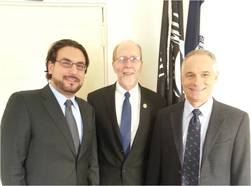
During his visit to Washington, Dr. Mouawad met and visited the offices of Representative Steve Stivers (R-OH), Senator Tim Brown (D-OH), Representative Bruce Braley (D-IA), Representative David Loebsack (D-IA), Senator Chuck Grassley (R-IA), and Senator Tom Harkin (D-IA).
"One of the most common questions I got during the Capitol Hill visits was what does a vascular surgeon do?" Dr. Mouawad said. "Most non-medical personnel think that cardiac surgeons or cardiologists manage the blood vessels. They did not know that there are highly-trained specialist surgeons, vascular surgeons, that deal with vascular diseases."
Among the topics discussed with legislators were the Medicare Sustained Growth Rate (SGR), the proposed annual updates, value-based performance payment programs, encouragement of alternative payment model (APM) participation, and care for individuals with complex chronic needs.
"The bicameral bipartisan position to repeal the SGR and adopt alternative payment methods in an effort to improve quality and value in health care was a key component of the meetings," he said. "With the repeal of the SGR, annual updates of zero percent for the next 10 years have been proposed. As a senior vascular surgery fellow, this has profound implications for myself and others who are leaving training and about to go into the 'real world.' I expressed that these uncertainties pose concerns for employment practices, noting that it is estimated that this proposal could result in a cumulative gap of approximately 45 percent between Medicare payments and the actual cost of treating patients. In order to align payment for health care services, SVS has recommended harmonizing physician payment updates with hospital updates - these are annual market based updates that factor current economic considerations and inflation."
Dr. Mouawad explained that vascular surgeons manage patients with complex chronic care conditions. "I told the legislators that we develop a rapport with our patients whom we see, follow, and survey for life," he said. "This longitudinal role in patient care is not factored into the current model. We are, in fact, the primary care providers of patients with atherosclerotic disease on a chronic level and lead their care during acute conditions."
Dr. Mouawad expressed his appreciation to SVS for the award.
"It is imperative that we become pro-active for our future as a specialty, for our future as physicians, but most importantly, for the future of our patients - of whom only we, as vascular surgeons, can provide a comprehensive medical, interventional, and surgical management plan by virtue of our training and experience," he said.
Dr. Mouawad is the senior vascular surgery fellow in the Division of Vascular Diseases and Surgery at the Ohio State University Wexner Medical Center in Columbus.
Nicolas Mouawad has always had an interest in the relationship between government and health care. To get a closer look at how lobbying influences legislation, Dr. Mouawad applied for and received the SVS Vascular Surgery Trainee Health Policy Scholarship in 2013.
"One of the reasons I was interested in the scholarship is that as vascular surgeons, the government rules and laws encompass our largest population - patients on Medicare," he said. "We need to be involved in the delivery, reimbursement and management models of health care for this reason. It is the physicians working in the field that can best streamline health care delivery and ultimately lower health care costs."
During his visit to Washington, Dr. Mouawad met and visited the offices of Representative Steve Stivers (R-OH), Senator Tim Brown (D-OH), Representative Bruce Braley (D-IA), Representative David Loebsack (D-IA), Senator Chuck Grassley (R-IA), and Senator Tom Harkin (D-IA).
"One of the most common questions I got during the Capitol Hill visits was what does a vascular surgeon do?" Dr. Mouawad said. "Most non-medical personnel think that cardiac surgeons or cardiologists manage the blood vessels. They did not know that there are highly-trained specialist surgeons, vascular surgeons, that deal with vascular diseases."
Among the topics discussed with legislators were the Medicare Sustained Growth Rate (SGR), the proposed annual updates, value-based performance payment programs, encouragement of alternative payment model (APM) participation, and care for individuals with complex chronic needs.
"The bicameral bipartisan position to repeal the SGR and adopt alternative payment methods in an effort to improve quality and value in health care was a key component of the meetings," he said. "With the repeal of the SGR, annual updates of zero percent for the next 10 years have been proposed. As a senior vascular surgery fellow, this has profound implications for myself and others who are leaving training and about to go into the 'real world.' I expressed that these uncertainties pose concerns for employment practices, noting that it is estimated that this proposal could result in a cumulative gap of approximately 45 percent between Medicare payments and the actual cost of treating patients. In order to align payment for health care services, SVS has recommended harmonizing physician payment updates with hospital updates - these are annual market based updates that factor current economic considerations and inflation."
Dr. Mouawad explained that vascular surgeons manage patients with complex chronic care conditions. "I told the legislators that we develop a rapport with our patients whom we see, follow, and survey for life," he said. "This longitudinal role in patient care is not factored into the current model. We are, in fact, the primary care providers of patients with atherosclerotic disease on a chronic level and lead their care during acute conditions."
Dr. Mouawad expressed his appreciation to SVS for the award.
"It is imperative that we become pro-active for our future as a specialty, for our future as physicians, but most importantly, for the future of our patients - of whom only we, as vascular surgeons, can provide a comprehensive medical, interventional, and surgical management plan by virtue of our training and experience," he said.
Dr. Mouawad is the senior vascular surgery fellow in the Division of Vascular Diseases and Surgery at the Ohio State University Wexner Medical Center in Columbus.
Nicolas Mouawad has always had an interest in the relationship between government and health care. To get a closer look at how lobbying influences legislation, Dr. Mouawad applied for and received the SVS Vascular Surgery Trainee Health Policy Scholarship in 2013.
"One of the reasons I was interested in the scholarship is that as vascular surgeons, the government rules and laws encompass our largest population - patients on Medicare," he said. "We need to be involved in the delivery, reimbursement and management models of health care for this reason. It is the physicians working in the field that can best streamline health care delivery and ultimately lower health care costs."
During his visit to Washington, Dr. Mouawad met and visited the offices of Representative Steve Stivers (R-OH), Senator Tim Brown (D-OH), Representative Bruce Braley (D-IA), Representative David Loebsack (D-IA), Senator Chuck Grassley (R-IA), and Senator Tom Harkin (D-IA).
"One of the most common questions I got during the Capitol Hill visits was what does a vascular surgeon do?" Dr. Mouawad said. "Most non-medical personnel think that cardiac surgeons or cardiologists manage the blood vessels. They did not know that there are highly-trained specialist surgeons, vascular surgeons, that deal with vascular diseases."
Among the topics discussed with legislators were the Medicare Sustained Growth Rate (SGR), the proposed annual updates, value-based performance payment programs, encouragement of alternative payment model (APM) participation, and care for individuals with complex chronic needs.
"The bicameral bipartisan position to repeal the SGR and adopt alternative payment methods in an effort to improve quality and value in health care was a key component of the meetings," he said. "With the repeal of the SGR, annual updates of zero percent for the next 10 years have been proposed. As a senior vascular surgery fellow, this has profound implications for myself and others who are leaving training and about to go into the 'real world.' I expressed that these uncertainties pose concerns for employment practices, noting that it is estimated that this proposal could result in a cumulative gap of approximately 45 percent between Medicare payments and the actual cost of treating patients. In order to align payment for health care services, SVS has recommended harmonizing physician payment updates with hospital updates - these are annual market based updates that factor current economic considerations and inflation."
Dr. Mouawad explained that vascular surgeons manage patients with complex chronic care conditions. "I told the legislators that we develop a rapport with our patients whom we see, follow, and survey for life," he said. "This longitudinal role in patient care is not factored into the current model. We are, in fact, the primary care providers of patients with atherosclerotic disease on a chronic level and lead their care during acute conditions."
Dr. Mouawad expressed his appreciation to SVS for the award.
"It is imperative that we become pro-active for our future as a specialty, for our future as physicians, but most importantly, for the future of our patients - of whom only we, as vascular surgeons, can provide a comprehensive medical, interventional, and surgical management plan by virtue of our training and experience," he said.
Dr. Mouawad is the senior vascular surgery fellow in the Division of Vascular Diseases and Surgery at the Ohio State University Wexner Medical Center in Columbus.
Plan to Attend the International Forum
As SVS international membership has grown, so has the Vascular Annual Meeting’s international programming. The International Forum, open to all and held from 4:00 pm – 6:00 pm on Wednesday, June 4, will feature 11 presentations from researchers throughout the world. Moderated by Frank Veith, MD, and a distinguished panel of presidents and officers of SVS international chapters, the Forum is "an opportunity to exchange information with our international colleagues to learn and to teach," said Juan Parodi, MD, International Relations Committee co-chair. A reception for international attendees will immediately follow the International Forum.
The international scholars will also be recognized at the Forum. The international scholar program awards four $5,000 scholarships to emerging talent worldwide so that they may attend the Vascular Annual Meeting and visit clinics and universities throughout the United States and Canada. Applications to attend next year’s Vascular Annual Meeting are due by June 14, apply now.
The transatlantic debates, organized with the European Society for Vascular Surgery, promise to be a provocative session on the treatment of thoracoabdominal aneurysms, renal artery stenosis and popliteal artery aneurysms. This session will be held from 3:30 pm – 5:00 pm on Friday, June 6.
Remember the International Forum when making travel plans and check out the entire international program while at the Vascular Annual Meeting.
"It’s instructive - and also entertaining - to get differing viewpoints," Glenn LaMuraglia, MD, co-chair, says. "The Vascular Annual Meeting is a great forum for exchanging ideas, and the international program is an opportunity to partake in a global vascular fellowship."
As SVS international membership has grown, so has the Vascular Annual Meeting’s international programming. The International Forum, open to all and held from 4:00 pm – 6:00 pm on Wednesday, June 4, will feature 11 presentations from researchers throughout the world. Moderated by Frank Veith, MD, and a distinguished panel of presidents and officers of SVS international chapters, the Forum is "an opportunity to exchange information with our international colleagues to learn and to teach," said Juan Parodi, MD, International Relations Committee co-chair. A reception for international attendees will immediately follow the International Forum.
The international scholars will also be recognized at the Forum. The international scholar program awards four $5,000 scholarships to emerging talent worldwide so that they may attend the Vascular Annual Meeting and visit clinics and universities throughout the United States and Canada. Applications to attend next year’s Vascular Annual Meeting are due by June 14, apply now.
The transatlantic debates, organized with the European Society for Vascular Surgery, promise to be a provocative session on the treatment of thoracoabdominal aneurysms, renal artery stenosis and popliteal artery aneurysms. This session will be held from 3:30 pm – 5:00 pm on Friday, June 6.
Remember the International Forum when making travel plans and check out the entire international program while at the Vascular Annual Meeting.
"It’s instructive - and also entertaining - to get differing viewpoints," Glenn LaMuraglia, MD, co-chair, says. "The Vascular Annual Meeting is a great forum for exchanging ideas, and the international program is an opportunity to partake in a global vascular fellowship."
As SVS international membership has grown, so has the Vascular Annual Meeting’s international programming. The International Forum, open to all and held from 4:00 pm – 6:00 pm on Wednesday, June 4, will feature 11 presentations from researchers throughout the world. Moderated by Frank Veith, MD, and a distinguished panel of presidents and officers of SVS international chapters, the Forum is "an opportunity to exchange information with our international colleagues to learn and to teach," said Juan Parodi, MD, International Relations Committee co-chair. A reception for international attendees will immediately follow the International Forum.
The international scholars will also be recognized at the Forum. The international scholar program awards four $5,000 scholarships to emerging talent worldwide so that they may attend the Vascular Annual Meeting and visit clinics and universities throughout the United States and Canada. Applications to attend next year’s Vascular Annual Meeting are due by June 14, apply now.
The transatlantic debates, organized with the European Society for Vascular Surgery, promise to be a provocative session on the treatment of thoracoabdominal aneurysms, renal artery stenosis and popliteal artery aneurysms. This session will be held from 3:30 pm – 5:00 pm on Friday, June 6.
Remember the International Forum when making travel plans and check out the entire international program while at the Vascular Annual Meeting.
"It’s instructive - and also entertaining - to get differing viewpoints," Glenn LaMuraglia, MD, co-chair, says. "The Vascular Annual Meeting is a great forum for exchanging ideas, and the international program is an opportunity to partake in a global vascular fellowship."
JVS Editor Applications due April 30
The SVS Publications Committee invites applicants for the position of editor of the Journal of Vascular Surgery and the Journal of Vascular Surgery – Venous and Lymphatic Disorders. Editors’ terms are three years and are renewable. While there is no limit on the number of terms that editors may serve, SVS does a request for applicants at least every six years to allow those interested in this exciting opportunity to serve the organization.
The criteria for selection include an established reputation in clinical vascular surgery and clinical or basic research, a reputation for fairness, evidence of scholarly activity in an editorial role, and demonstrated management skills. Individuals must be active or senior members of the Society for Vascular Surgery.
Editors typically devote approximately 20 hours per week to their positions and rely on significant input from the associate editors.
Applications should be accompanied by current curriculum vitae, a summary of the candidate’s editorial experience, other experience that would reflect on the position and an outline of plans for both continuing and changing the present management and orientation of the two journals.
If submitting an editorial team, please designate which person shall serve as the Editor-in-Chief.
Applications should be submitted electronically by April 30 to the chair of SVS Publications Committee at [email protected].
The Publications Committee expects to present finalists to the SVS Board of Directors for consideration in mid-2014 so that an orderly transition can occur during the second half of 2014.
The SVS Publications Committee invites applicants for the position of editor of the Journal of Vascular Surgery and the Journal of Vascular Surgery – Venous and Lymphatic Disorders. Editors’ terms are three years and are renewable. While there is no limit on the number of terms that editors may serve, SVS does a request for applicants at least every six years to allow those interested in this exciting opportunity to serve the organization.
The criteria for selection include an established reputation in clinical vascular surgery and clinical or basic research, a reputation for fairness, evidence of scholarly activity in an editorial role, and demonstrated management skills. Individuals must be active or senior members of the Society for Vascular Surgery.
Editors typically devote approximately 20 hours per week to their positions and rely on significant input from the associate editors.
Applications should be accompanied by current curriculum vitae, a summary of the candidate’s editorial experience, other experience that would reflect on the position and an outline of plans for both continuing and changing the present management and orientation of the two journals.
If submitting an editorial team, please designate which person shall serve as the Editor-in-Chief.
Applications should be submitted electronically by April 30 to the chair of SVS Publications Committee at [email protected].
The Publications Committee expects to present finalists to the SVS Board of Directors for consideration in mid-2014 so that an orderly transition can occur during the second half of 2014.
The SVS Publications Committee invites applicants for the position of editor of the Journal of Vascular Surgery and the Journal of Vascular Surgery – Venous and Lymphatic Disorders. Editors’ terms are three years and are renewable. While there is no limit on the number of terms that editors may serve, SVS does a request for applicants at least every six years to allow those interested in this exciting opportunity to serve the organization.
The criteria for selection include an established reputation in clinical vascular surgery and clinical or basic research, a reputation for fairness, evidence of scholarly activity in an editorial role, and demonstrated management skills. Individuals must be active or senior members of the Society for Vascular Surgery.
Editors typically devote approximately 20 hours per week to their positions and rely on significant input from the associate editors.
Applications should be accompanied by current curriculum vitae, a summary of the candidate’s editorial experience, other experience that would reflect on the position and an outline of plans for both continuing and changing the present management and orientation of the two journals.
If submitting an editorial team, please designate which person shall serve as the Editor-in-Chief.
Applications should be submitted electronically by April 30 to the chair of SVS Publications Committee at [email protected].
The Publications Committee expects to present finalists to the SVS Board of Directors for consideration in mid-2014 so that an orderly transition can occur during the second half of 2014.
Arterial Quality Committee Report
The AQC is composed of representatives from each regional quality group and organized into workgroups for each of the arterial modules. These workgroups evaluate the data from each module and make recommendations for modification in reporting or additional analyses. During the past year, most effort was focused on a major revision of the TEVAR module, coordinated by Adam Beck, MD, to support the quality initiative related to new devices that have been approved to treat descending aortic dissection.
The AQC affirmed the VQI commitment to at least 80% one-year follow-up completion, but noted that this was achieved for only 61% of 2011 cases. Long-term follow-up data are critically important to understanding and improving outcomes, so SVS PSO staff is working with centers that need help to achieve at least 80% long term follow-up.
The AQC oversees the activity of the Research Advisory Committee (Philip Goodney, MD, Chair) which reviews and approves investigator-initiated requests for de-identified national level data to facilitate quality improvement and comparative effectiveness research. This year, 18 applications from 10 VQI centers were approved (www.svsvqi.org). Participation from each regional group is invited for all approved projects.
Other AQC activities this year included an update on the first national quality initiative to reduce surgical site infection, development of a COPI report for length of stay following elective CEA and EVAR, analysis to determine the value of arrival and maximum heart rate during surgery, recommendations for antiplatelet agents and statins, and analysis of the effect of beta-blockers on postoperative complications, which will be presented at VAM.
The AQC values and solicits participation from interested VQI members. There are more projects than there are people to do them. If you are interested in participating in these projects, please contact your regional group medical director or SVS PSO staff.
The AQC is composed of representatives from each regional quality group and organized into workgroups for each of the arterial modules. These workgroups evaluate the data from each module and make recommendations for modification in reporting or additional analyses. During the past year, most effort was focused on a major revision of the TEVAR module, coordinated by Adam Beck, MD, to support the quality initiative related to new devices that have been approved to treat descending aortic dissection.
The AQC affirmed the VQI commitment to at least 80% one-year follow-up completion, but noted that this was achieved for only 61% of 2011 cases. Long-term follow-up data are critically important to understanding and improving outcomes, so SVS PSO staff is working with centers that need help to achieve at least 80% long term follow-up.
The AQC oversees the activity of the Research Advisory Committee (Philip Goodney, MD, Chair) which reviews and approves investigator-initiated requests for de-identified national level data to facilitate quality improvement and comparative effectiveness research. This year, 18 applications from 10 VQI centers were approved (www.svsvqi.org). Participation from each regional group is invited for all approved projects.
Other AQC activities this year included an update on the first national quality initiative to reduce surgical site infection, development of a COPI report for length of stay following elective CEA and EVAR, analysis to determine the value of arrival and maximum heart rate during surgery, recommendations for antiplatelet agents and statins, and analysis of the effect of beta-blockers on postoperative complications, which will be presented at VAM.
The AQC values and solicits participation from interested VQI members. There are more projects than there are people to do them. If you are interested in participating in these projects, please contact your regional group medical director or SVS PSO staff.
The AQC is composed of representatives from each regional quality group and organized into workgroups for each of the arterial modules. These workgroups evaluate the data from each module and make recommendations for modification in reporting or additional analyses. During the past year, most effort was focused on a major revision of the TEVAR module, coordinated by Adam Beck, MD, to support the quality initiative related to new devices that have been approved to treat descending aortic dissection.
The AQC affirmed the VQI commitment to at least 80% one-year follow-up completion, but noted that this was achieved for only 61% of 2011 cases. Long-term follow-up data are critically important to understanding and improving outcomes, so SVS PSO staff is working with centers that need help to achieve at least 80% long term follow-up.
The AQC oversees the activity of the Research Advisory Committee (Philip Goodney, MD, Chair) which reviews and approves investigator-initiated requests for de-identified national level data to facilitate quality improvement and comparative effectiveness research. This year, 18 applications from 10 VQI centers were approved (www.svsvqi.org). Participation from each regional group is invited for all approved projects.
Other AQC activities this year included an update on the first national quality initiative to reduce surgical site infection, development of a COPI report for length of stay following elective CEA and EVAR, analysis to determine the value of arrival and maximum heart rate during surgery, recommendations for antiplatelet agents and statins, and analysis of the effect of beta-blockers on postoperative complications, which will be presented at VAM.
The AQC values and solicits participation from interested VQI members. There are more projects than there are people to do them. If you are interested in participating in these projects, please contact your regional group medical director or SVS PSO staff.
Dr. Fairman: Vascular Annual Meeting Program Chair
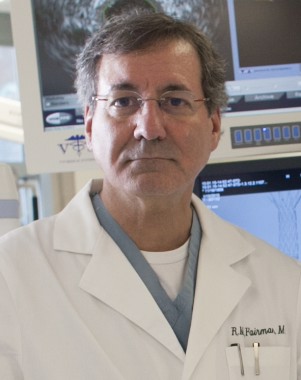
The 2014 Vascular Annual Meeting will be the last year of service for Dr. Ronald Fairman, who has served 3 years as program chair, shaping the educational program at the meeting. Reflecting upon his years with the Program Committee, Dr. Fairman says, "I have relished these experiences. I have been able to help support the academic profile and mentorship of many young vascular surgeons and to shape the strategic mission of the Society – what could be more gratifying?"
What principles guided your service as program chair?
During my tenure, I focused on creating a well-balanced program relevant to both academic and community practice members; a rigorous and fair abstract selection process; establishing collaborative educational programs with the Society for Thoracic Surgery in areas of overlapping interest; addressing conflict of interest issues and off-label meeting presentations outside a physician sponsored IDE; and increasing international attendance and participation.
It is important for the program chair to sift through recurring educational themes from the program evaluations. The membership has desired more clinically relevant "how to do it" sessions and we have incorporated this into the annual meeting; the highly successful videos presented at each plenary session are an example of this process.
What do you look for when you review abstracts?
The abstract selection process needs to be transparent, consistent, and fair. Every member of the Program Committee has areas of particular expertise. As such, we make a real effort to assign abstract reviews to appropriate committee members based on the subject matter. Every abstract is graded by at least seven committee members and committee members are encouraged to review all the abstracts whether they are responsible for grading them or not.
The committee members meet in Chicago in early January and beginning with the most highly rated abstracts, discuss each one focusing on scientific merit and quality of new information. Clearly I need to achieve a diversified and balanced program; we work diligently to pick the highest rated abstracts, but consider many things such as conflicts of interest, repetition of previously published data, off-label use outside an IDE, diversification of speakers and institutions, and international representation. We finalize abstract selection decisions based on consensus.
What accomplishments are you most proud of?
Attendance at the Vascular Annual Meeting and abstract submissions have increased over the past few years, and I would like to believe this is a result of the guiding principles I mentioned. My fundamental goal as chair has been to transform the Vascular Annual Meeting into an essential scientific international meeting inclusive of academic and community-based practicing vascular surgeons, as well as physicians in specialties with overlapping interests. I think we have elevated the Vascular Annual Meeting to a level of importance such that most physicians will not want to miss out attending every year.
What’s on the horizon?
As the society’s Vascular Quality Initiative has matured over the past few years, we are now capable to really dive into outcomes in a far more sophisticated and meaningful way than any of the other databases widely available to physicians.
It is already influencing how we practice, leading to refinement and new clinical guidelines. I would urge everyone in our specialty to participate in this quality initiative. It is the best opportunity to objectively look at your respective clinical outcomes in the context of practicing vascular surgeons and endovascular specialists around the country.
What do you see as the knowledge gaps that need to be addressed?
Increasingly we are getting requests from the membership to provide practical, "how to do it" didactics. As the frequency and volume of traditional open procedures have diminished, practicing vascular surgeons are appropriately concerned about retaining the skills to do procedures like open aortic procedures as well as lower extremity distal arterial bypass. Looking back to my fellowship when we performed at least several distal lower extremity arterial bypasses each week, as well as a similar number of open aortic procedures, this is the most obvious knowledge gap we are facing. Sessions at the annual meeting dedicated to "how I do it," perhaps including open simulation, will become increasingly essential.
Why commit to being program chair?
Serving on the Postgraduate Education and Vascular Annual Meeting Program Committees is a wonderful opportunity to make a far greater impact on education and mentorship within our specialty than we are able to do in our local institutions. Serving as program chair of the Vascular Annual Meeting is a substantial commitment, but it has been rewarding and I have established enduring professional relationships across our membership. Candidly, I have really enjoyed serving these past 3 years.
The 2014 Vascular Annual Meeting will be the last year of service for Dr. Ronald Fairman, who has served 3 years as program chair, shaping the educational program at the meeting. Reflecting upon his years with the Program Committee, Dr. Fairman says, "I have relished these experiences. I have been able to help support the academic profile and mentorship of many young vascular surgeons and to shape the strategic mission of the Society – what could be more gratifying?"
What principles guided your service as program chair?
During my tenure, I focused on creating a well-balanced program relevant to both academic and community practice members; a rigorous and fair abstract selection process; establishing collaborative educational programs with the Society for Thoracic Surgery in areas of overlapping interest; addressing conflict of interest issues and off-label meeting presentations outside a physician sponsored IDE; and increasing international attendance and participation.
It is important for the program chair to sift through recurring educational themes from the program evaluations. The membership has desired more clinically relevant "how to do it" sessions and we have incorporated this into the annual meeting; the highly successful videos presented at each plenary session are an example of this process.
What do you look for when you review abstracts?
The abstract selection process needs to be transparent, consistent, and fair. Every member of the Program Committee has areas of particular expertise. As such, we make a real effort to assign abstract reviews to appropriate committee members based on the subject matter. Every abstract is graded by at least seven committee members and committee members are encouraged to review all the abstracts whether they are responsible for grading them or not.
The committee members meet in Chicago in early January and beginning with the most highly rated abstracts, discuss each one focusing on scientific merit and quality of new information. Clearly I need to achieve a diversified and balanced program; we work diligently to pick the highest rated abstracts, but consider many things such as conflicts of interest, repetition of previously published data, off-label use outside an IDE, diversification of speakers and institutions, and international representation. We finalize abstract selection decisions based on consensus.
What accomplishments are you most proud of?
Attendance at the Vascular Annual Meeting and abstract submissions have increased over the past few years, and I would like to believe this is a result of the guiding principles I mentioned. My fundamental goal as chair has been to transform the Vascular Annual Meeting into an essential scientific international meeting inclusive of academic and community-based practicing vascular surgeons, as well as physicians in specialties with overlapping interests. I think we have elevated the Vascular Annual Meeting to a level of importance such that most physicians will not want to miss out attending every year.
What’s on the horizon?
As the society’s Vascular Quality Initiative has matured over the past few years, we are now capable to really dive into outcomes in a far more sophisticated and meaningful way than any of the other databases widely available to physicians.
It is already influencing how we practice, leading to refinement and new clinical guidelines. I would urge everyone in our specialty to participate in this quality initiative. It is the best opportunity to objectively look at your respective clinical outcomes in the context of practicing vascular surgeons and endovascular specialists around the country.
What do you see as the knowledge gaps that need to be addressed?
Increasingly we are getting requests from the membership to provide practical, "how to do it" didactics. As the frequency and volume of traditional open procedures have diminished, practicing vascular surgeons are appropriately concerned about retaining the skills to do procedures like open aortic procedures as well as lower extremity distal arterial bypass. Looking back to my fellowship when we performed at least several distal lower extremity arterial bypasses each week, as well as a similar number of open aortic procedures, this is the most obvious knowledge gap we are facing. Sessions at the annual meeting dedicated to "how I do it," perhaps including open simulation, will become increasingly essential.
Why commit to being program chair?
Serving on the Postgraduate Education and Vascular Annual Meeting Program Committees is a wonderful opportunity to make a far greater impact on education and mentorship within our specialty than we are able to do in our local institutions. Serving as program chair of the Vascular Annual Meeting is a substantial commitment, but it has been rewarding and I have established enduring professional relationships across our membership. Candidly, I have really enjoyed serving these past 3 years.
The 2014 Vascular Annual Meeting will be the last year of service for Dr. Ronald Fairman, who has served 3 years as program chair, shaping the educational program at the meeting. Reflecting upon his years with the Program Committee, Dr. Fairman says, "I have relished these experiences. I have been able to help support the academic profile and mentorship of many young vascular surgeons and to shape the strategic mission of the Society – what could be more gratifying?"
What principles guided your service as program chair?
During my tenure, I focused on creating a well-balanced program relevant to both academic and community practice members; a rigorous and fair abstract selection process; establishing collaborative educational programs with the Society for Thoracic Surgery in areas of overlapping interest; addressing conflict of interest issues and off-label meeting presentations outside a physician sponsored IDE; and increasing international attendance and participation.
It is important for the program chair to sift through recurring educational themes from the program evaluations. The membership has desired more clinically relevant "how to do it" sessions and we have incorporated this into the annual meeting; the highly successful videos presented at each plenary session are an example of this process.
What do you look for when you review abstracts?
The abstract selection process needs to be transparent, consistent, and fair. Every member of the Program Committee has areas of particular expertise. As such, we make a real effort to assign abstract reviews to appropriate committee members based on the subject matter. Every abstract is graded by at least seven committee members and committee members are encouraged to review all the abstracts whether they are responsible for grading them or not.
The committee members meet in Chicago in early January and beginning with the most highly rated abstracts, discuss each one focusing on scientific merit and quality of new information. Clearly I need to achieve a diversified and balanced program; we work diligently to pick the highest rated abstracts, but consider many things such as conflicts of interest, repetition of previously published data, off-label use outside an IDE, diversification of speakers and institutions, and international representation. We finalize abstract selection decisions based on consensus.
What accomplishments are you most proud of?
Attendance at the Vascular Annual Meeting and abstract submissions have increased over the past few years, and I would like to believe this is a result of the guiding principles I mentioned. My fundamental goal as chair has been to transform the Vascular Annual Meeting into an essential scientific international meeting inclusive of academic and community-based practicing vascular surgeons, as well as physicians in specialties with overlapping interests. I think we have elevated the Vascular Annual Meeting to a level of importance such that most physicians will not want to miss out attending every year.
What’s on the horizon?
As the society’s Vascular Quality Initiative has matured over the past few years, we are now capable to really dive into outcomes in a far more sophisticated and meaningful way than any of the other databases widely available to physicians.
It is already influencing how we practice, leading to refinement and new clinical guidelines. I would urge everyone in our specialty to participate in this quality initiative. It is the best opportunity to objectively look at your respective clinical outcomes in the context of practicing vascular surgeons and endovascular specialists around the country.
What do you see as the knowledge gaps that need to be addressed?
Increasingly we are getting requests from the membership to provide practical, "how to do it" didactics. As the frequency and volume of traditional open procedures have diminished, practicing vascular surgeons are appropriately concerned about retaining the skills to do procedures like open aortic procedures as well as lower extremity distal arterial bypass. Looking back to my fellowship when we performed at least several distal lower extremity arterial bypasses each week, as well as a similar number of open aortic procedures, this is the most obvious knowledge gap we are facing. Sessions at the annual meeting dedicated to "how I do it," perhaps including open simulation, will become increasingly essential.
Why commit to being program chair?
Serving on the Postgraduate Education and Vascular Annual Meeting Program Committees is a wonderful opportunity to make a far greater impact on education and mentorship within our specialty than we are able to do in our local institutions. Serving as program chair of the Vascular Annual Meeting is a substantial commitment, but it has been rewarding and I have established enduring professional relationships across our membership. Candidly, I have really enjoyed serving these past 3 years.