User login
AGA receives NIH funding for national FMT registry
After years of planning and behind-the-scenes discussions, the AGA Center for Gut Microbiome Research and Education is thrilled to announce that it has received NIH funding for the first-ever national registry documenting the use of fecal microbiota transplantation (FMT).
The AGA Fecal Microbiota Transplantation National Registry – which aims to begin collecting data in early 2017 – will gather clinical data from both stool donors and FMT recipients for the following purposes:
1. To assess short- and long-term safety.
2. To gather information on practice in the U.S. and assess effectiveness of the intervention.
3. To promote scientific investigation.
4. To aid practitioners and sponsors in satisfying regulatory requirements.
For more information, read the AGA press release announcing the registry. Stay tuned for additional information from the center on what this means for physicians practicing FMT and researchers studying FMT.
After years of planning and behind-the-scenes discussions, the AGA Center for Gut Microbiome Research and Education is thrilled to announce that it has received NIH funding for the first-ever national registry documenting the use of fecal microbiota transplantation (FMT).
The AGA Fecal Microbiota Transplantation National Registry – which aims to begin collecting data in early 2017 – will gather clinical data from both stool donors and FMT recipients for the following purposes:
1. To assess short- and long-term safety.
2. To gather information on practice in the U.S. and assess effectiveness of the intervention.
3. To promote scientific investigation.
4. To aid practitioners and sponsors in satisfying regulatory requirements.
For more information, read the AGA press release announcing the registry. Stay tuned for additional information from the center on what this means for physicians practicing FMT and researchers studying FMT.
After years of planning and behind-the-scenes discussions, the AGA Center for Gut Microbiome Research and Education is thrilled to announce that it has received NIH funding for the first-ever national registry documenting the use of fecal microbiota transplantation (FMT).
The AGA Fecal Microbiota Transplantation National Registry – which aims to begin collecting data in early 2017 – will gather clinical data from both stool donors and FMT recipients for the following purposes:
1. To assess short- and long-term safety.
2. To gather information on practice in the U.S. and assess effectiveness of the intervention.
3. To promote scientific investigation.
4. To aid practitioners and sponsors in satisfying regulatory requirements.
For more information, read the AGA press release announcing the registry. Stay tuned for additional information from the center on what this means for physicians practicing FMT and researchers studying FMT.
Support young investigators through the AGA Research Foundation
Decades of research have revolutionized the care of many digestive disease patients. These patients, as well as everyone in the GI field – clinicians and researchers alike, have benefited from the discoveries of dedicated investigators, past and present. Creative young investigators are poised to make groundbreaking discoveries that will shape the future of gastroenterology. As the charitable arm of the AGA, the AGA Research Foundation provides a key source of funding at a critical juncture in a young researcher’s career.
“To continue to improve the diagnosis and treatment of digestive disease, we need innovative researchers with new approaches. This kind of scientific exploration has the potential to make a tremendous impact on the future of health care,” states Dr. Robert S. Sandler, chair of the AGA Research Foundation and AGA Legacy Society member.
By joining others in supporting the AGA Research Foundation, you will ensure that young investigators have opportunities to continue their life-saving work. Learn more or make a contribution at the AGA Research Foundation web site.
Join the AGA Legacy Society
The AGA Legacy Society honors individuals who have chosen to benefit the AGA Research Foundation through a significant current or planned gift. Research is made possible through their support. AGA Legacy Society members are showing their gratitude for what funding and research has brought to our specialty by giving back. Members of the AGA Legacy Society contribute $5,000 or more annually for five years to the AGA Research Foundation. Learn more about the AGA Legacy Society on the foundation’s website.
Decades of research have revolutionized the care of many digestive disease patients. These patients, as well as everyone in the GI field – clinicians and researchers alike, have benefited from the discoveries of dedicated investigators, past and present. Creative young investigators are poised to make groundbreaking discoveries that will shape the future of gastroenterology. As the charitable arm of the AGA, the AGA Research Foundation provides a key source of funding at a critical juncture in a young researcher’s career.
“To continue to improve the diagnosis and treatment of digestive disease, we need innovative researchers with new approaches. This kind of scientific exploration has the potential to make a tremendous impact on the future of health care,” states Dr. Robert S. Sandler, chair of the AGA Research Foundation and AGA Legacy Society member.
By joining others in supporting the AGA Research Foundation, you will ensure that young investigators have opportunities to continue their life-saving work. Learn more or make a contribution at the AGA Research Foundation web site.
Join the AGA Legacy Society
The AGA Legacy Society honors individuals who have chosen to benefit the AGA Research Foundation through a significant current or planned gift. Research is made possible through their support. AGA Legacy Society members are showing their gratitude for what funding and research has brought to our specialty by giving back. Members of the AGA Legacy Society contribute $5,000 or more annually for five years to the AGA Research Foundation. Learn more about the AGA Legacy Society on the foundation’s website.
Decades of research have revolutionized the care of many digestive disease patients. These patients, as well as everyone in the GI field – clinicians and researchers alike, have benefited from the discoveries of dedicated investigators, past and present. Creative young investigators are poised to make groundbreaking discoveries that will shape the future of gastroenterology. As the charitable arm of the AGA, the AGA Research Foundation provides a key source of funding at a critical juncture in a young researcher’s career.
“To continue to improve the diagnosis and treatment of digestive disease, we need innovative researchers with new approaches. This kind of scientific exploration has the potential to make a tremendous impact on the future of health care,” states Dr. Robert S. Sandler, chair of the AGA Research Foundation and AGA Legacy Society member.
By joining others in supporting the AGA Research Foundation, you will ensure that young investigators have opportunities to continue their life-saving work. Learn more or make a contribution at the AGA Research Foundation web site.
Join the AGA Legacy Society
The AGA Legacy Society honors individuals who have chosen to benefit the AGA Research Foundation through a significant current or planned gift. Research is made possible through their support. AGA Legacy Society members are showing their gratitude for what funding and research has brought to our specialty by giving back. Members of the AGA Legacy Society contribute $5,000 or more annually for five years to the AGA Research Foundation. Learn more about the AGA Legacy Society on the foundation’s website.
AGA launches PatientINFO Center, partners with My GiHealth app
To help our members and their patients come together on the goal of high-quality patient care, the AGA has launched a new patient education initiative.
AGA’s new digital library of patient education materials covers 25 GI-related topics and conditions to help make patient care more efficient and valuable. The resources provide easy-to-read, practical information for gastroenterologists to use with their patients before, during, and after their appointments.
Key components of the initiative are a digital PatientINFO Center and partnership with the MyGiHealth app.
“As a gastroenterologist in a busy practice, I know how hard it is to ensure that patients have the credible and unbiased information they need to manage their care,” said J. Sumner Bell, MD, AGAF, AGA patient initiative adviser. “While getting a patient up to speed is an important part of high-quality care, it’s often complicated by language barriers and low education levels.”
The AGA patient education materials were reviewed by gastroenterology and hepatology experts, so health care providers and their patients can be assured of medical accuracy. To improve patient understanding and conversations, all AGA patient education materials were written at a low reading level and are available in both English and Spanish.
AGA patient education materials on GI and hepatology conditions, procedures, and diet and medication can be viewed in the AGA PatientINFO Center.
In addition, through a new partnership, AGA and MyGiHealth hope to bring increased value to AGA members and their patients. The MyGiHealth app, developed by researchers at Cedars-Sinai and the University of Michigan, is a web and mobile app that was built by GI doctors to strengthen the interaction between GIs and their patients. The app uses validated questionnaires to measure GI symptoms and collect a full history of presenting illness prior to the patient visit. Once completed, the information is transformed into a symptom report that is sent to the gastroenterologist’s clinic for review.
To help our members and their patients come together on the goal of high-quality patient care, the AGA has launched a new patient education initiative.
AGA’s new digital library of patient education materials covers 25 GI-related topics and conditions to help make patient care more efficient and valuable. The resources provide easy-to-read, practical information for gastroenterologists to use with their patients before, during, and after their appointments.
Key components of the initiative are a digital PatientINFO Center and partnership with the MyGiHealth app.
“As a gastroenterologist in a busy practice, I know how hard it is to ensure that patients have the credible and unbiased information they need to manage their care,” said J. Sumner Bell, MD, AGAF, AGA patient initiative adviser. “While getting a patient up to speed is an important part of high-quality care, it’s often complicated by language barriers and low education levels.”
The AGA patient education materials were reviewed by gastroenterology and hepatology experts, so health care providers and their patients can be assured of medical accuracy. To improve patient understanding and conversations, all AGA patient education materials were written at a low reading level and are available in both English and Spanish.
AGA patient education materials on GI and hepatology conditions, procedures, and diet and medication can be viewed in the AGA PatientINFO Center.
In addition, through a new partnership, AGA and MyGiHealth hope to bring increased value to AGA members and their patients. The MyGiHealth app, developed by researchers at Cedars-Sinai and the University of Michigan, is a web and mobile app that was built by GI doctors to strengthen the interaction between GIs and their patients. The app uses validated questionnaires to measure GI symptoms and collect a full history of presenting illness prior to the patient visit. Once completed, the information is transformed into a symptom report that is sent to the gastroenterologist’s clinic for review.
To help our members and their patients come together on the goal of high-quality patient care, the AGA has launched a new patient education initiative.
AGA’s new digital library of patient education materials covers 25 GI-related topics and conditions to help make patient care more efficient and valuable. The resources provide easy-to-read, practical information for gastroenterologists to use with their patients before, during, and after their appointments.
Key components of the initiative are a digital PatientINFO Center and partnership with the MyGiHealth app.
“As a gastroenterologist in a busy practice, I know how hard it is to ensure that patients have the credible and unbiased information they need to manage their care,” said J. Sumner Bell, MD, AGAF, AGA patient initiative adviser. “While getting a patient up to speed is an important part of high-quality care, it’s often complicated by language barriers and low education levels.”
The AGA patient education materials were reviewed by gastroenterology and hepatology experts, so health care providers and their patients can be assured of medical accuracy. To improve patient understanding and conversations, all AGA patient education materials were written at a low reading level and are available in both English and Spanish.
AGA patient education materials on GI and hepatology conditions, procedures, and diet and medication can be viewed in the AGA PatientINFO Center.
In addition, through a new partnership, AGA and MyGiHealth hope to bring increased value to AGA members and their patients. The MyGiHealth app, developed by researchers at Cedars-Sinai and the University of Michigan, is a web and mobile app that was built by GI doctors to strengthen the interaction between GIs and their patients. The app uses validated questionnaires to measure GI symptoms and collect a full history of presenting illness prior to the patient visit. Once completed, the information is transformed into a symptom report that is sent to the gastroenterologist’s clinic for review.
AGA 2016 Presidential Address
As Oliver Wendell Holmes stated “The great thing in this world is not so much where we stand, as in what direction we are moving.” Where is AGA moving? AGA represents the highest values in the field of gastroenterology and hepatology, and a focus on the care of patients. We need to demonstrate value, maintain certification, discover new treatments, and improve patient care.
The era of reimbursement based on value, quality care is here: AGA is the leading GI society helping you provide quality care and demonstrating to payors that you’re doing so. Medicare is in the midst of shifting to a value and quality-driven physician reimbursement system. AGA is here to help you successfully make the transition. You must learn about the new system and start preparations – decisions made this year will impact your payment in the future.
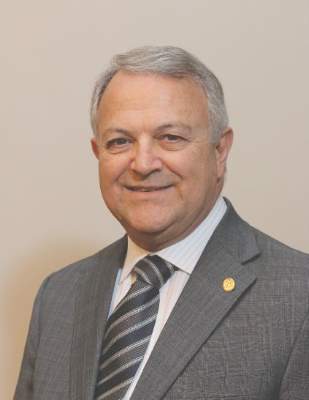
An important milestone in the transition to the new system was the recent release of proposed rules related to MACRA (Medicare Access and CHIP Reauthorization Act of 2015), which replaces the flawed Sustainable Growth Rate formula. CHIP is the Children’s Health Insurance Program. Under MACRA, physicians will have a choice – to be paid via the Merit-Based Incentive Payment System (MIPS) or Alternate Payment Models. Most GIs will participate in MIPS. The most important thing you can do now is report on quality. AGA has quality measures and our Digestive Health Recognition Program is a qualified clinical data registry.
AGA must lead our profession to increase the value of the care we provide. High-value, cost-conscious care refers to care that aims to assess the benefits, harms, and costs of interventions and, consequently, to provide care that adds value. Guidance to enhance value of care based on cognitive skills and appropriate use of biomarkers and imaging, and Clinical Practice Updates are complementary to AGA Guidelines.
Gastroenterologists must maintain certification in a system we don’t support. Maintenance of certification is a major issue in medicine. AGA is pushing for change, favoring continuous professional development for gastroenterologists who self-categorize their practice expertise, and participate in assessments having a built‐in remediation experience with access to resources during the testing. Having developed consensus principles authored by AGA, AASLD, ACG, ASGE, ANMS, and NASPGHAN, we have achieved a stop to the 10-year high stakes exam. We have developed an alliance with other internal medicine societies to attempt to co-create MOC of the future.
One area that is a constant in medicine is the need for research. AGA is committed to research and supporting young investigators so that the future is bright for our patients. Every year our foundation gives $2.5 million in research grants and we continue to advocate for increased NIH funding.
Patients need us to better understand digestive disease and discover new treatments. We have extensive patient education tools on the AGA website. AGA supports device and drug makers working to bring new treatments to patients, with dedicated centers: Center for GI Technology, Center for Diagnostics and Therapeutics, and the Center for the Microbiome, which recently received a prestigious grant from the NIH to support microbiome research.
Patients also want evidence-based care and want to participate in choices. We are developing new patient education materials for use AT THE POINT OF CARE, and for inclusion in EHRs to provide automated qualified clinical data registry (QCDR) reporting by gastroenterologists. At present, there are still challenges of interoperability in the electronic environment.
Obesity is a chronic disease concomitant with many GI diseases and reflects an opportunity for obesity management by gastroenterologists through a forthcoming white paper, entitled Practice Guide on Obesity and Weight Management Education, and Resources.
Finally, we recognized Martin Brotman, MD, AGAF, for innumerable contributions over almost 3 decades as a leader of the AGA, and Richard Boland, MD, AGAF, as the Julius Friedenwald Medal awardee.
Dr. Camilleri is the Atherton and Winifred W. Bean Professor and professor of medicine, pharmacology, and physiology, Mayo Clinic College of Medicine Consultant, division of Gastroenterology and Hepatology, Mayo Clinic, Rochester, Minn.
As Oliver Wendell Holmes stated “The great thing in this world is not so much where we stand, as in what direction we are moving.” Where is AGA moving? AGA represents the highest values in the field of gastroenterology and hepatology, and a focus on the care of patients. We need to demonstrate value, maintain certification, discover new treatments, and improve patient care.
The era of reimbursement based on value, quality care is here: AGA is the leading GI society helping you provide quality care and demonstrating to payors that you’re doing so. Medicare is in the midst of shifting to a value and quality-driven physician reimbursement system. AGA is here to help you successfully make the transition. You must learn about the new system and start preparations – decisions made this year will impact your payment in the future.
An important milestone in the transition to the new system was the recent release of proposed rules related to MACRA (Medicare Access and CHIP Reauthorization Act of 2015), which replaces the flawed Sustainable Growth Rate formula. CHIP is the Children’s Health Insurance Program. Under MACRA, physicians will have a choice – to be paid via the Merit-Based Incentive Payment System (MIPS) or Alternate Payment Models. Most GIs will participate in MIPS. The most important thing you can do now is report on quality. AGA has quality measures and our Digestive Health Recognition Program is a qualified clinical data registry.
AGA must lead our profession to increase the value of the care we provide. High-value, cost-conscious care refers to care that aims to assess the benefits, harms, and costs of interventions and, consequently, to provide care that adds value. Guidance to enhance value of care based on cognitive skills and appropriate use of biomarkers and imaging, and Clinical Practice Updates are complementary to AGA Guidelines.
Gastroenterologists must maintain certification in a system we don’t support. Maintenance of certification is a major issue in medicine. AGA is pushing for change, favoring continuous professional development for gastroenterologists who self-categorize their practice expertise, and participate in assessments having a built‐in remediation experience with access to resources during the testing. Having developed consensus principles authored by AGA, AASLD, ACG, ASGE, ANMS, and NASPGHAN, we have achieved a stop to the 10-year high stakes exam. We have developed an alliance with other internal medicine societies to attempt to co-create MOC of the future.
One area that is a constant in medicine is the need for research. AGA is committed to research and supporting young investigators so that the future is bright for our patients. Every year our foundation gives $2.5 million in research grants and we continue to advocate for increased NIH funding.
Patients need us to better understand digestive disease and discover new treatments. We have extensive patient education tools on the AGA website. AGA supports device and drug makers working to bring new treatments to patients, with dedicated centers: Center for GI Technology, Center for Diagnostics and Therapeutics, and the Center for the Microbiome, which recently received a prestigious grant from the NIH to support microbiome research.
Patients also want evidence-based care and want to participate in choices. We are developing new patient education materials for use AT THE POINT OF CARE, and for inclusion in EHRs to provide automated qualified clinical data registry (QCDR) reporting by gastroenterologists. At present, there are still challenges of interoperability in the electronic environment.
Obesity is a chronic disease concomitant with many GI diseases and reflects an opportunity for obesity management by gastroenterologists through a forthcoming white paper, entitled Practice Guide on Obesity and Weight Management Education, and Resources.
Finally, we recognized Martin Brotman, MD, AGAF, for innumerable contributions over almost 3 decades as a leader of the AGA, and Richard Boland, MD, AGAF, as the Julius Friedenwald Medal awardee.
Dr. Camilleri is the Atherton and Winifred W. Bean Professor and professor of medicine, pharmacology, and physiology, Mayo Clinic College of Medicine Consultant, division of Gastroenterology and Hepatology, Mayo Clinic, Rochester, Minn.
As Oliver Wendell Holmes stated “The great thing in this world is not so much where we stand, as in what direction we are moving.” Where is AGA moving? AGA represents the highest values in the field of gastroenterology and hepatology, and a focus on the care of patients. We need to demonstrate value, maintain certification, discover new treatments, and improve patient care.
The era of reimbursement based on value, quality care is here: AGA is the leading GI society helping you provide quality care and demonstrating to payors that you’re doing so. Medicare is in the midst of shifting to a value and quality-driven physician reimbursement system. AGA is here to help you successfully make the transition. You must learn about the new system and start preparations – decisions made this year will impact your payment in the future.
An important milestone in the transition to the new system was the recent release of proposed rules related to MACRA (Medicare Access and CHIP Reauthorization Act of 2015), which replaces the flawed Sustainable Growth Rate formula. CHIP is the Children’s Health Insurance Program. Under MACRA, physicians will have a choice – to be paid via the Merit-Based Incentive Payment System (MIPS) or Alternate Payment Models. Most GIs will participate in MIPS. The most important thing you can do now is report on quality. AGA has quality measures and our Digestive Health Recognition Program is a qualified clinical data registry.
AGA must lead our profession to increase the value of the care we provide. High-value, cost-conscious care refers to care that aims to assess the benefits, harms, and costs of interventions and, consequently, to provide care that adds value. Guidance to enhance value of care based on cognitive skills and appropriate use of biomarkers and imaging, and Clinical Practice Updates are complementary to AGA Guidelines.
Gastroenterologists must maintain certification in a system we don’t support. Maintenance of certification is a major issue in medicine. AGA is pushing for change, favoring continuous professional development for gastroenterologists who self-categorize their practice expertise, and participate in assessments having a built‐in remediation experience with access to resources during the testing. Having developed consensus principles authored by AGA, AASLD, ACG, ASGE, ANMS, and NASPGHAN, we have achieved a stop to the 10-year high stakes exam. We have developed an alliance with other internal medicine societies to attempt to co-create MOC of the future.
One area that is a constant in medicine is the need for research. AGA is committed to research and supporting young investigators so that the future is bright for our patients. Every year our foundation gives $2.5 million in research grants and we continue to advocate for increased NIH funding.
Patients need us to better understand digestive disease and discover new treatments. We have extensive patient education tools on the AGA website. AGA supports device and drug makers working to bring new treatments to patients, with dedicated centers: Center for GI Technology, Center for Diagnostics and Therapeutics, and the Center for the Microbiome, which recently received a prestigious grant from the NIH to support microbiome research.
Patients also want evidence-based care and want to participate in choices. We are developing new patient education materials for use AT THE POINT OF CARE, and for inclusion in EHRs to provide automated qualified clinical data registry (QCDR) reporting by gastroenterologists. At present, there are still challenges of interoperability in the electronic environment.
Obesity is a chronic disease concomitant with many GI diseases and reflects an opportunity for obesity management by gastroenterologists through a forthcoming white paper, entitled Practice Guide on Obesity and Weight Management Education, and Resources.
Finally, we recognized Martin Brotman, MD, AGAF, for innumerable contributions over almost 3 decades as a leader of the AGA, and Richard Boland, MD, AGAF, as the Julius Friedenwald Medal awardee.
Dr. Camilleri is the Atherton and Winifred W. Bean Professor and professor of medicine, pharmacology, and physiology, Mayo Clinic College of Medicine Consultant, division of Gastroenterology and Hepatology, Mayo Clinic, Rochester, Minn.
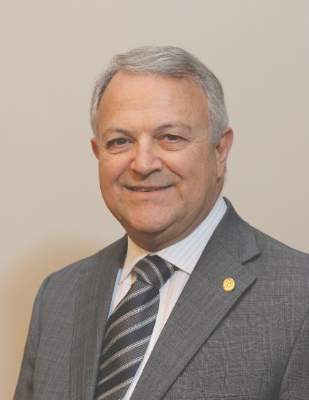
Looking for a grant? Now accepting 2016 applications
Four $1,000 grants will be awarded to help awardees develop mentorship programs, course or curricular materials, or teaching tools related to gastroenterology and hepatology. The grants also may be used to help develop innovative assessment tools or to do research projects in GI and hepatology education.
The deadline to apply for the 2016 awards is Aug. 31, 2016, and the awardees will be notified by Oct. 10, 2016. Members of the Academy of Educators are invited to submit applications to [email protected]. Not a member yet? Join today for consideration.
Learn more and apply today at www.gastro.org/about/initiatives/aga-academy-of-educators. Please contact Paula Dorfman with any questions [email protected].
Four $1,000 grants will be awarded to help awardees develop mentorship programs, course or curricular materials, or teaching tools related to gastroenterology and hepatology. The grants also may be used to help develop innovative assessment tools or to do research projects in GI and hepatology education.
The deadline to apply for the 2016 awards is Aug. 31, 2016, and the awardees will be notified by Oct. 10, 2016. Members of the Academy of Educators are invited to submit applications to [email protected]. Not a member yet? Join today for consideration.
Learn more and apply today at www.gastro.org/about/initiatives/aga-academy-of-educators. Please contact Paula Dorfman with any questions [email protected].
Four $1,000 grants will be awarded to help awardees develop mentorship programs, course or curricular materials, or teaching tools related to gastroenterology and hepatology. The grants also may be used to help develop innovative assessment tools or to do research projects in GI and hepatology education.
The deadline to apply for the 2016 awards is Aug. 31, 2016, and the awardees will be notified by Oct. 10, 2016. Members of the Academy of Educators are invited to submit applications to [email protected]. Not a member yet? Join today for consideration.
Learn more and apply today at www.gastro.org/about/initiatives/aga-academy-of-educators. Please contact Paula Dorfman with any questions [email protected].
AGA and Takeda Pharmaceuticals announce new grants for IBD researchers
Thanks to a generous grant from Takeda Pharmaceuticals U.S.A., the AGA Research Foundation is thrilled to announce three new research grants to fund young investigators working on inflammatory bowel disease (IBD) projects. This funding will provide qualified scientists with the opportunity to make discoveries that will lead to improvements in patient care.
The AGA-Takeda Pharmaceuticals Research Scholar Awards in Inflammatory Bowel Disease will provide $90,000 per year for 3 years (total $270,000) to three young investigators working toward independent research careers with a focus on IBD.
“The AGA Research Foundation is very grateful to have Takeda’s support for promising young researchers at a very vulnerable stage in their careers,” said Robert S. Sandler, M.D., MPH, AGAF, chair of the AGA Research Foundation. “Inflammatory bowel disease offers exciting opportunities for research, and we look forward to seeing how these three award recipients will advance our understanding of this serious digestive disease.”
“Takeda is proud to partner with the AGA Research Foundation to present three research scholar awards in IBD,” said Karen Lasch, MD, executive medical director, gastroenterology, Takeda. “As we look to the future, there is great promise with significant IBD research underway, but a strong need still exists for further scientific and clinical understanding. Providing young research investigators with the support they need to drive innovation and discovery is critical.”
Interested researchers can learn more by visiting the AGA website. The deadline for applications is Aug. 26, 2016, for funding beginning July 1, 2017. The AGA Research Awards Panel is looking for individuals in the beginning years of their careers who have demonstrated exceptional promise and have some record of accomplishment in research.
The overall objective of the AGA Research Scholar Award (RSA) is to enable young investigators, instructors, research associates or equivalents to develop independent and productive research careers in digestive diseases by ensuring that a major proportion of their time is protected for research.
Thanks to a generous grant from Takeda Pharmaceuticals U.S.A., the AGA Research Foundation is thrilled to announce three new research grants to fund young investigators working on inflammatory bowel disease (IBD) projects. This funding will provide qualified scientists with the opportunity to make discoveries that will lead to improvements in patient care.
The AGA-Takeda Pharmaceuticals Research Scholar Awards in Inflammatory Bowel Disease will provide $90,000 per year for 3 years (total $270,000) to three young investigators working toward independent research careers with a focus on IBD.
“The AGA Research Foundation is very grateful to have Takeda’s support for promising young researchers at a very vulnerable stage in their careers,” said Robert S. Sandler, M.D., MPH, AGAF, chair of the AGA Research Foundation. “Inflammatory bowel disease offers exciting opportunities for research, and we look forward to seeing how these three award recipients will advance our understanding of this serious digestive disease.”
“Takeda is proud to partner with the AGA Research Foundation to present three research scholar awards in IBD,” said Karen Lasch, MD, executive medical director, gastroenterology, Takeda. “As we look to the future, there is great promise with significant IBD research underway, but a strong need still exists for further scientific and clinical understanding. Providing young research investigators with the support they need to drive innovation and discovery is critical.”
Interested researchers can learn more by visiting the AGA website. The deadline for applications is Aug. 26, 2016, for funding beginning July 1, 2017. The AGA Research Awards Panel is looking for individuals in the beginning years of their careers who have demonstrated exceptional promise and have some record of accomplishment in research.
The overall objective of the AGA Research Scholar Award (RSA) is to enable young investigators, instructors, research associates or equivalents to develop independent and productive research careers in digestive diseases by ensuring that a major proportion of their time is protected for research.
Thanks to a generous grant from Takeda Pharmaceuticals U.S.A., the AGA Research Foundation is thrilled to announce three new research grants to fund young investigators working on inflammatory bowel disease (IBD) projects. This funding will provide qualified scientists with the opportunity to make discoveries that will lead to improvements in patient care.
The AGA-Takeda Pharmaceuticals Research Scholar Awards in Inflammatory Bowel Disease will provide $90,000 per year for 3 years (total $270,000) to three young investigators working toward independent research careers with a focus on IBD.
“The AGA Research Foundation is very grateful to have Takeda’s support for promising young researchers at a very vulnerable stage in their careers,” said Robert S. Sandler, M.D., MPH, AGAF, chair of the AGA Research Foundation. “Inflammatory bowel disease offers exciting opportunities for research, and we look forward to seeing how these three award recipients will advance our understanding of this serious digestive disease.”
“Takeda is proud to partner with the AGA Research Foundation to present three research scholar awards in IBD,” said Karen Lasch, MD, executive medical director, gastroenterology, Takeda. “As we look to the future, there is great promise with significant IBD research underway, but a strong need still exists for further scientific and clinical understanding. Providing young research investigators with the support they need to drive innovation and discovery is critical.”
Interested researchers can learn more by visiting the AGA website. The deadline for applications is Aug. 26, 2016, for funding beginning July 1, 2017. The AGA Research Awards Panel is looking for individuals in the beginning years of their careers who have demonstrated exceptional promise and have some record of accomplishment in research.
The overall objective of the AGA Research Scholar Award (RSA) is to enable young investigators, instructors, research associates or equivalents to develop independent and productive research careers in digestive diseases by ensuring that a major proportion of their time is protected for research.
AGA Research Foundation announces 2016 class of Research Award winners
At Digestive Disease Week® 2016, the AGA Research Foundation honored its 2016 class of Research Award winners. The AGA Research Awards Program serves to support talented investigators who are pursuing careers in digestive disease research. A research grant from the AGA Research Foundation ensures that a major proportion of the recipient’s time is protected for research.
“The AGA Research Foundation received a record number of applications in 2016 from young investigators working to advance our understanding of digestive and liver diseases,” said Robert S. Sandler, MD, MPH, AGAF, incoming chair of the AGA Research Foundation. “AGA is proud to invest in these 66 talented scientists and looks forward to seeing how each of their research projects will ultimately lead to better care for patients suffering from digestive disorders.”
The AGA Research Awards Program is made possible thanks to the foundation’s generous donors. To show your support for GI research, visit www.gastro.org/donateonline.
The 2016 AGA Research Foundation award recipients can be found here. To learn about upcoming research funding opportunities, visit www.gastro.org/awards.
At Digestive Disease Week® 2016, the AGA Research Foundation honored its 2016 class of Research Award winners. The AGA Research Awards Program serves to support talented investigators who are pursuing careers in digestive disease research. A research grant from the AGA Research Foundation ensures that a major proportion of the recipient’s time is protected for research.
“The AGA Research Foundation received a record number of applications in 2016 from young investigators working to advance our understanding of digestive and liver diseases,” said Robert S. Sandler, MD, MPH, AGAF, incoming chair of the AGA Research Foundation. “AGA is proud to invest in these 66 talented scientists and looks forward to seeing how each of their research projects will ultimately lead to better care for patients suffering from digestive disorders.”
The AGA Research Awards Program is made possible thanks to the foundation’s generous donors. To show your support for GI research, visit www.gastro.org/donateonline.
The 2016 AGA Research Foundation award recipients can be found here. To learn about upcoming research funding opportunities, visit www.gastro.org/awards.
At Digestive Disease Week® 2016, the AGA Research Foundation honored its 2016 class of Research Award winners. The AGA Research Awards Program serves to support talented investigators who are pursuing careers in digestive disease research. A research grant from the AGA Research Foundation ensures that a major proportion of the recipient’s time is protected for research.
“The AGA Research Foundation received a record number of applications in 2016 from young investigators working to advance our understanding of digestive and liver diseases,” said Robert S. Sandler, MD, MPH, AGAF, incoming chair of the AGA Research Foundation. “AGA is proud to invest in these 66 talented scientists and looks forward to seeing how each of their research projects will ultimately lead to better care for patients suffering from digestive disorders.”
The AGA Research Awards Program is made possible thanks to the foundation’s generous donors. To show your support for GI research, visit www.gastro.org/donateonline.
The 2016 AGA Research Foundation award recipients can be found here. To learn about upcoming research funding opportunities, visit www.gastro.org/awards.
AGA Governing Board welcomes new members at DDW® 2016
The new AGA Institute Governing Board began its term immediately following Digestive Disease Week® (DDW) 2016. In addition to Timothy Wang, MD, AGAF, of Columbia University, who began his term as the 111th president of AGA Institute, the other 2016-2017 board members include:

• Sheila E. Crowe, MD, AGAF, President-Elect
• David A. Lieberman, MD, AGAF, Vice President
• Francis M. Giardiello, MD, AGAF, Secretary/Treasurer
• Michael Camilleri, MD, AGAF, Past President
Additionally, the Councillors of the 2016-2017 board include:
• Marcia R. Cruz-Correa, MD, PhD, AGAF, At-Large Councillor
• Gregory J. Gores, MD, AGAF, Basic Research Councillor
• John M. Inadomi, MD, AGAF, Clinical Research Councillor
• Rajeev Jain, MD, AGAF, Practice Councillor
• Lawrence R. Kosinski, MD, MBA, AGAF, Practice Councillor
• Deborah D. Proctor, MD, AGAF, Education & Training Councillor
• Robert S. Sandler, MD, MPH, AGAF, AGA Research Foundation Chair
AGA also thanks the outgoing board members for their service, including John Allen, MD, MBA; Martin Brotman, MD; Byron Cryer, MD; and Suzanne Rose, MD, MSed. AGA congratulates both the incoming and outgoing board members, and thanks them for their commitment to advancing the science and practice of gastroenterology.
The new AGA Institute Governing Board began its term immediately following Digestive Disease Week® (DDW) 2016. In addition to Timothy Wang, MD, AGAF, of Columbia University, who began his term as the 111th president of AGA Institute, the other 2016-2017 board members include:
• Sheila E. Crowe, MD, AGAF, President-Elect
• David A. Lieberman, MD, AGAF, Vice President
• Francis M. Giardiello, MD, AGAF, Secretary/Treasurer
• Michael Camilleri, MD, AGAF, Past President
Additionally, the Councillors of the 2016-2017 board include:
• Marcia R. Cruz-Correa, MD, PhD, AGAF, At-Large Councillor
• Gregory J. Gores, MD, AGAF, Basic Research Councillor
• John M. Inadomi, MD, AGAF, Clinical Research Councillor
• Rajeev Jain, MD, AGAF, Practice Councillor
• Lawrence R. Kosinski, MD, MBA, AGAF, Practice Councillor
• Deborah D. Proctor, MD, AGAF, Education & Training Councillor
• Robert S. Sandler, MD, MPH, AGAF, AGA Research Foundation Chair
AGA also thanks the outgoing board members for their service, including John Allen, MD, MBA; Martin Brotman, MD; Byron Cryer, MD; and Suzanne Rose, MD, MSed. AGA congratulates both the incoming and outgoing board members, and thanks them for their commitment to advancing the science and practice of gastroenterology.
The new AGA Institute Governing Board began its term immediately following Digestive Disease Week® (DDW) 2016. In addition to Timothy Wang, MD, AGAF, of Columbia University, who began his term as the 111th president of AGA Institute, the other 2016-2017 board members include:
• Sheila E. Crowe, MD, AGAF, President-Elect
• David A. Lieberman, MD, AGAF, Vice President
• Francis M. Giardiello, MD, AGAF, Secretary/Treasurer
• Michael Camilleri, MD, AGAF, Past President
Additionally, the Councillors of the 2016-2017 board include:
• Marcia R. Cruz-Correa, MD, PhD, AGAF, At-Large Councillor
• Gregory J. Gores, MD, AGAF, Basic Research Councillor
• John M. Inadomi, MD, AGAF, Clinical Research Councillor
• Rajeev Jain, MD, AGAF, Practice Councillor
• Lawrence R. Kosinski, MD, MBA, AGAF, Practice Councillor
• Deborah D. Proctor, MD, AGAF, Education & Training Councillor
• Robert S. Sandler, MD, MPH, AGAF, AGA Research Foundation Chair
AGA also thanks the outgoing board members for their service, including John Allen, MD, MBA; Martin Brotman, MD; Byron Cryer, MD; and Suzanne Rose, MD, MSed. AGA congratulates both the incoming and outgoing board members, and thanks them for their commitment to advancing the science and practice of gastroenterology.

AGA joins campaign for sustainable Rx pricing
This June AGA announced it has joined the Campaign for Sustainable Rx Pricing (CSRxP), a broad-based campaign that works to curb rising drug costs.
“Gastroenterologists have a unique view of rising drug prices because the patients they treat are subjected to some of the most expensive medications on the market,” said CSRxP Executive Director John Rother, noting pricey hepatitis C medications, injectables, and other specialty drugs that often force patients to delay or forgo treatment because of cost. “AGA’s voice is a welcome addition to our diverse campaign as we call on policy makers to increase transparency, competition, and value in the prescription drug market.”

“Given that some of the most expensive drugs on the market are drugs that treat GI and hepatology diseases, I believe it is important that AGA be part of the dialogue addressing drug costs. These treatments have been revolutionary and lifesaving, but we need to ensure that all patients have access to the right treatments and are not prevented from receiving the proper therapy because of cost. AGA looks forward to working with the coalition and policy makers on finding common-sense solutions to address the growing problem of drug prices,” said Dr. Timothy C. Wang, AGAF, AGA Institute president.
Prices for specialty drugs, which require special handling, administration, or monitoring, are one of the largest drivers of increased health care costs, even for those who do not use medication. Today, prescription drug expenditures are nearly 20% of health care costs and prescription spending is growing faster than any other part of the health care dollar, according to data from IMS and Medicare Payment Advisory Commission. Additionally, IMS found that spending on specialty medicines has increased by $54 billion over the past 5 years, accounting for 73% of all medicine spending growth.
This June AGA announced it has joined the Campaign for Sustainable Rx Pricing (CSRxP), a broad-based campaign that works to curb rising drug costs.
“Gastroenterologists have a unique view of rising drug prices because the patients they treat are subjected to some of the most expensive medications on the market,” said CSRxP Executive Director John Rother, noting pricey hepatitis C medications, injectables, and other specialty drugs that often force patients to delay or forgo treatment because of cost. “AGA’s voice is a welcome addition to our diverse campaign as we call on policy makers to increase transparency, competition, and value in the prescription drug market.”
“Given that some of the most expensive drugs on the market are drugs that treat GI and hepatology diseases, I believe it is important that AGA be part of the dialogue addressing drug costs. These treatments have been revolutionary and lifesaving, but we need to ensure that all patients have access to the right treatments and are not prevented from receiving the proper therapy because of cost. AGA looks forward to working with the coalition and policy makers on finding common-sense solutions to address the growing problem of drug prices,” said Dr. Timothy C. Wang, AGAF, AGA Institute president.
Prices for specialty drugs, which require special handling, administration, or monitoring, are one of the largest drivers of increased health care costs, even for those who do not use medication. Today, prescription drug expenditures are nearly 20% of health care costs and prescription spending is growing faster than any other part of the health care dollar, according to data from IMS and Medicare Payment Advisory Commission. Additionally, IMS found that spending on specialty medicines has increased by $54 billion over the past 5 years, accounting for 73% of all medicine spending growth.
This June AGA announced it has joined the Campaign for Sustainable Rx Pricing (CSRxP), a broad-based campaign that works to curb rising drug costs.
“Gastroenterologists have a unique view of rising drug prices because the patients they treat are subjected to some of the most expensive medications on the market,” said CSRxP Executive Director John Rother, noting pricey hepatitis C medications, injectables, and other specialty drugs that often force patients to delay or forgo treatment because of cost. “AGA’s voice is a welcome addition to our diverse campaign as we call on policy makers to increase transparency, competition, and value in the prescription drug market.”
“Given that some of the most expensive drugs on the market are drugs that treat GI and hepatology diseases, I believe it is important that AGA be part of the dialogue addressing drug costs. These treatments have been revolutionary and lifesaving, but we need to ensure that all patients have access to the right treatments and are not prevented from receiving the proper therapy because of cost. AGA looks forward to working with the coalition and policy makers on finding common-sense solutions to address the growing problem of drug prices,” said Dr. Timothy C. Wang, AGAF, AGA Institute president.
Prices for specialty drugs, which require special handling, administration, or monitoring, are one of the largest drivers of increased health care costs, even for those who do not use medication. Today, prescription drug expenditures are nearly 20% of health care costs and prescription spending is growing faster than any other part of the health care dollar, according to data from IMS and Medicare Payment Advisory Commission. Additionally, IMS found that spending on specialty medicines has increased by $54 billion over the past 5 years, accounting for 73% of all medicine spending growth.

Now accepting applications for 2017 AGA Fellows
AGA recognizes members whose accomplishments demonstrate personal commitment to the GI field with the distinction of AGA fellowship. Apply today to the program to gain recognition as a distinguished AGA Fellow. AGA fellowships honor superior professional achievement in clinical, private, or academic practice, and in basic or clinical research.
AGA Fellows will be acknowledged in several ways, including a certificate commemorating their accomplishment and the privilege of using the prestigious designation “AGAF” in professional activities. AGA Fellows are also honored at Digestive Disease Week® (DDW) and on the AGA website. View the full list of benefits and criteria today.
Learn more and complete the online application by visiting http://www.gastro.org/about/aga-fellows-program. The deadline for submissions is Monday, Aug. 22, 2016.
AGA recognizes members whose accomplishments demonstrate personal commitment to the GI field with the distinction of AGA fellowship. Apply today to the program to gain recognition as a distinguished AGA Fellow. AGA fellowships honor superior professional achievement in clinical, private, or academic practice, and in basic or clinical research.
AGA Fellows will be acknowledged in several ways, including a certificate commemorating their accomplishment and the privilege of using the prestigious designation “AGAF” in professional activities. AGA Fellows are also honored at Digestive Disease Week® (DDW) and on the AGA website. View the full list of benefits and criteria today.
Learn more and complete the online application by visiting http://www.gastro.org/about/aga-fellows-program. The deadline for submissions is Monday, Aug. 22, 2016.
AGA recognizes members whose accomplishments demonstrate personal commitment to the GI field with the distinction of AGA fellowship. Apply today to the program to gain recognition as a distinguished AGA Fellow. AGA fellowships honor superior professional achievement in clinical, private, or academic practice, and in basic or clinical research.
AGA Fellows will be acknowledged in several ways, including a certificate commemorating their accomplishment and the privilege of using the prestigious designation “AGAF” in professional activities. AGA Fellows are also honored at Digestive Disease Week® (DDW) and on the AGA website. View the full list of benefits and criteria today.
Learn more and complete the online application by visiting http://www.gastro.org/about/aga-fellows-program. The deadline for submissions is Monday, Aug. 22, 2016.