User login
Did delayed delivery cause twin’s brain damage?
Noting a decrease in fetal movement, a woman at 35.5 weeks’ gestation with twins called her doctor. The physician ordered her to the hospital, where a fetal heart monitor was attached. The monitor allegedly showed signs of fetal distress.
A cesarean section was performed 6 hours later. One of the twins suffered a hypoxic ischemic brain injury; the other sustained no neurologic damage. The first twin is confined to a wheelchair due to cerebral palsy, spastic quadriplegia, and dystonia.
In suing, the mother claimed that the 6-hour delay in delivery resulted in her son’s brain injury.
The doctor argued that the brain damage occurred prior to the mother’s arrival at the hospital. The doctor also contended that the fetal monitoring did not warrant an earlier delivery.
- The jury returned a defense verdict. The hospital settled with the plaintiff for a confidential amount.
Noting a decrease in fetal movement, a woman at 35.5 weeks’ gestation with twins called her doctor. The physician ordered her to the hospital, where a fetal heart monitor was attached. The monitor allegedly showed signs of fetal distress.
A cesarean section was performed 6 hours later. One of the twins suffered a hypoxic ischemic brain injury; the other sustained no neurologic damage. The first twin is confined to a wheelchair due to cerebral palsy, spastic quadriplegia, and dystonia.
In suing, the mother claimed that the 6-hour delay in delivery resulted in her son’s brain injury.
The doctor argued that the brain damage occurred prior to the mother’s arrival at the hospital. The doctor also contended that the fetal monitoring did not warrant an earlier delivery.
- The jury returned a defense verdict. The hospital settled with the plaintiff for a confidential amount.
Noting a decrease in fetal movement, a woman at 35.5 weeks’ gestation with twins called her doctor. The physician ordered her to the hospital, where a fetal heart monitor was attached. The monitor allegedly showed signs of fetal distress.
A cesarean section was performed 6 hours later. One of the twins suffered a hypoxic ischemic brain injury; the other sustained no neurologic damage. The first twin is confined to a wheelchair due to cerebral palsy, spastic quadriplegia, and dystonia.
In suing, the mother claimed that the 6-hour delay in delivery resulted in her son’s brain injury.
The doctor argued that the brain damage occurred prior to the mother’s arrival at the hospital. The doctor also contended that the fetal monitoring did not warrant an earlier delivery.
- The jury returned a defense verdict. The hospital settled with the plaintiff for a confidential amount.
Stress test normal, but infant is stillborn
Upon noting a decrease in fetal movement, a woman at 37 weeks’ gestation contacted her obstetrician. She was sent to the hospital’s emergency room, where she was administered a contraction stress test, which was normal. She was admitted to the hospital overnight as a precaution.
Two days after her release, she returned to the hospital, again reporting decreased fetal movement. The doctor performed an ultrasound and told the woman that the fetus had no heartbeat. A stillborn was delivered via cesarean section.
The mother sued, arguing that more tests should have been administered before she was released from the hospital. She maintained that subsequent testing—including a biophysical profile—would have detected an abnormality. Prompt delivery may have offered her son a chance for survival, she said.
The doctor contended that a stress test was well within the standard of care. In fact, he noted, keeping the patient an additional night in the hospital exceeded that standard. The doctor also claimed that a normal stress test did not call for additional testing. In addition, he pointed out that the mother did not properly record her kick count after she was discharged. He linked the infant’s demise to an underlying circulatory problem that could not be detected via fetal monitoring.
- The jury returned a defense verdict.
Upon noting a decrease in fetal movement, a woman at 37 weeks’ gestation contacted her obstetrician. She was sent to the hospital’s emergency room, where she was administered a contraction stress test, which was normal. She was admitted to the hospital overnight as a precaution.
Two days after her release, she returned to the hospital, again reporting decreased fetal movement. The doctor performed an ultrasound and told the woman that the fetus had no heartbeat. A stillborn was delivered via cesarean section.
The mother sued, arguing that more tests should have been administered before she was released from the hospital. She maintained that subsequent testing—including a biophysical profile—would have detected an abnormality. Prompt delivery may have offered her son a chance for survival, she said.
The doctor contended that a stress test was well within the standard of care. In fact, he noted, keeping the patient an additional night in the hospital exceeded that standard. The doctor also claimed that a normal stress test did not call for additional testing. In addition, he pointed out that the mother did not properly record her kick count after she was discharged. He linked the infant’s demise to an underlying circulatory problem that could not be detected via fetal monitoring.
- The jury returned a defense verdict.
Upon noting a decrease in fetal movement, a woman at 37 weeks’ gestation contacted her obstetrician. She was sent to the hospital’s emergency room, where she was administered a contraction stress test, which was normal. She was admitted to the hospital overnight as a precaution.
Two days after her release, she returned to the hospital, again reporting decreased fetal movement. The doctor performed an ultrasound and told the woman that the fetus had no heartbeat. A stillborn was delivered via cesarean section.
The mother sued, arguing that more tests should have been administered before she was released from the hospital. She maintained that subsequent testing—including a biophysical profile—would have detected an abnormality. Prompt delivery may have offered her son a chance for survival, she said.
The doctor contended that a stress test was well within the standard of care. In fact, he noted, keeping the patient an additional night in the hospital exceeded that standard. The doctor also claimed that a normal stress test did not call for additional testing. In addition, he pointed out that the mother did not properly record her kick count after she was discharged. He linked the infant’s demise to an underlying circulatory problem that could not be detected via fetal monitoring.
- The jury returned a defense verdict.
Woman develops sepsis, dies after hysterectomy
A 66-year-old woman underwent vaginal hysterectomy. She experienced no post-operative complications and was stable 1 week later at a follow-up visit. When she returned about 1 month later, however, she was despondent and failed to respond to questions. An exploratory laparotomy performed the next day revealed an aggressive infection. The area was debrided. Two weeks later, the patient died of adult respiratory distress syndrome and multiorgan system failure.
In suing, the woman’s estate alleged that the surgeon punctured her intestine during the hysterectomy, causing her to develop sepsis, which was detected too late.
The doctor denied that a puncture wound had occurred during surgery. The physician who performed the exploratory laparotomy also said there was no evidence of such a wound. The defense argued that the infection was a result of a rare and spontaneous bacterial infection, and claimed the patient died as a result of cirrhosis due to a history of alcohol abuse.
- The jury returned a defense verdict.
A 66-year-old woman underwent vaginal hysterectomy. She experienced no post-operative complications and was stable 1 week later at a follow-up visit. When she returned about 1 month later, however, she was despondent and failed to respond to questions. An exploratory laparotomy performed the next day revealed an aggressive infection. The area was debrided. Two weeks later, the patient died of adult respiratory distress syndrome and multiorgan system failure.
In suing, the woman’s estate alleged that the surgeon punctured her intestine during the hysterectomy, causing her to develop sepsis, which was detected too late.
The doctor denied that a puncture wound had occurred during surgery. The physician who performed the exploratory laparotomy also said there was no evidence of such a wound. The defense argued that the infection was a result of a rare and spontaneous bacterial infection, and claimed the patient died as a result of cirrhosis due to a history of alcohol abuse.
- The jury returned a defense verdict.
A 66-year-old woman underwent vaginal hysterectomy. She experienced no post-operative complications and was stable 1 week later at a follow-up visit. When she returned about 1 month later, however, she was despondent and failed to respond to questions. An exploratory laparotomy performed the next day revealed an aggressive infection. The area was debrided. Two weeks later, the patient died of adult respiratory distress syndrome and multiorgan system failure.
In suing, the woman’s estate alleged that the surgeon punctured her intestine during the hysterectomy, causing her to develop sepsis, which was detected too late.
The doctor denied that a puncture wound had occurred during surgery. The physician who performed the exploratory laparotomy also said there was no evidence of such a wound. The defense argued that the infection was a result of a rare and spontaneous bacterial infection, and claimed the patient died as a result of cirrhosis due to a history of alcohol abuse.
- The jury returned a defense verdict.
Pulmonary embolism, death 1 day after cesarean
<court>Bronx County (NY) Supreme Court</court>
A 31-year-old obese, diabetic woman presented to a hospital for delivery of her fourth child. The doctor was unable to induce labor, so the baby was delivered via cesarean.
Following the procedure, the doctor gave the patient a 24-hour “out-of-bed” order. The patient allegedly refused to rise until the following day. When she did leave the bed to take a shower, she suffered a pulmonary embolism and later died.
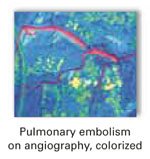
In suing, a relative of the woman argued that the doctor knew cesarean section carried an increased risk of pulmonary complications, particularly in an obese woman with diabetes. The relative claimed the doctor should have given the patient time to attempt natural delivery. In addition, she asserted that the woman should have been forced out of bed sooner, given antiembolic stockings, and administered small doses of heparin.
The doctor said a cesarean was performed because of the patient’s erratic blood-sugar control, fetal macrosomia measurements, and nonreactive stress testing with late decelerations on fetal monitoring. The doctor also argued that the 24-hour “out-of-bed” order was properly timed and that antiembolic stockings and heparin would not have prevented a pulmonary embolism. The doctor further noted that the patient’s physical examinations showed no signs of deep venous thrombosis, nor did her blood tests indicate that she was in a hypercoagulable state.
- The jury awarded the plaintiff $6.147 million. The case settled for $2.5 million following the verdict due to a $2.5 million/$350,000 high/low agreement. The hospital settled for $150,000.
The cases presented here were compiled by Lewis L. Laska, editor of Medical Malpractice Verdicts, Settlements & Experts (www.verdictslaska.com). While there are instances when the available information is incomplete, these cases represent the types of clinical situations that typically result in litigation.
<court>Bronx County (NY) Supreme Court</court>
A 31-year-old obese, diabetic woman presented to a hospital for delivery of her fourth child. The doctor was unable to induce labor, so the baby was delivered via cesarean.
Following the procedure, the doctor gave the patient a 24-hour “out-of-bed” order. The patient allegedly refused to rise until the following day. When she did leave the bed to take a shower, she suffered a pulmonary embolism and later died.
In suing, a relative of the woman argued that the doctor knew cesarean section carried an increased risk of pulmonary complications, particularly in an obese woman with diabetes. The relative claimed the doctor should have given the patient time to attempt natural delivery. In addition, she asserted that the woman should have been forced out of bed sooner, given antiembolic stockings, and administered small doses of heparin.
The doctor said a cesarean was performed because of the patient’s erratic blood-sugar control, fetal macrosomia measurements, and nonreactive stress testing with late decelerations on fetal monitoring. The doctor also argued that the 24-hour “out-of-bed” order was properly timed and that antiembolic stockings and heparin would not have prevented a pulmonary embolism. The doctor further noted that the patient’s physical examinations showed no signs of deep venous thrombosis, nor did her blood tests indicate that she was in a hypercoagulable state.
- The jury awarded the plaintiff $6.147 million. The case settled for $2.5 million following the verdict due to a $2.5 million/$350,000 high/low agreement. The hospital settled for $150,000.
The cases presented here were compiled by Lewis L. Laska, editor of Medical Malpractice Verdicts, Settlements & Experts (www.verdictslaska.com). While there are instances when the available information is incomplete, these cases represent the types of clinical situations that typically result in litigation.
<court>Bronx County (NY) Supreme Court</court>
A 31-year-old obese, diabetic woman presented to a hospital for delivery of her fourth child. The doctor was unable to induce labor, so the baby was delivered via cesarean.
Following the procedure, the doctor gave the patient a 24-hour “out-of-bed” order. The patient allegedly refused to rise until the following day. When she did leave the bed to take a shower, she suffered a pulmonary embolism and later died.
In suing, a relative of the woman argued that the doctor knew cesarean section carried an increased risk of pulmonary complications, particularly in an obese woman with diabetes. The relative claimed the doctor should have given the patient time to attempt natural delivery. In addition, she asserted that the woman should have been forced out of bed sooner, given antiembolic stockings, and administered small doses of heparin.
The doctor said a cesarean was performed because of the patient’s erratic blood-sugar control, fetal macrosomia measurements, and nonreactive stress testing with late decelerations on fetal monitoring. The doctor also argued that the 24-hour “out-of-bed” order was properly timed and that antiembolic stockings and heparin would not have prevented a pulmonary embolism. The doctor further noted that the patient’s physical examinations showed no signs of deep venous thrombosis, nor did her blood tests indicate that she was in a hypercoagulable state.
- The jury awarded the plaintiff $6.147 million. The case settled for $2.5 million following the verdict due to a $2.5 million/$350,000 high/low agreement. The hospital settled for $150,000.
The cases presented here were compiled by Lewis L. Laska, editor of Medical Malpractice Verdicts, Settlements & Experts (www.verdictslaska.com). While there are instances when the available information is incomplete, these cases represent the types of clinical situations that typically result in litigation.
CPT 2004 highlights: Advanced procedures, HIPAA compliance
Maternal-fetal medicine physicians, infertility specialists, gynecologic surgeons, and the folks behind HIPAA top the list of professionals cheering the updates to Current Procedural Terminology (CPT) 2004.
Among the revisions making the biggest splash for Ob/Gyns in this year’s manual:
- the addition of new codes for fetal surgical procedures—interventions that previously could be reported only with an unlisted procedure code;
- a new code for laparoscopic colpopexy;
- a revamp of the infertility lab procedure codes to incorporate advanced procedures utilizing newer technology; and
- the addition of the new Category II codes—necessary to bring CPT in line with HIPAA requirements, thus allowing it to remain the coding system of choice for physician services.
Of course, a number of other changes also may affect Ob/Gyn practice. Thus, a “best of the rest” roundup is also included.
BEST OF THE BEST
Fetal intrauterine procedures
By adding 5 new codes for fetal intrauterine surgical procedures—including an “unlisted procedure” code—to the “maternity care and delivery” section, CPT brings out of the investigational arena some techniques that can be used to treat the fetus in utero or aid in the evaluation of the fetal condition.
Note that since all of the codes include ultrasound guidance, you will not need a second code from the radiology section.
• 59070 Transabdominal amnioinfusion, including ultrasound guidance
The procedure itself involves performing an amniocentesis, then guiding the needle between the fetal extremities. Sterile saline is instilled under continuous ultrasound until adequate visualization of the fetal anatomy is possible. After the needle is removed, a detailed ultrasound of the fetus is performed. This can be coded separately by reporting 76811 (as well as 76812 if there is more than 1 fetus). Note, however, that this code would not be reported if the sterile saline is introduced via the cervix, as this is not an “invasive” procedure; instead, use the unlisted code 59899.
• 59072 Fetal umbilical cord occlusion, including ultrasound guidance
This is performed when 1 fetus in a set of monochorionic twins has a severe fetal anomaly. In the procedure, blood flow from the umbilical cord to the affected fetus is occluded, using either laser, suture, or bipolar coagulation. Ultrasound, including color Doppler, is used to confirm complete absence of flow through the occluded cord. Because the purpose of the Doppler is to check the success of the occlusion, it is not coded separately.
• 59074 Fetal fluid drainage (eg, vesicocentesis, thoracocentesis, paracentesis), including ultrasound guidance
For these procedures, the surgeon aspirates fluid from fetal body cavities or organs to help evaluate or treat congenital abnormalities. Fetal bladder aspiration is one example; in this procedure, the physician directs the needle into the fetal bladder and aspirates fetal urine. The patient is monitored after the needle is removed and an ultrasound is performed again in about 1 hour to check for bladder refilling. Since the postprocedure ultrasound is diagnostic in nature, it can be billed for separately, but some payers may conclude that it is part of the procedure.
• 59076 Fetal shunt placement, including ultrasound guidance
This procedure involves the percutaneous placement of a double-pigtailed catheter into the area that requires drainage (the fetal bladder or the thorax, if the problem is pleural effusion). Once the catheter is in place, the other end is inserted into the amniotic cavity, so the fluid can travel into this space. The patient and fetus are monitored for an hour or longer and a repeat scan is performed to evaluate drainage and reaccumulation of amniotic fluid. In this case, the repeat scan will probably be considered part of the procedure, as it is done to check the intervention’s success.
• 59897 Unlisted fetal invasive procedure, including ultrasound guidance
Laparoscopic colpopexy
• 57425 Laparoscopy, surgical, colpopexy (suspension of vaginal apex)
With many surgeons now performing colpopexy laparoscopically, rather than abdominally, this new code (added to the “female genital system” section of “Surgical procedures”) is sure to solve some coding headaches.
For this procedure, which is normally done on patients with uterovaginal prolapse or prolapse of the vaginal vault following a hysterectomy, a Halban or McCall’s culdoplasty is performed to obliterate the cul-desac,and a graft is secured to the pubocervical and rectovaginal fascia. The physician may also do presacral dissection, so that the graft can be secured to the sacrum’s anterior longitudinal ligament. Any adhesions are lysed to gain access to the vaginal apex—this lysis is not normally coded separately.
Also changed in this section:
• 58340 Catheterization and introduction of saline or contrast material for saline infusion sonohysterography or hysterosalpingography
Code 58340 has been revised to reflect more current terminology. The term “hysterosonography” has been changed to “saline infusion sonohysterography.” A similar change applies to the radiological supervision code 76831 [saline infusion sonohysterography, including color flow Doppler, when performed]. This change does not alter the use of the codes in any way.
Reproductive medicine procedures
This new section of laboratory codes accommodates the technologic advancements and changing practice in reproductive medicine.
This article uses the standard CPT symbols:
- Codes new to CPT 2004
- Codes revised in CPT 2004
Indentation
When a code is followed by 1 or more indented codes, the indented text replaces everything following the semicolon in the initial code.
- Oocyte/embryo culture and fertilization techniques;
- Oocyte/embryo biopsy techniques; and
- Freezing, thawing, and storage techniques.
In addition, there are 2 new Category III codes for cryopreservation of tissue and oocytes. If the procedure performed matches one of these new Category III codes, it must be reported rather than an unlisted service code. The new and revised codes can be found in the Table.
TABLE
Reproductive medicine procedures
| OOCYTE/EMBRYO CULTURE AND FERTILIZATION TECHNIQUES | |
| • 89250 | Culture of oocyte(s)/embryo(s), less than 4 days;* |
| • 89251 | with coculture of oocyte(s)/embryos† |
| • 89268 | Insemination of oocytes |
| • 89272 | Extended culture of oocyte(s)/embryo(s), 4-7 days‡ |
| • 89280 | Assisted oocyte fertilization, microtechnique; less than or equal to 10 oocytes |
| • 89281 | greater than 10 oocytes |
| OOCYTE/EMBRYO BIOPSY TECHNIQUES | |
| • 89290 | Biopsy, oocyte polar body or embryo blastomere, microtechnique (for preimplantation genetic diagnosis); less than or equal to 5 embryos |
| • 89291 | greater than 5 embryos |
| FREEZING, THAWING, AND STORAGE TECHNIQUES | |
| • 89258 | Cryopreservation; embryo(s) |
| • 89335 | Cryopreservation, reproductive tissue, testicular |
| • 89342 | Storage (per year); embryo(s) |
| • 89343 | sperm/semen |
| • 89344 | reproductive tissue, testicular/ovarian |
| • 89346 | oocyte |
| • 89352 | Thawing of cryopreserved; embryo(s) |
| • 89353 | sperm/semen, each aliquot |
| • 89354 | reproductive tissue, testicular/ovarian |
| • 89356 | oocytes, each aliquot |
| CATEGORY III CODES | |
| • 0058T | Cryopreservation of reproductive tissue, ovarian |
| • 0059T | Cryopreservation of oocyte(s) |
| * You can now use code 89250 to report the culture of immature oocytes. Fertilization and insemination are no longer considered part of this code, and thus are reported separately. | |
| † Code 89251 represents the additional work of the microfertilization of more than 10 oocytes. | |
| ‡ Use code 89272 to report separate techniques for additional cultures over a 4- to 7-day period and in addition to code 89250. | |
Staying hip to HIPAA: Category II codes
This new section, which adds supplemental tracking codes for performance measurements, was created in an effort to comply with HIPAA regulation requirements for the code set. These codes will not affect reimbursement, but are meant to decrease the need for record abstraction and chart review. Use of these codes, it is hoped, will facilitate data collection about quality of care. Coders should be aware of the following:
- The use of these codes is optional; they may not be substituted for the regular Category I CPT codes.
- The codes describe components typically included in an evaluation and management service, as well as test results that are part of the laboratory test/procedure.
- The codes are assigned no relative value units.
- New codes for this section will be released semiannually. Updates can be found on the AMA/CPT Web site (www.ama-assn.org/ama/pub/category/3885.html).
The Category II codes effective January 1, 2004, are:
- 0001FBlood pressure, measured
- 0002FTobacco use, smoking, assessed
- 0003FTobacco use, nonsmoking, assessed
- 0004FTobacco use cessation intervention, counseling
- 0005FTobacco use cessation intervention, pharmacologic therapy
- 0006FStatin therapy, prescribed
- 0007FBeta-blocker therapy, prescribed
- 0008FAngiotensin-converting enzyme inhibitor therapy, prescribed
- 0009FAnginal symptoms and level of activity, assessed
- 0010FAnginal symptoms and level of activity, assessed using a standardized instrument (eg, Canadian Cardiovascular Society Classification-CCSC-System, Seattle Angina Questionnaire-SAQ)
- 0011FOral antiplatelet therapy, prescribed (eg, aspirin, clopidogrel/Plavix, or combination of aspirin and dipyridamole/Aggrenox)
BEST OF THE REST
Surgical procedures Urinary system.
• 53500Urethrolysis, transvaginal, secondary, open, including cystourethroscopy (eg, postsurgical obstruction, scarring)
This new code is for the treatment of obstructive voiding caused by periurethral scarring, which can occur following a urethral suspension procedure, such as a bladder neck suspension. The procedure associated with this new code usually involves the dissection, lysis, and removal of the periurethral scar tissue, as well as mobilization of the urethra away from the surrounding tissues. This code also includes cystourethroscopy (52000), which is sometimes performed to check the urethra after the procedure is done.
In addition, CPT indicates that if urethrolysis is performed via a retropubic rather than vaginal approach, unlisted code 53899 should be reported instead of 53500.
Medicine code changes
Miscellaneous services. Code 99025 [initial (new patient) visit when starred (*) surgical procedure constitutes major service at that visit] was deleted, due to the elimination of all starred procedures in CPT 2004. Thus, billing for an evaluation and management service on the same date as an office (minor) procedure will depend on the documentation. The evaluation and management service must be separate and significant from the office service. For global periods assigned to individual CPT procedures codes, coders should either reference the Medicare global periods or consult with their individual private payers, who may assign global days based on community standards.
A new instruction for 99080 [special reports such as insurance forms, more than the information conveyed in the usual medical communications or standard reporting form] indicates that this code should not be reported with the Work Related or Medical Disability Evaluation codes 99455 and 99456, since these codes include completion of Workmen’s Compensation forms.
Additional changes to this section include:
- 99024 Postoperative follow-up visit, normally included in the surgical package, to indicate that an evaluation and management service was performed during a postoperative period for a reason(s) related to the original procedure
- 99050 Services requested after posted office hours in addition to basic service
Maternal-fetal medicine physicians, infertility specialists, gynecologic surgeons, and the folks behind HIPAA top the list of professionals cheering the updates to Current Procedural Terminology (CPT) 2004.
Among the revisions making the biggest splash for Ob/Gyns in this year’s manual:
- the addition of new codes for fetal surgical procedures—interventions that previously could be reported only with an unlisted procedure code;
- a new code for laparoscopic colpopexy;
- a revamp of the infertility lab procedure codes to incorporate advanced procedures utilizing newer technology; and
- the addition of the new Category II codes—necessary to bring CPT in line with HIPAA requirements, thus allowing it to remain the coding system of choice for physician services.
Of course, a number of other changes also may affect Ob/Gyn practice. Thus, a “best of the rest” roundup is also included.
BEST OF THE BEST
Fetal intrauterine procedures
By adding 5 new codes for fetal intrauterine surgical procedures—including an “unlisted procedure” code—to the “maternity care and delivery” section, CPT brings out of the investigational arena some techniques that can be used to treat the fetus in utero or aid in the evaluation of the fetal condition.
Note that since all of the codes include ultrasound guidance, you will not need a second code from the radiology section.
• 59070 Transabdominal amnioinfusion, including ultrasound guidance
The procedure itself involves performing an amniocentesis, then guiding the needle between the fetal extremities. Sterile saline is instilled under continuous ultrasound until adequate visualization of the fetal anatomy is possible. After the needle is removed, a detailed ultrasound of the fetus is performed. This can be coded separately by reporting 76811 (as well as 76812 if there is more than 1 fetus). Note, however, that this code would not be reported if the sterile saline is introduced via the cervix, as this is not an “invasive” procedure; instead, use the unlisted code 59899.
• 59072 Fetal umbilical cord occlusion, including ultrasound guidance
This is performed when 1 fetus in a set of monochorionic twins has a severe fetal anomaly. In the procedure, blood flow from the umbilical cord to the affected fetus is occluded, using either laser, suture, or bipolar coagulation. Ultrasound, including color Doppler, is used to confirm complete absence of flow through the occluded cord. Because the purpose of the Doppler is to check the success of the occlusion, it is not coded separately.
• 59074 Fetal fluid drainage (eg, vesicocentesis, thoracocentesis, paracentesis), including ultrasound guidance
For these procedures, the surgeon aspirates fluid from fetal body cavities or organs to help evaluate or treat congenital abnormalities. Fetal bladder aspiration is one example; in this procedure, the physician directs the needle into the fetal bladder and aspirates fetal urine. The patient is monitored after the needle is removed and an ultrasound is performed again in about 1 hour to check for bladder refilling. Since the postprocedure ultrasound is diagnostic in nature, it can be billed for separately, but some payers may conclude that it is part of the procedure.
• 59076 Fetal shunt placement, including ultrasound guidance
This procedure involves the percutaneous placement of a double-pigtailed catheter into the area that requires drainage (the fetal bladder or the thorax, if the problem is pleural effusion). Once the catheter is in place, the other end is inserted into the amniotic cavity, so the fluid can travel into this space. The patient and fetus are monitored for an hour or longer and a repeat scan is performed to evaluate drainage and reaccumulation of amniotic fluid. In this case, the repeat scan will probably be considered part of the procedure, as it is done to check the intervention’s success.
• 59897 Unlisted fetal invasive procedure, including ultrasound guidance
Laparoscopic colpopexy
• 57425 Laparoscopy, surgical, colpopexy (suspension of vaginal apex)
With many surgeons now performing colpopexy laparoscopically, rather than abdominally, this new code (added to the “female genital system” section of “Surgical procedures”) is sure to solve some coding headaches.
For this procedure, which is normally done on patients with uterovaginal prolapse or prolapse of the vaginal vault following a hysterectomy, a Halban or McCall’s culdoplasty is performed to obliterate the cul-desac,and a graft is secured to the pubocervical and rectovaginal fascia. The physician may also do presacral dissection, so that the graft can be secured to the sacrum’s anterior longitudinal ligament. Any adhesions are lysed to gain access to the vaginal apex—this lysis is not normally coded separately.
Also changed in this section:
• 58340 Catheterization and introduction of saline or contrast material for saline infusion sonohysterography or hysterosalpingography
Code 58340 has been revised to reflect more current terminology. The term “hysterosonography” has been changed to “saline infusion sonohysterography.” A similar change applies to the radiological supervision code 76831 [saline infusion sonohysterography, including color flow Doppler, when performed]. This change does not alter the use of the codes in any way.
Reproductive medicine procedures
This new section of laboratory codes accommodates the technologic advancements and changing practice in reproductive medicine.
This article uses the standard CPT symbols:
- Codes new to CPT 2004
- Codes revised in CPT 2004
Indentation
When a code is followed by 1 or more indented codes, the indented text replaces everything following the semicolon in the initial code.
- Oocyte/embryo culture and fertilization techniques;
- Oocyte/embryo biopsy techniques; and
- Freezing, thawing, and storage techniques.
In addition, there are 2 new Category III codes for cryopreservation of tissue and oocytes. If the procedure performed matches one of these new Category III codes, it must be reported rather than an unlisted service code. The new and revised codes can be found in the Table.
TABLE
Reproductive medicine procedures
| OOCYTE/EMBRYO CULTURE AND FERTILIZATION TECHNIQUES | |
| • 89250 | Culture of oocyte(s)/embryo(s), less than 4 days;* |
| • 89251 | with coculture of oocyte(s)/embryos† |
| • 89268 | Insemination of oocytes |
| • 89272 | Extended culture of oocyte(s)/embryo(s), 4-7 days‡ |
| • 89280 | Assisted oocyte fertilization, microtechnique; less than or equal to 10 oocytes |
| • 89281 | greater than 10 oocytes |
| OOCYTE/EMBRYO BIOPSY TECHNIQUES | |
| • 89290 | Biopsy, oocyte polar body or embryo blastomere, microtechnique (for preimplantation genetic diagnosis); less than or equal to 5 embryos |
| • 89291 | greater than 5 embryos |
| FREEZING, THAWING, AND STORAGE TECHNIQUES | |
| • 89258 | Cryopreservation; embryo(s) |
| • 89335 | Cryopreservation, reproductive tissue, testicular |
| • 89342 | Storage (per year); embryo(s) |
| • 89343 | sperm/semen |
| • 89344 | reproductive tissue, testicular/ovarian |
| • 89346 | oocyte |
| • 89352 | Thawing of cryopreserved; embryo(s) |
| • 89353 | sperm/semen, each aliquot |
| • 89354 | reproductive tissue, testicular/ovarian |
| • 89356 | oocytes, each aliquot |
| CATEGORY III CODES | |
| • 0058T | Cryopreservation of reproductive tissue, ovarian |
| • 0059T | Cryopreservation of oocyte(s) |
| * You can now use code 89250 to report the culture of immature oocytes. Fertilization and insemination are no longer considered part of this code, and thus are reported separately. | |
| † Code 89251 represents the additional work of the microfertilization of more than 10 oocytes. | |
| ‡ Use code 89272 to report separate techniques for additional cultures over a 4- to 7-day period and in addition to code 89250. | |
Staying hip to HIPAA: Category II codes
This new section, which adds supplemental tracking codes for performance measurements, was created in an effort to comply with HIPAA regulation requirements for the code set. These codes will not affect reimbursement, but are meant to decrease the need for record abstraction and chart review. Use of these codes, it is hoped, will facilitate data collection about quality of care. Coders should be aware of the following:
- The use of these codes is optional; they may not be substituted for the regular Category I CPT codes.
- The codes describe components typically included in an evaluation and management service, as well as test results that are part of the laboratory test/procedure.
- The codes are assigned no relative value units.
- New codes for this section will be released semiannually. Updates can be found on the AMA/CPT Web site (www.ama-assn.org/ama/pub/category/3885.html).
The Category II codes effective January 1, 2004, are:
- 0001FBlood pressure, measured
- 0002FTobacco use, smoking, assessed
- 0003FTobacco use, nonsmoking, assessed
- 0004FTobacco use cessation intervention, counseling
- 0005FTobacco use cessation intervention, pharmacologic therapy
- 0006FStatin therapy, prescribed
- 0007FBeta-blocker therapy, prescribed
- 0008FAngiotensin-converting enzyme inhibitor therapy, prescribed
- 0009FAnginal symptoms and level of activity, assessed
- 0010FAnginal symptoms and level of activity, assessed using a standardized instrument (eg, Canadian Cardiovascular Society Classification-CCSC-System, Seattle Angina Questionnaire-SAQ)
- 0011FOral antiplatelet therapy, prescribed (eg, aspirin, clopidogrel/Plavix, or combination of aspirin and dipyridamole/Aggrenox)
BEST OF THE REST
Surgical procedures Urinary system.
• 53500Urethrolysis, transvaginal, secondary, open, including cystourethroscopy (eg, postsurgical obstruction, scarring)
This new code is for the treatment of obstructive voiding caused by periurethral scarring, which can occur following a urethral suspension procedure, such as a bladder neck suspension. The procedure associated with this new code usually involves the dissection, lysis, and removal of the periurethral scar tissue, as well as mobilization of the urethra away from the surrounding tissues. This code also includes cystourethroscopy (52000), which is sometimes performed to check the urethra after the procedure is done.
In addition, CPT indicates that if urethrolysis is performed via a retropubic rather than vaginal approach, unlisted code 53899 should be reported instead of 53500.
Medicine code changes
Miscellaneous services. Code 99025 [initial (new patient) visit when starred (*) surgical procedure constitutes major service at that visit] was deleted, due to the elimination of all starred procedures in CPT 2004. Thus, billing for an evaluation and management service on the same date as an office (minor) procedure will depend on the documentation. The evaluation and management service must be separate and significant from the office service. For global periods assigned to individual CPT procedures codes, coders should either reference the Medicare global periods or consult with their individual private payers, who may assign global days based on community standards.
A new instruction for 99080 [special reports such as insurance forms, more than the information conveyed in the usual medical communications or standard reporting form] indicates that this code should not be reported with the Work Related or Medical Disability Evaluation codes 99455 and 99456, since these codes include completion of Workmen’s Compensation forms.
Additional changes to this section include:
- 99024 Postoperative follow-up visit, normally included in the surgical package, to indicate that an evaluation and management service was performed during a postoperative period for a reason(s) related to the original procedure
- 99050 Services requested after posted office hours in addition to basic service
Maternal-fetal medicine physicians, infertility specialists, gynecologic surgeons, and the folks behind HIPAA top the list of professionals cheering the updates to Current Procedural Terminology (CPT) 2004.
Among the revisions making the biggest splash for Ob/Gyns in this year’s manual:
- the addition of new codes for fetal surgical procedures—interventions that previously could be reported only with an unlisted procedure code;
- a new code for laparoscopic colpopexy;
- a revamp of the infertility lab procedure codes to incorporate advanced procedures utilizing newer technology; and
- the addition of the new Category II codes—necessary to bring CPT in line with HIPAA requirements, thus allowing it to remain the coding system of choice for physician services.
Of course, a number of other changes also may affect Ob/Gyn practice. Thus, a “best of the rest” roundup is also included.
BEST OF THE BEST
Fetal intrauterine procedures
By adding 5 new codes for fetal intrauterine surgical procedures—including an “unlisted procedure” code—to the “maternity care and delivery” section, CPT brings out of the investigational arena some techniques that can be used to treat the fetus in utero or aid in the evaluation of the fetal condition.
Note that since all of the codes include ultrasound guidance, you will not need a second code from the radiology section.
• 59070 Transabdominal amnioinfusion, including ultrasound guidance
The procedure itself involves performing an amniocentesis, then guiding the needle between the fetal extremities. Sterile saline is instilled under continuous ultrasound until adequate visualization of the fetal anatomy is possible. After the needle is removed, a detailed ultrasound of the fetus is performed. This can be coded separately by reporting 76811 (as well as 76812 if there is more than 1 fetus). Note, however, that this code would not be reported if the sterile saline is introduced via the cervix, as this is not an “invasive” procedure; instead, use the unlisted code 59899.
• 59072 Fetal umbilical cord occlusion, including ultrasound guidance
This is performed when 1 fetus in a set of monochorionic twins has a severe fetal anomaly. In the procedure, blood flow from the umbilical cord to the affected fetus is occluded, using either laser, suture, or bipolar coagulation. Ultrasound, including color Doppler, is used to confirm complete absence of flow through the occluded cord. Because the purpose of the Doppler is to check the success of the occlusion, it is not coded separately.
• 59074 Fetal fluid drainage (eg, vesicocentesis, thoracocentesis, paracentesis), including ultrasound guidance
For these procedures, the surgeon aspirates fluid from fetal body cavities or organs to help evaluate or treat congenital abnormalities. Fetal bladder aspiration is one example; in this procedure, the physician directs the needle into the fetal bladder and aspirates fetal urine. The patient is monitored after the needle is removed and an ultrasound is performed again in about 1 hour to check for bladder refilling. Since the postprocedure ultrasound is diagnostic in nature, it can be billed for separately, but some payers may conclude that it is part of the procedure.
• 59076 Fetal shunt placement, including ultrasound guidance
This procedure involves the percutaneous placement of a double-pigtailed catheter into the area that requires drainage (the fetal bladder or the thorax, if the problem is pleural effusion). Once the catheter is in place, the other end is inserted into the amniotic cavity, so the fluid can travel into this space. The patient and fetus are monitored for an hour or longer and a repeat scan is performed to evaluate drainage and reaccumulation of amniotic fluid. In this case, the repeat scan will probably be considered part of the procedure, as it is done to check the intervention’s success.
• 59897 Unlisted fetal invasive procedure, including ultrasound guidance
Laparoscopic colpopexy
• 57425 Laparoscopy, surgical, colpopexy (suspension of vaginal apex)
With many surgeons now performing colpopexy laparoscopically, rather than abdominally, this new code (added to the “female genital system” section of “Surgical procedures”) is sure to solve some coding headaches.
For this procedure, which is normally done on patients with uterovaginal prolapse or prolapse of the vaginal vault following a hysterectomy, a Halban or McCall’s culdoplasty is performed to obliterate the cul-desac,and a graft is secured to the pubocervical and rectovaginal fascia. The physician may also do presacral dissection, so that the graft can be secured to the sacrum’s anterior longitudinal ligament. Any adhesions are lysed to gain access to the vaginal apex—this lysis is not normally coded separately.
Also changed in this section:
• 58340 Catheterization and introduction of saline or contrast material for saline infusion sonohysterography or hysterosalpingography
Code 58340 has been revised to reflect more current terminology. The term “hysterosonography” has been changed to “saline infusion sonohysterography.” A similar change applies to the radiological supervision code 76831 [saline infusion sonohysterography, including color flow Doppler, when performed]. This change does not alter the use of the codes in any way.
Reproductive medicine procedures
This new section of laboratory codes accommodates the technologic advancements and changing practice in reproductive medicine.
This article uses the standard CPT symbols:
- Codes new to CPT 2004
- Codes revised in CPT 2004
Indentation
When a code is followed by 1 or more indented codes, the indented text replaces everything following the semicolon in the initial code.
- Oocyte/embryo culture and fertilization techniques;
- Oocyte/embryo biopsy techniques; and
- Freezing, thawing, and storage techniques.
In addition, there are 2 new Category III codes for cryopreservation of tissue and oocytes. If the procedure performed matches one of these new Category III codes, it must be reported rather than an unlisted service code. The new and revised codes can be found in the Table.
TABLE
Reproductive medicine procedures
| OOCYTE/EMBRYO CULTURE AND FERTILIZATION TECHNIQUES | |
| • 89250 | Culture of oocyte(s)/embryo(s), less than 4 days;* |
| • 89251 | with coculture of oocyte(s)/embryos† |
| • 89268 | Insemination of oocytes |
| • 89272 | Extended culture of oocyte(s)/embryo(s), 4-7 days‡ |
| • 89280 | Assisted oocyte fertilization, microtechnique; less than or equal to 10 oocytes |
| • 89281 | greater than 10 oocytes |
| OOCYTE/EMBRYO BIOPSY TECHNIQUES | |
| • 89290 | Biopsy, oocyte polar body or embryo blastomere, microtechnique (for preimplantation genetic diagnosis); less than or equal to 5 embryos |
| • 89291 | greater than 5 embryos |
| FREEZING, THAWING, AND STORAGE TECHNIQUES | |
| • 89258 | Cryopreservation; embryo(s) |
| • 89335 | Cryopreservation, reproductive tissue, testicular |
| • 89342 | Storage (per year); embryo(s) |
| • 89343 | sperm/semen |
| • 89344 | reproductive tissue, testicular/ovarian |
| • 89346 | oocyte |
| • 89352 | Thawing of cryopreserved; embryo(s) |
| • 89353 | sperm/semen, each aliquot |
| • 89354 | reproductive tissue, testicular/ovarian |
| • 89356 | oocytes, each aliquot |
| CATEGORY III CODES | |
| • 0058T | Cryopreservation of reproductive tissue, ovarian |
| • 0059T | Cryopreservation of oocyte(s) |
| * You can now use code 89250 to report the culture of immature oocytes. Fertilization and insemination are no longer considered part of this code, and thus are reported separately. | |
| † Code 89251 represents the additional work of the microfertilization of more than 10 oocytes. | |
| ‡ Use code 89272 to report separate techniques for additional cultures over a 4- to 7-day period and in addition to code 89250. | |
Staying hip to HIPAA: Category II codes
This new section, which adds supplemental tracking codes for performance measurements, was created in an effort to comply with HIPAA regulation requirements for the code set. These codes will not affect reimbursement, but are meant to decrease the need for record abstraction and chart review. Use of these codes, it is hoped, will facilitate data collection about quality of care. Coders should be aware of the following:
- The use of these codes is optional; they may not be substituted for the regular Category I CPT codes.
- The codes describe components typically included in an evaluation and management service, as well as test results that are part of the laboratory test/procedure.
- The codes are assigned no relative value units.
- New codes for this section will be released semiannually. Updates can be found on the AMA/CPT Web site (www.ama-assn.org/ama/pub/category/3885.html).
The Category II codes effective January 1, 2004, are:
- 0001FBlood pressure, measured
- 0002FTobacco use, smoking, assessed
- 0003FTobacco use, nonsmoking, assessed
- 0004FTobacco use cessation intervention, counseling
- 0005FTobacco use cessation intervention, pharmacologic therapy
- 0006FStatin therapy, prescribed
- 0007FBeta-blocker therapy, prescribed
- 0008FAngiotensin-converting enzyme inhibitor therapy, prescribed
- 0009FAnginal symptoms and level of activity, assessed
- 0010FAnginal symptoms and level of activity, assessed using a standardized instrument (eg, Canadian Cardiovascular Society Classification-CCSC-System, Seattle Angina Questionnaire-SAQ)
- 0011FOral antiplatelet therapy, prescribed (eg, aspirin, clopidogrel/Plavix, or combination of aspirin and dipyridamole/Aggrenox)
BEST OF THE REST
Surgical procedures Urinary system.
• 53500Urethrolysis, transvaginal, secondary, open, including cystourethroscopy (eg, postsurgical obstruction, scarring)
This new code is for the treatment of obstructive voiding caused by periurethral scarring, which can occur following a urethral suspension procedure, such as a bladder neck suspension. The procedure associated with this new code usually involves the dissection, lysis, and removal of the periurethral scar tissue, as well as mobilization of the urethra away from the surrounding tissues. This code also includes cystourethroscopy (52000), which is sometimes performed to check the urethra after the procedure is done.
In addition, CPT indicates that if urethrolysis is performed via a retropubic rather than vaginal approach, unlisted code 53899 should be reported instead of 53500.
Medicine code changes
Miscellaneous services. Code 99025 [initial (new patient) visit when starred (*) surgical procedure constitutes major service at that visit] was deleted, due to the elimination of all starred procedures in CPT 2004. Thus, billing for an evaluation and management service on the same date as an office (minor) procedure will depend on the documentation. The evaluation and management service must be separate and significant from the office service. For global periods assigned to individual CPT procedures codes, coders should either reference the Medicare global periods or consult with their individual private payers, who may assign global days based on community standards.
A new instruction for 99080 [special reports such as insurance forms, more than the information conveyed in the usual medical communications or standard reporting form] indicates that this code should not be reported with the Work Related or Medical Disability Evaluation codes 99455 and 99456, since these codes include completion of Workmen’s Compensation forms.
Additional changes to this section include:
- 99024 Postoperative follow-up visit, normally included in the surgical package, to indicate that an evaluation and management service was performed during a postoperative period for a reason(s) related to the original procedure
- 99050 Services requested after posted office hours in addition to basic service
Did delayed diagnosis worsen cervical, lung cancer?
A 47-year-old woman presented to her gynecologist for an annual examination and Pap test. She claimed, however, that she never received the results.
She returned to the doctor 3 months later complaining of increased bleeding and dizziness. No tests were administered at that time.
Six months later, she returned for another Pap test. The results were positive for stage IB cervical cancer with vascular invasion. The patient underwent a radical abdominal hysterectomy, including bilateral salpingo-oophorectomy, as well as radiation and chemotherapy. She has since been diagnosed with lung cancer.
In suing, the patient claimed that the delayed diagnosis caused her condition to worsen and made the procedures necessary.
According to the physician, however, the patient was informed that her first Pap test was slightly abnormal. The doctor further claimed that the woman failed to follow up on the results, missing a subsequently scheduled appointment.
- Prior to jury selection, the parties settled for $1.75 million.
A 47-year-old woman presented to her gynecologist for an annual examination and Pap test. She claimed, however, that she never received the results.
She returned to the doctor 3 months later complaining of increased bleeding and dizziness. No tests were administered at that time.
Six months later, she returned for another Pap test. The results were positive for stage IB cervical cancer with vascular invasion. The patient underwent a radical abdominal hysterectomy, including bilateral salpingo-oophorectomy, as well as radiation and chemotherapy. She has since been diagnosed with lung cancer.
In suing, the patient claimed that the delayed diagnosis caused her condition to worsen and made the procedures necessary.
According to the physician, however, the patient was informed that her first Pap test was slightly abnormal. The doctor further claimed that the woman failed to follow up on the results, missing a subsequently scheduled appointment.
- Prior to jury selection, the parties settled for $1.75 million.
A 47-year-old woman presented to her gynecologist for an annual examination and Pap test. She claimed, however, that she never received the results.
She returned to the doctor 3 months later complaining of increased bleeding and dizziness. No tests were administered at that time.
Six months later, she returned for another Pap test. The results were positive for stage IB cervical cancer with vascular invasion. The patient underwent a radical abdominal hysterectomy, including bilateral salpingo-oophorectomy, as well as radiation and chemotherapy. She has since been diagnosed with lung cancer.
In suing, the patient claimed that the delayed diagnosis caused her condition to worsen and made the procedures necessary.
According to the physician, however, the patient was informed that her first Pap test was slightly abnormal. The doctor further claimed that the woman failed to follow up on the results, missing a subsequently scheduled appointment.
- Prior to jury selection, the parties settled for $1.75 million.
Failed D&C follows missed abortion
A 20-year-old woman presented to a hospital after suffering a missed abortion.
A resident, supervised by an Ob/Gyn, attempted to perform a dilation and curettage (D&C) procedure, but was unsuccessful in removing the fetus. Ten days later, the fetus was expelled from the patient’s body while she was at home. She subsequently underwent a second D&C.
In suing, the woman claimed she never consented to have a resident conduct the D&C. She also argued that the procedure was negligently performed.
The doctors maintained that the patient was told a resident would be involved. They further noted that not being able to remove the fetus is a known risk of the D&C procedure.
- The jury returned a defense verdict.
A 20-year-old woman presented to a hospital after suffering a missed abortion.
A resident, supervised by an Ob/Gyn, attempted to perform a dilation and curettage (D&C) procedure, but was unsuccessful in removing the fetus. Ten days later, the fetus was expelled from the patient’s body while she was at home. She subsequently underwent a second D&C.
In suing, the woman claimed she never consented to have a resident conduct the D&C. She also argued that the procedure was negligently performed.
The doctors maintained that the patient was told a resident would be involved. They further noted that not being able to remove the fetus is a known risk of the D&C procedure.
- The jury returned a defense verdict.
A 20-year-old woman presented to a hospital after suffering a missed abortion.
A resident, supervised by an Ob/Gyn, attempted to perform a dilation and curettage (D&C) procedure, but was unsuccessful in removing the fetus. Ten days later, the fetus was expelled from the patient’s body while she was at home. She subsequently underwent a second D&C.
In suing, the woman claimed she never consented to have a resident conduct the D&C. She also argued that the procedure was negligently performed.
The doctors maintained that the patient was told a resident would be involved. They further noted that not being able to remove the fetus is a known risk of the D&C procedure.
- The jury returned a defense verdict.
Did antifungal medication cause subdural hematoma?
With complaints of vaginal itching and burning, an 80-year-old woman taking anticoagulant medication presented to a gynecologist. Her doctor prescribed 2 weeks of an antifungal topical cream.
Following treatment the woman returned, again complaining of vaginal itching and burning. The physician’s partner ordered a single 150-mg oral dose of an antifungal medication (fluconazole).
Five days later, the woman again presented to her original physician. She noted that when she went to fill the prescription, she complained of headaches to the pharmacist, who suggested she have her clotting time checked.
Examination revealed that her clotting time was indeed abnormally high, and a subsequent computed tomography scan showed bleeding around the brain. She later suffered a subdural hematoma and seizure disorder, requiring her to spend 1 month in a rehabilitation facility. She died 2 years later of unrelated causes.
The woman’s estate sued, claiming the physicians acted negligently in ordering antifungal medication for a patient taking an anticoagulant.
The doctors argued that the antifungal medication did not cause the woman’s high clotting times. Further, they noted that she had missed her last 4 monthly clotting-level checks.
- The jury returned a defense verdict.
With complaints of vaginal itching and burning, an 80-year-old woman taking anticoagulant medication presented to a gynecologist. Her doctor prescribed 2 weeks of an antifungal topical cream.
Following treatment the woman returned, again complaining of vaginal itching and burning. The physician’s partner ordered a single 150-mg oral dose of an antifungal medication (fluconazole).
Five days later, the woman again presented to her original physician. She noted that when she went to fill the prescription, she complained of headaches to the pharmacist, who suggested she have her clotting time checked.
Examination revealed that her clotting time was indeed abnormally high, and a subsequent computed tomography scan showed bleeding around the brain. She later suffered a subdural hematoma and seizure disorder, requiring her to spend 1 month in a rehabilitation facility. She died 2 years later of unrelated causes.
The woman’s estate sued, claiming the physicians acted negligently in ordering antifungal medication for a patient taking an anticoagulant.
The doctors argued that the antifungal medication did not cause the woman’s high clotting times. Further, they noted that she had missed her last 4 monthly clotting-level checks.
- The jury returned a defense verdict.
With complaints of vaginal itching and burning, an 80-year-old woman taking anticoagulant medication presented to a gynecologist. Her doctor prescribed 2 weeks of an antifungal topical cream.
Following treatment the woman returned, again complaining of vaginal itching and burning. The physician’s partner ordered a single 150-mg oral dose of an antifungal medication (fluconazole).
Five days later, the woman again presented to her original physician. She noted that when she went to fill the prescription, she complained of headaches to the pharmacist, who suggested she have her clotting time checked.
Examination revealed that her clotting time was indeed abnormally high, and a subsequent computed tomography scan showed bleeding around the brain. She later suffered a subdural hematoma and seizure disorder, requiring her to spend 1 month in a rehabilitation facility. She died 2 years later of unrelated causes.
The woman’s estate sued, claiming the physicians acted negligently in ordering antifungal medication for a patient taking an anticoagulant.
The doctors argued that the antifungal medication did not cause the woman’s high clotting times. Further, they noted that she had missed her last 4 monthly clotting-level checks.
- The jury returned a defense verdict.
Failure to place cerclage blamed for brain damage
Due to an incompetent cervix, a woman gave birth at 25 weeks’ gestation to a baby girl. The child suffered severe brain damage as a result of her prematurity.
In suing, the mother claimed that the Ob/Gyn failed to recommend cervical cerclage despite the fact that the woman had a prior fetal loss due to an incompetent cervix, as well as a previous successful pregnancy with the placement of a prophylactic cerclage. The woman maintained that her child’s injuries would have been avoided had a cerclage been utilized.
The Ob/Gyn contended that the patient’s medical history as described was not consistent with an incompetent cervix. The physician maintained that treatment as provided fell within the standard of care.
- The case settled for $2.6 million.
Due to an incompetent cervix, a woman gave birth at 25 weeks’ gestation to a baby girl. The child suffered severe brain damage as a result of her prematurity.
In suing, the mother claimed that the Ob/Gyn failed to recommend cervical cerclage despite the fact that the woman had a prior fetal loss due to an incompetent cervix, as well as a previous successful pregnancy with the placement of a prophylactic cerclage. The woman maintained that her child’s injuries would have been avoided had a cerclage been utilized.
The Ob/Gyn contended that the patient’s medical history as described was not consistent with an incompetent cervix. The physician maintained that treatment as provided fell within the standard of care.
- The case settled for $2.6 million.
Due to an incompetent cervix, a woman gave birth at 25 weeks’ gestation to a baby girl. The child suffered severe brain damage as a result of her prematurity.
In suing, the mother claimed that the Ob/Gyn failed to recommend cervical cerclage despite the fact that the woman had a prior fetal loss due to an incompetent cervix, as well as a previous successful pregnancy with the placement of a prophylactic cerclage. The woman maintained that her child’s injuries would have been avoided had a cerclage been utilized.
The Ob/Gyn contended that the patient’s medical history as described was not consistent with an incompetent cervix. The physician maintained that treatment as provided fell within the standard of care.
- The case settled for $2.6 million.
Did failure to note ureter transection lead to kidney loss?
<court>Undisclosed County (Calif) Superior Court</court>
A 70-year-old woman presented to a hospital for laparoscopic removal of left and right adnexal masses. Noting dense adhesions, however, the surgeon opted to perform an open procedure.
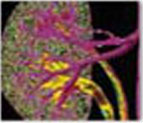
Postoperatively, a pathologist informed the physician that the patient’s right ureter was transected. After an intravenous pyelogram, several attempts were made to repair the ureter; all were unsuccessful. The patient ultimately underwent a right radical nephrectomy.
In suing, the woman claimed that the surgeon had negligently clamped and transected the ureter, then failed to notice the injury intraoperatively. She claimed that the kidney removal could have been avoided had the doctor noted the transection in a timely fashion.
The doctor argued that ureteral transection is a risk of the procedure. She further maintained that removal of the patient’s right kidney would have been required even if the injury had been discovered intraoperatively.
- Following a 2-day arbitration, the plaintiff was awarded $233,533 plus $17,943 in enhanced costs.
The cases presented here were compiled by Lewis L. Laska, editor of Medical Malpractice Verdicts, Settlements & Experts. While there are instances when the available information is incomplete, these cases represent the types of clinical situations that typically result in litigation.
<court>Undisclosed County (Calif) Superior Court</court>
A 70-year-old woman presented to a hospital for laparoscopic removal of left and right adnexal masses. Noting dense adhesions, however, the surgeon opted to perform an open procedure.
Postoperatively, a pathologist informed the physician that the patient’s right ureter was transected. After an intravenous pyelogram, several attempts were made to repair the ureter; all were unsuccessful. The patient ultimately underwent a right radical nephrectomy.
In suing, the woman claimed that the surgeon had negligently clamped and transected the ureter, then failed to notice the injury intraoperatively. She claimed that the kidney removal could have been avoided had the doctor noted the transection in a timely fashion.
The doctor argued that ureteral transection is a risk of the procedure. She further maintained that removal of the patient’s right kidney would have been required even if the injury had been discovered intraoperatively.
- Following a 2-day arbitration, the plaintiff was awarded $233,533 plus $17,943 in enhanced costs.
The cases presented here were compiled by Lewis L. Laska, editor of Medical Malpractice Verdicts, Settlements & Experts. While there are instances when the available information is incomplete, these cases represent the types of clinical situations that typically result in litigation.
<court>Undisclosed County (Calif) Superior Court</court>
A 70-year-old woman presented to a hospital for laparoscopic removal of left and right adnexal masses. Noting dense adhesions, however, the surgeon opted to perform an open procedure.
Postoperatively, a pathologist informed the physician that the patient’s right ureter was transected. After an intravenous pyelogram, several attempts were made to repair the ureter; all were unsuccessful. The patient ultimately underwent a right radical nephrectomy.
In suing, the woman claimed that the surgeon had negligently clamped and transected the ureter, then failed to notice the injury intraoperatively. She claimed that the kidney removal could have been avoided had the doctor noted the transection in a timely fashion.
The doctor argued that ureteral transection is a risk of the procedure. She further maintained that removal of the patient’s right kidney would have been required even if the injury had been discovered intraoperatively.
- Following a 2-day arbitration, the plaintiff was awarded $233,533 plus $17,943 in enhanced costs.
The cases presented here were compiled by Lewis L. Laska, editor of Medical Malpractice Verdicts, Settlements & Experts. While there are instances when the available information is incomplete, these cases represent the types of clinical situations that typically result in litigation.