User login
Q Is routine episiotomy justified?
Expert Commentary
Consider this observation, now more than 100 years old:
Episiotomy… is practiced in the belief that the vulvar opening, if sufficiently enlarged by the incisions, will not tear farther, or that in any case the laceration will occur in the continuation of the incisions, whose clean-cut edges will heal more readily than the irregular spontaneous tears. Personally, I see no advantage in the procedure, as my experience is that ordinary perineal tears will heal almost uniformly if properly sutured and cared for.
—J. Whitridge Williams1
Since that opinion was published, many would claim, medicine has evolved from an anecdotal discipline to a more evidence-based science. Ironically, it has taken a systematic, evidence-based review of articles from a 54-year period to determine what Williams discerned anecdotally at the turn of the 20th century.
Details of the study
Hartmann et al reviewed 26 trials from 1950 to 2004, each of which included at least 40 participants. For short-term maternal outcomes, they restricted their review to randomized clinical trials. When long-term outcomes were assessed, they included nonrandomized trials and prospective cohorts.
Short-term outcomes included third- and fourth-degree lacerations, pain, wound healing, and blood loss. Long-term outcomes included incontinence, pelvic floor defects, and sexual function.
The findings: Immediate maternal outcomes were not improved with routine episiotomy. Though we lack long-term follow-up into the age range most likely to have pelvic floor sequelae, episiotomy does not appear to prevent fecal and urinary incontinence or pelvic floor relaxation, or to preserve sexual function.
A resounding chorus
These findings exactly mirror those of a Cochrane review by Carroli and Belizan.2 Both reviews make it clear that routine episiotomy is outdated.
While some uses for episiotomy remain—such as hastening delivery in the setting of a nonreassuring fetal tracing or shoulder dystocia—the procedure of incising the perineum prior to delivery of the baby’s head should be limited to indicated instances only and should never be performed routinely.
Expert Commentary
Consider this observation, now more than 100 years old:
Episiotomy… is practiced in the belief that the vulvar opening, if sufficiently enlarged by the incisions, will not tear farther, or that in any case the laceration will occur in the continuation of the incisions, whose clean-cut edges will heal more readily than the irregular spontaneous tears. Personally, I see no advantage in the procedure, as my experience is that ordinary perineal tears will heal almost uniformly if properly sutured and cared for.
—J. Whitridge Williams1
Since that opinion was published, many would claim, medicine has evolved from an anecdotal discipline to a more evidence-based science. Ironically, it has taken a systematic, evidence-based review of articles from a 54-year period to determine what Williams discerned anecdotally at the turn of the 20th century.
Details of the study
Hartmann et al reviewed 26 trials from 1950 to 2004, each of which included at least 40 participants. For short-term maternal outcomes, they restricted their review to randomized clinical trials. When long-term outcomes were assessed, they included nonrandomized trials and prospective cohorts.
Short-term outcomes included third- and fourth-degree lacerations, pain, wound healing, and blood loss. Long-term outcomes included incontinence, pelvic floor defects, and sexual function.
The findings: Immediate maternal outcomes were not improved with routine episiotomy. Though we lack long-term follow-up into the age range most likely to have pelvic floor sequelae, episiotomy does not appear to prevent fecal and urinary incontinence or pelvic floor relaxation, or to preserve sexual function.
A resounding chorus
These findings exactly mirror those of a Cochrane review by Carroli and Belizan.2 Both reviews make it clear that routine episiotomy is outdated.
While some uses for episiotomy remain—such as hastening delivery in the setting of a nonreassuring fetal tracing or shoulder dystocia—the procedure of incising the perineum prior to delivery of the baby’s head should be limited to indicated instances only and should never be performed routinely.
Expert Commentary
Consider this observation, now more than 100 years old:
Episiotomy… is practiced in the belief that the vulvar opening, if sufficiently enlarged by the incisions, will not tear farther, or that in any case the laceration will occur in the continuation of the incisions, whose clean-cut edges will heal more readily than the irregular spontaneous tears. Personally, I see no advantage in the procedure, as my experience is that ordinary perineal tears will heal almost uniformly if properly sutured and cared for.
—J. Whitridge Williams1
Since that opinion was published, many would claim, medicine has evolved from an anecdotal discipline to a more evidence-based science. Ironically, it has taken a systematic, evidence-based review of articles from a 54-year period to determine what Williams discerned anecdotally at the turn of the 20th century.
Details of the study
Hartmann et al reviewed 26 trials from 1950 to 2004, each of which included at least 40 participants. For short-term maternal outcomes, they restricted their review to randomized clinical trials. When long-term outcomes were assessed, they included nonrandomized trials and prospective cohorts.
Short-term outcomes included third- and fourth-degree lacerations, pain, wound healing, and blood loss. Long-term outcomes included incontinence, pelvic floor defects, and sexual function.
The findings: Immediate maternal outcomes were not improved with routine episiotomy. Though we lack long-term follow-up into the age range most likely to have pelvic floor sequelae, episiotomy does not appear to prevent fecal and urinary incontinence or pelvic floor relaxation, or to preserve sexual function.
A resounding chorus
These findings exactly mirror those of a Cochrane review by Carroli and Belizan.2 Both reviews make it clear that routine episiotomy is outdated.
While some uses for episiotomy remain—such as hastening delivery in the setting of a nonreassuring fetal tracing or shoulder dystocia—the procedure of incising the perineum prior to delivery of the baby’s head should be limited to indicated instances only and should never be performed routinely.
Q Where do patients pin the blame for adverse events?
Expert commentary
The litigious crescendo affecting ObGyn practice has reached deafening proportions in many states. Identifying the underlying causes of real or perceived adverse events is one way to minimize malpractice suits, improve women’s health care, and create a climate of safety for both physician and patient. Accordingly, White and colleagues analyzed 1 medical center’s internal review files for 90 consecutive ObGyn-related cases over 6 years. Though these files had been established by the center’s risk managers, they were not, technically speaking, “closed claims”; that term generally applies to cases involving legal action, rather than just risk-management consideration.
What investigators found
In 78% of cases, at least 1 factor that may have contributed to adverse events was identified. In 31% of cases, it was communication problems. Clinical performance issues were involved in 31% of cases, diagnostic issues in 18%, and patient behavior in 14%. Unfortunately, there appeared to be little physician representation on the team evaluating files. Instead, a group of nonphysician professionals assigned rather arbitrary inclusion/exclusion criteria to the cases and offered no specific clinical information about how each case was managed. In fact, whenever clinical issues were mentioned, the authors focused on communication.
Details on the clinical management of such adverse outcomes as shoulder dystocia would have been helpful, not to mention actual data on any lawsuits incurred. A short list of specific causes and suggestions for prevention also would have been helpful. The findings of this study cannot be generalized because they lack internal validity.
Talking about communication
Though White and colleagues tended to focus on communication rather than clinical events, communication was clearly an important factor. Even when no adverse medical outcome occurred, faulty communication between physicians and other caregivers, or between physicians and patients or their family members, caused obvious patient dissatisfaction and sometimes the threat of litigation.
Note to doctor: Accept responsibility
ObGyns are ultimately responsible for their patients’ care, and patients rightly expect focused attention with all diagnostic and treatment interventions governed by a well planned and coordinated strategy. When the physician fails to meet these expectations, the risk of litigation increases.
Expert commentary
The litigious crescendo affecting ObGyn practice has reached deafening proportions in many states. Identifying the underlying causes of real or perceived adverse events is one way to minimize malpractice suits, improve women’s health care, and create a climate of safety for both physician and patient. Accordingly, White and colleagues analyzed 1 medical center’s internal review files for 90 consecutive ObGyn-related cases over 6 years. Though these files had been established by the center’s risk managers, they were not, technically speaking, “closed claims”; that term generally applies to cases involving legal action, rather than just risk-management consideration.
What investigators found
In 78% of cases, at least 1 factor that may have contributed to adverse events was identified. In 31% of cases, it was communication problems. Clinical performance issues were involved in 31% of cases, diagnostic issues in 18%, and patient behavior in 14%. Unfortunately, there appeared to be little physician representation on the team evaluating files. Instead, a group of nonphysician professionals assigned rather arbitrary inclusion/exclusion criteria to the cases and offered no specific clinical information about how each case was managed. In fact, whenever clinical issues were mentioned, the authors focused on communication.
Details on the clinical management of such adverse outcomes as shoulder dystocia would have been helpful, not to mention actual data on any lawsuits incurred. A short list of specific causes and suggestions for prevention also would have been helpful. The findings of this study cannot be generalized because they lack internal validity.
Talking about communication
Though White and colleagues tended to focus on communication rather than clinical events, communication was clearly an important factor. Even when no adverse medical outcome occurred, faulty communication between physicians and other caregivers, or between physicians and patients or their family members, caused obvious patient dissatisfaction and sometimes the threat of litigation.
Note to doctor: Accept responsibility
ObGyns are ultimately responsible for their patients’ care, and patients rightly expect focused attention with all diagnostic and treatment interventions governed by a well planned and coordinated strategy. When the physician fails to meet these expectations, the risk of litigation increases.
Expert commentary
The litigious crescendo affecting ObGyn practice has reached deafening proportions in many states. Identifying the underlying causes of real or perceived adverse events is one way to minimize malpractice suits, improve women’s health care, and create a climate of safety for both physician and patient. Accordingly, White and colleagues analyzed 1 medical center’s internal review files for 90 consecutive ObGyn-related cases over 6 years. Though these files had been established by the center’s risk managers, they were not, technically speaking, “closed claims”; that term generally applies to cases involving legal action, rather than just risk-management consideration.
What investigators found
In 78% of cases, at least 1 factor that may have contributed to adverse events was identified. In 31% of cases, it was communication problems. Clinical performance issues were involved in 31% of cases, diagnostic issues in 18%, and patient behavior in 14%. Unfortunately, there appeared to be little physician representation on the team evaluating files. Instead, a group of nonphysician professionals assigned rather arbitrary inclusion/exclusion criteria to the cases and offered no specific clinical information about how each case was managed. In fact, whenever clinical issues were mentioned, the authors focused on communication.
Details on the clinical management of such adverse outcomes as shoulder dystocia would have been helpful, not to mention actual data on any lawsuits incurred. A short list of specific causes and suggestions for prevention also would have been helpful. The findings of this study cannot be generalized because they lack internal validity.
Talking about communication
Though White and colleagues tended to focus on communication rather than clinical events, communication was clearly an important factor. Even when no adverse medical outcome occurred, faulty communication between physicians and other caregivers, or between physicians and patients or their family members, caused obvious patient dissatisfaction and sometimes the threat of litigation.
Note to doctor: Accept responsibility
ObGyns are ultimately responsible for their patients’ care, and patients rightly expect focused attention with all diagnostic and treatment interventions governed by a well planned and coordinated strategy. When the physician fails to meet these expectations, the risk of litigation increases.
Q In labor induction, when do you call it quits?
Expert Commentary
This paper explores 2 sides of the same question:
- When has an induction failed?
- Is there an optimal length of the latent phase where the vaginal delivery rate is high enough without placing the mother or baby in significant jeopardy?
What constitutes a “failed” induction?
As the authors point out, we lack an exact definition. One group of researchers developed a definition based on outcomes.1“In their frame-work,” Simon and Grobman note, “a failed induction of labor may be diagnosed in women whose continued lack of progression into the active phase makes it unlikely that they would safely proceed to a vaginal deliv-ery.” The investigators1 opined that, in nulliparous gravidas, a latent phase of up to 12 hours was safe, while longer periods carried a low chance (13%) of vaginal delivery.
Simon and Grobman performed their study to “further determine the most clinically relevant definition of a failed induction of labor.”
Details of the study
This was a relatively small retrospective chart review of 397 nulliparous women who were induced for medical or elective reasons. Of these, 32% underwent prior cervical ripening with the use of an extraamniotic saline-infusion catheter for 6 hours. The latent phase began with the initiation of oxytocin and amniotomy and ended when either 4 cm cervical dilation and 80% effacement were achieved, or the cervix dilated to 5 cm regardless of effacement. Only 2% of women never achieved active labor prior to cesarean section, but the rate of cesarean delivery increased in near linear fashion with the lengthening of the latent phase. Nevertheless, 64% of women who had a latent phase up to 18 hours delivered vaginally. After 18 hours in the latent phase, the rate of vaginal delivery dropped such that the women who had a latent phase of 18.1 to 21 hours had a cesarean rate of 69%.
Other risks of a prolonged latent phase
Maternal hazards were an increased risk of chorioamnionitis and postpartum hemorrhage, though this did not translate into a lengthened hospital stay or increased transfusion rate. There was no appreciable neonatal consequence of a prolonged latent phase as measured by meconium, special care nursery admission, or umbilical cord pH.
Bottom line
This study provides some reassurance that, when the latent phase is 18 hours or less, patience may pay off with a vaginal delivery and acceptable maternal and neonatal risk. Keep in mind, however, that this study did not address the role of misoprostol for cervical ripening. Nor was it powered to assess the risk for relatively rare outcomes such as hysterectomy.
The commentators report no financial relationships relevant to these articles.
REFERENCE
1. Rouse DJ, Owen J, Hauth JC. Criteria for failed labor induction: prospective evaluation of a standardized protocol. Obstet Gynecol. 2000;96:671-677.
Expert Commentary
This paper explores 2 sides of the same question:
- When has an induction failed?
- Is there an optimal length of the latent phase where the vaginal delivery rate is high enough without placing the mother or baby in significant jeopardy?
What constitutes a “failed” induction?
As the authors point out, we lack an exact definition. One group of researchers developed a definition based on outcomes.1“In their frame-work,” Simon and Grobman note, “a failed induction of labor may be diagnosed in women whose continued lack of progression into the active phase makes it unlikely that they would safely proceed to a vaginal deliv-ery.” The investigators1 opined that, in nulliparous gravidas, a latent phase of up to 12 hours was safe, while longer periods carried a low chance (13%) of vaginal delivery.
Simon and Grobman performed their study to “further determine the most clinically relevant definition of a failed induction of labor.”
Details of the study
This was a relatively small retrospective chart review of 397 nulliparous women who were induced for medical or elective reasons. Of these, 32% underwent prior cervical ripening with the use of an extraamniotic saline-infusion catheter for 6 hours. The latent phase began with the initiation of oxytocin and amniotomy and ended when either 4 cm cervical dilation and 80% effacement were achieved, or the cervix dilated to 5 cm regardless of effacement. Only 2% of women never achieved active labor prior to cesarean section, but the rate of cesarean delivery increased in near linear fashion with the lengthening of the latent phase. Nevertheless, 64% of women who had a latent phase up to 18 hours delivered vaginally. After 18 hours in the latent phase, the rate of vaginal delivery dropped such that the women who had a latent phase of 18.1 to 21 hours had a cesarean rate of 69%.
Other risks of a prolonged latent phase
Maternal hazards were an increased risk of chorioamnionitis and postpartum hemorrhage, though this did not translate into a lengthened hospital stay or increased transfusion rate. There was no appreciable neonatal consequence of a prolonged latent phase as measured by meconium, special care nursery admission, or umbilical cord pH.
Bottom line
This study provides some reassurance that, when the latent phase is 18 hours or less, patience may pay off with a vaginal delivery and acceptable maternal and neonatal risk. Keep in mind, however, that this study did not address the role of misoprostol for cervical ripening. Nor was it powered to assess the risk for relatively rare outcomes such as hysterectomy.
The commentators report no financial relationships relevant to these articles.
Expert Commentary
This paper explores 2 sides of the same question:
- When has an induction failed?
- Is there an optimal length of the latent phase where the vaginal delivery rate is high enough without placing the mother or baby in significant jeopardy?
What constitutes a “failed” induction?
As the authors point out, we lack an exact definition. One group of researchers developed a definition based on outcomes.1“In their frame-work,” Simon and Grobman note, “a failed induction of labor may be diagnosed in women whose continued lack of progression into the active phase makes it unlikely that they would safely proceed to a vaginal deliv-ery.” The investigators1 opined that, in nulliparous gravidas, a latent phase of up to 12 hours was safe, while longer periods carried a low chance (13%) of vaginal delivery.
Simon and Grobman performed their study to “further determine the most clinically relevant definition of a failed induction of labor.”
Details of the study
This was a relatively small retrospective chart review of 397 nulliparous women who were induced for medical or elective reasons. Of these, 32% underwent prior cervical ripening with the use of an extraamniotic saline-infusion catheter for 6 hours. The latent phase began with the initiation of oxytocin and amniotomy and ended when either 4 cm cervical dilation and 80% effacement were achieved, or the cervix dilated to 5 cm regardless of effacement. Only 2% of women never achieved active labor prior to cesarean section, but the rate of cesarean delivery increased in near linear fashion with the lengthening of the latent phase. Nevertheless, 64% of women who had a latent phase up to 18 hours delivered vaginally. After 18 hours in the latent phase, the rate of vaginal delivery dropped such that the women who had a latent phase of 18.1 to 21 hours had a cesarean rate of 69%.
Other risks of a prolonged latent phase
Maternal hazards were an increased risk of chorioamnionitis and postpartum hemorrhage, though this did not translate into a lengthened hospital stay or increased transfusion rate. There was no appreciable neonatal consequence of a prolonged latent phase as measured by meconium, special care nursery admission, or umbilical cord pH.
Bottom line
This study provides some reassurance that, when the latent phase is 18 hours or less, patience may pay off with a vaginal delivery and acceptable maternal and neonatal risk. Keep in mind, however, that this study did not address the role of misoprostol for cervical ripening. Nor was it powered to assess the risk for relatively rare outcomes such as hysterectomy.
The commentators report no financial relationships relevant to these articles.
REFERENCE
1. Rouse DJ, Owen J, Hauth JC. Criteria for failed labor induction: prospective evaluation of a standardized protocol. Obstet Gynecol. 2000;96:671-677.
REFERENCE
1. Rouse DJ, Owen J, Hauth JC. Criteria for failed labor induction: prospective evaluation of a standardized protocol. Obstet Gynecol. 2000;96:671-677.
Q Are surgeons using the right prophylactic antibiotics?
Expert Commentary
A substantial volume of literature points to reduced infectious morbidity when prophylactic antimicrobials are administered prior to hysterectomy. Although this study explored the type of drug administered and the time it was given—issues of concern to ObGyns as well as other surgeons—it may not accurately reflect gynecologic experience, since the mean age of 73.3 years is significantly older than the usual hysterectomy patient. Moreover, hysterectomy cases constituted only 8% of the study population; the other 92% consisted of cardiac, vascular, orthopedic, and colorectal cases, which are less likely to be elective.
Antibiotics were given in 99% of cases
According to the “results” of this retrospective study, less than 1% of cases failed to receive prophylactic antibiotics. This is better compliance than other published reports have demonstrated. However, only slightly more than half received the antibiotic within the specified time frame, and administration continued beyond 24 hours in roughly 60% of cases.
Other compelling evidence
This study addressed issues of great importance to gynecologic surgeons, since infection is a serious source of postoperative morbidity and mortality among hysterectomy patients, but other studies have greater application to our patient population. In a metaanalysis1 involving 2,752 women who underwent abdominal hysterectomy, those who received preoperative cephalosporin had significantly less febrile morbidity and fewer postoperative infections than the controls who received no antibiotic. Patients who have vaginosis and are not treated immediately prior to hysterectomy have a 27% deep cuff infection rate, compared with 0% in the treated group.1
Recommendations
I prefer to administer 1 g intravenous cefoxitin after the patient arrives in the operating room and discontinue the drug 24 hours postoperatively.2 Keep in mind the risk of inducing antibiotic resistance—particularly methicillin-resistant staphylococcal infections—if the recommended prophylactic regimen, including its proper timing, is abandoned.
1. Larsson PG, Carlsson B. Does pre- and postoperative metronidazole lower vaginal cuff infection rate after abdominal hysterectomy in women with bacterial vaginosis? Infect Dis Obstet Gynecol. 2002;10:133-140.
2. Baggish MS. Total and subtotal hysterectomy. Best practice and research. Clin Obstet Gynecol. 2005 [in press].
Expert Commentary
A substantial volume of literature points to reduced infectious morbidity when prophylactic antimicrobials are administered prior to hysterectomy. Although this study explored the type of drug administered and the time it was given—issues of concern to ObGyns as well as other surgeons—it may not accurately reflect gynecologic experience, since the mean age of 73.3 years is significantly older than the usual hysterectomy patient. Moreover, hysterectomy cases constituted only 8% of the study population; the other 92% consisted of cardiac, vascular, orthopedic, and colorectal cases, which are less likely to be elective.
Antibiotics were given in 99% of cases
According to the “results” of this retrospective study, less than 1% of cases failed to receive prophylactic antibiotics. This is better compliance than other published reports have demonstrated. However, only slightly more than half received the antibiotic within the specified time frame, and administration continued beyond 24 hours in roughly 60% of cases.
Other compelling evidence
This study addressed issues of great importance to gynecologic surgeons, since infection is a serious source of postoperative morbidity and mortality among hysterectomy patients, but other studies have greater application to our patient population. In a metaanalysis1 involving 2,752 women who underwent abdominal hysterectomy, those who received preoperative cephalosporin had significantly less febrile morbidity and fewer postoperative infections than the controls who received no antibiotic. Patients who have vaginosis and are not treated immediately prior to hysterectomy have a 27% deep cuff infection rate, compared with 0% in the treated group.1
Recommendations
I prefer to administer 1 g intravenous cefoxitin after the patient arrives in the operating room and discontinue the drug 24 hours postoperatively.2 Keep in mind the risk of inducing antibiotic resistance—particularly methicillin-resistant staphylococcal infections—if the recommended prophylactic regimen, including its proper timing, is abandoned.
Expert Commentary
A substantial volume of literature points to reduced infectious morbidity when prophylactic antimicrobials are administered prior to hysterectomy. Although this study explored the type of drug administered and the time it was given—issues of concern to ObGyns as well as other surgeons—it may not accurately reflect gynecologic experience, since the mean age of 73.3 years is significantly older than the usual hysterectomy patient. Moreover, hysterectomy cases constituted only 8% of the study population; the other 92% consisted of cardiac, vascular, orthopedic, and colorectal cases, which are less likely to be elective.
Antibiotics were given in 99% of cases
According to the “results” of this retrospective study, less than 1% of cases failed to receive prophylactic antibiotics. This is better compliance than other published reports have demonstrated. However, only slightly more than half received the antibiotic within the specified time frame, and administration continued beyond 24 hours in roughly 60% of cases.
Other compelling evidence
This study addressed issues of great importance to gynecologic surgeons, since infection is a serious source of postoperative morbidity and mortality among hysterectomy patients, but other studies have greater application to our patient population. In a metaanalysis1 involving 2,752 women who underwent abdominal hysterectomy, those who received preoperative cephalosporin had significantly less febrile morbidity and fewer postoperative infections than the controls who received no antibiotic. Patients who have vaginosis and are not treated immediately prior to hysterectomy have a 27% deep cuff infection rate, compared with 0% in the treated group.1
Recommendations
I prefer to administer 1 g intravenous cefoxitin after the patient arrives in the operating room and discontinue the drug 24 hours postoperatively.2 Keep in mind the risk of inducing antibiotic resistance—particularly methicillin-resistant staphylococcal infections—if the recommended prophylactic regimen, including its proper timing, is abandoned.
1. Larsson PG, Carlsson B. Does pre- and postoperative metronidazole lower vaginal cuff infection rate after abdominal hysterectomy in women with bacterial vaginosis? Infect Dis Obstet Gynecol. 2002;10:133-140.
2. Baggish MS. Total and subtotal hysterectomy. Best practice and research. Clin Obstet Gynecol. 2005 [in press].
1. Larsson PG, Carlsson B. Does pre- and postoperative metronidazole lower vaginal cuff infection rate after abdominal hysterectomy in women with bacterial vaginosis? Infect Dis Obstet Gynecol. 2002;10:133-140.
2. Baggish MS. Total and subtotal hysterectomy. Best practice and research. Clin Obstet Gynecol. 2005 [in press].
Do progestational agents prevent preterm birth?
Expert commentary
Great progress has marked many medical problems in recent years, but premature delivery is not one of them. Rather, the rate of preterm birth, defined as delivery at less than 37 weeks of gestation, rose to 12.3% in 2003, continuing its steady increase in the United States since the mid-1900s.1 This lack of progress has stimulated renewed interest in the use of progestational agents to prevent premature delivery.
Why do the study now?
Previous metaanalyses were inconclusive. There were statistical flaws, and the analyses did not include 2 studies from 2003. In this analysis, Sanchez-Ramos and colleagues followed guidelines for metaanalyses and systematic reviews of randomized controlled trials defined by the Quality of Reporting of Meta-Analyses conference.2
In addition, they included only trials that:
- evaluated the efficacy of progestational agents to prevent preterm birth in women at elevated risk,
- assigned patients to either a progestational agent or placebo, and
- clearly defined preterm birth.
The findings
There was a significant reduction in the rate of preterm delivery in women who received progestational agents, compared with placebo (26.2% versus 35.9%; odds ratio 0.45, 95% confidence interval, 0.25–0.80). This reduction was observed not only in studies assessing 17 α-hydroxyprogesterone caproate, but also in investigations of other progestational agents such as allylestrenol.
Overall, women who received progesterone had lower hospitalization rates for threatened preterm labor and fewer infants weighing less than 2,500 g, compared with women taking placebo.
A possible exception: multiple gestation. Only 1 of the RCTs in this analysis included multiple gestations, and that trial failed to show a reduction in preterm births.
Limitations of the analysis
The 10 RCTs included in the metaanalysis had generally modest numbers of patients and outcome events, so there was not enough statistical power to make precise estimates of incidence and to detect significant and clinically important differences in some outcome variables, such as perinatal mortality.
Overall, however, the metaanalysis was well performed and reached the same conclusion as the most recent and largest randomized trial3: Progesterone effectively prevents preterm delivery.
1. National Center for Health Statistics. Births: preliminary data for 2003. Available at http://www.cdc.gov/nchs/pressroom/04facts/birthrates.htm. Accessed April 13, 2005.
2. Moher D, Cook DJ, Eastwood S, Olkins I, Rennie D, Stroup DF. Improving the quality of reports of meta-analyses of randomized controlled trials: the QUOROM statement. Quality of Reporting of Meta-analyses. Lancet. 1999;354:1896-1900.
3. Meis PJ, Klebanoff M, Thom E, et al. Prevention of recurrent preterm delivery by 17 α-hydroxyprogesterone caproate. N Engl J Med. 2003;348:2379-2385.
Expert commentary
Great progress has marked many medical problems in recent years, but premature delivery is not one of them. Rather, the rate of preterm birth, defined as delivery at less than 37 weeks of gestation, rose to 12.3% in 2003, continuing its steady increase in the United States since the mid-1900s.1 This lack of progress has stimulated renewed interest in the use of progestational agents to prevent premature delivery.
Why do the study now?
Previous metaanalyses were inconclusive. There were statistical flaws, and the analyses did not include 2 studies from 2003. In this analysis, Sanchez-Ramos and colleagues followed guidelines for metaanalyses and systematic reviews of randomized controlled trials defined by the Quality of Reporting of Meta-Analyses conference.2
In addition, they included only trials that:
- evaluated the efficacy of progestational agents to prevent preterm birth in women at elevated risk,
- assigned patients to either a progestational agent or placebo, and
- clearly defined preterm birth.
The findings
There was a significant reduction in the rate of preterm delivery in women who received progestational agents, compared with placebo (26.2% versus 35.9%; odds ratio 0.45, 95% confidence interval, 0.25–0.80). This reduction was observed not only in studies assessing 17 α-hydroxyprogesterone caproate, but also in investigations of other progestational agents such as allylestrenol.
Overall, women who received progesterone had lower hospitalization rates for threatened preterm labor and fewer infants weighing less than 2,500 g, compared with women taking placebo.
A possible exception: multiple gestation. Only 1 of the RCTs in this analysis included multiple gestations, and that trial failed to show a reduction in preterm births.
Limitations of the analysis
The 10 RCTs included in the metaanalysis had generally modest numbers of patients and outcome events, so there was not enough statistical power to make precise estimates of incidence and to detect significant and clinically important differences in some outcome variables, such as perinatal mortality.
Overall, however, the metaanalysis was well performed and reached the same conclusion as the most recent and largest randomized trial3: Progesterone effectively prevents preterm delivery.
Expert commentary
Great progress has marked many medical problems in recent years, but premature delivery is not one of them. Rather, the rate of preterm birth, defined as delivery at less than 37 weeks of gestation, rose to 12.3% in 2003, continuing its steady increase in the United States since the mid-1900s.1 This lack of progress has stimulated renewed interest in the use of progestational agents to prevent premature delivery.
Why do the study now?
Previous metaanalyses were inconclusive. There were statistical flaws, and the analyses did not include 2 studies from 2003. In this analysis, Sanchez-Ramos and colleagues followed guidelines for metaanalyses and systematic reviews of randomized controlled trials defined by the Quality of Reporting of Meta-Analyses conference.2
In addition, they included only trials that:
- evaluated the efficacy of progestational agents to prevent preterm birth in women at elevated risk,
- assigned patients to either a progestational agent or placebo, and
- clearly defined preterm birth.
The findings
There was a significant reduction in the rate of preterm delivery in women who received progestational agents, compared with placebo (26.2% versus 35.9%; odds ratio 0.45, 95% confidence interval, 0.25–0.80). This reduction was observed not only in studies assessing 17 α-hydroxyprogesterone caproate, but also in investigations of other progestational agents such as allylestrenol.
Overall, women who received progesterone had lower hospitalization rates for threatened preterm labor and fewer infants weighing less than 2,500 g, compared with women taking placebo.
A possible exception: multiple gestation. Only 1 of the RCTs in this analysis included multiple gestations, and that trial failed to show a reduction in preterm births.
Limitations of the analysis
The 10 RCTs included in the metaanalysis had generally modest numbers of patients and outcome events, so there was not enough statistical power to make precise estimates of incidence and to detect significant and clinically important differences in some outcome variables, such as perinatal mortality.
Overall, however, the metaanalysis was well performed and reached the same conclusion as the most recent and largest randomized trial3: Progesterone effectively prevents preterm delivery.
1. National Center for Health Statistics. Births: preliminary data for 2003. Available at http://www.cdc.gov/nchs/pressroom/04facts/birthrates.htm. Accessed April 13, 2005.
2. Moher D, Cook DJ, Eastwood S, Olkins I, Rennie D, Stroup DF. Improving the quality of reports of meta-analyses of randomized controlled trials: the QUOROM statement. Quality of Reporting of Meta-analyses. Lancet. 1999;354:1896-1900.
3. Meis PJ, Klebanoff M, Thom E, et al. Prevention of recurrent preterm delivery by 17 α-hydroxyprogesterone caproate. N Engl J Med. 2003;348:2379-2385.
1. National Center for Health Statistics. Births: preliminary data for 2003. Available at http://www.cdc.gov/nchs/pressroom/04facts/birthrates.htm. Accessed April 13, 2005.
2. Moher D, Cook DJ, Eastwood S, Olkins I, Rennie D, Stroup DF. Improving the quality of reports of meta-analyses of randomized controlled trials: the QUOROM statement. Quality of Reporting of Meta-analyses. Lancet. 1999;354:1896-1900.
3. Meis PJ, Klebanoff M, Thom E, et al. Prevention of recurrent preterm delivery by 17 α-hydroxyprogesterone caproate. N Engl J Med. 2003;348:2379-2385.
Q Does HRT diminish urinary incontinence?
Expert commentary
Based on weak evidence, some experts have recommended hormone replacement therapy (HRT) as initial treatment of urinary incontinence in hypoestrogenic menopausal women. In fact, HRT has been used for this indication for several decades, mainly because there are estrogen receptors on urinary tract tissues.
This substudy of the WHI involving 27,347 women contradicts the longstanding practice of prescribing HRT for urinary incontinence: Both conjugated equine estrogen (CEE) and CEE with medroxyprogesterone acetate (MPA) stimulated new symptoms or aggravated existing ones.
How these data stack up
These findings are consistent with those of the Heart and Estrogen/Progestin Replacement Study (HERS),1 but contradict small observational studies. In addition, a large cross-sectional investigation of osteoporotic fractures had found estrogen use in post-menopausal women to be associated with almost double the risk of daily urinary incontinence—though these findings did little to change clinical practice.2
Major advantages of the WHI study are its large size and great statistical power. Since medications were not prescribed for therapy and since this was a blinded study, the placebo effect was also neutralized. Participants were followed over 3 years.
Unfortunately, the study provides no information for women below the age of 50.
What about other HRT formulations?
Only 1 dose of CEE with and without a single dose of MPA was utilized, although the authors cite an observational study3 of different formulations of estrogen-progestin and estrogen alone that “suggested an increased risk” of urinary incontinence with HRT. The authors also note that theirs is the first randomized trial to demonstrate that estrogen alone increases urinary incontinence.
The bottom line
Without any convincing evidence to the contrary, clinicians should avoid prescribing estrogen—with or without a progestin—to prevent or treat urinary incontinence in menopausal women.
1. Grady D, Brown JS, Vittinghoff E, et al. Postmenopausal hormones and incontinence: the Heart and Estrogen/Progestin Replacement Study. Obstet Gynecol. 2001;97:116-120.
2. Brown JS, Seeley DG, Fong J, Black DM, Ensrud KE, Grady D. Urinary incontinence in older women: who is at risk? Study of Osteoporotic Fractures Research Group. Obstet Gynecol. 1996;87:715-721.
3. Grodstein F, Fretts R, Lifford K, Resnick N, Curhan G. Association of age, race, and obstetric history with urinary symptoms among women in the Nurses’ Health Study. Am J Obstet Gynecol. 2003;189:428-434.
Expert commentary
Based on weak evidence, some experts have recommended hormone replacement therapy (HRT) as initial treatment of urinary incontinence in hypoestrogenic menopausal women. In fact, HRT has been used for this indication for several decades, mainly because there are estrogen receptors on urinary tract tissues.
This substudy of the WHI involving 27,347 women contradicts the longstanding practice of prescribing HRT for urinary incontinence: Both conjugated equine estrogen (CEE) and CEE with medroxyprogesterone acetate (MPA) stimulated new symptoms or aggravated existing ones.
How these data stack up
These findings are consistent with those of the Heart and Estrogen/Progestin Replacement Study (HERS),1 but contradict small observational studies. In addition, a large cross-sectional investigation of osteoporotic fractures had found estrogen use in post-menopausal women to be associated with almost double the risk of daily urinary incontinence—though these findings did little to change clinical practice.2
Major advantages of the WHI study are its large size and great statistical power. Since medications were not prescribed for therapy and since this was a blinded study, the placebo effect was also neutralized. Participants were followed over 3 years.
Unfortunately, the study provides no information for women below the age of 50.
What about other HRT formulations?
Only 1 dose of CEE with and without a single dose of MPA was utilized, although the authors cite an observational study3 of different formulations of estrogen-progestin and estrogen alone that “suggested an increased risk” of urinary incontinence with HRT. The authors also note that theirs is the first randomized trial to demonstrate that estrogen alone increases urinary incontinence.
The bottom line
Without any convincing evidence to the contrary, clinicians should avoid prescribing estrogen—with or without a progestin—to prevent or treat urinary incontinence in menopausal women.
Expert commentary
Based on weak evidence, some experts have recommended hormone replacement therapy (HRT) as initial treatment of urinary incontinence in hypoestrogenic menopausal women. In fact, HRT has been used for this indication for several decades, mainly because there are estrogen receptors on urinary tract tissues.
This substudy of the WHI involving 27,347 women contradicts the longstanding practice of prescribing HRT for urinary incontinence: Both conjugated equine estrogen (CEE) and CEE with medroxyprogesterone acetate (MPA) stimulated new symptoms or aggravated existing ones.
How these data stack up
These findings are consistent with those of the Heart and Estrogen/Progestin Replacement Study (HERS),1 but contradict small observational studies. In addition, a large cross-sectional investigation of osteoporotic fractures had found estrogen use in post-menopausal women to be associated with almost double the risk of daily urinary incontinence—though these findings did little to change clinical practice.2
Major advantages of the WHI study are its large size and great statistical power. Since medications were not prescribed for therapy and since this was a blinded study, the placebo effect was also neutralized. Participants were followed over 3 years.
Unfortunately, the study provides no information for women below the age of 50.
What about other HRT formulations?
Only 1 dose of CEE with and without a single dose of MPA was utilized, although the authors cite an observational study3 of different formulations of estrogen-progestin and estrogen alone that “suggested an increased risk” of urinary incontinence with HRT. The authors also note that theirs is the first randomized trial to demonstrate that estrogen alone increases urinary incontinence.
The bottom line
Without any convincing evidence to the contrary, clinicians should avoid prescribing estrogen—with or without a progestin—to prevent or treat urinary incontinence in menopausal women.
1. Grady D, Brown JS, Vittinghoff E, et al. Postmenopausal hormones and incontinence: the Heart and Estrogen/Progestin Replacement Study. Obstet Gynecol. 2001;97:116-120.
2. Brown JS, Seeley DG, Fong J, Black DM, Ensrud KE, Grady D. Urinary incontinence in older women: who is at risk? Study of Osteoporotic Fractures Research Group. Obstet Gynecol. 1996;87:715-721.
3. Grodstein F, Fretts R, Lifford K, Resnick N, Curhan G. Association of age, race, and obstetric history with urinary symptoms among women in the Nurses’ Health Study. Am J Obstet Gynecol. 2003;189:428-434.
1. Grady D, Brown JS, Vittinghoff E, et al. Postmenopausal hormones and incontinence: the Heart and Estrogen/Progestin Replacement Study. Obstet Gynecol. 2001;97:116-120.
2. Brown JS, Seeley DG, Fong J, Black DM, Ensrud KE, Grady D. Urinary incontinence in older women: who is at risk? Study of Osteoporotic Fractures Research Group. Obstet Gynecol. 1996;87:715-721.
3. Grodstein F, Fretts R, Lifford K, Resnick N, Curhan G. Association of age, race, and obstetric history with urinary symptoms among women in the Nurses’ Health Study. Am J Obstet Gynecol. 2003;189:428-434.
Q Is screening all gravidas for genital herpes cost-effective?
A Yes. Until now, serologic screening of all gravidas unaware of their HSV-2 status was thought to be prohibitively expensive and not suitable for routine obstetric practice. This study indicates otherwise. Serologic screening of women in early pregnancy—with or without screening their partners—and treating those who test positive is the most efficient way to prevent neonatal herpes.
Expert commentary
In this carefully constructed decision analysis, Baker and colleagues compared 3 testing scenarios:
- Standard care. No herpes simplex virus type 2 (HSV-2) testing is performed and antiviral therapy is offered only to women who know they have genital herpes.
- Screening all gravidas. All women unaware of their HSV-2 serologic status are screened at 15 weeks’ gestation. Those who test positive are offered antiviral suppressive therapy from 36 weeks’ gestation to the time of labor. Those who test negative are counseled about safe sex in the third trimester.
- Screening all gravidas and their par tners. Gravidas unaware of their HSV-2 status are tested, and their partners are offered screening. Women who test positive are given antiviral therapy from 36 weeks to labor. If their partners test positive, they are offered antiviral therapy.
Most people don’t know they’re infected
About 25% of adults in the United States are infected with HSV-2.1 Prevalence of genital herpes is even higher if HSV-1 infection is included. However, less than 10% of persons infected are aware they have the virus. The rest are mildly symptomatic, and usually are treated for recurrent genital complaints attributed to conditions other than genital herpes.2
Unfortunately, neonatal herpes is increasing with the rising prevalence among adults. Women at greatest risk of infecting their newborns are HSV-2 seronegative in early pregnancy, have an HSV-2 seropositive partner, and acquire new HSV-2 infection in the third trimester.
Since 75% to 90% of primary infections are unrecognized by patient and doctor, labor may begin without any external evidence of primary genital HSV infection and result in neonatal infection.
1. Leone P, Fleming DT, Gilsenan AW, et al. Seroprevalence of herpes simplex virus 2 in suburban primary care offices in the United States. Sex Trans Dis. 2004;31:311-316.
2. Wald A, Zeh J, Selke S, et al. Reactivation of genital herpes simplex virus type 2 infection in asymptomatic seropositive persons. N Engl J Med. 2000;342:844-850.
A Yes. Until now, serologic screening of all gravidas unaware of their HSV-2 status was thought to be prohibitively expensive and not suitable for routine obstetric practice. This study indicates otherwise. Serologic screening of women in early pregnancy—with or without screening their partners—and treating those who test positive is the most efficient way to prevent neonatal herpes.
Expert commentary
In this carefully constructed decision analysis, Baker and colleagues compared 3 testing scenarios:
- Standard care. No herpes simplex virus type 2 (HSV-2) testing is performed and antiviral therapy is offered only to women who know they have genital herpes.
- Screening all gravidas. All women unaware of their HSV-2 serologic status are screened at 15 weeks’ gestation. Those who test positive are offered antiviral suppressive therapy from 36 weeks’ gestation to the time of labor. Those who test negative are counseled about safe sex in the third trimester.
- Screening all gravidas and their par tners. Gravidas unaware of their HSV-2 status are tested, and their partners are offered screening. Women who test positive are given antiviral therapy from 36 weeks to labor. If their partners test positive, they are offered antiviral therapy.
Most people don’t know they’re infected
About 25% of adults in the United States are infected with HSV-2.1 Prevalence of genital herpes is even higher if HSV-1 infection is included. However, less than 10% of persons infected are aware they have the virus. The rest are mildly symptomatic, and usually are treated for recurrent genital complaints attributed to conditions other than genital herpes.2
Unfortunately, neonatal herpes is increasing with the rising prevalence among adults. Women at greatest risk of infecting their newborns are HSV-2 seronegative in early pregnancy, have an HSV-2 seropositive partner, and acquire new HSV-2 infection in the third trimester.
Since 75% to 90% of primary infections are unrecognized by patient and doctor, labor may begin without any external evidence of primary genital HSV infection and result in neonatal infection.
A Yes. Until now, serologic screening of all gravidas unaware of their HSV-2 status was thought to be prohibitively expensive and not suitable for routine obstetric practice. This study indicates otherwise. Serologic screening of women in early pregnancy—with or without screening their partners—and treating those who test positive is the most efficient way to prevent neonatal herpes.
Expert commentary
In this carefully constructed decision analysis, Baker and colleagues compared 3 testing scenarios:
- Standard care. No herpes simplex virus type 2 (HSV-2) testing is performed and antiviral therapy is offered only to women who know they have genital herpes.
- Screening all gravidas. All women unaware of their HSV-2 serologic status are screened at 15 weeks’ gestation. Those who test positive are offered antiviral suppressive therapy from 36 weeks’ gestation to the time of labor. Those who test negative are counseled about safe sex in the third trimester.
- Screening all gravidas and their par tners. Gravidas unaware of their HSV-2 status are tested, and their partners are offered screening. Women who test positive are given antiviral therapy from 36 weeks to labor. If their partners test positive, they are offered antiviral therapy.
Most people don’t know they’re infected
About 25% of adults in the United States are infected with HSV-2.1 Prevalence of genital herpes is even higher if HSV-1 infection is included. However, less than 10% of persons infected are aware they have the virus. The rest are mildly symptomatic, and usually are treated for recurrent genital complaints attributed to conditions other than genital herpes.2
Unfortunately, neonatal herpes is increasing with the rising prevalence among adults. Women at greatest risk of infecting their newborns are HSV-2 seronegative in early pregnancy, have an HSV-2 seropositive partner, and acquire new HSV-2 infection in the third trimester.
Since 75% to 90% of primary infections are unrecognized by patient and doctor, labor may begin without any external evidence of primary genital HSV infection and result in neonatal infection.
1. Leone P, Fleming DT, Gilsenan AW, et al. Seroprevalence of herpes simplex virus 2 in suburban primary care offices in the United States. Sex Trans Dis. 2004;31:311-316.
2. Wald A, Zeh J, Selke S, et al. Reactivation of genital herpes simplex virus type 2 infection in asymptomatic seropositive persons. N Engl J Med. 2000;342:844-850.
1. Leone P, Fleming DT, Gilsenan AW, et al. Seroprevalence of herpes simplex virus 2 in suburban primary care offices in the United States. Sex Trans Dis. 2004;31:311-316.
2. Wald A, Zeh J, Selke S, et al. Reactivation of genital herpes simplex virus type 2 infection in asymptomatic seropositive persons. N Engl J Med. 2000;342:844-850.
Q How many Ob/Gyns follow the new rules on Pap testing?
A A minority. Both Ob/Gyns and their patients prefer more frequent screening than the intervals advised by the American Cancer Society and other expert groups, 2 new studies found.
Expert commentary
Less-than-annual screening in women over the age of 30, with 3 or more normal Papanicolaou (Pap) tests, is recommended by 3 expert groups: the American Cancer Society (ACS), the American College of Obstetricians and Gynecologists, and the US Preventive Services Task Force. Other expert groups additionally recommend that we stop screening women who have undergone total hysterectomy for symptomatic fibroids with no history of dysplasia, low-risk women over the age of 70, and virgin girls before age 21.
Neither Ob/Gyns nor patients, however, are inclined to follow these recommendations.
What women want
Most women prefer annual screening, irrespective of evidence. Sirovich and colleagues found that 75% of women 40 or older—most of whom had been regularly screened—prefer annual testing. Once informed of the evidence, 69% said they will persist with annual screening. About half said they will continue being screened up to and after age 80 despite no evidence of benefit.
Only 43% knew of the updated guidelines, and only 10% were being screened at the recommended intervals of 2 to 3 years.
These findings were via a survey conducted concomitant with the 2002 ACS guidelines, and published in February 2005. The nationally representative sample was questioned in a random-digit-dialing telephone survey with a response rate of 75%.
While 40% of the women understood that overscreening is wasteful and might lead to unnecessary further testing and treatment, 50% believed the primary motivation for recommending less frequent screening was cost.
What Ob/Gyns are doing
A majority of Ob/Gyns will screen women annually and indefinitely despite lack of evidence of benefit, Saint and colleagues found. They surveyed 355 randomly selected US Ob/Gyns, with a response rate of 60%.
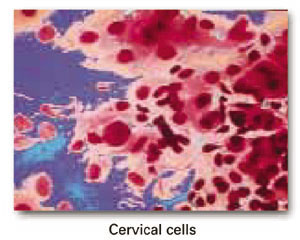
More than 70% plan to continue screening in a 70-year-old woman with 30 years of negative Pap tests and no sexual intercourse for the past 10 years, and 60% of Ob/Gyns plan to carry on annual screening in a 35-year-old woman with 3 or more consecutive normal tests.
This is surprising, given that 82% of respondents use liquid-based Pap tests and 34% employ combined Pap–human papillomavirus (HPV) testing.
A failure to ask the simple question: “Why?”
It would be fascinating to learn why physicians persist with annual screening. Unfortunately, Saint and colleagues did not ask this question. As is the case in much recent clinical research, we rarely ask the “why” questions that seek to make sense of outcomes analyses. A simple query at the end of the survey asking, “If you screen low-risk patients annually, what is your rationale?” would have helped clarify the issue. The answer probably has little to do with scientific evidence and much to do with tradition, meeting patient expectations, maintaining trust, and possibly fear of litigation from misdiagnosis.
A matter of time
Patients expect the best, and in this competitive era physicians will do what it takes to keep a patient satisfied. If that means annual cervical cancer screening, so be it.
Perhaps the issue boils down to a matter of time. After all, we spent 50 years teaching doctors and patients the importance of annual screening, so it will be no surprise if it takes a long time for both Ob/Gyns and patients to trust that “less is more” in low-risk women.
Change may also hinge on the medical marketplace. Women who expect annual screening link it to more than cervical cancer prevention. They want their Ob/Gyns to focus on the entire health spectrum and will seek other physicians if their expectations are not met.
Despite breakthroughs in cervical cytologic sampling and DNA testing, the new technologies have not yet inspired broad confidence that less frequent screening is good health care.
And a matter of cost
Over the long term, however, paying for the more costly tools and interventions in screening and triage will be possible only with longer screening intervals for screen-negative women.
A A minority. Both Ob/Gyns and their patients prefer more frequent screening than the intervals advised by the American Cancer Society and other expert groups, 2 new studies found.
Expert commentary
Less-than-annual screening in women over the age of 30, with 3 or more normal Papanicolaou (Pap) tests, is recommended by 3 expert groups: the American Cancer Society (ACS), the American College of Obstetricians and Gynecologists, and the US Preventive Services Task Force. Other expert groups additionally recommend that we stop screening women who have undergone total hysterectomy for symptomatic fibroids with no history of dysplasia, low-risk women over the age of 70, and virgin girls before age 21.
Neither Ob/Gyns nor patients, however, are inclined to follow these recommendations.
What women want
Most women prefer annual screening, irrespective of evidence. Sirovich and colleagues found that 75% of women 40 or older—most of whom had been regularly screened—prefer annual testing. Once informed of the evidence, 69% said they will persist with annual screening. About half said they will continue being screened up to and after age 80 despite no evidence of benefit.
Only 43% knew of the updated guidelines, and only 10% were being screened at the recommended intervals of 2 to 3 years.
These findings were via a survey conducted concomitant with the 2002 ACS guidelines, and published in February 2005. The nationally representative sample was questioned in a random-digit-dialing telephone survey with a response rate of 75%.
While 40% of the women understood that overscreening is wasteful and might lead to unnecessary further testing and treatment, 50% believed the primary motivation for recommending less frequent screening was cost.
What Ob/Gyns are doing
A majority of Ob/Gyns will screen women annually and indefinitely despite lack of evidence of benefit, Saint and colleagues found. They surveyed 355 randomly selected US Ob/Gyns, with a response rate of 60%.
More than 70% plan to continue screening in a 70-year-old woman with 30 years of negative Pap tests and no sexual intercourse for the past 10 years, and 60% of Ob/Gyns plan to carry on annual screening in a 35-year-old woman with 3 or more consecutive normal tests.
This is surprising, given that 82% of respondents use liquid-based Pap tests and 34% employ combined Pap–human papillomavirus (HPV) testing.
A failure to ask the simple question: “Why?”
It would be fascinating to learn why physicians persist with annual screening. Unfortunately, Saint and colleagues did not ask this question. As is the case in much recent clinical research, we rarely ask the “why” questions that seek to make sense of outcomes analyses. A simple query at the end of the survey asking, “If you screen low-risk patients annually, what is your rationale?” would have helped clarify the issue. The answer probably has little to do with scientific evidence and much to do with tradition, meeting patient expectations, maintaining trust, and possibly fear of litigation from misdiagnosis.
A matter of time
Patients expect the best, and in this competitive era physicians will do what it takes to keep a patient satisfied. If that means annual cervical cancer screening, so be it.
Perhaps the issue boils down to a matter of time. After all, we spent 50 years teaching doctors and patients the importance of annual screening, so it will be no surprise if it takes a long time for both Ob/Gyns and patients to trust that “less is more” in low-risk women.
Change may also hinge on the medical marketplace. Women who expect annual screening link it to more than cervical cancer prevention. They want their Ob/Gyns to focus on the entire health spectrum and will seek other physicians if their expectations are not met.
Despite breakthroughs in cervical cytologic sampling and DNA testing, the new technologies have not yet inspired broad confidence that less frequent screening is good health care.
And a matter of cost
Over the long term, however, paying for the more costly tools and interventions in screening and triage will be possible only with longer screening intervals for screen-negative women.
A A minority. Both Ob/Gyns and their patients prefer more frequent screening than the intervals advised by the American Cancer Society and other expert groups, 2 new studies found.
Expert commentary
Less-than-annual screening in women over the age of 30, with 3 or more normal Papanicolaou (Pap) tests, is recommended by 3 expert groups: the American Cancer Society (ACS), the American College of Obstetricians and Gynecologists, and the US Preventive Services Task Force. Other expert groups additionally recommend that we stop screening women who have undergone total hysterectomy for symptomatic fibroids with no history of dysplasia, low-risk women over the age of 70, and virgin girls before age 21.
Neither Ob/Gyns nor patients, however, are inclined to follow these recommendations.
What women want
Most women prefer annual screening, irrespective of evidence. Sirovich and colleagues found that 75% of women 40 or older—most of whom had been regularly screened—prefer annual testing. Once informed of the evidence, 69% said they will persist with annual screening. About half said they will continue being screened up to and after age 80 despite no evidence of benefit.
Only 43% knew of the updated guidelines, and only 10% were being screened at the recommended intervals of 2 to 3 years.
These findings were via a survey conducted concomitant with the 2002 ACS guidelines, and published in February 2005. The nationally representative sample was questioned in a random-digit-dialing telephone survey with a response rate of 75%.
While 40% of the women understood that overscreening is wasteful and might lead to unnecessary further testing and treatment, 50% believed the primary motivation for recommending less frequent screening was cost.
What Ob/Gyns are doing
A majority of Ob/Gyns will screen women annually and indefinitely despite lack of evidence of benefit, Saint and colleagues found. They surveyed 355 randomly selected US Ob/Gyns, with a response rate of 60%.
More than 70% plan to continue screening in a 70-year-old woman with 30 years of negative Pap tests and no sexual intercourse for the past 10 years, and 60% of Ob/Gyns plan to carry on annual screening in a 35-year-old woman with 3 or more consecutive normal tests.
This is surprising, given that 82% of respondents use liquid-based Pap tests and 34% employ combined Pap–human papillomavirus (HPV) testing.
A failure to ask the simple question: “Why?”
It would be fascinating to learn why physicians persist with annual screening. Unfortunately, Saint and colleagues did not ask this question. As is the case in much recent clinical research, we rarely ask the “why” questions that seek to make sense of outcomes analyses. A simple query at the end of the survey asking, “If you screen low-risk patients annually, what is your rationale?” would have helped clarify the issue. The answer probably has little to do with scientific evidence and much to do with tradition, meeting patient expectations, maintaining trust, and possibly fear of litigation from misdiagnosis.
A matter of time
Patients expect the best, and in this competitive era physicians will do what it takes to keep a patient satisfied. If that means annual cervical cancer screening, so be it.
Perhaps the issue boils down to a matter of time. After all, we spent 50 years teaching doctors and patients the importance of annual screening, so it will be no surprise if it takes a long time for both Ob/Gyns and patients to trust that “less is more” in low-risk women.
Change may also hinge on the medical marketplace. Women who expect annual screening link it to more than cervical cancer prevention. They want their Ob/Gyns to focus on the entire health spectrum and will seek other physicians if their expectations are not met.
Despite breakthroughs in cervical cytologic sampling and DNA testing, the new technologies have not yet inspired broad confidence that less frequent screening is good health care.
And a matter of cost
Over the long term, however, paying for the more costly tools and interventions in screening and triage will be possible only with longer screening intervals for screen-negative women.
Q Does ultralow-dose, transdermal estradiol prevent bone loss?
<huc>A</huc> Yes, but benefits and risks should be weighed for each patient in comparison to other osteoporosis preventives, and the effect on vasomotor symptoms is unknown.

Expert Commentary
In this excellent prospective, randomized trial, Ettinger et al seem to have defined the lowest effective dose of transdermal estradiol to preserve bone mineral density in women 60 to 80 years of age. During 2 years of treatment, a daily dose of .014 mg estradiol was more effective than placebo in increasing bone density of both spine and hip. It also caused a significant decrease in markers of bone turnover. And though the estradiol was unopposed, risks of vaginal bleeding and endometrial hyperplasia did not rise.
Too brief to show effect on fractures
The 2 years of study were, understandably, not enough to show a reduction in fractures. Nor does the study show whether this therapy relieves menopausal symptoms, the only other approved indications for estrogen or estrogen-progestin therapy in menopausal women. This, too, is understandable, since the study focused on women well past menopause.
Estrogen’s risks: Still much to learn
More important is the fact that the potential risks of estrogen and estrogen-progestin therapy have not been fully clarified. Although the risk of endometrial hyperplasia did not increase in 2 years of study, might it rise after 3 or 4 more years? And will the risks of breast cancer, thromboembolic events, or stroke increase with ultralow-dose, transdermal estradiol, as they did with conventional doses of oral conjugated equine estrogen in 1 or both arms of the Women’s Health Initiative?
Prescribe for osteoporosis prevention, not menopausal symptoms
Over 2 years, .014 mg daily of transdermal estradiol prevents bone loss without increasing endometrial hyperplasia, but the lack of data on menopausal symptoms limits the drug’s applicability.
Ultralow-dose estrogen patches should be prescribed only for prevention of osteoporosis after consideration of other options, such as calcium, vitamin D, raloxifene, and bisphosphonates. Physicians should keep in mind the Food and Drug Administration’s directive to prescribe estrogen at the lowest effective dose for the shortest time possible.
The author has received grant and research support from Berlex, Solvay, and Procter & Gamble, and serves on the speakers bureau for Eli Lilly, Procter & Gamble, and Wyeth.
<huc>A</huc> Yes, but benefits and risks should be weighed for each patient in comparison to other osteoporosis preventives, and the effect on vasomotor symptoms is unknown.
Expert Commentary
In this excellent prospective, randomized trial, Ettinger et al seem to have defined the lowest effective dose of transdermal estradiol to preserve bone mineral density in women 60 to 80 years of age. During 2 years of treatment, a daily dose of .014 mg estradiol was more effective than placebo in increasing bone density of both spine and hip. It also caused a significant decrease in markers of bone turnover. And though the estradiol was unopposed, risks of vaginal bleeding and endometrial hyperplasia did not rise.
Too brief to show effect on fractures
The 2 years of study were, understandably, not enough to show a reduction in fractures. Nor does the study show whether this therapy relieves menopausal symptoms, the only other approved indications for estrogen or estrogen-progestin therapy in menopausal women. This, too, is understandable, since the study focused on women well past menopause.
Estrogen’s risks: Still much to learn
More important is the fact that the potential risks of estrogen and estrogen-progestin therapy have not been fully clarified. Although the risk of endometrial hyperplasia did not increase in 2 years of study, might it rise after 3 or 4 more years? And will the risks of breast cancer, thromboembolic events, or stroke increase with ultralow-dose, transdermal estradiol, as they did with conventional doses of oral conjugated equine estrogen in 1 or both arms of the Women’s Health Initiative?
Prescribe for osteoporosis prevention, not menopausal symptoms
Over 2 years, .014 mg daily of transdermal estradiol prevents bone loss without increasing endometrial hyperplasia, but the lack of data on menopausal symptoms limits the drug’s applicability.
Ultralow-dose estrogen patches should be prescribed only for prevention of osteoporosis after consideration of other options, such as calcium, vitamin D, raloxifene, and bisphosphonates. Physicians should keep in mind the Food and Drug Administration’s directive to prescribe estrogen at the lowest effective dose for the shortest time possible.
The author has received grant and research support from Berlex, Solvay, and Procter & Gamble, and serves on the speakers bureau for Eli Lilly, Procter & Gamble, and Wyeth.
<huc>A</huc> Yes, but benefits and risks should be weighed for each patient in comparison to other osteoporosis preventives, and the effect on vasomotor symptoms is unknown.
Expert Commentary
In this excellent prospective, randomized trial, Ettinger et al seem to have defined the lowest effective dose of transdermal estradiol to preserve bone mineral density in women 60 to 80 years of age. During 2 years of treatment, a daily dose of .014 mg estradiol was more effective than placebo in increasing bone density of both spine and hip. It also caused a significant decrease in markers of bone turnover. And though the estradiol was unopposed, risks of vaginal bleeding and endometrial hyperplasia did not rise.
Too brief to show effect on fractures
The 2 years of study were, understandably, not enough to show a reduction in fractures. Nor does the study show whether this therapy relieves menopausal symptoms, the only other approved indications for estrogen or estrogen-progestin therapy in menopausal women. This, too, is understandable, since the study focused on women well past menopause.
Estrogen’s risks: Still much to learn
More important is the fact that the potential risks of estrogen and estrogen-progestin therapy have not been fully clarified. Although the risk of endometrial hyperplasia did not increase in 2 years of study, might it rise after 3 or 4 more years? And will the risks of breast cancer, thromboembolic events, or stroke increase with ultralow-dose, transdermal estradiol, as they did with conventional doses of oral conjugated equine estrogen in 1 or both arms of the Women’s Health Initiative?
Prescribe for osteoporosis prevention, not menopausal symptoms
Over 2 years, .014 mg daily of transdermal estradiol prevents bone loss without increasing endometrial hyperplasia, but the lack of data on menopausal symptoms limits the drug’s applicability.
Ultralow-dose estrogen patches should be prescribed only for prevention of osteoporosis after consideration of other options, such as calcium, vitamin D, raloxifene, and bisphosphonates. Physicians should keep in mind the Food and Drug Administration’s directive to prescribe estrogen at the lowest effective dose for the shortest time possible.
The author has received grant and research support from Berlex, Solvay, and Procter & Gamble, and serves on the speakers bureau for Eli Lilly, Procter & Gamble, and Wyeth.
Q Can screening for vaginitis reduce preterm birth?
<huc>A</huc> Perhaps. Women treated for subclinical infection had significantly fewer preterm births than controls, Kiss et al found. However, I am not yet ready to embrace routine screening of all gravidas for asymptomatic candidiasis, trichomoniasis, and bacterial vaginosis (BV), though I strongly recommend treating symptomatic infections.
Expert Commentary

Before you embrace the screening program recommended by Kiss et al, be aware that their observations are inconsistent with other published reports and with our understanding of the pathophysiology of preterm delivery related to genital tract infection.
In this prospective, randomized trial, more than 4,000 asymptomatic gravidas were screened for vaginal candidiasis, trichomoniasis, and BV. When infection was detected, the intervention group was treated and the control group was not. The frequency of preterm birth was 3.0% in the intervention group (P=.0001) and 5.3% in the control group. The intervention group also had significantly fewer infants weighing less than 2,500 g.
How the findings contradict other data
I question these findings due to the following:
- To my knowledge, the study is unique in suggesting an association between vaginal candidiasis and preterm delivery.
- In a large multicenter US study,1 treating gravidas with asymptomatic trichomoniasis did not prevent preterm delivery. In fact, treated women had a higher frequency of preterm delivery (19.0% versus 10.7%, P=.004).
- In another large multicenter US study,2 treating asymptomatic BV did not reduce the frequency of preterm delivery or other adverse outcomes.

The regimens Kiss et al used for trichomoniasis and BV are not standard in the United States. They administered topical metronidazole to treat trichomoniasis and topical clindamycin for BV. The current recommendation for treating trichomoniasis in pregnancy is a single 2-g oral dose of metronidazole.3 For BV, recommended treatment is oral metronidazole, 250 mg three times daily for 7 days.3
Systemic regimens are based on the hypothesis that organisms ascend from the lower genital tract through the endocervical canal and colonize the membranes, causing inflammation and activating the prostaglandin cascade. Presumably, topical vaginal therapy will not eradicate organisms colonizing the upper genital tract.

These results may not be widely applicable, since the women treated by Kiss et al were extremely low-risk. Ninety-eight percent of the women were white, and the total prevalence of the 3 vaginal infections was only 20%. In many US sectors, the prevalence of BV alone exceeds 30%. Unfortunately, based on results of the studies cited above, I do not believe US obstetricians should anticipate the favorable results noted by Kiss et al.
1. Klebanoff MA, Carey JC, Hauth JC, et al. Failure of metronidazole to prevent preterm delivery among pregnant women with asymptomatic Trichomonas vaginalis infection. N Engl J Med. 2001;345:487M-493.
2. Carey JC, Klebanoff MA, Hauth JC, et al. Metronidazole to prevent preterm delivery in pregnant women with asymptomatic bacterial vagnonsis. N Engl J Med. 2000;342:534-540.
3. Sexually transmitted diseases treatment guidelines— 2002. Centers for Disease Control and Prevention. MMWR Recomm Rep. 2002;51:1-78.
<huc>A</huc> Perhaps. Women treated for subclinical infection had significantly fewer preterm births than controls, Kiss et al found. However, I am not yet ready to embrace routine screening of all gravidas for asymptomatic candidiasis, trichomoniasis, and bacterial vaginosis (BV), though I strongly recommend treating symptomatic infections.
Expert Commentary
Before you embrace the screening program recommended by Kiss et al, be aware that their observations are inconsistent with other published reports and with our understanding of the pathophysiology of preterm delivery related to genital tract infection.
In this prospective, randomized trial, more than 4,000 asymptomatic gravidas were screened for vaginal candidiasis, trichomoniasis, and BV. When infection was detected, the intervention group was treated and the control group was not. The frequency of preterm birth was 3.0% in the intervention group (P=.0001) and 5.3% in the control group. The intervention group also had significantly fewer infants weighing less than 2,500 g.
How the findings contradict other data
I question these findings due to the following:
- To my knowledge, the study is unique in suggesting an association between vaginal candidiasis and preterm delivery.
- In a large multicenter US study,1 treating gravidas with asymptomatic trichomoniasis did not prevent preterm delivery. In fact, treated women had a higher frequency of preterm delivery (19.0% versus 10.7%, P=.004).
- In another large multicenter US study,2 treating asymptomatic BV did not reduce the frequency of preterm delivery or other adverse outcomes.
The regimens Kiss et al used for trichomoniasis and BV are not standard in the United States. They administered topical metronidazole to treat trichomoniasis and topical clindamycin for BV. The current recommendation for treating trichomoniasis in pregnancy is a single 2-g oral dose of metronidazole.3 For BV, recommended treatment is oral metronidazole, 250 mg three times daily for 7 days.3
Systemic regimens are based on the hypothesis that organisms ascend from the lower genital tract through the endocervical canal and colonize the membranes, causing inflammation and activating the prostaglandin cascade. Presumably, topical vaginal therapy will not eradicate organisms colonizing the upper genital tract.
These results may not be widely applicable, since the women treated by Kiss et al were extremely low-risk. Ninety-eight percent of the women were white, and the total prevalence of the 3 vaginal infections was only 20%. In many US sectors, the prevalence of BV alone exceeds 30%. Unfortunately, based on results of the studies cited above, I do not believe US obstetricians should anticipate the favorable results noted by Kiss et al.
<huc>A</huc> Perhaps. Women treated for subclinical infection had significantly fewer preterm births than controls, Kiss et al found. However, I am not yet ready to embrace routine screening of all gravidas for asymptomatic candidiasis, trichomoniasis, and bacterial vaginosis (BV), though I strongly recommend treating symptomatic infections.
Expert Commentary
Before you embrace the screening program recommended by Kiss et al, be aware that their observations are inconsistent with other published reports and with our understanding of the pathophysiology of preterm delivery related to genital tract infection.
In this prospective, randomized trial, more than 4,000 asymptomatic gravidas were screened for vaginal candidiasis, trichomoniasis, and BV. When infection was detected, the intervention group was treated and the control group was not. The frequency of preterm birth was 3.0% in the intervention group (P=.0001) and 5.3% in the control group. The intervention group also had significantly fewer infants weighing less than 2,500 g.
How the findings contradict other data
I question these findings due to the following:
- To my knowledge, the study is unique in suggesting an association between vaginal candidiasis and preterm delivery.
- In a large multicenter US study,1 treating gravidas with asymptomatic trichomoniasis did not prevent preterm delivery. In fact, treated women had a higher frequency of preterm delivery (19.0% versus 10.7%, P=.004).
- In another large multicenter US study,2 treating asymptomatic BV did not reduce the frequency of preterm delivery or other adverse outcomes.
The regimens Kiss et al used for trichomoniasis and BV are not standard in the United States. They administered topical metronidazole to treat trichomoniasis and topical clindamycin for BV. The current recommendation for treating trichomoniasis in pregnancy is a single 2-g oral dose of metronidazole.3 For BV, recommended treatment is oral metronidazole, 250 mg three times daily for 7 days.3
Systemic regimens are based on the hypothesis that organisms ascend from the lower genital tract through the endocervical canal and colonize the membranes, causing inflammation and activating the prostaglandin cascade. Presumably, topical vaginal therapy will not eradicate organisms colonizing the upper genital tract.
These results may not be widely applicable, since the women treated by Kiss et al were extremely low-risk. Ninety-eight percent of the women were white, and the total prevalence of the 3 vaginal infections was only 20%. In many US sectors, the prevalence of BV alone exceeds 30%. Unfortunately, based on results of the studies cited above, I do not believe US obstetricians should anticipate the favorable results noted by Kiss et al.
1. Klebanoff MA, Carey JC, Hauth JC, et al. Failure of metronidazole to prevent preterm delivery among pregnant women with asymptomatic Trichomonas vaginalis infection. N Engl J Med. 2001;345:487M-493.
2. Carey JC, Klebanoff MA, Hauth JC, et al. Metronidazole to prevent preterm delivery in pregnant women with asymptomatic bacterial vagnonsis. N Engl J Med. 2000;342:534-540.
3. Sexually transmitted diseases treatment guidelines— 2002. Centers for Disease Control and Prevention. MMWR Recomm Rep. 2002;51:1-78.
1. Klebanoff MA, Carey JC, Hauth JC, et al. Failure of metronidazole to prevent preterm delivery among pregnant women with asymptomatic Trichomonas vaginalis infection. N Engl J Med. 2001;345:487M-493.
2. Carey JC, Klebanoff MA, Hauth JC, et al. Metronidazole to prevent preterm delivery in pregnant women with asymptomatic bacterial vagnonsis. N Engl J Med. 2000;342:534-540.
3. Sexually transmitted diseases treatment guidelines— 2002. Centers for Disease Control and Prevention. MMWR Recomm Rep. 2002;51:1-78.