User login
New and Improved Option for Detecting Neurologic Pathogens?
DENVER — , results of a real-world analysis show.
Metagenomic next-generation sequencing (mNGS) of RNA and DNA from cerebrospinal fluid (CSF) simultaneously tests for a wide range of infectious agents and identifies individual pathogens, including viruses, bacteria, fungi, and parasites. About half of patients with a suspected central nervous system (CNS) infection may go undiagnosed due to a lack of tools that detect rare pathogens. Although mNGS is currently available only in specialized laboratories, expanding access to the diagnostic could address this problem, investigators noted.
“Our results justify incorporation of CSF mNGS testing as part of the routine diagnostic workup in hospitalized patients who present with potential central nervous system infections,” study investigator Charles Chiu, MD, PhD, professor in the Department of Laboratory Medicine as well as Medicine and Department of Medicine – Infectious Diseases and director of the Clinical Microbiology Laboratory, University of California San Fransisco (UCSF), said at a press conference.
The findings were presented at the 2024 annual meeting of the American Academy of Neurology (AAN).
‘Real-World’ Performance
Accurate diagnosis of CNS infections on the basis of CSF, imaging, patient history, and presentation is challenging, the researchers noted. “Roughly 50% of patients who present with a presumed central nervous system infection actually end up without a diagnosis,” Dr. Chiu said.
This is due to the lack of diagnostic tests for rare pathogens and because noninfectious conditions like cancer, autoantibody syndrome, or vasculitis can mimic an infection, he added.
CSF is “very limiting,” Dr. Chiu noted. “We are unable, practically, from a volume perspective, as well as a cost and turnaround time perspective, to be able to send off every possible test for every possible organism.”
The inability to rapidly pinpoint the cause of an infectious disease like meningitis or encephalitis can cause delays in appropriate treatment.
To assess the “real-world” performance of mNGS, researchers collected 4828 samples from mainly hospitalized patients across the United States and elsewhere from 2016 to 2023.
Overall, the test detected at least one pathogen in 16.6% of cases. More than 70% were DNA or RNA viruses, followed by bacteria, fungi, and parasites.
High Sensitivity
The technology was also able to detect novel or emerging neurotropic pathogens, including a yellow fever virus responsible for a transfusion-transmitted encephalitis outbreak and Fusarium solani, which caused a fungal meningitis outbreak.
Investigators also conducted a chart review on a subset of 1052 patients at UCSF to compare the performance of CSF nMGS testing with commonly used in-hospital diagnostic tests.
“We showed that as a single test, spinal fluid mNGS has an overall sensitivity of 63%, specificity of 99%, and accuracy of 90%,” said Dr. Chiu.
The sensitivity of mNGS was significantly higher compared with direct-detection testing from CSF (46%); direct-detection testing performed on samples other than CSF, such as blood (15%); and indirect serologic testing looking for antibodies (29%) (P < .001 for all).
This suggests that mNGS could potentially “detect the hundreds of different pathogens that cause clinically indistinguishable infections,” Dr. Chui said.
mNGS testing is currently confined to large specialized or reference laboratories. For greater access to the test, routine clinical labs or hospital labs would have to implement it, said Dr. Chiu.
“If you can bring the technology to the point of care, directly to the hospital lab that’s running the test, we can produce results that would have a more rapid impact on patients,” he said.
Guiding Therapy
Ultimately, he added, the purpose of a diagnostic test is to “generate actionable information that could potentially guide therapy.”
Researchers are now evaluating medical charts of the same subcohort of patients to determine whether the test made a clinical difference.
“We want to know if it had a positive or negative or no clinical impact on the management and treatment of patients,” said Dr. Chiu. “Producing data like this will help us define the role of this test in the future as part of the diagnostic paradigm.”
The researchers are also working on a cost/benefit analysis, and Dr. Chiu said that US Food and Drug Administration approval of the test is needed “to establish a blueprint for reimbursement.”
Commenting on the findings, Jessica Robinson-Papp, MD, professor and vice chair of clinical research, Department of Neurology, Icahn School of Medicine, New York, said that the technology could be useful, especially in developing countries with higher rates of CNS infections.
“What’s really exciting about it is you can take a very small CSF sample, like 1 mL, and in an unbiased way just screen for all different kinds of pathogens including both DNA and RNA viruses, parasites, bacteria, and fungi, and sort of come up with whether there’s a pathogen there or whether there is no pathogen there,” she said.
However, there’s a chance that this sensitive technique will pick up contaminants, she added. “For example, if there’s a little environmental bacterium either on the skin or in the water used for processing, it can get reads on that.”
The study received support from Delve Bio and the Chan-Zuckerberg Biohub.
Dr. Chiu has received personal compensation for serving on a Scientific Advisory or Data Safety Monitoring Board for Biomeme and has stock in Delve Bio, Poppy Health, Mammoth Biosciences, and BiomeSense and has received intellectual property interests from a discovery or technology relating to healthcare. Dr. Robinson-Papp has no relevant conflicts of interest.
A version of this article appeared on Medscape.com.
DENVER — , results of a real-world analysis show.
Metagenomic next-generation sequencing (mNGS) of RNA and DNA from cerebrospinal fluid (CSF) simultaneously tests for a wide range of infectious agents and identifies individual pathogens, including viruses, bacteria, fungi, and parasites. About half of patients with a suspected central nervous system (CNS) infection may go undiagnosed due to a lack of tools that detect rare pathogens. Although mNGS is currently available only in specialized laboratories, expanding access to the diagnostic could address this problem, investigators noted.
“Our results justify incorporation of CSF mNGS testing as part of the routine diagnostic workup in hospitalized patients who present with potential central nervous system infections,” study investigator Charles Chiu, MD, PhD, professor in the Department of Laboratory Medicine as well as Medicine and Department of Medicine – Infectious Diseases and director of the Clinical Microbiology Laboratory, University of California San Fransisco (UCSF), said at a press conference.
The findings were presented at the 2024 annual meeting of the American Academy of Neurology (AAN).
‘Real-World’ Performance
Accurate diagnosis of CNS infections on the basis of CSF, imaging, patient history, and presentation is challenging, the researchers noted. “Roughly 50% of patients who present with a presumed central nervous system infection actually end up without a diagnosis,” Dr. Chiu said.
This is due to the lack of diagnostic tests for rare pathogens and because noninfectious conditions like cancer, autoantibody syndrome, or vasculitis can mimic an infection, he added.
CSF is “very limiting,” Dr. Chiu noted. “We are unable, practically, from a volume perspective, as well as a cost and turnaround time perspective, to be able to send off every possible test for every possible organism.”
The inability to rapidly pinpoint the cause of an infectious disease like meningitis or encephalitis can cause delays in appropriate treatment.
To assess the “real-world” performance of mNGS, researchers collected 4828 samples from mainly hospitalized patients across the United States and elsewhere from 2016 to 2023.
Overall, the test detected at least one pathogen in 16.6% of cases. More than 70% were DNA or RNA viruses, followed by bacteria, fungi, and parasites.
High Sensitivity
The technology was also able to detect novel or emerging neurotropic pathogens, including a yellow fever virus responsible for a transfusion-transmitted encephalitis outbreak and Fusarium solani, which caused a fungal meningitis outbreak.
Investigators also conducted a chart review on a subset of 1052 patients at UCSF to compare the performance of CSF nMGS testing with commonly used in-hospital diagnostic tests.
“We showed that as a single test, spinal fluid mNGS has an overall sensitivity of 63%, specificity of 99%, and accuracy of 90%,” said Dr. Chiu.
The sensitivity of mNGS was significantly higher compared with direct-detection testing from CSF (46%); direct-detection testing performed on samples other than CSF, such as blood (15%); and indirect serologic testing looking for antibodies (29%) (P < .001 for all).
This suggests that mNGS could potentially “detect the hundreds of different pathogens that cause clinically indistinguishable infections,” Dr. Chui said.
mNGS testing is currently confined to large specialized or reference laboratories. For greater access to the test, routine clinical labs or hospital labs would have to implement it, said Dr. Chiu.
“If you can bring the technology to the point of care, directly to the hospital lab that’s running the test, we can produce results that would have a more rapid impact on patients,” he said.
Guiding Therapy
Ultimately, he added, the purpose of a diagnostic test is to “generate actionable information that could potentially guide therapy.”
Researchers are now evaluating medical charts of the same subcohort of patients to determine whether the test made a clinical difference.
“We want to know if it had a positive or negative or no clinical impact on the management and treatment of patients,” said Dr. Chiu. “Producing data like this will help us define the role of this test in the future as part of the diagnostic paradigm.”
The researchers are also working on a cost/benefit analysis, and Dr. Chiu said that US Food and Drug Administration approval of the test is needed “to establish a blueprint for reimbursement.”
Commenting on the findings, Jessica Robinson-Papp, MD, professor and vice chair of clinical research, Department of Neurology, Icahn School of Medicine, New York, said that the technology could be useful, especially in developing countries with higher rates of CNS infections.
“What’s really exciting about it is you can take a very small CSF sample, like 1 mL, and in an unbiased way just screen for all different kinds of pathogens including both DNA and RNA viruses, parasites, bacteria, and fungi, and sort of come up with whether there’s a pathogen there or whether there is no pathogen there,” she said.
However, there’s a chance that this sensitive technique will pick up contaminants, she added. “For example, if there’s a little environmental bacterium either on the skin or in the water used for processing, it can get reads on that.”
The study received support from Delve Bio and the Chan-Zuckerberg Biohub.
Dr. Chiu has received personal compensation for serving on a Scientific Advisory or Data Safety Monitoring Board for Biomeme and has stock in Delve Bio, Poppy Health, Mammoth Biosciences, and BiomeSense and has received intellectual property interests from a discovery or technology relating to healthcare. Dr. Robinson-Papp has no relevant conflicts of interest.
A version of this article appeared on Medscape.com.
DENVER — , results of a real-world analysis show.
Metagenomic next-generation sequencing (mNGS) of RNA and DNA from cerebrospinal fluid (CSF) simultaneously tests for a wide range of infectious agents and identifies individual pathogens, including viruses, bacteria, fungi, and parasites. About half of patients with a suspected central nervous system (CNS) infection may go undiagnosed due to a lack of tools that detect rare pathogens. Although mNGS is currently available only in specialized laboratories, expanding access to the diagnostic could address this problem, investigators noted.
“Our results justify incorporation of CSF mNGS testing as part of the routine diagnostic workup in hospitalized patients who present with potential central nervous system infections,” study investigator Charles Chiu, MD, PhD, professor in the Department of Laboratory Medicine as well as Medicine and Department of Medicine – Infectious Diseases and director of the Clinical Microbiology Laboratory, University of California San Fransisco (UCSF), said at a press conference.
The findings were presented at the 2024 annual meeting of the American Academy of Neurology (AAN).
‘Real-World’ Performance
Accurate diagnosis of CNS infections on the basis of CSF, imaging, patient history, and presentation is challenging, the researchers noted. “Roughly 50% of patients who present with a presumed central nervous system infection actually end up without a diagnosis,” Dr. Chiu said.
This is due to the lack of diagnostic tests for rare pathogens and because noninfectious conditions like cancer, autoantibody syndrome, or vasculitis can mimic an infection, he added.
CSF is “very limiting,” Dr. Chiu noted. “We are unable, practically, from a volume perspective, as well as a cost and turnaround time perspective, to be able to send off every possible test for every possible organism.”
The inability to rapidly pinpoint the cause of an infectious disease like meningitis or encephalitis can cause delays in appropriate treatment.
To assess the “real-world” performance of mNGS, researchers collected 4828 samples from mainly hospitalized patients across the United States and elsewhere from 2016 to 2023.
Overall, the test detected at least one pathogen in 16.6% of cases. More than 70% were DNA or RNA viruses, followed by bacteria, fungi, and parasites.
High Sensitivity
The technology was also able to detect novel or emerging neurotropic pathogens, including a yellow fever virus responsible for a transfusion-transmitted encephalitis outbreak and Fusarium solani, which caused a fungal meningitis outbreak.
Investigators also conducted a chart review on a subset of 1052 patients at UCSF to compare the performance of CSF nMGS testing with commonly used in-hospital diagnostic tests.
“We showed that as a single test, spinal fluid mNGS has an overall sensitivity of 63%, specificity of 99%, and accuracy of 90%,” said Dr. Chiu.
The sensitivity of mNGS was significantly higher compared with direct-detection testing from CSF (46%); direct-detection testing performed on samples other than CSF, such as blood (15%); and indirect serologic testing looking for antibodies (29%) (P < .001 for all).
This suggests that mNGS could potentially “detect the hundreds of different pathogens that cause clinically indistinguishable infections,” Dr. Chui said.
mNGS testing is currently confined to large specialized or reference laboratories. For greater access to the test, routine clinical labs or hospital labs would have to implement it, said Dr. Chiu.
“If you can bring the technology to the point of care, directly to the hospital lab that’s running the test, we can produce results that would have a more rapid impact on patients,” he said.
Guiding Therapy
Ultimately, he added, the purpose of a diagnostic test is to “generate actionable information that could potentially guide therapy.”
Researchers are now evaluating medical charts of the same subcohort of patients to determine whether the test made a clinical difference.
“We want to know if it had a positive or negative or no clinical impact on the management and treatment of patients,” said Dr. Chiu. “Producing data like this will help us define the role of this test in the future as part of the diagnostic paradigm.”
The researchers are also working on a cost/benefit analysis, and Dr. Chiu said that US Food and Drug Administration approval of the test is needed “to establish a blueprint for reimbursement.”
Commenting on the findings, Jessica Robinson-Papp, MD, professor and vice chair of clinical research, Department of Neurology, Icahn School of Medicine, New York, said that the technology could be useful, especially in developing countries with higher rates of CNS infections.
“What’s really exciting about it is you can take a very small CSF sample, like 1 mL, and in an unbiased way just screen for all different kinds of pathogens including both DNA and RNA viruses, parasites, bacteria, and fungi, and sort of come up with whether there’s a pathogen there or whether there is no pathogen there,” she said.
However, there’s a chance that this sensitive technique will pick up contaminants, she added. “For example, if there’s a little environmental bacterium either on the skin or in the water used for processing, it can get reads on that.”
The study received support from Delve Bio and the Chan-Zuckerberg Biohub.
Dr. Chiu has received personal compensation for serving on a Scientific Advisory or Data Safety Monitoring Board for Biomeme and has stock in Delve Bio, Poppy Health, Mammoth Biosciences, and BiomeSense and has received intellectual property interests from a discovery or technology relating to healthcare. Dr. Robinson-Papp has no relevant conflicts of interest.
A version of this article appeared on Medscape.com.
FROM AAN 2024
Vaporized Cannabis for Acute Migraine Yields Rapid, Sustained Relief
DENVER — , new research suggests.
“In this single-center randomized controlled trial across 247 treated migraine attacks, four puffs of vaporized THC-CBD mix were efficacious for acute migraine treatment,” said study investigator Nathaniel Marc Schuster, MD, with University of California San Diego Center for Pain Medicine.
The superiority of THC-CBD over placebo was “unlikely explained by unmasking given that in our blinding analysis most patients who got THC actually did not think they got some THC,” Dr. Schuster said.
He presented the results at the 2024 annual meeting of the American Academy of Neurology.
Sustained Pain Relief
Preclinical and retrospective studies point to antimigraine effects of cannabinoids, yet strong evidence of efficacy from a randomized controlled trial has been lacking.
The researchers tested the efficacy of cannabis for acute migraine in what they report is the first randomized, double-blind, placebo-controlled, crossover trial of adults with migraine.
Participants treated up to four separate moderate to severe migraine attacks, each with one of four different treatments. The four treatments were: 6% THC, 11% CBD, a mix of 6% THC and 11% CBD, or placebo flower from the National Institute on Drug Abuse that has a similar taste and smell to the other products.
The four treatments were vaporized in a randomized order, with at least 1 week washout between treatments. The primary endpoint was pain relief at 2 hours from vaporization. Secondary endpoints were freedom from pain and most bothersome symptom (MBS) at 2 hours from vaporization.
Of the 92 enrolled patients (mean age 41 years, 83% women), 19 treated zero migraine attacks thus leaving 73 patients who treated a total of 247 migraine attacks over the 1-year study.
The THC-CBD mix was superior to placebo at achieving pain relief (67.2% vs 46.6%; P = .016), pain freedom (34.5% vs 15.5%; P = .017), and MBS freedom (60.3% vs 34.5%; P = .005) at 2 hours.
The THC-CBD mix was also superior to placebo for sustained pain freedom at 24 hours and sustained MBS freedom at 24 and 48 hours.
There were no serious adverse events. The THC-CBD mix was better tolerated than THC-only was, with lower rates of euphoria and cognitive impairment and lower subjective highness, Dr. Schuster said.
Adverse events were more common with THC only (vs THC-CBD) “and this is really expected because CBD is known to bring down the side effects of THC,” Dr. Schuster noted.
Summing up his presentation, Dr. Schuster said, “This is one single-center study, and, of course, we need more data. We need to study the rates of medication overuse headache and the rates of cannabis use disorder that may develop with the use of cannabis for migraine.”
Cautious Optimism
Reached for comment, Hsiangkuo (Scott) Yuan, MD, PhD, Department of Neurology, Thomas Jefferson University, and director of clinical research, Jefferson Headache Center, Philadelphia, Pennsylvania, noted that the “statistically significant” differences between THC-CBD versus placebo on 2-hour pain relief, pain freedom and MBS freedom are “certainly very exciting, especially when no serious adverse event was reported.”
“Since THC has a narrow therapeutic window for analgesia (too high causes psychoactive side effects and may even worsen the pain), its dosing needs to be carefully controlled. The study was wisely designed to ensure uniform dosing from the vaporizer, which is usually safer than smoking or a vape pen and has a quicker onset than ingestion for acute usage,” said Dr. Yuan, who was not involved in the study.
“However, the optimal THC-CBD ratio and potency (percent THC) for acute migraine remain to be studied. Perhaps there is an individualized dose that can be obtained by titration. We also don’t know if the effect changes after repeated use,” Dr. Yuan cautioned.
He also noted that cannabis use was associated with medication overuse headache in a retrospective study, “although the causality remains to be determined.”
“While there was no serious adverse event, it is not completely risk-free, especially when cannabis is used repeatedly for a short duration. Since the physician does not have direct control over what happens at the dispensary, we need to counsel our patients more carefully when recommending cannabis/cannabinoids,” Dr. Yuan said.
Overall, he said he is “cautiously optimistic about cannabis use for acute migraine.”
This was an investigator-initiated study, with no commercial funding. Dr. Schuster has disclosed relationships with Schedule 1 Therapeutics, Averitas, Lundbeck, Eli Lilly, ShiraTronics, and Syneos. In the past 24 months, Dr. Yuan has served as a site investigator for Teva, AbbVie, Ipsen, Parema; received advisory/consultant fees from Salvia, Pfizer, AbbVie, Cerenovus; and royalties from Cambridge University Press and MedLink.
A version of this article appeared on Medscape.com.
DENVER — , new research suggests.
“In this single-center randomized controlled trial across 247 treated migraine attacks, four puffs of vaporized THC-CBD mix were efficacious for acute migraine treatment,” said study investigator Nathaniel Marc Schuster, MD, with University of California San Diego Center for Pain Medicine.
The superiority of THC-CBD over placebo was “unlikely explained by unmasking given that in our blinding analysis most patients who got THC actually did not think they got some THC,” Dr. Schuster said.
He presented the results at the 2024 annual meeting of the American Academy of Neurology.
Sustained Pain Relief
Preclinical and retrospective studies point to antimigraine effects of cannabinoids, yet strong evidence of efficacy from a randomized controlled trial has been lacking.
The researchers tested the efficacy of cannabis for acute migraine in what they report is the first randomized, double-blind, placebo-controlled, crossover trial of adults with migraine.
Participants treated up to four separate moderate to severe migraine attacks, each with one of four different treatments. The four treatments were: 6% THC, 11% CBD, a mix of 6% THC and 11% CBD, or placebo flower from the National Institute on Drug Abuse that has a similar taste and smell to the other products.
The four treatments were vaporized in a randomized order, with at least 1 week washout between treatments. The primary endpoint was pain relief at 2 hours from vaporization. Secondary endpoints were freedom from pain and most bothersome symptom (MBS) at 2 hours from vaporization.
Of the 92 enrolled patients (mean age 41 years, 83% women), 19 treated zero migraine attacks thus leaving 73 patients who treated a total of 247 migraine attacks over the 1-year study.
The THC-CBD mix was superior to placebo at achieving pain relief (67.2% vs 46.6%; P = .016), pain freedom (34.5% vs 15.5%; P = .017), and MBS freedom (60.3% vs 34.5%; P = .005) at 2 hours.
The THC-CBD mix was also superior to placebo for sustained pain freedom at 24 hours and sustained MBS freedom at 24 and 48 hours.
There were no serious adverse events. The THC-CBD mix was better tolerated than THC-only was, with lower rates of euphoria and cognitive impairment and lower subjective highness, Dr. Schuster said.
Adverse events were more common with THC only (vs THC-CBD) “and this is really expected because CBD is known to bring down the side effects of THC,” Dr. Schuster noted.
Summing up his presentation, Dr. Schuster said, “This is one single-center study, and, of course, we need more data. We need to study the rates of medication overuse headache and the rates of cannabis use disorder that may develop with the use of cannabis for migraine.”
Cautious Optimism
Reached for comment, Hsiangkuo (Scott) Yuan, MD, PhD, Department of Neurology, Thomas Jefferson University, and director of clinical research, Jefferson Headache Center, Philadelphia, Pennsylvania, noted that the “statistically significant” differences between THC-CBD versus placebo on 2-hour pain relief, pain freedom and MBS freedom are “certainly very exciting, especially when no serious adverse event was reported.”
“Since THC has a narrow therapeutic window for analgesia (too high causes psychoactive side effects and may even worsen the pain), its dosing needs to be carefully controlled. The study was wisely designed to ensure uniform dosing from the vaporizer, which is usually safer than smoking or a vape pen and has a quicker onset than ingestion for acute usage,” said Dr. Yuan, who was not involved in the study.
“However, the optimal THC-CBD ratio and potency (percent THC) for acute migraine remain to be studied. Perhaps there is an individualized dose that can be obtained by titration. We also don’t know if the effect changes after repeated use,” Dr. Yuan cautioned.
He also noted that cannabis use was associated with medication overuse headache in a retrospective study, “although the causality remains to be determined.”
“While there was no serious adverse event, it is not completely risk-free, especially when cannabis is used repeatedly for a short duration. Since the physician does not have direct control over what happens at the dispensary, we need to counsel our patients more carefully when recommending cannabis/cannabinoids,” Dr. Yuan said.
Overall, he said he is “cautiously optimistic about cannabis use for acute migraine.”
This was an investigator-initiated study, with no commercial funding. Dr. Schuster has disclosed relationships with Schedule 1 Therapeutics, Averitas, Lundbeck, Eli Lilly, ShiraTronics, and Syneos. In the past 24 months, Dr. Yuan has served as a site investigator for Teva, AbbVie, Ipsen, Parema; received advisory/consultant fees from Salvia, Pfizer, AbbVie, Cerenovus; and royalties from Cambridge University Press and MedLink.
A version of this article appeared on Medscape.com.
DENVER — , new research suggests.
“In this single-center randomized controlled trial across 247 treated migraine attacks, four puffs of vaporized THC-CBD mix were efficacious for acute migraine treatment,” said study investigator Nathaniel Marc Schuster, MD, with University of California San Diego Center for Pain Medicine.
The superiority of THC-CBD over placebo was “unlikely explained by unmasking given that in our blinding analysis most patients who got THC actually did not think they got some THC,” Dr. Schuster said.
He presented the results at the 2024 annual meeting of the American Academy of Neurology.
Sustained Pain Relief
Preclinical and retrospective studies point to antimigraine effects of cannabinoids, yet strong evidence of efficacy from a randomized controlled trial has been lacking.
The researchers tested the efficacy of cannabis for acute migraine in what they report is the first randomized, double-blind, placebo-controlled, crossover trial of adults with migraine.
Participants treated up to four separate moderate to severe migraine attacks, each with one of four different treatments. The four treatments were: 6% THC, 11% CBD, a mix of 6% THC and 11% CBD, or placebo flower from the National Institute on Drug Abuse that has a similar taste and smell to the other products.
The four treatments were vaporized in a randomized order, with at least 1 week washout between treatments. The primary endpoint was pain relief at 2 hours from vaporization. Secondary endpoints were freedom from pain and most bothersome symptom (MBS) at 2 hours from vaporization.
Of the 92 enrolled patients (mean age 41 years, 83% women), 19 treated zero migraine attacks thus leaving 73 patients who treated a total of 247 migraine attacks over the 1-year study.
The THC-CBD mix was superior to placebo at achieving pain relief (67.2% vs 46.6%; P = .016), pain freedom (34.5% vs 15.5%; P = .017), and MBS freedom (60.3% vs 34.5%; P = .005) at 2 hours.
The THC-CBD mix was also superior to placebo for sustained pain freedom at 24 hours and sustained MBS freedom at 24 and 48 hours.
There were no serious adverse events. The THC-CBD mix was better tolerated than THC-only was, with lower rates of euphoria and cognitive impairment and lower subjective highness, Dr. Schuster said.
Adverse events were more common with THC only (vs THC-CBD) “and this is really expected because CBD is known to bring down the side effects of THC,” Dr. Schuster noted.
Summing up his presentation, Dr. Schuster said, “This is one single-center study, and, of course, we need more data. We need to study the rates of medication overuse headache and the rates of cannabis use disorder that may develop with the use of cannabis for migraine.”
Cautious Optimism
Reached for comment, Hsiangkuo (Scott) Yuan, MD, PhD, Department of Neurology, Thomas Jefferson University, and director of clinical research, Jefferson Headache Center, Philadelphia, Pennsylvania, noted that the “statistically significant” differences between THC-CBD versus placebo on 2-hour pain relief, pain freedom and MBS freedom are “certainly very exciting, especially when no serious adverse event was reported.”
“Since THC has a narrow therapeutic window for analgesia (too high causes psychoactive side effects and may even worsen the pain), its dosing needs to be carefully controlled. The study was wisely designed to ensure uniform dosing from the vaporizer, which is usually safer than smoking or a vape pen and has a quicker onset than ingestion for acute usage,” said Dr. Yuan, who was not involved in the study.
“However, the optimal THC-CBD ratio and potency (percent THC) for acute migraine remain to be studied. Perhaps there is an individualized dose that can be obtained by titration. We also don’t know if the effect changes after repeated use,” Dr. Yuan cautioned.
He also noted that cannabis use was associated with medication overuse headache in a retrospective study, “although the causality remains to be determined.”
“While there was no serious adverse event, it is not completely risk-free, especially when cannabis is used repeatedly for a short duration. Since the physician does not have direct control over what happens at the dispensary, we need to counsel our patients more carefully when recommending cannabis/cannabinoids,” Dr. Yuan said.
Overall, he said he is “cautiously optimistic about cannabis use for acute migraine.”
This was an investigator-initiated study, with no commercial funding. Dr. Schuster has disclosed relationships with Schedule 1 Therapeutics, Averitas, Lundbeck, Eli Lilly, ShiraTronics, and Syneos. In the past 24 months, Dr. Yuan has served as a site investigator for Teva, AbbVie, Ipsen, Parema; received advisory/consultant fees from Salvia, Pfizer, AbbVie, Cerenovus; and royalties from Cambridge University Press and MedLink.
A version of this article appeared on Medscape.com.
FROM AAN 2024
Ocular Microbiome May Be Dry Eye Culprit
A mix of microbes may help explain why some people develop dry eye disease, new research showed.
This finding suggests that bacteria may cause dry eye and could someday point to new treatments for the condition and related disorders, which affect an estimated 27 million Americans, according to researchers.
Current treatments aim to preserve and enhance tears and tear production to ease the grittiness and itchiness that accompany dry eye disease.
To examine the role of the ocular microbiome in dry eye disease, scientists in Texas analyzed swab samples from 30 men and women, nine of whom had dry eye.
They found Streptococcus and Pedobacter species were the most common bacteria in healthy eyes.
In people with dry eye, however, more Acinetobacter species were detected.
“We think the metabolites produced by these bacteria are responsible for dry eye conditions,” study coauthor Pallavi Sharma said in a news release about the findings.
Sharma, a graduate student at Stephen F. Austin State University in Nacogdoches, Texas, presented this research last month at the annual meeting of the American Society for Biochemistry and Molecular Biology. The research team was led by Alexandra Van Kley, PhD, a professor of biology at the university.
“Once we understand the eye microbiota properly, it will improve disease diagnosis at an early stage,” Van Kley predicted in the news release. “This knowledge can also serve as a catalyst for developing innovative therapies aimed at preventing and treating ocular disease as well as those that affect the central microbiome site: The gut.”
Investigators in Australia have conducted similar experiments in patients with meibomian gland dysfunction, a condition marked by underproduction of key oils in the eye.
One group reported in August 2023 the finding of “detectable differences in the bacterial richness, diversity, and community structure of the conjunctiva and eyelid margin between individuals with meibomian gland dysfunction with and without lacrimal dysfunction, as well as to healthy controls.”
More research is needed to confirm and understand the findings, though, and “to determine if manipulating the microbiome could be a potential treatment for the condition,” they wrote.
A version of this article appeared on Medscape.com.
A mix of microbes may help explain why some people develop dry eye disease, new research showed.
This finding suggests that bacteria may cause dry eye and could someday point to new treatments for the condition and related disorders, which affect an estimated 27 million Americans, according to researchers.
Current treatments aim to preserve and enhance tears and tear production to ease the grittiness and itchiness that accompany dry eye disease.
To examine the role of the ocular microbiome in dry eye disease, scientists in Texas analyzed swab samples from 30 men and women, nine of whom had dry eye.
They found Streptococcus and Pedobacter species were the most common bacteria in healthy eyes.
In people with dry eye, however, more Acinetobacter species were detected.
“We think the metabolites produced by these bacteria are responsible for dry eye conditions,” study coauthor Pallavi Sharma said in a news release about the findings.
Sharma, a graduate student at Stephen F. Austin State University in Nacogdoches, Texas, presented this research last month at the annual meeting of the American Society for Biochemistry and Molecular Biology. The research team was led by Alexandra Van Kley, PhD, a professor of biology at the university.
“Once we understand the eye microbiota properly, it will improve disease diagnosis at an early stage,” Van Kley predicted in the news release. “This knowledge can also serve as a catalyst for developing innovative therapies aimed at preventing and treating ocular disease as well as those that affect the central microbiome site: The gut.”
Investigators in Australia have conducted similar experiments in patients with meibomian gland dysfunction, a condition marked by underproduction of key oils in the eye.
One group reported in August 2023 the finding of “detectable differences in the bacterial richness, diversity, and community structure of the conjunctiva and eyelid margin between individuals with meibomian gland dysfunction with and without lacrimal dysfunction, as well as to healthy controls.”
More research is needed to confirm and understand the findings, though, and “to determine if manipulating the microbiome could be a potential treatment for the condition,” they wrote.
A version of this article appeared on Medscape.com.
A mix of microbes may help explain why some people develop dry eye disease, new research showed.
This finding suggests that bacteria may cause dry eye and could someday point to new treatments for the condition and related disorders, which affect an estimated 27 million Americans, according to researchers.
Current treatments aim to preserve and enhance tears and tear production to ease the grittiness and itchiness that accompany dry eye disease.
To examine the role of the ocular microbiome in dry eye disease, scientists in Texas analyzed swab samples from 30 men and women, nine of whom had dry eye.
They found Streptococcus and Pedobacter species were the most common bacteria in healthy eyes.
In people with dry eye, however, more Acinetobacter species were detected.
“We think the metabolites produced by these bacteria are responsible for dry eye conditions,” study coauthor Pallavi Sharma said in a news release about the findings.
Sharma, a graduate student at Stephen F. Austin State University in Nacogdoches, Texas, presented this research last month at the annual meeting of the American Society for Biochemistry and Molecular Biology. The research team was led by Alexandra Van Kley, PhD, a professor of biology at the university.
“Once we understand the eye microbiota properly, it will improve disease diagnosis at an early stage,” Van Kley predicted in the news release. “This knowledge can also serve as a catalyst for developing innovative therapies aimed at preventing and treating ocular disease as well as those that affect the central microbiome site: The gut.”
Investigators in Australia have conducted similar experiments in patients with meibomian gland dysfunction, a condition marked by underproduction of key oils in the eye.
One group reported in August 2023 the finding of “detectable differences in the bacterial richness, diversity, and community structure of the conjunctiva and eyelid margin between individuals with meibomian gland dysfunction with and without lacrimal dysfunction, as well as to healthy controls.”
More research is needed to confirm and understand the findings, though, and “to determine if manipulating the microbiome could be a potential treatment for the condition,” they wrote.
A version of this article appeared on Medscape.com.
What’s ‘Tried and True’ in Atopic Dermatitis? An Expert Reflects
SAN DIEGO — Whether you completed your dermatology residency training 20 years ago or 2 years ago, recent advances in treatments for atopic dermatitis (AD) have likely influenced your “go to” interventions when treating children with AD, according to Lawrence F. Eichenfield, MD.
“There have been many changes in the understanding of AD and recognition of the variable courses of the disease, and the associated allergic and nonallergic comorbidities,” Dr. Eichenfield, chief of pediatric and adolescent dermatology at Rady Children’s Hospital-San Diego in California, said at the Society for Pediatric Dermatology meeting, held the day before the annual meeting of the American Academy of Dermatology. “With our revolutionary systemic and evolving topical therapies, we are in a new day of pediatric management.”
Drawing from 2023 American Academy of Dermatology guidelines of care on topical treatments of AD and his own clinical experience, he shared his perspective on “what’s tried and true” in care for patients with persistent eczema:
Both bathing and moisturizing leave skin moist. It’s well established that the use of moisturizers/emollients minimizes xerosis and the amount of prescription anti-inflammatory medications, but limited evidence exists to recommend a particular ingredient and formulation, said Dr. Eichenfield, also professor of dermatology and pediatrics at the University of California, San Diego. “Future studies may tell us whether specific moisturizers work better than others, and/or if early interventions may prevent AD, but that remains a big question mark,” he noted. In addition, applications may sometimes “mobilize” topical prescriptive residual absorption and activity.
As for baths, he said, “avoidance of bathing to avoid drying out skin is a practice without evidence basis. Bathing also may have many benefits in active eczema.”
Bleach baths may enhance skin barrier function, reduce itch, and improve eczema, but the practice remains controversial, he continued. Authors of a systematic review and meta-analysis concluded that while bleach baths are effective in reducing the severity of AD, they do not appear to be more effective than water bath alone. Authors of a more recent study found that bleach baths did not normalize dysbiosis, “but that study did not compare outcomes to bathing without bleach,” Dr. Eichenfield noted.“My sense is there is some benefit to regular bathing, especially in children with moderate to severe AD, especially those with colonized or infected eczema.”
He advises clinicians to be aware of other “standard AD interventions” from around the world, including black tea wet dressings and green tea bath therapy.

Topical corticosteroids. These are “tried and true” for their anti-inflammatory properties and rapid response, relatively low cost, and large range of potency, he said. Potential problems include the burden of topical application and the potential for stinging/burning, atrophy, telangiectasias, adrenal axis suppression, and concerns about withdrawal phenomena. “Being a proponent of topical corticosteroids, but explaining reasonable and appropriate use can be challenging,” Dr. Eichenfield said. “Social media has influenced concerns about topical corticosteroids, with steroid addiction and withdrawal being concerns influencing discomfort with therapies.”
Make sure to measure outcomes. The suggested core outcome measure for recording clinical signs in AD clinical trials is the Eczema Area and Severity Index (EASI) score, he said. In clinical practice, Dr. Eichenfield favors body surface area (BSA) and the Validated Global Assessment scale (v-IGA) to measure signs of moderate to severe AD. “Documenting extent of disease makes a big difference in families understanding how severe their child’s disease is and how it is doing over time.” Alternatively, he recommends the Atopic Dermatitis Control Tool (ADCT) or the Recap of Atopic Eczema (RECAP) as tools assessing long-term disease control.
Familiarize yourself with nonsteroidal anti-inflammatory medications for care regimens. Options include topical calcineurin inhibitors (TCIs) such as tacrolimus and pimecrolimus; phosphodiesterase 4 (PDE-4) inhibitors such as crisaborole and roflumilast; the aryl-hydrocarbon receptor agonist tapinarof; and topical Janus kinase (JAK) inhibitors such as delgocitinib and ruxolitinib as well as others in development. “There is variable status around the world in terms of whether these nonsteroidal options are approved or not,” Dr. Eichenfield said. “Issues of use include cost, availability, side effects, and concerns about potential absorption. I think there’s an evolution in how much we rely on these instead of topical corticosteroids. They’re more commonly used in maintenance regimens rather than for remission induction.”
Dr. Eichenfield encouraged dermatologists to share information about and experiences with evolving treatment options for AD, “because when the studies are done, they are done as monotherapy. We must translate that into clinical practice and figure out how they fit in. Our exchange of information is critical.”
Dr. Eichenfield disclosed conflicts of interest from many pharmaceutical companies, including those with AD treatments.
SAN DIEGO — Whether you completed your dermatology residency training 20 years ago or 2 years ago, recent advances in treatments for atopic dermatitis (AD) have likely influenced your “go to” interventions when treating children with AD, according to Lawrence F. Eichenfield, MD.
“There have been many changes in the understanding of AD and recognition of the variable courses of the disease, and the associated allergic and nonallergic comorbidities,” Dr. Eichenfield, chief of pediatric and adolescent dermatology at Rady Children’s Hospital-San Diego in California, said at the Society for Pediatric Dermatology meeting, held the day before the annual meeting of the American Academy of Dermatology. “With our revolutionary systemic and evolving topical therapies, we are in a new day of pediatric management.”
Drawing from 2023 American Academy of Dermatology guidelines of care on topical treatments of AD and his own clinical experience, he shared his perspective on “what’s tried and true” in care for patients with persistent eczema:
Both bathing and moisturizing leave skin moist. It’s well established that the use of moisturizers/emollients minimizes xerosis and the amount of prescription anti-inflammatory medications, but limited evidence exists to recommend a particular ingredient and formulation, said Dr. Eichenfield, also professor of dermatology and pediatrics at the University of California, San Diego. “Future studies may tell us whether specific moisturizers work better than others, and/or if early interventions may prevent AD, but that remains a big question mark,” he noted. In addition, applications may sometimes “mobilize” topical prescriptive residual absorption and activity.
As for baths, he said, “avoidance of bathing to avoid drying out skin is a practice without evidence basis. Bathing also may have many benefits in active eczema.”
Bleach baths may enhance skin barrier function, reduce itch, and improve eczema, but the practice remains controversial, he continued. Authors of a systematic review and meta-analysis concluded that while bleach baths are effective in reducing the severity of AD, they do not appear to be more effective than water bath alone. Authors of a more recent study found that bleach baths did not normalize dysbiosis, “but that study did not compare outcomes to bathing without bleach,” Dr. Eichenfield noted.“My sense is there is some benefit to regular bathing, especially in children with moderate to severe AD, especially those with colonized or infected eczema.”
He advises clinicians to be aware of other “standard AD interventions” from around the world, including black tea wet dressings and green tea bath therapy.
Topical corticosteroids. These are “tried and true” for their anti-inflammatory properties and rapid response, relatively low cost, and large range of potency, he said. Potential problems include the burden of topical application and the potential for stinging/burning, atrophy, telangiectasias, adrenal axis suppression, and concerns about withdrawal phenomena. “Being a proponent of topical corticosteroids, but explaining reasonable and appropriate use can be challenging,” Dr. Eichenfield said. “Social media has influenced concerns about topical corticosteroids, with steroid addiction and withdrawal being concerns influencing discomfort with therapies.”
Make sure to measure outcomes. The suggested core outcome measure for recording clinical signs in AD clinical trials is the Eczema Area and Severity Index (EASI) score, he said. In clinical practice, Dr. Eichenfield favors body surface area (BSA) and the Validated Global Assessment scale (v-IGA) to measure signs of moderate to severe AD. “Documenting extent of disease makes a big difference in families understanding how severe their child’s disease is and how it is doing over time.” Alternatively, he recommends the Atopic Dermatitis Control Tool (ADCT) or the Recap of Atopic Eczema (RECAP) as tools assessing long-term disease control.
Familiarize yourself with nonsteroidal anti-inflammatory medications for care regimens. Options include topical calcineurin inhibitors (TCIs) such as tacrolimus and pimecrolimus; phosphodiesterase 4 (PDE-4) inhibitors such as crisaborole and roflumilast; the aryl-hydrocarbon receptor agonist tapinarof; and topical Janus kinase (JAK) inhibitors such as delgocitinib and ruxolitinib as well as others in development. “There is variable status around the world in terms of whether these nonsteroidal options are approved or not,” Dr. Eichenfield said. “Issues of use include cost, availability, side effects, and concerns about potential absorption. I think there’s an evolution in how much we rely on these instead of topical corticosteroids. They’re more commonly used in maintenance regimens rather than for remission induction.”
Dr. Eichenfield encouraged dermatologists to share information about and experiences with evolving treatment options for AD, “because when the studies are done, they are done as monotherapy. We must translate that into clinical practice and figure out how they fit in. Our exchange of information is critical.”
Dr. Eichenfield disclosed conflicts of interest from many pharmaceutical companies, including those with AD treatments.
SAN DIEGO — Whether you completed your dermatology residency training 20 years ago or 2 years ago, recent advances in treatments for atopic dermatitis (AD) have likely influenced your “go to” interventions when treating children with AD, according to Lawrence F. Eichenfield, MD.
“There have been many changes in the understanding of AD and recognition of the variable courses of the disease, and the associated allergic and nonallergic comorbidities,” Dr. Eichenfield, chief of pediatric and adolescent dermatology at Rady Children’s Hospital-San Diego in California, said at the Society for Pediatric Dermatology meeting, held the day before the annual meeting of the American Academy of Dermatology. “With our revolutionary systemic and evolving topical therapies, we are in a new day of pediatric management.”
Drawing from 2023 American Academy of Dermatology guidelines of care on topical treatments of AD and his own clinical experience, he shared his perspective on “what’s tried and true” in care for patients with persistent eczema:
Both bathing and moisturizing leave skin moist. It’s well established that the use of moisturizers/emollients minimizes xerosis and the amount of prescription anti-inflammatory medications, but limited evidence exists to recommend a particular ingredient and formulation, said Dr. Eichenfield, also professor of dermatology and pediatrics at the University of California, San Diego. “Future studies may tell us whether specific moisturizers work better than others, and/or if early interventions may prevent AD, but that remains a big question mark,” he noted. In addition, applications may sometimes “mobilize” topical prescriptive residual absorption and activity.
As for baths, he said, “avoidance of bathing to avoid drying out skin is a practice without evidence basis. Bathing also may have many benefits in active eczema.”
Bleach baths may enhance skin barrier function, reduce itch, and improve eczema, but the practice remains controversial, he continued. Authors of a systematic review and meta-analysis concluded that while bleach baths are effective in reducing the severity of AD, they do not appear to be more effective than water bath alone. Authors of a more recent study found that bleach baths did not normalize dysbiosis, “but that study did not compare outcomes to bathing without bleach,” Dr. Eichenfield noted.“My sense is there is some benefit to regular bathing, especially in children with moderate to severe AD, especially those with colonized or infected eczema.”
He advises clinicians to be aware of other “standard AD interventions” from around the world, including black tea wet dressings and green tea bath therapy.
Topical corticosteroids. These are “tried and true” for their anti-inflammatory properties and rapid response, relatively low cost, and large range of potency, he said. Potential problems include the burden of topical application and the potential for stinging/burning, atrophy, telangiectasias, adrenal axis suppression, and concerns about withdrawal phenomena. “Being a proponent of topical corticosteroids, but explaining reasonable and appropriate use can be challenging,” Dr. Eichenfield said. “Social media has influenced concerns about topical corticosteroids, with steroid addiction and withdrawal being concerns influencing discomfort with therapies.”
Make sure to measure outcomes. The suggested core outcome measure for recording clinical signs in AD clinical trials is the Eczema Area and Severity Index (EASI) score, he said. In clinical practice, Dr. Eichenfield favors body surface area (BSA) and the Validated Global Assessment scale (v-IGA) to measure signs of moderate to severe AD. “Documenting extent of disease makes a big difference in families understanding how severe their child’s disease is and how it is doing over time.” Alternatively, he recommends the Atopic Dermatitis Control Tool (ADCT) or the Recap of Atopic Eczema (RECAP) as tools assessing long-term disease control.
Familiarize yourself with nonsteroidal anti-inflammatory medications for care regimens. Options include topical calcineurin inhibitors (TCIs) such as tacrolimus and pimecrolimus; phosphodiesterase 4 (PDE-4) inhibitors such as crisaborole and roflumilast; the aryl-hydrocarbon receptor agonist tapinarof; and topical Janus kinase (JAK) inhibitors such as delgocitinib and ruxolitinib as well as others in development. “There is variable status around the world in terms of whether these nonsteroidal options are approved or not,” Dr. Eichenfield said. “Issues of use include cost, availability, side effects, and concerns about potential absorption. I think there’s an evolution in how much we rely on these instead of topical corticosteroids. They’re more commonly used in maintenance regimens rather than for remission induction.”
Dr. Eichenfield encouraged dermatologists to share information about and experiences with evolving treatment options for AD, “because when the studies are done, they are done as monotherapy. We must translate that into clinical practice and figure out how they fit in. Our exchange of information is critical.”
Dr. Eichenfield disclosed conflicts of interest from many pharmaceutical companies, including those with AD treatments.

Consensus Statement Aims to Guide Use of Low-Dose Oral Minoxidil for Hair Loss
SAN DIEGO — .
Those are among the key recommendations that resulted from a modified eDelphi consensus of experts who convened to develop guidelines for LDOM prescribing and monitoring.
“Topical minoxidil is safe, effective, over-the-counter, and FDA-approved to treat the most common form of hair loss, androgenetic alopecia,” one of the study authors, Jennifer Fu, MD, a dermatologist who directs the Hair Disorders Clinic at the University of California, San Francisco, told this news organization following the annual meeting of the American Academy of Dermatology. The results of the expert consensus were presented during a poster session at the meeting. “It is often used off label for other types of hair loss, yet clinicians who treat hair loss know that patient compliance with topical minoxidil can be poor for a variety of reasons,” she said. “Patients report that it can be difficult to apply and complicate hair styling. For many patients, topical minoxidil can be drying or cause irritant or allergic contact reactions.”

LDOM has become a popular alternative for patients for whom topical minoxidil is logistically challenging, irritating, or ineffective, she continued. Although oral minoxidil is no longer a first-line antihypertensive agent given the risk of cardiovascular adverse effects at higher antihypertensive dosing (10-40 mg daily), a growing number of small studies have documented the use of LDOM at doses ranging from 0.25 mg to 5 mg daily as a safe, effective option for various types of hair loss.
“Given the current absence of larger trials on this topic, our research group identified a need for expert-based guidelines for prescribing and monitoring LDOM use in hair loss patients,” Dr. Fu said. “Our goal was to provide clinicians who treat hair loss patients a road map for using LDOM effectively, maximizing hair growth, and minimizing potential cardiovascular adverse effects.”
Arriving at a Consensus
The process involved 43 hair loss specialists from 12 countries with an average of 6.29 years of experience with LDOM for hair loss, who participated in a multi-round modified Delphi process. They considered questions that addressed LDOM safety, efficacy, dosing, and monitoring for hair loss, and consensus was reached if at least 70% of participants indicated “agree” or “strongly agree” on a five-point Likert scale. Round 1 consisted of 180 open-ended, multiple-choice, or Likert-scale questions, while round 2 involved 121 Likert-scale questions, round 3 consisted of 16 Likert-scale questions, and round 4 included 11 Likert-scale questions. In all, 94 items achieved Likert-scale consensus.
Specifically, experts on the panel found a direct benefit of LDOM for androgenetic alopecia, age-related patterned thinning, alopecia areata, telogen effluvium, traction alopecia, persistent chemotherapy-induced alopecia, and endocrine therapy-induced alopecia. They found a supportive benefit of LDOM for lichen planopilaris, frontal fibrosing alopecia, central centrifugal alopecia, and fibrosing alopecia in a patterned distribution.
“LDOM can be considered when topical minoxidil is more expensive, logistically challenging, has plateaued in efficacy, results in undesirable product residue/skin irritation,” or exacerbates inflammatory processes (ie eczema, psoriasis), they added.
Contraindications to LDOM listed in the consensus recommendations include hypersensitivity to minoxidil, significant drug-drug interactions with LDOM, a history of pericardial effusion/tamponade, pericarditis, heart failure, pulmonary hypertension associated with mitral stenosis, pheochromocytoma, and pregnancy/breastfeeding. Cited precautions of LDOM use include a history of tachycardia or arrhythmia, hypotension, renal impairment, and being on dialysis.
Dr. Fu and colleagues noted that the earliest time point at which LDOM should be expected to demonstrate efficacy is 3-6 months. “Baseline testing is not routine but may be considered in case of identified precautions,” they wrote. They also noted that LDOM can possibly be co-administered with beta-blockers with a specialty consultation, and with spironolactone in biologic female or transgender female patients with hirsutism, acne, polycystic ovary syndrome (PCOS), and with lower extremity and facial edema.
According to the consensus statement, the most frequently prescribed LDOM dosing regimen in adult females aged 18 years and older includes a starting dose of 1.25 mg daily, with a dosing range between 0.625 mg and 5 mg daily. For adult males, the most frequently prescribed dosing regimen is a starting dose of 2.5 daily, with a dosing range between 1.25 mg and 5 mg daily. The most frequently prescribed LDOM dosing regimen in adolescent females aged 12-17 years is a starting dose of 0.625 mg daily, with a dosing range of 0.625 to 2.5 mg daily. For adolescent males, the recommended regimen is a starting dose of 1.25 mg daily, with a dosing range of 1.25 mg to 5 mg daily.
“We hope that this consensus statement will guide our colleagues who would like to use LDOM to treat hair loss in their adult and adolescent patients,” Dr. Fu told this news organization. “These recommendations may be used to inform clinical practice until additional evidence-based data becomes available.”
She acknowledged certain limitations of the effort, including the fact that the expert panel was underrepresented in treating hair loss in pediatric patients, “and therefore failed to reach consensus on LDOM pediatric use and dosing,” she said. “We encourage our pediatric dermatology colleagues to further research LDOM in pediatric patients.”
In an interview, Shari Lipner, MD, PhD, associate professor of clinical dermatology, Weill Cornell Medicine, New York, who was asked to comment, but was not involved with the work, characterized the consensus as a “helpful, concise reference guide for dermatologists.”
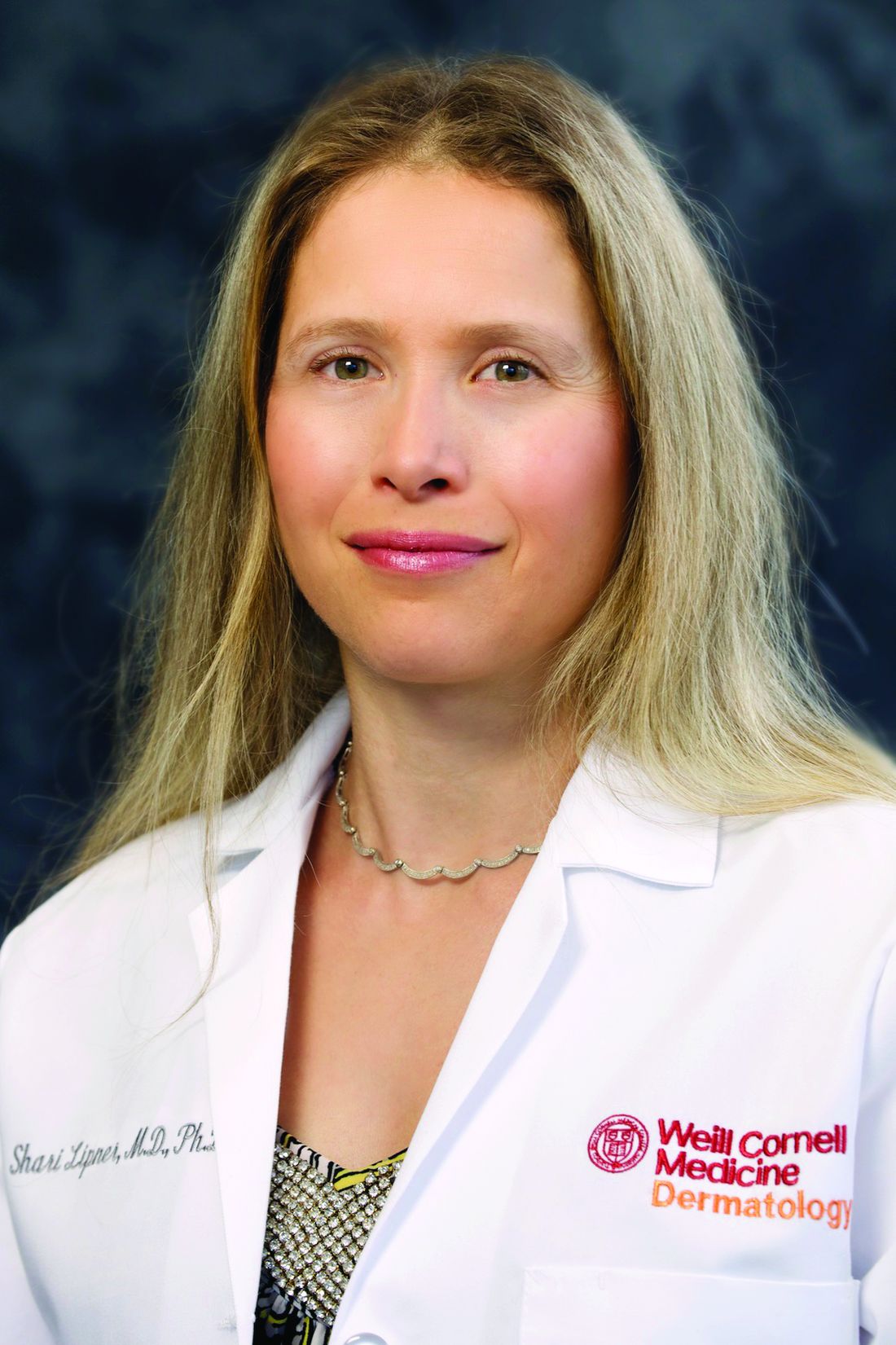
The advantages of the study are the standardized methods used, “and the experience of the panel,” she said. “Study limitations include the response rate, which was less than 60%, and the risk of potential side effects are not stratified by age, sex, or comorbidities,” she added.
Dr. Fu disclosed that she is a consultant to Pfizer. Dr. Lipner reported having no relevant disclosures.
SAN DIEGO — .
Those are among the key recommendations that resulted from a modified eDelphi consensus of experts who convened to develop guidelines for LDOM prescribing and monitoring.
“Topical minoxidil is safe, effective, over-the-counter, and FDA-approved to treat the most common form of hair loss, androgenetic alopecia,” one of the study authors, Jennifer Fu, MD, a dermatologist who directs the Hair Disorders Clinic at the University of California, San Francisco, told this news organization following the annual meeting of the American Academy of Dermatology. The results of the expert consensus were presented during a poster session at the meeting. “It is often used off label for other types of hair loss, yet clinicians who treat hair loss know that patient compliance with topical minoxidil can be poor for a variety of reasons,” she said. “Patients report that it can be difficult to apply and complicate hair styling. For many patients, topical minoxidil can be drying or cause irritant or allergic contact reactions.”
LDOM has become a popular alternative for patients for whom topical minoxidil is logistically challenging, irritating, or ineffective, she continued. Although oral minoxidil is no longer a first-line antihypertensive agent given the risk of cardiovascular adverse effects at higher antihypertensive dosing (10-40 mg daily), a growing number of small studies have documented the use of LDOM at doses ranging from 0.25 mg to 5 mg daily as a safe, effective option for various types of hair loss.
“Given the current absence of larger trials on this topic, our research group identified a need for expert-based guidelines for prescribing and monitoring LDOM use in hair loss patients,” Dr. Fu said. “Our goal was to provide clinicians who treat hair loss patients a road map for using LDOM effectively, maximizing hair growth, and minimizing potential cardiovascular adverse effects.”
Arriving at a Consensus
The process involved 43 hair loss specialists from 12 countries with an average of 6.29 years of experience with LDOM for hair loss, who participated in a multi-round modified Delphi process. They considered questions that addressed LDOM safety, efficacy, dosing, and monitoring for hair loss, and consensus was reached if at least 70% of participants indicated “agree” or “strongly agree” on a five-point Likert scale. Round 1 consisted of 180 open-ended, multiple-choice, or Likert-scale questions, while round 2 involved 121 Likert-scale questions, round 3 consisted of 16 Likert-scale questions, and round 4 included 11 Likert-scale questions. In all, 94 items achieved Likert-scale consensus.
Specifically, experts on the panel found a direct benefit of LDOM for androgenetic alopecia, age-related patterned thinning, alopecia areata, telogen effluvium, traction alopecia, persistent chemotherapy-induced alopecia, and endocrine therapy-induced alopecia. They found a supportive benefit of LDOM for lichen planopilaris, frontal fibrosing alopecia, central centrifugal alopecia, and fibrosing alopecia in a patterned distribution.
“LDOM can be considered when topical minoxidil is more expensive, logistically challenging, has plateaued in efficacy, results in undesirable product residue/skin irritation,” or exacerbates inflammatory processes (ie eczema, psoriasis), they added.
Contraindications to LDOM listed in the consensus recommendations include hypersensitivity to minoxidil, significant drug-drug interactions with LDOM, a history of pericardial effusion/tamponade, pericarditis, heart failure, pulmonary hypertension associated with mitral stenosis, pheochromocytoma, and pregnancy/breastfeeding. Cited precautions of LDOM use include a history of tachycardia or arrhythmia, hypotension, renal impairment, and being on dialysis.
Dr. Fu and colleagues noted that the earliest time point at which LDOM should be expected to demonstrate efficacy is 3-6 months. “Baseline testing is not routine but may be considered in case of identified precautions,” they wrote. They also noted that LDOM can possibly be co-administered with beta-blockers with a specialty consultation, and with spironolactone in biologic female or transgender female patients with hirsutism, acne, polycystic ovary syndrome (PCOS), and with lower extremity and facial edema.
According to the consensus statement, the most frequently prescribed LDOM dosing regimen in adult females aged 18 years and older includes a starting dose of 1.25 mg daily, with a dosing range between 0.625 mg and 5 mg daily. For adult males, the most frequently prescribed dosing regimen is a starting dose of 2.5 daily, with a dosing range between 1.25 mg and 5 mg daily. The most frequently prescribed LDOM dosing regimen in adolescent females aged 12-17 years is a starting dose of 0.625 mg daily, with a dosing range of 0.625 to 2.5 mg daily. For adolescent males, the recommended regimen is a starting dose of 1.25 mg daily, with a dosing range of 1.25 mg to 5 mg daily.
“We hope that this consensus statement will guide our colleagues who would like to use LDOM to treat hair loss in their adult and adolescent patients,” Dr. Fu told this news organization. “These recommendations may be used to inform clinical practice until additional evidence-based data becomes available.”
She acknowledged certain limitations of the effort, including the fact that the expert panel was underrepresented in treating hair loss in pediatric patients, “and therefore failed to reach consensus on LDOM pediatric use and dosing,” she said. “We encourage our pediatric dermatology colleagues to further research LDOM in pediatric patients.”
In an interview, Shari Lipner, MD, PhD, associate professor of clinical dermatology, Weill Cornell Medicine, New York, who was asked to comment, but was not involved with the work, characterized the consensus as a “helpful, concise reference guide for dermatologists.”
The advantages of the study are the standardized methods used, “and the experience of the panel,” she said. “Study limitations include the response rate, which was less than 60%, and the risk of potential side effects are not stratified by age, sex, or comorbidities,” she added.
Dr. Fu disclosed that she is a consultant to Pfizer. Dr. Lipner reported having no relevant disclosures.
SAN DIEGO — .
Those are among the key recommendations that resulted from a modified eDelphi consensus of experts who convened to develop guidelines for LDOM prescribing and monitoring.
“Topical minoxidil is safe, effective, over-the-counter, and FDA-approved to treat the most common form of hair loss, androgenetic alopecia,” one of the study authors, Jennifer Fu, MD, a dermatologist who directs the Hair Disorders Clinic at the University of California, San Francisco, told this news organization following the annual meeting of the American Academy of Dermatology. The results of the expert consensus were presented during a poster session at the meeting. “It is often used off label for other types of hair loss, yet clinicians who treat hair loss know that patient compliance with topical minoxidil can be poor for a variety of reasons,” she said. “Patients report that it can be difficult to apply and complicate hair styling. For many patients, topical minoxidil can be drying or cause irritant or allergic contact reactions.”
LDOM has become a popular alternative for patients for whom topical minoxidil is logistically challenging, irritating, or ineffective, she continued. Although oral minoxidil is no longer a first-line antihypertensive agent given the risk of cardiovascular adverse effects at higher antihypertensive dosing (10-40 mg daily), a growing number of small studies have documented the use of LDOM at doses ranging from 0.25 mg to 5 mg daily as a safe, effective option for various types of hair loss.
“Given the current absence of larger trials on this topic, our research group identified a need for expert-based guidelines for prescribing and monitoring LDOM use in hair loss patients,” Dr. Fu said. “Our goal was to provide clinicians who treat hair loss patients a road map for using LDOM effectively, maximizing hair growth, and minimizing potential cardiovascular adverse effects.”
Arriving at a Consensus
The process involved 43 hair loss specialists from 12 countries with an average of 6.29 years of experience with LDOM for hair loss, who participated in a multi-round modified Delphi process. They considered questions that addressed LDOM safety, efficacy, dosing, and monitoring for hair loss, and consensus was reached if at least 70% of participants indicated “agree” or “strongly agree” on a five-point Likert scale. Round 1 consisted of 180 open-ended, multiple-choice, or Likert-scale questions, while round 2 involved 121 Likert-scale questions, round 3 consisted of 16 Likert-scale questions, and round 4 included 11 Likert-scale questions. In all, 94 items achieved Likert-scale consensus.
Specifically, experts on the panel found a direct benefit of LDOM for androgenetic alopecia, age-related patterned thinning, alopecia areata, telogen effluvium, traction alopecia, persistent chemotherapy-induced alopecia, and endocrine therapy-induced alopecia. They found a supportive benefit of LDOM for lichen planopilaris, frontal fibrosing alopecia, central centrifugal alopecia, and fibrosing alopecia in a patterned distribution.
“LDOM can be considered when topical minoxidil is more expensive, logistically challenging, has plateaued in efficacy, results in undesirable product residue/skin irritation,” or exacerbates inflammatory processes (ie eczema, psoriasis), they added.
Contraindications to LDOM listed in the consensus recommendations include hypersensitivity to minoxidil, significant drug-drug interactions with LDOM, a history of pericardial effusion/tamponade, pericarditis, heart failure, pulmonary hypertension associated with mitral stenosis, pheochromocytoma, and pregnancy/breastfeeding. Cited precautions of LDOM use include a history of tachycardia or arrhythmia, hypotension, renal impairment, and being on dialysis.
Dr. Fu and colleagues noted that the earliest time point at which LDOM should be expected to demonstrate efficacy is 3-6 months. “Baseline testing is not routine but may be considered in case of identified precautions,” they wrote. They also noted that LDOM can possibly be co-administered with beta-blockers with a specialty consultation, and with spironolactone in biologic female or transgender female patients with hirsutism, acne, polycystic ovary syndrome (PCOS), and with lower extremity and facial edema.
According to the consensus statement, the most frequently prescribed LDOM dosing regimen in adult females aged 18 years and older includes a starting dose of 1.25 mg daily, with a dosing range between 0.625 mg and 5 mg daily. For adult males, the most frequently prescribed dosing regimen is a starting dose of 2.5 daily, with a dosing range between 1.25 mg and 5 mg daily. The most frequently prescribed LDOM dosing regimen in adolescent females aged 12-17 years is a starting dose of 0.625 mg daily, with a dosing range of 0.625 to 2.5 mg daily. For adolescent males, the recommended regimen is a starting dose of 1.25 mg daily, with a dosing range of 1.25 mg to 5 mg daily.
“We hope that this consensus statement will guide our colleagues who would like to use LDOM to treat hair loss in their adult and adolescent patients,” Dr. Fu told this news organization. “These recommendations may be used to inform clinical practice until additional evidence-based data becomes available.”
She acknowledged certain limitations of the effort, including the fact that the expert panel was underrepresented in treating hair loss in pediatric patients, “and therefore failed to reach consensus on LDOM pediatric use and dosing,” she said. “We encourage our pediatric dermatology colleagues to further research LDOM in pediatric patients.”
In an interview, Shari Lipner, MD, PhD, associate professor of clinical dermatology, Weill Cornell Medicine, New York, who was asked to comment, but was not involved with the work, characterized the consensus as a “helpful, concise reference guide for dermatologists.”
The advantages of the study are the standardized methods used, “and the experience of the panel,” she said. “Study limitations include the response rate, which was less than 60%, and the risk of potential side effects are not stratified by age, sex, or comorbidities,” she added.
Dr. Fu disclosed that she is a consultant to Pfizer. Dr. Lipner reported having no relevant disclosures.
FROM AAD 2024

Heart Failure the Most Common Complication of Atrial Fibrillation, Not Stroke
FROM BMJ
The lifetime risk of atrial fibrillation (AF) increased from 2000 to 2022 from one in four to one in three, a Danish population-based study of temporal trends found.
Heart failure was the most frequent complication linked to this arrhythmia, with a lifetime risk of two in five, twice that of stroke, according to investigators led by Nicklas Vinter, MD, PhD, a postdoctoral researcher at the Danish Center for Health Service Research in the Department of Clinical Medicine at Aalborg University, Denmark.
Published in BMJ, the study found the lifetime risks of post-AF stroke, ischemic stroke, and myocardial infarction improved only modestly over time and remained high, with virtually no improvement in the lifetime risk of heart failure.
“Our work provides novel lifetime risk estimates that are instrumental in facilitating effective risk communication between patients and their physicians,” Dr. Vinter said in an interview. “The knowledge of risks from a lifelong perspective may serve as a motivator for patients to commence or intensify preventive efforts.” AF patients could, for example, adopt healthier lifestyles or adhere to prescribed medications, Dr. Vinter explained.
“The substantial lifetime risk of heart failure following atrial fibrillation necessitates heightened attention to its prevention and early detection,” Dr. Vinter said. “Furthermore, the high lifetime risk of stroke remains a critical complication, which highlights the importance of continuous attention to the initiation and maintenance of oral anticoagulation therapy.”
The Study
The cohort consisted of 3.5 million individuals (51.7% women) who did not have AF as of age 45 or older. These individuals were followed until incident AF, migration, death, or end of follow-up, whichever came first.
All 362,721 individuals with incident AF (53.6% men) but no prevalent complication were further followed over two time periods (2000-2010 and 2011-2020) until incident heart failure, stroke, or myocardial infarction.
Among the findings:
- Lifetime AF risk increased from 24.2% in 2000-2010 to 30.9% in 2011-2022, for a difference of 6.7% (95% confidence interval [CI], 6.5%-6.8%).
- Lifetime AF risk rose across all subgroups over time, with a larger increase in men and individuals with heart failure, myocardial infarction, stroke, diabetes, and chronic kidney disease.
- Lifetime risk of heart failure was 42.9% in 2000-2010 and 42.1% in 2011-2022, for a difference of −0.8% (95% CI, −3.8% to 2.2%).
- The lifetime risks of post-AF stroke and of myocardial infarction decreased slightly between the two periods, from 22.4% to 19.9% for stroke (difference −2.5%, 95% CI, −4.2% to −0.7%) and from 13.7% to 9.8% for myocardial infarction (−3.9%, 95% CI, −5.3% to −2.4%). No differential decrease between men and women emerged.
“Our novel quantification of the long-term downstream consequences of atrial fibrillation highlights the critical need for treatments to further decrease stroke risk as well as for heart failure prevention strategies among patients with atrial fibrillation,” the Danish researchers wrote.
Offering an outsider’s perspective, John P. Higgins, MD, MBA, MPhil, a sports cardiologist at McGovern Medical School at The University of Texas Health Science Center at Houston, said, “Think of atrial fibrillation as a barometer of underlying stress on the heart. When blood pressure is high, or a patient has underlying asymptomatic coronary artery disease or heart failure, they are more likely to have episodes of atrial fibrillation.”
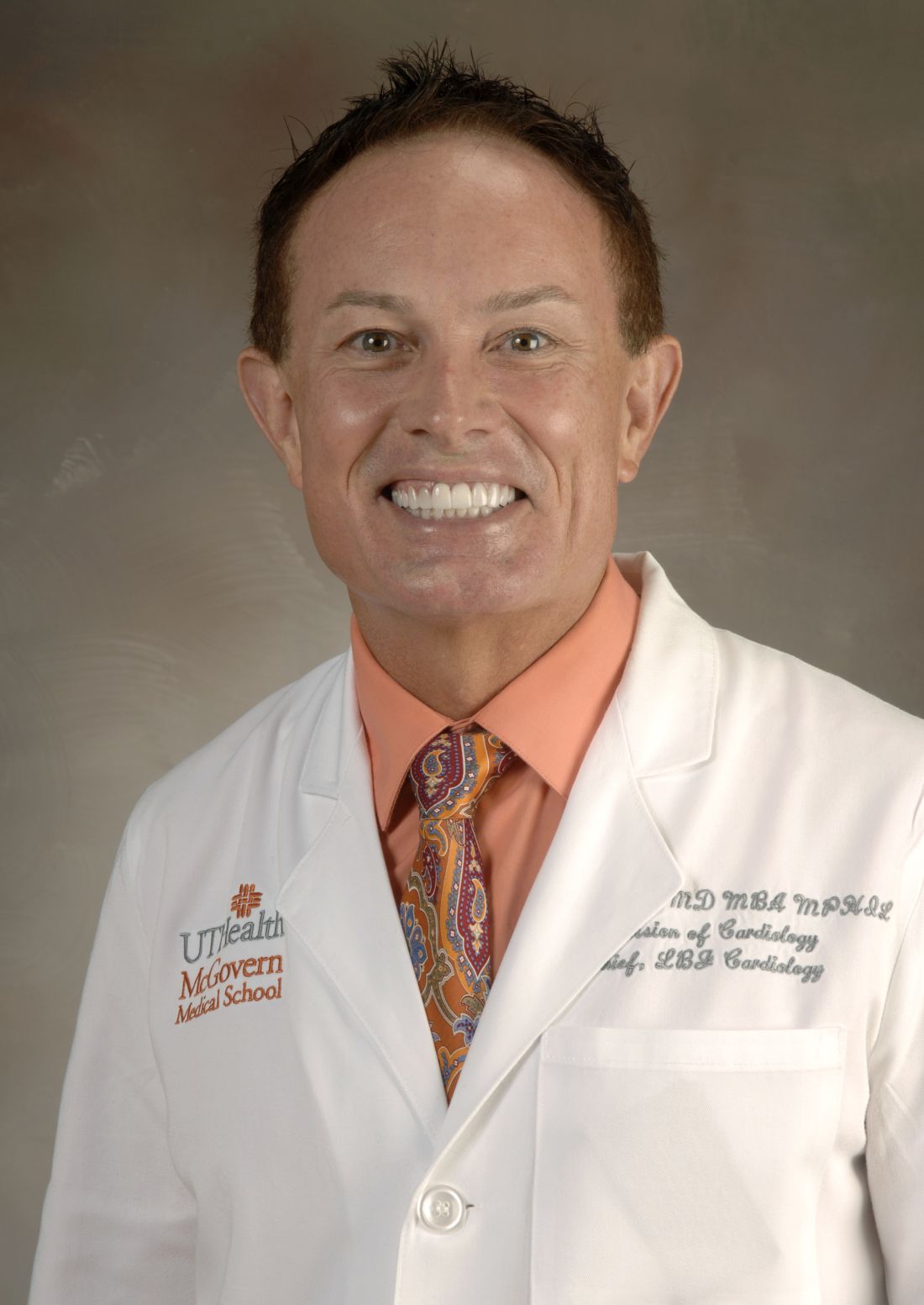
According to Dr. Higgins, risk factors for AF are underappreciated in the United States and elsewhere, and primary care doctors need to be aware of them. “We should try to identify these risk factors and do primary prevention to improve risk factors to reduce the progression to heart failure and myocardial infarction and stroke. But lifelong prevention is even better, he added. “Doing things to prevent actually getting risk factors in the first place. So a healthy lifestyle including exercise, diet, hydration, sleep, relaxation, social contact, and a little sunlight might be the long-term keys and starting them at a young age, too.”
In an accompanying editorial, Jianhua Wu, PhD, a professor of biostatistics and health data science with the Wolfson Institute of Population Health at Queen Mary University of London, and a colleague, cited the study’s robust observational research and called the analysis noteworthy for its quantification of the long-term risks of post-AF sequelae. They cautioned, however, that its grouping into two 10-year periods (2000-2010 and 2011-2020) came at the cost of losing temporal resolution. They also called out the lack of reporting on the ethnic composition of the study population, a factor that influences lifetime AF risk, and the absence of subgroup analysis by socioeconomic status, which affects incidence and outcomes.

The editorialists noted that while interventions to prevent stroke dominated AF research and guidelines during the study time period, no evidence suggests these interventions can prevent incident heart failure. “Alignment of both randomised clinical trials and guidelines to better reflect the needs of the real-world population with atrial fibrillation is necessary because further improvements to patient prognosis are likely to require a broader perspective on atrial fibrillation management beyond prevention of stroke,” they wrote.
In the meantime this study “challenges research priorities and guideline design, and raises critical questions for the research and clinical communities about how the growing burden of atrial fibrillation can be stopped,” they wrote.
This work was supported by the Danish Cardiovascular Academy, which is funded by the Novo Nordisk Foundation, and The Danish Heart Foundation. Dr. Vinter has been an advisory board member and consultant for AstraZeneca and has an institutional research grant from BMS/Pfizer unrelated to the current study. He reported personal consulting fees from BMS and Pfizer. Other coauthors disclosed research support from and/or consulting work for private industry, as well as grants from not-for-profit research-funding organizations. Dr. Higgins had no competing interest to declare. The editorial writers had no relevant financial interests to declare. Dr. Wu is supported by Barts Charity.
FROM BMJ
The lifetime risk of atrial fibrillation (AF) increased from 2000 to 2022 from one in four to one in three, a Danish population-based study of temporal trends found.
Heart failure was the most frequent complication linked to this arrhythmia, with a lifetime risk of two in five, twice that of stroke, according to investigators led by Nicklas Vinter, MD, PhD, a postdoctoral researcher at the Danish Center for Health Service Research in the Department of Clinical Medicine at Aalborg University, Denmark.
Published in BMJ, the study found the lifetime risks of post-AF stroke, ischemic stroke, and myocardial infarction improved only modestly over time and remained high, with virtually no improvement in the lifetime risk of heart failure.
“Our work provides novel lifetime risk estimates that are instrumental in facilitating effective risk communication between patients and their physicians,” Dr. Vinter said in an interview. “The knowledge of risks from a lifelong perspective may serve as a motivator for patients to commence or intensify preventive efforts.” AF patients could, for example, adopt healthier lifestyles or adhere to prescribed medications, Dr. Vinter explained.
“The substantial lifetime risk of heart failure following atrial fibrillation necessitates heightened attention to its prevention and early detection,” Dr. Vinter said. “Furthermore, the high lifetime risk of stroke remains a critical complication, which highlights the importance of continuous attention to the initiation and maintenance of oral anticoagulation therapy.”
The Study
The cohort consisted of 3.5 million individuals (51.7% women) who did not have AF as of age 45 or older. These individuals were followed until incident AF, migration, death, or end of follow-up, whichever came first.
All 362,721 individuals with incident AF (53.6% men) but no prevalent complication were further followed over two time periods (2000-2010 and 2011-2020) until incident heart failure, stroke, or myocardial infarction.
Among the findings:
- Lifetime AF risk increased from 24.2% in 2000-2010 to 30.9% in 2011-2022, for a difference of 6.7% (95% confidence interval [CI], 6.5%-6.8%).
- Lifetime AF risk rose across all subgroups over time, with a larger increase in men and individuals with heart failure, myocardial infarction, stroke, diabetes, and chronic kidney disease.
- Lifetime risk of heart failure was 42.9% in 2000-2010 and 42.1% in 2011-2022, for a difference of −0.8% (95% CI, −3.8% to 2.2%).
- The lifetime risks of post-AF stroke and of myocardial infarction decreased slightly between the two periods, from 22.4% to 19.9% for stroke (difference −2.5%, 95% CI, −4.2% to −0.7%) and from 13.7% to 9.8% for myocardial infarction (−3.9%, 95% CI, −5.3% to −2.4%). No differential decrease between men and women emerged.
“Our novel quantification of the long-term downstream consequences of atrial fibrillation highlights the critical need for treatments to further decrease stroke risk as well as for heart failure prevention strategies among patients with atrial fibrillation,” the Danish researchers wrote.
Offering an outsider’s perspective, John P. Higgins, MD, MBA, MPhil, a sports cardiologist at McGovern Medical School at The University of Texas Health Science Center at Houston, said, “Think of atrial fibrillation as a barometer of underlying stress on the heart. When blood pressure is high, or a patient has underlying asymptomatic coronary artery disease or heart failure, they are more likely to have episodes of atrial fibrillation.”
According to Dr. Higgins, risk factors for AF are underappreciated in the United States and elsewhere, and primary care doctors need to be aware of them. “We should try to identify these risk factors and do primary prevention to improve risk factors to reduce the progression to heart failure and myocardial infarction and stroke. But lifelong prevention is even better, he added. “Doing things to prevent actually getting risk factors in the first place. So a healthy lifestyle including exercise, diet, hydration, sleep, relaxation, social contact, and a little sunlight might be the long-term keys and starting them at a young age, too.”
In an accompanying editorial, Jianhua Wu, PhD, a professor of biostatistics and health data science with the Wolfson Institute of Population Health at Queen Mary University of London, and a colleague, cited the study’s robust observational research and called the analysis noteworthy for its quantification of the long-term risks of post-AF sequelae. They cautioned, however, that its grouping into two 10-year periods (2000-2010 and 2011-2020) came at the cost of losing temporal resolution. They also called out the lack of reporting on the ethnic composition of the study population, a factor that influences lifetime AF risk, and the absence of subgroup analysis by socioeconomic status, which affects incidence and outcomes.
The editorialists noted that while interventions to prevent stroke dominated AF research and guidelines during the study time period, no evidence suggests these interventions can prevent incident heart failure. “Alignment of both randomised clinical trials and guidelines to better reflect the needs of the real-world population with atrial fibrillation is necessary because further improvements to patient prognosis are likely to require a broader perspective on atrial fibrillation management beyond prevention of stroke,” they wrote.
In the meantime this study “challenges research priorities and guideline design, and raises critical questions for the research and clinical communities about how the growing burden of atrial fibrillation can be stopped,” they wrote.
This work was supported by the Danish Cardiovascular Academy, which is funded by the Novo Nordisk Foundation, and The Danish Heart Foundation. Dr. Vinter has been an advisory board member and consultant for AstraZeneca and has an institutional research grant from BMS/Pfizer unrelated to the current study. He reported personal consulting fees from BMS and Pfizer. Other coauthors disclosed research support from and/or consulting work for private industry, as well as grants from not-for-profit research-funding organizations. Dr. Higgins had no competing interest to declare. The editorial writers had no relevant financial interests to declare. Dr. Wu is supported by Barts Charity.
FROM BMJ
The lifetime risk of atrial fibrillation (AF) increased from 2000 to 2022 from one in four to one in three, a Danish population-based study of temporal trends found.
Heart failure was the most frequent complication linked to this arrhythmia, with a lifetime risk of two in five, twice that of stroke, according to investigators led by Nicklas Vinter, MD, PhD, a postdoctoral researcher at the Danish Center for Health Service Research in the Department of Clinical Medicine at Aalborg University, Denmark.
Published in BMJ, the study found the lifetime risks of post-AF stroke, ischemic stroke, and myocardial infarction improved only modestly over time and remained high, with virtually no improvement in the lifetime risk of heart failure.
“Our work provides novel lifetime risk estimates that are instrumental in facilitating effective risk communication between patients and their physicians,” Dr. Vinter said in an interview. “The knowledge of risks from a lifelong perspective may serve as a motivator for patients to commence or intensify preventive efforts.” AF patients could, for example, adopt healthier lifestyles or adhere to prescribed medications, Dr. Vinter explained.
“The substantial lifetime risk of heart failure following atrial fibrillation necessitates heightened attention to its prevention and early detection,” Dr. Vinter said. “Furthermore, the high lifetime risk of stroke remains a critical complication, which highlights the importance of continuous attention to the initiation and maintenance of oral anticoagulation therapy.”
The Study
The cohort consisted of 3.5 million individuals (51.7% women) who did not have AF as of age 45 or older. These individuals were followed until incident AF, migration, death, or end of follow-up, whichever came first.
All 362,721 individuals with incident AF (53.6% men) but no prevalent complication were further followed over two time periods (2000-2010 and 2011-2020) until incident heart failure, stroke, or myocardial infarction.
Among the findings:
- Lifetime AF risk increased from 24.2% in 2000-2010 to 30.9% in 2011-2022, for a difference of 6.7% (95% confidence interval [CI], 6.5%-6.8%).
- Lifetime AF risk rose across all subgroups over time, with a larger increase in men and individuals with heart failure, myocardial infarction, stroke, diabetes, and chronic kidney disease.
- Lifetime risk of heart failure was 42.9% in 2000-2010 and 42.1% in 2011-2022, for a difference of −0.8% (95% CI, −3.8% to 2.2%).
- The lifetime risks of post-AF stroke and of myocardial infarction decreased slightly between the two periods, from 22.4% to 19.9% for stroke (difference −2.5%, 95% CI, −4.2% to −0.7%) and from 13.7% to 9.8% for myocardial infarction (−3.9%, 95% CI, −5.3% to −2.4%). No differential decrease between men and women emerged.
“Our novel quantification of the long-term downstream consequences of atrial fibrillation highlights the critical need for treatments to further decrease stroke risk as well as for heart failure prevention strategies among patients with atrial fibrillation,” the Danish researchers wrote.
Offering an outsider’s perspective, John P. Higgins, MD, MBA, MPhil, a sports cardiologist at McGovern Medical School at The University of Texas Health Science Center at Houston, said, “Think of atrial fibrillation as a barometer of underlying stress on the heart. When blood pressure is high, or a patient has underlying asymptomatic coronary artery disease or heart failure, they are more likely to have episodes of atrial fibrillation.”
According to Dr. Higgins, risk factors for AF are underappreciated in the United States and elsewhere, and primary care doctors need to be aware of them. “We should try to identify these risk factors and do primary prevention to improve risk factors to reduce the progression to heart failure and myocardial infarction and stroke. But lifelong prevention is even better, he added. “Doing things to prevent actually getting risk factors in the first place. So a healthy lifestyle including exercise, diet, hydration, sleep, relaxation, social contact, and a little sunlight might be the long-term keys and starting them at a young age, too.”
In an accompanying editorial, Jianhua Wu, PhD, a professor of biostatistics and health data science with the Wolfson Institute of Population Health at Queen Mary University of London, and a colleague, cited the study’s robust observational research and called the analysis noteworthy for its quantification of the long-term risks of post-AF sequelae. They cautioned, however, that its grouping into two 10-year periods (2000-2010 and 2011-2020) came at the cost of losing temporal resolution. They also called out the lack of reporting on the ethnic composition of the study population, a factor that influences lifetime AF risk, and the absence of subgroup analysis by socioeconomic status, which affects incidence and outcomes.
The editorialists noted that while interventions to prevent stroke dominated AF research and guidelines during the study time period, no evidence suggests these interventions can prevent incident heart failure. “Alignment of both randomised clinical trials and guidelines to better reflect the needs of the real-world population with atrial fibrillation is necessary because further improvements to patient prognosis are likely to require a broader perspective on atrial fibrillation management beyond prevention of stroke,” they wrote.
In the meantime this study “challenges research priorities and guideline design, and raises critical questions for the research and clinical communities about how the growing burden of atrial fibrillation can be stopped,” they wrote.
This work was supported by the Danish Cardiovascular Academy, which is funded by the Novo Nordisk Foundation, and The Danish Heart Foundation. Dr. Vinter has been an advisory board member and consultant for AstraZeneca and has an institutional research grant from BMS/Pfizer unrelated to the current study. He reported personal consulting fees from BMS and Pfizer. Other coauthors disclosed research support from and/or consulting work for private industry, as well as grants from not-for-profit research-funding organizations. Dr. Higgins had no competing interest to declare. The editorial writers had no relevant financial interests to declare. Dr. Wu is supported by Barts Charity.
Port-Wine Birthmarks: Shorter Interval Laser Treatments Show Promise in Infants
TOPLINE:
METHODOLOGY:
- Early intervention of PWB in infants can significantly improve outcomes, and some studies suggest shorter intervals between laser treatments may be more effective. While laser treatment with PDL is the gold standard, the optimal treatment interval has not been determined.
- Researchers evaluated the records of 10 infants with PWB who received weekly PDL treatments from 2022 to 2023 at a single center. Treatment was initiated when the infants were 6 months old or younger, with the median age at the first treatment being 4 weeks. Of the 10 infants, eight had Fitzpatrick skin types I-III and two had skin type IV.
- Two dermatologists assessed photographs taken before and after laser treatment, and the primary outcome was the percentage improvement of PWB.
TAKEAWAY:
- Of the 10 patients, six achieved near-total (76%-95%) clearance, and one achieved total (96%-100%) clearance of PWB at a mean of 2 months after the first treatment.
- Marked improvement (51%-75%) in PWB was observed in the remaining three patients, who achieved near-total clearance with additional treatments.
- The median duration of treatment was 2 months (range, 0.2-5.1), and a median of eight treatments (range, 2-20) were needed to achieve near total or total clearance.
- No adverse events were reported, including pigmentary changes, scarring, burns, erosions, or infections.
IN PRACTICE:
The outcomes in the case series, the authors concluded, “are compelling and warrant attention and further investigation into the possibility that this novel and decreased treatment interval of 1 week ... is associated with potential improvement in outcomes and shorter overall treatment duration.”
SOURCE:
This study was led by Shirin Bajaj, MD, of the Laser & Skin Surgery Center of New York, where the infants were treated, and was published online on April 17, 2024, in JAMA Dermatology.
LIMITATIONS:
A small sample size and the lack of a comparison arm limited the ability to draw any conclusions or make treatment recommendations based on the results.
DISCLOSURES:
The authors disclosed no conflicts of interest.
A version of this article appeared on Medscape.com.
TOPLINE:
METHODOLOGY:
- Early intervention of PWB in infants can significantly improve outcomes, and some studies suggest shorter intervals between laser treatments may be more effective. While laser treatment with PDL is the gold standard, the optimal treatment interval has not been determined.
- Researchers evaluated the records of 10 infants with PWB who received weekly PDL treatments from 2022 to 2023 at a single center. Treatment was initiated when the infants were 6 months old or younger, with the median age at the first treatment being 4 weeks. Of the 10 infants, eight had Fitzpatrick skin types I-III and two had skin type IV.
- Two dermatologists assessed photographs taken before and after laser treatment, and the primary outcome was the percentage improvement of PWB.
TAKEAWAY:
- Of the 10 patients, six achieved near-total (76%-95%) clearance, and one achieved total (96%-100%) clearance of PWB at a mean of 2 months after the first treatment.
- Marked improvement (51%-75%) in PWB was observed in the remaining three patients, who achieved near-total clearance with additional treatments.
- The median duration of treatment was 2 months (range, 0.2-5.1), and a median of eight treatments (range, 2-20) were needed to achieve near total or total clearance.
- No adverse events were reported, including pigmentary changes, scarring, burns, erosions, or infections.
IN PRACTICE:
The outcomes in the case series, the authors concluded, “are compelling and warrant attention and further investigation into the possibility that this novel and decreased treatment interval of 1 week ... is associated with potential improvement in outcomes and shorter overall treatment duration.”
SOURCE:
This study was led by Shirin Bajaj, MD, of the Laser & Skin Surgery Center of New York, where the infants were treated, and was published online on April 17, 2024, in JAMA Dermatology.
LIMITATIONS:
A small sample size and the lack of a comparison arm limited the ability to draw any conclusions or make treatment recommendations based on the results.
DISCLOSURES:
The authors disclosed no conflicts of interest.
A version of this article appeared on Medscape.com.
TOPLINE:
METHODOLOGY:
- Early intervention of PWB in infants can significantly improve outcomes, and some studies suggest shorter intervals between laser treatments may be more effective. While laser treatment with PDL is the gold standard, the optimal treatment interval has not been determined.
- Researchers evaluated the records of 10 infants with PWB who received weekly PDL treatments from 2022 to 2023 at a single center. Treatment was initiated when the infants were 6 months old or younger, with the median age at the first treatment being 4 weeks. Of the 10 infants, eight had Fitzpatrick skin types I-III and two had skin type IV.
- Two dermatologists assessed photographs taken before and after laser treatment, and the primary outcome was the percentage improvement of PWB.
TAKEAWAY:
- Of the 10 patients, six achieved near-total (76%-95%) clearance, and one achieved total (96%-100%) clearance of PWB at a mean of 2 months after the first treatment.
- Marked improvement (51%-75%) in PWB was observed in the remaining three patients, who achieved near-total clearance with additional treatments.
- The median duration of treatment was 2 months (range, 0.2-5.1), and a median of eight treatments (range, 2-20) were needed to achieve near total or total clearance.
- No adverse events were reported, including pigmentary changes, scarring, burns, erosions, or infections.
IN PRACTICE:
The outcomes in the case series, the authors concluded, “are compelling and warrant attention and further investigation into the possibility that this novel and decreased treatment interval of 1 week ... is associated with potential improvement in outcomes and shorter overall treatment duration.”
SOURCE:
This study was led by Shirin Bajaj, MD, of the Laser & Skin Surgery Center of New York, where the infants were treated, and was published online on April 17, 2024, in JAMA Dermatology.
LIMITATIONS:
A small sample size and the lack of a comparison arm limited the ability to draw any conclusions or make treatment recommendations based on the results.
DISCLOSURES:
The authors disclosed no conflicts of interest.
A version of this article appeared on Medscape.com.
Integrating Telemedicine for HCV With Opioid Use Disorder Treatment Works
People with opioid use disorder (OUD) who have hepatitis C virus (HCV) were twice as likely to be treated and cured of HCV if they received facilitated telemedicine treatment within their opioid treatment program than if they were referred for off-site treatment, the results of a new study showed.
In addition, among cured patients, illicit drug use fell significantly, and there were few reinfections, reported the researchers, led by Andrew Talal, MD, MPH, with the University at Buffalo, State University of New York, Buffalo.
The study was published online in JAMA.
HCV is a major public health concern, especially among people with OUD. Geographic and logistical barriers often prevent this underserved population from accessing treatment; however, telemedicine has the potential to overcome these obstacles.
In a prospective cluster randomized clinical trial, Dr. Talal and colleagues assessed the impact of embedding facilitated telemedicine for HCV care into 12 opioid treatment programs in New York State.
They studied 602 HCV-infected adults (61% male; 51% White) with OUD. Of these, 290 (mean age, 47.1 years) were enrolled in facilitated telemedicine programs onsite, and 312 (mean age, 48.9 years) received an off-site referral (usual care).
Telemedicine participants had an initial telemedicine encounter facilitated by study case managers onsite who also administered a blood test. The telemedicine clinician subsequently evaluated participants and ordered direct-acting antiviral (DAA) medication that was delivered to the opioid treatment program monthly (as refills required) and dispensed along with methadone.
In the telemedicine group, 268 of 290 individuals (92.4%) initiated HCV treatment compared with 126 of 312 (40.4%) in the referral group.
Participants in the telemedicine group were also seen sooner and started treatment faster.
The interval between screening and initial appointments was 14 days with telemedicine vs 18 days with a referral (P = .04). The time between the initial visit and DAA initiation was 49.9 days with telemedicine vs 123.5 days with a referral (P < .001).
Intention-to-treat analysis showed significantly higher HCV cure rates with telemedicine than with referral (90.3% vs 39.4%, respectively). Similarly, the observed cure rates were also higher in the telemedicine group (84.8% vs 34.0%).
Sustained virologic response was durable, with only 13 reinfections (incidence, 2.5 per 100 person-years) occurring during the 2-year follow-up period, the researchers reported.
In addition, illicit drug use decreased significantly among cured patients in both the telemedicine group (P < .001) and the referral group (P = .001). Adults in both groups rated healthcare delivery satisfaction as high or very high.
“Our study demonstrates how telemedicine successfully integrates medical and behavioral treatment,” Dr. Talal said in a statement.
The intervention “builds patient-clinician trust across the screen, and significant decreases in substance use were observed in cured participants with minimal HCV reinfections,” the study team wrote.
Support for this research was provided by the Patient-Centered Outcomes Research Institute and by the Troup Fund of the Kaleida Health Foundation.
A version of this article appeared on Medscape.com .
People with opioid use disorder (OUD) who have hepatitis C virus (HCV) were twice as likely to be treated and cured of HCV if they received facilitated telemedicine treatment within their opioid treatment program than if they were referred for off-site treatment, the results of a new study showed.
In addition, among cured patients, illicit drug use fell significantly, and there were few reinfections, reported the researchers, led by Andrew Talal, MD, MPH, with the University at Buffalo, State University of New York, Buffalo.
The study was published online in JAMA.
HCV is a major public health concern, especially among people with OUD. Geographic and logistical barriers often prevent this underserved population from accessing treatment; however, telemedicine has the potential to overcome these obstacles.
In a prospective cluster randomized clinical trial, Dr. Talal and colleagues assessed the impact of embedding facilitated telemedicine for HCV care into 12 opioid treatment programs in New York State.
They studied 602 HCV-infected adults (61% male; 51% White) with OUD. Of these, 290 (mean age, 47.1 years) were enrolled in facilitated telemedicine programs onsite, and 312 (mean age, 48.9 years) received an off-site referral (usual care).
Telemedicine participants had an initial telemedicine encounter facilitated by study case managers onsite who also administered a blood test. The telemedicine clinician subsequently evaluated participants and ordered direct-acting antiviral (DAA) medication that was delivered to the opioid treatment program monthly (as refills required) and dispensed along with methadone.
In the telemedicine group, 268 of 290 individuals (92.4%) initiated HCV treatment compared with 126 of 312 (40.4%) in the referral group.
Participants in the telemedicine group were also seen sooner and started treatment faster.
The interval between screening and initial appointments was 14 days with telemedicine vs 18 days with a referral (P = .04). The time between the initial visit and DAA initiation was 49.9 days with telemedicine vs 123.5 days with a referral (P < .001).
Intention-to-treat analysis showed significantly higher HCV cure rates with telemedicine than with referral (90.3% vs 39.4%, respectively). Similarly, the observed cure rates were also higher in the telemedicine group (84.8% vs 34.0%).
Sustained virologic response was durable, with only 13 reinfections (incidence, 2.5 per 100 person-years) occurring during the 2-year follow-up period, the researchers reported.
In addition, illicit drug use decreased significantly among cured patients in both the telemedicine group (P < .001) and the referral group (P = .001). Adults in both groups rated healthcare delivery satisfaction as high or very high.
“Our study demonstrates how telemedicine successfully integrates medical and behavioral treatment,” Dr. Talal said in a statement.
The intervention “builds patient-clinician trust across the screen, and significant decreases in substance use were observed in cured participants with minimal HCV reinfections,” the study team wrote.
Support for this research was provided by the Patient-Centered Outcomes Research Institute and by the Troup Fund of the Kaleida Health Foundation.
A version of this article appeared on Medscape.com .
People with opioid use disorder (OUD) who have hepatitis C virus (HCV) were twice as likely to be treated and cured of HCV if they received facilitated telemedicine treatment within their opioid treatment program than if they were referred for off-site treatment, the results of a new study showed.
In addition, among cured patients, illicit drug use fell significantly, and there were few reinfections, reported the researchers, led by Andrew Talal, MD, MPH, with the University at Buffalo, State University of New York, Buffalo.
The study was published online in JAMA.
HCV is a major public health concern, especially among people with OUD. Geographic and logistical barriers often prevent this underserved population from accessing treatment; however, telemedicine has the potential to overcome these obstacles.
In a prospective cluster randomized clinical trial, Dr. Talal and colleagues assessed the impact of embedding facilitated telemedicine for HCV care into 12 opioid treatment programs in New York State.
They studied 602 HCV-infected adults (61% male; 51% White) with OUD. Of these, 290 (mean age, 47.1 years) were enrolled in facilitated telemedicine programs onsite, and 312 (mean age, 48.9 years) received an off-site referral (usual care).
Telemedicine participants had an initial telemedicine encounter facilitated by study case managers onsite who also administered a blood test. The telemedicine clinician subsequently evaluated participants and ordered direct-acting antiviral (DAA) medication that was delivered to the opioid treatment program monthly (as refills required) and dispensed along with methadone.
In the telemedicine group, 268 of 290 individuals (92.4%) initiated HCV treatment compared with 126 of 312 (40.4%) in the referral group.
Participants in the telemedicine group were also seen sooner and started treatment faster.
The interval between screening and initial appointments was 14 days with telemedicine vs 18 days with a referral (P = .04). The time between the initial visit and DAA initiation was 49.9 days with telemedicine vs 123.5 days with a referral (P < .001).
Intention-to-treat analysis showed significantly higher HCV cure rates with telemedicine than with referral (90.3% vs 39.4%, respectively). Similarly, the observed cure rates were also higher in the telemedicine group (84.8% vs 34.0%).
Sustained virologic response was durable, with only 13 reinfections (incidence, 2.5 per 100 person-years) occurring during the 2-year follow-up period, the researchers reported.
In addition, illicit drug use decreased significantly among cured patients in both the telemedicine group (P < .001) and the referral group (P = .001). Adults in both groups rated healthcare delivery satisfaction as high or very high.
“Our study demonstrates how telemedicine successfully integrates medical and behavioral treatment,” Dr. Talal said in a statement.
The intervention “builds patient-clinician trust across the screen, and significant decreases in substance use were observed in cured participants with minimal HCV reinfections,” the study team wrote.
Support for this research was provided by the Patient-Centered Outcomes Research Institute and by the Troup Fund of the Kaleida Health Foundation.
A version of this article appeared on Medscape.com .
FROM JAMA
The Fascinating Way to Measure Glucose With a Phone’s Compass
Here’s a new direction for smartphones in healthcare.
“We’re just at this point demonstrating this new way of sensing that we hope [will be] very accessible and very portable,” said Gary Zabow, PhD, a group leader in the applied physics division at NIST who supervised the research.
In a proof-of-concept study, the researchers measured glucose levels in sangria, pinot grigio, and champagne. The detection limit reached micromolar concentrations — on par with or better than some widely used glucose sensors, such as continuous glucose monitors. They also accurately measured the pH levels of coffee, orange juice, and root beer.
More tests are needed to confirm the method works in biological fluids, so it could be a while before it’s available for clinical or commercial use.
Still, the prospect is “exciting,” said Aydogan Ozcan, PhD, a bioengineering professor at the University of California, Los Angeles, who was not involved in the study. “It might enable new capabilities for advanced sensing applications in field settings or even at home.”
The advance builds on growing research using smartphones to put powerful medical devices in patients’ hands. A new AI-powered app can use a smartphone camera to detect skin cancer, while other apps administer cognitive tests to detect dementia. Smartphone cameras can even be harnessed for “advanced optical microscopes and sensors to the level where we could even see and detect individual DNA molecules with inexpensive optical attachments,” Dr. Ozcan said. More than six billion people worldwide own a smartphone.
The compass inside smartphones is a magnetometer — it measures magnetic fields. Normally it detects the earth’s magnetic fields, but it can also detect small, nearby magnets and changes in those magnets’ positions.
The researchers embedded a small magnet inside a strip of “smart hydrogel — a piece of material that expands or contracts” when immersed in a solution, said Dr. Zabow.
As the hydrogel gets bigger or smaller, it moves the magnet, Dr. Zabow explained. For example, if the hydrogel is designed to expand when the solution is acidic or contract when it’s basic, it can move the magnet closer or farther from the phone’s magnetometer, providing an indicator of pH. For glucose, the hydrogel expands or contracts depending on the concentration of sugar in the liquid.
With some calibration and coding to translate that reading into a number, “you can effectively read out glucose or pH,” Dr. Zabow said.
Only a small strip of hydrogel is needed, “like a pH test strip that you use for a pool,” said first study author Mark Ferris, PhD, a postdoctoral researcher at NIST.
Like a pool pH test strip, this test is meant to be “easy to use, and at that kind of price,” Dr. Ferris said. “It’s supposed to be something that’s cheap and disposable.” Each pH hydrogel strip is about 3 cents, and glucose strips are 16 cents, Dr. Ferris estimated. In bulk, those prices could go down.
Next the team plans to test the strips with biological fluids. But complex fluids like blood could pose a challenge, as other molecules present could react with the strip and affect the results. “It may be that you need to tweak the chemistry of the hydrogel to make sure it is really specific to one biomolecule and there is no interference from other biomolecules,” Dr. Zabow said.
The technique could be adapted to detect other biomarkers or molecules, the researchers said. It could also be used to check for chemical contaminants in tap, lake, or stream water.
A version of this article appeared on Medscape.com.
Here’s a new direction for smartphones in healthcare.
“We’re just at this point demonstrating this new way of sensing that we hope [will be] very accessible and very portable,” said Gary Zabow, PhD, a group leader in the applied physics division at NIST who supervised the research.
In a proof-of-concept study, the researchers measured glucose levels in sangria, pinot grigio, and champagne. The detection limit reached micromolar concentrations — on par with or better than some widely used glucose sensors, such as continuous glucose monitors. They also accurately measured the pH levels of coffee, orange juice, and root beer.
More tests are needed to confirm the method works in biological fluids, so it could be a while before it’s available for clinical or commercial use.
Still, the prospect is “exciting,” said Aydogan Ozcan, PhD, a bioengineering professor at the University of California, Los Angeles, who was not involved in the study. “It might enable new capabilities for advanced sensing applications in field settings or even at home.”
The advance builds on growing research using smartphones to put powerful medical devices in patients’ hands. A new AI-powered app can use a smartphone camera to detect skin cancer, while other apps administer cognitive tests to detect dementia. Smartphone cameras can even be harnessed for “advanced optical microscopes and sensors to the level where we could even see and detect individual DNA molecules with inexpensive optical attachments,” Dr. Ozcan said. More than six billion people worldwide own a smartphone.
The compass inside smartphones is a magnetometer — it measures magnetic fields. Normally it detects the earth’s magnetic fields, but it can also detect small, nearby magnets and changes in those magnets’ positions.
The researchers embedded a small magnet inside a strip of “smart hydrogel — a piece of material that expands or contracts” when immersed in a solution, said Dr. Zabow.
As the hydrogel gets bigger or smaller, it moves the magnet, Dr. Zabow explained. For example, if the hydrogel is designed to expand when the solution is acidic or contract when it’s basic, it can move the magnet closer or farther from the phone’s magnetometer, providing an indicator of pH. For glucose, the hydrogel expands or contracts depending on the concentration of sugar in the liquid.
With some calibration and coding to translate that reading into a number, “you can effectively read out glucose or pH,” Dr. Zabow said.
Only a small strip of hydrogel is needed, “like a pH test strip that you use for a pool,” said first study author Mark Ferris, PhD, a postdoctoral researcher at NIST.
Like a pool pH test strip, this test is meant to be “easy to use, and at that kind of price,” Dr. Ferris said. “It’s supposed to be something that’s cheap and disposable.” Each pH hydrogel strip is about 3 cents, and glucose strips are 16 cents, Dr. Ferris estimated. In bulk, those prices could go down.
Next the team plans to test the strips with biological fluids. But complex fluids like blood could pose a challenge, as other molecules present could react with the strip and affect the results. “It may be that you need to tweak the chemistry of the hydrogel to make sure it is really specific to one biomolecule and there is no interference from other biomolecules,” Dr. Zabow said.
The technique could be adapted to detect other biomarkers or molecules, the researchers said. It could also be used to check for chemical contaminants in tap, lake, or stream water.
A version of this article appeared on Medscape.com.
Here’s a new direction for smartphones in healthcare.
“We’re just at this point demonstrating this new way of sensing that we hope [will be] very accessible and very portable,” said Gary Zabow, PhD, a group leader in the applied physics division at NIST who supervised the research.
In a proof-of-concept study, the researchers measured glucose levels in sangria, pinot grigio, and champagne. The detection limit reached micromolar concentrations — on par with or better than some widely used glucose sensors, such as continuous glucose monitors. They also accurately measured the pH levels of coffee, orange juice, and root beer.
More tests are needed to confirm the method works in biological fluids, so it could be a while before it’s available for clinical or commercial use.
Still, the prospect is “exciting,” said Aydogan Ozcan, PhD, a bioengineering professor at the University of California, Los Angeles, who was not involved in the study. “It might enable new capabilities for advanced sensing applications in field settings or even at home.”
The advance builds on growing research using smartphones to put powerful medical devices in patients’ hands. A new AI-powered app can use a smartphone camera to detect skin cancer, while other apps administer cognitive tests to detect dementia. Smartphone cameras can even be harnessed for “advanced optical microscopes and sensors to the level where we could even see and detect individual DNA molecules with inexpensive optical attachments,” Dr. Ozcan said. More than six billion people worldwide own a smartphone.
The compass inside smartphones is a magnetometer — it measures magnetic fields. Normally it detects the earth’s magnetic fields, but it can also detect small, nearby magnets and changes in those magnets’ positions.
The researchers embedded a small magnet inside a strip of “smart hydrogel — a piece of material that expands or contracts” when immersed in a solution, said Dr. Zabow.
As the hydrogel gets bigger or smaller, it moves the magnet, Dr. Zabow explained. For example, if the hydrogel is designed to expand when the solution is acidic or contract when it’s basic, it can move the magnet closer or farther from the phone’s magnetometer, providing an indicator of pH. For glucose, the hydrogel expands or contracts depending on the concentration of sugar in the liquid.
With some calibration and coding to translate that reading into a number, “you can effectively read out glucose or pH,” Dr. Zabow said.
Only a small strip of hydrogel is needed, “like a pH test strip that you use for a pool,” said first study author Mark Ferris, PhD, a postdoctoral researcher at NIST.
Like a pool pH test strip, this test is meant to be “easy to use, and at that kind of price,” Dr. Ferris said. “It’s supposed to be something that’s cheap and disposable.” Each pH hydrogel strip is about 3 cents, and glucose strips are 16 cents, Dr. Ferris estimated. In bulk, those prices could go down.
Next the team plans to test the strips with biological fluids. But complex fluids like blood could pose a challenge, as other molecules present could react with the strip and affect the results. “It may be that you need to tweak the chemistry of the hydrogel to make sure it is really specific to one biomolecule and there is no interference from other biomolecules,” Dr. Zabow said.
The technique could be adapted to detect other biomarkers or molecules, the researchers said. It could also be used to check for chemical contaminants in tap, lake, or stream water.
A version of this article appeared on Medscape.com.
Shared Rheumatology-Primary Care Telehealth Model Brings Services to Rural Areas
Even in large urban areas there aren’t enough rheumatologists to go around, and as a 2015 American College of Rheumatology workforce study projected, the number of rheumatology providers is expected to drop by 25% by the year 2030, while the demand for patient care in rheumatology is expected to increase by more than 100%.
The shortage of rheumatology care is even more acute in rural areas, but as a pilot project supported by the Arthritis Foundation shows, linking rheumatologists to health centers in remote and underserved locations via telehealth can help community providers improve care for patients with rheumatic diseases.
The novel collaborative model was described by Alfredo Rivadeneira, MD, professor of medicine in the division of rheumatology, allergy, and immunology at the University of North Carolina (UNC) School of Medicine in Chapel Hill, North Carolina.
“We found that this pilot, a unique partnership in North Carolina, improves access to rheumatology care to a rural population with high satisfaction scores. It underlines the importance of seeking collaboration with community providers when implementing these programs. It also allows timely specialty care and alleviates the barriers relating to transportation, insurance coverage, and telecommunication challenges,” he said at the 2024 Rheumatoid Arthritis Research Summit presented by the Arthritis Foundation and the Hospital for Special Surgery in New York City.
Too Many Patients, Too Few Rheumatologists
Access to health is challenging for people from traditionally underserved racial and ethnic backgrounds, especially in states such as North Carolina, where 40% of the population lives in rural counties, which have higher age-adjusted mortality than more densely populated areas of the state, Dr. Rivadeneira said.
In addition, 42% of the North Carolina residents seen at the state’s 42 Federally Qualified Health Centers (FQHCs) don’t have health insurance, which is higher than the average of 23% uninsured seen at FQHCs in other states.
There are currently approximately 250 rheumatology providers in North Carolina, the majority of whom work in the states’ three academic medical centers. Currently, North Carolina has an estimated population of 10 million people, which is projected to increase to 11.7 million by 2030. And by 2030, 20% of North Carolinians will be aged ≥ 65 years, Dr. Rivadeneira said, highlighting the need for expanded rheumatology care.
Although telehealth services could be an option for expanding services to underserved communities, only 14 of the 42 FQHCs in the state use telehealth and only on a limited basis because it is not sufficiently reimbursed.
Rivadeneira pointed to a 2022 study that showed how patients with rheumatic and musculoskeletal disease patients in North Carolina were less likely to use online patient portals if they lived in rural areas; came from racial or ethnic minority backgrounds; were older, men, had lower economic status (Medicaid enrollment or uninsured); or spoke a language other than English as their primary tongue.
Pilot Project
To help smooth out some of the above-mentioned disparities, Dr. Rivadeneira and colleagues, in collaboration with the Arthritis Foundation, started a pilot project in 2022 designed to enhance access to rheumatology specialty care for rural residents through a shared telehealth model between the UNC rheumatology clinic and two separate Piedmont Health Services clinics in rural areas.
The project includes tailored educational sessions designed to empower Piedmont Health Services providers for evaluating and managing patients with rheumatic diseases.
Patients with prior diagnoses of rheumatologic diseases who were lost to rheumatology specialty care follow-up and those with new rheumatic symptoms who had transportation and/or financial barriers to receiving specialty care are triaged to the shared telemedicine visits.
Providers conduct monthly clinic sessions via shared visits between the on-site Piedmont Health Services provider and patients, with off-site UNC rheumatology fellows and attending physicians connected virtually.
The educational component of the project includes monthly didactic sessions offered to all Piedmont Health Services providers across 12 locations.
The topics that were chosen cover the most common rheumatologic conditions seen by community providers, including evaluating pain from a rheumatology perspective; using antinuclear antibodies and other serologies; evaluating and managing rheumatoid arthritis, lupus, gout, giant cell arteritis, polymyalgia rheumatica, and osteoarthritis; and methotrexate management and complications.
“One of the aspects of this pilot that I want to emphasize is the importance of having the generalists with the patient, relaying the objective data, especially the physical exam, and that’s one of the great features of this model. It also provides a stable platform for telehealth to the individual patients, as many of these patients don’t have access to health technology,” Dr. Rivadeneira said.
Thumbs Up
Both patients and general practitioners in the Piedmont Health system expressed high degrees of satisfaction with the shared telehealth program. Patients especially liked the time they saved not having to travel to see a specialist, and a large majority agreed that the visits were “as good as” in-person visits, felt that their concerns were addressed appropriately during the virtual visit, expressed overall satisfaction, and said they would like to continue virtual visits.
Physicians expressed a high degree of satisfaction with the rheumatology didactic sessions and said that the sessions enhanced their knowledge of evaluating and managing or co-managing rheumatologic diseases, as well as helping them to feel comfortable about applying this knowledge to patient care.
Dr. Rivadeneira noted that the pilot study was limited by low levels of Piedmont Health Services physician participation (two out of 45 total participated in shared visits), and only three or four providers typically took part in each didactic session.
How to Improve?
In a follow-up study, the investigators asked Piedmont Health Services providers about barriers to rheumatology care, the most common and challenging diseases they encountered, how to improve the didactic components, and their perspectives on the pilot and how it may have affected referral patterns to rheumatology care.
The providers identified the cost of diagnostic evaluations and medications, transportation, long wait times, and language as the main barriers to patient access of rheumatology care.
“Additionally, over a third of them encountered patients on a weekly basis that were overdue for a visit with a rheumatologist,” Dr. Rivadeneira said.
“Direct participation in the physical exam by the primary care provider enhances greatly, in my opinion, these telehealth visits. Focused didactic sessions, electronic handouts and/or quick access guides could empower more rural community providers to manage rheumatic diseases,” he concluded.
In the Q&A following the presentation, Laura Cappelli, MD, MHS, MS, associate professor of medicine in the division of rheumatology at Johns Hopkins School of Medicine in Baltimore, asked Dr. Rivadeneira how rheumatologists involved felt about the program and whether his team did any surveying or qualitative work with them.
“Just so you know, the rheumatologist was me,” he replied.
“I’m very picky about telemedicine,” he continued. “I don’t like it, I prefer, as most of us do, to have the patient there. But having the provider there, doing the exam, and you guiding them — I can ask, ‘Did you check their joints? Did you check their strength?’ — makes a huge difference and makes me feel comfortable with the sessions.”
Dr. Rivadeneira added that if a particular case was too complex or too vague to adequately assess via telehealth, he would arrange to see the patient in person.
The project was supported by the Arthritis Foundation. Dr. Rivadeneira and Dr. Cappelli reported no conflicts of interest.
A version of this article appeared on Medscape.com.
Even in large urban areas there aren’t enough rheumatologists to go around, and as a 2015 American College of Rheumatology workforce study projected, the number of rheumatology providers is expected to drop by 25% by the year 2030, while the demand for patient care in rheumatology is expected to increase by more than 100%.
The shortage of rheumatology care is even more acute in rural areas, but as a pilot project supported by the Arthritis Foundation shows, linking rheumatologists to health centers in remote and underserved locations via telehealth can help community providers improve care for patients with rheumatic diseases.
The novel collaborative model was described by Alfredo Rivadeneira, MD, professor of medicine in the division of rheumatology, allergy, and immunology at the University of North Carolina (UNC) School of Medicine in Chapel Hill, North Carolina.
“We found that this pilot, a unique partnership in North Carolina, improves access to rheumatology care to a rural population with high satisfaction scores. It underlines the importance of seeking collaboration with community providers when implementing these programs. It also allows timely specialty care and alleviates the barriers relating to transportation, insurance coverage, and telecommunication challenges,” he said at the 2024 Rheumatoid Arthritis Research Summit presented by the Arthritis Foundation and the Hospital for Special Surgery in New York City.
Too Many Patients, Too Few Rheumatologists
Access to health is challenging for people from traditionally underserved racial and ethnic backgrounds, especially in states such as North Carolina, where 40% of the population lives in rural counties, which have higher age-adjusted mortality than more densely populated areas of the state, Dr. Rivadeneira said.
In addition, 42% of the North Carolina residents seen at the state’s 42 Federally Qualified Health Centers (FQHCs) don’t have health insurance, which is higher than the average of 23% uninsured seen at FQHCs in other states.
There are currently approximately 250 rheumatology providers in North Carolina, the majority of whom work in the states’ three academic medical centers. Currently, North Carolina has an estimated population of 10 million people, which is projected to increase to 11.7 million by 2030. And by 2030, 20% of North Carolinians will be aged ≥ 65 years, Dr. Rivadeneira said, highlighting the need for expanded rheumatology care.
Although telehealth services could be an option for expanding services to underserved communities, only 14 of the 42 FQHCs in the state use telehealth and only on a limited basis because it is not sufficiently reimbursed.
Rivadeneira pointed to a 2022 study that showed how patients with rheumatic and musculoskeletal disease patients in North Carolina were less likely to use online patient portals if they lived in rural areas; came from racial or ethnic minority backgrounds; were older, men, had lower economic status (Medicaid enrollment or uninsured); or spoke a language other than English as their primary tongue.
Pilot Project
To help smooth out some of the above-mentioned disparities, Dr. Rivadeneira and colleagues, in collaboration with the Arthritis Foundation, started a pilot project in 2022 designed to enhance access to rheumatology specialty care for rural residents through a shared telehealth model between the UNC rheumatology clinic and two separate Piedmont Health Services clinics in rural areas.
The project includes tailored educational sessions designed to empower Piedmont Health Services providers for evaluating and managing patients with rheumatic diseases.
Patients with prior diagnoses of rheumatologic diseases who were lost to rheumatology specialty care follow-up and those with new rheumatic symptoms who had transportation and/or financial barriers to receiving specialty care are triaged to the shared telemedicine visits.
Providers conduct monthly clinic sessions via shared visits between the on-site Piedmont Health Services provider and patients, with off-site UNC rheumatology fellows and attending physicians connected virtually.
The educational component of the project includes monthly didactic sessions offered to all Piedmont Health Services providers across 12 locations.
The topics that were chosen cover the most common rheumatologic conditions seen by community providers, including evaluating pain from a rheumatology perspective; using antinuclear antibodies and other serologies; evaluating and managing rheumatoid arthritis, lupus, gout, giant cell arteritis, polymyalgia rheumatica, and osteoarthritis; and methotrexate management and complications.
“One of the aspects of this pilot that I want to emphasize is the importance of having the generalists with the patient, relaying the objective data, especially the physical exam, and that’s one of the great features of this model. It also provides a stable platform for telehealth to the individual patients, as many of these patients don’t have access to health technology,” Dr. Rivadeneira said.
Thumbs Up
Both patients and general practitioners in the Piedmont Health system expressed high degrees of satisfaction with the shared telehealth program. Patients especially liked the time they saved not having to travel to see a specialist, and a large majority agreed that the visits were “as good as” in-person visits, felt that their concerns were addressed appropriately during the virtual visit, expressed overall satisfaction, and said they would like to continue virtual visits.
Physicians expressed a high degree of satisfaction with the rheumatology didactic sessions and said that the sessions enhanced their knowledge of evaluating and managing or co-managing rheumatologic diseases, as well as helping them to feel comfortable about applying this knowledge to patient care.
Dr. Rivadeneira noted that the pilot study was limited by low levels of Piedmont Health Services physician participation (two out of 45 total participated in shared visits), and only three or four providers typically took part in each didactic session.
How to Improve?
In a follow-up study, the investigators asked Piedmont Health Services providers about barriers to rheumatology care, the most common and challenging diseases they encountered, how to improve the didactic components, and their perspectives on the pilot and how it may have affected referral patterns to rheumatology care.
The providers identified the cost of diagnostic evaluations and medications, transportation, long wait times, and language as the main barriers to patient access of rheumatology care.
“Additionally, over a third of them encountered patients on a weekly basis that were overdue for a visit with a rheumatologist,” Dr. Rivadeneira said.
“Direct participation in the physical exam by the primary care provider enhances greatly, in my opinion, these telehealth visits. Focused didactic sessions, electronic handouts and/or quick access guides could empower more rural community providers to manage rheumatic diseases,” he concluded.
In the Q&A following the presentation, Laura Cappelli, MD, MHS, MS, associate professor of medicine in the division of rheumatology at Johns Hopkins School of Medicine in Baltimore, asked Dr. Rivadeneira how rheumatologists involved felt about the program and whether his team did any surveying or qualitative work with them.
“Just so you know, the rheumatologist was me,” he replied.
“I’m very picky about telemedicine,” he continued. “I don’t like it, I prefer, as most of us do, to have the patient there. But having the provider there, doing the exam, and you guiding them — I can ask, ‘Did you check their joints? Did you check their strength?’ — makes a huge difference and makes me feel comfortable with the sessions.”
Dr. Rivadeneira added that if a particular case was too complex or too vague to adequately assess via telehealth, he would arrange to see the patient in person.
The project was supported by the Arthritis Foundation. Dr. Rivadeneira and Dr. Cappelli reported no conflicts of interest.
A version of this article appeared on Medscape.com.
Even in large urban areas there aren’t enough rheumatologists to go around, and as a 2015 American College of Rheumatology workforce study projected, the number of rheumatology providers is expected to drop by 25% by the year 2030, while the demand for patient care in rheumatology is expected to increase by more than 100%.
The shortage of rheumatology care is even more acute in rural areas, but as a pilot project supported by the Arthritis Foundation shows, linking rheumatologists to health centers in remote and underserved locations via telehealth can help community providers improve care for patients with rheumatic diseases.
The novel collaborative model was described by Alfredo Rivadeneira, MD, professor of medicine in the division of rheumatology, allergy, and immunology at the University of North Carolina (UNC) School of Medicine in Chapel Hill, North Carolina.
“We found that this pilot, a unique partnership in North Carolina, improves access to rheumatology care to a rural population with high satisfaction scores. It underlines the importance of seeking collaboration with community providers when implementing these programs. It also allows timely specialty care and alleviates the barriers relating to transportation, insurance coverage, and telecommunication challenges,” he said at the 2024 Rheumatoid Arthritis Research Summit presented by the Arthritis Foundation and the Hospital for Special Surgery in New York City.
Too Many Patients, Too Few Rheumatologists
Access to health is challenging for people from traditionally underserved racial and ethnic backgrounds, especially in states such as North Carolina, where 40% of the population lives in rural counties, which have higher age-adjusted mortality than more densely populated areas of the state, Dr. Rivadeneira said.
In addition, 42% of the North Carolina residents seen at the state’s 42 Federally Qualified Health Centers (FQHCs) don’t have health insurance, which is higher than the average of 23% uninsured seen at FQHCs in other states.
There are currently approximately 250 rheumatology providers in North Carolina, the majority of whom work in the states’ three academic medical centers. Currently, North Carolina has an estimated population of 10 million people, which is projected to increase to 11.7 million by 2030. And by 2030, 20% of North Carolinians will be aged ≥ 65 years, Dr. Rivadeneira said, highlighting the need for expanded rheumatology care.
Although telehealth services could be an option for expanding services to underserved communities, only 14 of the 42 FQHCs in the state use telehealth and only on a limited basis because it is not sufficiently reimbursed.
Rivadeneira pointed to a 2022 study that showed how patients with rheumatic and musculoskeletal disease patients in North Carolina were less likely to use online patient portals if they lived in rural areas; came from racial or ethnic minority backgrounds; were older, men, had lower economic status (Medicaid enrollment or uninsured); or spoke a language other than English as their primary tongue.
Pilot Project
To help smooth out some of the above-mentioned disparities, Dr. Rivadeneira and colleagues, in collaboration with the Arthritis Foundation, started a pilot project in 2022 designed to enhance access to rheumatology specialty care for rural residents through a shared telehealth model between the UNC rheumatology clinic and two separate Piedmont Health Services clinics in rural areas.
The project includes tailored educational sessions designed to empower Piedmont Health Services providers for evaluating and managing patients with rheumatic diseases.
Patients with prior diagnoses of rheumatologic diseases who were lost to rheumatology specialty care follow-up and those with new rheumatic symptoms who had transportation and/or financial barriers to receiving specialty care are triaged to the shared telemedicine visits.
Providers conduct monthly clinic sessions via shared visits between the on-site Piedmont Health Services provider and patients, with off-site UNC rheumatology fellows and attending physicians connected virtually.
The educational component of the project includes monthly didactic sessions offered to all Piedmont Health Services providers across 12 locations.
The topics that were chosen cover the most common rheumatologic conditions seen by community providers, including evaluating pain from a rheumatology perspective; using antinuclear antibodies and other serologies; evaluating and managing rheumatoid arthritis, lupus, gout, giant cell arteritis, polymyalgia rheumatica, and osteoarthritis; and methotrexate management and complications.
“One of the aspects of this pilot that I want to emphasize is the importance of having the generalists with the patient, relaying the objective data, especially the physical exam, and that’s one of the great features of this model. It also provides a stable platform for telehealth to the individual patients, as many of these patients don’t have access to health technology,” Dr. Rivadeneira said.
Thumbs Up
Both patients and general practitioners in the Piedmont Health system expressed high degrees of satisfaction with the shared telehealth program. Patients especially liked the time they saved not having to travel to see a specialist, and a large majority agreed that the visits were “as good as” in-person visits, felt that their concerns were addressed appropriately during the virtual visit, expressed overall satisfaction, and said they would like to continue virtual visits.
Physicians expressed a high degree of satisfaction with the rheumatology didactic sessions and said that the sessions enhanced their knowledge of evaluating and managing or co-managing rheumatologic diseases, as well as helping them to feel comfortable about applying this knowledge to patient care.
Dr. Rivadeneira noted that the pilot study was limited by low levels of Piedmont Health Services physician participation (two out of 45 total participated in shared visits), and only three or four providers typically took part in each didactic session.
How to Improve?
In a follow-up study, the investigators asked Piedmont Health Services providers about barriers to rheumatology care, the most common and challenging diseases they encountered, how to improve the didactic components, and their perspectives on the pilot and how it may have affected referral patterns to rheumatology care.
The providers identified the cost of diagnostic evaluations and medications, transportation, long wait times, and language as the main barriers to patient access of rheumatology care.
“Additionally, over a third of them encountered patients on a weekly basis that were overdue for a visit with a rheumatologist,” Dr. Rivadeneira said.
“Direct participation in the physical exam by the primary care provider enhances greatly, in my opinion, these telehealth visits. Focused didactic sessions, electronic handouts and/or quick access guides could empower more rural community providers to manage rheumatic diseases,” he concluded.
In the Q&A following the presentation, Laura Cappelli, MD, MHS, MS, associate professor of medicine in the division of rheumatology at Johns Hopkins School of Medicine in Baltimore, asked Dr. Rivadeneira how rheumatologists involved felt about the program and whether his team did any surveying or qualitative work with them.
“Just so you know, the rheumatologist was me,” he replied.
“I’m very picky about telemedicine,” he continued. “I don’t like it, I prefer, as most of us do, to have the patient there. But having the provider there, doing the exam, and you guiding them — I can ask, ‘Did you check their joints? Did you check their strength?’ — makes a huge difference and makes me feel comfortable with the sessions.”
Dr. Rivadeneira added that if a particular case was too complex or too vague to adequately assess via telehealth, he would arrange to see the patient in person.
The project was supported by the Arthritis Foundation. Dr. Rivadeneira and Dr. Cappelli reported no conflicts of interest.
A version of this article appeared on Medscape.com.
FROM RA SUMMIT 2024