User login
For MD-IQ use only
Cancer diagnoses, care access rise after Medicaid expansion
TOPLINE:
METHODOLOGY:
- To assess the impact of Medicaid expansion on cancer diagnosis, investigators compared the volume of patients with newly diagnosed cancer in Ohio, which expanded its Medicaid coverage in 2014, with that of Georgia, which did not.
- State cancer registries were queried from 2010 to 2017 to identify adults younger than 64 years with incident female breast cancer, cervical cancer, or colorectal cancer (CRC).
TAKEAWAY:
- In Ohio, researchers found a substantial increase in diagnoses for all three cancers among Medicaid patients after expansion. The increase ranged from 42% for breast cancer to 77% for CRC.
- In Georgia, fewer Medicaid patients were diagnosed with breast cancer in the postexpansion period. There were also smaller increases in the number of patients diagnosed with cervical cancer (6%) and CRC (13%), compared with the postexpansion increases seen in Ohio.
- The risk of being diagnosed with late-stage breast cancer fell 7% among Medicaid patients in Ohio after expansion.
- The risk of being diagnosed with late-stage CRC fell 6% among Medicaid patients in George and Ohio. The Georgia results are potentially attributable to increases in state and local screening programs, especially in rural areas.
IN PRACTICE:
“These starkly different patterns in changes in the number of diagnosed [breast cancer], [cervical cancer], and CRC cases among patients on Medicaid in Ohio versus Georgia in the postexpansion period suggest that expanding insurance coverage might have effectively improved access to care,” the authors wrote.
SOURCE:
The study, led by Kirsten Eom, PhD, of the MetroHealth Population Health Research Institute, Cleveland, was published online in Cancer.
LIMITATIONS:
- Medicaid status was determined at diagnosis; past studies have associated being enrolled in Medicaid at the time of cancer diagnosis, rather than before, with late‐stage disease.
- The team could not assess the effectiveness of state and local cancer screening programs in preventing late-stage cancer.
DISCLOSURES:
- The study was funded by the Ohio Department of Health and the Georgia Department of Public Health.
- One researcher reported a grant from Celgene.
A version of this article first appeared on Medscape.com.
TOPLINE:
METHODOLOGY:
- To assess the impact of Medicaid expansion on cancer diagnosis, investigators compared the volume of patients with newly diagnosed cancer in Ohio, which expanded its Medicaid coverage in 2014, with that of Georgia, which did not.
- State cancer registries were queried from 2010 to 2017 to identify adults younger than 64 years with incident female breast cancer, cervical cancer, or colorectal cancer (CRC).
TAKEAWAY:
- In Ohio, researchers found a substantial increase in diagnoses for all three cancers among Medicaid patients after expansion. The increase ranged from 42% for breast cancer to 77% for CRC.
- In Georgia, fewer Medicaid patients were diagnosed with breast cancer in the postexpansion period. There were also smaller increases in the number of patients diagnosed with cervical cancer (6%) and CRC (13%), compared with the postexpansion increases seen in Ohio.
- The risk of being diagnosed with late-stage breast cancer fell 7% among Medicaid patients in Ohio after expansion.
- The risk of being diagnosed with late-stage CRC fell 6% among Medicaid patients in George and Ohio. The Georgia results are potentially attributable to increases in state and local screening programs, especially in rural areas.
IN PRACTICE:
“These starkly different patterns in changes in the number of diagnosed [breast cancer], [cervical cancer], and CRC cases among patients on Medicaid in Ohio versus Georgia in the postexpansion period suggest that expanding insurance coverage might have effectively improved access to care,” the authors wrote.
SOURCE:
The study, led by Kirsten Eom, PhD, of the MetroHealth Population Health Research Institute, Cleveland, was published online in Cancer.
LIMITATIONS:
- Medicaid status was determined at diagnosis; past studies have associated being enrolled in Medicaid at the time of cancer diagnosis, rather than before, with late‐stage disease.
- The team could not assess the effectiveness of state and local cancer screening programs in preventing late-stage cancer.
DISCLOSURES:
- The study was funded by the Ohio Department of Health and the Georgia Department of Public Health.
- One researcher reported a grant from Celgene.
A version of this article first appeared on Medscape.com.
TOPLINE:
METHODOLOGY:
- To assess the impact of Medicaid expansion on cancer diagnosis, investigators compared the volume of patients with newly diagnosed cancer in Ohio, which expanded its Medicaid coverage in 2014, with that of Georgia, which did not.
- State cancer registries were queried from 2010 to 2017 to identify adults younger than 64 years with incident female breast cancer, cervical cancer, or colorectal cancer (CRC).
TAKEAWAY:
- In Ohio, researchers found a substantial increase in diagnoses for all three cancers among Medicaid patients after expansion. The increase ranged from 42% for breast cancer to 77% for CRC.
- In Georgia, fewer Medicaid patients were diagnosed with breast cancer in the postexpansion period. There were also smaller increases in the number of patients diagnosed with cervical cancer (6%) and CRC (13%), compared with the postexpansion increases seen in Ohio.
- The risk of being diagnosed with late-stage breast cancer fell 7% among Medicaid patients in Ohio after expansion.
- The risk of being diagnosed with late-stage CRC fell 6% among Medicaid patients in George and Ohio. The Georgia results are potentially attributable to increases in state and local screening programs, especially in rural areas.
IN PRACTICE:
“These starkly different patterns in changes in the number of diagnosed [breast cancer], [cervical cancer], and CRC cases among patients on Medicaid in Ohio versus Georgia in the postexpansion period suggest that expanding insurance coverage might have effectively improved access to care,” the authors wrote.
SOURCE:
The study, led by Kirsten Eom, PhD, of the MetroHealth Population Health Research Institute, Cleveland, was published online in Cancer.
LIMITATIONS:
- Medicaid status was determined at diagnosis; past studies have associated being enrolled in Medicaid at the time of cancer diagnosis, rather than before, with late‐stage disease.
- The team could not assess the effectiveness of state and local cancer screening programs in preventing late-stage cancer.
DISCLOSURES:
- The study was funded by the Ohio Department of Health and the Georgia Department of Public Health.
- One researcher reported a grant from Celgene.
A version of this article first appeared on Medscape.com.
FROM CANCER
Neutropenia affects clinical presentation of pulmonary mucormycosis
, based on data from 114 individuals.
Diagnosis of pulmonary mucormycosis (PM), an invasive and potentially life-threatening fungal infection, is often delayed because of its variable presentation, wrote Anne Coste, MD, of La Cavale Blanche Hospital and Brest (France) University Hospital, and colleagues.
Improved diagnostic tools including molecular identification and image-guided lung biopsies are now available in many centers, but relations between underlying conditions, clinical presentations, and diagnostic methods have not been described, they said.
In a study published in the journal Chest, the researchers reviewed data from all cases of PM seen at six hospitals in France between 2008 and 2019. PM cases were based on European Organization for Research and Treatment of Cancer and the National Institute of Allergy and Infectious Diseases Mycoses Study Group (EORTC/MSG) criteria. Diabetes and trauma were included as additional host factors, and positive serum or tissue PCR (serum qPCR) were included as mycological evidence. Participants also underwent thoracic computed tomography (CT) scans.
The most common underlying conditions among the 114 patients were hematological malignancy (49%), allogeneic hematopoietic stem-cell transplantation (21%), and solid organ transplantation (17%).
Among the 40% of the cases that involved dissemination, the most common sites were the liver (48%), spleen (48%), brain (44%), and kidneys (37%).
A review of radiology findings showed consolidation in a majority of patients (58%), as well as pleural effusion (52%). Other findings included reversed halo sign (RHS, 26%), halo sign (24%), vascular abnormalities (26%), and cavity (23%).
Bronchoalveolar lavage (BAL) was present in 46 of 96 patients (50%), and transthoracic lung biopsy was used for diagnosis in 8 of 11 (73%) patients with previous negative BALs.
Seventy patients had neutropenia. Overall, patients with neutropenia were significantly more likely than were those without neutropenia to show an angioinvasive presentation that included both RHS and disease dissemination (P < .05).
In addition, serum qPCR was positive in 42 of 53 patients for whom data were available (79%). Serum qPCR was significantly more likely to be positive in neutropenic patients (91% vs. 62%, P = .02). Positive qPCR was associated with an early diagnosis (P = .03) and treatment onset (P = .01).
Possible reasons for the high rate of disseminated PM in the current study may be the large number of patients with pulmonary involvement, use of body CT data, and availability of autopsy results (for 11% of cases), the researchers wrote in their discussion.
Neutropenia and radiological findings influence disease presentation and contribution of diagnostic tools during PM. Serum qPCR is more contributive in neutropenic patients and BAL examination in nonneutropenic patients. Lung biopsies are highly contributive in case of non-contributive BAL.
The findings were limited by several factors including the retrospective design, the inability to calculate sensitivity and specificity of diagnostic methods, and lack of data on patients with COVID-19, the researchers noted. However, the results provide real-life information for clinicians in centers with current mycological platforms, they concluded.
The study received no outside funding. Dr. Coste had no financial conflicts to disclose.
, based on data from 114 individuals.
Diagnosis of pulmonary mucormycosis (PM), an invasive and potentially life-threatening fungal infection, is often delayed because of its variable presentation, wrote Anne Coste, MD, of La Cavale Blanche Hospital and Brest (France) University Hospital, and colleagues.
Improved diagnostic tools including molecular identification and image-guided lung biopsies are now available in many centers, but relations between underlying conditions, clinical presentations, and diagnostic methods have not been described, they said.
In a study published in the journal Chest, the researchers reviewed data from all cases of PM seen at six hospitals in France between 2008 and 2019. PM cases were based on European Organization for Research and Treatment of Cancer and the National Institute of Allergy and Infectious Diseases Mycoses Study Group (EORTC/MSG) criteria. Diabetes and trauma were included as additional host factors, and positive serum or tissue PCR (serum qPCR) were included as mycological evidence. Participants also underwent thoracic computed tomography (CT) scans.
The most common underlying conditions among the 114 patients were hematological malignancy (49%), allogeneic hematopoietic stem-cell transplantation (21%), and solid organ transplantation (17%).
Among the 40% of the cases that involved dissemination, the most common sites were the liver (48%), spleen (48%), brain (44%), and kidneys (37%).
A review of radiology findings showed consolidation in a majority of patients (58%), as well as pleural effusion (52%). Other findings included reversed halo sign (RHS, 26%), halo sign (24%), vascular abnormalities (26%), and cavity (23%).
Bronchoalveolar lavage (BAL) was present in 46 of 96 patients (50%), and transthoracic lung biopsy was used for diagnosis in 8 of 11 (73%) patients with previous negative BALs.
Seventy patients had neutropenia. Overall, patients with neutropenia were significantly more likely than were those without neutropenia to show an angioinvasive presentation that included both RHS and disease dissemination (P < .05).
In addition, serum qPCR was positive in 42 of 53 patients for whom data were available (79%). Serum qPCR was significantly more likely to be positive in neutropenic patients (91% vs. 62%, P = .02). Positive qPCR was associated with an early diagnosis (P = .03) and treatment onset (P = .01).
Possible reasons for the high rate of disseminated PM in the current study may be the large number of patients with pulmonary involvement, use of body CT data, and availability of autopsy results (for 11% of cases), the researchers wrote in their discussion.
Neutropenia and radiological findings influence disease presentation and contribution of diagnostic tools during PM. Serum qPCR is more contributive in neutropenic patients and BAL examination in nonneutropenic patients. Lung biopsies are highly contributive in case of non-contributive BAL.
The findings were limited by several factors including the retrospective design, the inability to calculate sensitivity and specificity of diagnostic methods, and lack of data on patients with COVID-19, the researchers noted. However, the results provide real-life information for clinicians in centers with current mycological platforms, they concluded.
The study received no outside funding. Dr. Coste had no financial conflicts to disclose.
, based on data from 114 individuals.
Diagnosis of pulmonary mucormycosis (PM), an invasive and potentially life-threatening fungal infection, is often delayed because of its variable presentation, wrote Anne Coste, MD, of La Cavale Blanche Hospital and Brest (France) University Hospital, and colleagues.
Improved diagnostic tools including molecular identification and image-guided lung biopsies are now available in many centers, but relations between underlying conditions, clinical presentations, and diagnostic methods have not been described, they said.
In a study published in the journal Chest, the researchers reviewed data from all cases of PM seen at six hospitals in France between 2008 and 2019. PM cases were based on European Organization for Research and Treatment of Cancer and the National Institute of Allergy and Infectious Diseases Mycoses Study Group (EORTC/MSG) criteria. Diabetes and trauma were included as additional host factors, and positive serum or tissue PCR (serum qPCR) were included as mycological evidence. Participants also underwent thoracic computed tomography (CT) scans.
The most common underlying conditions among the 114 patients were hematological malignancy (49%), allogeneic hematopoietic stem-cell transplantation (21%), and solid organ transplantation (17%).
Among the 40% of the cases that involved dissemination, the most common sites were the liver (48%), spleen (48%), brain (44%), and kidneys (37%).
A review of radiology findings showed consolidation in a majority of patients (58%), as well as pleural effusion (52%). Other findings included reversed halo sign (RHS, 26%), halo sign (24%), vascular abnormalities (26%), and cavity (23%).
Bronchoalveolar lavage (BAL) was present in 46 of 96 patients (50%), and transthoracic lung biopsy was used for diagnosis in 8 of 11 (73%) patients with previous negative BALs.
Seventy patients had neutropenia. Overall, patients with neutropenia were significantly more likely than were those without neutropenia to show an angioinvasive presentation that included both RHS and disease dissemination (P < .05).
In addition, serum qPCR was positive in 42 of 53 patients for whom data were available (79%). Serum qPCR was significantly more likely to be positive in neutropenic patients (91% vs. 62%, P = .02). Positive qPCR was associated with an early diagnosis (P = .03) and treatment onset (P = .01).
Possible reasons for the high rate of disseminated PM in the current study may be the large number of patients with pulmonary involvement, use of body CT data, and availability of autopsy results (for 11% of cases), the researchers wrote in their discussion.
Neutropenia and radiological findings influence disease presentation and contribution of diagnostic tools during PM. Serum qPCR is more contributive in neutropenic patients and BAL examination in nonneutropenic patients. Lung biopsies are highly contributive in case of non-contributive BAL.
The findings were limited by several factors including the retrospective design, the inability to calculate sensitivity and specificity of diagnostic methods, and lack of data on patients with COVID-19, the researchers noted. However, the results provide real-life information for clinicians in centers with current mycological platforms, they concluded.
The study received no outside funding. Dr. Coste had no financial conflicts to disclose.
FROM THE JOURNAL CHEST
In 133-vehicle pileup, bleeding paramedic helps while hurt
It seemed like a typical kind of day. I was out the door by 6:00 a.m., heading into work for a shift on I-35 West, my daily commute. It was still dark out. A little bit colder that morning, but nothing us Texans aren’t used to.
I was cruising down the tollway, which is separated from the main highway by a barrier. That stretch has a slight hill and turns to the left. You can’t see anything beyond the hill when you’re at the bottom.
As I made my way up, I spotted brake lights about 400 yards ahead. I eased on my brake, and next thing I knew, I was sliding.
I realized, I’m on black ice.
I was driving a 2011 Toyota FJ Cruiser and I had it all beefed up – lift tires, winch bumpers front and back. I had never had any sort of issue like that.
My ABS brakes kicked in. I slowed, but not fast enough. I saw a wall of crashed cars in front of me.
I was in the left-hand lane, so I turned my steering wheel into the center median. I could hear the whole side of my vehicle scraping against it. I managed to slow down enough to just tap the vehicle in front of me.
I looked in my passenger side-view mirror and saw headlights coming in the right lane. But this car couldn’t slow down. It crashed into the wreckage to my right.
That’s when it sunk in: There was going to be a car coming in my lane, and it might not be able to stop.
I looked in my rear-view mirror and saw headlights. Sparks flying off that center median.
I didn’t know at the time, but it was a fully loaded semi-truck traveling about 60 miles an hour.
I had a split second to think: This is it. This is how it ends. I closed my eyes.
It was the most violent impact I’ve ever experienced in my life.
I had no idea until afterward, but I had slammed into the vehicle in front of me and my SUV did a kind of 360° barrel roll over the median into the northbound lanes, landing wheels down on top of my sheared off roof rack.
Everything stopped. I opened my eyes. All my airbags had deployed. I gently tried moving my arms and legs, and they worked. I couldn’t move my left foot. It was wedged underneath the brake pedal. But I wasn’t in any pain, just very confused and disoriented. I knew I needed to get out of the vehicle.
My door was wedged shut, so I crawled out of the broken window, slipping on the black ice. I realized I had hit a Fort Worth police cruiser, now all smashed up. The driver couldn’t open his door. So, I helped him force it open, got him out of the vehicle, and checked on him. He was fine.
I had no idea how many vehicles and people were involved. I was in so much shock that the only thing I could do was immediately revert back to my training. I was the only first responder there.
I was helping people with lacerations, back and neck issues from the violent impacts. When you’re involved in a mass casualty incident like that, you have to assess which patients will be the most viable and need the most immediate attention. You have greens, yellows, reds, and then blacks – the deceased. Someone who doesn’t have a pulse and isn’t breathing, you can’t necessarily do CPR because you don’t have enough resources. You have to use your best judgment.
Meanwhile, the crashes kept coming. I found out later I was roughly vehicle No. 50 in the pileup; 83 more would follow. I heard them over and over – a crash and then screams from people in their vehicles. Each time a car hit, the entire pileup would move a couple of inches, getting more and more compacted. With that going on, I couldn’t go in there to pull people out. That scene was absolutely unsafe.
It felt like forever, but about 10 minutes later, an ambulance showed up, and I walked over to them. Because I was in my work uniform, they thought I was there on a call.
A couple fire crews came, and a firefighter yelled, “Hey, we need a backboard!” So, I grabbed a backboard from their unit and helped load up a patient. Then I heard somebody screaming, “This patient needs a stretcher!” A woman was having lumbar pain that seemed excruciating. I helped move her from the wreckage and carry her over to the stretcher. I started trying to get as many people as I could out of their cars.
Around this time, one of my supervisors showed up. He thought I was there working. But then he asked me, “Why is your face bleeding? Why do you have blood coming from your nose?” I pointed to my vehicle, and his jaw just dropped. He said, “Okay, you’re done. Go sit in my vehicle over there.”
He put a stop to my helping out, which was probably for the best. Because I actually had a concussion, a bone contusion in my foot, and a severely sprained ankle. The next day, I felt like I had gotten hit by a truck. (I had!) But when you have so much adrenaline pumping, you don’t feel pain or emotion. You don’t really feel anything.
While I was sitting in that vehicle, I called my mom to let her know I was okay. My parents were watching the news, and there was an aerial view of the accident. It was massive – a giant pile of metal stretching 200 or 300 yards. Six people had perished, more than 60 were hurt.
That night, our public information officer reached out to me about doing an interview with NBC. So, I told my story about what happened. Because of the concussion, a lot of it was a blur.
A day later, I got a call on my cell phone and someone said, “This is Tyler from Toyota. We saw the NBC interview. We wanted to let you know, don’t worry about getting a new vehicle. Just tell us what color 4Runner you want.”
My first thought was: Okay, this can’t be real. This doesn’t happen to people like me. But it turned out that it was, and they put me in a brand new vehicle.
Toyota started sending me to events like NASCAR races, putting me up in VIP suites. It was a cool experience. But it’s just surface stuff – it’s never going to erase what happened. The experience left a mark. It took me 6 months to a year to get rid of that feeling of the impact. Every time I tried to fall asleep, the whole scenario would replay in my head.
In EMS, we have a saying: “Every patient is practice for the next one.” That pileup – you can’t train for something like that. We all learned from it, so we can better prepare if anything like that happens again.
Since then, I’ve seen people die in motor vehicle collisions from a lot less than what happened to me. I’m not religious or spiritual, but I believe there must be a reason why I’m still here.
Now I see patients in traffic accidents who are very distraught even though they’re going to be okay. I tell them, “I’m sorry this happened to you. But remember, this is not the end. You are alive. And I’m going to do everything I can to make sure that doesn’t change while you’re with me.”
Trey McDaniel is a paramedic with MedStar Mobile Healthcare in Fort Worth, Tex.
A version of this article first appeared on Medscape.com.
It seemed like a typical kind of day. I was out the door by 6:00 a.m., heading into work for a shift on I-35 West, my daily commute. It was still dark out. A little bit colder that morning, but nothing us Texans aren’t used to.
I was cruising down the tollway, which is separated from the main highway by a barrier. That stretch has a slight hill and turns to the left. You can’t see anything beyond the hill when you’re at the bottom.
As I made my way up, I spotted brake lights about 400 yards ahead. I eased on my brake, and next thing I knew, I was sliding.
I realized, I’m on black ice.
I was driving a 2011 Toyota FJ Cruiser and I had it all beefed up – lift tires, winch bumpers front and back. I had never had any sort of issue like that.
My ABS brakes kicked in. I slowed, but not fast enough. I saw a wall of crashed cars in front of me.
I was in the left-hand lane, so I turned my steering wheel into the center median. I could hear the whole side of my vehicle scraping against it. I managed to slow down enough to just tap the vehicle in front of me.
I looked in my passenger side-view mirror and saw headlights coming in the right lane. But this car couldn’t slow down. It crashed into the wreckage to my right.
That’s when it sunk in: There was going to be a car coming in my lane, and it might not be able to stop.
I looked in my rear-view mirror and saw headlights. Sparks flying off that center median.
I didn’t know at the time, but it was a fully loaded semi-truck traveling about 60 miles an hour.
I had a split second to think: This is it. This is how it ends. I closed my eyes.
It was the most violent impact I’ve ever experienced in my life.
I had no idea until afterward, but I had slammed into the vehicle in front of me and my SUV did a kind of 360° barrel roll over the median into the northbound lanes, landing wheels down on top of my sheared off roof rack.
Everything stopped. I opened my eyes. All my airbags had deployed. I gently tried moving my arms and legs, and they worked. I couldn’t move my left foot. It was wedged underneath the brake pedal. But I wasn’t in any pain, just very confused and disoriented. I knew I needed to get out of the vehicle.
My door was wedged shut, so I crawled out of the broken window, slipping on the black ice. I realized I had hit a Fort Worth police cruiser, now all smashed up. The driver couldn’t open his door. So, I helped him force it open, got him out of the vehicle, and checked on him. He was fine.
I had no idea how many vehicles and people were involved. I was in so much shock that the only thing I could do was immediately revert back to my training. I was the only first responder there.
I was helping people with lacerations, back and neck issues from the violent impacts. When you’re involved in a mass casualty incident like that, you have to assess which patients will be the most viable and need the most immediate attention. You have greens, yellows, reds, and then blacks – the deceased. Someone who doesn’t have a pulse and isn’t breathing, you can’t necessarily do CPR because you don’t have enough resources. You have to use your best judgment.
Meanwhile, the crashes kept coming. I found out later I was roughly vehicle No. 50 in the pileup; 83 more would follow. I heard them over and over – a crash and then screams from people in their vehicles. Each time a car hit, the entire pileup would move a couple of inches, getting more and more compacted. With that going on, I couldn’t go in there to pull people out. That scene was absolutely unsafe.
It felt like forever, but about 10 minutes later, an ambulance showed up, and I walked over to them. Because I was in my work uniform, they thought I was there on a call.
A couple fire crews came, and a firefighter yelled, “Hey, we need a backboard!” So, I grabbed a backboard from their unit and helped load up a patient. Then I heard somebody screaming, “This patient needs a stretcher!” A woman was having lumbar pain that seemed excruciating. I helped move her from the wreckage and carry her over to the stretcher. I started trying to get as many people as I could out of their cars.
Around this time, one of my supervisors showed up. He thought I was there working. But then he asked me, “Why is your face bleeding? Why do you have blood coming from your nose?” I pointed to my vehicle, and his jaw just dropped. He said, “Okay, you’re done. Go sit in my vehicle over there.”
He put a stop to my helping out, which was probably for the best. Because I actually had a concussion, a bone contusion in my foot, and a severely sprained ankle. The next day, I felt like I had gotten hit by a truck. (I had!) But when you have so much adrenaline pumping, you don’t feel pain or emotion. You don’t really feel anything.
While I was sitting in that vehicle, I called my mom to let her know I was okay. My parents were watching the news, and there was an aerial view of the accident. It was massive – a giant pile of metal stretching 200 or 300 yards. Six people had perished, more than 60 were hurt.
That night, our public information officer reached out to me about doing an interview with NBC. So, I told my story about what happened. Because of the concussion, a lot of it was a blur.
A day later, I got a call on my cell phone and someone said, “This is Tyler from Toyota. We saw the NBC interview. We wanted to let you know, don’t worry about getting a new vehicle. Just tell us what color 4Runner you want.”
My first thought was: Okay, this can’t be real. This doesn’t happen to people like me. But it turned out that it was, and they put me in a brand new vehicle.
Toyota started sending me to events like NASCAR races, putting me up in VIP suites. It was a cool experience. But it’s just surface stuff – it’s never going to erase what happened. The experience left a mark. It took me 6 months to a year to get rid of that feeling of the impact. Every time I tried to fall asleep, the whole scenario would replay in my head.
In EMS, we have a saying: “Every patient is practice for the next one.” That pileup – you can’t train for something like that. We all learned from it, so we can better prepare if anything like that happens again.
Since then, I’ve seen people die in motor vehicle collisions from a lot less than what happened to me. I’m not religious or spiritual, but I believe there must be a reason why I’m still here.
Now I see patients in traffic accidents who are very distraught even though they’re going to be okay. I tell them, “I’m sorry this happened to you. But remember, this is not the end. You are alive. And I’m going to do everything I can to make sure that doesn’t change while you’re with me.”
Trey McDaniel is a paramedic with MedStar Mobile Healthcare in Fort Worth, Tex.
A version of this article first appeared on Medscape.com.
It seemed like a typical kind of day. I was out the door by 6:00 a.m., heading into work for a shift on I-35 West, my daily commute. It was still dark out. A little bit colder that morning, but nothing us Texans aren’t used to.
I was cruising down the tollway, which is separated from the main highway by a barrier. That stretch has a slight hill and turns to the left. You can’t see anything beyond the hill when you’re at the bottom.
As I made my way up, I spotted brake lights about 400 yards ahead. I eased on my brake, and next thing I knew, I was sliding.
I realized, I’m on black ice.
I was driving a 2011 Toyota FJ Cruiser and I had it all beefed up – lift tires, winch bumpers front and back. I had never had any sort of issue like that.
My ABS brakes kicked in. I slowed, but not fast enough. I saw a wall of crashed cars in front of me.
I was in the left-hand lane, so I turned my steering wheel into the center median. I could hear the whole side of my vehicle scraping against it. I managed to slow down enough to just tap the vehicle in front of me.
I looked in my passenger side-view mirror and saw headlights coming in the right lane. But this car couldn’t slow down. It crashed into the wreckage to my right.
That’s when it sunk in: There was going to be a car coming in my lane, and it might not be able to stop.
I looked in my rear-view mirror and saw headlights. Sparks flying off that center median.
I didn’t know at the time, but it was a fully loaded semi-truck traveling about 60 miles an hour.
I had a split second to think: This is it. This is how it ends. I closed my eyes.
It was the most violent impact I’ve ever experienced in my life.
I had no idea until afterward, but I had slammed into the vehicle in front of me and my SUV did a kind of 360° barrel roll over the median into the northbound lanes, landing wheels down on top of my sheared off roof rack.
Everything stopped. I opened my eyes. All my airbags had deployed. I gently tried moving my arms and legs, and they worked. I couldn’t move my left foot. It was wedged underneath the brake pedal. But I wasn’t in any pain, just very confused and disoriented. I knew I needed to get out of the vehicle.
My door was wedged shut, so I crawled out of the broken window, slipping on the black ice. I realized I had hit a Fort Worth police cruiser, now all smashed up. The driver couldn’t open his door. So, I helped him force it open, got him out of the vehicle, and checked on him. He was fine.
I had no idea how many vehicles and people were involved. I was in so much shock that the only thing I could do was immediately revert back to my training. I was the only first responder there.
I was helping people with lacerations, back and neck issues from the violent impacts. When you’re involved in a mass casualty incident like that, you have to assess which patients will be the most viable and need the most immediate attention. You have greens, yellows, reds, and then blacks – the deceased. Someone who doesn’t have a pulse and isn’t breathing, you can’t necessarily do CPR because you don’t have enough resources. You have to use your best judgment.
Meanwhile, the crashes kept coming. I found out later I was roughly vehicle No. 50 in the pileup; 83 more would follow. I heard them over and over – a crash and then screams from people in their vehicles. Each time a car hit, the entire pileup would move a couple of inches, getting more and more compacted. With that going on, I couldn’t go in there to pull people out. That scene was absolutely unsafe.
It felt like forever, but about 10 minutes later, an ambulance showed up, and I walked over to them. Because I was in my work uniform, they thought I was there on a call.
A couple fire crews came, and a firefighter yelled, “Hey, we need a backboard!” So, I grabbed a backboard from their unit and helped load up a patient. Then I heard somebody screaming, “This patient needs a stretcher!” A woman was having lumbar pain that seemed excruciating. I helped move her from the wreckage and carry her over to the stretcher. I started trying to get as many people as I could out of their cars.
Around this time, one of my supervisors showed up. He thought I was there working. But then he asked me, “Why is your face bleeding? Why do you have blood coming from your nose?” I pointed to my vehicle, and his jaw just dropped. He said, “Okay, you’re done. Go sit in my vehicle over there.”
He put a stop to my helping out, which was probably for the best. Because I actually had a concussion, a bone contusion in my foot, and a severely sprained ankle. The next day, I felt like I had gotten hit by a truck. (I had!) But when you have so much adrenaline pumping, you don’t feel pain or emotion. You don’t really feel anything.
While I was sitting in that vehicle, I called my mom to let her know I was okay. My parents were watching the news, and there was an aerial view of the accident. It was massive – a giant pile of metal stretching 200 or 300 yards. Six people had perished, more than 60 were hurt.
That night, our public information officer reached out to me about doing an interview with NBC. So, I told my story about what happened. Because of the concussion, a lot of it was a blur.
A day later, I got a call on my cell phone and someone said, “This is Tyler from Toyota. We saw the NBC interview. We wanted to let you know, don’t worry about getting a new vehicle. Just tell us what color 4Runner you want.”
My first thought was: Okay, this can’t be real. This doesn’t happen to people like me. But it turned out that it was, and they put me in a brand new vehicle.
Toyota started sending me to events like NASCAR races, putting me up in VIP suites. It was a cool experience. But it’s just surface stuff – it’s never going to erase what happened. The experience left a mark. It took me 6 months to a year to get rid of that feeling of the impact. Every time I tried to fall asleep, the whole scenario would replay in my head.
In EMS, we have a saying: “Every patient is practice for the next one.” That pileup – you can’t train for something like that. We all learned from it, so we can better prepare if anything like that happens again.
Since then, I’ve seen people die in motor vehicle collisions from a lot less than what happened to me. I’m not religious or spiritual, but I believe there must be a reason why I’m still here.
Now I see patients in traffic accidents who are very distraught even though they’re going to be okay. I tell them, “I’m sorry this happened to you. But remember, this is not the end. You are alive. And I’m going to do everything I can to make sure that doesn’t change while you’re with me.”
Trey McDaniel is a paramedic with MedStar Mobile Healthcare in Fort Worth, Tex.
A version of this article first appeared on Medscape.com.
Who owns your genes?
Who owns your genes? The assumption of any sane person would be that he or she owns his or her own genes. I mean, how dumb a question is that?
Yet, in 2007, Dov Michaeli, MD, PhD, described how an American company had claimed ownership of genetic materials and believed that it had the right to commercialize those naturally occurring bits of DNA. Myriad Genetics began by patenting mutations of BRCA. Dr. Michaeli issued a call for action to support early efforts to pass legislation to restore and preserve individual ownership of one’s own genes. This is a historically important quick read/watch/listen. Give it a click.
In related legislation, the Genetic Information Nondiscrimination Act (GINA), originally introduced by New York Rep. Louise Slaughter in 1995, was ultimately spearheaded by California Rep. Xavier Becerra (now Secretary of Health & Human Services) to passage by the House of Representatives on April 25, 2007, by a vote of 420-9-3. Led by Sen. Edward Kennedy of Massachusetts, it was passed by the Senate on April 24, 2008, by a vote of 95-0. President George W. Bush signed the bill into law on May 21, 2008.
GINA is a landmark piece of legislation that protects Americans. It prohibits employers and health insurers from discriminating against people on the basis of their genetic information, and it also prohibits the use of genetic information in life insurance and long-term care insurance.
Its impact has been immense. GINA has been indispensable in promoting progress in the field of human genetics. By safeguarding individuals against discrimination based on genetic information, it has encouraged broader participation in research, built public trust, and stimulated advancements in genetic testing and personalized medicine. GINA’s impact extends beyond borders and has influenced much of the rest of the world.
As important as GINA was to the field, more was needed. National legislation to protect ownership of genetic materials has, despite many attempts, still not become law in the United States. However, in our system of divided government and balance of power, we also have independent courts.
June 13, 2023, was the 10th anniversary of another landmark event. The legal case is that of the Association for Molecular Pathology v. Myriad Genetics, a Salt Lake City–based biotech company that held patents on isolated DNA sequences associated with breast and ovarian cancer. The AMP, joined by several other organizations and researchers, challenged Myriad’s gene patents, arguing that human genes are naturally occurring and, therefore, should not be subject to patenting. In a unanimous decision, the Supreme Court held that naturally occurring DNA segments are products of nature and therefore are not eligible for patent protection.
This was a pivotal decision in the field of human genetics and had a broad impact on genetic research. The decision clarified that naturally occurring DNA sequences cannot be patented, which means that researchers are free to use these sequences in their research without fear of patent infringement. This has led to a vast increase in the amount of genetic research being conducted, and it has also led to the development of new genetic tests and treatments.
The numbers of genetic research papers published in scientific journals and of genetic tests available to consumers have increased significantly, while the cost of genetic testing has decreased significantly. The AMP v. Myriad decision is likely to continue to have an impact for many years to come.
Thank you, common sense, activist American molecular pathologists, Congress, the President, and the Supreme Court for siding with the people.Dr. Lundbert is editor in chief of Cancer Commons. He has disclosed no relevant financial relationships.
A version of this article first appeared on Medscape.com.
Who owns your genes? The assumption of any sane person would be that he or she owns his or her own genes. I mean, how dumb a question is that?
Yet, in 2007, Dov Michaeli, MD, PhD, described how an American company had claimed ownership of genetic materials and believed that it had the right to commercialize those naturally occurring bits of DNA. Myriad Genetics began by patenting mutations of BRCA. Dr. Michaeli issued a call for action to support early efforts to pass legislation to restore and preserve individual ownership of one’s own genes. This is a historically important quick read/watch/listen. Give it a click.
In related legislation, the Genetic Information Nondiscrimination Act (GINA), originally introduced by New York Rep. Louise Slaughter in 1995, was ultimately spearheaded by California Rep. Xavier Becerra (now Secretary of Health & Human Services) to passage by the House of Representatives on April 25, 2007, by a vote of 420-9-3. Led by Sen. Edward Kennedy of Massachusetts, it was passed by the Senate on April 24, 2008, by a vote of 95-0. President George W. Bush signed the bill into law on May 21, 2008.
GINA is a landmark piece of legislation that protects Americans. It prohibits employers and health insurers from discriminating against people on the basis of their genetic information, and it also prohibits the use of genetic information in life insurance and long-term care insurance.
Its impact has been immense. GINA has been indispensable in promoting progress in the field of human genetics. By safeguarding individuals against discrimination based on genetic information, it has encouraged broader participation in research, built public trust, and stimulated advancements in genetic testing and personalized medicine. GINA’s impact extends beyond borders and has influenced much of the rest of the world.
As important as GINA was to the field, more was needed. National legislation to protect ownership of genetic materials has, despite many attempts, still not become law in the United States. However, in our system of divided government and balance of power, we also have independent courts.
June 13, 2023, was the 10th anniversary of another landmark event. The legal case is that of the Association for Molecular Pathology v. Myriad Genetics, a Salt Lake City–based biotech company that held patents on isolated DNA sequences associated with breast and ovarian cancer. The AMP, joined by several other organizations and researchers, challenged Myriad’s gene patents, arguing that human genes are naturally occurring and, therefore, should not be subject to patenting. In a unanimous decision, the Supreme Court held that naturally occurring DNA segments are products of nature and therefore are not eligible for patent protection.
This was a pivotal decision in the field of human genetics and had a broad impact on genetic research. The decision clarified that naturally occurring DNA sequences cannot be patented, which means that researchers are free to use these sequences in their research without fear of patent infringement. This has led to a vast increase in the amount of genetic research being conducted, and it has also led to the development of new genetic tests and treatments.
The numbers of genetic research papers published in scientific journals and of genetic tests available to consumers have increased significantly, while the cost of genetic testing has decreased significantly. The AMP v. Myriad decision is likely to continue to have an impact for many years to come.
Thank you, common sense, activist American molecular pathologists, Congress, the President, and the Supreme Court for siding with the people.Dr. Lundbert is editor in chief of Cancer Commons. He has disclosed no relevant financial relationships.
A version of this article first appeared on Medscape.com.
Who owns your genes? The assumption of any sane person would be that he or she owns his or her own genes. I mean, how dumb a question is that?
Yet, in 2007, Dov Michaeli, MD, PhD, described how an American company had claimed ownership of genetic materials and believed that it had the right to commercialize those naturally occurring bits of DNA. Myriad Genetics began by patenting mutations of BRCA. Dr. Michaeli issued a call for action to support early efforts to pass legislation to restore and preserve individual ownership of one’s own genes. This is a historically important quick read/watch/listen. Give it a click.
In related legislation, the Genetic Information Nondiscrimination Act (GINA), originally introduced by New York Rep. Louise Slaughter in 1995, was ultimately spearheaded by California Rep. Xavier Becerra (now Secretary of Health & Human Services) to passage by the House of Representatives on April 25, 2007, by a vote of 420-9-3. Led by Sen. Edward Kennedy of Massachusetts, it was passed by the Senate on April 24, 2008, by a vote of 95-0. President George W. Bush signed the bill into law on May 21, 2008.
GINA is a landmark piece of legislation that protects Americans. It prohibits employers and health insurers from discriminating against people on the basis of their genetic information, and it also prohibits the use of genetic information in life insurance and long-term care insurance.
Its impact has been immense. GINA has been indispensable in promoting progress in the field of human genetics. By safeguarding individuals against discrimination based on genetic information, it has encouraged broader participation in research, built public trust, and stimulated advancements in genetic testing and personalized medicine. GINA’s impact extends beyond borders and has influenced much of the rest of the world.
As important as GINA was to the field, more was needed. National legislation to protect ownership of genetic materials has, despite many attempts, still not become law in the United States. However, in our system of divided government and balance of power, we also have independent courts.
June 13, 2023, was the 10th anniversary of another landmark event. The legal case is that of the Association for Molecular Pathology v. Myriad Genetics, a Salt Lake City–based biotech company that held patents on isolated DNA sequences associated with breast and ovarian cancer. The AMP, joined by several other organizations and researchers, challenged Myriad’s gene patents, arguing that human genes are naturally occurring and, therefore, should not be subject to patenting. In a unanimous decision, the Supreme Court held that naturally occurring DNA segments are products of nature and therefore are not eligible for patent protection.
This was a pivotal decision in the field of human genetics and had a broad impact on genetic research. The decision clarified that naturally occurring DNA sequences cannot be patented, which means that researchers are free to use these sequences in their research without fear of patent infringement. This has led to a vast increase in the amount of genetic research being conducted, and it has also led to the development of new genetic tests and treatments.
The numbers of genetic research papers published in scientific journals and of genetic tests available to consumers have increased significantly, while the cost of genetic testing has decreased significantly. The AMP v. Myriad decision is likely to continue to have an impact for many years to come.
Thank you, common sense, activist American molecular pathologists, Congress, the President, and the Supreme Court for siding with the people.Dr. Lundbert is editor in chief of Cancer Commons. He has disclosed no relevant financial relationships.
A version of this article first appeared on Medscape.com.
Ten tips for boosting patient communication
This transcript has been edited for clarity.
Here are 10 ways to improve health communication with patients.
No. 1: Be an active listener
The first tip is to be an active listener and help guide the history-taking process by asking for clarification when needed.
Quickly figure out the patient’s chief complaint. Which symptom is the most severe?
Ask them for symptom-modifying factors, such as onset, duration, frequency, and a pain description. Is the abdominal pain sharp or crampy, dull and achy, or pressure-like? What makes the symptoms better or worse?
As many of us were taught in medical school, 80% of the diagnosis is in a patient’s history and description.
No. 2: Ask questions that resonate with patients
What can we do to help elicit an accurate history from the patient when they’re not providing the needed information or being helpful enough?
The easiest way is to ask your patient in a completely different way but one that resonates with them. For instance, ask how the abdominal pain is affecting their quality of life. That will help focus the history taking and encourage the patient to share details.
Does the pain keep them awake at night? Are they able to eat a normal-sized meal? Or are they forced to eat tiny snacks? Is the pain interfering with work or school?
By providing a framework, the patient will be more passionate about sharing the details of their history.
No. 3: Help patients organize their story
Sometimes, patients provide details in a nonchronological order, jumping all over the place.
A super helpful technique is to explain to the patient that you have a story to write for your computer note, and for them to think back to when they first started noticing their abdominal pain or rectal bleeding symptoms. When were the most-severe episodes? How frequent are the episodes? What’s the volume of their rectal bleeding?
If the patient realizes that you’re trying to write a story synopsis, they will provide information in a much more organized way.
No. 4: Determine patient’s language preference
Quickly determine the patient’s language preference. We want patients to feel extremely comfortable.
Whenever possible, use a certified interpreter. Language phone lines, in-person interpreters, and video conferencing are widely available today. It’s worth investing in this technology so that we can provide the best possible care to immigrants and refugees.
Conversely, avoid using family members as interpreters because they may not be adequately trained in medical vocabulary.
No. 5: Use simple language
When providing explanations, use simple language that your patient can understand and identify with.
For example, use analogies like “the heart is a pump” or the diverticula are thin areas of the colon that can bleed if the blood vessel is too close to the surface.
No. 6: Determine level of medical literacy
Determine your patient’s level of medical literacy. Some of our patients did not graduate from high school. Some patients can’t read very well. Therefore, your discharge instructions and handouts should sometimes be written on a third-grade level.
If patients can’t read, write medication instructions with symbols. Draw a sun for medications that are supposed to be taken in the morning and draw a moon if a medication is supposed to be taken at night.
Always very carefully review the instructions with the patient.
No. 7: Check in with the patient
During the visit, frequently check in with the patient to make sure that they understand what you’re asking or what you’re trying to explain to them.
No. 8: Include family member as patient advocate
If the patient is accompanied by a family member, help them serve in the important role as a patient advocate.
If the family member wants to take notes, encourage them because that provides an awesome value.
Sometimes patients can forget clinic and hospital medical conversations, and that family member might be the key to improving your patient’s health.
No. 9: Follow-up with the patient
If your clinic has the capability, follow up with a patient the next day to make sure that they understood everything.
Check to make sure the patient was able to pick up all of the medications that you prescribed.
Check that laboratory tests are arranged or completed.
Check that important procedures, such as esophagogastroduodenoscopy and colonoscopy, and imaging, such as ultrasounds and CTs, are scheduled.
No. 10: Identify barriers to care
Have fun talking with a patient. Find out what they do for a living. Build a rapport. Listen to their stressors in life.
Try to identify any barriers to care or external stressors, like taking care of a sick parent, which might interfere with their scheduling an important diagnostic colonoscopy for rectal bleeding.
Good luck incorporating these communication strategies into your clinic and hospital work. Together, we can help improve the delivery of health care.
Dr. Levy is a gastroenterologist at the University of Chicago. In 2017, Dr. Levy, a previous Fulbright Fellow in France, also started a gastroenterology clinic for refugees resettling in Chicago. His clinical projects focus on the development of colorectal cancer screening campaigns. Dr. Levy, who recently gave a TEDx Talk about building health education campaigns using music and concerts, organizes Tune It Up: A Concert To Raise Colorectal Cancer Awareness with the American College of Gastroenterology (ACG). He frequently publishes on a variety of gastroenterology topics and serves on ACG’s Public Relations Committee and FDA-Related Matters Committee. He has disclosed no relevant financial relationships.
A version of this article first appeared on Medscape.com.
This transcript has been edited for clarity.
Here are 10 ways to improve health communication with patients.
No. 1: Be an active listener
The first tip is to be an active listener and help guide the history-taking process by asking for clarification when needed.
Quickly figure out the patient’s chief complaint. Which symptom is the most severe?
Ask them for symptom-modifying factors, such as onset, duration, frequency, and a pain description. Is the abdominal pain sharp or crampy, dull and achy, or pressure-like? What makes the symptoms better or worse?
As many of us were taught in medical school, 80% of the diagnosis is in a patient’s history and description.
No. 2: Ask questions that resonate with patients
What can we do to help elicit an accurate history from the patient when they’re not providing the needed information or being helpful enough?
The easiest way is to ask your patient in a completely different way but one that resonates with them. For instance, ask how the abdominal pain is affecting their quality of life. That will help focus the history taking and encourage the patient to share details.
Does the pain keep them awake at night? Are they able to eat a normal-sized meal? Or are they forced to eat tiny snacks? Is the pain interfering with work or school?
By providing a framework, the patient will be more passionate about sharing the details of their history.
No. 3: Help patients organize their story
Sometimes, patients provide details in a nonchronological order, jumping all over the place.
A super helpful technique is to explain to the patient that you have a story to write for your computer note, and for them to think back to when they first started noticing their abdominal pain or rectal bleeding symptoms. When were the most-severe episodes? How frequent are the episodes? What’s the volume of their rectal bleeding?
If the patient realizes that you’re trying to write a story synopsis, they will provide information in a much more organized way.
No. 4: Determine patient’s language preference
Quickly determine the patient’s language preference. We want patients to feel extremely comfortable.
Whenever possible, use a certified interpreter. Language phone lines, in-person interpreters, and video conferencing are widely available today. It’s worth investing in this technology so that we can provide the best possible care to immigrants and refugees.
Conversely, avoid using family members as interpreters because they may not be adequately trained in medical vocabulary.
No. 5: Use simple language
When providing explanations, use simple language that your patient can understand and identify with.
For example, use analogies like “the heart is a pump” or the diverticula are thin areas of the colon that can bleed if the blood vessel is too close to the surface.
No. 6: Determine level of medical literacy
Determine your patient’s level of medical literacy. Some of our patients did not graduate from high school. Some patients can’t read very well. Therefore, your discharge instructions and handouts should sometimes be written on a third-grade level.
If patients can’t read, write medication instructions with symbols. Draw a sun for medications that are supposed to be taken in the morning and draw a moon if a medication is supposed to be taken at night.
Always very carefully review the instructions with the patient.
No. 7: Check in with the patient
During the visit, frequently check in with the patient to make sure that they understand what you’re asking or what you’re trying to explain to them.
No. 8: Include family member as patient advocate
If the patient is accompanied by a family member, help them serve in the important role as a patient advocate.
If the family member wants to take notes, encourage them because that provides an awesome value.
Sometimes patients can forget clinic and hospital medical conversations, and that family member might be the key to improving your patient’s health.
No. 9: Follow-up with the patient
If your clinic has the capability, follow up with a patient the next day to make sure that they understood everything.
Check to make sure the patient was able to pick up all of the medications that you prescribed.
Check that laboratory tests are arranged or completed.
Check that important procedures, such as esophagogastroduodenoscopy and colonoscopy, and imaging, such as ultrasounds and CTs, are scheduled.
No. 10: Identify barriers to care
Have fun talking with a patient. Find out what they do for a living. Build a rapport. Listen to their stressors in life.
Try to identify any barriers to care or external stressors, like taking care of a sick parent, which might interfere with their scheduling an important diagnostic colonoscopy for rectal bleeding.
Good luck incorporating these communication strategies into your clinic and hospital work. Together, we can help improve the delivery of health care.
Dr. Levy is a gastroenterologist at the University of Chicago. In 2017, Dr. Levy, a previous Fulbright Fellow in France, also started a gastroenterology clinic for refugees resettling in Chicago. His clinical projects focus on the development of colorectal cancer screening campaigns. Dr. Levy, who recently gave a TEDx Talk about building health education campaigns using music and concerts, organizes Tune It Up: A Concert To Raise Colorectal Cancer Awareness with the American College of Gastroenterology (ACG). He frequently publishes on a variety of gastroenterology topics and serves on ACG’s Public Relations Committee and FDA-Related Matters Committee. He has disclosed no relevant financial relationships.
A version of this article first appeared on Medscape.com.
This transcript has been edited for clarity.
Here are 10 ways to improve health communication with patients.
No. 1: Be an active listener
The first tip is to be an active listener and help guide the history-taking process by asking for clarification when needed.
Quickly figure out the patient’s chief complaint. Which symptom is the most severe?
Ask them for symptom-modifying factors, such as onset, duration, frequency, and a pain description. Is the abdominal pain sharp or crampy, dull and achy, or pressure-like? What makes the symptoms better or worse?
As many of us were taught in medical school, 80% of the diagnosis is in a patient’s history and description.
No. 2: Ask questions that resonate with patients
What can we do to help elicit an accurate history from the patient when they’re not providing the needed information or being helpful enough?
The easiest way is to ask your patient in a completely different way but one that resonates with them. For instance, ask how the abdominal pain is affecting their quality of life. That will help focus the history taking and encourage the patient to share details.
Does the pain keep them awake at night? Are they able to eat a normal-sized meal? Or are they forced to eat tiny snacks? Is the pain interfering with work or school?
By providing a framework, the patient will be more passionate about sharing the details of their history.
No. 3: Help patients organize their story
Sometimes, patients provide details in a nonchronological order, jumping all over the place.
A super helpful technique is to explain to the patient that you have a story to write for your computer note, and for them to think back to when they first started noticing their abdominal pain or rectal bleeding symptoms. When were the most-severe episodes? How frequent are the episodes? What’s the volume of their rectal bleeding?
If the patient realizes that you’re trying to write a story synopsis, they will provide information in a much more organized way.
No. 4: Determine patient’s language preference
Quickly determine the patient’s language preference. We want patients to feel extremely comfortable.
Whenever possible, use a certified interpreter. Language phone lines, in-person interpreters, and video conferencing are widely available today. It’s worth investing in this technology so that we can provide the best possible care to immigrants and refugees.
Conversely, avoid using family members as interpreters because they may not be adequately trained in medical vocabulary.
No. 5: Use simple language
When providing explanations, use simple language that your patient can understand and identify with.
For example, use analogies like “the heart is a pump” or the diverticula are thin areas of the colon that can bleed if the blood vessel is too close to the surface.
No. 6: Determine level of medical literacy
Determine your patient’s level of medical literacy. Some of our patients did not graduate from high school. Some patients can’t read very well. Therefore, your discharge instructions and handouts should sometimes be written on a third-grade level.
If patients can’t read, write medication instructions with symbols. Draw a sun for medications that are supposed to be taken in the morning and draw a moon if a medication is supposed to be taken at night.
Always very carefully review the instructions with the patient.
No. 7: Check in with the patient
During the visit, frequently check in with the patient to make sure that they understand what you’re asking or what you’re trying to explain to them.
No. 8: Include family member as patient advocate
If the patient is accompanied by a family member, help them serve in the important role as a patient advocate.
If the family member wants to take notes, encourage them because that provides an awesome value.
Sometimes patients can forget clinic and hospital medical conversations, and that family member might be the key to improving your patient’s health.
No. 9: Follow-up with the patient
If your clinic has the capability, follow up with a patient the next day to make sure that they understood everything.
Check to make sure the patient was able to pick up all of the medications that you prescribed.
Check that laboratory tests are arranged or completed.
Check that important procedures, such as esophagogastroduodenoscopy and colonoscopy, and imaging, such as ultrasounds and CTs, are scheduled.
No. 10: Identify barriers to care
Have fun talking with a patient. Find out what they do for a living. Build a rapport. Listen to their stressors in life.
Try to identify any barriers to care or external stressors, like taking care of a sick parent, which might interfere with their scheduling an important diagnostic colonoscopy for rectal bleeding.
Good luck incorporating these communication strategies into your clinic and hospital work. Together, we can help improve the delivery of health care.
Dr. Levy is a gastroenterologist at the University of Chicago. In 2017, Dr. Levy, a previous Fulbright Fellow in France, also started a gastroenterology clinic for refugees resettling in Chicago. His clinical projects focus on the development of colorectal cancer screening campaigns. Dr. Levy, who recently gave a TEDx Talk about building health education campaigns using music and concerts, organizes Tune It Up: A Concert To Raise Colorectal Cancer Awareness with the American College of Gastroenterology (ACG). He frequently publishes on a variety of gastroenterology topics and serves on ACG’s Public Relations Committee and FDA-Related Matters Committee. He has disclosed no relevant financial relationships.
A version of this article first appeared on Medscape.com.
Study evaluating in utero treatment for hypohidrotic ectodermal dysplasia seeks enrollees
A multicenter, international phase 2 trial known as EDELIFE is underway to investigate the safety and efficacy of an in utero treatment for developing males with X-linked hypohidrotic ectodermal dysplasia (XLHED).
This condition is caused by mutations in the gene coding for ectodysplasin A (EDA), a protein that signals the epithelial-mesenchymal transition during embryogenesis. EDA loss or dysfunction precludes binding to its endogenous EDA1 receptor (EDAR), and downstream development of teeth, hair, nails, and skin adnexae, most notably eccrine glands.
The treatment, ER004, is a first-in-class signaling protein EDA replacement molecule now under investigation by the EspeRare Foundation, with support from the Pierre Fabre Foundation. The pioneering clinical trial is evaluating the delivery of ER004 protein replacement in utero to affected fetuses, allowing antenatal binding to the EDAR. According to the EDELIFE web site, when ER004 is administered to XLHED-affected males in utero, it “should act as a replacement for the missing EDA and trigger the process that leads to the normal development of a baby’s skin, teeth, hair, and sweat glands, leading to better formation of these structures.”
The protein is delivered into the amniotic fluid via a needle and syringe under ultrasound guidance. In a report on this treatment used in a pair of affected twins and a third XLHED-affected male published in 2018, the authors reported that the three babies were able to sweat normally after birth, “and XLHED-related illness had not developed by 14-22 months of age.”
The goal of the prospective, open-label, genotype match–controlled EDELIFE trial is to confirm the efficacy and safety results for ER004 in a larger group of boys, and to determine if it can lead to robust, and long-lasting improvement in XLHED-associated defects.
In the United States, the first pregnant woman to join the study received the treatment in February 2023 at Washington University in St. Louis. Other clinical sites are located in France, Germany, Italy, Spain, and the United Kingdom. Led by principal investigator Holm Schneider, MD, of the University Erlanger-Nurnberg (Germany), researchers are seeking to enroll mothers aged 18 years and older who are genetically confirmed carriers of the XLHED mutation and pregnant with a boy or considering pregnancy. The control group will include XLHED-affected males, 6 months to 60 years old, who are blood relatives of the pregnant woman participating in the study.
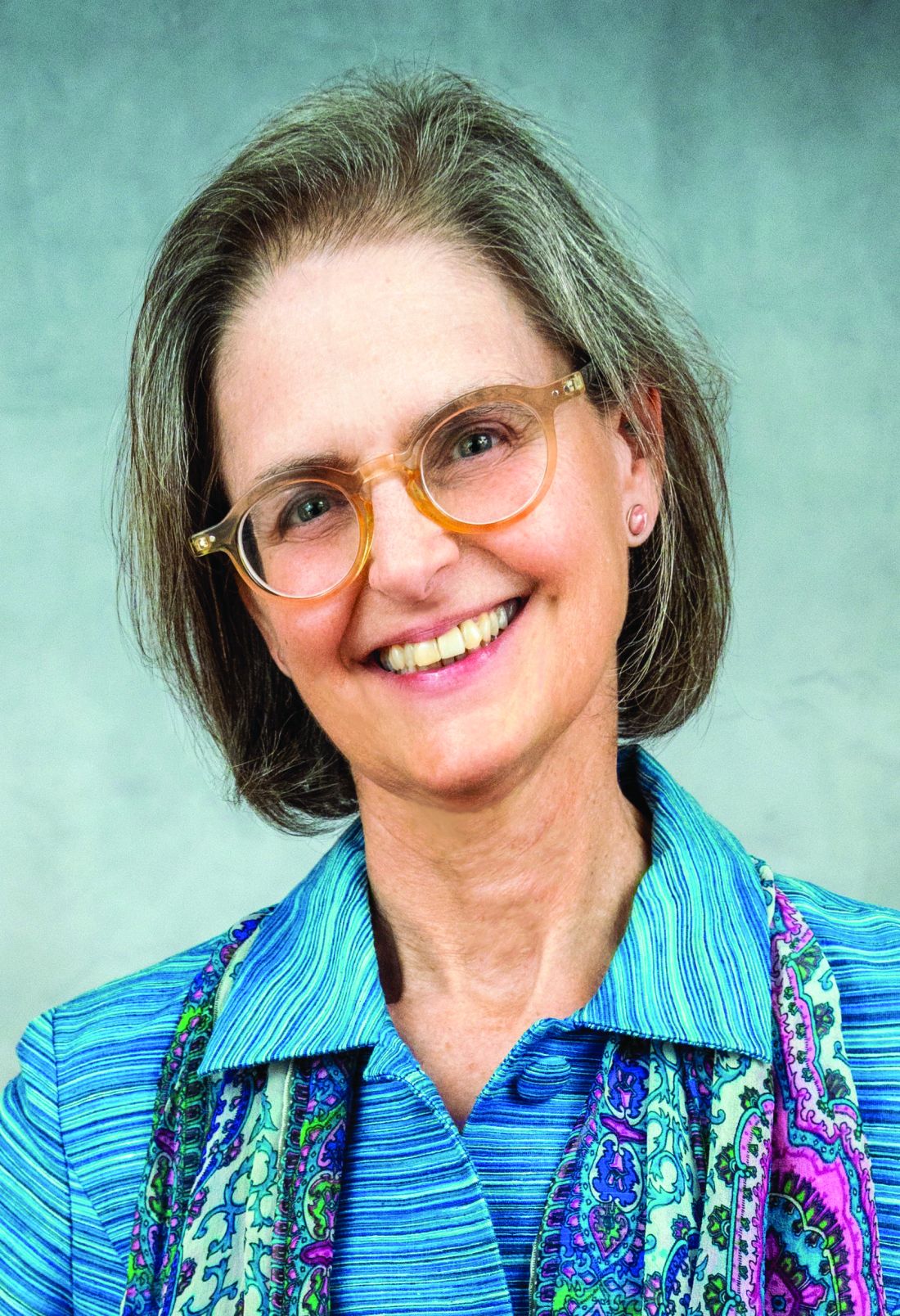
“This is an unprecedented approach to preventing a significant morbidity affecting boys with XLHED, and a potential model for in utero correction of genetic defects involving embryogenesis,” Elaine Siegfried, MD, professor of pediatrics and dermatology at Saint Louis University, said in an interview. Dr. Siegfried, who has served on the scientific advisory board of the National Foundation for Ectodermal Dysplasias since 1997, added that many years of effort “has finally yielded sufficient funding and identified an international network of experts to support this ambitious trial. We are now seeking participation of the most important collaborators: mothers willing to help establish safety and efficacy of this approach.”
Mary Fete, MSN, RN, executive director of the NFED, said that the EDELIFE clinical trial “provides enormous hope for our families affected by XLHED. It’s extraordinary to think that the baby boys affected by XLHED who have received ER004 are sweating normally and have other improved symptoms. The NFED is proud to have begun and fostered the research for 30-plus years that developed ER004.”
Dr. Siegfried is a member of the independent data monitoring committee for the EDELIFE trial.
Clinicians treating affected families or potentially eligible subjects are encouraged to contact the trial investigators at this link.
A multicenter, international phase 2 trial known as EDELIFE is underway to investigate the safety and efficacy of an in utero treatment for developing males with X-linked hypohidrotic ectodermal dysplasia (XLHED).
This condition is caused by mutations in the gene coding for ectodysplasin A (EDA), a protein that signals the epithelial-mesenchymal transition during embryogenesis. EDA loss or dysfunction precludes binding to its endogenous EDA1 receptor (EDAR), and downstream development of teeth, hair, nails, and skin adnexae, most notably eccrine glands.
The treatment, ER004, is a first-in-class signaling protein EDA replacement molecule now under investigation by the EspeRare Foundation, with support from the Pierre Fabre Foundation. The pioneering clinical trial is evaluating the delivery of ER004 protein replacement in utero to affected fetuses, allowing antenatal binding to the EDAR. According to the EDELIFE web site, when ER004 is administered to XLHED-affected males in utero, it “should act as a replacement for the missing EDA and trigger the process that leads to the normal development of a baby’s skin, teeth, hair, and sweat glands, leading to better formation of these structures.”
The protein is delivered into the amniotic fluid via a needle and syringe under ultrasound guidance. In a report on this treatment used in a pair of affected twins and a third XLHED-affected male published in 2018, the authors reported that the three babies were able to sweat normally after birth, “and XLHED-related illness had not developed by 14-22 months of age.”
The goal of the prospective, open-label, genotype match–controlled EDELIFE trial is to confirm the efficacy and safety results for ER004 in a larger group of boys, and to determine if it can lead to robust, and long-lasting improvement in XLHED-associated defects.
In the United States, the first pregnant woman to join the study received the treatment in February 2023 at Washington University in St. Louis. Other clinical sites are located in France, Germany, Italy, Spain, and the United Kingdom. Led by principal investigator Holm Schneider, MD, of the University Erlanger-Nurnberg (Germany), researchers are seeking to enroll mothers aged 18 years and older who are genetically confirmed carriers of the XLHED mutation and pregnant with a boy or considering pregnancy. The control group will include XLHED-affected males, 6 months to 60 years old, who are blood relatives of the pregnant woman participating in the study.
“This is an unprecedented approach to preventing a significant morbidity affecting boys with XLHED, and a potential model for in utero correction of genetic defects involving embryogenesis,” Elaine Siegfried, MD, professor of pediatrics and dermatology at Saint Louis University, said in an interview. Dr. Siegfried, who has served on the scientific advisory board of the National Foundation for Ectodermal Dysplasias since 1997, added that many years of effort “has finally yielded sufficient funding and identified an international network of experts to support this ambitious trial. We are now seeking participation of the most important collaborators: mothers willing to help establish safety and efficacy of this approach.”
Mary Fete, MSN, RN, executive director of the NFED, said that the EDELIFE clinical trial “provides enormous hope for our families affected by XLHED. It’s extraordinary to think that the baby boys affected by XLHED who have received ER004 are sweating normally and have other improved symptoms. The NFED is proud to have begun and fostered the research for 30-plus years that developed ER004.”
Dr. Siegfried is a member of the independent data monitoring committee for the EDELIFE trial.
Clinicians treating affected families or potentially eligible subjects are encouraged to contact the trial investigators at this link.
A multicenter, international phase 2 trial known as EDELIFE is underway to investigate the safety and efficacy of an in utero treatment for developing males with X-linked hypohidrotic ectodermal dysplasia (XLHED).
This condition is caused by mutations in the gene coding for ectodysplasin A (EDA), a protein that signals the epithelial-mesenchymal transition during embryogenesis. EDA loss or dysfunction precludes binding to its endogenous EDA1 receptor (EDAR), and downstream development of teeth, hair, nails, and skin adnexae, most notably eccrine glands.
The treatment, ER004, is a first-in-class signaling protein EDA replacement molecule now under investigation by the EspeRare Foundation, with support from the Pierre Fabre Foundation. The pioneering clinical trial is evaluating the delivery of ER004 protein replacement in utero to affected fetuses, allowing antenatal binding to the EDAR. According to the EDELIFE web site, when ER004 is administered to XLHED-affected males in utero, it “should act as a replacement for the missing EDA and trigger the process that leads to the normal development of a baby’s skin, teeth, hair, and sweat glands, leading to better formation of these structures.”
The protein is delivered into the amniotic fluid via a needle and syringe under ultrasound guidance. In a report on this treatment used in a pair of affected twins and a third XLHED-affected male published in 2018, the authors reported that the three babies were able to sweat normally after birth, “and XLHED-related illness had not developed by 14-22 months of age.”
The goal of the prospective, open-label, genotype match–controlled EDELIFE trial is to confirm the efficacy and safety results for ER004 in a larger group of boys, and to determine if it can lead to robust, and long-lasting improvement in XLHED-associated defects.
In the United States, the first pregnant woman to join the study received the treatment in February 2023 at Washington University in St. Louis. Other clinical sites are located in France, Germany, Italy, Spain, and the United Kingdom. Led by principal investigator Holm Schneider, MD, of the University Erlanger-Nurnberg (Germany), researchers are seeking to enroll mothers aged 18 years and older who are genetically confirmed carriers of the XLHED mutation and pregnant with a boy or considering pregnancy. The control group will include XLHED-affected males, 6 months to 60 years old, who are blood relatives of the pregnant woman participating in the study.
“This is an unprecedented approach to preventing a significant morbidity affecting boys with XLHED, and a potential model for in utero correction of genetic defects involving embryogenesis,” Elaine Siegfried, MD, professor of pediatrics and dermatology at Saint Louis University, said in an interview. Dr. Siegfried, who has served on the scientific advisory board of the National Foundation for Ectodermal Dysplasias since 1997, added that many years of effort “has finally yielded sufficient funding and identified an international network of experts to support this ambitious trial. We are now seeking participation of the most important collaborators: mothers willing to help establish safety and efficacy of this approach.”
Mary Fete, MSN, RN, executive director of the NFED, said that the EDELIFE clinical trial “provides enormous hope for our families affected by XLHED. It’s extraordinary to think that the baby boys affected by XLHED who have received ER004 are sweating normally and have other improved symptoms. The NFED is proud to have begun and fostered the research for 30-plus years that developed ER004.”
Dr. Siegfried is a member of the independent data monitoring committee for the EDELIFE trial.
Clinicians treating affected families or potentially eligible subjects are encouraged to contact the trial investigators at this link.
Transitions and growth
Dear friends,
This fall, I will also be starting my first position out of fellowship. I look forward to many opportunities and challenges to come.

This month in In Focus, Dr. Mai Sedki and Dr. W. Ray Kim unpack the nuances of assessing and risk-stratifying patients with nonalcoholic fatty liver disease by using non-invasive testing in daily practice. Beyond daily practice, it is important to know where our field is advancing to offer patients more options. In Short Clinical Reviews, Dr. Aileen Bui and Dr. James Buxbaum review how the field of endohepatology is expanding into endoscopic ultrasound–guided liver biopsies, portal pressure measurements, and interventions of gastric varices.
In our Early Career feature, Dr. Corlan Eboh, Dr. Victoria Jaeger, and Dr. Dawn Sears describe how gastroenterologists are uniquely positioned for burnout and what can be done to prevent and treat it, particularly among new and transitioning gastroenterologists. In post-COVID era, practices have experienced an increase in portal messages and other non-face-to-face patient care, which may be contributing burnout.
In our Finance section this month, Dr. Luis Nieto and Dr. Jami Kinnucan review the types of patient encounters and billing options to optimize your compensation for time spent.
In Private Practice Perspectives, Dr. David Ramsey discusses why he joined a private practice and how understanding your own goals and values can guide you to a good fit in different practice models. Lastly, Dr. Dan Kroch describes his unique journey in becoming a third-space endoscopist without an advanced fellowship year and why dedicated training is the future of advanced endoscopic resection and third-space endoscopy.
If you are interested in contributing or have ideas for future TNG topics, please contact me ([email protected]), or Jillian Schweitzer ([email protected]), managing editor of TNG.
Until next time, I leave you with a historical fun fact: The first endoscopic retrograde cholangiopancreatography (ERCP) was first performed by an obstetrician, Dr. William McCune in 1968, and achieved by taping an external accessory channel to a duodenoscope.
Yours truly,
Judy A Trieu, MD, MPH
Editor-in-Chief
Advanced Endoscopy Fellow
Division of Gastroenterology & Hepatology
University of North Carolina at Chapel Hill
Dear friends,
This fall, I will also be starting my first position out of fellowship. I look forward to many opportunities and challenges to come.
This month in In Focus, Dr. Mai Sedki and Dr. W. Ray Kim unpack the nuances of assessing and risk-stratifying patients with nonalcoholic fatty liver disease by using non-invasive testing in daily practice. Beyond daily practice, it is important to know where our field is advancing to offer patients more options. In Short Clinical Reviews, Dr. Aileen Bui and Dr. James Buxbaum review how the field of endohepatology is expanding into endoscopic ultrasound–guided liver biopsies, portal pressure measurements, and interventions of gastric varices.
In our Early Career feature, Dr. Corlan Eboh, Dr. Victoria Jaeger, and Dr. Dawn Sears describe how gastroenterologists are uniquely positioned for burnout and what can be done to prevent and treat it, particularly among new and transitioning gastroenterologists. In post-COVID era, practices have experienced an increase in portal messages and other non-face-to-face patient care, which may be contributing burnout.
In our Finance section this month, Dr. Luis Nieto and Dr. Jami Kinnucan review the types of patient encounters and billing options to optimize your compensation for time spent.
In Private Practice Perspectives, Dr. David Ramsey discusses why he joined a private practice and how understanding your own goals and values can guide you to a good fit in different practice models. Lastly, Dr. Dan Kroch describes his unique journey in becoming a third-space endoscopist without an advanced fellowship year and why dedicated training is the future of advanced endoscopic resection and third-space endoscopy.
If you are interested in contributing or have ideas for future TNG topics, please contact me ([email protected]), or Jillian Schweitzer ([email protected]), managing editor of TNG.
Until next time, I leave you with a historical fun fact: The first endoscopic retrograde cholangiopancreatography (ERCP) was first performed by an obstetrician, Dr. William McCune in 1968, and achieved by taping an external accessory channel to a duodenoscope.
Yours truly,
Judy A Trieu, MD, MPH
Editor-in-Chief
Advanced Endoscopy Fellow
Division of Gastroenterology & Hepatology
University of North Carolina at Chapel Hill
Dear friends,
This fall, I will also be starting my first position out of fellowship. I look forward to many opportunities and challenges to come.
This month in In Focus, Dr. Mai Sedki and Dr. W. Ray Kim unpack the nuances of assessing and risk-stratifying patients with nonalcoholic fatty liver disease by using non-invasive testing in daily practice. Beyond daily practice, it is important to know where our field is advancing to offer patients more options. In Short Clinical Reviews, Dr. Aileen Bui and Dr. James Buxbaum review how the field of endohepatology is expanding into endoscopic ultrasound–guided liver biopsies, portal pressure measurements, and interventions of gastric varices.
In our Early Career feature, Dr. Corlan Eboh, Dr. Victoria Jaeger, and Dr. Dawn Sears describe how gastroenterologists are uniquely positioned for burnout and what can be done to prevent and treat it, particularly among new and transitioning gastroenterologists. In post-COVID era, practices have experienced an increase in portal messages and other non-face-to-face patient care, which may be contributing burnout.
In our Finance section this month, Dr. Luis Nieto and Dr. Jami Kinnucan review the types of patient encounters and billing options to optimize your compensation for time spent.
In Private Practice Perspectives, Dr. David Ramsey discusses why he joined a private practice and how understanding your own goals and values can guide you to a good fit in different practice models. Lastly, Dr. Dan Kroch describes his unique journey in becoming a third-space endoscopist without an advanced fellowship year and why dedicated training is the future of advanced endoscopic resection and third-space endoscopy.
If you are interested in contributing or have ideas for future TNG topics, please contact me ([email protected]), or Jillian Schweitzer ([email protected]), managing editor of TNG.
Until next time, I leave you with a historical fun fact: The first endoscopic retrograde cholangiopancreatography (ERCP) was first performed by an obstetrician, Dr. William McCune in 1968, and achieved by taping an external accessory channel to a duodenoscope.
Yours truly,
Judy A Trieu, MD, MPH
Editor-in-Chief
Advanced Endoscopy Fellow
Division of Gastroenterology & Hepatology
University of North Carolina at Chapel Hill
Plant-based milks lack naturally occurring nutrients
, according to research from the University of Minnesota, Minneapolis.
To make up for it, many plant-based milks are fortified with calcium and vitamin D, but most still lack the same level of protein found in cow’s milk, researchers found. The analysis included more than 200 plant-based milk alternatives, including those made from almonds, cashews, coconuts, flax, hazelnuts, hemp, oats, pistachios, rice, soy, and walnuts. The findings, which have not been published, were presented at the American Society for Nutrition’s annual conference in Boston.
“About half were fortified with vitamin D, two-thirds were fortified with calcium, and nearly 20% had protein levels similar to cow’s milk,” said lead study author Abigail Johnson, PhD, RD.
Dr. Johnson is the director of the University of Minnesota Nutrition Coordinating Center, which maintains a database of 19,000 foods for dietary research.
“I’m not seriously concerned about this, as it’s easy to get these nutrients from other sources, and cow’s milk certainly isn’t perfect and infallible,” Dr. Johnson said. “But if a consumer thinks plant-based milks are a one-to-one substitution for dairy, many of them are not.”
Consumers should read product labels and choose those that list calcium and vitamin D as ingredients, as well as consider adding other sources of calcium and vitamin D to their diets, Dr. Johnson said in a statement.
The research team plans to study plant-based milk alternatives further, such as how the products contain fiber, which cow’s milk does not. Nutrition experts explained that plant-based products have attractive features such as less fat, lower cholesterol, and higher fiber, in addition to being produced using more environmentally friendly methods, compared with cow’s milk.
Current U.S. dietary guidelines state that most plant-based milks don’t contribute to meeting recommended amounts of dairy nutrients, because their nutritional content is not similar to dairy milk or to fortified soy beverages. As many as 9 in 10 people in the U.S. don’t meet the current recommendations for dairy intake, the USDA says. An estimated 65% of U.S. children drink milk daily, and just 20% of adults drink dairy milk. Many dairy products contain high levels of added sugar, saturated fat, and sodium, the guidelines warn.
“Most individuals would benefit by increasing intake of dairy in fat-free or low-fat forms, whether from milk (including lactose-free milk), yogurt, and cheese, or from fortified soy beverages or soy yogurt,” the guidelines state. “Strategies to increase dairy intake include drinking fat-free or low-fat milk or a fortified soy beverage with meals or incorporating unsweetened fat-free or low-fat yogurt into breakfast or snacks.”
A version of this article first appeared on WebMD.com.
, according to research from the University of Minnesota, Minneapolis.
To make up for it, many plant-based milks are fortified with calcium and vitamin D, but most still lack the same level of protein found in cow’s milk, researchers found. The analysis included more than 200 plant-based milk alternatives, including those made from almonds, cashews, coconuts, flax, hazelnuts, hemp, oats, pistachios, rice, soy, and walnuts. The findings, which have not been published, were presented at the American Society for Nutrition’s annual conference in Boston.
“About half were fortified with vitamin D, two-thirds were fortified with calcium, and nearly 20% had protein levels similar to cow’s milk,” said lead study author Abigail Johnson, PhD, RD.
Dr. Johnson is the director of the University of Minnesota Nutrition Coordinating Center, which maintains a database of 19,000 foods for dietary research.
“I’m not seriously concerned about this, as it’s easy to get these nutrients from other sources, and cow’s milk certainly isn’t perfect and infallible,” Dr. Johnson said. “But if a consumer thinks plant-based milks are a one-to-one substitution for dairy, many of them are not.”
Consumers should read product labels and choose those that list calcium and vitamin D as ingredients, as well as consider adding other sources of calcium and vitamin D to their diets, Dr. Johnson said in a statement.
The research team plans to study plant-based milk alternatives further, such as how the products contain fiber, which cow’s milk does not. Nutrition experts explained that plant-based products have attractive features such as less fat, lower cholesterol, and higher fiber, in addition to being produced using more environmentally friendly methods, compared with cow’s milk.
Current U.S. dietary guidelines state that most plant-based milks don’t contribute to meeting recommended amounts of dairy nutrients, because their nutritional content is not similar to dairy milk or to fortified soy beverages. As many as 9 in 10 people in the U.S. don’t meet the current recommendations for dairy intake, the USDA says. An estimated 65% of U.S. children drink milk daily, and just 20% of adults drink dairy milk. Many dairy products contain high levels of added sugar, saturated fat, and sodium, the guidelines warn.
“Most individuals would benefit by increasing intake of dairy in fat-free or low-fat forms, whether from milk (including lactose-free milk), yogurt, and cheese, or from fortified soy beverages or soy yogurt,” the guidelines state. “Strategies to increase dairy intake include drinking fat-free or low-fat milk or a fortified soy beverage with meals or incorporating unsweetened fat-free or low-fat yogurt into breakfast or snacks.”
A version of this article first appeared on WebMD.com.
, according to research from the University of Minnesota, Minneapolis.
To make up for it, many plant-based milks are fortified with calcium and vitamin D, but most still lack the same level of protein found in cow’s milk, researchers found. The analysis included more than 200 plant-based milk alternatives, including those made from almonds, cashews, coconuts, flax, hazelnuts, hemp, oats, pistachios, rice, soy, and walnuts. The findings, which have not been published, were presented at the American Society for Nutrition’s annual conference in Boston.
“About half were fortified with vitamin D, two-thirds were fortified with calcium, and nearly 20% had protein levels similar to cow’s milk,” said lead study author Abigail Johnson, PhD, RD.
Dr. Johnson is the director of the University of Minnesota Nutrition Coordinating Center, which maintains a database of 19,000 foods for dietary research.
“I’m not seriously concerned about this, as it’s easy to get these nutrients from other sources, and cow’s milk certainly isn’t perfect and infallible,” Dr. Johnson said. “But if a consumer thinks plant-based milks are a one-to-one substitution for dairy, many of them are not.”
Consumers should read product labels and choose those that list calcium and vitamin D as ingredients, as well as consider adding other sources of calcium and vitamin D to their diets, Dr. Johnson said in a statement.
The research team plans to study plant-based milk alternatives further, such as how the products contain fiber, which cow’s milk does not. Nutrition experts explained that plant-based products have attractive features such as less fat, lower cholesterol, and higher fiber, in addition to being produced using more environmentally friendly methods, compared with cow’s milk.
Current U.S. dietary guidelines state that most plant-based milks don’t contribute to meeting recommended amounts of dairy nutrients, because their nutritional content is not similar to dairy milk or to fortified soy beverages. As many as 9 in 10 people in the U.S. don’t meet the current recommendations for dairy intake, the USDA says. An estimated 65% of U.S. children drink milk daily, and just 20% of adults drink dairy milk. Many dairy products contain high levels of added sugar, saturated fat, and sodium, the guidelines warn.
“Most individuals would benefit by increasing intake of dairy in fat-free or low-fat forms, whether from milk (including lactose-free milk), yogurt, and cheese, or from fortified soy beverages or soy yogurt,” the guidelines state. “Strategies to increase dairy intake include drinking fat-free or low-fat milk or a fortified soy beverage with meals or incorporating unsweetened fat-free or low-fat yogurt into breakfast or snacks.”
A version of this article first appeared on WebMD.com.
From American Society for Nutrition 2023
Women increasingly dying of alcohol-related causes
The most dramatic rise occurred in the last 3 years covered by the study, published in JAMA Network Open.
“From 2018 to 2020, there was an increase of 14.7% per year” in alcohol-related deaths in women, said study researcher Ibraheem M. Karaye, MD, DrPH, assistant professor of population health, and director of the health science program at Hofstra University in Hempstead, N.Y. While alcohol-related deaths in men also rose greatly during that same 3-year period, the increase was less than in women, at 12.5% per year.
Researchers have known for several years that the sex gap related to alcohol use and complications is narrowing. Women are drinking more, engaging in more high-risk drinking, and increasingly developing alcohol use disorder, Dr. Karaye said. “However, we know very little about the trends in alcohol-related deaths.”
Using a Centers for Disease Control and Prevention database that spanned the years 1999 to 2020, Dr. Karaye and his coresearchers analyzed files that identified underlying causes of death. During those years, more than 605,000 alcohol-attributed deaths were identified. Overall, men were still nearly three times more likely to die from alcohol-related issues than were women. However, the rate of alcohol-related deaths in women increased steadily and, in the latest years studied, more greatly than in men.
“We found there were three different segments of trends in women,” Dr. Karaye said. The rates increased slowly, then steadily picked up speed. For instance:
- 1999-2007: “We found that mortality rates from alcohol were increasing by 1% per year” in women, he said.
- 2007-2018: “The rate increased 4.3% per year. That was a big one, but not as phenomenal as the most recent, the most concerning,” he said.
- 2018 to 2020: The rate increased 14.7% per year in women, compared with 12.5% per year for men.
The findings stayed strong, Dr. Karaye said, even when the researchers excluded data from the year 2020, the first pandemic year.
Explaining the increase
“Our study is descriptive; it tells us the ‘what’ but not the ‘why,’” Dr. Karaye said. “However, we can speculate based on what’s known and previous research.” Women are drinking at higher rates than before and tend to develop more alcohol-related complications than men do.
Women have lower concentrations of the enzyme called alcohol dehydrogenase, which helps breaks down and metabolize alcohol. “We know that in women the concentration of fat to water is higher, so that also leads to a possibly higher concentration of alcohol,” Dr. Karaye said.
The study findings point to the need for more research to focus on causes for the rise in women, Dr. Karaye said. Studies on the use of medication for alcohol use disorder need to represent women more equitably, he said.
Other findings on women, alcohol
Other recent research has found that the proportion of suicides that involved alcohol has also increased for women of all age groups, but not men. In research published in 2022, researchers analyzed more than 115,000 deaths by suicide from 2003 to 2018 and found the proportion of those deaths involving alcohol at a level above the legal limit increased annually for women in all age groups, but not for men.
A review by Mayo Clinic researchers found that women are increasingly affected by liver disease linked to alcohol and develop more severe disease at lower levels of drinking than do men. Among other factors, the researchers said that an increase in obesity, which can worsen the liver-damaging effects of alcohol, is a contributor.
Expert perspectives
Overall, recent research is showing that, “not only are women drinking more but potentially are developing more problems later on as a result of the alcohol,” said Mark S. Kaplan, DrPH, professor emeritus of social welfare at the University of California, Los Angeles. He conducted the study finding growing alcohol use involvement in women’s death by suicide.
“I think this new study is strong,” he said. In future research, “we should focus on some of the issues that may have to do with social circumstances.”
In particular, he said, research should examine the increase in alcohol-involved death found in the new study among American Indian or Alaska Native women. While the overall annual increase was 14.7% for the years 2018-2020, the rate among American Indian or Alaska Native women was 22.8% annually.
While the new study and others find the gap between the sexes is narrowing for alcohol-related complications, “unfortunately, alcohol use disorder and alcohol-related deaths are increasing in both men and women,” said Camille A. Kezer, MD, a gastroenterology and hepatology fellow at Mayo Clinic, who led the review on sex differences in alcohol-linked liver disease.
However, she said, “we know that there are risks of alcohol that are unique to women for a variety of reasons, including differences in metabolism and the impact of hormones, as well as the increasing prevalence of obesity and bariatric surgery in women.”
Bariatric surgery has been linked with an increase in alcohol consumption and disorder in some studies.
Dr. Kezer’s advice to women: “Limit alcohol intake to one drink per day or less. If you are concerned about your alcohol intake, you should seek help.”
Health care providers are committed to helping their patients recognize and treat alcohol-related disorders, she said.
A version of this article first appeared on WebMD.com.
The most dramatic rise occurred in the last 3 years covered by the study, published in JAMA Network Open.
“From 2018 to 2020, there was an increase of 14.7% per year” in alcohol-related deaths in women, said study researcher Ibraheem M. Karaye, MD, DrPH, assistant professor of population health, and director of the health science program at Hofstra University in Hempstead, N.Y. While alcohol-related deaths in men also rose greatly during that same 3-year period, the increase was less than in women, at 12.5% per year.
Researchers have known for several years that the sex gap related to alcohol use and complications is narrowing. Women are drinking more, engaging in more high-risk drinking, and increasingly developing alcohol use disorder, Dr. Karaye said. “However, we know very little about the trends in alcohol-related deaths.”
Using a Centers for Disease Control and Prevention database that spanned the years 1999 to 2020, Dr. Karaye and his coresearchers analyzed files that identified underlying causes of death. During those years, more than 605,000 alcohol-attributed deaths were identified. Overall, men were still nearly three times more likely to die from alcohol-related issues than were women. However, the rate of alcohol-related deaths in women increased steadily and, in the latest years studied, more greatly than in men.
“We found there were three different segments of trends in women,” Dr. Karaye said. The rates increased slowly, then steadily picked up speed. For instance:
- 1999-2007: “We found that mortality rates from alcohol were increasing by 1% per year” in women, he said.
- 2007-2018: “The rate increased 4.3% per year. That was a big one, but not as phenomenal as the most recent, the most concerning,” he said.
- 2018 to 2020: The rate increased 14.7% per year in women, compared with 12.5% per year for men.
The findings stayed strong, Dr. Karaye said, even when the researchers excluded data from the year 2020, the first pandemic year.
Explaining the increase
“Our study is descriptive; it tells us the ‘what’ but not the ‘why,’” Dr. Karaye said. “However, we can speculate based on what’s known and previous research.” Women are drinking at higher rates than before and tend to develop more alcohol-related complications than men do.
Women have lower concentrations of the enzyme called alcohol dehydrogenase, which helps breaks down and metabolize alcohol. “We know that in women the concentration of fat to water is higher, so that also leads to a possibly higher concentration of alcohol,” Dr. Karaye said.
The study findings point to the need for more research to focus on causes for the rise in women, Dr. Karaye said. Studies on the use of medication for alcohol use disorder need to represent women more equitably, he said.
Other findings on women, alcohol
Other recent research has found that the proportion of suicides that involved alcohol has also increased for women of all age groups, but not men. In research published in 2022, researchers analyzed more than 115,000 deaths by suicide from 2003 to 2018 and found the proportion of those deaths involving alcohol at a level above the legal limit increased annually for women in all age groups, but not for men.
A review by Mayo Clinic researchers found that women are increasingly affected by liver disease linked to alcohol and develop more severe disease at lower levels of drinking than do men. Among other factors, the researchers said that an increase in obesity, which can worsen the liver-damaging effects of alcohol, is a contributor.
Expert perspectives
Overall, recent research is showing that, “not only are women drinking more but potentially are developing more problems later on as a result of the alcohol,” said Mark S. Kaplan, DrPH, professor emeritus of social welfare at the University of California, Los Angeles. He conducted the study finding growing alcohol use involvement in women’s death by suicide.
“I think this new study is strong,” he said. In future research, “we should focus on some of the issues that may have to do with social circumstances.”
In particular, he said, research should examine the increase in alcohol-involved death found in the new study among American Indian or Alaska Native women. While the overall annual increase was 14.7% for the years 2018-2020, the rate among American Indian or Alaska Native women was 22.8% annually.
While the new study and others find the gap between the sexes is narrowing for alcohol-related complications, “unfortunately, alcohol use disorder and alcohol-related deaths are increasing in both men and women,” said Camille A. Kezer, MD, a gastroenterology and hepatology fellow at Mayo Clinic, who led the review on sex differences in alcohol-linked liver disease.
However, she said, “we know that there are risks of alcohol that are unique to women for a variety of reasons, including differences in metabolism and the impact of hormones, as well as the increasing prevalence of obesity and bariatric surgery in women.”
Bariatric surgery has been linked with an increase in alcohol consumption and disorder in some studies.
Dr. Kezer’s advice to women: “Limit alcohol intake to one drink per day or less. If you are concerned about your alcohol intake, you should seek help.”
Health care providers are committed to helping their patients recognize and treat alcohol-related disorders, she said.
A version of this article first appeared on WebMD.com.
The most dramatic rise occurred in the last 3 years covered by the study, published in JAMA Network Open.
“From 2018 to 2020, there was an increase of 14.7% per year” in alcohol-related deaths in women, said study researcher Ibraheem M. Karaye, MD, DrPH, assistant professor of population health, and director of the health science program at Hofstra University in Hempstead, N.Y. While alcohol-related deaths in men also rose greatly during that same 3-year period, the increase was less than in women, at 12.5% per year.
Researchers have known for several years that the sex gap related to alcohol use and complications is narrowing. Women are drinking more, engaging in more high-risk drinking, and increasingly developing alcohol use disorder, Dr. Karaye said. “However, we know very little about the trends in alcohol-related deaths.”
Using a Centers for Disease Control and Prevention database that spanned the years 1999 to 2020, Dr. Karaye and his coresearchers analyzed files that identified underlying causes of death. During those years, more than 605,000 alcohol-attributed deaths were identified. Overall, men were still nearly three times more likely to die from alcohol-related issues than were women. However, the rate of alcohol-related deaths in women increased steadily and, in the latest years studied, more greatly than in men.
“We found there were three different segments of trends in women,” Dr. Karaye said. The rates increased slowly, then steadily picked up speed. For instance:
- 1999-2007: “We found that mortality rates from alcohol were increasing by 1% per year” in women, he said.
- 2007-2018: “The rate increased 4.3% per year. That was a big one, but not as phenomenal as the most recent, the most concerning,” he said.
- 2018 to 2020: The rate increased 14.7% per year in women, compared with 12.5% per year for men.
The findings stayed strong, Dr. Karaye said, even when the researchers excluded data from the year 2020, the first pandemic year.
Explaining the increase
“Our study is descriptive; it tells us the ‘what’ but not the ‘why,’” Dr. Karaye said. “However, we can speculate based on what’s known and previous research.” Women are drinking at higher rates than before and tend to develop more alcohol-related complications than men do.
Women have lower concentrations of the enzyme called alcohol dehydrogenase, which helps breaks down and metabolize alcohol. “We know that in women the concentration of fat to water is higher, so that also leads to a possibly higher concentration of alcohol,” Dr. Karaye said.
The study findings point to the need for more research to focus on causes for the rise in women, Dr. Karaye said. Studies on the use of medication for alcohol use disorder need to represent women more equitably, he said.
Other findings on women, alcohol
Other recent research has found that the proportion of suicides that involved alcohol has also increased for women of all age groups, but not men. In research published in 2022, researchers analyzed more than 115,000 deaths by suicide from 2003 to 2018 and found the proportion of those deaths involving alcohol at a level above the legal limit increased annually for women in all age groups, but not for men.
A review by Mayo Clinic researchers found that women are increasingly affected by liver disease linked to alcohol and develop more severe disease at lower levels of drinking than do men. Among other factors, the researchers said that an increase in obesity, which can worsen the liver-damaging effects of alcohol, is a contributor.
Expert perspectives
Overall, recent research is showing that, “not only are women drinking more but potentially are developing more problems later on as a result of the alcohol,” said Mark S. Kaplan, DrPH, professor emeritus of social welfare at the University of California, Los Angeles. He conducted the study finding growing alcohol use involvement in women’s death by suicide.
“I think this new study is strong,” he said. In future research, “we should focus on some of the issues that may have to do with social circumstances.”
In particular, he said, research should examine the increase in alcohol-involved death found in the new study among American Indian or Alaska Native women. While the overall annual increase was 14.7% for the years 2018-2020, the rate among American Indian or Alaska Native women was 22.8% annually.
While the new study and others find the gap between the sexes is narrowing for alcohol-related complications, “unfortunately, alcohol use disorder and alcohol-related deaths are increasing in both men and women,” said Camille A. Kezer, MD, a gastroenterology and hepatology fellow at Mayo Clinic, who led the review on sex differences in alcohol-linked liver disease.
However, she said, “we know that there are risks of alcohol that are unique to women for a variety of reasons, including differences in metabolism and the impact of hormones, as well as the increasing prevalence of obesity and bariatric surgery in women.”
Bariatric surgery has been linked with an increase in alcohol consumption and disorder in some studies.
Dr. Kezer’s advice to women: “Limit alcohol intake to one drink per day or less. If you are concerned about your alcohol intake, you should seek help.”
Health care providers are committed to helping their patients recognize and treat alcohol-related disorders, she said.
A version of this article first appeared on WebMD.com.
FROM JAMA NETWORK OPEN
Survival, QoL trump PFS for most patients with cancer
Progression-free survival (PFS) is now the dominant endpoint in cancer clinical trials, but simply prolonging time to progression without extending overall survival or quality of life does not justify additional therapy for many patients, new research indicates.
“The results of our study demonstrate that more than half of patients with advanced cancer would not want a treatment that delays time to progression on imaging without any improvement in survival or quality of life,” Christopher Booth, MD, an oncologist and professor at Queen’s University, Kingston, Ont., said in an interview.
Even with an overall survival benefit of 6 months, one in five patients said they would decline additional treatment, which indicates the limited value of extra months of life with better quality of life.
“This has very important implications for our field – how we design trials, how we write guidelines, and how we make treatment recommendations to our patients,” said Booth.
The findings highlight the importance of “making sure that we incorporate patient perspectives into what we do and the research around it,” agreed Richard Lee, MD, with City of Hope Comprehensive Cancer Center, Duarte, Calif., who wasn’t involved in the study.
“It’s easy for us to pick outcome measures that are important to us as researchers but really have very little value to the patient,” said Dr. Lee, associate editor (palliative care) for Cancer.Net, the American Society of Clinical Oncology patient information website.
The study was published online in the Journal of the National Cancer Institute.
It’s also unclear how much patients value additional time with no progression, especially if it means extra toxicity with no overall survival or quality of life gains.
In the current study, Dr. Booth and colleagues wanted to better understand patients’ attitudes toward a treatment that offers PFS but does not improve overall survival.
The study involved 100 patients who had received at least 3 months of systemic therapy for incurable solid tumors. Nearly two-thirds of the patients were older than 60. They were asked about their preferences and goals for additional therapy. A variety of primary cancer sites were represented, most commonly gastrointestinal, breast, lung, genitourinary, and brain.
Among the patients interviewed, 80 were currently receiving palliative systemic treatment. Only one patient described the intent as curative; 45% described it as intending to prolong life, and 5% described it as intending to improve quality of life. The remainder had a combination of goals.
Overall, patients expressed a variety of preferences about additional treatment.
More than half (52%) said they would decline additional treatment that only offered PFS gains, while 26% said they would accept more treatment in the absence of an overall survival benefit if it meant delaying disease progression by 3-9 months.
About one in six patients (17%) said they would prefer additional treatment, even without any gain in PFS. These patients expressed “wanting to fight or hoping that they would defy the survival statistics” – an attitude that is “not irrational,” the researchers noted, but rather reflects the “more must be better” line of thinking.
Compared with the 26% of patients willing to undergo additional treatment for a PFS benefit but no overall survival benefit, 71% of patients said they would undergo more treatment for a 6-month gain in overall survival.
Weighing the benefits of more treatment
Overall, the findings suggest that while some patients are willing to undergo more toxic treatment regardless of PFS outcomes, most prefer to explicitly weigh the benefits of PFS, overall survival, and quality of life, Dr. Booth and colleagues said.
The findings also make clear the need to design randomized clinical trials that focus on endpoints and the gains that are of greatest value to patients.
“While there are a handful of circumstances in which PFS is a valid surrogate for overall survival, this is the exception and not the rule,” said Dr. Booth, who, along with colleagues, recently launched a global movement called Common Sense Oncology to help make cancer care and clinical trials more patient centered.
Drug companies like the PFS measure because it gives an answer quickly. “They don’t have to wait for the overall survival surrogate,” but in many cases, PFS is not a good primary endpoint, said Dr. Lee.
The exception, he noted, would be for some slow-growing cancers, such as low-grade prostate cancer, in which overall survival takes 10 years to gauge. “But outside of those few cancers, we need to stick to overall survival as the gold standard, and patients are basically telling us the same,” Dr. Lee explained.
What about a treatment that might not extend overall survival but could improve quality of life?
“It is easy to measure a year in life, but what about the life within a year,” Rachel Koven, MSc, author and patient advocate, Queen’s University Cancer Research Institute, said in an interview. “Beyond the potential for an extended number of days, what constitutes a ‘good’ day or a day well lived, and are the treatment decisions impacting that? While this may be different for each person, regardless of the definition used, it will still be of the utmost importance for all.”
Overall, Dr. Lee stressed, it’s important for oncologists to inform patients about what trial results show.
“We have to talk to patients and tell them a drug has shown progression-free improvement but not an overall survival benefit. That absolutely needs to be included in the discussion so that patients can give full, informed consent to what the treatment options are,” he said.
Ms. Koven agreed. “We must continuously strive to improve doctor-patient communication to ensure that patients facing incurable cancer can make evidence-based choices that match their unique goals, preferences, and needs,” she said.
“It is essential that care plans be created with outcomes that matter,” Ms. Koven said. “Treatments with small benefits lead to lost time for patients spent at the cancer center rather than with family and friends.”
The study was supported by the Canadian Institutes of Health Research. Dr. Booth, Ms. Koven, and Dr. Lee reported no relevant disclosures.
A version of this article first appeared on Medscape.com.
Progression-free survival (PFS) is now the dominant endpoint in cancer clinical trials, but simply prolonging time to progression without extending overall survival or quality of life does not justify additional therapy for many patients, new research indicates.
“The results of our study demonstrate that more than half of patients with advanced cancer would not want a treatment that delays time to progression on imaging without any improvement in survival or quality of life,” Christopher Booth, MD, an oncologist and professor at Queen’s University, Kingston, Ont., said in an interview.
Even with an overall survival benefit of 6 months, one in five patients said they would decline additional treatment, which indicates the limited value of extra months of life with better quality of life.
“This has very important implications for our field – how we design trials, how we write guidelines, and how we make treatment recommendations to our patients,” said Booth.
The findings highlight the importance of “making sure that we incorporate patient perspectives into what we do and the research around it,” agreed Richard Lee, MD, with City of Hope Comprehensive Cancer Center, Duarte, Calif., who wasn’t involved in the study.
“It’s easy for us to pick outcome measures that are important to us as researchers but really have very little value to the patient,” said Dr. Lee, associate editor (palliative care) for Cancer.Net, the American Society of Clinical Oncology patient information website.
The study was published online in the Journal of the National Cancer Institute.
It’s also unclear how much patients value additional time with no progression, especially if it means extra toxicity with no overall survival or quality of life gains.
In the current study, Dr. Booth and colleagues wanted to better understand patients’ attitudes toward a treatment that offers PFS but does not improve overall survival.
The study involved 100 patients who had received at least 3 months of systemic therapy for incurable solid tumors. Nearly two-thirds of the patients were older than 60. They were asked about their preferences and goals for additional therapy. A variety of primary cancer sites were represented, most commonly gastrointestinal, breast, lung, genitourinary, and brain.
Among the patients interviewed, 80 were currently receiving palliative systemic treatment. Only one patient described the intent as curative; 45% described it as intending to prolong life, and 5% described it as intending to improve quality of life. The remainder had a combination of goals.
Overall, patients expressed a variety of preferences about additional treatment.
More than half (52%) said they would decline additional treatment that only offered PFS gains, while 26% said they would accept more treatment in the absence of an overall survival benefit if it meant delaying disease progression by 3-9 months.
About one in six patients (17%) said they would prefer additional treatment, even without any gain in PFS. These patients expressed “wanting to fight or hoping that they would defy the survival statistics” – an attitude that is “not irrational,” the researchers noted, but rather reflects the “more must be better” line of thinking.
Compared with the 26% of patients willing to undergo additional treatment for a PFS benefit but no overall survival benefit, 71% of patients said they would undergo more treatment for a 6-month gain in overall survival.
Weighing the benefits of more treatment
Overall, the findings suggest that while some patients are willing to undergo more toxic treatment regardless of PFS outcomes, most prefer to explicitly weigh the benefits of PFS, overall survival, and quality of life, Dr. Booth and colleagues said.
The findings also make clear the need to design randomized clinical trials that focus on endpoints and the gains that are of greatest value to patients.
“While there are a handful of circumstances in which PFS is a valid surrogate for overall survival, this is the exception and not the rule,” said Dr. Booth, who, along with colleagues, recently launched a global movement called Common Sense Oncology to help make cancer care and clinical trials more patient centered.
Drug companies like the PFS measure because it gives an answer quickly. “They don’t have to wait for the overall survival surrogate,” but in many cases, PFS is not a good primary endpoint, said Dr. Lee.
The exception, he noted, would be for some slow-growing cancers, such as low-grade prostate cancer, in which overall survival takes 10 years to gauge. “But outside of those few cancers, we need to stick to overall survival as the gold standard, and patients are basically telling us the same,” Dr. Lee explained.
What about a treatment that might not extend overall survival but could improve quality of life?
“It is easy to measure a year in life, but what about the life within a year,” Rachel Koven, MSc, author and patient advocate, Queen’s University Cancer Research Institute, said in an interview. “Beyond the potential for an extended number of days, what constitutes a ‘good’ day or a day well lived, and are the treatment decisions impacting that? While this may be different for each person, regardless of the definition used, it will still be of the utmost importance for all.”
Overall, Dr. Lee stressed, it’s important for oncologists to inform patients about what trial results show.
“We have to talk to patients and tell them a drug has shown progression-free improvement but not an overall survival benefit. That absolutely needs to be included in the discussion so that patients can give full, informed consent to what the treatment options are,” he said.
Ms. Koven agreed. “We must continuously strive to improve doctor-patient communication to ensure that patients facing incurable cancer can make evidence-based choices that match their unique goals, preferences, and needs,” she said.
“It is essential that care plans be created with outcomes that matter,” Ms. Koven said. “Treatments with small benefits lead to lost time for patients spent at the cancer center rather than with family and friends.”
The study was supported by the Canadian Institutes of Health Research. Dr. Booth, Ms. Koven, and Dr. Lee reported no relevant disclosures.
A version of this article first appeared on Medscape.com.
Progression-free survival (PFS) is now the dominant endpoint in cancer clinical trials, but simply prolonging time to progression without extending overall survival or quality of life does not justify additional therapy for many patients, new research indicates.
“The results of our study demonstrate that more than half of patients with advanced cancer would not want a treatment that delays time to progression on imaging without any improvement in survival or quality of life,” Christopher Booth, MD, an oncologist and professor at Queen’s University, Kingston, Ont., said in an interview.
Even with an overall survival benefit of 6 months, one in five patients said they would decline additional treatment, which indicates the limited value of extra months of life with better quality of life.
“This has very important implications for our field – how we design trials, how we write guidelines, and how we make treatment recommendations to our patients,” said Booth.
The findings highlight the importance of “making sure that we incorporate patient perspectives into what we do and the research around it,” agreed Richard Lee, MD, with City of Hope Comprehensive Cancer Center, Duarte, Calif., who wasn’t involved in the study.
“It’s easy for us to pick outcome measures that are important to us as researchers but really have very little value to the patient,” said Dr. Lee, associate editor (palliative care) for Cancer.Net, the American Society of Clinical Oncology patient information website.
The study was published online in the Journal of the National Cancer Institute.
It’s also unclear how much patients value additional time with no progression, especially if it means extra toxicity with no overall survival or quality of life gains.
In the current study, Dr. Booth and colleagues wanted to better understand patients’ attitudes toward a treatment that offers PFS but does not improve overall survival.
The study involved 100 patients who had received at least 3 months of systemic therapy for incurable solid tumors. Nearly two-thirds of the patients were older than 60. They were asked about their preferences and goals for additional therapy. A variety of primary cancer sites were represented, most commonly gastrointestinal, breast, lung, genitourinary, and brain.
Among the patients interviewed, 80 were currently receiving palliative systemic treatment. Only one patient described the intent as curative; 45% described it as intending to prolong life, and 5% described it as intending to improve quality of life. The remainder had a combination of goals.
Overall, patients expressed a variety of preferences about additional treatment.
More than half (52%) said they would decline additional treatment that only offered PFS gains, while 26% said they would accept more treatment in the absence of an overall survival benefit if it meant delaying disease progression by 3-9 months.
About one in six patients (17%) said they would prefer additional treatment, even without any gain in PFS. These patients expressed “wanting to fight or hoping that they would defy the survival statistics” – an attitude that is “not irrational,” the researchers noted, but rather reflects the “more must be better” line of thinking.
Compared with the 26% of patients willing to undergo additional treatment for a PFS benefit but no overall survival benefit, 71% of patients said they would undergo more treatment for a 6-month gain in overall survival.
Weighing the benefits of more treatment
Overall, the findings suggest that while some patients are willing to undergo more toxic treatment regardless of PFS outcomes, most prefer to explicitly weigh the benefits of PFS, overall survival, and quality of life, Dr. Booth and colleagues said.
The findings also make clear the need to design randomized clinical trials that focus on endpoints and the gains that are of greatest value to patients.
“While there are a handful of circumstances in which PFS is a valid surrogate for overall survival, this is the exception and not the rule,” said Dr. Booth, who, along with colleagues, recently launched a global movement called Common Sense Oncology to help make cancer care and clinical trials more patient centered.
Drug companies like the PFS measure because it gives an answer quickly. “They don’t have to wait for the overall survival surrogate,” but in many cases, PFS is not a good primary endpoint, said Dr. Lee.
The exception, he noted, would be for some slow-growing cancers, such as low-grade prostate cancer, in which overall survival takes 10 years to gauge. “But outside of those few cancers, we need to stick to overall survival as the gold standard, and patients are basically telling us the same,” Dr. Lee explained.
What about a treatment that might not extend overall survival but could improve quality of life?
“It is easy to measure a year in life, but what about the life within a year,” Rachel Koven, MSc, author and patient advocate, Queen’s University Cancer Research Institute, said in an interview. “Beyond the potential for an extended number of days, what constitutes a ‘good’ day or a day well lived, and are the treatment decisions impacting that? While this may be different for each person, regardless of the definition used, it will still be of the utmost importance for all.”
Overall, Dr. Lee stressed, it’s important for oncologists to inform patients about what trial results show.
“We have to talk to patients and tell them a drug has shown progression-free improvement but not an overall survival benefit. That absolutely needs to be included in the discussion so that patients can give full, informed consent to what the treatment options are,” he said.
Ms. Koven agreed. “We must continuously strive to improve doctor-patient communication to ensure that patients facing incurable cancer can make evidence-based choices that match their unique goals, preferences, and needs,” she said.
“It is essential that care plans be created with outcomes that matter,” Ms. Koven said. “Treatments with small benefits lead to lost time for patients spent at the cancer center rather than with family and friends.”
The study was supported by the Canadian Institutes of Health Research. Dr. Booth, Ms. Koven, and Dr. Lee reported no relevant disclosures.
A version of this article first appeared on Medscape.com.
FROM THE JOURNAL OF THE NATIONAL CANCER INSTITUTE