User login
Signal strength may limit potency of CAR T-cell therapy
Contrary to what might be expected, chimeric antigen receptor (CAR) T cells with stronger signaling capabilities were less effective against lymphoma cells in a mouse model, investigators reported.
Intracellular signaling strength was a key determinant of T cell fate in the study, which was published in the journal Science Signaling.
By contrast, CAR signaling pathways could not be predicted solely by the costimulatory domains used to construct the receptor, investigators said.
Based on those findings, tailoring CAR design based on signal strength might improve the efficacy and reduce the toxicity of CAR T-cell therapy, according to Alexander Salter, an MD/PhD student at Fred Hutchinson Cancer Research Center, Seattle, Wash.
In a press conference, Mr. Salter described results of the study, which used mass spectrometry to evaluate CARs encoding CD28 or 4-1BB costimulatory domains in primary human T cells.
While CARs with CD28 domains elicited more robust intracellular signaling than those with 4-1BB domains, there was considerable overlap in activation of T cell signaling pathways, Mr. Salter said.
That overlap was somewhat surprising, according to Mr. Salter, since researchers have generally assumed that CARs with CD28 and 4-1BB costimulatory domains will primarily signal through those respective pathways.
“No matter what costimulatory domain was encoded by the receptor, both CARs… activated both CD28 and 41BB signaling pathways,” Mr. Salter said.
The major determinant of efficacy in the study turned out to be not the domain used to construct the receptor, but the speed and strength of signaling, he added. In particular, the CARs that evoked stronger signals also had increased T cell dysfunction, decreasing their potency in the mouse lymphoma model.
The T cells with a CD28 CAR had very strong initial antitumor function that quickly waned in the mouse model of lymphoma; by contrast, the “slower burning” 4-1BB CAR signal led to T cells that better retained their function in vivo and were associated with longer median survival in the model, he said.
Those findings suggest tailoring CAR design based on signal strength may improve clinical efficacy and reduce toxicity.
As part of the study, Mr. Salter and his co-investigators were able to modify the CAR CD28 domain to make the signaling of the CD28 CARs less intense. “This is a modification that we think should be considered in future CAR design,” Mr. Salter said.
While the alterations in the CD28 signaling domain were able to reduce levels of cytokines produced by T cells, the study was primarily designed to look at the efficacy, noted Stanley Riddell, MD, scientific director of the Immunotherapy Integrated Research Center at Fred Hutchinson Cancer Research Center.
“Our models were not set up to address the question of toxicity, so we can’t directly say this would translate to what we would see in patients,” Dr. Riddell said during the press conference. “But I think we gleaned a lot of insights as to why cytokines are produced at greater or lesser levels with various CAR designs, and insights as to how to redesign these receptors to lower the levels of cytokines they make without compromising their ability to kill.”
Dr. Riddell is a founder, shareholder, and scientific advisor of Juno Therapeutics, and together with Mr. Salter, he has filed a patent application on the use of mutant CD28 CARs for cellular therapy. Co-author Raphael Gottardo, PhD, also with Fred Hutchinson Cancer Research Center, is a consultant for Juno Therapeutics. No other competing interests were reported.
SOURCE: Salter AI et al., Sci Signal. 2018 Aug 21;11. pii:eaat6753.
Contrary to what might be expected, chimeric antigen receptor (CAR) T cells with stronger signaling capabilities were less effective against lymphoma cells in a mouse model, investigators reported.
Intracellular signaling strength was a key determinant of T cell fate in the study, which was published in the journal Science Signaling.
By contrast, CAR signaling pathways could not be predicted solely by the costimulatory domains used to construct the receptor, investigators said.
Based on those findings, tailoring CAR design based on signal strength might improve the efficacy and reduce the toxicity of CAR T-cell therapy, according to Alexander Salter, an MD/PhD student at Fred Hutchinson Cancer Research Center, Seattle, Wash.
In a press conference, Mr. Salter described results of the study, which used mass spectrometry to evaluate CARs encoding CD28 or 4-1BB costimulatory domains in primary human T cells.
While CARs with CD28 domains elicited more robust intracellular signaling than those with 4-1BB domains, there was considerable overlap in activation of T cell signaling pathways, Mr. Salter said.
That overlap was somewhat surprising, according to Mr. Salter, since researchers have generally assumed that CARs with CD28 and 4-1BB costimulatory domains will primarily signal through those respective pathways.
“No matter what costimulatory domain was encoded by the receptor, both CARs… activated both CD28 and 41BB signaling pathways,” Mr. Salter said.
The major determinant of efficacy in the study turned out to be not the domain used to construct the receptor, but the speed and strength of signaling, he added. In particular, the CARs that evoked stronger signals also had increased T cell dysfunction, decreasing their potency in the mouse lymphoma model.
The T cells with a CD28 CAR had very strong initial antitumor function that quickly waned in the mouse model of lymphoma; by contrast, the “slower burning” 4-1BB CAR signal led to T cells that better retained their function in vivo and were associated with longer median survival in the model, he said.
Those findings suggest tailoring CAR design based on signal strength may improve clinical efficacy and reduce toxicity.
As part of the study, Mr. Salter and his co-investigators were able to modify the CAR CD28 domain to make the signaling of the CD28 CARs less intense. “This is a modification that we think should be considered in future CAR design,” Mr. Salter said.
While the alterations in the CD28 signaling domain were able to reduce levels of cytokines produced by T cells, the study was primarily designed to look at the efficacy, noted Stanley Riddell, MD, scientific director of the Immunotherapy Integrated Research Center at Fred Hutchinson Cancer Research Center.
“Our models were not set up to address the question of toxicity, so we can’t directly say this would translate to what we would see in patients,” Dr. Riddell said during the press conference. “But I think we gleaned a lot of insights as to why cytokines are produced at greater or lesser levels with various CAR designs, and insights as to how to redesign these receptors to lower the levels of cytokines they make without compromising their ability to kill.”
Dr. Riddell is a founder, shareholder, and scientific advisor of Juno Therapeutics, and together with Mr. Salter, he has filed a patent application on the use of mutant CD28 CARs for cellular therapy. Co-author Raphael Gottardo, PhD, also with Fred Hutchinson Cancer Research Center, is a consultant for Juno Therapeutics. No other competing interests were reported.
SOURCE: Salter AI et al., Sci Signal. 2018 Aug 21;11. pii:eaat6753.
Contrary to what might be expected, chimeric antigen receptor (CAR) T cells with stronger signaling capabilities were less effective against lymphoma cells in a mouse model, investigators reported.
Intracellular signaling strength was a key determinant of T cell fate in the study, which was published in the journal Science Signaling.
By contrast, CAR signaling pathways could not be predicted solely by the costimulatory domains used to construct the receptor, investigators said.
Based on those findings, tailoring CAR design based on signal strength might improve the efficacy and reduce the toxicity of CAR T-cell therapy, according to Alexander Salter, an MD/PhD student at Fred Hutchinson Cancer Research Center, Seattle, Wash.
In a press conference, Mr. Salter described results of the study, which used mass spectrometry to evaluate CARs encoding CD28 or 4-1BB costimulatory domains in primary human T cells.
While CARs with CD28 domains elicited more robust intracellular signaling than those with 4-1BB domains, there was considerable overlap in activation of T cell signaling pathways, Mr. Salter said.
That overlap was somewhat surprising, according to Mr. Salter, since researchers have generally assumed that CARs with CD28 and 4-1BB costimulatory domains will primarily signal through those respective pathways.
“No matter what costimulatory domain was encoded by the receptor, both CARs… activated both CD28 and 41BB signaling pathways,” Mr. Salter said.
The major determinant of efficacy in the study turned out to be not the domain used to construct the receptor, but the speed and strength of signaling, he added. In particular, the CARs that evoked stronger signals also had increased T cell dysfunction, decreasing their potency in the mouse lymphoma model.
The T cells with a CD28 CAR had very strong initial antitumor function that quickly waned in the mouse model of lymphoma; by contrast, the “slower burning” 4-1BB CAR signal led to T cells that better retained their function in vivo and were associated with longer median survival in the model, he said.
Those findings suggest tailoring CAR design based on signal strength may improve clinical efficacy and reduce toxicity.
As part of the study, Mr. Salter and his co-investigators were able to modify the CAR CD28 domain to make the signaling of the CD28 CARs less intense. “This is a modification that we think should be considered in future CAR design,” Mr. Salter said.
While the alterations in the CD28 signaling domain were able to reduce levels of cytokines produced by T cells, the study was primarily designed to look at the efficacy, noted Stanley Riddell, MD, scientific director of the Immunotherapy Integrated Research Center at Fred Hutchinson Cancer Research Center.
“Our models were not set up to address the question of toxicity, so we can’t directly say this would translate to what we would see in patients,” Dr. Riddell said during the press conference. “But I think we gleaned a lot of insights as to why cytokines are produced at greater or lesser levels with various CAR designs, and insights as to how to redesign these receptors to lower the levels of cytokines they make without compromising their ability to kill.”
Dr. Riddell is a founder, shareholder, and scientific advisor of Juno Therapeutics, and together with Mr. Salter, he has filed a patent application on the use of mutant CD28 CARs for cellular therapy. Co-author Raphael Gottardo, PhD, also with Fred Hutchinson Cancer Research Center, is a consultant for Juno Therapeutics. No other competing interests were reported.
SOURCE: Salter AI et al., Sci Signal. 2018 Aug 21;11. pii:eaat6753.
FROM SCIENCE SIGNALING
Key clinical point:
Major finding: T cells with a CD28 CAR had very strong initial antitumor function that quickly waned in a mouse model of lymphoma, while the 4-1BB CAR signal led to T cells that better retained their function in vivo and had a longer median survival in the model.
Study details: Analysis of CARs encoding CD28 or 4-1BB costimulatory domains in primary human T cells using mass spectrometry, plus analysis of efficacy in a mouse model of lymphoma.
Disclosures: Study authors reported disclosures related to Juno therapeutics and a patent application related to use of mutant CD28 CARs for cellular therapy.
Source: Salter AI et al., Sci Signal. 2018 Aug 21;11. pii:eaat6753.

The second victim: More ob.gyn. organizations recognize need for support
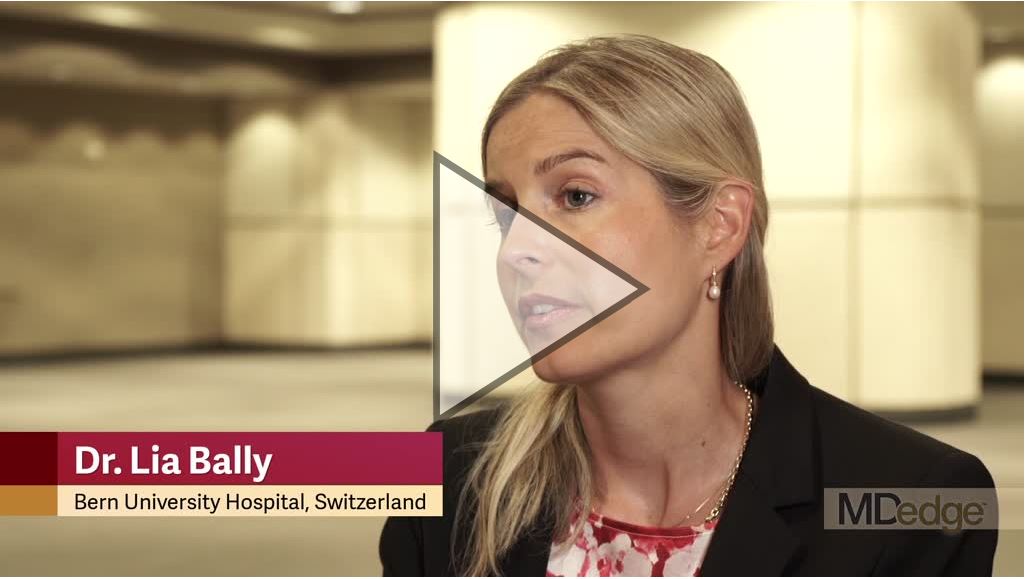
When Patrice Weiss, MD, was a resident, a healthy, low-risk patient underwent what should have been an uncomplicated vaginal hysterectomy. But the patient developed a series of postoperative complications leading to multisystem organ failure and a lengthy stay in intensive care.
“None of us could really figure out how this happened. I still can’t figure out how this person who was relatively young developed all these complications,” said Dr. Weiss, now chief medical officer of Carilion Clinic and professor of obstetrics and gynecology at Virginia Tech Carilion School of Medicine and Research Institute, both in Roanoke, Va. “There are times when you don’t know why something happened or what you could have done differently – and the answer may be nothing – but that dramatic, potentially very complicated outcome can really weigh on people. You still harbor those feelings of a second victim.”
It’s the health care professional who is that “second victim,” a term coined in 2000 by Albert W. Wu, MD, professor of public health at Johns Hopkins University, Baltimore, to describe an increasingly recognized phenomenon following unexpected adverse patient events, medical errors, or patient injuries (BMJ. 2000 Mar 18;320[7237]:726-7). The patients and their loved ones are the first victims, but a health care professional’s feelings of guilt, shame, inadequacy, and other powerful, complicated emotions can have long-lasting effects on his or her psyche, clinical practice, and career, particularly if he or she does not receive validation, support, and access to resources to work through the experience.
“Second victims ... become victimized in the sense that the provider is traumatized by the event,” Susan D. Scott, PhD, of the University of Missouri Health System, Columbia, and her colleagues wrote in a 2009 paper about the phenomenon (Qual Saf Health Care. 2009;18[5]:325-30). “Frequently, these individuals feel personally responsible for the patient outcome. Many feel as though they have failed the patient, second-guessing their clinical skills and knowledge base,” they said.
It’s that latter part that can fester and potentially poison a health care professional’s ability to function, according to Charlie Jaynes, MD, senior director of medical operations for Ob Hospitalist Group in Greenville, S.C.
“ and therefore can have a direct effect on patient care and lead to poor outcomes,” Dr. Jaynes said. “It’s a very dangerous phenomenon because it can degrade the quality of medical care provided.”
Most physicians are trained to internalize and compartmentalize these experiences, to “suck it up and get on with it,” he said, but it’s now become clear that such a strategy can have disastrous professional and personal consequences.
“In the worst case scenario, people burn out, drop out or commit suicide, their marriage ends up in shambles, or they turn to drugs and alcohol,” Dr. Jaynes said. “What Dr. Wu did was open the box to allow some empathy and compassion to be introduced to the situation.”
Dangers of unaddressed second victim impact
Estimates vary widely on the prevalence of second victim phenomenon among physicians and nurses who have been involved in a medical error or unexpected serious outcome. Across the medical field, estimates range from 10% in a study among otolaryngologists (Laryngoscope. 2006 Jul;116[7]:1114-20) to up to 30% and 50% more broadly, although some fields may be more susceptible than others (Jt Comm J Qual Patient Saf. 2010;36[5]:233-40; BMJ Qual Saf. 2012;21[4]:267-70).
“In the world of obstetrics, we spend 99.9% of our time in a happy field of medicine filled with joy and new life,” Dr. Weiss said. “Whether consciously or unconsciously, those become the expectations of the patients and the providers, so when there is an outcome that is less than optimal, that’s when you’re even more affected because of what your expectations are going into it.”
Dr. Scott and her colleagues noted that the stages of being a second victim are similar to the Kübler-Ross stages:
- Stage 1: Chaos and event repair.
- Stage 2: Intrusive thoughts, “what if.”
- Stage 3: Restoring personal identity.
- Stage 4: Enduring the inquisition.
- Stage 5: Obtaining emotional first aid.
- Stage 6: Moving on or dropping out; surviving and/or thriving.”
“This can go on for years. Someone can spend years just surviving and not thriving,” Dr. Weiss said. “It can really happen along a continuum.”
Although studies have not looked specifically at second victims and patient care, research has shown that second victims have a higher risk of burnout, and that physicians with high burnout tend to order more tests, spend less time with patients, and have greater risk of making medical errors, Dr. Weiss said.
A study looking at the emotional impact of medical errors on physicians found that 61% had greater anxiety about making future medical errors, 44% had a loss of confidence, 42% had trouble sleeping, and 42% were less satisfied in their job (Jt Comm J Qual Patient Saf. 2007;33[8]:467-76).
“You have the risk of the provider leaving medicine altogether or significantly changing their practice patterns, or giving up obstetric care because of the emotional toll it takes on providers,” she said. “We already know that one of the crises facing medicine right now is burnout, so you have the risk of additional or worsening burnout.”
Recognizing the need for formal support programs
Research does clearly show a need for programs formally addressing these experiences. A 2007 survey found that only 10% of 3,171 of internal medicine doctors, pediatricians, family physicians, and surgeons felt their health care organizations provided adequate support in managing stress following a medical error, yet about 8 in 10 wanted support (Jt Comm J Qual Patient Saf. 2007;33[8]:467-76).
Organizations are responding. One of the first second-victim programs is the “forYOU” program implemented at the University of Missouri Health Care’s Office of Clinical Effectiveness in 2007. The free, 24-7 program provides a “safe zone” for expressing emotions and reactions confidentially.
Ob Hospitalist Group just launched the CARE (Clinician Assistance, Recovery & Encouragement) Program, the first national peer-support program for second victims. The first 25 volunteers who underwent training in September will serve the organization’s more than 700 health care professionals across 32 states.
Instead of psychological counseling or intervention, the program emphasizes active listening, nonjudgment, and compassion during confidential calls; peers don’t take notes or record the conversations.
“We will be quiet and listen and speak at the appropriate times to be compassionate and not make judgments,” Dr. Jaynes said. “I think its critical to realize that in order to do that you have to be one of us. If you haven’t been there yourself when a baby dies in utero or you have a mother almost die by hemorrhage or a complication of surgery ... it creates emotional turmoil. Everybody who’s worth their salt questions, ‘What did I do wrong?’ and we’re really harsh on ourselves. If I can say I realize it’s a horrible place to be because I’ve been there myself, I can be a useful peer.”
At Dr. Weiss’s institution, Carilion Clinic spent 5 years developing and implementing the TRUST second-victim program, emphasizing Treatment, Respect, Understanding/compassion, Supportive care, and Transparency. Dr. Weiss said the first step in developing such a program is talking about the problem.
“You need hospital leadership addressing the phenomenon of the second victim, recognizing it is real, that it’s not a sign of weakness for providers to have any of these signs,” she said. “It has to be done at an organizational level. There has to be a place where providers can talk freely about the emotional impact of the outcome, not just the clinical outcomes.”
Johns Hopkins Hospital in Baltimore published findings in September 2017 about its program RISE (Resilience In Stressful Events) (Jt Comm J Qual Patient Saf. 2017 Sep;43[9]:471-83 that was featured by the Joint Commission as a program that employs some of the tools the commission describes in its toolkit for health care organizations to develop second-victim support programs (Jt Comm J Qual Patient Saf. 2012 May;38[5]:235-40, 193).
It’s important that health care professionals are not expected or required to seek counseling or similar interventions, Dr. Weiss said, but they know of available resources.
“People need to be able to talk about it when they’re ready. It doesn’t necessarily matter how your peers judge your actions because these are feelings that come from within,” Dr. Weiss said, although colleagues can validate a second victim’s experience or feelings by sharing their own.
“It’s helpful when someone in a leadership role can acknowledge that this is real and say to a provider, ‘I’ve been there, and this is what helped me,’ or ‘I’ve been there, and there was no resource and I went without help for years,’ ” she said.
In fact, it’s her own past experiences that have made Dr. Weiss so passionate about raising awareness about second victims.
“I’ve been involved in cases of unanticipated outcomes and personally witnessed medical errors, and I’ve seen how very close colleagues can be affected,” she said. “This is a topic that really, really hits home for me.”
Signs and symptoms: How to recognize a possible second victim
Anyone can become a second victim, regardless of their training, experience, or years of practice, Dr. Weiss said. A health care professional may practice for years and witness many unanticipated poor outcomes before one suddenly drums up feelings they don’t expect.
“It’s almost inevitable that providers are going to have unanticipated outcomes or unexpected outcomes,” Dr. Weiss said. “The challenge with the second victim is no one can ever predict how someone is going to respond to an outcome, including ourselves. This may be the first time they have a response to something they never saw coming.”
Two aspects correlated with a higher risk of second victim are the severity of the morbidity or mortality of the patient and the degree of personal responsibility the health care professional feels. The signs and symptoms of being a second victim can be indistinguishable from those of depression, anxiety, or posttraumatic stress syndrome, but the biggest indicator is a change in a person’s normal behavior, Dr. Weiss said.
“The person who is never late to work is late to work. The person who is always mild-mannered is on edge,” she said. “A lot of it is subtle personality or behavior changes, or you begin to notice practice pattern differences, such as ordering a bunch of labs.”
Perhaps the providers are snapping at people when they’ve never snapped before, or they express more cynicism or sarcasm, she added. “A change in their sleeping or eating patterns or in their personal hygiene are all things that one could look for.”
According to Dr. Jaynes, emotional signs may include irritability, fear, anger, grief, remorse, frustration, desperation, numbness, guilt, loneliness, shock and feeling disconnected, feeling hopeless or out of control. Physical symptoms include headaches, muscle tension, chest pain, extreme fatigue, sleeping problems, appetite changes or gastrointestinal symptoms, dizziness, frequent illnesses, being easily startled, or increased heart rate, blood pressure, or breathing rate. Other possible signs include flashbacks, nightmares, social avoidance, difficulties concentrating, poor memory, avoiding patient care areas, fearing repercussions to their reputations, and decreased job satisfaction. Second victims also may experience a loss in confidence or spiritual connection, or loss of interest in work, usual activities, and connections with others.
Dr. Weiss and Dr. Jaynes said they had no relevant financial disclosures.
When Patrice Weiss, MD, was a resident, a healthy, low-risk patient underwent what should have been an uncomplicated vaginal hysterectomy. But the patient developed a series of postoperative complications leading to multisystem organ failure and a lengthy stay in intensive care.
“None of us could really figure out how this happened. I still can’t figure out how this person who was relatively young developed all these complications,” said Dr. Weiss, now chief medical officer of Carilion Clinic and professor of obstetrics and gynecology at Virginia Tech Carilion School of Medicine and Research Institute, both in Roanoke, Va. “There are times when you don’t know why something happened or what you could have done differently – and the answer may be nothing – but that dramatic, potentially very complicated outcome can really weigh on people. You still harbor those feelings of a second victim.”
It’s the health care professional who is that “second victim,” a term coined in 2000 by Albert W. Wu, MD, professor of public health at Johns Hopkins University, Baltimore, to describe an increasingly recognized phenomenon following unexpected adverse patient events, medical errors, or patient injuries (BMJ. 2000 Mar 18;320[7237]:726-7). The patients and their loved ones are the first victims, but a health care professional’s feelings of guilt, shame, inadequacy, and other powerful, complicated emotions can have long-lasting effects on his or her psyche, clinical practice, and career, particularly if he or she does not receive validation, support, and access to resources to work through the experience.
“Second victims ... become victimized in the sense that the provider is traumatized by the event,” Susan D. Scott, PhD, of the University of Missouri Health System, Columbia, and her colleagues wrote in a 2009 paper about the phenomenon (Qual Saf Health Care. 2009;18[5]:325-30). “Frequently, these individuals feel personally responsible for the patient outcome. Many feel as though they have failed the patient, second-guessing their clinical skills and knowledge base,” they said.
It’s that latter part that can fester and potentially poison a health care professional’s ability to function, according to Charlie Jaynes, MD, senior director of medical operations for Ob Hospitalist Group in Greenville, S.C.
“ and therefore can have a direct effect on patient care and lead to poor outcomes,” Dr. Jaynes said. “It’s a very dangerous phenomenon because it can degrade the quality of medical care provided.”
Most physicians are trained to internalize and compartmentalize these experiences, to “suck it up and get on with it,” he said, but it’s now become clear that such a strategy can have disastrous professional and personal consequences.
“In the worst case scenario, people burn out, drop out or commit suicide, their marriage ends up in shambles, or they turn to drugs and alcohol,” Dr. Jaynes said. “What Dr. Wu did was open the box to allow some empathy and compassion to be introduced to the situation.”
Dangers of unaddressed second victim impact
Estimates vary widely on the prevalence of second victim phenomenon among physicians and nurses who have been involved in a medical error or unexpected serious outcome. Across the medical field, estimates range from 10% in a study among otolaryngologists (Laryngoscope. 2006 Jul;116[7]:1114-20) to up to 30% and 50% more broadly, although some fields may be more susceptible than others (Jt Comm J Qual Patient Saf. 2010;36[5]:233-40; BMJ Qual Saf. 2012;21[4]:267-70).
“In the world of obstetrics, we spend 99.9% of our time in a happy field of medicine filled with joy and new life,” Dr. Weiss said. “Whether consciously or unconsciously, those become the expectations of the patients and the providers, so when there is an outcome that is less than optimal, that’s when you’re even more affected because of what your expectations are going into it.”
Dr. Scott and her colleagues noted that the stages of being a second victim are similar to the Kübler-Ross stages:
- Stage 1: Chaos and event repair.
- Stage 2: Intrusive thoughts, “what if.”
- Stage 3: Restoring personal identity.
- Stage 4: Enduring the inquisition.
- Stage 5: Obtaining emotional first aid.
- Stage 6: Moving on or dropping out; surviving and/or thriving.”
“This can go on for years. Someone can spend years just surviving and not thriving,” Dr. Weiss said. “It can really happen along a continuum.”
Although studies have not looked specifically at second victims and patient care, research has shown that second victims have a higher risk of burnout, and that physicians with high burnout tend to order more tests, spend less time with patients, and have greater risk of making medical errors, Dr. Weiss said.
A study looking at the emotional impact of medical errors on physicians found that 61% had greater anxiety about making future medical errors, 44% had a loss of confidence, 42% had trouble sleeping, and 42% were less satisfied in their job (Jt Comm J Qual Patient Saf. 2007;33[8]:467-76).
“You have the risk of the provider leaving medicine altogether or significantly changing their practice patterns, or giving up obstetric care because of the emotional toll it takes on providers,” she said. “We already know that one of the crises facing medicine right now is burnout, so you have the risk of additional or worsening burnout.”
Recognizing the need for formal support programs
Research does clearly show a need for programs formally addressing these experiences. A 2007 survey found that only 10% of 3,171 of internal medicine doctors, pediatricians, family physicians, and surgeons felt their health care organizations provided adequate support in managing stress following a medical error, yet about 8 in 10 wanted support (Jt Comm J Qual Patient Saf. 2007;33[8]:467-76).
Organizations are responding. One of the first second-victim programs is the “forYOU” program implemented at the University of Missouri Health Care’s Office of Clinical Effectiveness in 2007. The free, 24-7 program provides a “safe zone” for expressing emotions and reactions confidentially.
Ob Hospitalist Group just launched the CARE (Clinician Assistance, Recovery & Encouragement) Program, the first national peer-support program for second victims. The first 25 volunteers who underwent training in September will serve the organization’s more than 700 health care professionals across 32 states.
Instead of psychological counseling or intervention, the program emphasizes active listening, nonjudgment, and compassion during confidential calls; peers don’t take notes or record the conversations.
“We will be quiet and listen and speak at the appropriate times to be compassionate and not make judgments,” Dr. Jaynes said. “I think its critical to realize that in order to do that you have to be one of us. If you haven’t been there yourself when a baby dies in utero or you have a mother almost die by hemorrhage or a complication of surgery ... it creates emotional turmoil. Everybody who’s worth their salt questions, ‘What did I do wrong?’ and we’re really harsh on ourselves. If I can say I realize it’s a horrible place to be because I’ve been there myself, I can be a useful peer.”
At Dr. Weiss’s institution, Carilion Clinic spent 5 years developing and implementing the TRUST second-victim program, emphasizing Treatment, Respect, Understanding/compassion, Supportive care, and Transparency. Dr. Weiss said the first step in developing such a program is talking about the problem.
“You need hospital leadership addressing the phenomenon of the second victim, recognizing it is real, that it’s not a sign of weakness for providers to have any of these signs,” she said. “It has to be done at an organizational level. There has to be a place where providers can talk freely about the emotional impact of the outcome, not just the clinical outcomes.”
Johns Hopkins Hospital in Baltimore published findings in September 2017 about its program RISE (Resilience In Stressful Events) (Jt Comm J Qual Patient Saf. 2017 Sep;43[9]:471-83 that was featured by the Joint Commission as a program that employs some of the tools the commission describes in its toolkit for health care organizations to develop second-victim support programs (Jt Comm J Qual Patient Saf. 2012 May;38[5]:235-40, 193).
It’s important that health care professionals are not expected or required to seek counseling or similar interventions, Dr. Weiss said, but they know of available resources.
“People need to be able to talk about it when they’re ready. It doesn’t necessarily matter how your peers judge your actions because these are feelings that come from within,” Dr. Weiss said, although colleagues can validate a second victim’s experience or feelings by sharing their own.
“It’s helpful when someone in a leadership role can acknowledge that this is real and say to a provider, ‘I’ve been there, and this is what helped me,’ or ‘I’ve been there, and there was no resource and I went without help for years,’ ” she said.
In fact, it’s her own past experiences that have made Dr. Weiss so passionate about raising awareness about second victims.
“I’ve been involved in cases of unanticipated outcomes and personally witnessed medical errors, and I’ve seen how very close colleagues can be affected,” she said. “This is a topic that really, really hits home for me.”
Signs and symptoms: How to recognize a possible second victim
Anyone can become a second victim, regardless of their training, experience, or years of practice, Dr. Weiss said. A health care professional may practice for years and witness many unanticipated poor outcomes before one suddenly drums up feelings they don’t expect.
“It’s almost inevitable that providers are going to have unanticipated outcomes or unexpected outcomes,” Dr. Weiss said. “The challenge with the second victim is no one can ever predict how someone is going to respond to an outcome, including ourselves. This may be the first time they have a response to something they never saw coming.”
Two aspects correlated with a higher risk of second victim are the severity of the morbidity or mortality of the patient and the degree of personal responsibility the health care professional feels. The signs and symptoms of being a second victim can be indistinguishable from those of depression, anxiety, or posttraumatic stress syndrome, but the biggest indicator is a change in a person’s normal behavior, Dr. Weiss said.
“The person who is never late to work is late to work. The person who is always mild-mannered is on edge,” she said. “A lot of it is subtle personality or behavior changes, or you begin to notice practice pattern differences, such as ordering a bunch of labs.”
Perhaps the providers are snapping at people when they’ve never snapped before, or they express more cynicism or sarcasm, she added. “A change in their sleeping or eating patterns or in their personal hygiene are all things that one could look for.”
According to Dr. Jaynes, emotional signs may include irritability, fear, anger, grief, remorse, frustration, desperation, numbness, guilt, loneliness, shock and feeling disconnected, feeling hopeless or out of control. Physical symptoms include headaches, muscle tension, chest pain, extreme fatigue, sleeping problems, appetite changes or gastrointestinal symptoms, dizziness, frequent illnesses, being easily startled, or increased heart rate, blood pressure, or breathing rate. Other possible signs include flashbacks, nightmares, social avoidance, difficulties concentrating, poor memory, avoiding patient care areas, fearing repercussions to their reputations, and decreased job satisfaction. Second victims also may experience a loss in confidence or spiritual connection, or loss of interest in work, usual activities, and connections with others.
Dr. Weiss and Dr. Jaynes said they had no relevant financial disclosures.
When Patrice Weiss, MD, was a resident, a healthy, low-risk patient underwent what should have been an uncomplicated vaginal hysterectomy. But the patient developed a series of postoperative complications leading to multisystem organ failure and a lengthy stay in intensive care.
“None of us could really figure out how this happened. I still can’t figure out how this person who was relatively young developed all these complications,” said Dr. Weiss, now chief medical officer of Carilion Clinic and professor of obstetrics and gynecology at Virginia Tech Carilion School of Medicine and Research Institute, both in Roanoke, Va. “There are times when you don’t know why something happened or what you could have done differently – and the answer may be nothing – but that dramatic, potentially very complicated outcome can really weigh on people. You still harbor those feelings of a second victim.”
It’s the health care professional who is that “second victim,” a term coined in 2000 by Albert W. Wu, MD, professor of public health at Johns Hopkins University, Baltimore, to describe an increasingly recognized phenomenon following unexpected adverse patient events, medical errors, or patient injuries (BMJ. 2000 Mar 18;320[7237]:726-7). The patients and their loved ones are the first victims, but a health care professional’s feelings of guilt, shame, inadequacy, and other powerful, complicated emotions can have long-lasting effects on his or her psyche, clinical practice, and career, particularly if he or she does not receive validation, support, and access to resources to work through the experience.
“Second victims ... become victimized in the sense that the provider is traumatized by the event,” Susan D. Scott, PhD, of the University of Missouri Health System, Columbia, and her colleagues wrote in a 2009 paper about the phenomenon (Qual Saf Health Care. 2009;18[5]:325-30). “Frequently, these individuals feel personally responsible for the patient outcome. Many feel as though they have failed the patient, second-guessing their clinical skills and knowledge base,” they said.
It’s that latter part that can fester and potentially poison a health care professional’s ability to function, according to Charlie Jaynes, MD, senior director of medical operations for Ob Hospitalist Group in Greenville, S.C.
“ and therefore can have a direct effect on patient care and lead to poor outcomes,” Dr. Jaynes said. “It’s a very dangerous phenomenon because it can degrade the quality of medical care provided.”
Most physicians are trained to internalize and compartmentalize these experiences, to “suck it up and get on with it,” he said, but it’s now become clear that such a strategy can have disastrous professional and personal consequences.
“In the worst case scenario, people burn out, drop out or commit suicide, their marriage ends up in shambles, or they turn to drugs and alcohol,” Dr. Jaynes said. “What Dr. Wu did was open the box to allow some empathy and compassion to be introduced to the situation.”
Dangers of unaddressed second victim impact
Estimates vary widely on the prevalence of second victim phenomenon among physicians and nurses who have been involved in a medical error or unexpected serious outcome. Across the medical field, estimates range from 10% in a study among otolaryngologists (Laryngoscope. 2006 Jul;116[7]:1114-20) to up to 30% and 50% more broadly, although some fields may be more susceptible than others (Jt Comm J Qual Patient Saf. 2010;36[5]:233-40; BMJ Qual Saf. 2012;21[4]:267-70).
“In the world of obstetrics, we spend 99.9% of our time in a happy field of medicine filled with joy and new life,” Dr. Weiss said. “Whether consciously or unconsciously, those become the expectations of the patients and the providers, so when there is an outcome that is less than optimal, that’s when you’re even more affected because of what your expectations are going into it.”
Dr. Scott and her colleagues noted that the stages of being a second victim are similar to the Kübler-Ross stages:
- Stage 1: Chaos and event repair.
- Stage 2: Intrusive thoughts, “what if.”
- Stage 3: Restoring personal identity.
- Stage 4: Enduring the inquisition.
- Stage 5: Obtaining emotional first aid.
- Stage 6: Moving on or dropping out; surviving and/or thriving.”
“This can go on for years. Someone can spend years just surviving and not thriving,” Dr. Weiss said. “It can really happen along a continuum.”
Although studies have not looked specifically at second victims and patient care, research has shown that second victims have a higher risk of burnout, and that physicians with high burnout tend to order more tests, spend less time with patients, and have greater risk of making medical errors, Dr. Weiss said.
A study looking at the emotional impact of medical errors on physicians found that 61% had greater anxiety about making future medical errors, 44% had a loss of confidence, 42% had trouble sleeping, and 42% were less satisfied in their job (Jt Comm J Qual Patient Saf. 2007;33[8]:467-76).
“You have the risk of the provider leaving medicine altogether or significantly changing their practice patterns, or giving up obstetric care because of the emotional toll it takes on providers,” she said. “We already know that one of the crises facing medicine right now is burnout, so you have the risk of additional or worsening burnout.”
Recognizing the need for formal support programs
Research does clearly show a need for programs formally addressing these experiences. A 2007 survey found that only 10% of 3,171 of internal medicine doctors, pediatricians, family physicians, and surgeons felt their health care organizations provided adequate support in managing stress following a medical error, yet about 8 in 10 wanted support (Jt Comm J Qual Patient Saf. 2007;33[8]:467-76).
Organizations are responding. One of the first second-victim programs is the “forYOU” program implemented at the University of Missouri Health Care’s Office of Clinical Effectiveness in 2007. The free, 24-7 program provides a “safe zone” for expressing emotions and reactions confidentially.
Ob Hospitalist Group just launched the CARE (Clinician Assistance, Recovery & Encouragement) Program, the first national peer-support program for second victims. The first 25 volunteers who underwent training in September will serve the organization’s more than 700 health care professionals across 32 states.
Instead of psychological counseling or intervention, the program emphasizes active listening, nonjudgment, and compassion during confidential calls; peers don’t take notes or record the conversations.
“We will be quiet and listen and speak at the appropriate times to be compassionate and not make judgments,” Dr. Jaynes said. “I think its critical to realize that in order to do that you have to be one of us. If you haven’t been there yourself when a baby dies in utero or you have a mother almost die by hemorrhage or a complication of surgery ... it creates emotional turmoil. Everybody who’s worth their salt questions, ‘What did I do wrong?’ and we’re really harsh on ourselves. If I can say I realize it’s a horrible place to be because I’ve been there myself, I can be a useful peer.”
At Dr. Weiss’s institution, Carilion Clinic spent 5 years developing and implementing the TRUST second-victim program, emphasizing Treatment, Respect, Understanding/compassion, Supportive care, and Transparency. Dr. Weiss said the first step in developing such a program is talking about the problem.
“You need hospital leadership addressing the phenomenon of the second victim, recognizing it is real, that it’s not a sign of weakness for providers to have any of these signs,” she said. “It has to be done at an organizational level. There has to be a place where providers can talk freely about the emotional impact of the outcome, not just the clinical outcomes.”
Johns Hopkins Hospital in Baltimore published findings in September 2017 about its program RISE (Resilience In Stressful Events) (Jt Comm J Qual Patient Saf. 2017 Sep;43[9]:471-83 that was featured by the Joint Commission as a program that employs some of the tools the commission describes in its toolkit for health care organizations to develop second-victim support programs (Jt Comm J Qual Patient Saf. 2012 May;38[5]:235-40, 193).
It’s important that health care professionals are not expected or required to seek counseling or similar interventions, Dr. Weiss said, but they know of available resources.
“People need to be able to talk about it when they’re ready. It doesn’t necessarily matter how your peers judge your actions because these are feelings that come from within,” Dr. Weiss said, although colleagues can validate a second victim’s experience or feelings by sharing their own.
“It’s helpful when someone in a leadership role can acknowledge that this is real and say to a provider, ‘I’ve been there, and this is what helped me,’ or ‘I’ve been there, and there was no resource and I went without help for years,’ ” she said.
In fact, it’s her own past experiences that have made Dr. Weiss so passionate about raising awareness about second victims.
“I’ve been involved in cases of unanticipated outcomes and personally witnessed medical errors, and I’ve seen how very close colleagues can be affected,” she said. “This is a topic that really, really hits home for me.”
Signs and symptoms: How to recognize a possible second victim
Anyone can become a second victim, regardless of their training, experience, or years of practice, Dr. Weiss said. A health care professional may practice for years and witness many unanticipated poor outcomes before one suddenly drums up feelings they don’t expect.
“It’s almost inevitable that providers are going to have unanticipated outcomes or unexpected outcomes,” Dr. Weiss said. “The challenge with the second victim is no one can ever predict how someone is going to respond to an outcome, including ourselves. This may be the first time they have a response to something they never saw coming.”
Two aspects correlated with a higher risk of second victim are the severity of the morbidity or mortality of the patient and the degree of personal responsibility the health care professional feels. The signs and symptoms of being a second victim can be indistinguishable from those of depression, anxiety, or posttraumatic stress syndrome, but the biggest indicator is a change in a person’s normal behavior, Dr. Weiss said.
“The person who is never late to work is late to work. The person who is always mild-mannered is on edge,” she said. “A lot of it is subtle personality or behavior changes, or you begin to notice practice pattern differences, such as ordering a bunch of labs.”
Perhaps the providers are snapping at people when they’ve never snapped before, or they express more cynicism or sarcasm, she added. “A change in their sleeping or eating patterns or in their personal hygiene are all things that one could look for.”
According to Dr. Jaynes, emotional signs may include irritability, fear, anger, grief, remorse, frustration, desperation, numbness, guilt, loneliness, shock and feeling disconnected, feeling hopeless or out of control. Physical symptoms include headaches, muscle tension, chest pain, extreme fatigue, sleeping problems, appetite changes or gastrointestinal symptoms, dizziness, frequent illnesses, being easily startled, or increased heart rate, blood pressure, or breathing rate. Other possible signs include flashbacks, nightmares, social avoidance, difficulties concentrating, poor memory, avoiding patient care areas, fearing repercussions to their reputations, and decreased job satisfaction. Second victims also may experience a loss in confidence or spiritual connection, or loss of interest in work, usual activities, and connections with others.
Dr. Weiss and Dr. Jaynes said they had no relevant financial disclosures.
Climbing the therapeutic ladder in eczema-related itch
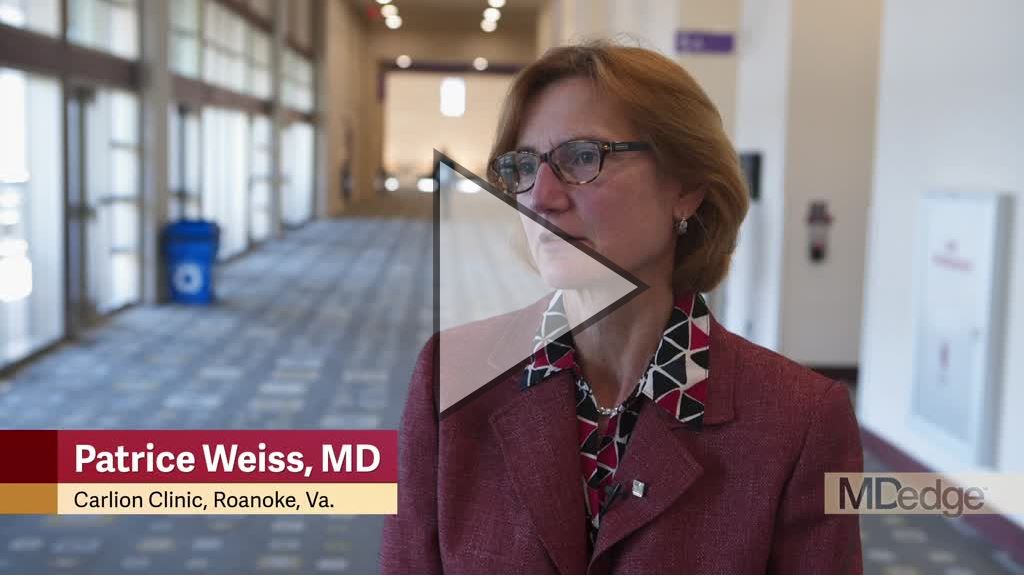
WASHINGTON – Currently available including antihistamines and an oral antiemetic approved for preventing chemotherapy-related nausea and vomiting, Peter Lio, MD, said at a symposium presented by the Coalition United for Better Eczema Care (CUBE-C).
There are four basic areas of treatment, which Dr. Lio, a dermatologist at Northwestern University, Chicago, referred to as the “itch therapeutic ladder.” In a video interview at the meeting, he reviewed the treatments, starting with topical therapies, which include camphor and menthol, strontium-containing topicals, as well as “dilute bleach-type products” that seem to have some anti-inflammatory and anti-itch effects.
The next levels: oral medications – antihistamines, followed by “more intense” options that may carry more risks, such as the antidepressant mirtazapine, and aprepitant, a neurokinin-1 receptor antagonist approved for the prevention of chemotherapy-induced and postoperative nausea and vomiting. Gabapentin and naltrexone can also be helpful for certain populations; all are used off-label, he pointed out.
Dr. Lio, formally trained in acupuncture, often uses alternative therapies as the fourth rung of the ladder. These include using a specific acupressure point, which he said “seems to give a little bit of relief.”
In the interview, he also discussed considerations in children with atopic dermatitis and exciting treatments in development, such as biologics that target “one of the master itch cytokines,” interleukin-31.
“Itch is such an important part of this disease because we know not only is it one of the key pieces that pushes the disease forward and keeps these cycles going, but also contributes a huge amount to the morbidity,” he said.
CUBE-C, established by the National Eczema Association (NEA), is a “network of cross-specialty leaders, patients and caregivers, constructing an educational curriculum based on standards of effective treatment and disease management,” according to the NEA.
The symposium was supported by an educational grant from Sanofi Genzyme, Regeneron Pharmaceuticals, and Pfizer. Dr. Lio reported serving as a speaker, consultant, and/or advisor for companies developing and marketing atopic dermatitis therapies and products.
WASHINGTON – Currently available including antihistamines and an oral antiemetic approved for preventing chemotherapy-related nausea and vomiting, Peter Lio, MD, said at a symposium presented by the Coalition United for Better Eczema Care (CUBE-C).
There are four basic areas of treatment, which Dr. Lio, a dermatologist at Northwestern University, Chicago, referred to as the “itch therapeutic ladder.” In a video interview at the meeting, he reviewed the treatments, starting with topical therapies, which include camphor and menthol, strontium-containing topicals, as well as “dilute bleach-type products” that seem to have some anti-inflammatory and anti-itch effects.
The next levels: oral medications – antihistamines, followed by “more intense” options that may carry more risks, such as the antidepressant mirtazapine, and aprepitant, a neurokinin-1 receptor antagonist approved for the prevention of chemotherapy-induced and postoperative nausea and vomiting. Gabapentin and naltrexone can also be helpful for certain populations; all are used off-label, he pointed out.
Dr. Lio, formally trained in acupuncture, often uses alternative therapies as the fourth rung of the ladder. These include using a specific acupressure point, which he said “seems to give a little bit of relief.”
In the interview, he also discussed considerations in children with atopic dermatitis and exciting treatments in development, such as biologics that target “one of the master itch cytokines,” interleukin-31.
“Itch is such an important part of this disease because we know not only is it one of the key pieces that pushes the disease forward and keeps these cycles going, but also contributes a huge amount to the morbidity,” he said.
CUBE-C, established by the National Eczema Association (NEA), is a “network of cross-specialty leaders, patients and caregivers, constructing an educational curriculum based on standards of effective treatment and disease management,” according to the NEA.
The symposium was supported by an educational grant from Sanofi Genzyme, Regeneron Pharmaceuticals, and Pfizer. Dr. Lio reported serving as a speaker, consultant, and/or advisor for companies developing and marketing atopic dermatitis therapies and products.
WASHINGTON – Currently available including antihistamines and an oral antiemetic approved for preventing chemotherapy-related nausea and vomiting, Peter Lio, MD, said at a symposium presented by the Coalition United for Better Eczema Care (CUBE-C).
There are four basic areas of treatment, which Dr. Lio, a dermatologist at Northwestern University, Chicago, referred to as the “itch therapeutic ladder.” In a video interview at the meeting, he reviewed the treatments, starting with topical therapies, which include camphor and menthol, strontium-containing topicals, as well as “dilute bleach-type products” that seem to have some anti-inflammatory and anti-itch effects.
The next levels: oral medications – antihistamines, followed by “more intense” options that may carry more risks, such as the antidepressant mirtazapine, and aprepitant, a neurokinin-1 receptor antagonist approved for the prevention of chemotherapy-induced and postoperative nausea and vomiting. Gabapentin and naltrexone can also be helpful for certain populations; all are used off-label, he pointed out.
Dr. Lio, formally trained in acupuncture, often uses alternative therapies as the fourth rung of the ladder. These include using a specific acupressure point, which he said “seems to give a little bit of relief.”
In the interview, he also discussed considerations in children with atopic dermatitis and exciting treatments in development, such as biologics that target “one of the master itch cytokines,” interleukin-31.
“Itch is such an important part of this disease because we know not only is it one of the key pieces that pushes the disease forward and keeps these cycles going, but also contributes a huge amount to the morbidity,” he said.
CUBE-C, established by the National Eczema Association (NEA), is a “network of cross-specialty leaders, patients and caregivers, constructing an educational curriculum based on standards of effective treatment and disease management,” according to the NEA.
The symposium was supported by an educational grant from Sanofi Genzyme, Regeneron Pharmaceuticals, and Pfizer. Dr. Lio reported serving as a speaker, consultant, and/or advisor for companies developing and marketing atopic dermatitis therapies and products.
CUBE-C initiative aims to educate about atopic dermatitis
WASHINGTON – The National Eczema Association (NEA) has established the Coalition United for Better Eczema Care (CUBE-C) to provide practitioners with a resource for “trustworthy, up-to-date, state of the art” information on atopic dermatitis, with the goal of improving health outcomes, according to Julie Block, president and chief executive officer of the NEA.
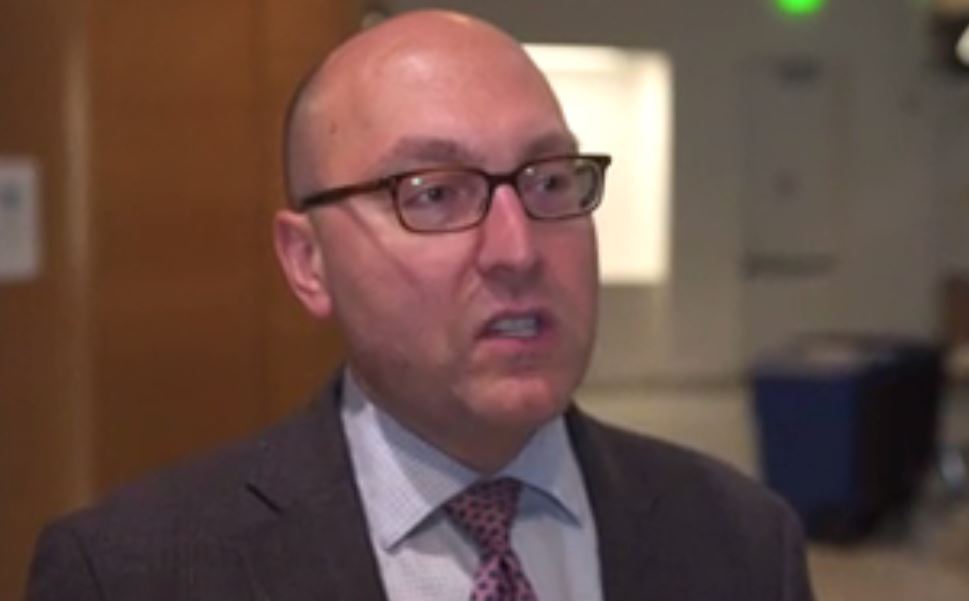
In an interview at a symposium presented by CUBE-C, Ms. Block provided more information on CUBE-C, including how and why it started and what it can offer to dermatologists, as well as primary care physicians, who care for patients with atopic dermatitis. She said that the NEA convened dermatologists, allergists, immunologists, psychologists, nurse practitioners, physician assistants, and patients “to design a curriculum that provided an entire picture of the patient experience, so that we could go out and educate not only on the basics of eczema and atopic dermatitis for a variety of practitioners ... but also for the specialists who are now going to be engaging in new innovations and new therapies for their patients.”
She was joined by Adam Friedman, MD, professor of dermatology and residency program director at George Washington University, Washington, where the symposium, a resident’s boot camp, was held. The boot camp was somewhat unique in that it was geared more towards trainees; typically, the CUBE-C program is a CME program for practitioners, but this reflects the flexibility of the program, which can be tailored to the audience, Dr. Friedman pointed out. “The hope is that programs like these pop up all over the place ... anywhere you have a critical mass of individuals who want to learn about this,” where planners can choose from a menu of topics provided by CUBE-C – which include therapeutics, infections, pathogenesis, and access to care – and “easily formulate a conference like we held here today for the right audience.”
Topics covered at the George Washington University symposium included the impact of climate on the prevalence of childhood eczema, the diagnosis and differential diagnosis in children, infections in atopic dermatitis patients, and itch treatment.
More information on CUBE-C is available on the NEA website.
The symposium was supported by an educational grant from Sanofi Genzyme, Regeneron Pharmaceuticals, and Pfizer. Dr. Friedman reported serving as a speaker for Regeneron, Pfizer, and other companies. He also consults and serves on the advisory board for Pfizer and multiple other companies developing and marketing atopic dermatitis therapies and products.
WASHINGTON – The National Eczema Association (NEA) has established the Coalition United for Better Eczema Care (CUBE-C) to provide practitioners with a resource for “trustworthy, up-to-date, state of the art” information on atopic dermatitis, with the goal of improving health outcomes, according to Julie Block, president and chief executive officer of the NEA.
In an interview at a symposium presented by CUBE-C, Ms. Block provided more information on CUBE-C, including how and why it started and what it can offer to dermatologists, as well as primary care physicians, who care for patients with atopic dermatitis. She said that the NEA convened dermatologists, allergists, immunologists, psychologists, nurse practitioners, physician assistants, and patients “to design a curriculum that provided an entire picture of the patient experience, so that we could go out and educate not only on the basics of eczema and atopic dermatitis for a variety of practitioners ... but also for the specialists who are now going to be engaging in new innovations and new therapies for their patients.”
She was joined by Adam Friedman, MD, professor of dermatology and residency program director at George Washington University, Washington, where the symposium, a resident’s boot camp, was held. The boot camp was somewhat unique in that it was geared more towards trainees; typically, the CUBE-C program is a CME program for practitioners, but this reflects the flexibility of the program, which can be tailored to the audience, Dr. Friedman pointed out. “The hope is that programs like these pop up all over the place ... anywhere you have a critical mass of individuals who want to learn about this,” where planners can choose from a menu of topics provided by CUBE-C – which include therapeutics, infections, pathogenesis, and access to care – and “easily formulate a conference like we held here today for the right audience.”
Topics covered at the George Washington University symposium included the impact of climate on the prevalence of childhood eczema, the diagnosis and differential diagnosis in children, infections in atopic dermatitis patients, and itch treatment.
More information on CUBE-C is available on the NEA website.
The symposium was supported by an educational grant from Sanofi Genzyme, Regeneron Pharmaceuticals, and Pfizer. Dr. Friedman reported serving as a speaker for Regeneron, Pfizer, and other companies. He also consults and serves on the advisory board for Pfizer and multiple other companies developing and marketing atopic dermatitis therapies and products.
WASHINGTON – The National Eczema Association (NEA) has established the Coalition United for Better Eczema Care (CUBE-C) to provide practitioners with a resource for “trustworthy, up-to-date, state of the art” information on atopic dermatitis, with the goal of improving health outcomes, according to Julie Block, president and chief executive officer of the NEA.
In an interview at a symposium presented by CUBE-C, Ms. Block provided more information on CUBE-C, including how and why it started and what it can offer to dermatologists, as well as primary care physicians, who care for patients with atopic dermatitis. She said that the NEA convened dermatologists, allergists, immunologists, psychologists, nurse practitioners, physician assistants, and patients “to design a curriculum that provided an entire picture of the patient experience, so that we could go out and educate not only on the basics of eczema and atopic dermatitis for a variety of practitioners ... but also for the specialists who are now going to be engaging in new innovations and new therapies for their patients.”
She was joined by Adam Friedman, MD, professor of dermatology and residency program director at George Washington University, Washington, where the symposium, a resident’s boot camp, was held. The boot camp was somewhat unique in that it was geared more towards trainees; typically, the CUBE-C program is a CME program for practitioners, but this reflects the flexibility of the program, which can be tailored to the audience, Dr. Friedman pointed out. “The hope is that programs like these pop up all over the place ... anywhere you have a critical mass of individuals who want to learn about this,” where planners can choose from a menu of topics provided by CUBE-C – which include therapeutics, infections, pathogenesis, and access to care – and “easily formulate a conference like we held here today for the right audience.”
Topics covered at the George Washington University symposium included the impact of climate on the prevalence of childhood eczema, the diagnosis and differential diagnosis in children, infections in atopic dermatitis patients, and itch treatment.
More information on CUBE-C is available on the NEA website.
The symposium was supported by an educational grant from Sanofi Genzyme, Regeneron Pharmaceuticals, and Pfizer. Dr. Friedman reported serving as a speaker for Regeneron, Pfizer, and other companies. He also consults and serves on the advisory board for Pfizer and multiple other companies developing and marketing atopic dermatitis therapies and products.
Treating substance use disorders: What do you do after withdrawal?
The video associated with this article is no longer available on this site. Please view all of our videos on the MDedge YouTube channel
The video associated with this article is no longer available on this site. Please view all of our videos on the MDedge YouTube channel
The video associated with this article is no longer available on this site. Please view all of our videos on the MDedge YouTube channel
Incident heart failure linked to HIV infection
AMSTERDAM –
The video associated with this article is no longer available on this site. Please view all of our videos on the MDedge YouTube channel
“HIV infection is independently associated with a higher risk for developing heart failure, and this excess risk does not appear mediated through atherosclerotic disease pathways or differential use of cardioprotective medications,” Alan S. Go, MD, said at the 22nd International AIDS Conference.
The finding sends two important messages to physicians who care for people living with HIV, Dr. Go said in a video interview. First, have “greater awareness for the risk of heart failure” in people living with HIV, even in those who have excellent [HIV] treatment. Be on the lookout, he recommended, for classic symptoms of heart failure like dyspnea and fatigue, and if found follow-up with an assessment of heart function, usually by echocardiography. The second message is to pay attention to and aggressively treat risk factors for heart failure, such as hypertension, smoking, obesity, diabetes, and hypercholesterolemia, said Dr. Go, director of the Comprehensive Clinical Research Unit of Kaiser Permanente in Oakland, Calif.
Results from a small number of prior studies also suggested an increased heart failure rate in people infected with HIV, but those reports had not been able to untangle this observed increase from a possible relationship to the elevated rate of MIs among people living with HIV. The study led by Dr. Go adjusted for acute coronary syndrome events that occurred during follow-up in the analysis and this showed that the increased incidence of heart failure occurred independently of any preceding MI or unstable angina event.
Dr. Go proposed several potential mechanisms that could tie HIV infection to an elevated heart failure risk that was not linked to a prior ischemic heart disease event. The virus could directly damage cardiac myocytes to produce fibrosis, the virus could trigger cardiac inflammation, and the infected person could have an increased susceptibility to infection by a pathogen know to potentially cause cardiac damage and myocarditis such as coxsackievirus.
For the time being, patients infected by HIV who develop heart failure should receive the same treatments that are recommended for the general population, Dr. Go said, but he also highlighted the need for further study to determine the effectiveness of standard heart failure treatments specifically in people living with HIV. He and his associates are also currently analyzing the relationship of several other variables to the risk for heart failure in HIV-infected people, such as the degree of HIV control, and the types of antiretroviral therapy that patients receive. So far the study has not shown a relationship between HIV infection and any specific type of heart failure. About a quarter of the HIV-infected people who developed heart failure in this study had reduced left ventricular ejection fraction, about a quarter had preserved ejection fraction, and for the remaining patients information on their left ventricular ejection fraction was not available, Dr. Go said.
The Kaiser Permanente HIV Heart Study used data from health records from about 13.5 million people enrolled in the health system during 2000-2016 at locations in northern California, southern California, or the mid-Atlantic region. From these records the researchers identified 38,868 people diagnosed with an HIV infection, free of a heart failure diagnosis, and at least 21 years old, and matched them by age, sex, and race with 386,586 people in the health system who were both uninfected and free of heart failure. At “baseline” in the analysis the two study groups had very similar rates of smoking, but those with HIV had somewhat more alcohol abuse and nearly twice the rate of illicit drug use, although even among those with HIV this rate was low at 4%.
Some clinical characteristics at baseline showed significant differences between the two groups. People living with HIV had substantially less hypertension, 7% compared with 12% in those without HIV; half the rate of dyslipidemia, 8% compared with 16% among the control group; and nearly half the prevalence of diabetes, 3% versus 5% among those without HIV. On the other hand, certain other clinical characteristics were more common among those with HIV. The prevalence at baseline of diagnosed dementia was 15% among people infected with HIV and essentially nonexistent (less than 1%) among controls, and the prevalence of diagnosed depression was 8% among people with HIV and 5% among those without the infection.
Baseline parameters also showed that at the time this review first identified a person with HIV and without heart failure in the system records only 18% of the HIV-infected individuals were on an antiretroviral therapy regimen. Dr. Go said that the study is currently analyzing subsequent HIV treatments that these patients may have received. Also at “baseline” 13% of people with documented HIV infection had a CD4 cell count of fewer than 200 cell/mm3, with 4% having fewer than 50 CD4 cells/mm3, and 29% of those with HIV had a blood level of at least 500 copies of HIV RNA/mL. In addition, information on CD4 cell counts was unavailable for 43% of these people, and information on viral load was unavailable for about half.
During “follow-up” in the system’s medical records for a period of up to 17 years, diagnoses of incident heart failure accumulated significantly faster among people with HIV compared to those without HIV. After adjustment for demographic differences, the time of entry into the health system, cardiovascular and other medical differences, and differences in medication use, people living with HIV had a 75% higher rate of incident heart failure compared with those without HIV. Further adjustment based on incident first episodes of acute coronary syndrome during “follow-up” brought the excess rate of heart failure to 66% higher among people infected by HIV, Dr. Go reported. He cautioned that the findings came from a U.S. population that had access to comprehensive health care.
SOURCE: Go AS et al. AIDS 2018, Abstract 2778, THAB0103.
AMSTERDAM –
The video associated with this article is no longer available on this site. Please view all of our videos on the MDedge YouTube channel
“HIV infection is independently associated with a higher risk for developing heart failure, and this excess risk does not appear mediated through atherosclerotic disease pathways or differential use of cardioprotective medications,” Alan S. Go, MD, said at the 22nd International AIDS Conference.
The finding sends two important messages to physicians who care for people living with HIV, Dr. Go said in a video interview. First, have “greater awareness for the risk of heart failure” in people living with HIV, even in those who have excellent [HIV] treatment. Be on the lookout, he recommended, for classic symptoms of heart failure like dyspnea and fatigue, and if found follow-up with an assessment of heart function, usually by echocardiography. The second message is to pay attention to and aggressively treat risk factors for heart failure, such as hypertension, smoking, obesity, diabetes, and hypercholesterolemia, said Dr. Go, director of the Comprehensive Clinical Research Unit of Kaiser Permanente in Oakland, Calif.
Results from a small number of prior studies also suggested an increased heart failure rate in people infected with HIV, but those reports had not been able to untangle this observed increase from a possible relationship to the elevated rate of MIs among people living with HIV. The study led by Dr. Go adjusted for acute coronary syndrome events that occurred during follow-up in the analysis and this showed that the increased incidence of heart failure occurred independently of any preceding MI or unstable angina event.
Dr. Go proposed several potential mechanisms that could tie HIV infection to an elevated heart failure risk that was not linked to a prior ischemic heart disease event. The virus could directly damage cardiac myocytes to produce fibrosis, the virus could trigger cardiac inflammation, and the infected person could have an increased susceptibility to infection by a pathogen know to potentially cause cardiac damage and myocarditis such as coxsackievirus.
For the time being, patients infected by HIV who develop heart failure should receive the same treatments that are recommended for the general population, Dr. Go said, but he also highlighted the need for further study to determine the effectiveness of standard heart failure treatments specifically in people living with HIV. He and his associates are also currently analyzing the relationship of several other variables to the risk for heart failure in HIV-infected people, such as the degree of HIV control, and the types of antiretroviral therapy that patients receive. So far the study has not shown a relationship between HIV infection and any specific type of heart failure. About a quarter of the HIV-infected people who developed heart failure in this study had reduced left ventricular ejection fraction, about a quarter had preserved ejection fraction, and for the remaining patients information on their left ventricular ejection fraction was not available, Dr. Go said.
The Kaiser Permanente HIV Heart Study used data from health records from about 13.5 million people enrolled in the health system during 2000-2016 at locations in northern California, southern California, or the mid-Atlantic region. From these records the researchers identified 38,868 people diagnosed with an HIV infection, free of a heart failure diagnosis, and at least 21 years old, and matched them by age, sex, and race with 386,586 people in the health system who were both uninfected and free of heart failure. At “baseline” in the analysis the two study groups had very similar rates of smoking, but those with HIV had somewhat more alcohol abuse and nearly twice the rate of illicit drug use, although even among those with HIV this rate was low at 4%.
Some clinical characteristics at baseline showed significant differences between the two groups. People living with HIV had substantially less hypertension, 7% compared with 12% in those without HIV; half the rate of dyslipidemia, 8% compared with 16% among the control group; and nearly half the prevalence of diabetes, 3% versus 5% among those without HIV. On the other hand, certain other clinical characteristics were more common among those with HIV. The prevalence at baseline of diagnosed dementia was 15% among people infected with HIV and essentially nonexistent (less than 1%) among controls, and the prevalence of diagnosed depression was 8% among people with HIV and 5% among those without the infection.
Baseline parameters also showed that at the time this review first identified a person with HIV and without heart failure in the system records only 18% of the HIV-infected individuals were on an antiretroviral therapy regimen. Dr. Go said that the study is currently analyzing subsequent HIV treatments that these patients may have received. Also at “baseline” 13% of people with documented HIV infection had a CD4 cell count of fewer than 200 cell/mm3, with 4% having fewer than 50 CD4 cells/mm3, and 29% of those with HIV had a blood level of at least 500 copies of HIV RNA/mL. In addition, information on CD4 cell counts was unavailable for 43% of these people, and information on viral load was unavailable for about half.
During “follow-up” in the system’s medical records for a period of up to 17 years, diagnoses of incident heart failure accumulated significantly faster among people with HIV compared to those without HIV. After adjustment for demographic differences, the time of entry into the health system, cardiovascular and other medical differences, and differences in medication use, people living with HIV had a 75% higher rate of incident heart failure compared with those without HIV. Further adjustment based on incident first episodes of acute coronary syndrome during “follow-up” brought the excess rate of heart failure to 66% higher among people infected by HIV, Dr. Go reported. He cautioned that the findings came from a U.S. population that had access to comprehensive health care.
SOURCE: Go AS et al. AIDS 2018, Abstract 2778, THAB0103.
AMSTERDAM –
The video associated with this article is no longer available on this site. Please view all of our videos on the MDedge YouTube channel
“HIV infection is independently associated with a higher risk for developing heart failure, and this excess risk does not appear mediated through atherosclerotic disease pathways or differential use of cardioprotective medications,” Alan S. Go, MD, said at the 22nd International AIDS Conference.
The finding sends two important messages to physicians who care for people living with HIV, Dr. Go said in a video interview. First, have “greater awareness for the risk of heart failure” in people living with HIV, even in those who have excellent [HIV] treatment. Be on the lookout, he recommended, for classic symptoms of heart failure like dyspnea and fatigue, and if found follow-up with an assessment of heart function, usually by echocardiography. The second message is to pay attention to and aggressively treat risk factors for heart failure, such as hypertension, smoking, obesity, diabetes, and hypercholesterolemia, said Dr. Go, director of the Comprehensive Clinical Research Unit of Kaiser Permanente in Oakland, Calif.
Results from a small number of prior studies also suggested an increased heart failure rate in people infected with HIV, but those reports had not been able to untangle this observed increase from a possible relationship to the elevated rate of MIs among people living with HIV. The study led by Dr. Go adjusted for acute coronary syndrome events that occurred during follow-up in the analysis and this showed that the increased incidence of heart failure occurred independently of any preceding MI or unstable angina event.
Dr. Go proposed several potential mechanisms that could tie HIV infection to an elevated heart failure risk that was not linked to a prior ischemic heart disease event. The virus could directly damage cardiac myocytes to produce fibrosis, the virus could trigger cardiac inflammation, and the infected person could have an increased susceptibility to infection by a pathogen know to potentially cause cardiac damage and myocarditis such as coxsackievirus.
For the time being, patients infected by HIV who develop heart failure should receive the same treatments that are recommended for the general population, Dr. Go said, but he also highlighted the need for further study to determine the effectiveness of standard heart failure treatments specifically in people living with HIV. He and his associates are also currently analyzing the relationship of several other variables to the risk for heart failure in HIV-infected people, such as the degree of HIV control, and the types of antiretroviral therapy that patients receive. So far the study has not shown a relationship between HIV infection and any specific type of heart failure. About a quarter of the HIV-infected people who developed heart failure in this study had reduced left ventricular ejection fraction, about a quarter had preserved ejection fraction, and for the remaining patients information on their left ventricular ejection fraction was not available, Dr. Go said.
The Kaiser Permanente HIV Heart Study used data from health records from about 13.5 million people enrolled in the health system during 2000-2016 at locations in northern California, southern California, or the mid-Atlantic region. From these records the researchers identified 38,868 people diagnosed with an HIV infection, free of a heart failure diagnosis, and at least 21 years old, and matched them by age, sex, and race with 386,586 people in the health system who were both uninfected and free of heart failure. At “baseline” in the analysis the two study groups had very similar rates of smoking, but those with HIV had somewhat more alcohol abuse and nearly twice the rate of illicit drug use, although even among those with HIV this rate was low at 4%.
Some clinical characteristics at baseline showed significant differences between the two groups. People living with HIV had substantially less hypertension, 7% compared with 12% in those without HIV; half the rate of dyslipidemia, 8% compared with 16% among the control group; and nearly half the prevalence of diabetes, 3% versus 5% among those without HIV. On the other hand, certain other clinical characteristics were more common among those with HIV. The prevalence at baseline of diagnosed dementia was 15% among people infected with HIV and essentially nonexistent (less than 1%) among controls, and the prevalence of diagnosed depression was 8% among people with HIV and 5% among those without the infection.
Baseline parameters also showed that at the time this review first identified a person with HIV and without heart failure in the system records only 18% of the HIV-infected individuals were on an antiretroviral therapy regimen. Dr. Go said that the study is currently analyzing subsequent HIV treatments that these patients may have received. Also at “baseline” 13% of people with documented HIV infection had a CD4 cell count of fewer than 200 cell/mm3, with 4% having fewer than 50 CD4 cells/mm3, and 29% of those with HIV had a blood level of at least 500 copies of HIV RNA/mL. In addition, information on CD4 cell counts was unavailable for 43% of these people, and information on viral load was unavailable for about half.
During “follow-up” in the system’s medical records for a period of up to 17 years, diagnoses of incident heart failure accumulated significantly faster among people with HIV compared to those without HIV. After adjustment for demographic differences, the time of entry into the health system, cardiovascular and other medical differences, and differences in medication use, people living with HIV had a 75% higher rate of incident heart failure compared with those without HIV. Further adjustment based on incident first episodes of acute coronary syndrome during “follow-up” brought the excess rate of heart failure to 66% higher among people infected by HIV, Dr. Go reported. He cautioned that the findings came from a U.S. population that had access to comprehensive health care.
SOURCE: Go AS et al. AIDS 2018, Abstract 2778, THAB0103.
REPORTING FROM AIDS 2018
Key clinical point: HIV infection may be an independent trigger for heart failure.
Major finding: After extensive adjustment for potential confounders, HIV infection linked with a 66% increased rate of incident heart failure.
Study details: The Kaiser Permanente HIV Heart Study, which included medical records for 425,454 people.
Disclosures: Dr. Go had no disclosures.
Source: Go AS et al. AIDS 2018, Abstract 2778, THAB0103.
Novel HIV vaccine induces durable immune responses
AMSTERDAM – that had identified the most effective dosing strategy for the vaccine.
The 96-week follow-up data showed durable humoral and cellular immunity induction by the vaccine and its associated booster, a durable breadth of immune responses to the multiple HIV clades that the vaccine targets, and no serious or grade 3 or 4 adverse effects in the 393 people who participated in the early-phase study, Frank L. Tomaka, MD, said at the 22nd International AIDS Conference.
The 96-week results he reported came from follow-up of the 393 people who received one of several different dosing regimens for an engineered, mosaic HIV vaccine. The vaccine incorporates genes for three different HIV envelope antigens that contain components drawn from several different HIV clades (to induce more broadly protective immunity) into a serotype 26 adenovirus. The immunization regimen also includes treatment with HIV glycoprotein 140 as a booster agent. Dr. Tomaka and his associates reported the primary endpoints from this placebo-controlled study, APPROACH, measured just after the fourth and final immunizing regimen at 48 weeks after the first treatment in a recently published article (Lancet. 2018 Jul 21;392[10143]:232-43).
As part of the study, the investigators administered the vaccine and booster to rhesus monkeys and found that the regimens produced a pattern of immune responses in the monkeys similar to that seen in people. When the monkeys that received the regimen that performed best in people received six monthly challenges with a simian-human immunodeficiency virus that’s related to HIV, the researchers found a 67% efficacy for protection against infection. These “very encouraging” findings led the company developing the vaccine to launch in November 2017 a phase IIb trial, named Imbokodo, in five African countries, with a plan to enroll 2,600 people, Dr. Tomaka said.
The video associated with this article is no longer available on this site. Please view all of our videos on the MDedge YouTube channel
“What’s unique and very exciting” about the APPROACH findings are the nonhuman primate findings, and the fact that the vaccine was designed to provide protection against several different HIV clades, Dr. Tomaka said in a video interview. The 67% level of protection against viral challenge in the monkeys is at a level that would be clinically meaningful if replicated in people. A vaccine and booster regimen that provided something in the range of 50%-60% protection or better might be an attractive option in a region with relatively low resources, while in a more developed country a vaccine with a protective efficacy of 70% or better would also likely be seen as an attractive intervention, said Dr. Tomaka, clinical leader for HIV/STI vaccines for Janssen in Titusville, N.J.
SOURCE: Tomaka FL et al. AIDS 2018, Abstract TUAA0104.
The 1-year results for this new HIV vaccine and now the 1-year follow-up results appear very promising for its future prospects in wider clinical testing.
What’s especially interesting about the data reported for this vaccine so far is that the developers also tested the vaccine in rhesus monkeys and showed similar immunologic induction and a 67% efficacy for protecting against repeated challenges with a simian-human immunodeficiency virus. This level of protection against infection and the similar cellular and antibody responses to the vaccine and booster in the animal model and in people is encouraging. The vaccine protected monkeys. Now we need to find out whether it will protect humans.
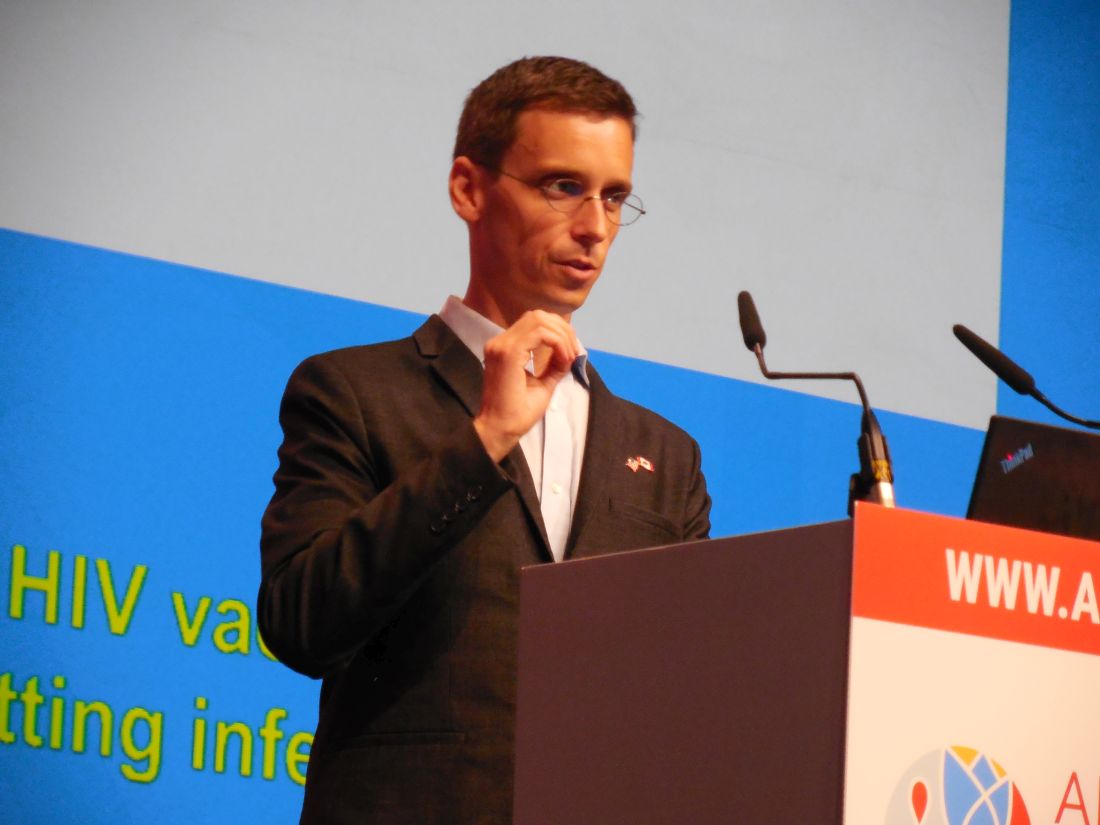
R. Brad Jones, PhD , is an immunologist at Cornell University, New York. He had no disclosures. He made these comments during a talk at the conference.
The 1-year results for this new HIV vaccine and now the 1-year follow-up results appear very promising for its future prospects in wider clinical testing.
What’s especially interesting about the data reported for this vaccine so far is that the developers also tested the vaccine in rhesus monkeys and showed similar immunologic induction and a 67% efficacy for protecting against repeated challenges with a simian-human immunodeficiency virus. This level of protection against infection and the similar cellular and antibody responses to the vaccine and booster in the animal model and in people is encouraging. The vaccine protected monkeys. Now we need to find out whether it will protect humans.
R. Brad Jones, PhD , is an immunologist at Cornell University, New York. He had no disclosures. He made these comments during a talk at the conference.
The 1-year results for this new HIV vaccine and now the 1-year follow-up results appear very promising for its future prospects in wider clinical testing.
What’s especially interesting about the data reported for this vaccine so far is that the developers also tested the vaccine in rhesus monkeys and showed similar immunologic induction and a 67% efficacy for protecting against repeated challenges with a simian-human immunodeficiency virus. This level of protection against infection and the similar cellular and antibody responses to the vaccine and booster in the animal model and in people is encouraging. The vaccine protected monkeys. Now we need to find out whether it will protect humans.
R. Brad Jones, PhD , is an immunologist at Cornell University, New York. He had no disclosures. He made these comments during a talk at the conference.
AMSTERDAM – that had identified the most effective dosing strategy for the vaccine.
The 96-week follow-up data showed durable humoral and cellular immunity induction by the vaccine and its associated booster, a durable breadth of immune responses to the multiple HIV clades that the vaccine targets, and no serious or grade 3 or 4 adverse effects in the 393 people who participated in the early-phase study, Frank L. Tomaka, MD, said at the 22nd International AIDS Conference.
The 96-week results he reported came from follow-up of the 393 people who received one of several different dosing regimens for an engineered, mosaic HIV vaccine. The vaccine incorporates genes for three different HIV envelope antigens that contain components drawn from several different HIV clades (to induce more broadly protective immunity) into a serotype 26 adenovirus. The immunization regimen also includes treatment with HIV glycoprotein 140 as a booster agent. Dr. Tomaka and his associates reported the primary endpoints from this placebo-controlled study, APPROACH, measured just after the fourth and final immunizing regimen at 48 weeks after the first treatment in a recently published article (Lancet. 2018 Jul 21;392[10143]:232-43).
As part of the study, the investigators administered the vaccine and booster to rhesus monkeys and found that the regimens produced a pattern of immune responses in the monkeys similar to that seen in people. When the monkeys that received the regimen that performed best in people received six monthly challenges with a simian-human immunodeficiency virus that’s related to HIV, the researchers found a 67% efficacy for protection against infection. These “very encouraging” findings led the company developing the vaccine to launch in November 2017 a phase IIb trial, named Imbokodo, in five African countries, with a plan to enroll 2,600 people, Dr. Tomaka said.
The video associated with this article is no longer available on this site. Please view all of our videos on the MDedge YouTube channel
“What’s unique and very exciting” about the APPROACH findings are the nonhuman primate findings, and the fact that the vaccine was designed to provide protection against several different HIV clades, Dr. Tomaka said in a video interview. The 67% level of protection against viral challenge in the monkeys is at a level that would be clinically meaningful if replicated in people. A vaccine and booster regimen that provided something in the range of 50%-60% protection or better might be an attractive option in a region with relatively low resources, while in a more developed country a vaccine with a protective efficacy of 70% or better would also likely be seen as an attractive intervention, said Dr. Tomaka, clinical leader for HIV/STI vaccines for Janssen in Titusville, N.J.
SOURCE: Tomaka FL et al. AIDS 2018, Abstract TUAA0104.
AMSTERDAM – that had identified the most effective dosing strategy for the vaccine.
The 96-week follow-up data showed durable humoral and cellular immunity induction by the vaccine and its associated booster, a durable breadth of immune responses to the multiple HIV clades that the vaccine targets, and no serious or grade 3 or 4 adverse effects in the 393 people who participated in the early-phase study, Frank L. Tomaka, MD, said at the 22nd International AIDS Conference.
The 96-week results he reported came from follow-up of the 393 people who received one of several different dosing regimens for an engineered, mosaic HIV vaccine. The vaccine incorporates genes for three different HIV envelope antigens that contain components drawn from several different HIV clades (to induce more broadly protective immunity) into a serotype 26 adenovirus. The immunization regimen also includes treatment with HIV glycoprotein 140 as a booster agent. Dr. Tomaka and his associates reported the primary endpoints from this placebo-controlled study, APPROACH, measured just after the fourth and final immunizing regimen at 48 weeks after the first treatment in a recently published article (Lancet. 2018 Jul 21;392[10143]:232-43).
As part of the study, the investigators administered the vaccine and booster to rhesus monkeys and found that the regimens produced a pattern of immune responses in the monkeys similar to that seen in people. When the monkeys that received the regimen that performed best in people received six monthly challenges with a simian-human immunodeficiency virus that’s related to HIV, the researchers found a 67% efficacy for protection against infection. These “very encouraging” findings led the company developing the vaccine to launch in November 2017 a phase IIb trial, named Imbokodo, in five African countries, with a plan to enroll 2,600 people, Dr. Tomaka said.
The video associated with this article is no longer available on this site. Please view all of our videos on the MDedge YouTube channel
“What’s unique and very exciting” about the APPROACH findings are the nonhuman primate findings, and the fact that the vaccine was designed to provide protection against several different HIV clades, Dr. Tomaka said in a video interview. The 67% level of protection against viral challenge in the monkeys is at a level that would be clinically meaningful if replicated in people. A vaccine and booster regimen that provided something in the range of 50%-60% protection or better might be an attractive option in a region with relatively low resources, while in a more developed country a vaccine with a protective efficacy of 70% or better would also likely be seen as an attractive intervention, said Dr. Tomaka, clinical leader for HIV/STI vaccines for Janssen in Titusville, N.J.
SOURCE: Tomaka FL et al. AIDS 2018, Abstract TUAA0104.
REPORTING FROM AIDS 2018
Key clinical point: An investigational HIV vaccine and booster showed durable safety and anti-HIV immune effects.
Major finding: One year follow-up after the final dosage showed no serious or grade 3 or 4 adverse effects and durable immune responses.
Study details: The APPROACH study, a phase I/IIa study with 393 participants.
Disclosures: APPROACH was sponsored by Janssen, the company developing the vaccine. Dr. Tomaka is a Janssen employee.
Source: Tomaka FL et al. AIDS 2018, Abstract TUAA0104.
Special care advised for HIV-infected patients with diabetes
ORLANDO – Research suggests that HIV-positive people who take the latest generations of AIDS medications are living almost as long as everyone else. But they still face special medical challenges, and an endocrinologist urged colleagues to adjust their approaches to diabetes in these patients.
said Todd T. Brown, MD, PhD, of Johns Hopkins Medicine, Baltimore, in a presentation at the annual scientific sessions of the American Diabetes Association.
It’s not just a matter of subbing in an alternate drug here or there. When it comes to diabetes, patients with HIV require significant adjustments to diagnosis and treatment, Dr. Brown said.
The video associated with this article is no longer available on this site. Please view all of our videos on the MDedge YouTube channel
In terms of diagnosis, treatment guidelines approved by the Infectious Diseases Society of America and ADA recommend that all HIV-positive patients be tested for diabetes before they begin taking antiretroviral therapy. Then, the guidelines suggest, they should be tested 4-6 weeks after initiation of therapy, and every 6-12 months going forward.
“It’s a bit of overkill to go every 6 months,” said Dr. Brown, who prefers an annual testing approach. He added that research has suggested that the 2-hour postload glucose test is more sensitive than the fasting glucose test in some HIV-positive populations. However, he believes that it’s generally fine to give a fasting glucose test before initiation of therapy – and on an annual basis afterward – rather than the more cumbersome postload test.
Still, he said, the postload test may be appropriate in a patient with impaired glucose tolerance “if you really want to make the diagnosis, and especially if you’ll change your treatment based on it.”
Ongoing treatment of HIV-positive patients also presents unique challenges, he said. For one, antiretroviral therapy seems to affect glucose metabolism and body fat, he said, and findings from a 2016 study suggest HIV-positive people who begin antiretroviral therapy face a higher risk of developing diabetes after weight gain (J Acquir Immune Defic Syndr. 2016 Oct 1;73[2]:228-36).
One option is to switch patients to integrase inhibitors, but findings from a 2017 study suggested that this may also lead to more weight gain, Dr. Brown said.
“This has been an evolving story,” he said. “The clinical consequences of this are unclear. This is a topic that’s being hotly investigated now in the HIV health world” (JAIDS. 2017 Dec 15;76[5]:527-31).
As for other diabetes management issues, Dr. Brown noted that hemoglobin A1c tests appear to underestimate glycemia in HIV-infected patients. He suggested that goal HbA1c levels should be lower in diabetic patients with HIV, especially those with CD4+ counts under 500 cells /mm3 and/or mean cell volume over 100 fL.
Research suggests that lifestyle changes seem to work well in HIV-positive patients, he said, and metformin is the ideal first-line drug treatment just as in the HIV-negative population. “It’s a good drug. We all love it,” he said. “It may improve lipohypertrophy and coronary plaque.”
He added that proteinuria and neuropathy are more common in HIV-positive patients with diabetes. He said levels of neuropathy and nephropathy could be related to AIDS drugs.
On the medication front, Dr. Brown cautioned about certain drugs in HIV-positive patients: The HIV drug dolutegravir increases metformin concentrations by about 80%, he said, and there are concerns about bone and cardiac health in HIV-positive patients who take the diabetes medications known as thiazolidinediones (glitazones).
He added that there are sparse data about the use of several types of diabetes drugs – DPP IV inhibitors, GLP-1 receptor agonists, and SGLT2 inhibitors – in HIV-positive patients.
Dr. Brown discloses consulting for Gilead Sciences, ViiV, BMS, Merck, Theratechnologies, and EMD Serono.
ORLANDO – Research suggests that HIV-positive people who take the latest generations of AIDS medications are living almost as long as everyone else. But they still face special medical challenges, and an endocrinologist urged colleagues to adjust their approaches to diabetes in these patients.
said Todd T. Brown, MD, PhD, of Johns Hopkins Medicine, Baltimore, in a presentation at the annual scientific sessions of the American Diabetes Association.
It’s not just a matter of subbing in an alternate drug here or there. When it comes to diabetes, patients with HIV require significant adjustments to diagnosis and treatment, Dr. Brown said.
The video associated with this article is no longer available on this site. Please view all of our videos on the MDedge YouTube channel
In terms of diagnosis, treatment guidelines approved by the Infectious Diseases Society of America and ADA recommend that all HIV-positive patients be tested for diabetes before they begin taking antiretroviral therapy. Then, the guidelines suggest, they should be tested 4-6 weeks after initiation of therapy, and every 6-12 months going forward.
“It’s a bit of overkill to go every 6 months,” said Dr. Brown, who prefers an annual testing approach. He added that research has suggested that the 2-hour postload glucose test is more sensitive than the fasting glucose test in some HIV-positive populations. However, he believes that it’s generally fine to give a fasting glucose test before initiation of therapy – and on an annual basis afterward – rather than the more cumbersome postload test.
Still, he said, the postload test may be appropriate in a patient with impaired glucose tolerance “if you really want to make the diagnosis, and especially if you’ll change your treatment based on it.”
Ongoing treatment of HIV-positive patients also presents unique challenges, he said. For one, antiretroviral therapy seems to affect glucose metabolism and body fat, he said, and findings from a 2016 study suggest HIV-positive people who begin antiretroviral therapy face a higher risk of developing diabetes after weight gain (J Acquir Immune Defic Syndr. 2016 Oct 1;73[2]:228-36).
One option is to switch patients to integrase inhibitors, but findings from a 2017 study suggested that this may also lead to more weight gain, Dr. Brown said.
“This has been an evolving story,” he said. “The clinical consequences of this are unclear. This is a topic that’s being hotly investigated now in the HIV health world” (JAIDS. 2017 Dec 15;76[5]:527-31).
As for other diabetes management issues, Dr. Brown noted that hemoglobin A1c tests appear to underestimate glycemia in HIV-infected patients. He suggested that goal HbA1c levels should be lower in diabetic patients with HIV, especially those with CD4+ counts under 500 cells /mm3 and/or mean cell volume over 100 fL.
Research suggests that lifestyle changes seem to work well in HIV-positive patients, he said, and metformin is the ideal first-line drug treatment just as in the HIV-negative population. “It’s a good drug. We all love it,” he said. “It may improve lipohypertrophy and coronary plaque.”
He added that proteinuria and neuropathy are more common in HIV-positive patients with diabetes. He said levels of neuropathy and nephropathy could be related to AIDS drugs.
On the medication front, Dr. Brown cautioned about certain drugs in HIV-positive patients: The HIV drug dolutegravir increases metformin concentrations by about 80%, he said, and there are concerns about bone and cardiac health in HIV-positive patients who take the diabetes medications known as thiazolidinediones (glitazones).
He added that there are sparse data about the use of several types of diabetes drugs – DPP IV inhibitors, GLP-1 receptor agonists, and SGLT2 inhibitors – in HIV-positive patients.
Dr. Brown discloses consulting for Gilead Sciences, ViiV, BMS, Merck, Theratechnologies, and EMD Serono.
ORLANDO – Research suggests that HIV-positive people who take the latest generations of AIDS medications are living almost as long as everyone else. But they still face special medical challenges, and an endocrinologist urged colleagues to adjust their approaches to diabetes in these patients.
said Todd T. Brown, MD, PhD, of Johns Hopkins Medicine, Baltimore, in a presentation at the annual scientific sessions of the American Diabetes Association.
It’s not just a matter of subbing in an alternate drug here or there. When it comes to diabetes, patients with HIV require significant adjustments to diagnosis and treatment, Dr. Brown said.
The video associated with this article is no longer available on this site. Please view all of our videos on the MDedge YouTube channel
In terms of diagnosis, treatment guidelines approved by the Infectious Diseases Society of America and ADA recommend that all HIV-positive patients be tested for diabetes before they begin taking antiretroviral therapy. Then, the guidelines suggest, they should be tested 4-6 weeks after initiation of therapy, and every 6-12 months going forward.
“It’s a bit of overkill to go every 6 months,” said Dr. Brown, who prefers an annual testing approach. He added that research has suggested that the 2-hour postload glucose test is more sensitive than the fasting glucose test in some HIV-positive populations. However, he believes that it’s generally fine to give a fasting glucose test before initiation of therapy – and on an annual basis afterward – rather than the more cumbersome postload test.
Still, he said, the postload test may be appropriate in a patient with impaired glucose tolerance “if you really want to make the diagnosis, and especially if you’ll change your treatment based on it.”
Ongoing treatment of HIV-positive patients also presents unique challenges, he said. For one, antiretroviral therapy seems to affect glucose metabolism and body fat, he said, and findings from a 2016 study suggest HIV-positive people who begin antiretroviral therapy face a higher risk of developing diabetes after weight gain (J Acquir Immune Defic Syndr. 2016 Oct 1;73[2]:228-36).
One option is to switch patients to integrase inhibitors, but findings from a 2017 study suggested that this may also lead to more weight gain, Dr. Brown said.
“This has been an evolving story,” he said. “The clinical consequences of this are unclear. This is a topic that’s being hotly investigated now in the HIV health world” (JAIDS. 2017 Dec 15;76[5]:527-31).
As for other diabetes management issues, Dr. Brown noted that hemoglobin A1c tests appear to underestimate glycemia in HIV-infected patients. He suggested that goal HbA1c levels should be lower in diabetic patients with HIV, especially those with CD4+ counts under 500 cells /mm3 and/or mean cell volume over 100 fL.
Research suggests that lifestyle changes seem to work well in HIV-positive patients, he said, and metformin is the ideal first-line drug treatment just as in the HIV-negative population. “It’s a good drug. We all love it,” he said. “It may improve lipohypertrophy and coronary plaque.”
He added that proteinuria and neuropathy are more common in HIV-positive patients with diabetes. He said levels of neuropathy and nephropathy could be related to AIDS drugs.
On the medication front, Dr. Brown cautioned about certain drugs in HIV-positive patients: The HIV drug dolutegravir increases metformin concentrations by about 80%, he said, and there are concerns about bone and cardiac health in HIV-positive patients who take the diabetes medications known as thiazolidinediones (glitazones).
He added that there are sparse data about the use of several types of diabetes drugs – DPP IV inhibitors, GLP-1 receptor agonists, and SGLT2 inhibitors – in HIV-positive patients.
Dr. Brown discloses consulting for Gilead Sciences, ViiV, BMS, Merck, Theratechnologies, and EMD Serono.
EXPERT ANALYSIS FROM ADA 2018
Machine learning software boosts colonoscopists’ adenoma detection rates
WASHINGTON –
When tested on 36,076 archived colonoscopy images, the polyp recognition program developed through machine learning had a sensitivity for polyp detection of 98%, a specificity of 93%, a positive predictive value of 0.758 and a negative predictive value of 0.995, Priyam V. Tripathi, MD, said at the annual Digestive Disease Week.® The program also showed an area under the receiver operator characteristic curve of 0.99, indicating nearly perfect ability to discriminate between images of polyps and normal colonic tissue, said Dr. Tripathi, a gastroenterologist at the University of California, Irvine.
She and her associates initially developed the polyp-recognition program with machine learning engineering that involved 4,088 images of polyps and 4,553 images of normal tissue drawn from the extensive colonoscopy video archive maintained at UC Irvine. Refinement of the program continues as it undergoes further use. The program can review 98 images a second, making it more than fast enough to aid during real-time colonoscopy examinations, Dr. Tripathi explained in a video interview. As an operator withdraws the colonoscope and views the images, the program is designed to monitor the pictures along with the operator and trigger alerts that flag high-probability lesions by framing them in a colored box on the screen. The operator can then examine these sites with more attention and decide whether they warrant biopsy or polypectomy.
A second validation study used the program to review 20 archived colonoscopy videos along with an expert panel. During the original examinations, the operators of these 20 procedures identified 28 polyps. The expert review confirmed these 28 and identified eight additional polyps. The researchers then assessed the same videos with the recognition program and confirmed the original 28 plus the added eight and also found nine additional polyps that had been missed twice by clinicians. Dr. Tripathi and her associates recently published results from this validation study (Gastroenterology. 2018 Jun 18. doi: 10.1053/j.gastro.2018.06.037).
The next step is a prospective, multicenter study to compare the adenoma detection rate of operators aided by the recognition program with their detection rate without the program, she said.
“The adenoma detection rate is the key marker,” noted William E. Karnes, MD, a gastroenterologist at UC Irvine and senior investigator on these studies. “If the adenoma detection rate rises, we won’t know whether it’s the artificial intelligence that’s the reason, or whether it’s the artificial intelligence watching the operator” and motivating the gastroenterologist to do a more thorough job, Dr. Karnes noted in an interview. “But it doesn’t matter as long as the software is easy to use. It can potentially close the gap in adenoma detection rates. There are a lot of missed polyps” in routine practice right now.
SOURCE: Tripathi PV et al. DDW 2018. Presentation 133.
WASHINGTON –
When tested on 36,076 archived colonoscopy images, the polyp recognition program developed through machine learning had a sensitivity for polyp detection of 98%, a specificity of 93%, a positive predictive value of 0.758 and a negative predictive value of 0.995, Priyam V. Tripathi, MD, said at the annual Digestive Disease Week.® The program also showed an area under the receiver operator characteristic curve of 0.99, indicating nearly perfect ability to discriminate between images of polyps and normal colonic tissue, said Dr. Tripathi, a gastroenterologist at the University of California, Irvine.
She and her associates initially developed the polyp-recognition program with machine learning engineering that involved 4,088 images of polyps and 4,553 images of normal tissue drawn from the extensive colonoscopy video archive maintained at UC Irvine. Refinement of the program continues as it undergoes further use. The program can review 98 images a second, making it more than fast enough to aid during real-time colonoscopy examinations, Dr. Tripathi explained in a video interview. As an operator withdraws the colonoscope and views the images, the program is designed to monitor the pictures along with the operator and trigger alerts that flag high-probability lesions by framing them in a colored box on the screen. The operator can then examine these sites with more attention and decide whether they warrant biopsy or polypectomy.
A second validation study used the program to review 20 archived colonoscopy videos along with an expert panel. During the original examinations, the operators of these 20 procedures identified 28 polyps. The expert review confirmed these 28 and identified eight additional polyps. The researchers then assessed the same videos with the recognition program and confirmed the original 28 plus the added eight and also found nine additional polyps that had been missed twice by clinicians. Dr. Tripathi and her associates recently published results from this validation study (Gastroenterology. 2018 Jun 18. doi: 10.1053/j.gastro.2018.06.037).
The next step is a prospective, multicenter study to compare the adenoma detection rate of operators aided by the recognition program with their detection rate without the program, she said.
“The adenoma detection rate is the key marker,” noted William E. Karnes, MD, a gastroenterologist at UC Irvine and senior investigator on these studies. “If the adenoma detection rate rises, we won’t know whether it’s the artificial intelligence that’s the reason, or whether it’s the artificial intelligence watching the operator” and motivating the gastroenterologist to do a more thorough job, Dr. Karnes noted in an interview. “But it doesn’t matter as long as the software is easy to use. It can potentially close the gap in adenoma detection rates. There are a lot of missed polyps” in routine practice right now.
SOURCE: Tripathi PV et al. DDW 2018. Presentation 133.
WASHINGTON –
When tested on 36,076 archived colonoscopy images, the polyp recognition program developed through machine learning had a sensitivity for polyp detection of 98%, a specificity of 93%, a positive predictive value of 0.758 and a negative predictive value of 0.995, Priyam V. Tripathi, MD, said at the annual Digestive Disease Week.® The program also showed an area under the receiver operator characteristic curve of 0.99, indicating nearly perfect ability to discriminate between images of polyps and normal colonic tissue, said Dr. Tripathi, a gastroenterologist at the University of California, Irvine.
She and her associates initially developed the polyp-recognition program with machine learning engineering that involved 4,088 images of polyps and 4,553 images of normal tissue drawn from the extensive colonoscopy video archive maintained at UC Irvine. Refinement of the program continues as it undergoes further use. The program can review 98 images a second, making it more than fast enough to aid during real-time colonoscopy examinations, Dr. Tripathi explained in a video interview. As an operator withdraws the colonoscope and views the images, the program is designed to monitor the pictures along with the operator and trigger alerts that flag high-probability lesions by framing them in a colored box on the screen. The operator can then examine these sites with more attention and decide whether they warrant biopsy or polypectomy.
A second validation study used the program to review 20 archived colonoscopy videos along with an expert panel. During the original examinations, the operators of these 20 procedures identified 28 polyps. The expert review confirmed these 28 and identified eight additional polyps. The researchers then assessed the same videos with the recognition program and confirmed the original 28 plus the added eight and also found nine additional polyps that had been missed twice by clinicians. Dr. Tripathi and her associates recently published results from this validation study (Gastroenterology. 2018 Jun 18. doi: 10.1053/j.gastro.2018.06.037).
The next step is a prospective, multicenter study to compare the adenoma detection rate of operators aided by the recognition program with their detection rate without the program, she said.
“The adenoma detection rate is the key marker,” noted William E. Karnes, MD, a gastroenterologist at UC Irvine and senior investigator on these studies. “If the adenoma detection rate rises, we won’t know whether it’s the artificial intelligence that’s the reason, or whether it’s the artificial intelligence watching the operator” and motivating the gastroenterologist to do a more thorough job, Dr. Karnes noted in an interview. “But it doesn’t matter as long as the software is easy to use. It can potentially close the gap in adenoma detection rates. There are a lot of missed polyps” in routine practice right now.
SOURCE: Tripathi PV et al. DDW 2018. Presentation 133.
REPORTING FROM DDW 2018
Key clinical point: New software provides real-time aid to colonoscopists for identifying adenomatous polyps.
Major finding: The software was 98% sensitive, 93% specific, and had a negative predictive value of 0.995 for ruling out adenomatous polyps.
Study details: Single-center review of 36,076 images of polyps and normal colonic tissue.
Disclosures: The software development has no commercial funding. Dr. Tripathi had no disclosures. Dr. Karnes is cofounder of Docbot/Qualoscopy, a company that markets colonoscopy software.
Source: Tripathi PV et al. DDW 2018. Presentation 133.

Closed-loop insulin control for T2DM is feasible in hospital setting
ORLANDO – (T2DM).
The findings, released at the annual scientific sessions of the American Diabetes Association and via simultaneous publication in The New England Journal of Medicine, don’t examine cost or clinical outcomes. However, “our results suggest this new technology might be another approach to manage in-patient hypoglycemia in a safe and effective way, lead author Lia Bally, MD, PhD, of the division of endocrinology, diabetes, and clinical nutrition, Bern (Switzerland ) University Hospital, said in an interview.
The video associated with this article is no longer available on this site. Please view all of our videos on the MDedge YouTube channel
For the open-label trial, the researchers recruited 136 adults with T2DM under noncritical care at two hospitals (one in the England and the other in Switzerland). Some patients had undergone surgery, Dr. Bally said, and some others were being treated for systemic infections. Comorbidities were significantly more severe in the closed-loop group, and 43% had sepsis.
All of the subjects required subcutaneous insulin therapy.
From 2016 to 2017, patients were randomly assigned to receive normal subcutaneous insulin therapy (n = 70) or closed-loop insulin delivery (n = 66).
It took about 15 minutes to perform the procedure to implement the closed-loop insulin delivery system, Dr. Bally said. It featured a subcutaneous cannula inserted into the abdomen, a continuous glucose monitor (a device also used in the control group), and a trial insulin pump.
This was not a hybrid system, and it did not include prandial insulin boluses or input of the timing and carbohydrate content of meals. One reason behind the choice to adopt a fully automated system was to relieve the burden on both health care professionals and patients, coauthor Hood Thabit, PhD, of Wellcome Trust–MRC Institute of Metabolic Science, the Manchester Academic Health Science Center, and University of Manchester, said in an interview.
For up to 15 days or until discharge, researchers tracked how much of the time sensor glucose measurements were in a target range of 100 mg/dL to 180 mg/dL.
In the closed-loop group, glucose measurements were in the target range 66 mg/dL ± 17% of the time compared to 42 mg/dL ± 17% in the control group, a difference of 24 mg/dL ± 3% (95% confidence interval, 19-30; P less than .001).
For the closed-loop group, the average glucose level was 154 mg/dL, and it was 188 mg/dL in the control group (P less than .001).
The researchers didn’t find a statistically significant difference between the groups in duration of hypoglycemia or amount of insulin delivered.
None of the patients suffered from severe hypoglycemia or clinically significant hyperglycemia with ketonemia.
There were 18 incidents of clinically significant hyperglycemia events (capillary glucose levels of more than 360 mg/dL) in the closed-loop group, compared with 41 such events in the control group. (P = .03)
Three patients in each group had adverse trial-related device effects.
Of 62 patients in the closed-loop group who completed the trial, 87% reported being pleased by their glucose levels, and all but one reported being happy to have their levels monitored automatically. All 62 patients said they’d recommend the system to others.
Going forward, the researchers hope to launch a multicenter trial that will examine clinical outcomes such as postoperative complications, infections, mortality, and glucose control after hospital discharge, according to Dr. Bally.
The study was supported by Diabetes UK, the Swiss National Science Foundation, the European Foundation for the Study of Diabetes, the JDRF, the National Institute for Health Research Cambridge Biomedical Research Center, and a Wellcome Strategic Award. Abbott Diabetes Care supplied equipment and guidance regarding connectivity, and representatives reviewed the manuscript before submission.
Dr. Bally reported funding from the University Hospital Bern, University of Bern and the Swiss Diabetes Foundation. Dr. Thabit reported no disclosures. Other authors report no disclosures or various disclosures.
SOURCE: Bally L et al. ADA 2018 Abstract 350-OR. Published simultaneously in The New England Journal of Medicine. June 25, 2018
ORLANDO – (T2DM).
The findings, released at the annual scientific sessions of the American Diabetes Association and via simultaneous publication in The New England Journal of Medicine, don’t examine cost or clinical outcomes. However, “our results suggest this new technology might be another approach to manage in-patient hypoglycemia in a safe and effective way, lead author Lia Bally, MD, PhD, of the division of endocrinology, diabetes, and clinical nutrition, Bern (Switzerland ) University Hospital, said in an interview.
The video associated with this article is no longer available on this site. Please view all of our videos on the MDedge YouTube channel
For the open-label trial, the researchers recruited 136 adults with T2DM under noncritical care at two hospitals (one in the England and the other in Switzerland). Some patients had undergone surgery, Dr. Bally said, and some others were being treated for systemic infections. Comorbidities were significantly more severe in the closed-loop group, and 43% had sepsis.
All of the subjects required subcutaneous insulin therapy.
From 2016 to 2017, patients were randomly assigned to receive normal subcutaneous insulin therapy (n = 70) or closed-loop insulin delivery (n = 66).
It took about 15 minutes to perform the procedure to implement the closed-loop insulin delivery system, Dr. Bally said. It featured a subcutaneous cannula inserted into the abdomen, a continuous glucose monitor (a device also used in the control group), and a trial insulin pump.
This was not a hybrid system, and it did not include prandial insulin boluses or input of the timing and carbohydrate content of meals. One reason behind the choice to adopt a fully automated system was to relieve the burden on both health care professionals and patients, coauthor Hood Thabit, PhD, of Wellcome Trust–MRC Institute of Metabolic Science, the Manchester Academic Health Science Center, and University of Manchester, said in an interview.
For up to 15 days or until discharge, researchers tracked how much of the time sensor glucose measurements were in a target range of 100 mg/dL to 180 mg/dL.
In the closed-loop group, glucose measurements were in the target range 66 mg/dL ± 17% of the time compared to 42 mg/dL ± 17% in the control group, a difference of 24 mg/dL ± 3% (95% confidence interval, 19-30; P less than .001).
For the closed-loop group, the average glucose level was 154 mg/dL, and it was 188 mg/dL in the control group (P less than .001).
The researchers didn’t find a statistically significant difference between the groups in duration of hypoglycemia or amount of insulin delivered.
None of the patients suffered from severe hypoglycemia or clinically significant hyperglycemia with ketonemia.
There were 18 incidents of clinically significant hyperglycemia events (capillary glucose levels of more than 360 mg/dL) in the closed-loop group, compared with 41 such events in the control group. (P = .03)
Three patients in each group had adverse trial-related device effects.
Of 62 patients in the closed-loop group who completed the trial, 87% reported being pleased by their glucose levels, and all but one reported being happy to have their levels monitored automatically. All 62 patients said they’d recommend the system to others.
Going forward, the researchers hope to launch a multicenter trial that will examine clinical outcomes such as postoperative complications, infections, mortality, and glucose control after hospital discharge, according to Dr. Bally.
The study was supported by Diabetes UK, the Swiss National Science Foundation, the European Foundation for the Study of Diabetes, the JDRF, the National Institute for Health Research Cambridge Biomedical Research Center, and a Wellcome Strategic Award. Abbott Diabetes Care supplied equipment and guidance regarding connectivity, and representatives reviewed the manuscript before submission.
Dr. Bally reported funding from the University Hospital Bern, University of Bern and the Swiss Diabetes Foundation. Dr. Thabit reported no disclosures. Other authors report no disclosures or various disclosures.
SOURCE: Bally L et al. ADA 2018 Abstract 350-OR. Published simultaneously in The New England Journal of Medicine. June 25, 2018
ORLANDO – (T2DM).
The findings, released at the annual scientific sessions of the American Diabetes Association and via simultaneous publication in The New England Journal of Medicine, don’t examine cost or clinical outcomes. However, “our results suggest this new technology might be another approach to manage in-patient hypoglycemia in a safe and effective way, lead author Lia Bally, MD, PhD, of the division of endocrinology, diabetes, and clinical nutrition, Bern (Switzerland ) University Hospital, said in an interview.
The video associated with this article is no longer available on this site. Please view all of our videos on the MDedge YouTube channel
For the open-label trial, the researchers recruited 136 adults with T2DM under noncritical care at two hospitals (one in the England and the other in Switzerland). Some patients had undergone surgery, Dr. Bally said, and some others were being treated for systemic infections. Comorbidities were significantly more severe in the closed-loop group, and 43% had sepsis.
All of the subjects required subcutaneous insulin therapy.
From 2016 to 2017, patients were randomly assigned to receive normal subcutaneous insulin therapy (n = 70) or closed-loop insulin delivery (n = 66).
It took about 15 minutes to perform the procedure to implement the closed-loop insulin delivery system, Dr. Bally said. It featured a subcutaneous cannula inserted into the abdomen, a continuous glucose monitor (a device also used in the control group), and a trial insulin pump.
This was not a hybrid system, and it did not include prandial insulin boluses or input of the timing and carbohydrate content of meals. One reason behind the choice to adopt a fully automated system was to relieve the burden on both health care professionals and patients, coauthor Hood Thabit, PhD, of Wellcome Trust–MRC Institute of Metabolic Science, the Manchester Academic Health Science Center, and University of Manchester, said in an interview.
For up to 15 days or until discharge, researchers tracked how much of the time sensor glucose measurements were in a target range of 100 mg/dL to 180 mg/dL.
In the closed-loop group, glucose measurements were in the target range 66 mg/dL ± 17% of the time compared to 42 mg/dL ± 17% in the control group, a difference of 24 mg/dL ± 3% (95% confidence interval, 19-30; P less than .001).
For the closed-loop group, the average glucose level was 154 mg/dL, and it was 188 mg/dL in the control group (P less than .001).
The researchers didn’t find a statistically significant difference between the groups in duration of hypoglycemia or amount of insulin delivered.
None of the patients suffered from severe hypoglycemia or clinically significant hyperglycemia with ketonemia.
There were 18 incidents of clinically significant hyperglycemia events (capillary glucose levels of more than 360 mg/dL) in the closed-loop group, compared with 41 such events in the control group. (P = .03)
Three patients in each group had adverse trial-related device effects.
Of 62 patients in the closed-loop group who completed the trial, 87% reported being pleased by their glucose levels, and all but one reported being happy to have their levels monitored automatically. All 62 patients said they’d recommend the system to others.
Going forward, the researchers hope to launch a multicenter trial that will examine clinical outcomes such as postoperative complications, infections, mortality, and glucose control after hospital discharge, according to Dr. Bally.
The study was supported by Diabetes UK, the Swiss National Science Foundation, the European Foundation for the Study of Diabetes, the JDRF, the National Institute for Health Research Cambridge Biomedical Research Center, and a Wellcome Strategic Award. Abbott Diabetes Care supplied equipment and guidance regarding connectivity, and representatives reviewed the manuscript before submission.
Dr. Bally reported funding from the University Hospital Bern, University of Bern and the Swiss Diabetes Foundation. Dr. Thabit reported no disclosures. Other authors report no disclosures or various disclosures.
SOURCE: Bally L et al. ADA 2018 Abstract 350-OR. Published simultaneously in The New England Journal of Medicine. June 25, 2018
REPORTING FROM ADA 2018
Key clinical point: Use of an automated closed-loop insulin delivery system may be feasible in the noncritical hospital setting.
Major finding: In the closed-loop group, glucose measurements were in the target range 66 mg/dL ± 17% of the time compared with 42 mg/dL ± 17% in the control group, a difference of 24 mg/dL ± 3% (95% CI, 19-30; P less than .001).
Study details: Randomized, open-label, two-center trial of 136 inpatients with type 2 diabetes mellitus assigned to either standard subcutaneous insulin therapy or closed-loop insulin delivery for 15 days or until discharge.
Disclosures: The study was supported by Diabetes UK, the Swiss National Science Foundation, the European Foundation for the Study of Diabetes, the JDRF, the National Institute for Health Research Cambridge Biomedical Research Center, and a Wellcome Strategic Award. Abbott Diabetes Care supplied equipment and guidance regarding connectivity, and representatives reviewed the manuscript before submission. The researchers reported no disclosures or various disclosures.
Source: Bally L et al. ADA 2018 Abstract 350-OR.