User login
Bringing you the latest news, research and reviews, exclusive interviews, podcasts, quizzes, and more.
div[contains(@class, 'header__large-screen')]
div[contains(@class, 'read-next-article')]
div[contains(@class, 'main-prefix')]
div[contains(@class, 'nav-primary')]
nav[contains(@class, 'nav-primary')]
section[contains(@class, 'footer-nav-section-wrapper')]
footer[@id='footer']
section[contains(@class, 'nav-hidden')]
div[contains(@class, 'ce-card-content')]
nav[contains(@class, 'nav-ce-stack')]
div[contains(@class, 'view-medstat-quiz-listing-panes')]
div[contains(@class, 'pane-article-sidebar-latest-news')]
div[contains(@class, 'medstat-accordion-set article-series')]
Direct specialty care: Concierge service without the price tag
Four years ago, I was fully employed in a “traditional” rheumatology clinic. I met Alan, a 42-year-old gentleman who was a high school math teacher in my town. He was the first patient on my panel that day. Once I entered the examining room, Alan greeted me with: “You are the third rheumatologist who I have consulted for what everybody believes is fibromyalgia. I am paying out of pocket to see you as you are not on my insurance panel. I have researched your background, and I have high expectations of you.” He was cutting to the chase.

Alan had struggled with pain for about 1½ years. He insisted that he was very healthy before his symptoms started abruptly. In the past 2 years, his personal life had been under much stress as he was caring for a disabled child and facing an imminent divorce. While his symptoms were suggestive of an inflammatory arthritis, his workup was not. Unfortunately, the allocated time with Alan was 15 minutes – too short to cover both medical and personal struggles. Meanwhile, my nurses had to room in another two patients. I felt rushed and responsible for not letting the others wait. I asked Alan to keep a diary of his symptoms and come back in 2 weeks. A few minutes after discharging Alan, my nurse followed and asked me: “Where would you like me to add this patient, as you have no openings for 4 months ?”
“Overbook him!” I said.
This was happening almost every day. Scheduled patients, overbooked patients, tens of emails, calls to patients, and fights with insurance companies to approve tests and medications. Nearly every day I was getting home, preparing dinner, feeding my family, and going back to writing notes, as I would be financially penalized if my notes were not submitted in 24-48 hours. I had no time for my family and didn’t even think about any hobbies.
In 2 weeks, Alan came back for his visit. That day, I paid someone to take my kids to school and came to my office earlier. We had 1 hour to talk about his history. At the end of the visit, Alan said: “What kind of doctor are you? You looked into my eyes while I was talking, and you didn’t touch the computer keyboard?!” His remark was not uncommon for me. Most patients complain that physicians spend more time typing than looking at them. Maybe patients do not realize, but this is the only way that physicians get paid: writing the “proper notes” and placing the correct billing code.
Alan was diagnosed and treated successfully for seronegative rheumatoid arthritis. In 1 year, paying out of pocket to see me, he ended up spending many, many thousands of dollars. As you can imagine, I was not in control of those bills.
After 4 years in the traditional system, I decided to change something for my patients and for myself as their physician, and as a mother of three kids, a wife, a daughter, and a sister.
I decided to create a clinic where I am comfortable practicing “uncomplicated” medicine, as a friend of mine said. Today, insurance companies are restricting patients to limited panels of specialists. They dictate patients’ care, giving the false impression that they will save money. Insurance companies interfere with the physician’s medical judgment. They make algorithms to approve tests and have preferred lists of medication. They decide whether a test or a medication is appropriate for you. In addition, they don’t disclose how much they pay for your consultation, tests, and medication, and they ban the contracted parties from disclosing this information. They force patients to use their testing facilities and mailing pharmacies. Although patients and employers are the payers, they do not have access to their insurance companies’ “real” prices.
I decided that it was time to take control of my time spent with patients to make my services available when patients need me, without becoming a financial burden. I created a clinic where patients do not have copayments and will never receive a “surprise bill.” All costs are transparent to patients, including laboratory and imaging tests. Patients can talk to me on the phone, send a text, or email. A clinic where patients can talk to the physician on the phone or send a text or email? This is direct specialty care.
Is direct care a new concept? No, not at all. Is direct care the same as concierge medicine? I think it is a type of concierge service, but without the price tag.
Why?
Physicians practicing the traditional concierge medicine model here in the United States still bill patients’ insurance. In addition, to make their practice profitable, they charge a retainer fee that will allow them to keep a small patient panel. In contrast, direct care specialists do not have a contract with insurance companies.
I believe that both concierge medicine and direct care specialists offer exceptional care and better access to physicians. The difference is in costs: One is more expensive than the other. Traditional concierge medicine practices usually ask for high retainer fees in addition to copayments for visits. They do not offer any access to discounted pricing for laboratory or imaging tests. Patients continue to receive surprise bills from their insurance company.
Why don’t direct specialty care practices contract with insurance companies? Contracting with insurance companies increases a practice’s overhead costs (as more money is spent on coding and billing services and more office staff). When practice overhead is lower, the cost of patient care can be significantly lower. Patients pay a monthly membership to become a direct specialty care practice member. The membership covers the cost of visits and access to the benefits of the practice. In addition, direct care specialists do not charge copayments or send surprise bills. They can contract directly with laboratory and imaging centers and offer discounted prices. Patients with insurance are welcome to use it to cover tests, imaging, and medication. The patient has the power to choose between paying a cash price versus a “covered” service.
Most young patients, like Alan, have a high-deductible plan. A few regular blood tests might cost a patient hundreds of dollars before meeting a deductible. One MRI scan costs $4,000-$6,000. Patients who join a direct specialty care practice pay $30-$40 for regular labs and $400-$500 for an MRI.
I am now 2 years into practicing medicine as a direct care specialist. It is not a dream anymore. Yes, you may call it “concierge medicine without the price tag.” I call it “direct specialty care.” My patients and I are both accountable to one another. Together, we make a plan, and we have the time to implement it.
I am not alone. Other specialists are embracing this model. That is why we created the Direct Specialty Care Alliance, a place where physicians are welcome to network and share with others what they have learned along their journeys.
After I started my company, Alan was one of the first patients to join. He embraced my practice model and became one of the ambassadors of the direct specialty care movement. He is back to a normal life of taking care of his family, getting his wife back, and teaching math to high school kids.
Dr Girnita is the CEO and founder of RheumatologistOnCall, actively seeing patients via telemedicine in 10 U.S. states. She is an advocate for digital health and telemedicine that will empower physicians and patients to take charge of their medical care. She is a cofounder of the Direct Specialty Care Alliance. She disclosed no relevant financial relationships.
A version of this article first appeared on Medscape.com.
Four years ago, I was fully employed in a “traditional” rheumatology clinic. I met Alan, a 42-year-old gentleman who was a high school math teacher in my town. He was the first patient on my panel that day. Once I entered the examining room, Alan greeted me with: “You are the third rheumatologist who I have consulted for what everybody believes is fibromyalgia. I am paying out of pocket to see you as you are not on my insurance panel. I have researched your background, and I have high expectations of you.” He was cutting to the chase.
Alan had struggled with pain for about 1½ years. He insisted that he was very healthy before his symptoms started abruptly. In the past 2 years, his personal life had been under much stress as he was caring for a disabled child and facing an imminent divorce. While his symptoms were suggestive of an inflammatory arthritis, his workup was not. Unfortunately, the allocated time with Alan was 15 minutes – too short to cover both medical and personal struggles. Meanwhile, my nurses had to room in another two patients. I felt rushed and responsible for not letting the others wait. I asked Alan to keep a diary of his symptoms and come back in 2 weeks. A few minutes after discharging Alan, my nurse followed and asked me: “Where would you like me to add this patient, as you have no openings for 4 months ?”
“Overbook him!” I said.
This was happening almost every day. Scheduled patients, overbooked patients, tens of emails, calls to patients, and fights with insurance companies to approve tests and medications. Nearly every day I was getting home, preparing dinner, feeding my family, and going back to writing notes, as I would be financially penalized if my notes were not submitted in 24-48 hours. I had no time for my family and didn’t even think about any hobbies.
In 2 weeks, Alan came back for his visit. That day, I paid someone to take my kids to school and came to my office earlier. We had 1 hour to talk about his history. At the end of the visit, Alan said: “What kind of doctor are you? You looked into my eyes while I was talking, and you didn’t touch the computer keyboard?!” His remark was not uncommon for me. Most patients complain that physicians spend more time typing than looking at them. Maybe patients do not realize, but this is the only way that physicians get paid: writing the “proper notes” and placing the correct billing code.
Alan was diagnosed and treated successfully for seronegative rheumatoid arthritis. In 1 year, paying out of pocket to see me, he ended up spending many, many thousands of dollars. As you can imagine, I was not in control of those bills.
After 4 years in the traditional system, I decided to change something for my patients and for myself as their physician, and as a mother of three kids, a wife, a daughter, and a sister.
I decided to create a clinic where I am comfortable practicing “uncomplicated” medicine, as a friend of mine said. Today, insurance companies are restricting patients to limited panels of specialists. They dictate patients’ care, giving the false impression that they will save money. Insurance companies interfere with the physician’s medical judgment. They make algorithms to approve tests and have preferred lists of medication. They decide whether a test or a medication is appropriate for you. In addition, they don’t disclose how much they pay for your consultation, tests, and medication, and they ban the contracted parties from disclosing this information. They force patients to use their testing facilities and mailing pharmacies. Although patients and employers are the payers, they do not have access to their insurance companies’ “real” prices.
I decided that it was time to take control of my time spent with patients to make my services available when patients need me, without becoming a financial burden. I created a clinic where patients do not have copayments and will never receive a “surprise bill.” All costs are transparent to patients, including laboratory and imaging tests. Patients can talk to me on the phone, send a text, or email. A clinic where patients can talk to the physician on the phone or send a text or email? This is direct specialty care.
Is direct care a new concept? No, not at all. Is direct care the same as concierge medicine? I think it is a type of concierge service, but without the price tag.
Why?
Physicians practicing the traditional concierge medicine model here in the United States still bill patients’ insurance. In addition, to make their practice profitable, they charge a retainer fee that will allow them to keep a small patient panel. In contrast, direct care specialists do not have a contract with insurance companies.
I believe that both concierge medicine and direct care specialists offer exceptional care and better access to physicians. The difference is in costs: One is more expensive than the other. Traditional concierge medicine practices usually ask for high retainer fees in addition to copayments for visits. They do not offer any access to discounted pricing for laboratory or imaging tests. Patients continue to receive surprise bills from their insurance company.
Why don’t direct specialty care practices contract with insurance companies? Contracting with insurance companies increases a practice’s overhead costs (as more money is spent on coding and billing services and more office staff). When practice overhead is lower, the cost of patient care can be significantly lower. Patients pay a monthly membership to become a direct specialty care practice member. The membership covers the cost of visits and access to the benefits of the practice. In addition, direct care specialists do not charge copayments or send surprise bills. They can contract directly with laboratory and imaging centers and offer discounted prices. Patients with insurance are welcome to use it to cover tests, imaging, and medication. The patient has the power to choose between paying a cash price versus a “covered” service.
Most young patients, like Alan, have a high-deductible plan. A few regular blood tests might cost a patient hundreds of dollars before meeting a deductible. One MRI scan costs $4,000-$6,000. Patients who join a direct specialty care practice pay $30-$40 for regular labs and $400-$500 for an MRI.
I am now 2 years into practicing medicine as a direct care specialist. It is not a dream anymore. Yes, you may call it “concierge medicine without the price tag.” I call it “direct specialty care.” My patients and I are both accountable to one another. Together, we make a plan, and we have the time to implement it.
I am not alone. Other specialists are embracing this model. That is why we created the Direct Specialty Care Alliance, a place where physicians are welcome to network and share with others what they have learned along their journeys.
After I started my company, Alan was one of the first patients to join. He embraced my practice model and became one of the ambassadors of the direct specialty care movement. He is back to a normal life of taking care of his family, getting his wife back, and teaching math to high school kids.
Dr Girnita is the CEO and founder of RheumatologistOnCall, actively seeing patients via telemedicine in 10 U.S. states. She is an advocate for digital health and telemedicine that will empower physicians and patients to take charge of their medical care. She is a cofounder of the Direct Specialty Care Alliance. She disclosed no relevant financial relationships.
A version of this article first appeared on Medscape.com.
Four years ago, I was fully employed in a “traditional” rheumatology clinic. I met Alan, a 42-year-old gentleman who was a high school math teacher in my town. He was the first patient on my panel that day. Once I entered the examining room, Alan greeted me with: “You are the third rheumatologist who I have consulted for what everybody believes is fibromyalgia. I am paying out of pocket to see you as you are not on my insurance panel. I have researched your background, and I have high expectations of you.” He was cutting to the chase.
Alan had struggled with pain for about 1½ years. He insisted that he was very healthy before his symptoms started abruptly. In the past 2 years, his personal life had been under much stress as he was caring for a disabled child and facing an imminent divorce. While his symptoms were suggestive of an inflammatory arthritis, his workup was not. Unfortunately, the allocated time with Alan was 15 minutes – too short to cover both medical and personal struggles. Meanwhile, my nurses had to room in another two patients. I felt rushed and responsible for not letting the others wait. I asked Alan to keep a diary of his symptoms and come back in 2 weeks. A few minutes after discharging Alan, my nurse followed and asked me: “Where would you like me to add this patient, as you have no openings for 4 months ?”
“Overbook him!” I said.
This was happening almost every day. Scheduled patients, overbooked patients, tens of emails, calls to patients, and fights with insurance companies to approve tests and medications. Nearly every day I was getting home, preparing dinner, feeding my family, and going back to writing notes, as I would be financially penalized if my notes were not submitted in 24-48 hours. I had no time for my family and didn’t even think about any hobbies.
In 2 weeks, Alan came back for his visit. That day, I paid someone to take my kids to school and came to my office earlier. We had 1 hour to talk about his history. At the end of the visit, Alan said: “What kind of doctor are you? You looked into my eyes while I was talking, and you didn’t touch the computer keyboard?!” His remark was not uncommon for me. Most patients complain that physicians spend more time typing than looking at them. Maybe patients do not realize, but this is the only way that physicians get paid: writing the “proper notes” and placing the correct billing code.
Alan was diagnosed and treated successfully for seronegative rheumatoid arthritis. In 1 year, paying out of pocket to see me, he ended up spending many, many thousands of dollars. As you can imagine, I was not in control of those bills.
After 4 years in the traditional system, I decided to change something for my patients and for myself as their physician, and as a mother of three kids, a wife, a daughter, and a sister.
I decided to create a clinic where I am comfortable practicing “uncomplicated” medicine, as a friend of mine said. Today, insurance companies are restricting patients to limited panels of specialists. They dictate patients’ care, giving the false impression that they will save money. Insurance companies interfere with the physician’s medical judgment. They make algorithms to approve tests and have preferred lists of medication. They decide whether a test or a medication is appropriate for you. In addition, they don’t disclose how much they pay for your consultation, tests, and medication, and they ban the contracted parties from disclosing this information. They force patients to use their testing facilities and mailing pharmacies. Although patients and employers are the payers, they do not have access to their insurance companies’ “real” prices.
I decided that it was time to take control of my time spent with patients to make my services available when patients need me, without becoming a financial burden. I created a clinic where patients do not have copayments and will never receive a “surprise bill.” All costs are transparent to patients, including laboratory and imaging tests. Patients can talk to me on the phone, send a text, or email. A clinic where patients can talk to the physician on the phone or send a text or email? This is direct specialty care.
Is direct care a new concept? No, not at all. Is direct care the same as concierge medicine? I think it is a type of concierge service, but without the price tag.
Why?
Physicians practicing the traditional concierge medicine model here in the United States still bill patients’ insurance. In addition, to make their practice profitable, they charge a retainer fee that will allow them to keep a small patient panel. In contrast, direct care specialists do not have a contract with insurance companies.
I believe that both concierge medicine and direct care specialists offer exceptional care and better access to physicians. The difference is in costs: One is more expensive than the other. Traditional concierge medicine practices usually ask for high retainer fees in addition to copayments for visits. They do not offer any access to discounted pricing for laboratory or imaging tests. Patients continue to receive surprise bills from their insurance company.
Why don’t direct specialty care practices contract with insurance companies? Contracting with insurance companies increases a practice’s overhead costs (as more money is spent on coding and billing services and more office staff). When practice overhead is lower, the cost of patient care can be significantly lower. Patients pay a monthly membership to become a direct specialty care practice member. The membership covers the cost of visits and access to the benefits of the practice. In addition, direct care specialists do not charge copayments or send surprise bills. They can contract directly with laboratory and imaging centers and offer discounted prices. Patients with insurance are welcome to use it to cover tests, imaging, and medication. The patient has the power to choose between paying a cash price versus a “covered” service.
Most young patients, like Alan, have a high-deductible plan. A few regular blood tests might cost a patient hundreds of dollars before meeting a deductible. One MRI scan costs $4,000-$6,000. Patients who join a direct specialty care practice pay $30-$40 for regular labs and $400-$500 for an MRI.
I am now 2 years into practicing medicine as a direct care specialist. It is not a dream anymore. Yes, you may call it “concierge medicine without the price tag.” I call it “direct specialty care.” My patients and I are both accountable to one another. Together, we make a plan, and we have the time to implement it.
I am not alone. Other specialists are embracing this model. That is why we created the Direct Specialty Care Alliance, a place where physicians are welcome to network and share with others what they have learned along their journeys.
After I started my company, Alan was one of the first patients to join. He embraced my practice model and became one of the ambassadors of the direct specialty care movement. He is back to a normal life of taking care of his family, getting his wife back, and teaching math to high school kids.
Dr Girnita is the CEO and founder of RheumatologistOnCall, actively seeing patients via telemedicine in 10 U.S. states. She is an advocate for digital health and telemedicine that will empower physicians and patients to take charge of their medical care. She is a cofounder of the Direct Specialty Care Alliance. She disclosed no relevant financial relationships.
A version of this article first appeared on Medscape.com.
Elective surgery should be delayed 7 weeks after COVID-19 infection for unvaccinated patients, statement recommends
.
For patients fully vaccinated against COVID-19 with breakthrough infections, there is no consensus on how vaccination affects the time between COVID-19 infection and elective surgery. Clinicians should use their clinical judgment to schedule procedures, said Randall M. Clark, MD, president of the American Society of Anesthesiologists (ASA). “We need all physicians, anesthesiologists, surgeons, and others to base their decision to go ahead with elective surgery on the patient’s symptoms, their need for the procedure, and whether delays could cause other problems with their health,” he said in an interview.
Prior to these updated recommendations, which were published Feb. 22, the ASA and the APSF recommended a 4-week gap between COVID-19 diagnosis and elective surgery for asymptomatic or mild cases, regardless of a patient’s vaccination status.
Extending the wait time from 4 to 7 weeks was based on a multination study conducted in October 2020 following more than 140,000 surgical patients. Patients with previous COVID-19 infection had an increased risk for complications and death in elective surgery for up to 6 weeks following their diagnosis, compared with patients without COVID-19. Additional research in the United States found that patients with a preoperative COVID diagnosis were at higher risk for postoperative complications of respiratory failure for up to 4 weeks after diagnosis and postoperative pneumonia complications for up to 8 weeks after diagnosis.
Because these studies were conducted in unvaccinated populations or those with low vaccination rates, and preliminary data suggest vaccinated patients with breakthrough infections may have a lower risk for complications and death postinfection, “we felt that it was prudent to just make recommendations specific to unvaccinated patients,” Dr. Clark added.
Although this guidance is “very helpful” in that it summarizes the currently available research to give evidence-based recommendations, the 7-week wait time is a “very conservative estimate,” Brent Matthews, MD, surgeon-in-chief of the surgery care division of Atrium Health, Charlotte, N.C., told this news organization. At Atrium Health, surgery is scheduled at least 21 days after a patient’s COVID-19 diagnosis, regardless of their vaccination status, Dr. Matthews said.
The studies currently available were conducted earlier in the pandemic, when a different variant was prevalent, Dr. Matthews explained. The Omicron variant is currently the most prevalent COVID-19 variant and is less virulent than earlier strains of the virus. The joint statement does note that there is currently “no robust data” on patients infected with the Delta or Omicron variants of COVID-19, and that “the Omicron variant causes less severe disease and is more likely to reside in the oro- and nasopharynx without infiltration and damage to the lungs.”
Still, the new recommendations are a reminder to re-evaluate the potential complications from surgery for previously infected patients and to consider what comorbidities might make them more vulnerable, Dr. Matthews said. “The real power of the joint statement is to get people to ensure that they make an assessment of every patient that comes in front of them who has had a recent positive COVID test.”
A version of this article first appeared on Medscape.com.
.
For patients fully vaccinated against COVID-19 with breakthrough infections, there is no consensus on how vaccination affects the time between COVID-19 infection and elective surgery. Clinicians should use their clinical judgment to schedule procedures, said Randall M. Clark, MD, president of the American Society of Anesthesiologists (ASA). “We need all physicians, anesthesiologists, surgeons, and others to base their decision to go ahead with elective surgery on the patient’s symptoms, their need for the procedure, and whether delays could cause other problems with their health,” he said in an interview.
Prior to these updated recommendations, which were published Feb. 22, the ASA and the APSF recommended a 4-week gap between COVID-19 diagnosis and elective surgery for asymptomatic or mild cases, regardless of a patient’s vaccination status.
Extending the wait time from 4 to 7 weeks was based on a multination study conducted in October 2020 following more than 140,000 surgical patients. Patients with previous COVID-19 infection had an increased risk for complications and death in elective surgery for up to 6 weeks following their diagnosis, compared with patients without COVID-19. Additional research in the United States found that patients with a preoperative COVID diagnosis were at higher risk for postoperative complications of respiratory failure for up to 4 weeks after diagnosis and postoperative pneumonia complications for up to 8 weeks after diagnosis.
Because these studies were conducted in unvaccinated populations or those with low vaccination rates, and preliminary data suggest vaccinated patients with breakthrough infections may have a lower risk for complications and death postinfection, “we felt that it was prudent to just make recommendations specific to unvaccinated patients,” Dr. Clark added.
Although this guidance is “very helpful” in that it summarizes the currently available research to give evidence-based recommendations, the 7-week wait time is a “very conservative estimate,” Brent Matthews, MD, surgeon-in-chief of the surgery care division of Atrium Health, Charlotte, N.C., told this news organization. At Atrium Health, surgery is scheduled at least 21 days after a patient’s COVID-19 diagnosis, regardless of their vaccination status, Dr. Matthews said.
The studies currently available were conducted earlier in the pandemic, when a different variant was prevalent, Dr. Matthews explained. The Omicron variant is currently the most prevalent COVID-19 variant and is less virulent than earlier strains of the virus. The joint statement does note that there is currently “no robust data” on patients infected with the Delta or Omicron variants of COVID-19, and that “the Omicron variant causes less severe disease and is more likely to reside in the oro- and nasopharynx without infiltration and damage to the lungs.”
Still, the new recommendations are a reminder to re-evaluate the potential complications from surgery for previously infected patients and to consider what comorbidities might make them more vulnerable, Dr. Matthews said. “The real power of the joint statement is to get people to ensure that they make an assessment of every patient that comes in front of them who has had a recent positive COVID test.”
A version of this article first appeared on Medscape.com.
.
For patients fully vaccinated against COVID-19 with breakthrough infections, there is no consensus on how vaccination affects the time between COVID-19 infection and elective surgery. Clinicians should use their clinical judgment to schedule procedures, said Randall M. Clark, MD, president of the American Society of Anesthesiologists (ASA). “We need all physicians, anesthesiologists, surgeons, and others to base their decision to go ahead with elective surgery on the patient’s symptoms, their need for the procedure, and whether delays could cause other problems with their health,” he said in an interview.
Prior to these updated recommendations, which were published Feb. 22, the ASA and the APSF recommended a 4-week gap between COVID-19 diagnosis and elective surgery for asymptomatic or mild cases, regardless of a patient’s vaccination status.
Extending the wait time from 4 to 7 weeks was based on a multination study conducted in October 2020 following more than 140,000 surgical patients. Patients with previous COVID-19 infection had an increased risk for complications and death in elective surgery for up to 6 weeks following their diagnosis, compared with patients without COVID-19. Additional research in the United States found that patients with a preoperative COVID diagnosis were at higher risk for postoperative complications of respiratory failure for up to 4 weeks after diagnosis and postoperative pneumonia complications for up to 8 weeks after diagnosis.
Because these studies were conducted in unvaccinated populations or those with low vaccination rates, and preliminary data suggest vaccinated patients with breakthrough infections may have a lower risk for complications and death postinfection, “we felt that it was prudent to just make recommendations specific to unvaccinated patients,” Dr. Clark added.
Although this guidance is “very helpful” in that it summarizes the currently available research to give evidence-based recommendations, the 7-week wait time is a “very conservative estimate,” Brent Matthews, MD, surgeon-in-chief of the surgery care division of Atrium Health, Charlotte, N.C., told this news organization. At Atrium Health, surgery is scheduled at least 21 days after a patient’s COVID-19 diagnosis, regardless of their vaccination status, Dr. Matthews said.
The studies currently available were conducted earlier in the pandemic, when a different variant was prevalent, Dr. Matthews explained. The Omicron variant is currently the most prevalent COVID-19 variant and is less virulent than earlier strains of the virus. The joint statement does note that there is currently “no robust data” on patients infected with the Delta or Omicron variants of COVID-19, and that “the Omicron variant causes less severe disease and is more likely to reside in the oro- and nasopharynx without infiltration and damage to the lungs.”
Still, the new recommendations are a reminder to re-evaluate the potential complications from surgery for previously infected patients and to consider what comorbidities might make them more vulnerable, Dr. Matthews said. “The real power of the joint statement is to get people to ensure that they make an assessment of every patient that comes in front of them who has had a recent positive COVID test.”
A version of this article first appeared on Medscape.com.
Autoantibodies may underpin clotting effects of COVID-19
Circulating antiphospholipid autoantibodies may contribute to endothelial cell activation and dysfunction in severe COVID-19, researchers report.
In 2020, the same researchers reported results from a preclinical study demonstrating that autoantibodies from patients with active COVID-19 caused clotting in mice.

The new study, published in Arthritis and Rheumatology, found higher-than-expected levels of antiphospholipid autoantibodies in the blood samples of 244 patients hospitalized with COVID-19.
“While endothelial dysfunction has been implicated in the widespread thromboinflammatory complications of COVID-19, the upstream mediators of endotheliopathy remain for the most part cryptic,” write Hui Shi, MD, PhD, and coauthors from the University of Michigan, Ann Arbor, and the National Heart, Lung, and Blood Institute.
When asked for comment on the study, Eline T. Luning Prak, MD, PhD, professor of pathology and laboratory medicine at the Hospital of the University of Pennsylvania in Philadelphia, said, “The autopsy cases for COVID-19 strongly point to thromboembolic complications in many individuals who succumbed to sequelae of the infection.
“Importantly, however, many factors can contribute to this pathology, including the inflammatory milieu, monocyte activation, neutrophil extracellular traps, immune complexes, complement, as well as effects on endothelial cells,” explained Dr. Luning Prak, who was not involved in the study.
“The findings in this paper nicely complement another study by Schmaier et al. that came out recently in JCI Insight that also suggests that endothelial cells can be activated by antibodies, she said.
‘Even stronger connection between autoantibody formation and clotting in COVID-19’
Dr. Shi and her team cultured human endothelial cells in serum or plasma from 244 patients hospitalized with COVID-19 and plasma from 100 patients with non-COVID sepsis. Using in-cell enzyme-linked immunosorbent assay, they measured levels of key cell adhesion molecules.
After analysis, the researchers found that serum from COVID-19 patients activated cultured endothelial cells to express surface adhesion molecules essential to inflammation and thrombosis, particularly E-selectin, ICAM-1, and VCAM-1.
“The presence of circulating antiphospholipid antibodies was a strong marker of the ability of COVID-19 serum to activate endothelium,” they explain.
Further analyses revealed that, for a subset of serum samples from patients with severe infection, this activation could be mitigated by depleting total immunoglobulin G.
In addition, supplementation of control serum with patient IgG was adequate to trigger endothelial activation.
On the basis of these results, the researchers hypothesize that antiphospholipid autoantibodies may characterize antibody profiles in severe COVID-19 that activate the endothelium and transition the usually quiescent blood-vessel wall interface toward inflammation and coagulation.
“[These findings] provide an even stronger connection between autoantibody formation and clotting in COVID-19,” Dr. Shi said in an accompanying press release.
Clinical implications
From a clinical perspective, Dr. Shi and her team question whether patients with severe COVID-19 should be tested for antiphospholipid antibodies to assess their risk of thrombosis and progression to respiratory failure.
Moreover, they question whether patients with high antiphospholipid antibody titers might benefit from therapies used in conventional cases of severe antiphospholipid syndrome, such as plasmapheresis, anticoagulation therapy, and complement inhibition, Dr. Shi added.
The researchers hope to answer these and other remaining questions in future studies. “Eventually, we may be able to repurpose treatments used in traditional cases of antiphospholipid syndrome for COVID-19.
“As we await definitive solutions to the pandemic, these findings add important context to the complex interplay between SARS-CoV-2 infection, the human immune system, and vascular immunobiology,” she concluded.
The study was supported by grants from the Rheumatology Research Foundation, the Michigan Medicine Frankel Cardiovascular Center, and the A. Alfred Taubman Medical Research Institute. One author is an inventor on an unrelated pending patent to the University of Michigan. The other authors and Dr. Luning Prak have disclosed no relevant financial relationships.
A version of this article first appeared on Medscape.com.
Circulating antiphospholipid autoantibodies may contribute to endothelial cell activation and dysfunction in severe COVID-19, researchers report.
In 2020, the same researchers reported results from a preclinical study demonstrating that autoantibodies from patients with active COVID-19 caused clotting in mice.
The new study, published in Arthritis and Rheumatology, found higher-than-expected levels of antiphospholipid autoantibodies in the blood samples of 244 patients hospitalized with COVID-19.
“While endothelial dysfunction has been implicated in the widespread thromboinflammatory complications of COVID-19, the upstream mediators of endotheliopathy remain for the most part cryptic,” write Hui Shi, MD, PhD, and coauthors from the University of Michigan, Ann Arbor, and the National Heart, Lung, and Blood Institute.
When asked for comment on the study, Eline T. Luning Prak, MD, PhD, professor of pathology and laboratory medicine at the Hospital of the University of Pennsylvania in Philadelphia, said, “The autopsy cases for COVID-19 strongly point to thromboembolic complications in many individuals who succumbed to sequelae of the infection.
“Importantly, however, many factors can contribute to this pathology, including the inflammatory milieu, monocyte activation, neutrophil extracellular traps, immune complexes, complement, as well as effects on endothelial cells,” explained Dr. Luning Prak, who was not involved in the study.
“The findings in this paper nicely complement another study by Schmaier et al. that came out recently in JCI Insight that also suggests that endothelial cells can be activated by antibodies, she said.
‘Even stronger connection between autoantibody formation and clotting in COVID-19’
Dr. Shi and her team cultured human endothelial cells in serum or plasma from 244 patients hospitalized with COVID-19 and plasma from 100 patients with non-COVID sepsis. Using in-cell enzyme-linked immunosorbent assay, they measured levels of key cell adhesion molecules.
After analysis, the researchers found that serum from COVID-19 patients activated cultured endothelial cells to express surface adhesion molecules essential to inflammation and thrombosis, particularly E-selectin, ICAM-1, and VCAM-1.
“The presence of circulating antiphospholipid antibodies was a strong marker of the ability of COVID-19 serum to activate endothelium,” they explain.
Further analyses revealed that, for a subset of serum samples from patients with severe infection, this activation could be mitigated by depleting total immunoglobulin G.
In addition, supplementation of control serum with patient IgG was adequate to trigger endothelial activation.
On the basis of these results, the researchers hypothesize that antiphospholipid autoantibodies may characterize antibody profiles in severe COVID-19 that activate the endothelium and transition the usually quiescent blood-vessel wall interface toward inflammation and coagulation.
“[These findings] provide an even stronger connection between autoantibody formation and clotting in COVID-19,” Dr. Shi said in an accompanying press release.
Clinical implications
From a clinical perspective, Dr. Shi and her team question whether patients with severe COVID-19 should be tested for antiphospholipid antibodies to assess their risk of thrombosis and progression to respiratory failure.
Moreover, they question whether patients with high antiphospholipid antibody titers might benefit from therapies used in conventional cases of severe antiphospholipid syndrome, such as plasmapheresis, anticoagulation therapy, and complement inhibition, Dr. Shi added.
The researchers hope to answer these and other remaining questions in future studies. “Eventually, we may be able to repurpose treatments used in traditional cases of antiphospholipid syndrome for COVID-19.
“As we await definitive solutions to the pandemic, these findings add important context to the complex interplay between SARS-CoV-2 infection, the human immune system, and vascular immunobiology,” she concluded.
The study was supported by grants from the Rheumatology Research Foundation, the Michigan Medicine Frankel Cardiovascular Center, and the A. Alfred Taubman Medical Research Institute. One author is an inventor on an unrelated pending patent to the University of Michigan. The other authors and Dr. Luning Prak have disclosed no relevant financial relationships.
A version of this article first appeared on Medscape.com.
Circulating antiphospholipid autoantibodies may contribute to endothelial cell activation and dysfunction in severe COVID-19, researchers report.
In 2020, the same researchers reported results from a preclinical study demonstrating that autoantibodies from patients with active COVID-19 caused clotting in mice.
The new study, published in Arthritis and Rheumatology, found higher-than-expected levels of antiphospholipid autoantibodies in the blood samples of 244 patients hospitalized with COVID-19.
“While endothelial dysfunction has been implicated in the widespread thromboinflammatory complications of COVID-19, the upstream mediators of endotheliopathy remain for the most part cryptic,” write Hui Shi, MD, PhD, and coauthors from the University of Michigan, Ann Arbor, and the National Heart, Lung, and Blood Institute.
When asked for comment on the study, Eline T. Luning Prak, MD, PhD, professor of pathology and laboratory medicine at the Hospital of the University of Pennsylvania in Philadelphia, said, “The autopsy cases for COVID-19 strongly point to thromboembolic complications in many individuals who succumbed to sequelae of the infection.
“Importantly, however, many factors can contribute to this pathology, including the inflammatory milieu, monocyte activation, neutrophil extracellular traps, immune complexes, complement, as well as effects on endothelial cells,” explained Dr. Luning Prak, who was not involved in the study.
“The findings in this paper nicely complement another study by Schmaier et al. that came out recently in JCI Insight that also suggests that endothelial cells can be activated by antibodies, she said.
‘Even stronger connection between autoantibody formation and clotting in COVID-19’
Dr. Shi and her team cultured human endothelial cells in serum or plasma from 244 patients hospitalized with COVID-19 and plasma from 100 patients with non-COVID sepsis. Using in-cell enzyme-linked immunosorbent assay, they measured levels of key cell adhesion molecules.
After analysis, the researchers found that serum from COVID-19 patients activated cultured endothelial cells to express surface adhesion molecules essential to inflammation and thrombosis, particularly E-selectin, ICAM-1, and VCAM-1.
“The presence of circulating antiphospholipid antibodies was a strong marker of the ability of COVID-19 serum to activate endothelium,” they explain.
Further analyses revealed that, for a subset of serum samples from patients with severe infection, this activation could be mitigated by depleting total immunoglobulin G.
In addition, supplementation of control serum with patient IgG was adequate to trigger endothelial activation.
On the basis of these results, the researchers hypothesize that antiphospholipid autoantibodies may characterize antibody profiles in severe COVID-19 that activate the endothelium and transition the usually quiescent blood-vessel wall interface toward inflammation and coagulation.
“[These findings] provide an even stronger connection between autoantibody formation and clotting in COVID-19,” Dr. Shi said in an accompanying press release.
Clinical implications
From a clinical perspective, Dr. Shi and her team question whether patients with severe COVID-19 should be tested for antiphospholipid antibodies to assess their risk of thrombosis and progression to respiratory failure.
Moreover, they question whether patients with high antiphospholipid antibody titers might benefit from therapies used in conventional cases of severe antiphospholipid syndrome, such as plasmapheresis, anticoagulation therapy, and complement inhibition, Dr. Shi added.
The researchers hope to answer these and other remaining questions in future studies. “Eventually, we may be able to repurpose treatments used in traditional cases of antiphospholipid syndrome for COVID-19.
“As we await definitive solutions to the pandemic, these findings add important context to the complex interplay between SARS-CoV-2 infection, the human immune system, and vascular immunobiology,” she concluded.
The study was supported by grants from the Rheumatology Research Foundation, the Michigan Medicine Frankel Cardiovascular Center, and the A. Alfred Taubman Medical Research Institute. One author is an inventor on an unrelated pending patent to the University of Michigan. The other authors and Dr. Luning Prak have disclosed no relevant financial relationships.
A version of this article first appeared on Medscape.com.
Health disparities exist all over rheumatology: What can be done?
Disparities in health care exist in every specialty. In rheumatology, health disparities look like lack of access to care and lack of education on the part of rheumatologists and their patients, according to a speaker at the 2022 Rheumatology Winter Clinical Symposium.
Health disparities can affect people based on their racial or ethnic group, gender, sexual orientation, a mental or physical disability, socioeconomic status, or religion, Alvin Wells, MD, PhD, director of the department of rheumatology at Advocate Aurora Health in Franklin, Wisc., said in his presentation. But a person’s environment also plays a role – “where you live, work, play, and worship.”

Social determinants of health can affect short-term and long-term health outcomes, functioning, and quality of life, he noted. “It’s economic stability, it’s access not only to health care, but also to education. And indeed, in my lifetime, as you know, some individuals weren’t allowed to read and write. They weren’t allowed to go to schools. You didn’t get the same type of education, and so that made a dramatic impact in moving forward with future, subsequent generations.”
In a survey of executives, clinical leaders, and clinicians in NEJM Catalyst Innovations in Care Delivery, 48% said widespread disparities in care delivery were present in their organizations. According to the social psychologist James S. House, PhD, some of these disparities like race/ethnicity, socioeconomic status, genetics, and geography are fixed, while others like psychosocial, medical care/insurance, and environmental hazards are modifiable. While factors like education, work, and location might be modifiable for some patients, others don’t have the ability to make these changes, Dr. Wells explained. “It’s not that easy when you think about it.”
Within rheumatology, racial and ethnic disparities exist in rheumatoid arthritis when it comes to disease activity and use of disease-modifying antirheumatic drugs. Disparities in outcomes based on race and geographic location have also been identified for patients with systemic lupus erythematosus, lupus nephritis, and based on race in osteoarthritis and psoriatic arthritis. “Where people live, where they reside, where their zip code is,” makes a difference for patients with rheumatic diseases, Dr. Wells said.
“We’ve heard at this meeting [about] some amazing drugs in treating our patients, both [for] skin and joint disease, but not everybody has the same kind of access,” he said.
What actions can medical stakeholders take?
Health equity should be a “desirable goal” for patients who experience health disparities, but it needs to be a “continuous effort,” Dr. Wells said. Focusing on the “how” of eliminating disparities should be a focus rather than checking a box.
Pharmacoequity is also a component of health equity, according to Dr. Wells. Where a person lives can affect their health based on their neighborhood’s level of air pollution, access to green space, and food deserts, but where a person lives also affects what parts of the health system they have access to, according to an editorial published in Circulation: Cardiovascular Quality and Outcomes. When patients aren’t taking their medication, it might be because that person doesn’t have easy access to a pharmacy, noted Dr. Wells. “It really kind of blows you away when you look at the data.”
Different stakeholders in medicine can tackle various aspects of this problem. For example, health care organizations and medical schools can make long-term commitments to prioritizing health equality, Dr. Wells said. “You want to make this a part of your practice, your group, or your university. And then once you get a process in place, don’t just check that box and move on. You want to see it. If you haven’t reached your goal, you need to revamp. If you met your goal, how do [you] improve upon that?”
Medical schools can also do better at improving misconceptions about patients of different races and ethnicities. Dr. Wells cited a striking paper published in Proceedings of the National Academy of Sciences of the U.S.A. that compared false beliefs in biological differences between Black and White people held by White laypeople and medical students. The study found that 58% of laypeople and 40% of first-year medical students believed that Black people have thicker skin than White people. “It’s absolutely amazing when you think about what medical schools can do,” he said.
Increased access to care is another area for improvement, Dr. Wells noted. “If you take people who are uninsured and you look at their health once they get Medicare, the gaps begin to close between the different races.”
In terms of individual actions, Dr. Wells noted that researchers and clinicians can help to make clinical trials better represent the overall population. At your practice, “treat all your patients like a VIP.” Instead of being concerned about the cost of a treatment, ask “is your patient worth it?”
“I have one of my patients on Medicaid. She’s on a biologic drug. And one of the VPs of my hospital is on the same drug. We don’t treat them any differently.”
The private sector is also acting, Dr. Wells said. He cited Novartis’ pledge to partner with 26 historically Black colleges to improve disparities in health and education. “We need to see more of that done from corporate America.”
Are there any short-term solutions?
Eric Ruderman, MD, professor of rheumatology at Northwestern University, Chicago, commented that institutions have been forming committees and focus groups, but “not a lot of action.”
“They’re checking boxes,” he said, “which is very frustrating.” What can rheumatologists do in the short term, he asked?
Dr. Wells noted that there has been some success in using a “carrot” model of using payment models to reduce racial disparities. For example, a recent study analyzing the effects of the Comprehensive Care for Joint Replacement model highlighted the need for payment reform that incentivizes clinicians to spend wisely on patient treatment. Under a payment model that rewards clinicians for treating patients cost effectively, “if I do a great job cost effectively, I could just have more of that money back to my group,” he said.
George Martin, MD, a clinical dermatologist practicing in Maui, recalled the disparity in health care he observed as a child growing up in Philadelphia. “There’s really, within the city, there’s two different levels of health care,” he said. “There’s a tremendous disparity in the quality of the physician in hospital, and way out in the community. Because that’s the point of contact. That’s when either you’re going to prescribe a biologic, or [you’re] going to give them some aspirin and tell them go home. That’s where it starts, point of contact.”
Dr. Wells agreed that it is a big challenge, noting that cities also contribute to pollution, crowding, and other factors that adversely impact health care.
“It’s a shared responsibility. How do we solve that?” Dr. Martin asked. “And if you tell me, I’m going to give you a Nobel Prize.”
Dr. Wells reported he is a reviewer for the Journal of Racial and Ethnic Disparities.
Disparities in health care exist in every specialty. In rheumatology, health disparities look like lack of access to care and lack of education on the part of rheumatologists and their patients, according to a speaker at the 2022 Rheumatology Winter Clinical Symposium.
Health disparities can affect people based on their racial or ethnic group, gender, sexual orientation, a mental or physical disability, socioeconomic status, or religion, Alvin Wells, MD, PhD, director of the department of rheumatology at Advocate Aurora Health in Franklin, Wisc., said in his presentation. But a person’s environment also plays a role – “where you live, work, play, and worship.”
Social determinants of health can affect short-term and long-term health outcomes, functioning, and quality of life, he noted. “It’s economic stability, it’s access not only to health care, but also to education. And indeed, in my lifetime, as you know, some individuals weren’t allowed to read and write. They weren’t allowed to go to schools. You didn’t get the same type of education, and so that made a dramatic impact in moving forward with future, subsequent generations.”
In a survey of executives, clinical leaders, and clinicians in NEJM Catalyst Innovations in Care Delivery, 48% said widespread disparities in care delivery were present in their organizations. According to the social psychologist James S. House, PhD, some of these disparities like race/ethnicity, socioeconomic status, genetics, and geography are fixed, while others like psychosocial, medical care/insurance, and environmental hazards are modifiable. While factors like education, work, and location might be modifiable for some patients, others don’t have the ability to make these changes, Dr. Wells explained. “It’s not that easy when you think about it.”
Within rheumatology, racial and ethnic disparities exist in rheumatoid arthritis when it comes to disease activity and use of disease-modifying antirheumatic drugs. Disparities in outcomes based on race and geographic location have also been identified for patients with systemic lupus erythematosus, lupus nephritis, and based on race in osteoarthritis and psoriatic arthritis. “Where people live, where they reside, where their zip code is,” makes a difference for patients with rheumatic diseases, Dr. Wells said.
“We’ve heard at this meeting [about] some amazing drugs in treating our patients, both [for] skin and joint disease, but not everybody has the same kind of access,” he said.
What actions can medical stakeholders take?
Health equity should be a “desirable goal” for patients who experience health disparities, but it needs to be a “continuous effort,” Dr. Wells said. Focusing on the “how” of eliminating disparities should be a focus rather than checking a box.
Pharmacoequity is also a component of health equity, according to Dr. Wells. Where a person lives can affect their health based on their neighborhood’s level of air pollution, access to green space, and food deserts, but where a person lives also affects what parts of the health system they have access to, according to an editorial published in Circulation: Cardiovascular Quality and Outcomes. When patients aren’t taking their medication, it might be because that person doesn’t have easy access to a pharmacy, noted Dr. Wells. “It really kind of blows you away when you look at the data.”
Different stakeholders in medicine can tackle various aspects of this problem. For example, health care organizations and medical schools can make long-term commitments to prioritizing health equality, Dr. Wells said. “You want to make this a part of your practice, your group, or your university. And then once you get a process in place, don’t just check that box and move on. You want to see it. If you haven’t reached your goal, you need to revamp. If you met your goal, how do [you] improve upon that?”
Medical schools can also do better at improving misconceptions about patients of different races and ethnicities. Dr. Wells cited a striking paper published in Proceedings of the National Academy of Sciences of the U.S.A. that compared false beliefs in biological differences between Black and White people held by White laypeople and medical students. The study found that 58% of laypeople and 40% of first-year medical students believed that Black people have thicker skin than White people. “It’s absolutely amazing when you think about what medical schools can do,” he said.
Increased access to care is another area for improvement, Dr. Wells noted. “If you take people who are uninsured and you look at their health once they get Medicare, the gaps begin to close between the different races.”
In terms of individual actions, Dr. Wells noted that researchers and clinicians can help to make clinical trials better represent the overall population. At your practice, “treat all your patients like a VIP.” Instead of being concerned about the cost of a treatment, ask “is your patient worth it?”
“I have one of my patients on Medicaid. She’s on a biologic drug. And one of the VPs of my hospital is on the same drug. We don’t treat them any differently.”
The private sector is also acting, Dr. Wells said. He cited Novartis’ pledge to partner with 26 historically Black colleges to improve disparities in health and education. “We need to see more of that done from corporate America.”
Are there any short-term solutions?
Eric Ruderman, MD, professor of rheumatology at Northwestern University, Chicago, commented that institutions have been forming committees and focus groups, but “not a lot of action.”
“They’re checking boxes,” he said, “which is very frustrating.” What can rheumatologists do in the short term, he asked?
Dr. Wells noted that there has been some success in using a “carrot” model of using payment models to reduce racial disparities. For example, a recent study analyzing the effects of the Comprehensive Care for Joint Replacement model highlighted the need for payment reform that incentivizes clinicians to spend wisely on patient treatment. Under a payment model that rewards clinicians for treating patients cost effectively, “if I do a great job cost effectively, I could just have more of that money back to my group,” he said.
George Martin, MD, a clinical dermatologist practicing in Maui, recalled the disparity in health care he observed as a child growing up in Philadelphia. “There’s really, within the city, there’s two different levels of health care,” he said. “There’s a tremendous disparity in the quality of the physician in hospital, and way out in the community. Because that’s the point of contact. That’s when either you’re going to prescribe a biologic, or [you’re] going to give them some aspirin and tell them go home. That’s where it starts, point of contact.”
Dr. Wells agreed that it is a big challenge, noting that cities also contribute to pollution, crowding, and other factors that adversely impact health care.
“It’s a shared responsibility. How do we solve that?” Dr. Martin asked. “And if you tell me, I’m going to give you a Nobel Prize.”
Dr. Wells reported he is a reviewer for the Journal of Racial and Ethnic Disparities.
Disparities in health care exist in every specialty. In rheumatology, health disparities look like lack of access to care and lack of education on the part of rheumatologists and their patients, according to a speaker at the 2022 Rheumatology Winter Clinical Symposium.
Health disparities can affect people based on their racial or ethnic group, gender, sexual orientation, a mental or physical disability, socioeconomic status, or religion, Alvin Wells, MD, PhD, director of the department of rheumatology at Advocate Aurora Health in Franklin, Wisc., said in his presentation. But a person’s environment also plays a role – “where you live, work, play, and worship.”
Social determinants of health can affect short-term and long-term health outcomes, functioning, and quality of life, he noted. “It’s economic stability, it’s access not only to health care, but also to education. And indeed, in my lifetime, as you know, some individuals weren’t allowed to read and write. They weren’t allowed to go to schools. You didn’t get the same type of education, and so that made a dramatic impact in moving forward with future, subsequent generations.”
In a survey of executives, clinical leaders, and clinicians in NEJM Catalyst Innovations in Care Delivery, 48% said widespread disparities in care delivery were present in their organizations. According to the social psychologist James S. House, PhD, some of these disparities like race/ethnicity, socioeconomic status, genetics, and geography are fixed, while others like psychosocial, medical care/insurance, and environmental hazards are modifiable. While factors like education, work, and location might be modifiable for some patients, others don’t have the ability to make these changes, Dr. Wells explained. “It’s not that easy when you think about it.”
Within rheumatology, racial and ethnic disparities exist in rheumatoid arthritis when it comes to disease activity and use of disease-modifying antirheumatic drugs. Disparities in outcomes based on race and geographic location have also been identified for patients with systemic lupus erythematosus, lupus nephritis, and based on race in osteoarthritis and psoriatic arthritis. “Where people live, where they reside, where their zip code is,” makes a difference for patients with rheumatic diseases, Dr. Wells said.
“We’ve heard at this meeting [about] some amazing drugs in treating our patients, both [for] skin and joint disease, but not everybody has the same kind of access,” he said.
What actions can medical stakeholders take?
Health equity should be a “desirable goal” for patients who experience health disparities, but it needs to be a “continuous effort,” Dr. Wells said. Focusing on the “how” of eliminating disparities should be a focus rather than checking a box.
Pharmacoequity is also a component of health equity, according to Dr. Wells. Where a person lives can affect their health based on their neighborhood’s level of air pollution, access to green space, and food deserts, but where a person lives also affects what parts of the health system they have access to, according to an editorial published in Circulation: Cardiovascular Quality and Outcomes. When patients aren’t taking their medication, it might be because that person doesn’t have easy access to a pharmacy, noted Dr. Wells. “It really kind of blows you away when you look at the data.”
Different stakeholders in medicine can tackle various aspects of this problem. For example, health care organizations and medical schools can make long-term commitments to prioritizing health equality, Dr. Wells said. “You want to make this a part of your practice, your group, or your university. And then once you get a process in place, don’t just check that box and move on. You want to see it. If you haven’t reached your goal, you need to revamp. If you met your goal, how do [you] improve upon that?”
Medical schools can also do better at improving misconceptions about patients of different races and ethnicities. Dr. Wells cited a striking paper published in Proceedings of the National Academy of Sciences of the U.S.A. that compared false beliefs in biological differences between Black and White people held by White laypeople and medical students. The study found that 58% of laypeople and 40% of first-year medical students believed that Black people have thicker skin than White people. “It’s absolutely amazing when you think about what medical schools can do,” he said.
Increased access to care is another area for improvement, Dr. Wells noted. “If you take people who are uninsured and you look at their health once they get Medicare, the gaps begin to close between the different races.”
In terms of individual actions, Dr. Wells noted that researchers and clinicians can help to make clinical trials better represent the overall population. At your practice, “treat all your patients like a VIP.” Instead of being concerned about the cost of a treatment, ask “is your patient worth it?”
“I have one of my patients on Medicaid. She’s on a biologic drug. And one of the VPs of my hospital is on the same drug. We don’t treat them any differently.”
The private sector is also acting, Dr. Wells said. He cited Novartis’ pledge to partner with 26 historically Black colleges to improve disparities in health and education. “We need to see more of that done from corporate America.”
Are there any short-term solutions?
Eric Ruderman, MD, professor of rheumatology at Northwestern University, Chicago, commented that institutions have been forming committees and focus groups, but “not a lot of action.”
“They’re checking boxes,” he said, “which is very frustrating.” What can rheumatologists do in the short term, he asked?
Dr. Wells noted that there has been some success in using a “carrot” model of using payment models to reduce racial disparities. For example, a recent study analyzing the effects of the Comprehensive Care for Joint Replacement model highlighted the need for payment reform that incentivizes clinicians to spend wisely on patient treatment. Under a payment model that rewards clinicians for treating patients cost effectively, “if I do a great job cost effectively, I could just have more of that money back to my group,” he said.
George Martin, MD, a clinical dermatologist practicing in Maui, recalled the disparity in health care he observed as a child growing up in Philadelphia. “There’s really, within the city, there’s two different levels of health care,” he said. “There’s a tremendous disparity in the quality of the physician in hospital, and way out in the community. Because that’s the point of contact. That’s when either you’re going to prescribe a biologic, or [you’re] going to give them some aspirin and tell them go home. That’s where it starts, point of contact.”
Dr. Wells agreed that it is a big challenge, noting that cities also contribute to pollution, crowding, and other factors that adversely impact health care.
“It’s a shared responsibility. How do we solve that?” Dr. Martin asked. “And if you tell me, I’m going to give you a Nobel Prize.”
Dr. Wells reported he is a reviewer for the Journal of Racial and Ethnic Disparities.
FROM RWCS 2022
COVID-19 vaccines do not trigger sudden hearing loss: Study
Anecdotal reports have linked the vaccines against COVID-19 to the sudden loss of hearing in some people. But a new study has found no evidence for such a connection with any of the three approved shots.
The analysis of data from the Centers for Disease Control and Prevention’s Vaccine Adverse Event Reporting System (VAERS) found that
“We’re not finding a signal,” said Eric J. Formeister, MD, a neurotology fellow at the Johns Hopkins University, Baltimore, and the first author of the U.S. study, which appeared Feb. 24 in JAMA Otolaryngology – Head and Neck Surgery.
Dr. Formeister and colleagues undertook the study in response to reports of hearing problems, including hearing loss and tinnitus, that occurred soon after COVID-19 vaccination.
They analyzed reports of sudden hearing loss, experienced within 21 days of vaccination, logged in VAERS. Anyone can report a potential event to the database, which does not require medical documentation in support of the adverse event. To minimize potential misdiagnoses, Dr. Formeister and colleagues reviewed only those reports that indicated that a doctor had diagnosed sudden hearing loss, leaving 555 cases (305 in women; mean age 54 years) between December 2020 and July 2021.
Dividing these reports by the total doses of vaccines administered in the United States during that period yielded an incidence rate of 0.6 cases of sudden hearing loss for every 100,000 people, Dr. Formeister and colleagues reported.
When the researchers divided all cases of hearing loss in the VAERS database (2,170) by the number of people who had received two doses of vaccine, the incidence rate increased to 28 per 100,000 people. For comparison, the authors reported, the incidence of sudden hearing loss within the United States population is between 11 and 77 per 100,000 people, depending on age.
“There was not an increase in cases of sudden [sensorineural] hearing loss associated with COVID-19 vaccination compared to previously published reports before the COVID-19 vaccination era,” study coauthor Elliott D. Kozin, MD, assistant professor of otolaryngology–head and neck surgery at Harvard Medical School, Boston, said in an interview.
Another reassuring sign: If hearing loss were linked to the vaccines, the researchers said, they would expect to see an increase in the number of complaints in lockstep with an increase in the number of doses administered. However, the opposite was true. “[T]he rate of reports per 100,000 doses decreased across the vaccination period, despite large concomitant increases in the absolute number of vaccine doses administered per week,” the researchers reported.
They also looked at case reports of 21 men and women who had experienced sudden hearing loss after having received COVID-19 vaccines, to see if they could discern any clinically relevant signs of people most likely to experience the adverse event. However, the group had a range of preexisting conditions and varying times after receiving a vaccine when their hearing loss occurred, leading Dr. Formeister’s team to conclude that they could find no clear markers of risk.
“When we examined patients across several institutions, there was no obvious pattern. The patient demographics and clinical findings were variable,” Dr. Kozin said. A provisional interpretation of this data, he added, is that no link exists between COVID-19 vaccination and predictable hearing deficits, although the analysis covered a small number of patients.
“Association does not necessarily imply a causal relationship,” said Michael Brenner, MD, FACS, associate professor of otolaryngology–head and neck surgery at the University of Michigan, Ann Arbor. Dr. Brenner, who was not involved in the study, said any hearing loss attributed to the COVID-19 vaccines could have had other causes besides the injections.
But a second study, also published in JAMA Otolaryngology – Head and Neck Surgery on Feb. 24, leaves open the possibility of a link. Researchers in Israel looked for increases in steroid prescriptions used to treat sudden hearing loss as vaccination with the Pfizer version of the shot became widespread in that country. Their conclusion: The vaccine might be associated with a slightly increased risk of sudden hearing loss, although if so, that risk is likely “very small” and the benefits of vaccination “outweigh its potential association” with the side effect.
Dr. Brenner agreed. “The evidence supports [the] clear public health benefit of COVID-19 vaccination, and the scale of those benefits dwarfs associations with hearing, which are of uncertain significance,” he said.
A version of this article first appeared on Medscape.com.
Anecdotal reports have linked the vaccines against COVID-19 to the sudden loss of hearing in some people. But a new study has found no evidence for such a connection with any of the three approved shots.
The analysis of data from the Centers for Disease Control and Prevention’s Vaccine Adverse Event Reporting System (VAERS) found that
“We’re not finding a signal,” said Eric J. Formeister, MD, a neurotology fellow at the Johns Hopkins University, Baltimore, and the first author of the U.S. study, which appeared Feb. 24 in JAMA Otolaryngology – Head and Neck Surgery.
Dr. Formeister and colleagues undertook the study in response to reports of hearing problems, including hearing loss and tinnitus, that occurred soon after COVID-19 vaccination.
They analyzed reports of sudden hearing loss, experienced within 21 days of vaccination, logged in VAERS. Anyone can report a potential event to the database, which does not require medical documentation in support of the adverse event. To minimize potential misdiagnoses, Dr. Formeister and colleagues reviewed only those reports that indicated that a doctor had diagnosed sudden hearing loss, leaving 555 cases (305 in women; mean age 54 years) between December 2020 and July 2021.
Dividing these reports by the total doses of vaccines administered in the United States during that period yielded an incidence rate of 0.6 cases of sudden hearing loss for every 100,000 people, Dr. Formeister and colleagues reported.
When the researchers divided all cases of hearing loss in the VAERS database (2,170) by the number of people who had received two doses of vaccine, the incidence rate increased to 28 per 100,000 people. For comparison, the authors reported, the incidence of sudden hearing loss within the United States population is between 11 and 77 per 100,000 people, depending on age.
“There was not an increase in cases of sudden [sensorineural] hearing loss associated with COVID-19 vaccination compared to previously published reports before the COVID-19 vaccination era,” study coauthor Elliott D. Kozin, MD, assistant professor of otolaryngology–head and neck surgery at Harvard Medical School, Boston, said in an interview.
Another reassuring sign: If hearing loss were linked to the vaccines, the researchers said, they would expect to see an increase in the number of complaints in lockstep with an increase in the number of doses administered. However, the opposite was true. “[T]he rate of reports per 100,000 doses decreased across the vaccination period, despite large concomitant increases in the absolute number of vaccine doses administered per week,” the researchers reported.
They also looked at case reports of 21 men and women who had experienced sudden hearing loss after having received COVID-19 vaccines, to see if they could discern any clinically relevant signs of people most likely to experience the adverse event. However, the group had a range of preexisting conditions and varying times after receiving a vaccine when their hearing loss occurred, leading Dr. Formeister’s team to conclude that they could find no clear markers of risk.
“When we examined patients across several institutions, there was no obvious pattern. The patient demographics and clinical findings were variable,” Dr. Kozin said. A provisional interpretation of this data, he added, is that no link exists between COVID-19 vaccination and predictable hearing deficits, although the analysis covered a small number of patients.
“Association does not necessarily imply a causal relationship,” said Michael Brenner, MD, FACS, associate professor of otolaryngology–head and neck surgery at the University of Michigan, Ann Arbor. Dr. Brenner, who was not involved in the study, said any hearing loss attributed to the COVID-19 vaccines could have had other causes besides the injections.
But a second study, also published in JAMA Otolaryngology – Head and Neck Surgery on Feb. 24, leaves open the possibility of a link. Researchers in Israel looked for increases in steroid prescriptions used to treat sudden hearing loss as vaccination with the Pfizer version of the shot became widespread in that country. Their conclusion: The vaccine might be associated with a slightly increased risk of sudden hearing loss, although if so, that risk is likely “very small” and the benefits of vaccination “outweigh its potential association” with the side effect.
Dr. Brenner agreed. “The evidence supports [the] clear public health benefit of COVID-19 vaccination, and the scale of those benefits dwarfs associations with hearing, which are of uncertain significance,” he said.
A version of this article first appeared on Medscape.com.
Anecdotal reports have linked the vaccines against COVID-19 to the sudden loss of hearing in some people. But a new study has found no evidence for such a connection with any of the three approved shots.
The analysis of data from the Centers for Disease Control and Prevention’s Vaccine Adverse Event Reporting System (VAERS) found that
“We’re not finding a signal,” said Eric J. Formeister, MD, a neurotology fellow at the Johns Hopkins University, Baltimore, and the first author of the U.S. study, which appeared Feb. 24 in JAMA Otolaryngology – Head and Neck Surgery.
Dr. Formeister and colleagues undertook the study in response to reports of hearing problems, including hearing loss and tinnitus, that occurred soon after COVID-19 vaccination.
They analyzed reports of sudden hearing loss, experienced within 21 days of vaccination, logged in VAERS. Anyone can report a potential event to the database, which does not require medical documentation in support of the adverse event. To minimize potential misdiagnoses, Dr. Formeister and colleagues reviewed only those reports that indicated that a doctor had diagnosed sudden hearing loss, leaving 555 cases (305 in women; mean age 54 years) between December 2020 and July 2021.
Dividing these reports by the total doses of vaccines administered in the United States during that period yielded an incidence rate of 0.6 cases of sudden hearing loss for every 100,000 people, Dr. Formeister and colleagues reported.
When the researchers divided all cases of hearing loss in the VAERS database (2,170) by the number of people who had received two doses of vaccine, the incidence rate increased to 28 per 100,000 people. For comparison, the authors reported, the incidence of sudden hearing loss within the United States population is between 11 and 77 per 100,000 people, depending on age.
“There was not an increase in cases of sudden [sensorineural] hearing loss associated with COVID-19 vaccination compared to previously published reports before the COVID-19 vaccination era,” study coauthor Elliott D. Kozin, MD, assistant professor of otolaryngology–head and neck surgery at Harvard Medical School, Boston, said in an interview.
Another reassuring sign: If hearing loss were linked to the vaccines, the researchers said, they would expect to see an increase in the number of complaints in lockstep with an increase in the number of doses administered. However, the opposite was true. “[T]he rate of reports per 100,000 doses decreased across the vaccination period, despite large concomitant increases in the absolute number of vaccine doses administered per week,” the researchers reported.
They also looked at case reports of 21 men and women who had experienced sudden hearing loss after having received COVID-19 vaccines, to see if they could discern any clinically relevant signs of people most likely to experience the adverse event. However, the group had a range of preexisting conditions and varying times after receiving a vaccine when their hearing loss occurred, leading Dr. Formeister’s team to conclude that they could find no clear markers of risk.
“When we examined patients across several institutions, there was no obvious pattern. The patient demographics and clinical findings were variable,” Dr. Kozin said. A provisional interpretation of this data, he added, is that no link exists between COVID-19 vaccination and predictable hearing deficits, although the analysis covered a small number of patients.
“Association does not necessarily imply a causal relationship,” said Michael Brenner, MD, FACS, associate professor of otolaryngology–head and neck surgery at the University of Michigan, Ann Arbor. Dr. Brenner, who was not involved in the study, said any hearing loss attributed to the COVID-19 vaccines could have had other causes besides the injections.
But a second study, also published in JAMA Otolaryngology – Head and Neck Surgery on Feb. 24, leaves open the possibility of a link. Researchers in Israel looked for increases in steroid prescriptions used to treat sudden hearing loss as vaccination with the Pfizer version of the shot became widespread in that country. Their conclusion: The vaccine might be associated with a slightly increased risk of sudden hearing loss, although if so, that risk is likely “very small” and the benefits of vaccination “outweigh its potential association” with the side effect.
Dr. Brenner agreed. “The evidence supports [the] clear public health benefit of COVID-19 vaccination, and the scale of those benefits dwarfs associations with hearing, which are of uncertain significance,” he said.
A version of this article first appeared on Medscape.com.
FROM JAMA OTOLARYNGOLOGY – HEAD AND NECK SURGERY
Why challenging patients can trigger resentment
I have a secret. It’s one I think many physicians and nurses share. Sometimes, when I’m stretched too thin — overbooked, hungry, tired, fielding yet another appeal to an insurance company in the middle of a clinic day —
As soon as this happens, I feel immediate guilt. These are the worst moments of my day. Why the heck would I resent my patients? They’re the entire reason I’m there. I wouldn’t be a physician without patients to care for. I became a physician, and completed subspecialty training, to help patients. People.
Recently, I started thinking more about this emotion of resentment. What exactly is it, and where does it come from? Is what I’m feeling actually resentment? Or is it something else?
Two books I’ve recently read have helped me explore the complicated emotion of resentment and how it might play a role in burnout for both physicians and nurses.
First, Brené Brown’s most recent book, Atlas of the Heart: Mapping Meaningful Connection and the Language of Human Experience, provides a roadmap for 87 of our human emotions. (That’s right — 87!)
One emotion of the 87 that she shares has been a particular struggle for her has been our good old friend, resentment.
In her book, Dr Brown shares that she initially considered resentment to belong to the anger family of emotion. As I read this, I agreed. When I feel resentful, I associate that with feeling angry.
But she then writes about her discovery that resentment, in fact, belongs to the envy family. She explains how this discovery shook her world. I had to close the book for a moment at this point.
Wait a minute, I thought. If resentment is in the envy family, why do we (physicians) often find ourselves resenting patients who take up our time? What are we envious of?
I took some time to think about how this might be true. Could it be that I’m envious they have the time I don’t have? I want to have all the time in the world to answer their questions, but the reality is I don’t.
Or maybe it’s because sometimes I feel the patient is expecting me to offer them something more than is available. A cure when there might be none.
But is this actually true? Or is this my unrealistic expectation of myself?
Here’s how Brené Brown defines resentment in her book: “Resentment is the feeling of frustration, judgment, anger, ‘better than,’ and/or hidden envy related to perceived unfairness or injustice. It’s an emotion that we often experience when we fail to set boundaries or ask for what we need, or when expectations let us down because they were based on things we can’t control, like what other people think, what they feel, or how they’re going to react.”
Wow, I thought, Healthcare checks all of these boxes.
- Perceived unfairness of work schedules? Check.
- Perceived injustice? Of course — we see that in our dealings with insurance company denials every day.
But those are both extrinsic. What about the intrinsic factors she’s calling us out on here?
- Do we, as physicians, fail to set boundaries?
- Do we fail to ask for what we need?
Hard yes and yes. (Do we even know, as physicians, what our own boundaries are?)
And the last one:
- Do our expectations of how our clinic day will go let us down every day because they’re based on things we can’t control?
My brain had to repeat the critical parts of that: Expectations let us down when they’re based on things we can’t control.
But wait, my brain argued back; I’m the physician, I thought I was supposed to get to control things.
Next, the revelation: Could it be that a key to experiencing less resentment is accepting how much control we don’t have in a typical day?
And a corollary: How much does resentment factor into burnout? (To read more on my personal journey with burnout, see this piece).
It so happens that around this same time, I was reading another excellent book, Changing How We Think About Difficult Patients: A Guide for Physicians and Healthcare Professionals, by Joan Naidorf, DO.
Dr Naidorf is an emergency medicine physician of 30 years who wrote the book to “provid[e] insight and tools to manage our negative thoughts about difficult patients” and help “beleaguered colleagues…return to their benevolent guiding principles and find more enjoyment in their vitally important careers.”
As I read Dr Naidorf’s book, I thus did so with the mindset of wanting to further understand for myself where this specific emotion of resentment toward our “difficult” patients could come from and how to best understand it in order to get past it.
Dr. Naidorf writes, “Challenging patients will never stop appearing… You cannot change them or control them—the only person you can control is you.”
I wondered how much the resentment we might involuntarily feel at being asked to see a “difficult” patient has nothing to do with the patient but everything to do with it making us feel not in control of the situation.
Dr. Naidorf also writes, “Negative thoughts about challenging patients can cause, in otherwise capable clinicians, a sense of inadequacy and incompetence.”
Do we perhaps resent our challenging patients because of the negative thoughts they sometimes trigger in us? If so, how does this relate to envy, as Dr. Brown asserts resentment is tied to? Is it triggering us to feel inadequate?
“[Difficult patients] often make us question ourselves,” Dr. Naidorf writes, “and we need to feel comfortable with the answers.”
Again, the discrepancy between expectations and reality creates the negative emotion.
Or, as Dr. Naidorf writes, “What if you could stop judging others so harshly and accept them exactly as they are?”
Hmmm, I thought, then the cessation of harsh judgment and implementation of acceptance would have to apply to us too. The elusive concept of self-compassion.
Maybe the resentment/envy comes from us not allowing ourselves to behave in this way because to do so would allow too much vulnerability. Something most of us were conditioned to avoid to survive medical training.
Dr. Brown also writes about an “aha” moment she had in her struggle to understand resentment. “I’m not mad because you’re resting. I’m mad because I’m so bone tired and I want to rest. But, unlike you, I’m going to pretend that I don’t need to.”
I felt all too seen in that passage. Could it be my old nemesis, perfectionism, creeping its way back in? Is resentment the ugly stepsister to perfectionism?
Perhaps challenging patients can engender resentment because they make us feel like we’re not living up to our own unrealistic expectations. And in that case, we need to change our unrealistic expectations for ourselves.
Dr Naidorf’s book explores much more on the complex matter of what makes a “difficult” patient, but I chose to focus here only on the resentment piece as a tie-in to Dr. Brown’s book. I highly recommend both books for further reading to help physicians and nurses navigate the complex emotions our jobs can trigger.
Most importantly, recognizing that we have these transient negative emotions does not make us bad people or healthcare professionals. It only makes us human.
Dr. Lycette is medical director, Providence Oncology and Hematology Care Clinic, Seaside, Ore. She has disclosed having no relevant financial relationships.
A version of this article first appeared on Medscape.com.
I have a secret. It’s one I think many physicians and nurses share. Sometimes, when I’m stretched too thin — overbooked, hungry, tired, fielding yet another appeal to an insurance company in the middle of a clinic day —
As soon as this happens, I feel immediate guilt. These are the worst moments of my day. Why the heck would I resent my patients? They’re the entire reason I’m there. I wouldn’t be a physician without patients to care for. I became a physician, and completed subspecialty training, to help patients. People.
Recently, I started thinking more about this emotion of resentment. What exactly is it, and where does it come from? Is what I’m feeling actually resentment? Or is it something else?
Two books I’ve recently read have helped me explore the complicated emotion of resentment and how it might play a role in burnout for both physicians and nurses.
First, Brené Brown’s most recent book, Atlas of the Heart: Mapping Meaningful Connection and the Language of Human Experience, provides a roadmap for 87 of our human emotions. (That’s right — 87!)
One emotion of the 87 that she shares has been a particular struggle for her has been our good old friend, resentment.
In her book, Dr Brown shares that she initially considered resentment to belong to the anger family of emotion. As I read this, I agreed. When I feel resentful, I associate that with feeling angry.
But she then writes about her discovery that resentment, in fact, belongs to the envy family. She explains how this discovery shook her world. I had to close the book for a moment at this point.
Wait a minute, I thought. If resentment is in the envy family, why do we (physicians) often find ourselves resenting patients who take up our time? What are we envious of?
I took some time to think about how this might be true. Could it be that I’m envious they have the time I don’t have? I want to have all the time in the world to answer their questions, but the reality is I don’t.
Or maybe it’s because sometimes I feel the patient is expecting me to offer them something more than is available. A cure when there might be none.
But is this actually true? Or is this my unrealistic expectation of myself?
Here’s how Brené Brown defines resentment in her book: “Resentment is the feeling of frustration, judgment, anger, ‘better than,’ and/or hidden envy related to perceived unfairness or injustice. It’s an emotion that we often experience when we fail to set boundaries or ask for what we need, or when expectations let us down because they were based on things we can’t control, like what other people think, what they feel, or how they’re going to react.”
Wow, I thought, Healthcare checks all of these boxes.
- Perceived unfairness of work schedules? Check.
- Perceived injustice? Of course — we see that in our dealings with insurance company denials every day.
But those are both extrinsic. What about the intrinsic factors she’s calling us out on here?
- Do we, as physicians, fail to set boundaries?
- Do we fail to ask for what we need?
Hard yes and yes. (Do we even know, as physicians, what our own boundaries are?)
And the last one:
- Do our expectations of how our clinic day will go let us down every day because they’re based on things we can’t control?
My brain had to repeat the critical parts of that: Expectations let us down when they’re based on things we can’t control.
But wait, my brain argued back; I’m the physician, I thought I was supposed to get to control things.
Next, the revelation: Could it be that a key to experiencing less resentment is accepting how much control we don’t have in a typical day?
And a corollary: How much does resentment factor into burnout? (To read more on my personal journey with burnout, see this piece).
It so happens that around this same time, I was reading another excellent book, Changing How We Think About Difficult Patients: A Guide for Physicians and Healthcare Professionals, by Joan Naidorf, DO.
Dr Naidorf is an emergency medicine physician of 30 years who wrote the book to “provid[e] insight and tools to manage our negative thoughts about difficult patients” and help “beleaguered colleagues…return to their benevolent guiding principles and find more enjoyment in their vitally important careers.”
As I read Dr Naidorf’s book, I thus did so with the mindset of wanting to further understand for myself where this specific emotion of resentment toward our “difficult” patients could come from and how to best understand it in order to get past it.
Dr. Naidorf writes, “Challenging patients will never stop appearing… You cannot change them or control them—the only person you can control is you.”
I wondered how much the resentment we might involuntarily feel at being asked to see a “difficult” patient has nothing to do with the patient but everything to do with it making us feel not in control of the situation.
Dr. Naidorf also writes, “Negative thoughts about challenging patients can cause, in otherwise capable clinicians, a sense of inadequacy and incompetence.”
Do we perhaps resent our challenging patients because of the negative thoughts they sometimes trigger in us? If so, how does this relate to envy, as Dr. Brown asserts resentment is tied to? Is it triggering us to feel inadequate?
“[Difficult patients] often make us question ourselves,” Dr. Naidorf writes, “and we need to feel comfortable with the answers.”
Again, the discrepancy between expectations and reality creates the negative emotion.
Or, as Dr. Naidorf writes, “What if you could stop judging others so harshly and accept them exactly as they are?”
Hmmm, I thought, then the cessation of harsh judgment and implementation of acceptance would have to apply to us too. The elusive concept of self-compassion.
Maybe the resentment/envy comes from us not allowing ourselves to behave in this way because to do so would allow too much vulnerability. Something most of us were conditioned to avoid to survive medical training.
Dr. Brown also writes about an “aha” moment she had in her struggle to understand resentment. “I’m not mad because you’re resting. I’m mad because I’m so bone tired and I want to rest. But, unlike you, I’m going to pretend that I don’t need to.”
I felt all too seen in that passage. Could it be my old nemesis, perfectionism, creeping its way back in? Is resentment the ugly stepsister to perfectionism?
Perhaps challenging patients can engender resentment because they make us feel like we’re not living up to our own unrealistic expectations. And in that case, we need to change our unrealistic expectations for ourselves.
Dr Naidorf’s book explores much more on the complex matter of what makes a “difficult” patient, but I chose to focus here only on the resentment piece as a tie-in to Dr. Brown’s book. I highly recommend both books for further reading to help physicians and nurses navigate the complex emotions our jobs can trigger.
Most importantly, recognizing that we have these transient negative emotions does not make us bad people or healthcare professionals. It only makes us human.
Dr. Lycette is medical director, Providence Oncology and Hematology Care Clinic, Seaside, Ore. She has disclosed having no relevant financial relationships.
A version of this article first appeared on Medscape.com.
I have a secret. It’s one I think many physicians and nurses share. Sometimes, when I’m stretched too thin — overbooked, hungry, tired, fielding yet another appeal to an insurance company in the middle of a clinic day —
As soon as this happens, I feel immediate guilt. These are the worst moments of my day. Why the heck would I resent my patients? They’re the entire reason I’m there. I wouldn’t be a physician without patients to care for. I became a physician, and completed subspecialty training, to help patients. People.
Recently, I started thinking more about this emotion of resentment. What exactly is it, and where does it come from? Is what I’m feeling actually resentment? Or is it something else?
Two books I’ve recently read have helped me explore the complicated emotion of resentment and how it might play a role in burnout for both physicians and nurses.
First, Brené Brown’s most recent book, Atlas of the Heart: Mapping Meaningful Connection and the Language of Human Experience, provides a roadmap for 87 of our human emotions. (That’s right — 87!)
One emotion of the 87 that she shares has been a particular struggle for her has been our good old friend, resentment.
In her book, Dr Brown shares that she initially considered resentment to belong to the anger family of emotion. As I read this, I agreed. When I feel resentful, I associate that with feeling angry.
But she then writes about her discovery that resentment, in fact, belongs to the envy family. She explains how this discovery shook her world. I had to close the book for a moment at this point.
Wait a minute, I thought. If resentment is in the envy family, why do we (physicians) often find ourselves resenting patients who take up our time? What are we envious of?
I took some time to think about how this might be true. Could it be that I’m envious they have the time I don’t have? I want to have all the time in the world to answer their questions, but the reality is I don’t.
Or maybe it’s because sometimes I feel the patient is expecting me to offer them something more than is available. A cure when there might be none.
But is this actually true? Or is this my unrealistic expectation of myself?
Here’s how Brené Brown defines resentment in her book: “Resentment is the feeling of frustration, judgment, anger, ‘better than,’ and/or hidden envy related to perceived unfairness or injustice. It’s an emotion that we often experience when we fail to set boundaries or ask for what we need, or when expectations let us down because they were based on things we can’t control, like what other people think, what they feel, or how they’re going to react.”
Wow, I thought, Healthcare checks all of these boxes.
- Perceived unfairness of work schedules? Check.
- Perceived injustice? Of course — we see that in our dealings with insurance company denials every day.
But those are both extrinsic. What about the intrinsic factors she’s calling us out on here?
- Do we, as physicians, fail to set boundaries?
- Do we fail to ask for what we need?
Hard yes and yes. (Do we even know, as physicians, what our own boundaries are?)
And the last one:
- Do our expectations of how our clinic day will go let us down every day because they’re based on things we can’t control?
My brain had to repeat the critical parts of that: Expectations let us down when they’re based on things we can’t control.
But wait, my brain argued back; I’m the physician, I thought I was supposed to get to control things.
Next, the revelation: Could it be that a key to experiencing less resentment is accepting how much control we don’t have in a typical day?
And a corollary: How much does resentment factor into burnout? (To read more on my personal journey with burnout, see this piece).
It so happens that around this same time, I was reading another excellent book, Changing How We Think About Difficult Patients: A Guide for Physicians and Healthcare Professionals, by Joan Naidorf, DO.
Dr Naidorf is an emergency medicine physician of 30 years who wrote the book to “provid[e] insight and tools to manage our negative thoughts about difficult patients” and help “beleaguered colleagues…return to their benevolent guiding principles and find more enjoyment in their vitally important careers.”
As I read Dr Naidorf’s book, I thus did so with the mindset of wanting to further understand for myself where this specific emotion of resentment toward our “difficult” patients could come from and how to best understand it in order to get past it.
Dr. Naidorf writes, “Challenging patients will never stop appearing… You cannot change them or control them—the only person you can control is you.”
I wondered how much the resentment we might involuntarily feel at being asked to see a “difficult” patient has nothing to do with the patient but everything to do with it making us feel not in control of the situation.
Dr. Naidorf also writes, “Negative thoughts about challenging patients can cause, in otherwise capable clinicians, a sense of inadequacy and incompetence.”
Do we perhaps resent our challenging patients because of the negative thoughts they sometimes trigger in us? If so, how does this relate to envy, as Dr. Brown asserts resentment is tied to? Is it triggering us to feel inadequate?
“[Difficult patients] often make us question ourselves,” Dr. Naidorf writes, “and we need to feel comfortable with the answers.”
Again, the discrepancy between expectations and reality creates the negative emotion.
Or, as Dr. Naidorf writes, “What if you could stop judging others so harshly and accept them exactly as they are?”
Hmmm, I thought, then the cessation of harsh judgment and implementation of acceptance would have to apply to us too. The elusive concept of self-compassion.
Maybe the resentment/envy comes from us not allowing ourselves to behave in this way because to do so would allow too much vulnerability. Something most of us were conditioned to avoid to survive medical training.
Dr. Brown also writes about an “aha” moment she had in her struggle to understand resentment. “I’m not mad because you’re resting. I’m mad because I’m so bone tired and I want to rest. But, unlike you, I’m going to pretend that I don’t need to.”
I felt all too seen in that passage. Could it be my old nemesis, perfectionism, creeping its way back in? Is resentment the ugly stepsister to perfectionism?
Perhaps challenging patients can engender resentment because they make us feel like we’re not living up to our own unrealistic expectations. And in that case, we need to change our unrealistic expectations for ourselves.
Dr Naidorf’s book explores much more on the complex matter of what makes a “difficult” patient, but I chose to focus here only on the resentment piece as a tie-in to Dr. Brown’s book. I highly recommend both books for further reading to help physicians and nurses navigate the complex emotions our jobs can trigger.
Most importantly, recognizing that we have these transient negative emotions does not make us bad people or healthcare professionals. It only makes us human.
Dr. Lycette is medical director, Providence Oncology and Hematology Care Clinic, Seaside, Ore. She has disclosed having no relevant financial relationships.
A version of this article first appeared on Medscape.com.
Ukrainian physicians ‘ready to die for their freedom’
Nasogastric tubes. Foley catheter kits. Hydrogel anti-burn bandages and transfusion bags. Heparin, atropine, tramadol.
These items are just a few of some two dozen critical medical supplies that physicians in Ukraine desperately need, according to Leo Wolansky, MD, a Ukrainian-American radiologist and president of the Ukrainian Medical Association of North America (UMANA).

Dr. Wolansky founded a teaching program with an organization called Friends of Radiology in Ukraine in 1996 and has been running courses for specialists there ever since. He last visited the country in 2019, before the COVID-19 pandemic, but has remained in contact with his medical colleagues by phone and email. Over the weekend of Feb. 26-27, UMANA held a fundraiser for Ukraine, raising more than $17,000.
Question: Where is your family from, and do you have relatives in the country now?
Dr. Wolansky: My family is from two different parts of Ukraine. My mother was from central Ukraine. Her father, Ivan Sharyj, was part of the students’ militia that fought at the famous battle of Kruty in 1918. Four hundred Ukrainian militia fought against 5,000 professional Russian soldiers and were massacred. He later wrote the first eye-witness account. Afterwards, he had the opportunity to flee Ukraine but chose to stay under a pseudonym. Eventually, during Stalin’s purges [1929-1933], the regime found him, arrested him, tortured him, and executed him. My mother was seven when she saw her father arrested, never to return home. My father was from Western Ukraine, which did not have a long history of Russian occupation. His mother’s family was very patriotic; her first cousin, Stepan Vytvytskyi, eventually became the president of Ukraine in exile from 1955-1964.
I have second and more distant cousins in Kyiv. My wife has first cousins in Western Ukraine. They and my doctor colleagues are suffering greatly but are ready to die for their freedom.
Question: The Russian invasion of Ukraine has put tremendous stress on the Ukrainian people, including the country’s medical professionals. How do doctors in these kinds of situations handle casualties they can’t prevent? How do they work around that sense that everything is out of their control?
Dr. Wolansky: A lot of infrastructural things are being disrupted; there are limitations that you wouldn’t normally encounter. Ukraine has been developing a lot of sophisticated medical technology, but it still has room to grow. Under these circumstances, when there are bombs going off and transportation is being disrupted, it creates very new and significant obstacles to surmount. It still has not risen to massive casualties, and we can just pray that it does not, but in times of war, a very different kind of medicine is practiced.
But remember, Ukraine has been at war since 2014, when Russia took Crimea and invaded the Eastern provinces. The doctors there are not unfamiliar with war injuries. At our conferences in Ukraine, I have seen radiological presentations of injuries sustained in war – gunshots, fractures, and amputations – as well as other kinds of traumatic injuries. You’re going for a kind of more emergent treatment: to transfuse, to maintain peoples’ blood pressure, put bandages on, sterilize and sanitize wounds to prevent infections. I imagine there will be many field hospitals set up between now and the next few weeks to deal with the acute injuries.
Question: Ukraine has struggled with high rates of HIV and multidrug-resistant tuberculosis, as well as a lack of resources for treating patients with mental illness. Meanwhile, the country has had more that 5 million cases of COVID-19 and an estimated 112,000 deaths from the disease. Are you concerned about an exacerbation of infection rates, including of COVID, particularly among refugees and those who become homeless?
Dr. Wolansky: Because COVID ran pretty rampant in Ukraine, I think that – at a high cost – there is a level of natural immunity in the population. And the weather is going to be getting warmer soon, and respiratory viruses are cyclic in nature, so I don’t know if that’s going to be a big complicating factor. However, people get sick all the time, and the prognosis for them is going to be much worse than it otherwise might be. If you have a heart attack, your chances were way better when the roads were clear and people weren’t shooting at you.
Right now, it’s very regional where the infrastructure is being destroyed. The West, where I used to go, is in much better shape than the East because it has not been the focus of Russian attacks. But Kyiv could turn into a very big humanitarian crisis very quickly if there’s no electricity, no water. All sorts of medical conditions could be greatly exacerbated, and some new health crises could arise from water contamination, bombs causing buildings to collapse, and other problems. Whatever the illness is, it’s going to be harder to take care of it.
Questions: Doctors Without Borders announced that it was suspending its operations in Ukraine because of the invasion – missions that included HIV care in Severodonetsk, tuberculosis care in Zhytomyr, and improving health care access in Donetsk in eastern Ukraine, according to the aid group. What do doctors in Ukraine need most acutely now, other than peace?
Dr. Wolansky: Obviously, money is valuable, and military protection, which would prevent additional damage to their infrastructure. One thing that bears mentioning. There’s been a fair amount of coverage of this, but I’ve witnessed it first-hand: The Ukrainian people are fiercely patriotic, and there’s really no way their spirit can be conquered. The USSR invaded Afghanistan, and after years of thinking they were in command, they left because they could no longer take the guerilla warfare and the constant sniper attacks. Ukraine’s population is many times larger than Afghanistan’s; there’s no way they can be subdued. And remember, the Ukrainian people have been free for 30 years – generations of young people have known no other way of life. They are not going to give that up.
A version of this article first appeared on Medscape.com.
Nasogastric tubes. Foley catheter kits. Hydrogel anti-burn bandages and transfusion bags. Heparin, atropine, tramadol.
These items are just a few of some two dozen critical medical supplies that physicians in Ukraine desperately need, according to Leo Wolansky, MD, a Ukrainian-American radiologist and president of the Ukrainian Medical Association of North America (UMANA).
Dr. Wolansky founded a teaching program with an organization called Friends of Radiology in Ukraine in 1996 and has been running courses for specialists there ever since. He last visited the country in 2019, before the COVID-19 pandemic, but has remained in contact with his medical colleagues by phone and email. Over the weekend of Feb. 26-27, UMANA held a fundraiser for Ukraine, raising more than $17,000.
Question: Where is your family from, and do you have relatives in the country now?
Dr. Wolansky: My family is from two different parts of Ukraine. My mother was from central Ukraine. Her father, Ivan Sharyj, was part of the students’ militia that fought at the famous battle of Kruty in 1918. Four hundred Ukrainian militia fought against 5,000 professional Russian soldiers and were massacred. He later wrote the first eye-witness account. Afterwards, he had the opportunity to flee Ukraine but chose to stay under a pseudonym. Eventually, during Stalin’s purges [1929-1933], the regime found him, arrested him, tortured him, and executed him. My mother was seven when she saw her father arrested, never to return home. My father was from Western Ukraine, which did not have a long history of Russian occupation. His mother’s family was very patriotic; her first cousin, Stepan Vytvytskyi, eventually became the president of Ukraine in exile from 1955-1964.
I have second and more distant cousins in Kyiv. My wife has first cousins in Western Ukraine. They and my doctor colleagues are suffering greatly but are ready to die for their freedom.
Question: The Russian invasion of Ukraine has put tremendous stress on the Ukrainian people, including the country’s medical professionals. How do doctors in these kinds of situations handle casualties they can’t prevent? How do they work around that sense that everything is out of their control?
Dr. Wolansky: A lot of infrastructural things are being disrupted; there are limitations that you wouldn’t normally encounter. Ukraine has been developing a lot of sophisticated medical technology, but it still has room to grow. Under these circumstances, when there are bombs going off and transportation is being disrupted, it creates very new and significant obstacles to surmount. It still has not risen to massive casualties, and we can just pray that it does not, but in times of war, a very different kind of medicine is practiced.
But remember, Ukraine has been at war since 2014, when Russia took Crimea and invaded the Eastern provinces. The doctors there are not unfamiliar with war injuries. At our conferences in Ukraine, I have seen radiological presentations of injuries sustained in war – gunshots, fractures, and amputations – as well as other kinds of traumatic injuries. You’re going for a kind of more emergent treatment: to transfuse, to maintain peoples’ blood pressure, put bandages on, sterilize and sanitize wounds to prevent infections. I imagine there will be many field hospitals set up between now and the next few weeks to deal with the acute injuries.
Question: Ukraine has struggled with high rates of HIV and multidrug-resistant tuberculosis, as well as a lack of resources for treating patients with mental illness. Meanwhile, the country has had more that 5 million cases of COVID-19 and an estimated 112,000 deaths from the disease. Are you concerned about an exacerbation of infection rates, including of COVID, particularly among refugees and those who become homeless?
Dr. Wolansky: Because COVID ran pretty rampant in Ukraine, I think that – at a high cost – there is a level of natural immunity in the population. And the weather is going to be getting warmer soon, and respiratory viruses are cyclic in nature, so I don’t know if that’s going to be a big complicating factor. However, people get sick all the time, and the prognosis for them is going to be much worse than it otherwise might be. If you have a heart attack, your chances were way better when the roads were clear and people weren’t shooting at you.
Right now, it’s very regional where the infrastructure is being destroyed. The West, where I used to go, is in much better shape than the East because it has not been the focus of Russian attacks. But Kyiv could turn into a very big humanitarian crisis very quickly if there’s no electricity, no water. All sorts of medical conditions could be greatly exacerbated, and some new health crises could arise from water contamination, bombs causing buildings to collapse, and other problems. Whatever the illness is, it’s going to be harder to take care of it.
Questions: Doctors Without Borders announced that it was suspending its operations in Ukraine because of the invasion – missions that included HIV care in Severodonetsk, tuberculosis care in Zhytomyr, and improving health care access in Donetsk in eastern Ukraine, according to the aid group. What do doctors in Ukraine need most acutely now, other than peace?
Dr. Wolansky: Obviously, money is valuable, and military protection, which would prevent additional damage to their infrastructure. One thing that bears mentioning. There’s been a fair amount of coverage of this, but I’ve witnessed it first-hand: The Ukrainian people are fiercely patriotic, and there’s really no way their spirit can be conquered. The USSR invaded Afghanistan, and after years of thinking they were in command, they left because they could no longer take the guerilla warfare and the constant sniper attacks. Ukraine’s population is many times larger than Afghanistan’s; there’s no way they can be subdued. And remember, the Ukrainian people have been free for 30 years – generations of young people have known no other way of life. They are not going to give that up.
A version of this article first appeared on Medscape.com.
Nasogastric tubes. Foley catheter kits. Hydrogel anti-burn bandages and transfusion bags. Heparin, atropine, tramadol.
These items are just a few of some two dozen critical medical supplies that physicians in Ukraine desperately need, according to Leo Wolansky, MD, a Ukrainian-American radiologist and president of the Ukrainian Medical Association of North America (UMANA).
Dr. Wolansky founded a teaching program with an organization called Friends of Radiology in Ukraine in 1996 and has been running courses for specialists there ever since. He last visited the country in 2019, before the COVID-19 pandemic, but has remained in contact with his medical colleagues by phone and email. Over the weekend of Feb. 26-27, UMANA held a fundraiser for Ukraine, raising more than $17,000.
Question: Where is your family from, and do you have relatives in the country now?
Dr. Wolansky: My family is from two different parts of Ukraine. My mother was from central Ukraine. Her father, Ivan Sharyj, was part of the students’ militia that fought at the famous battle of Kruty in 1918. Four hundred Ukrainian militia fought against 5,000 professional Russian soldiers and were massacred. He later wrote the first eye-witness account. Afterwards, he had the opportunity to flee Ukraine but chose to stay under a pseudonym. Eventually, during Stalin’s purges [1929-1933], the regime found him, arrested him, tortured him, and executed him. My mother was seven when she saw her father arrested, never to return home. My father was from Western Ukraine, which did not have a long history of Russian occupation. His mother’s family was very patriotic; her first cousin, Stepan Vytvytskyi, eventually became the president of Ukraine in exile from 1955-1964.
I have second and more distant cousins in Kyiv. My wife has first cousins in Western Ukraine. They and my doctor colleagues are suffering greatly but are ready to die for their freedom.
Question: The Russian invasion of Ukraine has put tremendous stress on the Ukrainian people, including the country’s medical professionals. How do doctors in these kinds of situations handle casualties they can’t prevent? How do they work around that sense that everything is out of their control?
Dr. Wolansky: A lot of infrastructural things are being disrupted; there are limitations that you wouldn’t normally encounter. Ukraine has been developing a lot of sophisticated medical technology, but it still has room to grow. Under these circumstances, when there are bombs going off and transportation is being disrupted, it creates very new and significant obstacles to surmount. It still has not risen to massive casualties, and we can just pray that it does not, but in times of war, a very different kind of medicine is practiced.
But remember, Ukraine has been at war since 2014, when Russia took Crimea and invaded the Eastern provinces. The doctors there are not unfamiliar with war injuries. At our conferences in Ukraine, I have seen radiological presentations of injuries sustained in war – gunshots, fractures, and amputations – as well as other kinds of traumatic injuries. You’re going for a kind of more emergent treatment: to transfuse, to maintain peoples’ blood pressure, put bandages on, sterilize and sanitize wounds to prevent infections. I imagine there will be many field hospitals set up between now and the next few weeks to deal with the acute injuries.
Question: Ukraine has struggled with high rates of HIV and multidrug-resistant tuberculosis, as well as a lack of resources for treating patients with mental illness. Meanwhile, the country has had more that 5 million cases of COVID-19 and an estimated 112,000 deaths from the disease. Are you concerned about an exacerbation of infection rates, including of COVID, particularly among refugees and those who become homeless?
Dr. Wolansky: Because COVID ran pretty rampant in Ukraine, I think that – at a high cost – there is a level of natural immunity in the population. And the weather is going to be getting warmer soon, and respiratory viruses are cyclic in nature, so I don’t know if that’s going to be a big complicating factor. However, people get sick all the time, and the prognosis for them is going to be much worse than it otherwise might be. If you have a heart attack, your chances were way better when the roads were clear and people weren’t shooting at you.
Right now, it’s very regional where the infrastructure is being destroyed. The West, where I used to go, is in much better shape than the East because it has not been the focus of Russian attacks. But Kyiv could turn into a very big humanitarian crisis very quickly if there’s no electricity, no water. All sorts of medical conditions could be greatly exacerbated, and some new health crises could arise from water contamination, bombs causing buildings to collapse, and other problems. Whatever the illness is, it’s going to be harder to take care of it.
Questions: Doctors Without Borders announced that it was suspending its operations in Ukraine because of the invasion – missions that included HIV care in Severodonetsk, tuberculosis care in Zhytomyr, and improving health care access in Donetsk in eastern Ukraine, according to the aid group. What do doctors in Ukraine need most acutely now, other than peace?
Dr. Wolansky: Obviously, money is valuable, and military protection, which would prevent additional damage to their infrastructure. One thing that bears mentioning. There’s been a fair amount of coverage of this, but I’ve witnessed it first-hand: The Ukrainian people are fiercely patriotic, and there’s really no way their spirit can be conquered. The USSR invaded Afghanistan, and after years of thinking they were in command, they left because they could no longer take the guerilla warfare and the constant sniper attacks. Ukraine’s population is many times larger than Afghanistan’s; there’s no way they can be subdued. And remember, the Ukrainian people have been free for 30 years – generations of young people have known no other way of life. They are not going to give that up.
A version of this article first appeared on Medscape.com.
Clinical Edge Journal Scan Commentary: PsA March 2022

The influence of sex and gender on psoriatic arthritis (PsA) continues to be of interest. Using data from the Dutch south-west Early Psoriatic Arthritis cohort (DEPAR), Passia et al1 assessed sex-related differences in demographics, disease characteristics, and evolution over 1 year in 273 men and 294 women newly diagnosed with PsA. They found that at baseline, women had a significantly longer duration of symptoms, higher tender joint count and enthesitis, higher disease activity, higher levels of pain, more severe limitations in function and worse quality of life. During the 1 year follow up, composite measures of disease activity declined in men and women, but women continued to have higher levels than men. At the end of 1 year, fewer women achieved the criteria for minimal disease activity (MDA). Thus, the disease burden of PsA was higher in women vs. men at all time points and even after 1 year of standard-of-care treatment. Sex-specific treatment strategies might help a higher proportion of women achieve MDA.
Although, enthesitis is believed to be a primary pathogenetic lesion in PsA, the relationship between active enthesitis and disease severity as measured by the presence of joint erosions is less well studied. In a cross-sectional study of 104 PsA patients, Smerilli et al2 explored the association between ultrasound (US) entheseal abnormalities and the presence of US detected bone erosions in PsA joints. At least 1 joint bone erosion was found in 45.2% of patients and was associated with power Doppler signal at enthesis (odds ratio [OR] 1.74; P < .01), entheseal bone erosions (OR 3.17; P = .01), and greyscale synovitis (OR 2.59; P = .02). Thus, Doppler signal and bone erosions at entheses indicate more severe PsA and patients with such abnormalities should therefore be treated aggressively.
Comorbidities and associated conditions were a focus of several publications last month. Venous thromboembolism (VTE) is associated with inflammatory diseases, including PsA. In a retrospective cohort study including 5,275 patients with newly diagnosed PsA, Gazitt et al3 assessed the association between PsA and VTE events using a large population-based database in Israel. During follow-up, 1.2% vs. 0.8% patients in the PsA vs. control group were diagnosed with VTE, but this association was not statistically significant after adjusting for demographic factors and comorbidities (adjusted hazard ratio [aHR] 1.27; P = .16) with only older age (aHR 1.08; P < .0001) and history of VTE (aHR 31.63; P < .0001) remaining associated with an increased risk for VTE. Thus, VTE in patients with PsA may be associated with underlying comorbidities rather than PsA per se. In another study, Harris et al4 demonstrated that PsA was associated with increased risk of endometriosis. In an analysis of 4112 patients with laparoscopically confirmed endometriosis from the Nurses’ Health Study II, they found that psoriasis with concomitant PsA was associated with increased risk for subsequent endometriosis (HR 2.01; 95% CI 1.23-3.30), which persisted even after adjusting for comorbidities. Finally, in a cross-sectional study using data from 1862 juvenile PsA (jPsA) patients (122 [6.6%] of whom developed uveitis) in the German National Pediatric Rheumatological Database, Walscheid et al5 showed that patients with jPsA were more likely to develop uveitis if they were diagnosed with PsA at a younger age or were antinuclear antibody positive, with higher disease activity being the only factor significantly associated with the presence of uveitis.
References
1. Passia E et al. Sex-specific differences and how to handle them in early psoriatic arthritis. Arthritis Res Ther. 2022;24(1):22 (Jan 11).
2. Smerilli G et al. Doppler signal and bone erosions at the enthesis are independently associated with ultrasound joint erosive damage in psoriatic arthritis. J Rheumatol. 2022 (Feb 1).
3. Gazitt T et al. The association between psoriatic arthritis and venous thromboembolism: a population-based cohort study. Arthritis Res Ther. 2022;24(1):16 (Jan 7).
4. Harris HR et al. Endometriosis, psoriasis and psoriatic arthritis: A prospective cohort study. Am J Epidemiol. 2022 (Jan 13).
5. Walscheid K et al. Occurrence and risk factors of uveitis in juvenile psoriatic arthritis: Data from a population-based nationwide study in Germany. J Rheumatol. 2022 (Jan 15).
The influence of sex and gender on psoriatic arthritis (PsA) continues to be of interest. Using data from the Dutch south-west Early Psoriatic Arthritis cohort (DEPAR), Passia et al1 assessed sex-related differences in demographics, disease characteristics, and evolution over 1 year in 273 men and 294 women newly diagnosed with PsA. They found that at baseline, women had a significantly longer duration of symptoms, higher tender joint count and enthesitis, higher disease activity, higher levels of pain, more severe limitations in function and worse quality of life. During the 1 year follow up, composite measures of disease activity declined in men and women, but women continued to have higher levels than men. At the end of 1 year, fewer women achieved the criteria for minimal disease activity (MDA). Thus, the disease burden of PsA was higher in women vs. men at all time points and even after 1 year of standard-of-care treatment. Sex-specific treatment strategies might help a higher proportion of women achieve MDA.
Although, enthesitis is believed to be a primary pathogenetic lesion in PsA, the relationship between active enthesitis and disease severity as measured by the presence of joint erosions is less well studied. In a cross-sectional study of 104 PsA patients, Smerilli et al2 explored the association between ultrasound (US) entheseal abnormalities and the presence of US detected bone erosions in PsA joints. At least 1 joint bone erosion was found in 45.2% of patients and was associated with power Doppler signal at enthesis (odds ratio [OR] 1.74; P < .01), entheseal bone erosions (OR 3.17; P = .01), and greyscale synovitis (OR 2.59; P = .02). Thus, Doppler signal and bone erosions at entheses indicate more severe PsA and patients with such abnormalities should therefore be treated aggressively.
Comorbidities and associated conditions were a focus of several publications last month. Venous thromboembolism (VTE) is associated with inflammatory diseases, including PsA. In a retrospective cohort study including 5,275 patients with newly diagnosed PsA, Gazitt et al3 assessed the association between PsA and VTE events using a large population-based database in Israel. During follow-up, 1.2% vs. 0.8% patients in the PsA vs. control group were diagnosed with VTE, but this association was not statistically significant after adjusting for demographic factors and comorbidities (adjusted hazard ratio [aHR] 1.27; P = .16) with only older age (aHR 1.08; P < .0001) and history of VTE (aHR 31.63; P < .0001) remaining associated with an increased risk for VTE. Thus, VTE in patients with PsA may be associated with underlying comorbidities rather than PsA per se. In another study, Harris et al4 demonstrated that PsA was associated with increased risk of endometriosis. In an analysis of 4112 patients with laparoscopically confirmed endometriosis from the Nurses’ Health Study II, they found that psoriasis with concomitant PsA was associated with increased risk for subsequent endometriosis (HR 2.01; 95% CI 1.23-3.30), which persisted even after adjusting for comorbidities. Finally, in a cross-sectional study using data from 1862 juvenile PsA (jPsA) patients (122 [6.6%] of whom developed uveitis) in the German National Pediatric Rheumatological Database, Walscheid et al5 showed that patients with jPsA were more likely to develop uveitis if they were diagnosed with PsA at a younger age or were antinuclear antibody positive, with higher disease activity being the only factor significantly associated with the presence of uveitis.
References
1. Passia E et al. Sex-specific differences and how to handle them in early psoriatic arthritis. Arthritis Res Ther. 2022;24(1):22 (Jan 11).
2. Smerilli G et al. Doppler signal and bone erosions at the enthesis are independently associated with ultrasound joint erosive damage in psoriatic arthritis. J Rheumatol. 2022 (Feb 1).
3. Gazitt T et al. The association between psoriatic arthritis and venous thromboembolism: a population-based cohort study. Arthritis Res Ther. 2022;24(1):16 (Jan 7).
4. Harris HR et al. Endometriosis, psoriasis and psoriatic arthritis: A prospective cohort study. Am J Epidemiol. 2022 (Jan 13).
5. Walscheid K et al. Occurrence and risk factors of uveitis in juvenile psoriatic arthritis: Data from a population-based nationwide study in Germany. J Rheumatol. 2022 (Jan 15).
The influence of sex and gender on psoriatic arthritis (PsA) continues to be of interest. Using data from the Dutch south-west Early Psoriatic Arthritis cohort (DEPAR), Passia et al1 assessed sex-related differences in demographics, disease characteristics, and evolution over 1 year in 273 men and 294 women newly diagnosed with PsA. They found that at baseline, women had a significantly longer duration of symptoms, higher tender joint count and enthesitis, higher disease activity, higher levels of pain, more severe limitations in function and worse quality of life. During the 1 year follow up, composite measures of disease activity declined in men and women, but women continued to have higher levels than men. At the end of 1 year, fewer women achieved the criteria for minimal disease activity (MDA). Thus, the disease burden of PsA was higher in women vs. men at all time points and even after 1 year of standard-of-care treatment. Sex-specific treatment strategies might help a higher proportion of women achieve MDA.
Although, enthesitis is believed to be a primary pathogenetic lesion in PsA, the relationship between active enthesitis and disease severity as measured by the presence of joint erosions is less well studied. In a cross-sectional study of 104 PsA patients, Smerilli et al2 explored the association between ultrasound (US) entheseal abnormalities and the presence of US detected bone erosions in PsA joints. At least 1 joint bone erosion was found in 45.2% of patients and was associated with power Doppler signal at enthesis (odds ratio [OR] 1.74; P < .01), entheseal bone erosions (OR 3.17; P = .01), and greyscale synovitis (OR 2.59; P = .02). Thus, Doppler signal and bone erosions at entheses indicate more severe PsA and patients with such abnormalities should therefore be treated aggressively.
Comorbidities and associated conditions were a focus of several publications last month. Venous thromboembolism (VTE) is associated with inflammatory diseases, including PsA. In a retrospective cohort study including 5,275 patients with newly diagnosed PsA, Gazitt et al3 assessed the association between PsA and VTE events using a large population-based database in Israel. During follow-up, 1.2% vs. 0.8% patients in the PsA vs. control group were diagnosed with VTE, but this association was not statistically significant after adjusting for demographic factors and comorbidities (adjusted hazard ratio [aHR] 1.27; P = .16) with only older age (aHR 1.08; P < .0001) and history of VTE (aHR 31.63; P < .0001) remaining associated with an increased risk for VTE. Thus, VTE in patients with PsA may be associated with underlying comorbidities rather than PsA per se. In another study, Harris et al4 demonstrated that PsA was associated with increased risk of endometriosis. In an analysis of 4112 patients with laparoscopically confirmed endometriosis from the Nurses’ Health Study II, they found that psoriasis with concomitant PsA was associated with increased risk for subsequent endometriosis (HR 2.01; 95% CI 1.23-3.30), which persisted even after adjusting for comorbidities. Finally, in a cross-sectional study using data from 1862 juvenile PsA (jPsA) patients (122 [6.6%] of whom developed uveitis) in the German National Pediatric Rheumatological Database, Walscheid et al5 showed that patients with jPsA were more likely to develop uveitis if they were diagnosed with PsA at a younger age or were antinuclear antibody positive, with higher disease activity being the only factor significantly associated with the presence of uveitis.
References
1. Passia E et al. Sex-specific differences and how to handle them in early psoriatic arthritis. Arthritis Res Ther. 2022;24(1):22 (Jan 11).
2. Smerilli G et al. Doppler signal and bone erosions at the enthesis are independently associated with ultrasound joint erosive damage in psoriatic arthritis. J Rheumatol. 2022 (Feb 1).
3. Gazitt T et al. The association between psoriatic arthritis and venous thromboembolism: a population-based cohort study. Arthritis Res Ther. 2022;24(1):16 (Jan 7).
4. Harris HR et al. Endometriosis, psoriasis and psoriatic arthritis: A prospective cohort study. Am J Epidemiol. 2022 (Jan 13).
5. Walscheid K et al. Occurrence and risk factors of uveitis in juvenile psoriatic arthritis: Data from a population-based nationwide study in Germany. J Rheumatol. 2022 (Jan 15).
Clinical Edge Journal Scan Commentary: RA March 2022

The recent ORAL Surveillance trial has raised concerns about the safety of tofacitinib (and potentially other JAK inhibitors) in the treatment of rheumatoid arthritis.1 JAK inhibitors are known to increase cholesterol levels; however, this was not previously known to increase cardiovascular risk. The ORAL Surveillance trial was an open-label randomized non-inferiority trial comparing 5mg or 10 mg tofacitinib twice daily with tumor necrosis factor (TNF) inhibitor use. Both adverse cardiac events and cancer were increased in the tofacitinib groups (with hazard ratios of 1.33 and 1.48, respectively). The study did not include a control group and so the impact of RA itself on cardiac events and cancer is not known. However, the apparent risk was greatest in patients over the age of 65, suggesting caution should be used in treating older patients with RA with JAK inhibitors. Interestingly, the STAR-RA study, an observational cohort study, looked at claims data from several sources to try to replicate trial results as well as provide real-world evidence on the topic of cardiovascular risk associated with tofacitinib use.2 The authors were able to replicate the inclusion/exclusion criteria from the ORAL Surveillance trial and found that the results were similar. However, on “relaxing” inclusion and exclusion criteria, ie, the “real-world evidence” cohort, there was no difference in incidence of cardiovascular outcomes between tofacitinib and TNF-inhibitor groups. Specifically, patients in the real-world cohort who had no cardiovascular risk factors or prior events were not found to have an increased cardiovascular risk with tofacitinib use, a reassuring finding supporting careful attention to cardiovascular risk in patients with RA when evaluating treatment options.
One consideration in the use of rituximab for treatment of RA is the possibility of changing or lowering subsequent or maintenance doses. Past studies have suggested that halving the dose of rituximab to a single 1000 mg infusion was tolerated by RA patients. The REDO trial, published in 2019, looked at even lower doses: 500 mg and 200 mg. The study did not establish non-inferiority of lower doses at 6 months in a per-protocol analysis, only in intention-to-treat. An extension study of REDO presented at the ACR Convergence in 2021 looked at a subset of those patients for up to 4 years and did find non-inferiority in terms of disease activity. Wientjes et al3 present further analysis of the REDO trial with 140 RA patients at 6 months, looking at the association of rituximab dosage with B cell counts as well as the predictive value of different patient characteristics in terms of response to lower dosages. Interestingly, serum drug levels and B cell counts at 3 and 6 months did not predict response to rituximab, nor did patient characteristics, such as age, smoking, disease, duration, or seropositivity for RF and CCP. Though the authors suggest that this implies even lower doses may be effective, it is not clear, and a similar analysis of the extension trial would be of interest.
Use of methotrexate as a first-line DMARD for RA is cost-effective but often limited by patient fears or intolerance due to adverse events (AE). This observational cohort study by Sherbini et al4 evaluates not only the prevalence of AE, but also baseline factors that may predict the development of AE. Over 1,000 patients with early RA initiating methotrexate were included in analysis. More than 75% reported at least one AE in 12 months, with gastrointestinal AE, such as nausea, being most prevalent (42%); 18% developed elevated liver enzyme tests (defined as a single reading above the upper limit of normal). Few strong predictors of AE were identified, though women were overall more likely than men to report AE. Reassuringly, combination conventional synthetic DMARD therapy did not generally lead to more reported AE. Given the few predictive findings from this study, analysis of a comparator group or comparison of AE at different starting and maintenance doses of methotrexate would be of interest.
References
- Ytterberg SR et al. Cardiovascular and cancer risk with tofacitinib in rheumatoid arthritis. N Engl J Med. 2022;386:316-326 (Jan 27).
- Khosrow-Khavar F et al. Tofacitinib and risk of cardiovascular outcomes: results from the Safety of TofAcitinib in Routine care patients with Rheumatoid Arthritis (STAR-RA) study. Ann Rheum Dis. 2022 (Jan 13).
- Wientjes MHM et al. Drug levels, anti-drug antibodies and B-cell counts were not predictive of response in rheumatoid arthritis patients on (ultra-)low-dose rituximab. Rheumatology (Oxford). 2022 (Jan 12).
- Sherbini AA et al. Rates and predictors of methotrexate-related adverse events in patients with early rheumatoid arthritis: results from a nationwide UK study. Rheumatology (Oxford). 2022 (Jan 25).
The recent ORAL Surveillance trial has raised concerns about the safety of tofacitinib (and potentially other JAK inhibitors) in the treatment of rheumatoid arthritis.1 JAK inhibitors are known to increase cholesterol levels; however, this was not previously known to increase cardiovascular risk. The ORAL Surveillance trial was an open-label randomized non-inferiority trial comparing 5mg or 10 mg tofacitinib twice daily with tumor necrosis factor (TNF) inhibitor use. Both adverse cardiac events and cancer were increased in the tofacitinib groups (with hazard ratios of 1.33 and 1.48, respectively). The study did not include a control group and so the impact of RA itself on cardiac events and cancer is not known. However, the apparent risk was greatest in patients over the age of 65, suggesting caution should be used in treating older patients with RA with JAK inhibitors. Interestingly, the STAR-RA study, an observational cohort study, looked at claims data from several sources to try to replicate trial results as well as provide real-world evidence on the topic of cardiovascular risk associated with tofacitinib use.2 The authors were able to replicate the inclusion/exclusion criteria from the ORAL Surveillance trial and found that the results were similar. However, on “relaxing” inclusion and exclusion criteria, ie, the “real-world evidence” cohort, there was no difference in incidence of cardiovascular outcomes between tofacitinib and TNF-inhibitor groups. Specifically, patients in the real-world cohort who had no cardiovascular risk factors or prior events were not found to have an increased cardiovascular risk with tofacitinib use, a reassuring finding supporting careful attention to cardiovascular risk in patients with RA when evaluating treatment options.
One consideration in the use of rituximab for treatment of RA is the possibility of changing or lowering subsequent or maintenance doses. Past studies have suggested that halving the dose of rituximab to a single 1000 mg infusion was tolerated by RA patients. The REDO trial, published in 2019, looked at even lower doses: 500 mg and 200 mg. The study did not establish non-inferiority of lower doses at 6 months in a per-protocol analysis, only in intention-to-treat. An extension study of REDO presented at the ACR Convergence in 2021 looked at a subset of those patients for up to 4 years and did find non-inferiority in terms of disease activity. Wientjes et al3 present further analysis of the REDO trial with 140 RA patients at 6 months, looking at the association of rituximab dosage with B cell counts as well as the predictive value of different patient characteristics in terms of response to lower dosages. Interestingly, serum drug levels and B cell counts at 3 and 6 months did not predict response to rituximab, nor did patient characteristics, such as age, smoking, disease, duration, or seropositivity for RF and CCP. Though the authors suggest that this implies even lower doses may be effective, it is not clear, and a similar analysis of the extension trial would be of interest.
Use of methotrexate as a first-line DMARD for RA is cost-effective but often limited by patient fears or intolerance due to adverse events (AE). This observational cohort study by Sherbini et al4 evaluates not only the prevalence of AE, but also baseline factors that may predict the development of AE. Over 1,000 patients with early RA initiating methotrexate were included in analysis. More than 75% reported at least one AE in 12 months, with gastrointestinal AE, such as nausea, being most prevalent (42%); 18% developed elevated liver enzyme tests (defined as a single reading above the upper limit of normal). Few strong predictors of AE were identified, though women were overall more likely than men to report AE. Reassuringly, combination conventional synthetic DMARD therapy did not generally lead to more reported AE. Given the few predictive findings from this study, analysis of a comparator group or comparison of AE at different starting and maintenance doses of methotrexate would be of interest.
References
- Ytterberg SR et al. Cardiovascular and cancer risk with tofacitinib in rheumatoid arthritis. N Engl J Med. 2022;386:316-326 (Jan 27).
- Khosrow-Khavar F et al. Tofacitinib and risk of cardiovascular outcomes: results from the Safety of TofAcitinib in Routine care patients with Rheumatoid Arthritis (STAR-RA) study. Ann Rheum Dis. 2022 (Jan 13).
- Wientjes MHM et al. Drug levels, anti-drug antibodies and B-cell counts were not predictive of response in rheumatoid arthritis patients on (ultra-)low-dose rituximab. Rheumatology (Oxford). 2022 (Jan 12).
- Sherbini AA et al. Rates and predictors of methotrexate-related adverse events in patients with early rheumatoid arthritis: results from a nationwide UK study. Rheumatology (Oxford). 2022 (Jan 25).
The recent ORAL Surveillance trial has raised concerns about the safety of tofacitinib (and potentially other JAK inhibitors) in the treatment of rheumatoid arthritis.1 JAK inhibitors are known to increase cholesterol levels; however, this was not previously known to increase cardiovascular risk. The ORAL Surveillance trial was an open-label randomized non-inferiority trial comparing 5mg or 10 mg tofacitinib twice daily with tumor necrosis factor (TNF) inhibitor use. Both adverse cardiac events and cancer were increased in the tofacitinib groups (with hazard ratios of 1.33 and 1.48, respectively). The study did not include a control group and so the impact of RA itself on cardiac events and cancer is not known. However, the apparent risk was greatest in patients over the age of 65, suggesting caution should be used in treating older patients with RA with JAK inhibitors. Interestingly, the STAR-RA study, an observational cohort study, looked at claims data from several sources to try to replicate trial results as well as provide real-world evidence on the topic of cardiovascular risk associated with tofacitinib use.2 The authors were able to replicate the inclusion/exclusion criteria from the ORAL Surveillance trial and found that the results were similar. However, on “relaxing” inclusion and exclusion criteria, ie, the “real-world evidence” cohort, there was no difference in incidence of cardiovascular outcomes between tofacitinib and TNF-inhibitor groups. Specifically, patients in the real-world cohort who had no cardiovascular risk factors or prior events were not found to have an increased cardiovascular risk with tofacitinib use, a reassuring finding supporting careful attention to cardiovascular risk in patients with RA when evaluating treatment options.
One consideration in the use of rituximab for treatment of RA is the possibility of changing or lowering subsequent or maintenance doses. Past studies have suggested that halving the dose of rituximab to a single 1000 mg infusion was tolerated by RA patients. The REDO trial, published in 2019, looked at even lower doses: 500 mg and 200 mg. The study did not establish non-inferiority of lower doses at 6 months in a per-protocol analysis, only in intention-to-treat. An extension study of REDO presented at the ACR Convergence in 2021 looked at a subset of those patients for up to 4 years and did find non-inferiority in terms of disease activity. Wientjes et al3 present further analysis of the REDO trial with 140 RA patients at 6 months, looking at the association of rituximab dosage with B cell counts as well as the predictive value of different patient characteristics in terms of response to lower dosages. Interestingly, serum drug levels and B cell counts at 3 and 6 months did not predict response to rituximab, nor did patient characteristics, such as age, smoking, disease, duration, or seropositivity for RF and CCP. Though the authors suggest that this implies even lower doses may be effective, it is not clear, and a similar analysis of the extension trial would be of interest.
Use of methotrexate as a first-line DMARD for RA is cost-effective but often limited by patient fears or intolerance due to adverse events (AE). This observational cohort study by Sherbini et al4 evaluates not only the prevalence of AE, but also baseline factors that may predict the development of AE. Over 1,000 patients with early RA initiating methotrexate were included in analysis. More than 75% reported at least one AE in 12 months, with gastrointestinal AE, such as nausea, being most prevalent (42%); 18% developed elevated liver enzyme tests (defined as a single reading above the upper limit of normal). Few strong predictors of AE were identified, though women were overall more likely than men to report AE. Reassuringly, combination conventional synthetic DMARD therapy did not generally lead to more reported AE. Given the few predictive findings from this study, analysis of a comparator group or comparison of AE at different starting and maintenance doses of methotrexate would be of interest.
References
- Ytterberg SR et al. Cardiovascular and cancer risk with tofacitinib in rheumatoid arthritis. N Engl J Med. 2022;386:316-326 (Jan 27).
- Khosrow-Khavar F et al. Tofacitinib and risk of cardiovascular outcomes: results from the Safety of TofAcitinib in Routine care patients with Rheumatoid Arthritis (STAR-RA) study. Ann Rheum Dis. 2022 (Jan 13).
- Wientjes MHM et al. Drug levels, anti-drug antibodies and B-cell counts were not predictive of response in rheumatoid arthritis patients on (ultra-)low-dose rituximab. Rheumatology (Oxford). 2022 (Jan 12).
- Sherbini AA et al. Rates and predictors of methotrexate-related adverse events in patients with early rheumatoid arthritis: results from a nationwide UK study. Rheumatology (Oxford). 2022 (Jan 25).
Industry payments linked with rheumatologists’ prescribing
Payments to rheumatologists by pharmaceutical companies, whether through food and beverages or consulting fees, are linked with a higher likelihood of prescribing drugs and higher Medicare spending, according to a new study published Feb. 2 in Mayo Clinic Proceedings.
Alí Duarte-García, MD, of the division of rheumatology in the department of medicine at the Mayo Clinic in Rochester, Minn., led the study.

Researchers conducted a cross-sectional analysis of Medicare Part B Public Use File, Medicare Part D Public Use File, and Open Payments data for 2013-2015. They included prescription drugs that accounted for 80% of the total Medicare pharmaceutical expenditures in rheumatology.
They then calculated annual average drug cost per beneficiary per year, the percentage of rheumatologists who received payments, and the average payment per physician per drug per year. Industry payments were categorized as either food/beverage or consulting/compensation.
Multivariable regression models were used to assess links between industry payments, prescribing patterns, and prescription drug spending.
‘Directly associated’ with prescribing probability
The authors concluded that “pharmaceutical company payments to rheumatologists were directly associated with the probability of the physician’s prescribing a drug marketed by that company, the proportion of prescriptions that are for that drug, and the resulting Medicare expenditures.”

The authors noted that food and beverage payments were associated with increased Medicare reimbursement amounts for all drugs except rituximab.
The article includes examples that help quantify the link between payments and prescribing.
The authors wrote that for each $100 in food/beverage payments, Medicare reimbursement increased 6% to 44%. The increases were particularly high for infliximab and rACTH (repository corticotropin injection), “whereby a payment of $100 to a prescriber of these drugs was associated with increases of approximately $72,000 and $30,000 in Medicare reimbursements, respectively. For most of the other drugs, for every $100 in payments, the Medicare reimbursement increased by $8,000 to $13,000.”
The associations were strongest for food and beverage payments even though those were for lower dollar amounts.
The researchers found that every $100 in food and beverage payments, which also include gifts, entertainment, or educational materials, was linked with more than twofold higher probability of prescribing and higher Medicare reimbursements than for every $1,000 paid in consulting fees and compensation.
That finding and findings from previous studies, they say, “suggest that the current approach to regulating industry influence, which focuses on disclosure of large payments, may be inadequate.”
Aaron P. Mitchell, MD, a medical oncologist and health services researcher with Memorial Sloan Kettering Cancer Center in New York, told this news organization that the findings regarding rACTH show the potential harm of industry payments that are linked with prescribing.

The drug is a naturally produced hormone used for both rheumatologic and neurologic conditions. “Since it is an unpatentable drug – really just a hormone – it’s kind of grandfathered in and never had to get [Food and Drug Administration] approval for its current indications,” Dr. Mitchell said.
The drug, which costs nearly $230,000 per Medicare beneficiary, hasn’t been tested head to head in large randomized trials against much cheaper rheumatology drugs, such as prednisone.
In the case of infliximab, he noted, for every $100 in food/beverage payments, there was an increase of $72,000 in Medicare spending.
Dr. Mitchell studies industry influence in a variety of specialties and said rheumatology follows the universal pattern, although the drugs used in the specialty are more expensive than in many specialties.
He agrees with the authors that focusing on disclosures to address the problem is probably not enough.
“We’ve been in this period of full and open disclosure for going on 10 years, and we haven’t really seen a decline in these payments,” he said.
Results won’t surprise rheumatologists
Karen Onel, MD, a pediatric rheumatologist at the Hospital for Special Surgery, New York, and chair of the American College of Rheumatology’s Ethics and Conflict of Interest Committee, who said she was speaking only for herself and not on behalf of the committee, told this news organization that the study will not be surprising to rheumatologists or to physicians in other specialties who are aware of the plethora of studies that concluded that industry payments influence prescribing.*
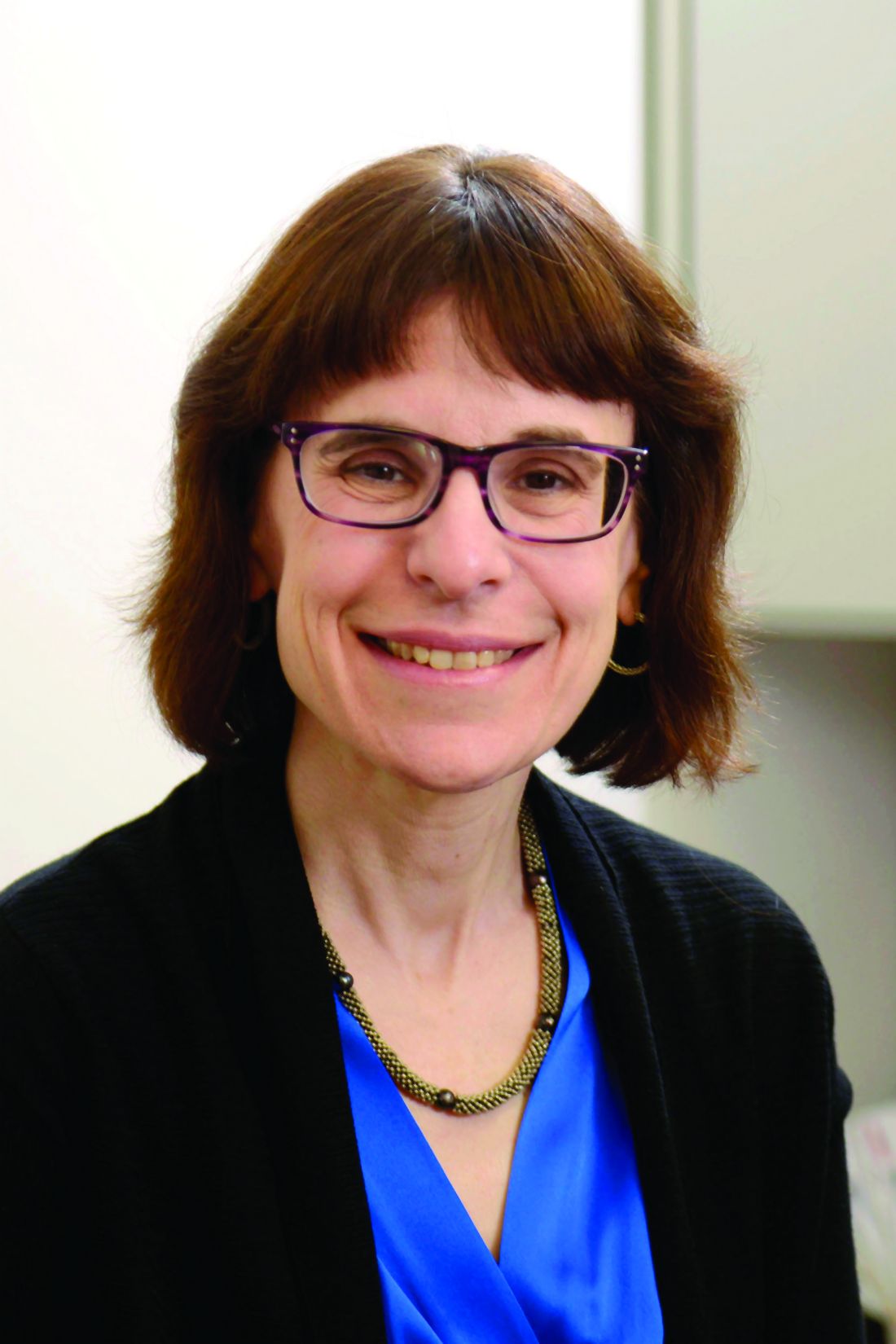
Physicians are well aware of the problem, but “they all think it’s not them,” she said.
She said a shortcoming of this study is that it is unclear what the payments were for, because many things are lumped together in the categories. In the case of food and beverage payments, she said that could include payments physicians don’t realize are going on their open payments profile.
Dr. Onel gives a personal example. When she goes to a medical conference, she says, “I don’t eat on pharma’s dime.” But because badge numbers are scanned, it appears she accepted the food provided by the pharmaceutical sponsor when she enters a room where food or coffee is being served.
She said that although there are outliers like rACTH that often get highlighted, “the numbers are very low of the physicians who had [industry] money, and the change in prescribing patterns actually was very low.”
She pointed to an important limitation that the authors list: The study was limited to patients with fee-for-service Medicare coverage and did not include those with private insurance.
“For example, Aetna, Cigna, and UnitedHealthcare have restricted reimbursement for rACTH in recent years, citing its lack of proven efficacy and the availability of more affordable options, and rACTH is not in the Veterans Affairs formulary,” the authors wrote.
Rapid development of specialty drugs
Still, the authors wrote, the associations described in this article are of high interest because even though rheumatologists make up a small proportion of the physician workforce, they have among the highest costs per prescription in Medicare drug claims.
“Rheumatology, second only to oncology, has entered an era of rapid development of specialty drugs, including biologic disease-modifying antirheumatic drugs (DMARDs),” the authors wrote.
The complex drugs are expensive to produce and require expertise in handling. Most are under patent with no generic or approved biosimilar equivalent.
Nearly half of all U.S. rheumatologists received some payment from a pharmaceutical company in the study period, and most payments to rheumatologists were for low dollar amounts.
The highest per-year annual expenditures were attributed to etanercept ($741 million), adalimumab ($620 million), and infliximab ($539 million).
These drugs were expensive per beneficiary ($20,728 for etanercept, $21,492 for adalimumab, and $15,941 for infliximab) and were prescribed by a large number of rheumatologists (4,068, 3,872, and 1,349, respectively).
Addressing the problem
Dr. Mitchell says the leaders of individual societies need to fill the gaps that leave busy clinicians searching for easy ways to get up-to-date information on drugs.
He says in all specialties, “Industry should not be the most easily and readily available source of information.
“We’re in the age of Zoom now,” he said. “There’s no reason you have to be sitting for an hour at lunch with a sales rep and not a brown-bag lunch getting a 1-hour update from a society on a new drug indication.
“We will get higher-quality information if we’re doing the education ourselves, and we’d be removing the sense of obligation to pay back the industry gift givers,” Dr. Mitchell said.
Dr. Onel said among the most critical work is making sure that the leadership of ACR is free of conflicts of interest.
“They are making decisions for the entire organization. We need to feel safe and comfortable that they are acting in the best interest of the rheumatologists and patients versus corporate partners,” she said.
Guidelines must strictly follow the standards from the Institute of Medicine that fewer than 50% of the regular guideline committee members may have commercial conflicts, Dr. Onel said.
She added that training on real or apparent conflicts of interest must start in medical school, residency, and fellowship, before physicians start to think they know their own practice patterns and that the results don’t apply to them.
However, the reality is that the industry and physicians will always need each other, she said.
Dr. Onel describes a tension between rheumatologists needing industry’s help for research and education, especially when federal money for research can be difficult to get, and managing those relationships to avoid real or apparent conflicts.
“We want the public’s trust,” she said.
A study coauthor has served on advisory boards of Boehringer Ingelheim (> $10,000) and Gilead Sciences (> $10,000); has served on speakers bureaus for Simply Speaking (> $10,000) and Boehringer Ingelheim (< $10,000); and has received royalties from UpToDate (> $10,000). Dr. Mitchell and Dr. Onel reported no relevant financial relationships.
* Update, 2/25/22: This article, which originally attributed comments to Dr. Karen Onel personally, has been updated to further emphasize that these comments were not on behalf of the committee that she leads.
A version of this article first appeared on Medscape.com.
Payments to rheumatologists by pharmaceutical companies, whether through food and beverages or consulting fees, are linked with a higher likelihood of prescribing drugs and higher Medicare spending, according to a new study published Feb. 2 in Mayo Clinic Proceedings.
Alí Duarte-García, MD, of the division of rheumatology in the department of medicine at the Mayo Clinic in Rochester, Minn., led the study.
Researchers conducted a cross-sectional analysis of Medicare Part B Public Use File, Medicare Part D Public Use File, and Open Payments data for 2013-2015. They included prescription drugs that accounted for 80% of the total Medicare pharmaceutical expenditures in rheumatology.
They then calculated annual average drug cost per beneficiary per year, the percentage of rheumatologists who received payments, and the average payment per physician per drug per year. Industry payments were categorized as either food/beverage or consulting/compensation.
Multivariable regression models were used to assess links between industry payments, prescribing patterns, and prescription drug spending.
‘Directly associated’ with prescribing probability
The authors concluded that “pharmaceutical company payments to rheumatologists were directly associated with the probability of the physician’s prescribing a drug marketed by that company, the proportion of prescriptions that are for that drug, and the resulting Medicare expenditures.”
The authors noted that food and beverage payments were associated with increased Medicare reimbursement amounts for all drugs except rituximab.
The article includes examples that help quantify the link between payments and prescribing.
The authors wrote that for each $100 in food/beverage payments, Medicare reimbursement increased 6% to 44%. The increases were particularly high for infliximab and rACTH (repository corticotropin injection), “whereby a payment of $100 to a prescriber of these drugs was associated with increases of approximately $72,000 and $30,000 in Medicare reimbursements, respectively. For most of the other drugs, for every $100 in payments, the Medicare reimbursement increased by $8,000 to $13,000.”
The associations were strongest for food and beverage payments even though those were for lower dollar amounts.
The researchers found that every $100 in food and beverage payments, which also include gifts, entertainment, or educational materials, was linked with more than twofold higher probability of prescribing and higher Medicare reimbursements than for every $1,000 paid in consulting fees and compensation.
That finding and findings from previous studies, they say, “suggest that the current approach to regulating industry influence, which focuses on disclosure of large payments, may be inadequate.”
Aaron P. Mitchell, MD, a medical oncologist and health services researcher with Memorial Sloan Kettering Cancer Center in New York, told this news organization that the findings regarding rACTH show the potential harm of industry payments that are linked with prescribing.
The drug is a naturally produced hormone used for both rheumatologic and neurologic conditions. “Since it is an unpatentable drug – really just a hormone – it’s kind of grandfathered in and never had to get [Food and Drug Administration] approval for its current indications,” Dr. Mitchell said.
The drug, which costs nearly $230,000 per Medicare beneficiary, hasn’t been tested head to head in large randomized trials against much cheaper rheumatology drugs, such as prednisone.
In the case of infliximab, he noted, for every $100 in food/beverage payments, there was an increase of $72,000 in Medicare spending.
Dr. Mitchell studies industry influence in a variety of specialties and said rheumatology follows the universal pattern, although the drugs used in the specialty are more expensive than in many specialties.
He agrees with the authors that focusing on disclosures to address the problem is probably not enough.
“We’ve been in this period of full and open disclosure for going on 10 years, and we haven’t really seen a decline in these payments,” he said.
Results won’t surprise rheumatologists
Karen Onel, MD, a pediatric rheumatologist at the Hospital for Special Surgery, New York, and chair of the American College of Rheumatology’s Ethics and Conflict of Interest Committee, who said she was speaking only for herself and not on behalf of the committee, told this news organization that the study will not be surprising to rheumatologists or to physicians in other specialties who are aware of the plethora of studies that concluded that industry payments influence prescribing.*
Physicians are well aware of the problem, but “they all think it’s not them,” she said.
She said a shortcoming of this study is that it is unclear what the payments were for, because many things are lumped together in the categories. In the case of food and beverage payments, she said that could include payments physicians don’t realize are going on their open payments profile.
Dr. Onel gives a personal example. When she goes to a medical conference, she says, “I don’t eat on pharma’s dime.” But because badge numbers are scanned, it appears she accepted the food provided by the pharmaceutical sponsor when she enters a room where food or coffee is being served.
She said that although there are outliers like rACTH that often get highlighted, “the numbers are very low of the physicians who had [industry] money, and the change in prescribing patterns actually was very low.”
She pointed to an important limitation that the authors list: The study was limited to patients with fee-for-service Medicare coverage and did not include those with private insurance.
“For example, Aetna, Cigna, and UnitedHealthcare have restricted reimbursement for rACTH in recent years, citing its lack of proven efficacy and the availability of more affordable options, and rACTH is not in the Veterans Affairs formulary,” the authors wrote.
Rapid development of specialty drugs
Still, the authors wrote, the associations described in this article are of high interest because even though rheumatologists make up a small proportion of the physician workforce, they have among the highest costs per prescription in Medicare drug claims.
“Rheumatology, second only to oncology, has entered an era of rapid development of specialty drugs, including biologic disease-modifying antirheumatic drugs (DMARDs),” the authors wrote.
The complex drugs are expensive to produce and require expertise in handling. Most are under patent with no generic or approved biosimilar equivalent.
Nearly half of all U.S. rheumatologists received some payment from a pharmaceutical company in the study period, and most payments to rheumatologists were for low dollar amounts.
The highest per-year annual expenditures were attributed to etanercept ($741 million), adalimumab ($620 million), and infliximab ($539 million).
These drugs were expensive per beneficiary ($20,728 for etanercept, $21,492 for adalimumab, and $15,941 for infliximab) and were prescribed by a large number of rheumatologists (4,068, 3,872, and 1,349, respectively).
Addressing the problem
Dr. Mitchell says the leaders of individual societies need to fill the gaps that leave busy clinicians searching for easy ways to get up-to-date information on drugs.
He says in all specialties, “Industry should not be the most easily and readily available source of information.
“We’re in the age of Zoom now,” he said. “There’s no reason you have to be sitting for an hour at lunch with a sales rep and not a brown-bag lunch getting a 1-hour update from a society on a new drug indication.
“We will get higher-quality information if we’re doing the education ourselves, and we’d be removing the sense of obligation to pay back the industry gift givers,” Dr. Mitchell said.
Dr. Onel said among the most critical work is making sure that the leadership of ACR is free of conflicts of interest.
“They are making decisions for the entire organization. We need to feel safe and comfortable that they are acting in the best interest of the rheumatologists and patients versus corporate partners,” she said.
Guidelines must strictly follow the standards from the Institute of Medicine that fewer than 50% of the regular guideline committee members may have commercial conflicts, Dr. Onel said.
She added that training on real or apparent conflicts of interest must start in medical school, residency, and fellowship, before physicians start to think they know their own practice patterns and that the results don’t apply to them.
However, the reality is that the industry and physicians will always need each other, she said.
Dr. Onel describes a tension between rheumatologists needing industry’s help for research and education, especially when federal money for research can be difficult to get, and managing those relationships to avoid real or apparent conflicts.
“We want the public’s trust,” she said.
A study coauthor has served on advisory boards of Boehringer Ingelheim (> $10,000) and Gilead Sciences (> $10,000); has served on speakers bureaus for Simply Speaking (> $10,000) and Boehringer Ingelheim (< $10,000); and has received royalties from UpToDate (> $10,000). Dr. Mitchell and Dr. Onel reported no relevant financial relationships.
* Update, 2/25/22: This article, which originally attributed comments to Dr. Karen Onel personally, has been updated to further emphasize that these comments were not on behalf of the committee that she leads.
A version of this article first appeared on Medscape.com.
Payments to rheumatologists by pharmaceutical companies, whether through food and beverages or consulting fees, are linked with a higher likelihood of prescribing drugs and higher Medicare spending, according to a new study published Feb. 2 in Mayo Clinic Proceedings.
Alí Duarte-García, MD, of the division of rheumatology in the department of medicine at the Mayo Clinic in Rochester, Minn., led the study.
Researchers conducted a cross-sectional analysis of Medicare Part B Public Use File, Medicare Part D Public Use File, and Open Payments data for 2013-2015. They included prescription drugs that accounted for 80% of the total Medicare pharmaceutical expenditures in rheumatology.
They then calculated annual average drug cost per beneficiary per year, the percentage of rheumatologists who received payments, and the average payment per physician per drug per year. Industry payments were categorized as either food/beverage or consulting/compensation.
Multivariable regression models were used to assess links between industry payments, prescribing patterns, and prescription drug spending.
‘Directly associated’ with prescribing probability
The authors concluded that “pharmaceutical company payments to rheumatologists were directly associated with the probability of the physician’s prescribing a drug marketed by that company, the proportion of prescriptions that are for that drug, and the resulting Medicare expenditures.”
The authors noted that food and beverage payments were associated with increased Medicare reimbursement amounts for all drugs except rituximab.
The article includes examples that help quantify the link between payments and prescribing.
The authors wrote that for each $100 in food/beverage payments, Medicare reimbursement increased 6% to 44%. The increases were particularly high for infliximab and rACTH (repository corticotropin injection), “whereby a payment of $100 to a prescriber of these drugs was associated with increases of approximately $72,000 and $30,000 in Medicare reimbursements, respectively. For most of the other drugs, for every $100 in payments, the Medicare reimbursement increased by $8,000 to $13,000.”
The associations were strongest for food and beverage payments even though those were for lower dollar amounts.
The researchers found that every $100 in food and beverage payments, which also include gifts, entertainment, or educational materials, was linked with more than twofold higher probability of prescribing and higher Medicare reimbursements than for every $1,000 paid in consulting fees and compensation.
That finding and findings from previous studies, they say, “suggest that the current approach to regulating industry influence, which focuses on disclosure of large payments, may be inadequate.”
Aaron P. Mitchell, MD, a medical oncologist and health services researcher with Memorial Sloan Kettering Cancer Center in New York, told this news organization that the findings regarding rACTH show the potential harm of industry payments that are linked with prescribing.
The drug is a naturally produced hormone used for both rheumatologic and neurologic conditions. “Since it is an unpatentable drug – really just a hormone – it’s kind of grandfathered in and never had to get [Food and Drug Administration] approval for its current indications,” Dr. Mitchell said.
The drug, which costs nearly $230,000 per Medicare beneficiary, hasn’t been tested head to head in large randomized trials against much cheaper rheumatology drugs, such as prednisone.
In the case of infliximab, he noted, for every $100 in food/beverage payments, there was an increase of $72,000 in Medicare spending.
Dr. Mitchell studies industry influence in a variety of specialties and said rheumatology follows the universal pattern, although the drugs used in the specialty are more expensive than in many specialties.
He agrees with the authors that focusing on disclosures to address the problem is probably not enough.
“We’ve been in this period of full and open disclosure for going on 10 years, and we haven’t really seen a decline in these payments,” he said.
Results won’t surprise rheumatologists
Karen Onel, MD, a pediatric rheumatologist at the Hospital for Special Surgery, New York, and chair of the American College of Rheumatology’s Ethics and Conflict of Interest Committee, who said she was speaking only for herself and not on behalf of the committee, told this news organization that the study will not be surprising to rheumatologists or to physicians in other specialties who are aware of the plethora of studies that concluded that industry payments influence prescribing.*
Physicians are well aware of the problem, but “they all think it’s not them,” she said.
She said a shortcoming of this study is that it is unclear what the payments were for, because many things are lumped together in the categories. In the case of food and beverage payments, she said that could include payments physicians don’t realize are going on their open payments profile.
Dr. Onel gives a personal example. When she goes to a medical conference, she says, “I don’t eat on pharma’s dime.” But because badge numbers are scanned, it appears she accepted the food provided by the pharmaceutical sponsor when she enters a room where food or coffee is being served.
She said that although there are outliers like rACTH that often get highlighted, “the numbers are very low of the physicians who had [industry] money, and the change in prescribing patterns actually was very low.”
She pointed to an important limitation that the authors list: The study was limited to patients with fee-for-service Medicare coverage and did not include those with private insurance.
“For example, Aetna, Cigna, and UnitedHealthcare have restricted reimbursement for rACTH in recent years, citing its lack of proven efficacy and the availability of more affordable options, and rACTH is not in the Veterans Affairs formulary,” the authors wrote.
Rapid development of specialty drugs
Still, the authors wrote, the associations described in this article are of high interest because even though rheumatologists make up a small proportion of the physician workforce, they have among the highest costs per prescription in Medicare drug claims.
“Rheumatology, second only to oncology, has entered an era of rapid development of specialty drugs, including biologic disease-modifying antirheumatic drugs (DMARDs),” the authors wrote.
The complex drugs are expensive to produce and require expertise in handling. Most are under patent with no generic or approved biosimilar equivalent.
Nearly half of all U.S. rheumatologists received some payment from a pharmaceutical company in the study period, and most payments to rheumatologists were for low dollar amounts.
The highest per-year annual expenditures were attributed to etanercept ($741 million), adalimumab ($620 million), and infliximab ($539 million).
These drugs were expensive per beneficiary ($20,728 for etanercept, $21,492 for adalimumab, and $15,941 for infliximab) and were prescribed by a large number of rheumatologists (4,068, 3,872, and 1,349, respectively).
Addressing the problem
Dr. Mitchell says the leaders of individual societies need to fill the gaps that leave busy clinicians searching for easy ways to get up-to-date information on drugs.
He says in all specialties, “Industry should not be the most easily and readily available source of information.
“We’re in the age of Zoom now,” he said. “There’s no reason you have to be sitting for an hour at lunch with a sales rep and not a brown-bag lunch getting a 1-hour update from a society on a new drug indication.
“We will get higher-quality information if we’re doing the education ourselves, and we’d be removing the sense of obligation to pay back the industry gift givers,” Dr. Mitchell said.
Dr. Onel said among the most critical work is making sure that the leadership of ACR is free of conflicts of interest.
“They are making decisions for the entire organization. We need to feel safe and comfortable that they are acting in the best interest of the rheumatologists and patients versus corporate partners,” she said.
Guidelines must strictly follow the standards from the Institute of Medicine that fewer than 50% of the regular guideline committee members may have commercial conflicts, Dr. Onel said.
She added that training on real or apparent conflicts of interest must start in medical school, residency, and fellowship, before physicians start to think they know their own practice patterns and that the results don’t apply to them.
However, the reality is that the industry and physicians will always need each other, she said.
Dr. Onel describes a tension between rheumatologists needing industry’s help for research and education, especially when federal money for research can be difficult to get, and managing those relationships to avoid real or apparent conflicts.
“We want the public’s trust,” she said.
A study coauthor has served on advisory boards of Boehringer Ingelheim (> $10,000) and Gilead Sciences (> $10,000); has served on speakers bureaus for Simply Speaking (> $10,000) and Boehringer Ingelheim (< $10,000); and has received royalties from UpToDate (> $10,000). Dr. Mitchell and Dr. Onel reported no relevant financial relationships.
* Update, 2/25/22: This article, which originally attributed comments to Dr. Karen Onel personally, has been updated to further emphasize that these comments were not on behalf of the committee that she leads.
A version of this article first appeared on Medscape.com.