User login
Hospitalists Have Full Range of Career Opportunities
Jane Jerrard covered some potential career paths for academic hospitalists in her article “How to Navigate Hospital Medicine” (May 2007, p. 9). But I believe her account was incomplete. I would like to add detail to the opportunities in community-based and other programs.
Community-based medical groups offer a number of opportunities in hospitals or hospital systems. These include:
- Committee chairman. Most hospitals want interested, dedicated individuals to chair traditional medical staff committees. Hospitalists are well suited because our unique perspective lets us identify processes or products that can help many patients. Begin by serving on a committee, such as ethics, pharmacy and therapeutics, IRB, or departmental peer review. As you get comfortable, discuss potential chairmanships with the chief of staff or the vice president of medical affairs (VPMA). Don’t expect to advance if you don’t show up or don’t come prepared to committee meetings.
- Department chairperson. These positions are often elected and may allow one to serve on the credentials committee and the medical executive committee.
- Medical staff officers. Hospitalists often are elected to these key positions and gain access to administration and various committees.
- Project manager. Installing and using electronic medical records and devices calls for physician involvement in design and support. These are great chances to work on interesting projects and affect the tools you work with.
- Hospital administrative positions. Many hospitals have a VPMA or a chief medical officer (CMO), and some are developing the role of vice president of quality. These can be full- or part-time positions. You will be expected to help members of the medical staff implement change, and you should have experience and proven effectiveness in prior roles. Several predict that hospital COOs and CEOs of the future will be hospitalists.
Another path of opportunity is within your organization, depending on your employer. These roles may overlap with hospital positions:
- Group leader. Generally responsible for working on scheduling, recruitment, and organizational structure. The job may involve responsibility for one or more facilities.
- Compliance officer. Someone in the group must understand billing, coding, and proper use of rules and legislation.
- Quality and safety officer.
- Group president.
Hospitalists can also participate on committees that deal with such areas as pension plans, contracts, or other business.
Health insurance companies provide opportunities for individuals to practice part-time and serve as medical directors. They also have career paths for VPMAs and CMOs.
Also, many healthcare companies have been started and run by physicians. Invent something; start a company. The opportunities are endless.
Some other tips:
- Educate yourself. Take courses like the SHM Leadership Academy. Learn how to interact in a businesslike manner. Some on-the-job training is OK, but management and leadership are new fields that require new learning.
- Read. There are many great books on being an executive. Learn how to run a meeting, make an agenda, work with other professionals, and delegate.
- Ask for help. Find an individual or individuals with whom you can discuss ideas. Some of your best mentors will be managers in other fields.
Mary Jo Gorman, MD, MBA
Immediate Past President, SHM
Consequences of Locum Tenens Work
I feel one piece of advice in the Career Development section in the May issue of The Hospitalist (“How to Navigate Hospital Medicine,” p. 9) is not complete and may adversely affect a new hospitalist’s career.
The article recommends exploring locum tenens work. We have found two unintended consequences of such action. First, the locum companies usually have a buyout clause for the physician. Should he decide he likes a location and wishes to stay, the potential employer faces an additional cost in the $20,000-$30,000 range. It makes budgeting difficult. Also, there is usually a clause in the locum contract that this policy is in place for two years after leaving the locum company.
Second, frequent job changes lead to prolonged processing of credentials at hospitals as they verify good standing at all previous practice sites. This means delays that force a hospitalist company to look for more readily available docs. The physician may be unable to find hospitals in highly desirable areas.
The article was otherwise well balanced and timely.
George Block, MD
CMO, Galen Inpatient Physicians Medical Group
Emeryville, Calif.
Jane Jerrard covered some potential career paths for academic hospitalists in her article “How to Navigate Hospital Medicine” (May 2007, p. 9). But I believe her account was incomplete. I would like to add detail to the opportunities in community-based and other programs.
Community-based medical groups offer a number of opportunities in hospitals or hospital systems. These include:
- Committee chairman. Most hospitals want interested, dedicated individuals to chair traditional medical staff committees. Hospitalists are well suited because our unique perspective lets us identify processes or products that can help many patients. Begin by serving on a committee, such as ethics, pharmacy and therapeutics, IRB, or departmental peer review. As you get comfortable, discuss potential chairmanships with the chief of staff or the vice president of medical affairs (VPMA). Don’t expect to advance if you don’t show up or don’t come prepared to committee meetings.
- Department chairperson. These positions are often elected and may allow one to serve on the credentials committee and the medical executive committee.
- Medical staff officers. Hospitalists often are elected to these key positions and gain access to administration and various committees.
- Project manager. Installing and using electronic medical records and devices calls for physician involvement in design and support. These are great chances to work on interesting projects and affect the tools you work with.
- Hospital administrative positions. Many hospitals have a VPMA or a chief medical officer (CMO), and some are developing the role of vice president of quality. These can be full- or part-time positions. You will be expected to help members of the medical staff implement change, and you should have experience and proven effectiveness in prior roles. Several predict that hospital COOs and CEOs of the future will be hospitalists.
Another path of opportunity is within your organization, depending on your employer. These roles may overlap with hospital positions:
- Group leader. Generally responsible for working on scheduling, recruitment, and organizational structure. The job may involve responsibility for one or more facilities.
- Compliance officer. Someone in the group must understand billing, coding, and proper use of rules and legislation.
- Quality and safety officer.
- Group president.
Hospitalists can also participate on committees that deal with such areas as pension plans, contracts, or other business.
Health insurance companies provide opportunities for individuals to practice part-time and serve as medical directors. They also have career paths for VPMAs and CMOs.
Also, many healthcare companies have been started and run by physicians. Invent something; start a company. The opportunities are endless.
Some other tips:
- Educate yourself. Take courses like the SHM Leadership Academy. Learn how to interact in a businesslike manner. Some on-the-job training is OK, but management and leadership are new fields that require new learning.
- Read. There are many great books on being an executive. Learn how to run a meeting, make an agenda, work with other professionals, and delegate.
- Ask for help. Find an individual or individuals with whom you can discuss ideas. Some of your best mentors will be managers in other fields.
Mary Jo Gorman, MD, MBA
Immediate Past President, SHM
Consequences of Locum Tenens Work
I feel one piece of advice in the Career Development section in the May issue of The Hospitalist (“How to Navigate Hospital Medicine,” p. 9) is not complete and may adversely affect a new hospitalist’s career.
The article recommends exploring locum tenens work. We have found two unintended consequences of such action. First, the locum companies usually have a buyout clause for the physician. Should he decide he likes a location and wishes to stay, the potential employer faces an additional cost in the $20,000-$30,000 range. It makes budgeting difficult. Also, there is usually a clause in the locum contract that this policy is in place for two years after leaving the locum company.
Second, frequent job changes lead to prolonged processing of credentials at hospitals as they verify good standing at all previous practice sites. This means delays that force a hospitalist company to look for more readily available docs. The physician may be unable to find hospitals in highly desirable areas.
The article was otherwise well balanced and timely.
George Block, MD
CMO, Galen Inpatient Physicians Medical Group
Emeryville, Calif.
Jane Jerrard covered some potential career paths for academic hospitalists in her article “How to Navigate Hospital Medicine” (May 2007, p. 9). But I believe her account was incomplete. I would like to add detail to the opportunities in community-based and other programs.
Community-based medical groups offer a number of opportunities in hospitals or hospital systems. These include:
- Committee chairman. Most hospitals want interested, dedicated individuals to chair traditional medical staff committees. Hospitalists are well suited because our unique perspective lets us identify processes or products that can help many patients. Begin by serving on a committee, such as ethics, pharmacy and therapeutics, IRB, or departmental peer review. As you get comfortable, discuss potential chairmanships with the chief of staff or the vice president of medical affairs (VPMA). Don’t expect to advance if you don’t show up or don’t come prepared to committee meetings.
- Department chairperson. These positions are often elected and may allow one to serve on the credentials committee and the medical executive committee.
- Medical staff officers. Hospitalists often are elected to these key positions and gain access to administration and various committees.
- Project manager. Installing and using electronic medical records and devices calls for physician involvement in design and support. These are great chances to work on interesting projects and affect the tools you work with.
- Hospital administrative positions. Many hospitals have a VPMA or a chief medical officer (CMO), and some are developing the role of vice president of quality. These can be full- or part-time positions. You will be expected to help members of the medical staff implement change, and you should have experience and proven effectiveness in prior roles. Several predict that hospital COOs and CEOs of the future will be hospitalists.
Another path of opportunity is within your organization, depending on your employer. These roles may overlap with hospital positions:
- Group leader. Generally responsible for working on scheduling, recruitment, and organizational structure. The job may involve responsibility for one or more facilities.
- Compliance officer. Someone in the group must understand billing, coding, and proper use of rules and legislation.
- Quality and safety officer.
- Group president.
Hospitalists can also participate on committees that deal with such areas as pension plans, contracts, or other business.
Health insurance companies provide opportunities for individuals to practice part-time and serve as medical directors. They also have career paths for VPMAs and CMOs.
Also, many healthcare companies have been started and run by physicians. Invent something; start a company. The opportunities are endless.
Some other tips:
- Educate yourself. Take courses like the SHM Leadership Academy. Learn how to interact in a businesslike manner. Some on-the-job training is OK, but management and leadership are new fields that require new learning.
- Read. There are many great books on being an executive. Learn how to run a meeting, make an agenda, work with other professionals, and delegate.
- Ask for help. Find an individual or individuals with whom you can discuss ideas. Some of your best mentors will be managers in other fields.
Mary Jo Gorman, MD, MBA
Immediate Past President, SHM
Consequences of Locum Tenens Work
I feel one piece of advice in the Career Development section in the May issue of The Hospitalist (“How to Navigate Hospital Medicine,” p. 9) is not complete and may adversely affect a new hospitalist’s career.
The article recommends exploring locum tenens work. We have found two unintended consequences of such action. First, the locum companies usually have a buyout clause for the physician. Should he decide he likes a location and wishes to stay, the potential employer faces an additional cost in the $20,000-$30,000 range. It makes budgeting difficult. Also, there is usually a clause in the locum contract that this policy is in place for two years after leaving the locum company.
Second, frequent job changes lead to prolonged processing of credentials at hospitals as they verify good standing at all previous practice sites. This means delays that force a hospitalist company to look for more readily available docs. The physician may be unable to find hospitals in highly desirable areas.
The article was otherwise well balanced and timely.
George Block, MD
CMO, Galen Inpatient Physicians Medical Group
Emeryville, Calif.
Best in Show
On the last day of SHM’s Annual Meeting in May, attendees started their morning with an overview of three exciting projects in hospital medicine, with “Best of Research, Innovations and Clinical Vignettes in 2007.”
Boosting Hospitalists’ Research Efforts
Although hospital medicine programs in academic medical centers are growing rapidly, the role of hospitalist-researchers remains underdeveloped, said Scott A. Flanders, MD, clinical assistant professor, University of Michigan Health Systems, Ann Arbor, by way of introducing “Jumpstarting Hospitalist Clinical Research: The Specialist-Hospitalist Allied Research Program (SHARP).”
“The problem is that our clinical roles dominate over research,” he said. “Also, many hospitalists lack formal research training.” Hospitalists may also lack expertise in clinical areas and are less likely than specialists to become involved in the diagnosis, treatment, and follow-up of complex hospitalized patients. Specialists are also more likely to have access to extramural funding for disease-based clinical research.
For these reasons, Dr. Flanders and his colleagues implemented SHARP. Their purpose was to jumpstart inpatient-based clinical and translational research in academic medical centers by pairing specialists with hospitalists.
SHARP is designed to facilitate pilot projects and preliminary data collection, which can lead to funding. Ultimately, they hope to disseminate research activities to other institutions.
The SHARP infrastructure partners an academic hospitalist as principle investigator (PI) with an academic cardiologist serving as co-PI. The team also includes a hospitalist investigator, a research associate, a clinical epidemiologist, and other personnel as needed.
SHARP is overseen by the PI and co-PI along with an executive from the University of Michigan Health System, vice chair of the Department of Medicine, and the associate dean for Clinical and Translational Research. This oversight group meets semi-annually and facilitates project selection and program development. It also monitors all program metrics.
“Every SHARP project developed is expected to apply for extramural support,” explained Dr. Flanders. SHARP projects and personnel are funded through these sources for pilot data and utilize revenue from the hospital medicine program.
To date, SHARP has resulted in a number of Internal Review Board-approved projects; a number of grants have been submitted, and some have been funded. In addition, peer-reviewed manuscripts have been submitted and accepted.
“Clinical research is underdeveloped at most academic hospitalist programs,” pronounced Dr. Flanders. “Partnering hospitalists with specialists can facilitate collaborative research and, in turn, identify the best way to care for inpatients. I encourage everyone to borrow this idea for their own institution.”
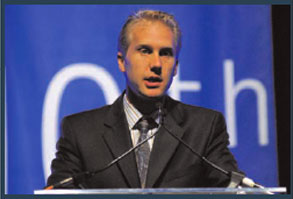
—Scott A. Flanders, MD, clinical associate professor, University of Michigan Health Systems, Ann Arbor
How Do Hospitalists Stack up?
In the short time hospitalists have been around, research has consistently shown that their addition has a positive or neutral effect on factors including length and cost of stay, patient mortality, and readmission rates. However, studies have been limited in scope—something Peter K. Lindenauer, MD, MSc, and his colleagues at Baystate Medical Center, Tufts University School of Medicine, Springfield, Mass., sought to correct in their own study, “Outcomes of Patients Treated by Hospitalists, General Internists and Family Physicians.”
The hospitalist-researchers wanted to compare outcomes for patients treated by three groups across a range of practice settings: hospitalists, non-hospitalist general internists, and family physicians.
The project they undertook was a retrospective cohort study that included patients admitted to 45 U.S. hospitals between September 2002 and July 2005. Patients were all at least 18 years old and had any of seven diagnoses: pneumonia, heart failure, chest pain, ischemic stroke, urinary tract infection, acute exacerbation of COPD, or acute myocardial infarction.
The total number of patients in the study was 76,926. Of these, 284 were cared for by a hospitalist, 993 by a general internist, and 971 by a family physician.
Dr. Lindenauer and his colleagues found that patients in all groups had similar patterns of comorbidities, although hospitalists were more likely to have patients who were covered by managed-care plans and not covered by traditional Medicare.
As for length of stay (LOS), patients cared for by hospitalists had an LOS 0.6 days shorter than internists and 0.4 days shorter than family physicians. Similarly, hospitalists’ patients had an adjusted cost per case approximately $404 less than that of general internists and on a par with family physicians.
The researchers found no significant differences in mortality or readmission rates among patients in the three physician groups.
Dr. Lindenauer wondered if the higher volume of patients seen by hospitalists would explain the differences in patient outcomes. However, when the researchers compared data for hospitalists with similar high-volume general internists and family physicians, they found similar differences in LOS and costs as they had found previously—suggesting other factors may be responsible for hospitalist effect.
Glycemic Control Issues
“Can we have our sugar-free cake and eat it too?” asked Greg Maynard, MD, MS, chief of the Division of Hospital Medicine, University of California, San Diego, when he presented his team’s project on inpatient glycemic control, “Effect of a Standardized Subcutaneous Insulin Order Set and an Insulin Management Protocol.”
“Inpatient diabetes and hyperglycemia is very common,” Dr. Maynard pointed out, “and poor control is associated with poor outcomes.” Although a standardized subcutaneous insulin order set (SQIO) is recommended, its impact is not yet proven.
Therefore, Dr. Maynard’s team set out to test the effectiveness of a standardized order set on adult inpatients in non-critical care wards with point-of-care glucose testing, in academic medical centers with more than 400 beds. Between November 2002 and October 2003, the group put together a baseline for insulin use patterns, glycemic control, and hypoglycemia. They then implemented a standardized SQIO set, which lasted for a year and a half, followed by a second intervention to monitor the incremental effect of an insulin management protocol.
In the first intervention, the researchers introduced basal, nutritional, and correction dose terminology to clinicians. They made a multiple correction dose scale available (based on total insulin dose required), discouraged sliding-scale-only regimens, instituted check-box simplicity, provided guidance for dosing, and incorporated hypoglycemia protocol. Order sets were produced in print first, then as computerized physician order entries.
The second stage, insulin management protocol, included a one-page algorithm, a glycemic target, a prompt for A1C, guidance on dosing including adjustments, and suggested regimens for patients who are eating, non-eating patients, and patients on enteral nutrition. This intervention was introduced with case-based teaching.
Within three months of implementing the SQIO, the use of sliding-scale-only regimens decreased as clinicians switched to regimens with some scheduled basal insulin.
The percentage of patients with a mean glucose lower than 180 mg a day was 62% at baseline and rose to 69% with the implementation of the SQIO. When the algorithm was used, it rose to 73%. The percentage of patient days with completely controlled glucose (between 60 and 180 mg/day) rose from 44% at baseline, to 48% with the SQIO, to 53% with the algorithm.
“But what about hypoglycemia?” asked Dr. Maynard. “The percentage of patient days with hypoglycemia decreased by 30% and 31%, respectively.” The addition of a standardized SQIO with an insulin management protocol improved glycemic control, reduced hypoglycemia, and changed insulin use patterns. TH
On the last day of SHM’s Annual Meeting in May, attendees started their morning with an overview of three exciting projects in hospital medicine, with “Best of Research, Innovations and Clinical Vignettes in 2007.”
Boosting Hospitalists’ Research Efforts
Although hospital medicine programs in academic medical centers are growing rapidly, the role of hospitalist-researchers remains underdeveloped, said Scott A. Flanders, MD, clinical assistant professor, University of Michigan Health Systems, Ann Arbor, by way of introducing “Jumpstarting Hospitalist Clinical Research: The Specialist-Hospitalist Allied Research Program (SHARP).”
“The problem is that our clinical roles dominate over research,” he said. “Also, many hospitalists lack formal research training.” Hospitalists may also lack expertise in clinical areas and are less likely than specialists to become involved in the diagnosis, treatment, and follow-up of complex hospitalized patients. Specialists are also more likely to have access to extramural funding for disease-based clinical research.
For these reasons, Dr. Flanders and his colleagues implemented SHARP. Their purpose was to jumpstart inpatient-based clinical and translational research in academic medical centers by pairing specialists with hospitalists.
SHARP is designed to facilitate pilot projects and preliminary data collection, which can lead to funding. Ultimately, they hope to disseminate research activities to other institutions.
The SHARP infrastructure partners an academic hospitalist as principle investigator (PI) with an academic cardiologist serving as co-PI. The team also includes a hospitalist investigator, a research associate, a clinical epidemiologist, and other personnel as needed.
SHARP is overseen by the PI and co-PI along with an executive from the University of Michigan Health System, vice chair of the Department of Medicine, and the associate dean for Clinical and Translational Research. This oversight group meets semi-annually and facilitates project selection and program development. It also monitors all program metrics.
“Every SHARP project developed is expected to apply for extramural support,” explained Dr. Flanders. SHARP projects and personnel are funded through these sources for pilot data and utilize revenue from the hospital medicine program.
To date, SHARP has resulted in a number of Internal Review Board-approved projects; a number of grants have been submitted, and some have been funded. In addition, peer-reviewed manuscripts have been submitted and accepted.
“Clinical research is underdeveloped at most academic hospitalist programs,” pronounced Dr. Flanders. “Partnering hospitalists with specialists can facilitate collaborative research and, in turn, identify the best way to care for inpatients. I encourage everyone to borrow this idea for their own institution.”
—Scott A. Flanders, MD, clinical associate professor, University of Michigan Health Systems, Ann Arbor
How Do Hospitalists Stack up?
In the short time hospitalists have been around, research has consistently shown that their addition has a positive or neutral effect on factors including length and cost of stay, patient mortality, and readmission rates. However, studies have been limited in scope—something Peter K. Lindenauer, MD, MSc, and his colleagues at Baystate Medical Center, Tufts University School of Medicine, Springfield, Mass., sought to correct in their own study, “Outcomes of Patients Treated by Hospitalists, General Internists and Family Physicians.”
The hospitalist-researchers wanted to compare outcomes for patients treated by three groups across a range of practice settings: hospitalists, non-hospitalist general internists, and family physicians.
The project they undertook was a retrospective cohort study that included patients admitted to 45 U.S. hospitals between September 2002 and July 2005. Patients were all at least 18 years old and had any of seven diagnoses: pneumonia, heart failure, chest pain, ischemic stroke, urinary tract infection, acute exacerbation of COPD, or acute myocardial infarction.
The total number of patients in the study was 76,926. Of these, 284 were cared for by a hospitalist, 993 by a general internist, and 971 by a family physician.
Dr. Lindenauer and his colleagues found that patients in all groups had similar patterns of comorbidities, although hospitalists were more likely to have patients who were covered by managed-care plans and not covered by traditional Medicare.
As for length of stay (LOS), patients cared for by hospitalists had an LOS 0.6 days shorter than internists and 0.4 days shorter than family physicians. Similarly, hospitalists’ patients had an adjusted cost per case approximately $404 less than that of general internists and on a par with family physicians.
The researchers found no significant differences in mortality or readmission rates among patients in the three physician groups.
Dr. Lindenauer wondered if the higher volume of patients seen by hospitalists would explain the differences in patient outcomes. However, when the researchers compared data for hospitalists with similar high-volume general internists and family physicians, they found similar differences in LOS and costs as they had found previously—suggesting other factors may be responsible for hospitalist effect.
Glycemic Control Issues
“Can we have our sugar-free cake and eat it too?” asked Greg Maynard, MD, MS, chief of the Division of Hospital Medicine, University of California, San Diego, when he presented his team’s project on inpatient glycemic control, “Effect of a Standardized Subcutaneous Insulin Order Set and an Insulin Management Protocol.”
“Inpatient diabetes and hyperglycemia is very common,” Dr. Maynard pointed out, “and poor control is associated with poor outcomes.” Although a standardized subcutaneous insulin order set (SQIO) is recommended, its impact is not yet proven.
Therefore, Dr. Maynard’s team set out to test the effectiveness of a standardized order set on adult inpatients in non-critical care wards with point-of-care glucose testing, in academic medical centers with more than 400 beds. Between November 2002 and October 2003, the group put together a baseline for insulin use patterns, glycemic control, and hypoglycemia. They then implemented a standardized SQIO set, which lasted for a year and a half, followed by a second intervention to monitor the incremental effect of an insulin management protocol.
In the first intervention, the researchers introduced basal, nutritional, and correction dose terminology to clinicians. They made a multiple correction dose scale available (based on total insulin dose required), discouraged sliding-scale-only regimens, instituted check-box simplicity, provided guidance for dosing, and incorporated hypoglycemia protocol. Order sets were produced in print first, then as computerized physician order entries.
The second stage, insulin management protocol, included a one-page algorithm, a glycemic target, a prompt for A1C, guidance on dosing including adjustments, and suggested regimens for patients who are eating, non-eating patients, and patients on enteral nutrition. This intervention was introduced with case-based teaching.
Within three months of implementing the SQIO, the use of sliding-scale-only regimens decreased as clinicians switched to regimens with some scheduled basal insulin.
The percentage of patients with a mean glucose lower than 180 mg a day was 62% at baseline and rose to 69% with the implementation of the SQIO. When the algorithm was used, it rose to 73%. The percentage of patient days with completely controlled glucose (between 60 and 180 mg/day) rose from 44% at baseline, to 48% with the SQIO, to 53% with the algorithm.
“But what about hypoglycemia?” asked Dr. Maynard. “The percentage of patient days with hypoglycemia decreased by 30% and 31%, respectively.” The addition of a standardized SQIO with an insulin management protocol improved glycemic control, reduced hypoglycemia, and changed insulin use patterns. TH
On the last day of SHM’s Annual Meeting in May, attendees started their morning with an overview of three exciting projects in hospital medicine, with “Best of Research, Innovations and Clinical Vignettes in 2007.”
Boosting Hospitalists’ Research Efforts
Although hospital medicine programs in academic medical centers are growing rapidly, the role of hospitalist-researchers remains underdeveloped, said Scott A. Flanders, MD, clinical assistant professor, University of Michigan Health Systems, Ann Arbor, by way of introducing “Jumpstarting Hospitalist Clinical Research: The Specialist-Hospitalist Allied Research Program (SHARP).”
“The problem is that our clinical roles dominate over research,” he said. “Also, many hospitalists lack formal research training.” Hospitalists may also lack expertise in clinical areas and are less likely than specialists to become involved in the diagnosis, treatment, and follow-up of complex hospitalized patients. Specialists are also more likely to have access to extramural funding for disease-based clinical research.
For these reasons, Dr. Flanders and his colleagues implemented SHARP. Their purpose was to jumpstart inpatient-based clinical and translational research in academic medical centers by pairing specialists with hospitalists.
SHARP is designed to facilitate pilot projects and preliminary data collection, which can lead to funding. Ultimately, they hope to disseminate research activities to other institutions.
The SHARP infrastructure partners an academic hospitalist as principle investigator (PI) with an academic cardiologist serving as co-PI. The team also includes a hospitalist investigator, a research associate, a clinical epidemiologist, and other personnel as needed.
SHARP is overseen by the PI and co-PI along with an executive from the University of Michigan Health System, vice chair of the Department of Medicine, and the associate dean for Clinical and Translational Research. This oversight group meets semi-annually and facilitates project selection and program development. It also monitors all program metrics.
“Every SHARP project developed is expected to apply for extramural support,” explained Dr. Flanders. SHARP projects and personnel are funded through these sources for pilot data and utilize revenue from the hospital medicine program.
To date, SHARP has resulted in a number of Internal Review Board-approved projects; a number of grants have been submitted, and some have been funded. In addition, peer-reviewed manuscripts have been submitted and accepted.
“Clinical research is underdeveloped at most academic hospitalist programs,” pronounced Dr. Flanders. “Partnering hospitalists with specialists can facilitate collaborative research and, in turn, identify the best way to care for inpatients. I encourage everyone to borrow this idea for their own institution.”
—Scott A. Flanders, MD, clinical associate professor, University of Michigan Health Systems, Ann Arbor
How Do Hospitalists Stack up?
In the short time hospitalists have been around, research has consistently shown that their addition has a positive or neutral effect on factors including length and cost of stay, patient mortality, and readmission rates. However, studies have been limited in scope—something Peter K. Lindenauer, MD, MSc, and his colleagues at Baystate Medical Center, Tufts University School of Medicine, Springfield, Mass., sought to correct in their own study, “Outcomes of Patients Treated by Hospitalists, General Internists and Family Physicians.”
The hospitalist-researchers wanted to compare outcomes for patients treated by three groups across a range of practice settings: hospitalists, non-hospitalist general internists, and family physicians.
The project they undertook was a retrospective cohort study that included patients admitted to 45 U.S. hospitals between September 2002 and July 2005. Patients were all at least 18 years old and had any of seven diagnoses: pneumonia, heart failure, chest pain, ischemic stroke, urinary tract infection, acute exacerbation of COPD, or acute myocardial infarction.
The total number of patients in the study was 76,926. Of these, 284 were cared for by a hospitalist, 993 by a general internist, and 971 by a family physician.
Dr. Lindenauer and his colleagues found that patients in all groups had similar patterns of comorbidities, although hospitalists were more likely to have patients who were covered by managed-care plans and not covered by traditional Medicare.
As for length of stay (LOS), patients cared for by hospitalists had an LOS 0.6 days shorter than internists and 0.4 days shorter than family physicians. Similarly, hospitalists’ patients had an adjusted cost per case approximately $404 less than that of general internists and on a par with family physicians.
The researchers found no significant differences in mortality or readmission rates among patients in the three physician groups.
Dr. Lindenauer wondered if the higher volume of patients seen by hospitalists would explain the differences in patient outcomes. However, when the researchers compared data for hospitalists with similar high-volume general internists and family physicians, they found similar differences in LOS and costs as they had found previously—suggesting other factors may be responsible for hospitalist effect.
Glycemic Control Issues
“Can we have our sugar-free cake and eat it too?” asked Greg Maynard, MD, MS, chief of the Division of Hospital Medicine, University of California, San Diego, when he presented his team’s project on inpatient glycemic control, “Effect of a Standardized Subcutaneous Insulin Order Set and an Insulin Management Protocol.”
“Inpatient diabetes and hyperglycemia is very common,” Dr. Maynard pointed out, “and poor control is associated with poor outcomes.” Although a standardized subcutaneous insulin order set (SQIO) is recommended, its impact is not yet proven.
Therefore, Dr. Maynard’s team set out to test the effectiveness of a standardized order set on adult inpatients in non-critical care wards with point-of-care glucose testing, in academic medical centers with more than 400 beds. Between November 2002 and October 2003, the group put together a baseline for insulin use patterns, glycemic control, and hypoglycemia. They then implemented a standardized SQIO set, which lasted for a year and a half, followed by a second intervention to monitor the incremental effect of an insulin management protocol.
In the first intervention, the researchers introduced basal, nutritional, and correction dose terminology to clinicians. They made a multiple correction dose scale available (based on total insulin dose required), discouraged sliding-scale-only regimens, instituted check-box simplicity, provided guidance for dosing, and incorporated hypoglycemia protocol. Order sets were produced in print first, then as computerized physician order entries.
The second stage, insulin management protocol, included a one-page algorithm, a glycemic target, a prompt for A1C, guidance on dosing including adjustments, and suggested regimens for patients who are eating, non-eating patients, and patients on enteral nutrition. This intervention was introduced with case-based teaching.
Within three months of implementing the SQIO, the use of sliding-scale-only regimens decreased as clinicians switched to regimens with some scheduled basal insulin.
The percentage of patients with a mean glucose lower than 180 mg a day was 62% at baseline and rose to 69% with the implementation of the SQIO. When the algorithm was used, it rose to 73%. The percentage of patient days with completely controlled glucose (between 60 and 180 mg/day) rose from 44% at baseline, to 48% with the SQIO, to 53% with the algorithm.
“But what about hypoglycemia?” asked Dr. Maynard. “The percentage of patient days with hypoglycemia decreased by 30% and 31%, respectively.” The addition of a standardized SQIO with an insulin management protocol improved glycemic control, reduced hypoglycemia, and changed insulin use patterns. TH
Smoke Screens
Nobody thought it was possible. Could all indoor workplaces in Ireland—including pubs—be made smoke-free? Now, a law enacted in 2004 is seen as a triumph for public health policy worldwide.1
Smoking kills 438,000 people a year in the United States, and 8.6 million have a serious smoking-related illness.2 Research shows many outpatient physicians do not judge it worthwhile to talk with their patients about quitting smoking because they assume they will have no effect. The assumption is that even if patients quit, they will relapse.
Yet ample evidence suggests hospitalists can have a positive effect by intervening during a patient’s hospital visit.
Data also show that an individual will relapse an average of seven times before being able to take the step for the long term. Relapse is a part of the process, each time teaching an individual something about his or her motivation and behavior.
“Doctors who address smoking with patients can double or even triple the chances of their quitting,” says Shawn Ralston, MD, pediatric hospitalist at Presbyterian Hospital in Albuquerque, N.M. A few pointed questions and a show of compassion to the patient in the hospital could make a world of difference.
Golden Opportunity
Stephen Liu, MD, MPH, a hospitalist and an assistant program director at Dartmouth-Hitchcock Medical Center (DHMC) in Lebanon, N.H., has been interested in smoking-cessation interventions since his residency in DHMC’s Leadership Preventive Medicine Residency Program in 2003, where he worked on improving care for pneumonia patients. His efforts took off as a result of the Centers for Medicare and Medicaid Services (CMS) pay-for-performance measures, which made smoking-cessation counseling a key component of admission and discharge documentation for a number of disease states.
The approach used with adult patients at DHMC is the brainchild of Colleen Warren, a registered nurse on the medicine unit on which Dr. Liu worked.
“The more times that smokers hear the message [about quitting], the more likely they are to try to quit,” says Dr. Liu. “We capitalized on that [point when] we developed a tobacco treatment team in our hospital. The team, which includes two to five motivated nurses, social workers, or care managers in most units of the hospital, pursued training including an online tobacco treatment course through U Mass Medical Center.”
In January 2006, DHMC was awarded a grant from the New Hampshire Department of Health and Human Services to standardize the treatment of hospitalized smokers. This includes conducting tobacco screening, assessing a patient’s readiness to quit, providing brief counseling, documenting the status and stage of change into the electronic medical record, and referring the patient to community resources upon discharge. The funding allowed the institution to support Warren and Dr. Liu as they coordinated the team and its work. These efforts, including counseling, nicotine replacement therapy, and cessation medications, are also available free to DHMC employees.
DHMC is participating in the CMS demonstration project, in which the hospital publicly reports performance measures for several conditions on the CMS Web site. In addition, many more performance measures are publicly reported on the DHMC quality-measures Web site. Although the team initially targeted the intervention to performance measures related to pneumonia and heart failure hospitalizations, they decided to offer interventions to all patients admitted to the hospital. Of these patients, about 20% are smokers, Dr. Liu says.

Because financial support wasn’t available at first and staff time was voluntary, the work was more difficult. Data from a six-month pilot intervention on two inpatient floors at DHMC showed patient assessments increased from 2% to 85%. In addition, the percentage of eligible heart failure and pneumonia patients receiving smoking cessation advice or counseling prior to discharge has risen from 30% before 2005 to 80% to 90%.
“We have found that hospitalization is a golden opportunity to address smoking cessation in patients in that they become acutely aware of how the smoking has affected their health,” says Dr. Liu. Because patients frequently go without smoking for several days while hospitalized, they learn they can live without smoking and feel much better.
“The key for our kind of intervention is not only assessing it and addressing it while they are hospitalized, but making sure that we link them to resources after they leave,” Dr. Liu says. Those resources include telephone quit lines or local support groups and/or local cessation clinics.
Counseling patients can be personally and professionally fulfilling, says Dr. Liu. He recalls a 50-year-old man—a lifelong smoker—admitted for pancreatitis. The day he was discharged, he showed Dr. Liu a hospital-produced packet of information. The patient said he had been reading it during his stay, decided he was motivated to quit, and had called the quit line.
Dr. Liu and his team use what they call the five A’s:
- Ask (does the patient smoke and has he/she tried to quit?);
- Advise the patient to quit;
- Assess (if the patient is ready to try to quit);
- Assist (the patient in planning treatment and referrals); and
- Arrange for a follow-up visit.
As part of their counseling, DHMC team members ask patients whether they have used assistive medication, such as nicotine-replacement therapy, bupropion (Wellbutrin) or varenicline (Chantix), in their attempts. They find out what patients have and have not tried. Then they ask, “How can we as a hospital help so that you will not restart smoking when you get home?”
A slightly longer counseling session with a motivated patient means a provider can explore whether they know their triggers for smoking, such as stress, alcohol use, or being around other smokers, and help the patient develop a proactive plan for when they are re-exposed to triggers upon discharge.
Counseling Parents of Hospitalized Children
In Dr. Ralston’s case, her research and the research of others inspired her to begin counseling the parents of hospitalized children.3-4 She was conducting research on respiratory illness, specifically bronchiolitis—the most common reason children are hospitalized.
She noticed the vast majority of children had had secondary smoke exposure. The work of C. Andrew Aligne, MD, formerly in the department of general pediatrics at the University of Rochester (N.Y.) Medical Center, inspired her.5-6 His analyses of attributable risk data revealed that the major and preventable cause of death in children is secondary smoke from parents.
But the issue really crystallized for Dr. Ralston when she encountered the work of Jonathan Winickoff, MD, MPH, an assistant professor of pediatrics at Harvard Medical School and a researcher with the Massachusetts General Hospital Center for Child and Adolescent Health Policy in Boston.
“The AHRQ guidelines show a huge amount of literature that say hospitalization is a great time to address smoking in adults,” says Dr. Ralston. “The [quit rate in office patients] will move from 5% to 12% or 15%, depending on the message. But in hospitalized adults, the quit rate can rise to 25% or 27%. Dr. Winickoff said, ‘Why can’t hospitalization for children be a teachable moment for parents?’ ”7
Another researcher who inspired Dr. Ralston was William R. Miller, PhD, who created the motivational interviewing model. Motivational interviewing is used with individuals to elicit and examine the ambivalence surrounding their unhealthy behaviors. Dr. Miller, retiring this year from the University of New Mexico (Albuquerque), began his work in the area of alcohol abuse. He and his colleagues have increasingly used motivational interviewing in other areas of addiction.
Dr. Ralston says what she has learned from motivational interviewing—and how she counsels parents of hospitalized children differently because of it—primarily pertains to her willingness to talk to people about a difficult subject. Instead of bombarding parents with facts about how smoking is bad for their children—which they already believe but don’t want to talk about—she learned to focus on the parents’ needs instead of the effects on the child.
“And there is the issue of bringing it up when this is not technically your patient,” she says. But after fine-tuning and developing her technique, she now assumes a value-neutral, nonjudgmental, open-ended approach using motivational interviewing. “Eventually it becomes easy to do.”
When approaching a parent to offer help, says Dr. Ralston, “I will lead by acknowledging that the experience the parent is having is extremely stressful. Then, after addressing the primary illness of the child and what the plan is for that, I say, ‘I see [from our records] that you are smoking. Have you tried to quit? Are you interested in quitting now? What might I be able to do to help you?’ If there is an opening, then I’ll go into more extensive counseling.
“You don’t need all the data behind you. I use my expertise more to motivate pediatricians, not the parents.” Another tack she takes to motivate pediatricians to empathically address smoking is to ask them to think of something they do that they know is bad for them but that they continue to do.
Conclusion
“There have been some studies that have shown [disappointing] outcomes when we intervene with hospitalized patients, but I’m more optimistic,” says Dr. Liu. “I feel that as long as we can make a difference in some people’s lives and get them to quit after they leave the hospital, then it’s worth the effort.”
Look at what you are willing to do, advises Dr. Ralston. “If that is a brief message and then a referral to a quit line, that’s fabulous,” she says. “You still might double the quit rate.” Given the temporal nature of the hospitalist-patient relationship, there may be a good number of ways hospitalists could effect change by offering a few encouraging words. TH
Andrea Sattinger is a frequent contributor to The Hospitalist.
References
- Koh HK, Joossens LX, Connolly GN. Making smoking history worldwide. N Engl J Med. 2007 Apr 12;356(15):1496-1498.
- Centers for Disease Control and Prevention. Targeting Tobacco Use: The Nation’s Leading Cause of Preventable Death, 2007. Available at www.cdc.gov/Tobacco/basic_information/00_pdfs/AAGTobacco2007.pdf. Last accessed June 18, 2007.
- Ralston S, Kellett N, Williams RL, et al. Practice-based assessment of tobacco usage in southwestern primary care patients: a Research Involving Outpatient Settings Network (RIOS Net) study. J Am Board Fam Med. 2007;20(2):174-180.
- Ralston S, Mahshid R. The pediatric hospitalist and the smoking parent. Pediatric Research Day 2006. Available at http://hsc.unm.edu/pedsresearch/ORAL%20PRESENTATIONS.htm Albuquerque: Office of Research and Creative Endeavors, Department of Pediatrics, University of New Mexico Health Sciences Center; 2006. Last accessed June 18, 2007.
- Aligne CA, Stoddard JJ. Tobacco and children. An economic evaluation of the medical effects of parental smoking. Arch Pediatr Adolesc Med. 1997 Jul;151(7):648-653. Erratum in: Arch Pediatr Adolesc Med 1997 Oct;151(10):988. Comment in: Arch Pediatr Adolesc Med. 1997 Dec;151(12):1269. Arch Pediatr Adolesc Med. 2000 Aug;154(8):850.
- Leonard K, Mosquera M, Aligne CA. Pediatrics in the community: Taking a collective breath to help children who have asthma. Pediatr Rev. 2007;28:152-153.
- Winickoff JP, Hillis VJ, Palfrey JS, et al. A smoking cessation intervention for parents of children who are hospitalized for respiratory illness: the stop tobacco outreach program. Pediatrics. 2003 Jan;111(1):140-145.
Nobody thought it was possible. Could all indoor workplaces in Ireland—including pubs—be made smoke-free? Now, a law enacted in 2004 is seen as a triumph for public health policy worldwide.1
Smoking kills 438,000 people a year in the United States, and 8.6 million have a serious smoking-related illness.2 Research shows many outpatient physicians do not judge it worthwhile to talk with their patients about quitting smoking because they assume they will have no effect. The assumption is that even if patients quit, they will relapse.
Yet ample evidence suggests hospitalists can have a positive effect by intervening during a patient’s hospital visit.
Data also show that an individual will relapse an average of seven times before being able to take the step for the long term. Relapse is a part of the process, each time teaching an individual something about his or her motivation and behavior.
“Doctors who address smoking with patients can double or even triple the chances of their quitting,” says Shawn Ralston, MD, pediatric hospitalist at Presbyterian Hospital in Albuquerque, N.M. A few pointed questions and a show of compassion to the patient in the hospital could make a world of difference.
Golden Opportunity
Stephen Liu, MD, MPH, a hospitalist and an assistant program director at Dartmouth-Hitchcock Medical Center (DHMC) in Lebanon, N.H., has been interested in smoking-cessation interventions since his residency in DHMC’s Leadership Preventive Medicine Residency Program in 2003, where he worked on improving care for pneumonia patients. His efforts took off as a result of the Centers for Medicare and Medicaid Services (CMS) pay-for-performance measures, which made smoking-cessation counseling a key component of admission and discharge documentation for a number of disease states.
The approach used with adult patients at DHMC is the brainchild of Colleen Warren, a registered nurse on the medicine unit on which Dr. Liu worked.
“The more times that smokers hear the message [about quitting], the more likely they are to try to quit,” says Dr. Liu. “We capitalized on that [point when] we developed a tobacco treatment team in our hospital. The team, which includes two to five motivated nurses, social workers, or care managers in most units of the hospital, pursued training including an online tobacco treatment course through U Mass Medical Center.”
In January 2006, DHMC was awarded a grant from the New Hampshire Department of Health and Human Services to standardize the treatment of hospitalized smokers. This includes conducting tobacco screening, assessing a patient’s readiness to quit, providing brief counseling, documenting the status and stage of change into the electronic medical record, and referring the patient to community resources upon discharge. The funding allowed the institution to support Warren and Dr. Liu as they coordinated the team and its work. These efforts, including counseling, nicotine replacement therapy, and cessation medications, are also available free to DHMC employees.
DHMC is participating in the CMS demonstration project, in which the hospital publicly reports performance measures for several conditions on the CMS Web site. In addition, many more performance measures are publicly reported on the DHMC quality-measures Web site. Although the team initially targeted the intervention to performance measures related to pneumonia and heart failure hospitalizations, they decided to offer interventions to all patients admitted to the hospital. Of these patients, about 20% are smokers, Dr. Liu says.
Because financial support wasn’t available at first and staff time was voluntary, the work was more difficult. Data from a six-month pilot intervention on two inpatient floors at DHMC showed patient assessments increased from 2% to 85%. In addition, the percentage of eligible heart failure and pneumonia patients receiving smoking cessation advice or counseling prior to discharge has risen from 30% before 2005 to 80% to 90%.
“We have found that hospitalization is a golden opportunity to address smoking cessation in patients in that they become acutely aware of how the smoking has affected their health,” says Dr. Liu. Because patients frequently go without smoking for several days while hospitalized, they learn they can live without smoking and feel much better.
“The key for our kind of intervention is not only assessing it and addressing it while they are hospitalized, but making sure that we link them to resources after they leave,” Dr. Liu says. Those resources include telephone quit lines or local support groups and/or local cessation clinics.
Counseling patients can be personally and professionally fulfilling, says Dr. Liu. He recalls a 50-year-old man—a lifelong smoker—admitted for pancreatitis. The day he was discharged, he showed Dr. Liu a hospital-produced packet of information. The patient said he had been reading it during his stay, decided he was motivated to quit, and had called the quit line.
Dr. Liu and his team use what they call the five A’s:
- Ask (does the patient smoke and has he/she tried to quit?);
- Advise the patient to quit;
- Assess (if the patient is ready to try to quit);
- Assist (the patient in planning treatment and referrals); and
- Arrange for a follow-up visit.
As part of their counseling, DHMC team members ask patients whether they have used assistive medication, such as nicotine-replacement therapy, bupropion (Wellbutrin) or varenicline (Chantix), in their attempts. They find out what patients have and have not tried. Then they ask, “How can we as a hospital help so that you will not restart smoking when you get home?”
A slightly longer counseling session with a motivated patient means a provider can explore whether they know their triggers for smoking, such as stress, alcohol use, or being around other smokers, and help the patient develop a proactive plan for when they are re-exposed to triggers upon discharge.
Counseling Parents of Hospitalized Children
In Dr. Ralston’s case, her research and the research of others inspired her to begin counseling the parents of hospitalized children.3-4 She was conducting research on respiratory illness, specifically bronchiolitis—the most common reason children are hospitalized.
She noticed the vast majority of children had had secondary smoke exposure. The work of C. Andrew Aligne, MD, formerly in the department of general pediatrics at the University of Rochester (N.Y.) Medical Center, inspired her.5-6 His analyses of attributable risk data revealed that the major and preventable cause of death in children is secondary smoke from parents.
But the issue really crystallized for Dr. Ralston when she encountered the work of Jonathan Winickoff, MD, MPH, an assistant professor of pediatrics at Harvard Medical School and a researcher with the Massachusetts General Hospital Center for Child and Adolescent Health Policy in Boston.
“The AHRQ guidelines show a huge amount of literature that say hospitalization is a great time to address smoking in adults,” says Dr. Ralston. “The [quit rate in office patients] will move from 5% to 12% or 15%, depending on the message. But in hospitalized adults, the quit rate can rise to 25% or 27%. Dr. Winickoff said, ‘Why can’t hospitalization for children be a teachable moment for parents?’ ”7
Another researcher who inspired Dr. Ralston was William R. Miller, PhD, who created the motivational interviewing model. Motivational interviewing is used with individuals to elicit and examine the ambivalence surrounding their unhealthy behaviors. Dr. Miller, retiring this year from the University of New Mexico (Albuquerque), began his work in the area of alcohol abuse. He and his colleagues have increasingly used motivational interviewing in other areas of addiction.
Dr. Ralston says what she has learned from motivational interviewing—and how she counsels parents of hospitalized children differently because of it—primarily pertains to her willingness to talk to people about a difficult subject. Instead of bombarding parents with facts about how smoking is bad for their children—which they already believe but don’t want to talk about—she learned to focus on the parents’ needs instead of the effects on the child.
“And there is the issue of bringing it up when this is not technically your patient,” she says. But after fine-tuning and developing her technique, she now assumes a value-neutral, nonjudgmental, open-ended approach using motivational interviewing. “Eventually it becomes easy to do.”
When approaching a parent to offer help, says Dr. Ralston, “I will lead by acknowledging that the experience the parent is having is extremely stressful. Then, after addressing the primary illness of the child and what the plan is for that, I say, ‘I see [from our records] that you are smoking. Have you tried to quit? Are you interested in quitting now? What might I be able to do to help you?’ If there is an opening, then I’ll go into more extensive counseling.
“You don’t need all the data behind you. I use my expertise more to motivate pediatricians, not the parents.” Another tack she takes to motivate pediatricians to empathically address smoking is to ask them to think of something they do that they know is bad for them but that they continue to do.
Conclusion
“There have been some studies that have shown [disappointing] outcomes when we intervene with hospitalized patients, but I’m more optimistic,” says Dr. Liu. “I feel that as long as we can make a difference in some people’s lives and get them to quit after they leave the hospital, then it’s worth the effort.”
Look at what you are willing to do, advises Dr. Ralston. “If that is a brief message and then a referral to a quit line, that’s fabulous,” she says. “You still might double the quit rate.” Given the temporal nature of the hospitalist-patient relationship, there may be a good number of ways hospitalists could effect change by offering a few encouraging words. TH
Andrea Sattinger is a frequent contributor to The Hospitalist.
References
- Koh HK, Joossens LX, Connolly GN. Making smoking history worldwide. N Engl J Med. 2007 Apr 12;356(15):1496-1498.
- Centers for Disease Control and Prevention. Targeting Tobacco Use: The Nation’s Leading Cause of Preventable Death, 2007. Available at www.cdc.gov/Tobacco/basic_information/00_pdfs/AAGTobacco2007.pdf. Last accessed June 18, 2007.
- Ralston S, Kellett N, Williams RL, et al. Practice-based assessment of tobacco usage in southwestern primary care patients: a Research Involving Outpatient Settings Network (RIOS Net) study. J Am Board Fam Med. 2007;20(2):174-180.
- Ralston S, Mahshid R. The pediatric hospitalist and the smoking parent. Pediatric Research Day 2006. Available at http://hsc.unm.edu/pedsresearch/ORAL%20PRESENTATIONS.htm Albuquerque: Office of Research and Creative Endeavors, Department of Pediatrics, University of New Mexico Health Sciences Center; 2006. Last accessed June 18, 2007.
- Aligne CA, Stoddard JJ. Tobacco and children. An economic evaluation of the medical effects of parental smoking. Arch Pediatr Adolesc Med. 1997 Jul;151(7):648-653. Erratum in: Arch Pediatr Adolesc Med 1997 Oct;151(10):988. Comment in: Arch Pediatr Adolesc Med. 1997 Dec;151(12):1269. Arch Pediatr Adolesc Med. 2000 Aug;154(8):850.
- Leonard K, Mosquera M, Aligne CA. Pediatrics in the community: Taking a collective breath to help children who have asthma. Pediatr Rev. 2007;28:152-153.
- Winickoff JP, Hillis VJ, Palfrey JS, et al. A smoking cessation intervention for parents of children who are hospitalized for respiratory illness: the stop tobacco outreach program. Pediatrics. 2003 Jan;111(1):140-145.
Nobody thought it was possible. Could all indoor workplaces in Ireland—including pubs—be made smoke-free? Now, a law enacted in 2004 is seen as a triumph for public health policy worldwide.1
Smoking kills 438,000 people a year in the United States, and 8.6 million have a serious smoking-related illness.2 Research shows many outpatient physicians do not judge it worthwhile to talk with their patients about quitting smoking because they assume they will have no effect. The assumption is that even if patients quit, they will relapse.
Yet ample evidence suggests hospitalists can have a positive effect by intervening during a patient’s hospital visit.
Data also show that an individual will relapse an average of seven times before being able to take the step for the long term. Relapse is a part of the process, each time teaching an individual something about his or her motivation and behavior.
“Doctors who address smoking with patients can double or even triple the chances of their quitting,” says Shawn Ralston, MD, pediatric hospitalist at Presbyterian Hospital in Albuquerque, N.M. A few pointed questions and a show of compassion to the patient in the hospital could make a world of difference.
Golden Opportunity
Stephen Liu, MD, MPH, a hospitalist and an assistant program director at Dartmouth-Hitchcock Medical Center (DHMC) in Lebanon, N.H., has been interested in smoking-cessation interventions since his residency in DHMC’s Leadership Preventive Medicine Residency Program in 2003, where he worked on improving care for pneumonia patients. His efforts took off as a result of the Centers for Medicare and Medicaid Services (CMS) pay-for-performance measures, which made smoking-cessation counseling a key component of admission and discharge documentation for a number of disease states.
The approach used with adult patients at DHMC is the brainchild of Colleen Warren, a registered nurse on the medicine unit on which Dr. Liu worked.
“The more times that smokers hear the message [about quitting], the more likely they are to try to quit,” says Dr. Liu. “We capitalized on that [point when] we developed a tobacco treatment team in our hospital. The team, which includes two to five motivated nurses, social workers, or care managers in most units of the hospital, pursued training including an online tobacco treatment course through U Mass Medical Center.”
In January 2006, DHMC was awarded a grant from the New Hampshire Department of Health and Human Services to standardize the treatment of hospitalized smokers. This includes conducting tobacco screening, assessing a patient’s readiness to quit, providing brief counseling, documenting the status and stage of change into the electronic medical record, and referring the patient to community resources upon discharge. The funding allowed the institution to support Warren and Dr. Liu as they coordinated the team and its work. These efforts, including counseling, nicotine replacement therapy, and cessation medications, are also available free to DHMC employees.
DHMC is participating in the CMS demonstration project, in which the hospital publicly reports performance measures for several conditions on the CMS Web site. In addition, many more performance measures are publicly reported on the DHMC quality-measures Web site. Although the team initially targeted the intervention to performance measures related to pneumonia and heart failure hospitalizations, they decided to offer interventions to all patients admitted to the hospital. Of these patients, about 20% are smokers, Dr. Liu says.
Because financial support wasn’t available at first and staff time was voluntary, the work was more difficult. Data from a six-month pilot intervention on two inpatient floors at DHMC showed patient assessments increased from 2% to 85%. In addition, the percentage of eligible heart failure and pneumonia patients receiving smoking cessation advice or counseling prior to discharge has risen from 30% before 2005 to 80% to 90%.
“We have found that hospitalization is a golden opportunity to address smoking cessation in patients in that they become acutely aware of how the smoking has affected their health,” says Dr. Liu. Because patients frequently go without smoking for several days while hospitalized, they learn they can live without smoking and feel much better.
“The key for our kind of intervention is not only assessing it and addressing it while they are hospitalized, but making sure that we link them to resources after they leave,” Dr. Liu says. Those resources include telephone quit lines or local support groups and/or local cessation clinics.
Counseling patients can be personally and professionally fulfilling, says Dr. Liu. He recalls a 50-year-old man—a lifelong smoker—admitted for pancreatitis. The day he was discharged, he showed Dr. Liu a hospital-produced packet of information. The patient said he had been reading it during his stay, decided he was motivated to quit, and had called the quit line.
Dr. Liu and his team use what they call the five A’s:
- Ask (does the patient smoke and has he/she tried to quit?);
- Advise the patient to quit;
- Assess (if the patient is ready to try to quit);
- Assist (the patient in planning treatment and referrals); and
- Arrange for a follow-up visit.
As part of their counseling, DHMC team members ask patients whether they have used assistive medication, such as nicotine-replacement therapy, bupropion (Wellbutrin) or varenicline (Chantix), in their attempts. They find out what patients have and have not tried. Then they ask, “How can we as a hospital help so that you will not restart smoking when you get home?”
A slightly longer counseling session with a motivated patient means a provider can explore whether they know their triggers for smoking, such as stress, alcohol use, or being around other smokers, and help the patient develop a proactive plan for when they are re-exposed to triggers upon discharge.
Counseling Parents of Hospitalized Children
In Dr. Ralston’s case, her research and the research of others inspired her to begin counseling the parents of hospitalized children.3-4 She was conducting research on respiratory illness, specifically bronchiolitis—the most common reason children are hospitalized.
She noticed the vast majority of children had had secondary smoke exposure. The work of C. Andrew Aligne, MD, formerly in the department of general pediatrics at the University of Rochester (N.Y.) Medical Center, inspired her.5-6 His analyses of attributable risk data revealed that the major and preventable cause of death in children is secondary smoke from parents.
But the issue really crystallized for Dr. Ralston when she encountered the work of Jonathan Winickoff, MD, MPH, an assistant professor of pediatrics at Harvard Medical School and a researcher with the Massachusetts General Hospital Center for Child and Adolescent Health Policy in Boston.
“The AHRQ guidelines show a huge amount of literature that say hospitalization is a great time to address smoking in adults,” says Dr. Ralston. “The [quit rate in office patients] will move from 5% to 12% or 15%, depending on the message. But in hospitalized adults, the quit rate can rise to 25% or 27%. Dr. Winickoff said, ‘Why can’t hospitalization for children be a teachable moment for parents?’ ”7
Another researcher who inspired Dr. Ralston was William R. Miller, PhD, who created the motivational interviewing model. Motivational interviewing is used with individuals to elicit and examine the ambivalence surrounding their unhealthy behaviors. Dr. Miller, retiring this year from the University of New Mexico (Albuquerque), began his work in the area of alcohol abuse. He and his colleagues have increasingly used motivational interviewing in other areas of addiction.
Dr. Ralston says what she has learned from motivational interviewing—and how she counsels parents of hospitalized children differently because of it—primarily pertains to her willingness to talk to people about a difficult subject. Instead of bombarding parents with facts about how smoking is bad for their children—which they already believe but don’t want to talk about—she learned to focus on the parents’ needs instead of the effects on the child.
“And there is the issue of bringing it up when this is not technically your patient,” she says. But after fine-tuning and developing her technique, she now assumes a value-neutral, nonjudgmental, open-ended approach using motivational interviewing. “Eventually it becomes easy to do.”
When approaching a parent to offer help, says Dr. Ralston, “I will lead by acknowledging that the experience the parent is having is extremely stressful. Then, after addressing the primary illness of the child and what the plan is for that, I say, ‘I see [from our records] that you are smoking. Have you tried to quit? Are you interested in quitting now? What might I be able to do to help you?’ If there is an opening, then I’ll go into more extensive counseling.
“You don’t need all the data behind you. I use my expertise more to motivate pediatricians, not the parents.” Another tack she takes to motivate pediatricians to empathically address smoking is to ask them to think of something they do that they know is bad for them but that they continue to do.
Conclusion
“There have been some studies that have shown [disappointing] outcomes when we intervene with hospitalized patients, but I’m more optimistic,” says Dr. Liu. “I feel that as long as we can make a difference in some people’s lives and get them to quit after they leave the hospital, then it’s worth the effort.”
Look at what you are willing to do, advises Dr. Ralston. “If that is a brief message and then a referral to a quit line, that’s fabulous,” she says. “You still might double the quit rate.” Given the temporal nature of the hospitalist-patient relationship, there may be a good number of ways hospitalists could effect change by offering a few encouraging words. TH
Andrea Sattinger is a frequent contributor to The Hospitalist.
References
- Koh HK, Joossens LX, Connolly GN. Making smoking history worldwide. N Engl J Med. 2007 Apr 12;356(15):1496-1498.
- Centers for Disease Control and Prevention. Targeting Tobacco Use: The Nation’s Leading Cause of Preventable Death, 2007. Available at www.cdc.gov/Tobacco/basic_information/00_pdfs/AAGTobacco2007.pdf. Last accessed June 18, 2007.
- Ralston S, Kellett N, Williams RL, et al. Practice-based assessment of tobacco usage in southwestern primary care patients: a Research Involving Outpatient Settings Network (RIOS Net) study. J Am Board Fam Med. 2007;20(2):174-180.
- Ralston S, Mahshid R. The pediatric hospitalist and the smoking parent. Pediatric Research Day 2006. Available at http://hsc.unm.edu/pedsresearch/ORAL%20PRESENTATIONS.htm Albuquerque: Office of Research and Creative Endeavors, Department of Pediatrics, University of New Mexico Health Sciences Center; 2006. Last accessed June 18, 2007.
- Aligne CA, Stoddard JJ. Tobacco and children. An economic evaluation of the medical effects of parental smoking. Arch Pediatr Adolesc Med. 1997 Jul;151(7):648-653. Erratum in: Arch Pediatr Adolesc Med 1997 Oct;151(10):988. Comment in: Arch Pediatr Adolesc Med. 1997 Dec;151(12):1269. Arch Pediatr Adolesc Med. 2000 Aug;154(8):850.
- Leonard K, Mosquera M, Aligne CA. Pediatrics in the community: Taking a collective breath to help children who have asthma. Pediatr Rev. 2007;28:152-153.
- Winickoff JP, Hillis VJ, Palfrey JS, et al. A smoking cessation intervention for parents of children who are hospitalized for respiratory illness: the stop tobacco outreach program. Pediatrics. 2003 Jan;111(1):140-145.
Infections in Hospitalized Patients
Supplement Editors:
Susan J. Rehm, MD, and Alpesh N. Amin, MD, MBA
Contents
Infections in hospitalized patients: What is happening and who can help?
Alpesh N. Amin, MD, MBA, and Susan J. Rehm, MD
Impact of community-acquired methicillin-resistant Staphylococcus aureus in the hospital setting
Thomas M. File, Jr., MD
Emerging issues in the management of infections caused by multidrug-resistant gram-negative bacteria
Louis B. Rice, MD
Complicated skin and soft-tissue infections: Diagnostic approach and empiric treatment options
James I. Merlino, MD, and Mark A. Malangoni, MD
Empiric treatment options in the management of complicated intra-abdominal infections
John A. Weigelt, MD
Antibacterial treatment strategies in hospitalized patients: What role for pharmacoeconomics?
Morton P. Goldman, PharmD, BCPS, and Radhika Nair, PhD
Supplement Editors:
Susan J. Rehm, MD, and Alpesh N. Amin, MD, MBA
Contents
Infections in hospitalized patients: What is happening and who can help?
Alpesh N. Amin, MD, MBA, and Susan J. Rehm, MD
Impact of community-acquired methicillin-resistant Staphylococcus aureus in the hospital setting
Thomas M. File, Jr., MD
Emerging issues in the management of infections caused by multidrug-resistant gram-negative bacteria
Louis B. Rice, MD
Complicated skin and soft-tissue infections: Diagnostic approach and empiric treatment options
James I. Merlino, MD, and Mark A. Malangoni, MD
Empiric treatment options in the management of complicated intra-abdominal infections
John A. Weigelt, MD
Antibacterial treatment strategies in hospitalized patients: What role for pharmacoeconomics?
Morton P. Goldman, PharmD, BCPS, and Radhika Nair, PhD
Supplement Editors:
Susan J. Rehm, MD, and Alpesh N. Amin, MD, MBA
Contents
Infections in hospitalized patients: What is happening and who can help?
Alpesh N. Amin, MD, MBA, and Susan J. Rehm, MD
Impact of community-acquired methicillin-resistant Staphylococcus aureus in the hospital setting
Thomas M. File, Jr., MD
Emerging issues in the management of infections caused by multidrug-resistant gram-negative bacteria
Louis B. Rice, MD
Complicated skin and soft-tissue infections: Diagnostic approach and empiric treatment options
James I. Merlino, MD, and Mark A. Malangoni, MD
Empiric treatment options in the management of complicated intra-abdominal infections
John A. Weigelt, MD
Antibacterial treatment strategies in hospitalized patients: What role for pharmacoeconomics?
Morton P. Goldman, PharmD, BCPS, and Radhika Nair, PhD