User login
Oral Trimethoprim-Sulfamethoxazole a Consideration for Acute Osteomyelitis

Clinical question: Is oral trimethoprim-sulfamethoxazole (TMP-SMX) a therapeutic option for the treatment of acute osteomyelitis in children?
Background: With the recent increase in methicillin-resistant Staphylococcus aureus (MRSA) osteomyelitis in children, both clindamycin and vancomycin have become common first-line options for treatment. MRSA’s resistance to clindamycin and the potential for the development of resistance to vancomycin are significant concerns with both of these approaches. The efficacy of TMP-SMX in acute osteomyelitis is unknown, despite almost uniform susceptibility of MRSA to TMP-SMX and excellent oral bioavailability.
Study design: Retrospective chart review.
Setting: Tertiary-care children’s hospital.
Synopsis: Twenty patients with acute osteomyelitis who had received TMP-SMX and had documented follow-up were identified from 1998 to 2009. All patients were presumed to have staphylococcal disease either confirmed via positive culture (eight patients) or history and/or initial response to antistaphylococcal antibiotics. Fifteen of the patients initially received vancomycin or clindamycin for a median of 4.5 days before then receiving TMP-SMX. Nineteen patients received TMP-SMX primarily via the oral route. The median duration of total antibiotic therapy was 40 days. At the end of therapy, all patients were effectively treated with complete resolution of symptoms. Eight patients did experience mild adverse events to TMP-SMX and were switched to an alternative antibiotic.
The study demonstrates that oral TMP-SMX is a potential therapeutic option for staphylococcal acute osteomyelitis in children. Although theoretical concerns regarding efficacy have limited its use in severe staphylococcal infections, resistance patterns will increasingly necessitate consideration of palatable alternatives to vancomycin and clindamycin. This retrospective nature of this report, the lack of long-term follow-up beyond the completion of therapy, and the high rate of antibiotic-switching due to adverse events are limitations that preclude immediate and widespread uptake of this antibiotic regimen.
Bottom line: Oral TMP-SMX is a potentially effective option for acute staphylococcal osteomyelitis.
Citation: Messina AF, Namtu K, Guild M, Dumois JA, Berman DM. Trimethoprim-sulfamethoxazole therapy for children with acute osteomyelitis. Pediatr Infect Dis J. 2011;30:1019-1021.
Reviewed by Pediatric Editor Mark Shen, MD, FHM, medical director of hospital medicine at Dell Children’s Medical Center, Austin, Texas.
Clinical question: Is oral trimethoprim-sulfamethoxazole (TMP-SMX) a therapeutic option for the treatment of acute osteomyelitis in children?
Background: With the recent increase in methicillin-resistant Staphylococcus aureus (MRSA) osteomyelitis in children, both clindamycin and vancomycin have become common first-line options for treatment. MRSA’s resistance to clindamycin and the potential for the development of resistance to vancomycin are significant concerns with both of these approaches. The efficacy of TMP-SMX in acute osteomyelitis is unknown, despite almost uniform susceptibility of MRSA to TMP-SMX and excellent oral bioavailability.
Study design: Retrospective chart review.
Setting: Tertiary-care children’s hospital.
Synopsis: Twenty patients with acute osteomyelitis who had received TMP-SMX and had documented follow-up were identified from 1998 to 2009. All patients were presumed to have staphylococcal disease either confirmed via positive culture (eight patients) or history and/or initial response to antistaphylococcal antibiotics. Fifteen of the patients initially received vancomycin or clindamycin for a median of 4.5 days before then receiving TMP-SMX. Nineteen patients received TMP-SMX primarily via the oral route. The median duration of total antibiotic therapy was 40 days. At the end of therapy, all patients were effectively treated with complete resolution of symptoms. Eight patients did experience mild adverse events to TMP-SMX and were switched to an alternative antibiotic.
The study demonstrates that oral TMP-SMX is a potential therapeutic option for staphylococcal acute osteomyelitis in children. Although theoretical concerns regarding efficacy have limited its use in severe staphylococcal infections, resistance patterns will increasingly necessitate consideration of palatable alternatives to vancomycin and clindamycin. This retrospective nature of this report, the lack of long-term follow-up beyond the completion of therapy, and the high rate of antibiotic-switching due to adverse events are limitations that preclude immediate and widespread uptake of this antibiotic regimen.
Bottom line: Oral TMP-SMX is a potentially effective option for acute staphylococcal osteomyelitis.
Citation: Messina AF, Namtu K, Guild M, Dumois JA, Berman DM. Trimethoprim-sulfamethoxazole therapy for children with acute osteomyelitis. Pediatr Infect Dis J. 2011;30:1019-1021.
Reviewed by Pediatric Editor Mark Shen, MD, FHM, medical director of hospital medicine at Dell Children’s Medical Center, Austin, Texas.
Clinical question: Is oral trimethoprim-sulfamethoxazole (TMP-SMX) a therapeutic option for the treatment of acute osteomyelitis in children?
Background: With the recent increase in methicillin-resistant Staphylococcus aureus (MRSA) osteomyelitis in children, both clindamycin and vancomycin have become common first-line options for treatment. MRSA’s resistance to clindamycin and the potential for the development of resistance to vancomycin are significant concerns with both of these approaches. The efficacy of TMP-SMX in acute osteomyelitis is unknown, despite almost uniform susceptibility of MRSA to TMP-SMX and excellent oral bioavailability.
Study design: Retrospective chart review.
Setting: Tertiary-care children’s hospital.
Synopsis: Twenty patients with acute osteomyelitis who had received TMP-SMX and had documented follow-up were identified from 1998 to 2009. All patients were presumed to have staphylococcal disease either confirmed via positive culture (eight patients) or history and/or initial response to antistaphylococcal antibiotics. Fifteen of the patients initially received vancomycin or clindamycin for a median of 4.5 days before then receiving TMP-SMX. Nineteen patients received TMP-SMX primarily via the oral route. The median duration of total antibiotic therapy was 40 days. At the end of therapy, all patients were effectively treated with complete resolution of symptoms. Eight patients did experience mild adverse events to TMP-SMX and were switched to an alternative antibiotic.
The study demonstrates that oral TMP-SMX is a potential therapeutic option for staphylococcal acute osteomyelitis in children. Although theoretical concerns regarding efficacy have limited its use in severe staphylococcal infections, resistance patterns will increasingly necessitate consideration of palatable alternatives to vancomycin and clindamycin. This retrospective nature of this report, the lack of long-term follow-up beyond the completion of therapy, and the high rate of antibiotic-switching due to adverse events are limitations that preclude immediate and widespread uptake of this antibiotic regimen.
Bottom line: Oral TMP-SMX is a potentially effective option for acute staphylococcal osteomyelitis.
Citation: Messina AF, Namtu K, Guild M, Dumois JA, Berman DM. Trimethoprim-sulfamethoxazole therapy for children with acute osteomyelitis. Pediatr Infect Dis J. 2011;30:1019-1021.
Reviewed by Pediatric Editor Mark Shen, MD, FHM, medical director of hospital medicine at Dell Children’s Medical Center, Austin, Texas.
Hospitalists On the Move

Wendy Anderson, MD, MS, assistant professor of medicine and clinician-investigator with the University of California at San Francisco (UCSF) Division of Hospital Medicine and Palliative Care Program, is one of three doctors awarded fellowships to improve health quality by UC Center for Health Quality and Innovation. Applicants were evaluated on application strength and quality, consistency with the center’s mission, and their projects’ financial viability. Dr. Anderson’s award-winning project was titled “Nurse-Initiated Multidisciplinary Patient- and Family-Centered Communications in the ICU.”
Hospitalists Aimee Morrell-Watton, MD, and Laxmi Mullapudi, MD, were presented Spirit of Service awards by OSF Saint Anthony Medical Center in Rockford, Ill. The honors are given to physicians for exemplifying excellence in patient care. Dr. Watton received the award for compassion, and Dr. Mullapudi received an award for communication, respect and dignity, and being a team player.

Private hospitalist company Cogent HMG announced the appointment of John J. Donahue as its new CEO. Donahue has more than 25 years of healthcare executive experience, serving as president and CEO of National Imaging Associates for nine years and spending the last few years working with the Centers for Medicare & Medicaid Services (CMS), MedPAC, and other government organizations on healthcare economics.

Hospitalist Andrew Schutzbank, MD, has been selected as one of four winners of the nationwide Cost of Care Essay Contest, sponsored by Costs of Care, a nonprofit organization that promotes cost-consciousness in healthcare. The goal of the contest is to promote public dialogue about the challenges of providing high-quality, cost-conscious healthcare, and Dr. Schutzbank’s essay described how pharmaceutical cost-shifting left him unable to discharge a patient from the hospital.

Mercy Medical Center in Williston, N.D., has launched its first hospitalist program. Michael Kroll, MD, has taken on the role of medical director for the new group.
WellStar Health System has announced the appointment of Val Akopov, MD, SFHM, as vice president and chief of hospitalist services. Dr. Akopov brings more than 25 years of healthcare experience to WellStar, most recently serving as director of HM services at Emory University Hospital Midtown in Atlanta, where he helped establish the academic hospitalist program. Dr. Akopov will oversee 35 hospitalists at five of WellStar’s facilities.
Mark Twain St. Joseph’s Hospital in San Andreas, Calif., has launched its first hospitalist program. The first hospitalist in the group is Dean Kelaita, MD, who has been on the Mark Twain staff for 15 years.

David J. Likosky, MD, SFHM, a neurohospitalist who has directed courses at SHM’s annual meeting, has been named medical director of The Evergreen Neuroscience Institute in Kirkland, Wash. Dr. Likosky has been on the staff since 2000; in his new role, he will lead four advanced treatment programs, including the Booth Gardner Parkinson’s Care Center, Movement Disorders Center, Multiple Sclerosis Center, and Primary Stroke Center.
Memorial Medical Center-Livingston in Texas has rolled out its first hospitalist program. The hospital currently has two full-time hospitalists, Saleem Shamsee, MD, a board-certified family practice physician who also serves as the medical director of the hospitalist program, and Bazgha Khalid, MD, an internal medicine physician.
Business Moves
Sound Physicians has announced agreements with two hospitals in Maine to provide hospitalist services. St. Mary’s Regional Medical Center in Lewiston and St. Joseph’s Hospital in Bangor, both part of the Covenant Health System, will be provided with hospitalist inpatient medical coverage in partnership with community providers. Sound Physicians will take management of both programs.
Hospital TeamCare, a provider of hospital-based outsourced physician services based in Pompano Beach, Fla., has added an HM service to its outsourcing list. This service will be offered throughout all existing U.S. market areas and will be led by Hospital TeamCare’s physician specialty vice presidents.

Cincinnati Children’s Hospital has announced the formation of a Division of Hospital Medicine, with 26 primary faculty and seven affiliated faculty. Samir S. Shah, MD, FHM, also a deputy editor of the Journal of Hospital Medicine, has been appointed division director, and will focus on expanding clinical care and the educational missions of the newly formed division.
The governing board at Stephens County Hospital in Toccoa, Ga., unanimously approved the addition of a hospitalist service in the coming months. They will contract with the Apogee Group, based in Scottsdale, Ariz. Apogee will provide a daytime hospitalist seven days a week and a physician assistant or nurse practitioner on duty at night with a hospitalist on call.
Hospitalist Consultants Inc. (HCI) has expanded its reach to Fort Myers, Fla. This marks the company’s first expansion since its inception in 2009. HCI currently services client hospitals in 11 different states, and expects the new office will better support new and existing clients.
IPC: The Hospitalist Company Inc. has made two recent acquisitions: Hospitalist Specialists PLLC, a company based in Spokane, Wash., and PCA Hospitalists Inc., based in Port St. Lucie, Fla. IPC already has an established presence in the South Florida market; the Spokane acquisition marks the first Northwest purchase for IPC.
—Alexandra Schultz
Wendy Anderson, MD, MS, assistant professor of medicine and clinician-investigator with the University of California at San Francisco (UCSF) Division of Hospital Medicine and Palliative Care Program, is one of three doctors awarded fellowships to improve health quality by UC Center for Health Quality and Innovation. Applicants were evaluated on application strength and quality, consistency with the center’s mission, and their projects’ financial viability. Dr. Anderson’s award-winning project was titled “Nurse-Initiated Multidisciplinary Patient- and Family-Centered Communications in the ICU.”
Hospitalists Aimee Morrell-Watton, MD, and Laxmi Mullapudi, MD, were presented Spirit of Service awards by OSF Saint Anthony Medical Center in Rockford, Ill. The honors are given to physicians for exemplifying excellence in patient care. Dr. Watton received the award for compassion, and Dr. Mullapudi received an award for communication, respect and dignity, and being a team player.
Private hospitalist company Cogent HMG announced the appointment of John J. Donahue as its new CEO. Donahue has more than 25 years of healthcare executive experience, serving as president and CEO of National Imaging Associates for nine years and spending the last few years working with the Centers for Medicare & Medicaid Services (CMS), MedPAC, and other government organizations on healthcare economics.
Hospitalist Andrew Schutzbank, MD, has been selected as one of four winners of the nationwide Cost of Care Essay Contest, sponsored by Costs of Care, a nonprofit organization that promotes cost-consciousness in healthcare. The goal of the contest is to promote public dialogue about the challenges of providing high-quality, cost-conscious healthcare, and Dr. Schutzbank’s essay described how pharmaceutical cost-shifting left him unable to discharge a patient from the hospital.
Mercy Medical Center in Williston, N.D., has launched its first hospitalist program. Michael Kroll, MD, has taken on the role of medical director for the new group.
WellStar Health System has announced the appointment of Val Akopov, MD, SFHM, as vice president and chief of hospitalist services. Dr. Akopov brings more than 25 years of healthcare experience to WellStar, most recently serving as director of HM services at Emory University Hospital Midtown in Atlanta, where he helped establish the academic hospitalist program. Dr. Akopov will oversee 35 hospitalists at five of WellStar’s facilities.
Mark Twain St. Joseph’s Hospital in San Andreas, Calif., has launched its first hospitalist program. The first hospitalist in the group is Dean Kelaita, MD, who has been on the Mark Twain staff for 15 years.
David J. Likosky, MD, SFHM, a neurohospitalist who has directed courses at SHM’s annual meeting, has been named medical director of The Evergreen Neuroscience Institute in Kirkland, Wash. Dr. Likosky has been on the staff since 2000; in his new role, he will lead four advanced treatment programs, including the Booth Gardner Parkinson’s Care Center, Movement Disorders Center, Multiple Sclerosis Center, and Primary Stroke Center.
Memorial Medical Center-Livingston in Texas has rolled out its first hospitalist program. The hospital currently has two full-time hospitalists, Saleem Shamsee, MD, a board-certified family practice physician who also serves as the medical director of the hospitalist program, and Bazgha Khalid, MD, an internal medicine physician.
Business Moves
Sound Physicians has announced agreements with two hospitals in Maine to provide hospitalist services. St. Mary’s Regional Medical Center in Lewiston and St. Joseph’s Hospital in Bangor, both part of the Covenant Health System, will be provided with hospitalist inpatient medical coverage in partnership with community providers. Sound Physicians will take management of both programs.
Hospital TeamCare, a provider of hospital-based outsourced physician services based in Pompano Beach, Fla., has added an HM service to its outsourcing list. This service will be offered throughout all existing U.S. market areas and will be led by Hospital TeamCare’s physician specialty vice presidents.
Cincinnati Children’s Hospital has announced the formation of a Division of Hospital Medicine, with 26 primary faculty and seven affiliated faculty. Samir S. Shah, MD, FHM, also a deputy editor of the Journal of Hospital Medicine, has been appointed division director, and will focus on expanding clinical care and the educational missions of the newly formed division.
The governing board at Stephens County Hospital in Toccoa, Ga., unanimously approved the addition of a hospitalist service in the coming months. They will contract with the Apogee Group, based in Scottsdale, Ariz. Apogee will provide a daytime hospitalist seven days a week and a physician assistant or nurse practitioner on duty at night with a hospitalist on call.
Hospitalist Consultants Inc. (HCI) has expanded its reach to Fort Myers, Fla. This marks the company’s first expansion since its inception in 2009. HCI currently services client hospitals in 11 different states, and expects the new office will better support new and existing clients.
IPC: The Hospitalist Company Inc. has made two recent acquisitions: Hospitalist Specialists PLLC, a company based in Spokane, Wash., and PCA Hospitalists Inc., based in Port St. Lucie, Fla. IPC already has an established presence in the South Florida market; the Spokane acquisition marks the first Northwest purchase for IPC.
—Alexandra Schultz
Wendy Anderson, MD, MS, assistant professor of medicine and clinician-investigator with the University of California at San Francisco (UCSF) Division of Hospital Medicine and Palliative Care Program, is one of three doctors awarded fellowships to improve health quality by UC Center for Health Quality and Innovation. Applicants were evaluated on application strength and quality, consistency with the center’s mission, and their projects’ financial viability. Dr. Anderson’s award-winning project was titled “Nurse-Initiated Multidisciplinary Patient- and Family-Centered Communications in the ICU.”
Hospitalists Aimee Morrell-Watton, MD, and Laxmi Mullapudi, MD, were presented Spirit of Service awards by OSF Saint Anthony Medical Center in Rockford, Ill. The honors are given to physicians for exemplifying excellence in patient care. Dr. Watton received the award for compassion, and Dr. Mullapudi received an award for communication, respect and dignity, and being a team player.
Private hospitalist company Cogent HMG announced the appointment of John J. Donahue as its new CEO. Donahue has more than 25 years of healthcare executive experience, serving as president and CEO of National Imaging Associates for nine years and spending the last few years working with the Centers for Medicare & Medicaid Services (CMS), MedPAC, and other government organizations on healthcare economics.
Hospitalist Andrew Schutzbank, MD, has been selected as one of four winners of the nationwide Cost of Care Essay Contest, sponsored by Costs of Care, a nonprofit organization that promotes cost-consciousness in healthcare. The goal of the contest is to promote public dialogue about the challenges of providing high-quality, cost-conscious healthcare, and Dr. Schutzbank’s essay described how pharmaceutical cost-shifting left him unable to discharge a patient from the hospital.
Mercy Medical Center in Williston, N.D., has launched its first hospitalist program. Michael Kroll, MD, has taken on the role of medical director for the new group.
WellStar Health System has announced the appointment of Val Akopov, MD, SFHM, as vice president and chief of hospitalist services. Dr. Akopov brings more than 25 years of healthcare experience to WellStar, most recently serving as director of HM services at Emory University Hospital Midtown in Atlanta, where he helped establish the academic hospitalist program. Dr. Akopov will oversee 35 hospitalists at five of WellStar’s facilities.
Mark Twain St. Joseph’s Hospital in San Andreas, Calif., has launched its first hospitalist program. The first hospitalist in the group is Dean Kelaita, MD, who has been on the Mark Twain staff for 15 years.
David J. Likosky, MD, SFHM, a neurohospitalist who has directed courses at SHM’s annual meeting, has been named medical director of The Evergreen Neuroscience Institute in Kirkland, Wash. Dr. Likosky has been on the staff since 2000; in his new role, he will lead four advanced treatment programs, including the Booth Gardner Parkinson’s Care Center, Movement Disorders Center, Multiple Sclerosis Center, and Primary Stroke Center.
Memorial Medical Center-Livingston in Texas has rolled out its first hospitalist program. The hospital currently has two full-time hospitalists, Saleem Shamsee, MD, a board-certified family practice physician who also serves as the medical director of the hospitalist program, and Bazgha Khalid, MD, an internal medicine physician.
Business Moves
Sound Physicians has announced agreements with two hospitals in Maine to provide hospitalist services. St. Mary’s Regional Medical Center in Lewiston and St. Joseph’s Hospital in Bangor, both part of the Covenant Health System, will be provided with hospitalist inpatient medical coverage in partnership with community providers. Sound Physicians will take management of both programs.
Hospital TeamCare, a provider of hospital-based outsourced physician services based in Pompano Beach, Fla., has added an HM service to its outsourcing list. This service will be offered throughout all existing U.S. market areas and will be led by Hospital TeamCare’s physician specialty vice presidents.
Cincinnati Children’s Hospital has announced the formation of a Division of Hospital Medicine, with 26 primary faculty and seven affiliated faculty. Samir S. Shah, MD, FHM, also a deputy editor of the Journal of Hospital Medicine, has been appointed division director, and will focus on expanding clinical care and the educational missions of the newly formed division.
The governing board at Stephens County Hospital in Toccoa, Ga., unanimously approved the addition of a hospitalist service in the coming months. They will contract with the Apogee Group, based in Scottsdale, Ariz. Apogee will provide a daytime hospitalist seven days a week and a physician assistant or nurse practitioner on duty at night with a hospitalist on call.
Hospitalist Consultants Inc. (HCI) has expanded its reach to Fort Myers, Fla. This marks the company’s first expansion since its inception in 2009. HCI currently services client hospitals in 11 different states, and expects the new office will better support new and existing clients.
IPC: The Hospitalist Company Inc. has made two recent acquisitions: Hospitalist Specialists PLLC, a company based in Spokane, Wash., and PCA Hospitalists Inc., based in Port St. Lucie, Fla. IPC already has an established presence in the South Florida market; the Spokane acquisition marks the first Northwest purchase for IPC.
—Alexandra Schultz
Quality Improvement Success Key to Hospitalist Professional Satisfaction

HM12 is the annual destination for hospitalists of all kinds. For Kendall Rogers, MD, SFHM, associate professor of medicine and chief of the Division of Hospital Medicine at the University of New Mexico Health Sciences Center in Albuquerque, it’s a chance to gain new energy and find new ideas. The Hospitalist caught up with the chair of SHM’s IT Core Committee and found out why he’s excited about next month’s annual meeting in San Diego.
Are you looking forward to going to HM12? Why?
Definitely. I enjoy the networking and breadth of topics and venues. The energy at the annual meeting always makes me remember why I chose hospital medicine as a career. I wouldn’t miss it.
What do you get out of the annual meeting that’s beneficial to your work?
New ideas. That is the primary take-home I get from every annual meeting.
All of us are trying to figure the same things out in our individual institutions. All of us do something well, and none of us do everything well. So this is the best place to learn from others and take those ideas back to your hospital.

—Kendall Rogers, MD, SFHM
Why is the annual meeting important to hospitalists involved in quality improvement?
While quality improvement [QI] is the niche of hospital medicine, most hospitalists are not adept in this science. The annual meeting is an excellent venue for everyone to get up to speed on this necessary and vital aspect of the care we provide.
Those already knee-deep in quality often do not have many others at their own site who are knowledgeable about more advanced aspects of QI, and the annual meeting is an opportunity to learn from others a little further up the road than you on this journey.
QI managed poorly is frustrating for all involved. Training makes this much more successful. But even the best-executed projects are bound to hit some road bumps, and sometimes you just need to hear from those who have lived it already to keep from getting discouraged during those times. Successful quality projects add a new source of professional satisfaction to your job, and each project helps you—and your team—become more adept at completing them.
This is the one place that you can impact hundreds, if not thousands, of patients over time from a single intervention. What better use of your time is there?
At HM12, I would suggest quality and leadership courses for anyone interested in quality. You must have skills in both of these areas to be successful.
Brendon Shank is SHM’s associate vice president of communications.
HM12 is the annual destination for hospitalists of all kinds. For Kendall Rogers, MD, SFHM, associate professor of medicine and chief of the Division of Hospital Medicine at the University of New Mexico Health Sciences Center in Albuquerque, it’s a chance to gain new energy and find new ideas. The Hospitalist caught up with the chair of SHM’s IT Core Committee and found out why he’s excited about next month’s annual meeting in San Diego.
Are you looking forward to going to HM12? Why?
Definitely. I enjoy the networking and breadth of topics and venues. The energy at the annual meeting always makes me remember why I chose hospital medicine as a career. I wouldn’t miss it.
What do you get out of the annual meeting that’s beneficial to your work?
New ideas. That is the primary take-home I get from every annual meeting.
All of us are trying to figure the same things out in our individual institutions. All of us do something well, and none of us do everything well. So this is the best place to learn from others and take those ideas back to your hospital.
—Kendall Rogers, MD, SFHM
Why is the annual meeting important to hospitalists involved in quality improvement?
While quality improvement [QI] is the niche of hospital medicine, most hospitalists are not adept in this science. The annual meeting is an excellent venue for everyone to get up to speed on this necessary and vital aspect of the care we provide.
Those already knee-deep in quality often do not have many others at their own site who are knowledgeable about more advanced aspects of QI, and the annual meeting is an opportunity to learn from others a little further up the road than you on this journey.
QI managed poorly is frustrating for all involved. Training makes this much more successful. But even the best-executed projects are bound to hit some road bumps, and sometimes you just need to hear from those who have lived it already to keep from getting discouraged during those times. Successful quality projects add a new source of professional satisfaction to your job, and each project helps you—and your team—become more adept at completing them.
This is the one place that you can impact hundreds, if not thousands, of patients over time from a single intervention. What better use of your time is there?
At HM12, I would suggest quality and leadership courses for anyone interested in quality. You must have skills in both of these areas to be successful.
Brendon Shank is SHM’s associate vice president of communications.
HM12 is the annual destination for hospitalists of all kinds. For Kendall Rogers, MD, SFHM, associate professor of medicine and chief of the Division of Hospital Medicine at the University of New Mexico Health Sciences Center in Albuquerque, it’s a chance to gain new energy and find new ideas. The Hospitalist caught up with the chair of SHM’s IT Core Committee and found out why he’s excited about next month’s annual meeting in San Diego.
Are you looking forward to going to HM12? Why?
Definitely. I enjoy the networking and breadth of topics and venues. The energy at the annual meeting always makes me remember why I chose hospital medicine as a career. I wouldn’t miss it.
What do you get out of the annual meeting that’s beneficial to your work?
New ideas. That is the primary take-home I get from every annual meeting.
All of us are trying to figure the same things out in our individual institutions. All of us do something well, and none of us do everything well. So this is the best place to learn from others and take those ideas back to your hospital.
—Kendall Rogers, MD, SFHM
Why is the annual meeting important to hospitalists involved in quality improvement?
While quality improvement [QI] is the niche of hospital medicine, most hospitalists are not adept in this science. The annual meeting is an excellent venue for everyone to get up to speed on this necessary and vital aspect of the care we provide.
Those already knee-deep in quality often do not have many others at their own site who are knowledgeable about more advanced aspects of QI, and the annual meeting is an opportunity to learn from others a little further up the road than you on this journey.
QI managed poorly is frustrating for all involved. Training makes this much more successful. But even the best-executed projects are bound to hit some road bumps, and sometimes you just need to hear from those who have lived it already to keep from getting discouraged during those times. Successful quality projects add a new source of professional satisfaction to your job, and each project helps you—and your team—become more adept at completing them.
This is the one place that you can impact hundreds, if not thousands, of patients over time from a single intervention. What better use of your time is there?
At HM12, I would suggest quality and leadership courses for anyone interested in quality. You must have skills in both of these areas to be successful.
Brendon Shank is SHM’s associate vice president of communications.
Survey Insights: The Scoop on Pediatric Hospital Medicine

The SHM/MGMA 2011 State of Hospital Medicine report offers some intriguing glimpses into the world of pediatric hospital medicine. Last year, we received responses from 31 pediatric HM groups, more than half of which were academic (an additional 29 groups reported caring for both adults and children).
SHM Pediatrics Committee chair Doug Carlson, MD, SFHM, professor of pediatrics and director of the Division of Pediatric Hospital Medicine at Washington University in St. Louis, believes that the number of community hospitals with pediatric hospitalists is growing, based on his work with the workforce group of the Pediatric Hospital Medicine leadership group. Hopefully we will see more community pediatric HM groups in future surveys.
As is the case in adult HM, academic pediatric practices tend to be larger than their nonacademic counterparts, with a median size of 6.0 FTEs vs. 4.0 FTEs in nonacademic groups. In both cases, this is well below the median size of comparable adult HM groups.
“Community hospital programs are often started to improve the quality of care around the clock,” Dr. Carlson says. “But the minimum number of FTEs needed for a sustainable 24-hour program is about five—even in very small units. Group size can often be larger in academic settings because pediatric units are larger, and their tertiary nature creates more opportunities for involvement in surgical comanagement and other types of complex care.”
The report shows turnover was higher for both academic and nonacademic pediatric HM practices than for adult medicine practices. The median turnover for nonacademic pediatric groups was 15.5%, for example, compared with 8.2% for the nonacademic adult groups. The sample size for pediatric groups was much smaller, however.
Pediatric hospitalist Dan Rauch, MD, FAAP, FHM, associate professor of pediatrics at Mount Sinai School of Medicine in New York, N.Y., and a former SHM Practice Analysis Committee member, notes that because the typical pediatric group size is much smaller than an adult practice, the loss of only a single hospitalist will result in a much higher turnover rate.
“It’s also my sense that community-based pediatric hospitalist positions are more likely to be transient spots as opposed to academic positions, which are more likely to lead to sustained careers,” he says.
Table 1 (above) presents some key median indicators for nonacademic HM practices. As is true for pediatricians in traditional practice, the typical pediatric hospitalist earned quite a bit less than her colleagues in adult medicine.
Even so, the finances of a pediatric HM program are more challenging than for adult hospitalists. Although professional fee collections per work relative value unit (wRVU) were slightly higher for pediatric groups than for adult groups (a surprising finding as the primary payor for many pediatric hospitalist groups is Medicaid), pediatric hospitalists’ typical annual wRVU production was about 53% lower than that of adult hospitalists, according to the 2011 report. As a result, the compensation-to-collections ratio for pediatric hospitalists was 1.75, which means that pediatric hospitalists collected only about 57 cents in professional fee revenues for every dollar of compensation paid. Adult hospitalists, by comparison, collected about 80 cents for each dollar of compensation.
Dr. Rauch isn’t particularly surprised by those figures. “The goals of nonacademic pediatric hospital medicine programs are more about providing service and expertise than about volume,” he says. “Most community hospital-based pediatric programs simply don’t have the consistent volume to support hospitalists on a billing basis, especially since they typically experience seasonal census variations that academic children’s hospitals don’t have.”
Leslie Flores, SHM senior advisor, practice management
Last chance for both pediatric and adult HM practices to participate in the 2012 State of Hospital Medicine survey: The survey closes March 9. Visit www.hospitalmedicine.org/survey.
The SHM/MGMA 2011 State of Hospital Medicine report offers some intriguing glimpses into the world of pediatric hospital medicine. Last year, we received responses from 31 pediatric HM groups, more than half of which were academic (an additional 29 groups reported caring for both adults and children).
SHM Pediatrics Committee chair Doug Carlson, MD, SFHM, professor of pediatrics and director of the Division of Pediatric Hospital Medicine at Washington University in St. Louis, believes that the number of community hospitals with pediatric hospitalists is growing, based on his work with the workforce group of the Pediatric Hospital Medicine leadership group. Hopefully we will see more community pediatric HM groups in future surveys.
As is the case in adult HM, academic pediatric practices tend to be larger than their nonacademic counterparts, with a median size of 6.0 FTEs vs. 4.0 FTEs in nonacademic groups. In both cases, this is well below the median size of comparable adult HM groups.
“Community hospital programs are often started to improve the quality of care around the clock,” Dr. Carlson says. “But the minimum number of FTEs needed for a sustainable 24-hour program is about five—even in very small units. Group size can often be larger in academic settings because pediatric units are larger, and their tertiary nature creates more opportunities for involvement in surgical comanagement and other types of complex care.”
The report shows turnover was higher for both academic and nonacademic pediatric HM practices than for adult medicine practices. The median turnover for nonacademic pediatric groups was 15.5%, for example, compared with 8.2% for the nonacademic adult groups. The sample size for pediatric groups was much smaller, however.
Pediatric hospitalist Dan Rauch, MD, FAAP, FHM, associate professor of pediatrics at Mount Sinai School of Medicine in New York, N.Y., and a former SHM Practice Analysis Committee member, notes that because the typical pediatric group size is much smaller than an adult practice, the loss of only a single hospitalist will result in a much higher turnover rate.
“It’s also my sense that community-based pediatric hospitalist positions are more likely to be transient spots as opposed to academic positions, which are more likely to lead to sustained careers,” he says.
Table 1 (above) presents some key median indicators for nonacademic HM practices. As is true for pediatricians in traditional practice, the typical pediatric hospitalist earned quite a bit less than her colleagues in adult medicine.
Even so, the finances of a pediatric HM program are more challenging than for adult hospitalists. Although professional fee collections per work relative value unit (wRVU) were slightly higher for pediatric groups than for adult groups (a surprising finding as the primary payor for many pediatric hospitalist groups is Medicaid), pediatric hospitalists’ typical annual wRVU production was about 53% lower than that of adult hospitalists, according to the 2011 report. As a result, the compensation-to-collections ratio for pediatric hospitalists was 1.75, which means that pediatric hospitalists collected only about 57 cents in professional fee revenues for every dollar of compensation paid. Adult hospitalists, by comparison, collected about 80 cents for each dollar of compensation.
Dr. Rauch isn’t particularly surprised by those figures. “The goals of nonacademic pediatric hospital medicine programs are more about providing service and expertise than about volume,” he says. “Most community hospital-based pediatric programs simply don’t have the consistent volume to support hospitalists on a billing basis, especially since they typically experience seasonal census variations that academic children’s hospitals don’t have.”
Leslie Flores, SHM senior advisor, practice management
Last chance for both pediatric and adult HM practices to participate in the 2012 State of Hospital Medicine survey: The survey closes March 9. Visit www.hospitalmedicine.org/survey.
The SHM/MGMA 2011 State of Hospital Medicine report offers some intriguing glimpses into the world of pediatric hospital medicine. Last year, we received responses from 31 pediatric HM groups, more than half of which were academic (an additional 29 groups reported caring for both adults and children).
SHM Pediatrics Committee chair Doug Carlson, MD, SFHM, professor of pediatrics and director of the Division of Pediatric Hospital Medicine at Washington University in St. Louis, believes that the number of community hospitals with pediatric hospitalists is growing, based on his work with the workforce group of the Pediatric Hospital Medicine leadership group. Hopefully we will see more community pediatric HM groups in future surveys.
As is the case in adult HM, academic pediatric practices tend to be larger than their nonacademic counterparts, with a median size of 6.0 FTEs vs. 4.0 FTEs in nonacademic groups. In both cases, this is well below the median size of comparable adult HM groups.
“Community hospital programs are often started to improve the quality of care around the clock,” Dr. Carlson says. “But the minimum number of FTEs needed for a sustainable 24-hour program is about five—even in very small units. Group size can often be larger in academic settings because pediatric units are larger, and their tertiary nature creates more opportunities for involvement in surgical comanagement and other types of complex care.”
The report shows turnover was higher for both academic and nonacademic pediatric HM practices than for adult medicine practices. The median turnover for nonacademic pediatric groups was 15.5%, for example, compared with 8.2% for the nonacademic adult groups. The sample size for pediatric groups was much smaller, however.
Pediatric hospitalist Dan Rauch, MD, FAAP, FHM, associate professor of pediatrics at Mount Sinai School of Medicine in New York, N.Y., and a former SHM Practice Analysis Committee member, notes that because the typical pediatric group size is much smaller than an adult practice, the loss of only a single hospitalist will result in a much higher turnover rate.
“It’s also my sense that community-based pediatric hospitalist positions are more likely to be transient spots as opposed to academic positions, which are more likely to lead to sustained careers,” he says.
Table 1 (above) presents some key median indicators for nonacademic HM practices. As is true for pediatricians in traditional practice, the typical pediatric hospitalist earned quite a bit less than her colleagues in adult medicine.
Even so, the finances of a pediatric HM program are more challenging than for adult hospitalists. Although professional fee collections per work relative value unit (wRVU) were slightly higher for pediatric groups than for adult groups (a surprising finding as the primary payor for many pediatric hospitalist groups is Medicaid), pediatric hospitalists’ typical annual wRVU production was about 53% lower than that of adult hospitalists, according to the 2011 report. As a result, the compensation-to-collections ratio for pediatric hospitalists was 1.75, which means that pediatric hospitalists collected only about 57 cents in professional fee revenues for every dollar of compensation paid. Adult hospitalists, by comparison, collected about 80 cents for each dollar of compensation.
Dr. Rauch isn’t particularly surprised by those figures. “The goals of nonacademic pediatric hospital medicine programs are more about providing service and expertise than about volume,” he says. “Most community hospital-based pediatric programs simply don’t have the consistent volume to support hospitalists on a billing basis, especially since they typically experience seasonal census variations that academic children’s hospitals don’t have.”
Leslie Flores, SHM senior advisor, practice management
Last chance for both pediatric and adult HM practices to participate in the 2012 State of Hospital Medicine survey: The survey closes March 9. Visit www.hospitalmedicine.org/survey.
SHM, Hospitalists Play Key Roles in CMS Innovation

“A auick glance at the CMMI website didn’t provide much detail beyond uplifting language about the promise that the center represents.” —Policy Corner, January 2011
Alittle over a year ago, this column made the above statement about the launch of the Center for Medicare and Medicaid Innovation (CMMI) and its charge under the Affordable Care Act (ACA) to test ways to reduce costs while preserving or enhancing the quality of healthcare. A lot has happened in the past year at CMMI, and many details can now be filled in. Some of those details directly relate to the work of hospitalists.
The first and most-often-cited action taken by CMMI is the launch of the Pioneer ACO initiative. The Pioneer ACO model is designed specifically for groups of providers with experience working together to coordinate care for patients. The initiative is designed to test the effectiveness of several payment models and how they can provide better care for beneficiaries, work in coordination with private payors, and reduce Medicare cost growth.
In December 2011, 32 Pioneer ACOs were announced; a performance period began on Jan. 12. Thus, Pioneer ACOs are a reality, and several hospitalists have informed SHM that their institutions are participating.
Also on the ACO front, CMMI has made an effort to answer one of the most-cited barriers to ACO formation: start-up funding. In trying to answer this concern, CMMI has established the Advance Payment ACO Model. It is designed to provide support to rural and physician-owned organizations whose ability to successfully start an ACO would be improved with additional access to capital. This program will provide upfront payments and monthly payments to ACOs based on certain criteria. The first application period ended Feb. 1, so we should soon know which organizations are taking advantage of the opportunity.
A final example of CMMI activity is a $1 billion investment in the Partnership for Patients, an initiative to reduce preventable hospital-acquired conditions by 40% and hospital readmissions by 20% by 2013. The partnership has chosen 26 Hospital Engagement Networks to help identify solutions that already are working and spread those solutions to other hospitals and healthcare providers. Because the goals of the program cover areas in which hospitalists have both expertise and success, SHM is partnering with Hospital Engagement Networks to help achieve the goals of the program.
This update is by no means comprehensive. CMMI has started quite a few other programs over the past year, and all of them can be viewed in detail at http://innovations.cms.gov/.
Please let us know if you are involved with any of these initiatives. Your experience and insight could be helpful in advocating for the needs of hospitalists, and might also be useful to others who find themselves involved in the near future.
Joshua Boswell, interim senior manager, government relations
“A auick glance at the CMMI website didn’t provide much detail beyond uplifting language about the promise that the center represents.” —Policy Corner, January 2011
Alittle over a year ago, this column made the above statement about the launch of the Center for Medicare and Medicaid Innovation (CMMI) and its charge under the Affordable Care Act (ACA) to test ways to reduce costs while preserving or enhancing the quality of healthcare. A lot has happened in the past year at CMMI, and many details can now be filled in. Some of those details directly relate to the work of hospitalists.
The first and most-often-cited action taken by CMMI is the launch of the Pioneer ACO initiative. The Pioneer ACO model is designed specifically for groups of providers with experience working together to coordinate care for patients. The initiative is designed to test the effectiveness of several payment models and how they can provide better care for beneficiaries, work in coordination with private payors, and reduce Medicare cost growth.
In December 2011, 32 Pioneer ACOs were announced; a performance period began on Jan. 12. Thus, Pioneer ACOs are a reality, and several hospitalists have informed SHM that their institutions are participating.
Also on the ACO front, CMMI has made an effort to answer one of the most-cited barriers to ACO formation: start-up funding. In trying to answer this concern, CMMI has established the Advance Payment ACO Model. It is designed to provide support to rural and physician-owned organizations whose ability to successfully start an ACO would be improved with additional access to capital. This program will provide upfront payments and monthly payments to ACOs based on certain criteria. The first application period ended Feb. 1, so we should soon know which organizations are taking advantage of the opportunity.
A final example of CMMI activity is a $1 billion investment in the Partnership for Patients, an initiative to reduce preventable hospital-acquired conditions by 40% and hospital readmissions by 20% by 2013. The partnership has chosen 26 Hospital Engagement Networks to help identify solutions that already are working and spread those solutions to other hospitals and healthcare providers. Because the goals of the program cover areas in which hospitalists have both expertise and success, SHM is partnering with Hospital Engagement Networks to help achieve the goals of the program.
This update is by no means comprehensive. CMMI has started quite a few other programs over the past year, and all of them can be viewed in detail at http://innovations.cms.gov/.
Please let us know if you are involved with any of these initiatives. Your experience and insight could be helpful in advocating for the needs of hospitalists, and might also be useful to others who find themselves involved in the near future.
Joshua Boswell, interim senior manager, government relations
“A auick glance at the CMMI website didn’t provide much detail beyond uplifting language about the promise that the center represents.” —Policy Corner, January 2011
Alittle over a year ago, this column made the above statement about the launch of the Center for Medicare and Medicaid Innovation (CMMI) and its charge under the Affordable Care Act (ACA) to test ways to reduce costs while preserving or enhancing the quality of healthcare. A lot has happened in the past year at CMMI, and many details can now be filled in. Some of those details directly relate to the work of hospitalists.
The first and most-often-cited action taken by CMMI is the launch of the Pioneer ACO initiative. The Pioneer ACO model is designed specifically for groups of providers with experience working together to coordinate care for patients. The initiative is designed to test the effectiveness of several payment models and how they can provide better care for beneficiaries, work in coordination with private payors, and reduce Medicare cost growth.
In December 2011, 32 Pioneer ACOs were announced; a performance period began on Jan. 12. Thus, Pioneer ACOs are a reality, and several hospitalists have informed SHM that their institutions are participating.
Also on the ACO front, CMMI has made an effort to answer one of the most-cited barriers to ACO formation: start-up funding. In trying to answer this concern, CMMI has established the Advance Payment ACO Model. It is designed to provide support to rural and physician-owned organizations whose ability to successfully start an ACO would be improved with additional access to capital. This program will provide upfront payments and monthly payments to ACOs based on certain criteria. The first application period ended Feb. 1, so we should soon know which organizations are taking advantage of the opportunity.
A final example of CMMI activity is a $1 billion investment in the Partnership for Patients, an initiative to reduce preventable hospital-acquired conditions by 40% and hospital readmissions by 20% by 2013. The partnership has chosen 26 Hospital Engagement Networks to help identify solutions that already are working and spread those solutions to other hospitals and healthcare providers. Because the goals of the program cover areas in which hospitalists have both expertise and success, SHM is partnering with Hospital Engagement Networks to help achieve the goals of the program.
This update is by no means comprehensive. CMMI has started quite a few other programs over the past year, and all of them can be viewed in detail at http://innovations.cms.gov/.
Please let us know if you are involved with any of these initiatives. Your experience and insight could be helpful in advocating for the needs of hospitalists, and might also be useful to others who find themselves involved in the near future.
Joshua Boswell, interim senior manager, government relations
Smartphones Present Both Risks and Opportunities for Hospitalists

The near-viral adoption of smartphone technology in hospital settings has made headlines recently, raising concerns about distracted physicians, data security breaches, infection hazards from bacteria on devices, and even misplaced devices. Critics also note the problems will be multiplied as electronic health records gain traction and become even more linked with handheld devices.
Russ Cucina, MD, MS, a hospitalist and medical director of information technology at the University of California at San Francisco (UCSF) Medical Center, says these issues aren’t new, and they’ve been successfully addressed in other industries for years.
Peter J. Papadakos, MD, professor of anesthesiology, surgery, and neurosurgery at the University of Rochester in New York, wrote in Anesthesiology News in November about the dangers of “electronic distraction” from mobile devices.1 He told The New York Times: “You walk around the hospital and what you see is not funny,” in terms of professional staff texting, surfing the Web, and playing games.2 “My gut feeling is lives are in danger.”
In December, John Halamka, MD, chief information officer at Beth Israel Deaconess Medical Center in Boston and chair of the U.S. Healthcare Information Technology Standards Panel, commented on a multitasking medical mishap involving a resident who answered a text message about an upcoming party during rounds.3 He noted that BIDMC doctors and nurses at have purchased more than 1,000 iPads and 1,600 iPhones with their own funds. Because of increased risks for interruptions and inadvertent disclosure of protected health information, Dr. Halamka recommends that hospitals carefully consider best practices and implement policies and technologies to mitigate those risks.
In November, CIO.com called mobile devices “the dominant technology tool in American enterprise,” but also labeled them a “security minefield.”4 Amcom Software of Eden Prairie, Minn., recently produced a white paper, “Six Things Hospitals Need to Know about Supporting the Adoption of Smartphones,” with recommendations for integration, redundancy, and escalation in their use.5 And the Schumacher physician management group of Lafayette, La., has incorporated smartphone applications for its emergency physicians, with similar technology expected soon for its hospitalists.6
“To me, a lot of this discussion in medicine is 18 to 28 months behind the times,” Dr. Cucina says. “Perhaps it’s novel to Dr. Papadakos, but we’ve had the problem for some time. Everyone is using smartphones in the clinical environment. Everybody has one. The computers we have at work get a lot of use for personal business. It’s happening; we have arrived. Now, how are we going to deal with it?”
Other industries have placed technological or administrative limits on using company devices for personal use. At UCSF, bandwidth limits were placed on access to the online video service YouTube—with unintended consequences. “There is a lot of good clinical content on YouTube that could be used for patient education at the bedside,” Dr. Cucina admits.
Given the technological imperatives, Dr. Cucina says, it makes less sense for clinicians to carry two smartphones—“one to call your spouse, one to call up Epocrates. But if we’re all going to carry converged devices, how do we use them appropriately?” It also is important to be clear on what they do well, such as retrieving clinical information, but not inputting complex charting or expecting security, privacy, and guaranteed message delivery.
Ultimately, Dr. Cucina says, new technology brings into focus issues that have long been part of medicine. “The obligation to honor patients’ privacy goes back to Hippocrates. And we’ve had infection control issues with stethoscopes since they were invented,” he says, adding the issues—and solutions—are less technological than administrative and behavioral.
References
- Papadakos P. Electronic distraction: an unmeasured variable in modern medicine. Anesthesiology News website. Available at: http://www.anesthesiologynews.com/ViewArticle.aspx?d=Commentary&d_id=449&i=November+2011&i_id=785&a_id=19643. Accessed Jan. 14, 2012.
- Richtel M. As doctors use more devices, potential for distraction grows. The New York Times website. Available at: http://www.nytimes.com/2011/12/15/health/as-doctors-use-more-devices-potential-for-distraction-grows.html?_r=4&pagewanted=all%3Fsrc%3Dtp&smid=fb-share. Accessed Jan. 14, 2012.
- Halamka J. Order interrupted by text: multitasking mishap. AHRQ website. Available at: http://webmm.ahrq.gov/case.aspx?caseID=257. Accessed Jan. 12, 2012.
- Armerding T. In 2012, a mobile security minefield. CIO-IN website. Available at: http://www.cio.in/news/2012-mobile-security-minefield-199762011. Accessed Jan. 12, 2012.
- Six things hospitals need to know about supporting the adoption of smartphones. Amcom website. Available at: http://www.amcomsoftware.com/gwf/?id=NDMy&name=Amcom+Website_Smartphone+Adoption+WP. Accessed Jan. 11, 2012.
- Quinn R. HM embraces smartphones. The Hospitalist website. Available at: http://www.the-hospitalist.org/details/article/1418005/HM_Embraces_Smartphones.html. Accessed Jan. 14, 2012.
The near-viral adoption of smartphone technology in hospital settings has made headlines recently, raising concerns about distracted physicians, data security breaches, infection hazards from bacteria on devices, and even misplaced devices. Critics also note the problems will be multiplied as electronic health records gain traction and become even more linked with handheld devices.
Russ Cucina, MD, MS, a hospitalist and medical director of information technology at the University of California at San Francisco (UCSF) Medical Center, says these issues aren’t new, and they’ve been successfully addressed in other industries for years.
Peter J. Papadakos, MD, professor of anesthesiology, surgery, and neurosurgery at the University of Rochester in New York, wrote in Anesthesiology News in November about the dangers of “electronic distraction” from mobile devices.1 He told The New York Times: “You walk around the hospital and what you see is not funny,” in terms of professional staff texting, surfing the Web, and playing games.2 “My gut feeling is lives are in danger.”
In December, John Halamka, MD, chief information officer at Beth Israel Deaconess Medical Center in Boston and chair of the U.S. Healthcare Information Technology Standards Panel, commented on a multitasking medical mishap involving a resident who answered a text message about an upcoming party during rounds.3 He noted that BIDMC doctors and nurses at have purchased more than 1,000 iPads and 1,600 iPhones with their own funds. Because of increased risks for interruptions and inadvertent disclosure of protected health information, Dr. Halamka recommends that hospitals carefully consider best practices and implement policies and technologies to mitigate those risks.
In November, CIO.com called mobile devices “the dominant technology tool in American enterprise,” but also labeled them a “security minefield.”4 Amcom Software of Eden Prairie, Minn., recently produced a white paper, “Six Things Hospitals Need to Know about Supporting the Adoption of Smartphones,” with recommendations for integration, redundancy, and escalation in their use.5 And the Schumacher physician management group of Lafayette, La., has incorporated smartphone applications for its emergency physicians, with similar technology expected soon for its hospitalists.6
“To me, a lot of this discussion in medicine is 18 to 28 months behind the times,” Dr. Cucina says. “Perhaps it’s novel to Dr. Papadakos, but we’ve had the problem for some time. Everyone is using smartphones in the clinical environment. Everybody has one. The computers we have at work get a lot of use for personal business. It’s happening; we have arrived. Now, how are we going to deal with it?”
Other industries have placed technological or administrative limits on using company devices for personal use. At UCSF, bandwidth limits were placed on access to the online video service YouTube—with unintended consequences. “There is a lot of good clinical content on YouTube that could be used for patient education at the bedside,” Dr. Cucina admits.
Given the technological imperatives, Dr. Cucina says, it makes less sense for clinicians to carry two smartphones—“one to call your spouse, one to call up Epocrates. But if we’re all going to carry converged devices, how do we use them appropriately?” It also is important to be clear on what they do well, such as retrieving clinical information, but not inputting complex charting or expecting security, privacy, and guaranteed message delivery.
Ultimately, Dr. Cucina says, new technology brings into focus issues that have long been part of medicine. “The obligation to honor patients’ privacy goes back to Hippocrates. And we’ve had infection control issues with stethoscopes since they were invented,” he says, adding the issues—and solutions—are less technological than administrative and behavioral.
References
- Papadakos P. Electronic distraction: an unmeasured variable in modern medicine. Anesthesiology News website. Available at: http://www.anesthesiologynews.com/ViewArticle.aspx?d=Commentary&d_id=449&i=November+2011&i_id=785&a_id=19643. Accessed Jan. 14, 2012.
- Richtel M. As doctors use more devices, potential for distraction grows. The New York Times website. Available at: http://www.nytimes.com/2011/12/15/health/as-doctors-use-more-devices-potential-for-distraction-grows.html?_r=4&pagewanted=all%3Fsrc%3Dtp&smid=fb-share. Accessed Jan. 14, 2012.
- Halamka J. Order interrupted by text: multitasking mishap. AHRQ website. Available at: http://webmm.ahrq.gov/case.aspx?caseID=257. Accessed Jan. 12, 2012.
- Armerding T. In 2012, a mobile security minefield. CIO-IN website. Available at: http://www.cio.in/news/2012-mobile-security-minefield-199762011. Accessed Jan. 12, 2012.
- Six things hospitals need to know about supporting the adoption of smartphones. Amcom website. Available at: http://www.amcomsoftware.com/gwf/?id=NDMy&name=Amcom+Website_Smartphone+Adoption+WP. Accessed Jan. 11, 2012.
- Quinn R. HM embraces smartphones. The Hospitalist website. Available at: http://www.the-hospitalist.org/details/article/1418005/HM_Embraces_Smartphones.html. Accessed Jan. 14, 2012.
The near-viral adoption of smartphone technology in hospital settings has made headlines recently, raising concerns about distracted physicians, data security breaches, infection hazards from bacteria on devices, and even misplaced devices. Critics also note the problems will be multiplied as electronic health records gain traction and become even more linked with handheld devices.
Russ Cucina, MD, MS, a hospitalist and medical director of information technology at the University of California at San Francisco (UCSF) Medical Center, says these issues aren’t new, and they’ve been successfully addressed in other industries for years.
Peter J. Papadakos, MD, professor of anesthesiology, surgery, and neurosurgery at the University of Rochester in New York, wrote in Anesthesiology News in November about the dangers of “electronic distraction” from mobile devices.1 He told The New York Times: “You walk around the hospital and what you see is not funny,” in terms of professional staff texting, surfing the Web, and playing games.2 “My gut feeling is lives are in danger.”
In December, John Halamka, MD, chief information officer at Beth Israel Deaconess Medical Center in Boston and chair of the U.S. Healthcare Information Technology Standards Panel, commented on a multitasking medical mishap involving a resident who answered a text message about an upcoming party during rounds.3 He noted that BIDMC doctors and nurses at have purchased more than 1,000 iPads and 1,600 iPhones with their own funds. Because of increased risks for interruptions and inadvertent disclosure of protected health information, Dr. Halamka recommends that hospitals carefully consider best practices and implement policies and technologies to mitigate those risks.
In November, CIO.com called mobile devices “the dominant technology tool in American enterprise,” but also labeled them a “security minefield.”4 Amcom Software of Eden Prairie, Minn., recently produced a white paper, “Six Things Hospitals Need to Know about Supporting the Adoption of Smartphones,” with recommendations for integration, redundancy, and escalation in their use.5 And the Schumacher physician management group of Lafayette, La., has incorporated smartphone applications for its emergency physicians, with similar technology expected soon for its hospitalists.6
“To me, a lot of this discussion in medicine is 18 to 28 months behind the times,” Dr. Cucina says. “Perhaps it’s novel to Dr. Papadakos, but we’ve had the problem for some time. Everyone is using smartphones in the clinical environment. Everybody has one. The computers we have at work get a lot of use for personal business. It’s happening; we have arrived. Now, how are we going to deal with it?”
Other industries have placed technological or administrative limits on using company devices for personal use. At UCSF, bandwidth limits were placed on access to the online video service YouTube—with unintended consequences. “There is a lot of good clinical content on YouTube that could be used for patient education at the bedside,” Dr. Cucina admits.
Given the technological imperatives, Dr. Cucina says, it makes less sense for clinicians to carry two smartphones—“one to call your spouse, one to call up Epocrates. But if we’re all going to carry converged devices, how do we use them appropriately?” It also is important to be clear on what they do well, such as retrieving clinical information, but not inputting complex charting or expecting security, privacy, and guaranteed message delivery.
Ultimately, Dr. Cucina says, new technology brings into focus issues that have long been part of medicine. “The obligation to honor patients’ privacy goes back to Hippocrates. And we’ve had infection control issues with stethoscopes since they were invented,” he says, adding the issues—and solutions—are less technological than administrative and behavioral.
References
- Papadakos P. Electronic distraction: an unmeasured variable in modern medicine. Anesthesiology News website. Available at: http://www.anesthesiologynews.com/ViewArticle.aspx?d=Commentary&d_id=449&i=November+2011&i_id=785&a_id=19643. Accessed Jan. 14, 2012.
- Richtel M. As doctors use more devices, potential for distraction grows. The New York Times website. Available at: http://www.nytimes.com/2011/12/15/health/as-doctors-use-more-devices-potential-for-distraction-grows.html?_r=4&pagewanted=all%3Fsrc%3Dtp&smid=fb-share. Accessed Jan. 14, 2012.
- Halamka J. Order interrupted by text: multitasking mishap. AHRQ website. Available at: http://webmm.ahrq.gov/case.aspx?caseID=257. Accessed Jan. 12, 2012.
- Armerding T. In 2012, a mobile security minefield. CIO-IN website. Available at: http://www.cio.in/news/2012-mobile-security-minefield-199762011. Accessed Jan. 12, 2012.
- Six things hospitals need to know about supporting the adoption of smartphones. Amcom website. Available at: http://www.amcomsoftware.com/gwf/?id=NDMy&name=Amcom+Website_Smartphone+Adoption+WP. Accessed Jan. 11, 2012.
- Quinn R. HM embraces smartphones. The Hospitalist website. Available at: http://www.the-hospitalist.org/details/article/1418005/HM_Embraces_Smartphones.html. Accessed Jan. 14, 2012.
By the Numbers: 39
Percentage growth in health spending in 2010, to $2.6 trillion, according to a report in the January 2012 issue of Health Affairs.1 The increase is only slightly more than the 3.8% increase in 2009, and it managed to keep health spending’s portion of the total economy essentially unchanged at 17.9% of GDP. Hospital spending grew 4.9% to $814 billion, which represents 30% of overall health spending and a lower rate of growth than in 2009 (6.4%).
Reference
Percentage growth in health spending in 2010, to $2.6 trillion, according to a report in the January 2012 issue of Health Affairs.1 The increase is only slightly more than the 3.8% increase in 2009, and it managed to keep health spending’s portion of the total economy essentially unchanged at 17.9% of GDP. Hospital spending grew 4.9% to $814 billion, which represents 30% of overall health spending and a lower rate of growth than in 2009 (6.4%).
Reference
Percentage growth in health spending in 2010, to $2.6 trillion, according to a report in the January 2012 issue of Health Affairs.1 The increase is only slightly more than the 3.8% increase in 2009, and it managed to keep health spending’s portion of the total economy essentially unchanged at 17.9% of GDP. Hospital spending grew 4.9% to $814 billion, which represents 30% of overall health spending and a lower rate of growth than in 2009 (6.4%).
Reference
Shift Fatigue in Healthcare Workers
The Joint Commission in December issued a “Sentinel Event Alert” on the dangers of extended shift fatigue in healthcare workers, particularly for nurses who work shifts longer than 12.5 hours.1 A long list of potentially unsafe practices resulting from fatigue includes memory lapses, irritability, impaired communication, diminished reaction time, indifference, loss of empathy, and on-the-job injury.
The Joint Commission’s alert recommends practices to prevent negative effects from lack of sleep, including revisiting patient hand-off processes to maximize safety; giving staff a voice in their scheduling; educating employees about fatigue; and establishing a fatigue management plan and a forum for staff to discuss these issues. The American College of Graduate Medical Education’s current “Duty Hours Standards,” effective July 2011, require faculty members and residents to recognize the signs of fatigue and sleep deprivation and to adopt processes to manage the potential effects of fatigue on patient care.2
References
- Health care worker fatigue and patient safety. Joint Commission website. Available at: http://www.jointcommission.org/assets/1/18/sea_48.pdf. Accessed Jan. 10, 2012.
- Accreditation Council for Graduate Medical Education website. Available at: http://www.acgme.org/acwebsite/dutyhours/dh_index.asp. Accessed Jan. 10, 2012.
The Joint Commission in December issued a “Sentinel Event Alert” on the dangers of extended shift fatigue in healthcare workers, particularly for nurses who work shifts longer than 12.5 hours.1 A long list of potentially unsafe practices resulting from fatigue includes memory lapses, irritability, impaired communication, diminished reaction time, indifference, loss of empathy, and on-the-job injury.
The Joint Commission’s alert recommends practices to prevent negative effects from lack of sleep, including revisiting patient hand-off processes to maximize safety; giving staff a voice in their scheduling; educating employees about fatigue; and establishing a fatigue management plan and a forum for staff to discuss these issues. The American College of Graduate Medical Education’s current “Duty Hours Standards,” effective July 2011, require faculty members and residents to recognize the signs of fatigue and sleep deprivation and to adopt processes to manage the potential effects of fatigue on patient care.2
References
- Health care worker fatigue and patient safety. Joint Commission website. Available at: http://www.jointcommission.org/assets/1/18/sea_48.pdf. Accessed Jan. 10, 2012.
- Accreditation Council for Graduate Medical Education website. Available at: http://www.acgme.org/acwebsite/dutyhours/dh_index.asp. Accessed Jan. 10, 2012.
The Joint Commission in December issued a “Sentinel Event Alert” on the dangers of extended shift fatigue in healthcare workers, particularly for nurses who work shifts longer than 12.5 hours.1 A long list of potentially unsafe practices resulting from fatigue includes memory lapses, irritability, impaired communication, diminished reaction time, indifference, loss of empathy, and on-the-job injury.
The Joint Commission’s alert recommends practices to prevent negative effects from lack of sleep, including revisiting patient hand-off processes to maximize safety; giving staff a voice in their scheduling; educating employees about fatigue; and establishing a fatigue management plan and a forum for staff to discuss these issues. The American College of Graduate Medical Education’s current “Duty Hours Standards,” effective July 2011, require faculty members and residents to recognize the signs of fatigue and sleep deprivation and to adopt processes to manage the potential effects of fatigue on patient care.2
References
- Health care worker fatigue and patient safety. Joint Commission website. Available at: http://www.jointcommission.org/assets/1/18/sea_48.pdf. Accessed Jan. 10, 2012.
- Accreditation Council for Graduate Medical Education website. Available at: http://www.acgme.org/acwebsite/dutyhours/dh_index.asp. Accessed Jan. 10, 2012.
Doctors Help Other Doctors Use Information Technology

Doctors Helping Doctors Transform Health Care, a foundation-supported, nonprofit campaign, was launched Dec. 1 in Washington, D.C., to spur greater and more effective use of health information technology (HIT) by physicians to improve quality, safety, and efficiency. The Doctors Helping Doctors website (www.doctorshelpingdoctorstransformhealthcare.org) provides physicians space to share their lessons learned and strategies via video, audio, written testimonials, and blog posts.
Chaired by Peter Basch, MD, a Washington internist and medical director of ambulatory electronic health records (HER) and HIT policy for MedStar Health, the collaborative campaign is sponsored by the Association of Medical Directors of Information Systems, the American Academy of Family Physicians, and several other medical societies. Doctors Helping Doctors aims to engage physicians from a diverse range of specialties and settings, including hospitalists.
Doctors Helping Doctors Transform Health Care, a foundation-supported, nonprofit campaign, was launched Dec. 1 in Washington, D.C., to spur greater and more effective use of health information technology (HIT) by physicians to improve quality, safety, and efficiency. The Doctors Helping Doctors website (www.doctorshelpingdoctorstransformhealthcare.org) provides physicians space to share their lessons learned and strategies via video, audio, written testimonials, and blog posts.
Chaired by Peter Basch, MD, a Washington internist and medical director of ambulatory electronic health records (HER) and HIT policy for MedStar Health, the collaborative campaign is sponsored by the Association of Medical Directors of Information Systems, the American Academy of Family Physicians, and several other medical societies. Doctors Helping Doctors aims to engage physicians from a diverse range of specialties and settings, including hospitalists.
Doctors Helping Doctors Transform Health Care, a foundation-supported, nonprofit campaign, was launched Dec. 1 in Washington, D.C., to spur greater and more effective use of health information technology (HIT) by physicians to improve quality, safety, and efficiency. The Doctors Helping Doctors website (www.doctorshelpingdoctorstransformhealthcare.org) provides physicians space to share their lessons learned and strategies via video, audio, written testimonials, and blog posts.
Chaired by Peter Basch, MD, a Washington internist and medical director of ambulatory electronic health records (HER) and HIT policy for MedStar Health, the collaborative campaign is sponsored by the Association of Medical Directors of Information Systems, the American Academy of Family Physicians, and several other medical societies. Doctors Helping Doctors aims to engage physicians from a diverse range of specialties and settings, including hospitalists.
Putting the Right Patient in the Right Bed
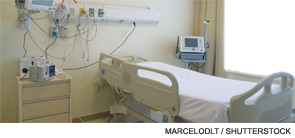
A hospitalist-led project to improve bed assignment practices at Baystate Medical Center in Springfield, Mass., reduced errors in patient placements to 3.1% from 9.4%, according to an abstract presentation at HM11.
The project identified incorrect placement of patients in open beds due to incomplete understanding of the patient’s medical picture, explains lead author Christine Bryson, DO, SFHM, Baystate’s associate medical director for hospital medicine. For example, a patient with a diagnosis of pneumonia who was receiving peritoneal dialysis might be admitted to the respiratory unit, but then would need transfer to the renal unit, where the dialysis could be performed. Such incorrect bed placements and lateral transfers were happening eight times a day, at a cost conservatively estimated at $106 each for nursing, a nonphysician patient placement manager (PPM), and housekeeping services and supplies. That puts potential annual cost savings is $232,000, Dr. Bryson explains.
A committee led by Baystate hospitalists examined current admission processes in detail and recommended a new process: ED physicians confer with the PPM, the PPM reviews the chart and discusses the case with the admitting hospitalist, and then the PPM and hospitalist have an informed, three-way phone conversation about placement.
Hospitalists have been directed to return these calls within 15 minutes, which can be an issue all its own. Another identified barrier was the communications technology, so ED physicians have been issued cellphones so they don’t have to wait at a terminal for a callback from the hospitalist. Dr. Bryson says overall booking process time fell, as did the number of placement errors.
A hospitalist-led project to improve bed assignment practices at Baystate Medical Center in Springfield, Mass., reduced errors in patient placements to 3.1% from 9.4%, according to an abstract presentation at HM11.
The project identified incorrect placement of patients in open beds due to incomplete understanding of the patient’s medical picture, explains lead author Christine Bryson, DO, SFHM, Baystate’s associate medical director for hospital medicine. For example, a patient with a diagnosis of pneumonia who was receiving peritoneal dialysis might be admitted to the respiratory unit, but then would need transfer to the renal unit, where the dialysis could be performed. Such incorrect bed placements and lateral transfers were happening eight times a day, at a cost conservatively estimated at $106 each for nursing, a nonphysician patient placement manager (PPM), and housekeeping services and supplies. That puts potential annual cost savings is $232,000, Dr. Bryson explains.
A committee led by Baystate hospitalists examined current admission processes in detail and recommended a new process: ED physicians confer with the PPM, the PPM reviews the chart and discusses the case with the admitting hospitalist, and then the PPM and hospitalist have an informed, three-way phone conversation about placement.
Hospitalists have been directed to return these calls within 15 minutes, which can be an issue all its own. Another identified barrier was the communications technology, so ED physicians have been issued cellphones so they don’t have to wait at a terminal for a callback from the hospitalist. Dr. Bryson says overall booking process time fell, as did the number of placement errors.
A hospitalist-led project to improve bed assignment practices at Baystate Medical Center in Springfield, Mass., reduced errors in patient placements to 3.1% from 9.4%, according to an abstract presentation at HM11.
The project identified incorrect placement of patients in open beds due to incomplete understanding of the patient’s medical picture, explains lead author Christine Bryson, DO, SFHM, Baystate’s associate medical director for hospital medicine. For example, a patient with a diagnosis of pneumonia who was receiving peritoneal dialysis might be admitted to the respiratory unit, but then would need transfer to the renal unit, where the dialysis could be performed. Such incorrect bed placements and lateral transfers were happening eight times a day, at a cost conservatively estimated at $106 each for nursing, a nonphysician patient placement manager (PPM), and housekeeping services and supplies. That puts potential annual cost savings is $232,000, Dr. Bryson explains.
A committee led by Baystate hospitalists examined current admission processes in detail and recommended a new process: ED physicians confer with the PPM, the PPM reviews the chart and discusses the case with the admitting hospitalist, and then the PPM and hospitalist have an informed, three-way phone conversation about placement.
Hospitalists have been directed to return these calls within 15 minutes, which can be an issue all its own. Another identified barrier was the communications technology, so ED physicians have been issued cellphones so they don’t have to wait at a terminal for a callback from the hospitalist. Dr. Bryson says overall booking process time fell, as did the number of placement errors.