User login
Despite efficacy, most patients discontinued therapy
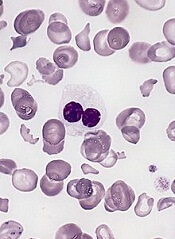
In a multicenter trial, deferasirox reduced serum ferritin and labile plasma iron (LPI) in transfusion-dependent patients with myelodysplastic syndrome (MDS). A subset of patients also experienced improvements in hematologic parameters.
In spite of these results, nearly 80% of patients discontinued therapy. But researchers said only about 40% of the discontinuations were drug-related; ie, a result of adverse events, abnormal lab values, or drug inefficacy.
Alan F. List, MD, of the Moffitt Cancer Center in Tampa, Florida, and his colleagues reported these results in the Journal of Clinical Oncology. The team’s research was supported by Novartis Pharmaceuticals, the maker of deferasirox.
The researchers analyzed the effects of the drug in 173 patients with low- or intermediate-1-risk MDS. The median patient age was 71 years (range, 21 to 90 years).
Patients had serum ferritin of at least 1000 μg/L, had received at least 20 units of red blood cells, and had ongoing transfusion requirements. The starting dose of deferasirox was 20 mg/kg per day, with dose escalation up to 40 mg/kg per day.
Patients who completed 1 year of therapy (n=91) experienced a median decrease in serum ferritin of 23%. Serum ferritin decreased by 36.7% in patients who completed 2 years of therapy (n=49) and 36.5% in patients who completed 3 years of therapy (n=33).
The investigators measured LPI quarterly during the first year of the study. Nearly 40% of patients (n=68) had elevated LPI at baseline. But, by week 13, LPI levels had normalized in all of the patients.
Twenty-eight percent of patients (n=51) experienced hematologic improvements according to International Working Group 2006 criteria. However, 7 of these patients had received growth factors or MDS therapy.
By the end of the study period, 79.8% of patients (n=138) had discontinued therapy. The reasons included adverse events in 24.8% (n=43), death in 16.1% (n=28), administrative problems in 15.4% (n=27), and abnormal lab values in 13.2% (n=23).
In addition, 6.9% of patients (n=12) chose not to enroll in the extension phase of the study, and 1.7% of patients (n=3) reported an unsatisfactory therapeutic effect. In 1.1% of cases (n=2), the patient no longer required the drug.
The most common drug-related adverse events were gastrointestinal disturbances and increased serum creatinine. Of the 28 patient deaths, none were linked to deferasirox.
“Overall, this study demonstrated improvements in iron parameters in a group of heavily transfused, lower-risk patients with MDS,” Dr List said. “A randomized trial is warranted to better ascertain the clinical impact of deferasirox therapy in lower-risk patients with MDS.” 
In a multicenter trial, deferasirox reduced serum ferritin and labile plasma iron (LPI) in transfusion-dependent patients with myelodysplastic syndrome (MDS). A subset of patients also experienced improvements in hematologic parameters.
In spite of these results, nearly 80% of patients discontinued therapy. But researchers said only about 40% of the discontinuations were drug-related; ie, a result of adverse events, abnormal lab values, or drug inefficacy.
Alan F. List, MD, of the Moffitt Cancer Center in Tampa, Florida, and his colleagues reported these results in the Journal of Clinical Oncology. The team’s research was supported by Novartis Pharmaceuticals, the maker of deferasirox.
The researchers analyzed the effects of the drug in 173 patients with low- or intermediate-1-risk MDS. The median patient age was 71 years (range, 21 to 90 years).
Patients had serum ferritin of at least 1000 μg/L, had received at least 20 units of red blood cells, and had ongoing transfusion requirements. The starting dose of deferasirox was 20 mg/kg per day, with dose escalation up to 40 mg/kg per day.
Patients who completed 1 year of therapy (n=91) experienced a median decrease in serum ferritin of 23%. Serum ferritin decreased by 36.7% in patients who completed 2 years of therapy (n=49) and 36.5% in patients who completed 3 years of therapy (n=33).
The investigators measured LPI quarterly during the first year of the study. Nearly 40% of patients (n=68) had elevated LPI at baseline. But, by week 13, LPI levels had normalized in all of the patients.
Twenty-eight percent of patients (n=51) experienced hematologic improvements according to International Working Group 2006 criteria. However, 7 of these patients had received growth factors or MDS therapy.
By the end of the study period, 79.8% of patients (n=138) had discontinued therapy. The reasons included adverse events in 24.8% (n=43), death in 16.1% (n=28), administrative problems in 15.4% (n=27), and abnormal lab values in 13.2% (n=23).
In addition, 6.9% of patients (n=12) chose not to enroll in the extension phase of the study, and 1.7% of patients (n=3) reported an unsatisfactory therapeutic effect. In 1.1% of cases (n=2), the patient no longer required the drug.
The most common drug-related adverse events were gastrointestinal disturbances and increased serum creatinine. Of the 28 patient deaths, none were linked to deferasirox.
“Overall, this study demonstrated improvements in iron parameters in a group of heavily transfused, lower-risk patients with MDS,” Dr List said. “A randomized trial is warranted to better ascertain the clinical impact of deferasirox therapy in lower-risk patients with MDS.”
In a multicenter trial, deferasirox reduced serum ferritin and labile plasma iron (LPI) in transfusion-dependent patients with myelodysplastic syndrome (MDS). A subset of patients also experienced improvements in hematologic parameters.
In spite of these results, nearly 80% of patients discontinued therapy. But researchers said only about 40% of the discontinuations were drug-related; ie, a result of adverse events, abnormal lab values, or drug inefficacy.
Alan F. List, MD, of the Moffitt Cancer Center in Tampa, Florida, and his colleagues reported these results in the Journal of Clinical Oncology. The team’s research was supported by Novartis Pharmaceuticals, the maker of deferasirox.
The researchers analyzed the effects of the drug in 173 patients with low- or intermediate-1-risk MDS. The median patient age was 71 years (range, 21 to 90 years).
Patients had serum ferritin of at least 1000 μg/L, had received at least 20 units of red blood cells, and had ongoing transfusion requirements. The starting dose of deferasirox was 20 mg/kg per day, with dose escalation up to 40 mg/kg per day.
Patients who completed 1 year of therapy (n=91) experienced a median decrease in serum ferritin of 23%. Serum ferritin decreased by 36.7% in patients who completed 2 years of therapy (n=49) and 36.5% in patients who completed 3 years of therapy (n=33).
The investigators measured LPI quarterly during the first year of the study. Nearly 40% of patients (n=68) had elevated LPI at baseline. But, by week 13, LPI levels had normalized in all of the patients.
Twenty-eight percent of patients (n=51) experienced hematologic improvements according to International Working Group 2006 criteria. However, 7 of these patients had received growth factors or MDS therapy.
By the end of the study period, 79.8% of patients (n=138) had discontinued therapy. The reasons included adverse events in 24.8% (n=43), death in 16.1% (n=28), administrative problems in 15.4% (n=27), and abnormal lab values in 13.2% (n=23).
In addition, 6.9% of patients (n=12) chose not to enroll in the extension phase of the study, and 1.7% of patients (n=3) reported an unsatisfactory therapeutic effect. In 1.1% of cases (n=2), the patient no longer required the drug.
The most common drug-related adverse events were gastrointestinal disturbances and increased serum creatinine. Of the 28 patient deaths, none were linked to deferasirox.
“Overall, this study demonstrated improvements in iron parameters in a group of heavily transfused, lower-risk patients with MDS,” Dr List said. “A randomized trial is warranted to better ascertain the clinical impact of deferasirox therapy in lower-risk patients with MDS.”
ONLINE EXCLUSIVE: International Clinicians Can Bolster Rural HM Group Recruiting Efforts
Where do rural hospitals look if they are having trouble attracting hospitalists to their communities—and keeping them there? One target should be graduates of international medical schools. Brian Bossard, MD, FACP, FHM, director of Inpatient Physician Associates in Lincoln, Neb., estimates that he has recruited 40 physicians to HM practice at the three hospitals his group serves, and at least a dozen of them were international medical graduates (IMGs).
Dr. Bossard works closely with a specialized immigration attorney, Elahe Najfabadi of the Offices of Carl Shusterman in Los Angeles. “There are lots of barriers to address to negotiate positive outcomes,” Dr. Bossard says. “You need an attorney you can rely on thoroughly.”

—Brian Bossard, MD, FACP, FHM, director of Inpatient Physician Associates in Lincoln, Neb.
There are basically two categories of visas for IMGs: H-1B visas, which are capped nationally but allow doctors the flexibility to move around, and J-1 visas, which allow clinicians to remain in the U.S. while completing their medical studies. J-1 visas expire after two years, but physicians often are granted waivers and remain in the U.S.
According to Najfabadi, each state is allowed 30 physician J-1 visa waivers annually. Physicians must work in underserved areas, including rural communities, and those physicians must stay in the job for three years.
When it comes to the J-1 waiver program, timelines, deadlines, requirements for employers, and other regulations vary by state.
“In one state, we’ve had cases where the state wants verification of the doctor’s approved immigration status before issuing the medical license,” Najfabadi says.
The Immigration and Naturalization Service requires a valid license or a letter from the state that the physician is eligible in order to grant an H-1B permit. Najfabadi encourages potential rural employers of IMGs to learn the rules in their state, and to take advantage of such resources such as the IMG Task Force (http://www.imgtaskforce.org/).
“What I have found is that we get exceedingly high-quality physicians to provide care in rural communities,” Dr. Bossard says. “I love working with them.”
Larry Beresford is a freelance writer in Oakland, Calif.
Where do rural hospitals look if they are having trouble attracting hospitalists to their communities—and keeping them there? One target should be graduates of international medical schools. Brian Bossard, MD, FACP, FHM, director of Inpatient Physician Associates in Lincoln, Neb., estimates that he has recruited 40 physicians to HM practice at the three hospitals his group serves, and at least a dozen of them were international medical graduates (IMGs).
Dr. Bossard works closely with a specialized immigration attorney, Elahe Najfabadi of the Offices of Carl Shusterman in Los Angeles. “There are lots of barriers to address to negotiate positive outcomes,” Dr. Bossard says. “You need an attorney you can rely on thoroughly.”
—Brian Bossard, MD, FACP, FHM, director of Inpatient Physician Associates in Lincoln, Neb.
There are basically two categories of visas for IMGs: H-1B visas, which are capped nationally but allow doctors the flexibility to move around, and J-1 visas, which allow clinicians to remain in the U.S. while completing their medical studies. J-1 visas expire after two years, but physicians often are granted waivers and remain in the U.S.
According to Najfabadi, each state is allowed 30 physician J-1 visa waivers annually. Physicians must work in underserved areas, including rural communities, and those physicians must stay in the job for three years.
When it comes to the J-1 waiver program, timelines, deadlines, requirements for employers, and other regulations vary by state.
“In one state, we’ve had cases where the state wants verification of the doctor’s approved immigration status before issuing the medical license,” Najfabadi says.
The Immigration and Naturalization Service requires a valid license or a letter from the state that the physician is eligible in order to grant an H-1B permit. Najfabadi encourages potential rural employers of IMGs to learn the rules in their state, and to take advantage of such resources such as the IMG Task Force (http://www.imgtaskforce.org/).
“What I have found is that we get exceedingly high-quality physicians to provide care in rural communities,” Dr. Bossard says. “I love working with them.”
Larry Beresford is a freelance writer in Oakland, Calif.
Where do rural hospitals look if they are having trouble attracting hospitalists to their communities—and keeping them there? One target should be graduates of international medical schools. Brian Bossard, MD, FACP, FHM, director of Inpatient Physician Associates in Lincoln, Neb., estimates that he has recruited 40 physicians to HM practice at the three hospitals his group serves, and at least a dozen of them were international medical graduates (IMGs).
Dr. Bossard works closely with a specialized immigration attorney, Elahe Najfabadi of the Offices of Carl Shusterman in Los Angeles. “There are lots of barriers to address to negotiate positive outcomes,” Dr. Bossard says. “You need an attorney you can rely on thoroughly.”
—Brian Bossard, MD, FACP, FHM, director of Inpatient Physician Associates in Lincoln, Neb.
There are basically two categories of visas for IMGs: H-1B visas, which are capped nationally but allow doctors the flexibility to move around, and J-1 visas, which allow clinicians to remain in the U.S. while completing their medical studies. J-1 visas expire after two years, but physicians often are granted waivers and remain in the U.S.
According to Najfabadi, each state is allowed 30 physician J-1 visa waivers annually. Physicians must work in underserved areas, including rural communities, and those physicians must stay in the job for three years.
When it comes to the J-1 waiver program, timelines, deadlines, requirements for employers, and other regulations vary by state.
“In one state, we’ve had cases where the state wants verification of the doctor’s approved immigration status before issuing the medical license,” Najfabadi says.
The Immigration and Naturalization Service requires a valid license or a letter from the state that the physician is eligible in order to grant an H-1B permit. Najfabadi encourages potential rural employers of IMGs to learn the rules in their state, and to take advantage of such resources such as the IMG Task Force (http://www.imgtaskforce.org/).
“What I have found is that we get exceedingly high-quality physicians to provide care in rural communities,” Dr. Bossard says. “I love working with them.”
Larry Beresford is a freelance writer in Oakland, Calif.
ONLINE EXCLUSIVE: Patient-centered Medical Home (PCMH) appears to reduce hospitalizations, but AHRQ says good evidence still lacking
An evaluation of the Pennsylvania-based Geisinger Health System’s ProvenHealth Navigator, a patient-centered medical home (PCMH) model, found that hospitalizations have been reduced by 18% for all patients.1
The National Institutes on Aging-sponsored project Geriatric Resources for Assessment and Care of Elders (GRACE), which also functioned according to several PCMH principles, reduced hospitalizations by 40% and 44% in its second and third years, another evaluation showed.2,3
And in the Veterans Affairs-managed Home-Based Primary Care project, another PCMH-based effort, readmissions were reduced by 22% in the first six months, but the reduction wasn’t sustained for the rest of the year.4
Those findings are among the most definitive so far on the effects of the PCMH on hospitalization rates, according to an Agency for Healthcare Research and Quality (AHRQ) report published in February.
The report concluded that among the statistically significant findings in the biggest PCMH evaluations, favorable results far outnumbered unfavorable results—on outcomes, ED use, and patient experience.
But AHRQ also found that most studies have been inconclusive due to problems with their methodologies. For instance, many studies don’t factor in “clustering,” in which patient outcomes within a practice can be expected to be similar to that of other patients at that practice. AHRQ’s report evaluated the results only from studies it determined had methodologies that were sufficiently rigorous.
The evaluation of the GRACE project was the only evaluation that found any evidence of savings, according to the report. But that study was one of only four on the topic that were deemed worth consideration.
David Meyers, MD, director of the Center for Primary Care, Prevention, and Clinical Partnerships at AHRQ, points out that the systems that have been evaluated are the very earliest adopters of PCMH principles. Researchers estimate that it could take 10 years to get reliable results.
“The good news,” Dr. Meyers says, “is that there are a lot more demonstrations happening now, so we soon will have a lot more guidance about how to make this model work.”
Tom Collins is a freelance writer in South Florida.
References
1. Gilfillan RJ, Tomcavage J, Rosenthal MB, et al. Value and the medical home: Effects of transformed primary care. Am J Manag Care. 2010;16(8):607-614.
2. Bielaszka-DuVernay, et al. The “GRACE” model: in-home assessments lead to better care for dual eligibles. Health Aff (Millwood). 2011;30(3):431-434.
3. Counsell SR, Callahan CM, Tu W, Stump TE, Arling GW. Cost analysis of the Geriatric Resources for Assessment and Care of Elders care management intervention. J Am Geriatr Soc. 2009;57(8):1420-1426.
4. Hughes SL, Weaver FM, Giobbie-Hurder A, et al. Effectiveness of team-managed home-based primary care: a randomized multicenter trial. JAMA. 2000;284(22):2877-2885.
An evaluation of the Pennsylvania-based Geisinger Health System’s ProvenHealth Navigator, a patient-centered medical home (PCMH) model, found that hospitalizations have been reduced by 18% for all patients.1
The National Institutes on Aging-sponsored project Geriatric Resources for Assessment and Care of Elders (GRACE), which also functioned according to several PCMH principles, reduced hospitalizations by 40% and 44% in its second and third years, another evaluation showed.2,3
And in the Veterans Affairs-managed Home-Based Primary Care project, another PCMH-based effort, readmissions were reduced by 22% in the first six months, but the reduction wasn’t sustained for the rest of the year.4
Those findings are among the most definitive so far on the effects of the PCMH on hospitalization rates, according to an Agency for Healthcare Research and Quality (AHRQ) report published in February.
The report concluded that among the statistically significant findings in the biggest PCMH evaluations, favorable results far outnumbered unfavorable results—on outcomes, ED use, and patient experience.
But AHRQ also found that most studies have been inconclusive due to problems with their methodologies. For instance, many studies don’t factor in “clustering,” in which patient outcomes within a practice can be expected to be similar to that of other patients at that practice. AHRQ’s report evaluated the results only from studies it determined had methodologies that were sufficiently rigorous.
The evaluation of the GRACE project was the only evaluation that found any evidence of savings, according to the report. But that study was one of only four on the topic that were deemed worth consideration.
David Meyers, MD, director of the Center for Primary Care, Prevention, and Clinical Partnerships at AHRQ, points out that the systems that have been evaluated are the very earliest adopters of PCMH principles. Researchers estimate that it could take 10 years to get reliable results.
“The good news,” Dr. Meyers says, “is that there are a lot more demonstrations happening now, so we soon will have a lot more guidance about how to make this model work.”
Tom Collins is a freelance writer in South Florida.
References
1. Gilfillan RJ, Tomcavage J, Rosenthal MB, et al. Value and the medical home: Effects of transformed primary care. Am J Manag Care. 2010;16(8):607-614.
2. Bielaszka-DuVernay, et al. The “GRACE” model: in-home assessments lead to better care for dual eligibles. Health Aff (Millwood). 2011;30(3):431-434.
3. Counsell SR, Callahan CM, Tu W, Stump TE, Arling GW. Cost analysis of the Geriatric Resources for Assessment and Care of Elders care management intervention. J Am Geriatr Soc. 2009;57(8):1420-1426.
4. Hughes SL, Weaver FM, Giobbie-Hurder A, et al. Effectiveness of team-managed home-based primary care: a randomized multicenter trial. JAMA. 2000;284(22):2877-2885.
An evaluation of the Pennsylvania-based Geisinger Health System’s ProvenHealth Navigator, a patient-centered medical home (PCMH) model, found that hospitalizations have been reduced by 18% for all patients.1
The National Institutes on Aging-sponsored project Geriatric Resources for Assessment and Care of Elders (GRACE), which also functioned according to several PCMH principles, reduced hospitalizations by 40% and 44% in its second and third years, another evaluation showed.2,3
And in the Veterans Affairs-managed Home-Based Primary Care project, another PCMH-based effort, readmissions were reduced by 22% in the first six months, but the reduction wasn’t sustained for the rest of the year.4
Those findings are among the most definitive so far on the effects of the PCMH on hospitalization rates, according to an Agency for Healthcare Research and Quality (AHRQ) report published in February.
The report concluded that among the statistically significant findings in the biggest PCMH evaluations, favorable results far outnumbered unfavorable results—on outcomes, ED use, and patient experience.
But AHRQ also found that most studies have been inconclusive due to problems with their methodologies. For instance, many studies don’t factor in “clustering,” in which patient outcomes within a practice can be expected to be similar to that of other patients at that practice. AHRQ’s report evaluated the results only from studies it determined had methodologies that were sufficiently rigorous.
The evaluation of the GRACE project was the only evaluation that found any evidence of savings, according to the report. But that study was one of only four on the topic that were deemed worth consideration.
David Meyers, MD, director of the Center for Primary Care, Prevention, and Clinical Partnerships at AHRQ, points out that the systems that have been evaluated are the very earliest adopters of PCMH principles. Researchers estimate that it could take 10 years to get reliable results.
“The good news,” Dr. Meyers says, “is that there are a lot more demonstrations happening now, so we soon will have a lot more guidance about how to make this model work.”
Tom Collins is a freelance writer in South Florida.
References
1. Gilfillan RJ, Tomcavage J, Rosenthal MB, et al. Value and the medical home: Effects of transformed primary care. Am J Manag Care. 2010;16(8):607-614.
2. Bielaszka-DuVernay, et al. The “GRACE” model: in-home assessments lead to better care for dual eligibles. Health Aff (Millwood). 2011;30(3):431-434.
3. Counsell SR, Callahan CM, Tu W, Stump TE, Arling GW. Cost analysis of the Geriatric Resources for Assessment and Care of Elders care management intervention. J Am Geriatr Soc. 2009;57(8):1420-1426.
4. Hughes SL, Weaver FM, Giobbie-Hurder A, et al. Effectiveness of team-managed home-based primary care: a randomized multicenter trial. JAMA. 2000;284(22):2877-2885.
ONLINE EXCLUSIVE: Physician Assistants Key to HM Group Solutions
Click here to listen to Dr. Johns
Click here to listen to Dr. Johns
Click here to listen to Dr. Johns
ONLINE EXCLUSIVE: HM Chief Discusses Hospitalist Role in Patient-Centered Medical Home
Click here to listen to Dr. Eichhorn
Click here to listen to Dr. Eichhorn
Click here to listen to Dr. Eichhorn
ONLINE EXCLUSIVE: State Officials Explain J-1 Visa Process for Hospitalist Recruits
Click here to listen to the state officials
Click here to listen to the state officials
Click here to listen to the state officials
Benzodiazapine risks
Although the title of April’s cover story (“Benzodiazepines: A versatile clinical tool,” Current Psychiatry, April 2012, p. 54-63; http://bit.ly/1zkanU3) seems to encourage the use of benzodiazepines, the authors state benzodiazepines are second-or third-line treatments for most conditions, particularly for chronic problems.
As an addiction medicine physician, I see well-intentioned doctors prescribing benzodiazepines to patients with chronic ailments. I would like to emphasize the addictive nature of benzodiazepines. “When used appropriately” is contradictory if benzodiazepines are used daily. Tolerance manifests as an exacerbation of the original symptoms, usually leading to a dosage increase. Every day, I see patients in a state of chronic withdrawal manifested in unpleasant ways because they took benzodiazepines “exactly as prescribed, 3 times per day for 4 years.”
Alprazolam is the bane of an addiction medicine practice because it crosses the blood-brain barrier immediately and is relatively short acting. This is a recipe for almost certain addiction, and there are better medications. I regularly transition patients from addictive substances, including benzodiazepines, and no matter what condition I am treating—panic attacks, obsessive-compulsive disorder, depression, generalized anxiety, social anxiety, posttraumatic stress disorder, or situational anxiety—I can almost always control the patient’s symptoms using non-addictive medications.
If benzodiazepines are used for almost anything other than a short-lived condition, we are doing a tremendous disservice to our patients and exhibiting the “just give them a pill and get to the next patient” mentality we are accused of.
Terrance Reeves, MD, ABAM
Medical Director
South Walton Medical Center
Miramar Beach, FL
The authors respond
We thank Dr. Reeves for his comments and reminders of the downside to routine and long-term prescribing of benzodiazepines. As an addiction specialist, he is well positioned to see patients who are struggling with syndromes related to benzodiazepine abuse. We stand by our review of the evidence-based studies of the appropriateness of judicious benzodiazepine use in various psychiatric syndromes. The section of our article labeled “Risks of benzodiazepine use” addresses Dr. Reeves’ concerns.
Jolene R. Bostwick, PharmD, BCPS, BCPP
Clinical Assistant Professor of Pharmacy
University of Michigan College of Pharmacy
Clinical Pharmacist
Michael I. Casher, MD
Clinical Assistant Professor
Department of Psychiatry
University of Michigan Medical School
Director of Inpatient Adult Psychiatry
Shinji Yasugi, MDFirst-Year Psychiatry ResidentUniversity of Michigan Health SystemAnn Arbor, MI
Although the title of April’s cover story (“Benzodiazepines: A versatile clinical tool,” Current Psychiatry, April 2012, p. 54-63; http://bit.ly/1zkanU3) seems to encourage the use of benzodiazepines, the authors state benzodiazepines are second-or third-line treatments for most conditions, particularly for chronic problems.
As an addiction medicine physician, I see well-intentioned doctors prescribing benzodiazepines to patients with chronic ailments. I would like to emphasize the addictive nature of benzodiazepines. “When used appropriately” is contradictory if benzodiazepines are used daily. Tolerance manifests as an exacerbation of the original symptoms, usually leading to a dosage increase. Every day, I see patients in a state of chronic withdrawal manifested in unpleasant ways because they took benzodiazepines “exactly as prescribed, 3 times per day for 4 years.”
Alprazolam is the bane of an addiction medicine practice because it crosses the blood-brain barrier immediately and is relatively short acting. This is a recipe for almost certain addiction, and there are better medications. I regularly transition patients from addictive substances, including benzodiazepines, and no matter what condition I am treating—panic attacks, obsessive-compulsive disorder, depression, generalized anxiety, social anxiety, posttraumatic stress disorder, or situational anxiety—I can almost always control the patient’s symptoms using non-addictive medications.
If benzodiazepines are used for almost anything other than a short-lived condition, we are doing a tremendous disservice to our patients and exhibiting the “just give them a pill and get to the next patient” mentality we are accused of.
Terrance Reeves, MD, ABAM
Medical Director
South Walton Medical Center
Miramar Beach, FL
The authors respond
We thank Dr. Reeves for his comments and reminders of the downside to routine and long-term prescribing of benzodiazepines. As an addiction specialist, he is well positioned to see patients who are struggling with syndromes related to benzodiazepine abuse. We stand by our review of the evidence-based studies of the appropriateness of judicious benzodiazepine use in various psychiatric syndromes. The section of our article labeled “Risks of benzodiazepine use” addresses Dr. Reeves’ concerns.
Jolene R. Bostwick, PharmD, BCPS, BCPP
Clinical Assistant Professor of Pharmacy
University of Michigan College of Pharmacy
Clinical Pharmacist
Michael I. Casher, MD
Clinical Assistant Professor
Department of Psychiatry
University of Michigan Medical School
Director of Inpatient Adult Psychiatry
Shinji Yasugi, MDFirst-Year Psychiatry ResidentUniversity of Michigan Health SystemAnn Arbor, MI
Although the title of April’s cover story (“Benzodiazepines: A versatile clinical tool,” Current Psychiatry, April 2012, p. 54-63; http://bit.ly/1zkanU3) seems to encourage the use of benzodiazepines, the authors state benzodiazepines are second-or third-line treatments for most conditions, particularly for chronic problems.
As an addiction medicine physician, I see well-intentioned doctors prescribing benzodiazepines to patients with chronic ailments. I would like to emphasize the addictive nature of benzodiazepines. “When used appropriately” is contradictory if benzodiazepines are used daily. Tolerance manifests as an exacerbation of the original symptoms, usually leading to a dosage increase. Every day, I see patients in a state of chronic withdrawal manifested in unpleasant ways because they took benzodiazepines “exactly as prescribed, 3 times per day for 4 years.”
Alprazolam is the bane of an addiction medicine practice because it crosses the blood-brain barrier immediately and is relatively short acting. This is a recipe for almost certain addiction, and there are better medications. I regularly transition patients from addictive substances, including benzodiazepines, and no matter what condition I am treating—panic attacks, obsessive-compulsive disorder, depression, generalized anxiety, social anxiety, posttraumatic stress disorder, or situational anxiety—I can almost always control the patient’s symptoms using non-addictive medications.
If benzodiazepines are used for almost anything other than a short-lived condition, we are doing a tremendous disservice to our patients and exhibiting the “just give them a pill and get to the next patient” mentality we are accused of.
Terrance Reeves, MD, ABAM
Medical Director
South Walton Medical Center
Miramar Beach, FL
The authors respond
We thank Dr. Reeves for his comments and reminders of the downside to routine and long-term prescribing of benzodiazepines. As an addiction specialist, he is well positioned to see patients who are struggling with syndromes related to benzodiazepine abuse. We stand by our review of the evidence-based studies of the appropriateness of judicious benzodiazepine use in various psychiatric syndromes. The section of our article labeled “Risks of benzodiazepine use” addresses Dr. Reeves’ concerns.
Jolene R. Bostwick, PharmD, BCPS, BCPP
Clinical Assistant Professor of Pharmacy
University of Michigan College of Pharmacy
Clinical Pharmacist
Michael I. Casher, MD
Clinical Assistant Professor
Department of Psychiatry
University of Michigan Medical School
Director of Inpatient Adult Psychiatry
Shinji Yasugi, MDFirst-Year Psychiatry ResidentUniversity of Michigan Health SystemAnn Arbor, MI
Treating insomnia

Balancing the efficacy and safety of ixabepilone: optimizing treatment in metastatic breast cancer
Ixabepilone has been studied in the neoadjuvant setting, as first-line treatment of metastatic disease and in combination with other agents. The efficacy of ixabepilone in triple-negative breast cancer has been the focus of much research. Dose reduction is an effective strategy to manage adverse events associated with ixabepilone and does not result in diminished clinical outcomes. In addition, weekly administration of ixabepilone may decrease toxicity; however, this may come at the expense of lower progression-free survival but not overall survival. The optimal schedule and dosing of this agent will be clarified with the results of upcoming trials...
*For a PDF of the full article, click on the link to the left of this introduction.
Ixabepilone has been studied in the neoadjuvant setting, as first-line treatment of metastatic disease and in combination with other agents. The efficacy of ixabepilone in triple-negative breast cancer has been the focus of much research. Dose reduction is an effective strategy to manage adverse events associated with ixabepilone and does not result in diminished clinical outcomes. In addition, weekly administration of ixabepilone may decrease toxicity; however, this may come at the expense of lower progression-free survival but not overall survival. The optimal schedule and dosing of this agent will be clarified with the results of upcoming trials...
*For a PDF of the full article, click on the link to the left of this introduction.
Ixabepilone has been studied in the neoadjuvant setting, as first-line treatment of metastatic disease and in combination with other agents. The efficacy of ixabepilone in triple-negative breast cancer has been the focus of much research. Dose reduction is an effective strategy to manage adverse events associated with ixabepilone and does not result in diminished clinical outcomes. In addition, weekly administration of ixabepilone may decrease toxicity; however, this may come at the expense of lower progression-free survival but not overall survival. The optimal schedule and dosing of this agent will be clarified with the results of upcoming trials...
*For a PDF of the full article, click on the link to the left of this introduction.
The impact of depression as a cancer comorbidity: rates, health care utilization, and associated costs
Background The prevalence of concomitant depression among cancer survivors is not well established, although half of those diagnosed with cancer are reported to experience depression at some stage during the cancer experience.
Objectives To establish rates of diagnosed depression in a cohort of nonelderly adult cancer survivors by cancer site, to characterize those with diagnosed depression, and to assess the impact of diagnosed depression on patterns of health care utilization and costs.
Methods Medical and pharmacy claims data on military health care beneficiaries were used to develop a cohort of survivors across all cancer sites. Selected cases were diagnosed with and treated for cancer in fiscal years 2006-2007, and had at least 1 health care claim each subsequent year through fiscal year 2010 to ensure survival of at least 2 years. All cancer sites were included except those for nonmelanoma skin cancer. Fiscal year 2009 was used as the index year for determining annual health care utilization and costs. Bivariate and regression analyses were used.
Results Across the cohort of 11,014 cancer survivors, 12.6% had a comorbid diagnosis of depression at the time of or after a cancer diagnosis. The highest rates of diagnosed depression occurred in those with cancers of the esophagus, pancreas, ovary, or bronchus, lung, or other respiratory organ; and were associated with female sex, single marital status, and enlisted sponsor rank. Survivors who were diagnosed with depression had significantly higher health care utilization for inpatient and outpatient services, more medication prescriptions, and higher annual costs.
Limitations Due to the nature of claims data, we were unable to ascertain cancer stage or phase of illness. In this analysis, we did not include the presence of comorbidities, history of preexisting depression, or health system factors, all of which may impact the rate of depression among cancer survivors.
Conclusions The findings suggest the importance for the Military Health System, as well as other health care systems, to address the mental health needs of cancer survivors and the fiscal efficiencies of cancer care.
*For a PDF of the full article, click on the link to the left of this introduction.
Background The prevalence of concomitant depression among cancer survivors is not well established, although half of those diagnosed with cancer are reported to experience depression at some stage during the cancer experience.
Objectives To establish rates of diagnosed depression in a cohort of nonelderly adult cancer survivors by cancer site, to characterize those with diagnosed depression, and to assess the impact of diagnosed depression on patterns of health care utilization and costs.
Methods Medical and pharmacy claims data on military health care beneficiaries were used to develop a cohort of survivors across all cancer sites. Selected cases were diagnosed with and treated for cancer in fiscal years 2006-2007, and had at least 1 health care claim each subsequent year through fiscal year 2010 to ensure survival of at least 2 years. All cancer sites were included except those for nonmelanoma skin cancer. Fiscal year 2009 was used as the index year for determining annual health care utilization and costs. Bivariate and regression analyses were used.
Results Across the cohort of 11,014 cancer survivors, 12.6% had a comorbid diagnosis of depression at the time of or after a cancer diagnosis. The highest rates of diagnosed depression occurred in those with cancers of the esophagus, pancreas, ovary, or bronchus, lung, or other respiratory organ; and were associated with female sex, single marital status, and enlisted sponsor rank. Survivors who were diagnosed with depression had significantly higher health care utilization for inpatient and outpatient services, more medication prescriptions, and higher annual costs.
Limitations Due to the nature of claims data, we were unable to ascertain cancer stage or phase of illness. In this analysis, we did not include the presence of comorbidities, history of preexisting depression, or health system factors, all of which may impact the rate of depression among cancer survivors.
Conclusions The findings suggest the importance for the Military Health System, as well as other health care systems, to address the mental health needs of cancer survivors and the fiscal efficiencies of cancer care.
*For a PDF of the full article, click on the link to the left of this introduction.
Background The prevalence of concomitant depression among cancer survivors is not well established, although half of those diagnosed with cancer are reported to experience depression at some stage during the cancer experience.
Objectives To establish rates of diagnosed depression in a cohort of nonelderly adult cancer survivors by cancer site, to characterize those with diagnosed depression, and to assess the impact of diagnosed depression on patterns of health care utilization and costs.
Methods Medical and pharmacy claims data on military health care beneficiaries were used to develop a cohort of survivors across all cancer sites. Selected cases were diagnosed with and treated for cancer in fiscal years 2006-2007, and had at least 1 health care claim each subsequent year through fiscal year 2010 to ensure survival of at least 2 years. All cancer sites were included except those for nonmelanoma skin cancer. Fiscal year 2009 was used as the index year for determining annual health care utilization and costs. Bivariate and regression analyses were used.
Results Across the cohort of 11,014 cancer survivors, 12.6% had a comorbid diagnosis of depression at the time of or after a cancer diagnosis. The highest rates of diagnosed depression occurred in those with cancers of the esophagus, pancreas, ovary, or bronchus, lung, or other respiratory organ; and were associated with female sex, single marital status, and enlisted sponsor rank. Survivors who were diagnosed with depression had significantly higher health care utilization for inpatient and outpatient services, more medication prescriptions, and higher annual costs.
Limitations Due to the nature of claims data, we were unable to ascertain cancer stage or phase of illness. In this analysis, we did not include the presence of comorbidities, history of preexisting depression, or health system factors, all of which may impact the rate of depression among cancer survivors.
Conclusions The findings suggest the importance for the Military Health System, as well as other health care systems, to address the mental health needs of cancer survivors and the fiscal efficiencies of cancer care.
*For a PDF of the full article, click on the link to the left of this introduction.