User login
AASLD: HCV cure associated with reduction in all-cause mortality
SAN FRANCISCO – Sustained virologic response (SVR) in patients with hepatitis C virus (HCV) infection is associated with large reductions in all-cause mortality and appears to eliminate liver-related mortality in those patients who achieve SVR before developing cirrhosis, according to a real-world study presented at the annual meeting of the American Association for the Study of Liver Disease (AASLD).
“This study strongly supports treatment and cure of HCV to reduce deaths in this patient population,” reported Dr. Lisa M. Nyberg, a specialist in hepatology at Kaiser Permanente, San Diego.
In this study, 24,968 patients diagnosed with HCV in the Kaiser Permanente health care system from January 2002 until the end of 2013 were evaluated retrospectively. The overall mortality over the course of follow-up was 18.5%, but the proportion of patients who died was higher in the group with cirrhosis (33.2%) versus those without cirrhosis (7.8%).
Of the 5,203 treated for HCV, 45.1% achieved SVR. The mortality rates were 18.9% in the absence of SVR versus 5.4% in those who achieved SVR. SVR was associated with reductions in all-cause mortality in those with cirrhosis (8.11% vs. 23.3%; P less than .0001) as well as those without cirrhosis (2.1% vs. 5.3%; P less than .0001).
When liver-related mortality was evaluated, SVR was again associated with large reductions in those with cirrhosis (24.7% vs. 41.9%; P less than .0001) as well as in those without cirrhosis (0% vs. 12%; P = .0178). Indeed, this latter finding indicates that SVR essentially eliminates risk of liver-related death in the absence of cirrhosis.
“The data suggest that treatment of HCV should be initiated at all stages of disease with the intention to cure HCV when possible before progression to cirrhosis,” said Dr. Nyberg, indicating that these findings are relevant to the debate about when to consider curative therapies.
However, Dr. Nyberg suggested that the significant reductions in death by any cause even in patients without cirrhosis suggest that HCV should be considered a systemic illness. She suggested that it is important to recognize that the benefit of eradication extends beyond complications in the liver.
The vast majority of SVRs were achieved in this study with interferon-based regimens, which typically have limited efficacy in many HCV subpopulations, such as those defined by viral genotype. During the discussion that followed presentation of these data, this was a criticism directed at the overall conclusion that SVR can be isolated as a factor in improved outcomes.
“Patients [who achieve SVR on interferon-based therapies] may be very different people to start with,” cautioned Dr. Hans L. Tillmann, professor of medicine, East Carolina University, Greenville, N.C. He pointed out that factors that influence the likelihood of achieving SVR on an interferon-based therapy might be associated with risk factors for mortality over time. With direct-acting antivirals, which have the potential to provide SVR in the vast majority of patients, “you may not be able to reproduce these outcomes.”
While acknowledging the relevance of this criticism, Dr. Nyberg reported that further study is ongoing, including efforts to consider severity of liver disease to evaluate the effect of SVR on the natural history of long-term liver complications following HCV infection.
SAN FRANCISCO – Sustained virologic response (SVR) in patients with hepatitis C virus (HCV) infection is associated with large reductions in all-cause mortality and appears to eliminate liver-related mortality in those patients who achieve SVR before developing cirrhosis, according to a real-world study presented at the annual meeting of the American Association for the Study of Liver Disease (AASLD).
“This study strongly supports treatment and cure of HCV to reduce deaths in this patient population,” reported Dr. Lisa M. Nyberg, a specialist in hepatology at Kaiser Permanente, San Diego.
In this study, 24,968 patients diagnosed with HCV in the Kaiser Permanente health care system from January 2002 until the end of 2013 were evaluated retrospectively. The overall mortality over the course of follow-up was 18.5%, but the proportion of patients who died was higher in the group with cirrhosis (33.2%) versus those without cirrhosis (7.8%).
Of the 5,203 treated for HCV, 45.1% achieved SVR. The mortality rates were 18.9% in the absence of SVR versus 5.4% in those who achieved SVR. SVR was associated with reductions in all-cause mortality in those with cirrhosis (8.11% vs. 23.3%; P less than .0001) as well as those without cirrhosis (2.1% vs. 5.3%; P less than .0001).
When liver-related mortality was evaluated, SVR was again associated with large reductions in those with cirrhosis (24.7% vs. 41.9%; P less than .0001) as well as in those without cirrhosis (0% vs. 12%; P = .0178). Indeed, this latter finding indicates that SVR essentially eliminates risk of liver-related death in the absence of cirrhosis.
“The data suggest that treatment of HCV should be initiated at all stages of disease with the intention to cure HCV when possible before progression to cirrhosis,” said Dr. Nyberg, indicating that these findings are relevant to the debate about when to consider curative therapies.
However, Dr. Nyberg suggested that the significant reductions in death by any cause even in patients without cirrhosis suggest that HCV should be considered a systemic illness. She suggested that it is important to recognize that the benefit of eradication extends beyond complications in the liver.
The vast majority of SVRs were achieved in this study with interferon-based regimens, which typically have limited efficacy in many HCV subpopulations, such as those defined by viral genotype. During the discussion that followed presentation of these data, this was a criticism directed at the overall conclusion that SVR can be isolated as a factor in improved outcomes.
“Patients [who achieve SVR on interferon-based therapies] may be very different people to start with,” cautioned Dr. Hans L. Tillmann, professor of medicine, East Carolina University, Greenville, N.C. He pointed out that factors that influence the likelihood of achieving SVR on an interferon-based therapy might be associated with risk factors for mortality over time. With direct-acting antivirals, which have the potential to provide SVR in the vast majority of patients, “you may not be able to reproduce these outcomes.”
While acknowledging the relevance of this criticism, Dr. Nyberg reported that further study is ongoing, including efforts to consider severity of liver disease to evaluate the effect of SVR on the natural history of long-term liver complications following HCV infection.
SAN FRANCISCO – Sustained virologic response (SVR) in patients with hepatitis C virus (HCV) infection is associated with large reductions in all-cause mortality and appears to eliminate liver-related mortality in those patients who achieve SVR before developing cirrhosis, according to a real-world study presented at the annual meeting of the American Association for the Study of Liver Disease (AASLD).
“This study strongly supports treatment and cure of HCV to reduce deaths in this patient population,” reported Dr. Lisa M. Nyberg, a specialist in hepatology at Kaiser Permanente, San Diego.
In this study, 24,968 patients diagnosed with HCV in the Kaiser Permanente health care system from January 2002 until the end of 2013 were evaluated retrospectively. The overall mortality over the course of follow-up was 18.5%, but the proportion of patients who died was higher in the group with cirrhosis (33.2%) versus those without cirrhosis (7.8%).
Of the 5,203 treated for HCV, 45.1% achieved SVR. The mortality rates were 18.9% in the absence of SVR versus 5.4% in those who achieved SVR. SVR was associated with reductions in all-cause mortality in those with cirrhosis (8.11% vs. 23.3%; P less than .0001) as well as those without cirrhosis (2.1% vs. 5.3%; P less than .0001).
When liver-related mortality was evaluated, SVR was again associated with large reductions in those with cirrhosis (24.7% vs. 41.9%; P less than .0001) as well as in those without cirrhosis (0% vs. 12%; P = .0178). Indeed, this latter finding indicates that SVR essentially eliminates risk of liver-related death in the absence of cirrhosis.
“The data suggest that treatment of HCV should be initiated at all stages of disease with the intention to cure HCV when possible before progression to cirrhosis,” said Dr. Nyberg, indicating that these findings are relevant to the debate about when to consider curative therapies.
However, Dr. Nyberg suggested that the significant reductions in death by any cause even in patients without cirrhosis suggest that HCV should be considered a systemic illness. She suggested that it is important to recognize that the benefit of eradication extends beyond complications in the liver.
The vast majority of SVRs were achieved in this study with interferon-based regimens, which typically have limited efficacy in many HCV subpopulations, such as those defined by viral genotype. During the discussion that followed presentation of these data, this was a criticism directed at the overall conclusion that SVR can be isolated as a factor in improved outcomes.
“Patients [who achieve SVR on interferon-based therapies] may be very different people to start with,” cautioned Dr. Hans L. Tillmann, professor of medicine, East Carolina University, Greenville, N.C. He pointed out that factors that influence the likelihood of achieving SVR on an interferon-based therapy might be associated with risk factors for mortality over time. With direct-acting antivirals, which have the potential to provide SVR in the vast majority of patients, “you may not be able to reproduce these outcomes.”
While acknowledging the relevance of this criticism, Dr. Nyberg reported that further study is ongoing, including efforts to consider severity of liver disease to evaluate the effect of SVR on the natural history of long-term liver complications following HCV infection.
AT THE LIVER MEETING 2015
Key clinical point: Achieving an SVR is associated with a large reduction in liver-related and all-cause mortality over long-term follow-up.
Major finding: In follow-up, all-cause mortality was more than threefold lower (5.4% vs. 18.9%) in those who achieved SVR relative to those who did not.
Data source: Retrospective cohort study performed with large database.
Disclosures: Dr. Nyberg has reported financial relationships with AbbVie, Merck, and Gilead, which was the sponsor of this study.
Elevated liver cancer risk after HCV cure may justify surveillance
SAN FRANCISCO – The risk of hepatocellular carcinoma remains sufficiently high in some subgroups who have achieved sustained virologic response to treatment to justify continued cancer surveillance, according to findings from a large cohort study presented at the annual meeting of the American Association for the Study of Liver Diseases.
The risk of hepatocellular carcinoma (HCC) after sustained virologic response (SVR) was relatively elevated in those who were infected with genotype 3 of the hepatitis C virus (HCV), those with diabetes, and those older than 65 years. But those who had cirrhosis at the time of SVR appear to have the highest risk and need for continued surveillance, reported Dr. Hashem B. El-Serag, chief of the gastroenterology and hepatology section at Baylor College of Medicine, Houston.
In this study, data from the national Veterans Affairs (VA) health system were available for 10,730 patients who achieved SVR. When compared to 11,290 patients who did not achieve SVR, the risk of HCC was reduced by two thirds (hazard ratio, 0.358), but Dr. El-Serag labeled this finding “old news.” Instead, his focus was on the 100 cases of HCC identified after SVR over the course of 30,000 patient-years of follow-up.
While the annualized overall incidence of HCC after SVR was 0.32%, incidence rates ranged greatly by subgroup. For those with genotype 3 HCV at the time of SVR, the incidence was 0.558 cancers/year (versus 0.334 for genotype 1). A similar increase in HCC was observed in patients with diabetes (0.558/year). The rate climbed to 0.953/year for those who were age 65 years or older at the time of SVR.
The incidence of HCC was 1.54%/year in those with cirrhosis at the time of SVR, which was the highest rate among subgroups evaluated. This figure is notable because guidelines suggest that surveillance for HCC is justified for patients with an estimated annual risk of 1.5% per year, according to Dr. El-Serag.
“The presence of cirrhosis at SVR carried a 4.45 increase in the adjusted hazard ratio for HCC when compared to the absence of cirrhosis [P less than .0001],” he reported. Being 65 and older was associated with a nearly fivefold increase in hazard ratio of HCC compared with younger patients (HR 4.69; P = .0003), while the presence of diabetes was associated with a nearly twofold risk (HR 2.07; P = .0001).
It is notable that no concentration of cases of HCC was observed over the course of follow-up. Rather, there was a relatively equal distribution over time.
In addition to the known limitations of cohort studies, Dr. El-Serag cautioned that almost all SVRs in this database were achieved with interferon-based therapies. This is important, because the risk for HCC may differ when SVR is achieved with the newer direct-acting antivirals (DAAs). Another limitation is that most patients in the VA database are male.
However, the data strongly suggest that HCC risk after SVR differs markedly among subpopulations of HCV patients. While these findings have implications for considering continued surveillance of HCC, they also may be meaningful for timing of HCV therapy.
“It is obvious that if you treat and cure [patients early in the course of their disease and while they are young], your risk of HCC is much lower than if you treat late and old,” said Dr. El-Serag.
This is the first study to evaluate risk of HCC after SVR in a large and diverse population, according to Dr. El-Serag. The moderator of the oral session in which the report was presented, Dr. Joseph K. Lim, director of the viral hepatitis program at Yale University, New Haven, Conn., characterized the findings as “incredibly important.” Despite the frequency with which SVR is now being achieved with DAAs, these data confirm that some groups of patients may remain at substantial risk of HCV complications even after successful therapy.
Dr. El-Serag reeported that he has a financial relationship with Gilead.
SAN FRANCISCO – The risk of hepatocellular carcinoma remains sufficiently high in some subgroups who have achieved sustained virologic response to treatment to justify continued cancer surveillance, according to findings from a large cohort study presented at the annual meeting of the American Association for the Study of Liver Diseases.
The risk of hepatocellular carcinoma (HCC) after sustained virologic response (SVR) was relatively elevated in those who were infected with genotype 3 of the hepatitis C virus (HCV), those with diabetes, and those older than 65 years. But those who had cirrhosis at the time of SVR appear to have the highest risk and need for continued surveillance, reported Dr. Hashem B. El-Serag, chief of the gastroenterology and hepatology section at Baylor College of Medicine, Houston.
In this study, data from the national Veterans Affairs (VA) health system were available for 10,730 patients who achieved SVR. When compared to 11,290 patients who did not achieve SVR, the risk of HCC was reduced by two thirds (hazard ratio, 0.358), but Dr. El-Serag labeled this finding “old news.” Instead, his focus was on the 100 cases of HCC identified after SVR over the course of 30,000 patient-years of follow-up.
While the annualized overall incidence of HCC after SVR was 0.32%, incidence rates ranged greatly by subgroup. For those with genotype 3 HCV at the time of SVR, the incidence was 0.558 cancers/year (versus 0.334 for genotype 1). A similar increase in HCC was observed in patients with diabetes (0.558/year). The rate climbed to 0.953/year for those who were age 65 years or older at the time of SVR.
The incidence of HCC was 1.54%/year in those with cirrhosis at the time of SVR, which was the highest rate among subgroups evaluated. This figure is notable because guidelines suggest that surveillance for HCC is justified for patients with an estimated annual risk of 1.5% per year, according to Dr. El-Serag.
“The presence of cirrhosis at SVR carried a 4.45 increase in the adjusted hazard ratio for HCC when compared to the absence of cirrhosis [P less than .0001],” he reported. Being 65 and older was associated with a nearly fivefold increase in hazard ratio of HCC compared with younger patients (HR 4.69; P = .0003), while the presence of diabetes was associated with a nearly twofold risk (HR 2.07; P = .0001).
It is notable that no concentration of cases of HCC was observed over the course of follow-up. Rather, there was a relatively equal distribution over time.
In addition to the known limitations of cohort studies, Dr. El-Serag cautioned that almost all SVRs in this database were achieved with interferon-based therapies. This is important, because the risk for HCC may differ when SVR is achieved with the newer direct-acting antivirals (DAAs). Another limitation is that most patients in the VA database are male.
However, the data strongly suggest that HCC risk after SVR differs markedly among subpopulations of HCV patients. While these findings have implications for considering continued surveillance of HCC, they also may be meaningful for timing of HCV therapy.
“It is obvious that if you treat and cure [patients early in the course of their disease and while they are young], your risk of HCC is much lower than if you treat late and old,” said Dr. El-Serag.
This is the first study to evaluate risk of HCC after SVR in a large and diverse population, according to Dr. El-Serag. The moderator of the oral session in which the report was presented, Dr. Joseph K. Lim, director of the viral hepatitis program at Yale University, New Haven, Conn., characterized the findings as “incredibly important.” Despite the frequency with which SVR is now being achieved with DAAs, these data confirm that some groups of patients may remain at substantial risk of HCV complications even after successful therapy.
Dr. El-Serag reeported that he has a financial relationship with Gilead.
SAN FRANCISCO – The risk of hepatocellular carcinoma remains sufficiently high in some subgroups who have achieved sustained virologic response to treatment to justify continued cancer surveillance, according to findings from a large cohort study presented at the annual meeting of the American Association for the Study of Liver Diseases.
The risk of hepatocellular carcinoma (HCC) after sustained virologic response (SVR) was relatively elevated in those who were infected with genotype 3 of the hepatitis C virus (HCV), those with diabetes, and those older than 65 years. But those who had cirrhosis at the time of SVR appear to have the highest risk and need for continued surveillance, reported Dr. Hashem B. El-Serag, chief of the gastroenterology and hepatology section at Baylor College of Medicine, Houston.
In this study, data from the national Veterans Affairs (VA) health system were available for 10,730 patients who achieved SVR. When compared to 11,290 patients who did not achieve SVR, the risk of HCC was reduced by two thirds (hazard ratio, 0.358), but Dr. El-Serag labeled this finding “old news.” Instead, his focus was on the 100 cases of HCC identified after SVR over the course of 30,000 patient-years of follow-up.
While the annualized overall incidence of HCC after SVR was 0.32%, incidence rates ranged greatly by subgroup. For those with genotype 3 HCV at the time of SVR, the incidence was 0.558 cancers/year (versus 0.334 for genotype 1). A similar increase in HCC was observed in patients with diabetes (0.558/year). The rate climbed to 0.953/year for those who were age 65 years or older at the time of SVR.
The incidence of HCC was 1.54%/year in those with cirrhosis at the time of SVR, which was the highest rate among subgroups evaluated. This figure is notable because guidelines suggest that surveillance for HCC is justified for patients with an estimated annual risk of 1.5% per year, according to Dr. El-Serag.
“The presence of cirrhosis at SVR carried a 4.45 increase in the adjusted hazard ratio for HCC when compared to the absence of cirrhosis [P less than .0001],” he reported. Being 65 and older was associated with a nearly fivefold increase in hazard ratio of HCC compared with younger patients (HR 4.69; P = .0003), while the presence of diabetes was associated with a nearly twofold risk (HR 2.07; P = .0001).
It is notable that no concentration of cases of HCC was observed over the course of follow-up. Rather, there was a relatively equal distribution over time.
In addition to the known limitations of cohort studies, Dr. El-Serag cautioned that almost all SVRs in this database were achieved with interferon-based therapies. This is important, because the risk for HCC may differ when SVR is achieved with the newer direct-acting antivirals (DAAs). Another limitation is that most patients in the VA database are male.
However, the data strongly suggest that HCC risk after SVR differs markedly among subpopulations of HCV patients. While these findings have implications for considering continued surveillance of HCC, they also may be meaningful for timing of HCV therapy.
“It is obvious that if you treat and cure [patients early in the course of their disease and while they are young], your risk of HCC is much lower than if you treat late and old,” said Dr. El-Serag.
This is the first study to evaluate risk of HCC after SVR in a large and diverse population, according to Dr. El-Serag. The moderator of the oral session in which the report was presented, Dr. Joseph K. Lim, director of the viral hepatitis program at Yale University, New Haven, Conn., characterized the findings as “incredibly important.” Despite the frequency with which SVR is now being achieved with DAAs, these data confirm that some groups of patients may remain at substantial risk of HCV complications even after successful therapy.
Dr. El-Serag reeported that he has a financial relationship with Gilead.
AT THE LIVER MEETING 2015
Key clinical point: Elevated rates of hepatocellular carcinoma (HCC) remain elevated in patients with hepatitis C virus infection who achieved a sustained virologic response.
Major finding: In a VA database, the overall risk of HCC after SVR was 0.3% per year but was higher among the elderly, those with diabetes, and those with cirrhosis.
Data source: Retrospective cohort study performed with a large database.
Disclosures: Dr. El-Serag has a financial relationship with Gilead.
Investigational hepatitis B therapy shows activity in proof-of-concept study
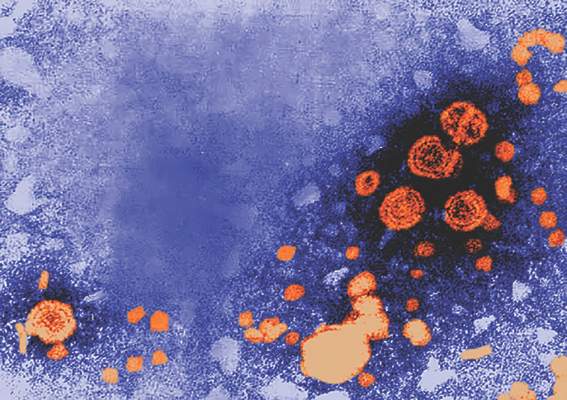
SAN FRANCISCO – NVR 3-778, an experimental hepatitis B virus (HBV) core inhibitor, showed substantial activity and was well tolerated in an initial phase Ib study presented as a late-breaker at the annual meeting of the American Association for the Study of Liver Diseases.
Through its core-related mechanisms, which may prevent viral assembly and replication, NVR 3-778, particularly when used in combination with other antivirals, may represent a step “toward a goal of increased durable response rates in HBV patients,” reported Dr. Man-Fung Yuen of Queen Mary Hospital, University of Hong Kong.
In this phase Ib study, safety and efficacy of NVR 3-778 were evaluated in 36 HBV-infected patients who were randomized to one of four dosing cohorts. An additional eight patients received a matching placebo. Enrollment requirements included serum HBV DNA greater than 20,000 IU/mL and age between 19 and 65 years. ALT levels could be normal or less than seven times the upper limit of normal. The majority of subjects were male.
The four doses of NVR 3-778 evaluated were 100 mg once daily (10 patients), 200 mg once daily (10 patients), 400 mg once daily (8 patients), and 600 mg twice daily (8 patients). Viral load reductions and safety were monitored.
All doses were well tolerated with no treatment-related discontinuations or serious adverse events observed. A single patient, who was on the lowest dose, developed a serious rash. No other patients developed significant rashes.
There appeared to be a dose response with no significant reductions in HBV DNA observed on the lowest dose and modest reductions with the 200-mg and 400-mg once-daily doses. On the 600-mg twice-daily dose, HBV DNA levels fell 1.72 log10 IU mL (range, 1.06-3.71 log10 IU/mL) from baseline.
Based on the dose response and the tolerability of the 600-mg twice-daily dose, studies are now planned to evaluate higher doses. Greater viral control may also be achieved if this agent is combined with other agents, such as peg-interferon or a nucleoside. According to Dr. Yuen, there are already plans to evaluate both types of combinations.
As a core inhibitor, NVR 3-778 “can potentially inhibit viral assembly, HBV genome replication, covalently closed circular DNA [the permanent viral DNA structure in the nuclei of infected cells], and hepatic reinfection cycles,” Dr. Yuen said. This is not achieved routinely with current therapies, which Dr. Yuen said can suppress HBV replication but must be maintained to sustain control.
The further development of NVR 3-778 and other core inhibitors is being directed “toward a goal of increased durable response rates in HBV patients,” Dr. Yuen reported.
SAN FRANCISCO – NVR 3-778, an experimental hepatitis B virus (HBV) core inhibitor, showed substantial activity and was well tolerated in an initial phase Ib study presented as a late-breaker at the annual meeting of the American Association for the Study of Liver Diseases.
Through its core-related mechanisms, which may prevent viral assembly and replication, NVR 3-778, particularly when used in combination with other antivirals, may represent a step “toward a goal of increased durable response rates in HBV patients,” reported Dr. Man-Fung Yuen of Queen Mary Hospital, University of Hong Kong.
In this phase Ib study, safety and efficacy of NVR 3-778 were evaluated in 36 HBV-infected patients who were randomized to one of four dosing cohorts. An additional eight patients received a matching placebo. Enrollment requirements included serum HBV DNA greater than 20,000 IU/mL and age between 19 and 65 years. ALT levels could be normal or less than seven times the upper limit of normal. The majority of subjects were male.
The four doses of NVR 3-778 evaluated were 100 mg once daily (10 patients), 200 mg once daily (10 patients), 400 mg once daily (8 patients), and 600 mg twice daily (8 patients). Viral load reductions and safety were monitored.
All doses were well tolerated with no treatment-related discontinuations or serious adverse events observed. A single patient, who was on the lowest dose, developed a serious rash. No other patients developed significant rashes.
There appeared to be a dose response with no significant reductions in HBV DNA observed on the lowest dose and modest reductions with the 200-mg and 400-mg once-daily doses. On the 600-mg twice-daily dose, HBV DNA levels fell 1.72 log10 IU mL (range, 1.06-3.71 log10 IU/mL) from baseline.
Based on the dose response and the tolerability of the 600-mg twice-daily dose, studies are now planned to evaluate higher doses. Greater viral control may also be achieved if this agent is combined with other agents, such as peg-interferon or a nucleoside. According to Dr. Yuen, there are already plans to evaluate both types of combinations.
As a core inhibitor, NVR 3-778 “can potentially inhibit viral assembly, HBV genome replication, covalently closed circular DNA [the permanent viral DNA structure in the nuclei of infected cells], and hepatic reinfection cycles,” Dr. Yuen said. This is not achieved routinely with current therapies, which Dr. Yuen said can suppress HBV replication but must be maintained to sustain control.
The further development of NVR 3-778 and other core inhibitors is being directed “toward a goal of increased durable response rates in HBV patients,” Dr. Yuen reported.
SAN FRANCISCO – NVR 3-778, an experimental hepatitis B virus (HBV) core inhibitor, showed substantial activity and was well tolerated in an initial phase Ib study presented as a late-breaker at the annual meeting of the American Association for the Study of Liver Diseases.
Through its core-related mechanisms, which may prevent viral assembly and replication, NVR 3-778, particularly when used in combination with other antivirals, may represent a step “toward a goal of increased durable response rates in HBV patients,” reported Dr. Man-Fung Yuen of Queen Mary Hospital, University of Hong Kong.
In this phase Ib study, safety and efficacy of NVR 3-778 were evaluated in 36 HBV-infected patients who were randomized to one of four dosing cohorts. An additional eight patients received a matching placebo. Enrollment requirements included serum HBV DNA greater than 20,000 IU/mL and age between 19 and 65 years. ALT levels could be normal or less than seven times the upper limit of normal. The majority of subjects were male.
The four doses of NVR 3-778 evaluated were 100 mg once daily (10 patients), 200 mg once daily (10 patients), 400 mg once daily (8 patients), and 600 mg twice daily (8 patients). Viral load reductions and safety were monitored.
All doses were well tolerated with no treatment-related discontinuations or serious adverse events observed. A single patient, who was on the lowest dose, developed a serious rash. No other patients developed significant rashes.
There appeared to be a dose response with no significant reductions in HBV DNA observed on the lowest dose and modest reductions with the 200-mg and 400-mg once-daily doses. On the 600-mg twice-daily dose, HBV DNA levels fell 1.72 log10 IU mL (range, 1.06-3.71 log10 IU/mL) from baseline.
Based on the dose response and the tolerability of the 600-mg twice-daily dose, studies are now planned to evaluate higher doses. Greater viral control may also be achieved if this agent is combined with other agents, such as peg-interferon or a nucleoside. According to Dr. Yuen, there are already plans to evaluate both types of combinations.
As a core inhibitor, NVR 3-778 “can potentially inhibit viral assembly, HBV genome replication, covalently closed circular DNA [the permanent viral DNA structure in the nuclei of infected cells], and hepatic reinfection cycles,” Dr. Yuen said. This is not achieved routinely with current therapies, which Dr. Yuen said can suppress HBV replication but must be maintained to sustain control.
The further development of NVR 3-778 and other core inhibitors is being directed “toward a goal of increased durable response rates in HBV patients,” Dr. Yuen reported.
AT THE LIVER MEETING 2015
Key clinical point:The experimental agent NVR 3-778 produced significant reductions in hepatitis B viral load in an initial dose-ranging study.
Major finding: At the highest tested dose (600 mg twice daily), the mean 28-day reduction in hepatitis B virus DNA levels reached 1.72 log10 IU/mL (range, 1.06-3.71 log10 IU/mL).
Data source: Multicenter open-label phase Ib study.
Disclosures: Dr. Chan reported financial relationships with Abbvie, Bristol-Myers Squibb, Echosens, Gilead, Novartis, and Roche
Sofosbuvir/R yields benefits in compassionate use HCV program
SAN FRANCISCO – The direct-acting antiviral sofosbuvir plus ribavirin (SOF/R) improved liver function in patients with hepatitis C virus infection who were awaiting liver transplant and it produced a high sustained virologic response rate in those whose infection recurred after previous therapy, according to two reports from the same compassionate use program that were presented as late-breaker studies at the annual meeting of the American Association for the Study of Liver Diseases (AASLD).
Both sets of data were characterized as evidence of the efficacy of SOF/R in a real-world setting for challenging forms of hepatitis C virus (HCV) infection. The first presentation involved data on 216 patients with decompensated cirrhosis who were awaiting transplant; in these patients, viral clearance with SOF/R “was associated with a significant improvement of liver function within months in a proportion of patients with advanced cirrhosis,” reported Dr. Silvia Martini, University of Turin, Italy.
In this part of the compassionate use program, all patients were given SOF/R until liver transplant or for a maximum of 48 weeks. In some patients, SOF/R was discontinued at the time of transplant, while others received SOF/R for a period after transplant.
In the pretreatment phase, there was only one patient who did not respond at all and one who developed breakthrough virologic failure. All of the others were responders who achieved nondetectable levels of HCV-RNA while on therapy. The median time to HCV-RNA clearance was 4 weeks with a range of 2 to 24 weeks.
In patients with a MELD (model for end-stage liver disease) score under 15 and a Child-Pugh score (an assessment of the prognosis of chronic liver disease) under 8 at baseline, no significant improvement in liver function was observed on SOF/R. However, in the 54 patients with a MELD score greater than or equal to 15 and the 56 patients with a Child-Pugh score greater than or equal to 8, MELD improved by greater than or equal to 3 points in 35% and Child-Pugh score improved by greater than or equal to 3 points in 28%. In 40% of patients, the MELD score fell below 15.
Of the 88 patients who went on to liver transplant, 56 patients stopped SOF/R at the time of transplant. Only 4% of those study participants who were HCV-RNA negative for more than 4 weeks relapsed. Of those negative for less than 4 weeks, 36% relapsed. In 32 patients SOF/R was continued for some time after transplant. To date, only 6% of these have relapsed since stopping therapy.
Most of the nine deaths that occurred during treatment were attributed to complications of cirrhosis. None were associated with SOF/R treatment. The most frequent adverse event was anemia, which was attributed to ribavirin. There were no serious adverse events observed.
Most of the patients in this study had genotype (GT) 1b (47%), but several other genotypes, including GT3 (22%), were represented. The median baseline MELD score was 13 (range 6-24) and the median Child-Pugh score was 8 (range 5-12).
It is notable that improvement in liver function was of sufficient magnitude in some patients that Dr. Martini suggested that it might be possible in some cases to “delist” those scheduled for liver transplant. Dr. Martini suggested further studies are needed to explore this possibility.
In the other late-breaker presentation based on this compassionate use program, called ITACOPS, the focus was on patients with recurrent hepatitis after prior treatment. Patients were also required to have significant fibrosis (METAVIR score F3-F4). Advanced cirrhosis was permitted but not required.
Of 330 patients who met these criteria and were treated with SOF/R for 24 weeks, the high sustained virologic response (SVR) 4 weeks after the end of treatment was 86.3%. SVR rates were higher in those with F3 METAVIR than those with F4 (93.5% vs. 85.3%; P = .033) and those with a Child-Pugh score of 5 or less than higher (92.7% vs. 76.4%; P = .002).
“This large real-life study indicates that SOF/R combination therapy for 24 weeks is a very effective and well tolerated treatment for recurrent HCV,” reported the lead investigator Dr. Paola Carrai, University of Pisa, Italy. However, she noted that SVR rates for recurrent HCV were most encouraging in those with less severe fibrosis and less advanced cirrhosis.
SAN FRANCISCO – The direct-acting antiviral sofosbuvir plus ribavirin (SOF/R) improved liver function in patients with hepatitis C virus infection who were awaiting liver transplant and it produced a high sustained virologic response rate in those whose infection recurred after previous therapy, according to two reports from the same compassionate use program that were presented as late-breaker studies at the annual meeting of the American Association for the Study of Liver Diseases (AASLD).
Both sets of data were characterized as evidence of the efficacy of SOF/R in a real-world setting for challenging forms of hepatitis C virus (HCV) infection. The first presentation involved data on 216 patients with decompensated cirrhosis who were awaiting transplant; in these patients, viral clearance with SOF/R “was associated with a significant improvement of liver function within months in a proportion of patients with advanced cirrhosis,” reported Dr. Silvia Martini, University of Turin, Italy.
In this part of the compassionate use program, all patients were given SOF/R until liver transplant or for a maximum of 48 weeks. In some patients, SOF/R was discontinued at the time of transplant, while others received SOF/R for a period after transplant.
In the pretreatment phase, there was only one patient who did not respond at all and one who developed breakthrough virologic failure. All of the others were responders who achieved nondetectable levels of HCV-RNA while on therapy. The median time to HCV-RNA clearance was 4 weeks with a range of 2 to 24 weeks.
In patients with a MELD (model for end-stage liver disease) score under 15 and a Child-Pugh score (an assessment of the prognosis of chronic liver disease) under 8 at baseline, no significant improvement in liver function was observed on SOF/R. However, in the 54 patients with a MELD score greater than or equal to 15 and the 56 patients with a Child-Pugh score greater than or equal to 8, MELD improved by greater than or equal to 3 points in 35% and Child-Pugh score improved by greater than or equal to 3 points in 28%. In 40% of patients, the MELD score fell below 15.
Of the 88 patients who went on to liver transplant, 56 patients stopped SOF/R at the time of transplant. Only 4% of those study participants who were HCV-RNA negative for more than 4 weeks relapsed. Of those negative for less than 4 weeks, 36% relapsed. In 32 patients SOF/R was continued for some time after transplant. To date, only 6% of these have relapsed since stopping therapy.
Most of the nine deaths that occurred during treatment were attributed to complications of cirrhosis. None were associated with SOF/R treatment. The most frequent adverse event was anemia, which was attributed to ribavirin. There were no serious adverse events observed.
Most of the patients in this study had genotype (GT) 1b (47%), but several other genotypes, including GT3 (22%), were represented. The median baseline MELD score was 13 (range 6-24) and the median Child-Pugh score was 8 (range 5-12).
It is notable that improvement in liver function was of sufficient magnitude in some patients that Dr. Martini suggested that it might be possible in some cases to “delist” those scheduled for liver transplant. Dr. Martini suggested further studies are needed to explore this possibility.
In the other late-breaker presentation based on this compassionate use program, called ITACOPS, the focus was on patients with recurrent hepatitis after prior treatment. Patients were also required to have significant fibrosis (METAVIR score F3-F4). Advanced cirrhosis was permitted but not required.
Of 330 patients who met these criteria and were treated with SOF/R for 24 weeks, the high sustained virologic response (SVR) 4 weeks after the end of treatment was 86.3%. SVR rates were higher in those with F3 METAVIR than those with F4 (93.5% vs. 85.3%; P = .033) and those with a Child-Pugh score of 5 or less than higher (92.7% vs. 76.4%; P = .002).
“This large real-life study indicates that SOF/R combination therapy for 24 weeks is a very effective and well tolerated treatment for recurrent HCV,” reported the lead investigator Dr. Paola Carrai, University of Pisa, Italy. However, she noted that SVR rates for recurrent HCV were most encouraging in those with less severe fibrosis and less advanced cirrhosis.
SAN FRANCISCO – The direct-acting antiviral sofosbuvir plus ribavirin (SOF/R) improved liver function in patients with hepatitis C virus infection who were awaiting liver transplant and it produced a high sustained virologic response rate in those whose infection recurred after previous therapy, according to two reports from the same compassionate use program that were presented as late-breaker studies at the annual meeting of the American Association for the Study of Liver Diseases (AASLD).
Both sets of data were characterized as evidence of the efficacy of SOF/R in a real-world setting for challenging forms of hepatitis C virus (HCV) infection. The first presentation involved data on 216 patients with decompensated cirrhosis who were awaiting transplant; in these patients, viral clearance with SOF/R “was associated with a significant improvement of liver function within months in a proportion of patients with advanced cirrhosis,” reported Dr. Silvia Martini, University of Turin, Italy.
In this part of the compassionate use program, all patients were given SOF/R until liver transplant or for a maximum of 48 weeks. In some patients, SOF/R was discontinued at the time of transplant, while others received SOF/R for a period after transplant.
In the pretreatment phase, there was only one patient who did not respond at all and one who developed breakthrough virologic failure. All of the others were responders who achieved nondetectable levels of HCV-RNA while on therapy. The median time to HCV-RNA clearance was 4 weeks with a range of 2 to 24 weeks.
In patients with a MELD (model for end-stage liver disease) score under 15 and a Child-Pugh score (an assessment of the prognosis of chronic liver disease) under 8 at baseline, no significant improvement in liver function was observed on SOF/R. However, in the 54 patients with a MELD score greater than or equal to 15 and the 56 patients with a Child-Pugh score greater than or equal to 8, MELD improved by greater than or equal to 3 points in 35% and Child-Pugh score improved by greater than or equal to 3 points in 28%. In 40% of patients, the MELD score fell below 15.
Of the 88 patients who went on to liver transplant, 56 patients stopped SOF/R at the time of transplant. Only 4% of those study participants who were HCV-RNA negative for more than 4 weeks relapsed. Of those negative for less than 4 weeks, 36% relapsed. In 32 patients SOF/R was continued for some time after transplant. To date, only 6% of these have relapsed since stopping therapy.
Most of the nine deaths that occurred during treatment were attributed to complications of cirrhosis. None were associated with SOF/R treatment. The most frequent adverse event was anemia, which was attributed to ribavirin. There were no serious adverse events observed.
Most of the patients in this study had genotype (GT) 1b (47%), but several other genotypes, including GT3 (22%), were represented. The median baseline MELD score was 13 (range 6-24) and the median Child-Pugh score was 8 (range 5-12).
It is notable that improvement in liver function was of sufficient magnitude in some patients that Dr. Martini suggested that it might be possible in some cases to “delist” those scheduled for liver transplant. Dr. Martini suggested further studies are needed to explore this possibility.
In the other late-breaker presentation based on this compassionate use program, called ITACOPS, the focus was on patients with recurrent hepatitis after prior treatment. Patients were also required to have significant fibrosis (METAVIR score F3-F4). Advanced cirrhosis was permitted but not required.
Of 330 patients who met these criteria and were treated with SOF/R for 24 weeks, the high sustained virologic response (SVR) 4 weeks after the end of treatment was 86.3%. SVR rates were higher in those with F3 METAVIR than those with F4 (93.5% vs. 85.3%; P = .033) and those with a Child-Pugh score of 5 or less than higher (92.7% vs. 76.4%; P = .002).
“This large real-life study indicates that SOF/R combination therapy for 24 weeks is a very effective and well tolerated treatment for recurrent HCV,” reported the lead investigator Dr. Paola Carrai, University of Pisa, Italy. However, she noted that SVR rates for recurrent HCV were most encouraging in those with less severe fibrosis and less advanced cirrhosis.
AT THE LIVER MEETING 2015
Key clinical point: In real-world setting, sofosbuvir in combination with ribavirin (SOF/R) provided meaningful benefits for special populations with hepatitis C virus infection.
Major finding: In a compassionate use program, SOF/R controlled HCV in patients awaiting liver transplant and in patients with recurrent SVR infection.
Data source: Single-arm, open-label compassionate use program.
Disclosures: Dr. Martini reported no relevant financial relationships and Dr. Carrai reported a financial relationship with Gilead.
Multitargeted drug combination promising when new HCV antivirals fail
SAN FRANCISCO – A five-drug regimen of direct-acting antiviral agents with diverse targets appears to be highly effective as a retreatment in patients infected with the hepatitis C virus patients who had virologic failure on a first-line direct-acting antiviral (DAA) regimen, according to results of a small study presented as a late-breaker at the annual meeting of the American Association for the Study of Liver Diseases (AASLD).
“Retreatment options for [hepatitis C virus (HCV)–infected] patients who fail treatment with DAA regimens are not yet clearly defined,” reported Dr. Fred Poordad, Texas Liver Institute, University of Texas Health Science Center, San Antonio. The five-drug regimen in this study was characterized as “promising.”
The study enrolled patients with genotype (GT) 1 infection who had virologic failure on a previous DAA treatment regimen. All were treated with ombitasvir with ritonavir-boosted paritaprevir (OBV/PTV/r) plus dasabuvir (DSV) and sofosbuvir (SOF). Those with GT1a infection and cirrhosis also received ribavirin and were treated for 24 weeks. All others were treated for 12 weeks.
Twenty-two patients were enrolled. The primary endpoint was sustained virologic response (SVR), defined as HCV RNA level below 25 IU/mL at 4 weeks after completion of the antiviral regimen. The DAA regimens on which patients had previously failed included OBV/PTV/r plus DSV in 14 patients, OBV/PTV/r in 2 patients, telaprevir in 2 patients, SOF in 2 patients, and a simeprevir-based regimen in 2 patients.
Fourteen of 15 (97%) patients treated for 12 weeks achieved SVR12. Of the seven patients treated for 24 weeks, all had HCV suppressed below the limit of detection while on therapy. The SVR4 rate is 100%, with final SVR results pending.
Neither of the two serious side effects – pneumonia and cellulitis – were considered to be drug related, but the patient who developed pneumonia discontinued the study regimen at week 10 without virologic failure.
Virologic failure to DAAs that inhibit NS5A, a protein important to virus assembly, is often associated with resistance-associated variants in genes that code for this protein. According to Dr. Poordad, these variants “have been shown to persist up to 96 weeks posttreatment.” As a result, patients who fail a first-line DAA “are likely to require a multitargeted approach to retreat infection.”
Although this study is small, the very high SVR rates support this premise.
Dr. Poordad reported financial relationships with Abbott/AbbVie, Achillion, Bristol-Myers Squibb, Boehringer Ingelheim, Genentech, Gilead, Inhibitex, Idenix, Janssen, Merck, Novartis, Pfizer, Pharmasset, Salix, Tibotec/Janssen, and Vertex.
SAN FRANCISCO – A five-drug regimen of direct-acting antiviral agents with diverse targets appears to be highly effective as a retreatment in patients infected with the hepatitis C virus patients who had virologic failure on a first-line direct-acting antiviral (DAA) regimen, according to results of a small study presented as a late-breaker at the annual meeting of the American Association for the Study of Liver Diseases (AASLD).
“Retreatment options for [hepatitis C virus (HCV)–infected] patients who fail treatment with DAA regimens are not yet clearly defined,” reported Dr. Fred Poordad, Texas Liver Institute, University of Texas Health Science Center, San Antonio. The five-drug regimen in this study was characterized as “promising.”
The study enrolled patients with genotype (GT) 1 infection who had virologic failure on a previous DAA treatment regimen. All were treated with ombitasvir with ritonavir-boosted paritaprevir (OBV/PTV/r) plus dasabuvir (DSV) and sofosbuvir (SOF). Those with GT1a infection and cirrhosis also received ribavirin and were treated for 24 weeks. All others were treated for 12 weeks.
Twenty-two patients were enrolled. The primary endpoint was sustained virologic response (SVR), defined as HCV RNA level below 25 IU/mL at 4 weeks after completion of the antiviral regimen. The DAA regimens on which patients had previously failed included OBV/PTV/r plus DSV in 14 patients, OBV/PTV/r in 2 patients, telaprevir in 2 patients, SOF in 2 patients, and a simeprevir-based regimen in 2 patients.
Fourteen of 15 (97%) patients treated for 12 weeks achieved SVR12. Of the seven patients treated for 24 weeks, all had HCV suppressed below the limit of detection while on therapy. The SVR4 rate is 100%, with final SVR results pending.
Neither of the two serious side effects – pneumonia and cellulitis – were considered to be drug related, but the patient who developed pneumonia discontinued the study regimen at week 10 without virologic failure.
Virologic failure to DAAs that inhibit NS5A, a protein important to virus assembly, is often associated with resistance-associated variants in genes that code for this protein. According to Dr. Poordad, these variants “have been shown to persist up to 96 weeks posttreatment.” As a result, patients who fail a first-line DAA “are likely to require a multitargeted approach to retreat infection.”
Although this study is small, the very high SVR rates support this premise.
Dr. Poordad reported financial relationships with Abbott/AbbVie, Achillion, Bristol-Myers Squibb, Boehringer Ingelheim, Genentech, Gilead, Inhibitex, Idenix, Janssen, Merck, Novartis, Pfizer, Pharmasset, Salix, Tibotec/Janssen, and Vertex.
SAN FRANCISCO – A five-drug regimen of direct-acting antiviral agents with diverse targets appears to be highly effective as a retreatment in patients infected with the hepatitis C virus patients who had virologic failure on a first-line direct-acting antiviral (DAA) regimen, according to results of a small study presented as a late-breaker at the annual meeting of the American Association for the Study of Liver Diseases (AASLD).
“Retreatment options for [hepatitis C virus (HCV)–infected] patients who fail treatment with DAA regimens are not yet clearly defined,” reported Dr. Fred Poordad, Texas Liver Institute, University of Texas Health Science Center, San Antonio. The five-drug regimen in this study was characterized as “promising.”
The study enrolled patients with genotype (GT) 1 infection who had virologic failure on a previous DAA treatment regimen. All were treated with ombitasvir with ritonavir-boosted paritaprevir (OBV/PTV/r) plus dasabuvir (DSV) and sofosbuvir (SOF). Those with GT1a infection and cirrhosis also received ribavirin and were treated for 24 weeks. All others were treated for 12 weeks.
Twenty-two patients were enrolled. The primary endpoint was sustained virologic response (SVR), defined as HCV RNA level below 25 IU/mL at 4 weeks after completion of the antiviral regimen. The DAA regimens on which patients had previously failed included OBV/PTV/r plus DSV in 14 patients, OBV/PTV/r in 2 patients, telaprevir in 2 patients, SOF in 2 patients, and a simeprevir-based regimen in 2 patients.
Fourteen of 15 (97%) patients treated for 12 weeks achieved SVR12. Of the seven patients treated for 24 weeks, all had HCV suppressed below the limit of detection while on therapy. The SVR4 rate is 100%, with final SVR results pending.
Neither of the two serious side effects – pneumonia and cellulitis – were considered to be drug related, but the patient who developed pneumonia discontinued the study regimen at week 10 without virologic failure.
Virologic failure to DAAs that inhibit NS5A, a protein important to virus assembly, is often associated with resistance-associated variants in genes that code for this protein. According to Dr. Poordad, these variants “have been shown to persist up to 96 weeks posttreatment.” As a result, patients who fail a first-line DAA “are likely to require a multitargeted approach to retreat infection.”
Although this study is small, the very high SVR rates support this premise.
Dr. Poordad reported financial relationships with Abbott/AbbVie, Achillion, Bristol-Myers Squibb, Boehringer Ingelheim, Genentech, Gilead, Inhibitex, Idenix, Janssen, Merck, Novartis, Pfizer, Pharmasset, Salix, Tibotec/Janssen, and Vertex.
AT THE LIVER MEETING 2015
Key clinical point: A five-drug antiviral combination appears to be effective for retreatment of patients with hepatitis C virus infection who have failed direct-acting antivirals.
Major finding: The five-drug regimen achieved a sustained virologic response in 100% of patients treated for 12 weeks.
Data source: Single-arm, open-label study.
Disclosures: Dr. Poordad reported financial relationships with Abbott/AbbVie, Achillion, Bristol-Myers Squibb, Boehringer Ingelheim, Genentech, Gilead, Inhibitex, Idenix, Janssen, Merck, Novartis, Pfizer, Pharmasset, Salix, Tibotec/Janssen, and Vertex.
Regimen effective in genotype 3 HCV despite advanced cirrhosis
SAN FRANCISCO – Sustained virologic response in patients with genotype 3 hepatitis C virus infection and advanced fibrosis or cirrhosis was achieved in 88% of those treated with a daclatasvir-based triple drug regimen for 12 weeks and 96% of those treated 16 weeks, according to findings from a phase IIIb study presented as a late breaker at the annual meeting of the American Association for the Study of Liver Diseases.
In this multinational trial, called ALLY-3+, 50 patients with genotype 3 hepatitis C virus (HCV) infection were randomized to 12 weeks or 16 weeks of a triple drug regimen containing 60 mg once-daily of daclatasvir (DCV), 400 mg once-daily of sofosbuvir (SOF), and weight-based ribavirin (RBV), reported Dr. Vincent Leroy, Centre Hospitalier Universitaire (CHU) de Grenoble, La Tronche, France. Of those enrolled, 74% were treatment experienced, of which 5 patients (10%) had relapsed on SOF plus RBV. Most patients (72%) had cirrhosis and 52% had a baseline viral load greater than 6 million IU/mL.

The primary endpoint was sustained virologic response (SVR), which was evaluated at 4 weeks post treatment.
By intention-to-treat analysis, the SVR rates were 88% for the 24 patients randomized to the 12-week regimen and 92% for the 26 patients randomized to the 16-week regimen. Four of the 5 patients with prior relapse on SOF/RBV treated for 16 weeks achieved SVR.
Of those with cirrhosis, the SVR endpoint was reached in 83% of those treated for 12 weeks and 89% of those treated for 16 weeks. Of those with advanced fibrosis, the SVR rates were 100% whether they were treated for 12 or 16 weeks.
Although there were no virologic breakthroughs, relapse was observed in two of those treated for 16 weeks and two of those treated for 12 weeks.
The treatment was well tolerated, according to Dr. Leroy. He reported that there were no discontinuations due to adverse events. The most common adverse events were insomnia in 30%, fatigue in 26%, and headache in 24%. One patient experienced a grade 3 reduction in hemoglobin.
The ALLY-3+ study follows the previously reported ALLY-3 trial in which the study combination was DCV and SOF alone. This combination produced SVR in 96% of those genotype 3 patients without cirrhosis after 12 weeks of therapy. However, the SVR rate fell to 63% in those with cirrhosis. The aim of this study was to determine whether the addition of RBV could improve SVR rates in patients with genotype 3 HCV.
“HCV genotype-3-infected patients are a challenging population in urgent need of optimally effective therapies,” Dr. Leroy explained. Although ALLY3 demonstrated that high rates of SVR can be achieved in this population in the absence of cirrhosis with DCV + SOF, ALLY-3+ demonstrates that the addition of RBV in those with cirrhosis brings SVR rates to comparable rates of SVR, particularly when treatment is extended to 16 weeks. Dr. Leroy called this triple-drug regimen “generally well tolerated.”
“These results are quite impressive in a difficult group of patients,” said, Dr. Anna S.F. Lok, professor of hepatology, University of Michigan, Ann Arbor, and moderator of the late-breaker oral sessions.
Dr. Leroy reported a financial relationship with AbbVie, Bristol-Myers Squibb (the trial sponsor), Gilead, Janssen, and Merck Sharpe & Dohme.
SAN FRANCISCO – Sustained virologic response in patients with genotype 3 hepatitis C virus infection and advanced fibrosis or cirrhosis was achieved in 88% of those treated with a daclatasvir-based triple drug regimen for 12 weeks and 96% of those treated 16 weeks, according to findings from a phase IIIb study presented as a late breaker at the annual meeting of the American Association for the Study of Liver Diseases.
In this multinational trial, called ALLY-3+, 50 patients with genotype 3 hepatitis C virus (HCV) infection were randomized to 12 weeks or 16 weeks of a triple drug regimen containing 60 mg once-daily of daclatasvir (DCV), 400 mg once-daily of sofosbuvir (SOF), and weight-based ribavirin (RBV), reported Dr. Vincent Leroy, Centre Hospitalier Universitaire (CHU) de Grenoble, La Tronche, France. Of those enrolled, 74% were treatment experienced, of which 5 patients (10%) had relapsed on SOF plus RBV. Most patients (72%) had cirrhosis and 52% had a baseline viral load greater than 6 million IU/mL.
The primary endpoint was sustained virologic response (SVR), which was evaluated at 4 weeks post treatment.
By intention-to-treat analysis, the SVR rates were 88% for the 24 patients randomized to the 12-week regimen and 92% for the 26 patients randomized to the 16-week regimen. Four of the 5 patients with prior relapse on SOF/RBV treated for 16 weeks achieved SVR.
Of those with cirrhosis, the SVR endpoint was reached in 83% of those treated for 12 weeks and 89% of those treated for 16 weeks. Of those with advanced fibrosis, the SVR rates were 100% whether they were treated for 12 or 16 weeks.
Although there were no virologic breakthroughs, relapse was observed in two of those treated for 16 weeks and two of those treated for 12 weeks.
The treatment was well tolerated, according to Dr. Leroy. He reported that there were no discontinuations due to adverse events. The most common adverse events were insomnia in 30%, fatigue in 26%, and headache in 24%. One patient experienced a grade 3 reduction in hemoglobin.
The ALLY-3+ study follows the previously reported ALLY-3 trial in which the study combination was DCV and SOF alone. This combination produced SVR in 96% of those genotype 3 patients without cirrhosis after 12 weeks of therapy. However, the SVR rate fell to 63% in those with cirrhosis. The aim of this study was to determine whether the addition of RBV could improve SVR rates in patients with genotype 3 HCV.
“HCV genotype-3-infected patients are a challenging population in urgent need of optimally effective therapies,” Dr. Leroy explained. Although ALLY3 demonstrated that high rates of SVR can be achieved in this population in the absence of cirrhosis with DCV + SOF, ALLY-3+ demonstrates that the addition of RBV in those with cirrhosis brings SVR rates to comparable rates of SVR, particularly when treatment is extended to 16 weeks. Dr. Leroy called this triple-drug regimen “generally well tolerated.”
“These results are quite impressive in a difficult group of patients,” said, Dr. Anna S.F. Lok, professor of hepatology, University of Michigan, Ann Arbor, and moderator of the late-breaker oral sessions.
Dr. Leroy reported a financial relationship with AbbVie, Bristol-Myers Squibb (the trial sponsor), Gilead, Janssen, and Merck Sharpe & Dohme.
SAN FRANCISCO – Sustained virologic response in patients with genotype 3 hepatitis C virus infection and advanced fibrosis or cirrhosis was achieved in 88% of those treated with a daclatasvir-based triple drug regimen for 12 weeks and 96% of those treated 16 weeks, according to findings from a phase IIIb study presented as a late breaker at the annual meeting of the American Association for the Study of Liver Diseases.
In this multinational trial, called ALLY-3+, 50 patients with genotype 3 hepatitis C virus (HCV) infection were randomized to 12 weeks or 16 weeks of a triple drug regimen containing 60 mg once-daily of daclatasvir (DCV), 400 mg once-daily of sofosbuvir (SOF), and weight-based ribavirin (RBV), reported Dr. Vincent Leroy, Centre Hospitalier Universitaire (CHU) de Grenoble, La Tronche, France. Of those enrolled, 74% were treatment experienced, of which 5 patients (10%) had relapsed on SOF plus RBV. Most patients (72%) had cirrhosis and 52% had a baseline viral load greater than 6 million IU/mL.
The primary endpoint was sustained virologic response (SVR), which was evaluated at 4 weeks post treatment.
By intention-to-treat analysis, the SVR rates were 88% for the 24 patients randomized to the 12-week regimen and 92% for the 26 patients randomized to the 16-week regimen. Four of the 5 patients with prior relapse on SOF/RBV treated for 16 weeks achieved SVR.
Of those with cirrhosis, the SVR endpoint was reached in 83% of those treated for 12 weeks and 89% of those treated for 16 weeks. Of those with advanced fibrosis, the SVR rates were 100% whether they were treated for 12 or 16 weeks.
Although there were no virologic breakthroughs, relapse was observed in two of those treated for 16 weeks and two of those treated for 12 weeks.
The treatment was well tolerated, according to Dr. Leroy. He reported that there were no discontinuations due to adverse events. The most common adverse events were insomnia in 30%, fatigue in 26%, and headache in 24%. One patient experienced a grade 3 reduction in hemoglobin.
The ALLY-3+ study follows the previously reported ALLY-3 trial in which the study combination was DCV and SOF alone. This combination produced SVR in 96% of those genotype 3 patients without cirrhosis after 12 weeks of therapy. However, the SVR rate fell to 63% in those with cirrhosis. The aim of this study was to determine whether the addition of RBV could improve SVR rates in patients with genotype 3 HCV.
“HCV genotype-3-infected patients are a challenging population in urgent need of optimally effective therapies,” Dr. Leroy explained. Although ALLY3 demonstrated that high rates of SVR can be achieved in this population in the absence of cirrhosis with DCV + SOF, ALLY-3+ demonstrates that the addition of RBV in those with cirrhosis brings SVR rates to comparable rates of SVR, particularly when treatment is extended to 16 weeks. Dr. Leroy called this triple-drug regimen “generally well tolerated.”
“These results are quite impressive in a difficult group of patients,” said, Dr. Anna S.F. Lok, professor of hepatology, University of Michigan, Ann Arbor, and moderator of the late-breaker oral sessions.
Dr. Leroy reported a financial relationship with AbbVie, Bristol-Myers Squibb (the trial sponsor), Gilead, Janssen, and Merck Sharpe & Dohme.
AT THE LIVER MEETING 2015
Key clinical point: Daclatasvir plus sofosbuvir and ribavirin (DCV/SOF/RBV) achieves high sustained virologic response (SVR) rates in patients with hepatitis C virus (HCV) infection and advanced compensated fibrosis or cirrhosis.
Major finding: SVR rates in a phase IIIb trial with DCV/SOF/RBV climbed from 88% for those treated for 12 weeks to 96% for those treated for 16 weeks.
Data source: Multicenter open-label phase IIIb trial.
Disclosures: Dr. Leroy reported a financial relationship with AbbVie, Bristol-Myers Squibb (the trial sponsor), Gilead, Janssen, and Merck Sharpe & Dohme.

Cellular therapy benefit limited to young alcoholic hepatitis patients
SAN FRANCISCO – The only patients with alcoholic hepatitis to derive a survival benefit from extracorporeal hepatocellular therapy with C3A hepatoma cells were those who were young and had low Model for End-Stage Liver Disease (MELD) scores, according to data from a randomized trial presented as a late breaker at the annual meeting of the American Association for the Study of Liver Diseases.
The evidence of benefit in younger patients was drawn from a post-hoc analysis of a negative late-breaker trial presented by Dr. David Reich, vice chair, department of surgery, Drexel University, Philadelphia. A new trial is now being planned to target this subgroup of patients.
In this multinational randomized trial, called VTI-208, 203 patients with alcoholic hepatitis were randomized to the experimental therapy or to a control arm. Those in the experimental arm received C3A hepatoma cells delivered continuously for 3-5 days by an extracorporeal liver assist device (ELAD) along with standard of care. Patients in the control arm received standard of care alone. The primary endpoint of this study, with 40 participating centers worldwide, was overall survival (OS).
In an intent-to-treat analysis, OS did not differ significantly for ELAD relative to standard of care (52.1% vs. 52.3%). However, when patients were stratified by baseline MELD score and age, there were trends for an OS advantage in those receiving ELAD over standard of care for MELD scores less than 28 (71% vs. 57%; P = .077) and for subjects with an age below the median (67% vs. 55%; P = .167).
When both factors were considered together (MELD score less than 28 and an age below the median), the advantage of ELAD over standard of care reached significance (100% vs. 76%; P = .006). This subgroup analysis was not prespecified in the trial design, making this difference hypothesis generating,
The findings “suggest that ELAD may be a favorable alcoholic hepatitis treatment modality in younger patients with sufficient renal function and less severe coagulopathy,” Dr. Reich reported. “A study to confirm the survival benefit in this population is in preparation and is scheduled to start in 2016.”
Entry criteria for this study included a MELD score less than 35, a bilirubin greater than 8 mg/dL, and no other serious concomitant disease. Of patients randomized, 120 had a MELD score less than 28 and 101 were below the median age.
The expectation of benefit from C3A hepatoma cells was derived from evidence that these express immunomodulatory proteins and growth factors support hepatocellular function, according to Dr. Reich. The difference in survival in the younger patients was observed at 91 days. Dr. Reich reported that survival was “fairly stable” after 100 days in all patient groups.
“Alcoholic hepatitis results from hepatic inflammation, oxidative damage, cholestasis, and apoptosis, all of which create a vicious cycle that leads to liver dysfunction and secondary organ failure associated with poor prognosis,” Dr. Reich explained. It was hoped that ELAD delivery of C3A cells could modify this process.
Further study in subgroups that may benefit are encouraged by the safety profile observed in this study. There were no significant differences in serious adverse events observed in the two study arms, Dr. Reich reported.
Dr. Reich reported a financial relationship with Neuwave and VTI Corporation, the sponsor of the randomized study.
SAN FRANCISCO – The only patients with alcoholic hepatitis to derive a survival benefit from extracorporeal hepatocellular therapy with C3A hepatoma cells were those who were young and had low Model for End-Stage Liver Disease (MELD) scores, according to data from a randomized trial presented as a late breaker at the annual meeting of the American Association for the Study of Liver Diseases.
The evidence of benefit in younger patients was drawn from a post-hoc analysis of a negative late-breaker trial presented by Dr. David Reich, vice chair, department of surgery, Drexel University, Philadelphia. A new trial is now being planned to target this subgroup of patients.
In this multinational randomized trial, called VTI-208, 203 patients with alcoholic hepatitis were randomized to the experimental therapy or to a control arm. Those in the experimental arm received C3A hepatoma cells delivered continuously for 3-5 days by an extracorporeal liver assist device (ELAD) along with standard of care. Patients in the control arm received standard of care alone. The primary endpoint of this study, with 40 participating centers worldwide, was overall survival (OS).
In an intent-to-treat analysis, OS did not differ significantly for ELAD relative to standard of care (52.1% vs. 52.3%). However, when patients were stratified by baseline MELD score and age, there were trends for an OS advantage in those receiving ELAD over standard of care for MELD scores less than 28 (71% vs. 57%; P = .077) and for subjects with an age below the median (67% vs. 55%; P = .167).
When both factors were considered together (MELD score less than 28 and an age below the median), the advantage of ELAD over standard of care reached significance (100% vs. 76%; P = .006). This subgroup analysis was not prespecified in the trial design, making this difference hypothesis generating,
The findings “suggest that ELAD may be a favorable alcoholic hepatitis treatment modality in younger patients with sufficient renal function and less severe coagulopathy,” Dr. Reich reported. “A study to confirm the survival benefit in this population is in preparation and is scheduled to start in 2016.”
Entry criteria for this study included a MELD score less than 35, a bilirubin greater than 8 mg/dL, and no other serious concomitant disease. Of patients randomized, 120 had a MELD score less than 28 and 101 were below the median age.
The expectation of benefit from C3A hepatoma cells was derived from evidence that these express immunomodulatory proteins and growth factors support hepatocellular function, according to Dr. Reich. The difference in survival in the younger patients was observed at 91 days. Dr. Reich reported that survival was “fairly stable” after 100 days in all patient groups.
“Alcoholic hepatitis results from hepatic inflammation, oxidative damage, cholestasis, and apoptosis, all of which create a vicious cycle that leads to liver dysfunction and secondary organ failure associated with poor prognosis,” Dr. Reich explained. It was hoped that ELAD delivery of C3A cells could modify this process.
Further study in subgroups that may benefit are encouraged by the safety profile observed in this study. There were no significant differences in serious adverse events observed in the two study arms, Dr. Reich reported.
Dr. Reich reported a financial relationship with Neuwave and VTI Corporation, the sponsor of the randomized study.
SAN FRANCISCO – The only patients with alcoholic hepatitis to derive a survival benefit from extracorporeal hepatocellular therapy with C3A hepatoma cells were those who were young and had low Model for End-Stage Liver Disease (MELD) scores, according to data from a randomized trial presented as a late breaker at the annual meeting of the American Association for the Study of Liver Diseases.
The evidence of benefit in younger patients was drawn from a post-hoc analysis of a negative late-breaker trial presented by Dr. David Reich, vice chair, department of surgery, Drexel University, Philadelphia. A new trial is now being planned to target this subgroup of patients.
In this multinational randomized trial, called VTI-208, 203 patients with alcoholic hepatitis were randomized to the experimental therapy or to a control arm. Those in the experimental arm received C3A hepatoma cells delivered continuously for 3-5 days by an extracorporeal liver assist device (ELAD) along with standard of care. Patients in the control arm received standard of care alone. The primary endpoint of this study, with 40 participating centers worldwide, was overall survival (OS).
In an intent-to-treat analysis, OS did not differ significantly for ELAD relative to standard of care (52.1% vs. 52.3%). However, when patients were stratified by baseline MELD score and age, there were trends for an OS advantage in those receiving ELAD over standard of care for MELD scores less than 28 (71% vs. 57%; P = .077) and for subjects with an age below the median (67% vs. 55%; P = .167).
When both factors were considered together (MELD score less than 28 and an age below the median), the advantage of ELAD over standard of care reached significance (100% vs. 76%; P = .006). This subgroup analysis was not prespecified in the trial design, making this difference hypothesis generating,
The findings “suggest that ELAD may be a favorable alcoholic hepatitis treatment modality in younger patients with sufficient renal function and less severe coagulopathy,” Dr. Reich reported. “A study to confirm the survival benefit in this population is in preparation and is scheduled to start in 2016.”
Entry criteria for this study included a MELD score less than 35, a bilirubin greater than 8 mg/dL, and no other serious concomitant disease. Of patients randomized, 120 had a MELD score less than 28 and 101 were below the median age.
The expectation of benefit from C3A hepatoma cells was derived from evidence that these express immunomodulatory proteins and growth factors support hepatocellular function, according to Dr. Reich. The difference in survival in the younger patients was observed at 91 days. Dr. Reich reported that survival was “fairly stable” after 100 days in all patient groups.
“Alcoholic hepatitis results from hepatic inflammation, oxidative damage, cholestasis, and apoptosis, all of which create a vicious cycle that leads to liver dysfunction and secondary organ failure associated with poor prognosis,” Dr. Reich explained. It was hoped that ELAD delivery of C3A cells could modify this process.
Further study in subgroups that may benefit are encouraged by the safety profile observed in this study. There were no significant differences in serious adverse events observed in the two study arms, Dr. Reich reported.
Dr. Reich reported a financial relationship with Neuwave and VTI Corporation, the sponsor of the randomized study.
FROM THE LIVER MEETING 2015
Key clinical point:Extracorporeal hepatocellular therapy with human C3A hepatoma cells did not provide an overall survival benefit in patients with alcoholic hepatitis.
Major finding: In a post hoc analysis of an otherwise negative trial, C3A cell infusion was only associated with a survival advantage in younger, healthier patients (100% vs. 73%; P = .006).
Data source: Randomized, multicenter trial.
Disclosures: Dr. Reich reported a financial relationship with Neuwave and VTI Corporation, the sponsor of the randomized study.
High SVR achieved in decompensated HCV patients with 12-week therapy
SAN FRANCISCO – In patients infected with hepatitis C virus (HCV) who have decompensated liver disease, a 12-week combination drug regimen with velpatasvir and sofosbuvir (VEL/SOF) with or without ribavirin (VEL/SOF/R) achieved an overall sustained virologic response (SVR) rate of 94%, according to a late-breaker trial presented at the annual meeting of the American Association for the Study of Liver Diseases.
The phase III trial, called ASTRAL-4, randomized patients with HCV genotypes 1, 2, 3, 4, and 6 to one of three regimens. The simplest regimen, which required a single daily pill, achieved 100% SVR rates in genotypes 2 and 4, according to Dr. Michael R. Charlton of Intermountain Medical Center, Salt Lake City, Utah.

In this trial, 267 patients with HCV and decompensated liver disease were randomized to 12 weeks of 400 mg sofosbuvir and 100 mg velpatasvir in a fixed-dose single-pill combination, 12 weeks of SOF/VEL plus weight-based ribavirin (VEL/SOF/R), or 24 weeks of VEL/SOF. The majority (55%) were treatment experienced. Patients with hepatocellular carcinoma or prior liver transplant were excluded. Most (78%) had genotype 1 HCV. Only one patient had genotype 6.
On VEL/SOF alone for 12 weeks, the SVR rates ranged from 100% in patients with genotypes 2 or 4 HCV to 88% in genotype 1 and 50% in genotype 3. With the addition of ribavirin, the 12-week SVR rates climbed to 96% in the genotype1 group and 85% in genotype 3 group. After 24 weeks of VEL/SOF, the single genotype 6 patient in this trial achieved SVR.
SVR rates in those receiving VEL/SOF for 24 weeks were not much better than those achieved by the 12-week regimen. While SVR on the extended regimen was 100% in those with genotype 4 (as it was after 12 weeks), it remained 50% in genotype 3, which was achieved after 12 weeks. The SVR rate after 24 weeks VEL/SOF was 75% in genotype 2 patients and 92% in genotype 1 patients.
All regimens were well tolerated. Although 18% of patients experienced serious adverse events, all but one was considered to be unrelated to therapy. Most adverse events overall were consistent with the underlying liver disease or with the known side effects of ribavirin.
“Among patients who achieved SVR, 47% had improvements in Child-Pugh score and 57% had improvements in MELD scores 12 weeks after treatment, largely driven by increases in albumin and decreases in bilirubin,” Dr. Charlton said.
Emphasizing that the current treatment options for HCV with decompensated liver disease are “limited,” Dr. Charlton indicated that the SVR rates achieved with velpatasvir, a pangenotypic HCV NS5A inhibitor, in a fixed-dose pill with sofosbuvir are encouraging. Although the addition of ribavirin may be required for optimal SVR in some genotypes, several HCV subgroups appear to be adequately treated with a single once-daily pill taken over 12 weeks.
Gilead Sciences petitioned the Food and Drug Administration in October for approval of a fixed-dose combination of sofosbuvir/velpatasvir, according to a statement from the company.
Dr. Charlton reported financial relationships with Abbvie, Gilead, Janssen, Merck, and Novartis.
SAN FRANCISCO – In patients infected with hepatitis C virus (HCV) who have decompensated liver disease, a 12-week combination drug regimen with velpatasvir and sofosbuvir (VEL/SOF) with or without ribavirin (VEL/SOF/R) achieved an overall sustained virologic response (SVR) rate of 94%, according to a late-breaker trial presented at the annual meeting of the American Association for the Study of Liver Diseases.
The phase III trial, called ASTRAL-4, randomized patients with HCV genotypes 1, 2, 3, 4, and 6 to one of three regimens. The simplest regimen, which required a single daily pill, achieved 100% SVR rates in genotypes 2 and 4, according to Dr. Michael R. Charlton of Intermountain Medical Center, Salt Lake City, Utah.
In this trial, 267 patients with HCV and decompensated liver disease were randomized to 12 weeks of 400 mg sofosbuvir and 100 mg velpatasvir in a fixed-dose single-pill combination, 12 weeks of SOF/VEL plus weight-based ribavirin (VEL/SOF/R), or 24 weeks of VEL/SOF. The majority (55%) were treatment experienced. Patients with hepatocellular carcinoma or prior liver transplant were excluded. Most (78%) had genotype 1 HCV. Only one patient had genotype 6.
On VEL/SOF alone for 12 weeks, the SVR rates ranged from 100% in patients with genotypes 2 or 4 HCV to 88% in genotype 1 and 50% in genotype 3. With the addition of ribavirin, the 12-week SVR rates climbed to 96% in the genotype1 group and 85% in genotype 3 group. After 24 weeks of VEL/SOF, the single genotype 6 patient in this trial achieved SVR.
SVR rates in those receiving VEL/SOF for 24 weeks were not much better than those achieved by the 12-week regimen. While SVR on the extended regimen was 100% in those with genotype 4 (as it was after 12 weeks), it remained 50% in genotype 3, which was achieved after 12 weeks. The SVR rate after 24 weeks VEL/SOF was 75% in genotype 2 patients and 92% in genotype 1 patients.
All regimens were well tolerated. Although 18% of patients experienced serious adverse events, all but one was considered to be unrelated to therapy. Most adverse events overall were consistent with the underlying liver disease or with the known side effects of ribavirin.
“Among patients who achieved SVR, 47% had improvements in Child-Pugh score and 57% had improvements in MELD scores 12 weeks after treatment, largely driven by increases in albumin and decreases in bilirubin,” Dr. Charlton said.
Emphasizing that the current treatment options for HCV with decompensated liver disease are “limited,” Dr. Charlton indicated that the SVR rates achieved with velpatasvir, a pangenotypic HCV NS5A inhibitor, in a fixed-dose pill with sofosbuvir are encouraging. Although the addition of ribavirin may be required for optimal SVR in some genotypes, several HCV subgroups appear to be adequately treated with a single once-daily pill taken over 12 weeks.
Gilead Sciences petitioned the Food and Drug Administration in October for approval of a fixed-dose combination of sofosbuvir/velpatasvir, according to a statement from the company.
Dr. Charlton reported financial relationships with Abbvie, Gilead, Janssen, Merck, and Novartis.
SAN FRANCISCO – In patients infected with hepatitis C virus (HCV) who have decompensated liver disease, a 12-week combination drug regimen with velpatasvir and sofosbuvir (VEL/SOF) with or without ribavirin (VEL/SOF/R) achieved an overall sustained virologic response (SVR) rate of 94%, according to a late-breaker trial presented at the annual meeting of the American Association for the Study of Liver Diseases.
The phase III trial, called ASTRAL-4, randomized patients with HCV genotypes 1, 2, 3, 4, and 6 to one of three regimens. The simplest regimen, which required a single daily pill, achieved 100% SVR rates in genotypes 2 and 4, according to Dr. Michael R. Charlton of Intermountain Medical Center, Salt Lake City, Utah.
In this trial, 267 patients with HCV and decompensated liver disease were randomized to 12 weeks of 400 mg sofosbuvir and 100 mg velpatasvir in a fixed-dose single-pill combination, 12 weeks of SOF/VEL plus weight-based ribavirin (VEL/SOF/R), or 24 weeks of VEL/SOF. The majority (55%) were treatment experienced. Patients with hepatocellular carcinoma or prior liver transplant were excluded. Most (78%) had genotype 1 HCV. Only one patient had genotype 6.
On VEL/SOF alone for 12 weeks, the SVR rates ranged from 100% in patients with genotypes 2 or 4 HCV to 88% in genotype 1 and 50% in genotype 3. With the addition of ribavirin, the 12-week SVR rates climbed to 96% in the genotype1 group and 85% in genotype 3 group. After 24 weeks of VEL/SOF, the single genotype 6 patient in this trial achieved SVR.
SVR rates in those receiving VEL/SOF for 24 weeks were not much better than those achieved by the 12-week regimen. While SVR on the extended regimen was 100% in those with genotype 4 (as it was after 12 weeks), it remained 50% in genotype 3, which was achieved after 12 weeks. The SVR rate after 24 weeks VEL/SOF was 75% in genotype 2 patients and 92% in genotype 1 patients.
All regimens were well tolerated. Although 18% of patients experienced serious adverse events, all but one was considered to be unrelated to therapy. Most adverse events overall were consistent with the underlying liver disease or with the known side effects of ribavirin.
“Among patients who achieved SVR, 47% had improvements in Child-Pugh score and 57% had improvements in MELD scores 12 weeks after treatment, largely driven by increases in albumin and decreases in bilirubin,” Dr. Charlton said.
Emphasizing that the current treatment options for HCV with decompensated liver disease are “limited,” Dr. Charlton indicated that the SVR rates achieved with velpatasvir, a pangenotypic HCV NS5A inhibitor, in a fixed-dose pill with sofosbuvir are encouraging. Although the addition of ribavirin may be required for optimal SVR in some genotypes, several HCV subgroups appear to be adequately treated with a single once-daily pill taken over 12 weeks.
Gilead Sciences petitioned the Food and Drug Administration in October for approval of a fixed-dose combination of sofosbuvir/velpatasvir, according to a statement from the company.
Dr. Charlton reported financial relationships with Abbvie, Gilead, Janssen, Merck, and Novartis.
AT THE LIVER MEETING 2015
Key clinical point: High sustained viral response rates were achieved across hepatitis C virus genotypes with a two-drug fixed-dose combination that included a NS5A inhibitor.
Major finding: The overall SVR rate was 94% after 12 weeks of a fixed-dose combination of velpatasvir and sofosbuvir with ribavirin.
Data source: Multicenter, randomized, phase III study.
Disclosures: Dr. Charlton reported financial relationships with Abbvie, Gilead, Janssen, Merck, and Novartis.

New direct-acting antivirals for HCV perform well in real world
SAN FRANCISCO – The very high sustained virologic response (SVR) rates achieved with direct-acting antiretroviral agents in clinical trials are being replicated in the real-world setting, according to data from 1,225 patients presented in a late-breaker study at the annual meeting of the American Association for the Study of Liver Diseases.
The rates of SVR, treatment failure, and discontinuation of treatment among genotype 1 HCV patients treated with such direct-acting antivirals such as ledipasvir (LDV), sofosbuvir (SOF), and ombitasvir appear to be at least as good outside of clinical studies as those reported in the phase III trials, reported Dr. Nezam H. Afdhal of Beth Israel Deaconess Medical Center, Boston.

“Overall, SVR in real-world [genotype 1] patients was 94% across regimens and patient characteristics,” Dr. Afdhal reported.
In this study, the goal was to evaluate patients with genotype 1 HCV who failed 12-weeks of a multidrug regimen containing a direct-acting antiretroviral agent. The focus was on three regimens: ledipasvir/sofosbuvir (LDV/SOF); ombitasvir/paritaprevir/ritonavir + dasabuvir (VKP); and simeprevir/sofosbuvir (SMV/SOF). All three were evaluated with or without ribavirin. The data were collected from the Trio Health Innervation Platform, a cloud-based disease management program.
Over a nearly 18-month period from January 2014 to March 2015, 1,225 patients were treated with one of the regimens. SVR 12 weeks after completion of treatment was 94% for LDV/SOF, 97% for LDV/SOF with ribavirin, 91% for VKP with or without ribavirin, and 78% for SMV/SOF with or without ribavirin.
In total, 35 patients did not achieve SVR. Of these, six discontinued therapy before completing the regimen. The 29 who completed therapy were classified as virologic failures and were compared to those who did achieve SVR to determine factors associated with failure. Failure was not associated with being treated in a community practice relative to an academic center and there was no association between failure and age, race, viral load at baseline, presence of HIV co-infection, or prior liver transplant.
However, there were significant associations for treatment failure with male gender (P = .011), presence of cirrhosis (P less than .001), platelet count less than 100,000/mL (P less than .001) and prior treatment failure (P = .016).
Discontinuation rates for the new direct-acting antivirals are “not a major issue” in real world clinical practice, Dr. Afdhal said, adding that the findings support rates of efficacy comparable to those observed in phase III trials. The data indicated that patients with cirrhosis, thrombocytopenia, and prior treatment failure represent “the most difficult to treat” who may require intensified therapy, but the “remarkable” efficacy of these newer agents previously reported in controlled trials can be anticipated in routine patient care.
SAN FRANCISCO – The very high sustained virologic response (SVR) rates achieved with direct-acting antiretroviral agents in clinical trials are being replicated in the real-world setting, according to data from 1,225 patients presented in a late-breaker study at the annual meeting of the American Association for the Study of Liver Diseases.
The rates of SVR, treatment failure, and discontinuation of treatment among genotype 1 HCV patients treated with such direct-acting antivirals such as ledipasvir (LDV), sofosbuvir (SOF), and ombitasvir appear to be at least as good outside of clinical studies as those reported in the phase III trials, reported Dr. Nezam H. Afdhal of Beth Israel Deaconess Medical Center, Boston.
“Overall, SVR in real-world [genotype 1] patients was 94% across regimens and patient characteristics,” Dr. Afdhal reported.
In this study, the goal was to evaluate patients with genotype 1 HCV who failed 12-weeks of a multidrug regimen containing a direct-acting antiretroviral agent. The focus was on three regimens: ledipasvir/sofosbuvir (LDV/SOF); ombitasvir/paritaprevir/ritonavir + dasabuvir (VKP); and simeprevir/sofosbuvir (SMV/SOF). All three were evaluated with or without ribavirin. The data were collected from the Trio Health Innervation Platform, a cloud-based disease management program.
Over a nearly 18-month period from January 2014 to March 2015, 1,225 patients were treated with one of the regimens. SVR 12 weeks after completion of treatment was 94% for LDV/SOF, 97% for LDV/SOF with ribavirin, 91% for VKP with or without ribavirin, and 78% for SMV/SOF with or without ribavirin.
In total, 35 patients did not achieve SVR. Of these, six discontinued therapy before completing the regimen. The 29 who completed therapy were classified as virologic failures and were compared to those who did achieve SVR to determine factors associated with failure. Failure was not associated with being treated in a community practice relative to an academic center and there was no association between failure and age, race, viral load at baseline, presence of HIV co-infection, or prior liver transplant.
However, there were significant associations for treatment failure with male gender (P = .011), presence of cirrhosis (P less than .001), platelet count less than 100,000/mL (P less than .001) and prior treatment failure (P = .016).
Discontinuation rates for the new direct-acting antivirals are “not a major issue” in real world clinical practice, Dr. Afdhal said, adding that the findings support rates of efficacy comparable to those observed in phase III trials. The data indicated that patients with cirrhosis, thrombocytopenia, and prior treatment failure represent “the most difficult to treat” who may require intensified therapy, but the “remarkable” efficacy of these newer agents previously reported in controlled trials can be anticipated in routine patient care.
SAN FRANCISCO – The very high sustained virologic response (SVR) rates achieved with direct-acting antiretroviral agents in clinical trials are being replicated in the real-world setting, according to data from 1,225 patients presented in a late-breaker study at the annual meeting of the American Association for the Study of Liver Diseases.
The rates of SVR, treatment failure, and discontinuation of treatment among genotype 1 HCV patients treated with such direct-acting antivirals such as ledipasvir (LDV), sofosbuvir (SOF), and ombitasvir appear to be at least as good outside of clinical studies as those reported in the phase III trials, reported Dr. Nezam H. Afdhal of Beth Israel Deaconess Medical Center, Boston.
“Overall, SVR in real-world [genotype 1] patients was 94% across regimens and patient characteristics,” Dr. Afdhal reported.
In this study, the goal was to evaluate patients with genotype 1 HCV who failed 12-weeks of a multidrug regimen containing a direct-acting antiretroviral agent. The focus was on three regimens: ledipasvir/sofosbuvir (LDV/SOF); ombitasvir/paritaprevir/ritonavir + dasabuvir (VKP); and simeprevir/sofosbuvir (SMV/SOF). All three were evaluated with or without ribavirin. The data were collected from the Trio Health Innervation Platform, a cloud-based disease management program.
Over a nearly 18-month period from January 2014 to March 2015, 1,225 patients were treated with one of the regimens. SVR 12 weeks after completion of treatment was 94% for LDV/SOF, 97% for LDV/SOF with ribavirin, 91% for VKP with or without ribavirin, and 78% for SMV/SOF with or without ribavirin.
In total, 35 patients did not achieve SVR. Of these, six discontinued therapy before completing the regimen. The 29 who completed therapy were classified as virologic failures and were compared to those who did achieve SVR to determine factors associated with failure. Failure was not associated with being treated in a community practice relative to an academic center and there was no association between failure and age, race, viral load at baseline, presence of HIV co-infection, or prior liver transplant.
However, there were significant associations for treatment failure with male gender (P = .011), presence of cirrhosis (P less than .001), platelet count less than 100,000/mL (P less than .001) and prior treatment failure (P = .016).
Discontinuation rates for the new direct-acting antivirals are “not a major issue” in real world clinical practice, Dr. Afdhal said, adding that the findings support rates of efficacy comparable to those observed in phase III trials. The data indicated that patients with cirrhosis, thrombocytopenia, and prior treatment failure represent “the most difficult to treat” who may require intensified therapy, but the “remarkable” efficacy of these newer agents previously reported in controlled trials can be anticipated in routine patient care.
AT THE LIVER MEETING 2015
Key clinical point: Treatment failure on the new direct-acting antiviral therapies for hepatitis C virus (HCV) is uncommon in real-world practice.
Major finding: Three major factors predict treatment failure: cirrhosis, thrombocytopenia, and prior treatment failure.
Data source: Retrospective analysis of 1,225 patients with genotype 1 HCV.
Disclosures: Dr. Afdhal reported a financial relationship with Trio Health Care.

Pan-caspase inhibitor controls cirrhosis-associated portal hypertension
Emricasan, a caspase inhibitor, achieves a significant reduction in portal pressure among patients with cirrhosis and severe portal hypertension, according to the abstract for a proof-of-concept study that will be presented as a late-breaker at the annual meeting of the American Association for the Study of Liver Disease (AASLD).
The results of this multicenter, open-label study are consistent with benefits in animal models of portal hypertension in which emricasan has not only lowered pressure but improved survival, according to Dr. Guadalupe Garcia-Tsao, director, Clinical and Translational Core, Yale Liver Center, Yale University, New Haven, Conn.
The study enrolled 23 patients with compensated cirrhosis and portal hypertension, defined as a hepatic venous pressure gradient (HVPG) greater than 5 mm Hg. The underlying etiology for the cirrhosis in most patients was nonalcoholic steatohepatitis (NASH) or hepatitis C viral (HCV) infection. The median MELD (model for end-stage liver disease) score was 8 but ranged as high as 15. Nearly 90% were in Child-Pugh class A.
Patients received 25 mg emricasan orally twice per day for 28 days. The primary outcome was change in HVPG, which was evaluated with a standardized protocol. A single expert read all HVPG tracings.
Although the median HVPG values for the study population overall were not changed significantly when baseline and end-of-treatment measures were compared (13.5 vs. 13.0 mm Hg), a significant reduction was observed in those with the most severe portal hypertension as defined by a HVPG score greater than or equal to 12 mm Hg. Among the 12 patients with this degree of severity, the mean decrease of 3.7 mm Hg represented a 17.2% reduction (P less than .003) from baseline. All had at least a 10% reduction and four of the 12 had a reduction greater than 20%.
In those with severe portal hypertension achieving pressure reductions as well as in the overall study population, emricasan was associated with significant reductions in levels of the liver enzymes aspartate aminotransferase and alanine aminotransferase. In addition, emricasan treatment was associated with significant declines in the serum levels of cCk18 and caspase 3/7, which are markers of apoptosis. These findings are consistent with the mechanism of benefit suggested by studies previously undertaken in murine models of portal hypertension.
“Caspases play a central role in apoptosis and inflammation. They produce hemodynamically active, proinflammatory microparticles that appear to contribute to the vasodilation that maintains and enhances portal hypertension in cirrhosis,” Dr. Garcia-Tsao explained. She suggested that the reduction in liver enzymes also suggests an intrahepatic anti-inflammatory effect.
Further study of emricasan, which was characterized as a “pan-caspase inhibitor” is encouraged by the acceptable tolerability observed in this study. Although one participant did leave the study early because of a side effect, it was considered not serious. It cannot be determined from this study whether the benefits observed in those with severe portal hypertension were due to protective effects on liver cells rather than a hemodynamic mechanism, but the potential for this agent to prevent microvascular remodeling has implications for preventing progression and end-stage events.
Dr. Garcia-Tsao reported financial relationships with AbbVie and FibroGen.
Emricasan, a caspase inhibitor, achieves a significant reduction in portal pressure among patients with cirrhosis and severe portal hypertension, according to the abstract for a proof-of-concept study that will be presented as a late-breaker at the annual meeting of the American Association for the Study of Liver Disease (AASLD).
The results of this multicenter, open-label study are consistent with benefits in animal models of portal hypertension in which emricasan has not only lowered pressure but improved survival, according to Dr. Guadalupe Garcia-Tsao, director, Clinical and Translational Core, Yale Liver Center, Yale University, New Haven, Conn.
The study enrolled 23 patients with compensated cirrhosis and portal hypertension, defined as a hepatic venous pressure gradient (HVPG) greater than 5 mm Hg. The underlying etiology for the cirrhosis in most patients was nonalcoholic steatohepatitis (NASH) or hepatitis C viral (HCV) infection. The median MELD (model for end-stage liver disease) score was 8 but ranged as high as 15. Nearly 90% were in Child-Pugh class A.
Patients received 25 mg emricasan orally twice per day for 28 days. The primary outcome was change in HVPG, which was evaluated with a standardized protocol. A single expert read all HVPG tracings.
Although the median HVPG values for the study population overall were not changed significantly when baseline and end-of-treatment measures were compared (13.5 vs. 13.0 mm Hg), a significant reduction was observed in those with the most severe portal hypertension as defined by a HVPG score greater than or equal to 12 mm Hg. Among the 12 patients with this degree of severity, the mean decrease of 3.7 mm Hg represented a 17.2% reduction (P less than .003) from baseline. All had at least a 10% reduction and four of the 12 had a reduction greater than 20%.
In those with severe portal hypertension achieving pressure reductions as well as in the overall study population, emricasan was associated with significant reductions in levels of the liver enzymes aspartate aminotransferase and alanine aminotransferase. In addition, emricasan treatment was associated with significant declines in the serum levels of cCk18 and caspase 3/7, which are markers of apoptosis. These findings are consistent with the mechanism of benefit suggested by studies previously undertaken in murine models of portal hypertension.
“Caspases play a central role in apoptosis and inflammation. They produce hemodynamically active, proinflammatory microparticles that appear to contribute to the vasodilation that maintains and enhances portal hypertension in cirrhosis,” Dr. Garcia-Tsao explained. She suggested that the reduction in liver enzymes also suggests an intrahepatic anti-inflammatory effect.
Further study of emricasan, which was characterized as a “pan-caspase inhibitor” is encouraged by the acceptable tolerability observed in this study. Although one participant did leave the study early because of a side effect, it was considered not serious. It cannot be determined from this study whether the benefits observed in those with severe portal hypertension were due to protective effects on liver cells rather than a hemodynamic mechanism, but the potential for this agent to prevent microvascular remodeling has implications for preventing progression and end-stage events.
Dr. Garcia-Tsao reported financial relationships with AbbVie and FibroGen.
Emricasan, a caspase inhibitor, achieves a significant reduction in portal pressure among patients with cirrhosis and severe portal hypertension, according to the abstract for a proof-of-concept study that will be presented as a late-breaker at the annual meeting of the American Association for the Study of Liver Disease (AASLD).
The results of this multicenter, open-label study are consistent with benefits in animal models of portal hypertension in which emricasan has not only lowered pressure but improved survival, according to Dr. Guadalupe Garcia-Tsao, director, Clinical and Translational Core, Yale Liver Center, Yale University, New Haven, Conn.
The study enrolled 23 patients with compensated cirrhosis and portal hypertension, defined as a hepatic venous pressure gradient (HVPG) greater than 5 mm Hg. The underlying etiology for the cirrhosis in most patients was nonalcoholic steatohepatitis (NASH) or hepatitis C viral (HCV) infection. The median MELD (model for end-stage liver disease) score was 8 but ranged as high as 15. Nearly 90% were in Child-Pugh class A.
Patients received 25 mg emricasan orally twice per day for 28 days. The primary outcome was change in HVPG, which was evaluated with a standardized protocol. A single expert read all HVPG tracings.
Although the median HVPG values for the study population overall were not changed significantly when baseline and end-of-treatment measures were compared (13.5 vs. 13.0 mm Hg), a significant reduction was observed in those with the most severe portal hypertension as defined by a HVPG score greater than or equal to 12 mm Hg. Among the 12 patients with this degree of severity, the mean decrease of 3.7 mm Hg represented a 17.2% reduction (P less than .003) from baseline. All had at least a 10% reduction and four of the 12 had a reduction greater than 20%.
In those with severe portal hypertension achieving pressure reductions as well as in the overall study population, emricasan was associated with significant reductions in levels of the liver enzymes aspartate aminotransferase and alanine aminotransferase. In addition, emricasan treatment was associated with significant declines in the serum levels of cCk18 and caspase 3/7, which are markers of apoptosis. These findings are consistent with the mechanism of benefit suggested by studies previously undertaken in murine models of portal hypertension.
“Caspases play a central role in apoptosis and inflammation. They produce hemodynamically active, proinflammatory microparticles that appear to contribute to the vasodilation that maintains and enhances portal hypertension in cirrhosis,” Dr. Garcia-Tsao explained. She suggested that the reduction in liver enzymes also suggests an intrahepatic anti-inflammatory effect.
Further study of emricasan, which was characterized as a “pan-caspase inhibitor” is encouraged by the acceptable tolerability observed in this study. Although one participant did leave the study early because of a side effect, it was considered not serious. It cannot be determined from this study whether the benefits observed in those with severe portal hypertension were due to protective effects on liver cells rather than a hemodynamic mechanism, but the potential for this agent to prevent microvascular remodeling has implications for preventing progression and end-stage events.
Dr. Garcia-Tsao reported financial relationships with AbbVie and FibroGen.
FROM THE LIVER MEETING 2015
Key clinical point: The experimental caspase inhibitor emricasan significantly reduced portal pressure in patients with compensated cirrhosis and severe portal hypertension in a proof-of-concept study.
Major finding: The association between reduced portal pressure and markers of apoptosis and liver cell injury are consistent with an intrahepatic effect that may inhibit microvascular remodeling.
Data source: Multicenter open-label study.
Disclosures: Dr. Garcia-Tsao reported financial relationships with AbbVie and FibroGen.