User login
Entrepreneurs attempt to convince the Shark Tank experts that they can address unmet needs
BOSTON – At the 2018 AGA Tech Summit, this year’s Shark Tank line up included an automated system for video capture of endoscopy, a feeding tube that prevents aspiration in intubated patients, a tool to accurately measure polyps captured on colonoscopy, a device that targets gastrointestinal cancers with electrical pulses, and a new method for real-time stool testing of infectious pathogens.

In each case, the presenting entrepreneur vowed to the Shark Tank panel of experts that their innovation is addressing an important clinical need. In announcing the winner, V. Raman Muthusamy, MD, who is the chair of the AGA Center for GI Innovation and Technology (CGIT) and director of interventional endoscopy and general GI endoscopy, David Geffen School of Medicine at UCLA, Los Angeles, said, “We have rarely had such a strong group of candidates.”
New for 2018, both the Sharks and AGA Tech Summit attendees voted on a winner. The unanimous winner was Chang-Hee Kim, PhD, who presented a new rapid test for identifying infectious pathogens in stool. The sharks were looking for 1. Novelty/immediate patient impact, 2. Business plan, and 3. Pitch. While all of the participants were close, the immediate patient impact for Dr. Kim’s innovation gave him a leg up on his competitors.
New device permits real-time stool sample analysis
A new tool for rapid analysis of stool for pathogens may be revolutionary in that it can provide results within 15 minutes rather than the days normally required when stool samples are sent to a laboratory, according to Dr. Chang-Hee Kim, chief executive officer of GoDx, Inc. The patent-pending methodology developed at Dr. Kim’s company permits real-time analysis “at the point of need and without the need for a lab.” In addition to the efficiency, the paper-based test, which Dr. Kim compared to a pregnancy test in that there is a color change with positive results, has the potential to improve outcomes.
Real-time testing “will decrease the loss of patients to follow-up and accelerate the time to treatment,” Dr. Kim asserted. “The test is also likely to reduce the spread of nosocomial pathogens if rapid infection control reduces spread.”
The test, which Dr. Kim expected to be made available at a cost of $100, will also be substantially cheaper than current laboratory analyses. In experimental studies, the accuracy has been at least as accurate as polymerase-chain reaction (PCR) testing, according to Dr. Kim. He sees applications not only in hospitals but at sites where ordering laboratory studies are not normally available, such as on cruise ships, in nursing homes, or in the military.
In the Shark Tank session, the main concerns expressed were about how this test will fit with Clinical Laboratory Improvement Amendments (CLIA) compliance. Herb Lerner, MD, a former officer in the Food and Drug Administration (FDA) and now senior director of medical and regulatory affairs at Hogan Lovells, a Washington, D.C.–based law firm, urged Dr. Kim to approach the FDA as soon as possible for advice on how to address this and other potential obstacles to a commercial product.
GI endoscopy capture, storage, and sharing
In introducing an automated method of capturing videos taken during colonoscopy, Matthew Z. Schwartz, the cofounder of Virgo Surgical Video Solutions, Inc. said, “There is currently no low-cost, user-friendly way to systematically capture GI endoscopy video.” Relative to existing products that “require complicated formatting and time-consuming setup for each procedure recording,” the plug-and-play system developed at Virgo “works with any existing endoscopy system that has a video output.” The videos are designed for cloud storage.
“Our long-term vision is to create the largest and highest quality repository of GI endoscopy videos,” said Mr. Schwartz, who added that support tools, including clinical decision-making aided by artificial intelligence, are being developed to provide even more value for quality control, research, and training.
Several Sharks, including Tom Shehab, MD, managing director, Arboretum Ventures, Ann Arbor, Mich., asked for more information about the value proposition for a proposed cost of $500 per month for the system. The answer was that this value would differ for settings, such as in an academic center that might apply the system for training relative to a community setting where the main purpose might be quality improvement.
New NG tube addresses aspiration risk
Pulmonary aspiration, along with symptomatic gastric reflux, is a common clinical challenge in intubated patients on a feeding tube, but a novel nasogastric (NG) tube equipped with a dual balloon system is designed to solve this problem, according to Talal Sharaiha, MD, the founder of Aspisafe Solutions. He said that reducing the risk of aspiration is important because it is associated with pneumonia, erosive inflammation, and upper GI bleeding. He called it the most common cause of upper GI bleeding in intensive care units.
Of the two balloons, one serves as an anchor and sits in the esophagus. The other serves as an anti-aspiration reservoir and sits in the stomach. The anti-aspiration balloon, inflated after it is inserted in the stomach, blocks reflux of gastric contents. Contending that there is a large market for this device, Dr. Sharaiha said, “having a feeding tube in intubated patients that prevents gastric reflux and aspiration will dramatically reduce complications and likely help reduce length of ventilation time, ICU time, and length of hospitals stay.”
More than one Shark requested more information about safety. Michael L. Kochman, MD, the Wilmott Professor of Medicine and director of the Center for Endoscopic Innovation, Research and Training at the University of Pennsylvania, Philadelphia, noted that there have been adverse experiences in the past with other types of balloon devices introduced into the GI tract. He indicated that this may be a potential bar to clinician comfort, so a comprehensive approach to safety analyses should be a priority in clinical development.
Virtual tape measure for colonoscopy measures polyp size
There are risks from the current practice of estimating polyp size, according to Avishay Sidlesky, founder of VTM Technologies, Ltd. He called these estimates “inherently inaccurate” and asserted that they “lead to erroneous diagnoses, suboptimal treatment and follow-up.” He believes that a “virtual tape measure” dependent on an endoscopic laser emitter solves this problem and cited a published paper that confirmed the accuracy of polyp measurements conducted with this device in an animal model.
“Employing dedicated software that analyzes the laser curves in the endoscopic image, the system enables reporting of the size of lesions, diameter and profile of polyps, longitudinal cross-section of lumens and more,” Mr. Sidlesky reported, specifying that the tool can be used alone or integrated into third party endoscopes. He believes applications can eventually be developed for a variety of endoscopic procedures in addition to colonoscopy.
Of Shark comments, several regarded concern about how this measuring tool would be integrated with existing endoscopic systems. Even though the measuring tool can be introduced in an unused channel of available scopes, the image is displayed separately. Michael J. Docktor, MD, clinical director of innovation, Boston Children’s Hospital, cautioned that devices that add steps to the workflow in the endoscopy suite may not be as rapidly accepted as one in which the tool is totally integrated with existing systems.
New device treats esophageal cancers with electroporation
There are a variety of tools to treat upper GI cancers endoscopically, including with radiofrequency ablation, cryotechnology, and photodynamic therapy, but morbidity rates are high, according to Declan Soden, founder of Mirai Medical. He described the attributes of a new technology based on electroporation in which electrical pulses painlessly target neoplastic tissue while preserving adjacent healthy tissue. He said that the treatment is performed in a matter of minutes on an outpatient basis.
“Clinical results to date have demonstrated the benefit of the technology in the treatment of late-stage esophageal and colorectal disease,” Mr. Soden said. He believes that the “unique selling point” of this electroporation treatment, which is part of a complete treatment regimen, “is that it renders tumor tissue leaky or porous, allowing absorption and uptake of drugs.” Relative to current standards, the treatment has multiple advantages, not least of which is preservation of quality of life, he believes.
The Sharks posed many technical questions about this strategy that might narrow the applicability of this device. For example, Trey Reed, MD, medical director, Humana Inc., posed questions about the depth of penetration of the electoral pulses and where they can be adjusted for tumors of different sizes. He also questioned whether the device will be too large to penetrate lumens obstructed by tumor. Although Mr. Soden believes that the device will be versatile, he acknowledged that its role might be better understood when phase 2 trials begin later this year.
A moderator at the Shank Tank session and a previous CGIT Chair, Dr. Kochman reported that he was impressed with the crop of entries. As one of the creators of the AGA Tech Summit, Dr. Kochman has the experience to recognize good ideas when he hears them.
“It is gratifying to see the high quality of the Shark Tank presenters. Over the past years, a number of the presenting companies have gone on to obtain additional funding, be acquired, and on to successful launches,” Dr. Kochman observed. “We hope the same successes await this year’s group.”
BOSTON – At the 2018 AGA Tech Summit, this year’s Shark Tank line up included an automated system for video capture of endoscopy, a feeding tube that prevents aspiration in intubated patients, a tool to accurately measure polyps captured on colonoscopy, a device that targets gastrointestinal cancers with electrical pulses, and a new method for real-time stool testing of infectious pathogens.
In each case, the presenting entrepreneur vowed to the Shark Tank panel of experts that their innovation is addressing an important clinical need. In announcing the winner, V. Raman Muthusamy, MD, who is the chair of the AGA Center for GI Innovation and Technology (CGIT) and director of interventional endoscopy and general GI endoscopy, David Geffen School of Medicine at UCLA, Los Angeles, said, “We have rarely had such a strong group of candidates.”
New for 2018, both the Sharks and AGA Tech Summit attendees voted on a winner. The unanimous winner was Chang-Hee Kim, PhD, who presented a new rapid test for identifying infectious pathogens in stool. The sharks were looking for 1. Novelty/immediate patient impact, 2. Business plan, and 3. Pitch. While all of the participants were close, the immediate patient impact for Dr. Kim’s innovation gave him a leg up on his competitors.
New device permits real-time stool sample analysis
A new tool for rapid analysis of stool for pathogens may be revolutionary in that it can provide results within 15 minutes rather than the days normally required when stool samples are sent to a laboratory, according to Dr. Chang-Hee Kim, chief executive officer of GoDx, Inc. The patent-pending methodology developed at Dr. Kim’s company permits real-time analysis “at the point of need and without the need for a lab.” In addition to the efficiency, the paper-based test, which Dr. Kim compared to a pregnancy test in that there is a color change with positive results, has the potential to improve outcomes.
Real-time testing “will decrease the loss of patients to follow-up and accelerate the time to treatment,” Dr. Kim asserted. “The test is also likely to reduce the spread of nosocomial pathogens if rapid infection control reduces spread.”
The test, which Dr. Kim expected to be made available at a cost of $100, will also be substantially cheaper than current laboratory analyses. In experimental studies, the accuracy has been at least as accurate as polymerase-chain reaction (PCR) testing, according to Dr. Kim. He sees applications not only in hospitals but at sites where ordering laboratory studies are not normally available, such as on cruise ships, in nursing homes, or in the military.
In the Shark Tank session, the main concerns expressed were about how this test will fit with Clinical Laboratory Improvement Amendments (CLIA) compliance. Herb Lerner, MD, a former officer in the Food and Drug Administration (FDA) and now senior director of medical and regulatory affairs at Hogan Lovells, a Washington, D.C.–based law firm, urged Dr. Kim to approach the FDA as soon as possible for advice on how to address this and other potential obstacles to a commercial product.
GI endoscopy capture, storage, and sharing
In introducing an automated method of capturing videos taken during colonoscopy, Matthew Z. Schwartz, the cofounder of Virgo Surgical Video Solutions, Inc. said, “There is currently no low-cost, user-friendly way to systematically capture GI endoscopy video.” Relative to existing products that “require complicated formatting and time-consuming setup for each procedure recording,” the plug-and-play system developed at Virgo “works with any existing endoscopy system that has a video output.” The videos are designed for cloud storage.
“Our long-term vision is to create the largest and highest quality repository of GI endoscopy videos,” said Mr. Schwartz, who added that support tools, including clinical decision-making aided by artificial intelligence, are being developed to provide even more value for quality control, research, and training.
Several Sharks, including Tom Shehab, MD, managing director, Arboretum Ventures, Ann Arbor, Mich., asked for more information about the value proposition for a proposed cost of $500 per month for the system. The answer was that this value would differ for settings, such as in an academic center that might apply the system for training relative to a community setting where the main purpose might be quality improvement.
New NG tube addresses aspiration risk
Pulmonary aspiration, along with symptomatic gastric reflux, is a common clinical challenge in intubated patients on a feeding tube, but a novel nasogastric (NG) tube equipped with a dual balloon system is designed to solve this problem, according to Talal Sharaiha, MD, the founder of Aspisafe Solutions. He said that reducing the risk of aspiration is important because it is associated with pneumonia, erosive inflammation, and upper GI bleeding. He called it the most common cause of upper GI bleeding in intensive care units.
Of the two balloons, one serves as an anchor and sits in the esophagus. The other serves as an anti-aspiration reservoir and sits in the stomach. The anti-aspiration balloon, inflated after it is inserted in the stomach, blocks reflux of gastric contents. Contending that there is a large market for this device, Dr. Sharaiha said, “having a feeding tube in intubated patients that prevents gastric reflux and aspiration will dramatically reduce complications and likely help reduce length of ventilation time, ICU time, and length of hospitals stay.”
More than one Shark requested more information about safety. Michael L. Kochman, MD, the Wilmott Professor of Medicine and director of the Center for Endoscopic Innovation, Research and Training at the University of Pennsylvania, Philadelphia, noted that there have been adverse experiences in the past with other types of balloon devices introduced into the GI tract. He indicated that this may be a potential bar to clinician comfort, so a comprehensive approach to safety analyses should be a priority in clinical development.
Virtual tape measure for colonoscopy measures polyp size
There are risks from the current practice of estimating polyp size, according to Avishay Sidlesky, founder of VTM Technologies, Ltd. He called these estimates “inherently inaccurate” and asserted that they “lead to erroneous diagnoses, suboptimal treatment and follow-up.” He believes that a “virtual tape measure” dependent on an endoscopic laser emitter solves this problem and cited a published paper that confirmed the accuracy of polyp measurements conducted with this device in an animal model.
“Employing dedicated software that analyzes the laser curves in the endoscopic image, the system enables reporting of the size of lesions, diameter and profile of polyps, longitudinal cross-section of lumens and more,” Mr. Sidlesky reported, specifying that the tool can be used alone or integrated into third party endoscopes. He believes applications can eventually be developed for a variety of endoscopic procedures in addition to colonoscopy.
Of Shark comments, several regarded concern about how this measuring tool would be integrated with existing endoscopic systems. Even though the measuring tool can be introduced in an unused channel of available scopes, the image is displayed separately. Michael J. Docktor, MD, clinical director of innovation, Boston Children’s Hospital, cautioned that devices that add steps to the workflow in the endoscopy suite may not be as rapidly accepted as one in which the tool is totally integrated with existing systems.
New device treats esophageal cancers with electroporation
There are a variety of tools to treat upper GI cancers endoscopically, including with radiofrequency ablation, cryotechnology, and photodynamic therapy, but morbidity rates are high, according to Declan Soden, founder of Mirai Medical. He described the attributes of a new technology based on electroporation in which electrical pulses painlessly target neoplastic tissue while preserving adjacent healthy tissue. He said that the treatment is performed in a matter of minutes on an outpatient basis.
“Clinical results to date have demonstrated the benefit of the technology in the treatment of late-stage esophageal and colorectal disease,” Mr. Soden said. He believes that the “unique selling point” of this electroporation treatment, which is part of a complete treatment regimen, “is that it renders tumor tissue leaky or porous, allowing absorption and uptake of drugs.” Relative to current standards, the treatment has multiple advantages, not least of which is preservation of quality of life, he believes.
The Sharks posed many technical questions about this strategy that might narrow the applicability of this device. For example, Trey Reed, MD, medical director, Humana Inc., posed questions about the depth of penetration of the electoral pulses and where they can be adjusted for tumors of different sizes. He also questioned whether the device will be too large to penetrate lumens obstructed by tumor. Although Mr. Soden believes that the device will be versatile, he acknowledged that its role might be better understood when phase 2 trials begin later this year.
A moderator at the Shank Tank session and a previous CGIT Chair, Dr. Kochman reported that he was impressed with the crop of entries. As one of the creators of the AGA Tech Summit, Dr. Kochman has the experience to recognize good ideas when he hears them.
“It is gratifying to see the high quality of the Shark Tank presenters. Over the past years, a number of the presenting companies have gone on to obtain additional funding, be acquired, and on to successful launches,” Dr. Kochman observed. “We hope the same successes await this year’s group.”
BOSTON – At the 2018 AGA Tech Summit, this year’s Shark Tank line up included an automated system for video capture of endoscopy, a feeding tube that prevents aspiration in intubated patients, a tool to accurately measure polyps captured on colonoscopy, a device that targets gastrointestinal cancers with electrical pulses, and a new method for real-time stool testing of infectious pathogens.
In each case, the presenting entrepreneur vowed to the Shark Tank panel of experts that their innovation is addressing an important clinical need. In announcing the winner, V. Raman Muthusamy, MD, who is the chair of the AGA Center for GI Innovation and Technology (CGIT) and director of interventional endoscopy and general GI endoscopy, David Geffen School of Medicine at UCLA, Los Angeles, said, “We have rarely had such a strong group of candidates.”
New for 2018, both the Sharks and AGA Tech Summit attendees voted on a winner. The unanimous winner was Chang-Hee Kim, PhD, who presented a new rapid test for identifying infectious pathogens in stool. The sharks were looking for 1. Novelty/immediate patient impact, 2. Business plan, and 3. Pitch. While all of the participants were close, the immediate patient impact for Dr. Kim’s innovation gave him a leg up on his competitors.
New device permits real-time stool sample analysis
A new tool for rapid analysis of stool for pathogens may be revolutionary in that it can provide results within 15 minutes rather than the days normally required when stool samples are sent to a laboratory, according to Dr. Chang-Hee Kim, chief executive officer of GoDx, Inc. The patent-pending methodology developed at Dr. Kim’s company permits real-time analysis “at the point of need and without the need for a lab.” In addition to the efficiency, the paper-based test, which Dr. Kim compared to a pregnancy test in that there is a color change with positive results, has the potential to improve outcomes.
Real-time testing “will decrease the loss of patients to follow-up and accelerate the time to treatment,” Dr. Kim asserted. “The test is also likely to reduce the spread of nosocomial pathogens if rapid infection control reduces spread.”
The test, which Dr. Kim expected to be made available at a cost of $100, will also be substantially cheaper than current laboratory analyses. In experimental studies, the accuracy has been at least as accurate as polymerase-chain reaction (PCR) testing, according to Dr. Kim. He sees applications not only in hospitals but at sites where ordering laboratory studies are not normally available, such as on cruise ships, in nursing homes, or in the military.
In the Shark Tank session, the main concerns expressed were about how this test will fit with Clinical Laboratory Improvement Amendments (CLIA) compliance. Herb Lerner, MD, a former officer in the Food and Drug Administration (FDA) and now senior director of medical and regulatory affairs at Hogan Lovells, a Washington, D.C.–based law firm, urged Dr. Kim to approach the FDA as soon as possible for advice on how to address this and other potential obstacles to a commercial product.
GI endoscopy capture, storage, and sharing
In introducing an automated method of capturing videos taken during colonoscopy, Matthew Z. Schwartz, the cofounder of Virgo Surgical Video Solutions, Inc. said, “There is currently no low-cost, user-friendly way to systematically capture GI endoscopy video.” Relative to existing products that “require complicated formatting and time-consuming setup for each procedure recording,” the plug-and-play system developed at Virgo “works with any existing endoscopy system that has a video output.” The videos are designed for cloud storage.
“Our long-term vision is to create the largest and highest quality repository of GI endoscopy videos,” said Mr. Schwartz, who added that support tools, including clinical decision-making aided by artificial intelligence, are being developed to provide even more value for quality control, research, and training.
Several Sharks, including Tom Shehab, MD, managing director, Arboretum Ventures, Ann Arbor, Mich., asked for more information about the value proposition for a proposed cost of $500 per month for the system. The answer was that this value would differ for settings, such as in an academic center that might apply the system for training relative to a community setting where the main purpose might be quality improvement.
New NG tube addresses aspiration risk
Pulmonary aspiration, along with symptomatic gastric reflux, is a common clinical challenge in intubated patients on a feeding tube, but a novel nasogastric (NG) tube equipped with a dual balloon system is designed to solve this problem, according to Talal Sharaiha, MD, the founder of Aspisafe Solutions. He said that reducing the risk of aspiration is important because it is associated with pneumonia, erosive inflammation, and upper GI bleeding. He called it the most common cause of upper GI bleeding in intensive care units.
Of the two balloons, one serves as an anchor and sits in the esophagus. The other serves as an anti-aspiration reservoir and sits in the stomach. The anti-aspiration balloon, inflated after it is inserted in the stomach, blocks reflux of gastric contents. Contending that there is a large market for this device, Dr. Sharaiha said, “having a feeding tube in intubated patients that prevents gastric reflux and aspiration will dramatically reduce complications and likely help reduce length of ventilation time, ICU time, and length of hospitals stay.”
More than one Shark requested more information about safety. Michael L. Kochman, MD, the Wilmott Professor of Medicine and director of the Center for Endoscopic Innovation, Research and Training at the University of Pennsylvania, Philadelphia, noted that there have been adverse experiences in the past with other types of balloon devices introduced into the GI tract. He indicated that this may be a potential bar to clinician comfort, so a comprehensive approach to safety analyses should be a priority in clinical development.
Virtual tape measure for colonoscopy measures polyp size
There are risks from the current practice of estimating polyp size, according to Avishay Sidlesky, founder of VTM Technologies, Ltd. He called these estimates “inherently inaccurate” and asserted that they “lead to erroneous diagnoses, suboptimal treatment and follow-up.” He believes that a “virtual tape measure” dependent on an endoscopic laser emitter solves this problem and cited a published paper that confirmed the accuracy of polyp measurements conducted with this device in an animal model.
“Employing dedicated software that analyzes the laser curves in the endoscopic image, the system enables reporting of the size of lesions, diameter and profile of polyps, longitudinal cross-section of lumens and more,” Mr. Sidlesky reported, specifying that the tool can be used alone or integrated into third party endoscopes. He believes applications can eventually be developed for a variety of endoscopic procedures in addition to colonoscopy.
Of Shark comments, several regarded concern about how this measuring tool would be integrated with existing endoscopic systems. Even though the measuring tool can be introduced in an unused channel of available scopes, the image is displayed separately. Michael J. Docktor, MD, clinical director of innovation, Boston Children’s Hospital, cautioned that devices that add steps to the workflow in the endoscopy suite may not be as rapidly accepted as one in which the tool is totally integrated with existing systems.
New device treats esophageal cancers with electroporation
There are a variety of tools to treat upper GI cancers endoscopically, including with radiofrequency ablation, cryotechnology, and photodynamic therapy, but morbidity rates are high, according to Declan Soden, founder of Mirai Medical. He described the attributes of a new technology based on electroporation in which electrical pulses painlessly target neoplastic tissue while preserving adjacent healthy tissue. He said that the treatment is performed in a matter of minutes on an outpatient basis.
“Clinical results to date have demonstrated the benefit of the technology in the treatment of late-stage esophageal and colorectal disease,” Mr. Soden said. He believes that the “unique selling point” of this electroporation treatment, which is part of a complete treatment regimen, “is that it renders tumor tissue leaky or porous, allowing absorption and uptake of drugs.” Relative to current standards, the treatment has multiple advantages, not least of which is preservation of quality of life, he believes.
The Sharks posed many technical questions about this strategy that might narrow the applicability of this device. For example, Trey Reed, MD, medical director, Humana Inc., posed questions about the depth of penetration of the electoral pulses and where they can be adjusted for tumors of different sizes. He also questioned whether the device will be too large to penetrate lumens obstructed by tumor. Although Mr. Soden believes that the device will be versatile, he acknowledged that its role might be better understood when phase 2 trials begin later this year.
A moderator at the Shank Tank session and a previous CGIT Chair, Dr. Kochman reported that he was impressed with the crop of entries. As one of the creators of the AGA Tech Summit, Dr. Kochman has the experience to recognize good ideas when he hears them.
“It is gratifying to see the high quality of the Shark Tank presenters. Over the past years, a number of the presenting companies have gone on to obtain additional funding, be acquired, and on to successful launches,” Dr. Kochman observed. “We hope the same successes await this year’s group.”
REPORTING FROM 2018 AGA TECH SUMMIT
Takotsubo cardiomyopathy incidence, mortality on the rise
WASHINGTON – Hospitalizations for Takotsubo cardiomyopathy (TCM), a condition that primarily affects postmenopausal women, have been rising steadily, along with rates of in-hospital mortality due to this condition, according to a study conducted with outcomes from the National Inpatient Sample (NIS) database.
The study was presented at CRT 2018, sponsored by the Cardiovascular Research Institute at Washington Hospital Center.
Importantly, a multivariate analysis of predictors of in-hospital mortality based on this database revealed that there were “several potentially reversible causes,” reported Konstantinos V. Voudris, MD, PhD, who is completing a residency in internal medicine at the University of Illinois at Chicago.
TCM, which is characterized by left ventricular apical akinesis and chest pain that mimics the features of acute coronary syndromes (ACS), was first described in 1990 in Japan. The first U.S. case was reported in 1998, but the condition is now well recognized and an ICD code was created for Takotsubo cardiomyopathy in 2007.
There were 72,559 TCM admissions during the study period. When stratified by year, the annual rate of TCM cases rose significantly, from 11.1 to 43.8 per 100,000 hospitalizations from 2007 to 2013.
Although overall in-hospital mortality was 2.5%, it climbed from 1.4% in 2007 to 3.2% in 2013. When compared to patients who did not die during hospitalizations, those who did die were on average older (69.9 vs. 66.4 years; P less than .0001) and had more comorbidities. When a multivariate adjustment was made for baseline clinical risk, the presence of acute kidney injury (AKI), chronic obstructive pulmonary disease (COPD), peripheral artery disease (PAD), pulmonary hypertension, and arrhythmias remained significant predictors of mortality in patients with TCM.
“We found a number of modifiable and nonmodifiable factors that are associated with a significantly increased mortality, and we think clinicians should be aware of these factors when managing this condition,” Dr. Voudris reported.
Of these risk factors, AKI was associated with the greatest increased odds ratio (OR) with a more than fourfold increased risk of death (OR, 4.18; P less than .001). The presence of PAD (OR, 1.87; P less than .0001) and arrhythmia (OR, 1.88; P less than .0001) almost doubled the risk of in-hospital mortality.
Although females represented 89% of the TCM cases collected during the study period, males with comorbid diseases were at particularly high risk of death, an observation that is consistent with previous reports, according to Dr. Voudris. Relative to women, men were more likely to present with unstable hemodynamics and to develop cardiogenic shock.
Although Dr. Voudris acknowledged that the rising number of hospitalizations for TCM is likely due largely to increasing recognition of this condition, he suggested that there may be other contributing factors to the growing incidence, such as the aging of the U.S. population. He noted that the rise in cases persisted throughout the study period when awareness of TCM might be expected to have improved.
“This is still an uncommon disease, but it is important to recognize,” agreed Sachin Kumar, MD, an interventional cardiologist at the University of Texas Health Science Center at Houston. Moderator of the session in which these data were presented, Dr. Kumar indicated that it is important to increase awareness of the condition to accelerate the time to diagnosis and treatment.
Dr. Voudris reported no financial relationships relevant to this study.
SOURCE: Voudris, KV. CRT 2018.
WASHINGTON – Hospitalizations for Takotsubo cardiomyopathy (TCM), a condition that primarily affects postmenopausal women, have been rising steadily, along with rates of in-hospital mortality due to this condition, according to a study conducted with outcomes from the National Inpatient Sample (NIS) database.
The study was presented at CRT 2018, sponsored by the Cardiovascular Research Institute at Washington Hospital Center.
Importantly, a multivariate analysis of predictors of in-hospital mortality based on this database revealed that there were “several potentially reversible causes,” reported Konstantinos V. Voudris, MD, PhD, who is completing a residency in internal medicine at the University of Illinois at Chicago.
TCM, which is characterized by left ventricular apical akinesis and chest pain that mimics the features of acute coronary syndromes (ACS), was first described in 1990 in Japan. The first U.S. case was reported in 1998, but the condition is now well recognized and an ICD code was created for Takotsubo cardiomyopathy in 2007.
There were 72,559 TCM admissions during the study period. When stratified by year, the annual rate of TCM cases rose significantly, from 11.1 to 43.8 per 100,000 hospitalizations from 2007 to 2013.
Although overall in-hospital mortality was 2.5%, it climbed from 1.4% in 2007 to 3.2% in 2013. When compared to patients who did not die during hospitalizations, those who did die were on average older (69.9 vs. 66.4 years; P less than .0001) and had more comorbidities. When a multivariate adjustment was made for baseline clinical risk, the presence of acute kidney injury (AKI), chronic obstructive pulmonary disease (COPD), peripheral artery disease (PAD), pulmonary hypertension, and arrhythmias remained significant predictors of mortality in patients with TCM.
“We found a number of modifiable and nonmodifiable factors that are associated with a significantly increased mortality, and we think clinicians should be aware of these factors when managing this condition,” Dr. Voudris reported.
Of these risk factors, AKI was associated with the greatest increased odds ratio (OR) with a more than fourfold increased risk of death (OR, 4.18; P less than .001). The presence of PAD (OR, 1.87; P less than .0001) and arrhythmia (OR, 1.88; P less than .0001) almost doubled the risk of in-hospital mortality.
Although females represented 89% of the TCM cases collected during the study period, males with comorbid diseases were at particularly high risk of death, an observation that is consistent with previous reports, according to Dr. Voudris. Relative to women, men were more likely to present with unstable hemodynamics and to develop cardiogenic shock.
Although Dr. Voudris acknowledged that the rising number of hospitalizations for TCM is likely due largely to increasing recognition of this condition, he suggested that there may be other contributing factors to the growing incidence, such as the aging of the U.S. population. He noted that the rise in cases persisted throughout the study period when awareness of TCM might be expected to have improved.
“This is still an uncommon disease, but it is important to recognize,” agreed Sachin Kumar, MD, an interventional cardiologist at the University of Texas Health Science Center at Houston. Moderator of the session in which these data were presented, Dr. Kumar indicated that it is important to increase awareness of the condition to accelerate the time to diagnosis and treatment.
Dr. Voudris reported no financial relationships relevant to this study.
SOURCE: Voudris, KV. CRT 2018.
WASHINGTON – Hospitalizations for Takotsubo cardiomyopathy (TCM), a condition that primarily affects postmenopausal women, have been rising steadily, along with rates of in-hospital mortality due to this condition, according to a study conducted with outcomes from the National Inpatient Sample (NIS) database.
The study was presented at CRT 2018, sponsored by the Cardiovascular Research Institute at Washington Hospital Center.
Importantly, a multivariate analysis of predictors of in-hospital mortality based on this database revealed that there were “several potentially reversible causes,” reported Konstantinos V. Voudris, MD, PhD, who is completing a residency in internal medicine at the University of Illinois at Chicago.
TCM, which is characterized by left ventricular apical akinesis and chest pain that mimics the features of acute coronary syndromes (ACS), was first described in 1990 in Japan. The first U.S. case was reported in 1998, but the condition is now well recognized and an ICD code was created for Takotsubo cardiomyopathy in 2007.
There were 72,559 TCM admissions during the study period. When stratified by year, the annual rate of TCM cases rose significantly, from 11.1 to 43.8 per 100,000 hospitalizations from 2007 to 2013.
Although overall in-hospital mortality was 2.5%, it climbed from 1.4% in 2007 to 3.2% in 2013. When compared to patients who did not die during hospitalizations, those who did die were on average older (69.9 vs. 66.4 years; P less than .0001) and had more comorbidities. When a multivariate adjustment was made for baseline clinical risk, the presence of acute kidney injury (AKI), chronic obstructive pulmonary disease (COPD), peripheral artery disease (PAD), pulmonary hypertension, and arrhythmias remained significant predictors of mortality in patients with TCM.
“We found a number of modifiable and nonmodifiable factors that are associated with a significantly increased mortality, and we think clinicians should be aware of these factors when managing this condition,” Dr. Voudris reported.
Of these risk factors, AKI was associated with the greatest increased odds ratio (OR) with a more than fourfold increased risk of death (OR, 4.18; P less than .001). The presence of PAD (OR, 1.87; P less than .0001) and arrhythmia (OR, 1.88; P less than .0001) almost doubled the risk of in-hospital mortality.
Although females represented 89% of the TCM cases collected during the study period, males with comorbid diseases were at particularly high risk of death, an observation that is consistent with previous reports, according to Dr. Voudris. Relative to women, men were more likely to present with unstable hemodynamics and to develop cardiogenic shock.
Although Dr. Voudris acknowledged that the rising number of hospitalizations for TCM is likely due largely to increasing recognition of this condition, he suggested that there may be other contributing factors to the growing incidence, such as the aging of the U.S. population. He noted that the rise in cases persisted throughout the study period when awareness of TCM might be expected to have improved.
“This is still an uncommon disease, but it is important to recognize,” agreed Sachin Kumar, MD, an interventional cardiologist at the University of Texas Health Science Center at Houston. Moderator of the session in which these data were presented, Dr. Kumar indicated that it is important to increase awareness of the condition to accelerate the time to diagnosis and treatment.
Dr. Voudris reported no financial relationships relevant to this study.
SOURCE: Voudris, KV. CRT 2018.
REPORTING FROM CRT 2018
Key clinical point: The Takotsubo cardiomyopathy hospitalization and mortality rates have increased in the United States, according to national data.
Major finding: From 2007 to 2013, Takotsubo cases rose from 11.1 to 43.8 cases per 100,000 hospitalizations and in-hospital mortality more than doubled.
Data source: Retrospective national database analysis.
Disclosures: Dr. Voudris reports no financial relationships relevant to this study.
Source: Voudris, KV. CRT 2018.
Serial entrepreneur examines the risk-to-reward ratio balance in GI innovation
BOSTON – Just out of fellowship, Christopher C. Thompson, MD, director of therapeutic endoscopy, Brigham and Women’s Hospital, Boston, adapted an antireflux suturing device for use in a bariatric procedure. It worked so well he began using it routinely and taught others the technique. That was the first step in a journey that has taken him from consulting with industry to a founder of start-ups.
“The device company heard about what we were doing and were interested,” Dr. Thompson recounted during his How-I-Did-It lecture at the 2018 AGA Tech Summit, sponsored by the AGA Center for GI Innovation and Technology. In the end, he served as a consultant in the development of a new suturing device specific for the bariatric procedure. This included helping secure a patent and learning first-hand what steps are needed to get a device to market.
“I do not have any regrets. It was good for my career and fun to be involved, but there was not much financial gain for me or for my department,” Dr. Thompson said.
His subsequent experience with licensing was an incremental step forward. In one example, he worked on developing an endoscopic simulator, an important unmet need both for teaching and evaluating skills in diagnostic colonoscopy, including a kinematic analysis that helped identify techniques that are associated with high levels of skill.
“We developed the technology in-house through a series of grants. The risks were low, but the rewards were better because the money helped fund activities in our department,” he said.
That device, too, has been very successful, but Dr. Thompson said it is important to recognize how far innovation can go when the work stays in the academic setting and the goal is licensing the technology. More recently, he took a nonsurgical anastomosis device through preclinical testing, but he was then unable to attract a device company for the next steps of development.
“With no one interested, we created a start-up,” Dr. Thompson said. The company, GI Windows, has now taken this product, a magnetic endo-luminal anastomosis bypass device for the treatment of diabetes mellitus, into advanced stages of clinical testing. Relative to licensing arrangements, this involved a different level of participation.
“A start-up means creating a board, raising money, and being involved in details that can involve a lot of heavy lifting,” Dr. Thompson said. “It is basically a second job.”
The ongoing clinical studies in patients with diabetes have been very encouraging. Dr. Thompson reported that a large proportion of patients with diabetes fitted with the device have been able to reduce or discontinue their antidiabetic medications, and high rates of excess weight loss have been documented.
GI Windows was created for the sole purpose of developing the anastomosis device, but Dr. Thompson was also involved in creating another company, now sold, that started without a specific device in mind.
“The products we developed were just from brainstorming on unmet needs, and we had several successes. That was a chance to learn new areas of the business, including building a sales force and learning how to get involved in international distribution, which were separate from trying simply to produce a viable clinical tool,” he said.
Creating companies, rather than licensing ideas, trades higher risk for greater reward, but Dr. Thompson emphasized that these rewards are not just financial.
“It is exciting to develop a team you trust, get a successful company off the ground, and watch it grow,” Dr. Thompson said. He indicated that the risk-to-reward calculation should not be undertaken independent of the value of the learning experience.
BOSTON – Just out of fellowship, Christopher C. Thompson, MD, director of therapeutic endoscopy, Brigham and Women’s Hospital, Boston, adapted an antireflux suturing device for use in a bariatric procedure. It worked so well he began using it routinely and taught others the technique. That was the first step in a journey that has taken him from consulting with industry to a founder of start-ups.
“The device company heard about what we were doing and were interested,” Dr. Thompson recounted during his How-I-Did-It lecture at the 2018 AGA Tech Summit, sponsored by the AGA Center for GI Innovation and Technology. In the end, he served as a consultant in the development of a new suturing device specific for the bariatric procedure. This included helping secure a patent and learning first-hand what steps are needed to get a device to market.
“I do not have any regrets. It was good for my career and fun to be involved, but there was not much financial gain for me or for my department,” Dr. Thompson said.
His subsequent experience with licensing was an incremental step forward. In one example, he worked on developing an endoscopic simulator, an important unmet need both for teaching and evaluating skills in diagnostic colonoscopy, including a kinematic analysis that helped identify techniques that are associated with high levels of skill.
“We developed the technology in-house through a series of grants. The risks were low, but the rewards were better because the money helped fund activities in our department,” he said.
That device, too, has been very successful, but Dr. Thompson said it is important to recognize how far innovation can go when the work stays in the academic setting and the goal is licensing the technology. More recently, he took a nonsurgical anastomosis device through preclinical testing, but he was then unable to attract a device company for the next steps of development.
“With no one interested, we created a start-up,” Dr. Thompson said. The company, GI Windows, has now taken this product, a magnetic endo-luminal anastomosis bypass device for the treatment of diabetes mellitus, into advanced stages of clinical testing. Relative to licensing arrangements, this involved a different level of participation.
“A start-up means creating a board, raising money, and being involved in details that can involve a lot of heavy lifting,” Dr. Thompson said. “It is basically a second job.”
The ongoing clinical studies in patients with diabetes have been very encouraging. Dr. Thompson reported that a large proportion of patients with diabetes fitted with the device have been able to reduce or discontinue their antidiabetic medications, and high rates of excess weight loss have been documented.
GI Windows was created for the sole purpose of developing the anastomosis device, but Dr. Thompson was also involved in creating another company, now sold, that started without a specific device in mind.
“The products we developed were just from brainstorming on unmet needs, and we had several successes. That was a chance to learn new areas of the business, including building a sales force and learning how to get involved in international distribution, which were separate from trying simply to produce a viable clinical tool,” he said.
Creating companies, rather than licensing ideas, trades higher risk for greater reward, but Dr. Thompson emphasized that these rewards are not just financial.
“It is exciting to develop a team you trust, get a successful company off the ground, and watch it grow,” Dr. Thompson said. He indicated that the risk-to-reward calculation should not be undertaken independent of the value of the learning experience.
BOSTON – Just out of fellowship, Christopher C. Thompson, MD, director of therapeutic endoscopy, Brigham and Women’s Hospital, Boston, adapted an antireflux suturing device for use in a bariatric procedure. It worked so well he began using it routinely and taught others the technique. That was the first step in a journey that has taken him from consulting with industry to a founder of start-ups.
“The device company heard about what we were doing and were interested,” Dr. Thompson recounted during his How-I-Did-It lecture at the 2018 AGA Tech Summit, sponsored by the AGA Center for GI Innovation and Technology. In the end, he served as a consultant in the development of a new suturing device specific for the bariatric procedure. This included helping secure a patent and learning first-hand what steps are needed to get a device to market.
“I do not have any regrets. It was good for my career and fun to be involved, but there was not much financial gain for me or for my department,” Dr. Thompson said.
His subsequent experience with licensing was an incremental step forward. In one example, he worked on developing an endoscopic simulator, an important unmet need both for teaching and evaluating skills in diagnostic colonoscopy, including a kinematic analysis that helped identify techniques that are associated with high levels of skill.
“We developed the technology in-house through a series of grants. The risks were low, but the rewards were better because the money helped fund activities in our department,” he said.
That device, too, has been very successful, but Dr. Thompson said it is important to recognize how far innovation can go when the work stays in the academic setting and the goal is licensing the technology. More recently, he took a nonsurgical anastomosis device through preclinical testing, but he was then unable to attract a device company for the next steps of development.
“With no one interested, we created a start-up,” Dr. Thompson said. The company, GI Windows, has now taken this product, a magnetic endo-luminal anastomosis bypass device for the treatment of diabetes mellitus, into advanced stages of clinical testing. Relative to licensing arrangements, this involved a different level of participation.
“A start-up means creating a board, raising money, and being involved in details that can involve a lot of heavy lifting,” Dr. Thompson said. “It is basically a second job.”
The ongoing clinical studies in patients with diabetes have been very encouraging. Dr. Thompson reported that a large proportion of patients with diabetes fitted with the device have been able to reduce or discontinue their antidiabetic medications, and high rates of excess weight loss have been documented.
GI Windows was created for the sole purpose of developing the anastomosis device, but Dr. Thompson was also involved in creating another company, now sold, that started without a specific device in mind.
“The products we developed were just from brainstorming on unmet needs, and we had several successes. That was a chance to learn new areas of the business, including building a sales force and learning how to get involved in international distribution, which were separate from trying simply to produce a viable clinical tool,” he said.
Creating companies, rather than licensing ideas, trades higher risk for greater reward, but Dr. Thompson emphasized that these rewards are not just financial.
“It is exciting to develop a team you trust, get a successful company off the ground, and watch it grow,” Dr. Thompson said. He indicated that the risk-to-reward calculation should not be undertaken independent of the value of the learning experience.
REPORTING FROM 2018 AGA TECH SUMMIT
CT angiography boosts success in chronic total occlusion revascularization
WASHINGTON – When performed prior to revascularization, CT angiography almost doubles the likelihood of successful revascularization of chronic total occlusion relative to no CT angiography, according to a meta-analysis.
Because the meta-analysis relied primarily on retrospective data, the conclusion was characterized as hypothesis-generating. But the author, Wael Abuzeid, MD, an interventional cardiologist and assistant professor at Queen’s University, Kingston, Ont., suggested that there are several arguments to be made for pursuing a randomized trial.
This is not a new idea, according to results of a systematic review of the literature. Although only four articles met prespecified criteria for entry into the meta-analysis that was eventually conducted, Dr. Abuzeid and his coauthors found 424 articles on this subject in a search of three literature databases.
Only one of the four studies entered into the meta-analysis involved prospective data collection, but three of the four found a significant advantage for preprocedural CTA when compared with no CTA for procedural success, meaning restoration of blood flow in the target CTO. The fourth study also associated preprocedural CTA with improved procedural success, but the advantage did not reach statistical significance.
When the data were combined for a meta-analysis, the odds ratio for procedural success for conducting a preprocedural CTA relative to no preprocedural CTA was 1.89 with a significant 95% confidence interval (1.18-3.04; P less than .05).
The four studies were published during 2012-2015. Two of them used CTA with only a 64-slice capacity, raising the possibility that an even greater improvement in results would have been achieved with CTA using the greater resolutions now available.
There were several important limitations of the study, particularly the potential for selection bias from the nonrandomized designs in the studies evaluated, Dr. Abuzeid acknowledged. However, the most likely selection bias would be funneling of more challenging cases to preprocedural CTA, a potential disadvantage for CTA if this resulted in a patient population likely to have a poor outcome.
Currently, few centers employ preprocedural CTA in routine management of CTO, according to Dr. Abuzeid.
“CTA prior to revascularization in CTO is not a standard approach even in complex patients,” Dr. Abuzeid said. However, he believes an argument can already be made for preprocedural CTA in some types of challenging patients, such as those with particularly long target lesions. In such cases, CTA could provide advance information about negative distal remodeling and the likelihood that a retrograde approach might be needed.
“For the junior operator, I think the information provided by preprocedural CTA could be very useful in planning,” Dr. Abuzeid said.
The arguments against preprocedural CTA include higher radiation exposure and a delay in the time to procedure by adding the extra step of first conducting the imaging study. In addition to verifying that procedural success is achieved with preprocedural CTA, these issues are among those that deserve evaluation in a prospective study.
“The appropriate randomized trial would be conducted at high-volume centers with all comers, not just complex patients, randomized to undergo a preprocedural CTA or no preprocedural imaging,” Dr. Abuzeid suggested. He said the appropriate primary outcome is relative success at restoring Thrombolysis in Myocardial Infarction grade 2 flow, but suggested that other endpoints, such as procedure time and rate of complications, would be useful for determining the value of this approach.
Dr. Abuzeid reports having no financial relationships.
SOURCE: Abuzeid W. CRT 18.
WASHINGTON – When performed prior to revascularization, CT angiography almost doubles the likelihood of successful revascularization of chronic total occlusion relative to no CT angiography, according to a meta-analysis.
Because the meta-analysis relied primarily on retrospective data, the conclusion was characterized as hypothesis-generating. But the author, Wael Abuzeid, MD, an interventional cardiologist and assistant professor at Queen’s University, Kingston, Ont., suggested that there are several arguments to be made for pursuing a randomized trial.
This is not a new idea, according to results of a systematic review of the literature. Although only four articles met prespecified criteria for entry into the meta-analysis that was eventually conducted, Dr. Abuzeid and his coauthors found 424 articles on this subject in a search of three literature databases.
Only one of the four studies entered into the meta-analysis involved prospective data collection, but three of the four found a significant advantage for preprocedural CTA when compared with no CTA for procedural success, meaning restoration of blood flow in the target CTO. The fourth study also associated preprocedural CTA with improved procedural success, but the advantage did not reach statistical significance.
When the data were combined for a meta-analysis, the odds ratio for procedural success for conducting a preprocedural CTA relative to no preprocedural CTA was 1.89 with a significant 95% confidence interval (1.18-3.04; P less than .05).
The four studies were published during 2012-2015. Two of them used CTA with only a 64-slice capacity, raising the possibility that an even greater improvement in results would have been achieved with CTA using the greater resolutions now available.
There were several important limitations of the study, particularly the potential for selection bias from the nonrandomized designs in the studies evaluated, Dr. Abuzeid acknowledged. However, the most likely selection bias would be funneling of more challenging cases to preprocedural CTA, a potential disadvantage for CTA if this resulted in a patient population likely to have a poor outcome.
Currently, few centers employ preprocedural CTA in routine management of CTO, according to Dr. Abuzeid.
“CTA prior to revascularization in CTO is not a standard approach even in complex patients,” Dr. Abuzeid said. However, he believes an argument can already be made for preprocedural CTA in some types of challenging patients, such as those with particularly long target lesions. In such cases, CTA could provide advance information about negative distal remodeling and the likelihood that a retrograde approach might be needed.
“For the junior operator, I think the information provided by preprocedural CTA could be very useful in planning,” Dr. Abuzeid said.
The arguments against preprocedural CTA include higher radiation exposure and a delay in the time to procedure by adding the extra step of first conducting the imaging study. In addition to verifying that procedural success is achieved with preprocedural CTA, these issues are among those that deserve evaluation in a prospective study.
“The appropriate randomized trial would be conducted at high-volume centers with all comers, not just complex patients, randomized to undergo a preprocedural CTA or no preprocedural imaging,” Dr. Abuzeid suggested. He said the appropriate primary outcome is relative success at restoring Thrombolysis in Myocardial Infarction grade 2 flow, but suggested that other endpoints, such as procedure time and rate of complications, would be useful for determining the value of this approach.
Dr. Abuzeid reports having no financial relationships.
SOURCE: Abuzeid W. CRT 18.
WASHINGTON – When performed prior to revascularization, CT angiography almost doubles the likelihood of successful revascularization of chronic total occlusion relative to no CT angiography, according to a meta-analysis.
Because the meta-analysis relied primarily on retrospective data, the conclusion was characterized as hypothesis-generating. But the author, Wael Abuzeid, MD, an interventional cardiologist and assistant professor at Queen’s University, Kingston, Ont., suggested that there are several arguments to be made for pursuing a randomized trial.
This is not a new idea, according to results of a systematic review of the literature. Although only four articles met prespecified criteria for entry into the meta-analysis that was eventually conducted, Dr. Abuzeid and his coauthors found 424 articles on this subject in a search of three literature databases.
Only one of the four studies entered into the meta-analysis involved prospective data collection, but three of the four found a significant advantage for preprocedural CTA when compared with no CTA for procedural success, meaning restoration of blood flow in the target CTO. The fourth study also associated preprocedural CTA with improved procedural success, but the advantage did not reach statistical significance.
When the data were combined for a meta-analysis, the odds ratio for procedural success for conducting a preprocedural CTA relative to no preprocedural CTA was 1.89 with a significant 95% confidence interval (1.18-3.04; P less than .05).
The four studies were published during 2012-2015. Two of them used CTA with only a 64-slice capacity, raising the possibility that an even greater improvement in results would have been achieved with CTA using the greater resolutions now available.
There were several important limitations of the study, particularly the potential for selection bias from the nonrandomized designs in the studies evaluated, Dr. Abuzeid acknowledged. However, the most likely selection bias would be funneling of more challenging cases to preprocedural CTA, a potential disadvantage for CTA if this resulted in a patient population likely to have a poor outcome.
Currently, few centers employ preprocedural CTA in routine management of CTO, according to Dr. Abuzeid.
“CTA prior to revascularization in CTO is not a standard approach even in complex patients,” Dr. Abuzeid said. However, he believes an argument can already be made for preprocedural CTA in some types of challenging patients, such as those with particularly long target lesions. In such cases, CTA could provide advance information about negative distal remodeling and the likelihood that a retrograde approach might be needed.
“For the junior operator, I think the information provided by preprocedural CTA could be very useful in planning,” Dr. Abuzeid said.
The arguments against preprocedural CTA include higher radiation exposure and a delay in the time to procedure by adding the extra step of first conducting the imaging study. In addition to verifying that procedural success is achieved with preprocedural CTA, these issues are among those that deserve evaluation in a prospective study.
“The appropriate randomized trial would be conducted at high-volume centers with all comers, not just complex patients, randomized to undergo a preprocedural CTA or no preprocedural imaging,” Dr. Abuzeid suggested. He said the appropriate primary outcome is relative success at restoring Thrombolysis in Myocardial Infarction grade 2 flow, but suggested that other endpoints, such as procedure time and rate of complications, would be useful for determining the value of this approach.
Dr. Abuzeid reports having no financial relationships.
SOURCE: Abuzeid W. CRT 18.
REPORTING FROM CRT 2018
Key clinical point:
Major finding: In a meta-analysis of data from four studies, CT angiography almost doubled the likelihood of procedural success (OR 1.89; P less than .05).
Study details: A systematic review and meta-analysis of four studies.
Disclosures: Dr. Abuzeid reports having no financial relationships.
Source: Abuzaid W. CRT 18.
CGIT intensifies efforts to put new technologies into the hands of clinicians
There is no change in the core mission of the AGA’s Center for GI Innovation and Technology (CGIT) since two cochairs took over the leadership last year. As always, the goal is to support the development and adoption of new technologies for the treatment of digestive disorders. However, the cochairs want to do more to identify and dismantle the obstacles that slow the process.
“Innovators face challenges at every stage, from attracting investors to refining an idea into a viable clinical tool. Even once a device has obtained regulatory approval, issues of training and reimbursement can keep a good idea from improving patient care,” explained V. Raman Muthusamy, MD, director of interventional endoscopy and general GI endoscopy, at the University of California, Los Angeles. “We want to identify these obstacles and use the CGIT resources to provide solutions.”
“CGIT was set up to foster collaboration between stakeholders in new technology, but we have been increasingly concerned about the roadblocks that keep important technology from getting into the hands of clinicians,” Dr. Komanduri said at the 2018 AGA Tech Summit sponsored by the AGA Center for GI Innovation and Technology. “In addition to the role that the CGIT has played in bringing together interested parties, we are taking a closer look at how we can help accelerate both the processes of development and implementation once the technology is available.”
One strategy is to expand the presence and activities of CGIT. Established in 2010, the CGIT is best known for the AGA Tech Summit, which has been an important event for bringing together innovators, investors, clinicians, and those involved in navigating regulatory issues, but Dr. Komanduri said that he and Dr. Muthusamy are working to make the summit “more of a launching point” for ideas and projects that follow the meeting.
“The AGA Tech Summit has provided an opportunity to recognize hot areas, and the goal will be to drive new ideas forward after the meeting by facilitating communication and cooperation among those who can contribute to advancing the concepts, ” Dr. Komanduri explained.
To help focus the mission of the CGIT, six areas of concentration have been identified. These are colorectal cancer screening and diagnosis, endoscope reprocessing, weight loss interventions, interventional endoscopy platforms, antireflux devices, and tissue resection technologies, according to Dr. Muthusamy. These focus areas do not preclude CGIT involvement in other types of innovations, but Dr. Muthusamy said this list helps emphasize strengths for those who do not yet consider CGIT a resource.
“We want to intersect better with the AGA members who think CGIT is not relevant to them because they are not involved in the development of new technology,” Dr. Muthusamy said. In drawing attention to these specific areas, Dr. Muthusamy said, “We plan to do more with technology updates and keep the AGA membership aware of how opportunities in clinical medicine are evolving through technological innovation.”
The mission of CGIT begins with the encouragement of new technology but it includes all the steps needed to shepherd innovations into routine clinical application. This includes helping with the strategies that will incentivize clinicians to learn the technology. While this has always been part of the CGIT mission, the cochairs are increasing their attention to eliminating delays in the process, which they recognize as a threat to fulfilling the CGIT mandate.
“There are challenges to bringing new ideas to the marketplace, and we think that pace between idea and product is too slow,” Dr. Komanduri said. “We want to increase the emphasis on finding ways to streamline the process.”
There is no change in the core mission of the AGA’s Center for GI Innovation and Technology (CGIT) since two cochairs took over the leadership last year. As always, the goal is to support the development and adoption of new technologies for the treatment of digestive disorders. However, the cochairs want to do more to identify and dismantle the obstacles that slow the process.
“Innovators face challenges at every stage, from attracting investors to refining an idea into a viable clinical tool. Even once a device has obtained regulatory approval, issues of training and reimbursement can keep a good idea from improving patient care,” explained V. Raman Muthusamy, MD, director of interventional endoscopy and general GI endoscopy, at the University of California, Los Angeles. “We want to identify these obstacles and use the CGIT resources to provide solutions.”
“CGIT was set up to foster collaboration between stakeholders in new technology, but we have been increasingly concerned about the roadblocks that keep important technology from getting into the hands of clinicians,” Dr. Komanduri said at the 2018 AGA Tech Summit sponsored by the AGA Center for GI Innovation and Technology. “In addition to the role that the CGIT has played in bringing together interested parties, we are taking a closer look at how we can help accelerate both the processes of development and implementation once the technology is available.”
One strategy is to expand the presence and activities of CGIT. Established in 2010, the CGIT is best known for the AGA Tech Summit, which has been an important event for bringing together innovators, investors, clinicians, and those involved in navigating regulatory issues, but Dr. Komanduri said that he and Dr. Muthusamy are working to make the summit “more of a launching point” for ideas and projects that follow the meeting.
“The AGA Tech Summit has provided an opportunity to recognize hot areas, and the goal will be to drive new ideas forward after the meeting by facilitating communication and cooperation among those who can contribute to advancing the concepts, ” Dr. Komanduri explained.
To help focus the mission of the CGIT, six areas of concentration have been identified. These are colorectal cancer screening and diagnosis, endoscope reprocessing, weight loss interventions, interventional endoscopy platforms, antireflux devices, and tissue resection technologies, according to Dr. Muthusamy. These focus areas do not preclude CGIT involvement in other types of innovations, but Dr. Muthusamy said this list helps emphasize strengths for those who do not yet consider CGIT a resource.
“We want to intersect better with the AGA members who think CGIT is not relevant to them because they are not involved in the development of new technology,” Dr. Muthusamy said. In drawing attention to these specific areas, Dr. Muthusamy said, “We plan to do more with technology updates and keep the AGA membership aware of how opportunities in clinical medicine are evolving through technological innovation.”
The mission of CGIT begins with the encouragement of new technology but it includes all the steps needed to shepherd innovations into routine clinical application. This includes helping with the strategies that will incentivize clinicians to learn the technology. While this has always been part of the CGIT mission, the cochairs are increasing their attention to eliminating delays in the process, which they recognize as a threat to fulfilling the CGIT mandate.
“There are challenges to bringing new ideas to the marketplace, and we think that pace between idea and product is too slow,” Dr. Komanduri said. “We want to increase the emphasis on finding ways to streamline the process.”
There is no change in the core mission of the AGA’s Center for GI Innovation and Technology (CGIT) since two cochairs took over the leadership last year. As always, the goal is to support the development and adoption of new technologies for the treatment of digestive disorders. However, the cochairs want to do more to identify and dismantle the obstacles that slow the process.
“Innovators face challenges at every stage, from attracting investors to refining an idea into a viable clinical tool. Even once a device has obtained regulatory approval, issues of training and reimbursement can keep a good idea from improving patient care,” explained V. Raman Muthusamy, MD, director of interventional endoscopy and general GI endoscopy, at the University of California, Los Angeles. “We want to identify these obstacles and use the CGIT resources to provide solutions.”
“CGIT was set up to foster collaboration between stakeholders in new technology, but we have been increasingly concerned about the roadblocks that keep important technology from getting into the hands of clinicians,” Dr. Komanduri said at the 2018 AGA Tech Summit sponsored by the AGA Center for GI Innovation and Technology. “In addition to the role that the CGIT has played in bringing together interested parties, we are taking a closer look at how we can help accelerate both the processes of development and implementation once the technology is available.”
One strategy is to expand the presence and activities of CGIT. Established in 2010, the CGIT is best known for the AGA Tech Summit, which has been an important event for bringing together innovators, investors, clinicians, and those involved in navigating regulatory issues, but Dr. Komanduri said that he and Dr. Muthusamy are working to make the summit “more of a launching point” for ideas and projects that follow the meeting.
“The AGA Tech Summit has provided an opportunity to recognize hot areas, and the goal will be to drive new ideas forward after the meeting by facilitating communication and cooperation among those who can contribute to advancing the concepts, ” Dr. Komanduri explained.
To help focus the mission of the CGIT, six areas of concentration have been identified. These are colorectal cancer screening and diagnosis, endoscope reprocessing, weight loss interventions, interventional endoscopy platforms, antireflux devices, and tissue resection technologies, according to Dr. Muthusamy. These focus areas do not preclude CGIT involvement in other types of innovations, but Dr. Muthusamy said this list helps emphasize strengths for those who do not yet consider CGIT a resource.
“We want to intersect better with the AGA members who think CGIT is not relevant to them because they are not involved in the development of new technology,” Dr. Muthusamy said. In drawing attention to these specific areas, Dr. Muthusamy said, “We plan to do more with technology updates and keep the AGA membership aware of how opportunities in clinical medicine are evolving through technological innovation.”
The mission of CGIT begins with the encouragement of new technology but it includes all the steps needed to shepherd innovations into routine clinical application. This includes helping with the strategies that will incentivize clinicians to learn the technology. While this has always been part of the CGIT mission, the cochairs are increasing their attention to eliminating delays in the process, which they recognize as a threat to fulfilling the CGIT mandate.
“There are challenges to bringing new ideas to the marketplace, and we think that pace between idea and product is too slow,” Dr. Komanduri said. “We want to increase the emphasis on finding ways to streamline the process.”
Nanotechnology breakthroughs envisioned for gastroenterology diagnostics and therapeutics
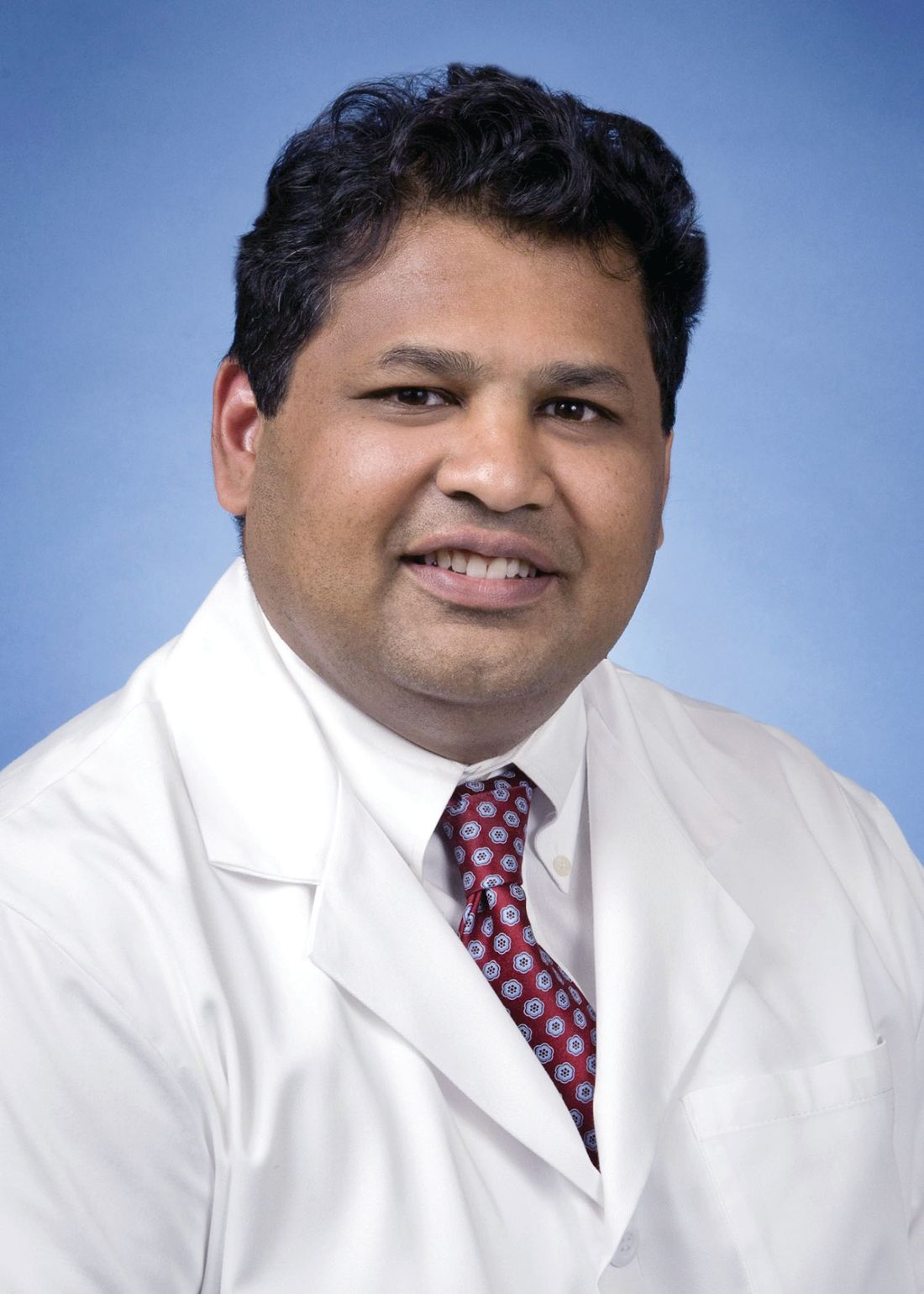
Nanotechnology is positioned to bring fundamental changes to the diagnosis and treatment of GI diseases, according to the Vadim Backman, MS, PhD, professor of biomedical engineering at the McCormick School of Engineering, Northwestern University, Chicago.
“The ways in which nanotechnology will change the field are going to be quite significant,” Dr. Backman said. He will give the Keynote Presentation at the 2018 AGA Tech Summit, sponsored by the AGA Center for GI Innovation and Technology. He described progress toward breakthroughs in diagnostics – particularly early detection of GI cancers – and therapeutics, such as nanocage transport of drugs across cell membranes. Applications have moved beyond the theoretical.

Nanotechnology is a broad term that involves manipulation of any material on a nano scale, often defined, although not strictly, as less than 100 nanometers (nm). Most bacteria measure more than 1000 nm in at least one direction. A DNA nucleotide is 2 nm. In the diagnosis and treatment of human diseases, the advantages of working on a nanoscale mean opportunities to act on the most fundamental molecular processes, including the earliest stages of pathophysiology.
In diagnosis, nanotechnology has the ability to detect genetic and epigenetic distortions that are initial steps to carcinogenesis. One set of studies has been performed with partial-wave spectroscopic microscopy capable of quantifying the properties of cellular structures on a scale as low as 20 nm. Work in this area has already successfully identified events in neoplasia development that preceded any alteration detected by conventional techniques, such as histology.
“With nanoscale sensitive optics, it is now possible to detect changes in cell and tissue structure that we have connected to the earliest steps in tumorigenesis,” Dr. Backman said. This work largely derives from progress in defining the topography of chromatin, a term that encompasses the protein, DNA, RNA, and protein composition of chromosomes. The work is relevant to all solid tumors, not just GI cancers. Based on the current status of the science, Dr. Backman foresees not just detection of the earliest events in cancer development but opportunities to tailor epigenetic therapies for personalized medicine.
In regard to other opportunities to improve diagnostics in GI diseases through nanotechnology, Dr. Backman spoke of nanoscale constructs that serve as contrast agents to visualize molecular structures and processes. These can be delivered endoscopically or systemically to provide unprecedented 3-D imaging, allowing such structures as cell receptors to be visualized and labeled.
The potential therapeutic applications of nanotechnology involve new approaches to altering disease progression. In addition to explaining the novel opportunities provided by delivering drugs on a nanoscale to alter cell processes in a way that would not be otherwise possible, Dr. Backman described how nanotechnology can be applied to influence global patterns in gene transcription. This is achieved by altering the chromatin structure.
“It is now understood that chromatin acts like software in mediating gene activities,” Dr. Backman explained. “In the case of cancer, normalization of chromatin structure can predictably modulate global patterns of gene expression. There is now evidence that modulation of chromatin structure with macrogenomic engineering may address cancer as well as other illnesses.”
In most cases, the advances described by Dr. Backman are not speculations based on the potential of the technology but concepts that are actively being developed. Partial-wave spectroscopic microscopy, which was developed in Dr. Backman’s laboratory, is permitting the nuclear nanostructure in live cells to be evaluated in real time, while progress in epigenetics is explaining which processes might be candidates for preventing or treating disease.
“Nanotechnology is positioned to advance personalized medicine and tailored therapeutics,” Dr. Backman said. “We do not yet have applications ready for regulatory approval, but they are coming.”
Nanotechnology is positioned to bring fundamental changes to the diagnosis and treatment of GI diseases, according to the Vadim Backman, MS, PhD, professor of biomedical engineering at the McCormick School of Engineering, Northwestern University, Chicago.
“The ways in which nanotechnology will change the field are going to be quite significant,” Dr. Backman said. He will give the Keynote Presentation at the 2018 AGA Tech Summit, sponsored by the AGA Center for GI Innovation and Technology. He described progress toward breakthroughs in diagnostics – particularly early detection of GI cancers – and therapeutics, such as nanocage transport of drugs across cell membranes. Applications have moved beyond the theoretical.
Nanotechnology is a broad term that involves manipulation of any material on a nano scale, often defined, although not strictly, as less than 100 nanometers (nm). Most bacteria measure more than 1000 nm in at least one direction. A DNA nucleotide is 2 nm. In the diagnosis and treatment of human diseases, the advantages of working on a nanoscale mean opportunities to act on the most fundamental molecular processes, including the earliest stages of pathophysiology.
In diagnosis, nanotechnology has the ability to detect genetic and epigenetic distortions that are initial steps to carcinogenesis. One set of studies has been performed with partial-wave spectroscopic microscopy capable of quantifying the properties of cellular structures on a scale as low as 20 nm. Work in this area has already successfully identified events in neoplasia development that preceded any alteration detected by conventional techniques, such as histology.
“With nanoscale sensitive optics, it is now possible to detect changes in cell and tissue structure that we have connected to the earliest steps in tumorigenesis,” Dr. Backman said. This work largely derives from progress in defining the topography of chromatin, a term that encompasses the protein, DNA, RNA, and protein composition of chromosomes. The work is relevant to all solid tumors, not just GI cancers. Based on the current status of the science, Dr. Backman foresees not just detection of the earliest events in cancer development but opportunities to tailor epigenetic therapies for personalized medicine.
In regard to other opportunities to improve diagnostics in GI diseases through nanotechnology, Dr. Backman spoke of nanoscale constructs that serve as contrast agents to visualize molecular structures and processes. These can be delivered endoscopically or systemically to provide unprecedented 3-D imaging, allowing such structures as cell receptors to be visualized and labeled.
The potential therapeutic applications of nanotechnology involve new approaches to altering disease progression. In addition to explaining the novel opportunities provided by delivering drugs on a nanoscale to alter cell processes in a way that would not be otherwise possible, Dr. Backman described how nanotechnology can be applied to influence global patterns in gene transcription. This is achieved by altering the chromatin structure.
“It is now understood that chromatin acts like software in mediating gene activities,” Dr. Backman explained. “In the case of cancer, normalization of chromatin structure can predictably modulate global patterns of gene expression. There is now evidence that modulation of chromatin structure with macrogenomic engineering may address cancer as well as other illnesses.”
In most cases, the advances described by Dr. Backman are not speculations based on the potential of the technology but concepts that are actively being developed. Partial-wave spectroscopic microscopy, which was developed in Dr. Backman’s laboratory, is permitting the nuclear nanostructure in live cells to be evaluated in real time, while progress in epigenetics is explaining which processes might be candidates for preventing or treating disease.
“Nanotechnology is positioned to advance personalized medicine and tailored therapeutics,” Dr. Backman said. “We do not yet have applications ready for regulatory approval, but they are coming.”
Nanotechnology is positioned to bring fundamental changes to the diagnosis and treatment of GI diseases, according to the Vadim Backman, MS, PhD, professor of biomedical engineering at the McCormick School of Engineering, Northwestern University, Chicago.
“The ways in which nanotechnology will change the field are going to be quite significant,” Dr. Backman said. He will give the Keynote Presentation at the 2018 AGA Tech Summit, sponsored by the AGA Center for GI Innovation and Technology. He described progress toward breakthroughs in diagnostics – particularly early detection of GI cancers – and therapeutics, such as nanocage transport of drugs across cell membranes. Applications have moved beyond the theoretical.
Nanotechnology is a broad term that involves manipulation of any material on a nano scale, often defined, although not strictly, as less than 100 nanometers (nm). Most bacteria measure more than 1000 nm in at least one direction. A DNA nucleotide is 2 nm. In the diagnosis and treatment of human diseases, the advantages of working on a nanoscale mean opportunities to act on the most fundamental molecular processes, including the earliest stages of pathophysiology.
In diagnosis, nanotechnology has the ability to detect genetic and epigenetic distortions that are initial steps to carcinogenesis. One set of studies has been performed with partial-wave spectroscopic microscopy capable of quantifying the properties of cellular structures on a scale as low as 20 nm. Work in this area has already successfully identified events in neoplasia development that preceded any alteration detected by conventional techniques, such as histology.
“With nanoscale sensitive optics, it is now possible to detect changes in cell and tissue structure that we have connected to the earliest steps in tumorigenesis,” Dr. Backman said. This work largely derives from progress in defining the topography of chromatin, a term that encompasses the protein, DNA, RNA, and protein composition of chromosomes. The work is relevant to all solid tumors, not just GI cancers. Based on the current status of the science, Dr. Backman foresees not just detection of the earliest events in cancer development but opportunities to tailor epigenetic therapies for personalized medicine.
In regard to other opportunities to improve diagnostics in GI diseases through nanotechnology, Dr. Backman spoke of nanoscale constructs that serve as contrast agents to visualize molecular structures and processes. These can be delivered endoscopically or systemically to provide unprecedented 3-D imaging, allowing such structures as cell receptors to be visualized and labeled.
The potential therapeutic applications of nanotechnology involve new approaches to altering disease progression. In addition to explaining the novel opportunities provided by delivering drugs on a nanoscale to alter cell processes in a way that would not be otherwise possible, Dr. Backman described how nanotechnology can be applied to influence global patterns in gene transcription. This is achieved by altering the chromatin structure.
“It is now understood that chromatin acts like software in mediating gene activities,” Dr. Backman explained. “In the case of cancer, normalization of chromatin structure can predictably modulate global patterns of gene expression. There is now evidence that modulation of chromatin structure with macrogenomic engineering may address cancer as well as other illnesses.”
In most cases, the advances described by Dr. Backman are not speculations based on the potential of the technology but concepts that are actively being developed. Partial-wave spectroscopic microscopy, which was developed in Dr. Backman’s laboratory, is permitting the nuclear nanostructure in live cells to be evaluated in real time, while progress in epigenetics is explaining which processes might be candidates for preventing or treating disease.
“Nanotechnology is positioned to advance personalized medicine and tailored therapeutics,” Dr. Backman said. “We do not yet have applications ready for regulatory approval, but they are coming.”

Radial access PCI best for acute coronary syndrome patients
WASHINGTON – Radial access should be the preferred approach to percutaneous interventions in acute coronary syndromes in the United States as it is now in Europe, according to an investigator whose data from a randomized trial substudy was the topic of a late-breaker presentation at CRT 2018 sponsored by the Cardiovascular Research Institute at Washington Hospital Center..
It was not just these data, but “the totality of the evidence supports radial access as the first choice in PCI [percutaneous intervention] for acute coronary events,” asserted Elmir Omerovic, MD, professor of cardiology at Sahlgrenska University Hospital, Gothenburg, Sweden.
The data for the prespecified substudy was drawn from the VALIDATE-SWEDEHEART trial, published 6 months ago (N Engl J Med 2017;377:1132-42). In that trial, which randomized patients with ACS undergoing PCI to heparin or bivalirudin, there was no difference between anticoagulation strategies for the primary composite endpoint of death from any cause, myocardial infarction or bleeding from any cause.
Of the 6,006 randomized patients in that study, of which about half had an ST-elevation MI and half had a non–ST-elevation MI event, 5,424 (90%) underwent PCI by the radial route and the remainder by the femoral route. The goal of the prespecified subgroup analysis presented by Dr. Omerovic was to evaluate whether choice of access site had an impact on the primary endpoint or its components.
There was a 34% relative risk reduction (P less than .001) in the primary composite endpoint at the end of 180 days of follow-up “after adjusting basically for all of the important differences that might affect risk,” Dr. Omerovic reported. The long list included type of acute coronary syndrome, age, hypertension, diabetes, and history of vascular events or prior procedures.
Radial access was also linked with a 59% lower risk of mortality and a 43% lower risk of major bleeding (both P less than .001) when compared with femoral access, according to Dr. Omerovic. He attributed most of the difference in bleeding to bleeding events at the access site.
Baseline differences between the two groups indicated that patients undergoing PCI with femoral access were a higher-risk group. Femoral patients had higher rates of diabetes, hyperlipidemia, and hypertension (all P less than .001). They were also older, more likely to be in Killip class II or above, and more likely to have history of prior MI, prior stroke, and prior coronary artery bypass grafting (also all P less than .001).
Dr. Omerovic maintained that proper adjustment was made for these confounders. He also defended his conclusion that radial access should be preferred over femoral access by stressing that the data regarding this question, including those from other studies and from registries, are uniformly consistent. “They all go in the same direction,” he said.
Dr. Omerovic claimed that the key message is that “there should be more radial access performed in the United States.” The 90% radial access in this study is reflective of current practice in Sweden and most other European countries, according to Dr. Omerovic. In contrast, the U.S. rate is closer to 60% by some estimates.

“I would always be concerned that if you are performing radial access 90% of the time, you are going to lose your femoral skills,” Dr. Grines said. Like other U.S. interventionalists who commented during an animated discussion, she insisted that a prospective randomized trial, not a subgroup analysis, is needed before declaring radial access preferred.
Dr. Omerovic reports financial relationships with AstraZeneca, Bayer, and Boston Scientific.
SOURCE: Omerovic E. CRT 2018.
WASHINGTON – Radial access should be the preferred approach to percutaneous interventions in acute coronary syndromes in the United States as it is now in Europe, according to an investigator whose data from a randomized trial substudy was the topic of a late-breaker presentation at CRT 2018 sponsored by the Cardiovascular Research Institute at Washington Hospital Center..
It was not just these data, but “the totality of the evidence supports radial access as the first choice in PCI [percutaneous intervention] for acute coronary events,” asserted Elmir Omerovic, MD, professor of cardiology at Sahlgrenska University Hospital, Gothenburg, Sweden.
The data for the prespecified substudy was drawn from the VALIDATE-SWEDEHEART trial, published 6 months ago (N Engl J Med 2017;377:1132-42). In that trial, which randomized patients with ACS undergoing PCI to heparin or bivalirudin, there was no difference between anticoagulation strategies for the primary composite endpoint of death from any cause, myocardial infarction or bleeding from any cause.
Of the 6,006 randomized patients in that study, of which about half had an ST-elevation MI and half had a non–ST-elevation MI event, 5,424 (90%) underwent PCI by the radial route and the remainder by the femoral route. The goal of the prespecified subgroup analysis presented by Dr. Omerovic was to evaluate whether choice of access site had an impact on the primary endpoint or its components.
There was a 34% relative risk reduction (P less than .001) in the primary composite endpoint at the end of 180 days of follow-up “after adjusting basically for all of the important differences that might affect risk,” Dr. Omerovic reported. The long list included type of acute coronary syndrome, age, hypertension, diabetes, and history of vascular events or prior procedures.
Radial access was also linked with a 59% lower risk of mortality and a 43% lower risk of major bleeding (both P less than .001) when compared with femoral access, according to Dr. Omerovic. He attributed most of the difference in bleeding to bleeding events at the access site.
Baseline differences between the two groups indicated that patients undergoing PCI with femoral access were a higher-risk group. Femoral patients had higher rates of diabetes, hyperlipidemia, and hypertension (all P less than .001). They were also older, more likely to be in Killip class II or above, and more likely to have history of prior MI, prior stroke, and prior coronary artery bypass grafting (also all P less than .001).
Dr. Omerovic maintained that proper adjustment was made for these confounders. He also defended his conclusion that radial access should be preferred over femoral access by stressing that the data regarding this question, including those from other studies and from registries, are uniformly consistent. “They all go in the same direction,” he said.
Dr. Omerovic claimed that the key message is that “there should be more radial access performed in the United States.” The 90% radial access in this study is reflective of current practice in Sweden and most other European countries, according to Dr. Omerovic. In contrast, the U.S. rate is closer to 60% by some estimates.
“I would always be concerned that if you are performing radial access 90% of the time, you are going to lose your femoral skills,” Dr. Grines said. Like other U.S. interventionalists who commented during an animated discussion, she insisted that a prospective randomized trial, not a subgroup analysis, is needed before declaring radial access preferred.
Dr. Omerovic reports financial relationships with AstraZeneca, Bayer, and Boston Scientific.
SOURCE: Omerovic E. CRT 2018.
WASHINGTON – Radial access should be the preferred approach to percutaneous interventions in acute coronary syndromes in the United States as it is now in Europe, according to an investigator whose data from a randomized trial substudy was the topic of a late-breaker presentation at CRT 2018 sponsored by the Cardiovascular Research Institute at Washington Hospital Center..
It was not just these data, but “the totality of the evidence supports radial access as the first choice in PCI [percutaneous intervention] for acute coronary events,” asserted Elmir Omerovic, MD, professor of cardiology at Sahlgrenska University Hospital, Gothenburg, Sweden.
The data for the prespecified substudy was drawn from the VALIDATE-SWEDEHEART trial, published 6 months ago (N Engl J Med 2017;377:1132-42). In that trial, which randomized patients with ACS undergoing PCI to heparin or bivalirudin, there was no difference between anticoagulation strategies for the primary composite endpoint of death from any cause, myocardial infarction or bleeding from any cause.
Of the 6,006 randomized patients in that study, of which about half had an ST-elevation MI and half had a non–ST-elevation MI event, 5,424 (90%) underwent PCI by the radial route and the remainder by the femoral route. The goal of the prespecified subgroup analysis presented by Dr. Omerovic was to evaluate whether choice of access site had an impact on the primary endpoint or its components.
There was a 34% relative risk reduction (P less than .001) in the primary composite endpoint at the end of 180 days of follow-up “after adjusting basically for all of the important differences that might affect risk,” Dr. Omerovic reported. The long list included type of acute coronary syndrome, age, hypertension, diabetes, and history of vascular events or prior procedures.
Radial access was also linked with a 59% lower risk of mortality and a 43% lower risk of major bleeding (both P less than .001) when compared with femoral access, according to Dr. Omerovic. He attributed most of the difference in bleeding to bleeding events at the access site.
Baseline differences between the two groups indicated that patients undergoing PCI with femoral access were a higher-risk group. Femoral patients had higher rates of diabetes, hyperlipidemia, and hypertension (all P less than .001). They were also older, more likely to be in Killip class II or above, and more likely to have history of prior MI, prior stroke, and prior coronary artery bypass grafting (also all P less than .001).
Dr. Omerovic maintained that proper adjustment was made for these confounders. He also defended his conclusion that radial access should be preferred over femoral access by stressing that the data regarding this question, including those from other studies and from registries, are uniformly consistent. “They all go in the same direction,” he said.
Dr. Omerovic claimed that the key message is that “there should be more radial access performed in the United States.” The 90% radial access in this study is reflective of current practice in Sweden and most other European countries, according to Dr. Omerovic. In contrast, the U.S. rate is closer to 60% by some estimates.
“I would always be concerned that if you are performing radial access 90% of the time, you are going to lose your femoral skills,” Dr. Grines said. Like other U.S. interventionalists who commented during an animated discussion, she insisted that a prospective randomized trial, not a subgroup analysis, is needed before declaring radial access preferred.
Dr. Omerovic reports financial relationships with AstraZeneca, Bayer, and Boston Scientific.
SOURCE: Omerovic E. CRT 2018.
REPORTING FROM THE 2018 CRT MEETING
Key clinical point:
Major finding: At 180 days, the risk of major cardiac events was 34% lower for PCI performed with radial than with femoral access after risk adjustment.
Data source: Prespecified subgroup analysis of a randomized trial.
Disclosures: Dr. Omerovic reports financial relationships with AstraZeneca, Bayer, and Boston Scientific.
Source: Omerovic E. CRT 2018.
Managing schizophrenia as a chronic disease linked to better outcomes
TAMPA – The secret to optimal long-term disease control in schizophrenia is to implement the same type of continuous and close management provided to other chronic diseases, like hypertension or inflammatory bowel disease, according to a lecture delivered at the annual meeting of the American College of Psychiatrists.
In the Dean Award Lecture – a talk characterized as “a stroll through the long-term understanding of the treatment of schizophrenia” – Ira D. Glick, MD, said that, although antipsychotics provide the foundation of disease control, patients and families need to understand and respect disease chronicity.

“In the last 5 or 6 years, I did something that no one has ever done before. I looked at the outcomes of patients treated for decades,” Dr. Glick recounted. Specifically, he contacted patients who had been in his care for up to 50 years. In “this naturalistic study,” he specifically asked the patients to rate their adherence to antipsychotics and to provide a global assessment of their life satisfaction, both on a scale of 1-10.
“What I found in a relatively large sample was that the more adherent patients were to their medication, the more likely they were to report adequate satisfaction with their life,” Dr. Glick said. For those who were not adherent, life in general “has been a disaster.”
This finding is not entirely surprising given the power of antipsychotics to change thinking. However, for those engaged in the immediate task of controlling acute symptoms, the importance of chronicity might not be given adequate emphasis. This requires educating patients and their families about the need to embark on lifetime treatment, Dr. Glick said. Like a diagnosis of diabetes, a diagnosis of schizophrenia means constant vigilance for manifestations of disease and appropriate adjustments of therapy to improve long-term outcomes.
Since evaluating the relationship between medication adherence and long-term outcomes in patients with schizophrenia treated at Stanford, the same type of evaluation was conducted with population samples from the Veterans Affairs system and from China. The data “show exactly the same thing,” Dr. Glick said.
It is important to use every available resource in helping patients recognize and deal with schizophrenia chronicity.
Earlier in his career, Dr. Glick participated in a randomized clinical trial of hospitalization for patients with schizophrenia. Recounting that experience, he reported that he was struck by the improvement in outcomes among patients who grasped that schizophrenia must be approached as a chronic disease.
“Once the patient understood what they had, they were much more apt to be adherent and to stay on their medication for their lifetime,” Dr. Glick reported. Although there is evidence that identifying an effective antipsychotic is key to disease control, “you have to talk to the patient, not just throw a medicine at them,” he said. This makes educating patients and families the key step in embarking on indefinite, close disease monitoring.
Control of schizophrenia over time is likely to vary as symptoms wax and wane, but this is true of other chronic disease processes. Diabetes, for example, requires frequent monitoring for and adjustment of blood glucose. Often medications for diabetes must be intensified or switched. The monitoring and management of schizophrenia is analogous.
One strategy for improving control of schizophrenia is to educate patients about this concept. Approaching schizophrenia as a chronic illness like other diseases that require lifetime drugs will help reduce the crises and the adverse effects associated with nonadherence to tight management, Dr. Glick maintained.
Dr. Glick reported financial relationships with Forum Pharmaceuticals, Johnson & Johnson, Neurocrine, Sunovion, and Teva.
TAMPA – The secret to optimal long-term disease control in schizophrenia is to implement the same type of continuous and close management provided to other chronic diseases, like hypertension or inflammatory bowel disease, according to a lecture delivered at the annual meeting of the American College of Psychiatrists.
In the Dean Award Lecture – a talk characterized as “a stroll through the long-term understanding of the treatment of schizophrenia” – Ira D. Glick, MD, said that, although antipsychotics provide the foundation of disease control, patients and families need to understand and respect disease chronicity.
“In the last 5 or 6 years, I did something that no one has ever done before. I looked at the outcomes of patients treated for decades,” Dr. Glick recounted. Specifically, he contacted patients who had been in his care for up to 50 years. In “this naturalistic study,” he specifically asked the patients to rate their adherence to antipsychotics and to provide a global assessment of their life satisfaction, both on a scale of 1-10.
“What I found in a relatively large sample was that the more adherent patients were to their medication, the more likely they were to report adequate satisfaction with their life,” Dr. Glick said. For those who were not adherent, life in general “has been a disaster.”
This finding is not entirely surprising given the power of antipsychotics to change thinking. However, for those engaged in the immediate task of controlling acute symptoms, the importance of chronicity might not be given adequate emphasis. This requires educating patients and their families about the need to embark on lifetime treatment, Dr. Glick said. Like a diagnosis of diabetes, a diagnosis of schizophrenia means constant vigilance for manifestations of disease and appropriate adjustments of therapy to improve long-term outcomes.
Since evaluating the relationship between medication adherence and long-term outcomes in patients with schizophrenia treated at Stanford, the same type of evaluation was conducted with population samples from the Veterans Affairs system and from China. The data “show exactly the same thing,” Dr. Glick said.
It is important to use every available resource in helping patients recognize and deal with schizophrenia chronicity.
Earlier in his career, Dr. Glick participated in a randomized clinical trial of hospitalization for patients with schizophrenia. Recounting that experience, he reported that he was struck by the improvement in outcomes among patients who grasped that schizophrenia must be approached as a chronic disease.
“Once the patient understood what they had, they were much more apt to be adherent and to stay on their medication for their lifetime,” Dr. Glick reported. Although there is evidence that identifying an effective antipsychotic is key to disease control, “you have to talk to the patient, not just throw a medicine at them,” he said. This makes educating patients and families the key step in embarking on indefinite, close disease monitoring.
Control of schizophrenia over time is likely to vary as symptoms wax and wane, but this is true of other chronic disease processes. Diabetes, for example, requires frequent monitoring for and adjustment of blood glucose. Often medications for diabetes must be intensified or switched. The monitoring and management of schizophrenia is analogous.
One strategy for improving control of schizophrenia is to educate patients about this concept. Approaching schizophrenia as a chronic illness like other diseases that require lifetime drugs will help reduce the crises and the adverse effects associated with nonadherence to tight management, Dr. Glick maintained.
Dr. Glick reported financial relationships with Forum Pharmaceuticals, Johnson & Johnson, Neurocrine, Sunovion, and Teva.
TAMPA – The secret to optimal long-term disease control in schizophrenia is to implement the same type of continuous and close management provided to other chronic diseases, like hypertension or inflammatory bowel disease, according to a lecture delivered at the annual meeting of the American College of Psychiatrists.
In the Dean Award Lecture – a talk characterized as “a stroll through the long-term understanding of the treatment of schizophrenia” – Ira D. Glick, MD, said that, although antipsychotics provide the foundation of disease control, patients and families need to understand and respect disease chronicity.
“In the last 5 or 6 years, I did something that no one has ever done before. I looked at the outcomes of patients treated for decades,” Dr. Glick recounted. Specifically, he contacted patients who had been in his care for up to 50 years. In “this naturalistic study,” he specifically asked the patients to rate their adherence to antipsychotics and to provide a global assessment of their life satisfaction, both on a scale of 1-10.
“What I found in a relatively large sample was that the more adherent patients were to their medication, the more likely they were to report adequate satisfaction with their life,” Dr. Glick said. For those who were not adherent, life in general “has been a disaster.”
This finding is not entirely surprising given the power of antipsychotics to change thinking. However, for those engaged in the immediate task of controlling acute symptoms, the importance of chronicity might not be given adequate emphasis. This requires educating patients and their families about the need to embark on lifetime treatment, Dr. Glick said. Like a diagnosis of diabetes, a diagnosis of schizophrenia means constant vigilance for manifestations of disease and appropriate adjustments of therapy to improve long-term outcomes.
Since evaluating the relationship between medication adherence and long-term outcomes in patients with schizophrenia treated at Stanford, the same type of evaluation was conducted with population samples from the Veterans Affairs system and from China. The data “show exactly the same thing,” Dr. Glick said.
It is important to use every available resource in helping patients recognize and deal with schizophrenia chronicity.
Earlier in his career, Dr. Glick participated in a randomized clinical trial of hospitalization for patients with schizophrenia. Recounting that experience, he reported that he was struck by the improvement in outcomes among patients who grasped that schizophrenia must be approached as a chronic disease.
“Once the patient understood what they had, they were much more apt to be adherent and to stay on their medication for their lifetime,” Dr. Glick reported. Although there is evidence that identifying an effective antipsychotic is key to disease control, “you have to talk to the patient, not just throw a medicine at them,” he said. This makes educating patients and families the key step in embarking on indefinite, close disease monitoring.
Control of schizophrenia over time is likely to vary as symptoms wax and wane, but this is true of other chronic disease processes. Diabetes, for example, requires frequent monitoring for and adjustment of blood glucose. Often medications for diabetes must be intensified or switched. The monitoring and management of schizophrenia is analogous.
One strategy for improving control of schizophrenia is to educate patients about this concept. Approaching schizophrenia as a chronic illness like other diseases that require lifetime drugs will help reduce the crises and the adverse effects associated with nonadherence to tight management, Dr. Glick maintained.
Dr. Glick reported financial relationships with Forum Pharmaceuticals, Johnson & Johnson, Neurocrine, Sunovion, and Teva.
REPORTING FROM THE COLLEGE 2018
Revascularization in paraplegics best performed with PCI
WASHINGTON – When paraplegics and quadriplegics have an acute MI and are candidates for revascularization, they should be treated preferentially with a percutaneous coronary intervention, according to data presented at the 2018 Cardiovascular Research Technologies meeting.
When compared 30 days after revascularization, the rates of major adverse cardiovascular events (MACE) following coronary artery bypass grafting (CABG) were 22% in the group with paraplegia or quadriplegia versus only 3.5% in those without loss of limb function. For percutaneous coronary intervention (PCI), the rates were 6% versus 2%, respectively, reported Xuming Dai, MD, PhD, an interventional cardiologist and assistant professor at the University of North Carolina at Chapel Hill.

“There are no guidelines, no studies. I could not even find a case report,” Dr. Dai recounted.
As a result, he initiated his own study, looking for such cases in the New York State Inpatient Database, in which there were 1,400 patients with paraplegia or quadriplegia and more than 400,000 without these limb impairments who had presented with acute MI over the period of study. After comparing outcomes in these two groups, a subsequent analysis was performed in which each patient with paraplegia/quadriplegia was matched by propensity scoring to five patients from the database without paraplegia/quadriplegia.
Notably, patients with paraplegia/quadriplegia were found to represent a small but steady proportion of acute MI cases. With only modest variation, the rate hovered around 0.2%-0.3% of cases per year.
“The patients with paraplegia or quadriplegia tended to be somewhat younger [67 vs. 70 years of age; P less than .001], have more comorbidities, and were more likely to be enrolled in Medicare,” Dr. Dai reported.
Of patients in the database without paraplegia/quadriplegia, 56% received medical therapy alone and 14% underwent catheterization but were not revascularized. Of the 31% who were revascularized, 82% underwent PCI, and the remainder underwent CABG.
Among those with paraplegia/quadriplegia, 83.7% were managed medically and 7.2% underwent catheterization but no revascularization. Of the 9.1% who were revascularized, 7.2% underwent PCI and 1.9% underwent CABG.
When evaluated with propensity scoring, the differences in outcomes between those with or without paraplegia/quadriplegia were more modest, but MACE rates after CABG remained significantly higher (8.4% vs. 3.5%; P = .02). In contrast, the difference in MACE rates after propensity matching was no longer significantly higher in the paraplegia/quadriplegia group treated with PCI (4.4% vs. 2.0%; P = .46).
When CABG was compared to PCI among those with paraplegia/quadriplegia, the rate of in-hospital mortality was almost four times higher (9.5% vs. 2.5; P less than.01). Paraplegic/quadriplegic patients treated with CABG also had longer lengths of hospital stay and incurred higher treatment costs, according to Dr. Dai.
The moderator of the session at which these data were presented, Scott Schurmer, MD, chief of cardiology at Texas Tech Health Sciences Center, Lubbock, cautioned about the limitations of propensity scoring. He also suggested that PCI, based on concern for potential comorbidities in patients with paraplegia and quadriplegia, would likely be the choice of many physicians even without these data.
Dr. Dai reported no financial relationships to disclose.
SOURCE: Dai X. CRT 2018.
WASHINGTON – When paraplegics and quadriplegics have an acute MI and are candidates for revascularization, they should be treated preferentially with a percutaneous coronary intervention, according to data presented at the 2018 Cardiovascular Research Technologies meeting.
When compared 30 days after revascularization, the rates of major adverse cardiovascular events (MACE) following coronary artery bypass grafting (CABG) were 22% in the group with paraplegia or quadriplegia versus only 3.5% in those without loss of limb function. For percutaneous coronary intervention (PCI), the rates were 6% versus 2%, respectively, reported Xuming Dai, MD, PhD, an interventional cardiologist and assistant professor at the University of North Carolina at Chapel Hill.
“There are no guidelines, no studies. I could not even find a case report,” Dr. Dai recounted.
As a result, he initiated his own study, looking for such cases in the New York State Inpatient Database, in which there were 1,400 patients with paraplegia or quadriplegia and more than 400,000 without these limb impairments who had presented with acute MI over the period of study. After comparing outcomes in these two groups, a subsequent analysis was performed in which each patient with paraplegia/quadriplegia was matched by propensity scoring to five patients from the database without paraplegia/quadriplegia.
Notably, patients with paraplegia/quadriplegia were found to represent a small but steady proportion of acute MI cases. With only modest variation, the rate hovered around 0.2%-0.3% of cases per year.
“The patients with paraplegia or quadriplegia tended to be somewhat younger [67 vs. 70 years of age; P less than .001], have more comorbidities, and were more likely to be enrolled in Medicare,” Dr. Dai reported.
Of patients in the database without paraplegia/quadriplegia, 56% received medical therapy alone and 14% underwent catheterization but were not revascularized. Of the 31% who were revascularized, 82% underwent PCI, and the remainder underwent CABG.
Among those with paraplegia/quadriplegia, 83.7% were managed medically and 7.2% underwent catheterization but no revascularization. Of the 9.1% who were revascularized, 7.2% underwent PCI and 1.9% underwent CABG.
When evaluated with propensity scoring, the differences in outcomes between those with or without paraplegia/quadriplegia were more modest, but MACE rates after CABG remained significantly higher (8.4% vs. 3.5%; P = .02). In contrast, the difference in MACE rates after propensity matching was no longer significantly higher in the paraplegia/quadriplegia group treated with PCI (4.4% vs. 2.0%; P = .46).
When CABG was compared to PCI among those with paraplegia/quadriplegia, the rate of in-hospital mortality was almost four times higher (9.5% vs. 2.5; P less than.01). Paraplegic/quadriplegic patients treated with CABG also had longer lengths of hospital stay and incurred higher treatment costs, according to Dr. Dai.
The moderator of the session at which these data were presented, Scott Schurmer, MD, chief of cardiology at Texas Tech Health Sciences Center, Lubbock, cautioned about the limitations of propensity scoring. He also suggested that PCI, based on concern for potential comorbidities in patients with paraplegia and quadriplegia, would likely be the choice of many physicians even without these data.
Dr. Dai reported no financial relationships to disclose.
SOURCE: Dai X. CRT 2018.
WASHINGTON – When paraplegics and quadriplegics have an acute MI and are candidates for revascularization, they should be treated preferentially with a percutaneous coronary intervention, according to data presented at the 2018 Cardiovascular Research Technologies meeting.
When compared 30 days after revascularization, the rates of major adverse cardiovascular events (MACE) following coronary artery bypass grafting (CABG) were 22% in the group with paraplegia or quadriplegia versus only 3.5% in those without loss of limb function. For percutaneous coronary intervention (PCI), the rates were 6% versus 2%, respectively, reported Xuming Dai, MD, PhD, an interventional cardiologist and assistant professor at the University of North Carolina at Chapel Hill.
“There are no guidelines, no studies. I could not even find a case report,” Dr. Dai recounted.
As a result, he initiated his own study, looking for such cases in the New York State Inpatient Database, in which there were 1,400 patients with paraplegia or quadriplegia and more than 400,000 without these limb impairments who had presented with acute MI over the period of study. After comparing outcomes in these two groups, a subsequent analysis was performed in which each patient with paraplegia/quadriplegia was matched by propensity scoring to five patients from the database without paraplegia/quadriplegia.
Notably, patients with paraplegia/quadriplegia were found to represent a small but steady proportion of acute MI cases. With only modest variation, the rate hovered around 0.2%-0.3% of cases per year.
“The patients with paraplegia or quadriplegia tended to be somewhat younger [67 vs. 70 years of age; P less than .001], have more comorbidities, and were more likely to be enrolled in Medicare,” Dr. Dai reported.
Of patients in the database without paraplegia/quadriplegia, 56% received medical therapy alone and 14% underwent catheterization but were not revascularized. Of the 31% who were revascularized, 82% underwent PCI, and the remainder underwent CABG.
Among those with paraplegia/quadriplegia, 83.7% were managed medically and 7.2% underwent catheterization but no revascularization. Of the 9.1% who were revascularized, 7.2% underwent PCI and 1.9% underwent CABG.
When evaluated with propensity scoring, the differences in outcomes between those with or without paraplegia/quadriplegia were more modest, but MACE rates after CABG remained significantly higher (8.4% vs. 3.5%; P = .02). In contrast, the difference in MACE rates after propensity matching was no longer significantly higher in the paraplegia/quadriplegia group treated with PCI (4.4% vs. 2.0%; P = .46).
When CABG was compared to PCI among those with paraplegia/quadriplegia, the rate of in-hospital mortality was almost four times higher (9.5% vs. 2.5; P less than.01). Paraplegic/quadriplegic patients treated with CABG also had longer lengths of hospital stay and incurred higher treatment costs, according to Dr. Dai.
The moderator of the session at which these data were presented, Scott Schurmer, MD, chief of cardiology at Texas Tech Health Sciences Center, Lubbock, cautioned about the limitations of propensity scoring. He also suggested that PCI, based on concern for potential comorbidities in patients with paraplegia and quadriplegia, would likely be the choice of many physicians even without these data.
Dr. Dai reported no financial relationships to disclose.
SOURCE: Dai X. CRT 2018.
AT THE 2018 CRT MEETING
Key clinical point:
Major finding: Major adverse cardiovascular events at 30 days were lower after PCI than coronary artery bypass grafting (6% vs. 22%).
Data source: A nonrandomized retrospective analysis.
Disclosures: Dr. Dai reported no financial relationships to disclose. Source: Dai X. CRT 2018.
Demand, not need, may drive further expansion of telepsychiatry
TAMPA – The growth of telepsychiatry has been driven largely by needs of access, particularly in rural areas without specialists. But telemedicine is convenient, and those growing up with computers, smartphones, and other technology are going to demand this type of access to their clinicians, according to a leader of a course on telepsychiatry at the annual meeting of the American College of Psychiatrists.
“Digital natives – the consumers – are going to drive the use of technology more and more. They are used to videoconferencing. They want to see their doctors over video. They want to communicate via text and email. They want that convenience, and they are much more comfortable with it,” said James (Jay) H. Shore, MD, director of telemedicine at the Johnson Depression Center at the University of Colorado Denver.

Meanwhile, telepsychiatry is evolving, allowing for more sophisticated approaches and expanded applications.
“When we started doing video conferencing technologies, we basically were taking what we do in person and just doing that over video,” Dr. Shore said. “Where we are now, .”
A prolific author on the topic of telepsychiatry and long involved in this practice, Dr. Shore has said that the widespread introduction of fiber optic networks and other technological advances over the last 15 years has advanced all forms of digital technology. These are enabling and will likely accelerate synergies possible with integration of different platforms, such as electronic health records, patient portals, videoconferencing, and various methods of communication.
In his own experience, which includes providing remote services from his office in Denver to native populations in Alaska, he has discovered some unexpected advantages to telepsychiatry. For example, some victims recounting histories of domestic abuse feel more secure during videoconferencing than during a face-to-face interview, facilitating capture of a complete history. In general, he now prefers telepsychiatry in those situations.
As telepsychiatry advances, it will be increasingly integrated into hybrid models of care that involve communicating with both the patient and other clinicians over multiple platforms (for example, in-person, video, patient portals). This is not just relevant to patients in a geographically distant facility. With greater acceptance and integration, videoconferencing will be part of this mix of communication tools that might also include in-person consultations. The goal will be to use the most convenient communication strategies to coordinate the diagnosis, a treatment plan, and follow-up.
“The neat thing about telepsychiatry is really the virtual teaming models that we can create,” Dr. Shore said. However, he acknowledged that this type of team participation requires an adjustment in reimbursement models for psychiatrists that traditionally have centered on psychopharmacology. The problem with the models limited to prescription writing is that they “do not tap into the psychiatrist’s leadership of the mental health team, knowledge of human behavior, and they are not, at least for me, as personally rewarding.”
He believes that the growing array of technologies contained in telepsychiatry will increase opportunities for psychiatrists in a host of such settings such as crisis management in emergency care settings or coordination of psychiatric care in residential treatment settings.
The expansion of telemedicine already is reflected in the growing number of companies marketing services directly to consumers. Dr. Shore listed several offering virtual health care that may contribute to both acceptance and demand for medical care delivered digitally. Although telepsychiatry already is associated with many effective applications, Dr. Shore reiterated that consumer demand will be a driver for further expansion of telemedicine in general.
He also emphasized that change involving digital advances in psychiatry is inevitable. According to Dr. Shore, artificial intelligence, virtual reality treatments, and social networking are among potential tools for altering care. Inside and outside of medicine, the pace of change driven by advances in digital exchange of information has been and is expected to continue to be brisk.
“Then there is the technology that is going to disrupt us all that we can’t see coming,” Dr. Shore said. “It is being invented right now in somebody’s garage in Palo Alto.”
Dr. Shore reported that he is chief medical officer of AccessCare Services, which provides telehealth services and technologies.
TAMPA – The growth of telepsychiatry has been driven largely by needs of access, particularly in rural areas without specialists. But telemedicine is convenient, and those growing up with computers, smartphones, and other technology are going to demand this type of access to their clinicians, according to a leader of a course on telepsychiatry at the annual meeting of the American College of Psychiatrists.
“Digital natives – the consumers – are going to drive the use of technology more and more. They are used to videoconferencing. They want to see their doctors over video. They want to communicate via text and email. They want that convenience, and they are much more comfortable with it,” said James (Jay) H. Shore, MD, director of telemedicine at the Johnson Depression Center at the University of Colorado Denver.
Meanwhile, telepsychiatry is evolving, allowing for more sophisticated approaches and expanded applications.
“When we started doing video conferencing technologies, we basically were taking what we do in person and just doing that over video,” Dr. Shore said. “Where we are now, .”
A prolific author on the topic of telepsychiatry and long involved in this practice, Dr. Shore has said that the widespread introduction of fiber optic networks and other technological advances over the last 15 years has advanced all forms of digital technology. These are enabling and will likely accelerate synergies possible with integration of different platforms, such as electronic health records, patient portals, videoconferencing, and various methods of communication.
In his own experience, which includes providing remote services from his office in Denver to native populations in Alaska, he has discovered some unexpected advantages to telepsychiatry. For example, some victims recounting histories of domestic abuse feel more secure during videoconferencing than during a face-to-face interview, facilitating capture of a complete history. In general, he now prefers telepsychiatry in those situations.
As telepsychiatry advances, it will be increasingly integrated into hybrid models of care that involve communicating with both the patient and other clinicians over multiple platforms (for example, in-person, video, patient portals). This is not just relevant to patients in a geographically distant facility. With greater acceptance and integration, videoconferencing will be part of this mix of communication tools that might also include in-person consultations. The goal will be to use the most convenient communication strategies to coordinate the diagnosis, a treatment plan, and follow-up.
“The neat thing about telepsychiatry is really the virtual teaming models that we can create,” Dr. Shore said. However, he acknowledged that this type of team participation requires an adjustment in reimbursement models for psychiatrists that traditionally have centered on psychopharmacology. The problem with the models limited to prescription writing is that they “do not tap into the psychiatrist’s leadership of the mental health team, knowledge of human behavior, and they are not, at least for me, as personally rewarding.”
He believes that the growing array of technologies contained in telepsychiatry will increase opportunities for psychiatrists in a host of such settings such as crisis management in emergency care settings or coordination of psychiatric care in residential treatment settings.
The expansion of telemedicine already is reflected in the growing number of companies marketing services directly to consumers. Dr. Shore listed several offering virtual health care that may contribute to both acceptance and demand for medical care delivered digitally. Although telepsychiatry already is associated with many effective applications, Dr. Shore reiterated that consumer demand will be a driver for further expansion of telemedicine in general.
He also emphasized that change involving digital advances in psychiatry is inevitable. According to Dr. Shore, artificial intelligence, virtual reality treatments, and social networking are among potential tools for altering care. Inside and outside of medicine, the pace of change driven by advances in digital exchange of information has been and is expected to continue to be brisk.
“Then there is the technology that is going to disrupt us all that we can’t see coming,” Dr. Shore said. “It is being invented right now in somebody’s garage in Palo Alto.”
Dr. Shore reported that he is chief medical officer of AccessCare Services, which provides telehealth services and technologies.
TAMPA – The growth of telepsychiatry has been driven largely by needs of access, particularly in rural areas without specialists. But telemedicine is convenient, and those growing up with computers, smartphones, and other technology are going to demand this type of access to their clinicians, according to a leader of a course on telepsychiatry at the annual meeting of the American College of Psychiatrists.
“Digital natives – the consumers – are going to drive the use of technology more and more. They are used to videoconferencing. They want to see their doctors over video. They want to communicate via text and email. They want that convenience, and they are much more comfortable with it,” said James (Jay) H. Shore, MD, director of telemedicine at the Johnson Depression Center at the University of Colorado Denver.
Meanwhile, telepsychiatry is evolving, allowing for more sophisticated approaches and expanded applications.
“When we started doing video conferencing technologies, we basically were taking what we do in person and just doing that over video,” Dr. Shore said. “Where we are now, .”
A prolific author on the topic of telepsychiatry and long involved in this practice, Dr. Shore has said that the widespread introduction of fiber optic networks and other technological advances over the last 15 years has advanced all forms of digital technology. These are enabling and will likely accelerate synergies possible with integration of different platforms, such as electronic health records, patient portals, videoconferencing, and various methods of communication.
In his own experience, which includes providing remote services from his office in Denver to native populations in Alaska, he has discovered some unexpected advantages to telepsychiatry. For example, some victims recounting histories of domestic abuse feel more secure during videoconferencing than during a face-to-face interview, facilitating capture of a complete history. In general, he now prefers telepsychiatry in those situations.
As telepsychiatry advances, it will be increasingly integrated into hybrid models of care that involve communicating with both the patient and other clinicians over multiple platforms (for example, in-person, video, patient portals). This is not just relevant to patients in a geographically distant facility. With greater acceptance and integration, videoconferencing will be part of this mix of communication tools that might also include in-person consultations. The goal will be to use the most convenient communication strategies to coordinate the diagnosis, a treatment plan, and follow-up.
“The neat thing about telepsychiatry is really the virtual teaming models that we can create,” Dr. Shore said. However, he acknowledged that this type of team participation requires an adjustment in reimbursement models for psychiatrists that traditionally have centered on psychopharmacology. The problem with the models limited to prescription writing is that they “do not tap into the psychiatrist’s leadership of the mental health team, knowledge of human behavior, and they are not, at least for me, as personally rewarding.”
He believes that the growing array of technologies contained in telepsychiatry will increase opportunities for psychiatrists in a host of such settings such as crisis management in emergency care settings or coordination of psychiatric care in residential treatment settings.
The expansion of telemedicine already is reflected in the growing number of companies marketing services directly to consumers. Dr. Shore listed several offering virtual health care that may contribute to both acceptance and demand for medical care delivered digitally. Although telepsychiatry already is associated with many effective applications, Dr. Shore reiterated that consumer demand will be a driver for further expansion of telemedicine in general.
He also emphasized that change involving digital advances in psychiatry is inevitable. According to Dr. Shore, artificial intelligence, virtual reality treatments, and social networking are among potential tools for altering care. Inside and outside of medicine, the pace of change driven by advances in digital exchange of information has been and is expected to continue to be brisk.
“Then there is the technology that is going to disrupt us all that we can’t see coming,” Dr. Shore said. “It is being invented right now in somebody’s garage in Palo Alto.”
Dr. Shore reported that he is chief medical officer of AccessCare Services, which provides telehealth services and technologies.
REPORTING FROM THE COLLEGE 2018