User login
VA Revises Policy For Male Breast Cancer
Male veterans with breast cancer may have a more difficult time receiving appropriate health care due to a recently revised US Department of Veterans Affairs (VA) policy that requires each individual to prove the disease’s connection to their service to qualify for coverage.
According to a VA memo obtained by ProPublica, the change is based on a Jan. 1 presidential order titled “Defending Women from Gender Ideology Extremism and Restoring Biological Truth to the Federal Government.” VA Press Secretary Pete Kasperowicz told ProPublica that the policy was changed because the previous policy “falsely classified male breasts as reproductive organs.”
In 2024, the VA added male breast cancer (along with urethral cancer and cancer of the paraurethral glands) to its list of presumed service-connected disabilities due to military environmental exposure, such as toxic burn pits. Male breast cancer was added to the category of “reproductive cancer of any type” after experts pointed to the similarity of male and female breast cancers.
Establishing a connection between a variety of cancers and military service has been a years-long fight only resolved recently in the form of the 2022 PACT Act. The VA lists > 20 medical conditions as “presumptive” for service connection, with some caveats, such as area of service. The act reduced the burden of proof needed: The terms “presumptive conditions” and “presumptive-exposure locations” mean veterans only have to provide their military records to show they were in an exposure location to have their care for certain conditions covered.
Supporters of the PACT Act say the policy change could make it harder for veterans to receive timely care, a serious issue for men with breast cancer who have been “severely underrepresented” in clinical studies and many studies specifically exclude males. The American Cancer Society estimates about 2800 men have been or will be diagnosed with invasive breast cancer in 2025. Less than 1% of breast cancers in the US occur in men, but breast cancer is notably higher among veterans: 11% of 3304 veterans, according to a 2023 study.
Breast cancer is more aggressive in men—they’re more often diagnosed at Stage IV and tend to be older—and survival rates have been lower than in women. In a 2019 study of 16,025 male and 1,800,708 female patients with breast cancer, men had 19% higher overall mortality.
Treatment for male breast cancer has lagged. A 2021 study found men were less likely than women to receive radiation therapy. However, that’s changing. Since that study, however, the American Cancer Society claims treatments and survival rates have improved. According to the Surveillance, Epidemiology, and End Results database, 5-year survival rates are 97% for localized, 86% for regional, and 31% for distant; 84% for all stages combined.
Screening and treatment have focused on women. But the VA Breast and Gynecologic Oncology System of Excellence (BGSoE) provides cancer care for all veterans diagnosed with breast malignancies. Male veterans with breast cancer do face additional challenges in addressing a cancer that is most often associated with females. “I must admit, it was awkward every time I went [to the Women’s Health Center for postmastectomy follow-ups]” William K. Lewis, described in his patient perspective on male breast cancer treatment in the VA.
Though the policy has changed, Kasperowicz told ProPublica that veterans who previously qualified for coverage can keep it: “The department grants disability benefits compensation claims for male Veterans with breast cancer on an individual basis and will continue to do so. VA encourages any male Veterans with breast cancer who feel their health may have been impacted by their military service to submit a disability compensation claim.”
Male veterans with breast cancer may have a more difficult time receiving appropriate health care due to a recently revised US Department of Veterans Affairs (VA) policy that requires each individual to prove the disease’s connection to their service to qualify for coverage.
According to a VA memo obtained by ProPublica, the change is based on a Jan. 1 presidential order titled “Defending Women from Gender Ideology Extremism and Restoring Biological Truth to the Federal Government.” VA Press Secretary Pete Kasperowicz told ProPublica that the policy was changed because the previous policy “falsely classified male breasts as reproductive organs.”
In 2024, the VA added male breast cancer (along with urethral cancer and cancer of the paraurethral glands) to its list of presumed service-connected disabilities due to military environmental exposure, such as toxic burn pits. Male breast cancer was added to the category of “reproductive cancer of any type” after experts pointed to the similarity of male and female breast cancers.
Establishing a connection between a variety of cancers and military service has been a years-long fight only resolved recently in the form of the 2022 PACT Act. The VA lists > 20 medical conditions as “presumptive” for service connection, with some caveats, such as area of service. The act reduced the burden of proof needed: The terms “presumptive conditions” and “presumptive-exposure locations” mean veterans only have to provide their military records to show they were in an exposure location to have their care for certain conditions covered.
Supporters of the PACT Act say the policy change could make it harder for veterans to receive timely care, a serious issue for men with breast cancer who have been “severely underrepresented” in clinical studies and many studies specifically exclude males. The American Cancer Society estimates about 2800 men have been or will be diagnosed with invasive breast cancer in 2025. Less than 1% of breast cancers in the US occur in men, but breast cancer is notably higher among veterans: 11% of 3304 veterans, according to a 2023 study.
Breast cancer is more aggressive in men—they’re more often diagnosed at Stage IV and tend to be older—and survival rates have been lower than in women. In a 2019 study of 16,025 male and 1,800,708 female patients with breast cancer, men had 19% higher overall mortality.
Treatment for male breast cancer has lagged. A 2021 study found men were less likely than women to receive radiation therapy. However, that’s changing. Since that study, however, the American Cancer Society claims treatments and survival rates have improved. According to the Surveillance, Epidemiology, and End Results database, 5-year survival rates are 97% for localized, 86% for regional, and 31% for distant; 84% for all stages combined.
Screening and treatment have focused on women. But the VA Breast and Gynecologic Oncology System of Excellence (BGSoE) provides cancer care for all veterans diagnosed with breast malignancies. Male veterans with breast cancer do face additional challenges in addressing a cancer that is most often associated with females. “I must admit, it was awkward every time I went [to the Women’s Health Center for postmastectomy follow-ups]” William K. Lewis, described in his patient perspective on male breast cancer treatment in the VA.
Though the policy has changed, Kasperowicz told ProPublica that veterans who previously qualified for coverage can keep it: “The department grants disability benefits compensation claims for male Veterans with breast cancer on an individual basis and will continue to do so. VA encourages any male Veterans with breast cancer who feel their health may have been impacted by their military service to submit a disability compensation claim.”
Male veterans with breast cancer may have a more difficult time receiving appropriate health care due to a recently revised US Department of Veterans Affairs (VA) policy that requires each individual to prove the disease’s connection to their service to qualify for coverage.
According to a VA memo obtained by ProPublica, the change is based on a Jan. 1 presidential order titled “Defending Women from Gender Ideology Extremism and Restoring Biological Truth to the Federal Government.” VA Press Secretary Pete Kasperowicz told ProPublica that the policy was changed because the previous policy “falsely classified male breasts as reproductive organs.”
In 2024, the VA added male breast cancer (along with urethral cancer and cancer of the paraurethral glands) to its list of presumed service-connected disabilities due to military environmental exposure, such as toxic burn pits. Male breast cancer was added to the category of “reproductive cancer of any type” after experts pointed to the similarity of male and female breast cancers.
Establishing a connection between a variety of cancers and military service has been a years-long fight only resolved recently in the form of the 2022 PACT Act. The VA lists > 20 medical conditions as “presumptive” for service connection, with some caveats, such as area of service. The act reduced the burden of proof needed: The terms “presumptive conditions” and “presumptive-exposure locations” mean veterans only have to provide their military records to show they were in an exposure location to have their care for certain conditions covered.
Supporters of the PACT Act say the policy change could make it harder for veterans to receive timely care, a serious issue for men with breast cancer who have been “severely underrepresented” in clinical studies and many studies specifically exclude males. The American Cancer Society estimates about 2800 men have been or will be diagnosed with invasive breast cancer in 2025. Less than 1% of breast cancers in the US occur in men, but breast cancer is notably higher among veterans: 11% of 3304 veterans, according to a 2023 study.
Breast cancer is more aggressive in men—they’re more often diagnosed at Stage IV and tend to be older—and survival rates have been lower than in women. In a 2019 study of 16,025 male and 1,800,708 female patients with breast cancer, men had 19% higher overall mortality.
Treatment for male breast cancer has lagged. A 2021 study found men were less likely than women to receive radiation therapy. However, that’s changing. Since that study, however, the American Cancer Society claims treatments and survival rates have improved. According to the Surveillance, Epidemiology, and End Results database, 5-year survival rates are 97% for localized, 86% for regional, and 31% for distant; 84% for all stages combined.
Screening and treatment have focused on women. But the VA Breast and Gynecologic Oncology System of Excellence (BGSoE) provides cancer care for all veterans diagnosed with breast malignancies. Male veterans with breast cancer do face additional challenges in addressing a cancer that is most often associated with females. “I must admit, it was awkward every time I went [to the Women’s Health Center for postmastectomy follow-ups]” William K. Lewis, described in his patient perspective on male breast cancer treatment in the VA.
Though the policy has changed, Kasperowicz told ProPublica that veterans who previously qualified for coverage can keep it: “The department grants disability benefits compensation claims for male Veterans with breast cancer on an individual basis and will continue to do so. VA encourages any male Veterans with breast cancer who feel their health may have been impacted by their military service to submit a disability compensation claim.”
Helping Veterans Ease Into Civilian Life
What does a successful military-to-civilian transition look like? How do we know if a veteran is sinking, treading water, or swimming? Two recent studies by the Penn State University Clearinghouse for Military Family Readiness sought to answer to those questions and more while determining how and when is the right time to step in to help a veteran in need.
The research analyzed The Veterans Metrics Initiative data (TVMI). This longitudinal study surveyed 9566 men and women who left active duty in 2016 over 3 years, answering questions about deployment histories, adverse childhood experiences (ACEs) and exposure to combat. They also reported whether they had symptoms related to anxiety and depression.
The TVMI study found that ACEs predicted poor outcomes early on and when combined with warfare experience dramatically increased the likelihood of mental health issues, including posttraumatic stress disorder (PTSD), anxiety, and depression; moral injury impacted adjustment to civilian life (the degree varied by gender); and, many veterans have a “growth outlook” as a result of a trauma or crisis they experienced.
The TVMI study found that almost all veterans use transition resources in the first 2 years after military separation. Beyond that, however, those in high-risk categories (eg, PTSD and cumulative trauma experiences) need continued support. This may come in the form of a universal screener and linking it to a navigation infrastructure (eg, AmericaServes), “thereby identifying risk factors early and providing targeted supports, interventions, and components.”
Veterans often face a series of simultaneous challenges as they return to civilian life. Among them include getting used to family and friends again, finding jobs, losing their military identity, structure, and perhaps leaving military friends behind. In addition, veterans are likely dealing with physical and mental health challenges, which can significantly influence how well they readjust to civilian life and lead to inconsistency experiences for each individual.
A 2019 survey from the Pew Research Center found about 40% of veterans who suffered from PTSD said they frequently had difficulty dealing with the lack of structure in civilian life, compared with 5% of those who do not have PTSD. Another survey cited a large majority (78%) of pre-9/11 veterans said their readjustment was very or somewhat easy. However, 26% said adjusting to civilian life was difficult.
In 2011, 4 variables were identified that predicted easy civilian life re-entry: being an officer; having a consistently clear understanding of the missions while in the service; being a college graduate; and, for post-9/11 veterans, attending religious services frequently. Six variables were associated with a diminished probability of an easy transition: having had a traumatic experience; being seriously injured; serving in the post-9/11 era; serving in a combat zone; serving with someone who was killed or injured; and, for post-9/11 veterans, being married while in the service.
The probabilities of an easy re-entry dropped from 82% for those who did not experience a traumatic event to 56% for those who did—the largest change noted in the 2011 study.
The second Penn State study evaluated a model framework with a lifespan development perspective. The study surveyed veterans on their self-reported satisfaction or symptoms in 7 domains of well-being: employment, education, financial, legal problems, social, physical health, and mental health. Within 3 months of separation , 41% of respondents fell into the “problematic” category for the mental health domain. However, by 30 to 33 months postseparation, this proportion dropped to 34%. During the same period, the proportion of veterans in the at risk category increased from 28% at Wave 1 to 37% at Wave 6. About 30% of veterans fell into the successful category for symptoms across the 3 examined waves. Almost 60% were in the successful category across the 3 time points.
Both Penn State studies emphasize the importance of viewing veterans as individuals on their own timelines.
“These findings underscore that the transition to civilian life is not a single moment, but a process influenced by experiences across the life span,” said Mary M. Mitchell, research professor at the Clearinghouse and lead author on the predictors study. “By following veterans over 3 years, we were able to see how patterns emerge that would be invisible in a one-time survey.”
Current conceptualization “assumes that there are commonalities across veterans when evaluating the success of the transition to civilian life,” according to the authors of the framework study. “However, each veteran likely has his or her view of what a successful transition constitutes, and he or she may weigh domains differently when considering his or her own transition.”
The research highlights the need to find ways to encourage veterans to seek help—and not just in the first year, which is often the most stressful. The Pew Research Center survey identified a “significant break from the past,” in that nearly 70% of post-9/11 veterans said their superiors made them feel comfortable about seeking help with emotional issues resulting from their military service.
However, ≤ 8% veterans in the TVMI study used any health programs, even when they screened positive for mental health problems. Veterans who did use counseling services, however, improved their depression symptoms. Engaging veterans at various time points could help keep mental health problems from worsening during—and beyond—the transition.
What does a successful military-to-civilian transition look like? How do we know if a veteran is sinking, treading water, or swimming? Two recent studies by the Penn State University Clearinghouse for Military Family Readiness sought to answer to those questions and more while determining how and when is the right time to step in to help a veteran in need.
The research analyzed The Veterans Metrics Initiative data (TVMI). This longitudinal study surveyed 9566 men and women who left active duty in 2016 over 3 years, answering questions about deployment histories, adverse childhood experiences (ACEs) and exposure to combat. They also reported whether they had symptoms related to anxiety and depression.
The TVMI study found that ACEs predicted poor outcomes early on and when combined with warfare experience dramatically increased the likelihood of mental health issues, including posttraumatic stress disorder (PTSD), anxiety, and depression; moral injury impacted adjustment to civilian life (the degree varied by gender); and, many veterans have a “growth outlook” as a result of a trauma or crisis they experienced.
The TVMI study found that almost all veterans use transition resources in the first 2 years after military separation. Beyond that, however, those in high-risk categories (eg, PTSD and cumulative trauma experiences) need continued support. This may come in the form of a universal screener and linking it to a navigation infrastructure (eg, AmericaServes), “thereby identifying risk factors early and providing targeted supports, interventions, and components.”
Veterans often face a series of simultaneous challenges as they return to civilian life. Among them include getting used to family and friends again, finding jobs, losing their military identity, structure, and perhaps leaving military friends behind. In addition, veterans are likely dealing with physical and mental health challenges, which can significantly influence how well they readjust to civilian life and lead to inconsistency experiences for each individual.
A 2019 survey from the Pew Research Center found about 40% of veterans who suffered from PTSD said they frequently had difficulty dealing with the lack of structure in civilian life, compared with 5% of those who do not have PTSD. Another survey cited a large majority (78%) of pre-9/11 veterans said their readjustment was very or somewhat easy. However, 26% said adjusting to civilian life was difficult.
In 2011, 4 variables were identified that predicted easy civilian life re-entry: being an officer; having a consistently clear understanding of the missions while in the service; being a college graduate; and, for post-9/11 veterans, attending religious services frequently. Six variables were associated with a diminished probability of an easy transition: having had a traumatic experience; being seriously injured; serving in the post-9/11 era; serving in a combat zone; serving with someone who was killed or injured; and, for post-9/11 veterans, being married while in the service.
The probabilities of an easy re-entry dropped from 82% for those who did not experience a traumatic event to 56% for those who did—the largest change noted in the 2011 study.
The second Penn State study evaluated a model framework with a lifespan development perspective. The study surveyed veterans on their self-reported satisfaction or symptoms in 7 domains of well-being: employment, education, financial, legal problems, social, physical health, and mental health. Within 3 months of separation , 41% of respondents fell into the “problematic” category for the mental health domain. However, by 30 to 33 months postseparation, this proportion dropped to 34%. During the same period, the proportion of veterans in the at risk category increased from 28% at Wave 1 to 37% at Wave 6. About 30% of veterans fell into the successful category for symptoms across the 3 examined waves. Almost 60% were in the successful category across the 3 time points.
Both Penn State studies emphasize the importance of viewing veterans as individuals on their own timelines.
“These findings underscore that the transition to civilian life is not a single moment, but a process influenced by experiences across the life span,” said Mary M. Mitchell, research professor at the Clearinghouse and lead author on the predictors study. “By following veterans over 3 years, we were able to see how patterns emerge that would be invisible in a one-time survey.”
Current conceptualization “assumes that there are commonalities across veterans when evaluating the success of the transition to civilian life,” according to the authors of the framework study. “However, each veteran likely has his or her view of what a successful transition constitutes, and he or she may weigh domains differently when considering his or her own transition.”
The research highlights the need to find ways to encourage veterans to seek help—and not just in the first year, which is often the most stressful. The Pew Research Center survey identified a “significant break from the past,” in that nearly 70% of post-9/11 veterans said their superiors made them feel comfortable about seeking help with emotional issues resulting from their military service.
However, ≤ 8% veterans in the TVMI study used any health programs, even when they screened positive for mental health problems. Veterans who did use counseling services, however, improved their depression symptoms. Engaging veterans at various time points could help keep mental health problems from worsening during—and beyond—the transition.
What does a successful military-to-civilian transition look like? How do we know if a veteran is sinking, treading water, or swimming? Two recent studies by the Penn State University Clearinghouse for Military Family Readiness sought to answer to those questions and more while determining how and when is the right time to step in to help a veteran in need.
The research analyzed The Veterans Metrics Initiative data (TVMI). This longitudinal study surveyed 9566 men and women who left active duty in 2016 over 3 years, answering questions about deployment histories, adverse childhood experiences (ACEs) and exposure to combat. They also reported whether they had symptoms related to anxiety and depression.
The TVMI study found that ACEs predicted poor outcomes early on and when combined with warfare experience dramatically increased the likelihood of mental health issues, including posttraumatic stress disorder (PTSD), anxiety, and depression; moral injury impacted adjustment to civilian life (the degree varied by gender); and, many veterans have a “growth outlook” as a result of a trauma or crisis they experienced.
The TVMI study found that almost all veterans use transition resources in the first 2 years after military separation. Beyond that, however, those in high-risk categories (eg, PTSD and cumulative trauma experiences) need continued support. This may come in the form of a universal screener and linking it to a navigation infrastructure (eg, AmericaServes), “thereby identifying risk factors early and providing targeted supports, interventions, and components.”
Veterans often face a series of simultaneous challenges as they return to civilian life. Among them include getting used to family and friends again, finding jobs, losing their military identity, structure, and perhaps leaving military friends behind. In addition, veterans are likely dealing with physical and mental health challenges, which can significantly influence how well they readjust to civilian life and lead to inconsistency experiences for each individual.
A 2019 survey from the Pew Research Center found about 40% of veterans who suffered from PTSD said they frequently had difficulty dealing with the lack of structure in civilian life, compared with 5% of those who do not have PTSD. Another survey cited a large majority (78%) of pre-9/11 veterans said their readjustment was very or somewhat easy. However, 26% said adjusting to civilian life was difficult.
In 2011, 4 variables were identified that predicted easy civilian life re-entry: being an officer; having a consistently clear understanding of the missions while in the service; being a college graduate; and, for post-9/11 veterans, attending religious services frequently. Six variables were associated with a diminished probability of an easy transition: having had a traumatic experience; being seriously injured; serving in the post-9/11 era; serving in a combat zone; serving with someone who was killed or injured; and, for post-9/11 veterans, being married while in the service.
The probabilities of an easy re-entry dropped from 82% for those who did not experience a traumatic event to 56% for those who did—the largest change noted in the 2011 study.
The second Penn State study evaluated a model framework with a lifespan development perspective. The study surveyed veterans on their self-reported satisfaction or symptoms in 7 domains of well-being: employment, education, financial, legal problems, social, physical health, and mental health. Within 3 months of separation , 41% of respondents fell into the “problematic” category for the mental health domain. However, by 30 to 33 months postseparation, this proportion dropped to 34%. During the same period, the proportion of veterans in the at risk category increased from 28% at Wave 1 to 37% at Wave 6. About 30% of veterans fell into the successful category for symptoms across the 3 examined waves. Almost 60% were in the successful category across the 3 time points.
Both Penn State studies emphasize the importance of viewing veterans as individuals on their own timelines.
“These findings underscore that the transition to civilian life is not a single moment, but a process influenced by experiences across the life span,” said Mary M. Mitchell, research professor at the Clearinghouse and lead author on the predictors study. “By following veterans over 3 years, we were able to see how patterns emerge that would be invisible in a one-time survey.”
Current conceptualization “assumes that there are commonalities across veterans when evaluating the success of the transition to civilian life,” according to the authors of the framework study. “However, each veteran likely has his or her view of what a successful transition constitutes, and he or she may weigh domains differently when considering his or her own transition.”
The research highlights the need to find ways to encourage veterans to seek help—and not just in the first year, which is often the most stressful. The Pew Research Center survey identified a “significant break from the past,” in that nearly 70% of post-9/11 veterans said their superiors made them feel comfortable about seeking help with emotional issues resulting from their military service.
However, ≤ 8% veterans in the TVMI study used any health programs, even when they screened positive for mental health problems. Veterans who did use counseling services, however, improved their depression symptoms. Engaging veterans at various time points could help keep mental health problems from worsening during—and beyond—the transition.
Is High Quality VA Psychiatric Care Keeping Readmissions Rates Low?
Repeated and frequent hospitalizations—sometimes referred to as the revolving door phenomenon— are a particular risk for patients during the first month after discharge. Early psychiatric readmission is a standard indicator of adverse outcomes. However, the results
The quality of previous care has long been thought to be a driver of readmission. If that’s the case, a 2025 study suggests that on average veterans received high-quality inpatient psychiatric services at Veterans Health Administration (VHA) facilities across the nation and that may have been key to keeping readmissions down. Analyzing data from 88,954 veterans who received care at VHA Inpatient Mental Health (IMH) services, the researchers found a “relatively low” rate of readmission within 30 days: 7.1% compared with 8% to 31% of other psychiatric patients in the US. With 40,220 unique patients receiving IMH care per year on average between October 2019 and September 2022, a 7.1% readmission rate means > 2800 30-day readmissions annually.
Research has found that veterans who receive care at the VA have better outcomes than those treated in the private sector. Part of that has to do with practitioners who understand the unique needs of their patients. Veterans may have posttraumatic stress disorder or multiple diagnoses, such as depression, panic disorder, and a substance use disorder. Their mental health issues may also coexist with physical health problems, such as traumatic brain injuries due to explosions.
“If you’re trained at the VA, you learn something important about veteran mental health care that you’ll never get if you’re trained someplace else,” Rodney R. Baker, PhD, retired mental health director and chief of psychology for the South Texas VA Health Care System, said recently. Community clinicians may not know how to collect and incorporate information about a patient’s military history, including details about deployments, combat exposure, injuries, military sexual trauma, and unit culture. They may also lack expertise in navigating the transition between military and veteran life, now considered a critical adjustment period.
“This is a unique population,” said Conwell Smith, the American Psychological Association’s deputy chief of military and veteran policy. “Sending veterans out to the community without requiring that mental health care providers understand them is concerning.”
IMH services aim to stabilize mental health crises and improve veterans’ functioning through patient-centered, evidence-based, and recovery-oriented approaches shown to reduce readmission rates. Treatment generally involves a minimum of 4 hours of interdisciplinary, therapeutic programming each day. And upon discharge, the inpatient care team facilitates the patient’s transition to appropriate outpatient services.
Follow-up care, particularly during the first 30 days, has proved critical in reducing readmissions. In studies that have analyzed postdischarge interventions (psychoeducation, mentoring, community-based hospital treatment, use of continuous follow-up and compulsory community treatment), all found fewer hospitalizations when compared to a control group, or a smaller number of admissions after the intervention.
Mental health care for veterans should be provided by experienced practitioners—but those practitioners are leaving VA. According to the VA Office of Inspector General, 57% of medical centers report a shortage of psychologists. And according to the VA’s monthly Workforce Dashboard, the VHA lost 234 psychologists in the first 9 months of 2025. The VA has also announced plans to cut 30,000 jobs by the end of the year and impose caps on staff at every medical center.
“This approach locks in permanent VA understaffing just as demand for mental health services is projected to continue growing through 2030,” said Russell Lemle, PhD, a clinical psychologist and senior policy analyst for the Veterans Healthcare Policy Institute. “The private sector can’t fill this gap either—over a third of Americans live in areas already facing mental health professional shortages. That’s not taking care of our veterans.
“Unless actions are taken quickly to reverse the trend, its mental health services could easily diminish substantially within 10 to 20 years.”
Repeated and frequent hospitalizations—sometimes referred to as the revolving door phenomenon— are a particular risk for patients during the first month after discharge. Early psychiatric readmission is a standard indicator of adverse outcomes. However, the results
The quality of previous care has long been thought to be a driver of readmission. If that’s the case, a 2025 study suggests that on average veterans received high-quality inpatient psychiatric services at Veterans Health Administration (VHA) facilities across the nation and that may have been key to keeping readmissions down. Analyzing data from 88,954 veterans who received care at VHA Inpatient Mental Health (IMH) services, the researchers found a “relatively low” rate of readmission within 30 days: 7.1% compared with 8% to 31% of other psychiatric patients in the US. With 40,220 unique patients receiving IMH care per year on average between October 2019 and September 2022, a 7.1% readmission rate means > 2800 30-day readmissions annually.
Research has found that veterans who receive care at the VA have better outcomes than those treated in the private sector. Part of that has to do with practitioners who understand the unique needs of their patients. Veterans may have posttraumatic stress disorder or multiple diagnoses, such as depression, panic disorder, and a substance use disorder. Their mental health issues may also coexist with physical health problems, such as traumatic brain injuries due to explosions.
“If you’re trained at the VA, you learn something important about veteran mental health care that you’ll never get if you’re trained someplace else,” Rodney R. Baker, PhD, retired mental health director and chief of psychology for the South Texas VA Health Care System, said recently. Community clinicians may not know how to collect and incorporate information about a patient’s military history, including details about deployments, combat exposure, injuries, military sexual trauma, and unit culture. They may also lack expertise in navigating the transition between military and veteran life, now considered a critical adjustment period.
“This is a unique population,” said Conwell Smith, the American Psychological Association’s deputy chief of military and veteran policy. “Sending veterans out to the community without requiring that mental health care providers understand them is concerning.”
IMH services aim to stabilize mental health crises and improve veterans’ functioning through patient-centered, evidence-based, and recovery-oriented approaches shown to reduce readmission rates. Treatment generally involves a minimum of 4 hours of interdisciplinary, therapeutic programming each day. And upon discharge, the inpatient care team facilitates the patient’s transition to appropriate outpatient services.
Follow-up care, particularly during the first 30 days, has proved critical in reducing readmissions. In studies that have analyzed postdischarge interventions (psychoeducation, mentoring, community-based hospital treatment, use of continuous follow-up and compulsory community treatment), all found fewer hospitalizations when compared to a control group, or a smaller number of admissions after the intervention.
Mental health care for veterans should be provided by experienced practitioners—but those practitioners are leaving VA. According to the VA Office of Inspector General, 57% of medical centers report a shortage of psychologists. And according to the VA’s monthly Workforce Dashboard, the VHA lost 234 psychologists in the first 9 months of 2025. The VA has also announced plans to cut 30,000 jobs by the end of the year and impose caps on staff at every medical center.
“This approach locks in permanent VA understaffing just as demand for mental health services is projected to continue growing through 2030,” said Russell Lemle, PhD, a clinical psychologist and senior policy analyst for the Veterans Healthcare Policy Institute. “The private sector can’t fill this gap either—over a third of Americans live in areas already facing mental health professional shortages. That’s not taking care of our veterans.
“Unless actions are taken quickly to reverse the trend, its mental health services could easily diminish substantially within 10 to 20 years.”
Repeated and frequent hospitalizations—sometimes referred to as the revolving door phenomenon— are a particular risk for patients during the first month after discharge. Early psychiatric readmission is a standard indicator of adverse outcomes. However, the results
The quality of previous care has long been thought to be a driver of readmission. If that’s the case, a 2025 study suggests that on average veterans received high-quality inpatient psychiatric services at Veterans Health Administration (VHA) facilities across the nation and that may have been key to keeping readmissions down. Analyzing data from 88,954 veterans who received care at VHA Inpatient Mental Health (IMH) services, the researchers found a “relatively low” rate of readmission within 30 days: 7.1% compared with 8% to 31% of other psychiatric patients in the US. With 40,220 unique patients receiving IMH care per year on average between October 2019 and September 2022, a 7.1% readmission rate means > 2800 30-day readmissions annually.
Research has found that veterans who receive care at the VA have better outcomes than those treated in the private sector. Part of that has to do with practitioners who understand the unique needs of their patients. Veterans may have posttraumatic stress disorder or multiple diagnoses, such as depression, panic disorder, and a substance use disorder. Their mental health issues may also coexist with physical health problems, such as traumatic brain injuries due to explosions.
“If you’re trained at the VA, you learn something important about veteran mental health care that you’ll never get if you’re trained someplace else,” Rodney R. Baker, PhD, retired mental health director and chief of psychology for the South Texas VA Health Care System, said recently. Community clinicians may not know how to collect and incorporate information about a patient’s military history, including details about deployments, combat exposure, injuries, military sexual trauma, and unit culture. They may also lack expertise in navigating the transition between military and veteran life, now considered a critical adjustment period.
“This is a unique population,” said Conwell Smith, the American Psychological Association’s deputy chief of military and veteran policy. “Sending veterans out to the community without requiring that mental health care providers understand them is concerning.”
IMH services aim to stabilize mental health crises and improve veterans’ functioning through patient-centered, evidence-based, and recovery-oriented approaches shown to reduce readmission rates. Treatment generally involves a minimum of 4 hours of interdisciplinary, therapeutic programming each day. And upon discharge, the inpatient care team facilitates the patient’s transition to appropriate outpatient services.
Follow-up care, particularly during the first 30 days, has proved critical in reducing readmissions. In studies that have analyzed postdischarge interventions (psychoeducation, mentoring, community-based hospital treatment, use of continuous follow-up and compulsory community treatment), all found fewer hospitalizations when compared to a control group, or a smaller number of admissions after the intervention.
Mental health care for veterans should be provided by experienced practitioners—but those practitioners are leaving VA. According to the VA Office of Inspector General, 57% of medical centers report a shortage of psychologists. And according to the VA’s monthly Workforce Dashboard, the VHA lost 234 psychologists in the first 9 months of 2025. The VA has also announced plans to cut 30,000 jobs by the end of the year and impose caps on staff at every medical center.
“This approach locks in permanent VA understaffing just as demand for mental health services is projected to continue growing through 2030,” said Russell Lemle, PhD, a clinical psychologist and senior policy analyst for the Veterans Healthcare Policy Institute. “The private sector can’t fill this gap either—over a third of Americans live in areas already facing mental health professional shortages. That’s not taking care of our veterans.
“Unless actions are taken quickly to reverse the trend, its mental health services could easily diminish substantially within 10 to 20 years.”
Taking Therapy Home With Mobile Mental Health Apps
For Kelly, a retired Navy operations specialist, coping with depression and anxiety hindered her ability to enjoy everyday life. Then she elected to enter therapy, a decision she calls “transformative.”
“When I started doing therapy, it was like releasing the toxins, releasing the buildup of the fear or the rage or the overwhelming feelings of shame,” she says. “We can’t just hold on to it. Just telling the truth, it helps me every single day. It is so worth it.”
Kurt, an Army veteran, tried to power through his anxiety, depression, and survivor guilt. He didn’t have much faith in mental health therapy, thinking no one could relate to him. He was surprised, though, once he started treatment, how much his life improved. He now encourages other veterans to face their own mental health challenges, be it through virtual/mental health apps or in-person care.
“From getting help, every day of my life is better,” he says, “and I couldn’t be more grateful for it.”
Stories from Kelly and Kurt are 2 of 7 the US Department of Veterans Affairs (VA) highlighted during National Recovery Month, outlining how their lives were forever changed with the support of mental health care.
But for every Kelly and Kurt, there are thousands of individuals reluctant to seek mental health care. A analysis of 2019-2020 data from the National Health and Resilience in Veterans Study found that 924 (26%) of 4069 veterans met criteria for ≥ 1 psychological disorders, but only 12% reported engagement in mental health care. The researchers considered the role of protective psychosocial characteristics, such as grit (ie, “trait perseverance that extends to one’s decision or commitment to address mental health needs on one’s own; dispositional optimism; and purpose in life”). Veterans who reported mental dysfunction but scored highly on grit were less likely to be engaged in treatment. This pattern suggests higher levels of grit may reduce the likelihood of seeking treatment, “even in the presence of clinically meaningful distress.”
A 2004 study found only 23% to 40% of service members who screened positive for a mental disorder sought care. They often believed they would be seen as weak, or their unit leadership might treat them differently, and unit members would have less confidence in them.
Given that military members and veterans are at increased risk of posttraumatic stress disorder (PTSD) in addition to mood, anxiety, and substance use disorders, any alternatives that increase their access to support and services are crucial. For those who aren’t disposed to office visits and group therapy, the answer may lie in mobile apps.
In a recent randomized controlled trial, 201 veterans who screened positive for PTSD and alcohol use disorder were divided into 2 groups: a mobile mindfulness-based intervention group enhanced with brief alcohol intervention content (Mind Guide), and an active stress management program group. Mind Guide engagement was excellent, according to the study, with averages of > 31 logins and 5 hours of app use. At 16 weeks, the Mind Guide group showed significant reductions in PTSD symptoms (no differences emerged for alcohol use frequency). Mind Guide may be a valuable adjunct to more intensive in-person PTSD treatment by facilitating interest in services, integration into care, and/or sustainment of posttreatment improvements. The VA currently offers 16 apps, including MHA for Veterans, an app designed for patients to complete mental health assessments after their clinician assigned them. Other apps address a variety of issues, such as anger management, insomnia, chronic pain, and PTSD.
Two apps were created with an eye toward specific communities. One, Veterans Wellness Path, was designed for American Indians and Alaska Natives with input from those veterans, their family members, and health care practitioners. It supports the transition from military service to home and encourages balance and connection with self, family, community, and environment. Similarly, WellWithin Coach was designed by the VA National Center for PTSD with input from women veterans and subject matter experts in women’s mental health.
Whatever form it takes—in-person or virtual—finding support that works can make all the difference for veterans. Kelly founded and serves as the executive director of Acta Non Verba: Youth Urban Farm Project, an organization that brings together > 3000 low-income youth and families annually to learn about urban farming, aiming to fill a gap in an area known as a food desert: “We do have the power and the right to wake up the next day and try to do something different,” she said.
For Kelly, a retired Navy operations specialist, coping with depression and anxiety hindered her ability to enjoy everyday life. Then she elected to enter therapy, a decision she calls “transformative.”
“When I started doing therapy, it was like releasing the toxins, releasing the buildup of the fear or the rage or the overwhelming feelings of shame,” she says. “We can’t just hold on to it. Just telling the truth, it helps me every single day. It is so worth it.”
Kurt, an Army veteran, tried to power through his anxiety, depression, and survivor guilt. He didn’t have much faith in mental health therapy, thinking no one could relate to him. He was surprised, though, once he started treatment, how much his life improved. He now encourages other veterans to face their own mental health challenges, be it through virtual/mental health apps or in-person care.
“From getting help, every day of my life is better,” he says, “and I couldn’t be more grateful for it.”
Stories from Kelly and Kurt are 2 of 7 the US Department of Veterans Affairs (VA) highlighted during National Recovery Month, outlining how their lives were forever changed with the support of mental health care.
But for every Kelly and Kurt, there are thousands of individuals reluctant to seek mental health care. A analysis of 2019-2020 data from the National Health and Resilience in Veterans Study found that 924 (26%) of 4069 veterans met criteria for ≥ 1 psychological disorders, but only 12% reported engagement in mental health care. The researchers considered the role of protective psychosocial characteristics, such as grit (ie, “trait perseverance that extends to one’s decision or commitment to address mental health needs on one’s own; dispositional optimism; and purpose in life”). Veterans who reported mental dysfunction but scored highly on grit were less likely to be engaged in treatment. This pattern suggests higher levels of grit may reduce the likelihood of seeking treatment, “even in the presence of clinically meaningful distress.”
A 2004 study found only 23% to 40% of service members who screened positive for a mental disorder sought care. They often believed they would be seen as weak, or their unit leadership might treat them differently, and unit members would have less confidence in them.
Given that military members and veterans are at increased risk of posttraumatic stress disorder (PTSD) in addition to mood, anxiety, and substance use disorders, any alternatives that increase their access to support and services are crucial. For those who aren’t disposed to office visits and group therapy, the answer may lie in mobile apps.
In a recent randomized controlled trial, 201 veterans who screened positive for PTSD and alcohol use disorder were divided into 2 groups: a mobile mindfulness-based intervention group enhanced with brief alcohol intervention content (Mind Guide), and an active stress management program group. Mind Guide engagement was excellent, according to the study, with averages of > 31 logins and 5 hours of app use. At 16 weeks, the Mind Guide group showed significant reductions in PTSD symptoms (no differences emerged for alcohol use frequency). Mind Guide may be a valuable adjunct to more intensive in-person PTSD treatment by facilitating interest in services, integration into care, and/or sustainment of posttreatment improvements. The VA currently offers 16 apps, including MHA for Veterans, an app designed for patients to complete mental health assessments after their clinician assigned them. Other apps address a variety of issues, such as anger management, insomnia, chronic pain, and PTSD.
Two apps were created with an eye toward specific communities. One, Veterans Wellness Path, was designed for American Indians and Alaska Natives with input from those veterans, their family members, and health care practitioners. It supports the transition from military service to home and encourages balance and connection with self, family, community, and environment. Similarly, WellWithin Coach was designed by the VA National Center for PTSD with input from women veterans and subject matter experts in women’s mental health.
Whatever form it takes—in-person or virtual—finding support that works can make all the difference for veterans. Kelly founded and serves as the executive director of Acta Non Verba: Youth Urban Farm Project, an organization that brings together > 3000 low-income youth and families annually to learn about urban farming, aiming to fill a gap in an area known as a food desert: “We do have the power and the right to wake up the next day and try to do something different,” she said.
For Kelly, a retired Navy operations specialist, coping with depression and anxiety hindered her ability to enjoy everyday life. Then she elected to enter therapy, a decision she calls “transformative.”
“When I started doing therapy, it was like releasing the toxins, releasing the buildup of the fear or the rage or the overwhelming feelings of shame,” she says. “We can’t just hold on to it. Just telling the truth, it helps me every single day. It is so worth it.”
Kurt, an Army veteran, tried to power through his anxiety, depression, and survivor guilt. He didn’t have much faith in mental health therapy, thinking no one could relate to him. He was surprised, though, once he started treatment, how much his life improved. He now encourages other veterans to face their own mental health challenges, be it through virtual/mental health apps or in-person care.
“From getting help, every day of my life is better,” he says, “and I couldn’t be more grateful for it.”
Stories from Kelly and Kurt are 2 of 7 the US Department of Veterans Affairs (VA) highlighted during National Recovery Month, outlining how their lives were forever changed with the support of mental health care.
But for every Kelly and Kurt, there are thousands of individuals reluctant to seek mental health care. A analysis of 2019-2020 data from the National Health and Resilience in Veterans Study found that 924 (26%) of 4069 veterans met criteria for ≥ 1 psychological disorders, but only 12% reported engagement in mental health care. The researchers considered the role of protective psychosocial characteristics, such as grit (ie, “trait perseverance that extends to one’s decision or commitment to address mental health needs on one’s own; dispositional optimism; and purpose in life”). Veterans who reported mental dysfunction but scored highly on grit were less likely to be engaged in treatment. This pattern suggests higher levels of grit may reduce the likelihood of seeking treatment, “even in the presence of clinically meaningful distress.”
A 2004 study found only 23% to 40% of service members who screened positive for a mental disorder sought care. They often believed they would be seen as weak, or their unit leadership might treat them differently, and unit members would have less confidence in them.
Given that military members and veterans are at increased risk of posttraumatic stress disorder (PTSD) in addition to mood, anxiety, and substance use disorders, any alternatives that increase their access to support and services are crucial. For those who aren’t disposed to office visits and group therapy, the answer may lie in mobile apps.
In a recent randomized controlled trial, 201 veterans who screened positive for PTSD and alcohol use disorder were divided into 2 groups: a mobile mindfulness-based intervention group enhanced with brief alcohol intervention content (Mind Guide), and an active stress management program group. Mind Guide engagement was excellent, according to the study, with averages of > 31 logins and 5 hours of app use. At 16 weeks, the Mind Guide group showed significant reductions in PTSD symptoms (no differences emerged for alcohol use frequency). Mind Guide may be a valuable adjunct to more intensive in-person PTSD treatment by facilitating interest in services, integration into care, and/or sustainment of posttreatment improvements. The VA currently offers 16 apps, including MHA for Veterans, an app designed for patients to complete mental health assessments after their clinician assigned them. Other apps address a variety of issues, such as anger management, insomnia, chronic pain, and PTSD.
Two apps were created with an eye toward specific communities. One, Veterans Wellness Path, was designed for American Indians and Alaska Natives with input from those veterans, their family members, and health care practitioners. It supports the transition from military service to home and encourages balance and connection with self, family, community, and environment. Similarly, WellWithin Coach was designed by the VA National Center for PTSD with input from women veterans and subject matter experts in women’s mental health.
Whatever form it takes—in-person or virtual—finding support that works can make all the difference for veterans. Kelly founded and serves as the executive director of Acta Non Verba: Youth Urban Farm Project, an organization that brings together > 3000 low-income youth and families annually to learn about urban farming, aiming to fill a gap in an area known as a food desert: “We do have the power and the right to wake up the next day and try to do something different,” she said.

T2DM Prevalence Rising in Native American Youth
A recent worldwide survey found the United States to have the highest reported prevalence of type 2 diabetes mellitus (T2DM) among young people aged 10 to 19 years. Research on the prevalence of the disease among Indigenous populations is scarce, however, leaving these individuals at a potentially greater risk.
The estimated prevalence of T2DM has nearly doubled over the past 2 decades, with cases per 1000 youths aged 10 to 19 years increasing from 0.34 in 2001 to 0.46 in 2009 to 0.67 in 2017, a relative increase of 95.3% over 16 years. In 2012, the SEARCH study of youth-onset T2DM found American Indians and non-Hispanic Black individuals had the highest incidence (46.5/100,000/year in American Indians and 32.6/100,000/year in non-Hispanic Black individuals), compared with non-Hispanic White individuals (3.9/100,000/year).
About 28,000 US youth aged < 20 years had T2DM in 2017, a figure expected to reach 48,000 in 2060 based on increasing prevalence and incidence rates. Assuming the trends observed between 2002 and 2017 continue, an estimated 220,000 young people will have T2DM.
However, the lack of recent research of T2DM in young indigenous populations may have masked a serious problem among Native Americans. A 2025 literature review of 49 studies call it a “type 2 diabetes crisis” among Indigenous communities; not because of the disease, but due to high rates of complications. Though Indigenous peoples are estimated to inhabit > 90 countries and collectively represent > 370 million people, the studies included in the review involved individuals from 6 countries and 2 self-governing states (US, Canada, Australia, Aotearoa New Zealand, Nauru, Argentina, the Cook Islands, and Niue) and at least 45 Indigenous populations after search criteria were satisfied. Data were derived from population-based screening and health databases, including from 432 IHS facilities and 6 IHS regions.
Of the study populations, 27 (75%) reported diabetes prevalence above 1 per 1000. Age-specific data, available in 44 studies, showed increased prevalence with age: 0 to 4 per 1000 at age < 10 years; 0 to 44 per 1000 at age 10 to 19 years; and 0 to 64 per 1000 at age 15 to 25 years.
In young adults aged 15 to 25 years, prevalence was highest in Akimel O’odham and Tohono O’odham Peoples from the Gila River Indian Community in Arizona. Among children aged < 10 years, the highest prevalence was reported in Cherokee Nation children. Some groups reported no diabetes, such as the Northern Plains Indians from Montana and Wyoming.
Statistics showing the speed of expanding prevalence were particularly notable. For Akimel O’odham and Tohono O’odham Indian youth, diabetes prevalence increased more than eightfold over 2 decades (particularly in those aged < 15).
A 2021 study of 500 participants who were diagnosed with T2DM in youth were followed for a mean of 13 years. By the time they were 26, 67.5% had hypertension, 51.6% had dyslipidemia, 54.8% had diabetic kidney disease, and 32.4% had nerve disease.
Indigenous North American children may also have an even greater risk for later complications. A Canadian study found that among Canadian First Nations Peoples the incidence of end-stage kidney disease was 2.8 times higher and the mortality rate was double that of non-Indigenous people with youth-onset T2DM despite similar age at diagnosis and duration of disease.
To combat the steady increase of T2DM prevalence among Indigenous youth, researchers advise “urgent action” to improve data equity through the inclusion of Indigenous populations in health surveillance, routine disaggregation by Indigenous status, and culturally safe research partnerships led by Indigenous communities. Standardized age group classifications, age- and gender-specific reporting, and assessment of comorbid obesity are essential, they add, to define health care needs and identify regions that would benefit from enhanced early detection and management.
A recent worldwide survey found the United States to have the highest reported prevalence of type 2 diabetes mellitus (T2DM) among young people aged 10 to 19 years. Research on the prevalence of the disease among Indigenous populations is scarce, however, leaving these individuals at a potentially greater risk.
The estimated prevalence of T2DM has nearly doubled over the past 2 decades, with cases per 1000 youths aged 10 to 19 years increasing from 0.34 in 2001 to 0.46 in 2009 to 0.67 in 2017, a relative increase of 95.3% over 16 years. In 2012, the SEARCH study of youth-onset T2DM found American Indians and non-Hispanic Black individuals had the highest incidence (46.5/100,000/year in American Indians and 32.6/100,000/year in non-Hispanic Black individuals), compared with non-Hispanic White individuals (3.9/100,000/year).
About 28,000 US youth aged < 20 years had T2DM in 2017, a figure expected to reach 48,000 in 2060 based on increasing prevalence and incidence rates. Assuming the trends observed between 2002 and 2017 continue, an estimated 220,000 young people will have T2DM.
However, the lack of recent research of T2DM in young indigenous populations may have masked a serious problem among Native Americans. A 2025 literature review of 49 studies call it a “type 2 diabetes crisis” among Indigenous communities; not because of the disease, but due to high rates of complications. Though Indigenous peoples are estimated to inhabit > 90 countries and collectively represent > 370 million people, the studies included in the review involved individuals from 6 countries and 2 self-governing states (US, Canada, Australia, Aotearoa New Zealand, Nauru, Argentina, the Cook Islands, and Niue) and at least 45 Indigenous populations after search criteria were satisfied. Data were derived from population-based screening and health databases, including from 432 IHS facilities and 6 IHS regions.
Of the study populations, 27 (75%) reported diabetes prevalence above 1 per 1000. Age-specific data, available in 44 studies, showed increased prevalence with age: 0 to 4 per 1000 at age < 10 years; 0 to 44 per 1000 at age 10 to 19 years; and 0 to 64 per 1000 at age 15 to 25 years.
In young adults aged 15 to 25 years, prevalence was highest in Akimel O’odham and Tohono O’odham Peoples from the Gila River Indian Community in Arizona. Among children aged < 10 years, the highest prevalence was reported in Cherokee Nation children. Some groups reported no diabetes, such as the Northern Plains Indians from Montana and Wyoming.
Statistics showing the speed of expanding prevalence were particularly notable. For Akimel O’odham and Tohono O’odham Indian youth, diabetes prevalence increased more than eightfold over 2 decades (particularly in those aged < 15).
A 2021 study of 500 participants who were diagnosed with T2DM in youth were followed for a mean of 13 years. By the time they were 26, 67.5% had hypertension, 51.6% had dyslipidemia, 54.8% had diabetic kidney disease, and 32.4% had nerve disease.
Indigenous North American children may also have an even greater risk for later complications. A Canadian study found that among Canadian First Nations Peoples the incidence of end-stage kidney disease was 2.8 times higher and the mortality rate was double that of non-Indigenous people with youth-onset T2DM despite similar age at diagnosis and duration of disease.
To combat the steady increase of T2DM prevalence among Indigenous youth, researchers advise “urgent action” to improve data equity through the inclusion of Indigenous populations in health surveillance, routine disaggregation by Indigenous status, and culturally safe research partnerships led by Indigenous communities. Standardized age group classifications, age- and gender-specific reporting, and assessment of comorbid obesity are essential, they add, to define health care needs and identify regions that would benefit from enhanced early detection and management.
A recent worldwide survey found the United States to have the highest reported prevalence of type 2 diabetes mellitus (T2DM) among young people aged 10 to 19 years. Research on the prevalence of the disease among Indigenous populations is scarce, however, leaving these individuals at a potentially greater risk.
The estimated prevalence of T2DM has nearly doubled over the past 2 decades, with cases per 1000 youths aged 10 to 19 years increasing from 0.34 in 2001 to 0.46 in 2009 to 0.67 in 2017, a relative increase of 95.3% over 16 years. In 2012, the SEARCH study of youth-onset T2DM found American Indians and non-Hispanic Black individuals had the highest incidence (46.5/100,000/year in American Indians and 32.6/100,000/year in non-Hispanic Black individuals), compared with non-Hispanic White individuals (3.9/100,000/year).
About 28,000 US youth aged < 20 years had T2DM in 2017, a figure expected to reach 48,000 in 2060 based on increasing prevalence and incidence rates. Assuming the trends observed between 2002 and 2017 continue, an estimated 220,000 young people will have T2DM.
However, the lack of recent research of T2DM in young indigenous populations may have masked a serious problem among Native Americans. A 2025 literature review of 49 studies call it a “type 2 diabetes crisis” among Indigenous communities; not because of the disease, but due to high rates of complications. Though Indigenous peoples are estimated to inhabit > 90 countries and collectively represent > 370 million people, the studies included in the review involved individuals from 6 countries and 2 self-governing states (US, Canada, Australia, Aotearoa New Zealand, Nauru, Argentina, the Cook Islands, and Niue) and at least 45 Indigenous populations after search criteria were satisfied. Data were derived from population-based screening and health databases, including from 432 IHS facilities and 6 IHS regions.
Of the study populations, 27 (75%) reported diabetes prevalence above 1 per 1000. Age-specific data, available in 44 studies, showed increased prevalence with age: 0 to 4 per 1000 at age < 10 years; 0 to 44 per 1000 at age 10 to 19 years; and 0 to 64 per 1000 at age 15 to 25 years.
In young adults aged 15 to 25 years, prevalence was highest in Akimel O’odham and Tohono O’odham Peoples from the Gila River Indian Community in Arizona. Among children aged < 10 years, the highest prevalence was reported in Cherokee Nation children. Some groups reported no diabetes, such as the Northern Plains Indians from Montana and Wyoming.
Statistics showing the speed of expanding prevalence were particularly notable. For Akimel O’odham and Tohono O’odham Indian youth, diabetes prevalence increased more than eightfold over 2 decades (particularly in those aged < 15).
A 2021 study of 500 participants who were diagnosed with T2DM in youth were followed for a mean of 13 years. By the time they were 26, 67.5% had hypertension, 51.6% had dyslipidemia, 54.8% had diabetic kidney disease, and 32.4% had nerve disease.
Indigenous North American children may also have an even greater risk for later complications. A Canadian study found that among Canadian First Nations Peoples the incidence of end-stage kidney disease was 2.8 times higher and the mortality rate was double that of non-Indigenous people with youth-onset T2DM despite similar age at diagnosis and duration of disease.
To combat the steady increase of T2DM prevalence among Indigenous youth, researchers advise “urgent action” to improve data equity through the inclusion of Indigenous populations in health surveillance, routine disaggregation by Indigenous status, and culturally safe research partnerships led by Indigenous communities. Standardized age group classifications, age- and gender-specific reporting, and assessment of comorbid obesity are essential, they add, to define health care needs and identify regions that would benefit from enhanced early detection and management.
Veterans and Loneliness: More Than Just Isolation
According to the National Institute on Drug Abuse, > 1 in 10 veterans have been diagnosed with substance use disorder (SUD). Additionally, 7 out of every 100 veterans will have posttraumatic stress disorder (PTSD) at some point in their life, per research from the US Department of Veterans Affairs (VA). However, a common and perhaps unsuspected parallel is found in those statistics: loneliness.
Of the 4069 veterans who participated in the 2019-2020 National Health and Resilience in Veterans Survey, 56.9% reported they felt lonely sometimes or often, while 1 in 5 reported feeling lonely often.
An Epidemic
In his 2023 advisory, Former US Surgeon General Vivek Murthy called it an epidemic noting that when he spoke with veterans during a cross-country listening tour, he heard how they felt “isolated, invisible, and insignificant.” About 1 in 2 adults in America experience loneliness, even before the COVID-19 pandemic isolation.
Loneliness can have individual and synergistic ill effects, including a greater risk of cardiovascular disease, dementia, stroke, depression, anxiety, and premature death. It also can both trigger and exacerbate substance use and PTSD.
A study using data from the RAND Health and Retirement Study Longitudinal File 2020 (N = 5259) found significant associations between loneliness and being unmarried/unpartnered, and greater depressive symptoms for both veterans and civilians, as well as significant negative associations between loneliness and greater life satisfaction and positive affect. Health conditions that limited an individual's ability to work was a “unique risk factor for loneliness among veterans.”
The National Health and Resilience in Veterans Study found that those aged ≤ 50 years were 3 times more likely to screen positive for PTSD compared to older veterans. In a survey of 409 veterans, many who engaged in problematic substance use during the COVID-19 pandemic reported that despite having social supports they still felt lonely. In regression analyses, higher levels of loneliness were associated with more negative impacts of the pandemic, greater substance use, and poorer physical and mental health functioning.
Addressing Loneliness
Researchers believe an answer to some mental health and substance abuse problems may lie in addressing loneliness. Positive psychology is providing promising results in the treatment of SUD. Bryant Stone, from the Johns Hopkins Bloomberg School of Public Health, emphasizes focusing on well-being and quality of life rather than solely on abstinence with “positive psychological interventions,” or activities and behavioral interventions that target positive variables to promote adaptive functioning.
Veterans can face tough challenges as they rejoin civilian life. How successfully they meet and conquer those challenges, especially if they include drug problems, may directly relate to their general feeling of well-being.
The PERMA model outlines 5 core elements to assess well-being: Positive emotions, Engagement, Relationships, Meaning, and Accomplishment. A study based on that model found loneliness to be a “particularly significant factor” among key variables influencing the prevention and treatment of SUDs. The study of 156 veterans with self-reported mental health conditions found the ability to engage in social roles and activities was positively correlated with overall well-being and negatively correlated with degree of problems related to drug abuse.
Rural Veterans
The estimated 4.4 million veterans living in rural communities may benefit most from interventions that tackle isolation. Compared with urban counterparts, they’re more likely to be older, have more complex medical issues, have a service-connected disability, and be unemployed. Those factors, compounded by geographical and social isolation, can have a substantial impact on well-being.
A study centered on the initial validation of a short (5-item) version of PERMA found that individuals who scored higher on the short form tended to report higher levels of optimism, resilience, and happiness. Thus, the short form may be particularly useful for rural veterans who do not always have easy access to health care.
VA has instituted a variety of programs to encourage and support social connection. During the COVID-19 pandemic, telehealth interventions targeted social support and loneliness among veterans—albeit with mixed results. VA CONNECT, a 10-session group telehealth intervention that integrated peer support, did not show significant changes in loneliness, but did significantly reduce perceived stress.
Another initiative, Compassionate Contact Corps, trained volunteers made weekly phone calls aimed at reducing loneliness and fostering social connection. Started in Columbus, Ohio, in 2020, > 80 sites had adopted the initiative by 2021, with 310 volunteers, 5320 visits, and 4757 hours spent with veterans.
In 2014, VA peer specialists developed and co-hosted Veterans Socials through community partnerships between VA, veteran-serving organizations, and veteran community leaders. As of 2025, 178 known Veterans Socials were spread across 26 states and territories.
The researchers say their case examples collectively demonstrate that Veterans Socials have the potential to serve as a vital platform for peer support, resource sharing, and health service use among veterans. Virtual Veterans Socials also provided hosts with a channel to reach potentially isolated veterans who might not otherwise access services while simultaneously offering veterans an opportunity for social connection.
According to the National Institute on Drug Abuse, > 1 in 10 veterans have been diagnosed with substance use disorder (SUD). Additionally, 7 out of every 100 veterans will have posttraumatic stress disorder (PTSD) at some point in their life, per research from the US Department of Veterans Affairs (VA). However, a common and perhaps unsuspected parallel is found in those statistics: loneliness.
Of the 4069 veterans who participated in the 2019-2020 National Health and Resilience in Veterans Survey, 56.9% reported they felt lonely sometimes or often, while 1 in 5 reported feeling lonely often.
An Epidemic
In his 2023 advisory, Former US Surgeon General Vivek Murthy called it an epidemic noting that when he spoke with veterans during a cross-country listening tour, he heard how they felt “isolated, invisible, and insignificant.” About 1 in 2 adults in America experience loneliness, even before the COVID-19 pandemic isolation.
Loneliness can have individual and synergistic ill effects, including a greater risk of cardiovascular disease, dementia, stroke, depression, anxiety, and premature death. It also can both trigger and exacerbate substance use and PTSD.
A study using data from the RAND Health and Retirement Study Longitudinal File 2020 (N = 5259) found significant associations between loneliness and being unmarried/unpartnered, and greater depressive symptoms for both veterans and civilians, as well as significant negative associations between loneliness and greater life satisfaction and positive affect. Health conditions that limited an individual's ability to work was a “unique risk factor for loneliness among veterans.”
The National Health and Resilience in Veterans Study found that those aged ≤ 50 years were 3 times more likely to screen positive for PTSD compared to older veterans. In a survey of 409 veterans, many who engaged in problematic substance use during the COVID-19 pandemic reported that despite having social supports they still felt lonely. In regression analyses, higher levels of loneliness were associated with more negative impacts of the pandemic, greater substance use, and poorer physical and mental health functioning.
Addressing Loneliness
Researchers believe an answer to some mental health and substance abuse problems may lie in addressing loneliness. Positive psychology is providing promising results in the treatment of SUD. Bryant Stone, from the Johns Hopkins Bloomberg School of Public Health, emphasizes focusing on well-being and quality of life rather than solely on abstinence with “positive psychological interventions,” or activities and behavioral interventions that target positive variables to promote adaptive functioning.
Veterans can face tough challenges as they rejoin civilian life. How successfully they meet and conquer those challenges, especially if they include drug problems, may directly relate to their general feeling of well-being.
The PERMA model outlines 5 core elements to assess well-being: Positive emotions, Engagement, Relationships, Meaning, and Accomplishment. A study based on that model found loneliness to be a “particularly significant factor” among key variables influencing the prevention and treatment of SUDs. The study of 156 veterans with self-reported mental health conditions found the ability to engage in social roles and activities was positively correlated with overall well-being and negatively correlated with degree of problems related to drug abuse.
Rural Veterans
The estimated 4.4 million veterans living in rural communities may benefit most from interventions that tackle isolation. Compared with urban counterparts, they’re more likely to be older, have more complex medical issues, have a service-connected disability, and be unemployed. Those factors, compounded by geographical and social isolation, can have a substantial impact on well-being.
A study centered on the initial validation of a short (5-item) version of PERMA found that individuals who scored higher on the short form tended to report higher levels of optimism, resilience, and happiness. Thus, the short form may be particularly useful for rural veterans who do not always have easy access to health care.
VA has instituted a variety of programs to encourage and support social connection. During the COVID-19 pandemic, telehealth interventions targeted social support and loneliness among veterans—albeit with mixed results. VA CONNECT, a 10-session group telehealth intervention that integrated peer support, did not show significant changes in loneliness, but did significantly reduce perceived stress.
Another initiative, Compassionate Contact Corps, trained volunteers made weekly phone calls aimed at reducing loneliness and fostering social connection. Started in Columbus, Ohio, in 2020, > 80 sites had adopted the initiative by 2021, with 310 volunteers, 5320 visits, and 4757 hours spent with veterans.
In 2014, VA peer specialists developed and co-hosted Veterans Socials through community partnerships between VA, veteran-serving organizations, and veteran community leaders. As of 2025, 178 known Veterans Socials were spread across 26 states and territories.
The researchers say their case examples collectively demonstrate that Veterans Socials have the potential to serve as a vital platform for peer support, resource sharing, and health service use among veterans. Virtual Veterans Socials also provided hosts with a channel to reach potentially isolated veterans who might not otherwise access services while simultaneously offering veterans an opportunity for social connection.
According to the National Institute on Drug Abuse, > 1 in 10 veterans have been diagnosed with substance use disorder (SUD). Additionally, 7 out of every 100 veterans will have posttraumatic stress disorder (PTSD) at some point in their life, per research from the US Department of Veterans Affairs (VA). However, a common and perhaps unsuspected parallel is found in those statistics: loneliness.
Of the 4069 veterans who participated in the 2019-2020 National Health and Resilience in Veterans Survey, 56.9% reported they felt lonely sometimes or often, while 1 in 5 reported feeling lonely often.
An Epidemic
In his 2023 advisory, Former US Surgeon General Vivek Murthy called it an epidemic noting that when he spoke with veterans during a cross-country listening tour, he heard how they felt “isolated, invisible, and insignificant.” About 1 in 2 adults in America experience loneliness, even before the COVID-19 pandemic isolation.
Loneliness can have individual and synergistic ill effects, including a greater risk of cardiovascular disease, dementia, stroke, depression, anxiety, and premature death. It also can both trigger and exacerbate substance use and PTSD.
A study using data from the RAND Health and Retirement Study Longitudinal File 2020 (N = 5259) found significant associations between loneliness and being unmarried/unpartnered, and greater depressive symptoms for both veterans and civilians, as well as significant negative associations between loneliness and greater life satisfaction and positive affect. Health conditions that limited an individual's ability to work was a “unique risk factor for loneliness among veterans.”
The National Health and Resilience in Veterans Study found that those aged ≤ 50 years were 3 times more likely to screen positive for PTSD compared to older veterans. In a survey of 409 veterans, many who engaged in problematic substance use during the COVID-19 pandemic reported that despite having social supports they still felt lonely. In regression analyses, higher levels of loneliness were associated with more negative impacts of the pandemic, greater substance use, and poorer physical and mental health functioning.
Addressing Loneliness
Researchers believe an answer to some mental health and substance abuse problems may lie in addressing loneliness. Positive psychology is providing promising results in the treatment of SUD. Bryant Stone, from the Johns Hopkins Bloomberg School of Public Health, emphasizes focusing on well-being and quality of life rather than solely on abstinence with “positive psychological interventions,” or activities and behavioral interventions that target positive variables to promote adaptive functioning.
Veterans can face tough challenges as they rejoin civilian life. How successfully they meet and conquer those challenges, especially if they include drug problems, may directly relate to their general feeling of well-being.
The PERMA model outlines 5 core elements to assess well-being: Positive emotions, Engagement, Relationships, Meaning, and Accomplishment. A study based on that model found loneliness to be a “particularly significant factor” among key variables influencing the prevention and treatment of SUDs. The study of 156 veterans with self-reported mental health conditions found the ability to engage in social roles and activities was positively correlated with overall well-being and negatively correlated with degree of problems related to drug abuse.
Rural Veterans
The estimated 4.4 million veterans living in rural communities may benefit most from interventions that tackle isolation. Compared with urban counterparts, they’re more likely to be older, have more complex medical issues, have a service-connected disability, and be unemployed. Those factors, compounded by geographical and social isolation, can have a substantial impact on well-being.
A study centered on the initial validation of a short (5-item) version of PERMA found that individuals who scored higher on the short form tended to report higher levels of optimism, resilience, and happiness. Thus, the short form may be particularly useful for rural veterans who do not always have easy access to health care.
VA has instituted a variety of programs to encourage and support social connection. During the COVID-19 pandemic, telehealth interventions targeted social support and loneliness among veterans—albeit with mixed results. VA CONNECT, a 10-session group telehealth intervention that integrated peer support, did not show significant changes in loneliness, but did significantly reduce perceived stress.
Another initiative, Compassionate Contact Corps, trained volunteers made weekly phone calls aimed at reducing loneliness and fostering social connection. Started in Columbus, Ohio, in 2020, > 80 sites had adopted the initiative by 2021, with 310 volunteers, 5320 visits, and 4757 hours spent with veterans.
In 2014, VA peer specialists developed and co-hosted Veterans Socials through community partnerships between VA, veteran-serving organizations, and veteran community leaders. As of 2025, 178 known Veterans Socials were spread across 26 states and territories.
The researchers say their case examples collectively demonstrate that Veterans Socials have the potential to serve as a vital platform for peer support, resource sharing, and health service use among veterans. Virtual Veterans Socials also provided hosts with a channel to reach potentially isolated veterans who might not otherwise access services while simultaneously offering veterans an opportunity for social connection.
Indian Health Service: Business as Usual During Shutdown
Despite the ongoing shutdown of the US federal government, the Indian Health Service (IHS) continues to maintain the status quo while operating on an island of relatively insulated stability.
“IHS will continue to operate business-as-usual during a lapse of appropriations,” US Department of Health and Human Services press secretary Emily G. Hilliard said at a recent meeting with the National Congress of American Indians (NCAI). “100% of IHS staff will report for work, and health care services across Indian Country will not be impacted.”
The protective cocoon around IHS and its services provided is largely due to advance appropriations, and lessons learned from previous government shutdowns. During the historically long 35-day government shutdown in 2018 and 2019, all federal government operations had to halt operations unless they were deemed indispensable. IHS was not considered indispensable and consequently, about 60% of IHS employees did not receive a paycheck.
In preparation for another potential shutdown in 2023, IHS was more proactive. “Because of the fact that now we have advanced appropriations for Indian Health Services, on Oct. 1, whether or not there’s a federal budget in place, will continue providing services,” then-HHS Secretary Xavier Becerra, said at the time.
The safeguards have held for the current shutdown, aided by tribal pressure. As the federal shutdown loomed in September, a delegation led by NCAI spent 3 days lobbying Congress—focusing primarily on the new leadership in the Senate Indian Affairs Committee—to guarantee some protection for federal employees who work with tribal governments.
At the quarterly meeting of the United Indian Nations of Oklahoma (UINO) in Tulsa, Rear Adm. Travis Watts, director of the IHS Oklahoma City Area and a citizen of the Choctaw Nation of Oklahoma, told attendees, “The advance appropriations allow us to keep our doors open at this particular time. We want to thank the tribal nations for their advocacy for those advance appropriations.”
IHS is funded through 2026. All 14,801 IHS staff will be paid through advance appropriations, multi-year or supplemental appropriations, third-party collections, or carryover balances.
However, according to the proposed 2026 budget some key health-related funding is at risk, including about $128 million in Tribal set-aside funding for mental and behavioral health funding: $60 million from the Tribal Opioid Response Grants, $22.75 million from Tribal Behavioral Health Grants, $14.5 million from Medication-Assisted Treatment for Prescription and Opioid Addiction, and $3.4 million Tribal set-aside for the Zero Suicide program. Six IHS accounts are not funded by advance appropriations: Electronic Health Record System, Indian Health Care Improvement Fund, Contract Support Costs, Payments for Tribal Leases, Sanitation Facilities Construction, and Health Care Facilities Construction.
In a public statement, Cherokee Nation Principal Chief Chuck Hoskin Jr. said, “[W]e’re hopeful that Congress’ foresight to provide an advance appropriation for the Indian Health Service will prevent any severe disruptions as experienced during the 2013 and 2018 shutdowns. I urge both sides of the aisle to work on a path forward and reopen the government as soon as possible and call on the administration to honor the government’s Treaty and Trust responsibilities, avoid needless cuts to Tribal programs and personnel, and use its authorities to minimize harm to tribes and tribal citizens.”
Hoskin Jr. cautioned, though, that not every tribe has the same resources. Many smaller, direct-service tribes depend entirely on IHS to deliver care.
“Thank goodness for forward funding,” he said. “But we have to make that permanent in federal statute. No one in this country should be at the mercy of political dysfunction to get health care.
Despite the ongoing shutdown of the US federal government, the Indian Health Service (IHS) continues to maintain the status quo while operating on an island of relatively insulated stability.
“IHS will continue to operate business-as-usual during a lapse of appropriations,” US Department of Health and Human Services press secretary Emily G. Hilliard said at a recent meeting with the National Congress of American Indians (NCAI). “100% of IHS staff will report for work, and health care services across Indian Country will not be impacted.”
The protective cocoon around IHS and its services provided is largely due to advance appropriations, and lessons learned from previous government shutdowns. During the historically long 35-day government shutdown in 2018 and 2019, all federal government operations had to halt operations unless they were deemed indispensable. IHS was not considered indispensable and consequently, about 60% of IHS employees did not receive a paycheck.
In preparation for another potential shutdown in 2023, IHS was more proactive. “Because of the fact that now we have advanced appropriations for Indian Health Services, on Oct. 1, whether or not there’s a federal budget in place, will continue providing services,” then-HHS Secretary Xavier Becerra, said at the time.
The safeguards have held for the current shutdown, aided by tribal pressure. As the federal shutdown loomed in September, a delegation led by NCAI spent 3 days lobbying Congress—focusing primarily on the new leadership in the Senate Indian Affairs Committee—to guarantee some protection for federal employees who work with tribal governments.
At the quarterly meeting of the United Indian Nations of Oklahoma (UINO) in Tulsa, Rear Adm. Travis Watts, director of the IHS Oklahoma City Area and a citizen of the Choctaw Nation of Oklahoma, told attendees, “The advance appropriations allow us to keep our doors open at this particular time. We want to thank the tribal nations for their advocacy for those advance appropriations.”
IHS is funded through 2026. All 14,801 IHS staff will be paid through advance appropriations, multi-year or supplemental appropriations, third-party collections, or carryover balances.
However, according to the proposed 2026 budget some key health-related funding is at risk, including about $128 million in Tribal set-aside funding for mental and behavioral health funding: $60 million from the Tribal Opioid Response Grants, $22.75 million from Tribal Behavioral Health Grants, $14.5 million from Medication-Assisted Treatment for Prescription and Opioid Addiction, and $3.4 million Tribal set-aside for the Zero Suicide program. Six IHS accounts are not funded by advance appropriations: Electronic Health Record System, Indian Health Care Improvement Fund, Contract Support Costs, Payments for Tribal Leases, Sanitation Facilities Construction, and Health Care Facilities Construction.
In a public statement, Cherokee Nation Principal Chief Chuck Hoskin Jr. said, “[W]e’re hopeful that Congress’ foresight to provide an advance appropriation for the Indian Health Service will prevent any severe disruptions as experienced during the 2013 and 2018 shutdowns. I urge both sides of the aisle to work on a path forward and reopen the government as soon as possible and call on the administration to honor the government’s Treaty and Trust responsibilities, avoid needless cuts to Tribal programs and personnel, and use its authorities to minimize harm to tribes and tribal citizens.”
Hoskin Jr. cautioned, though, that not every tribe has the same resources. Many smaller, direct-service tribes depend entirely on IHS to deliver care.
“Thank goodness for forward funding,” he said. “But we have to make that permanent in federal statute. No one in this country should be at the mercy of political dysfunction to get health care.
Despite the ongoing shutdown of the US federal government, the Indian Health Service (IHS) continues to maintain the status quo while operating on an island of relatively insulated stability.
“IHS will continue to operate business-as-usual during a lapse of appropriations,” US Department of Health and Human Services press secretary Emily G. Hilliard said at a recent meeting with the National Congress of American Indians (NCAI). “100% of IHS staff will report for work, and health care services across Indian Country will not be impacted.”
The protective cocoon around IHS and its services provided is largely due to advance appropriations, and lessons learned from previous government shutdowns. During the historically long 35-day government shutdown in 2018 and 2019, all federal government operations had to halt operations unless they were deemed indispensable. IHS was not considered indispensable and consequently, about 60% of IHS employees did not receive a paycheck.
In preparation for another potential shutdown in 2023, IHS was more proactive. “Because of the fact that now we have advanced appropriations for Indian Health Services, on Oct. 1, whether or not there’s a federal budget in place, will continue providing services,” then-HHS Secretary Xavier Becerra, said at the time.
The safeguards have held for the current shutdown, aided by tribal pressure. As the federal shutdown loomed in September, a delegation led by NCAI spent 3 days lobbying Congress—focusing primarily on the new leadership in the Senate Indian Affairs Committee—to guarantee some protection for federal employees who work with tribal governments.
At the quarterly meeting of the United Indian Nations of Oklahoma (UINO) in Tulsa, Rear Adm. Travis Watts, director of the IHS Oklahoma City Area and a citizen of the Choctaw Nation of Oklahoma, told attendees, “The advance appropriations allow us to keep our doors open at this particular time. We want to thank the tribal nations for their advocacy for those advance appropriations.”
IHS is funded through 2026. All 14,801 IHS staff will be paid through advance appropriations, multi-year or supplemental appropriations, third-party collections, or carryover balances.
However, according to the proposed 2026 budget some key health-related funding is at risk, including about $128 million in Tribal set-aside funding for mental and behavioral health funding: $60 million from the Tribal Opioid Response Grants, $22.75 million from Tribal Behavioral Health Grants, $14.5 million from Medication-Assisted Treatment for Prescription and Opioid Addiction, and $3.4 million Tribal set-aside for the Zero Suicide program. Six IHS accounts are not funded by advance appropriations: Electronic Health Record System, Indian Health Care Improvement Fund, Contract Support Costs, Payments for Tribal Leases, Sanitation Facilities Construction, and Health Care Facilities Construction.
In a public statement, Cherokee Nation Principal Chief Chuck Hoskin Jr. said, “[W]e’re hopeful that Congress’ foresight to provide an advance appropriation for the Indian Health Service will prevent any severe disruptions as experienced during the 2013 and 2018 shutdowns. I urge both sides of the aisle to work on a path forward and reopen the government as soon as possible and call on the administration to honor the government’s Treaty and Trust responsibilities, avoid needless cuts to Tribal programs and personnel, and use its authorities to minimize harm to tribes and tribal citizens.”
Hoskin Jr. cautioned, though, that not every tribe has the same resources. Many smaller, direct-service tribes depend entirely on IHS to deliver care.
“Thank goodness for forward funding,” he said. “But we have to make that permanent in federal statute. No one in this country should be at the mercy of political dysfunction to get health care.
Why Veterans May Conceal Suicidal Thoughts
Veterans at risk of suicide may not share their suicidal ideation with their psychotherapists or may choose not to disclose enough detail to illustrate the depths of those thoughts due to feelings of shame or embarrassment, according to a newly published study. These individuals may view suicidal thoughts as a sign of weakness, fear involuntary hospitalization or prescriptions, or belong to marginalized groups who do not feel comfortable (or safe) to reveal their thoughts or intentions. This can make it difficult for mental health professionals to identify the exact details of a patient’s mindset and provide appropriate care.
A veteran’s first—and sometimes only—stop may be their primary care practitioner (PCPs) rather than a mental health professional. A review of 40 studies found that although 45% of individuals who died by suicide had contact with PCPs within 1 month of their death, only 19% had contact with mental health services. Studies have also found that veterans disclose suicidal ideation during primary care visits closest to the actual suicide less than half the time.
Patients may have an appointment for medical, but not psychological reasons. In a study conducted at Portland Veterans Affairs Medical Center (VAMC), researchers reviewed the medical records of 112 veterans who died by suicide and had contact with a VAMC within 1 year prior to death. Of those last contacts, 32% were patient-initiated for new or exacerbated medical concerns, and 68% were follow-ups.
In that study, health care professionals (HCPs) noted that 41 patients (37%) were experiencing emotional distress at the last contact, but 13 of 18 patients (72%) who were assessed for suicidal ideation at their last contact denied such thoughts. The study says this finding “highlights the complexity of addressing suicidal ideation and associated risk factors in health care settings.” Additionally, a number of veterans who died by suicide either did not have suicidal thoughts at the time of their last contact with HCPs or denied such thoughts even when questioned.
In 2018, the Veterans Health Administration (VHA) implemented the Suicide Risk Identification Strategy (Risk ID), an evidence-informed assessment that includes initial screening and subsequent evaluation. Veterans receiving VHA care are screened annually for suicidal ideation and behaviors. Most screening takes place in primary care and mental health specialty settings, but timely screening may not be enough to assess who is at risk if the patients aren’t being forthcoming about their thoughts and plans.
A recent cross-sectional national survey examined the frequency of self-reported “inaccurate disclosure” of suicidal ideation during initial screening and subsequent evaluation among 734 VHA patients screened in primary care.
Using the Risk ID process with the Columbia Suicide Severity Rating Scale Screener (C-SSRS), the study asked respondents about their previous suicide screening in 2021. Of the 734 respondents, 306 screened positive and 428 screened negative. One survey item asked about the extent to which veterans had accurately responded to the HCP when asked about suicidal thoughts, while another asked how likely they would discuss when they felt suicidal with their PCP.
The study found that inaccurate disclosure is not uncommon: When asked about suicidal thoughts, about one-fifth of screen-negative participants and two-fifths of screen-positive participants said they responded, “less than very accurately.”
In the screen-positive group, women and those who reported more barriers to care were less likely to discuss feeling suicidal. Veterans who had lower ratings of satisfaction with the screening process, patient-staff communication, and the therapeutic relationship reported being less likely to discuss times they were suicidal. Notably, among C-SSRS-negative patients, Black, American Indian/Alaska Native, Hispanic, Asian, and multiracial veterans were more likely than White veterans to inaccurately report suicidal thoughts.
This is consistent with studies on medical mistrust and other research suggesting that veterans who have experienced identity-based discrimination may be less inclined to discuss suicidal thoughts with VHA HCPs. A large 2023 study surveyed veterans about why they might hold back such information. One Gulf War-era veteran, a Black woman, had encountered discrimination when filing her VA benefits claim, leading her to feel like the care system was not interested in helping her.
“It’s one of the main reasons why when I do go in, they don’t get an honest response,” she wrote in her survey response. “I feel that you’re not for me, you’re not trying to help me, you don’t wanna help me, and why even go through it, go through the motions it seems. So, I can come in feeling suicidal and I leave out feeling suicidal then.”
Veterans typically welcome screening for suicidal risk. In a 2023 study, > 90% of veterans reported that it is appropriate to be asked about thoughts of suicide during primary care visits, and about one-half agreed that veterans should be asked about suicidal thoughts at every visit.
For many, though, the level of trust they have with HCPs makes or breaks whether they discuss their suicidal ideation. Higher ratings of the therapeutic relationship with clinicians are associated with more frequent disclosure. However, the screen-positive group demonstrated higher rates of inaccurate disclosure than the screen-negative group. While this may seem counterintuitive, it is possible that screen-positive individuals did not fully disclose their thoughts on the initial screen, or did not fully disclose the severity of their thoughts during follow-up evaluations. Individuals who disclose suicidal thoughts during initial screening may be ambivalent about disclosure and/or become more concerned about consequences of disclosure as additional evaluation ensues.
A 2013 study of 34 Operation Enduring Freedom/Operation Iraqi Freedom veterans found that veterans felt trying to suppress and avoid thoughts of suicide was “burdensome and exhausting.” Despite this, they often failed to disclose severe and pervasive suicidal thoughts when screened. Among the reasons was that they perceived the templated computer reminder process as “perfunctory and disrespectful.”
Research has found that HCPs who focuses on building relationships, demonstrates genuineness and empathy, and uses straightforward and understandable language promotes the trust that can result in more honest disclosure of suicidal thoughts. In the “inaccurate disclosure” study, some veterans reported they did not understand the screening questions, or the questions did not make sense to them. This aligns with prior research, which demonstrates that how HCPs and researchers conceptualize suicidal thoughts may not fit with patients’ experiences. A lack of shared terminology, they note, “may confound how we think about ‘under-disclosure,’ such that perhaps patients may not be trying to hide their thoughts so much as not finding screening questions applicable to their unique situations or experiences.”
Veterans at risk of suicide may not share their suicidal ideation with their psychotherapists or may choose not to disclose enough detail to illustrate the depths of those thoughts due to feelings of shame or embarrassment, according to a newly published study. These individuals may view suicidal thoughts as a sign of weakness, fear involuntary hospitalization or prescriptions, or belong to marginalized groups who do not feel comfortable (or safe) to reveal their thoughts or intentions. This can make it difficult for mental health professionals to identify the exact details of a patient’s mindset and provide appropriate care.
A veteran’s first—and sometimes only—stop may be their primary care practitioner (PCPs) rather than a mental health professional. A review of 40 studies found that although 45% of individuals who died by suicide had contact with PCPs within 1 month of their death, only 19% had contact with mental health services. Studies have also found that veterans disclose suicidal ideation during primary care visits closest to the actual suicide less than half the time.
Patients may have an appointment for medical, but not psychological reasons. In a study conducted at Portland Veterans Affairs Medical Center (VAMC), researchers reviewed the medical records of 112 veterans who died by suicide and had contact with a VAMC within 1 year prior to death. Of those last contacts, 32% were patient-initiated for new or exacerbated medical concerns, and 68% were follow-ups.
In that study, health care professionals (HCPs) noted that 41 patients (37%) were experiencing emotional distress at the last contact, but 13 of 18 patients (72%) who were assessed for suicidal ideation at their last contact denied such thoughts. The study says this finding “highlights the complexity of addressing suicidal ideation and associated risk factors in health care settings.” Additionally, a number of veterans who died by suicide either did not have suicidal thoughts at the time of their last contact with HCPs or denied such thoughts even when questioned.
In 2018, the Veterans Health Administration (VHA) implemented the Suicide Risk Identification Strategy (Risk ID), an evidence-informed assessment that includes initial screening and subsequent evaluation. Veterans receiving VHA care are screened annually for suicidal ideation and behaviors. Most screening takes place in primary care and mental health specialty settings, but timely screening may not be enough to assess who is at risk if the patients aren’t being forthcoming about their thoughts and plans.
A recent cross-sectional national survey examined the frequency of self-reported “inaccurate disclosure” of suicidal ideation during initial screening and subsequent evaluation among 734 VHA patients screened in primary care.
Using the Risk ID process with the Columbia Suicide Severity Rating Scale Screener (C-SSRS), the study asked respondents about their previous suicide screening in 2021. Of the 734 respondents, 306 screened positive and 428 screened negative. One survey item asked about the extent to which veterans had accurately responded to the HCP when asked about suicidal thoughts, while another asked how likely they would discuss when they felt suicidal with their PCP.
The study found that inaccurate disclosure is not uncommon: When asked about suicidal thoughts, about one-fifth of screen-negative participants and two-fifths of screen-positive participants said they responded, “less than very accurately.”
In the screen-positive group, women and those who reported more barriers to care were less likely to discuss feeling suicidal. Veterans who had lower ratings of satisfaction with the screening process, patient-staff communication, and the therapeutic relationship reported being less likely to discuss times they were suicidal. Notably, among C-SSRS-negative patients, Black, American Indian/Alaska Native, Hispanic, Asian, and multiracial veterans were more likely than White veterans to inaccurately report suicidal thoughts.
This is consistent with studies on medical mistrust and other research suggesting that veterans who have experienced identity-based discrimination may be less inclined to discuss suicidal thoughts with VHA HCPs. A large 2023 study surveyed veterans about why they might hold back such information. One Gulf War-era veteran, a Black woman, had encountered discrimination when filing her VA benefits claim, leading her to feel like the care system was not interested in helping her.
“It’s one of the main reasons why when I do go in, they don’t get an honest response,” she wrote in her survey response. “I feel that you’re not for me, you’re not trying to help me, you don’t wanna help me, and why even go through it, go through the motions it seems. So, I can come in feeling suicidal and I leave out feeling suicidal then.”
Veterans typically welcome screening for suicidal risk. In a 2023 study, > 90% of veterans reported that it is appropriate to be asked about thoughts of suicide during primary care visits, and about one-half agreed that veterans should be asked about suicidal thoughts at every visit.
For many, though, the level of trust they have with HCPs makes or breaks whether they discuss their suicidal ideation. Higher ratings of the therapeutic relationship with clinicians are associated with more frequent disclosure. However, the screen-positive group demonstrated higher rates of inaccurate disclosure than the screen-negative group. While this may seem counterintuitive, it is possible that screen-positive individuals did not fully disclose their thoughts on the initial screen, or did not fully disclose the severity of their thoughts during follow-up evaluations. Individuals who disclose suicidal thoughts during initial screening may be ambivalent about disclosure and/or become more concerned about consequences of disclosure as additional evaluation ensues.
A 2013 study of 34 Operation Enduring Freedom/Operation Iraqi Freedom veterans found that veterans felt trying to suppress and avoid thoughts of suicide was “burdensome and exhausting.” Despite this, they often failed to disclose severe and pervasive suicidal thoughts when screened. Among the reasons was that they perceived the templated computer reminder process as “perfunctory and disrespectful.”
Research has found that HCPs who focuses on building relationships, demonstrates genuineness and empathy, and uses straightforward and understandable language promotes the trust that can result in more honest disclosure of suicidal thoughts. In the “inaccurate disclosure” study, some veterans reported they did not understand the screening questions, or the questions did not make sense to them. This aligns with prior research, which demonstrates that how HCPs and researchers conceptualize suicidal thoughts may not fit with patients’ experiences. A lack of shared terminology, they note, “may confound how we think about ‘under-disclosure,’ such that perhaps patients may not be trying to hide their thoughts so much as not finding screening questions applicable to their unique situations or experiences.”
Veterans at risk of suicide may not share their suicidal ideation with their psychotherapists or may choose not to disclose enough detail to illustrate the depths of those thoughts due to feelings of shame or embarrassment, according to a newly published study. These individuals may view suicidal thoughts as a sign of weakness, fear involuntary hospitalization or prescriptions, or belong to marginalized groups who do not feel comfortable (or safe) to reveal their thoughts or intentions. This can make it difficult for mental health professionals to identify the exact details of a patient’s mindset and provide appropriate care.
A veteran’s first—and sometimes only—stop may be their primary care practitioner (PCPs) rather than a mental health professional. A review of 40 studies found that although 45% of individuals who died by suicide had contact with PCPs within 1 month of their death, only 19% had contact with mental health services. Studies have also found that veterans disclose suicidal ideation during primary care visits closest to the actual suicide less than half the time.
Patients may have an appointment for medical, but not psychological reasons. In a study conducted at Portland Veterans Affairs Medical Center (VAMC), researchers reviewed the medical records of 112 veterans who died by suicide and had contact with a VAMC within 1 year prior to death. Of those last contacts, 32% were patient-initiated for new or exacerbated medical concerns, and 68% were follow-ups.
In that study, health care professionals (HCPs) noted that 41 patients (37%) were experiencing emotional distress at the last contact, but 13 of 18 patients (72%) who were assessed for suicidal ideation at their last contact denied such thoughts. The study says this finding “highlights the complexity of addressing suicidal ideation and associated risk factors in health care settings.” Additionally, a number of veterans who died by suicide either did not have suicidal thoughts at the time of their last contact with HCPs or denied such thoughts even when questioned.
In 2018, the Veterans Health Administration (VHA) implemented the Suicide Risk Identification Strategy (Risk ID), an evidence-informed assessment that includes initial screening and subsequent evaluation. Veterans receiving VHA care are screened annually for suicidal ideation and behaviors. Most screening takes place in primary care and mental health specialty settings, but timely screening may not be enough to assess who is at risk if the patients aren’t being forthcoming about their thoughts and plans.
A recent cross-sectional national survey examined the frequency of self-reported “inaccurate disclosure” of suicidal ideation during initial screening and subsequent evaluation among 734 VHA patients screened in primary care.
Using the Risk ID process with the Columbia Suicide Severity Rating Scale Screener (C-SSRS), the study asked respondents about their previous suicide screening in 2021. Of the 734 respondents, 306 screened positive and 428 screened negative. One survey item asked about the extent to which veterans had accurately responded to the HCP when asked about suicidal thoughts, while another asked how likely they would discuss when they felt suicidal with their PCP.
The study found that inaccurate disclosure is not uncommon: When asked about suicidal thoughts, about one-fifth of screen-negative participants and two-fifths of screen-positive participants said they responded, “less than very accurately.”
In the screen-positive group, women and those who reported more barriers to care were less likely to discuss feeling suicidal. Veterans who had lower ratings of satisfaction with the screening process, patient-staff communication, and the therapeutic relationship reported being less likely to discuss times they were suicidal. Notably, among C-SSRS-negative patients, Black, American Indian/Alaska Native, Hispanic, Asian, and multiracial veterans were more likely than White veterans to inaccurately report suicidal thoughts.
This is consistent with studies on medical mistrust and other research suggesting that veterans who have experienced identity-based discrimination may be less inclined to discuss suicidal thoughts with VHA HCPs. A large 2023 study surveyed veterans about why they might hold back such information. One Gulf War-era veteran, a Black woman, had encountered discrimination when filing her VA benefits claim, leading her to feel like the care system was not interested in helping her.
“It’s one of the main reasons why when I do go in, they don’t get an honest response,” she wrote in her survey response. “I feel that you’re not for me, you’re not trying to help me, you don’t wanna help me, and why even go through it, go through the motions it seems. So, I can come in feeling suicidal and I leave out feeling suicidal then.”
Veterans typically welcome screening for suicidal risk. In a 2023 study, > 90% of veterans reported that it is appropriate to be asked about thoughts of suicide during primary care visits, and about one-half agreed that veterans should be asked about suicidal thoughts at every visit.
For many, though, the level of trust they have with HCPs makes or breaks whether they discuss their suicidal ideation. Higher ratings of the therapeutic relationship with clinicians are associated with more frequent disclosure. However, the screen-positive group demonstrated higher rates of inaccurate disclosure than the screen-negative group. While this may seem counterintuitive, it is possible that screen-positive individuals did not fully disclose their thoughts on the initial screen, or did not fully disclose the severity of their thoughts during follow-up evaluations. Individuals who disclose suicidal thoughts during initial screening may be ambivalent about disclosure and/or become more concerned about consequences of disclosure as additional evaluation ensues.
A 2013 study of 34 Operation Enduring Freedom/Operation Iraqi Freedom veterans found that veterans felt trying to suppress and avoid thoughts of suicide was “burdensome and exhausting.” Despite this, they often failed to disclose severe and pervasive suicidal thoughts when screened. Among the reasons was that they perceived the templated computer reminder process as “perfunctory and disrespectful.”
Research has found that HCPs who focuses on building relationships, demonstrates genuineness and empathy, and uses straightforward and understandable language promotes the trust that can result in more honest disclosure of suicidal thoughts. In the “inaccurate disclosure” study, some veterans reported they did not understand the screening questions, or the questions did not make sense to them. This aligns with prior research, which demonstrates that how HCPs and researchers conceptualize suicidal thoughts may not fit with patients’ experiences. A lack of shared terminology, they note, “may confound how we think about ‘under-disclosure,’ such that perhaps patients may not be trying to hide their thoughts so much as not finding screening questions applicable to their unique situations or experiences.”
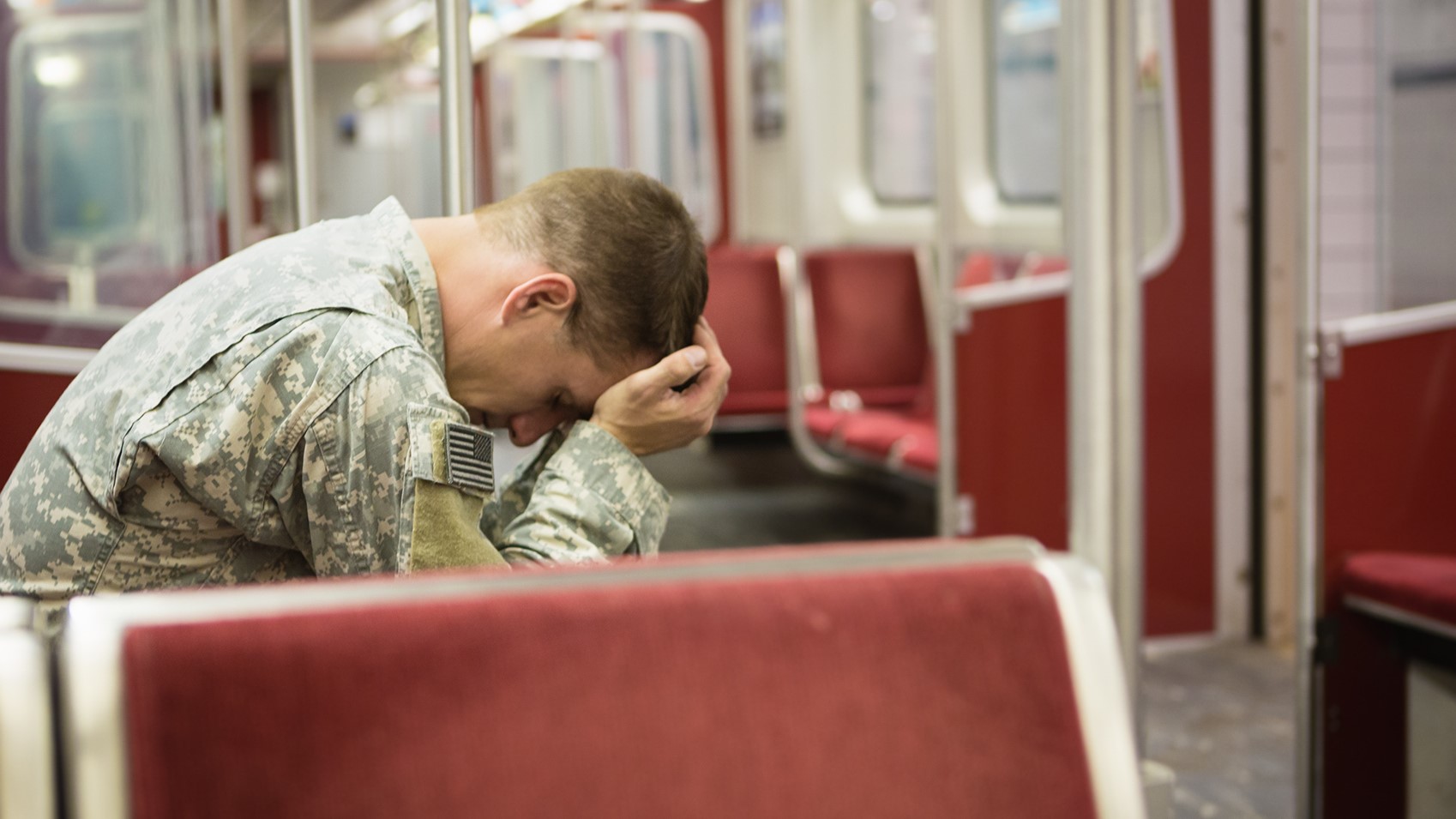
Mental Health Practitioners Continue to Decrease Despite Aging Vet Population
This article has been updated with a response from the US Department of Veterans Affairs.
The number of US Department of Veterans Affairs (VA) geriatric mental health professionals is failing to keep pace with a growing population of older veterans: nearly 8 million are aged ≥ 65 years. VA psychologists may treat older veterans in primary care settings or community living centers, but many lack formal training in geropsychology.
Some psychologists with the proper training to treat this population are leaving the workforce; a survey by the VA Office of Inspector General found psychology was the most frequently reported severe clinical occupational staffing shortage and the most frequently reported Hybrid Title 38 severe shortage occupation, with 57% of 139 facilities reporting it as a shortage. According to the September Workforce Dashboard, the VA has lost > 200 psychologists in 2025.
Veterans aged ≥ 65 years have higher rates of combined medical and mental health diagnoses than younger veterans and older nonveterans. Nearly 1 of 5 older veterans enrolled in US Department of Veterans Affairs (VA) health care services have confirmed mental health diagnoses, and another 26% have documented mental health concerns without a formal diagnosis in their health record.
Older veterans also tend to have more complex mental health issues than younger adults. Posttraumatic stress nearly doubles their risk of dementia, and their psychiatric diagnoses may be complicated by co-occurring delirium, social isolation/loneliness, and polypharmacy.
According to reporting by The War Horse, the VA has been instituting limits on one-on-one mental health therapy and transitioning veterans to lower levels of treatment after having been told to stop treating them for long, indeterminate periods prior to referring them to group therapy, primary care, or discharging them altogether. In a statement to Federal Practitioner, VA Press Secretary Pete Kasperowicz refuted the reporting from The War Horse.
"The War Horse story is false. VA does not put caps on one-on-one mental health sessions for veterans with clinical care needs," he told Federal Practitioner. "VA works with veterans over an initial eight to 15 mental health sessions, and collaboratively plans any needed follow-on care. As part of this process, veterans and their health care team decide together how to address ongoing needs, including whether to step down to other types of care and self-maintenance, or continue with VA therapy."
The smaller pool of qualified mental health practitioners also may be due to medical students not knowing enough about the category. A study of 136 medical students and 61 internal medicine residents at an academic health center evaluated their beliefs and attitudes regarding 25 content areas essential to the primary care of older adults. Students and residents expressed similar beliefs about the importance of content areas, and attitudes toward aging did not appreciably differ. However, students rated lower in knowledge in areas surrounding general primary care, such as chronic conditions and medications. Residents reported larger gap scores in areas that reflected specialists’ expertise (eg, driving risk, cognition, and psychiatric symptoms).
VA does have channels for filling the gap in geriatric health care. Established in 1975, Geriatric Research, Education, and Clinical Centers (GRECCs), are the department’s centers of excellence focused on aging. Currently, there are 20 GRECCs across the country, each connected with a major research university. Studies focus on aging, for example, examining the effects of Alzheimer’s disease or traumatic brain injuries.
Geriatric Scholars
To specifically fill the gap in mental health care, the Geriatric Scholars Program (GSP) was developed in 2008. Initially focused on primary care physicians, nurse practitioners, physician assistants, and pharmacists, the program later expanded to include other disciplines, including psychiatrists. In 2013, the GSP–Psychology Track (GSP-P) was developed because there were no commercially available training in geropsychology for licensed psychologists. GSP-P is based on an evidence-based educational model for the VA primary care workforce and includes a stepwise curriculum design, pilot implementation, and program evaluation.
A recent survey that assessed the track’s effectiveness found respondents “strongly agreed” that participation in the program improved their geropsychology knowledge and skills. That positive reaction led to shifts in practice that had a positive impact on VA organizational goals. Several GSP-P graduates have become board certified in geropsychology and many proceed to supervise geropsychology-focused clinical rotations for psychology practicum students, predoctoral interns, and postdoctoral fellows.
Whether programs such as GSP-P can adequately address the dwindling number of VA mental health care professionals remains to be seen. More than 160 doctors, psychologists, nurses, and researchers sent a letter to VA Secretary Doug Collins, the VA inspector general, and congressional leaders on Sept. 24 warning that workforce reductions and moves to outsource care will harm veterans.
“We have witnessed these ongoing harms and can provide evidence and testimony of their impacts,” the letter read. By the next day, the number of signees had increased to 350.
Though these shortages may impact their mental health care, older veterans could have an edge in mental resilience. While research in younger adults has found positive linear associations between physical health difficulties and severity of psychiatric symptoms, older veterans may benefit from what researchers have called an “aging paradox,” in which mental health improves later in life despite declining physical and cognitive function. A 2021 study suggests that prevention and treatment strategies designed to foster attachment security, mindfulness, and purpose in life may help enhance psychological resilience to physical health difficulties in older veterans.
This article has been updated with a response from the US Department of Veterans Affairs.
The number of US Department of Veterans Affairs (VA) geriatric mental health professionals is failing to keep pace with a growing population of older veterans: nearly 8 million are aged ≥ 65 years. VA psychologists may treat older veterans in primary care settings or community living centers, but many lack formal training in geropsychology.
Some psychologists with the proper training to treat this population are leaving the workforce; a survey by the VA Office of Inspector General found psychology was the most frequently reported severe clinical occupational staffing shortage and the most frequently reported Hybrid Title 38 severe shortage occupation, with 57% of 139 facilities reporting it as a shortage. According to the September Workforce Dashboard, the VA has lost > 200 psychologists in 2025.
Veterans aged ≥ 65 years have higher rates of combined medical and mental health diagnoses than younger veterans and older nonveterans. Nearly 1 of 5 older veterans enrolled in US Department of Veterans Affairs (VA) health care services have confirmed mental health diagnoses, and another 26% have documented mental health concerns without a formal diagnosis in their health record.
Older veterans also tend to have more complex mental health issues than younger adults. Posttraumatic stress nearly doubles their risk of dementia, and their psychiatric diagnoses may be complicated by co-occurring delirium, social isolation/loneliness, and polypharmacy.
According to reporting by The War Horse, the VA has been instituting limits on one-on-one mental health therapy and transitioning veterans to lower levels of treatment after having been told to stop treating them for long, indeterminate periods prior to referring them to group therapy, primary care, or discharging them altogether. In a statement to Federal Practitioner, VA Press Secretary Pete Kasperowicz refuted the reporting from The War Horse.
"The War Horse story is false. VA does not put caps on one-on-one mental health sessions for veterans with clinical care needs," he told Federal Practitioner. "VA works with veterans over an initial eight to 15 mental health sessions, and collaboratively plans any needed follow-on care. As part of this process, veterans and their health care team decide together how to address ongoing needs, including whether to step down to other types of care and self-maintenance, or continue with VA therapy."
The smaller pool of qualified mental health practitioners also may be due to medical students not knowing enough about the category. A study of 136 medical students and 61 internal medicine residents at an academic health center evaluated their beliefs and attitudes regarding 25 content areas essential to the primary care of older adults. Students and residents expressed similar beliefs about the importance of content areas, and attitudes toward aging did not appreciably differ. However, students rated lower in knowledge in areas surrounding general primary care, such as chronic conditions and medications. Residents reported larger gap scores in areas that reflected specialists’ expertise (eg, driving risk, cognition, and psychiatric symptoms).
VA does have channels for filling the gap in geriatric health care. Established in 1975, Geriatric Research, Education, and Clinical Centers (GRECCs), are the department’s centers of excellence focused on aging. Currently, there are 20 GRECCs across the country, each connected with a major research university. Studies focus on aging, for example, examining the effects of Alzheimer’s disease or traumatic brain injuries.
Geriatric Scholars
To specifically fill the gap in mental health care, the Geriatric Scholars Program (GSP) was developed in 2008. Initially focused on primary care physicians, nurse practitioners, physician assistants, and pharmacists, the program later expanded to include other disciplines, including psychiatrists. In 2013, the GSP–Psychology Track (GSP-P) was developed because there were no commercially available training in geropsychology for licensed psychologists. GSP-P is based on an evidence-based educational model for the VA primary care workforce and includes a stepwise curriculum design, pilot implementation, and program evaluation.
A recent survey that assessed the track’s effectiveness found respondents “strongly agreed” that participation in the program improved their geropsychology knowledge and skills. That positive reaction led to shifts in practice that had a positive impact on VA organizational goals. Several GSP-P graduates have become board certified in geropsychology and many proceed to supervise geropsychology-focused clinical rotations for psychology practicum students, predoctoral interns, and postdoctoral fellows.
Whether programs such as GSP-P can adequately address the dwindling number of VA mental health care professionals remains to be seen. More than 160 doctors, psychologists, nurses, and researchers sent a letter to VA Secretary Doug Collins, the VA inspector general, and congressional leaders on Sept. 24 warning that workforce reductions and moves to outsource care will harm veterans.
“We have witnessed these ongoing harms and can provide evidence and testimony of their impacts,” the letter read. By the next day, the number of signees had increased to 350.
Though these shortages may impact their mental health care, older veterans could have an edge in mental resilience. While research in younger adults has found positive linear associations between physical health difficulties and severity of psychiatric symptoms, older veterans may benefit from what researchers have called an “aging paradox,” in which mental health improves later in life despite declining physical and cognitive function. A 2021 study suggests that prevention and treatment strategies designed to foster attachment security, mindfulness, and purpose in life may help enhance psychological resilience to physical health difficulties in older veterans.
This article has been updated with a response from the US Department of Veterans Affairs.
The number of US Department of Veterans Affairs (VA) geriatric mental health professionals is failing to keep pace with a growing population of older veterans: nearly 8 million are aged ≥ 65 years. VA psychologists may treat older veterans in primary care settings or community living centers, but many lack formal training in geropsychology.
Some psychologists with the proper training to treat this population are leaving the workforce; a survey by the VA Office of Inspector General found psychology was the most frequently reported severe clinical occupational staffing shortage and the most frequently reported Hybrid Title 38 severe shortage occupation, with 57% of 139 facilities reporting it as a shortage. According to the September Workforce Dashboard, the VA has lost > 200 psychologists in 2025.
Veterans aged ≥ 65 years have higher rates of combined medical and mental health diagnoses than younger veterans and older nonveterans. Nearly 1 of 5 older veterans enrolled in US Department of Veterans Affairs (VA) health care services have confirmed mental health diagnoses, and another 26% have documented mental health concerns without a formal diagnosis in their health record.
Older veterans also tend to have more complex mental health issues than younger adults. Posttraumatic stress nearly doubles their risk of dementia, and their psychiatric diagnoses may be complicated by co-occurring delirium, social isolation/loneliness, and polypharmacy.
According to reporting by The War Horse, the VA has been instituting limits on one-on-one mental health therapy and transitioning veterans to lower levels of treatment after having been told to stop treating them for long, indeterminate periods prior to referring them to group therapy, primary care, or discharging them altogether. In a statement to Federal Practitioner, VA Press Secretary Pete Kasperowicz refuted the reporting from The War Horse.
"The War Horse story is false. VA does not put caps on one-on-one mental health sessions for veterans with clinical care needs," he told Federal Practitioner. "VA works with veterans over an initial eight to 15 mental health sessions, and collaboratively plans any needed follow-on care. As part of this process, veterans and their health care team decide together how to address ongoing needs, including whether to step down to other types of care and self-maintenance, or continue with VA therapy."
The smaller pool of qualified mental health practitioners also may be due to medical students not knowing enough about the category. A study of 136 medical students and 61 internal medicine residents at an academic health center evaluated their beliefs and attitudes regarding 25 content areas essential to the primary care of older adults. Students and residents expressed similar beliefs about the importance of content areas, and attitudes toward aging did not appreciably differ. However, students rated lower in knowledge in areas surrounding general primary care, such as chronic conditions and medications. Residents reported larger gap scores in areas that reflected specialists’ expertise (eg, driving risk, cognition, and psychiatric symptoms).
VA does have channels for filling the gap in geriatric health care. Established in 1975, Geriatric Research, Education, and Clinical Centers (GRECCs), are the department’s centers of excellence focused on aging. Currently, there are 20 GRECCs across the country, each connected with a major research university. Studies focus on aging, for example, examining the effects of Alzheimer’s disease or traumatic brain injuries.
Geriatric Scholars
To specifically fill the gap in mental health care, the Geriatric Scholars Program (GSP) was developed in 2008. Initially focused on primary care physicians, nurse practitioners, physician assistants, and pharmacists, the program later expanded to include other disciplines, including psychiatrists. In 2013, the GSP–Psychology Track (GSP-P) was developed because there were no commercially available training in geropsychology for licensed psychologists. GSP-P is based on an evidence-based educational model for the VA primary care workforce and includes a stepwise curriculum design, pilot implementation, and program evaluation.
A recent survey that assessed the track’s effectiveness found respondents “strongly agreed” that participation in the program improved their geropsychology knowledge and skills. That positive reaction led to shifts in practice that had a positive impact on VA organizational goals. Several GSP-P graduates have become board certified in geropsychology and many proceed to supervise geropsychology-focused clinical rotations for psychology practicum students, predoctoral interns, and postdoctoral fellows.
Whether programs such as GSP-P can adequately address the dwindling number of VA mental health care professionals remains to be seen. More than 160 doctors, psychologists, nurses, and researchers sent a letter to VA Secretary Doug Collins, the VA inspector general, and congressional leaders on Sept. 24 warning that workforce reductions and moves to outsource care will harm veterans.
“We have witnessed these ongoing harms and can provide evidence and testimony of their impacts,” the letter read. By the next day, the number of signees had increased to 350.
Though these shortages may impact their mental health care, older veterans could have an edge in mental resilience. While research in younger adults has found positive linear associations between physical health difficulties and severity of psychiatric symptoms, older veterans may benefit from what researchers have called an “aging paradox,” in which mental health improves later in life despite declining physical and cognitive function. A 2021 study suggests that prevention and treatment strategies designed to foster attachment security, mindfulness, and purpose in life may help enhance psychological resilience to physical health difficulties in older veterans.
PET and CPT Show Promise in Veteran PTSD Treatment
Posttraumatic stress disorder (PTSD) guidelines increasingly are recommending prolonged exposure therapy (PET) and cognitive processing therapy (CPT) as first-line treatments, including the 2023 US Department of Veterans Affairs (VA) and US Department of Defense clinical practice guideline.
Since 2006, > 6000 VA therapists have been trained in PET and CPT; the VA requires all veterans to have access to these treatments. However, despite strong clinical trial evidence supporting PET and CPT for the treatment of PTSD, a 2023 study found that only 11.6% of veterans who received a PTSD diagnosis between 2017 and 2019 initiated Trauma-Focused Evidence-Based Psychotherapy (TF-EBP) in their first year of treatment. Of those who initiated TF-EBP, 67% dropped out. Recent VA programs have attempted to expand the reach of PET with video telehealth to reach rural and remote veterans through virtual group programs.
Recent research has suggested ways to maximize the effectiveness of the programs and assist veterans in receiving the full benefits. Studies have found that swapping traditional longer-term treatments (usually spanning 8 to 15 weeks) for intensified, shorter versions (eg, 6 sessions) may enhance engagement and retention.
Intensive PET for PTSD is safe and highly effective. A study involving patients with chronic PTSD and complex trauma showed significant reductions in PTSD symptom severity, with large effect sizes and sustained improvements at 3 and 6 months. Multiple 90-minute sessions over consecutive days, supplemented with in vivo exposure or followed by weekly booster sessions, were found to minimize treatment disruptions.
PET is among the most extensively studied treatments for PTSD and is supported by dozens of clinical trials involving thousands of patients. The intervention was originally developed and validated in civilian samples and includes psychoeducation, relaxation through breathing retraining, and in vivo and imaginal exposure to traumatic memories.
A recent study compared treatment outcomes among military veterans and civilian patients receiving treatment in a community setting. Although some studies have compared PET outcomes for military veterans and civilian participants in community settings, none have directly compared outcomes across trauma type (combat, terror, or civilian trauma) and veteran status (military vs civilian) within the same framework. The study notes that combat-related trauma significantly differs from other forms of trauma exposure, as it is typically more prolonged and severe and therefore is more often resistant to treatment. Military personnel also often find themselves both victims and aggressors, a duality that can intensify guilt, shame, anger, disgust, and emotional reactions to moral injury, complicating treatment.
The study assessed the effects of 8 to 15 PET sessions on PTSD symptoms in 55 civilians and 43 veterans using the PTSD Symptom Scale–Interview Version (PSS-I). Participants showed significant symptom reductions across all trauma types and veteran statuses.
Although veterans and participants in the combat trauma subgroup showed higher levels of baseline symptom severity compared with civilians, all groups experienced similar symptom reductions. These findings differ from some meta-analyses, which have found that PET often produces smaller effect sizes in combat-related PTSD compared to civilian trauma samples.
The study compared treatment outcomes across different groups within the same treatment centers and under consistent supervision. The PET intervention was delivered in community mental health centers to all patients regardless of background. Only 2 prior studies have compared civilian and military veterans within the same locations.
Although the “traditional” number of PET sessions produce evidence-based outcomes, high dropout rates and relapses have catalyzed interest in approaches that boost the power of therapy, such as delivering PET in ever-shorter sequences.
A study in a Swedish psychiatric outpatient clinic compared the effect of an 8-day intensified treatment program with traditionally spaced treatments on 101 participants with PTSD or complex PTSD. The study reported a significant reduction in PTSD symptoms at posttreatment, with large effect sizes in both conditions. Moreover, symptom reduction was maintained at follow-up. Dropout rates were significantly different between treatment groups: 4.3% in the intensified treatment program and 24.1% in the traditional group.
Another study used VA administrative data to assess the impact of sequenced psychotherapy (≥ 8 sessions of not trauma-focused individual or group psychotherapy delivered before trauma-focused care) on initiation and retention in CPT and PET over 2 years. Roughly 13% of 490,097 veterans who entered care for PTSD between 2014 and 2020 initiated VA-disseminated evidence-based treatment within 21 months (9.5% CPT, 3.4% PE). Among those who initiated treatment, retention was 46% and 42%, respectively. Individual therapy was associated with increased CPT and PET retention of 8.0% and 8.2%. For group therapy, retention increases were 3.4% and 8.7%.
Another recent study examined the RESET (Reconsolidation, Exposure, and Short-term Emotional Transformation) clinical protocol, an intensive, structured trauma-focused intervention designed to treat PTSD within 6 daily sessions. The protocol includes psychoeducation, targeted exposure, dynamic case formulation, and guided trauma processing. This novel framework ensures therapy moves beyond symptom reduction, fostering a deep understanding of the patient’s core struggles and their broader psychological patterns, and integrates it with the reconsolidation of the index trauma narrative to form a more cohesive sense of self.”
Clinical studies are ongoing to refine and enhance PET and CPT. They may serve to make therapy more useful and effective in easing—maybe erasing—veterans’ traumatic memories.
Posttraumatic stress disorder (PTSD) guidelines increasingly are recommending prolonged exposure therapy (PET) and cognitive processing therapy (CPT) as first-line treatments, including the 2023 US Department of Veterans Affairs (VA) and US Department of Defense clinical practice guideline.
Since 2006, > 6000 VA therapists have been trained in PET and CPT; the VA requires all veterans to have access to these treatments. However, despite strong clinical trial evidence supporting PET and CPT for the treatment of PTSD, a 2023 study found that only 11.6% of veterans who received a PTSD diagnosis between 2017 and 2019 initiated Trauma-Focused Evidence-Based Psychotherapy (TF-EBP) in their first year of treatment. Of those who initiated TF-EBP, 67% dropped out. Recent VA programs have attempted to expand the reach of PET with video telehealth to reach rural and remote veterans through virtual group programs.
Recent research has suggested ways to maximize the effectiveness of the programs and assist veterans in receiving the full benefits. Studies have found that swapping traditional longer-term treatments (usually spanning 8 to 15 weeks) for intensified, shorter versions (eg, 6 sessions) may enhance engagement and retention.
Intensive PET for PTSD is safe and highly effective. A study involving patients with chronic PTSD and complex trauma showed significant reductions in PTSD symptom severity, with large effect sizes and sustained improvements at 3 and 6 months. Multiple 90-minute sessions over consecutive days, supplemented with in vivo exposure or followed by weekly booster sessions, were found to minimize treatment disruptions.
PET is among the most extensively studied treatments for PTSD and is supported by dozens of clinical trials involving thousands of patients. The intervention was originally developed and validated in civilian samples and includes psychoeducation, relaxation through breathing retraining, and in vivo and imaginal exposure to traumatic memories.
A recent study compared treatment outcomes among military veterans and civilian patients receiving treatment in a community setting. Although some studies have compared PET outcomes for military veterans and civilian participants in community settings, none have directly compared outcomes across trauma type (combat, terror, or civilian trauma) and veteran status (military vs civilian) within the same framework. The study notes that combat-related trauma significantly differs from other forms of trauma exposure, as it is typically more prolonged and severe and therefore is more often resistant to treatment. Military personnel also often find themselves both victims and aggressors, a duality that can intensify guilt, shame, anger, disgust, and emotional reactions to moral injury, complicating treatment.
The study assessed the effects of 8 to 15 PET sessions on PTSD symptoms in 55 civilians and 43 veterans using the PTSD Symptom Scale–Interview Version (PSS-I). Participants showed significant symptom reductions across all trauma types and veteran statuses.
Although veterans and participants in the combat trauma subgroup showed higher levels of baseline symptom severity compared with civilians, all groups experienced similar symptom reductions. These findings differ from some meta-analyses, which have found that PET often produces smaller effect sizes in combat-related PTSD compared to civilian trauma samples.
The study compared treatment outcomes across different groups within the same treatment centers and under consistent supervision. The PET intervention was delivered in community mental health centers to all patients regardless of background. Only 2 prior studies have compared civilian and military veterans within the same locations.
Although the “traditional” number of PET sessions produce evidence-based outcomes, high dropout rates and relapses have catalyzed interest in approaches that boost the power of therapy, such as delivering PET in ever-shorter sequences.
A study in a Swedish psychiatric outpatient clinic compared the effect of an 8-day intensified treatment program with traditionally spaced treatments on 101 participants with PTSD or complex PTSD. The study reported a significant reduction in PTSD symptoms at posttreatment, with large effect sizes in both conditions. Moreover, symptom reduction was maintained at follow-up. Dropout rates were significantly different between treatment groups: 4.3% in the intensified treatment program and 24.1% in the traditional group.
Another study used VA administrative data to assess the impact of sequenced psychotherapy (≥ 8 sessions of not trauma-focused individual or group psychotherapy delivered before trauma-focused care) on initiation and retention in CPT and PET over 2 years. Roughly 13% of 490,097 veterans who entered care for PTSD between 2014 and 2020 initiated VA-disseminated evidence-based treatment within 21 months (9.5% CPT, 3.4% PE). Among those who initiated treatment, retention was 46% and 42%, respectively. Individual therapy was associated with increased CPT and PET retention of 8.0% and 8.2%. For group therapy, retention increases were 3.4% and 8.7%.
Another recent study examined the RESET (Reconsolidation, Exposure, and Short-term Emotional Transformation) clinical protocol, an intensive, structured trauma-focused intervention designed to treat PTSD within 6 daily sessions. The protocol includes psychoeducation, targeted exposure, dynamic case formulation, and guided trauma processing. This novel framework ensures therapy moves beyond symptom reduction, fostering a deep understanding of the patient’s core struggles and their broader psychological patterns, and integrates it with the reconsolidation of the index trauma narrative to form a more cohesive sense of self.”
Clinical studies are ongoing to refine and enhance PET and CPT. They may serve to make therapy more useful and effective in easing—maybe erasing—veterans’ traumatic memories.
Posttraumatic stress disorder (PTSD) guidelines increasingly are recommending prolonged exposure therapy (PET) and cognitive processing therapy (CPT) as first-line treatments, including the 2023 US Department of Veterans Affairs (VA) and US Department of Defense clinical practice guideline.
Since 2006, > 6000 VA therapists have been trained in PET and CPT; the VA requires all veterans to have access to these treatments. However, despite strong clinical trial evidence supporting PET and CPT for the treatment of PTSD, a 2023 study found that only 11.6% of veterans who received a PTSD diagnosis between 2017 and 2019 initiated Trauma-Focused Evidence-Based Psychotherapy (TF-EBP) in their first year of treatment. Of those who initiated TF-EBP, 67% dropped out. Recent VA programs have attempted to expand the reach of PET with video telehealth to reach rural and remote veterans through virtual group programs.
Recent research has suggested ways to maximize the effectiveness of the programs and assist veterans in receiving the full benefits. Studies have found that swapping traditional longer-term treatments (usually spanning 8 to 15 weeks) for intensified, shorter versions (eg, 6 sessions) may enhance engagement and retention.
Intensive PET for PTSD is safe and highly effective. A study involving patients with chronic PTSD and complex trauma showed significant reductions in PTSD symptom severity, with large effect sizes and sustained improvements at 3 and 6 months. Multiple 90-minute sessions over consecutive days, supplemented with in vivo exposure or followed by weekly booster sessions, were found to minimize treatment disruptions.
PET is among the most extensively studied treatments for PTSD and is supported by dozens of clinical trials involving thousands of patients. The intervention was originally developed and validated in civilian samples and includes psychoeducation, relaxation through breathing retraining, and in vivo and imaginal exposure to traumatic memories.
A recent study compared treatment outcomes among military veterans and civilian patients receiving treatment in a community setting. Although some studies have compared PET outcomes for military veterans and civilian participants in community settings, none have directly compared outcomes across trauma type (combat, terror, or civilian trauma) and veteran status (military vs civilian) within the same framework. The study notes that combat-related trauma significantly differs from other forms of trauma exposure, as it is typically more prolonged and severe and therefore is more often resistant to treatment. Military personnel also often find themselves both victims and aggressors, a duality that can intensify guilt, shame, anger, disgust, and emotional reactions to moral injury, complicating treatment.
The study assessed the effects of 8 to 15 PET sessions on PTSD symptoms in 55 civilians and 43 veterans using the PTSD Symptom Scale–Interview Version (PSS-I). Participants showed significant symptom reductions across all trauma types and veteran statuses.
Although veterans and participants in the combat trauma subgroup showed higher levels of baseline symptom severity compared with civilians, all groups experienced similar symptom reductions. These findings differ from some meta-analyses, which have found that PET often produces smaller effect sizes in combat-related PTSD compared to civilian trauma samples.
The study compared treatment outcomes across different groups within the same treatment centers and under consistent supervision. The PET intervention was delivered in community mental health centers to all patients regardless of background. Only 2 prior studies have compared civilian and military veterans within the same locations.
Although the “traditional” number of PET sessions produce evidence-based outcomes, high dropout rates and relapses have catalyzed interest in approaches that boost the power of therapy, such as delivering PET in ever-shorter sequences.
A study in a Swedish psychiatric outpatient clinic compared the effect of an 8-day intensified treatment program with traditionally spaced treatments on 101 participants with PTSD or complex PTSD. The study reported a significant reduction in PTSD symptoms at posttreatment, with large effect sizes in both conditions. Moreover, symptom reduction was maintained at follow-up. Dropout rates were significantly different between treatment groups: 4.3% in the intensified treatment program and 24.1% in the traditional group.
Another study used VA administrative data to assess the impact of sequenced psychotherapy (≥ 8 sessions of not trauma-focused individual or group psychotherapy delivered before trauma-focused care) on initiation and retention in CPT and PET over 2 years. Roughly 13% of 490,097 veterans who entered care for PTSD between 2014 and 2020 initiated VA-disseminated evidence-based treatment within 21 months (9.5% CPT, 3.4% PE). Among those who initiated treatment, retention was 46% and 42%, respectively. Individual therapy was associated with increased CPT and PET retention of 8.0% and 8.2%. For group therapy, retention increases were 3.4% and 8.7%.
Another recent study examined the RESET (Reconsolidation, Exposure, and Short-term Emotional Transformation) clinical protocol, an intensive, structured trauma-focused intervention designed to treat PTSD within 6 daily sessions. The protocol includes psychoeducation, targeted exposure, dynamic case formulation, and guided trauma processing. This novel framework ensures therapy moves beyond symptom reduction, fostering a deep understanding of the patient’s core struggles and their broader psychological patterns, and integrates it with the reconsolidation of the index trauma narrative to form a more cohesive sense of self.”
Clinical studies are ongoing to refine and enhance PET and CPT. They may serve to make therapy more useful and effective in easing—maybe erasing—veterans’ traumatic memories.