User login
What Every Primary Care Clinician Should Know About Natriuretic Peptides
Primary care clinicians sit at the crossroads of multiple medical disciplines. Symptoms such as fatigue, dyspnea, weight gain, and lower extremity swelling rarely point to a single organ system. These overlapping presentations reflect complex cardiometabolic syndromes that require an integrated diagnostic approach.
Natriuretic peptides are biologically active hormones secreted in response to myocardial stress that can provide valuable diagnostic and prognostic information in this setting. Despite extensive validation and inclusion in major guidelines, B-type natriuretic peptide (BNP) and N-terminal pro–B-type natriuretic peptide (NT-proBNP) are often regarded as confirmatory tests for heart failure, limiting their broader clinical utility. When understood as part of an active hormonal network, however, natriuretic peptides reveal diagnostic and therapeutic potential well beyond heart failure.
PHYSIOLOGIC OVERVIEW
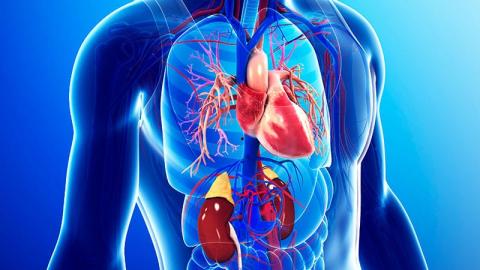
The natriuretic peptide system is a key endocrine mechanism for regulating cardiovascular and volume function. Ventricular myocytes release BNP and NT-proBNP in response to increased wall stretch, while atrial natriuretic peptide (ANP) arises primarily from atrial tissue under similar hemodynamic stress. These peptides reduce preload and afterload by promoting vasodilation, natriuresis, and suppression of the renin-angiotensin-aldosterone system and the sympathetic nervous system.1
C-type natriuretic peptide (CNP), synthesized in endothelial cells, performs a complementary but distinct role. It maintains endothelial health, inhibits fibrosis, and modulates vascular tone.2 Together, these peptides orchestrate rapid compensatory responses to pressure and volume overload. Their biologic actions are mediated by 3 receptor subtypes: natriuretic peptide receptor A (NPR-A), the primary receptor for ANP and BNP; natriuretic peptide receptor B (NPR-B), which mediates CNP’s vascular effects; and natriuretic peptide receptor C (NPR-C), once considered solely a clearance receptor but now recognized as having active intracellular signaling properties that regulate vascular homeostasis.2
Clinical Translation and Therapeutic Evolution
The physiologic understanding of natriuretic peptides transitioned into therapeutic application with the development of angiotensin receptor–neprilysin inhibitors (ARNIs). Neprilysin degrades natriuretic peptides, limiting their duration of action; inhibition therefore enhances natriuretic peptide-mediated effects. The PARADIGMHF trial demonstrated that sacubitril/valsartan significantly reduced mortality and hospitalization in patients with heart failure with reduced ejection fraction (HFrEF) compared with enalapril.3
However, findings from the PARAGONHF trial, which evaluated patients with heart failure with preserved ejection fraction (HFpEF), were less definitive.4 This divergence underscores that heart failure is a heterogeneous syndrome, requiring phenotype-specific management strategies.
NATRIURETIC PEPTIDE RESISTANCE
A persistent clinical challenge is natriuretic peptide resistance, a condition in which circulating natriuretic peptide levels are elevated, but their physiologic efficacy is diminished. This is particularly observed in patients with obesity, chronic kidney disease (CKD), and advanced heart failure. Mechanistic studies attribute this resistance to enhanced clearance through NPR-C and increased neprilysin activity.5
Understanding natriuretic peptide resistance helps clinicians more accurately interpret laboratory results. An elevated BNP level in a patient with obesity or CKD should not automatically be dismissed as a false-positive finding but instead viewed within the broader context of altered natriuretic peptide bioactivity.
Applications Beyond Heart Failure
Natriuretic peptides have diagnostic and prognostic roles in several conditions beyond traditional heart failure. In pulmonary embolism, chronic obstructive pulmonary disease (COPD), and acute respiratory distress syndrome (ARDS), elevated BNP or NT-proBNP levels often indicate right ventricular strain and portend worse outcomes. Similarly, in sepsis-induced cardiomyopathy, natriuretic peptides may serve as early markers of cardiac dysfunction.6
In valvular heart disease, BNP elevation can guide the timing of intervention. For example, a markedly elevated BNP in aortic stenosis may prompt earlier surgical evaluation even when symptoms remain subtle.1 For patients with CKD, natriuretic peptide interpretation requires adjustment because renal impairment reduces peptide clearance, leading to higher baseline values.
Nevertheless, by employing adjusted cutoffs or tracking serial trends, clinicians can preserve diagnostic precision. Moreover, ARNI therapy may confer renal protection by lowering intraglomerular pressure, providing a therapeutic advantage in cardiorenal syndromes.5
Emerging Peptide-Based Therapies
Recent advances in peptide pharmacology have yielded a new generation of synthetic natriuretic peptides and receptor modulators. Agents such as CRRL269 produce natriuresis with less hypotension, and NPA7 acts on both the natriuretic peptide and Mas receptor pathways to enhance cardiac and renal protection. C53, a selective activator of guanylyl cyclase-B (GC-B), shows potential for improving outcomes in HFpEF without major blood pressure reduction.7
Meanwhile, CNP analogs, such as vosoritide, approved for achondroplasia, have demonstrated antifibrotic and vascular benefits in preclinical studies.8 These developments highlight a growing recognition of the natriuretic peptide system as a therapeutic target across multiple organ systems, including metabolic and fibrotic diseases.
Genetic Insights and Precision Medicine
Genetic studies further illustrate how interindividual variation influences natriuretic peptide function. The rs5068 polymorphism in the ANP gene (NPPA) is associated with higher circulating natriuretic peptide levels and lower blood pressure, suggesting a naturally cardioprotective phenotype.9,10 Such findings may eventually inform natriuretic peptide-guided or genotype- based treatment strategies for hypertension and heart failure.
Beyond genetics, emerging evidence supports the use of natriuretic peptide profiling to identify salt-sensitive hypertension and early subclinical ventricular dysfunction, positioning natriuretic peptides as central tools for precision prevention in primary care.6
PRACTICAL CONSIDERATIONS FOR PRIMARY CARE
Natriuretic peptides provide a means for integrating cardiovascular physiology into daily decision-making for primary care clinicians. BNP and NT-proBNP testing can distinguish cardiac from noncardiac causes of dyspnea, gauge volume status in CKD, and monitor patients at risk for decompensation. Interpretation should account for age, obesity, renal function, and baseline comorbidities, with emphasis on trends rather than single values.
FUTURE IMPLICATIONS
In the coming years, as novel therapies and oral receptor modulators emerge, natriuretic peptides are likely to become not only diagnostic indicators but also therapeutic guides. This evolution will bridge the gap between physiology and personalized medicine, offering a new paradigm in cardiovascular care. Their use in primary care may improve early detection, risk stratification, and treatment optimization across a broad spectrum of cardiometabolic disorders, ushering in a new era of patient-centered care.
CONCLUSIONS
Natriuretic peptides are more than numbers on a laboratory report. They are biologically active hormones that provide real-time insights into cardiovascular, renal, and systemic stress. As new evidence, therapeutics, and genetic data expand the scope of natriuretic peptide science, primary care physicians are positioned to apply this knowledge for earlier diagnosis, more precise treatment, and better long-term outcomes. Understanding when and how to use natriuretic peptides and interpreting them in the full context of patient physiology should now be considered an essential skill in modern primary care.
- Potter LR, Yoder AR, Flora DR, et al. Natriuretic peptides: their structures, receptors, physiologic functions, and therapeutic applications. Handb Exp Pharmacol. 2009;191:341-366. doi:10.1007/978-3-540-68964-5_17
- Kuhn M. Molecular physiology of the natriuretic peptide system: new aspects on biochemistry and pathophysiology. Basic Res Cardiol. 2022;117:1-23. doi:10.1007/s00395-021-00919-y
- McMurray JJV, Packer M, Desai AS, et al. Angiotensin-neprilysin inhibition versus enalapril in heart failure. N Engl J Med. 2014;371:993-1004. doi:10.1056/NEJMoa1409077
- Solomon SD, McMurray JJV, Anand IS, et al. Angiotensin-neprilysin inhibition in heart failure with preserved ejection fraction. N Engl J Med. 2019;381:1609-1620. doi:10.1056/NEJMoa1908655
- Packer M, Lam CSP, Lund LH, et al. Mechanisms of natriuretic peptide resistance in heart failure. J Am Coll Cardiol. 2021;78:704-714. doi:10.1016/j.jacc.2021.05.050
- Srivastava A, Gupta A, Raman R, et al. Diagnostic and prognostic role of natriuretic peptides in pulmonary and systemic disorders. Cytokine. 2024;173:156417. doi:10.1016/j.cyto.2024.156417
- Zhang Y, Li W, Chen Q, et al. Designer natriuretic peptides for heart and kidney diseases: next-generation therapeutics. Nat Commun. 2023;14:1-14. doi:10.1038/s41467-023-37070-6
- Holtwick KM, Kuhn M, Scheller D, et al. Expanding roles of C-type natriuretic peptide signaling in cardiovascular and metabolic disease. Cardiovasc Res. 2023;119:140-152. doi:10.1093/cvr/cvac101
- Rame JE, Tam SW, McNamara D, et al. The common atrial natriuretic peptide gene variant rs5068 is associated with enhanced natriuretic peptide levels and reduced blood pressure in humans. Hypertension. 2007;49:857-864. doi:10.1161/01.HYP.0000259802.77768.48
- Tokudome T, Horio T, Kishimoto I, et al. C-type natriuretic peptide as a novel cardiac hormone. Circulation. 2008; 117: 2329-2337. doi:10.1161/CIRCULATIONAHA.107.757740
Primary care clinicians sit at the crossroads of multiple medical disciplines. Symptoms such as fatigue, dyspnea, weight gain, and lower extremity swelling rarely point to a single organ system. These overlapping presentations reflect complex cardiometabolic syndromes that require an integrated diagnostic approach.
Natriuretic peptides are biologically active hormones secreted in response to myocardial stress that can provide valuable diagnostic and prognostic information in this setting. Despite extensive validation and inclusion in major guidelines, B-type natriuretic peptide (BNP) and N-terminal pro–B-type natriuretic peptide (NT-proBNP) are often regarded as confirmatory tests for heart failure, limiting their broader clinical utility. When understood as part of an active hormonal network, however, natriuretic peptides reveal diagnostic and therapeutic potential well beyond heart failure.
PHYSIOLOGIC OVERVIEW
The natriuretic peptide system is a key endocrine mechanism for regulating cardiovascular and volume function. Ventricular myocytes release BNP and NT-proBNP in response to increased wall stretch, while atrial natriuretic peptide (ANP) arises primarily from atrial tissue under similar hemodynamic stress. These peptides reduce preload and afterload by promoting vasodilation, natriuresis, and suppression of the renin-angiotensin-aldosterone system and the sympathetic nervous system.1
C-type natriuretic peptide (CNP), synthesized in endothelial cells, performs a complementary but distinct role. It maintains endothelial health, inhibits fibrosis, and modulates vascular tone.2 Together, these peptides orchestrate rapid compensatory responses to pressure and volume overload. Their biologic actions are mediated by 3 receptor subtypes: natriuretic peptide receptor A (NPR-A), the primary receptor for ANP and BNP; natriuretic peptide receptor B (NPR-B), which mediates CNP’s vascular effects; and natriuretic peptide receptor C (NPR-C), once considered solely a clearance receptor but now recognized as having active intracellular signaling properties that regulate vascular homeostasis.2
Clinical Translation and Therapeutic Evolution
The physiologic understanding of natriuretic peptides transitioned into therapeutic application with the development of angiotensin receptor–neprilysin inhibitors (ARNIs). Neprilysin degrades natriuretic peptides, limiting their duration of action; inhibition therefore enhances natriuretic peptide-mediated effects. The PARADIGMHF trial demonstrated that sacubitril/valsartan significantly reduced mortality and hospitalization in patients with heart failure with reduced ejection fraction (HFrEF) compared with enalapril.3
However, findings from the PARAGONHF trial, which evaluated patients with heart failure with preserved ejection fraction (HFpEF), were less definitive.4 This divergence underscores that heart failure is a heterogeneous syndrome, requiring phenotype-specific management strategies.
NATRIURETIC PEPTIDE RESISTANCE
A persistent clinical challenge is natriuretic peptide resistance, a condition in which circulating natriuretic peptide levels are elevated, but their physiologic efficacy is diminished. This is particularly observed in patients with obesity, chronic kidney disease (CKD), and advanced heart failure. Mechanistic studies attribute this resistance to enhanced clearance through NPR-C and increased neprilysin activity.5
Understanding natriuretic peptide resistance helps clinicians more accurately interpret laboratory results. An elevated BNP level in a patient with obesity or CKD should not automatically be dismissed as a false-positive finding but instead viewed within the broader context of altered natriuretic peptide bioactivity.
Applications Beyond Heart Failure
Natriuretic peptides have diagnostic and prognostic roles in several conditions beyond traditional heart failure. In pulmonary embolism, chronic obstructive pulmonary disease (COPD), and acute respiratory distress syndrome (ARDS), elevated BNP or NT-proBNP levels often indicate right ventricular strain and portend worse outcomes. Similarly, in sepsis-induced cardiomyopathy, natriuretic peptides may serve as early markers of cardiac dysfunction.6
In valvular heart disease, BNP elevation can guide the timing of intervention. For example, a markedly elevated BNP in aortic stenosis may prompt earlier surgical evaluation even when symptoms remain subtle.1 For patients with CKD, natriuretic peptide interpretation requires adjustment because renal impairment reduces peptide clearance, leading to higher baseline values.
Nevertheless, by employing adjusted cutoffs or tracking serial trends, clinicians can preserve diagnostic precision. Moreover, ARNI therapy may confer renal protection by lowering intraglomerular pressure, providing a therapeutic advantage in cardiorenal syndromes.5
Emerging Peptide-Based Therapies
Recent advances in peptide pharmacology have yielded a new generation of synthetic natriuretic peptides and receptor modulators. Agents such as CRRL269 produce natriuresis with less hypotension, and NPA7 acts on both the natriuretic peptide and Mas receptor pathways to enhance cardiac and renal protection. C53, a selective activator of guanylyl cyclase-B (GC-B), shows potential for improving outcomes in HFpEF without major blood pressure reduction.7
Meanwhile, CNP analogs, such as vosoritide, approved for achondroplasia, have demonstrated antifibrotic and vascular benefits in preclinical studies.8 These developments highlight a growing recognition of the natriuretic peptide system as a therapeutic target across multiple organ systems, including metabolic and fibrotic diseases.
Genetic Insights and Precision Medicine
Genetic studies further illustrate how interindividual variation influences natriuretic peptide function. The rs5068 polymorphism in the ANP gene (NPPA) is associated with higher circulating natriuretic peptide levels and lower blood pressure, suggesting a naturally cardioprotective phenotype.9,10 Such findings may eventually inform natriuretic peptide-guided or genotype- based treatment strategies for hypertension and heart failure.
Beyond genetics, emerging evidence supports the use of natriuretic peptide profiling to identify salt-sensitive hypertension and early subclinical ventricular dysfunction, positioning natriuretic peptides as central tools for precision prevention in primary care.6
PRACTICAL CONSIDERATIONS FOR PRIMARY CARE
Natriuretic peptides provide a means for integrating cardiovascular physiology into daily decision-making for primary care clinicians. BNP and NT-proBNP testing can distinguish cardiac from noncardiac causes of dyspnea, gauge volume status in CKD, and monitor patients at risk for decompensation. Interpretation should account for age, obesity, renal function, and baseline comorbidities, with emphasis on trends rather than single values.
FUTURE IMPLICATIONS
In the coming years, as novel therapies and oral receptor modulators emerge, natriuretic peptides are likely to become not only diagnostic indicators but also therapeutic guides. This evolution will bridge the gap between physiology and personalized medicine, offering a new paradigm in cardiovascular care. Their use in primary care may improve early detection, risk stratification, and treatment optimization across a broad spectrum of cardiometabolic disorders, ushering in a new era of patient-centered care.
CONCLUSIONS
Natriuretic peptides are more than numbers on a laboratory report. They are biologically active hormones that provide real-time insights into cardiovascular, renal, and systemic stress. As new evidence, therapeutics, and genetic data expand the scope of natriuretic peptide science, primary care physicians are positioned to apply this knowledge for earlier diagnosis, more precise treatment, and better long-term outcomes. Understanding when and how to use natriuretic peptides and interpreting them in the full context of patient physiology should now be considered an essential skill in modern primary care.
Primary care clinicians sit at the crossroads of multiple medical disciplines. Symptoms such as fatigue, dyspnea, weight gain, and lower extremity swelling rarely point to a single organ system. These overlapping presentations reflect complex cardiometabolic syndromes that require an integrated diagnostic approach.
Natriuretic peptides are biologically active hormones secreted in response to myocardial stress that can provide valuable diagnostic and prognostic information in this setting. Despite extensive validation and inclusion in major guidelines, B-type natriuretic peptide (BNP) and N-terminal pro–B-type natriuretic peptide (NT-proBNP) are often regarded as confirmatory tests for heart failure, limiting their broader clinical utility. When understood as part of an active hormonal network, however, natriuretic peptides reveal diagnostic and therapeutic potential well beyond heart failure.
PHYSIOLOGIC OVERVIEW
The natriuretic peptide system is a key endocrine mechanism for regulating cardiovascular and volume function. Ventricular myocytes release BNP and NT-proBNP in response to increased wall stretch, while atrial natriuretic peptide (ANP) arises primarily from atrial tissue under similar hemodynamic stress. These peptides reduce preload and afterload by promoting vasodilation, natriuresis, and suppression of the renin-angiotensin-aldosterone system and the sympathetic nervous system.1
C-type natriuretic peptide (CNP), synthesized in endothelial cells, performs a complementary but distinct role. It maintains endothelial health, inhibits fibrosis, and modulates vascular tone.2 Together, these peptides orchestrate rapid compensatory responses to pressure and volume overload. Their biologic actions are mediated by 3 receptor subtypes: natriuretic peptide receptor A (NPR-A), the primary receptor for ANP and BNP; natriuretic peptide receptor B (NPR-B), which mediates CNP’s vascular effects; and natriuretic peptide receptor C (NPR-C), once considered solely a clearance receptor but now recognized as having active intracellular signaling properties that regulate vascular homeostasis.2
Clinical Translation and Therapeutic Evolution
The physiologic understanding of natriuretic peptides transitioned into therapeutic application with the development of angiotensin receptor–neprilysin inhibitors (ARNIs). Neprilysin degrades natriuretic peptides, limiting their duration of action; inhibition therefore enhances natriuretic peptide-mediated effects. The PARADIGMHF trial demonstrated that sacubitril/valsartan significantly reduced mortality and hospitalization in patients with heart failure with reduced ejection fraction (HFrEF) compared with enalapril.3
However, findings from the PARAGONHF trial, which evaluated patients with heart failure with preserved ejection fraction (HFpEF), were less definitive.4 This divergence underscores that heart failure is a heterogeneous syndrome, requiring phenotype-specific management strategies.
NATRIURETIC PEPTIDE RESISTANCE
A persistent clinical challenge is natriuretic peptide resistance, a condition in which circulating natriuretic peptide levels are elevated, but their physiologic efficacy is diminished. This is particularly observed in patients with obesity, chronic kidney disease (CKD), and advanced heart failure. Mechanistic studies attribute this resistance to enhanced clearance through NPR-C and increased neprilysin activity.5
Understanding natriuretic peptide resistance helps clinicians more accurately interpret laboratory results. An elevated BNP level in a patient with obesity or CKD should not automatically be dismissed as a false-positive finding but instead viewed within the broader context of altered natriuretic peptide bioactivity.
Applications Beyond Heart Failure
Natriuretic peptides have diagnostic and prognostic roles in several conditions beyond traditional heart failure. In pulmonary embolism, chronic obstructive pulmonary disease (COPD), and acute respiratory distress syndrome (ARDS), elevated BNP or NT-proBNP levels often indicate right ventricular strain and portend worse outcomes. Similarly, in sepsis-induced cardiomyopathy, natriuretic peptides may serve as early markers of cardiac dysfunction.6
In valvular heart disease, BNP elevation can guide the timing of intervention. For example, a markedly elevated BNP in aortic stenosis may prompt earlier surgical evaluation even when symptoms remain subtle.1 For patients with CKD, natriuretic peptide interpretation requires adjustment because renal impairment reduces peptide clearance, leading to higher baseline values.
Nevertheless, by employing adjusted cutoffs or tracking serial trends, clinicians can preserve diagnostic precision. Moreover, ARNI therapy may confer renal protection by lowering intraglomerular pressure, providing a therapeutic advantage in cardiorenal syndromes.5
Emerging Peptide-Based Therapies
Recent advances in peptide pharmacology have yielded a new generation of synthetic natriuretic peptides and receptor modulators. Agents such as CRRL269 produce natriuresis with less hypotension, and NPA7 acts on both the natriuretic peptide and Mas receptor pathways to enhance cardiac and renal protection. C53, a selective activator of guanylyl cyclase-B (GC-B), shows potential for improving outcomes in HFpEF without major blood pressure reduction.7
Meanwhile, CNP analogs, such as vosoritide, approved for achondroplasia, have demonstrated antifibrotic and vascular benefits in preclinical studies.8 These developments highlight a growing recognition of the natriuretic peptide system as a therapeutic target across multiple organ systems, including metabolic and fibrotic diseases.
Genetic Insights and Precision Medicine
Genetic studies further illustrate how interindividual variation influences natriuretic peptide function. The rs5068 polymorphism in the ANP gene (NPPA) is associated with higher circulating natriuretic peptide levels and lower blood pressure, suggesting a naturally cardioprotective phenotype.9,10 Such findings may eventually inform natriuretic peptide-guided or genotype- based treatment strategies for hypertension and heart failure.
Beyond genetics, emerging evidence supports the use of natriuretic peptide profiling to identify salt-sensitive hypertension and early subclinical ventricular dysfunction, positioning natriuretic peptides as central tools for precision prevention in primary care.6
PRACTICAL CONSIDERATIONS FOR PRIMARY CARE
Natriuretic peptides provide a means for integrating cardiovascular physiology into daily decision-making for primary care clinicians. BNP and NT-proBNP testing can distinguish cardiac from noncardiac causes of dyspnea, gauge volume status in CKD, and monitor patients at risk for decompensation. Interpretation should account for age, obesity, renal function, and baseline comorbidities, with emphasis on trends rather than single values.
FUTURE IMPLICATIONS
In the coming years, as novel therapies and oral receptor modulators emerge, natriuretic peptides are likely to become not only diagnostic indicators but also therapeutic guides. This evolution will bridge the gap between physiology and personalized medicine, offering a new paradigm in cardiovascular care. Their use in primary care may improve early detection, risk stratification, and treatment optimization across a broad spectrum of cardiometabolic disorders, ushering in a new era of patient-centered care.
CONCLUSIONS
Natriuretic peptides are more than numbers on a laboratory report. They are biologically active hormones that provide real-time insights into cardiovascular, renal, and systemic stress. As new evidence, therapeutics, and genetic data expand the scope of natriuretic peptide science, primary care physicians are positioned to apply this knowledge for earlier diagnosis, more precise treatment, and better long-term outcomes. Understanding when and how to use natriuretic peptides and interpreting them in the full context of patient physiology should now be considered an essential skill in modern primary care.
- Potter LR, Yoder AR, Flora DR, et al. Natriuretic peptides: their structures, receptors, physiologic functions, and therapeutic applications. Handb Exp Pharmacol. 2009;191:341-366. doi:10.1007/978-3-540-68964-5_17
- Kuhn M. Molecular physiology of the natriuretic peptide system: new aspects on biochemistry and pathophysiology. Basic Res Cardiol. 2022;117:1-23. doi:10.1007/s00395-021-00919-y
- McMurray JJV, Packer M, Desai AS, et al. Angiotensin-neprilysin inhibition versus enalapril in heart failure. N Engl J Med. 2014;371:993-1004. doi:10.1056/NEJMoa1409077
- Solomon SD, McMurray JJV, Anand IS, et al. Angiotensin-neprilysin inhibition in heart failure with preserved ejection fraction. N Engl J Med. 2019;381:1609-1620. doi:10.1056/NEJMoa1908655
- Packer M, Lam CSP, Lund LH, et al. Mechanisms of natriuretic peptide resistance in heart failure. J Am Coll Cardiol. 2021;78:704-714. doi:10.1016/j.jacc.2021.05.050
- Srivastava A, Gupta A, Raman R, et al. Diagnostic and prognostic role of natriuretic peptides in pulmonary and systemic disorders. Cytokine. 2024;173:156417. doi:10.1016/j.cyto.2024.156417
- Zhang Y, Li W, Chen Q, et al. Designer natriuretic peptides for heart and kidney diseases: next-generation therapeutics. Nat Commun. 2023;14:1-14. doi:10.1038/s41467-023-37070-6
- Holtwick KM, Kuhn M, Scheller D, et al. Expanding roles of C-type natriuretic peptide signaling in cardiovascular and metabolic disease. Cardiovasc Res. 2023;119:140-152. doi:10.1093/cvr/cvac101
- Rame JE, Tam SW, McNamara D, et al. The common atrial natriuretic peptide gene variant rs5068 is associated with enhanced natriuretic peptide levels and reduced blood pressure in humans. Hypertension. 2007;49:857-864. doi:10.1161/01.HYP.0000259802.77768.48
- Tokudome T, Horio T, Kishimoto I, et al. C-type natriuretic peptide as a novel cardiac hormone. Circulation. 2008; 117: 2329-2337. doi:10.1161/CIRCULATIONAHA.107.757740
- Potter LR, Yoder AR, Flora DR, et al. Natriuretic peptides: their structures, receptors, physiologic functions, and therapeutic applications. Handb Exp Pharmacol. 2009;191:341-366. doi:10.1007/978-3-540-68964-5_17
- Kuhn M. Molecular physiology of the natriuretic peptide system: new aspects on biochemistry and pathophysiology. Basic Res Cardiol. 2022;117:1-23. doi:10.1007/s00395-021-00919-y
- McMurray JJV, Packer M, Desai AS, et al. Angiotensin-neprilysin inhibition versus enalapril in heart failure. N Engl J Med. 2014;371:993-1004. doi:10.1056/NEJMoa1409077
- Solomon SD, McMurray JJV, Anand IS, et al. Angiotensin-neprilysin inhibition in heart failure with preserved ejection fraction. N Engl J Med. 2019;381:1609-1620. doi:10.1056/NEJMoa1908655
- Packer M, Lam CSP, Lund LH, et al. Mechanisms of natriuretic peptide resistance in heart failure. J Am Coll Cardiol. 2021;78:704-714. doi:10.1016/j.jacc.2021.05.050
- Srivastava A, Gupta A, Raman R, et al. Diagnostic and prognostic role of natriuretic peptides in pulmonary and systemic disorders. Cytokine. 2024;173:156417. doi:10.1016/j.cyto.2024.156417
- Zhang Y, Li W, Chen Q, et al. Designer natriuretic peptides for heart and kidney diseases: next-generation therapeutics. Nat Commun. 2023;14:1-14. doi:10.1038/s41467-023-37070-6
- Holtwick KM, Kuhn M, Scheller D, et al. Expanding roles of C-type natriuretic peptide signaling in cardiovascular and metabolic disease. Cardiovasc Res. 2023;119:140-152. doi:10.1093/cvr/cvac101
- Rame JE, Tam SW, McNamara D, et al. The common atrial natriuretic peptide gene variant rs5068 is associated with enhanced natriuretic peptide levels and reduced blood pressure in humans. Hypertension. 2007;49:857-864. doi:10.1161/01.HYP.0000259802.77768.48
- Tokudome T, Horio T, Kishimoto I, et al. C-type natriuretic peptide as a novel cardiac hormone. Circulation. 2008; 117: 2329-2337. doi:10.1161/CIRCULATIONAHA.107.757740
What Every Primary Care Clinician Should Know About Natriuretic Peptides
What Every Primary Care Clinician Should Know About Natriuretic Peptides