User login
In response to declining research funding from corporate and government sources, the AGA Research Foundation has an endowment fund to support young investigators. The endowment will be used to fund the AGA Research Awards Program, which provides digestive disease research grants. The majority of the research grants support young investigators through the AGA Research Scholar Award program.
To ensure stable, secure funding to sustain research advancements for years to come, the foundation has also launched a campaign to raise funds for the endowment titled "Looking Forward: Giving Back."
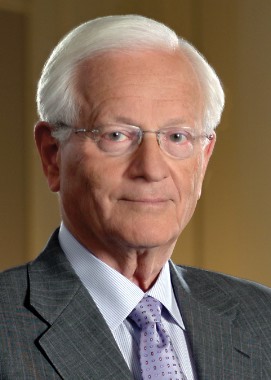
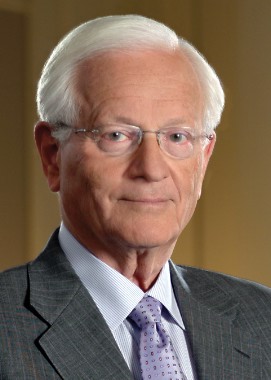
AGA Research Foundation Chair Martin Brotman, M.D., AGAF, said the foundation has always supported young investigators through their difficult early years before they’ve built a significant track record of publications to be competitive for the limited funding available. But in the past, he said, the foundation has been dependent on industry – particularly the pharmaceutical and device industries – to help provide funds for talented investigators through the AGA Research Scholar Awards.
"Industry is no longer able to grow or, in some cases, even to sustain their contributions to a sufficient level to guarantee funding will be available for these young investigators on a long-term basis," said Dr. Brotman, who also chairs the "Looking Forward: Giving Back" endowment campaign.
"The ‘Looking Forward’ part refers to a time – hopefully in the near future – when our brightest young minds won’t be at risk of leaving research for other fields," said Dr. Brotman, senior vice president for education, research, and philanthropy for Sutter Health in San Francisco, Calif. "We’re looking forward to stabilizing the careers of these young people, and looking forward to the incredible discoveries they’re going to make in the future.
"The ‘Giving Back’ part is something I’ve been talking about for many years," he continued. "Everyone in the field of gastroenterology has benefited from investigators. If you’re a private practitioner, virtually everything you do every day in the way of diagnosis and treatment is based on research done by others. If you’re a researcher, what you’re doing today is based on knowledge from researchers that came before you. No matter where you are in the field of digestive diseases, you owe something back to those who contributed to your success."
With that in mind, Dr. Brotman said the fundraising campaign is moving from a quiet, behind-the-scenes phase into a more public phase. The AGA Research Foundation will be approaching AGA members to give to the campaign and all contributions are tax deductible to the fullest extent of U.S. law.
"I don’t know anyone in GI today that can’t afford to give something," Dr. Brotman said. "Make a gift and feel good about supporting future research."
Before this year’s public rollout of the campaign, Dr. Brotman spent more than 2 years leading national efforts to secure contributions from large donors. The AGA contributed support from its reserves to match large donations.
"It takes $2.25 million to fund a 3-year Research Scholar Award," Dr. Brotman said. "Some donors just can’t afford to fund an entire award, so we’ve had several instances where donors have contributed $1.25 million and the AGA has matched that."
The foundation initially set out to raise $7.5 million. However, the large donor contributions were stronger than anticipated and the campaign has raised $8.4 million to date, prompting the AGA Institute Governing Board to increase the goal to $10 million.
"If they can’t find grant support, we are at great risk of losing them from GI research – not because they don’t want to stay in GI research but because they don’t have adequate funding during that vulnerable stage of their career," Dr. Brotman said.
For more information about the AGA Research Foundation’s efforts to fund young investigators or to donate to the "Looking Forward: Giving Back" campaign, visit www.gastro.org/givingback.
In response to declining research funding from corporate and government sources, the AGA Research Foundation has an endowment fund to support young investigators. The endowment will be used to fund the AGA Research Awards Program, which provides digestive disease research grants. The majority of the research grants support young investigators through the AGA Research Scholar Award program.
To ensure stable, secure funding to sustain research advancements for years to come, the foundation has also launched a campaign to raise funds for the endowment titled "Looking Forward: Giving Back."
AGA Research Foundation Chair Martin Brotman, M.D., AGAF, said the foundation has always supported young investigators through their difficult early years before they’ve built a significant track record of publications to be competitive for the limited funding available. But in the past, he said, the foundation has been dependent on industry – particularly the pharmaceutical and device industries – to help provide funds for talented investigators through the AGA Research Scholar Awards.
"Industry is no longer able to grow or, in some cases, even to sustain their contributions to a sufficient level to guarantee funding will be available for these young investigators on a long-term basis," said Dr. Brotman, who also chairs the "Looking Forward: Giving Back" endowment campaign.
"The ‘Looking Forward’ part refers to a time – hopefully in the near future – when our brightest young minds won’t be at risk of leaving research for other fields," said Dr. Brotman, senior vice president for education, research, and philanthropy for Sutter Health in San Francisco, Calif. "We’re looking forward to stabilizing the careers of these young people, and looking forward to the incredible discoveries they’re going to make in the future.
"The ‘Giving Back’ part is something I’ve been talking about for many years," he continued. "Everyone in the field of gastroenterology has benefited from investigators. If you’re a private practitioner, virtually everything you do every day in the way of diagnosis and treatment is based on research done by others. If you’re a researcher, what you’re doing today is based on knowledge from researchers that came before you. No matter where you are in the field of digestive diseases, you owe something back to those who contributed to your success."
With that in mind, Dr. Brotman said the fundraising campaign is moving from a quiet, behind-the-scenes phase into a more public phase. The AGA Research Foundation will be approaching AGA members to give to the campaign and all contributions are tax deductible to the fullest extent of U.S. law.
"I don’t know anyone in GI today that can’t afford to give something," Dr. Brotman said. "Make a gift and feel good about supporting future research."
Before this year’s public rollout of the campaign, Dr. Brotman spent more than 2 years leading national efforts to secure contributions from large donors. The AGA contributed support from its reserves to match large donations.
"It takes $2.25 million to fund a 3-year Research Scholar Award," Dr. Brotman said. "Some donors just can’t afford to fund an entire award, so we’ve had several instances where donors have contributed $1.25 million and the AGA has matched that."
The foundation initially set out to raise $7.5 million. However, the large donor contributions were stronger than anticipated and the campaign has raised $8.4 million to date, prompting the AGA Institute Governing Board to increase the goal to $10 million.
"If they can’t find grant support, we are at great risk of losing them from GI research – not because they don’t want to stay in GI research but because they don’t have adequate funding during that vulnerable stage of their career," Dr. Brotman said.
For more information about the AGA Research Foundation’s efforts to fund young investigators or to donate to the "Looking Forward: Giving Back" campaign, visit www.gastro.org/givingback.
In response to declining research funding from corporate and government sources, the AGA Research Foundation has an endowment fund to support young investigators. The endowment will be used to fund the AGA Research Awards Program, which provides digestive disease research grants. The majority of the research grants support young investigators through the AGA Research Scholar Award program.
To ensure stable, secure funding to sustain research advancements for years to come, the foundation has also launched a campaign to raise funds for the endowment titled "Looking Forward: Giving Back."
AGA Research Foundation Chair Martin Brotman, M.D., AGAF, said the foundation has always supported young investigators through their difficult early years before they’ve built a significant track record of publications to be competitive for the limited funding available. But in the past, he said, the foundation has been dependent on industry – particularly the pharmaceutical and device industries – to help provide funds for talented investigators through the AGA Research Scholar Awards.
"Industry is no longer able to grow or, in some cases, even to sustain their contributions to a sufficient level to guarantee funding will be available for these young investigators on a long-term basis," said Dr. Brotman, who also chairs the "Looking Forward: Giving Back" endowment campaign.
"The ‘Looking Forward’ part refers to a time – hopefully in the near future – when our brightest young minds won’t be at risk of leaving research for other fields," said Dr. Brotman, senior vice president for education, research, and philanthropy for Sutter Health in San Francisco, Calif. "We’re looking forward to stabilizing the careers of these young people, and looking forward to the incredible discoveries they’re going to make in the future.
"The ‘Giving Back’ part is something I’ve been talking about for many years," he continued. "Everyone in the field of gastroenterology has benefited from investigators. If you’re a private practitioner, virtually everything you do every day in the way of diagnosis and treatment is based on research done by others. If you’re a researcher, what you’re doing today is based on knowledge from researchers that came before you. No matter where you are in the field of digestive diseases, you owe something back to those who contributed to your success."
With that in mind, Dr. Brotman said the fundraising campaign is moving from a quiet, behind-the-scenes phase into a more public phase. The AGA Research Foundation will be approaching AGA members to give to the campaign and all contributions are tax deductible to the fullest extent of U.S. law.
"I don’t know anyone in GI today that can’t afford to give something," Dr. Brotman said. "Make a gift and feel good about supporting future research."
Before this year’s public rollout of the campaign, Dr. Brotman spent more than 2 years leading national efforts to secure contributions from large donors. The AGA contributed support from its reserves to match large donations.
"It takes $2.25 million to fund a 3-year Research Scholar Award," Dr. Brotman said. "Some donors just can’t afford to fund an entire award, so we’ve had several instances where donors have contributed $1.25 million and the AGA has matched that."
The foundation initially set out to raise $7.5 million. However, the large donor contributions were stronger than anticipated and the campaign has raised $8.4 million to date, prompting the AGA Institute Governing Board to increase the goal to $10 million.
"If they can’t find grant support, we are at great risk of losing them from GI research – not because they don’t want to stay in GI research but because they don’t have adequate funding during that vulnerable stage of their career," Dr. Brotman said.
For more information about the AGA Research Foundation’s efforts to fund young investigators or to donate to the "Looking Forward: Giving Back" campaign, visit www.gastro.org/givingback.