User login
20 Things Psychiatrists Think Hospitalists Need to Know
20 Things At A Glance
- Acknowledge that collaboration between health professionals is important, even when schedules are hectic and reimbursement doesn’t cover these discussions.
- Secure patient consent before consulting a psychiatrist.
- Present the psychiatrist’s anticipated insight as a benefit to the patient.
- Ask the patient if it’s all right to discuss their health status and needs with family members.
- Recognize that psychiatric illness is real, not imaginary.
- Realize that not all sadness constitutes depression.
- Don’t gloss over the possibility of delirium.
- Take the time to really listen.
- Always remain conscious of alcohol and substance abuse.
- Monitor patients’ vital signs for autonomic instability.
- Avoid arguments and power struggles with difficult or demanding patients.
- Adapt your vocabulary to the patient’s and family’s level of understanding.
- Be mindful of your nonverbal cues.
- Always take suicide risk seriously.
- Beware of patients who exhibit attention-seeking behavior, which can have a negative impact on the healthcare team and the care provided to the patient.
- Consider the possibility of a factitious disorder when there is a lack of objective evidence for pathology to explain a patient’s symptoms despite extensive evaluation.
- Choose an intravenous psychiatric medication when a patient with severe and persistent mental illness should avoid oral medication for a procedure.
- Listen to your instincts.
- Arrange for post-discharge follow-up with a primary-care physician or psychiatrist.
- Extend genuine compassion to your patients.
Patients can be hospitalized with chest pain, a kidney infection, pneumonia, or myriad other medical conditions. Hospital stays on occasion upend a patient’s mental state, with upcoming tests, surgery, or other procedures triggering anxiety or other conditions.
That doesn’t mean these patients have psychiatric or psychological problems, but some of them might. Hospitalists walk a fine line in deciding when to consult a psychiatrist in certain cases.

“A common mistake, when it comes to psychiatry, for hospitalists is to either think they know too much or they know too little,” says Philip R. Muskin, MD, professor of clinical psychiatry at Columbia University College of Physicians & Surgeons in New York City. “Sometimes they’re too quick to call a psychiatrist, and sometimes they’re too slow to call a specialist because they don’t think it’s a psychiatric problem.”
The Hospitalist asked more than half a dozen specialists in psychiatry and hospital medicine to shed light on when to seek additional expertise—and how to inform patients about your request to do so. “If I say, ‘You need to see a psychiatrist,’ it carries some stigma,” says Dr. Muskin, who is the chief of consultation for liaison psychiatry at New York-Presbyterian Medical Center’s Columbia campus. “We have to be sensitive to that.”
So how can you more comfortably approach psychiatric or psychological issues in the hospital setting?
1. Acknowledge that collaboration between health professionals is important, even when schedules are hectic and reimbursement doesn’t cover these discussions.
“Because of the overwhelming comorbidity between psychiatric illness and medical illness, it’s important to have some communication between the emergency room, caregiver, the hospitalist, and the psychiatrist,” says Ken Duckworth, MD, medical director of the National Alliance on Mental Illness (NAMI) and an assistant clinical professor of psychiatry at Harvard Medical School in Boston. “We know that people with mental health vulnerabilities consume a much higher amount of medical services. That’s a well-known phenomenon.”
2. Secure patient consent before consulting a psychiatrist.

“You need the patient’s permission,” Dr. Duckworth says. “That’s an important piece of the equation.” There are exceptions in emergencies, and the laws pertaining to this vary by state. Verbal consent may suffice if written authorization is already on file. If a patient declines, a hospitalist has to respect those wishes.
3. Present the psychiatrist’s anticipated insight as a benefit to the patient.

Physicians sometimes are uncomfortable informing their patients that they’re asking for a psychiatric consultation. They fear a bad reaction, such as “You think I’m crazy?” The consultation will be more useful if the patient is open and accepting of the process. For example, tell your patient at the outset: “I’d really like you to talk to one of my colleagues, whom I trust a great deal. He/she is an expert in the overlapping area between the body and the brain. I need their help so that I can take better care of you,’” says Linda L.M. Worley, MD, FAPM, professor of psychiatry and obstetrics and gynecology at the University of Arkansas for Medical Sciences in Little Rock.
4. Ask the patient if it’s all right to discuss their health status and needs with family members.
Get to know their names. Identify the medical expert in the family and be certain to involve them in overall discussions and the decision-making process, Dr. Worley says.
5. Recognize that psychiatric illness is real, not imaginary.
The illness “should be placed in exactly the same arena as other medical problems,” Dr. Muskin says. Patients with psychiatric conditions are “not weak. They’re not dumb. It’s not all in their head.” Their mental health “deserves the same attention as their heart, stomach, or kidneys.”
6. Realize that not all sadness constitutes depression.

“There are many reasons why people cry or feel down, and most are not psychiatric illnesses. Depression is often overdiagnosed, leading to wasted time and inappropriate medications,” says Robert Boland, MD, professor of psychiatry and human behavior at Brown University’s Warren Alpert School of Medicine in Providence, R.I. “Unfortunately, the opposite is also true. Depression is often missed in the hospital.”
So how does a hospitalist reconcile those extremes? First, consider depression in any patient who is predisposed, then rely on a consistent way of working it up. The Diagnostic and Statistical Manual of Mental Disorders (DSM, http://www.dsm5.org) offers a conservative approach, so you usually can’t go wrong by following it.
7. Don’t gloss over the possibility of delirium.
It is probably the most frequently missed diagnosis in the general hospital. “We usually recognize it when patients are agitated, but most patients aren’t,” Dr. Boland says. “If anything, they are hypoactive or change throughout the day. When a patient seems confused, we want to find a cause, but that cause isn’t always obvious.”
These situations are particularly true in fragile patients (e.g. the very old or those with dementia). Sometimes medical problems that seem very minor can “push them over the edge,” he adds. When you do expect dementia, the main treatments revolve around medically stabilizing the patient, and psychiatric medications are a minor part of the management, if at all.
8. Take the time to really listen.
Patients’ biggest complaint is that physicians don’t listen. “The best doctors in any specialty know how to communicate with patients,” Dr. Boland says. “It doesn’t take longer—in fact, good communication usually saves time. But it does take attention and focus to let the patient try and explain what is going on with them. It always pays off in the end.”
9. Always remain conscious of alcohol and substance abuse.
Although it might not be the reason patients are hospitalized, it is one of the more common underlying causes. When this is the case, don’t be nihilistic. Many patients improve with treatment, and some get better simply because a physician explained how damaging substance abuse can be to their health, Dr. Boland says.
For those in complete remission from a past addiction to alcohol, benzodiazepines, opiates, or a combination thereof, beware that prescribing certain medications puts them at substantially increased risk for relapse. Use alternative treatments whenever possible; if clinically indicated, be certain that these patients have a safety net to prevent relapse. Patients with severe pain need effective relief.
“If a patient has been exposed to significant dosages of pain medications in the past, their neurotransmitters will have physically adapted,” says Dr. Worley, president-elect of the Academy of Psychosomatic Medicine. “They will require higher doses than normal for effective pain relief.”

—Gregory Ruhnke, MD, assistant professor in the section of hospital medicine, University of Chicago Pritzker School of Medicine
10. Monitor patients’ vital signs for autonomic instability.
“Patients in withdrawal from physiologically addictive medications may have forgotten to tell you that they were taking these medications,” Dr. Worley says. “Abrupt discontinuation can cause incapacitating anxiety and life-threatening delirium.”
11. Avoid arguments and power struggles with difficult or demanding patients.
Put on your thick skin. Don’t take insults or slights personally. And resist the urge to flee or counterattack. Instead, Dr. Worley suggests hospitalists stay calm and focused on providing the best medical care that they can. “Chronically noncompliant patients can be excruciatingly frustrating to care for when they don’t follow through on what they are repeatedly advised to do, but lecturing more vigorously at them won’t help,” she says. “It only makes them shut down more and feel more helpless and you more exhausted. Shift to more of a listening mode and inquire about what they hope to accomplish by coming to you for help.”
12. Adapt your vocabulary to the patient’s and family’s level of understanding.
After your explanation, ask them, “Do me a favor and explain back to me in your words what I said. I want to be sure I got across what I wanted to say.” Then ask whether they have any questions. Also know that all too often patients are so anxious and upset that they are “emotionally flooded” and unable to hear much of what you communicated. You can save a lot of time if they understand you in the first place.
13. Be mindful of your nonverbal cues.
A majority of communication is nonverbal, and your facial expressions, gestures, and body posture speak volumes to patients and family members. “The innocent tilt of a chin upwards while peering through bifocals can be misperceived as arrogance,” Dr. Worley says. “The thoughtful furled brow of contemplation may be misconstrued as irritability or disapproval.”
14. Always take suicide risk seriously.
It’s better to call a psychiatrist unnecessarily than to overlook a patient at risk for suicide. Benzodiazepines, alcohol, or a combination of the two might reduce inhibition and increase the likelihood of a suicide attempt. Be sure to assess suicidal ideation, intent, and lethality of suicide attempt.
“Hopelessness about the future correlates with completed suicide,” says Gregory Ruhnke, MD, assistant professor in the section of hospital medicine at the University of Chicago Pritzker School of Medicine. “Additionally, it is helpful to ask about the four H’s: Hate, humiliation, hostility, handguns.”
15. Beware of patients who exhibit attention-seeking behavior, which can have a negative impact on the healthcare team and the care provided to the patient.
“The patient may become angry and engage in splitting, whereby he or she emphatically expresses the view that certain caregivers are all good or all bad. This may reflect such [a] patient’s desire to divide the caregivers into opposing factions. It’s a maladaptive way of coping,” says Marie Tobin, MD, associate professor of psychiatry and consult-liaison psychiatrist at the Pritzker School of Medicine. This can be very time-consuming, and it can breed hostility among colleagues. “Communication between caregivers is really important in creating a unified treatment plan that is coherently presented to the patient in a single voice.”
Fortunately, she says, “even though these situations can arise, they are the exception rather than the rule.”

—Marie Tobin, MD, associate professor of psychiatry and consult-liaison psychiatrist, University of Chicago Pritzker School of Medicine
16. Consider the possibility of a factitious disorder when there is a lack of objective evidence for pathology to explain a patient’s symptoms despite extensive evaluation.
For example, Dr. Ruhnke says, if a patient complains of hemoptysis and hematochezia with negative endoscopies, talk to the nurse about the patient’s diet, and be suspicious if it includes only red foods and liquids. The most common symptoms among patients who come to medical attention because of factitious disorders are diarrhea, fever of unknown origin, gastrointestinal bleeding, hematuria, seizures, and hypoglycemia.
17. Choose an intravenous psychiatric medication when a patient with severe and persistent mental illness should avoid oral medication for a procedure.
A patient with schizophrenia or bipolar disorder could experience a severe psychiatric episode without psychiatric medication. An appropriate alternative, perhaps administered intravenously if necessary, “can make all the difference in the world,” says Christopher Dobbelstein, MD, assistant professor of psychiatry at the University of Pittsburgh School of Medicine.
18. Listen to your instincts.
Medical teams can handle many psychiatric issues. Straightforward delirium is a good example. The bigger question, which takes experience and confidence, is to recognize when a line has been crossed. “The decision to consult psychiatry is not formulaic,” Dr. Dobbelstein says.
Sometimes a patient is acting strangely, and the team can’t explain why a psychiatrist could offer sound advice. “That’s when they should trust their instincts and consult us,” he says, “because the patient likely does have something more complex going on.”
19. Arrange for post-discharge follow-up with a primary-care physician or psychiatrist.
Sometimes psychiatric medications are started without good oversight. Suicide risk is highest during the weeks following an inpatient psychiatric admission, so a patient should see an outpatient mental health provider within seven days after hospital discharge, says NAMI’s Dr. Duckworth.
20. Extend genuine compassion to your patients.
“This is the secret to achieving a lifelong rewarding career in medicine,” Dr. Worley says, “and is the most important ingredient in positive outcomes.”
Susan Kreimer is a freelance writer in New York.
Survival Tips
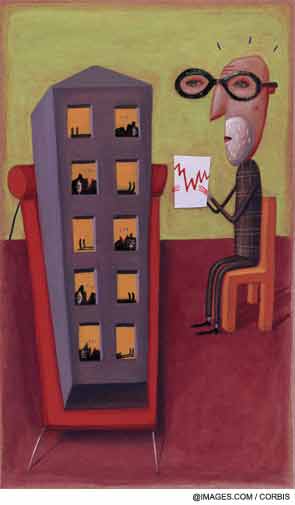
- Pull up a chair and sit down.
- Ask what name your patient likes to go by. Be respectful and use correct titles when appropriate. One size doesn’t fit all. “Mrs. X” might be a mother-in-law.
- Appreciate how terrifying it can be as a patient—ill, in pain, having no control, with a loss of privacy and at times dignity.
- Remember that any one of us in the role of a patient regresses and copes in different ways. Some become demanding and express a strong need for control, while others want and need information from their physician.
- Privacy is important. Close the door. Don’t ask sensitive questions within earshot of other patients or visitors.
20 Things At A Glance
- Acknowledge that collaboration between health professionals is important, even when schedules are hectic and reimbursement doesn’t cover these discussions.
- Secure patient consent before consulting a psychiatrist.
- Present the psychiatrist’s anticipated insight as a benefit to the patient.
- Ask the patient if it’s all right to discuss their health status and needs with family members.
- Recognize that psychiatric illness is real, not imaginary.
- Realize that not all sadness constitutes depression.
- Don’t gloss over the possibility of delirium.
- Take the time to really listen.
- Always remain conscious of alcohol and substance abuse.
- Monitor patients’ vital signs for autonomic instability.
- Avoid arguments and power struggles with difficult or demanding patients.
- Adapt your vocabulary to the patient’s and family’s level of understanding.
- Be mindful of your nonverbal cues.
- Always take suicide risk seriously.
- Beware of patients who exhibit attention-seeking behavior, which can have a negative impact on the healthcare team and the care provided to the patient.
- Consider the possibility of a factitious disorder when there is a lack of objective evidence for pathology to explain a patient’s symptoms despite extensive evaluation.
- Choose an intravenous psychiatric medication when a patient with severe and persistent mental illness should avoid oral medication for a procedure.
- Listen to your instincts.
- Arrange for post-discharge follow-up with a primary-care physician or psychiatrist.
- Extend genuine compassion to your patients.
Patients can be hospitalized with chest pain, a kidney infection, pneumonia, or myriad other medical conditions. Hospital stays on occasion upend a patient’s mental state, with upcoming tests, surgery, or other procedures triggering anxiety or other conditions.
That doesn’t mean these patients have psychiatric or psychological problems, but some of them might. Hospitalists walk a fine line in deciding when to consult a psychiatrist in certain cases.
“A common mistake, when it comes to psychiatry, for hospitalists is to either think they know too much or they know too little,” says Philip R. Muskin, MD, professor of clinical psychiatry at Columbia University College of Physicians & Surgeons in New York City. “Sometimes they’re too quick to call a psychiatrist, and sometimes they’re too slow to call a specialist because they don’t think it’s a psychiatric problem.”
The Hospitalist asked more than half a dozen specialists in psychiatry and hospital medicine to shed light on when to seek additional expertise—and how to inform patients about your request to do so. “If I say, ‘You need to see a psychiatrist,’ it carries some stigma,” says Dr. Muskin, who is the chief of consultation for liaison psychiatry at New York-Presbyterian Medical Center’s Columbia campus. “We have to be sensitive to that.”
So how can you more comfortably approach psychiatric or psychological issues in the hospital setting?
1. Acknowledge that collaboration between health professionals is important, even when schedules are hectic and reimbursement doesn’t cover these discussions.
“Because of the overwhelming comorbidity between psychiatric illness and medical illness, it’s important to have some communication between the emergency room, caregiver, the hospitalist, and the psychiatrist,” says Ken Duckworth, MD, medical director of the National Alliance on Mental Illness (NAMI) and an assistant clinical professor of psychiatry at Harvard Medical School in Boston. “We know that people with mental health vulnerabilities consume a much higher amount of medical services. That’s a well-known phenomenon.”
2. Secure patient consent before consulting a psychiatrist.
“You need the patient’s permission,” Dr. Duckworth says. “That’s an important piece of the equation.” There are exceptions in emergencies, and the laws pertaining to this vary by state. Verbal consent may suffice if written authorization is already on file. If a patient declines, a hospitalist has to respect those wishes.
3. Present the psychiatrist’s anticipated insight as a benefit to the patient.
Physicians sometimes are uncomfortable informing their patients that they’re asking for a psychiatric consultation. They fear a bad reaction, such as “You think I’m crazy?” The consultation will be more useful if the patient is open and accepting of the process. For example, tell your patient at the outset: “I’d really like you to talk to one of my colleagues, whom I trust a great deal. He/she is an expert in the overlapping area between the body and the brain. I need their help so that I can take better care of you,’” says Linda L.M. Worley, MD, FAPM, professor of psychiatry and obstetrics and gynecology at the University of Arkansas for Medical Sciences in Little Rock.
4. Ask the patient if it’s all right to discuss their health status and needs with family members.
Get to know their names. Identify the medical expert in the family and be certain to involve them in overall discussions and the decision-making process, Dr. Worley says.
5. Recognize that psychiatric illness is real, not imaginary.
The illness “should be placed in exactly the same arena as other medical problems,” Dr. Muskin says. Patients with psychiatric conditions are “not weak. They’re not dumb. It’s not all in their head.” Their mental health “deserves the same attention as their heart, stomach, or kidneys.”
6. Realize that not all sadness constitutes depression.
“There are many reasons why people cry or feel down, and most are not psychiatric illnesses. Depression is often overdiagnosed, leading to wasted time and inappropriate medications,” says Robert Boland, MD, professor of psychiatry and human behavior at Brown University’s Warren Alpert School of Medicine in Providence, R.I. “Unfortunately, the opposite is also true. Depression is often missed in the hospital.”
So how does a hospitalist reconcile those extremes? First, consider depression in any patient who is predisposed, then rely on a consistent way of working it up. The Diagnostic and Statistical Manual of Mental Disorders (DSM, http://www.dsm5.org) offers a conservative approach, so you usually can’t go wrong by following it.
7. Don’t gloss over the possibility of delirium.
It is probably the most frequently missed diagnosis in the general hospital. “We usually recognize it when patients are agitated, but most patients aren’t,” Dr. Boland says. “If anything, they are hypoactive or change throughout the day. When a patient seems confused, we want to find a cause, but that cause isn’t always obvious.”
These situations are particularly true in fragile patients (e.g. the very old or those with dementia). Sometimes medical problems that seem very minor can “push them over the edge,” he adds. When you do expect dementia, the main treatments revolve around medically stabilizing the patient, and psychiatric medications are a minor part of the management, if at all.
8. Take the time to really listen.
Patients’ biggest complaint is that physicians don’t listen. “The best doctors in any specialty know how to communicate with patients,” Dr. Boland says. “It doesn’t take longer—in fact, good communication usually saves time. But it does take attention and focus to let the patient try and explain what is going on with them. It always pays off in the end.”
9. Always remain conscious of alcohol and substance abuse.
Although it might not be the reason patients are hospitalized, it is one of the more common underlying causes. When this is the case, don’t be nihilistic. Many patients improve with treatment, and some get better simply because a physician explained how damaging substance abuse can be to their health, Dr. Boland says.
For those in complete remission from a past addiction to alcohol, benzodiazepines, opiates, or a combination thereof, beware that prescribing certain medications puts them at substantially increased risk for relapse. Use alternative treatments whenever possible; if clinically indicated, be certain that these patients have a safety net to prevent relapse. Patients with severe pain need effective relief.
“If a patient has been exposed to significant dosages of pain medications in the past, their neurotransmitters will have physically adapted,” says Dr. Worley, president-elect of the Academy of Psychosomatic Medicine. “They will require higher doses than normal for effective pain relief.”
—Gregory Ruhnke, MD, assistant professor in the section of hospital medicine, University of Chicago Pritzker School of Medicine
10. Monitor patients’ vital signs for autonomic instability.
“Patients in withdrawal from physiologically addictive medications may have forgotten to tell you that they were taking these medications,” Dr. Worley says. “Abrupt discontinuation can cause incapacitating anxiety and life-threatening delirium.”
11. Avoid arguments and power struggles with difficult or demanding patients.
Put on your thick skin. Don’t take insults or slights personally. And resist the urge to flee or counterattack. Instead, Dr. Worley suggests hospitalists stay calm and focused on providing the best medical care that they can. “Chronically noncompliant patients can be excruciatingly frustrating to care for when they don’t follow through on what they are repeatedly advised to do, but lecturing more vigorously at them won’t help,” she says. “It only makes them shut down more and feel more helpless and you more exhausted. Shift to more of a listening mode and inquire about what they hope to accomplish by coming to you for help.”
12. Adapt your vocabulary to the patient’s and family’s level of understanding.
After your explanation, ask them, “Do me a favor and explain back to me in your words what I said. I want to be sure I got across what I wanted to say.” Then ask whether they have any questions. Also know that all too often patients are so anxious and upset that they are “emotionally flooded” and unable to hear much of what you communicated. You can save a lot of time if they understand you in the first place.
13. Be mindful of your nonverbal cues.
A majority of communication is nonverbal, and your facial expressions, gestures, and body posture speak volumes to patients and family members. “The innocent tilt of a chin upwards while peering through bifocals can be misperceived as arrogance,” Dr. Worley says. “The thoughtful furled brow of contemplation may be misconstrued as irritability or disapproval.”
14. Always take suicide risk seriously.
It’s better to call a psychiatrist unnecessarily than to overlook a patient at risk for suicide. Benzodiazepines, alcohol, or a combination of the two might reduce inhibition and increase the likelihood of a suicide attempt. Be sure to assess suicidal ideation, intent, and lethality of suicide attempt.
“Hopelessness about the future correlates with completed suicide,” says Gregory Ruhnke, MD, assistant professor in the section of hospital medicine at the University of Chicago Pritzker School of Medicine. “Additionally, it is helpful to ask about the four H’s: Hate, humiliation, hostility, handguns.”
15. Beware of patients who exhibit attention-seeking behavior, which can have a negative impact on the healthcare team and the care provided to the patient.
“The patient may become angry and engage in splitting, whereby he or she emphatically expresses the view that certain caregivers are all good or all bad. This may reflect such [a] patient’s desire to divide the caregivers into opposing factions. It’s a maladaptive way of coping,” says Marie Tobin, MD, associate professor of psychiatry and consult-liaison psychiatrist at the Pritzker School of Medicine. This can be very time-consuming, and it can breed hostility among colleagues. “Communication between caregivers is really important in creating a unified treatment plan that is coherently presented to the patient in a single voice.”
Fortunately, she says, “even though these situations can arise, they are the exception rather than the rule.”
—Marie Tobin, MD, associate professor of psychiatry and consult-liaison psychiatrist, University of Chicago Pritzker School of Medicine
16. Consider the possibility of a factitious disorder when there is a lack of objective evidence for pathology to explain a patient’s symptoms despite extensive evaluation.
For example, Dr. Ruhnke says, if a patient complains of hemoptysis and hematochezia with negative endoscopies, talk to the nurse about the patient’s diet, and be suspicious if it includes only red foods and liquids. The most common symptoms among patients who come to medical attention because of factitious disorders are diarrhea, fever of unknown origin, gastrointestinal bleeding, hematuria, seizures, and hypoglycemia.
17. Choose an intravenous psychiatric medication when a patient with severe and persistent mental illness should avoid oral medication for a procedure.
A patient with schizophrenia or bipolar disorder could experience a severe psychiatric episode without psychiatric medication. An appropriate alternative, perhaps administered intravenously if necessary, “can make all the difference in the world,” says Christopher Dobbelstein, MD, assistant professor of psychiatry at the University of Pittsburgh School of Medicine.
18. Listen to your instincts.
Medical teams can handle many psychiatric issues. Straightforward delirium is a good example. The bigger question, which takes experience and confidence, is to recognize when a line has been crossed. “The decision to consult psychiatry is not formulaic,” Dr. Dobbelstein says.
Sometimes a patient is acting strangely, and the team can’t explain why a psychiatrist could offer sound advice. “That’s when they should trust their instincts and consult us,” he says, “because the patient likely does have something more complex going on.”
19. Arrange for post-discharge follow-up with a primary-care physician or psychiatrist.
Sometimes psychiatric medications are started without good oversight. Suicide risk is highest during the weeks following an inpatient psychiatric admission, so a patient should see an outpatient mental health provider within seven days after hospital discharge, says NAMI’s Dr. Duckworth.
20. Extend genuine compassion to your patients.
“This is the secret to achieving a lifelong rewarding career in medicine,” Dr. Worley says, “and is the most important ingredient in positive outcomes.”
Susan Kreimer is a freelance writer in New York.
Survival Tips
- Pull up a chair and sit down.
- Ask what name your patient likes to go by. Be respectful and use correct titles when appropriate. One size doesn’t fit all. “Mrs. X” might be a mother-in-law.
- Appreciate how terrifying it can be as a patient—ill, in pain, having no control, with a loss of privacy and at times dignity.
- Remember that any one of us in the role of a patient regresses and copes in different ways. Some become demanding and express a strong need for control, while others want and need information from their physician.
- Privacy is important. Close the door. Don’t ask sensitive questions within earshot of other patients or visitors.
20 Things At A Glance
- Acknowledge that collaboration between health professionals is important, even when schedules are hectic and reimbursement doesn’t cover these discussions.
- Secure patient consent before consulting a psychiatrist.
- Present the psychiatrist’s anticipated insight as a benefit to the patient.
- Ask the patient if it’s all right to discuss their health status and needs with family members.
- Recognize that psychiatric illness is real, not imaginary.
- Realize that not all sadness constitutes depression.
- Don’t gloss over the possibility of delirium.
- Take the time to really listen.
- Always remain conscious of alcohol and substance abuse.
- Monitor patients’ vital signs for autonomic instability.
- Avoid arguments and power struggles with difficult or demanding patients.
- Adapt your vocabulary to the patient’s and family’s level of understanding.
- Be mindful of your nonverbal cues.
- Always take suicide risk seriously.
- Beware of patients who exhibit attention-seeking behavior, which can have a negative impact on the healthcare team and the care provided to the patient.
- Consider the possibility of a factitious disorder when there is a lack of objective evidence for pathology to explain a patient’s symptoms despite extensive evaluation.
- Choose an intravenous psychiatric medication when a patient with severe and persistent mental illness should avoid oral medication for a procedure.
- Listen to your instincts.
- Arrange for post-discharge follow-up with a primary-care physician or psychiatrist.
- Extend genuine compassion to your patients.
Patients can be hospitalized with chest pain, a kidney infection, pneumonia, or myriad other medical conditions. Hospital stays on occasion upend a patient’s mental state, with upcoming tests, surgery, or other procedures triggering anxiety or other conditions.
That doesn’t mean these patients have psychiatric or psychological problems, but some of them might. Hospitalists walk a fine line in deciding when to consult a psychiatrist in certain cases.
“A common mistake, when it comes to psychiatry, for hospitalists is to either think they know too much or they know too little,” says Philip R. Muskin, MD, professor of clinical psychiatry at Columbia University College of Physicians & Surgeons in New York City. “Sometimes they’re too quick to call a psychiatrist, and sometimes they’re too slow to call a specialist because they don’t think it’s a psychiatric problem.”
The Hospitalist asked more than half a dozen specialists in psychiatry and hospital medicine to shed light on when to seek additional expertise—and how to inform patients about your request to do so. “If I say, ‘You need to see a psychiatrist,’ it carries some stigma,” says Dr. Muskin, who is the chief of consultation for liaison psychiatry at New York-Presbyterian Medical Center’s Columbia campus. “We have to be sensitive to that.”
So how can you more comfortably approach psychiatric or psychological issues in the hospital setting?
1. Acknowledge that collaboration between health professionals is important, even when schedules are hectic and reimbursement doesn’t cover these discussions.
“Because of the overwhelming comorbidity between psychiatric illness and medical illness, it’s important to have some communication between the emergency room, caregiver, the hospitalist, and the psychiatrist,” says Ken Duckworth, MD, medical director of the National Alliance on Mental Illness (NAMI) and an assistant clinical professor of psychiatry at Harvard Medical School in Boston. “We know that people with mental health vulnerabilities consume a much higher amount of medical services. That’s a well-known phenomenon.”
2. Secure patient consent before consulting a psychiatrist.
“You need the patient’s permission,” Dr. Duckworth says. “That’s an important piece of the equation.” There are exceptions in emergencies, and the laws pertaining to this vary by state. Verbal consent may suffice if written authorization is already on file. If a patient declines, a hospitalist has to respect those wishes.
3. Present the psychiatrist’s anticipated insight as a benefit to the patient.
Physicians sometimes are uncomfortable informing their patients that they’re asking for a psychiatric consultation. They fear a bad reaction, such as “You think I’m crazy?” The consultation will be more useful if the patient is open and accepting of the process. For example, tell your patient at the outset: “I’d really like you to talk to one of my colleagues, whom I trust a great deal. He/she is an expert in the overlapping area between the body and the brain. I need their help so that I can take better care of you,’” says Linda L.M. Worley, MD, FAPM, professor of psychiatry and obstetrics and gynecology at the University of Arkansas for Medical Sciences in Little Rock.
4. Ask the patient if it’s all right to discuss their health status and needs with family members.
Get to know their names. Identify the medical expert in the family and be certain to involve them in overall discussions and the decision-making process, Dr. Worley says.
5. Recognize that psychiatric illness is real, not imaginary.
The illness “should be placed in exactly the same arena as other medical problems,” Dr. Muskin says. Patients with psychiatric conditions are “not weak. They’re not dumb. It’s not all in their head.” Their mental health “deserves the same attention as their heart, stomach, or kidneys.”
6. Realize that not all sadness constitutes depression.
“There are many reasons why people cry or feel down, and most are not psychiatric illnesses. Depression is often overdiagnosed, leading to wasted time and inappropriate medications,” says Robert Boland, MD, professor of psychiatry and human behavior at Brown University’s Warren Alpert School of Medicine in Providence, R.I. “Unfortunately, the opposite is also true. Depression is often missed in the hospital.”
So how does a hospitalist reconcile those extremes? First, consider depression in any patient who is predisposed, then rely on a consistent way of working it up. The Diagnostic and Statistical Manual of Mental Disorders (DSM, http://www.dsm5.org) offers a conservative approach, so you usually can’t go wrong by following it.
7. Don’t gloss over the possibility of delirium.
It is probably the most frequently missed diagnosis in the general hospital. “We usually recognize it when patients are agitated, but most patients aren’t,” Dr. Boland says. “If anything, they are hypoactive or change throughout the day. When a patient seems confused, we want to find a cause, but that cause isn’t always obvious.”
These situations are particularly true in fragile patients (e.g. the very old or those with dementia). Sometimes medical problems that seem very minor can “push them over the edge,” he adds. When you do expect dementia, the main treatments revolve around medically stabilizing the patient, and psychiatric medications are a minor part of the management, if at all.
8. Take the time to really listen.
Patients’ biggest complaint is that physicians don’t listen. “The best doctors in any specialty know how to communicate with patients,” Dr. Boland says. “It doesn’t take longer—in fact, good communication usually saves time. But it does take attention and focus to let the patient try and explain what is going on with them. It always pays off in the end.”
9. Always remain conscious of alcohol and substance abuse.
Although it might not be the reason patients are hospitalized, it is one of the more common underlying causes. When this is the case, don’t be nihilistic. Many patients improve with treatment, and some get better simply because a physician explained how damaging substance abuse can be to their health, Dr. Boland says.
For those in complete remission from a past addiction to alcohol, benzodiazepines, opiates, or a combination thereof, beware that prescribing certain medications puts them at substantially increased risk for relapse. Use alternative treatments whenever possible; if clinically indicated, be certain that these patients have a safety net to prevent relapse. Patients with severe pain need effective relief.
“If a patient has been exposed to significant dosages of pain medications in the past, their neurotransmitters will have physically adapted,” says Dr. Worley, president-elect of the Academy of Psychosomatic Medicine. “They will require higher doses than normal for effective pain relief.”
—Gregory Ruhnke, MD, assistant professor in the section of hospital medicine, University of Chicago Pritzker School of Medicine
10. Monitor patients’ vital signs for autonomic instability.
“Patients in withdrawal from physiologically addictive medications may have forgotten to tell you that they were taking these medications,” Dr. Worley says. “Abrupt discontinuation can cause incapacitating anxiety and life-threatening delirium.”
11. Avoid arguments and power struggles with difficult or demanding patients.
Put on your thick skin. Don’t take insults or slights personally. And resist the urge to flee or counterattack. Instead, Dr. Worley suggests hospitalists stay calm and focused on providing the best medical care that they can. “Chronically noncompliant patients can be excruciatingly frustrating to care for when they don’t follow through on what they are repeatedly advised to do, but lecturing more vigorously at them won’t help,” she says. “It only makes them shut down more and feel more helpless and you more exhausted. Shift to more of a listening mode and inquire about what they hope to accomplish by coming to you for help.”
12. Adapt your vocabulary to the patient’s and family’s level of understanding.
After your explanation, ask them, “Do me a favor and explain back to me in your words what I said. I want to be sure I got across what I wanted to say.” Then ask whether they have any questions. Also know that all too often patients are so anxious and upset that they are “emotionally flooded” and unable to hear much of what you communicated. You can save a lot of time if they understand you in the first place.
13. Be mindful of your nonverbal cues.
A majority of communication is nonverbal, and your facial expressions, gestures, and body posture speak volumes to patients and family members. “The innocent tilt of a chin upwards while peering through bifocals can be misperceived as arrogance,” Dr. Worley says. “The thoughtful furled brow of contemplation may be misconstrued as irritability or disapproval.”
14. Always take suicide risk seriously.
It’s better to call a psychiatrist unnecessarily than to overlook a patient at risk for suicide. Benzodiazepines, alcohol, or a combination of the two might reduce inhibition and increase the likelihood of a suicide attempt. Be sure to assess suicidal ideation, intent, and lethality of suicide attempt.
“Hopelessness about the future correlates with completed suicide,” says Gregory Ruhnke, MD, assistant professor in the section of hospital medicine at the University of Chicago Pritzker School of Medicine. “Additionally, it is helpful to ask about the four H’s: Hate, humiliation, hostility, handguns.”
15. Beware of patients who exhibit attention-seeking behavior, which can have a negative impact on the healthcare team and the care provided to the patient.
“The patient may become angry and engage in splitting, whereby he or she emphatically expresses the view that certain caregivers are all good or all bad. This may reflect such [a] patient’s desire to divide the caregivers into opposing factions. It’s a maladaptive way of coping,” says Marie Tobin, MD, associate professor of psychiatry and consult-liaison psychiatrist at the Pritzker School of Medicine. This can be very time-consuming, and it can breed hostility among colleagues. “Communication between caregivers is really important in creating a unified treatment plan that is coherently presented to the patient in a single voice.”
Fortunately, she says, “even though these situations can arise, they are the exception rather than the rule.”
—Marie Tobin, MD, associate professor of psychiatry and consult-liaison psychiatrist, University of Chicago Pritzker School of Medicine
16. Consider the possibility of a factitious disorder when there is a lack of objective evidence for pathology to explain a patient’s symptoms despite extensive evaluation.
For example, Dr. Ruhnke says, if a patient complains of hemoptysis and hematochezia with negative endoscopies, talk to the nurse about the patient’s diet, and be suspicious if it includes only red foods and liquids. The most common symptoms among patients who come to medical attention because of factitious disorders are diarrhea, fever of unknown origin, gastrointestinal bleeding, hematuria, seizures, and hypoglycemia.
17. Choose an intravenous psychiatric medication when a patient with severe and persistent mental illness should avoid oral medication for a procedure.
A patient with schizophrenia or bipolar disorder could experience a severe psychiatric episode without psychiatric medication. An appropriate alternative, perhaps administered intravenously if necessary, “can make all the difference in the world,” says Christopher Dobbelstein, MD, assistant professor of psychiatry at the University of Pittsburgh School of Medicine.
18. Listen to your instincts.
Medical teams can handle many psychiatric issues. Straightforward delirium is a good example. The bigger question, which takes experience and confidence, is to recognize when a line has been crossed. “The decision to consult psychiatry is not formulaic,” Dr. Dobbelstein says.
Sometimes a patient is acting strangely, and the team can’t explain why a psychiatrist could offer sound advice. “That’s when they should trust their instincts and consult us,” he says, “because the patient likely does have something more complex going on.”
19. Arrange for post-discharge follow-up with a primary-care physician or psychiatrist.
Sometimes psychiatric medications are started without good oversight. Suicide risk is highest during the weeks following an inpatient psychiatric admission, so a patient should see an outpatient mental health provider within seven days after hospital discharge, says NAMI’s Dr. Duckworth.
20. Extend genuine compassion to your patients.
“This is the secret to achieving a lifelong rewarding career in medicine,” Dr. Worley says, “and is the most important ingredient in positive outcomes.”
Susan Kreimer is a freelance writer in New York.
Survival Tips
- Pull up a chair and sit down.
- Ask what name your patient likes to go by. Be respectful and use correct titles when appropriate. One size doesn’t fit all. “Mrs. X” might be a mother-in-law.
- Appreciate how terrifying it can be as a patient—ill, in pain, having no control, with a loss of privacy and at times dignity.
- Remember that any one of us in the role of a patient regresses and copes in different ways. Some become demanding and express a strong need for control, while others want and need information from their physician.
- Privacy is important. Close the door. Don’t ask sensitive questions within earshot of other patients or visitors.
Keep an Eye Out for Factitious Disorders
Among the challenging psychiatric conditions hospitalists encounter are factitious disorders in which patients fabricate symptoms to draw attention, elicit empathy, and intentionally take on a sick role.
For example, at the University of Chicago, a patient in her 30s complained of blood in her urine, stool, and vomit. The staff performed an extensive evaluation, including laboratory analyses and upper and lower gastrointestinal endoscopies, but they found no source of the alleged bleeding, says Gregory Ruhnke, MD, MS, MPH, assistant professor in the section of hospital medicine at the university’s Pritzker School of Medicine.

In this instance, the patient’s objective was “to stay in the hospital,” says Marie Tobin, MD, associate professor of psychiatry and consult-liaison psychiatrist at the University of Chicago. “That’s the goal—to be taken care of as a patient.”
The staff later learned that the patient had engaged in similar tactics at other hospitals. When physicians wanted to obtain medical records from those facilities, the patient declined to grant permission.
“We do have to respect the patient’s confidentiality,” Dr. Tobin says. “If they refuse, we really can’t [obtain their records].”
Aside from previous records, “room searches can help confirm suspicions,” Dr. Ruhnke says. Security personnel should conduct a room search when necessary. This preserves the patient’s therapeutic rapport with healthcare providers. A search could uncover knives or needles, which a patient could use to inflict harm. More important, room searches can resolve inconsistencies and help hospitalists avoid ordering unjustified tests and procedures.
“It’s not a pleasant situation, but it is for safety,” Dr. Tobin says of investigations.
“These are people who can be at high risk to themselves.” TH
Susan Kreimer is a freelance writer in New York.
Among the challenging psychiatric conditions hospitalists encounter are factitious disorders in which patients fabricate symptoms to draw attention, elicit empathy, and intentionally take on a sick role.
For example, at the University of Chicago, a patient in her 30s complained of blood in her urine, stool, and vomit. The staff performed an extensive evaluation, including laboratory analyses and upper and lower gastrointestinal endoscopies, but they found no source of the alleged bleeding, says Gregory Ruhnke, MD, MS, MPH, assistant professor in the section of hospital medicine at the university’s Pritzker School of Medicine.
In this instance, the patient’s objective was “to stay in the hospital,” says Marie Tobin, MD, associate professor of psychiatry and consult-liaison psychiatrist at the University of Chicago. “That’s the goal—to be taken care of as a patient.”
The staff later learned that the patient had engaged in similar tactics at other hospitals. When physicians wanted to obtain medical records from those facilities, the patient declined to grant permission.
“We do have to respect the patient’s confidentiality,” Dr. Tobin says. “If they refuse, we really can’t [obtain their records].”
Aside from previous records, “room searches can help confirm suspicions,” Dr. Ruhnke says. Security personnel should conduct a room search when necessary. This preserves the patient’s therapeutic rapport with healthcare providers. A search could uncover knives or needles, which a patient could use to inflict harm. More important, room searches can resolve inconsistencies and help hospitalists avoid ordering unjustified tests and procedures.
“It’s not a pleasant situation, but it is for safety,” Dr. Tobin says of investigations.
“These are people who can be at high risk to themselves.” TH
Susan Kreimer is a freelance writer in New York.
Among the challenging psychiatric conditions hospitalists encounter are factitious disorders in which patients fabricate symptoms to draw attention, elicit empathy, and intentionally take on a sick role.
For example, at the University of Chicago, a patient in her 30s complained of blood in her urine, stool, and vomit. The staff performed an extensive evaluation, including laboratory analyses and upper and lower gastrointestinal endoscopies, but they found no source of the alleged bleeding, says Gregory Ruhnke, MD, MS, MPH, assistant professor in the section of hospital medicine at the university’s Pritzker School of Medicine.
In this instance, the patient’s objective was “to stay in the hospital,” says Marie Tobin, MD, associate professor of psychiatry and consult-liaison psychiatrist at the University of Chicago. “That’s the goal—to be taken care of as a patient.”
The staff later learned that the patient had engaged in similar tactics at other hospitals. When physicians wanted to obtain medical records from those facilities, the patient declined to grant permission.
“We do have to respect the patient’s confidentiality,” Dr. Tobin says. “If they refuse, we really can’t [obtain their records].”
Aside from previous records, “room searches can help confirm suspicions,” Dr. Ruhnke says. Security personnel should conduct a room search when necessary. This preserves the patient’s therapeutic rapport with healthcare providers. A search could uncover knives or needles, which a patient could use to inflict harm. More important, room searches can resolve inconsistencies and help hospitalists avoid ordering unjustified tests and procedures.
“It’s not a pleasant situation, but it is for safety,” Dr. Tobin says of investigations.
“These are people who can be at high risk to themselves.” TH
Susan Kreimer is a freelance writer in New York.

ONLINE EXCLUSIVE: The Medical Director of the National Alliance on Mental Illness Spotlights Hospitalist Communication, Attention to Discharge Details
Click here to listen to Dr. Duckworth
Click here to listen to Dr. Duckworth
Click here to listen to Dr. Duckworth
FDA Recommends New Opioids Research Prove Abuse-Deterrent Properties
Inappropriate use of prescription opioids is a major public health challenge, prompting the U.S. Food and Drug Administration (FDA) to issue a draft guidance document aimed at helping industry create new formulations of opioids with abuse-deterrent properties.
Released in January, “Guidance for Industry: Abuse-Deterrent Opioids—Evaluation and Labeling” provides recommendations for conducting studies to prove that a particular formulation contains abuse-deterrent properties. It also explains how the FDA will review the results and determine which labeling claims to approve.
This announcement is “one component of our larger effort to prevent prescription drug abuse and misuse, while ensuring that patients in pain continue to have access to these important medicines,” Douglas Throckmorton, MD, deputy director for regulatory programs in the FDA’s Center for Drug Evaluation and Research, said during a teleconference.
According to the FDA guidance, opioid analgesics can be abused in a variety of ways:
- Swallowed whole;
- Crushed and swallowed;
- Crushed and snorted;
- Crushed and smoked; or
- Crushed, dissolved, and injected.
With the science of abuse deterrence being relatively new, the FDA plans to take a flexible and adaptive approach. That’s because the analytical, clinical, and statistical methods for evaluating formulation technologies are still evolving.
“Physicians should care about this because the government is regulating prescribing practices more directly than in the past, especially with pain drugs,” says Daniel Carpenter, PhD, a Harvard University government professor and author on FDA pharmaceutical regulation. “The FDA and federal agencies are going to be leaning more heavily upon physicians.”
To date, the majority of current abuse-deterrent technologies have not been effective in preventing the most widespread type of abuse—ingesting a number of pills or tablets to reach a state of euphoria.
—Daniel Carpenter, PhD, Harvard University government professor and author on FDA pharmaceutical regulation
Science points toward ways that formulations can help thwart abuse. For instance, adding an opioid antagonist can hinder, limit, or defeat euphoria. An antagonist can be sequestered and released only upon the product’s manipulation. In one such scenario, the substance acting as an antagonist could be clinically inactive when swallowed, but then would become active if the product is crushed and injected or snorted.
“The guidance describes advice for the development of abuse-deterrent opioids and does not describe practice guidelines,” says Christopher Kelly, an FDA spokesman. However, he adds, “[FDA] urges all prescribers of extended-release and long-acting opioids to participate in the training under the Risk Evaluation and Mitigation Strategy (REMS).” The first REMS-compliant training is expected to become available by March 1.
Such a strategy is intended to manage known or potential serious risks associated with a drug product. The FDA requires it to ensure that the benefits of a drug outweigh its risks.
Manufacturers of opioid analgesics have worked with the FDA to produce materials for the REMS program that would inform healthcare professionals about safe prescribing. Continuing-education providers also are designing accredited training. (For more information, listen to this NIH podcast about training to help providers prescribe painkillers properly.)
Prescribers are advised to complete a REMS-compliant program through an accredited continuing-education provider for their discipline. They should discuss the safe use, serious risks, storage, and disposal of opioids with patients and caregivers each time they prescribe these medicines. It’s also essential to stress the importance of reading the medication guide they will receive from the pharmacist at drug-dispensing time.
Whether the FDA’s industry guidance for the development of abuse-deterrent opioids will make a difference remains to be seen, according to Carpenter. The addictive potential of opioids has created “a kind of public health epidemic,” he says. “It’s not an infectious epidemic in the sense of the flu, but it’s socially and behaviorally infectious and very destructive.”
Creating better tamper-resistant drugs could impede someone from “taking a longer-acting version and breaking it down into a much more toxic soup for other purposes,” Carpenter says. However, he concedes it won’t be impossible to swallow one or more pills too many, leading to this very common form of pharmaceutical abuse.
The FDA is accepting public comment on the draft guidance, while encouraging further scientific and clinical research to advance the development and assessment of abuse-deterrent technologies.
Susan Kreimer is a freelance writer based in New York.
Inappropriate use of prescription opioids is a major public health challenge, prompting the U.S. Food and Drug Administration (FDA) to issue a draft guidance document aimed at helping industry create new formulations of opioids with abuse-deterrent properties.
Released in January, “Guidance for Industry: Abuse-Deterrent Opioids—Evaluation and Labeling” provides recommendations for conducting studies to prove that a particular formulation contains abuse-deterrent properties. It also explains how the FDA will review the results and determine which labeling claims to approve.
This announcement is “one component of our larger effort to prevent prescription drug abuse and misuse, while ensuring that patients in pain continue to have access to these important medicines,” Douglas Throckmorton, MD, deputy director for regulatory programs in the FDA’s Center for Drug Evaluation and Research, said during a teleconference.
According to the FDA guidance, opioid analgesics can be abused in a variety of ways:
- Swallowed whole;
- Crushed and swallowed;
- Crushed and snorted;
- Crushed and smoked; or
- Crushed, dissolved, and injected.
With the science of abuse deterrence being relatively new, the FDA plans to take a flexible and adaptive approach. That’s because the analytical, clinical, and statistical methods for evaluating formulation technologies are still evolving.
“Physicians should care about this because the government is regulating prescribing practices more directly than in the past, especially with pain drugs,” says Daniel Carpenter, PhD, a Harvard University government professor and author on FDA pharmaceutical regulation. “The FDA and federal agencies are going to be leaning more heavily upon physicians.”
To date, the majority of current abuse-deterrent technologies have not been effective in preventing the most widespread type of abuse—ingesting a number of pills or tablets to reach a state of euphoria.
—Daniel Carpenter, PhD, Harvard University government professor and author on FDA pharmaceutical regulation
Science points toward ways that formulations can help thwart abuse. For instance, adding an opioid antagonist can hinder, limit, or defeat euphoria. An antagonist can be sequestered and released only upon the product’s manipulation. In one such scenario, the substance acting as an antagonist could be clinically inactive when swallowed, but then would become active if the product is crushed and injected or snorted.
“The guidance describes advice for the development of abuse-deterrent opioids and does not describe practice guidelines,” says Christopher Kelly, an FDA spokesman. However, he adds, “[FDA] urges all prescribers of extended-release and long-acting opioids to participate in the training under the Risk Evaluation and Mitigation Strategy (REMS).” The first REMS-compliant training is expected to become available by March 1.
Such a strategy is intended to manage known or potential serious risks associated with a drug product. The FDA requires it to ensure that the benefits of a drug outweigh its risks.
Manufacturers of opioid analgesics have worked with the FDA to produce materials for the REMS program that would inform healthcare professionals about safe prescribing. Continuing-education providers also are designing accredited training. (For more information, listen to this NIH podcast about training to help providers prescribe painkillers properly.)
Prescribers are advised to complete a REMS-compliant program through an accredited continuing-education provider for their discipline. They should discuss the safe use, serious risks, storage, and disposal of opioids with patients and caregivers each time they prescribe these medicines. It’s also essential to stress the importance of reading the medication guide they will receive from the pharmacist at drug-dispensing time.
Whether the FDA’s industry guidance for the development of abuse-deterrent opioids will make a difference remains to be seen, according to Carpenter. The addictive potential of opioids has created “a kind of public health epidemic,” he says. “It’s not an infectious epidemic in the sense of the flu, but it’s socially and behaviorally infectious and very destructive.”
Creating better tamper-resistant drugs could impede someone from “taking a longer-acting version and breaking it down into a much more toxic soup for other purposes,” Carpenter says. However, he concedes it won’t be impossible to swallow one or more pills too many, leading to this very common form of pharmaceutical abuse.
The FDA is accepting public comment on the draft guidance, while encouraging further scientific and clinical research to advance the development and assessment of abuse-deterrent technologies.
Susan Kreimer is a freelance writer based in New York.
Inappropriate use of prescription opioids is a major public health challenge, prompting the U.S. Food and Drug Administration (FDA) to issue a draft guidance document aimed at helping industry create new formulations of opioids with abuse-deterrent properties.
Released in January, “Guidance for Industry: Abuse-Deterrent Opioids—Evaluation and Labeling” provides recommendations for conducting studies to prove that a particular formulation contains abuse-deterrent properties. It also explains how the FDA will review the results and determine which labeling claims to approve.
This announcement is “one component of our larger effort to prevent prescription drug abuse and misuse, while ensuring that patients in pain continue to have access to these important medicines,” Douglas Throckmorton, MD, deputy director for regulatory programs in the FDA’s Center for Drug Evaluation and Research, said during a teleconference.
According to the FDA guidance, opioid analgesics can be abused in a variety of ways:
- Swallowed whole;
- Crushed and swallowed;
- Crushed and snorted;
- Crushed and smoked; or
- Crushed, dissolved, and injected.
With the science of abuse deterrence being relatively new, the FDA plans to take a flexible and adaptive approach. That’s because the analytical, clinical, and statistical methods for evaluating formulation technologies are still evolving.
“Physicians should care about this because the government is regulating prescribing practices more directly than in the past, especially with pain drugs,” says Daniel Carpenter, PhD, a Harvard University government professor and author on FDA pharmaceutical regulation. “The FDA and federal agencies are going to be leaning more heavily upon physicians.”
To date, the majority of current abuse-deterrent technologies have not been effective in preventing the most widespread type of abuse—ingesting a number of pills or tablets to reach a state of euphoria.
—Daniel Carpenter, PhD, Harvard University government professor and author on FDA pharmaceutical regulation
Science points toward ways that formulations can help thwart abuse. For instance, adding an opioid antagonist can hinder, limit, or defeat euphoria. An antagonist can be sequestered and released only upon the product’s manipulation. In one such scenario, the substance acting as an antagonist could be clinically inactive when swallowed, but then would become active if the product is crushed and injected or snorted.
“The guidance describes advice for the development of abuse-deterrent opioids and does not describe practice guidelines,” says Christopher Kelly, an FDA spokesman. However, he adds, “[FDA] urges all prescribers of extended-release and long-acting opioids to participate in the training under the Risk Evaluation and Mitigation Strategy (REMS).” The first REMS-compliant training is expected to become available by March 1.
Such a strategy is intended to manage known or potential serious risks associated with a drug product. The FDA requires it to ensure that the benefits of a drug outweigh its risks.
Manufacturers of opioid analgesics have worked with the FDA to produce materials for the REMS program that would inform healthcare professionals about safe prescribing. Continuing-education providers also are designing accredited training. (For more information, listen to this NIH podcast about training to help providers prescribe painkillers properly.)
Prescribers are advised to complete a REMS-compliant program through an accredited continuing-education provider for their discipline. They should discuss the safe use, serious risks, storage, and disposal of opioids with patients and caregivers each time they prescribe these medicines. It’s also essential to stress the importance of reading the medication guide they will receive from the pharmacist at drug-dispensing time.
Whether the FDA’s industry guidance for the development of abuse-deterrent opioids will make a difference remains to be seen, according to Carpenter. The addictive potential of opioids has created “a kind of public health epidemic,” he says. “It’s not an infectious epidemic in the sense of the flu, but it’s socially and behaviorally infectious and very destructive.”
Creating better tamper-resistant drugs could impede someone from “taking a longer-acting version and breaking it down into a much more toxic soup for other purposes,” Carpenter says. However, he concedes it won’t be impossible to swallow one or more pills too many, leading to this very common form of pharmaceutical abuse.
The FDA is accepting public comment on the draft guidance, while encouraging further scientific and clinical research to advance the development and assessment of abuse-deterrent technologies.
Susan Kreimer is a freelance writer based in New York.
ONLINE EXCLUSIVE: Society of Physician Entrepreneurs Co-Founder Talks about MD Career Changes
Click here to listen to Dr. Hausfeld, managing director of FMS Financial Solutions, Greenbelt, Md., co-founder and treasurer of the Society of Physician Entrepreneurs.
Click here to listen to Dr. Hausfeld, managing director of FMS Financial Solutions, Greenbelt, Md., co-founder and treasurer of the Society of Physician Entrepreneurs.
Click here to listen to Dr. Hausfeld, managing director of FMS Financial Solutions, Greenbelt, Md., co-founder and treasurer of the Society of Physician Entrepreneurs.
Physicians Exercise Their Entrepreneurial Skills, Creativity to Pursue Passions Beyond Clinical Medicine
After years of juggling more than one career, Kulleni Gebreyes, MD, MBA, had a tough decision to make. "I'm a little bit of a glutton for punishment," she admits with a chuckle. While overseeing quality improvement (QI) for a healthcare foundation, she had negotiated to take off every other Friday and work several ED shifts per month on weekends at two local hospitals.
Then, in January 2012, Dr. Gebreyes began a new full-time position as a director at PricewaterhouseCoopers in McLean, Va. It became too time-consuming and exhausting to treat patients and consult in healthcare industries, says the mother of two children, who are 7 and 4.
Dr. Gebreyes is among a growing number of physicians who, after a number of years, opt to give up clinical medicine for nonclinical roles in healthcare or other industries altogether. "You are ready for transition when the new choice excites and energizes you," she explains, "and not necessarily when your first choice disappoints you."
A career shift offers new opportunities for broadening one's horizons while often striking a better work-life balance. Many clinicians make the transition slowly and wisely, and some take an expected financial hit as they carve out an entrepreneurial and creative path.
"Modern medicine is very difficult. You can burn out if you're not careful," says Dan Hale, MD, FAAP, a pediatric hospitalist in the Floating Hospital for Children at Tufts Medical Center in Boston.
Stepping off the merry-go-round can help you regroup. Fortunately, he adds, hospitalists can exercise more flexibility in scheduling than physicians in different specialties. Some hospitalists prefer to work nights and weekends in order to free up weekdays for other activities. Others decrease their clinical shifts and devote more time to teaching, research, or administration.
For those who decide to leave medicine completely, "hospitalists definitely have people skills day to day in their jobs that are applicable in multiple other careers," says Dr. Hale, a Team Hospitalist member. "Becoming a physician requires so much dedication and hard work, so you will succeed in whatever career you choose."
The Society of Physician Entrepreneurs (www.sopenet.org) is expanding by about 150 to 200 new members each month. Founded in 2008 and officially launched in January 2011, the society has more than 4,700 members globally. The interdisciplinary network includes physicians and innovators in other professions—from law to information technology to product development.
Its purpose is to "bring all the stakeholders together in one virtual space to collaborate," says co-founder and president Arlen Meyers, MD, MBA, professor in the departments of otolaryngology, dentistry, and engineering at the University of Colorado Denver, where he directs the graduate program in bio-innovation and entrepreneurship.
"The opportunities for physician entrepreneurs include working with industry, consulting, creating their own company, and much more," Dr. Meyers says. "As domain experts, physicians are in a unique position to add value to the innovation chain.

–Maren Grainger-Monsen, MD, filmmaker-in-residence and director of the bioethics and film program, Stanford Center for Biomedical Ethics, Stanford, Calif.
"However, to leave practice and be successful at something nonclinical requires education, experience, and networks," he says. "Doing what you did successfully in your last career won't be a guarantee of success in your next career, so you have to be willing to pay your dues and accept the risk."
The Writer
Deborah Shlian, MD, MBA, a former family medicine physician and managed-care executive in California, has evolved into a medical management consultant and an author of both fiction and nonfiction titles. Dr. Shlian, who now lives in Boca Raton, Fla., had always wanted to write. Her father, an internist, encouraged the pursuit of medicine, so she followed in his footsteps.

"I wanted to emulate what he did," she says. Over time, she realized that "doctors have a lot of skills that are applicable to other endeavors."
She and her husband, Joel Shlian, MD, MBA, also a former family medicine physician, fully gave up clinical practice about 10 years ago after doing it part time for a decade. The Shlians met as students at the University of Maryland School of Medicine in 1970. Initially, their new business concentrated on physician executive recruitment. As clients requested other services, the Shlians helped identify nonphysician managers as well. Clients included established, as well as start-up health plans, academic institutions, utilization review, and healthcare consulting companies.
Given the accelerated changes in healthcare delivery, earning a graduate education in business is not a quick and easy avenue to another career. "An MBA should never be viewed as the means to 'get out of medical practice,'" Dr. Shlian says in her new book, "Lessons Learned: Stories from Women in Medical Management," released this month by the American College of Physician Executives.
"In fact, I would submit that if you really hate clinical medicine, medical management is not for you," she says. "It can be every bit as demanding and frustrating as clinical practice."
The Entrepreneur
Jeffrey N. Hausfeld, MD, MBA, FACS, completed an MBA program on evenings and weekends. After graduation in 2005, he gave up his 24-year practice of otolaryngology and facial plastic surgery. He continued his education by obtaining a graduate certificate in leadership coaching and organizational development. Then he became involved in the first of several business ventures, capitalizing on his clinical experience.

"Doctors don't have a trusted partner to do their debt collections," says Dr. Hausfeld, co-founder and treasurer of the Society of Physician Entrepreneurs. His own negative experiences with debt-collection agencies contributed to his "understanding the obstacles and objections to create this kind of an entity."

—Kulleni Gebreyes, MD, MBA, director of healthcare consulting, PricewaterhouseCoopers, McLean, Va.
Hence the emergence of FMS Financial Solutions, based in Greenbelt, Md. "This seemed to be a very natural fit for me," says Dr. Hausfeld, who is the managing director. By collecting money owed to physicians, hospitals, and surgical centers, he has increased the revenues of his business fourfold since 2006. The company has 24 full- and part-time workers.
Meanwhile, his son, Joshua, who joined him in the healthcare MBA program at Johns Hopkins University in Baltimore and now works for an investment banking firm that provides real estate loans for senior housing, introduced Dr. Hausfeld to a group of Midwest-based assisted-living-facility developers. Four years ago, they struck a deal to provide private equity funding and create Memory Care Communities of Illinois, with Dr. Hausfeld serving as president. The 24-hour residential facilities are home to patients with Alzheimer's disease and dementia.
To some degree, he misses practicing medicine, but Dr. Hausfeld is enthusiastic about making a difference in even more people's lives than he did as a physician and surgeon.
"I've done 10,000 ear, nose, and throat operations. If I did 1,000 more, how much would I be changing the world?" Dr. Hausfeld says. Ultimately, "you find a way to leave a bigger footprint."

His entrepreneurial spirit has led to other consulting roles. For instance, he is trying to help two startup companies—one in the medical device arena, the other in information technology—grow by leaps and bounds.
The Director
Maren Grainger-Monsen, MD, has made her mark as an award-winning physician filmmaker. She is filmmaker-in-residence and director of the bioethics and film program at the Stanford Center for Biomedical Ethics in Palo Alto, Calif. She studied at the London Film School and received her medical training at the University of Washington in Seattle and Stanford University School of Medicine.
"I have really enjoyed using all of my medical background and knowledge and applying it toward film," Dr. Grainger-Monsen says of her position at Stanford, which she has held since 1998. "It's very grounding. It gives you a purpose."
Her one-hour documentary "Rare," which features a family with a very uncommon genetic disease, aired last August on PBS. Another film, "The Revolutionary Optimists," follows a group of aspiring youngsters in the slums of Calcutta, India, who battle poverty and transform their neighborhoods from the inside out. One-hour and 80-minute versions of the film are slated to air on the PBS series "Independent Lens" as part of the Women and Girls Lead Global partnership.
–Dan Hale, MD, FAAP, a pediatric hospitalist in the Floating Hospital for Children at Tufts Medical Center in Boston
Dr. Grainger-Monsen co-produced and co-directed both films with Nicole Newnham, an independent documentary filmmaker who is in residence at Stanford's bioethics and film program.
As an undergraduate art history major, Dr. Grainger-Monsen became interested in social and ethical issues in medicine. Later, films shown in medical school struck a chord with her. She was amazed at how images could resonate with viewers and trigger animated debate. During the summer between her first and second years of medical school, she was inspired to study film at New York University.
Dr. Grainger-Monsen eventually trained in emergency medicine at Stanford and completed a fellowship in palliative care at Stanford-affiliated Palo Alto Veterans Administration Hospital. For years, she split her career between working in community ER clinics and producing films. Her films are large-scale projects that may take five years or longer to make, and she raises all the funds to bring them to fruition.
"I really do find documentary filmmaking tremendously gratifying," Dr. Grainger-Monsen says of the chance "to talk with all different kinds of people in all different situations and walk in their shoes, with them, for a time. That is what I'm trying to share with the audience."
In creating character-driven documentaries, she aims to spark discussions about important issues in contemporary medicine. "I hope my films can help increase understanding and empathy," she says, "and result in improvements to the delivery of healthcare and reduction of disparities on multiple levels."
Susan Kreimer is a freelance writer in New York.
After years of juggling more than one career, Kulleni Gebreyes, MD, MBA, had a tough decision to make. "I'm a little bit of a glutton for punishment," she admits with a chuckle. While overseeing quality improvement (QI) for a healthcare foundation, she had negotiated to take off every other Friday and work several ED shifts per month on weekends at two local hospitals.
Then, in January 2012, Dr. Gebreyes began a new full-time position as a director at PricewaterhouseCoopers in McLean, Va. It became too time-consuming and exhausting to treat patients and consult in healthcare industries, says the mother of two children, who are 7 and 4.
Dr. Gebreyes is among a growing number of physicians who, after a number of years, opt to give up clinical medicine for nonclinical roles in healthcare or other industries altogether. "You are ready for transition when the new choice excites and energizes you," she explains, "and not necessarily when your first choice disappoints you."
A career shift offers new opportunities for broadening one's horizons while often striking a better work-life balance. Many clinicians make the transition slowly and wisely, and some take an expected financial hit as they carve out an entrepreneurial and creative path.
"Modern medicine is very difficult. You can burn out if you're not careful," says Dan Hale, MD, FAAP, a pediatric hospitalist in the Floating Hospital for Children at Tufts Medical Center in Boston.
Stepping off the merry-go-round can help you regroup. Fortunately, he adds, hospitalists can exercise more flexibility in scheduling than physicians in different specialties. Some hospitalists prefer to work nights and weekends in order to free up weekdays for other activities. Others decrease their clinical shifts and devote more time to teaching, research, or administration.
For those who decide to leave medicine completely, "hospitalists definitely have people skills day to day in their jobs that are applicable in multiple other careers," says Dr. Hale, a Team Hospitalist member. "Becoming a physician requires so much dedication and hard work, so you will succeed in whatever career you choose."
The Society of Physician Entrepreneurs (www.sopenet.org) is expanding by about 150 to 200 new members each month. Founded in 2008 and officially launched in January 2011, the society has more than 4,700 members globally. The interdisciplinary network includes physicians and innovators in other professions—from law to information technology to product development.
Its purpose is to "bring all the stakeholders together in one virtual space to collaborate," says co-founder and president Arlen Meyers, MD, MBA, professor in the departments of otolaryngology, dentistry, and engineering at the University of Colorado Denver, where he directs the graduate program in bio-innovation and entrepreneurship.
"The opportunities for physician entrepreneurs include working with industry, consulting, creating their own company, and much more," Dr. Meyers says. "As domain experts, physicians are in a unique position to add value to the innovation chain.
–Maren Grainger-Monsen, MD, filmmaker-in-residence and director of the bioethics and film program, Stanford Center for Biomedical Ethics, Stanford, Calif.
"However, to leave practice and be successful at something nonclinical requires education, experience, and networks," he says. "Doing what you did successfully in your last career won't be a guarantee of success in your next career, so you have to be willing to pay your dues and accept the risk."
The Writer
Deborah Shlian, MD, MBA, a former family medicine physician and managed-care executive in California, has evolved into a medical management consultant and an author of both fiction and nonfiction titles. Dr. Shlian, who now lives in Boca Raton, Fla., had always wanted to write. Her father, an internist, encouraged the pursuit of medicine, so she followed in his footsteps.
"I wanted to emulate what he did," she says. Over time, she realized that "doctors have a lot of skills that are applicable to other endeavors."
She and her husband, Joel Shlian, MD, MBA, also a former family medicine physician, fully gave up clinical practice about 10 years ago after doing it part time for a decade. The Shlians met as students at the University of Maryland School of Medicine in 1970. Initially, their new business concentrated on physician executive recruitment. As clients requested other services, the Shlians helped identify nonphysician managers as well. Clients included established, as well as start-up health plans, academic institutions, utilization review, and healthcare consulting companies.
Given the accelerated changes in healthcare delivery, earning a graduate education in business is not a quick and easy avenue to another career. "An MBA should never be viewed as the means to 'get out of medical practice,'" Dr. Shlian says in her new book, "Lessons Learned: Stories from Women in Medical Management," released this month by the American College of Physician Executives.
"In fact, I would submit that if you really hate clinical medicine, medical management is not for you," she says. "It can be every bit as demanding and frustrating as clinical practice."
The Entrepreneur
Jeffrey N. Hausfeld, MD, MBA, FACS, completed an MBA program on evenings and weekends. After graduation in 2005, he gave up his 24-year practice of otolaryngology and facial plastic surgery. He continued his education by obtaining a graduate certificate in leadership coaching and organizational development. Then he became involved in the first of several business ventures, capitalizing on his clinical experience.
"Doctors don't have a trusted partner to do their debt collections," says Dr. Hausfeld, co-founder and treasurer of the Society of Physician Entrepreneurs. His own negative experiences with debt-collection agencies contributed to his "understanding the obstacles and objections to create this kind of an entity."
—Kulleni Gebreyes, MD, MBA, director of healthcare consulting, PricewaterhouseCoopers, McLean, Va.
Hence the emergence of FMS Financial Solutions, based in Greenbelt, Md. "This seemed to be a very natural fit for me," says Dr. Hausfeld, who is the managing director. By collecting money owed to physicians, hospitals, and surgical centers, he has increased the revenues of his business fourfold since 2006. The company has 24 full- and part-time workers.
Meanwhile, his son, Joshua, who joined him in the healthcare MBA program at Johns Hopkins University in Baltimore and now works for an investment banking firm that provides real estate loans for senior housing, introduced Dr. Hausfeld to a group of Midwest-based assisted-living-facility developers. Four years ago, they struck a deal to provide private equity funding and create Memory Care Communities of Illinois, with Dr. Hausfeld serving as president. The 24-hour residential facilities are home to patients with Alzheimer's disease and dementia.
To some degree, he misses practicing medicine, but Dr. Hausfeld is enthusiastic about making a difference in even more people's lives than he did as a physician and surgeon.
"I've done 10,000 ear, nose, and throat operations. If I did 1,000 more, how much would I be changing the world?" Dr. Hausfeld says. Ultimately, "you find a way to leave a bigger footprint."
His entrepreneurial spirit has led to other consulting roles. For instance, he is trying to help two startup companies—one in the medical device arena, the other in information technology—grow by leaps and bounds.
The Director
Maren Grainger-Monsen, MD, has made her mark as an award-winning physician filmmaker. She is filmmaker-in-residence and director of the bioethics and film program at the Stanford Center for Biomedical Ethics in Palo Alto, Calif. She studied at the London Film School and received her medical training at the University of Washington in Seattle and Stanford University School of Medicine.
"I have really enjoyed using all of my medical background and knowledge and applying it toward film," Dr. Grainger-Monsen says of her position at Stanford, which she has held since 1998. "It's very grounding. It gives you a purpose."
Her one-hour documentary "Rare," which features a family with a very uncommon genetic disease, aired last August on PBS. Another film, "The Revolutionary Optimists," follows a group of aspiring youngsters in the slums of Calcutta, India, who battle poverty and transform their neighborhoods from the inside out. One-hour and 80-minute versions of the film are slated to air on the PBS series "Independent Lens" as part of the Women and Girls Lead Global partnership.
–Dan Hale, MD, FAAP, a pediatric hospitalist in the Floating Hospital for Children at Tufts Medical Center in Boston
Dr. Grainger-Monsen co-produced and co-directed both films with Nicole Newnham, an independent documentary filmmaker who is in residence at Stanford's bioethics and film program.
As an undergraduate art history major, Dr. Grainger-Monsen became interested in social and ethical issues in medicine. Later, films shown in medical school struck a chord with her. She was amazed at how images could resonate with viewers and trigger animated debate. During the summer between her first and second years of medical school, she was inspired to study film at New York University.
Dr. Grainger-Monsen eventually trained in emergency medicine at Stanford and completed a fellowship in palliative care at Stanford-affiliated Palo Alto Veterans Administration Hospital. For years, she split her career between working in community ER clinics and producing films. Her films are large-scale projects that may take five years or longer to make, and she raises all the funds to bring them to fruition.
"I really do find documentary filmmaking tremendously gratifying," Dr. Grainger-Monsen says of the chance "to talk with all different kinds of people in all different situations and walk in their shoes, with them, for a time. That is what I'm trying to share with the audience."
In creating character-driven documentaries, she aims to spark discussions about important issues in contemporary medicine. "I hope my films can help increase understanding and empathy," she says, "and result in improvements to the delivery of healthcare and reduction of disparities on multiple levels."
Susan Kreimer is a freelance writer in New York.
After years of juggling more than one career, Kulleni Gebreyes, MD, MBA, had a tough decision to make. "I'm a little bit of a glutton for punishment," she admits with a chuckle. While overseeing quality improvement (QI) for a healthcare foundation, she had negotiated to take off every other Friday and work several ED shifts per month on weekends at two local hospitals.
Then, in January 2012, Dr. Gebreyes began a new full-time position as a director at PricewaterhouseCoopers in McLean, Va. It became too time-consuming and exhausting to treat patients and consult in healthcare industries, says the mother of two children, who are 7 and 4.
Dr. Gebreyes is among a growing number of physicians who, after a number of years, opt to give up clinical medicine for nonclinical roles in healthcare or other industries altogether. "You are ready for transition when the new choice excites and energizes you," she explains, "and not necessarily when your first choice disappoints you."
A career shift offers new opportunities for broadening one's horizons while often striking a better work-life balance. Many clinicians make the transition slowly and wisely, and some take an expected financial hit as they carve out an entrepreneurial and creative path.
"Modern medicine is very difficult. You can burn out if you're not careful," says Dan Hale, MD, FAAP, a pediatric hospitalist in the Floating Hospital for Children at Tufts Medical Center in Boston.
Stepping off the merry-go-round can help you regroup. Fortunately, he adds, hospitalists can exercise more flexibility in scheduling than physicians in different specialties. Some hospitalists prefer to work nights and weekends in order to free up weekdays for other activities. Others decrease their clinical shifts and devote more time to teaching, research, or administration.
For those who decide to leave medicine completely, "hospitalists definitely have people skills day to day in their jobs that are applicable in multiple other careers," says Dr. Hale, a Team Hospitalist member. "Becoming a physician requires so much dedication and hard work, so you will succeed in whatever career you choose."
The Society of Physician Entrepreneurs (www.sopenet.org) is expanding by about 150 to 200 new members each month. Founded in 2008 and officially launched in January 2011, the society has more than 4,700 members globally. The interdisciplinary network includes physicians and innovators in other professions—from law to information technology to product development.
Its purpose is to "bring all the stakeholders together in one virtual space to collaborate," says co-founder and president Arlen Meyers, MD, MBA, professor in the departments of otolaryngology, dentistry, and engineering at the University of Colorado Denver, where he directs the graduate program in bio-innovation and entrepreneurship.
"The opportunities for physician entrepreneurs include working with industry, consulting, creating their own company, and much more," Dr. Meyers says. "As domain experts, physicians are in a unique position to add value to the innovation chain.
–Maren Grainger-Monsen, MD, filmmaker-in-residence and director of the bioethics and film program, Stanford Center for Biomedical Ethics, Stanford, Calif.
"However, to leave practice and be successful at something nonclinical requires education, experience, and networks," he says. "Doing what you did successfully in your last career won't be a guarantee of success in your next career, so you have to be willing to pay your dues and accept the risk."
The Writer
Deborah Shlian, MD, MBA, a former family medicine physician and managed-care executive in California, has evolved into a medical management consultant and an author of both fiction and nonfiction titles. Dr. Shlian, who now lives in Boca Raton, Fla., had always wanted to write. Her father, an internist, encouraged the pursuit of medicine, so she followed in his footsteps.
"I wanted to emulate what he did," she says. Over time, she realized that "doctors have a lot of skills that are applicable to other endeavors."
She and her husband, Joel Shlian, MD, MBA, also a former family medicine physician, fully gave up clinical practice about 10 years ago after doing it part time for a decade. The Shlians met as students at the University of Maryland School of Medicine in 1970. Initially, their new business concentrated on physician executive recruitment. As clients requested other services, the Shlians helped identify nonphysician managers as well. Clients included established, as well as start-up health plans, academic institutions, utilization review, and healthcare consulting companies.
Given the accelerated changes in healthcare delivery, earning a graduate education in business is not a quick and easy avenue to another career. "An MBA should never be viewed as the means to 'get out of medical practice,'" Dr. Shlian says in her new book, "Lessons Learned: Stories from Women in Medical Management," released this month by the American College of Physician Executives.
"In fact, I would submit that if you really hate clinical medicine, medical management is not for you," she says. "It can be every bit as demanding and frustrating as clinical practice."
The Entrepreneur
Jeffrey N. Hausfeld, MD, MBA, FACS, completed an MBA program on evenings and weekends. After graduation in 2005, he gave up his 24-year practice of otolaryngology and facial plastic surgery. He continued his education by obtaining a graduate certificate in leadership coaching and organizational development. Then he became involved in the first of several business ventures, capitalizing on his clinical experience.
"Doctors don't have a trusted partner to do their debt collections," says Dr. Hausfeld, co-founder and treasurer of the Society of Physician Entrepreneurs. His own negative experiences with debt-collection agencies contributed to his "understanding the obstacles and objections to create this kind of an entity."
—Kulleni Gebreyes, MD, MBA, director of healthcare consulting, PricewaterhouseCoopers, McLean, Va.
Hence the emergence of FMS Financial Solutions, based in Greenbelt, Md. "This seemed to be a very natural fit for me," says Dr. Hausfeld, who is the managing director. By collecting money owed to physicians, hospitals, and surgical centers, he has increased the revenues of his business fourfold since 2006. The company has 24 full- and part-time workers.
Meanwhile, his son, Joshua, who joined him in the healthcare MBA program at Johns Hopkins University in Baltimore and now works for an investment banking firm that provides real estate loans for senior housing, introduced Dr. Hausfeld to a group of Midwest-based assisted-living-facility developers. Four years ago, they struck a deal to provide private equity funding and create Memory Care Communities of Illinois, with Dr. Hausfeld serving as president. The 24-hour residential facilities are home to patients with Alzheimer's disease and dementia.
To some degree, he misses practicing medicine, but Dr. Hausfeld is enthusiastic about making a difference in even more people's lives than he did as a physician and surgeon.
"I've done 10,000 ear, nose, and throat operations. If I did 1,000 more, how much would I be changing the world?" Dr. Hausfeld says. Ultimately, "you find a way to leave a bigger footprint."
His entrepreneurial spirit has led to other consulting roles. For instance, he is trying to help two startup companies—one in the medical device arena, the other in information technology—grow by leaps and bounds.
The Director
Maren Grainger-Monsen, MD, has made her mark as an award-winning physician filmmaker. She is filmmaker-in-residence and director of the bioethics and film program at the Stanford Center for Biomedical Ethics in Palo Alto, Calif. She studied at the London Film School and received her medical training at the University of Washington in Seattle and Stanford University School of Medicine.
"I have really enjoyed using all of my medical background and knowledge and applying it toward film," Dr. Grainger-Monsen says of her position at Stanford, which she has held since 1998. "It's very grounding. It gives you a purpose."
Her one-hour documentary "Rare," which features a family with a very uncommon genetic disease, aired last August on PBS. Another film, "The Revolutionary Optimists," follows a group of aspiring youngsters in the slums of Calcutta, India, who battle poverty and transform their neighborhoods from the inside out. One-hour and 80-minute versions of the film are slated to air on the PBS series "Independent Lens" as part of the Women and Girls Lead Global partnership.
–Dan Hale, MD, FAAP, a pediatric hospitalist in the Floating Hospital for Children at Tufts Medical Center in Boston
Dr. Grainger-Monsen co-produced and co-directed both films with Nicole Newnham, an independent documentary filmmaker who is in residence at Stanford's bioethics and film program.
As an undergraduate art history major, Dr. Grainger-Monsen became interested in social and ethical issues in medicine. Later, films shown in medical school struck a chord with her. She was amazed at how images could resonate with viewers and trigger animated debate. During the summer between her first and second years of medical school, she was inspired to study film at New York University.
Dr. Grainger-Monsen eventually trained in emergency medicine at Stanford and completed a fellowship in palliative care at Stanford-affiliated Palo Alto Veterans Administration Hospital. For years, she split her career between working in community ER clinics and producing films. Her films are large-scale projects that may take five years or longer to make, and she raises all the funds to bring them to fruition.
"I really do find documentary filmmaking tremendously gratifying," Dr. Grainger-Monsen says of the chance "to talk with all different kinds of people in all different situations and walk in their shoes, with them, for a time. That is what I'm trying to share with the audience."
In creating character-driven documentaries, she aims to spark discussions about important issues in contemporary medicine. "I hope my films can help increase understanding and empathy," she says, "and result in improvements to the delivery of healthcare and reduction of disparities on multiple levels."
Susan Kreimer is a freelance writer in New York.
Former Hospitalist Gets Satisfaction Helping Physicians Launch Nonclinical Careers

Q&A with Philippa Kennealy, MD, MPH, CPCC, PCC, founder and owner of The Entrepreneurial MD (www.entrepreneurialmd.com).
Question: What type of business do you operate?
Answer: I’m a physician development and business coach. My role is to help physicians who are struggling with launching a nonclinical career or a new business, or revamping a medical practice to become a satisfying venture. Although I am personally based in Los Angeles, The Entrepreneurial MD clients can be located anywhere in the world as long as we both have phone or Internet access. About 95% of my clients are not located in Los Angeles. I’m 57 years old. I was 41 when I left medical practice and went on to have several more careers.
Q: Why did you give up the practice of medicine?
A: I left my five-member private family practice in mid-1996, after joining my group in the middle of 1988. I realized that not only was I feeling unfulfilled and frustrated by work, but that I was even starting to dread it. I particularly dreaded the nights and weekends on call—for the latter, I started getting that “sick in the stomach” feeling on Mondays. I also realized that I had become bored with the repetition of the work and loved the idea of learning a whole lot of new stuff. I had embarked on my master’s degree in public health at UCLA around that time (mid-1995) and became completely energized by being a student again in a class of adult learners.
In short, I was deeply restless, in my early 40s, and ready for a change.
Q: How would you advise other MDs who are considering the pros/cons of not seeing patients anymore?
A: Above all else, it is important to get to really know yourself. Give yourself the gift of real reflection rather than just reaction. Upon such reflection, I knew that what truly energized me in clinical practice was my connection to people rather than being able to use a stethoscope or remove a mole. I also recognized that this “passion” was portable—unless I was locked away in a room with only a computer for company, I would thrive professionally no matter what I chose next, as long as it involved being in a helping relationship with others.
Engage in conversation with others who are like-minded—your mentors, people who have made career changes, your significant others. Do your homework and recognize that in the end, it is only you who can make the decision whether to stay or leave. Be compelled to make changes in your life because you are moving toward new opportunities rather than merely running away.
Q: Can you name some pros and cons for physicians interested in a career change?
A: The pros: interesting challenges, a chance to remake your career, re-engage your brain, feel challenged; reinvent yourself, strive for the dream(s) that you may have put on hold many years before or gave up because you did medicine to please others; acquire new skills, which may be fun.
The cons: risky if unplanned, you may have to take an income hit for a while, you may be a victim of “the grass is always greener” [mindset], you may never discover what you really want if you are simply acting from dissatisfaction and aren’t willing to do the work of change. It feels scary, and it takes a certain amount of inner courage and external support to make the move.
Q&A with Philippa Kennealy, MD, MPH, CPCC, PCC, founder and owner of The Entrepreneurial MD (www.entrepreneurialmd.com).
Question: What type of business do you operate?
Answer: I’m a physician development and business coach. My role is to help physicians who are struggling with launching a nonclinical career or a new business, or revamping a medical practice to become a satisfying venture. Although I am personally based in Los Angeles, The Entrepreneurial MD clients can be located anywhere in the world as long as we both have phone or Internet access. About 95% of my clients are not located in Los Angeles. I’m 57 years old. I was 41 when I left medical practice and went on to have several more careers.
Q: Why did you give up the practice of medicine?
A: I left my five-member private family practice in mid-1996, after joining my group in the middle of 1988. I realized that not only was I feeling unfulfilled and frustrated by work, but that I was even starting to dread it. I particularly dreaded the nights and weekends on call—for the latter, I started getting that “sick in the stomach” feeling on Mondays. I also realized that I had become bored with the repetition of the work and loved the idea of learning a whole lot of new stuff. I had embarked on my master’s degree in public health at UCLA around that time (mid-1995) and became completely energized by being a student again in a class of adult learners.
In short, I was deeply restless, in my early 40s, and ready for a change.
Q: How would you advise other MDs who are considering the pros/cons of not seeing patients anymore?
A: Above all else, it is important to get to really know yourself. Give yourself the gift of real reflection rather than just reaction. Upon such reflection, I knew that what truly energized me in clinical practice was my connection to people rather than being able to use a stethoscope or remove a mole. I also recognized that this “passion” was portable—unless I was locked away in a room with only a computer for company, I would thrive professionally no matter what I chose next, as long as it involved being in a helping relationship with others.
Engage in conversation with others who are like-minded—your mentors, people who have made career changes, your significant others. Do your homework and recognize that in the end, it is only you who can make the decision whether to stay or leave. Be compelled to make changes in your life because you are moving toward new opportunities rather than merely running away.
Q: Can you name some pros and cons for physicians interested in a career change?
A: The pros: interesting challenges, a chance to remake your career, re-engage your brain, feel challenged; reinvent yourself, strive for the dream(s) that you may have put on hold many years before or gave up because you did medicine to please others; acquire new skills, which may be fun.
The cons: risky if unplanned, you may have to take an income hit for a while, you may be a victim of “the grass is always greener” [mindset], you may never discover what you really want if you are simply acting from dissatisfaction and aren’t willing to do the work of change. It feels scary, and it takes a certain amount of inner courage and external support to make the move.
Q&A with Philippa Kennealy, MD, MPH, CPCC, PCC, founder and owner of The Entrepreneurial MD (www.entrepreneurialmd.com).
Question: What type of business do you operate?
Answer: I’m a physician development and business coach. My role is to help physicians who are struggling with launching a nonclinical career or a new business, or revamping a medical practice to become a satisfying venture. Although I am personally based in Los Angeles, The Entrepreneurial MD clients can be located anywhere in the world as long as we both have phone or Internet access. About 95% of my clients are not located in Los Angeles. I’m 57 years old. I was 41 when I left medical practice and went on to have several more careers.
Q: Why did you give up the practice of medicine?
A: I left my five-member private family practice in mid-1996, after joining my group in the middle of 1988. I realized that not only was I feeling unfulfilled and frustrated by work, but that I was even starting to dread it. I particularly dreaded the nights and weekends on call—for the latter, I started getting that “sick in the stomach” feeling on Mondays. I also realized that I had become bored with the repetition of the work and loved the idea of learning a whole lot of new stuff. I had embarked on my master’s degree in public health at UCLA around that time (mid-1995) and became completely energized by being a student again in a class of adult learners.
In short, I was deeply restless, in my early 40s, and ready for a change.
Q: How would you advise other MDs who are considering the pros/cons of not seeing patients anymore?
A: Above all else, it is important to get to really know yourself. Give yourself the gift of real reflection rather than just reaction. Upon such reflection, I knew that what truly energized me in clinical practice was my connection to people rather than being able to use a stethoscope or remove a mole. I also recognized that this “passion” was portable—unless I was locked away in a room with only a computer for company, I would thrive professionally no matter what I chose next, as long as it involved being in a helping relationship with others.
Engage in conversation with others who are like-minded—your mentors, people who have made career changes, your significant others. Do your homework and recognize that in the end, it is only you who can make the decision whether to stay or leave. Be compelled to make changes in your life because you are moving toward new opportunities rather than merely running away.
Q: Can you name some pros and cons for physicians interested in a career change?
A: The pros: interesting challenges, a chance to remake your career, re-engage your brain, feel challenged; reinvent yourself, strive for the dream(s) that you may have put on hold many years before or gave up because you did medicine to please others; acquire new skills, which may be fun.
The cons: risky if unplanned, you may have to take an income hit for a while, you may be a victim of “the grass is always greener” [mindset], you may never discover what you really want if you are simply acting from dissatisfaction and aren’t willing to do the work of change. It feels scary, and it takes a certain amount of inner courage and external support to make the move.
Serious Complications from Opioid Overuse in Hospitalized Patients Prompts Nationwide Alert
Opioid overuse can spell the onset of onerous consequences. The analgesics can slow breathing to dangerous levels and lead to dizziness, nausea, and falls.
Citing these concerns, The Joint Commission issued a Sentinel Event Alert in August 2012 that urged hospitals to take specific measures to help avoid serious complications and even deaths from the use of such opioids as morphine, oxycodone, and methadone.
“The Joint Commission recognizes that there is an opportunity to improve the care of patients on opioids in acute-care settings,” spokeswoman Elizabeth Eaken Zhani says. “Healthcare workers need to be aware of the risks to patients in prescribing opioids.”
Adverse events involving opioids include dosing errors and improper monitoring of patients and drug interactions. Patients who have sleep apnea, are obese, or very ill—with such conditions as pulmonary disease, congestive heart failure, or impaired renal function—might be at higher risk for harm from opioids.
—Beth B. Murinson, MS, MD, PhD, associate professor, director of pain education, department of neurology, The Johns University Hopkins School of Medicine, Baltimore
“The alert was issued in response to concerns that opioid analgesics are among the top three drugs in which medication-related adverse events are reported to The Joint Commission,” Zhani says. “They also rank among the drugs most frequently associated with adverse drug events.”
Opioids are associated with numerous problems—underprescribing, overprescribing, tolerance, dependence, and drug abuse. To prevent accidental overuse, The Joint Commission recommends that healthcare organizations provide ongoing oversight of patients receiving these drugs. Pain-management specialists or pharmacists should review treatment plans and also track incidents involving opioids.
Harnessing available technology also helps improve prescribing safety. In addition to creating alerts for dosing limits, The Joint Commission suggests using “tall man” lettering in electronic ordering systems, conversion support to calculate correct dosages, and patient-controlled analgesia. Education and training in the safe use of opioids should be provided for clinicians, staff, and patients. And standardized tools should be employed to screen patients for risk factors, such as oversedation and respiratory depression.

“Opioids aren’t dangerous in themselves,” says Solomon Liao, MD, FAAHPM, a hospitalist and director of palliative-care services at the University of California at Irvine. “Opioids are dangerous when prescribers don’t know what they’re doing. It’s like the old saying, ‘Guns don’t kill people; people kill people.’”
Overdose deaths from opioid pain relievers have escalated, nearly quadrupling from 1999 to 2008. These deaths now exceed fatalities due to heroin and cocaine combined. In 2008, drug overdoses in the United States caused 36,450 deaths; opioid analgesics were involved in 14,800 (73.8%) of 20,044 prescription drug overdose deaths, according to the Centers for Disease Control and Prevention.1
Vital statistics data suggest that methadone is involved in one-third of opioid pain-reliever-related overdose deaths, even though it accounts for only a small percentage of prescriptions for opioid analgesics. The rate of methadone overdose deaths in the U.S. in 2009 was 5.5 times the rate in 1999, prompting an urgent call for interventions to address misuse and abuse.2
“The greatest safety concern The Joint Commission’s report cites is that sedation precedes respiratory depression in many cases, and clinicians need to pay more attention to that side effect and patients who are inherently at risk for developing respiratory problems related to opioids,” says Paul Arnstein, RN, PhD, FAAN, Connell Nursing Research Scholar and clinical nurse specialist for pain relief at Massachusetts General Hospital in Boston.
A Double-Edged Sword
Opioids deliver good pain control with minimal adverse effects for some patients but not for others, and there is insufficient evidence to foresee who will fare well and who won’t. “What we can predict,” Arnstein says, “is that certain patients—the very old, very young, very ill, and those receiving medicines that interact with opioids—are vulnerable to some of the more dangerous effects.”
The risk of respiratory depression also mounts in those who are opioid-naïve, as well as in an increasingly obese population.
“This does not mean we withhold pain relief,” says Judith A. Paice, PhD, RN, a contributor to The Joint Commission’s alert and director of the cancer pain program in the hematology-oncology division at Northwestern University’s Feinberg School of Medicine. Instead, “we need to determine the most effective monitoring techniques in a setting where hospitals are cutting back on staffing,” she adds.
Other risk factors for respiratory depression include sleep apnea (correlated with obesity but also possible in the absence of excess weight), large thoracic or abdominal incisions, and use of other sedating drugs. Among patients in the chronic cancer pain or palliative-care setting, respiratory depression is highly unusual because dosages are increased gradually, Paice says. Strong consensus supports prescribing opioids for acute episodes of pain, as well as chronic management of cancer and other life-threatening illnesses, including HIV/AIDS and cardiac and neuromuscular conditions.
Considerable variations exist in screening for risk of opioid-induced sedation and hospital monitoring practices. There is also a shortage of information and no consensus on the advantages of costly technology-supported monitoring, such as pulse oximetry (measuring oxygen saturation) and capnography (measuring end-tidal carbon dioxide), in hospitalized patients receiving opioids for pain therapy, according to guidelines from the American Society for Pain Management Nursing.3

Although technological monitoring adds valuable data to patient status, it does not replace frequent assessments—the most important intervention in detecting sedation before respiratory depression. Technological monitoring should be considered for patients at high risk for decline, says the guidelines’ lead author, Donna Jarzyna, MS, RN-BC, CNS-BC, an adult health clinical nurse specialist consulting in an alumna role for the University of Arizona Medical Center in Tucson. “Many organizations are currently making an effort,” she says, “to determine which patients should be monitored with a higher degree of intensity and with greater frequency.”
Patient-controlled analgesia (PCA) also has some limitations. In theory, it offers built-in safety features—if patients become too sedated, they can’t push a button for extra doses—but that isn’t always the case. For instance, some patients may have “stacked” three to four doses before sedation and respiratory depression develop. “When things go wrong with PCA, patients are four times more likely to be seriously harmed than when nurses administer the medications,” says Arnstein, who is a past president of the American Society for Pain Management Nursing. “Thus, vigilant nurse-supervised opioid therapy is vitally important.”

—Paul Arnstein, RN, PhD, FAAN, Connell Nursing Research Scholar, clinical nurse specialist for pain relief, Massachusetts General Hospital, Boston
Simple Steps Save Lives
Most critical events associated with opioids occur during the first 24 hours of post-operative care. Combined with close monitoring, understanding the risk factors for respiratory depression and making adjustments based on an individual’s needs and response helps prevent a precarious situation in which a patient vacillates quickly from a wide-awake status to a sleepy state.
“There’s a very progressive amount of sedation,” says Deb Gordon, RN, DNP, FAAN, a contributor to The Joint Commission’s alert and a teaching associate in the department of anesthesiology and pain medicine at the University of Washington in Seattle.

Developing a pain treatment plan with a reassessment component is essential to exercising caution against potential harm from opioids.
“The Joint Commission’s guidance is wonderfully helpful and will benefit patients,” says Beth B. Murinson, MS, MD, PhD, associate professor and director of pain education in the department of neurology at Johns Hopkins University School of Medicine in Baltimore. “Getting opioid pain relief right is critically important as lives are hanging in the balance on both sides of this problem: Too little pain relief and millions will suffer; too much and lives are at risk.”
Hospitalists should be familiar with a few opioids that they feel comfortable prescribing, Dr. Murinson says. Be prepared to easily identify the major idiosyncratic effects and ordinary side effects of these medications and become well versed in opioid conversion.
“This is a classic problem in the field because, although the opioids are generally similar in their efficacy against pain, they have markedly different potencies against pain,” she explains. “A dose of 2 mg of morphine may need to be ‘converted’ to X mg of another opioid, depending on local practice patterns and preferences.”
Some drugs pose special risks. For example, transdermal fentanyl is “appropriate only for use in people who need opioid-level analgesia for an extended period of time and whose analgesic requirements are stable. This is not the case for folks with acute pain or who are just starting on opioids,” cautions Scott Strassels, PhD, PharmD, BCPS, assistant professor in the College of Pharmacy at the University of Texas in Austin and a board member of the American Pain Society. “Similarly, methadone is a good analgesic, but it requires very careful use due to its pharmacokinetic profile.”
Healthcare professionals from a variety of disciplines should be involved in pain-management efforts within a hospital setting. As for who takes the initiative, “it probably should be the person who is most qualified—be it a physician, nurse, or pharmacist,” Strassels says. “I’ve seen pharmacist-led teams, nurse-led teams, and those with physicians leading the effort.”
Clinicians who prescribe pain medications should be cognizant of nonpharmacologic alternatives to opioids. Multimodal options include physical therapy, acupuncture, manipulation or massage, and non-narcotic analgesics, such as acetaminophen and muscle relaxants. Non-narcotics may lower the dose of opioids needed to effectively manage pain, according to The Joint Commission.
The alert also provides information on suggested actions to avoid unintended consequences of using opioids. Hospitals should fully inform and provide written instructions to the patient and family or caregiver about the potential risks of tolerance, addiction, physical dependency, and withdrawal from opioids. When providing this information at discharge, the hospital also should list phone numbers to call if there are any questions.
In some unfortunate cases, opioids prescribed for pain also are used by patients’ family members, friends, and others. In such instances, says Northwestern’s Paice, usage occurs commonly with polypharmacy and without monitoring, and this contributes to an increased risk of death associated with opioids.
“There is concern that drugs prescribed for legitimate purposes are reaching the wrong hands,” Paice says. “We need to make the public, particularly patients and their family members, aware of safety strategies.”
Susan Kreimer is a freelance writer in New York City.
References
- Centers for Disease Control and Prevention. Vital signs: overdoses of prescription opioid pain relievers—United States, 1999-2008. MMWR Morb Mortal Wkly Rep. 2011;60(43):1487-1492.
- Centers for Disease Control and Prevention. Vital signs: risk for overdose from methadone used for pain relief—United States, 1999-2010. MMWR Morb Mortal Wkly Rep. 2012;61(26):493-497.
- Jarzyna D, Jungquist CR, Pasero C, et al. American Society for Pain Management Nursing guidelines on monitoring for opioid-induced sedation and respiratory depression. Pain Manag Nurs. 2011;12(3):118-145.
Opioid overuse can spell the onset of onerous consequences. The analgesics can slow breathing to dangerous levels and lead to dizziness, nausea, and falls.
Citing these concerns, The Joint Commission issued a Sentinel Event Alert in August 2012 that urged hospitals to take specific measures to help avoid serious complications and even deaths from the use of such opioids as morphine, oxycodone, and methadone.
“The Joint Commission recognizes that there is an opportunity to improve the care of patients on opioids in acute-care settings,” spokeswoman Elizabeth Eaken Zhani says. “Healthcare workers need to be aware of the risks to patients in prescribing opioids.”
Adverse events involving opioids include dosing errors and improper monitoring of patients and drug interactions. Patients who have sleep apnea, are obese, or very ill—with such conditions as pulmonary disease, congestive heart failure, or impaired renal function—might be at higher risk for harm from opioids.
—Beth B. Murinson, MS, MD, PhD, associate professor, director of pain education, department of neurology, The Johns University Hopkins School of Medicine, Baltimore
“The alert was issued in response to concerns that opioid analgesics are among the top three drugs in which medication-related adverse events are reported to The Joint Commission,” Zhani says. “They also rank among the drugs most frequently associated with adverse drug events.”
Opioids are associated with numerous problems—underprescribing, overprescribing, tolerance, dependence, and drug abuse. To prevent accidental overuse, The Joint Commission recommends that healthcare organizations provide ongoing oversight of patients receiving these drugs. Pain-management specialists or pharmacists should review treatment plans and also track incidents involving opioids.
Harnessing available technology also helps improve prescribing safety. In addition to creating alerts for dosing limits, The Joint Commission suggests using “tall man” lettering in electronic ordering systems, conversion support to calculate correct dosages, and patient-controlled analgesia. Education and training in the safe use of opioids should be provided for clinicians, staff, and patients. And standardized tools should be employed to screen patients for risk factors, such as oversedation and respiratory depression.
“Opioids aren’t dangerous in themselves,” says Solomon Liao, MD, FAAHPM, a hospitalist and director of palliative-care services at the University of California at Irvine. “Opioids are dangerous when prescribers don’t know what they’re doing. It’s like the old saying, ‘Guns don’t kill people; people kill people.’”
Overdose deaths from opioid pain relievers have escalated, nearly quadrupling from 1999 to 2008. These deaths now exceed fatalities due to heroin and cocaine combined. In 2008, drug overdoses in the United States caused 36,450 deaths; opioid analgesics were involved in 14,800 (73.8%) of 20,044 prescription drug overdose deaths, according to the Centers for Disease Control and Prevention.1
Vital statistics data suggest that methadone is involved in one-third of opioid pain-reliever-related overdose deaths, even though it accounts for only a small percentage of prescriptions for opioid analgesics. The rate of methadone overdose deaths in the U.S. in 2009 was 5.5 times the rate in 1999, prompting an urgent call for interventions to address misuse and abuse.2
“The greatest safety concern The Joint Commission’s report cites is that sedation precedes respiratory depression in many cases, and clinicians need to pay more attention to that side effect and patients who are inherently at risk for developing respiratory problems related to opioids,” says Paul Arnstein, RN, PhD, FAAN, Connell Nursing Research Scholar and clinical nurse specialist for pain relief at Massachusetts General Hospital in Boston.
A Double-Edged Sword
Opioids deliver good pain control with minimal adverse effects for some patients but not for others, and there is insufficient evidence to foresee who will fare well and who won’t. “What we can predict,” Arnstein says, “is that certain patients—the very old, very young, very ill, and those receiving medicines that interact with opioids—are vulnerable to some of the more dangerous effects.”
The risk of respiratory depression also mounts in those who are opioid-naïve, as well as in an increasingly obese population.
“This does not mean we withhold pain relief,” says Judith A. Paice, PhD, RN, a contributor to The Joint Commission’s alert and director of the cancer pain program in the hematology-oncology division at Northwestern University’s Feinberg School of Medicine. Instead, “we need to determine the most effective monitoring techniques in a setting where hospitals are cutting back on staffing,” she adds.
Other risk factors for respiratory depression include sleep apnea (correlated with obesity but also possible in the absence of excess weight), large thoracic or abdominal incisions, and use of other sedating drugs. Among patients in the chronic cancer pain or palliative-care setting, respiratory depression is highly unusual because dosages are increased gradually, Paice says. Strong consensus supports prescribing opioids for acute episodes of pain, as well as chronic management of cancer and other life-threatening illnesses, including HIV/AIDS and cardiac and neuromuscular conditions.
Considerable variations exist in screening for risk of opioid-induced sedation and hospital monitoring practices. There is also a shortage of information and no consensus on the advantages of costly technology-supported monitoring, such as pulse oximetry (measuring oxygen saturation) and capnography (measuring end-tidal carbon dioxide), in hospitalized patients receiving opioids for pain therapy, according to guidelines from the American Society for Pain Management Nursing.3
Although technological monitoring adds valuable data to patient status, it does not replace frequent assessments—the most important intervention in detecting sedation before respiratory depression. Technological monitoring should be considered for patients at high risk for decline, says the guidelines’ lead author, Donna Jarzyna, MS, RN-BC, CNS-BC, an adult health clinical nurse specialist consulting in an alumna role for the University of Arizona Medical Center in Tucson. “Many organizations are currently making an effort,” she says, “to determine which patients should be monitored with a higher degree of intensity and with greater frequency.”
Patient-controlled analgesia (PCA) also has some limitations. In theory, it offers built-in safety features—if patients become too sedated, they can’t push a button for extra doses—but that isn’t always the case. For instance, some patients may have “stacked” three to four doses before sedation and respiratory depression develop. “When things go wrong with PCA, patients are four times more likely to be seriously harmed than when nurses administer the medications,” says Arnstein, who is a past president of the American Society for Pain Management Nursing. “Thus, vigilant nurse-supervised opioid therapy is vitally important.”
—Paul Arnstein, RN, PhD, FAAN, Connell Nursing Research Scholar, clinical nurse specialist for pain relief, Massachusetts General Hospital, Boston
Simple Steps Save Lives
Most critical events associated with opioids occur during the first 24 hours of post-operative care. Combined with close monitoring, understanding the risk factors for respiratory depression and making adjustments based on an individual’s needs and response helps prevent a precarious situation in which a patient vacillates quickly from a wide-awake status to a sleepy state.
“There’s a very progressive amount of sedation,” says Deb Gordon, RN, DNP, FAAN, a contributor to The Joint Commission’s alert and a teaching associate in the department of anesthesiology and pain medicine at the University of Washington in Seattle.
Developing a pain treatment plan with a reassessment component is essential to exercising caution against potential harm from opioids.
“The Joint Commission’s guidance is wonderfully helpful and will benefit patients,” says Beth B. Murinson, MS, MD, PhD, associate professor and director of pain education in the department of neurology at Johns Hopkins University School of Medicine in Baltimore. “Getting opioid pain relief right is critically important as lives are hanging in the balance on both sides of this problem: Too little pain relief and millions will suffer; too much and lives are at risk.”
Hospitalists should be familiar with a few opioids that they feel comfortable prescribing, Dr. Murinson says. Be prepared to easily identify the major idiosyncratic effects and ordinary side effects of these medications and become well versed in opioid conversion.
“This is a classic problem in the field because, although the opioids are generally similar in their efficacy against pain, they have markedly different potencies against pain,” she explains. “A dose of 2 mg of morphine may need to be ‘converted’ to X mg of another opioid, depending on local practice patterns and preferences.”
Some drugs pose special risks. For example, transdermal fentanyl is “appropriate only for use in people who need opioid-level analgesia for an extended period of time and whose analgesic requirements are stable. This is not the case for folks with acute pain or who are just starting on opioids,” cautions Scott Strassels, PhD, PharmD, BCPS, assistant professor in the College of Pharmacy at the University of Texas in Austin and a board member of the American Pain Society. “Similarly, methadone is a good analgesic, but it requires very careful use due to its pharmacokinetic profile.”
Healthcare professionals from a variety of disciplines should be involved in pain-management efforts within a hospital setting. As for who takes the initiative, “it probably should be the person who is most qualified—be it a physician, nurse, or pharmacist,” Strassels says. “I’ve seen pharmacist-led teams, nurse-led teams, and those with physicians leading the effort.”
Clinicians who prescribe pain medications should be cognizant of nonpharmacologic alternatives to opioids. Multimodal options include physical therapy, acupuncture, manipulation or massage, and non-narcotic analgesics, such as acetaminophen and muscle relaxants. Non-narcotics may lower the dose of opioids needed to effectively manage pain, according to The Joint Commission.
The alert also provides information on suggested actions to avoid unintended consequences of using opioids. Hospitals should fully inform and provide written instructions to the patient and family or caregiver about the potential risks of tolerance, addiction, physical dependency, and withdrawal from opioids. When providing this information at discharge, the hospital also should list phone numbers to call if there are any questions.
In some unfortunate cases, opioids prescribed for pain also are used by patients’ family members, friends, and others. In such instances, says Northwestern’s Paice, usage occurs commonly with polypharmacy and without monitoring, and this contributes to an increased risk of death associated with opioids.
“There is concern that drugs prescribed for legitimate purposes are reaching the wrong hands,” Paice says. “We need to make the public, particularly patients and their family members, aware of safety strategies.”
Susan Kreimer is a freelance writer in New York City.
References
- Centers for Disease Control and Prevention. Vital signs: overdoses of prescription opioid pain relievers—United States, 1999-2008. MMWR Morb Mortal Wkly Rep. 2011;60(43):1487-1492.
- Centers for Disease Control and Prevention. Vital signs: risk for overdose from methadone used for pain relief—United States, 1999-2010. MMWR Morb Mortal Wkly Rep. 2012;61(26):493-497.
- Jarzyna D, Jungquist CR, Pasero C, et al. American Society for Pain Management Nursing guidelines on monitoring for opioid-induced sedation and respiratory depression. Pain Manag Nurs. 2011;12(3):118-145.
Opioid overuse can spell the onset of onerous consequences. The analgesics can slow breathing to dangerous levels and lead to dizziness, nausea, and falls.
Citing these concerns, The Joint Commission issued a Sentinel Event Alert in August 2012 that urged hospitals to take specific measures to help avoid serious complications and even deaths from the use of such opioids as morphine, oxycodone, and methadone.
“The Joint Commission recognizes that there is an opportunity to improve the care of patients on opioids in acute-care settings,” spokeswoman Elizabeth Eaken Zhani says. “Healthcare workers need to be aware of the risks to patients in prescribing opioids.”
Adverse events involving opioids include dosing errors and improper monitoring of patients and drug interactions. Patients who have sleep apnea, are obese, or very ill—with such conditions as pulmonary disease, congestive heart failure, or impaired renal function—might be at higher risk for harm from opioids.
—Beth B. Murinson, MS, MD, PhD, associate professor, director of pain education, department of neurology, The Johns University Hopkins School of Medicine, Baltimore
“The alert was issued in response to concerns that opioid analgesics are among the top three drugs in which medication-related adverse events are reported to The Joint Commission,” Zhani says. “They also rank among the drugs most frequently associated with adverse drug events.”
Opioids are associated with numerous problems—underprescribing, overprescribing, tolerance, dependence, and drug abuse. To prevent accidental overuse, The Joint Commission recommends that healthcare organizations provide ongoing oversight of patients receiving these drugs. Pain-management specialists or pharmacists should review treatment plans and also track incidents involving opioids.
Harnessing available technology also helps improve prescribing safety. In addition to creating alerts for dosing limits, The Joint Commission suggests using “tall man” lettering in electronic ordering systems, conversion support to calculate correct dosages, and patient-controlled analgesia. Education and training in the safe use of opioids should be provided for clinicians, staff, and patients. And standardized tools should be employed to screen patients for risk factors, such as oversedation and respiratory depression.
“Opioids aren’t dangerous in themselves,” says Solomon Liao, MD, FAAHPM, a hospitalist and director of palliative-care services at the University of California at Irvine. “Opioids are dangerous when prescribers don’t know what they’re doing. It’s like the old saying, ‘Guns don’t kill people; people kill people.’”
Overdose deaths from opioid pain relievers have escalated, nearly quadrupling from 1999 to 2008. These deaths now exceed fatalities due to heroin and cocaine combined. In 2008, drug overdoses in the United States caused 36,450 deaths; opioid analgesics were involved in 14,800 (73.8%) of 20,044 prescription drug overdose deaths, according to the Centers for Disease Control and Prevention.1
Vital statistics data suggest that methadone is involved in one-third of opioid pain-reliever-related overdose deaths, even though it accounts for only a small percentage of prescriptions for opioid analgesics. The rate of methadone overdose deaths in the U.S. in 2009 was 5.5 times the rate in 1999, prompting an urgent call for interventions to address misuse and abuse.2
“The greatest safety concern The Joint Commission’s report cites is that sedation precedes respiratory depression in many cases, and clinicians need to pay more attention to that side effect and patients who are inherently at risk for developing respiratory problems related to opioids,” says Paul Arnstein, RN, PhD, FAAN, Connell Nursing Research Scholar and clinical nurse specialist for pain relief at Massachusetts General Hospital in Boston.
A Double-Edged Sword
Opioids deliver good pain control with minimal adverse effects for some patients but not for others, and there is insufficient evidence to foresee who will fare well and who won’t. “What we can predict,” Arnstein says, “is that certain patients—the very old, very young, very ill, and those receiving medicines that interact with opioids—are vulnerable to some of the more dangerous effects.”
The risk of respiratory depression also mounts in those who are opioid-naïve, as well as in an increasingly obese population.
“This does not mean we withhold pain relief,” says Judith A. Paice, PhD, RN, a contributor to The Joint Commission’s alert and director of the cancer pain program in the hematology-oncology division at Northwestern University’s Feinberg School of Medicine. Instead, “we need to determine the most effective monitoring techniques in a setting where hospitals are cutting back on staffing,” she adds.
Other risk factors for respiratory depression include sleep apnea (correlated with obesity but also possible in the absence of excess weight), large thoracic or abdominal incisions, and use of other sedating drugs. Among patients in the chronic cancer pain or palliative-care setting, respiratory depression is highly unusual because dosages are increased gradually, Paice says. Strong consensus supports prescribing opioids for acute episodes of pain, as well as chronic management of cancer and other life-threatening illnesses, including HIV/AIDS and cardiac and neuromuscular conditions.
Considerable variations exist in screening for risk of opioid-induced sedation and hospital monitoring practices. There is also a shortage of information and no consensus on the advantages of costly technology-supported monitoring, such as pulse oximetry (measuring oxygen saturation) and capnography (measuring end-tidal carbon dioxide), in hospitalized patients receiving opioids for pain therapy, according to guidelines from the American Society for Pain Management Nursing.3
Although technological monitoring adds valuable data to patient status, it does not replace frequent assessments—the most important intervention in detecting sedation before respiratory depression. Technological monitoring should be considered for patients at high risk for decline, says the guidelines’ lead author, Donna Jarzyna, MS, RN-BC, CNS-BC, an adult health clinical nurse specialist consulting in an alumna role for the University of Arizona Medical Center in Tucson. “Many organizations are currently making an effort,” she says, “to determine which patients should be monitored with a higher degree of intensity and with greater frequency.”
Patient-controlled analgesia (PCA) also has some limitations. In theory, it offers built-in safety features—if patients become too sedated, they can’t push a button for extra doses—but that isn’t always the case. For instance, some patients may have “stacked” three to four doses before sedation and respiratory depression develop. “When things go wrong with PCA, patients are four times more likely to be seriously harmed than when nurses administer the medications,” says Arnstein, who is a past president of the American Society for Pain Management Nursing. “Thus, vigilant nurse-supervised opioid therapy is vitally important.”
—Paul Arnstein, RN, PhD, FAAN, Connell Nursing Research Scholar, clinical nurse specialist for pain relief, Massachusetts General Hospital, Boston
Simple Steps Save Lives
Most critical events associated with opioids occur during the first 24 hours of post-operative care. Combined with close monitoring, understanding the risk factors for respiratory depression and making adjustments based on an individual’s needs and response helps prevent a precarious situation in which a patient vacillates quickly from a wide-awake status to a sleepy state.
“There’s a very progressive amount of sedation,” says Deb Gordon, RN, DNP, FAAN, a contributor to The Joint Commission’s alert and a teaching associate in the department of anesthesiology and pain medicine at the University of Washington in Seattle.
Developing a pain treatment plan with a reassessment component is essential to exercising caution against potential harm from opioids.
“The Joint Commission’s guidance is wonderfully helpful and will benefit patients,” says Beth B. Murinson, MS, MD, PhD, associate professor and director of pain education in the department of neurology at Johns Hopkins University School of Medicine in Baltimore. “Getting opioid pain relief right is critically important as lives are hanging in the balance on both sides of this problem: Too little pain relief and millions will suffer; too much and lives are at risk.”
Hospitalists should be familiar with a few opioids that they feel comfortable prescribing, Dr. Murinson says. Be prepared to easily identify the major idiosyncratic effects and ordinary side effects of these medications and become well versed in opioid conversion.
“This is a classic problem in the field because, although the opioids are generally similar in their efficacy against pain, they have markedly different potencies against pain,” she explains. “A dose of 2 mg of morphine may need to be ‘converted’ to X mg of another opioid, depending on local practice patterns and preferences.”
Some drugs pose special risks. For example, transdermal fentanyl is “appropriate only for use in people who need opioid-level analgesia for an extended period of time and whose analgesic requirements are stable. This is not the case for folks with acute pain or who are just starting on opioids,” cautions Scott Strassels, PhD, PharmD, BCPS, assistant professor in the College of Pharmacy at the University of Texas in Austin and a board member of the American Pain Society. “Similarly, methadone is a good analgesic, but it requires very careful use due to its pharmacokinetic profile.”
Healthcare professionals from a variety of disciplines should be involved in pain-management efforts within a hospital setting. As for who takes the initiative, “it probably should be the person who is most qualified—be it a physician, nurse, or pharmacist,” Strassels says. “I’ve seen pharmacist-led teams, nurse-led teams, and those with physicians leading the effort.”
Clinicians who prescribe pain medications should be cognizant of nonpharmacologic alternatives to opioids. Multimodal options include physical therapy, acupuncture, manipulation or massage, and non-narcotic analgesics, such as acetaminophen and muscle relaxants. Non-narcotics may lower the dose of opioids needed to effectively manage pain, according to The Joint Commission.
The alert also provides information on suggested actions to avoid unintended consequences of using opioids. Hospitals should fully inform and provide written instructions to the patient and family or caregiver about the potential risks of tolerance, addiction, physical dependency, and withdrawal from opioids. When providing this information at discharge, the hospital also should list phone numbers to call if there are any questions.
In some unfortunate cases, opioids prescribed for pain also are used by patients’ family members, friends, and others. In such instances, says Northwestern’s Paice, usage occurs commonly with polypharmacy and without monitoring, and this contributes to an increased risk of death associated with opioids.
“There is concern that drugs prescribed for legitimate purposes are reaching the wrong hands,” Paice says. “We need to make the public, particularly patients and their family members, aware of safety strategies.”
Susan Kreimer is a freelance writer in New York City.
References
- Centers for Disease Control and Prevention. Vital signs: overdoses of prescription opioid pain relievers—United States, 1999-2008. MMWR Morb Mortal Wkly Rep. 2011;60(43):1487-1492.
- Centers for Disease Control and Prevention. Vital signs: risk for overdose from methadone used for pain relief—United States, 1999-2010. MMWR Morb Mortal Wkly Rep. 2012;61(26):493-497.
- Jarzyna D, Jungquist CR, Pasero C, et al. American Society for Pain Management Nursing guidelines on monitoring for opioid-induced sedation and respiratory depression. Pain Manag Nurs. 2011;12(3):118-145.
ONLINE EXCLUSIVE: American Pain Society Board Member Discusses Opioid Risks, Rewards, and Why Continuing Education is a Must
Click here to listen to Scott Strassels, PhD, PharmD, BCPS, an assistant professor in the College of Pharmacy at the University of Texas at Austin and a board member of the American Pain Society, discuss the risks and rewards of opioid therapies, and why continuing education is important for all clinicians.
Click here to listen to Scott Strassels, PhD, PharmD, BCPS, an assistant professor in the College of Pharmacy at the University of Texas at Austin and a board member of the American Pain Society, discuss the risks and rewards of opioid therapies, and why continuing education is important for all clinicians.
Click here to listen to Scott Strassels, PhD, PharmD, BCPS, an assistant professor in the College of Pharmacy at the University of Texas at Austin and a board member of the American Pain Society, discuss the risks and rewards of opioid therapies, and why continuing education is important for all clinicians.
How Hospitalists Can Improve the Care of Patients on Opioids
Pain is one of the chief complaints that results in patient admissions to the hospital. Hospitalists inevitably confront pain issues every day, says Joe A. Contreras, MD, FAAHPM, chair of the Pain and Palliative Medicine Institute at Hackensack University Medical Center in Hackensack, N.J. As a result, “it is expected that all physicians who take care of sick people have some baseline knowledge of opioids use,” Dr. Contreras says.
There is a preference on the public’s part and, consequently, from the physician’s perspective to treat pain with opioids, even though minor cases can be controlled without pharmacologic interventions, Dr. Contreras says. Patients might receive some relief from repositioning, hot or cold packs, extra pillows, Reiki therapy, and other soothing modalities. Additionally, hospitals can benefit from having a pain champion on staff to safely manage various situations.

A hospitalist should still obtain important and relevant information when a patient is admitted. This includes the pain medicine the patient is taking and how often, who prescribed it, whether it helps, and if the patient has experienced side effects.
“As the primary-care physician in the hospital,” Dr. Liao says, “the hospitalist is ultimately responsible.”
Special attention is needed during care transitions.
“This is when patients are most vulnerable,” says Beth B. Murinson, MS, MD, PhD, associate professor and director of pain education in the department of neurology at Johns Hopkins University School of Medicine in Baltimore.
These situations occur during transfers from the ED or recovery room to an inpatient unit, and from hospital to home or skilled nursing facility. Patients being discharged must be thoroughly informed about their opioid pain relievers, Dr. Murinson says, with instructions to store them in a secure place. TH
Susan Kreimer is a freelance writer in New York City.
Pain is one of the chief complaints that results in patient admissions to the hospital. Hospitalists inevitably confront pain issues every day, says Joe A. Contreras, MD, FAAHPM, chair of the Pain and Palliative Medicine Institute at Hackensack University Medical Center in Hackensack, N.J. As a result, “it is expected that all physicians who take care of sick people have some baseline knowledge of opioids use,” Dr. Contreras says.
There is a preference on the public’s part and, consequently, from the physician’s perspective to treat pain with opioids, even though minor cases can be controlled without pharmacologic interventions, Dr. Contreras says. Patients might receive some relief from repositioning, hot or cold packs, extra pillows, Reiki therapy, and other soothing modalities. Additionally, hospitals can benefit from having a pain champion on staff to safely manage various situations.
A hospitalist should still obtain important and relevant information when a patient is admitted. This includes the pain medicine the patient is taking and how often, who prescribed it, whether it helps, and if the patient has experienced side effects.
“As the primary-care physician in the hospital,” Dr. Liao says, “the hospitalist is ultimately responsible.”
Special attention is needed during care transitions.
“This is when patients are most vulnerable,” says Beth B. Murinson, MS, MD, PhD, associate professor and director of pain education in the department of neurology at Johns Hopkins University School of Medicine in Baltimore.
These situations occur during transfers from the ED or recovery room to an inpatient unit, and from hospital to home or skilled nursing facility. Patients being discharged must be thoroughly informed about their opioid pain relievers, Dr. Murinson says, with instructions to store them in a secure place. TH
Susan Kreimer is a freelance writer in New York City.
Pain is one of the chief complaints that results in patient admissions to the hospital. Hospitalists inevitably confront pain issues every day, says Joe A. Contreras, MD, FAAHPM, chair of the Pain and Palliative Medicine Institute at Hackensack University Medical Center in Hackensack, N.J. As a result, “it is expected that all physicians who take care of sick people have some baseline knowledge of opioids use,” Dr. Contreras says.
There is a preference on the public’s part and, consequently, from the physician’s perspective to treat pain with opioids, even though minor cases can be controlled without pharmacologic interventions, Dr. Contreras says. Patients might receive some relief from repositioning, hot or cold packs, extra pillows, Reiki therapy, and other soothing modalities. Additionally, hospitals can benefit from having a pain champion on staff to safely manage various situations.
A hospitalist should still obtain important and relevant information when a patient is admitted. This includes the pain medicine the patient is taking and how often, who prescribed it, whether it helps, and if the patient has experienced side effects.
“As the primary-care physician in the hospital,” Dr. Liao says, “the hospitalist is ultimately responsible.”
Special attention is needed during care transitions.
“This is when patients are most vulnerable,” says Beth B. Murinson, MS, MD, PhD, associate professor and director of pain education in the department of neurology at Johns Hopkins University School of Medicine in Baltimore.
These situations occur during transfers from the ED or recovery room to an inpatient unit, and from hospital to home or skilled nursing facility. Patients being discharged must be thoroughly informed about their opioid pain relievers, Dr. Murinson says, with instructions to store them in a secure place. TH
Susan Kreimer is a freelance writer in New York City.