User login
Barriers to Epilepsy Care Continue to Frustrate
BALTIMORE – People with epilepsy – and their physicians – report that they continue to encounter barriers to optimal care, according to Dr. Sandra Helmers.
Underinsurance and a lack of insurance are among the biggest concerns for both parties. But other factors play into the equation as well, she said at the annual meeting of the American Epilepsy Society.
She and her colleagues created two surveys to identify barriers to access and treatment from the perspective of both patients and physicians. A total of 63 physicians and about 700 patients responded to the surveys, which were posted on the websites of the Epilepsy Foundation and the American Epilepsy Society.

Physicians cited health insurance and transportation issues as the biggest impediments to optimal care. Patients also expressed concern about these; they reported transportation difficulties to be the top barrier to making appointments, said Dr. Helmers, director of the adult electroencephalography laboratory at Emory University Hospital and Clinic, Atlanta.
Other serious problems from the physicians’ point of view included patients’ lack of understanding about their disease, their attitudes about epilepsy and its treatment, and their educational level.
Patients cited memory issues as a large problem. These can interfere with discussions about the nature of their disorder, keeping appointments, and even remembering to take antiepileptic drugs.
For patients, cost was second to transportation difficulties, but only slightly so. Open-ended questions elicited some details in this area:
• "I have health insurance, but it still costs a fortune to take medication and pay the copays. It’s like you’re only allowed to be healthy if you’re rich."
• "It’s mostly the expense of the drugs. I am a single parent, and it’s very tough to afford the drugs I have to have to function."
• "With high-deductible insurance, my [drug] costs me $600 per month."
• "My client has no money for appointments or medicine. The free clinic has him saturated on seizure meds and pain pills ... There is no quality of providers at the free clinics."
Memory impairment, caused by both the disorder and its treatment, was a large impediment to quality care:
• "I have memory loss due to a left temporal lobectomy ... and the surgery resulted in affecting my memory storage and retrieval."
• "After a big seizure, my memory is shot. ... I’m scared to go anywhere because I’m scared I will have another one."
• "I have kids, and it’s hard to remember to take the meds and follow instructions to the exact orders of the doctor."
Dr. Helmers pointed out some differences in responses between the two groups, which she said highlight the topic of health literacy and physicians’ abilities to fully explain the disease in a comprehensible manner. "This raises issues about our ability to educate patients ... in a culturally sensitive, understandable way," with special attention given to patients with memory issues.
Patients sometimes feared their treatment and mistrusted their neurologist – problems Dr. Helmers said may be related to poor doctor-patient communication. Some answers to open-ended questions highlighted this breakdown in communication:
• "I find it very upsetting to be constantly told to try this drug and that drug. I feel like a lab rat. ... I cry at my doctor’s visits and all they do is tell me to go to a psychiatrist. But that doesn’t work unless the neurologist and the psychiatrist work together in my treatment, especially since some of the psychiatric medications lower my seizure threshold."
• "I feel like my neurologist doesn’t care about me ... just making the money."
• "I feel that as a functioning epileptic, my voice is seldom heard. I am often not understood by my neurologist. I don’t like to see him, because I feel he doesn’t understand me or the life I lead. He does not understand that my epilepsy may influence me, but it does not define me."
With a limited number of physicians skilled in epilepsy management, patients will continue to express frustration with access to care, Dr. Helmers said. "Access to neurologists and epileptologists is being restricted, and this is probably going to get worse," she said. "This means that more and more primary care providers are going to be caring for these patients."
These data also were recently reported at an Institute of Medicine meeting in the hope that they would spur more research about barriers to epilepsy care, she said. "I think this will give us some direction for future research. The surveys show that we have a huge amount of room to improve the quality of care in epilepsy. We have to address the issues, but the question is – how?"
Dr. Helmers said she had no relevant financial disclosures.
BALTIMORE – People with epilepsy – and their physicians – report that they continue to encounter barriers to optimal care, according to Dr. Sandra Helmers.
Underinsurance and a lack of insurance are among the biggest concerns for both parties. But other factors play into the equation as well, she said at the annual meeting of the American Epilepsy Society.
She and her colleagues created two surveys to identify barriers to access and treatment from the perspective of both patients and physicians. A total of 63 physicians and about 700 patients responded to the surveys, which were posted on the websites of the Epilepsy Foundation and the American Epilepsy Society.
Physicians cited health insurance and transportation issues as the biggest impediments to optimal care. Patients also expressed concern about these; they reported transportation difficulties to be the top barrier to making appointments, said Dr. Helmers, director of the adult electroencephalography laboratory at Emory University Hospital and Clinic, Atlanta.
Other serious problems from the physicians’ point of view included patients’ lack of understanding about their disease, their attitudes about epilepsy and its treatment, and their educational level.
Patients cited memory issues as a large problem. These can interfere with discussions about the nature of their disorder, keeping appointments, and even remembering to take antiepileptic drugs.
For patients, cost was second to transportation difficulties, but only slightly so. Open-ended questions elicited some details in this area:
• "I have health insurance, but it still costs a fortune to take medication and pay the copays. It’s like you’re only allowed to be healthy if you’re rich."
• "It’s mostly the expense of the drugs. I am a single parent, and it’s very tough to afford the drugs I have to have to function."
• "With high-deductible insurance, my [drug] costs me $600 per month."
• "My client has no money for appointments or medicine. The free clinic has him saturated on seizure meds and pain pills ... There is no quality of providers at the free clinics."
Memory impairment, caused by both the disorder and its treatment, was a large impediment to quality care:
• "I have memory loss due to a left temporal lobectomy ... and the surgery resulted in affecting my memory storage and retrieval."
• "After a big seizure, my memory is shot. ... I’m scared to go anywhere because I’m scared I will have another one."
• "I have kids, and it’s hard to remember to take the meds and follow instructions to the exact orders of the doctor."
Dr. Helmers pointed out some differences in responses between the two groups, which she said highlight the topic of health literacy and physicians’ abilities to fully explain the disease in a comprehensible manner. "This raises issues about our ability to educate patients ... in a culturally sensitive, understandable way," with special attention given to patients with memory issues.
Patients sometimes feared their treatment and mistrusted their neurologist – problems Dr. Helmers said may be related to poor doctor-patient communication. Some answers to open-ended questions highlighted this breakdown in communication:
• "I find it very upsetting to be constantly told to try this drug and that drug. I feel like a lab rat. ... I cry at my doctor’s visits and all they do is tell me to go to a psychiatrist. But that doesn’t work unless the neurologist and the psychiatrist work together in my treatment, especially since some of the psychiatric medications lower my seizure threshold."
• "I feel like my neurologist doesn’t care about me ... just making the money."
• "I feel that as a functioning epileptic, my voice is seldom heard. I am often not understood by my neurologist. I don’t like to see him, because I feel he doesn’t understand me or the life I lead. He does not understand that my epilepsy may influence me, but it does not define me."
With a limited number of physicians skilled in epilepsy management, patients will continue to express frustration with access to care, Dr. Helmers said. "Access to neurologists and epileptologists is being restricted, and this is probably going to get worse," she said. "This means that more and more primary care providers are going to be caring for these patients."
These data also were recently reported at an Institute of Medicine meeting in the hope that they would spur more research about barriers to epilepsy care, she said. "I think this will give us some direction for future research. The surveys show that we have a huge amount of room to improve the quality of care in epilepsy. We have to address the issues, but the question is – how?"
Dr. Helmers said she had no relevant financial disclosures.
BALTIMORE – People with epilepsy – and their physicians – report that they continue to encounter barriers to optimal care, according to Dr. Sandra Helmers.
Underinsurance and a lack of insurance are among the biggest concerns for both parties. But other factors play into the equation as well, she said at the annual meeting of the American Epilepsy Society.
She and her colleagues created two surveys to identify barriers to access and treatment from the perspective of both patients and physicians. A total of 63 physicians and about 700 patients responded to the surveys, which were posted on the websites of the Epilepsy Foundation and the American Epilepsy Society.
Physicians cited health insurance and transportation issues as the biggest impediments to optimal care. Patients also expressed concern about these; they reported transportation difficulties to be the top barrier to making appointments, said Dr. Helmers, director of the adult electroencephalography laboratory at Emory University Hospital and Clinic, Atlanta.
Other serious problems from the physicians’ point of view included patients’ lack of understanding about their disease, their attitudes about epilepsy and its treatment, and their educational level.
Patients cited memory issues as a large problem. These can interfere with discussions about the nature of their disorder, keeping appointments, and even remembering to take antiepileptic drugs.
For patients, cost was second to transportation difficulties, but only slightly so. Open-ended questions elicited some details in this area:
• "I have health insurance, but it still costs a fortune to take medication and pay the copays. It’s like you’re only allowed to be healthy if you’re rich."
• "It’s mostly the expense of the drugs. I am a single parent, and it’s very tough to afford the drugs I have to have to function."
• "With high-deductible insurance, my [drug] costs me $600 per month."
• "My client has no money for appointments or medicine. The free clinic has him saturated on seizure meds and pain pills ... There is no quality of providers at the free clinics."
Memory impairment, caused by both the disorder and its treatment, was a large impediment to quality care:
• "I have memory loss due to a left temporal lobectomy ... and the surgery resulted in affecting my memory storage and retrieval."
• "After a big seizure, my memory is shot. ... I’m scared to go anywhere because I’m scared I will have another one."
• "I have kids, and it’s hard to remember to take the meds and follow instructions to the exact orders of the doctor."
Dr. Helmers pointed out some differences in responses between the two groups, which she said highlight the topic of health literacy and physicians’ abilities to fully explain the disease in a comprehensible manner. "This raises issues about our ability to educate patients ... in a culturally sensitive, understandable way," with special attention given to patients with memory issues.
Patients sometimes feared their treatment and mistrusted their neurologist – problems Dr. Helmers said may be related to poor doctor-patient communication. Some answers to open-ended questions highlighted this breakdown in communication:
• "I find it very upsetting to be constantly told to try this drug and that drug. I feel like a lab rat. ... I cry at my doctor’s visits and all they do is tell me to go to a psychiatrist. But that doesn’t work unless the neurologist and the psychiatrist work together in my treatment, especially since some of the psychiatric medications lower my seizure threshold."
• "I feel like my neurologist doesn’t care about me ... just making the money."
• "I feel that as a functioning epileptic, my voice is seldom heard. I am often not understood by my neurologist. I don’t like to see him, because I feel he doesn’t understand me or the life I lead. He does not understand that my epilepsy may influence me, but it does not define me."
With a limited number of physicians skilled in epilepsy management, patients will continue to express frustration with access to care, Dr. Helmers said. "Access to neurologists and epileptologists is being restricted, and this is probably going to get worse," she said. "This means that more and more primary care providers are going to be caring for these patients."
These data also were recently reported at an Institute of Medicine meeting in the hope that they would spur more research about barriers to epilepsy care, she said. "I think this will give us some direction for future research. The surveys show that we have a huge amount of room to improve the quality of care in epilepsy. We have to address the issues, but the question is – how?"
Dr. Helmers said she had no relevant financial disclosures.
FROM THE ANNUAL MEETING OF THE AMERICAN EPILEPSY ASSOCIATION
Major Finding: Two surveys identified underinsurance, lack of insurance, transportation issues, cost, memory problems, poor doctor-patient communication, and patients’ lack of understanding about epilepsy and their educational level as barriers to optimal epilepsy care.
Data Source: Two surveys of 63 physicians and about 700 patients that were posted on the websites of the Epilepsy Foundation and the American Epilepsy Society.
Disclosures: Dr. Helmers said she had no relevant financial disclosures.
FDA: Simvastatin Up to 20 mg/Day OK with Amiodarone
Patients taking both amiodarone and simvastatin can safely take up to 20 mg daily of the cholesterol-lowering agent, the Food and Drug Administration said Dec. 15.
The announcement rescinds a prior FDA recommendation to limit simvastatin to no more than 10 mg daily in patients concurrently taking amiodarone. In a press statement, the FDA acknowledged that the action, imposed last June, was an error.
Amiodarone was mistakenly included in a list of drugs that potentiate simvastatin levels, according to the statement. Excess levels of simvastatin have been linked to an increased risk of myopathy, including rhabdomyolysis.
Emerging evidence linking high simvastatin levels with myopathy prompted the initial dose reduction, according to the agency. After reviewing this evidence, the FDA cut the maximum daily dose from 80 to 10 mg when taken concurrently with amiodarone, verapamil, and diltiazem. The agency now says, however, that amiodarone does not interact with simvastatin or any drug containing simvastatin.
"Unlike other interacting drugs, there were no pharmacokinetic or clinical trial data to support the simvastatin dose reduction approved with amiodarone. Therefore FDA has determined that the simvastatin dose limitation, when taken with amiodarone, should be restored to 20 mg."
Patients taking both amiodarone and simvastatin can safely take up to 20 mg daily of the cholesterol-lowering agent, the Food and Drug Administration said Dec. 15.
The announcement rescinds a prior FDA recommendation to limit simvastatin to no more than 10 mg daily in patients concurrently taking amiodarone. In a press statement, the FDA acknowledged that the action, imposed last June, was an error.
Amiodarone was mistakenly included in a list of drugs that potentiate simvastatin levels, according to the statement. Excess levels of simvastatin have been linked to an increased risk of myopathy, including rhabdomyolysis.
Emerging evidence linking high simvastatin levels with myopathy prompted the initial dose reduction, according to the agency. After reviewing this evidence, the FDA cut the maximum daily dose from 80 to 10 mg when taken concurrently with amiodarone, verapamil, and diltiazem. The agency now says, however, that amiodarone does not interact with simvastatin or any drug containing simvastatin.
"Unlike other interacting drugs, there were no pharmacokinetic or clinical trial data to support the simvastatin dose reduction approved with amiodarone. Therefore FDA has determined that the simvastatin dose limitation, when taken with amiodarone, should be restored to 20 mg."
Patients taking both amiodarone and simvastatin can safely take up to 20 mg daily of the cholesterol-lowering agent, the Food and Drug Administration said Dec. 15.
The announcement rescinds a prior FDA recommendation to limit simvastatin to no more than 10 mg daily in patients concurrently taking amiodarone. In a press statement, the FDA acknowledged that the action, imposed last June, was an error.
Amiodarone was mistakenly included in a list of drugs that potentiate simvastatin levels, according to the statement. Excess levels of simvastatin have been linked to an increased risk of myopathy, including rhabdomyolysis.
Emerging evidence linking high simvastatin levels with myopathy prompted the initial dose reduction, according to the agency. After reviewing this evidence, the FDA cut the maximum daily dose from 80 to 10 mg when taken concurrently with amiodarone, verapamil, and diltiazem. The agency now says, however, that amiodarone does not interact with simvastatin or any drug containing simvastatin.
"Unlike other interacting drugs, there were no pharmacokinetic or clinical trial data to support the simvastatin dose reduction approved with amiodarone. Therefore FDA has determined that the simvastatin dose limitation, when taken with amiodarone, should be restored to 20 mg."
FDA: Appropriate SSRI Use OK in Pregnancy
Pregnant women taking selective serotonin reuptake inhibitors for depression may continue to do so, despite a 2006 warning that the drugs may predispose infants to persistent pulmonary hypertension, the Food and Drug Administration announced Dec. 14.
That earlier warning was based on a single study indicating that infants exposed to the drug in utero after the 20th week of pregnancy were six times more likely to develop persistent pulmonary hypertension (PPHN) than nonexposed infants (N. Engl. J. Med. 2006;354:579-87).
"Since then, there have been conflicting findings from new studies evaluating this potential risk, making it unclear whether use of SSRIs during pregnancy can cause persistent pulmonary hypertension," the FDA said in a press statement.
The agency will update the drugs’ warning labels to reflect data from new studies, which have produced conflicting results about the risk SSRIs may pose to an unborn child.
Physicians and their patients should carefully weigh the risks and benefits of any antidepressant use in pregnancy, the FDA added, given that there are "substantial risks associated with undertreatment or no treatment of depression during pregnancy."
Those studies include a large retrospective database study in 2009 that found no association between SSRI use and PPHN (Pharmacoepidemiol. Drug Saf. 2009;18:246-52), and a 2011 case-control study of 11,923 births that showed PPHN was associated with cesarean delivery but not with SSRI use in the second half of pregnancy (Am. J. Perinatol. 2011;28:19-24).
FDA officials concluded that the evidence is not sufficient to withhold SSRI treatment from pregnant women or take them off the antidepressants. "At present, FDA ... recommends that health care providers treat depression during pregnancy as clinically appropriate," according to the agency’s statement.
Physicians and their patients should carefully weigh the risks and benefits of any antidepressant use in pregnancy, the FDA added, given that there are "substantial risks associated with undertreatment or no treatment of depression during pregnancy."
Risks of untreated maternal depression can include low birth weight, preterm delivery, lower Apgar scores, poor prenatal care, failure to recognize or report impending labor, and increased risks of fetal abuse, neonaticide, or maternal suicide, the FDA warned.
Both the American Psychiatric Association and the American College of Obstetricians and Gynecologists recommend monitoring pregnant women for depression and treating them appropriately.
Physicians should continue to report any possible adverse effects to the FDA’s MedWatch program. Reporting forms can also be requested by calling 800-332-1088. The form can be submitted online or by fax to 800-FDA-0178.
Pregnant women taking selective serotonin reuptake inhibitors for depression may continue to do so, despite a 2006 warning that the drugs may predispose infants to persistent pulmonary hypertension, the Food and Drug Administration announced Dec. 14.
That earlier warning was based on a single study indicating that infants exposed to the drug in utero after the 20th week of pregnancy were six times more likely to develop persistent pulmonary hypertension (PPHN) than nonexposed infants (N. Engl. J. Med. 2006;354:579-87).
"Since then, there have been conflicting findings from new studies evaluating this potential risk, making it unclear whether use of SSRIs during pregnancy can cause persistent pulmonary hypertension," the FDA said in a press statement.
The agency will update the drugs’ warning labels to reflect data from new studies, which have produced conflicting results about the risk SSRIs may pose to an unborn child.
Physicians and their patients should carefully weigh the risks and benefits of any antidepressant use in pregnancy, the FDA added, given that there are "substantial risks associated with undertreatment or no treatment of depression during pregnancy."
Those studies include a large retrospective database study in 2009 that found no association between SSRI use and PPHN (Pharmacoepidemiol. Drug Saf. 2009;18:246-52), and a 2011 case-control study of 11,923 births that showed PPHN was associated with cesarean delivery but not with SSRI use in the second half of pregnancy (Am. J. Perinatol. 2011;28:19-24).
FDA officials concluded that the evidence is not sufficient to withhold SSRI treatment from pregnant women or take them off the antidepressants. "At present, FDA ... recommends that health care providers treat depression during pregnancy as clinically appropriate," according to the agency’s statement.
Physicians and their patients should carefully weigh the risks and benefits of any antidepressant use in pregnancy, the FDA added, given that there are "substantial risks associated with undertreatment or no treatment of depression during pregnancy."
Risks of untreated maternal depression can include low birth weight, preterm delivery, lower Apgar scores, poor prenatal care, failure to recognize or report impending labor, and increased risks of fetal abuse, neonaticide, or maternal suicide, the FDA warned.
Both the American Psychiatric Association and the American College of Obstetricians and Gynecologists recommend monitoring pregnant women for depression and treating them appropriately.
Physicians should continue to report any possible adverse effects to the FDA’s MedWatch program. Reporting forms can also be requested by calling 800-332-1088. The form can be submitted online or by fax to 800-FDA-0178.
Pregnant women taking selective serotonin reuptake inhibitors for depression may continue to do so, despite a 2006 warning that the drugs may predispose infants to persistent pulmonary hypertension, the Food and Drug Administration announced Dec. 14.
That earlier warning was based on a single study indicating that infants exposed to the drug in utero after the 20th week of pregnancy were six times more likely to develop persistent pulmonary hypertension (PPHN) than nonexposed infants (N. Engl. J. Med. 2006;354:579-87).
"Since then, there have been conflicting findings from new studies evaluating this potential risk, making it unclear whether use of SSRIs during pregnancy can cause persistent pulmonary hypertension," the FDA said in a press statement.
The agency will update the drugs’ warning labels to reflect data from new studies, which have produced conflicting results about the risk SSRIs may pose to an unborn child.
Physicians and their patients should carefully weigh the risks and benefits of any antidepressant use in pregnancy, the FDA added, given that there are "substantial risks associated with undertreatment or no treatment of depression during pregnancy."
Those studies include a large retrospective database study in 2009 that found no association between SSRI use and PPHN (Pharmacoepidemiol. Drug Saf. 2009;18:246-52), and a 2011 case-control study of 11,923 births that showed PPHN was associated with cesarean delivery but not with SSRI use in the second half of pregnancy (Am. J. Perinatol. 2011;28:19-24).
FDA officials concluded that the evidence is not sufficient to withhold SSRI treatment from pregnant women or take them off the antidepressants. "At present, FDA ... recommends that health care providers treat depression during pregnancy as clinically appropriate," according to the agency’s statement.
Physicians and their patients should carefully weigh the risks and benefits of any antidepressant use in pregnancy, the FDA added, given that there are "substantial risks associated with undertreatment or no treatment of depression during pregnancy."
Risks of untreated maternal depression can include low birth weight, preterm delivery, lower Apgar scores, poor prenatal care, failure to recognize or report impending labor, and increased risks of fetal abuse, neonaticide, or maternal suicide, the FDA warned.
Both the American Psychiatric Association and the American College of Obstetricians and Gynecologists recommend monitoring pregnant women for depression and treating them appropriately.
Physicians should continue to report any possible adverse effects to the FDA’s MedWatch program. Reporting forms can also be requested by calling 800-332-1088. The form can be submitted online or by fax to 800-FDA-0178.
Low-Volume Transfusion Safe for Some Elderly Patients
Elderly hip surgery patients with cardiovascular disease do equally well whether they receive transfusions to maintain a hemoglobin level of 8 g/dL or more than 10 g/dL, a randomized trial has found.
Neither the restrictive nor the liberal transfusion protocol significantly altered the primary outcomes of mortality or functional status, or any of the prespecified secondary outcomes, Dr. Jeffrey L. Carson and his colleagues wrote in the Dec. 14 issue of the New England Journal of Medicine.
"Our findings suggest that it is reasonable to withhold transfusion in patients who have undergone surgery in the absence of symptoms of anemia or a decline in the hemoglobin level below 8 g/dL, even in elderly patients with underlying cardiovascular disease or risk factors," Dr. Carson, of the University of Medicine and Dentistry of New Jersey, Piscataway, and his coauthors wrote (N. Engl. J. Med. 2011 Dec. 14 [doi:10.1056/NEJMoa1012452]).
The investigators randomized 2,016 patients undergoing hip fracture surgery to either a liberal or restrictive transfusion protocol. The liberal protocol called for 1 unit of packed red cells and additional blood to maintain a hemoglobin level of more than 10 g/dL, whereas the restrictive one called for transfusions at the physician’s discretion or when hemoglobin levels fell to below 8 g/dL.
The study’s primary end points were death or an inability to walk 10 feet without assistance by 60 days after surgery. The secondary outcomes were in-hospital heart attack, unstable angina, or death for any reason.
The patients’ mean age was 82 years; 63% had cardiovascular disease. Women made up 75.2% of the liberal strategy group and 76.3% of the restrictive group. Postoperative hemoglobin before transfusion was 1.3 g/dL higher in the liberal protocol group than in the restrictive group – a significant difference.
Those in the liberal group also received significantly more blood than did those in the restrictive group (median 2 vs. 0 units). A total of 59% of patients in the restrictive group did not receive any blood, compared with only 3% in the liberal group.
Despite the differences in transfusion volume, the study found no significant differences in any primary or secondary outcomes. The 60-day rate of mortality or the inability to walk 10 feet unassisted was 35% in each group. At 60 days, 8% of the liberal protocol group and 7% of the restrictive group had died, a nonsignificant 1% absolute risk reduction.
Nor were the combined secondary end points significantly different. In-hospital heart attack, unstable angina, or death within 30 days occurred in 4% of the restrictive group and in 5% of the liberal group. There were no significant differences in adverse events or length of hospital stay.
Men in the liberal protocol group were significantly more likely than women to achieve the primary end point (odds ratio, 1.45 vs. 0.74). The investigators said this was an unexpected finding that could have been due to chance. Interactions based on age, race, or cardiovascular disease were not significant.
FOCUS (Transfusion Trigger Trial for Functional Outcomes in Cardiovascular Patients Undergoing Surgical Hip Fracture Repair) was sponsored by the National Institutes of Health. Dr. Carson reported that he had received NIH funding for the study. Two other authors reported multiple financial relationships with pharmaceutical and medical device companies.
FOCUS should give some reassurance that a more restrictive postsurgical transfusion protocol is a reasonable option for elderly patents at risk for cardiovascular events, Paul J. Barr, Ph.D., and Dr. Karen E.M. Bailie wrote in an accompanying editorial (N. Engl. J. Med. 2011 Dec. 14 [doi:10.1056/NEJMe111087]).
Such a strategy not only conserves the limited blood supply, but helps protect these patients from the hazards of transfusion, they wrote.
"Even though red-cell transfusion is an accepted and widely used intervention, questions regarding which patients should receive transfusions and under what circumstances continue to spark debate. Meanwhile, concern about potential risks of blood transfusion and the costs of maintaining an adequate and safe blood supply have heightened interest in strategies to reduce the risk of red-cell transfusions."
FOCUS provides some insight into the matter for one high-risk group: elderly patients with cardiovascular disease or risk factors who undergo hip fracture surgery. "The study population is an important one in which to pose this question, since such patients are likely to be transfused because of surgical blood loss and their age, and it is plausible that they may be compromised at lower hemoglobin levels."
The trial was well conducted and had excellent statistical power, noted Dr. Barr and Dr. Bailie. But although statistically significant, the small between-group hemoglobin difference (1 g/dL) might have not been clinically relevant.
"This difference may not have been clinically significant in this group of elderly patients and may, therefore, have contributed to the lack of detectable difference in the primary outcome between the groups."
The authors cautioned, however, against applying the trial’s positive results to all patients similar to those in the FOCUS study. Despite the apparent advantages of receiving less blood, "the risks of under-transfusion should not be overlooked. The decision to transfuse should be guided by an assessment of individual patients on the basis of a combination of signs, symptoms, and laboratory measures, and not by a single hemoglobin measure."
Dr. Barr is from Queen’s University Belfast, Ireland. Dr. Barrie is from the West of Scotland Blood Transfusion Center, Glasgow. Neither disclosed any financial conflicts with the work.
FOCUS should give some reassurance that a more restrictive postsurgical transfusion protocol is a reasonable option for elderly patents at risk for cardiovascular events, Paul J. Barr, Ph.D., and Dr. Karen E.M. Bailie wrote in an accompanying editorial (N. Engl. J. Med. 2011 Dec. 14 [doi:10.1056/NEJMe111087]).
Such a strategy not only conserves the limited blood supply, but helps protect these patients from the hazards of transfusion, they wrote.
"Even though red-cell transfusion is an accepted and widely used intervention, questions regarding which patients should receive transfusions and under what circumstances continue to spark debate. Meanwhile, concern about potential risks of blood transfusion and the costs of maintaining an adequate and safe blood supply have heightened interest in strategies to reduce the risk of red-cell transfusions."
FOCUS provides some insight into the matter for one high-risk group: elderly patients with cardiovascular disease or risk factors who undergo hip fracture surgery. "The study population is an important one in which to pose this question, since such patients are likely to be transfused because of surgical blood loss and their age, and it is plausible that they may be compromised at lower hemoglobin levels."
The trial was well conducted and had excellent statistical power, noted Dr. Barr and Dr. Bailie. But although statistically significant, the small between-group hemoglobin difference (1 g/dL) might have not been clinically relevant.
"This difference may not have been clinically significant in this group of elderly patients and may, therefore, have contributed to the lack of detectable difference in the primary outcome between the groups."
The authors cautioned, however, against applying the trial’s positive results to all patients similar to those in the FOCUS study. Despite the apparent advantages of receiving less blood, "the risks of under-transfusion should not be overlooked. The decision to transfuse should be guided by an assessment of individual patients on the basis of a combination of signs, symptoms, and laboratory measures, and not by a single hemoglobin measure."
Dr. Barr is from Queen’s University Belfast, Ireland. Dr. Barrie is from the West of Scotland Blood Transfusion Center, Glasgow. Neither disclosed any financial conflicts with the work.
FOCUS should give some reassurance that a more restrictive postsurgical transfusion protocol is a reasonable option for elderly patents at risk for cardiovascular events, Paul J. Barr, Ph.D., and Dr. Karen E.M. Bailie wrote in an accompanying editorial (N. Engl. J. Med. 2011 Dec. 14 [doi:10.1056/NEJMe111087]).
Such a strategy not only conserves the limited blood supply, but helps protect these patients from the hazards of transfusion, they wrote.
"Even though red-cell transfusion is an accepted and widely used intervention, questions regarding which patients should receive transfusions and under what circumstances continue to spark debate. Meanwhile, concern about potential risks of blood transfusion and the costs of maintaining an adequate and safe blood supply have heightened interest in strategies to reduce the risk of red-cell transfusions."
FOCUS provides some insight into the matter for one high-risk group: elderly patients with cardiovascular disease or risk factors who undergo hip fracture surgery. "The study population is an important one in which to pose this question, since such patients are likely to be transfused because of surgical blood loss and their age, and it is plausible that they may be compromised at lower hemoglobin levels."
The trial was well conducted and had excellent statistical power, noted Dr. Barr and Dr. Bailie. But although statistically significant, the small between-group hemoglobin difference (1 g/dL) might have not been clinically relevant.
"This difference may not have been clinically significant in this group of elderly patients and may, therefore, have contributed to the lack of detectable difference in the primary outcome between the groups."
The authors cautioned, however, against applying the trial’s positive results to all patients similar to those in the FOCUS study. Despite the apparent advantages of receiving less blood, "the risks of under-transfusion should not be overlooked. The decision to transfuse should be guided by an assessment of individual patients on the basis of a combination of signs, symptoms, and laboratory measures, and not by a single hemoglobin measure."
Dr. Barr is from Queen’s University Belfast, Ireland. Dr. Barrie is from the West of Scotland Blood Transfusion Center, Glasgow. Neither disclosed any financial conflicts with the work.
Elderly hip surgery patients with cardiovascular disease do equally well whether they receive transfusions to maintain a hemoglobin level of 8 g/dL or more than 10 g/dL, a randomized trial has found.
Neither the restrictive nor the liberal transfusion protocol significantly altered the primary outcomes of mortality or functional status, or any of the prespecified secondary outcomes, Dr. Jeffrey L. Carson and his colleagues wrote in the Dec. 14 issue of the New England Journal of Medicine.
"Our findings suggest that it is reasonable to withhold transfusion in patients who have undergone surgery in the absence of symptoms of anemia or a decline in the hemoglobin level below 8 g/dL, even in elderly patients with underlying cardiovascular disease or risk factors," Dr. Carson, of the University of Medicine and Dentistry of New Jersey, Piscataway, and his coauthors wrote (N. Engl. J. Med. 2011 Dec. 14 [doi:10.1056/NEJMoa1012452]).
The investigators randomized 2,016 patients undergoing hip fracture surgery to either a liberal or restrictive transfusion protocol. The liberal protocol called for 1 unit of packed red cells and additional blood to maintain a hemoglobin level of more than 10 g/dL, whereas the restrictive one called for transfusions at the physician’s discretion or when hemoglobin levels fell to below 8 g/dL.
The study’s primary end points were death or an inability to walk 10 feet without assistance by 60 days after surgery. The secondary outcomes were in-hospital heart attack, unstable angina, or death for any reason.
The patients’ mean age was 82 years; 63% had cardiovascular disease. Women made up 75.2% of the liberal strategy group and 76.3% of the restrictive group. Postoperative hemoglobin before transfusion was 1.3 g/dL higher in the liberal protocol group than in the restrictive group – a significant difference.
Those in the liberal group also received significantly more blood than did those in the restrictive group (median 2 vs. 0 units). A total of 59% of patients in the restrictive group did not receive any blood, compared with only 3% in the liberal group.
Despite the differences in transfusion volume, the study found no significant differences in any primary or secondary outcomes. The 60-day rate of mortality or the inability to walk 10 feet unassisted was 35% in each group. At 60 days, 8% of the liberal protocol group and 7% of the restrictive group had died, a nonsignificant 1% absolute risk reduction.
Nor were the combined secondary end points significantly different. In-hospital heart attack, unstable angina, or death within 30 days occurred in 4% of the restrictive group and in 5% of the liberal group. There were no significant differences in adverse events or length of hospital stay.
Men in the liberal protocol group were significantly more likely than women to achieve the primary end point (odds ratio, 1.45 vs. 0.74). The investigators said this was an unexpected finding that could have been due to chance. Interactions based on age, race, or cardiovascular disease were not significant.
FOCUS (Transfusion Trigger Trial for Functional Outcomes in Cardiovascular Patients Undergoing Surgical Hip Fracture Repair) was sponsored by the National Institutes of Health. Dr. Carson reported that he had received NIH funding for the study. Two other authors reported multiple financial relationships with pharmaceutical and medical device companies.
Elderly hip surgery patients with cardiovascular disease do equally well whether they receive transfusions to maintain a hemoglobin level of 8 g/dL or more than 10 g/dL, a randomized trial has found.
Neither the restrictive nor the liberal transfusion protocol significantly altered the primary outcomes of mortality or functional status, or any of the prespecified secondary outcomes, Dr. Jeffrey L. Carson and his colleagues wrote in the Dec. 14 issue of the New England Journal of Medicine.
"Our findings suggest that it is reasonable to withhold transfusion in patients who have undergone surgery in the absence of symptoms of anemia or a decline in the hemoglobin level below 8 g/dL, even in elderly patients with underlying cardiovascular disease or risk factors," Dr. Carson, of the University of Medicine and Dentistry of New Jersey, Piscataway, and his coauthors wrote (N. Engl. J. Med. 2011 Dec. 14 [doi:10.1056/NEJMoa1012452]).
The investigators randomized 2,016 patients undergoing hip fracture surgery to either a liberal or restrictive transfusion protocol. The liberal protocol called for 1 unit of packed red cells and additional blood to maintain a hemoglobin level of more than 10 g/dL, whereas the restrictive one called for transfusions at the physician’s discretion or when hemoglobin levels fell to below 8 g/dL.
The study’s primary end points were death or an inability to walk 10 feet without assistance by 60 days after surgery. The secondary outcomes were in-hospital heart attack, unstable angina, or death for any reason.
The patients’ mean age was 82 years; 63% had cardiovascular disease. Women made up 75.2% of the liberal strategy group and 76.3% of the restrictive group. Postoperative hemoglobin before transfusion was 1.3 g/dL higher in the liberal protocol group than in the restrictive group – a significant difference.
Those in the liberal group also received significantly more blood than did those in the restrictive group (median 2 vs. 0 units). A total of 59% of patients in the restrictive group did not receive any blood, compared with only 3% in the liberal group.
Despite the differences in transfusion volume, the study found no significant differences in any primary or secondary outcomes. The 60-day rate of mortality or the inability to walk 10 feet unassisted was 35% in each group. At 60 days, 8% of the liberal protocol group and 7% of the restrictive group had died, a nonsignificant 1% absolute risk reduction.
Nor were the combined secondary end points significantly different. In-hospital heart attack, unstable angina, or death within 30 days occurred in 4% of the restrictive group and in 5% of the liberal group. There were no significant differences in adverse events or length of hospital stay.
Men in the liberal protocol group were significantly more likely than women to achieve the primary end point (odds ratio, 1.45 vs. 0.74). The investigators said this was an unexpected finding that could have been due to chance. Interactions based on age, race, or cardiovascular disease were not significant.
FOCUS (Transfusion Trigger Trial for Functional Outcomes in Cardiovascular Patients Undergoing Surgical Hip Fracture Repair) was sponsored by the National Institutes of Health. Dr. Carson reported that he had received NIH funding for the study. Two other authors reported multiple financial relationships with pharmaceutical and medical device companies.
FROM THE NEW ENGLAND JOURNAL OF MEDICINE
Major Finding: Among 2,016 elderly patients undergoing hip fracture surgery, clinical end points did not vary between those in a restricted transfusion protocol and those in a liberal transfusion protocol. Both groups had a 35% rate of death or inability to ambulate unassisted.
Data Source: A randomized study comparing two transfusion triggers: a hemoglobin drop to 8 g/dL or maintaining the hemoglobin at 10 g/dL.
Disclosures: FOCUS (Transfusion Trigger Trial for Functional Outcomes in Cardiovascular Patients Undergoing Surgical Hip Fracture Repair) was sponsored by the National Institutes of Health. Dr. Carson reported that he had received NIH funding for the study. Two other authors reported multiple financial relationships with pharmaceutical and medical device companies.
Complex Partial Seizures Bode Ill for Children's Futures
BALTIMORE – Children with complex partial seizures more often had long-term social, psychiatric, and school challenges and worse seizure outcomes than did children with only secondarily generalized seizures in a subanalysis of patients in a population-based cohort study.
"At least 50% of those with complex partial seizures have difficult-to-control seizures without remission, and up to 70% have poor social and school success and significant psychiatric and social comorbidity," Dr. Carol Camfield said at the annual meeting of the American Epilepsy Society. "This [seizure type] should be a red flag to get these children intensive medical and social interventions."
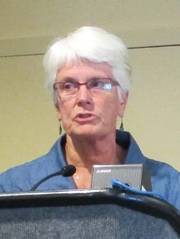
The majority of otherwise normal children with epilepsy have complex partial seizures, or focal seizures with secondary generalization, said Dr. Camfield, professor of pediatrics at Dalhousie University Medical School in Halifax, N.S. "Typically they don’t have a specific epilepsy syndrome at the time of diagnosis, and the overall remission rates are high in those with normal intelligence." However, she said, only a few studies have examined the long-term social and psychological outcomes of these two specific seizure types.
Dr. Camfield attempted to do that by drawing on a subset of patients in the population-based Nova Scotia Childhood Epilepsy Study. The study includes 692 adults who were diagnosed with epilepsy during 1977-1985. Some of the patients now have more than 30 years of follow-up data.
Dr. Camfield’s subanalysis of the study included 57 patients with focal epilepsy who had secondary generalized seizures and 88 who had partial complex seizures with or without secondary generalization. The patients had onset of epilepsy at an average age of 7 years and were followed for an average of nearly 28 years. All had normal intelligence and normal neurologic exams at the last follow-up visit.
Overall, patients with only secondary generalization (SecGen) had significantly better long-term physical and psychosocial health than did those with partial complex seizures (PCS), Dr. Camfield said.
SecGen patients had significantly better seizure outcome than did PCS patients. Most of the SecGen patients (97%) had at least one 5-year seizure-free period, compared with 64% of the PCS patients. This was highly statistically significant, with a P value of .00005. "We have never seen P values like this in any of our studies [on this group]," she noted.
While most patients in both groups were seizure free at the last follow-up, the rate was significantly higher in the SecGen group than in the PCS group (98% vs. 68%). Likewise, terminal remission – defined as being seizure free and off all antiepileptic drugs – was significantly more common among the SecGen group (82% vs. 44%).
"This [seizure type] should be a red flag to get these children intensive medical and social interventions."
The SecGen group also was significantly less likely to have intractable epilepsy and to have undergone epilepsy surgery, or either alone (5% vs. 38%).
The group with PCS also had significantly worse psychosocial outcomes than did the SecGen group. Although all had normal intelligence, 44% of the PCS group had a diagnosed learning disorder, 55% had repeated a grade in school, and 90% had undergone neuropsychological testing, either at the medical center or in the school system.
Significantly more of the PCS patients had visited a psychiatrist or psychologist, and had a diagnosed psychiatric disorder (64% vs. 26%).
"Marriage is also considered a good outcome," Dr. Camfield said. "In the SecGen group, 44% were married by age 34, significantly more than 27% of the PCS group."
"If otherwise normal children with a focal epilepsy have complex partial seizures, their progress over the next 25 years is ominous, compared with the relatively carefree outlook for those with secondary generalized seizures only," she said.
Dr. Camfield had no financial disclosures.
BALTIMORE – Children with complex partial seizures more often had long-term social, psychiatric, and school challenges and worse seizure outcomes than did children with only secondarily generalized seizures in a subanalysis of patients in a population-based cohort study.
"At least 50% of those with complex partial seizures have difficult-to-control seizures without remission, and up to 70% have poor social and school success and significant psychiatric and social comorbidity," Dr. Carol Camfield said at the annual meeting of the American Epilepsy Society. "This [seizure type] should be a red flag to get these children intensive medical and social interventions."
The majority of otherwise normal children with epilepsy have complex partial seizures, or focal seizures with secondary generalization, said Dr. Camfield, professor of pediatrics at Dalhousie University Medical School in Halifax, N.S. "Typically they don’t have a specific epilepsy syndrome at the time of diagnosis, and the overall remission rates are high in those with normal intelligence." However, she said, only a few studies have examined the long-term social and psychological outcomes of these two specific seizure types.
Dr. Camfield attempted to do that by drawing on a subset of patients in the population-based Nova Scotia Childhood Epilepsy Study. The study includes 692 adults who were diagnosed with epilepsy during 1977-1985. Some of the patients now have more than 30 years of follow-up data.
Dr. Camfield’s subanalysis of the study included 57 patients with focal epilepsy who had secondary generalized seizures and 88 who had partial complex seizures with or without secondary generalization. The patients had onset of epilepsy at an average age of 7 years and were followed for an average of nearly 28 years. All had normal intelligence and normal neurologic exams at the last follow-up visit.
Overall, patients with only secondary generalization (SecGen) had significantly better long-term physical and psychosocial health than did those with partial complex seizures (PCS), Dr. Camfield said.
SecGen patients had significantly better seizure outcome than did PCS patients. Most of the SecGen patients (97%) had at least one 5-year seizure-free period, compared with 64% of the PCS patients. This was highly statistically significant, with a P value of .00005. "We have never seen P values like this in any of our studies [on this group]," she noted.
While most patients in both groups were seizure free at the last follow-up, the rate was significantly higher in the SecGen group than in the PCS group (98% vs. 68%). Likewise, terminal remission – defined as being seizure free and off all antiepileptic drugs – was significantly more common among the SecGen group (82% vs. 44%).
"This [seizure type] should be a red flag to get these children intensive medical and social interventions."
The SecGen group also was significantly less likely to have intractable epilepsy and to have undergone epilepsy surgery, or either alone (5% vs. 38%).
The group with PCS also had significantly worse psychosocial outcomes than did the SecGen group. Although all had normal intelligence, 44% of the PCS group had a diagnosed learning disorder, 55% had repeated a grade in school, and 90% had undergone neuropsychological testing, either at the medical center or in the school system.
Significantly more of the PCS patients had visited a psychiatrist or psychologist, and had a diagnosed psychiatric disorder (64% vs. 26%).
"Marriage is also considered a good outcome," Dr. Camfield said. "In the SecGen group, 44% were married by age 34, significantly more than 27% of the PCS group."
"If otherwise normal children with a focal epilepsy have complex partial seizures, their progress over the next 25 years is ominous, compared with the relatively carefree outlook for those with secondary generalized seizures only," she said.
Dr. Camfield had no financial disclosures.
BALTIMORE – Children with complex partial seizures more often had long-term social, psychiatric, and school challenges and worse seizure outcomes than did children with only secondarily generalized seizures in a subanalysis of patients in a population-based cohort study.
"At least 50% of those with complex partial seizures have difficult-to-control seizures without remission, and up to 70% have poor social and school success and significant psychiatric and social comorbidity," Dr. Carol Camfield said at the annual meeting of the American Epilepsy Society. "This [seizure type] should be a red flag to get these children intensive medical and social interventions."
The majority of otherwise normal children with epilepsy have complex partial seizures, or focal seizures with secondary generalization, said Dr. Camfield, professor of pediatrics at Dalhousie University Medical School in Halifax, N.S. "Typically they don’t have a specific epilepsy syndrome at the time of diagnosis, and the overall remission rates are high in those with normal intelligence." However, she said, only a few studies have examined the long-term social and psychological outcomes of these two specific seizure types.
Dr. Camfield attempted to do that by drawing on a subset of patients in the population-based Nova Scotia Childhood Epilepsy Study. The study includes 692 adults who were diagnosed with epilepsy during 1977-1985. Some of the patients now have more than 30 years of follow-up data.
Dr. Camfield’s subanalysis of the study included 57 patients with focal epilepsy who had secondary generalized seizures and 88 who had partial complex seizures with or without secondary generalization. The patients had onset of epilepsy at an average age of 7 years and were followed for an average of nearly 28 years. All had normal intelligence and normal neurologic exams at the last follow-up visit.
Overall, patients with only secondary generalization (SecGen) had significantly better long-term physical and psychosocial health than did those with partial complex seizures (PCS), Dr. Camfield said.
SecGen patients had significantly better seizure outcome than did PCS patients. Most of the SecGen patients (97%) had at least one 5-year seizure-free period, compared with 64% of the PCS patients. This was highly statistically significant, with a P value of .00005. "We have never seen P values like this in any of our studies [on this group]," she noted.
While most patients in both groups were seizure free at the last follow-up, the rate was significantly higher in the SecGen group than in the PCS group (98% vs. 68%). Likewise, terminal remission – defined as being seizure free and off all antiepileptic drugs – was significantly more common among the SecGen group (82% vs. 44%).
"This [seizure type] should be a red flag to get these children intensive medical and social interventions."
The SecGen group also was significantly less likely to have intractable epilepsy and to have undergone epilepsy surgery, or either alone (5% vs. 38%).
The group with PCS also had significantly worse psychosocial outcomes than did the SecGen group. Although all had normal intelligence, 44% of the PCS group had a diagnosed learning disorder, 55% had repeated a grade in school, and 90% had undergone neuropsychological testing, either at the medical center or in the school system.
Significantly more of the PCS patients had visited a psychiatrist or psychologist, and had a diagnosed psychiatric disorder (64% vs. 26%).
"Marriage is also considered a good outcome," Dr. Camfield said. "In the SecGen group, 44% were married by age 34, significantly more than 27% of the PCS group."
"If otherwise normal children with a focal epilepsy have complex partial seizures, their progress over the next 25 years is ominous, compared with the relatively carefree outlook for those with secondary generalized seizures only," she said.
Dr. Camfield had no financial disclosures.
FROM THE ANNUAL MEETING OF THE AMERICAN EPILEPSY SOCIETY
Major Finding: At least half of patients with complex partial seizures had difficult-to-control seizures and up to 70% had poor social and school success and significant psychiatric comorbidity after a mean follow-up period of 28 years.
Data Source: A subanalysis of 145 adults in the population-based Nova Scotia Childhood Epilepsy Study.
Disclosures: Dr. Camfield had no financial disclosures.
Screening May Catch Autism in Kids With Epilepsy
BALTIMORE – All young children with epilepsy should also undergo screening for autism spectrum disorders and developmental delay, a study has shown.
In a pair of pediatric epilepsy units, 77% of children screened positive for development delay, and 36% screened positive for autism. About one-third of those children were previously undiagnosed.
Because the conditions often occur concurrently, a screening of children 5 years and younger can make a life-changing difference, Anne Berg, Ph.D., said at the annual meeting of the American Epilepsy Society.
"Our hope is that we can begin catching these problems earlier to get beneficial interventions in place, which, hopefully, will lead to better long-term outcomes for these children," she said at a press briefing.
Dr Berg of Children’s Memorial Hospital, Chicago, said that allied health professionals are well positioned to take charge of a screening program, leaving physicians free to concentrate on the children’s medical needs.
"We suspect that pediatricians are following the American Academy of Pediatrics guidelines and getting these children to neurologists, but once the children arrive, the pediatricians think the neurologist will do the screening," Dr. Berg noted. However, "the neurologist assumes the pediatrician has done the screening. Other professionals, like nurse practitioners and child development specialists, can help to fill in that gap."
Pediatric nurse practitioners Catherine Dezort and Breanne Fisher, also of Children’s Memorial, undertook the study along with Dr Berg. They examined developmental status in 44 children with epilepsy who were seen at the hospital’s ketogenic diet clinic or EEG monitoring unit.
All of the children were younger than 5 years; the mean age was 31 months. Most (32) were established patients, and the remainder were new-onset epilepsy patients who had the screening done as part of their first epilepsy unit visit. The patients were divided equally between boys and girls.
Parents were asked to complete the Ages and Stages Questionnaires, a developmental assessment, and the Modified Checklist for Autism in Toddlers. "We were struck by the number of young children with cognitive, behavioral, and social deficits [along with epilepsy] in these units," Ms. Dezort said.
Of the 34 children with a positive developmental screen, 26 had delay in at least one area of communication, 28 had a gross motor delay, and 31 had a fine motor delay. A problem-solving or personal-social delay was seen in 25 children.
Sixteen also screened positive for an autism spectrum disorder. "However, 12 of these scored positive for autism because of their underlying developmental status," Ms. Fisher said. Only four were actually referred for further autism evaluation.
"Autism screening should be interpreted carefully, keeping in mind the child’s underlying neurological status," she added, because some children display autisticlike behaviors that are actually related to a seizure disorder.
Autism occurred concurrently with at least one type of delay; no children screened positive for autism alone.
The researchers also found that 38% of established patents and 33% of the new patients with either positive screen were not getting adequate – or, in some cases, any – supportive services, Ms. Fisher said.
"We made referrals for further evaluations, and now all of them are getting services," she said. Referrals included physical therapy; speech therapy; occupational therapy; psychiatric services – including psychiatrists, psychologists, and social workers – or an educational specialist.
The study provides a workable model for early identification and intervention, Ms. Dezort said.
"We would recommend that everyone up to 18 years old [with an epilepsy diagnosis] be screened and treated," she said. "In fact, we’re now screening all of our new patients for behavioral, cognitive, and psychiatric comorbidities, and we’re looking at ways to increase screening in all of our epilepsy patients, not just those who come to our clinics.
"We think screening is an excellent role for allied health professionals and an excellent, easily adaptable model for other settings," Ms. Dezort added.
None of the investigators reported any relevant financial disclosures.
BALTIMORE – All young children with epilepsy should also undergo screening for autism spectrum disorders and developmental delay, a study has shown.
In a pair of pediatric epilepsy units, 77% of children screened positive for development delay, and 36% screened positive for autism. About one-third of those children were previously undiagnosed.
Because the conditions often occur concurrently, a screening of children 5 years and younger can make a life-changing difference, Anne Berg, Ph.D., said at the annual meeting of the American Epilepsy Society.
"Our hope is that we can begin catching these problems earlier to get beneficial interventions in place, which, hopefully, will lead to better long-term outcomes for these children," she said at a press briefing.
Dr Berg of Children’s Memorial Hospital, Chicago, said that allied health professionals are well positioned to take charge of a screening program, leaving physicians free to concentrate on the children’s medical needs.
"We suspect that pediatricians are following the American Academy of Pediatrics guidelines and getting these children to neurologists, but once the children arrive, the pediatricians think the neurologist will do the screening," Dr. Berg noted. However, "the neurologist assumes the pediatrician has done the screening. Other professionals, like nurse practitioners and child development specialists, can help to fill in that gap."
Pediatric nurse practitioners Catherine Dezort and Breanne Fisher, also of Children’s Memorial, undertook the study along with Dr Berg. They examined developmental status in 44 children with epilepsy who were seen at the hospital’s ketogenic diet clinic or EEG monitoring unit.
All of the children were younger than 5 years; the mean age was 31 months. Most (32) were established patients, and the remainder were new-onset epilepsy patients who had the screening done as part of their first epilepsy unit visit. The patients were divided equally between boys and girls.
Parents were asked to complete the Ages and Stages Questionnaires, a developmental assessment, and the Modified Checklist for Autism in Toddlers. "We were struck by the number of young children with cognitive, behavioral, and social deficits [along with epilepsy] in these units," Ms. Dezort said.
Of the 34 children with a positive developmental screen, 26 had delay in at least one area of communication, 28 had a gross motor delay, and 31 had a fine motor delay. A problem-solving or personal-social delay was seen in 25 children.
Sixteen also screened positive for an autism spectrum disorder. "However, 12 of these scored positive for autism because of their underlying developmental status," Ms. Fisher said. Only four were actually referred for further autism evaluation.
"Autism screening should be interpreted carefully, keeping in mind the child’s underlying neurological status," she added, because some children display autisticlike behaviors that are actually related to a seizure disorder.
Autism occurred concurrently with at least one type of delay; no children screened positive for autism alone.
The researchers also found that 38% of established patents and 33% of the new patients with either positive screen were not getting adequate – or, in some cases, any – supportive services, Ms. Fisher said.
"We made referrals for further evaluations, and now all of them are getting services," she said. Referrals included physical therapy; speech therapy; occupational therapy; psychiatric services – including psychiatrists, psychologists, and social workers – or an educational specialist.
The study provides a workable model for early identification and intervention, Ms. Dezort said.
"We would recommend that everyone up to 18 years old [with an epilepsy diagnosis] be screened and treated," she said. "In fact, we’re now screening all of our new patients for behavioral, cognitive, and psychiatric comorbidities, and we’re looking at ways to increase screening in all of our epilepsy patients, not just those who come to our clinics.
"We think screening is an excellent role for allied health professionals and an excellent, easily adaptable model for other settings," Ms. Dezort added.
None of the investigators reported any relevant financial disclosures.
BALTIMORE – All young children with epilepsy should also undergo screening for autism spectrum disorders and developmental delay, a study has shown.
In a pair of pediatric epilepsy units, 77% of children screened positive for development delay, and 36% screened positive for autism. About one-third of those children were previously undiagnosed.
Because the conditions often occur concurrently, a screening of children 5 years and younger can make a life-changing difference, Anne Berg, Ph.D., said at the annual meeting of the American Epilepsy Society.
"Our hope is that we can begin catching these problems earlier to get beneficial interventions in place, which, hopefully, will lead to better long-term outcomes for these children," she said at a press briefing.
Dr Berg of Children’s Memorial Hospital, Chicago, said that allied health professionals are well positioned to take charge of a screening program, leaving physicians free to concentrate on the children’s medical needs.
"We suspect that pediatricians are following the American Academy of Pediatrics guidelines and getting these children to neurologists, but once the children arrive, the pediatricians think the neurologist will do the screening," Dr. Berg noted. However, "the neurologist assumes the pediatrician has done the screening. Other professionals, like nurse practitioners and child development specialists, can help to fill in that gap."
Pediatric nurse practitioners Catherine Dezort and Breanne Fisher, also of Children’s Memorial, undertook the study along with Dr Berg. They examined developmental status in 44 children with epilepsy who were seen at the hospital’s ketogenic diet clinic or EEG monitoring unit.
All of the children were younger than 5 years; the mean age was 31 months. Most (32) were established patients, and the remainder were new-onset epilepsy patients who had the screening done as part of their first epilepsy unit visit. The patients were divided equally between boys and girls.
Parents were asked to complete the Ages and Stages Questionnaires, a developmental assessment, and the Modified Checklist for Autism in Toddlers. "We were struck by the number of young children with cognitive, behavioral, and social deficits [along with epilepsy] in these units," Ms. Dezort said.
Of the 34 children with a positive developmental screen, 26 had delay in at least one area of communication, 28 had a gross motor delay, and 31 had a fine motor delay. A problem-solving or personal-social delay was seen in 25 children.
Sixteen also screened positive for an autism spectrum disorder. "However, 12 of these scored positive for autism because of their underlying developmental status," Ms. Fisher said. Only four were actually referred for further autism evaluation.
"Autism screening should be interpreted carefully, keeping in mind the child’s underlying neurological status," she added, because some children display autisticlike behaviors that are actually related to a seizure disorder.
Autism occurred concurrently with at least one type of delay; no children screened positive for autism alone.
The researchers also found that 38% of established patents and 33% of the new patients with either positive screen were not getting adequate – or, in some cases, any – supportive services, Ms. Fisher said.
"We made referrals for further evaluations, and now all of them are getting services," she said. Referrals included physical therapy; speech therapy; occupational therapy; psychiatric services – including psychiatrists, psychologists, and social workers – or an educational specialist.
The study provides a workable model for early identification and intervention, Ms. Dezort said.
"We would recommend that everyone up to 18 years old [with an epilepsy diagnosis] be screened and treated," she said. "In fact, we’re now screening all of our new patients for behavioral, cognitive, and psychiatric comorbidities, and we’re looking at ways to increase screening in all of our epilepsy patients, not just those who come to our clinics.
"We think screening is an excellent role for allied health professionals and an excellent, easily adaptable model for other settings," Ms. Dezort added.
None of the investigators reported any relevant financial disclosures.
FROM THE ANNUAL MEETING OF THE AMERICAN EPILEPSY SOCIETY
Major Finding: Among 44 children in an epilepsy center, 77% had some sort of developmental delay, and 36% screened positive for autism.
Data Source: A prospective screening study of 44 children seen in one hospital’s EEG monitoring unit and ketogenic diet unit.
Disclosures: None of the investigators reported any relevant financial disclosures.
Most Elderly 90+ Dependent on Government Programs
The long-term effects of gender, racial, and income disparities in access to health care in the United States can be seen in full magnification within the nation’s most rapidly growing population: Those adults who live into their 90s.
Whites are by far the majority of the 90+ group. They are living longer than any other racial or ethnic group in the country, and they posses the highest level of education and the greatest financial security. Despite these differences, virtually all the oldest of the old depend on government programs, including Medicaid and Social Security, according to a new report issued by the United States Census Bureau.
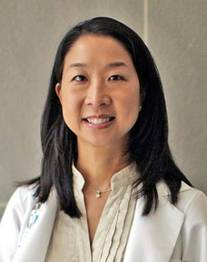
The report, "90+ in the United States: 2006-2008" illustrates the disparities that inevitably affect health and longevity, according to Dr. Audrey Chun, director of the Martha Stewart Center for Living at Mount Sinai Hospital in New York. The disparities at 90 years of age, "really do reflect what’s been going on with minorities across all health care issues in all stages of life," she said in an interview. "It’s a multifactorial and complex problem. Part may be due to ethnicity, part to economic status, education, illiteracy, and employment, which all affect the ability to save [money] over a lifetime. These effects certainly continue into a person’s 90s," said Dr. Chun who did not play a role in producing the report.
Data mined from the 2006-2008 American Community Survey (ACS) indicate that the 90+ population will continue to grow both in size and proportion of the country’s elders. In 1980, there were about 720,000 people in the country aged 90 years or older; by 2010, that figure had grown to nearly 2 million.
And the total number of the over-90 population is expected to more than quadruple from 2010 to 2050, compared to a doubling of the population aged 65 to 89 years, the report said.
The numbers reflect significant gains in the life expectancy: In 1931, those who reached age 65 years could expect to live another 12 years. By 2006, that figure rose to 18 years. "Today, a person 90 years of age is expected to live on average another 4.6 years (vs. 3.2 years in 1931), and those who pass the century mark are projected to live another 2.3 years."
However, the gains vary widely by gender and ethnic/racial groups. Women made up about 75% of the 90+ citizens, with 100 women for every 35 men, the report said.
"The impact of the higher male mortality is seen in the considerable differences in marital status between men and women," the report said. "About half of the men aged 90 and over were widowers, while 43% of them were married. In stark contrast, [84%] of women aged 90 and over were widows and [only 6%]) were married.
That women are outliving men is no surprise, Dr. Chun said. "Part of it is that women live healthier lifestyles. They don’t smoke as much as men, for example. In their youth, these women also were not exposed to dangerous jobs or other risky behaviors, and those without those risks simply live longer."
Psychosocial factors also play a part, she said. "Women are more socially engaged and tend to build more networks of family and friends," which positively affect long-term survival. "For all those reasons, women tend to do better than men."
Less than a third of the men were living alone, compared with 40% of the women. Half the men lived with family members or unrelated individuals, and about 15% were in nursing homes. About 31% of women lived with family and 28% in an institutional facility. Asians and Hispanics were most likely to stay with their extended families.
Among those in their 90s, whites dominated the group, composing 88%, with blacks representing 8%, Hispanics 4%, and Asians 2%. The discrepancy in the total umber (102%) reflects the tendency of Hispanics to identify with other groups.
Whites also had the edge in education, a prime factor affecting health care and lifespan, the report said. "Education is linked to many aspects of a person’s well-being, and people with higher education tend to have lower mortality rates and better overall health than their less-educated counterparts as they are more likely to have better jobs and living conditions and more likely to have healthy behavior and utilize health care," the report noted.
Fifteen percent of whites aged 90 years and older reported have at least some college education – more than double the rates among all other racial/ethnic groups. But the educational difference between men and women was slight. Overall, 15% of men and 14% of women reported some college.
Social Security payments made up almost half of the group’s income. In 2006-2008, about 15% lived in poverty, 81% of whom were women. This translates to 16% of women and 10% of men aged 90 years and older living in poverty.
Whites were most financially secure, with the lowest poverty rate (13%). The rate was 16% for Asians, 21% for Hispanics, and 25% for blacks.
Most (85%) of the sample reported some type of disability, from sight problems (24% of noninstitutionalized elders) to difficulties with doing errands, including visiting the doctor (60% of the noninstitutionalized group). Those living in nursing homes were much more likely to have a disability than were those living independently (98% vs. 81%).
"We talk about ‘compression of morbidity,’ which means keeping healthy as long as possible until you simply drop dead on a certain day," Dr. Chun said. "We have not yet compressed morbidity to the point that we can continue to live fully until that given day. There is often a long period of multimorbidity that can occur in the 90s, and we need to invest in ways to reduce that."
The report also noted the degree to which these elders relied on government health care services. "Almost everyone (99.5%) was covered by health insurance ... 99% had Medicare coverage and 28% also received Medicaid benefits in 2008."
Government entitlement services have "a huge impact" on health care access and quality of life for the oldest old, and will continue to do so as the baby boomers age into their 90s, Dr. Chun said. "To take away or change these entitlements will [have] a big impact on health care and people’s access to health. Right now, most of our elderly are able to get good medical care in most areas of the country." Changes in the way these programs are run, however, could alter their health and maybe even life expectancy, she said.
"The policy challenge that lies ahead is how to provide cost-effective ways for our older adults to get the best care. This might mean keeping them out of the hospital by coordinating care and allowing them to stay at home, living with dignity and comfort. But this has to be thoughtfully considered. There are better ways to deal with the problem than by throwing money at it heedlessly or by taking things away without considering the long-term implications,"
Dr. Chun reported no financial conflicts of interest.
The long-term effects of gender, racial, and income disparities in access to health care in the United States can be seen in full magnification within the nation’s most rapidly growing population: Those adults who live into their 90s.
Whites are by far the majority of the 90+ group. They are living longer than any other racial or ethnic group in the country, and they posses the highest level of education and the greatest financial security. Despite these differences, virtually all the oldest of the old depend on government programs, including Medicaid and Social Security, according to a new report issued by the United States Census Bureau.
The report, "90+ in the United States: 2006-2008" illustrates the disparities that inevitably affect health and longevity, according to Dr. Audrey Chun, director of the Martha Stewart Center for Living at Mount Sinai Hospital in New York. The disparities at 90 years of age, "really do reflect what’s been going on with minorities across all health care issues in all stages of life," she said in an interview. "It’s a multifactorial and complex problem. Part may be due to ethnicity, part to economic status, education, illiteracy, and employment, which all affect the ability to save [money] over a lifetime. These effects certainly continue into a person’s 90s," said Dr. Chun who did not play a role in producing the report.
Data mined from the 2006-2008 American Community Survey (ACS) indicate that the 90+ population will continue to grow both in size and proportion of the country’s elders. In 1980, there were about 720,000 people in the country aged 90 years or older; by 2010, that figure had grown to nearly 2 million.
And the total number of the over-90 population is expected to more than quadruple from 2010 to 2050, compared to a doubling of the population aged 65 to 89 years, the report said.
The numbers reflect significant gains in the life expectancy: In 1931, those who reached age 65 years could expect to live another 12 years. By 2006, that figure rose to 18 years. "Today, a person 90 years of age is expected to live on average another 4.6 years (vs. 3.2 years in 1931), and those who pass the century mark are projected to live another 2.3 years."
However, the gains vary widely by gender and ethnic/racial groups. Women made up about 75% of the 90+ citizens, with 100 women for every 35 men, the report said.
"The impact of the higher male mortality is seen in the considerable differences in marital status between men and women," the report said. "About half of the men aged 90 and over were widowers, while 43% of them were married. In stark contrast, [84%] of women aged 90 and over were widows and [only 6%]) were married.
That women are outliving men is no surprise, Dr. Chun said. "Part of it is that women live healthier lifestyles. They don’t smoke as much as men, for example. In their youth, these women also were not exposed to dangerous jobs or other risky behaviors, and those without those risks simply live longer."
Psychosocial factors also play a part, she said. "Women are more socially engaged and tend to build more networks of family and friends," which positively affect long-term survival. "For all those reasons, women tend to do better than men."
Less than a third of the men were living alone, compared with 40% of the women. Half the men lived with family members or unrelated individuals, and about 15% were in nursing homes. About 31% of women lived with family and 28% in an institutional facility. Asians and Hispanics were most likely to stay with their extended families.
Among those in their 90s, whites dominated the group, composing 88%, with blacks representing 8%, Hispanics 4%, and Asians 2%. The discrepancy in the total umber (102%) reflects the tendency of Hispanics to identify with other groups.
Whites also had the edge in education, a prime factor affecting health care and lifespan, the report said. "Education is linked to many aspects of a person’s well-being, and people with higher education tend to have lower mortality rates and better overall health than their less-educated counterparts as they are more likely to have better jobs and living conditions and more likely to have healthy behavior and utilize health care," the report noted.
Fifteen percent of whites aged 90 years and older reported have at least some college education – more than double the rates among all other racial/ethnic groups. But the educational difference between men and women was slight. Overall, 15% of men and 14% of women reported some college.
Social Security payments made up almost half of the group’s income. In 2006-2008, about 15% lived in poverty, 81% of whom were women. This translates to 16% of women and 10% of men aged 90 years and older living in poverty.
Whites were most financially secure, with the lowest poverty rate (13%). The rate was 16% for Asians, 21% for Hispanics, and 25% for blacks.
Most (85%) of the sample reported some type of disability, from sight problems (24% of noninstitutionalized elders) to difficulties with doing errands, including visiting the doctor (60% of the noninstitutionalized group). Those living in nursing homes were much more likely to have a disability than were those living independently (98% vs. 81%).
"We talk about ‘compression of morbidity,’ which means keeping healthy as long as possible until you simply drop dead on a certain day," Dr. Chun said. "We have not yet compressed morbidity to the point that we can continue to live fully until that given day. There is often a long period of multimorbidity that can occur in the 90s, and we need to invest in ways to reduce that."
The report also noted the degree to which these elders relied on government health care services. "Almost everyone (99.5%) was covered by health insurance ... 99% had Medicare coverage and 28% also received Medicaid benefits in 2008."
Government entitlement services have "a huge impact" on health care access and quality of life for the oldest old, and will continue to do so as the baby boomers age into their 90s, Dr. Chun said. "To take away or change these entitlements will [have] a big impact on health care and people’s access to health. Right now, most of our elderly are able to get good medical care in most areas of the country." Changes in the way these programs are run, however, could alter their health and maybe even life expectancy, she said.
"The policy challenge that lies ahead is how to provide cost-effective ways for our older adults to get the best care. This might mean keeping them out of the hospital by coordinating care and allowing them to stay at home, living with dignity and comfort. But this has to be thoughtfully considered. There are better ways to deal with the problem than by throwing money at it heedlessly or by taking things away without considering the long-term implications,"
Dr. Chun reported no financial conflicts of interest.
The long-term effects of gender, racial, and income disparities in access to health care in the United States can be seen in full magnification within the nation’s most rapidly growing population: Those adults who live into their 90s.
Whites are by far the majority of the 90+ group. They are living longer than any other racial or ethnic group in the country, and they posses the highest level of education and the greatest financial security. Despite these differences, virtually all the oldest of the old depend on government programs, including Medicaid and Social Security, according to a new report issued by the United States Census Bureau.
The report, "90+ in the United States: 2006-2008" illustrates the disparities that inevitably affect health and longevity, according to Dr. Audrey Chun, director of the Martha Stewart Center for Living at Mount Sinai Hospital in New York. The disparities at 90 years of age, "really do reflect what’s been going on with minorities across all health care issues in all stages of life," she said in an interview. "It’s a multifactorial and complex problem. Part may be due to ethnicity, part to economic status, education, illiteracy, and employment, which all affect the ability to save [money] over a lifetime. These effects certainly continue into a person’s 90s," said Dr. Chun who did not play a role in producing the report.
Data mined from the 2006-2008 American Community Survey (ACS) indicate that the 90+ population will continue to grow both in size and proportion of the country’s elders. In 1980, there were about 720,000 people in the country aged 90 years or older; by 2010, that figure had grown to nearly 2 million.
And the total number of the over-90 population is expected to more than quadruple from 2010 to 2050, compared to a doubling of the population aged 65 to 89 years, the report said.
The numbers reflect significant gains in the life expectancy: In 1931, those who reached age 65 years could expect to live another 12 years. By 2006, that figure rose to 18 years. "Today, a person 90 years of age is expected to live on average another 4.6 years (vs. 3.2 years in 1931), and those who pass the century mark are projected to live another 2.3 years."
However, the gains vary widely by gender and ethnic/racial groups. Women made up about 75% of the 90+ citizens, with 100 women for every 35 men, the report said.
"The impact of the higher male mortality is seen in the considerable differences in marital status between men and women," the report said. "About half of the men aged 90 and over were widowers, while 43% of them were married. In stark contrast, [84%] of women aged 90 and over were widows and [only 6%]) were married.
That women are outliving men is no surprise, Dr. Chun said. "Part of it is that women live healthier lifestyles. They don’t smoke as much as men, for example. In their youth, these women also were not exposed to dangerous jobs or other risky behaviors, and those without those risks simply live longer."
Psychosocial factors also play a part, she said. "Women are more socially engaged and tend to build more networks of family and friends," which positively affect long-term survival. "For all those reasons, women tend to do better than men."
Less than a third of the men were living alone, compared with 40% of the women. Half the men lived with family members or unrelated individuals, and about 15% were in nursing homes. About 31% of women lived with family and 28% in an institutional facility. Asians and Hispanics were most likely to stay with their extended families.
Among those in their 90s, whites dominated the group, composing 88%, with blacks representing 8%, Hispanics 4%, and Asians 2%. The discrepancy in the total umber (102%) reflects the tendency of Hispanics to identify with other groups.
Whites also had the edge in education, a prime factor affecting health care and lifespan, the report said. "Education is linked to many aspects of a person’s well-being, and people with higher education tend to have lower mortality rates and better overall health than their less-educated counterparts as they are more likely to have better jobs and living conditions and more likely to have healthy behavior and utilize health care," the report noted.
Fifteen percent of whites aged 90 years and older reported have at least some college education – more than double the rates among all other racial/ethnic groups. But the educational difference between men and women was slight. Overall, 15% of men and 14% of women reported some college.
Social Security payments made up almost half of the group’s income. In 2006-2008, about 15% lived in poverty, 81% of whom were women. This translates to 16% of women and 10% of men aged 90 years and older living in poverty.
Whites were most financially secure, with the lowest poverty rate (13%). The rate was 16% for Asians, 21% for Hispanics, and 25% for blacks.
Most (85%) of the sample reported some type of disability, from sight problems (24% of noninstitutionalized elders) to difficulties with doing errands, including visiting the doctor (60% of the noninstitutionalized group). Those living in nursing homes were much more likely to have a disability than were those living independently (98% vs. 81%).
"We talk about ‘compression of morbidity,’ which means keeping healthy as long as possible until you simply drop dead on a certain day," Dr. Chun said. "We have not yet compressed morbidity to the point that we can continue to live fully until that given day. There is often a long period of multimorbidity that can occur in the 90s, and we need to invest in ways to reduce that."
The report also noted the degree to which these elders relied on government health care services. "Almost everyone (99.5%) was covered by health insurance ... 99% had Medicare coverage and 28% also received Medicaid benefits in 2008."
Government entitlement services have "a huge impact" on health care access and quality of life for the oldest old, and will continue to do so as the baby boomers age into their 90s, Dr. Chun said. "To take away or change these entitlements will [have] a big impact on health care and people’s access to health. Right now, most of our elderly are able to get good medical care in most areas of the country." Changes in the way these programs are run, however, could alter their health and maybe even life expectancy, she said.
"The policy challenge that lies ahead is how to provide cost-effective ways for our older adults to get the best care. This might mean keeping them out of the hospital by coordinating care and allowing them to stay at home, living with dignity and comfort. But this has to be thoughtfully considered. There are better ways to deal with the problem than by throwing money at it heedlessly or by taking things away without considering the long-term implications,"
Dr. Chun reported no financial conflicts of interest.
Autistic Teens With Epilepsy May Have Abnormal Photosensitivity
BALTIMORE – Nearly one-third of older teens with autism spectrum disorders and comorbid epilepsy also had a brain wave pattern associated with seizure-related light sensitivity.
The interictal EEGs of these teenagers showed a photoparoxysmal response to a flashing strobe light, Dr. Jill Miller-Horn said at the annual meeting of the American Epilepsy Society. The incidence of photoparoxysmal response sharply increased with age, she said – a finding that could speak to environmental factors that influence this EEG patterns in children with autism.
"By age 15, this response [to a strobe light] had skyrocketed to a high degree," Dr. Miller-Horn said in a press briefing. The finding rose to 30% among teens older than 15 years.
The meaning of this association is yet to be determined, but it may speak to environmental factors, such as exposure to television or video programs, computer screens, or even the classic hand-flapping behavior of autism that can mimic a flickering light, she said. Children with the photosensitive response might be more apt to have a seizure when exposed to any of these factors, or a rapidly shifting light and shadow.
In fact, about half of the group (7 of 13) also displayed a behavior that could be associated with flickering light, including eyelid flutter, hand flapping, prolonged blink and eye closure, and eyelid fluttering.
The retrospective study by the Children’s Hospital Boston researchers involved 206 children with autism; of these, 118 also had epilepsy. Most (117) underwent intermittent photic stimulation EEG between seizures. A photoparoxysmal response (PPR) occurred in 13 children (11%).
Most of these children (11) had comorbid epilepsy: generalized tonic clonic seizures (5); myoclonic seizure (2); electrical status epilepticus of sleep (1); and atypical absence (1). Two children had complex partial seizures. Two did not have epilepsy but still displayed the abnormal interictal epileptiform brain activity. The PPR was more common in those with comorbid epilepsy than in those with autism alone (12% vs. 1%).
Dr. Miller-Horn examined the incidence of PPR in different age groups. It was most common among teens older than 15 years, occurring in 30% of those with comorbid autism and epilepsy. Among children aged 10-15 years, 10% of those with both disorders had a PPR. The response was present in 7% of children aged 6-9 years and 8% of those aged 0-5 years who had both disorders.
The rate was still unexpectedly high among children with only autism, and showed a similar age-related pattern: 25% of those older then 15 years; 7% of those aged 10-15 years; 5% of those aged 6-9 years; and 4% of those aged 0-5 years.
This finding has never been reported, and as such, doesn’t merit a recommendation to parents of children with autism and epilepsy. "It’s not enough to recommend that parents put any limitations [in TV, computer, or video viewing] on these children, she said. "We would need more research."
Dr. Miller-Horn said she had no relevant financial disclosures.
BALTIMORE – Nearly one-third of older teens with autism spectrum disorders and comorbid epilepsy also had a brain wave pattern associated with seizure-related light sensitivity.
The interictal EEGs of these teenagers showed a photoparoxysmal response to a flashing strobe light, Dr. Jill Miller-Horn said at the annual meeting of the American Epilepsy Society. The incidence of photoparoxysmal response sharply increased with age, she said – a finding that could speak to environmental factors that influence this EEG patterns in children with autism.
"By age 15, this response [to a strobe light] had skyrocketed to a high degree," Dr. Miller-Horn said in a press briefing. The finding rose to 30% among teens older than 15 years.
The meaning of this association is yet to be determined, but it may speak to environmental factors, such as exposure to television or video programs, computer screens, or even the classic hand-flapping behavior of autism that can mimic a flickering light, she said. Children with the photosensitive response might be more apt to have a seizure when exposed to any of these factors, or a rapidly shifting light and shadow.
In fact, about half of the group (7 of 13) also displayed a behavior that could be associated with flickering light, including eyelid flutter, hand flapping, prolonged blink and eye closure, and eyelid fluttering.
The retrospective study by the Children’s Hospital Boston researchers involved 206 children with autism; of these, 118 also had epilepsy. Most (117) underwent intermittent photic stimulation EEG between seizures. A photoparoxysmal response (PPR) occurred in 13 children (11%).
Most of these children (11) had comorbid epilepsy: generalized tonic clonic seizures (5); myoclonic seizure (2); electrical status epilepticus of sleep (1); and atypical absence (1). Two children had complex partial seizures. Two did not have epilepsy but still displayed the abnormal interictal epileptiform brain activity. The PPR was more common in those with comorbid epilepsy than in those with autism alone (12% vs. 1%).
Dr. Miller-Horn examined the incidence of PPR in different age groups. It was most common among teens older than 15 years, occurring in 30% of those with comorbid autism and epilepsy. Among children aged 10-15 years, 10% of those with both disorders had a PPR. The response was present in 7% of children aged 6-9 years and 8% of those aged 0-5 years who had both disorders.
The rate was still unexpectedly high among children with only autism, and showed a similar age-related pattern: 25% of those older then 15 years; 7% of those aged 10-15 years; 5% of those aged 6-9 years; and 4% of those aged 0-5 years.
This finding has never been reported, and as such, doesn’t merit a recommendation to parents of children with autism and epilepsy. "It’s not enough to recommend that parents put any limitations [in TV, computer, or video viewing] on these children, she said. "We would need more research."
Dr. Miller-Horn said she had no relevant financial disclosures.
BALTIMORE – Nearly one-third of older teens with autism spectrum disorders and comorbid epilepsy also had a brain wave pattern associated with seizure-related light sensitivity.
The interictal EEGs of these teenagers showed a photoparoxysmal response to a flashing strobe light, Dr. Jill Miller-Horn said at the annual meeting of the American Epilepsy Society. The incidence of photoparoxysmal response sharply increased with age, she said – a finding that could speak to environmental factors that influence this EEG patterns in children with autism.
"By age 15, this response [to a strobe light] had skyrocketed to a high degree," Dr. Miller-Horn said in a press briefing. The finding rose to 30% among teens older than 15 years.
The meaning of this association is yet to be determined, but it may speak to environmental factors, such as exposure to television or video programs, computer screens, or even the classic hand-flapping behavior of autism that can mimic a flickering light, she said. Children with the photosensitive response might be more apt to have a seizure when exposed to any of these factors, or a rapidly shifting light and shadow.
In fact, about half of the group (7 of 13) also displayed a behavior that could be associated with flickering light, including eyelid flutter, hand flapping, prolonged blink and eye closure, and eyelid fluttering.
The retrospective study by the Children’s Hospital Boston researchers involved 206 children with autism; of these, 118 also had epilepsy. Most (117) underwent intermittent photic stimulation EEG between seizures. A photoparoxysmal response (PPR) occurred in 13 children (11%).
Most of these children (11) had comorbid epilepsy: generalized tonic clonic seizures (5); myoclonic seizure (2); electrical status epilepticus of sleep (1); and atypical absence (1). Two children had complex partial seizures. Two did not have epilepsy but still displayed the abnormal interictal epileptiform brain activity. The PPR was more common in those with comorbid epilepsy than in those with autism alone (12% vs. 1%).
Dr. Miller-Horn examined the incidence of PPR in different age groups. It was most common among teens older than 15 years, occurring in 30% of those with comorbid autism and epilepsy. Among children aged 10-15 years, 10% of those with both disorders had a PPR. The response was present in 7% of children aged 6-9 years and 8% of those aged 0-5 years who had both disorders.
The rate was still unexpectedly high among children with only autism, and showed a similar age-related pattern: 25% of those older then 15 years; 7% of those aged 10-15 years; 5% of those aged 6-9 years; and 4% of those aged 0-5 years.
This finding has never been reported, and as such, doesn’t merit a recommendation to parents of children with autism and epilepsy. "It’s not enough to recommend that parents put any limitations [in TV, computer, or video viewing] on these children, she said. "We would need more research."
Dr. Miller-Horn said she had no relevant financial disclosures.
FROM THE ANNUAL MEETING OF THE AMERICAN EPILEPSY SOCIETY
Major Finding: Eleven percent of the children with both autism and epilepsy experienced a photoparoxysmal response. This response was particularly pronounced in older teens, affecting nearly one-third of them, with the incidence dropping sharply in younger groups.
Data Source: A retrospective study of 117 children with autism who underwent an EEG with intermittent photic stimulation.
Disclosures: Dr. Miller-Horn said she had no relevant financial disclosures.
Progesterone Quells Some Intractable Catamenial Seizures
BALTIMORE – Cyclical natural progesterone appears to reduce the frequency of catamenial seizures in some women, a placebo-controlled study has found.
Women with a large number of perimenstrually exacerbated seizures who used progesterone experienced a significant decrease in their number of catamenial seizures. The higher the seizure count, the stronger the association became, Dr. Andrew G. Herzog reported during the annual meeting of the American Epilepsy Society.
"As the level of perimenstrual seizure exacerbation increased, the responder rate for progesterone also increased, from 21% at the lowest number of seizures to 57% ... at the highest number," said Dr. Herzog, a neurologist at Beth Israel Deaconess Medical Center, Boston. "This was significant compared to a rate of 10% to 20% for those on placebo."
Studies suggest that about 40% of women with epilepsy experience this hormonally-mediated form. There are three types of catamenial seizure patterns. Women with type 1 experience a seizure exacerbation in the perimenstrual phase. Women with type 2 have an exacerbation around the time of ovulation, and those with type 3 can experience increased seizure frequency throughout the second half of the menstrual cycle.
The seizures are thought to be related to the rapid changes of estrogen and progesterone during the menstrual cycle. Both hormones act on the neurotransmitter gamma-aminobutyric acid (GABA). Estrogen, an excitatory hormone, seems to increase its release, while progesterone suppresses it. Progesterone may also interfere with the activity of benzodiazepine anticonvulsants, Dr. Herzog said.
The phase III study comprised 294 women with partial-onset epilepsy and intractable seizures. The investigators grouped them by catamenial (130) or noncatamenial (164) epilepsy.
Each group was then randomly assigned to placebo or to therapy with placebo or cyclical natural progesterone extracted from the soy plant. This was given in 200-mg lozenge form, with a dosage of one lozenge three times daily on cycle days 14-25, one-half of a lozenge three times daily from days 26-27, a quarter of a lozenge three times on day 28, and placebo treatment from day 29 through day 13 of the next cycle.
Overall, there was no significant difference between placebo and progesterone in the primary outcome of at least a 50% decrease in seizure count in patients with or without catamenial epilepsy, either by all seizure types or the most severe types of seizures. A 50% decrease in seizure count was considered a clinically meaningful difference.
But the results were much different in a prespecified secondary analysis that examined response according to the type of catamenial seizure pattern.
Among those with type 1 catamenial epilepsy, the responder rate was significantly greater in those taking progesterone. "As the level of perimenstrual seizure frequency increased compared to the mid-follicular and luteal seizure frequencies, the responder rate for those on progesterone went from 21% to 57%, while the placebo responder rates stayed between 10% and 20%," Dr. Herzog said.
In another multivariate analysis that controlled for demographics, type of epilepsy, use of antiepileptic drugs, and catamenial seizure pattern, progesterone decreased perimenstrual seizures by 25% to 71%. This improvement in response rate again varied by seizure frequency in the perimenstrual period, compared with frequency at other times in the menstrual cycle.
"Given that we found a significant benefit for progesterone among this group of women, the next question is, ‘How many would be candidates for progesterone therapy?’ "
The progesterone response rate was not significantly different from placebo if the perimenstrual seizure frequency was 69% greater than the rest of the menstrual cycle – the predetermined cutoff for type 1 catamenial epilepsy.
If the perimenstrual seizure frequency doubled in comparison with the rest of the cycle, about 34% of women with catamenial epilepsy could respond to progesterone. That is a statistically significant, but not clinically relevant, rate, Dr. Herzog said.
However, progesterone could be of great benefit to about one-fifth of the women who have three times more perimenstrual seizures, compared with the rest of their cycle. "About 37% of women with this level of catamenial epilepsy would likely experience this clinically important reduction in seizures," Dr. Herzog said.
Progesterone has no approved indication in any seizure disorder, but Dr. Herzog said he has been using it off-label for more than 20 years. An approval from the Food and Drug Administration for progesterone in catamenial epilepsy would require multiple studies confirming his results – an effort he is prepared to undertake.
"Of course, we need to have enough women with catamenial epilepsy and enough funding to do the studies," he said. "It’s something we are working on."
The study was funded by the National Institutes of Health. Dr. Herzog had no financial declarations.
BALTIMORE – Cyclical natural progesterone appears to reduce the frequency of catamenial seizures in some women, a placebo-controlled study has found.
Women with a large number of perimenstrually exacerbated seizures who used progesterone experienced a significant decrease in their number of catamenial seizures. The higher the seizure count, the stronger the association became, Dr. Andrew G. Herzog reported during the annual meeting of the American Epilepsy Society.
"As the level of perimenstrual seizure exacerbation increased, the responder rate for progesterone also increased, from 21% at the lowest number of seizures to 57% ... at the highest number," said Dr. Herzog, a neurologist at Beth Israel Deaconess Medical Center, Boston. "This was significant compared to a rate of 10% to 20% for those on placebo."
Studies suggest that about 40% of women with epilepsy experience this hormonally-mediated form. There are three types of catamenial seizure patterns. Women with type 1 experience a seizure exacerbation in the perimenstrual phase. Women with type 2 have an exacerbation around the time of ovulation, and those with type 3 can experience increased seizure frequency throughout the second half of the menstrual cycle.
The seizures are thought to be related to the rapid changes of estrogen and progesterone during the menstrual cycle. Both hormones act on the neurotransmitter gamma-aminobutyric acid (GABA). Estrogen, an excitatory hormone, seems to increase its release, while progesterone suppresses it. Progesterone may also interfere with the activity of benzodiazepine anticonvulsants, Dr. Herzog said.
The phase III study comprised 294 women with partial-onset epilepsy and intractable seizures. The investigators grouped them by catamenial (130) or noncatamenial (164) epilepsy.
Each group was then randomly assigned to placebo or to therapy with placebo or cyclical natural progesterone extracted from the soy plant. This was given in 200-mg lozenge form, with a dosage of one lozenge three times daily on cycle days 14-25, one-half of a lozenge three times daily from days 26-27, a quarter of a lozenge three times on day 28, and placebo treatment from day 29 through day 13 of the next cycle.
Overall, there was no significant difference between placebo and progesterone in the primary outcome of at least a 50% decrease in seizure count in patients with or without catamenial epilepsy, either by all seizure types or the most severe types of seizures. A 50% decrease in seizure count was considered a clinically meaningful difference.
But the results were much different in a prespecified secondary analysis that examined response according to the type of catamenial seizure pattern.
Among those with type 1 catamenial epilepsy, the responder rate was significantly greater in those taking progesterone. "As the level of perimenstrual seizure frequency increased compared to the mid-follicular and luteal seizure frequencies, the responder rate for those on progesterone went from 21% to 57%, while the placebo responder rates stayed between 10% and 20%," Dr. Herzog said.
In another multivariate analysis that controlled for demographics, type of epilepsy, use of antiepileptic drugs, and catamenial seizure pattern, progesterone decreased perimenstrual seizures by 25% to 71%. This improvement in response rate again varied by seizure frequency in the perimenstrual period, compared with frequency at other times in the menstrual cycle.
"Given that we found a significant benefit for progesterone among this group of women, the next question is, ‘How many would be candidates for progesterone therapy?’ "
The progesterone response rate was not significantly different from placebo if the perimenstrual seizure frequency was 69% greater than the rest of the menstrual cycle – the predetermined cutoff for type 1 catamenial epilepsy.
If the perimenstrual seizure frequency doubled in comparison with the rest of the cycle, about 34% of women with catamenial epilepsy could respond to progesterone. That is a statistically significant, but not clinically relevant, rate, Dr. Herzog said.
However, progesterone could be of great benefit to about one-fifth of the women who have three times more perimenstrual seizures, compared with the rest of their cycle. "About 37% of women with this level of catamenial epilepsy would likely experience this clinically important reduction in seizures," Dr. Herzog said.
Progesterone has no approved indication in any seizure disorder, but Dr. Herzog said he has been using it off-label for more than 20 years. An approval from the Food and Drug Administration for progesterone in catamenial epilepsy would require multiple studies confirming his results – an effort he is prepared to undertake.
"Of course, we need to have enough women with catamenial epilepsy and enough funding to do the studies," he said. "It’s something we are working on."
The study was funded by the National Institutes of Health. Dr. Herzog had no financial declarations.
BALTIMORE – Cyclical natural progesterone appears to reduce the frequency of catamenial seizures in some women, a placebo-controlled study has found.
Women with a large number of perimenstrually exacerbated seizures who used progesterone experienced a significant decrease in their number of catamenial seizures. The higher the seizure count, the stronger the association became, Dr. Andrew G. Herzog reported during the annual meeting of the American Epilepsy Society.
"As the level of perimenstrual seizure exacerbation increased, the responder rate for progesterone also increased, from 21% at the lowest number of seizures to 57% ... at the highest number," said Dr. Herzog, a neurologist at Beth Israel Deaconess Medical Center, Boston. "This was significant compared to a rate of 10% to 20% for those on placebo."
Studies suggest that about 40% of women with epilepsy experience this hormonally-mediated form. There are three types of catamenial seizure patterns. Women with type 1 experience a seizure exacerbation in the perimenstrual phase. Women with type 2 have an exacerbation around the time of ovulation, and those with type 3 can experience increased seizure frequency throughout the second half of the menstrual cycle.
The seizures are thought to be related to the rapid changes of estrogen and progesterone during the menstrual cycle. Both hormones act on the neurotransmitter gamma-aminobutyric acid (GABA). Estrogen, an excitatory hormone, seems to increase its release, while progesterone suppresses it. Progesterone may also interfere with the activity of benzodiazepine anticonvulsants, Dr. Herzog said.
The phase III study comprised 294 women with partial-onset epilepsy and intractable seizures. The investigators grouped them by catamenial (130) or noncatamenial (164) epilepsy.
Each group was then randomly assigned to placebo or to therapy with placebo or cyclical natural progesterone extracted from the soy plant. This was given in 200-mg lozenge form, with a dosage of one lozenge three times daily on cycle days 14-25, one-half of a lozenge three times daily from days 26-27, a quarter of a lozenge three times on day 28, and placebo treatment from day 29 through day 13 of the next cycle.
Overall, there was no significant difference between placebo and progesterone in the primary outcome of at least a 50% decrease in seizure count in patients with or without catamenial epilepsy, either by all seizure types or the most severe types of seizures. A 50% decrease in seizure count was considered a clinically meaningful difference.
But the results were much different in a prespecified secondary analysis that examined response according to the type of catamenial seizure pattern.
Among those with type 1 catamenial epilepsy, the responder rate was significantly greater in those taking progesterone. "As the level of perimenstrual seizure frequency increased compared to the mid-follicular and luteal seizure frequencies, the responder rate for those on progesterone went from 21% to 57%, while the placebo responder rates stayed between 10% and 20%," Dr. Herzog said.
In another multivariate analysis that controlled for demographics, type of epilepsy, use of antiepileptic drugs, and catamenial seizure pattern, progesterone decreased perimenstrual seizures by 25% to 71%. This improvement in response rate again varied by seizure frequency in the perimenstrual period, compared with frequency at other times in the menstrual cycle.
"Given that we found a significant benefit for progesterone among this group of women, the next question is, ‘How many would be candidates for progesterone therapy?’ "
The progesterone response rate was not significantly different from placebo if the perimenstrual seizure frequency was 69% greater than the rest of the menstrual cycle – the predetermined cutoff for type 1 catamenial epilepsy.
If the perimenstrual seizure frequency doubled in comparison with the rest of the cycle, about 34% of women with catamenial epilepsy could respond to progesterone. That is a statistically significant, but not clinically relevant, rate, Dr. Herzog said.
However, progesterone could be of great benefit to about one-fifth of the women who have three times more perimenstrual seizures, compared with the rest of their cycle. "About 37% of women with this level of catamenial epilepsy would likely experience this clinically important reduction in seizures," Dr. Herzog said.
Progesterone has no approved indication in any seizure disorder, but Dr. Herzog said he has been using it off-label for more than 20 years. An approval from the Food and Drug Administration for progesterone in catamenial epilepsy would require multiple studies confirming his results – an effort he is prepared to undertake.
"Of course, we need to have enough women with catamenial epilepsy and enough funding to do the studies," he said. "It’s something we are working on."
The study was funded by the National Institutes of Health. Dr. Herzog had no financial declarations.
FROM THE ANNUAL MEETING OF THE AMERICAN EPILEPSY SOCIETY
Major Finding: Cyclical natural progesterone therapy decreased seizure frequency by up to 71%, compared with placebo, in women with a high number of perimenstrual seizures.
Data Source: A phase III placebo-controlled trial of titrated soy-based progesterone, conducted in 264 women with intractable epilepsy.
Disclosures: The National Institutes of Health funded the study. Dr. Herzog had no financial declarations.
Despite Potential Gains, Patients Balk at Epilepsy Surgery
BALTIMORE – Despite the very real chance of living a seizure-free life, many epilepsy patients with an excellent surgical prognosis continue to walk away from the procedures.
Researchers at the annual meeting of the American Epilepsy Society agreed: It’s not always easy to convince a patient with refractory seizures that removing part of his or her brain could be the best treatment option.
"Many times, you bring up the idea of surgery, and see a look of shock and horror," Dr. Chad Carlson said in a press briefing. "Some are intrigued by the idea that their seizures could be reduced or even eliminated, but there is a real population who are either apprehensive or who flatly say: ‘You are not taking out a piece of my brain.’ "
Dr. Carlson and his colleagues categorized 445 patients with intractable seizures into three groups, using a set of clinical characteristics predictive of surgical outcome. Grade 1 patients (110) had the highest likelihood of becoming seizure free.
"What surprised us was that only 43 of these patients went on to have surgery" at the center, he said. The attrition rate for epilepsy surgery is frustrating, especially in light of the outcomes for those who did have it. "At 18 months, 89% were completely free of seizures," Dr. Carlson said.
In a second study examining why patients refuse surgery, Dr. Christopher T. Anderson, director of the epilepsy monitoring unit at the University of Pennsylvania, Philadelphia, discussed a cohort of 32 patients, all of whom were good surgical candidates and who underwent an intensive, year-long presurgical evaluation.
The process is time consuming, expensive, and not without risk, since some of the tests are invasive – electroencephalograms, high-resolution MRIs, positron emission tomography, the intracarotid sodium amobarbital procedure to localize the brain’s language center, and a comprehensive neuropsychological test battery. The evaluation costs up to $10,000, he added.
After completing the process, 9 of the 23 surgical candidates refused to go forward with the procedure. The review identified several characteristics that predicted both acceptance and rejection of surgery.
The patients were an average of 48 years; their epilepsy began at a median age of 22 years. Despite having tried a median of six drugs, the patients continued to have up to 10 or more seizures each month.
There were some significant between-group differences, which Dr. Anderson said could be used to predict which patients eventually would accept or refuse surgery. Easily treatable psychiatric disorders were some of the most striking. Nearly half (44%) of the refusers had anxiety and 11% had depression, compared with 4% for each disorder among the surgery group. In fact, Dr. Anderson said, most of those who accepted surgery (83%) had no psychiatric disorder.
"These problems are ones that are easily treatable, if not completely solvable," he said.
Factors associated with the seizures themselves also influenced decision-making. Patients who had more seizures each month (average, 12) were more likely to accept the procedure than those with fewer seizures (average, 3).
Patients who perceived that their seizures seriously impeded their life also were more likely to accept surgery. "Those who thought of their seizures as very disabling or as a stigma, embarrassing, or dangerous were much more likely to opt for surgery," Dr. Anderson noted.
Patients who deferred surgery were significantly more likely to have a general fear of surgery and surgical complications. "They cited a lack of comfort with surgery, complications with the surgery and anesthesia, and other health conditions that might affect surgery, like diabetes, hypertension, even though these are all easily managed in the operating room," he said.
Some patients perceived the surgery as experimental and expressed worry about being a "guinea pig."
"I think we need to try a lot more to educate patients on the safety of epilepsy surgery," he said. "In no way is this experimental."
The study drives home the point that some perceived barriers could be overcome with education and open communication. "We might want to look at interventions to help patients understand the surgery. Even a program of desensitizing patients to the operating room might help," Dr. Anderson said.
Dr. Carlson, director of the Comprehensive Epilepsy Center’s video EEG lab at NYU Langone Medical Center, New York, faced a similar issue. The 39% of his cohort (43) who did have resection had excellent outcomes, but the rest of the patients were not ready to make the decision.
"Many of them did not even progress to our multidisciplinary conference, even though they were admitted for presurgical evaluation. At some point, 37% of the cohort (41) voted with their feet. They left and never followed up with us."
Among this group were 25 who had become seizure-free during the observation time. Although the data say that this probably wouldn’t continue, they still decided not to pursue the surgery, Dr. Carlson said.
A small group (8) was not seizure free but decided that their seizure control was "good enough," he said. "It wasn’t what an epileptologist would consider good control, but it wasn’t serious enough for those patients to have the surgery."
The remaining patients were lost to follow-up or had no record of a specific reason for refusing surgery. Insurance denials only affected two patients who wanted surgery.
Some of those lost who were to follow-up probably eventually had surgery at another center. Patients seek multiple opinions "until they find one that they agree with" or a provider "clicks" with them, Dr. Carlson said.
Both researchers said that primary neurologists and other providers could help by getting the topic of surgery on the table earlier. "It’s something that should be done at multiple time points," Dr. Anderson said. "Mention that they might be a candidate for brain surgery since medical therapy isn’t working well. Explain this means removal of part of the brain and ask what they feel about that – would they consider it if it would get rid of their seizures?
"If they hear this multiple times, then you are introducing this concept and revisiting it with more detailed information each time. Then the patient might be more willing to take that leap."
Neither Dr. Anderson nor Dr. Carlson had any financial declarations.
BALTIMORE – Despite the very real chance of living a seizure-free life, many epilepsy patients with an excellent surgical prognosis continue to walk away from the procedures.
Researchers at the annual meeting of the American Epilepsy Society agreed: It’s not always easy to convince a patient with refractory seizures that removing part of his or her brain could be the best treatment option.
"Many times, you bring up the idea of surgery, and see a look of shock and horror," Dr. Chad Carlson said in a press briefing. "Some are intrigued by the idea that their seizures could be reduced or even eliminated, but there is a real population who are either apprehensive or who flatly say: ‘You are not taking out a piece of my brain.’ "
Dr. Carlson and his colleagues categorized 445 patients with intractable seizures into three groups, using a set of clinical characteristics predictive of surgical outcome. Grade 1 patients (110) had the highest likelihood of becoming seizure free.
"What surprised us was that only 43 of these patients went on to have surgery" at the center, he said. The attrition rate for epilepsy surgery is frustrating, especially in light of the outcomes for those who did have it. "At 18 months, 89% were completely free of seizures," Dr. Carlson said.
In a second study examining why patients refuse surgery, Dr. Christopher T. Anderson, director of the epilepsy monitoring unit at the University of Pennsylvania, Philadelphia, discussed a cohort of 32 patients, all of whom were good surgical candidates and who underwent an intensive, year-long presurgical evaluation.
The process is time consuming, expensive, and not without risk, since some of the tests are invasive – electroencephalograms, high-resolution MRIs, positron emission tomography, the intracarotid sodium amobarbital procedure to localize the brain’s language center, and a comprehensive neuropsychological test battery. The evaluation costs up to $10,000, he added.
After completing the process, 9 of the 23 surgical candidates refused to go forward with the procedure. The review identified several characteristics that predicted both acceptance and rejection of surgery.
The patients were an average of 48 years; their epilepsy began at a median age of 22 years. Despite having tried a median of six drugs, the patients continued to have up to 10 or more seizures each month.
There were some significant between-group differences, which Dr. Anderson said could be used to predict which patients eventually would accept or refuse surgery. Easily treatable psychiatric disorders were some of the most striking. Nearly half (44%) of the refusers had anxiety and 11% had depression, compared with 4% for each disorder among the surgery group. In fact, Dr. Anderson said, most of those who accepted surgery (83%) had no psychiatric disorder.
"These problems are ones that are easily treatable, if not completely solvable," he said.
Factors associated with the seizures themselves also influenced decision-making. Patients who had more seizures each month (average, 12) were more likely to accept the procedure than those with fewer seizures (average, 3).
Patients who perceived that their seizures seriously impeded their life also were more likely to accept surgery. "Those who thought of their seizures as very disabling or as a stigma, embarrassing, or dangerous were much more likely to opt for surgery," Dr. Anderson noted.
Patients who deferred surgery were significantly more likely to have a general fear of surgery and surgical complications. "They cited a lack of comfort with surgery, complications with the surgery and anesthesia, and other health conditions that might affect surgery, like diabetes, hypertension, even though these are all easily managed in the operating room," he said.
Some patients perceived the surgery as experimental and expressed worry about being a "guinea pig."
"I think we need to try a lot more to educate patients on the safety of epilepsy surgery," he said. "In no way is this experimental."
The study drives home the point that some perceived barriers could be overcome with education and open communication. "We might want to look at interventions to help patients understand the surgery. Even a program of desensitizing patients to the operating room might help," Dr. Anderson said.
Dr. Carlson, director of the Comprehensive Epilepsy Center’s video EEG lab at NYU Langone Medical Center, New York, faced a similar issue. The 39% of his cohort (43) who did have resection had excellent outcomes, but the rest of the patients were not ready to make the decision.
"Many of them did not even progress to our multidisciplinary conference, even though they were admitted for presurgical evaluation. At some point, 37% of the cohort (41) voted with their feet. They left and never followed up with us."
Among this group were 25 who had become seizure-free during the observation time. Although the data say that this probably wouldn’t continue, they still decided not to pursue the surgery, Dr. Carlson said.
A small group (8) was not seizure free but decided that their seizure control was "good enough," he said. "It wasn’t what an epileptologist would consider good control, but it wasn’t serious enough for those patients to have the surgery."
The remaining patients were lost to follow-up or had no record of a specific reason for refusing surgery. Insurance denials only affected two patients who wanted surgery.
Some of those lost who were to follow-up probably eventually had surgery at another center. Patients seek multiple opinions "until they find one that they agree with" or a provider "clicks" with them, Dr. Carlson said.
Both researchers said that primary neurologists and other providers could help by getting the topic of surgery on the table earlier. "It’s something that should be done at multiple time points," Dr. Anderson said. "Mention that they might be a candidate for brain surgery since medical therapy isn’t working well. Explain this means removal of part of the brain and ask what they feel about that – would they consider it if it would get rid of their seizures?
"If they hear this multiple times, then you are introducing this concept and revisiting it with more detailed information each time. Then the patient might be more willing to take that leap."
Neither Dr. Anderson nor Dr. Carlson had any financial declarations.
BALTIMORE – Despite the very real chance of living a seizure-free life, many epilepsy patients with an excellent surgical prognosis continue to walk away from the procedures.
Researchers at the annual meeting of the American Epilepsy Society agreed: It’s not always easy to convince a patient with refractory seizures that removing part of his or her brain could be the best treatment option.
"Many times, you bring up the idea of surgery, and see a look of shock and horror," Dr. Chad Carlson said in a press briefing. "Some are intrigued by the idea that their seizures could be reduced or even eliminated, but there is a real population who are either apprehensive or who flatly say: ‘You are not taking out a piece of my brain.’ "
Dr. Carlson and his colleagues categorized 445 patients with intractable seizures into three groups, using a set of clinical characteristics predictive of surgical outcome. Grade 1 patients (110) had the highest likelihood of becoming seizure free.
"What surprised us was that only 43 of these patients went on to have surgery" at the center, he said. The attrition rate for epilepsy surgery is frustrating, especially in light of the outcomes for those who did have it. "At 18 months, 89% were completely free of seizures," Dr. Carlson said.
In a second study examining why patients refuse surgery, Dr. Christopher T. Anderson, director of the epilepsy monitoring unit at the University of Pennsylvania, Philadelphia, discussed a cohort of 32 patients, all of whom were good surgical candidates and who underwent an intensive, year-long presurgical evaluation.
The process is time consuming, expensive, and not without risk, since some of the tests are invasive – electroencephalograms, high-resolution MRIs, positron emission tomography, the intracarotid sodium amobarbital procedure to localize the brain’s language center, and a comprehensive neuropsychological test battery. The evaluation costs up to $10,000, he added.
After completing the process, 9 of the 23 surgical candidates refused to go forward with the procedure. The review identified several characteristics that predicted both acceptance and rejection of surgery.
The patients were an average of 48 years; their epilepsy began at a median age of 22 years. Despite having tried a median of six drugs, the patients continued to have up to 10 or more seizures each month.
There were some significant between-group differences, which Dr. Anderson said could be used to predict which patients eventually would accept or refuse surgery. Easily treatable psychiatric disorders were some of the most striking. Nearly half (44%) of the refusers had anxiety and 11% had depression, compared with 4% for each disorder among the surgery group. In fact, Dr. Anderson said, most of those who accepted surgery (83%) had no psychiatric disorder.
"These problems are ones that are easily treatable, if not completely solvable," he said.
Factors associated with the seizures themselves also influenced decision-making. Patients who had more seizures each month (average, 12) were more likely to accept the procedure than those with fewer seizures (average, 3).
Patients who perceived that their seizures seriously impeded their life also were more likely to accept surgery. "Those who thought of their seizures as very disabling or as a stigma, embarrassing, or dangerous were much more likely to opt for surgery," Dr. Anderson noted.
Patients who deferred surgery were significantly more likely to have a general fear of surgery and surgical complications. "They cited a lack of comfort with surgery, complications with the surgery and anesthesia, and other health conditions that might affect surgery, like diabetes, hypertension, even though these are all easily managed in the operating room," he said.
Some patients perceived the surgery as experimental and expressed worry about being a "guinea pig."
"I think we need to try a lot more to educate patients on the safety of epilepsy surgery," he said. "In no way is this experimental."
The study drives home the point that some perceived barriers could be overcome with education and open communication. "We might want to look at interventions to help patients understand the surgery. Even a program of desensitizing patients to the operating room might help," Dr. Anderson said.
Dr. Carlson, director of the Comprehensive Epilepsy Center’s video EEG lab at NYU Langone Medical Center, New York, faced a similar issue. The 39% of his cohort (43) who did have resection had excellent outcomes, but the rest of the patients were not ready to make the decision.
"Many of them did not even progress to our multidisciplinary conference, even though they were admitted for presurgical evaluation. At some point, 37% of the cohort (41) voted with their feet. They left and never followed up with us."
Among this group were 25 who had become seizure-free during the observation time. Although the data say that this probably wouldn’t continue, they still decided not to pursue the surgery, Dr. Carlson said.
A small group (8) was not seizure free but decided that their seizure control was "good enough," he said. "It wasn’t what an epileptologist would consider good control, but it wasn’t serious enough for those patients to have the surgery."
The remaining patients were lost to follow-up or had no record of a specific reason for refusing surgery. Insurance denials only affected two patients who wanted surgery.
Some of those lost who were to follow-up probably eventually had surgery at another center. Patients seek multiple opinions "until they find one that they agree with" or a provider "clicks" with them, Dr. Carlson said.
Both researchers said that primary neurologists and other providers could help by getting the topic of surgery on the table earlier. "It’s something that should be done at multiple time points," Dr. Anderson said. "Mention that they might be a candidate for brain surgery since medical therapy isn’t working well. Explain this means removal of part of the brain and ask what they feel about that – would they consider it if it would get rid of their seizures?
"If they hear this multiple times, then you are introducing this concept and revisiting it with more detailed information each time. Then the patient might be more willing to take that leap."
Neither Dr. Anderson nor Dr. Carlson had any financial declarations.
FROM THE ANNUAL MEETING OF THE AMERICAN EPILEPSY SOCIETY
Major Finding: Among 110 epilepsy patients with the best surgical prognosis, only 45 elected to have a surgical procedure. Of these, most (89%) became completely seizure-free.
Data Source: A retrospective review of patients with intractable seizures.
Disclosures: Neither Dr. Anderson nor Dr. Carlson had any financial disclosures.