User login
Steroids’ 75th Anniversary: Clinicians Strive to Use Less
Now, 75 years after the first presentations were made on the “sensational” effects of cortisone in the treatment of rheumatoid arthritis (RA), glucocorticoids (GCs) are still highly relevant and widely used in the management of RA and other immune-mediated inflammatory diseases.
“It makes me smile because this is such an old drug, and we need it still so much. It still hasn’t been replaced,” Josef S. Smolen, MD, observed at annual European Congress of Rheumatology.
At low doses, GCs are highly effective as anti-inflammatory and anti-destructive agents in RA and many other diseases, said Dr. Smolen, a rheumatologist and immunologist and professor emeritus at the Medical University of Vienna, Austria.
But even after all this time, the mechanisms that lead to efficacy vs toxicity have yet to be clarified. “Such separation may provide further insights into future treatment options,” said Dr. Smolen.

His comments, made during a special session on the 75th anniversary of GCs at EULAR 2024, underscore the endless saga to manage GCs while finding better alternatives. Opinions differ on what the research says on toxicity and dosage and whether a long-term, low-dose option is viable. Alternative therapies are being studied, but those endeavors are still in the early stages of development.
While GCs are still used chronically in many patients, clinicians should always attempt to discontinue them whenever possible, Frank Buttgereit, MD, professor of rheumatology and deputy head of the Department of Rheumatology and Clinical Immunology at Charité – Universitätsmedizin Berlin, Germany, told attendees at the congress. Up to 60% of patients in registries use GCs, and many patients with early or established RA enter randomized controlled trials on GCs as maintenance therapy.

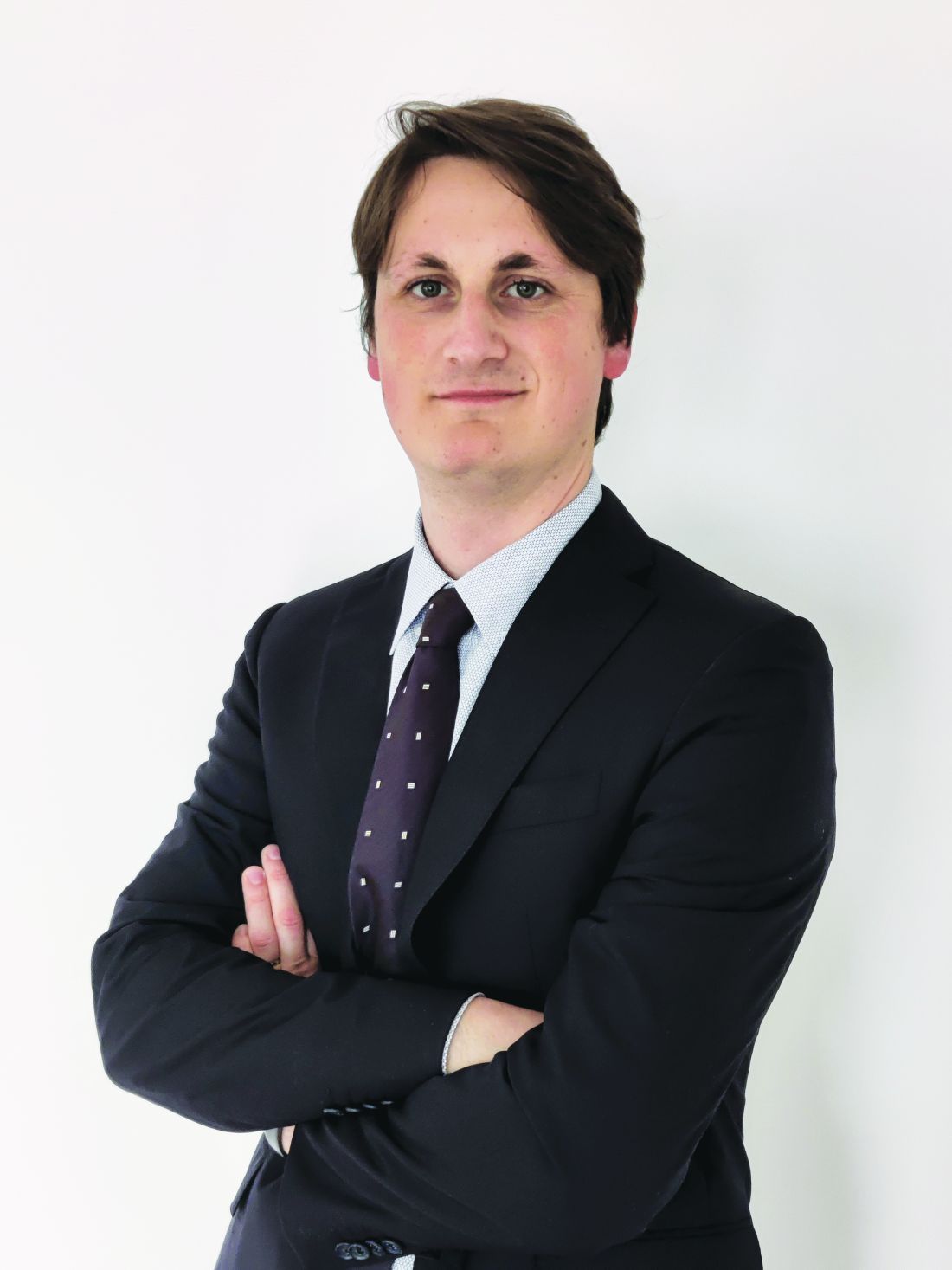
The ubiquity of GC usage stems in part from overprescribing by non-rheumatologist physicians who might not have access to or aren’t aware of newer biologics or disease-modifying antirheumatic drugs (DMARDs). “We see a lot of patients on long-term glucocorticoids, chronic use for years and years, decades of glucocorticoids,” said Giovanni Adami, MD, PhD, a rheumatologist at the University of Verona, Italy, who has coauthored several studies on the use of GCs.
Societies Agree: Discontinue as Fast as Possible
GCs have been associated with a long list of adverse events, most notably Cushing syndrome, hypertension, cardiovascular disease, osteoporosis, myopathy, peptic ulcer, adrenal insufficiency (AI), infections, mood disorders, ophthalmologic disorders such as cataracts, skin disorders, menstrual septic necrosis, and pancreatitis.
Dose matters, Dr. Smolen said, citing studies that found that cumulative GC doses of 1000 or 1100 mg increase risks. One study by German researchers found that doses above 10 mg/d significantly raised the hazard ratio for death.
Because high disease activity is also associated with an equally high mortality risk, “we have to balance this out: Active disease vs glucocorticoid use, especially in countries that have less access to modern therapies than we have in the more affluent Western regions,” Dr. Smolen said.
Rheumatology societies generally agree that clinicians should try to minimize GC use or eventually discontinue the therapy.
The American College of Rheumatology recommends not using GCs as part of the first-line treatment of RA. “And if you want to use [them], you should do that for less than 3 months, taper and discontinue as fast as possible, and use the lowest dose possible,” Dr. Adami said.
EULAR’s recommendation is more nuanced in that it allows for a lower dose but gives physicians more choice in how they want to handle GCs, Dr. Adami said. The task force added that all patients should try to taper down or discontinue as fast as possible, he said.
For GCs in the management of systemic lupus erythematosus, a EULAR task force recommended that the type and severity of organ involvement should determine dose, with a long-term goal of maintaining the dose < 5 mg/d or possibly withdrawing it.
EULAR also recommends GC bridging when initiating or changing conventional synthetic (cs) DMARDs. This effectively dismisses the use of GCs when using biologic DMARDs or targeted synthetic DMARDs. As a bridging therapy, EULAR recommends either a single parenteral dose of GC or a predefined tapering or discontinuation scheme within 3 months, when starting an oral GC.
Low-Dose Approach Gains Ground
While saying he’d be the first physician to eliminate GCs whenever possible, Dr. Buttgereit made the case before the EULAR Congress that GCs in low doses could still play a role in treatment.
Many physicians believe that very low doses between 2 and 4 mg/d are a realistic therapy option for RA, he said, adding that a mean daily usage < 5 mg could be used over a longer period with relatively low risk.
Several studies he coauthored tested the 5-mg approach. The GLORIA trial compared 5 mg/d prednisolone and placebo in 451 patients aged 65 years and older with active RA over the course of 2 years. The researchers found that patients on prednisolone had a mean Disease Activity Score in 28 joints (DAS28) that was 0.37 points lower and mean joint damage score that was 1.7 points lower than those of patients on placebo, suggesting that the GC had long-term benefits in these patients with RA.
The tradeoff was a 24% increase in the risk of having at least one adverse event of special interest, but most of these events were non-severe infections, Dr. Buttgereit said.
Another study, the SEMIRA trial, assigned 128 patients to a continued regimen of prednisone 5 mg/d for 24 weeks. Another group of 131 patients received a tapered-prednisone regimen. All patients received tocilizumab 162 mg with or without csDMARDs, maintained at stable doses.
Patients in the first cohort achieved superior disease activity control than those in the tapered regimen group. “The side effects showed that in the tapering prednisone group, there were more treatment-emergent adverse effects in this double-blind trial as compared to the continued prednisone group,” Dr. Buttgereit said.
One limitation of the SEMIRA trial was that it studied the effect of tocilizumab as a GC-sparing agent, and it didn’t consider using a tumor necrosis factor or Janus kinase (JAK) inhibitor, which might have a more potent effect on pain and GC dose reduction, Dr. Adami said. “Why do we need to use glucocorticoids if we know they might be detrimental, if we know there might be some other option in our armamentarium?”
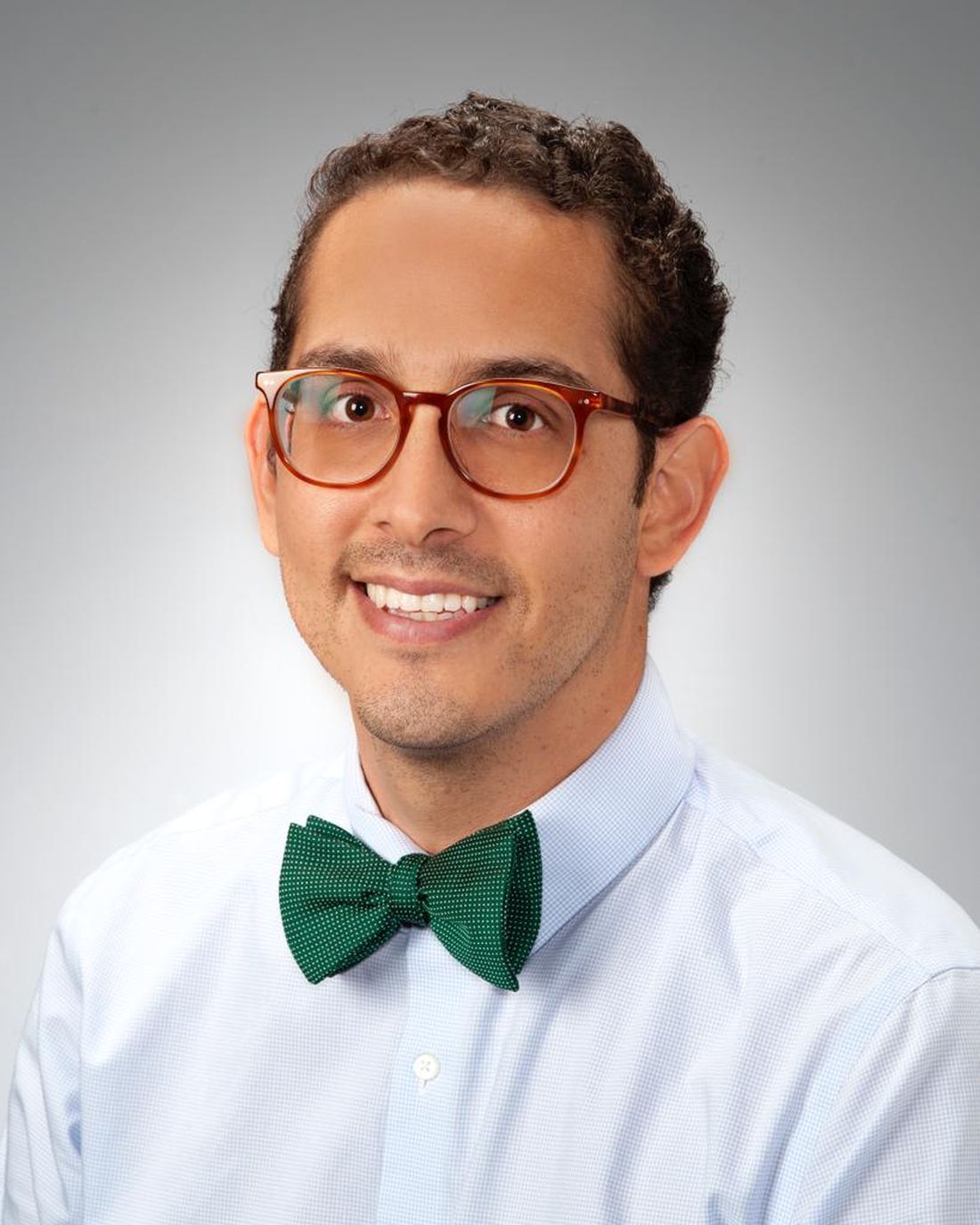
Other studies have shown that low-dose GC protocols can be used with standard treatment, according to Sebastian E. Sattui, MD, assistant professor of medicine and director of the Vasculitis Center at the University of Pittsburgh School of Medicine.
“Examples of this are the LoVAS and PEXIVAS studies for antineutrophil cytoplasmic antibody-associated [ANCA] vasculitis. This has been highlighted in existing treatment recommendations for ANCA vasculitis and systemic lupus erythematosus nephritis,” Dr. Sattui said.
Two-year results from LoVAS showed noninferiority in remission induction rates and rates of relapse and significantly less frequent serious adverse events between a reduced-dose GC regimen at 0.5 mg/kg/d and conventional high-dose GC regimen at 1 mg/kg/d plus rituximab for ANCA vasculitis.
PEXIVAS demonstrated the noninferiority of a reduced-dose regimen of GCs vs a standard-dose regimen with respect to death or end-stage kidney disease in patients with severe disease involvement.
Debating the Toxicity Threshold
Are low GC dosages significantly associated with adverse events like mortality, cardiovascular, or diabetes risk? It depends on who you ask.
Much of the toxicity data on GCs come from inadequately powered or controlled studies and often refer to doses that currently are considered too high, Dr. Buttgereit said. His presentation highlighted a study from Hong Kong, a time-varying analysis of GC dose and incident risk for major adverse cardiovascular events (MACE) in more than 12,000 patients with RA. Researchers found that GC regimens ≥ 5 mg/d significantly increased the risk for MACE. Comparatively, doses below this threshold did not confer excessive risk, he said.
Low-dose GCs are lesser toxic than high-dose GCs, noted Joan Merrill, MD, a professor with the Arthritis and Clinical Immunology Research Program at The University of Oklahoma Health Sciences Center, Oklahoma City. “There may be less weight gain, less chance of acne, and less risk for all the slower, more organ-threatening side effects.”
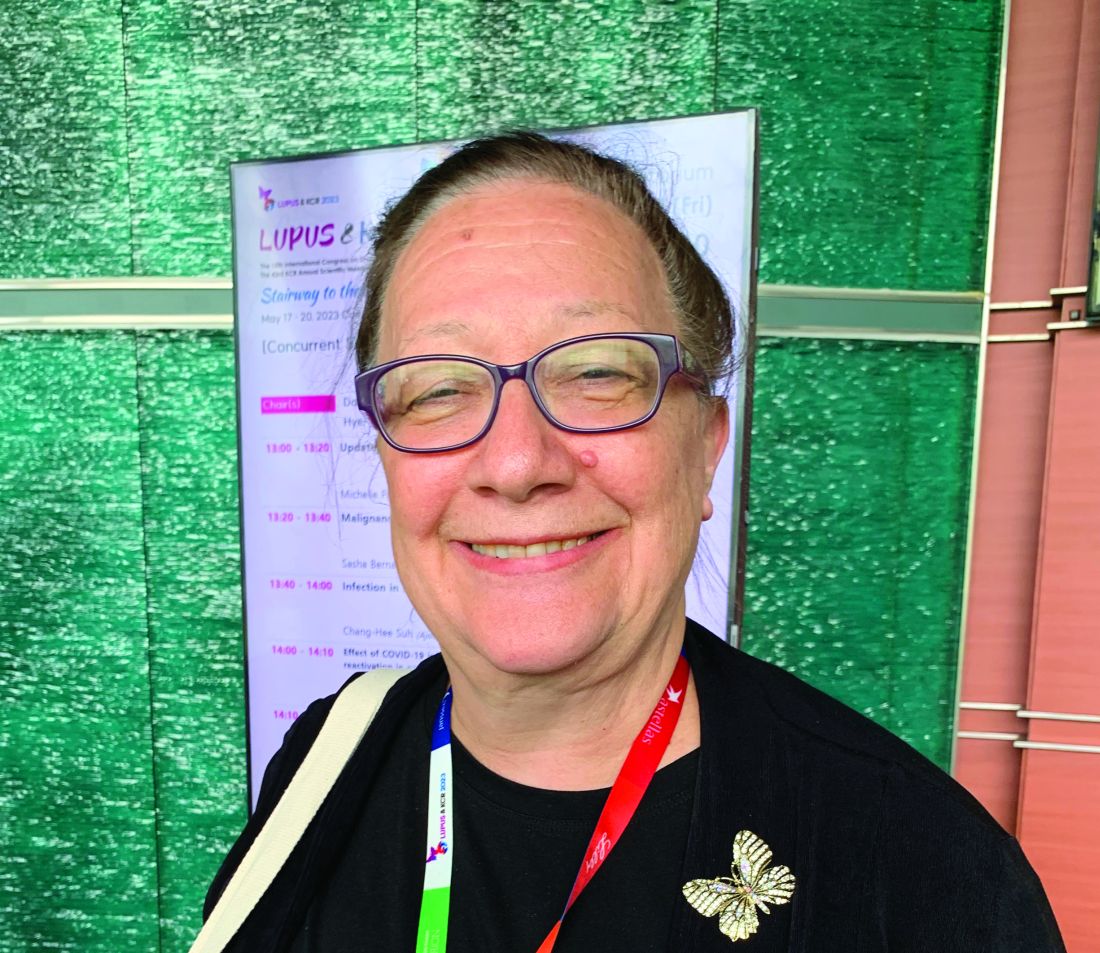
Dr. Merrill, who cares for patients with lupus, said physicians can keep lupus in check for years, using constant, low-dose GCs. “The one thing we know is that steroids work.” But over many years, damage may still occur, she cautioned.
But even a low dose could present health problems to patients. The GLORIA trial of patients with RA, which showed promising results on disease control with 5 mg/d, found an association between GCs and increased risk for infection and osteoporosis. There was a higher overall risk for adverse events related to skin, infections, and bone mineral density changes. Bone mineral density loss and fractures were more common in the GC group, Adami noted.
Surprisingly, some of the trial’s authors said patients could handle such adverse events. But what is your threshold of “acceptable?” Dr. Adami asked.
Other studies have found associations between low-dose GC regimens and adverse events. Researchers of a 2023 study reported bone mineral density loss in patients with inflammatory rheumatic musculoskeletal diseases on a 2.5-mg/d regimen. Another decade-long analysis of Medicare and Optum data found a link between serious infection and low-dose GCs in patients receiving stable DMARD therapy. Investigators reported risk even at daily doses of ≤ 5 mg.
Dr. Adami acknowledged that these studies may have “confounding by indication,” a channeling bias in which people with severe RA are more likely to be treated with GCs. For this reason, it’s a challenge to disentangle the independent role of GCs from the disease activity itself, he said.
The big question is: Why don’t these observational studies show an increased risk for adverse events with biologic drugs that are given to more severe patients? “That confirms the hypothesis that confounding by indication for GCs is minimal, and most of the risk is driven by GCs,” he said.
Tapering Options Across Diseases
Rheumatologists in the field continue to navigate GC-tapering options and treatment combinations that reduce the cumulative use of GCs over time, finding their own solutions based on the conditions they treat.
In his EULAR presentation, Dr. Buttgereit suggested that current therapeutic approaches for RA may be too narrow when they don’t consider the possibility of including very low doses of GCs.
For RA, “why shouldn’t we not do a combination of something like methotrexate plus a JAK inhibitor or a biological,” plus a very low dose of GCs < 5 mg/d, he asked.
However, Dr. Adami said he generally avoids GCs if RA disease activity is not severe (based on DAS28) and if the patient has a visual analog scale pain score < 7. “Nonetheless, even in patients with more severe disease, I would avoid GCs for more than 3 months. Usually, 1 month of steroids, tapered rapidly and discontinued.”
All patients should receive an appropriate treat-to-target strategy with csDMARDs and biologics if needed, he added.
A patient coming to clinic with difficult-to-treat RA who chronically uses GCs deserves special attention. The priority is bone protection with an anti-osteoporosis medication. “I found that JAK inhibitors, in some cases, help with the discontinuation of steroids, especially in those with residual pain. Therefore, I would think of switching medication,” Dr. Adami said.
For polymyalgia rheumatica, most clinicians will likely try to taper GCs around 52 weeks, similar to ACR/EULAR guidelines, according to Robert F. Spiera, MD, director of the Scleroderma and Vasculitis Program at Hospital for Special Surgery, New York City.

“I usually challenge patients with a more rapid taper, hoping to get them off GCs in 6 or even 4 months in some patients, recognizing that many will flare, and we will have to bump up their GC dose,” Dr. Spiera said.
For patients with lupus, GCs remain the most effective treatment, Dr. Merrill said. “The toxicities are unacceptable for long-term use. So we try to get in fast when we need them and get out as soon as possible after that, tapering down as fast as the patient can tolerate it.”
Unfortunately, that’s not always as fast as the clinician or patient hopes for, she said.
“New treatments are being developed that may help us avoid the constant use of steroids. However, it would be wonderful to see how these new safer types of steroids work in lupus,” she said.
Minimizing GCs is an important goal that should be considered and aimed for in every single patient, Dr. Sattui said. “Risk of GC toxicity should be considered in all patients, assessing [them] for cardiometabolic comorbidities, bone metabolic diseases, risk of infection, among many others.” Sticking to one specific GC-tapering protocol might not be achievable for every patient, however, based on disease characteristics, response, and other factors, he added.
Monitoring for GC toxicity is important and should occur during and after every single clinical visit, he emphasized. Patient education is critical. “Different tools have been developed and employed in clinical trials, both patient- and physician-facing instruments. Implementation to clinical practice of some of these should be the next step in order to achieve a more systematic approach.”
What to Consider for AI Symptoms
Clinicians also need to address AI in patients who are coming off GCs, Dr. Sattui said. He advised that symptoms suggestive of AI, including malaise, fatigue, nausea, and muscle and/or joint pain, should guide testing.
Even in the absence of symptoms, clinicians should consider assessing patients who have been on high doses for prolonged periods or obese or older adults who might be at a high risk for AI. “Signs to consider include weight loss, hypotension, or orthostatism,” he said.
Differentiating between AI symptoms and symptoms from the underlying disease can be a challenge. This requires a physical exam and workup, including morning serum cortisol. Collaboration with endocrinology colleagues and other treating providers is important, as well as patient education of symptoms and monitoring for possible adjustments in treating AI and other acute diseases, he said.
Dr. Smolen received research grants from AbbVie, AstraZeneca, Galapagos, and Eli Lilly. Dr. Adami received speaker fees and/or was a consultant for Galapagos, Theramex, Amgen, Eli Lilly, UCB, Fresenius Kabi, Bristol Myers Squibb, Abiogen, and Pfizer. Dr. Buttgereit’s disclosures included AbbVie, AstraZeneca, Grünenthal, Horizon Therapeutics, Mundipharma, Pfizer, and Roche. Dr. Merrill had no relevant disclosures. Dr. Spiera has been a consultant for Roche-Genentech, GlaxoSmithKline, Sanofi, ChemoCentryx, Novartis, Galderma, Cytori, AstraZeneca, Amgen, and AbbVie and received research grant support from GlaxoSmithKline, Roche-Genentech, AstraZeneca, Bristol Myers Squibb, Kadmon, Boehringer Ingelheim, Cytori, ChemoCentryx, Corbus, Novartis, Amgen, and AbbVie. Dr. Sattui reported receiving research support from AstraZeneca and GlaxoSmithKline (clinical trials), receiving consulting fees from Sanofi (funds toward research support), serving on advisory boards for Sanofi and Amgen (funds toward research support), and receiving speaker fees from Fresenius Kabi (funds toward research support).
A version of this article appeared on Medscape.com.
Now, 75 years after the first presentations were made on the “sensational” effects of cortisone in the treatment of rheumatoid arthritis (RA), glucocorticoids (GCs) are still highly relevant and widely used in the management of RA and other immune-mediated inflammatory diseases.
“It makes me smile because this is such an old drug, and we need it still so much. It still hasn’t been replaced,” Josef S. Smolen, MD, observed at annual European Congress of Rheumatology.
At low doses, GCs are highly effective as anti-inflammatory and anti-destructive agents in RA and many other diseases, said Dr. Smolen, a rheumatologist and immunologist and professor emeritus at the Medical University of Vienna, Austria.
But even after all this time, the mechanisms that lead to efficacy vs toxicity have yet to be clarified. “Such separation may provide further insights into future treatment options,” said Dr. Smolen.
His comments, made during a special session on the 75th anniversary of GCs at EULAR 2024, underscore the endless saga to manage GCs while finding better alternatives. Opinions differ on what the research says on toxicity and dosage and whether a long-term, low-dose option is viable. Alternative therapies are being studied, but those endeavors are still in the early stages of development.
While GCs are still used chronically in many patients, clinicians should always attempt to discontinue them whenever possible, Frank Buttgereit, MD, professor of rheumatology and deputy head of the Department of Rheumatology and Clinical Immunology at Charité – Universitätsmedizin Berlin, Germany, told attendees at the congress. Up to 60% of patients in registries use GCs, and many patients with early or established RA enter randomized controlled trials on GCs as maintenance therapy.
The ubiquity of GC usage stems in part from overprescribing by non-rheumatologist physicians who might not have access to or aren’t aware of newer biologics or disease-modifying antirheumatic drugs (DMARDs). “We see a lot of patients on long-term glucocorticoids, chronic use for years and years, decades of glucocorticoids,” said Giovanni Adami, MD, PhD, a rheumatologist at the University of Verona, Italy, who has coauthored several studies on the use of GCs.
Societies Agree: Discontinue as Fast as Possible
GCs have been associated with a long list of adverse events, most notably Cushing syndrome, hypertension, cardiovascular disease, osteoporosis, myopathy, peptic ulcer, adrenal insufficiency (AI), infections, mood disorders, ophthalmologic disorders such as cataracts, skin disorders, menstrual septic necrosis, and pancreatitis.
Dose matters, Dr. Smolen said, citing studies that found that cumulative GC doses of 1000 or 1100 mg increase risks. One study by German researchers found that doses above 10 mg/d significantly raised the hazard ratio for death.
Because high disease activity is also associated with an equally high mortality risk, “we have to balance this out: Active disease vs glucocorticoid use, especially in countries that have less access to modern therapies than we have in the more affluent Western regions,” Dr. Smolen said.
Rheumatology societies generally agree that clinicians should try to minimize GC use or eventually discontinue the therapy.
The American College of Rheumatology recommends not using GCs as part of the first-line treatment of RA. “And if you want to use [them], you should do that for less than 3 months, taper and discontinue as fast as possible, and use the lowest dose possible,” Dr. Adami said.
EULAR’s recommendation is more nuanced in that it allows for a lower dose but gives physicians more choice in how they want to handle GCs, Dr. Adami said. The task force added that all patients should try to taper down or discontinue as fast as possible, he said.
For GCs in the management of systemic lupus erythematosus, a EULAR task force recommended that the type and severity of organ involvement should determine dose, with a long-term goal of maintaining the dose < 5 mg/d or possibly withdrawing it.
EULAR also recommends GC bridging when initiating or changing conventional synthetic (cs) DMARDs. This effectively dismisses the use of GCs when using biologic DMARDs or targeted synthetic DMARDs. As a bridging therapy, EULAR recommends either a single parenteral dose of GC or a predefined tapering or discontinuation scheme within 3 months, when starting an oral GC.
Low-Dose Approach Gains Ground
While saying he’d be the first physician to eliminate GCs whenever possible, Dr. Buttgereit made the case before the EULAR Congress that GCs in low doses could still play a role in treatment.
Many physicians believe that very low doses between 2 and 4 mg/d are a realistic therapy option for RA, he said, adding that a mean daily usage < 5 mg could be used over a longer period with relatively low risk.
Several studies he coauthored tested the 5-mg approach. The GLORIA trial compared 5 mg/d prednisolone and placebo in 451 patients aged 65 years and older with active RA over the course of 2 years. The researchers found that patients on prednisolone had a mean Disease Activity Score in 28 joints (DAS28) that was 0.37 points lower and mean joint damage score that was 1.7 points lower than those of patients on placebo, suggesting that the GC had long-term benefits in these patients with RA.
The tradeoff was a 24% increase in the risk of having at least one adverse event of special interest, but most of these events were non-severe infections, Dr. Buttgereit said.
Another study, the SEMIRA trial, assigned 128 patients to a continued regimen of prednisone 5 mg/d for 24 weeks. Another group of 131 patients received a tapered-prednisone regimen. All patients received tocilizumab 162 mg with or without csDMARDs, maintained at stable doses.
Patients in the first cohort achieved superior disease activity control than those in the tapered regimen group. “The side effects showed that in the tapering prednisone group, there were more treatment-emergent adverse effects in this double-blind trial as compared to the continued prednisone group,” Dr. Buttgereit said.
One limitation of the SEMIRA trial was that it studied the effect of tocilizumab as a GC-sparing agent, and it didn’t consider using a tumor necrosis factor or Janus kinase (JAK) inhibitor, which might have a more potent effect on pain and GC dose reduction, Dr. Adami said. “Why do we need to use glucocorticoids if we know they might be detrimental, if we know there might be some other option in our armamentarium?”
Other studies have shown that low-dose GC protocols can be used with standard treatment, according to Sebastian E. Sattui, MD, assistant professor of medicine and director of the Vasculitis Center at the University of Pittsburgh School of Medicine.
“Examples of this are the LoVAS and PEXIVAS studies for antineutrophil cytoplasmic antibody-associated [ANCA] vasculitis. This has been highlighted in existing treatment recommendations for ANCA vasculitis and systemic lupus erythematosus nephritis,” Dr. Sattui said.
Two-year results from LoVAS showed noninferiority in remission induction rates and rates of relapse and significantly less frequent serious adverse events between a reduced-dose GC regimen at 0.5 mg/kg/d and conventional high-dose GC regimen at 1 mg/kg/d plus rituximab for ANCA vasculitis.
PEXIVAS demonstrated the noninferiority of a reduced-dose regimen of GCs vs a standard-dose regimen with respect to death or end-stage kidney disease in patients with severe disease involvement.
Debating the Toxicity Threshold
Are low GC dosages significantly associated with adverse events like mortality, cardiovascular, or diabetes risk? It depends on who you ask.
Much of the toxicity data on GCs come from inadequately powered or controlled studies and often refer to doses that currently are considered too high, Dr. Buttgereit said. His presentation highlighted a study from Hong Kong, a time-varying analysis of GC dose and incident risk for major adverse cardiovascular events (MACE) in more than 12,000 patients with RA. Researchers found that GC regimens ≥ 5 mg/d significantly increased the risk for MACE. Comparatively, doses below this threshold did not confer excessive risk, he said.
Low-dose GCs are lesser toxic than high-dose GCs, noted Joan Merrill, MD, a professor with the Arthritis and Clinical Immunology Research Program at The University of Oklahoma Health Sciences Center, Oklahoma City. “There may be less weight gain, less chance of acne, and less risk for all the slower, more organ-threatening side effects.”
Dr. Merrill, who cares for patients with lupus, said physicians can keep lupus in check for years, using constant, low-dose GCs. “The one thing we know is that steroids work.” But over many years, damage may still occur, she cautioned.
But even a low dose could present health problems to patients. The GLORIA trial of patients with RA, which showed promising results on disease control with 5 mg/d, found an association between GCs and increased risk for infection and osteoporosis. There was a higher overall risk for adverse events related to skin, infections, and bone mineral density changes. Bone mineral density loss and fractures were more common in the GC group, Adami noted.
Surprisingly, some of the trial’s authors said patients could handle such adverse events. But what is your threshold of “acceptable?” Dr. Adami asked.
Other studies have found associations between low-dose GC regimens and adverse events. Researchers of a 2023 study reported bone mineral density loss in patients with inflammatory rheumatic musculoskeletal diseases on a 2.5-mg/d regimen. Another decade-long analysis of Medicare and Optum data found a link between serious infection and low-dose GCs in patients receiving stable DMARD therapy. Investigators reported risk even at daily doses of ≤ 5 mg.
Dr. Adami acknowledged that these studies may have “confounding by indication,” a channeling bias in which people with severe RA are more likely to be treated with GCs. For this reason, it’s a challenge to disentangle the independent role of GCs from the disease activity itself, he said.
The big question is: Why don’t these observational studies show an increased risk for adverse events with biologic drugs that are given to more severe patients? “That confirms the hypothesis that confounding by indication for GCs is minimal, and most of the risk is driven by GCs,” he said.
Tapering Options Across Diseases
Rheumatologists in the field continue to navigate GC-tapering options and treatment combinations that reduce the cumulative use of GCs over time, finding their own solutions based on the conditions they treat.
In his EULAR presentation, Dr. Buttgereit suggested that current therapeutic approaches for RA may be too narrow when they don’t consider the possibility of including very low doses of GCs.
For RA, “why shouldn’t we not do a combination of something like methotrexate plus a JAK inhibitor or a biological,” plus a very low dose of GCs < 5 mg/d, he asked.
However, Dr. Adami said he generally avoids GCs if RA disease activity is not severe (based on DAS28) and if the patient has a visual analog scale pain score < 7. “Nonetheless, even in patients with more severe disease, I would avoid GCs for more than 3 months. Usually, 1 month of steroids, tapered rapidly and discontinued.”
All patients should receive an appropriate treat-to-target strategy with csDMARDs and biologics if needed, he added.
A patient coming to clinic with difficult-to-treat RA who chronically uses GCs deserves special attention. The priority is bone protection with an anti-osteoporosis medication. “I found that JAK inhibitors, in some cases, help with the discontinuation of steroids, especially in those with residual pain. Therefore, I would think of switching medication,” Dr. Adami said.
For polymyalgia rheumatica, most clinicians will likely try to taper GCs around 52 weeks, similar to ACR/EULAR guidelines, according to Robert F. Spiera, MD, director of the Scleroderma and Vasculitis Program at Hospital for Special Surgery, New York City.
“I usually challenge patients with a more rapid taper, hoping to get them off GCs in 6 or even 4 months in some patients, recognizing that many will flare, and we will have to bump up their GC dose,” Dr. Spiera said.
For patients with lupus, GCs remain the most effective treatment, Dr. Merrill said. “The toxicities are unacceptable for long-term use. So we try to get in fast when we need them and get out as soon as possible after that, tapering down as fast as the patient can tolerate it.”
Unfortunately, that’s not always as fast as the clinician or patient hopes for, she said.
“New treatments are being developed that may help us avoid the constant use of steroids. However, it would be wonderful to see how these new safer types of steroids work in lupus,” she said.
Minimizing GCs is an important goal that should be considered and aimed for in every single patient, Dr. Sattui said. “Risk of GC toxicity should be considered in all patients, assessing [them] for cardiometabolic comorbidities, bone metabolic diseases, risk of infection, among many others.” Sticking to one specific GC-tapering protocol might not be achievable for every patient, however, based on disease characteristics, response, and other factors, he added.
Monitoring for GC toxicity is important and should occur during and after every single clinical visit, he emphasized. Patient education is critical. “Different tools have been developed and employed in clinical trials, both patient- and physician-facing instruments. Implementation to clinical practice of some of these should be the next step in order to achieve a more systematic approach.”
What to Consider for AI Symptoms
Clinicians also need to address AI in patients who are coming off GCs, Dr. Sattui said. He advised that symptoms suggestive of AI, including malaise, fatigue, nausea, and muscle and/or joint pain, should guide testing.
Even in the absence of symptoms, clinicians should consider assessing patients who have been on high doses for prolonged periods or obese or older adults who might be at a high risk for AI. “Signs to consider include weight loss, hypotension, or orthostatism,” he said.
Differentiating between AI symptoms and symptoms from the underlying disease can be a challenge. This requires a physical exam and workup, including morning serum cortisol. Collaboration with endocrinology colleagues and other treating providers is important, as well as patient education of symptoms and monitoring for possible adjustments in treating AI and other acute diseases, he said.
Dr. Smolen received research grants from AbbVie, AstraZeneca, Galapagos, and Eli Lilly. Dr. Adami received speaker fees and/or was a consultant for Galapagos, Theramex, Amgen, Eli Lilly, UCB, Fresenius Kabi, Bristol Myers Squibb, Abiogen, and Pfizer. Dr. Buttgereit’s disclosures included AbbVie, AstraZeneca, Grünenthal, Horizon Therapeutics, Mundipharma, Pfizer, and Roche. Dr. Merrill had no relevant disclosures. Dr. Spiera has been a consultant for Roche-Genentech, GlaxoSmithKline, Sanofi, ChemoCentryx, Novartis, Galderma, Cytori, AstraZeneca, Amgen, and AbbVie and received research grant support from GlaxoSmithKline, Roche-Genentech, AstraZeneca, Bristol Myers Squibb, Kadmon, Boehringer Ingelheim, Cytori, ChemoCentryx, Corbus, Novartis, Amgen, and AbbVie. Dr. Sattui reported receiving research support from AstraZeneca and GlaxoSmithKline (clinical trials), receiving consulting fees from Sanofi (funds toward research support), serving on advisory boards for Sanofi and Amgen (funds toward research support), and receiving speaker fees from Fresenius Kabi (funds toward research support).
A version of this article appeared on Medscape.com.
Now, 75 years after the first presentations were made on the “sensational” effects of cortisone in the treatment of rheumatoid arthritis (RA), glucocorticoids (GCs) are still highly relevant and widely used in the management of RA and other immune-mediated inflammatory diseases.
“It makes me smile because this is such an old drug, and we need it still so much. It still hasn’t been replaced,” Josef S. Smolen, MD, observed at annual European Congress of Rheumatology.
At low doses, GCs are highly effective as anti-inflammatory and anti-destructive agents in RA and many other diseases, said Dr. Smolen, a rheumatologist and immunologist and professor emeritus at the Medical University of Vienna, Austria.
But even after all this time, the mechanisms that lead to efficacy vs toxicity have yet to be clarified. “Such separation may provide further insights into future treatment options,” said Dr. Smolen.
His comments, made during a special session on the 75th anniversary of GCs at EULAR 2024, underscore the endless saga to manage GCs while finding better alternatives. Opinions differ on what the research says on toxicity and dosage and whether a long-term, low-dose option is viable. Alternative therapies are being studied, but those endeavors are still in the early stages of development.
While GCs are still used chronically in many patients, clinicians should always attempt to discontinue them whenever possible, Frank Buttgereit, MD, professor of rheumatology and deputy head of the Department of Rheumatology and Clinical Immunology at Charité – Universitätsmedizin Berlin, Germany, told attendees at the congress. Up to 60% of patients in registries use GCs, and many patients with early or established RA enter randomized controlled trials on GCs as maintenance therapy.
The ubiquity of GC usage stems in part from overprescribing by non-rheumatologist physicians who might not have access to or aren’t aware of newer biologics or disease-modifying antirheumatic drugs (DMARDs). “We see a lot of patients on long-term glucocorticoids, chronic use for years and years, decades of glucocorticoids,” said Giovanni Adami, MD, PhD, a rheumatologist at the University of Verona, Italy, who has coauthored several studies on the use of GCs.
Societies Agree: Discontinue as Fast as Possible
GCs have been associated with a long list of adverse events, most notably Cushing syndrome, hypertension, cardiovascular disease, osteoporosis, myopathy, peptic ulcer, adrenal insufficiency (AI), infections, mood disorders, ophthalmologic disorders such as cataracts, skin disorders, menstrual septic necrosis, and pancreatitis.
Dose matters, Dr. Smolen said, citing studies that found that cumulative GC doses of 1000 or 1100 mg increase risks. One study by German researchers found that doses above 10 mg/d significantly raised the hazard ratio for death.
Because high disease activity is also associated with an equally high mortality risk, “we have to balance this out: Active disease vs glucocorticoid use, especially in countries that have less access to modern therapies than we have in the more affluent Western regions,” Dr. Smolen said.
Rheumatology societies generally agree that clinicians should try to minimize GC use or eventually discontinue the therapy.
The American College of Rheumatology recommends not using GCs as part of the first-line treatment of RA. “And if you want to use [them], you should do that for less than 3 months, taper and discontinue as fast as possible, and use the lowest dose possible,” Dr. Adami said.
EULAR’s recommendation is more nuanced in that it allows for a lower dose but gives physicians more choice in how they want to handle GCs, Dr. Adami said. The task force added that all patients should try to taper down or discontinue as fast as possible, he said.
For GCs in the management of systemic lupus erythematosus, a EULAR task force recommended that the type and severity of organ involvement should determine dose, with a long-term goal of maintaining the dose < 5 mg/d or possibly withdrawing it.
EULAR also recommends GC bridging when initiating or changing conventional synthetic (cs) DMARDs. This effectively dismisses the use of GCs when using biologic DMARDs or targeted synthetic DMARDs. As a bridging therapy, EULAR recommends either a single parenteral dose of GC or a predefined tapering or discontinuation scheme within 3 months, when starting an oral GC.
Low-Dose Approach Gains Ground
While saying he’d be the first physician to eliminate GCs whenever possible, Dr. Buttgereit made the case before the EULAR Congress that GCs in low doses could still play a role in treatment.
Many physicians believe that very low doses between 2 and 4 mg/d are a realistic therapy option for RA, he said, adding that a mean daily usage < 5 mg could be used over a longer period with relatively low risk.
Several studies he coauthored tested the 5-mg approach. The GLORIA trial compared 5 mg/d prednisolone and placebo in 451 patients aged 65 years and older with active RA over the course of 2 years. The researchers found that patients on prednisolone had a mean Disease Activity Score in 28 joints (DAS28) that was 0.37 points lower and mean joint damage score that was 1.7 points lower than those of patients on placebo, suggesting that the GC had long-term benefits in these patients with RA.
The tradeoff was a 24% increase in the risk of having at least one adverse event of special interest, but most of these events were non-severe infections, Dr. Buttgereit said.
Another study, the SEMIRA trial, assigned 128 patients to a continued regimen of prednisone 5 mg/d for 24 weeks. Another group of 131 patients received a tapered-prednisone regimen. All patients received tocilizumab 162 mg with or without csDMARDs, maintained at stable doses.
Patients in the first cohort achieved superior disease activity control than those in the tapered regimen group. “The side effects showed that in the tapering prednisone group, there were more treatment-emergent adverse effects in this double-blind trial as compared to the continued prednisone group,” Dr. Buttgereit said.
One limitation of the SEMIRA trial was that it studied the effect of tocilizumab as a GC-sparing agent, and it didn’t consider using a tumor necrosis factor or Janus kinase (JAK) inhibitor, which might have a more potent effect on pain and GC dose reduction, Dr. Adami said. “Why do we need to use glucocorticoids if we know they might be detrimental, if we know there might be some other option in our armamentarium?”
Other studies have shown that low-dose GC protocols can be used with standard treatment, according to Sebastian E. Sattui, MD, assistant professor of medicine and director of the Vasculitis Center at the University of Pittsburgh School of Medicine.
“Examples of this are the LoVAS and PEXIVAS studies for antineutrophil cytoplasmic antibody-associated [ANCA] vasculitis. This has been highlighted in existing treatment recommendations for ANCA vasculitis and systemic lupus erythematosus nephritis,” Dr. Sattui said.
Two-year results from LoVAS showed noninferiority in remission induction rates and rates of relapse and significantly less frequent serious adverse events between a reduced-dose GC regimen at 0.5 mg/kg/d and conventional high-dose GC regimen at 1 mg/kg/d plus rituximab for ANCA vasculitis.
PEXIVAS demonstrated the noninferiority of a reduced-dose regimen of GCs vs a standard-dose regimen with respect to death or end-stage kidney disease in patients with severe disease involvement.
Debating the Toxicity Threshold
Are low GC dosages significantly associated with adverse events like mortality, cardiovascular, or diabetes risk? It depends on who you ask.
Much of the toxicity data on GCs come from inadequately powered or controlled studies and often refer to doses that currently are considered too high, Dr. Buttgereit said. His presentation highlighted a study from Hong Kong, a time-varying analysis of GC dose and incident risk for major adverse cardiovascular events (MACE) in more than 12,000 patients with RA. Researchers found that GC regimens ≥ 5 mg/d significantly increased the risk for MACE. Comparatively, doses below this threshold did not confer excessive risk, he said.
Low-dose GCs are lesser toxic than high-dose GCs, noted Joan Merrill, MD, a professor with the Arthritis and Clinical Immunology Research Program at The University of Oklahoma Health Sciences Center, Oklahoma City. “There may be less weight gain, less chance of acne, and less risk for all the slower, more organ-threatening side effects.”
Dr. Merrill, who cares for patients with lupus, said physicians can keep lupus in check for years, using constant, low-dose GCs. “The one thing we know is that steroids work.” But over many years, damage may still occur, she cautioned.
But even a low dose could present health problems to patients. The GLORIA trial of patients with RA, which showed promising results on disease control with 5 mg/d, found an association between GCs and increased risk for infection and osteoporosis. There was a higher overall risk for adverse events related to skin, infections, and bone mineral density changes. Bone mineral density loss and fractures were more common in the GC group, Adami noted.
Surprisingly, some of the trial’s authors said patients could handle such adverse events. But what is your threshold of “acceptable?” Dr. Adami asked.
Other studies have found associations between low-dose GC regimens and adverse events. Researchers of a 2023 study reported bone mineral density loss in patients with inflammatory rheumatic musculoskeletal diseases on a 2.5-mg/d regimen. Another decade-long analysis of Medicare and Optum data found a link between serious infection and low-dose GCs in patients receiving stable DMARD therapy. Investigators reported risk even at daily doses of ≤ 5 mg.
Dr. Adami acknowledged that these studies may have “confounding by indication,” a channeling bias in which people with severe RA are more likely to be treated with GCs. For this reason, it’s a challenge to disentangle the independent role of GCs from the disease activity itself, he said.
The big question is: Why don’t these observational studies show an increased risk for adverse events with biologic drugs that are given to more severe patients? “That confirms the hypothesis that confounding by indication for GCs is minimal, and most of the risk is driven by GCs,” he said.
Tapering Options Across Diseases
Rheumatologists in the field continue to navigate GC-tapering options and treatment combinations that reduce the cumulative use of GCs over time, finding their own solutions based on the conditions they treat.
In his EULAR presentation, Dr. Buttgereit suggested that current therapeutic approaches for RA may be too narrow when they don’t consider the possibility of including very low doses of GCs.
For RA, “why shouldn’t we not do a combination of something like methotrexate plus a JAK inhibitor or a biological,” plus a very low dose of GCs < 5 mg/d, he asked.
However, Dr. Adami said he generally avoids GCs if RA disease activity is not severe (based on DAS28) and if the patient has a visual analog scale pain score < 7. “Nonetheless, even in patients with more severe disease, I would avoid GCs for more than 3 months. Usually, 1 month of steroids, tapered rapidly and discontinued.”
All patients should receive an appropriate treat-to-target strategy with csDMARDs and biologics if needed, he added.
A patient coming to clinic with difficult-to-treat RA who chronically uses GCs deserves special attention. The priority is bone protection with an anti-osteoporosis medication. “I found that JAK inhibitors, in some cases, help with the discontinuation of steroids, especially in those with residual pain. Therefore, I would think of switching medication,” Dr. Adami said.
For polymyalgia rheumatica, most clinicians will likely try to taper GCs around 52 weeks, similar to ACR/EULAR guidelines, according to Robert F. Spiera, MD, director of the Scleroderma and Vasculitis Program at Hospital for Special Surgery, New York City.
“I usually challenge patients with a more rapid taper, hoping to get them off GCs in 6 or even 4 months in some patients, recognizing that many will flare, and we will have to bump up their GC dose,” Dr. Spiera said.
For patients with lupus, GCs remain the most effective treatment, Dr. Merrill said. “The toxicities are unacceptable for long-term use. So we try to get in fast when we need them and get out as soon as possible after that, tapering down as fast as the patient can tolerate it.”
Unfortunately, that’s not always as fast as the clinician or patient hopes for, she said.
“New treatments are being developed that may help us avoid the constant use of steroids. However, it would be wonderful to see how these new safer types of steroids work in lupus,” she said.
Minimizing GCs is an important goal that should be considered and aimed for in every single patient, Dr. Sattui said. “Risk of GC toxicity should be considered in all patients, assessing [them] for cardiometabolic comorbidities, bone metabolic diseases, risk of infection, among many others.” Sticking to one specific GC-tapering protocol might not be achievable for every patient, however, based on disease characteristics, response, and other factors, he added.
Monitoring for GC toxicity is important and should occur during and after every single clinical visit, he emphasized. Patient education is critical. “Different tools have been developed and employed in clinical trials, both patient- and physician-facing instruments. Implementation to clinical practice of some of these should be the next step in order to achieve a more systematic approach.”
What to Consider for AI Symptoms
Clinicians also need to address AI in patients who are coming off GCs, Dr. Sattui said. He advised that symptoms suggestive of AI, including malaise, fatigue, nausea, and muscle and/or joint pain, should guide testing.
Even in the absence of symptoms, clinicians should consider assessing patients who have been on high doses for prolonged periods or obese or older adults who might be at a high risk for AI. “Signs to consider include weight loss, hypotension, or orthostatism,” he said.
Differentiating between AI symptoms and symptoms from the underlying disease can be a challenge. This requires a physical exam and workup, including morning serum cortisol. Collaboration with endocrinology colleagues and other treating providers is important, as well as patient education of symptoms and monitoring for possible adjustments in treating AI and other acute diseases, he said.
Dr. Smolen received research grants from AbbVie, AstraZeneca, Galapagos, and Eli Lilly. Dr. Adami received speaker fees and/or was a consultant for Galapagos, Theramex, Amgen, Eli Lilly, UCB, Fresenius Kabi, Bristol Myers Squibb, Abiogen, and Pfizer. Dr. Buttgereit’s disclosures included AbbVie, AstraZeneca, Grünenthal, Horizon Therapeutics, Mundipharma, Pfizer, and Roche. Dr. Merrill had no relevant disclosures. Dr. Spiera has been a consultant for Roche-Genentech, GlaxoSmithKline, Sanofi, ChemoCentryx, Novartis, Galderma, Cytori, AstraZeneca, Amgen, and AbbVie and received research grant support from GlaxoSmithKline, Roche-Genentech, AstraZeneca, Bristol Myers Squibb, Kadmon, Boehringer Ingelheim, Cytori, ChemoCentryx, Corbus, Novartis, Amgen, and AbbVie. Dr. Sattui reported receiving research support from AstraZeneca and GlaxoSmithKline (clinical trials), receiving consulting fees from Sanofi (funds toward research support), serving on advisory boards for Sanofi and Amgen (funds toward research support), and receiving speaker fees from Fresenius Kabi (funds toward research support).
A version of this article appeared on Medscape.com.
FROM EULAR 2024
New Drugs, Treatment Strategies Aim to Lessen Rheumatic Diseases’ Reliance on Steroids
. Selective GC receptor agonists and modulators and GC plus hydroxysteroid dehydrogenase inhibitor combination therapy are some of the approaches under consideration.
“There is growing observational data that confirms the GC-sparing effect seen in some of these clinical trials in real-world data,” said Sebastian E. Sattui, MD, assistant professor of medicine and director of the Vasculitis Center at the University of Pittsburgh Medical Center, Pittsburgh.
GC minimization is an important goal, “and the data emerging from these trials should be reassuring for rheumatology providers,” Dr. Sattui said.
HSD-1 Inhibitors Under Study
11ß-Hydroxysteroid dehydrogenase type 1 (11ß-HSD1) is a tissue-specific intracellular modulator of GC action that’s been trialed for a number of rheumatic conditions. “HSD-1 deficiency or inhibition has been consistently associated with reduced GC side effects in mouse and human,” wrote the authors of a study testing the coadministration of HSD-1 inhibitor SPI-62 (clofutriben) with prednisolone in patients with polymyalgia rheumatica (PMR) to measure its impact on efficacy and toxicity.
Lead study author David Katz, PhD, chief scientific officer at Sparrow Pharmaceuticals, presented results at the at the annual European Congress of Rheumatology.
GCs are often the first-line therapy with PMR. However, it’s very difficult for patients to stop taking GCs once they start taking them. The study included patients with PMR who were taking 10 mg/d prednisolone and didn’t require a dose increase. For the study, they continued prednisolone without dose reduction for 4 weeks, receiving either SPI-62 6 mg/d or a matching placebo for 2 weeks.
During SPI-62 treatment, researchers in sequential cohorts maintained daily prednisolone doses at 10 mg, adjusted to 15 mg or adjusted to 20 mg.
A 10-mg dose of prednisolone combined with 6 mg of SPI-62 demonstrated less efficacy compared with placebo but improved upon prednisolone toxicities such as bone formation and resorption biomarkers, lipidemia, and insulin resistance. Doubling the dose to 20 mg prednisolone combined with SPI-62 achieved similar efficacy and maintained improvement of prednisolone toxicity markers.
“In patients with PMR, when we double the dose of prednisolone during coadministration with a potent HSD-1 inhibitor, we are able to have similar stability of symptoms, physical function, and systemic inflammation. At the same time, we are able to show improvements on biomarkers of bone turnover and insulin resistance,” Dr. Katz informed the EULAR 2024 audience.
An ongoing phase 2 clinical trial is testing SPI-62 in patients with endogenous Cushing syndrome. “It’s a longer-term trial, so we’re able to see at least an individual patient’s more clinical outcomes such as reversal of Cushing’s-associated myopathy and the ability of patients to discontinue all of their antidiabetic medications and yet still have good glycemic control,” he said.
Another research team from the United Kingdom explored whether AZD4017, an inhibitor of human 11ß-HSD1, could mitigate GC effects. The researchers randomly assigned 32 healthy male volunteers to AZD4017 or placebo, along with prednisolone. They reported a worsening of hepatic insulin sensitivity in the placebo group but not in the AZD4017 group, and protective effects of AZD4017 on markers of lipid metabolism and bone turnover, as well as lowered nighttime blood pressure. The results signified that coadministration of AZD4017 with prednisolone in men could be a way to reduce GC side effects.
In a Japanese phase 1/2 study, 11ß-HSD1 inhibitor S-707106 proved useful as an insulin sensitizer and antisarcopenic and anti-obesity medication in 16 patients with Cushing syndrome and autonomous cortisol secretion.
Novel Antitumor Necrosis Factor (TNF) Antibody Plus GC Receptor Modulator Conjugate
A novel antibody-drug conjugate comprising the anti-TNF monoclonal antibody adalimumab (ABBV-3373) linked to a GC receptor modulator shows promise as a GC alternative.
A notable 2022 study authored by Frank Buttgereit, MD, and other researchers assessed its safety and efficacy in a randomized, double-blind, active-controlled, proof-of-concept trial.
ABBV-3373 “was designed to potentially allow precise targeting of activated immune cells while significantly dampening inflammation and minimizing the systemic side effects associated with glucocorticoids,” according to AbbVie, its manufacturer.
A total of 48 adults with moderate to severe rheumatoid arthritis receiving background methotrexate were randomized to receive either ABBV-3373 (n = 31) or adalimumab (n = 17). The novel drug at 12 weeks showed a −2.65 reduction in the Disease Activity Score in 28 joints using C-reactive protein, compared with −2.13 for adalimumab. Researchers also predicted ABBV-3373 to be more effective than adalimumab based on in-trial and historical adalimumab data.
“We have great expectations for this molecule,” said Giovanni Adami, MD, PhD, a rheumatologist at the University of Verona, Verona, Italy, who has coauthored several studies on the use of GCs. Plans are underway for a phase 3 study with ABBV-3373.
C5a and Interleukin (IL)-6 Receptor Inhibitors as GC-Sparing Drugs
Investigators in a 2021 paper explored whether the C5a receptor inhibitor avacopan could effectively treat patients with antineutrophil cytoplasmic antibody (ANCA)-associated vasculitis without the need for daily GCs, following treatment with either cyclophosphamide or rituximab. They randomized 331 patients to receive avacopan or prednisone given on a tapering schedule for 20 weeks (60 mg/d tapered to discontinuation by week 21). “Avacopan was noninferior but not superior to prednisone taper with respect to remission at week 26 and was superior to prednisone taper with respect to sustained remission at week 52,” the investigators summarized.
A longer trial should test avacopan’s safety and durability in patients with ANCA-associated vasculitis, they recommended.
Sarilumab, a human monoclonal antibody that binds IL-6 receptor alpha and blocks the IL-6 pathway, yielded good results in the phase 3 SAPHYR trial as an alternative for patients with PMR who relapse while tapering prednisone therapy.
Researchers in the SAPHYR trial randomly assigned 118 patients 1:1 to receive a twice-monthly subcutaneous injection of sarilumab over 52 weeks plus a 14-week prednisone taper or placebo plus a 52-week prednisone taper. Patients in each group received a tapered GC dose initially at 15 mg/d for 2 weeks in a blinded fashion to control for disease at baseline.
Sarilumab effectively sustained remission in patients, significantly reducing the GC dose compared with placebo.
Disease flare after clinical remission took place in 57% of patients in the placebo group, vs 24% in the sarilumab group. “The placebo-treated patients had a fairly traditional 52-week GC taper. The patients treated with sarilumab had a very rapid GC taper,” said lead study author Robert Spiera, MD, director of the Scleroderma, Vasculitis and Myositis Center at the Hospital for Special Surgery, New York City.
In his own practice, Dr. Spiera often treats his patients with new-onset PMR with a fairly rapid GC taper, akin to what was used in SAPHYR, recognizing that a portion of these patients can be successfully treated with a relatively brief course of GCs, although the majority will need to have “rescue” therapy for flares with that approach.
In SAPHYR, everyone had previously flared and started at 15 mg/d prednisone at study entry. “In my practice, I don’t always raise the prednisone to 15 mg for a PMR flare. I raise it to whatever dose is necessary to capture control of polymyalgia rheumatica symptoms as I add sarilumab. Often, that is less than 15 mg,” he clarified.
Patients with giant cell arteritis (GCA) also struggle to taper or stop using GCs. For these patients, the IL-6 receptor alpha inhibitor tocilizumab has demonstrated benefits in shortening the GC-tapering period.
In the GiACTA trial, researchers randomly assigned 251 patients in a 2:1:1:1 ratio with GCA to receive subcutaneous tocilizumab weekly or every other week, combined with a 26-week prednisone taper, or placebo combined with a prednisone taper over a period of either 26 weeks or 52 weeks. Patients in the tocilizumab arms combined with a 26-week prednisone taper had superior results with GC-free remission compared with those who underwent prednisone tapering plus placebo.
Subsequent studies have investigated the use of tocilizumab in shortening GC tapers. One pilot clinical trial assessed the use of tocilizumab monotherapy following ultrashort-term GC treatment (three pulses of 500 mg of methylprednisolone) in 18 patients with new-onset GCA. Researchers found that approximately 70% of patients were able to achieve and maintain disease remission for 52 weeks. One patient developed anterior ischemic optic neuropathy.
Another pilot study of 30 patients with GCA (50% new-onset disease, 50% relapsing disease) concluded that a year of tocilizumab combined with 8 weeks of prednisone could lead to remission. The majority of patients (77% of 30) maintained prednisone-free remission at 52 weeks, and no cases of anterior ischemic optic neuropathy were observed.
“The results of the studies mentioned above are encouraging and suggest that in the setting of IL-6 blockade treatment with tocilizumab, GC tapers shorter than 6 months may be possible. However, in order to be able to recommend short prednisone tapers in GCA, clinical trials comparing the efficacy and safety of different prednisone tapers [such as 8 vs 26 weeks] are required,” said Sebastian H. Unizony, MD, the study’s lead author and an assistant professor at Harvard Medical School and codirector of the Massachusetts General Hospital Rheumatology Vasculitis Program, Boston.
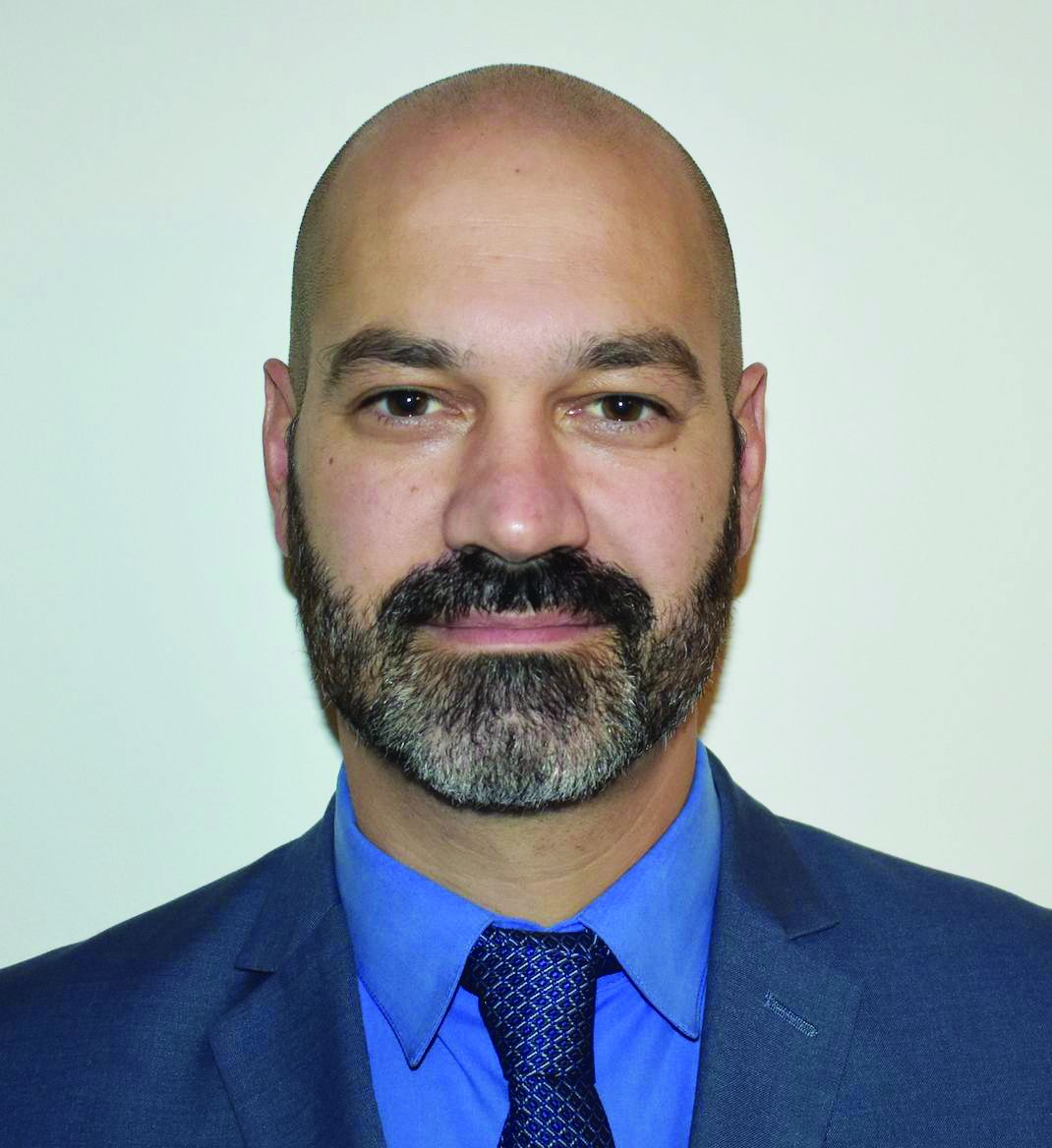
“The last several years have been a breakthrough period in GCA, which started with addition of tocilizumab to the therapeutic armamentarium against this disease and continued with several other agents showing promising results in phase 2 trials [of abatacept, mavrilimumab, and secukinumab] and a recently successful phase 3 trial with upadacitinib,” Dr. Unizony said.
Dr. Katz is a corporate officer and stockholder of Sparrow Pharmaceuticals. Dr. Adami has received speaker fees and/or has consulted for Galapagos, Theramex, Amgen, Eli Lilly, UCB, Fresenius Kabi, Bristol Myers Squibb, Abiogen, and Pfizer. Dr. Spiera has been a consultant for Roche-Genentech, GlaxoSmithKline, Sanofi, ChemoCentryx, Novartis, Galderma, Cytori, AstraZeneca, Amgen, and AbbVie, and has received research grant support from GlaxoSmithKline, Roche-Genentech, AstraZeneca, Bristol Myers Squibb, Kadmon, Boehringer Ingelheim, Cytori, ChemoCentryx, Corbus, Novartis, Amgen, and AbbVie.
A version of this article appeared on Medscape.com.
. Selective GC receptor agonists and modulators and GC plus hydroxysteroid dehydrogenase inhibitor combination therapy are some of the approaches under consideration.
“There is growing observational data that confirms the GC-sparing effect seen in some of these clinical trials in real-world data,” said Sebastian E. Sattui, MD, assistant professor of medicine and director of the Vasculitis Center at the University of Pittsburgh Medical Center, Pittsburgh.
GC minimization is an important goal, “and the data emerging from these trials should be reassuring for rheumatology providers,” Dr. Sattui said.
HSD-1 Inhibitors Under Study
11ß-Hydroxysteroid dehydrogenase type 1 (11ß-HSD1) is a tissue-specific intracellular modulator of GC action that’s been trialed for a number of rheumatic conditions. “HSD-1 deficiency or inhibition has been consistently associated with reduced GC side effects in mouse and human,” wrote the authors of a study testing the coadministration of HSD-1 inhibitor SPI-62 (clofutriben) with prednisolone in patients with polymyalgia rheumatica (PMR) to measure its impact on efficacy and toxicity.
Lead study author David Katz, PhD, chief scientific officer at Sparrow Pharmaceuticals, presented results at the at the annual European Congress of Rheumatology.
GCs are often the first-line therapy with PMR. However, it’s very difficult for patients to stop taking GCs once they start taking them. The study included patients with PMR who were taking 10 mg/d prednisolone and didn’t require a dose increase. For the study, they continued prednisolone without dose reduction for 4 weeks, receiving either SPI-62 6 mg/d or a matching placebo for 2 weeks.
During SPI-62 treatment, researchers in sequential cohorts maintained daily prednisolone doses at 10 mg, adjusted to 15 mg or adjusted to 20 mg.
A 10-mg dose of prednisolone combined with 6 mg of SPI-62 demonstrated less efficacy compared with placebo but improved upon prednisolone toxicities such as bone formation and resorption biomarkers, lipidemia, and insulin resistance. Doubling the dose to 20 mg prednisolone combined with SPI-62 achieved similar efficacy and maintained improvement of prednisolone toxicity markers.
“In patients with PMR, when we double the dose of prednisolone during coadministration with a potent HSD-1 inhibitor, we are able to have similar stability of symptoms, physical function, and systemic inflammation. At the same time, we are able to show improvements on biomarkers of bone turnover and insulin resistance,” Dr. Katz informed the EULAR 2024 audience.
An ongoing phase 2 clinical trial is testing SPI-62 in patients with endogenous Cushing syndrome. “It’s a longer-term trial, so we’re able to see at least an individual patient’s more clinical outcomes such as reversal of Cushing’s-associated myopathy and the ability of patients to discontinue all of their antidiabetic medications and yet still have good glycemic control,” he said.
Another research team from the United Kingdom explored whether AZD4017, an inhibitor of human 11ß-HSD1, could mitigate GC effects. The researchers randomly assigned 32 healthy male volunteers to AZD4017 or placebo, along with prednisolone. They reported a worsening of hepatic insulin sensitivity in the placebo group but not in the AZD4017 group, and protective effects of AZD4017 on markers of lipid metabolism and bone turnover, as well as lowered nighttime blood pressure. The results signified that coadministration of AZD4017 with prednisolone in men could be a way to reduce GC side effects.
In a Japanese phase 1/2 study, 11ß-HSD1 inhibitor S-707106 proved useful as an insulin sensitizer and antisarcopenic and anti-obesity medication in 16 patients with Cushing syndrome and autonomous cortisol secretion.
Novel Antitumor Necrosis Factor (TNF) Antibody Plus GC Receptor Modulator Conjugate
A novel antibody-drug conjugate comprising the anti-TNF monoclonal antibody adalimumab (ABBV-3373) linked to a GC receptor modulator shows promise as a GC alternative.
A notable 2022 study authored by Frank Buttgereit, MD, and other researchers assessed its safety and efficacy in a randomized, double-blind, active-controlled, proof-of-concept trial.
ABBV-3373 “was designed to potentially allow precise targeting of activated immune cells while significantly dampening inflammation and minimizing the systemic side effects associated with glucocorticoids,” according to AbbVie, its manufacturer.
A total of 48 adults with moderate to severe rheumatoid arthritis receiving background methotrexate were randomized to receive either ABBV-3373 (n = 31) or adalimumab (n = 17). The novel drug at 12 weeks showed a −2.65 reduction in the Disease Activity Score in 28 joints using C-reactive protein, compared with −2.13 for adalimumab. Researchers also predicted ABBV-3373 to be more effective than adalimumab based on in-trial and historical adalimumab data.
“We have great expectations for this molecule,” said Giovanni Adami, MD, PhD, a rheumatologist at the University of Verona, Verona, Italy, who has coauthored several studies on the use of GCs. Plans are underway for a phase 3 study with ABBV-3373.
C5a and Interleukin (IL)-6 Receptor Inhibitors as GC-Sparing Drugs
Investigators in a 2021 paper explored whether the C5a receptor inhibitor avacopan could effectively treat patients with antineutrophil cytoplasmic antibody (ANCA)-associated vasculitis without the need for daily GCs, following treatment with either cyclophosphamide or rituximab. They randomized 331 patients to receive avacopan or prednisone given on a tapering schedule for 20 weeks (60 mg/d tapered to discontinuation by week 21). “Avacopan was noninferior but not superior to prednisone taper with respect to remission at week 26 and was superior to prednisone taper with respect to sustained remission at week 52,” the investigators summarized.
A longer trial should test avacopan’s safety and durability in patients with ANCA-associated vasculitis, they recommended.
Sarilumab, a human monoclonal antibody that binds IL-6 receptor alpha and blocks the IL-6 pathway, yielded good results in the phase 3 SAPHYR trial as an alternative for patients with PMR who relapse while tapering prednisone therapy.
Researchers in the SAPHYR trial randomly assigned 118 patients 1:1 to receive a twice-monthly subcutaneous injection of sarilumab over 52 weeks plus a 14-week prednisone taper or placebo plus a 52-week prednisone taper. Patients in each group received a tapered GC dose initially at 15 mg/d for 2 weeks in a blinded fashion to control for disease at baseline.
Sarilumab effectively sustained remission in patients, significantly reducing the GC dose compared with placebo.
Disease flare after clinical remission took place in 57% of patients in the placebo group, vs 24% in the sarilumab group. “The placebo-treated patients had a fairly traditional 52-week GC taper. The patients treated with sarilumab had a very rapid GC taper,” said lead study author Robert Spiera, MD, director of the Scleroderma, Vasculitis and Myositis Center at the Hospital for Special Surgery, New York City.
In his own practice, Dr. Spiera often treats his patients with new-onset PMR with a fairly rapid GC taper, akin to what was used in SAPHYR, recognizing that a portion of these patients can be successfully treated with a relatively brief course of GCs, although the majority will need to have “rescue” therapy for flares with that approach.
In SAPHYR, everyone had previously flared and started at 15 mg/d prednisone at study entry. “In my practice, I don’t always raise the prednisone to 15 mg for a PMR flare. I raise it to whatever dose is necessary to capture control of polymyalgia rheumatica symptoms as I add sarilumab. Often, that is less than 15 mg,” he clarified.
Patients with giant cell arteritis (GCA) also struggle to taper or stop using GCs. For these patients, the IL-6 receptor alpha inhibitor tocilizumab has demonstrated benefits in shortening the GC-tapering period.
In the GiACTA trial, researchers randomly assigned 251 patients in a 2:1:1:1 ratio with GCA to receive subcutaneous tocilizumab weekly or every other week, combined with a 26-week prednisone taper, or placebo combined with a prednisone taper over a period of either 26 weeks or 52 weeks. Patients in the tocilizumab arms combined with a 26-week prednisone taper had superior results with GC-free remission compared with those who underwent prednisone tapering plus placebo.
Subsequent studies have investigated the use of tocilizumab in shortening GC tapers. One pilot clinical trial assessed the use of tocilizumab monotherapy following ultrashort-term GC treatment (three pulses of 500 mg of methylprednisolone) in 18 patients with new-onset GCA. Researchers found that approximately 70% of patients were able to achieve and maintain disease remission for 52 weeks. One patient developed anterior ischemic optic neuropathy.
Another pilot study of 30 patients with GCA (50% new-onset disease, 50% relapsing disease) concluded that a year of tocilizumab combined with 8 weeks of prednisone could lead to remission. The majority of patients (77% of 30) maintained prednisone-free remission at 52 weeks, and no cases of anterior ischemic optic neuropathy were observed.
“The results of the studies mentioned above are encouraging and suggest that in the setting of IL-6 blockade treatment with tocilizumab, GC tapers shorter than 6 months may be possible. However, in order to be able to recommend short prednisone tapers in GCA, clinical trials comparing the efficacy and safety of different prednisone tapers [such as 8 vs 26 weeks] are required,” said Sebastian H. Unizony, MD, the study’s lead author and an assistant professor at Harvard Medical School and codirector of the Massachusetts General Hospital Rheumatology Vasculitis Program, Boston.
“The last several years have been a breakthrough period in GCA, which started with addition of tocilizumab to the therapeutic armamentarium against this disease and continued with several other agents showing promising results in phase 2 trials [of abatacept, mavrilimumab, and secukinumab] and a recently successful phase 3 trial with upadacitinib,” Dr. Unizony said.
Dr. Katz is a corporate officer and stockholder of Sparrow Pharmaceuticals. Dr. Adami has received speaker fees and/or has consulted for Galapagos, Theramex, Amgen, Eli Lilly, UCB, Fresenius Kabi, Bristol Myers Squibb, Abiogen, and Pfizer. Dr. Spiera has been a consultant for Roche-Genentech, GlaxoSmithKline, Sanofi, ChemoCentryx, Novartis, Galderma, Cytori, AstraZeneca, Amgen, and AbbVie, and has received research grant support from GlaxoSmithKline, Roche-Genentech, AstraZeneca, Bristol Myers Squibb, Kadmon, Boehringer Ingelheim, Cytori, ChemoCentryx, Corbus, Novartis, Amgen, and AbbVie.
A version of this article appeared on Medscape.com.
. Selective GC receptor agonists and modulators and GC plus hydroxysteroid dehydrogenase inhibitor combination therapy are some of the approaches under consideration.
“There is growing observational data that confirms the GC-sparing effect seen in some of these clinical trials in real-world data,” said Sebastian E. Sattui, MD, assistant professor of medicine and director of the Vasculitis Center at the University of Pittsburgh Medical Center, Pittsburgh.
GC minimization is an important goal, “and the data emerging from these trials should be reassuring for rheumatology providers,” Dr. Sattui said.
HSD-1 Inhibitors Under Study
11ß-Hydroxysteroid dehydrogenase type 1 (11ß-HSD1) is a tissue-specific intracellular modulator of GC action that’s been trialed for a number of rheumatic conditions. “HSD-1 deficiency or inhibition has been consistently associated with reduced GC side effects in mouse and human,” wrote the authors of a study testing the coadministration of HSD-1 inhibitor SPI-62 (clofutriben) with prednisolone in patients with polymyalgia rheumatica (PMR) to measure its impact on efficacy and toxicity.
Lead study author David Katz, PhD, chief scientific officer at Sparrow Pharmaceuticals, presented results at the at the annual European Congress of Rheumatology.
GCs are often the first-line therapy with PMR. However, it’s very difficult for patients to stop taking GCs once they start taking them. The study included patients with PMR who were taking 10 mg/d prednisolone and didn’t require a dose increase. For the study, they continued prednisolone without dose reduction for 4 weeks, receiving either SPI-62 6 mg/d or a matching placebo for 2 weeks.
During SPI-62 treatment, researchers in sequential cohorts maintained daily prednisolone doses at 10 mg, adjusted to 15 mg or adjusted to 20 mg.
A 10-mg dose of prednisolone combined with 6 mg of SPI-62 demonstrated less efficacy compared with placebo but improved upon prednisolone toxicities such as bone formation and resorption biomarkers, lipidemia, and insulin resistance. Doubling the dose to 20 mg prednisolone combined with SPI-62 achieved similar efficacy and maintained improvement of prednisolone toxicity markers.
“In patients with PMR, when we double the dose of prednisolone during coadministration with a potent HSD-1 inhibitor, we are able to have similar stability of symptoms, physical function, and systemic inflammation. At the same time, we are able to show improvements on biomarkers of bone turnover and insulin resistance,” Dr. Katz informed the EULAR 2024 audience.
An ongoing phase 2 clinical trial is testing SPI-62 in patients with endogenous Cushing syndrome. “It’s a longer-term trial, so we’re able to see at least an individual patient’s more clinical outcomes such as reversal of Cushing’s-associated myopathy and the ability of patients to discontinue all of their antidiabetic medications and yet still have good glycemic control,” he said.
Another research team from the United Kingdom explored whether AZD4017, an inhibitor of human 11ß-HSD1, could mitigate GC effects. The researchers randomly assigned 32 healthy male volunteers to AZD4017 or placebo, along with prednisolone. They reported a worsening of hepatic insulin sensitivity in the placebo group but not in the AZD4017 group, and protective effects of AZD4017 on markers of lipid metabolism and bone turnover, as well as lowered nighttime blood pressure. The results signified that coadministration of AZD4017 with prednisolone in men could be a way to reduce GC side effects.
In a Japanese phase 1/2 study, 11ß-HSD1 inhibitor S-707106 proved useful as an insulin sensitizer and antisarcopenic and anti-obesity medication in 16 patients with Cushing syndrome and autonomous cortisol secretion.
Novel Antitumor Necrosis Factor (TNF) Antibody Plus GC Receptor Modulator Conjugate
A novel antibody-drug conjugate comprising the anti-TNF monoclonal antibody adalimumab (ABBV-3373) linked to a GC receptor modulator shows promise as a GC alternative.
A notable 2022 study authored by Frank Buttgereit, MD, and other researchers assessed its safety and efficacy in a randomized, double-blind, active-controlled, proof-of-concept trial.
ABBV-3373 “was designed to potentially allow precise targeting of activated immune cells while significantly dampening inflammation and minimizing the systemic side effects associated with glucocorticoids,” according to AbbVie, its manufacturer.
A total of 48 adults with moderate to severe rheumatoid arthritis receiving background methotrexate were randomized to receive either ABBV-3373 (n = 31) or adalimumab (n = 17). The novel drug at 12 weeks showed a −2.65 reduction in the Disease Activity Score in 28 joints using C-reactive protein, compared with −2.13 for adalimumab. Researchers also predicted ABBV-3373 to be more effective than adalimumab based on in-trial and historical adalimumab data.
“We have great expectations for this molecule,” said Giovanni Adami, MD, PhD, a rheumatologist at the University of Verona, Verona, Italy, who has coauthored several studies on the use of GCs. Plans are underway for a phase 3 study with ABBV-3373.
C5a and Interleukin (IL)-6 Receptor Inhibitors as GC-Sparing Drugs
Investigators in a 2021 paper explored whether the C5a receptor inhibitor avacopan could effectively treat patients with antineutrophil cytoplasmic antibody (ANCA)-associated vasculitis without the need for daily GCs, following treatment with either cyclophosphamide or rituximab. They randomized 331 patients to receive avacopan or prednisone given on a tapering schedule for 20 weeks (60 mg/d tapered to discontinuation by week 21). “Avacopan was noninferior but not superior to prednisone taper with respect to remission at week 26 and was superior to prednisone taper with respect to sustained remission at week 52,” the investigators summarized.
A longer trial should test avacopan’s safety and durability in patients with ANCA-associated vasculitis, they recommended.
Sarilumab, a human monoclonal antibody that binds IL-6 receptor alpha and blocks the IL-6 pathway, yielded good results in the phase 3 SAPHYR trial as an alternative for patients with PMR who relapse while tapering prednisone therapy.
Researchers in the SAPHYR trial randomly assigned 118 patients 1:1 to receive a twice-monthly subcutaneous injection of sarilumab over 52 weeks plus a 14-week prednisone taper or placebo plus a 52-week prednisone taper. Patients in each group received a tapered GC dose initially at 15 mg/d for 2 weeks in a blinded fashion to control for disease at baseline.
Sarilumab effectively sustained remission in patients, significantly reducing the GC dose compared with placebo.
Disease flare after clinical remission took place in 57% of patients in the placebo group, vs 24% in the sarilumab group. “The placebo-treated patients had a fairly traditional 52-week GC taper. The patients treated with sarilumab had a very rapid GC taper,” said lead study author Robert Spiera, MD, director of the Scleroderma, Vasculitis and Myositis Center at the Hospital for Special Surgery, New York City.
In his own practice, Dr. Spiera often treats his patients with new-onset PMR with a fairly rapid GC taper, akin to what was used in SAPHYR, recognizing that a portion of these patients can be successfully treated with a relatively brief course of GCs, although the majority will need to have “rescue” therapy for flares with that approach.
In SAPHYR, everyone had previously flared and started at 15 mg/d prednisone at study entry. “In my practice, I don’t always raise the prednisone to 15 mg for a PMR flare. I raise it to whatever dose is necessary to capture control of polymyalgia rheumatica symptoms as I add sarilumab. Often, that is less than 15 mg,” he clarified.
Patients with giant cell arteritis (GCA) also struggle to taper or stop using GCs. For these patients, the IL-6 receptor alpha inhibitor tocilizumab has demonstrated benefits in shortening the GC-tapering period.
In the GiACTA trial, researchers randomly assigned 251 patients in a 2:1:1:1 ratio with GCA to receive subcutaneous tocilizumab weekly or every other week, combined with a 26-week prednisone taper, or placebo combined with a prednisone taper over a period of either 26 weeks or 52 weeks. Patients in the tocilizumab arms combined with a 26-week prednisone taper had superior results with GC-free remission compared with those who underwent prednisone tapering plus placebo.
Subsequent studies have investigated the use of tocilizumab in shortening GC tapers. One pilot clinical trial assessed the use of tocilizumab monotherapy following ultrashort-term GC treatment (three pulses of 500 mg of methylprednisolone) in 18 patients with new-onset GCA. Researchers found that approximately 70% of patients were able to achieve and maintain disease remission for 52 weeks. One patient developed anterior ischemic optic neuropathy.
Another pilot study of 30 patients with GCA (50% new-onset disease, 50% relapsing disease) concluded that a year of tocilizumab combined with 8 weeks of prednisone could lead to remission. The majority of patients (77% of 30) maintained prednisone-free remission at 52 weeks, and no cases of anterior ischemic optic neuropathy were observed.
“The results of the studies mentioned above are encouraging and suggest that in the setting of IL-6 blockade treatment with tocilizumab, GC tapers shorter than 6 months may be possible. However, in order to be able to recommend short prednisone tapers in GCA, clinical trials comparing the efficacy and safety of different prednisone tapers [such as 8 vs 26 weeks] are required,” said Sebastian H. Unizony, MD, the study’s lead author and an assistant professor at Harvard Medical School and codirector of the Massachusetts General Hospital Rheumatology Vasculitis Program, Boston.
“The last several years have been a breakthrough period in GCA, which started with addition of tocilizumab to the therapeutic armamentarium against this disease and continued with several other agents showing promising results in phase 2 trials [of abatacept, mavrilimumab, and secukinumab] and a recently successful phase 3 trial with upadacitinib,” Dr. Unizony said.
Dr. Katz is a corporate officer and stockholder of Sparrow Pharmaceuticals. Dr. Adami has received speaker fees and/or has consulted for Galapagos, Theramex, Amgen, Eli Lilly, UCB, Fresenius Kabi, Bristol Myers Squibb, Abiogen, and Pfizer. Dr. Spiera has been a consultant for Roche-Genentech, GlaxoSmithKline, Sanofi, ChemoCentryx, Novartis, Galderma, Cytori, AstraZeneca, Amgen, and AbbVie, and has received research grant support from GlaxoSmithKline, Roche-Genentech, AstraZeneca, Bristol Myers Squibb, Kadmon, Boehringer Ingelheim, Cytori, ChemoCentryx, Corbus, Novartis, Amgen, and AbbVie.
A version of this article appeared on Medscape.com.
For One Colorado GI, Private Practice Is Anything But Routine
Lisa Mathew, MD, wants to quell any misconceptions that private practice is dull or routine. “That has not been my experience at all,” says Dr. Mathew, a partner with South Denver Gastroenterology in the suburbs of Denver, Colorado.
“It’s an area within GI where we can be quite nimble in trialing new technologies, optimizing patients’ access to care and working to ensure a positive patient experience,” she said.
Nationwide, a flourishing GI private practice community engages in ongoing dialogue about improvements, navigating a changing healthcare environment, and innovation. “That has been a surprising and wonderful twist in my career,” she added.
Dr. Mathew fosters that dialogue through Gastro Broadcast, a podcast she shares with several other GI physicians. Targeted toward private GI practice, it highlights innovations within the community, providing updates on practice management and other technological advances.
In an interview, she spoke frankly about her favorite recent podcast guest, the challenges she’s faced in her career, and why her fellow GI specialists are her “tribe.”
Q: Why did you choose GI?
Dr. Mathew: In medical school at Duke University, I was considering going into ob.gyn., but academically I was a little more drawn toward internal medicine. While I was in my residency at the University of Pennsylvania, I really clicked with the gastroenterologists. I enjoyed their sense of humor. They were dealing with complex medical issues but doing so with a sense of levity and enjoyment in their work. When I entered fellowship at the University of Washington, I felt like I found my tribe. This was a group of people who really love their work, love medicine, love being able to develop their procedural skills, and keep a sense of humor about themselves. I married a cardiologist (and he’s a hilarious cardiologist), but the world of cardiology is a little more buttoned up. I like that GI is a little more relaxed.
Q: What gives you the most joy in your day-to-day practice?
Dr. Mathew: My patients. They are funny and genuine, and they allow you into these moments of vulnerability — it’s an honor to walk through that together. I’m always so grateful for the trust they put in me in those moments. As my practice has matured, it’s been incredible to watch those relationships grow, as well as begin caring for husbands, wives, sons and daughters of my patients. I enjoy being a part of my community.
Q: Can you talk about an interesting recent guest you had on your podcast? Who was it and why did he or she stand out?
Dr. Mathew: Russ Arjal, MD, AGAF, cofounder, chief medical officer and president of Telebelly Health. He’s been working on a platform for exclusively telehealth services that improves access to care; pairing patients with brick-and-mortar gastroenterology to provide any necessary procedural care, such as colonoscopy and upper endoscopy. It was a fantastic interview. I think it’s so refreshing and inspiring to see how people innovate within the field of GI. On the procedural side, you see this all the time. With my advanced endoscopy colleagues, they’re constantly pushing the boundaries of what we can do procedurally. My academic colleagues are constantly thinking through what the next best treatment is or how best can we optimize care. And, in the world of private practice, we’re thinking about practice care delivery — how to improve access and make the experience of being a patient better, with the ultimate goal of improving health outcomes.
Q: What fears did you have to push past to get to where you are in your career?
Dr. Mathew: Imposter Syndrome is a very, very common issue, maybe somewhat more for women in GI. I think it’s something that everybody wrestles with to some degree. For me, it was developing confidence not just in my clinical skills, but in learning all the complexities of running a small business. It takes time to develop confidence in your abilities and judgment. I think to some degree, that’s normal. It just takes a while to settle into whatever your chosen career path is. Having a community and strong mentors to support me has made all the difference.
Q: Describe your biggest practice-related challenge and what you are doing to address it.
Dr. Mathew: One of the greatest challenges in my career has been navigating COVID — both with just the tremendous sea change it had on our ability to practice, as well as the financial consequences to someone in private practice. Those were very challenging times to deliver the care that was needed, protect staff, and to maintain a small business. Fortunately, as with many practices across the nation, we’ve emerged through that.
We pivoted, we innovated with telehealth and other services that allowed us to care for our patients. But there were a lot of lessons learned and a lot of difficult moments.
Q: What teacher or mentor had the greatest impact on you?
Dr. Mathew: My dad has taught me the value of hard work. Being a physician just comes in tandem with hard work. And my mom, who is a nurse, has always shown the importance of empathy. Without it, everything else is a little empty. Medicine is a combination of skill and hard work, but also an ability to connect with other people. Empathy is essential to that.
Q: Describe how you would spend a free Saturday afternoon.
Dr. Mathew: We have three children who are native Coloradans so skiing is their birthright. Our entire family are diehard skiers. This is our joy. When you talk about the beach versus mountains debate, we are firmly team mountains. On a perfect Saturday afternoon, I’m on the slopes with my little crew, just tearing it up, having a great time.
Lightning Round
Texting or talking?
Texting
Favorite city in U.S. besides the one you live in?
Washington, D.C.
Favorite breakfast?
Avocado toast
Place you most want to travel to?
South America
Favorite junk food?
Candy
Favorite season?
Winter
How many cups of coffee do you drink per day?
2 or 3
If you weren’t a gastroenterologist, what would you be?
Ski coach
Best Halloween costume you ever wore?
Bunch of grapes
Favorite type of music?
Indie folk
Favorite movie genre?
Books, not into movies
Cat person or dog person?
Neither, but I am a certified beekeeper
What song do you have to sing along with when you hear it?
Anything by Queen
Introvert or extrovert?
Extrovert with introverted tendencies
Favorite holiday?
Thanksgiving
Optimist or pessimist?
100% glass half full
Lisa Mathew, MD, wants to quell any misconceptions that private practice is dull or routine. “That has not been my experience at all,” says Dr. Mathew, a partner with South Denver Gastroenterology in the suburbs of Denver, Colorado.
“It’s an area within GI where we can be quite nimble in trialing new technologies, optimizing patients’ access to care and working to ensure a positive patient experience,” she said.
Nationwide, a flourishing GI private practice community engages in ongoing dialogue about improvements, navigating a changing healthcare environment, and innovation. “That has been a surprising and wonderful twist in my career,” she added.
Dr. Mathew fosters that dialogue through Gastro Broadcast, a podcast she shares with several other GI physicians. Targeted toward private GI practice, it highlights innovations within the community, providing updates on practice management and other technological advances.
In an interview, she spoke frankly about her favorite recent podcast guest, the challenges she’s faced in her career, and why her fellow GI specialists are her “tribe.”
Q: Why did you choose GI?
Dr. Mathew: In medical school at Duke University, I was considering going into ob.gyn., but academically I was a little more drawn toward internal medicine. While I was in my residency at the University of Pennsylvania, I really clicked with the gastroenterologists. I enjoyed their sense of humor. They were dealing with complex medical issues but doing so with a sense of levity and enjoyment in their work. When I entered fellowship at the University of Washington, I felt like I found my tribe. This was a group of people who really love their work, love medicine, love being able to develop their procedural skills, and keep a sense of humor about themselves. I married a cardiologist (and he’s a hilarious cardiologist), but the world of cardiology is a little more buttoned up. I like that GI is a little more relaxed.
Q: What gives you the most joy in your day-to-day practice?
Dr. Mathew: My patients. They are funny and genuine, and they allow you into these moments of vulnerability — it’s an honor to walk through that together. I’m always so grateful for the trust they put in me in those moments. As my practice has matured, it’s been incredible to watch those relationships grow, as well as begin caring for husbands, wives, sons and daughters of my patients. I enjoy being a part of my community.
Q: Can you talk about an interesting recent guest you had on your podcast? Who was it and why did he or she stand out?
Dr. Mathew: Russ Arjal, MD, AGAF, cofounder, chief medical officer and president of Telebelly Health. He’s been working on a platform for exclusively telehealth services that improves access to care; pairing patients with brick-and-mortar gastroenterology to provide any necessary procedural care, such as colonoscopy and upper endoscopy. It was a fantastic interview. I think it’s so refreshing and inspiring to see how people innovate within the field of GI. On the procedural side, you see this all the time. With my advanced endoscopy colleagues, they’re constantly pushing the boundaries of what we can do procedurally. My academic colleagues are constantly thinking through what the next best treatment is or how best can we optimize care. And, in the world of private practice, we’re thinking about practice care delivery — how to improve access and make the experience of being a patient better, with the ultimate goal of improving health outcomes.
Q: What fears did you have to push past to get to where you are in your career?
Dr. Mathew: Imposter Syndrome is a very, very common issue, maybe somewhat more for women in GI. I think it’s something that everybody wrestles with to some degree. For me, it was developing confidence not just in my clinical skills, but in learning all the complexities of running a small business. It takes time to develop confidence in your abilities and judgment. I think to some degree, that’s normal. It just takes a while to settle into whatever your chosen career path is. Having a community and strong mentors to support me has made all the difference.
Q: Describe your biggest practice-related challenge and what you are doing to address it.
Dr. Mathew: One of the greatest challenges in my career has been navigating COVID — both with just the tremendous sea change it had on our ability to practice, as well as the financial consequences to someone in private practice. Those were very challenging times to deliver the care that was needed, protect staff, and to maintain a small business. Fortunately, as with many practices across the nation, we’ve emerged through that.
We pivoted, we innovated with telehealth and other services that allowed us to care for our patients. But there were a lot of lessons learned and a lot of difficult moments.
Q: What teacher or mentor had the greatest impact on you?
Dr. Mathew: My dad has taught me the value of hard work. Being a physician just comes in tandem with hard work. And my mom, who is a nurse, has always shown the importance of empathy. Without it, everything else is a little empty. Medicine is a combination of skill and hard work, but also an ability to connect with other people. Empathy is essential to that.
Q: Describe how you would spend a free Saturday afternoon.
Dr. Mathew: We have three children who are native Coloradans so skiing is their birthright. Our entire family are diehard skiers. This is our joy. When you talk about the beach versus mountains debate, we are firmly team mountains. On a perfect Saturday afternoon, I’m on the slopes with my little crew, just tearing it up, having a great time.
Lightning Round
Texting or talking?
Texting
Favorite city in U.S. besides the one you live in?
Washington, D.C.
Favorite breakfast?
Avocado toast
Place you most want to travel to?
South America
Favorite junk food?
Candy
Favorite season?
Winter
How many cups of coffee do you drink per day?
2 or 3
If you weren’t a gastroenterologist, what would you be?
Ski coach
Best Halloween costume you ever wore?
Bunch of grapes
Favorite type of music?
Indie folk
Favorite movie genre?
Books, not into movies
Cat person or dog person?
Neither, but I am a certified beekeeper
What song do you have to sing along with when you hear it?
Anything by Queen
Introvert or extrovert?
Extrovert with introverted tendencies
Favorite holiday?
Thanksgiving
Optimist or pessimist?
100% glass half full
Lisa Mathew, MD, wants to quell any misconceptions that private practice is dull or routine. “That has not been my experience at all,” says Dr. Mathew, a partner with South Denver Gastroenterology in the suburbs of Denver, Colorado.
“It’s an area within GI where we can be quite nimble in trialing new technologies, optimizing patients’ access to care and working to ensure a positive patient experience,” she said.
Nationwide, a flourishing GI private practice community engages in ongoing dialogue about improvements, navigating a changing healthcare environment, and innovation. “That has been a surprising and wonderful twist in my career,” she added.
Dr. Mathew fosters that dialogue through Gastro Broadcast, a podcast she shares with several other GI physicians. Targeted toward private GI practice, it highlights innovations within the community, providing updates on practice management and other technological advances.
In an interview, she spoke frankly about her favorite recent podcast guest, the challenges she’s faced in her career, and why her fellow GI specialists are her “tribe.”
Q: Why did you choose GI?
Dr. Mathew: In medical school at Duke University, I was considering going into ob.gyn., but academically I was a little more drawn toward internal medicine. While I was in my residency at the University of Pennsylvania, I really clicked with the gastroenterologists. I enjoyed their sense of humor. They were dealing with complex medical issues but doing so with a sense of levity and enjoyment in their work. When I entered fellowship at the University of Washington, I felt like I found my tribe. This was a group of people who really love their work, love medicine, love being able to develop their procedural skills, and keep a sense of humor about themselves. I married a cardiologist (and he’s a hilarious cardiologist), but the world of cardiology is a little more buttoned up. I like that GI is a little more relaxed.
Q: What gives you the most joy in your day-to-day practice?
Dr. Mathew: My patients. They are funny and genuine, and they allow you into these moments of vulnerability — it’s an honor to walk through that together. I’m always so grateful for the trust they put in me in those moments. As my practice has matured, it’s been incredible to watch those relationships grow, as well as begin caring for husbands, wives, sons and daughters of my patients. I enjoy being a part of my community.
Q: Can you talk about an interesting recent guest you had on your podcast? Who was it and why did he or she stand out?
Dr. Mathew: Russ Arjal, MD, AGAF, cofounder, chief medical officer and president of Telebelly Health. He’s been working on a platform for exclusively telehealth services that improves access to care; pairing patients with brick-and-mortar gastroenterology to provide any necessary procedural care, such as colonoscopy and upper endoscopy. It was a fantastic interview. I think it’s so refreshing and inspiring to see how people innovate within the field of GI. On the procedural side, you see this all the time. With my advanced endoscopy colleagues, they’re constantly pushing the boundaries of what we can do procedurally. My academic colleagues are constantly thinking through what the next best treatment is or how best can we optimize care. And, in the world of private practice, we’re thinking about practice care delivery — how to improve access and make the experience of being a patient better, with the ultimate goal of improving health outcomes.
Q: What fears did you have to push past to get to where you are in your career?
Dr. Mathew: Imposter Syndrome is a very, very common issue, maybe somewhat more for women in GI. I think it’s something that everybody wrestles with to some degree. For me, it was developing confidence not just in my clinical skills, but in learning all the complexities of running a small business. It takes time to develop confidence in your abilities and judgment. I think to some degree, that’s normal. It just takes a while to settle into whatever your chosen career path is. Having a community and strong mentors to support me has made all the difference.
Q: Describe your biggest practice-related challenge and what you are doing to address it.
Dr. Mathew: One of the greatest challenges in my career has been navigating COVID — both with just the tremendous sea change it had on our ability to practice, as well as the financial consequences to someone in private practice. Those were very challenging times to deliver the care that was needed, protect staff, and to maintain a small business. Fortunately, as with many practices across the nation, we’ve emerged through that.
We pivoted, we innovated with telehealth and other services that allowed us to care for our patients. But there were a lot of lessons learned and a lot of difficult moments.
Q: What teacher or mentor had the greatest impact on you?
Dr. Mathew: My dad has taught me the value of hard work. Being a physician just comes in tandem with hard work. And my mom, who is a nurse, has always shown the importance of empathy. Without it, everything else is a little empty. Medicine is a combination of skill and hard work, but also an ability to connect with other people. Empathy is essential to that.
Q: Describe how you would spend a free Saturday afternoon.
Dr. Mathew: We have three children who are native Coloradans so skiing is their birthright. Our entire family are diehard skiers. This is our joy. When you talk about the beach versus mountains debate, we are firmly team mountains. On a perfect Saturday afternoon, I’m on the slopes with my little crew, just tearing it up, having a great time.
Lightning Round
Texting or talking?
Texting
Favorite city in U.S. besides the one you live in?
Washington, D.C.
Favorite breakfast?
Avocado toast
Place you most want to travel to?
South America
Favorite junk food?
Candy
Favorite season?
Winter
How many cups of coffee do you drink per day?
2 or 3
If you weren’t a gastroenterologist, what would you be?
Ski coach
Best Halloween costume you ever wore?
Bunch of grapes
Favorite type of music?
Indie folk
Favorite movie genre?
Books, not into movies
Cat person or dog person?
Neither, but I am a certified beekeeper
What song do you have to sing along with when you hear it?
Anything by Queen
Introvert or extrovert?
Extrovert with introverted tendencies
Favorite holiday?
Thanksgiving
Optimist or pessimist?
100% glass half full
Want a healthy diet? Eat real food, GI physician advises
What exactly is a healthy diet?
Scott Ketover, MD, AGAF, FASGE, will be the first to admit that’s not an easy question to answer. “As much research and information as we have, we don’t really know what a healthy diet is,” said Dr. Ketover, president and CEO of MNGI Digestive Health in Minneapolis, Minnesota. He was recognized by AGA this year with the Distinguished Clinician Award in Private Practice.
When patients ask questions about a healthy diet, Dr. Ketover responds with a dose of common sense: “If it’s food that didn’t exist in the year 1900, don’t eat it.” Your grandmother’s apple pie is fine in moderation, he said, but the apple pie you get at the McDonald’s drive-through could sit on your shelf for 6 months and look the same.
That is not something you should eat, he emphasizes.
“I really do believe though, that what crosses our lips and gets into our GI tract really underlies our entire health. It’s just that we don’t have enough information yet to know how we can coach people in telling them: eat this, not that,” he added.
In an interview, Dr. Ketover spoke more about the link between the gut microbiome and health, and the young patient who inspired him to become a GI physician.
Q: Why did you choose GI?
Dr. Ketover: I was a medical student working on my pediatrics rotation at Children’s Minnesota (Minneapolis Pediatrics Hospital). A 17-year-old young man who had Crohn’s disease really turned this into my lifelong passion. The patient confided in me that when he was 11, he had an ileostomy. He wore an ileostomy bag for 6 years and kept it hidden from all his friends. He was petrified of their knowing. And he told me at the age of 17 that if he knew how hard it was going to be to keep that secret, he would’ve preferred to have died rather than have the ileostomy. That got me thinking a lot about Crohn’s disease, and certainly how it affects patients. It became a very motivating thing for me to be involved in something that could potentially prevent this situation for others.
Today, we have much better treatment for Crohn’s than we did 30 years ago. So that’s all a good thing.
Q: Wellness and therapeutic diets are a specific interest of yours. Can you talk about this?
Dr. Ketover: We talk about things like Cheetos, Twinkies — those are not real foods. I do direct patients to ‘think’ when they go to the grocery store. All the good stuff is in the perimeter of the store. When you walk down the aisles, it’s all the processed food with added chemicals. It’s hard to point at specific things though and say: this is bad for you, but we do know that we should eat real food as often as we can. And I think that will contribute to our knowledge and learning about the intestinal microbiome. Again, we’re really at the beginning of our infancy of this, even though there’s lots of probiotics and things out there that claim to make you healthier. We don’t really know yet. And it’s going to take more time.
Q: What role does diet play in improving the intestinal microbiome?
Dr. Ketover: When you look at people who are healthy and who have low incidence of chronic diseases or inflammatory conditions, obesity, cancer, we’re starting to study their microbiome to see how it differs from people who have those illnesses and conditions and try to understand what the different constituents are of the microbiome. And then the big question is: Okay, so once we know that, how do we take ‘the unhealthy microbiome’ and change it to the ‘healthy microbiome’?
The only method we currently have is fecal transplant for Clostridioides difficile. And that’s just not a feasible way to change the microbiome for most people.
Some studies are going on with this. There’s been laboratory studies done with lab animals that show that fecal transplant can reverse obesity.
Q: Describe your biggest practice-related challenge and what you are doing to address it.
Dr. Ketover: The biggest challenge these days for medical practices is the relationship with the payer world and prior authorization. Where we’ve seen the greatest impact of prior authorization, unfortunately, is in the Medicare Advantage programs. Payers receive money from the federal government on plans that they can better manage the patient on, rather than Medicare. That results in a tremendous amount of prior authorization.
I get particularly incensed when I see that a lot of payers are practicing medicine without a license and they’re not relying on the professionals who are actually in the exam room with patients and doing the history and physical examination to determine what is an appropriate course of diagnosis or therapy for a patient.
It comes around every January. We have patients who are stable on meds, then their insurance gets renewed and the pharmacy formulary changes. Patients stable on various therapies are either kicked off them, or we have to go through the prior authorization process again for the same patient for the umpteenth time to keep them on a stable therapy.
How do I address that? It’s in conversations with payers and policy makers. There’s a lot going on in Washington, talking about prior authorization. I’m not sure that non-practitioners fully feel the pain that it delivers to patients.
Q: What teacher or mentor had the greatest impact on you?
Dr. Ketover: Phillip M. Kibort, MD, the pediatric physician I worked with as a medical student who really turned me on to GI medicine. We worked together on several patients and I was able to develop an appreciation for the breadth and depth of GI-related abnormalities and diseases and therapies. And I really got excited by the spectrum of opportunity that I would have as a physician to help treat patients with GI illness.
Q: What would you do differently if you had a chance?
Dr. Ketover: I’d travel more both for work and for pleasure. I really enjoy my relationships that I’ve created with lots of other gastroenterologists as well as non-physicians around policy issues. I’m involved in a couple of national organizations that talk to politicians on Capitol Hill and at state houses about patient advocacy. I would have done more of that earlier in my career if I could have.
Q: What do you like to do in your free time?
Dr. Ketover: I like to run, bike, walk. I like being outside as much as possible and enjoy being active.
Lightning Round
Texting or talking?
Texting, very efficient
Favorite city in U.S. besides the one you live in?
Waikiki, Honolulu
Favorite breakfast?
Pancakes
Place you most want to travel to?
Australia and New Zealand
Favorite junk food?
Pretzels and ice cream
Favorite season?
Summer
How many cups of coffee do you drink per day?
2-3
If you weren’t a gastroenterologist, what would you be?
Public policy writer
Who inspires you?
My wife
Best Halloween costume you ever wore?
Cowboy
Favorite type of music?
Classic rock
Favorite movie genre?
Science fiction, space exploration
Cat person or dog person?
Dog
Favorite sport?
Football — to watch
What song do you have to sing along with when you hear it?
Bohemian Rhapsody
Introvert or extrovert?
Introvert
Optimist or pessimist?
Optimist
What exactly is a healthy diet?
Scott Ketover, MD, AGAF, FASGE, will be the first to admit that’s not an easy question to answer. “As much research and information as we have, we don’t really know what a healthy diet is,” said Dr. Ketover, president and CEO of MNGI Digestive Health in Minneapolis, Minnesota. He was recognized by AGA this year with the Distinguished Clinician Award in Private Practice.
When patients ask questions about a healthy diet, Dr. Ketover responds with a dose of common sense: “If it’s food that didn’t exist in the year 1900, don’t eat it.” Your grandmother’s apple pie is fine in moderation, he said, but the apple pie you get at the McDonald’s drive-through could sit on your shelf for 6 months and look the same.
That is not something you should eat, he emphasizes.
“I really do believe though, that what crosses our lips and gets into our GI tract really underlies our entire health. It’s just that we don’t have enough information yet to know how we can coach people in telling them: eat this, not that,” he added.
In an interview, Dr. Ketover spoke more about the link between the gut microbiome and health, and the young patient who inspired him to become a GI physician.
Q: Why did you choose GI?
Dr. Ketover: I was a medical student working on my pediatrics rotation at Children’s Minnesota (Minneapolis Pediatrics Hospital). A 17-year-old young man who had Crohn’s disease really turned this into my lifelong passion. The patient confided in me that when he was 11, he had an ileostomy. He wore an ileostomy bag for 6 years and kept it hidden from all his friends. He was petrified of their knowing. And he told me at the age of 17 that if he knew how hard it was going to be to keep that secret, he would’ve preferred to have died rather than have the ileostomy. That got me thinking a lot about Crohn’s disease, and certainly how it affects patients. It became a very motivating thing for me to be involved in something that could potentially prevent this situation for others.
Today, we have much better treatment for Crohn’s than we did 30 years ago. So that’s all a good thing.
Q: Wellness and therapeutic diets are a specific interest of yours. Can you talk about this?
Dr. Ketover: We talk about things like Cheetos, Twinkies — those are not real foods. I do direct patients to ‘think’ when they go to the grocery store. All the good stuff is in the perimeter of the store. When you walk down the aisles, it’s all the processed food with added chemicals. It’s hard to point at specific things though and say: this is bad for you, but we do know that we should eat real food as often as we can. And I think that will contribute to our knowledge and learning about the intestinal microbiome. Again, we’re really at the beginning of our infancy of this, even though there’s lots of probiotics and things out there that claim to make you healthier. We don’t really know yet. And it’s going to take more time.
Q: What role does diet play in improving the intestinal microbiome?
Dr. Ketover: When you look at people who are healthy and who have low incidence of chronic diseases or inflammatory conditions, obesity, cancer, we’re starting to study their microbiome to see how it differs from people who have those illnesses and conditions and try to understand what the different constituents are of the microbiome. And then the big question is: Okay, so once we know that, how do we take ‘the unhealthy microbiome’ and change it to the ‘healthy microbiome’?
The only method we currently have is fecal transplant for Clostridioides difficile. And that’s just not a feasible way to change the microbiome for most people.
Some studies are going on with this. There’s been laboratory studies done with lab animals that show that fecal transplant can reverse obesity.
Q: Describe your biggest practice-related challenge and what you are doing to address it.
Dr. Ketover: The biggest challenge these days for medical practices is the relationship with the payer world and prior authorization. Where we’ve seen the greatest impact of prior authorization, unfortunately, is in the Medicare Advantage programs. Payers receive money from the federal government on plans that they can better manage the patient on, rather than Medicare. That results in a tremendous amount of prior authorization.
I get particularly incensed when I see that a lot of payers are practicing medicine without a license and they’re not relying on the professionals who are actually in the exam room with patients and doing the history and physical examination to determine what is an appropriate course of diagnosis or therapy for a patient.
It comes around every January. We have patients who are stable on meds, then their insurance gets renewed and the pharmacy formulary changes. Patients stable on various therapies are either kicked off them, or we have to go through the prior authorization process again for the same patient for the umpteenth time to keep them on a stable therapy.
How do I address that? It’s in conversations with payers and policy makers. There’s a lot going on in Washington, talking about prior authorization. I’m not sure that non-practitioners fully feel the pain that it delivers to patients.
Q: What teacher or mentor had the greatest impact on you?
Dr. Ketover: Phillip M. Kibort, MD, the pediatric physician I worked with as a medical student who really turned me on to GI medicine. We worked together on several patients and I was able to develop an appreciation for the breadth and depth of GI-related abnormalities and diseases and therapies. And I really got excited by the spectrum of opportunity that I would have as a physician to help treat patients with GI illness.
Q: What would you do differently if you had a chance?
Dr. Ketover: I’d travel more both for work and for pleasure. I really enjoy my relationships that I’ve created with lots of other gastroenterologists as well as non-physicians around policy issues. I’m involved in a couple of national organizations that talk to politicians on Capitol Hill and at state houses about patient advocacy. I would have done more of that earlier in my career if I could have.
Q: What do you like to do in your free time?
Dr. Ketover: I like to run, bike, walk. I like being outside as much as possible and enjoy being active.
Lightning Round
Texting or talking?
Texting, very efficient
Favorite city in U.S. besides the one you live in?
Waikiki, Honolulu
Favorite breakfast?
Pancakes
Place you most want to travel to?
Australia and New Zealand
Favorite junk food?
Pretzels and ice cream
Favorite season?
Summer
How many cups of coffee do you drink per day?
2-3
If you weren’t a gastroenterologist, what would you be?
Public policy writer
Who inspires you?
My wife
Best Halloween costume you ever wore?
Cowboy
Favorite type of music?
Classic rock
Favorite movie genre?
Science fiction, space exploration
Cat person or dog person?
Dog
Favorite sport?
Football — to watch
What song do you have to sing along with when you hear it?
Bohemian Rhapsody
Introvert or extrovert?
Introvert
Optimist or pessimist?
Optimist
What exactly is a healthy diet?
Scott Ketover, MD, AGAF, FASGE, will be the first to admit that’s not an easy question to answer. “As much research and information as we have, we don’t really know what a healthy diet is,” said Dr. Ketover, president and CEO of MNGI Digestive Health in Minneapolis, Minnesota. He was recognized by AGA this year with the Distinguished Clinician Award in Private Practice.
When patients ask questions about a healthy diet, Dr. Ketover responds with a dose of common sense: “If it’s food that didn’t exist in the year 1900, don’t eat it.” Your grandmother’s apple pie is fine in moderation, he said, but the apple pie you get at the McDonald’s drive-through could sit on your shelf for 6 months and look the same.
That is not something you should eat, he emphasizes.
“I really do believe though, that what crosses our lips and gets into our GI tract really underlies our entire health. It’s just that we don’t have enough information yet to know how we can coach people in telling them: eat this, not that,” he added.
In an interview, Dr. Ketover spoke more about the link between the gut microbiome and health, and the young patient who inspired him to become a GI physician.
Q: Why did you choose GI?
Dr. Ketover: I was a medical student working on my pediatrics rotation at Children’s Minnesota (Minneapolis Pediatrics Hospital). A 17-year-old young man who had Crohn’s disease really turned this into my lifelong passion. The patient confided in me that when he was 11, he had an ileostomy. He wore an ileostomy bag for 6 years and kept it hidden from all his friends. He was petrified of their knowing. And he told me at the age of 17 that if he knew how hard it was going to be to keep that secret, he would’ve preferred to have died rather than have the ileostomy. That got me thinking a lot about Crohn’s disease, and certainly how it affects patients. It became a very motivating thing for me to be involved in something that could potentially prevent this situation for others.
Today, we have much better treatment for Crohn’s than we did 30 years ago. So that’s all a good thing.
Q: Wellness and therapeutic diets are a specific interest of yours. Can you talk about this?
Dr. Ketover: We talk about things like Cheetos, Twinkies — those are not real foods. I do direct patients to ‘think’ when they go to the grocery store. All the good stuff is in the perimeter of the store. When you walk down the aisles, it’s all the processed food with added chemicals. It’s hard to point at specific things though and say: this is bad for you, but we do know that we should eat real food as often as we can. And I think that will contribute to our knowledge and learning about the intestinal microbiome. Again, we’re really at the beginning of our infancy of this, even though there’s lots of probiotics and things out there that claim to make you healthier. We don’t really know yet. And it’s going to take more time.
Q: What role does diet play in improving the intestinal microbiome?
Dr. Ketover: When you look at people who are healthy and who have low incidence of chronic diseases or inflammatory conditions, obesity, cancer, we’re starting to study their microbiome to see how it differs from people who have those illnesses and conditions and try to understand what the different constituents are of the microbiome. And then the big question is: Okay, so once we know that, how do we take ‘the unhealthy microbiome’ and change it to the ‘healthy microbiome’?
The only method we currently have is fecal transplant for Clostridioides difficile. And that’s just not a feasible way to change the microbiome for most people.
Some studies are going on with this. There’s been laboratory studies done with lab animals that show that fecal transplant can reverse obesity.
Q: Describe your biggest practice-related challenge and what you are doing to address it.
Dr. Ketover: The biggest challenge these days for medical practices is the relationship with the payer world and prior authorization. Where we’ve seen the greatest impact of prior authorization, unfortunately, is in the Medicare Advantage programs. Payers receive money from the federal government on plans that they can better manage the patient on, rather than Medicare. That results in a tremendous amount of prior authorization.
I get particularly incensed when I see that a lot of payers are practicing medicine without a license and they’re not relying on the professionals who are actually in the exam room with patients and doing the history and physical examination to determine what is an appropriate course of diagnosis or therapy for a patient.
It comes around every January. We have patients who are stable on meds, then their insurance gets renewed and the pharmacy formulary changes. Patients stable on various therapies are either kicked off them, or we have to go through the prior authorization process again for the same patient for the umpteenth time to keep them on a stable therapy.
How do I address that? It’s in conversations with payers and policy makers. There’s a lot going on in Washington, talking about prior authorization. I’m not sure that non-practitioners fully feel the pain that it delivers to patients.
Q: What teacher or mentor had the greatest impact on you?
Dr. Ketover: Phillip M. Kibort, MD, the pediatric physician I worked with as a medical student who really turned me on to GI medicine. We worked together on several patients and I was able to develop an appreciation for the breadth and depth of GI-related abnormalities and diseases and therapies. And I really got excited by the spectrum of opportunity that I would have as a physician to help treat patients with GI illness.
Q: What would you do differently if you had a chance?
Dr. Ketover: I’d travel more both for work and for pleasure. I really enjoy my relationships that I’ve created with lots of other gastroenterologists as well as non-physicians around policy issues. I’m involved in a couple of national organizations that talk to politicians on Capitol Hill and at state houses about patient advocacy. I would have done more of that earlier in my career if I could have.
Q: What do you like to do in your free time?
Dr. Ketover: I like to run, bike, walk. I like being outside as much as possible and enjoy being active.
Lightning Round
Texting or talking?
Texting, very efficient
Favorite city in U.S. besides the one you live in?
Waikiki, Honolulu
Favorite breakfast?
Pancakes
Place you most want to travel to?
Australia and New Zealand
Favorite junk food?
Pretzels and ice cream
Favorite season?
Summer
How many cups of coffee do you drink per day?
2-3
If you weren’t a gastroenterologist, what would you be?
Public policy writer
Who inspires you?
My wife
Best Halloween costume you ever wore?
Cowboy
Favorite type of music?
Classic rock
Favorite movie genre?
Science fiction, space exploration
Cat person or dog person?
Dog
Favorite sport?
Football — to watch
What song do you have to sing along with when you hear it?
Bohemian Rhapsody
Introvert or extrovert?
Introvert
Optimist or pessimist?
Optimist
GI Doc Aims to Lift Barriers to CRC Screening for Black Patients
In gastroenterology, a good bedside manner is a vital attribute. Visiting with an anxious patient before a colonoscopy, Adjoa Anyane-Yeboa, MD, MPH, knew what to say to calm him down.
“I could tell he was really nervous about the procedure, even though he wasn’t letting on,” said Dr. Anyane-Yeboa, a gastroenterologist with Massachusetts General Hospital in Boston. She put him at ease by cracking jokes and making him smile during the consent process. After it was over, he thanked her for making him feel more comfortable.
“I will have it done again, and I’ll come back to you next time,” said the patient.
GI doctors perform colonoscopies all day, every day, “so we sometimes forget how nervous people are. But it’s nice to be able to connect with people and put them at ease,” she said.
Interacting with patients gives her joy. Addressing health disparities is her long-term goal. Dr. Anyane-Yeboa’s research has focused on the barriers to colorectal cancer screening in the Black population, as well as disparities in inflammatory bowel disease (IBD).
“I think there’s a lot that still needs to be done around colorectal cancer screening,” she said.
In an interview, she talks more in depth about her research and her ongoing work to increase public knowledge and awareness about colorectal cancer screening.
Q: Why did you choose GI?
Dr. Anyane-Yeboa: When I got to residency, GI was the rotation that was the most fun. I was the most excited to read about it, the most excited to go to work the next day.
I remember people saying, “You should look at the people who are in the field and look at their personalities, and then think about which personalities match you best.” In residency I considered hematology, cardiology, and GI. The cardiologists were so serious, so intense, talking about research methods all the time. Whereas, the GI folks were joking, laughing, making fart jokes. I felt like these were my people, lighthearted and easy-going. And I genuinely enjoyed going to work every day and learning about the disorders of the GI tract. I still do to this day.
Q: Let’s discuss your research with IBD in Black populations and colorectal cancer screening.
Dr. Anyane-Yeboa: My two main areas of work are in IBD and minority populations, predominantly Black populations, and in colorectal cancer screening in minority populations, and again, mostly in historically marginalized populations.
With colon cancer, we know that there are disparities with incidence in mortality. Black individuals have had the second highest incidence in mortality from colorectal cancer. For me, being a Black female physician and seeing people who look like me, time and time again, being diagnosed with colorectal cancer and dying is really what drives me, because in GI, colon cancer screening is our bread and butter.
Some of the work that I’m doing now around colorectal cancer is in predominantly Black community health centers, working on increasing colorectal cancer screening rates in this population, and figuring out what the barriers are to screening and how we can address them, and what are some strategies that will work in a health center setting to get people screened.
Q: One study of yours surveyed unscreened Black individuals age ≥ 45 and found age-specific barriers to CRC screening in this population, as well as a lack of targeted messaging to incentivize screening.
Dr. Anyane-Yeboa: That mixed method study was done in partnership with the National Colorectal Cancer Roundtable and American Cancer Society.
In that study, we found that the most common barrier to screening was self-procrastination or delay of screening, meaning, “I’m going to get screened, just not right now.” It’s not a priority. What was unique about this is we looked at it from age breakdown, so 45-49, 50-54, 55-plus. With the younger 45-49 group, we don’t know as much about how to get them screened. We also saw that healthcare providers weren’t starting conversations about screening with these younger newly eligible patients.
We also described effective messages to get people screened in that paper as well.
Q: What changes would you like to see going forward with screening? What still needs to happen?
Dr. Anyane-Yeboa: In some of the other work that I’ve done, particularly with the health centers and younger populations interviewed in focus groups, I’m seeing that those who are younger don’t really know much about colorectal cancer screening. Those who do know about it have seen commercials about popular stool-based testing brands, and that’s how they’ve learned about screening.
What I would like to see is ways to increase the knowledge and awareness about colorectal cancer screening and colorectal cancer on a broad scale, on a more national, public-facing scale. Because I’m realizing that if they’re healthy young folks who aren’t going to the physician, who don’t have a primary care provider, then they might not even really hear about colorectal cancer screening. We need ways to educate the general public so individuals can advocate for themselves around screening.
I also want to see more providers discussing screening with all patients, starting from those 45-49, and younger if they have a family history. Providers should screen every single patient that they see. We know that every single person should be screened at 45 and older, and not all providers, surprisingly, are discussing it with their patients.
Q: When you’re not being a GI, how do you spend your free weekend afternoons?
Dr. Anyane-Yeboa: Saturday morning is my favorite time of the week. I’m either catching up on my TV shows, or I might be on a walk with my dog, particularly in the afternoon. I live near an arboretum, so I usually walk through there on the weekend afternoons. I also might be trying out a new restaurant with my friends. I love traveling, so I might also be sightseeing in another country.
Lightning Round
Texting or talking?
Texting
Favorite junk food?
Cookies
Cat or dog person?
Both; love cats, have a dog
If you weren’t a gastroenterologist, what would you be?
Fashion boutique owner
Best place you’ve traveled to?
Morocco
How many cups of coffee do you drink per day?
Two
Favorite ice cream?
Don’t eat ice cream, only cookies
Favorite sport?
Tennis
Optimist or pessimist?
Optimist (glass half full)
In gastroenterology, a good bedside manner is a vital attribute. Visiting with an anxious patient before a colonoscopy, Adjoa Anyane-Yeboa, MD, MPH, knew what to say to calm him down.
“I could tell he was really nervous about the procedure, even though he wasn’t letting on,” said Dr. Anyane-Yeboa, a gastroenterologist with Massachusetts General Hospital in Boston. She put him at ease by cracking jokes and making him smile during the consent process. After it was over, he thanked her for making him feel more comfortable.
“I will have it done again, and I’ll come back to you next time,” said the patient.
GI doctors perform colonoscopies all day, every day, “so we sometimes forget how nervous people are. But it’s nice to be able to connect with people and put them at ease,” she said.
Interacting with patients gives her joy. Addressing health disparities is her long-term goal. Dr. Anyane-Yeboa’s research has focused on the barriers to colorectal cancer screening in the Black population, as well as disparities in inflammatory bowel disease (IBD).
“I think there’s a lot that still needs to be done around colorectal cancer screening,” she said.
In an interview, she talks more in depth about her research and her ongoing work to increase public knowledge and awareness about colorectal cancer screening.
Q: Why did you choose GI?
Dr. Anyane-Yeboa: When I got to residency, GI was the rotation that was the most fun. I was the most excited to read about it, the most excited to go to work the next day.
I remember people saying, “You should look at the people who are in the field and look at their personalities, and then think about which personalities match you best.” In residency I considered hematology, cardiology, and GI. The cardiologists were so serious, so intense, talking about research methods all the time. Whereas, the GI folks were joking, laughing, making fart jokes. I felt like these were my people, lighthearted and easy-going. And I genuinely enjoyed going to work every day and learning about the disorders of the GI tract. I still do to this day.
Q: Let’s discuss your research with IBD in Black populations and colorectal cancer screening.
Dr. Anyane-Yeboa: My two main areas of work are in IBD and minority populations, predominantly Black populations, and in colorectal cancer screening in minority populations, and again, mostly in historically marginalized populations.
With colon cancer, we know that there are disparities with incidence in mortality. Black individuals have had the second highest incidence in mortality from colorectal cancer. For me, being a Black female physician and seeing people who look like me, time and time again, being diagnosed with colorectal cancer and dying is really what drives me, because in GI, colon cancer screening is our bread and butter.
Some of the work that I’m doing now around colorectal cancer is in predominantly Black community health centers, working on increasing colorectal cancer screening rates in this population, and figuring out what the barriers are to screening and how we can address them, and what are some strategies that will work in a health center setting to get people screened.
Q: One study of yours surveyed unscreened Black individuals age ≥ 45 and found age-specific barriers to CRC screening in this population, as well as a lack of targeted messaging to incentivize screening.
Dr. Anyane-Yeboa: That mixed method study was done in partnership with the National Colorectal Cancer Roundtable and American Cancer Society.
In that study, we found that the most common barrier to screening was self-procrastination or delay of screening, meaning, “I’m going to get screened, just not right now.” It’s not a priority. What was unique about this is we looked at it from age breakdown, so 45-49, 50-54, 55-plus. With the younger 45-49 group, we don’t know as much about how to get them screened. We also saw that healthcare providers weren’t starting conversations about screening with these younger newly eligible patients.
We also described effective messages to get people screened in that paper as well.
Q: What changes would you like to see going forward with screening? What still needs to happen?
Dr. Anyane-Yeboa: In some of the other work that I’ve done, particularly with the health centers and younger populations interviewed in focus groups, I’m seeing that those who are younger don’t really know much about colorectal cancer screening. Those who do know about it have seen commercials about popular stool-based testing brands, and that’s how they’ve learned about screening.
What I would like to see is ways to increase the knowledge and awareness about colorectal cancer screening and colorectal cancer on a broad scale, on a more national, public-facing scale. Because I’m realizing that if they’re healthy young folks who aren’t going to the physician, who don’t have a primary care provider, then they might not even really hear about colorectal cancer screening. We need ways to educate the general public so individuals can advocate for themselves around screening.
I also want to see more providers discussing screening with all patients, starting from those 45-49, and younger if they have a family history. Providers should screen every single patient that they see. We know that every single person should be screened at 45 and older, and not all providers, surprisingly, are discussing it with their patients.
Q: When you’re not being a GI, how do you spend your free weekend afternoons?
Dr. Anyane-Yeboa: Saturday morning is my favorite time of the week. I’m either catching up on my TV shows, or I might be on a walk with my dog, particularly in the afternoon. I live near an arboretum, so I usually walk through there on the weekend afternoons. I also might be trying out a new restaurant with my friends. I love traveling, so I might also be sightseeing in another country.
Lightning Round
Texting or talking?
Texting
Favorite junk food?
Cookies
Cat or dog person?
Both; love cats, have a dog
If you weren’t a gastroenterologist, what would you be?
Fashion boutique owner
Best place you’ve traveled to?
Morocco
How many cups of coffee do you drink per day?
Two
Favorite ice cream?
Don’t eat ice cream, only cookies
Favorite sport?
Tennis
Optimist or pessimist?
Optimist (glass half full)
In gastroenterology, a good bedside manner is a vital attribute. Visiting with an anxious patient before a colonoscopy, Adjoa Anyane-Yeboa, MD, MPH, knew what to say to calm him down.
“I could tell he was really nervous about the procedure, even though he wasn’t letting on,” said Dr. Anyane-Yeboa, a gastroenterologist with Massachusetts General Hospital in Boston. She put him at ease by cracking jokes and making him smile during the consent process. After it was over, he thanked her for making him feel more comfortable.
“I will have it done again, and I’ll come back to you next time,” said the patient.
GI doctors perform colonoscopies all day, every day, “so we sometimes forget how nervous people are. But it’s nice to be able to connect with people and put them at ease,” she said.
Interacting with patients gives her joy. Addressing health disparities is her long-term goal. Dr. Anyane-Yeboa’s research has focused on the barriers to colorectal cancer screening in the Black population, as well as disparities in inflammatory bowel disease (IBD).
“I think there’s a lot that still needs to be done around colorectal cancer screening,” she said.
In an interview, she talks more in depth about her research and her ongoing work to increase public knowledge and awareness about colorectal cancer screening.
Q: Why did you choose GI?
Dr. Anyane-Yeboa: When I got to residency, GI was the rotation that was the most fun. I was the most excited to read about it, the most excited to go to work the next day.
I remember people saying, “You should look at the people who are in the field and look at their personalities, and then think about which personalities match you best.” In residency I considered hematology, cardiology, and GI. The cardiologists were so serious, so intense, talking about research methods all the time. Whereas, the GI folks were joking, laughing, making fart jokes. I felt like these were my people, lighthearted and easy-going. And I genuinely enjoyed going to work every day and learning about the disorders of the GI tract. I still do to this day.
Q: Let’s discuss your research with IBD in Black populations and colorectal cancer screening.
Dr. Anyane-Yeboa: My two main areas of work are in IBD and minority populations, predominantly Black populations, and in colorectal cancer screening in minority populations, and again, mostly in historically marginalized populations.
With colon cancer, we know that there are disparities with incidence in mortality. Black individuals have had the second highest incidence in mortality from colorectal cancer. For me, being a Black female physician and seeing people who look like me, time and time again, being diagnosed with colorectal cancer and dying is really what drives me, because in GI, colon cancer screening is our bread and butter.
Some of the work that I’m doing now around colorectal cancer is in predominantly Black community health centers, working on increasing colorectal cancer screening rates in this population, and figuring out what the barriers are to screening and how we can address them, and what are some strategies that will work in a health center setting to get people screened.
Q: One study of yours surveyed unscreened Black individuals age ≥ 45 and found age-specific barriers to CRC screening in this population, as well as a lack of targeted messaging to incentivize screening.
Dr. Anyane-Yeboa: That mixed method study was done in partnership with the National Colorectal Cancer Roundtable and American Cancer Society.
In that study, we found that the most common barrier to screening was self-procrastination or delay of screening, meaning, “I’m going to get screened, just not right now.” It’s not a priority. What was unique about this is we looked at it from age breakdown, so 45-49, 50-54, 55-plus. With the younger 45-49 group, we don’t know as much about how to get them screened. We also saw that healthcare providers weren’t starting conversations about screening with these younger newly eligible patients.
We also described effective messages to get people screened in that paper as well.
Q: What changes would you like to see going forward with screening? What still needs to happen?
Dr. Anyane-Yeboa: In some of the other work that I’ve done, particularly with the health centers and younger populations interviewed in focus groups, I’m seeing that those who are younger don’t really know much about colorectal cancer screening. Those who do know about it have seen commercials about popular stool-based testing brands, and that’s how they’ve learned about screening.
What I would like to see is ways to increase the knowledge and awareness about colorectal cancer screening and colorectal cancer on a broad scale, on a more national, public-facing scale. Because I’m realizing that if they’re healthy young folks who aren’t going to the physician, who don’t have a primary care provider, then they might not even really hear about colorectal cancer screening. We need ways to educate the general public so individuals can advocate for themselves around screening.
I also want to see more providers discussing screening with all patients, starting from those 45-49, and younger if they have a family history. Providers should screen every single patient that they see. We know that every single person should be screened at 45 and older, and not all providers, surprisingly, are discussing it with their patients.
Q: When you’re not being a GI, how do you spend your free weekend afternoons?
Dr. Anyane-Yeboa: Saturday morning is my favorite time of the week. I’m either catching up on my TV shows, or I might be on a walk with my dog, particularly in the afternoon. I live near an arboretum, so I usually walk through there on the weekend afternoons. I also might be trying out a new restaurant with my friends. I love traveling, so I might also be sightseeing in another country.
Lightning Round
Texting or talking?
Texting
Favorite junk food?
Cookies
Cat or dog person?
Both; love cats, have a dog
If you weren’t a gastroenterologist, what would you be?
Fashion boutique owner
Best place you’ve traveled to?
Morocco
How many cups of coffee do you drink per day?
Two
Favorite ice cream?
Don’t eat ice cream, only cookies
Favorite sport?
Tennis
Optimist or pessimist?
Optimist (glass half full)
GI physician channels humor to incentivize cancer screenings
She watched her father suffer from the complications of Crohn’s disease and her brother struggle with irritable bowel syndrome. “We always needed to know where the nearest bathroom was. I grew up with that around me, and I was always just fascinated by the gut and the digestive system,” said Dr. Haghighat, who just finished up her fellowship at the University of Miami and is now a gastroenterologist at University of California, Los Angeles. She also serves as social media editor for AGA’s Gastro Hep Advances.
As she got to know the personalities of the GI department in the first year of medical school, “I realized that our senses of humor and personalities kind of aligned, and I was like, ‘Oh yeah, this is where I’m supposed to be,’ ” said Dr. Haghighat, who can be found on X @DoctorShida.
Humor is something Dr. Haghighat has reached for throughout her life and career. She eventually channeled her gift for satire onto the stage and the internet, as a stand-up comedian. In an interview with GI & Hepatology News, she spoke about the connection between GI medicine and humor, and the creative ways she has helped promote cancer screening in underserved populations.
Q: What practice challenges have you faced in your career?
Dr. Haghighat: I trained in a county hospital, so I’ve always worked with underserved and vulnerable populations. One of the challenges has been just navigation of care, especially as it pertains to cancer diagnoses or cancer screening. A lot of the time, patients don’t understand why they have to do a test or something invasive like a colonoscopy for symptoms they don’t have.
Q: A focus of yours has been improving uptake of screening in underserved communities. Please talk about the work you’ve done in this area.
Dr. Haghighat: I was at Los Angeles General Medical Center — a county hospital in Los Angeles — for residency, where we treated underserved, uninsured patients. I noticed in our primary care clinics a very low uptake of colon cancer screening. Patients didn’t want to bring the stool tests back or get colonoscopies. I surveyed a bunch of the patients and asked: How can we make colon cancer screening easier for you? About a third of the patients said, “If I can do it in the clinic before I go home, that would be great.”
So, I started this initiative called “Go Before You Go.” We would ask patients, “Hey, do you need to go to the bathroom right now, if you can?” Our nurses handed them the stool test to do in the bathroom before they left the clinic after their doctor visits.
We saw really good results with that. Surprisingly, a lot of people can go on demand. We saw increased screening rates, and that quality improvement project went on to win multiple first place awards in research competitions. So that’s what got me interested, and that’s where I had my beginnings of increasing preventative services in underserved communities on the ground.
Q: Can you discuss some health disparity studies you’ve done in this area?
Dr. Haghighat: As a GI at Jackson Memorial Hospital in Miami, I was seeing cancer disparities firsthand every day. I wanted to approach these disparities from a research funding standpoint on a federal level. I was particularly interested in gastric cancer because it’s not common enough in the United States to warrant universal screening, but it’s very common among certain racial and ethnic minorities, which would warrant targeted screening.
I evaluated cancer funding allocation from the National Cancer Institute among the most common cancers in the United States and found that cancer afflicting a higher proportion of racial and ethnic minorities was receiving lower funding. One of those cancers was stomach cancer. This study basically highlighted that, to decrease these disparities, a top-down policy approach is necessary to distribute cancer research funding equitably across these groups.
A lot of stomach cancer comes from a bacteria called Helicobacter pylori, which can be more prevalent in certain countries. In another study, I looked at country of birth as a risk factor for stomach cancer, specifically for gastric intestinal metaplasia, which is a precursor for gastric cancer .
We found that country of birth is a key risk factor for gastric intestinal metaplasia and that it should be incorporated into risk stratification for targeted screening.
Q: Outside of medicine, you perform as a stand-up comedian. You have a popular satirical alias on social media. How did you get interested in stand-up comedy?
Dr. Haghighat: I gave my medical school’s commencement speech, and I had sprinkled a few jokes in there. Afterward, multiple people approached me and said, “You should really consider stand-up comedy. Your timing and delivery are great.” A few months later, I started my intern year in Los Angeles and simultaneously took stand-up comedy classes. I started performing at local clubs around town throughout residency, and I had two or three good sets that I could rely on. And so that’s how I got into stand-up comedy.
My intern year is also when I started this social media satire account. It was a way to cope with the anxieties and stress of residency. Before I knew it, the account gained multitudes of followers, doctors, and other medical professionals. And I joke that the more hours I work in a week, the more memes I make, the more posts I make. It’s kind of a creative outlet for me after a long day.
Q: What types of things do you talk about during your stand-up act?
Dr. Haghighat: A lot of it is about growing up in an immigrant household as a first-generation Iranian American. One of my favorite jokes is, my parents gave me so many options for a career. They said I could be a family doctor, a surgeon, a plastic surgeon, and if I worked hard, even a wife of a surgeon. But I talk a lot about being a woman in medicine. That always gets a lot of laughs. And now that I’ve graduated GI fellowship, I’m excited to incorporate some GI jokes because it turns out people love poop jokes.
Lightning Round
Texting or talking?
Text
Favorite city in U.S. besides the one you live in?
Denver
Cat or dog person
Dog
Best place you went on vacation
Patagonia
Favorite sport
Basketball
Favorite ice cream
Rocky Road
What song do you have to sing along with when you hear it?
Celine Dion’s My Heart Will Go On
She watched her father suffer from the complications of Crohn’s disease and her brother struggle with irritable bowel syndrome. “We always needed to know where the nearest bathroom was. I grew up with that around me, and I was always just fascinated by the gut and the digestive system,” said Dr. Haghighat, who just finished up her fellowship at the University of Miami and is now a gastroenterologist at University of California, Los Angeles. She also serves as social media editor for AGA’s Gastro Hep Advances.
As she got to know the personalities of the GI department in the first year of medical school, “I realized that our senses of humor and personalities kind of aligned, and I was like, ‘Oh yeah, this is where I’m supposed to be,’ ” said Dr. Haghighat, who can be found on X @DoctorShida.
Humor is something Dr. Haghighat has reached for throughout her life and career. She eventually channeled her gift for satire onto the stage and the internet, as a stand-up comedian. In an interview with GI & Hepatology News, she spoke about the connection between GI medicine and humor, and the creative ways she has helped promote cancer screening in underserved populations.
Q: What practice challenges have you faced in your career?
Dr. Haghighat: I trained in a county hospital, so I’ve always worked with underserved and vulnerable populations. One of the challenges has been just navigation of care, especially as it pertains to cancer diagnoses or cancer screening. A lot of the time, patients don’t understand why they have to do a test or something invasive like a colonoscopy for symptoms they don’t have.
Q: A focus of yours has been improving uptake of screening in underserved communities. Please talk about the work you’ve done in this area.
Dr. Haghighat: I was at Los Angeles General Medical Center — a county hospital in Los Angeles — for residency, where we treated underserved, uninsured patients. I noticed in our primary care clinics a very low uptake of colon cancer screening. Patients didn’t want to bring the stool tests back or get colonoscopies. I surveyed a bunch of the patients and asked: How can we make colon cancer screening easier for you? About a third of the patients said, “If I can do it in the clinic before I go home, that would be great.”
So, I started this initiative called “Go Before You Go.” We would ask patients, “Hey, do you need to go to the bathroom right now, if you can?” Our nurses handed them the stool test to do in the bathroom before they left the clinic after their doctor visits.
We saw really good results with that. Surprisingly, a lot of people can go on demand. We saw increased screening rates, and that quality improvement project went on to win multiple first place awards in research competitions. So that’s what got me interested, and that’s where I had my beginnings of increasing preventative services in underserved communities on the ground.
Q: Can you discuss some health disparity studies you’ve done in this area?
Dr. Haghighat: As a GI at Jackson Memorial Hospital in Miami, I was seeing cancer disparities firsthand every day. I wanted to approach these disparities from a research funding standpoint on a federal level. I was particularly interested in gastric cancer because it’s not common enough in the United States to warrant universal screening, but it’s very common among certain racial and ethnic minorities, which would warrant targeted screening.
I evaluated cancer funding allocation from the National Cancer Institute among the most common cancers in the United States and found that cancer afflicting a higher proportion of racial and ethnic minorities was receiving lower funding. One of those cancers was stomach cancer. This study basically highlighted that, to decrease these disparities, a top-down policy approach is necessary to distribute cancer research funding equitably across these groups.
A lot of stomach cancer comes from a bacteria called Helicobacter pylori, which can be more prevalent in certain countries. In another study, I looked at country of birth as a risk factor for stomach cancer, specifically for gastric intestinal metaplasia, which is a precursor for gastric cancer .
We found that country of birth is a key risk factor for gastric intestinal metaplasia and that it should be incorporated into risk stratification for targeted screening.
Q: Outside of medicine, you perform as a stand-up comedian. You have a popular satirical alias on social media. How did you get interested in stand-up comedy?
Dr. Haghighat: I gave my medical school’s commencement speech, and I had sprinkled a few jokes in there. Afterward, multiple people approached me and said, “You should really consider stand-up comedy. Your timing and delivery are great.” A few months later, I started my intern year in Los Angeles and simultaneously took stand-up comedy classes. I started performing at local clubs around town throughout residency, and I had two or three good sets that I could rely on. And so that’s how I got into stand-up comedy.
My intern year is also when I started this social media satire account. It was a way to cope with the anxieties and stress of residency. Before I knew it, the account gained multitudes of followers, doctors, and other medical professionals. And I joke that the more hours I work in a week, the more memes I make, the more posts I make. It’s kind of a creative outlet for me after a long day.
Q: What types of things do you talk about during your stand-up act?
Dr. Haghighat: A lot of it is about growing up in an immigrant household as a first-generation Iranian American. One of my favorite jokes is, my parents gave me so many options for a career. They said I could be a family doctor, a surgeon, a plastic surgeon, and if I worked hard, even a wife of a surgeon. But I talk a lot about being a woman in medicine. That always gets a lot of laughs. And now that I’ve graduated GI fellowship, I’m excited to incorporate some GI jokes because it turns out people love poop jokes.
Lightning Round
Texting or talking?
Text
Favorite city in U.S. besides the one you live in?
Denver
Cat or dog person
Dog
Best place you went on vacation
Patagonia
Favorite sport
Basketball
Favorite ice cream
Rocky Road
What song do you have to sing along with when you hear it?
Celine Dion’s My Heart Will Go On
She watched her father suffer from the complications of Crohn’s disease and her brother struggle with irritable bowel syndrome. “We always needed to know where the nearest bathroom was. I grew up with that around me, and I was always just fascinated by the gut and the digestive system,” said Dr. Haghighat, who just finished up her fellowship at the University of Miami and is now a gastroenterologist at University of California, Los Angeles. She also serves as social media editor for AGA’s Gastro Hep Advances.
As she got to know the personalities of the GI department in the first year of medical school, “I realized that our senses of humor and personalities kind of aligned, and I was like, ‘Oh yeah, this is where I’m supposed to be,’ ” said Dr. Haghighat, who can be found on X @DoctorShida.
Humor is something Dr. Haghighat has reached for throughout her life and career. She eventually channeled her gift for satire onto the stage and the internet, as a stand-up comedian. In an interview with GI & Hepatology News, she spoke about the connection between GI medicine and humor, and the creative ways she has helped promote cancer screening in underserved populations.
Q: What practice challenges have you faced in your career?
Dr. Haghighat: I trained in a county hospital, so I’ve always worked with underserved and vulnerable populations. One of the challenges has been just navigation of care, especially as it pertains to cancer diagnoses or cancer screening. A lot of the time, patients don’t understand why they have to do a test or something invasive like a colonoscopy for symptoms they don’t have.
Q: A focus of yours has been improving uptake of screening in underserved communities. Please talk about the work you’ve done in this area.
Dr. Haghighat: I was at Los Angeles General Medical Center — a county hospital in Los Angeles — for residency, where we treated underserved, uninsured patients. I noticed in our primary care clinics a very low uptake of colon cancer screening. Patients didn’t want to bring the stool tests back or get colonoscopies. I surveyed a bunch of the patients and asked: How can we make colon cancer screening easier for you? About a third of the patients said, “If I can do it in the clinic before I go home, that would be great.”
So, I started this initiative called “Go Before You Go.” We would ask patients, “Hey, do you need to go to the bathroom right now, if you can?” Our nurses handed them the stool test to do in the bathroom before they left the clinic after their doctor visits.
We saw really good results with that. Surprisingly, a lot of people can go on demand. We saw increased screening rates, and that quality improvement project went on to win multiple first place awards in research competitions. So that’s what got me interested, and that’s where I had my beginnings of increasing preventative services in underserved communities on the ground.
Q: Can you discuss some health disparity studies you’ve done in this area?
Dr. Haghighat: As a GI at Jackson Memorial Hospital in Miami, I was seeing cancer disparities firsthand every day. I wanted to approach these disparities from a research funding standpoint on a federal level. I was particularly interested in gastric cancer because it’s not common enough in the United States to warrant universal screening, but it’s very common among certain racial and ethnic minorities, which would warrant targeted screening.
I evaluated cancer funding allocation from the National Cancer Institute among the most common cancers in the United States and found that cancer afflicting a higher proportion of racial and ethnic minorities was receiving lower funding. One of those cancers was stomach cancer. This study basically highlighted that, to decrease these disparities, a top-down policy approach is necessary to distribute cancer research funding equitably across these groups.
A lot of stomach cancer comes from a bacteria called Helicobacter pylori, which can be more prevalent in certain countries. In another study, I looked at country of birth as a risk factor for stomach cancer, specifically for gastric intestinal metaplasia, which is a precursor for gastric cancer .
We found that country of birth is a key risk factor for gastric intestinal metaplasia and that it should be incorporated into risk stratification for targeted screening.
Q: Outside of medicine, you perform as a stand-up comedian. You have a popular satirical alias on social media. How did you get interested in stand-up comedy?
Dr. Haghighat: I gave my medical school’s commencement speech, and I had sprinkled a few jokes in there. Afterward, multiple people approached me and said, “You should really consider stand-up comedy. Your timing and delivery are great.” A few months later, I started my intern year in Los Angeles and simultaneously took stand-up comedy classes. I started performing at local clubs around town throughout residency, and I had two or three good sets that I could rely on. And so that’s how I got into stand-up comedy.
My intern year is also when I started this social media satire account. It was a way to cope with the anxieties and stress of residency. Before I knew it, the account gained multitudes of followers, doctors, and other medical professionals. And I joke that the more hours I work in a week, the more memes I make, the more posts I make. It’s kind of a creative outlet for me after a long day.
Q: What types of things do you talk about during your stand-up act?
Dr. Haghighat: A lot of it is about growing up in an immigrant household as a first-generation Iranian American. One of my favorite jokes is, my parents gave me so many options for a career. They said I could be a family doctor, a surgeon, a plastic surgeon, and if I worked hard, even a wife of a surgeon. But I talk a lot about being a woman in medicine. That always gets a lot of laughs. And now that I’ve graduated GI fellowship, I’m excited to incorporate some GI jokes because it turns out people love poop jokes.
Lightning Round
Texting or talking?
Text
Favorite city in U.S. besides the one you live in?
Denver
Cat or dog person
Dog
Best place you went on vacation
Patagonia
Favorite sport
Basketball
Favorite ice cream
Rocky Road
What song do you have to sing along with when you hear it?
Celine Dion’s My Heart Will Go On
The Gamer Who Became a GI Hospitalist and Dedicated Endoscopist
Reflecting on his career in gastroenterology, Andy Tau, MD, (@DrBloodandGuts on X) claims the discipline chose him, in many ways.
“I love gaming, which my mom said would never pay off. Then one day she nearly died from a peptic ulcer, and endoscopy saved her,” said Dr. Tau, a GI hospitalist who practices with Austin Gastroenterology in Austin, Texas. One of his specialties is endoscopic hemostasis.
Endoscopy functions similarly to a game because the interface between the operator and the patient is a controller and a video screen, he explained. “Movements in my hands translate directly onto the screen. Obviously, endoscopy is serious business, but the tactile feel was very familiar and satisfying to me.”
Advocating for the GI hospitalist and the versatile role they play in hospital medicine, is another passion of his. “The dedicated GI hospitalist indirectly improves the efficiency of an outpatient practice, while directly improving inpatient outcomes, collegiality, and even one’s own skills as an endoscopist,” Dr. Tau wrote in an opinion piece in GI & Hepatology News .
He expounded more on this topic and others in an interview, recalling what he learned from one mentor about maintaining a sense of humor at the bedside.
Q: You’ve said that GI hospitalists are the future of patient care. Can you explain why you feel this way?
Dr. Tau: From a quality perspective, even though it’s hard to put into one word, the care of acute GI pathology and endoscopy can be seen as a specialty in and of itself. These skills include hemostasis, enteral access, percutaneous endoscopic gastrostomy (PEG), balloon-assisted enteroscopy, luminal stenting, advanced tissue closure, and endoscopic retrograde cholangiopancreatography. The greater availability of a GI hospitalist, as opposed to an outpatient GI doctor rounding at the ends of days, likely shortens admissions and improves the logistics of scheduling inpatient cases.
From a financial perspective, the landscape of GI practice is changing because of GI physician shortages relative to increased demand for outpatient procedures. Namely, the outpatient gastroenterologists simply have too much on their plate and inefficiencies abound when they have to juggle inpatient and outpatient work. Thus, two tracks are forming, especially in large busy hospitals. This is the same evolution of the pure outpatient internist and inpatient internist 20 years ago.
Q: What attributes does a GI hospitalist bring to the table?
Dr. Tau: A GI hospitalist is one who can multitask through interruptions, manage end-of-life issues, craves therapeutic endoscopy (even if that’s hemostasis), and can keep more erratic hours based on the number of consults that come in. She/he tends to want immediate gratification and doesn’t mind the lack of continuity of care. Lastly, the GI hospitalist has to be brave and yet careful as the patients are sicker and thus complications may be higher and certainly less well tolerated.
Q: Are there enough of them going into practice right now?
Dr. Tau: Not really! The demand seems to outstrip supply based on what I see. There is a definite financial lure as the market rate for them rises (because more GIs are leaving the hospital for pure outpatient practice), but burnout can be an issue. Interestingly, fellows are typically highly trained and familiar with inpatient work, but once in practice, most choose the outpatient track. I think it’s a combination of work-life balance, inefficiency of inpatient endoscopy, and perhaps the strain of daily, erratic consultation.
Q: You received the 2021 Travis County Medical Society (TCMS) Young Physician of the Year. What achievements led to this honor?
Dr. Tau: I am not sure I am deserving of that award, but I think it was related to personal risk and some long hours as a GI hospitalist during the COVID pandemic. I may have the unfortunate distinction of performing more procedures on COVID patients than any other physician in the city. My hospital was the largest COVID-designated site in the city. There were countless PEG tubes in COVID survivors and a lot of bleeders for some reason. A critical care physician on the front lines and health director of the city of Austin received Physician of the Year, deservedly.
Q: What teacher or mentor had the greatest impact on you?
Dr. Tau: David Y. Graham, MD, MACG, got me into GI as a medical student and taught me to never tolerate any loose ends when it came to patient care as a resident. He trained me at every level — from medical school, residency, and through my fellowship. His advice is often delivered sly and dry, but his humor-laden truths continue to ring true throughout my life. One story: my whole family tested positive for Helicobacter pylori after my mother survived peptic ulcer hemorrhage. I was the only one who tested negative! I asked Dr Graham about it and he quipped, “You’re lucky! It’s because your mother didn’t love (and kiss) you as much!”
Even to this moment I laugh about that. I share that with my patients when they ask about how they contracted H. pylori.
Lightning Round
Favorite junk food?
McDonalds fries
Favorite movie genre?
Psychological thriller
Cat person or dog person?
Dog
What was your favorite Halloween costume?
Ninja turtle
Favorite sport:
Football (played in college)
Introvert or extrovert?
Extrovert unless sleep deprived.
Favorite holiday:
Thanksgiving
The book you read over and over:
Swiss Family Robinson
Favorite travel destination:
Hawaii
Optimist or pessimist?
A happy pessimist.
Reflecting on his career in gastroenterology, Andy Tau, MD, (@DrBloodandGuts on X) claims the discipline chose him, in many ways.
“I love gaming, which my mom said would never pay off. Then one day she nearly died from a peptic ulcer, and endoscopy saved her,” said Dr. Tau, a GI hospitalist who practices with Austin Gastroenterology in Austin, Texas. One of his specialties is endoscopic hemostasis.
Endoscopy functions similarly to a game because the interface between the operator and the patient is a controller and a video screen, he explained. “Movements in my hands translate directly onto the screen. Obviously, endoscopy is serious business, but the tactile feel was very familiar and satisfying to me.”
Advocating for the GI hospitalist and the versatile role they play in hospital medicine, is another passion of his. “The dedicated GI hospitalist indirectly improves the efficiency of an outpatient practice, while directly improving inpatient outcomes, collegiality, and even one’s own skills as an endoscopist,” Dr. Tau wrote in an opinion piece in GI & Hepatology News .
He expounded more on this topic and others in an interview, recalling what he learned from one mentor about maintaining a sense of humor at the bedside.
Q: You’ve said that GI hospitalists are the future of patient care. Can you explain why you feel this way?
Dr. Tau: From a quality perspective, even though it’s hard to put into one word, the care of acute GI pathology and endoscopy can be seen as a specialty in and of itself. These skills include hemostasis, enteral access, percutaneous endoscopic gastrostomy (PEG), balloon-assisted enteroscopy, luminal stenting, advanced tissue closure, and endoscopic retrograde cholangiopancreatography. The greater availability of a GI hospitalist, as opposed to an outpatient GI doctor rounding at the ends of days, likely shortens admissions and improves the logistics of scheduling inpatient cases.
From a financial perspective, the landscape of GI practice is changing because of GI physician shortages relative to increased demand for outpatient procedures. Namely, the outpatient gastroenterologists simply have too much on their plate and inefficiencies abound when they have to juggle inpatient and outpatient work. Thus, two tracks are forming, especially in large busy hospitals. This is the same evolution of the pure outpatient internist and inpatient internist 20 years ago.
Q: What attributes does a GI hospitalist bring to the table?
Dr. Tau: A GI hospitalist is one who can multitask through interruptions, manage end-of-life issues, craves therapeutic endoscopy (even if that’s hemostasis), and can keep more erratic hours based on the number of consults that come in. She/he tends to want immediate gratification and doesn’t mind the lack of continuity of care. Lastly, the GI hospitalist has to be brave and yet careful as the patients are sicker and thus complications may be higher and certainly less well tolerated.
Q: Are there enough of them going into practice right now?
Dr. Tau: Not really! The demand seems to outstrip supply based on what I see. There is a definite financial lure as the market rate for them rises (because more GIs are leaving the hospital for pure outpatient practice), but burnout can be an issue. Interestingly, fellows are typically highly trained and familiar with inpatient work, but once in practice, most choose the outpatient track. I think it’s a combination of work-life balance, inefficiency of inpatient endoscopy, and perhaps the strain of daily, erratic consultation.
Q: You received the 2021 Travis County Medical Society (TCMS) Young Physician of the Year. What achievements led to this honor?
Dr. Tau: I am not sure I am deserving of that award, but I think it was related to personal risk and some long hours as a GI hospitalist during the COVID pandemic. I may have the unfortunate distinction of performing more procedures on COVID patients than any other physician in the city. My hospital was the largest COVID-designated site in the city. There were countless PEG tubes in COVID survivors and a lot of bleeders for some reason. A critical care physician on the front lines and health director of the city of Austin received Physician of the Year, deservedly.
Q: What teacher or mentor had the greatest impact on you?
Dr. Tau: David Y. Graham, MD, MACG, got me into GI as a medical student and taught me to never tolerate any loose ends when it came to patient care as a resident. He trained me at every level — from medical school, residency, and through my fellowship. His advice is often delivered sly and dry, but his humor-laden truths continue to ring true throughout my life. One story: my whole family tested positive for Helicobacter pylori after my mother survived peptic ulcer hemorrhage. I was the only one who tested negative! I asked Dr Graham about it and he quipped, “You’re lucky! It’s because your mother didn’t love (and kiss) you as much!”
Even to this moment I laugh about that. I share that with my patients when they ask about how they contracted H. pylori.
Lightning Round
Favorite junk food?
McDonalds fries
Favorite movie genre?
Psychological thriller
Cat person or dog person?
Dog
What was your favorite Halloween costume?
Ninja turtle
Favorite sport:
Football (played in college)
Introvert or extrovert?
Extrovert unless sleep deprived.
Favorite holiday:
Thanksgiving
The book you read over and over:
Swiss Family Robinson
Favorite travel destination:
Hawaii
Optimist or pessimist?
A happy pessimist.
Reflecting on his career in gastroenterology, Andy Tau, MD, (@DrBloodandGuts on X) claims the discipline chose him, in many ways.
“I love gaming, which my mom said would never pay off. Then one day she nearly died from a peptic ulcer, and endoscopy saved her,” said Dr. Tau, a GI hospitalist who practices with Austin Gastroenterology in Austin, Texas. One of his specialties is endoscopic hemostasis.
Endoscopy functions similarly to a game because the interface between the operator and the patient is a controller and a video screen, he explained. “Movements in my hands translate directly onto the screen. Obviously, endoscopy is serious business, but the tactile feel was very familiar and satisfying to me.”
Advocating for the GI hospitalist and the versatile role they play in hospital medicine, is another passion of his. “The dedicated GI hospitalist indirectly improves the efficiency of an outpatient practice, while directly improving inpatient outcomes, collegiality, and even one’s own skills as an endoscopist,” Dr. Tau wrote in an opinion piece in GI & Hepatology News .
He expounded more on this topic and others in an interview, recalling what he learned from one mentor about maintaining a sense of humor at the bedside.
Q: You’ve said that GI hospitalists are the future of patient care. Can you explain why you feel this way?
Dr. Tau: From a quality perspective, even though it’s hard to put into one word, the care of acute GI pathology and endoscopy can be seen as a specialty in and of itself. These skills include hemostasis, enteral access, percutaneous endoscopic gastrostomy (PEG), balloon-assisted enteroscopy, luminal stenting, advanced tissue closure, and endoscopic retrograde cholangiopancreatography. The greater availability of a GI hospitalist, as opposed to an outpatient GI doctor rounding at the ends of days, likely shortens admissions and improves the logistics of scheduling inpatient cases.
From a financial perspective, the landscape of GI practice is changing because of GI physician shortages relative to increased demand for outpatient procedures. Namely, the outpatient gastroenterologists simply have too much on their plate and inefficiencies abound when they have to juggle inpatient and outpatient work. Thus, two tracks are forming, especially in large busy hospitals. This is the same evolution of the pure outpatient internist and inpatient internist 20 years ago.
Q: What attributes does a GI hospitalist bring to the table?
Dr. Tau: A GI hospitalist is one who can multitask through interruptions, manage end-of-life issues, craves therapeutic endoscopy (even if that’s hemostasis), and can keep more erratic hours based on the number of consults that come in. She/he tends to want immediate gratification and doesn’t mind the lack of continuity of care. Lastly, the GI hospitalist has to be brave and yet careful as the patients are sicker and thus complications may be higher and certainly less well tolerated.
Q: Are there enough of them going into practice right now?
Dr. Tau: Not really! The demand seems to outstrip supply based on what I see. There is a definite financial lure as the market rate for them rises (because more GIs are leaving the hospital for pure outpatient practice), but burnout can be an issue. Interestingly, fellows are typically highly trained and familiar with inpatient work, but once in practice, most choose the outpatient track. I think it’s a combination of work-life balance, inefficiency of inpatient endoscopy, and perhaps the strain of daily, erratic consultation.
Q: You received the 2021 Travis County Medical Society (TCMS) Young Physician of the Year. What achievements led to this honor?
Dr. Tau: I am not sure I am deserving of that award, but I think it was related to personal risk and some long hours as a GI hospitalist during the COVID pandemic. I may have the unfortunate distinction of performing more procedures on COVID patients than any other physician in the city. My hospital was the largest COVID-designated site in the city. There were countless PEG tubes in COVID survivors and a lot of bleeders for some reason. A critical care physician on the front lines and health director of the city of Austin received Physician of the Year, deservedly.
Q: What teacher or mentor had the greatest impact on you?
Dr. Tau: David Y. Graham, MD, MACG, got me into GI as a medical student and taught me to never tolerate any loose ends when it came to patient care as a resident. He trained me at every level — from medical school, residency, and through my fellowship. His advice is often delivered sly and dry, but his humor-laden truths continue to ring true throughout my life. One story: my whole family tested positive for Helicobacter pylori after my mother survived peptic ulcer hemorrhage. I was the only one who tested negative! I asked Dr Graham about it and he quipped, “You’re lucky! It’s because your mother didn’t love (and kiss) you as much!”
Even to this moment I laugh about that. I share that with my patients when they ask about how they contracted H. pylori.
Lightning Round
Favorite junk food?
McDonalds fries
Favorite movie genre?
Psychological thriller
Cat person or dog person?
Dog
What was your favorite Halloween costume?
Ninja turtle
Favorite sport:
Football (played in college)
Introvert or extrovert?
Extrovert unless sleep deprived.
Favorite holiday:
Thanksgiving
The book you read over and over:
Swiss Family Robinson
Favorite travel destination:
Hawaii
Optimist or pessimist?
A happy pessimist.
Gastroenterologist advocates for fair coverage, reduced physician burden
Faced with an opportunity to advocate for patients, Rajeev Jain, MD, AGAF, is never afraid to speak up. He recently spoke out publicly against a major payer’s new advance notification process for colonoscopy and endoscopy procedures, cautioning it was a glidepath toward far-reaching prior authorization requirements.
UnitedHealthcare plans to collect a larger scope of data for this new policy, “which I fear will disrupt and deny patients’ access to lifesaving care,” Dr. Jain, a gastroenterologist with Texas Digestive Disease Consultants and a member of the American Gastroenterological Association’s (AGA) Prior Authorization Reform Task Force, wrote in an opinion piece in the Dallas Morning News.
Insurance coverage should be fair to the end goal of taking good care of patients, said Dr. Jain. “And if they’re putting processes in place, which are solely to be an impediment to excellent care, then that’s not right.”
Through his extensive participation in AGA panels and other influential groups, Dr. Jain has sought to improve clinical practice and reduce physician burnout. As Director and now Chair of the Board of Directors” of the American Board of Internal Medicine, Dr. Jain participated in conversations to make the maintenance of certification (MOC) process more accessible and less burdensome for doctors.
People spent a lot of time studying for ABIM’s 10-year MOC exam, sometimes even taking a course to help them pass. Now, there’s an option in all specialties to take a 30-question exam every quarter.
On average, it takes someone roughly 2 minutes to answer each question on this short exam. “Per quarter, you’re roughly spending an hour to do that instead of taking a big 10-year exam, where people were spending money and missing work,” said Dr. Jain. This modality enables physicians to meet credentialing requirements “in a way that it meets many of the desires of our practitioners,” he added.
Dr. Jain expounded on his work to advocate for patients and physicians in an interview.
Q: I’d like to discuss your opinion piece on UnitedHealthcare’s advanced notification process. Where does that policy stand now? I’m wondering if your opinion piece led to any changes.
Dr. Jain: There’s not a metric I can use to measure its success. But I will tell you this: I’ve had numerous patients mention to me, “Hey, I saw your article in the Dallas Morning News. That was great.” And that would lead to a conversation.
Q: Why do you think UHC’s policy was a tool for prior authorization?
Dr. Jain: Imagine you go to see a gastroenterologist in clinic, and the GI believes you need a procedure for certain symptoms or abnormal laboratory tests or imaging. It’s not a screening procedure. It’s a diagnostic procedure. Now, the insurance company is going to say, “Well, we can’t schedule that until you do a preauthorization.”
That could take a day. It could take a week. It could take longer. And now, the patient has lost that moment where they can get this settled. It’s not just the schedule for the patient. They’re going to get anesthesia, be it conscious sedation or deeper sedation, and they’re going to need a ride home. They have to coordinate things with family members or friends. Those little logistics add up to a lot of times why patients cancel or don’t show up or don’t follow through, because we couldn’t get it scheduled at that moment.
I feel like we are trying to attack this problem from many different angles, and my opinion piece was one of those tactics. The patients and the rank-and-file gastroenterologists appreciate the AGA being at the forefront of this issue.
Q: Your interests range from colon cancer to Barrett’s esophagus and inflammatory bowel disease (IBD). Is there an area of focus you feel passionate about?
Dr. Jain: Through AGA, I was the cochair of the IBD Parenthood Project, which convened subject-matter experts outside of GI, including maternal-fetal medicine, lactation experts, and patients. We came up with a care pathway for women in their reproductive years who have inflammatory bowel disease, including how they should think about family planning and what they should do during pregnancy and then the postpartum. Those kinds of things have really kept me energized. It’s sort of an antidote to burnout.
Q: Who are your mentors?
Dr. Jain: I would say the late Dan Foster, MD, who was the chair of medicine at UT Southwestern, and Mark Feldman, MD, AGAF, who held leadership roles at the Dallas VA Medical Center and then Texas Health Dallas. He retired a few years ago. They both expected physicians to understand the knowledge of how we were taking care of the patient and our professionalism. There’s also my senior partner, Peter Loeb, MD, AGAF, who’s now retired. He had an insatiable appetite for knowledge. Every time I’d come back from a meeting, he’d say, “Rajeev, tell me three things you learned.” He always kept patients as the primary North Star; that whatever we did, we were thinking, “Is it best for the patient?”
Lightning Round:
Favorite type of music?
1980s alternative
Favorite movie genre?
Comedy
Cat person or dog person?
Dog
Favorite sport:
College football
What song do you have to sing along with when you hear it?
“I Ran,” by a Flock of Seagulls
Faced with an opportunity to advocate for patients, Rajeev Jain, MD, AGAF, is never afraid to speak up. He recently spoke out publicly against a major payer’s new advance notification process for colonoscopy and endoscopy procedures, cautioning it was a glidepath toward far-reaching prior authorization requirements.
UnitedHealthcare plans to collect a larger scope of data for this new policy, “which I fear will disrupt and deny patients’ access to lifesaving care,” Dr. Jain, a gastroenterologist with Texas Digestive Disease Consultants and a member of the American Gastroenterological Association’s (AGA) Prior Authorization Reform Task Force, wrote in an opinion piece in the Dallas Morning News.
Insurance coverage should be fair to the end goal of taking good care of patients, said Dr. Jain. “And if they’re putting processes in place, which are solely to be an impediment to excellent care, then that’s not right.”
Through his extensive participation in AGA panels and other influential groups, Dr. Jain has sought to improve clinical practice and reduce physician burnout. As Director and now Chair of the Board of Directors” of the American Board of Internal Medicine, Dr. Jain participated in conversations to make the maintenance of certification (MOC) process more accessible and less burdensome for doctors.
People spent a lot of time studying for ABIM’s 10-year MOC exam, sometimes even taking a course to help them pass. Now, there’s an option in all specialties to take a 30-question exam every quarter.
On average, it takes someone roughly 2 minutes to answer each question on this short exam. “Per quarter, you’re roughly spending an hour to do that instead of taking a big 10-year exam, where people were spending money and missing work,” said Dr. Jain. This modality enables physicians to meet credentialing requirements “in a way that it meets many of the desires of our practitioners,” he added.
Dr. Jain expounded on his work to advocate for patients and physicians in an interview.
Q: I’d like to discuss your opinion piece on UnitedHealthcare’s advanced notification process. Where does that policy stand now? I’m wondering if your opinion piece led to any changes.
Dr. Jain: There’s not a metric I can use to measure its success. But I will tell you this: I’ve had numerous patients mention to me, “Hey, I saw your article in the Dallas Morning News. That was great.” And that would lead to a conversation.
Q: Why do you think UHC’s policy was a tool for prior authorization?
Dr. Jain: Imagine you go to see a gastroenterologist in clinic, and the GI believes you need a procedure for certain symptoms or abnormal laboratory tests or imaging. It’s not a screening procedure. It’s a diagnostic procedure. Now, the insurance company is going to say, “Well, we can’t schedule that until you do a preauthorization.”
That could take a day. It could take a week. It could take longer. And now, the patient has lost that moment where they can get this settled. It’s not just the schedule for the patient. They’re going to get anesthesia, be it conscious sedation or deeper sedation, and they’re going to need a ride home. They have to coordinate things with family members or friends. Those little logistics add up to a lot of times why patients cancel or don’t show up or don’t follow through, because we couldn’t get it scheduled at that moment.
I feel like we are trying to attack this problem from many different angles, and my opinion piece was one of those tactics. The patients and the rank-and-file gastroenterologists appreciate the AGA being at the forefront of this issue.
Q: Your interests range from colon cancer to Barrett’s esophagus and inflammatory bowel disease (IBD). Is there an area of focus you feel passionate about?
Dr. Jain: Through AGA, I was the cochair of the IBD Parenthood Project, which convened subject-matter experts outside of GI, including maternal-fetal medicine, lactation experts, and patients. We came up with a care pathway for women in their reproductive years who have inflammatory bowel disease, including how they should think about family planning and what they should do during pregnancy and then the postpartum. Those kinds of things have really kept me energized. It’s sort of an antidote to burnout.
Q: Who are your mentors?
Dr. Jain: I would say the late Dan Foster, MD, who was the chair of medicine at UT Southwestern, and Mark Feldman, MD, AGAF, who held leadership roles at the Dallas VA Medical Center and then Texas Health Dallas. He retired a few years ago. They both expected physicians to understand the knowledge of how we were taking care of the patient and our professionalism. There’s also my senior partner, Peter Loeb, MD, AGAF, who’s now retired. He had an insatiable appetite for knowledge. Every time I’d come back from a meeting, he’d say, “Rajeev, tell me three things you learned.” He always kept patients as the primary North Star; that whatever we did, we were thinking, “Is it best for the patient?”
Lightning Round:
Favorite type of music?
1980s alternative
Favorite movie genre?
Comedy
Cat person or dog person?
Dog
Favorite sport:
College football
What song do you have to sing along with when you hear it?
“I Ran,” by a Flock of Seagulls
Faced with an opportunity to advocate for patients, Rajeev Jain, MD, AGAF, is never afraid to speak up. He recently spoke out publicly against a major payer’s new advance notification process for colonoscopy and endoscopy procedures, cautioning it was a glidepath toward far-reaching prior authorization requirements.
UnitedHealthcare plans to collect a larger scope of data for this new policy, “which I fear will disrupt and deny patients’ access to lifesaving care,” Dr. Jain, a gastroenterologist with Texas Digestive Disease Consultants and a member of the American Gastroenterological Association’s (AGA) Prior Authorization Reform Task Force, wrote in an opinion piece in the Dallas Morning News.
Insurance coverage should be fair to the end goal of taking good care of patients, said Dr. Jain. “And if they’re putting processes in place, which are solely to be an impediment to excellent care, then that’s not right.”
Through his extensive participation in AGA panels and other influential groups, Dr. Jain has sought to improve clinical practice and reduce physician burnout. As Director and now Chair of the Board of Directors” of the American Board of Internal Medicine, Dr. Jain participated in conversations to make the maintenance of certification (MOC) process more accessible and less burdensome for doctors.
People spent a lot of time studying for ABIM’s 10-year MOC exam, sometimes even taking a course to help them pass. Now, there’s an option in all specialties to take a 30-question exam every quarter.
On average, it takes someone roughly 2 minutes to answer each question on this short exam. “Per quarter, you’re roughly spending an hour to do that instead of taking a big 10-year exam, where people were spending money and missing work,” said Dr. Jain. This modality enables physicians to meet credentialing requirements “in a way that it meets many of the desires of our practitioners,” he added.
Dr. Jain expounded on his work to advocate for patients and physicians in an interview.
Q: I’d like to discuss your opinion piece on UnitedHealthcare’s advanced notification process. Where does that policy stand now? I’m wondering if your opinion piece led to any changes.
Dr. Jain: There’s not a metric I can use to measure its success. But I will tell you this: I’ve had numerous patients mention to me, “Hey, I saw your article in the Dallas Morning News. That was great.” And that would lead to a conversation.
Q: Why do you think UHC’s policy was a tool for prior authorization?
Dr. Jain: Imagine you go to see a gastroenterologist in clinic, and the GI believes you need a procedure for certain symptoms or abnormal laboratory tests or imaging. It’s not a screening procedure. It’s a diagnostic procedure. Now, the insurance company is going to say, “Well, we can’t schedule that until you do a preauthorization.”
That could take a day. It could take a week. It could take longer. And now, the patient has lost that moment where they can get this settled. It’s not just the schedule for the patient. They’re going to get anesthesia, be it conscious sedation or deeper sedation, and they’re going to need a ride home. They have to coordinate things with family members or friends. Those little logistics add up to a lot of times why patients cancel or don’t show up or don’t follow through, because we couldn’t get it scheduled at that moment.
I feel like we are trying to attack this problem from many different angles, and my opinion piece was one of those tactics. The patients and the rank-and-file gastroenterologists appreciate the AGA being at the forefront of this issue.
Q: Your interests range from colon cancer to Barrett’s esophagus and inflammatory bowel disease (IBD). Is there an area of focus you feel passionate about?
Dr. Jain: Through AGA, I was the cochair of the IBD Parenthood Project, which convened subject-matter experts outside of GI, including maternal-fetal medicine, lactation experts, and patients. We came up with a care pathway for women in their reproductive years who have inflammatory bowel disease, including how they should think about family planning and what they should do during pregnancy and then the postpartum. Those kinds of things have really kept me energized. It’s sort of an antidote to burnout.
Q: Who are your mentors?
Dr. Jain: I would say the late Dan Foster, MD, who was the chair of medicine at UT Southwestern, and Mark Feldman, MD, AGAF, who held leadership roles at the Dallas VA Medical Center and then Texas Health Dallas. He retired a few years ago. They both expected physicians to understand the knowledge of how we were taking care of the patient and our professionalism. There’s also my senior partner, Peter Loeb, MD, AGAF, who’s now retired. He had an insatiable appetite for knowledge. Every time I’d come back from a meeting, he’d say, “Rajeev, tell me three things you learned.” He always kept patients as the primary North Star; that whatever we did, we were thinking, “Is it best for the patient?”
Lightning Round:
Favorite type of music?
1980s alternative
Favorite movie genre?
Comedy
Cat person or dog person?
Dog
Favorite sport:
College football
What song do you have to sing along with when you hear it?
“I Ran,” by a Flock of Seagulls
Best Practices for Hiring, Training, Retaining Rheumatology Advanced Practice Providers
Once considered a luxury, hiring a nurse, nurse practitioner, or physician assistant is becoming a necessity in many rheumatology practices.
Seeing the wait lists pile up in her Florida practice, Stacy Yonker, MBA, chief executive officer of Sarasota Arthritis Center, knew she had to make some changes. “Everyone’s aging in the boomer generations. Particularly in Florida, we have a lot of people who retire here. In the more southern demographics, it is a very difficult challenge for practices to get new patients in,” she said.
Ms. Yonker is in the process of hiring several nurse practitioners (NPs) to assist in the clinics and infusion suites, lightening the load for the practice’s 11 rheumatologists.
Hiring an advanced practice provider (APP) to support the practice is just a first step. Getting these additional personnel up to speed means an investment in education and fostering good working relationships with NPs, PAs, and the staff’s physicians. Even more importantly, practices need to set realistic expectations on workload for these new hires.
“I tried to hire them, but I couldn’t keep them,” is a statement Christine A. Stamatos, DNP, ANP-C, hears all the time from rheumatologists. Oftentimes it’s because the practice saddles the new hire with 20 patients a day, said Dr. Stamatos, director of the Fibromyalgia Wellness Center within the division of rheumatology at Northwell Health in Huntington, New York. She is also an assistant professor at Hofstra Northwell School of Graduate Nursing and Physician Assistant Studies in Hempstead, New York.
“Twenty patients a day is too much,” Dr. Stamatos said. Overload someone, and they won’t stay. Offer them the support, mentoring, and tools they need to practice in their setting — and they will.
Why the Profession Needs APPs
Rheumatology is a much smaller specialty than most, with only a set number of rheumatologists in the field that can provide care to patients. A growing shortage is also looming. Reports from the American College of Rheumatology have projected troubling shortfalls in rheumatologists over the next decade in all regions of the United States.
Many of them aging into retirement “poses a significant issue on being able to continue providing care for the population that experiences the rheumatic disease,” said Ms. Yonker, a director of the National Organization of Rheumatology Management (NORM), a forum that promotes education and advocacy for rheumatology practice managers. People are also living longer, which means more patients are developing arthritis and autoimmune diseases.
Julia M. Swafford, PA-C, a rheumatology physician assistant in Battle Creek, Michigan, sees many advantages of hiring NPs and PAs, and not just from a financial perspective.
Salaries for PAs and NPs aren’t as high and they’re also more accessible than a rheumatologist. “You could train an NP or PA a lot quicker during that same time frame it would take to find a new rheumatology provider,” she offered. And while they may not be as experienced as rheumatologists, “you can kind of mold me on how you like to practice, what medications you may like to use, how you like to treat your patients,” Ms. Swafford said.
Hiring Someone With Experience
Recruiting and retaining APPs is not without its challenges.
Finding individuals compatible with this specialty isn’t easy, noted Mark Box, MD, medical director of Carondelet Rheumatology in Kansas City, Missouri. Ideally, APPs should be inquisitive, compassionate, and ready to learn. “Rheumatology is a cognitive specialty where you have to fit many pieces together. You need an APP who wants to embrace that,” he said.
The profession isn’t that “sexy” either, noted Katie Taylor, Carondelet’s practice manager. Patients are often in head-to-toe pain, and miserable. Many have been to other specialists without answers to their questions. For these reasons, rheumatology can be a hard sell for some PAs and NPs.
Nurse practitioners aren’t always comfortable with administering things such as controlled medications, for example. “It’s a hard patient population, and it’s a specialty of exclusion. You’ve got to be really smart to understand our diseases and our processes and our drugs,” Ms. Taylor said. In other words, it’s a difficult environment for an NP to walk into if their previous experience has been limited to upper respiratory issues and urinary tract infections in the primary care setting.
When hiring an APP, rheumatologists should look for someone who demonstrates an interest in lifelong learning, because the field is changing every day. They should exhibit good scores in educational training and have experience working in an emergency department or another field that translates well into rheumatology such as critical care, immunology, hematology, and orthopedics, she said.
Carondelet Rheumatology was specifically looking for an NP with rheumatology experience to support Dr. Box’s solo practice.
He was facing enormous pressure to be in the office every single day of the week. The practice had to cancel patients for its infusion suite on a regular basis when he was out of the office, Ms. Taylor said. “We couldn’t see new patients, and he wasn’t able to touch as many patients as he wanted to. The doctor takes the oath of touching as many in your community as possible, and you’re limited when you’re a one-man show.”
The practice eventually found an NP who already knew how to do joint injections. “We started her with easier diagnoses for things like osteoporosis and gout. She had an orthopedic background, so she was familiar with some of those diseases,” she said.
Even so, she often leaves with questions every day. “It’s a commitment for her to understand and learn so much,” Ms. Taylor said.
New hires will need support from the practice to get comfortable with rheumatology, Dr. Stamatos said. Responsibility should come in gradual steps.
Instead of loading an NP with 20 patients a day, 2 or 3 patients in the first quarter, eventually graduating to 6-8 patients is a more realistic expectation, Dr. Stamatos advised.
Shadowing the Physician
Partnerships with physicians is a critical component to this onboarding process.
A nurse practitioner recently hired at Dr. Stamatos’ practice works alongside a physician to manage a panel of 25 patients. “We make sure she gets her training, the resources she needs. I personally meet with her to make sure her education is moving forward, connecting her with radiology, pulmonary, hematology,” and other areas of the practice relevant to her training, she added.
The NP also attends weekly grand rounds and case conferences with the fellows. This is the type of well-rounded support any APP needs, she stressed. “Without proper training, you lose people.”
At Sarasota Arthritis Center, NPs help cover the suites but also get assigned to specific physicians so that they can familiarize themselves with that physician’s panel of patients.
“When we start an APP, they shadow for about twice as long as a new physician would. Usually, they’re shadowing for about 6 weeks, just kind of learning the space. There’s a lot of nurse practitioners or PAs who may not have prior rheumatology experience, so we’re essentially training them from the ground up on rheumatology,” Ms. Yonker said.
Pairing them with one provider often directs what type of disease state they focus on, she continued. This dynamic relationship helps guide decisions on whether to include these NPs in the care of patients with more complex diseases.
At least in her practice, the NPs do not see any new patients. They are simply part of the larger care team. “That’s kind of how we present it to our patients, and it makes them feel more comfortable just because they know that they’re not necessarily being handed off to somebody — that the doctor is still overseeing their care,” Ms. Yonker said.
At the same time, the NPs know that they’re supported, that they too have access to tools and mentorship if they need it, she added.
The new NP at Carondelet Rheumatology piggybacked on the doctor’s schedule for 3 months, slowly taking on infusion patients so she could get familiar with their diseases and respective drugs. Eventually, she got her own schedule and was able to take on new patients.
It’s a team effort, Ms. Taylor noted. The NP does the preliminary workup and then the physician comes in and greets the new patient. Together, they develop a follow-up plan for the patient.
Education Resources for Practices
In the case of Dr. Box’s one-physician practice, he was looking for an NP who was willing to be independent and cover things in his absence. “The training has to be there to accomplish that,” said Dr. Box, who likened the training of APPs to a medical residency.
Encouraging them to ask questions, do continuing medical education online and outside reading, are important steps, he added.
In a recent editorial, rheumatologists Eli M. Miloslavsky, MD, and Bethany Marston, MD, offered some strategies for better prepping the APP workforce to meet the demands of rheumatology practices. “Consideration should be given to formal curricula or training programs to help APPs achieve both competence and confidence in treating rheumatologic conditions,” they offered, suggesting an online curriculum developed by the ACR for such a purpose. Fellowship training should also focus on working effectively with APPs, they added.
“Finally, incorporating APPs more effectively into rheumatology professional societies and supporting practices in hiring and training APPs will all be important steps in addressing the rheumatology workforce shortage,” Dr. Miloslavsky and Dr. Marston wrote.
Ms. Yonker said all her APPs take various courses that the ACR and other organizations provide for rheumatology-specific, midlevel positions. “We provide as much training as possible for them to feel comfortable in this space. They are set directly with a physician for a long time and then eventually go into their own space.”
In addition to ACR, the Rheumatology Nurses Society and the Association of Women in Rheumatology offer excellent online training resources for APPs, Ms. Yonker said. “Also, the Bone Health and Osteoporosis Foundation offers an osteoporosis fracture liaison certification which we put APPs through as well,” she added.
Rheumatology practices should also look into an important clinical training grant program from the Rheumatology Research Foundation, Dr. Stamatos advised.
To date, they have “funded almost everyone that applies,” she said. Each grantee receives $25,000 to support training and education involved in onboarding an APP to a rheumatology practice. The money covers attendance at a live rheumatology conference, online educational programs, textbooks, and any society memberships while defraying the cost of training this employee. To increase awareness of the program, the foundation has since expanded the number of available submission dates and the number of grant awardees per year. Currently, the application deadlines for the grants are December 1 and March 1.
For her own health system, Dr. Stamatos has been working on a rheumatology fellowship program for APPs. Through simulation labs, leadership exercises, and other activities, these APPs will learn how to transition from being a new provider to someone who can become part of a practice, she said.
APPs themselves can also get proactive in this learning cycle, Ms. Swafford said. In her view, both APPs and rheumatologists should be conducting didactic lectures and organizing elective rotations with medical students to get them excited about the field. This would establish a good education base that would encourage PAs and NPs to choose rheumatology.
“That’s a huge thing that’s probably missing,” Ms. Swafford said.
Buy-in From the Doctor
No recruitment effort is going to work if the rheumatologists in the practice aren’t committed to the model of having an APP, Ms. Yonker said. “Everybody wants to know their purpose in their company and that they’re valued and they’re needed. And so, I think a pitfall would be if your rheumatologist is not sold on the model of expanding the care team. Because this takes work on behalf of the doctor.”
Rheumatologists are very busy, so it’s a hard sell for them to take time out of their busy clinics to train somebody to do a good job taking care of their patients, Ms. Taylor agreed. “I think that we need the physicians that have had success with this and allow them to coach the physicians that are still resistant.”
In his small practice, Dr. Box has encouraged his NP to assist with practice improvements, working with the office manager. These workers are providers and need to be treated as such, he said. “They need to feel like they contribute to the practice more than just grinding through patients.”
Peer support is another successful ingredient for these workers. Ms. Taylor’s NP finds the time to commiserate with her fellow nurse practitioners — other rheumatology nurses who are also learning the ropes. Rheumatologists are smart, and they can be very intimidating, Ms. Taylor said. In their small office, the rheumatologist is her only peer.
“She likes to get out and sort of integrate with other nurse practitioners that are learning too.”
When APPs Make a Difference
Practices that take on APPs are reporting positive metrics — mainly, shorter wait times for patients. Ms. Yonker’s physicians have been able to add on one to two new patients a day. Wait times have since dwindled from a 5-month to a 3-month wait with the addition of the NPs. “Three months is still long, but we’re working on getting it to that ideal 6-week wait period, which we’re hoping we can accomplish. So we’re able to get more new patients in for sure,” she said.
Prior to hiring an NP, Ms. Taylor’s practice had to defer acceptances for new patients by at least a year. Now, they’re able to accept about half of all new patient referrals. With the NP on board, “We can get them in within 30 days,” she said.
Sometimes, an APP will go beyond their scope of work to make a difference and better support patients.
Patients with rheumatic and osteopathic conditions are often underdiagnosed in the primary care space. As a result, they are not treated as often as they should be. Seeing a need for specialty care, Ms. Swafford took action.
She currently runs the only bone health clinic in southwest Michigan, coordinating with rheumatologists, NPs, urgent care, hospitalists, and interventional radiologists to attend to these patients more quickly and reduce wait times for care. Specialists will flag things such as nontraumatic hip fractures and vertebral fractures and refer them to Ms. Swafford’s clinic, which is part of Bronson Rheumatology Specialists.
The clinic gets quite a few referrals, and the practice is growing. “Usually, they don’t take as long as a rheumatology referral for a workup, so we can see them a little bit quicker,” usually within 3 weeks, she added.
APPs have an opportunity to make their mark in rheumatology at a time when the profession is experiencing significant gaps in care, Ms. Swafford continued. “Unless we find a way to fill that niche, we’re going to be in a world of trouble in the next 10, 20 years.”
None of the sources reported any disclosures or conflicts of interest.
Once considered a luxury, hiring a nurse, nurse practitioner, or physician assistant is becoming a necessity in many rheumatology practices.
Seeing the wait lists pile up in her Florida practice, Stacy Yonker, MBA, chief executive officer of Sarasota Arthritis Center, knew she had to make some changes. “Everyone’s aging in the boomer generations. Particularly in Florida, we have a lot of people who retire here. In the more southern demographics, it is a very difficult challenge for practices to get new patients in,” she said.
Ms. Yonker is in the process of hiring several nurse practitioners (NPs) to assist in the clinics and infusion suites, lightening the load for the practice’s 11 rheumatologists.
Hiring an advanced practice provider (APP) to support the practice is just a first step. Getting these additional personnel up to speed means an investment in education and fostering good working relationships with NPs, PAs, and the staff’s physicians. Even more importantly, practices need to set realistic expectations on workload for these new hires.
“I tried to hire them, but I couldn’t keep them,” is a statement Christine A. Stamatos, DNP, ANP-C, hears all the time from rheumatologists. Oftentimes it’s because the practice saddles the new hire with 20 patients a day, said Dr. Stamatos, director of the Fibromyalgia Wellness Center within the division of rheumatology at Northwell Health in Huntington, New York. She is also an assistant professor at Hofstra Northwell School of Graduate Nursing and Physician Assistant Studies in Hempstead, New York.
“Twenty patients a day is too much,” Dr. Stamatos said. Overload someone, and they won’t stay. Offer them the support, mentoring, and tools they need to practice in their setting — and they will.
Why the Profession Needs APPs
Rheumatology is a much smaller specialty than most, with only a set number of rheumatologists in the field that can provide care to patients. A growing shortage is also looming. Reports from the American College of Rheumatology have projected troubling shortfalls in rheumatologists over the next decade in all regions of the United States.
Many of them aging into retirement “poses a significant issue on being able to continue providing care for the population that experiences the rheumatic disease,” said Ms. Yonker, a director of the National Organization of Rheumatology Management (NORM), a forum that promotes education and advocacy for rheumatology practice managers. People are also living longer, which means more patients are developing arthritis and autoimmune diseases.
Julia M. Swafford, PA-C, a rheumatology physician assistant in Battle Creek, Michigan, sees many advantages of hiring NPs and PAs, and not just from a financial perspective.
Salaries for PAs and NPs aren’t as high and they’re also more accessible than a rheumatologist. “You could train an NP or PA a lot quicker during that same time frame it would take to find a new rheumatology provider,” she offered. And while they may not be as experienced as rheumatologists, “you can kind of mold me on how you like to practice, what medications you may like to use, how you like to treat your patients,” Ms. Swafford said.
Hiring Someone With Experience
Recruiting and retaining APPs is not without its challenges.
Finding individuals compatible with this specialty isn’t easy, noted Mark Box, MD, medical director of Carondelet Rheumatology in Kansas City, Missouri. Ideally, APPs should be inquisitive, compassionate, and ready to learn. “Rheumatology is a cognitive specialty where you have to fit many pieces together. You need an APP who wants to embrace that,” he said.
The profession isn’t that “sexy” either, noted Katie Taylor, Carondelet’s practice manager. Patients are often in head-to-toe pain, and miserable. Many have been to other specialists without answers to their questions. For these reasons, rheumatology can be a hard sell for some PAs and NPs.
Nurse practitioners aren’t always comfortable with administering things such as controlled medications, for example. “It’s a hard patient population, and it’s a specialty of exclusion. You’ve got to be really smart to understand our diseases and our processes and our drugs,” Ms. Taylor said. In other words, it’s a difficult environment for an NP to walk into if their previous experience has been limited to upper respiratory issues and urinary tract infections in the primary care setting.
When hiring an APP, rheumatologists should look for someone who demonstrates an interest in lifelong learning, because the field is changing every day. They should exhibit good scores in educational training and have experience working in an emergency department or another field that translates well into rheumatology such as critical care, immunology, hematology, and orthopedics, she said.
Carondelet Rheumatology was specifically looking for an NP with rheumatology experience to support Dr. Box’s solo practice.
He was facing enormous pressure to be in the office every single day of the week. The practice had to cancel patients for its infusion suite on a regular basis when he was out of the office, Ms. Taylor said. “We couldn’t see new patients, and he wasn’t able to touch as many patients as he wanted to. The doctor takes the oath of touching as many in your community as possible, and you’re limited when you’re a one-man show.”
The practice eventually found an NP who already knew how to do joint injections. “We started her with easier diagnoses for things like osteoporosis and gout. She had an orthopedic background, so she was familiar with some of those diseases,” she said.
Even so, she often leaves with questions every day. “It’s a commitment for her to understand and learn so much,” Ms. Taylor said.
New hires will need support from the practice to get comfortable with rheumatology, Dr. Stamatos said. Responsibility should come in gradual steps.
Instead of loading an NP with 20 patients a day, 2 or 3 patients in the first quarter, eventually graduating to 6-8 patients is a more realistic expectation, Dr. Stamatos advised.
Shadowing the Physician
Partnerships with physicians is a critical component to this onboarding process.
A nurse practitioner recently hired at Dr. Stamatos’ practice works alongside a physician to manage a panel of 25 patients. “We make sure she gets her training, the resources she needs. I personally meet with her to make sure her education is moving forward, connecting her with radiology, pulmonary, hematology,” and other areas of the practice relevant to her training, she added.
The NP also attends weekly grand rounds and case conferences with the fellows. This is the type of well-rounded support any APP needs, she stressed. “Without proper training, you lose people.”
At Sarasota Arthritis Center, NPs help cover the suites but also get assigned to specific physicians so that they can familiarize themselves with that physician’s panel of patients.
“When we start an APP, they shadow for about twice as long as a new physician would. Usually, they’re shadowing for about 6 weeks, just kind of learning the space. There’s a lot of nurse practitioners or PAs who may not have prior rheumatology experience, so we’re essentially training them from the ground up on rheumatology,” Ms. Yonker said.
Pairing them with one provider often directs what type of disease state they focus on, she continued. This dynamic relationship helps guide decisions on whether to include these NPs in the care of patients with more complex diseases.
At least in her practice, the NPs do not see any new patients. They are simply part of the larger care team. “That’s kind of how we present it to our patients, and it makes them feel more comfortable just because they know that they’re not necessarily being handed off to somebody — that the doctor is still overseeing their care,” Ms. Yonker said.
At the same time, the NPs know that they’re supported, that they too have access to tools and mentorship if they need it, she added.
The new NP at Carondelet Rheumatology piggybacked on the doctor’s schedule for 3 months, slowly taking on infusion patients so she could get familiar with their diseases and respective drugs. Eventually, she got her own schedule and was able to take on new patients.
It’s a team effort, Ms. Taylor noted. The NP does the preliminary workup and then the physician comes in and greets the new patient. Together, they develop a follow-up plan for the patient.
Education Resources for Practices
In the case of Dr. Box’s one-physician practice, he was looking for an NP who was willing to be independent and cover things in his absence. “The training has to be there to accomplish that,” said Dr. Box, who likened the training of APPs to a medical residency.
Encouraging them to ask questions, do continuing medical education online and outside reading, are important steps, he added.
In a recent editorial, rheumatologists Eli M. Miloslavsky, MD, and Bethany Marston, MD, offered some strategies for better prepping the APP workforce to meet the demands of rheumatology practices. “Consideration should be given to formal curricula or training programs to help APPs achieve both competence and confidence in treating rheumatologic conditions,” they offered, suggesting an online curriculum developed by the ACR for such a purpose. Fellowship training should also focus on working effectively with APPs, they added.
“Finally, incorporating APPs more effectively into rheumatology professional societies and supporting practices in hiring and training APPs will all be important steps in addressing the rheumatology workforce shortage,” Dr. Miloslavsky and Dr. Marston wrote.
Ms. Yonker said all her APPs take various courses that the ACR and other organizations provide for rheumatology-specific, midlevel positions. “We provide as much training as possible for them to feel comfortable in this space. They are set directly with a physician for a long time and then eventually go into their own space.”
In addition to ACR, the Rheumatology Nurses Society and the Association of Women in Rheumatology offer excellent online training resources for APPs, Ms. Yonker said. “Also, the Bone Health and Osteoporosis Foundation offers an osteoporosis fracture liaison certification which we put APPs through as well,” she added.
Rheumatology practices should also look into an important clinical training grant program from the Rheumatology Research Foundation, Dr. Stamatos advised.
To date, they have “funded almost everyone that applies,” she said. Each grantee receives $25,000 to support training and education involved in onboarding an APP to a rheumatology practice. The money covers attendance at a live rheumatology conference, online educational programs, textbooks, and any society memberships while defraying the cost of training this employee. To increase awareness of the program, the foundation has since expanded the number of available submission dates and the number of grant awardees per year. Currently, the application deadlines for the grants are December 1 and March 1.
For her own health system, Dr. Stamatos has been working on a rheumatology fellowship program for APPs. Through simulation labs, leadership exercises, and other activities, these APPs will learn how to transition from being a new provider to someone who can become part of a practice, she said.
APPs themselves can also get proactive in this learning cycle, Ms. Swafford said. In her view, both APPs and rheumatologists should be conducting didactic lectures and organizing elective rotations with medical students to get them excited about the field. This would establish a good education base that would encourage PAs and NPs to choose rheumatology.
“That’s a huge thing that’s probably missing,” Ms. Swafford said.
Buy-in From the Doctor
No recruitment effort is going to work if the rheumatologists in the practice aren’t committed to the model of having an APP, Ms. Yonker said. “Everybody wants to know their purpose in their company and that they’re valued and they’re needed. And so, I think a pitfall would be if your rheumatologist is not sold on the model of expanding the care team. Because this takes work on behalf of the doctor.”
Rheumatologists are very busy, so it’s a hard sell for them to take time out of their busy clinics to train somebody to do a good job taking care of their patients, Ms. Taylor agreed. “I think that we need the physicians that have had success with this and allow them to coach the physicians that are still resistant.”
In his small practice, Dr. Box has encouraged his NP to assist with practice improvements, working with the office manager. These workers are providers and need to be treated as such, he said. “They need to feel like they contribute to the practice more than just grinding through patients.”
Peer support is another successful ingredient for these workers. Ms. Taylor’s NP finds the time to commiserate with her fellow nurse practitioners — other rheumatology nurses who are also learning the ropes. Rheumatologists are smart, and they can be very intimidating, Ms. Taylor said. In their small office, the rheumatologist is her only peer.
“She likes to get out and sort of integrate with other nurse practitioners that are learning too.”
When APPs Make a Difference
Practices that take on APPs are reporting positive metrics — mainly, shorter wait times for patients. Ms. Yonker’s physicians have been able to add on one to two new patients a day. Wait times have since dwindled from a 5-month to a 3-month wait with the addition of the NPs. “Three months is still long, but we’re working on getting it to that ideal 6-week wait period, which we’re hoping we can accomplish. So we’re able to get more new patients in for sure,” she said.
Prior to hiring an NP, Ms. Taylor’s practice had to defer acceptances for new patients by at least a year. Now, they’re able to accept about half of all new patient referrals. With the NP on board, “We can get them in within 30 days,” she said.
Sometimes, an APP will go beyond their scope of work to make a difference and better support patients.
Patients with rheumatic and osteopathic conditions are often underdiagnosed in the primary care space. As a result, they are not treated as often as they should be. Seeing a need for specialty care, Ms. Swafford took action.
She currently runs the only bone health clinic in southwest Michigan, coordinating with rheumatologists, NPs, urgent care, hospitalists, and interventional radiologists to attend to these patients more quickly and reduce wait times for care. Specialists will flag things such as nontraumatic hip fractures and vertebral fractures and refer them to Ms. Swafford’s clinic, which is part of Bronson Rheumatology Specialists.
The clinic gets quite a few referrals, and the practice is growing. “Usually, they don’t take as long as a rheumatology referral for a workup, so we can see them a little bit quicker,” usually within 3 weeks, she added.
APPs have an opportunity to make their mark in rheumatology at a time when the profession is experiencing significant gaps in care, Ms. Swafford continued. “Unless we find a way to fill that niche, we’re going to be in a world of trouble in the next 10, 20 years.”
None of the sources reported any disclosures or conflicts of interest.
Once considered a luxury, hiring a nurse, nurse practitioner, or physician assistant is becoming a necessity in many rheumatology practices.
Seeing the wait lists pile up in her Florida practice, Stacy Yonker, MBA, chief executive officer of Sarasota Arthritis Center, knew she had to make some changes. “Everyone’s aging in the boomer generations. Particularly in Florida, we have a lot of people who retire here. In the more southern demographics, it is a very difficult challenge for practices to get new patients in,” she said.
Ms. Yonker is in the process of hiring several nurse practitioners (NPs) to assist in the clinics and infusion suites, lightening the load for the practice’s 11 rheumatologists.
Hiring an advanced practice provider (APP) to support the practice is just a first step. Getting these additional personnel up to speed means an investment in education and fostering good working relationships with NPs, PAs, and the staff’s physicians. Even more importantly, practices need to set realistic expectations on workload for these new hires.
“I tried to hire them, but I couldn’t keep them,” is a statement Christine A. Stamatos, DNP, ANP-C, hears all the time from rheumatologists. Oftentimes it’s because the practice saddles the new hire with 20 patients a day, said Dr. Stamatos, director of the Fibromyalgia Wellness Center within the division of rheumatology at Northwell Health in Huntington, New York. She is also an assistant professor at Hofstra Northwell School of Graduate Nursing and Physician Assistant Studies in Hempstead, New York.
“Twenty patients a day is too much,” Dr. Stamatos said. Overload someone, and they won’t stay. Offer them the support, mentoring, and tools they need to practice in their setting — and they will.
Why the Profession Needs APPs
Rheumatology is a much smaller specialty than most, with only a set number of rheumatologists in the field that can provide care to patients. A growing shortage is also looming. Reports from the American College of Rheumatology have projected troubling shortfalls in rheumatologists over the next decade in all regions of the United States.
Many of them aging into retirement “poses a significant issue on being able to continue providing care for the population that experiences the rheumatic disease,” said Ms. Yonker, a director of the National Organization of Rheumatology Management (NORM), a forum that promotes education and advocacy for rheumatology practice managers. People are also living longer, which means more patients are developing arthritis and autoimmune diseases.
Julia M. Swafford, PA-C, a rheumatology physician assistant in Battle Creek, Michigan, sees many advantages of hiring NPs and PAs, and not just from a financial perspective.
Salaries for PAs and NPs aren’t as high and they’re also more accessible than a rheumatologist. “You could train an NP or PA a lot quicker during that same time frame it would take to find a new rheumatology provider,” she offered. And while they may not be as experienced as rheumatologists, “you can kind of mold me on how you like to practice, what medications you may like to use, how you like to treat your patients,” Ms. Swafford said.
Hiring Someone With Experience
Recruiting and retaining APPs is not without its challenges.
Finding individuals compatible with this specialty isn’t easy, noted Mark Box, MD, medical director of Carondelet Rheumatology in Kansas City, Missouri. Ideally, APPs should be inquisitive, compassionate, and ready to learn. “Rheumatology is a cognitive specialty where you have to fit many pieces together. You need an APP who wants to embrace that,” he said.
The profession isn’t that “sexy” either, noted Katie Taylor, Carondelet’s practice manager. Patients are often in head-to-toe pain, and miserable. Many have been to other specialists without answers to their questions. For these reasons, rheumatology can be a hard sell for some PAs and NPs.
Nurse practitioners aren’t always comfortable with administering things such as controlled medications, for example. “It’s a hard patient population, and it’s a specialty of exclusion. You’ve got to be really smart to understand our diseases and our processes and our drugs,” Ms. Taylor said. In other words, it’s a difficult environment for an NP to walk into if their previous experience has been limited to upper respiratory issues and urinary tract infections in the primary care setting.
When hiring an APP, rheumatologists should look for someone who demonstrates an interest in lifelong learning, because the field is changing every day. They should exhibit good scores in educational training and have experience working in an emergency department or another field that translates well into rheumatology such as critical care, immunology, hematology, and orthopedics, she said.
Carondelet Rheumatology was specifically looking for an NP with rheumatology experience to support Dr. Box’s solo practice.
He was facing enormous pressure to be in the office every single day of the week. The practice had to cancel patients for its infusion suite on a regular basis when he was out of the office, Ms. Taylor said. “We couldn’t see new patients, and he wasn’t able to touch as many patients as he wanted to. The doctor takes the oath of touching as many in your community as possible, and you’re limited when you’re a one-man show.”
The practice eventually found an NP who already knew how to do joint injections. “We started her with easier diagnoses for things like osteoporosis and gout. She had an orthopedic background, so she was familiar with some of those diseases,” she said.
Even so, she often leaves with questions every day. “It’s a commitment for her to understand and learn so much,” Ms. Taylor said.
New hires will need support from the practice to get comfortable with rheumatology, Dr. Stamatos said. Responsibility should come in gradual steps.
Instead of loading an NP with 20 patients a day, 2 or 3 patients in the first quarter, eventually graduating to 6-8 patients is a more realistic expectation, Dr. Stamatos advised.
Shadowing the Physician
Partnerships with physicians is a critical component to this onboarding process.
A nurse practitioner recently hired at Dr. Stamatos’ practice works alongside a physician to manage a panel of 25 patients. “We make sure she gets her training, the resources she needs. I personally meet with her to make sure her education is moving forward, connecting her with radiology, pulmonary, hematology,” and other areas of the practice relevant to her training, she added.
The NP also attends weekly grand rounds and case conferences with the fellows. This is the type of well-rounded support any APP needs, she stressed. “Without proper training, you lose people.”
At Sarasota Arthritis Center, NPs help cover the suites but also get assigned to specific physicians so that they can familiarize themselves with that physician’s panel of patients.
“When we start an APP, they shadow for about twice as long as a new physician would. Usually, they’re shadowing for about 6 weeks, just kind of learning the space. There’s a lot of nurse practitioners or PAs who may not have prior rheumatology experience, so we’re essentially training them from the ground up on rheumatology,” Ms. Yonker said.
Pairing them with one provider often directs what type of disease state they focus on, she continued. This dynamic relationship helps guide decisions on whether to include these NPs in the care of patients with more complex diseases.
At least in her practice, the NPs do not see any new patients. They are simply part of the larger care team. “That’s kind of how we present it to our patients, and it makes them feel more comfortable just because they know that they’re not necessarily being handed off to somebody — that the doctor is still overseeing their care,” Ms. Yonker said.
At the same time, the NPs know that they’re supported, that they too have access to tools and mentorship if they need it, she added.
The new NP at Carondelet Rheumatology piggybacked on the doctor’s schedule for 3 months, slowly taking on infusion patients so she could get familiar with their diseases and respective drugs. Eventually, she got her own schedule and was able to take on new patients.
It’s a team effort, Ms. Taylor noted. The NP does the preliminary workup and then the physician comes in and greets the new patient. Together, they develop a follow-up plan for the patient.
Education Resources for Practices
In the case of Dr. Box’s one-physician practice, he was looking for an NP who was willing to be independent and cover things in his absence. “The training has to be there to accomplish that,” said Dr. Box, who likened the training of APPs to a medical residency.
Encouraging them to ask questions, do continuing medical education online and outside reading, are important steps, he added.
In a recent editorial, rheumatologists Eli M. Miloslavsky, MD, and Bethany Marston, MD, offered some strategies for better prepping the APP workforce to meet the demands of rheumatology practices. “Consideration should be given to formal curricula or training programs to help APPs achieve both competence and confidence in treating rheumatologic conditions,” they offered, suggesting an online curriculum developed by the ACR for such a purpose. Fellowship training should also focus on working effectively with APPs, they added.
“Finally, incorporating APPs more effectively into rheumatology professional societies and supporting practices in hiring and training APPs will all be important steps in addressing the rheumatology workforce shortage,” Dr. Miloslavsky and Dr. Marston wrote.
Ms. Yonker said all her APPs take various courses that the ACR and other organizations provide for rheumatology-specific, midlevel positions. “We provide as much training as possible for them to feel comfortable in this space. They are set directly with a physician for a long time and then eventually go into their own space.”
In addition to ACR, the Rheumatology Nurses Society and the Association of Women in Rheumatology offer excellent online training resources for APPs, Ms. Yonker said. “Also, the Bone Health and Osteoporosis Foundation offers an osteoporosis fracture liaison certification which we put APPs through as well,” she added.
Rheumatology practices should also look into an important clinical training grant program from the Rheumatology Research Foundation, Dr. Stamatos advised.
To date, they have “funded almost everyone that applies,” she said. Each grantee receives $25,000 to support training and education involved in onboarding an APP to a rheumatology practice. The money covers attendance at a live rheumatology conference, online educational programs, textbooks, and any society memberships while defraying the cost of training this employee. To increase awareness of the program, the foundation has since expanded the number of available submission dates and the number of grant awardees per year. Currently, the application deadlines for the grants are December 1 and March 1.
For her own health system, Dr. Stamatos has been working on a rheumatology fellowship program for APPs. Through simulation labs, leadership exercises, and other activities, these APPs will learn how to transition from being a new provider to someone who can become part of a practice, she said.
APPs themselves can also get proactive in this learning cycle, Ms. Swafford said. In her view, both APPs and rheumatologists should be conducting didactic lectures and organizing elective rotations with medical students to get them excited about the field. This would establish a good education base that would encourage PAs and NPs to choose rheumatology.
“That’s a huge thing that’s probably missing,” Ms. Swafford said.
Buy-in From the Doctor
No recruitment effort is going to work if the rheumatologists in the practice aren’t committed to the model of having an APP, Ms. Yonker said. “Everybody wants to know their purpose in their company and that they’re valued and they’re needed. And so, I think a pitfall would be if your rheumatologist is not sold on the model of expanding the care team. Because this takes work on behalf of the doctor.”
Rheumatologists are very busy, so it’s a hard sell for them to take time out of their busy clinics to train somebody to do a good job taking care of their patients, Ms. Taylor agreed. “I think that we need the physicians that have had success with this and allow them to coach the physicians that are still resistant.”
In his small practice, Dr. Box has encouraged his NP to assist with practice improvements, working with the office manager. These workers are providers and need to be treated as such, he said. “They need to feel like they contribute to the practice more than just grinding through patients.”
Peer support is another successful ingredient for these workers. Ms. Taylor’s NP finds the time to commiserate with her fellow nurse practitioners — other rheumatology nurses who are also learning the ropes. Rheumatologists are smart, and they can be very intimidating, Ms. Taylor said. In their small office, the rheumatologist is her only peer.
“She likes to get out and sort of integrate with other nurse practitioners that are learning too.”
When APPs Make a Difference
Practices that take on APPs are reporting positive metrics — mainly, shorter wait times for patients. Ms. Yonker’s physicians have been able to add on one to two new patients a day. Wait times have since dwindled from a 5-month to a 3-month wait with the addition of the NPs. “Three months is still long, but we’re working on getting it to that ideal 6-week wait period, which we’re hoping we can accomplish. So we’re able to get more new patients in for sure,” she said.
Prior to hiring an NP, Ms. Taylor’s practice had to defer acceptances for new patients by at least a year. Now, they’re able to accept about half of all new patient referrals. With the NP on board, “We can get them in within 30 days,” she said.
Sometimes, an APP will go beyond their scope of work to make a difference and better support patients.
Patients with rheumatic and osteopathic conditions are often underdiagnosed in the primary care space. As a result, they are not treated as often as they should be. Seeing a need for specialty care, Ms. Swafford took action.
She currently runs the only bone health clinic in southwest Michigan, coordinating with rheumatologists, NPs, urgent care, hospitalists, and interventional radiologists to attend to these patients more quickly and reduce wait times for care. Specialists will flag things such as nontraumatic hip fractures and vertebral fractures and refer them to Ms. Swafford’s clinic, which is part of Bronson Rheumatology Specialists.
The clinic gets quite a few referrals, and the practice is growing. “Usually, they don’t take as long as a rheumatology referral for a workup, so we can see them a little bit quicker,” usually within 3 weeks, she added.
APPs have an opportunity to make their mark in rheumatology at a time when the profession is experiencing significant gaps in care, Ms. Swafford continued. “Unless we find a way to fill that niche, we’re going to be in a world of trouble in the next 10, 20 years.”
None of the sources reported any disclosures or conflicts of interest.
Hepatologist finds purpose as health equity advocate for LGBTQI+
Sonali Paul, MD, once thought she was an anomaly in the world of medicine. “As I was going through training, I didn’t think others like me existed, a gay South Asian transplant hepatologist. I certainly didn’t have mentors that looked like me. I didn’t have anyone to look up to,” she said.
Fighting to promote health care equity in the LGBTQI+ population has been a cornerstone of her career. As cofounder and an executive board member of Rainbows in Gastro, a sexual and gender minorities affinity group that builds community among LGBTQI+ medical trainees and physicians in gastroenterology, Dr. Paul often goes into the community to promote open discussions about health equity in sexual and gender minority populations.
“Our mission is CHARM: community, healing, advocacy, research, and mentorship,” said Dr. Paul, a transplant hepatologist with the University of Chicago Medicine with a specific niche within fatty liver disease and obesity medicine. She serves as an associate program director for the Internal Medicine Residency Program specifically for diversity, equity, and inclusion.
In 2022 she received the University of Chicago’s Department of Medicine Diversity Award.
Rainbows in Gastro has shown trainees they can be open about their sexual orientation and gender identity without fear of retribution. “I’ve had medical students and residents come to me and say they were going to go into endocrine or some other field because they thought it was more gay friendly, until they saw our group and the work we’re doing,” Dr. Paul said.
In an interview, she talks more about her two key passions: reducing disparities and promoting health equity.
Q: You presented “Embrace the Rainbow: Creating Inclusive LGBTQ+ Spaces in Medicine” at the University of Chicago Medicine Grand Rounds. What were some of the key takeaways of that presentation?
Dr. Paul: One is education. Knowing the history of the LGBT community and how marginalization and discrimination affects the individual coming into that clinic is important. Having little things like pronoun badges or a rainbow flag, having nondiscrimination policies that include sexual orientation, gender identity that are displayed in the clinics, are very small things that seem almost trivial to some people. But I can tell you for myself, it matters if I walk into a door and there’s a rainbow flag there. I feel immediately safer.
Q: What are your hopes and aspirations for the field of GI moving forward?
Dr. Paul: I didn’t learn about social determinants of health in medical school, but more and more I think we’re starting to pivot and really look at those things. I hope GI and hepatology continues to do that.
For me, it’s looking at everything through a health disparities lens, seeing the health disparities across communities and finding solutions to mitigate them. How do we get people access to transplant for all our patients, and really examining the social determinants of health in the health care we provide?
Q: Your clinical focus has been on nonalcoholic fatty liver disease. Can you tell me how you got interested in that area of medicine?
Dr. Paul: There’s been a name change for the disease itself. It’s now metabolic dysfunction-associated steatotic liver disease (MASLD). I got interested from an obesity medicine perspective. I thought the liver pathology was interesting but I wanted to approach it from a different kind of perspective and not just focus on the liver, but also the metabolic factors.
I practice from that kind of lens: Looking at a lot of the metabolic comorbidities that happen with fatty liver disease to help patients with weight loss.
Q: What do you think about the new weight loss drugs?
Dr. Paul: I think they’re very effective. They’re obviously very popular. Weight loss is a really hard thing and I think they are really changing the game. A newer one that was just approved, tirzepatide (Zepbound, Lilly) resulted in up to 20% body weight loss. I think if there’s a medicine that we can give to avoid surgery for some people, I think that’s great. I think what is quite disheartening is insurance access to the medications.
Q: Is there any type of research you’re doing in this area right now?
Dr. Paul: I’m interested in the changes in fatty liver with gender-affirming hormone therapy with estrogen and testosterone, an area that’s never been studied.
Q: Describe how you would spend a free Saturday afternoon.
Dr. Paul: With my wife, my 9-year-old son, and two dogs. One of our favorite places to go is the Lincoln Park Zoo. We go there, especially over the summer, sometimes every week just to walk around. And, my son loves animals. Or, play with our dogs.
LIGHTNING ROUND
What is your favorite junk food?
Doritos
What is your favorite holiday?
Thanksgiving
Is there a book that you reread often?
“Interpreter of Maladies” by Jhumpa Lahiri
What is your favorite movie genre?
Comedy
Are you an introvert or extrovert?
Somewhere in the middle.
Sonali Paul, MD, once thought she was an anomaly in the world of medicine. “As I was going through training, I didn’t think others like me existed, a gay South Asian transplant hepatologist. I certainly didn’t have mentors that looked like me. I didn’t have anyone to look up to,” she said.
Fighting to promote health care equity in the LGBTQI+ population has been a cornerstone of her career. As cofounder and an executive board member of Rainbows in Gastro, a sexual and gender minorities affinity group that builds community among LGBTQI+ medical trainees and physicians in gastroenterology, Dr. Paul often goes into the community to promote open discussions about health equity in sexual and gender minority populations.
“Our mission is CHARM: community, healing, advocacy, research, and mentorship,” said Dr. Paul, a transplant hepatologist with the University of Chicago Medicine with a specific niche within fatty liver disease and obesity medicine. She serves as an associate program director for the Internal Medicine Residency Program specifically for diversity, equity, and inclusion.
In 2022 she received the University of Chicago’s Department of Medicine Diversity Award.
Rainbows in Gastro has shown trainees they can be open about their sexual orientation and gender identity without fear of retribution. “I’ve had medical students and residents come to me and say they were going to go into endocrine or some other field because they thought it was more gay friendly, until they saw our group and the work we’re doing,” Dr. Paul said.
In an interview, she talks more about her two key passions: reducing disparities and promoting health equity.
Q: You presented “Embrace the Rainbow: Creating Inclusive LGBTQ+ Spaces in Medicine” at the University of Chicago Medicine Grand Rounds. What were some of the key takeaways of that presentation?
Dr. Paul: One is education. Knowing the history of the LGBT community and how marginalization and discrimination affects the individual coming into that clinic is important. Having little things like pronoun badges or a rainbow flag, having nondiscrimination policies that include sexual orientation, gender identity that are displayed in the clinics, are very small things that seem almost trivial to some people. But I can tell you for myself, it matters if I walk into a door and there’s a rainbow flag there. I feel immediately safer.
Q: What are your hopes and aspirations for the field of GI moving forward?
Dr. Paul: I didn’t learn about social determinants of health in medical school, but more and more I think we’re starting to pivot and really look at those things. I hope GI and hepatology continues to do that.
For me, it’s looking at everything through a health disparities lens, seeing the health disparities across communities and finding solutions to mitigate them. How do we get people access to transplant for all our patients, and really examining the social determinants of health in the health care we provide?
Q: Your clinical focus has been on nonalcoholic fatty liver disease. Can you tell me how you got interested in that area of medicine?
Dr. Paul: There’s been a name change for the disease itself. It’s now metabolic dysfunction-associated steatotic liver disease (MASLD). I got interested from an obesity medicine perspective. I thought the liver pathology was interesting but I wanted to approach it from a different kind of perspective and not just focus on the liver, but also the metabolic factors.
I practice from that kind of lens: Looking at a lot of the metabolic comorbidities that happen with fatty liver disease to help patients with weight loss.
Q: What do you think about the new weight loss drugs?
Dr. Paul: I think they’re very effective. They’re obviously very popular. Weight loss is a really hard thing and I think they are really changing the game. A newer one that was just approved, tirzepatide (Zepbound, Lilly) resulted in up to 20% body weight loss. I think if there’s a medicine that we can give to avoid surgery for some people, I think that’s great. I think what is quite disheartening is insurance access to the medications.
Q: Is there any type of research you’re doing in this area right now?
Dr. Paul: I’m interested in the changes in fatty liver with gender-affirming hormone therapy with estrogen and testosterone, an area that’s never been studied.
Q: Describe how you would spend a free Saturday afternoon.
Dr. Paul: With my wife, my 9-year-old son, and two dogs. One of our favorite places to go is the Lincoln Park Zoo. We go there, especially over the summer, sometimes every week just to walk around. And, my son loves animals. Or, play with our dogs.
LIGHTNING ROUND
What is your favorite junk food?
Doritos
What is your favorite holiday?
Thanksgiving
Is there a book that you reread often?
“Interpreter of Maladies” by Jhumpa Lahiri
What is your favorite movie genre?
Comedy
Are you an introvert or extrovert?
Somewhere in the middle.
Sonali Paul, MD, once thought she was an anomaly in the world of medicine. “As I was going through training, I didn’t think others like me existed, a gay South Asian transplant hepatologist. I certainly didn’t have mentors that looked like me. I didn’t have anyone to look up to,” she said.
Fighting to promote health care equity in the LGBTQI+ population has been a cornerstone of her career. As cofounder and an executive board member of Rainbows in Gastro, a sexual and gender minorities affinity group that builds community among LGBTQI+ medical trainees and physicians in gastroenterology, Dr. Paul often goes into the community to promote open discussions about health equity in sexual and gender minority populations.
“Our mission is CHARM: community, healing, advocacy, research, and mentorship,” said Dr. Paul, a transplant hepatologist with the University of Chicago Medicine with a specific niche within fatty liver disease and obesity medicine. She serves as an associate program director for the Internal Medicine Residency Program specifically for diversity, equity, and inclusion.
In 2022 she received the University of Chicago’s Department of Medicine Diversity Award.
Rainbows in Gastro has shown trainees they can be open about their sexual orientation and gender identity without fear of retribution. “I’ve had medical students and residents come to me and say they were going to go into endocrine or some other field because they thought it was more gay friendly, until they saw our group and the work we’re doing,” Dr. Paul said.
In an interview, she talks more about her two key passions: reducing disparities and promoting health equity.
Q: You presented “Embrace the Rainbow: Creating Inclusive LGBTQ+ Spaces in Medicine” at the University of Chicago Medicine Grand Rounds. What were some of the key takeaways of that presentation?
Dr. Paul: One is education. Knowing the history of the LGBT community and how marginalization and discrimination affects the individual coming into that clinic is important. Having little things like pronoun badges or a rainbow flag, having nondiscrimination policies that include sexual orientation, gender identity that are displayed in the clinics, are very small things that seem almost trivial to some people. But I can tell you for myself, it matters if I walk into a door and there’s a rainbow flag there. I feel immediately safer.
Q: What are your hopes and aspirations for the field of GI moving forward?
Dr. Paul: I didn’t learn about social determinants of health in medical school, but more and more I think we’re starting to pivot and really look at those things. I hope GI and hepatology continues to do that.
For me, it’s looking at everything through a health disparities lens, seeing the health disparities across communities and finding solutions to mitigate them. How do we get people access to transplant for all our patients, and really examining the social determinants of health in the health care we provide?
Q: Your clinical focus has been on nonalcoholic fatty liver disease. Can you tell me how you got interested in that area of medicine?
Dr. Paul: There’s been a name change for the disease itself. It’s now metabolic dysfunction-associated steatotic liver disease (MASLD). I got interested from an obesity medicine perspective. I thought the liver pathology was interesting but I wanted to approach it from a different kind of perspective and not just focus on the liver, but also the metabolic factors.
I practice from that kind of lens: Looking at a lot of the metabolic comorbidities that happen with fatty liver disease to help patients with weight loss.
Q: What do you think about the new weight loss drugs?
Dr. Paul: I think they’re very effective. They’re obviously very popular. Weight loss is a really hard thing and I think they are really changing the game. A newer one that was just approved, tirzepatide (Zepbound, Lilly) resulted in up to 20% body weight loss. I think if there’s a medicine that we can give to avoid surgery for some people, I think that’s great. I think what is quite disheartening is insurance access to the medications.
Q: Is there any type of research you’re doing in this area right now?
Dr. Paul: I’m interested in the changes in fatty liver with gender-affirming hormone therapy with estrogen and testosterone, an area that’s never been studied.
Q: Describe how you would spend a free Saturday afternoon.
Dr. Paul: With my wife, my 9-year-old son, and two dogs. One of our favorite places to go is the Lincoln Park Zoo. We go there, especially over the summer, sometimes every week just to walk around. And, my son loves animals. Or, play with our dogs.
LIGHTNING ROUND
What is your favorite junk food?
Doritos
What is your favorite holiday?
Thanksgiving
Is there a book that you reread often?
“Interpreter of Maladies” by Jhumpa Lahiri
What is your favorite movie genre?
Comedy
Are you an introvert or extrovert?
Somewhere in the middle.