User login
Sprouts Are Likely Source of E.Coli Outbreak, Germany Now Says
German health authorities are pointing once again to raw sprouts as the likeliest source of an ongoing outbreak of Enterohemorrhagic E. coli, or EHEC, which has to date caused 31 confirmed deaths and more than 3,000 cases in the European Union, the vast majority of them in Germany.
Epidemiologists at the German government’s Robert Koch Institute in Berlin acknowledged that samples from a sprout farm suspected earlier this week to be the source had turned up negative for the EHEC strain. But the outbreak pattern corresponds to the sprouts being the culprit, investigators said.
In a German-language statement issued June 10, the institute urged restaurants and households not to buy bean or seed sprouts, which they said their epidemiological investigations had determined nonetheless to be the likeliest source of the outbreak, now in its sixth week of cases. The Institute also lifted its earlier recommendations concerning lettuce, tomatoes and cucumbers, saying they need no longer be avoided.
Over the past several weeks, the Koch Institute has conducted a number of analyses and case-control studies trying to identify the infection source, with nearly all of the suspicion on vegetables.
On June 10, RKI reported results from an analysis of a 112-person cohort of five groups that had eaten at a single restaurant, which revealed an 8.6-fold higher risk of EHEC illness for subjects who had consumed sprouts. Investigators had conducted extensive interviews with diners and kitchen workers, and even consulted photographs from groups taken while dining at the restaurant. A day earlier, the institute released results from a case study in which less than a third of sickened patients reported having eaten sprouts.
The institute also said that its mathematical modeling had revealed that despite a number of new EHEC and hemolytic uremic syndrome (HUS) cases, a declining trend was now observable, but that it did now know whether this was due to avoidance of raw vegetables or the drying up of the infection source.
Also June 10, the European Center for Disease Prevention and Control, in collaboration with the European Food Safety Authority, issued a technical report on E. coli in the European Union with a special focus on shigatoxin-producing EC O104, the strain responsible for the current outbreak.
Data on STEC O104 "is very scarce as this is a very rare serogroup in humans in Europe and the entire world," the report noted, with only 27 cases reported between 1987 and the onset of the current outbreak. For all but one of these cases, which pointed to milk, the precise source of infection was unknown, and four of the cases were preceded by foreign travel to Central Asia, Turkey, and North Africa.
In recent days the German health authorities have come under criticism for what has been considered a belated and disjointed response to the outbreak, which began in early May but was not reported to the ECDC for more than two weeks afterward. State health authorities in Germany have faced particular scrutiny for announcing likely infection sources, including cucumbers imported from Spain, without bacteriological evidence, resulting in Germany’s response being condemned in the European Parliament.
More recently the ECDC itself has come under criticism for its own low profile during the outbreak. "Coordination of the German public health response seems to have been utterly absent," wrote editors for the Lancet in a June 10 editorial (doi:10.1016/S0140-6736(11)60846-5). "But one should also ask: where was the [ECDC]?"
Set up in 2005, the ECDC’s role is to work "in close collaboration with the Member States and the [European] Commission to promote the necessary coherence in the risk communication process on health threats," the Lancet editors wrote. "From the public's point of view, no visible collaboration seems to have taken place."
ECDC has provided the case definition used in the outbreak and has published daily updates on laboratory confirmed cases and deaths for the E.U. as a whole.
In an e-mail interview, a spokeswoman for ECDC described the agency’s response to the outbreak as having "closely monitored the outbreak since it was first reported by the German authorities" May 22, and "supporting the activities being led by the Germany authorities given the EU dimension of this outbreak. Specifically, an ECDC expert was seconded to [the Koch Institute] on 1 June to act as a liaison and to support activities, such as ongoing epidemiological surveillance and verifying the results, and contributing to the ongoing investigations to speed up the identification of the source of the outbreak."
The ECDC has also sent its chief scientist heading of its food and waterborne disease program to Germany June 5 "to get an overview of the situation and support existing German activities," the spokeswoman said.
German health authorities are pointing once again to raw sprouts as the likeliest source of an ongoing outbreak of Enterohemorrhagic E. coli, or EHEC, which has to date caused 31 confirmed deaths and more than 3,000 cases in the European Union, the vast majority of them in Germany.
Epidemiologists at the German government’s Robert Koch Institute in Berlin acknowledged that samples from a sprout farm suspected earlier this week to be the source had turned up negative for the EHEC strain. But the outbreak pattern corresponds to the sprouts being the culprit, investigators said.
In a German-language statement issued June 10, the institute urged restaurants and households not to buy bean or seed sprouts, which they said their epidemiological investigations had determined nonetheless to be the likeliest source of the outbreak, now in its sixth week of cases. The Institute also lifted its earlier recommendations concerning lettuce, tomatoes and cucumbers, saying they need no longer be avoided.
Over the past several weeks, the Koch Institute has conducted a number of analyses and case-control studies trying to identify the infection source, with nearly all of the suspicion on vegetables.
On June 10, RKI reported results from an analysis of a 112-person cohort of five groups that had eaten at a single restaurant, which revealed an 8.6-fold higher risk of EHEC illness for subjects who had consumed sprouts. Investigators had conducted extensive interviews with diners and kitchen workers, and even consulted photographs from groups taken while dining at the restaurant. A day earlier, the institute released results from a case study in which less than a third of sickened patients reported having eaten sprouts.
The institute also said that its mathematical modeling had revealed that despite a number of new EHEC and hemolytic uremic syndrome (HUS) cases, a declining trend was now observable, but that it did now know whether this was due to avoidance of raw vegetables or the drying up of the infection source.
Also June 10, the European Center for Disease Prevention and Control, in collaboration with the European Food Safety Authority, issued a technical report on E. coli in the European Union with a special focus on shigatoxin-producing EC O104, the strain responsible for the current outbreak.
Data on STEC O104 "is very scarce as this is a very rare serogroup in humans in Europe and the entire world," the report noted, with only 27 cases reported between 1987 and the onset of the current outbreak. For all but one of these cases, which pointed to milk, the precise source of infection was unknown, and four of the cases were preceded by foreign travel to Central Asia, Turkey, and North Africa.
In recent days the German health authorities have come under criticism for what has been considered a belated and disjointed response to the outbreak, which began in early May but was not reported to the ECDC for more than two weeks afterward. State health authorities in Germany have faced particular scrutiny for announcing likely infection sources, including cucumbers imported from Spain, without bacteriological evidence, resulting in Germany’s response being condemned in the European Parliament.
More recently the ECDC itself has come under criticism for its own low profile during the outbreak. "Coordination of the German public health response seems to have been utterly absent," wrote editors for the Lancet in a June 10 editorial (doi:10.1016/S0140-6736(11)60846-5). "But one should also ask: where was the [ECDC]?"
Set up in 2005, the ECDC’s role is to work "in close collaboration with the Member States and the [European] Commission to promote the necessary coherence in the risk communication process on health threats," the Lancet editors wrote. "From the public's point of view, no visible collaboration seems to have taken place."
ECDC has provided the case definition used in the outbreak and has published daily updates on laboratory confirmed cases and deaths for the E.U. as a whole.
In an e-mail interview, a spokeswoman for ECDC described the agency’s response to the outbreak as having "closely monitored the outbreak since it was first reported by the German authorities" May 22, and "supporting the activities being led by the Germany authorities given the EU dimension of this outbreak. Specifically, an ECDC expert was seconded to [the Koch Institute] on 1 June to act as a liaison and to support activities, such as ongoing epidemiological surveillance and verifying the results, and contributing to the ongoing investigations to speed up the identification of the source of the outbreak."
The ECDC has also sent its chief scientist heading of its food and waterborne disease program to Germany June 5 "to get an overview of the situation and support existing German activities," the spokeswoman said.
German health authorities are pointing once again to raw sprouts as the likeliest source of an ongoing outbreak of Enterohemorrhagic E. coli, or EHEC, which has to date caused 31 confirmed deaths and more than 3,000 cases in the European Union, the vast majority of them in Germany.
Epidemiologists at the German government’s Robert Koch Institute in Berlin acknowledged that samples from a sprout farm suspected earlier this week to be the source had turned up negative for the EHEC strain. But the outbreak pattern corresponds to the sprouts being the culprit, investigators said.
In a German-language statement issued June 10, the institute urged restaurants and households not to buy bean or seed sprouts, which they said their epidemiological investigations had determined nonetheless to be the likeliest source of the outbreak, now in its sixth week of cases. The Institute also lifted its earlier recommendations concerning lettuce, tomatoes and cucumbers, saying they need no longer be avoided.
Over the past several weeks, the Koch Institute has conducted a number of analyses and case-control studies trying to identify the infection source, with nearly all of the suspicion on vegetables.
On June 10, RKI reported results from an analysis of a 112-person cohort of five groups that had eaten at a single restaurant, which revealed an 8.6-fold higher risk of EHEC illness for subjects who had consumed sprouts. Investigators had conducted extensive interviews with diners and kitchen workers, and even consulted photographs from groups taken while dining at the restaurant. A day earlier, the institute released results from a case study in which less than a third of sickened patients reported having eaten sprouts.
The institute also said that its mathematical modeling had revealed that despite a number of new EHEC and hemolytic uremic syndrome (HUS) cases, a declining trend was now observable, but that it did now know whether this was due to avoidance of raw vegetables or the drying up of the infection source.
Also June 10, the European Center for Disease Prevention and Control, in collaboration with the European Food Safety Authority, issued a technical report on E. coli in the European Union with a special focus on shigatoxin-producing EC O104, the strain responsible for the current outbreak.
Data on STEC O104 "is very scarce as this is a very rare serogroup in humans in Europe and the entire world," the report noted, with only 27 cases reported between 1987 and the onset of the current outbreak. For all but one of these cases, which pointed to milk, the precise source of infection was unknown, and four of the cases were preceded by foreign travel to Central Asia, Turkey, and North Africa.
In recent days the German health authorities have come under criticism for what has been considered a belated and disjointed response to the outbreak, which began in early May but was not reported to the ECDC for more than two weeks afterward. State health authorities in Germany have faced particular scrutiny for announcing likely infection sources, including cucumbers imported from Spain, without bacteriological evidence, resulting in Germany’s response being condemned in the European Parliament.
More recently the ECDC itself has come under criticism for its own low profile during the outbreak. "Coordination of the German public health response seems to have been utterly absent," wrote editors for the Lancet in a June 10 editorial (doi:10.1016/S0140-6736(11)60846-5). "But one should also ask: where was the [ECDC]?"
Set up in 2005, the ECDC’s role is to work "in close collaboration with the Member States and the [European] Commission to promote the necessary coherence in the risk communication process on health threats," the Lancet editors wrote. "From the public's point of view, no visible collaboration seems to have taken place."
ECDC has provided the case definition used in the outbreak and has published daily updates on laboratory confirmed cases and deaths for the E.U. as a whole.
In an e-mail interview, a spokeswoman for ECDC described the agency’s response to the outbreak as having "closely monitored the outbreak since it was first reported by the German authorities" May 22, and "supporting the activities being led by the Germany authorities given the EU dimension of this outbreak. Specifically, an ECDC expert was seconded to [the Koch Institute] on 1 June to act as a liaison and to support activities, such as ongoing epidemiological surveillance and verifying the results, and contributing to the ongoing investigations to speed up the identification of the source of the outbreak."
The ECDC has also sent its chief scientist heading of its food and waterborne disease program to Germany June 5 "to get an overview of the situation and support existing German activities," the spokeswoman said.
Sprouts Are Likely Source of E.Coli Outbreak, Germany Now Says
German health authorities are pointing once again to raw sprouts as the likeliest source of an ongoing outbreak of Enterohemorrhagic E. coli, or EHEC, which has to date caused 31 confirmed deaths and more than 3,000 cases in the European Union, the vast majority of them in Germany.
Epidemiologists at the German government’s Robert Koch Institute in Berlin acknowledged that samples from a sprout farm suspected earlier this week to be the source had turned up negative for the EHEC strain. But the outbreak pattern corresponds to the sprouts being the culprit, investigators said.
In a German-language statement issued June 10, the institute urged restaurants and households not to buy bean or seed sprouts, which they said their epidemiological investigations had determined nonetheless to be the likeliest source of the outbreak, now in its sixth week of cases. The Institute also lifted its earlier recommendations concerning lettuce, tomatoes and cucumbers, saying they need no longer be avoided.
Over the past several weeks, the Koch Institute has conducted a number of analyses and case-control studies trying to identify the infection source, with nearly all of the suspicion on vegetables.
On June 10, RKI reported results from an analysis of a 112-person cohort of five groups that had eaten at a single restaurant, which revealed an 8.6-fold higher risk of EHEC illness for subjects who had consumed sprouts. Investigators had conducted extensive interviews with diners and kitchen workers, and even consulted photographs from groups taken while dining at the restaurant. A day earlier, the institute released results from a case study in which less than a third of sickened patients reported having eaten sprouts.
The institute also said that its mathematical modeling had revealed that despite a number of new EHEC and hemolytic uremic syndrome (HUS) cases, a declining trend was now observable, but that it did now know whether this was due to avoidance of raw vegetables or the drying up of the infection source.
Also June 10, the European Center for Disease Prevention and Control, in collaboration with the European Food Safety Authority, issued a technical report on E. coli in the European Union with a special focus on shigatoxin-producing EC O104, the strain responsible for the current outbreak.
Data on STEC O104 "is very scarce as this is a very rare serogroup in humans in Europe and the entire world," the report noted, with only 27 cases reported between 1987 and the onset of the current outbreak. For all but one of these cases, which pointed to milk, the precise source of infection was unknown, and four of the cases were preceded by foreign travel to Central Asia, Turkey, and North Africa.
In recent days the German health authorities have come under criticism for what has been considered a belated and disjointed response to the outbreak, which began in early May but was not reported to the ECDC for more than two weeks afterward. State health authorities in Germany have faced particular scrutiny for announcing likely infection sources, including cucumbers imported from Spain, without bacteriological evidence, resulting in Germany’s response being condemned in the European Parliament.
More recently the ECDC itself has come under criticism for its own low profile during the outbreak. "Coordination of the German public health response seems to have been utterly absent," wrote editors for the Lancet in a June 10 editorial (doi:10.1016/S0140-6736(11)60846-5). "But one should also ask: where was the [ECDC]?"
Set up in 2005, the ECDC’s role is to work "in close collaboration with the Member States and the [European] Commission to promote the necessary coherence in the risk communication process on health threats," the Lancet editors wrote. "From the public's point of view, no visible collaboration seems to have taken place."
ECDC has provided the case definition used in the outbreak and has published daily updates on laboratory confirmed cases and deaths for the E.U. as a whole.
In an e-mail interview, a spokeswoman for ECDC described the agency’s response to the outbreak as having "closely monitored the outbreak since it was first reported by the German authorities" May 22, and "supporting the activities being led by the Germany authorities given the EU dimension of this outbreak. Specifically, an ECDC expert was seconded to [the Koch Institute] on 1 June to act as a liaison and to support activities, such as ongoing epidemiological surveillance and verifying the results, and contributing to the ongoing investigations to speed up the identification of the source of the outbreak."
The ECDC has also sent its chief scientist heading of its food and waterborne disease program to Germany June 5 "to get an overview of the situation and support existing German activities," the spokeswoman said.
German health authorities are pointing once again to raw sprouts as the likeliest source of an ongoing outbreak of Enterohemorrhagic E. coli, or EHEC, which has to date caused 31 confirmed deaths and more than 3,000 cases in the European Union, the vast majority of them in Germany.
Epidemiologists at the German government’s Robert Koch Institute in Berlin acknowledged that samples from a sprout farm suspected earlier this week to be the source had turned up negative for the EHEC strain. But the outbreak pattern corresponds to the sprouts being the culprit, investigators said.
In a German-language statement issued June 10, the institute urged restaurants and households not to buy bean or seed sprouts, which they said their epidemiological investigations had determined nonetheless to be the likeliest source of the outbreak, now in its sixth week of cases. The Institute also lifted its earlier recommendations concerning lettuce, tomatoes and cucumbers, saying they need no longer be avoided.
Over the past several weeks, the Koch Institute has conducted a number of analyses and case-control studies trying to identify the infection source, with nearly all of the suspicion on vegetables.
On June 10, RKI reported results from an analysis of a 112-person cohort of five groups that had eaten at a single restaurant, which revealed an 8.6-fold higher risk of EHEC illness for subjects who had consumed sprouts. Investigators had conducted extensive interviews with diners and kitchen workers, and even consulted photographs from groups taken while dining at the restaurant. A day earlier, the institute released results from a case study in which less than a third of sickened patients reported having eaten sprouts.
The institute also said that its mathematical modeling had revealed that despite a number of new EHEC and hemolytic uremic syndrome (HUS) cases, a declining trend was now observable, but that it did now know whether this was due to avoidance of raw vegetables or the drying up of the infection source.
Also June 10, the European Center for Disease Prevention and Control, in collaboration with the European Food Safety Authority, issued a technical report on E. coli in the European Union with a special focus on shigatoxin-producing EC O104, the strain responsible for the current outbreak.
Data on STEC O104 "is very scarce as this is a very rare serogroup in humans in Europe and the entire world," the report noted, with only 27 cases reported between 1987 and the onset of the current outbreak. For all but one of these cases, which pointed to milk, the precise source of infection was unknown, and four of the cases were preceded by foreign travel to Central Asia, Turkey, and North Africa.
In recent days the German health authorities have come under criticism for what has been considered a belated and disjointed response to the outbreak, which began in early May but was not reported to the ECDC for more than two weeks afterward. State health authorities in Germany have faced particular scrutiny for announcing likely infection sources, including cucumbers imported from Spain, without bacteriological evidence, resulting in Germany’s response being condemned in the European Parliament.
More recently the ECDC itself has come under criticism for its own low profile during the outbreak. "Coordination of the German public health response seems to have been utterly absent," wrote editors for the Lancet in a June 10 editorial (doi:10.1016/S0140-6736(11)60846-5). "But one should also ask: where was the [ECDC]?"
Set up in 2005, the ECDC’s role is to work "in close collaboration with the Member States and the [European] Commission to promote the necessary coherence in the risk communication process on health threats," the Lancet editors wrote. "From the public's point of view, no visible collaboration seems to have taken place."
ECDC has provided the case definition used in the outbreak and has published daily updates on laboratory confirmed cases and deaths for the E.U. as a whole.
In an e-mail interview, a spokeswoman for ECDC described the agency’s response to the outbreak as having "closely monitored the outbreak since it was first reported by the German authorities" May 22, and "supporting the activities being led by the Germany authorities given the EU dimension of this outbreak. Specifically, an ECDC expert was seconded to [the Koch Institute] on 1 June to act as a liaison and to support activities, such as ongoing epidemiological surveillance and verifying the results, and contributing to the ongoing investigations to speed up the identification of the source of the outbreak."
The ECDC has also sent its chief scientist heading of its food and waterborne disease program to Germany June 5 "to get an overview of the situation and support existing German activities," the spokeswoman said.
German health authorities are pointing once again to raw sprouts as the likeliest source of an ongoing outbreak of Enterohemorrhagic E. coli, or EHEC, which has to date caused 31 confirmed deaths and more than 3,000 cases in the European Union, the vast majority of them in Germany.
Epidemiologists at the German government’s Robert Koch Institute in Berlin acknowledged that samples from a sprout farm suspected earlier this week to be the source had turned up negative for the EHEC strain. But the outbreak pattern corresponds to the sprouts being the culprit, investigators said.
In a German-language statement issued June 10, the institute urged restaurants and households not to buy bean or seed sprouts, which they said their epidemiological investigations had determined nonetheless to be the likeliest source of the outbreak, now in its sixth week of cases. The Institute also lifted its earlier recommendations concerning lettuce, tomatoes and cucumbers, saying they need no longer be avoided.
Over the past several weeks, the Koch Institute has conducted a number of analyses and case-control studies trying to identify the infection source, with nearly all of the suspicion on vegetables.
On June 10, RKI reported results from an analysis of a 112-person cohort of five groups that had eaten at a single restaurant, which revealed an 8.6-fold higher risk of EHEC illness for subjects who had consumed sprouts. Investigators had conducted extensive interviews with diners and kitchen workers, and even consulted photographs from groups taken while dining at the restaurant. A day earlier, the institute released results from a case study in which less than a third of sickened patients reported having eaten sprouts.
The institute also said that its mathematical modeling had revealed that despite a number of new EHEC and hemolytic uremic syndrome (HUS) cases, a declining trend was now observable, but that it did now know whether this was due to avoidance of raw vegetables or the drying up of the infection source.
Also June 10, the European Center for Disease Prevention and Control, in collaboration with the European Food Safety Authority, issued a technical report on E. coli in the European Union with a special focus on shigatoxin-producing EC O104, the strain responsible for the current outbreak.
Data on STEC O104 "is very scarce as this is a very rare serogroup in humans in Europe and the entire world," the report noted, with only 27 cases reported between 1987 and the onset of the current outbreak. For all but one of these cases, which pointed to milk, the precise source of infection was unknown, and four of the cases were preceded by foreign travel to Central Asia, Turkey, and North Africa.
In recent days the German health authorities have come under criticism for what has been considered a belated and disjointed response to the outbreak, which began in early May but was not reported to the ECDC for more than two weeks afterward. State health authorities in Germany have faced particular scrutiny for announcing likely infection sources, including cucumbers imported from Spain, without bacteriological evidence, resulting in Germany’s response being condemned in the European Parliament.
More recently the ECDC itself has come under criticism for its own low profile during the outbreak. "Coordination of the German public health response seems to have been utterly absent," wrote editors for the Lancet in a June 10 editorial (doi:10.1016/S0140-6736(11)60846-5). "But one should also ask: where was the [ECDC]?"
Set up in 2005, the ECDC’s role is to work "in close collaboration with the Member States and the [European] Commission to promote the necessary coherence in the risk communication process on health threats," the Lancet editors wrote. "From the public's point of view, no visible collaboration seems to have taken place."
ECDC has provided the case definition used in the outbreak and has published daily updates on laboratory confirmed cases and deaths for the E.U. as a whole.
In an e-mail interview, a spokeswoman for ECDC described the agency’s response to the outbreak as having "closely monitored the outbreak since it was first reported by the German authorities" May 22, and "supporting the activities being led by the Germany authorities given the EU dimension of this outbreak. Specifically, an ECDC expert was seconded to [the Koch Institute] on 1 June to act as a liaison and to support activities, such as ongoing epidemiological surveillance and verifying the results, and contributing to the ongoing investigations to speed up the identification of the source of the outbreak."
The ECDC has also sent its chief scientist heading of its food and waterborne disease program to Germany June 5 "to get an overview of the situation and support existing German activities," the spokeswoman said.
E. Coli Source Still Vague
After an initial report maligning Spanish-grown cucumbers and a second prematurely implicating German-grown bean sprouts, German health authorities have come under fire from European Union health authorities as they struggle to identify the source of the enterohaemorrhagic Escherichia coli (EHEC) infections centered in Northern Germany.
According to a June 7 update from the European Centre for Disease Prevention and Control, EHEC cases continue to climb, with 23 deaths and more than 2,400 cases of either hemorrhagic diarrhea or hemolytic uremic syndrome linked to EHEC infection since May 2. The vast majority of cases are from, or have a history of recent travel to, northern Germany, the ECDC said.
Last month, health officials in Hamburg fingered cucumbers from Spain as a probable source, then quickly acknowledged their error. Though some samples had tested positive for E. coli, it turned out that these were of a different serogroup than that implicated in the current outbreak and were likely contaminated after exportation. The European Union subsequently lifted warnings on Spanish cucumbers.
On June 5, health authorities in the German state of Lower Saxony said they had identified bean sprouts from an organic farm in that state as a likely cause of infection.
By late June 6, more than half the samples sent out for testing had been returned negative, with the rest of the results pending.
On June 7, John Dalli, the European Commissioner for Health and Consumer Policy, addressed the European Parliament in Strasbourg, France, in advance of an emergency meeting scheduled for later the same day in Luxembourg to address the ongoing epidemiologic investigations, which some authorities suspect may turn up empty due to the length of time passed since the onset of the outbreak.
"I would like to stress that it is crucial that national authorities do not rush to give information on [any] source of infection which is not proven by bacteriological analysis," Mr. Dalli said. Referring specifically to Germany’s recent pinpointing of the organic sprouts farm, Mr. Dalli urged authorities to "make sure not to make premature conclusions."
After an initial report maligning Spanish-grown cucumbers and a second prematurely implicating German-grown bean sprouts, German health authorities have come under fire from European Union health authorities as they struggle to identify the source of the enterohaemorrhagic Escherichia coli (EHEC) infections centered in Northern Germany.
According to a June 7 update from the European Centre for Disease Prevention and Control, EHEC cases continue to climb, with 23 deaths and more than 2,400 cases of either hemorrhagic diarrhea or hemolytic uremic syndrome linked to EHEC infection since May 2. The vast majority of cases are from, or have a history of recent travel to, northern Germany, the ECDC said.
Last month, health officials in Hamburg fingered cucumbers from Spain as a probable source, then quickly acknowledged their error. Though some samples had tested positive for E. coli, it turned out that these were of a different serogroup than that implicated in the current outbreak and were likely contaminated after exportation. The European Union subsequently lifted warnings on Spanish cucumbers.
On June 5, health authorities in the German state of Lower Saxony said they had identified bean sprouts from an organic farm in that state as a likely cause of infection.
By late June 6, more than half the samples sent out for testing had been returned negative, with the rest of the results pending.
On June 7, John Dalli, the European Commissioner for Health and Consumer Policy, addressed the European Parliament in Strasbourg, France, in advance of an emergency meeting scheduled for later the same day in Luxembourg to address the ongoing epidemiologic investigations, which some authorities suspect may turn up empty due to the length of time passed since the onset of the outbreak.
"I would like to stress that it is crucial that national authorities do not rush to give information on [any] source of infection which is not proven by bacteriological analysis," Mr. Dalli said. Referring specifically to Germany’s recent pinpointing of the organic sprouts farm, Mr. Dalli urged authorities to "make sure not to make premature conclusions."
After an initial report maligning Spanish-grown cucumbers and a second prematurely implicating German-grown bean sprouts, German health authorities have come under fire from European Union health authorities as they struggle to identify the source of the enterohaemorrhagic Escherichia coli (EHEC) infections centered in Northern Germany.
According to a June 7 update from the European Centre for Disease Prevention and Control, EHEC cases continue to climb, with 23 deaths and more than 2,400 cases of either hemorrhagic diarrhea or hemolytic uremic syndrome linked to EHEC infection since May 2. The vast majority of cases are from, or have a history of recent travel to, northern Germany, the ECDC said.
Last month, health officials in Hamburg fingered cucumbers from Spain as a probable source, then quickly acknowledged their error. Though some samples had tested positive for E. coli, it turned out that these were of a different serogroup than that implicated in the current outbreak and were likely contaminated after exportation. The European Union subsequently lifted warnings on Spanish cucumbers.
On June 5, health authorities in the German state of Lower Saxony said they had identified bean sprouts from an organic farm in that state as a likely cause of infection.
By late June 6, more than half the samples sent out for testing had been returned negative, with the rest of the results pending.
On June 7, John Dalli, the European Commissioner for Health and Consumer Policy, addressed the European Parliament in Strasbourg, France, in advance of an emergency meeting scheduled for later the same day in Luxembourg to address the ongoing epidemiologic investigations, which some authorities suspect may turn up empty due to the length of time passed since the onset of the outbreak.
"I would like to stress that it is crucial that national authorities do not rush to give information on [any] source of infection which is not proven by bacteriological analysis," Mr. Dalli said. Referring specifically to Germany’s recent pinpointing of the organic sprouts farm, Mr. Dalli urged authorities to "make sure not to make premature conclusions."
E. Coli Source Still Vague
After an initial report maligning Spanish-grown cucumbers and a second prematurely implicating German-grown bean sprouts, German health authorities have come under fire from European Union health authorities as they struggle to identify the source of the enterohaemorrhagic Escherichia coli (EHEC) infections centered in Northern Germany.
According to a June 7 update from the European Centre for Disease Prevention and Control, EHEC cases continue to climb, with 23 deaths and more than 2,400 cases of either hemorrhagic diarrhea or hemolytic uremic syndrome linked to EHEC infection since May 2. The vast majority of cases are from, or have a history of recent travel to, northern Germany, the ECDC said.
Last month, health officials in Hamburg fingered cucumbers from Spain as a probable source, then quickly acknowledged their error. Though some samples had tested positive for E. coli, it turned out that these were of a different serogroup than that implicated in the current outbreak and were likely contaminated after exportation. The European Union subsequently lifted warnings on Spanish cucumbers.
On June 5, health authorities in the German state of Lower Saxony said they had identified bean sprouts from an organic farm in that state as a likely cause of infection.
By late June 6, more than half the samples sent out for testing had been returned negative, with the rest of the results pending.
On June 7, John Dalli, the European Commissioner for Health and Consumer Policy, addressed the European Parliament in Strasbourg, France, in advance of an emergency meeting scheduled for later the same day in Luxembourg to address the ongoing epidemiologic investigations, which some authorities suspect may turn up empty due to the length of time passed since the onset of the outbreak.
"I would like to stress that it is crucial that national authorities do not rush to give information on [any] source of infection which is not proven by bacteriological analysis," Mr. Dalli said. Referring specifically to Germany’s recent pinpointing of the organic sprouts farm, Mr. Dalli urged authorities to "make sure not to make premature conclusions."
After an initial report maligning Spanish-grown cucumbers and a second prematurely implicating German-grown bean sprouts, German health authorities have come under fire from European Union health authorities as they struggle to identify the source of the enterohaemorrhagic Escherichia coli (EHEC) infections centered in Northern Germany.
According to a June 7 update from the European Centre for Disease Prevention and Control, EHEC cases continue to climb, with 23 deaths and more than 2,400 cases of either hemorrhagic diarrhea or hemolytic uremic syndrome linked to EHEC infection since May 2. The vast majority of cases are from, or have a history of recent travel to, northern Germany, the ECDC said.
Last month, health officials in Hamburg fingered cucumbers from Spain as a probable source, then quickly acknowledged their error. Though some samples had tested positive for E. coli, it turned out that these were of a different serogroup than that implicated in the current outbreak and were likely contaminated after exportation. The European Union subsequently lifted warnings on Spanish cucumbers.
On June 5, health authorities in the German state of Lower Saxony said they had identified bean sprouts from an organic farm in that state as a likely cause of infection.
By late June 6, more than half the samples sent out for testing had been returned negative, with the rest of the results pending.
On June 7, John Dalli, the European Commissioner for Health and Consumer Policy, addressed the European Parliament in Strasbourg, France, in advance of an emergency meeting scheduled for later the same day in Luxembourg to address the ongoing epidemiologic investigations, which some authorities suspect may turn up empty due to the length of time passed since the onset of the outbreak.
"I would like to stress that it is crucial that national authorities do not rush to give information on [any] source of infection which is not proven by bacteriological analysis," Mr. Dalli said. Referring specifically to Germany’s recent pinpointing of the organic sprouts farm, Mr. Dalli urged authorities to "make sure not to make premature conclusions."
After an initial report maligning Spanish-grown cucumbers and a second prematurely implicating German-grown bean sprouts, German health authorities have come under fire from European Union health authorities as they struggle to identify the source of the enterohaemorrhagic Escherichia coli (EHEC) infections centered in Northern Germany.
According to a June 7 update from the European Centre for Disease Prevention and Control, EHEC cases continue to climb, with 23 deaths and more than 2,400 cases of either hemorrhagic diarrhea or hemolytic uremic syndrome linked to EHEC infection since May 2. The vast majority of cases are from, or have a history of recent travel to, northern Germany, the ECDC said.
Last month, health officials in Hamburg fingered cucumbers from Spain as a probable source, then quickly acknowledged their error. Though some samples had tested positive for E. coli, it turned out that these were of a different serogroup than that implicated in the current outbreak and were likely contaminated after exportation. The European Union subsequently lifted warnings on Spanish cucumbers.
On June 5, health authorities in the German state of Lower Saxony said they had identified bean sprouts from an organic farm in that state as a likely cause of infection.
By late June 6, more than half the samples sent out for testing had been returned negative, with the rest of the results pending.
On June 7, John Dalli, the European Commissioner for Health and Consumer Policy, addressed the European Parliament in Strasbourg, France, in advance of an emergency meeting scheduled for later the same day in Luxembourg to address the ongoing epidemiologic investigations, which some authorities suspect may turn up empty due to the length of time passed since the onset of the outbreak.
"I would like to stress that it is crucial that national authorities do not rush to give information on [any] source of infection which is not proven by bacteriological analysis," Mr. Dalli said. Referring specifically to Germany’s recent pinpointing of the organic sprouts farm, Mr. Dalli urged authorities to "make sure not to make premature conclusions."
Mental Illness Causes Most Disability in Young People Worldwide
Young people between the ages of 10 and 24 years bear more than 15% of the world’s global disease burden because of nonfatal mental health disorders, according to a new study by World Health Organization scientists.
These mental health disorders include substance abuse and account for nearly half of the disabilities in this age group. The findings, published online June 7 in the Lancet, suggest that public health strategies need to be better targeted to young people and the risks specific to them – which differ from those of the population at large (Lancet 2001 June 7 [doi:10.1016/S0140-6736(11)60512-6]).
Fiona M. Gore of WHO’s department of health statistics and informatics, and her colleagues, pointed to the mental health findings as particularly important. Mental health has been "mostly overlooked" in low- and middle-income countries despite the fact that "poor mental health in adolescence is associated with a high prevalence of adult emotional, behavioral, and severe psychiatric problems."
Worldwide, risk factors such as underweight, unsafe sex, alcohol use, unclean water, poor sanitation, and poor hygiene contribute most to disease burden among people aged 0-80 and older, according to the most recent WHO global disease burden study which used data from 2004.
However, the main risk factors for disability-adjusted life years in 10- to 24-year-olds – a group now representing 27% of the world’s population – were found to be alcohol use, unsafe sex (increasing the risk of disease transmission), iron deficiency, lack of contraception (leading to pregnancy), and illicit drug use, Ms. Gore and her colleagues found using data from the same study.
As in the broader global study, Ms. Gore and her colleagues used the disability-adjusted life-year (DALY), a combined measure of years of life lost due to premature death (YLL) or nonfatal disability (YLD). One DALY represents the loss of the equivalent of 1 year of full health. Ms. Gore and colleagues’ study, using data from WHO’s 2004 study, looked at DALYs by cause for 10- to 24-year-olds as a whole, broken down by geographic region, high- and low- and middle-income countries, and finally by age bracket of 10-14 years, 15-19 years, and 20-24 years. It also looked at disabilities separately from deaths.
Although leading causes of nonfatal disability among young people varied widely by geographic region, Ms. Gore and her colleagues found 10- to-24-year-olds to contribute 15.5% of the world’s total disease burden, with neuropsychiatric disorders (including alcohol-related disorders, depression, and schizophrenia) responsible for 45% of disabilities (YLDs) in this age group, according to a written statement by the authors. Accidental injuries accounted for an additional 12% of YLDs, and infectious and parasitic diseases 10% overall (although this was much higher – 22% – in Africa).
Intentional injuries, from self-inflicted injuries or violence, were a second leading cause of disability among young people in some regions, including the Americas and the eastern Mediterranean.
Ms. Gore and colleagues said in the written statement that Africa had the highest rate of DALYs for 10- to 24-year-olds, one 2.5 times greater than in high-income countries. Worldwide, DALY rates were 12% higher in girls than in boys between 15 and 19 years, a rate largely attributable, the researchers said, to maternal morbidity and mortality in Africa and Southeast Asia in that age bracket.
"Our findings suggest that one consequence of this transition is the need to increase focus on noncommunicable and nonfatal causes of disease burden both in adolescence and in later adult life. In turn, this focus is likely to shift attention to lifestyle risk factors and their social and environmental determinants," Ms. Gore and her colleagues wrote in their analysis.
The authors noted as a limitation of their study "large ranges of uncertainty for some causes and regions" in the 2004 global disease burden estimates from WHO, and added that because of these inconsistencies, small differences should not be considered important.
In an accompanying editorial, Dr. John S. Santelli and Dr. Sandro Galea of the Mailman School of Public Health at Columbia University in New York, praised the researchers for "obtaining a substantial amount of data to generate these new estimates," and called the work "important in generating data for health status by region and national income and by age of young people, and for identifying leading risk factors for incident DALYs such as alcohol and drug misuse, neuropsychiatric disorders, unsafe sex, and iron deficiency" (Lancet 2011 June 7 [doi:10.1016/S0140- 6736(11)60618-1]).
Although they cautioned that DALYs don’t tell the complete disease story in young people, the WHO study provides a strong case that targeted public health interventions, such as enforcement of seat belt laws, redesign of cars, tobacco taxes, and distribution of condoms, "are essential for reducing morbidity and mortality. Failure to act today will assuredly result in failure tomorrow," Dr. Santelli and Dr. Galea wrote.
Ms. Gore and her colleagues’ study had no outside funding, and its authors declared that they had no relevant financial disclosures. Dr. Santelli and Dr. Galea declared that they had no relevant financial disclosures.
Young people between the ages of 10 and 24 years bear more than 15% of the world’s global disease burden because of nonfatal mental health disorders, according to a new study by World Health Organization scientists.
These mental health disorders include substance abuse and account for nearly half of the disabilities in this age group. The findings, published online June 7 in the Lancet, suggest that public health strategies need to be better targeted to young people and the risks specific to them – which differ from those of the population at large (Lancet 2001 June 7 [doi:10.1016/S0140-6736(11)60512-6]).
Fiona M. Gore of WHO’s department of health statistics and informatics, and her colleagues, pointed to the mental health findings as particularly important. Mental health has been "mostly overlooked" in low- and middle-income countries despite the fact that "poor mental health in adolescence is associated with a high prevalence of adult emotional, behavioral, and severe psychiatric problems."
Worldwide, risk factors such as underweight, unsafe sex, alcohol use, unclean water, poor sanitation, and poor hygiene contribute most to disease burden among people aged 0-80 and older, according to the most recent WHO global disease burden study which used data from 2004.
However, the main risk factors for disability-adjusted life years in 10- to 24-year-olds – a group now representing 27% of the world’s population – were found to be alcohol use, unsafe sex (increasing the risk of disease transmission), iron deficiency, lack of contraception (leading to pregnancy), and illicit drug use, Ms. Gore and her colleagues found using data from the same study.
As in the broader global study, Ms. Gore and her colleagues used the disability-adjusted life-year (DALY), a combined measure of years of life lost due to premature death (YLL) or nonfatal disability (YLD). One DALY represents the loss of the equivalent of 1 year of full health. Ms. Gore and colleagues’ study, using data from WHO’s 2004 study, looked at DALYs by cause for 10- to 24-year-olds as a whole, broken down by geographic region, high- and low- and middle-income countries, and finally by age bracket of 10-14 years, 15-19 years, and 20-24 years. It also looked at disabilities separately from deaths.
Although leading causes of nonfatal disability among young people varied widely by geographic region, Ms. Gore and her colleagues found 10- to-24-year-olds to contribute 15.5% of the world’s total disease burden, with neuropsychiatric disorders (including alcohol-related disorders, depression, and schizophrenia) responsible for 45% of disabilities (YLDs) in this age group, according to a written statement by the authors. Accidental injuries accounted for an additional 12% of YLDs, and infectious and parasitic diseases 10% overall (although this was much higher – 22% – in Africa).
Intentional injuries, from self-inflicted injuries or violence, were a second leading cause of disability among young people in some regions, including the Americas and the eastern Mediterranean.
Ms. Gore and colleagues said in the written statement that Africa had the highest rate of DALYs for 10- to 24-year-olds, one 2.5 times greater than in high-income countries. Worldwide, DALY rates were 12% higher in girls than in boys between 15 and 19 years, a rate largely attributable, the researchers said, to maternal morbidity and mortality in Africa and Southeast Asia in that age bracket.
"Our findings suggest that one consequence of this transition is the need to increase focus on noncommunicable and nonfatal causes of disease burden both in adolescence and in later adult life. In turn, this focus is likely to shift attention to lifestyle risk factors and their social and environmental determinants," Ms. Gore and her colleagues wrote in their analysis.
The authors noted as a limitation of their study "large ranges of uncertainty for some causes and regions" in the 2004 global disease burden estimates from WHO, and added that because of these inconsistencies, small differences should not be considered important.
In an accompanying editorial, Dr. John S. Santelli and Dr. Sandro Galea of the Mailman School of Public Health at Columbia University in New York, praised the researchers for "obtaining a substantial amount of data to generate these new estimates," and called the work "important in generating data for health status by region and national income and by age of young people, and for identifying leading risk factors for incident DALYs such as alcohol and drug misuse, neuropsychiatric disorders, unsafe sex, and iron deficiency" (Lancet 2011 June 7 [doi:10.1016/S0140- 6736(11)60618-1]).
Although they cautioned that DALYs don’t tell the complete disease story in young people, the WHO study provides a strong case that targeted public health interventions, such as enforcement of seat belt laws, redesign of cars, tobacco taxes, and distribution of condoms, "are essential for reducing morbidity and mortality. Failure to act today will assuredly result in failure tomorrow," Dr. Santelli and Dr. Galea wrote.
Ms. Gore and her colleagues’ study had no outside funding, and its authors declared that they had no relevant financial disclosures. Dr. Santelli and Dr. Galea declared that they had no relevant financial disclosures.
Young people between the ages of 10 and 24 years bear more than 15% of the world’s global disease burden because of nonfatal mental health disorders, according to a new study by World Health Organization scientists.
These mental health disorders include substance abuse and account for nearly half of the disabilities in this age group. The findings, published online June 7 in the Lancet, suggest that public health strategies need to be better targeted to young people and the risks specific to them – which differ from those of the population at large (Lancet 2001 June 7 [doi:10.1016/S0140-6736(11)60512-6]).
Fiona M. Gore of WHO’s department of health statistics and informatics, and her colleagues, pointed to the mental health findings as particularly important. Mental health has been "mostly overlooked" in low- and middle-income countries despite the fact that "poor mental health in adolescence is associated with a high prevalence of adult emotional, behavioral, and severe psychiatric problems."
Worldwide, risk factors such as underweight, unsafe sex, alcohol use, unclean water, poor sanitation, and poor hygiene contribute most to disease burden among people aged 0-80 and older, according to the most recent WHO global disease burden study which used data from 2004.
However, the main risk factors for disability-adjusted life years in 10- to 24-year-olds – a group now representing 27% of the world’s population – were found to be alcohol use, unsafe sex (increasing the risk of disease transmission), iron deficiency, lack of contraception (leading to pregnancy), and illicit drug use, Ms. Gore and her colleagues found using data from the same study.
As in the broader global study, Ms. Gore and her colleagues used the disability-adjusted life-year (DALY), a combined measure of years of life lost due to premature death (YLL) or nonfatal disability (YLD). One DALY represents the loss of the equivalent of 1 year of full health. Ms. Gore and colleagues’ study, using data from WHO’s 2004 study, looked at DALYs by cause for 10- to 24-year-olds as a whole, broken down by geographic region, high- and low- and middle-income countries, and finally by age bracket of 10-14 years, 15-19 years, and 20-24 years. It also looked at disabilities separately from deaths.
Although leading causes of nonfatal disability among young people varied widely by geographic region, Ms. Gore and her colleagues found 10- to-24-year-olds to contribute 15.5% of the world’s total disease burden, with neuropsychiatric disorders (including alcohol-related disorders, depression, and schizophrenia) responsible for 45% of disabilities (YLDs) in this age group, according to a written statement by the authors. Accidental injuries accounted for an additional 12% of YLDs, and infectious and parasitic diseases 10% overall (although this was much higher – 22% – in Africa).
Intentional injuries, from self-inflicted injuries or violence, were a second leading cause of disability among young people in some regions, including the Americas and the eastern Mediterranean.
Ms. Gore and colleagues said in the written statement that Africa had the highest rate of DALYs for 10- to 24-year-olds, one 2.5 times greater than in high-income countries. Worldwide, DALY rates were 12% higher in girls than in boys between 15 and 19 years, a rate largely attributable, the researchers said, to maternal morbidity and mortality in Africa and Southeast Asia in that age bracket.
"Our findings suggest that one consequence of this transition is the need to increase focus on noncommunicable and nonfatal causes of disease burden both in adolescence and in later adult life. In turn, this focus is likely to shift attention to lifestyle risk factors and their social and environmental determinants," Ms. Gore and her colleagues wrote in their analysis.
The authors noted as a limitation of their study "large ranges of uncertainty for some causes and regions" in the 2004 global disease burden estimates from WHO, and added that because of these inconsistencies, small differences should not be considered important.
In an accompanying editorial, Dr. John S. Santelli and Dr. Sandro Galea of the Mailman School of Public Health at Columbia University in New York, praised the researchers for "obtaining a substantial amount of data to generate these new estimates," and called the work "important in generating data for health status by region and national income and by age of young people, and for identifying leading risk factors for incident DALYs such as alcohol and drug misuse, neuropsychiatric disorders, unsafe sex, and iron deficiency" (Lancet 2011 June 7 [doi:10.1016/S0140- 6736(11)60618-1]).
Although they cautioned that DALYs don’t tell the complete disease story in young people, the WHO study provides a strong case that targeted public health interventions, such as enforcement of seat belt laws, redesign of cars, tobacco taxes, and distribution of condoms, "are essential for reducing morbidity and mortality. Failure to act today will assuredly result in failure tomorrow," Dr. Santelli and Dr. Galea wrote.
Ms. Gore and her colleagues’ study had no outside funding, and its authors declared that they had no relevant financial disclosures. Dr. Santelli and Dr. Galea declared that they had no relevant financial disclosures.
FROM THE LANCET
Major Finding: Neuropsychiatric disorders, including depression, alcohol use, and schizophrenia, are the leading cause of disability worldwide among people aged 10-24 years, representing 45% of the disease burden in this age group.
Data Source: WHO’s 2004 Global Burden of Disease study, which used all available data for incidence, prevalence, duration, and severity of several disorders.
Disclosures: Ms. Gore and her colleagues’ study had no outside funding, and its authors declared that they had no relevant disclosures. Dr. Santelli and Dr. Galea said that they had no relevant disclosures.
Mental Illness Causes Most Disability in Young People Worldwide
Young people between the ages of 10 and 24 years bear more than 15% of the world’s global disease burden because of nonfatal mental health disorders, according to a new study by World Health Organization scientists.
These mental health disorders include substance abuse and account for nearly half of the disabilities in this age group. The findings, published online June 7 in the Lancet, suggest that public health strategies need to be better targeted to young people and the risks specific to them – which differ from those of the population at large (Lancet 2001 June 7 [doi:10.1016/S0140-6736(11)60512-6]).
Fiona M. Gore of WHO’s department of health statistics and informatics, and her colleagues, pointed to the mental health findings as particularly important. Mental health has been "mostly overlooked" in low- and middle-income countries despite the fact that "poor mental health in adolescence is associated with a high prevalence of adult emotional, behavioral, and severe psychiatric problems."
Worldwide, risk factors such as underweight, unsafe sex, alcohol use, unclean water, poor sanitation, and poor hygiene contribute most to disease burden among people aged 0-80 and older, according to the most recent WHO global disease burden study which used data from 2004.
However, the main risk factors for disability-adjusted life years in 10- to 24-year-olds – a group now representing 27% of the world’s population – were found to be alcohol use, unsafe sex (increasing the risk of disease transmission), iron deficiency, lack of contraception (leading to pregnancy), and illicit drug use, Ms. Gore and her colleagues found using data from the same study.
As in the broader global study, Ms. Gore and her colleagues used the disability-adjusted life-year (DALY), a combined measure of years of life lost due to premature death (YLL) or nonfatal disability (YLD). One DALY represents the loss of the equivalent of 1 year of full health. Ms. Gore and colleagues’ study, using data from WHO’s 2004 study, looked at DALYs by cause for 10- to 24-year-olds as a whole, broken down by geographic region, high- and low- and middle-income countries, and finally by age bracket of 10-14 years, 15-19 years, and 20-24 years. It also looked at disabilities separately from deaths.
Although leading causes of nonfatal disability among young people varied widely by geographic region, Ms. Gore and her colleagues found 10- to-24-year-olds to contribute 15.5% of the world’s total disease burden, with neuropsychiatric disorders (including alcohol-related disorders, depression, and schizophrenia) responsible for 45% of disabilities (YLDs) in this age group, according to a written statement by the authors. Accidental injuries accounted for an additional 12% of YLDs, and infectious and parasitic diseases 10% overall (although this was much higher – 22% – in Africa).
Intentional injuries, from self-inflicted injuries or violence, were a second leading cause of disability among young people in some regions, including the Americas and the eastern Mediterranean.
Ms. Gore and colleagues said in the written statement that Africa had the highest rate of DALYs for 10- to 24-year-olds, one 2.5 times greater than in high-income countries. Worldwide, DALY rates were 12% higher in girls than in boys between 15 and 19 years, a rate largely attributable, the researchers said, to maternal morbidity and mortality in Africa and Southeast Asia in that age bracket.
"Our findings suggest that one consequence of this transition is the need to increase focus on noncommunicable and nonfatal causes of disease burden both in adolescence and in later adult life. In turn, this focus is likely to shift attention to lifestyle risk factors and their social and environmental determinants," Ms. Gore and her colleagues wrote in their analysis.
The authors noted as a limitation of their study "large ranges of uncertainty for some causes and regions" in the 2004 global disease burden estimates from WHO, and added that because of these inconsistencies, small differences should not be considered important.
In an accompanying editorial, Dr. John S. Santelli and Dr. Sandro Galea of the Mailman School of Public Health at Columbia University in New York, praised the researchers for "obtaining a substantial amount of data to generate these new estimates," and called the work "important in generating data for health status by region and national income and by age of young people, and for identifying leading risk factors for incident DALYs such as alcohol and drug misuse, neuropsychiatric disorders, unsafe sex, and iron deficiency" (Lancet 2011 June 7 [doi:10.1016/S0140- 6736(11)60618-1]).
Although they cautioned that DALYs don’t tell the complete disease story in young people, the WHO study provides a strong case that targeted public health interventions, such as enforcement of seat belt laws, redesign of cars, tobacco taxes, and distribution of condoms, "are essential for reducing morbidity and mortality. Failure to act today will assuredly result in failure tomorrow," Dr. Santelli and Dr. Galea wrote.
Ms. Gore and her colleagues’ study had no outside funding, and its authors declared that they had no relevant financial disclosures. Dr. Santelli and Dr. Galea declared that they had no relevant financial disclosures.
Young people between the ages of 10 and 24 years bear more than 15% of the world’s global disease burden because of nonfatal mental health disorders, according to a new study by World Health Organization scientists.
These mental health disorders include substance abuse and account for nearly half of the disabilities in this age group. The findings, published online June 7 in the Lancet, suggest that public health strategies need to be better targeted to young people and the risks specific to them – which differ from those of the population at large (Lancet 2001 June 7 [doi:10.1016/S0140-6736(11)60512-6]).
Fiona M. Gore of WHO’s department of health statistics and informatics, and her colleagues, pointed to the mental health findings as particularly important. Mental health has been "mostly overlooked" in low- and middle-income countries despite the fact that "poor mental health in adolescence is associated with a high prevalence of adult emotional, behavioral, and severe psychiatric problems."
Worldwide, risk factors such as underweight, unsafe sex, alcohol use, unclean water, poor sanitation, and poor hygiene contribute most to disease burden among people aged 0-80 and older, according to the most recent WHO global disease burden study which used data from 2004.
However, the main risk factors for disability-adjusted life years in 10- to 24-year-olds – a group now representing 27% of the world’s population – were found to be alcohol use, unsafe sex (increasing the risk of disease transmission), iron deficiency, lack of contraception (leading to pregnancy), and illicit drug use, Ms. Gore and her colleagues found using data from the same study.
As in the broader global study, Ms. Gore and her colleagues used the disability-adjusted life-year (DALY), a combined measure of years of life lost due to premature death (YLL) or nonfatal disability (YLD). One DALY represents the loss of the equivalent of 1 year of full health. Ms. Gore and colleagues’ study, using data from WHO’s 2004 study, looked at DALYs by cause for 10- to 24-year-olds as a whole, broken down by geographic region, high- and low- and middle-income countries, and finally by age bracket of 10-14 years, 15-19 years, and 20-24 years. It also looked at disabilities separately from deaths.
Although leading causes of nonfatal disability among young people varied widely by geographic region, Ms. Gore and her colleagues found 10- to-24-year-olds to contribute 15.5% of the world’s total disease burden, with neuropsychiatric disorders (including alcohol-related disorders, depression, and schizophrenia) responsible for 45% of disabilities (YLDs) in this age group, according to a written statement by the authors. Accidental injuries accounted for an additional 12% of YLDs, and infectious and parasitic diseases 10% overall (although this was much higher – 22% – in Africa).
Intentional injuries, from self-inflicted injuries or violence, were a second leading cause of disability among young people in some regions, including the Americas and the eastern Mediterranean.
Ms. Gore and colleagues said in the written statement that Africa had the highest rate of DALYs for 10- to 24-year-olds, one 2.5 times greater than in high-income countries. Worldwide, DALY rates were 12% higher in girls than in boys between 15 and 19 years, a rate largely attributable, the researchers said, to maternal morbidity and mortality in Africa and Southeast Asia in that age bracket.
"Our findings suggest that one consequence of this transition is the need to increase focus on noncommunicable and nonfatal causes of disease burden both in adolescence and in later adult life. In turn, this focus is likely to shift attention to lifestyle risk factors and their social and environmental determinants," Ms. Gore and her colleagues wrote in their analysis.
The authors noted as a limitation of their study "large ranges of uncertainty for some causes and regions" in the 2004 global disease burden estimates from WHO, and added that because of these inconsistencies, small differences should not be considered important.
In an accompanying editorial, Dr. John S. Santelli and Dr. Sandro Galea of the Mailman School of Public Health at Columbia University in New York, praised the researchers for "obtaining a substantial amount of data to generate these new estimates," and called the work "important in generating data for health status by region and national income and by age of young people, and for identifying leading risk factors for incident DALYs such as alcohol and drug misuse, neuropsychiatric disorders, unsafe sex, and iron deficiency" (Lancet 2011 June 7 [doi:10.1016/S0140- 6736(11)60618-1]).
Although they cautioned that DALYs don’t tell the complete disease story in young people, the WHO study provides a strong case that targeted public health interventions, such as enforcement of seat belt laws, redesign of cars, tobacco taxes, and distribution of condoms, "are essential for reducing morbidity and mortality. Failure to act today will assuredly result in failure tomorrow," Dr. Santelli and Dr. Galea wrote.
Ms. Gore and her colleagues’ study had no outside funding, and its authors declared that they had no relevant financial disclosures. Dr. Santelli and Dr. Galea declared that they had no relevant financial disclosures.
Young people between the ages of 10 and 24 years bear more than 15% of the world’s global disease burden because of nonfatal mental health disorders, according to a new study by World Health Organization scientists.
These mental health disorders include substance abuse and account for nearly half of the disabilities in this age group. The findings, published online June 7 in the Lancet, suggest that public health strategies need to be better targeted to young people and the risks specific to them – which differ from those of the population at large (Lancet 2001 June 7 [doi:10.1016/S0140-6736(11)60512-6]).
Fiona M. Gore of WHO’s department of health statistics and informatics, and her colleagues, pointed to the mental health findings as particularly important. Mental health has been "mostly overlooked" in low- and middle-income countries despite the fact that "poor mental health in adolescence is associated with a high prevalence of adult emotional, behavioral, and severe psychiatric problems."
Worldwide, risk factors such as underweight, unsafe sex, alcohol use, unclean water, poor sanitation, and poor hygiene contribute most to disease burden among people aged 0-80 and older, according to the most recent WHO global disease burden study which used data from 2004.
However, the main risk factors for disability-adjusted life years in 10- to 24-year-olds – a group now representing 27% of the world’s population – were found to be alcohol use, unsafe sex (increasing the risk of disease transmission), iron deficiency, lack of contraception (leading to pregnancy), and illicit drug use, Ms. Gore and her colleagues found using data from the same study.
As in the broader global study, Ms. Gore and her colleagues used the disability-adjusted life-year (DALY), a combined measure of years of life lost due to premature death (YLL) or nonfatal disability (YLD). One DALY represents the loss of the equivalent of 1 year of full health. Ms. Gore and colleagues’ study, using data from WHO’s 2004 study, looked at DALYs by cause for 10- to 24-year-olds as a whole, broken down by geographic region, high- and low- and middle-income countries, and finally by age bracket of 10-14 years, 15-19 years, and 20-24 years. It also looked at disabilities separately from deaths.
Although leading causes of nonfatal disability among young people varied widely by geographic region, Ms. Gore and her colleagues found 10- to-24-year-olds to contribute 15.5% of the world’s total disease burden, with neuropsychiatric disorders (including alcohol-related disorders, depression, and schizophrenia) responsible for 45% of disabilities (YLDs) in this age group, according to a written statement by the authors. Accidental injuries accounted for an additional 12% of YLDs, and infectious and parasitic diseases 10% overall (although this was much higher – 22% – in Africa).
Intentional injuries, from self-inflicted injuries or violence, were a second leading cause of disability among young people in some regions, including the Americas and the eastern Mediterranean.
Ms. Gore and colleagues said in the written statement that Africa had the highest rate of DALYs for 10- to 24-year-olds, one 2.5 times greater than in high-income countries. Worldwide, DALY rates were 12% higher in girls than in boys between 15 and 19 years, a rate largely attributable, the researchers said, to maternal morbidity and mortality in Africa and Southeast Asia in that age bracket.
"Our findings suggest that one consequence of this transition is the need to increase focus on noncommunicable and nonfatal causes of disease burden both in adolescence and in later adult life. In turn, this focus is likely to shift attention to lifestyle risk factors and their social and environmental determinants," Ms. Gore and her colleagues wrote in their analysis.
The authors noted as a limitation of their study "large ranges of uncertainty for some causes and regions" in the 2004 global disease burden estimates from WHO, and added that because of these inconsistencies, small differences should not be considered important.
In an accompanying editorial, Dr. John S. Santelli and Dr. Sandro Galea of the Mailman School of Public Health at Columbia University in New York, praised the researchers for "obtaining a substantial amount of data to generate these new estimates," and called the work "important in generating data for health status by region and national income and by age of young people, and for identifying leading risk factors for incident DALYs such as alcohol and drug misuse, neuropsychiatric disorders, unsafe sex, and iron deficiency" (Lancet 2011 June 7 [doi:10.1016/S0140- 6736(11)60618-1]).
Although they cautioned that DALYs don’t tell the complete disease story in young people, the WHO study provides a strong case that targeted public health interventions, such as enforcement of seat belt laws, redesign of cars, tobacco taxes, and distribution of condoms, "are essential for reducing morbidity and mortality. Failure to act today will assuredly result in failure tomorrow," Dr. Santelli and Dr. Galea wrote.
Ms. Gore and her colleagues’ study had no outside funding, and its authors declared that they had no relevant financial disclosures. Dr. Santelli and Dr. Galea declared that they had no relevant financial disclosures.
FROM THE LANCET
Major Finding: Neuropsychiatric disorders, including depression, alcohol use, and schizophrenia, are the leading cause of disability worldwide among people aged 10-24 years, representing 45% of the disease burden in this age group.
Data Source: WHO’s 2004 Global Burden of Disease study, which used all available data for incidence, prevalence, duration, and severity of several disorders.
Disclosures: Ms. Gore and her colleagues’ study had no outside funding, and its authors declared that they had no relevant disclosures. Dr. Santelli and Dr. Galea said that they had no relevant disclosures.
Mental Illness Causes Most Disability in Young People Worldwide
Young people between the ages of 10 and 24 years bear more than 15% of the world’s global disease burden because of nonfatal mental health disorders, according to a new study by World Health Organization scientists.
These mental health disorders include substance abuse and account for nearly half of the disabilities in this age group. The findings, published online June 7 in the Lancet, suggest that public health strategies need to be better targeted to young people and the risks specific to them – which differ from those of the population at large (Lancet 2001 June 7 [doi:10.1016/S0140-6736(11)60512-6]).
Fiona M. Gore of WHO’s department of health statistics and informatics, and her colleagues, pointed to the mental health findings as particularly important. Mental health has been "mostly overlooked" in low- and middle-income countries despite the fact that "poor mental health in adolescence is associated with a high prevalence of adult emotional, behavioral, and severe psychiatric problems."
Worldwide, risk factors such as underweight, unsafe sex, alcohol use, unclean water, poor sanitation, and poor hygiene contribute most to disease burden among people aged 0-80 and older, according to the most recent WHO global disease burden study which used data from 2004.
However, the main risk factors for disability-adjusted life years in 10- to 24-year-olds – a group now representing 27% of the world’s population – were found to be alcohol use, unsafe sex (increasing the risk of disease transmission), iron deficiency, lack of contraception (leading to pregnancy), and illicit drug use, Ms. Gore and her colleagues found using data from the same study.
As in the broader global study, Ms. Gore and her colleagues used the disability-adjusted life-year (DALY), a combined measure of years of life lost due to premature death (YLL) or nonfatal disability (YLD). One DALY represents the loss of the equivalent of 1 year of full health. Ms. Gore and colleagues’ study, using data from WHO’s 2004 study, looked at DALYs by cause for 10- to 24-year-olds as a whole, broken down by geographic region, high- and low- and middle-income countries, and finally by age bracket of 10-14 years, 15-19 years, and 20-24 years. It also looked at disabilities separately from deaths.
Although leading causes of nonfatal disability among young people varied widely by geographic region, Ms. Gore and her colleagues found 10- to-24-year-olds to contribute 15.5% of the world’s total disease burden, with neuropsychiatric disorders (including alcohol-related disorders, depression, and schizophrenia) responsible for 45% of disabilities (YLDs) in this age group, according to a written statement by the authors. Accidental injuries accounted for an additional 12% of YLDs, and infectious and parasitic diseases 10% overall (although this was much higher – 22% – in Africa).
Intentional injuries, from self-inflicted injuries or violence, were a second leading cause of disability among young people in some regions, including the Americas and the eastern Mediterranean.
Ms. Gore and colleagues said in the written statement that Africa had the highest rate of DALYs for 10- to 24-year-olds, one 2.5 times greater than in high-income countries. Worldwide, DALY rates were 12% higher in girls than in boys between 15 and 19 years, a rate largely attributable, the researchers said, to maternal morbidity and mortality in Africa and Southeast Asia in that age bracket.
"Our findings suggest that one consequence of this transition is the need to increase focus on noncommunicable and nonfatal causes of disease burden both in adolescence and in later adult life. In turn, this focus is likely to shift attention to lifestyle risk factors and their social and environmental determinants," Ms. Gore and her colleagues wrote in their analysis.
The authors noted as a limitation of their study "large ranges of uncertainty for some causes and regions" in the 2004 global disease burden estimates from WHO, and added that because of these inconsistencies, small differences should not be considered important.
In an accompanying editorial, Dr. John S. Santelli and Dr. Sandro Galea of the Mailman School of Public Health at Columbia University in New York, praised the researchers for "obtaining a substantial amount of data to generate these new estimates," and called the work "important in generating data for health status by region and national income and by age of young people, and for identifying leading risk factors for incident DALYs such as alcohol and drug misuse, neuropsychiatric disorders, unsafe sex, and iron deficiency" (Lancet 2011 June 7 [doi:10.1016/S0140- 6736(11)60618-1]).
Although they cautioned that DALYs don’t tell the complete disease story in young people, the WHO study provides a strong case that targeted public health interventions, such as enforcement of seat belt laws, redesign of cars, tobacco taxes, and distribution of condoms, "are essential for reducing morbidity and mortality. Failure to act today will assuredly result in failure tomorrow," Dr. Santelli and Dr. Galea wrote.
Ms. Gore and her colleagues’ study had no outside funding, and its authors declared that they had no relevant financial disclosures. Dr. Santelli and Dr. Galea declared that they had no relevant financial disclosures.
Young people between the ages of 10 and 24 years bear more than 15% of the world’s global disease burden because of nonfatal mental health disorders, according to a new study by World Health Organization scientists.
These mental health disorders include substance abuse and account for nearly half of the disabilities in this age group. The findings, published online June 7 in the Lancet, suggest that public health strategies need to be better targeted to young people and the risks specific to them – which differ from those of the population at large (Lancet 2001 June 7 [doi:10.1016/S0140-6736(11)60512-6]).
Fiona M. Gore of WHO’s department of health statistics and informatics, and her colleagues, pointed to the mental health findings as particularly important. Mental health has been "mostly overlooked" in low- and middle-income countries despite the fact that "poor mental health in adolescence is associated with a high prevalence of adult emotional, behavioral, and severe psychiatric problems."
Worldwide, risk factors such as underweight, unsafe sex, alcohol use, unclean water, poor sanitation, and poor hygiene contribute most to disease burden among people aged 0-80 and older, according to the most recent WHO global disease burden study which used data from 2004.
However, the main risk factors for disability-adjusted life years in 10- to 24-year-olds – a group now representing 27% of the world’s population – were found to be alcohol use, unsafe sex (increasing the risk of disease transmission), iron deficiency, lack of contraception (leading to pregnancy), and illicit drug use, Ms. Gore and her colleagues found using data from the same study.
As in the broader global study, Ms. Gore and her colleagues used the disability-adjusted life-year (DALY), a combined measure of years of life lost due to premature death (YLL) or nonfatal disability (YLD). One DALY represents the loss of the equivalent of 1 year of full health. Ms. Gore and colleagues’ study, using data from WHO’s 2004 study, looked at DALYs by cause for 10- to 24-year-olds as a whole, broken down by geographic region, high- and low- and middle-income countries, and finally by age bracket of 10-14 years, 15-19 years, and 20-24 years. It also looked at disabilities separately from deaths.
Although leading causes of nonfatal disability among young people varied widely by geographic region, Ms. Gore and her colleagues found 10- to-24-year-olds to contribute 15.5% of the world’s total disease burden, with neuropsychiatric disorders (including alcohol-related disorders, depression, and schizophrenia) responsible for 45% of disabilities (YLDs) in this age group, according to a written statement by the authors. Accidental injuries accounted for an additional 12% of YLDs, and infectious and parasitic diseases 10% overall (although this was much higher – 22% – in Africa).
Intentional injuries, from self-inflicted injuries or violence, were a second leading cause of disability among young people in some regions, including the Americas and the eastern Mediterranean.
Ms. Gore and colleagues said in the written statement that Africa had the highest rate of DALYs for 10- to 24-year-olds, one 2.5 times greater than in high-income countries. Worldwide, DALY rates were 12% higher in girls than in boys between 15 and 19 years, a rate largely attributable, the researchers said, to maternal morbidity and mortality in Africa and Southeast Asia in that age bracket.
"Our findings suggest that one consequence of this transition is the need to increase focus on noncommunicable and nonfatal causes of disease burden both in adolescence and in later adult life. In turn, this focus is likely to shift attention to lifestyle risk factors and their social and environmental determinants," Ms. Gore and her colleagues wrote in their analysis.
The authors noted as a limitation of their study "large ranges of uncertainty for some causes and regions" in the 2004 global disease burden estimates from WHO, and added that because of these inconsistencies, small differences should not be considered important.
In an accompanying editorial, Dr. John S. Santelli and Dr. Sandro Galea of the Mailman School of Public Health at Columbia University in New York, praised the researchers for "obtaining a substantial amount of data to generate these new estimates," and called the work "important in generating data for health status by region and national income and by age of young people, and for identifying leading risk factors for incident DALYs such as alcohol and drug misuse, neuropsychiatric disorders, unsafe sex, and iron deficiency" (Lancet 2011 June 7 [doi:10.1016/S0140- 6736(11)60618-1]).
Although they cautioned that DALYs don’t tell the complete disease story in young people, the WHO study provides a strong case that targeted public health interventions, such as enforcement of seat belt laws, redesign of cars, tobacco taxes, and distribution of condoms, "are essential for reducing morbidity and mortality. Failure to act today will assuredly result in failure tomorrow," Dr. Santelli and Dr. Galea wrote.
Ms. Gore and her colleagues’ study had no outside funding, and its authors declared that they had no relevant financial disclosures. Dr. Santelli and Dr. Galea declared that they had no relevant financial disclosures.
Young people between the ages of 10 and 24 years bear more than 15% of the world’s global disease burden because of nonfatal mental health disorders, according to a new study by World Health Organization scientists.
These mental health disorders include substance abuse and account for nearly half of the disabilities in this age group. The findings, published online June 7 in the Lancet, suggest that public health strategies need to be better targeted to young people and the risks specific to them – which differ from those of the population at large (Lancet 2001 June 7 [doi:10.1016/S0140-6736(11)60512-6]).
Fiona M. Gore of WHO’s department of health statistics and informatics, and her colleagues, pointed to the mental health findings as particularly important. Mental health has been "mostly overlooked" in low- and middle-income countries despite the fact that "poor mental health in adolescence is associated with a high prevalence of adult emotional, behavioral, and severe psychiatric problems."
Worldwide, risk factors such as underweight, unsafe sex, alcohol use, unclean water, poor sanitation, and poor hygiene contribute most to disease burden among people aged 0-80 and older, according to the most recent WHO global disease burden study which used data from 2004.
However, the main risk factors for disability-adjusted life years in 10- to 24-year-olds – a group now representing 27% of the world’s population – were found to be alcohol use, unsafe sex (increasing the risk of disease transmission), iron deficiency, lack of contraception (leading to pregnancy), and illicit drug use, Ms. Gore and her colleagues found using data from the same study.
As in the broader global study, Ms. Gore and her colleagues used the disability-adjusted life-year (DALY), a combined measure of years of life lost due to premature death (YLL) or nonfatal disability (YLD). One DALY represents the loss of the equivalent of 1 year of full health. Ms. Gore and colleagues’ study, using data from WHO’s 2004 study, looked at DALYs by cause for 10- to 24-year-olds as a whole, broken down by geographic region, high- and low- and middle-income countries, and finally by age bracket of 10-14 years, 15-19 years, and 20-24 years. It also looked at disabilities separately from deaths.
Although leading causes of nonfatal disability among young people varied widely by geographic region, Ms. Gore and her colleagues found 10- to-24-year-olds to contribute 15.5% of the world’s total disease burden, with neuropsychiatric disorders (including alcohol-related disorders, depression, and schizophrenia) responsible for 45% of disabilities (YLDs) in this age group, according to a written statement by the authors. Accidental injuries accounted for an additional 12% of YLDs, and infectious and parasitic diseases 10% overall (although this was much higher – 22% – in Africa).
Intentional injuries, from self-inflicted injuries or violence, were a second leading cause of disability among young people in some regions, including the Americas and the eastern Mediterranean.
Ms. Gore and colleagues said in the written statement that Africa had the highest rate of DALYs for 10- to 24-year-olds, one 2.5 times greater than in high-income countries. Worldwide, DALY rates were 12% higher in girls than in boys between 15 and 19 years, a rate largely attributable, the researchers said, to maternal morbidity and mortality in Africa and Southeast Asia in that age bracket.
"Our findings suggest that one consequence of this transition is the need to increase focus on noncommunicable and nonfatal causes of disease burden both in adolescence and in later adult life. In turn, this focus is likely to shift attention to lifestyle risk factors and their social and environmental determinants," Ms. Gore and her colleagues wrote in their analysis.
The authors noted as a limitation of their study "large ranges of uncertainty for some causes and regions" in the 2004 global disease burden estimates from WHO, and added that because of these inconsistencies, small differences should not be considered important.
In an accompanying editorial, Dr. John S. Santelli and Dr. Sandro Galea of the Mailman School of Public Health at Columbia University in New York, praised the researchers for "obtaining a substantial amount of data to generate these new estimates," and called the work "important in generating data for health status by region and national income and by age of young people, and for identifying leading risk factors for incident DALYs such as alcohol and drug misuse, neuropsychiatric disorders, unsafe sex, and iron deficiency" (Lancet 2011 June 7 [doi:10.1016/S0140- 6736(11)60618-1]).
Although they cautioned that DALYs don’t tell the complete disease story in young people, the WHO study provides a strong case that targeted public health interventions, such as enforcement of seat belt laws, redesign of cars, tobacco taxes, and distribution of condoms, "are essential for reducing morbidity and mortality. Failure to act today will assuredly result in failure tomorrow," Dr. Santelli and Dr. Galea wrote.
Ms. Gore and her colleagues’ study had no outside funding, and its authors declared that they had no relevant financial disclosures. Dr. Santelli and Dr. Galea declared that they had no relevant financial disclosures.
FROM THE LANCET
Major Finding: Neuropsychiatric disorders, including depression, alcohol use, and schizophrenia, are the leading cause of disability worldwide among people aged 10-24 years, representing 45% of the disease burden in this age group.
Data Source: WHO’s 2004 Global Burden of Disease study, which used all available data for incidence, prevalence, duration, and severity of several disorders.
Disclosures: Ms. Gore and her colleagues’ study had no outside funding, and its authors declared that they had no relevant disclosures. Dr. Santelli and Dr. Galea said that they had no relevant disclosures.
Sprouts May Hold Clue to E. coli Outbreak
Officials in the German state of Lower Saxony announced over the weekend that they are awaiting test results on sprouts from an organic farm that they say could establish the source of Europe’s Escherichia coli outbreak.
The results could come as early as the end of the day June 6, they said.
Owners of the farm, which is located in the province of Uelzen and produces several types of sprouts and beans, issued a statement June 5 saying that they were "shaken" by the news, they had been in business 25 years without incident, and they had recently undergone routine testing for enterohemorrhagic E. coli (EHEC) in early May, with negative results.
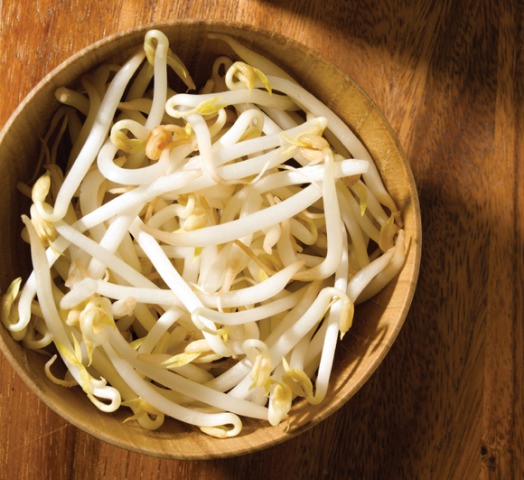
The outbreak, unprecedented in Europe in its severity, is now deemed responsible for 16 confirmed deaths, 661 cases of hemolytic uremic syndrome, and 1,672 non–hemolytic uremic syndrome cases in E.U. countries, according to a June 6 update from the European Center for Disease Prevention and Control.
While the outbreak was believed as of mid-May to have originated with imported produce, particularly cucumbers from Spain, more recent investigations have narrowed the focus to farms and businesses in Northern Germany. Nearly all cases reported to the ECDC have involved people living in, or who had recently traveled to, Northern German states.
Officials in the German state of Lower Saxony announced over the weekend that they are awaiting test results on sprouts from an organic farm that they say could establish the source of Europe’s Escherichia coli outbreak.
The results could come as early as the end of the day June 6, they said.
Owners of the farm, which is located in the province of Uelzen and produces several types of sprouts and beans, issued a statement June 5 saying that they were "shaken" by the news, they had been in business 25 years without incident, and they had recently undergone routine testing for enterohemorrhagic E. coli (EHEC) in early May, with negative results.
The outbreak, unprecedented in Europe in its severity, is now deemed responsible for 16 confirmed deaths, 661 cases of hemolytic uremic syndrome, and 1,672 non–hemolytic uremic syndrome cases in E.U. countries, according to a June 6 update from the European Center for Disease Prevention and Control.
While the outbreak was believed as of mid-May to have originated with imported produce, particularly cucumbers from Spain, more recent investigations have narrowed the focus to farms and businesses in Northern Germany. Nearly all cases reported to the ECDC have involved people living in, or who had recently traveled to, Northern German states.
Officials in the German state of Lower Saxony announced over the weekend that they are awaiting test results on sprouts from an organic farm that they say could establish the source of Europe’s Escherichia coli outbreak.
The results could come as early as the end of the day June 6, they said.
Owners of the farm, which is located in the province of Uelzen and produces several types of sprouts and beans, issued a statement June 5 saying that they were "shaken" by the news, they had been in business 25 years without incident, and they had recently undergone routine testing for enterohemorrhagic E. coli (EHEC) in early May, with negative results.
The outbreak, unprecedented in Europe in its severity, is now deemed responsible for 16 confirmed deaths, 661 cases of hemolytic uremic syndrome, and 1,672 non–hemolytic uremic syndrome cases in E.U. countries, according to a June 6 update from the European Center for Disease Prevention and Control.
While the outbreak was believed as of mid-May to have originated with imported produce, particularly cucumbers from Spain, more recent investigations have narrowed the focus to farms and businesses in Northern Germany. Nearly all cases reported to the ECDC have involved people living in, or who had recently traveled to, Northern German states.
Sprouts May Hold Clue to E. coli Outbreak
Officials in the German state of Lower Saxony announced over the weekend that they are awaiting test results on sprouts from an organic farm that they say could establish the source of Europe’s Escherichia coli outbreak.
The results could come as early as the end of the day June 6, they said.
Owners of the farm, which is located in the province of Uelzen and produces several types of sprouts and beans, issued a statement June 5 saying that they were "shaken" by the news, they had been in business 25 years without incident, and they had recently undergone routine testing for enterohemorrhagic E. coli (EHEC) in early May, with negative results.
The outbreak, unprecedented in Europe in its severity, is now deemed responsible for 16 confirmed deaths, 661 cases of hemolytic uremic syndrome, and 1,672 non–hemolytic uremic syndrome cases in E.U. countries, according to a June 6 update from the European Center for Disease Prevention and Control.
While the outbreak was believed as of mid-May to have originated with imported produce, particularly cucumbers from Spain, more recent investigations have narrowed the focus to farms and businesses in Northern Germany. Nearly all cases reported to the ECDC have involved people living in, or who had recently traveled to, Northern German states.
Officials in the German state of Lower Saxony announced over the weekend that they are awaiting test results on sprouts from an organic farm that they say could establish the source of Europe’s Escherichia coli outbreak.
The results could come as early as the end of the day June 6, they said.
Owners of the farm, which is located in the province of Uelzen and produces several types of sprouts and beans, issued a statement June 5 saying that they were "shaken" by the news, they had been in business 25 years without incident, and they had recently undergone routine testing for enterohemorrhagic E. coli (EHEC) in early May, with negative results.
The outbreak, unprecedented in Europe in its severity, is now deemed responsible for 16 confirmed deaths, 661 cases of hemolytic uremic syndrome, and 1,672 non–hemolytic uremic syndrome cases in E.U. countries, according to a June 6 update from the European Center for Disease Prevention and Control.
While the outbreak was believed as of mid-May to have originated with imported produce, particularly cucumbers from Spain, more recent investigations have narrowed the focus to farms and businesses in Northern Germany. Nearly all cases reported to the ECDC have involved people living in, or who had recently traveled to, Northern German states.
Officials in the German state of Lower Saxony announced over the weekend that they are awaiting test results on sprouts from an organic farm that they say could establish the source of Europe’s Escherichia coli outbreak.
The results could come as early as the end of the day June 6, they said.
Owners of the farm, which is located in the province of Uelzen and produces several types of sprouts and beans, issued a statement June 5 saying that they were "shaken" by the news, they had been in business 25 years without incident, and they had recently undergone routine testing for enterohemorrhagic E. coli (EHEC) in early May, with negative results.
The outbreak, unprecedented in Europe in its severity, is now deemed responsible for 16 confirmed deaths, 661 cases of hemolytic uremic syndrome, and 1,672 non–hemolytic uremic syndrome cases in E.U. countries, according to a June 6 update from the European Center for Disease Prevention and Control.
While the outbreak was believed as of mid-May to have originated with imported produce, particularly cucumbers from Spain, more recent investigations have narrowed the focus to farms and businesses in Northern Germany. Nearly all cases reported to the ECDC have involved people living in, or who had recently traveled to, Northern German states.
Enterohemorrhagic E. Coli Cases Continue to Climb
The World Health Organization said June 3 that the number of cases of hemorrhagic diarrhea and hemolytic uremic syndrome due to infection with a dangerous and possibly novel Escherichia coli serotype continues to climb, mainly in Germany.
Since the outbreak began in early May, 1,823 cases of enterohemorrhagic E. coli, or EHEC, have been reported altogether. There have been 552 cases of hemolytic uremic syndrome, or HUS, a dangerous nephrologic complication, and 18 fatalities.

Most of the morbidity and mortality – 1,733 total cases, 520 HUS cases, and 17 deaths – has occurred in Germany alone, WHO said in an epidemiologic update published June 3.
At a separate June 3 briefing, U.S. health officials sought to reassure Americans that there is no reason to believe that the EHEC virus will spread to the United States.
The strain causing illness in Europe, STEC O104:H4, “is very rare,” said Dr. Chris Braden, director of Foodborne, Waterborne, and Environmental Diseases at the Centers for Disease Control and Prevention.
“The CDC is not aware of any confirmed cases of this infection ever reported in the United States," Dr. Braden said during a press briefing. "However, we have become aware of some similar strains that have been identified in other countries in the world in the past.”
There are currently four suspected cases of this infection in the United States, Dr. Braden said. Each suspected case has been identified in persons who traveled to Hamburg, Germany, in May 2011. “In the other countries outside of Germany in Europe and in the United States, the persons who became ill were exposed in Germany and became ill in their home countries after exposure,” he said. “We are continuing to monitor these cases closely. The risk of person-to-person transmission is low.”
The CDC is working with state health departments to learn more about these suspected cases and to obtain bacterial isolates “for further characterization.”
Dr. Braden noted that there are no confirmed cases of STEC infection among U.S. military personnel or their dependents at this time. However, two service members in Germany with diarrheal illness are being evaluated as suspect cases.
The CDC will provide updates on the situation at www.cdc.gov/ecoli.
The German case count jumped dramatically since the beginning of the week, with 50 new cases of HUS and 149 cases of EHEC reported to national health authorities since May 31; however, a public holiday June 2 may have depressed notifications, and officials at the Robert Koch Institute (RKI) in Berlin acknowledged that the true count may be higher.
The rare shiga toxin–producing strain of E. coli responsible for the outbreak has been variously reported as novel and previously isolated, though it is not known to be responsible for any prior outbreaks.
The Robert Koch Institute, Germany’s national epidemiologic agency, emphasized in a statement June 3 that the causative agent, the STEC O104:H4, was not entirely new, as has been reported, though it had never before been responsible for an outbreak.
The previous day, BGI-Shenzhen, a genomics institute based in Shenzhen, China, had claimed that its sequencing efforts, on samples received from European health agencies, had revealed the agent to be "an entirely new super-toxic E. coli strain."
The disease-causing strain, BGI said on its website, "shares 93% sequence similarity with the EAEC 55989 E. coli strain, which was isolated in the Central African Republic and known to cause serious diarrhea," but with new sequences that may be involved in the pathogenicity of hemorrhagic colitis and HUS. The serogroup, BGI said, "carries several antibiotic resistance genes, including resistance to aminoglycoside, macrolides and beta-lactam antibiotics."
Though cases have now been reported in 12 European countries and the United States, nearly all have occurred among people with recent travel to northern Germany or who received visitors from that region. As of June 2, a majority of patients were aged 20 years or older (88%) and female (71%), a pattern departing from typical E. coli outbreaks, according to a June 2 update by scientists at RKI (Euro Surveill. 2011;16(22):pii=19883).
RKI is now conducting seven studies on the outbreak, including case-control studies in heavily affected hospitals; investigation of human-to-human transmission and food purchases made, by analysis of receipts, within the setting of an outbreak site; cohort investigations of groups in which members developed symptoms after dinner in a restaurant; exploration of several events and festivities potentially related to cases; and collecting data from nephrologists treating HUS cases.
However, the institute appears no closer to identifying a source than it was a week ago.
The vehicle of the outbreak, previously believed to be imported cucumbers, has not been identified, but vegetables remain a suspected source after a preliminary epidemiologic study, completed May 25, found infected people had eaten more of these foods than had noninfected people. The European Center for Disease Prevention and Control, in its own update June 3, maintained that "contaminated food" was the likeliest source of infection.
While RKI continues to advise Germans not to eat raw tomatoes, cucumbers, or lettuce, especially in the northern states, all of the above remained on sale in German supermarkets June 3, albeit in many cases steeply discounted.
Despite the outbreak of STEC infections in Germany , David Elder, director of regional operations for the Food and Drug Administration, emphasized that produce in the United States “remains safe, and there is no reason for Americans to alter where they shop, what they buy, and where they eat. The U.S. food supply is not in jeopardy.”
As a safety precaution, however, Mr. Elder said that the FDA established import controls within 24 hours of the health advisory issuing in Germany. “The FDA has increased its surveillance of cucumbers, fresh tomatoes, and lettuce from Spain and from Germany,” Mr. Elder said. “When any of these products are presented for import into the United States, the FDA will sample and analyze them in our laboratories.”
Mr. Elder said that an estimated 15% of the food supply in the United States is imported, including about 50% of fresh fruits, 20% of fresh vegetables, and up to 80% of seafoods.
U.S. military bases in Germany have elected to eliminate fresh produce items altogether in their grocery stores and restaurants until the source of the outbreak is identified.
Doug Brunk, San Diego bureau, contributed to this story.
The World Health Organization said June 3 that the number of cases of hemorrhagic diarrhea and hemolytic uremic syndrome due to infection with a dangerous and possibly novel Escherichia coli serotype continues to climb, mainly in Germany.
Since the outbreak began in early May, 1,823 cases of enterohemorrhagic E. coli, or EHEC, have been reported altogether. There have been 552 cases of hemolytic uremic syndrome, or HUS, a dangerous nephrologic complication, and 18 fatalities.
Most of the morbidity and mortality – 1,733 total cases, 520 HUS cases, and 17 deaths – has occurred in Germany alone, WHO said in an epidemiologic update published June 3.
At a separate June 3 briefing, U.S. health officials sought to reassure Americans that there is no reason to believe that the EHEC virus will spread to the United States.
The strain causing illness in Europe, STEC O104:H4, “is very rare,” said Dr. Chris Braden, director of Foodborne, Waterborne, and Environmental Diseases at the Centers for Disease Control and Prevention.
“The CDC is not aware of any confirmed cases of this infection ever reported in the United States," Dr. Braden said during a press briefing. "However, we have become aware of some similar strains that have been identified in other countries in the world in the past.”
There are currently four suspected cases of this infection in the United States, Dr. Braden said. Each suspected case has been identified in persons who traveled to Hamburg, Germany, in May 2011. “In the other countries outside of Germany in Europe and in the United States, the persons who became ill were exposed in Germany and became ill in their home countries after exposure,” he said. “We are continuing to monitor these cases closely. The risk of person-to-person transmission is low.”
The CDC is working with state health departments to learn more about these suspected cases and to obtain bacterial isolates “for further characterization.”
Dr. Braden noted that there are no confirmed cases of STEC infection among U.S. military personnel or their dependents at this time. However, two service members in Germany with diarrheal illness are being evaluated as suspect cases.
The CDC will provide updates on the situation at www.cdc.gov/ecoli.
The German case count jumped dramatically since the beginning of the week, with 50 new cases of HUS and 149 cases of EHEC reported to national health authorities since May 31; however, a public holiday June 2 may have depressed notifications, and officials at the Robert Koch Institute (RKI) in Berlin acknowledged that the true count may be higher.
The rare shiga toxin–producing strain of E. coli responsible for the outbreak has been variously reported as novel and previously isolated, though it is not known to be responsible for any prior outbreaks.
The Robert Koch Institute, Germany’s national epidemiologic agency, emphasized in a statement June 3 that the causative agent, the STEC O104:H4, was not entirely new, as has been reported, though it had never before been responsible for an outbreak.
The previous day, BGI-Shenzhen, a genomics institute based in Shenzhen, China, had claimed that its sequencing efforts, on samples received from European health agencies, had revealed the agent to be "an entirely new super-toxic E. coli strain."
The disease-causing strain, BGI said on its website, "shares 93% sequence similarity with the EAEC 55989 E. coli strain, which was isolated in the Central African Republic and known to cause serious diarrhea," but with new sequences that may be involved in the pathogenicity of hemorrhagic colitis and HUS. The serogroup, BGI said, "carries several antibiotic resistance genes, including resistance to aminoglycoside, macrolides and beta-lactam antibiotics."
Though cases have now been reported in 12 European countries and the United States, nearly all have occurred among people with recent travel to northern Germany or who received visitors from that region. As of June 2, a majority of patients were aged 20 years or older (88%) and female (71%), a pattern departing from typical E. coli outbreaks, according to a June 2 update by scientists at RKI (Euro Surveill. 2011;16(22):pii=19883).
RKI is now conducting seven studies on the outbreak, including case-control studies in heavily affected hospitals; investigation of human-to-human transmission and food purchases made, by analysis of receipts, within the setting of an outbreak site; cohort investigations of groups in which members developed symptoms after dinner in a restaurant; exploration of several events and festivities potentially related to cases; and collecting data from nephrologists treating HUS cases.
However, the institute appears no closer to identifying a source than it was a week ago.
The vehicle of the outbreak, previously believed to be imported cucumbers, has not been identified, but vegetables remain a suspected source after a preliminary epidemiologic study, completed May 25, found infected people had eaten more of these foods than had noninfected people. The European Center for Disease Prevention and Control, in its own update June 3, maintained that "contaminated food" was the likeliest source of infection.
While RKI continues to advise Germans not to eat raw tomatoes, cucumbers, or lettuce, especially in the northern states, all of the above remained on sale in German supermarkets June 3, albeit in many cases steeply discounted.
Despite the outbreak of STEC infections in Germany , David Elder, director of regional operations for the Food and Drug Administration, emphasized that produce in the United States “remains safe, and there is no reason for Americans to alter where they shop, what they buy, and where they eat. The U.S. food supply is not in jeopardy.”
As a safety precaution, however, Mr. Elder said that the FDA established import controls within 24 hours of the health advisory issuing in Germany. “The FDA has increased its surveillance of cucumbers, fresh tomatoes, and lettuce from Spain and from Germany,” Mr. Elder said. “When any of these products are presented for import into the United States, the FDA will sample and analyze them in our laboratories.”
Mr. Elder said that an estimated 15% of the food supply in the United States is imported, including about 50% of fresh fruits, 20% of fresh vegetables, and up to 80% of seafoods.
U.S. military bases in Germany have elected to eliminate fresh produce items altogether in their grocery stores and restaurants until the source of the outbreak is identified.
Doug Brunk, San Diego bureau, contributed to this story.
The World Health Organization said June 3 that the number of cases of hemorrhagic diarrhea and hemolytic uremic syndrome due to infection with a dangerous and possibly novel Escherichia coli serotype continues to climb, mainly in Germany.
Since the outbreak began in early May, 1,823 cases of enterohemorrhagic E. coli, or EHEC, have been reported altogether. There have been 552 cases of hemolytic uremic syndrome, or HUS, a dangerous nephrologic complication, and 18 fatalities.
Most of the morbidity and mortality – 1,733 total cases, 520 HUS cases, and 17 deaths – has occurred in Germany alone, WHO said in an epidemiologic update published June 3.
At a separate June 3 briefing, U.S. health officials sought to reassure Americans that there is no reason to believe that the EHEC virus will spread to the United States.
The strain causing illness in Europe, STEC O104:H4, “is very rare,” said Dr. Chris Braden, director of Foodborne, Waterborne, and Environmental Diseases at the Centers for Disease Control and Prevention.
“The CDC is not aware of any confirmed cases of this infection ever reported in the United States," Dr. Braden said during a press briefing. "However, we have become aware of some similar strains that have been identified in other countries in the world in the past.”
There are currently four suspected cases of this infection in the United States, Dr. Braden said. Each suspected case has been identified in persons who traveled to Hamburg, Germany, in May 2011. “In the other countries outside of Germany in Europe and in the United States, the persons who became ill were exposed in Germany and became ill in their home countries after exposure,” he said. “We are continuing to monitor these cases closely. The risk of person-to-person transmission is low.”
The CDC is working with state health departments to learn more about these suspected cases and to obtain bacterial isolates “for further characterization.”
Dr. Braden noted that there are no confirmed cases of STEC infection among U.S. military personnel or their dependents at this time. However, two service members in Germany with diarrheal illness are being evaluated as suspect cases.
The CDC will provide updates on the situation at www.cdc.gov/ecoli.
The German case count jumped dramatically since the beginning of the week, with 50 new cases of HUS and 149 cases of EHEC reported to national health authorities since May 31; however, a public holiday June 2 may have depressed notifications, and officials at the Robert Koch Institute (RKI) in Berlin acknowledged that the true count may be higher.
The rare shiga toxin–producing strain of E. coli responsible for the outbreak has been variously reported as novel and previously isolated, though it is not known to be responsible for any prior outbreaks.
The Robert Koch Institute, Germany’s national epidemiologic agency, emphasized in a statement June 3 that the causative agent, the STEC O104:H4, was not entirely new, as has been reported, though it had never before been responsible for an outbreak.
The previous day, BGI-Shenzhen, a genomics institute based in Shenzhen, China, had claimed that its sequencing efforts, on samples received from European health agencies, had revealed the agent to be "an entirely new super-toxic E. coli strain."
The disease-causing strain, BGI said on its website, "shares 93% sequence similarity with the EAEC 55989 E. coli strain, which was isolated in the Central African Republic and known to cause serious diarrhea," but with new sequences that may be involved in the pathogenicity of hemorrhagic colitis and HUS. The serogroup, BGI said, "carries several antibiotic resistance genes, including resistance to aminoglycoside, macrolides and beta-lactam antibiotics."
Though cases have now been reported in 12 European countries and the United States, nearly all have occurred among people with recent travel to northern Germany or who received visitors from that region. As of June 2, a majority of patients were aged 20 years or older (88%) and female (71%), a pattern departing from typical E. coli outbreaks, according to a June 2 update by scientists at RKI (Euro Surveill. 2011;16(22):pii=19883).
RKI is now conducting seven studies on the outbreak, including case-control studies in heavily affected hospitals; investigation of human-to-human transmission and food purchases made, by analysis of receipts, within the setting of an outbreak site; cohort investigations of groups in which members developed symptoms after dinner in a restaurant; exploration of several events and festivities potentially related to cases; and collecting data from nephrologists treating HUS cases.
However, the institute appears no closer to identifying a source than it was a week ago.
The vehicle of the outbreak, previously believed to be imported cucumbers, has not been identified, but vegetables remain a suspected source after a preliminary epidemiologic study, completed May 25, found infected people had eaten more of these foods than had noninfected people. The European Center for Disease Prevention and Control, in its own update June 3, maintained that "contaminated food" was the likeliest source of infection.
While RKI continues to advise Germans not to eat raw tomatoes, cucumbers, or lettuce, especially in the northern states, all of the above remained on sale in German supermarkets June 3, albeit in many cases steeply discounted.
Despite the outbreak of STEC infections in Germany , David Elder, director of regional operations for the Food and Drug Administration, emphasized that produce in the United States “remains safe, and there is no reason for Americans to alter where they shop, what they buy, and where they eat. The U.S. food supply is not in jeopardy.”
As a safety precaution, however, Mr. Elder said that the FDA established import controls within 24 hours of the health advisory issuing in Germany. “The FDA has increased its surveillance of cucumbers, fresh tomatoes, and lettuce from Spain and from Germany,” Mr. Elder said. “When any of these products are presented for import into the United States, the FDA will sample and analyze them in our laboratories.”
Mr. Elder said that an estimated 15% of the food supply in the United States is imported, including about 50% of fresh fruits, 20% of fresh vegetables, and up to 80% of seafoods.
U.S. military bases in Germany have elected to eliminate fresh produce items altogether in their grocery stores and restaurants until the source of the outbreak is identified.
Doug Brunk, San Diego bureau, contributed to this story.
FROM THE WORLD HEALTH ORGANIZATION