User login
Official Newspaper of the American College of Surgeons
ACS Comments on Inpatient Prospective Payment System Proposed Rule
The American College of Surgeons (ACS) regulatory staff submitted a comment letter to the Centers for Medicare & Medicaid Services (CMS) on June 16 regarding the 2017 Inpatient Prospective Payment System (IPPS) proposed rule. Learn more about the proposed rule here.. The notice and comment period, which began with the proposed rule’s release April 27, enables individuals and organizations to provide input on the changes the CMS plans to make. The CMS takes these comments into consideration as it crafts the final rule.
The IPPS outlines coverage criteria for Medicare Part A inpatient hospital claims. Because a large portion of surgical care is provided in the inpatient setting, the rule both directly and indirectly affects surgeons. The ACS comment letter included feedback on the CMS’s proposed changes to the Hospital Value-Based Purchasing Program and the Hospital Acquired Conditions Reduction Program, both pay-for-performance programs, and the Hospital Inpatient Quality Reporting Program, a pay-for-reporting program. For more information about the IPPS proposed rule, see the CMS fact sheet.
The American College of Surgeons (ACS) regulatory staff submitted a comment letter to the Centers for Medicare & Medicaid Services (CMS) on June 16 regarding the 2017 Inpatient Prospective Payment System (IPPS) proposed rule. Learn more about the proposed rule here.. The notice and comment period, which began with the proposed rule’s release April 27, enables individuals and organizations to provide input on the changes the CMS plans to make. The CMS takes these comments into consideration as it crafts the final rule.
The IPPS outlines coverage criteria for Medicare Part A inpatient hospital claims. Because a large portion of surgical care is provided in the inpatient setting, the rule both directly and indirectly affects surgeons. The ACS comment letter included feedback on the CMS’s proposed changes to the Hospital Value-Based Purchasing Program and the Hospital Acquired Conditions Reduction Program, both pay-for-performance programs, and the Hospital Inpatient Quality Reporting Program, a pay-for-reporting program. For more information about the IPPS proposed rule, see the CMS fact sheet.
The American College of Surgeons (ACS) regulatory staff submitted a comment letter to the Centers for Medicare & Medicaid Services (CMS) on June 16 regarding the 2017 Inpatient Prospective Payment System (IPPS) proposed rule. Learn more about the proposed rule here.. The notice and comment period, which began with the proposed rule’s release April 27, enables individuals and organizations to provide input on the changes the CMS plans to make. The CMS takes these comments into consideration as it crafts the final rule.
The IPPS outlines coverage criteria for Medicare Part A inpatient hospital claims. Because a large portion of surgical care is provided in the inpatient setting, the rule both directly and indirectly affects surgeons. The ACS comment letter included feedback on the CMS’s proposed changes to the Hospital Value-Based Purchasing Program and the Hospital Acquired Conditions Reduction Program, both pay-for-performance programs, and the Hospital Inpatient Quality Reporting Program, a pay-for-reporting program. For more information about the IPPS proposed rule, see the CMS fact sheet.
Take Advantage of Early-Bird Registration for Clinical Congress 2016
The scientific program, online registration, travel and housing reservation links, and previews of other planned events for the American College of Surgeons (ACS) Clinical Congress 2016, October 16-20 in Washington, DC, are now available online. The Walter E. Washington Convention Center will be the host site for the scientific sessions, courses, and scientific posters and technical exhibits; the Marriott Marquis Washington, DC, will serve as the headquarters hotel for the meeting.
The theme for Clinical Congress 2016 is Challenges for the Second Century, as the ACS pursues its next 100 years of improving quality of care for surgical patients. Clinical Congress provides outstanding education and training opportunities for ACS Fellows, Associate Fellows, Resident Members, Medical Student Members, and other surgical team members. Attendees will find leading-edge surgical research presentations, a new lineup of Didactic/Experiential Postgraduate Courses, Surgical Skills Postgraduate Courses, timely discussions of relevant surgical topics, member engagement events, and unparalleled access to peers. You can earn up to 47.5 AMA PRA Category 1 Credits™ while attending premier educational sessions and courses.
Register by August 22 to take advantage of early-bird pricing. Various hotel options are available, so make your housing reservations and travel plans now to receive reduced Clinical Congress rates.
The scientific program, online registration, travel and housing reservation links, and previews of other planned events for the American College of Surgeons (ACS) Clinical Congress 2016, October 16-20 in Washington, DC, are now available online. The Walter E. Washington Convention Center will be the host site for the scientific sessions, courses, and scientific posters and technical exhibits; the Marriott Marquis Washington, DC, will serve as the headquarters hotel for the meeting.
The theme for Clinical Congress 2016 is Challenges for the Second Century, as the ACS pursues its next 100 years of improving quality of care for surgical patients. Clinical Congress provides outstanding education and training opportunities for ACS Fellows, Associate Fellows, Resident Members, Medical Student Members, and other surgical team members. Attendees will find leading-edge surgical research presentations, a new lineup of Didactic/Experiential Postgraduate Courses, Surgical Skills Postgraduate Courses, timely discussions of relevant surgical topics, member engagement events, and unparalleled access to peers. You can earn up to 47.5 AMA PRA Category 1 Credits™ while attending premier educational sessions and courses.
Register by August 22 to take advantage of early-bird pricing. Various hotel options are available, so make your housing reservations and travel plans now to receive reduced Clinical Congress rates.
The scientific program, online registration, travel and housing reservation links, and previews of other planned events for the American College of Surgeons (ACS) Clinical Congress 2016, October 16-20 in Washington, DC, are now available online. The Walter E. Washington Convention Center will be the host site for the scientific sessions, courses, and scientific posters and technical exhibits; the Marriott Marquis Washington, DC, will serve as the headquarters hotel for the meeting.
The theme for Clinical Congress 2016 is Challenges for the Second Century, as the ACS pursues its next 100 years of improving quality of care for surgical patients. Clinical Congress provides outstanding education and training opportunities for ACS Fellows, Associate Fellows, Resident Members, Medical Student Members, and other surgical team members. Attendees will find leading-edge surgical research presentations, a new lineup of Didactic/Experiential Postgraduate Courses, Surgical Skills Postgraduate Courses, timely discussions of relevant surgical topics, member engagement events, and unparalleled access to peers. You can earn up to 47.5 AMA PRA Category 1 Credits™ while attending premier educational sessions and courses.
Register by August 22 to take advantage of early-bird pricing. Various hotel options are available, so make your housing reservations and travel plans now to receive reduced Clinical Congress rates.
Advance care planning discussions: Talk is no longer cheap
Clinicians outside of the surgical specialties may consider surgeons primarily providers of technical services, but those of us who provide surgical care fully appreciate that communicating with patients and families is a large component of routine surgical practice. Typical communications in surgical practice include obtaining a history of present illness, which is a key element in the ultimate decision to offer a surgical intervention, or not; discussing the risks, benefits, and alternatives of any operation being considered; and the numerous discussions held following any surgical procedure. What many surgeons may not fully appreciate, however, is how these routine communication events can fall under the general category of advance care planning (ACP).
ACP is defined as a process in which physicians (and other health care providers) discuss a patient’s goals, values, and beliefs and determine how these inform a patient’s desire for current or future medical care. Hickman et al. (Hastings Center Report Special Report 35, no. 6 (2005):S26-S30) note that ACP should focus on defining “good” care for each patient. Furthermore, changes in a patient’s medical condition represent an opportune time to revisit a patient’s hopes and goals. Consideration of surgical intervention often represents a major change in a patient’s medical condition and therefore is an excellent opportunity to engage a patient in an ACP discussion.
Given that ACP discussions are likely occurring in surgical practices on a regular basis, surgeons need to be aware of a recent change in the Physician Fee Schedule that took effect Jan. 1, 2016. Effective this date, Current Procedural Terminology (CPT) codes 99497 and 99498 now allow for billing for ACP services. CPT code 99497 includes ACP “including the explanation and discussion of advance directives such as standard forms (with the completion of such forms, when performed), by the physician or other qualified health care professional; first 30 minutes, face-to-face with patient, family member(s) and/or surrogate.” CPT code 99498 is used for each additional 30 minutes spent in such face-to-face ACP counseling.
The nuts and bolts of how these ACP CPT codes work:
How many times can these code(s) be used? There are no limits on the number of times ACP can be reported for a given beneficiary in a given time period. For example, if an ACP discussion was held with a patient and/or family member and/or surrogate prior to a major elective procedure and again in the postoperative period, the above CPT codes could be used twice. In each instance, the ACP discussion must be documented, along with any relevant change in the patient’s clinical status that prompted another ACP discussion.
Can a patient or their family member/surrogate refuse ACP services? ACP services are voluntary; therefore, a patient or their family member/surrogate can refuse ACP services. These CPT codes only can be used if a patient or family member/surrogate consents for ACP services.
What must be documented in ACP services? Physicians should consult their Medicare Administrative Contractors for documentation requirements. Examples of elements to be included in the documentation are a brief description of the discussion with the patient or family/surrogate regarding the voluntary nature of ACP services, an explanation of advance directives and documentation if an advance directive is completed, who was present during the discussion, and time spent in the face-to-face encounter.
Does an advance directive have to be completed to bill the service? No. If an advance directive is completed, this should be documented (see above), but completion of the directive is not a requirement for billing the service.
Can ACP be reported in addition to an evaluation and management (E/M) service (such as an office visit)? Yes. CPT codes 99497 and 99498 may be billed on the same day or a different day as most other E/M services. They may be billed within the global surgical period.
Is a specific diagnosis required to use the ACP CPT codes? No, a specific diagnosis is not required for the ACP codes to be billed.
According to the 2016 Medicare Physician Fee Schedule, the reimbursement is $85.99 for CPT 99497 and $74.88 for CPT 99498. For comparison, the reimbursement for E/M CPT 99203 (30-minute initial evaluation) = $108.85, CPT 99204 (45-minute initial evaluation) = $166.13, and CPT 99205 (60-minute initial evaluation) = $208.38. Far more important than the financial remuneration for these discussions, however, is the critical need for surgeons to have and document their ACP discussions with their patients and/or their family member/surrogate. As surgeons, we are often called to see patients when they are facing a significant change in their health – whether that is a new diagnosis of cancer or after a traumatic injury. Understanding a patient’s values, hopes, and concerns is an essential component to ensuring that our patients receive the best care, as defined by them.
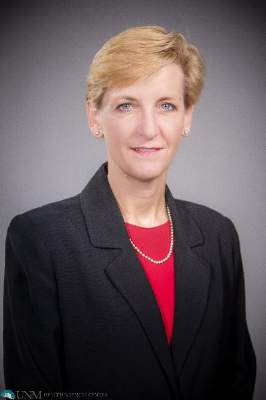
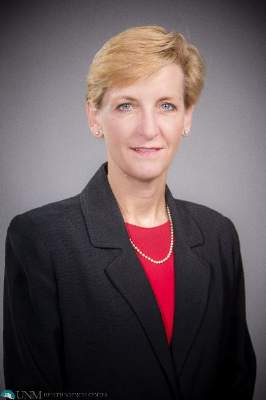
Dr. Fahy is associate professor of surgery and internal medicine at the University of New Mexico, Albuquerque. She is a surgical oncologist who is also board certified in hospice and palliative medicine. Dr. Fahy does not have any relevant conflicts of interest to disclose.
Clinicians outside of the surgical specialties may consider surgeons primarily providers of technical services, but those of us who provide surgical care fully appreciate that communicating with patients and families is a large component of routine surgical practice. Typical communications in surgical practice include obtaining a history of present illness, which is a key element in the ultimate decision to offer a surgical intervention, or not; discussing the risks, benefits, and alternatives of any operation being considered; and the numerous discussions held following any surgical procedure. What many surgeons may not fully appreciate, however, is how these routine communication events can fall under the general category of advance care planning (ACP).
ACP is defined as a process in which physicians (and other health care providers) discuss a patient’s goals, values, and beliefs and determine how these inform a patient’s desire for current or future medical care. Hickman et al. (Hastings Center Report Special Report 35, no. 6 (2005):S26-S30) note that ACP should focus on defining “good” care for each patient. Furthermore, changes in a patient’s medical condition represent an opportune time to revisit a patient’s hopes and goals. Consideration of surgical intervention often represents a major change in a patient’s medical condition and therefore is an excellent opportunity to engage a patient in an ACP discussion.
Given that ACP discussions are likely occurring in surgical practices on a regular basis, surgeons need to be aware of a recent change in the Physician Fee Schedule that took effect Jan. 1, 2016. Effective this date, Current Procedural Terminology (CPT) codes 99497 and 99498 now allow for billing for ACP services. CPT code 99497 includes ACP “including the explanation and discussion of advance directives such as standard forms (with the completion of such forms, when performed), by the physician or other qualified health care professional; first 30 minutes, face-to-face with patient, family member(s) and/or surrogate.” CPT code 99498 is used for each additional 30 minutes spent in such face-to-face ACP counseling.
The nuts and bolts of how these ACP CPT codes work:
How many times can these code(s) be used? There are no limits on the number of times ACP can be reported for a given beneficiary in a given time period. For example, if an ACP discussion was held with a patient and/or family member and/or surrogate prior to a major elective procedure and again in the postoperative period, the above CPT codes could be used twice. In each instance, the ACP discussion must be documented, along with any relevant change in the patient’s clinical status that prompted another ACP discussion.
Can a patient or their family member/surrogate refuse ACP services? ACP services are voluntary; therefore, a patient or their family member/surrogate can refuse ACP services. These CPT codes only can be used if a patient or family member/surrogate consents for ACP services.
What must be documented in ACP services? Physicians should consult their Medicare Administrative Contractors for documentation requirements. Examples of elements to be included in the documentation are a brief description of the discussion with the patient or family/surrogate regarding the voluntary nature of ACP services, an explanation of advance directives and documentation if an advance directive is completed, who was present during the discussion, and time spent in the face-to-face encounter.
Does an advance directive have to be completed to bill the service? No. If an advance directive is completed, this should be documented (see above), but completion of the directive is not a requirement for billing the service.
Can ACP be reported in addition to an evaluation and management (E/M) service (such as an office visit)? Yes. CPT codes 99497 and 99498 may be billed on the same day or a different day as most other E/M services. They may be billed within the global surgical period.
Is a specific diagnosis required to use the ACP CPT codes? No, a specific diagnosis is not required for the ACP codes to be billed.
According to the 2016 Medicare Physician Fee Schedule, the reimbursement is $85.99 for CPT 99497 and $74.88 for CPT 99498. For comparison, the reimbursement for E/M CPT 99203 (30-minute initial evaluation) = $108.85, CPT 99204 (45-minute initial evaluation) = $166.13, and CPT 99205 (60-minute initial evaluation) = $208.38. Far more important than the financial remuneration for these discussions, however, is the critical need for surgeons to have and document their ACP discussions with their patients and/or their family member/surrogate. As surgeons, we are often called to see patients when they are facing a significant change in their health – whether that is a new diagnosis of cancer or after a traumatic injury. Understanding a patient’s values, hopes, and concerns is an essential component to ensuring that our patients receive the best care, as defined by them.
Dr. Fahy is associate professor of surgery and internal medicine at the University of New Mexico, Albuquerque. She is a surgical oncologist who is also board certified in hospice and palliative medicine. Dr. Fahy does not have any relevant conflicts of interest to disclose.
Clinicians outside of the surgical specialties may consider surgeons primarily providers of technical services, but those of us who provide surgical care fully appreciate that communicating with patients and families is a large component of routine surgical practice. Typical communications in surgical practice include obtaining a history of present illness, which is a key element in the ultimate decision to offer a surgical intervention, or not; discussing the risks, benefits, and alternatives of any operation being considered; and the numerous discussions held following any surgical procedure. What many surgeons may not fully appreciate, however, is how these routine communication events can fall under the general category of advance care planning (ACP).
ACP is defined as a process in which physicians (and other health care providers) discuss a patient’s goals, values, and beliefs and determine how these inform a patient’s desire for current or future medical care. Hickman et al. (Hastings Center Report Special Report 35, no. 6 (2005):S26-S30) note that ACP should focus on defining “good” care for each patient. Furthermore, changes in a patient’s medical condition represent an opportune time to revisit a patient’s hopes and goals. Consideration of surgical intervention often represents a major change in a patient’s medical condition and therefore is an excellent opportunity to engage a patient in an ACP discussion.
Given that ACP discussions are likely occurring in surgical practices on a regular basis, surgeons need to be aware of a recent change in the Physician Fee Schedule that took effect Jan. 1, 2016. Effective this date, Current Procedural Terminology (CPT) codes 99497 and 99498 now allow for billing for ACP services. CPT code 99497 includes ACP “including the explanation and discussion of advance directives such as standard forms (with the completion of such forms, when performed), by the physician or other qualified health care professional; first 30 minutes, face-to-face with patient, family member(s) and/or surrogate.” CPT code 99498 is used for each additional 30 minutes spent in such face-to-face ACP counseling.
The nuts and bolts of how these ACP CPT codes work:
How many times can these code(s) be used? There are no limits on the number of times ACP can be reported for a given beneficiary in a given time period. For example, if an ACP discussion was held with a patient and/or family member and/or surrogate prior to a major elective procedure and again in the postoperative period, the above CPT codes could be used twice. In each instance, the ACP discussion must be documented, along with any relevant change in the patient’s clinical status that prompted another ACP discussion.
Can a patient or their family member/surrogate refuse ACP services? ACP services are voluntary; therefore, a patient or their family member/surrogate can refuse ACP services. These CPT codes only can be used if a patient or family member/surrogate consents for ACP services.
What must be documented in ACP services? Physicians should consult their Medicare Administrative Contractors for documentation requirements. Examples of elements to be included in the documentation are a brief description of the discussion with the patient or family/surrogate regarding the voluntary nature of ACP services, an explanation of advance directives and documentation if an advance directive is completed, who was present during the discussion, and time spent in the face-to-face encounter.
Does an advance directive have to be completed to bill the service? No. If an advance directive is completed, this should be documented (see above), but completion of the directive is not a requirement for billing the service.
Can ACP be reported in addition to an evaluation and management (E/M) service (such as an office visit)? Yes. CPT codes 99497 and 99498 may be billed on the same day or a different day as most other E/M services. They may be billed within the global surgical period.
Is a specific diagnosis required to use the ACP CPT codes? No, a specific diagnosis is not required for the ACP codes to be billed.
According to the 2016 Medicare Physician Fee Schedule, the reimbursement is $85.99 for CPT 99497 and $74.88 for CPT 99498. For comparison, the reimbursement for E/M CPT 99203 (30-minute initial evaluation) = $108.85, CPT 99204 (45-minute initial evaluation) = $166.13, and CPT 99205 (60-minute initial evaluation) = $208.38. Far more important than the financial remuneration for these discussions, however, is the critical need for surgeons to have and document their ACP discussions with their patients and/or their family member/surrogate. As surgeons, we are often called to see patients when they are facing a significant change in their health – whether that is a new diagnosis of cancer or after a traumatic injury. Understanding a patient’s values, hopes, and concerns is an essential component to ensuring that our patients receive the best care, as defined by them.
Dr. Fahy is associate professor of surgery and internal medicine at the University of New Mexico, Albuquerque. She is a surgical oncologist who is also board certified in hospice and palliative medicine. Dr. Fahy does not have any relevant conflicts of interest to disclose.
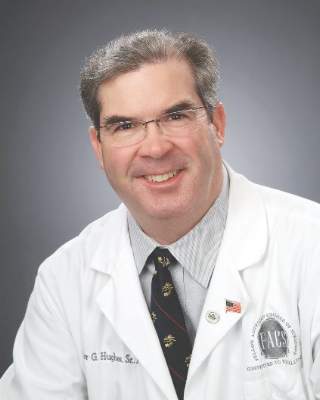
Introducing Dr. Tyler G. Hughes
I feel honored to join Tyler G. Hughes as co-Editor of the ACS Surgery News and I am excited to work with its Managing Editor, Therese Borden, to bring to its readers breaking information on a broad range of subjects of interest and importance to practicing surgeons. Although we have a great challenge to fill the giant shoes of our immediate predecessor, Layton “Bing” Rikkers, we will do our best to address the vexing clinical, economic, social, and administrative challenges that continue to confront us no matter what our practice type and setting.
I could not ask for a more accomplished and versatile co-Editor than Tyler Hughes. As a general surgeon practicing in the truly rural setting of McPherson, Kan., since 1995, he became an articulate spokesman for rural surgeons across the country during his tenure on the ACS Board of Governors as Kansas’ at-large member. As the crisis in access to general surgical care for rural Americans became increasingly evident, Tyler was asked to speak to the Board of Regents in February 2012, and the first new Advisory Council in 50 years was formed: the Advisory Council for Rural Surgery (ACRS), of which Tyler was named the first Chair. In 4 short years, the ACRS has become a force to promote better communication among rural surgeons and to call attention to the needs of them and their patients.
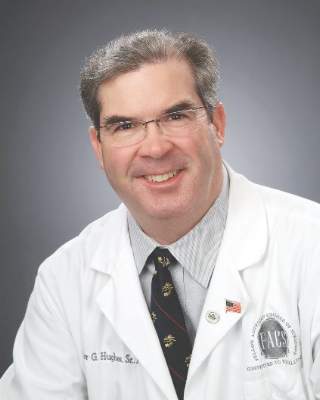
Tyler’s communication skills have also been put to great use in his role as Editor of the ACS Web Portal and as the inaugural Editor-in-Chief of the ACS Communities, an activity that has met with incredible success in promoting communication among the far-flung individual surgeons who constitute the ACS membership. Along the way, he has also served as an Associate Editor of “Selected Readings in General Surgery” and a member of the steering committee of Evidence Based Reviews in Surgery.
He currently serves as a Director of the American Board of Surgery (ABS). He is therefore familiar with all of the issues of surgical training, certification, and re-certification. He is similarly well versed in the complexities surrounding the implementation of Maintenance of Certification, which remains a “work in progress” that his experience as a practicing, small-town general surgeon will certainly inform.
Tyler has distinguished himself in other leadership positions throughout his more than 30 years as a surgeon, including as President of his 600-member physician group when he initially practiced in Dallas. He has been a Fellow in the ACS for his entire surgical career and holds a deep respect, affection, and loyalty to the College. He possesses mainstream values, true to his upbringing and his long residence in America’s heartland; yet, he understands and respects the divergent views of surgeons across our country. He is also not afraid to tackle challenging problems, which is why I know that our tenure as co-Editors of ACS Surgery News is not likely to become boring.
I feel honored to join Tyler G. Hughes as co-Editor of the ACS Surgery News and I am excited to work with its Managing Editor, Therese Borden, to bring to its readers breaking information on a broad range of subjects of interest and importance to practicing surgeons. Although we have a great challenge to fill the giant shoes of our immediate predecessor, Layton “Bing” Rikkers, we will do our best to address the vexing clinical, economic, social, and administrative challenges that continue to confront us no matter what our practice type and setting.
I could not ask for a more accomplished and versatile co-Editor than Tyler Hughes. As a general surgeon practicing in the truly rural setting of McPherson, Kan., since 1995, he became an articulate spokesman for rural surgeons across the country during his tenure on the ACS Board of Governors as Kansas’ at-large member. As the crisis in access to general surgical care for rural Americans became increasingly evident, Tyler was asked to speak to the Board of Regents in February 2012, and the first new Advisory Council in 50 years was formed: the Advisory Council for Rural Surgery (ACRS), of which Tyler was named the first Chair. In 4 short years, the ACRS has become a force to promote better communication among rural surgeons and to call attention to the needs of them and their patients.
Tyler’s communication skills have also been put to great use in his role as Editor of the ACS Web Portal and as the inaugural Editor-in-Chief of the ACS Communities, an activity that has met with incredible success in promoting communication among the far-flung individual surgeons who constitute the ACS membership. Along the way, he has also served as an Associate Editor of “Selected Readings in General Surgery” and a member of the steering committee of Evidence Based Reviews in Surgery.
He currently serves as a Director of the American Board of Surgery (ABS). He is therefore familiar with all of the issues of surgical training, certification, and re-certification. He is similarly well versed in the complexities surrounding the implementation of Maintenance of Certification, which remains a “work in progress” that his experience as a practicing, small-town general surgeon will certainly inform.
Tyler has distinguished himself in other leadership positions throughout his more than 30 years as a surgeon, including as President of his 600-member physician group when he initially practiced in Dallas. He has been a Fellow in the ACS for his entire surgical career and holds a deep respect, affection, and loyalty to the College. He possesses mainstream values, true to his upbringing and his long residence in America’s heartland; yet, he understands and respects the divergent views of surgeons across our country. He is also not afraid to tackle challenging problems, which is why I know that our tenure as co-Editors of ACS Surgery News is not likely to become boring.
I feel honored to join Tyler G. Hughes as co-Editor of the ACS Surgery News and I am excited to work with its Managing Editor, Therese Borden, to bring to its readers breaking information on a broad range of subjects of interest and importance to practicing surgeons. Although we have a great challenge to fill the giant shoes of our immediate predecessor, Layton “Bing” Rikkers, we will do our best to address the vexing clinical, economic, social, and administrative challenges that continue to confront us no matter what our practice type and setting.
I could not ask for a more accomplished and versatile co-Editor than Tyler Hughes. As a general surgeon practicing in the truly rural setting of McPherson, Kan., since 1995, he became an articulate spokesman for rural surgeons across the country during his tenure on the ACS Board of Governors as Kansas’ at-large member. As the crisis in access to general surgical care for rural Americans became increasingly evident, Tyler was asked to speak to the Board of Regents in February 2012, and the first new Advisory Council in 50 years was formed: the Advisory Council for Rural Surgery (ACRS), of which Tyler was named the first Chair. In 4 short years, the ACRS has become a force to promote better communication among rural surgeons and to call attention to the needs of them and their patients.
Tyler’s communication skills have also been put to great use in his role as Editor of the ACS Web Portal and as the inaugural Editor-in-Chief of the ACS Communities, an activity that has met with incredible success in promoting communication among the far-flung individual surgeons who constitute the ACS membership. Along the way, he has also served as an Associate Editor of “Selected Readings in General Surgery” and a member of the steering committee of Evidence Based Reviews in Surgery.
He currently serves as a Director of the American Board of Surgery (ABS). He is therefore familiar with all of the issues of surgical training, certification, and re-certification. He is similarly well versed in the complexities surrounding the implementation of Maintenance of Certification, which remains a “work in progress” that his experience as a practicing, small-town general surgeon will certainly inform.
Tyler has distinguished himself in other leadership positions throughout his more than 30 years as a surgeon, including as President of his 600-member physician group when he initially practiced in Dallas. He has been a Fellow in the ACS for his entire surgical career and holds a deep respect, affection, and loyalty to the College. He possesses mainstream values, true to his upbringing and his long residence in America’s heartland; yet, he understands and respects the divergent views of surgeons across our country. He is also not afraid to tackle challenging problems, which is why I know that our tenure as co-Editors of ACS Surgery News is not likely to become boring.
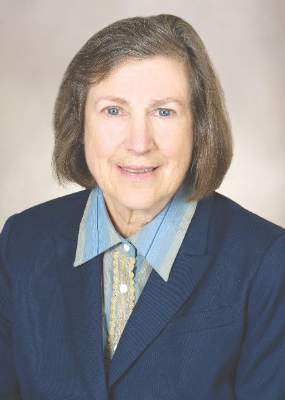
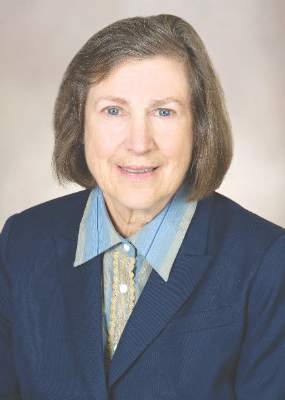
Introducing Dr. Karen Deveney
As Layton “Bing” Rikkers leaves his post as Editor of ACS Surgery News, it has fallen to Karen Deveney and me to shepherd the paper forward as co-Editors. Dr. Rikkers felt that a combination approach of an academic surgeon and a community surgeon would bring balance to ACS Surgery News that would be representative of the nature of the American College of Surgeons (ACS).
In Karen Deveney we have an accomplished academic surgeon who has wide ranging interests in and out of surgery. Karen was raised in rural Oregon, went to Stanford for undergraduate education, and did her medical school and residency at University of California, San Francisco. Among her cohort in those times of training and her early academic career were Donald Trunkey, George Sheldon, and Brent Eastman, all of whom, like Karen, went on to have a major impact in the world of surgery.
After a stint in the military serving in Germany with her surgeon husband Cliff, Karen eventually landed at Oregon Health and Science University where she went on to serve as Program Director for 20 years at one of the best general surgery training programs in the country. She served as Second Vice-President of the ACS and is the immediate past-President of the Pacific Coast Surgical Association.
Her CV reflects varied academic interests and activities. So, Karen’s contributions to academic surgery are outstanding. But in Karen we also get a person who is alive to the needs of the population beyond the walls of her major medical center. Karen has been a leader in the march to save surgical access for rural populations. She is a founding member of the ACS Advisory Council for Rural Surgery, serving as the Education Pillar Chair of that Council. In her own institution, Karen is a pioneer in developing a model rural surgery track for general surgery residents – first in Grants Pass, Ore. and then in Coos Bay, Ore.
She has been a hardworking general and colorectal surgeon for over 30 years. And, like almost all dedicated surgical educators, she has taken call – enduring the long call schedule of her residents throughout her career.
Karen and I hope to make a good team in this new effort. We are different in many ways, but very much the same in others. We plan a synergy that will unflinchingly recognize the challenges in surgery and facilitate positive discussion and reporting of the solutions for those challenges. Among those challenges are the changing economic structure of surgery, the facilitation of useful quality efforts, and most importantly, the rapid dissemination of significant clinical and scientific information vital to surgeons everywhere.
Dr. Hughes is an ACS Fellow with the department of general surgery, McPherson Hospital, McPherson, Kan., and is the Editor in Chief of ACS Communities. He is also Associate Editor for ACS Surgery News.
As Layton “Bing” Rikkers leaves his post as Editor of ACS Surgery News, it has fallen to Karen Deveney and me to shepherd the paper forward as co-Editors. Dr. Rikkers felt that a combination approach of an academic surgeon and a community surgeon would bring balance to ACS Surgery News that would be representative of the nature of the American College of Surgeons (ACS).
In Karen Deveney we have an accomplished academic surgeon who has wide ranging interests in and out of surgery. Karen was raised in rural Oregon, went to Stanford for undergraduate education, and did her medical school and residency at University of California, San Francisco. Among her cohort in those times of training and her early academic career were Donald Trunkey, George Sheldon, and Brent Eastman, all of whom, like Karen, went on to have a major impact in the world of surgery.
After a stint in the military serving in Germany with her surgeon husband Cliff, Karen eventually landed at Oregon Health and Science University where she went on to serve as Program Director for 20 years at one of the best general surgery training programs in the country. She served as Second Vice-President of the ACS and is the immediate past-President of the Pacific Coast Surgical Association.
Her CV reflects varied academic interests and activities. So, Karen’s contributions to academic surgery are outstanding. But in Karen we also get a person who is alive to the needs of the population beyond the walls of her major medical center. Karen has been a leader in the march to save surgical access for rural populations. She is a founding member of the ACS Advisory Council for Rural Surgery, serving as the Education Pillar Chair of that Council. In her own institution, Karen is a pioneer in developing a model rural surgery track for general surgery residents – first in Grants Pass, Ore. and then in Coos Bay, Ore.
She has been a hardworking general and colorectal surgeon for over 30 years. And, like almost all dedicated surgical educators, she has taken call – enduring the long call schedule of her residents throughout her career.
Karen and I hope to make a good team in this new effort. We are different in many ways, but very much the same in others. We plan a synergy that will unflinchingly recognize the challenges in surgery and facilitate positive discussion and reporting of the solutions for those challenges. Among those challenges are the changing economic structure of surgery, the facilitation of useful quality efforts, and most importantly, the rapid dissemination of significant clinical and scientific information vital to surgeons everywhere.
Dr. Hughes is an ACS Fellow with the department of general surgery, McPherson Hospital, McPherson, Kan., and is the Editor in Chief of ACS Communities. He is also Associate Editor for ACS Surgery News.
As Layton “Bing” Rikkers leaves his post as Editor of ACS Surgery News, it has fallen to Karen Deveney and me to shepherd the paper forward as co-Editors. Dr. Rikkers felt that a combination approach of an academic surgeon and a community surgeon would bring balance to ACS Surgery News that would be representative of the nature of the American College of Surgeons (ACS).
In Karen Deveney we have an accomplished academic surgeon who has wide ranging interests in and out of surgery. Karen was raised in rural Oregon, went to Stanford for undergraduate education, and did her medical school and residency at University of California, San Francisco. Among her cohort in those times of training and her early academic career were Donald Trunkey, George Sheldon, and Brent Eastman, all of whom, like Karen, went on to have a major impact in the world of surgery.
After a stint in the military serving in Germany with her surgeon husband Cliff, Karen eventually landed at Oregon Health and Science University where she went on to serve as Program Director for 20 years at one of the best general surgery training programs in the country. She served as Second Vice-President of the ACS and is the immediate past-President of the Pacific Coast Surgical Association.
Her CV reflects varied academic interests and activities. So, Karen’s contributions to academic surgery are outstanding. But in Karen we also get a person who is alive to the needs of the population beyond the walls of her major medical center. Karen has been a leader in the march to save surgical access for rural populations. She is a founding member of the ACS Advisory Council for Rural Surgery, serving as the Education Pillar Chair of that Council. In her own institution, Karen is a pioneer in developing a model rural surgery track for general surgery residents – first in Grants Pass, Ore. and then in Coos Bay, Ore.
She has been a hardworking general and colorectal surgeon for over 30 years. And, like almost all dedicated surgical educators, she has taken call – enduring the long call schedule of her residents throughout her career.
Karen and I hope to make a good team in this new effort. We are different in many ways, but very much the same in others. We plan a synergy that will unflinchingly recognize the challenges in surgery and facilitate positive discussion and reporting of the solutions for those challenges. Among those challenges are the changing economic structure of surgery, the facilitation of useful quality efforts, and most importantly, the rapid dissemination of significant clinical and scientific information vital to surgeons everywhere.
Dr. Hughes is an ACS Fellow with the department of general surgery, McPherson Hospital, McPherson, Kan., and is the Editor in Chief of ACS Communities. He is also Associate Editor for ACS Surgery News.
From the Washington Office: Globals … again
Regular readers of this column may remember the March 2015 edition devoted to the topic of the CMS’s proposal to transition all 10-day and 90-day global codes to 0-day global codes in 2017 and 2018, respectively. As a result of a coordinated advocacy effort of the American College of Surgeons and a coalition of 24 other surgical and medical groups including the American Medical Association, the American Academy of Dermatology, and the American College of Cardiology, the Medicare Access and CHIP Reauthorization Act of 2015 (MACRA) included a provision that required that the Centers for Medicare & Medicaid Services (CMS) instead collect data from a representative sample of providers to facilitate the accurate valuation of surgical services before proposing any changes to the global payment structure.
Fast forward to July 7, 2016, and the release of the 2017 Physician Fee Schedule (PFS) proposed rule. In that proposed rule, the CMS disregards the specific legislative language from Congress and proposes to collect data from all physicians who provide 10- and 90-day global services. This would obviously create yet another huge administrative burden AND also coincide with the time physicians and practices are engaged in efforts to implement the changes required by the new Quality Payment Program (QPP) mandated by MACRA. Specifically, if the proposed PFS rule is finalized, all surgeons would be required to submit data in 10-minute increments for all 10- and 90-day global code services.

Obviously, this is in direct conflict with the language in MACRA that directs the CMS to collect these data from a “representative sample” of practitioners.
Upon discovering the CMS’s plan in the proposed rule, the legislative team in ACS’s Division of Advocacy and Health Policy contacted the congressional sponsors of the original effort directed at the global codes, Rep. Larry Bucshon, MD, FACS (R-IN), and Rep. Ami Bera, MD (D-CA). Dr. Bucshon and Dr. Bera began circulating a letter, addressed to Health and Human Services Secretary Sylvia Burwell and CMS Acting Administrator Andrew Slavitt, urging the CMS to abandon the proposed policy outlined in the 2017 PFS proposed rule regarding the arduous data collection requirements for global codes.
In the week leading up to the summer congressional recess, the ACS sent the letter to all 435 offices in the House of Representatives urging other members to sign on to the letter. The ACS lobbyists and those from the coalition of groups previously involved in the efforts relative to global codes are currently engaged in individual follow-up with offices as well. The goal is to make a strong showing to the CMS with a large number of signatures from members of Congress in the hope that the CMS will modify the final rule in accordance with the legislative language found in MACRA.
This is where we need your help!
By the time you receive this issue of ACS Surgery News, all Fellows will have received an email requesting that they respond by contacting their individual members of Congress to urge them to sign on to the letter. This may be accomplished either by placing a call or by sending an email communication.
Those choosing to call may use the ACS Legislative Hotline at 877-996-4464. Follow the instructions to be connected to the office of your member of Congress. Once connected, please inform them that you are a constituent, and then deliver the following message:
“As a surgeon and a constituent, I urge Rep. _____ to join Rep Dr. Larry Bucshon and Rep. Dr. Ami Bera in supporting the bipartisan sign-on letter to the CMS in order to stop the administratively burdensome data entry changes proposed by the CMS relative to 10- and 90-day global codes.
“The proposed changes would mandate that all practitioners who perform global code services enter data in 10-minute intervals for every patient billed under global codes rather than adhering to the direction of Congress to obtain the necessary information from a ‘representative sample’ as was mandated in the Medicare Access and CHIP Reauthorization Act of 2015 (MACRA).”
For those wishing further information on this matter or for those who would prefer to contact their representative by email, an ACTION Alert can be found on the SurgeonsVoice website (www.surgeonsvoice.com – click on the Take Action tab on the right side of the page). The alert addressing the global codes issue is at the top of the list and includes a fact sheet that outlines the issue and provides background information along with a link to facilitate transmittal of your message urging your representative to sign on to the Bucshon-Bera letter. Because Congress has adjourned for their summer recess and will not return until Sept. 6, 2016, we have ample time to gather the overwhelming support we need to initiate action precluding the inclusion of this flawed proposal in the final rule, which is expected to be released the first week of November 2016.
I respectfully request that ALL Fellows do their part and contact their member of Congress via one of the two methods provided. There can be no argument that the minimal time required to invest in our collective advocacy efforts relative to this matter pales in comparison to the time required to comply with the proposed CMS policy we seek to prevent being published in the final PFS rule.
Until next month …
Dr. Bailey is a pediatric surgeon, and Medical Director, Advocacy, for the Division of Advocacy and Health Policy in the ACS offices in Washington, D.C.
Regular readers of this column may remember the March 2015 edition devoted to the topic of the CMS’s proposal to transition all 10-day and 90-day global codes to 0-day global codes in 2017 and 2018, respectively. As a result of a coordinated advocacy effort of the American College of Surgeons and a coalition of 24 other surgical and medical groups including the American Medical Association, the American Academy of Dermatology, and the American College of Cardiology, the Medicare Access and CHIP Reauthorization Act of 2015 (MACRA) included a provision that required that the Centers for Medicare & Medicaid Services (CMS) instead collect data from a representative sample of providers to facilitate the accurate valuation of surgical services before proposing any changes to the global payment structure.
Fast forward to July 7, 2016, and the release of the 2017 Physician Fee Schedule (PFS) proposed rule. In that proposed rule, the CMS disregards the specific legislative language from Congress and proposes to collect data from all physicians who provide 10- and 90-day global services. This would obviously create yet another huge administrative burden AND also coincide with the time physicians and practices are engaged in efforts to implement the changes required by the new Quality Payment Program (QPP) mandated by MACRA. Specifically, if the proposed PFS rule is finalized, all surgeons would be required to submit data in 10-minute increments for all 10- and 90-day global code services.
Obviously, this is in direct conflict with the language in MACRA that directs the CMS to collect these data from a “representative sample” of practitioners.
Upon discovering the CMS’s plan in the proposed rule, the legislative team in ACS’s Division of Advocacy and Health Policy contacted the congressional sponsors of the original effort directed at the global codes, Rep. Larry Bucshon, MD, FACS (R-IN), and Rep. Ami Bera, MD (D-CA). Dr. Bucshon and Dr. Bera began circulating a letter, addressed to Health and Human Services Secretary Sylvia Burwell and CMS Acting Administrator Andrew Slavitt, urging the CMS to abandon the proposed policy outlined in the 2017 PFS proposed rule regarding the arduous data collection requirements for global codes.
In the week leading up to the summer congressional recess, the ACS sent the letter to all 435 offices in the House of Representatives urging other members to sign on to the letter. The ACS lobbyists and those from the coalition of groups previously involved in the efforts relative to global codes are currently engaged in individual follow-up with offices as well. The goal is to make a strong showing to the CMS with a large number of signatures from members of Congress in the hope that the CMS will modify the final rule in accordance with the legislative language found in MACRA.
This is where we need your help!
By the time you receive this issue of ACS Surgery News, all Fellows will have received an email requesting that they respond by contacting their individual members of Congress to urge them to sign on to the letter. This may be accomplished either by placing a call or by sending an email communication.
Those choosing to call may use the ACS Legislative Hotline at 877-996-4464. Follow the instructions to be connected to the office of your member of Congress. Once connected, please inform them that you are a constituent, and then deliver the following message:
“As a surgeon and a constituent, I urge Rep. _____ to join Rep Dr. Larry Bucshon and Rep. Dr. Ami Bera in supporting the bipartisan sign-on letter to the CMS in order to stop the administratively burdensome data entry changes proposed by the CMS relative to 10- and 90-day global codes.
“The proposed changes would mandate that all practitioners who perform global code services enter data in 10-minute intervals for every patient billed under global codes rather than adhering to the direction of Congress to obtain the necessary information from a ‘representative sample’ as was mandated in the Medicare Access and CHIP Reauthorization Act of 2015 (MACRA).”
For those wishing further information on this matter or for those who would prefer to contact their representative by email, an ACTION Alert can be found on the SurgeonsVoice website (www.surgeonsvoice.com – click on the Take Action tab on the right side of the page). The alert addressing the global codes issue is at the top of the list and includes a fact sheet that outlines the issue and provides background information along with a link to facilitate transmittal of your message urging your representative to sign on to the Bucshon-Bera letter. Because Congress has adjourned for their summer recess and will not return until Sept. 6, 2016, we have ample time to gather the overwhelming support we need to initiate action precluding the inclusion of this flawed proposal in the final rule, which is expected to be released the first week of November 2016.
I respectfully request that ALL Fellows do their part and contact their member of Congress via one of the two methods provided. There can be no argument that the minimal time required to invest in our collective advocacy efforts relative to this matter pales in comparison to the time required to comply with the proposed CMS policy we seek to prevent being published in the final PFS rule.
Until next month …
Dr. Bailey is a pediatric surgeon, and Medical Director, Advocacy, for the Division of Advocacy and Health Policy in the ACS offices in Washington, D.C.
Regular readers of this column may remember the March 2015 edition devoted to the topic of the CMS’s proposal to transition all 10-day and 90-day global codes to 0-day global codes in 2017 and 2018, respectively. As a result of a coordinated advocacy effort of the American College of Surgeons and a coalition of 24 other surgical and medical groups including the American Medical Association, the American Academy of Dermatology, and the American College of Cardiology, the Medicare Access and CHIP Reauthorization Act of 2015 (MACRA) included a provision that required that the Centers for Medicare & Medicaid Services (CMS) instead collect data from a representative sample of providers to facilitate the accurate valuation of surgical services before proposing any changes to the global payment structure.
Fast forward to July 7, 2016, and the release of the 2017 Physician Fee Schedule (PFS) proposed rule. In that proposed rule, the CMS disregards the specific legislative language from Congress and proposes to collect data from all physicians who provide 10- and 90-day global services. This would obviously create yet another huge administrative burden AND also coincide with the time physicians and practices are engaged in efforts to implement the changes required by the new Quality Payment Program (QPP) mandated by MACRA. Specifically, if the proposed PFS rule is finalized, all surgeons would be required to submit data in 10-minute increments for all 10- and 90-day global code services.
Obviously, this is in direct conflict with the language in MACRA that directs the CMS to collect these data from a “representative sample” of practitioners.
Upon discovering the CMS’s plan in the proposed rule, the legislative team in ACS’s Division of Advocacy and Health Policy contacted the congressional sponsors of the original effort directed at the global codes, Rep. Larry Bucshon, MD, FACS (R-IN), and Rep. Ami Bera, MD (D-CA). Dr. Bucshon and Dr. Bera began circulating a letter, addressed to Health and Human Services Secretary Sylvia Burwell and CMS Acting Administrator Andrew Slavitt, urging the CMS to abandon the proposed policy outlined in the 2017 PFS proposed rule regarding the arduous data collection requirements for global codes.
In the week leading up to the summer congressional recess, the ACS sent the letter to all 435 offices in the House of Representatives urging other members to sign on to the letter. The ACS lobbyists and those from the coalition of groups previously involved in the efforts relative to global codes are currently engaged in individual follow-up with offices as well. The goal is to make a strong showing to the CMS with a large number of signatures from members of Congress in the hope that the CMS will modify the final rule in accordance with the legislative language found in MACRA.
This is where we need your help!
By the time you receive this issue of ACS Surgery News, all Fellows will have received an email requesting that they respond by contacting their individual members of Congress to urge them to sign on to the letter. This may be accomplished either by placing a call or by sending an email communication.
Those choosing to call may use the ACS Legislative Hotline at 877-996-4464. Follow the instructions to be connected to the office of your member of Congress. Once connected, please inform them that you are a constituent, and then deliver the following message:
“As a surgeon and a constituent, I urge Rep. _____ to join Rep Dr. Larry Bucshon and Rep. Dr. Ami Bera in supporting the bipartisan sign-on letter to the CMS in order to stop the administratively burdensome data entry changes proposed by the CMS relative to 10- and 90-day global codes.
“The proposed changes would mandate that all practitioners who perform global code services enter data in 10-minute intervals for every patient billed under global codes rather than adhering to the direction of Congress to obtain the necessary information from a ‘representative sample’ as was mandated in the Medicare Access and CHIP Reauthorization Act of 2015 (MACRA).”
For those wishing further information on this matter or for those who would prefer to contact their representative by email, an ACTION Alert can be found on the SurgeonsVoice website (www.surgeonsvoice.com – click on the Take Action tab on the right side of the page). The alert addressing the global codes issue is at the top of the list and includes a fact sheet that outlines the issue and provides background information along with a link to facilitate transmittal of your message urging your representative to sign on to the Bucshon-Bera letter. Because Congress has adjourned for their summer recess and will not return until Sept. 6, 2016, we have ample time to gather the overwhelming support we need to initiate action precluding the inclusion of this flawed proposal in the final rule, which is expected to be released the first week of November 2016.
I respectfully request that ALL Fellows do their part and contact their member of Congress via one of the two methods provided. There can be no argument that the minimal time required to invest in our collective advocacy efforts relative to this matter pales in comparison to the time required to comply with the proposed CMS policy we seek to prevent being published in the final PFS rule.
Until next month …
Dr. Bailey is a pediatric surgeon, and Medical Director, Advocacy, for the Division of Advocacy and Health Policy in the ACS offices in Washington, D.C.
Apply by Sept. 1 for Resident Research Scholarships for 2017-2019
The American College of Surgeons (ACS) is offering 2-year Resident Research Scholarships to surgeons in training who are interested in pursuing careers in academic surgery. Eligibility for these scholarships is limited to the research projects of residents in general surgery or a surgical specialty. The closing date for receipt of the completed online application and all supporting documents is Sept. 1, 2016.
General policies covering the granting of the ACS Resident Research Scholarships are as follows:
The applicant must be a Resident Member of the College who has completed two postdoctoral years in an accredited surgical training program in the U.S. or Canada at the time the scholarship is awarded, July 1, 2017, and may not complete formal residency training before June 2019. Scholarships do not support research after completion of the chief residency year.
The scholarship is awarded for 2 years, and acceptance of it requires commitment for the 2-year period. The award is to support a research plan for the 2 years of the scholarship, July 2017 through June 2019. The projects of residents who are involved in full-time laboratory investigation will receive priority. Study outside the United States or Canada is permissible. Renewal of the scholarship for the 2nd year is required and is contingent upon the acceptance of a progress report and research study protocol for the 2nd year, as submitted to the Scholarships Section of the College by May 1, 2018.
Application for these scholarships may be submitted even if the resident has made a comparable application to other organizations. If the recipient is offered a scholarship, fellowship, or research award from another organization, it is the responsibility of the recipient to contact the ACS Scholarships Administrator to request approval of the additional award. The Scholarships Committee reserves the right to review potentially overlapping awards and adjust its award accordingly.
The scholarship is $30,000 per year; the total amount is to support the research of the recipient and may be used for salary or stipend, research materials, and travel related to the research. Indirect costs are not paid to the recipient or the recipient’s institution.
The scholar must attend the ACS Clinical Congress in 2019 to present a report on the research as part of the Scientific Forum and to receive a certificate at the annual meeting of the Scholarships Committee.
Approval of the application is required from the administration (dean or fiscal officer) of the institution. Supporting letters from the head of the department of surgery (or the surgical specialty) and from the mentor who will be supervising the applicant’s research must be submitted. The College encourages diversity of applicants and institutions; only in exceptional circumstances will more than one scholarship be granted in a single year to applicants from the same institution.
For further information regarding this scholarship, click here, or contact the Scholarships Administrator at [email protected].
The American College of Surgeons (ACS) is offering 2-year Resident Research Scholarships to surgeons in training who are interested in pursuing careers in academic surgery. Eligibility for these scholarships is limited to the research projects of residents in general surgery or a surgical specialty. The closing date for receipt of the completed online application and all supporting documents is Sept. 1, 2016.
General policies covering the granting of the ACS Resident Research Scholarships are as follows:
The applicant must be a Resident Member of the College who has completed two postdoctoral years in an accredited surgical training program in the U.S. or Canada at the time the scholarship is awarded, July 1, 2017, and may not complete formal residency training before June 2019. Scholarships do not support research after completion of the chief residency year.
The scholarship is awarded for 2 years, and acceptance of it requires commitment for the 2-year period. The award is to support a research plan for the 2 years of the scholarship, July 2017 through June 2019. The projects of residents who are involved in full-time laboratory investigation will receive priority. Study outside the United States or Canada is permissible. Renewal of the scholarship for the 2nd year is required and is contingent upon the acceptance of a progress report and research study protocol for the 2nd year, as submitted to the Scholarships Section of the College by May 1, 2018.
Application for these scholarships may be submitted even if the resident has made a comparable application to other organizations. If the recipient is offered a scholarship, fellowship, or research award from another organization, it is the responsibility of the recipient to contact the ACS Scholarships Administrator to request approval of the additional award. The Scholarships Committee reserves the right to review potentially overlapping awards and adjust its award accordingly.
The scholarship is $30,000 per year; the total amount is to support the research of the recipient and may be used for salary or stipend, research materials, and travel related to the research. Indirect costs are not paid to the recipient or the recipient’s institution.
The scholar must attend the ACS Clinical Congress in 2019 to present a report on the research as part of the Scientific Forum and to receive a certificate at the annual meeting of the Scholarships Committee.
Approval of the application is required from the administration (dean or fiscal officer) of the institution. Supporting letters from the head of the department of surgery (or the surgical specialty) and from the mentor who will be supervising the applicant’s research must be submitted. The College encourages diversity of applicants and institutions; only in exceptional circumstances will more than one scholarship be granted in a single year to applicants from the same institution.
For further information regarding this scholarship, click here, or contact the Scholarships Administrator at [email protected].
The American College of Surgeons (ACS) is offering 2-year Resident Research Scholarships to surgeons in training who are interested in pursuing careers in academic surgery. Eligibility for these scholarships is limited to the research projects of residents in general surgery or a surgical specialty. The closing date for receipt of the completed online application and all supporting documents is Sept. 1, 2016.
General policies covering the granting of the ACS Resident Research Scholarships are as follows:
The applicant must be a Resident Member of the College who has completed two postdoctoral years in an accredited surgical training program in the U.S. or Canada at the time the scholarship is awarded, July 1, 2017, and may not complete formal residency training before June 2019. Scholarships do not support research after completion of the chief residency year.
The scholarship is awarded for 2 years, and acceptance of it requires commitment for the 2-year period. The award is to support a research plan for the 2 years of the scholarship, July 2017 through June 2019. The projects of residents who are involved in full-time laboratory investigation will receive priority. Study outside the United States or Canada is permissible. Renewal of the scholarship for the 2nd year is required and is contingent upon the acceptance of a progress report and research study protocol for the 2nd year, as submitted to the Scholarships Section of the College by May 1, 2018.
Application for these scholarships may be submitted even if the resident has made a comparable application to other organizations. If the recipient is offered a scholarship, fellowship, or research award from another organization, it is the responsibility of the recipient to contact the ACS Scholarships Administrator to request approval of the additional award. The Scholarships Committee reserves the right to review potentially overlapping awards and adjust its award accordingly.
The scholarship is $30,000 per year; the total amount is to support the research of the recipient and may be used for salary or stipend, research materials, and travel related to the research. Indirect costs are not paid to the recipient or the recipient’s institution.
The scholar must attend the ACS Clinical Congress in 2019 to present a report on the research as part of the Scientific Forum and to receive a certificate at the annual meeting of the Scholarships Committee.
Approval of the application is required from the administration (dean or fiscal officer) of the institution. Supporting letters from the head of the department of surgery (or the surgical specialty) and from the mentor who will be supervising the applicant’s research must be submitted. The College encourages diversity of applicants and institutions; only in exceptional circumstances will more than one scholarship be granted in a single year to applicants from the same institution.
For further information regarding this scholarship, click here, or contact the Scholarships Administrator at [email protected].
2016 International Exchange Travelers Announced
The International Relations Committee of the American College of Surgeons (ACS) sponsors three academic surgeon exchange programs to send a talented young U.S. or Canadian Fellow to the annual surgical meeting of each participating country – Australia-New Zealand (ANZ), Japan, and Germany. Afterward, the Fellows tour several sites tailored to their specific research interests. In exchange, the College accepts young academic surgeon-scholars from the participating societies to attend the annual Clinical Congress. This exchange is with the Royal Australasian College of Surgeons through the ACS Australia-New Zealand Chapter, the Japan Surgical Society through the ACS Japan Chapter, and the German Surgical Society through the ACS Germany Chapter.
The 2016 ANZ Exchange Fellow is Yi Chen, MB, BS, PhD, FRACS, a cardiothoracic surgery fellow at Monash Medical Centre, Melbourne, Australia. Dr. Chen is researching the role of Activin A, a novel cytokine in mouse models of atherosclerosis.
His U.S. counterpart, Sareh Parangi, MD, FACS, is an associate professor of surgery at Massachusetts General Hospital, Boston, specializing in endocrine surgery. She attended the Annual Scientific Congress of the Royal Australasian College of Surgeons held in Brisbane, Australia, in May 2016. Dr. Parangi’s report will be published in an upcoming issue of the Bulletin.
This October, the College will welcome Japan Exchange Fellow Takeo Toshima, MD, PhD, vice manager, hepatopancreatobiliary surgery, Matsuyama Red Cross Hospital. Dr. Toshima performs research on hepatocellular carcinoma and living donor liver transplants.
Daniel A. Anaya, MD, FACS, head, section of hepatobiliary tumors at H. Lee Moffitt Cancer Center, Tampa, attended the Japan Surgical Society meeting in Osaka in April 2016. Dr. Anaya’s report also will be published in the Bulletin.
The ACS Traveling Fellow to Germany, Perry Shen, MD, FACS, professor of surgery, Wake Forest Baptist Medical Center, Winston-Salem, N.C., attended the German Surgical Society’s annual meeting in Berlin in April 2016.
His German counterpart, Thilo Welsch, MD, PhD, head of surgical oncology at the University Cancer Center, Dresden, will attend Clinical Congress 2016 and visit several surgical sites under the guidance of his U.S. and German mentors. Dr. Welsch’s work centers on tumor metastasis and pancreatic surgery.
The International Relations Committee of the American College of Surgeons (ACS) sponsors three academic surgeon exchange programs to send a talented young U.S. or Canadian Fellow to the annual surgical meeting of each participating country – Australia-New Zealand (ANZ), Japan, and Germany. Afterward, the Fellows tour several sites tailored to their specific research interests. In exchange, the College accepts young academic surgeon-scholars from the participating societies to attend the annual Clinical Congress. This exchange is with the Royal Australasian College of Surgeons through the ACS Australia-New Zealand Chapter, the Japan Surgical Society through the ACS Japan Chapter, and the German Surgical Society through the ACS Germany Chapter.
The 2016 ANZ Exchange Fellow is Yi Chen, MB, BS, PhD, FRACS, a cardiothoracic surgery fellow at Monash Medical Centre, Melbourne, Australia. Dr. Chen is researching the role of Activin A, a novel cytokine in mouse models of atherosclerosis.
His U.S. counterpart, Sareh Parangi, MD, FACS, is an associate professor of surgery at Massachusetts General Hospital, Boston, specializing in endocrine surgery. She attended the Annual Scientific Congress of the Royal Australasian College of Surgeons held in Brisbane, Australia, in May 2016. Dr. Parangi’s report will be published in an upcoming issue of the Bulletin.
This October, the College will welcome Japan Exchange Fellow Takeo Toshima, MD, PhD, vice manager, hepatopancreatobiliary surgery, Matsuyama Red Cross Hospital. Dr. Toshima performs research on hepatocellular carcinoma and living donor liver transplants.
Daniel A. Anaya, MD, FACS, head, section of hepatobiliary tumors at H. Lee Moffitt Cancer Center, Tampa, attended the Japan Surgical Society meeting in Osaka in April 2016. Dr. Anaya’s report also will be published in the Bulletin.
The ACS Traveling Fellow to Germany, Perry Shen, MD, FACS, professor of surgery, Wake Forest Baptist Medical Center, Winston-Salem, N.C., attended the German Surgical Society’s annual meeting in Berlin in April 2016.
His German counterpart, Thilo Welsch, MD, PhD, head of surgical oncology at the University Cancer Center, Dresden, will attend Clinical Congress 2016 and visit several surgical sites under the guidance of his U.S. and German mentors. Dr. Welsch’s work centers on tumor metastasis and pancreatic surgery.
The International Relations Committee of the American College of Surgeons (ACS) sponsors three academic surgeon exchange programs to send a talented young U.S. or Canadian Fellow to the annual surgical meeting of each participating country – Australia-New Zealand (ANZ), Japan, and Germany. Afterward, the Fellows tour several sites tailored to their specific research interests. In exchange, the College accepts young academic surgeon-scholars from the participating societies to attend the annual Clinical Congress. This exchange is with the Royal Australasian College of Surgeons through the ACS Australia-New Zealand Chapter, the Japan Surgical Society through the ACS Japan Chapter, and the German Surgical Society through the ACS Germany Chapter.
The 2016 ANZ Exchange Fellow is Yi Chen, MB, BS, PhD, FRACS, a cardiothoracic surgery fellow at Monash Medical Centre, Melbourne, Australia. Dr. Chen is researching the role of Activin A, a novel cytokine in mouse models of atherosclerosis.
His U.S. counterpart, Sareh Parangi, MD, FACS, is an associate professor of surgery at Massachusetts General Hospital, Boston, specializing in endocrine surgery. She attended the Annual Scientific Congress of the Royal Australasian College of Surgeons held in Brisbane, Australia, in May 2016. Dr. Parangi’s report will be published in an upcoming issue of the Bulletin.
This October, the College will welcome Japan Exchange Fellow Takeo Toshima, MD, PhD, vice manager, hepatopancreatobiliary surgery, Matsuyama Red Cross Hospital. Dr. Toshima performs research on hepatocellular carcinoma and living donor liver transplants.
Daniel A. Anaya, MD, FACS, head, section of hepatobiliary tumors at H. Lee Moffitt Cancer Center, Tampa, attended the Japan Surgical Society meeting in Osaka in April 2016. Dr. Anaya’s report also will be published in the Bulletin.
The ACS Traveling Fellow to Germany, Perry Shen, MD, FACS, professor of surgery, Wake Forest Baptist Medical Center, Winston-Salem, N.C., attended the German Surgical Society’s annual meeting in Berlin in April 2016.
His German counterpart, Thilo Welsch, MD, PhD, head of surgical oncology at the University Cancer Center, Dresden, will attend Clinical Congress 2016 and visit several surgical sites under the guidance of his U.S. and German mentors. Dr. Welsch’s work centers on tumor metastasis and pancreatic surgery.
Applications being accepted for 2017-2019 Faculty Research Fellowships
The American College of Surgeons (ACS) is offering two-year Faculty Research Fellowships to surgeons entering academic careers in surgery or a surgical specialty. The fellowship is to assist a surgeon in the establishment of a new and independent research program. Applicants should have demonstrated their potential to work as independent investigators. The fellowship awards are $40,000 per year for each of two years – July 1, 2017 to June 30, 2019 – and are made possible through the generosity of Fellows, chapters, and friends of the College. The closing date for receipt of completed applications and all supporting documents is November 1, 2016.
The specific fellowships are as follows:
• The Franklin H. Martin, MD, FACS, Faculty Research Fellowship of the ACS honors Franklin H. Martin, MD, FACS, founder of the ACS.
• The C. James Carrico, MD, FACS, Faculty Research Fellowship for the Study of Trauma and Critical Care honors C. James Carrico, MD, FACS, ACS Past-President, and is designated for research in trauma and critical care.
• The Thomas R. Russell, MD, FACS, Faculty Research Fellowship honors Thomas R. Russell, MD, FACS, ACS Past-Executive Director, and is designated to support research into improving surgical outcomes.
Two additional undesignated Faculty Research Fellowships will be awarded.
General policies
The following policies cover the granting of the ACS Faculty Research Fellowships:
The fellowships are open to Fellows or Associate Fellows of the College who have: (1) completed the chief residency year or accredited fellowship training within the preceding five years, not including time off for maternity leave, military deployment, or medical leave; and (2) received a full-time faculty appointment in a department of surgery or a surgical specialty at a medical school accredited by the Liaison Committee on Medical Education in the U.S. or by the Committee for Accreditation of Canadian Medical Schools in Canada. Applicants who directly enter academic surgery following residency or fellowship will receive preference.
Recipients may use this award to support their research or academic enrichment in any fashion that they deem maximally supportive of their investigations. Indirect costs are not paid to the recipient or to the recipient’s institution.
Application for this fellowship may be submitted even if a comparable application has been made to other entities such as the National Institutes of Health (NIH) or industry sources. If the recipient is offered a scholarship, fellowship, or research career development award from such an agency or organization, it is the responsibility of the recipient to contact the College’s Scholarships Administrator to request approval of the additional award. The Scholarship Committee reserves the right to review potentially overlapping awards and adjust its award accordingly.
The ACS encourages applicants to leverage the funds provided by this fellowship with time and monies provided by their department. The College will look favorably upon formal statements of matching funds and time from the applicant’s department.
Supporting letters from the head of the department of surgery (or the surgical specialty) and from the mentor supervising the applicant’s research effort must be submitted. This approval would involve a commitment to continuation of the academic position and of facilities for research. Only in exceptional circumstances will more than one fellowship be granted in a single year to applicants from the same institution.
The applicant must submit a research plan and budget for the two-year period of fellowship, even though renewed approval by the Scholarships Committee of the College is required for the second year.
A minimum of 50 percent of the fellow’s time must be spent conducting the research proposed in the application. This percentage may run concurrently with the time requirements of NIH or other accepted funding.
The Faculty Research Fellows are expected to attend the ACS Clinical Congress in 2019 to present a report to the Scientific Forum and to receive a certificate at the annual meeting of the Scholarships Committee.
Additional documents and questions are to be directed to the Scholarships Administrator: [email protected] or Scholarships Administrator, American College of Surgeons, 633 N. Saint Clair St., Chicago, IL 60611-3211. Access the application at facs.org/member-services/scholarships/research/acsfaculty.
The American College of Surgeons (ACS) is offering two-year Faculty Research Fellowships to surgeons entering academic careers in surgery or a surgical specialty. The fellowship is to assist a surgeon in the establishment of a new and independent research program. Applicants should have demonstrated their potential to work as independent investigators. The fellowship awards are $40,000 per year for each of two years – July 1, 2017 to June 30, 2019 – and are made possible through the generosity of Fellows, chapters, and friends of the College. The closing date for receipt of completed applications and all supporting documents is November 1, 2016.
The specific fellowships are as follows:
• The Franklin H. Martin, MD, FACS, Faculty Research Fellowship of the ACS honors Franklin H. Martin, MD, FACS, founder of the ACS.
• The C. James Carrico, MD, FACS, Faculty Research Fellowship for the Study of Trauma and Critical Care honors C. James Carrico, MD, FACS, ACS Past-President, and is designated for research in trauma and critical care.
• The Thomas R. Russell, MD, FACS, Faculty Research Fellowship honors Thomas R. Russell, MD, FACS, ACS Past-Executive Director, and is designated to support research into improving surgical outcomes.
Two additional undesignated Faculty Research Fellowships will be awarded.
General policies
The following policies cover the granting of the ACS Faculty Research Fellowships:
The fellowships are open to Fellows or Associate Fellows of the College who have: (1) completed the chief residency year or accredited fellowship training within the preceding five years, not including time off for maternity leave, military deployment, or medical leave; and (2) received a full-time faculty appointment in a department of surgery or a surgical specialty at a medical school accredited by the Liaison Committee on Medical Education in the U.S. or by the Committee for Accreditation of Canadian Medical Schools in Canada. Applicants who directly enter academic surgery following residency or fellowship will receive preference.
Recipients may use this award to support their research or academic enrichment in any fashion that they deem maximally supportive of their investigations. Indirect costs are not paid to the recipient or to the recipient’s institution.
Application for this fellowship may be submitted even if a comparable application has been made to other entities such as the National Institutes of Health (NIH) or industry sources. If the recipient is offered a scholarship, fellowship, or research career development award from such an agency or organization, it is the responsibility of the recipient to contact the College’s Scholarships Administrator to request approval of the additional award. The Scholarship Committee reserves the right to review potentially overlapping awards and adjust its award accordingly.
The ACS encourages applicants to leverage the funds provided by this fellowship with time and monies provided by their department. The College will look favorably upon formal statements of matching funds and time from the applicant’s department.
Supporting letters from the head of the department of surgery (or the surgical specialty) and from the mentor supervising the applicant’s research effort must be submitted. This approval would involve a commitment to continuation of the academic position and of facilities for research. Only in exceptional circumstances will more than one fellowship be granted in a single year to applicants from the same institution.
The applicant must submit a research plan and budget for the two-year period of fellowship, even though renewed approval by the Scholarships Committee of the College is required for the second year.
A minimum of 50 percent of the fellow’s time must be spent conducting the research proposed in the application. This percentage may run concurrently with the time requirements of NIH or other accepted funding.
The Faculty Research Fellows are expected to attend the ACS Clinical Congress in 2019 to present a report to the Scientific Forum and to receive a certificate at the annual meeting of the Scholarships Committee.
Additional documents and questions are to be directed to the Scholarships Administrator: [email protected] or Scholarships Administrator, American College of Surgeons, 633 N. Saint Clair St., Chicago, IL 60611-3211. Access the application at facs.org/member-services/scholarships/research/acsfaculty.
The American College of Surgeons (ACS) is offering two-year Faculty Research Fellowships to surgeons entering academic careers in surgery or a surgical specialty. The fellowship is to assist a surgeon in the establishment of a new and independent research program. Applicants should have demonstrated their potential to work as independent investigators. The fellowship awards are $40,000 per year for each of two years – July 1, 2017 to June 30, 2019 – and are made possible through the generosity of Fellows, chapters, and friends of the College. The closing date for receipt of completed applications and all supporting documents is November 1, 2016.
The specific fellowships are as follows:
• The Franklin H. Martin, MD, FACS, Faculty Research Fellowship of the ACS honors Franklin H. Martin, MD, FACS, founder of the ACS.
• The C. James Carrico, MD, FACS, Faculty Research Fellowship for the Study of Trauma and Critical Care honors C. James Carrico, MD, FACS, ACS Past-President, and is designated for research in trauma and critical care.
• The Thomas R. Russell, MD, FACS, Faculty Research Fellowship honors Thomas R. Russell, MD, FACS, ACS Past-Executive Director, and is designated to support research into improving surgical outcomes.
Two additional undesignated Faculty Research Fellowships will be awarded.
General policies
The following policies cover the granting of the ACS Faculty Research Fellowships:
The fellowships are open to Fellows or Associate Fellows of the College who have: (1) completed the chief residency year or accredited fellowship training within the preceding five years, not including time off for maternity leave, military deployment, or medical leave; and (2) received a full-time faculty appointment in a department of surgery or a surgical specialty at a medical school accredited by the Liaison Committee on Medical Education in the U.S. or by the Committee for Accreditation of Canadian Medical Schools in Canada. Applicants who directly enter academic surgery following residency or fellowship will receive preference.
Recipients may use this award to support their research or academic enrichment in any fashion that they deem maximally supportive of their investigations. Indirect costs are not paid to the recipient or to the recipient’s institution.
Application for this fellowship may be submitted even if a comparable application has been made to other entities such as the National Institutes of Health (NIH) or industry sources. If the recipient is offered a scholarship, fellowship, or research career development award from such an agency or organization, it is the responsibility of the recipient to contact the College’s Scholarships Administrator to request approval of the additional award. The Scholarship Committee reserves the right to review potentially overlapping awards and adjust its award accordingly.
The ACS encourages applicants to leverage the funds provided by this fellowship with time and monies provided by their department. The College will look favorably upon formal statements of matching funds and time from the applicant’s department.
Supporting letters from the head of the department of surgery (or the surgical specialty) and from the mentor supervising the applicant’s research effort must be submitted. This approval would involve a commitment to continuation of the academic position and of facilities for research. Only in exceptional circumstances will more than one fellowship be granted in a single year to applicants from the same institution.
The applicant must submit a research plan and budget for the two-year period of fellowship, even though renewed approval by the Scholarships Committee of the College is required for the second year.
A minimum of 50 percent of the fellow’s time must be spent conducting the research proposed in the application. This percentage may run concurrently with the time requirements of NIH or other accepted funding.
The Faculty Research Fellows are expected to attend the ACS Clinical Congress in 2019 to present a report to the Scientific Forum and to receive a certificate at the annual meeting of the Scholarships Committee.
Additional documents and questions are to be directed to the Scholarships Administrator: [email protected] or Scholarships Administrator, American College of Surgeons, 633 N. Saint Clair St., Chicago, IL 60611-3211. Access the application at facs.org/member-services/scholarships/research/acsfaculty.
Can anesthesia in infants affect IQ scores?
About 10,000 newborns receive general anesthesia for congenital heart defects every year, and the more exposure they have to inhaled anesthetic agents, the greater effect it may have on their neurologic development, investigators at Children’s Hospital of Philadelphia reported in a study of newborns with hypoplastic left heart syndrome.
While previous studies have linked worse neurodevelopment to patient factors like prematurity and genetics, this is the first study to show a consistent relationship between neurodevelopment outcomes and modifiable factors during cardiac surgery in infants, Laura K. Diaz, MD, and her colleagues reported in the August issue of the Journal of Thoracic and Cardiovascular Surgery (J Thorac Cardiovasc Surg. 2016;152:482-9).
They studied 96 patients with hypoplastic left heart syndrome (HLHS) or similar syndromes who received volatile anesthetic agents (VAA) at their institution from 1998 to 2003. The patients underwent a battery of neurodevelopmental tests between the ages of 4 and 5 years that included full-scale IQ (FSIQ), verbal IQ (VIQ), performance IQ (PIQ), and processing speed.
“This study provides evidence that in children undergoing staged reconstructive surgery for HLHS, increasing cumulative exposure to VAAs beginning in infancy is associated with worse performance for FSIQ and VIQ, suggesting that VAA exposure may be a modifiable risk factor for adverse neurodevelopment outcomes,” Dr. Diaz and her colleagues wrote.
While survival has improved significantly in recent years for infants with hypoplastic left heart syndrome, physicians have harbored concerns that these children encounter neurodevelopmental issues later on. Dr. Diaz and her colleagues acknowledged that previous studies have shown factors, such as the use of cardiopulmonary bypass (CPB) and hospital length of stay, that could affect neurodevelopment in these children, but the findings have been inconsistent. Instead, those studies have shown such patient-specific factors as birth weight, ethnicity, and hereditary disorders were strong determinants of neurodevelopment in infants who have cardiac surgery, Dr. Diaz and her coauthors pointed out.
Their own previous study of patients with single-ventricle congenital heart disease concurred with the findings of those other studies, but it did not evaluate exposure to anesthesia (J. Thorac. Cardiovasc. Surg. 2014;147:1276-82). That was the focus of their current study.
Among the study group, 94 patients had an initial operation with CPB in their first 30 days of life. All 96 infants in the study group had additional operations, whether cardiac or noncardiac. The study tracked all anesthetic exposures up until the neurodevelopment evaluation in February 2008. All but 2 patients had initial VAA exposure at less than 1 year of age, and 45 at less than 1 month of age. Deep hypothermic circulatory arrest was used uniformly for aortic arch reconstruction.
The study used four different generalized linear models to evaluate anesthesia exposure and neurodevelopment.
For both FSIQ and PIQ, total minimum alveolar concentration hours were deemed to be statistically significant factors for lower scores. For PIQ, birth weight and length of postoperative hospital stay were statistically significant. For processing speed, gestational age and length of hospital stay were statistically significant.
Dr. Diaz and her colleagues said their findings are preliminary and do not justify a change in practice. “Prospective randomized, controlled multicenter clinical trials are indicated to continue to clarify the effects of early and repetitive exposure to VAA in this and other pediatric populations,” the study authors concluded.
Dr. Diaz and the study authors had no financial relationships to disclose.
The study by Dr. Diaz and her colleagues makes all the more clear the need for a prospective randomized trial on the effect inhaled anesthetic agents in infants can have on their neurologic development, Richard A. Jonas, MD, of Children’s National Heart Institute, Children’s National Medical Center, Washington, said in his invited commentary (J. Thorac. Cardiovasc. Surg. 2016;152:490).
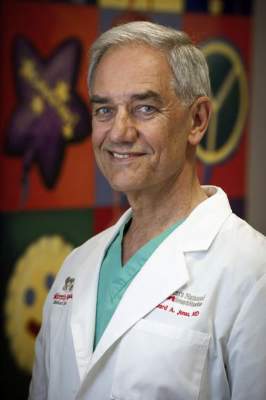
|
Dr. Richard A. Jonas |
However, besides the study limitations that Dr. Diaz and her colleagues pointed out in their study, another “problem” Dr. Jonas noted with the study subjects was that they had staged reconstruction for hypoplastic left heart syndrome. “Not only is this group of patients at risk for prenatal effects of their abnormal in utero circulation, but in addition, they all underwent additional cardiac or noncardiac procedures after their initial cardiac surgery,” he said. These factors, along with some degree of cyanosis in their formative years, may help explain why this study is an outlier in that it did not implicate nonoperative factors that other studies implicated, Dr. Jonas said.
Nonetheless, the study is “an important contribution that adds further evidence to the observation that volatile agents can affect neurodevelopmental outcome,” Dr. Jonas said. Hence the need for a prospective randomized trial.
Dr. Jonas had no financial relationships to disclose.
The study by Dr. Diaz and her colleagues makes all the more clear the need for a prospective randomized trial on the effect inhaled anesthetic agents in infants can have on their neurologic development, Richard A. Jonas, MD, of Children’s National Heart Institute, Children’s National Medical Center, Washington, said in his invited commentary (J. Thorac. Cardiovasc. Surg. 2016;152:490).
|
|
Dr. Richard A. Jonas |
However, besides the study limitations that Dr. Diaz and her colleagues pointed out in their study, another “problem” Dr. Jonas noted with the study subjects was that they had staged reconstruction for hypoplastic left heart syndrome. “Not only is this group of patients at risk for prenatal effects of their abnormal in utero circulation, but in addition, they all underwent additional cardiac or noncardiac procedures after their initial cardiac surgery,” he said. These factors, along with some degree of cyanosis in their formative years, may help explain why this study is an outlier in that it did not implicate nonoperative factors that other studies implicated, Dr. Jonas said.
Nonetheless, the study is “an important contribution that adds further evidence to the observation that volatile agents can affect neurodevelopmental outcome,” Dr. Jonas said. Hence the need for a prospective randomized trial.
Dr. Jonas had no financial relationships to disclose.
The study by Dr. Diaz and her colleagues makes all the more clear the need for a prospective randomized trial on the effect inhaled anesthetic agents in infants can have on their neurologic development, Richard A. Jonas, MD, of Children’s National Heart Institute, Children’s National Medical Center, Washington, said in his invited commentary (J. Thorac. Cardiovasc. Surg. 2016;152:490).
|
|
Dr. Richard A. Jonas |
However, besides the study limitations that Dr. Diaz and her colleagues pointed out in their study, another “problem” Dr. Jonas noted with the study subjects was that they had staged reconstruction for hypoplastic left heart syndrome. “Not only is this group of patients at risk for prenatal effects of their abnormal in utero circulation, but in addition, they all underwent additional cardiac or noncardiac procedures after their initial cardiac surgery,” he said. These factors, along with some degree of cyanosis in their formative years, may help explain why this study is an outlier in that it did not implicate nonoperative factors that other studies implicated, Dr. Jonas said.
Nonetheless, the study is “an important contribution that adds further evidence to the observation that volatile agents can affect neurodevelopmental outcome,” Dr. Jonas said. Hence the need for a prospective randomized trial.
Dr. Jonas had no financial relationships to disclose.
About 10,000 newborns receive general anesthesia for congenital heart defects every year, and the more exposure they have to inhaled anesthetic agents, the greater effect it may have on their neurologic development, investigators at Children’s Hospital of Philadelphia reported in a study of newborns with hypoplastic left heart syndrome.
While previous studies have linked worse neurodevelopment to patient factors like prematurity and genetics, this is the first study to show a consistent relationship between neurodevelopment outcomes and modifiable factors during cardiac surgery in infants, Laura K. Diaz, MD, and her colleagues reported in the August issue of the Journal of Thoracic and Cardiovascular Surgery (J Thorac Cardiovasc Surg. 2016;152:482-9).
They studied 96 patients with hypoplastic left heart syndrome (HLHS) or similar syndromes who received volatile anesthetic agents (VAA) at their institution from 1998 to 2003. The patients underwent a battery of neurodevelopmental tests between the ages of 4 and 5 years that included full-scale IQ (FSIQ), verbal IQ (VIQ), performance IQ (PIQ), and processing speed.
“This study provides evidence that in children undergoing staged reconstructive surgery for HLHS, increasing cumulative exposure to VAAs beginning in infancy is associated with worse performance for FSIQ and VIQ, suggesting that VAA exposure may be a modifiable risk factor for adverse neurodevelopment outcomes,” Dr. Diaz and her colleagues wrote.
While survival has improved significantly in recent years for infants with hypoplastic left heart syndrome, physicians have harbored concerns that these children encounter neurodevelopmental issues later on. Dr. Diaz and her colleagues acknowledged that previous studies have shown factors, such as the use of cardiopulmonary bypass (CPB) and hospital length of stay, that could affect neurodevelopment in these children, but the findings have been inconsistent. Instead, those studies have shown such patient-specific factors as birth weight, ethnicity, and hereditary disorders were strong determinants of neurodevelopment in infants who have cardiac surgery, Dr. Diaz and her coauthors pointed out.
Their own previous study of patients with single-ventricle congenital heart disease concurred with the findings of those other studies, but it did not evaluate exposure to anesthesia (J. Thorac. Cardiovasc. Surg. 2014;147:1276-82). That was the focus of their current study.
Among the study group, 94 patients had an initial operation with CPB in their first 30 days of life. All 96 infants in the study group had additional operations, whether cardiac or noncardiac. The study tracked all anesthetic exposures up until the neurodevelopment evaluation in February 2008. All but 2 patients had initial VAA exposure at less than 1 year of age, and 45 at less than 1 month of age. Deep hypothermic circulatory arrest was used uniformly for aortic arch reconstruction.
The study used four different generalized linear models to evaluate anesthesia exposure and neurodevelopment.
For both FSIQ and PIQ, total minimum alveolar concentration hours were deemed to be statistically significant factors for lower scores. For PIQ, birth weight and length of postoperative hospital stay were statistically significant. For processing speed, gestational age and length of hospital stay were statistically significant.
Dr. Diaz and her colleagues said their findings are preliminary and do not justify a change in practice. “Prospective randomized, controlled multicenter clinical trials are indicated to continue to clarify the effects of early and repetitive exposure to VAA in this and other pediatric populations,” the study authors concluded.
Dr. Diaz and the study authors had no financial relationships to disclose.
About 10,000 newborns receive general anesthesia for congenital heart defects every year, and the more exposure they have to inhaled anesthetic agents, the greater effect it may have on their neurologic development, investigators at Children’s Hospital of Philadelphia reported in a study of newborns with hypoplastic left heart syndrome.
While previous studies have linked worse neurodevelopment to patient factors like prematurity and genetics, this is the first study to show a consistent relationship between neurodevelopment outcomes and modifiable factors during cardiac surgery in infants, Laura K. Diaz, MD, and her colleagues reported in the August issue of the Journal of Thoracic and Cardiovascular Surgery (J Thorac Cardiovasc Surg. 2016;152:482-9).
They studied 96 patients with hypoplastic left heart syndrome (HLHS) or similar syndromes who received volatile anesthetic agents (VAA) at their institution from 1998 to 2003. The patients underwent a battery of neurodevelopmental tests between the ages of 4 and 5 years that included full-scale IQ (FSIQ), verbal IQ (VIQ), performance IQ (PIQ), and processing speed.
“This study provides evidence that in children undergoing staged reconstructive surgery for HLHS, increasing cumulative exposure to VAAs beginning in infancy is associated with worse performance for FSIQ and VIQ, suggesting that VAA exposure may be a modifiable risk factor for adverse neurodevelopment outcomes,” Dr. Diaz and her colleagues wrote.
While survival has improved significantly in recent years for infants with hypoplastic left heart syndrome, physicians have harbored concerns that these children encounter neurodevelopmental issues later on. Dr. Diaz and her colleagues acknowledged that previous studies have shown factors, such as the use of cardiopulmonary bypass (CPB) and hospital length of stay, that could affect neurodevelopment in these children, but the findings have been inconsistent. Instead, those studies have shown such patient-specific factors as birth weight, ethnicity, and hereditary disorders were strong determinants of neurodevelopment in infants who have cardiac surgery, Dr. Diaz and her coauthors pointed out.
Their own previous study of patients with single-ventricle congenital heart disease concurred with the findings of those other studies, but it did not evaluate exposure to anesthesia (J. Thorac. Cardiovasc. Surg. 2014;147:1276-82). That was the focus of their current study.
Among the study group, 94 patients had an initial operation with CPB in their first 30 days of life. All 96 infants in the study group had additional operations, whether cardiac or noncardiac. The study tracked all anesthetic exposures up until the neurodevelopment evaluation in February 2008. All but 2 patients had initial VAA exposure at less than 1 year of age, and 45 at less than 1 month of age. Deep hypothermic circulatory arrest was used uniformly for aortic arch reconstruction.
The study used four different generalized linear models to evaluate anesthesia exposure and neurodevelopment.
For both FSIQ and PIQ, total minimum alveolar concentration hours were deemed to be statistically significant factors for lower scores. For PIQ, birth weight and length of postoperative hospital stay were statistically significant. For processing speed, gestational age and length of hospital stay were statistically significant.
Dr. Diaz and her colleagues said their findings are preliminary and do not justify a change in practice. “Prospective randomized, controlled multicenter clinical trials are indicated to continue to clarify the effects of early and repetitive exposure to VAA in this and other pediatric populations,” the study authors concluded.
Dr. Diaz and the study authors had no financial relationships to disclose.
FROM THE JOURNAL OF THORACIC AND CARDIOVASCULAR SURGERY
Key clinical point: Volatile inhaled anesthesia may affect neurodevelopment in infants with hypoplastic left heart syndrome.
Major finding: Different generalized linear models determined an association between minimum alveolar concentration hours and hospital length of stay with lower IQ scores and processing speed.
Data source: Meta-analysis reviewed a subgroup of 96 patients with hypoplastic left heart syndrome who had neurodevelopmental testing at a single center between 1998 and 2003.
Disclosures: The authors have no financial relationships to disclose.