User login
System monitors and maintains drug levels in the body

New technology could make it easier to ensure patients receive the correct dose of chemotherapy and other drugs, according to research published in Nature Biomedical Engineering.
Researchers developed a closed-loop system that was able to continuously regulate drug levels in rabbits and rats.
“This is the first time anyone has been able to continuously control the drug levels in the body in real time,” said study author H. Tom Soh, PhD, of Stanford University in California.
“This is a novel concept with big implications because we believe we can adapt our technology to control the levels of a wide range of drugs.”
The researchers’ system has 3 basic components: a real-time biosensor to continuously monitor drug levels in the bloodstream, a control system to calculate the right dose, and a programmable pump that delivers just enough medicine to maintain a desired dose.
The sensor contains aptamers that are specially designed to bind a drug of interest. When the drug is present in the bloodstream, the aptamer changes shape, which an electric sensor detects. The more drug, the more aptamers change shape.
That information, captured every few seconds, is routed through software that controls the pump to deliver additional drugs as needed.
Researchers tested the technology by administering the chemotherapy drug doxorubicin to rabbits and rats.
Despite physiological and metabolic differences among individual animals, the team was able to keep a constant dosage in all the animals, something not possible with current drug delivery methods.
The researchers also tested for acute drug-drug interactions and found the system was able to stabilize drug levels to moderate what might otherwise be a dangerous spike or dip.
Dr Soh and his colleagues believe this technology could be particularly useful in treating pediatric cancer patients, who are notoriously difficult to dose because a child’s metabolism is usually different from an adult’s.
The team plans to miniaturize the system so it can be implanted or worn by the patient.
At present, the technology is an external apparatus, like a smart IV drip. The biosensor is a device about the size of a microscope slide.
The current setup might be suitable for a chemotherapy drug but not for continual use.
The researchers are also adapting the system with different aptamers so it can sense and regulate the levels of other biomolecules in the body. 
New technology could make it easier to ensure patients receive the correct dose of chemotherapy and other drugs, according to research published in Nature Biomedical Engineering.
Researchers developed a closed-loop system that was able to continuously regulate drug levels in rabbits and rats.
“This is the first time anyone has been able to continuously control the drug levels in the body in real time,” said study author H. Tom Soh, PhD, of Stanford University in California.
“This is a novel concept with big implications because we believe we can adapt our technology to control the levels of a wide range of drugs.”
The researchers’ system has 3 basic components: a real-time biosensor to continuously monitor drug levels in the bloodstream, a control system to calculate the right dose, and a programmable pump that delivers just enough medicine to maintain a desired dose.
The sensor contains aptamers that are specially designed to bind a drug of interest. When the drug is present in the bloodstream, the aptamer changes shape, which an electric sensor detects. The more drug, the more aptamers change shape.
That information, captured every few seconds, is routed through software that controls the pump to deliver additional drugs as needed.
Researchers tested the technology by administering the chemotherapy drug doxorubicin to rabbits and rats.
Despite physiological and metabolic differences among individual animals, the team was able to keep a constant dosage in all the animals, something not possible with current drug delivery methods.
The researchers also tested for acute drug-drug interactions and found the system was able to stabilize drug levels to moderate what might otherwise be a dangerous spike or dip.
Dr Soh and his colleagues believe this technology could be particularly useful in treating pediatric cancer patients, who are notoriously difficult to dose because a child’s metabolism is usually different from an adult’s.
The team plans to miniaturize the system so it can be implanted or worn by the patient.
At present, the technology is an external apparatus, like a smart IV drip. The biosensor is a device about the size of a microscope slide.
The current setup might be suitable for a chemotherapy drug but not for continual use.
The researchers are also adapting the system with different aptamers so it can sense and regulate the levels of other biomolecules in the body.
New technology could make it easier to ensure patients receive the correct dose of chemotherapy and other drugs, according to research published in Nature Biomedical Engineering.
Researchers developed a closed-loop system that was able to continuously regulate drug levels in rabbits and rats.
“This is the first time anyone has been able to continuously control the drug levels in the body in real time,” said study author H. Tom Soh, PhD, of Stanford University in California.
“This is a novel concept with big implications because we believe we can adapt our technology to control the levels of a wide range of drugs.”
The researchers’ system has 3 basic components: a real-time biosensor to continuously monitor drug levels in the bloodstream, a control system to calculate the right dose, and a programmable pump that delivers just enough medicine to maintain a desired dose.
The sensor contains aptamers that are specially designed to bind a drug of interest. When the drug is present in the bloodstream, the aptamer changes shape, which an electric sensor detects. The more drug, the more aptamers change shape.
That information, captured every few seconds, is routed through software that controls the pump to deliver additional drugs as needed.
Researchers tested the technology by administering the chemotherapy drug doxorubicin to rabbits and rats.
Despite physiological and metabolic differences among individual animals, the team was able to keep a constant dosage in all the animals, something not possible with current drug delivery methods.
The researchers also tested for acute drug-drug interactions and found the system was able to stabilize drug levels to moderate what might otherwise be a dangerous spike or dip.
Dr Soh and his colleagues believe this technology could be particularly useful in treating pediatric cancer patients, who are notoriously difficult to dose because a child’s metabolism is usually different from an adult’s.
The team plans to miniaturize the system so it can be implanted or worn by the patient.
At present, the technology is an external apparatus, like a smart IV drip. The biosensor is a device about the size of a microscope slide.
The current setup might be suitable for a chemotherapy drug but not for continual use.
The researchers are also adapting the system with different aptamers so it can sense and regulate the levels of other biomolecules in the body.
EMA recommends drug receive orphan designation for PNH

The European Medicines Agency (EMA) has recommended orphan drug designation for the complement C3 inhibitor APL-2 as a treatment for paroxysmal nocturnal hemoglobinuria (PNH).
APL-2 is a synthetic cyclic peptide conjugated to a polyethylene glycol polymer that binds specifically to C3 and C3b, blocking all 3 pathways of complement activation (classical, lectin, and alternative).
This comprehensive inhibition of complement-mediated pathology may have the potential to control symptoms and modify underlying disease in patients with PNH, according to Apellis Pharmaceuticals, Inc., the company developing APL-2.
APL-2 has been evaluated in a pair of phase 1 studies of healthy volunteers. Results from these studies were presented at the 2016 ASH Annual Meeting (abstract 1251).
Now, Apellis is evaluating APL-2 in PNH patients in a pair of phase 1b trials.
In PADDOCK (NCT02588833), researchers are assessing the safety, tolerability, pharmacokinetics, pharmacodynamics, and preliminary efficacy of multiple doses of APL-2 administered by daily subcutaneous injection in patients with PNH who have not received the standard of care in the past.
In PHAROAH (NCT02264639), researchers are assessing the safety, tolerability, pharmacokinetics, and pharmacodynamics of single and multiple doses of APL-2 administered by subcutaneous injection as an add-on to the standard of care in patients with PNH.
About orphan designation
Orphan designation provides regulatory and financial incentives for companies to develop and market therapies that treat life-threatening or chronically debilitating conditions affecting no more than 5 in 10,000 people in the European Union, and where no satisfactory treatment is available.
Orphan designation provides a 10-year period of marketing exclusivity if the drug receives regulatory approval. The designation also provides incentives for companies seeking protocol assistance from the EMA during the product development phase and direct access to the centralized authorization procedure.
The EMA adopts an opinion on the granting of orphan drug designation, and that opinion is submitted to the European Commission for a final decision. The European Commission typically makes a decision within 30 days.
The European Medicines Agency (EMA) has recommended orphan drug designation for the complement C3 inhibitor APL-2 as a treatment for paroxysmal nocturnal hemoglobinuria (PNH).
APL-2 is a synthetic cyclic peptide conjugated to a polyethylene glycol polymer that binds specifically to C3 and C3b, blocking all 3 pathways of complement activation (classical, lectin, and alternative).
This comprehensive inhibition of complement-mediated pathology may have the potential to control symptoms and modify underlying disease in patients with PNH, according to Apellis Pharmaceuticals, Inc., the company developing APL-2.
APL-2 has been evaluated in a pair of phase 1 studies of healthy volunteers. Results from these studies were presented at the 2016 ASH Annual Meeting (abstract 1251).
Now, Apellis is evaluating APL-2 in PNH patients in a pair of phase 1b trials.
In PADDOCK (NCT02588833), researchers are assessing the safety, tolerability, pharmacokinetics, pharmacodynamics, and preliminary efficacy of multiple doses of APL-2 administered by daily subcutaneous injection in patients with PNH who have not received the standard of care in the past.
In PHAROAH (NCT02264639), researchers are assessing the safety, tolerability, pharmacokinetics, and pharmacodynamics of single and multiple doses of APL-2 administered by subcutaneous injection as an add-on to the standard of care in patients with PNH.
About orphan designation
Orphan designation provides regulatory and financial incentives for companies to develop and market therapies that treat life-threatening or chronically debilitating conditions affecting no more than 5 in 10,000 people in the European Union, and where no satisfactory treatment is available.
Orphan designation provides a 10-year period of marketing exclusivity if the drug receives regulatory approval. The designation also provides incentives for companies seeking protocol assistance from the EMA during the product development phase and direct access to the centralized authorization procedure.
The EMA adopts an opinion on the granting of orphan drug designation, and that opinion is submitted to the European Commission for a final decision. The European Commission typically makes a decision within 30 days.
The European Medicines Agency (EMA) has recommended orphan drug designation for the complement C3 inhibitor APL-2 as a treatment for paroxysmal nocturnal hemoglobinuria (PNH).
APL-2 is a synthetic cyclic peptide conjugated to a polyethylene glycol polymer that binds specifically to C3 and C3b, blocking all 3 pathways of complement activation (classical, lectin, and alternative).
This comprehensive inhibition of complement-mediated pathology may have the potential to control symptoms and modify underlying disease in patients with PNH, according to Apellis Pharmaceuticals, Inc., the company developing APL-2.
APL-2 has been evaluated in a pair of phase 1 studies of healthy volunteers. Results from these studies were presented at the 2016 ASH Annual Meeting (abstract 1251).
Now, Apellis is evaluating APL-2 in PNH patients in a pair of phase 1b trials.
In PADDOCK (NCT02588833), researchers are assessing the safety, tolerability, pharmacokinetics, pharmacodynamics, and preliminary efficacy of multiple doses of APL-2 administered by daily subcutaneous injection in patients with PNH who have not received the standard of care in the past.
In PHAROAH (NCT02264639), researchers are assessing the safety, tolerability, pharmacokinetics, and pharmacodynamics of single and multiple doses of APL-2 administered by subcutaneous injection as an add-on to the standard of care in patients with PNH.
About orphan designation
Orphan designation provides regulatory and financial incentives for companies to develop and market therapies that treat life-threatening or chronically debilitating conditions affecting no more than 5 in 10,000 people in the European Union, and where no satisfactory treatment is available.
Orphan designation provides a 10-year period of marketing exclusivity if the drug receives regulatory approval. The designation also provides incentives for companies seeking protocol assistance from the EMA during the product development phase and direct access to the centralized authorization procedure.
The EMA adopts an opinion on the granting of orphan drug designation, and that opinion is submitted to the European Commission for a final decision. The European Commission typically makes a decision within 30 days.
Postmarket safety events common in FDA-approved drugs

New research suggests postmarket safety events are common for therapeutics approved by the US Food and Drug Administration (FDA).
Researchers evaluated more than 200 pharmaceuticals and biologics approved by the FDA from 2001 through 2010 and found that nearly a third of these products were affected by a postmarket safety event.
Most of the events were boxed warnings or safety communications, but there were a few products withdrawn from the market due to safety issues.
Joseph S. Ross, MD, of the Yale University School of Medicine in New Haven, Connecticut, and his colleagues reported these findings in JAMA.
The researchers noted that most pivotal trials that form the basis for FDA approval enroll fewer than 1000 patients and have follow-up of 6 months or less.
Therefore, uncommon or long-term serious safety risks may only become evident after approval, when new therapeutics are used in larger patient populations and for longer periods of time.
With this in mind, Dr Ross and his colleagues examined postmarket safety events for all novel therapeutics approved by the FDA between January 2001 and December 2010 (followed-up through February 2017).
Safety events included withdrawals due to safety concerns, FDA issuance of incremental boxed warnings added in the postmarket period, and FDA issuance of safety communications.
From 2001 through 2010, the FDA approved 222 novel therapeutics—183 pharmaceuticals and 39 biologics.
During a median follow-up of 11.7 years, there were 123 postmarket safety events—3 withdrawals, 61 boxed warnings, and 59 safety communications.
“The fact that the FDA is issuing safety communications means it is doing a good job of following newly approved drugs and evaluating their safety up in the postmarket period,” Dr Ross said.
The 123 safety events identified affected 71 (32%) of the 222 therapeutics.
The median time from FDA approval to the first postmarket safety event was 4.2 years. And 31% of the therapeutics were still affected by a postmarket safety event at 10 years.
The researchers found that postmarket safety events were significantly more frequent in biologics (P=0.03), drugs used to treat psychiatric disease (P<0.001), products approved near their regulatory deadline (P=0.008), and therapeutics granted accelerated approval (P=0.02).
“[The accelerated approval finding] shows that there is the potential for compromising patient safety when drug evaluation is persistently sped up,” Dr Ross said.
On the other hand, the researchers also found that postmarket safety events were significantly less frequent in therapeutics the FDA reviewed in less than 200 days (P=0.02).
The researchers said these findings should be interpreted cautiously, but they can be used to inform ongoing surveillance efforts.
New research suggests postmarket safety events are common for therapeutics approved by the US Food and Drug Administration (FDA).
Researchers evaluated more than 200 pharmaceuticals and biologics approved by the FDA from 2001 through 2010 and found that nearly a third of these products were affected by a postmarket safety event.
Most of the events were boxed warnings or safety communications, but there were a few products withdrawn from the market due to safety issues.
Joseph S. Ross, MD, of the Yale University School of Medicine in New Haven, Connecticut, and his colleagues reported these findings in JAMA.
The researchers noted that most pivotal trials that form the basis for FDA approval enroll fewer than 1000 patients and have follow-up of 6 months or less.
Therefore, uncommon or long-term serious safety risks may only become evident after approval, when new therapeutics are used in larger patient populations and for longer periods of time.
With this in mind, Dr Ross and his colleagues examined postmarket safety events for all novel therapeutics approved by the FDA between January 2001 and December 2010 (followed-up through February 2017).
Safety events included withdrawals due to safety concerns, FDA issuance of incremental boxed warnings added in the postmarket period, and FDA issuance of safety communications.
From 2001 through 2010, the FDA approved 222 novel therapeutics—183 pharmaceuticals and 39 biologics.
During a median follow-up of 11.7 years, there were 123 postmarket safety events—3 withdrawals, 61 boxed warnings, and 59 safety communications.
“The fact that the FDA is issuing safety communications means it is doing a good job of following newly approved drugs and evaluating their safety up in the postmarket period,” Dr Ross said.
The 123 safety events identified affected 71 (32%) of the 222 therapeutics.
The median time from FDA approval to the first postmarket safety event was 4.2 years. And 31% of the therapeutics were still affected by a postmarket safety event at 10 years.
The researchers found that postmarket safety events were significantly more frequent in biologics (P=0.03), drugs used to treat psychiatric disease (P<0.001), products approved near their regulatory deadline (P=0.008), and therapeutics granted accelerated approval (P=0.02).
“[The accelerated approval finding] shows that there is the potential for compromising patient safety when drug evaluation is persistently sped up,” Dr Ross said.
On the other hand, the researchers also found that postmarket safety events were significantly less frequent in therapeutics the FDA reviewed in less than 200 days (P=0.02).
The researchers said these findings should be interpreted cautiously, but they can be used to inform ongoing surveillance efforts.
New research suggests postmarket safety events are common for therapeutics approved by the US Food and Drug Administration (FDA).
Researchers evaluated more than 200 pharmaceuticals and biologics approved by the FDA from 2001 through 2010 and found that nearly a third of these products were affected by a postmarket safety event.
Most of the events were boxed warnings or safety communications, but there were a few products withdrawn from the market due to safety issues.
Joseph S. Ross, MD, of the Yale University School of Medicine in New Haven, Connecticut, and his colleagues reported these findings in JAMA.
The researchers noted that most pivotal trials that form the basis for FDA approval enroll fewer than 1000 patients and have follow-up of 6 months or less.
Therefore, uncommon or long-term serious safety risks may only become evident after approval, when new therapeutics are used in larger patient populations and for longer periods of time.
With this in mind, Dr Ross and his colleagues examined postmarket safety events for all novel therapeutics approved by the FDA between January 2001 and December 2010 (followed-up through February 2017).
Safety events included withdrawals due to safety concerns, FDA issuance of incremental boxed warnings added in the postmarket period, and FDA issuance of safety communications.
From 2001 through 2010, the FDA approved 222 novel therapeutics—183 pharmaceuticals and 39 biologics.
During a median follow-up of 11.7 years, there were 123 postmarket safety events—3 withdrawals, 61 boxed warnings, and 59 safety communications.
“The fact that the FDA is issuing safety communications means it is doing a good job of following newly approved drugs and evaluating their safety up in the postmarket period,” Dr Ross said.
The 123 safety events identified affected 71 (32%) of the 222 therapeutics.
The median time from FDA approval to the first postmarket safety event was 4.2 years. And 31% of the therapeutics were still affected by a postmarket safety event at 10 years.
The researchers found that postmarket safety events were significantly more frequent in biologics (P=0.03), drugs used to treat psychiatric disease (P<0.001), products approved near their regulatory deadline (P=0.008), and therapeutics granted accelerated approval (P=0.02).
“[The accelerated approval finding] shows that there is the potential for compromising patient safety when drug evaluation is persistently sped up,” Dr Ross said.
On the other hand, the researchers also found that postmarket safety events were significantly less frequent in therapeutics the FDA reviewed in less than 200 days (P=0.02).
The researchers said these findings should be interpreted cautiously, but they can be used to inform ongoing surveillance efforts.
EC approves pembrolizumab for cHL patients
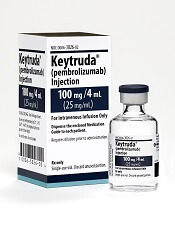
The European Commission (EC) has approved the anti-PD-1 therapy pembrolizumab (Keytruda) for use in patients with classical Hodgkin lymphoma (cHL).
The drug is now approved to treat adults with relapsed or refractory cHL who have failed autologous stem cell transplant (auto-SCT) and brentuximab vedotin (BV) or who are transplant-ineligible and have failed treatment with BV.
The approval allows marketing of pembrolizumab for this indication in the European Economic Area (EEA).
This is the first approval for pembrolizumab in a hematologic malignancy in the EEA. The drug was previously approved there as a treatment for melanoma and non-small-cell lung cancer.
The new approval for pembrolizumab was based on data from the KEYNOTE-087 and KEYNOTE-013 trials.
Results from KEYNOTE-013 were presented at the 2016 ASH Annual Meeting (abstract 1108), and results from KEYNOTE-087 were recently published in the Journal of Clinical Oncology.
KEYNOTE-087
In this phase 2 trial, researchers evaluated pembrolizumab (a 200 mg fixed dose every 3 weeks) in patients with relapsed or refractory cHL across 3 cohorts:
- Cohort 1: Patients who progressed after auto-HSCT and subsequent treatment with BV
- Cohort 2: Patients who failed salvage chemotherapy, were ineligible for a transplant, and progressed after BV
- Cohort 3: Patients who progressed after auto-HSCT and did not receive BV after transplant.
Across all 210 enrolled patients, the overall response rate (ORR) was 69.0%, and the complete response (CR) rate was 22.4%.
In Cohort 1 (n=69), the ORR was 73.9%, and the CR rate was 21.7%.
In Cohort 2 (n=81), the ORR was 64.2%, and the CR rate was 24.7%.
In Cohort 3 (n=60), the ORR was 70.0%, and the CR rate was 20%.
For the entire study cohort, the median duration of response was not reached, and the median overall survival (OS) was not reached. At 9 months, the OS was 97.5%, and the progression-free survival (PFS) was 63.4%.
The most common treatment-related adverse events (AEs) were hypothyroidism (12.4%), pyrexia (10.5%), fatigue (9.0%), rash (7.6%), diarrhea (7.1%), headache (6.2%), nausea (5.7%), cough (5.7%), and neutropenia (5.2%).
The most common grade 3/4 treatment-related AEs were neutropenia (2.4%), diarrhea (1.0%), and dyspnea (1.0%). Immune-mediated AEs included pneumonitis (2.9%), hyperthyroidism (2.9%), colitis (1.0%), and myositis (1.0%).
There were 9 discontinuations because of treatment-related AEs and no treatment-related deaths.
KEYNOTE-013
KEYNOTE-013 is a phase 1b trial that has enrolled 31 patients with relapsed or refractory cHL who failed auto-HSCT and subsequent BV or who were transplant-ineligible.
Patients received pembrolizumab at 10 mg/kg every 2 weeks. The median duration of follow-up was 29 months.
The ORR was 58%, and the CR rate was 19%. The median duration of response had not been reached at last follow-up (range, 0.0+ to 26.1+ months), and 70% of responding patients had a response lasting 12 months or more.
The median PFS was 11.4 months (range, 4.9-27.8 months). The 6-month PFS rate was 66%, and the 12-month PFS rate was 48%.
The median OS was not reached. Six-month and 12-month OS rates were 100% and 87%, respectively.
The most common treatment-related AEs were diarrhea (19%), hypothyroidism (13%), pneumonitis (13%), nausea (13%), fatigue (10%), and dyspnea (10%).
The most common grade 3/4 treatment-related AEs were colitis (3%), axillary pain (3%), AST increase (3%), joint swelling (3%), nephrotic syndrome back pain (3%), and dyspnea (3%).
AEs leading to discontinuation were nephrotic syndrome (grade 3), interstitial lung disease (grade 2), and pneumonitis (grade 2). There were no treatment-related deaths.
The European Commission (EC) has approved the anti-PD-1 therapy pembrolizumab (Keytruda) for use in patients with classical Hodgkin lymphoma (cHL).
The drug is now approved to treat adults with relapsed or refractory cHL who have failed autologous stem cell transplant (auto-SCT) and brentuximab vedotin (BV) or who are transplant-ineligible and have failed treatment with BV.
The approval allows marketing of pembrolizumab for this indication in the European Economic Area (EEA).
This is the first approval for pembrolizumab in a hematologic malignancy in the EEA. The drug was previously approved there as a treatment for melanoma and non-small-cell lung cancer.
The new approval for pembrolizumab was based on data from the KEYNOTE-087 and KEYNOTE-013 trials.
Results from KEYNOTE-013 were presented at the 2016 ASH Annual Meeting (abstract 1108), and results from KEYNOTE-087 were recently published in the Journal of Clinical Oncology.
KEYNOTE-087
In this phase 2 trial, researchers evaluated pembrolizumab (a 200 mg fixed dose every 3 weeks) in patients with relapsed or refractory cHL across 3 cohorts:
- Cohort 1: Patients who progressed after auto-HSCT and subsequent treatment with BV
- Cohort 2: Patients who failed salvage chemotherapy, were ineligible for a transplant, and progressed after BV
- Cohort 3: Patients who progressed after auto-HSCT and did not receive BV after transplant.
Across all 210 enrolled patients, the overall response rate (ORR) was 69.0%, and the complete response (CR) rate was 22.4%.
In Cohort 1 (n=69), the ORR was 73.9%, and the CR rate was 21.7%.
In Cohort 2 (n=81), the ORR was 64.2%, and the CR rate was 24.7%.
In Cohort 3 (n=60), the ORR was 70.0%, and the CR rate was 20%.
For the entire study cohort, the median duration of response was not reached, and the median overall survival (OS) was not reached. At 9 months, the OS was 97.5%, and the progression-free survival (PFS) was 63.4%.
The most common treatment-related adverse events (AEs) were hypothyroidism (12.4%), pyrexia (10.5%), fatigue (9.0%), rash (7.6%), diarrhea (7.1%), headache (6.2%), nausea (5.7%), cough (5.7%), and neutropenia (5.2%).
The most common grade 3/4 treatment-related AEs were neutropenia (2.4%), diarrhea (1.0%), and dyspnea (1.0%). Immune-mediated AEs included pneumonitis (2.9%), hyperthyroidism (2.9%), colitis (1.0%), and myositis (1.0%).
There were 9 discontinuations because of treatment-related AEs and no treatment-related deaths.
KEYNOTE-013
KEYNOTE-013 is a phase 1b trial that has enrolled 31 patients with relapsed or refractory cHL who failed auto-HSCT and subsequent BV or who were transplant-ineligible.
Patients received pembrolizumab at 10 mg/kg every 2 weeks. The median duration of follow-up was 29 months.
The ORR was 58%, and the CR rate was 19%. The median duration of response had not been reached at last follow-up (range, 0.0+ to 26.1+ months), and 70% of responding patients had a response lasting 12 months or more.
The median PFS was 11.4 months (range, 4.9-27.8 months). The 6-month PFS rate was 66%, and the 12-month PFS rate was 48%.
The median OS was not reached. Six-month and 12-month OS rates were 100% and 87%, respectively.
The most common treatment-related AEs were diarrhea (19%), hypothyroidism (13%), pneumonitis (13%), nausea (13%), fatigue (10%), and dyspnea (10%).
The most common grade 3/4 treatment-related AEs were colitis (3%), axillary pain (3%), AST increase (3%), joint swelling (3%), nephrotic syndrome back pain (3%), and dyspnea (3%).
AEs leading to discontinuation were nephrotic syndrome (grade 3), interstitial lung disease (grade 2), and pneumonitis (grade 2). There were no treatment-related deaths.
The European Commission (EC) has approved the anti-PD-1 therapy pembrolizumab (Keytruda) for use in patients with classical Hodgkin lymphoma (cHL).
The drug is now approved to treat adults with relapsed or refractory cHL who have failed autologous stem cell transplant (auto-SCT) and brentuximab vedotin (BV) or who are transplant-ineligible and have failed treatment with BV.
The approval allows marketing of pembrolizumab for this indication in the European Economic Area (EEA).
This is the first approval for pembrolizumab in a hematologic malignancy in the EEA. The drug was previously approved there as a treatment for melanoma and non-small-cell lung cancer.
The new approval for pembrolizumab was based on data from the KEYNOTE-087 and KEYNOTE-013 trials.
Results from KEYNOTE-013 were presented at the 2016 ASH Annual Meeting (abstract 1108), and results from KEYNOTE-087 were recently published in the Journal of Clinical Oncology.
KEYNOTE-087
In this phase 2 trial, researchers evaluated pembrolizumab (a 200 mg fixed dose every 3 weeks) in patients with relapsed or refractory cHL across 3 cohorts:
- Cohort 1: Patients who progressed after auto-HSCT and subsequent treatment with BV
- Cohort 2: Patients who failed salvage chemotherapy, were ineligible for a transplant, and progressed after BV
- Cohort 3: Patients who progressed after auto-HSCT and did not receive BV after transplant.
Across all 210 enrolled patients, the overall response rate (ORR) was 69.0%, and the complete response (CR) rate was 22.4%.
In Cohort 1 (n=69), the ORR was 73.9%, and the CR rate was 21.7%.
In Cohort 2 (n=81), the ORR was 64.2%, and the CR rate was 24.7%.
In Cohort 3 (n=60), the ORR was 70.0%, and the CR rate was 20%.
For the entire study cohort, the median duration of response was not reached, and the median overall survival (OS) was not reached. At 9 months, the OS was 97.5%, and the progression-free survival (PFS) was 63.4%.
The most common treatment-related adverse events (AEs) were hypothyroidism (12.4%), pyrexia (10.5%), fatigue (9.0%), rash (7.6%), diarrhea (7.1%), headache (6.2%), nausea (5.7%), cough (5.7%), and neutropenia (5.2%).
The most common grade 3/4 treatment-related AEs were neutropenia (2.4%), diarrhea (1.0%), and dyspnea (1.0%). Immune-mediated AEs included pneumonitis (2.9%), hyperthyroidism (2.9%), colitis (1.0%), and myositis (1.0%).
There were 9 discontinuations because of treatment-related AEs and no treatment-related deaths.
KEYNOTE-013
KEYNOTE-013 is a phase 1b trial that has enrolled 31 patients with relapsed or refractory cHL who failed auto-HSCT and subsequent BV or who were transplant-ineligible.
Patients received pembrolizumab at 10 mg/kg every 2 weeks. The median duration of follow-up was 29 months.
The ORR was 58%, and the CR rate was 19%. The median duration of response had not been reached at last follow-up (range, 0.0+ to 26.1+ months), and 70% of responding patients had a response lasting 12 months or more.
The median PFS was 11.4 months (range, 4.9-27.8 months). The 6-month PFS rate was 66%, and the 12-month PFS rate was 48%.
The median OS was not reached. Six-month and 12-month OS rates were 100% and 87%, respectively.
The most common treatment-related AEs were diarrhea (19%), hypothyroidism (13%), pneumonitis (13%), nausea (13%), fatigue (10%), and dyspnea (10%).
The most common grade 3/4 treatment-related AEs were colitis (3%), axillary pain (3%), AST increase (3%), joint swelling (3%), nephrotic syndrome back pain (3%), and dyspnea (3%).
AEs leading to discontinuation were nephrotic syndrome (grade 3), interstitial lung disease (grade 2), and pneumonitis (grade 2). There were no treatment-related deaths.
PRAC finds insufficient evidence of difference between FVIII products

There is no “clear and consistent evidence” that hemophilia A patients are more likely to develop inhibitors if they receive a recombinant factor VIII (FVIII) product rather than a plasma-derived FVIII product, according to the European Medicines Agency’s (EMA) Pharmacovigilance Risk Assessment Committee (PRAC).
The PRAC conducted a review of FVIII products to evaluate the risk of inhibitor development in patients with hemophilia A who had not previously received FVIII treatment.
The review covered all FVIII products authorized for use in the European Union. This includes products containing the active substances human coagulation factor VIII, efmoroctocog alfa, moroctocog alfa, octocog alfa, simoctocog alfa, susoctocog alfa, and turoctocog alfa.
The review was started after publication of the SIPPET study, which indicated that inhibitors occur more frequently in patients receiving FVIII products made by recombinant DNA technology rather than FVIII products derived from plasma.
The PRAC’s review also covered other relevant studies, including interventional clinical trials and observational studies.
The studies reviewed differed in their design, patient populations, and findings, and the PRAC concluded that they did not provide clear evidence of a difference in the risk of inhibitor development between the 2 classes of FVIII products.
In addition, due to the different characteristics of individual products within the 2 classes, the PRAC considered that evaluation of the risk of inhibitor development should be at the product level instead of at the class level.
The risk for each individual product will continue to be assessed as more evidence becomes available.
The PRAC recommended that prescribing information be updated to reflect the current evidence. The update should include, as appropriate, listing of the development of inhibitors as a very common side effect in previously untreated patients and as an uncommon side effect in previously treated patients.
The existing warning on inhibitor development should be amended to highlight that the presence of low levels of inhibitors poses less of a risk of severe bleeding than high levels.
The PRAC’s recommendation will be sent to the EMA’s Committee for Medicinal Products for Human Use (CHMP) for the adoption of the EMA’s final opinion. Further details and information for patients and healthcare professionals will be published at the time of the CHMP opinion.
The final stage of the review procedure is the adoption by the European Commission of a legally binding decision applicable in all European Union member states.
There is no “clear and consistent evidence” that hemophilia A patients are more likely to develop inhibitors if they receive a recombinant factor VIII (FVIII) product rather than a plasma-derived FVIII product, according to the European Medicines Agency’s (EMA) Pharmacovigilance Risk Assessment Committee (PRAC).
The PRAC conducted a review of FVIII products to evaluate the risk of inhibitor development in patients with hemophilia A who had not previously received FVIII treatment.
The review covered all FVIII products authorized for use in the European Union. This includes products containing the active substances human coagulation factor VIII, efmoroctocog alfa, moroctocog alfa, octocog alfa, simoctocog alfa, susoctocog alfa, and turoctocog alfa.
The review was started after publication of the SIPPET study, which indicated that inhibitors occur more frequently in patients receiving FVIII products made by recombinant DNA technology rather than FVIII products derived from plasma.
The PRAC’s review also covered other relevant studies, including interventional clinical trials and observational studies.
The studies reviewed differed in their design, patient populations, and findings, and the PRAC concluded that they did not provide clear evidence of a difference in the risk of inhibitor development between the 2 classes of FVIII products.
In addition, due to the different characteristics of individual products within the 2 classes, the PRAC considered that evaluation of the risk of inhibitor development should be at the product level instead of at the class level.
The risk for each individual product will continue to be assessed as more evidence becomes available.
The PRAC recommended that prescribing information be updated to reflect the current evidence. The update should include, as appropriate, listing of the development of inhibitors as a very common side effect in previously untreated patients and as an uncommon side effect in previously treated patients.
The existing warning on inhibitor development should be amended to highlight that the presence of low levels of inhibitors poses less of a risk of severe bleeding than high levels.
The PRAC’s recommendation will be sent to the EMA’s Committee for Medicinal Products for Human Use (CHMP) for the adoption of the EMA’s final opinion. Further details and information for patients and healthcare professionals will be published at the time of the CHMP opinion.
The final stage of the review procedure is the adoption by the European Commission of a legally binding decision applicable in all European Union member states.
There is no “clear and consistent evidence” that hemophilia A patients are more likely to develop inhibitors if they receive a recombinant factor VIII (FVIII) product rather than a plasma-derived FVIII product, according to the European Medicines Agency’s (EMA) Pharmacovigilance Risk Assessment Committee (PRAC).
The PRAC conducted a review of FVIII products to evaluate the risk of inhibitor development in patients with hemophilia A who had not previously received FVIII treatment.
The review covered all FVIII products authorized for use in the European Union. This includes products containing the active substances human coagulation factor VIII, efmoroctocog alfa, moroctocog alfa, octocog alfa, simoctocog alfa, susoctocog alfa, and turoctocog alfa.
The review was started after publication of the SIPPET study, which indicated that inhibitors occur more frequently in patients receiving FVIII products made by recombinant DNA technology rather than FVIII products derived from plasma.
The PRAC’s review also covered other relevant studies, including interventional clinical trials and observational studies.
The studies reviewed differed in their design, patient populations, and findings, and the PRAC concluded that they did not provide clear evidence of a difference in the risk of inhibitor development between the 2 classes of FVIII products.
In addition, due to the different characteristics of individual products within the 2 classes, the PRAC considered that evaluation of the risk of inhibitor development should be at the product level instead of at the class level.
The risk for each individual product will continue to be assessed as more evidence becomes available.
The PRAC recommended that prescribing information be updated to reflect the current evidence. The update should include, as appropriate, listing of the development of inhibitors as a very common side effect in previously untreated patients and as an uncommon side effect in previously treated patients.
The existing warning on inhibitor development should be amended to highlight that the presence of low levels of inhibitors poses less of a risk of severe bleeding than high levels.
The PRAC’s recommendation will be sent to the EMA’s Committee for Medicinal Products for Human Use (CHMP) for the adoption of the EMA’s final opinion. Further details and information for patients and healthcare professionals will be published at the time of the CHMP opinion.
The final stage of the review procedure is the adoption by the European Commission of a legally binding decision applicable in all European Union member states.
Restrictions on pharma reps change docs’ prescribing behavior

New research indicates that limiting how pharmaceutical sales representatives can market their products to physicians changes the physicians’ prescribing behaviors.
Researchers examined the effects of restrictions on pharmaceutical representatives’ visits to doctors’ offices at 19 academic medical centers in 5 US states.
The team found these restrictions were associated with “modest but significant” reductions in prescribing promoted drugs.
“Social science has long demonstrated that professionals, even well-meaning ones, are powerfully influenced by conflicts of interest,” said George Loewenstein, PhD, of Carnegie Mellon University in Pittsburgh, Pennsylvania.
“A large body of research also shows that simply disclosing conflicts of interests is insufficient to reduce their influence and may even exacerbate it. The results from this study underline the effectiveness of, and need for, centralized rules and regulations.”
Dr Loewenstein and his colleagues reported the results of this study in JAMA.
The researchers noted that pharmaceutical sales representatives’ visits to doctors, which are known as “detailing,” are the most common form of interaction between physicians and industry. However, little was known about how practice-level detailing restrictions affect physician prescribing.
To gain some insight, Dr Loewenstein and his colleagues looked at the prescribing behavior of doctors whose practices did and did not have restrictions on detailing.
The team assessed the prescribing behavior of 2126 doctors at 19 academic medical centers in 5 states (California, Illinois, Massachusetts, Pennsylvania, and New York) before and after the centers introduced policies restricting detailing.
The researchers compared the prescribing behavior of these doctors with the prescribing behavior of a control group of 24,593 physicians practicing in the same geographic regions who were not subject to detailing restrictions.
The data covered 262 drugs in 8 major drug classes—ranging from statins to antidepressants—representing more than $60 billion in aggregate sales in the US.
In all, there were 16,121,483 prescriptions written between January 2006 and June 2012 by both intervention and control physicians.
Overall results
The researchers found the enactment of detailing restrictions was associated with a significant decrease in the prescribing of detailed drugs (1.67 percentage points of market share) and a significant increase in the prescribing of nondetailed drugs (0.84 percentage points, P<0.001 for both).
The mean market share of detailed drugs was 19.3% prior to the enactment of restrictions, so the 1.67 percentage-point reduction represented an 8.7% relative decrease in market share.
The mean market share of nondetailed drugs was 14.2% prior to the enactment of restrictions, so the 0.84 percentage-point increase represented a 5.6% relative increase in market share.
“The study cannot definitively prove a causal link between policies that regulated detailing and changes in physician prescribing, but, absent a randomized control, this evidence is as definitive as possible,” said study author Ian Larkin, PhD, of the University of California, Los Angeles.
“We investigated 19 different policy implementations that happened over a 6-year period, included a control group of highly similar physicians not subject to detailing restrictions, and looked at effects in 8 large drug classes. The results were remarkably robust. After the introduction of policies, about 5% to 10% of physician prescribing behavior changed.”
Results by drug class, medical center
The researchers said detailing restrictions were associated with significant changes in market share for 6 of the 8 drug classes studied (lipid-lowering drugs, gastroesophageal reflux disease drugs, antihypertensive drugs, sleep aids, attention-deficit/hyperactivity disorder drugs, and antidepressants).
Looking at the medical centers individually, the researchers found that detailing restrictions were associated with significant changes in market share for detailed drugs at 9 centers and for nondetailed drugs at 8 centers.
The team noted that detailing restrictions differed among the centers.
Eleven of the centers regulated gifts to physicians, restricted sales representatives’ access to facilities, and had explicit enforcement policies. For 8 of these 11 centers, there was a significant change in prescribing practices.
The remaining 8 centers had less stringent restrictions in that they did not cover all 3 areas of restriction (regulating gifts, restricting access, and having enforcement policies). There was a significant change in prescribing practices for only 1 of these centers.
“No medical center completely barred salesperson visits,” Dr Larkin noted. “Salespeople could and did continue to visit physicians at all medical centers in the study. The most common restriction put in place was a ban on meals and other small gifts.”
“The fact that regulating gifts while still allowing sales calls still led to a switch to cheaper, generic drugs may suggest that gifts such as meals play an important role in influencing physicians. The correlation between meals and prescribing has been well established in the literature, but our study suggests this relationship may be causal in nature.”
New research indicates that limiting how pharmaceutical sales representatives can market their products to physicians changes the physicians’ prescribing behaviors.
Researchers examined the effects of restrictions on pharmaceutical representatives’ visits to doctors’ offices at 19 academic medical centers in 5 US states.
The team found these restrictions were associated with “modest but significant” reductions in prescribing promoted drugs.
“Social science has long demonstrated that professionals, even well-meaning ones, are powerfully influenced by conflicts of interest,” said George Loewenstein, PhD, of Carnegie Mellon University in Pittsburgh, Pennsylvania.
“A large body of research also shows that simply disclosing conflicts of interests is insufficient to reduce their influence and may even exacerbate it. The results from this study underline the effectiveness of, and need for, centralized rules and regulations.”
Dr Loewenstein and his colleagues reported the results of this study in JAMA.
The researchers noted that pharmaceutical sales representatives’ visits to doctors, which are known as “detailing,” are the most common form of interaction between physicians and industry. However, little was known about how practice-level detailing restrictions affect physician prescribing.
To gain some insight, Dr Loewenstein and his colleagues looked at the prescribing behavior of doctors whose practices did and did not have restrictions on detailing.
The team assessed the prescribing behavior of 2126 doctors at 19 academic medical centers in 5 states (California, Illinois, Massachusetts, Pennsylvania, and New York) before and after the centers introduced policies restricting detailing.
The researchers compared the prescribing behavior of these doctors with the prescribing behavior of a control group of 24,593 physicians practicing in the same geographic regions who were not subject to detailing restrictions.
The data covered 262 drugs in 8 major drug classes—ranging from statins to antidepressants—representing more than $60 billion in aggregate sales in the US.
In all, there were 16,121,483 prescriptions written between January 2006 and June 2012 by both intervention and control physicians.
Overall results
The researchers found the enactment of detailing restrictions was associated with a significant decrease in the prescribing of detailed drugs (1.67 percentage points of market share) and a significant increase in the prescribing of nondetailed drugs (0.84 percentage points, P<0.001 for both).
The mean market share of detailed drugs was 19.3% prior to the enactment of restrictions, so the 1.67 percentage-point reduction represented an 8.7% relative decrease in market share.
The mean market share of nondetailed drugs was 14.2% prior to the enactment of restrictions, so the 0.84 percentage-point increase represented a 5.6% relative increase in market share.
“The study cannot definitively prove a causal link between policies that regulated detailing and changes in physician prescribing, but, absent a randomized control, this evidence is as definitive as possible,” said study author Ian Larkin, PhD, of the University of California, Los Angeles.
“We investigated 19 different policy implementations that happened over a 6-year period, included a control group of highly similar physicians not subject to detailing restrictions, and looked at effects in 8 large drug classes. The results were remarkably robust. After the introduction of policies, about 5% to 10% of physician prescribing behavior changed.”
Results by drug class, medical center
The researchers said detailing restrictions were associated with significant changes in market share for 6 of the 8 drug classes studied (lipid-lowering drugs, gastroesophageal reflux disease drugs, antihypertensive drugs, sleep aids, attention-deficit/hyperactivity disorder drugs, and antidepressants).
Looking at the medical centers individually, the researchers found that detailing restrictions were associated with significant changes in market share for detailed drugs at 9 centers and for nondetailed drugs at 8 centers.
The team noted that detailing restrictions differed among the centers.
Eleven of the centers regulated gifts to physicians, restricted sales representatives’ access to facilities, and had explicit enforcement policies. For 8 of these 11 centers, there was a significant change in prescribing practices.
The remaining 8 centers had less stringent restrictions in that they did not cover all 3 areas of restriction (regulating gifts, restricting access, and having enforcement policies). There was a significant change in prescribing practices for only 1 of these centers.
“No medical center completely barred salesperson visits,” Dr Larkin noted. “Salespeople could and did continue to visit physicians at all medical centers in the study. The most common restriction put in place was a ban on meals and other small gifts.”
“The fact that regulating gifts while still allowing sales calls still led to a switch to cheaper, generic drugs may suggest that gifts such as meals play an important role in influencing physicians. The correlation between meals and prescribing has been well established in the literature, but our study suggests this relationship may be causal in nature.”
New research indicates that limiting how pharmaceutical sales representatives can market their products to physicians changes the physicians’ prescribing behaviors.
Researchers examined the effects of restrictions on pharmaceutical representatives’ visits to doctors’ offices at 19 academic medical centers in 5 US states.
The team found these restrictions were associated with “modest but significant” reductions in prescribing promoted drugs.
“Social science has long demonstrated that professionals, even well-meaning ones, are powerfully influenced by conflicts of interest,” said George Loewenstein, PhD, of Carnegie Mellon University in Pittsburgh, Pennsylvania.
“A large body of research also shows that simply disclosing conflicts of interests is insufficient to reduce their influence and may even exacerbate it. The results from this study underline the effectiveness of, and need for, centralized rules and regulations.”
Dr Loewenstein and his colleagues reported the results of this study in JAMA.
The researchers noted that pharmaceutical sales representatives’ visits to doctors, which are known as “detailing,” are the most common form of interaction between physicians and industry. However, little was known about how practice-level detailing restrictions affect physician prescribing.
To gain some insight, Dr Loewenstein and his colleagues looked at the prescribing behavior of doctors whose practices did and did not have restrictions on detailing.
The team assessed the prescribing behavior of 2126 doctors at 19 academic medical centers in 5 states (California, Illinois, Massachusetts, Pennsylvania, and New York) before and after the centers introduced policies restricting detailing.
The researchers compared the prescribing behavior of these doctors with the prescribing behavior of a control group of 24,593 physicians practicing in the same geographic regions who were not subject to detailing restrictions.
The data covered 262 drugs in 8 major drug classes—ranging from statins to antidepressants—representing more than $60 billion in aggregate sales in the US.
In all, there were 16,121,483 prescriptions written between January 2006 and June 2012 by both intervention and control physicians.
Overall results
The researchers found the enactment of detailing restrictions was associated with a significant decrease in the prescribing of detailed drugs (1.67 percentage points of market share) and a significant increase in the prescribing of nondetailed drugs (0.84 percentage points, P<0.001 for both).
The mean market share of detailed drugs was 19.3% prior to the enactment of restrictions, so the 1.67 percentage-point reduction represented an 8.7% relative decrease in market share.
The mean market share of nondetailed drugs was 14.2% prior to the enactment of restrictions, so the 0.84 percentage-point increase represented a 5.6% relative increase in market share.
“The study cannot definitively prove a causal link between policies that regulated detailing and changes in physician prescribing, but, absent a randomized control, this evidence is as definitive as possible,” said study author Ian Larkin, PhD, of the University of California, Los Angeles.
“We investigated 19 different policy implementations that happened over a 6-year period, included a control group of highly similar physicians not subject to detailing restrictions, and looked at effects in 8 large drug classes. The results were remarkably robust. After the introduction of policies, about 5% to 10% of physician prescribing behavior changed.”
Results by drug class, medical center
The researchers said detailing restrictions were associated with significant changes in market share for 6 of the 8 drug classes studied (lipid-lowering drugs, gastroesophageal reflux disease drugs, antihypertensive drugs, sleep aids, attention-deficit/hyperactivity disorder drugs, and antidepressants).
Looking at the medical centers individually, the researchers found that detailing restrictions were associated with significant changes in market share for detailed drugs at 9 centers and for nondetailed drugs at 8 centers.
The team noted that detailing restrictions differed among the centers.
Eleven of the centers regulated gifts to physicians, restricted sales representatives’ access to facilities, and had explicit enforcement policies. For 8 of these 11 centers, there was a significant change in prescribing practices.
The remaining 8 centers had less stringent restrictions in that they did not cover all 3 areas of restriction (regulating gifts, restricting access, and having enforcement policies). There was a significant change in prescribing practices for only 1 of these centers.
“No medical center completely barred salesperson visits,” Dr Larkin noted. “Salespeople could and did continue to visit physicians at all medical centers in the study. The most common restriction put in place was a ban on meals and other small gifts.”
“The fact that regulating gifts while still allowing sales calls still led to a switch to cheaper, generic drugs may suggest that gifts such as meals play an important role in influencing physicians. The correlation between meals and prescribing has been well established in the literature, but our study suggests this relationship may be causal in nature.”
Company withdraws MAA for vosaroxin in AML

Sunesis Pharmaceuticals, Inc. is withdrawing its European Marketing Authorization Application (MAA) for the anticancer quinolone derivative vosaroxin.
The MAA was for vosaroxin as a treatment for relapsed/refractory acute myeloid leukemia (AML) in patients age 60 years and older.
Along with the MAA withdrawal, Sunesis has decided to scale back its investment in vosaroxin.
However, the company said it will continue developing the drug.
These decisions were made after Sunesis learned the European Medicine Agency’s (EMA) Committee for Medicinal Products for Human Use (CHMP) was unlikely to recommend approval for vosaroxin.
“We are disappointed to not achieve approval for vosaroxin’s MAA, given its reported efficacy in a patient population with such poor outcomes,” said Daniel Swisher, president and chief executive officer of Sunesis.
“Although we did not receive a definitive CHMP opinion, we believed that a positive opinion was unlikely. Following our appearances before the committee’s Scientific Advisory Group on Oncology and CHMP, we carefully considered feedback from our rapporteurs and input from retained regulatory experts to make our decision to notify EMA to withdraw vosaroxin’s MAA, as our assessment concluded it was unlikely we could achieve a majority vote of CHMP members at this time or upon an immediate re-examination for our proposed indication based on VALOR data from a subgroup of a single pivotal trial that had missed reaching full statistical significance in its primary analysis.”
“In light of this, we are significantly reducing our investment in the AML program and shifting an increasing portion of resources to our kinase inhibitor pipeline . . . . We expect to continue to advance the development of vosaroxin through a modest investment in investigator-sponsored group trials and will carefully assess business development alternatives to support the conduct of another pivotal trial to achieve future regulatory approval of vosaroxin. We expect that our current cash resources are sufficient to fund the company beyond Q1 2018.”
Sunesis Pharmaceuticals, Inc. is withdrawing its European Marketing Authorization Application (MAA) for the anticancer quinolone derivative vosaroxin.
The MAA was for vosaroxin as a treatment for relapsed/refractory acute myeloid leukemia (AML) in patients age 60 years and older.
Along with the MAA withdrawal, Sunesis has decided to scale back its investment in vosaroxin.
However, the company said it will continue developing the drug.
These decisions were made after Sunesis learned the European Medicine Agency’s (EMA) Committee for Medicinal Products for Human Use (CHMP) was unlikely to recommend approval for vosaroxin.
“We are disappointed to not achieve approval for vosaroxin’s MAA, given its reported efficacy in a patient population with such poor outcomes,” said Daniel Swisher, president and chief executive officer of Sunesis.
“Although we did not receive a definitive CHMP opinion, we believed that a positive opinion was unlikely. Following our appearances before the committee’s Scientific Advisory Group on Oncology and CHMP, we carefully considered feedback from our rapporteurs and input from retained regulatory experts to make our decision to notify EMA to withdraw vosaroxin’s MAA, as our assessment concluded it was unlikely we could achieve a majority vote of CHMP members at this time or upon an immediate re-examination for our proposed indication based on VALOR data from a subgroup of a single pivotal trial that had missed reaching full statistical significance in its primary analysis.”
“In light of this, we are significantly reducing our investment in the AML program and shifting an increasing portion of resources to our kinase inhibitor pipeline . . . . We expect to continue to advance the development of vosaroxin through a modest investment in investigator-sponsored group trials and will carefully assess business development alternatives to support the conduct of another pivotal trial to achieve future regulatory approval of vosaroxin. We expect that our current cash resources are sufficient to fund the company beyond Q1 2018.”
Sunesis Pharmaceuticals, Inc. is withdrawing its European Marketing Authorization Application (MAA) for the anticancer quinolone derivative vosaroxin.
The MAA was for vosaroxin as a treatment for relapsed/refractory acute myeloid leukemia (AML) in patients age 60 years and older.
Along with the MAA withdrawal, Sunesis has decided to scale back its investment in vosaroxin.
However, the company said it will continue developing the drug.
These decisions were made after Sunesis learned the European Medicine Agency’s (EMA) Committee for Medicinal Products for Human Use (CHMP) was unlikely to recommend approval for vosaroxin.
“We are disappointed to not achieve approval for vosaroxin’s MAA, given its reported efficacy in a patient population with such poor outcomes,” said Daniel Swisher, president and chief executive officer of Sunesis.
“Although we did not receive a definitive CHMP opinion, we believed that a positive opinion was unlikely. Following our appearances before the committee’s Scientific Advisory Group on Oncology and CHMP, we carefully considered feedback from our rapporteurs and input from retained regulatory experts to make our decision to notify EMA to withdraw vosaroxin’s MAA, as our assessment concluded it was unlikely we could achieve a majority vote of CHMP members at this time or upon an immediate re-examination for our proposed indication based on VALOR data from a subgroup of a single pivotal trial that had missed reaching full statistical significance in its primary analysis.”
“In light of this, we are significantly reducing our investment in the AML program and shifting an increasing portion of resources to our kinase inhibitor pipeline . . . . We expect to continue to advance the development of vosaroxin through a modest investment in investigator-sponsored group trials and will carefully assess business development alternatives to support the conduct of another pivotal trial to achieve future regulatory approval of vosaroxin. We expect that our current cash resources are sufficient to fund the company beyond Q1 2018.”
Heavily promoted drugs provide less ‘health value,’ study suggests

Drugs that are promoted most heavily in the US are less likely than the top-selling drugs and the top-prescribed drugs to provide “health value,” according to researchers.
The top-promoted drugs were less likely than either or both of the other drug types to demonstrate safety and effectiveness, be affordable, represent a genuine advance in treating a disease, be included on the World Health Organization’s (WHO) list of essential medicines, or be recommended as a first-line treatment.
Among the top-promoted drugs were 4 anticoagulants—Eliquis (apixaban), Xarelto (rivaroxaban), Brilinta (ticagrelor), and Pradaxa (dabigatran).
Tyler Greenway and Joseph S. Ross, MD, both of Yale University School of Medicine in New Haven, Connecticut, conducted this research and reported their findings in The BMJ.
The researchers set out to assess the “health value” of the drugs most aggressively promoted to physicians to better understand the implications of pharmaceutical promotion for patient care.
The team identified the 25 medicinal products associated with the largest total payments to physicians and teaching hospitals from August 2013 to December 2014.
This included all direct and indirect payments, such as speaker fees for education lectures, consulting fees, and honoraria, as well as payments in kind, such as the value of food and gifts. However, research payments, royalties, and licensing fees were excluded, as these are typically not promotional.
The researchers also determined the 25 best-selling medicinal products by 2014 US sales and the 25 most-prescribed drugs in the US during 2013.
One of the 25 top-promoted products was excluded because it was used to test for adrenocortical function. And 1 of the 25 top-selling products was a pneumococcal vaccine, which was also excluded.
Four of the 24 top-promoted drugs (17%) were also among the top-selling drugs—adalimumab, glatiramer, aripiprazole, and budesonide-formoterol. But none of the top-promoted drugs were among the top-prescribed drugs.
Among the top-selling drugs were several used in the field of hematology—Rituxan (rituximab), Neulasta (pegfilgrastim), Neupogen (filgrastim), Revlimid (lenalidomide), and Gleevec (imatinib mesylate).
Results
The researchers estimated the drugs’ value to society using 5 proxy measures:
- Innovation—drugs that were first-in-class or provided a “meaningful advance” over existing treatments
- Effectiveness and safety—assessed using the ratings systems of the French drug industry watchdog Prescrire International
- Generic availability—a measure of affordability
- Clinical value—inclusion on the WHO list of essential medicines in 2015
- First-line status—being recommended as a first-line therapy.
The top-promoted drugs were significantly less likely to be considered innovative than the top-selling drugs (33% vs 72%, relative risk [RR]=0.46, P=0.01). However, the difference was not significant for the top-promoted and top-prescribed drugs (33% vs 52%, RR=0.64, P=0.25).
The top-promoted drugs were significantly less likely to be considered possibly helpful or advantageous according to Prescrire ratings than the top-prescribed drugs (19% vs 76%, RR=0.25, P<0.001). But the difference was not significant for the top-promoted and top-selling drugs (19% vs 44%, RR=0.43, P=0.11).
Generic equivalents were available for 62% of the top-promoted drugs, 32% of the top-selling drugs (RR=1.95, P=0.05), and 100% of the top-prescribed drugs (RR=0.63, P<0.001).
The top-promoted drugs were significantly less likely than either of the other drug types to be on the WHO essential medicines list. One of the top-promoted drugs was on the list, compared to 9 top-selling drugs (RR=0.12, P=0.01) and 14 top-prescribed drugs (RR=0.07, P<0.001).
The top-promoted drugs were significantly less likely to be recommended as first-line treatments than the top-prescribed drugs (33% vs 80%, RR=0.42, P=0.001). But the difference was not significant for the top-selling drugs (33% vs 60%, RR=0.56, P=0.09).
The researchers said these results raise concerns about the purpose of pharmaceutical promotion and its influence on patient care. They believe efforts are needed to better evaluate the value of drugs, ensuring this information is readily available at the point of care so it can inform clinical decision-making and promote the use of higher-value medicines.
The researchers also suggested that clinicians consider taking steps to limit their exposure to industry promotion and consider engaging with non-commercial educational outreach programs that provide evidence-based recommendations about medication choices.
Drugs that are promoted most heavily in the US are less likely than the top-selling drugs and the top-prescribed drugs to provide “health value,” according to researchers.
The top-promoted drugs were less likely than either or both of the other drug types to demonstrate safety and effectiveness, be affordable, represent a genuine advance in treating a disease, be included on the World Health Organization’s (WHO) list of essential medicines, or be recommended as a first-line treatment.
Among the top-promoted drugs were 4 anticoagulants—Eliquis (apixaban), Xarelto (rivaroxaban), Brilinta (ticagrelor), and Pradaxa (dabigatran).
Tyler Greenway and Joseph S. Ross, MD, both of Yale University School of Medicine in New Haven, Connecticut, conducted this research and reported their findings in The BMJ.
The researchers set out to assess the “health value” of the drugs most aggressively promoted to physicians to better understand the implications of pharmaceutical promotion for patient care.
The team identified the 25 medicinal products associated with the largest total payments to physicians and teaching hospitals from August 2013 to December 2014.
This included all direct and indirect payments, such as speaker fees for education lectures, consulting fees, and honoraria, as well as payments in kind, such as the value of food and gifts. However, research payments, royalties, and licensing fees were excluded, as these are typically not promotional.
The researchers also determined the 25 best-selling medicinal products by 2014 US sales and the 25 most-prescribed drugs in the US during 2013.
One of the 25 top-promoted products was excluded because it was used to test for adrenocortical function. And 1 of the 25 top-selling products was a pneumococcal vaccine, which was also excluded.
Four of the 24 top-promoted drugs (17%) were also among the top-selling drugs—adalimumab, glatiramer, aripiprazole, and budesonide-formoterol. But none of the top-promoted drugs were among the top-prescribed drugs.
Among the top-selling drugs were several used in the field of hematology—Rituxan (rituximab), Neulasta (pegfilgrastim), Neupogen (filgrastim), Revlimid (lenalidomide), and Gleevec (imatinib mesylate).
Results
The researchers estimated the drugs’ value to society using 5 proxy measures:
- Innovation—drugs that were first-in-class or provided a “meaningful advance” over existing treatments
- Effectiveness and safety—assessed using the ratings systems of the French drug industry watchdog Prescrire International
- Generic availability—a measure of affordability
- Clinical value—inclusion on the WHO list of essential medicines in 2015
- First-line status—being recommended as a first-line therapy.
The top-promoted drugs were significantly less likely to be considered innovative than the top-selling drugs (33% vs 72%, relative risk [RR]=0.46, P=0.01). However, the difference was not significant for the top-promoted and top-prescribed drugs (33% vs 52%, RR=0.64, P=0.25).
The top-promoted drugs were significantly less likely to be considered possibly helpful or advantageous according to Prescrire ratings than the top-prescribed drugs (19% vs 76%, RR=0.25, P<0.001). But the difference was not significant for the top-promoted and top-selling drugs (19% vs 44%, RR=0.43, P=0.11).
Generic equivalents were available for 62% of the top-promoted drugs, 32% of the top-selling drugs (RR=1.95, P=0.05), and 100% of the top-prescribed drugs (RR=0.63, P<0.001).
The top-promoted drugs were significantly less likely than either of the other drug types to be on the WHO essential medicines list. One of the top-promoted drugs was on the list, compared to 9 top-selling drugs (RR=0.12, P=0.01) and 14 top-prescribed drugs (RR=0.07, P<0.001).
The top-promoted drugs were significantly less likely to be recommended as first-line treatments than the top-prescribed drugs (33% vs 80%, RR=0.42, P=0.001). But the difference was not significant for the top-selling drugs (33% vs 60%, RR=0.56, P=0.09).
The researchers said these results raise concerns about the purpose of pharmaceutical promotion and its influence on patient care. They believe efforts are needed to better evaluate the value of drugs, ensuring this information is readily available at the point of care so it can inform clinical decision-making and promote the use of higher-value medicines.
The researchers also suggested that clinicians consider taking steps to limit their exposure to industry promotion and consider engaging with non-commercial educational outreach programs that provide evidence-based recommendations about medication choices.
Drugs that are promoted most heavily in the US are less likely than the top-selling drugs and the top-prescribed drugs to provide “health value,” according to researchers.
The top-promoted drugs were less likely than either or both of the other drug types to demonstrate safety and effectiveness, be affordable, represent a genuine advance in treating a disease, be included on the World Health Organization’s (WHO) list of essential medicines, or be recommended as a first-line treatment.
Among the top-promoted drugs were 4 anticoagulants—Eliquis (apixaban), Xarelto (rivaroxaban), Brilinta (ticagrelor), and Pradaxa (dabigatran).
Tyler Greenway and Joseph S. Ross, MD, both of Yale University School of Medicine in New Haven, Connecticut, conducted this research and reported their findings in The BMJ.
The researchers set out to assess the “health value” of the drugs most aggressively promoted to physicians to better understand the implications of pharmaceutical promotion for patient care.
The team identified the 25 medicinal products associated with the largest total payments to physicians and teaching hospitals from August 2013 to December 2014.
This included all direct and indirect payments, such as speaker fees for education lectures, consulting fees, and honoraria, as well as payments in kind, such as the value of food and gifts. However, research payments, royalties, and licensing fees were excluded, as these are typically not promotional.
The researchers also determined the 25 best-selling medicinal products by 2014 US sales and the 25 most-prescribed drugs in the US during 2013.
One of the 25 top-promoted products was excluded because it was used to test for adrenocortical function. And 1 of the 25 top-selling products was a pneumococcal vaccine, which was also excluded.
Four of the 24 top-promoted drugs (17%) were also among the top-selling drugs—adalimumab, glatiramer, aripiprazole, and budesonide-formoterol. But none of the top-promoted drugs were among the top-prescribed drugs.
Among the top-selling drugs were several used in the field of hematology—Rituxan (rituximab), Neulasta (pegfilgrastim), Neupogen (filgrastim), Revlimid (lenalidomide), and Gleevec (imatinib mesylate).
Results
The researchers estimated the drugs’ value to society using 5 proxy measures:
- Innovation—drugs that were first-in-class or provided a “meaningful advance” over existing treatments
- Effectiveness and safety—assessed using the ratings systems of the French drug industry watchdog Prescrire International
- Generic availability—a measure of affordability
- Clinical value—inclusion on the WHO list of essential medicines in 2015
- First-line status—being recommended as a first-line therapy.
The top-promoted drugs were significantly less likely to be considered innovative than the top-selling drugs (33% vs 72%, relative risk [RR]=0.46, P=0.01). However, the difference was not significant for the top-promoted and top-prescribed drugs (33% vs 52%, RR=0.64, P=0.25).
The top-promoted drugs were significantly less likely to be considered possibly helpful or advantageous according to Prescrire ratings than the top-prescribed drugs (19% vs 76%, RR=0.25, P<0.001). But the difference was not significant for the top-promoted and top-selling drugs (19% vs 44%, RR=0.43, P=0.11).
Generic equivalents were available for 62% of the top-promoted drugs, 32% of the top-selling drugs (RR=1.95, P=0.05), and 100% of the top-prescribed drugs (RR=0.63, P<0.001).
The top-promoted drugs were significantly less likely than either of the other drug types to be on the WHO essential medicines list. One of the top-promoted drugs was on the list, compared to 9 top-selling drugs (RR=0.12, P=0.01) and 14 top-prescribed drugs (RR=0.07, P<0.001).
The top-promoted drugs were significantly less likely to be recommended as first-line treatments than the top-prescribed drugs (33% vs 80%, RR=0.42, P=0.001). But the difference was not significant for the top-selling drugs (33% vs 60%, RR=0.56, P=0.09).
The researchers said these results raise concerns about the purpose of pharmaceutical promotion and its influence on patient care. They believe efforts are needed to better evaluate the value of drugs, ensuring this information is readily available at the point of care so it can inform clinical decision-making and promote the use of higher-value medicines.
The researchers also suggested that clinicians consider taking steps to limit their exposure to industry promotion and consider engaging with non-commercial educational outreach programs that provide evidence-based recommendations about medication choices.
FDA approves first ready-to-use oral solution of methotrexate

The US Food and Drug Administration (FDA) has approved a ready-to-use oral solution of methotrexate (Xatmep) for use in certain pediatric patients.
The drug is approved as part of a multi-phase, combination chemotherapy maintenance regimen to treat pediatric patients with acute lymphoblastic leukemia.
Xatmep is also approved for use in pediatric patients with active polyarticular juvenile idiopathic arthritis who have had an insufficient response to, or cannot tolerate, an adequate trial of first-line therapy, including full-dose non-steroidal anti-inflammatory agents.
Xatmep is the first ready-to-use oral solution of methotrexate to be approved by the FDA.
There was previously no such formulation of the drug approved for use in pediatric patients requiring body surface area dosing (mg/m2), patients who have difficulty swallowing or cannot consume tablets, or those with needle-phobia.
Xatmep (methotrexate) Oral Solution, 2.5 mg/mL, requires no preparation. It eliminates the need for needles, crushing or splitting tablets, or for compounding tablets into a liquid formulation.
Xatmep requires refrigeration but may be stored at room temperature for 60 days after dispensing.
For more on Xatmep, see the prescribing information, which includes a boxed warning detailing the risk of severe toxic reactions, including embryo-fetal toxicity.
Xatmep is available through pharmacies and a qualified mail-order service. For information on how to obtain the drug, call 1-855-379-0382.
Xatmep is a product of Silvergate Pharmaceuticals, Inc.
The US Food and Drug Administration (FDA) has approved a ready-to-use oral solution of methotrexate (Xatmep) for use in certain pediatric patients.
The drug is approved as part of a multi-phase, combination chemotherapy maintenance regimen to treat pediatric patients with acute lymphoblastic leukemia.
Xatmep is also approved for use in pediatric patients with active polyarticular juvenile idiopathic arthritis who have had an insufficient response to, or cannot tolerate, an adequate trial of first-line therapy, including full-dose non-steroidal anti-inflammatory agents.
Xatmep is the first ready-to-use oral solution of methotrexate to be approved by the FDA.
There was previously no such formulation of the drug approved for use in pediatric patients requiring body surface area dosing (mg/m2), patients who have difficulty swallowing or cannot consume tablets, or those with needle-phobia.
Xatmep (methotrexate) Oral Solution, 2.5 mg/mL, requires no preparation. It eliminates the need for needles, crushing or splitting tablets, or for compounding tablets into a liquid formulation.
Xatmep requires refrigeration but may be stored at room temperature for 60 days after dispensing.
For more on Xatmep, see the prescribing information, which includes a boxed warning detailing the risk of severe toxic reactions, including embryo-fetal toxicity.
Xatmep is available through pharmacies and a qualified mail-order service. For information on how to obtain the drug, call 1-855-379-0382.
Xatmep is a product of Silvergate Pharmaceuticals, Inc.
The US Food and Drug Administration (FDA) has approved a ready-to-use oral solution of methotrexate (Xatmep) for use in certain pediatric patients.
The drug is approved as part of a multi-phase, combination chemotherapy maintenance regimen to treat pediatric patients with acute lymphoblastic leukemia.
Xatmep is also approved for use in pediatric patients with active polyarticular juvenile idiopathic arthritis who have had an insufficient response to, or cannot tolerate, an adequate trial of first-line therapy, including full-dose non-steroidal anti-inflammatory agents.
Xatmep is the first ready-to-use oral solution of methotrexate to be approved by the FDA.
There was previously no such formulation of the drug approved for use in pediatric patients requiring body surface area dosing (mg/m2), patients who have difficulty swallowing or cannot consume tablets, or those with needle-phobia.
Xatmep (methotrexate) Oral Solution, 2.5 mg/mL, requires no preparation. It eliminates the need for needles, crushing or splitting tablets, or for compounding tablets into a liquid formulation.
Xatmep requires refrigeration but may be stored at room temperature for 60 days after dispensing.
For more on Xatmep, see the prescribing information, which includes a boxed warning detailing the risk of severe toxic reactions, including embryo-fetal toxicity.
Xatmep is available through pharmacies and a qualified mail-order service. For information on how to obtain the drug, call 1-855-379-0382.
Xatmep is a product of Silvergate Pharmaceuticals, Inc.
Drug receives orphan designation for AML
The US Food and Drug Administration (FDA) has granted orphan drug designation for PTX-200 for the treatment of acute myeloid leukemia (AML).
PTX-200, or triciribine phosphate monohydrate, is a small-molecule Akt inhibitor being developed by Prescient Therapeutics Ltd.
PTX-200 is currently being tested in combination with cytarabine in a phase 1b/2 trial of patients with relapsed or refractory AML.
PTX-200 was previously tested as monotherapy in a phase 1 trial of patients with relapsed or refractory hematologic malignancies.
Results from this trial were published in Leukemia Research in November 2013.
The trial included 41 patients who received at least 1 dose of PTX-200. The patients’ median age was 70 (range, of 23–83), and most (77%) were male.
Thirty-six patients (84%) had AML, 3 had myelodysplastic syndromes/chronic myelomonocytic leukemia (CMML), 2 had chronic lymphocytic leukemia, and 2 had acute lymphoblastic leukemia.
The patients had received a median of 2 prior therapies (range, 0–11), and they received a median of 1 cycle (range, 0–3) of PTX-200 at varying doses.
The maximum-tolerated dose of PTX-200 was 55 mg/m2. Two dose-limiting toxicities (DLTs) occurred in 3 patients in the 65 mg/m2 cohort (2 cases of lipase elevation and 1 case of triglyceride elevation).
One dose-limiting toxicity (mucositis) occurred in the 35 mg/m2 cohort. All DLTs resolved after patients stopped taking PTX-200.
Common treatment-emergent grade 3/4 adverse events included infection/febrile neutropenia (24%), bleeding (2%), mucositis (2%), and elevated lipase (5%).
Thirty-two patients were evaluable for response. There were no responses, but 17 patients had stable disease. The remaining 15 patients progressed.
Three patients with stable disease (all with AML) achieved at least a 50% reduction in bone marrow blasts, and a patient with CMML experienced spleen reduction and resolution of leukocytosis.
About orphan designation
The FDA grants orphan designation to products intended to treat, diagnose, or prevent rare diseases/disorders affecting fewer than 200,000 people in the US.
Orphan designation provides companies with certain incentives to develop products for rare diseases. This includes a 50% tax break on research and development, a fee waiver, access to federal grants, and 7 years of market exclusivity if the product is approved.
The US Food and Drug Administration (FDA) has granted orphan drug designation for PTX-200 for the treatment of acute myeloid leukemia (AML).
PTX-200, or triciribine phosphate monohydrate, is a small-molecule Akt inhibitor being developed by Prescient Therapeutics Ltd.
PTX-200 is currently being tested in combination with cytarabine in a phase 1b/2 trial of patients with relapsed or refractory AML.
PTX-200 was previously tested as monotherapy in a phase 1 trial of patients with relapsed or refractory hematologic malignancies.
Results from this trial were published in Leukemia Research in November 2013.
The trial included 41 patients who received at least 1 dose of PTX-200. The patients’ median age was 70 (range, of 23–83), and most (77%) were male.
Thirty-six patients (84%) had AML, 3 had myelodysplastic syndromes/chronic myelomonocytic leukemia (CMML), 2 had chronic lymphocytic leukemia, and 2 had acute lymphoblastic leukemia.
The patients had received a median of 2 prior therapies (range, 0–11), and they received a median of 1 cycle (range, 0–3) of PTX-200 at varying doses.
The maximum-tolerated dose of PTX-200 was 55 mg/m2. Two dose-limiting toxicities (DLTs) occurred in 3 patients in the 65 mg/m2 cohort (2 cases of lipase elevation and 1 case of triglyceride elevation).
One dose-limiting toxicity (mucositis) occurred in the 35 mg/m2 cohort. All DLTs resolved after patients stopped taking PTX-200.
Common treatment-emergent grade 3/4 adverse events included infection/febrile neutropenia (24%), bleeding (2%), mucositis (2%), and elevated lipase (5%).
Thirty-two patients were evaluable for response. There were no responses, but 17 patients had stable disease. The remaining 15 patients progressed.
Three patients with stable disease (all with AML) achieved at least a 50% reduction in bone marrow blasts, and a patient with CMML experienced spleen reduction and resolution of leukocytosis.
About orphan designation
The FDA grants orphan designation to products intended to treat, diagnose, or prevent rare diseases/disorders affecting fewer than 200,000 people in the US.
Orphan designation provides companies with certain incentives to develop products for rare diseases. This includes a 50% tax break on research and development, a fee waiver, access to federal grants, and 7 years of market exclusivity if the product is approved.
The US Food and Drug Administration (FDA) has granted orphan drug designation for PTX-200 for the treatment of acute myeloid leukemia (AML).
PTX-200, or triciribine phosphate monohydrate, is a small-molecule Akt inhibitor being developed by Prescient Therapeutics Ltd.
PTX-200 is currently being tested in combination with cytarabine in a phase 1b/2 trial of patients with relapsed or refractory AML.
PTX-200 was previously tested as monotherapy in a phase 1 trial of patients with relapsed or refractory hematologic malignancies.
Results from this trial were published in Leukemia Research in November 2013.
The trial included 41 patients who received at least 1 dose of PTX-200. The patients’ median age was 70 (range, of 23–83), and most (77%) were male.
Thirty-six patients (84%) had AML, 3 had myelodysplastic syndromes/chronic myelomonocytic leukemia (CMML), 2 had chronic lymphocytic leukemia, and 2 had acute lymphoblastic leukemia.
The patients had received a median of 2 prior therapies (range, 0–11), and they received a median of 1 cycle (range, 0–3) of PTX-200 at varying doses.
The maximum-tolerated dose of PTX-200 was 55 mg/m2. Two dose-limiting toxicities (DLTs) occurred in 3 patients in the 65 mg/m2 cohort (2 cases of lipase elevation and 1 case of triglyceride elevation).
One dose-limiting toxicity (mucositis) occurred in the 35 mg/m2 cohort. All DLTs resolved after patients stopped taking PTX-200.
Common treatment-emergent grade 3/4 adverse events included infection/febrile neutropenia (24%), bleeding (2%), mucositis (2%), and elevated lipase (5%).
Thirty-two patients were evaluable for response. There were no responses, but 17 patients had stable disease. The remaining 15 patients progressed.
Three patients with stable disease (all with AML) achieved at least a 50% reduction in bone marrow blasts, and a patient with CMML experienced spleen reduction and resolution of leukocytosis.
About orphan designation
The FDA grants orphan designation to products intended to treat, diagnose, or prevent rare diseases/disorders affecting fewer than 200,000 people in the US.
Orphan designation provides companies with certain incentives to develop products for rare diseases. This includes a 50% tax break on research and development, a fee waiver, access to federal grants, and 7 years of market exclusivity if the product is approved.