User login
VIDEO: Ibrutinib PFS is nearly 3 years in MCL patients who had one prior therapy
ATLANTA – Ibrutinib yielded a median progression-free survival (PFS) of nearly 3 years for patients with relapsed or refractory mantle cell lymphoma (MCL) treated with the agent after just one prior line of therapy, according to pooled long-term follow-up data presented at the annual meeting of the American Society of Hematology.
With a 3.5-year median follow-up, a median PFS of 33.6 months was reported for MCL patients with one prior line of therapy, compared to 8.4 months for patients who had two or more prior lines of therapy, reported lead study author Simon Rule, MD, of Plymouth (England) University Medical School.
“I think the take-home message from the ibrutinib data is the earlier you use the drug in the relapse setting, the better the outcomes you’re going to get,” Dr. Rule said in an interview. “It is quite dramatic, the difference between one prior line of therapy and subsequent lines of therapy.”
Response rates were also higher in MCL patients who had only one prior line of therapy, Dr. Rule said.
The overall and complete response rates for that group were 77.8% and 36.4%, respectively, according to data Dr. Rule presented in an oral presentation. For patients receiving more than one line of therapy prior to ibrutinib, overall and complete response rates were 66.8% and 22.9%.
The pooled analysis presented by Dr. Rule included 370 patients enrolled in ibrutinib trials between 2011 and 2013. Patients in those trials received oral ibrutinib 560 mg daily until progressive disease or unacceptable toxicity.
Patients achieving a CR had an “extraordinary” PFS of nearly 4 years and a median duration of response of 55 months, Dr. Rule said.
Atrial fibrillation (AF) rates were reported to be 5.7% (21/370 patients). A total of 53 patients in the analysis had ongoing controlled AF/arrhythmia or had a history of it. Over the course of follow-up, 70% of them (37 patients) had no recurrences, according to Dr. Rule and his colleagues.
No patients discontinued ibrutinib because of grade 3-4 AF, they reported. Moreover, less than 2% of the 370 patients discontinued or reduced dose of ibrutinib because of grade 3-4 bleeding or AF.
New onset grade 3-4 adverse events were more common in the first year of treatment and generally were less frequent over time, Dr. Rule said.
Patients with only one prior line of therapy were less likely to have grade 3-4 adverse events, suggesting again that “the earlier you use [ibrutinib], the fewer side effects you get, particularly with hematologic toxicity,” Dr. Rule said.
Sponsorship for the research came from Janssen, and funding for writing assistance came from Janssen Global Services. Dr. Rule reported financial relationships with Janssen and several other companies.
SOURCE: Rule S et al. ASH 2017 Abstract 151.
The video associated with this article is no longer available on this site. Please view all of our videos on the MDedge YouTube channel
ATLANTA – Ibrutinib yielded a median progression-free survival (PFS) of nearly 3 years for patients with relapsed or refractory mantle cell lymphoma (MCL) treated with the agent after just one prior line of therapy, according to pooled long-term follow-up data presented at the annual meeting of the American Society of Hematology.
With a 3.5-year median follow-up, a median PFS of 33.6 months was reported for MCL patients with one prior line of therapy, compared to 8.4 months for patients who had two or more prior lines of therapy, reported lead study author Simon Rule, MD, of Plymouth (England) University Medical School.
“I think the take-home message from the ibrutinib data is the earlier you use the drug in the relapse setting, the better the outcomes you’re going to get,” Dr. Rule said in an interview. “It is quite dramatic, the difference between one prior line of therapy and subsequent lines of therapy.”
Response rates were also higher in MCL patients who had only one prior line of therapy, Dr. Rule said.
The overall and complete response rates for that group were 77.8% and 36.4%, respectively, according to data Dr. Rule presented in an oral presentation. For patients receiving more than one line of therapy prior to ibrutinib, overall and complete response rates were 66.8% and 22.9%.
The pooled analysis presented by Dr. Rule included 370 patients enrolled in ibrutinib trials between 2011 and 2013. Patients in those trials received oral ibrutinib 560 mg daily until progressive disease or unacceptable toxicity.
Patients achieving a CR had an “extraordinary” PFS of nearly 4 years and a median duration of response of 55 months, Dr. Rule said.
Atrial fibrillation (AF) rates were reported to be 5.7% (21/370 patients). A total of 53 patients in the analysis had ongoing controlled AF/arrhythmia or had a history of it. Over the course of follow-up, 70% of them (37 patients) had no recurrences, according to Dr. Rule and his colleagues.
No patients discontinued ibrutinib because of grade 3-4 AF, they reported. Moreover, less than 2% of the 370 patients discontinued or reduced dose of ibrutinib because of grade 3-4 bleeding or AF.
New onset grade 3-4 adverse events were more common in the first year of treatment and generally were less frequent over time, Dr. Rule said.
Patients with only one prior line of therapy were less likely to have grade 3-4 adverse events, suggesting again that “the earlier you use [ibrutinib], the fewer side effects you get, particularly with hematologic toxicity,” Dr. Rule said.
Sponsorship for the research came from Janssen, and funding for writing assistance came from Janssen Global Services. Dr. Rule reported financial relationships with Janssen and several other companies.
SOURCE: Rule S et al. ASH 2017 Abstract 151.
The video associated with this article is no longer available on this site. Please view all of our videos on the MDedge YouTube channel
ATLANTA – Ibrutinib yielded a median progression-free survival (PFS) of nearly 3 years for patients with relapsed or refractory mantle cell lymphoma (MCL) treated with the agent after just one prior line of therapy, according to pooled long-term follow-up data presented at the annual meeting of the American Society of Hematology.
With a 3.5-year median follow-up, a median PFS of 33.6 months was reported for MCL patients with one prior line of therapy, compared to 8.4 months for patients who had two or more prior lines of therapy, reported lead study author Simon Rule, MD, of Plymouth (England) University Medical School.
“I think the take-home message from the ibrutinib data is the earlier you use the drug in the relapse setting, the better the outcomes you’re going to get,” Dr. Rule said in an interview. “It is quite dramatic, the difference between one prior line of therapy and subsequent lines of therapy.”
Response rates were also higher in MCL patients who had only one prior line of therapy, Dr. Rule said.
The overall and complete response rates for that group were 77.8% and 36.4%, respectively, according to data Dr. Rule presented in an oral presentation. For patients receiving more than one line of therapy prior to ibrutinib, overall and complete response rates were 66.8% and 22.9%.
The pooled analysis presented by Dr. Rule included 370 patients enrolled in ibrutinib trials between 2011 and 2013. Patients in those trials received oral ibrutinib 560 mg daily until progressive disease or unacceptable toxicity.
Patients achieving a CR had an “extraordinary” PFS of nearly 4 years and a median duration of response of 55 months, Dr. Rule said.
Atrial fibrillation (AF) rates were reported to be 5.7% (21/370 patients). A total of 53 patients in the analysis had ongoing controlled AF/arrhythmia or had a history of it. Over the course of follow-up, 70% of them (37 patients) had no recurrences, according to Dr. Rule and his colleagues.
No patients discontinued ibrutinib because of grade 3-4 AF, they reported. Moreover, less than 2% of the 370 patients discontinued or reduced dose of ibrutinib because of grade 3-4 bleeding or AF.
New onset grade 3-4 adverse events were more common in the first year of treatment and generally were less frequent over time, Dr. Rule said.
Patients with only one prior line of therapy were less likely to have grade 3-4 adverse events, suggesting again that “the earlier you use [ibrutinib], the fewer side effects you get, particularly with hematologic toxicity,” Dr. Rule said.
Sponsorship for the research came from Janssen, and funding for writing assistance came from Janssen Global Services. Dr. Rule reported financial relationships with Janssen and several other companies.
SOURCE: Rule S et al. ASH 2017 Abstract 151.
The video associated with this article is no longer available on this site. Please view all of our videos on the MDedge YouTube channel
REPORTING FROM ASH 2017
Key clinical point:
Major finding: Median PFS was 33.6 months for MCL patients with one prior line of therapy, versus 8.4 months for patients who had two or more prior lines of therapy.
Study details: A pooled analysis of 370 patients enrolled in ibrutinib clinical trials with a median 3.5-year follow-up.
Disclosures: Janssen sponsored the research and Janssen Global Services funded writing assistance. Lead author Simon Rule, MD, reported financial relationships with Janssen and several other companies.
Source: Rule S et al. ASH 2017 Abstract 151.
Avapritinib yields high response rate in patients with systemic mastocytosis
ATLANTA – An oral investigational drug with specific activity against a mutation frequently found in advanced systemic mastocytosis (ASM) produced clinical responses in the majority treated patients, according to preliminary data presented at the annual meeting of the American Society of Hematology.
that included a 56% rate of complete or partial response, according to lead study author Daniel J. DeAngelo, MD, PhD, director of clinical and translational research at Dana-Farber Cancer Institute, Boston.
Currently, midostaurin, a multikinase inhibitor, is the only Food and Drug Administration–approved drug for the treatment of systemic mastocytosis. That approval, announced in April 2017, was based in part on a 17% rate of complete or partial response, Dr. DeAngelo noted at a press briefing.
The primary goal of the phase 1 trial was to evaluate the safety profile and establish a maximum-tolerated dose for once-daily oral avapritinib administration. Treatment-emergent side effects were primarily grade 1-2, according to Dr. DeAngelo. Most hematologic toxicities were mild to moderate, and the most common grade 3 nonhematologic toxicities were periorbital edema and fatigue.
This part of the phase 1 trial enrolled 18 patients with ASM, systemic mastocytosis with associated hematologic neoplasm (SM-AHN), and mantle cell lymphoma (MCL). Efficacy of avapritinib was assessed on International Working Group criteria for response rate in myelodysplasia.
The overall response rate was 72% (13 of 18 patients saw complete response, partial response, or clinical improvement), and a 56% rate of complete and partial response (10 of 18 patients), Dr. DeAngelo said.
Avapritinib was active in all ASM subtypes evaluated, including in patients who had previously been treated with midostaurin or chemotherapy, according to the investigators.
The data on avapritinib suggests the drug “has a potent and clinically important activity in systemic mastocytosis,” he said. “It has been a wonderful success in terms of getting the majority of patients into complete and partial remissions, and so as this evolves, having better targeted agents, I think, can improve the outcome for these patients.”
More patients are being enrolled as the phase 1 study continues into the dose-expansion phase at 300 mg once daily, and 30 of 32 patients remain on treatment with median duration of 9 months, Dr. DeAngelo said.
A phase 2 study in advanced systemic mastocytosis is planned for 2018, as well as phase 1 and phase 2 studies that will include patients with indolent or smoldering disease, he added.
Avapritinib is manufactured by Blueprint Medicines, which also supported the study. Dr. DeAngelo reported disclosures from Blueprint and several other companies in the hematologic space.
SOURCE: DeAngelo D et al. ASH 2017 Abstract 2.
ATLANTA – An oral investigational drug with specific activity against a mutation frequently found in advanced systemic mastocytosis (ASM) produced clinical responses in the majority treated patients, according to preliminary data presented at the annual meeting of the American Society of Hematology.
that included a 56% rate of complete or partial response, according to lead study author Daniel J. DeAngelo, MD, PhD, director of clinical and translational research at Dana-Farber Cancer Institute, Boston.
Currently, midostaurin, a multikinase inhibitor, is the only Food and Drug Administration–approved drug for the treatment of systemic mastocytosis. That approval, announced in April 2017, was based in part on a 17% rate of complete or partial response, Dr. DeAngelo noted at a press briefing.
The primary goal of the phase 1 trial was to evaluate the safety profile and establish a maximum-tolerated dose for once-daily oral avapritinib administration. Treatment-emergent side effects were primarily grade 1-2, according to Dr. DeAngelo. Most hematologic toxicities were mild to moderate, and the most common grade 3 nonhematologic toxicities were periorbital edema and fatigue.
This part of the phase 1 trial enrolled 18 patients with ASM, systemic mastocytosis with associated hematologic neoplasm (SM-AHN), and mantle cell lymphoma (MCL). Efficacy of avapritinib was assessed on International Working Group criteria for response rate in myelodysplasia.
The overall response rate was 72% (13 of 18 patients saw complete response, partial response, or clinical improvement), and a 56% rate of complete and partial response (10 of 18 patients), Dr. DeAngelo said.
Avapritinib was active in all ASM subtypes evaluated, including in patients who had previously been treated with midostaurin or chemotherapy, according to the investigators.
The data on avapritinib suggests the drug “has a potent and clinically important activity in systemic mastocytosis,” he said. “It has been a wonderful success in terms of getting the majority of patients into complete and partial remissions, and so as this evolves, having better targeted agents, I think, can improve the outcome for these patients.”
More patients are being enrolled as the phase 1 study continues into the dose-expansion phase at 300 mg once daily, and 30 of 32 patients remain on treatment with median duration of 9 months, Dr. DeAngelo said.
A phase 2 study in advanced systemic mastocytosis is planned for 2018, as well as phase 1 and phase 2 studies that will include patients with indolent or smoldering disease, he added.
Avapritinib is manufactured by Blueprint Medicines, which also supported the study. Dr. DeAngelo reported disclosures from Blueprint and several other companies in the hematologic space.
SOURCE: DeAngelo D et al. ASH 2017 Abstract 2.
ATLANTA – An oral investigational drug with specific activity against a mutation frequently found in advanced systemic mastocytosis (ASM) produced clinical responses in the majority treated patients, according to preliminary data presented at the annual meeting of the American Society of Hematology.
that included a 56% rate of complete or partial response, according to lead study author Daniel J. DeAngelo, MD, PhD, director of clinical and translational research at Dana-Farber Cancer Institute, Boston.
Currently, midostaurin, a multikinase inhibitor, is the only Food and Drug Administration–approved drug for the treatment of systemic mastocytosis. That approval, announced in April 2017, was based in part on a 17% rate of complete or partial response, Dr. DeAngelo noted at a press briefing.
The primary goal of the phase 1 trial was to evaluate the safety profile and establish a maximum-tolerated dose for once-daily oral avapritinib administration. Treatment-emergent side effects were primarily grade 1-2, according to Dr. DeAngelo. Most hematologic toxicities were mild to moderate, and the most common grade 3 nonhematologic toxicities were periorbital edema and fatigue.
This part of the phase 1 trial enrolled 18 patients with ASM, systemic mastocytosis with associated hematologic neoplasm (SM-AHN), and mantle cell lymphoma (MCL). Efficacy of avapritinib was assessed on International Working Group criteria for response rate in myelodysplasia.
The overall response rate was 72% (13 of 18 patients saw complete response, partial response, or clinical improvement), and a 56% rate of complete and partial response (10 of 18 patients), Dr. DeAngelo said.
Avapritinib was active in all ASM subtypes evaluated, including in patients who had previously been treated with midostaurin or chemotherapy, according to the investigators.
The data on avapritinib suggests the drug “has a potent and clinically important activity in systemic mastocytosis,” he said. “It has been a wonderful success in terms of getting the majority of patients into complete and partial remissions, and so as this evolves, having better targeted agents, I think, can improve the outcome for these patients.”
More patients are being enrolled as the phase 1 study continues into the dose-expansion phase at 300 mg once daily, and 30 of 32 patients remain on treatment with median duration of 9 months, Dr. DeAngelo said.
A phase 2 study in advanced systemic mastocytosis is planned for 2018, as well as phase 1 and phase 2 studies that will include patients with indolent or smoldering disease, he added.
Avapritinib is manufactured by Blueprint Medicines, which also supported the study. Dr. DeAngelo reported disclosures from Blueprint and several other companies in the hematologic space.
SOURCE: DeAngelo D et al. ASH 2017 Abstract 2.
REPORTING FROM ASH 2017
Key clinical point: Avapritinib produced complete or partial responses in the majority of patients with advanced systemic mastocytosis.
Major finding: The overall response rate was 72%, including a 56% rate of complete or partial response.
Data source: Phase 1 dose-escalation study of 18 patients with advanced systemic mastocytosis.
Disclosures: The study was supported by Blueprint Medicines. Dr. DeAngelo reported disclosures from Blueprint and several other companies in the hematologic space.
Source: DeAngelo D et al. ASH 2017 Abstract 2
Rituximab key to survival after transplant for mantle cell lymphoma
The study, which outlines the experience across a variety of different treatment patterns at City of Hope National Medical Center, Duarte, Calif., between January 1997 and November 2013, suggests a “large benefit” of adding rituximab, wrote Matthew G. Mei, MD, of the center’s department of hematology and hematopoietic cell transplantation, and his colleagues. Further, maintenance rituximab was associated with improved survival outcomes in patients with positron emission tomography (PET)-negative status at first complete remission.
The benefit of rituximab “stands out, and adds to the increasing body of evidence supporting this practice for all MCL patients after ASCT, regardless of age and frontline induction regimens,” wrote Dr. Mei and his colleagues (Biol Blood Marrow Transplant 2017 November. doi: 10.1016/j.bbmt.2017.07.006). This was the case even with improvements in early diagnosis and supportive care, and the incorporation of novel agents such as bortezomib, lenalidomide, and ibrutinib, they wrote, noting significantly better outcomes for patients who underwent ASCT after 2007.
In multivariate analysis, maintenance rituximab therapy after ASCT was the single most important factor associated with improvement in progression-free survival (relative risk [RR], .25; 95% confidence interval, .14-.44) and overall survival (RR, .17; 95% CI, .07-.38).
Positron emission tomography scans were done prior to ASCT for 133 patients; after ASCT, 105 (79%) were found to be in a PET-negative complete remission. All but one of the patients with PET-negative disease received rituximab before ASCT. For that PET-negative subset, maintenance rituximab was significantly associated with improvements in progression-free survival (RR, .20; 95% CI, .09-.43) and overall survival (RR, .17; 95% CI, .05-.59).
This study represents one of the largest single-center reports to date on MCL patients who have undergone ASCT, according to the authors. “This study also sets the stage for prospective investigation aiming at optimization of maintenance therapy following ASCT.”
Dr. Mei reported no disclosures, and senior author Lihua E. Budde, MD, PhD, reported being a member of the Lymphoma Research Foundation MCL consortium. The study was supported by research funding from the National Cancer Institute.
This study confirms the value of maintenance rituximab for a large cohort of patients with mantle cell lymphoma who have undergone high-dose chemotherapy and autologous stem cell transplantation outside of clinical trials.
The findings also affirm results of a recent phase 3 randomized trial (LyMa) suggesting that in previously untreated MCL patients who have undergone ASCT, rituximab maintenance is superior to observation in improving overall survival and progression-free survival.
However, the most interesting aspect of this study is the positron emission tomography data. Namely, the benefit of rituximab maintenance was apparent in patients regardless of whether they were in a PET-positive or PET-negative first complete remission at ASCT. “This important finding implies that the benefit of rituximab maintenance after ASCT is present for low- and high-risk MCL patients.”
Despite these confirmatory findings, the treatment landscape for MCL has changed significantly in recent years, particularly with the introduction of treatments such as ibrutinib.
In a clinical trial currently underway, the European Mantle Cell Lymphoma Network is evaluating ibrutinib as an upfront treatment for young and fit patients. Specifically, the study compares first-line ASCT and rituximab maintenance, ASCT with ibrutinib maintenance, or a transplant-free approach with ibrutinib and chemotherapy.
Unless and until the data from this study “redefine the value of ASCT in the ibrutinib era, ASCT and rituximab maintenance should be recommended as the standard treatment after ASCT for transplant-eligible patients with MCL.”
Tobias Roider, MD, and Sascha Dietrich, MD, are with the Department of Medicine V, University of Heidelberg, Germany. Their comments are in an editorial (Biol Blood Marrow Transplant 2017 November. doi: 10.1016/j.bbmt.2017.09.008). The authors reported no financial disclosures or conflicts of interest.
This study confirms the value of maintenance rituximab for a large cohort of patients with mantle cell lymphoma who have undergone high-dose chemotherapy and autologous stem cell transplantation outside of clinical trials.
The findings also affirm results of a recent phase 3 randomized trial (LyMa) suggesting that in previously untreated MCL patients who have undergone ASCT, rituximab maintenance is superior to observation in improving overall survival and progression-free survival.
However, the most interesting aspect of this study is the positron emission tomography data. Namely, the benefit of rituximab maintenance was apparent in patients regardless of whether they were in a PET-positive or PET-negative first complete remission at ASCT. “This important finding implies that the benefit of rituximab maintenance after ASCT is present for low- and high-risk MCL patients.”
Despite these confirmatory findings, the treatment landscape for MCL has changed significantly in recent years, particularly with the introduction of treatments such as ibrutinib.
In a clinical trial currently underway, the European Mantle Cell Lymphoma Network is evaluating ibrutinib as an upfront treatment for young and fit patients. Specifically, the study compares first-line ASCT and rituximab maintenance, ASCT with ibrutinib maintenance, or a transplant-free approach with ibrutinib and chemotherapy.
Unless and until the data from this study “redefine the value of ASCT in the ibrutinib era, ASCT and rituximab maintenance should be recommended as the standard treatment after ASCT for transplant-eligible patients with MCL.”
Tobias Roider, MD, and Sascha Dietrich, MD, are with the Department of Medicine V, University of Heidelberg, Germany. Their comments are in an editorial (Biol Blood Marrow Transplant 2017 November. doi: 10.1016/j.bbmt.2017.09.008). The authors reported no financial disclosures or conflicts of interest.
This study confirms the value of maintenance rituximab for a large cohort of patients with mantle cell lymphoma who have undergone high-dose chemotherapy and autologous stem cell transplantation outside of clinical trials.
The findings also affirm results of a recent phase 3 randomized trial (LyMa) suggesting that in previously untreated MCL patients who have undergone ASCT, rituximab maintenance is superior to observation in improving overall survival and progression-free survival.
However, the most interesting aspect of this study is the positron emission tomography data. Namely, the benefit of rituximab maintenance was apparent in patients regardless of whether they were in a PET-positive or PET-negative first complete remission at ASCT. “This important finding implies that the benefit of rituximab maintenance after ASCT is present for low- and high-risk MCL patients.”
Despite these confirmatory findings, the treatment landscape for MCL has changed significantly in recent years, particularly with the introduction of treatments such as ibrutinib.
In a clinical trial currently underway, the European Mantle Cell Lymphoma Network is evaluating ibrutinib as an upfront treatment for young and fit patients. Specifically, the study compares first-line ASCT and rituximab maintenance, ASCT with ibrutinib maintenance, or a transplant-free approach with ibrutinib and chemotherapy.
Unless and until the data from this study “redefine the value of ASCT in the ibrutinib era, ASCT and rituximab maintenance should be recommended as the standard treatment after ASCT for transplant-eligible patients with MCL.”
Tobias Roider, MD, and Sascha Dietrich, MD, are with the Department of Medicine V, University of Heidelberg, Germany. Their comments are in an editorial (Biol Blood Marrow Transplant 2017 November. doi: 10.1016/j.bbmt.2017.09.008). The authors reported no financial disclosures or conflicts of interest.
The study, which outlines the experience across a variety of different treatment patterns at City of Hope National Medical Center, Duarte, Calif., between January 1997 and November 2013, suggests a “large benefit” of adding rituximab, wrote Matthew G. Mei, MD, of the center’s department of hematology and hematopoietic cell transplantation, and his colleagues. Further, maintenance rituximab was associated with improved survival outcomes in patients with positron emission tomography (PET)-negative status at first complete remission.
The benefit of rituximab “stands out, and adds to the increasing body of evidence supporting this practice for all MCL patients after ASCT, regardless of age and frontline induction regimens,” wrote Dr. Mei and his colleagues (Biol Blood Marrow Transplant 2017 November. doi: 10.1016/j.bbmt.2017.07.006). This was the case even with improvements in early diagnosis and supportive care, and the incorporation of novel agents such as bortezomib, lenalidomide, and ibrutinib, they wrote, noting significantly better outcomes for patients who underwent ASCT after 2007.
In multivariate analysis, maintenance rituximab therapy after ASCT was the single most important factor associated with improvement in progression-free survival (relative risk [RR], .25; 95% confidence interval, .14-.44) and overall survival (RR, .17; 95% CI, .07-.38).
Positron emission tomography scans were done prior to ASCT for 133 patients; after ASCT, 105 (79%) were found to be in a PET-negative complete remission. All but one of the patients with PET-negative disease received rituximab before ASCT. For that PET-negative subset, maintenance rituximab was significantly associated with improvements in progression-free survival (RR, .20; 95% CI, .09-.43) and overall survival (RR, .17; 95% CI, .05-.59).
This study represents one of the largest single-center reports to date on MCL patients who have undergone ASCT, according to the authors. “This study also sets the stage for prospective investigation aiming at optimization of maintenance therapy following ASCT.”
Dr. Mei reported no disclosures, and senior author Lihua E. Budde, MD, PhD, reported being a member of the Lymphoma Research Foundation MCL consortium. The study was supported by research funding from the National Cancer Institute.
The study, which outlines the experience across a variety of different treatment patterns at City of Hope National Medical Center, Duarte, Calif., between January 1997 and November 2013, suggests a “large benefit” of adding rituximab, wrote Matthew G. Mei, MD, of the center’s department of hematology and hematopoietic cell transplantation, and his colleagues. Further, maintenance rituximab was associated with improved survival outcomes in patients with positron emission tomography (PET)-negative status at first complete remission.
The benefit of rituximab “stands out, and adds to the increasing body of evidence supporting this practice for all MCL patients after ASCT, regardless of age and frontline induction regimens,” wrote Dr. Mei and his colleagues (Biol Blood Marrow Transplant 2017 November. doi: 10.1016/j.bbmt.2017.07.006). This was the case even with improvements in early diagnosis and supportive care, and the incorporation of novel agents such as bortezomib, lenalidomide, and ibrutinib, they wrote, noting significantly better outcomes for patients who underwent ASCT after 2007.
In multivariate analysis, maintenance rituximab therapy after ASCT was the single most important factor associated with improvement in progression-free survival (relative risk [RR], .25; 95% confidence interval, .14-.44) and overall survival (RR, .17; 95% CI, .07-.38).
Positron emission tomography scans were done prior to ASCT for 133 patients; after ASCT, 105 (79%) were found to be in a PET-negative complete remission. All but one of the patients with PET-negative disease received rituximab before ASCT. For that PET-negative subset, maintenance rituximab was significantly associated with improvements in progression-free survival (RR, .20; 95% CI, .09-.43) and overall survival (RR, .17; 95% CI, .05-.59).
This study represents one of the largest single-center reports to date on MCL patients who have undergone ASCT, according to the authors. “This study also sets the stage for prospective investigation aiming at optimization of maintenance therapy following ASCT.”
Dr. Mei reported no disclosures, and senior author Lihua E. Budde, MD, PhD, reported being a member of the Lymphoma Research Foundation MCL consortium. The study was supported by research funding from the National Cancer Institute.
FROM BIOLOGY OF BLOOD AND MARROW TRANSPLANTATION
Key clinical point: Over time and in many different patterns, rituximab maintenance therapy stood out as the prominent factor influencing survival in patients with mantle cell lymphoma who undergo autologous stem cell transplant.
Major finding: Maintenance rituximab was significantly associated with superior progression-free survival (relative risk, .25; 95% confidence interval, .14-.44) and overall survival (RR, .17; 95% CI, .07-.38).
Data source: Retrospective analysis of data for 191 patients with MCL who underwent ASCT at a medical center in California between January 1997 and November 2013.
Disclosures: The study was supported by research funding from the National Cancer Institute. Senior author Lihua E. Budde, MD, PhD, reported being a member of the Lymphoma Research Foundation MCL consortium.
TP53 mutations could help stratify MCL patients
TP53 mutations identified a phenotypically distinct and aggressive form of mantle cell lymphoma (MCL) that did not respond to standard-of-care treatments, according to results from 183 patients younger than 66 years from the Nordic MCL2 and MCL3 trials.
, and that patients with the mutations should be considered for experimental trials of novel agents, wrote Christian W. Eskelund of the department of hematology at Rigshospitalet, Copenhagen, and colleagues.
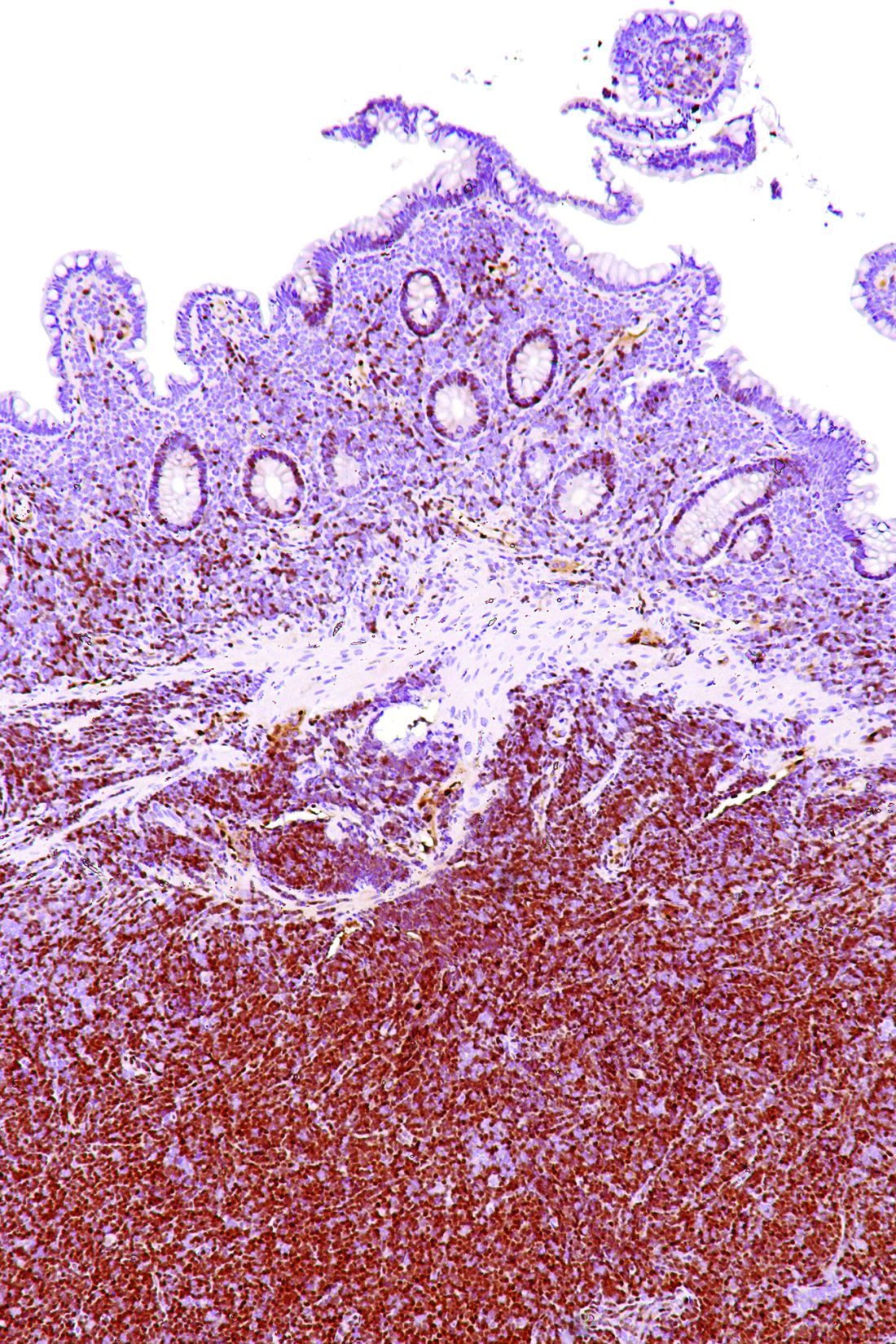
The researchers collected DNA from the Nordic MCL2 and MCL3 trials and 183 samples were of sufficient quality for genetic analyses. They examined the prognostic value of eight recurrently mutated and two recurrently deleted genes. Only TP53 mutations showed an independent prognostic effect for overall survival (hazard ratio 6.2; P less than .0001) in multivariate Cox regression analyses.
“Our data show that TP53 mutations identify a unique MCL subtype associated with high-risk baseline characteristics, dismal response to standard treatment, and poor clinical outcome,” the researchers wrote.
Read the full study in Blood (2017 Oct 26;130[17]:1903-10).
[email protected]
On Twitter @maryellenny
TP53 mutations identified a phenotypically distinct and aggressive form of mantle cell lymphoma (MCL) that did not respond to standard-of-care treatments, according to results from 183 patients younger than 66 years from the Nordic MCL2 and MCL3 trials.
, and that patients with the mutations should be considered for experimental trials of novel agents, wrote Christian W. Eskelund of the department of hematology at Rigshospitalet, Copenhagen, and colleagues.
The researchers collected DNA from the Nordic MCL2 and MCL3 trials and 183 samples were of sufficient quality for genetic analyses. They examined the prognostic value of eight recurrently mutated and two recurrently deleted genes. Only TP53 mutations showed an independent prognostic effect for overall survival (hazard ratio 6.2; P less than .0001) in multivariate Cox regression analyses.
“Our data show that TP53 mutations identify a unique MCL subtype associated with high-risk baseline characteristics, dismal response to standard treatment, and poor clinical outcome,” the researchers wrote.
Read the full study in Blood (2017 Oct 26;130[17]:1903-10).
[email protected]
On Twitter @maryellenny
TP53 mutations identified a phenotypically distinct and aggressive form of mantle cell lymphoma (MCL) that did not respond to standard-of-care treatments, according to results from 183 patients younger than 66 years from the Nordic MCL2 and MCL3 trials.
, and that patients with the mutations should be considered for experimental trials of novel agents, wrote Christian W. Eskelund of the department of hematology at Rigshospitalet, Copenhagen, and colleagues.
The researchers collected DNA from the Nordic MCL2 and MCL3 trials and 183 samples were of sufficient quality for genetic analyses. They examined the prognostic value of eight recurrently mutated and two recurrently deleted genes. Only TP53 mutations showed an independent prognostic effect for overall survival (hazard ratio 6.2; P less than .0001) in multivariate Cox regression analyses.
“Our data show that TP53 mutations identify a unique MCL subtype associated with high-risk baseline characteristics, dismal response to standard treatment, and poor clinical outcome,” the researchers wrote.
Read the full study in Blood (2017 Oct 26;130[17]:1903-10).
[email protected]
On Twitter @maryellenny
FROM BLOOD
Lenalidomide shows clinical activity in relapsed/refractory MCL
Lenalidomide alone and in combination showed “clinically significant activity” and no new safety signals in patients with mantle cell lymphoma (MCL) who had previously failed on ibrutinib, according to findings from a retrospective, observational study.
Michael Wang, MD, of the University of Texas MD Anderson Cancer Center, Houston, and his colleagues enrolled 58 MCL patients across 11 study sites. The patients had a median age of 71 years and 88% of patients had received three or more prior therapies. Most had received ibrutinib as monotherapy and used a lenalidomide-containing therapy next.
The overall response rate was 29% (95% confidence interval, 18%-43%). The rate was similar between patients with MCL refractory to ibrutinib and patients who relapsed/progressed on or following ibrutinib use (32% versus 30%, respectively). There was a 14% complete response, though it varied by subgroup with 8% among MCL patients refractory to ibrutinib and 22% among relapsed/progressed patients. There was a 20-week median duration of response, but 82% of responders were censored so the researchers urged caution in interpreting that finding.
Among the 58 patients, more than 80% reported one or more treatment-emergent adverse events during lenalidomide treatment and 20 patients (34%) had serious events. Nine patients (16%) discontinued the drug because of adverse events.
“Lenalidomide addresses an unmet medical need and widens the therapeutic options in a difficult-to-treat patient population,” the researchers wrote.
Read the full study in the Journal of Hematology Oncology (2017 Nov 2;10[1]:171).
[email protected]
On Twitter @maryellenny
Lenalidomide alone and in combination showed “clinically significant activity” and no new safety signals in patients with mantle cell lymphoma (MCL) who had previously failed on ibrutinib, according to findings from a retrospective, observational study.
Michael Wang, MD, of the University of Texas MD Anderson Cancer Center, Houston, and his colleagues enrolled 58 MCL patients across 11 study sites. The patients had a median age of 71 years and 88% of patients had received three or more prior therapies. Most had received ibrutinib as monotherapy and used a lenalidomide-containing therapy next.
The overall response rate was 29% (95% confidence interval, 18%-43%). The rate was similar between patients with MCL refractory to ibrutinib and patients who relapsed/progressed on or following ibrutinib use (32% versus 30%, respectively). There was a 14% complete response, though it varied by subgroup with 8% among MCL patients refractory to ibrutinib and 22% among relapsed/progressed patients. There was a 20-week median duration of response, but 82% of responders were censored so the researchers urged caution in interpreting that finding.
Among the 58 patients, more than 80% reported one or more treatment-emergent adverse events during lenalidomide treatment and 20 patients (34%) had serious events. Nine patients (16%) discontinued the drug because of adverse events.
“Lenalidomide addresses an unmet medical need and widens the therapeutic options in a difficult-to-treat patient population,” the researchers wrote.
Read the full study in the Journal of Hematology Oncology (2017 Nov 2;10[1]:171).
[email protected]
On Twitter @maryellenny
Lenalidomide alone and in combination showed “clinically significant activity” and no new safety signals in patients with mantle cell lymphoma (MCL) who had previously failed on ibrutinib, according to findings from a retrospective, observational study.
Michael Wang, MD, of the University of Texas MD Anderson Cancer Center, Houston, and his colleagues enrolled 58 MCL patients across 11 study sites. The patients had a median age of 71 years and 88% of patients had received three or more prior therapies. Most had received ibrutinib as monotherapy and used a lenalidomide-containing therapy next.
The overall response rate was 29% (95% confidence interval, 18%-43%). The rate was similar between patients with MCL refractory to ibrutinib and patients who relapsed/progressed on or following ibrutinib use (32% versus 30%, respectively). There was a 14% complete response, though it varied by subgroup with 8% among MCL patients refractory to ibrutinib and 22% among relapsed/progressed patients. There was a 20-week median duration of response, but 82% of responders were censored so the researchers urged caution in interpreting that finding.
Among the 58 patients, more than 80% reported one or more treatment-emergent adverse events during lenalidomide treatment and 20 patients (34%) had serious events. Nine patients (16%) discontinued the drug because of adverse events.
“Lenalidomide addresses an unmet medical need and widens the therapeutic options in a difficult-to-treat patient population,” the researchers wrote.
Read the full study in the Journal of Hematology Oncology (2017 Nov 2;10[1]:171).
[email protected]
On Twitter @maryellenny
FROM THE JOURNAL OF HEMATOLOGY & ONCOLOGY
FDA approves acalabrutinib for second-line treatment of MCL
The Food and Drug Administration has granted accelerated approval to acalabrutinib, a Bruton tyrosine kinase inhibitor, for the treatment of adults with mantle cell lymphoma (MCL) who have received at least one prior therapy.
Approval was based on an 81% overall response rate in a phase 2, single-arm trial (ACE-LY-004) of 124 patients with MCL who had received at least one prior treatment (40% complete response, 41% partial response), the FDA said in a statement.
Serious adverse effects include hemorrhage and atrial fibrillation. Second primary malignancies have occurred in some patients, according to the FDA.
Acalabrutinib will be marketed as Calquence by AstraZeneca. The company is currently enrolling patients in a phase 3 trial evaluating acalabrutinib as a first-line treatment for patients with MCL in combination with bendamustine and rituximab.
[email protected]
On Twitter @NikolaidesLaura
The Food and Drug Administration has granted accelerated approval to acalabrutinib, a Bruton tyrosine kinase inhibitor, for the treatment of adults with mantle cell lymphoma (MCL) who have received at least one prior therapy.
Approval was based on an 81% overall response rate in a phase 2, single-arm trial (ACE-LY-004) of 124 patients with MCL who had received at least one prior treatment (40% complete response, 41% partial response), the FDA said in a statement.
Serious adverse effects include hemorrhage and atrial fibrillation. Second primary malignancies have occurred in some patients, according to the FDA.
Acalabrutinib will be marketed as Calquence by AstraZeneca. The company is currently enrolling patients in a phase 3 trial evaluating acalabrutinib as a first-line treatment for patients with MCL in combination with bendamustine and rituximab.
[email protected]
On Twitter @NikolaidesLaura
The Food and Drug Administration has granted accelerated approval to acalabrutinib, a Bruton tyrosine kinase inhibitor, for the treatment of adults with mantle cell lymphoma (MCL) who have received at least one prior therapy.
Approval was based on an 81% overall response rate in a phase 2, single-arm trial (ACE-LY-004) of 124 patients with MCL who had received at least one prior treatment (40% complete response, 41% partial response), the FDA said in a statement.
Serious adverse effects include hemorrhage and atrial fibrillation. Second primary malignancies have occurred in some patients, according to the FDA.
Acalabrutinib will be marketed as Calquence by AstraZeneca. The company is currently enrolling patients in a phase 3 trial evaluating acalabrutinib as a first-line treatment for patients with MCL in combination with bendamustine and rituximab.
[email protected]
On Twitter @NikolaidesLaura
Irradiation safe, effective as chemotherapy before cell transplant in mantle cell lymphoma
As preparation for autologous stem cell transplantation, total-body irradiation was as safe and effective as chemotherapy conditioning, in a retrospective analysis of mantle cell lymphoma patient records.
“Our data suggest that both TBI [total-body irradiation] and BEAM [carmustine, etoposide, cytarabine, and melphalan]-based conditioning regimens remain viable conditioning options for MCL patients undergoing ASCT [autologous stem cell transplantation],” wrote Yolanda D. Tseng, MD, of the University of Washington, Seattle, and her coinvestigators.
Progression-free survival, the primary outcome, was greater at 5 years’ follow-up in 43 TBI patients (66%) than in the 32 chemotherapy-conditioned patients (52%), but the difference did not reach statistical significance. Overall survival followed a similar pattern: TBI patients’ overall survival at 5 years was 82%, compared with 68% in the TBI patients, but this difference also lacked significance (Biol Blood Marrow Transplant. 2017 Oct 20; doi: 10.1016/j.bbmt.2017.10.029).
Safety outcomes, including early toxicity, nonrelapse mortality, and secondary malignancies, also were similar between groups.
For the analysis, Dr. Tseng and her colleagues reviewed the records of 75 consecutive adult patients treated during 2001-2011 with ASCT at the Fred Hutchinson Cancer Research Center in Seattle. All underwent conditioning with either myeloablative TBI or a BEAM-based regimen.
Most of the patients had chemosensitive disease (97%), and nearly all received rituximab prior to ASCT.
Prior studies have shown that TBI can be at least as effective as chemotherapy conditioning, but none have looked at toxicity. These results indicate that either approach remains viable for patients undergoing ASCT for MCL, Dr. Tseng and her colleagues concluded.
No disclosures were reported.
As preparation for autologous stem cell transplantation, total-body irradiation was as safe and effective as chemotherapy conditioning, in a retrospective analysis of mantle cell lymphoma patient records.
“Our data suggest that both TBI [total-body irradiation] and BEAM [carmustine, etoposide, cytarabine, and melphalan]-based conditioning regimens remain viable conditioning options for MCL patients undergoing ASCT [autologous stem cell transplantation],” wrote Yolanda D. Tseng, MD, of the University of Washington, Seattle, and her coinvestigators.
Progression-free survival, the primary outcome, was greater at 5 years’ follow-up in 43 TBI patients (66%) than in the 32 chemotherapy-conditioned patients (52%), but the difference did not reach statistical significance. Overall survival followed a similar pattern: TBI patients’ overall survival at 5 years was 82%, compared with 68% in the TBI patients, but this difference also lacked significance (Biol Blood Marrow Transplant. 2017 Oct 20; doi: 10.1016/j.bbmt.2017.10.029).
Safety outcomes, including early toxicity, nonrelapse mortality, and secondary malignancies, also were similar between groups.
For the analysis, Dr. Tseng and her colleagues reviewed the records of 75 consecutive adult patients treated during 2001-2011 with ASCT at the Fred Hutchinson Cancer Research Center in Seattle. All underwent conditioning with either myeloablative TBI or a BEAM-based regimen.
Most of the patients had chemosensitive disease (97%), and nearly all received rituximab prior to ASCT.
Prior studies have shown that TBI can be at least as effective as chemotherapy conditioning, but none have looked at toxicity. These results indicate that either approach remains viable for patients undergoing ASCT for MCL, Dr. Tseng and her colleagues concluded.
No disclosures were reported.
As preparation for autologous stem cell transplantation, total-body irradiation was as safe and effective as chemotherapy conditioning, in a retrospective analysis of mantle cell lymphoma patient records.
“Our data suggest that both TBI [total-body irradiation] and BEAM [carmustine, etoposide, cytarabine, and melphalan]-based conditioning regimens remain viable conditioning options for MCL patients undergoing ASCT [autologous stem cell transplantation],” wrote Yolanda D. Tseng, MD, of the University of Washington, Seattle, and her coinvestigators.
Progression-free survival, the primary outcome, was greater at 5 years’ follow-up in 43 TBI patients (66%) than in the 32 chemotherapy-conditioned patients (52%), but the difference did not reach statistical significance. Overall survival followed a similar pattern: TBI patients’ overall survival at 5 years was 82%, compared with 68% in the TBI patients, but this difference also lacked significance (Biol Blood Marrow Transplant. 2017 Oct 20; doi: 10.1016/j.bbmt.2017.10.029).
Safety outcomes, including early toxicity, nonrelapse mortality, and secondary malignancies, also were similar between groups.
For the analysis, Dr. Tseng and her colleagues reviewed the records of 75 consecutive adult patients treated during 2001-2011 with ASCT at the Fred Hutchinson Cancer Research Center in Seattle. All underwent conditioning with either myeloablative TBI or a BEAM-based regimen.
Most of the patients had chemosensitive disease (97%), and nearly all received rituximab prior to ASCT.
Prior studies have shown that TBI can be at least as effective as chemotherapy conditioning, but none have looked at toxicity. These results indicate that either approach remains viable for patients undergoing ASCT for MCL, Dr. Tseng and her colleagues concluded.
No disclosures were reported.
FROM BIOLOGY OF BLOOD AND MARROW TRANSPLANTATION
Key clinical point:
Major finding: Five-year progression-free survival was 66% in MCL patients who underwent TBI and 52% in chemotherapy-conditioned patients, a nonsignificant difference.
Data source: An analysis of 75 MCL patients undergoing ASCT in a single institution.
Disclosures: No disclosures were reported.
Rare type of MCL mimics Castleman disease
A rare type of mantle cell lymphoma (MCL) has features that are similar to those of Castleman disease, according to a recent report based on three patient cases.
Lymph node biopsies for these patients initially indicated histologic features consistent with those of plasma cell (PC)-type Castleman disease, reported Takuro Igawa, MD, PhD, of Okayama (Japan) University Graduate School of Medicine, Dentistry, and Pharmaceutical Sciences, and his coauthors. Further work-up, including flow cytometric analysis and cyclin D1 immunostaining, showed features consistent with those of MCL.
“This rare type of MCL can mimic Castleman disease in the clinical setting and upon histological examination,” Dr. Igawa and his colleagues wrote (Pathol Res Pract. 2017 Sep 18. pii: S0344-0338[17]30684-2. doi: 10.1016/j.prp.2017.09.015). “These confusing characteristics can make the diagnosis challenging, and careful flow cytometric analysis is recommended when a histopathological diagnosis is made.”
The patients in the study, all male, were 51, 74, and 81 years of age. Each presented with systemic lymphadenopathy, along with abnormal laboratory findings that according to the investigators are not usually associated with B-cell lymphomas such as MCL, including anemia, polyclonal IgG hypergammaglobulinemia, and elevated levels of C-reactive protein.
In lymph node biopsy specimens, the MCL component was “masked by histological features of PC-type Castleman disease” such as interfollicular plasmacytosis and atrophic germinal centers, the researchers wrote.
However, further pathologic investigations revealed features that were “essential to distinguish these 3 cases of MCL from PC-type Castleman disease,” they added.
In particular, an abnormal B-cell population was found using flow cytometric analysis, while subsequent cyclin D1 immunostaining in all three cases showed abnormal B-cells primarily in the mantle zone that were positive for CD20 and CD5, both typically expressed by MCL, along with SOX11, which is an “excellent diagnostic marker for MCL, including atypical MCL,” the investigators wrote.
These case reports also provide some evidence that interleukin-6 (IL-6), which is thought to be a driver of Castleman disease, might also be implicated in the pathogenesis of this rare MCL variant. the researchers found that all three cases had positive IL-6 staining in the interfollicular areas.
If further studies confirm the role of IL-6 in this rare setting, “specific treatments other than chemotherapy could potentially be used for patients with MCL with features of Castleman disease, such as an anti-IL-6 receptor antibody (tocilizumab), which is already used for patients with Castleman disease,” they said.
A rare type of mantle cell lymphoma (MCL) has features that are similar to those of Castleman disease, according to a recent report based on three patient cases.
Lymph node biopsies for these patients initially indicated histologic features consistent with those of plasma cell (PC)-type Castleman disease, reported Takuro Igawa, MD, PhD, of Okayama (Japan) University Graduate School of Medicine, Dentistry, and Pharmaceutical Sciences, and his coauthors. Further work-up, including flow cytometric analysis and cyclin D1 immunostaining, showed features consistent with those of MCL.
“This rare type of MCL can mimic Castleman disease in the clinical setting and upon histological examination,” Dr. Igawa and his colleagues wrote (Pathol Res Pract. 2017 Sep 18. pii: S0344-0338[17]30684-2. doi: 10.1016/j.prp.2017.09.015). “These confusing characteristics can make the diagnosis challenging, and careful flow cytometric analysis is recommended when a histopathological diagnosis is made.”
The patients in the study, all male, were 51, 74, and 81 years of age. Each presented with systemic lymphadenopathy, along with abnormal laboratory findings that according to the investigators are not usually associated with B-cell lymphomas such as MCL, including anemia, polyclonal IgG hypergammaglobulinemia, and elevated levels of C-reactive protein.
In lymph node biopsy specimens, the MCL component was “masked by histological features of PC-type Castleman disease” such as interfollicular plasmacytosis and atrophic germinal centers, the researchers wrote.
However, further pathologic investigations revealed features that were “essential to distinguish these 3 cases of MCL from PC-type Castleman disease,” they added.
In particular, an abnormal B-cell population was found using flow cytometric analysis, while subsequent cyclin D1 immunostaining in all three cases showed abnormal B-cells primarily in the mantle zone that were positive for CD20 and CD5, both typically expressed by MCL, along with SOX11, which is an “excellent diagnostic marker for MCL, including atypical MCL,” the investigators wrote.
These case reports also provide some evidence that interleukin-6 (IL-6), which is thought to be a driver of Castleman disease, might also be implicated in the pathogenesis of this rare MCL variant. the researchers found that all three cases had positive IL-6 staining in the interfollicular areas.
If further studies confirm the role of IL-6 in this rare setting, “specific treatments other than chemotherapy could potentially be used for patients with MCL with features of Castleman disease, such as an anti-IL-6 receptor antibody (tocilizumab), which is already used for patients with Castleman disease,” they said.
A rare type of mantle cell lymphoma (MCL) has features that are similar to those of Castleman disease, according to a recent report based on three patient cases.
Lymph node biopsies for these patients initially indicated histologic features consistent with those of plasma cell (PC)-type Castleman disease, reported Takuro Igawa, MD, PhD, of Okayama (Japan) University Graduate School of Medicine, Dentistry, and Pharmaceutical Sciences, and his coauthors. Further work-up, including flow cytometric analysis and cyclin D1 immunostaining, showed features consistent with those of MCL.
“This rare type of MCL can mimic Castleman disease in the clinical setting and upon histological examination,” Dr. Igawa and his colleagues wrote (Pathol Res Pract. 2017 Sep 18. pii: S0344-0338[17]30684-2. doi: 10.1016/j.prp.2017.09.015). “These confusing characteristics can make the diagnosis challenging, and careful flow cytometric analysis is recommended when a histopathological diagnosis is made.”
The patients in the study, all male, were 51, 74, and 81 years of age. Each presented with systemic lymphadenopathy, along with abnormal laboratory findings that according to the investigators are not usually associated with B-cell lymphomas such as MCL, including anemia, polyclonal IgG hypergammaglobulinemia, and elevated levels of C-reactive protein.
In lymph node biopsy specimens, the MCL component was “masked by histological features of PC-type Castleman disease” such as interfollicular plasmacytosis and atrophic germinal centers, the researchers wrote.
However, further pathologic investigations revealed features that were “essential to distinguish these 3 cases of MCL from PC-type Castleman disease,” they added.
In particular, an abnormal B-cell population was found using flow cytometric analysis, while subsequent cyclin D1 immunostaining in all three cases showed abnormal B-cells primarily in the mantle zone that were positive for CD20 and CD5, both typically expressed by MCL, along with SOX11, which is an “excellent diagnostic marker for MCL, including atypical MCL,” the investigators wrote.
These case reports also provide some evidence that interleukin-6 (IL-6), which is thought to be a driver of Castleman disease, might also be implicated in the pathogenesis of this rare MCL variant. the researchers found that all three cases had positive IL-6 staining in the interfollicular areas.
If further studies confirm the role of IL-6 in this rare setting, “specific treatments other than chemotherapy could potentially be used for patients with MCL with features of Castleman disease, such as an anti-IL-6 receptor antibody (tocilizumab), which is already used for patients with Castleman disease,” they said.
FROM PATHOLOGY – RESEARCH AND PRACTICE
Key clinical point:
Major finding: Lymph node biopsy revealed histologic features consistent with plasma cell (PC)-type Castleman disease, but cyclin D1 immunostaining and flow cytometric analysis showed features consistent with a diagnosis of MCL.
Data source: A report on three patient cases of MCL with features of PC-type Castleman disease retrieved from surgical pathology consultation files.
Disclosures: The authors reported no conflicts of interest.
VCR regimen showed efficacy in mantle cell and indolent lymphomas
The combination of bortezomib, cladribine, and rituximab (VCR) was an effective treatment regimen for patients with CD20-positive mantle cell lymphoma (MCL) and indolent non-Hodgkin’s lymphoma (iNHL), based on results of a recent phase 2, open-label study.
The overall response rate was 92% in the single-center, 24-patient study. The 2-year progression-free survival (PFS) was 82% and 54%, respectively, for MCL and iNHL patients; PFS was 80% for treatment-naive patients and 57% for those with refractory/recalcitrant disease, according to Soham D. Puvvada, MD, of the University of Arizona Cancer Center in Tucson, and her associates.
Two-year overall survival was 91% for MCL and 69% for iNHL patients. Median time to progression was 34.5 months, and median PFS had not been reached at 2 years, according to the researchers.
While the study (NCT00980395) was small and limited by its single-center design, the VCR combination “has encouraging activity in both MCL and iNHL and could be compared to standard therapies in future studies,” the researchers wrote. “For MCL in particular, we believe a noninferiority comparison to standard therapies would be justified by our results.”
Adverse events were most commonly hematologic, and three patients experienced febrile neutropenia, data show.
“Although hematological toxicity can be an issue, the regimen provides an alternative option in transplant ineligible relapsed/refractory MCL and iNHL,” wrote Dr. Puvvada and her colleagues. The study was published in Clinical Lymphoma, Myeloma & Leukemia (doi: 10.1016/j.clml.2017.09.001).
The researchers studied the combination of bortezomib, the proteasome inhibitor initially approved for relapsed/refractory MCL, cladribine, which has shown activity and promising response rates in patients with indolent lymphomas, and rituximab in patients with CD20-positive mantle cell or indolent lymphoma.
Patients with follicular lymphomas were eligible to be included in the study if they had received at least one previous line of therapy. All other participants could be treatment naive or have relapsed after previous treatment.
Of the 24 patients enrolled, 11 had MCL, 5 had follicular lymphoma, 4 had marginal zone lymphoma, 3 had lymphoplasmacytic lymphoma, and 1 had small lymphocytic lymphoma.
The VCR regimen, given every 28 days for no more than six cycles, included rituximab at 375 mg/m2 given intravenously on day 1 of each cycle, cladribine 4 mg/m2 given intravenously over 2 hours on days 1 through 5, and bortezomib 1.3 mg/m2 given intravenously on days 1 and 4. Patients received a median of five cycles of therapy.
Adverse events of grade 3 or greater occurred in 14 patients (58%); 8 patients had leukopenia, 6 had thrombocytopenia, 5 had fatigue, and 5 had neutropenia, which included febrile neutropenia in 3 patients.
With a median follow-up of 38.5 months, overall response rate for VCR was 96%. Complete responses occurred in 8 of 23 evaluable patients (35%) and partial responses in 14 more patients (61%).
The combination of bortezomib, cladribine, and rituximab (VCR) was an effective treatment regimen for patients with CD20-positive mantle cell lymphoma (MCL) and indolent non-Hodgkin’s lymphoma (iNHL), based on results of a recent phase 2, open-label study.
The overall response rate was 92% in the single-center, 24-patient study. The 2-year progression-free survival (PFS) was 82% and 54%, respectively, for MCL and iNHL patients; PFS was 80% for treatment-naive patients and 57% for those with refractory/recalcitrant disease, according to Soham D. Puvvada, MD, of the University of Arizona Cancer Center in Tucson, and her associates.
Two-year overall survival was 91% for MCL and 69% for iNHL patients. Median time to progression was 34.5 months, and median PFS had not been reached at 2 years, according to the researchers.
While the study (NCT00980395) was small and limited by its single-center design, the VCR combination “has encouraging activity in both MCL and iNHL and could be compared to standard therapies in future studies,” the researchers wrote. “For MCL in particular, we believe a noninferiority comparison to standard therapies would be justified by our results.”
Adverse events were most commonly hematologic, and three patients experienced febrile neutropenia, data show.
“Although hematological toxicity can be an issue, the regimen provides an alternative option in transplant ineligible relapsed/refractory MCL and iNHL,” wrote Dr. Puvvada and her colleagues. The study was published in Clinical Lymphoma, Myeloma & Leukemia (doi: 10.1016/j.clml.2017.09.001).
The researchers studied the combination of bortezomib, the proteasome inhibitor initially approved for relapsed/refractory MCL, cladribine, which has shown activity and promising response rates in patients with indolent lymphomas, and rituximab in patients with CD20-positive mantle cell or indolent lymphoma.
Patients with follicular lymphomas were eligible to be included in the study if they had received at least one previous line of therapy. All other participants could be treatment naive or have relapsed after previous treatment.
Of the 24 patients enrolled, 11 had MCL, 5 had follicular lymphoma, 4 had marginal zone lymphoma, 3 had lymphoplasmacytic lymphoma, and 1 had small lymphocytic lymphoma.
The VCR regimen, given every 28 days for no more than six cycles, included rituximab at 375 mg/m2 given intravenously on day 1 of each cycle, cladribine 4 mg/m2 given intravenously over 2 hours on days 1 through 5, and bortezomib 1.3 mg/m2 given intravenously on days 1 and 4. Patients received a median of five cycles of therapy.
Adverse events of grade 3 or greater occurred in 14 patients (58%); 8 patients had leukopenia, 6 had thrombocytopenia, 5 had fatigue, and 5 had neutropenia, which included febrile neutropenia in 3 patients.
With a median follow-up of 38.5 months, overall response rate for VCR was 96%. Complete responses occurred in 8 of 23 evaluable patients (35%) and partial responses in 14 more patients (61%).
The combination of bortezomib, cladribine, and rituximab (VCR) was an effective treatment regimen for patients with CD20-positive mantle cell lymphoma (MCL) and indolent non-Hodgkin’s lymphoma (iNHL), based on results of a recent phase 2, open-label study.
The overall response rate was 92% in the single-center, 24-patient study. The 2-year progression-free survival (PFS) was 82% and 54%, respectively, for MCL and iNHL patients; PFS was 80% for treatment-naive patients and 57% for those with refractory/recalcitrant disease, according to Soham D. Puvvada, MD, of the University of Arizona Cancer Center in Tucson, and her associates.
Two-year overall survival was 91% for MCL and 69% for iNHL patients. Median time to progression was 34.5 months, and median PFS had not been reached at 2 years, according to the researchers.
While the study (NCT00980395) was small and limited by its single-center design, the VCR combination “has encouraging activity in both MCL and iNHL and could be compared to standard therapies in future studies,” the researchers wrote. “For MCL in particular, we believe a noninferiority comparison to standard therapies would be justified by our results.”
Adverse events were most commonly hematologic, and three patients experienced febrile neutropenia, data show.
“Although hematological toxicity can be an issue, the regimen provides an alternative option in transplant ineligible relapsed/refractory MCL and iNHL,” wrote Dr. Puvvada and her colleagues. The study was published in Clinical Lymphoma, Myeloma & Leukemia (doi: 10.1016/j.clml.2017.09.001).
The researchers studied the combination of bortezomib, the proteasome inhibitor initially approved for relapsed/refractory MCL, cladribine, which has shown activity and promising response rates in patients with indolent lymphomas, and rituximab in patients with CD20-positive mantle cell or indolent lymphoma.
Patients with follicular lymphomas were eligible to be included in the study if they had received at least one previous line of therapy. All other participants could be treatment naive or have relapsed after previous treatment.
Of the 24 patients enrolled, 11 had MCL, 5 had follicular lymphoma, 4 had marginal zone lymphoma, 3 had lymphoplasmacytic lymphoma, and 1 had small lymphocytic lymphoma.
The VCR regimen, given every 28 days for no more than six cycles, included rituximab at 375 mg/m2 given intravenously on day 1 of each cycle, cladribine 4 mg/m2 given intravenously over 2 hours on days 1 through 5, and bortezomib 1.3 mg/m2 given intravenously on days 1 and 4. Patients received a median of five cycles of therapy.
Adverse events of grade 3 or greater occurred in 14 patients (58%); 8 patients had leukopenia, 6 had thrombocytopenia, 5 had fatigue, and 5 had neutropenia, which included febrile neutropenia in 3 patients.
With a median follow-up of 38.5 months, overall response rate for VCR was 96%. Complete responses occurred in 8 of 23 evaluable patients (35%) and partial responses in 14 more patients (61%).
FROM LYMPHOMA, MYELOMA & LEUKEMIA
Key clinical point:
Major finding: The overall response rate was 92%, with a 2-year PFS of 82% and 54% for patients with mantle cell lymphoma (MCL) and indolent non-Hodgkin’s lymphoma (iNHL), respectively. Adverse events were most commonly hematologic, and three patients experienced febrile neutropenia.
Data source: A phase 2, open-label study including 24 patients with mantle cell or indolent lymphomas.
Disclosures: No disclosures were reported in the accepted manuscript.
Rituximab maintenance halves MCL death risk after ASCT
, results of a phase 3 trial show.
After 50.2 months median follow-up, the overall survival rate for patients aged 65 or younger randomized to rituximab maintenance after four cycles of induction chemotherapy with rituximab, dexamethasone, cytarabine, and a platinum derivative (R-DHAP) followed by ASCT was 89%, compared with 80% for patients randomized to observation (P = .004), reported Steven Le Gouill, MD, PhD, of University Hospital Hotel-Dieu, in Nantes, Frances, and colleagues.
In an unadjusted regression analysis, the difference translated into a hazard ratio for death within 4 years of 0.50 (P = .004) favoring rituximab, they wrote in the Sept. 28, 2017 issue of The New England Journal of Medicine.
“[A]n induction regimen with four courses of R-DHAP followed by transplantation without total-body irradiation resulted in a high rate of complete response. A 3-year course of rituximab maintenance therapy administered every 2 months prolonged overall survival among young patients with mantle cell lymphoma,” the investigators wrote (N Engl J Med. 2017;377:1250-60).
Dr. Le Gouill and his colleagues hypothesized that relapses following treatment for MCL may be caused by residual malignant cells that chemotherapy and ASCT fail to eradicate, suggesting that maintenance therapy with rituximab could help to suppress residual disease, prolong the duration of responses, and extend both progression-free and overall survival.
They cited an earlier study by members of the European Mantle Cell Lymphoma Network showing that among patients aged 60 and older who had a response to eight cycles of chemotherapy with rituximab, cyclophosphamide, doxorubicin, vincristine, and prednisone (R-CHOP), maintenance therapy with rituximab was associated with an 87% 4-year overall survival rate vs. 63% for patients maintained on interferon alfa (P = .005) (N Engl J Med. 2012;367:520-31).
For the current study, the researchers enrolled 299 patients, of whom 257 went on to ASCT, and 240 of whom were randomized and were included in an intention-to-treat (ITT) analysis.
Patients received induction with four cycles of R-DHAP. Those patients who had partial responses or tumor mass shrinkage of less than 75% on CT received a rescue induction with four cycles of R-CHOP.
Those patients with complete or partial responses could then go on to transplantation after a conditioning regimen of R-BEAM (rituximab, carmustine, etoposide, cytarabine, and melphalan).
Patients randomized after ASCT to rituximab received it every 2 months for 3 years in an intravenous infusion at a dose of 375 mg/m2.
After a median of 50.2 months from randomization, the rate of 4-year event-free survival (no disease progression, relapse, death, or severe infection), the primary endpoint, was 79% for patients maintained on rituximab vs. 61% for those on observation alone (P = .001).
The 4-year progression-free survival rate also favored rituximab at 83% vs. 64%, respectively (P less than .001), with respective overall survival rates of 89% and 80%.
The median event-free survival, progression-free survival, and overall survival was not reached in either study arm.
For the 59 patients who for various reasons did not undergo randomization, the median progression-free survival was 11.0 months, and the median overall survival was 30.6 months.
In all, 83 of the 120 patients randomized to rituximab completed the scheduled 3 years of therapy. Maintenance therapy was stopped for disease progression in 16 patients and because of neutropenia in 9. There were 13 deaths in the rituximab arm, including 3 deaths from second malignancies.
Of the 120 patients assigned to observation, 37 had disease progression during the study period, and 24 died, one from a second malignancy.
Four patients in each study arm had serious infections after ASCT, including one case each of spondylitis, pyelonephritis, septicemia, and varicella pneumonia in the rituximab group, and septicemia, cellulitis, meningitis, and severe pneumonia in the observation group.
Lymphoma was the cause of death in 8 patients assigned to rituximab, and in 16 assigned to observation.
The investigators noted that although some centers use total-body irradiation for conditioning prior to transplant, this modality is not available in all centers and is associated with both short- and long-term toxicities. The progression-free survival results seen in this trial, where only ablative drug regimens were used “suggest that total-body irradiation–based conditioning regimens may not be superior to chemotherapy alone when an effective regimen is used during induction,” they wrote.
The study was supported by Roche and Amgen. Dr. Le Gouill disclosed fees for consulting and honoraria from Roche, Janssen-Cilag, and Celgene. Multiple coauthors disclosed similar relationships with industry.
, results of a phase 3 trial show.
After 50.2 months median follow-up, the overall survival rate for patients aged 65 or younger randomized to rituximab maintenance after four cycles of induction chemotherapy with rituximab, dexamethasone, cytarabine, and a platinum derivative (R-DHAP) followed by ASCT was 89%, compared with 80% for patients randomized to observation (P = .004), reported Steven Le Gouill, MD, PhD, of University Hospital Hotel-Dieu, in Nantes, Frances, and colleagues.
In an unadjusted regression analysis, the difference translated into a hazard ratio for death within 4 years of 0.50 (P = .004) favoring rituximab, they wrote in the Sept. 28, 2017 issue of The New England Journal of Medicine.
“[A]n induction regimen with four courses of R-DHAP followed by transplantation without total-body irradiation resulted in a high rate of complete response. A 3-year course of rituximab maintenance therapy administered every 2 months prolonged overall survival among young patients with mantle cell lymphoma,” the investigators wrote (N Engl J Med. 2017;377:1250-60).
Dr. Le Gouill and his colleagues hypothesized that relapses following treatment for MCL may be caused by residual malignant cells that chemotherapy and ASCT fail to eradicate, suggesting that maintenance therapy with rituximab could help to suppress residual disease, prolong the duration of responses, and extend both progression-free and overall survival.
They cited an earlier study by members of the European Mantle Cell Lymphoma Network showing that among patients aged 60 and older who had a response to eight cycles of chemotherapy with rituximab, cyclophosphamide, doxorubicin, vincristine, and prednisone (R-CHOP), maintenance therapy with rituximab was associated with an 87% 4-year overall survival rate vs. 63% for patients maintained on interferon alfa (P = .005) (N Engl J Med. 2012;367:520-31).
For the current study, the researchers enrolled 299 patients, of whom 257 went on to ASCT, and 240 of whom were randomized and were included in an intention-to-treat (ITT) analysis.
Patients received induction with four cycles of R-DHAP. Those patients who had partial responses or tumor mass shrinkage of less than 75% on CT received a rescue induction with four cycles of R-CHOP.
Those patients with complete or partial responses could then go on to transplantation after a conditioning regimen of R-BEAM (rituximab, carmustine, etoposide, cytarabine, and melphalan).
Patients randomized after ASCT to rituximab received it every 2 months for 3 years in an intravenous infusion at a dose of 375 mg/m2.
After a median of 50.2 months from randomization, the rate of 4-year event-free survival (no disease progression, relapse, death, or severe infection), the primary endpoint, was 79% for patients maintained on rituximab vs. 61% for those on observation alone (P = .001).
The 4-year progression-free survival rate also favored rituximab at 83% vs. 64%, respectively (P less than .001), with respective overall survival rates of 89% and 80%.
The median event-free survival, progression-free survival, and overall survival was not reached in either study arm.
For the 59 patients who for various reasons did not undergo randomization, the median progression-free survival was 11.0 months, and the median overall survival was 30.6 months.
In all, 83 of the 120 patients randomized to rituximab completed the scheduled 3 years of therapy. Maintenance therapy was stopped for disease progression in 16 patients and because of neutropenia in 9. There were 13 deaths in the rituximab arm, including 3 deaths from second malignancies.
Of the 120 patients assigned to observation, 37 had disease progression during the study period, and 24 died, one from a second malignancy.
Four patients in each study arm had serious infections after ASCT, including one case each of spondylitis, pyelonephritis, septicemia, and varicella pneumonia in the rituximab group, and septicemia, cellulitis, meningitis, and severe pneumonia in the observation group.
Lymphoma was the cause of death in 8 patients assigned to rituximab, and in 16 assigned to observation.
The investigators noted that although some centers use total-body irradiation for conditioning prior to transplant, this modality is not available in all centers and is associated with both short- and long-term toxicities. The progression-free survival results seen in this trial, where only ablative drug regimens were used “suggest that total-body irradiation–based conditioning regimens may not be superior to chemotherapy alone when an effective regimen is used during induction,” they wrote.
The study was supported by Roche and Amgen. Dr. Le Gouill disclosed fees for consulting and honoraria from Roche, Janssen-Cilag, and Celgene. Multiple coauthors disclosed similar relationships with industry.
, results of a phase 3 trial show.
After 50.2 months median follow-up, the overall survival rate for patients aged 65 or younger randomized to rituximab maintenance after four cycles of induction chemotherapy with rituximab, dexamethasone, cytarabine, and a platinum derivative (R-DHAP) followed by ASCT was 89%, compared with 80% for patients randomized to observation (P = .004), reported Steven Le Gouill, MD, PhD, of University Hospital Hotel-Dieu, in Nantes, Frances, and colleagues.
In an unadjusted regression analysis, the difference translated into a hazard ratio for death within 4 years of 0.50 (P = .004) favoring rituximab, they wrote in the Sept. 28, 2017 issue of The New England Journal of Medicine.
“[A]n induction regimen with four courses of R-DHAP followed by transplantation without total-body irradiation resulted in a high rate of complete response. A 3-year course of rituximab maintenance therapy administered every 2 months prolonged overall survival among young patients with mantle cell lymphoma,” the investigators wrote (N Engl J Med. 2017;377:1250-60).
Dr. Le Gouill and his colleagues hypothesized that relapses following treatment for MCL may be caused by residual malignant cells that chemotherapy and ASCT fail to eradicate, suggesting that maintenance therapy with rituximab could help to suppress residual disease, prolong the duration of responses, and extend both progression-free and overall survival.
They cited an earlier study by members of the European Mantle Cell Lymphoma Network showing that among patients aged 60 and older who had a response to eight cycles of chemotherapy with rituximab, cyclophosphamide, doxorubicin, vincristine, and prednisone (R-CHOP), maintenance therapy with rituximab was associated with an 87% 4-year overall survival rate vs. 63% for patients maintained on interferon alfa (P = .005) (N Engl J Med. 2012;367:520-31).
For the current study, the researchers enrolled 299 patients, of whom 257 went on to ASCT, and 240 of whom were randomized and were included in an intention-to-treat (ITT) analysis.
Patients received induction with four cycles of R-DHAP. Those patients who had partial responses or tumor mass shrinkage of less than 75% on CT received a rescue induction with four cycles of R-CHOP.
Those patients with complete or partial responses could then go on to transplantation after a conditioning regimen of R-BEAM (rituximab, carmustine, etoposide, cytarabine, and melphalan).
Patients randomized after ASCT to rituximab received it every 2 months for 3 years in an intravenous infusion at a dose of 375 mg/m2.
After a median of 50.2 months from randomization, the rate of 4-year event-free survival (no disease progression, relapse, death, or severe infection), the primary endpoint, was 79% for patients maintained on rituximab vs. 61% for those on observation alone (P = .001).
The 4-year progression-free survival rate also favored rituximab at 83% vs. 64%, respectively (P less than .001), with respective overall survival rates of 89% and 80%.
The median event-free survival, progression-free survival, and overall survival was not reached in either study arm.
For the 59 patients who for various reasons did not undergo randomization, the median progression-free survival was 11.0 months, and the median overall survival was 30.6 months.
In all, 83 of the 120 patients randomized to rituximab completed the scheduled 3 years of therapy. Maintenance therapy was stopped for disease progression in 16 patients and because of neutropenia in 9. There were 13 deaths in the rituximab arm, including 3 deaths from second malignancies.
Of the 120 patients assigned to observation, 37 had disease progression during the study period, and 24 died, one from a second malignancy.
Four patients in each study arm had serious infections after ASCT, including one case each of spondylitis, pyelonephritis, septicemia, and varicella pneumonia in the rituximab group, and septicemia, cellulitis, meningitis, and severe pneumonia in the observation group.
Lymphoma was the cause of death in 8 patients assigned to rituximab, and in 16 assigned to observation.
The investigators noted that although some centers use total-body irradiation for conditioning prior to transplant, this modality is not available in all centers and is associated with both short- and long-term toxicities. The progression-free survival results seen in this trial, where only ablative drug regimens were used “suggest that total-body irradiation–based conditioning regimens may not be superior to chemotherapy alone when an effective regimen is used during induction,” they wrote.
The study was supported by Roche and Amgen. Dr. Le Gouill disclosed fees for consulting and honoraria from Roche, Janssen-Cilag, and Celgene. Multiple coauthors disclosed similar relationships with industry.
FROM NEW ENGLAND JOURNAL OF MEDICINE
Key clinical point: Following stem cell transplantation, rituximab maintenance cut in half the risk for death in patients with mantle cell lymphoma.
Major finding: Four-year overall survival was 89% with rituximab maintenance vs. 80% for observation alone.
Data source: Randomized phase 3 trial in 240 patients aged 65 and younger at diagnosis of mantle cell lymphoma.
Disclosures: The study was supported by Roche and Amgen. Dr. Le Gouill disclosed fees for consulting and honoraria from Roche, Janssen-Cilag, and Celgene. Multiple coauthors disclosed similar relationships with industry.