User login
Smartphone app measures hemoglobin

Photo by Daniel Sone
HEIDELBERG, GERMANY—Scientists have developed a smartphone application called HemaApp that can be used to measure hemoglobin levels and screen for anemia non-invasively.
HemaApp uses illumination sources from a smartphone, in combination with other light sources, and algorithms that analyze the color of a patient’s blood to estimate hemoglobin levels.
In a trial of 31 patients, HemaApp’s results compared favorably to an approved medical device that measures hemoglobin non-invasively.
Researchers described HemaApp in a paper presented at the Association for Computing Machinery’s 2016 International Joint Conference on Pervasive and Ubiquitous Computing (UbiComp 2016).
“In developing countries, community health workers have so much specialized equipment to monitor different conditions that they literally have whole bags full of devices,” said study author Edward Wang, a doctoral student at the University of Washington in Seattle.
“We are trying to make these screening tools work on one ubiquitous platform—a smartphone.”
How the app works
By shining light from the phone’s camera flash through the patient’s finger, HemaApp analyzes the color of the patient’s blood to estimate hemoglobin concentrations.
HemaApp bombards the finger with different wavelengths of light and infrared energy and creates a series of videos. By analyzing how colors are absorbed and reflected across those wavelengths, it can detect concentrations of hemoglobin and other blood components like plasma.
To ensure that the app works on different skin tones and body masses, the researchers developed processing algorithms that use the patient’s pulse to distinguish between the properties of the patient’s blood and the physical characteristics of his or her finger.
Testing
The researchers tested HemaApp on 31 subjects, including healthy students and staff at the University of Washington, inpatients at a children’s cancer and transfusion clinic, and inpatients at an adult cancer and bone marrow transplant clinic.
The subjects ranged in age from 6 to 77. Their hemoglobin levels ranged from 8 to 16 g/dL, and they had skin tones ranging from pale to dark.
The researchers compared results with HemaApp to results obtained via a complete blood count (CBC) and via the Masimo Pronto 7, a device that non-invasively measures hemoglobin by clipping a sensor onto a person’s finger.
The team tested HemaApp under 3 different scenarios—using the smartphone camera’s flash alone, in combination with a common incandescent lightbulb, and with a low-cost LED lighting attachment.
The additional illumination sources tap into other parts of the electromagnetic spectrum that have useful absorption properties but that aren’t currently found on all smartphone cameras.
“New phones are beginning to have more advanced infrared and multi-color LED capabilities,” said study author Shwetak Patel, PhD, of the University of Washington.
“But what we found is that even if your phone doesn’t have all that, you can put your finger near an external light source like a common lightbulb and boost the accuracy rates.”
Results
HemaApp’s hemoglobin measurements using a smartphone camera alone had a 69% correlation to results with the CBC. The app had a 74% correlation with the CBC when used with an incandescent light bulb and an 82% correlation when used with the LED lights.
In comparison, the Masimo Pronto 7’s measurements had an 81% correlation to the CBC.
When used to screen for anemia, HemaApp had higher sensitivity than the Masimo Pronto but lower specificity.
The app’s sensitivity was 79% using just the phone camera and 86% when used with the incandescent light bulb or LED lights, whereas Masimo Pronto’s sensitivity was 69%.
The app’s specificity was 71% when using just the phone or the incandescent light bulb and 77% with the LED lights, whereas Masimo Pronto’s specificity was 88%.
Next steps
The researchers said HemaApp is not intended to replace blood tests, which remain the most accurate way to measure hemoglobin. But the early test results suggest HemaApp can be an effective and affordable initial screening tool to determine whether further blood testing is warranted.
“Anemia is one of the most common problems affecting adults and children worldwide,” said study author Doug Hawkins, MD, of Seattle Children’s Hospital.
“The ability to screen quickly with a smartphone-based test could be a huge improvement to delivering care in limited-resource environments.”
Next research steps include wider national and international testing of HemaApp, collecting more data to improve accuracy rates, and using smartphones to try to detect abnormal hemoglobin properties that could help screen for sickle cell disease and other blood disorders.
“We’re just starting to scratch the surface here,” Dr Patel said. “There’s a lot that we want to tackle in using phones for non-invasively screening disease.” 
Photo by Daniel Sone
HEIDELBERG, GERMANY—Scientists have developed a smartphone application called HemaApp that can be used to measure hemoglobin levels and screen for anemia non-invasively.
HemaApp uses illumination sources from a smartphone, in combination with other light sources, and algorithms that analyze the color of a patient’s blood to estimate hemoglobin levels.
In a trial of 31 patients, HemaApp’s results compared favorably to an approved medical device that measures hemoglobin non-invasively.
Researchers described HemaApp in a paper presented at the Association for Computing Machinery’s 2016 International Joint Conference on Pervasive and Ubiquitous Computing (UbiComp 2016).
“In developing countries, community health workers have so much specialized equipment to monitor different conditions that they literally have whole bags full of devices,” said study author Edward Wang, a doctoral student at the University of Washington in Seattle.
“We are trying to make these screening tools work on one ubiquitous platform—a smartphone.”
How the app works
By shining light from the phone’s camera flash through the patient’s finger, HemaApp analyzes the color of the patient’s blood to estimate hemoglobin concentrations.
HemaApp bombards the finger with different wavelengths of light and infrared energy and creates a series of videos. By analyzing how colors are absorbed and reflected across those wavelengths, it can detect concentrations of hemoglobin and other blood components like plasma.
To ensure that the app works on different skin tones and body masses, the researchers developed processing algorithms that use the patient’s pulse to distinguish between the properties of the patient’s blood and the physical characteristics of his or her finger.
Testing
The researchers tested HemaApp on 31 subjects, including healthy students and staff at the University of Washington, inpatients at a children’s cancer and transfusion clinic, and inpatients at an adult cancer and bone marrow transplant clinic.
The subjects ranged in age from 6 to 77. Their hemoglobin levels ranged from 8 to 16 g/dL, and they had skin tones ranging from pale to dark.
The researchers compared results with HemaApp to results obtained via a complete blood count (CBC) and via the Masimo Pronto 7, a device that non-invasively measures hemoglobin by clipping a sensor onto a person’s finger.
The team tested HemaApp under 3 different scenarios—using the smartphone camera’s flash alone, in combination with a common incandescent lightbulb, and with a low-cost LED lighting attachment.
The additional illumination sources tap into other parts of the electromagnetic spectrum that have useful absorption properties but that aren’t currently found on all smartphone cameras.
“New phones are beginning to have more advanced infrared and multi-color LED capabilities,” said study author Shwetak Patel, PhD, of the University of Washington.
“But what we found is that even if your phone doesn’t have all that, you can put your finger near an external light source like a common lightbulb and boost the accuracy rates.”
Results
HemaApp’s hemoglobin measurements using a smartphone camera alone had a 69% correlation to results with the CBC. The app had a 74% correlation with the CBC when used with an incandescent light bulb and an 82% correlation when used with the LED lights.
In comparison, the Masimo Pronto 7’s measurements had an 81% correlation to the CBC.
When used to screen for anemia, HemaApp had higher sensitivity than the Masimo Pronto but lower specificity.
The app’s sensitivity was 79% using just the phone camera and 86% when used with the incandescent light bulb or LED lights, whereas Masimo Pronto’s sensitivity was 69%.
The app’s specificity was 71% when using just the phone or the incandescent light bulb and 77% with the LED lights, whereas Masimo Pronto’s specificity was 88%.
Next steps
The researchers said HemaApp is not intended to replace blood tests, which remain the most accurate way to measure hemoglobin. But the early test results suggest HemaApp can be an effective and affordable initial screening tool to determine whether further blood testing is warranted.
“Anemia is one of the most common problems affecting adults and children worldwide,” said study author Doug Hawkins, MD, of Seattle Children’s Hospital.
“The ability to screen quickly with a smartphone-based test could be a huge improvement to delivering care in limited-resource environments.”
Next research steps include wider national and international testing of HemaApp, collecting more data to improve accuracy rates, and using smartphones to try to detect abnormal hemoglobin properties that could help screen for sickle cell disease and other blood disorders.
“We’re just starting to scratch the surface here,” Dr Patel said. “There’s a lot that we want to tackle in using phones for non-invasively screening disease.”
Photo by Daniel Sone
HEIDELBERG, GERMANY—Scientists have developed a smartphone application called HemaApp that can be used to measure hemoglobin levels and screen for anemia non-invasively.
HemaApp uses illumination sources from a smartphone, in combination with other light sources, and algorithms that analyze the color of a patient’s blood to estimate hemoglobin levels.
In a trial of 31 patients, HemaApp’s results compared favorably to an approved medical device that measures hemoglobin non-invasively.
Researchers described HemaApp in a paper presented at the Association for Computing Machinery’s 2016 International Joint Conference on Pervasive and Ubiquitous Computing (UbiComp 2016).
“In developing countries, community health workers have so much specialized equipment to monitor different conditions that they literally have whole bags full of devices,” said study author Edward Wang, a doctoral student at the University of Washington in Seattle.
“We are trying to make these screening tools work on one ubiquitous platform—a smartphone.”
How the app works
By shining light from the phone’s camera flash through the patient’s finger, HemaApp analyzes the color of the patient’s blood to estimate hemoglobin concentrations.
HemaApp bombards the finger with different wavelengths of light and infrared energy and creates a series of videos. By analyzing how colors are absorbed and reflected across those wavelengths, it can detect concentrations of hemoglobin and other blood components like plasma.
To ensure that the app works on different skin tones and body masses, the researchers developed processing algorithms that use the patient’s pulse to distinguish between the properties of the patient’s blood and the physical characteristics of his or her finger.
Testing
The researchers tested HemaApp on 31 subjects, including healthy students and staff at the University of Washington, inpatients at a children’s cancer and transfusion clinic, and inpatients at an adult cancer and bone marrow transplant clinic.
The subjects ranged in age from 6 to 77. Their hemoglobin levels ranged from 8 to 16 g/dL, and they had skin tones ranging from pale to dark.
The researchers compared results with HemaApp to results obtained via a complete blood count (CBC) and via the Masimo Pronto 7, a device that non-invasively measures hemoglobin by clipping a sensor onto a person’s finger.
The team tested HemaApp under 3 different scenarios—using the smartphone camera’s flash alone, in combination with a common incandescent lightbulb, and with a low-cost LED lighting attachment.
The additional illumination sources tap into other parts of the electromagnetic spectrum that have useful absorption properties but that aren’t currently found on all smartphone cameras.
“New phones are beginning to have more advanced infrared and multi-color LED capabilities,” said study author Shwetak Patel, PhD, of the University of Washington.
“But what we found is that even if your phone doesn’t have all that, you can put your finger near an external light source like a common lightbulb and boost the accuracy rates.”
Results
HemaApp’s hemoglobin measurements using a smartphone camera alone had a 69% correlation to results with the CBC. The app had a 74% correlation with the CBC when used with an incandescent light bulb and an 82% correlation when used with the LED lights.
In comparison, the Masimo Pronto 7’s measurements had an 81% correlation to the CBC.
When used to screen for anemia, HemaApp had higher sensitivity than the Masimo Pronto but lower specificity.
The app’s sensitivity was 79% using just the phone camera and 86% when used with the incandescent light bulb or LED lights, whereas Masimo Pronto’s sensitivity was 69%.
The app’s specificity was 71% when using just the phone or the incandescent light bulb and 77% with the LED lights, whereas Masimo Pronto’s specificity was 88%.
Next steps
The researchers said HemaApp is not intended to replace blood tests, which remain the most accurate way to measure hemoglobin. But the early test results suggest HemaApp can be an effective and affordable initial screening tool to determine whether further blood testing is warranted.
“Anemia is one of the most common problems affecting adults and children worldwide,” said study author Doug Hawkins, MD, of Seattle Children’s Hospital.
“The ability to screen quickly with a smartphone-based test could be a huge improvement to delivering care in limited-resource environments.”
Next research steps include wider national and international testing of HemaApp, collecting more data to improve accuracy rates, and using smartphones to try to detect abnormal hemoglobin properties that could help screen for sickle cell disease and other blood disorders.
“We’re just starting to scratch the surface here,” Dr Patel said. “There’s a lot that we want to tackle in using phones for non-invasively screening disease.”
FDA grants drug orphan designation for PNH
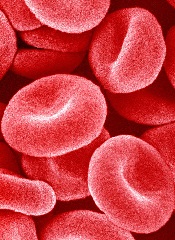
The US Food and Drug Administration (FDA) has granted orphan drug designation to Coversin as a treatment for paroxysmal nocturnal hemoglobinuria (PNH).
Coversin is a recombinant small protein (16,740 Da) derived from a native protein found in the saliva of the Ornithodoros moubata tick.
The drug is a second-generation complement inhibitor that acts on complement component C5, preventing release of C5a and formation of C5b-9 (also known as the membrane attack complex).
Coversin is being developed by Akari Therapeutics.
In vitro experiments have shown that Coversin inhibits red blood cell lysis in PNH, and Coversin can achieve full complement inhibition in the blood of PNH patients who are resistant to eculizumab.
In a phase 1a trial of healthy volunteers, Coversin completely inhibited complement C5 activity within 12 hours of administration.
Akari Therapeutics is currently conducting a phase 1b study of Coversin in healthy volunteers and is enrolling patients with eculizumab-resistant PNH in a phase 2 trial.
The company has also been administering Coversin to a patient with eculizumab-resistant PNH. Thus far, Coversin has prevented hemolytic episodes and improved disease symptoms in this patient. The only drug-related adverse event has been occasional local and transient irritation at the injection site.
“We have continued to see complete complement inhibition and symptom control in a PNH patient with resistance to eculizumab, who has been self-administering subcutaneous Coversin for over 7 months,” said Gur Roshwalb, MD, CEO of Akari Therapeutics.
“We believe that Coversin, when approved, could provide important benefits for all patients with PNH.”
Coversin is also being studied in atypical hemolytic uremic syndrome and Guillain Barré syndrome.
About orphan designation
The FDA grants orphan designation to drugs and biologics intended to treat, diagnose, or prevent diseases/disorders that affect fewer than 200,000 people in the US.
The designation provides incentives for sponsors to develop products for rare diseases. This may include tax credits toward the cost of clinical trials, prescription drug user fee waivers, and 7 years of market exclusivity if the product is approved.
The US Food and Drug Administration (FDA) has granted orphan drug designation to Coversin as a treatment for paroxysmal nocturnal hemoglobinuria (PNH).
Coversin is a recombinant small protein (16,740 Da) derived from a native protein found in the saliva of the Ornithodoros moubata tick.
The drug is a second-generation complement inhibitor that acts on complement component C5, preventing release of C5a and formation of C5b-9 (also known as the membrane attack complex).
Coversin is being developed by Akari Therapeutics.
In vitro experiments have shown that Coversin inhibits red blood cell lysis in PNH, and Coversin can achieve full complement inhibition in the blood of PNH patients who are resistant to eculizumab.
In a phase 1a trial of healthy volunteers, Coversin completely inhibited complement C5 activity within 12 hours of administration.
Akari Therapeutics is currently conducting a phase 1b study of Coversin in healthy volunteers and is enrolling patients with eculizumab-resistant PNH in a phase 2 trial.
The company has also been administering Coversin to a patient with eculizumab-resistant PNH. Thus far, Coversin has prevented hemolytic episodes and improved disease symptoms in this patient. The only drug-related adverse event has been occasional local and transient irritation at the injection site.
“We have continued to see complete complement inhibition and symptom control in a PNH patient with resistance to eculizumab, who has been self-administering subcutaneous Coversin for over 7 months,” said Gur Roshwalb, MD, CEO of Akari Therapeutics.
“We believe that Coversin, when approved, could provide important benefits for all patients with PNH.”
Coversin is also being studied in atypical hemolytic uremic syndrome and Guillain Barré syndrome.
About orphan designation
The FDA grants orphan designation to drugs and biologics intended to treat, diagnose, or prevent diseases/disorders that affect fewer than 200,000 people in the US.
The designation provides incentives for sponsors to develop products for rare diseases. This may include tax credits toward the cost of clinical trials, prescription drug user fee waivers, and 7 years of market exclusivity if the product is approved.
The US Food and Drug Administration (FDA) has granted orphan drug designation to Coversin as a treatment for paroxysmal nocturnal hemoglobinuria (PNH).
Coversin is a recombinant small protein (16,740 Da) derived from a native protein found in the saliva of the Ornithodoros moubata tick.
The drug is a second-generation complement inhibitor that acts on complement component C5, preventing release of C5a and formation of C5b-9 (also known as the membrane attack complex).
Coversin is being developed by Akari Therapeutics.
In vitro experiments have shown that Coversin inhibits red blood cell lysis in PNH, and Coversin can achieve full complement inhibition in the blood of PNH patients who are resistant to eculizumab.
In a phase 1a trial of healthy volunteers, Coversin completely inhibited complement C5 activity within 12 hours of administration.
Akari Therapeutics is currently conducting a phase 1b study of Coversin in healthy volunteers and is enrolling patients with eculizumab-resistant PNH in a phase 2 trial.
The company has also been administering Coversin to a patient with eculizumab-resistant PNH. Thus far, Coversin has prevented hemolytic episodes and improved disease symptoms in this patient. The only drug-related adverse event has been occasional local and transient irritation at the injection site.
“We have continued to see complete complement inhibition and symptom control in a PNH patient with resistance to eculizumab, who has been self-administering subcutaneous Coversin for over 7 months,” said Gur Roshwalb, MD, CEO of Akari Therapeutics.
“We believe that Coversin, when approved, could provide important benefits for all patients with PNH.”
Coversin is also being studied in atypical hemolytic uremic syndrome and Guillain Barré syndrome.
About orphan designation
The FDA grants orphan designation to drugs and biologics intended to treat, diagnose, or prevent diseases/disorders that affect fewer than 200,000 people in the US.
The designation provides incentives for sponsors to develop products for rare diseases. This may include tax credits toward the cost of clinical trials, prescription drug user fee waivers, and 7 years of market exclusivity if the product is approved.
CBT may be best option for pts with MRD, doc says
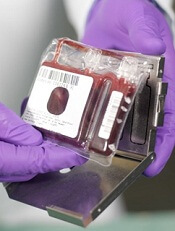
Photo courtesy of NHS
A cord blood transplant (CBT) may be the best option for patients with acute leukemia or myelodysplastic syndrome who have minimal residual disease (MRD) and no related donor, according to the senior author of a study published in NEJM.
This retrospective study showed that patients with MRD at the time of transplant were less likely to relapse if they received CBT rather than a graft from an unrelated adult donor, whether HLA-matched or mismatched.
In addition, the risk of death was significantly higher for patients with a mismatched donor than for CBT recipients, although there was no significant difference between those with a matched donor and CBT recipients.
Among patients without MRD, there were no significant differences between the transplant types for the risk of relapse or death.
“This paper shows that if you’ve got high-risk disease and are at high risk for relapse post-transplant, transplant with a cord blood donor may be the best option,” said Colleen Delaney, MD, of Fred Hutchinson Cancer Research Center in Seattle, Washington.
Dr Delaney and her colleagues analyzed data on 582 patients—300 with acute myeloid leukemia, 185 with acute lymphoblastic leukemia, and 97 with myelodysplastic syndromes.
Most patients received a transplant from an HLA-matched unrelated donor (n=344), 140 received a CBT from an unrelated donor, and 98 received a transplant from an HLA-mismatched unrelated donor.
The researchers calculated the relative risks of death and relapse for each transplant group, and they found that a patient’s MRD status prior to transplant played a role.
Presence of MRD
Among patients with MRD, the risk of death was significantly higher for recipients of mismatched grafts than for CBT recipients, with a hazard ratio (HR) of 2.92 (P=0.001).
However, the risk of death was not significantly different for recipients of matched grafts compared to CBT recipients. The HR was 1.69 (P=0.08).
The risk of relapse was about 3 times higher for recipients of mismatched grafts (HR=3.01, P=0.02) or matched grafts (HR=2.92, P=0.007) than for CBT recipients.
No MRD
Among patients without MRD, there was no significant difference in the risk of death for recipients of CBT, mismatched grafts (HR=1.36, P=0.30), or matched grafts (HR=0.78, P=0.33).
And there was no significant difference in the risk of relapse for recipients of CBT, mismatched grafts (HR=1.28, P=0.60), or matched grafts (HR=1.30, P=0.46).
“This brings home the point that cord blood shouldn’t be called an alternative donor,” Dr Delaney said. “The outcomes are the same as a conventional donor.”
Photo courtesy of NHS
A cord blood transplant (CBT) may be the best option for patients with acute leukemia or myelodysplastic syndrome who have minimal residual disease (MRD) and no related donor, according to the senior author of a study published in NEJM.
This retrospective study showed that patients with MRD at the time of transplant were less likely to relapse if they received CBT rather than a graft from an unrelated adult donor, whether HLA-matched or mismatched.
In addition, the risk of death was significantly higher for patients with a mismatched donor than for CBT recipients, although there was no significant difference between those with a matched donor and CBT recipients.
Among patients without MRD, there were no significant differences between the transplant types for the risk of relapse or death.
“This paper shows that if you’ve got high-risk disease and are at high risk for relapse post-transplant, transplant with a cord blood donor may be the best option,” said Colleen Delaney, MD, of Fred Hutchinson Cancer Research Center in Seattle, Washington.
Dr Delaney and her colleagues analyzed data on 582 patients—300 with acute myeloid leukemia, 185 with acute lymphoblastic leukemia, and 97 with myelodysplastic syndromes.
Most patients received a transplant from an HLA-matched unrelated donor (n=344), 140 received a CBT from an unrelated donor, and 98 received a transplant from an HLA-mismatched unrelated donor.
The researchers calculated the relative risks of death and relapse for each transplant group, and they found that a patient’s MRD status prior to transplant played a role.
Presence of MRD
Among patients with MRD, the risk of death was significantly higher for recipients of mismatched grafts than for CBT recipients, with a hazard ratio (HR) of 2.92 (P=0.001).
However, the risk of death was not significantly different for recipients of matched grafts compared to CBT recipients. The HR was 1.69 (P=0.08).
The risk of relapse was about 3 times higher for recipients of mismatched grafts (HR=3.01, P=0.02) or matched grafts (HR=2.92, P=0.007) than for CBT recipients.
No MRD
Among patients without MRD, there was no significant difference in the risk of death for recipients of CBT, mismatched grafts (HR=1.36, P=0.30), or matched grafts (HR=0.78, P=0.33).
And there was no significant difference in the risk of relapse for recipients of CBT, mismatched grafts (HR=1.28, P=0.60), or matched grafts (HR=1.30, P=0.46).
“This brings home the point that cord blood shouldn’t be called an alternative donor,” Dr Delaney said. “The outcomes are the same as a conventional donor.”
Photo courtesy of NHS
A cord blood transplant (CBT) may be the best option for patients with acute leukemia or myelodysplastic syndrome who have minimal residual disease (MRD) and no related donor, according to the senior author of a study published in NEJM.
This retrospective study showed that patients with MRD at the time of transplant were less likely to relapse if they received CBT rather than a graft from an unrelated adult donor, whether HLA-matched or mismatched.
In addition, the risk of death was significantly higher for patients with a mismatched donor than for CBT recipients, although there was no significant difference between those with a matched donor and CBT recipients.
Among patients without MRD, there were no significant differences between the transplant types for the risk of relapse or death.
“This paper shows that if you’ve got high-risk disease and are at high risk for relapse post-transplant, transplant with a cord blood donor may be the best option,” said Colleen Delaney, MD, of Fred Hutchinson Cancer Research Center in Seattle, Washington.
Dr Delaney and her colleagues analyzed data on 582 patients—300 with acute myeloid leukemia, 185 with acute lymphoblastic leukemia, and 97 with myelodysplastic syndromes.
Most patients received a transplant from an HLA-matched unrelated donor (n=344), 140 received a CBT from an unrelated donor, and 98 received a transplant from an HLA-mismatched unrelated donor.
The researchers calculated the relative risks of death and relapse for each transplant group, and they found that a patient’s MRD status prior to transplant played a role.
Presence of MRD
Among patients with MRD, the risk of death was significantly higher for recipients of mismatched grafts than for CBT recipients, with a hazard ratio (HR) of 2.92 (P=0.001).
However, the risk of death was not significantly different for recipients of matched grafts compared to CBT recipients. The HR was 1.69 (P=0.08).
The risk of relapse was about 3 times higher for recipients of mismatched grafts (HR=3.01, P=0.02) or matched grafts (HR=2.92, P=0.007) than for CBT recipients.
No MRD
Among patients without MRD, there was no significant difference in the risk of death for recipients of CBT, mismatched grafts (HR=1.36, P=0.30), or matched grafts (HR=0.78, P=0.33).
And there was no significant difference in the risk of relapse for recipients of CBT, mismatched grafts (HR=1.28, P=0.60), or matched grafts (HR=1.30, P=0.46).
“This brings home the point that cord blood shouldn’t be called an alternative donor,” Dr Delaney said. “The outcomes are the same as a conventional donor.”
Gene therapy effective against SCD in mice

blood cells from a mouse
Image courtesy of
University of Michigan
Preclinical research suggests a novel gene therapy may be effective against sickle cell disease (SCD).
The therapy is designed to selectively inhibit the fetal hemoglobin repressor BCL11A in erythroid cells.
Researchers found this was sufficient to increase fetal hemoglobin production and reverse the effects of SCD in vivo, without presenting the same problems as ubiquitous BCL11A knockdown.
The team reported these findings in The Journal of Clinical Investigation.
Previous research showed that suppressing BCL11A can replace the defective beta
hemoglobin that causes sickling with healthy fetal hemoglobin.
“BCL11A represses fetal hemoglobin, which does not lead to sickling, and also activates beta hemoglobin, which is affected by the sickle cell mutation,” explained study author David A. Williams, MD, of Boston Children’s Hospital in Massachusetts.
“So when you knock BCL11A down, you simultaneously increase fetal hemoglobin and repress sickling hemoglobin, which is why we think this is the best approach to gene therapy in sickle cell disease.”
However, Dr Williams and his colleagues found that ubiquitous knockdown of BCL11A impaired the engraftment of human and murine hematopoietic stem cells (HSCs).
To circumvent this problem, the researchers set out to silence BCL11A only in erythroid cells.
Selectively knocking down BCL11A involved several layers of engineering. As the core of their gene therapy vector, the researchers used a short hairpin RNA that inactivates BCL11A. To get it into cells, they embedded the short hairpin RNA in a microRNA that cells generally recognize and process.
To make this assembly work in the right place at the right time, the team hooked it to a promoter of beta hemoglobin expression, together with regulatory elements active only in erythroid cells. Finally, they inserted the whole package into a lentivirus.
HSCs from mice and SCD patients were then exposed to the manipulated virus, taking up the new genetic material. The resulting genetically engineered erythroid cells began producing fetal hemoglobin rather than the mutated beta hemoglobin.
When HSCs treated with this gene therapy were transplanted into mice with SCD, the cells engrafted successfully and reduced signs of SCD—namely, hemolytic anemia and increased numbers
of reticulocytes.
Dr Williams believes this approach could substantially increase the ratio of non-sickling to sickling hemoglobin in SCD. He also said the approach could be beneficial in beta-thalassemia.
blood cells from a mouse
Image courtesy of
University of Michigan
Preclinical research suggests a novel gene therapy may be effective against sickle cell disease (SCD).
The therapy is designed to selectively inhibit the fetal hemoglobin repressor BCL11A in erythroid cells.
Researchers found this was sufficient to increase fetal hemoglobin production and reverse the effects of SCD in vivo, without presenting the same problems as ubiquitous BCL11A knockdown.
The team reported these findings in The Journal of Clinical Investigation.
Previous research showed that suppressing BCL11A can replace the defective beta
hemoglobin that causes sickling with healthy fetal hemoglobin.
“BCL11A represses fetal hemoglobin, which does not lead to sickling, and also activates beta hemoglobin, which is affected by the sickle cell mutation,” explained study author David A. Williams, MD, of Boston Children’s Hospital in Massachusetts.
“So when you knock BCL11A down, you simultaneously increase fetal hemoglobin and repress sickling hemoglobin, which is why we think this is the best approach to gene therapy in sickle cell disease.”
However, Dr Williams and his colleagues found that ubiquitous knockdown of BCL11A impaired the engraftment of human and murine hematopoietic stem cells (HSCs).
To circumvent this problem, the researchers set out to silence BCL11A only in erythroid cells.
Selectively knocking down BCL11A involved several layers of engineering. As the core of their gene therapy vector, the researchers used a short hairpin RNA that inactivates BCL11A. To get it into cells, they embedded the short hairpin RNA in a microRNA that cells generally recognize and process.
To make this assembly work in the right place at the right time, the team hooked it to a promoter of beta hemoglobin expression, together with regulatory elements active only in erythroid cells. Finally, they inserted the whole package into a lentivirus.
HSCs from mice and SCD patients were then exposed to the manipulated virus, taking up the new genetic material. The resulting genetically engineered erythroid cells began producing fetal hemoglobin rather than the mutated beta hemoglobin.
When HSCs treated with this gene therapy were transplanted into mice with SCD, the cells engrafted successfully and reduced signs of SCD—namely, hemolytic anemia and increased numbers
of reticulocytes.
Dr Williams believes this approach could substantially increase the ratio of non-sickling to sickling hemoglobin in SCD. He also said the approach could be beneficial in beta-thalassemia.
blood cells from a mouse
Image courtesy of
University of Michigan
Preclinical research suggests a novel gene therapy may be effective against sickle cell disease (SCD).
The therapy is designed to selectively inhibit the fetal hemoglobin repressor BCL11A in erythroid cells.
Researchers found this was sufficient to increase fetal hemoglobin production and reverse the effects of SCD in vivo, without presenting the same problems as ubiquitous BCL11A knockdown.
The team reported these findings in The Journal of Clinical Investigation.
Previous research showed that suppressing BCL11A can replace the defective beta
hemoglobin that causes sickling with healthy fetal hemoglobin.
“BCL11A represses fetal hemoglobin, which does not lead to sickling, and also activates beta hemoglobin, which is affected by the sickle cell mutation,” explained study author David A. Williams, MD, of Boston Children’s Hospital in Massachusetts.
“So when you knock BCL11A down, you simultaneously increase fetal hemoglobin and repress sickling hemoglobin, which is why we think this is the best approach to gene therapy in sickle cell disease.”
However, Dr Williams and his colleagues found that ubiquitous knockdown of BCL11A impaired the engraftment of human and murine hematopoietic stem cells (HSCs).
To circumvent this problem, the researchers set out to silence BCL11A only in erythroid cells.
Selectively knocking down BCL11A involved several layers of engineering. As the core of their gene therapy vector, the researchers used a short hairpin RNA that inactivates BCL11A. To get it into cells, they embedded the short hairpin RNA in a microRNA that cells generally recognize and process.
To make this assembly work in the right place at the right time, the team hooked it to a promoter of beta hemoglobin expression, together with regulatory elements active only in erythroid cells. Finally, they inserted the whole package into a lentivirus.
HSCs from mice and SCD patients were then exposed to the manipulated virus, taking up the new genetic material. The resulting genetically engineered erythroid cells began producing fetal hemoglobin rather than the mutated beta hemoglobin.
When HSCs treated with this gene therapy were transplanted into mice with SCD, the cells engrafted successfully and reduced signs of SCD—namely, hemolytic anemia and increased numbers
of reticulocytes.
Dr Williams believes this approach could substantially increase the ratio of non-sickling to sickling hemoglobin in SCD. He also said the approach could be beneficial in beta-thalassemia.
Improvements needed in SCD care, report says

Photo courtesy of St. Jude
Children’s Hospital
A new report suggests the current state of care for sickle cell disease (SCD) is inadequate, and improvements are needed.
The State of Sickle Cell Disease: 2016 Report outlines 4 main areas for improvement—SCD patients’ access to care, the training and education of healthcare professionals treating patients with SCD, research and clinical trials pertaining to SCD, and global health issues related to the disease.
The American Society of Hematology (ASH) published the report, with the endorsement of organizations in the SCD community.
The report includes statistics that highlight the need for improvements as well as future goals and recommended actions.
Access to care
The report states that more than 75% of adults with SCD who have frequent pain crises do not receive the recommended treatment, hydroxyurea.
One potential solution, according to the report, is to ensure that existing standard-of-care guidelines are being used. Another solution is to develop coordinated healthcare delivery models that ensure SCD patients can access quality care regardless of their age, location, and socioeconomic status.
“Not only are individuals with SCD burdened by the pain and disability that comes with a chronic condition, but they also have very few accessible treatment options due to our fragmented healthcare system,” said ASH President Charles S. Abrams, MD, of the University of Pennsylvania in Philadelphia.
Training and education
The report cites a national survey in which only 20.4% of family physicians said they felt comfortable treating SCD. And 69.4% of family physicians said clinical decision support tools would be useful for helping to guide their treatment decisions for SCD patients.
Therefore, the report recommends devising an “actionable plan” to educate healthcare providers about best practices in caring for SCD patients, developing clinical support tools, and encouraging medical trainees to pursue careers in SCD care, among other solutions.
“There are many unique challenges that people with SCD face,” said ASH Vice President Alexis Thompson, MD, of the Ann and Robert H. Lurie Children’s Hospital of Chicago in Illinois.
“For example, the transition from pediatric to adult care can be especially difficult, and many people struggle to find healthcare providers with comprehensive knowledge and expertise to provide proper care, especially in rural communities.”
Research and clinical trials
The report notes that hydroxyurea is the only drug approved by the US Food and Drug Administration to treat SCD. Therefore, research is needed to develop novel therapies, new drug delivery modes, and new agents that can be used in combination with hydroxyurea.
The report also highlights other areas where research is needed and recommends developing clinical trial networks to increase enrollment in trials.
Global issues
According to the report, roughly 1000 children in Africa are born with SCD every day, and more than half will die before they reach the age of 5. In addition, more than 90% of children with SCD who live in resource-poor countries do not survive to adulthood.
Therefore, the report recommends expanding newborn screening and early intervention programs, increasing SCD awareness and education, and improving access to quality care in developing regions.
Sickle Cell Disease Coalition
To address the aforementioned challenges, ASH and more than 20 other organizations launched the Sickle Cell Disease Coalition. The coalition is focused on promoting research, clinical care, education, training, and advocacy.
The aim of the coalition is to provide a platform to encourage stakeholders to work together to implement projects and activities that will ultimately help the SCD community and improve patient outcomes.
The coalition consists of leading patient advocacy groups, people with SCD and their families, researchers, clinicians, policymakers, industry stakeholders, and foundations with an interest in SCD.
Photo courtesy of St. Jude
Children’s Hospital
A new report suggests the current state of care for sickle cell disease (SCD) is inadequate, and improvements are needed.
The State of Sickle Cell Disease: 2016 Report outlines 4 main areas for improvement—SCD patients’ access to care, the training and education of healthcare professionals treating patients with SCD, research and clinical trials pertaining to SCD, and global health issues related to the disease.
The American Society of Hematology (ASH) published the report, with the endorsement of organizations in the SCD community.
The report includes statistics that highlight the need for improvements as well as future goals and recommended actions.
Access to care
The report states that more than 75% of adults with SCD who have frequent pain crises do not receive the recommended treatment, hydroxyurea.
One potential solution, according to the report, is to ensure that existing standard-of-care guidelines are being used. Another solution is to develop coordinated healthcare delivery models that ensure SCD patients can access quality care regardless of their age, location, and socioeconomic status.
“Not only are individuals with SCD burdened by the pain and disability that comes with a chronic condition, but they also have very few accessible treatment options due to our fragmented healthcare system,” said ASH President Charles S. Abrams, MD, of the University of Pennsylvania in Philadelphia.
Training and education
The report cites a national survey in which only 20.4% of family physicians said they felt comfortable treating SCD. And 69.4% of family physicians said clinical decision support tools would be useful for helping to guide their treatment decisions for SCD patients.
Therefore, the report recommends devising an “actionable plan” to educate healthcare providers about best practices in caring for SCD patients, developing clinical support tools, and encouraging medical trainees to pursue careers in SCD care, among other solutions.
“There are many unique challenges that people with SCD face,” said ASH Vice President Alexis Thompson, MD, of the Ann and Robert H. Lurie Children’s Hospital of Chicago in Illinois.
“For example, the transition from pediatric to adult care can be especially difficult, and many people struggle to find healthcare providers with comprehensive knowledge and expertise to provide proper care, especially in rural communities.”
Research and clinical trials
The report notes that hydroxyurea is the only drug approved by the US Food and Drug Administration to treat SCD. Therefore, research is needed to develop novel therapies, new drug delivery modes, and new agents that can be used in combination with hydroxyurea.
The report also highlights other areas where research is needed and recommends developing clinical trial networks to increase enrollment in trials.
Global issues
According to the report, roughly 1000 children in Africa are born with SCD every day, and more than half will die before they reach the age of 5. In addition, more than 90% of children with SCD who live in resource-poor countries do not survive to adulthood.
Therefore, the report recommends expanding newborn screening and early intervention programs, increasing SCD awareness and education, and improving access to quality care in developing regions.
Sickle Cell Disease Coalition
To address the aforementioned challenges, ASH and more than 20 other organizations launched the Sickle Cell Disease Coalition. The coalition is focused on promoting research, clinical care, education, training, and advocacy.
The aim of the coalition is to provide a platform to encourage stakeholders to work together to implement projects and activities that will ultimately help the SCD community and improve patient outcomes.
The coalition consists of leading patient advocacy groups, people with SCD and their families, researchers, clinicians, policymakers, industry stakeholders, and foundations with an interest in SCD.
Photo courtesy of St. Jude
Children’s Hospital
A new report suggests the current state of care for sickle cell disease (SCD) is inadequate, and improvements are needed.
The State of Sickle Cell Disease: 2016 Report outlines 4 main areas for improvement—SCD patients’ access to care, the training and education of healthcare professionals treating patients with SCD, research and clinical trials pertaining to SCD, and global health issues related to the disease.
The American Society of Hematology (ASH) published the report, with the endorsement of organizations in the SCD community.
The report includes statistics that highlight the need for improvements as well as future goals and recommended actions.
Access to care
The report states that more than 75% of adults with SCD who have frequent pain crises do not receive the recommended treatment, hydroxyurea.
One potential solution, according to the report, is to ensure that existing standard-of-care guidelines are being used. Another solution is to develop coordinated healthcare delivery models that ensure SCD patients can access quality care regardless of their age, location, and socioeconomic status.
“Not only are individuals with SCD burdened by the pain and disability that comes with a chronic condition, but they also have very few accessible treatment options due to our fragmented healthcare system,” said ASH President Charles S. Abrams, MD, of the University of Pennsylvania in Philadelphia.
Training and education
The report cites a national survey in which only 20.4% of family physicians said they felt comfortable treating SCD. And 69.4% of family physicians said clinical decision support tools would be useful for helping to guide their treatment decisions for SCD patients.
Therefore, the report recommends devising an “actionable plan” to educate healthcare providers about best practices in caring for SCD patients, developing clinical support tools, and encouraging medical trainees to pursue careers in SCD care, among other solutions.
“There are many unique challenges that people with SCD face,” said ASH Vice President Alexis Thompson, MD, of the Ann and Robert H. Lurie Children’s Hospital of Chicago in Illinois.
“For example, the transition from pediatric to adult care can be especially difficult, and many people struggle to find healthcare providers with comprehensive knowledge and expertise to provide proper care, especially in rural communities.”
Research and clinical trials
The report notes that hydroxyurea is the only drug approved by the US Food and Drug Administration to treat SCD. Therefore, research is needed to develop novel therapies, new drug delivery modes, and new agents that can be used in combination with hydroxyurea.
The report also highlights other areas where research is needed and recommends developing clinical trial networks to increase enrollment in trials.
Global issues
According to the report, roughly 1000 children in Africa are born with SCD every day, and more than half will die before they reach the age of 5. In addition, more than 90% of children with SCD who live in resource-poor countries do not survive to adulthood.
Therefore, the report recommends expanding newborn screening and early intervention programs, increasing SCD awareness and education, and improving access to quality care in developing regions.
Sickle Cell Disease Coalition
To address the aforementioned challenges, ASH and more than 20 other organizations launched the Sickle Cell Disease Coalition. The coalition is focused on promoting research, clinical care, education, training, and advocacy.
The aim of the coalition is to provide a platform to encourage stakeholders to work together to implement projects and activities that will ultimately help the SCD community and improve patient outcomes.
The coalition consists of leading patient advocacy groups, people with SCD and their families, researchers, clinicians, policymakers, industry stakeholders, and foundations with an interest in SCD.
Study supports expanded prenatal genetic testing

Photo by Nina Matthews
New research suggests expanded prenatal genetic testing may increase the detection of carrier status for potentially serious genetic conditions, including hemoglobinopathies.
Researchers analyzed nearly 350,000 adults of diverse racial and ethnic backgrounds and found evidence to suggest that expanded screening for up to 94 conditions can increase the detection of carrier status when compared with current genetic testing recommendations from professional societies.
Imran S. Haque, PhD, of Counsyl in San Francisco, California, and his colleagues reported these findings in JAMA. The study was funded by Counsyl, a laboratory providing expanded carrier screening.
Genetic testing of prospective parents to detect carriers of specific inherited recessive diseases is part of routine obstetrical practice. The current recommendations are to test for a limited number of individual diseases, in part based on self-reported racial/ethnic background.
Dr Haque and his colleagues wanted to determine if recent advances in genetic testing could facilitate screening for an expanded number of conditions independent of racial/ethnic background.
The researchers analyzed results from expanded carrier screening in 346,790 reproductive-aged individuals, primarily from the US, without known indication for specific genetic testing.
The individuals were tested for carrier status for up to 94 conditions. Tests were offered by clinicians providing reproductive care.
Risk was defined as the probability that a hypothetical fetus created from a random pairing of individuals (within or across 15 self-reported racial/ethnic categories) would be homozygous or compound heterozygous for 2 mutations presumed to cause severe or profound disease.
Severe conditions were defined as those that, if left untreated, cause intellectual disability or a substantially shortened lifespan. Profound conditions were those causing both intellectual disability and a shortened lifespan.
The researchers found that, in most racial/ethnic categories, expanded carrier screening modeled more hypothetical fetuses at risk for severe or profound conditions than did screening based on current professional guidelines.
Overall, relative to expanded carrier screening, guideline-based screening ranged from identifying 6% of hypothetical fetuses affected for East Asian couples to 87% for African or African American couples.
Though this study suggests expanded screening could be beneficial, the researchers said their findings should be confirmed with prospective studies comparing current carrier screening with expanded screening in at-risk populations.
Photo by Nina Matthews
New research suggests expanded prenatal genetic testing may increase the detection of carrier status for potentially serious genetic conditions, including hemoglobinopathies.
Researchers analyzed nearly 350,000 adults of diverse racial and ethnic backgrounds and found evidence to suggest that expanded screening for up to 94 conditions can increase the detection of carrier status when compared with current genetic testing recommendations from professional societies.
Imran S. Haque, PhD, of Counsyl in San Francisco, California, and his colleagues reported these findings in JAMA. The study was funded by Counsyl, a laboratory providing expanded carrier screening.
Genetic testing of prospective parents to detect carriers of specific inherited recessive diseases is part of routine obstetrical practice. The current recommendations are to test for a limited number of individual diseases, in part based on self-reported racial/ethnic background.
Dr Haque and his colleagues wanted to determine if recent advances in genetic testing could facilitate screening for an expanded number of conditions independent of racial/ethnic background.
The researchers analyzed results from expanded carrier screening in 346,790 reproductive-aged individuals, primarily from the US, without known indication for specific genetic testing.
The individuals were tested for carrier status for up to 94 conditions. Tests were offered by clinicians providing reproductive care.
Risk was defined as the probability that a hypothetical fetus created from a random pairing of individuals (within or across 15 self-reported racial/ethnic categories) would be homozygous or compound heterozygous for 2 mutations presumed to cause severe or profound disease.
Severe conditions were defined as those that, if left untreated, cause intellectual disability or a substantially shortened lifespan. Profound conditions were those causing both intellectual disability and a shortened lifespan.
The researchers found that, in most racial/ethnic categories, expanded carrier screening modeled more hypothetical fetuses at risk for severe or profound conditions than did screening based on current professional guidelines.
Overall, relative to expanded carrier screening, guideline-based screening ranged from identifying 6% of hypothetical fetuses affected for East Asian couples to 87% for African or African American couples.
Though this study suggests expanded screening could be beneficial, the researchers said their findings should be confirmed with prospective studies comparing current carrier screening with expanded screening in at-risk populations.
Photo by Nina Matthews
New research suggests expanded prenatal genetic testing may increase the detection of carrier status for potentially serious genetic conditions, including hemoglobinopathies.
Researchers analyzed nearly 350,000 adults of diverse racial and ethnic backgrounds and found evidence to suggest that expanded screening for up to 94 conditions can increase the detection of carrier status when compared with current genetic testing recommendations from professional societies.
Imran S. Haque, PhD, of Counsyl in San Francisco, California, and his colleagues reported these findings in JAMA. The study was funded by Counsyl, a laboratory providing expanded carrier screening.
Genetic testing of prospective parents to detect carriers of specific inherited recessive diseases is part of routine obstetrical practice. The current recommendations are to test for a limited number of individual diseases, in part based on self-reported racial/ethnic background.
Dr Haque and his colleagues wanted to determine if recent advances in genetic testing could facilitate screening for an expanded number of conditions independent of racial/ethnic background.
The researchers analyzed results from expanded carrier screening in 346,790 reproductive-aged individuals, primarily from the US, without known indication for specific genetic testing.
The individuals were tested for carrier status for up to 94 conditions. Tests were offered by clinicians providing reproductive care.
Risk was defined as the probability that a hypothetical fetus created from a random pairing of individuals (within or across 15 self-reported racial/ethnic categories) would be homozygous or compound heterozygous for 2 mutations presumed to cause severe or profound disease.
Severe conditions were defined as those that, if left untreated, cause intellectual disability or a substantially shortened lifespan. Profound conditions were those causing both intellectual disability and a shortened lifespan.
The researchers found that, in most racial/ethnic categories, expanded carrier screening modeled more hypothetical fetuses at risk for severe or profound conditions than did screening based on current professional guidelines.
Overall, relative to expanded carrier screening, guideline-based screening ranged from identifying 6% of hypothetical fetuses affected for East Asian couples to 87% for African or African American couples.
Though this study suggests expanded screening could be beneficial, the researchers said their findings should be confirmed with prospective studies comparing current carrier screening with expanded screening in at-risk populations.
Drug granted orphan designation for MAS
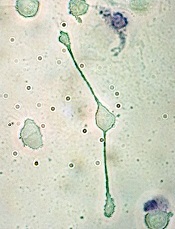
Image from Flickr
The US Food and Drug Administration (FDA) has granted orphan drug designation for dusquetide as a treatment for macrophage activation syndrome (MAS).
Dusquetide is an innate defense regulator, a new class of short, synthetic peptides that accelerate bacterial clearance and resolution of tissue damage while modulating inflammation following exposure to bacterial pathogens, radiation, chemotherapy, and other agents.
According to researchers, dusquetide has demonstrated preclinical efficacy and safety in several animal models.
In a mouse model of MAS, dusquetide was shown to reduce pancytopenia, inhibit IL-12 responses, and improve body weight maintenance.
SGX942, the drug product containing dusquetide, has demonstrated safety in a phase 1 study of 84 healthy volunteers.
In addition, SGX942 has demonstrated preliminary efficacy and safety in an exploratory phase 2 study of 111 patients with oral mucositis due to chemoradiation therapy for head and neck cancer.
SGX942 is being developed by Solgenix, Inc.
About orphan designation
The FDA grants orphan designation to drugs and biologics intended to treat, diagnose, or prevent diseases/disorders that affect fewer than 200,000 people in the US.
The designation provides incentives for sponsors to develop products for rare diseases. This may include tax credits toward the cost of clinical trials, prescription drug user fee waivers, and 7 years of market exclusivity if the drug is approved.
About MAS
MAS is a life-threatening complication of rheumatic disease that, for unknown reasons, frequently occurs in individuals with systemic juvenile idiopathic arthritis. MAS also occurs in patients with systemic lupus erythematosus, Kawasaki disease, adult-onset Still’s disease, and various vasculitic syndromes.
MAS is characterized by pancytopenia, liver insufficiency, coagulopathy, and neurologic symptoms.
MAS is thought to be caused by the activation and uncontrolled proliferation of T lymphocytes and well-differentiated macrophages, leading to widespread hemophagocytosis and cytokine overproduction.
Image from Flickr
The US Food and Drug Administration (FDA) has granted orphan drug designation for dusquetide as a treatment for macrophage activation syndrome (MAS).
Dusquetide is an innate defense regulator, a new class of short, synthetic peptides that accelerate bacterial clearance and resolution of tissue damage while modulating inflammation following exposure to bacterial pathogens, radiation, chemotherapy, and other agents.
According to researchers, dusquetide has demonstrated preclinical efficacy and safety in several animal models.
In a mouse model of MAS, dusquetide was shown to reduce pancytopenia, inhibit IL-12 responses, and improve body weight maintenance.
SGX942, the drug product containing dusquetide, has demonstrated safety in a phase 1 study of 84 healthy volunteers.
In addition, SGX942 has demonstrated preliminary efficacy and safety in an exploratory phase 2 study of 111 patients with oral mucositis due to chemoradiation therapy for head and neck cancer.
SGX942 is being developed by Solgenix, Inc.
About orphan designation
The FDA grants orphan designation to drugs and biologics intended to treat, diagnose, or prevent diseases/disorders that affect fewer than 200,000 people in the US.
The designation provides incentives for sponsors to develop products for rare diseases. This may include tax credits toward the cost of clinical trials, prescription drug user fee waivers, and 7 years of market exclusivity if the drug is approved.
About MAS
MAS is a life-threatening complication of rheumatic disease that, for unknown reasons, frequently occurs in individuals with systemic juvenile idiopathic arthritis. MAS also occurs in patients with systemic lupus erythematosus, Kawasaki disease, adult-onset Still’s disease, and various vasculitic syndromes.
MAS is characterized by pancytopenia, liver insufficiency, coagulopathy, and neurologic symptoms.
MAS is thought to be caused by the activation and uncontrolled proliferation of T lymphocytes and well-differentiated macrophages, leading to widespread hemophagocytosis and cytokine overproduction.
Image from Flickr
The US Food and Drug Administration (FDA) has granted orphan drug designation for dusquetide as a treatment for macrophage activation syndrome (MAS).
Dusquetide is an innate defense regulator, a new class of short, synthetic peptides that accelerate bacterial clearance and resolution of tissue damage while modulating inflammation following exposure to bacterial pathogens, radiation, chemotherapy, and other agents.
According to researchers, dusquetide has demonstrated preclinical efficacy and safety in several animal models.
In a mouse model of MAS, dusquetide was shown to reduce pancytopenia, inhibit IL-12 responses, and improve body weight maintenance.
SGX942, the drug product containing dusquetide, has demonstrated safety in a phase 1 study of 84 healthy volunteers.
In addition, SGX942 has demonstrated preliminary efficacy and safety in an exploratory phase 2 study of 111 patients with oral mucositis due to chemoradiation therapy for head and neck cancer.
SGX942 is being developed by Solgenix, Inc.
About orphan designation
The FDA grants orphan designation to drugs and biologics intended to treat, diagnose, or prevent diseases/disorders that affect fewer than 200,000 people in the US.
The designation provides incentives for sponsors to develop products for rare diseases. This may include tax credits toward the cost of clinical trials, prescription drug user fee waivers, and 7 years of market exclusivity if the drug is approved.
About MAS
MAS is a life-threatening complication of rheumatic disease that, for unknown reasons, frequently occurs in individuals with systemic juvenile idiopathic arthritis. MAS also occurs in patients with systemic lupus erythematosus, Kawasaki disease, adult-onset Still’s disease, and various vasculitic syndromes.
MAS is characterized by pancytopenia, liver insufficiency, coagulopathy, and neurologic symptoms.
MAS is thought to be caused by the activation and uncontrolled proliferation of T lymphocytes and well-differentiated macrophages, leading to widespread hemophagocytosis and cytokine overproduction.
Potential treatment strategy for dyskeratosis congenita

Preclinical research has revealed a potential treatment strategy for dyskeratosis congenita (DC).
Researchers found that DC is characterized by reductions in telomerase, telomere length, and telomere capping, which reduces Wnt pathway activity, resulting in intestinal stem cell failure.
However, treatment with Wnt agonists restored the Wnt-telomere feedback loop and reversed gastrointestinal DC phenotypes in vitro and in vivo.
Christopher J. Lengner, PhD, of the University of Pennsylvania in Philadelphia, and his colleagues reported these discoveries in Cell Stem Cell.
“Right now, the main therapy for [DC] patients is a bone marrow transplant,” Dr Lengner said. “That can address the bone marrow failure but doesn’t fix other problems associated with the disease, and especially not the risk of cancer. This work suggests a way to address the underlying cause of the disease.”
Earlier research with mouse models of DC suggested there might be a connection between the Wnt pathway and telomerase. And a recent study in DC patients’ cells revealed a decrease in activity in the Wnt pathway.
So Dr Lengner and his colleagues wanted to explore whether activating Wnt could reverse the effects of the disease. To do so, the team used induced pluripotent stem cells (iPSCs), the CRISPR/Cas9 gene-editing system, and directed differentiation.
The researchers generated iPSCs from DKC1-mutant fibroblasts and from wild-type cells. The team also used CRISPR to introduce a DKC1 mutation into healthy human iPSCs and to correct the disease-causing mutation in iPSCs generated from DC patient samples.
The researchers then grew organoids through directed differentiation. iPSCs were coaxed to form a human intestinal organoid, which naturally forms a tube-like structure, recapitulating the tubes of the human gastrointestinal system.
When the researchers observed the development of intestinal organoids, they found that, initially, the DC cells seemed to form normally.
The original DKC1-mutant cells and the cells that had the DKC1 mutation introduced by CRISPR appeared to follow a normal course of development for several days. But by 2 weeks, they lacked the tube-like structure seen in the healthy samples and the disease-corrected samples.
The DKC1-mutant cells also had shorter telomeres, with the intestinal organoids from DC patients having the shortest of any cell type.
“We could see, at the molecular level, that this is accompanied by a failure to activate specific intestinal stem cell gene programs—specifically, genes in the Wnt pathway,” Dr Lengner said.
The next logical step was to activate Wnt to see if these defects could be reversed. The researchers treated organoids derived from DC patient iPSCs with a compound called CHIR that stimulates the Wnt pathway.
This restored the formation of the tube-like structure as well as intestinal stem cell gene expression. The treatment also increased telomerase activity and telomere length in the cells with mutant DKC1.
To assess this treatment approach in a more clinically relevant model, the researchers transplanted the human intestinal organoids into mice.
Mice that received a transplant containing the DKC1 mutation and received treatment with lithium, a stimulator of the Wnt pathway, maintained their intestinal tissue structure and had high expression of Wnt target genes.
In effect, these mice resembled the mice that received a transplant of an organoid derived from a healthy patient.
The researchers said this study offers proof of principle that activating the Wnt pathway can reverse at least the gastrointestinal phenotypes associated with DC. Looking ahead, the team would like to try accomplishing the same feat in other tissue types affected by the disease.
Preclinical research has revealed a potential treatment strategy for dyskeratosis congenita (DC).
Researchers found that DC is characterized by reductions in telomerase, telomere length, and telomere capping, which reduces Wnt pathway activity, resulting in intestinal stem cell failure.
However, treatment with Wnt agonists restored the Wnt-telomere feedback loop and reversed gastrointestinal DC phenotypes in vitro and in vivo.
Christopher J. Lengner, PhD, of the University of Pennsylvania in Philadelphia, and his colleagues reported these discoveries in Cell Stem Cell.
“Right now, the main therapy for [DC] patients is a bone marrow transplant,” Dr Lengner said. “That can address the bone marrow failure but doesn’t fix other problems associated with the disease, and especially not the risk of cancer. This work suggests a way to address the underlying cause of the disease.”
Earlier research with mouse models of DC suggested there might be a connection between the Wnt pathway and telomerase. And a recent study in DC patients’ cells revealed a decrease in activity in the Wnt pathway.
So Dr Lengner and his colleagues wanted to explore whether activating Wnt could reverse the effects of the disease. To do so, the team used induced pluripotent stem cells (iPSCs), the CRISPR/Cas9 gene-editing system, and directed differentiation.
The researchers generated iPSCs from DKC1-mutant fibroblasts and from wild-type cells. The team also used CRISPR to introduce a DKC1 mutation into healthy human iPSCs and to correct the disease-causing mutation in iPSCs generated from DC patient samples.
The researchers then grew organoids through directed differentiation. iPSCs were coaxed to form a human intestinal organoid, which naturally forms a tube-like structure, recapitulating the tubes of the human gastrointestinal system.
When the researchers observed the development of intestinal organoids, they found that, initially, the DC cells seemed to form normally.
The original DKC1-mutant cells and the cells that had the DKC1 mutation introduced by CRISPR appeared to follow a normal course of development for several days. But by 2 weeks, they lacked the tube-like structure seen in the healthy samples and the disease-corrected samples.
The DKC1-mutant cells also had shorter telomeres, with the intestinal organoids from DC patients having the shortest of any cell type.
“We could see, at the molecular level, that this is accompanied by a failure to activate specific intestinal stem cell gene programs—specifically, genes in the Wnt pathway,” Dr Lengner said.
The next logical step was to activate Wnt to see if these defects could be reversed. The researchers treated organoids derived from DC patient iPSCs with a compound called CHIR that stimulates the Wnt pathway.
This restored the formation of the tube-like structure as well as intestinal stem cell gene expression. The treatment also increased telomerase activity and telomere length in the cells with mutant DKC1.
To assess this treatment approach in a more clinically relevant model, the researchers transplanted the human intestinal organoids into mice.
Mice that received a transplant containing the DKC1 mutation and received treatment with lithium, a stimulator of the Wnt pathway, maintained their intestinal tissue structure and had high expression of Wnt target genes.
In effect, these mice resembled the mice that received a transplant of an organoid derived from a healthy patient.
The researchers said this study offers proof of principle that activating the Wnt pathway can reverse at least the gastrointestinal phenotypes associated with DC. Looking ahead, the team would like to try accomplishing the same feat in other tissue types affected by the disease.
Preclinical research has revealed a potential treatment strategy for dyskeratosis congenita (DC).
Researchers found that DC is characterized by reductions in telomerase, telomere length, and telomere capping, which reduces Wnt pathway activity, resulting in intestinal stem cell failure.
However, treatment with Wnt agonists restored the Wnt-telomere feedback loop and reversed gastrointestinal DC phenotypes in vitro and in vivo.
Christopher J. Lengner, PhD, of the University of Pennsylvania in Philadelphia, and his colleagues reported these discoveries in Cell Stem Cell.
“Right now, the main therapy for [DC] patients is a bone marrow transplant,” Dr Lengner said. “That can address the bone marrow failure but doesn’t fix other problems associated with the disease, and especially not the risk of cancer. This work suggests a way to address the underlying cause of the disease.”
Earlier research with mouse models of DC suggested there might be a connection between the Wnt pathway and telomerase. And a recent study in DC patients’ cells revealed a decrease in activity in the Wnt pathway.
So Dr Lengner and his colleagues wanted to explore whether activating Wnt could reverse the effects of the disease. To do so, the team used induced pluripotent stem cells (iPSCs), the CRISPR/Cas9 gene-editing system, and directed differentiation.
The researchers generated iPSCs from DKC1-mutant fibroblasts and from wild-type cells. The team also used CRISPR to introduce a DKC1 mutation into healthy human iPSCs and to correct the disease-causing mutation in iPSCs generated from DC patient samples.
The researchers then grew organoids through directed differentiation. iPSCs were coaxed to form a human intestinal organoid, which naturally forms a tube-like structure, recapitulating the tubes of the human gastrointestinal system.
When the researchers observed the development of intestinal organoids, they found that, initially, the DC cells seemed to form normally.
The original DKC1-mutant cells and the cells that had the DKC1 mutation introduced by CRISPR appeared to follow a normal course of development for several days. But by 2 weeks, they lacked the tube-like structure seen in the healthy samples and the disease-corrected samples.
The DKC1-mutant cells also had shorter telomeres, with the intestinal organoids from DC patients having the shortest of any cell type.
“We could see, at the molecular level, that this is accompanied by a failure to activate specific intestinal stem cell gene programs—specifically, genes in the Wnt pathway,” Dr Lengner said.
The next logical step was to activate Wnt to see if these defects could be reversed. The researchers treated organoids derived from DC patient iPSCs with a compound called CHIR that stimulates the Wnt pathway.
This restored the formation of the tube-like structure as well as intestinal stem cell gene expression. The treatment also increased telomerase activity and telomere length in the cells with mutant DKC1.
To assess this treatment approach in a more clinically relevant model, the researchers transplanted the human intestinal organoids into mice.
Mice that received a transplant containing the DKC1 mutation and received treatment with lithium, a stimulator of the Wnt pathway, maintained their intestinal tissue structure and had high expression of Wnt target genes.
In effect, these mice resembled the mice that received a transplant of an organoid derived from a healthy patient.
The researchers said this study offers proof of principle that activating the Wnt pathway can reverse at least the gastrointestinal phenotypes associated with DC. Looking ahead, the team would like to try accomplishing the same feat in other tissue types affected by the disease.
Anemia linked to risk of death after stroke
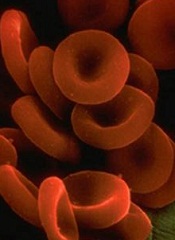
Anemia may increase the risk of death in older adults who have had a stroke, according to research published in the Journal of the American Heart Association.
An initial analysis of more than 8000 patients showed that anemia was associated with a higher risk of death for up to 1 year following ischemic or hemorrhagic stroke.
A second analysis of nearly 30,000 patients suggested the risk of dying from ischemic stroke is about 2 times higher in patients with anemia than those without it, and the risk of death from hemorrhagic stroke is about 1.5 times higher in anemic patients.
“So there’s the potential for a much poorer outcome if somebody comes in with stroke and they’re also anemic,” said study author Phyo Myint, MD, of the University of Aberdeen in Scotland.
Dr Myint and his colleagues first examined data from the UK Regional Stroke Register. This included 8013 patients with an average age of 78 who were admitted to the hospital with acute stroke between 2003 and 2015.
The team assessed the impact of anemia and hemoglobin levels at admission on death at different time points—inpatient, 7 days, 14 days, 1 month, 3 months, 6 months, and 1 year after stroke.
Anemia was associated with higher odds of death at most of the time points examined. And elevated hemoglobin was associated with a higher risk of death, mainly within the first month.
In addition to analyzing data from the UK Regional Stroke Registry, the researchers systematically reviewed relevant literature published to date. They compiled data from 20 previous studies, increasing the study population to 29,943 stroke patients.
In analyzing these patients, the researchers found that anemia on admission was associated with an increased risk of mortality in both ischemic stroke and hemorrhagic stroke. The odds ratios were 1.97 and 1.46, respectively.
The researchers believe this study emphasizes the impact of anemia on stroke outcomes and the need for increased awareness and interventions for stroke patients with anemia.
“One example of an intervention might be treating the underlying causes of anemia, such as iron deficiency, which is common in this age group,” said study author Raphae Barlas, a medical student at the University of Aberdeen.
“As the study has convincingly demonstrated, anemia does worsen the outcome of stroke, so it is very important that we identify at-risk patients and optimize the management.”
Anemia may increase the risk of death in older adults who have had a stroke, according to research published in the Journal of the American Heart Association.
An initial analysis of more than 8000 patients showed that anemia was associated with a higher risk of death for up to 1 year following ischemic or hemorrhagic stroke.
A second analysis of nearly 30,000 patients suggested the risk of dying from ischemic stroke is about 2 times higher in patients with anemia than those without it, and the risk of death from hemorrhagic stroke is about 1.5 times higher in anemic patients.
“So there’s the potential for a much poorer outcome if somebody comes in with stroke and they’re also anemic,” said study author Phyo Myint, MD, of the University of Aberdeen in Scotland.
Dr Myint and his colleagues first examined data from the UK Regional Stroke Register. This included 8013 patients with an average age of 78 who were admitted to the hospital with acute stroke between 2003 and 2015.
The team assessed the impact of anemia and hemoglobin levels at admission on death at different time points—inpatient, 7 days, 14 days, 1 month, 3 months, 6 months, and 1 year after stroke.
Anemia was associated with higher odds of death at most of the time points examined. And elevated hemoglobin was associated with a higher risk of death, mainly within the first month.
In addition to analyzing data from the UK Regional Stroke Registry, the researchers systematically reviewed relevant literature published to date. They compiled data from 20 previous studies, increasing the study population to 29,943 stroke patients.
In analyzing these patients, the researchers found that anemia on admission was associated with an increased risk of mortality in both ischemic stroke and hemorrhagic stroke. The odds ratios were 1.97 and 1.46, respectively.
The researchers believe this study emphasizes the impact of anemia on stroke outcomes and the need for increased awareness and interventions for stroke patients with anemia.
“One example of an intervention might be treating the underlying causes of anemia, such as iron deficiency, which is common in this age group,” said study author Raphae Barlas, a medical student at the University of Aberdeen.
“As the study has convincingly demonstrated, anemia does worsen the outcome of stroke, so it is very important that we identify at-risk patients and optimize the management.”
Anemia may increase the risk of death in older adults who have had a stroke, according to research published in the Journal of the American Heart Association.
An initial analysis of more than 8000 patients showed that anemia was associated with a higher risk of death for up to 1 year following ischemic or hemorrhagic stroke.
A second analysis of nearly 30,000 patients suggested the risk of dying from ischemic stroke is about 2 times higher in patients with anemia than those without it, and the risk of death from hemorrhagic stroke is about 1.5 times higher in anemic patients.
“So there’s the potential for a much poorer outcome if somebody comes in with stroke and they’re also anemic,” said study author Phyo Myint, MD, of the University of Aberdeen in Scotland.
Dr Myint and his colleagues first examined data from the UK Regional Stroke Register. This included 8013 patients with an average age of 78 who were admitted to the hospital with acute stroke between 2003 and 2015.
The team assessed the impact of anemia and hemoglobin levels at admission on death at different time points—inpatient, 7 days, 14 days, 1 month, 3 months, 6 months, and 1 year after stroke.
Anemia was associated with higher odds of death at most of the time points examined. And elevated hemoglobin was associated with a higher risk of death, mainly within the first month.
In addition to analyzing data from the UK Regional Stroke Registry, the researchers systematically reviewed relevant literature published to date. They compiled data from 20 previous studies, increasing the study population to 29,943 stroke patients.
In analyzing these patients, the researchers found that anemia on admission was associated with an increased risk of mortality in both ischemic stroke and hemorrhagic stroke. The odds ratios were 1.97 and 1.46, respectively.
The researchers believe this study emphasizes the impact of anemia on stroke outcomes and the need for increased awareness and interventions for stroke patients with anemia.
“One example of an intervention might be treating the underlying causes of anemia, such as iron deficiency, which is common in this age group,” said study author Raphae Barlas, a medical student at the University of Aberdeen.
“As the study has convincingly demonstrated, anemia does worsen the outcome of stroke, so it is very important that we identify at-risk patients and optimize the management.”
Genome-editing approach could treat SCD

and a sickled one
Image by Betty Pace
CRISPR-Cas9-mediated genome editing might be a feasible approach for treating sickle cell disease (SCD), according to a group of researchers.
The team used CRISPR to edit hematopoietic stem and progenitor cells (HSPCs) from patients with SCD, which resulted in the production of red blood cells (RBCs) that had enough fetal hemoglobin to be healthy.
The researchers believe this approach might prove effective in treating beta-thalassemia as well.
“Our approach to gene editing is informed by the known benefits of hereditary persistence of fetal hemoglobin,” said study author Mitchell J. Weiss, MD, PhD, of St. Jude Children’s Research Hospital in Memphis, Tennessee.
“It has been known for some time that individuals with genetic mutations that persistently elevate fetal hemoglobin are resistant to the symptoms of sickle cell disease and beta-thalassemia . . . . We have found a way to use CRISPR gene editing to produce similar benefits.”
Dr Weiss and his colleagues described this method in Nature Medicine.
The researchers noted that SCD and beta-thalassemia become symptomatic when fetal gamma-globin expression from 2 genes, HBG1 and HBG2, decreases and the expression of adult beta-globin increases, which shifts RBC hemoglobin from the fetal form to the adult form.
Reversing this shift can raise levels of fetal hemoglobin and ameliorate the symptoms of beta-thalassemia or SCD.
The team also pointed out that, in people with a benign genetic condition known as hereditary persistence of fetal hemoglobin (HPFH), mutations attenuate gamma-globin-to-beta-globin switching, which causes high levels of fetal hemoglobin expression throughout the patients’ lives.
So the researchers set out to mimic this phenomenon in HSPCs from patients with SCD.
The team performed CRISPR–Cas9-mediated genome editing of the HSPCs to mutate a 13-nt sequence present in the promoters of the HBG1 and HBG2 genes.
In this way, they were able to recapitulate a naturally occurring HPFH-associated mutation, so the HSPCs produced RBCs with increased fetal hemoglobin levels.
“Our work has identified a potential DNA target for genome-editing-mediated therapy and offers proof-of-principle for a possible approach to treat sickle cell and beta-thalassemia,” Dr Weiss said.
“We have been able to snip that DNA target using CRISPR, remove a short segment in a ‘control section’ of DNA that stimulates gamma-to-beta switching, and join the ends back up to produce sustained elevation of fetal hemoglobin levels in adult red blood cells.”
Recently, scientists have used several genome-editing approaches to manipulate HSPCs for the possible treatment of SCD and beta-thalassemia, including repair of specific disease-causing mutations and other strategies to inhibit gamma-to-beta switching.
“Our results represent an additional approach to these existing innovative strategies and compare favorably in terms of the levels of fetal hemoglobin that are produced by our experimental system,” Dr Weiss said.
He and his colleagues noted that, at this stage, it is still too early to begin clinical trials of their approach. The researchers want to refine the genome-editing process and perform other experiments to minimize potentially harmful off-target mutations before clinical trials are considered.
In addition, they said it will be important to compare the different genome-editing approaches head-to-head to determine which is safest and most effective.
and a sickled one
Image by Betty Pace
CRISPR-Cas9-mediated genome editing might be a feasible approach for treating sickle cell disease (SCD), according to a group of researchers.
The team used CRISPR to edit hematopoietic stem and progenitor cells (HSPCs) from patients with SCD, which resulted in the production of red blood cells (RBCs) that had enough fetal hemoglobin to be healthy.
The researchers believe this approach might prove effective in treating beta-thalassemia as well.
“Our approach to gene editing is informed by the known benefits of hereditary persistence of fetal hemoglobin,” said study author Mitchell J. Weiss, MD, PhD, of St. Jude Children’s Research Hospital in Memphis, Tennessee.
“It has been known for some time that individuals with genetic mutations that persistently elevate fetal hemoglobin are resistant to the symptoms of sickle cell disease and beta-thalassemia . . . . We have found a way to use CRISPR gene editing to produce similar benefits.”
Dr Weiss and his colleagues described this method in Nature Medicine.
The researchers noted that SCD and beta-thalassemia become symptomatic when fetal gamma-globin expression from 2 genes, HBG1 and HBG2, decreases and the expression of adult beta-globin increases, which shifts RBC hemoglobin from the fetal form to the adult form.
Reversing this shift can raise levels of fetal hemoglobin and ameliorate the symptoms of beta-thalassemia or SCD.
The team also pointed out that, in people with a benign genetic condition known as hereditary persistence of fetal hemoglobin (HPFH), mutations attenuate gamma-globin-to-beta-globin switching, which causes high levels of fetal hemoglobin expression throughout the patients’ lives.
So the researchers set out to mimic this phenomenon in HSPCs from patients with SCD.
The team performed CRISPR–Cas9-mediated genome editing of the HSPCs to mutate a 13-nt sequence present in the promoters of the HBG1 and HBG2 genes.
In this way, they were able to recapitulate a naturally occurring HPFH-associated mutation, so the HSPCs produced RBCs with increased fetal hemoglobin levels.
“Our work has identified a potential DNA target for genome-editing-mediated therapy and offers proof-of-principle for a possible approach to treat sickle cell and beta-thalassemia,” Dr Weiss said.
“We have been able to snip that DNA target using CRISPR, remove a short segment in a ‘control section’ of DNA that stimulates gamma-to-beta switching, and join the ends back up to produce sustained elevation of fetal hemoglobin levels in adult red blood cells.”
Recently, scientists have used several genome-editing approaches to manipulate HSPCs for the possible treatment of SCD and beta-thalassemia, including repair of specific disease-causing mutations and other strategies to inhibit gamma-to-beta switching.
“Our results represent an additional approach to these existing innovative strategies and compare favorably in terms of the levels of fetal hemoglobin that are produced by our experimental system,” Dr Weiss said.
He and his colleagues noted that, at this stage, it is still too early to begin clinical trials of their approach. The researchers want to refine the genome-editing process and perform other experiments to minimize potentially harmful off-target mutations before clinical trials are considered.
In addition, they said it will be important to compare the different genome-editing approaches head-to-head to determine which is safest and most effective.
and a sickled one
Image by Betty Pace
CRISPR-Cas9-mediated genome editing might be a feasible approach for treating sickle cell disease (SCD), according to a group of researchers.
The team used CRISPR to edit hematopoietic stem and progenitor cells (HSPCs) from patients with SCD, which resulted in the production of red blood cells (RBCs) that had enough fetal hemoglobin to be healthy.
The researchers believe this approach might prove effective in treating beta-thalassemia as well.
“Our approach to gene editing is informed by the known benefits of hereditary persistence of fetal hemoglobin,” said study author Mitchell J. Weiss, MD, PhD, of St. Jude Children’s Research Hospital in Memphis, Tennessee.
“It has been known for some time that individuals with genetic mutations that persistently elevate fetal hemoglobin are resistant to the symptoms of sickle cell disease and beta-thalassemia . . . . We have found a way to use CRISPR gene editing to produce similar benefits.”
Dr Weiss and his colleagues described this method in Nature Medicine.
The researchers noted that SCD and beta-thalassemia become symptomatic when fetal gamma-globin expression from 2 genes, HBG1 and HBG2, decreases and the expression of adult beta-globin increases, which shifts RBC hemoglobin from the fetal form to the adult form.
Reversing this shift can raise levels of fetal hemoglobin and ameliorate the symptoms of beta-thalassemia or SCD.
The team also pointed out that, in people with a benign genetic condition known as hereditary persistence of fetal hemoglobin (HPFH), mutations attenuate gamma-globin-to-beta-globin switching, which causes high levels of fetal hemoglobin expression throughout the patients’ lives.
So the researchers set out to mimic this phenomenon in HSPCs from patients with SCD.
The team performed CRISPR–Cas9-mediated genome editing of the HSPCs to mutate a 13-nt sequence present in the promoters of the HBG1 and HBG2 genes.
In this way, they were able to recapitulate a naturally occurring HPFH-associated mutation, so the HSPCs produced RBCs with increased fetal hemoglobin levels.
“Our work has identified a potential DNA target for genome-editing-mediated therapy and offers proof-of-principle for a possible approach to treat sickle cell and beta-thalassemia,” Dr Weiss said.
“We have been able to snip that DNA target using CRISPR, remove a short segment in a ‘control section’ of DNA that stimulates gamma-to-beta switching, and join the ends back up to produce sustained elevation of fetal hemoglobin levels in adult red blood cells.”
Recently, scientists have used several genome-editing approaches to manipulate HSPCs for the possible treatment of SCD and beta-thalassemia, including repair of specific disease-causing mutations and other strategies to inhibit gamma-to-beta switching.
“Our results represent an additional approach to these existing innovative strategies and compare favorably in terms of the levels of fetal hemoglobin that are produced by our experimental system,” Dr Weiss said.
He and his colleagues noted that, at this stage, it is still too early to begin clinical trials of their approach. The researchers want to refine the genome-editing process and perform other experiments to minimize potentially harmful off-target mutations before clinical trials are considered.
In addition, they said it will be important to compare the different genome-editing approaches head-to-head to determine which is safest and most effective.