User login
The Hospitalist only
Self-Serve SSU Study
When the hospitalist-run short-stay unit (SSU) debuted at Cook County Hospital in Chicago seven years ago, a dearth of clinical research made it difficult to show the efficacy of such programs. Only a handful of such studies existed, and none had been conducted in the U.S. So while the hospitalists behind the nascent Cook County SSU thought their approach worked, Brian Lucas, MD, FHM, MS, wanted more evidentiary proof.
“We accept patients the emergency department sends to us without argument,” says Dr. Lucas, a hospitalist in the Department of Medicine at Cook County. “We wanted to be able to convey to the ED docs with data what kind of patients actually are best suited for the short-stay. We didn’t want it to be anecdotal or based on hunches a couple of us had. … We thought it would be nice to contribute something to the literature.”
Now they have.
Their prospective, observational, cohort study, “A Hospitalist-Run Short Stay Unit: Features that Predict Length-of-Stay and Eventual Admission to Traditional Inpatient Services,” can be found in the May-June Journal of Hospital Medicine. The study found that 79% of 738 eligible patients had successful SSU stays. Success was defined as discharge from the unit within 72 hours without admission to a general hospital unit.
The authors also found that in a multivariable model, the provisional diagnosis of heart failure predicted stays of longer than 72 hours (P=0.007), but risk assessments were unimportant. Patients who received specialty consultations were most likely to need eventual admission, and the likelihood of long stays was inversely proportional to the accessibility of diagnostic tests.
“In our hospital-run SSU, the inaccessibility of diagnostic tests and the need for specialty consultations were the most important predictors of unsuccessful stays,” the authors concluded. “Designs for other SSUs that care for mostly low-risk patients should focus on matching patients’ diagnostic and consultative needs with readily accessible services.”
—Brian Lucas, MD, FHM, MS, hospitalist, Cook County Hospital, Chicago
Dr. Lucas thinks the study could help HM groups establish or refine hospitalist-led SSUs and understand the best way to administer programs. He also points out that minimal funding was needed to complete the review, as the study mostly required the time of participating hospitalists to record their own data.
“Hospitalists are increasingly involved with quality-improvement projects at their hospitals,” Dr. Lucas says. “In order to actually decide whether it’s working right, you need data, and usually data costs a lot of money. In this case, it was free.”
Cook County’s 14-bed SSU was formed in 2002, when the hospital moved into new facilities and reduced its bed count from about 650 to 500. The decreased number of beds led to the short-term unit approach to handle potential overflows and diagnoses that required shorter lengths of stay. Dr. Lucas ran the unit at inception and later handed it off to Rudolf Kumapley, MBChB, its current medical director.
But questions on the operational parameters of the unit arose quickly. What types of admissions should the SSU allow? What risk levels would it focus on? And because one of the main benefits of an SSU is to alleviate pressure and backlogs in the ED, how should the wants of ED physicians be balanced against the success rate of the SSU?
“This was an extremely useful unit,” Dr. Kumapley says, and he thought, “Why don’t we get ourselves some data?”
Study Structure
While ED physicians can be admitted to the SSU without approval of a unit-assigned physician, Cook County’s departments of medicine and emergency medicine have promoted five guidelines for admission, although none are statutory:
- Patients should have anticipated stays of less than 72 hours;
- Patients should not be expected to require traditional inpatient services;
- Patients with provisional cardiovascular diagnoses should be preferentially admitted to the SSU over general medical units;
- No patients should be admitted with a risk level higher than intermediate; and
- Patients shouldn’t require advanced ancillary services, including bedside procedures, time-intensive nursing, and complex social services.
Once the study began, attending physician investigators would interview, examine, and review the health records of enrolled patients within 12 hours of admission to the unit. When diagnoses included possible acute coronary syndrome (ACS) or decompensated heart failure, additional data was gathered. ACS and decompensated heart failure are two of the most common provisional diagnoses admitted to the SSU, in large part because the unit is equipped with continuous telemetry monitors, a treadmill testing laboratory, and other reserved cardiac tests.
“We built an online database that allowed the physicians to enter the data on all of their patients in real time,” Dr. Lucas explains. “We didn’t have any research assistants. We gathered all the data ourselves.”
Length of Stay
Of the 21% of unsuccessful stays, the most common reason was a hospital length of stay (LOS) longer than 72 hours (71% of 156 patients), although the median LOS was 42 hours. Sixty-six patients eventually required traditional inpatient services, nearly half of those after a specialty consult. The study concluded that the types of services patients received during their SSU stays were stronger predictors of success than the patients’ characteristics upon admission.
“I was surprised by some of the findings, in the sense that I’ve worked and I’ve seen the kind of patients that are admitted into ED-run short-stay units … and for the most part, that is observation medicine,” Dr. Lucas says. “I got the immediate sense in our unit you’re actively managing sick patients. They’re just discharged within 72 hours.
“One of the whole reasons to have hospitalists run this unit, as opposed to ED docs, is because the hospital should be able to handle any diagnoses that come their way because they’re handling any diagnoses that come their way upstairs. But the ED doctors are more limited in what they’re able to do.”
Dr. Kumpaley adds that the hospitalist-run SSU works best when there is open communication between ED physicians who are doing the admitting and SSU physicians who must deal with the repercussions of those decisions.
In the case of a hospitalist-run unit, the earlier the two departments start a dialogue, the more successful the unit will be in determining whether patients should be admitted to the SSU in the first place, Dr. Lucas says.
“Every time you have to hand off a patient to a new doctor, there’s risk involved,” he says. “One of the ideas of HM right now is how transitions should be improved upon. The best way to improve on care transitions is to make them unnecessary altogether.” TH
Richard Quinn is a freelance writer based in New Jersey.
When the hospitalist-run short-stay unit (SSU) debuted at Cook County Hospital in Chicago seven years ago, a dearth of clinical research made it difficult to show the efficacy of such programs. Only a handful of such studies existed, and none had been conducted in the U.S. So while the hospitalists behind the nascent Cook County SSU thought their approach worked, Brian Lucas, MD, FHM, MS, wanted more evidentiary proof.
“We accept patients the emergency department sends to us without argument,” says Dr. Lucas, a hospitalist in the Department of Medicine at Cook County. “We wanted to be able to convey to the ED docs with data what kind of patients actually are best suited for the short-stay. We didn’t want it to be anecdotal or based on hunches a couple of us had. … We thought it would be nice to contribute something to the literature.”
Now they have.
Their prospective, observational, cohort study, “A Hospitalist-Run Short Stay Unit: Features that Predict Length-of-Stay and Eventual Admission to Traditional Inpatient Services,” can be found in the May-June Journal of Hospital Medicine. The study found that 79% of 738 eligible patients had successful SSU stays. Success was defined as discharge from the unit within 72 hours without admission to a general hospital unit.
The authors also found that in a multivariable model, the provisional diagnosis of heart failure predicted stays of longer than 72 hours (P=0.007), but risk assessments were unimportant. Patients who received specialty consultations were most likely to need eventual admission, and the likelihood of long stays was inversely proportional to the accessibility of diagnostic tests.
“In our hospital-run SSU, the inaccessibility of diagnostic tests and the need for specialty consultations were the most important predictors of unsuccessful stays,” the authors concluded. “Designs for other SSUs that care for mostly low-risk patients should focus on matching patients’ diagnostic and consultative needs with readily accessible services.”
—Brian Lucas, MD, FHM, MS, hospitalist, Cook County Hospital, Chicago
Dr. Lucas thinks the study could help HM groups establish or refine hospitalist-led SSUs and understand the best way to administer programs. He also points out that minimal funding was needed to complete the review, as the study mostly required the time of participating hospitalists to record their own data.
“Hospitalists are increasingly involved with quality-improvement projects at their hospitals,” Dr. Lucas says. “In order to actually decide whether it’s working right, you need data, and usually data costs a lot of money. In this case, it was free.”
Cook County’s 14-bed SSU was formed in 2002, when the hospital moved into new facilities and reduced its bed count from about 650 to 500. The decreased number of beds led to the short-term unit approach to handle potential overflows and diagnoses that required shorter lengths of stay. Dr. Lucas ran the unit at inception and later handed it off to Rudolf Kumapley, MBChB, its current medical director.
But questions on the operational parameters of the unit arose quickly. What types of admissions should the SSU allow? What risk levels would it focus on? And because one of the main benefits of an SSU is to alleviate pressure and backlogs in the ED, how should the wants of ED physicians be balanced against the success rate of the SSU?
“This was an extremely useful unit,” Dr. Kumapley says, and he thought, “Why don’t we get ourselves some data?”
Study Structure
While ED physicians can be admitted to the SSU without approval of a unit-assigned physician, Cook County’s departments of medicine and emergency medicine have promoted five guidelines for admission, although none are statutory:
- Patients should have anticipated stays of less than 72 hours;
- Patients should not be expected to require traditional inpatient services;
- Patients with provisional cardiovascular diagnoses should be preferentially admitted to the SSU over general medical units;
- No patients should be admitted with a risk level higher than intermediate; and
- Patients shouldn’t require advanced ancillary services, including bedside procedures, time-intensive nursing, and complex social services.
Once the study began, attending physician investigators would interview, examine, and review the health records of enrolled patients within 12 hours of admission to the unit. When diagnoses included possible acute coronary syndrome (ACS) or decompensated heart failure, additional data was gathered. ACS and decompensated heart failure are two of the most common provisional diagnoses admitted to the SSU, in large part because the unit is equipped with continuous telemetry monitors, a treadmill testing laboratory, and other reserved cardiac tests.
“We built an online database that allowed the physicians to enter the data on all of their patients in real time,” Dr. Lucas explains. “We didn’t have any research assistants. We gathered all the data ourselves.”
Length of Stay
Of the 21% of unsuccessful stays, the most common reason was a hospital length of stay (LOS) longer than 72 hours (71% of 156 patients), although the median LOS was 42 hours. Sixty-six patients eventually required traditional inpatient services, nearly half of those after a specialty consult. The study concluded that the types of services patients received during their SSU stays were stronger predictors of success than the patients’ characteristics upon admission.
“I was surprised by some of the findings, in the sense that I’ve worked and I’ve seen the kind of patients that are admitted into ED-run short-stay units … and for the most part, that is observation medicine,” Dr. Lucas says. “I got the immediate sense in our unit you’re actively managing sick patients. They’re just discharged within 72 hours.
“One of the whole reasons to have hospitalists run this unit, as opposed to ED docs, is because the hospital should be able to handle any diagnoses that come their way because they’re handling any diagnoses that come their way upstairs. But the ED doctors are more limited in what they’re able to do.”
Dr. Kumpaley adds that the hospitalist-run SSU works best when there is open communication between ED physicians who are doing the admitting and SSU physicians who must deal with the repercussions of those decisions.
In the case of a hospitalist-run unit, the earlier the two departments start a dialogue, the more successful the unit will be in determining whether patients should be admitted to the SSU in the first place, Dr. Lucas says.
“Every time you have to hand off a patient to a new doctor, there’s risk involved,” he says. “One of the ideas of HM right now is how transitions should be improved upon. The best way to improve on care transitions is to make them unnecessary altogether.” TH
Richard Quinn is a freelance writer based in New Jersey.
When the hospitalist-run short-stay unit (SSU) debuted at Cook County Hospital in Chicago seven years ago, a dearth of clinical research made it difficult to show the efficacy of such programs. Only a handful of such studies existed, and none had been conducted in the U.S. So while the hospitalists behind the nascent Cook County SSU thought their approach worked, Brian Lucas, MD, FHM, MS, wanted more evidentiary proof.
“We accept patients the emergency department sends to us without argument,” says Dr. Lucas, a hospitalist in the Department of Medicine at Cook County. “We wanted to be able to convey to the ED docs with data what kind of patients actually are best suited for the short-stay. We didn’t want it to be anecdotal or based on hunches a couple of us had. … We thought it would be nice to contribute something to the literature.”
Now they have.
Their prospective, observational, cohort study, “A Hospitalist-Run Short Stay Unit: Features that Predict Length-of-Stay and Eventual Admission to Traditional Inpatient Services,” can be found in the May-June Journal of Hospital Medicine. The study found that 79% of 738 eligible patients had successful SSU stays. Success was defined as discharge from the unit within 72 hours without admission to a general hospital unit.
The authors also found that in a multivariable model, the provisional diagnosis of heart failure predicted stays of longer than 72 hours (P=0.007), but risk assessments were unimportant. Patients who received specialty consultations were most likely to need eventual admission, and the likelihood of long stays was inversely proportional to the accessibility of diagnostic tests.
“In our hospital-run SSU, the inaccessibility of diagnostic tests and the need for specialty consultations were the most important predictors of unsuccessful stays,” the authors concluded. “Designs for other SSUs that care for mostly low-risk patients should focus on matching patients’ diagnostic and consultative needs with readily accessible services.”
—Brian Lucas, MD, FHM, MS, hospitalist, Cook County Hospital, Chicago
Dr. Lucas thinks the study could help HM groups establish or refine hospitalist-led SSUs and understand the best way to administer programs. He also points out that minimal funding was needed to complete the review, as the study mostly required the time of participating hospitalists to record their own data.
“Hospitalists are increasingly involved with quality-improvement projects at their hospitals,” Dr. Lucas says. “In order to actually decide whether it’s working right, you need data, and usually data costs a lot of money. In this case, it was free.”
Cook County’s 14-bed SSU was formed in 2002, when the hospital moved into new facilities and reduced its bed count from about 650 to 500. The decreased number of beds led to the short-term unit approach to handle potential overflows and diagnoses that required shorter lengths of stay. Dr. Lucas ran the unit at inception and later handed it off to Rudolf Kumapley, MBChB, its current medical director.
But questions on the operational parameters of the unit arose quickly. What types of admissions should the SSU allow? What risk levels would it focus on? And because one of the main benefits of an SSU is to alleviate pressure and backlogs in the ED, how should the wants of ED physicians be balanced against the success rate of the SSU?
“This was an extremely useful unit,” Dr. Kumapley says, and he thought, “Why don’t we get ourselves some data?”
Study Structure
While ED physicians can be admitted to the SSU without approval of a unit-assigned physician, Cook County’s departments of medicine and emergency medicine have promoted five guidelines for admission, although none are statutory:
- Patients should have anticipated stays of less than 72 hours;
- Patients should not be expected to require traditional inpatient services;
- Patients with provisional cardiovascular diagnoses should be preferentially admitted to the SSU over general medical units;
- No patients should be admitted with a risk level higher than intermediate; and
- Patients shouldn’t require advanced ancillary services, including bedside procedures, time-intensive nursing, and complex social services.
Once the study began, attending physician investigators would interview, examine, and review the health records of enrolled patients within 12 hours of admission to the unit. When diagnoses included possible acute coronary syndrome (ACS) or decompensated heart failure, additional data was gathered. ACS and decompensated heart failure are two of the most common provisional diagnoses admitted to the SSU, in large part because the unit is equipped with continuous telemetry monitors, a treadmill testing laboratory, and other reserved cardiac tests.
“We built an online database that allowed the physicians to enter the data on all of their patients in real time,” Dr. Lucas explains. “We didn’t have any research assistants. We gathered all the data ourselves.”
Length of Stay
Of the 21% of unsuccessful stays, the most common reason was a hospital length of stay (LOS) longer than 72 hours (71% of 156 patients), although the median LOS was 42 hours. Sixty-six patients eventually required traditional inpatient services, nearly half of those after a specialty consult. The study concluded that the types of services patients received during their SSU stays were stronger predictors of success than the patients’ characteristics upon admission.
“I was surprised by some of the findings, in the sense that I’ve worked and I’ve seen the kind of patients that are admitted into ED-run short-stay units … and for the most part, that is observation medicine,” Dr. Lucas says. “I got the immediate sense in our unit you’re actively managing sick patients. They’re just discharged within 72 hours.
“One of the whole reasons to have hospitalists run this unit, as opposed to ED docs, is because the hospital should be able to handle any diagnoses that come their way because they’re handling any diagnoses that come their way upstairs. But the ED doctors are more limited in what they’re able to do.”
Dr. Kumpaley adds that the hospitalist-run SSU works best when there is open communication between ED physicians who are doing the admitting and SSU physicians who must deal with the repercussions of those decisions.
In the case of a hospitalist-run unit, the earlier the two departments start a dialogue, the more successful the unit will be in determining whether patients should be admitted to the SSU in the first place, Dr. Lucas says.
“Every time you have to hand off a patient to a new doctor, there’s risk involved,” he says. “One of the ideas of HM right now is how transitions should be improved upon. The best way to improve on care transitions is to make them unnecessary altogether.” TH
Richard Quinn is a freelance writer based in New Jersey.
Up Close and Personal
There has been a lot of talk recently about pharmacogenomics and personalized medicine. Pharmaco-genomics—the way an individual responds to a medication—includes both positive and negative reactions, and how individual genetic differences affect drug response. It also examines the inherited variations in genes that dictate drug response and explores how these variations can be used to predict what type of response a patient will have to a particular drug, whether that is a good response, a bad response, or no response at all.1
In the race to catalog all the different gene variations, variations known as single nucleotide polymorphisms (SNPs, or “snips”) are used diagnostically to predict a patient’s response to a drug. In the future, pharmaceutical companies could use pharmacogenomics to predict which patients will have a negative response to a particular drug in clinical trials and, therefore, not study the medication in those patients.2 In essence, it would be a way to “streamline” therapy to those in most need of it or for those who likely will have a positive response with minimal adverse events.
By pre-screening patients, clinical trials could be smaller, faster, and less costly. The capability to pre-assess whether a patient will benefit from a particular medication before it is prescribed is a major advantage when it comes to medication use. It also might increase a prescriber’s confidence before starting a patient on a medication, and it might improve a patient’s confidence in taking the medication, which could increase medication adherence and lead to better patient outcomes.
Researchers have found that when patients with certain SNP variants of cytochrome P450 (CYP) take warfarin, metabolism and patient sensitivity are affected. Once this was discovered, the Food and Drug Administration (FDA) subsequently approved prescribing label changes for warfarin that incorporated pharmacogenomics information.3 This change included information on increased bleeding risk for patients carrying either the CYP2C9*2 or CYP2C9*3 alleles.4
More recently, Eckman et al published a cost-effectiveness analysis evaluating pharmacogenetic information related to warfarin dosing in patients with nonvalvular atrial fibrillation.5 In the study, the authors concluded that currently limited data exist utilizing pharmacogenomics for dosing of warfarin and its effects on major bleeding. They did note, however, that genotyping may be beneficial and cost-effective in patients who are at high risk of hemorrhage.
Additionally, there has been recent media coverage of the genetic variations of CYP2C19 affecting clopidogrel metabolism and efficacy.6,7 Both Mega et al and Collet et al noted that patients carrying at least one genetic variation of CYP2C19 had diminished platelet inhibition. Published earlier this year, both studies noted that patients carrying the genetic variation of CYP2C19 exhibited a higher rate of major cardiovascular events—including death, stent thrombosis, myocardial infarction, or stroke—than did noncarriers.
The FDA warned healthcare providers in November 2008 about using phenytoin or fosphenytoin in patients with the HLA-B*1502 allele due to a potentially increased risk of Stevens-Johnson syndrome and toxic epidermal necrolysis. A similar warning exists for carbamazepine in the same patient population. This is another example of pharmacogenomics information at work.8
Patient-specific variables have been identified that can help determine how an individual will respond to certain medications. Ultimately, this could decrease healthcare costs. It is a slow process and might be the wave of the future, but we are not there yet. TH
Michele B. Kaufman, PharmD, BSc, RPh, is a freelance medical writer based in New York City.
References
- Just the facts: a basic introduction to the science underlying NCBI resources. National Center for Biotechnology Information Web site. Available at: www.ncbi.nlm.nih.gov/About/primer/pharm.html. Accessed Jan. 31, 2009.
- Gulseth MP, Grice GR, Dager WE. Pharmacogenomics of warfarin: uncovering a piece of the warfarin mystery. Am J Health Syst Pharm. 2009;66:123-133.
- FDA letter on approval of pharmacogenomics information for Coumadin label. Food and Drug Administration Web site. Available at: www.fda.gov/cder/foi/appletter/2007/009218s105ltr.pdf. Accessed Feb. 4, 2009.
- Coumadin label updated. Food and Drug Administration Web site. Available at: www.fda.gov/cder/foi/label/2007/009218s105lblv2.pdf. Accessed Feb. 4, 2009.
- Eckman MH, Rosand J, Greenberg SM, Gage BF. Cost-effectiveness of using pharmacogenetic information in warfarin dosing for patients with nonvalvular atrial fibrillation. Ann Intern Med. 2009;150:73-83.
- Mega JL, Close SL, Wiviott SD, et al. Cytochrome p-450 polymorphisms and response to clopidogrel. N Engl J Med. 2009;360:354-362.
- Collet JP, Hulot JS, Pena A, et al. Cytochrome P450) 2C19 polymorphism in young patients treated with clopidogrel after myocardial infarction: a cohort study. Lancet. 2009;373:309-317.
- Phenytoin and fosphenytoin information. Food and Drug Administration Web site. Available at: www.fda.gov/cder/drug/infopage/phenytoin_fosphenytoin/default.htm. Accessed Feb. 4, 2009.
- Mylan receives final approval for first-to-file generic version of antiepileptic Keppra and launches immediately. Mylan Web site. Available at: investor.mylan.com/phoenix.zhtml?c=66563&p=irol-newsArticle&ID=1221778. Accessed Feb. 4, 2009.
- Prism pharmaceuticals receives FDA approval of Nexterone for life-threatening ventricular fibrillation and ventricular tachycardia. Prism Pharmaceuticals Web site. Available at: www.prismpharma.com/news.html. Accessed Feb. 4, 2009.
- Now in double concentration. E-Pharm/alert Web site. Available at: whatcounts.jobson.com/dm?id=0CCEED6291EC025CFED437DC0261D862. Accessed Feb. 4, 2009.
- Meeting of the Cardiovascular and Renal Drugs Advisory Committee. Food and Drug Administration Web site. Available at: www.fda.gov/cder/audiences/acspage/meetings/crdac_meeting_20090203.htm. Accessed Feb. 4, 2009.
- Bratulic, A. FDA panel recommends Eli Lilly’s, Daiichi Sankyo’s Effient. FirstWord Web site. Available at: www.firstwordplus.com/Fws.do?articleid=F4B502BDC684486986AE56DED7B532F3&logRowId=281890. Accessed Feb. 4, 2009.
- Now available 12-mg tablets. E-Pharm/alert Web site. Available at: whatcounts.jobson.com/dm?id=0CCEED6291EC025C1D5D3BD762CE3ECB. Accessed Feb. 4, 2009.
- Tom WC. New venlafaxine extended-release formulation. Pharmacist’s Letter/Prescriber’s Letter. 2009;25(1)250108.
There has been a lot of talk recently about pharmacogenomics and personalized medicine. Pharmaco-genomics—the way an individual responds to a medication—includes both positive and negative reactions, and how individual genetic differences affect drug response. It also examines the inherited variations in genes that dictate drug response and explores how these variations can be used to predict what type of response a patient will have to a particular drug, whether that is a good response, a bad response, or no response at all.1
In the race to catalog all the different gene variations, variations known as single nucleotide polymorphisms (SNPs, or “snips”) are used diagnostically to predict a patient’s response to a drug. In the future, pharmaceutical companies could use pharmacogenomics to predict which patients will have a negative response to a particular drug in clinical trials and, therefore, not study the medication in those patients.2 In essence, it would be a way to “streamline” therapy to those in most need of it or for those who likely will have a positive response with minimal adverse events.
By pre-screening patients, clinical trials could be smaller, faster, and less costly. The capability to pre-assess whether a patient will benefit from a particular medication before it is prescribed is a major advantage when it comes to medication use. It also might increase a prescriber’s confidence before starting a patient on a medication, and it might improve a patient’s confidence in taking the medication, which could increase medication adherence and lead to better patient outcomes.
Researchers have found that when patients with certain SNP variants of cytochrome P450 (CYP) take warfarin, metabolism and patient sensitivity are affected. Once this was discovered, the Food and Drug Administration (FDA) subsequently approved prescribing label changes for warfarin that incorporated pharmacogenomics information.3 This change included information on increased bleeding risk for patients carrying either the CYP2C9*2 or CYP2C9*3 alleles.4
More recently, Eckman et al published a cost-effectiveness analysis evaluating pharmacogenetic information related to warfarin dosing in patients with nonvalvular atrial fibrillation.5 In the study, the authors concluded that currently limited data exist utilizing pharmacogenomics for dosing of warfarin and its effects on major bleeding. They did note, however, that genotyping may be beneficial and cost-effective in patients who are at high risk of hemorrhage.
Additionally, there has been recent media coverage of the genetic variations of CYP2C19 affecting clopidogrel metabolism and efficacy.6,7 Both Mega et al and Collet et al noted that patients carrying at least one genetic variation of CYP2C19 had diminished platelet inhibition. Published earlier this year, both studies noted that patients carrying the genetic variation of CYP2C19 exhibited a higher rate of major cardiovascular events—including death, stent thrombosis, myocardial infarction, or stroke—than did noncarriers.
The FDA warned healthcare providers in November 2008 about using phenytoin or fosphenytoin in patients with the HLA-B*1502 allele due to a potentially increased risk of Stevens-Johnson syndrome and toxic epidermal necrolysis. A similar warning exists for carbamazepine in the same patient population. This is another example of pharmacogenomics information at work.8
Patient-specific variables have been identified that can help determine how an individual will respond to certain medications. Ultimately, this could decrease healthcare costs. It is a slow process and might be the wave of the future, but we are not there yet. TH
Michele B. Kaufman, PharmD, BSc, RPh, is a freelance medical writer based in New York City.
References
- Just the facts: a basic introduction to the science underlying NCBI resources. National Center for Biotechnology Information Web site. Available at: www.ncbi.nlm.nih.gov/About/primer/pharm.html. Accessed Jan. 31, 2009.
- Gulseth MP, Grice GR, Dager WE. Pharmacogenomics of warfarin: uncovering a piece of the warfarin mystery. Am J Health Syst Pharm. 2009;66:123-133.
- FDA letter on approval of pharmacogenomics information for Coumadin label. Food and Drug Administration Web site. Available at: www.fda.gov/cder/foi/appletter/2007/009218s105ltr.pdf. Accessed Feb. 4, 2009.
- Coumadin label updated. Food and Drug Administration Web site. Available at: www.fda.gov/cder/foi/label/2007/009218s105lblv2.pdf. Accessed Feb. 4, 2009.
- Eckman MH, Rosand J, Greenberg SM, Gage BF. Cost-effectiveness of using pharmacogenetic information in warfarin dosing for patients with nonvalvular atrial fibrillation. Ann Intern Med. 2009;150:73-83.
- Mega JL, Close SL, Wiviott SD, et al. Cytochrome p-450 polymorphisms and response to clopidogrel. N Engl J Med. 2009;360:354-362.
- Collet JP, Hulot JS, Pena A, et al. Cytochrome P450) 2C19 polymorphism in young patients treated with clopidogrel after myocardial infarction: a cohort study. Lancet. 2009;373:309-317.
- Phenytoin and fosphenytoin information. Food and Drug Administration Web site. Available at: www.fda.gov/cder/drug/infopage/phenytoin_fosphenytoin/default.htm. Accessed Feb. 4, 2009.
- Mylan receives final approval for first-to-file generic version of antiepileptic Keppra and launches immediately. Mylan Web site. Available at: investor.mylan.com/phoenix.zhtml?c=66563&p=irol-newsArticle&ID=1221778. Accessed Feb. 4, 2009.
- Prism pharmaceuticals receives FDA approval of Nexterone for life-threatening ventricular fibrillation and ventricular tachycardia. Prism Pharmaceuticals Web site. Available at: www.prismpharma.com/news.html. Accessed Feb. 4, 2009.
- Now in double concentration. E-Pharm/alert Web site. Available at: whatcounts.jobson.com/dm?id=0CCEED6291EC025CFED437DC0261D862. Accessed Feb. 4, 2009.
- Meeting of the Cardiovascular and Renal Drugs Advisory Committee. Food and Drug Administration Web site. Available at: www.fda.gov/cder/audiences/acspage/meetings/crdac_meeting_20090203.htm. Accessed Feb. 4, 2009.
- Bratulic, A. FDA panel recommends Eli Lilly’s, Daiichi Sankyo’s Effient. FirstWord Web site. Available at: www.firstwordplus.com/Fws.do?articleid=F4B502BDC684486986AE56DED7B532F3&logRowId=281890. Accessed Feb. 4, 2009.
- Now available 12-mg tablets. E-Pharm/alert Web site. Available at: whatcounts.jobson.com/dm?id=0CCEED6291EC025C1D5D3BD762CE3ECB. Accessed Feb. 4, 2009.
- Tom WC. New venlafaxine extended-release formulation. Pharmacist’s Letter/Prescriber’s Letter. 2009;25(1)250108.
There has been a lot of talk recently about pharmacogenomics and personalized medicine. Pharmaco-genomics—the way an individual responds to a medication—includes both positive and negative reactions, and how individual genetic differences affect drug response. It also examines the inherited variations in genes that dictate drug response and explores how these variations can be used to predict what type of response a patient will have to a particular drug, whether that is a good response, a bad response, or no response at all.1
In the race to catalog all the different gene variations, variations known as single nucleotide polymorphisms (SNPs, or “snips”) are used diagnostically to predict a patient’s response to a drug. In the future, pharmaceutical companies could use pharmacogenomics to predict which patients will have a negative response to a particular drug in clinical trials and, therefore, not study the medication in those patients.2 In essence, it would be a way to “streamline” therapy to those in most need of it or for those who likely will have a positive response with minimal adverse events.
By pre-screening patients, clinical trials could be smaller, faster, and less costly. The capability to pre-assess whether a patient will benefit from a particular medication before it is prescribed is a major advantage when it comes to medication use. It also might increase a prescriber’s confidence before starting a patient on a medication, and it might improve a patient’s confidence in taking the medication, which could increase medication adherence and lead to better patient outcomes.
Researchers have found that when patients with certain SNP variants of cytochrome P450 (CYP) take warfarin, metabolism and patient sensitivity are affected. Once this was discovered, the Food and Drug Administration (FDA) subsequently approved prescribing label changes for warfarin that incorporated pharmacogenomics information.3 This change included information on increased bleeding risk for patients carrying either the CYP2C9*2 or CYP2C9*3 alleles.4
More recently, Eckman et al published a cost-effectiveness analysis evaluating pharmacogenetic information related to warfarin dosing in patients with nonvalvular atrial fibrillation.5 In the study, the authors concluded that currently limited data exist utilizing pharmacogenomics for dosing of warfarin and its effects on major bleeding. They did note, however, that genotyping may be beneficial and cost-effective in patients who are at high risk of hemorrhage.
Additionally, there has been recent media coverage of the genetic variations of CYP2C19 affecting clopidogrel metabolism and efficacy.6,7 Both Mega et al and Collet et al noted that patients carrying at least one genetic variation of CYP2C19 had diminished platelet inhibition. Published earlier this year, both studies noted that patients carrying the genetic variation of CYP2C19 exhibited a higher rate of major cardiovascular events—including death, stent thrombosis, myocardial infarction, or stroke—than did noncarriers.
The FDA warned healthcare providers in November 2008 about using phenytoin or fosphenytoin in patients with the HLA-B*1502 allele due to a potentially increased risk of Stevens-Johnson syndrome and toxic epidermal necrolysis. A similar warning exists for carbamazepine in the same patient population. This is another example of pharmacogenomics information at work.8
Patient-specific variables have been identified that can help determine how an individual will respond to certain medications. Ultimately, this could decrease healthcare costs. It is a slow process and might be the wave of the future, but we are not there yet. TH
Michele B. Kaufman, PharmD, BSc, RPh, is a freelance medical writer based in New York City.
References
- Just the facts: a basic introduction to the science underlying NCBI resources. National Center for Biotechnology Information Web site. Available at: www.ncbi.nlm.nih.gov/About/primer/pharm.html. Accessed Jan. 31, 2009.
- Gulseth MP, Grice GR, Dager WE. Pharmacogenomics of warfarin: uncovering a piece of the warfarin mystery. Am J Health Syst Pharm. 2009;66:123-133.
- FDA letter on approval of pharmacogenomics information for Coumadin label. Food and Drug Administration Web site. Available at: www.fda.gov/cder/foi/appletter/2007/009218s105ltr.pdf. Accessed Feb. 4, 2009.
- Coumadin label updated. Food and Drug Administration Web site. Available at: www.fda.gov/cder/foi/label/2007/009218s105lblv2.pdf. Accessed Feb. 4, 2009.
- Eckman MH, Rosand J, Greenberg SM, Gage BF. Cost-effectiveness of using pharmacogenetic information in warfarin dosing for patients with nonvalvular atrial fibrillation. Ann Intern Med. 2009;150:73-83.
- Mega JL, Close SL, Wiviott SD, et al. Cytochrome p-450 polymorphisms and response to clopidogrel. N Engl J Med. 2009;360:354-362.
- Collet JP, Hulot JS, Pena A, et al. Cytochrome P450) 2C19 polymorphism in young patients treated with clopidogrel after myocardial infarction: a cohort study. Lancet. 2009;373:309-317.
- Phenytoin and fosphenytoin information. Food and Drug Administration Web site. Available at: www.fda.gov/cder/drug/infopage/phenytoin_fosphenytoin/default.htm. Accessed Feb. 4, 2009.
- Mylan receives final approval for first-to-file generic version of antiepileptic Keppra and launches immediately. Mylan Web site. Available at: investor.mylan.com/phoenix.zhtml?c=66563&p=irol-newsArticle&ID=1221778. Accessed Feb. 4, 2009.
- Prism pharmaceuticals receives FDA approval of Nexterone for life-threatening ventricular fibrillation and ventricular tachycardia. Prism Pharmaceuticals Web site. Available at: www.prismpharma.com/news.html. Accessed Feb. 4, 2009.
- Now in double concentration. E-Pharm/alert Web site. Available at: whatcounts.jobson.com/dm?id=0CCEED6291EC025CFED437DC0261D862. Accessed Feb. 4, 2009.
- Meeting of the Cardiovascular and Renal Drugs Advisory Committee. Food and Drug Administration Web site. Available at: www.fda.gov/cder/audiences/acspage/meetings/crdac_meeting_20090203.htm. Accessed Feb. 4, 2009.
- Bratulic, A. FDA panel recommends Eli Lilly’s, Daiichi Sankyo’s Effient. FirstWord Web site. Available at: www.firstwordplus.com/Fws.do?articleid=F4B502BDC684486986AE56DED7B532F3&logRowId=281890. Accessed Feb. 4, 2009.
- Now available 12-mg tablets. E-Pharm/alert Web site. Available at: whatcounts.jobson.com/dm?id=0CCEED6291EC025C1D5D3BD762CE3ECB. Accessed Feb. 4, 2009.
- Tom WC. New venlafaxine extended-release formulation. Pharmacist’s Letter/Prescriber’s Letter. 2009;25(1)250108.
The latest research you need to know
Literature at a Glance
- Discharge innovation and readmission rates.
- Electronic medical records and outcomes.
- CXR findings predict outcomes.
- NSAIDs and congestive heart failure morbidity.
- Outcomes of interpreter use.
- Predictors and outcomes of postoperative delirium.
- Perioperative beta-blockers.
- Perioperative stroke risk.
Standardized Discharge Intervention Decreases Readmission Rates
Clinical question: Does a standardized discharge intervention lead to a decrease in ED visits and readmission rates following hospital discharge?
Background: Hospital discharge is a complex process that is not standardized at many institutions. Deficiencies in the process can lead to poor outcomes, unnecessary rehospitalizations, and increased costs. Previous studies of peridischarge interventions have yielded mixed results and typically focus on specific patient populations.
Study design: Randomized trial.
Setting: Boston Medical Center, a large, urban, academic medical center.
Synopsis: In this single-institution study, 749 English-speaking hospitalized adults were randomly assigned one of two discharge plans: a multidisciplinary package of discharge services or the usual discharge process. Patients in the intervention group were assigned a nurse discharge advocate who performed patient education, medication reconciliation, discharge coordination, and scheduled follow-up appointments. A pharmacist also telephoned participants two to four days after discharge to reinforce the discharge plan and review medications.
Participants in the intervention group had a 30% relative reduction in hospital utilization (defined as ED visit or hospital readmission) at 30 days. Overall, 21.6% of intervention patients and 26.9% of usual-discharge patients had at least one hospital utilization within 30 days of discharge.
This study was limited to a single center, and 27% of the patients did not meet eligibility criteria. The applicability also is limited by the resource utilization required for the intervention. The authors estimated that 0.5 full-time-equivalent (FTE) nursing time and 0.15 FTE pharmacist time was required to maintain 14 patients per week.
Bottom line: A systematic, intensive approach to discharges can reduce ED return visits and readmission rates.
Citation: Jack B, Chetty V, Anthony D, et al. A re-engineered hospital discharge program to decrease re-hospitalization. Ann Intern Med. 2009:150(3):178-187.
EMR Equals Lower Mortality, Fewer Complications, Lower Costs
Clinical question: Is improved automation of hospital information associated with reduced rates of inpatient mortality, complications, cost, and length of stay (LOS)?
Background: Clinical information technologies, including electronic medical records (EMR), are touted as an antidote for the fragmented, unsafe, and expensive American healthcare system. Most studies on the effect of such technologies are limited to a single site, and few involve commercially available information systems.
Study design: Cross-sectional study.
Setting: Urban hospitals in Texas.
Synopsis: Researchers used the previously validated Clinical Information Technology Assessment Tool to survey physicians providing inpatient care in 72 Texas hospitals. This tool measures the degree to which clinical information processes are computerized. Automation is divided into four subdomains: test results, notes and records, order entry, and decision support. To achieve a high score, a process must be fully computerized, the physician must know how to activate it, and the physician must choose the computerized process over alternatives. The authors examined the association between a hospital’s degree of automation and mortality, costs, and LOS among patients with myocardial infarction, congestive heart failure, coronary artery bypass grafting, and pneumonia.
Overall, greater automation was associated with lower mortality, fewer complications, and lower costs. No clear impact on LOS was found. Higher scores in the notes and records subdomains were most associated with lower mortality. Higher decision-support scores were most associated with lower complication rates and costs.
This study is one of the first to demonstrate the benefits of clinical information technologies across a variety of institutions using different information systems.
Bottom line: Hospitals with EMR, order entry, and clinical decision support have lower mortality rates, fewer complications, and lower costs.
Citation: Amarasingham R, Plantinga L, Diener-West M, et al. Clinical information technologies and inpatient outcomes. Arch Intern Med. 2009;169(2):108-114.
Radiologic Progression of Pulmonary Infiltrates Portends Worse Prognosis in Severe CAP Patients
Clinical question: In patients admitted to the ICU with severe community-acquired pneumonia (CAP), do bacteremia and rapid radiologic progression of pulmonary infiltrates increase the risk of shock and mortality?
Background: Severe CAP is associated with considerable morbidity and mortality; however, data focusing on short-term outcomes is limited. The role of the chest radiograph is established in diagnosis but is unclear as a prognostic tool. Bacteremia is associated with higher mortality risk but also is more common in patients with comorbid illnesses.
Study design: Retrospective cohort.
Setting: 33 hospitals in Spain.
Synopsis: This study retrospectively analyzed 457 patients with severe CAP admitted to the ICU between Dec. 1, 2000, and Feb. 28, 2002. Patients were classified into four groups according to the presence or absence of rapid radiographic spread of pulmonary infiltrates and CAP-associated bacteremia. Patients demonstrating significant worsening by chest radiography within the first 48 hours after admission had a threefold increase in the risk of death. Bacteremia was not associated with increased mortality.
The retrospective nature of this study is its major limitation. Other limitations are the probable inclusion of unrecognized bacteremia in the nonbacteremic groups, the fact that repeat chest radiographs were obtained only once (at 48 hours), and that the cause of radiographic deterioration was not examined.
This study contributes to the literature by identifying a subset of patients (those with worsening chest radiographs at 48 hours) who may benefit from further study and targeted interventions.
Bottom line: In severe CAP patients, radiographic worsening at 48 hours is a negative prognostic factor, while bacteremia is not associated with worse outcomes.
Citation: Lisboa T, Blot S, Waterer G, et al. Radiologic progression of pulmonary infiltrates predicts a worse prognosis in severe community-acquired pneumonia than bacteremia. Chest. 2009;135(1):165-172.
NSAIDs Increase Risk of Death and Cardiovascular Morbidity in CHF Patients
Clinical question: Is NSAID use by patients with congestive heart failure (CHF) associated with a higher risk of death or hospitalization due to acute myocardial infarction (MI) or heart failure?
Background: NSAID use is widespread and generally perceived to be low-risk given their over-the-counter availability. However, clinical guidelines discourage the use of NSAIDs in patients with chronic heart failure due to the risk of fluid retention and worsening heart failure.
Study design: Retrospective cohort.
Setting: All hospitals in Denmark.
Synopsis: This study identified 107,092 patients who survived their first hospitalizations due to heart failure between 1995 and 2004. Subsequent use of NSAIDs was determined from a national prescription registry. Patient records were retrospectively analyzed to assess mortality and hospitalization due to MI or heart failure.
At least one NSAID prescription was claimed by 33.9% of the patients after discharge. All NSAIDs were associated with higher death rates, and there was a dose-dependent increase in the risk of death. Ibuprofen and naproxen demonstrated increased mortality only at high doses. All NSAIDs that were studied increased the risk of hospitalization for MI or heart failure.
The observational design is the study’s major limitation. Other important limitations include lack of detailed information about heart failure diagnoses and indication for starting NSAID therapy.
This study intensifies the debate regarding the increased risk of cardiovascular events in NSAID patients, which has been ongoing since the publication of the VIGOR Study in 2000.
Bottom line: In patients with a history of heart failure, NSAIDs are associated with an increased risk of death and cardiovascular morbidity.
Citation: Gislason G, Rasmussen J, Abildstrom S, et al. Increased mortality and cardiovascular morbidity associated with use of non-steroidal anti-inflammatory drugs in chronic heart failure. Arch Intern Med. 2009;169(2):141-149.
Language Barriers Present Obstacle during ICU Family Meetings
Clinical question: Do family meetings that require the use of an interpreter have different characteristics than those in which an interpreter is not needed?
Background: Communication about end-of-life care is essential in the ICU, yet limited English proficiency (LEP) can be a barrier to effective discussions. Overall, outcomes and satisfaction are improved when interpreters are used, but specific effects on ICU family conferences are unknown.
Study design: Cross-sectional evaluation of family meetings.
Setting: Four hospitals in Seattle.
Synopsis: Fifty-one noninterpreted (English-speaking members only) and 10 interpreted (non-English-speaking members present) ICU family meetings were recorded and analyzed for the amount of speaking time and content. The total duration was similar for interpreted versus noninterpreted conferences (26.3 minutes vs. 32.0 minutes, P=0.25), but clinician speech was significantly less in the interpreted group (10.9 minutes vs. 19.6 minutes, P=0.001). Family speaking time was similar in both interpreted and noninterpreted conversations (7.1 minutes vs. 8.2 minutes, P=0.66). Clinicians used more emotional support for families in noninterpreted meetings, including active listening and pausing for questions.
This study is limited by the use of an audio recorder; a video recorder would have provided researchers with participants’ physical interaction and expressions. Additionally, the study does not differentiate between cultural and linguistic difficulties, or provide a reference for the degree of complexity of each conference.
Bottom line: Family meetings in the ICU that require the use of an interpreter provide less information and emotional support to family members than those in which an interpreter is not required.
Citation: Thornton J, Pham K, Engelberg R, et al. Families with limited English proficiency receive less information and support in interpreted intensive care unit family conferences. Crit Care Med. 2009;37(1):89-95.
Postoperative Delirium and Poor Outcomes
Clinical question: In patients 50 and older, what are the risk factors for the development of postoperative delirium, and how are outcomes affected by delirium?
Background: Delirium in the elderly postoperative patient is common. It results in increased costs, morbidity, and mortality. As the population ages, more elderly patients will undergo surgical procedures, so identification of delirium risk factors is essential.
Study design: Prospective, observational, cohort study.
Setting: Veterans Affairs Medical Center, Denver.
Synopsis: Researchers assessed 144 patients 50 and older who were scheduled to undergo surgical procedures with a planned, postoperative ICU stay for cognitive function, overall functional status, and comorbidities. Postoperatively, patients were assessed daily for the development of dementia using the cognitive assessment method-ICU instrument (CAM-ICU). Additionally, a validated chart review method for diagnosing delirium was used. The overall delirium incidence was 44%, and only 12% of cases had an identifiable etiology. The mean onset of delirium was 2.4 days; duration was 4.5 days. The incidence of delirium increased with age, reaching 92% in the 80- to 89-year-old group. In multivariate analysis, preoperative cognitive dysfunction was the strongest predictor of delirium.
Delirium development in patients 50 and older was associated with marked increases in costs ($50,000 vs. $32,000), length of stay (16 days vs. eight days), discharge to a facility (33% vs. 1%), and mortality (9% vs. 1%).
Limitations of this study included the patient population studied (97% men) and lack of data regarding medication use during hospitalization.
Bottom line: In older patients undergoing surgery requiring postoperative ICU care, delirium is common, is associated with prior cognitive dysfunction, and results in significant increases in LOS and mortality.
Citation: Robinson T, Raeburn C, Tran Z, et al. Postoperative delirium in the elderly: risk factors and outcomes. Ann Surg. 2009;249(1):173-178.
Meta-Analysis of Perioperative Beta-Blockers Doesn’t Support Routine Use
Clinical question: Are perioperative beta-blockers effective in preventing cardiac events in noncardiac surgery?
Background: The American College of Cardiology (ACC) and American Heart Association (AHA) guidelines for noncardiac surgery recommend beta-blockers for high-risk patients undergoing intermediate or high-risk surgery. The results of previous randomized controlled trials have been inconsistent.
Study design: Meta-analysis.
Setting: Literature search of PubMed, Embase, and the Cochrane Library.
Synopsis: Thirty-three randomized, controlled trials—which included 12,306 patients—were selected for statistical analysis. In these trials, beta-blockers were initiated in the perioperative period with 30-day followup for outcomes of interest. Overall, perioperative beta-blocker use was associated with a 35% risk reduction in nonfatal MI, a 116% increased risk of nonfatal stroke, and no significant difference in all-cause mortality. Trials with higher levels of bias showed greater statistical benefit of beta-blockers. Of note, the POISE trial carried the largest amount of weight, accounting for nearly two-thirds of the total number of patients included in treatment arms.
The application of this data is challenging, as studies differ in several important variables, such as timing of beta-blocker initiation, dosing regimen, and duration of treatment. The POISE trial, in particular, employed a very large dose of metoprolol, compared with doses of beta-blockers used in other studies. There is less data regarding the perioperative efficacy of beta-blockers when therapy is started well before surgery.
Bottom line: Current evidence does not support the routine use of beta-blockers started immediately prior to noncardiac surgery to prevent perioperative cardiac events.
Citation: Bangalore S, Wetterslev J, Pranesh S, et al. Perioperative beta-blockers in patients having non-cardiac surgery: a meta-analysis. Lancet. 2008;372:1962-1976.
Perioperative Ischemic Stroke an Important Cause of Morbidity and Mortality in Noncardiac Surgery
Clinical question: What are the incidence, risk factors, and outcomes of acute ischemic stroke in nonvascular surgery?
Background: Ischemic stroke is a well-understood complication of cardiovascular surgery. However, little data exist in medical literature regarding the frequency, associations, and outcomes of perioperative ischemic stroke in noncardiac surgery.
Study design: Observational chart review using administrative data.
Setting: The Nationwide Inpatient Sample, a public-use database, in which approximately 1,000 hospitals submit data from nonfederal acute-care hospitals.
Synopsis: Three common surgeries were sampled from an administrative database to characterize the epidemiology of perioperative ischemic stroke in noncardiac surgery. This outcome occurred in 0.7% of hemicolectomy patients; 0.2% of total hip replacement patients; and 0.6% of lobectomy/segmental lung resection patients. Studying the rate of perioperative ischemic stroke in coronary artery bypass graft (CABG) patients validated the authors’ method of data extraction. This rate was consistent with prior studies of this outcome in cardiovascular surgery patients.
Multivariate analysis showed that renal disease (odds ratio 3.0), atrial fibrillation (OR 2.0), prior stroke (OR 1.6), and valvular disease (OR 1.5) are statistically associated with an increased risk of perioperative ischemic stroke. The primary outcome was associated with a marked increase in the odds of in-hospital mortality or need for chronic care upon hospital discharge.
This study is limited by its use of administrative coding data, as well as potential bias introduced by the use of only three major types of surgery.
Bottom line: Ischemic stroke is a serious complication of intermediate and major noncardiovascular surgery. It is associated with poor patient outcomes; more evidence is needed to confirm associations with this outcome and to discover strategies to reduce risk.
Citation: Bateman B, Schum-acher H, Wang S, et al. Perioperative acute ischemic stroke in non-cardiac and nonvascular surgery. Anesthesiology. 2009;110:231-238.
Literature at a Glance
- Discharge innovation and readmission rates.
- Electronic medical records and outcomes.
- CXR findings predict outcomes.
- NSAIDs and congestive heart failure morbidity.
- Outcomes of interpreter use.
- Predictors and outcomes of postoperative delirium.
- Perioperative beta-blockers.
- Perioperative stroke risk.
Standardized Discharge Intervention Decreases Readmission Rates
Clinical question: Does a standardized discharge intervention lead to a decrease in ED visits and readmission rates following hospital discharge?
Background: Hospital discharge is a complex process that is not standardized at many institutions. Deficiencies in the process can lead to poor outcomes, unnecessary rehospitalizations, and increased costs. Previous studies of peridischarge interventions have yielded mixed results and typically focus on specific patient populations.
Study design: Randomized trial.
Setting: Boston Medical Center, a large, urban, academic medical center.
Synopsis: In this single-institution study, 749 English-speaking hospitalized adults were randomly assigned one of two discharge plans: a multidisciplinary package of discharge services or the usual discharge process. Patients in the intervention group were assigned a nurse discharge advocate who performed patient education, medication reconciliation, discharge coordination, and scheduled follow-up appointments. A pharmacist also telephoned participants two to four days after discharge to reinforce the discharge plan and review medications.
Participants in the intervention group had a 30% relative reduction in hospital utilization (defined as ED visit or hospital readmission) at 30 days. Overall, 21.6% of intervention patients and 26.9% of usual-discharge patients had at least one hospital utilization within 30 days of discharge.
This study was limited to a single center, and 27% of the patients did not meet eligibility criteria. The applicability also is limited by the resource utilization required for the intervention. The authors estimated that 0.5 full-time-equivalent (FTE) nursing time and 0.15 FTE pharmacist time was required to maintain 14 patients per week.
Bottom line: A systematic, intensive approach to discharges can reduce ED return visits and readmission rates.
Citation: Jack B, Chetty V, Anthony D, et al. A re-engineered hospital discharge program to decrease re-hospitalization. Ann Intern Med. 2009:150(3):178-187.
EMR Equals Lower Mortality, Fewer Complications, Lower Costs
Clinical question: Is improved automation of hospital information associated with reduced rates of inpatient mortality, complications, cost, and length of stay (LOS)?
Background: Clinical information technologies, including electronic medical records (EMR), are touted as an antidote for the fragmented, unsafe, and expensive American healthcare system. Most studies on the effect of such technologies are limited to a single site, and few involve commercially available information systems.
Study design: Cross-sectional study.
Setting: Urban hospitals in Texas.
Synopsis: Researchers used the previously validated Clinical Information Technology Assessment Tool to survey physicians providing inpatient care in 72 Texas hospitals. This tool measures the degree to which clinical information processes are computerized. Automation is divided into four subdomains: test results, notes and records, order entry, and decision support. To achieve a high score, a process must be fully computerized, the physician must know how to activate it, and the physician must choose the computerized process over alternatives. The authors examined the association between a hospital’s degree of automation and mortality, costs, and LOS among patients with myocardial infarction, congestive heart failure, coronary artery bypass grafting, and pneumonia.
Overall, greater automation was associated with lower mortality, fewer complications, and lower costs. No clear impact on LOS was found. Higher scores in the notes and records subdomains were most associated with lower mortality. Higher decision-support scores were most associated with lower complication rates and costs.
This study is one of the first to demonstrate the benefits of clinical information technologies across a variety of institutions using different information systems.
Bottom line: Hospitals with EMR, order entry, and clinical decision support have lower mortality rates, fewer complications, and lower costs.
Citation: Amarasingham R, Plantinga L, Diener-West M, et al. Clinical information technologies and inpatient outcomes. Arch Intern Med. 2009;169(2):108-114.
Radiologic Progression of Pulmonary Infiltrates Portends Worse Prognosis in Severe CAP Patients
Clinical question: In patients admitted to the ICU with severe community-acquired pneumonia (CAP), do bacteremia and rapid radiologic progression of pulmonary infiltrates increase the risk of shock and mortality?
Background: Severe CAP is associated with considerable morbidity and mortality; however, data focusing on short-term outcomes is limited. The role of the chest radiograph is established in diagnosis but is unclear as a prognostic tool. Bacteremia is associated with higher mortality risk but also is more common in patients with comorbid illnesses.
Study design: Retrospective cohort.
Setting: 33 hospitals in Spain.
Synopsis: This study retrospectively analyzed 457 patients with severe CAP admitted to the ICU between Dec. 1, 2000, and Feb. 28, 2002. Patients were classified into four groups according to the presence or absence of rapid radiographic spread of pulmonary infiltrates and CAP-associated bacteremia. Patients demonstrating significant worsening by chest radiography within the first 48 hours after admission had a threefold increase in the risk of death. Bacteremia was not associated with increased mortality.
The retrospective nature of this study is its major limitation. Other limitations are the probable inclusion of unrecognized bacteremia in the nonbacteremic groups, the fact that repeat chest radiographs were obtained only once (at 48 hours), and that the cause of radiographic deterioration was not examined.
This study contributes to the literature by identifying a subset of patients (those with worsening chest radiographs at 48 hours) who may benefit from further study and targeted interventions.
Bottom line: In severe CAP patients, radiographic worsening at 48 hours is a negative prognostic factor, while bacteremia is not associated with worse outcomes.
Citation: Lisboa T, Blot S, Waterer G, et al. Radiologic progression of pulmonary infiltrates predicts a worse prognosis in severe community-acquired pneumonia than bacteremia. Chest. 2009;135(1):165-172.
NSAIDs Increase Risk of Death and Cardiovascular Morbidity in CHF Patients
Clinical question: Is NSAID use by patients with congestive heart failure (CHF) associated with a higher risk of death or hospitalization due to acute myocardial infarction (MI) or heart failure?
Background: NSAID use is widespread and generally perceived to be low-risk given their over-the-counter availability. However, clinical guidelines discourage the use of NSAIDs in patients with chronic heart failure due to the risk of fluid retention and worsening heart failure.
Study design: Retrospective cohort.
Setting: All hospitals in Denmark.
Synopsis: This study identified 107,092 patients who survived their first hospitalizations due to heart failure between 1995 and 2004. Subsequent use of NSAIDs was determined from a national prescription registry. Patient records were retrospectively analyzed to assess mortality and hospitalization due to MI or heart failure.
At least one NSAID prescription was claimed by 33.9% of the patients after discharge. All NSAIDs were associated with higher death rates, and there was a dose-dependent increase in the risk of death. Ibuprofen and naproxen demonstrated increased mortality only at high doses. All NSAIDs that were studied increased the risk of hospitalization for MI or heart failure.
The observational design is the study’s major limitation. Other important limitations include lack of detailed information about heart failure diagnoses and indication for starting NSAID therapy.
This study intensifies the debate regarding the increased risk of cardiovascular events in NSAID patients, which has been ongoing since the publication of the VIGOR Study in 2000.
Bottom line: In patients with a history of heart failure, NSAIDs are associated with an increased risk of death and cardiovascular morbidity.
Citation: Gislason G, Rasmussen J, Abildstrom S, et al. Increased mortality and cardiovascular morbidity associated with use of non-steroidal anti-inflammatory drugs in chronic heart failure. Arch Intern Med. 2009;169(2):141-149.
Language Barriers Present Obstacle during ICU Family Meetings
Clinical question: Do family meetings that require the use of an interpreter have different characteristics than those in which an interpreter is not needed?
Background: Communication about end-of-life care is essential in the ICU, yet limited English proficiency (LEP) can be a barrier to effective discussions. Overall, outcomes and satisfaction are improved when interpreters are used, but specific effects on ICU family conferences are unknown.
Study design: Cross-sectional evaluation of family meetings.
Setting: Four hospitals in Seattle.
Synopsis: Fifty-one noninterpreted (English-speaking members only) and 10 interpreted (non-English-speaking members present) ICU family meetings were recorded and analyzed for the amount of speaking time and content. The total duration was similar for interpreted versus noninterpreted conferences (26.3 minutes vs. 32.0 minutes, P=0.25), but clinician speech was significantly less in the interpreted group (10.9 minutes vs. 19.6 minutes, P=0.001). Family speaking time was similar in both interpreted and noninterpreted conversations (7.1 minutes vs. 8.2 minutes, P=0.66). Clinicians used more emotional support for families in noninterpreted meetings, including active listening and pausing for questions.
This study is limited by the use of an audio recorder; a video recorder would have provided researchers with participants’ physical interaction and expressions. Additionally, the study does not differentiate between cultural and linguistic difficulties, or provide a reference for the degree of complexity of each conference.
Bottom line: Family meetings in the ICU that require the use of an interpreter provide less information and emotional support to family members than those in which an interpreter is not required.
Citation: Thornton J, Pham K, Engelberg R, et al. Families with limited English proficiency receive less information and support in interpreted intensive care unit family conferences. Crit Care Med. 2009;37(1):89-95.
Postoperative Delirium and Poor Outcomes
Clinical question: In patients 50 and older, what are the risk factors for the development of postoperative delirium, and how are outcomes affected by delirium?
Background: Delirium in the elderly postoperative patient is common. It results in increased costs, morbidity, and mortality. As the population ages, more elderly patients will undergo surgical procedures, so identification of delirium risk factors is essential.
Study design: Prospective, observational, cohort study.
Setting: Veterans Affairs Medical Center, Denver.
Synopsis: Researchers assessed 144 patients 50 and older who were scheduled to undergo surgical procedures with a planned, postoperative ICU stay for cognitive function, overall functional status, and comorbidities. Postoperatively, patients were assessed daily for the development of dementia using the cognitive assessment method-ICU instrument (CAM-ICU). Additionally, a validated chart review method for diagnosing delirium was used. The overall delirium incidence was 44%, and only 12% of cases had an identifiable etiology. The mean onset of delirium was 2.4 days; duration was 4.5 days. The incidence of delirium increased with age, reaching 92% in the 80- to 89-year-old group. In multivariate analysis, preoperative cognitive dysfunction was the strongest predictor of delirium.
Delirium development in patients 50 and older was associated with marked increases in costs ($50,000 vs. $32,000), length of stay (16 days vs. eight days), discharge to a facility (33% vs. 1%), and mortality (9% vs. 1%).
Limitations of this study included the patient population studied (97% men) and lack of data regarding medication use during hospitalization.
Bottom line: In older patients undergoing surgery requiring postoperative ICU care, delirium is common, is associated with prior cognitive dysfunction, and results in significant increases in LOS and mortality.
Citation: Robinson T, Raeburn C, Tran Z, et al. Postoperative delirium in the elderly: risk factors and outcomes. Ann Surg. 2009;249(1):173-178.
Meta-Analysis of Perioperative Beta-Blockers Doesn’t Support Routine Use
Clinical question: Are perioperative beta-blockers effective in preventing cardiac events in noncardiac surgery?
Background: The American College of Cardiology (ACC) and American Heart Association (AHA) guidelines for noncardiac surgery recommend beta-blockers for high-risk patients undergoing intermediate or high-risk surgery. The results of previous randomized controlled trials have been inconsistent.
Study design: Meta-analysis.
Setting: Literature search of PubMed, Embase, and the Cochrane Library.
Synopsis: Thirty-three randomized, controlled trials—which included 12,306 patients—were selected for statistical analysis. In these trials, beta-blockers were initiated in the perioperative period with 30-day followup for outcomes of interest. Overall, perioperative beta-blocker use was associated with a 35% risk reduction in nonfatal MI, a 116% increased risk of nonfatal stroke, and no significant difference in all-cause mortality. Trials with higher levels of bias showed greater statistical benefit of beta-blockers. Of note, the POISE trial carried the largest amount of weight, accounting for nearly two-thirds of the total number of patients included in treatment arms.
The application of this data is challenging, as studies differ in several important variables, such as timing of beta-blocker initiation, dosing regimen, and duration of treatment. The POISE trial, in particular, employed a very large dose of metoprolol, compared with doses of beta-blockers used in other studies. There is less data regarding the perioperative efficacy of beta-blockers when therapy is started well before surgery.
Bottom line: Current evidence does not support the routine use of beta-blockers started immediately prior to noncardiac surgery to prevent perioperative cardiac events.
Citation: Bangalore S, Wetterslev J, Pranesh S, et al. Perioperative beta-blockers in patients having non-cardiac surgery: a meta-analysis. Lancet. 2008;372:1962-1976.
Perioperative Ischemic Stroke an Important Cause of Morbidity and Mortality in Noncardiac Surgery
Clinical question: What are the incidence, risk factors, and outcomes of acute ischemic stroke in nonvascular surgery?
Background: Ischemic stroke is a well-understood complication of cardiovascular surgery. However, little data exist in medical literature regarding the frequency, associations, and outcomes of perioperative ischemic stroke in noncardiac surgery.
Study design: Observational chart review using administrative data.
Setting: The Nationwide Inpatient Sample, a public-use database, in which approximately 1,000 hospitals submit data from nonfederal acute-care hospitals.
Synopsis: Three common surgeries were sampled from an administrative database to characterize the epidemiology of perioperative ischemic stroke in noncardiac surgery. This outcome occurred in 0.7% of hemicolectomy patients; 0.2% of total hip replacement patients; and 0.6% of lobectomy/segmental lung resection patients. Studying the rate of perioperative ischemic stroke in coronary artery bypass graft (CABG) patients validated the authors’ method of data extraction. This rate was consistent with prior studies of this outcome in cardiovascular surgery patients.
Multivariate analysis showed that renal disease (odds ratio 3.0), atrial fibrillation (OR 2.0), prior stroke (OR 1.6), and valvular disease (OR 1.5) are statistically associated with an increased risk of perioperative ischemic stroke. The primary outcome was associated with a marked increase in the odds of in-hospital mortality or need for chronic care upon hospital discharge.
This study is limited by its use of administrative coding data, as well as potential bias introduced by the use of only three major types of surgery.
Bottom line: Ischemic stroke is a serious complication of intermediate and major noncardiovascular surgery. It is associated with poor patient outcomes; more evidence is needed to confirm associations with this outcome and to discover strategies to reduce risk.
Citation: Bateman B, Schum-acher H, Wang S, et al. Perioperative acute ischemic stroke in non-cardiac and nonvascular surgery. Anesthesiology. 2009;110:231-238.
Literature at a Glance
- Discharge innovation and readmission rates.
- Electronic medical records and outcomes.
- CXR findings predict outcomes.
- NSAIDs and congestive heart failure morbidity.
- Outcomes of interpreter use.
- Predictors and outcomes of postoperative delirium.
- Perioperative beta-blockers.
- Perioperative stroke risk.
Standardized Discharge Intervention Decreases Readmission Rates
Clinical question: Does a standardized discharge intervention lead to a decrease in ED visits and readmission rates following hospital discharge?
Background: Hospital discharge is a complex process that is not standardized at many institutions. Deficiencies in the process can lead to poor outcomes, unnecessary rehospitalizations, and increased costs. Previous studies of peridischarge interventions have yielded mixed results and typically focus on specific patient populations.
Study design: Randomized trial.
Setting: Boston Medical Center, a large, urban, academic medical center.
Synopsis: In this single-institution study, 749 English-speaking hospitalized adults were randomly assigned one of two discharge plans: a multidisciplinary package of discharge services or the usual discharge process. Patients in the intervention group were assigned a nurse discharge advocate who performed patient education, medication reconciliation, discharge coordination, and scheduled follow-up appointments. A pharmacist also telephoned participants two to four days after discharge to reinforce the discharge plan and review medications.
Participants in the intervention group had a 30% relative reduction in hospital utilization (defined as ED visit or hospital readmission) at 30 days. Overall, 21.6% of intervention patients and 26.9% of usual-discharge patients had at least one hospital utilization within 30 days of discharge.
This study was limited to a single center, and 27% of the patients did not meet eligibility criteria. The applicability also is limited by the resource utilization required for the intervention. The authors estimated that 0.5 full-time-equivalent (FTE) nursing time and 0.15 FTE pharmacist time was required to maintain 14 patients per week.
Bottom line: A systematic, intensive approach to discharges can reduce ED return visits and readmission rates.
Citation: Jack B, Chetty V, Anthony D, et al. A re-engineered hospital discharge program to decrease re-hospitalization. Ann Intern Med. 2009:150(3):178-187.
EMR Equals Lower Mortality, Fewer Complications, Lower Costs
Clinical question: Is improved automation of hospital information associated with reduced rates of inpatient mortality, complications, cost, and length of stay (LOS)?
Background: Clinical information technologies, including electronic medical records (EMR), are touted as an antidote for the fragmented, unsafe, and expensive American healthcare system. Most studies on the effect of such technologies are limited to a single site, and few involve commercially available information systems.
Study design: Cross-sectional study.
Setting: Urban hospitals in Texas.
Synopsis: Researchers used the previously validated Clinical Information Technology Assessment Tool to survey physicians providing inpatient care in 72 Texas hospitals. This tool measures the degree to which clinical information processes are computerized. Automation is divided into four subdomains: test results, notes and records, order entry, and decision support. To achieve a high score, a process must be fully computerized, the physician must know how to activate it, and the physician must choose the computerized process over alternatives. The authors examined the association between a hospital’s degree of automation and mortality, costs, and LOS among patients with myocardial infarction, congestive heart failure, coronary artery bypass grafting, and pneumonia.
Overall, greater automation was associated with lower mortality, fewer complications, and lower costs. No clear impact on LOS was found. Higher scores in the notes and records subdomains were most associated with lower mortality. Higher decision-support scores were most associated with lower complication rates and costs.
This study is one of the first to demonstrate the benefits of clinical information technologies across a variety of institutions using different information systems.
Bottom line: Hospitals with EMR, order entry, and clinical decision support have lower mortality rates, fewer complications, and lower costs.
Citation: Amarasingham R, Plantinga L, Diener-West M, et al. Clinical information technologies and inpatient outcomes. Arch Intern Med. 2009;169(2):108-114.
Radiologic Progression of Pulmonary Infiltrates Portends Worse Prognosis in Severe CAP Patients
Clinical question: In patients admitted to the ICU with severe community-acquired pneumonia (CAP), do bacteremia and rapid radiologic progression of pulmonary infiltrates increase the risk of shock and mortality?
Background: Severe CAP is associated with considerable morbidity and mortality; however, data focusing on short-term outcomes is limited. The role of the chest radiograph is established in diagnosis but is unclear as a prognostic tool. Bacteremia is associated with higher mortality risk but also is more common in patients with comorbid illnesses.
Study design: Retrospective cohort.
Setting: 33 hospitals in Spain.
Synopsis: This study retrospectively analyzed 457 patients with severe CAP admitted to the ICU between Dec. 1, 2000, and Feb. 28, 2002. Patients were classified into four groups according to the presence or absence of rapid radiographic spread of pulmonary infiltrates and CAP-associated bacteremia. Patients demonstrating significant worsening by chest radiography within the first 48 hours after admission had a threefold increase in the risk of death. Bacteremia was not associated with increased mortality.
The retrospective nature of this study is its major limitation. Other limitations are the probable inclusion of unrecognized bacteremia in the nonbacteremic groups, the fact that repeat chest radiographs were obtained only once (at 48 hours), and that the cause of radiographic deterioration was not examined.
This study contributes to the literature by identifying a subset of patients (those with worsening chest radiographs at 48 hours) who may benefit from further study and targeted interventions.
Bottom line: In severe CAP patients, radiographic worsening at 48 hours is a negative prognostic factor, while bacteremia is not associated with worse outcomes.
Citation: Lisboa T, Blot S, Waterer G, et al. Radiologic progression of pulmonary infiltrates predicts a worse prognosis in severe community-acquired pneumonia than bacteremia. Chest. 2009;135(1):165-172.
NSAIDs Increase Risk of Death and Cardiovascular Morbidity in CHF Patients
Clinical question: Is NSAID use by patients with congestive heart failure (CHF) associated with a higher risk of death or hospitalization due to acute myocardial infarction (MI) or heart failure?
Background: NSAID use is widespread and generally perceived to be low-risk given their over-the-counter availability. However, clinical guidelines discourage the use of NSAIDs in patients with chronic heart failure due to the risk of fluid retention and worsening heart failure.
Study design: Retrospective cohort.
Setting: All hospitals in Denmark.
Synopsis: This study identified 107,092 patients who survived their first hospitalizations due to heart failure between 1995 and 2004. Subsequent use of NSAIDs was determined from a national prescription registry. Patient records were retrospectively analyzed to assess mortality and hospitalization due to MI or heart failure.
At least one NSAID prescription was claimed by 33.9% of the patients after discharge. All NSAIDs were associated with higher death rates, and there was a dose-dependent increase in the risk of death. Ibuprofen and naproxen demonstrated increased mortality only at high doses. All NSAIDs that were studied increased the risk of hospitalization for MI or heart failure.
The observational design is the study’s major limitation. Other important limitations include lack of detailed information about heart failure diagnoses and indication for starting NSAID therapy.
This study intensifies the debate regarding the increased risk of cardiovascular events in NSAID patients, which has been ongoing since the publication of the VIGOR Study in 2000.
Bottom line: In patients with a history of heart failure, NSAIDs are associated with an increased risk of death and cardiovascular morbidity.
Citation: Gislason G, Rasmussen J, Abildstrom S, et al. Increased mortality and cardiovascular morbidity associated with use of non-steroidal anti-inflammatory drugs in chronic heart failure. Arch Intern Med. 2009;169(2):141-149.
Language Barriers Present Obstacle during ICU Family Meetings
Clinical question: Do family meetings that require the use of an interpreter have different characteristics than those in which an interpreter is not needed?
Background: Communication about end-of-life care is essential in the ICU, yet limited English proficiency (LEP) can be a barrier to effective discussions. Overall, outcomes and satisfaction are improved when interpreters are used, but specific effects on ICU family conferences are unknown.
Study design: Cross-sectional evaluation of family meetings.
Setting: Four hospitals in Seattle.
Synopsis: Fifty-one noninterpreted (English-speaking members only) and 10 interpreted (non-English-speaking members present) ICU family meetings were recorded and analyzed for the amount of speaking time and content. The total duration was similar for interpreted versus noninterpreted conferences (26.3 minutes vs. 32.0 minutes, P=0.25), but clinician speech was significantly less in the interpreted group (10.9 minutes vs. 19.6 minutes, P=0.001). Family speaking time was similar in both interpreted and noninterpreted conversations (7.1 minutes vs. 8.2 minutes, P=0.66). Clinicians used more emotional support for families in noninterpreted meetings, including active listening and pausing for questions.
This study is limited by the use of an audio recorder; a video recorder would have provided researchers with participants’ physical interaction and expressions. Additionally, the study does not differentiate between cultural and linguistic difficulties, or provide a reference for the degree of complexity of each conference.
Bottom line: Family meetings in the ICU that require the use of an interpreter provide less information and emotional support to family members than those in which an interpreter is not required.
Citation: Thornton J, Pham K, Engelberg R, et al. Families with limited English proficiency receive less information and support in interpreted intensive care unit family conferences. Crit Care Med. 2009;37(1):89-95.
Postoperative Delirium and Poor Outcomes
Clinical question: In patients 50 and older, what are the risk factors for the development of postoperative delirium, and how are outcomes affected by delirium?
Background: Delirium in the elderly postoperative patient is common. It results in increased costs, morbidity, and mortality. As the population ages, more elderly patients will undergo surgical procedures, so identification of delirium risk factors is essential.
Study design: Prospective, observational, cohort study.
Setting: Veterans Affairs Medical Center, Denver.
Synopsis: Researchers assessed 144 patients 50 and older who were scheduled to undergo surgical procedures with a planned, postoperative ICU stay for cognitive function, overall functional status, and comorbidities. Postoperatively, patients were assessed daily for the development of dementia using the cognitive assessment method-ICU instrument (CAM-ICU). Additionally, a validated chart review method for diagnosing delirium was used. The overall delirium incidence was 44%, and only 12% of cases had an identifiable etiology. The mean onset of delirium was 2.4 days; duration was 4.5 days. The incidence of delirium increased with age, reaching 92% in the 80- to 89-year-old group. In multivariate analysis, preoperative cognitive dysfunction was the strongest predictor of delirium.
Delirium development in patients 50 and older was associated with marked increases in costs ($50,000 vs. $32,000), length of stay (16 days vs. eight days), discharge to a facility (33% vs. 1%), and mortality (9% vs. 1%).
Limitations of this study included the patient population studied (97% men) and lack of data regarding medication use during hospitalization.
Bottom line: In older patients undergoing surgery requiring postoperative ICU care, delirium is common, is associated with prior cognitive dysfunction, and results in significant increases in LOS and mortality.
Citation: Robinson T, Raeburn C, Tran Z, et al. Postoperative delirium in the elderly: risk factors and outcomes. Ann Surg. 2009;249(1):173-178.
Meta-Analysis of Perioperative Beta-Blockers Doesn’t Support Routine Use
Clinical question: Are perioperative beta-blockers effective in preventing cardiac events in noncardiac surgery?
Background: The American College of Cardiology (ACC) and American Heart Association (AHA) guidelines for noncardiac surgery recommend beta-blockers for high-risk patients undergoing intermediate or high-risk surgery. The results of previous randomized controlled trials have been inconsistent.
Study design: Meta-analysis.
Setting: Literature search of PubMed, Embase, and the Cochrane Library.
Synopsis: Thirty-three randomized, controlled trials—which included 12,306 patients—were selected for statistical analysis. In these trials, beta-blockers were initiated in the perioperative period with 30-day followup for outcomes of interest. Overall, perioperative beta-blocker use was associated with a 35% risk reduction in nonfatal MI, a 116% increased risk of nonfatal stroke, and no significant difference in all-cause mortality. Trials with higher levels of bias showed greater statistical benefit of beta-blockers. Of note, the POISE trial carried the largest amount of weight, accounting for nearly two-thirds of the total number of patients included in treatment arms.
The application of this data is challenging, as studies differ in several important variables, such as timing of beta-blocker initiation, dosing regimen, and duration of treatment. The POISE trial, in particular, employed a very large dose of metoprolol, compared with doses of beta-blockers used in other studies. There is less data regarding the perioperative efficacy of beta-blockers when therapy is started well before surgery.
Bottom line: Current evidence does not support the routine use of beta-blockers started immediately prior to noncardiac surgery to prevent perioperative cardiac events.
Citation: Bangalore S, Wetterslev J, Pranesh S, et al. Perioperative beta-blockers in patients having non-cardiac surgery: a meta-analysis. Lancet. 2008;372:1962-1976.
Perioperative Ischemic Stroke an Important Cause of Morbidity and Mortality in Noncardiac Surgery
Clinical question: What are the incidence, risk factors, and outcomes of acute ischemic stroke in nonvascular surgery?
Background: Ischemic stroke is a well-understood complication of cardiovascular surgery. However, little data exist in medical literature regarding the frequency, associations, and outcomes of perioperative ischemic stroke in noncardiac surgery.
Study design: Observational chart review using administrative data.
Setting: The Nationwide Inpatient Sample, a public-use database, in which approximately 1,000 hospitals submit data from nonfederal acute-care hospitals.
Synopsis: Three common surgeries were sampled from an administrative database to characterize the epidemiology of perioperative ischemic stroke in noncardiac surgery. This outcome occurred in 0.7% of hemicolectomy patients; 0.2% of total hip replacement patients; and 0.6% of lobectomy/segmental lung resection patients. Studying the rate of perioperative ischemic stroke in coronary artery bypass graft (CABG) patients validated the authors’ method of data extraction. This rate was consistent with prior studies of this outcome in cardiovascular surgery patients.
Multivariate analysis showed that renal disease (odds ratio 3.0), atrial fibrillation (OR 2.0), prior stroke (OR 1.6), and valvular disease (OR 1.5) are statistically associated with an increased risk of perioperative ischemic stroke. The primary outcome was associated with a marked increase in the odds of in-hospital mortality or need for chronic care upon hospital discharge.
This study is limited by its use of administrative coding data, as well as potential bias introduced by the use of only three major types of surgery.
Bottom line: Ischemic stroke is a serious complication of intermediate and major noncardiovascular surgery. It is associated with poor patient outcomes; more evidence is needed to confirm associations with this outcome and to discover strategies to reduce risk.
Citation: Bateman B, Schum-acher H, Wang S, et al. Perioperative acute ischemic stroke in non-cardiac and nonvascular surgery. Anesthesiology. 2009;110:231-238.
2010: HM Goes to Washington
Enter text here
Enter text here
Enter text here
SHM’s Down with Digital
When hospitalist Robert Wachter, MD, FHM, started his HM blog almost two years ago, he didn’t anticipate that one of his blog entries would be about pop-music icon Britney Spears. Or that it would become his most popular, attracting nearly double the number of readers as his next-most-popular post.
Dr. Wachter—professor and chief of the division of hospital medicine at the University of California at San Francisco, a former SHM president, and author of the blog “Wachter’s World” (www.wachtersworld.com)—attributes the popularity of that post partly to Spears, but also to the fact it touched on a topic that always sparks interest among hospitalists, other healthcare providers, and hospital executives: the relationship between doctors and nurses in a hospital setting. Dr. Wachter’s most-popular post used Spears’ hospitalization in early 2008 and the controversy surrounding care providers who sneaked a peek at her medical records to make a point about how physicians and nurses often are treated differently in a hospital setting.
—Robert Chang, MD, hospitalist, University of Michigan Medical Center, Ann Arbor
But that was just one story. In the first year alone, Dr. Wachter wrote 76 blog posts, each of which easily exceeded 1,000 words. During the first year of blogging, the average post was read more than 1,800 times and the Web site attracted nearly 140,000 views.
“This has been one of the most gratifying things I’ve done in my career,” Dr. Wachter says. “I’ve published hundreds of articles in journals, but something about this form has an immediacy and connection to the audience that feels very important.”
And he isn’t alone. Blogs and HM have experienced similar growth trajectories in recent years. Now they are coming together to help hospitalists understand the most pressing issues in the specialty and provide the best care to hospitalized patients.
A Blog Primer
Blogs are Web sites that feature regular articles, or “posts.” The topic, length, and regularity of the posts are entirely at the discretion of the author, also known as the blogger. Some blogs are updated dozens of times a day; others, such as Wachter’s World, only feature new posts every week or so, but often with more depth and insight.
Although initially dismissed by many as outlets for trivial information, blogs are now recognized by experts in nearly every field as an important and cost-effective way to spark conversation and take positions on issues of the day.
Compared with more traditional media outlets, the ability to create dialogue is perhaps the most distinctive blog characteristic. Bloggers often invite readers to post or e-mail comments, creating interactivity between author and reader. In addition, many blogs automatically e-mail and distribute new blog posts to subscribers.
The “viral” aspect of blogs is a major contributor to their success. For instance, say Dr. Wachter writes a new blog post at 8:30 in the morning. Shortly thereafter, his readers will receive an automatically generated e-mail from the blog informing readers that Dr. Wachter has posted a new blog entry. When the reader visits the blog and reads the new post, they might think it could be of interest to a colleague, so they forward it to a colleague via e-mail. The colleague not only reads the article, but they also are impressed and post a comment for the rest of the blog’s readers to view.
SHM Blogs Advance the Specialty
The feedback loop of blogs isn’t limited to the on-screen world. That’s the lesson learned by clinical hospitalist Danielle Scheurer, MD, MSCR, SHM’s Web editor and director of General Medical Services at Brigham and Women’s Hospital in Boston.
As the author of SHM’s new clinical practice blog, “Hospital Medicine Quick Hits,” Dr. Scheurer knew the fledgling blog provided a valuable resource to busy clinicians, but she didn’t expect it to get back to her. She recalls that one day, “my blog was quoted to me by one of my house staff, who said, ‘I found this great hospital medicine blog today,’ and he didn’t realize I was the author.”
For the blog, Scheurer scours through 50 of the top medical journals for articles that are relevant to practicing clinical hospitalists. She posts concise overviews of the articles, along with links to the original research.
For hospitalists who have an interest in practice management, SHM offers another new blog, “The Hospitalist Leader.” It shares perspectives and ideas on the day-to-day interactions that hospitalists encounter and how best to administer a hospital practice. Four hospitalist co-authors—Robert Chang, MD, FHM, a hospitalist at the University of Michigan Medical Center in Ann Arbor; Rusty Holman, MD, FHM, chief operating officer of Brentwood, Tenn.-based Cogent Healthcare; John Nelson, MD, FHM, principal in Nelson/Flores Associates, a national hospitalist practice management consulting firm; and Robert Bessler, MD, FHM, a hospitalist with Sound Inpatient Physicians in Tacoma, Wash.—use many of their own experiences in the hospital as raw material for the blog.
Dr. Chang views the blog as another way to move HM forward: “I trust and hope that we can use the blog to help the professional status of our profession, as this ultimately will determine the choices we make, large and small,” he says.
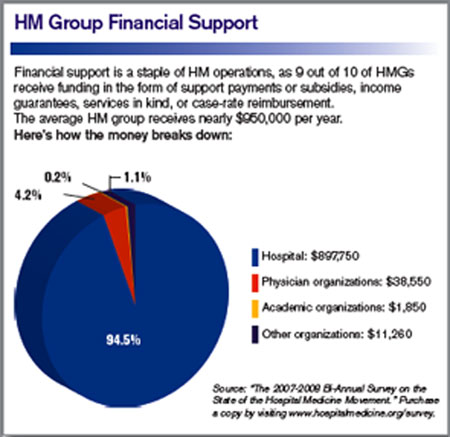
What’s Next
If you’re attending HM09 this year, don’t be surprised if you see someone else in the crowd excitedly typing into an iPhone or BlackBerry. You just might find a new blog post on the session you just attended.
Gone are the old images of a blogger in slippers and pajamas stealthily typing on the computer in the basement. These days, posting at or during an event, on site and in real time, is standard practice for many bloggers. In fact, SHM made a concerted effort to invite the most influential bloggers in the industry to HM09.
And if the person typing away isn’t “live blogging,” he may be “tweeting,” or adding super-short updates to the popular Web site Twitter. For many bloggers, it’s a way of communicating instantaneously with their audiences; once they post a blog article, they “tweet”—or send out—the link to thousands of readers.
SHM has its own Twitter account—@SHMLive—and uses the account to keep interested hospitalists updated on new blog posts, society news, and other HM developments.
“Hospital medicine is constantly evolving,” says Heather Abdel-Salam, SHM’s public relations and marketing coordinator, “and so do our efforts t.o communicate the best practices in the specialty. Blogs, Twitter feeds, and other online outreach are a big part of how we promote hospital medicine and help it grow within the healthcare arena.” TH
Brendon Shank is a freelance writer based in Philadelphia.
When hospitalist Robert Wachter, MD, FHM, started his HM blog almost two years ago, he didn’t anticipate that one of his blog entries would be about pop-music icon Britney Spears. Or that it would become his most popular, attracting nearly double the number of readers as his next-most-popular post.
Dr. Wachter—professor and chief of the division of hospital medicine at the University of California at San Francisco, a former SHM president, and author of the blog “Wachter’s World” (www.wachtersworld.com)—attributes the popularity of that post partly to Spears, but also to the fact it touched on a topic that always sparks interest among hospitalists, other healthcare providers, and hospital executives: the relationship between doctors and nurses in a hospital setting. Dr. Wachter’s most-popular post used Spears’ hospitalization in early 2008 and the controversy surrounding care providers who sneaked a peek at her medical records to make a point about how physicians and nurses often are treated differently in a hospital setting.
—Robert Chang, MD, hospitalist, University of Michigan Medical Center, Ann Arbor
But that was just one story. In the first year alone, Dr. Wachter wrote 76 blog posts, each of which easily exceeded 1,000 words. During the first year of blogging, the average post was read more than 1,800 times and the Web site attracted nearly 140,000 views.
“This has been one of the most gratifying things I’ve done in my career,” Dr. Wachter says. “I’ve published hundreds of articles in journals, but something about this form has an immediacy and connection to the audience that feels very important.”
And he isn’t alone. Blogs and HM have experienced similar growth trajectories in recent years. Now they are coming together to help hospitalists understand the most pressing issues in the specialty and provide the best care to hospitalized patients.
A Blog Primer
Blogs are Web sites that feature regular articles, or “posts.” The topic, length, and regularity of the posts are entirely at the discretion of the author, also known as the blogger. Some blogs are updated dozens of times a day; others, such as Wachter’s World, only feature new posts every week or so, but often with more depth and insight.
Although initially dismissed by many as outlets for trivial information, blogs are now recognized by experts in nearly every field as an important and cost-effective way to spark conversation and take positions on issues of the day.
Compared with more traditional media outlets, the ability to create dialogue is perhaps the most distinctive blog characteristic. Bloggers often invite readers to post or e-mail comments, creating interactivity between author and reader. In addition, many blogs automatically e-mail and distribute new blog posts to subscribers.
The “viral” aspect of blogs is a major contributor to their success. For instance, say Dr. Wachter writes a new blog post at 8:30 in the morning. Shortly thereafter, his readers will receive an automatically generated e-mail from the blog informing readers that Dr. Wachter has posted a new blog entry. When the reader visits the blog and reads the new post, they might think it could be of interest to a colleague, so they forward it to a colleague via e-mail. The colleague not only reads the article, but they also are impressed and post a comment for the rest of the blog’s readers to view.
SHM Blogs Advance the Specialty
The feedback loop of blogs isn’t limited to the on-screen world. That’s the lesson learned by clinical hospitalist Danielle Scheurer, MD, MSCR, SHM’s Web editor and director of General Medical Services at Brigham and Women’s Hospital in Boston.
As the author of SHM’s new clinical practice blog, “Hospital Medicine Quick Hits,” Dr. Scheurer knew the fledgling blog provided a valuable resource to busy clinicians, but she didn’t expect it to get back to her. She recalls that one day, “my blog was quoted to me by one of my house staff, who said, ‘I found this great hospital medicine blog today,’ and he didn’t realize I was the author.”
For the blog, Scheurer scours through 50 of the top medical journals for articles that are relevant to practicing clinical hospitalists. She posts concise overviews of the articles, along with links to the original research.
For hospitalists who have an interest in practice management, SHM offers another new blog, “The Hospitalist Leader.” It shares perspectives and ideas on the day-to-day interactions that hospitalists encounter and how best to administer a hospital practice. Four hospitalist co-authors—Robert Chang, MD, FHM, a hospitalist at the University of Michigan Medical Center in Ann Arbor; Rusty Holman, MD, FHM, chief operating officer of Brentwood, Tenn.-based Cogent Healthcare; John Nelson, MD, FHM, principal in Nelson/Flores Associates, a national hospitalist practice management consulting firm; and Robert Bessler, MD, FHM, a hospitalist with Sound Inpatient Physicians in Tacoma, Wash.—use many of their own experiences in the hospital as raw material for the blog.
Dr. Chang views the blog as another way to move HM forward: “I trust and hope that we can use the blog to help the professional status of our profession, as this ultimately will determine the choices we make, large and small,” he says.
What’s Next
If you’re attending HM09 this year, don’t be surprised if you see someone else in the crowd excitedly typing into an iPhone or BlackBerry. You just might find a new blog post on the session you just attended.
Gone are the old images of a blogger in slippers and pajamas stealthily typing on the computer in the basement. These days, posting at or during an event, on site and in real time, is standard practice for many bloggers. In fact, SHM made a concerted effort to invite the most influential bloggers in the industry to HM09.
And if the person typing away isn’t “live blogging,” he may be “tweeting,” or adding super-short updates to the popular Web site Twitter. For many bloggers, it’s a way of communicating instantaneously with their audiences; once they post a blog article, they “tweet”—or send out—the link to thousands of readers.
SHM has its own Twitter account—@SHMLive—and uses the account to keep interested hospitalists updated on new blog posts, society news, and other HM developments.
“Hospital medicine is constantly evolving,” says Heather Abdel-Salam, SHM’s public relations and marketing coordinator, “and so do our efforts t.o communicate the best practices in the specialty. Blogs, Twitter feeds, and other online outreach are a big part of how we promote hospital medicine and help it grow within the healthcare arena.” TH
Brendon Shank is a freelance writer based in Philadelphia.
When hospitalist Robert Wachter, MD, FHM, started his HM blog almost two years ago, he didn’t anticipate that one of his blog entries would be about pop-music icon Britney Spears. Or that it would become his most popular, attracting nearly double the number of readers as his next-most-popular post.
Dr. Wachter—professor and chief of the division of hospital medicine at the University of California at San Francisco, a former SHM president, and author of the blog “Wachter’s World” (www.wachtersworld.com)—attributes the popularity of that post partly to Spears, but also to the fact it touched on a topic that always sparks interest among hospitalists, other healthcare providers, and hospital executives: the relationship between doctors and nurses in a hospital setting. Dr. Wachter’s most-popular post used Spears’ hospitalization in early 2008 and the controversy surrounding care providers who sneaked a peek at her medical records to make a point about how physicians and nurses often are treated differently in a hospital setting.
—Robert Chang, MD, hospitalist, University of Michigan Medical Center, Ann Arbor
But that was just one story. In the first year alone, Dr. Wachter wrote 76 blog posts, each of which easily exceeded 1,000 words. During the first year of blogging, the average post was read more than 1,800 times and the Web site attracted nearly 140,000 views.
“This has been one of the most gratifying things I’ve done in my career,” Dr. Wachter says. “I’ve published hundreds of articles in journals, but something about this form has an immediacy and connection to the audience that feels very important.”
And he isn’t alone. Blogs and HM have experienced similar growth trajectories in recent years. Now they are coming together to help hospitalists understand the most pressing issues in the specialty and provide the best care to hospitalized patients.
A Blog Primer
Blogs are Web sites that feature regular articles, or “posts.” The topic, length, and regularity of the posts are entirely at the discretion of the author, also known as the blogger. Some blogs are updated dozens of times a day; others, such as Wachter’s World, only feature new posts every week or so, but often with more depth and insight.
Although initially dismissed by many as outlets for trivial information, blogs are now recognized by experts in nearly every field as an important and cost-effective way to spark conversation and take positions on issues of the day.
Compared with more traditional media outlets, the ability to create dialogue is perhaps the most distinctive blog characteristic. Bloggers often invite readers to post or e-mail comments, creating interactivity between author and reader. In addition, many blogs automatically e-mail and distribute new blog posts to subscribers.
The “viral” aspect of blogs is a major contributor to their success. For instance, say Dr. Wachter writes a new blog post at 8:30 in the morning. Shortly thereafter, his readers will receive an automatically generated e-mail from the blog informing readers that Dr. Wachter has posted a new blog entry. When the reader visits the blog and reads the new post, they might think it could be of interest to a colleague, so they forward it to a colleague via e-mail. The colleague not only reads the article, but they also are impressed and post a comment for the rest of the blog’s readers to view.
SHM Blogs Advance the Specialty
The feedback loop of blogs isn’t limited to the on-screen world. That’s the lesson learned by clinical hospitalist Danielle Scheurer, MD, MSCR, SHM’s Web editor and director of General Medical Services at Brigham and Women’s Hospital in Boston.
As the author of SHM’s new clinical practice blog, “Hospital Medicine Quick Hits,” Dr. Scheurer knew the fledgling blog provided a valuable resource to busy clinicians, but she didn’t expect it to get back to her. She recalls that one day, “my blog was quoted to me by one of my house staff, who said, ‘I found this great hospital medicine blog today,’ and he didn’t realize I was the author.”
For the blog, Scheurer scours through 50 of the top medical journals for articles that are relevant to practicing clinical hospitalists. She posts concise overviews of the articles, along with links to the original research.
For hospitalists who have an interest in practice management, SHM offers another new blog, “The Hospitalist Leader.” It shares perspectives and ideas on the day-to-day interactions that hospitalists encounter and how best to administer a hospital practice. Four hospitalist co-authors—Robert Chang, MD, FHM, a hospitalist at the University of Michigan Medical Center in Ann Arbor; Rusty Holman, MD, FHM, chief operating officer of Brentwood, Tenn.-based Cogent Healthcare; John Nelson, MD, FHM, principal in Nelson/Flores Associates, a national hospitalist practice management consulting firm; and Robert Bessler, MD, FHM, a hospitalist with Sound Inpatient Physicians in Tacoma, Wash.—use many of their own experiences in the hospital as raw material for the blog.
Dr. Chang views the blog as another way to move HM forward: “I trust and hope that we can use the blog to help the professional status of our profession, as this ultimately will determine the choices we make, large and small,” he says.
What’s Next
If you’re attending HM09 this year, don’t be surprised if you see someone else in the crowd excitedly typing into an iPhone or BlackBerry. You just might find a new blog post on the session you just attended.
Gone are the old images of a blogger in slippers and pajamas stealthily typing on the computer in the basement. These days, posting at or during an event, on site and in real time, is standard practice for many bloggers. In fact, SHM made a concerted effort to invite the most influential bloggers in the industry to HM09.
And if the person typing away isn’t “live blogging,” he may be “tweeting,” or adding super-short updates to the popular Web site Twitter. For many bloggers, it’s a way of communicating instantaneously with their audiences; once they post a blog article, they “tweet”—or send out—the link to thousands of readers.
SHM has its own Twitter account—@SHMLive—and uses the account to keep interested hospitalists updated on new blog posts, society news, and other HM developments.
“Hospital medicine is constantly evolving,” says Heather Abdel-Salam, SHM’s public relations and marketing coordinator, “and so do our efforts t.o communicate the best practices in the specialty. Blogs, Twitter feeds, and other online outreach are a big part of how we promote hospital medicine and help it grow within the healthcare arena.” TH
Brendon Shank is a freelance writer based in Philadelphia.
SHM New Members
z
z
z
The latest research you need to know
In This Edition
- Perioperative smoking cessation reduces postoperative complications.
- Quality of life is not diminished in heart failure patients receiving defibrillator therapy.
- Simplification of the revised Geneva score may be useful in assessing for pulmonary embolism.
- Non-cardiac surgery after drug eluting stents not associated with major cardiac risk.
- Major cardiac risk is lowest 90 days after bare metal stent percutaneous coronary intervention.
- Extensive cancer screening in unexplained VTE detects more malignancies, but does not affect cancer related mortality.
- Preadmission use of statins decreases after hospitalization mortality in pneumonia.
- Drug-eluting stents are better than bare-metal stents for PCI in acute MI, but additional randomized study is needed.
Does a short duration of perioperative smoking cessation lead to a reduction in postoperative complications?
Background: Prior studies have demonstrated a reduction in postoperative complications when patients stop smoking in the perioperative period. However, they have not clearly shown what effect a fairly short duration of cessation, such as a period of only four weeks, has on the frequency of complications.
Study design: Randomized controlled trial.
Setting: Four university-affiliated hospitals in Sweden.
Synopsis: Using 117 patients who were daily smokers for less than one year between the ages of 18-79 who were scheduled for elective general or orthopedic surgery, this study showed that a smoking-cessation intervention initiated as little as four weeks prior to surgery resulted in fewer postoperative complications. The complication rate was reduced from 41% in the control group to 21% in the intervention group, which received cessation counseling and nicotine-replacement therapy. The relative risk reduction was 49% (95% confidence interval, 3-40) with a number needed to treat of five.
Because this was a randomized controlled trial with a large observed benefit, it appears to be reasonable to endorse perioperative smoking cessation as late as four weeks before an elective surgery. The study was limited in its ability to detect a difference in wound infections by the small sample size and the possibility patients might have unblinded themselves to outcome assessors, causing an overestimation of the effect of the intervention on the primary outcome of all complications.
Bottom line: Perioperative smoking cessation reduces postoperative complications even when started just four weeks prior to surgery.
Citation: Lindstrom D, Azodi OS, Wladis A, et al. Effects of a perioperative smoking cessation intervention on postoperative complications. Ann Surg. 2008;248(5):739-745.
Does implantable-defibrillator therapy cause deterioration in quality of life for patients with heart failure?
Background: Patients with depressed left-ventricular function are known to have improved survival after receiving implantable cardioverter defibrillators (ICDs). However, there is concern ICD therapy can prolong survival at the expense of a diminished quality of life.
Study design: Randomized placebo-controlled trial.
Setting: Multiple centers in the U.S., Canada, and New Zealand.
Synopsis: Using 2,479 patients from the Sudden Cardiac Death in Heart Failure trial who were 18 and older and had stable heart failure and depressed left-ventricular function, this study demonstrated no significant quality-of-life difference at 30 months when compared with patients who received ICD, amiodarone, and state-of-the-art medical therapy or an amiodarone placebo and state-of-the-art medical therapy. While functional status did not differ at any time between the three groups, psychological well-being was improved in the ICD group at three months (p=0.01) and 12 months (p=0.03) when compared with the placebo group, but at 30 months there was no difference between the groups.
While the trial was randomized and placebo-controlled, the investigators were unable to blind patients or outcome assessors. Nevertheless, the lack of deterioration of quality of life in ICD patients is reassuring.
Bottom line: Placement of ICDs in heart failure patients with a high risk of sudden cardiac death does not appear to decrease quality of life.
Citation: Mark DB, Anstrom KJ, Sun JL, et al. Quality of life with defibrillator therapy or amiodarone in heart failure. N Engl J Med. 2008;359:999-1008.
Can a simplified, revised Geneva score retain diagnostic accuracy and clinical utility?
Background: The revised Geneva score is a validated and objective clinical decision rule, but has multiple variables with different weights. This can make the tool cumbersome and difficult to remember, and could lead to inaccurate calculations and misjudgments in patient care.
Study design: Retrospective cohort study.
Setting: Four university-affiliated European hospitals.
Synopsis: Using data from two prior prospective trials involving patients with suspected pulmonary embolism (PE), this study showed re-analysis of these patients with a simplified, revised Geneva score, which gives only one point to each clinical factor, resulted in the same level of diagnostic accuracy. Specifically, data from 1,049 patients was used to construct a receiver-operating characteristic curve analysis comparing the standardized and simplified Geneva score, which showed areas under the curve of 0.75 (95% confidence interval 0.71-0.78) and 0.74 (0.70-0.77), respectively. Additionally, the safety of using this clinical tool to rule out PE was demonstrated when using both a three-level (low-intermediate probability) and a dichotomized scheme (PE unlikely) in combination with a negative D-dimer test.
The retrospective nature of the study was its major limitation. The authors suggest a prospective study to complete validation of the simplified, revised Geneva score.
Bottom line: With prospective analysis, it might be possible to further validate a simplified, revised Geneva score.
Citation: Klok FA, Mos ICM, Nijkeuter M, et al. Simplification of the revised Geneva score for assessing clinical probability of pulmonary embolism. Arch Intern Med. 2008;168(19):2131-2136.
Is the rate of postoperative major adverse cardiac events (MACEs) inversely related to time after percutaneous coronary intervention (PCI) with a drug-eluting stent (DES)?
Background: The American College of Cardiology and the American Heart Association recently released an advisory that included a recommendation to delay elective noncardiac surgery (NCS) for one year after DES placement. However, no large study addresses the timing of NCS after PCI with DES.
Study design: Retrospective observational study.
Setting: Mayo Clinic, Rochester, Minn.
Synopsis: Looking at 520 patients who had NCS after DES at the Mayo Clinic, 5.4% experienced MACEs, but the rate of MACEs was not significantly associated with the time after stent placement to surgery (p=0.337). However, observed rates of MACEs were lower after one year. Elderly patients and those going for emergent surgery are at the highest risk for MACE. Bleeding complications were not associated with antiplatelet use.
Although this study does not provide a clear cutoff time for when it is safe to proceed to NCS after DES, it is somewhat reassuring to see the relatively small number of MACEs and the lack of bleeding complications associated with antiplatelet use. However, careful coordination between hospitalists, cardiologists, anesthesiologists, and surgeons is still needed when coordinating NCS after DES, especially in the elderly or during emergent situations.
Bottom line: While time to noncardiac surgery after drug-eluting stent placement is not associated with major adverse cardiac events, observed rates of events are lower after one year.
Citation: Rabbitts JA, Nuttall GA, Brown MJ, et al. Cardiac risk of non-cardiac surgery after percutaneous coronary intervention with drug-eluting stents. Anesthesiology.2008;109: 596-604.
Is the risk of MACEs and bleeding events for patients undergoing NCS related to the time interval between PCI with bare-metal stent?
Background: In order to prevent thrombosis of bare-metal stents (BMS) placed during percutaneous coronary intervention (PCI), antiplatelet therapy is used. This poses a risk of bleeding, if surgery is needed during the antiplatelet therapy. The American College of Cardiology and the American Heart Association recommends delaying NCS for at least six weeks after PCI with BMS.
Study design: Retrospective observational study.
Setting: Mayo Clinic, Rochester, Minn.
Synopsis: Looking at 899 patients who had NCS within one year of PCI with BMS at the Mayo Clinic between Jan. 1, 1990, and Jan. 1, 2005, this study found that when NCS was done 30 days or less after PCI with BMS, the MACEs rate was 10.5%, compared with 2.8% when NCS was done 91 or more days after PCI with BMS. After a multivariable analysis, it also was shown bleeding events were not associated with time between PCI with BMS and NCS.
While the American College of Cardiology and the American Heart Association recommends delaying NCS for at least six weeks after PCI with BMS, waiting at least 90 days would permit completion of antiplatelet therapy and re-endothelialization of the stent.
Bottom line: The risk of MACEs with noncardiac surgery is lowest when performed at least 90 days after PCI with bare-metal stent.
Citation: Nuttall GA, Brown MJ, Stombaugh JW, et al. Time and cardiac risk of surgery after bare-metal stent, percutaneous coronary intervention. Anesthesiology. 2008;109: 588-595.
Should we screen extensively for cancer in patients with newly diagnosed venous thromboembolism (VTE)?
Background: It is well known VTE can be the first manifestation of previously undiagnosed cancer. Retrospective studies have suggested “limited” cancer screening, including a history and physical examination, along with basic blood work, adequately identifies malignancy in patients with unexplained VTE. However, more recent prospective studies have suggested more extensive screening, which includes imaging studies or tumor-marker measurement, can increase the rate of cancer detection.
Study design: Systematic review.
Setting: Literature search using MEDLINE, EMBASE, the Cochrane Register of Controlled Trials, and evidence-based medicine reviews.
Synopsis: Thirty-six studies of 9,516 patients with VTE reported the period prevalence of previously undiagnosed cancer from baseline to 12 months was 6.3% (95% confidence interval (CI) of 5.6% to 6.9%) in all patients with VTE, and was even higher in patients with unprovoked VTE, 10% (95% CI 8.6% to 11.3%). Of the 34 articles used for prevalence assessment, an extensive screening strategy using CT scans of the abdomen and pelvis increased the proportion of previously undiagnosed cancer detection from 49.4% (CI, 40.2% to 58.5%; limited screening) to 69.7% (CI, 61.1% to 77.8%) in patients with unprovoked VTE. Ultrasonography of the abdomen and pelvis and tumor-marker screening did not result in a clinically significant increase in the frequency of cancer detection.
Four studies compared the rate of detection of early-stage, previously undiagnosed cancer between the limited and extensive screening strategies. Extensive screening led to an absolute decrease in cancer-related mortality of 1.9%, but this difference was not statistically significant.
In this systematic review, there is a great deal of heterogeneity in the studies. Most of the studies did not look at whether an increase in detection of new malignant conditions resulted in a change in the detection rate of early-stage cancer, or a decrease in cancer-related morbidity, cancer-related mortality, or overall mortality. Furthermore, the studies did not assess the consequences of extensive screening, such as patient anxiety and discomfort, testing complications, burden of additional tests for false-positive results, or cost-effectiveness. However, it is important for hospitalists to recognize undiagnosed cancer is common in unexplained VTE and warrants at least a limited-screening approach with more extensive screening.
Bottom line: Although the prevalence of undiagnosed cancer is common in VTE, extensive screening did not offer a cancer-related mortality benefit. CT of the abdomen and pelvis did, however, lead to a greater number of cancer diagnoses in patients with unexplained VTE.
Citation: Carrier M, Le Gal G, Wells PS, Fergusson D, Ramsay T, Rodger MA. Systematic review: the Trousseau syndrome revisited: should we screen extensively for cancer in patients with venous thromboembolism? Ann Intern Med. 2008;149: 323-333.
Does the use of preadmission statins decrease the risk of death, bacteremia, and pulmonary complications in patients admitted with pneumonia?
Background: Both experimental and clinical studies have suggested statins improve outcomes in severe infections, such as sepsis. This is thought to be due to the antithrombotic, anti-inflammatory, and immunomodulatory effects of statins. However, previous studies on the effect of statins on pneumonia have conflicting outcomes.
Study design: Population-based cohort study of 29,900 patients.
Setting: Danish Health Registry.
Synopsis: Researchers studied patients ages 15 years and older hospitalized with pneumonia for the first time between January 1997 and December 2004. While statin users had more co-morbidities than nonusers, the 30-day mortality was 10.3% in users, compared with 15.7% in nonusers, corresponding to an adjusted 30-day mortality rate ratio of 0.69 (95% CI of 0.58-0.82). The 90-day mortality ratio was 16.8% in users, compared with 22.4% in nonusers, corresponding to an adjusted 90-day mortality ratio of 0.75 (95% CI of 0.65-0.86). Former use of statins was not associated with a decreased risk of death. The adjusted risk for bacteremia and pulmonary complications was not significantly different between nonusers and users.
Because this was an observational study, a causal relationship cannot be determined. Hospitalists should be alerted to the possibility statins might, in the future, prove to be a standard treatment modality in pneumonia. A randomized, double-blind trial might help further determine the effect of the acute use of statins on pneumonia outcomes.
Bottom line: Preadmission statin use is associated with a decrease in 30- and 90-day mortality in pneumonia.
Citation: Thomsen RW, Riis A, Kornum JB, Christensen S, Johnsen SP, Sorensen HT. Preadmission use of statins and outcomes after hospitalization with pneumonia. Arch Intern Med. 2008;168(19):2081-2087.
Do outcomes differ when patients with acute myocardial infarction (MI) undergo PCI with drug-eluting stents (DES) compared with bare-metal stents?
Background: Randomized trials comparing drug-eluting stents with bare-metal stents in acute MI have been limited in size and duration. Concern exists regarding higher mortality among patients with ST-elevation MI treated with DES.
Study design: Observational, cohort study.
Setting: Patients were identified from a state-mandated database, in which all PCI performed in Massachusetts are reported.
Synopsis: Between April 2003 and September 2004, 7,217 eligible patients underwent stenting for acute MI. They were assigned to either the DES group or the bare-metal stent (BMS) group using propensity score matching. Patients in the DES group had lower mortality at two years, compared to a matched cohort of patients in the BMS group with MI (10.7% vs. 12.8%; absolute risk difference, -2.1%, CI, -3.8% to -0.4%). A statistically significant difference was noted among patients with or without ST-elevation MI.
The rates of target vessel revascularization at two years with MI were significantly lower among patients receiving DES than among those receiving BMS (9.6% vs. 14.5%; risk difference, -4.9%; CI, -6.1% to -3.1%).
The study is limited by its observational nature and residual confounding bias after matching. Importantly, this study was performed to determine if DESs were harmful, and the finding of reduced mortality was unanticipated.
Bottom line: Although patients with acute MI treated with drug-eluting stents had lower mortality and repeat revascularization rates compared with bare-metal stents, this outcome merits confirmation in randomized trials.
Citation: Mauri L, Silbaugh TS, Garg P, et al. Drug-eluting or bare-metal stents for acute myocardial infarction. N Engl J Med. 2008;359 (13):1330-1342.
In This Edition
- Perioperative smoking cessation reduces postoperative complications.
- Quality of life is not diminished in heart failure patients receiving defibrillator therapy.
- Simplification of the revised Geneva score may be useful in assessing for pulmonary embolism.
- Non-cardiac surgery after drug eluting stents not associated with major cardiac risk.
- Major cardiac risk is lowest 90 days after bare metal stent percutaneous coronary intervention.
- Extensive cancer screening in unexplained VTE detects more malignancies, but does not affect cancer related mortality.
- Preadmission use of statins decreases after hospitalization mortality in pneumonia.
- Drug-eluting stents are better than bare-metal stents for PCI in acute MI, but additional randomized study is needed.
Does a short duration of perioperative smoking cessation lead to a reduction in postoperative complications?
Background: Prior studies have demonstrated a reduction in postoperative complications when patients stop smoking in the perioperative period. However, they have not clearly shown what effect a fairly short duration of cessation, such as a period of only four weeks, has on the frequency of complications.
Study design: Randomized controlled trial.
Setting: Four university-affiliated hospitals in Sweden.
Synopsis: Using 117 patients who were daily smokers for less than one year between the ages of 18-79 who were scheduled for elective general or orthopedic surgery, this study showed that a smoking-cessation intervention initiated as little as four weeks prior to surgery resulted in fewer postoperative complications. The complication rate was reduced from 41% in the control group to 21% in the intervention group, which received cessation counseling and nicotine-replacement therapy. The relative risk reduction was 49% (95% confidence interval, 3-40) with a number needed to treat of five.
Because this was a randomized controlled trial with a large observed benefit, it appears to be reasonable to endorse perioperative smoking cessation as late as four weeks before an elective surgery. The study was limited in its ability to detect a difference in wound infections by the small sample size and the possibility patients might have unblinded themselves to outcome assessors, causing an overestimation of the effect of the intervention on the primary outcome of all complications.
Bottom line: Perioperative smoking cessation reduces postoperative complications even when started just four weeks prior to surgery.
Citation: Lindstrom D, Azodi OS, Wladis A, et al. Effects of a perioperative smoking cessation intervention on postoperative complications. Ann Surg. 2008;248(5):739-745.
Does implantable-defibrillator therapy cause deterioration in quality of life for patients with heart failure?
Background: Patients with depressed left-ventricular function are known to have improved survival after receiving implantable cardioverter defibrillators (ICDs). However, there is concern ICD therapy can prolong survival at the expense of a diminished quality of life.
Study design: Randomized placebo-controlled trial.
Setting: Multiple centers in the U.S., Canada, and New Zealand.
Synopsis: Using 2,479 patients from the Sudden Cardiac Death in Heart Failure trial who were 18 and older and had stable heart failure and depressed left-ventricular function, this study demonstrated no significant quality-of-life difference at 30 months when compared with patients who received ICD, amiodarone, and state-of-the-art medical therapy or an amiodarone placebo and state-of-the-art medical therapy. While functional status did not differ at any time between the three groups, psychological well-being was improved in the ICD group at three months (p=0.01) and 12 months (p=0.03) when compared with the placebo group, but at 30 months there was no difference between the groups.
While the trial was randomized and placebo-controlled, the investigators were unable to blind patients or outcome assessors. Nevertheless, the lack of deterioration of quality of life in ICD patients is reassuring.
Bottom line: Placement of ICDs in heart failure patients with a high risk of sudden cardiac death does not appear to decrease quality of life.
Citation: Mark DB, Anstrom KJ, Sun JL, et al. Quality of life with defibrillator therapy or amiodarone in heart failure. N Engl J Med. 2008;359:999-1008.
Can a simplified, revised Geneva score retain diagnostic accuracy and clinical utility?
Background: The revised Geneva score is a validated and objective clinical decision rule, but has multiple variables with different weights. This can make the tool cumbersome and difficult to remember, and could lead to inaccurate calculations and misjudgments in patient care.
Study design: Retrospective cohort study.
Setting: Four university-affiliated European hospitals.
Synopsis: Using data from two prior prospective trials involving patients with suspected pulmonary embolism (PE), this study showed re-analysis of these patients with a simplified, revised Geneva score, which gives only one point to each clinical factor, resulted in the same level of diagnostic accuracy. Specifically, data from 1,049 patients was used to construct a receiver-operating characteristic curve analysis comparing the standardized and simplified Geneva score, which showed areas under the curve of 0.75 (95% confidence interval 0.71-0.78) and 0.74 (0.70-0.77), respectively. Additionally, the safety of using this clinical tool to rule out PE was demonstrated when using both a three-level (low-intermediate probability) and a dichotomized scheme (PE unlikely) in combination with a negative D-dimer test.
The retrospective nature of the study was its major limitation. The authors suggest a prospective study to complete validation of the simplified, revised Geneva score.
Bottom line: With prospective analysis, it might be possible to further validate a simplified, revised Geneva score.
Citation: Klok FA, Mos ICM, Nijkeuter M, et al. Simplification of the revised Geneva score for assessing clinical probability of pulmonary embolism. Arch Intern Med. 2008;168(19):2131-2136.
Is the rate of postoperative major adverse cardiac events (MACEs) inversely related to time after percutaneous coronary intervention (PCI) with a drug-eluting stent (DES)?
Background: The American College of Cardiology and the American Heart Association recently released an advisory that included a recommendation to delay elective noncardiac surgery (NCS) for one year after DES placement. However, no large study addresses the timing of NCS after PCI with DES.
Study design: Retrospective observational study.
Setting: Mayo Clinic, Rochester, Minn.
Synopsis: Looking at 520 patients who had NCS after DES at the Mayo Clinic, 5.4% experienced MACEs, but the rate of MACEs was not significantly associated with the time after stent placement to surgery (p=0.337). However, observed rates of MACEs were lower after one year. Elderly patients and those going for emergent surgery are at the highest risk for MACE. Bleeding complications were not associated with antiplatelet use.
Although this study does not provide a clear cutoff time for when it is safe to proceed to NCS after DES, it is somewhat reassuring to see the relatively small number of MACEs and the lack of bleeding complications associated with antiplatelet use. However, careful coordination between hospitalists, cardiologists, anesthesiologists, and surgeons is still needed when coordinating NCS after DES, especially in the elderly or during emergent situations.
Bottom line: While time to noncardiac surgery after drug-eluting stent placement is not associated with major adverse cardiac events, observed rates of events are lower after one year.
Citation: Rabbitts JA, Nuttall GA, Brown MJ, et al. Cardiac risk of non-cardiac surgery after percutaneous coronary intervention with drug-eluting stents. Anesthesiology.2008;109: 596-604.
Is the risk of MACEs and bleeding events for patients undergoing NCS related to the time interval between PCI with bare-metal stent?
Background: In order to prevent thrombosis of bare-metal stents (BMS) placed during percutaneous coronary intervention (PCI), antiplatelet therapy is used. This poses a risk of bleeding, if surgery is needed during the antiplatelet therapy. The American College of Cardiology and the American Heart Association recommends delaying NCS for at least six weeks after PCI with BMS.
Study design: Retrospective observational study.
Setting: Mayo Clinic, Rochester, Minn.
Synopsis: Looking at 899 patients who had NCS within one year of PCI with BMS at the Mayo Clinic between Jan. 1, 1990, and Jan. 1, 2005, this study found that when NCS was done 30 days or less after PCI with BMS, the MACEs rate was 10.5%, compared with 2.8% when NCS was done 91 or more days after PCI with BMS. After a multivariable analysis, it also was shown bleeding events were not associated with time between PCI with BMS and NCS.
While the American College of Cardiology and the American Heart Association recommends delaying NCS for at least six weeks after PCI with BMS, waiting at least 90 days would permit completion of antiplatelet therapy and re-endothelialization of the stent.
Bottom line: The risk of MACEs with noncardiac surgery is lowest when performed at least 90 days after PCI with bare-metal stent.
Citation: Nuttall GA, Brown MJ, Stombaugh JW, et al. Time and cardiac risk of surgery after bare-metal stent, percutaneous coronary intervention. Anesthesiology. 2008;109: 588-595.
Should we screen extensively for cancer in patients with newly diagnosed venous thromboembolism (VTE)?
Background: It is well known VTE can be the first manifestation of previously undiagnosed cancer. Retrospective studies have suggested “limited” cancer screening, including a history and physical examination, along with basic blood work, adequately identifies malignancy in patients with unexplained VTE. However, more recent prospective studies have suggested more extensive screening, which includes imaging studies or tumor-marker measurement, can increase the rate of cancer detection.
Study design: Systematic review.
Setting: Literature search using MEDLINE, EMBASE, the Cochrane Register of Controlled Trials, and evidence-based medicine reviews.
Synopsis: Thirty-six studies of 9,516 patients with VTE reported the period prevalence of previously undiagnosed cancer from baseline to 12 months was 6.3% (95% confidence interval (CI) of 5.6% to 6.9%) in all patients with VTE, and was even higher in patients with unprovoked VTE, 10% (95% CI 8.6% to 11.3%). Of the 34 articles used for prevalence assessment, an extensive screening strategy using CT scans of the abdomen and pelvis increased the proportion of previously undiagnosed cancer detection from 49.4% (CI, 40.2% to 58.5%; limited screening) to 69.7% (CI, 61.1% to 77.8%) in patients with unprovoked VTE. Ultrasonography of the abdomen and pelvis and tumor-marker screening did not result in a clinically significant increase in the frequency of cancer detection.
Four studies compared the rate of detection of early-stage, previously undiagnosed cancer between the limited and extensive screening strategies. Extensive screening led to an absolute decrease in cancer-related mortality of 1.9%, but this difference was not statistically significant.
In this systematic review, there is a great deal of heterogeneity in the studies. Most of the studies did not look at whether an increase in detection of new malignant conditions resulted in a change in the detection rate of early-stage cancer, or a decrease in cancer-related morbidity, cancer-related mortality, or overall mortality. Furthermore, the studies did not assess the consequences of extensive screening, such as patient anxiety and discomfort, testing complications, burden of additional tests for false-positive results, or cost-effectiveness. However, it is important for hospitalists to recognize undiagnosed cancer is common in unexplained VTE and warrants at least a limited-screening approach with more extensive screening.
Bottom line: Although the prevalence of undiagnosed cancer is common in VTE, extensive screening did not offer a cancer-related mortality benefit. CT of the abdomen and pelvis did, however, lead to a greater number of cancer diagnoses in patients with unexplained VTE.
Citation: Carrier M, Le Gal G, Wells PS, Fergusson D, Ramsay T, Rodger MA. Systematic review: the Trousseau syndrome revisited: should we screen extensively for cancer in patients with venous thromboembolism? Ann Intern Med. 2008;149: 323-333.
Does the use of preadmission statins decrease the risk of death, bacteremia, and pulmonary complications in patients admitted with pneumonia?
Background: Both experimental and clinical studies have suggested statins improve outcomes in severe infections, such as sepsis. This is thought to be due to the antithrombotic, anti-inflammatory, and immunomodulatory effects of statins. However, previous studies on the effect of statins on pneumonia have conflicting outcomes.
Study design: Population-based cohort study of 29,900 patients.
Setting: Danish Health Registry.
Synopsis: Researchers studied patients ages 15 years and older hospitalized with pneumonia for the first time between January 1997 and December 2004. While statin users had more co-morbidities than nonusers, the 30-day mortality was 10.3% in users, compared with 15.7% in nonusers, corresponding to an adjusted 30-day mortality rate ratio of 0.69 (95% CI of 0.58-0.82). The 90-day mortality ratio was 16.8% in users, compared with 22.4% in nonusers, corresponding to an adjusted 90-day mortality ratio of 0.75 (95% CI of 0.65-0.86). Former use of statins was not associated with a decreased risk of death. The adjusted risk for bacteremia and pulmonary complications was not significantly different between nonusers and users.
Because this was an observational study, a causal relationship cannot be determined. Hospitalists should be alerted to the possibility statins might, in the future, prove to be a standard treatment modality in pneumonia. A randomized, double-blind trial might help further determine the effect of the acute use of statins on pneumonia outcomes.
Bottom line: Preadmission statin use is associated with a decrease in 30- and 90-day mortality in pneumonia.
Citation: Thomsen RW, Riis A, Kornum JB, Christensen S, Johnsen SP, Sorensen HT. Preadmission use of statins and outcomes after hospitalization with pneumonia. Arch Intern Med. 2008;168(19):2081-2087.
Do outcomes differ when patients with acute myocardial infarction (MI) undergo PCI with drug-eluting stents (DES) compared with bare-metal stents?
Background: Randomized trials comparing drug-eluting stents with bare-metal stents in acute MI have been limited in size and duration. Concern exists regarding higher mortality among patients with ST-elevation MI treated with DES.
Study design: Observational, cohort study.
Setting: Patients were identified from a state-mandated database, in which all PCI performed in Massachusetts are reported.
Synopsis: Between April 2003 and September 2004, 7,217 eligible patients underwent stenting for acute MI. They were assigned to either the DES group or the bare-metal stent (BMS) group using propensity score matching. Patients in the DES group had lower mortality at two years, compared to a matched cohort of patients in the BMS group with MI (10.7% vs. 12.8%; absolute risk difference, -2.1%, CI, -3.8% to -0.4%). A statistically significant difference was noted among patients with or without ST-elevation MI.
The rates of target vessel revascularization at two years with MI were significantly lower among patients receiving DES than among those receiving BMS (9.6% vs. 14.5%; risk difference, -4.9%; CI, -6.1% to -3.1%).
The study is limited by its observational nature and residual confounding bias after matching. Importantly, this study was performed to determine if DESs were harmful, and the finding of reduced mortality was unanticipated.
Bottom line: Although patients with acute MI treated with drug-eluting stents had lower mortality and repeat revascularization rates compared with bare-metal stents, this outcome merits confirmation in randomized trials.
Citation: Mauri L, Silbaugh TS, Garg P, et al. Drug-eluting or bare-metal stents for acute myocardial infarction. N Engl J Med. 2008;359 (13):1330-1342.
In This Edition
- Perioperative smoking cessation reduces postoperative complications.
- Quality of life is not diminished in heart failure patients receiving defibrillator therapy.
- Simplification of the revised Geneva score may be useful in assessing for pulmonary embolism.
- Non-cardiac surgery after drug eluting stents not associated with major cardiac risk.
- Major cardiac risk is lowest 90 days after bare metal stent percutaneous coronary intervention.
- Extensive cancer screening in unexplained VTE detects more malignancies, but does not affect cancer related mortality.
- Preadmission use of statins decreases after hospitalization mortality in pneumonia.
- Drug-eluting stents are better than bare-metal stents for PCI in acute MI, but additional randomized study is needed.
Does a short duration of perioperative smoking cessation lead to a reduction in postoperative complications?
Background: Prior studies have demonstrated a reduction in postoperative complications when patients stop smoking in the perioperative period. However, they have not clearly shown what effect a fairly short duration of cessation, such as a period of only four weeks, has on the frequency of complications.
Study design: Randomized controlled trial.
Setting: Four university-affiliated hospitals in Sweden.
Synopsis: Using 117 patients who were daily smokers for less than one year between the ages of 18-79 who were scheduled for elective general or orthopedic surgery, this study showed that a smoking-cessation intervention initiated as little as four weeks prior to surgery resulted in fewer postoperative complications. The complication rate was reduced from 41% in the control group to 21% in the intervention group, which received cessation counseling and nicotine-replacement therapy. The relative risk reduction was 49% (95% confidence interval, 3-40) with a number needed to treat of five.
Because this was a randomized controlled trial with a large observed benefit, it appears to be reasonable to endorse perioperative smoking cessation as late as four weeks before an elective surgery. The study was limited in its ability to detect a difference in wound infections by the small sample size and the possibility patients might have unblinded themselves to outcome assessors, causing an overestimation of the effect of the intervention on the primary outcome of all complications.
Bottom line: Perioperative smoking cessation reduces postoperative complications even when started just four weeks prior to surgery.
Citation: Lindstrom D, Azodi OS, Wladis A, et al. Effects of a perioperative smoking cessation intervention on postoperative complications. Ann Surg. 2008;248(5):739-745.
Does implantable-defibrillator therapy cause deterioration in quality of life for patients with heart failure?
Background: Patients with depressed left-ventricular function are known to have improved survival after receiving implantable cardioverter defibrillators (ICDs). However, there is concern ICD therapy can prolong survival at the expense of a diminished quality of life.
Study design: Randomized placebo-controlled trial.
Setting: Multiple centers in the U.S., Canada, and New Zealand.
Synopsis: Using 2,479 patients from the Sudden Cardiac Death in Heart Failure trial who were 18 and older and had stable heart failure and depressed left-ventricular function, this study demonstrated no significant quality-of-life difference at 30 months when compared with patients who received ICD, amiodarone, and state-of-the-art medical therapy or an amiodarone placebo and state-of-the-art medical therapy. While functional status did not differ at any time between the three groups, psychological well-being was improved in the ICD group at three months (p=0.01) and 12 months (p=0.03) when compared with the placebo group, but at 30 months there was no difference between the groups.
While the trial was randomized and placebo-controlled, the investigators were unable to blind patients or outcome assessors. Nevertheless, the lack of deterioration of quality of life in ICD patients is reassuring.
Bottom line: Placement of ICDs in heart failure patients with a high risk of sudden cardiac death does not appear to decrease quality of life.
Citation: Mark DB, Anstrom KJ, Sun JL, et al. Quality of life with defibrillator therapy or amiodarone in heart failure. N Engl J Med. 2008;359:999-1008.
Can a simplified, revised Geneva score retain diagnostic accuracy and clinical utility?
Background: The revised Geneva score is a validated and objective clinical decision rule, but has multiple variables with different weights. This can make the tool cumbersome and difficult to remember, and could lead to inaccurate calculations and misjudgments in patient care.
Study design: Retrospective cohort study.
Setting: Four university-affiliated European hospitals.
Synopsis: Using data from two prior prospective trials involving patients with suspected pulmonary embolism (PE), this study showed re-analysis of these patients with a simplified, revised Geneva score, which gives only one point to each clinical factor, resulted in the same level of diagnostic accuracy. Specifically, data from 1,049 patients was used to construct a receiver-operating characteristic curve analysis comparing the standardized and simplified Geneva score, which showed areas under the curve of 0.75 (95% confidence interval 0.71-0.78) and 0.74 (0.70-0.77), respectively. Additionally, the safety of using this clinical tool to rule out PE was demonstrated when using both a three-level (low-intermediate probability) and a dichotomized scheme (PE unlikely) in combination with a negative D-dimer test.
The retrospective nature of the study was its major limitation. The authors suggest a prospective study to complete validation of the simplified, revised Geneva score.
Bottom line: With prospective analysis, it might be possible to further validate a simplified, revised Geneva score.
Citation: Klok FA, Mos ICM, Nijkeuter M, et al. Simplification of the revised Geneva score for assessing clinical probability of pulmonary embolism. Arch Intern Med. 2008;168(19):2131-2136.
Is the rate of postoperative major adverse cardiac events (MACEs) inversely related to time after percutaneous coronary intervention (PCI) with a drug-eluting stent (DES)?
Background: The American College of Cardiology and the American Heart Association recently released an advisory that included a recommendation to delay elective noncardiac surgery (NCS) for one year after DES placement. However, no large study addresses the timing of NCS after PCI with DES.
Study design: Retrospective observational study.
Setting: Mayo Clinic, Rochester, Minn.
Synopsis: Looking at 520 patients who had NCS after DES at the Mayo Clinic, 5.4% experienced MACEs, but the rate of MACEs was not significantly associated with the time after stent placement to surgery (p=0.337). However, observed rates of MACEs were lower after one year. Elderly patients and those going for emergent surgery are at the highest risk for MACE. Bleeding complications were not associated with antiplatelet use.
Although this study does not provide a clear cutoff time for when it is safe to proceed to NCS after DES, it is somewhat reassuring to see the relatively small number of MACEs and the lack of bleeding complications associated with antiplatelet use. However, careful coordination between hospitalists, cardiologists, anesthesiologists, and surgeons is still needed when coordinating NCS after DES, especially in the elderly or during emergent situations.
Bottom line: While time to noncardiac surgery after drug-eluting stent placement is not associated with major adverse cardiac events, observed rates of events are lower after one year.
Citation: Rabbitts JA, Nuttall GA, Brown MJ, et al. Cardiac risk of non-cardiac surgery after percutaneous coronary intervention with drug-eluting stents. Anesthesiology.2008;109: 596-604.
Is the risk of MACEs and bleeding events for patients undergoing NCS related to the time interval between PCI with bare-metal stent?
Background: In order to prevent thrombosis of bare-metal stents (BMS) placed during percutaneous coronary intervention (PCI), antiplatelet therapy is used. This poses a risk of bleeding, if surgery is needed during the antiplatelet therapy. The American College of Cardiology and the American Heart Association recommends delaying NCS for at least six weeks after PCI with BMS.
Study design: Retrospective observational study.
Setting: Mayo Clinic, Rochester, Minn.
Synopsis: Looking at 899 patients who had NCS within one year of PCI with BMS at the Mayo Clinic between Jan. 1, 1990, and Jan. 1, 2005, this study found that when NCS was done 30 days or less after PCI with BMS, the MACEs rate was 10.5%, compared with 2.8% when NCS was done 91 or more days after PCI with BMS. After a multivariable analysis, it also was shown bleeding events were not associated with time between PCI with BMS and NCS.
While the American College of Cardiology and the American Heart Association recommends delaying NCS for at least six weeks after PCI with BMS, waiting at least 90 days would permit completion of antiplatelet therapy and re-endothelialization of the stent.
Bottom line: The risk of MACEs with noncardiac surgery is lowest when performed at least 90 days after PCI with bare-metal stent.
Citation: Nuttall GA, Brown MJ, Stombaugh JW, et al. Time and cardiac risk of surgery after bare-metal stent, percutaneous coronary intervention. Anesthesiology. 2008;109: 588-595.
Should we screen extensively for cancer in patients with newly diagnosed venous thromboembolism (VTE)?
Background: It is well known VTE can be the first manifestation of previously undiagnosed cancer. Retrospective studies have suggested “limited” cancer screening, including a history and physical examination, along with basic blood work, adequately identifies malignancy in patients with unexplained VTE. However, more recent prospective studies have suggested more extensive screening, which includes imaging studies or tumor-marker measurement, can increase the rate of cancer detection.
Study design: Systematic review.
Setting: Literature search using MEDLINE, EMBASE, the Cochrane Register of Controlled Trials, and evidence-based medicine reviews.
Synopsis: Thirty-six studies of 9,516 patients with VTE reported the period prevalence of previously undiagnosed cancer from baseline to 12 months was 6.3% (95% confidence interval (CI) of 5.6% to 6.9%) in all patients with VTE, and was even higher in patients with unprovoked VTE, 10% (95% CI 8.6% to 11.3%). Of the 34 articles used for prevalence assessment, an extensive screening strategy using CT scans of the abdomen and pelvis increased the proportion of previously undiagnosed cancer detection from 49.4% (CI, 40.2% to 58.5%; limited screening) to 69.7% (CI, 61.1% to 77.8%) in patients with unprovoked VTE. Ultrasonography of the abdomen and pelvis and tumor-marker screening did not result in a clinically significant increase in the frequency of cancer detection.
Four studies compared the rate of detection of early-stage, previously undiagnosed cancer between the limited and extensive screening strategies. Extensive screening led to an absolute decrease in cancer-related mortality of 1.9%, but this difference was not statistically significant.
In this systematic review, there is a great deal of heterogeneity in the studies. Most of the studies did not look at whether an increase in detection of new malignant conditions resulted in a change in the detection rate of early-stage cancer, or a decrease in cancer-related morbidity, cancer-related mortality, or overall mortality. Furthermore, the studies did not assess the consequences of extensive screening, such as patient anxiety and discomfort, testing complications, burden of additional tests for false-positive results, or cost-effectiveness. However, it is important for hospitalists to recognize undiagnosed cancer is common in unexplained VTE and warrants at least a limited-screening approach with more extensive screening.
Bottom line: Although the prevalence of undiagnosed cancer is common in VTE, extensive screening did not offer a cancer-related mortality benefit. CT of the abdomen and pelvis did, however, lead to a greater number of cancer diagnoses in patients with unexplained VTE.
Citation: Carrier M, Le Gal G, Wells PS, Fergusson D, Ramsay T, Rodger MA. Systematic review: the Trousseau syndrome revisited: should we screen extensively for cancer in patients with venous thromboembolism? Ann Intern Med. 2008;149: 323-333.
Does the use of preadmission statins decrease the risk of death, bacteremia, and pulmonary complications in patients admitted with pneumonia?
Background: Both experimental and clinical studies have suggested statins improve outcomes in severe infections, such as sepsis. This is thought to be due to the antithrombotic, anti-inflammatory, and immunomodulatory effects of statins. However, previous studies on the effect of statins on pneumonia have conflicting outcomes.
Study design: Population-based cohort study of 29,900 patients.
Setting: Danish Health Registry.
Synopsis: Researchers studied patients ages 15 years and older hospitalized with pneumonia for the first time between January 1997 and December 2004. While statin users had more co-morbidities than nonusers, the 30-day mortality was 10.3% in users, compared with 15.7% in nonusers, corresponding to an adjusted 30-day mortality rate ratio of 0.69 (95% CI of 0.58-0.82). The 90-day mortality ratio was 16.8% in users, compared with 22.4% in nonusers, corresponding to an adjusted 90-day mortality ratio of 0.75 (95% CI of 0.65-0.86). Former use of statins was not associated with a decreased risk of death. The adjusted risk for bacteremia and pulmonary complications was not significantly different between nonusers and users.
Because this was an observational study, a causal relationship cannot be determined. Hospitalists should be alerted to the possibility statins might, in the future, prove to be a standard treatment modality in pneumonia. A randomized, double-blind trial might help further determine the effect of the acute use of statins on pneumonia outcomes.
Bottom line: Preadmission statin use is associated with a decrease in 30- and 90-day mortality in pneumonia.
Citation: Thomsen RW, Riis A, Kornum JB, Christensen S, Johnsen SP, Sorensen HT. Preadmission use of statins and outcomes after hospitalization with pneumonia. Arch Intern Med. 2008;168(19):2081-2087.
Do outcomes differ when patients with acute myocardial infarction (MI) undergo PCI with drug-eluting stents (DES) compared with bare-metal stents?
Background: Randomized trials comparing drug-eluting stents with bare-metal stents in acute MI have been limited in size and duration. Concern exists regarding higher mortality among patients with ST-elevation MI treated with DES.
Study design: Observational, cohort study.
Setting: Patients were identified from a state-mandated database, in which all PCI performed in Massachusetts are reported.
Synopsis: Between April 2003 and September 2004, 7,217 eligible patients underwent stenting for acute MI. They were assigned to either the DES group or the bare-metal stent (BMS) group using propensity score matching. Patients in the DES group had lower mortality at two years, compared to a matched cohort of patients in the BMS group with MI (10.7% vs. 12.8%; absolute risk difference, -2.1%, CI, -3.8% to -0.4%). A statistically significant difference was noted among patients with or without ST-elevation MI.
The rates of target vessel revascularization at two years with MI were significantly lower among patients receiving DES than among those receiving BMS (9.6% vs. 14.5%; risk difference, -4.9%; CI, -6.1% to -3.1%).
The study is limited by its observational nature and residual confounding bias after matching. Importantly, this study was performed to determine if DESs were harmful, and the finding of reduced mortality was unanticipated.
Bottom line: Although patients with acute MI treated with drug-eluting stents had lower mortality and repeat revascularization rates compared with bare-metal stents, this outcome merits confirmation in randomized trials.
Citation: Mauri L, Silbaugh TS, Garg P, et al. Drug-eluting or bare-metal stents for acute myocardial infarction. N Engl J Med. 2008;359 (13):1330-1342.
The Accidental Hospitalist
David Yu, MD, learned early on the value of being flexible. While attending Washington University in St. Louis, he found his calling when he changed his major from economics to biology. When the malpractice insurance crisis forced him to close his private practice, he embraced an opportunity to launch a program devoted to the “newfangled concept” of hospital medicine.
“I’m kind of like the accidental tourist,” says Dr. Yu, medical director of hospitalist services at the 372-bed Decatur Memorial Hospital in Decatur, Ill., and clinical assistant professor of family and community medicine at Southern Illinois University School of Medicine in Carbondale. “I didn’t really go to college with the mind-set of being a doctor, and when I became a doctor, there was no such thing as a hospitalist. … I went where the current took me and, fortunately, here I am.”
Question: What prompted the switch from economics to pre-med/biology?
Answer: When I got to the upper-level econ classes, I realized why the economy is the way it is: because nobody can understand how it works. My sister was in medical school. She really liked it and she talked me into it.
Q: You spent nine years in traditional practice. Why did you become a hospitalist?
A: In 2004, my malpractice insurance rate shot up 400% without any active lawsuits, so I had to close my practice. I had the choice of joining another traditional group, or Decatur (Memorial Hospital) was starting a new hospitalist program. To quote “The Godfather,” they made me an offer I couldn’t refuse.
Q: How did your experience in traditional practice prepare you for your role as a hospitalist?
A: I had been surrounded by incredible specialists. I saw how they interacted with me and how they treated my patients. As hospitalists, we are serving our patients, but really our clientele is the physicians we admit for. When I made the switch, I really had an idea of how a hospitalist should serve traditional practice.
Q: What is that service model?
A: It comes down to what I call the three A’s: You have to be available, you have to be able, and you have to be amicable. One of the problems in our field is a lot of hospitalists complain they’re treated like residents. They say they don’t get respect. They feel mistreated. That’s the wrong attitude. You can’t just ask for respect or demand it. You have to develop relationships.
Q: When Decatur’s hospitalist program started, you were on your own. Now there are seven physicians, two physician assistants, and a practice manager. How rewarding has it been to see it grow?
We have to find ways to help hospitalists take more ownership in their patients and their program. ... With our schedule, you can’t pawn off your responsibility to the nocturnist or the weekend guy.
—David Yu, MD, Decatur (Ill.)
Memorial Hospital
A: It’s been very rewarding. I’m honored to have been chosen as a member of Team Hospitalist, and I’m honored to be a committee member for SHM’s Non-Physician Provider Committee. Those are personal honors, but they are reflections on the success of the program. It’s an honor for the entire Decatur Memorial Hospital, and the administration, that a program started four and a half years ago, indirectly, has received national recognition.
Q: You implemented a one-week-on, one-week-off schedule for your hospitalists as a way to decrease signouts. How did that come about?
A: Signouts have been the bane of medical mistakes. Instead of having signouts twice a day, we have one physician on call for that entire week for his or her patients. It’s patient-centric versus schedule-centric. Physicians leave the hospital when their work is done, instead of looking at the clock and waiting to sign out at a certain time like a factory worker. It treats hospitalists not as shift workers but as attending physicians. It gives them due respect that they can manage their own patients responsibly.
Q: Do you think the schedule improves the quality of patient care?
A: The continuity of care is incredible. If you are admitted and discharged between Mondays, you have one hospitalist in charge of your entire case, instead of multiple physicians being on call for you. That increases patient satisfaction, reduces medical errors, and eliminates the need for unnecessary tests when new physicians take over. I’m also a huge believer that scheduling brings out the best and worst in hospitalists.
Q: How does it bring out the best in them?
A: As medical directors, we have to find ways to help hospitalists take more ownership in their patients and their program. If they’re thinking, “My shift is ending and I’m going to be off and I can hand this issue off to the next doctor,” that can have a tremendous effect on the quality of care and the way a hospitalist delivers medicine. With our schedule, you can’t pawn off your responsibility to the nocturnist or the weekend guy. … If something goes wrong or if the ball gets dropped, there’s no one else to blame it on.
Q: You developed a system at Decatur through which patient discharge summaries are sent electronically to primary-care physicians, often before the patient leaves the hospital. Have the primaries been receptive?
A: Absolutely. Communication is the mother’s milk of hospitalists. Some hospitalist programs are very large, they’re very busy, or there’s no incentive for them to do this because they’re the only game in town. But I practice in a mid-size community and I know all of these doctors. My reputation is my bond. I have to provide good service.
Q: What do you enjoy most about your role as a hospitalist?
A: I love solving problems for a patient. I also love how the relationship builds. You introduce yourself to a patient and their family as a hospitalist and they’re thinking, “Who the heck are you?” For a few seconds, it’s like meeting someone on a blind date. And when they’re discharged, they tell you they had a pleasant experience and they appreciate your help. It’s a courtship at a rapid pace.
Q: What do you consider to be your biggest challenge?
A: Recruitment; the administration asking us to take on more responsibilities; burnout. … We’re a typical hospitalist program; I think the problems are pretty universal.
Q: How do you address those challenges?
A: As medical director, you’re always navigating political and personal minefields. It comes back to developing relationships. The only way to earn goodwill is to give and provide service. That’s a problem some hospitalist programs run into. They want to instantly demand respect. You can’t demand it; you have to earn it. Sometimes hospitalists feel dumped on. Those are opportunities … to provide service in a willing and positive way instead of complaining. I’m not saying you have to be a whipping boy, but there are times when you have to give a little to get a little. That’s where the wisdom of the medical director comes in and sets the whole tone.
Q: What’s ahead for the academic side of your career?
A: We’re considering the possibility of starting a family practice fellowship program for attending residents who finish but want to go into the field of hospital medicine and want additional training. It’s not a done deal, but it’s an exciting possibility.
Q: How so?
A: Every medical director says they have a hard time recruiting. One way we can help solve the problem is by producing more hospitalists. We can’t just complain. We have to increase the pool of professionals interested in our model, train them, and get them integrated into our system.
Q: What advice would you give a student who is considering going that route?
A: You have to be a good communicator, you have to enjoy taking care of very sick people, and you have to enjoy solving very complex problems. You can’t just do it for the lifestyle. If you do, you won’t be happy in the long run. If I ask a medical student or resident why they want to be a hospitalist and they say, “I like the one-week-on, one-week-off schedule,” I tell them, “If that’s the reason you’re considering it, you really should reconsider.” TH
Mark Leiser is a freelance writer in New Jersey.
David Yu, MD, learned early on the value of being flexible. While attending Washington University in St. Louis, he found his calling when he changed his major from economics to biology. When the malpractice insurance crisis forced him to close his private practice, he embraced an opportunity to launch a program devoted to the “newfangled concept” of hospital medicine.
“I’m kind of like the accidental tourist,” says Dr. Yu, medical director of hospitalist services at the 372-bed Decatur Memorial Hospital in Decatur, Ill., and clinical assistant professor of family and community medicine at Southern Illinois University School of Medicine in Carbondale. “I didn’t really go to college with the mind-set of being a doctor, and when I became a doctor, there was no such thing as a hospitalist. … I went where the current took me and, fortunately, here I am.”
Question: What prompted the switch from economics to pre-med/biology?
Answer: When I got to the upper-level econ classes, I realized why the economy is the way it is: because nobody can understand how it works. My sister was in medical school. She really liked it and she talked me into it.
Q: You spent nine years in traditional practice. Why did you become a hospitalist?
A: In 2004, my malpractice insurance rate shot up 400% without any active lawsuits, so I had to close my practice. I had the choice of joining another traditional group, or Decatur (Memorial Hospital) was starting a new hospitalist program. To quote “The Godfather,” they made me an offer I couldn’t refuse.
Q: How did your experience in traditional practice prepare you for your role as a hospitalist?
A: I had been surrounded by incredible specialists. I saw how they interacted with me and how they treated my patients. As hospitalists, we are serving our patients, but really our clientele is the physicians we admit for. When I made the switch, I really had an idea of how a hospitalist should serve traditional practice.
Q: What is that service model?
A: It comes down to what I call the three A’s: You have to be available, you have to be able, and you have to be amicable. One of the problems in our field is a lot of hospitalists complain they’re treated like residents. They say they don’t get respect. They feel mistreated. That’s the wrong attitude. You can’t just ask for respect or demand it. You have to develop relationships.
Q: When Decatur’s hospitalist program started, you were on your own. Now there are seven physicians, two physician assistants, and a practice manager. How rewarding has it been to see it grow?
We have to find ways to help hospitalists take more ownership in their patients and their program. ... With our schedule, you can’t pawn off your responsibility to the nocturnist or the weekend guy.
—David Yu, MD, Decatur (Ill.)
Memorial Hospital
A: It’s been very rewarding. I’m honored to have been chosen as a member of Team Hospitalist, and I’m honored to be a committee member for SHM’s Non-Physician Provider Committee. Those are personal honors, but they are reflections on the success of the program. It’s an honor for the entire Decatur Memorial Hospital, and the administration, that a program started four and a half years ago, indirectly, has received national recognition.
Q: You implemented a one-week-on, one-week-off schedule for your hospitalists as a way to decrease signouts. How did that come about?
A: Signouts have been the bane of medical mistakes. Instead of having signouts twice a day, we have one physician on call for that entire week for his or her patients. It’s patient-centric versus schedule-centric. Physicians leave the hospital when their work is done, instead of looking at the clock and waiting to sign out at a certain time like a factory worker. It treats hospitalists not as shift workers but as attending physicians. It gives them due respect that they can manage their own patients responsibly.
Q: Do you think the schedule improves the quality of patient care?
A: The continuity of care is incredible. If you are admitted and discharged between Mondays, you have one hospitalist in charge of your entire case, instead of multiple physicians being on call for you. That increases patient satisfaction, reduces medical errors, and eliminates the need for unnecessary tests when new physicians take over. I’m also a huge believer that scheduling brings out the best and worst in hospitalists.
Q: How does it bring out the best in them?
A: As medical directors, we have to find ways to help hospitalists take more ownership in their patients and their program. If they’re thinking, “My shift is ending and I’m going to be off and I can hand this issue off to the next doctor,” that can have a tremendous effect on the quality of care and the way a hospitalist delivers medicine. With our schedule, you can’t pawn off your responsibility to the nocturnist or the weekend guy. … If something goes wrong or if the ball gets dropped, there’s no one else to blame it on.
Q: You developed a system at Decatur through which patient discharge summaries are sent electronically to primary-care physicians, often before the patient leaves the hospital. Have the primaries been receptive?
A: Absolutely. Communication is the mother’s milk of hospitalists. Some hospitalist programs are very large, they’re very busy, or there’s no incentive for them to do this because they’re the only game in town. But I practice in a mid-size community and I know all of these doctors. My reputation is my bond. I have to provide good service.
Q: What do you enjoy most about your role as a hospitalist?
A: I love solving problems for a patient. I also love how the relationship builds. You introduce yourself to a patient and their family as a hospitalist and they’re thinking, “Who the heck are you?” For a few seconds, it’s like meeting someone on a blind date. And when they’re discharged, they tell you they had a pleasant experience and they appreciate your help. It’s a courtship at a rapid pace.
Q: What do you consider to be your biggest challenge?
A: Recruitment; the administration asking us to take on more responsibilities; burnout. … We’re a typical hospitalist program; I think the problems are pretty universal.
Q: How do you address those challenges?
A: As medical director, you’re always navigating political and personal minefields. It comes back to developing relationships. The only way to earn goodwill is to give and provide service. That’s a problem some hospitalist programs run into. They want to instantly demand respect. You can’t demand it; you have to earn it. Sometimes hospitalists feel dumped on. Those are opportunities … to provide service in a willing and positive way instead of complaining. I’m not saying you have to be a whipping boy, but there are times when you have to give a little to get a little. That’s where the wisdom of the medical director comes in and sets the whole tone.
Q: What’s ahead for the academic side of your career?
A: We’re considering the possibility of starting a family practice fellowship program for attending residents who finish but want to go into the field of hospital medicine and want additional training. It’s not a done deal, but it’s an exciting possibility.
Q: How so?
A: Every medical director says they have a hard time recruiting. One way we can help solve the problem is by producing more hospitalists. We can’t just complain. We have to increase the pool of professionals interested in our model, train them, and get them integrated into our system.
Q: What advice would you give a student who is considering going that route?
A: You have to be a good communicator, you have to enjoy taking care of very sick people, and you have to enjoy solving very complex problems. You can’t just do it for the lifestyle. If you do, you won’t be happy in the long run. If I ask a medical student or resident why they want to be a hospitalist and they say, “I like the one-week-on, one-week-off schedule,” I tell them, “If that’s the reason you’re considering it, you really should reconsider.” TH
Mark Leiser is a freelance writer in New Jersey.
David Yu, MD, learned early on the value of being flexible. While attending Washington University in St. Louis, he found his calling when he changed his major from economics to biology. When the malpractice insurance crisis forced him to close his private practice, he embraced an opportunity to launch a program devoted to the “newfangled concept” of hospital medicine.
“I’m kind of like the accidental tourist,” says Dr. Yu, medical director of hospitalist services at the 372-bed Decatur Memorial Hospital in Decatur, Ill., and clinical assistant professor of family and community medicine at Southern Illinois University School of Medicine in Carbondale. “I didn’t really go to college with the mind-set of being a doctor, and when I became a doctor, there was no such thing as a hospitalist. … I went where the current took me and, fortunately, here I am.”
Question: What prompted the switch from economics to pre-med/biology?
Answer: When I got to the upper-level econ classes, I realized why the economy is the way it is: because nobody can understand how it works. My sister was in medical school. She really liked it and she talked me into it.
Q: You spent nine years in traditional practice. Why did you become a hospitalist?
A: In 2004, my malpractice insurance rate shot up 400% without any active lawsuits, so I had to close my practice. I had the choice of joining another traditional group, or Decatur (Memorial Hospital) was starting a new hospitalist program. To quote “The Godfather,” they made me an offer I couldn’t refuse.
Q: How did your experience in traditional practice prepare you for your role as a hospitalist?
A: I had been surrounded by incredible specialists. I saw how they interacted with me and how they treated my patients. As hospitalists, we are serving our patients, but really our clientele is the physicians we admit for. When I made the switch, I really had an idea of how a hospitalist should serve traditional practice.
Q: What is that service model?
A: It comes down to what I call the three A’s: You have to be available, you have to be able, and you have to be amicable. One of the problems in our field is a lot of hospitalists complain they’re treated like residents. They say they don’t get respect. They feel mistreated. That’s the wrong attitude. You can’t just ask for respect or demand it. You have to develop relationships.
Q: When Decatur’s hospitalist program started, you were on your own. Now there are seven physicians, two physician assistants, and a practice manager. How rewarding has it been to see it grow?
We have to find ways to help hospitalists take more ownership in their patients and their program. ... With our schedule, you can’t pawn off your responsibility to the nocturnist or the weekend guy.
—David Yu, MD, Decatur (Ill.)
Memorial Hospital
A: It’s been very rewarding. I’m honored to have been chosen as a member of Team Hospitalist, and I’m honored to be a committee member for SHM’s Non-Physician Provider Committee. Those are personal honors, but they are reflections on the success of the program. It’s an honor for the entire Decatur Memorial Hospital, and the administration, that a program started four and a half years ago, indirectly, has received national recognition.
Q: You implemented a one-week-on, one-week-off schedule for your hospitalists as a way to decrease signouts. How did that come about?
A: Signouts have been the bane of medical mistakes. Instead of having signouts twice a day, we have one physician on call for that entire week for his or her patients. It’s patient-centric versus schedule-centric. Physicians leave the hospital when their work is done, instead of looking at the clock and waiting to sign out at a certain time like a factory worker. It treats hospitalists not as shift workers but as attending physicians. It gives them due respect that they can manage their own patients responsibly.
Q: Do you think the schedule improves the quality of patient care?
A: The continuity of care is incredible. If you are admitted and discharged between Mondays, you have one hospitalist in charge of your entire case, instead of multiple physicians being on call for you. That increases patient satisfaction, reduces medical errors, and eliminates the need for unnecessary tests when new physicians take over. I’m also a huge believer that scheduling brings out the best and worst in hospitalists.
Q: How does it bring out the best in them?
A: As medical directors, we have to find ways to help hospitalists take more ownership in their patients and their program. If they’re thinking, “My shift is ending and I’m going to be off and I can hand this issue off to the next doctor,” that can have a tremendous effect on the quality of care and the way a hospitalist delivers medicine. With our schedule, you can’t pawn off your responsibility to the nocturnist or the weekend guy. … If something goes wrong or if the ball gets dropped, there’s no one else to blame it on.
Q: You developed a system at Decatur through which patient discharge summaries are sent electronically to primary-care physicians, often before the patient leaves the hospital. Have the primaries been receptive?
A: Absolutely. Communication is the mother’s milk of hospitalists. Some hospitalist programs are very large, they’re very busy, or there’s no incentive for them to do this because they’re the only game in town. But I practice in a mid-size community and I know all of these doctors. My reputation is my bond. I have to provide good service.
Q: What do you enjoy most about your role as a hospitalist?
A: I love solving problems for a patient. I also love how the relationship builds. You introduce yourself to a patient and their family as a hospitalist and they’re thinking, “Who the heck are you?” For a few seconds, it’s like meeting someone on a blind date. And when they’re discharged, they tell you they had a pleasant experience and they appreciate your help. It’s a courtship at a rapid pace.
Q: What do you consider to be your biggest challenge?
A: Recruitment; the administration asking us to take on more responsibilities; burnout. … We’re a typical hospitalist program; I think the problems are pretty universal.
Q: How do you address those challenges?
A: As medical director, you’re always navigating political and personal minefields. It comes back to developing relationships. The only way to earn goodwill is to give and provide service. That’s a problem some hospitalist programs run into. They want to instantly demand respect. You can’t demand it; you have to earn it. Sometimes hospitalists feel dumped on. Those are opportunities … to provide service in a willing and positive way instead of complaining. I’m not saying you have to be a whipping boy, but there are times when you have to give a little to get a little. That’s where the wisdom of the medical director comes in and sets the whole tone.
Q: What’s ahead for the academic side of your career?
A: We’re considering the possibility of starting a family practice fellowship program for attending residents who finish but want to go into the field of hospital medicine and want additional training. It’s not a done deal, but it’s an exciting possibility.
Q: How so?
A: Every medical director says they have a hard time recruiting. One way we can help solve the problem is by producing more hospitalists. We can’t just complain. We have to increase the pool of professionals interested in our model, train them, and get them integrated into our system.
Q: What advice would you give a student who is considering going that route?
A: You have to be a good communicator, you have to enjoy taking care of very sick people, and you have to enjoy solving very complex problems. You can’t just do it for the lifestyle. If you do, you won’t be happy in the long run. If I ask a medical student or resident why they want to be a hospitalist and they say, “I like the one-week-on, one-week-off schedule,” I tell them, “If that’s the reason you’re considering it, you really should reconsider.” TH
Mark Leiser is a freelance writer in New Jersey.
Palliative-Care Payment
Many hospitalists provide palliative-care services to patients at the request of physicians within their own groups or from other specialists. Varying factors affect how hospitalists report these services—namely, the nature of the request and the type of service provided. Palliative-care programs can be quite costly as they involve several team members and a substantial amount of time delivering these services. Capturing services appropriately and obtaining reimbursement to help continue program initiatives is pertinent.
Nature of the Request
Members of a palliative-care team often are called on to provide management options to assist in reducing pain and suffering associated with both terminal and nonterminal disease, thereby improving a patient’s quality of life. When a palliative-care specialist is asked to provide an opinion or advice, the initial service could qualify as a consultation. However, all requirements must be met in order to report the service as an inpatient consultation (codes 99251-99255).
There must be a written request from a qualified healthcare provider involved in the patient’s care (e.g., a physician, resident, or nurse practitioner). In the inpatient setting, this request can be documented as a physician order or in the assessment of the requesting provider’s progress note. Standing orders for consultation are not permitted. Ideally, the requesting provider should identify the reason for a consult to support the medical necessity of the service.
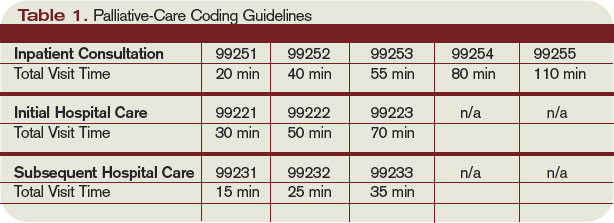
Additionally, the palliative-care physician renders and documents the service, then reports findings to the requesting physician. The consultant’s required written report does not have to be sent separately to the requesting physician. Because the requesting physician and the consultant share a common medical record in an inpatient setting, the consultant’s inpatient progress note suffices the “written report” requirement.
One concern about billing consultations involves the nature of the request. If the requesting physician documents the need for an opinion or advice from the palliative-care specialist, the service can be reported as a consultation. If, however, the request states consult for “medical management” or “palliative management,” it’s less likely that payors will consider the service a consultation. In the latter situation, it appears as if the requesting physician is not seeking an opinion or advice from the consultant to incorporate into his own plan of care for the patient and would rather the consultant take over that portion of patient care.
Recently revised billing policies prevent the consultant from billing consults under these circumstances. Without a sufficient request for consultation, the palliative-care specialist can only report “subsequent” hospital care services.1 Language that better supports the consultative nature of the request is:
- Consult for an opinion or advice on palliative measures;
- Consult for evaluation of palliative options; and
- Consult palliative care for treatment options.
Proper Documentation
The requesting physician can be in the same or different provider group as the consultant. The consultant must possess expertise in an area beyond that of the requesting provider. Because the specialty designation for most hospitalists is internal medicine, palliative-care claims could be scrutinized more closely. This does not necessarily occur when the requesting provider has a different two-digit specialty designation (e.g., internal medicine and gastroenterology).2 Scrutiny is more likely to occur when the requesting provider has the same internal-medicine designation as the palliative-care consultant, even if they are in different provider groups.
Payor concern escalates when physicians of the same designated specialty submit claims for the same patient on the same date. Having different primary diagnosis codes attached to each visit level does not necessarily help. The payor is likely to deny the second claim received, pending a review of documentation. If this happens, the provider who received the denial should submit a copy of both progress notes for the date in question. Hopefully, the distinction between the services is demonstrated in the documentation.
Service Type
Palliative services might involve obtaining and documenting the standard key components for visit-level selection: history, exam, and medical decision-making.3 However, the palliative-care specialist might spend more time providing counseling or coordination of care for a patient and family. When this occurs, the palliative-care specialist should not forget about the guidelines for reporting time-based services.4 Inpatient services may be reported on the basis of time, as long as a face-to-face service between the provider and the patient occurs. Consider the total time spent face to face with the patient, and the time spent obtaining, discussing, and coordinating patient care, while you are in the patient’s unit or floor.
As a reminder, document the total time, the amount of time spent counseling, and the details of discussion and coordination. The physician may count the time spent counseling the patient’s family regarding the treatment and care, as long as the focus is not emotional support for the family, the meeting takes place in the patient’s unit or floor, and the patient is present, unless there is medically supported reason for which the patient is unable to participate (e.g., cognitive impairment). The palliative-care specialist can then select the visit level based on time.5 (See Table 1, above.) TH
Carol Pohlig is a billing and coding expert with the University of Pennsylvania Medical Center, Philadelphia. She is on the faculty of SHM’s inpatient coding course.
References
1. Centers for Medicare and Medicaid Services. Medicare Claims Processing Manual: Chapter 12, Section 30.6.10. CMS Web site. Available at: www.cms.hhs.gov/manuals/downloads/clm104c12.pdf. Accessed Jan. 30, 2009.
2. Centers for Medicare and Medicaid Services. Medicare Claims Processing Manual: Chapter 26, Section 10.8. CMS Web site. Available at: www.cms.hhs.gov/manuals/downloads/clm104c26.pdf. Accessed Jan. 30, 2009.
3. Centers for Medicare and Medicaid Services. Documentation Guidelines for Evaluation and Management Services. CMS Web site. Available at: www.cms.hhs.gov/MLNEdWebGuide/25_EMDOC.asp. Accessed Jan. 30, 2009.
4. Centers for Medicare and Medicaid Services. Medicare Claims Processing Manual: Chapter 12, Section 30.6.1B. CMS Web site. Available at: www.cms.hhs.gov/manuals/downloads/clm104c12.pdf. Accessed Jan. 30, 2009.
5. Beebe M, Dalton J, Espronceda M, Evans D, Glenn R. Current Procedural Terminology Professional Edition. Chicago: American Medical Association Press; 2008.
Many hospitalists provide palliative-care services to patients at the request of physicians within their own groups or from other specialists. Varying factors affect how hospitalists report these services—namely, the nature of the request and the type of service provided. Palliative-care programs can be quite costly as they involve several team members and a substantial amount of time delivering these services. Capturing services appropriately and obtaining reimbursement to help continue program initiatives is pertinent.
Nature of the Request
Members of a palliative-care team often are called on to provide management options to assist in reducing pain and suffering associated with both terminal and nonterminal disease, thereby improving a patient’s quality of life. When a palliative-care specialist is asked to provide an opinion or advice, the initial service could qualify as a consultation. However, all requirements must be met in order to report the service as an inpatient consultation (codes 99251-99255).
There must be a written request from a qualified healthcare provider involved in the patient’s care (e.g., a physician, resident, or nurse practitioner). In the inpatient setting, this request can be documented as a physician order or in the assessment of the requesting provider’s progress note. Standing orders for consultation are not permitted. Ideally, the requesting provider should identify the reason for a consult to support the medical necessity of the service.
Additionally, the palliative-care physician renders and documents the service, then reports findings to the requesting physician. The consultant’s required written report does not have to be sent separately to the requesting physician. Because the requesting physician and the consultant share a common medical record in an inpatient setting, the consultant’s inpatient progress note suffices the “written report” requirement.
One concern about billing consultations involves the nature of the request. If the requesting physician documents the need for an opinion or advice from the palliative-care specialist, the service can be reported as a consultation. If, however, the request states consult for “medical management” or “palliative management,” it’s less likely that payors will consider the service a consultation. In the latter situation, it appears as if the requesting physician is not seeking an opinion or advice from the consultant to incorporate into his own plan of care for the patient and would rather the consultant take over that portion of patient care.
Recently revised billing policies prevent the consultant from billing consults under these circumstances. Without a sufficient request for consultation, the palliative-care specialist can only report “subsequent” hospital care services.1 Language that better supports the consultative nature of the request is:
- Consult for an opinion or advice on palliative measures;
- Consult for evaluation of palliative options; and
- Consult palliative care for treatment options.
Proper Documentation
The requesting physician can be in the same or different provider group as the consultant. The consultant must possess expertise in an area beyond that of the requesting provider. Because the specialty designation for most hospitalists is internal medicine, palliative-care claims could be scrutinized more closely. This does not necessarily occur when the requesting provider has a different two-digit specialty designation (e.g., internal medicine and gastroenterology).2 Scrutiny is more likely to occur when the requesting provider has the same internal-medicine designation as the palliative-care consultant, even if they are in different provider groups.
Payor concern escalates when physicians of the same designated specialty submit claims for the same patient on the same date. Having different primary diagnosis codes attached to each visit level does not necessarily help. The payor is likely to deny the second claim received, pending a review of documentation. If this happens, the provider who received the denial should submit a copy of both progress notes for the date in question. Hopefully, the distinction between the services is demonstrated in the documentation.
Service Type
Palliative services might involve obtaining and documenting the standard key components for visit-level selection: history, exam, and medical decision-making.3 However, the palliative-care specialist might spend more time providing counseling or coordination of care for a patient and family. When this occurs, the palliative-care specialist should not forget about the guidelines for reporting time-based services.4 Inpatient services may be reported on the basis of time, as long as a face-to-face service between the provider and the patient occurs. Consider the total time spent face to face with the patient, and the time spent obtaining, discussing, and coordinating patient care, while you are in the patient’s unit or floor.
As a reminder, document the total time, the amount of time spent counseling, and the details of discussion and coordination. The physician may count the time spent counseling the patient’s family regarding the treatment and care, as long as the focus is not emotional support for the family, the meeting takes place in the patient’s unit or floor, and the patient is present, unless there is medically supported reason for which the patient is unable to participate (e.g., cognitive impairment). The palliative-care specialist can then select the visit level based on time.5 (See Table 1, above.) TH
Carol Pohlig is a billing and coding expert with the University of Pennsylvania Medical Center, Philadelphia. She is on the faculty of SHM’s inpatient coding course.
References
1. Centers for Medicare and Medicaid Services. Medicare Claims Processing Manual: Chapter 12, Section 30.6.10. CMS Web site. Available at: www.cms.hhs.gov/manuals/downloads/clm104c12.pdf. Accessed Jan. 30, 2009.
2. Centers for Medicare and Medicaid Services. Medicare Claims Processing Manual: Chapter 26, Section 10.8. CMS Web site. Available at: www.cms.hhs.gov/manuals/downloads/clm104c26.pdf. Accessed Jan. 30, 2009.
3. Centers for Medicare and Medicaid Services. Documentation Guidelines for Evaluation and Management Services. CMS Web site. Available at: www.cms.hhs.gov/MLNEdWebGuide/25_EMDOC.asp. Accessed Jan. 30, 2009.
4. Centers for Medicare and Medicaid Services. Medicare Claims Processing Manual: Chapter 12, Section 30.6.1B. CMS Web site. Available at: www.cms.hhs.gov/manuals/downloads/clm104c12.pdf. Accessed Jan. 30, 2009.
5. Beebe M, Dalton J, Espronceda M, Evans D, Glenn R. Current Procedural Terminology Professional Edition. Chicago: American Medical Association Press; 2008.
Many hospitalists provide palliative-care services to patients at the request of physicians within their own groups or from other specialists. Varying factors affect how hospitalists report these services—namely, the nature of the request and the type of service provided. Palliative-care programs can be quite costly as they involve several team members and a substantial amount of time delivering these services. Capturing services appropriately and obtaining reimbursement to help continue program initiatives is pertinent.
Nature of the Request
Members of a palliative-care team often are called on to provide management options to assist in reducing pain and suffering associated with both terminal and nonterminal disease, thereby improving a patient’s quality of life. When a palliative-care specialist is asked to provide an opinion or advice, the initial service could qualify as a consultation. However, all requirements must be met in order to report the service as an inpatient consultation (codes 99251-99255).
There must be a written request from a qualified healthcare provider involved in the patient’s care (e.g., a physician, resident, or nurse practitioner). In the inpatient setting, this request can be documented as a physician order or in the assessment of the requesting provider’s progress note. Standing orders for consultation are not permitted. Ideally, the requesting provider should identify the reason for a consult to support the medical necessity of the service.
Additionally, the palliative-care physician renders and documents the service, then reports findings to the requesting physician. The consultant’s required written report does not have to be sent separately to the requesting physician. Because the requesting physician and the consultant share a common medical record in an inpatient setting, the consultant’s inpatient progress note suffices the “written report” requirement.
One concern about billing consultations involves the nature of the request. If the requesting physician documents the need for an opinion or advice from the palliative-care specialist, the service can be reported as a consultation. If, however, the request states consult for “medical management” or “palliative management,” it’s less likely that payors will consider the service a consultation. In the latter situation, it appears as if the requesting physician is not seeking an opinion or advice from the consultant to incorporate into his own plan of care for the patient and would rather the consultant take over that portion of patient care.
Recently revised billing policies prevent the consultant from billing consults under these circumstances. Without a sufficient request for consultation, the palliative-care specialist can only report “subsequent” hospital care services.1 Language that better supports the consultative nature of the request is:
- Consult for an opinion or advice on palliative measures;
- Consult for evaluation of palliative options; and
- Consult palliative care for treatment options.
Proper Documentation
The requesting physician can be in the same or different provider group as the consultant. The consultant must possess expertise in an area beyond that of the requesting provider. Because the specialty designation for most hospitalists is internal medicine, palliative-care claims could be scrutinized more closely. This does not necessarily occur when the requesting provider has a different two-digit specialty designation (e.g., internal medicine and gastroenterology).2 Scrutiny is more likely to occur when the requesting provider has the same internal-medicine designation as the palliative-care consultant, even if they are in different provider groups.
Payor concern escalates when physicians of the same designated specialty submit claims for the same patient on the same date. Having different primary diagnosis codes attached to each visit level does not necessarily help. The payor is likely to deny the second claim received, pending a review of documentation. If this happens, the provider who received the denial should submit a copy of both progress notes for the date in question. Hopefully, the distinction between the services is demonstrated in the documentation.
Service Type
Palliative services might involve obtaining and documenting the standard key components for visit-level selection: history, exam, and medical decision-making.3 However, the palliative-care specialist might spend more time providing counseling or coordination of care for a patient and family. When this occurs, the palliative-care specialist should not forget about the guidelines for reporting time-based services.4 Inpatient services may be reported on the basis of time, as long as a face-to-face service between the provider and the patient occurs. Consider the total time spent face to face with the patient, and the time spent obtaining, discussing, and coordinating patient care, while you are in the patient’s unit or floor.
As a reminder, document the total time, the amount of time spent counseling, and the details of discussion and coordination. The physician may count the time spent counseling the patient’s family regarding the treatment and care, as long as the focus is not emotional support for the family, the meeting takes place in the patient’s unit or floor, and the patient is present, unless there is medically supported reason for which the patient is unable to participate (e.g., cognitive impairment). The palliative-care specialist can then select the visit level based on time.5 (See Table 1, above.) TH
Carol Pohlig is a billing and coding expert with the University of Pennsylvania Medical Center, Philadelphia. She is on the faculty of SHM’s inpatient coding course.
References
1. Centers for Medicare and Medicaid Services. Medicare Claims Processing Manual: Chapter 12, Section 30.6.10. CMS Web site. Available at: www.cms.hhs.gov/manuals/downloads/clm104c12.pdf. Accessed Jan. 30, 2009.
2. Centers for Medicare and Medicaid Services. Medicare Claims Processing Manual: Chapter 26, Section 10.8. CMS Web site. Available at: www.cms.hhs.gov/manuals/downloads/clm104c26.pdf. Accessed Jan. 30, 2009.
3. Centers for Medicare and Medicaid Services. Documentation Guidelines for Evaluation and Management Services. CMS Web site. Available at: www.cms.hhs.gov/MLNEdWebGuide/25_EMDOC.asp. Accessed Jan. 30, 2009.
4. Centers for Medicare and Medicaid Services. Medicare Claims Processing Manual: Chapter 12, Section 30.6.1B. CMS Web site. Available at: www.cms.hhs.gov/manuals/downloads/clm104c12.pdf. Accessed Jan. 30, 2009.
5. Beebe M, Dalton J, Espronceda M, Evans D, Glenn R. Current Procedural Terminology Professional Edition. Chicago: American Medical Association Press; 2008.
A Pivotal Year for Policy
Change is in the air. With a new ad-ministration promising to be a change agent, an overhauled Congress, and a seemingly unanimous national interest in tackling healthcare reform, what changes can hospital medicine expect in 2009?
“I think there’s certainly the political will and interest now,” says Eric Siegal, MD, chair of SHM’s Public Policy Committee. “We haven’t had enough political will to ‘go big’ until recently. Now that we have it, the trillion-dollar question is where the money will come from.”
With that in mind, let’s explore three of the hottest healthcare issues:
Comprehensive Healthcare Reform
Providing healthcare coverage to all or most Americans was a centerpiece of President Obama’s campaign and a significant part of a proposal published by Senate Finance Committee Chairman Max Baucus (D-Mont.). Any actual reform will come through legislation, which will have to spell out who is covered and how, and where the money will come from. Any legislation will have to pass both the House and the Senate before Obama can sign it into law.
“The Democrats have certainly said [healthcare reform] is going to happen. Obama has talked about it … but how bipartisan will the effort be?” Dr. Siegal says. “This is too big and important for unilateral action; any durable healthcare reform must have bipartisan support. I do think that everyone can agree that the healthcare system is going to bankrupt itself if we don’t make changes.”
Dr. Siegal is skeptical that a major reform bill of any stripe will be passed anytime soon. “Given the depth of the recession and the projected cost of the stimulus package, my guess is that we will not see significant healthcare reform legislation passed in 2009,” he predicts. “However, I think that 2009 is still going to be an important year in that Congress will lay much of the foundation for new legislation. My guess is that 2010 is the year to look for major healthcare reform. And we want to make sure that the reform that happens is in the best interests of healthcare and of hospitalists.”
Less encompassing aspects of healthcare reform, the “easy stuff,” should have enough votes to pass in 2009, Dr. Siegal says. A good example is the State Children’s Health Insurance Program (SCHIP), which was passed the first week of February and increases the number of children eligible for free medical coverage from 7 million to 11 million. “SCHIP was as close to a slam dunk as possible.”
Major overhauls to the system, such as the healthcare exchange outlined in Sen. Baucus’ proposal or a major reworking of Medicare, may come about further down the road. “Those are going to take a lot of time, energy, and money,” Dr. Siegal says, “and I think that Congress has bigger fish to fry right now.”
Physician Fee Schedule
Last summer, physician fees paid by Medicare were slashed by 10.6% and then restored—with a 1.1% increase—when Congress overrode a presidential veto. SHM members were among the many physicians who fought the fee cut with letters and e-mails to Congress. However, the current fee schedule is short-lived: A 20% fee cut is scheduled for 2010. Will hospitalists and others have to go through the same battle all over again to maintain their Medicare payments?
Bradley Flansbaum, DO, MPH, chief of the hospitalist section at Lenox Hill Hospital in New York City and a member of SHM’s Public Policy Committee, points out “there are some proposals to modify the SGR [sustainable growth rate] formula, so this may not be the hot issue it was in 2008.” The SGR is used to set reimbursement rates for specific services and have been targeted by numerous stakeholders as flawed.
Regardless of the reimbursement formula, the Centers for Medicare and Medicaid Services (CMS) physician fee schedule might become less crucial to hospitalists’ income. “In the context of healthcare reform, you have to wonder if fee-for-service is even going to be relevant,” Dr. Flansbaum explains. “I think that Congress and MedPAC will think things through and admit that we can’t keep Band-Aiding a broken system.”
A major system overhaul might be looming. “This may not happen this year,” he says, “but I think that if Congress needs to avert the pay cut, then they will say they’re doing this one more time, with the caveat that payment will be drastically different” in the near future.
Delivery System Reform
A third hot topic for 2009 is legislation and consideration of changes in the healthcare delivery system, including payment reform, healthcare information technology, and improving care coordination.
“We think that payment reform is central to reshaping the healthcare system,” Dr. Siegal says.
As for moving toward a fee-for-quality system: “Well, there’s politics and there’s policy,” Dr. Flansbaum says. “Politics says we need to reward quality. However, the policy is that the methods of measuring quality haven’t evolved to the point where we can go forward. Everything is in beta-testing right now; we’re not ready to make any sweeping decisions. The delivery system has to be well-thought-out. It’s complicated.”
For example, in 2008, the CMS published a proposed inpatient prospective payment system rule, which included additional categories of hospital-acquired conditions that would no longer carry higher Medicare payments. The list caused industry alarm because some of the conditions—including Clostridium difficile-associated disease (see “Clostridium Difficile Infection: Are We Doing Enough,” p. 12)—were seen as only partially preventable in hospitalized patients or not entirely hospital-acquired.
The lesson learned? Any reform to healthcare delivery must be carefully considered, along with input from the medical community. “Healthcare is 16% of the gross domestic product. You don’t take that and spin it around in one day,” Dr. Flansbaum says. “It’s best to approach reform slowly and really think it through.”
Even so, there is no guarantee that reform legislation will make it through Congress.
“Another aspect to consider is that there are ideological differences between Democrats and Republicans,” Dr. Flansbaum adds. “ … Many Republicans are miles away from [Democrats] ideologically. Further still, with Daschle’s exit, it is unclear how his replacement will approach any overhaul.”
Of course, nobody has a crystal ball. This year may bring forth less drastic changes than hospital medicine is predicting. Then again, considering the economic and political climate, reform could take place faster than seems possible.
Only time will tell. TH
Jane Jerrard is a medical writer based in Chicago.
Change is in the air. With a new ad-ministration promising to be a change agent, an overhauled Congress, and a seemingly unanimous national interest in tackling healthcare reform, what changes can hospital medicine expect in 2009?
“I think there’s certainly the political will and interest now,” says Eric Siegal, MD, chair of SHM’s Public Policy Committee. “We haven’t had enough political will to ‘go big’ until recently. Now that we have it, the trillion-dollar question is where the money will come from.”
With that in mind, let’s explore three of the hottest healthcare issues:
Comprehensive Healthcare Reform
Providing healthcare coverage to all or most Americans was a centerpiece of President Obama’s campaign and a significant part of a proposal published by Senate Finance Committee Chairman Max Baucus (D-Mont.). Any actual reform will come through legislation, which will have to spell out who is covered and how, and where the money will come from. Any legislation will have to pass both the House and the Senate before Obama can sign it into law.
“The Democrats have certainly said [healthcare reform] is going to happen. Obama has talked about it … but how bipartisan will the effort be?” Dr. Siegal says. “This is too big and important for unilateral action; any durable healthcare reform must have bipartisan support. I do think that everyone can agree that the healthcare system is going to bankrupt itself if we don’t make changes.”
Dr. Siegal is skeptical that a major reform bill of any stripe will be passed anytime soon. “Given the depth of the recession and the projected cost of the stimulus package, my guess is that we will not see significant healthcare reform legislation passed in 2009,” he predicts. “However, I think that 2009 is still going to be an important year in that Congress will lay much of the foundation for new legislation. My guess is that 2010 is the year to look for major healthcare reform. And we want to make sure that the reform that happens is in the best interests of healthcare and of hospitalists.”
Less encompassing aspects of healthcare reform, the “easy stuff,” should have enough votes to pass in 2009, Dr. Siegal says. A good example is the State Children’s Health Insurance Program (SCHIP), which was passed the first week of February and increases the number of children eligible for free medical coverage from 7 million to 11 million. “SCHIP was as close to a slam dunk as possible.”
Major overhauls to the system, such as the healthcare exchange outlined in Sen. Baucus’ proposal or a major reworking of Medicare, may come about further down the road. “Those are going to take a lot of time, energy, and money,” Dr. Siegal says, “and I think that Congress has bigger fish to fry right now.”
Physician Fee Schedule
Last summer, physician fees paid by Medicare were slashed by 10.6% and then restored—with a 1.1% increase—when Congress overrode a presidential veto. SHM members were among the many physicians who fought the fee cut with letters and e-mails to Congress. However, the current fee schedule is short-lived: A 20% fee cut is scheduled for 2010. Will hospitalists and others have to go through the same battle all over again to maintain their Medicare payments?
Bradley Flansbaum, DO, MPH, chief of the hospitalist section at Lenox Hill Hospital in New York City and a member of SHM’s Public Policy Committee, points out “there are some proposals to modify the SGR [sustainable growth rate] formula, so this may not be the hot issue it was in 2008.” The SGR is used to set reimbursement rates for specific services and have been targeted by numerous stakeholders as flawed.
Regardless of the reimbursement formula, the Centers for Medicare and Medicaid Services (CMS) physician fee schedule might become less crucial to hospitalists’ income. “In the context of healthcare reform, you have to wonder if fee-for-service is even going to be relevant,” Dr. Flansbaum explains. “I think that Congress and MedPAC will think things through and admit that we can’t keep Band-Aiding a broken system.”
A major system overhaul might be looming. “This may not happen this year,” he says, “but I think that if Congress needs to avert the pay cut, then they will say they’re doing this one more time, with the caveat that payment will be drastically different” in the near future.
Delivery System Reform
A third hot topic for 2009 is legislation and consideration of changes in the healthcare delivery system, including payment reform, healthcare information technology, and improving care coordination.
“We think that payment reform is central to reshaping the healthcare system,” Dr. Siegal says.
As for moving toward a fee-for-quality system: “Well, there’s politics and there’s policy,” Dr. Flansbaum says. “Politics says we need to reward quality. However, the policy is that the methods of measuring quality haven’t evolved to the point where we can go forward. Everything is in beta-testing right now; we’re not ready to make any sweeping decisions. The delivery system has to be well-thought-out. It’s complicated.”
For example, in 2008, the CMS published a proposed inpatient prospective payment system rule, which included additional categories of hospital-acquired conditions that would no longer carry higher Medicare payments. The list caused industry alarm because some of the conditions—including Clostridium difficile-associated disease (see “Clostridium Difficile Infection: Are We Doing Enough,” p. 12)—were seen as only partially preventable in hospitalized patients or not entirely hospital-acquired.
The lesson learned? Any reform to healthcare delivery must be carefully considered, along with input from the medical community. “Healthcare is 16% of the gross domestic product. You don’t take that and spin it around in one day,” Dr. Flansbaum says. “It’s best to approach reform slowly and really think it through.”
Even so, there is no guarantee that reform legislation will make it through Congress.
“Another aspect to consider is that there are ideological differences between Democrats and Republicans,” Dr. Flansbaum adds. “ … Many Republicans are miles away from [Democrats] ideologically. Further still, with Daschle’s exit, it is unclear how his replacement will approach any overhaul.”
Of course, nobody has a crystal ball. This year may bring forth less drastic changes than hospital medicine is predicting. Then again, considering the economic and political climate, reform could take place faster than seems possible.
Only time will tell. TH
Jane Jerrard is a medical writer based in Chicago.
Change is in the air. With a new ad-ministration promising to be a change agent, an overhauled Congress, and a seemingly unanimous national interest in tackling healthcare reform, what changes can hospital medicine expect in 2009?
“I think there’s certainly the political will and interest now,” says Eric Siegal, MD, chair of SHM’s Public Policy Committee. “We haven’t had enough political will to ‘go big’ until recently. Now that we have it, the trillion-dollar question is where the money will come from.”
With that in mind, let’s explore three of the hottest healthcare issues:
Comprehensive Healthcare Reform
Providing healthcare coverage to all or most Americans was a centerpiece of President Obama’s campaign and a significant part of a proposal published by Senate Finance Committee Chairman Max Baucus (D-Mont.). Any actual reform will come through legislation, which will have to spell out who is covered and how, and where the money will come from. Any legislation will have to pass both the House and the Senate before Obama can sign it into law.
“The Democrats have certainly said [healthcare reform] is going to happen. Obama has talked about it … but how bipartisan will the effort be?” Dr. Siegal says. “This is too big and important for unilateral action; any durable healthcare reform must have bipartisan support. I do think that everyone can agree that the healthcare system is going to bankrupt itself if we don’t make changes.”
Dr. Siegal is skeptical that a major reform bill of any stripe will be passed anytime soon. “Given the depth of the recession and the projected cost of the stimulus package, my guess is that we will not see significant healthcare reform legislation passed in 2009,” he predicts. “However, I think that 2009 is still going to be an important year in that Congress will lay much of the foundation for new legislation. My guess is that 2010 is the year to look for major healthcare reform. And we want to make sure that the reform that happens is in the best interests of healthcare and of hospitalists.”
Less encompassing aspects of healthcare reform, the “easy stuff,” should have enough votes to pass in 2009, Dr. Siegal says. A good example is the State Children’s Health Insurance Program (SCHIP), which was passed the first week of February and increases the number of children eligible for free medical coverage from 7 million to 11 million. “SCHIP was as close to a slam dunk as possible.”
Major overhauls to the system, such as the healthcare exchange outlined in Sen. Baucus’ proposal or a major reworking of Medicare, may come about further down the road. “Those are going to take a lot of time, energy, and money,” Dr. Siegal says, “and I think that Congress has bigger fish to fry right now.”
Physician Fee Schedule
Last summer, physician fees paid by Medicare were slashed by 10.6% and then restored—with a 1.1% increase—when Congress overrode a presidential veto. SHM members were among the many physicians who fought the fee cut with letters and e-mails to Congress. However, the current fee schedule is short-lived: A 20% fee cut is scheduled for 2010. Will hospitalists and others have to go through the same battle all over again to maintain their Medicare payments?
Bradley Flansbaum, DO, MPH, chief of the hospitalist section at Lenox Hill Hospital in New York City and a member of SHM’s Public Policy Committee, points out “there are some proposals to modify the SGR [sustainable growth rate] formula, so this may not be the hot issue it was in 2008.” The SGR is used to set reimbursement rates for specific services and have been targeted by numerous stakeholders as flawed.
Regardless of the reimbursement formula, the Centers for Medicare and Medicaid Services (CMS) physician fee schedule might become less crucial to hospitalists’ income. “In the context of healthcare reform, you have to wonder if fee-for-service is even going to be relevant,” Dr. Flansbaum explains. “I think that Congress and MedPAC will think things through and admit that we can’t keep Band-Aiding a broken system.”
A major system overhaul might be looming. “This may not happen this year,” he says, “but I think that if Congress needs to avert the pay cut, then they will say they’re doing this one more time, with the caveat that payment will be drastically different” in the near future.
Delivery System Reform
A third hot topic for 2009 is legislation and consideration of changes in the healthcare delivery system, including payment reform, healthcare information technology, and improving care coordination.
“We think that payment reform is central to reshaping the healthcare system,” Dr. Siegal says.
As for moving toward a fee-for-quality system: “Well, there’s politics and there’s policy,” Dr. Flansbaum says. “Politics says we need to reward quality. However, the policy is that the methods of measuring quality haven’t evolved to the point where we can go forward. Everything is in beta-testing right now; we’re not ready to make any sweeping decisions. The delivery system has to be well-thought-out. It’s complicated.”
For example, in 2008, the CMS published a proposed inpatient prospective payment system rule, which included additional categories of hospital-acquired conditions that would no longer carry higher Medicare payments. The list caused industry alarm because some of the conditions—including Clostridium difficile-associated disease (see “Clostridium Difficile Infection: Are We Doing Enough,” p. 12)—were seen as only partially preventable in hospitalized patients or not entirely hospital-acquired.
The lesson learned? Any reform to healthcare delivery must be carefully considered, along with input from the medical community. “Healthcare is 16% of the gross domestic product. You don’t take that and spin it around in one day,” Dr. Flansbaum says. “It’s best to approach reform slowly and really think it through.”
Even so, there is no guarantee that reform legislation will make it through Congress.
“Another aspect to consider is that there are ideological differences between Democrats and Republicans,” Dr. Flansbaum adds. “ … Many Republicans are miles away from [Democrats] ideologically. Further still, with Daschle’s exit, it is unclear how his replacement will approach any overhaul.”
Of course, nobody has a crystal ball. This year may bring forth less drastic changes than hospital medicine is predicting. Then again, considering the economic and political climate, reform could take place faster than seems possible.
Only time will tell. TH
Jane Jerrard is a medical writer based in Chicago.