User login
The Hospitalist only
By the Numbers: 39
Percentage growth in health spending in 2010, to $2.6 trillion, according to a report in the January 2012 issue of Health Affairs.1 The increase is only slightly more than the 3.8% increase in 2009, and it managed to keep health spending’s portion of the total economy essentially unchanged at 17.9% of GDP. Hospital spending grew 4.9% to $814 billion, which represents 30% of overall health spending and a lower rate of growth than in 2009 (6.4%).
Reference
Percentage growth in health spending in 2010, to $2.6 trillion, according to a report in the January 2012 issue of Health Affairs.1 The increase is only slightly more than the 3.8% increase in 2009, and it managed to keep health spending’s portion of the total economy essentially unchanged at 17.9% of GDP. Hospital spending grew 4.9% to $814 billion, which represents 30% of overall health spending and a lower rate of growth than in 2009 (6.4%).
Reference
Percentage growth in health spending in 2010, to $2.6 trillion, according to a report in the January 2012 issue of Health Affairs.1 The increase is only slightly more than the 3.8% increase in 2009, and it managed to keep health spending’s portion of the total economy essentially unchanged at 17.9% of GDP. Hospital spending grew 4.9% to $814 billion, which represents 30% of overall health spending and a lower rate of growth than in 2009 (6.4%).
Reference
Shift Fatigue in Healthcare Workers
The Joint Commission in December issued a “Sentinel Event Alert” on the dangers of extended shift fatigue in healthcare workers, particularly for nurses who work shifts longer than 12.5 hours.1 A long list of potentially unsafe practices resulting from fatigue includes memory lapses, irritability, impaired communication, diminished reaction time, indifference, loss of empathy, and on-the-job injury.
The Joint Commission’s alert recommends practices to prevent negative effects from lack of sleep, including revisiting patient hand-off processes to maximize safety; giving staff a voice in their scheduling; educating employees about fatigue; and establishing a fatigue management plan and a forum for staff to discuss these issues. The American College of Graduate Medical Education’s current “Duty Hours Standards,” effective July 2011, require faculty members and residents to recognize the signs of fatigue and sleep deprivation and to adopt processes to manage the potential effects of fatigue on patient care.2
References
- Health care worker fatigue and patient safety. Joint Commission website. Available at: http://www.jointcommission.org/assets/1/18/sea_48.pdf. Accessed Jan. 10, 2012.
- Accreditation Council for Graduate Medical Education website. Available at: http://www.acgme.org/acwebsite/dutyhours/dh_index.asp. Accessed Jan. 10, 2012.
The Joint Commission in December issued a “Sentinel Event Alert” on the dangers of extended shift fatigue in healthcare workers, particularly for nurses who work shifts longer than 12.5 hours.1 A long list of potentially unsafe practices resulting from fatigue includes memory lapses, irritability, impaired communication, diminished reaction time, indifference, loss of empathy, and on-the-job injury.
The Joint Commission’s alert recommends practices to prevent negative effects from lack of sleep, including revisiting patient hand-off processes to maximize safety; giving staff a voice in their scheduling; educating employees about fatigue; and establishing a fatigue management plan and a forum for staff to discuss these issues. The American College of Graduate Medical Education’s current “Duty Hours Standards,” effective July 2011, require faculty members and residents to recognize the signs of fatigue and sleep deprivation and to adopt processes to manage the potential effects of fatigue on patient care.2
References
- Health care worker fatigue and patient safety. Joint Commission website. Available at: http://www.jointcommission.org/assets/1/18/sea_48.pdf. Accessed Jan. 10, 2012.
- Accreditation Council for Graduate Medical Education website. Available at: http://www.acgme.org/acwebsite/dutyhours/dh_index.asp. Accessed Jan. 10, 2012.
The Joint Commission in December issued a “Sentinel Event Alert” on the dangers of extended shift fatigue in healthcare workers, particularly for nurses who work shifts longer than 12.5 hours.1 A long list of potentially unsafe practices resulting from fatigue includes memory lapses, irritability, impaired communication, diminished reaction time, indifference, loss of empathy, and on-the-job injury.
The Joint Commission’s alert recommends practices to prevent negative effects from lack of sleep, including revisiting patient hand-off processes to maximize safety; giving staff a voice in their scheduling; educating employees about fatigue; and establishing a fatigue management plan and a forum for staff to discuss these issues. The American College of Graduate Medical Education’s current “Duty Hours Standards,” effective July 2011, require faculty members and residents to recognize the signs of fatigue and sleep deprivation and to adopt processes to manage the potential effects of fatigue on patient care.2
References
- Health care worker fatigue and patient safety. Joint Commission website. Available at: http://www.jointcommission.org/assets/1/18/sea_48.pdf. Accessed Jan. 10, 2012.
- Accreditation Council for Graduate Medical Education website. Available at: http://www.acgme.org/acwebsite/dutyhours/dh_index.asp. Accessed Jan. 10, 2012.
Doctors Help Other Doctors Use Information Technology

Doctors Helping Doctors Transform Health Care, a foundation-supported, nonprofit campaign, was launched Dec. 1 in Washington, D.C., to spur greater and more effective use of health information technology (HIT) by physicians to improve quality, safety, and efficiency. The Doctors Helping Doctors website (www.doctorshelpingdoctorstransformhealthcare.org) provides physicians space to share their lessons learned and strategies via video, audio, written testimonials, and blog posts.
Chaired by Peter Basch, MD, a Washington internist and medical director of ambulatory electronic health records (HER) and HIT policy for MedStar Health, the collaborative campaign is sponsored by the Association of Medical Directors of Information Systems, the American Academy of Family Physicians, and several other medical societies. Doctors Helping Doctors aims to engage physicians from a diverse range of specialties and settings, including hospitalists.
Doctors Helping Doctors Transform Health Care, a foundation-supported, nonprofit campaign, was launched Dec. 1 in Washington, D.C., to spur greater and more effective use of health information technology (HIT) by physicians to improve quality, safety, and efficiency. The Doctors Helping Doctors website (www.doctorshelpingdoctorstransformhealthcare.org) provides physicians space to share their lessons learned and strategies via video, audio, written testimonials, and blog posts.
Chaired by Peter Basch, MD, a Washington internist and medical director of ambulatory electronic health records (HER) and HIT policy for MedStar Health, the collaborative campaign is sponsored by the Association of Medical Directors of Information Systems, the American Academy of Family Physicians, and several other medical societies. Doctors Helping Doctors aims to engage physicians from a diverse range of specialties and settings, including hospitalists.
Doctors Helping Doctors Transform Health Care, a foundation-supported, nonprofit campaign, was launched Dec. 1 in Washington, D.C., to spur greater and more effective use of health information technology (HIT) by physicians to improve quality, safety, and efficiency. The Doctors Helping Doctors website (www.doctorshelpingdoctorstransformhealthcare.org) provides physicians space to share their lessons learned and strategies via video, audio, written testimonials, and blog posts.
Chaired by Peter Basch, MD, a Washington internist and medical director of ambulatory electronic health records (HER) and HIT policy for MedStar Health, the collaborative campaign is sponsored by the Association of Medical Directors of Information Systems, the American Academy of Family Physicians, and several other medical societies. Doctors Helping Doctors aims to engage physicians from a diverse range of specialties and settings, including hospitalists.
Putting the Right Patient in the Right Bed
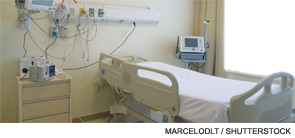
A hospitalist-led project to improve bed assignment practices at Baystate Medical Center in Springfield, Mass., reduced errors in patient placements to 3.1% from 9.4%, according to an abstract presentation at HM11.
The project identified incorrect placement of patients in open beds due to incomplete understanding of the patient’s medical picture, explains lead author Christine Bryson, DO, SFHM, Baystate’s associate medical director for hospital medicine. For example, a patient with a diagnosis of pneumonia who was receiving peritoneal dialysis might be admitted to the respiratory unit, but then would need transfer to the renal unit, where the dialysis could be performed. Such incorrect bed placements and lateral transfers were happening eight times a day, at a cost conservatively estimated at $106 each for nursing, a nonphysician patient placement manager (PPM), and housekeeping services and supplies. That puts potential annual cost savings is $232,000, Dr. Bryson explains.
A committee led by Baystate hospitalists examined current admission processes in detail and recommended a new process: ED physicians confer with the PPM, the PPM reviews the chart and discusses the case with the admitting hospitalist, and then the PPM and hospitalist have an informed, three-way phone conversation about placement.
Hospitalists have been directed to return these calls within 15 minutes, which can be an issue all its own. Another identified barrier was the communications technology, so ED physicians have been issued cellphones so they don’t have to wait at a terminal for a callback from the hospitalist. Dr. Bryson says overall booking process time fell, as did the number of placement errors.
A hospitalist-led project to improve bed assignment practices at Baystate Medical Center in Springfield, Mass., reduced errors in patient placements to 3.1% from 9.4%, according to an abstract presentation at HM11.
The project identified incorrect placement of patients in open beds due to incomplete understanding of the patient’s medical picture, explains lead author Christine Bryson, DO, SFHM, Baystate’s associate medical director for hospital medicine. For example, a patient with a diagnosis of pneumonia who was receiving peritoneal dialysis might be admitted to the respiratory unit, but then would need transfer to the renal unit, where the dialysis could be performed. Such incorrect bed placements and lateral transfers were happening eight times a day, at a cost conservatively estimated at $106 each for nursing, a nonphysician patient placement manager (PPM), and housekeeping services and supplies. That puts potential annual cost savings is $232,000, Dr. Bryson explains.
A committee led by Baystate hospitalists examined current admission processes in detail and recommended a new process: ED physicians confer with the PPM, the PPM reviews the chart and discusses the case with the admitting hospitalist, and then the PPM and hospitalist have an informed, three-way phone conversation about placement.
Hospitalists have been directed to return these calls within 15 minutes, which can be an issue all its own. Another identified barrier was the communications technology, so ED physicians have been issued cellphones so they don’t have to wait at a terminal for a callback from the hospitalist. Dr. Bryson says overall booking process time fell, as did the number of placement errors.
A hospitalist-led project to improve bed assignment practices at Baystate Medical Center in Springfield, Mass., reduced errors in patient placements to 3.1% from 9.4%, according to an abstract presentation at HM11.
The project identified incorrect placement of patients in open beds due to incomplete understanding of the patient’s medical picture, explains lead author Christine Bryson, DO, SFHM, Baystate’s associate medical director for hospital medicine. For example, a patient with a diagnosis of pneumonia who was receiving peritoneal dialysis might be admitted to the respiratory unit, but then would need transfer to the renal unit, where the dialysis could be performed. Such incorrect bed placements and lateral transfers were happening eight times a day, at a cost conservatively estimated at $106 each for nursing, a nonphysician patient placement manager (PPM), and housekeeping services and supplies. That puts potential annual cost savings is $232,000, Dr. Bryson explains.
A committee led by Baystate hospitalists examined current admission processes in detail and recommended a new process: ED physicians confer with the PPM, the PPM reviews the chart and discusses the case with the admitting hospitalist, and then the PPM and hospitalist have an informed, three-way phone conversation about placement.
Hospitalists have been directed to return these calls within 15 minutes, which can be an issue all its own. Another identified barrier was the communications technology, so ED physicians have been issued cellphones so they don’t have to wait at a terminal for a callback from the hospitalist. Dr. Bryson says overall booking process time fell, as did the number of placement errors.
Massachusetts Healthcare Law Highlights Implications for National Healthcare Reform
Next month marks the sixth anniversary of former Massachusetts governor Mitt Romney’s signing into law a health insurance reform bill that brought near-universal coverage to the state’s residents. The Massachusetts experience represents a microcosm of what might be expected on a national scale with the Affordable Care Act (ACA): success in covering the uninsured, but persistent access and cost challenges that can only be overcome with fundamental payment reform.
“There is more going on in Massachusetts than anywhere else in the country, by far—in terms of coverage, delivery, and finance reform of healthcare,” says Stuart H. Altman, PhD, professor of national health policy at Brandeis University in Waltham, Mass. “The state’s example sends the positive message that the healthcare delivery system can be improved, but it takes time. Massachusetts is ahead of most states.”
Positives & Negatives
The Massachusetts law expands Medicaid enrollment to those earning up to 300% of the federal poverty level; offers state-subsidized commercial health insurance coverage to all other uninsured citizens; and allows young adults to remain on a parent’s plan until age 25. The law also mandates that employers with more than 10 employees offer subsidized health insurance coverage, and that every state resident over 18 purchase coverage or face tax penalties.

—Stuart H. Altman, PhD, professor of national health policy, Brandeis University, Waltham, Mass.
The law has brought coverage to nearly 412,000 previously uninsured residents (as of December 2010, the latest figures available), and less than 2% of residents remain uninsured—down from about 10% before the law was enacted.1
The law has not constrained the cost of healthcare in Massachusetts, which remains among the most expensive in the nation, and which current Massachusetts Gov. Deval Patrick acknowledges is continuing to rise at an unsustainable rate. A bill before the state legislature would give the governor the authority to review reimbursement contracts, to determine whether the fees paid by insurers to providers are appropriate, before approving insurance premium rates.
More surprising are the serious healthcare access challenges that persist in the state despite nearly universal health insurance coverage. The Massachusetts Medical Society outlined these challenges in a December 2011 white paper (see “Access Problems Persist Despite Insurance,” left).1
One of the biggest challenges the state faces is a dearth of primary-care physicians (PCPs). “One of the biggest lessons learned is that insurance expansion did not lead to better access,” observes Winthrop F. Whitcomb, MD, MHM, medical director of Healthcare Quality at Baystate Medical Center in Springfield, Mass., and co-founder of SHM. “Medicaid is a loss-leader and does not pay enough to cover the cost of running a medical practice. Expanding Medicaid may actually make access worse if primary-care physicians opt out of it.”
Insurance reform has not made it any easier for a hospitalist to find a PCP for a patient who comes to the hospital without one, Dr. Whitcomb says, or to discharge a patient to a long-term or post-acute-care setting that their insurance covers inadequately, if at all.
“We do continue to see ED visits and hospital admissions that would have been preventable had the patient seen a PCP first,” says SHM President Joseph Ming Wah Li, MD, SFHM, director of hospital medicine at Beth Israel Deaconess Medical Center in Boston.
Dr. Li says his group has experienced difficulties getting patients hooked up with timely and appropriate post-discharge follow-up care because of packed PCP schedules. In response, they developed a hospitalist-run, post-discharge clinic for outpatients to fill in the gap and provide their patients with the follow-up care they need.
“My hospitalists will manage the patient through their episode of care, regardless of whether they are an inpatient or outpatient, until their PCP is available,” Dr. Li says. “I would love to see our hospitalist-run, post-discharge clinic made obsolete by PCPs with available appointments.”
Fundamental Payment Reform
Access and cost problems like these have serious national implications, as Medicaid eligibility under the ACA is expected to grow by 16 million people by 2019, or roughly 25%. The Massachusetts experience suggests that decreasing financial barriers to care can raise other barriers, such as inadequate physician availability, and does nothing to address the 800-pound gorilla of spiraling costs.
Critics who dismiss the Massachusetts experiment as “doing nothing to control costs” miss the larger picture of innovation occurring in the state, however. Insurance reform was never intended to be the end of the story.
In response to a mandate to investigate reforming and restructuring the payment system as the next step in statewide healthcare reform, a Special Commission on the Health Care Payment System released recommendations in July 2009 (www.mass.gov/eohhs/docs/dhcfp/pc/final-report/final-report.pdf) that proposed that Massachusetts phase out fee-for-service reimbursement and replace it with an accountable-care approach that incorporated a global payment model combining elements of risk-adjusted capitation, pay-for-performance, evidence-based guidelines, and medical-home-style care coordination. Although a bill to accelerate statewide implementation of the model awaits a vote in the state legislature, the private health insurance market is well into the game.
Blue Cross Blue Shield of Massachusetts has been using a version of the model (known as the “alternative quality contract”) since 2009, with the goal of reducing healthcare cost growth by half over five years by holding providers accountable for cost and quality, and encouraging the most appropriate treatments by the right kind of providers in the most appropriate settings. Participating hospital and physician groups receive a monthly global fee for each patient (adjusted annually for patient health status and inflation) in return for providing them with all the preventive, primary, specialty, hospital, and follow-up care they need. Providers have the incentive to reduce inefficiencies, and they can earn additional incentive payments for meeting or exceeding clinical performance measures tied to process, outcomes, and patient care experience.
More than a third of the insurer’s provider network is participating in this alternative quality contract program, and early results are promising. A recent Harvard Medical School study found that medical spending at the end of the first year was nearly 2% lower among physicians and hospitals participating in the program compared with those working under traditional fee-for-service contracts, largely the result of physicians changing referral patterns and shifting care to lower-cost facilities.2 Quality of care among participants was significantly higher than that of non-participants in the insurer’s network, especially for adults with chronic illness and for children.
Several major healthcare delivery systems in Massachusetts are taking the accountable-care model to the next level this year by participating in the Pioneer Accountable Care Organizations (ACO) initiative, which also replaces fee-for-service with global revenue sharing plus quality and care-coordination incentives.
Part of the reason that providers in Massachusetts and around the country have a genuine interest in testing global payments and other value-based models is that they fear the day when the government and private sectors say “We just don’t have the money” and exert draconian fee-for-service rate control, Altman maintains.
Hospitalist Impacts
Hospitalists could find their referral patterns shifted slightly under global payment arrangements—potentially seeing fewer consults for low-risk patients and seeing greater demand for their services for more medically complex patients, Dr. Whitcomb says. HM likely will be the most heavily involved in ACOs that cover the Medicare population, whose patients are of higher acuity and more frequently hospitalized.
When fee-for-service reimbursement ultimately does give way to alternative reimbursement models, such as global payments, effective team-based care will become paramount to ensure effective hospital discharges and that preventable readmissions are minimized, Dr. Li says. He urges hospitalists to prepare their programs to manage a sicker patient population, and to cultivate the strongest possible coordination and alignment with PCPs, discharge planning professionals, and outpatient providers of all sorts. That way, hospitalists will be positioned to leverage their value in a healthcare system that requires value.
Christopher Guadagnino is a freelance medical writer based in Philadelphia.
For SHM’s official position on issues like healthcare reform, value-based purchasing, and medical errors, visit www.hospitalmedicine.org/advocacy
Next month marks the sixth anniversary of former Massachusetts governor Mitt Romney’s signing into law a health insurance reform bill that brought near-universal coverage to the state’s residents. The Massachusetts experience represents a microcosm of what might be expected on a national scale with the Affordable Care Act (ACA): success in covering the uninsured, but persistent access and cost challenges that can only be overcome with fundamental payment reform.
“There is more going on in Massachusetts than anywhere else in the country, by far—in terms of coverage, delivery, and finance reform of healthcare,” says Stuart H. Altman, PhD, professor of national health policy at Brandeis University in Waltham, Mass. “The state’s example sends the positive message that the healthcare delivery system can be improved, but it takes time. Massachusetts is ahead of most states.”
Positives & Negatives
The Massachusetts law expands Medicaid enrollment to those earning up to 300% of the federal poverty level; offers state-subsidized commercial health insurance coverage to all other uninsured citizens; and allows young adults to remain on a parent’s plan until age 25. The law also mandates that employers with more than 10 employees offer subsidized health insurance coverage, and that every state resident over 18 purchase coverage or face tax penalties.
—Stuart H. Altman, PhD, professor of national health policy, Brandeis University, Waltham, Mass.
The law has brought coverage to nearly 412,000 previously uninsured residents (as of December 2010, the latest figures available), and less than 2% of residents remain uninsured—down from about 10% before the law was enacted.1
The law has not constrained the cost of healthcare in Massachusetts, which remains among the most expensive in the nation, and which current Massachusetts Gov. Deval Patrick acknowledges is continuing to rise at an unsustainable rate. A bill before the state legislature would give the governor the authority to review reimbursement contracts, to determine whether the fees paid by insurers to providers are appropriate, before approving insurance premium rates.
More surprising are the serious healthcare access challenges that persist in the state despite nearly universal health insurance coverage. The Massachusetts Medical Society outlined these challenges in a December 2011 white paper (see “Access Problems Persist Despite Insurance,” left).1
One of the biggest challenges the state faces is a dearth of primary-care physicians (PCPs). “One of the biggest lessons learned is that insurance expansion did not lead to better access,” observes Winthrop F. Whitcomb, MD, MHM, medical director of Healthcare Quality at Baystate Medical Center in Springfield, Mass., and co-founder of SHM. “Medicaid is a loss-leader and does not pay enough to cover the cost of running a medical practice. Expanding Medicaid may actually make access worse if primary-care physicians opt out of it.”
Insurance reform has not made it any easier for a hospitalist to find a PCP for a patient who comes to the hospital without one, Dr. Whitcomb says, or to discharge a patient to a long-term or post-acute-care setting that their insurance covers inadequately, if at all.
“We do continue to see ED visits and hospital admissions that would have been preventable had the patient seen a PCP first,” says SHM President Joseph Ming Wah Li, MD, SFHM, director of hospital medicine at Beth Israel Deaconess Medical Center in Boston.
Dr. Li says his group has experienced difficulties getting patients hooked up with timely and appropriate post-discharge follow-up care because of packed PCP schedules. In response, they developed a hospitalist-run, post-discharge clinic for outpatients to fill in the gap and provide their patients with the follow-up care they need.
“My hospitalists will manage the patient through their episode of care, regardless of whether they are an inpatient or outpatient, until their PCP is available,” Dr. Li says. “I would love to see our hospitalist-run, post-discharge clinic made obsolete by PCPs with available appointments.”
Fundamental Payment Reform
Access and cost problems like these have serious national implications, as Medicaid eligibility under the ACA is expected to grow by 16 million people by 2019, or roughly 25%. The Massachusetts experience suggests that decreasing financial barriers to care can raise other barriers, such as inadequate physician availability, and does nothing to address the 800-pound gorilla of spiraling costs.
Critics who dismiss the Massachusetts experiment as “doing nothing to control costs” miss the larger picture of innovation occurring in the state, however. Insurance reform was never intended to be the end of the story.
In response to a mandate to investigate reforming and restructuring the payment system as the next step in statewide healthcare reform, a Special Commission on the Health Care Payment System released recommendations in July 2009 (www.mass.gov/eohhs/docs/dhcfp/pc/final-report/final-report.pdf) that proposed that Massachusetts phase out fee-for-service reimbursement and replace it with an accountable-care approach that incorporated a global payment model combining elements of risk-adjusted capitation, pay-for-performance, evidence-based guidelines, and medical-home-style care coordination. Although a bill to accelerate statewide implementation of the model awaits a vote in the state legislature, the private health insurance market is well into the game.
Blue Cross Blue Shield of Massachusetts has been using a version of the model (known as the “alternative quality contract”) since 2009, with the goal of reducing healthcare cost growth by half over five years by holding providers accountable for cost and quality, and encouraging the most appropriate treatments by the right kind of providers in the most appropriate settings. Participating hospital and physician groups receive a monthly global fee for each patient (adjusted annually for patient health status and inflation) in return for providing them with all the preventive, primary, specialty, hospital, and follow-up care they need. Providers have the incentive to reduce inefficiencies, and they can earn additional incentive payments for meeting or exceeding clinical performance measures tied to process, outcomes, and patient care experience.
More than a third of the insurer’s provider network is participating in this alternative quality contract program, and early results are promising. A recent Harvard Medical School study found that medical spending at the end of the first year was nearly 2% lower among physicians and hospitals participating in the program compared with those working under traditional fee-for-service contracts, largely the result of physicians changing referral patterns and shifting care to lower-cost facilities.2 Quality of care among participants was significantly higher than that of non-participants in the insurer’s network, especially for adults with chronic illness and for children.
Several major healthcare delivery systems in Massachusetts are taking the accountable-care model to the next level this year by participating in the Pioneer Accountable Care Organizations (ACO) initiative, which also replaces fee-for-service with global revenue sharing plus quality and care-coordination incentives.
Part of the reason that providers in Massachusetts and around the country have a genuine interest in testing global payments and other value-based models is that they fear the day when the government and private sectors say “We just don’t have the money” and exert draconian fee-for-service rate control, Altman maintains.
Hospitalist Impacts
Hospitalists could find their referral patterns shifted slightly under global payment arrangements—potentially seeing fewer consults for low-risk patients and seeing greater demand for their services for more medically complex patients, Dr. Whitcomb says. HM likely will be the most heavily involved in ACOs that cover the Medicare population, whose patients are of higher acuity and more frequently hospitalized.
When fee-for-service reimbursement ultimately does give way to alternative reimbursement models, such as global payments, effective team-based care will become paramount to ensure effective hospital discharges and that preventable readmissions are minimized, Dr. Li says. He urges hospitalists to prepare their programs to manage a sicker patient population, and to cultivate the strongest possible coordination and alignment with PCPs, discharge planning professionals, and outpatient providers of all sorts. That way, hospitalists will be positioned to leverage their value in a healthcare system that requires value.
Christopher Guadagnino is a freelance medical writer based in Philadelphia.
For SHM’s official position on issues like healthcare reform, value-based purchasing, and medical errors, visit www.hospitalmedicine.org/advocacy
Next month marks the sixth anniversary of former Massachusetts governor Mitt Romney’s signing into law a health insurance reform bill that brought near-universal coverage to the state’s residents. The Massachusetts experience represents a microcosm of what might be expected on a national scale with the Affordable Care Act (ACA): success in covering the uninsured, but persistent access and cost challenges that can only be overcome with fundamental payment reform.
“There is more going on in Massachusetts than anywhere else in the country, by far—in terms of coverage, delivery, and finance reform of healthcare,” says Stuart H. Altman, PhD, professor of national health policy at Brandeis University in Waltham, Mass. “The state’s example sends the positive message that the healthcare delivery system can be improved, but it takes time. Massachusetts is ahead of most states.”
Positives & Negatives
The Massachusetts law expands Medicaid enrollment to those earning up to 300% of the federal poverty level; offers state-subsidized commercial health insurance coverage to all other uninsured citizens; and allows young adults to remain on a parent’s plan until age 25. The law also mandates that employers with more than 10 employees offer subsidized health insurance coverage, and that every state resident over 18 purchase coverage or face tax penalties.
—Stuart H. Altman, PhD, professor of national health policy, Brandeis University, Waltham, Mass.
The law has brought coverage to nearly 412,000 previously uninsured residents (as of December 2010, the latest figures available), and less than 2% of residents remain uninsured—down from about 10% before the law was enacted.1
The law has not constrained the cost of healthcare in Massachusetts, which remains among the most expensive in the nation, and which current Massachusetts Gov. Deval Patrick acknowledges is continuing to rise at an unsustainable rate. A bill before the state legislature would give the governor the authority to review reimbursement contracts, to determine whether the fees paid by insurers to providers are appropriate, before approving insurance premium rates.
More surprising are the serious healthcare access challenges that persist in the state despite nearly universal health insurance coverage. The Massachusetts Medical Society outlined these challenges in a December 2011 white paper (see “Access Problems Persist Despite Insurance,” left).1
One of the biggest challenges the state faces is a dearth of primary-care physicians (PCPs). “One of the biggest lessons learned is that insurance expansion did not lead to better access,” observes Winthrop F. Whitcomb, MD, MHM, medical director of Healthcare Quality at Baystate Medical Center in Springfield, Mass., and co-founder of SHM. “Medicaid is a loss-leader and does not pay enough to cover the cost of running a medical practice. Expanding Medicaid may actually make access worse if primary-care physicians opt out of it.”
Insurance reform has not made it any easier for a hospitalist to find a PCP for a patient who comes to the hospital without one, Dr. Whitcomb says, or to discharge a patient to a long-term or post-acute-care setting that their insurance covers inadequately, if at all.
“We do continue to see ED visits and hospital admissions that would have been preventable had the patient seen a PCP first,” says SHM President Joseph Ming Wah Li, MD, SFHM, director of hospital medicine at Beth Israel Deaconess Medical Center in Boston.
Dr. Li says his group has experienced difficulties getting patients hooked up with timely and appropriate post-discharge follow-up care because of packed PCP schedules. In response, they developed a hospitalist-run, post-discharge clinic for outpatients to fill in the gap and provide their patients with the follow-up care they need.
“My hospitalists will manage the patient through their episode of care, regardless of whether they are an inpatient or outpatient, until their PCP is available,” Dr. Li says. “I would love to see our hospitalist-run, post-discharge clinic made obsolete by PCPs with available appointments.”
Fundamental Payment Reform
Access and cost problems like these have serious national implications, as Medicaid eligibility under the ACA is expected to grow by 16 million people by 2019, or roughly 25%. The Massachusetts experience suggests that decreasing financial barriers to care can raise other barriers, such as inadequate physician availability, and does nothing to address the 800-pound gorilla of spiraling costs.
Critics who dismiss the Massachusetts experiment as “doing nothing to control costs” miss the larger picture of innovation occurring in the state, however. Insurance reform was never intended to be the end of the story.
In response to a mandate to investigate reforming and restructuring the payment system as the next step in statewide healthcare reform, a Special Commission on the Health Care Payment System released recommendations in July 2009 (www.mass.gov/eohhs/docs/dhcfp/pc/final-report/final-report.pdf) that proposed that Massachusetts phase out fee-for-service reimbursement and replace it with an accountable-care approach that incorporated a global payment model combining elements of risk-adjusted capitation, pay-for-performance, evidence-based guidelines, and medical-home-style care coordination. Although a bill to accelerate statewide implementation of the model awaits a vote in the state legislature, the private health insurance market is well into the game.
Blue Cross Blue Shield of Massachusetts has been using a version of the model (known as the “alternative quality contract”) since 2009, with the goal of reducing healthcare cost growth by half over five years by holding providers accountable for cost and quality, and encouraging the most appropriate treatments by the right kind of providers in the most appropriate settings. Participating hospital and physician groups receive a monthly global fee for each patient (adjusted annually for patient health status and inflation) in return for providing them with all the preventive, primary, specialty, hospital, and follow-up care they need. Providers have the incentive to reduce inefficiencies, and they can earn additional incentive payments for meeting or exceeding clinical performance measures tied to process, outcomes, and patient care experience.
More than a third of the insurer’s provider network is participating in this alternative quality contract program, and early results are promising. A recent Harvard Medical School study found that medical spending at the end of the first year was nearly 2% lower among physicians and hospitals participating in the program compared with those working under traditional fee-for-service contracts, largely the result of physicians changing referral patterns and shifting care to lower-cost facilities.2 Quality of care among participants was significantly higher than that of non-participants in the insurer’s network, especially for adults with chronic illness and for children.
Several major healthcare delivery systems in Massachusetts are taking the accountable-care model to the next level this year by participating in the Pioneer Accountable Care Organizations (ACO) initiative, which also replaces fee-for-service with global revenue sharing plus quality and care-coordination incentives.
Part of the reason that providers in Massachusetts and around the country have a genuine interest in testing global payments and other value-based models is that they fear the day when the government and private sectors say “We just don’t have the money” and exert draconian fee-for-service rate control, Altman maintains.
Hospitalist Impacts
Hospitalists could find their referral patterns shifted slightly under global payment arrangements—potentially seeing fewer consults for low-risk patients and seeing greater demand for their services for more medically complex patients, Dr. Whitcomb says. HM likely will be the most heavily involved in ACOs that cover the Medicare population, whose patients are of higher acuity and more frequently hospitalized.
When fee-for-service reimbursement ultimately does give way to alternative reimbursement models, such as global payments, effective team-based care will become paramount to ensure effective hospital discharges and that preventable readmissions are minimized, Dr. Li says. He urges hospitalists to prepare their programs to manage a sicker patient population, and to cultivate the strongest possible coordination and alignment with PCPs, discharge planning professionals, and outpatient providers of all sorts. That way, hospitalists will be positioned to leverage their value in a healthcare system that requires value.
Christopher Guadagnino is a freelance medical writer based in Philadelphia.
For SHM’s official position on issues like healthcare reform, value-based purchasing, and medical errors, visit www.hospitalmedicine.org/advocacy
Access Problems Persist Despite Health Insurance: Lessons from Massachusetts
A surprising lesson from Massachusetts is that expanding health insurance coverage does not automatically improve access to healthcare services. Here’s proof:
- More than half of primary-care physicians (PCPs) in Massachusetts are not accepting new patients.
- Wait times to see PCPs remain high: 48 days for internal medicine, 36 days for family medicine.
- The percentage of internal medicine physicians accepting Medicaid has decreased by double digits.
- Many physicians who accept Medicaid report that a lack of qualified specialists in their area is a major problem that limits their ability to provide high-quality care.
- Many physicians who accept a high proportion of Medicaid patients are in solo or two-physician practices, and have limited ability to expand hours of availability.
- ED use increased 10% from 2004 to 2008, and high levels of ED use have persisted since the reform law was enacted—a strong indicator of PCP shortages. Massachusetts has 491 ED visits per 1,000 residents, compared with a national average of 401 visits per 1,000 residents.
- Preventable hospitalization rates have not decreased, and are comparable to that of Medicaid patients and uninsured patients—remaining at about 10% from 2004 to 2008.
A surprising lesson from Massachusetts is that expanding health insurance coverage does not automatically improve access to healthcare services. Here’s proof:
- More than half of primary-care physicians (PCPs) in Massachusetts are not accepting new patients.
- Wait times to see PCPs remain high: 48 days for internal medicine, 36 days for family medicine.
- The percentage of internal medicine physicians accepting Medicaid has decreased by double digits.
- Many physicians who accept Medicaid report that a lack of qualified specialists in their area is a major problem that limits their ability to provide high-quality care.
- Many physicians who accept a high proportion of Medicaid patients are in solo or two-physician practices, and have limited ability to expand hours of availability.
- ED use increased 10% from 2004 to 2008, and high levels of ED use have persisted since the reform law was enacted—a strong indicator of PCP shortages. Massachusetts has 491 ED visits per 1,000 residents, compared with a national average of 401 visits per 1,000 residents.
- Preventable hospitalization rates have not decreased, and are comparable to that of Medicaid patients and uninsured patients—remaining at about 10% from 2004 to 2008.
A surprising lesson from Massachusetts is that expanding health insurance coverage does not automatically improve access to healthcare services. Here’s proof:
- More than half of primary-care physicians (PCPs) in Massachusetts are not accepting new patients.
- Wait times to see PCPs remain high: 48 days for internal medicine, 36 days for family medicine.
- The percentage of internal medicine physicians accepting Medicaid has decreased by double digits.
- Many physicians who accept Medicaid report that a lack of qualified specialists in their area is a major problem that limits their ability to provide high-quality care.
- Many physicians who accept a high proportion of Medicaid patients are in solo or two-physician practices, and have limited ability to expand hours of availability.
- ED use increased 10% from 2004 to 2008, and high levels of ED use have persisted since the reform law was enacted—a strong indicator of PCP shortages. Massachusetts has 491 ED visits per 1,000 residents, compared with a national average of 401 visits per 1,000 residents.
- Preventable hospitalization rates have not decreased, and are comparable to that of Medicaid patients and uninsured patients—remaining at about 10% from 2004 to 2008.
In the Literature: Physician Reviews of HM-Related Research
In This Edition
Literature At A Glance
A guide to this month’s studies
- Hospitalist views on readmission prevention
- Characteristics of hospital ICU readmission
- Effect of clopidogrel on bleeding outcomes in vascular surgery
- Time-versus tissue-based diagnosis of TIA
- ETT versus ETT with imaging for the diagnosis of CAD in women
- Effect of high urine output with adequate hydration on contrast-induced nephropathy
- Stroke rate in CABG patients with severe carotid artery stenosis
- Effect of cardiac arrest on long-term cognition
Hospitalists View Readmissions as Potentially Preventable by Team-Based Care
Clinical question: How do front-line hospitalists perceive the preventability of early hospital readmissions?
Background: Hospital readmission has received national attention as an indicator of poor healthcare quality and unnecessary costs. While some studies suggest that some readmissions are preventable, the exact number is unknown. Understanding preventability and the views of front-line clinicians might help hospitalists balance multifactorial compromise between throughput and length of stay.
Study design: Retrospective cohort study.
Setting: Two community tertiary-care hospitals and two suburban hospitals staffed by a single hospitalist group in Portland, Ore.
Synopsis: A group of 17 hospitalists analyzed the inpatient and outpatient charts of 300 consecutive patients readmitted within 21 days of discharge using a structured data collection tool to record patient characteristics, process measures, and perceived preventability of the readmission. Patients were either discharged by internal-medicine hospitalists or had an internal-medicine consultation during their initial stay.
Characteristics of readmitted patients and initial hospital stays were similar to those previously reported in other studies. More than 60% of readmissions were deemed preventable (15%) or possibly preventable (46%). As prevention strategies for these readmissions, hospitalists most frequently suggested interventions under their control, such as longer initial hospital stay (23%). Other potential interventions focused on system approaches, including outpatient appointments, case management, palliative care, and home health.
In most cases (96%), the reviewer was not the discharging hospitalist. Only six hospitalists performed 83% of the reviews, and inter-reviewer reliability was not assessed. Other limitations included confounding biases, such as timing of review, source hospital reviewed, reviewer optimism, and previous primary-care experience of reviewer.
Bottom line: Prevention of hospital readmissions will require a balance between increased length of stay and system-based team approaches beyond the direct control of hospitalists.
Citation: Koekkoek D, Bayley KB, Brown A, Rustvold DL. Hospitalists assess the causes of early hospital readmissions. J Hosp Med. 2011;6:383-388.
Patients with Complex, Severe Illnesses and Persistent Physiologic Abnormalities Have Higher Risk of Intensive-Care-Unit Readmission
Clinical question: Which patient characteristics increase the risk for intensive-care-unit (ICU) readmission?
Background: Patients are often discharged from the ICU based on subjective criteria, workload, and bed demand, making ICU readmission a tempting quality indicator. Studies have examined institutional characteristics leading to ICU readmission, but few have shown how patient case mix affects longer lengths of ICU and hospital stays and higher in-hospital mortality.
Study design: Retrospective observational cohort study using a large, multi-institutional U.S. database.
Setting: Computerized data collection and analysis system from 97 intensive- and cardiac-care units at 35 hospitals in the United States.
Synopsis: Patient-level characteristics and outcomes of 229,375 initial ICU admissions from 2001 to 2009 were compared for patients with and without ICU readmission using the Acute Physiology and Chronic Health Evaluation (APACHE) IV database (Cerner Corporation, Kansas City, Mo.). Multivariable logistic regression analysis identified potential characteristics increasing the risk for ICU readmission. Case-mix adjusted outcomes for mortality and length of stay were calculated.
A total of 13,980 (6.1%) patients were readmitted to the ICUs. Characteristics associated with ICU readmission were similar to those previously reported. In addition to illness severity at initial admission, readmission was associated with complications, poor response to therapy, or persistent physiologic abnormalities at ICU discharge. Patients who were readmitted to the ICU had a risk-adjusted, fourfold greater probability of in-hospital mortality and a 2.5-fold increase in length of hospital stay.
Data were obtained solely from hospitals with an APACHE system, and included only one hospital from the Northeast. Not all ICUs from a single-study hospital were included. DNR orders were not available in the database for analysis.
Bottom line: Persistent physiologic derangements at ICU discharge are as influential on ICU readmission and poor outcomes as other known risk factors, potentially warranting slightly longer ICU stays for these specific patients.
Citation: Kramer AA, Higgins TL, Zimmerman JE. Intensive care unit readmissions in U.S. hospitals: patient characteristics, risk factors, and outcomes. Crit Care Med. 2012;40:3-10.
Clopidogrel Might Not Worsen Bleeding Complications During Surgery
Clinical question: Does clopidogrel cause bleeding complications during vascular surgery?
Background: There is no consensus and few large trials to decide if preoperative clopidogrel use causes bleeding complications in vascular surgeries.
Study design: Prospective.
Setting: New England academic and community centers.
Synopsis: The authors enrolled 10,406 patients from 15 academic and community centers in New England. These patients underwent carotid endarterectomy, lower-extremity bypass, and abdominal aortic aneurysm repair. Ruptured aortic aneurysms were excluded. The use of aspirin, clopidogrel, both, or no anti-platelet therapy within 48 hours before surgery was recorded. The outcomes measured were postoperative bleeding requiring reoperation and the need for packed red blood cell transfusions.
Clopidogrel therapy (n=229) compared with no anti-platelet therapy (n=2,010) did well when measured by reoperation (clopidogrel 0.9%, none 1.5%, P=0.74), incidence of transfusion (clopidogrel 0%, none 18%, P=0.1), and volume of transfusion (clopidogrel 0 units, none 0.7 units, P=0.1). However, the significance, especially for reoperation, is not impressive.
The power of the study could be improved with more clopidogrel users. Another limitation is that the aspirin and clopidogrel platelet effect lasts longer than the 48-hour cutoff. As there were more bleeding complications in the no-anti-platelet group, there is a concern for bias in how the patients were selected and treated.
Bottom line: Clopidogrel might be safe to continue in vascular surgeries, but larger and more valid studies are needed.
Citation: Stone DH, Goodney PP, Schanzer A, et al. Clopidogrel is not associated with major bleeding complications during peripheral arterial surgery. J Vasc Surg. 2011;54:779-784.
Tissue-Defined TIAs Have Better Prognostic Benefits Than Time-Defined TIAs
Citation: Is risk stratification for recurrent stroke better when brain imaging is performed after a transient ischemic attack (TIA)?
Background: The presence of a TIA is a known risk factor for recurrent stroke. There is debate in changing the definition of TIA from time-based to tissue-based. However, it is not known if this will improve management.
Study design: Multicenter observation cohort.
Setting: Twelve independent international research centers.
Synopsis: The current definition of a TIA is a neurological deficit that resolves within 24 hours. To determine the urgency of an admission and work-up, the ABCD2 score (age, blood pressure, clinical symptoms, duration, and diabetes) is often used as a prognostic tool for recurrent stroke. The authors enrolled 4,574 patients with the traditional diagnosis of TIA. In addition to calculating their ABCD2 score, they were then classified as tissue-positive (infarction) or tissue-negative per MRI or CT. At both seven and 90 days after TIA, both imaging modalities when combined with ABCD2 were able to identify risk for recurrent stroke better than if they were used alone.
Limitations included the images being interpreted by their individual healthcare centers and that the stroke centers had lower recurrent rates of stroke compared with community centers. If only a CT can be used, it should be noted that the sensitivity is lower when compared with an MRI in this study.
Bottom line: This categorization of tissue- or non-tissue-positive TIAs improved the prognostic information provided by the ABCD2 score and might improve management decisions.
Citation: Giles MF, Albers GW, Amarenco P, et al. Early stroke risk and ABCD2 score performance in tissue- vs time-defined TIA: a multicenter study. Neurology. 2011;77:1222-1228.
ETT Comparable to MPI as Initial Diagnostic Test for Women Suspected of CAD
Clinical question: Is the exercise treadmill test (ETT) equivalent to myocardial perfusion imaging (MPI) as an initial diagnostic test for low-risk women capable of exercising with suspected coronary artery disease (CAD)?
Background: To date, the evidence base for diagnostic testing in women with suspected CAD has been limited, with no randomized trials to guide appropriate clinical decision-making in the choice of noninvasive testing strategies. The aim of this trial was to provide comparative-effectiveness data for women capable of performing exercise testing with regard to whether the addition of imaging to standard ETT provided incremental clinical benefit over index ETT alone.
Study design: Prospective randomized.
Settings: Forty-three cardiology practices across the U.S.
Synopsis: A total of 824 women 40 years of age or older with intermediate pretest CAD likelihood were randomized to ETT or MPI. All the women included in the study were symptomatic with suspected CAD, had an interpretable ECG, and were >5 on DASI (Duke Activity Status Index). A total of 17 primary end points were confirmed, including three nonfatal myocardial infarctions, one heart failure hospitalization, 12 acute coronary syndrome hospitalizations, and only one sudden cardiac death reported in 772 women.
At two years, major adverse cardiovascular events (MACE)-free survival was identical (98%) for women randomized to the ETT or exercise MPI arm (P=0.59). The observed two-year MACE rate was 1.7% for ETT and 2.3% for exercise MPI. For secondary end points, the overall rate of hospitalization for chest pain was 3%. By randomization, the two-year rate of hospitalization for chest pain symptoms was 3% for women in the ETT arm and 4% for those in the exercise MPI arm (P=0.39). An additional six women died from non-cardiac causes (ETT arm, 0.5%; exercise MPI arm, 1%; P=0.39).
Bottom line: ETT is of comparable diagnostic efficacy to MPI as an initial diagnostic test for women suspected of CAD, capable of exercising, based on two-year outcome of cardiac death, nonfatal myocardial infarction, or hospital admission for acute coronary syndrome or heart failure.
Citation: Shaw LJ, Mieres JH, Hendel RH, et al. Comparative effectiveness of exercise electrocardiography with or without myocardial perfusion single photon emission computed tomography in women with suspected coronary artery disease: results from the What Is the Optimal Method for Ischemia Evaluation in Women (WOMEN) trial. Circulation. 2011;124:1239-1249.
Controlled Forced Diuresis Is More Effective in High-Risk Patients for CI-AKI Prevention
Clinical question: Is a system of hydration that creates high urine output while maintaining fluid balance better than routine hydration in high-risk patients for preventing contrast-induced acute kidney injury (CI-AKI)?
Background: Hydration with sodium bicarbonate solution and administration of N-acetylcysteine (NAC) help prevent CI-AKI in low- to medium-risk patients. A recent study (PRINCE) suggests that increasing the urine flow rate (≥150 mL/hr) reduces the toxic effect of contrast, but this regimen requires forced diuresis with high doses of furosemide that may result in further renal damage due to negative fluid balance. The RenalGuard system (PLC Medical Systems Inc., Franklin, Mass.) can simultaneously achieve high urine output and maintain fluid balance.
Study design: Randomized, investigator-driven, open-label study comparing two different hydration strategies.
Setting: Multicenter trial in Italy involving patients with chronic kidney disease scheduled for angiography who met the inclusion and exclusion criteria for high risk of developing CI-AKI.
Synopsis: The study included 292 patients randomized to receive sodium bicarbonate solution (control group) versus hydration with saline controlled by the RenalGuard system with furosemide. Both groups received NAC, though at different doses and routes of administration. CI-AKI occurred in 20.5% (30 of 146) in the control group versus 11% (16 of 146) in the RenalGuard group.
Bottom line: Controlled forced diuresis to achieve high urine flow rate is more effective than conventional hydration with sodium bicarbonate solution in high-risk patients for preventing CI-AKI. Larger studies are needed to confirm and define the role of the RenalGuard system.
Citation: Briguori C, Visconti G, Focaccio A, et al. Renal insufficiency after contrast media administration trial II (REMEDIAL II). Circulation. 2011;124:1260-1269.
Severe Asymptomatic Carotid Artery Stenosis Does Not Increase Stroke or Mortality Risks after CAB Surgery
Clinical question: What is the risk for stroke in patients with asymptomatic carotid artery stenosis (CAS) who are undergoing coronary artery bypass grafting (CABG)?
Background: Stroke occurs as a complication of CABG in approximately 2% of patients. The vast majority occur within the first 24 hours of surgery and are associated with a high mortality rate.
Study design: Retrospective cohort.
Setting: A single institution in Washington, D.C.
Synopsis: Data were collected on 878 consecutive patients who had undergone carotid ultrasound before CABG over a six-year period. Patients with severe CAS of >75% (n=117) were compared with those with <75% stenosis (n=761) to assess the rates of in-hospital stroke and mortality.
Patients with severe CAS had similar rates of stroke compared with those without severe CAS (3.4% vs. 3.6%). Additionally, there was no difference in the incidence of in-hospital complications or mortality between the two groups.
Bottom line: The cause of stroke after CABG is complex and multifactorial, but severe CAS alone appears to not be the biggest risk factor for stroke in patients undergoing CABG.
Citation: Mahmoudi M, Hill PC, Xue Z, et al. Patients with severe asymptomatic carotid artery stenosis do not have a higher risk of stroke and mortality after coronary artery bypass surgery. Stroke. 2011;42:2801-2805.
Cardiac Arrest Survivors Have Long-Term Memory Deficits
Clinical question: Are there any lasting cognitive deficits in patients surviving out-of-hospital cardiac arrest (OHCA) from ventricular fibrillation (VF)?
Background: Although advances have been made in the rapid intervention of OHCAs, there are no population-based, age-adjusted studies of the cognitive and neurologic outcomes of long-term survivors when the “chain of survival” is used (rapid emergency services, bystander CPR, early defibrillation, and advanced care).
Study design: Prospective population-based, age-adjusted study.
Setting: Single hospital in Olmsted County, Minn.
Synopsis: Of 332 OHCA patients, 47 survivors were enrolled for neurologic and neuropsychological testing at least six months after a near-death experience (median time since arrest, 7.8 years). Neurologic examination did not reveal any focal deficits related to the event, but long-term survivors had lower scores on measures of long-term memory and learning efficiency (P=0.001). Nearly all survivors were functionally independent at the time of testing. Interestingly, there was no correlation between prolonged call-to-shock time and cognitive ability, suggesting that there is a possibility of positive neurologic outcomes with a call-to-shock time as late as 10 minutes in OHCA. Older age was also not identified as a negative prognostic factor.
A limitation of the study was the small sample size, though larger populations of survivors are difficult to find. The precise meaning of “cognitive impairment” was also controversial and should be better defined for any future studies.
Bottom line: Long-term survivors of OHCA from VF have long-term memory impairment compared with the normal population at the same age and education level.
Citation: Mateen FJ, Josephs KA, Trenerry MR, et al. Long-term cognitive outcomes following out-of-hospital cardiac arrest. Neurology. 2011;77:1438-1445.
In This Edition
Literature At A Glance
A guide to this month’s studies
- Hospitalist views on readmission prevention
- Characteristics of hospital ICU readmission
- Effect of clopidogrel on bleeding outcomes in vascular surgery
- Time-versus tissue-based diagnosis of TIA
- ETT versus ETT with imaging for the diagnosis of CAD in women
- Effect of high urine output with adequate hydration on contrast-induced nephropathy
- Stroke rate in CABG patients with severe carotid artery stenosis
- Effect of cardiac arrest on long-term cognition
Hospitalists View Readmissions as Potentially Preventable by Team-Based Care
Clinical question: How do front-line hospitalists perceive the preventability of early hospital readmissions?
Background: Hospital readmission has received national attention as an indicator of poor healthcare quality and unnecessary costs. While some studies suggest that some readmissions are preventable, the exact number is unknown. Understanding preventability and the views of front-line clinicians might help hospitalists balance multifactorial compromise between throughput and length of stay.
Study design: Retrospective cohort study.
Setting: Two community tertiary-care hospitals and two suburban hospitals staffed by a single hospitalist group in Portland, Ore.
Synopsis: A group of 17 hospitalists analyzed the inpatient and outpatient charts of 300 consecutive patients readmitted within 21 days of discharge using a structured data collection tool to record patient characteristics, process measures, and perceived preventability of the readmission. Patients were either discharged by internal-medicine hospitalists or had an internal-medicine consultation during their initial stay.
Characteristics of readmitted patients and initial hospital stays were similar to those previously reported in other studies. More than 60% of readmissions were deemed preventable (15%) or possibly preventable (46%). As prevention strategies for these readmissions, hospitalists most frequently suggested interventions under their control, such as longer initial hospital stay (23%). Other potential interventions focused on system approaches, including outpatient appointments, case management, palliative care, and home health.
In most cases (96%), the reviewer was not the discharging hospitalist. Only six hospitalists performed 83% of the reviews, and inter-reviewer reliability was not assessed. Other limitations included confounding biases, such as timing of review, source hospital reviewed, reviewer optimism, and previous primary-care experience of reviewer.
Bottom line: Prevention of hospital readmissions will require a balance between increased length of stay and system-based team approaches beyond the direct control of hospitalists.
Citation: Koekkoek D, Bayley KB, Brown A, Rustvold DL. Hospitalists assess the causes of early hospital readmissions. J Hosp Med. 2011;6:383-388.
Patients with Complex, Severe Illnesses and Persistent Physiologic Abnormalities Have Higher Risk of Intensive-Care-Unit Readmission
Clinical question: Which patient characteristics increase the risk for intensive-care-unit (ICU) readmission?
Background: Patients are often discharged from the ICU based on subjective criteria, workload, and bed demand, making ICU readmission a tempting quality indicator. Studies have examined institutional characteristics leading to ICU readmission, but few have shown how patient case mix affects longer lengths of ICU and hospital stays and higher in-hospital mortality.
Study design: Retrospective observational cohort study using a large, multi-institutional U.S. database.
Setting: Computerized data collection and analysis system from 97 intensive- and cardiac-care units at 35 hospitals in the United States.
Synopsis: Patient-level characteristics and outcomes of 229,375 initial ICU admissions from 2001 to 2009 were compared for patients with and without ICU readmission using the Acute Physiology and Chronic Health Evaluation (APACHE) IV database (Cerner Corporation, Kansas City, Mo.). Multivariable logistic regression analysis identified potential characteristics increasing the risk for ICU readmission. Case-mix adjusted outcomes for mortality and length of stay were calculated.
A total of 13,980 (6.1%) patients were readmitted to the ICUs. Characteristics associated with ICU readmission were similar to those previously reported. In addition to illness severity at initial admission, readmission was associated with complications, poor response to therapy, or persistent physiologic abnormalities at ICU discharge. Patients who were readmitted to the ICU had a risk-adjusted, fourfold greater probability of in-hospital mortality and a 2.5-fold increase in length of hospital stay.
Data were obtained solely from hospitals with an APACHE system, and included only one hospital from the Northeast. Not all ICUs from a single-study hospital were included. DNR orders were not available in the database for analysis.
Bottom line: Persistent physiologic derangements at ICU discharge are as influential on ICU readmission and poor outcomes as other known risk factors, potentially warranting slightly longer ICU stays for these specific patients.
Citation: Kramer AA, Higgins TL, Zimmerman JE. Intensive care unit readmissions in U.S. hospitals: patient characteristics, risk factors, and outcomes. Crit Care Med. 2012;40:3-10.
Clopidogrel Might Not Worsen Bleeding Complications During Surgery
Clinical question: Does clopidogrel cause bleeding complications during vascular surgery?
Background: There is no consensus and few large trials to decide if preoperative clopidogrel use causes bleeding complications in vascular surgeries.
Study design: Prospective.
Setting: New England academic and community centers.
Synopsis: The authors enrolled 10,406 patients from 15 academic and community centers in New England. These patients underwent carotid endarterectomy, lower-extremity bypass, and abdominal aortic aneurysm repair. Ruptured aortic aneurysms were excluded. The use of aspirin, clopidogrel, both, or no anti-platelet therapy within 48 hours before surgery was recorded. The outcomes measured were postoperative bleeding requiring reoperation and the need for packed red blood cell transfusions.
Clopidogrel therapy (n=229) compared with no anti-platelet therapy (n=2,010) did well when measured by reoperation (clopidogrel 0.9%, none 1.5%, P=0.74), incidence of transfusion (clopidogrel 0%, none 18%, P=0.1), and volume of transfusion (clopidogrel 0 units, none 0.7 units, P=0.1). However, the significance, especially for reoperation, is not impressive.
The power of the study could be improved with more clopidogrel users. Another limitation is that the aspirin and clopidogrel platelet effect lasts longer than the 48-hour cutoff. As there were more bleeding complications in the no-anti-platelet group, there is a concern for bias in how the patients were selected and treated.
Bottom line: Clopidogrel might be safe to continue in vascular surgeries, but larger and more valid studies are needed.
Citation: Stone DH, Goodney PP, Schanzer A, et al. Clopidogrel is not associated with major bleeding complications during peripheral arterial surgery. J Vasc Surg. 2011;54:779-784.
Tissue-Defined TIAs Have Better Prognostic Benefits Than Time-Defined TIAs
Citation: Is risk stratification for recurrent stroke better when brain imaging is performed after a transient ischemic attack (TIA)?
Background: The presence of a TIA is a known risk factor for recurrent stroke. There is debate in changing the definition of TIA from time-based to tissue-based. However, it is not known if this will improve management.
Study design: Multicenter observation cohort.
Setting: Twelve independent international research centers.
Synopsis: The current definition of a TIA is a neurological deficit that resolves within 24 hours. To determine the urgency of an admission and work-up, the ABCD2 score (age, blood pressure, clinical symptoms, duration, and diabetes) is often used as a prognostic tool for recurrent stroke. The authors enrolled 4,574 patients with the traditional diagnosis of TIA. In addition to calculating their ABCD2 score, they were then classified as tissue-positive (infarction) or tissue-negative per MRI or CT. At both seven and 90 days after TIA, both imaging modalities when combined with ABCD2 were able to identify risk for recurrent stroke better than if they were used alone.
Limitations included the images being interpreted by their individual healthcare centers and that the stroke centers had lower recurrent rates of stroke compared with community centers. If only a CT can be used, it should be noted that the sensitivity is lower when compared with an MRI in this study.
Bottom line: This categorization of tissue- or non-tissue-positive TIAs improved the prognostic information provided by the ABCD2 score and might improve management decisions.
Citation: Giles MF, Albers GW, Amarenco P, et al. Early stroke risk and ABCD2 score performance in tissue- vs time-defined TIA: a multicenter study. Neurology. 2011;77:1222-1228.
ETT Comparable to MPI as Initial Diagnostic Test for Women Suspected of CAD
Clinical question: Is the exercise treadmill test (ETT) equivalent to myocardial perfusion imaging (MPI) as an initial diagnostic test for low-risk women capable of exercising with suspected coronary artery disease (CAD)?
Background: To date, the evidence base for diagnostic testing in women with suspected CAD has been limited, with no randomized trials to guide appropriate clinical decision-making in the choice of noninvasive testing strategies. The aim of this trial was to provide comparative-effectiveness data for women capable of performing exercise testing with regard to whether the addition of imaging to standard ETT provided incremental clinical benefit over index ETT alone.
Study design: Prospective randomized.
Settings: Forty-three cardiology practices across the U.S.
Synopsis: A total of 824 women 40 years of age or older with intermediate pretest CAD likelihood were randomized to ETT or MPI. All the women included in the study were symptomatic with suspected CAD, had an interpretable ECG, and were >5 on DASI (Duke Activity Status Index). A total of 17 primary end points were confirmed, including three nonfatal myocardial infarctions, one heart failure hospitalization, 12 acute coronary syndrome hospitalizations, and only one sudden cardiac death reported in 772 women.
At two years, major adverse cardiovascular events (MACE)-free survival was identical (98%) for women randomized to the ETT or exercise MPI arm (P=0.59). The observed two-year MACE rate was 1.7% for ETT and 2.3% for exercise MPI. For secondary end points, the overall rate of hospitalization for chest pain was 3%. By randomization, the two-year rate of hospitalization for chest pain symptoms was 3% for women in the ETT arm and 4% for those in the exercise MPI arm (P=0.39). An additional six women died from non-cardiac causes (ETT arm, 0.5%; exercise MPI arm, 1%; P=0.39).
Bottom line: ETT is of comparable diagnostic efficacy to MPI as an initial diagnostic test for women suspected of CAD, capable of exercising, based on two-year outcome of cardiac death, nonfatal myocardial infarction, or hospital admission for acute coronary syndrome or heart failure.
Citation: Shaw LJ, Mieres JH, Hendel RH, et al. Comparative effectiveness of exercise electrocardiography with or without myocardial perfusion single photon emission computed tomography in women with suspected coronary artery disease: results from the What Is the Optimal Method for Ischemia Evaluation in Women (WOMEN) trial. Circulation. 2011;124:1239-1249.
Controlled Forced Diuresis Is More Effective in High-Risk Patients for CI-AKI Prevention
Clinical question: Is a system of hydration that creates high urine output while maintaining fluid balance better than routine hydration in high-risk patients for preventing contrast-induced acute kidney injury (CI-AKI)?
Background: Hydration with sodium bicarbonate solution and administration of N-acetylcysteine (NAC) help prevent CI-AKI in low- to medium-risk patients. A recent study (PRINCE) suggests that increasing the urine flow rate (≥150 mL/hr) reduces the toxic effect of contrast, but this regimen requires forced diuresis with high doses of furosemide that may result in further renal damage due to negative fluid balance. The RenalGuard system (PLC Medical Systems Inc., Franklin, Mass.) can simultaneously achieve high urine output and maintain fluid balance.
Study design: Randomized, investigator-driven, open-label study comparing two different hydration strategies.
Setting: Multicenter trial in Italy involving patients with chronic kidney disease scheduled for angiography who met the inclusion and exclusion criteria for high risk of developing CI-AKI.
Synopsis: The study included 292 patients randomized to receive sodium bicarbonate solution (control group) versus hydration with saline controlled by the RenalGuard system with furosemide. Both groups received NAC, though at different doses and routes of administration. CI-AKI occurred in 20.5% (30 of 146) in the control group versus 11% (16 of 146) in the RenalGuard group.
Bottom line: Controlled forced diuresis to achieve high urine flow rate is more effective than conventional hydration with sodium bicarbonate solution in high-risk patients for preventing CI-AKI. Larger studies are needed to confirm and define the role of the RenalGuard system.
Citation: Briguori C, Visconti G, Focaccio A, et al. Renal insufficiency after contrast media administration trial II (REMEDIAL II). Circulation. 2011;124:1260-1269.
Severe Asymptomatic Carotid Artery Stenosis Does Not Increase Stroke or Mortality Risks after CAB Surgery
Clinical question: What is the risk for stroke in patients with asymptomatic carotid artery stenosis (CAS) who are undergoing coronary artery bypass grafting (CABG)?
Background: Stroke occurs as a complication of CABG in approximately 2% of patients. The vast majority occur within the first 24 hours of surgery and are associated with a high mortality rate.
Study design: Retrospective cohort.
Setting: A single institution in Washington, D.C.
Synopsis: Data were collected on 878 consecutive patients who had undergone carotid ultrasound before CABG over a six-year period. Patients with severe CAS of >75% (n=117) were compared with those with <75% stenosis (n=761) to assess the rates of in-hospital stroke and mortality.
Patients with severe CAS had similar rates of stroke compared with those without severe CAS (3.4% vs. 3.6%). Additionally, there was no difference in the incidence of in-hospital complications or mortality between the two groups.
Bottom line: The cause of stroke after CABG is complex and multifactorial, but severe CAS alone appears to not be the biggest risk factor for stroke in patients undergoing CABG.
Citation: Mahmoudi M, Hill PC, Xue Z, et al. Patients with severe asymptomatic carotid artery stenosis do not have a higher risk of stroke and mortality after coronary artery bypass surgery. Stroke. 2011;42:2801-2805.
Cardiac Arrest Survivors Have Long-Term Memory Deficits
Clinical question: Are there any lasting cognitive deficits in patients surviving out-of-hospital cardiac arrest (OHCA) from ventricular fibrillation (VF)?
Background: Although advances have been made in the rapid intervention of OHCAs, there are no population-based, age-adjusted studies of the cognitive and neurologic outcomes of long-term survivors when the “chain of survival” is used (rapid emergency services, bystander CPR, early defibrillation, and advanced care).
Study design: Prospective population-based, age-adjusted study.
Setting: Single hospital in Olmsted County, Minn.
Synopsis: Of 332 OHCA patients, 47 survivors were enrolled for neurologic and neuropsychological testing at least six months after a near-death experience (median time since arrest, 7.8 years). Neurologic examination did not reveal any focal deficits related to the event, but long-term survivors had lower scores on measures of long-term memory and learning efficiency (P=0.001). Nearly all survivors were functionally independent at the time of testing. Interestingly, there was no correlation between prolonged call-to-shock time and cognitive ability, suggesting that there is a possibility of positive neurologic outcomes with a call-to-shock time as late as 10 minutes in OHCA. Older age was also not identified as a negative prognostic factor.
A limitation of the study was the small sample size, though larger populations of survivors are difficult to find. The precise meaning of “cognitive impairment” was also controversial and should be better defined for any future studies.
Bottom line: Long-term survivors of OHCA from VF have long-term memory impairment compared with the normal population at the same age and education level.
Citation: Mateen FJ, Josephs KA, Trenerry MR, et al. Long-term cognitive outcomes following out-of-hospital cardiac arrest. Neurology. 2011;77:1438-1445.
In This Edition
Literature At A Glance
A guide to this month’s studies
- Hospitalist views on readmission prevention
- Characteristics of hospital ICU readmission
- Effect of clopidogrel on bleeding outcomes in vascular surgery
- Time-versus tissue-based diagnosis of TIA
- ETT versus ETT with imaging for the diagnosis of CAD in women
- Effect of high urine output with adequate hydration on contrast-induced nephropathy
- Stroke rate in CABG patients with severe carotid artery stenosis
- Effect of cardiac arrest on long-term cognition
Hospitalists View Readmissions as Potentially Preventable by Team-Based Care
Clinical question: How do front-line hospitalists perceive the preventability of early hospital readmissions?
Background: Hospital readmission has received national attention as an indicator of poor healthcare quality and unnecessary costs. While some studies suggest that some readmissions are preventable, the exact number is unknown. Understanding preventability and the views of front-line clinicians might help hospitalists balance multifactorial compromise between throughput and length of stay.
Study design: Retrospective cohort study.
Setting: Two community tertiary-care hospitals and two suburban hospitals staffed by a single hospitalist group in Portland, Ore.
Synopsis: A group of 17 hospitalists analyzed the inpatient and outpatient charts of 300 consecutive patients readmitted within 21 days of discharge using a structured data collection tool to record patient characteristics, process measures, and perceived preventability of the readmission. Patients were either discharged by internal-medicine hospitalists or had an internal-medicine consultation during their initial stay.
Characteristics of readmitted patients and initial hospital stays were similar to those previously reported in other studies. More than 60% of readmissions were deemed preventable (15%) or possibly preventable (46%). As prevention strategies for these readmissions, hospitalists most frequently suggested interventions under their control, such as longer initial hospital stay (23%). Other potential interventions focused on system approaches, including outpatient appointments, case management, palliative care, and home health.
In most cases (96%), the reviewer was not the discharging hospitalist. Only six hospitalists performed 83% of the reviews, and inter-reviewer reliability was not assessed. Other limitations included confounding biases, such as timing of review, source hospital reviewed, reviewer optimism, and previous primary-care experience of reviewer.
Bottom line: Prevention of hospital readmissions will require a balance between increased length of stay and system-based team approaches beyond the direct control of hospitalists.
Citation: Koekkoek D, Bayley KB, Brown A, Rustvold DL. Hospitalists assess the causes of early hospital readmissions. J Hosp Med. 2011;6:383-388.
Patients with Complex, Severe Illnesses and Persistent Physiologic Abnormalities Have Higher Risk of Intensive-Care-Unit Readmission
Clinical question: Which patient characteristics increase the risk for intensive-care-unit (ICU) readmission?
Background: Patients are often discharged from the ICU based on subjective criteria, workload, and bed demand, making ICU readmission a tempting quality indicator. Studies have examined institutional characteristics leading to ICU readmission, but few have shown how patient case mix affects longer lengths of ICU and hospital stays and higher in-hospital mortality.
Study design: Retrospective observational cohort study using a large, multi-institutional U.S. database.
Setting: Computerized data collection and analysis system from 97 intensive- and cardiac-care units at 35 hospitals in the United States.
Synopsis: Patient-level characteristics and outcomes of 229,375 initial ICU admissions from 2001 to 2009 were compared for patients with and without ICU readmission using the Acute Physiology and Chronic Health Evaluation (APACHE) IV database (Cerner Corporation, Kansas City, Mo.). Multivariable logistic regression analysis identified potential characteristics increasing the risk for ICU readmission. Case-mix adjusted outcomes for mortality and length of stay were calculated.
A total of 13,980 (6.1%) patients were readmitted to the ICUs. Characteristics associated with ICU readmission were similar to those previously reported. In addition to illness severity at initial admission, readmission was associated with complications, poor response to therapy, or persistent physiologic abnormalities at ICU discharge. Patients who were readmitted to the ICU had a risk-adjusted, fourfold greater probability of in-hospital mortality and a 2.5-fold increase in length of hospital stay.
Data were obtained solely from hospitals with an APACHE system, and included only one hospital from the Northeast. Not all ICUs from a single-study hospital were included. DNR orders were not available in the database for analysis.
Bottom line: Persistent physiologic derangements at ICU discharge are as influential on ICU readmission and poor outcomes as other known risk factors, potentially warranting slightly longer ICU stays for these specific patients.
Citation: Kramer AA, Higgins TL, Zimmerman JE. Intensive care unit readmissions in U.S. hospitals: patient characteristics, risk factors, and outcomes. Crit Care Med. 2012;40:3-10.
Clopidogrel Might Not Worsen Bleeding Complications During Surgery
Clinical question: Does clopidogrel cause bleeding complications during vascular surgery?
Background: There is no consensus and few large trials to decide if preoperative clopidogrel use causes bleeding complications in vascular surgeries.
Study design: Prospective.
Setting: New England academic and community centers.
Synopsis: The authors enrolled 10,406 patients from 15 academic and community centers in New England. These patients underwent carotid endarterectomy, lower-extremity bypass, and abdominal aortic aneurysm repair. Ruptured aortic aneurysms were excluded. The use of aspirin, clopidogrel, both, or no anti-platelet therapy within 48 hours before surgery was recorded. The outcomes measured were postoperative bleeding requiring reoperation and the need for packed red blood cell transfusions.
Clopidogrel therapy (n=229) compared with no anti-platelet therapy (n=2,010) did well when measured by reoperation (clopidogrel 0.9%, none 1.5%, P=0.74), incidence of transfusion (clopidogrel 0%, none 18%, P=0.1), and volume of transfusion (clopidogrel 0 units, none 0.7 units, P=0.1). However, the significance, especially for reoperation, is not impressive.
The power of the study could be improved with more clopidogrel users. Another limitation is that the aspirin and clopidogrel platelet effect lasts longer than the 48-hour cutoff. As there were more bleeding complications in the no-anti-platelet group, there is a concern for bias in how the patients were selected and treated.
Bottom line: Clopidogrel might be safe to continue in vascular surgeries, but larger and more valid studies are needed.
Citation: Stone DH, Goodney PP, Schanzer A, et al. Clopidogrel is not associated with major bleeding complications during peripheral arterial surgery. J Vasc Surg. 2011;54:779-784.
Tissue-Defined TIAs Have Better Prognostic Benefits Than Time-Defined TIAs
Citation: Is risk stratification for recurrent stroke better when brain imaging is performed after a transient ischemic attack (TIA)?
Background: The presence of a TIA is a known risk factor for recurrent stroke. There is debate in changing the definition of TIA from time-based to tissue-based. However, it is not known if this will improve management.
Study design: Multicenter observation cohort.
Setting: Twelve independent international research centers.
Synopsis: The current definition of a TIA is a neurological deficit that resolves within 24 hours. To determine the urgency of an admission and work-up, the ABCD2 score (age, blood pressure, clinical symptoms, duration, and diabetes) is often used as a prognostic tool for recurrent stroke. The authors enrolled 4,574 patients with the traditional diagnosis of TIA. In addition to calculating their ABCD2 score, they were then classified as tissue-positive (infarction) or tissue-negative per MRI or CT. At both seven and 90 days after TIA, both imaging modalities when combined with ABCD2 were able to identify risk for recurrent stroke better than if they were used alone.
Limitations included the images being interpreted by their individual healthcare centers and that the stroke centers had lower recurrent rates of stroke compared with community centers. If only a CT can be used, it should be noted that the sensitivity is lower when compared with an MRI in this study.
Bottom line: This categorization of tissue- or non-tissue-positive TIAs improved the prognostic information provided by the ABCD2 score and might improve management decisions.
Citation: Giles MF, Albers GW, Amarenco P, et al. Early stroke risk and ABCD2 score performance in tissue- vs time-defined TIA: a multicenter study. Neurology. 2011;77:1222-1228.
ETT Comparable to MPI as Initial Diagnostic Test for Women Suspected of CAD
Clinical question: Is the exercise treadmill test (ETT) equivalent to myocardial perfusion imaging (MPI) as an initial diagnostic test for low-risk women capable of exercising with suspected coronary artery disease (CAD)?
Background: To date, the evidence base for diagnostic testing in women with suspected CAD has been limited, with no randomized trials to guide appropriate clinical decision-making in the choice of noninvasive testing strategies. The aim of this trial was to provide comparative-effectiveness data for women capable of performing exercise testing with regard to whether the addition of imaging to standard ETT provided incremental clinical benefit over index ETT alone.
Study design: Prospective randomized.
Settings: Forty-three cardiology practices across the U.S.
Synopsis: A total of 824 women 40 years of age or older with intermediate pretest CAD likelihood were randomized to ETT or MPI. All the women included in the study were symptomatic with suspected CAD, had an interpretable ECG, and were >5 on DASI (Duke Activity Status Index). A total of 17 primary end points were confirmed, including three nonfatal myocardial infarctions, one heart failure hospitalization, 12 acute coronary syndrome hospitalizations, and only one sudden cardiac death reported in 772 women.
At two years, major adverse cardiovascular events (MACE)-free survival was identical (98%) for women randomized to the ETT or exercise MPI arm (P=0.59). The observed two-year MACE rate was 1.7% for ETT and 2.3% for exercise MPI. For secondary end points, the overall rate of hospitalization for chest pain was 3%. By randomization, the two-year rate of hospitalization for chest pain symptoms was 3% for women in the ETT arm and 4% for those in the exercise MPI arm (P=0.39). An additional six women died from non-cardiac causes (ETT arm, 0.5%; exercise MPI arm, 1%; P=0.39).
Bottom line: ETT is of comparable diagnostic efficacy to MPI as an initial diagnostic test for women suspected of CAD, capable of exercising, based on two-year outcome of cardiac death, nonfatal myocardial infarction, or hospital admission for acute coronary syndrome or heart failure.
Citation: Shaw LJ, Mieres JH, Hendel RH, et al. Comparative effectiveness of exercise electrocardiography with or without myocardial perfusion single photon emission computed tomography in women with suspected coronary artery disease: results from the What Is the Optimal Method for Ischemia Evaluation in Women (WOMEN) trial. Circulation. 2011;124:1239-1249.
Controlled Forced Diuresis Is More Effective in High-Risk Patients for CI-AKI Prevention
Clinical question: Is a system of hydration that creates high urine output while maintaining fluid balance better than routine hydration in high-risk patients for preventing contrast-induced acute kidney injury (CI-AKI)?
Background: Hydration with sodium bicarbonate solution and administration of N-acetylcysteine (NAC) help prevent CI-AKI in low- to medium-risk patients. A recent study (PRINCE) suggests that increasing the urine flow rate (≥150 mL/hr) reduces the toxic effect of contrast, but this regimen requires forced diuresis with high doses of furosemide that may result in further renal damage due to negative fluid balance. The RenalGuard system (PLC Medical Systems Inc., Franklin, Mass.) can simultaneously achieve high urine output and maintain fluid balance.
Study design: Randomized, investigator-driven, open-label study comparing two different hydration strategies.
Setting: Multicenter trial in Italy involving patients with chronic kidney disease scheduled for angiography who met the inclusion and exclusion criteria for high risk of developing CI-AKI.
Synopsis: The study included 292 patients randomized to receive sodium bicarbonate solution (control group) versus hydration with saline controlled by the RenalGuard system with furosemide. Both groups received NAC, though at different doses and routes of administration. CI-AKI occurred in 20.5% (30 of 146) in the control group versus 11% (16 of 146) in the RenalGuard group.
Bottom line: Controlled forced diuresis to achieve high urine flow rate is more effective than conventional hydration with sodium bicarbonate solution in high-risk patients for preventing CI-AKI. Larger studies are needed to confirm and define the role of the RenalGuard system.
Citation: Briguori C, Visconti G, Focaccio A, et al. Renal insufficiency after contrast media administration trial II (REMEDIAL II). Circulation. 2011;124:1260-1269.
Severe Asymptomatic Carotid Artery Stenosis Does Not Increase Stroke or Mortality Risks after CAB Surgery
Clinical question: What is the risk for stroke in patients with asymptomatic carotid artery stenosis (CAS) who are undergoing coronary artery bypass grafting (CABG)?
Background: Stroke occurs as a complication of CABG in approximately 2% of patients. The vast majority occur within the first 24 hours of surgery and are associated with a high mortality rate.
Study design: Retrospective cohort.
Setting: A single institution in Washington, D.C.
Synopsis: Data were collected on 878 consecutive patients who had undergone carotid ultrasound before CABG over a six-year period. Patients with severe CAS of >75% (n=117) were compared with those with <75% stenosis (n=761) to assess the rates of in-hospital stroke and mortality.
Patients with severe CAS had similar rates of stroke compared with those without severe CAS (3.4% vs. 3.6%). Additionally, there was no difference in the incidence of in-hospital complications or mortality between the two groups.
Bottom line: The cause of stroke after CABG is complex and multifactorial, but severe CAS alone appears to not be the biggest risk factor for stroke in patients undergoing CABG.
Citation: Mahmoudi M, Hill PC, Xue Z, et al. Patients with severe asymptomatic carotid artery stenosis do not have a higher risk of stroke and mortality after coronary artery bypass surgery. Stroke. 2011;42:2801-2805.
Cardiac Arrest Survivors Have Long-Term Memory Deficits
Clinical question: Are there any lasting cognitive deficits in patients surviving out-of-hospital cardiac arrest (OHCA) from ventricular fibrillation (VF)?
Background: Although advances have been made in the rapid intervention of OHCAs, there are no population-based, age-adjusted studies of the cognitive and neurologic outcomes of long-term survivors when the “chain of survival” is used (rapid emergency services, bystander CPR, early defibrillation, and advanced care).
Study design: Prospective population-based, age-adjusted study.
Setting: Single hospital in Olmsted County, Minn.
Synopsis: Of 332 OHCA patients, 47 survivors were enrolled for neurologic and neuropsychological testing at least six months after a near-death experience (median time since arrest, 7.8 years). Neurologic examination did not reveal any focal deficits related to the event, but long-term survivors had lower scores on measures of long-term memory and learning efficiency (P=0.001). Nearly all survivors were functionally independent at the time of testing. Interestingly, there was no correlation between prolonged call-to-shock time and cognitive ability, suggesting that there is a possibility of positive neurologic outcomes with a call-to-shock time as late as 10 minutes in OHCA. Older age was also not identified as a negative prognostic factor.
A limitation of the study was the small sample size, though larger populations of survivors are difficult to find. The precise meaning of “cognitive impairment” was also controversial and should be better defined for any future studies.
Bottom line: Long-term survivors of OHCA from VF have long-term memory impairment compared with the normal population at the same age and education level.
Citation: Mateen FJ, Josephs KA, Trenerry MR, et al. Long-term cognitive outcomes following out-of-hospital cardiac arrest. Neurology. 2011;77:1438-1445.
Wachter, Washington Insiders Ready for HM12 Keynote Addresses


SHM’s annual meeting will bring some of the top thinkers in healthcare and HM to San Diego in April to present the ideas hospitalists will be talking about for the next year. In fact, with their experience in healthcare policy, this year’s presenters will frame the conversations that hospitalists will have at HM13, outside of Washington, D.C.
HM12’s featured speakers include:
Patrick H. Conway, MD, MSc, FAAP, SFHM, chief medical officer and director of the Office of Clinical Standards and Quality for the Centers for Medicare & Medicaid Services (CMS);
Norman J. Ornstein, PhD, MA, resident scholar, American Enterprise Institute for Public Policy Research; and
Robert M. Wachter, MD, MHM, professor and associate chairman of medicine, University of California at San Francisco.
“The featured speakers at HM12 in San Diego are guaranteed to provoke conversation among hospitalists, other caregivers, and policymakers throughout the year and beyond,” says HM12 course director Jeff Glasheen, MD, SFHM. “This year’s lineup brings some of the best hospitalists, nonhospitalists, and perennial favorites to the podium. The breadth of their experience and their insight into providing the best care possible in the hospital will resonate with all of the hospitalists who come to the meeting—and will give them fresh new ideas to take back to their hospitals.”
Dr. Conway and Dr. Ornstein will present starting at 8:15 a.m. Monday, April 2 (visit www.hospitalmedicine2012.org for a complete schedule). Dr. Conway will address the implementation of the Affordable Care Act and how hospitalists can help lead the transformation of the healthcare system. Dr. Ornstein will immediately follow Dr. Conway with his featured address, “Making Health Policy in an Age of Dysfunctional Politics.”
As in years past, Dr. Wachter’s featured presentation will be one of HM12’s final events. His presentation, “The Great Physician, c. 2012: How Hospitalists Must Lead Efforts to Identify and Become This New Breed,” is set for noon Wednesday, April 4.
“If hospitalists really want to be part of the transformation of healthcare and lead their hospitals forward, the featured presentations at HM12 should be required courses,” Dr. Glasheen says.
SHM’s annual meeting will bring some of the top thinkers in healthcare and HM to San Diego in April to present the ideas hospitalists will be talking about for the next year. In fact, with their experience in healthcare policy, this year’s presenters will frame the conversations that hospitalists will have at HM13, outside of Washington, D.C.
HM12’s featured speakers include:
Patrick H. Conway, MD, MSc, FAAP, SFHM, chief medical officer and director of the Office of Clinical Standards and Quality for the Centers for Medicare & Medicaid Services (CMS);
Norman J. Ornstein, PhD, MA, resident scholar, American Enterprise Institute for Public Policy Research; and
Robert M. Wachter, MD, MHM, professor and associate chairman of medicine, University of California at San Francisco.
“The featured speakers at HM12 in San Diego are guaranteed to provoke conversation among hospitalists, other caregivers, and policymakers throughout the year and beyond,” says HM12 course director Jeff Glasheen, MD, SFHM. “This year’s lineup brings some of the best hospitalists, nonhospitalists, and perennial favorites to the podium. The breadth of their experience and their insight into providing the best care possible in the hospital will resonate with all of the hospitalists who come to the meeting—and will give them fresh new ideas to take back to their hospitals.”
Dr. Conway and Dr. Ornstein will present starting at 8:15 a.m. Monday, April 2 (visit www.hospitalmedicine2012.org for a complete schedule). Dr. Conway will address the implementation of the Affordable Care Act and how hospitalists can help lead the transformation of the healthcare system. Dr. Ornstein will immediately follow Dr. Conway with his featured address, “Making Health Policy in an Age of Dysfunctional Politics.”
As in years past, Dr. Wachter’s featured presentation will be one of HM12’s final events. His presentation, “The Great Physician, c. 2012: How Hospitalists Must Lead Efforts to Identify and Become This New Breed,” is set for noon Wednesday, April 4.
“If hospitalists really want to be part of the transformation of healthcare and lead their hospitals forward, the featured presentations at HM12 should be required courses,” Dr. Glasheen says.
SHM’s annual meeting will bring some of the top thinkers in healthcare and HM to San Diego in April to present the ideas hospitalists will be talking about for the next year. In fact, with their experience in healthcare policy, this year’s presenters will frame the conversations that hospitalists will have at HM13, outside of Washington, D.C.
HM12’s featured speakers include:
Patrick H. Conway, MD, MSc, FAAP, SFHM, chief medical officer and director of the Office of Clinical Standards and Quality for the Centers for Medicare & Medicaid Services (CMS);
Norman J. Ornstein, PhD, MA, resident scholar, American Enterprise Institute for Public Policy Research; and
Robert M. Wachter, MD, MHM, professor and associate chairman of medicine, University of California at San Francisco.
“The featured speakers at HM12 in San Diego are guaranteed to provoke conversation among hospitalists, other caregivers, and policymakers throughout the year and beyond,” says HM12 course director Jeff Glasheen, MD, SFHM. “This year’s lineup brings some of the best hospitalists, nonhospitalists, and perennial favorites to the podium. The breadth of their experience and their insight into providing the best care possible in the hospital will resonate with all of the hospitalists who come to the meeting—and will give them fresh new ideas to take back to their hospitals.”
Dr. Conway and Dr. Ornstein will present starting at 8:15 a.m. Monday, April 2 (visit www.hospitalmedicine2012.org for a complete schedule). Dr. Conway will address the implementation of the Affordable Care Act and how hospitalists can help lead the transformation of the healthcare system. Dr. Ornstein will immediately follow Dr. Conway with his featured address, “Making Health Policy in an Age of Dysfunctional Politics.”
As in years past, Dr. Wachter’s featured presentation will be one of HM12’s final events. His presentation, “The Great Physician, c. 2012: How Hospitalists Must Lead Efforts to Identify and Become This New Breed,” is set for noon Wednesday, April 4.
“If hospitalists really want to be part of the transformation of healthcare and lead their hospitals forward, the featured presentations at HM12 should be required courses,” Dr. Glasheen says.
Participate in the 2012 State of Hospital Medicine Questionnaire
Every year, hospitalist group leaders across the country look forward to SHM’s annual State of Hospital Medicine report. The report provides thousands of data points that enable hospitalists to compare their own group’s productivity and compensation against national and regional averages.
And now, hospitalists can receive the 2012 report for free when they participate in the survey.
“This is the definitive tool for hospitalists to measure their compensation, practice models, and productivity against the most up-to-date information from hundreds of similar operations,” says Leslie Flores, SHM senior advisor of practice management.
The report will be somewhat different from the last two years; so, too, will submitting information for the survey. This year, SHM and MGMA will be conducting two separate but parallel surveys (MGMA will license the data from its survey to SHM), which will then be compiled into the State of Hospital Medicine report.
“The means for this year’s report will be different, but the end product—and its utility for hospitalist programs—will not differ greatly,” Flores says.
The report is a valuable tool for hospitalist group leaders because it contains national and regional data on:
- Hospitalist demographics;
- Practice and compensation models, including academic hospital medicine practices;
- Types of hospitals and patients served;
- Coverage models, including use of nonphysician practitioners (NPPs);
- Models of practice funding; and
- Comparisons of work RVUs by practice model.
Now is the time to start the survey, Flores says. In order to provide a data-rich report, the questionnaire requires more than just a few minutes to complete. The survey closes on March 9.
To begin, visit www.hospitalmedicine.org/survey
Every year, hospitalist group leaders across the country look forward to SHM’s annual State of Hospital Medicine report. The report provides thousands of data points that enable hospitalists to compare their own group’s productivity and compensation against national and regional averages.
And now, hospitalists can receive the 2012 report for free when they participate in the survey.
“This is the definitive tool for hospitalists to measure their compensation, practice models, and productivity against the most up-to-date information from hundreds of similar operations,” says Leslie Flores, SHM senior advisor of practice management.
The report will be somewhat different from the last two years; so, too, will submitting information for the survey. This year, SHM and MGMA will be conducting two separate but parallel surveys (MGMA will license the data from its survey to SHM), which will then be compiled into the State of Hospital Medicine report.
“The means for this year’s report will be different, but the end product—and its utility for hospitalist programs—will not differ greatly,” Flores says.
The report is a valuable tool for hospitalist group leaders because it contains national and regional data on:
- Hospitalist demographics;
- Practice and compensation models, including academic hospital medicine practices;
- Types of hospitals and patients served;
- Coverage models, including use of nonphysician practitioners (NPPs);
- Models of practice funding; and
- Comparisons of work RVUs by practice model.
Now is the time to start the survey, Flores says. In order to provide a data-rich report, the questionnaire requires more than just a few minutes to complete. The survey closes on March 9.
To begin, visit www.hospitalmedicine.org/survey
Every year, hospitalist group leaders across the country look forward to SHM’s annual State of Hospital Medicine report. The report provides thousands of data points that enable hospitalists to compare their own group’s productivity and compensation against national and regional averages.
And now, hospitalists can receive the 2012 report for free when they participate in the survey.
“This is the definitive tool for hospitalists to measure their compensation, practice models, and productivity against the most up-to-date information from hundreds of similar operations,” says Leslie Flores, SHM senior advisor of practice management.
The report will be somewhat different from the last two years; so, too, will submitting information for the survey. This year, SHM and MGMA will be conducting two separate but parallel surveys (MGMA will license the data from its survey to SHM), which will then be compiled into the State of Hospital Medicine report.
“The means for this year’s report will be different, but the end product—and its utility for hospitalist programs—will not differ greatly,” Flores says.
The report is a valuable tool for hospitalist group leaders because it contains national and regional data on:
- Hospitalist demographics;
- Practice and compensation models, including academic hospital medicine practices;
- Types of hospitals and patients served;
- Coverage models, including use of nonphysician practitioners (NPPs);
- Models of practice funding; and
- Comparisons of work RVUs by practice model.
Now is the time to start the survey, Flores says. In order to provide a data-rich report, the questionnaire requires more than just a few minutes to complete. The survey closes on March 9.
To begin, visit www.hospitalmedicine.org/survey
Continued Pressure, Collaboration, Member Action Key to Ending SGR
Faced with a looming 27% cut in Medicare physician payment rates and a one-year timeline to find a solution, 2011 was the year Congress was going to stop the vicious circle of short-term “doc fix” patches and finally put an end to the Sustainable Growth Rate (SGR) formula. A serious solution really did seem possible when the House Energy and Commerce Committee solicited ideas on how to solve the problem.
SHM and other healthcare groups responded, and there seemed to be genuine interest in acting on the various plans that were presented.
What happened?
In reality, 2011 became the year of deficit reduction (if not in actions, at least in words). Every discussion in Congress seemed to come back to the deficit. Hearings were held, countless bills were introduced, blame was cast, and, eventually, the powerful Joint Deficit Deduction Committee, or “supercommittee,” was charged with finding at least $1.5 trillion in savings. At one point, the committee was even urged to “go big” and come up with $4 trillion in savings.
The deficit-reduction-or-bust mentality suddenly made an SGR fix and its $300 billion price tag seem like a pretty hard sell.
Undaunted, groups representing caregivers tried to turn the focus on the deficit into an opportunity and even approached the supercommittee to resolve the SGR matter—an illogical step at first glance, but the reasoning did make long-term sense. The cost of fixing the SGR will only increase with time, and it is estimated that elimination will cost $600 billion in 2016. A timely fix will be cheaper, as delay will only serve to further increase the deficit.
In an effort to appeal to the deficit committee, SHM worked closely with U.S. Rep. Allyson Schwartz (D-Pa.) to develop and submit a framework for eliminating the SGR and eventually phasing out fee-for-service. Despite these efforts, the deficit committee failed, and lawmakers were left with limited time before the scheduled SGR payment cuts were to take effect on Jan. 1.
As 2011 came to a close, a short-term extension that would last until the end of February was all that Congress could agree to. The SGR cycle began anew.
The positive in all this is that, although an SGR replacement did not happen in 2011 and action in 2012 might turn out to be exceedingly difficult, there are now realistic replacement plans out there. For example, Schwartz is looking to introduce legislation based on her above-mentioned framework, but doing so will need broad support.
Moving forward, it will be imperative for societies like SHM and practitioners like hospitalists to keep pressure on Congress. Individual hospitalists will continue to play an important role by contacting their elected officials. This can be done through personal phone calls and letters, or by responding to SHM’s legislative action alerts. You can even act now by visiting SHM’s legislative action center.
For more public policy information and resources, visit www.hospitalmedicine.org/advocacy
Faced with a looming 27% cut in Medicare physician payment rates and a one-year timeline to find a solution, 2011 was the year Congress was going to stop the vicious circle of short-term “doc fix” patches and finally put an end to the Sustainable Growth Rate (SGR) formula. A serious solution really did seem possible when the House Energy and Commerce Committee solicited ideas on how to solve the problem.
SHM and other healthcare groups responded, and there seemed to be genuine interest in acting on the various plans that were presented.
What happened?
In reality, 2011 became the year of deficit reduction (if not in actions, at least in words). Every discussion in Congress seemed to come back to the deficit. Hearings were held, countless bills were introduced, blame was cast, and, eventually, the powerful Joint Deficit Deduction Committee, or “supercommittee,” was charged with finding at least $1.5 trillion in savings. At one point, the committee was even urged to “go big” and come up with $4 trillion in savings.
The deficit-reduction-or-bust mentality suddenly made an SGR fix and its $300 billion price tag seem like a pretty hard sell.
Undaunted, groups representing caregivers tried to turn the focus on the deficit into an opportunity and even approached the supercommittee to resolve the SGR matter—an illogical step at first glance, but the reasoning did make long-term sense. The cost of fixing the SGR will only increase with time, and it is estimated that elimination will cost $600 billion in 2016. A timely fix will be cheaper, as delay will only serve to further increase the deficit.
In an effort to appeal to the deficit committee, SHM worked closely with U.S. Rep. Allyson Schwartz (D-Pa.) to develop and submit a framework for eliminating the SGR and eventually phasing out fee-for-service. Despite these efforts, the deficit committee failed, and lawmakers were left with limited time before the scheduled SGR payment cuts were to take effect on Jan. 1.
As 2011 came to a close, a short-term extension that would last until the end of February was all that Congress could agree to. The SGR cycle began anew.
The positive in all this is that, although an SGR replacement did not happen in 2011 and action in 2012 might turn out to be exceedingly difficult, there are now realistic replacement plans out there. For example, Schwartz is looking to introduce legislation based on her above-mentioned framework, but doing so will need broad support.
Moving forward, it will be imperative for societies like SHM and practitioners like hospitalists to keep pressure on Congress. Individual hospitalists will continue to play an important role by contacting their elected officials. This can be done through personal phone calls and letters, or by responding to SHM’s legislative action alerts. You can even act now by visiting SHM’s legislative action center.
For more public policy information and resources, visit www.hospitalmedicine.org/advocacy
Faced with a looming 27% cut in Medicare physician payment rates and a one-year timeline to find a solution, 2011 was the year Congress was going to stop the vicious circle of short-term “doc fix” patches and finally put an end to the Sustainable Growth Rate (SGR) formula. A serious solution really did seem possible when the House Energy and Commerce Committee solicited ideas on how to solve the problem.
SHM and other healthcare groups responded, and there seemed to be genuine interest in acting on the various plans that were presented.
What happened?
In reality, 2011 became the year of deficit reduction (if not in actions, at least in words). Every discussion in Congress seemed to come back to the deficit. Hearings were held, countless bills were introduced, blame was cast, and, eventually, the powerful Joint Deficit Deduction Committee, or “supercommittee,” was charged with finding at least $1.5 trillion in savings. At one point, the committee was even urged to “go big” and come up with $4 trillion in savings.
The deficit-reduction-or-bust mentality suddenly made an SGR fix and its $300 billion price tag seem like a pretty hard sell.
Undaunted, groups representing caregivers tried to turn the focus on the deficit into an opportunity and even approached the supercommittee to resolve the SGR matter—an illogical step at first glance, but the reasoning did make long-term sense. The cost of fixing the SGR will only increase with time, and it is estimated that elimination will cost $600 billion in 2016. A timely fix will be cheaper, as delay will only serve to further increase the deficit.
In an effort to appeal to the deficit committee, SHM worked closely with U.S. Rep. Allyson Schwartz (D-Pa.) to develop and submit a framework for eliminating the SGR and eventually phasing out fee-for-service. Despite these efforts, the deficit committee failed, and lawmakers were left with limited time before the scheduled SGR payment cuts were to take effect on Jan. 1.
As 2011 came to a close, a short-term extension that would last until the end of February was all that Congress could agree to. The SGR cycle began anew.
The positive in all this is that, although an SGR replacement did not happen in 2011 and action in 2012 might turn out to be exceedingly difficult, there are now realistic replacement plans out there. For example, Schwartz is looking to introduce legislation based on her above-mentioned framework, but doing so will need broad support.
Moving forward, it will be imperative for societies like SHM and practitioners like hospitalists to keep pressure on Congress. Individual hospitalists will continue to play an important role by contacting their elected officials. This can be done through personal phone calls and letters, or by responding to SHM’s legislative action alerts. You can even act now by visiting SHM’s legislative action center.
For more public policy information and resources, visit www.hospitalmedicine.org/advocacy