User login
Challenges in Vascular Ultrasound: Coding, Reimbursement and Appeals in 2015-Part 3
Are your coding and reimbursement processes where you want them to be? Does your staff know how to manage the appeals process? Part three of Challenges in Vascular Ultrasound will be at 7 p.m. EDT, Wednesday, June 24, 2015. At the completion of this presentation, participants will be able to:
• Manage an appeals process from start to finish
• Identify the levels of the appeals process and understand their characteristics
Level I: Redetermination
Level II: Reconsideration
Level III: Administrative Law Judge Hearing
Level IV: Department Appeals Board/Medicare Appeals
Council Review
Level V: Federal Court Review
• Assess key components of appeals letters and associated evidence of medical necessity
Are your coding and reimbursement processes where you want them to be? Does your staff know how to manage the appeals process? Part three of Challenges in Vascular Ultrasound will be at 7 p.m. EDT, Wednesday, June 24, 2015. At the completion of this presentation, participants will be able to:
• Manage an appeals process from start to finish
• Identify the levels of the appeals process and understand their characteristics
Level I: Redetermination
Level II: Reconsideration
Level III: Administrative Law Judge Hearing
Level IV: Department Appeals Board/Medicare Appeals
Council Review
Level V: Federal Court Review
• Assess key components of appeals letters and associated evidence of medical necessity
Are your coding and reimbursement processes where you want them to be? Does your staff know how to manage the appeals process? Part three of Challenges in Vascular Ultrasound will be at 7 p.m. EDT, Wednesday, June 24, 2015. At the completion of this presentation, participants will be able to:
• Manage an appeals process from start to finish
• Identify the levels of the appeals process and understand their characteristics
Level I: Redetermination
Level II: Reconsideration
Level III: Administrative Law Judge Hearing
Level IV: Department Appeals Board/Medicare Appeals
Council Review
Level V: Federal Court Review
• Assess key components of appeals letters and associated evidence of medical necessity
Annual Meeting recordings - Available in July
Attendees at the 2015 Vascular Annual Meeting will get a bonus--Postgraduate Courses and dozens of educational sessions were recorded. Recordings will be available to attendees free for one year. Sessions held in the plenary room were videotaped; other sessions were recorded with audio and synchronized slides. The recorded sessions will be available in July when attendees will receive a link via email with access to the content website.Recorded sessions will also be available for a fee to those who were not able to attend the 2015 annual meeting. More information on that access is forthcoming.Note: CME credits will not be available for recorded sessions and the RPVI course will not be recorded.For a list of recorded sessions click here.
Note: CME credits will not be available for recorded sessions and the RPVI course will not be recorded.
Attendees at the 2015 Vascular Annual Meeting will get a bonus--Postgraduate Courses and dozens of educational sessions were recorded. Recordings will be available to attendees free for one year. Sessions held in the plenary room were videotaped; other sessions were recorded with audio and synchronized slides. The recorded sessions will be available in July when attendees will receive a link via email with access to the content website.Recorded sessions will also be available for a fee to those who were not able to attend the 2015 annual meeting. More information on that access is forthcoming.Note: CME credits will not be available for recorded sessions and the RPVI course will not be recorded.For a list of recorded sessions click here.
Note: CME credits will not be available for recorded sessions and the RPVI course will not be recorded.
Attendees at the 2015 Vascular Annual Meeting will get a bonus--Postgraduate Courses and dozens of educational sessions were recorded. Recordings will be available to attendees free for one year. Sessions held in the plenary room were videotaped; other sessions were recorded with audio and synchronized slides. The recorded sessions will be available in July when attendees will receive a link via email with access to the content website.Recorded sessions will also be available for a fee to those who were not able to attend the 2015 annual meeting. More information on that access is forthcoming.Note: CME credits will not be available for recorded sessions and the RPVI course will not be recorded.For a list of recorded sessions click here.
Note: CME credits will not be available for recorded sessions and the RPVI course will not be recorded.
Vascular Surgery Has Unique Readmission Characteristics
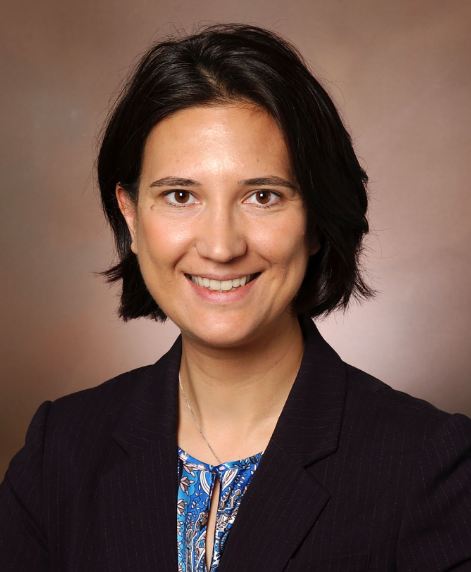
Administrative data show that readmission rates are highest in vascular surgery, according to Dr. Natalia O. Glebova and her colleagues. In Friday afternoon’s Plenary Session, Dr. Glebova, of the University of Colorado Denver, will present an analysis that she and her colleagues conducted to examine the particular contributions of planned readmissions and patient comorbidities to high readmission rates in vascular surgery.
“Hospital readmissions are increasingly being scrutinized as a metric of poor quality of health care and penalized by the Centers for Medicare and Medicaid Services (CMS),” according to Dr. Glebova.
“Readmissions in vascular surgery patients in particular have been found to be more frequent as compared to other surgical specialties. As CMS is starting to penalize surgical readmissions, and may penalize readmissions after vascular surgery, this study is timely in that it investigates the reasons behind the high readmission rates in vascular surgery patients.”
She and her colleagues queried the 2012-2013 American College of Surgeons National Surgical Quality Improvement Program (ACS-NSQIP) dataset for overall and unplanned readmissions and performed bivariable and multivariable risk adjustment analyses using patient comorbidities in order to compare the risks of overall and unplanned readmissions in vascular surgery as compared with other specialties.
Among 1,165,827 surgical patients, a total of 86,653 underwent a vascular operation. The rate of 30-day postoperative readmission for vascular surgery was 10.2% and 5.5% for other specialties, a significant difference at P < .0001.
However, planned readmissions were also significantly more frequent for vascular surgery than other specialties (8.8% vs. 5.4%). Using risk-unadjusted analysis, vascular patients had significantly higher risk for overall readmission (odds ratio 1.97) and unplanned readmission (OR 1.89), compared with the other specialties.
On bivariable analysis, vascular patients were found to be older (67 vs. 56 years) and had more comorbidities such as diabetes (31% vs. 14%), dialysis dependence (6.4% vs. 0.9%), ASA class III/IV status (84% vs. 41%), and many others (all with P < .0001).
“Our study shows that the incidence of 30-day readmission after vascular surgery appears high, but after risk adjustment, the risk of unplanned readmission is similar to other surgical patients,” Dr. Glebova said.
“It is important that physicians make sure that policy makers understand differences between vascular surgery patients and other specialty patients and how these differences influence readmissions.” VC
Administrative data show that readmission rates are highest in vascular surgery, according to Dr. Natalia O. Glebova and her colleagues. In Friday afternoon’s Plenary Session, Dr. Glebova, of the University of Colorado Denver, will present an analysis that she and her colleagues conducted to examine the particular contributions of planned readmissions and patient comorbidities to high readmission rates in vascular surgery.
“Hospital readmissions are increasingly being scrutinized as a metric of poor quality of health care and penalized by the Centers for Medicare and Medicaid Services (CMS),” according to Dr. Glebova.
“Readmissions in vascular surgery patients in particular have been found to be more frequent as compared to other surgical specialties. As CMS is starting to penalize surgical readmissions, and may penalize readmissions after vascular surgery, this study is timely in that it investigates the reasons behind the high readmission rates in vascular surgery patients.”
She and her colleagues queried the 2012-2013 American College of Surgeons National Surgical Quality Improvement Program (ACS-NSQIP) dataset for overall and unplanned readmissions and performed bivariable and multivariable risk adjustment analyses using patient comorbidities in order to compare the risks of overall and unplanned readmissions in vascular surgery as compared with other specialties.
Among 1,165,827 surgical patients, a total of 86,653 underwent a vascular operation. The rate of 30-day postoperative readmission for vascular surgery was 10.2% and 5.5% for other specialties, a significant difference at P < .0001.
However, planned readmissions were also significantly more frequent for vascular surgery than other specialties (8.8% vs. 5.4%). Using risk-unadjusted analysis, vascular patients had significantly higher risk for overall readmission (odds ratio 1.97) and unplanned readmission (OR 1.89), compared with the other specialties.
On bivariable analysis, vascular patients were found to be older (67 vs. 56 years) and had more comorbidities such as diabetes (31% vs. 14%), dialysis dependence (6.4% vs. 0.9%), ASA class III/IV status (84% vs. 41%), and many others (all with P < .0001).
“Our study shows that the incidence of 30-day readmission after vascular surgery appears high, but after risk adjustment, the risk of unplanned readmission is similar to other surgical patients,” Dr. Glebova said.
“It is important that physicians make sure that policy makers understand differences between vascular surgery patients and other specialty patients and how these differences influence readmissions.” VC
Administrative data show that readmission rates are highest in vascular surgery, according to Dr. Natalia O. Glebova and her colleagues. In Friday afternoon’s Plenary Session, Dr. Glebova, of the University of Colorado Denver, will present an analysis that she and her colleagues conducted to examine the particular contributions of planned readmissions and patient comorbidities to high readmission rates in vascular surgery.
“Hospital readmissions are increasingly being scrutinized as a metric of poor quality of health care and penalized by the Centers for Medicare and Medicaid Services (CMS),” according to Dr. Glebova.
“Readmissions in vascular surgery patients in particular have been found to be more frequent as compared to other surgical specialties. As CMS is starting to penalize surgical readmissions, and may penalize readmissions after vascular surgery, this study is timely in that it investigates the reasons behind the high readmission rates in vascular surgery patients.”
She and her colleagues queried the 2012-2013 American College of Surgeons National Surgical Quality Improvement Program (ACS-NSQIP) dataset for overall and unplanned readmissions and performed bivariable and multivariable risk adjustment analyses using patient comorbidities in order to compare the risks of overall and unplanned readmissions in vascular surgery as compared with other specialties.
Among 1,165,827 surgical patients, a total of 86,653 underwent a vascular operation. The rate of 30-day postoperative readmission for vascular surgery was 10.2% and 5.5% for other specialties, a significant difference at P < .0001.
However, planned readmissions were also significantly more frequent for vascular surgery than other specialties (8.8% vs. 5.4%). Using risk-unadjusted analysis, vascular patients had significantly higher risk for overall readmission (odds ratio 1.97) and unplanned readmission (OR 1.89), compared with the other specialties.
On bivariable analysis, vascular patients were found to be older (67 vs. 56 years) and had more comorbidities such as diabetes (31% vs. 14%), dialysis dependence (6.4% vs. 0.9%), ASA class III/IV status (84% vs. 41%), and many others (all with P < .0001).
“Our study shows that the incidence of 30-day readmission after vascular surgery appears high, but after risk adjustment, the risk of unplanned readmission is similar to other surgical patients,” Dr. Glebova said.
“It is important that physicians make sure that policy makers understand differences between vascular surgery patients and other specialty patients and how these differences influence readmissions.” VC
Raise a Glass: Dr. Alec Clowes Honored with Lifetime Achievement Award
Behind most significant awards, you usually find a human story of outstanding character, singular achievement, and lasting influence. That is especially the case this year with the Society of Vascular Surgery’s highest honor, the Lifetime Achievement Award, bestowed Thursday on Dr. Alexander Clowes.
“Dr. Clowes may be considered the most prominent vascular surgeon scientist of our era,” noted SVS President Peter Lawrence.
Clowes was nominated by numerous Society members who cited his many contributions and unparalleled impact on the art and science of vascular disease management. Dr. Clowes has been a professor of vascular surgery at the University of Washington for 35 years. Throughout his life, he has stood out – as a surgeon, as a researcher, and as a caring person.
Dr. Clowes is the scion of a prestigious family of scientists, which included his grandfather, G.H.A. Clowes, a chemist who joined Eli Lilly Co. in 1919 and oversaw the development of numerous important pharmaceuticals, including insulin, and Alec Clowes’ father, Dr. George Clowes, Jr., a surgeon and researcher who taught at Harvard Medical School for two decades, and who isolated a peptide that contributes to muscle wasting.
With that background, noted Dr. Alec Clowes in an interview late last year, “I had said I was going to do nothing but science. But as I got into...vascular surgery I realized I simply liked taking care of people one by one.”
As a surgeon and researcher, stenosis has always been one of his recurring frustrations. After surgery, “one in three of those patients will get into trouble with excessive scarring and re-narrowing of the reconstruction,” he said. “If within one year of reconstruction you are back to square one, you can imagine how frustrating that is.”
His research over the years has led to many advances, such as applying medicines to stents. “You can’t eliminate stenosis but you can reduce and regulate it,” he said, “and that is the goal.”
Dr. Clowes more recently had been researching the possibility of a genetic basis for vein graft failure.
He is revered for his deep involvement in the careers of young investigators who have studied under him at the University of Washington. Several have become division chiefs and chairs and have mentored numerous subsequent trainees. He also played an important role in the development of a formal basic science curriculum for vascular surgery fellows.
“I am very proud of the young investigators I have trained over time,” he said, “and that they in turn have been successful.”
“He is a titan,” said his friend and colleague Dr. Ben Starnes. “And he is selfless.”
A little over a year ago, Dr. Clowes was diagnosed with an aggressive form of brain cancer.
Dr. Starnes remembers the exact day, June 23, when he found out his friend was very ill. “I went over to his home,” Dr. Starnes recalled. “We sat out on his deck and had a beer looking over the Puget Sound. I told him I wanted to make a documentary of his career – he said we could start immediately.”
That video, produced by the UWTV, can be viewed at http://vsweb.org/AClowes.
Dr. Starnes also set up a schedule for faculty to take Dr. Clowes to his medical appointments and radiation.
“This was particularly useful for Alec and the junior faculty because it gave them one-on-one time with him for 2.5 to 3.5 hours straight,” Dr. Starnes added. “We also set up visits from other staff members to visit Alec at his home. These visits brought our staff closer to Alec and Alec very much enjoyed and appreciated his time with the junior faculty. A chance for him to continue to mentor as well.”
I think we made the most of this time with him and did not ignore the situation. Alec has never once complained about his current condition.”
Dr. Carlos A. Pellegrini, Chair of the UW Department of Surgery, believes the illness has spurred Dr. Clowes to focus on what is most important to him. “I think he has turned this into ‘what else can I do, so long as I am able to do things, to continue to help humankind?’” Dr. Pellegrini said.
The SVS Lifetime Achievement Award also recognizes an individual’s outstanding and sustained contributions both to the profession and to SVS, as well as exemplary professional practice and leadership.
Dr. Clowes has held important leadership roles in the SVS and other vascular societies. Most notably, he served on the Board of Directors of the SVS Lifeline Foundation from 1994 to 2003 and played a critical role in two initiatives that have had a longstanding impact in the area of vascular research: the jointly sponsored SVS Foundation/NHLBI Career Development Award program and the Research Initiatives in Vascular Disease conference (now VRIC).
He also served as the treasurer of the ISCVS North American Chapter and as the chair of the SVS Fellows Council for two terms. A long-standing member of the Western Vascular Society, he served as its president in 2007. He played a critical role as an advocate for vascular surgery within the American College of Surgeons, serving as Chair of its Research Committee and establishing the current ongoing partnership with ACS in the jointly funded K award program. This program has been a model for other surgical professional societies. Based on his signature interest in vascular biology, he has also made significant contributions to the American Heart Association and the North American Vascular Biology Organization.
While on the faculty of the University of Washington, he served 12 years as division chief of vascular surgery, contributing to the clinical and scientific training of numerous students, residents, and fellows. His tenure has also included serving as acting chair of surgery, vice-chair for research, and associate director of the MD-PhD program since 2006.
His highly productive laboratory was a fertile ground for the training of many successful clinician scientists who have gone on to prominent careers in the United States and around the world.
As a clinician he has focused his interests and educational efforts on vein graft surgery, carotid surgery, and noninvasive diagnostics. What is perhaps least known about him is that he is a highly respected and talented clinical vascular surgeon in his own community.
Dr. Starnes was able to accumulate all of Dr. Clowes’ 237 manuscripts and have them bound into six volumes with his family crest on the cover.
During his illness, Dr. Clowes has pursued his professional interests to the best of his abilities, and continued writing a biography about his grandfather.“I would not like to die with a mind full of regrets,” Dr. Clowes explained in the video. “I would like to deal with the issues that are still pressing me in real time, and do them before that moment comes.”
For Dr. Clowes, however, his family has been his greatest gratification. He and his wife Susan have three granddaughters. “And [they are],” he said, “really the joy of my life.” VC
Behind most significant awards, you usually find a human story of outstanding character, singular achievement, and lasting influence. That is especially the case this year with the Society of Vascular Surgery’s highest honor, the Lifetime Achievement Award, bestowed Thursday on Dr. Alexander Clowes.
“Dr. Clowes may be considered the most prominent vascular surgeon scientist of our era,” noted SVS President Peter Lawrence.
Clowes was nominated by numerous Society members who cited his many contributions and unparalleled impact on the art and science of vascular disease management. Dr. Clowes has been a professor of vascular surgery at the University of Washington for 35 years. Throughout his life, he has stood out – as a surgeon, as a researcher, and as a caring person.
Dr. Clowes is the scion of a prestigious family of scientists, which included his grandfather, G.H.A. Clowes, a chemist who joined Eli Lilly Co. in 1919 and oversaw the development of numerous important pharmaceuticals, including insulin, and Alec Clowes’ father, Dr. George Clowes, Jr., a surgeon and researcher who taught at Harvard Medical School for two decades, and who isolated a peptide that contributes to muscle wasting.
With that background, noted Dr. Alec Clowes in an interview late last year, “I had said I was going to do nothing but science. But as I got into...vascular surgery I realized I simply liked taking care of people one by one.”
As a surgeon and researcher, stenosis has always been one of his recurring frustrations. After surgery, “one in three of those patients will get into trouble with excessive scarring and re-narrowing of the reconstruction,” he said. “If within one year of reconstruction you are back to square one, you can imagine how frustrating that is.”
His research over the years has led to many advances, such as applying medicines to stents. “You can’t eliminate stenosis but you can reduce and regulate it,” he said, “and that is the goal.”
Dr. Clowes more recently had been researching the possibility of a genetic basis for vein graft failure.
He is revered for his deep involvement in the careers of young investigators who have studied under him at the University of Washington. Several have become division chiefs and chairs and have mentored numerous subsequent trainees. He also played an important role in the development of a formal basic science curriculum for vascular surgery fellows.
“I am very proud of the young investigators I have trained over time,” he said, “and that they in turn have been successful.”
“He is a titan,” said his friend and colleague Dr. Ben Starnes. “And he is selfless.”
A little over a year ago, Dr. Clowes was diagnosed with an aggressive form of brain cancer.
Dr. Starnes remembers the exact day, June 23, when he found out his friend was very ill. “I went over to his home,” Dr. Starnes recalled. “We sat out on his deck and had a beer looking over the Puget Sound. I told him I wanted to make a documentary of his career – he said we could start immediately.”
That video, produced by the UWTV, can be viewed at http://vsweb.org/AClowes.
Dr. Starnes also set up a schedule for faculty to take Dr. Clowes to his medical appointments and radiation.
“This was particularly useful for Alec and the junior faculty because it gave them one-on-one time with him for 2.5 to 3.5 hours straight,” Dr. Starnes added. “We also set up visits from other staff members to visit Alec at his home. These visits brought our staff closer to Alec and Alec very much enjoyed and appreciated his time with the junior faculty. A chance for him to continue to mentor as well.”
I think we made the most of this time with him and did not ignore the situation. Alec has never once complained about his current condition.”
Dr. Carlos A. Pellegrini, Chair of the UW Department of Surgery, believes the illness has spurred Dr. Clowes to focus on what is most important to him. “I think he has turned this into ‘what else can I do, so long as I am able to do things, to continue to help humankind?’” Dr. Pellegrini said.
The SVS Lifetime Achievement Award also recognizes an individual’s outstanding and sustained contributions both to the profession and to SVS, as well as exemplary professional practice and leadership.
Dr. Clowes has held important leadership roles in the SVS and other vascular societies. Most notably, he served on the Board of Directors of the SVS Lifeline Foundation from 1994 to 2003 and played a critical role in two initiatives that have had a longstanding impact in the area of vascular research: the jointly sponsored SVS Foundation/NHLBI Career Development Award program and the Research Initiatives in Vascular Disease conference (now VRIC).
He also served as the treasurer of the ISCVS North American Chapter and as the chair of the SVS Fellows Council for two terms. A long-standing member of the Western Vascular Society, he served as its president in 2007. He played a critical role as an advocate for vascular surgery within the American College of Surgeons, serving as Chair of its Research Committee and establishing the current ongoing partnership with ACS in the jointly funded K award program. This program has been a model for other surgical professional societies. Based on his signature interest in vascular biology, he has also made significant contributions to the American Heart Association and the North American Vascular Biology Organization.
While on the faculty of the University of Washington, he served 12 years as division chief of vascular surgery, contributing to the clinical and scientific training of numerous students, residents, and fellows. His tenure has also included serving as acting chair of surgery, vice-chair for research, and associate director of the MD-PhD program since 2006.
His highly productive laboratory was a fertile ground for the training of many successful clinician scientists who have gone on to prominent careers in the United States and around the world.
As a clinician he has focused his interests and educational efforts on vein graft surgery, carotid surgery, and noninvasive diagnostics. What is perhaps least known about him is that he is a highly respected and talented clinical vascular surgeon in his own community.
Dr. Starnes was able to accumulate all of Dr. Clowes’ 237 manuscripts and have them bound into six volumes with his family crest on the cover.
During his illness, Dr. Clowes has pursued his professional interests to the best of his abilities, and continued writing a biography about his grandfather.“I would not like to die with a mind full of regrets,” Dr. Clowes explained in the video. “I would like to deal with the issues that are still pressing me in real time, and do them before that moment comes.”
For Dr. Clowes, however, his family has been his greatest gratification. He and his wife Susan have three granddaughters. “And [they are],” he said, “really the joy of my life.” VC
Behind most significant awards, you usually find a human story of outstanding character, singular achievement, and lasting influence. That is especially the case this year with the Society of Vascular Surgery’s highest honor, the Lifetime Achievement Award, bestowed Thursday on Dr. Alexander Clowes.
“Dr. Clowes may be considered the most prominent vascular surgeon scientist of our era,” noted SVS President Peter Lawrence.
Clowes was nominated by numerous Society members who cited his many contributions and unparalleled impact on the art and science of vascular disease management. Dr. Clowes has been a professor of vascular surgery at the University of Washington for 35 years. Throughout his life, he has stood out – as a surgeon, as a researcher, and as a caring person.
Dr. Clowes is the scion of a prestigious family of scientists, which included his grandfather, G.H.A. Clowes, a chemist who joined Eli Lilly Co. in 1919 and oversaw the development of numerous important pharmaceuticals, including insulin, and Alec Clowes’ father, Dr. George Clowes, Jr., a surgeon and researcher who taught at Harvard Medical School for two decades, and who isolated a peptide that contributes to muscle wasting.
With that background, noted Dr. Alec Clowes in an interview late last year, “I had said I was going to do nothing but science. But as I got into...vascular surgery I realized I simply liked taking care of people one by one.”
As a surgeon and researcher, stenosis has always been one of his recurring frustrations. After surgery, “one in three of those patients will get into trouble with excessive scarring and re-narrowing of the reconstruction,” he said. “If within one year of reconstruction you are back to square one, you can imagine how frustrating that is.”
His research over the years has led to many advances, such as applying medicines to stents. “You can’t eliminate stenosis but you can reduce and regulate it,” he said, “and that is the goal.”
Dr. Clowes more recently had been researching the possibility of a genetic basis for vein graft failure.
He is revered for his deep involvement in the careers of young investigators who have studied under him at the University of Washington. Several have become division chiefs and chairs and have mentored numerous subsequent trainees. He also played an important role in the development of a formal basic science curriculum for vascular surgery fellows.
“I am very proud of the young investigators I have trained over time,” he said, “and that they in turn have been successful.”
“He is a titan,” said his friend and colleague Dr. Ben Starnes. “And he is selfless.”
A little over a year ago, Dr. Clowes was diagnosed with an aggressive form of brain cancer.
Dr. Starnes remembers the exact day, June 23, when he found out his friend was very ill. “I went over to his home,” Dr. Starnes recalled. “We sat out on his deck and had a beer looking over the Puget Sound. I told him I wanted to make a documentary of his career – he said we could start immediately.”
That video, produced by the UWTV, can be viewed at http://vsweb.org/AClowes.
Dr. Starnes also set up a schedule for faculty to take Dr. Clowes to his medical appointments and radiation.
“This was particularly useful for Alec and the junior faculty because it gave them one-on-one time with him for 2.5 to 3.5 hours straight,” Dr. Starnes added. “We also set up visits from other staff members to visit Alec at his home. These visits brought our staff closer to Alec and Alec very much enjoyed and appreciated his time with the junior faculty. A chance for him to continue to mentor as well.”
I think we made the most of this time with him and did not ignore the situation. Alec has never once complained about his current condition.”
Dr. Carlos A. Pellegrini, Chair of the UW Department of Surgery, believes the illness has spurred Dr. Clowes to focus on what is most important to him. “I think he has turned this into ‘what else can I do, so long as I am able to do things, to continue to help humankind?’” Dr. Pellegrini said.
The SVS Lifetime Achievement Award also recognizes an individual’s outstanding and sustained contributions both to the profession and to SVS, as well as exemplary professional practice and leadership.
Dr. Clowes has held important leadership roles in the SVS and other vascular societies. Most notably, he served on the Board of Directors of the SVS Lifeline Foundation from 1994 to 2003 and played a critical role in two initiatives that have had a longstanding impact in the area of vascular research: the jointly sponsored SVS Foundation/NHLBI Career Development Award program and the Research Initiatives in Vascular Disease conference (now VRIC).
He also served as the treasurer of the ISCVS North American Chapter and as the chair of the SVS Fellows Council for two terms. A long-standing member of the Western Vascular Society, he served as its president in 2007. He played a critical role as an advocate for vascular surgery within the American College of Surgeons, serving as Chair of its Research Committee and establishing the current ongoing partnership with ACS in the jointly funded K award program. This program has been a model for other surgical professional societies. Based on his signature interest in vascular biology, he has also made significant contributions to the American Heart Association and the North American Vascular Biology Organization.
While on the faculty of the University of Washington, he served 12 years as division chief of vascular surgery, contributing to the clinical and scientific training of numerous students, residents, and fellows. His tenure has also included serving as acting chair of surgery, vice-chair for research, and associate director of the MD-PhD program since 2006.
His highly productive laboratory was a fertile ground for the training of many successful clinician scientists who have gone on to prominent careers in the United States and around the world.
As a clinician he has focused his interests and educational efforts on vein graft surgery, carotid surgery, and noninvasive diagnostics. What is perhaps least known about him is that he is a highly respected and talented clinical vascular surgeon in his own community.
Dr. Starnes was able to accumulate all of Dr. Clowes’ 237 manuscripts and have them bound into six volumes with his family crest on the cover.
During his illness, Dr. Clowes has pursued his professional interests to the best of his abilities, and continued writing a biography about his grandfather.“I would not like to die with a mind full of regrets,” Dr. Clowes explained in the video. “I would like to deal with the issues that are still pressing me in real time, and do them before that moment comes.”
For Dr. Clowes, however, his family has been his greatest gratification. He and his wife Susan have three granddaughters. “And [they are],” he said, “really the joy of my life.” VC
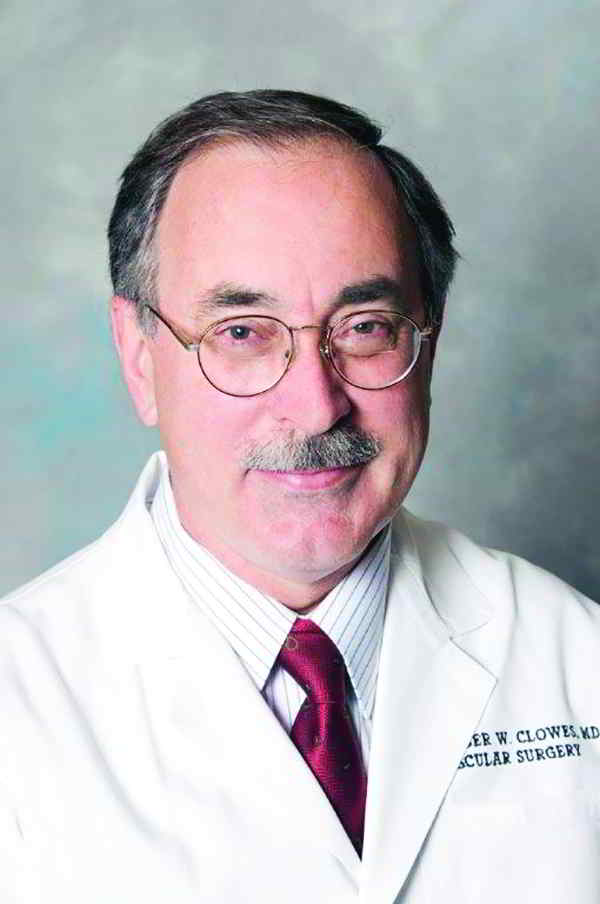
Make the Most of Your Time at VAM
Yesterday’s breakfast session on careers and networking was just for trainees, and that’s kind of a shame.
Many attendees, especially first-timers, can find networking at meetings a bit daunting. Here’s some advice on putting your best foot forward from two of the session speakers, Dr. Murray Shames and Dr. Trisha Roy:
• The annual meeting actually is a good place to practice approaching people. At opportunities such as the poster sessions and the Residency Fair, you have a chance to introduce yourself in a relaxed, interactive atmosphere.
• Plan ahead. Research sessions and speakers ahead of time and come to events ready with succinct questions. “When you ramble on without getting to the point,” Dr. Roy said, “you will fail to make a meaningful connection.”
• Practice that elevator speech – a short summary of who you are and why that person should care. Have a few key points about yourself that you can get across quickly.
• Look through the program book or the online program to find interesting sessions and speakers. Read their abstract, look them up on their institution’s website, LinkedIn, or the annual meeting app. You can find a complete list of attendees on the Who’s Coming SVS website.
• Dr. Shames also points out that if you have met a person before, don’t assume he or she will remember your name. “We meet a lot of people and we may not remember all of you,” he said. “Students need to go out of their way to re-introduce themselves each time they meet [someone].”
• Young surgeons are often “passive networkers,” said Dr. Roy. They might only speak to new people when they are formally introduced. In an effort to appear humble, they miss opportunities and may even seem disinterested and disengaged. It is important to step outside your comfort zone and be the one to actively initiate a conversation.
On the other side of the coin, some young physicians may be overconfident, Dr. Shames said, a trait that can come across as arrogant.
First impressions count, said Dr. Shames. “It’s a small community.” VC
Yesterday’s breakfast session on careers and networking was just for trainees, and that’s kind of a shame.
Many attendees, especially first-timers, can find networking at meetings a bit daunting. Here’s some advice on putting your best foot forward from two of the session speakers, Dr. Murray Shames and Dr. Trisha Roy:
• The annual meeting actually is a good place to practice approaching people. At opportunities such as the poster sessions and the Residency Fair, you have a chance to introduce yourself in a relaxed, interactive atmosphere.
• Plan ahead. Research sessions and speakers ahead of time and come to events ready with succinct questions. “When you ramble on without getting to the point,” Dr. Roy said, “you will fail to make a meaningful connection.”
• Practice that elevator speech – a short summary of who you are and why that person should care. Have a few key points about yourself that you can get across quickly.
• Look through the program book or the online program to find interesting sessions and speakers. Read their abstract, look them up on their institution’s website, LinkedIn, or the annual meeting app. You can find a complete list of attendees on the Who’s Coming SVS website.
• Dr. Shames also points out that if you have met a person before, don’t assume he or she will remember your name. “We meet a lot of people and we may not remember all of you,” he said. “Students need to go out of their way to re-introduce themselves each time they meet [someone].”
• Young surgeons are often “passive networkers,” said Dr. Roy. They might only speak to new people when they are formally introduced. In an effort to appear humble, they miss opportunities and may even seem disinterested and disengaged. It is important to step outside your comfort zone and be the one to actively initiate a conversation.
On the other side of the coin, some young physicians may be overconfident, Dr. Shames said, a trait that can come across as arrogant.
First impressions count, said Dr. Shames. “It’s a small community.” VC
Yesterday’s breakfast session on careers and networking was just for trainees, and that’s kind of a shame.
Many attendees, especially first-timers, can find networking at meetings a bit daunting. Here’s some advice on putting your best foot forward from two of the session speakers, Dr. Murray Shames and Dr. Trisha Roy:
• The annual meeting actually is a good place to practice approaching people. At opportunities such as the poster sessions and the Residency Fair, you have a chance to introduce yourself in a relaxed, interactive atmosphere.
• Plan ahead. Research sessions and speakers ahead of time and come to events ready with succinct questions. “When you ramble on without getting to the point,” Dr. Roy said, “you will fail to make a meaningful connection.”
• Practice that elevator speech – a short summary of who you are and why that person should care. Have a few key points about yourself that you can get across quickly.
• Look through the program book or the online program to find interesting sessions and speakers. Read their abstract, look them up on their institution’s website, LinkedIn, or the annual meeting app. You can find a complete list of attendees on the Who’s Coming SVS website.
• Dr. Shames also points out that if you have met a person before, don’t assume he or she will remember your name. “We meet a lot of people and we may not remember all of you,” he said. “Students need to go out of their way to re-introduce themselves each time they meet [someone].”
• Young surgeons are often “passive networkers,” said Dr. Roy. They might only speak to new people when they are formally introduced. In an effort to appear humble, they miss opportunities and may even seem disinterested and disengaged. It is important to step outside your comfort zone and be the one to actively initiate a conversation.
On the other side of the coin, some young physicians may be overconfident, Dr. Shames said, a trait that can come across as arrogant.
First impressions count, said Dr. Shames. “It’s a small community.” VC
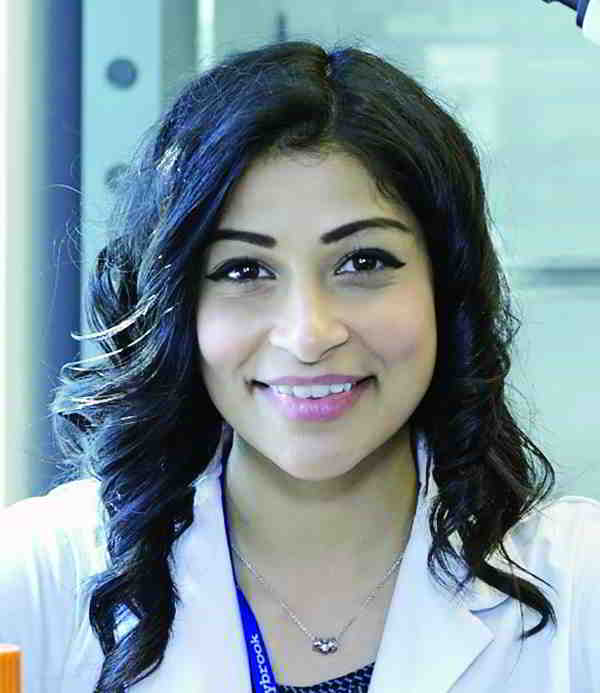
How Do We Measure Essential Vascular Skills?
In Friday morning’s Plenary Session, Dr. Malachai G. Sheahan will present the results of a study that he and his colleagues did to establish metrics for a number of essential skills needed by vascular surgery trainees.
“Over the past fifteen years, we have changed the essential nature of our field. What we do. How we train. Despite this, we have very few tools to assess the overall quality of our most important product, our residents and fellows. While standardized cognitive testing is in place, there exists no national evaluation of technical ability. Our group was formed to design and validate a vascular skills exam,” said Dr. Sheahan, of the Houston Methodist Hospital, DeBakey Heart & Vascular Center, Houston.
He and his colleagues performed this over a 5-year period of model design, assessor training, and pilot exams, following which, formal testing was conducted between October 2012 and December 2014. The timed exam consisted of the following essential vascular surgery skills, according to Dr. Sheahan: an end-to-side (ES) model, a patch angioplasty (PA), and a clock-face (CF) radial suturing skill.
Each examinee in the study was evaluated by two experienced assessors blinded to the trainee’s level. Scoring was performed both on a global assessment (GA) and a more detailed global rating score (GRS). A passing or “competent” grade was defined as a minimum GA score of 3 on each skill.
A total of 243 trainees were examined, who ranged in experience from medical student to senior fellow. Inter-rater reliability (alpha =.89) among the assessors and internal consistency (alpha =.90) for each participant on the three models were both high.
The GRS achieved on each model was able to significantly differentiate junior (pre-MD to PGY2) from senior (PGY3-7) trainees for each of the skills tested, demonstrating construct validity. They also found a strong correlation between GRS and the trainee’s open surgical experience for each model. While no medical student received a passing score (0/43), progressive improvement with experience was demonstrated among integrated vascular residents, with PGY1 at 8%, PGY2 at 40%, PGY3 at 44%, PGY4 at 85%, and PGY5 at 92% passing. Fellows had scores at PGY6 of 56%, and PGY7 of 90%.
Logistic regression analysis demonstrated time spent on vascular rotations (P =.012) and self-reported confidence in vascular skill (P =.041) were independent predictors of a passing score, Dr. Sheahan added.
“Our results suggest that experienced assessors using this exam can effectively evaluate the technical abilities of a vascular trainee.
“The models will help identify distict deficiencies in technical skill and resident outliers who have fallen behind their peers. The goal is to help Program Directors improve their final product.,” Dr. Sheahan concluded. VC
In Friday morning’s Plenary Session, Dr. Malachai G. Sheahan will present the results of a study that he and his colleagues did to establish metrics for a number of essential skills needed by vascular surgery trainees.
“Over the past fifteen years, we have changed the essential nature of our field. What we do. How we train. Despite this, we have very few tools to assess the overall quality of our most important product, our residents and fellows. While standardized cognitive testing is in place, there exists no national evaluation of technical ability. Our group was formed to design and validate a vascular skills exam,” said Dr. Sheahan, of the Houston Methodist Hospital, DeBakey Heart & Vascular Center, Houston.
He and his colleagues performed this over a 5-year period of model design, assessor training, and pilot exams, following which, formal testing was conducted between October 2012 and December 2014. The timed exam consisted of the following essential vascular surgery skills, according to Dr. Sheahan: an end-to-side (ES) model, a patch angioplasty (PA), and a clock-face (CF) radial suturing skill.
Each examinee in the study was evaluated by two experienced assessors blinded to the trainee’s level. Scoring was performed both on a global assessment (GA) and a more detailed global rating score (GRS). A passing or “competent” grade was defined as a minimum GA score of 3 on each skill.
A total of 243 trainees were examined, who ranged in experience from medical student to senior fellow. Inter-rater reliability (alpha =.89) among the assessors and internal consistency (alpha =.90) for each participant on the three models were both high.
The GRS achieved on each model was able to significantly differentiate junior (pre-MD to PGY2) from senior (PGY3-7) trainees for each of the skills tested, demonstrating construct validity. They also found a strong correlation between GRS and the trainee’s open surgical experience for each model. While no medical student received a passing score (0/43), progressive improvement with experience was demonstrated among integrated vascular residents, with PGY1 at 8%, PGY2 at 40%, PGY3 at 44%, PGY4 at 85%, and PGY5 at 92% passing. Fellows had scores at PGY6 of 56%, and PGY7 of 90%.
Logistic regression analysis demonstrated time spent on vascular rotations (P =.012) and self-reported confidence in vascular skill (P =.041) were independent predictors of a passing score, Dr. Sheahan added.
“Our results suggest that experienced assessors using this exam can effectively evaluate the technical abilities of a vascular trainee.
“The models will help identify distict deficiencies in technical skill and resident outliers who have fallen behind their peers. The goal is to help Program Directors improve their final product.,” Dr. Sheahan concluded. VC
In Friday morning’s Plenary Session, Dr. Malachai G. Sheahan will present the results of a study that he and his colleagues did to establish metrics for a number of essential skills needed by vascular surgery trainees.
“Over the past fifteen years, we have changed the essential nature of our field. What we do. How we train. Despite this, we have very few tools to assess the overall quality of our most important product, our residents and fellows. While standardized cognitive testing is in place, there exists no national evaluation of technical ability. Our group was formed to design and validate a vascular skills exam,” said Dr. Sheahan, of the Houston Methodist Hospital, DeBakey Heart & Vascular Center, Houston.
He and his colleagues performed this over a 5-year period of model design, assessor training, and pilot exams, following which, formal testing was conducted between October 2012 and December 2014. The timed exam consisted of the following essential vascular surgery skills, according to Dr. Sheahan: an end-to-side (ES) model, a patch angioplasty (PA), and a clock-face (CF) radial suturing skill.
Each examinee in the study was evaluated by two experienced assessors blinded to the trainee’s level. Scoring was performed both on a global assessment (GA) and a more detailed global rating score (GRS). A passing or “competent” grade was defined as a minimum GA score of 3 on each skill.
A total of 243 trainees were examined, who ranged in experience from medical student to senior fellow. Inter-rater reliability (alpha =.89) among the assessors and internal consistency (alpha =.90) for each participant on the three models were both high.
The GRS achieved on each model was able to significantly differentiate junior (pre-MD to PGY2) from senior (PGY3-7) trainees for each of the skills tested, demonstrating construct validity. They also found a strong correlation between GRS and the trainee’s open surgical experience for each model. While no medical student received a passing score (0/43), progressive improvement with experience was demonstrated among integrated vascular residents, with PGY1 at 8%, PGY2 at 40%, PGY3 at 44%, PGY4 at 85%, and PGY5 at 92% passing. Fellows had scores at PGY6 of 56%, and PGY7 of 90%.
Logistic regression analysis demonstrated time spent on vascular rotations (P =.012) and self-reported confidence in vascular skill (P =.041) were independent predictors of a passing score, Dr. Sheahan added.
“Our results suggest that experienced assessors using this exam can effectively evaluate the technical abilities of a vascular trainee.
“The models will help identify distict deficiencies in technical skill and resident outliers who have fallen behind their peers. The goal is to help Program Directors improve their final product.,” Dr. Sheahan concluded. VC
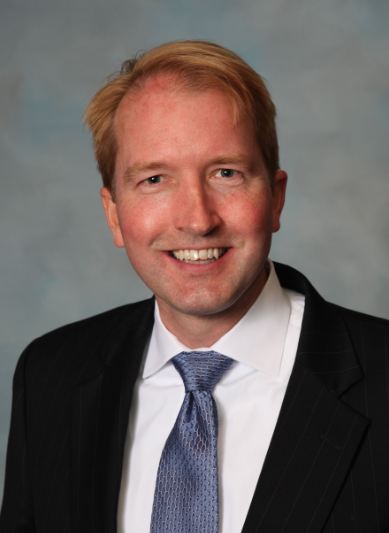
Alumni Receptions
Calling All Cardinals, Bears, Quakers and Assorted Graduates
Alumni receptions will be hosted in the Sheraton Chicago Hotel & Towers on Thursday evening, June 18. Full details will be available in the meeting app and program book available onsite. Here’s a list of times so far:
7-8:30 p.m. Cleveland Clinic
7-9:30 p.m. Eastern Virginia Medical School
7-8:30 p.m. Mass General/Brigham/Beth Israel
7-9 p.m. Henry Ford Vascular Surgery
7-9 p.m. Mayo Clinic
7-9 p.m. Montefiore Medical Center
7-9 p.m. University of Pennsylvania
7-10 p.m. Stanford
7-8:30 p.m. UCLA
7-8:30 p.m. Vanderbilt University
7-9 p.m. Washington University St. Louis
7-9 p.m. Yale
7-9 p.m. University of Washington
Calling All Cardinals, Bears, Quakers and Assorted Graduates
Alumni receptions will be hosted in the Sheraton Chicago Hotel & Towers on Thursday evening, June 18. Full details will be available in the meeting app and program book available onsite. Here’s a list of times so far:
7-8:30 p.m. Cleveland Clinic
7-9:30 p.m. Eastern Virginia Medical School
7-8:30 p.m. Mass General/Brigham/Beth Israel
7-9 p.m. Henry Ford Vascular Surgery
7-9 p.m. Mayo Clinic
7-9 p.m. Montefiore Medical Center
7-9 p.m. University of Pennsylvania
7-10 p.m. Stanford
7-8:30 p.m. UCLA
7-8:30 p.m. Vanderbilt University
7-9 p.m. Washington University St. Louis
7-9 p.m. Yale
7-9 p.m. University of Washington
Calling All Cardinals, Bears, Quakers and Assorted Graduates
Alumni receptions will be hosted in the Sheraton Chicago Hotel & Towers on Thursday evening, June 18. Full details will be available in the meeting app and program book available onsite. Here’s a list of times so far:
7-8:30 p.m. Cleveland Clinic
7-9:30 p.m. Eastern Virginia Medical School
7-8:30 p.m. Mass General/Brigham/Beth Israel
7-9 p.m. Henry Ford Vascular Surgery
7-9 p.m. Mayo Clinic
7-9 p.m. Montefiore Medical Center
7-9 p.m. University of Pennsylvania
7-10 p.m. Stanford
7-8:30 p.m. UCLA
7-8:30 p.m. Vanderbilt University
7-9 p.m. Washington University St. Louis
7-9 p.m. Yale
7-9 p.m. University of Washington

Going Fast... But Some Hotel Rooms Still Available
Hotel rooms are still available at our meeting headquarters, Sheraton Chicago Hotel & Towers, through our booking agency, Wyndham Jade.
Shuttle service will be provided between the Sheraton and McCormick Place West; it’s only eight minutes using the city’s dedicated bus lane.
Sheraton rates are: $279 single/$299 double/$319 Towers King plus 16.5% tax.
Hotel rooms are still available at our meeting headquarters, Sheraton Chicago Hotel & Towers, through our booking agency, Wyndham Jade.
Shuttle service will be provided between the Sheraton and McCormick Place West; it’s only eight minutes using the city’s dedicated bus lane.
Sheraton rates are: $279 single/$299 double/$319 Towers King plus 16.5% tax.
Hotel rooms are still available at our meeting headquarters, Sheraton Chicago Hotel & Towers, through our booking agency, Wyndham Jade.
Shuttle service will be provided between the Sheraton and McCormick Place West; it’s only eight minutes using the city’s dedicated bus lane.
Sheraton rates are: $279 single/$299 double/$319 Towers King plus 16.5% tax.

Meet the Newest Active AATS Members
At the Annual Meeting, 54 surgeons were elected as active AATS members:
Abbas E. Abbas (Philadelphia, PA)
Pavan Atluri (Philadelphia, PA)
Leora B. (Nashville, TN)
Daniel J. Boffa(New Haven, CT)
Munir Boodhwani (Ottawa, Canada)
Michael Bousamra (Louisville, KY)
Brian Bruckner, MD (Houston,TX)
Enio Buffolo (São Paulo, Brazil)
Massimo Caputo (Bristol, England)
Anna Maria Ciccone (Rome, Italy)
David T. Cooke (Sacramento, CA)
Marcelo Cypel (Toronto, ON, Canada)
Francois Dagenais (Quebec, Canada)
Antonio D’Andrilli (Rome, Italy)
Jonathan D’Cunha (Pittsburgh, PA)
Laurent De Kerchove (Brussels, Belgium)
Chadrick E. Denlinger (Charleston, SC)
Nimesh Desai (Philadelphia, PA)
Todd M. Dewey (Dallas, TX)
Torsten Doenst (Jena, Germany)
Alexander S. Farivar (Seattle, WA)
Felix G. Fernandez (Atlanta, GA)
Lorenzo E. Ferri (Montreal, Canada)
Kevin L. Greason (Rochester, MN)
Sean C. Grondin (Calgary, Canada)
Kazuhiro Hashimoto (Tokyo, Japan)
Viktor Hraska (Sankt Augustin, Germany)
James Huang (New York, NY)
Douglas R. Johnston (Cleveland, OH)
Robert J.M. Klautz (Leiden, Netherlands)
Theodoros Kofidis (Singapore, Singapore)
Martin Kostolny (London, England)
Alexander Kulik (Boca Raton, FL)
Leonard Y. Lee (New Brunswick, NJ)
Moishe Liberman (Montreal, Canada)
Jules Lin (Ann Arbor, MI)
Hari R. Mallidi (Houston, TX)
Simon Maltais (Nashville, TN)
Silvana F. Marasco (Melbourne, Australia)
Xu Meng (Beijng, China)
Kagami Miyaji (Sagamihara, Japan)
Gaetano Paone (Detroit, MI)
Patrick Perier (Bad Neustadt, Germany)
Ourania Preventza (Houston, TX)
Varun Puri (St. Louis, MO)
Basel Ramlawi (Houston, TX)
Fraser Rubens (Ottawa, Canada)
Isabelle Schmitt- Opitz (Zurich, Switzerland)
Sunil Singhal (Philadelphia, PA)
Edward G. Soltesz (Cleveland, OH)
John M. Stulak (Rochester, MN)
Akihiko Usui (Nagoya, Japan)
Zhe Zheng (Beijing, China)
At the Annual Meeting, 54 surgeons were elected as active AATS members:
Abbas E. Abbas (Philadelphia, PA)
Pavan Atluri (Philadelphia, PA)
Leora B. (Nashville, TN)
Daniel J. Boffa(New Haven, CT)
Munir Boodhwani (Ottawa, Canada)
Michael Bousamra (Louisville, KY)
Brian Bruckner, MD (Houston,TX)
Enio Buffolo (São Paulo, Brazil)
Massimo Caputo (Bristol, England)
Anna Maria Ciccone (Rome, Italy)
David T. Cooke (Sacramento, CA)
Marcelo Cypel (Toronto, ON, Canada)
Francois Dagenais (Quebec, Canada)
Antonio D’Andrilli (Rome, Italy)
Jonathan D’Cunha (Pittsburgh, PA)
Laurent De Kerchove (Brussels, Belgium)
Chadrick E. Denlinger (Charleston, SC)
Nimesh Desai (Philadelphia, PA)
Todd M. Dewey (Dallas, TX)
Torsten Doenst (Jena, Germany)
Alexander S. Farivar (Seattle, WA)
Felix G. Fernandez (Atlanta, GA)
Lorenzo E. Ferri (Montreal, Canada)
Kevin L. Greason (Rochester, MN)
Sean C. Grondin (Calgary, Canada)
Kazuhiro Hashimoto (Tokyo, Japan)
Viktor Hraska (Sankt Augustin, Germany)
James Huang (New York, NY)
Douglas R. Johnston (Cleveland, OH)
Robert J.M. Klautz (Leiden, Netherlands)
Theodoros Kofidis (Singapore, Singapore)
Martin Kostolny (London, England)
Alexander Kulik (Boca Raton, FL)
Leonard Y. Lee (New Brunswick, NJ)
Moishe Liberman (Montreal, Canada)
Jules Lin (Ann Arbor, MI)
Hari R. Mallidi (Houston, TX)
Simon Maltais (Nashville, TN)
Silvana F. Marasco (Melbourne, Australia)
Xu Meng (Beijng, China)
Kagami Miyaji (Sagamihara, Japan)
Gaetano Paone (Detroit, MI)
Patrick Perier (Bad Neustadt, Germany)
Ourania Preventza (Houston, TX)
Varun Puri (St. Louis, MO)
Basel Ramlawi (Houston, TX)
Fraser Rubens (Ottawa, Canada)
Isabelle Schmitt- Opitz (Zurich, Switzerland)
Sunil Singhal (Philadelphia, PA)
Edward G. Soltesz (Cleveland, OH)
John M. Stulak (Rochester, MN)
Akihiko Usui (Nagoya, Japan)
Zhe Zheng (Beijing, China)
At the Annual Meeting, 54 surgeons were elected as active AATS members:
Abbas E. Abbas (Philadelphia, PA)
Pavan Atluri (Philadelphia, PA)
Leora B. (Nashville, TN)
Daniel J. Boffa(New Haven, CT)
Munir Boodhwani (Ottawa, Canada)
Michael Bousamra (Louisville, KY)
Brian Bruckner, MD (Houston,TX)
Enio Buffolo (São Paulo, Brazil)
Massimo Caputo (Bristol, England)
Anna Maria Ciccone (Rome, Italy)
David T. Cooke (Sacramento, CA)
Marcelo Cypel (Toronto, ON, Canada)
Francois Dagenais (Quebec, Canada)
Antonio D’Andrilli (Rome, Italy)
Jonathan D’Cunha (Pittsburgh, PA)
Laurent De Kerchove (Brussels, Belgium)
Chadrick E. Denlinger (Charleston, SC)
Nimesh Desai (Philadelphia, PA)
Todd M. Dewey (Dallas, TX)
Torsten Doenst (Jena, Germany)
Alexander S. Farivar (Seattle, WA)
Felix G. Fernandez (Atlanta, GA)
Lorenzo E. Ferri (Montreal, Canada)
Kevin L. Greason (Rochester, MN)
Sean C. Grondin (Calgary, Canada)
Kazuhiro Hashimoto (Tokyo, Japan)
Viktor Hraska (Sankt Augustin, Germany)
James Huang (New York, NY)
Douglas R. Johnston (Cleveland, OH)
Robert J.M. Klautz (Leiden, Netherlands)
Theodoros Kofidis (Singapore, Singapore)
Martin Kostolny (London, England)
Alexander Kulik (Boca Raton, FL)
Leonard Y. Lee (New Brunswick, NJ)
Moishe Liberman (Montreal, Canada)
Jules Lin (Ann Arbor, MI)
Hari R. Mallidi (Houston, TX)
Simon Maltais (Nashville, TN)
Silvana F. Marasco (Melbourne, Australia)
Xu Meng (Beijng, China)
Kagami Miyaji (Sagamihara, Japan)
Gaetano Paone (Detroit, MI)
Patrick Perier (Bad Neustadt, Germany)
Ourania Preventza (Houston, TX)
Varun Puri (St. Louis, MO)
Basel Ramlawi (Houston, TX)
Fraser Rubens (Ottawa, Canada)
Isabelle Schmitt- Opitz (Zurich, Switzerland)
Sunil Singhal (Philadelphia, PA)
Edward G. Soltesz (Cleveland, OH)
John M. Stulak (Rochester, MN)
Akihiko Usui (Nagoya, Japan)
Zhe Zheng (Beijing, China)
Register for the Vascular Annual Meeting
You can register for the Annual Meeting in Chicago right up to – and through – the days of the meeting, June 17-20. Though the deadline for hotel reservations is past, you should still use the housing agency Wyndham Jade for reservations at the Sheraton Chicago Hotel & towers, Hyatt Regency McCormick Place or the Holiday Inn Mart Plaza. Reservations will made based on availability. Information on hotel reservations is available here.
You can register for the Annual Meeting in Chicago right up to – and through – the days of the meeting, June 17-20. Though the deadline for hotel reservations is past, you should still use the housing agency Wyndham Jade for reservations at the Sheraton Chicago Hotel & towers, Hyatt Regency McCormick Place or the Holiday Inn Mart Plaza. Reservations will made based on availability. Information on hotel reservations is available here.
You can register for the Annual Meeting in Chicago right up to – and through – the days of the meeting, June 17-20. Though the deadline for hotel reservations is past, you should still use the housing agency Wyndham Jade for reservations at the Sheraton Chicago Hotel & towers, Hyatt Regency McCormick Place or the Holiday Inn Mart Plaza. Reservations will made based on availability. Information on hotel reservations is available here.