User login
When Swearing Best Gets Your Point Across
I sometimes swear while talking to patients. It’s not the sole part of the conversation, and I certainly never swear at them. But I do swear on occasion.
When I was a kid, my dad told me swearing was for grown-ups, when talking about grown-up things. Well, I’m a grown-up now, and if "grown-up things" don’t include serious health problems, I don’t know what does.
A lot of people may see this as unprofessional, rude, or insensitive. I disagree. There are times when strong language is the only way of getting a point across. I generally have a good gauge of patient personality, and I am careful with what I say in front of certain people.
Language is one of our most useful tools as a species. I submit that swearing, like many other things, is part of the art of medicine. Knowing how to use it properly (and how not to) is a critical skill. Using it properly can be a central part of communicating properly with certain patients. Using it too much, or inappropriately, is obviously detrimental and unprofessional.
It may take a four-letter word to make yourself clear, or to help others understand what you’re trying to say. Some people don’t pay attention until certain words make them.
This is not something anyone will ever teach you in residency, and it would likely get you in trouble at most academic centers, but in the trenches of private practice neurology, sometimes the best way to talk to patients is to be an ordinary person, not a doctor.
Dr. Block has a solo neurology private practice in Scottsdale, Ariz. E-mail him at [email protected].
I sometimes swear while talking to patients. It’s not the sole part of the conversation, and I certainly never swear at them. But I do swear on occasion.
When I was a kid, my dad told me swearing was for grown-ups, when talking about grown-up things. Well, I’m a grown-up now, and if "grown-up things" don’t include serious health problems, I don’t know what does.
A lot of people may see this as unprofessional, rude, or insensitive. I disagree. There are times when strong language is the only way of getting a point across. I generally have a good gauge of patient personality, and I am careful with what I say in front of certain people.
Language is one of our most useful tools as a species. I submit that swearing, like many other things, is part of the art of medicine. Knowing how to use it properly (and how not to) is a critical skill. Using it properly can be a central part of communicating properly with certain patients. Using it too much, or inappropriately, is obviously detrimental and unprofessional.
It may take a four-letter word to make yourself clear, or to help others understand what you’re trying to say. Some people don’t pay attention until certain words make them.
This is not something anyone will ever teach you in residency, and it would likely get you in trouble at most academic centers, but in the trenches of private practice neurology, sometimes the best way to talk to patients is to be an ordinary person, not a doctor.
Dr. Block has a solo neurology private practice in Scottsdale, Ariz. E-mail him at [email protected].
I sometimes swear while talking to patients. It’s not the sole part of the conversation, and I certainly never swear at them. But I do swear on occasion.
When I was a kid, my dad told me swearing was for grown-ups, when talking about grown-up things. Well, I’m a grown-up now, and if "grown-up things" don’t include serious health problems, I don’t know what does.
A lot of people may see this as unprofessional, rude, or insensitive. I disagree. There are times when strong language is the only way of getting a point across. I generally have a good gauge of patient personality, and I am careful with what I say in front of certain people.
Language is one of our most useful tools as a species. I submit that swearing, like many other things, is part of the art of medicine. Knowing how to use it properly (and how not to) is a critical skill. Using it properly can be a central part of communicating properly with certain patients. Using it too much, or inappropriately, is obviously detrimental and unprofessional.
It may take a four-letter word to make yourself clear, or to help others understand what you’re trying to say. Some people don’t pay attention until certain words make them.
This is not something anyone will ever teach you in residency, and it would likely get you in trouble at most academic centers, but in the trenches of private practice neurology, sometimes the best way to talk to patients is to be an ordinary person, not a doctor.
Dr. Block has a solo neurology private practice in Scottsdale, Ariz. E-mail him at [email protected].
Do You Self-Prescribe?
How many of you out there prescribe your own medications? Nobody wants to admit it? Okay, I’ll raise my hand. I’m not talking controlled drugs here, only simvastatin.
Once upon a time, I did see an internist. Initially, I was on atorvastatin (Lipitor), but when Zocor became generic, I switched to it. I’m a busy doctor, and it was easier to just take it over myself than ask him about it or have blood drawn regularly.
I must admit, I’d probably fire my own patients for similar behavior, but suspect this sort of thing is quite normal for doctors. After all, we have too much going on with juggling patients and family and meetings and such to have time for this.
I’m not defending this. Any of us know that we shouldn’t be our own patients. But my conversations with other doctors indicate that I’m far from the only one.
I suppose if it were something more complex than dyslipidemia I’d see someone for it. At least, I hope I would. At heart, I’m a coward and thoroughly lacking confidence in anything outside neurology.
It’s an odd paradox of medicine that so many of us, while preaching to our patients, often ignore our own advice. Or don’t follow it as we should.
A little knowledge is a dangerous thing. Sometimes, a lot is even worse. Even knowing this, I still won’t stop writing my own simvastatin prescription. Like other doctors, I just don’t have time to do it otherwise.
Dr. Block has a solo neurology private practice in Scottsdale, Ariz.
How many of you out there prescribe your own medications? Nobody wants to admit it? Okay, I’ll raise my hand. I’m not talking controlled drugs here, only simvastatin.
Once upon a time, I did see an internist. Initially, I was on atorvastatin (Lipitor), but when Zocor became generic, I switched to it. I’m a busy doctor, and it was easier to just take it over myself than ask him about it or have blood drawn regularly.
I must admit, I’d probably fire my own patients for similar behavior, but suspect this sort of thing is quite normal for doctors. After all, we have too much going on with juggling patients and family and meetings and such to have time for this.
I’m not defending this. Any of us know that we shouldn’t be our own patients. But my conversations with other doctors indicate that I’m far from the only one.
I suppose if it were something more complex than dyslipidemia I’d see someone for it. At least, I hope I would. At heart, I’m a coward and thoroughly lacking confidence in anything outside neurology.
It’s an odd paradox of medicine that so many of us, while preaching to our patients, often ignore our own advice. Or don’t follow it as we should.
A little knowledge is a dangerous thing. Sometimes, a lot is even worse. Even knowing this, I still won’t stop writing my own simvastatin prescription. Like other doctors, I just don’t have time to do it otherwise.
Dr. Block has a solo neurology private practice in Scottsdale, Ariz.
How many of you out there prescribe your own medications? Nobody wants to admit it? Okay, I’ll raise my hand. I’m not talking controlled drugs here, only simvastatin.
Once upon a time, I did see an internist. Initially, I was on atorvastatin (Lipitor), but when Zocor became generic, I switched to it. I’m a busy doctor, and it was easier to just take it over myself than ask him about it or have blood drawn regularly.
I must admit, I’d probably fire my own patients for similar behavior, but suspect this sort of thing is quite normal for doctors. After all, we have too much going on with juggling patients and family and meetings and such to have time for this.
I’m not defending this. Any of us know that we shouldn’t be our own patients. But my conversations with other doctors indicate that I’m far from the only one.
I suppose if it were something more complex than dyslipidemia I’d see someone for it. At least, I hope I would. At heart, I’m a coward and thoroughly lacking confidence in anything outside neurology.
It’s an odd paradox of medicine that so many of us, while preaching to our patients, often ignore our own advice. Or don’t follow it as we should.
A little knowledge is a dangerous thing. Sometimes, a lot is even worse. Even knowing this, I still won’t stop writing my own simvastatin prescription. Like other doctors, I just don’t have time to do it otherwise.
Dr. Block has a solo neurology private practice in Scottsdale, Ariz.
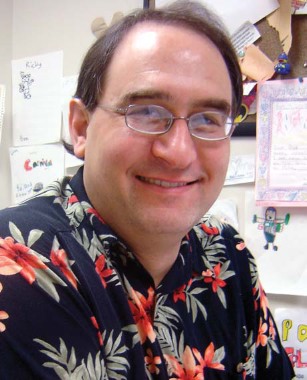
Catching Drug Diverters
I love the troll tracker. In case you’re unfamiliar with the term (or your state doesn’t have one), this is the online Prescription Monitoring Program database to see who is (or isn’t) getting controlled drugs from too many prescribers. It’s an excellent way to track the doctor-shoppers, emergency department-habituators, and other known problem patients.
I generally assume someone is innocent until proven guilty. And, in all fairness, I must admit the PMP has exonerated more patients than it’s caught (at least in my practice). Many of the people I’ve nailed with it were ones I had absolutely no suspicion of, while a lot of patients I was sure I was going to catch turned out to be innocent.

I’d love to see a program like this on a national scale. For my practice, it wouldn’t really matter (I’m several hours from the nearest state line), but for cities that straddle state borders (such as Kansas City) it would be very helpful. If a state program only tracks pharmacies within a state, it’s easy for patients to easily cross back and forth in some areas.
What surprises me is that so many states (and politicians) are opposed to these programs. They claim it’s a violation of privacy! Well, in my view, if you’re committing a crime (like abusing controlled drugs and lying to doctors to get them) that should trump your personal privacy.
The database tracks only controlled drugs. If you’re on HIV treatment, or Zocor, or lithium, I’m not able to see that. And I’m not snooping on my neighbors for the hell of it, either. The database is audited and, at any time, the state could call me to question my searches. I have to be able to show I have a good cause for looking up a person, otherwise I’ll find myself in deep doo-doo.
We doctors are in a difficult bind. There are laws and ethics that require us to alleviate pain and suffering. Balanced against those are the laws, watchdogs, and boards that can nail us for overprescribing controlled drugs.
So any tool that can help us stay on the right side of this issue is a good one. It can help confirm the guilty, and clear the innocent. This allows those who truly need pain relief to continue getting it and, if relieving suffering isn’t a central tenet of medicine, I don’t know what is.
Dr. Block has a solo neurology private practice in Scottsdale, Ariz. E-mail him at [email protected].
I love the troll tracker. In case you’re unfamiliar with the term (or your state doesn’t have one), this is the online Prescription Monitoring Program database to see who is (or isn’t) getting controlled drugs from too many prescribers. It’s an excellent way to track the doctor-shoppers, emergency department-habituators, and other known problem patients.
I generally assume someone is innocent until proven guilty. And, in all fairness, I must admit the PMP has exonerated more patients than it’s caught (at least in my practice). Many of the people I’ve nailed with it were ones I had absolutely no suspicion of, while a lot of patients I was sure I was going to catch turned out to be innocent.
I’d love to see a program like this on a national scale. For my practice, it wouldn’t really matter (I’m several hours from the nearest state line), but for cities that straddle state borders (such as Kansas City) it would be very helpful. If a state program only tracks pharmacies within a state, it’s easy for patients to easily cross back and forth in some areas.
What surprises me is that so many states (and politicians) are opposed to these programs. They claim it’s a violation of privacy! Well, in my view, if you’re committing a crime (like abusing controlled drugs and lying to doctors to get them) that should trump your personal privacy.
The database tracks only controlled drugs. If you’re on HIV treatment, or Zocor, or lithium, I’m not able to see that. And I’m not snooping on my neighbors for the hell of it, either. The database is audited and, at any time, the state could call me to question my searches. I have to be able to show I have a good cause for looking up a person, otherwise I’ll find myself in deep doo-doo.
We doctors are in a difficult bind. There are laws and ethics that require us to alleviate pain and suffering. Balanced against those are the laws, watchdogs, and boards that can nail us for overprescribing controlled drugs.
So any tool that can help us stay on the right side of this issue is a good one. It can help confirm the guilty, and clear the innocent. This allows those who truly need pain relief to continue getting it and, if relieving suffering isn’t a central tenet of medicine, I don’t know what is.
Dr. Block has a solo neurology private practice in Scottsdale, Ariz. E-mail him at [email protected].
I love the troll tracker. In case you’re unfamiliar with the term (or your state doesn’t have one), this is the online Prescription Monitoring Program database to see who is (or isn’t) getting controlled drugs from too many prescribers. It’s an excellent way to track the doctor-shoppers, emergency department-habituators, and other known problem patients.
I generally assume someone is innocent until proven guilty. And, in all fairness, I must admit the PMP has exonerated more patients than it’s caught (at least in my practice). Many of the people I’ve nailed with it were ones I had absolutely no suspicion of, while a lot of patients I was sure I was going to catch turned out to be innocent.
I’d love to see a program like this on a national scale. For my practice, it wouldn’t really matter (I’m several hours from the nearest state line), but for cities that straddle state borders (such as Kansas City) it would be very helpful. If a state program only tracks pharmacies within a state, it’s easy for patients to easily cross back and forth in some areas.
What surprises me is that so many states (and politicians) are opposed to these programs. They claim it’s a violation of privacy! Well, in my view, if you’re committing a crime (like abusing controlled drugs and lying to doctors to get them) that should trump your personal privacy.
The database tracks only controlled drugs. If you’re on HIV treatment, or Zocor, or lithium, I’m not able to see that. And I’m not snooping on my neighbors for the hell of it, either. The database is audited and, at any time, the state could call me to question my searches. I have to be able to show I have a good cause for looking up a person, otherwise I’ll find myself in deep doo-doo.
We doctors are in a difficult bind. There are laws and ethics that require us to alleviate pain and suffering. Balanced against those are the laws, watchdogs, and boards that can nail us for overprescribing controlled drugs.
So any tool that can help us stay on the right side of this issue is a good one. It can help confirm the guilty, and clear the innocent. This allows those who truly need pain relief to continue getting it and, if relieving suffering isn’t a central tenet of medicine, I don’t know what is.
Dr. Block has a solo neurology private practice in Scottsdale, Ariz. E-mail him at [email protected].

Going to Collections
My billing company needs my approval to send a patient to collections, so once a month I get a list of people who owe me money. I hate this.
I didn’t become a doctor to get rich (actually, being a doctor is probably why I’m not rich). I did it to help people. The list is one of those reality doses I have to swallow.
I generally send them all to collections and try not to think about it too much. I don’t like it, but I have to focus on the basic facts: My practice supports three families (mine and two staffers), and I need to pay the bills.
I scan the list. Sometimes I recognize the names, often I don’t. Many are people I only saw briefly in the hospital. If I know someone legitimately has serious problems and can’t pay it, I’ll often write the account off, but, in general, I send most of the list to collections. Sometimes it’s hard to draw a line.
I often wonder about those I recognize as being people who are employed, nice, financially stable, and (seemingly) honest. I know they can afford it, so why don’t they pay? Believe me, I don’t enjoy approving this. I wonder if they think I won’t do it, or they just don’t understand their insurance, or just believe they shouldn’t have to. I remind myself that shoplifting is still stealing, no matter what the circumstances are, and sign off on them, too.
The amounts vary, from small ($7.43) to large ($485.92 this month). I think about writing off the small ones, but where do you draw the line? If $7 is too small, then why not $10? If $15 is too small, why not $20? So I remind myself that it all adds up over time, think of my kids needing new school clothes, and sign off.
I do this job to help people, but if I can’t keep my practice open I can’t help anybody. And that’s a necessary evil of modern medicine.
Dr. Block has a solo neurology private practice in Scottsdale, Ariz. E-mail him at [email protected].
My billing company needs my approval to send a patient to collections, so once a month I get a list of people who owe me money. I hate this.
I didn’t become a doctor to get rich (actually, being a doctor is probably why I’m not rich). I did it to help people. The list is one of those reality doses I have to swallow.
I generally send them all to collections and try not to think about it too much. I don’t like it, but I have to focus on the basic facts: My practice supports three families (mine and two staffers), and I need to pay the bills.
I scan the list. Sometimes I recognize the names, often I don’t. Many are people I only saw briefly in the hospital. If I know someone legitimately has serious problems and can’t pay it, I’ll often write the account off, but, in general, I send most of the list to collections. Sometimes it’s hard to draw a line.
I often wonder about those I recognize as being people who are employed, nice, financially stable, and (seemingly) honest. I know they can afford it, so why don’t they pay? Believe me, I don’t enjoy approving this. I wonder if they think I won’t do it, or they just don’t understand their insurance, or just believe they shouldn’t have to. I remind myself that shoplifting is still stealing, no matter what the circumstances are, and sign off on them, too.
The amounts vary, from small ($7.43) to large ($485.92 this month). I think about writing off the small ones, but where do you draw the line? If $7 is too small, then why not $10? If $15 is too small, why not $20? So I remind myself that it all adds up over time, think of my kids needing new school clothes, and sign off.
I do this job to help people, but if I can’t keep my practice open I can’t help anybody. And that’s a necessary evil of modern medicine.
Dr. Block has a solo neurology private practice in Scottsdale, Ariz. E-mail him at [email protected].
My billing company needs my approval to send a patient to collections, so once a month I get a list of people who owe me money. I hate this.
I didn’t become a doctor to get rich (actually, being a doctor is probably why I’m not rich). I did it to help people. The list is one of those reality doses I have to swallow.
I generally send them all to collections and try not to think about it too much. I don’t like it, but I have to focus on the basic facts: My practice supports three families (mine and two staffers), and I need to pay the bills.
I scan the list. Sometimes I recognize the names, often I don’t. Many are people I only saw briefly in the hospital. If I know someone legitimately has serious problems and can’t pay it, I’ll often write the account off, but, in general, I send most of the list to collections. Sometimes it’s hard to draw a line.
I often wonder about those I recognize as being people who are employed, nice, financially stable, and (seemingly) honest. I know they can afford it, so why don’t they pay? Believe me, I don’t enjoy approving this. I wonder if they think I won’t do it, or they just don’t understand their insurance, or just believe they shouldn’t have to. I remind myself that shoplifting is still stealing, no matter what the circumstances are, and sign off on them, too.
The amounts vary, from small ($7.43) to large ($485.92 this month). I think about writing off the small ones, but where do you draw the line? If $7 is too small, then why not $10? If $15 is too small, why not $20? So I remind myself that it all adds up over time, think of my kids needing new school clothes, and sign off.
I do this job to help people, but if I can’t keep my practice open I can’t help anybody. And that’s a necessary evil of modern medicine.
Dr. Block has a solo neurology private practice in Scottsdale, Ariz. E-mail him at [email protected].
Everyone Needs a Maui Independence Day
Recently, I celebrated Maui Independence Day. I do this every so often, and even change my office message to let patients know my office is closed in honor of said holiday.
Of course, the week afterward I usually get questions about it. As far as I know there is no such holiday. In the 1980s, for various bizarre reasons, my father was trying to think of a fictitious holiday that a Maui resort would celebrate, and came up with this one. Since then, it’s been a family joke – until about 10 years ago, when I officially adopted it into my practice.

Maui Independence Day is now the official holiday of my desert practice. It’s whenever I decide to close the practice on a nonholiday. Recently, for example, my secretary was on vacation and my assistant and I were swamped. Since we only had two patients on the schedule for Friday, I moved them to the next week and closed the office for a 3-day weekend.
Being solo gives me the freedom to do this on occasion. I have no partners to disagree with me. After years in practice, there are days when I’m willing to trade time for dollars and try to regain some sanity.
Maui Independence Day is never anything like "Ferris Bueller’s Day Off." I think the most exciting thing I ever did on it was take my kids to a water park. This past one I spent catching up on paperwork and dictations, trying to fix computer issues, and taking my family out to dinner. But it gives you a few extra hours to catch up on things that would otherwise be crammed into the limited time of a workday, helping you decompress.
Personally, I think everyone should celebrate Maui Independence Day here and there. It helps keep some sanity in an often insane job.
Dr. Block has a solo neurology private practice in Scottsdale, Ariz. E-mail him at [email protected].
Recently, I celebrated Maui Independence Day. I do this every so often, and even change my office message to let patients know my office is closed in honor of said holiday.
Of course, the week afterward I usually get questions about it. As far as I know there is no such holiday. In the 1980s, for various bizarre reasons, my father was trying to think of a fictitious holiday that a Maui resort would celebrate, and came up with this one. Since then, it’s been a family joke – until about 10 years ago, when I officially adopted it into my practice.
Maui Independence Day is now the official holiday of my desert practice. It’s whenever I decide to close the practice on a nonholiday. Recently, for example, my secretary was on vacation and my assistant and I were swamped. Since we only had two patients on the schedule for Friday, I moved them to the next week and closed the office for a 3-day weekend.
Being solo gives me the freedom to do this on occasion. I have no partners to disagree with me. After years in practice, there are days when I’m willing to trade time for dollars and try to regain some sanity.
Maui Independence Day is never anything like "Ferris Bueller’s Day Off." I think the most exciting thing I ever did on it was take my kids to a water park. This past one I spent catching up on paperwork and dictations, trying to fix computer issues, and taking my family out to dinner. But it gives you a few extra hours to catch up on things that would otherwise be crammed into the limited time of a workday, helping you decompress.
Personally, I think everyone should celebrate Maui Independence Day here and there. It helps keep some sanity in an often insane job.
Dr. Block has a solo neurology private practice in Scottsdale, Ariz. E-mail him at [email protected].
Recently, I celebrated Maui Independence Day. I do this every so often, and even change my office message to let patients know my office is closed in honor of said holiday.
Of course, the week afterward I usually get questions about it. As far as I know there is no such holiday. In the 1980s, for various bizarre reasons, my father was trying to think of a fictitious holiday that a Maui resort would celebrate, and came up with this one. Since then, it’s been a family joke – until about 10 years ago, when I officially adopted it into my practice.
Maui Independence Day is now the official holiday of my desert practice. It’s whenever I decide to close the practice on a nonholiday. Recently, for example, my secretary was on vacation and my assistant and I were swamped. Since we only had two patients on the schedule for Friday, I moved them to the next week and closed the office for a 3-day weekend.
Being solo gives me the freedom to do this on occasion. I have no partners to disagree with me. After years in practice, there are days when I’m willing to trade time for dollars and try to regain some sanity.
Maui Independence Day is never anything like "Ferris Bueller’s Day Off." I think the most exciting thing I ever did on it was take my kids to a water park. This past one I spent catching up on paperwork and dictations, trying to fix computer issues, and taking my family out to dinner. But it gives you a few extra hours to catch up on things that would otherwise be crammed into the limited time of a workday, helping you decompress.
Personally, I think everyone should celebrate Maui Independence Day here and there. It helps keep some sanity in an often insane job.
Dr. Block has a solo neurology private practice in Scottsdale, Ariz. E-mail him at [email protected].

Selling Products, Services From Your Office
I don’t sell vitamins. You want a facial? Or eyelash extensions? Maybe a nice massage? Don’t come to my office.
My secretary is a scheduling wizard, but she’s not going to arrange your flight to Miami or dry-cleaning pick-up.
I don’t understand the number of doctors getting into these services, especially when they’re far outside their field of training. Selling vitamins? Okay, it’s innocuous, but I don’t think I could, with a straight face, convince a patient that the bottle I’m pushing for $40 is better than the one he could get at Costco for a lot cheaper.
Some may claim that this is the problem with American doctors. We don’t "think outside the box" or "embrace new business models." The people who say that are likely making far more money than I ever will.
But I trained to be a neurologist. I think I’m good at it, and I stick with what I know. You have a tremor? Epilepsy? Migraines? I will do my best to help you. This will not involve me trying to sell you a spa membership, bottle of energy tablets, hair extensions, or a "Platinum Package" of pretty much anything. I can only promise to care for you to the best of my ability.
I have nothing against making money. I’m trying to do that, too. But adding on seemingly harmless "services," at least to me, is only going to get in the way of the primary goal in a practice: providing good patient care.
Maybe I’m old fashioned, but I tend to believe doctors do best when they stick to what they know, not what will make the most money.
Dr. Block has a solo neurology private practice in Scottsdale, Ariz. E-mail him at [email protected].
I don’t sell vitamins. You want a facial? Or eyelash extensions? Maybe a nice massage? Don’t come to my office.
My secretary is a scheduling wizard, but she’s not going to arrange your flight to Miami or dry-cleaning pick-up.
I don’t understand the number of doctors getting into these services, especially when they’re far outside their field of training. Selling vitamins? Okay, it’s innocuous, but I don’t think I could, with a straight face, convince a patient that the bottle I’m pushing for $40 is better than the one he could get at Costco for a lot cheaper.
Some may claim that this is the problem with American doctors. We don’t "think outside the box" or "embrace new business models." The people who say that are likely making far more money than I ever will.
But I trained to be a neurologist. I think I’m good at it, and I stick with what I know. You have a tremor? Epilepsy? Migraines? I will do my best to help you. This will not involve me trying to sell you a spa membership, bottle of energy tablets, hair extensions, or a "Platinum Package" of pretty much anything. I can only promise to care for you to the best of my ability.
I have nothing against making money. I’m trying to do that, too. But adding on seemingly harmless "services," at least to me, is only going to get in the way of the primary goal in a practice: providing good patient care.
Maybe I’m old fashioned, but I tend to believe doctors do best when they stick to what they know, not what will make the most money.
Dr. Block has a solo neurology private practice in Scottsdale, Ariz. E-mail him at [email protected].
I don’t sell vitamins. You want a facial? Or eyelash extensions? Maybe a nice massage? Don’t come to my office.
My secretary is a scheduling wizard, but she’s not going to arrange your flight to Miami or dry-cleaning pick-up.
I don’t understand the number of doctors getting into these services, especially when they’re far outside their field of training. Selling vitamins? Okay, it’s innocuous, but I don’t think I could, with a straight face, convince a patient that the bottle I’m pushing for $40 is better than the one he could get at Costco for a lot cheaper.
Some may claim that this is the problem with American doctors. We don’t "think outside the box" or "embrace new business models." The people who say that are likely making far more money than I ever will.
But I trained to be a neurologist. I think I’m good at it, and I stick with what I know. You have a tremor? Epilepsy? Migraines? I will do my best to help you. This will not involve me trying to sell you a spa membership, bottle of energy tablets, hair extensions, or a "Platinum Package" of pretty much anything. I can only promise to care for you to the best of my ability.
I have nothing against making money. I’m trying to do that, too. But adding on seemingly harmless "services," at least to me, is only going to get in the way of the primary goal in a practice: providing good patient care.
Maybe I’m old fashioned, but I tend to believe doctors do best when they stick to what they know, not what will make the most money.
Dr. Block has a solo neurology private practice in Scottsdale, Ariz. E-mail him at [email protected].
Doctor Cost-Efficiency Listings Are Misleading
An insurance company recently sent me a letter that said they’re going to start marking doctors in patient directories as to whether they’re cost efficient. This is done by "a methodology consistent with national standards ... based on a comparison of fee schedules, utilization patterns, and referral patterns."
I support the overall idea of cost efficiency, and try to follow it. I don’t order MRIs for everything, and typically start with conservative approaches before moving up. I prescribe generic medications when possible. I know patients want to save money, and I know that higher insurance costs affect all of our premiums.
But being cost efficient is certainly not the whole story in medicine. If I were to have a practice of primarily multiple sclerosis patients, I certainly wouldn’t be considered a cost-efficient doctor. Those patients will likely require far more costly drugs and frequent MRIs than someone with lumbar pain or migraines. Even if you’re an excellent doctor, you won’t get good marks for "cost efficiency."
The doctor who saves the most money isn’t necessarily the best doctor. Hell, I can do that. Don’t order expensive tests, diagnose based on clinical grounds, and treat with whatever is cheapest (amitriptyline, phenobarbital, aspirin). I’m sure I’d do fine for a while, until something serious is missed. That’s when the whole thing, medically, ethically, and legally, falls apart.
It’s not all about saving money. Dr. Linda Peeno, the whistleblower on the managed care industry, can tell you that. But rating doctors just on that measure can be misleading at best, and dangerous for all involved at worst.
Dr. Block has a solo neurology private practice in Scottsdale, Ariz. E-mail him at [email protected].
An insurance company recently sent me a letter that said they’re going to start marking doctors in patient directories as to whether they’re cost efficient. This is done by "a methodology consistent with national standards ... based on a comparison of fee schedules, utilization patterns, and referral patterns."
I support the overall idea of cost efficiency, and try to follow it. I don’t order MRIs for everything, and typically start with conservative approaches before moving up. I prescribe generic medications when possible. I know patients want to save money, and I know that higher insurance costs affect all of our premiums.
But being cost efficient is certainly not the whole story in medicine. If I were to have a practice of primarily multiple sclerosis patients, I certainly wouldn’t be considered a cost-efficient doctor. Those patients will likely require far more costly drugs and frequent MRIs than someone with lumbar pain or migraines. Even if you’re an excellent doctor, you won’t get good marks for "cost efficiency."
The doctor who saves the most money isn’t necessarily the best doctor. Hell, I can do that. Don’t order expensive tests, diagnose based on clinical grounds, and treat with whatever is cheapest (amitriptyline, phenobarbital, aspirin). I’m sure I’d do fine for a while, until something serious is missed. That’s when the whole thing, medically, ethically, and legally, falls apart.
It’s not all about saving money. Dr. Linda Peeno, the whistleblower on the managed care industry, can tell you that. But rating doctors just on that measure can be misleading at best, and dangerous for all involved at worst.
Dr. Block has a solo neurology private practice in Scottsdale, Ariz. E-mail him at [email protected].
An insurance company recently sent me a letter that said they’re going to start marking doctors in patient directories as to whether they’re cost efficient. This is done by "a methodology consistent with national standards ... based on a comparison of fee schedules, utilization patterns, and referral patterns."
I support the overall idea of cost efficiency, and try to follow it. I don’t order MRIs for everything, and typically start with conservative approaches before moving up. I prescribe generic medications when possible. I know patients want to save money, and I know that higher insurance costs affect all of our premiums.
But being cost efficient is certainly not the whole story in medicine. If I were to have a practice of primarily multiple sclerosis patients, I certainly wouldn’t be considered a cost-efficient doctor. Those patients will likely require far more costly drugs and frequent MRIs than someone with lumbar pain or migraines. Even if you’re an excellent doctor, you won’t get good marks for "cost efficiency."
The doctor who saves the most money isn’t necessarily the best doctor. Hell, I can do that. Don’t order expensive tests, diagnose based on clinical grounds, and treat with whatever is cheapest (amitriptyline, phenobarbital, aspirin). I’m sure I’d do fine for a while, until something serious is missed. That’s when the whole thing, medically, ethically, and legally, falls apart.
It’s not all about saving money. Dr. Linda Peeno, the whistleblower on the managed care industry, can tell you that. But rating doctors just on that measure can be misleading at best, and dangerous for all involved at worst.
Dr. Block has a solo neurology private practice in Scottsdale, Ariz. E-mail him at [email protected].
When Colleagues Steal Patients, Redirect Tests
Patient theft isn’t technically theft. Or even a crime for that matter. It’s unethical, but it happens all the time.
Here’s an example: My patient lands in a hospital I don’t go to. Even though it’s clearly documented in the chart that they see me as an outpatient, I see notes from the neurologist there saying, "Follow-up with Dr. X in 6 weeks." It’s people like this who give all of us a bad name.
I’m not talking about situations where the other doctor doesn’t know that the patient sees me. In those cases, any of us, when follow-up is needed, would tell the patient to see us in the office. But to try to take a patient knowingly from another physician? That’s wrong.
I share call with three other neurologists, and we addressed this issue long ago. If another person’s patient is seen in the hospital, we make it clear that their regular doctor will resume care when they return, or they should follow up with them.
Sometimes I’ll hear, "But I like you better." In those cases, I tell them that they need to follow up with the established doctor to discuss it further. If they want to look me up and transfer care as an outpatient, I’m not going to stop them, but I’m not going to help them do it, either.
Equally irritating, and perhaps even more unethical, is patient redirection for tests. I see this more often than I care to admit. Two weeks ago, a pain specialist referred a patient to me for hand numbness. I scheduled her to come back for electromyogram/nerve conduction velocity testing, and I sent the specialist the usual letter.
What did he do? He had his staff cancel her EMG appointment with me, and then scheduled her to see one of his partners who did the test. I didn’t know about this until the EMG report showed up on my fax machine with a note saying that the patient would be returning to me to discuss the results.
Likewise, there is an internist in my area who, if I order an MRI on one of his patients, immediately cancels it and redirects the patient to a facility in which he’s a part-owner. I don’t like the place because they use a low-Tesla scanner and don’t have a neuroradiologist. (Disclaimer: I have no financial affiliations with the facility I normally use.)
The sad part of these games is that people are downgraded to pawns, used by physicians as an item of monetary value rather than someone who is seeking care. And that isn’t good for anyone, especially the patient.
Dr. Block has a solo neurology private practice in Scottsdale, Ariz. To respond to this post, e-mail him at [email protected].
Patient theft isn’t technically theft. Or even a crime for that matter. It’s unethical, but it happens all the time.
Here’s an example: My patient lands in a hospital I don’t go to. Even though it’s clearly documented in the chart that they see me as an outpatient, I see notes from the neurologist there saying, "Follow-up with Dr. X in 6 weeks." It’s people like this who give all of us a bad name.
I’m not talking about situations where the other doctor doesn’t know that the patient sees me. In those cases, any of us, when follow-up is needed, would tell the patient to see us in the office. But to try to take a patient knowingly from another physician? That’s wrong.
I share call with three other neurologists, and we addressed this issue long ago. If another person’s patient is seen in the hospital, we make it clear that their regular doctor will resume care when they return, or they should follow up with them.
Sometimes I’ll hear, "But I like you better." In those cases, I tell them that they need to follow up with the established doctor to discuss it further. If they want to look me up and transfer care as an outpatient, I’m not going to stop them, but I’m not going to help them do it, either.
Equally irritating, and perhaps even more unethical, is patient redirection for tests. I see this more often than I care to admit. Two weeks ago, a pain specialist referred a patient to me for hand numbness. I scheduled her to come back for electromyogram/nerve conduction velocity testing, and I sent the specialist the usual letter.
What did he do? He had his staff cancel her EMG appointment with me, and then scheduled her to see one of his partners who did the test. I didn’t know about this until the EMG report showed up on my fax machine with a note saying that the patient would be returning to me to discuss the results.
Likewise, there is an internist in my area who, if I order an MRI on one of his patients, immediately cancels it and redirects the patient to a facility in which he’s a part-owner. I don’t like the place because they use a low-Tesla scanner and don’t have a neuroradiologist. (Disclaimer: I have no financial affiliations with the facility I normally use.)
The sad part of these games is that people are downgraded to pawns, used by physicians as an item of monetary value rather than someone who is seeking care. And that isn’t good for anyone, especially the patient.
Dr. Block has a solo neurology private practice in Scottsdale, Ariz. To respond to this post, e-mail him at [email protected].
Patient theft isn’t technically theft. Or even a crime for that matter. It’s unethical, but it happens all the time.
Here’s an example: My patient lands in a hospital I don’t go to. Even though it’s clearly documented in the chart that they see me as an outpatient, I see notes from the neurologist there saying, "Follow-up with Dr. X in 6 weeks." It’s people like this who give all of us a bad name.
I’m not talking about situations where the other doctor doesn’t know that the patient sees me. In those cases, any of us, when follow-up is needed, would tell the patient to see us in the office. But to try to take a patient knowingly from another physician? That’s wrong.
I share call with three other neurologists, and we addressed this issue long ago. If another person’s patient is seen in the hospital, we make it clear that their regular doctor will resume care when they return, or they should follow up with them.
Sometimes I’ll hear, "But I like you better." In those cases, I tell them that they need to follow up with the established doctor to discuss it further. If they want to look me up and transfer care as an outpatient, I’m not going to stop them, but I’m not going to help them do it, either.
Equally irritating, and perhaps even more unethical, is patient redirection for tests. I see this more often than I care to admit. Two weeks ago, a pain specialist referred a patient to me for hand numbness. I scheduled her to come back for electromyogram/nerve conduction velocity testing, and I sent the specialist the usual letter.
What did he do? He had his staff cancel her EMG appointment with me, and then scheduled her to see one of his partners who did the test. I didn’t know about this until the EMG report showed up on my fax machine with a note saying that the patient would be returning to me to discuss the results.
Likewise, there is an internist in my area who, if I order an MRI on one of his patients, immediately cancels it and redirects the patient to a facility in which he’s a part-owner. I don’t like the place because they use a low-Tesla scanner and don’t have a neuroradiologist. (Disclaimer: I have no financial affiliations with the facility I normally use.)
The sad part of these games is that people are downgraded to pawns, used by physicians as an item of monetary value rather than someone who is seeking care. And that isn’t good for anyone, especially the patient.
Dr. Block has a solo neurology private practice in Scottsdale, Ariz. To respond to this post, e-mail him at [email protected].
Chief Justice Roberts and the Stigma of Epilepsy
Of all the diseases I treat, epilepsy is probably the most poorly understood by the general public. I suppose this is a holdover from the days when it was believed to be demonic possession, or a sign of mental illness. Prince John, youngest child of King George V, was hidden from public view just 100 years ago because of the "shame" the disease might bring on the royal family.
We’ve made great strides in our understanding and treatment of epilepsy in the last 100 years, with the disease slowly changing from a social stigma to just another disorder, like hypertension or diabetes, that – when treated – allows for a normal, fulfilling life. I work hard to educate my patients and their families about the disorder, as the world and Internet are full of myths.

Regardless of what you think about the Supreme Court’s recent decision on the Patient Protection and Affordable Care Act, as neurologists, I suspect many of us were horrified by conservative talk-show host Michael Savage’s comments. He said Chief Justice John Roberts’s vote was likely influenced by his epilepsy treatment causing "cognitive disassociation."
This disgusts me. Cognitive side effects, like side effects in general, occur in the minority of patients. While I don’t know who treats Justice Roberts, I have to assume that, like me, they’ve worked hard to find a treatment that works without affecting his thinking.
Comments like Mr. Savage’s are certainly his right to make. But they’re a slap in the face of every epilepsy patient out there who has to overcome bias to hold down a job, raise a family, drive a car, and do their best to have the same quality of life we all want.
And it appalls me that people still demonize epilepsy patients for their disease, rather than respecting what they are: Human beings who, like Mr. Savage, are entitled to their opinions.
Dr. Block has a solo neurology private practice in Scottsdale, Ariz. To respond to this post, e-mail him at [email protected].
Of all the diseases I treat, epilepsy is probably the most poorly understood by the general public. I suppose this is a holdover from the days when it was believed to be demonic possession, or a sign of mental illness. Prince John, youngest child of King George V, was hidden from public view just 100 years ago because of the "shame" the disease might bring on the royal family.
We’ve made great strides in our understanding and treatment of epilepsy in the last 100 years, with the disease slowly changing from a social stigma to just another disorder, like hypertension or diabetes, that – when treated – allows for a normal, fulfilling life. I work hard to educate my patients and their families about the disorder, as the world and Internet are full of myths.
Regardless of what you think about the Supreme Court’s recent decision on the Patient Protection and Affordable Care Act, as neurologists, I suspect many of us were horrified by conservative talk-show host Michael Savage’s comments. He said Chief Justice John Roberts’s vote was likely influenced by his epilepsy treatment causing "cognitive disassociation."
This disgusts me. Cognitive side effects, like side effects in general, occur in the minority of patients. While I don’t know who treats Justice Roberts, I have to assume that, like me, they’ve worked hard to find a treatment that works without affecting his thinking.
Comments like Mr. Savage’s are certainly his right to make. But they’re a slap in the face of every epilepsy patient out there who has to overcome bias to hold down a job, raise a family, drive a car, and do their best to have the same quality of life we all want.
And it appalls me that people still demonize epilepsy patients for their disease, rather than respecting what they are: Human beings who, like Mr. Savage, are entitled to their opinions.
Dr. Block has a solo neurology private practice in Scottsdale, Ariz. To respond to this post, e-mail him at [email protected].
Of all the diseases I treat, epilepsy is probably the most poorly understood by the general public. I suppose this is a holdover from the days when it was believed to be demonic possession, or a sign of mental illness. Prince John, youngest child of King George V, was hidden from public view just 100 years ago because of the "shame" the disease might bring on the royal family.
We’ve made great strides in our understanding and treatment of epilepsy in the last 100 years, with the disease slowly changing from a social stigma to just another disorder, like hypertension or diabetes, that – when treated – allows for a normal, fulfilling life. I work hard to educate my patients and their families about the disorder, as the world and Internet are full of myths.
Regardless of what you think about the Supreme Court’s recent decision on the Patient Protection and Affordable Care Act, as neurologists, I suspect many of us were horrified by conservative talk-show host Michael Savage’s comments. He said Chief Justice John Roberts’s vote was likely influenced by his epilepsy treatment causing "cognitive disassociation."
This disgusts me. Cognitive side effects, like side effects in general, occur in the minority of patients. While I don’t know who treats Justice Roberts, I have to assume that, like me, they’ve worked hard to find a treatment that works without affecting his thinking.
Comments like Mr. Savage’s are certainly his right to make. But they’re a slap in the face of every epilepsy patient out there who has to overcome bias to hold down a job, raise a family, drive a car, and do their best to have the same quality of life we all want.
And it appalls me that people still demonize epilepsy patients for their disease, rather than respecting what they are: Human beings who, like Mr. Savage, are entitled to their opinions.
Dr. Block has a solo neurology private practice in Scottsdale, Ariz. To respond to this post, e-mail him at [email protected].
How I Handle Walk-In Patients
I don’t do walk-ins for the most part. My hours are by appointment and, generally, patients who ask to be "squeezed in" can’t be.
I run a small, solo practice. My work hours are set in stone by having to pick up my kids after work, and I can only absorb a certain number of delays in a given day.
If I have the time and someone shows up, I’ll see them, but on a busy day, I usually can’t. In my experience, the person who walks in and says they’ll need "just a few seconds" will be 30 minutes minimum. So it’s best not to start.
I’ll catch flack for this, as I know some doctors will see any established patient who shows up saying they have an urgent issue. But let’s face it – most things patients consider urgent are not. Their reason for coming to my office might be a typical migraine they want treated (when they could have just called for a prescription refill), a drug side effect (which could be handled by phone), or because they woke up with a pulled muscle. None of these are medically urgent.
This isn’t to say that real emergencies don’t come in. But, for those cases, I can’t do very much. Stroke? How many of you have a CT scanner or TPA in your office? Status epilepticus? I don’t carry controlled drugs here and never will. The only thing I can do is send these people to the emergency department immediately.
Even then, I’ve had a frightening number of my patients show up here with acute issues that are entirely non-neurologic. This has included crushing chest pain, unilateral leg edema, acute dyspnea on exertion, and (once) an obviously broken arm. So I send them to the ED, too.
I’m sure some people will say I’m uncaring, but that’s not true. Most days usually have 30-60 minutes of space where I can see someone in a pinch (noon, usually). So I can do the occasional legitimate work-in, and I do. Some patients try to take advantage of this more than once and quickly learn not to.
The problem is that if you accommodate everyone who wants to be worked in, your practice becomes a free-for-all. People cry "Wolf!" A line has to be drawn somewhere.
Dr. Block has a solo neurology private practice in Scottsdale, Ariz. To respond to this post, e-mail him at [email protected].
I don’t do walk-ins for the most part. My hours are by appointment and, generally, patients who ask to be "squeezed in" can’t be.
I run a small, solo practice. My work hours are set in stone by having to pick up my kids after work, and I can only absorb a certain number of delays in a given day.
If I have the time and someone shows up, I’ll see them, but on a busy day, I usually can’t. In my experience, the person who walks in and says they’ll need "just a few seconds" will be 30 minutes minimum. So it’s best not to start.
I’ll catch flack for this, as I know some doctors will see any established patient who shows up saying they have an urgent issue. But let’s face it – most things patients consider urgent are not. Their reason for coming to my office might be a typical migraine they want treated (when they could have just called for a prescription refill), a drug side effect (which could be handled by phone), or because they woke up with a pulled muscle. None of these are medically urgent.
This isn’t to say that real emergencies don’t come in. But, for those cases, I can’t do very much. Stroke? How many of you have a CT scanner or TPA in your office? Status epilepticus? I don’t carry controlled drugs here and never will. The only thing I can do is send these people to the emergency department immediately.
Even then, I’ve had a frightening number of my patients show up here with acute issues that are entirely non-neurologic. This has included crushing chest pain, unilateral leg edema, acute dyspnea on exertion, and (once) an obviously broken arm. So I send them to the ED, too.
I’m sure some people will say I’m uncaring, but that’s not true. Most days usually have 30-60 minutes of space where I can see someone in a pinch (noon, usually). So I can do the occasional legitimate work-in, and I do. Some patients try to take advantage of this more than once and quickly learn not to.
The problem is that if you accommodate everyone who wants to be worked in, your practice becomes a free-for-all. People cry "Wolf!" A line has to be drawn somewhere.
Dr. Block has a solo neurology private practice in Scottsdale, Ariz. To respond to this post, e-mail him at [email protected].
I don’t do walk-ins for the most part. My hours are by appointment and, generally, patients who ask to be "squeezed in" can’t be.
I run a small, solo practice. My work hours are set in stone by having to pick up my kids after work, and I can only absorb a certain number of delays in a given day.
If I have the time and someone shows up, I’ll see them, but on a busy day, I usually can’t. In my experience, the person who walks in and says they’ll need "just a few seconds" will be 30 minutes minimum. So it’s best not to start.
I’ll catch flack for this, as I know some doctors will see any established patient who shows up saying they have an urgent issue. But let’s face it – most things patients consider urgent are not. Their reason for coming to my office might be a typical migraine they want treated (when they could have just called for a prescription refill), a drug side effect (which could be handled by phone), or because they woke up with a pulled muscle. None of these are medically urgent.
This isn’t to say that real emergencies don’t come in. But, for those cases, I can’t do very much. Stroke? How many of you have a CT scanner or TPA in your office? Status epilepticus? I don’t carry controlled drugs here and never will. The only thing I can do is send these people to the emergency department immediately.
Even then, I’ve had a frightening number of my patients show up here with acute issues that are entirely non-neurologic. This has included crushing chest pain, unilateral leg edema, acute dyspnea on exertion, and (once) an obviously broken arm. So I send them to the ED, too.
I’m sure some people will say I’m uncaring, but that’s not true. Most days usually have 30-60 minutes of space where I can see someone in a pinch (noon, usually). So I can do the occasional legitimate work-in, and I do. Some patients try to take advantage of this more than once and quickly learn not to.
The problem is that if you accommodate everyone who wants to be worked in, your practice becomes a free-for-all. People cry "Wolf!" A line has to be drawn somewhere.
Dr. Block has a solo neurology private practice in Scottsdale, Ariz. To respond to this post, e-mail him at [email protected].