User login
Hysterectomy and incontinence
THE QUESTION:
Does hysterectomy contribute to the occurrence of urinary incontinence?
Past studies
These have shown that hysterectomy is associated with the development of changes in urinary function, particularly urinary incontinence.
This study
The study population consisted of a random sample of 2,322 women between the ages of 35 and 70 selected from a suburban area in the central part of the Netherlands. These women were invited to fill out a questionnaire from the Urogenital Distress Inventory regarding their sociodemographic variables and medical history.
Of the approximately 1,626 respondents, 1,417 had no history of hysterectomy. The remaining 209 women had undergone hysterectomy for nonmalignant conditions; information on the surgical route of the procedure was not obtained.
The adjusted odds ratio of urinary incontinence for women with a history of hysterectomy was 1.4 (95% confidence interval [CI], 1.0-1.9) compared with women without such a history. Further, the adjusted odds of urge (relative risk [RR], 1.9; 95% CI, 1.4-2.6) and bothersome urge (RR, 2.6; 95% CI, 1.4-4.4) urinary incontinence were increased in women who had a hysterectomy.
The authors’ findings suggest that hysterectomy is associated with a 30% increased risk of urge and bothersome urge incontinence. These symptoms were present in women younger and older than 60 years.
Find this study
Van der Vaart et al, February 2002 issue of the British Journal of Obstetrics and Gynaecology; abstract online at www.bjogelsevier.com.
Who may be affected by these findings?
Women who had or will have a hysterectomy.
Expert commentary
This study explores the possibility that iatrogenic overactive bladder is an unavoidable complication of a common procedure. Why hysterectomy is a risk factor for urge incontinence is not clear, although overactivity has been linked to innervation problems of the detrusor muscle. Here, I will outline the surgical techniques of hysterectomy and the pelvic anatomy that may contribute to the problem.
Whether the surgeon utilizes “push with a sponge stick” or “sharp dissection” techniques, detaching the bladder from its underlying anterior vaginal wall may disrupt the pelvic plexus of nerves, which contains both autonomic (sympathetic and parasympathetic) and somatic pathways. The sympathetic nerves originate at spinal cord levels T5 to L2 and wind their way from the presacral fascia to the lateral pelvic sidewall, close to the ureter. Here, they join with parasympathetic nerves to form the pelvic plexus, which innervates the upper vagina, bladder and proximal urethra.1 Clearly, dissecting the bladder flap can disrupt the plexus. From a neurophysiologic standpoint, this disruption may explain the occurrence of de novo overactive bladder.
The pelvic surgery literature suggests that dissection of the anterior vaginal wall, especially under the bladder neck, may result in bladder dysfunction.2 This investigation supports previous studies that have implicated hysterectomy as a causative factor of an overactive bladder.3-5 One weakness: Van der Vaart and associates use no clinical tools to assess bladder dysfunction, and self-reporting may be difficult to validate. At the same time, the authors point to the poor reliability of urodynamic testing as the “gold standard” in evaluating the overactive bladder.
The bottom line
There is good reason to believe that innervation to the bladder is disrupted during a routine hysterectomy. Although we lack conclusive data, a supracervical hysterectomy may completely obviate this problem.
Until more information becomes available, we should ask our patients about frequency and urgency prior to surgery and alert them of these potential sequelae. It may only be a matter of time before we approach the hysterectomy similar to the “nerve sparing” prostatectomy.
1. Benson JT. Pelvic floor neuropathy in female pelvic floor disorders. In: Benson JT, ed. Female Pelvic Floor Disorders:Investigation and Management. New York: WW Norton & Co; Norton Medical Books; 1992;142-152.
2. Zivkovic F, Tamussino K, Ralph G, et al. Long-term effects of vaginal dissection on the innervation of the striated urethral sphincter. Obstet Gynecol. 1996;87:257-260.
3. Virtanen H, Makinen J, Tenho T, et al. Effects of abdominal hysterectomy on urinary and sexual symptoms. Br J Urol. 1993;72:868-872.
4. Parys BT, Woolfenden KA, Parsons KF. Bladder dysfunction after simple hysterectomy: urodynamic and neurological evaluation. Eur Urol. 1990;17:129-133.
5. Parys BT, Haylen BT, Hutton JL, et al. The effects of simple hysterectomy on vesicourethral function. Br J Urol. 1989;64:594-599.
THE QUESTION:
Does hysterectomy contribute to the occurrence of urinary incontinence?
Past studies
These have shown that hysterectomy is associated with the development of changes in urinary function, particularly urinary incontinence.
This study
The study population consisted of a random sample of 2,322 women between the ages of 35 and 70 selected from a suburban area in the central part of the Netherlands. These women were invited to fill out a questionnaire from the Urogenital Distress Inventory regarding their sociodemographic variables and medical history.
Of the approximately 1,626 respondents, 1,417 had no history of hysterectomy. The remaining 209 women had undergone hysterectomy for nonmalignant conditions; information on the surgical route of the procedure was not obtained.
The adjusted odds ratio of urinary incontinence for women with a history of hysterectomy was 1.4 (95% confidence interval [CI], 1.0-1.9) compared with women without such a history. Further, the adjusted odds of urge (relative risk [RR], 1.9; 95% CI, 1.4-2.6) and bothersome urge (RR, 2.6; 95% CI, 1.4-4.4) urinary incontinence were increased in women who had a hysterectomy.
The authors’ findings suggest that hysterectomy is associated with a 30% increased risk of urge and bothersome urge incontinence. These symptoms were present in women younger and older than 60 years.
Find this study
Van der Vaart et al, February 2002 issue of the British Journal of Obstetrics and Gynaecology; abstract online at www.bjogelsevier.com.
Who may be affected by these findings?
Women who had or will have a hysterectomy.
Expert commentary
This study explores the possibility that iatrogenic overactive bladder is an unavoidable complication of a common procedure. Why hysterectomy is a risk factor for urge incontinence is not clear, although overactivity has been linked to innervation problems of the detrusor muscle. Here, I will outline the surgical techniques of hysterectomy and the pelvic anatomy that may contribute to the problem.
Whether the surgeon utilizes “push with a sponge stick” or “sharp dissection” techniques, detaching the bladder from its underlying anterior vaginal wall may disrupt the pelvic plexus of nerves, which contains both autonomic (sympathetic and parasympathetic) and somatic pathways. The sympathetic nerves originate at spinal cord levels T5 to L2 and wind their way from the presacral fascia to the lateral pelvic sidewall, close to the ureter. Here, they join with parasympathetic nerves to form the pelvic plexus, which innervates the upper vagina, bladder and proximal urethra.1 Clearly, dissecting the bladder flap can disrupt the plexus. From a neurophysiologic standpoint, this disruption may explain the occurrence of de novo overactive bladder.
The pelvic surgery literature suggests that dissection of the anterior vaginal wall, especially under the bladder neck, may result in bladder dysfunction.2 This investigation supports previous studies that have implicated hysterectomy as a causative factor of an overactive bladder.3-5 One weakness: Van der Vaart and associates use no clinical tools to assess bladder dysfunction, and self-reporting may be difficult to validate. At the same time, the authors point to the poor reliability of urodynamic testing as the “gold standard” in evaluating the overactive bladder.
The bottom line
There is good reason to believe that innervation to the bladder is disrupted during a routine hysterectomy. Although we lack conclusive data, a supracervical hysterectomy may completely obviate this problem.
Until more information becomes available, we should ask our patients about frequency and urgency prior to surgery and alert them of these potential sequelae. It may only be a matter of time before we approach the hysterectomy similar to the “nerve sparing” prostatectomy.
THE QUESTION:
Does hysterectomy contribute to the occurrence of urinary incontinence?
Past studies
These have shown that hysterectomy is associated with the development of changes in urinary function, particularly urinary incontinence.
This study
The study population consisted of a random sample of 2,322 women between the ages of 35 and 70 selected from a suburban area in the central part of the Netherlands. These women were invited to fill out a questionnaire from the Urogenital Distress Inventory regarding their sociodemographic variables and medical history.
Of the approximately 1,626 respondents, 1,417 had no history of hysterectomy. The remaining 209 women had undergone hysterectomy for nonmalignant conditions; information on the surgical route of the procedure was not obtained.
The adjusted odds ratio of urinary incontinence for women with a history of hysterectomy was 1.4 (95% confidence interval [CI], 1.0-1.9) compared with women without such a history. Further, the adjusted odds of urge (relative risk [RR], 1.9; 95% CI, 1.4-2.6) and bothersome urge (RR, 2.6; 95% CI, 1.4-4.4) urinary incontinence were increased in women who had a hysterectomy.
The authors’ findings suggest that hysterectomy is associated with a 30% increased risk of urge and bothersome urge incontinence. These symptoms were present in women younger and older than 60 years.
Find this study
Van der Vaart et al, February 2002 issue of the British Journal of Obstetrics and Gynaecology; abstract online at www.bjogelsevier.com.
Who may be affected by these findings?
Women who had or will have a hysterectomy.
Expert commentary
This study explores the possibility that iatrogenic overactive bladder is an unavoidable complication of a common procedure. Why hysterectomy is a risk factor for urge incontinence is not clear, although overactivity has been linked to innervation problems of the detrusor muscle. Here, I will outline the surgical techniques of hysterectomy and the pelvic anatomy that may contribute to the problem.
Whether the surgeon utilizes “push with a sponge stick” or “sharp dissection” techniques, detaching the bladder from its underlying anterior vaginal wall may disrupt the pelvic plexus of nerves, which contains both autonomic (sympathetic and parasympathetic) and somatic pathways. The sympathetic nerves originate at spinal cord levels T5 to L2 and wind their way from the presacral fascia to the lateral pelvic sidewall, close to the ureter. Here, they join with parasympathetic nerves to form the pelvic plexus, which innervates the upper vagina, bladder and proximal urethra.1 Clearly, dissecting the bladder flap can disrupt the plexus. From a neurophysiologic standpoint, this disruption may explain the occurrence of de novo overactive bladder.
The pelvic surgery literature suggests that dissection of the anterior vaginal wall, especially under the bladder neck, may result in bladder dysfunction.2 This investigation supports previous studies that have implicated hysterectomy as a causative factor of an overactive bladder.3-5 One weakness: Van der Vaart and associates use no clinical tools to assess bladder dysfunction, and self-reporting may be difficult to validate. At the same time, the authors point to the poor reliability of urodynamic testing as the “gold standard” in evaluating the overactive bladder.
The bottom line
There is good reason to believe that innervation to the bladder is disrupted during a routine hysterectomy. Although we lack conclusive data, a supracervical hysterectomy may completely obviate this problem.
Until more information becomes available, we should ask our patients about frequency and urgency prior to surgery and alert them of these potential sequelae. It may only be a matter of time before we approach the hysterectomy similar to the “nerve sparing” prostatectomy.
1. Benson JT. Pelvic floor neuropathy in female pelvic floor disorders. In: Benson JT, ed. Female Pelvic Floor Disorders:Investigation and Management. New York: WW Norton & Co; Norton Medical Books; 1992;142-152.
2. Zivkovic F, Tamussino K, Ralph G, et al. Long-term effects of vaginal dissection on the innervation of the striated urethral sphincter. Obstet Gynecol. 1996;87:257-260.
3. Virtanen H, Makinen J, Tenho T, et al. Effects of abdominal hysterectomy on urinary and sexual symptoms. Br J Urol. 1993;72:868-872.
4. Parys BT, Woolfenden KA, Parsons KF. Bladder dysfunction after simple hysterectomy: urodynamic and neurological evaluation. Eur Urol. 1990;17:129-133.
5. Parys BT, Haylen BT, Hutton JL, et al. The effects of simple hysterectomy on vesicourethral function. Br J Urol. 1989;64:594-599.
1. Benson JT. Pelvic floor neuropathy in female pelvic floor disorders. In: Benson JT, ed. Female Pelvic Floor Disorders:Investigation and Management. New York: WW Norton & Co; Norton Medical Books; 1992;142-152.
2. Zivkovic F, Tamussino K, Ralph G, et al. Long-term effects of vaginal dissection on the innervation of the striated urethral sphincter. Obstet Gynecol. 1996;87:257-260.
3. Virtanen H, Makinen J, Tenho T, et al. Effects of abdominal hysterectomy on urinary and sexual symptoms. Br J Urol. 1993;72:868-872.
4. Parys BT, Woolfenden KA, Parsons KF. Bladder dysfunction after simple hysterectomy: urodynamic and neurological evaluation. Eur Urol. 1990;17:129-133.
5. Parys BT, Haylen BT, Hutton JL, et al. The effects of simple hysterectomy on vesicourethral function. Br J Urol. 1989;64:594-599.
periodontal disease and preterm birth
THE QUESTION:
Does periodontal disease cause preterm birth?
Past studies:
Research has suggested that chronic periodontal infection may be associated with preterm birth.
This study:
A total of 1,313 pregnant women were recruited from the Perinatal Research Center at the University of Alabama in Birmingham. Gravidas had a complete medical and periodontal workup between 21 and 24 weeks’ gestation. After determining gestational age at delivery, the researchers calculated the relationship between periodontal disease and preterm birth, adjusting for smoking, parity, race, and maternal age.
Based on these findings, the authors concluded that preexisting periodontal disease in the second trimester of pregnancy increases the risk of preterm birth. In fact, a patient’s risk increases 4.5-fold for delivery before 37 weeks’ gestation to 7-fold for delivery prior to 32 weeks, depending on the severity of the disease.
Find this study:
July 2001 issue of The Journal of the American Dental Association; abstract online at www.ada.org/prof/pubs/jada/index.asp.
Who may be affected by these findings?
Gravidas with periodontal infections and/or disease.
Expert commentary:
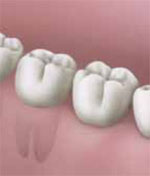
Many dental practitioners would opine that dental caries and significant periodontal disease in early adulthood are markers of poverty. Interestingly, many studies on preterm birth have drawn similar conclusions, especially with regard to bacterial vaginosis (BV). Not only does BV seem to be associated with a higher rate of preterm birth, but studies also suggest that the infection may be more prevalent in lower socioeconomic groups. Therefore, it is important to examine socioeconomic status when determining the association between periodontal disease and preterm birth. In this study, the researchers raised a number of important issues. Unfortunately, socioeconomic status was not among them. Interestingly, 82% of the study population was African American. In the United States, African Americans have a higher incidence of preterm delivery (PTD) than either the Caucasian or Hispanic populations. Therefore, the value of determining whether preterm birth is attributable to periodontal disease is suspect, unless it is used as a proxy for representing African Americans in a lower socioeconomic group. Perhaps it would be best to determine whether periodontal disease has the same association with prematurity across all US populations in order to determine whether the correlation is magnified in the lower socioeconomic groups.
Until we can eliminate poverty, obstetricians will have to continue to deal with the problems of low birth weight and prematurity.
What then can we conclude from the data? The relationship between periodontal disease and preterm birth is undeniable. Even more compelling is the notion of increasing prematurity with regard to the severity of periodontal disease. However, the authors firmly stated that it is still unknown whether treating periodontal disease will reduce the risk of preterm delivery, a finding that is reminiscent of studies of bacterial vaginosis and preterm birth. The only conclusion we can draw from this study is that periodontal disease should be avoided. Further, I would submit that poor dental hygiene in young women is a marker for poverty, and therein lies the greatest risk factor for PTD. Until we can eliminate poverty, obstetricians will have to continue to deal with the problems of low birth weight and prematurity.
There is one other potential confounder worth mentioning: the contribution of other bacteria to the etiology of prematurity. Hill suggested that both oral and genital microflora may contribute to preterm birth.1 If this observation is correct, it would seem that any intervention trial would need to take into account colonization in both the oral and genital sites.
The bottom line:
Like many issues in medicine, prevention ultimately works better than treatment. Therefore, preventing periodontal disease or, at least, identifying and treating it at its earliest stages is the best approach. All Ob/Gyns should discuss dental hygiene with their patients to better assess preventive and treatment measures.
REFERENCE
1. Hill GB. Preterm birth: association with genital and possibly oral microflora. Ann Periodontol. 1998;3:222-232.
THE QUESTION:
Does periodontal disease cause preterm birth?
Past studies:
Research has suggested that chronic periodontal infection may be associated with preterm birth.
This study:
A total of 1,313 pregnant women were recruited from the Perinatal Research Center at the University of Alabama in Birmingham. Gravidas had a complete medical and periodontal workup between 21 and 24 weeks’ gestation. After determining gestational age at delivery, the researchers calculated the relationship between periodontal disease and preterm birth, adjusting for smoking, parity, race, and maternal age.
Based on these findings, the authors concluded that preexisting periodontal disease in the second trimester of pregnancy increases the risk of preterm birth. In fact, a patient’s risk increases 4.5-fold for delivery before 37 weeks’ gestation to 7-fold for delivery prior to 32 weeks, depending on the severity of the disease.
Find this study:
July 2001 issue of The Journal of the American Dental Association; abstract online at www.ada.org/prof/pubs/jada/index.asp.
Who may be affected by these findings?
Gravidas with periodontal infections and/or disease.
Expert commentary:
Many dental practitioners would opine that dental caries and significant periodontal disease in early adulthood are markers of poverty. Interestingly, many studies on preterm birth have drawn similar conclusions, especially with regard to bacterial vaginosis (BV). Not only does BV seem to be associated with a higher rate of preterm birth, but studies also suggest that the infection may be more prevalent in lower socioeconomic groups. Therefore, it is important to examine socioeconomic status when determining the association between periodontal disease and preterm birth. In this study, the researchers raised a number of important issues. Unfortunately, socioeconomic status was not among them. Interestingly, 82% of the study population was African American. In the United States, African Americans have a higher incidence of preterm delivery (PTD) than either the Caucasian or Hispanic populations. Therefore, the value of determining whether preterm birth is attributable to periodontal disease is suspect, unless it is used as a proxy for representing African Americans in a lower socioeconomic group. Perhaps it would be best to determine whether periodontal disease has the same association with prematurity across all US populations in order to determine whether the correlation is magnified in the lower socioeconomic groups.
Until we can eliminate poverty, obstetricians will have to continue to deal with the problems of low birth weight and prematurity.
What then can we conclude from the data? The relationship between periodontal disease and preterm birth is undeniable. Even more compelling is the notion of increasing prematurity with regard to the severity of periodontal disease. However, the authors firmly stated that it is still unknown whether treating periodontal disease will reduce the risk of preterm delivery, a finding that is reminiscent of studies of bacterial vaginosis and preterm birth. The only conclusion we can draw from this study is that periodontal disease should be avoided. Further, I would submit that poor dental hygiene in young women is a marker for poverty, and therein lies the greatest risk factor for PTD. Until we can eliminate poverty, obstetricians will have to continue to deal with the problems of low birth weight and prematurity.
There is one other potential confounder worth mentioning: the contribution of other bacteria to the etiology of prematurity. Hill suggested that both oral and genital microflora may contribute to preterm birth.1 If this observation is correct, it would seem that any intervention trial would need to take into account colonization in both the oral and genital sites.
The bottom line:
Like many issues in medicine, prevention ultimately works better than treatment. Therefore, preventing periodontal disease or, at least, identifying and treating it at its earliest stages is the best approach. All Ob/Gyns should discuss dental hygiene with their patients to better assess preventive and treatment measures.
THE QUESTION:
Does periodontal disease cause preterm birth?
Past studies:
Research has suggested that chronic periodontal infection may be associated with preterm birth.
This study:
A total of 1,313 pregnant women were recruited from the Perinatal Research Center at the University of Alabama in Birmingham. Gravidas had a complete medical and periodontal workup between 21 and 24 weeks’ gestation. After determining gestational age at delivery, the researchers calculated the relationship between periodontal disease and preterm birth, adjusting for smoking, parity, race, and maternal age.
Based on these findings, the authors concluded that preexisting periodontal disease in the second trimester of pregnancy increases the risk of preterm birth. In fact, a patient’s risk increases 4.5-fold for delivery before 37 weeks’ gestation to 7-fold for delivery prior to 32 weeks, depending on the severity of the disease.
Find this study:
July 2001 issue of The Journal of the American Dental Association; abstract online at www.ada.org/prof/pubs/jada/index.asp.
Who may be affected by these findings?
Gravidas with periodontal infections and/or disease.
Expert commentary:
Many dental practitioners would opine that dental caries and significant periodontal disease in early adulthood are markers of poverty. Interestingly, many studies on preterm birth have drawn similar conclusions, especially with regard to bacterial vaginosis (BV). Not only does BV seem to be associated with a higher rate of preterm birth, but studies also suggest that the infection may be more prevalent in lower socioeconomic groups. Therefore, it is important to examine socioeconomic status when determining the association between periodontal disease and preterm birth. In this study, the researchers raised a number of important issues. Unfortunately, socioeconomic status was not among them. Interestingly, 82% of the study population was African American. In the United States, African Americans have a higher incidence of preterm delivery (PTD) than either the Caucasian or Hispanic populations. Therefore, the value of determining whether preterm birth is attributable to periodontal disease is suspect, unless it is used as a proxy for representing African Americans in a lower socioeconomic group. Perhaps it would be best to determine whether periodontal disease has the same association with prematurity across all US populations in order to determine whether the correlation is magnified in the lower socioeconomic groups.
Until we can eliminate poverty, obstetricians will have to continue to deal with the problems of low birth weight and prematurity.
What then can we conclude from the data? The relationship between periodontal disease and preterm birth is undeniable. Even more compelling is the notion of increasing prematurity with regard to the severity of periodontal disease. However, the authors firmly stated that it is still unknown whether treating periodontal disease will reduce the risk of preterm delivery, a finding that is reminiscent of studies of bacterial vaginosis and preterm birth. The only conclusion we can draw from this study is that periodontal disease should be avoided. Further, I would submit that poor dental hygiene in young women is a marker for poverty, and therein lies the greatest risk factor for PTD. Until we can eliminate poverty, obstetricians will have to continue to deal with the problems of low birth weight and prematurity.
There is one other potential confounder worth mentioning: the contribution of other bacteria to the etiology of prematurity. Hill suggested that both oral and genital microflora may contribute to preterm birth.1 If this observation is correct, it would seem that any intervention trial would need to take into account colonization in both the oral and genital sites.
The bottom line:
Like many issues in medicine, prevention ultimately works better than treatment. Therefore, preventing periodontal disease or, at least, identifying and treating it at its earliest stages is the best approach. All Ob/Gyns should discuss dental hygiene with their patients to better assess preventive and treatment measures.
REFERENCE
1. Hill GB. Preterm birth: association with genital and possibly oral microflora. Ann Periodontol. 1998;3:222-232.
REFERENCE
1. Hill GB. Preterm birth: association with genital and possibly oral microflora. Ann Periodontol. 1998;3:222-232.
HRT and fracture incidence
THE QUESTION:
Does hormone replacement therapy reduce the incidence of fractures in postmenopausal women with coronary disease?
Past studie:
Observational findings have shown lower fracture rates in postmenopausal women who take hormone replacement therapy (HRT) compared with women who do not. It is estimated that taking HRT for 5 years or more will decrease the probability of vertebral fractures by 50% to 80%, and hip and wrist fractures by 25%.
This study:
About 2,763 postmenopausal women with coronary disease and an intact uterus were enrolled into the Heart Estrogen/progestin Replacement Study (HERS) and monitored every 4 months for about 4 years. The average age of the participants was 66.7±6.7 years, and fewer than 15% had osteoporosis based on bone density. Women were excluded if their coronary event occurred within 6 months prior to the study, serum triglycerides were greater than or equal to 300 mg/dL, or if they had used hormones in the past 3 months. Women who had undergone a hysterectomy or had a history of deep vein thrombosis, pulmonary embolism, breast or endometrial cancer, uncontrolled hypertension, or diabetes could not participate.
Each woman was randomly assigned to take 1 tablet of either a placebo or a combination of 0.625 mg of conjugated equine estrogens and 2.5 mg of medroxyprogesterone acetate. During 10,554 person years of follow-up, 286 women experienced a fracture (138 in the treatment group and 148 in the placebo group). These included 58 wrist fractures (relative risk [RR] 1.01; 95% confidence interval [CI] 0.6 to 1.7), 27 hip fractures (RR 1.09; CI, 0.5 to 2.3), 32 spine fractures (RR 0.69; CI, 0.3 to 1.4), and 192 other fractures (RR 0.91; CI, 0.7 to 1.2). There was no difference in average height loss between the groups.
The researchers concluded that there was no evidence of a reduction in the incidence of fractures or rate of height loss in postmenopausal women without osteoporosis. More studies are needed to clarify the effect HRT has on fracture risk among women with and without osteoporosis.
Find this study:
April 2001 issue of the American Journal of Medicine; abstract online at www.medicinedirect.com.
Who may be affected by these findings?
Postmenopausal women with and without osteoporosis.
Expert commentary:
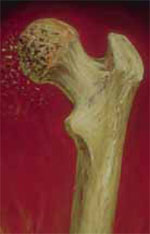
This study’s findings support similar data suggesting that no drug therapy—including HRT—has proven effective for fracture prevention in postmenopausal women without osteoporosis. However, the appreciable relationship between changes in lumbar spine bone density and the magnitude of vertebral fracture risk suggest that HRT will have a largely positive effect on vertebral fracture incidence in women with osteoporosis.1 For each standard deviation decline in bone mineral density (BMD) at the lumbar spine, there is a 2.3-fold increase in the risk of vertebral fracture.2
Since evidence for nonvertebral fracture reduction is much more difficult to ascertain, large clinical trials are necessary. Meanwhile, there is an appreciable trend suggesting that HRT reduces nonvertebral fracture risk by 35% to 50% when initiated before age 60.3 Epidemiological studies suggest a 50% reduction in hip fracture with HRT.4 However, confidence intervals from meta-analyses imply that HRT may have little effect. Furthermore, none of the evidence to date considers the risks associated with HRT use.
Observational studies suggest that HRT’s benefits include a reduction in cardiac events, including myocardial infarction and death. However, it has been found to have a negligible effect on the reversal of established cardiovascular disease.
The bottom line:
HRT attenuates the rapid decline in BMD in the estrogen-depleted woman. For this reason, it is an important therapy to consider for the postmenopausal patient. More randomized, controlled trials on HRT and its role in preventing fractures in postmenopausal women with and without osteoporosis, along with long-term effects on other target areas are needed so that physicians and patients can adequately weigh their options.
REFERENCE
1. Faulkner KG. Bone mattes: are density increases necessary to reduce fracture risk? J Bone Miner Res. 2000;15:183-187.
2. Marshall D, et al. Meta-analysis of how well measures of bone mineral density predict occurrence of osteoporotic fractures. BMJ. 1996;312:1254-1259.
3. Torgerson DJ, et al. Hormone replacement therapy and prevention of nonvertebral fractures: a meta-analysis of randomized trials. JAMA. 2001;285:2891-2897.
4. Cauley JA, et al. Estrogen replacement therapy and fractures in older women. Study of Osteoporotic Fractures Research Group. Ann Intern Med. 1995;122:9-16.
THE QUESTION:
Does hormone replacement therapy reduce the incidence of fractures in postmenopausal women with coronary disease?
Past studie:
Observational findings have shown lower fracture rates in postmenopausal women who take hormone replacement therapy (HRT) compared with women who do not. It is estimated that taking HRT for 5 years or more will decrease the probability of vertebral fractures by 50% to 80%, and hip and wrist fractures by 25%.
This study:
About 2,763 postmenopausal women with coronary disease and an intact uterus were enrolled into the Heart Estrogen/progestin Replacement Study (HERS) and monitored every 4 months for about 4 years. The average age of the participants was 66.7±6.7 years, and fewer than 15% had osteoporosis based on bone density. Women were excluded if their coronary event occurred within 6 months prior to the study, serum triglycerides were greater than or equal to 300 mg/dL, or if they had used hormones in the past 3 months. Women who had undergone a hysterectomy or had a history of deep vein thrombosis, pulmonary embolism, breast or endometrial cancer, uncontrolled hypertension, or diabetes could not participate.
Each woman was randomly assigned to take 1 tablet of either a placebo or a combination of 0.625 mg of conjugated equine estrogens and 2.5 mg of medroxyprogesterone acetate. During 10,554 person years of follow-up, 286 women experienced a fracture (138 in the treatment group and 148 in the placebo group). These included 58 wrist fractures (relative risk [RR] 1.01; 95% confidence interval [CI] 0.6 to 1.7), 27 hip fractures (RR 1.09; CI, 0.5 to 2.3), 32 spine fractures (RR 0.69; CI, 0.3 to 1.4), and 192 other fractures (RR 0.91; CI, 0.7 to 1.2). There was no difference in average height loss between the groups.
The researchers concluded that there was no evidence of a reduction in the incidence of fractures or rate of height loss in postmenopausal women without osteoporosis. More studies are needed to clarify the effect HRT has on fracture risk among women with and without osteoporosis.
Find this study:
April 2001 issue of the American Journal of Medicine; abstract online at www.medicinedirect.com.
Who may be affected by these findings?
Postmenopausal women with and without osteoporosis.
Expert commentary:
This study’s findings support similar data suggesting that no drug therapy—including HRT—has proven effective for fracture prevention in postmenopausal women without osteoporosis. However, the appreciable relationship between changes in lumbar spine bone density and the magnitude of vertebral fracture risk suggest that HRT will have a largely positive effect on vertebral fracture incidence in women with osteoporosis.1 For each standard deviation decline in bone mineral density (BMD) at the lumbar spine, there is a 2.3-fold increase in the risk of vertebral fracture.2
Since evidence for nonvertebral fracture reduction is much more difficult to ascertain, large clinical trials are necessary. Meanwhile, there is an appreciable trend suggesting that HRT reduces nonvertebral fracture risk by 35% to 50% when initiated before age 60.3 Epidemiological studies suggest a 50% reduction in hip fracture with HRT.4 However, confidence intervals from meta-analyses imply that HRT may have little effect. Furthermore, none of the evidence to date considers the risks associated with HRT use.
Observational studies suggest that HRT’s benefits include a reduction in cardiac events, including myocardial infarction and death. However, it has been found to have a negligible effect on the reversal of established cardiovascular disease.
The bottom line:
HRT attenuates the rapid decline in BMD in the estrogen-depleted woman. For this reason, it is an important therapy to consider for the postmenopausal patient. More randomized, controlled trials on HRT and its role in preventing fractures in postmenopausal women with and without osteoporosis, along with long-term effects on other target areas are needed so that physicians and patients can adequately weigh their options.
THE QUESTION:
Does hormone replacement therapy reduce the incidence of fractures in postmenopausal women with coronary disease?
Past studie:
Observational findings have shown lower fracture rates in postmenopausal women who take hormone replacement therapy (HRT) compared with women who do not. It is estimated that taking HRT for 5 years or more will decrease the probability of vertebral fractures by 50% to 80%, and hip and wrist fractures by 25%.
This study:
About 2,763 postmenopausal women with coronary disease and an intact uterus were enrolled into the Heart Estrogen/progestin Replacement Study (HERS) and monitored every 4 months for about 4 years. The average age of the participants was 66.7±6.7 years, and fewer than 15% had osteoporosis based on bone density. Women were excluded if their coronary event occurred within 6 months prior to the study, serum triglycerides were greater than or equal to 300 mg/dL, or if they had used hormones in the past 3 months. Women who had undergone a hysterectomy or had a history of deep vein thrombosis, pulmonary embolism, breast or endometrial cancer, uncontrolled hypertension, or diabetes could not participate.
Each woman was randomly assigned to take 1 tablet of either a placebo or a combination of 0.625 mg of conjugated equine estrogens and 2.5 mg of medroxyprogesterone acetate. During 10,554 person years of follow-up, 286 women experienced a fracture (138 in the treatment group and 148 in the placebo group). These included 58 wrist fractures (relative risk [RR] 1.01; 95% confidence interval [CI] 0.6 to 1.7), 27 hip fractures (RR 1.09; CI, 0.5 to 2.3), 32 spine fractures (RR 0.69; CI, 0.3 to 1.4), and 192 other fractures (RR 0.91; CI, 0.7 to 1.2). There was no difference in average height loss between the groups.
The researchers concluded that there was no evidence of a reduction in the incidence of fractures or rate of height loss in postmenopausal women without osteoporosis. More studies are needed to clarify the effect HRT has on fracture risk among women with and without osteoporosis.
Find this study:
April 2001 issue of the American Journal of Medicine; abstract online at www.medicinedirect.com.
Who may be affected by these findings?
Postmenopausal women with and without osteoporosis.
Expert commentary:
This study’s findings support similar data suggesting that no drug therapy—including HRT—has proven effective for fracture prevention in postmenopausal women without osteoporosis. However, the appreciable relationship between changes in lumbar spine bone density and the magnitude of vertebral fracture risk suggest that HRT will have a largely positive effect on vertebral fracture incidence in women with osteoporosis.1 For each standard deviation decline in bone mineral density (BMD) at the lumbar spine, there is a 2.3-fold increase in the risk of vertebral fracture.2
Since evidence for nonvertebral fracture reduction is much more difficult to ascertain, large clinical trials are necessary. Meanwhile, there is an appreciable trend suggesting that HRT reduces nonvertebral fracture risk by 35% to 50% when initiated before age 60.3 Epidemiological studies suggest a 50% reduction in hip fracture with HRT.4 However, confidence intervals from meta-analyses imply that HRT may have little effect. Furthermore, none of the evidence to date considers the risks associated with HRT use.
Observational studies suggest that HRT’s benefits include a reduction in cardiac events, including myocardial infarction and death. However, it has been found to have a negligible effect on the reversal of established cardiovascular disease.
The bottom line:
HRT attenuates the rapid decline in BMD in the estrogen-depleted woman. For this reason, it is an important therapy to consider for the postmenopausal patient. More randomized, controlled trials on HRT and its role in preventing fractures in postmenopausal women with and without osteoporosis, along with long-term effects on other target areas are needed so that physicians and patients can adequately weigh their options.
REFERENCE
1. Faulkner KG. Bone mattes: are density increases necessary to reduce fracture risk? J Bone Miner Res. 2000;15:183-187.
2. Marshall D, et al. Meta-analysis of how well measures of bone mineral density predict occurrence of osteoporotic fractures. BMJ. 1996;312:1254-1259.
3. Torgerson DJ, et al. Hormone replacement therapy and prevention of nonvertebral fractures: a meta-analysis of randomized trials. JAMA. 2001;285:2891-2897.
4. Cauley JA, et al. Estrogen replacement therapy and fractures in older women. Study of Osteoporotic Fractures Research Group. Ann Intern Med. 1995;122:9-16.
REFERENCE
1. Faulkner KG. Bone mattes: are density increases necessary to reduce fracture risk? J Bone Miner Res. 2000;15:183-187.
2. Marshall D, et al. Meta-analysis of how well measures of bone mineral density predict occurrence of osteoporotic fractures. BMJ. 1996;312:1254-1259.
3. Torgerson DJ, et al. Hormone replacement therapy and prevention of nonvertebral fractures: a meta-analysis of randomized trials. JAMA. 2001;285:2891-2897.
4. Cauley JA, et al. Estrogen replacement therapy and fractures in older women. Study of Osteoporotic Fractures Research Group. Ann Intern Med. 1995;122:9-16.
Antepartum pelvic floor exercises and incontinence
THE QUESTION:
Can antepartum pelvic-floor exercises prevent stress incontinence in at-risk primigravidas with bladder-neck mobility?
Past Studies
There is extensive evidence suggesting that immediate postpartum pelvic-floor exercises can reduce the incidence of incontinence. However, little research has been conducted to determine whether antepartum pelvic-floor exercises were effective in reducing postpartum stress incontinence in at-risk primigravidas.
This Study
Primigravidas at 20 weeks’ gestation with bladder-neck mobility were selected to participate in supervised pelvic-floor exercises with a physiotherapist until they delivered. The exercises included 3 repetitions of 8 contractions each held for 6 seconds, with 2-minute rests between repetitions. At 34 weeks’ gestation, the number of contractions per repetition was increased to 12.

Of the 230 women observed, 120 took part in the pelvic-floor exercises and 110 were observed in the control group. Participants in the control group performed pelvic-floor exercises as instructed by a physician, but did so unsupervised.
Those patients performing pelvic-floor exercises for 28 days or more were less likely to have postpartum stress incontinence compared with the control group (19.2% and 32.7%, respectively). There was no change in bladder-neck mobility and no difference in pelvic-floor strength between groups after exercise. However, gravidas who developed postpartum stress incontinence had poorer perineometry scores than those who were continent.
Based on these findings, the researchers support the view that supervised antepartum pelvic-floor exercises are effective in reducing the risk of postpartum stress incontinence.
Find this Study
January 2002 issue of the British Journal of Obstetrics and Gynaecology; abstract online at www.bjog-elsevier.com.
Who May be Affected by These Findings?
Primigravidas at risk for postpartum stress incontinence in particular, and all pregnant women in general.
Expert Commentary
It is difficult to estimate the number of women affected by stress incontinence and other pelvic-floor disorders such as pelvic-organ prolapse and fecal incontinence.1 Several markers indicate that a large segment of the adult female population is affected. Olsen and colleagues estimated the lifetime risk of undergoing surgery for pelvic-floor disorders in the United States was 11.1%.2 In addition, Korn et al noted that in the early 1990s, more than 100,000 operations were performed annually for stress incontinence in this country.3 These statistics indicate that preventive measures are in order.
The role that pregnancy and route of delivery play in the development of postpartum stress incontinence is not clear. Current evidence implicates pregnancy as a major risk factor and suggests that vaginal delivery may play a contributing role.4 Further, there is evidence to support the hypothesis that injuries associated with pregnancy may cause stress incontinence and that immediate rehabilitation of the pelvic-floor muscles may reduce this morbidity.5 In this study, the researchers have taken the next logical step to answer the following: If the muscles of the pelvic floor are optimally trained prior to delivery, will they be less likely to sustain injury? The results are encouraging.
Women who underwent coached pelvic-floor muscle exercises experienced postpartum stress incontinence in about 20% of cases, whereas those without coaching experienced incontinence in one-third of cases. This is even more impressive given the heterogeneity of compliance within the coached group: Approximately 39% of those supervised did not consistently perform the exercises. Further, the relative risk of stress incontinence was 0.59 favoring the control group.
However, objective outcome measures of pad test, pelvic-muscle strength, and bladder-neck mobility showed no difference in either group.
The Bottom Line
It is difficult to design trials for pelvic-floor exercise, particularly in conjunction with pregnancy and delivery. While the authors of this study did a commendable job, additional data is still needed. In the meantime—because of this research—it is appropriate to recommend antepartum pelvic-floor exercises for all women, and to consider coached exercises for gravidas who are at highest risk for postpartum stress incontinence. Unfortunately, surgical interventions for pelvic-floor disorders are imperfect, so we should undertake every effort to optimize preventive measures.
1. Mallett V, Bump RC. The epidemiology of pelvic floor dysfunction. Curr Opin Obstet Gynecol. 1994;6(4):308-312.
2. Olsen AL, et al. Epidemiology of surgically managed pelvic organ prolapse and urinary incontinence. Obstet Gynecol. 1997;89:896-900.
3. Korn A, Learman LA. Operations for stress incontinence in the United States, 1988-1992. Urology. 1996;48(4):609-612.
4. Mant J, Painter R, Vessey M. Epidemiology of genital prolapse: observations from the Oxford Family Planning Association Study. Br J Obstet Gynaecol. 1997;104(5):579-585.
5. Morkved S, Bo K. The effect of postpartum pelvic floor muscle training in prevention and treating of urinary incontinence: a 1-year follow-up. Br J Obstet Gynaecol. 2000;107:1022-1028.
THE QUESTION:
Can antepartum pelvic-floor exercises prevent stress incontinence in at-risk primigravidas with bladder-neck mobility?
Past Studies
There is extensive evidence suggesting that immediate postpartum pelvic-floor exercises can reduce the incidence of incontinence. However, little research has been conducted to determine whether antepartum pelvic-floor exercises were effective in reducing postpartum stress incontinence in at-risk primigravidas.
This Study
Primigravidas at 20 weeks’ gestation with bladder-neck mobility were selected to participate in supervised pelvic-floor exercises with a physiotherapist until they delivered. The exercises included 3 repetitions of 8 contractions each held for 6 seconds, with 2-minute rests between repetitions. At 34 weeks’ gestation, the number of contractions per repetition was increased to 12.
Of the 230 women observed, 120 took part in the pelvic-floor exercises and 110 were observed in the control group. Participants in the control group performed pelvic-floor exercises as instructed by a physician, but did so unsupervised.
Those patients performing pelvic-floor exercises for 28 days or more were less likely to have postpartum stress incontinence compared with the control group (19.2% and 32.7%, respectively). There was no change in bladder-neck mobility and no difference in pelvic-floor strength between groups after exercise. However, gravidas who developed postpartum stress incontinence had poorer perineometry scores than those who were continent.
Based on these findings, the researchers support the view that supervised antepartum pelvic-floor exercises are effective in reducing the risk of postpartum stress incontinence.
Find this Study
January 2002 issue of the British Journal of Obstetrics and Gynaecology; abstract online at www.bjog-elsevier.com.
Who May be Affected by These Findings?
Primigravidas at risk for postpartum stress incontinence in particular, and all pregnant women in general.
Expert Commentary
It is difficult to estimate the number of women affected by stress incontinence and other pelvic-floor disorders such as pelvic-organ prolapse and fecal incontinence.1 Several markers indicate that a large segment of the adult female population is affected. Olsen and colleagues estimated the lifetime risk of undergoing surgery for pelvic-floor disorders in the United States was 11.1%.2 In addition, Korn et al noted that in the early 1990s, more than 100,000 operations were performed annually for stress incontinence in this country.3 These statistics indicate that preventive measures are in order.
The role that pregnancy and route of delivery play in the development of postpartum stress incontinence is not clear. Current evidence implicates pregnancy as a major risk factor and suggests that vaginal delivery may play a contributing role.4 Further, there is evidence to support the hypothesis that injuries associated with pregnancy may cause stress incontinence and that immediate rehabilitation of the pelvic-floor muscles may reduce this morbidity.5 In this study, the researchers have taken the next logical step to answer the following: If the muscles of the pelvic floor are optimally trained prior to delivery, will they be less likely to sustain injury? The results are encouraging.
Women who underwent coached pelvic-floor muscle exercises experienced postpartum stress incontinence in about 20% of cases, whereas those without coaching experienced incontinence in one-third of cases. This is even more impressive given the heterogeneity of compliance within the coached group: Approximately 39% of those supervised did not consistently perform the exercises. Further, the relative risk of stress incontinence was 0.59 favoring the control group.
However, objective outcome measures of pad test, pelvic-muscle strength, and bladder-neck mobility showed no difference in either group.
The Bottom Line
It is difficult to design trials for pelvic-floor exercise, particularly in conjunction with pregnancy and delivery. While the authors of this study did a commendable job, additional data is still needed. In the meantime—because of this research—it is appropriate to recommend antepartum pelvic-floor exercises for all women, and to consider coached exercises for gravidas who are at highest risk for postpartum stress incontinence. Unfortunately, surgical interventions for pelvic-floor disorders are imperfect, so we should undertake every effort to optimize preventive measures.
THE QUESTION:
Can antepartum pelvic-floor exercises prevent stress incontinence in at-risk primigravidas with bladder-neck mobility?
Past Studies
There is extensive evidence suggesting that immediate postpartum pelvic-floor exercises can reduce the incidence of incontinence. However, little research has been conducted to determine whether antepartum pelvic-floor exercises were effective in reducing postpartum stress incontinence in at-risk primigravidas.
This Study
Primigravidas at 20 weeks’ gestation with bladder-neck mobility were selected to participate in supervised pelvic-floor exercises with a physiotherapist until they delivered. The exercises included 3 repetitions of 8 contractions each held for 6 seconds, with 2-minute rests between repetitions. At 34 weeks’ gestation, the number of contractions per repetition was increased to 12.
Of the 230 women observed, 120 took part in the pelvic-floor exercises and 110 were observed in the control group. Participants in the control group performed pelvic-floor exercises as instructed by a physician, but did so unsupervised.
Those patients performing pelvic-floor exercises for 28 days or more were less likely to have postpartum stress incontinence compared with the control group (19.2% and 32.7%, respectively). There was no change in bladder-neck mobility and no difference in pelvic-floor strength between groups after exercise. However, gravidas who developed postpartum stress incontinence had poorer perineometry scores than those who were continent.
Based on these findings, the researchers support the view that supervised antepartum pelvic-floor exercises are effective in reducing the risk of postpartum stress incontinence.
Find this Study
January 2002 issue of the British Journal of Obstetrics and Gynaecology; abstract online at www.bjog-elsevier.com.
Who May be Affected by These Findings?
Primigravidas at risk for postpartum stress incontinence in particular, and all pregnant women in general.
Expert Commentary
It is difficult to estimate the number of women affected by stress incontinence and other pelvic-floor disorders such as pelvic-organ prolapse and fecal incontinence.1 Several markers indicate that a large segment of the adult female population is affected. Olsen and colleagues estimated the lifetime risk of undergoing surgery for pelvic-floor disorders in the United States was 11.1%.2 In addition, Korn et al noted that in the early 1990s, more than 100,000 operations were performed annually for stress incontinence in this country.3 These statistics indicate that preventive measures are in order.
The role that pregnancy and route of delivery play in the development of postpartum stress incontinence is not clear. Current evidence implicates pregnancy as a major risk factor and suggests that vaginal delivery may play a contributing role.4 Further, there is evidence to support the hypothesis that injuries associated with pregnancy may cause stress incontinence and that immediate rehabilitation of the pelvic-floor muscles may reduce this morbidity.5 In this study, the researchers have taken the next logical step to answer the following: If the muscles of the pelvic floor are optimally trained prior to delivery, will they be less likely to sustain injury? The results are encouraging.
Women who underwent coached pelvic-floor muscle exercises experienced postpartum stress incontinence in about 20% of cases, whereas those without coaching experienced incontinence in one-third of cases. This is even more impressive given the heterogeneity of compliance within the coached group: Approximately 39% of those supervised did not consistently perform the exercises. Further, the relative risk of stress incontinence was 0.59 favoring the control group.
However, objective outcome measures of pad test, pelvic-muscle strength, and bladder-neck mobility showed no difference in either group.
The Bottom Line
It is difficult to design trials for pelvic-floor exercise, particularly in conjunction with pregnancy and delivery. While the authors of this study did a commendable job, additional data is still needed. In the meantime—because of this research—it is appropriate to recommend antepartum pelvic-floor exercises for all women, and to consider coached exercises for gravidas who are at highest risk for postpartum stress incontinence. Unfortunately, surgical interventions for pelvic-floor disorders are imperfect, so we should undertake every effort to optimize preventive measures.
1. Mallett V, Bump RC. The epidemiology of pelvic floor dysfunction. Curr Opin Obstet Gynecol. 1994;6(4):308-312.
2. Olsen AL, et al. Epidemiology of surgically managed pelvic organ prolapse and urinary incontinence. Obstet Gynecol. 1997;89:896-900.
3. Korn A, Learman LA. Operations for stress incontinence in the United States, 1988-1992. Urology. 1996;48(4):609-612.
4. Mant J, Painter R, Vessey M. Epidemiology of genital prolapse: observations from the Oxford Family Planning Association Study. Br J Obstet Gynaecol. 1997;104(5):579-585.
5. Morkved S, Bo K. The effect of postpartum pelvic floor muscle training in prevention and treating of urinary incontinence: a 1-year follow-up. Br J Obstet Gynaecol. 2000;107:1022-1028.
1. Mallett V, Bump RC. The epidemiology of pelvic floor dysfunction. Curr Opin Obstet Gynecol. 1994;6(4):308-312.
2. Olsen AL, et al. Epidemiology of surgically managed pelvic organ prolapse and urinary incontinence. Obstet Gynecol. 1997;89:896-900.
3. Korn A, Learman LA. Operations for stress incontinence in the United States, 1988-1992. Urology. 1996;48(4):609-612.
4. Mant J, Painter R, Vessey M. Epidemiology of genital prolapse: observations from the Oxford Family Planning Association Study. Br J Obstet Gynaecol. 1997;104(5):579-585.
5. Morkved S, Bo K. The effect of postpartum pelvic floor muscle training in prevention and treating of urinary incontinence: a 1-year follow-up. Br J Obstet Gynaecol. 2000;107:1022-1028.
Optimal treatment for BV
THE QUESTION:
Is intravaginal clindamycin more effective than oral metronidazole for the treatment of bacterial vaginosis (BV)?
Past Studies
Metronidazole is the standard treatment for BV. However, other trials have shown that regimens of intravaginal clindamycin were as effective as oral metronidazole for treating BV.
This Study
Women with BV received either 100 mg of intravaginal clindamycin for 3 consecutive days plus placebo capsules orally for 7 days or 500 mg of metronidazole twice daily orally for 7 days along with intravaginal placebo ovules for 3 days. Subjects were excluded if they were pregnant or breastfeeding, had received systemic or vaginal antimicrobial therapy 2 weeks prior to the study, or if they were taking antibiotics. Also, women who had gonorrhea, candidiasis, chlamydia, or genital herpes could not participate in the trial.
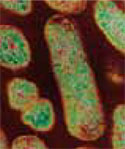
Of the 399 women enrolled, 233 were evaluated for treatment efficacy. Of those, 77 of 113 patients were cured of BV with clindamycin and 80 of 120 women were cured with metronidazole. Side effects of nausea and unpleasant taste were reported more frequently in the metronidazole treatment group. Clinical outcome was determined by vaginal fluid amine odor and clue cells.
While there was no significant difference in the effectiveness of both regimens, the researchers observed that clindamycin had fewer systemic effects because of its shorter dosage regimen (3 days as opposed to 7 days of metronidazole). Therefore, clindamycin was better tolerated among participants.
Find this Study
August 2000 issue of Obstetrics and Gynecology; abstract online at www.acog.com.
Who May be Affected by These Findings?
Women who have BV.
Expert Commentary
BV is present in 10% to 30% of pregnant women and 12% to 61% of women with sexually transmitted diseases. While BV is perceived as a mild medical problem, often without symptoms or signs of vaginal inflammation, it could lead to postoperative infection after hysterectomy, postpartum endometritis, and preterm labor if left untreated. Therefore, fast and effective treatment is imperative.
Unfortunately, the researchers’ findings that the clindamycin was as effective as and better tolerated than the metronidazole are marred by several methodological errors. First, the resolution of the amine odor and clue cells is a poor outcome measure. While the patients may no longer have a malodorous vaginal discharge, this does not mean that a healthy, Lactobacillus-dominant, vaginal microflora has been established. In fact, if the pH level has not been restored to less than 4.5, there is a possibility that the vaginal microflora will be plagued by a gram-positive bacterium, including Streptococcus agalactia or Enterococcus faecalis, or a gram-negative bacterium such as Escherichia coli. Neither agent was particularly satisfactory in restoring a Lactobacillus-dominant microflora. Furthermore, the cure rates were not impressive, as they did not reach 70%.
Moreover, comparing the systemic absorption of clindamycin administered vaginally to metronidazole taken orally is like comparing apples to oranges. Legitimate results will not come from measuring the adverse effects of 2 different antimicrobial agents administered by different routes. In fact, it is well known that many antibiotics taken orally cause the patient to experience nausea, often resulting in discontinuation of the medication.
The Bottom Line
BV continues to be a poorly understood condition. Knowledge of microbial interactions will make it easier to restore an altered vaginal microflora to a healthy one. In the meantime, administer 500 mg of metronidazole orally 3 times a day for 7 days.
At present, women treated for BV should be checked for the following: whether the pH level has returned to a normal range of 3.8 to 4.2 and if Lactobacillus has regained dominance. Failure to achieve these 2 goals means that the treatment was not successful.
THE QUESTION:
Is intravaginal clindamycin more effective than oral metronidazole for the treatment of bacterial vaginosis (BV)?
Past Studies
Metronidazole is the standard treatment for BV. However, other trials have shown that regimens of intravaginal clindamycin were as effective as oral metronidazole for treating BV.
This Study
Women with BV received either 100 mg of intravaginal clindamycin for 3 consecutive days plus placebo capsules orally for 7 days or 500 mg of metronidazole twice daily orally for 7 days along with intravaginal placebo ovules for 3 days. Subjects were excluded if they were pregnant or breastfeeding, had received systemic or vaginal antimicrobial therapy 2 weeks prior to the study, or if they were taking antibiotics. Also, women who had gonorrhea, candidiasis, chlamydia, or genital herpes could not participate in the trial.
Of the 399 women enrolled, 233 were evaluated for treatment efficacy. Of those, 77 of 113 patients were cured of BV with clindamycin and 80 of 120 women were cured with metronidazole. Side effects of nausea and unpleasant taste were reported more frequently in the metronidazole treatment group. Clinical outcome was determined by vaginal fluid amine odor and clue cells.
While there was no significant difference in the effectiveness of both regimens, the researchers observed that clindamycin had fewer systemic effects because of its shorter dosage regimen (3 days as opposed to 7 days of metronidazole). Therefore, clindamycin was better tolerated among participants.
Find this Study
August 2000 issue of Obstetrics and Gynecology; abstract online at www.acog.com.
Who May be Affected by These Findings?
Women who have BV.
Expert Commentary
BV is present in 10% to 30% of pregnant women and 12% to 61% of women with sexually transmitted diseases. While BV is perceived as a mild medical problem, often without symptoms or signs of vaginal inflammation, it could lead to postoperative infection after hysterectomy, postpartum endometritis, and preterm labor if left untreated. Therefore, fast and effective treatment is imperative.
Unfortunately, the researchers’ findings that the clindamycin was as effective as and better tolerated than the metronidazole are marred by several methodological errors. First, the resolution of the amine odor and clue cells is a poor outcome measure. While the patients may no longer have a malodorous vaginal discharge, this does not mean that a healthy, Lactobacillus-dominant, vaginal microflora has been established. In fact, if the pH level has not been restored to less than 4.5, there is a possibility that the vaginal microflora will be plagued by a gram-positive bacterium, including Streptococcus agalactia or Enterococcus faecalis, or a gram-negative bacterium such as Escherichia coli. Neither agent was particularly satisfactory in restoring a Lactobacillus-dominant microflora. Furthermore, the cure rates were not impressive, as they did not reach 70%.
Moreover, comparing the systemic absorption of clindamycin administered vaginally to metronidazole taken orally is like comparing apples to oranges. Legitimate results will not come from measuring the adverse effects of 2 different antimicrobial agents administered by different routes. In fact, it is well known that many antibiotics taken orally cause the patient to experience nausea, often resulting in discontinuation of the medication.
The Bottom Line
BV continues to be a poorly understood condition. Knowledge of microbial interactions will make it easier to restore an altered vaginal microflora to a healthy one. In the meantime, administer 500 mg of metronidazole orally 3 times a day for 7 days.
At present, women treated for BV should be checked for the following: whether the pH level has returned to a normal range of 3.8 to 4.2 and if Lactobacillus has regained dominance. Failure to achieve these 2 goals means that the treatment was not successful.
THE QUESTION:
Is intravaginal clindamycin more effective than oral metronidazole for the treatment of bacterial vaginosis (BV)?
Past Studies
Metronidazole is the standard treatment for BV. However, other trials have shown that regimens of intravaginal clindamycin were as effective as oral metronidazole for treating BV.
This Study
Women with BV received either 100 mg of intravaginal clindamycin for 3 consecutive days plus placebo capsules orally for 7 days or 500 mg of metronidazole twice daily orally for 7 days along with intravaginal placebo ovules for 3 days. Subjects were excluded if they were pregnant or breastfeeding, had received systemic or vaginal antimicrobial therapy 2 weeks prior to the study, or if they were taking antibiotics. Also, women who had gonorrhea, candidiasis, chlamydia, or genital herpes could not participate in the trial.
Of the 399 women enrolled, 233 were evaluated for treatment efficacy. Of those, 77 of 113 patients were cured of BV with clindamycin and 80 of 120 women were cured with metronidazole. Side effects of nausea and unpleasant taste were reported more frequently in the metronidazole treatment group. Clinical outcome was determined by vaginal fluid amine odor and clue cells.
While there was no significant difference in the effectiveness of both regimens, the researchers observed that clindamycin had fewer systemic effects because of its shorter dosage regimen (3 days as opposed to 7 days of metronidazole). Therefore, clindamycin was better tolerated among participants.
Find this Study
August 2000 issue of Obstetrics and Gynecology; abstract online at www.acog.com.
Who May be Affected by These Findings?
Women who have BV.
Expert Commentary
BV is present in 10% to 30% of pregnant women and 12% to 61% of women with sexually transmitted diseases. While BV is perceived as a mild medical problem, often without symptoms or signs of vaginal inflammation, it could lead to postoperative infection after hysterectomy, postpartum endometritis, and preterm labor if left untreated. Therefore, fast and effective treatment is imperative.
Unfortunately, the researchers’ findings that the clindamycin was as effective as and better tolerated than the metronidazole are marred by several methodological errors. First, the resolution of the amine odor and clue cells is a poor outcome measure. While the patients may no longer have a malodorous vaginal discharge, this does not mean that a healthy, Lactobacillus-dominant, vaginal microflora has been established. In fact, if the pH level has not been restored to less than 4.5, there is a possibility that the vaginal microflora will be plagued by a gram-positive bacterium, including Streptococcus agalactia or Enterococcus faecalis, or a gram-negative bacterium such as Escherichia coli. Neither agent was particularly satisfactory in restoring a Lactobacillus-dominant microflora. Furthermore, the cure rates were not impressive, as they did not reach 70%.
Moreover, comparing the systemic absorption of clindamycin administered vaginally to metronidazole taken orally is like comparing apples to oranges. Legitimate results will not come from measuring the adverse effects of 2 different antimicrobial agents administered by different routes. In fact, it is well known that many antibiotics taken orally cause the patient to experience nausea, often resulting in discontinuation of the medication.
The Bottom Line
BV continues to be a poorly understood condition. Knowledge of microbial interactions will make it easier to restore an altered vaginal microflora to a healthy one. In the meantime, administer 500 mg of metronidazole orally 3 times a day for 7 days.
At present, women treated for BV should be checked for the following: whether the pH level has returned to a normal range of 3.8 to 4.2 and if Lactobacillus has regained dominance. Failure to achieve these 2 goals means that the treatment was not successful.
Sildenafil for anorgasmia
THE QUESTION:
Is sildenafil an effective treatment for arousal disorder in premenopausal women?
Past studies:
These have shown that sildenafil is not as promising in women as in men. However, previous trials examined its usefulness in postmenopausal women. Little research has been conducted in premenopausal women.
This study:
The benefits of sildenafil treatment were examined in 53 women, ages 22 to 38, who had developed arousal disorders and were unable to achieve orgasm. Included in the trial, were heterosexual women who had been incapable of experiencing vaginal lubrication or genital sensation for a period of 6 months or more. Normal ovarian function was documented by ultrasonography. Women on oral contraceptives or hormone therapy and those who did not have a sexual partner were excluded from the trial. Also, women with medical conditions, including hypertension, diabetes, cancer, alcohol abuse, and liver disease, could not enroll in the study.
In a double-blind crossover study design, patients were followed monthly for 3 months and treated with 25 mg of sildenafil, 50 mg of sildenafil, and placebo in a randomized fashion. Each participant took either dose of sildenafil or placebo 1 hour before planned intercourse. The researchers used a 5-point scale to detect changes in sexual behavior. The results: Women reported increased sexual arousal, enjoyment, and frequency of sexual fantasies with both doses of sildenafil compared with placebo (4.2 versus 2.6, respectively). The frequency of orgasm also improved significantly with both doses of sildenafil compared with placebo (3.8 versus 2.4, respectively).
Find this study:
June 2001 issue of British Journal of Obstetrics and Gynaecology; abstract online at www.elsevier.com.
Who may be affected by these findings?
Healthy young women with normal hormones and libido experiencing sexual arousal disorders. Additionally, postmenopausal women with normal sexual desire, steady partners, and hormones replaced to normal levels may respond well to sildenafil. Clearly, future research is needed in this postmenopausal population.
Expert commentary:
As female sexual dysfunction is discussed more widely on the talk show circuit, women are being encouraged to seek medical attention and treatment for this complex problem. Unfortunately, little research exists to better understand and treat sexual dissatisfaction among women, specifically arousal and orgasmic disorders. This trial, however, is one step toward the development of effective therapeutic strategies to combat these issues. The researchers successfully isolated arousal deficiencies from desire and orgasmic disorders in a group of young premenopausal women. The participants responded well to a treatment series of sildenafil. The medication regulates smooth muscle contractions by selectively blocking phosphodiesterase type 5. It also permits vasodilation, resulting in subsequent clitoral, vulvar, and vaginal erectile tissue engorgement.
The results of this trial are most interesting in that previous trials of sildenafil did not demonstrate any improvement in postmenopausal women with sexual dysfunction. However, those trials did not define arousal disorder as strictly as the authors of this study. Based on sildenafil’s mechanism of action, postmenopausal women with vascular disease, hypertension, and diabetes—a population similar to males with erectile dysfunction—who have normal libido and hormones, may be ideal candidates for sildenafil therapy.
Caveats:
In this study, 4 women stopped taking sildenafil 50 mg, 2 women stopped taking sildenafil 25 mg, and 2 women stopped taking placebo due to vision problems, headaches, and fear of adverse reactions.
The bottom line:
Physicians may consider prescribing 25 to 50 mg of sildenafil to premenopausal women with normal hormones and libido who experience difficulty with arousal, lubrication, and genital sensation.
THE QUESTION:
Is sildenafil an effective treatment for arousal disorder in premenopausal women?
Past studies:
These have shown that sildenafil is not as promising in women as in men. However, previous trials examined its usefulness in postmenopausal women. Little research has been conducted in premenopausal women.
This study:
The benefits of sildenafil treatment were examined in 53 women, ages 22 to 38, who had developed arousal disorders and were unable to achieve orgasm. Included in the trial, were heterosexual women who had been incapable of experiencing vaginal lubrication or genital sensation for a period of 6 months or more. Normal ovarian function was documented by ultrasonography. Women on oral contraceptives or hormone therapy and those who did not have a sexual partner were excluded from the trial. Also, women with medical conditions, including hypertension, diabetes, cancer, alcohol abuse, and liver disease, could not enroll in the study.
In a double-blind crossover study design, patients were followed monthly for 3 months and treated with 25 mg of sildenafil, 50 mg of sildenafil, and placebo in a randomized fashion. Each participant took either dose of sildenafil or placebo 1 hour before planned intercourse. The researchers used a 5-point scale to detect changes in sexual behavior. The results: Women reported increased sexual arousal, enjoyment, and frequency of sexual fantasies with both doses of sildenafil compared with placebo (4.2 versus 2.6, respectively). The frequency of orgasm also improved significantly with both doses of sildenafil compared with placebo (3.8 versus 2.4, respectively).
Find this study:
June 2001 issue of British Journal of Obstetrics and Gynaecology; abstract online at www.elsevier.com.
Who may be affected by these findings?
Healthy young women with normal hormones and libido experiencing sexual arousal disorders. Additionally, postmenopausal women with normal sexual desire, steady partners, and hormones replaced to normal levels may respond well to sildenafil. Clearly, future research is needed in this postmenopausal population.
Expert commentary:
As female sexual dysfunction is discussed more widely on the talk show circuit, women are being encouraged to seek medical attention and treatment for this complex problem. Unfortunately, little research exists to better understand and treat sexual dissatisfaction among women, specifically arousal and orgasmic disorders. This trial, however, is one step toward the development of effective therapeutic strategies to combat these issues. The researchers successfully isolated arousal deficiencies from desire and orgasmic disorders in a group of young premenopausal women. The participants responded well to a treatment series of sildenafil. The medication regulates smooth muscle contractions by selectively blocking phosphodiesterase type 5. It also permits vasodilation, resulting in subsequent clitoral, vulvar, and vaginal erectile tissue engorgement.
The results of this trial are most interesting in that previous trials of sildenafil did not demonstrate any improvement in postmenopausal women with sexual dysfunction. However, those trials did not define arousal disorder as strictly as the authors of this study. Based on sildenafil’s mechanism of action, postmenopausal women with vascular disease, hypertension, and diabetes—a population similar to males with erectile dysfunction—who have normal libido and hormones, may be ideal candidates for sildenafil therapy.
Caveats:
In this study, 4 women stopped taking sildenafil 50 mg, 2 women stopped taking sildenafil 25 mg, and 2 women stopped taking placebo due to vision problems, headaches, and fear of adverse reactions.
The bottom line:
Physicians may consider prescribing 25 to 50 mg of sildenafil to premenopausal women with normal hormones and libido who experience difficulty with arousal, lubrication, and genital sensation.
THE QUESTION:
Is sildenafil an effective treatment for arousal disorder in premenopausal women?
Past studies:
These have shown that sildenafil is not as promising in women as in men. However, previous trials examined its usefulness in postmenopausal women. Little research has been conducted in premenopausal women.
This study:
The benefits of sildenafil treatment were examined in 53 women, ages 22 to 38, who had developed arousal disorders and were unable to achieve orgasm. Included in the trial, were heterosexual women who had been incapable of experiencing vaginal lubrication or genital sensation for a period of 6 months or more. Normal ovarian function was documented by ultrasonography. Women on oral contraceptives or hormone therapy and those who did not have a sexual partner were excluded from the trial. Also, women with medical conditions, including hypertension, diabetes, cancer, alcohol abuse, and liver disease, could not enroll in the study.
In a double-blind crossover study design, patients were followed monthly for 3 months and treated with 25 mg of sildenafil, 50 mg of sildenafil, and placebo in a randomized fashion. Each participant took either dose of sildenafil or placebo 1 hour before planned intercourse. The researchers used a 5-point scale to detect changes in sexual behavior. The results: Women reported increased sexual arousal, enjoyment, and frequency of sexual fantasies with both doses of sildenafil compared with placebo (4.2 versus 2.6, respectively). The frequency of orgasm also improved significantly with both doses of sildenafil compared with placebo (3.8 versus 2.4, respectively).
Find this study:
June 2001 issue of British Journal of Obstetrics and Gynaecology; abstract online at www.elsevier.com.
Who may be affected by these findings?
Healthy young women with normal hormones and libido experiencing sexual arousal disorders. Additionally, postmenopausal women with normal sexual desire, steady partners, and hormones replaced to normal levels may respond well to sildenafil. Clearly, future research is needed in this postmenopausal population.
Expert commentary:
As female sexual dysfunction is discussed more widely on the talk show circuit, women are being encouraged to seek medical attention and treatment for this complex problem. Unfortunately, little research exists to better understand and treat sexual dissatisfaction among women, specifically arousal and orgasmic disorders. This trial, however, is one step toward the development of effective therapeutic strategies to combat these issues. The researchers successfully isolated arousal deficiencies from desire and orgasmic disorders in a group of young premenopausal women. The participants responded well to a treatment series of sildenafil. The medication regulates smooth muscle contractions by selectively blocking phosphodiesterase type 5. It also permits vasodilation, resulting in subsequent clitoral, vulvar, and vaginal erectile tissue engorgement.
The results of this trial are most interesting in that previous trials of sildenafil did not demonstrate any improvement in postmenopausal women with sexual dysfunction. However, those trials did not define arousal disorder as strictly as the authors of this study. Based on sildenafil’s mechanism of action, postmenopausal women with vascular disease, hypertension, and diabetes—a population similar to males with erectile dysfunction—who have normal libido and hormones, may be ideal candidates for sildenafil therapy.
Caveats:
In this study, 4 women stopped taking sildenafil 50 mg, 2 women stopped taking sildenafil 25 mg, and 2 women stopped taking placebo due to vision problems, headaches, and fear of adverse reactions.
The bottom line:
Physicians may consider prescribing 25 to 50 mg of sildenafil to premenopausal women with normal hormones and libido who experience difficulty with arousal, lubrication, and genital sensation.
Insulin pump therapy in gestational diabetes
THE QUESTION:
Is insulin pump therapy safe and effective for maintaining glycemic control in women with gestational diabetes mellitus (GDM) or type 2 diabetes requiring large doses of insulin?
Past studies:
These have shown that insulin pumps have been well tolerated in gravidas with type 1 diabetes. However, there has been no substantial evidence on the use of insulin pumps in patients with GDM or type 2 diabetes. For these gravidas, the current standard of care is to monitor glucose levels 4 times per day and to administer regular insulin injections several times a day, as required.
This study:
Gravidas with GDM or type 2 diabetes were examined over a 4-year period. Parturients on insulin pump therapy were compared to gravidas who did not use an insulin pump. Patients were matched for ethnicity and diabetes type and monitored at a hospital in New Zealand. Of 251 Polynesian, European, and South Asian women, 30 used an insulin pump. None of the patients experienced severe hypoglycemia and 79% had improved glycemic control within 1 to 4 weeks. However, 2 women discontinued pump therapy.
Gravidas using a pump had greater insulin requirements than those not using a pump (median maximum 246 units/day and 130 units/day, respectively) and greater maternal weight gain (10.6 kg and 5.0 kg, respectively). Infants of mothers using insulin pumps were more likely to be admitted to the neonatal care unit, but were neither significantly heavier nor more likely to experience hypoglycemia than control subjects.
Find this study:
December 2001 issue of Diabetes Care; abstract online at www.diabetes.org/diabetescare.
Who may be affected by these findings?
Parturients with GDM or type 2 diabetes.
Expert commentary:
This study addresses an important clinical issue: Although insulin pumps are safe and effective for use in gravidas with type 1 diabetes, it is not clear whether they should be used in women with GDM or type 2 diabetes. Unfortunately, this study does little to clarify this issue. As the authors point out, this was not a clinical trial, but rather a “service audit.” As such, only 2 conclusions can be reasonably extracted from the reported data. First, there were no serious adverse events in gravidas using the insulin pump. Second, an improvement in glycemic control was evident in all 14 women for whom results of self-glucose monitoring was available both before and after initiation of pump therapy. However, it is likely that this improvement was not a result of the pump, but rather of improved overall obstetric care, including more intensive glycemic monitoring and more aggressive insulin dosing.
To consider the use of insulin pumps in gravidas with GDM or type 2 diabetes, researchers must seek to answer the following:
- Are pumps safe in this population?
- Do pumps effectively control blood sugar, decrease the incidence of fetal macrosomia and/or cesarean delivery, and prevent such complications as shoulder dystocia?
- How does pump therapy compare to current regimens of subcutaneous insulin injections?
- Are patients more or less satisfied?
Potential advantages of the insulin pump over subcutaneous insulin include fewer injections, a continuous insulin infusion, and improved patient satisfaction, which could lead to improved compliance. A possible disadvantage of the pump may be infection at the injection site.
Caveats:
This study is marred by several major methodological, statistical, and reporting errors, which include the following:
- The cases and controls were not correctly assigned. One woman was treated with the insulin pump in 2 pregnancies and included in the analysis twice. Controls included women with “preexisting tablet-treated type 2 diabetes,” whereas all cases were treated with insulin. Seven women with type 1 diabetes also were treated with insulin pumps, but it is not clear from the text whether or not these women were included in the analysis.
- Gravidas with GDM or type 2 diabetes were seen monthly until 28 weeks’ gestation, fortnightly until 36 weeks’ gestation, and then weekly until term. By U.S. standards, this represents suboptimal antenatal care for high-risk women.
- There was no power analysis, but it is likely that the study lacked the patient numbers to draw any conclusions about the use of insulin pump therapy in this patient cohort.
- There was a “lack of quality measures of hypoglycemia.” Researchers stated that “problems with precision and reporting were frequently demonstrated by inconsistencies between laboratory and self-glucose monitoring results.”
The bottom line:
Given the difference in pathophysiology between type 1 diabetes (due to an absolute deficiency of insulin) and GDM or type 2 diabetes (characterized by increased peripheral resistance to circulating insulin), extrapolation from gravidas with type 1 diabetes may not be valid. Well-designed, prospective, clinical trials are still needed to assess the value of insulin pump therapy in parturients exclusively suffering from GDM or type 2 diabetes. Future studies will likely demonstrate that insulin pumps are equally—if not more—effective in achieving adequate glycemic control in such women as compared with the current regimen of regular subcutaneous insulin injections. Until such studies are available, parturients with GDM or type 2 diabetes may be managed with intermittent self-administered subcutaneous insulin injections.
THE QUESTION:
Is insulin pump therapy safe and effective for maintaining glycemic control in women with gestational diabetes mellitus (GDM) or type 2 diabetes requiring large doses of insulin?
Past studies:
These have shown that insulin pumps have been well tolerated in gravidas with type 1 diabetes. However, there has been no substantial evidence on the use of insulin pumps in patients with GDM or type 2 diabetes. For these gravidas, the current standard of care is to monitor glucose levels 4 times per day and to administer regular insulin injections several times a day, as required.
This study:
Gravidas with GDM or type 2 diabetes were examined over a 4-year period. Parturients on insulin pump therapy were compared to gravidas who did not use an insulin pump. Patients were matched for ethnicity and diabetes type and monitored at a hospital in New Zealand. Of 251 Polynesian, European, and South Asian women, 30 used an insulin pump. None of the patients experienced severe hypoglycemia and 79% had improved glycemic control within 1 to 4 weeks. However, 2 women discontinued pump therapy.
Gravidas using a pump had greater insulin requirements than those not using a pump (median maximum 246 units/day and 130 units/day, respectively) and greater maternal weight gain (10.6 kg and 5.0 kg, respectively). Infants of mothers using insulin pumps were more likely to be admitted to the neonatal care unit, but were neither significantly heavier nor more likely to experience hypoglycemia than control subjects.
Find this study:
December 2001 issue of Diabetes Care; abstract online at www.diabetes.org/diabetescare.
Who may be affected by these findings?
Parturients with GDM or type 2 diabetes.
Expert commentary:
This study addresses an important clinical issue: Although insulin pumps are safe and effective for use in gravidas with type 1 diabetes, it is not clear whether they should be used in women with GDM or type 2 diabetes. Unfortunately, this study does little to clarify this issue. As the authors point out, this was not a clinical trial, but rather a “service audit.” As such, only 2 conclusions can be reasonably extracted from the reported data. First, there were no serious adverse events in gravidas using the insulin pump. Second, an improvement in glycemic control was evident in all 14 women for whom results of self-glucose monitoring was available both before and after initiation of pump therapy. However, it is likely that this improvement was not a result of the pump, but rather of improved overall obstetric care, including more intensive glycemic monitoring and more aggressive insulin dosing.
To consider the use of insulin pumps in gravidas with GDM or type 2 diabetes, researchers must seek to answer the following:
- Are pumps safe in this population?
- Do pumps effectively control blood sugar, decrease the incidence of fetal macrosomia and/or cesarean delivery, and prevent such complications as shoulder dystocia?
- How does pump therapy compare to current regimens of subcutaneous insulin injections?
- Are patients more or less satisfied?
Potential advantages of the insulin pump over subcutaneous insulin include fewer injections, a continuous insulin infusion, and improved patient satisfaction, which could lead to improved compliance. A possible disadvantage of the pump may be infection at the injection site.
Caveats:
This study is marred by several major methodological, statistical, and reporting errors, which include the following:
- The cases and controls were not correctly assigned. One woman was treated with the insulin pump in 2 pregnancies and included in the analysis twice. Controls included women with “preexisting tablet-treated type 2 diabetes,” whereas all cases were treated with insulin. Seven women with type 1 diabetes also were treated with insulin pumps, but it is not clear from the text whether or not these women were included in the analysis.
- Gravidas with GDM or type 2 diabetes were seen monthly until 28 weeks’ gestation, fortnightly until 36 weeks’ gestation, and then weekly until term. By U.S. standards, this represents suboptimal antenatal care for high-risk women.
- There was no power analysis, but it is likely that the study lacked the patient numbers to draw any conclusions about the use of insulin pump therapy in this patient cohort.
- There was a “lack of quality measures of hypoglycemia.” Researchers stated that “problems with precision and reporting were frequently demonstrated by inconsistencies between laboratory and self-glucose monitoring results.”
The bottom line:
Given the difference in pathophysiology between type 1 diabetes (due to an absolute deficiency of insulin) and GDM or type 2 diabetes (characterized by increased peripheral resistance to circulating insulin), extrapolation from gravidas with type 1 diabetes may not be valid. Well-designed, prospective, clinical trials are still needed to assess the value of insulin pump therapy in parturients exclusively suffering from GDM or type 2 diabetes. Future studies will likely demonstrate that insulin pumps are equally—if not more—effective in achieving adequate glycemic control in such women as compared with the current regimen of regular subcutaneous insulin injections. Until such studies are available, parturients with GDM or type 2 diabetes may be managed with intermittent self-administered subcutaneous insulin injections.
THE QUESTION:
Is insulin pump therapy safe and effective for maintaining glycemic control in women with gestational diabetes mellitus (GDM) or type 2 diabetes requiring large doses of insulin?
Past studies:
These have shown that insulin pumps have been well tolerated in gravidas with type 1 diabetes. However, there has been no substantial evidence on the use of insulin pumps in patients with GDM or type 2 diabetes. For these gravidas, the current standard of care is to monitor glucose levels 4 times per day and to administer regular insulin injections several times a day, as required.
This study:
Gravidas with GDM or type 2 diabetes were examined over a 4-year period. Parturients on insulin pump therapy were compared to gravidas who did not use an insulin pump. Patients were matched for ethnicity and diabetes type and monitored at a hospital in New Zealand. Of 251 Polynesian, European, and South Asian women, 30 used an insulin pump. None of the patients experienced severe hypoglycemia and 79% had improved glycemic control within 1 to 4 weeks. However, 2 women discontinued pump therapy.
Gravidas using a pump had greater insulin requirements than those not using a pump (median maximum 246 units/day and 130 units/day, respectively) and greater maternal weight gain (10.6 kg and 5.0 kg, respectively). Infants of mothers using insulin pumps were more likely to be admitted to the neonatal care unit, but were neither significantly heavier nor more likely to experience hypoglycemia than control subjects.
Find this study:
December 2001 issue of Diabetes Care; abstract online at www.diabetes.org/diabetescare.
Who may be affected by these findings?
Parturients with GDM or type 2 diabetes.
Expert commentary:
This study addresses an important clinical issue: Although insulin pumps are safe and effective for use in gravidas with type 1 diabetes, it is not clear whether they should be used in women with GDM or type 2 diabetes. Unfortunately, this study does little to clarify this issue. As the authors point out, this was not a clinical trial, but rather a “service audit.” As such, only 2 conclusions can be reasonably extracted from the reported data. First, there were no serious adverse events in gravidas using the insulin pump. Second, an improvement in glycemic control was evident in all 14 women for whom results of self-glucose monitoring was available both before and after initiation of pump therapy. However, it is likely that this improvement was not a result of the pump, but rather of improved overall obstetric care, including more intensive glycemic monitoring and more aggressive insulin dosing.
To consider the use of insulin pumps in gravidas with GDM or type 2 diabetes, researchers must seek to answer the following:
- Are pumps safe in this population?
- Do pumps effectively control blood sugar, decrease the incidence of fetal macrosomia and/or cesarean delivery, and prevent such complications as shoulder dystocia?
- How does pump therapy compare to current regimens of subcutaneous insulin injections?
- Are patients more or less satisfied?
Potential advantages of the insulin pump over subcutaneous insulin include fewer injections, a continuous insulin infusion, and improved patient satisfaction, which could lead to improved compliance. A possible disadvantage of the pump may be infection at the injection site.
Caveats:
This study is marred by several major methodological, statistical, and reporting errors, which include the following:
- The cases and controls were not correctly assigned. One woman was treated with the insulin pump in 2 pregnancies and included in the analysis twice. Controls included women with “preexisting tablet-treated type 2 diabetes,” whereas all cases were treated with insulin. Seven women with type 1 diabetes also were treated with insulin pumps, but it is not clear from the text whether or not these women were included in the analysis.
- Gravidas with GDM or type 2 diabetes were seen monthly until 28 weeks’ gestation, fortnightly until 36 weeks’ gestation, and then weekly until term. By U.S. standards, this represents suboptimal antenatal care for high-risk women.
- There was no power analysis, but it is likely that the study lacked the patient numbers to draw any conclusions about the use of insulin pump therapy in this patient cohort.
- There was a “lack of quality measures of hypoglycemia.” Researchers stated that “problems with precision and reporting were frequently demonstrated by inconsistencies between laboratory and self-glucose monitoring results.”
The bottom line:
Given the difference in pathophysiology between type 1 diabetes (due to an absolute deficiency of insulin) and GDM or type 2 diabetes (characterized by increased peripheral resistance to circulating insulin), extrapolation from gravidas with type 1 diabetes may not be valid. Well-designed, prospective, clinical trials are still needed to assess the value of insulin pump therapy in parturients exclusively suffering from GDM or type 2 diabetes. Future studies will likely demonstrate that insulin pumps are equally—if not more—effective in achieving adequate glycemic control in such women as compared with the current regimen of regular subcutaneous insulin injections. Until such studies are available, parturients with GDM or type 2 diabetes may be managed with intermittent self-administered subcutaneous insulin injections.
Can chasteberry relieve premenstrual syndrome?
Objective:
To compare the efficacy and tolerability of agnus castus fruit (Vitex agnus castus L extract Ze 440) with placebo for women with premenstrual syndrome (PMS).
Design:
Randomized, double-blind, placebo-controlled, parallel group comparison over 3 menstrual cycles.
Setting:
General medicine community clinics.
Participants:
178 women were screened and 170 were evaluated (active 86; placebo 84). Mean age was 36 years, mean cycle length was 28 days, mean duration of menses was 4.5 days.
Interventions:
Agnus castus (dry extract tablets) 1 tablet daily or matching placebo, given for 3 consecutive cycles.
Main Outcome Measures:
Main efficacy variable: change from baseline to endpoint (end of third cycle) in women’s self-assessment of irritability, mood alteration, anger, headache, breast fullness, and other menstrual symptoms including bloating. Secondary efficacy variables: changes in clinical global impression (severity of condition, global improvement, and risk or benefit) and responder rate (50% reduction in symptoms).
Results:
Improvement in the main variable was greater in the active group compared with the placebo group (P.001 analysis of the secondary variables showed significant>P.001 superiority of active treatment in each the global impression items. responder rates were and for placebo respectively. seven women reported mild adverse events none which caused discontinuation treatment.>
CONCLUSION:
Dry extract of agnus castus fruit is an effective and well-tolerated treatment for the relief of symptoms of the premenstrual syndrome. (Reprinted with permission from the British Medical Journal.)
EXPERT COMMENTARY:
Vitex agnus castus, or chasteberry, grows along hillsides and riverbanks in Mediterranean countries and central Asia. Ancient Greek physicians, including Hippocrates, used chasteberry preparations to stimulate milk production in new mothers and to treat menstrual difficulties.1 Since the mid-1900s, herbalists, primarily European, have used chasteberry tinctures and extracts to treat luteal phase defects, hyperprolactinemia, menorrhagia, and PMS.2
Chasteberry contains a mixture of flavonoids and iridoid glycosides, including casticin, orientin, and isovitexin. These constituents appear to stimulate production and secretion of luteinizing hormone or progesterone. They also exert a dopaminergic effect, which serves to suppress prolactin secretion from the pituitary gland, and they may interact with opioid and benzodiazepine receptors.2 Although compounds structurally similar to estrogen have been isolated from the chasteberry, direct estrogenic effects have not been demonstrated.
While agnus castus was an effective treatment in this well-designed trial, all too often initial favorable results with herbal agents are unconfirmed in subsequent investigations. Although chasteberry has a 2,500-year-old track record of safety and utility in treating female reproductive disorders, there is still little scientific data regarding the mechanism of action of its constituent phytocompounds. However, we do know that because they lower prolactin levels, agnus castus preparations are contraindicated during pregnancy and breastfeeding. In addition, the herb could interfere with hormones or medications that affect the pituitary gland.
The bottom line:
Physicians may consider administering 20 mg of Vitex agnus castus extract daily to patients suffering from PMS. Symptomatic improvement should be achieved within 3 months.
Objective:
To compare the efficacy and tolerability of agnus castus fruit (Vitex agnus castus L extract Ze 440) with placebo for women with premenstrual syndrome (PMS).
Design:
Randomized, double-blind, placebo-controlled, parallel group comparison over 3 menstrual cycles.
Setting:
General medicine community clinics.
Participants:
178 women were screened and 170 were evaluated (active 86; placebo 84). Mean age was 36 years, mean cycle length was 28 days, mean duration of menses was 4.5 days.
Interventions:
Agnus castus (dry extract tablets) 1 tablet daily or matching placebo, given for 3 consecutive cycles.
Main Outcome Measures:
Main efficacy variable: change from baseline to endpoint (end of third cycle) in women’s self-assessment of irritability, mood alteration, anger, headache, breast fullness, and other menstrual symptoms including bloating. Secondary efficacy variables: changes in clinical global impression (severity of condition, global improvement, and risk or benefit) and responder rate (50% reduction in symptoms).
Results:
Improvement in the main variable was greater in the active group compared with the placebo group (P.001 analysis of the secondary variables showed significant>P.001 superiority of active treatment in each the global impression items. responder rates were and for placebo respectively. seven women reported mild adverse events none which caused discontinuation treatment.>
CONCLUSION:
Dry extract of agnus castus fruit is an effective and well-tolerated treatment for the relief of symptoms of the premenstrual syndrome. (Reprinted with permission from the British Medical Journal.)
EXPERT COMMENTARY:
Vitex agnus castus, or chasteberry, grows along hillsides and riverbanks in Mediterranean countries and central Asia. Ancient Greek physicians, including Hippocrates, used chasteberry preparations to stimulate milk production in new mothers and to treat menstrual difficulties.1 Since the mid-1900s, herbalists, primarily European, have used chasteberry tinctures and extracts to treat luteal phase defects, hyperprolactinemia, menorrhagia, and PMS.2
Chasteberry contains a mixture of flavonoids and iridoid glycosides, including casticin, orientin, and isovitexin. These constituents appear to stimulate production and secretion of luteinizing hormone or progesterone. They also exert a dopaminergic effect, which serves to suppress prolactin secretion from the pituitary gland, and they may interact with opioid and benzodiazepine receptors.2 Although compounds structurally similar to estrogen have been isolated from the chasteberry, direct estrogenic effects have not been demonstrated.
While agnus castus was an effective treatment in this well-designed trial, all too often initial favorable results with herbal agents are unconfirmed in subsequent investigations. Although chasteberry has a 2,500-year-old track record of safety and utility in treating female reproductive disorders, there is still little scientific data regarding the mechanism of action of its constituent phytocompounds. However, we do know that because they lower prolactin levels, agnus castus preparations are contraindicated during pregnancy and breastfeeding. In addition, the herb could interfere with hormones or medications that affect the pituitary gland.
The bottom line:
Physicians may consider administering 20 mg of Vitex agnus castus extract daily to patients suffering from PMS. Symptomatic improvement should be achieved within 3 months.
Objective:
To compare the efficacy and tolerability of agnus castus fruit (Vitex agnus castus L extract Ze 440) with placebo for women with premenstrual syndrome (PMS).
Design:
Randomized, double-blind, placebo-controlled, parallel group comparison over 3 menstrual cycles.
Setting:
General medicine community clinics.
Participants:
178 women were screened and 170 were evaluated (active 86; placebo 84). Mean age was 36 years, mean cycle length was 28 days, mean duration of menses was 4.5 days.
Interventions:
Agnus castus (dry extract tablets) 1 tablet daily or matching placebo, given for 3 consecutive cycles.
Main Outcome Measures:
Main efficacy variable: change from baseline to endpoint (end of third cycle) in women’s self-assessment of irritability, mood alteration, anger, headache, breast fullness, and other menstrual symptoms including bloating. Secondary efficacy variables: changes in clinical global impression (severity of condition, global improvement, and risk or benefit) and responder rate (50% reduction in symptoms).
Results:
Improvement in the main variable was greater in the active group compared with the placebo group (P.001 analysis of the secondary variables showed significant>P.001 superiority of active treatment in each the global impression items. responder rates were and for placebo respectively. seven women reported mild adverse events none which caused discontinuation treatment.>
CONCLUSION:
Dry extract of agnus castus fruit is an effective and well-tolerated treatment for the relief of symptoms of the premenstrual syndrome. (Reprinted with permission from the British Medical Journal.)
EXPERT COMMENTARY:
Vitex agnus castus, or chasteberry, grows along hillsides and riverbanks in Mediterranean countries and central Asia. Ancient Greek physicians, including Hippocrates, used chasteberry preparations to stimulate milk production in new mothers and to treat menstrual difficulties.1 Since the mid-1900s, herbalists, primarily European, have used chasteberry tinctures and extracts to treat luteal phase defects, hyperprolactinemia, menorrhagia, and PMS.2
Chasteberry contains a mixture of flavonoids and iridoid glycosides, including casticin, orientin, and isovitexin. These constituents appear to stimulate production and secretion of luteinizing hormone or progesterone. They also exert a dopaminergic effect, which serves to suppress prolactin secretion from the pituitary gland, and they may interact with opioid and benzodiazepine receptors.2 Although compounds structurally similar to estrogen have been isolated from the chasteberry, direct estrogenic effects have not been demonstrated.
While agnus castus was an effective treatment in this well-designed trial, all too often initial favorable results with herbal agents are unconfirmed in subsequent investigations. Although chasteberry has a 2,500-year-old track record of safety and utility in treating female reproductive disorders, there is still little scientific data regarding the mechanism of action of its constituent phytocompounds. However, we do know that because they lower prolactin levels, agnus castus preparations are contraindicated during pregnancy and breastfeeding. In addition, the herb could interfere with hormones or medications that affect the pituitary gland.
The bottom line:
Physicians may consider administering 20 mg of Vitex agnus castus extract daily to patients suffering from PMS. Symptomatic improvement should be achieved within 3 months.
Is sodium fluoride effective for advanced osteoporosis?
Background:
We ascertained the safety and efficacy of fluoride in augmenting spinal bone mass and reducing spinal fractures in older women with established osteoporosis. We compared a combination of sustained-release sodium fluoride, calcium citrate, and cholecalciferol (SR-NaF group) with calcium and cholecalciferol alone (control group).
Methods:
Eighty-five ambulatory women aged 65 years or older with 1 or more nontraumatic vertebral compression fractures were enrolled in a 42-month, randomized, double-blind, placebo-controlled trial. Primary outcome measures were vertebral fracture rate, bone mass, and safety.
Results:
The vertebral fracture rate determined by means of computer assistance in the SR-NaF group was significantly lower than that in the control group (relative risk [RR], 0.32; 95% confidence interval [CI], 0.14-0.73; P=.007). Results of visual adjudicated inspection also confirmed a significant reduction in fracture rate (RR, 0.40; 95% CI, 0.17-0.95; P=.04). Bone mineral density in L2 through L4 increased significantly from baseline in the SR-NaF group by 5.4% (95% CI, 2.7%-8.2%; P.001 and by in the control group ci>P=.01). The between-group differences in bone mineral density were not significant. The femoral neck and total hip bone mineral density remained stable in the Sr-NaF group and was not significantly different from that of the control group. There were no significant differences in adverse effects between groups.
Conclusion:
The SR-NaF group significantly decreased the risk for vertebral fractures and increased spinal bone mass without reducing bone mass at the femoral neck and total hip.
(Reprinted with permission from the American Medical Association and Archives of Internal Medicine.)
Expert commentary:
As our patient population continues to age, prevention of osteoporotic fractures presents an increasing challenge for Ob/Gyns. In the past, sodium fluoride was widely used to treat osteoporosis. However, side effects such as joint pain and swelling caused patients to abandon its use. Previous studies of women treated with high and/or continuous doses of fluoride also were discouraging. While increased bone mineral density was observed, the agent failed to lower the risk of vertebral fractures. Furthermore, the risk of nonvertebral fractures appeared to increase with continuous fluoride treatment.
In contrast, the study’s authors found that the twice daily administration of low-dose sodium fluoride, combined with calcium citrate (945 mg/day) and vitamin D (600 IU/day), prevented recurrent vertebral fractures by stimulating new bone formation. (Sodium fluoride is known to spur mitosis of bone-forming cells while calcium and vitamin D suppress parathyroid function and reduce bone turnover.) No participants discontinued taking the sodium fluoride due to adverse effects. The key to this study’s success was the intermittent dosing regimen, i.e., 12 months of therapy and then 2 months off, which may lessen side effects and prevent the accumulation of sodium fluoride in the bones.
The bottom line:
Although anabolic agents such as sodium fluoride would be highly desirable for patients with severe osteoporosis, no such therapies have been approved by the FDA. However, if larger studies confirm these favorable findings, administering intermittent low doses of sodium fluoride may emerge as an important new treatment option for patients with advanced osteoporosis.
In the meantime, daily subcutaneous injections of parathyroid hormone are a promising alternative to bone-formingtreatment.1
REFERENCE
1. Neer RM, Arnaud CD, Zanchetta JR, et al. Effect of parathyroid hormone on fractures and bone mineral density in postmenopausal women with osteoporosis. N Engl J Med. 2001;344:1434-1441.
Background:
We ascertained the safety and efficacy of fluoride in augmenting spinal bone mass and reducing spinal fractures in older women with established osteoporosis. We compared a combination of sustained-release sodium fluoride, calcium citrate, and cholecalciferol (SR-NaF group) with calcium and cholecalciferol alone (control group).
Methods:
Eighty-five ambulatory women aged 65 years or older with 1 or more nontraumatic vertebral compression fractures were enrolled in a 42-month, randomized, double-blind, placebo-controlled trial. Primary outcome measures were vertebral fracture rate, bone mass, and safety.
Results:
The vertebral fracture rate determined by means of computer assistance in the SR-NaF group was significantly lower than that in the control group (relative risk [RR], 0.32; 95% confidence interval [CI], 0.14-0.73; P=.007). Results of visual adjudicated inspection also confirmed a significant reduction in fracture rate (RR, 0.40; 95% CI, 0.17-0.95; P=.04). Bone mineral density in L2 through L4 increased significantly from baseline in the SR-NaF group by 5.4% (95% CI, 2.7%-8.2%; P.001 and by in the control group ci>P=.01). The between-group differences in bone mineral density were not significant. The femoral neck and total hip bone mineral density remained stable in the Sr-NaF group and was not significantly different from that of the control group. There were no significant differences in adverse effects between groups.
Conclusion:
The SR-NaF group significantly decreased the risk for vertebral fractures and increased spinal bone mass without reducing bone mass at the femoral neck and total hip.
(Reprinted with permission from the American Medical Association and Archives of Internal Medicine.)
Expert commentary:
As our patient population continues to age, prevention of osteoporotic fractures presents an increasing challenge for Ob/Gyns. In the past, sodium fluoride was widely used to treat osteoporosis. However, side effects such as joint pain and swelling caused patients to abandon its use. Previous studies of women treated with high and/or continuous doses of fluoride also were discouraging. While increased bone mineral density was observed, the agent failed to lower the risk of vertebral fractures. Furthermore, the risk of nonvertebral fractures appeared to increase with continuous fluoride treatment.
In contrast, the study’s authors found that the twice daily administration of low-dose sodium fluoride, combined with calcium citrate (945 mg/day) and vitamin D (600 IU/day), prevented recurrent vertebral fractures by stimulating new bone formation. (Sodium fluoride is known to spur mitosis of bone-forming cells while calcium and vitamin D suppress parathyroid function and reduce bone turnover.) No participants discontinued taking the sodium fluoride due to adverse effects. The key to this study’s success was the intermittent dosing regimen, i.e., 12 months of therapy and then 2 months off, which may lessen side effects and prevent the accumulation of sodium fluoride in the bones.
The bottom line:
Although anabolic agents such as sodium fluoride would be highly desirable for patients with severe osteoporosis, no such therapies have been approved by the FDA. However, if larger studies confirm these favorable findings, administering intermittent low doses of sodium fluoride may emerge as an important new treatment option for patients with advanced osteoporosis.
In the meantime, daily subcutaneous injections of parathyroid hormone are a promising alternative to bone-formingtreatment.1
Background:
We ascertained the safety and efficacy of fluoride in augmenting spinal bone mass and reducing spinal fractures in older women with established osteoporosis. We compared a combination of sustained-release sodium fluoride, calcium citrate, and cholecalciferol (SR-NaF group) with calcium and cholecalciferol alone (control group).
Methods:
Eighty-five ambulatory women aged 65 years or older with 1 or more nontraumatic vertebral compression fractures were enrolled in a 42-month, randomized, double-blind, placebo-controlled trial. Primary outcome measures were vertebral fracture rate, bone mass, and safety.
Results:
The vertebral fracture rate determined by means of computer assistance in the SR-NaF group was significantly lower than that in the control group (relative risk [RR], 0.32; 95% confidence interval [CI], 0.14-0.73; P=.007). Results of visual adjudicated inspection also confirmed a significant reduction in fracture rate (RR, 0.40; 95% CI, 0.17-0.95; P=.04). Bone mineral density in L2 through L4 increased significantly from baseline in the SR-NaF group by 5.4% (95% CI, 2.7%-8.2%; P.001 and by in the control group ci>P=.01). The between-group differences in bone mineral density were not significant. The femoral neck and total hip bone mineral density remained stable in the Sr-NaF group and was not significantly different from that of the control group. There were no significant differences in adverse effects between groups.
Conclusion:
The SR-NaF group significantly decreased the risk for vertebral fractures and increased spinal bone mass without reducing bone mass at the femoral neck and total hip.
(Reprinted with permission from the American Medical Association and Archives of Internal Medicine.)
Expert commentary:
As our patient population continues to age, prevention of osteoporotic fractures presents an increasing challenge for Ob/Gyns. In the past, sodium fluoride was widely used to treat osteoporosis. However, side effects such as joint pain and swelling caused patients to abandon its use. Previous studies of women treated with high and/or continuous doses of fluoride also were discouraging. While increased bone mineral density was observed, the agent failed to lower the risk of vertebral fractures. Furthermore, the risk of nonvertebral fractures appeared to increase with continuous fluoride treatment.
In contrast, the study’s authors found that the twice daily administration of low-dose sodium fluoride, combined with calcium citrate (945 mg/day) and vitamin D (600 IU/day), prevented recurrent vertebral fractures by stimulating new bone formation. (Sodium fluoride is known to spur mitosis of bone-forming cells while calcium and vitamin D suppress parathyroid function and reduce bone turnover.) No participants discontinued taking the sodium fluoride due to adverse effects. The key to this study’s success was the intermittent dosing regimen, i.e., 12 months of therapy and then 2 months off, which may lessen side effects and prevent the accumulation of sodium fluoride in the bones.
The bottom line:
Although anabolic agents such as sodium fluoride would be highly desirable for patients with severe osteoporosis, no such therapies have been approved by the FDA. However, if larger studies confirm these favorable findings, administering intermittent low doses of sodium fluoride may emerge as an important new treatment option for patients with advanced osteoporosis.
In the meantime, daily subcutaneous injections of parathyroid hormone are a promising alternative to bone-formingtreatment.1
REFERENCE
1. Neer RM, Arnaud CD, Zanchetta JR, et al. Effect of parathyroid hormone on fractures and bone mineral density in postmenopausal women with osteoporosis. N Engl J Med. 2001;344:1434-1441.
REFERENCE
1. Neer RM, Arnaud CD, Zanchetta JR, et al. Effect of parathyroid hormone on fractures and bone mineral density in postmenopausal women with osteoporosis. N Engl J Med. 2001;344:1434-1441.
Can cranberry juice prevent recurrent urinary tract infections?
Objective:
To determine whether recurrences of urinary tract infection can be prevented with cranberry-lingonberry juice or with Lactobacillus GG drink.
Design:
Open, randomized-controlled, 12-month follow-up trial.
Setting:
Health centers for university students and university hospital staff.
Participants:
150 women with urinary tract infection caused by Escherichia coli randomly allocated into 3 groups.
Interventions:
50 mL of cranberry-lingonberry juice concentrate daily for 6 months or 100 mL of lactobacillus drink 5 days a week for 1 year, or no intervention.
Main outcome measure:
First recurrence of symptomatic urinary tract infection, defined as bacterial growth ≥105 colony-forming units/mL in a clean, voided midstream urine specimen.
Results:
The cumulative rate of first recurrence of urinary tract infection during the 12-month follow-up differed significantly between the groups (P=.048). At 6 months, 8 (16%) women in the cranberry group, 19 (39%) in the lactobacillus group, and 18 (36%) in the control group had at least 1 recurrence. This is a 20% reduction in absolute risk in the cranberry group compared with the control group (95% confidence interval, 3% to 36%, P=.023; number needed to treat=5, 95% confidence interval, 3 to 34).
Conclusion:
Regular drinking of cranberry juice but not lactobacillus seems to reduce the recurrence of urinary tract infection. (Reprinted with permission from the British Medical Journal.)
Expert commentary:
The American cranberry has long been associated with beneficial effects on urinary tract health. It was once thought that this was due to the highly acidic fruit’s ability to “acidify” the urine, thereby inhibiting bacterial growth. While some early studies supported this mechanism of action, later investigations determined that the quantities of cranberry juice needed to significantly lower urine pH were well beyond normally consumed volumes. In 1959, Bodel et al demonstrated that urine pH was only marginally affected after subjects consumed up to 4 L of cranberry juice cocktail daily.1
Still, research continued to suggest that drinking cranberry juice could reduce the incidence of bacteriuria and urinary tract infections (UTIs). While the methodology of these clinical trials was suboptimal, the search for how cranberry juice could prevent UTIs continued in the laboratory. A breakthrough occurred in 1984 when Sobota demonstrated that in vitro cranberry juice interfered with the adherence of E. coli to uroepithelial cells.2
Subsequently, a more precise understanding of the cranberry’s mechanism of action has been elucidated. Bacteria, including E. coli, have different types of adhesins on their pili, or fimbriae, allowing the organism to adhere to epithelial cells and proliferate. Cranberries contain compounds called proanthocyanidins (PACs) that inhibit the mannose-resistant (P-fimbriated) adhesins found in strains of E. coli from binding to the uroepithelium.3
Although Kontiokari et al’s recent investigation only included patients with E. coli UTIs, it provides a clinical component to the microbiological and biochemical evidence discovered in the laboratory. Furthermore, while it seems that the addition of lingonberry introduces an unknown variable, the wild plant, known as mountain cranberry, actually is a type of cranberry.
Bottom line:
Patients can decrease their risk of recurrent E. coli UTIs in vivo by consuming cranberry juice. Therefore, physicians should advise their patients to drink 10 to 16 oz of cranberry juice cocktail daily.
1. Bodel PT, Cotran R, Kass EH. Cranberry juice and the antibacterial action of hippuric acid. J Lab Clin Med. 1959;54:881888.-
2. Sobota AE. Inhibition of bacterial adherence by cranberry juice: potential use for the treatment of urinary tract infections. J Urol. 1984;131:1013-1016.
3. Howell AB, Vorsa N, Marderosian AD, Foo LY. Inhibition of the adherence of P-fimbriated Escherichia coli to uroepithelial-cell surfaces by proantho-cyanidin extracts from cranberries [letter]. N Engl J Med. 1998;339:1085.-
Objective:
To determine whether recurrences of urinary tract infection can be prevented with cranberry-lingonberry juice or with Lactobacillus GG drink.
Design:
Open, randomized-controlled, 12-month follow-up trial.
Setting:
Health centers for university students and university hospital staff.
Participants:
150 women with urinary tract infection caused by Escherichia coli randomly allocated into 3 groups.
Interventions:
50 mL of cranberry-lingonberry juice concentrate daily for 6 months or 100 mL of lactobacillus drink 5 days a week for 1 year, or no intervention.
Main outcome measure:
First recurrence of symptomatic urinary tract infection, defined as bacterial growth ≥105 colony-forming units/mL in a clean, voided midstream urine specimen.
Results:
The cumulative rate of first recurrence of urinary tract infection during the 12-month follow-up differed significantly between the groups (P=.048). At 6 months, 8 (16%) women in the cranberry group, 19 (39%) in the lactobacillus group, and 18 (36%) in the control group had at least 1 recurrence. This is a 20% reduction in absolute risk in the cranberry group compared with the control group (95% confidence interval, 3% to 36%, P=.023; number needed to treat=5, 95% confidence interval, 3 to 34).
Conclusion:
Regular drinking of cranberry juice but not lactobacillus seems to reduce the recurrence of urinary tract infection. (Reprinted with permission from the British Medical Journal.)
Expert commentary:
The American cranberry has long been associated with beneficial effects on urinary tract health. It was once thought that this was due to the highly acidic fruit’s ability to “acidify” the urine, thereby inhibiting bacterial growth. While some early studies supported this mechanism of action, later investigations determined that the quantities of cranberry juice needed to significantly lower urine pH were well beyond normally consumed volumes. In 1959, Bodel et al demonstrated that urine pH was only marginally affected after subjects consumed up to 4 L of cranberry juice cocktail daily.1
Still, research continued to suggest that drinking cranberry juice could reduce the incidence of bacteriuria and urinary tract infections (UTIs). While the methodology of these clinical trials was suboptimal, the search for how cranberry juice could prevent UTIs continued in the laboratory. A breakthrough occurred in 1984 when Sobota demonstrated that in vitro cranberry juice interfered with the adherence of E. coli to uroepithelial cells.2
Subsequently, a more precise understanding of the cranberry’s mechanism of action has been elucidated. Bacteria, including E. coli, have different types of adhesins on their pili, or fimbriae, allowing the organism to adhere to epithelial cells and proliferate. Cranberries contain compounds called proanthocyanidins (PACs) that inhibit the mannose-resistant (P-fimbriated) adhesins found in strains of E. coli from binding to the uroepithelium.3
Although Kontiokari et al’s recent investigation only included patients with E. coli UTIs, it provides a clinical component to the microbiological and biochemical evidence discovered in the laboratory. Furthermore, while it seems that the addition of lingonberry introduces an unknown variable, the wild plant, known as mountain cranberry, actually is a type of cranberry.
Bottom line:
Patients can decrease their risk of recurrent E. coli UTIs in vivo by consuming cranberry juice. Therefore, physicians should advise their patients to drink 10 to 16 oz of cranberry juice cocktail daily.
Objective:
To determine whether recurrences of urinary tract infection can be prevented with cranberry-lingonberry juice or with Lactobacillus GG drink.
Design:
Open, randomized-controlled, 12-month follow-up trial.
Setting:
Health centers for university students and university hospital staff.
Participants:
150 women with urinary tract infection caused by Escherichia coli randomly allocated into 3 groups.
Interventions:
50 mL of cranberry-lingonberry juice concentrate daily for 6 months or 100 mL of lactobacillus drink 5 days a week for 1 year, or no intervention.
Main outcome measure:
First recurrence of symptomatic urinary tract infection, defined as bacterial growth ≥105 colony-forming units/mL in a clean, voided midstream urine specimen.
Results:
The cumulative rate of first recurrence of urinary tract infection during the 12-month follow-up differed significantly between the groups (P=.048). At 6 months, 8 (16%) women in the cranberry group, 19 (39%) in the lactobacillus group, and 18 (36%) in the control group had at least 1 recurrence. This is a 20% reduction in absolute risk in the cranberry group compared with the control group (95% confidence interval, 3% to 36%, P=.023; number needed to treat=5, 95% confidence interval, 3 to 34).
Conclusion:
Regular drinking of cranberry juice but not lactobacillus seems to reduce the recurrence of urinary tract infection. (Reprinted with permission from the British Medical Journal.)
Expert commentary:
The American cranberry has long been associated with beneficial effects on urinary tract health. It was once thought that this was due to the highly acidic fruit’s ability to “acidify” the urine, thereby inhibiting bacterial growth. While some early studies supported this mechanism of action, later investigations determined that the quantities of cranberry juice needed to significantly lower urine pH were well beyond normally consumed volumes. In 1959, Bodel et al demonstrated that urine pH was only marginally affected after subjects consumed up to 4 L of cranberry juice cocktail daily.1
Still, research continued to suggest that drinking cranberry juice could reduce the incidence of bacteriuria and urinary tract infections (UTIs). While the methodology of these clinical trials was suboptimal, the search for how cranberry juice could prevent UTIs continued in the laboratory. A breakthrough occurred in 1984 when Sobota demonstrated that in vitro cranberry juice interfered with the adherence of E. coli to uroepithelial cells.2
Subsequently, a more precise understanding of the cranberry’s mechanism of action has been elucidated. Bacteria, including E. coli, have different types of adhesins on their pili, or fimbriae, allowing the organism to adhere to epithelial cells and proliferate. Cranberries contain compounds called proanthocyanidins (PACs) that inhibit the mannose-resistant (P-fimbriated) adhesins found in strains of E. coli from binding to the uroepithelium.3
Although Kontiokari et al’s recent investigation only included patients with E. coli UTIs, it provides a clinical component to the microbiological and biochemical evidence discovered in the laboratory. Furthermore, while it seems that the addition of lingonberry introduces an unknown variable, the wild plant, known as mountain cranberry, actually is a type of cranberry.
Bottom line:
Patients can decrease their risk of recurrent E. coli UTIs in vivo by consuming cranberry juice. Therefore, physicians should advise their patients to drink 10 to 16 oz of cranberry juice cocktail daily.
1. Bodel PT, Cotran R, Kass EH. Cranberry juice and the antibacterial action of hippuric acid. J Lab Clin Med. 1959;54:881888.-
2. Sobota AE. Inhibition of bacterial adherence by cranberry juice: potential use for the treatment of urinary tract infections. J Urol. 1984;131:1013-1016.
3. Howell AB, Vorsa N, Marderosian AD, Foo LY. Inhibition of the adherence of P-fimbriated Escherichia coli to uroepithelial-cell surfaces by proantho-cyanidin extracts from cranberries [letter]. N Engl J Med. 1998;339:1085.-
1. Bodel PT, Cotran R, Kass EH. Cranberry juice and the antibacterial action of hippuric acid. J Lab Clin Med. 1959;54:881888.-
2. Sobota AE. Inhibition of bacterial adherence by cranberry juice: potential use for the treatment of urinary tract infections. J Urol. 1984;131:1013-1016.
3. Howell AB, Vorsa N, Marderosian AD, Foo LY. Inhibition of the adherence of P-fimbriated Escherichia coli to uroepithelial-cell surfaces by proantho-cyanidin extracts from cranberries [letter]. N Engl J Med. 1998;339:1085.-