User login
RNA Vaccines: Risk for Heavy Menstrual Bleeding Clarified
Cases of menstrual disorders, particularly unusually heavy menstrual bleeding, have been reported following RNA vaccination against COVID-19.
In France, this safety signal has been confirmed and added to the product characteristics summaries and vaccine leaflets for mRNA vaccines in October 2022. However, few studies have accurately measured this risk to date.
To address this gap in research, the French scientific interest group in the epidemiology of health products, ANSM-Cnam EPI-PHARE, conducted a study to assess the risk for heavy menstrual bleeding requiring hospitalization after COVID-19 vaccination in France.
“This study provides new evidence supporting the existence of an increased risk for heavy menstrual bleeding following COVID-19 vaccination with mRNA vaccines,” wrote the authors.
Study Details
The study included all women aged 15-50 years who were diagnosed with heavy menstrual bleeding in the hospital between May 12, 2021, and August 31, 2022. Participants were identified in the National Health Data System, and the study population totaled 4610 women.
Each participant was randomly matched with as many as 30 women who had not been hospitalized for abnormal genital bleeding and had similar characteristics in terms of age, department of residence, social deprivation index of the commune of residence, and contraceptive method.
Women who had a recent pregnancy, hysterectomy, or coagulation disorder within the specified time frames were excluded.
At the time of the study, 71% of cases and 70% of controls had received at least one dose of the COVID-19 vaccine. Among vaccinated participants, 68% and 66%, respectively, received a vaccination dose (first or second dose). An mRNA vaccine (Comirnaty or Spikevax) was the last vaccine for 99.8% of the population.
Increased Risk
Compared with control women, those hospitalized for heavy menstrual bleeding were more likely to have received their last dose of mRNA vaccine (Comirnaty or Spikevax) in the previous 1-3 months. This association was observed for vaccination doses (odds ratio [OR], 1.20), indicating a 20% increased risk, but it was not found for booster doses (OR, 1.07).
This association was particularly notable for women residing in socially disadvantaged communities (OR, 1.28) and women not using hormonal contraception (OR, 1.28).
The risk did not appear to be increased beyond 3 months after vaccination. Researchers noted that the increased risk may have occurred earlier, considering the likely interval between initial symptoms and hospitalization.
Assuming a causal relationship, the estimated number of cases attributable to vaccination was 8 cases per million vaccinated women, totaling 103 cases among all women aged 15-50 years who were vaccinated in France between May 12, 2021, and August 31, 2022.
As of the study date and in the 3 years before the study, none of the authors had any conflicts of interest with pharmaceutical companies.
This article was translated from the Medscape French edition. A version of this article appeared on Medscape.com.
Cases of menstrual disorders, particularly unusually heavy menstrual bleeding, have been reported following RNA vaccination against COVID-19.
In France, this safety signal has been confirmed and added to the product characteristics summaries and vaccine leaflets for mRNA vaccines in October 2022. However, few studies have accurately measured this risk to date.
To address this gap in research, the French scientific interest group in the epidemiology of health products, ANSM-Cnam EPI-PHARE, conducted a study to assess the risk for heavy menstrual bleeding requiring hospitalization after COVID-19 vaccination in France.
“This study provides new evidence supporting the existence of an increased risk for heavy menstrual bleeding following COVID-19 vaccination with mRNA vaccines,” wrote the authors.
Study Details
The study included all women aged 15-50 years who were diagnosed with heavy menstrual bleeding in the hospital between May 12, 2021, and August 31, 2022. Participants were identified in the National Health Data System, and the study population totaled 4610 women.
Each participant was randomly matched with as many as 30 women who had not been hospitalized for abnormal genital bleeding and had similar characteristics in terms of age, department of residence, social deprivation index of the commune of residence, and contraceptive method.
Women who had a recent pregnancy, hysterectomy, or coagulation disorder within the specified time frames were excluded.
At the time of the study, 71% of cases and 70% of controls had received at least one dose of the COVID-19 vaccine. Among vaccinated participants, 68% and 66%, respectively, received a vaccination dose (first or second dose). An mRNA vaccine (Comirnaty or Spikevax) was the last vaccine for 99.8% of the population.
Increased Risk
Compared with control women, those hospitalized for heavy menstrual bleeding were more likely to have received their last dose of mRNA vaccine (Comirnaty or Spikevax) in the previous 1-3 months. This association was observed for vaccination doses (odds ratio [OR], 1.20), indicating a 20% increased risk, but it was not found for booster doses (OR, 1.07).
This association was particularly notable for women residing in socially disadvantaged communities (OR, 1.28) and women not using hormonal contraception (OR, 1.28).
The risk did not appear to be increased beyond 3 months after vaccination. Researchers noted that the increased risk may have occurred earlier, considering the likely interval between initial symptoms and hospitalization.
Assuming a causal relationship, the estimated number of cases attributable to vaccination was 8 cases per million vaccinated women, totaling 103 cases among all women aged 15-50 years who were vaccinated in France between May 12, 2021, and August 31, 2022.
As of the study date and in the 3 years before the study, none of the authors had any conflicts of interest with pharmaceutical companies.
This article was translated from the Medscape French edition. A version of this article appeared on Medscape.com.
Cases of menstrual disorders, particularly unusually heavy menstrual bleeding, have been reported following RNA vaccination against COVID-19.
In France, this safety signal has been confirmed and added to the product characteristics summaries and vaccine leaflets for mRNA vaccines in October 2022. However, few studies have accurately measured this risk to date.
To address this gap in research, the French scientific interest group in the epidemiology of health products, ANSM-Cnam EPI-PHARE, conducted a study to assess the risk for heavy menstrual bleeding requiring hospitalization after COVID-19 vaccination in France.
“This study provides new evidence supporting the existence of an increased risk for heavy menstrual bleeding following COVID-19 vaccination with mRNA vaccines,” wrote the authors.
Study Details
The study included all women aged 15-50 years who were diagnosed with heavy menstrual bleeding in the hospital between May 12, 2021, and August 31, 2022. Participants were identified in the National Health Data System, and the study population totaled 4610 women.
Each participant was randomly matched with as many as 30 women who had not been hospitalized for abnormal genital bleeding and had similar characteristics in terms of age, department of residence, social deprivation index of the commune of residence, and contraceptive method.
Women who had a recent pregnancy, hysterectomy, or coagulation disorder within the specified time frames were excluded.
At the time of the study, 71% of cases and 70% of controls had received at least one dose of the COVID-19 vaccine. Among vaccinated participants, 68% and 66%, respectively, received a vaccination dose (first or second dose). An mRNA vaccine (Comirnaty or Spikevax) was the last vaccine for 99.8% of the population.
Increased Risk
Compared with control women, those hospitalized for heavy menstrual bleeding were more likely to have received their last dose of mRNA vaccine (Comirnaty or Spikevax) in the previous 1-3 months. This association was observed for vaccination doses (odds ratio [OR], 1.20), indicating a 20% increased risk, but it was not found for booster doses (OR, 1.07).
This association was particularly notable for women residing in socially disadvantaged communities (OR, 1.28) and women not using hormonal contraception (OR, 1.28).
The risk did not appear to be increased beyond 3 months after vaccination. Researchers noted that the increased risk may have occurred earlier, considering the likely interval between initial symptoms and hospitalization.
Assuming a causal relationship, the estimated number of cases attributable to vaccination was 8 cases per million vaccinated women, totaling 103 cases among all women aged 15-50 years who were vaccinated in France between May 12, 2021, and August 31, 2022.
As of the study date and in the 3 years before the study, none of the authors had any conflicts of interest with pharmaceutical companies.
This article was translated from the Medscape French edition. A version of this article appeared on Medscape.com.
How Do Anogenital Injuries Relate to Rape Accusations?
Violence against women by partners is a serious human rights violation and a significant global public health issue. Overall, an estimated 27% of women aged 15-49 years who have been in a relationship have experienced physical or sexual violence (SV) at the hands of a partner. According to 2019 data from the US Department of Justice, SV in the United States occurs every 73 seconds, with child victims every 9 minutes. Lifetime rates of SV are around 17%-18% for women and 3% for men.
The emergency department remains the most common place where patients who have experienced SV seek comprehensive care, including emergency contraception, prophylaxis against sexually transmitted infections, forensic evidence collection for rape cases, and treatment for injuries.
Physical injuries from SV are not always detectable. Studies report variable percentages, ranging from 30%-80% of patients with traumatic SV injuries. Evidence regarding their severity is conflicting.
The presence or absence of anogenital injuries following SV is a factor that can influence both victims’ willingness to report a crime and the judicial decision-making process regarding accusations and convictions.
Rape Myths
The mythology of rape has been under discussion for more than 50 years, encompassing concerns that rape myths reinforce ideas about what does and does not constitute SV and who is a credible victim.
Rape myths, classically defined in the 1980s, are “prejudiced, stereotyped, and false beliefs about rape, rape victims, and rapists,” designed to “deny or minimize perceived harm or blame victims for their victimization.” The concept remains relevant to contemporary societal beliefs and concerns.
A systematic review analyzed elements of rape myths related to victim characteristics and their impact on credibility and blame attribution in the investigative process. Victims who knew the (male) perpetrator and were deemed provocative based on attire were assigned greater blame. In addition, detail and consistency in victims› statements and the presence of physical evidence and injuries increased credibility. However, in certain situations, rape myths may lead to blaming victims who do not fit the “real victim” stereotype, thus resulting in secondary victimization or revictimization.
Anogenital Injuries
Anogenital injuries can occur in relation to consensual sexual activity (CSA), and SV may not be associated with injuries. Therefore, the presence of anogenital injuries does not “prove” SV nor does their absence exclude rape.
This statement is supported by a systematic review and meta-analysis investigating the prevalence of anogenital injuries in women following SV and CSA, using consistent examination techniques for better forensic evidence evaluation in criminal proceedings.
The following two groups were defined for comparison: SV, indicating any nonconsensual sexual contact with the survivor’s anogenital area, and CSA, representing the same type of sexual contact with participants’ consent.
The outcome measure was the presence of anogenital injury (defined as any genital, anal, or perineal injury detected using described techniques in each study). With no universal definition of genital trauma, the result assessment was dichotomous: The presence or absence of injury.
The systematic search yielded 1401 results, and 10 cohort studies published from 1997 to 2022 met the inclusion criteria. The study participants were 3165 women, with 59% (1874/3165) surviving SV.
Anogenital injuries were found in 48% of women who experienced SV (901/1874) and in 31% of those with CSA (394/1291). Anogenital injuries were significantly more likely in women who had experienced SV, compared with those with CSA (risk ratio, 1.59; P < .001). However, both groups had cases where anogenital injuries were either detected or not.
Some SV survivors had no identified anogenital injuries, and women examined after CSA had detectable anogenital injuries. Subgroup analysis for high-quality studies showed no significant differences between groups. These data support the hypothesis that the presence of anogenital injuries does not prove SV, and the absence of injuries does not disprove it.
Point for Practice
Numerous myths reinforce cultural attitudes toward reporting SV. One myth suggests that physical violence, and thus injuries, are inevitable accompaniments to rape. If the victim does not react physically, it might be argued that it was not really rape, or without physical trauma, one might be less inclined to believe that a rape occurred.
Physicians and healthcare professionals involved in the care and support of SV survivors must explicitly reassure them that the lack of anogenital injury evidence does not diminish the credibility of their account.
This article was translated from Univadis Italy, which is part of the Medscape Professional Network. A version of this article appeared on Medscape.com.
Violence against women by partners is a serious human rights violation and a significant global public health issue. Overall, an estimated 27% of women aged 15-49 years who have been in a relationship have experienced physical or sexual violence (SV) at the hands of a partner. According to 2019 data from the US Department of Justice, SV in the United States occurs every 73 seconds, with child victims every 9 minutes. Lifetime rates of SV are around 17%-18% for women and 3% for men.
The emergency department remains the most common place where patients who have experienced SV seek comprehensive care, including emergency contraception, prophylaxis against sexually transmitted infections, forensic evidence collection for rape cases, and treatment for injuries.
Physical injuries from SV are not always detectable. Studies report variable percentages, ranging from 30%-80% of patients with traumatic SV injuries. Evidence regarding their severity is conflicting.
The presence or absence of anogenital injuries following SV is a factor that can influence both victims’ willingness to report a crime and the judicial decision-making process regarding accusations and convictions.
Rape Myths
The mythology of rape has been under discussion for more than 50 years, encompassing concerns that rape myths reinforce ideas about what does and does not constitute SV and who is a credible victim.
Rape myths, classically defined in the 1980s, are “prejudiced, stereotyped, and false beliefs about rape, rape victims, and rapists,” designed to “deny or minimize perceived harm or blame victims for their victimization.” The concept remains relevant to contemporary societal beliefs and concerns.
A systematic review analyzed elements of rape myths related to victim characteristics and their impact on credibility and blame attribution in the investigative process. Victims who knew the (male) perpetrator and were deemed provocative based on attire were assigned greater blame. In addition, detail and consistency in victims› statements and the presence of physical evidence and injuries increased credibility. However, in certain situations, rape myths may lead to blaming victims who do not fit the “real victim” stereotype, thus resulting in secondary victimization or revictimization.
Anogenital Injuries
Anogenital injuries can occur in relation to consensual sexual activity (CSA), and SV may not be associated with injuries. Therefore, the presence of anogenital injuries does not “prove” SV nor does their absence exclude rape.
This statement is supported by a systematic review and meta-analysis investigating the prevalence of anogenital injuries in women following SV and CSA, using consistent examination techniques for better forensic evidence evaluation in criminal proceedings.
The following two groups were defined for comparison: SV, indicating any nonconsensual sexual contact with the survivor’s anogenital area, and CSA, representing the same type of sexual contact with participants’ consent.
The outcome measure was the presence of anogenital injury (defined as any genital, anal, or perineal injury detected using described techniques in each study). With no universal definition of genital trauma, the result assessment was dichotomous: The presence or absence of injury.
The systematic search yielded 1401 results, and 10 cohort studies published from 1997 to 2022 met the inclusion criteria. The study participants were 3165 women, with 59% (1874/3165) surviving SV.
Anogenital injuries were found in 48% of women who experienced SV (901/1874) and in 31% of those with CSA (394/1291). Anogenital injuries were significantly more likely in women who had experienced SV, compared with those with CSA (risk ratio, 1.59; P < .001). However, both groups had cases where anogenital injuries were either detected or not.
Some SV survivors had no identified anogenital injuries, and women examined after CSA had detectable anogenital injuries. Subgroup analysis for high-quality studies showed no significant differences between groups. These data support the hypothesis that the presence of anogenital injuries does not prove SV, and the absence of injuries does not disprove it.
Point for Practice
Numerous myths reinforce cultural attitudes toward reporting SV. One myth suggests that physical violence, and thus injuries, are inevitable accompaniments to rape. If the victim does not react physically, it might be argued that it was not really rape, or without physical trauma, one might be less inclined to believe that a rape occurred.
Physicians and healthcare professionals involved in the care and support of SV survivors must explicitly reassure them that the lack of anogenital injury evidence does not diminish the credibility of their account.
This article was translated from Univadis Italy, which is part of the Medscape Professional Network. A version of this article appeared on Medscape.com.
Violence against women by partners is a serious human rights violation and a significant global public health issue. Overall, an estimated 27% of women aged 15-49 years who have been in a relationship have experienced physical or sexual violence (SV) at the hands of a partner. According to 2019 data from the US Department of Justice, SV in the United States occurs every 73 seconds, with child victims every 9 minutes. Lifetime rates of SV are around 17%-18% for women and 3% for men.
The emergency department remains the most common place where patients who have experienced SV seek comprehensive care, including emergency contraception, prophylaxis against sexually transmitted infections, forensic evidence collection for rape cases, and treatment for injuries.
Physical injuries from SV are not always detectable. Studies report variable percentages, ranging from 30%-80% of patients with traumatic SV injuries. Evidence regarding their severity is conflicting.
The presence or absence of anogenital injuries following SV is a factor that can influence both victims’ willingness to report a crime and the judicial decision-making process regarding accusations and convictions.
Rape Myths
The mythology of rape has been under discussion for more than 50 years, encompassing concerns that rape myths reinforce ideas about what does and does not constitute SV and who is a credible victim.
Rape myths, classically defined in the 1980s, are “prejudiced, stereotyped, and false beliefs about rape, rape victims, and rapists,” designed to “deny or minimize perceived harm or blame victims for their victimization.” The concept remains relevant to contemporary societal beliefs and concerns.
A systematic review analyzed elements of rape myths related to victim characteristics and their impact on credibility and blame attribution in the investigative process. Victims who knew the (male) perpetrator and were deemed provocative based on attire were assigned greater blame. In addition, detail and consistency in victims› statements and the presence of physical evidence and injuries increased credibility. However, in certain situations, rape myths may lead to blaming victims who do not fit the “real victim” stereotype, thus resulting in secondary victimization or revictimization.
Anogenital Injuries
Anogenital injuries can occur in relation to consensual sexual activity (CSA), and SV may not be associated with injuries. Therefore, the presence of anogenital injuries does not “prove” SV nor does their absence exclude rape.
This statement is supported by a systematic review and meta-analysis investigating the prevalence of anogenital injuries in women following SV and CSA, using consistent examination techniques for better forensic evidence evaluation in criminal proceedings.
The following two groups were defined for comparison: SV, indicating any nonconsensual sexual contact with the survivor’s anogenital area, and CSA, representing the same type of sexual contact with participants’ consent.
The outcome measure was the presence of anogenital injury (defined as any genital, anal, or perineal injury detected using described techniques in each study). With no universal definition of genital trauma, the result assessment was dichotomous: The presence or absence of injury.
The systematic search yielded 1401 results, and 10 cohort studies published from 1997 to 2022 met the inclusion criteria. The study participants were 3165 women, with 59% (1874/3165) surviving SV.
Anogenital injuries were found in 48% of women who experienced SV (901/1874) and in 31% of those with CSA (394/1291). Anogenital injuries were significantly more likely in women who had experienced SV, compared with those with CSA (risk ratio, 1.59; P < .001). However, both groups had cases where anogenital injuries were either detected or not.
Some SV survivors had no identified anogenital injuries, and women examined after CSA had detectable anogenital injuries. Subgroup analysis for high-quality studies showed no significant differences between groups. These data support the hypothesis that the presence of anogenital injuries does not prove SV, and the absence of injuries does not disprove it.
Point for Practice
Numerous myths reinforce cultural attitudes toward reporting SV. One myth suggests that physical violence, and thus injuries, are inevitable accompaniments to rape. If the victim does not react physically, it might be argued that it was not really rape, or without physical trauma, one might be less inclined to believe that a rape occurred.
Physicians and healthcare professionals involved in the care and support of SV survivors must explicitly reassure them that the lack of anogenital injury evidence does not diminish the credibility of their account.
This article was translated from Univadis Italy, which is part of the Medscape Professional Network. A version of this article appeared on Medscape.com.
Polycystic Ovary Syndrome Associated With Midlife Memory, Thinking Problems
TOPLINE:
People with polycystic ovary syndrome (PCOS) may score lower on cognitive tests than people without the condition, a research showed. They also may have worse integrity of brain tissue as evident on an MRI.
METHODOLOGY:
- Researchers used data from the Coronary Artery Risk Development in Young Adults Women’s Study; individuals were 18-30 years old at the beginning of the study and were followed over 30 years.
- A little over 900 women were included in the study, of which 66 had PCOS, which was defined as having elevated androgen levels or self-reported hirsutism and irregular menstrual cycles more than 32 days apart.
- Study participants completed tests measuring verbal learning and memory, processing speed and executive function, attention and cognitive control, and semantics and attention.
- Researchers analyzed brain white matter integrity for 291 of the individuals, including 25 with PCOS, who underwent MRI.
TAKEAWAY:
- Individuals with PCOS had worse memory, attention, and verbal ability scores than those without the disorder.
- MRI scans showed that those with PCOS had lower white matter integrity, an indicator of cognitive deficits, including poorer decision-making abilities.
- Those in the PCOS group were more likely to be White and have diabetes than those in the control group.
IN PRACTICE:
“This report of midlife cognition in PCOS raises a new concern about another potential comorbidity for individuals with this common disorder; given that up to 10% of women may be affected by PCOS, these results have important implications for public health at large,” the authors concluded.
SOURCE:
Heather G. Huddleston, MD, director of the PCOS Clinic at the UCSF Health, San Francisco, California, is the lead author of the study published in Neurology.
LIMITATIONS:
PCOS was determined on the basis of serum androgen levels and self-reporting of hirsutism and oligomenorrhea, so some cases may have been misclassified without the official diagnosis of a clinician.
DISCLOSURES:
The authors did not report any relevant financial conflicts. The study was funded by a grant from the University of California, San Francisco, California.
A version of this article appeared on Medscape.com.
TOPLINE:
People with polycystic ovary syndrome (PCOS) may score lower on cognitive tests than people without the condition, a research showed. They also may have worse integrity of brain tissue as evident on an MRI.
METHODOLOGY:
- Researchers used data from the Coronary Artery Risk Development in Young Adults Women’s Study; individuals were 18-30 years old at the beginning of the study and were followed over 30 years.
- A little over 900 women were included in the study, of which 66 had PCOS, which was defined as having elevated androgen levels or self-reported hirsutism and irregular menstrual cycles more than 32 days apart.
- Study participants completed tests measuring verbal learning and memory, processing speed and executive function, attention and cognitive control, and semantics and attention.
- Researchers analyzed brain white matter integrity for 291 of the individuals, including 25 with PCOS, who underwent MRI.
TAKEAWAY:
- Individuals with PCOS had worse memory, attention, and verbal ability scores than those without the disorder.
- MRI scans showed that those with PCOS had lower white matter integrity, an indicator of cognitive deficits, including poorer decision-making abilities.
- Those in the PCOS group were more likely to be White and have diabetes than those in the control group.
IN PRACTICE:
“This report of midlife cognition in PCOS raises a new concern about another potential comorbidity for individuals with this common disorder; given that up to 10% of women may be affected by PCOS, these results have important implications for public health at large,” the authors concluded.
SOURCE:
Heather G. Huddleston, MD, director of the PCOS Clinic at the UCSF Health, San Francisco, California, is the lead author of the study published in Neurology.
LIMITATIONS:
PCOS was determined on the basis of serum androgen levels and self-reporting of hirsutism and oligomenorrhea, so some cases may have been misclassified without the official diagnosis of a clinician.
DISCLOSURES:
The authors did not report any relevant financial conflicts. The study was funded by a grant from the University of California, San Francisco, California.
A version of this article appeared on Medscape.com.
TOPLINE:
People with polycystic ovary syndrome (PCOS) may score lower on cognitive tests than people without the condition, a research showed. They also may have worse integrity of brain tissue as evident on an MRI.
METHODOLOGY:
- Researchers used data from the Coronary Artery Risk Development in Young Adults Women’s Study; individuals were 18-30 years old at the beginning of the study and were followed over 30 years.
- A little over 900 women were included in the study, of which 66 had PCOS, which was defined as having elevated androgen levels or self-reported hirsutism and irregular menstrual cycles more than 32 days apart.
- Study participants completed tests measuring verbal learning and memory, processing speed and executive function, attention and cognitive control, and semantics and attention.
- Researchers analyzed brain white matter integrity for 291 of the individuals, including 25 with PCOS, who underwent MRI.
TAKEAWAY:
- Individuals with PCOS had worse memory, attention, and verbal ability scores than those without the disorder.
- MRI scans showed that those with PCOS had lower white matter integrity, an indicator of cognitive deficits, including poorer decision-making abilities.
- Those in the PCOS group were more likely to be White and have diabetes than those in the control group.
IN PRACTICE:
“This report of midlife cognition in PCOS raises a new concern about another potential comorbidity for individuals with this common disorder; given that up to 10% of women may be affected by PCOS, these results have important implications for public health at large,” the authors concluded.
SOURCE:
Heather G. Huddleston, MD, director of the PCOS Clinic at the UCSF Health, San Francisco, California, is the lead author of the study published in Neurology.
LIMITATIONS:
PCOS was determined on the basis of serum androgen levels and self-reporting of hirsutism and oligomenorrhea, so some cases may have been misclassified without the official diagnosis of a clinician.
DISCLOSURES:
The authors did not report any relevant financial conflicts. The study was funded by a grant from the University of California, San Francisco, California.
A version of this article appeared on Medscape.com.
Cold Water Swimming Eased Menstrual, Perimenopause Symptoms
TOPLINE:
Women with menstrual or perimenopausal symptoms can relieve common physical and psychological issues through cold water swimming, a new study finds.
METHODOLOGY:
- Symptoms of menstrual cycles and perimenopause vary widely but frequently include mood swings, anxiety, depression, fatigue, hot flashes, and sleep disturbances.
- This is the first investigation of whether cold water swimming has an impact on these symptoms.
- Researchers conducted a 42-question online survey of 1114 women who were regularly swam in cold water. More than two-thirds of respondents (68.1%) were between 45 and 59 years of age.
- Some of the data included responses by women who were perimenopausal but still had menstrual symptoms.
TAKEAWAY:
- Women who swam more frequently and for longer reported more beneficial effects than women who swam less often or for less time per swim.
- Reduction of psychological and vasomotor symptoms were most often cited by cold-water swimmers.
- Perimenopausal women who swam regularly in winter and summer saw greater reduction in anxiety and hot flashes than did those who swam in the other seasons.
IN PRACTICE:
“Teaching women to swim safely and encouraging them to swim regularly may have a benefit on the debilitating symptoms associated with the perimenopause,” the authors wrote.
SOURCE:
The study was conducted by researchers from University College, London, and published online in Post Reproductive Health. The corresponding author is Joyce Harper, PhD, professor of reproductive science at EGA Institute for Women’s Health, University College London, England.
LIMITATIONS:
This was an observational study, with no control group. The underlying cause of improved psychological symptoms of perimenopause were not fully evaluated owing to unaccounted multiple variables. Use of an online survey may introduce sampling bias and not align with the population of all menstruating or perimenopausal women. Participants were primarily White and highly educated.
DISCLOSURES:
Dr. Harper disclosed giving paid talks on menopause to businesses and at conferences.
A version of this article appeared on Medscape.com.
TOPLINE:
Women with menstrual or perimenopausal symptoms can relieve common physical and psychological issues through cold water swimming, a new study finds.
METHODOLOGY:
- Symptoms of menstrual cycles and perimenopause vary widely but frequently include mood swings, anxiety, depression, fatigue, hot flashes, and sleep disturbances.
- This is the first investigation of whether cold water swimming has an impact on these symptoms.
- Researchers conducted a 42-question online survey of 1114 women who were regularly swam in cold water. More than two-thirds of respondents (68.1%) were between 45 and 59 years of age.
- Some of the data included responses by women who were perimenopausal but still had menstrual symptoms.
TAKEAWAY:
- Women who swam more frequently and for longer reported more beneficial effects than women who swam less often or for less time per swim.
- Reduction of psychological and vasomotor symptoms were most often cited by cold-water swimmers.
- Perimenopausal women who swam regularly in winter and summer saw greater reduction in anxiety and hot flashes than did those who swam in the other seasons.
IN PRACTICE:
“Teaching women to swim safely and encouraging them to swim regularly may have a benefit on the debilitating symptoms associated with the perimenopause,” the authors wrote.
SOURCE:
The study was conducted by researchers from University College, London, and published online in Post Reproductive Health. The corresponding author is Joyce Harper, PhD, professor of reproductive science at EGA Institute for Women’s Health, University College London, England.
LIMITATIONS:
This was an observational study, with no control group. The underlying cause of improved psychological symptoms of perimenopause were not fully evaluated owing to unaccounted multiple variables. Use of an online survey may introduce sampling bias and not align with the population of all menstruating or perimenopausal women. Participants were primarily White and highly educated.
DISCLOSURES:
Dr. Harper disclosed giving paid talks on menopause to businesses and at conferences.
A version of this article appeared on Medscape.com.
TOPLINE:
Women with menstrual or perimenopausal symptoms can relieve common physical and psychological issues through cold water swimming, a new study finds.
METHODOLOGY:
- Symptoms of menstrual cycles and perimenopause vary widely but frequently include mood swings, anxiety, depression, fatigue, hot flashes, and sleep disturbances.
- This is the first investigation of whether cold water swimming has an impact on these symptoms.
- Researchers conducted a 42-question online survey of 1114 women who were regularly swam in cold water. More than two-thirds of respondents (68.1%) were between 45 and 59 years of age.
- Some of the data included responses by women who were perimenopausal but still had menstrual symptoms.
TAKEAWAY:
- Women who swam more frequently and for longer reported more beneficial effects than women who swam less often or for less time per swim.
- Reduction of psychological and vasomotor symptoms were most often cited by cold-water swimmers.
- Perimenopausal women who swam regularly in winter and summer saw greater reduction in anxiety and hot flashes than did those who swam in the other seasons.
IN PRACTICE:
“Teaching women to swim safely and encouraging them to swim regularly may have a benefit on the debilitating symptoms associated with the perimenopause,” the authors wrote.
SOURCE:
The study was conducted by researchers from University College, London, and published online in Post Reproductive Health. The corresponding author is Joyce Harper, PhD, professor of reproductive science at EGA Institute for Women’s Health, University College London, England.
LIMITATIONS:
This was an observational study, with no control group. The underlying cause of improved psychological symptoms of perimenopause were not fully evaluated owing to unaccounted multiple variables. Use of an online survey may introduce sampling bias and not align with the population of all menstruating or perimenopausal women. Participants were primarily White and highly educated.
DISCLOSURES:
Dr. Harper disclosed giving paid talks on menopause to businesses and at conferences.
A version of this article appeared on Medscape.com.
Targeting Fetus-derived Gdf15 May Curb Nausea and Vomiting of Pregnancy
, and targeting the hormone prophylactically may reduce this common gestational condition.
This protein acts on the brainstem to cause emesis, and, significantly, a mother’s prior exposure to it determines the degree of NVP severity she will experience, according to international researchers including Marlena Fejzo, PhD, a clinical assistant professor of population and public Health at Keck School of Medicine, University of Southern California, Los Angeles.
“GDF15 is at the mechanistic heart of NVP and HG [hyperemesis gravidarum],” Dr. Fejzo and colleagues wrote in Nature, pointing to the need for preventive and therapeutic strategies.

“My previous research showed an association between variation in the GDF15 gene and nausea and vomiting of pregnancy and HG, and this study takes it one step further by elucidating the mechanism. It confirms that the nausea and vomiting (N/V) hormone GDF15 is a major cause of NVP and HG,” Dr. Fejzo said.
The etiology of NVP remains poorly understood although it affects up to 80% of pregnancies. In the US, its severe form, HG, is the leading cause of hospitalization in early pregnancy and the second-leading reason for pregnancy hospitalization overall.
The immunoassay-based study showed that the majority of GDF15 in maternal blood during pregnancy comes from the fetal part of the placenta, and confirms previous studies reporting higher levels in pregnancies with more severe NVP, said Dr. Fejzo, who is who is a board member of the Hyperemesis Education and Research Foundation.
“However, what was really fascinating and surprising is that prior to pregnancy the women who have more severe NVP symptoms actually have lower levels of the hormone.”
Although the gene variant linked to HG was previously associated with higher circulating levels in maternal blood, counterintuitively, this new research showed that women with abnormally high levels prior to pregnancy have either no or very little NVP, said Dr. Fejzo. “That suggests that in humans higher levels may lead to a desensitization to the high levels of the hormone in pregnancy. Then we also proved that desensitization can occur in a mouse model.”
According to Erin Higgins, MD, a clinical assistant professor of obgyn and reproductive biology at the Cleveland Clinic, Cleveland, Ohio, who was not involved in the study, “This is an exciting finding that may help us to better target treatment of N/V in pregnancy. Factors for NVP have been identified, but to my knowledge there has not been a clear etiology.”
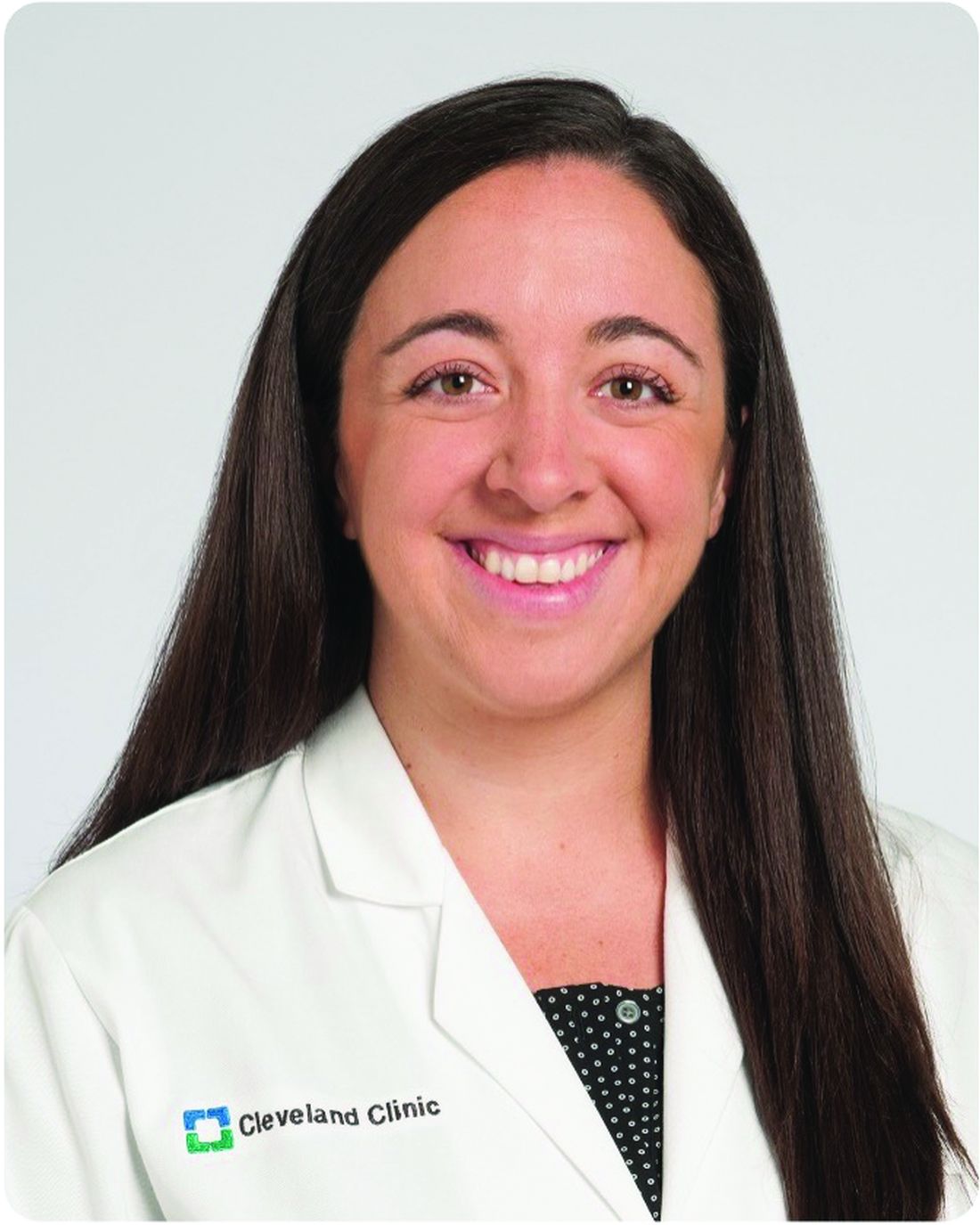
Dr. Higgins cautioned, however, that the GDF15 gene seems important in normal placentation, “so it’s not as simple as blocking the gene or its receptor.” But since preconception exposure to GDF15 might decrease nausea and vomiting once a woman is pregnant, prophylactic treatment may be possible, and metformin has been suggested as a possibility, she said.
The study findings emerged from immunoassays on maternal blood samples collected at about 15 weeks (first trimester and early second trimester), from women with NVP (n = 168) or seen at a hospital for HG (n = 57). Results were compared with those from controls having similar characteristics but no significant symptoms.
Interestingly, GDF15 is also associated with cachexia, a condition similar to HG and characterized by loss of appetite and weight loss, Dr. Fejzo noted. “The hormone can be produced by malignant tumors at levels similar to those seen in pregnancy, and symptoms can be reduced by blocking GDF15 or its receptor, GFRAL. Clinical trials are already underway in cancer patients to test this.”
She is seeking funding to test the impact of increasing GDF15 levels prior to pregnancy in patients who previously experienced HG. “I am confident that desensitizing patients by increasing GDF15 prior to pregnancy and by lowering GDF15 levels during pregnancy will work. But we need to make sure we do safety studies and get the dosing and duration right, and that will take some time.”
Desensitization will need testing first in HG, where the risk for adverse maternal and fetal outcomes is high, so the benefit will outweigh any possible risk of testing medication in pregnancy, she continued. “It will take some time before we get to patients with normal NVP, but I do believe eventually the new findings will result in game-changing therapeutics for the condition.”
Dr. Higgins added, “Even if this isn’t the golden ticket, researchers and clinicians are working toward improvements in the treatment of NVP. We’ve already come a long way in recent years with the development of treatment algorithms and the advent of doxylamine/pyridoxine.”
This study was supported primarily by the Medical Research Council UK and National Institute for Health and Care Research UK, with additional support from various research funding organizations, including Novo Nordisk Foundation.
Dr. Fejzo is a paid consultant for Materna Biosciences and NGM Biopharmaceuticals, and a board member and science adviser for the Hyperemesis Education and Research Foundation.
Numerous study co-authors disclosed financial relationships with private-sector companies, including employment and patent ownership.
Dr. Higgins disclosed no competing interests relevant to her comments but is an instructor for Organon.
, and targeting the hormone prophylactically may reduce this common gestational condition.
This protein acts on the brainstem to cause emesis, and, significantly, a mother’s prior exposure to it determines the degree of NVP severity she will experience, according to international researchers including Marlena Fejzo, PhD, a clinical assistant professor of population and public Health at Keck School of Medicine, University of Southern California, Los Angeles.
“GDF15 is at the mechanistic heart of NVP and HG [hyperemesis gravidarum],” Dr. Fejzo and colleagues wrote in Nature, pointing to the need for preventive and therapeutic strategies.
“My previous research showed an association between variation in the GDF15 gene and nausea and vomiting of pregnancy and HG, and this study takes it one step further by elucidating the mechanism. It confirms that the nausea and vomiting (N/V) hormone GDF15 is a major cause of NVP and HG,” Dr. Fejzo said.
The etiology of NVP remains poorly understood although it affects up to 80% of pregnancies. In the US, its severe form, HG, is the leading cause of hospitalization in early pregnancy and the second-leading reason for pregnancy hospitalization overall.
The immunoassay-based study showed that the majority of GDF15 in maternal blood during pregnancy comes from the fetal part of the placenta, and confirms previous studies reporting higher levels in pregnancies with more severe NVP, said Dr. Fejzo, who is who is a board member of the Hyperemesis Education and Research Foundation.
“However, what was really fascinating and surprising is that prior to pregnancy the women who have more severe NVP symptoms actually have lower levels of the hormone.”
Although the gene variant linked to HG was previously associated with higher circulating levels in maternal blood, counterintuitively, this new research showed that women with abnormally high levels prior to pregnancy have either no or very little NVP, said Dr. Fejzo. “That suggests that in humans higher levels may lead to a desensitization to the high levels of the hormone in pregnancy. Then we also proved that desensitization can occur in a mouse model.”
According to Erin Higgins, MD, a clinical assistant professor of obgyn and reproductive biology at the Cleveland Clinic, Cleveland, Ohio, who was not involved in the study, “This is an exciting finding that may help us to better target treatment of N/V in pregnancy. Factors for NVP have been identified, but to my knowledge there has not been a clear etiology.”
Dr. Higgins cautioned, however, that the GDF15 gene seems important in normal placentation, “so it’s not as simple as blocking the gene or its receptor.” But since preconception exposure to GDF15 might decrease nausea and vomiting once a woman is pregnant, prophylactic treatment may be possible, and metformin has been suggested as a possibility, she said.
The study findings emerged from immunoassays on maternal blood samples collected at about 15 weeks (first trimester and early second trimester), from women with NVP (n = 168) or seen at a hospital for HG (n = 57). Results were compared with those from controls having similar characteristics but no significant symptoms.
Interestingly, GDF15 is also associated with cachexia, a condition similar to HG and characterized by loss of appetite and weight loss, Dr. Fejzo noted. “The hormone can be produced by malignant tumors at levels similar to those seen in pregnancy, and symptoms can be reduced by blocking GDF15 or its receptor, GFRAL. Clinical trials are already underway in cancer patients to test this.”
She is seeking funding to test the impact of increasing GDF15 levels prior to pregnancy in patients who previously experienced HG. “I am confident that desensitizing patients by increasing GDF15 prior to pregnancy and by lowering GDF15 levels during pregnancy will work. But we need to make sure we do safety studies and get the dosing and duration right, and that will take some time.”
Desensitization will need testing first in HG, where the risk for adverse maternal and fetal outcomes is high, so the benefit will outweigh any possible risk of testing medication in pregnancy, she continued. “It will take some time before we get to patients with normal NVP, but I do believe eventually the new findings will result in game-changing therapeutics for the condition.”
Dr. Higgins added, “Even if this isn’t the golden ticket, researchers and clinicians are working toward improvements in the treatment of NVP. We’ve already come a long way in recent years with the development of treatment algorithms and the advent of doxylamine/pyridoxine.”
This study was supported primarily by the Medical Research Council UK and National Institute for Health and Care Research UK, with additional support from various research funding organizations, including Novo Nordisk Foundation.
Dr. Fejzo is a paid consultant for Materna Biosciences and NGM Biopharmaceuticals, and a board member and science adviser for the Hyperemesis Education and Research Foundation.
Numerous study co-authors disclosed financial relationships with private-sector companies, including employment and patent ownership.
Dr. Higgins disclosed no competing interests relevant to her comments but is an instructor for Organon.
, and targeting the hormone prophylactically may reduce this common gestational condition.
This protein acts on the brainstem to cause emesis, and, significantly, a mother’s prior exposure to it determines the degree of NVP severity she will experience, according to international researchers including Marlena Fejzo, PhD, a clinical assistant professor of population and public Health at Keck School of Medicine, University of Southern California, Los Angeles.
“GDF15 is at the mechanistic heart of NVP and HG [hyperemesis gravidarum],” Dr. Fejzo and colleagues wrote in Nature, pointing to the need for preventive and therapeutic strategies.
“My previous research showed an association between variation in the GDF15 gene and nausea and vomiting of pregnancy and HG, and this study takes it one step further by elucidating the mechanism. It confirms that the nausea and vomiting (N/V) hormone GDF15 is a major cause of NVP and HG,” Dr. Fejzo said.
The etiology of NVP remains poorly understood although it affects up to 80% of pregnancies. In the US, its severe form, HG, is the leading cause of hospitalization in early pregnancy and the second-leading reason for pregnancy hospitalization overall.
The immunoassay-based study showed that the majority of GDF15 in maternal blood during pregnancy comes from the fetal part of the placenta, and confirms previous studies reporting higher levels in pregnancies with more severe NVP, said Dr. Fejzo, who is who is a board member of the Hyperemesis Education and Research Foundation.
“However, what was really fascinating and surprising is that prior to pregnancy the women who have more severe NVP symptoms actually have lower levels of the hormone.”
Although the gene variant linked to HG was previously associated with higher circulating levels in maternal blood, counterintuitively, this new research showed that women with abnormally high levels prior to pregnancy have either no or very little NVP, said Dr. Fejzo. “That suggests that in humans higher levels may lead to a desensitization to the high levels of the hormone in pregnancy. Then we also proved that desensitization can occur in a mouse model.”
According to Erin Higgins, MD, a clinical assistant professor of obgyn and reproductive biology at the Cleveland Clinic, Cleveland, Ohio, who was not involved in the study, “This is an exciting finding that may help us to better target treatment of N/V in pregnancy. Factors for NVP have been identified, but to my knowledge there has not been a clear etiology.”
Dr. Higgins cautioned, however, that the GDF15 gene seems important in normal placentation, “so it’s not as simple as blocking the gene or its receptor.” But since preconception exposure to GDF15 might decrease nausea and vomiting once a woman is pregnant, prophylactic treatment may be possible, and metformin has been suggested as a possibility, she said.
The study findings emerged from immunoassays on maternal blood samples collected at about 15 weeks (first trimester and early second trimester), from women with NVP (n = 168) or seen at a hospital for HG (n = 57). Results were compared with those from controls having similar characteristics but no significant symptoms.
Interestingly, GDF15 is also associated with cachexia, a condition similar to HG and characterized by loss of appetite and weight loss, Dr. Fejzo noted. “The hormone can be produced by malignant tumors at levels similar to those seen in pregnancy, and symptoms can be reduced by blocking GDF15 or its receptor, GFRAL. Clinical trials are already underway in cancer patients to test this.”
She is seeking funding to test the impact of increasing GDF15 levels prior to pregnancy in patients who previously experienced HG. “I am confident that desensitizing patients by increasing GDF15 prior to pregnancy and by lowering GDF15 levels during pregnancy will work. But we need to make sure we do safety studies and get the dosing and duration right, and that will take some time.”
Desensitization will need testing first in HG, where the risk for adverse maternal and fetal outcomes is high, so the benefit will outweigh any possible risk of testing medication in pregnancy, she continued. “It will take some time before we get to patients with normal NVP, but I do believe eventually the new findings will result in game-changing therapeutics for the condition.”
Dr. Higgins added, “Even if this isn’t the golden ticket, researchers and clinicians are working toward improvements in the treatment of NVP. We’ve already come a long way in recent years with the development of treatment algorithms and the advent of doxylamine/pyridoxine.”
This study was supported primarily by the Medical Research Council UK and National Institute for Health and Care Research UK, with additional support from various research funding organizations, including Novo Nordisk Foundation.
Dr. Fejzo is a paid consultant for Materna Biosciences and NGM Biopharmaceuticals, and a board member and science adviser for the Hyperemesis Education and Research Foundation.
Numerous study co-authors disclosed financial relationships with private-sector companies, including employment and patent ownership.
Dr. Higgins disclosed no competing interests relevant to her comments but is an instructor for Organon.
FROM NATURE
HPV Vaccine Shown to Be Highly Effective in Girls Years Later
TOPLINE:
METHODOLOGY:
- Cervical cancer is the fourth most common cancer among women worldwide.
- Programs to provide Cervarix, a bivalent vaccine, began in the United Kingdom in 2007.
- After the initiation of the programs, administering the vaccine became part of routine care for girls starting at age 12 years.
- Researchers collected data in 2020 from 447,845 women born between 1988 and 1996 from the Scottish cervical cancer screening system to assess the efficacy of Cervarix in lowering rates of cervical cancer.
- They correlated the rate of cervical cancer per 100,000 person-years with data on women regarding vaccination status, age when vaccinated, and deprivation in areas like income, housing, and health.
TAKEAWAY:
- No cases of cervical cancer were found among women who were immunized at ages 12 or 13 years, no matter how many doses they received.
- Women who were immunized between ages 14 and 18 years and received three doses had fewer instances of cervical cancer compared with unvaccinated women regardless of deprivation status (3.2 cases per 100,00 women vs 8.4 cases per 100,000).
IN PRACTICE:
“Continued participation in screening and monitoring of outcomes is required, however, to assess the effects of changes in vaccines used and dosage schedules since the start of vaccination in Scotland in 2008 and the longevity of protection the vaccines offer.”
SOURCE:
The study was led by Timothy J. Palmer, PhD, Scottish Clinical Lead for Cervical Screening at Public Health Scotland.
LIMITATIONS:
Only 14,645 women had received just one or two doses, which may have affected the statistical analysis.
DISCLOSURES:
The study was funded by Public Health Scotland. A coauthor reports attending an advisory board meeting for HOLOGIC and Vaccitech. Her institution received research funding or gratis support funding from Cepheid, Euroimmun, GeneFirst, SelfScreen, Hiantis, Seegene, Roche, Hologic, and Vaccitech in the past 3 years.
A version of this article appeared on Medscape.com.
TOPLINE:
METHODOLOGY:
- Cervical cancer is the fourth most common cancer among women worldwide.
- Programs to provide Cervarix, a bivalent vaccine, began in the United Kingdom in 2007.
- After the initiation of the programs, administering the vaccine became part of routine care for girls starting at age 12 years.
- Researchers collected data in 2020 from 447,845 women born between 1988 and 1996 from the Scottish cervical cancer screening system to assess the efficacy of Cervarix in lowering rates of cervical cancer.
- They correlated the rate of cervical cancer per 100,000 person-years with data on women regarding vaccination status, age when vaccinated, and deprivation in areas like income, housing, and health.
TAKEAWAY:
- No cases of cervical cancer were found among women who were immunized at ages 12 or 13 years, no matter how many doses they received.
- Women who were immunized between ages 14 and 18 years and received three doses had fewer instances of cervical cancer compared with unvaccinated women regardless of deprivation status (3.2 cases per 100,00 women vs 8.4 cases per 100,000).
IN PRACTICE:
“Continued participation in screening and monitoring of outcomes is required, however, to assess the effects of changes in vaccines used and dosage schedules since the start of vaccination in Scotland in 2008 and the longevity of protection the vaccines offer.”
SOURCE:
The study was led by Timothy J. Palmer, PhD, Scottish Clinical Lead for Cervical Screening at Public Health Scotland.
LIMITATIONS:
Only 14,645 women had received just one or two doses, which may have affected the statistical analysis.
DISCLOSURES:
The study was funded by Public Health Scotland. A coauthor reports attending an advisory board meeting for HOLOGIC and Vaccitech. Her institution received research funding or gratis support funding from Cepheid, Euroimmun, GeneFirst, SelfScreen, Hiantis, Seegene, Roche, Hologic, and Vaccitech in the past 3 years.
A version of this article appeared on Medscape.com.
TOPLINE:
METHODOLOGY:
- Cervical cancer is the fourth most common cancer among women worldwide.
- Programs to provide Cervarix, a bivalent vaccine, began in the United Kingdom in 2007.
- After the initiation of the programs, administering the vaccine became part of routine care for girls starting at age 12 years.
- Researchers collected data in 2020 from 447,845 women born between 1988 and 1996 from the Scottish cervical cancer screening system to assess the efficacy of Cervarix in lowering rates of cervical cancer.
- They correlated the rate of cervical cancer per 100,000 person-years with data on women regarding vaccination status, age when vaccinated, and deprivation in areas like income, housing, and health.
TAKEAWAY:
- No cases of cervical cancer were found among women who were immunized at ages 12 or 13 years, no matter how many doses they received.
- Women who were immunized between ages 14 and 18 years and received three doses had fewer instances of cervical cancer compared with unvaccinated women regardless of deprivation status (3.2 cases per 100,00 women vs 8.4 cases per 100,000).
IN PRACTICE:
“Continued participation in screening and monitoring of outcomes is required, however, to assess the effects of changes in vaccines used and dosage schedules since the start of vaccination in Scotland in 2008 and the longevity of protection the vaccines offer.”
SOURCE:
The study was led by Timothy J. Palmer, PhD, Scottish Clinical Lead for Cervical Screening at Public Health Scotland.
LIMITATIONS:
Only 14,645 women had received just one or two doses, which may have affected the statistical analysis.
DISCLOSURES:
The study was funded by Public Health Scotland. A coauthor reports attending an advisory board meeting for HOLOGIC and Vaccitech. Her institution received research funding or gratis support funding from Cepheid, Euroimmun, GeneFirst, SelfScreen, Hiantis, Seegene, Roche, Hologic, and Vaccitech in the past 3 years.
A version of this article appeared on Medscape.com.
Restricted Abortion Access Tied to Mental Health Harm
, which revoked a woman’s constitutional right to an abortion, new research shows.
This could be due to a variety of factors, investigators led by Benjamin Thornburg, Johns Hopkins Bloomberg School of Public Health, Baltimore, noted. These include fear about the imminent risk of being denied an abortion, uncertainty around future limitations on abortion and other related rights such as contraception, worry over the ability to receive lifesaving medical care during pregnancy, and a general sense of violation and powerlessness related to loss of the right to reproductive autonomy.
The study was published online on January 23, 2024, in JAMA.
Mental Health Harm
In June 2022, the US Supreme Court overturned Roe vs Wade, removing federal protections for abortion rights. Thirteen states had “trigger laws” that immediately banned or severely restricted abortion — raising concerns this could negatively affect mental health.
The researchers used data from the Household Pulse Survey to estimate changes in anxiety and depression symptoms after vs before the Dobbs decision in nearly 160,000 adults living in 13 states with trigger laws compared with roughly 559,000 adults living in 37 states without trigger laws.
The mean age of respondents was 48 years, and 51% were women. Anxiety and depression symptoms were measured via the Patient Health Questionnaire-4 (PHQ-4).
In trigger states, the mean PHQ-4 score at baseline (before Dobbs) was 3.51 (out of 12) and increased to 3.81 after the Dobbs decision. In nontrigger states, the mean PHQ-4 score at baseline was 3.31 and increased to 3.49 after Dobbs.
Living in a trigger state was associated with a small but statistically significant worsening (0.11-point; P < .001) in anxiety/depression symptoms following the Dobbs decision vs living in a nontrigger state, the investigators report.
Women aged 18-45 years faced greater worsening of anxiety and depression symptoms following Dobbs in trigger vs nontrigger states, whereas men of a similar age experienced minimal or negligible changes.
Implications for Care
In an accompanying editorial, Julie Steinberg, PhD, with University of Maryland in College Park, notes the study results provide “emerging evidence that at an individual level taking away reproductive autonomy (by not having legal access to an abortion) may increase symptoms of anxiety and depression in all people and particularly females of reproductive age.”
These results add to findings from two other studies that examined abortion restrictions and mental health outcomes. Both found that limiting access to abortion was associated with more mental health symptoms among females of reproductive age than among others,” Dr. Steinberg pointed out.
“Together these findings highlight the need for clinicians who practice in states where abortion is banned to be aware that female patients of reproductive age may be experiencing significantly more distress than before the Dobbs decision,” Dr. Steinberg added.
The study received no specific funding. The authors had no relevant conflicts of interest. Dr. Steinberg reported serving as a paid expert scientist on abortion and mental health in seven cases challenging abortion policies.
A version of this article appeared on Medscape.com.
, which revoked a woman’s constitutional right to an abortion, new research shows.
This could be due to a variety of factors, investigators led by Benjamin Thornburg, Johns Hopkins Bloomberg School of Public Health, Baltimore, noted. These include fear about the imminent risk of being denied an abortion, uncertainty around future limitations on abortion and other related rights such as contraception, worry over the ability to receive lifesaving medical care during pregnancy, and a general sense of violation and powerlessness related to loss of the right to reproductive autonomy.
The study was published online on January 23, 2024, in JAMA.
Mental Health Harm
In June 2022, the US Supreme Court overturned Roe vs Wade, removing federal protections for abortion rights. Thirteen states had “trigger laws” that immediately banned or severely restricted abortion — raising concerns this could negatively affect mental health.
The researchers used data from the Household Pulse Survey to estimate changes in anxiety and depression symptoms after vs before the Dobbs decision in nearly 160,000 adults living in 13 states with trigger laws compared with roughly 559,000 adults living in 37 states without trigger laws.
The mean age of respondents was 48 years, and 51% were women. Anxiety and depression symptoms were measured via the Patient Health Questionnaire-4 (PHQ-4).
In trigger states, the mean PHQ-4 score at baseline (before Dobbs) was 3.51 (out of 12) and increased to 3.81 after the Dobbs decision. In nontrigger states, the mean PHQ-4 score at baseline was 3.31 and increased to 3.49 after Dobbs.
Living in a trigger state was associated with a small but statistically significant worsening (0.11-point; P < .001) in anxiety/depression symptoms following the Dobbs decision vs living in a nontrigger state, the investigators report.
Women aged 18-45 years faced greater worsening of anxiety and depression symptoms following Dobbs in trigger vs nontrigger states, whereas men of a similar age experienced minimal or negligible changes.
Implications for Care
In an accompanying editorial, Julie Steinberg, PhD, with University of Maryland in College Park, notes the study results provide “emerging evidence that at an individual level taking away reproductive autonomy (by not having legal access to an abortion) may increase symptoms of anxiety and depression in all people and particularly females of reproductive age.”
These results add to findings from two other studies that examined abortion restrictions and mental health outcomes. Both found that limiting access to abortion was associated with more mental health symptoms among females of reproductive age than among others,” Dr. Steinberg pointed out.
“Together these findings highlight the need for clinicians who practice in states where abortion is banned to be aware that female patients of reproductive age may be experiencing significantly more distress than before the Dobbs decision,” Dr. Steinberg added.
The study received no specific funding. The authors had no relevant conflicts of interest. Dr. Steinberg reported serving as a paid expert scientist on abortion and mental health in seven cases challenging abortion policies.
A version of this article appeared on Medscape.com.
, which revoked a woman’s constitutional right to an abortion, new research shows.
This could be due to a variety of factors, investigators led by Benjamin Thornburg, Johns Hopkins Bloomberg School of Public Health, Baltimore, noted. These include fear about the imminent risk of being denied an abortion, uncertainty around future limitations on abortion and other related rights such as contraception, worry over the ability to receive lifesaving medical care during pregnancy, and a general sense of violation and powerlessness related to loss of the right to reproductive autonomy.
The study was published online on January 23, 2024, in JAMA.
Mental Health Harm
In June 2022, the US Supreme Court overturned Roe vs Wade, removing federal protections for abortion rights. Thirteen states had “trigger laws” that immediately banned or severely restricted abortion — raising concerns this could negatively affect mental health.
The researchers used data from the Household Pulse Survey to estimate changes in anxiety and depression symptoms after vs before the Dobbs decision in nearly 160,000 adults living in 13 states with trigger laws compared with roughly 559,000 adults living in 37 states without trigger laws.
The mean age of respondents was 48 years, and 51% were women. Anxiety and depression symptoms were measured via the Patient Health Questionnaire-4 (PHQ-4).
In trigger states, the mean PHQ-4 score at baseline (before Dobbs) was 3.51 (out of 12) and increased to 3.81 after the Dobbs decision. In nontrigger states, the mean PHQ-4 score at baseline was 3.31 and increased to 3.49 after Dobbs.
Living in a trigger state was associated with a small but statistically significant worsening (0.11-point; P < .001) in anxiety/depression symptoms following the Dobbs decision vs living in a nontrigger state, the investigators report.
Women aged 18-45 years faced greater worsening of anxiety and depression symptoms following Dobbs in trigger vs nontrigger states, whereas men of a similar age experienced minimal or negligible changes.
Implications for Care
In an accompanying editorial, Julie Steinberg, PhD, with University of Maryland in College Park, notes the study results provide “emerging evidence that at an individual level taking away reproductive autonomy (by not having legal access to an abortion) may increase symptoms of anxiety and depression in all people and particularly females of reproductive age.”
These results add to findings from two other studies that examined abortion restrictions and mental health outcomes. Both found that limiting access to abortion was associated with more mental health symptoms among females of reproductive age than among others,” Dr. Steinberg pointed out.
“Together these findings highlight the need for clinicians who practice in states where abortion is banned to be aware that female patients of reproductive age may be experiencing significantly more distress than before the Dobbs decision,” Dr. Steinberg added.
The study received no specific funding. The authors had no relevant conflicts of interest. Dr. Steinberg reported serving as a paid expert scientist on abortion and mental health in seven cases challenging abortion policies.
A version of this article appeared on Medscape.com.
FROM JAMA
Two-Step Strategy Improves Early-Stage Ovarian Cancer Detection
TOPLINE:
a new analysis with a 21-year follow-up found.
METHODOLOGY:
- Detecting ovarian cancer at stage I or II could significantly reduce ovarian cancer-related deaths, but only 25%-30% of patients are diagnosed at an early stage.
- In this single-arm prospective analysis, 7,856 healthy postmenopausal women received annual screening for ovarian cancer between 2011 and 2022. Screening involved an annual blood test to detect levels of cancer antigen 125 and track these levels over time.
- Investigators used the Risk of Ovarian Cancer Algorithm (ROCA) to determine whether ovarian cancer risk was normal, intermediate, or high. Those with elevated ROCA scores were referred for transvaginal sonography; those with intermediate scores received follow-up blood tests every 3 months.
- Overall, 92.3% of women were normal risk, 5.7% were intermediate, and 2% were high risk and recommended for transvaginal sonography.
TAKEAWAY:
- Most women (95.5%) referred for transvaginal ultrasound had one. Of these ultrasounds, most (90%) were negative or revealed benign findings, 5.2% required a repeat ultrasound, and 4.8% (34 patients) showed suspicious findings.
- Of 34 patients with suspicious findings and recommended for surgery, 15 had ovarian cancer and two had borderline tumors, indicating a positive predictive value of 50% (17 of 34 patients) for ovarian cancer. Of these 17 patients, 12 (70.6%) had stage I or II disease.
- Following abnormal ROCA results, seven other women were diagnosed with endometrial tumors (six of which were stage I), indicating a positive predictive value of 74% (25 of 34) for any cancer.
- The specificity for elevated risk ROCA prompting ultrasound was 98%, and the specificity of the ROCA and ultrasound prompting surgery was 99.8%. The sensitivity for detecting ovarian and borderline cancer was 74% (17 of 23).
IN PRACTICE:
“Remarkably, 70% of ovarian cancers detected by the ROCA” were early stage,” the authors concluded. Although the trial was not powered to detect reduced mortality, the high specificity, positive predictive value, and shift to identifying earlier-stage cancers “support further development of this strategy,” the investigators said.
LIMITATIONS:
This trial was not powered to detect mortality benefit. Six ovarian cancers and borderline tumors were missed. Only 80% of ovarian cancers express cancer antigen 125, potentially limiting the sensitivity of the algorithm.
SOURCE:
This study, led by Chae Young Han from the University of Texas MD Anderson Cancer Center, Houston, was published online on January 12 in the Journal of Clinical Oncology.
DISCLOSURES:
This study was supported by funds from the NCI Early Detection Research Network, the MD Anderson Ovarian SPOREs, the National Cancer Institute, the Department of Health and Human Services, and others. The authors reported receiving research funding, grants, consulting, and personal fees from various companies, including Curio Science, Fujirebio Diagnostics, GlaxoSmithKline, AstraZeneca, and Genentech.
A version of this article appeared on Medscape.com.
TOPLINE:
a new analysis with a 21-year follow-up found.
METHODOLOGY:
- Detecting ovarian cancer at stage I or II could significantly reduce ovarian cancer-related deaths, but only 25%-30% of patients are diagnosed at an early stage.
- In this single-arm prospective analysis, 7,856 healthy postmenopausal women received annual screening for ovarian cancer between 2011 and 2022. Screening involved an annual blood test to detect levels of cancer antigen 125 and track these levels over time.
- Investigators used the Risk of Ovarian Cancer Algorithm (ROCA) to determine whether ovarian cancer risk was normal, intermediate, or high. Those with elevated ROCA scores were referred for transvaginal sonography; those with intermediate scores received follow-up blood tests every 3 months.
- Overall, 92.3% of women were normal risk, 5.7% were intermediate, and 2% were high risk and recommended for transvaginal sonography.
TAKEAWAY:
- Most women (95.5%) referred for transvaginal ultrasound had one. Of these ultrasounds, most (90%) were negative or revealed benign findings, 5.2% required a repeat ultrasound, and 4.8% (34 patients) showed suspicious findings.
- Of 34 patients with suspicious findings and recommended for surgery, 15 had ovarian cancer and two had borderline tumors, indicating a positive predictive value of 50% (17 of 34 patients) for ovarian cancer. Of these 17 patients, 12 (70.6%) had stage I or II disease.
- Following abnormal ROCA results, seven other women were diagnosed with endometrial tumors (six of which were stage I), indicating a positive predictive value of 74% (25 of 34) for any cancer.
- The specificity for elevated risk ROCA prompting ultrasound was 98%, and the specificity of the ROCA and ultrasound prompting surgery was 99.8%. The sensitivity for detecting ovarian and borderline cancer was 74% (17 of 23).
IN PRACTICE:
“Remarkably, 70% of ovarian cancers detected by the ROCA” were early stage,” the authors concluded. Although the trial was not powered to detect reduced mortality, the high specificity, positive predictive value, and shift to identifying earlier-stage cancers “support further development of this strategy,” the investigators said.
LIMITATIONS:
This trial was not powered to detect mortality benefit. Six ovarian cancers and borderline tumors were missed. Only 80% of ovarian cancers express cancer antigen 125, potentially limiting the sensitivity of the algorithm.
SOURCE:
This study, led by Chae Young Han from the University of Texas MD Anderson Cancer Center, Houston, was published online on January 12 in the Journal of Clinical Oncology.
DISCLOSURES:
This study was supported by funds from the NCI Early Detection Research Network, the MD Anderson Ovarian SPOREs, the National Cancer Institute, the Department of Health and Human Services, and others. The authors reported receiving research funding, grants, consulting, and personal fees from various companies, including Curio Science, Fujirebio Diagnostics, GlaxoSmithKline, AstraZeneca, and Genentech.
A version of this article appeared on Medscape.com.
TOPLINE:
a new analysis with a 21-year follow-up found.
METHODOLOGY:
- Detecting ovarian cancer at stage I or II could significantly reduce ovarian cancer-related deaths, but only 25%-30% of patients are diagnosed at an early stage.
- In this single-arm prospective analysis, 7,856 healthy postmenopausal women received annual screening for ovarian cancer between 2011 and 2022. Screening involved an annual blood test to detect levels of cancer antigen 125 and track these levels over time.
- Investigators used the Risk of Ovarian Cancer Algorithm (ROCA) to determine whether ovarian cancer risk was normal, intermediate, or high. Those with elevated ROCA scores were referred for transvaginal sonography; those with intermediate scores received follow-up blood tests every 3 months.
- Overall, 92.3% of women were normal risk, 5.7% were intermediate, and 2% were high risk and recommended for transvaginal sonography.
TAKEAWAY:
- Most women (95.5%) referred for transvaginal ultrasound had one. Of these ultrasounds, most (90%) were negative or revealed benign findings, 5.2% required a repeat ultrasound, and 4.8% (34 patients) showed suspicious findings.
- Of 34 patients with suspicious findings and recommended for surgery, 15 had ovarian cancer and two had borderline tumors, indicating a positive predictive value of 50% (17 of 34 patients) for ovarian cancer. Of these 17 patients, 12 (70.6%) had stage I or II disease.
- Following abnormal ROCA results, seven other women were diagnosed with endometrial tumors (six of which were stage I), indicating a positive predictive value of 74% (25 of 34) for any cancer.
- The specificity for elevated risk ROCA prompting ultrasound was 98%, and the specificity of the ROCA and ultrasound prompting surgery was 99.8%. The sensitivity for detecting ovarian and borderline cancer was 74% (17 of 23).
IN PRACTICE:
“Remarkably, 70% of ovarian cancers detected by the ROCA” were early stage,” the authors concluded. Although the trial was not powered to detect reduced mortality, the high specificity, positive predictive value, and shift to identifying earlier-stage cancers “support further development of this strategy,” the investigators said.
LIMITATIONS:
This trial was not powered to detect mortality benefit. Six ovarian cancers and borderline tumors were missed. Only 80% of ovarian cancers express cancer antigen 125, potentially limiting the sensitivity of the algorithm.
SOURCE:
This study, led by Chae Young Han from the University of Texas MD Anderson Cancer Center, Houston, was published online on January 12 in the Journal of Clinical Oncology.
DISCLOSURES:
This study was supported by funds from the NCI Early Detection Research Network, the MD Anderson Ovarian SPOREs, the National Cancer Institute, the Department of Health and Human Services, and others. The authors reported receiving research funding, grants, consulting, and personal fees from various companies, including Curio Science, Fujirebio Diagnostics, GlaxoSmithKline, AstraZeneca, and Genentech.
A version of this article appeared on Medscape.com.
Rubella Screening in Pregnancy No Longer Recommended in Italy
If a pregnant woman contracts rubella in the first 17 weeks of pregnancy, then the risk for congenital rubella in the newborn — which may entail spontaneous abortion, intrauterine death, or severe fetal malformations — is as high as 80%. This risk once frightened patients and clinicians in Italy. Thanks to widespread population vaccination, however, the World Health Organization declared the elimination of endemic transmission of rubella in Italy in 2021. The Italian National Institute of Health took note, and the recent update of the Guidelines for the Management of Physiological Pregnancy no longer recommends offering rubella screening to all pregnant women.
The Rubeo Test
The rubeo test, an analysis for detecting antibodies in the blood produced by vaccination or a past rubella infection, traditionally forms part of the examination package that every doctor prescribes to expectant patients at the beginning of pregnancy. If the test shows that the woman is not vaccinated and has never encountered the virus, making her susceptible to the risk for infection, according to the previous edition of the Guidelines, then the test should be repeated at 17 weeks of gestation. The purpose is to detect any rubella contracted during pregnancy and offer the woman multidisciplinary counseling in the case of a high risk for severe fetal damage. Infection contracted after the 17th week, however, poses only a minimal risk for congenital deafness. There is no treatment to prevent vertical transmission in case of infection during pregnancy.
For women at risk for infection, the old Guidelines also recommended planning vaccination postnatally, with the prospect of protecting future pregnancies. Rubella vaccination is contraindicated during pregnancy because the vaccine could be teratogenic.
Recommendation Update
In the early ‘90s, universal vaccination against rubella for newborns was introduced in Italy. It became one of the 10 mandatory pediatric vaccinations in 2017. In June 2022, the Ministry of Health reported a vaccination coverage of 93.8% among children aged 24 months, a coverage of 93.3% for the first dose, and a coverage of 89.0% for the second dose in the 2003 birth cohort.
“Rubella is a notifiable disease, and in 2013, the newly activated national surveillance system detected one case of congenital rubella per 100,000 newborns. From 2018 onward, no cases have been reported,” said Vittorio Basevi, a gynecologist of the Perinatal Technical-Scientific Advisory Commission in the Emilia Romagna Region and coordinator of the Technical-Scientific Committee that developed the updated Guidelines. “Thanks to extensive vaccination coverage, the infection no longer circulates in Italy. Based on these data, we decided not to offer screening to pregnant women anymore.”
The recommendation to offer rubella vaccination post partum to women without documentation of two doses or previous infection remains confirmed.
Patients Born Abroad
How should one handle the care of a pregnant woman born in a country where universal rubella vaccination is not provided? The likelihood that she is susceptible to infection is higher than the that of the general Italian population. “On the other hand, since the virus no longer circulates in our country, the probability of contracting the virus during pregnancy is negligible, unless she has recently traveled to her country of origin or come into contact with family members who recently arrived in Italy,” said Dr. Basevi. “The Guidelines refer to offering screening to all pregnant women. In specific cases, it is up to the treating physician to adopt the conduct they deem appropriate in science and conscience.”
This article was translated from Univadis Italy, which is part of the Medscape Professional Network. A version of this article appeared on Medscape.com.
If a pregnant woman contracts rubella in the first 17 weeks of pregnancy, then the risk for congenital rubella in the newborn — which may entail spontaneous abortion, intrauterine death, or severe fetal malformations — is as high as 80%. This risk once frightened patients and clinicians in Italy. Thanks to widespread population vaccination, however, the World Health Organization declared the elimination of endemic transmission of rubella in Italy in 2021. The Italian National Institute of Health took note, and the recent update of the Guidelines for the Management of Physiological Pregnancy no longer recommends offering rubella screening to all pregnant women.
The Rubeo Test
The rubeo test, an analysis for detecting antibodies in the blood produced by vaccination or a past rubella infection, traditionally forms part of the examination package that every doctor prescribes to expectant patients at the beginning of pregnancy. If the test shows that the woman is not vaccinated and has never encountered the virus, making her susceptible to the risk for infection, according to the previous edition of the Guidelines, then the test should be repeated at 17 weeks of gestation. The purpose is to detect any rubella contracted during pregnancy and offer the woman multidisciplinary counseling in the case of a high risk for severe fetal damage. Infection contracted after the 17th week, however, poses only a minimal risk for congenital deafness. There is no treatment to prevent vertical transmission in case of infection during pregnancy.
For women at risk for infection, the old Guidelines also recommended planning vaccination postnatally, with the prospect of protecting future pregnancies. Rubella vaccination is contraindicated during pregnancy because the vaccine could be teratogenic.
Recommendation Update
In the early ‘90s, universal vaccination against rubella for newborns was introduced in Italy. It became one of the 10 mandatory pediatric vaccinations in 2017. In June 2022, the Ministry of Health reported a vaccination coverage of 93.8% among children aged 24 months, a coverage of 93.3% for the first dose, and a coverage of 89.0% for the second dose in the 2003 birth cohort.
“Rubella is a notifiable disease, and in 2013, the newly activated national surveillance system detected one case of congenital rubella per 100,000 newborns. From 2018 onward, no cases have been reported,” said Vittorio Basevi, a gynecologist of the Perinatal Technical-Scientific Advisory Commission in the Emilia Romagna Region and coordinator of the Technical-Scientific Committee that developed the updated Guidelines. “Thanks to extensive vaccination coverage, the infection no longer circulates in Italy. Based on these data, we decided not to offer screening to pregnant women anymore.”
The recommendation to offer rubella vaccination post partum to women without documentation of two doses or previous infection remains confirmed.
Patients Born Abroad
How should one handle the care of a pregnant woman born in a country where universal rubella vaccination is not provided? The likelihood that she is susceptible to infection is higher than the that of the general Italian population. “On the other hand, since the virus no longer circulates in our country, the probability of contracting the virus during pregnancy is negligible, unless she has recently traveled to her country of origin or come into contact with family members who recently arrived in Italy,” said Dr. Basevi. “The Guidelines refer to offering screening to all pregnant women. In specific cases, it is up to the treating physician to adopt the conduct they deem appropriate in science and conscience.”
This article was translated from Univadis Italy, which is part of the Medscape Professional Network. A version of this article appeared on Medscape.com.
If a pregnant woman contracts rubella in the first 17 weeks of pregnancy, then the risk for congenital rubella in the newborn — which may entail spontaneous abortion, intrauterine death, or severe fetal malformations — is as high as 80%. This risk once frightened patients and clinicians in Italy. Thanks to widespread population vaccination, however, the World Health Organization declared the elimination of endemic transmission of rubella in Italy in 2021. The Italian National Institute of Health took note, and the recent update of the Guidelines for the Management of Physiological Pregnancy no longer recommends offering rubella screening to all pregnant women.
The Rubeo Test
The rubeo test, an analysis for detecting antibodies in the blood produced by vaccination or a past rubella infection, traditionally forms part of the examination package that every doctor prescribes to expectant patients at the beginning of pregnancy. If the test shows that the woman is not vaccinated and has never encountered the virus, making her susceptible to the risk for infection, according to the previous edition of the Guidelines, then the test should be repeated at 17 weeks of gestation. The purpose is to detect any rubella contracted during pregnancy and offer the woman multidisciplinary counseling in the case of a high risk for severe fetal damage. Infection contracted after the 17th week, however, poses only a minimal risk for congenital deafness. There is no treatment to prevent vertical transmission in case of infection during pregnancy.
For women at risk for infection, the old Guidelines also recommended planning vaccination postnatally, with the prospect of protecting future pregnancies. Rubella vaccination is contraindicated during pregnancy because the vaccine could be teratogenic.
Recommendation Update
In the early ‘90s, universal vaccination against rubella for newborns was introduced in Italy. It became one of the 10 mandatory pediatric vaccinations in 2017. In June 2022, the Ministry of Health reported a vaccination coverage of 93.8% among children aged 24 months, a coverage of 93.3% for the first dose, and a coverage of 89.0% for the second dose in the 2003 birth cohort.
“Rubella is a notifiable disease, and in 2013, the newly activated national surveillance system detected one case of congenital rubella per 100,000 newborns. From 2018 onward, no cases have been reported,” said Vittorio Basevi, a gynecologist of the Perinatal Technical-Scientific Advisory Commission in the Emilia Romagna Region and coordinator of the Technical-Scientific Committee that developed the updated Guidelines. “Thanks to extensive vaccination coverage, the infection no longer circulates in Italy. Based on these data, we decided not to offer screening to pregnant women anymore.”
The recommendation to offer rubella vaccination post partum to women without documentation of two doses or previous infection remains confirmed.
Patients Born Abroad
How should one handle the care of a pregnant woman born in a country where universal rubella vaccination is not provided? The likelihood that she is susceptible to infection is higher than the that of the general Italian population. “On the other hand, since the virus no longer circulates in our country, the probability of contracting the virus during pregnancy is negligible, unless she has recently traveled to her country of origin or come into contact with family members who recently arrived in Italy,” said Dr. Basevi. “The Guidelines refer to offering screening to all pregnant women. In specific cases, it is up to the treating physician to adopt the conduct they deem appropriate in science and conscience.”
This article was translated from Univadis Italy, which is part of the Medscape Professional Network. A version of this article appeared on Medscape.com.
Vibrating Belt Receives Approval to Help Women With Osteopenia Keep Bone Strength
The US Food and Drug Administration (FDA) has approved a wearable belt device for postmenopausal women with osteopenia, the precursor to osteoporosis, according to the company’s manufacturer, Bone Health Technologies.
According to the company, the device (Osteoboost) is the first nonpharmacologic device-based, prescription-only treatment for postmenopausal women with low bone density. It has not been tested for ability to reduce fracture risk.
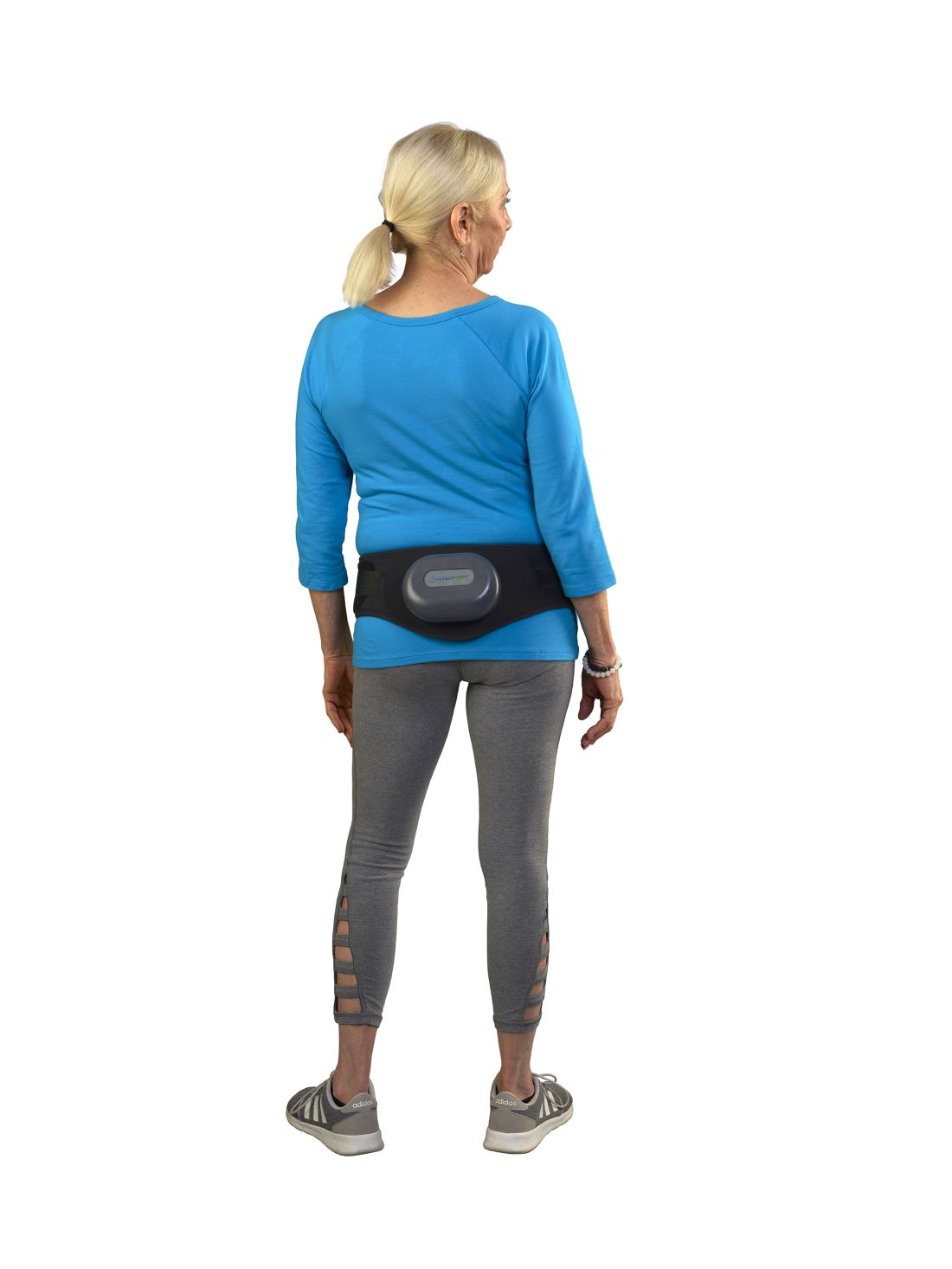
The device is worn around the hips and delivers calibrated mild vibrations to the hips and lumbar spine to help preserve bone strength and density. A vibration pack is mounted to the back of the belt.
FDA approval, announced on January 18, was based on the findings of a National Institutes of Health–funded double-blinded, sham-controlled study of 126 women with low bone density conducted at the University of Nebraska Medical Center in Omaha. The data were shared at the 2023 Endocrine Society and American Society for Bone and Mineral Research annual meetings and published in the Journal of the Endocrine Society.
Lead investigator Laura D. Bilek, PT, PhD, associate dean for research and associate professor at the University of Nebraska, and colleagues wrote that the primary outcome measurement was the change in vertebral strength measured by CT scans for women who used the device a minimum of three times per week compared with a sham group who wore a belt that emitted sound but had no vibrations.
Compressive strength and volumetric density of the first lumbar vertebra were analyzed.
In the active-belt group, women lost, on average, 0.48% bone strength, while those in the sham group lost nearly 2.84% (P = .014), about five times as much. Results also showed that participants in the active treatment group who used the device three times per week lost 0.29% bone mineral density (BMD) compared with the 1.97% BMD lost in the control group. No adverse events were reported in the study.
Sonali Khandelwal, MD, a rheumatologist at Rush University in Chicago, told this news organization there’s considerable fear among some patients about long-term use of available medications for bone health, “so any modality that is nontherapeutic — not a pill — is always exciting.”
The endpoints of the study are one good measure, she said, but she emphasized that it will be important to show that the improved bone density from the belt that is described in this study “is a true marker of decreased fracture risk.”
Because there are no apparent side effects, she said it may be effective in combination with weight-bearing exercise, vitamin D and calcium, and/or medication, depending on severity of bone loss.
Current medications on the market for osteoporosis have been shown to improve bone strength and reduce fracture risk, she noted.
“It could help; I just don’t think we have enough evidence that it will completely treat the bone loss,” Dr. Khandelwal said.
She said she sees the potential population most interested in the belt as premenopausal women with a family history of bone loss who may not meet the level of bone loss for medical management but are interested in prevention.
“I also think of individuals who might already meet medication needs but are completely averse to being on medication,” she said. The bulk of her practice is treating bone loss, she said, estimating that 20% of her patients do not want to be on medication.
Bone Health Technologies CEO Laura Yecies, MBA, told this news organization the company has not yet set the price for the device and noted that because it will be available by prescription only, out-of-pocket costs and copays will differ. She said the company expects to begin shipping later this year. Requests for update notifications can be made at the company’s website.
Dr. Bilek told this news organization the device was tested for a year, so it’s unclear how long people with osteopenia would need to wear the belt for maximum benefit.
The theory behind the mechanism of action, she said, “is that the vibration actually inhibits the cells [osteoclasts] that take away bone mass.”
The researchers included only postmenopausal women with osteopenia in the study, but Dr. Bilek said she would like to test the device on other groups, such as men with prostate cancer getting testosterone-blocking therapy, which can result in loss of bone density. An estimated 34 million people in the United States have osteopenia.
Dr. Bilek said a next step for the study is to enroll a more diverse cohort at an additional center to test the device because most of the women in this one were White.
She noted that women’s bone mass peaks at age 30 and then starts to decline.
“When women hit menopause, there’s a really rapid decline [in bone strength] for the next 5-7 years and then the decline levels off. If we can slow that decline, hopefully that woman’s bone density is maintained at a higher level throughout their life,” Dr. Bilek said.
Dr. Bilek is a scientific adviser to Bone Health Technologies. She and many coauthors of the study received grants or fees from the company and own stock in or are employees of the company. Ms. Yecies is the founder and CEO of Bone Health Technologies. Dr. Khandelwal had no relevant financial relationships.
A version of this article first appeared on Medscape.com.
The US Food and Drug Administration (FDA) has approved a wearable belt device for postmenopausal women with osteopenia, the precursor to osteoporosis, according to the company’s manufacturer, Bone Health Technologies.
According to the company, the device (Osteoboost) is the first nonpharmacologic device-based, prescription-only treatment for postmenopausal women with low bone density. It has not been tested for ability to reduce fracture risk.
The device is worn around the hips and delivers calibrated mild vibrations to the hips and lumbar spine to help preserve bone strength and density. A vibration pack is mounted to the back of the belt.
FDA approval, announced on January 18, was based on the findings of a National Institutes of Health–funded double-blinded, sham-controlled study of 126 women with low bone density conducted at the University of Nebraska Medical Center in Omaha. The data were shared at the 2023 Endocrine Society and American Society for Bone and Mineral Research annual meetings and published in the Journal of the Endocrine Society.
Lead investigator Laura D. Bilek, PT, PhD, associate dean for research and associate professor at the University of Nebraska, and colleagues wrote that the primary outcome measurement was the change in vertebral strength measured by CT scans for women who used the device a minimum of three times per week compared with a sham group who wore a belt that emitted sound but had no vibrations.
Compressive strength and volumetric density of the first lumbar vertebra were analyzed.
In the active-belt group, women lost, on average, 0.48% bone strength, while those in the sham group lost nearly 2.84% (P = .014), about five times as much. Results also showed that participants in the active treatment group who used the device three times per week lost 0.29% bone mineral density (BMD) compared with the 1.97% BMD lost in the control group. No adverse events were reported in the study.
Sonali Khandelwal, MD, a rheumatologist at Rush University in Chicago, told this news organization there’s considerable fear among some patients about long-term use of available medications for bone health, “so any modality that is nontherapeutic — not a pill — is always exciting.”
The endpoints of the study are one good measure, she said, but she emphasized that it will be important to show that the improved bone density from the belt that is described in this study “is a true marker of decreased fracture risk.”
Because there are no apparent side effects, she said it may be effective in combination with weight-bearing exercise, vitamin D and calcium, and/or medication, depending on severity of bone loss.
Current medications on the market for osteoporosis have been shown to improve bone strength and reduce fracture risk, she noted.
“It could help; I just don’t think we have enough evidence that it will completely treat the bone loss,” Dr. Khandelwal said.
She said she sees the potential population most interested in the belt as premenopausal women with a family history of bone loss who may not meet the level of bone loss for medical management but are interested in prevention.
“I also think of individuals who might already meet medication needs but are completely averse to being on medication,” she said. The bulk of her practice is treating bone loss, she said, estimating that 20% of her patients do not want to be on medication.
Bone Health Technologies CEO Laura Yecies, MBA, told this news organization the company has not yet set the price for the device and noted that because it will be available by prescription only, out-of-pocket costs and copays will differ. She said the company expects to begin shipping later this year. Requests for update notifications can be made at the company’s website.
Dr. Bilek told this news organization the device was tested for a year, so it’s unclear how long people with osteopenia would need to wear the belt for maximum benefit.
The theory behind the mechanism of action, she said, “is that the vibration actually inhibits the cells [osteoclasts] that take away bone mass.”
The researchers included only postmenopausal women with osteopenia in the study, but Dr. Bilek said she would like to test the device on other groups, such as men with prostate cancer getting testosterone-blocking therapy, which can result in loss of bone density. An estimated 34 million people in the United States have osteopenia.
Dr. Bilek said a next step for the study is to enroll a more diverse cohort at an additional center to test the device because most of the women in this one were White.
She noted that women’s bone mass peaks at age 30 and then starts to decline.
“When women hit menopause, there’s a really rapid decline [in bone strength] for the next 5-7 years and then the decline levels off. If we can slow that decline, hopefully that woman’s bone density is maintained at a higher level throughout their life,” Dr. Bilek said.
Dr. Bilek is a scientific adviser to Bone Health Technologies. She and many coauthors of the study received grants or fees from the company and own stock in or are employees of the company. Ms. Yecies is the founder and CEO of Bone Health Technologies. Dr. Khandelwal had no relevant financial relationships.
A version of this article first appeared on Medscape.com.
The US Food and Drug Administration (FDA) has approved a wearable belt device for postmenopausal women with osteopenia, the precursor to osteoporosis, according to the company’s manufacturer, Bone Health Technologies.
According to the company, the device (Osteoboost) is the first nonpharmacologic device-based, prescription-only treatment for postmenopausal women with low bone density. It has not been tested for ability to reduce fracture risk.
The device is worn around the hips and delivers calibrated mild vibrations to the hips and lumbar spine to help preserve bone strength and density. A vibration pack is mounted to the back of the belt.
FDA approval, announced on January 18, was based on the findings of a National Institutes of Health–funded double-blinded, sham-controlled study of 126 women with low bone density conducted at the University of Nebraska Medical Center in Omaha. The data were shared at the 2023 Endocrine Society and American Society for Bone and Mineral Research annual meetings and published in the Journal of the Endocrine Society.
Lead investigator Laura D. Bilek, PT, PhD, associate dean for research and associate professor at the University of Nebraska, and colleagues wrote that the primary outcome measurement was the change in vertebral strength measured by CT scans for women who used the device a minimum of three times per week compared with a sham group who wore a belt that emitted sound but had no vibrations.
Compressive strength and volumetric density of the first lumbar vertebra were analyzed.
In the active-belt group, women lost, on average, 0.48% bone strength, while those in the sham group lost nearly 2.84% (P = .014), about five times as much. Results also showed that participants in the active treatment group who used the device three times per week lost 0.29% bone mineral density (BMD) compared with the 1.97% BMD lost in the control group. No adverse events were reported in the study.
Sonali Khandelwal, MD, a rheumatologist at Rush University in Chicago, told this news organization there’s considerable fear among some patients about long-term use of available medications for bone health, “so any modality that is nontherapeutic — not a pill — is always exciting.”
The endpoints of the study are one good measure, she said, but she emphasized that it will be important to show that the improved bone density from the belt that is described in this study “is a true marker of decreased fracture risk.”
Because there are no apparent side effects, she said it may be effective in combination with weight-bearing exercise, vitamin D and calcium, and/or medication, depending on severity of bone loss.
Current medications on the market for osteoporosis have been shown to improve bone strength and reduce fracture risk, she noted.
“It could help; I just don’t think we have enough evidence that it will completely treat the bone loss,” Dr. Khandelwal said.
She said she sees the potential population most interested in the belt as premenopausal women with a family history of bone loss who may not meet the level of bone loss for medical management but are interested in prevention.
“I also think of individuals who might already meet medication needs but are completely averse to being on medication,” she said. The bulk of her practice is treating bone loss, she said, estimating that 20% of her patients do not want to be on medication.
Bone Health Technologies CEO Laura Yecies, MBA, told this news organization the company has not yet set the price for the device and noted that because it will be available by prescription only, out-of-pocket costs and copays will differ. She said the company expects to begin shipping later this year. Requests for update notifications can be made at the company’s website.
Dr. Bilek told this news organization the device was tested for a year, so it’s unclear how long people with osteopenia would need to wear the belt for maximum benefit.
The theory behind the mechanism of action, she said, “is that the vibration actually inhibits the cells [osteoclasts] that take away bone mass.”
The researchers included only postmenopausal women with osteopenia in the study, but Dr. Bilek said she would like to test the device on other groups, such as men with prostate cancer getting testosterone-blocking therapy, which can result in loss of bone density. An estimated 34 million people in the United States have osteopenia.
Dr. Bilek said a next step for the study is to enroll a more diverse cohort at an additional center to test the device because most of the women in this one were White.
She noted that women’s bone mass peaks at age 30 and then starts to decline.
“When women hit menopause, there’s a really rapid decline [in bone strength] for the next 5-7 years and then the decline levels off. If we can slow that decline, hopefully that woman’s bone density is maintained at a higher level throughout their life,” Dr. Bilek said.
Dr. Bilek is a scientific adviser to Bone Health Technologies. She and many coauthors of the study received grants or fees from the company and own stock in or are employees of the company. Ms. Yecies is the founder and CEO of Bone Health Technologies. Dr. Khandelwal had no relevant financial relationships.
A version of this article first appeared on Medscape.com.