User login
For MD-IQ only
No Racial Disparities in CVD Outcomes For VA Patients with Prostate Cancer Receiving ADT
TOPLINE: Veterans treated in the Veterans Health Administration (VHA) who had preexisting cardiometabolic disease and received androgen deprivation therapy (ADT) with radiation therapy developed major adverse cardiovascular events (MACE) at 4 times the rate compared to those without cardiometabolic disease. Black and White veterans showed similar cardiovascular outcomes regardless of treatment type.
METHODOLOGY:
Researchers conducted a retrospective cohort study examining 39,580 veterans in the VHA system diagnosed with prostate cancer between 2000 and 2015, following them for a median of 9.6 years to assess time to MACE diagnosis.
- Analysis utilized a 1:1 propensity score matching process to compare outcomes between treatment types (ADT with radiation therapy vs radiation therapy alone) and racial groups (Black vs White men).
- Participants had a mean age of 65.9 years at diagnosis; 68% identified as White and 32% as Black, and 83% had stage 2 disease classified with 43.1% intermediate risk. Most lived in nonrural zip codes
- Primary outcome measure was time to MACE, defined as a composite of cardiovascular death, myocardial infarction, or ischemic stroke, with patients censored at non-cardiovascular death or study end.
TAKEAWAY:
Compared to those without CMD, the hazard ratio (HR) for MACE for men with preexisting CMD who received ADT was 4.2. Those receiving radiation alone had an HR of 2.5.
- Patients diagnosed between 2010 and 2015 showed significantly lower MACE rates compared to those diagnosed in 2000 to 2005: HR, 0.23; 95% CI, 0.08-0.71 for White patients; and HR, 0.23; 95% CI, 0.07-0.77 for Black patients.
- Multiple comorbidities were associated with doubled MACE risk (HR, 2.22; 95% CI, 1.08-4.59) compared to those without comorbidities.
- No significant differences in MACE rates were observed between Black and White veterans, regardless of treatment type.
IN PRACTICE: “Within the VHA, men treated with ADT + radiation therapy for prostate cancer do not appear to be at greater risk for MACE than those receiving radiation therapy alone. Black men have similar risk of MACE as White men, whether receiving radiation therapy alone or in combination with ADT," the authors wrote.
SOURCE: The study was led by Alexander R. Lucas, Virginia Commonwealth University School of Public Health in Richmond. It was published online on February 6 in Cardio-Oncology.
LIMITATIONS: According to the authors, the retrospective nature of the data may have limited their ability to detect MACE events occurring outside the VHA. Additionally, the study was limited to men who initiated ADT prior to radiation therapy, excluding those who had surgery or radiation before ADT. The researchers also note that the analysis did not compare outcomes between different types of ADT treatments, such as GnRH agonists vs antagonists, which may have different cardiovascular risk profiles.
DISCLOSURES: Alexander R. Lucas’s work was partly funded by grants 1KO1HL161419 and NRG FP00019789. Ashit K. Paul disclosed receiving honorarium for serving on scientific consultancy panels of SANOFI-Genzyme, Bayer, and Tempus & Cardinal Health. Additional disclosures are noted but not specified in the article.
This article was created using several editorial tools, including AI, as part of the process. Human editors reviewed this content before publication
TOPLINE: Veterans treated in the Veterans Health Administration (VHA) who had preexisting cardiometabolic disease and received androgen deprivation therapy (ADT) with radiation therapy developed major adverse cardiovascular events (MACE) at 4 times the rate compared to those without cardiometabolic disease. Black and White veterans showed similar cardiovascular outcomes regardless of treatment type.
METHODOLOGY:
Researchers conducted a retrospective cohort study examining 39,580 veterans in the VHA system diagnosed with prostate cancer between 2000 and 2015, following them for a median of 9.6 years to assess time to MACE diagnosis.
- Analysis utilized a 1:1 propensity score matching process to compare outcomes between treatment types (ADT with radiation therapy vs radiation therapy alone) and racial groups (Black vs White men).
- Participants had a mean age of 65.9 years at diagnosis; 68% identified as White and 32% as Black, and 83% had stage 2 disease classified with 43.1% intermediate risk. Most lived in nonrural zip codes
- Primary outcome measure was time to MACE, defined as a composite of cardiovascular death, myocardial infarction, or ischemic stroke, with patients censored at non-cardiovascular death or study end.
TAKEAWAY:
Compared to those without CMD, the hazard ratio (HR) for MACE for men with preexisting CMD who received ADT was 4.2. Those receiving radiation alone had an HR of 2.5.
- Patients diagnosed between 2010 and 2015 showed significantly lower MACE rates compared to those diagnosed in 2000 to 2005: HR, 0.23; 95% CI, 0.08-0.71 for White patients; and HR, 0.23; 95% CI, 0.07-0.77 for Black patients.
- Multiple comorbidities were associated with doubled MACE risk (HR, 2.22; 95% CI, 1.08-4.59) compared to those without comorbidities.
- No significant differences in MACE rates were observed between Black and White veterans, regardless of treatment type.
IN PRACTICE: “Within the VHA, men treated with ADT + radiation therapy for prostate cancer do not appear to be at greater risk for MACE than those receiving radiation therapy alone. Black men have similar risk of MACE as White men, whether receiving radiation therapy alone or in combination with ADT," the authors wrote.
SOURCE: The study was led by Alexander R. Lucas, Virginia Commonwealth University School of Public Health in Richmond. It was published online on February 6 in Cardio-Oncology.
LIMITATIONS: According to the authors, the retrospective nature of the data may have limited their ability to detect MACE events occurring outside the VHA. Additionally, the study was limited to men who initiated ADT prior to radiation therapy, excluding those who had surgery or radiation before ADT. The researchers also note that the analysis did not compare outcomes between different types of ADT treatments, such as GnRH agonists vs antagonists, which may have different cardiovascular risk profiles.
DISCLOSURES: Alexander R. Lucas’s work was partly funded by grants 1KO1HL161419 and NRG FP00019789. Ashit K. Paul disclosed receiving honorarium for serving on scientific consultancy panels of SANOFI-Genzyme, Bayer, and Tempus & Cardinal Health. Additional disclosures are noted but not specified in the article.
This article was created using several editorial tools, including AI, as part of the process. Human editors reviewed this content before publication
TOPLINE: Veterans treated in the Veterans Health Administration (VHA) who had preexisting cardiometabolic disease and received androgen deprivation therapy (ADT) with radiation therapy developed major adverse cardiovascular events (MACE) at 4 times the rate compared to those without cardiometabolic disease. Black and White veterans showed similar cardiovascular outcomes regardless of treatment type.
METHODOLOGY:
Researchers conducted a retrospective cohort study examining 39,580 veterans in the VHA system diagnosed with prostate cancer between 2000 and 2015, following them for a median of 9.6 years to assess time to MACE diagnosis.
- Analysis utilized a 1:1 propensity score matching process to compare outcomes between treatment types (ADT with radiation therapy vs radiation therapy alone) and racial groups (Black vs White men).
- Participants had a mean age of 65.9 years at diagnosis; 68% identified as White and 32% as Black, and 83% had stage 2 disease classified with 43.1% intermediate risk. Most lived in nonrural zip codes
- Primary outcome measure was time to MACE, defined as a composite of cardiovascular death, myocardial infarction, or ischemic stroke, with patients censored at non-cardiovascular death or study end.
TAKEAWAY:
Compared to those without CMD, the hazard ratio (HR) for MACE for men with preexisting CMD who received ADT was 4.2. Those receiving radiation alone had an HR of 2.5.
- Patients diagnosed between 2010 and 2015 showed significantly lower MACE rates compared to those diagnosed in 2000 to 2005: HR, 0.23; 95% CI, 0.08-0.71 for White patients; and HR, 0.23; 95% CI, 0.07-0.77 for Black patients.
- Multiple comorbidities were associated with doubled MACE risk (HR, 2.22; 95% CI, 1.08-4.59) compared to those without comorbidities.
- No significant differences in MACE rates were observed between Black and White veterans, regardless of treatment type.
IN PRACTICE: “Within the VHA, men treated with ADT + radiation therapy for prostate cancer do not appear to be at greater risk for MACE than those receiving radiation therapy alone. Black men have similar risk of MACE as White men, whether receiving radiation therapy alone or in combination with ADT," the authors wrote.
SOURCE: The study was led by Alexander R. Lucas, Virginia Commonwealth University School of Public Health in Richmond. It was published online on February 6 in Cardio-Oncology.
LIMITATIONS: According to the authors, the retrospective nature of the data may have limited their ability to detect MACE events occurring outside the VHA. Additionally, the study was limited to men who initiated ADT prior to radiation therapy, excluding those who had surgery or radiation before ADT. The researchers also note that the analysis did not compare outcomes between different types of ADT treatments, such as GnRH agonists vs antagonists, which may have different cardiovascular risk profiles.
DISCLOSURES: Alexander R. Lucas’s work was partly funded by grants 1KO1HL161419 and NRG FP00019789. Ashit K. Paul disclosed receiving honorarium for serving on scientific consultancy panels of SANOFI-Genzyme, Bayer, and Tempus & Cardinal Health. Additional disclosures are noted but not specified in the article.
This article was created using several editorial tools, including AI, as part of the process. Human editors reviewed this content before publication
Open Clinical Trials for Patients With Prostate Cancer
The clinical trials listed below are open as of March 10, 2025; have ≥ 1 US Department of Veterans Affairs (VA) medical center (VAMC) or US Department of Defense (DoD) military treatment facility location recruiting patients; and are focused on treatments for chronic obstructive pulmonary disease (COPD). For additional information and full inclusion/exclusion criteria, please consult clinicaltrials.gov.
Actively Recruiting
Patient Decision-making About Precision Oncology in Veterans With Advanced Prostate Cancer
This clinical trial explores and implements methods to improve informed decision making (IDM) regarding precision oncology tests amongst veterans with prostate cancer that may have spread from where it first started to nearby tissue, lymph nodes, or distant parts of the body (advanced). Precision oncology, the use of germline genetic testing and tumor-based molecular assays to inform cancer care, has become an important aspect of evidence-based care for men with advanced prostate cancer. Veterans with metastatic castrate-resistant prostate cancer may not be carrying out IDM due to unmet decisional needs. An informed decision is a choice based on complete and accurate information. The information gained from this study will help researchers develop a decision support intervention (DSI) and implement the intervention. A DSI may serve as a valuable tool to reduce ongoing racial disparities in genetic testing and encourage enrollment to precision oncology trials.
ID: NCT05396872
Sponsor; Investigator; Collaborator: University of California, San Francisco; Daniel Kwon, MD; US Department of Defense VA Office of Research and Development; Madalina Macrea, MD, PhD
Location: San Francisco Veterans Affairs Medical Center, CA
Veterans Affairs Seamless Phase II/III Randomized Trial of STAndard Systemic theRapy With or Without PET-directed Local Therapy for Oligometastatic pRosTate Cancer (VA STARPORT)
This is a prospective, open-label, multi-center seamless phase II to phase III randomized clinical trial designed to compare SST with or without PET-directed local therapy in improving the castration-resistant prostate cancer-free survival (CRPC-free survival) for veterans with oligometastatic prostate cancer. Oligometastasis will be defined as 1-10 sites of metastatic disease based on the clinical determination of the LSI which incorporates all imaging, clinical, and pathologic data available.
ID: NCT04787744
Sponsor; Collaborator: VA Office of Research and Development; Abhishek Solanki, MD, MS VA Office of Research and Development; Madalina Macrea, MD, PhD
Location: 19 locations, including Edwards Hines Jr. VA Hospital, Hines, IL
The Prostate Cancer, Genetic Risk, and Equitable Screening Study (ProGRESS) (ProGRESS)
Prostate cancer is the most common non-skin cancer among veterans and the second leading cause of male cancer death. Current methods of screening men for prostate cancer are inaccurate and cannot identify which men do not have prostate cancer or have low-grade cases that will not cause harm and which men have significant prostate cancer needing treatment. False-positive screening tests can result in unnecessary prostate biopsies for men who do not need them. However, new genetic testing might help identify which men are at highest risk for prostate cancer. This study will examine whether a genetic test helps identify men at risk for significant prostate cancer while helping men who are at low risk for prostate cancer avoid unnecessary biopsies. If this genetic test proves beneficial, it will improve the way that health care providers screen male veterans for prostate cancer.
ID: NCT05926102
Sponsor; Collaborator: VA Office of Research and Development; Jason L. Vassy, MD, MPH VA Office of Research and Development; Madalina Macrea, MD, PhD
Location: VA Boston Healthcare System Jamaica Plain Campus, MA
A Single-Arm Phase II Study of Neoadjuvant Intensified Androgen Deprivation (Leuprolide and Abiraterone Acetate) in Combination With AKT Inhibition (Capivasertib) for High-Risk Localized Prostate Cancer With PTEN Loss (SNARE)
The purpose of this study is to learn about how an investigational drug intervention completed before doing prostate surgery (specifically, radical prostatectomy with lymph node dissection) may help in treatment of high risk localized prostate cancers that are most resistant to standard treatments. This is a phase II research study. For this study, capivasertib, the study drug, will be taken with intensified androgen deprivation drugs (iADT; abiraterone and leuprolide) prior to radical prostatectomy. This study drug treatment will be evaluated to see if it is effective in shrinking and destroying prostate cancer tumors prior to surgery and to further evaluate its safety prior to prostate cancer surgery.
ID: NCT05593497
Sponsor; Collaborator: VA Office of Research and Development; Ryan P. Kopp, MD VA Office of Research and Development; Madalina Macrea, MD, PhD
Location: 5 locations, including VA Portland Health Care System, OR
18F-Fluciclovine PET/CT Impact on Predicting Clinical Outcome of 177Lu-PSMA-617 Therapy in Patients With Prostate Cancer
This is a single-center, prospective, exploratory study. Patients with metastatic castration-resistant prostate cancer (mCRPC) scheduled to undergo Lutetium labelled prostate-specific membrane antigen radioligand therapy (LuPSMA RLT) at the West Los Angeles VA (WLA-VA) will be imaged with a baseline F-18 fluorodeoxyglucose positron emission tomography/computed tomography 18F-FDG PET/CT and a 18F-DCFPyL PET/CT (18F-DCFPyL (2-(3-{1-carboxy-5-[(6-18F-fluoro-pyridine-3-carbonyl)-amino]-pentyl}-ureido)-pentanedioic acid)positron emission tomography/computed tomography , as per standard of care in our institution. All patients further undergo eventual follow-up prostate-specific membrane antigen positron emission tomography (PSMA PET) after the 2nd, 4th, and 6th LuPSMA RLT cycle. In this prospective study, an18F-Fluciclovine positron emission tomography/computed tomography (Axumin PET/CT) will be additionally obtained at baseline (pre-LuPSMA RLT), and after the 2nd, 4th, 6th LuPSMA RLT cycles. Axumin PET/CT will be acquired within 7 days from the PSMA PET.
This study is open to veterans only.
ID: NCT06706921
Sponsor; Collaborator: VA Greater Los Angeles Healthcare System; Gholam Berenji, MD, Janake Wijesuriya, BS VA Office of Research and Development; Madalina Macrea, MD, PhD
Location: VA Greater Los Angeles Healthcare System, CA
High Dose Testosterone for ATM, CDK12 or CHEK2 Altered Prostate Cancers (VA-BAT)
This study will determine whether the presence of DNA repair deficiency in the form of alterations in the genes ATM, CDK12 or CHEK2 predicts for a high likelihood of responding to the use of intermittent high dose testosterone. This therapy may result in responses in tumors which are genetically unstable because of DNA repair deficiency and this is a prospective study to test that hypothesis.
ID: NCT05011383
Sponsor; Collaborator: VA Office of Research and Development; Robert B. Montgomery, MD VA Office of Research and Development; Madalina Macrea, MD, PhD
Location: 17 locations, including VA Puget Sound Health Care System, Seattle, WA
A Study of CHeckpoint Inhibitors in Men With prOgressive Metastatic Castrate Resistant Prostate Cancer Characterized by a Mismatch Repair Deficiency or Biallelic CDK12 Inactivation (CHOMP)
The primary objective is to assess the activity and efficacy of pembrolizumab, a checkpoint inhibitor, in veterans with metastatic castration-resistant prostate cancer (mCRPC) characterized by either mismatch repair deficiency (dMMR) or biallelic inactivation of CDK12 (CDK12-/-). The secondary objectives involve determining the frequency with which dMMR and CDK12-/- occur in this patient population, as well as the effects of pembrolizumab on various clinical endpoints (time to PSA progression, maximal PSA response, time to initiation of alternative anti-neoplastic therapy, time to radiographic progression, overall survival, and safety and tolerability). Lastly, the study will compare the pre-treatment and at-progression metastatic tumor biopsies to investigate the molecular correlates of resistance and sensitivity to pembrolizumab via RNA-sequencing, exome-sequencing, selected protein analyses, and multiplexed immunofluorescence.
ID: NCT04104893
Sponsor; Investigator; Collaborator: VA Office of Research and Development; Matthew B. Rettig, MD; Merck Sharp & Dohme LLC VA Office of Research and Development; Madalina Macrea, MD, PhD
Location: 12 locations, including VA Greater Los Angeles Healthcare System, CA
Carboplatin or Olaparib for BRcA Deficient Prostate Cancer (COBRA)
This is an unblinded, randomized clinical study comparing the efficacy of DNA damaging chemotherapy using carboplatin, to standard of care therapy for patients who have metastatic castrate resistant prostate cancer. This trial will use olaparib or carboplatin as initial therapy with crossover to the alternate or second-line drug after first progression for patients with tumors containing BARD1, BRCA1, BRCA2, BRIP1, CHEK1, FANCL, PALB2, RAD51B, RAD51C, RAD51D, or RAD54L inactivating mutations.
Participants are randomized (1:1) and receive either carboplatin (AUC 5, IV) every 21 days, first or olaparib taken orally (300 mg), twice daily in 28-day cycles, until intolerance, complete response, or progression by Prostate Cancer Working Group 3 (PCWG3) criteria.
Participants then cross over from the first-line therapy to the second-line therapy with the opposite study medication and receive treatment to intolerance or progression (whichever is first). Enrolled participants will be allowed to crossover to second line therapy if they continue to meet initial eligibility criteria, and at least three weeks have elapsed since last administration of either carboplatin or olaparib. Throughout the study, safety and tolerability will be assessed. Progression will be evaluated with bone scan, CT of the abdomen/pelvis, or MRI and PSA as per PCWG3 criteria.
ID: NCT04038502
Sponsor; Collaborator: VA Office of Research and Development; Robert B. Montgomery, MD; Ryan Burri, MD; Phoebe Tsao, MD, MSc; Maneesh Jain, MD VA Office of Research and Development; Madalina Macrea, MD, PhD
Location: 17 locations, including VA Puget Sound Health Care System, Seattle, WA
The clinical trials listed below are open as of March 10, 2025; have ≥ 1 US Department of Veterans Affairs (VA) medical center (VAMC) or US Department of Defense (DoD) military treatment facility location recruiting patients; and are focused on treatments for chronic obstructive pulmonary disease (COPD). For additional information and full inclusion/exclusion criteria, please consult clinicaltrials.gov.
Actively Recruiting
Patient Decision-making About Precision Oncology in Veterans With Advanced Prostate Cancer
This clinical trial explores and implements methods to improve informed decision making (IDM) regarding precision oncology tests amongst veterans with prostate cancer that may have spread from where it first started to nearby tissue, lymph nodes, or distant parts of the body (advanced). Precision oncology, the use of germline genetic testing and tumor-based molecular assays to inform cancer care, has become an important aspect of evidence-based care for men with advanced prostate cancer. Veterans with metastatic castrate-resistant prostate cancer may not be carrying out IDM due to unmet decisional needs. An informed decision is a choice based on complete and accurate information. The information gained from this study will help researchers develop a decision support intervention (DSI) and implement the intervention. A DSI may serve as a valuable tool to reduce ongoing racial disparities in genetic testing and encourage enrollment to precision oncology trials.
ID: NCT05396872
Sponsor; Investigator; Collaborator: University of California, San Francisco; Daniel Kwon, MD; US Department of Defense VA Office of Research and Development; Madalina Macrea, MD, PhD
Location: San Francisco Veterans Affairs Medical Center, CA
Veterans Affairs Seamless Phase II/III Randomized Trial of STAndard Systemic theRapy With or Without PET-directed Local Therapy for Oligometastatic pRosTate Cancer (VA STARPORT)
This is a prospective, open-label, multi-center seamless phase II to phase III randomized clinical trial designed to compare SST with or without PET-directed local therapy in improving the castration-resistant prostate cancer-free survival (CRPC-free survival) for veterans with oligometastatic prostate cancer. Oligometastasis will be defined as 1-10 sites of metastatic disease based on the clinical determination of the LSI which incorporates all imaging, clinical, and pathologic data available.
ID: NCT04787744
Sponsor; Collaborator: VA Office of Research and Development; Abhishek Solanki, MD, MS VA Office of Research and Development; Madalina Macrea, MD, PhD
Location: 19 locations, including Edwards Hines Jr. VA Hospital, Hines, IL
The Prostate Cancer, Genetic Risk, and Equitable Screening Study (ProGRESS) (ProGRESS)
Prostate cancer is the most common non-skin cancer among veterans and the second leading cause of male cancer death. Current methods of screening men for prostate cancer are inaccurate and cannot identify which men do not have prostate cancer or have low-grade cases that will not cause harm and which men have significant prostate cancer needing treatment. False-positive screening tests can result in unnecessary prostate biopsies for men who do not need them. However, new genetic testing might help identify which men are at highest risk for prostate cancer. This study will examine whether a genetic test helps identify men at risk for significant prostate cancer while helping men who are at low risk for prostate cancer avoid unnecessary biopsies. If this genetic test proves beneficial, it will improve the way that health care providers screen male veterans for prostate cancer.
ID: NCT05926102
Sponsor; Collaborator: VA Office of Research and Development; Jason L. Vassy, MD, MPH VA Office of Research and Development; Madalina Macrea, MD, PhD
Location: VA Boston Healthcare System Jamaica Plain Campus, MA
A Single-Arm Phase II Study of Neoadjuvant Intensified Androgen Deprivation (Leuprolide and Abiraterone Acetate) in Combination With AKT Inhibition (Capivasertib) for High-Risk Localized Prostate Cancer With PTEN Loss (SNARE)
The purpose of this study is to learn about how an investigational drug intervention completed before doing prostate surgery (specifically, radical prostatectomy with lymph node dissection) may help in treatment of high risk localized prostate cancers that are most resistant to standard treatments. This is a phase II research study. For this study, capivasertib, the study drug, will be taken with intensified androgen deprivation drugs (iADT; abiraterone and leuprolide) prior to radical prostatectomy. This study drug treatment will be evaluated to see if it is effective in shrinking and destroying prostate cancer tumors prior to surgery and to further evaluate its safety prior to prostate cancer surgery.
ID: NCT05593497
Sponsor; Collaborator: VA Office of Research and Development; Ryan P. Kopp, MD VA Office of Research and Development; Madalina Macrea, MD, PhD
Location: 5 locations, including VA Portland Health Care System, OR
18F-Fluciclovine PET/CT Impact on Predicting Clinical Outcome of 177Lu-PSMA-617 Therapy in Patients With Prostate Cancer
This is a single-center, prospective, exploratory study. Patients with metastatic castration-resistant prostate cancer (mCRPC) scheduled to undergo Lutetium labelled prostate-specific membrane antigen radioligand therapy (LuPSMA RLT) at the West Los Angeles VA (WLA-VA) will be imaged with a baseline F-18 fluorodeoxyglucose positron emission tomography/computed tomography 18F-FDG PET/CT and a 18F-DCFPyL PET/CT (18F-DCFPyL (2-(3-{1-carboxy-5-[(6-18F-fluoro-pyridine-3-carbonyl)-amino]-pentyl}-ureido)-pentanedioic acid)positron emission tomography/computed tomography , as per standard of care in our institution. All patients further undergo eventual follow-up prostate-specific membrane antigen positron emission tomography (PSMA PET) after the 2nd, 4th, and 6th LuPSMA RLT cycle. In this prospective study, an18F-Fluciclovine positron emission tomography/computed tomography (Axumin PET/CT) will be additionally obtained at baseline (pre-LuPSMA RLT), and after the 2nd, 4th, 6th LuPSMA RLT cycles. Axumin PET/CT will be acquired within 7 days from the PSMA PET.
This study is open to veterans only.
ID: NCT06706921
Sponsor; Collaborator: VA Greater Los Angeles Healthcare System; Gholam Berenji, MD, Janake Wijesuriya, BS VA Office of Research and Development; Madalina Macrea, MD, PhD
Location: VA Greater Los Angeles Healthcare System, CA
High Dose Testosterone for ATM, CDK12 or CHEK2 Altered Prostate Cancers (VA-BAT)
This study will determine whether the presence of DNA repair deficiency in the form of alterations in the genes ATM, CDK12 or CHEK2 predicts for a high likelihood of responding to the use of intermittent high dose testosterone. This therapy may result in responses in tumors which are genetically unstable because of DNA repair deficiency and this is a prospective study to test that hypothesis.
ID: NCT05011383
Sponsor; Collaborator: VA Office of Research and Development; Robert B. Montgomery, MD VA Office of Research and Development; Madalina Macrea, MD, PhD
Location: 17 locations, including VA Puget Sound Health Care System, Seattle, WA
A Study of CHeckpoint Inhibitors in Men With prOgressive Metastatic Castrate Resistant Prostate Cancer Characterized by a Mismatch Repair Deficiency or Biallelic CDK12 Inactivation (CHOMP)
The primary objective is to assess the activity and efficacy of pembrolizumab, a checkpoint inhibitor, in veterans with metastatic castration-resistant prostate cancer (mCRPC) characterized by either mismatch repair deficiency (dMMR) or biallelic inactivation of CDK12 (CDK12-/-). The secondary objectives involve determining the frequency with which dMMR and CDK12-/- occur in this patient population, as well as the effects of pembrolizumab on various clinical endpoints (time to PSA progression, maximal PSA response, time to initiation of alternative anti-neoplastic therapy, time to radiographic progression, overall survival, and safety and tolerability). Lastly, the study will compare the pre-treatment and at-progression metastatic tumor biopsies to investigate the molecular correlates of resistance and sensitivity to pembrolizumab via RNA-sequencing, exome-sequencing, selected protein analyses, and multiplexed immunofluorescence.
ID: NCT04104893
Sponsor; Investigator; Collaborator: VA Office of Research and Development; Matthew B. Rettig, MD; Merck Sharp & Dohme LLC VA Office of Research and Development; Madalina Macrea, MD, PhD
Location: 12 locations, including VA Greater Los Angeles Healthcare System, CA
Carboplatin or Olaparib for BRcA Deficient Prostate Cancer (COBRA)
This is an unblinded, randomized clinical study comparing the efficacy of DNA damaging chemotherapy using carboplatin, to standard of care therapy for patients who have metastatic castrate resistant prostate cancer. This trial will use olaparib or carboplatin as initial therapy with crossover to the alternate or second-line drug after first progression for patients with tumors containing BARD1, BRCA1, BRCA2, BRIP1, CHEK1, FANCL, PALB2, RAD51B, RAD51C, RAD51D, or RAD54L inactivating mutations.
Participants are randomized (1:1) and receive either carboplatin (AUC 5, IV) every 21 days, first or olaparib taken orally (300 mg), twice daily in 28-day cycles, until intolerance, complete response, or progression by Prostate Cancer Working Group 3 (PCWG3) criteria.
Participants then cross over from the first-line therapy to the second-line therapy with the opposite study medication and receive treatment to intolerance or progression (whichever is first). Enrolled participants will be allowed to crossover to second line therapy if they continue to meet initial eligibility criteria, and at least three weeks have elapsed since last administration of either carboplatin or olaparib. Throughout the study, safety and tolerability will be assessed. Progression will be evaluated with bone scan, CT of the abdomen/pelvis, or MRI and PSA as per PCWG3 criteria.
ID: NCT04038502
Sponsor; Collaborator: VA Office of Research and Development; Robert B. Montgomery, MD; Ryan Burri, MD; Phoebe Tsao, MD, MSc; Maneesh Jain, MD VA Office of Research and Development; Madalina Macrea, MD, PhD
Location: 17 locations, including VA Puget Sound Health Care System, Seattle, WA
The clinical trials listed below are open as of March 10, 2025; have ≥ 1 US Department of Veterans Affairs (VA) medical center (VAMC) or US Department of Defense (DoD) military treatment facility location recruiting patients; and are focused on treatments for chronic obstructive pulmonary disease (COPD). For additional information and full inclusion/exclusion criteria, please consult clinicaltrials.gov.
Actively Recruiting
Patient Decision-making About Precision Oncology in Veterans With Advanced Prostate Cancer
This clinical trial explores and implements methods to improve informed decision making (IDM) regarding precision oncology tests amongst veterans with prostate cancer that may have spread from where it first started to nearby tissue, lymph nodes, or distant parts of the body (advanced). Precision oncology, the use of germline genetic testing and tumor-based molecular assays to inform cancer care, has become an important aspect of evidence-based care for men with advanced prostate cancer. Veterans with metastatic castrate-resistant prostate cancer may not be carrying out IDM due to unmet decisional needs. An informed decision is a choice based on complete and accurate information. The information gained from this study will help researchers develop a decision support intervention (DSI) and implement the intervention. A DSI may serve as a valuable tool to reduce ongoing racial disparities in genetic testing and encourage enrollment to precision oncology trials.
ID: NCT05396872
Sponsor; Investigator; Collaborator: University of California, San Francisco; Daniel Kwon, MD; US Department of Defense VA Office of Research and Development; Madalina Macrea, MD, PhD
Location: San Francisco Veterans Affairs Medical Center, CA
Veterans Affairs Seamless Phase II/III Randomized Trial of STAndard Systemic theRapy With or Without PET-directed Local Therapy for Oligometastatic pRosTate Cancer (VA STARPORT)
This is a prospective, open-label, multi-center seamless phase II to phase III randomized clinical trial designed to compare SST with or without PET-directed local therapy in improving the castration-resistant prostate cancer-free survival (CRPC-free survival) for veterans with oligometastatic prostate cancer. Oligometastasis will be defined as 1-10 sites of metastatic disease based on the clinical determination of the LSI which incorporates all imaging, clinical, and pathologic data available.
ID: NCT04787744
Sponsor; Collaborator: VA Office of Research and Development; Abhishek Solanki, MD, MS VA Office of Research and Development; Madalina Macrea, MD, PhD
Location: 19 locations, including Edwards Hines Jr. VA Hospital, Hines, IL
The Prostate Cancer, Genetic Risk, and Equitable Screening Study (ProGRESS) (ProGRESS)
Prostate cancer is the most common non-skin cancer among veterans and the second leading cause of male cancer death. Current methods of screening men for prostate cancer are inaccurate and cannot identify which men do not have prostate cancer or have low-grade cases that will not cause harm and which men have significant prostate cancer needing treatment. False-positive screening tests can result in unnecessary prostate biopsies for men who do not need them. However, new genetic testing might help identify which men are at highest risk for prostate cancer. This study will examine whether a genetic test helps identify men at risk for significant prostate cancer while helping men who are at low risk for prostate cancer avoid unnecessary biopsies. If this genetic test proves beneficial, it will improve the way that health care providers screen male veterans for prostate cancer.
ID: NCT05926102
Sponsor; Collaborator: VA Office of Research and Development; Jason L. Vassy, MD, MPH VA Office of Research and Development; Madalina Macrea, MD, PhD
Location: VA Boston Healthcare System Jamaica Plain Campus, MA
A Single-Arm Phase II Study of Neoadjuvant Intensified Androgen Deprivation (Leuprolide and Abiraterone Acetate) in Combination With AKT Inhibition (Capivasertib) for High-Risk Localized Prostate Cancer With PTEN Loss (SNARE)
The purpose of this study is to learn about how an investigational drug intervention completed before doing prostate surgery (specifically, radical prostatectomy with lymph node dissection) may help in treatment of high risk localized prostate cancers that are most resistant to standard treatments. This is a phase II research study. For this study, capivasertib, the study drug, will be taken with intensified androgen deprivation drugs (iADT; abiraterone and leuprolide) prior to radical prostatectomy. This study drug treatment will be evaluated to see if it is effective in shrinking and destroying prostate cancer tumors prior to surgery and to further evaluate its safety prior to prostate cancer surgery.
ID: NCT05593497
Sponsor; Collaborator: VA Office of Research and Development; Ryan P. Kopp, MD VA Office of Research and Development; Madalina Macrea, MD, PhD
Location: 5 locations, including VA Portland Health Care System, OR
18F-Fluciclovine PET/CT Impact on Predicting Clinical Outcome of 177Lu-PSMA-617 Therapy in Patients With Prostate Cancer
This is a single-center, prospective, exploratory study. Patients with metastatic castration-resistant prostate cancer (mCRPC) scheduled to undergo Lutetium labelled prostate-specific membrane antigen radioligand therapy (LuPSMA RLT) at the West Los Angeles VA (WLA-VA) will be imaged with a baseline F-18 fluorodeoxyglucose positron emission tomography/computed tomography 18F-FDG PET/CT and a 18F-DCFPyL PET/CT (18F-DCFPyL (2-(3-{1-carboxy-5-[(6-18F-fluoro-pyridine-3-carbonyl)-amino]-pentyl}-ureido)-pentanedioic acid)positron emission tomography/computed tomography , as per standard of care in our institution. All patients further undergo eventual follow-up prostate-specific membrane antigen positron emission tomography (PSMA PET) after the 2nd, 4th, and 6th LuPSMA RLT cycle. In this prospective study, an18F-Fluciclovine positron emission tomography/computed tomography (Axumin PET/CT) will be additionally obtained at baseline (pre-LuPSMA RLT), and after the 2nd, 4th, 6th LuPSMA RLT cycles. Axumin PET/CT will be acquired within 7 days from the PSMA PET.
This study is open to veterans only.
ID: NCT06706921
Sponsor; Collaborator: VA Greater Los Angeles Healthcare System; Gholam Berenji, MD, Janake Wijesuriya, BS VA Office of Research and Development; Madalina Macrea, MD, PhD
Location: VA Greater Los Angeles Healthcare System, CA
High Dose Testosterone for ATM, CDK12 or CHEK2 Altered Prostate Cancers (VA-BAT)
This study will determine whether the presence of DNA repair deficiency in the form of alterations in the genes ATM, CDK12 or CHEK2 predicts for a high likelihood of responding to the use of intermittent high dose testosterone. This therapy may result in responses in tumors which are genetically unstable because of DNA repair deficiency and this is a prospective study to test that hypothesis.
ID: NCT05011383
Sponsor; Collaborator: VA Office of Research and Development; Robert B. Montgomery, MD VA Office of Research and Development; Madalina Macrea, MD, PhD
Location: 17 locations, including VA Puget Sound Health Care System, Seattle, WA
A Study of CHeckpoint Inhibitors in Men With prOgressive Metastatic Castrate Resistant Prostate Cancer Characterized by a Mismatch Repair Deficiency or Biallelic CDK12 Inactivation (CHOMP)
The primary objective is to assess the activity and efficacy of pembrolizumab, a checkpoint inhibitor, in veterans with metastatic castration-resistant prostate cancer (mCRPC) characterized by either mismatch repair deficiency (dMMR) or biallelic inactivation of CDK12 (CDK12-/-). The secondary objectives involve determining the frequency with which dMMR and CDK12-/- occur in this patient population, as well as the effects of pembrolizumab on various clinical endpoints (time to PSA progression, maximal PSA response, time to initiation of alternative anti-neoplastic therapy, time to radiographic progression, overall survival, and safety and tolerability). Lastly, the study will compare the pre-treatment and at-progression metastatic tumor biopsies to investigate the molecular correlates of resistance and sensitivity to pembrolizumab via RNA-sequencing, exome-sequencing, selected protein analyses, and multiplexed immunofluorescence.
ID: NCT04104893
Sponsor; Investigator; Collaborator: VA Office of Research and Development; Matthew B. Rettig, MD; Merck Sharp & Dohme LLC VA Office of Research and Development; Madalina Macrea, MD, PhD
Location: 12 locations, including VA Greater Los Angeles Healthcare System, CA
Carboplatin or Olaparib for BRcA Deficient Prostate Cancer (COBRA)
This is an unblinded, randomized clinical study comparing the efficacy of DNA damaging chemotherapy using carboplatin, to standard of care therapy for patients who have metastatic castrate resistant prostate cancer. This trial will use olaparib or carboplatin as initial therapy with crossover to the alternate or second-line drug after first progression for patients with tumors containing BARD1, BRCA1, BRCA2, BRIP1, CHEK1, FANCL, PALB2, RAD51B, RAD51C, RAD51D, or RAD54L inactivating mutations.
Participants are randomized (1:1) and receive either carboplatin (AUC 5, IV) every 21 days, first or olaparib taken orally (300 mg), twice daily in 28-day cycles, until intolerance, complete response, or progression by Prostate Cancer Working Group 3 (PCWG3) criteria.
Participants then cross over from the first-line therapy to the second-line therapy with the opposite study medication and receive treatment to intolerance or progression (whichever is first). Enrolled participants will be allowed to crossover to second line therapy if they continue to meet initial eligibility criteria, and at least three weeks have elapsed since last administration of either carboplatin or olaparib. Throughout the study, safety and tolerability will be assessed. Progression will be evaluated with bone scan, CT of the abdomen/pelvis, or MRI and PSA as per PCWG3 criteria.
ID: NCT04038502
Sponsor; Collaborator: VA Office of Research and Development; Robert B. Montgomery, MD; Ryan Burri, MD; Phoebe Tsao, MD, MSc; Maneesh Jain, MD VA Office of Research and Development; Madalina Macrea, MD, PhD
Location: 17 locations, including VA Puget Sound Health Care System, Seattle, WA
Landmark VA Study Uncovers Gene Variant Linked to Prostate Cancer
Only about 5% of hereditary prostate cancer (HPC) cases can be explained by known genetic variants, but a groundbreaking US Department of Veterans Affairs (VA) study could revolutionize the diagnosis, prevention, and treatment of HPC in a similar fashion that the discovery of the BRAC2 gene did in breast cancer.
The study, conducted at the VA Tennessee Valley Healthcare System in accordance with Vanderbilt University Medical Center and the VA Million Veteran Program (MVP), linked variants of the WNT9B gene with a greater risk of prostate cancer.
About 15,000 veterans are diagnosed with prostate cancer and treated at the VA annually, and > 200,000 veterans are prostate cancer survivors. According to Bruce Montgomery, MD, an oncologist with VA Puget Sound Health Care System, “Veterans are unique in that those men exposed to Agent Orange during the Vietnam War are at elevated risk for prostate cancer.” Montgomery added that germline pathogenic variants in genes such as BRCA2 and HOXB13 are other risk factors.
This genome-wide study searched for recurrently observed variants that carried the most risk. The study gathered data from a familial case-control population in the Nashville Familial Prostate Cancer Study (NFPCS) and International Consortium for Prostate Cancer Genetics (ICPCG). For evidence of replication, the study turned to 4 biobanks: the MVP, All of Us, the UK Biobank, and FinnGen.
The NFPCS is a case-control study based on family history. Patients included those undergoing treatment for prostate cancer and controls undergoing routine screening at Vanderbilt University Medical Center and the Nashville VA Medical Center between 2003 and 2009. Patients were included in the analysis if they had also had a first- or second-degree relative with prostate cancer.
The ICPCG dataset encompasses unrelated HPC cases aggregated from 12 study sites across Finland, France, Germany, the UK, and the US. The MVP is the nation’s largest biorepository of veteran data and has one of the world’s most diverse cohorts of any genetic research program. More than 1 million veterans are enrolled, and 800-plus researchers are working on > 100 projects.
Pathogenic variants of only 2 genes met the replication requirement with genome-wide significance: HOXB13 and WNT9B. HOXB13 has been reported on in the literature, but this is the first study to investigate WNT9B.
Researchers identified 2 variants of the WNT9B gene: WNT9B E152K carried 2.5-fold risk and reached genome-wide significance under meta-analysis, collectively encompassing one-half million patients. The association of WNT9B E152K with prostate cancer was supported by the familial study populations and each biobank, with genome-wide significance. Variant WNT9B Q47R reached genome-wide significance in the Finnish study. The Q47R founder haplotype was also carried by familial prostate cancer cases in the US and UK.
Autosomal dominant WNT9B pathogenic variants are already known to cause embryonic developmental sequence defects, leading later to prostatic cysts, enlarged prostate, and seminal vesicle cysts. Seminal vesicle adenocarcinoma (or squamous cell carcinoma) and clear cell carcinoma of the prostate have also been reported.
The study found that HOXB13 and WNT9B “share an unexpected commonality.” Both genes function in embryonic genitourinary development. WNT9B pathogenic variants cause the autosomal dominant Mayer-Rokitansky-Küster-Hauser syndrome, featuring genitourinary developmental defects. The study concluded: “Collectively, our observations implicate inherited variation in pathways guiding embryonic genitourinary development in the development of prostate cancer.”
“Significant investments” in VA-specific clinical trials recently have been pursued through a joint agreement between the VA and the Prostate Cancer Foundation, Montgomery said: “The Prostate Cancer Foundation is supporting tumor and germline sequencing of prostate cancer for veterans with advanced disease and providing resources to set up research infrastructure at 10 centers nationwide.”
The VA has also published a prostate cancer clinical pathway and is in the process of creating a national prostate cancer registry. Such a database, as well as the MVP are both unique to the VA and key to research such as the Predicting Metastatic Progression of High Risk Localized Prostate Cancer study, which began in 2023. Five VA medical centers are collaborating on an artificial intelligence algorithm that will detect patterns indicative of aggressive prostate cancer.
“A digital repository for data will allow for development, testing, and validation of prognostic classifiers that could positively impact clinical management of veterans with high-risk prostate cancer,” said Matthew Rettig, MD, chief of oncology and hematology at the Greater Los Angeles VA Medical Center who was coprincipal investigator for the study. “The infrastructure developed by this research will serve as a valuable hub for future discovery.”
About 12% of men with metastatic prostate cancer carry a pathogenic germline alteration that could warrant the use of PARP (poly [ADP-ribose] polymerase) inhibitors or platinum chemotherapy, neither of which is part of standard care. National Comprehensive Cancer Network guidelines recommend germline testing in men with metastatic prostate cancer. In addition, “the family members of veterans who carry these alterations could benefit from undergoing testing and taking advantage of potentially life-saving interventions and surveillance strategies if they are also carriers,” Montgomery wrote.
The VA is committed to improving access to germline testing for men with metastatic prostate cancer in several ways. Montgomery pointed to the system-wide VA genetic counseling and testing resource, the Genomic Medicine Service, and said somatic testing is available across the VA through the National Precision Oncology Program. Both programs can be extremely important to veterans because they provide access to precision oncology studies, along with off-label use of effective treatments.
Precision oncology is the most rapidly moving area in prostate cancer, according to Montgomery. “In the VA, this has been embraced as a very specific need to find these therapeutic options for all veterans as quickly as possible. I am most excited by how the enthusiasm for these approaches is supported at all levels, both nationally and locally, because it makes implementing very significant changes to research and treatment possible.”
Only about 5% of hereditary prostate cancer (HPC) cases can be explained by known genetic variants, but a groundbreaking US Department of Veterans Affairs (VA) study could revolutionize the diagnosis, prevention, and treatment of HPC in a similar fashion that the discovery of the BRAC2 gene did in breast cancer.
The study, conducted at the VA Tennessee Valley Healthcare System in accordance with Vanderbilt University Medical Center and the VA Million Veteran Program (MVP), linked variants of the WNT9B gene with a greater risk of prostate cancer.
About 15,000 veterans are diagnosed with prostate cancer and treated at the VA annually, and > 200,000 veterans are prostate cancer survivors. According to Bruce Montgomery, MD, an oncologist with VA Puget Sound Health Care System, “Veterans are unique in that those men exposed to Agent Orange during the Vietnam War are at elevated risk for prostate cancer.” Montgomery added that germline pathogenic variants in genes such as BRCA2 and HOXB13 are other risk factors.
This genome-wide study searched for recurrently observed variants that carried the most risk. The study gathered data from a familial case-control population in the Nashville Familial Prostate Cancer Study (NFPCS) and International Consortium for Prostate Cancer Genetics (ICPCG). For evidence of replication, the study turned to 4 biobanks: the MVP, All of Us, the UK Biobank, and FinnGen.
The NFPCS is a case-control study based on family history. Patients included those undergoing treatment for prostate cancer and controls undergoing routine screening at Vanderbilt University Medical Center and the Nashville VA Medical Center between 2003 and 2009. Patients were included in the analysis if they had also had a first- or second-degree relative with prostate cancer.
The ICPCG dataset encompasses unrelated HPC cases aggregated from 12 study sites across Finland, France, Germany, the UK, and the US. The MVP is the nation’s largest biorepository of veteran data and has one of the world’s most diverse cohorts of any genetic research program. More than 1 million veterans are enrolled, and 800-plus researchers are working on > 100 projects.
Pathogenic variants of only 2 genes met the replication requirement with genome-wide significance: HOXB13 and WNT9B. HOXB13 has been reported on in the literature, but this is the first study to investigate WNT9B.
Researchers identified 2 variants of the WNT9B gene: WNT9B E152K carried 2.5-fold risk and reached genome-wide significance under meta-analysis, collectively encompassing one-half million patients. The association of WNT9B E152K with prostate cancer was supported by the familial study populations and each biobank, with genome-wide significance. Variant WNT9B Q47R reached genome-wide significance in the Finnish study. The Q47R founder haplotype was also carried by familial prostate cancer cases in the US and UK.
Autosomal dominant WNT9B pathogenic variants are already known to cause embryonic developmental sequence defects, leading later to prostatic cysts, enlarged prostate, and seminal vesicle cysts. Seminal vesicle adenocarcinoma (or squamous cell carcinoma) and clear cell carcinoma of the prostate have also been reported.
The study found that HOXB13 and WNT9B “share an unexpected commonality.” Both genes function in embryonic genitourinary development. WNT9B pathogenic variants cause the autosomal dominant Mayer-Rokitansky-Küster-Hauser syndrome, featuring genitourinary developmental defects. The study concluded: “Collectively, our observations implicate inherited variation in pathways guiding embryonic genitourinary development in the development of prostate cancer.”
“Significant investments” in VA-specific clinical trials recently have been pursued through a joint agreement between the VA and the Prostate Cancer Foundation, Montgomery said: “The Prostate Cancer Foundation is supporting tumor and germline sequencing of prostate cancer for veterans with advanced disease and providing resources to set up research infrastructure at 10 centers nationwide.”
The VA has also published a prostate cancer clinical pathway and is in the process of creating a national prostate cancer registry. Such a database, as well as the MVP are both unique to the VA and key to research such as the Predicting Metastatic Progression of High Risk Localized Prostate Cancer study, which began in 2023. Five VA medical centers are collaborating on an artificial intelligence algorithm that will detect patterns indicative of aggressive prostate cancer.
“A digital repository for data will allow for development, testing, and validation of prognostic classifiers that could positively impact clinical management of veterans with high-risk prostate cancer,” said Matthew Rettig, MD, chief of oncology and hematology at the Greater Los Angeles VA Medical Center who was coprincipal investigator for the study. “The infrastructure developed by this research will serve as a valuable hub for future discovery.”
About 12% of men with metastatic prostate cancer carry a pathogenic germline alteration that could warrant the use of PARP (poly [ADP-ribose] polymerase) inhibitors or platinum chemotherapy, neither of which is part of standard care. National Comprehensive Cancer Network guidelines recommend germline testing in men with metastatic prostate cancer. In addition, “the family members of veterans who carry these alterations could benefit from undergoing testing and taking advantage of potentially life-saving interventions and surveillance strategies if they are also carriers,” Montgomery wrote.
The VA is committed to improving access to germline testing for men with metastatic prostate cancer in several ways. Montgomery pointed to the system-wide VA genetic counseling and testing resource, the Genomic Medicine Service, and said somatic testing is available across the VA through the National Precision Oncology Program. Both programs can be extremely important to veterans because they provide access to precision oncology studies, along with off-label use of effective treatments.
Precision oncology is the most rapidly moving area in prostate cancer, according to Montgomery. “In the VA, this has been embraced as a very specific need to find these therapeutic options for all veterans as quickly as possible. I am most excited by how the enthusiasm for these approaches is supported at all levels, both nationally and locally, because it makes implementing very significant changes to research and treatment possible.”
Only about 5% of hereditary prostate cancer (HPC) cases can be explained by known genetic variants, but a groundbreaking US Department of Veterans Affairs (VA) study could revolutionize the diagnosis, prevention, and treatment of HPC in a similar fashion that the discovery of the BRAC2 gene did in breast cancer.
The study, conducted at the VA Tennessee Valley Healthcare System in accordance with Vanderbilt University Medical Center and the VA Million Veteran Program (MVP), linked variants of the WNT9B gene with a greater risk of prostate cancer.
About 15,000 veterans are diagnosed with prostate cancer and treated at the VA annually, and > 200,000 veterans are prostate cancer survivors. According to Bruce Montgomery, MD, an oncologist with VA Puget Sound Health Care System, “Veterans are unique in that those men exposed to Agent Orange during the Vietnam War are at elevated risk for prostate cancer.” Montgomery added that germline pathogenic variants in genes such as BRCA2 and HOXB13 are other risk factors.
This genome-wide study searched for recurrently observed variants that carried the most risk. The study gathered data from a familial case-control population in the Nashville Familial Prostate Cancer Study (NFPCS) and International Consortium for Prostate Cancer Genetics (ICPCG). For evidence of replication, the study turned to 4 biobanks: the MVP, All of Us, the UK Biobank, and FinnGen.
The NFPCS is a case-control study based on family history. Patients included those undergoing treatment for prostate cancer and controls undergoing routine screening at Vanderbilt University Medical Center and the Nashville VA Medical Center between 2003 and 2009. Patients were included in the analysis if they had also had a first- or second-degree relative with prostate cancer.
The ICPCG dataset encompasses unrelated HPC cases aggregated from 12 study sites across Finland, France, Germany, the UK, and the US. The MVP is the nation’s largest biorepository of veteran data and has one of the world’s most diverse cohorts of any genetic research program. More than 1 million veterans are enrolled, and 800-plus researchers are working on > 100 projects.
Pathogenic variants of only 2 genes met the replication requirement with genome-wide significance: HOXB13 and WNT9B. HOXB13 has been reported on in the literature, but this is the first study to investigate WNT9B.
Researchers identified 2 variants of the WNT9B gene: WNT9B E152K carried 2.5-fold risk and reached genome-wide significance under meta-analysis, collectively encompassing one-half million patients. The association of WNT9B E152K with prostate cancer was supported by the familial study populations and each biobank, with genome-wide significance. Variant WNT9B Q47R reached genome-wide significance in the Finnish study. The Q47R founder haplotype was also carried by familial prostate cancer cases in the US and UK.
Autosomal dominant WNT9B pathogenic variants are already known to cause embryonic developmental sequence defects, leading later to prostatic cysts, enlarged prostate, and seminal vesicle cysts. Seminal vesicle adenocarcinoma (or squamous cell carcinoma) and clear cell carcinoma of the prostate have also been reported.
The study found that HOXB13 and WNT9B “share an unexpected commonality.” Both genes function in embryonic genitourinary development. WNT9B pathogenic variants cause the autosomal dominant Mayer-Rokitansky-Küster-Hauser syndrome, featuring genitourinary developmental defects. The study concluded: “Collectively, our observations implicate inherited variation in pathways guiding embryonic genitourinary development in the development of prostate cancer.”
“Significant investments” in VA-specific clinical trials recently have been pursued through a joint agreement between the VA and the Prostate Cancer Foundation, Montgomery said: “The Prostate Cancer Foundation is supporting tumor and germline sequencing of prostate cancer for veterans with advanced disease and providing resources to set up research infrastructure at 10 centers nationwide.”
The VA has also published a prostate cancer clinical pathway and is in the process of creating a national prostate cancer registry. Such a database, as well as the MVP are both unique to the VA and key to research such as the Predicting Metastatic Progression of High Risk Localized Prostate Cancer study, which began in 2023. Five VA medical centers are collaborating on an artificial intelligence algorithm that will detect patterns indicative of aggressive prostate cancer.
“A digital repository for data will allow for development, testing, and validation of prognostic classifiers that could positively impact clinical management of veterans with high-risk prostate cancer,” said Matthew Rettig, MD, chief of oncology and hematology at the Greater Los Angeles VA Medical Center who was coprincipal investigator for the study. “The infrastructure developed by this research will serve as a valuable hub for future discovery.”
About 12% of men with metastatic prostate cancer carry a pathogenic germline alteration that could warrant the use of PARP (poly [ADP-ribose] polymerase) inhibitors or platinum chemotherapy, neither of which is part of standard care. National Comprehensive Cancer Network guidelines recommend germline testing in men with metastatic prostate cancer. In addition, “the family members of veterans who carry these alterations could benefit from undergoing testing and taking advantage of potentially life-saving interventions and surveillance strategies if they are also carriers,” Montgomery wrote.
The VA is committed to improving access to germline testing for men with metastatic prostate cancer in several ways. Montgomery pointed to the system-wide VA genetic counseling and testing resource, the Genomic Medicine Service, and said somatic testing is available across the VA through the National Precision Oncology Program. Both programs can be extremely important to veterans because they provide access to precision oncology studies, along with off-label use of effective treatments.
Precision oncology is the most rapidly moving area in prostate cancer, according to Montgomery. “In the VA, this has been embraced as a very specific need to find these therapeutic options for all veterans as quickly as possible. I am most excited by how the enthusiasm for these approaches is supported at all levels, both nationally and locally, because it makes implementing very significant changes to research and treatment possible.”

High-Intensity Focused Ultrasound Ablation Shows Promise in Veterans
TOPLINE: A small study of veterans found that high-intensity focused ultrasound (HIFU) demonstrated similar oncologic outcomes when compared to standard treatments for localized prostate cancer, while maintaining erectile and urinary function.
METHODOLOGY:
- A retrospective analysis at the Michael E. DeBakey Veterans Affairs Medical Center in Houston between 2018 and 2022, with data acquired from electronic health record.
- A total of 43 veterans were included in the analysis; 31 patients (72%) receiving primary treatment and 12 patients (28%) receiving salvage therapy.
- Patient risk stratification was performed using prostate specific antigen (PSA), Gleason Score, and clinical stage based on National Comprehensive Cancer Network and D'Amico criteria.
- Follow-up assessments included serial PSA measurements at 3, 6, 12, 18, and 24 months, with functional outcomes evaluated through Sexual Health Inventory for Men and American Urological Association Symptom Score questionnaires.
TAKEAWAY:
- The 31 patients in the primary treatment group had a median PSA nadir of 0.16, while the 12 patients in the salvage therapy group had a median PSA nadir of 0.12, with median follow-up periods of 23 and 25 months, respectively.
- Local recurrence rates were comparable between groups, occurring in 5 patients (16%) in the primary group and 2 (17%) in the salvage group.
- Sexual Health Inventory for Men scores and American Urological Association Symptom Score showed no statistically significant differences before and after HIFU therapy in both groups (P = .35). > .05).
- Short- and intermediate-term results demonstrated HIFU's effectiveness in maintaining potency and urinary function while providing adequate oncological control for both primary and salvage therapies.
- Two patients (7%) from the primary treatment group experienced 30-day complications, including one case of epididymo-orchitis and 1 case of urethral stricture.
- Three patients (25%) from the salvage treatment group experienced 30-day complications, including one bladder neck contracture.
IN PRACTICE: "The application of HIFU in a veteran population is of particular interest due to the unique medical challenges this group faces. Veterans often present with complex medical conditions and a higher comorbidity burden compared to the general population, as indicated by a median Charleson Comorbidity Index of 7 in our primary HIFU group," wrote the authors of the study.
SOURCE: The study was led by Sagar Patel and Ali Antar, Operative Care Line, Urology Section, Michael E. DeBakey Veteran Affairs Medical Center in Houston. It was published online in Life.
LIMITATIONS: The study's relatively short median follow-up period of 23-25 months limits the assessment of long-term oncological outcomes in prostate cancer. The sample size, while substantial for an initial series, remains modest, particularly for the salvage therapy group. According to the authors, larger multi-center studies with longer follow-up periods will be necessary to confirm and extend these findings, especially for establishing the durability of oncological control and functional preservation.
DISCLOSURES: The study received no external funding. The research was conducted in accordance with the Declaration of Helsinki and received approval from the Institutional Review Board in February 2024. Support was obtained from the Prostate Cancer Foundation-VALOR Challenge Program. The authors declared no conflicts of interest.
This article was created using several editorial tools, including AI, as part of the process. Human editors reviewed this content before publication
TOPLINE: A small study of veterans found that high-intensity focused ultrasound (HIFU) demonstrated similar oncologic outcomes when compared to standard treatments for localized prostate cancer, while maintaining erectile and urinary function.
METHODOLOGY:
- A retrospective analysis at the Michael E. DeBakey Veterans Affairs Medical Center in Houston between 2018 and 2022, with data acquired from electronic health record.
- A total of 43 veterans were included in the analysis; 31 patients (72%) receiving primary treatment and 12 patients (28%) receiving salvage therapy.
- Patient risk stratification was performed using prostate specific antigen (PSA), Gleason Score, and clinical stage based on National Comprehensive Cancer Network and D'Amico criteria.
- Follow-up assessments included serial PSA measurements at 3, 6, 12, 18, and 24 months, with functional outcomes evaluated through Sexual Health Inventory for Men and American Urological Association Symptom Score questionnaires.
TAKEAWAY:
- The 31 patients in the primary treatment group had a median PSA nadir of 0.16, while the 12 patients in the salvage therapy group had a median PSA nadir of 0.12, with median follow-up periods of 23 and 25 months, respectively.
- Local recurrence rates were comparable between groups, occurring in 5 patients (16%) in the primary group and 2 (17%) in the salvage group.
- Sexual Health Inventory for Men scores and American Urological Association Symptom Score showed no statistically significant differences before and after HIFU therapy in both groups (P = .35). > .05).
- Short- and intermediate-term results demonstrated HIFU's effectiveness in maintaining potency and urinary function while providing adequate oncological control for both primary and salvage therapies.
- Two patients (7%) from the primary treatment group experienced 30-day complications, including one case of epididymo-orchitis and 1 case of urethral stricture.
- Three patients (25%) from the salvage treatment group experienced 30-day complications, including one bladder neck contracture.
IN PRACTICE: "The application of HIFU in a veteran population is of particular interest due to the unique medical challenges this group faces. Veterans often present with complex medical conditions and a higher comorbidity burden compared to the general population, as indicated by a median Charleson Comorbidity Index of 7 in our primary HIFU group," wrote the authors of the study.
SOURCE: The study was led by Sagar Patel and Ali Antar, Operative Care Line, Urology Section, Michael E. DeBakey Veteran Affairs Medical Center in Houston. It was published online in Life.
LIMITATIONS: The study's relatively short median follow-up period of 23-25 months limits the assessment of long-term oncological outcomes in prostate cancer. The sample size, while substantial for an initial series, remains modest, particularly for the salvage therapy group. According to the authors, larger multi-center studies with longer follow-up periods will be necessary to confirm and extend these findings, especially for establishing the durability of oncological control and functional preservation.
DISCLOSURES: The study received no external funding. The research was conducted in accordance with the Declaration of Helsinki and received approval from the Institutional Review Board in February 2024. Support was obtained from the Prostate Cancer Foundation-VALOR Challenge Program. The authors declared no conflicts of interest.
This article was created using several editorial tools, including AI, as part of the process. Human editors reviewed this content before publication
TOPLINE: A small study of veterans found that high-intensity focused ultrasound (HIFU) demonstrated similar oncologic outcomes when compared to standard treatments for localized prostate cancer, while maintaining erectile and urinary function.
METHODOLOGY:
- A retrospective analysis at the Michael E. DeBakey Veterans Affairs Medical Center in Houston between 2018 and 2022, with data acquired from electronic health record.
- A total of 43 veterans were included in the analysis; 31 patients (72%) receiving primary treatment and 12 patients (28%) receiving salvage therapy.
- Patient risk stratification was performed using prostate specific antigen (PSA), Gleason Score, and clinical stage based on National Comprehensive Cancer Network and D'Amico criteria.
- Follow-up assessments included serial PSA measurements at 3, 6, 12, 18, and 24 months, with functional outcomes evaluated through Sexual Health Inventory for Men and American Urological Association Symptom Score questionnaires.
TAKEAWAY:
- The 31 patients in the primary treatment group had a median PSA nadir of 0.16, while the 12 patients in the salvage therapy group had a median PSA nadir of 0.12, with median follow-up periods of 23 and 25 months, respectively.
- Local recurrence rates were comparable between groups, occurring in 5 patients (16%) in the primary group and 2 (17%) in the salvage group.
- Sexual Health Inventory for Men scores and American Urological Association Symptom Score showed no statistically significant differences before and after HIFU therapy in both groups (P = .35). > .05).
- Short- and intermediate-term results demonstrated HIFU's effectiveness in maintaining potency and urinary function while providing adequate oncological control for both primary and salvage therapies.
- Two patients (7%) from the primary treatment group experienced 30-day complications, including one case of epididymo-orchitis and 1 case of urethral stricture.
- Three patients (25%) from the salvage treatment group experienced 30-day complications, including one bladder neck contracture.
IN PRACTICE: "The application of HIFU in a veteran population is of particular interest due to the unique medical challenges this group faces. Veterans often present with complex medical conditions and a higher comorbidity burden compared to the general population, as indicated by a median Charleson Comorbidity Index of 7 in our primary HIFU group," wrote the authors of the study.
SOURCE: The study was led by Sagar Patel and Ali Antar, Operative Care Line, Urology Section, Michael E. DeBakey Veteran Affairs Medical Center in Houston. It was published online in Life.
LIMITATIONS: The study's relatively short median follow-up period of 23-25 months limits the assessment of long-term oncological outcomes in prostate cancer. The sample size, while substantial for an initial series, remains modest, particularly for the salvage therapy group. According to the authors, larger multi-center studies with longer follow-up periods will be necessary to confirm and extend these findings, especially for establishing the durability of oncological control and functional preservation.
DISCLOSURES: The study received no external funding. The research was conducted in accordance with the Declaration of Helsinki and received approval from the Institutional Review Board in February 2024. Support was obtained from the Prostate Cancer Foundation-VALOR Challenge Program. The authors declared no conflicts of interest.
This article was created using several editorial tools, including AI, as part of the process. Human editors reviewed this content before publication
VA Study Asks: Has Active Surveillance Solved the Problem of Overtreatment?
Overtreatment of men with prostate cancer and limited life expectancy (LE) has persisted in the era of active surveillance and worsened in some instances, according to a new study of nearly 250,000 veterans.
“Overtreatment of men with limited longevity for intermediate- and high-risk tumors has not only failed to improve but has actually worsened over the last 20 years,” Timothy Daskivich, MD, MSHPM, with Cedars-Sinai Medical Center, Los Angeles, said in an interview.
“Many doctors assume that the increase in uptake of active surveillance for low-risk prostate cancers has solved the problem of overtreatment, but this trend has not affected overtreatment of men with low likelihood of living long enough to benefit from treatment who have higher-risk tumors,” Daskivich said.
The study was published online on November 11 in JAMA Internal Medicine.
‘Concerning’ Real-World Data
For men with low- and intermediate-risk prostate cancer expected to live fewer than 10 years, prostate cancer screening and aggressive treatment are not recommended.
Daskivich and colleagues analyzed data on 243,928 men (mean age, 66 years) in the Veterans Affairs (VA) Health System with clinically localized prostate cancer diagnosed between 2000 and 2019.
About 21% had LE < 10 years, and about 4% had LE < 5 years, according to the validated age-adjusted Prostate Cancer Comorbidity Index.
Overtreatment was defined as aggressive treatment (surgery or radiation) in those with LE < 10 years and low- to intermediate-risk disease and in those with LE < 5 years and high-risk disease, in line with current guidelines.
Among men with LE < 10 years, the proportion of men overtreated with surgery or radiotherapy for low-risk disease decreased 22% but increased 22% for intermediate-risk disease during the study period.
Among men with LE < 5 years, the proportion of men treated with definitive treatment for high-risk disease increased 29%.
“While lower-risk tumors are treated less aggressively across the board, including in men with limited longevity, it seems that we are more indiscriminately treating men with higher-risk disease without considering their expected longevity,” Daskivich said, in an interview.
Is This Happening in the General US Population?
Daskivich noted that the sample included a large sample of men diagnosed with localized prostate cancer in the VA Health System.
“Rates of overtreatment are likely to be lower in the VA [Health System], so the problem may be worse in the community setting. The VA [Health System] has been exemplary in its uptake of active surveillance for low-risk cancers, leading the effort to reduce overtreatment of men with low-risk cancers. However, the problem of overtreatment of men with limited longevity persists in the VA [Health System], underscoring the pervasiveness of this problem,” he explained.
“We don’t have a perfect head-to-head comparison of overtreatment in the VA setting vs in the community. [However, one study shows] that this is not a VA-specific phenomenon and that there is an increase in overtreatment of men with limited longevity in a Medicare population as well,” Daskivich noted.
Is Overtreatment All Bad?
Overtreatment of prostate cancer, especially in cases where the cancer is unlikely to progress or cause symptoms, can lead to significant physical, psychological, and financial harms, Christopher Anderson, MD, urologist with Columbia University Irving Medical Center in New York City, who wasn’t involved in the study, noted in an interview.
In the study by Daskivich and colleagues, over three quarters of the overtreatment was radiation therapy, which carries the risk for urinary, bowel, and sexual issues.
“Overscreening, which can lead to overtreatment, is a core issue,” Anderson said. It’s easy to order a “simple” prostate-specific antigen blood test, but in an older man with limited LE, that can lead to a host of further testing, he commented.
Stopping the pipeline of overscreening that then feeds into the cascade of overtreatment is the first step in addressing the problem of prostate cancer overtreatment, Nancy Li Schoenborn, MD, MHS, with Johns Hopkins University School of Medicine, Baltimore, and Louise C. Walter, MD, with University of California San Francisco, wrote in an editorial in JAMA Internal Medicine.
Considering LE during screening decision-making is “fundamental to reducing harms of prostate cancer overdiagnosis and overtreatment” because limited LE increases the likelihood of experiencing “harms all along the diagnostic and treatment cascade following screening,” the editorial writers said.
The time spent diagnosing, monitoring, and treating asymptomatic prostate cancer in men with limited LE distracts from monitoring and treating chronic symptomatic life-limiting illnesses, they noted.
Tough to Talk About?
Anderson noted that, in general, doctors are not great at estimating and counseling patients on LE. “It’s sometimes difficult to have that conversation,” he said.
Daskivich said physicians may fail to include average LE when advising patients on treatments because they believe that the patients do not want to discuss this topic. “Yet, in interviews with patients, we found that prostate cancer patients reported they wanted this information,” he continued, in an interview.
Solving the problem of overscreening and overtreatment will require a “multifaceted approach, including improving access to life expectancy data at the point of care for providers, educating providers on how to communicate this information, and improving data sources to predict longevity,” Daskivich said.
He said it’s equally important to note that some men with prostate cancer may choose treatment even if they have a limited longevity.
“Not all patients will choose conservative management, even if it is recommended by guidelines. However, they need to be given the opportunity to make a good decision for themselves with the best possible data,” Daskivich said.
This work was supported in part by a US Department of VA Merit Review. Daskivich reported receiving personal fees from the Medical Education Speakers Network, EDAP, and RAND; research support from Lantheus and Janssen; and a patent pending for a system for healthcare visit quality assessment outside the submitted work. Schoenborn, Walter, and Anderson had no relevant disclosures.
A version of this article first appeared on Medscape.com.
Overtreatment of men with prostate cancer and limited life expectancy (LE) has persisted in the era of active surveillance and worsened in some instances, according to a new study of nearly 250,000 veterans.
“Overtreatment of men with limited longevity for intermediate- and high-risk tumors has not only failed to improve but has actually worsened over the last 20 years,” Timothy Daskivich, MD, MSHPM, with Cedars-Sinai Medical Center, Los Angeles, said in an interview.
“Many doctors assume that the increase in uptake of active surveillance for low-risk prostate cancers has solved the problem of overtreatment, but this trend has not affected overtreatment of men with low likelihood of living long enough to benefit from treatment who have higher-risk tumors,” Daskivich said.
The study was published online on November 11 in JAMA Internal Medicine.
‘Concerning’ Real-World Data
For men with low- and intermediate-risk prostate cancer expected to live fewer than 10 years, prostate cancer screening and aggressive treatment are not recommended.
Daskivich and colleagues analyzed data on 243,928 men (mean age, 66 years) in the Veterans Affairs (VA) Health System with clinically localized prostate cancer diagnosed between 2000 and 2019.
About 21% had LE < 10 years, and about 4% had LE < 5 years, according to the validated age-adjusted Prostate Cancer Comorbidity Index.
Overtreatment was defined as aggressive treatment (surgery or radiation) in those with LE < 10 years and low- to intermediate-risk disease and in those with LE < 5 years and high-risk disease, in line with current guidelines.
Among men with LE < 10 years, the proportion of men overtreated with surgery or radiotherapy for low-risk disease decreased 22% but increased 22% for intermediate-risk disease during the study period.
Among men with LE < 5 years, the proportion of men treated with definitive treatment for high-risk disease increased 29%.
“While lower-risk tumors are treated less aggressively across the board, including in men with limited longevity, it seems that we are more indiscriminately treating men with higher-risk disease without considering their expected longevity,” Daskivich said, in an interview.
Is This Happening in the General US Population?
Daskivich noted that the sample included a large sample of men diagnosed with localized prostate cancer in the VA Health System.
“Rates of overtreatment are likely to be lower in the VA [Health System], so the problem may be worse in the community setting. The VA [Health System] has been exemplary in its uptake of active surveillance for low-risk cancers, leading the effort to reduce overtreatment of men with low-risk cancers. However, the problem of overtreatment of men with limited longevity persists in the VA [Health System], underscoring the pervasiveness of this problem,” he explained.
“We don’t have a perfect head-to-head comparison of overtreatment in the VA setting vs in the community. [However, one study shows] that this is not a VA-specific phenomenon and that there is an increase in overtreatment of men with limited longevity in a Medicare population as well,” Daskivich noted.
Is Overtreatment All Bad?
Overtreatment of prostate cancer, especially in cases where the cancer is unlikely to progress or cause symptoms, can lead to significant physical, psychological, and financial harms, Christopher Anderson, MD, urologist with Columbia University Irving Medical Center in New York City, who wasn’t involved in the study, noted in an interview.
In the study by Daskivich and colleagues, over three quarters of the overtreatment was radiation therapy, which carries the risk for urinary, bowel, and sexual issues.
“Overscreening, which can lead to overtreatment, is a core issue,” Anderson said. It’s easy to order a “simple” prostate-specific antigen blood test, but in an older man with limited LE, that can lead to a host of further testing, he commented.
Stopping the pipeline of overscreening that then feeds into the cascade of overtreatment is the first step in addressing the problem of prostate cancer overtreatment, Nancy Li Schoenborn, MD, MHS, with Johns Hopkins University School of Medicine, Baltimore, and Louise C. Walter, MD, with University of California San Francisco, wrote in an editorial in JAMA Internal Medicine.
Considering LE during screening decision-making is “fundamental to reducing harms of prostate cancer overdiagnosis and overtreatment” because limited LE increases the likelihood of experiencing “harms all along the diagnostic and treatment cascade following screening,” the editorial writers said.
The time spent diagnosing, monitoring, and treating asymptomatic prostate cancer in men with limited LE distracts from monitoring and treating chronic symptomatic life-limiting illnesses, they noted.
Tough to Talk About?
Anderson noted that, in general, doctors are not great at estimating and counseling patients on LE. “It’s sometimes difficult to have that conversation,” he said.
Daskivich said physicians may fail to include average LE when advising patients on treatments because they believe that the patients do not want to discuss this topic. “Yet, in interviews with patients, we found that prostate cancer patients reported they wanted this information,” he continued, in an interview.
Solving the problem of overscreening and overtreatment will require a “multifaceted approach, including improving access to life expectancy data at the point of care for providers, educating providers on how to communicate this information, and improving data sources to predict longevity,” Daskivich said.
He said it’s equally important to note that some men with prostate cancer may choose treatment even if they have a limited longevity.
“Not all patients will choose conservative management, even if it is recommended by guidelines. However, they need to be given the opportunity to make a good decision for themselves with the best possible data,” Daskivich said.
This work was supported in part by a US Department of VA Merit Review. Daskivich reported receiving personal fees from the Medical Education Speakers Network, EDAP, and RAND; research support from Lantheus and Janssen; and a patent pending for a system for healthcare visit quality assessment outside the submitted work. Schoenborn, Walter, and Anderson had no relevant disclosures.
A version of this article first appeared on Medscape.com.
Overtreatment of men with prostate cancer and limited life expectancy (LE) has persisted in the era of active surveillance and worsened in some instances, according to a new study of nearly 250,000 veterans.
“Overtreatment of men with limited longevity for intermediate- and high-risk tumors has not only failed to improve but has actually worsened over the last 20 years,” Timothy Daskivich, MD, MSHPM, with Cedars-Sinai Medical Center, Los Angeles, said in an interview.
“Many doctors assume that the increase in uptake of active surveillance for low-risk prostate cancers has solved the problem of overtreatment, but this trend has not affected overtreatment of men with low likelihood of living long enough to benefit from treatment who have higher-risk tumors,” Daskivich said.
The study was published online on November 11 in JAMA Internal Medicine.
‘Concerning’ Real-World Data
For men with low- and intermediate-risk prostate cancer expected to live fewer than 10 years, prostate cancer screening and aggressive treatment are not recommended.
Daskivich and colleagues analyzed data on 243,928 men (mean age, 66 years) in the Veterans Affairs (VA) Health System with clinically localized prostate cancer diagnosed between 2000 and 2019.
About 21% had LE < 10 years, and about 4% had LE < 5 years, according to the validated age-adjusted Prostate Cancer Comorbidity Index.
Overtreatment was defined as aggressive treatment (surgery or radiation) in those with LE < 10 years and low- to intermediate-risk disease and in those with LE < 5 years and high-risk disease, in line with current guidelines.
Among men with LE < 10 years, the proportion of men overtreated with surgery or radiotherapy for low-risk disease decreased 22% but increased 22% for intermediate-risk disease during the study period.
Among men with LE < 5 years, the proportion of men treated with definitive treatment for high-risk disease increased 29%.
“While lower-risk tumors are treated less aggressively across the board, including in men with limited longevity, it seems that we are more indiscriminately treating men with higher-risk disease without considering their expected longevity,” Daskivich said, in an interview.
Is This Happening in the General US Population?
Daskivich noted that the sample included a large sample of men diagnosed with localized prostate cancer in the VA Health System.
“Rates of overtreatment are likely to be lower in the VA [Health System], so the problem may be worse in the community setting. The VA [Health System] has been exemplary in its uptake of active surveillance for low-risk cancers, leading the effort to reduce overtreatment of men with low-risk cancers. However, the problem of overtreatment of men with limited longevity persists in the VA [Health System], underscoring the pervasiveness of this problem,” he explained.
“We don’t have a perfect head-to-head comparison of overtreatment in the VA setting vs in the community. [However, one study shows] that this is not a VA-specific phenomenon and that there is an increase in overtreatment of men with limited longevity in a Medicare population as well,” Daskivich noted.
Is Overtreatment All Bad?
Overtreatment of prostate cancer, especially in cases where the cancer is unlikely to progress or cause symptoms, can lead to significant physical, psychological, and financial harms, Christopher Anderson, MD, urologist with Columbia University Irving Medical Center in New York City, who wasn’t involved in the study, noted in an interview.
In the study by Daskivich and colleagues, over three quarters of the overtreatment was radiation therapy, which carries the risk for urinary, bowel, and sexual issues.
“Overscreening, which can lead to overtreatment, is a core issue,” Anderson said. It’s easy to order a “simple” prostate-specific antigen blood test, but in an older man with limited LE, that can lead to a host of further testing, he commented.
Stopping the pipeline of overscreening that then feeds into the cascade of overtreatment is the first step in addressing the problem of prostate cancer overtreatment, Nancy Li Schoenborn, MD, MHS, with Johns Hopkins University School of Medicine, Baltimore, and Louise C. Walter, MD, with University of California San Francisco, wrote in an editorial in JAMA Internal Medicine.
Considering LE during screening decision-making is “fundamental to reducing harms of prostate cancer overdiagnosis and overtreatment” because limited LE increases the likelihood of experiencing “harms all along the diagnostic and treatment cascade following screening,” the editorial writers said.
The time spent diagnosing, monitoring, and treating asymptomatic prostate cancer in men with limited LE distracts from monitoring and treating chronic symptomatic life-limiting illnesses, they noted.
Tough to Talk About?
Anderson noted that, in general, doctors are not great at estimating and counseling patients on LE. “It’s sometimes difficult to have that conversation,” he said.
Daskivich said physicians may fail to include average LE when advising patients on treatments because they believe that the patients do not want to discuss this topic. “Yet, in interviews with patients, we found that prostate cancer patients reported they wanted this information,” he continued, in an interview.
Solving the problem of overscreening and overtreatment will require a “multifaceted approach, including improving access to life expectancy data at the point of care for providers, educating providers on how to communicate this information, and improving data sources to predict longevity,” Daskivich said.
He said it’s equally important to note that some men with prostate cancer may choose treatment even if they have a limited longevity.
“Not all patients will choose conservative management, even if it is recommended by guidelines. However, they need to be given the opportunity to make a good decision for themselves with the best possible data,” Daskivich said.
This work was supported in part by a US Department of VA Merit Review. Daskivich reported receiving personal fees from the Medical Education Speakers Network, EDAP, and RAND; research support from Lantheus and Janssen; and a patent pending for a system for healthcare visit quality assessment outside the submitted work. Schoenborn, Walter, and Anderson had no relevant disclosures.
A version of this article first appeared on Medscape.com.
Transgender Women and Prostate Cancer: It’s Complicated
The Veterans Health Administration (VHA) provides care for about 10,000 transgender women, and clinicians must understand their distinctive needs for prostate cancer screening, a urologist told cancer specialists during a presentation at the 2024 annual meeting of the Association of VA Hematology/Oncology in Atlanta.
Even if they’ve undergone gender reassignment surgery, “all transgender women still have a prostate, so therefore they remain at risk of prostate cancer and could still be considered for prostate cancer screening,” said Farnoosh Nik-Ahd, MD, a resident physician at the University of California San Francisco. However, “clinicians and patients may not be aware of prostate cancer risk, so that they may not think [of screening] transgender women.”
Nik-Ahd also noted another complication: The results of prostate screening tests may be misleading in this population.
Transgender women were born biologically male but now identify as female. These individuals may have undergone gender reassignment surgery to remove male genitalia, but the procedures do not remove the prostate. They also might be taking estrogen therapy. “Prostate cancer is a hormonally driven cancer, and the exact impact of gender-affirming hormones on prostate cancer risk and development is unknown,” Nik-Ahd said.
In a 2023 study in JAMA, Nik-Ahd and colleagues identified 155 cases of prostate cancer in transgender women within the VHA (about 14 cases per year) from 2000 to 2022. Of these patients, 116 had never used estrogen, while 17 had used it previously and 22 used it at diagnosis.
The median age of patients was 61 years, 88% identified as White, and the median prostate-specific antigen (PSA) was 6.8 ng/mL. “Given estimates of 10,000 transgender women in the US Department of Veterans Affairs, 33 cases per year would be expected. Instead, only about 14 per year were observed,” the researchers wrote. “Lower rates may stem from less PSA screening owing to barriers including lack of prostate cancer risk awareness or stigma, the suppressive effects of estrogen on prostate cancer development, or prostate cancers being missed in transgender women because of misinterpretation of ‘normal’ PSA levels among those receiving gender-affirming hormone therapies.”
In the presentation, Nik-Ahd said, “PSA density, which is a marker of prostate cancer aggressiveness, was highest in transgender women who were actively on estrogen.”
She noted, “the existing thyrotropin reference ranges, which is what we use to interpret PSA values, are all based on data from cisgender men.” The ranges would be expected to be far lower in transgender women who are taking estrogen, potentially throwing off screening tests, she said, and “ultimately missing clinically significant prostate cancer.”
In the larger picture, there are no specific guidelines about PSA screening in transgender women, she said.
A recent study published in JAMA by Nik-Ahd and colleagues examined PSA levels in 210 transgender women (mean age 60 years) treated within the VHA from 2000 to 2023. All were aged 40 to 80 years, had received estrogen for at least 6 months (mean duration 4.7 years), and didn’t have prostate cancer diagnoses.
“Median (IQR) PSA was 0.02 (0-0.2) ng/mL and the 95th percentile value was 0.6 ng/mL,” the report found. “PSAs were undetectable in 36% of patients (23% and 49% of PSAs in patients without and with orchiectomy, respectively).”
The researchers write that “the historic cut point of 4 ng/mL, often used as a threshold for further evaluation, is likely far too high a threshold for this population.”
Nik-Ahd noted, “clinicians should interpret PSA values in transgender women on estrogen with extreme caution. In this population, normal might actually not be normal, and a value that is considered normal might be very abnormal for somebody who is on estrogen. If you're unsure of whether a PSA value is appropriate for a transgender woman on estrogen, refer that patient to a urologist so they can undergo further evaluation.”
Farnoosh Nik-Ahd discloses consulting for Janssen.
The Veterans Health Administration (VHA) provides care for about 10,000 transgender women, and clinicians must understand their distinctive needs for prostate cancer screening, a urologist told cancer specialists during a presentation at the 2024 annual meeting of the Association of VA Hematology/Oncology in Atlanta.
Even if they’ve undergone gender reassignment surgery, “all transgender women still have a prostate, so therefore they remain at risk of prostate cancer and could still be considered for prostate cancer screening,” said Farnoosh Nik-Ahd, MD, a resident physician at the University of California San Francisco. However, “clinicians and patients may not be aware of prostate cancer risk, so that they may not think [of screening] transgender women.”
Nik-Ahd also noted another complication: The results of prostate screening tests may be misleading in this population.
Transgender women were born biologically male but now identify as female. These individuals may have undergone gender reassignment surgery to remove male genitalia, but the procedures do not remove the prostate. They also might be taking estrogen therapy. “Prostate cancer is a hormonally driven cancer, and the exact impact of gender-affirming hormones on prostate cancer risk and development is unknown,” Nik-Ahd said.
In a 2023 study in JAMA, Nik-Ahd and colleagues identified 155 cases of prostate cancer in transgender women within the VHA (about 14 cases per year) from 2000 to 2022. Of these patients, 116 had never used estrogen, while 17 had used it previously and 22 used it at diagnosis.
The median age of patients was 61 years, 88% identified as White, and the median prostate-specific antigen (PSA) was 6.8 ng/mL. “Given estimates of 10,000 transgender women in the US Department of Veterans Affairs, 33 cases per year would be expected. Instead, only about 14 per year were observed,” the researchers wrote. “Lower rates may stem from less PSA screening owing to barriers including lack of prostate cancer risk awareness or stigma, the suppressive effects of estrogen on prostate cancer development, or prostate cancers being missed in transgender women because of misinterpretation of ‘normal’ PSA levels among those receiving gender-affirming hormone therapies.”
In the presentation, Nik-Ahd said, “PSA density, which is a marker of prostate cancer aggressiveness, was highest in transgender women who were actively on estrogen.”
She noted, “the existing thyrotropin reference ranges, which is what we use to interpret PSA values, are all based on data from cisgender men.” The ranges would be expected to be far lower in transgender women who are taking estrogen, potentially throwing off screening tests, she said, and “ultimately missing clinically significant prostate cancer.”
In the larger picture, there are no specific guidelines about PSA screening in transgender women, she said.
A recent study published in JAMA by Nik-Ahd and colleagues examined PSA levels in 210 transgender women (mean age 60 years) treated within the VHA from 2000 to 2023. All were aged 40 to 80 years, had received estrogen for at least 6 months (mean duration 4.7 years), and didn’t have prostate cancer diagnoses.
“Median (IQR) PSA was 0.02 (0-0.2) ng/mL and the 95th percentile value was 0.6 ng/mL,” the report found. “PSAs were undetectable in 36% of patients (23% and 49% of PSAs in patients without and with orchiectomy, respectively).”
The researchers write that “the historic cut point of 4 ng/mL, often used as a threshold for further evaluation, is likely far too high a threshold for this population.”
Nik-Ahd noted, “clinicians should interpret PSA values in transgender women on estrogen with extreme caution. In this population, normal might actually not be normal, and a value that is considered normal might be very abnormal for somebody who is on estrogen. If you're unsure of whether a PSA value is appropriate for a transgender woman on estrogen, refer that patient to a urologist so they can undergo further evaluation.”
Farnoosh Nik-Ahd discloses consulting for Janssen.
The Veterans Health Administration (VHA) provides care for about 10,000 transgender women, and clinicians must understand their distinctive needs for prostate cancer screening, a urologist told cancer specialists during a presentation at the 2024 annual meeting of the Association of VA Hematology/Oncology in Atlanta.
Even if they’ve undergone gender reassignment surgery, “all transgender women still have a prostate, so therefore they remain at risk of prostate cancer and could still be considered for prostate cancer screening,” said Farnoosh Nik-Ahd, MD, a resident physician at the University of California San Francisco. However, “clinicians and patients may not be aware of prostate cancer risk, so that they may not think [of screening] transgender women.”
Nik-Ahd also noted another complication: The results of prostate screening tests may be misleading in this population.
Transgender women were born biologically male but now identify as female. These individuals may have undergone gender reassignment surgery to remove male genitalia, but the procedures do not remove the prostate. They also might be taking estrogen therapy. “Prostate cancer is a hormonally driven cancer, and the exact impact of gender-affirming hormones on prostate cancer risk and development is unknown,” Nik-Ahd said.
In a 2023 study in JAMA, Nik-Ahd and colleagues identified 155 cases of prostate cancer in transgender women within the VHA (about 14 cases per year) from 2000 to 2022. Of these patients, 116 had never used estrogen, while 17 had used it previously and 22 used it at diagnosis.
The median age of patients was 61 years, 88% identified as White, and the median prostate-specific antigen (PSA) was 6.8 ng/mL. “Given estimates of 10,000 transgender women in the US Department of Veterans Affairs, 33 cases per year would be expected. Instead, only about 14 per year were observed,” the researchers wrote. “Lower rates may stem from less PSA screening owing to barriers including lack of prostate cancer risk awareness or stigma, the suppressive effects of estrogen on prostate cancer development, or prostate cancers being missed in transgender women because of misinterpretation of ‘normal’ PSA levels among those receiving gender-affirming hormone therapies.”
In the presentation, Nik-Ahd said, “PSA density, which is a marker of prostate cancer aggressiveness, was highest in transgender women who were actively on estrogen.”
She noted, “the existing thyrotropin reference ranges, which is what we use to interpret PSA values, are all based on data from cisgender men.” The ranges would be expected to be far lower in transgender women who are taking estrogen, potentially throwing off screening tests, she said, and “ultimately missing clinically significant prostate cancer.”
In the larger picture, there are no specific guidelines about PSA screening in transgender women, she said.
A recent study published in JAMA by Nik-Ahd and colleagues examined PSA levels in 210 transgender women (mean age 60 years) treated within the VHA from 2000 to 2023. All were aged 40 to 80 years, had received estrogen for at least 6 months (mean duration 4.7 years), and didn’t have prostate cancer diagnoses.
“Median (IQR) PSA was 0.02 (0-0.2) ng/mL and the 95th percentile value was 0.6 ng/mL,” the report found. “PSAs were undetectable in 36% of patients (23% and 49% of PSAs in patients without and with orchiectomy, respectively).”
The researchers write that “the historic cut point of 4 ng/mL, often used as a threshold for further evaluation, is likely far too high a threshold for this population.”
Nik-Ahd noted, “clinicians should interpret PSA values in transgender women on estrogen with extreme caution. In this population, normal might actually not be normal, and a value that is considered normal might be very abnormal for somebody who is on estrogen. If you're unsure of whether a PSA value is appropriate for a transgender woman on estrogen, refer that patient to a urologist so they can undergo further evaluation.”
Farnoosh Nik-Ahd discloses consulting for Janssen.
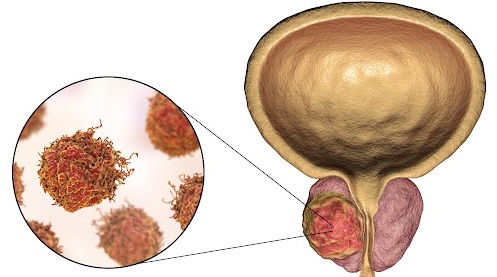
The OCTAGON Project: A Novel VA-Based Telehealth Intervention for Oral Chemotherapy Monitoring
Background
Many Veterans with cancer experience substantial side effects related to their chemotherapy treatments resulting in impaired quality of life. Prompt management of such symptoms can improve adherence to therapy and potentially clinical outcomes. Previous studies in cancer patients have shown that mobile apps can improve symptom management and quality of life, though there are limited studies using oncology-focused apps in the VA population. The VA Annie App is an optimal platform for Veterans since it relies primarily on SMS-based texting and not on internet capabilities. This would address several well-known barriers to Veterans’ care access (limited internet connectivity, transportation) and enhance symptom reporting between infrequent provider visits. Providers can securely collect app responses within the VA system and there is already considerable VA developer experience with designing complex protocols. The OCTAGON project (Optimizing Cancer Care with Telehealth Assessment for Goal-Oriented Needs) will have the following goals: 1) To develop Annie App protocols to assist in management of cancer and/or chemotherapy-related symptoms (OCTAGON intervention), 2) To examine initial acceptability, feasibility, and Veteran-reported outcomes, 3) To explore short term effects on the utilization of VA encounters.
Methods
All patients who are primarily being managed at the VA Ann Arbor for their cancer therapy and are receiving one of the following therapies are considered eligible: EGFR inhibitors (lung cancer), antiandrogen therapies (prostate cancer), BTK inhibitors (lymphoma).
Discussion
Drug-specific protocols will be developed in conjunction with clinical pharmacists with experience in outpatient oral chemotherapy toxicity monitoring. Questions will have either a Yes/No, or numerical response. Interventions will be administered weekly for the first 3 months after enrollment, then decrease to monthly for a total of 6 months on protocol. Patients will be directed to contact their providers with any significant changes in tolerability. Planned data collected will include intervention question responses, adverse events, demographics, diagnosis, disease response, hospitalizations, treatment dose reductions or interruptions, provider and staff utilization. Survey responses to assess treatment acceptability (Treatment Acceptability/Adherence Scale), usability (System Usability Scale), general health (PROMIS-GH), and patient satisfaction will also be collected. Funding: VA Telehealth Research and Innovation for Veterans with Cancer (THRIVE).
Background
Many Veterans with cancer experience substantial side effects related to their chemotherapy treatments resulting in impaired quality of life. Prompt management of such symptoms can improve adherence to therapy and potentially clinical outcomes. Previous studies in cancer patients have shown that mobile apps can improve symptom management and quality of life, though there are limited studies using oncology-focused apps in the VA population. The VA Annie App is an optimal platform for Veterans since it relies primarily on SMS-based texting and not on internet capabilities. This would address several well-known barriers to Veterans’ care access (limited internet connectivity, transportation) and enhance symptom reporting between infrequent provider visits. Providers can securely collect app responses within the VA system and there is already considerable VA developer experience with designing complex protocols. The OCTAGON project (Optimizing Cancer Care with Telehealth Assessment for Goal-Oriented Needs) will have the following goals: 1) To develop Annie App protocols to assist in management of cancer and/or chemotherapy-related symptoms (OCTAGON intervention), 2) To examine initial acceptability, feasibility, and Veteran-reported outcomes, 3) To explore short term effects on the utilization of VA encounters.
Methods
All patients who are primarily being managed at the VA Ann Arbor for their cancer therapy and are receiving one of the following therapies are considered eligible: EGFR inhibitors (lung cancer), antiandrogen therapies (prostate cancer), BTK inhibitors (lymphoma).
Discussion
Drug-specific protocols will be developed in conjunction with clinical pharmacists with experience in outpatient oral chemotherapy toxicity monitoring. Questions will have either a Yes/No, or numerical response. Interventions will be administered weekly for the first 3 months after enrollment, then decrease to monthly for a total of 6 months on protocol. Patients will be directed to contact their providers with any significant changes in tolerability. Planned data collected will include intervention question responses, adverse events, demographics, diagnosis, disease response, hospitalizations, treatment dose reductions or interruptions, provider and staff utilization. Survey responses to assess treatment acceptability (Treatment Acceptability/Adherence Scale), usability (System Usability Scale), general health (PROMIS-GH), and patient satisfaction will also be collected. Funding: VA Telehealth Research and Innovation for Veterans with Cancer (THRIVE).
Background
Many Veterans with cancer experience substantial side effects related to their chemotherapy treatments resulting in impaired quality of life. Prompt management of such symptoms can improve adherence to therapy and potentially clinical outcomes. Previous studies in cancer patients have shown that mobile apps can improve symptom management and quality of life, though there are limited studies using oncology-focused apps in the VA population. The VA Annie App is an optimal platform for Veterans since it relies primarily on SMS-based texting and not on internet capabilities. This would address several well-known barriers to Veterans’ care access (limited internet connectivity, transportation) and enhance symptom reporting between infrequent provider visits. Providers can securely collect app responses within the VA system and there is already considerable VA developer experience with designing complex protocols. The OCTAGON project (Optimizing Cancer Care with Telehealth Assessment for Goal-Oriented Needs) will have the following goals: 1) To develop Annie App protocols to assist in management of cancer and/or chemotherapy-related symptoms (OCTAGON intervention), 2) To examine initial acceptability, feasibility, and Veteran-reported outcomes, 3) To explore short term effects on the utilization of VA encounters.
Methods
All patients who are primarily being managed at the VA Ann Arbor for their cancer therapy and are receiving one of the following therapies are considered eligible: EGFR inhibitors (lung cancer), antiandrogen therapies (prostate cancer), BTK inhibitors (lymphoma).
Discussion
Drug-specific protocols will be developed in conjunction with clinical pharmacists with experience in outpatient oral chemotherapy toxicity monitoring. Questions will have either a Yes/No, or numerical response. Interventions will be administered weekly for the first 3 months after enrollment, then decrease to monthly for a total of 6 months on protocol. Patients will be directed to contact their providers with any significant changes in tolerability. Planned data collected will include intervention question responses, adverse events, demographics, diagnosis, disease response, hospitalizations, treatment dose reductions or interruptions, provider and staff utilization. Survey responses to assess treatment acceptability (Treatment Acceptability/Adherence Scale), usability (System Usability Scale), general health (PROMIS-GH), and patient satisfaction will also be collected. Funding: VA Telehealth Research and Innovation for Veterans with Cancer (THRIVE).
Implementing a Prospective Surveillance Physical Therapy Program for Those Affected by Cancer
Background
This program implements a prospective surveillance physical therapy program to prioritize the well-being and quality of life of individuals affected by cancer, particularly veterans, by overcoming barriers associated with the prospective surveillance model (PSM) and lessening negative treatment effects. Recent cancer care research emphasizes the significance of PSM and prehabilitation in improving outcomes and mitigating the adverse effects of cancer and its treatments. However, barriers hinder PSM implementation despite its established efficacy in managing cancer-related dysfunctions. Notably, current cancer treatment lacked physical therapy (PT) consultation for cancer rehabilitation.
Methods
A new care model was developed, incorporating PT consultation at cancer diagnosis for veterans with cancer. Comprehensive clinical education and necessary equipment were provided to PTs for high-quality treatment. A cancer rehabilitation guidebook was created and distributed to educate patients and cancer providers in VA hospital and community-based outpatient clinics. Veterans with cancer diagnoses have access to physical therapy services at any time during cancer treatment and survivorship. Data were collected and analyzed to identify trends in cancer rehab PT consults.
Results
The biggest barrier to PSM was a lack of knowledge about its efficacy and available services. Before FY23, no cancer rehab PT consults were conducted. FY23, 47 PT consults were conducted, increasing to 79 consults in FY24 through 05/31/24.
Conclusions
PT services are needed throughout the cancer journey for veterans, from diagnosis to treatment and survivorship. This project demonstrates the feasibility of developing a PSM with a cancer rehabilitation PT consult. Utilizing established surveillance intervals can minimize cancer-related sequelae. Other VA medical centers can adopt similar PSMs in PT to improve functional outcomes and minimize the negative impacts of cancer and its treatments.
Background
This program implements a prospective surveillance physical therapy program to prioritize the well-being and quality of life of individuals affected by cancer, particularly veterans, by overcoming barriers associated with the prospective surveillance model (PSM) and lessening negative treatment effects. Recent cancer care research emphasizes the significance of PSM and prehabilitation in improving outcomes and mitigating the adverse effects of cancer and its treatments. However, barriers hinder PSM implementation despite its established efficacy in managing cancer-related dysfunctions. Notably, current cancer treatment lacked physical therapy (PT) consultation for cancer rehabilitation.
Methods
A new care model was developed, incorporating PT consultation at cancer diagnosis for veterans with cancer. Comprehensive clinical education and necessary equipment were provided to PTs for high-quality treatment. A cancer rehabilitation guidebook was created and distributed to educate patients and cancer providers in VA hospital and community-based outpatient clinics. Veterans with cancer diagnoses have access to physical therapy services at any time during cancer treatment and survivorship. Data were collected and analyzed to identify trends in cancer rehab PT consults.
Results
The biggest barrier to PSM was a lack of knowledge about its efficacy and available services. Before FY23, no cancer rehab PT consults were conducted. FY23, 47 PT consults were conducted, increasing to 79 consults in FY24 through 05/31/24.
Conclusions
PT services are needed throughout the cancer journey for veterans, from diagnosis to treatment and survivorship. This project demonstrates the feasibility of developing a PSM with a cancer rehabilitation PT consult. Utilizing established surveillance intervals can minimize cancer-related sequelae. Other VA medical centers can adopt similar PSMs in PT to improve functional outcomes and minimize the negative impacts of cancer and its treatments.
Background
This program implements a prospective surveillance physical therapy program to prioritize the well-being and quality of life of individuals affected by cancer, particularly veterans, by overcoming barriers associated with the prospective surveillance model (PSM) and lessening negative treatment effects. Recent cancer care research emphasizes the significance of PSM and prehabilitation in improving outcomes and mitigating the adverse effects of cancer and its treatments. However, barriers hinder PSM implementation despite its established efficacy in managing cancer-related dysfunctions. Notably, current cancer treatment lacked physical therapy (PT) consultation for cancer rehabilitation.
Methods
A new care model was developed, incorporating PT consultation at cancer diagnosis for veterans with cancer. Comprehensive clinical education and necessary equipment were provided to PTs for high-quality treatment. A cancer rehabilitation guidebook was created and distributed to educate patients and cancer providers in VA hospital and community-based outpatient clinics. Veterans with cancer diagnoses have access to physical therapy services at any time during cancer treatment and survivorship. Data were collected and analyzed to identify trends in cancer rehab PT consults.
Results
The biggest barrier to PSM was a lack of knowledge about its efficacy and available services. Before FY23, no cancer rehab PT consults were conducted. FY23, 47 PT consults were conducted, increasing to 79 consults in FY24 through 05/31/24.
Conclusions
PT services are needed throughout the cancer journey for veterans, from diagnosis to treatment and survivorship. This project demonstrates the feasibility of developing a PSM with a cancer rehabilitation PT consult. Utilizing established surveillance intervals can minimize cancer-related sequelae. Other VA medical centers can adopt similar PSMs in PT to improve functional outcomes and minimize the negative impacts of cancer and its treatments.
Whole Health Oncology—Just Do It: Making Whole Person Cancer Care Routine and Regular at the Dayton VA Medical Center (DVAMC)
Background
VA Whole Health (WH) is an approach that empowers and equips people to take charge of their health and well-being. In 2020, 18 WH Flagship sites demonstrated reduced opiate use and smaller increases in pharmacy costs as well as favorable veteran self-reported measures. VA mandated WH integration into mental health and primary care. Purose: To incorporate WH within Dayton VA cancer care, using the Personal Health Inventory (PHI) as an intake tool, a tumor-agnostic WH oncology clinic was established.
Methods
Led by an oncologist, a referral-based clinic opened in 2021. Pre-work included EHR items (stop codes/templates), staff training and leverage of mental health integration. VA’s generic PHI was utilized until an oncology-specific PHI was developed by leaders in the field.(3-5) Clinic data was tracked.
Results
170 visits offered (June 2021-May 2024). 32 referrals received (one without cancer; deaths: two pre-intake/five post-intake); 70 appointments occurred among 30 veterans (30 intake/40 follow-up) for 41% fill rate (up 5% from 1st six months). 96% PHI completion rate. Referral sources: fellows (43%), attendings (17%), PCP (3%), Survivorship Clinic (3%), self-referral (33%)--40% of these from cancer support group members. Cancer types (one dual-diagnosis; total >100%): 24% breast, 17% prostate, 17% NSCLC, 10% NHL, 10% pancreatic, 7% Head/Neck, 7% SCLC, 3% each colon/esophageal/kidney. Cancer Stages represented: I (10%), II (20%), III (23%) and IV (47%). Participant info: Age range (36-85); 69% male and 31% female with 86% on active cancer therapy (hormonal, immune-, chemo- or chemoradiation). Supplements were discussed at 26% of visits and referrals ordered at 27% (4-massage therapy, 1-acupuncture, 1-chiropractic, 2-health coaching, 1-cardiology, 1-lymphedema therapy, 1-social work, 1-survivorship clinic, 1-yoga, 1-diabetes education, 1-ENT, 1-nutrition, 1-pathology, 1-pulmonary, 1-prosthetics).
Conclusions
WH within cancer care is feasible for veterans on active treatment (all types/stages) and at a non-Flagship/unfunded site. Veterans gain introduction to WH through the PHI and Complementary-Integrative Health referrals (VA Directive 1137). Cancer support group attendance prompts WH clinic self-referrals. Next steps at DVAMC are to offer mind-body approaches such as virtual reality experiences in the infusion room and VA CALM sessions via asynchronous online delivery; funding would support WH evolution in oncology.
Background
VA Whole Health (WH) is an approach that empowers and equips people to take charge of their health and well-being. In 2020, 18 WH Flagship sites demonstrated reduced opiate use and smaller increases in pharmacy costs as well as favorable veteran self-reported measures. VA mandated WH integration into mental health and primary care. Purose: To incorporate WH within Dayton VA cancer care, using the Personal Health Inventory (PHI) as an intake tool, a tumor-agnostic WH oncology clinic was established.
Methods
Led by an oncologist, a referral-based clinic opened in 2021. Pre-work included EHR items (stop codes/templates), staff training and leverage of mental health integration. VA’s generic PHI was utilized until an oncology-specific PHI was developed by leaders in the field.(3-5) Clinic data was tracked.
Results
170 visits offered (June 2021-May 2024). 32 referrals received (one without cancer; deaths: two pre-intake/five post-intake); 70 appointments occurred among 30 veterans (30 intake/40 follow-up) for 41% fill rate (up 5% from 1st six months). 96% PHI completion rate. Referral sources: fellows (43%), attendings (17%), PCP (3%), Survivorship Clinic (3%), self-referral (33%)--40% of these from cancer support group members. Cancer types (one dual-diagnosis; total >100%): 24% breast, 17% prostate, 17% NSCLC, 10% NHL, 10% pancreatic, 7% Head/Neck, 7% SCLC, 3% each colon/esophageal/kidney. Cancer Stages represented: I (10%), II (20%), III (23%) and IV (47%). Participant info: Age range (36-85); 69% male and 31% female with 86% on active cancer therapy (hormonal, immune-, chemo- or chemoradiation). Supplements were discussed at 26% of visits and referrals ordered at 27% (4-massage therapy, 1-acupuncture, 1-chiropractic, 2-health coaching, 1-cardiology, 1-lymphedema therapy, 1-social work, 1-survivorship clinic, 1-yoga, 1-diabetes education, 1-ENT, 1-nutrition, 1-pathology, 1-pulmonary, 1-prosthetics).
Conclusions
WH within cancer care is feasible for veterans on active treatment (all types/stages) and at a non-Flagship/unfunded site. Veterans gain introduction to WH through the PHI and Complementary-Integrative Health referrals (VA Directive 1137). Cancer support group attendance prompts WH clinic self-referrals. Next steps at DVAMC are to offer mind-body approaches such as virtual reality experiences in the infusion room and VA CALM sessions via asynchronous online delivery; funding would support WH evolution in oncology.
Background
VA Whole Health (WH) is an approach that empowers and equips people to take charge of their health and well-being. In 2020, 18 WH Flagship sites demonstrated reduced opiate use and smaller increases in pharmacy costs as well as favorable veteran self-reported measures. VA mandated WH integration into mental health and primary care. Purose: To incorporate WH within Dayton VA cancer care, using the Personal Health Inventory (PHI) as an intake tool, a tumor-agnostic WH oncology clinic was established.
Methods
Led by an oncologist, a referral-based clinic opened in 2021. Pre-work included EHR items (stop codes/templates), staff training and leverage of mental health integration. VA’s generic PHI was utilized until an oncology-specific PHI was developed by leaders in the field.(3-5) Clinic data was tracked.
Results
170 visits offered (June 2021-May 2024). 32 referrals received (one without cancer; deaths: two pre-intake/five post-intake); 70 appointments occurred among 30 veterans (30 intake/40 follow-up) for 41% fill rate (up 5% from 1st six months). 96% PHI completion rate. Referral sources: fellows (43%), attendings (17%), PCP (3%), Survivorship Clinic (3%), self-referral (33%)--40% of these from cancer support group members. Cancer types (one dual-diagnosis; total >100%): 24% breast, 17% prostate, 17% NSCLC, 10% NHL, 10% pancreatic, 7% Head/Neck, 7% SCLC, 3% each colon/esophageal/kidney. Cancer Stages represented: I (10%), II (20%), III (23%) and IV (47%). Participant info: Age range (36-85); 69% male and 31% female with 86% on active cancer therapy (hormonal, immune-, chemo- or chemoradiation). Supplements were discussed at 26% of visits and referrals ordered at 27% (4-massage therapy, 1-acupuncture, 1-chiropractic, 2-health coaching, 1-cardiology, 1-lymphedema therapy, 1-social work, 1-survivorship clinic, 1-yoga, 1-diabetes education, 1-ENT, 1-nutrition, 1-pathology, 1-pulmonary, 1-prosthetics).
Conclusions
WH within cancer care is feasible for veterans on active treatment (all types/stages) and at a non-Flagship/unfunded site. Veterans gain introduction to WH through the PHI and Complementary-Integrative Health referrals (VA Directive 1137). Cancer support group attendance prompts WH clinic self-referrals. Next steps at DVAMC are to offer mind-body approaches such as virtual reality experiences in the infusion room and VA CALM sessions via asynchronous online delivery; funding would support WH evolution in oncology.
A Phase II Study With Androgen Deprivation Therapy and Up-Front Radiotherapy in High-Intermediate and High-Risk Prostate Cancer With Stereotactic Body Radiation Therapy to Pelvic Nodes and Concomitant Prostate Boost by Simultaneous Integrated Boost
Background
The adoption of Stereotactic Body Radiation Therapy (SBRT) for prostate cancer has allowed treatment to be completed in less than 2 weeks, but has predominantly been given to the prostate only. Currently, very few prospective studies have compared delivery of SBRT versus hypofractionated radiotherapy (HFX) when giving concurrent pelvic radiation. The aim of the study is to evaluate the tolerance and efficacy of pelvic node radiotherapy and SIB to the prostate in prostate patients requiring nodal irradiation.
Methods
A total of 58 patients were irradiated with SBRT and initiated ADT therapy between 2014 and 2023. 57 patients were treated with 7.5 Gy to the prostate and 1 to 7.25 Gy. All patients were treated with 5 Gy x 5 fraction to the pelvis. This group was compared to a preselected historical cohort of 65 HFX patients with 57 of these patients treated with 67.5/50 Gy in 25 fractions, 1 with patient 67.5/45 Gy in 25 fractions, and 6 patients with 60/44-46 Gy in 20 fractions. Patients were evaluated for GU and GI toxicities according to Radiation Therapy Oncology Group Toxicity criteria at one year post radiation therapy.
Results
There were 31 grade 0 (53.4%), 1 grade 1 (1.7%), 25 grade 2 (43.1%), 1 grade 3 (1.7%) events in the SBRT group and 29 GU grade 0 (44.6%), 3 grade 1 (4.6%), and 33 grade 2 (50.8%) GU toxicities in the HFX group with no significant difference between the groups (p=0.464). There were 55 grade 0 (94.8%), 1 grade 1 (1.7%), and 2 grade 2 (3.4%) GI toxicities in the SBRT group and 59 grade 0 (90.8%), 1 grade 1 (1.5%), and 5 grade 2 (7.7%) events in the HFX group with no significant difference between the groups (p=0.381).
Conclusions
This prospective study provides data to support the use of concurrent pelvic radiation with SBRT to the prostate. Our findings suggest there is no difference in toxicity between HFX and 25 Gy pelvic radiation (5 Gy/5 fractions) concurrent with SBRT to the prostate, therefore it appears to be a safe and convenient option for veterans with prostate cancer.
Background
The adoption of Stereotactic Body Radiation Therapy (SBRT) for prostate cancer has allowed treatment to be completed in less than 2 weeks, but has predominantly been given to the prostate only. Currently, very few prospective studies have compared delivery of SBRT versus hypofractionated radiotherapy (HFX) when giving concurrent pelvic radiation. The aim of the study is to evaluate the tolerance and efficacy of pelvic node radiotherapy and SIB to the prostate in prostate patients requiring nodal irradiation.
Methods
A total of 58 patients were irradiated with SBRT and initiated ADT therapy between 2014 and 2023. 57 patients were treated with 7.5 Gy to the prostate and 1 to 7.25 Gy. All patients were treated with 5 Gy x 5 fraction to the pelvis. This group was compared to a preselected historical cohort of 65 HFX patients with 57 of these patients treated with 67.5/50 Gy in 25 fractions, 1 with patient 67.5/45 Gy in 25 fractions, and 6 patients with 60/44-46 Gy in 20 fractions. Patients were evaluated for GU and GI toxicities according to Radiation Therapy Oncology Group Toxicity criteria at one year post radiation therapy.
Results
There were 31 grade 0 (53.4%), 1 grade 1 (1.7%), 25 grade 2 (43.1%), 1 grade 3 (1.7%) events in the SBRT group and 29 GU grade 0 (44.6%), 3 grade 1 (4.6%), and 33 grade 2 (50.8%) GU toxicities in the HFX group with no significant difference between the groups (p=0.464). There were 55 grade 0 (94.8%), 1 grade 1 (1.7%), and 2 grade 2 (3.4%) GI toxicities in the SBRT group and 59 grade 0 (90.8%), 1 grade 1 (1.5%), and 5 grade 2 (7.7%) events in the HFX group with no significant difference between the groups (p=0.381).
Conclusions
This prospective study provides data to support the use of concurrent pelvic radiation with SBRT to the prostate. Our findings suggest there is no difference in toxicity between HFX and 25 Gy pelvic radiation (5 Gy/5 fractions) concurrent with SBRT to the prostate, therefore it appears to be a safe and convenient option for veterans with prostate cancer.
Background
The adoption of Stereotactic Body Radiation Therapy (SBRT) for prostate cancer has allowed treatment to be completed in less than 2 weeks, but has predominantly been given to the prostate only. Currently, very few prospective studies have compared delivery of SBRT versus hypofractionated radiotherapy (HFX) when giving concurrent pelvic radiation. The aim of the study is to evaluate the tolerance and efficacy of pelvic node radiotherapy and SIB to the prostate in prostate patients requiring nodal irradiation.
Methods
A total of 58 patients were irradiated with SBRT and initiated ADT therapy between 2014 and 2023. 57 patients were treated with 7.5 Gy to the prostate and 1 to 7.25 Gy. All patients were treated with 5 Gy x 5 fraction to the pelvis. This group was compared to a preselected historical cohort of 65 HFX patients with 57 of these patients treated with 67.5/50 Gy in 25 fractions, 1 with patient 67.5/45 Gy in 25 fractions, and 6 patients with 60/44-46 Gy in 20 fractions. Patients were evaluated for GU and GI toxicities according to Radiation Therapy Oncology Group Toxicity criteria at one year post radiation therapy.
Results
There were 31 grade 0 (53.4%), 1 grade 1 (1.7%), 25 grade 2 (43.1%), 1 grade 3 (1.7%) events in the SBRT group and 29 GU grade 0 (44.6%), 3 grade 1 (4.6%), and 33 grade 2 (50.8%) GU toxicities in the HFX group with no significant difference between the groups (p=0.464). There were 55 grade 0 (94.8%), 1 grade 1 (1.7%), and 2 grade 2 (3.4%) GI toxicities in the SBRT group and 59 grade 0 (90.8%), 1 grade 1 (1.5%), and 5 grade 2 (7.7%) events in the HFX group with no significant difference between the groups (p=0.381).
Conclusions
This prospective study provides data to support the use of concurrent pelvic radiation with SBRT to the prostate. Our findings suggest there is no difference in toxicity between HFX and 25 Gy pelvic radiation (5 Gy/5 fractions) concurrent with SBRT to the prostate, therefore it appears to be a safe and convenient option for veterans with prostate cancer.