User login
For MD-IQ use only
Close to Me: CBOC Infusion Program
Background
Currently, within the Veterans Affairs Healthcare System, anticancer therapy infusions and injections are primarily offered at VA medical centers (VAMCs) in urban areas. The time and out-of-pocket expenses related to travel present a barrier to care, often leading veterans to seek cancer care in the community. The Minneapolis VA developed a “Remote Infusion” program that deploys a chemotherapy certified RN to administer anticancer and supportive therapies at surrounding Community Based Outpatient Clinics (CBOCs). The program expanded in October 2021, and since, they have provided 259 infusions and injections to 145 veterans at 16 CBOCs. These efforts have saved at least 20,000 miles of travel for veterans in the Minneapolis/ St. Cloud catchment area. Building off the success of this program, the National Oncology Program Integrated Project Team has developed the “Close to Me” CBOC Infusion Program.
Methods
The “Close to Me” CBOC Infusion Program utilizes VAMCs to compound treatments. Then a chemotherapy certified RN is deployed to the surrounding CBOCs to administer treatments. Veterans eligible for this program must have received and tolerated their first dose of treatment at a VAMC. Medications included in this program have low risk of reaction, short infusion time, and at least 8 hours of drug stability. Treatments include immune check point inhibitors, leuprolide, octreotide, IV fluids, and iron infusions. Additional treatments continue to be evaluated and added. Telehealth modalities are utilized for patient visits with their oncology provider for treatment clearance. An implementation toolkit, including a library of standard operating procedures, note templates, and staffing models, has been developed for VAMCs interested in replicating this program.
Results
The Pittsburgh VAMC launched the first “Close to Me” CBOC Infusion Program June 8, 2022.
Conclusions
The “Close to Me” CBOC infusion program optimizes current VA infrastructure and processes to expand access to the world class oncology care VA provides by reducing travel burden for the veterans. Additional areas of novel solutions under development to provide expanded access points to anticancer therapies include mobile infusion units, mobile compounding units, and home administration.
Background
Currently, within the Veterans Affairs Healthcare System, anticancer therapy infusions and injections are primarily offered at VA medical centers (VAMCs) in urban areas. The time and out-of-pocket expenses related to travel present a barrier to care, often leading veterans to seek cancer care in the community. The Minneapolis VA developed a “Remote Infusion” program that deploys a chemotherapy certified RN to administer anticancer and supportive therapies at surrounding Community Based Outpatient Clinics (CBOCs). The program expanded in October 2021, and since, they have provided 259 infusions and injections to 145 veterans at 16 CBOCs. These efforts have saved at least 20,000 miles of travel for veterans in the Minneapolis/ St. Cloud catchment area. Building off the success of this program, the National Oncology Program Integrated Project Team has developed the “Close to Me” CBOC Infusion Program.
Methods
The “Close to Me” CBOC Infusion Program utilizes VAMCs to compound treatments. Then a chemotherapy certified RN is deployed to the surrounding CBOCs to administer treatments. Veterans eligible for this program must have received and tolerated their first dose of treatment at a VAMC. Medications included in this program have low risk of reaction, short infusion time, and at least 8 hours of drug stability. Treatments include immune check point inhibitors, leuprolide, octreotide, IV fluids, and iron infusions. Additional treatments continue to be evaluated and added. Telehealth modalities are utilized for patient visits with their oncology provider for treatment clearance. An implementation toolkit, including a library of standard operating procedures, note templates, and staffing models, has been developed for VAMCs interested in replicating this program.
Results
The Pittsburgh VAMC launched the first “Close to Me” CBOC Infusion Program June 8, 2022.
Conclusions
The “Close to Me” CBOC infusion program optimizes current VA infrastructure and processes to expand access to the world class oncology care VA provides by reducing travel burden for the veterans. Additional areas of novel solutions under development to provide expanded access points to anticancer therapies include mobile infusion units, mobile compounding units, and home administration.
Background
Currently, within the Veterans Affairs Healthcare System, anticancer therapy infusions and injections are primarily offered at VA medical centers (VAMCs) in urban areas. The time and out-of-pocket expenses related to travel present a barrier to care, often leading veterans to seek cancer care in the community. The Minneapolis VA developed a “Remote Infusion” program that deploys a chemotherapy certified RN to administer anticancer and supportive therapies at surrounding Community Based Outpatient Clinics (CBOCs). The program expanded in October 2021, and since, they have provided 259 infusions and injections to 145 veterans at 16 CBOCs. These efforts have saved at least 20,000 miles of travel for veterans in the Minneapolis/ St. Cloud catchment area. Building off the success of this program, the National Oncology Program Integrated Project Team has developed the “Close to Me” CBOC Infusion Program.
Methods
The “Close to Me” CBOC Infusion Program utilizes VAMCs to compound treatments. Then a chemotherapy certified RN is deployed to the surrounding CBOCs to administer treatments. Veterans eligible for this program must have received and tolerated their first dose of treatment at a VAMC. Medications included in this program have low risk of reaction, short infusion time, and at least 8 hours of drug stability. Treatments include immune check point inhibitors, leuprolide, octreotide, IV fluids, and iron infusions. Additional treatments continue to be evaluated and added. Telehealth modalities are utilized for patient visits with their oncology provider for treatment clearance. An implementation toolkit, including a library of standard operating procedures, note templates, and staffing models, has been developed for VAMCs interested in replicating this program.
Results
The Pittsburgh VAMC launched the first “Close to Me” CBOC Infusion Program June 8, 2022.
Conclusions
The “Close to Me” CBOC infusion program optimizes current VA infrastructure and processes to expand access to the world class oncology care VA provides by reducing travel burden for the veterans. Additional areas of novel solutions under development to provide expanded access points to anticancer therapies include mobile infusion units, mobile compounding units, and home administration.
Improving Veteran Adherence to Preadmission ERAS Protocol: Decreasing Avoidable Surgical Cancellations and Post-Operative Length of Stay (LOS)
Purpose
Improve veteran adherence of preadmission enhanced recovery after surgery (ERAS) protocol.
Background
NMVAHCS implemented the multidisciplinary Enhanced Recovery After Surgery (ERAS) protocol in 2018 to reduce postoperative morbidity and LOS utilizing evidence-based practice. Perioperative, intraoperative and postoperative practices were adopted, and well adhered. However, preadmission preparedness, the veteran’s responsibility, lacked adherence. Although detailed verbal and written instructions were provided, improvements were necessary. Patient related issues (PRI) regarding anticoagulation, drivers, anesthesia preop, COVID testing, and preparation often led to surgical cancellations.
Methods
ANNIE, an approved mobile application (app) utilizing Short Message Service (SMS) texts was identified to engage veterans. After facility and Office of Connected Care approval, an automated program was designed to text veteran’s preadmission instructions. Messages include 1-way reminders and 2-way messages providing automated instructions based on response. Veteran’s consent and enroll in the app 1 week prior to surgery and receive daily reminders for prehabilitation: daily exercise, arranging driver, and refraining from smoking, alcohol, illicit and herbal medications. Two-way messages verify anesthesia pre-op appointment and anticoagulation status. Reply messages provide information for scheduling or instructions regarding anticoagulation. Texts verify receipt and understanding of bowel preparation medications, COVID testing, “clears” diet, and assess for COVID symptoms. The day prior to admission, time sensitive reminders alert the veteran to each step of the Nichol’s preparation and carbohydrate drink consumption. Messages continue post-operatively assessing status, encouraging activity and pulmonary toilet. Messages also verify discharge education, receipt of stoma supplies, and surgical follow-up appointment.
Results
Prior to ERAS the average LOS was 11 days, which was reduced to 9 days after initial protocol implementation. Veterans enrolled in the app averaged a LOS of 7 days: a cost savings of $31,865.00 per veteran and increased bed availability for other veterans awaiting surgery. In FY19, 69 avoidable PRI led to surgical cancellations. Cancellations decrease access to care and maintain avoidable facility costs averaging $30,270.00 per case. ERAS and enrollment in ANNIE decreased cancellations by 62% (26 cases) in FY20 and 70% (21 cases) in FY21.
Conclusions
Engaging veterans with SMS messages improves preadmission ERAS adherence: improving outcomes for the veteran and facility.
Purpose
Improve veteran adherence of preadmission enhanced recovery after surgery (ERAS) protocol.
Background
NMVAHCS implemented the multidisciplinary Enhanced Recovery After Surgery (ERAS) protocol in 2018 to reduce postoperative morbidity and LOS utilizing evidence-based practice. Perioperative, intraoperative and postoperative practices were adopted, and well adhered. However, preadmission preparedness, the veteran’s responsibility, lacked adherence. Although detailed verbal and written instructions were provided, improvements were necessary. Patient related issues (PRI) regarding anticoagulation, drivers, anesthesia preop, COVID testing, and preparation often led to surgical cancellations.
Methods
ANNIE, an approved mobile application (app) utilizing Short Message Service (SMS) texts was identified to engage veterans. After facility and Office of Connected Care approval, an automated program was designed to text veteran’s preadmission instructions. Messages include 1-way reminders and 2-way messages providing automated instructions based on response. Veteran’s consent and enroll in the app 1 week prior to surgery and receive daily reminders for prehabilitation: daily exercise, arranging driver, and refraining from smoking, alcohol, illicit and herbal medications. Two-way messages verify anesthesia pre-op appointment and anticoagulation status. Reply messages provide information for scheduling or instructions regarding anticoagulation. Texts verify receipt and understanding of bowel preparation medications, COVID testing, “clears” diet, and assess for COVID symptoms. The day prior to admission, time sensitive reminders alert the veteran to each step of the Nichol’s preparation and carbohydrate drink consumption. Messages continue post-operatively assessing status, encouraging activity and pulmonary toilet. Messages also verify discharge education, receipt of stoma supplies, and surgical follow-up appointment.
Results
Prior to ERAS the average LOS was 11 days, which was reduced to 9 days after initial protocol implementation. Veterans enrolled in the app averaged a LOS of 7 days: a cost savings of $31,865.00 per veteran and increased bed availability for other veterans awaiting surgery. In FY19, 69 avoidable PRI led to surgical cancellations. Cancellations decrease access to care and maintain avoidable facility costs averaging $30,270.00 per case. ERAS and enrollment in ANNIE decreased cancellations by 62% (26 cases) in FY20 and 70% (21 cases) in FY21.
Conclusions
Engaging veterans with SMS messages improves preadmission ERAS adherence: improving outcomes for the veteran and facility.
Purpose
Improve veteran adherence of preadmission enhanced recovery after surgery (ERAS) protocol.
Background
NMVAHCS implemented the multidisciplinary Enhanced Recovery After Surgery (ERAS) protocol in 2018 to reduce postoperative morbidity and LOS utilizing evidence-based practice. Perioperative, intraoperative and postoperative practices were adopted, and well adhered. However, preadmission preparedness, the veteran’s responsibility, lacked adherence. Although detailed verbal and written instructions were provided, improvements were necessary. Patient related issues (PRI) regarding anticoagulation, drivers, anesthesia preop, COVID testing, and preparation often led to surgical cancellations.
Methods
ANNIE, an approved mobile application (app) utilizing Short Message Service (SMS) texts was identified to engage veterans. After facility and Office of Connected Care approval, an automated program was designed to text veteran’s preadmission instructions. Messages include 1-way reminders and 2-way messages providing automated instructions based on response. Veteran’s consent and enroll in the app 1 week prior to surgery and receive daily reminders for prehabilitation: daily exercise, arranging driver, and refraining from smoking, alcohol, illicit and herbal medications. Two-way messages verify anesthesia pre-op appointment and anticoagulation status. Reply messages provide information for scheduling or instructions regarding anticoagulation. Texts verify receipt and understanding of bowel preparation medications, COVID testing, “clears” diet, and assess for COVID symptoms. The day prior to admission, time sensitive reminders alert the veteran to each step of the Nichol’s preparation and carbohydrate drink consumption. Messages continue post-operatively assessing status, encouraging activity and pulmonary toilet. Messages also verify discharge education, receipt of stoma supplies, and surgical follow-up appointment.
Results
Prior to ERAS the average LOS was 11 days, which was reduced to 9 days after initial protocol implementation. Veterans enrolled in the app averaged a LOS of 7 days: a cost savings of $31,865.00 per veteran and increased bed availability for other veterans awaiting surgery. In FY19, 69 avoidable PRI led to surgical cancellations. Cancellations decrease access to care and maintain avoidable facility costs averaging $30,270.00 per case. ERAS and enrollment in ANNIE decreased cancellations by 62% (26 cases) in FY20 and 70% (21 cases) in FY21.
Conclusions
Engaging veterans with SMS messages improves preadmission ERAS adherence: improving outcomes for the veteran and facility.
Alcohol warning labels need updates to reflect harms: NEJM
The current labeling, which has not changed for 30 years, focuses on risks during pregnancy and with operating machinery and includes a vague statement that alcohol “may cause health problems.”
This is “so understated that it borders on being misleading,” the two researchers argued.
The science related to the use of alcohol has moved on, and there is now firm evidence of harm. Alcohol has been classified by the International Agency for Research on Cancer (IARC) as a group 1 carcinogen and has been linked to an increased risk of many types of cancer. Drinking alcohol has also been linked to a wide range of other diseases, from liver disease to pancreatitis to some types of heart disease, the authors noted.
Yet the general public is mostly unaware of the most serious health risks that are associated with alcohol consumption, they pointed out.
“We believe Americans deserve the opportunity to make well-informed decisions about their alcohol consumption,” said Anna H. Grummon, PhD, of the Harvard T. H. Chan School of Public Health, Boston, and Marissa G. Hall, PhD, of the University of North Carolina at Chapel Hill.
“Designing and adopting new alcohol warning labels should therefore be a research and policy priority,” they added.
The two researchers set out their arguments in a perspective article published in The New England Journal of Medicine.
“Alcohol consumption and its associated harms are reaching a crisis point in the United States,” they pointed out.
It now accounts for more than 140,000 deaths per year in the United States, according to the latest data from the Centers for Disease Control and Prevention. The COVID-19 pandemic has made the problem even worse – there was a 25% increase in alcohol-related deaths during 2020.
New, well-designed warning labels on alcohol is a common sense strategy for providing consumers with information and reducing the burden of alcohol-related harm, the authors suggested.
Warning Labels Prominently Displayed
Warning labels are most effective when they are prominently displayed, when they include pictures of some type, and when the messages alternate so as to avoid any one message from becoming “stale,” the authors noted. This approach has worked well with cigarette packs. This type of warning has increased smoking quit rates in comparison with smaller, side-of-pack, text-only warning labels.
There is some evidence that this type of labeling can be effective for alcohol. When large, pictorial warnings about cancer risk were temporarily added to the front of alcohol containers in some stores in Yukon, Canada, alcohol sales declined by 6%-10%, they pointed out.
However, pressure from the alcohol industry led to changes in the Yukon project, and while a general health warning remains, the label about increased cancer risk was removed.
The alcohol industry has tried to suppress efforts to educate the public, and this has created problems in conveying health information to consumers, the authors noted. The industry spends more than $1 billion each year to market its products in the United States.
The authors caution that without government intervention, the alcohol industry has little incentive to communicate the risks.
Some companies even link their products to health campaigns, such as selling pink ribbon–themed alcoholic drinks during October to promote their efforts to raise funds for breast cancer research, despite compelling evidence linking alcohol to an increased risk of breast cancer.
Petition at Congress calling for new labels
This is not the first call for a change in the warning labels on alcohol.
Last year, a number of medical groups petitioned Congress for a new cancer-specific warning label to be displayed on all alcoholic beverages.
The petition was signed by the American Society of Clinical Oncology (ASCO), the American Institute for Cancer Research (AICR), and Breast Cancer Prevention Partners, in collaboration with the American Public Health Association, the Consumer Federation of America, the Center for Science in the Public Interest, Alcohol Justice, and the U.S. Alcohol Policy Alliance.
They are advocating for a label that would say: “WARNING: According to the Surgeon General, consumption of alcoholic beverages can cause cancer, including breast and colon cancers.”
That petition is still pending, Melissa Maitin-Shepard, MPP, policy expert at the AICR, said in an interview.
In addition, the AICR is “working to advocate for the addition of a cancer warning label to alcoholic beverages through multiple channels,” she said. “Given the strong evidence linking alcohol use with at least six types of cancer – and low awareness of the alcohol and cancer connection – there is a tremendous need to educate the public about alcohol and cancer risk.”
Noelle K. LoConte, MD, associate professor of medicine at the University of Wisconsin, Madison, who is the lead author of ASCO’s statement on alcohol and cancer risk, emphasized that there is no doubt that alcohol is a carcinogen, that it causes about 5% of cancers globally, and that its use has increased during the pandemic.
“Initiatives that raise awareness around this issue could help generate more public support for policies that limit alcohol access and thereby decrease the number of alcohol-associated cancers,” she said. “In ASCO’s statement on alcohol and cancer, we recommend several key strategies to reduce high-risk alcohol consumption, including limiting youth access to alcohol, giving municipalities more control over alcohol outlet density and points of sale, and increasing taxes on alcohol.”
However, she also had a small criticism of one point in the NEJM article. It shows a sample infographic that lists gastric cancer as being caused by alcohol. “But as of today, gastric cancer is not on the IARC list of alcohol-associated cancers,” she said. “I think this brings to mind one critical point, that these warning labels have to contain scientifically established facts.”
Dr. Grummon and Dr. Hall have disclosed no relevant financial relationships.
A version of this article first appeared on Medscape.com.
The current labeling, which has not changed for 30 years, focuses on risks during pregnancy and with operating machinery and includes a vague statement that alcohol “may cause health problems.”
This is “so understated that it borders on being misleading,” the two researchers argued.
The science related to the use of alcohol has moved on, and there is now firm evidence of harm. Alcohol has been classified by the International Agency for Research on Cancer (IARC) as a group 1 carcinogen and has been linked to an increased risk of many types of cancer. Drinking alcohol has also been linked to a wide range of other diseases, from liver disease to pancreatitis to some types of heart disease, the authors noted.
Yet the general public is mostly unaware of the most serious health risks that are associated with alcohol consumption, they pointed out.
“We believe Americans deserve the opportunity to make well-informed decisions about their alcohol consumption,” said Anna H. Grummon, PhD, of the Harvard T. H. Chan School of Public Health, Boston, and Marissa G. Hall, PhD, of the University of North Carolina at Chapel Hill.
“Designing and adopting new alcohol warning labels should therefore be a research and policy priority,” they added.
The two researchers set out their arguments in a perspective article published in The New England Journal of Medicine.
“Alcohol consumption and its associated harms are reaching a crisis point in the United States,” they pointed out.
It now accounts for more than 140,000 deaths per year in the United States, according to the latest data from the Centers for Disease Control and Prevention. The COVID-19 pandemic has made the problem even worse – there was a 25% increase in alcohol-related deaths during 2020.
New, well-designed warning labels on alcohol is a common sense strategy for providing consumers with information and reducing the burden of alcohol-related harm, the authors suggested.
Warning Labels Prominently Displayed
Warning labels are most effective when they are prominently displayed, when they include pictures of some type, and when the messages alternate so as to avoid any one message from becoming “stale,” the authors noted. This approach has worked well with cigarette packs. This type of warning has increased smoking quit rates in comparison with smaller, side-of-pack, text-only warning labels.
There is some evidence that this type of labeling can be effective for alcohol. When large, pictorial warnings about cancer risk were temporarily added to the front of alcohol containers in some stores in Yukon, Canada, alcohol sales declined by 6%-10%, they pointed out.
However, pressure from the alcohol industry led to changes in the Yukon project, and while a general health warning remains, the label about increased cancer risk was removed.
The alcohol industry has tried to suppress efforts to educate the public, and this has created problems in conveying health information to consumers, the authors noted. The industry spends more than $1 billion each year to market its products in the United States.
The authors caution that without government intervention, the alcohol industry has little incentive to communicate the risks.
Some companies even link their products to health campaigns, such as selling pink ribbon–themed alcoholic drinks during October to promote their efforts to raise funds for breast cancer research, despite compelling evidence linking alcohol to an increased risk of breast cancer.
Petition at Congress calling for new labels
This is not the first call for a change in the warning labels on alcohol.
Last year, a number of medical groups petitioned Congress for a new cancer-specific warning label to be displayed on all alcoholic beverages.
The petition was signed by the American Society of Clinical Oncology (ASCO), the American Institute for Cancer Research (AICR), and Breast Cancer Prevention Partners, in collaboration with the American Public Health Association, the Consumer Federation of America, the Center for Science in the Public Interest, Alcohol Justice, and the U.S. Alcohol Policy Alliance.
They are advocating for a label that would say: “WARNING: According to the Surgeon General, consumption of alcoholic beverages can cause cancer, including breast and colon cancers.”
That petition is still pending, Melissa Maitin-Shepard, MPP, policy expert at the AICR, said in an interview.
In addition, the AICR is “working to advocate for the addition of a cancer warning label to alcoholic beverages through multiple channels,” she said. “Given the strong evidence linking alcohol use with at least six types of cancer – and low awareness of the alcohol and cancer connection – there is a tremendous need to educate the public about alcohol and cancer risk.”
Noelle K. LoConte, MD, associate professor of medicine at the University of Wisconsin, Madison, who is the lead author of ASCO’s statement on alcohol and cancer risk, emphasized that there is no doubt that alcohol is a carcinogen, that it causes about 5% of cancers globally, and that its use has increased during the pandemic.
“Initiatives that raise awareness around this issue could help generate more public support for policies that limit alcohol access and thereby decrease the number of alcohol-associated cancers,” she said. “In ASCO’s statement on alcohol and cancer, we recommend several key strategies to reduce high-risk alcohol consumption, including limiting youth access to alcohol, giving municipalities more control over alcohol outlet density and points of sale, and increasing taxes on alcohol.”
However, she also had a small criticism of one point in the NEJM article. It shows a sample infographic that lists gastric cancer as being caused by alcohol. “But as of today, gastric cancer is not on the IARC list of alcohol-associated cancers,” she said. “I think this brings to mind one critical point, that these warning labels have to contain scientifically established facts.”
Dr. Grummon and Dr. Hall have disclosed no relevant financial relationships.
A version of this article first appeared on Medscape.com.
The current labeling, which has not changed for 30 years, focuses on risks during pregnancy and with operating machinery and includes a vague statement that alcohol “may cause health problems.”
This is “so understated that it borders on being misleading,” the two researchers argued.
The science related to the use of alcohol has moved on, and there is now firm evidence of harm. Alcohol has been classified by the International Agency for Research on Cancer (IARC) as a group 1 carcinogen and has been linked to an increased risk of many types of cancer. Drinking alcohol has also been linked to a wide range of other diseases, from liver disease to pancreatitis to some types of heart disease, the authors noted.
Yet the general public is mostly unaware of the most serious health risks that are associated with alcohol consumption, they pointed out.
“We believe Americans deserve the opportunity to make well-informed decisions about their alcohol consumption,” said Anna H. Grummon, PhD, of the Harvard T. H. Chan School of Public Health, Boston, and Marissa G. Hall, PhD, of the University of North Carolina at Chapel Hill.
“Designing and adopting new alcohol warning labels should therefore be a research and policy priority,” they added.
The two researchers set out their arguments in a perspective article published in The New England Journal of Medicine.
“Alcohol consumption and its associated harms are reaching a crisis point in the United States,” they pointed out.
It now accounts for more than 140,000 deaths per year in the United States, according to the latest data from the Centers for Disease Control and Prevention. The COVID-19 pandemic has made the problem even worse – there was a 25% increase in alcohol-related deaths during 2020.
New, well-designed warning labels on alcohol is a common sense strategy for providing consumers with information and reducing the burden of alcohol-related harm, the authors suggested.
Warning Labels Prominently Displayed
Warning labels are most effective when they are prominently displayed, when they include pictures of some type, and when the messages alternate so as to avoid any one message from becoming “stale,” the authors noted. This approach has worked well with cigarette packs. This type of warning has increased smoking quit rates in comparison with smaller, side-of-pack, text-only warning labels.
There is some evidence that this type of labeling can be effective for alcohol. When large, pictorial warnings about cancer risk were temporarily added to the front of alcohol containers in some stores in Yukon, Canada, alcohol sales declined by 6%-10%, they pointed out.
However, pressure from the alcohol industry led to changes in the Yukon project, and while a general health warning remains, the label about increased cancer risk was removed.
The alcohol industry has tried to suppress efforts to educate the public, and this has created problems in conveying health information to consumers, the authors noted. The industry spends more than $1 billion each year to market its products in the United States.
The authors caution that without government intervention, the alcohol industry has little incentive to communicate the risks.
Some companies even link their products to health campaigns, such as selling pink ribbon–themed alcoholic drinks during October to promote their efforts to raise funds for breast cancer research, despite compelling evidence linking alcohol to an increased risk of breast cancer.
Petition at Congress calling for new labels
This is not the first call for a change in the warning labels on alcohol.
Last year, a number of medical groups petitioned Congress for a new cancer-specific warning label to be displayed on all alcoholic beverages.
The petition was signed by the American Society of Clinical Oncology (ASCO), the American Institute for Cancer Research (AICR), and Breast Cancer Prevention Partners, in collaboration with the American Public Health Association, the Consumer Federation of America, the Center for Science in the Public Interest, Alcohol Justice, and the U.S. Alcohol Policy Alliance.
They are advocating for a label that would say: “WARNING: According to the Surgeon General, consumption of alcoholic beverages can cause cancer, including breast and colon cancers.”
That petition is still pending, Melissa Maitin-Shepard, MPP, policy expert at the AICR, said in an interview.
In addition, the AICR is “working to advocate for the addition of a cancer warning label to alcoholic beverages through multiple channels,” she said. “Given the strong evidence linking alcohol use with at least six types of cancer – and low awareness of the alcohol and cancer connection – there is a tremendous need to educate the public about alcohol and cancer risk.”
Noelle K. LoConte, MD, associate professor of medicine at the University of Wisconsin, Madison, who is the lead author of ASCO’s statement on alcohol and cancer risk, emphasized that there is no doubt that alcohol is a carcinogen, that it causes about 5% of cancers globally, and that its use has increased during the pandemic.
“Initiatives that raise awareness around this issue could help generate more public support for policies that limit alcohol access and thereby decrease the number of alcohol-associated cancers,” she said. “In ASCO’s statement on alcohol and cancer, we recommend several key strategies to reduce high-risk alcohol consumption, including limiting youth access to alcohol, giving municipalities more control over alcohol outlet density and points of sale, and increasing taxes on alcohol.”
However, she also had a small criticism of one point in the NEJM article. It shows a sample infographic that lists gastric cancer as being caused by alcohol. “But as of today, gastric cancer is not on the IARC list of alcohol-associated cancers,” she said. “I think this brings to mind one critical point, that these warning labels have to contain scientifically established facts.”
Dr. Grummon and Dr. Hall have disclosed no relevant financial relationships.
A version of this article first appeared on Medscape.com.
FROM THE NEW ENGLAND JOURNAL OF MEDICINE
Ultraprocessed foods tied to higher risk for CRC, death from heart disease
Two large observational studies published in The BMJ this week highlight the dangers of a diet rich in ultraprocessed foods (UPFs).
The first links the diet to an increased risk for colorectal cancer; the second shows a heightened risk of death from heart disease or any cause over a 14-year period.
UPFs are highly manipulated and packed with added ingredients, including sugar, fat, and salt, and are low in protein and fiber. They include soft drinks, chips, chocolate, candy, ice cream, sweetened breakfast cereals, packaged soups, chicken nuggets, hot dogs, french fries, and many more.
Over the past 30 years, there’s been a steady increase in consumption of UPFs worldwide, coupled with mounting evidence that diets rich in UPFs raise the risk for several chronic diseases, including heart disease and cancer. Few studies, however, have focused specifically on the risk for colorectal cancer (CRC).
Novel data
To investigate, researchers analyzed data on 206,248 American adults (46,341 men, 159,907 women) from the Nurses’ Health Study, Nurses’ Health Study II, and the Health Professionals Follow-up Study. Dietary intake was assessed every 4 years using detailed food frequency questionnaires.
During up to 28 years of follow-up, 1,294 men and 1,922 women developed CRC.
In Cox proportional models adjusted for confounding factors, men with the highest UPF intake had a 29% higher risk for CRC than men with the lowest UPF consumption. This association was limited to distal colon cancer, with a 72% increased risk.
Among subgroups of UPFs, a higher intake of meat/poultry/seafood-based, ready-to-eat products, and sugary drinks were associated with increased risk for CRC among men.
“These products include some processed meats like sausages, bacon, ham, and fish cakes. This is consistent with our hypothesis,” lead author Lu Wang, PhD, with Tufts University, Boston, said in a news release.
There was no association between overall UPF intake and risk for CRC in women, and the reasons for this are unclear, the researchers say.
However, among the subgroups of UPFs, there was a positive association between ready-to-eat/heat mixed dishes and CRC risk and an inverse association between yogurt and dairy desserts and CRC risk among women.
It’s possible that foods like yogurt help counteract the harmful impacts of other types of UPFs in women, the researchers say.
“Further research will be needed to determine whether there is a true sex difference in the associations or if null findings in women in this study were merely due to chance or some uncontrolled confounding factors in women that mitigated the association,” co-senior author Mingyang Song, MD, with Harvard T.H. Chan School of Public Health, Boston, says in the news release.
Hard on the heart too
The related study in The BMJ shows a joint association between a low-quality diet and high intake of UPFs and increased risk for death from heart disease or any cause.
In this study of 22,895 Italian adults (mean age, 55 years; 48% men), those with the least healthy diets had a 19% higher risk of dying from any cause and a 32% higher risk for death from cardiovascular disease, over 14 years, compared with peers with the healthiest diets.
Adults with the highest share of UPFs had similarly elevated risks for all-cause and heart disease mortality (19% and 27% higher risk, respectively).
When the two food dimensions (nutrients and food processing) were analyzed jointly, the association of poor diet quality with mortality was significantly attenuated, but UPF intake remained highly associated with mortality, even after accounting for poor nutritional diet quality.
“These findings suggest that highly processed foods are associated with poor health outcomes independently of their low nutritional composition,” Marialaura Bonaccio, PhD, with IRCCS NEUROMED, Pozzilli, Italy, and colleagues note in their paper.
The new studies linking UPFs to CRC and heart disease join a recent study that found high UPF intake is harmful for the aging brain, as reported by this news organization.
A call to action
Putting it bluntly, “everybody needs food, but nobody needs ultra-processed foods,” Carlos Monteiro, MD, PhD, and Geoffrey Cannon, with University of Sao Paulo, Brazil, write in an editorial in The BMJ.
They point out that most UPFs are made, sold, and promoted by corporations that make them to be convenient, affordable, and hyper-palatable, thus liable to displace other foods and also to be overconsumed.
“The rational solution is official public policies, including guidelines and publicity advising avoidance, and actions, including statutes, designed to reduce production and consumption of ultraprocessed foods and to restrict or preferably prohibit their promotion,” Dr. Monteiro and Mr. Cannon suggest.
What’s also needed, they say, are “available, attractive, and affordable” supplies of fresh and minimally processed foods, as well as national initiatives to promote and support freshly prepared meals made with fresh and minimally processed foods, using small amounts of processed culinary ingredients and processed foods.
“Enacted, this will promote public health. It will also nourish families, society, economies, and the environment,” the editorialists conclude.
The U.S. study was supported by the National Institutes of Health and the Friedman School of Nutrition Science and Policy at Tufts University. The Italian study was supported by the Pfizer Foundation, Italian Ministry of University and Research, Instrumentation Laboratory, Milan, and the Italian Ministry of Health. Dr. Wang, Dr. Song, Dr. Bonaccio, Dr. Monteiro, and Mr. Cannon report no relevant financial relationships.
A version of this article first appeared on Medscape.com.
This article was updated 9/1/22.
Two large observational studies published in The BMJ this week highlight the dangers of a diet rich in ultraprocessed foods (UPFs).
The first links the diet to an increased risk for colorectal cancer; the second shows a heightened risk of death from heart disease or any cause over a 14-year period.
UPFs are highly manipulated and packed with added ingredients, including sugar, fat, and salt, and are low in protein and fiber. They include soft drinks, chips, chocolate, candy, ice cream, sweetened breakfast cereals, packaged soups, chicken nuggets, hot dogs, french fries, and many more.
Over the past 30 years, there’s been a steady increase in consumption of UPFs worldwide, coupled with mounting evidence that diets rich in UPFs raise the risk for several chronic diseases, including heart disease and cancer. Few studies, however, have focused specifically on the risk for colorectal cancer (CRC).
Novel data
To investigate, researchers analyzed data on 206,248 American adults (46,341 men, 159,907 women) from the Nurses’ Health Study, Nurses’ Health Study II, and the Health Professionals Follow-up Study. Dietary intake was assessed every 4 years using detailed food frequency questionnaires.
During up to 28 years of follow-up, 1,294 men and 1,922 women developed CRC.
In Cox proportional models adjusted for confounding factors, men with the highest UPF intake had a 29% higher risk for CRC than men with the lowest UPF consumption. This association was limited to distal colon cancer, with a 72% increased risk.
Among subgroups of UPFs, a higher intake of meat/poultry/seafood-based, ready-to-eat products, and sugary drinks were associated with increased risk for CRC among men.
“These products include some processed meats like sausages, bacon, ham, and fish cakes. This is consistent with our hypothesis,” lead author Lu Wang, PhD, with Tufts University, Boston, said in a news release.
There was no association between overall UPF intake and risk for CRC in women, and the reasons for this are unclear, the researchers say.
However, among the subgroups of UPFs, there was a positive association between ready-to-eat/heat mixed dishes and CRC risk and an inverse association between yogurt and dairy desserts and CRC risk among women.
It’s possible that foods like yogurt help counteract the harmful impacts of other types of UPFs in women, the researchers say.
“Further research will be needed to determine whether there is a true sex difference in the associations or if null findings in women in this study were merely due to chance or some uncontrolled confounding factors in women that mitigated the association,” co-senior author Mingyang Song, MD, with Harvard T.H. Chan School of Public Health, Boston, says in the news release.
Hard on the heart too
The related study in The BMJ shows a joint association between a low-quality diet and high intake of UPFs and increased risk for death from heart disease or any cause.
In this study of 22,895 Italian adults (mean age, 55 years; 48% men), those with the least healthy diets had a 19% higher risk of dying from any cause and a 32% higher risk for death from cardiovascular disease, over 14 years, compared with peers with the healthiest diets.
Adults with the highest share of UPFs had similarly elevated risks for all-cause and heart disease mortality (19% and 27% higher risk, respectively).
When the two food dimensions (nutrients and food processing) were analyzed jointly, the association of poor diet quality with mortality was significantly attenuated, but UPF intake remained highly associated with mortality, even after accounting for poor nutritional diet quality.
“These findings suggest that highly processed foods are associated with poor health outcomes independently of their low nutritional composition,” Marialaura Bonaccio, PhD, with IRCCS NEUROMED, Pozzilli, Italy, and colleagues note in their paper.
The new studies linking UPFs to CRC and heart disease join a recent study that found high UPF intake is harmful for the aging brain, as reported by this news organization.
A call to action
Putting it bluntly, “everybody needs food, but nobody needs ultra-processed foods,” Carlos Monteiro, MD, PhD, and Geoffrey Cannon, with University of Sao Paulo, Brazil, write in an editorial in The BMJ.
They point out that most UPFs are made, sold, and promoted by corporations that make them to be convenient, affordable, and hyper-palatable, thus liable to displace other foods and also to be overconsumed.
“The rational solution is official public policies, including guidelines and publicity advising avoidance, and actions, including statutes, designed to reduce production and consumption of ultraprocessed foods and to restrict or preferably prohibit their promotion,” Dr. Monteiro and Mr. Cannon suggest.
What’s also needed, they say, are “available, attractive, and affordable” supplies of fresh and minimally processed foods, as well as national initiatives to promote and support freshly prepared meals made with fresh and minimally processed foods, using small amounts of processed culinary ingredients and processed foods.
“Enacted, this will promote public health. It will also nourish families, society, economies, and the environment,” the editorialists conclude.
The U.S. study was supported by the National Institutes of Health and the Friedman School of Nutrition Science and Policy at Tufts University. The Italian study was supported by the Pfizer Foundation, Italian Ministry of University and Research, Instrumentation Laboratory, Milan, and the Italian Ministry of Health. Dr. Wang, Dr. Song, Dr. Bonaccio, Dr. Monteiro, and Mr. Cannon report no relevant financial relationships.
A version of this article first appeared on Medscape.com.
This article was updated 9/1/22.
Two large observational studies published in The BMJ this week highlight the dangers of a diet rich in ultraprocessed foods (UPFs).
The first links the diet to an increased risk for colorectal cancer; the second shows a heightened risk of death from heart disease or any cause over a 14-year period.
UPFs are highly manipulated and packed with added ingredients, including sugar, fat, and salt, and are low in protein and fiber. They include soft drinks, chips, chocolate, candy, ice cream, sweetened breakfast cereals, packaged soups, chicken nuggets, hot dogs, french fries, and many more.
Over the past 30 years, there’s been a steady increase in consumption of UPFs worldwide, coupled with mounting evidence that diets rich in UPFs raise the risk for several chronic diseases, including heart disease and cancer. Few studies, however, have focused specifically on the risk for colorectal cancer (CRC).
Novel data
To investigate, researchers analyzed data on 206,248 American adults (46,341 men, 159,907 women) from the Nurses’ Health Study, Nurses’ Health Study II, and the Health Professionals Follow-up Study. Dietary intake was assessed every 4 years using detailed food frequency questionnaires.
During up to 28 years of follow-up, 1,294 men and 1,922 women developed CRC.
In Cox proportional models adjusted for confounding factors, men with the highest UPF intake had a 29% higher risk for CRC than men with the lowest UPF consumption. This association was limited to distal colon cancer, with a 72% increased risk.
Among subgroups of UPFs, a higher intake of meat/poultry/seafood-based, ready-to-eat products, and sugary drinks were associated with increased risk for CRC among men.
“These products include some processed meats like sausages, bacon, ham, and fish cakes. This is consistent with our hypothesis,” lead author Lu Wang, PhD, with Tufts University, Boston, said in a news release.
There was no association between overall UPF intake and risk for CRC in women, and the reasons for this are unclear, the researchers say.
However, among the subgroups of UPFs, there was a positive association between ready-to-eat/heat mixed dishes and CRC risk and an inverse association between yogurt and dairy desserts and CRC risk among women.
It’s possible that foods like yogurt help counteract the harmful impacts of other types of UPFs in women, the researchers say.
“Further research will be needed to determine whether there is a true sex difference in the associations or if null findings in women in this study were merely due to chance or some uncontrolled confounding factors in women that mitigated the association,” co-senior author Mingyang Song, MD, with Harvard T.H. Chan School of Public Health, Boston, says in the news release.
Hard on the heart too
The related study in The BMJ shows a joint association between a low-quality diet and high intake of UPFs and increased risk for death from heart disease or any cause.
In this study of 22,895 Italian adults (mean age, 55 years; 48% men), those with the least healthy diets had a 19% higher risk of dying from any cause and a 32% higher risk for death from cardiovascular disease, over 14 years, compared with peers with the healthiest diets.
Adults with the highest share of UPFs had similarly elevated risks for all-cause and heart disease mortality (19% and 27% higher risk, respectively).
When the two food dimensions (nutrients and food processing) were analyzed jointly, the association of poor diet quality with mortality was significantly attenuated, but UPF intake remained highly associated with mortality, even after accounting for poor nutritional diet quality.
“These findings suggest that highly processed foods are associated with poor health outcomes independently of their low nutritional composition,” Marialaura Bonaccio, PhD, with IRCCS NEUROMED, Pozzilli, Italy, and colleagues note in their paper.
The new studies linking UPFs to CRC and heart disease join a recent study that found high UPF intake is harmful for the aging brain, as reported by this news organization.
A call to action
Putting it bluntly, “everybody needs food, but nobody needs ultra-processed foods,” Carlos Monteiro, MD, PhD, and Geoffrey Cannon, with University of Sao Paulo, Brazil, write in an editorial in The BMJ.
They point out that most UPFs are made, sold, and promoted by corporations that make them to be convenient, affordable, and hyper-palatable, thus liable to displace other foods and also to be overconsumed.
“The rational solution is official public policies, including guidelines and publicity advising avoidance, and actions, including statutes, designed to reduce production and consumption of ultraprocessed foods and to restrict or preferably prohibit their promotion,” Dr. Monteiro and Mr. Cannon suggest.
What’s also needed, they say, are “available, attractive, and affordable” supplies of fresh and minimally processed foods, as well as national initiatives to promote and support freshly prepared meals made with fresh and minimally processed foods, using small amounts of processed culinary ingredients and processed foods.
“Enacted, this will promote public health. It will also nourish families, society, economies, and the environment,” the editorialists conclude.
The U.S. study was supported by the National Institutes of Health and the Friedman School of Nutrition Science and Policy at Tufts University. The Italian study was supported by the Pfizer Foundation, Italian Ministry of University and Research, Instrumentation Laboratory, Milan, and the Italian Ministry of Health. Dr. Wang, Dr. Song, Dr. Bonaccio, Dr. Monteiro, and Mr. Cannon report no relevant financial relationships.
A version of this article first appeared on Medscape.com.
This article was updated 9/1/22.
U.S. life expectancy drops to lowest in decades
according to new CDC data.
In 2021, the average American could expect to live until age 76, which fell from 77 in 2020 and 79 in 2019. That marks the lowest age since 1996 and the largest 2-year decline since 1923.
“Even small declines in life expectancy of a tenth or two-tenths of a year mean that on a population level, a lot more people are dying prematurely,” Robert Anderson, PhD, chief of mortality statistics at the National Center for Health Statistics, which produced the report, told The New York Times.
“This signals a huge impact on the population in terms of increased mortality,” he said.
COVID-19 played a major role, with excess death from the coronavirus contributing to half of the decline during the past 2 years. Drug overdose deaths also reached a record high in 2021, rising to about 109,000 people. Unintentional injuries, with about half due to drug overdose, were a leading cause of the decline in life expectancy, along with deaths from heart disease, chronic liver disease, cirrhosis, and suicide.
The decrease has been particularly devastating among Native Americans and Alaska Natives. Average life expectancy dropped by 4 years in 2020 alone and more than 6.5 years since the beginning of the pandemic. Now their life expectancy is 65, which was the average for all Americans in 1944.
“When I saw that in the report, I just – my jaw dropped,” Dr. Anderson told CNN.
“It was hard enough to fathom a 2.7-year decline over 2 years overall,” he said. “But then to see a 6.6-year decline for the American Indian population, it just shows the substantial impact that the pandemic has had on that population.”
Longstanding health issues and systemic problems, such as poverty, discrimination, and poor access to health care, led to the major declines among Native Americans and Alaska Natives, CNN reported.
“A lot of the talk is going to be around the pandemic, but we need to think about what has driven the conditions that have allowed certain communities to be more vulnerable,” Ruben Cantu, an associate program director with Prevention Institute, a nonprofit focused on health equity, told CNN.
The gap in life expectancy between women and men also became wider in 2021, growing to 5.9 years and marking the largest gap since 1996. The life expectancy for men in 2021 was 73.2, as compared with 79.1 for women.
The decline in overall U.S. life expectancy would have been even greater if there weren’t “offsetting effects,” the researchers wrote, such as declines in death due to the flu, pneumonia, chronic lower respiratory diseases, and Alzheimer’s disease.
The drop in U.S. life expectancy is “historic,” Steven Woolf, MD, retired director of the Center on Society and Health and Virginia Commonwealth University, told the Times.
Other high-income countries also saw a drop in life expectancy in 2020 due to the pandemic, but most began to recover last year due to major vaccine campaigns and behavior changes such as wearing masks, he said.
“None of them experienced a continuing fall in life expectancy like the U.S. did, and a good number of them saw life expectancy start inching back to normal,” he said. “The U.S. is clearly an outlier.”
A version of this article first appeared on WebMD.com.
according to new CDC data.
In 2021, the average American could expect to live until age 76, which fell from 77 in 2020 and 79 in 2019. That marks the lowest age since 1996 and the largest 2-year decline since 1923.
“Even small declines in life expectancy of a tenth or two-tenths of a year mean that on a population level, a lot more people are dying prematurely,” Robert Anderson, PhD, chief of mortality statistics at the National Center for Health Statistics, which produced the report, told The New York Times.
“This signals a huge impact on the population in terms of increased mortality,” he said.
COVID-19 played a major role, with excess death from the coronavirus contributing to half of the decline during the past 2 years. Drug overdose deaths also reached a record high in 2021, rising to about 109,000 people. Unintentional injuries, with about half due to drug overdose, were a leading cause of the decline in life expectancy, along with deaths from heart disease, chronic liver disease, cirrhosis, and suicide.
The decrease has been particularly devastating among Native Americans and Alaska Natives. Average life expectancy dropped by 4 years in 2020 alone and more than 6.5 years since the beginning of the pandemic. Now their life expectancy is 65, which was the average for all Americans in 1944.
“When I saw that in the report, I just – my jaw dropped,” Dr. Anderson told CNN.
“It was hard enough to fathom a 2.7-year decline over 2 years overall,” he said. “But then to see a 6.6-year decline for the American Indian population, it just shows the substantial impact that the pandemic has had on that population.”
Longstanding health issues and systemic problems, such as poverty, discrimination, and poor access to health care, led to the major declines among Native Americans and Alaska Natives, CNN reported.
“A lot of the talk is going to be around the pandemic, but we need to think about what has driven the conditions that have allowed certain communities to be more vulnerable,” Ruben Cantu, an associate program director with Prevention Institute, a nonprofit focused on health equity, told CNN.
The gap in life expectancy between women and men also became wider in 2021, growing to 5.9 years and marking the largest gap since 1996. The life expectancy for men in 2021 was 73.2, as compared with 79.1 for women.
The decline in overall U.S. life expectancy would have been even greater if there weren’t “offsetting effects,” the researchers wrote, such as declines in death due to the flu, pneumonia, chronic lower respiratory diseases, and Alzheimer’s disease.
The drop in U.S. life expectancy is “historic,” Steven Woolf, MD, retired director of the Center on Society and Health and Virginia Commonwealth University, told the Times.
Other high-income countries also saw a drop in life expectancy in 2020 due to the pandemic, but most began to recover last year due to major vaccine campaigns and behavior changes such as wearing masks, he said.
“None of them experienced a continuing fall in life expectancy like the U.S. did, and a good number of them saw life expectancy start inching back to normal,” he said. “The U.S. is clearly an outlier.”
A version of this article first appeared on WebMD.com.
according to new CDC data.
In 2021, the average American could expect to live until age 76, which fell from 77 in 2020 and 79 in 2019. That marks the lowest age since 1996 and the largest 2-year decline since 1923.
“Even small declines in life expectancy of a tenth or two-tenths of a year mean that on a population level, a lot more people are dying prematurely,” Robert Anderson, PhD, chief of mortality statistics at the National Center for Health Statistics, which produced the report, told The New York Times.
“This signals a huge impact on the population in terms of increased mortality,” he said.
COVID-19 played a major role, with excess death from the coronavirus contributing to half of the decline during the past 2 years. Drug overdose deaths also reached a record high in 2021, rising to about 109,000 people. Unintentional injuries, with about half due to drug overdose, were a leading cause of the decline in life expectancy, along with deaths from heart disease, chronic liver disease, cirrhosis, and suicide.
The decrease has been particularly devastating among Native Americans and Alaska Natives. Average life expectancy dropped by 4 years in 2020 alone and more than 6.5 years since the beginning of the pandemic. Now their life expectancy is 65, which was the average for all Americans in 1944.
“When I saw that in the report, I just – my jaw dropped,” Dr. Anderson told CNN.
“It was hard enough to fathom a 2.7-year decline over 2 years overall,” he said. “But then to see a 6.6-year decline for the American Indian population, it just shows the substantial impact that the pandemic has had on that population.”
Longstanding health issues and systemic problems, such as poverty, discrimination, and poor access to health care, led to the major declines among Native Americans and Alaska Natives, CNN reported.
“A lot of the talk is going to be around the pandemic, but we need to think about what has driven the conditions that have allowed certain communities to be more vulnerable,” Ruben Cantu, an associate program director with Prevention Institute, a nonprofit focused on health equity, told CNN.
The gap in life expectancy between women and men also became wider in 2021, growing to 5.9 years and marking the largest gap since 1996. The life expectancy for men in 2021 was 73.2, as compared with 79.1 for women.
The decline in overall U.S. life expectancy would have been even greater if there weren’t “offsetting effects,” the researchers wrote, such as declines in death due to the flu, pneumonia, chronic lower respiratory diseases, and Alzheimer’s disease.
The drop in U.S. life expectancy is “historic,” Steven Woolf, MD, retired director of the Center on Society and Health and Virginia Commonwealth University, told the Times.
Other high-income countries also saw a drop in life expectancy in 2020 due to the pandemic, but most began to recover last year due to major vaccine campaigns and behavior changes such as wearing masks, he said.
“None of them experienced a continuing fall in life expectancy like the U.S. did, and a good number of them saw life expectancy start inching back to normal,” he said. “The U.S. is clearly an outlier.”
A version of this article first appeared on WebMD.com.
Class I recall issued for intracranial pressure monitor
Integra is recalling the CereLink Intracranial Pressure (ICP) Monitor after reports that the device may display incorrect ICP values and out-of-range pressure readings.
The recall includes 388 monitors, with model numbers 826820 and 826820P. The devices were distributed between June 1, 2021 and May 31, 2022.
The U.S. Food and Drug Administration has identified this as a class I recall, the most serious type, because of the risk for serious injury or death.
The monitor is used in patients with head injuries and stroke as well as in surgical and postoperative neurosurgical patients and those with other conditions.
The device’s sensor is implanted in the brain and connected by a wire to an external monitor that displays ICP readings, which are used to both monitor and guide treatment.
If the CereLink ICP Monitor fails to function properly, the patient may have to undergo additional brain surgeries to replace it, which involves the risks for infection, bleeding, and damage to tissue. A malfunctioning device also creates a risk for serious injury or death, the MedWatch notes.
Global complaints
As of July 31, Integra has received 105 global complaints associated with this recall.
In addition,
According to the FDA, the patient death report in the MDR described a malfunctioning CereLink ICP Monitor during use in a critically injured patient, which was mitigated by replacing the ICP sensor.
“The cause of patient death was determined by Integra to be unrelated to the CereLink ICP Monitor malfunction,” the FDA said.
The manufacturer has sent a letter to customers advising them to stop using the recalled monitors “as soon as clinically possible.”
The letter states that continued use of a monitor already in place should be determined only by an individualized risk-benefit analysis by the attending clinician.
For any new patients, the company advises switching to an alternate patient-monitoring system.
Customers with questions or concerns about this recall should contact their Integra account manager, clinical specialist, or customer service by phone at 800-654-2873 or by email at [email protected].
Problems related to the CereLink ICP Monitor should be reported to the FDA’s MedWatch program.
A version of this article first appeared on Medscape.com.
Integra is recalling the CereLink Intracranial Pressure (ICP) Monitor after reports that the device may display incorrect ICP values and out-of-range pressure readings.
The recall includes 388 monitors, with model numbers 826820 and 826820P. The devices were distributed between June 1, 2021 and May 31, 2022.
The U.S. Food and Drug Administration has identified this as a class I recall, the most serious type, because of the risk for serious injury or death.
The monitor is used in patients with head injuries and stroke as well as in surgical and postoperative neurosurgical patients and those with other conditions.
The device’s sensor is implanted in the brain and connected by a wire to an external monitor that displays ICP readings, which are used to both monitor and guide treatment.
If the CereLink ICP Monitor fails to function properly, the patient may have to undergo additional brain surgeries to replace it, which involves the risks for infection, bleeding, and damage to tissue. A malfunctioning device also creates a risk for serious injury or death, the MedWatch notes.
Global complaints
As of July 31, Integra has received 105 global complaints associated with this recall.
In addition,
According to the FDA, the patient death report in the MDR described a malfunctioning CereLink ICP Monitor during use in a critically injured patient, which was mitigated by replacing the ICP sensor.
“The cause of patient death was determined by Integra to be unrelated to the CereLink ICP Monitor malfunction,” the FDA said.
The manufacturer has sent a letter to customers advising them to stop using the recalled monitors “as soon as clinically possible.”
The letter states that continued use of a monitor already in place should be determined only by an individualized risk-benefit analysis by the attending clinician.
For any new patients, the company advises switching to an alternate patient-monitoring system.
Customers with questions or concerns about this recall should contact their Integra account manager, clinical specialist, or customer service by phone at 800-654-2873 or by email at [email protected].
Problems related to the CereLink ICP Monitor should be reported to the FDA’s MedWatch program.
A version of this article first appeared on Medscape.com.
Integra is recalling the CereLink Intracranial Pressure (ICP) Monitor after reports that the device may display incorrect ICP values and out-of-range pressure readings.
The recall includes 388 monitors, with model numbers 826820 and 826820P. The devices were distributed between June 1, 2021 and May 31, 2022.
The U.S. Food and Drug Administration has identified this as a class I recall, the most serious type, because of the risk for serious injury or death.
The monitor is used in patients with head injuries and stroke as well as in surgical and postoperative neurosurgical patients and those with other conditions.
The device’s sensor is implanted in the brain and connected by a wire to an external monitor that displays ICP readings, which are used to both monitor and guide treatment.
If the CereLink ICP Monitor fails to function properly, the patient may have to undergo additional brain surgeries to replace it, which involves the risks for infection, bleeding, and damage to tissue. A malfunctioning device also creates a risk for serious injury or death, the MedWatch notes.
Global complaints
As of July 31, Integra has received 105 global complaints associated with this recall.
In addition,
According to the FDA, the patient death report in the MDR described a malfunctioning CereLink ICP Monitor during use in a critically injured patient, which was mitigated by replacing the ICP sensor.
“The cause of patient death was determined by Integra to be unrelated to the CereLink ICP Monitor malfunction,” the FDA said.
The manufacturer has sent a letter to customers advising them to stop using the recalled monitors “as soon as clinically possible.”
The letter states that continued use of a monitor already in place should be determined only by an individualized risk-benefit analysis by the attending clinician.
For any new patients, the company advises switching to an alternate patient-monitoring system.
Customers with questions or concerns about this recall should contact their Integra account manager, clinical specialist, or customer service by phone at 800-654-2873 or by email at [email protected].
Problems related to the CereLink ICP Monitor should be reported to the FDA’s MedWatch program.
A version of this article first appeared on Medscape.com.
AI-assisted reading of echocardiograms readily detects severe aortic stenosis
AI might facilitate early intervention
Patients with aortic stenosis (AS) of sufficient severity to portend a high likelihood of early mortality can be detected by an artificial intelligence (AI) algorithm employed in the reading of routine echocardiograms, according to a study that tested this tool in a large national database.
The artificial intelligence decision support algorithm (AI-DSA) “automatically identified patients with moderate to severe forms of AS associated with poor survival if left untreated,” reported Geoffrey A. Strange, PhD, professor, faculty of medicine, University of Sydney.
The AS-DSA was trained not only to recognize adverse changes in aortic valve morphology but to evaluate indices of impaired valve function, including those related to the left ventricle, the left atrium, and pulmonary circulation, according to Dr. Strange.
AI algorithm based on more than 800K echos
The training was performed on more than 1 million echocardiograms obtained from 630,000 patients in the National Echo Database (NEDA) of Australia. The testing phase of the study, called AI ENHANCED AS, was carried out on 179,054 individuals from the same database.
In the testing phase, mortality was compared for those determined by AI to have a low probability of clinically significant AS, a moderate to severe AS, or severe AS.
In the nearly 200,000 patients evaluated from the database, the AI-DSA classified 2.5% as having moderate to severe AS and 1.4% as having severe AS. Relative to a 22.9% mortality at 5 years in the low-risk reference group, the rates were 56.2% and 67.9% in the moderate to severe and severe groups, respectively.
When expressed as odds ratios, the mortality risk for the moderate to severe group (OR, 1.8; P < .001) and severe group (HR, 2.8; P < .001) “were about two to three times higher than the low probability group,” Dr. Strange reported.
All severe AS by guidelines AI identified
The algorithm picked up all patients identified with severe AS in current guidelines, but it also identified patients “missed by conventional definitions,” Dr. Strange reported.
The findings support the idea “that the AI algorithm could be used in clinical practice to alert physicians to patients who should undergo further investigations to determine if they qualify for aortic valve replacement,” he added.
Missing clinically significant AS is an important clinical problem, according to Catherine Otto, MD, director of the heart valve clinic and a professor of cardiology at the University of Washington Medical Center, Seattle.
“We focus on the patients who already have a diagnosis of AS,” she said. “The bigger issue is identification of patients with unknown AS.”
She praised the effort to develop AI that improves detection of AS, but also said that there are immediate steps to improve detection of AS even in the absence of AI support. In addition to the variability in the quality of how echocardiograms are read, she said a substantial proportion of echo reports omit key variables.
“We do not need AI to measure the aortic valve. It is simple to do in clinical practice,” she said. However, studies have repeatedly shown that values, such as maximal aortic jet velocity (Vmax) and the pressure difference across the ventricular septal defect (delta P), are not included. When AS is present, some reports do not include a characterization of the severity.
The AI-DSA described by Dr. Strange takes into account all of these variables along with additional information, but he acknowledged that it does have limitations. For example, the presence of cardiac impairments other than AS will not be included, and these can be relevant to prognostication and treatment.
AI does not eliminate clinical decision-making
“This algorithm is definitely not meant to take away from clinical decision-making,” Dr. Strange said, but he argued that there is an unmet need to do better in the detection of AS. He presented data to show that “even moderate AS is not benign” in regard to 5-year outcomes, and he believes AI-DSA can allow clinicians to detect significant disease earlier and intervene in a timelier manner.
“It is time to revisit the practice of watchful waiting and consider more proactive attempts to identify those at risk,” he said.
The next step is to determine if AI-DSA makes a clinical difference,
“Research is now needed to determine if aortic valve replacement in patients identified as being at risk by AI-DSA improves survival and quality of life, particularly in those who do not meet current guideline definitions of clinically significant disease,” he said.
Dr. Strange reports financial relationships with Edwards, Medtronic, Novartis, Pfizer, and Echo IQ, which is developing the artificial algorithm studied in this trial. Dr. Otto reports no relevant conflicts of interest.
AI might facilitate early intervention
AI might facilitate early intervention
Patients with aortic stenosis (AS) of sufficient severity to portend a high likelihood of early mortality can be detected by an artificial intelligence (AI) algorithm employed in the reading of routine echocardiograms, according to a study that tested this tool in a large national database.
The artificial intelligence decision support algorithm (AI-DSA) “automatically identified patients with moderate to severe forms of AS associated with poor survival if left untreated,” reported Geoffrey A. Strange, PhD, professor, faculty of medicine, University of Sydney.
The AS-DSA was trained not only to recognize adverse changes in aortic valve morphology but to evaluate indices of impaired valve function, including those related to the left ventricle, the left atrium, and pulmonary circulation, according to Dr. Strange.
AI algorithm based on more than 800K echos
The training was performed on more than 1 million echocardiograms obtained from 630,000 patients in the National Echo Database (NEDA) of Australia. The testing phase of the study, called AI ENHANCED AS, was carried out on 179,054 individuals from the same database.
In the testing phase, mortality was compared for those determined by AI to have a low probability of clinically significant AS, a moderate to severe AS, or severe AS.
In the nearly 200,000 patients evaluated from the database, the AI-DSA classified 2.5% as having moderate to severe AS and 1.4% as having severe AS. Relative to a 22.9% mortality at 5 years in the low-risk reference group, the rates were 56.2% and 67.9% in the moderate to severe and severe groups, respectively.
When expressed as odds ratios, the mortality risk for the moderate to severe group (OR, 1.8; P < .001) and severe group (HR, 2.8; P < .001) “were about two to three times higher than the low probability group,” Dr. Strange reported.
All severe AS by guidelines AI identified
The algorithm picked up all patients identified with severe AS in current guidelines, but it also identified patients “missed by conventional definitions,” Dr. Strange reported.
The findings support the idea “that the AI algorithm could be used in clinical practice to alert physicians to patients who should undergo further investigations to determine if they qualify for aortic valve replacement,” he added.
Missing clinically significant AS is an important clinical problem, according to Catherine Otto, MD, director of the heart valve clinic and a professor of cardiology at the University of Washington Medical Center, Seattle.
“We focus on the patients who already have a diagnosis of AS,” she said. “The bigger issue is identification of patients with unknown AS.”
She praised the effort to develop AI that improves detection of AS, but also said that there are immediate steps to improve detection of AS even in the absence of AI support. In addition to the variability in the quality of how echocardiograms are read, she said a substantial proportion of echo reports omit key variables.
“We do not need AI to measure the aortic valve. It is simple to do in clinical practice,” she said. However, studies have repeatedly shown that values, such as maximal aortic jet velocity (Vmax) and the pressure difference across the ventricular septal defect (delta P), are not included. When AS is present, some reports do not include a characterization of the severity.
The AI-DSA described by Dr. Strange takes into account all of these variables along with additional information, but he acknowledged that it does have limitations. For example, the presence of cardiac impairments other than AS will not be included, and these can be relevant to prognostication and treatment.
AI does not eliminate clinical decision-making
“This algorithm is definitely not meant to take away from clinical decision-making,” Dr. Strange said, but he argued that there is an unmet need to do better in the detection of AS. He presented data to show that “even moderate AS is not benign” in regard to 5-year outcomes, and he believes AI-DSA can allow clinicians to detect significant disease earlier and intervene in a timelier manner.
“It is time to revisit the practice of watchful waiting and consider more proactive attempts to identify those at risk,” he said.
The next step is to determine if AI-DSA makes a clinical difference,
“Research is now needed to determine if aortic valve replacement in patients identified as being at risk by AI-DSA improves survival and quality of life, particularly in those who do not meet current guideline definitions of clinically significant disease,” he said.
Dr. Strange reports financial relationships with Edwards, Medtronic, Novartis, Pfizer, and Echo IQ, which is developing the artificial algorithm studied in this trial. Dr. Otto reports no relevant conflicts of interest.
Patients with aortic stenosis (AS) of sufficient severity to portend a high likelihood of early mortality can be detected by an artificial intelligence (AI) algorithm employed in the reading of routine echocardiograms, according to a study that tested this tool in a large national database.
The artificial intelligence decision support algorithm (AI-DSA) “automatically identified patients with moderate to severe forms of AS associated with poor survival if left untreated,” reported Geoffrey A. Strange, PhD, professor, faculty of medicine, University of Sydney.
The AS-DSA was trained not only to recognize adverse changes in aortic valve morphology but to evaluate indices of impaired valve function, including those related to the left ventricle, the left atrium, and pulmonary circulation, according to Dr. Strange.
AI algorithm based on more than 800K echos
The training was performed on more than 1 million echocardiograms obtained from 630,000 patients in the National Echo Database (NEDA) of Australia. The testing phase of the study, called AI ENHANCED AS, was carried out on 179,054 individuals from the same database.
In the testing phase, mortality was compared for those determined by AI to have a low probability of clinically significant AS, a moderate to severe AS, or severe AS.
In the nearly 200,000 patients evaluated from the database, the AI-DSA classified 2.5% as having moderate to severe AS and 1.4% as having severe AS. Relative to a 22.9% mortality at 5 years in the low-risk reference group, the rates were 56.2% and 67.9% in the moderate to severe and severe groups, respectively.
When expressed as odds ratios, the mortality risk for the moderate to severe group (OR, 1.8; P < .001) and severe group (HR, 2.8; P < .001) “were about two to three times higher than the low probability group,” Dr. Strange reported.
All severe AS by guidelines AI identified
The algorithm picked up all patients identified with severe AS in current guidelines, but it also identified patients “missed by conventional definitions,” Dr. Strange reported.
The findings support the idea “that the AI algorithm could be used in clinical practice to alert physicians to patients who should undergo further investigations to determine if they qualify for aortic valve replacement,” he added.
Missing clinically significant AS is an important clinical problem, according to Catherine Otto, MD, director of the heart valve clinic and a professor of cardiology at the University of Washington Medical Center, Seattle.
“We focus on the patients who already have a diagnosis of AS,” she said. “The bigger issue is identification of patients with unknown AS.”
She praised the effort to develop AI that improves detection of AS, but also said that there are immediate steps to improve detection of AS even in the absence of AI support. In addition to the variability in the quality of how echocardiograms are read, she said a substantial proportion of echo reports omit key variables.
“We do not need AI to measure the aortic valve. It is simple to do in clinical practice,” she said. However, studies have repeatedly shown that values, such as maximal aortic jet velocity (Vmax) and the pressure difference across the ventricular septal defect (delta P), are not included. When AS is present, some reports do not include a characterization of the severity.
The AI-DSA described by Dr. Strange takes into account all of these variables along with additional information, but he acknowledged that it does have limitations. For example, the presence of cardiac impairments other than AS will not be included, and these can be relevant to prognostication and treatment.
AI does not eliminate clinical decision-making
“This algorithm is definitely not meant to take away from clinical decision-making,” Dr. Strange said, but he argued that there is an unmet need to do better in the detection of AS. He presented data to show that “even moderate AS is not benign” in regard to 5-year outcomes, and he believes AI-DSA can allow clinicians to detect significant disease earlier and intervene in a timelier manner.
“It is time to revisit the practice of watchful waiting and consider more proactive attempts to identify those at risk,” he said.
The next step is to determine if AI-DSA makes a clinical difference,
“Research is now needed to determine if aortic valve replacement in patients identified as being at risk by AI-DSA improves survival and quality of life, particularly in those who do not meet current guideline definitions of clinically significant disease,” he said.
Dr. Strange reports financial relationships with Edwards, Medtronic, Novartis, Pfizer, and Echo IQ, which is developing the artificial algorithm studied in this trial. Dr. Otto reports no relevant conflicts of interest.
FROM ESC CONGRESS 2022
New ESC cardio-oncology guideline aims to reduce cardiotoxicity
BARCELONA – Cardiovascular disease risk factors, as well as established disease, in patients undergoing cancer therapy can be safely managed to minimize cancer therapy–related cardiovascular toxicity (CVR-CVT), conclude the first cardio-oncology guidelines from the European Society of Cardiology.
The guidelines were presented at the annual congress of the European Society of Cardiology and published simultaneously in the European Heart Journal.
Guideline cochair Alexander R. Lyon, MD, PhD, told this news organization that the aim of the guideline was to “personalize the decision-making of a patient with cancer who has cardiovascular disease or is at risk of developing it from their treatment ... because it’s not one size fits all.”
because how you manage someone who’s at high risk is going to be different” than managing someone who is at moderate or low risk, he said.
“We’re doing a lot of surveillance because one of the big advantages of cardio-oncology is we know when someone is about to get treated,” Dr. Lyon, from the National Heart and Lung Institute, Imperial College London, and Cardio-Oncology Service, Royal Brompton Hospital, London, said.
“You don’t know in nature when someone’s going to have an acute myocardial infarction or acute viral myocarditis, but we do know when they’re coming into an oncology clinic to get an infusion of chemotherapy or tablets,” he noted.
The guidelines offer recommendations so that patients can “have their treatment safely and minimize interruptions.”
“We know these cancer therapies work; we’re here to get the best of both worlds” by minimizing cardiotoxicity, Dr. Lyon said.
Steady decline in cancer-related mortality
The guidelines note that since the 1990s there has been a “steady decline in cancer-related mortality, mirrored by a steady increase in cancer survival,” and the result is that “treatment-related side effects have gained more significance.”
Dr. Lyon said that between 2011 and 2021, there was a fivefold increase in the number of new referrals of cancer patients with cardiological consequences to his institution.
He said that one of main drivers is modifiable factors, such as smoking, obesity, and inactivity, which increase the risk for both cancer and cardiovascular disease.
“Allied to that, there’s been an improvement in treating cardiovascular diseases in people in their 40s, 50s, and 60s, so they’re surviving their heart failure, myocardial infarction, atrial fibrillation to develop cancers in later life.”
Combined with the aging population, the result is that “not only are many more people being diagnosed with cancer, because they’re living longer, but they have all these pre-existing heart risk factors, whether as confirmed disease or just the risk factors associated with that,” he said.
Another aspect is that many of the newer, targeted cancer therapies confer a cardiovascular risk.
Dr. Lyon said that the “most famous one” is trastuzumab, a monoclonal antibody that is used to treat HER2-positive breast cancer but that also causes left ventricular impairment “in about 15%-20% of the women taking it and can cause severe heart failure if it is missed.”
That, he continued, was the “forerunner of designer, targeted therapies,” and the subsequent “explosion” in the availability of modern cancer therapies has included many that confer cardiac issues.
The final reason for the greater interest in cardio-oncology, Dr. Lyon added, is the increasing awareness in oncology and hematology teams of the potential for cardiac problems among their patients.
“We have been reaching out to our oncology and hematology colleagues over the last 5-10 years to explain we’re here to help. We’re not here to stop their treatments, we’re here to support them.”
Presenting the guidelines, cochair Teresa López-Fernández, MD, cardiology department, La Paz University Hospital, IdiPAZ Research Institute, Madrid, said that the “spectrum of CVR-CVT presentations” includes arterial hypertension, cardiac arrhythmias, coronary artery disease, heart failure, and myocarditis.
She explained that cytotoxic cancer therapies are associated with an increased risk for cardiac toxicity that is most acute during the treatment phase but is not entirely diminished once it is over, then typically accumulates during long-term follow-up.
Crucially, the impact of cancer therapy on cardiovascular risk is dependent on several factors, such as patient age, cancer history, pre-existing cardiovascular risk factors or cardiovascular disease, and previous cardiotoxic cancer therapy.
There are nevertheless a number of potential strategies to reduce the risk for cardiac toxicity, including primary and secondary prevention prior to the start of cancer therapy and early CVR-CVT management during treatment, as well as cardiovascular risk assessment in the first year after treatment completion and cancer-survivorship programs.
To those ends, Dr. López-Fernández said the guidelines incorporate 272 new recommendations that cover the entire cardio-oncology care pathway, beginning with cardiovascular risk stratification before anticancer therapy.
They offer a risk-assessment checklist and make a series of recommendations for patients to be treated with potentially cardiotoxic drugs, such as anthracyclines, as well as recommendations on cardiac imaging.
The guidelines provide a range of recommendations for primary and secondary cancer therapy–related cardiovascular toxicity prevention, including minimization of the use of cardiotoxic drugs and the use of angiotensin-converting-enzyme inhibitors, angiotensin-receptor blockers, beta blockers, and statins for primary prevention.
They establish CVR-CVT monitoring protocols across the gamut of cancer therapies, from HER-targeted therapies, through immune checkpoint inhibitors, Bruton tyrosine kinase, CDK4/6, EGFR, VEGF, and ALK inhibitors, and androgen-deprivation and endocrine therapies, to the more novel CAR-T-cell therapies.
A section on radiotherapy-induced cardiovascular toxicity has its own protocol for the establishment of an individual’s mean heart dose of radiation or the amount of radiation exposure to the heart during treatment.
Next, Dr. Lyon looked at recommendations for the management of cardiovascular disease and cancer therapy–related cardiovascular toxicity in patients receiving anticancer treatment.
He underlined that treatment decisions should consider the cancer and cardiovascular symptom burden, the cancer prognosis, the requirements for cancer treatment, including alternative options, drug-drug interactions, and patient preferences.
Dr. Lyon highlighted the algorithms designed to aid the management of cardiac dysfunction related to anthracycline chemotherapy, HER2-targeted therapy, and immune checkpoint inhibitors, as well as QTc-prolonging anticancer drugs.
In the first 12 months after the completions of therapy, there are a number of risk factors for future cardiovascular disease, he continued.
These include high and very high baseline cardiovascular toxicity risk, anticancer treatments known to have a high risk for long-term cardiovascular complications, such as doxorubicin and radiotherapy, and moderate or severe CTR-CVT during anticancer treatment.
Over the long term, the guidelines recommend that surveillance in asymptomatic cancer survivors range from an annual cardiovascular risk assessment in low-risk patients to patient education and cardiovascular risk factor optimization, alongside regular transthoracic echocardiography in high-risk groups.
Finally, Dr. Lyon said the guidelines turn their attention to special populations, such as patients with cardiac masses and tumors, those with carcinoid heart disease, pregnant women receiving cancer therapy, as well as those with cardiac implantable electronic devices undergoing radiotherapy.
The guidelines were developed by the task force on cardio-oncology of the ESC, in collaboration with the European Hematology Association, the European Society for Therapeutic Radiology and Oncology, and the International Cardio-Oncology Society. Dr. Lyon declares relationships with Akcea, Takeda Pharmaceuticals, Pfizer, GlaxoSmithKline, AstraZeneca, Novartis, Ferring Pharmaceuticals, Heartfelt Technologies, Brainstorm, and Myocardial Solutions. Dr. López-Fernández declares relationships with Daiichi Sankyo, Almirall Spain, Janssen-Cilag, Bayer, Roche, Philips, and Incyte.
A version of this article first appeared on Medscape.com.
BARCELONA – Cardiovascular disease risk factors, as well as established disease, in patients undergoing cancer therapy can be safely managed to minimize cancer therapy–related cardiovascular toxicity (CVR-CVT), conclude the first cardio-oncology guidelines from the European Society of Cardiology.
The guidelines were presented at the annual congress of the European Society of Cardiology and published simultaneously in the European Heart Journal.
Guideline cochair Alexander R. Lyon, MD, PhD, told this news organization that the aim of the guideline was to “personalize the decision-making of a patient with cancer who has cardiovascular disease or is at risk of developing it from their treatment ... because it’s not one size fits all.”
because how you manage someone who’s at high risk is going to be different” than managing someone who is at moderate or low risk, he said.
“We’re doing a lot of surveillance because one of the big advantages of cardio-oncology is we know when someone is about to get treated,” Dr. Lyon, from the National Heart and Lung Institute, Imperial College London, and Cardio-Oncology Service, Royal Brompton Hospital, London, said.
“You don’t know in nature when someone’s going to have an acute myocardial infarction or acute viral myocarditis, but we do know when they’re coming into an oncology clinic to get an infusion of chemotherapy or tablets,” he noted.
The guidelines offer recommendations so that patients can “have their treatment safely and minimize interruptions.”
“We know these cancer therapies work; we’re here to get the best of both worlds” by minimizing cardiotoxicity, Dr. Lyon said.
Steady decline in cancer-related mortality
The guidelines note that since the 1990s there has been a “steady decline in cancer-related mortality, mirrored by a steady increase in cancer survival,” and the result is that “treatment-related side effects have gained more significance.”
Dr. Lyon said that between 2011 and 2021, there was a fivefold increase in the number of new referrals of cancer patients with cardiological consequences to his institution.
He said that one of main drivers is modifiable factors, such as smoking, obesity, and inactivity, which increase the risk for both cancer and cardiovascular disease.
“Allied to that, there’s been an improvement in treating cardiovascular diseases in people in their 40s, 50s, and 60s, so they’re surviving their heart failure, myocardial infarction, atrial fibrillation to develop cancers in later life.”
Combined with the aging population, the result is that “not only are many more people being diagnosed with cancer, because they’re living longer, but they have all these pre-existing heart risk factors, whether as confirmed disease or just the risk factors associated with that,” he said.
Another aspect is that many of the newer, targeted cancer therapies confer a cardiovascular risk.
Dr. Lyon said that the “most famous one” is trastuzumab, a monoclonal antibody that is used to treat HER2-positive breast cancer but that also causes left ventricular impairment “in about 15%-20% of the women taking it and can cause severe heart failure if it is missed.”
That, he continued, was the “forerunner of designer, targeted therapies,” and the subsequent “explosion” in the availability of modern cancer therapies has included many that confer cardiac issues.
The final reason for the greater interest in cardio-oncology, Dr. Lyon added, is the increasing awareness in oncology and hematology teams of the potential for cardiac problems among their patients.
“We have been reaching out to our oncology and hematology colleagues over the last 5-10 years to explain we’re here to help. We’re not here to stop their treatments, we’re here to support them.”
Presenting the guidelines, cochair Teresa López-Fernández, MD, cardiology department, La Paz University Hospital, IdiPAZ Research Institute, Madrid, said that the “spectrum of CVR-CVT presentations” includes arterial hypertension, cardiac arrhythmias, coronary artery disease, heart failure, and myocarditis.
She explained that cytotoxic cancer therapies are associated with an increased risk for cardiac toxicity that is most acute during the treatment phase but is not entirely diminished once it is over, then typically accumulates during long-term follow-up.
Crucially, the impact of cancer therapy on cardiovascular risk is dependent on several factors, such as patient age, cancer history, pre-existing cardiovascular risk factors or cardiovascular disease, and previous cardiotoxic cancer therapy.
There are nevertheless a number of potential strategies to reduce the risk for cardiac toxicity, including primary and secondary prevention prior to the start of cancer therapy and early CVR-CVT management during treatment, as well as cardiovascular risk assessment in the first year after treatment completion and cancer-survivorship programs.
To those ends, Dr. López-Fernández said the guidelines incorporate 272 new recommendations that cover the entire cardio-oncology care pathway, beginning with cardiovascular risk stratification before anticancer therapy.
They offer a risk-assessment checklist and make a series of recommendations for patients to be treated with potentially cardiotoxic drugs, such as anthracyclines, as well as recommendations on cardiac imaging.
The guidelines provide a range of recommendations for primary and secondary cancer therapy–related cardiovascular toxicity prevention, including minimization of the use of cardiotoxic drugs and the use of angiotensin-converting-enzyme inhibitors, angiotensin-receptor blockers, beta blockers, and statins for primary prevention.
They establish CVR-CVT monitoring protocols across the gamut of cancer therapies, from HER-targeted therapies, through immune checkpoint inhibitors, Bruton tyrosine kinase, CDK4/6, EGFR, VEGF, and ALK inhibitors, and androgen-deprivation and endocrine therapies, to the more novel CAR-T-cell therapies.
A section on radiotherapy-induced cardiovascular toxicity has its own protocol for the establishment of an individual’s mean heart dose of radiation or the amount of radiation exposure to the heart during treatment.
Next, Dr. Lyon looked at recommendations for the management of cardiovascular disease and cancer therapy–related cardiovascular toxicity in patients receiving anticancer treatment.
He underlined that treatment decisions should consider the cancer and cardiovascular symptom burden, the cancer prognosis, the requirements for cancer treatment, including alternative options, drug-drug interactions, and patient preferences.
Dr. Lyon highlighted the algorithms designed to aid the management of cardiac dysfunction related to anthracycline chemotherapy, HER2-targeted therapy, and immune checkpoint inhibitors, as well as QTc-prolonging anticancer drugs.
In the first 12 months after the completions of therapy, there are a number of risk factors for future cardiovascular disease, he continued.
These include high and very high baseline cardiovascular toxicity risk, anticancer treatments known to have a high risk for long-term cardiovascular complications, such as doxorubicin and radiotherapy, and moderate or severe CTR-CVT during anticancer treatment.
Over the long term, the guidelines recommend that surveillance in asymptomatic cancer survivors range from an annual cardiovascular risk assessment in low-risk patients to patient education and cardiovascular risk factor optimization, alongside regular transthoracic echocardiography in high-risk groups.
Finally, Dr. Lyon said the guidelines turn their attention to special populations, such as patients with cardiac masses and tumors, those with carcinoid heart disease, pregnant women receiving cancer therapy, as well as those with cardiac implantable electronic devices undergoing radiotherapy.
The guidelines were developed by the task force on cardio-oncology of the ESC, in collaboration with the European Hematology Association, the European Society for Therapeutic Radiology and Oncology, and the International Cardio-Oncology Society. Dr. Lyon declares relationships with Akcea, Takeda Pharmaceuticals, Pfizer, GlaxoSmithKline, AstraZeneca, Novartis, Ferring Pharmaceuticals, Heartfelt Technologies, Brainstorm, and Myocardial Solutions. Dr. López-Fernández declares relationships with Daiichi Sankyo, Almirall Spain, Janssen-Cilag, Bayer, Roche, Philips, and Incyte.
A version of this article first appeared on Medscape.com.
BARCELONA – Cardiovascular disease risk factors, as well as established disease, in patients undergoing cancer therapy can be safely managed to minimize cancer therapy–related cardiovascular toxicity (CVR-CVT), conclude the first cardio-oncology guidelines from the European Society of Cardiology.
The guidelines were presented at the annual congress of the European Society of Cardiology and published simultaneously in the European Heart Journal.
Guideline cochair Alexander R. Lyon, MD, PhD, told this news organization that the aim of the guideline was to “personalize the decision-making of a patient with cancer who has cardiovascular disease or is at risk of developing it from their treatment ... because it’s not one size fits all.”
because how you manage someone who’s at high risk is going to be different” than managing someone who is at moderate or low risk, he said.
“We’re doing a lot of surveillance because one of the big advantages of cardio-oncology is we know when someone is about to get treated,” Dr. Lyon, from the National Heart and Lung Institute, Imperial College London, and Cardio-Oncology Service, Royal Brompton Hospital, London, said.
“You don’t know in nature when someone’s going to have an acute myocardial infarction or acute viral myocarditis, but we do know when they’re coming into an oncology clinic to get an infusion of chemotherapy or tablets,” he noted.
The guidelines offer recommendations so that patients can “have their treatment safely and minimize interruptions.”
“We know these cancer therapies work; we’re here to get the best of both worlds” by minimizing cardiotoxicity, Dr. Lyon said.
Steady decline in cancer-related mortality
The guidelines note that since the 1990s there has been a “steady decline in cancer-related mortality, mirrored by a steady increase in cancer survival,” and the result is that “treatment-related side effects have gained more significance.”
Dr. Lyon said that between 2011 and 2021, there was a fivefold increase in the number of new referrals of cancer patients with cardiological consequences to his institution.
He said that one of main drivers is modifiable factors, such as smoking, obesity, and inactivity, which increase the risk for both cancer and cardiovascular disease.
“Allied to that, there’s been an improvement in treating cardiovascular diseases in people in their 40s, 50s, and 60s, so they’re surviving their heart failure, myocardial infarction, atrial fibrillation to develop cancers in later life.”
Combined with the aging population, the result is that “not only are many more people being diagnosed with cancer, because they’re living longer, but they have all these pre-existing heart risk factors, whether as confirmed disease or just the risk factors associated with that,” he said.
Another aspect is that many of the newer, targeted cancer therapies confer a cardiovascular risk.
Dr. Lyon said that the “most famous one” is trastuzumab, a monoclonal antibody that is used to treat HER2-positive breast cancer but that also causes left ventricular impairment “in about 15%-20% of the women taking it and can cause severe heart failure if it is missed.”
That, he continued, was the “forerunner of designer, targeted therapies,” and the subsequent “explosion” in the availability of modern cancer therapies has included many that confer cardiac issues.
The final reason for the greater interest in cardio-oncology, Dr. Lyon added, is the increasing awareness in oncology and hematology teams of the potential for cardiac problems among their patients.
“We have been reaching out to our oncology and hematology colleagues over the last 5-10 years to explain we’re here to help. We’re not here to stop their treatments, we’re here to support them.”
Presenting the guidelines, cochair Teresa López-Fernández, MD, cardiology department, La Paz University Hospital, IdiPAZ Research Institute, Madrid, said that the “spectrum of CVR-CVT presentations” includes arterial hypertension, cardiac arrhythmias, coronary artery disease, heart failure, and myocarditis.
She explained that cytotoxic cancer therapies are associated with an increased risk for cardiac toxicity that is most acute during the treatment phase but is not entirely diminished once it is over, then typically accumulates during long-term follow-up.
Crucially, the impact of cancer therapy on cardiovascular risk is dependent on several factors, such as patient age, cancer history, pre-existing cardiovascular risk factors or cardiovascular disease, and previous cardiotoxic cancer therapy.
There are nevertheless a number of potential strategies to reduce the risk for cardiac toxicity, including primary and secondary prevention prior to the start of cancer therapy and early CVR-CVT management during treatment, as well as cardiovascular risk assessment in the first year after treatment completion and cancer-survivorship programs.
To those ends, Dr. López-Fernández said the guidelines incorporate 272 new recommendations that cover the entire cardio-oncology care pathway, beginning with cardiovascular risk stratification before anticancer therapy.
They offer a risk-assessment checklist and make a series of recommendations for patients to be treated with potentially cardiotoxic drugs, such as anthracyclines, as well as recommendations on cardiac imaging.
The guidelines provide a range of recommendations for primary and secondary cancer therapy–related cardiovascular toxicity prevention, including minimization of the use of cardiotoxic drugs and the use of angiotensin-converting-enzyme inhibitors, angiotensin-receptor blockers, beta blockers, and statins for primary prevention.
They establish CVR-CVT monitoring protocols across the gamut of cancer therapies, from HER-targeted therapies, through immune checkpoint inhibitors, Bruton tyrosine kinase, CDK4/6, EGFR, VEGF, and ALK inhibitors, and androgen-deprivation and endocrine therapies, to the more novel CAR-T-cell therapies.
A section on radiotherapy-induced cardiovascular toxicity has its own protocol for the establishment of an individual’s mean heart dose of radiation or the amount of radiation exposure to the heart during treatment.
Next, Dr. Lyon looked at recommendations for the management of cardiovascular disease and cancer therapy–related cardiovascular toxicity in patients receiving anticancer treatment.
He underlined that treatment decisions should consider the cancer and cardiovascular symptom burden, the cancer prognosis, the requirements for cancer treatment, including alternative options, drug-drug interactions, and patient preferences.
Dr. Lyon highlighted the algorithms designed to aid the management of cardiac dysfunction related to anthracycline chemotherapy, HER2-targeted therapy, and immune checkpoint inhibitors, as well as QTc-prolonging anticancer drugs.
In the first 12 months after the completions of therapy, there are a number of risk factors for future cardiovascular disease, he continued.
These include high and very high baseline cardiovascular toxicity risk, anticancer treatments known to have a high risk for long-term cardiovascular complications, such as doxorubicin and radiotherapy, and moderate or severe CTR-CVT during anticancer treatment.
Over the long term, the guidelines recommend that surveillance in asymptomatic cancer survivors range from an annual cardiovascular risk assessment in low-risk patients to patient education and cardiovascular risk factor optimization, alongside regular transthoracic echocardiography in high-risk groups.
Finally, Dr. Lyon said the guidelines turn their attention to special populations, such as patients with cardiac masses and tumors, those with carcinoid heart disease, pregnant women receiving cancer therapy, as well as those with cardiac implantable electronic devices undergoing radiotherapy.
The guidelines were developed by the task force on cardio-oncology of the ESC, in collaboration with the European Hematology Association, the European Society for Therapeutic Radiology and Oncology, and the International Cardio-Oncology Society. Dr. Lyon declares relationships with Akcea, Takeda Pharmaceuticals, Pfizer, GlaxoSmithKline, AstraZeneca, Novartis, Ferring Pharmaceuticals, Heartfelt Technologies, Brainstorm, and Myocardial Solutions. Dr. López-Fernández declares relationships with Daiichi Sankyo, Almirall Spain, Janssen-Cilag, Bayer, Roche, Philips, and Incyte.
A version of this article first appeared on Medscape.com.
Bias and other barriers to HSCT access
For example, at the June 5 plenary session of the American Society of Clinical Oncology, Paul Richardson, MD, presented results of the DETERMINATION trial. More than 40,000 attendees heard his message that, in patients with newly diagnosed multiple myeloma (MM), up-front high-dose melphalan with autologous hematopoietic stem cell transplant (HSCT) support is associated with a significantly longer median progression-free survival of 67 months, compared with 46 months for patients randomized to delayed transplantation. The 5-year overall survival is similar for both arms.

While I and many of my colleagues in the field of transplantation used this data to strongly encourage MM patients to undergo HSCT as consolidation of their initial remission, others – including many investigators on the DETERMINATION trial – reached a starkly different conclusion. They suggested that delaying transplant was a valid option, since no survival benefit was observed.
Bias, when defined as a prejudice in favor of or against a specific treatment on the part of physicians and patients, has not been carefully studied in the realm of cellular therapies. However, physician and patient perceptions or misperceptions about the value or toxicity of a specific therapy are probably major drivers of whether a patient is referred for and accepts a particular form of treatment. In my specialization, that would mean either a stem cell transplant or other forms of cell therapy.
As with other medical procedures, in my field there are significant disparities in the use of transplantation among patients of different racial, ethnic, and age groups. Rates of both auto- and allo-HSCT are significantly higher for Whites than for African Americans. Hispanic patients have the lowest rates of utilization of auto-HSCT. Patients over the age of 60 have an eightfold risk of nonreferral to an HSCT center. Obviously, these nonreferrals reduce access to HSCT for older patients, particularly if they are seen at nonacademic centers.
One must question whether these disparities are caused by the physicians not believing in the value of transplantation, or simply not understanding its value? Or do they just lack the time to refer patients to a transplant center?
Socioeconomic factors, insurance status, age, and psychosocial characteristics all impact access to HSCT, yet some older patients with fewer economic resources and less insurance coverage still undergo the procedure. Is that because their physicians spent time educating these patients about the potential value of this treatment? Is it because the physicians went the extra mile to get these patients access to HSCT?
Physician preference also plays a significant role in whether a patient receives an allo-HSCT for acute myeloid leukemia and myelodysplastic syndrome. In a large survey of hematologists and oncologists performed by Pidala and colleagues, half of those surveyed agreed with the statement: “I feel the risk (morbidity and mortality) after HSCT is very high.” Most indicated that they “feel outcomes of unrelated donor HCT are much worse than matched sibling HCT.”
More importantly, more than one-third of those surveyed agreed that, “because of the high risks of allogeneic HSCT, I refer only after failure of conventional chemotherapy.” They voiced this opinion despite the fact that mortality rates after HSCT have been reduced significantly. With modern techniques, outcomes of unrelated donors are as good as with sibling donor transplants, and national guidelines strongly recommend that patients get referred before they become refractory to chemotherapy.
What can we do about this problem? Obviously, physician and provider education is important, but primary care physicians and general oncologists are already bombarded daily with new information. Relatively rare conditions like those we treat simply may not get their attention.
Personally, I think one of the most effective ways to overcome bias among physicians would be to target patients through a direct advertising campaign and public service announcements. Only by getting the attention of patients can they be directed to current, accurate information.
This solution could reduce the impact of physician biases or misperceptions and provide patients with greater access to lifesaving cell therapies.
Dr. Giralt is deputy division head of the division of hematologic malignancies at Memorial Sloan Kettering Cancer Center in New York.
For example, at the June 5 plenary session of the American Society of Clinical Oncology, Paul Richardson, MD, presented results of the DETERMINATION trial. More than 40,000 attendees heard his message that, in patients with newly diagnosed multiple myeloma (MM), up-front high-dose melphalan with autologous hematopoietic stem cell transplant (HSCT) support is associated with a significantly longer median progression-free survival of 67 months, compared with 46 months for patients randomized to delayed transplantation. The 5-year overall survival is similar for both arms.
While I and many of my colleagues in the field of transplantation used this data to strongly encourage MM patients to undergo HSCT as consolidation of their initial remission, others – including many investigators on the DETERMINATION trial – reached a starkly different conclusion. They suggested that delaying transplant was a valid option, since no survival benefit was observed.
Bias, when defined as a prejudice in favor of or against a specific treatment on the part of physicians and patients, has not been carefully studied in the realm of cellular therapies. However, physician and patient perceptions or misperceptions about the value or toxicity of a specific therapy are probably major drivers of whether a patient is referred for and accepts a particular form of treatment. In my specialization, that would mean either a stem cell transplant or other forms of cell therapy.
As with other medical procedures, in my field there are significant disparities in the use of transplantation among patients of different racial, ethnic, and age groups. Rates of both auto- and allo-HSCT are significantly higher for Whites than for African Americans. Hispanic patients have the lowest rates of utilization of auto-HSCT. Patients over the age of 60 have an eightfold risk of nonreferral to an HSCT center. Obviously, these nonreferrals reduce access to HSCT for older patients, particularly if they are seen at nonacademic centers.
One must question whether these disparities are caused by the physicians not believing in the value of transplantation, or simply not understanding its value? Or do they just lack the time to refer patients to a transplant center?
Socioeconomic factors, insurance status, age, and psychosocial characteristics all impact access to HSCT, yet some older patients with fewer economic resources and less insurance coverage still undergo the procedure. Is that because their physicians spent time educating these patients about the potential value of this treatment? Is it because the physicians went the extra mile to get these patients access to HSCT?
Physician preference also plays a significant role in whether a patient receives an allo-HSCT for acute myeloid leukemia and myelodysplastic syndrome. In a large survey of hematologists and oncologists performed by Pidala and colleagues, half of those surveyed agreed with the statement: “I feel the risk (morbidity and mortality) after HSCT is very high.” Most indicated that they “feel outcomes of unrelated donor HCT are much worse than matched sibling HCT.”
More importantly, more than one-third of those surveyed agreed that, “because of the high risks of allogeneic HSCT, I refer only after failure of conventional chemotherapy.” They voiced this opinion despite the fact that mortality rates after HSCT have been reduced significantly. With modern techniques, outcomes of unrelated donors are as good as with sibling donor transplants, and national guidelines strongly recommend that patients get referred before they become refractory to chemotherapy.
What can we do about this problem? Obviously, physician and provider education is important, but primary care physicians and general oncologists are already bombarded daily with new information. Relatively rare conditions like those we treat simply may not get their attention.
Personally, I think one of the most effective ways to overcome bias among physicians would be to target patients through a direct advertising campaign and public service announcements. Only by getting the attention of patients can they be directed to current, accurate information.
This solution could reduce the impact of physician biases or misperceptions and provide patients with greater access to lifesaving cell therapies.
Dr. Giralt is deputy division head of the division of hematologic malignancies at Memorial Sloan Kettering Cancer Center in New York.
For example, at the June 5 plenary session of the American Society of Clinical Oncology, Paul Richardson, MD, presented results of the DETERMINATION trial. More than 40,000 attendees heard his message that, in patients with newly diagnosed multiple myeloma (MM), up-front high-dose melphalan with autologous hematopoietic stem cell transplant (HSCT) support is associated with a significantly longer median progression-free survival of 67 months, compared with 46 months for patients randomized to delayed transplantation. The 5-year overall survival is similar for both arms.
While I and many of my colleagues in the field of transplantation used this data to strongly encourage MM patients to undergo HSCT as consolidation of their initial remission, others – including many investigators on the DETERMINATION trial – reached a starkly different conclusion. They suggested that delaying transplant was a valid option, since no survival benefit was observed.
Bias, when defined as a prejudice in favor of or against a specific treatment on the part of physicians and patients, has not been carefully studied in the realm of cellular therapies. However, physician and patient perceptions or misperceptions about the value or toxicity of a specific therapy are probably major drivers of whether a patient is referred for and accepts a particular form of treatment. In my specialization, that would mean either a stem cell transplant or other forms of cell therapy.
As with other medical procedures, in my field there are significant disparities in the use of transplantation among patients of different racial, ethnic, and age groups. Rates of both auto- and allo-HSCT are significantly higher for Whites than for African Americans. Hispanic patients have the lowest rates of utilization of auto-HSCT. Patients over the age of 60 have an eightfold risk of nonreferral to an HSCT center. Obviously, these nonreferrals reduce access to HSCT for older patients, particularly if they are seen at nonacademic centers.
One must question whether these disparities are caused by the physicians not believing in the value of transplantation, or simply not understanding its value? Or do they just lack the time to refer patients to a transplant center?
Socioeconomic factors, insurance status, age, and psychosocial characteristics all impact access to HSCT, yet some older patients with fewer economic resources and less insurance coverage still undergo the procedure. Is that because their physicians spent time educating these patients about the potential value of this treatment? Is it because the physicians went the extra mile to get these patients access to HSCT?
Physician preference also plays a significant role in whether a patient receives an allo-HSCT for acute myeloid leukemia and myelodysplastic syndrome. In a large survey of hematologists and oncologists performed by Pidala and colleagues, half of those surveyed agreed with the statement: “I feel the risk (morbidity and mortality) after HSCT is very high.” Most indicated that they “feel outcomes of unrelated donor HCT are much worse than matched sibling HCT.”
More importantly, more than one-third of those surveyed agreed that, “because of the high risks of allogeneic HSCT, I refer only after failure of conventional chemotherapy.” They voiced this opinion despite the fact that mortality rates after HSCT have been reduced significantly. With modern techniques, outcomes of unrelated donors are as good as with sibling donor transplants, and national guidelines strongly recommend that patients get referred before they become refractory to chemotherapy.
What can we do about this problem? Obviously, physician and provider education is important, but primary care physicians and general oncologists are already bombarded daily with new information. Relatively rare conditions like those we treat simply may not get their attention.
Personally, I think one of the most effective ways to overcome bias among physicians would be to target patients through a direct advertising campaign and public service announcements. Only by getting the attention of patients can they be directed to current, accurate information.
This solution could reduce the impact of physician biases or misperceptions and provide patients with greater access to lifesaving cell therapies.
Dr. Giralt is deputy division head of the division of hematologic malignancies at Memorial Sloan Kettering Cancer Center in New York.
Real medical news: Many teens trust fake medical news
The kids aren’t alright (at identifying fake news online)
If there’s one thing today’s teenagers are good at, it’s the Internet. What with their TokTiks, Fortnights, and memes whose lifespans are measured in milliseconds, it’s only natural that a contingent of people who have never known a world where the Internet wasn’t omnipresent would be highly skilled at navigating the dense, labyrinthine virtual world and the many falsehoods contained within.
Ladies and gentlemen, we’ve been duped, bamboozled, and smeckledorfed. New research from Slovakia suggests the opposite, in fact: Teenagers are just as bad as the rest of us, if not worse, at distinguishing between fake and real online health messaging.
For the study, 300 teenagers aged 16-19 years old were shown a group of messages about the health-promoting effects of fruits and vegetables; these messages were either false, true and neutral, or true with some sort of editing (a clickbait title or grammar mistakes) to mask their trustworthiness. Just under half of the subjects identified and trusted the true neutral messages over fake messages, while 41% couldn’t tell the difference and 11% trusted the fake messages more. In addition, they couldn’t tell the difference between fake and true messages when the content seemed plausible.
In a bit of good news, teenagers were just as likely to trust the edited true messages as the true neutral ones, except in instances when the edited message had a clickbait title. They were much less likely to trust those.
Based on their subjects’ rather poor performance, the study authors suggested teenagers go through health literacy and media literacy training, as well as develop their analytical and scientific reasoning. The LOTME staff rather suspects the study authors have never met a teenager. The only thing teenagers are going to get out of health literacy training is fodder for memes to put up on Myspace. Myspace is still a thing, right? We’re not old, we swear.
Can a computer help deliver babies?
Delivering babies can be a complicated business. Most doctors and midwives rely on their years of experience and training to make certain decisions for mothers in labor, but an artificial intelligence (AI) algorithm could make the entire process easier and safer.
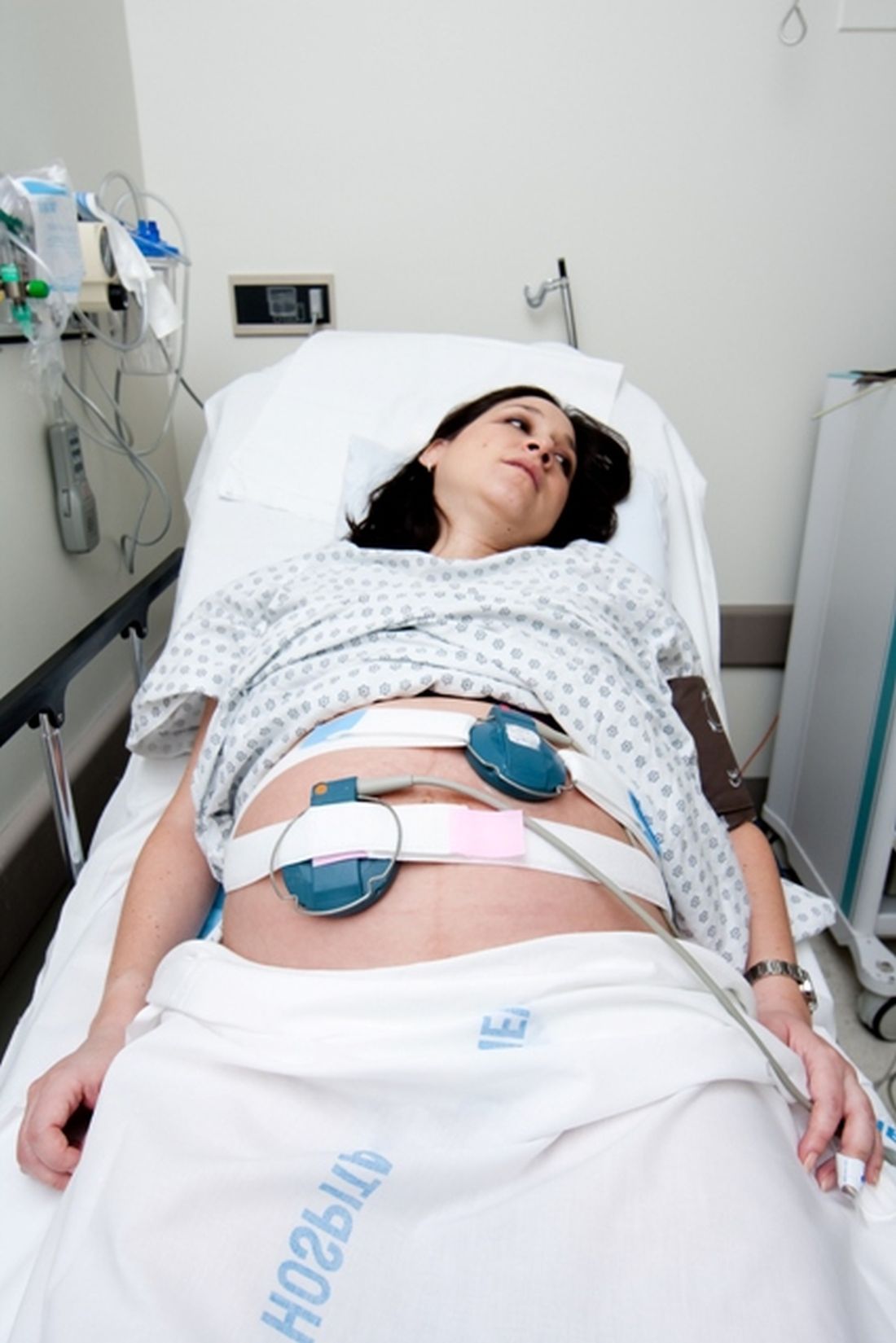
Researchers from the Mayo Clinic recently reported that using an AI to analyze women’s labor patterns was very successful in determining whether a vaginal or cesarean delivery was appropriate.
They examined over 700 factors and over 66,000 deliveries from the National Institute of Child Health and Human Development’s multicenter Consortium on Safe Labor database to produce a risk-prediction model that may “provide an alternative to conventional labor charts and promote individualization of clinical decisions using baseline and labor characteristics of each patient,” they said in a written statement from the clinic.
It is hoped that the AI will reduce the risk of possible complications and the costs associated with maternal mortality. The AI also could be a significant tool for doctors and midwives in rural areas to determine when a patient needs to be moved to a location with a higher level of care.
“We believe the algorithm will work in real time, meaning every input of new data during an expectant woman’s labor automatically recalculates the risk of adverse outcome,” said senior author Abimbola Famuyide, MD, of the Mayo Clinic.
If it all works out, many lives and dollars could be saved, thanks to science.
Democracy, meet COVID-19
Everywhere you look, it seems, someone is trying to keep someone else from doing something: Don’t carry a gun. Don’t get an abortion. Don’t drive so fast. Don’t inhale that whipped cream. Don’t get a vaccine. Don’t put that in your mouth.
One of the biggies these days is voting rights. Some people are trying to prevent other people from voting. But why? Well, turns out that turnout can be bad for your health … at least during a worldwide pandemic event.
The evidence for that claim comes from researchers who examined the Italian national constitutional referendum conducted in September 2020 along with elections for assembly representatives in 7 of the country’s 20 regions and for mayors in about 12% of municipalities. The combination mattered: Voter turnout was higher in the municipalities that voted for both the referendum and local elections (69%), compared with municipalities voting only for the referendum (47%), the investigators reported in the Journal of Economic Behavior & Organization.
Also occurring in September of 2020 was, as we mentioned, a worldwide pandemic event. You may have heard about it.
The investigators considered the differences in election turnout between the various municipalities and compared them with new weekly COVID-19 infections at the municipality level. “Our model shows that something as fundamental as casting a vote can come at a cost,” investigator Giuseppe Moscelli, PhD, of the University of Surrey (England) said in a written statement.
What was the cost? Each 1% increase in turnout, they found, amounted to an average 1.1% increase in COVID infections after the elections.
See? More people voting means more COVID, which is bad. Which brings us to today’s lesson in people preventing other people from doing something. Don’t let COVID win. Stay in your house and never come out. And get that smeckledorf out of your mouth. You don’t know where it’s been.
The kids aren’t alright (at identifying fake news online)
If there’s one thing today’s teenagers are good at, it’s the Internet. What with their TokTiks, Fortnights, and memes whose lifespans are measured in milliseconds, it’s only natural that a contingent of people who have never known a world where the Internet wasn’t omnipresent would be highly skilled at navigating the dense, labyrinthine virtual world and the many falsehoods contained within.
Ladies and gentlemen, we’ve been duped, bamboozled, and smeckledorfed. New research from Slovakia suggests the opposite, in fact: Teenagers are just as bad as the rest of us, if not worse, at distinguishing between fake and real online health messaging.
For the study, 300 teenagers aged 16-19 years old were shown a group of messages about the health-promoting effects of fruits and vegetables; these messages were either false, true and neutral, or true with some sort of editing (a clickbait title or grammar mistakes) to mask their trustworthiness. Just under half of the subjects identified and trusted the true neutral messages over fake messages, while 41% couldn’t tell the difference and 11% trusted the fake messages more. In addition, they couldn’t tell the difference between fake and true messages when the content seemed plausible.
In a bit of good news, teenagers were just as likely to trust the edited true messages as the true neutral ones, except in instances when the edited message had a clickbait title. They were much less likely to trust those.
Based on their subjects’ rather poor performance, the study authors suggested teenagers go through health literacy and media literacy training, as well as develop their analytical and scientific reasoning. The LOTME staff rather suspects the study authors have never met a teenager. The only thing teenagers are going to get out of health literacy training is fodder for memes to put up on Myspace. Myspace is still a thing, right? We’re not old, we swear.
Can a computer help deliver babies?
Delivering babies can be a complicated business. Most doctors and midwives rely on their years of experience and training to make certain decisions for mothers in labor, but an artificial intelligence (AI) algorithm could make the entire process easier and safer.
Researchers from the Mayo Clinic recently reported that using an AI to analyze women’s labor patterns was very successful in determining whether a vaginal or cesarean delivery was appropriate.
They examined over 700 factors and over 66,000 deliveries from the National Institute of Child Health and Human Development’s multicenter Consortium on Safe Labor database to produce a risk-prediction model that may “provide an alternative to conventional labor charts and promote individualization of clinical decisions using baseline and labor characteristics of each patient,” they said in a written statement from the clinic.
It is hoped that the AI will reduce the risk of possible complications and the costs associated with maternal mortality. The AI also could be a significant tool for doctors and midwives in rural areas to determine when a patient needs to be moved to a location with a higher level of care.
“We believe the algorithm will work in real time, meaning every input of new data during an expectant woman’s labor automatically recalculates the risk of adverse outcome,” said senior author Abimbola Famuyide, MD, of the Mayo Clinic.
If it all works out, many lives and dollars could be saved, thanks to science.
Democracy, meet COVID-19
Everywhere you look, it seems, someone is trying to keep someone else from doing something: Don’t carry a gun. Don’t get an abortion. Don’t drive so fast. Don’t inhale that whipped cream. Don’t get a vaccine. Don’t put that in your mouth.
One of the biggies these days is voting rights. Some people are trying to prevent other people from voting. But why? Well, turns out that turnout can be bad for your health … at least during a worldwide pandemic event.
The evidence for that claim comes from researchers who examined the Italian national constitutional referendum conducted in September 2020 along with elections for assembly representatives in 7 of the country’s 20 regions and for mayors in about 12% of municipalities. The combination mattered: Voter turnout was higher in the municipalities that voted for both the referendum and local elections (69%), compared with municipalities voting only for the referendum (47%), the investigators reported in the Journal of Economic Behavior & Organization.
Also occurring in September of 2020 was, as we mentioned, a worldwide pandemic event. You may have heard about it.
The investigators considered the differences in election turnout between the various municipalities and compared them with new weekly COVID-19 infections at the municipality level. “Our model shows that something as fundamental as casting a vote can come at a cost,” investigator Giuseppe Moscelli, PhD, of the University of Surrey (England) said in a written statement.
What was the cost? Each 1% increase in turnout, they found, amounted to an average 1.1% increase in COVID infections after the elections.
See? More people voting means more COVID, which is bad. Which brings us to today’s lesson in people preventing other people from doing something. Don’t let COVID win. Stay in your house and never come out. And get that smeckledorf out of your mouth. You don’t know where it’s been.
The kids aren’t alright (at identifying fake news online)
If there’s one thing today’s teenagers are good at, it’s the Internet. What with their TokTiks, Fortnights, and memes whose lifespans are measured in milliseconds, it’s only natural that a contingent of people who have never known a world where the Internet wasn’t omnipresent would be highly skilled at navigating the dense, labyrinthine virtual world and the many falsehoods contained within.
Ladies and gentlemen, we’ve been duped, bamboozled, and smeckledorfed. New research from Slovakia suggests the opposite, in fact: Teenagers are just as bad as the rest of us, if not worse, at distinguishing between fake and real online health messaging.
For the study, 300 teenagers aged 16-19 years old were shown a group of messages about the health-promoting effects of fruits and vegetables; these messages were either false, true and neutral, or true with some sort of editing (a clickbait title or grammar mistakes) to mask their trustworthiness. Just under half of the subjects identified and trusted the true neutral messages over fake messages, while 41% couldn’t tell the difference and 11% trusted the fake messages more. In addition, they couldn’t tell the difference between fake and true messages when the content seemed plausible.
In a bit of good news, teenagers were just as likely to trust the edited true messages as the true neutral ones, except in instances when the edited message had a clickbait title. They were much less likely to trust those.
Based on their subjects’ rather poor performance, the study authors suggested teenagers go through health literacy and media literacy training, as well as develop their analytical and scientific reasoning. The LOTME staff rather suspects the study authors have never met a teenager. The only thing teenagers are going to get out of health literacy training is fodder for memes to put up on Myspace. Myspace is still a thing, right? We’re not old, we swear.
Can a computer help deliver babies?
Delivering babies can be a complicated business. Most doctors and midwives rely on their years of experience and training to make certain decisions for mothers in labor, but an artificial intelligence (AI) algorithm could make the entire process easier and safer.
Researchers from the Mayo Clinic recently reported that using an AI to analyze women’s labor patterns was very successful in determining whether a vaginal or cesarean delivery was appropriate.
They examined over 700 factors and over 66,000 deliveries from the National Institute of Child Health and Human Development’s multicenter Consortium on Safe Labor database to produce a risk-prediction model that may “provide an alternative to conventional labor charts and promote individualization of clinical decisions using baseline and labor characteristics of each patient,” they said in a written statement from the clinic.
It is hoped that the AI will reduce the risk of possible complications and the costs associated with maternal mortality. The AI also could be a significant tool for doctors and midwives in rural areas to determine when a patient needs to be moved to a location with a higher level of care.
“We believe the algorithm will work in real time, meaning every input of new data during an expectant woman’s labor automatically recalculates the risk of adverse outcome,” said senior author Abimbola Famuyide, MD, of the Mayo Clinic.
If it all works out, many lives and dollars could be saved, thanks to science.
Democracy, meet COVID-19
Everywhere you look, it seems, someone is trying to keep someone else from doing something: Don’t carry a gun. Don’t get an abortion. Don’t drive so fast. Don’t inhale that whipped cream. Don’t get a vaccine. Don’t put that in your mouth.
One of the biggies these days is voting rights. Some people are trying to prevent other people from voting. But why? Well, turns out that turnout can be bad for your health … at least during a worldwide pandemic event.
The evidence for that claim comes from researchers who examined the Italian national constitutional referendum conducted in September 2020 along with elections for assembly representatives in 7 of the country’s 20 regions and for mayors in about 12% of municipalities. The combination mattered: Voter turnout was higher in the municipalities that voted for both the referendum and local elections (69%), compared with municipalities voting only for the referendum (47%), the investigators reported in the Journal of Economic Behavior & Organization.
Also occurring in September of 2020 was, as we mentioned, a worldwide pandemic event. You may have heard about it.
The investigators considered the differences in election turnout between the various municipalities and compared them with new weekly COVID-19 infections at the municipality level. “Our model shows that something as fundamental as casting a vote can come at a cost,” investigator Giuseppe Moscelli, PhD, of the University of Surrey (England) said in a written statement.
What was the cost? Each 1% increase in turnout, they found, amounted to an average 1.1% increase in COVID infections after the elections.
See? More people voting means more COVID, which is bad. Which brings us to today’s lesson in people preventing other people from doing something. Don’t let COVID win. Stay in your house and never come out. And get that smeckledorf out of your mouth. You don’t know where it’s been.