User login
Pancreatic surgery: Similar outcomes with primary anastomosis, allografts
Pancreatic tumor involvement with the superior mesenteric vein/portal vein (SMV/PV) is common and requires exploration and resection, which has now become an integral part of routine surgical treatment. The short-term outcome of SMV/PV reconstruction with interposed cold-stored cadaveric venous allografts was found to be comparable to that of reconstruction with primary end-to-end anastomosis, according to the results of a study performed by Dyre Kleive, MD, and his colleagues.
In order to assess the optimal method of reconstructing the portal vein during pancreatic surgery, Dr. Kleive and his colleagues performed a retrospective review of all patients undergoing pancreatic surgery with venous resection and reconstruction at a single center between January 2006 and December 2015.
A total of 857 patients underwent open pancreatic surgery during the study period, of whom 171 (20%) had vascular resection and reconstruction. The study population comprised 42 patients treated with cold-stored interposition cadaveric allografts for reconstruction and 71 patients who had primary end-to-end anastomosis instead. Patients with other forms of reconstruction were excluded, according to an online report in the Journal of Vascular Surgery: Venous and Lymphatic Disorders (2017. doi: 10.1016/j.jvsv.2017.09.003).
Early failure at the reconstruction site was defined as the presence of thrombosis or no flow or low flow within the first 30 days after surgery.
Patients in the allograft group had statistically significantly longer mean operative times, more intraoperative bleeding, more frequent use of neoadjuvant therapy, and a longer length of tumor-vein involvement than the anastomosis group.
However, there was no statistically significant difference in the number of patients with major complications (42.9% for allografts vs. 36.6% for anastomosis) or early failure at the reconstruction site (9.5% for allografts vs. 8.5% for anastomosis) between the two groups, Dr Kleive and his colleagues reported.
The proportion of patients with grade C stenosis at last available imaging scan was significantly higher in the allograft group (26/42 [61.9%] vs. 13 of 66 [19.7%] for the anastomosis group; P less than .01). A subgroup analysis of 10 patients in the allograft group showed the presence of donor-specific antibodies in all patients. This could indicate that graft rejection was a contributing factor to the statistically higher development of severe stenosis in allograft vs. anastomosis patients, the authors suggested.
“This study shows that the short-term outcome of SMV/PV reconstruction with interposed cold-stored cadaveric venous allografts is comparable to that of reconstruction with primary end-to-end anastomosis,” the researchers concluded.
Dr. Kleive and his colleagues reported that they had no conflicts of interest.
Pancreatic tumor involvement with the superior mesenteric vein/portal vein (SMV/PV) is common and requires exploration and resection, which has now become an integral part of routine surgical treatment. The short-term outcome of SMV/PV reconstruction with interposed cold-stored cadaveric venous allografts was found to be comparable to that of reconstruction with primary end-to-end anastomosis, according to the results of a study performed by Dyre Kleive, MD, and his colleagues.
In order to assess the optimal method of reconstructing the portal vein during pancreatic surgery, Dr. Kleive and his colleagues performed a retrospective review of all patients undergoing pancreatic surgery with venous resection and reconstruction at a single center between January 2006 and December 2015.
A total of 857 patients underwent open pancreatic surgery during the study period, of whom 171 (20%) had vascular resection and reconstruction. The study population comprised 42 patients treated with cold-stored interposition cadaveric allografts for reconstruction and 71 patients who had primary end-to-end anastomosis instead. Patients with other forms of reconstruction were excluded, according to an online report in the Journal of Vascular Surgery: Venous and Lymphatic Disorders (2017. doi: 10.1016/j.jvsv.2017.09.003).
Early failure at the reconstruction site was defined as the presence of thrombosis or no flow or low flow within the first 30 days after surgery.
Patients in the allograft group had statistically significantly longer mean operative times, more intraoperative bleeding, more frequent use of neoadjuvant therapy, and a longer length of tumor-vein involvement than the anastomosis group.
However, there was no statistically significant difference in the number of patients with major complications (42.9% for allografts vs. 36.6% for anastomosis) or early failure at the reconstruction site (9.5% for allografts vs. 8.5% for anastomosis) between the two groups, Dr Kleive and his colleagues reported.
The proportion of patients with grade C stenosis at last available imaging scan was significantly higher in the allograft group (26/42 [61.9%] vs. 13 of 66 [19.7%] for the anastomosis group; P less than .01). A subgroup analysis of 10 patients in the allograft group showed the presence of donor-specific antibodies in all patients. This could indicate that graft rejection was a contributing factor to the statistically higher development of severe stenosis in allograft vs. anastomosis patients, the authors suggested.
“This study shows that the short-term outcome of SMV/PV reconstruction with interposed cold-stored cadaveric venous allografts is comparable to that of reconstruction with primary end-to-end anastomosis,” the researchers concluded.
Dr. Kleive and his colleagues reported that they had no conflicts of interest.
Pancreatic tumor involvement with the superior mesenteric vein/portal vein (SMV/PV) is common and requires exploration and resection, which has now become an integral part of routine surgical treatment. The short-term outcome of SMV/PV reconstruction with interposed cold-stored cadaveric venous allografts was found to be comparable to that of reconstruction with primary end-to-end anastomosis, according to the results of a study performed by Dyre Kleive, MD, and his colleagues.
In order to assess the optimal method of reconstructing the portal vein during pancreatic surgery, Dr. Kleive and his colleagues performed a retrospective review of all patients undergoing pancreatic surgery with venous resection and reconstruction at a single center between January 2006 and December 2015.
A total of 857 patients underwent open pancreatic surgery during the study period, of whom 171 (20%) had vascular resection and reconstruction. The study population comprised 42 patients treated with cold-stored interposition cadaveric allografts for reconstruction and 71 patients who had primary end-to-end anastomosis instead. Patients with other forms of reconstruction were excluded, according to an online report in the Journal of Vascular Surgery: Venous and Lymphatic Disorders (2017. doi: 10.1016/j.jvsv.2017.09.003).
Early failure at the reconstruction site was defined as the presence of thrombosis or no flow or low flow within the first 30 days after surgery.
Patients in the allograft group had statistically significantly longer mean operative times, more intraoperative bleeding, more frequent use of neoadjuvant therapy, and a longer length of tumor-vein involvement than the anastomosis group.
However, there was no statistically significant difference in the number of patients with major complications (42.9% for allografts vs. 36.6% for anastomosis) or early failure at the reconstruction site (9.5% for allografts vs. 8.5% for anastomosis) between the two groups, Dr Kleive and his colleagues reported.
The proportion of patients with grade C stenosis at last available imaging scan was significantly higher in the allograft group (26/42 [61.9%] vs. 13 of 66 [19.7%] for the anastomosis group; P less than .01). A subgroup analysis of 10 patients in the allograft group showed the presence of donor-specific antibodies in all patients. This could indicate that graft rejection was a contributing factor to the statistically higher development of severe stenosis in allograft vs. anastomosis patients, the authors suggested.
“This study shows that the short-term outcome of SMV/PV reconstruction with interposed cold-stored cadaveric venous allografts is comparable to that of reconstruction with primary end-to-end anastomosis,” the researchers concluded.
Dr. Kleive and his colleagues reported that they had no conflicts of interest.
FROM THE JOURNAL OF VASCULAR SURGERY: VENOUS AND LYMPHATIC DISEASES
Key clinical point:
Major finding: There was no statistically significant difference in the number of patients with major complications or early failure at the reconstruction site between the allograft and the anastomosis groups.
Data source: A retrospective review of all 171 patients undergoing pancreatic surgery with venous resection and reconstruction at a single center between January 2006 and December 2015.
Disclosures: The authors reported that they had no conflicts of interest.
VIDEO: Laparoscopy is a safe approach throughout pregnancy, expert says
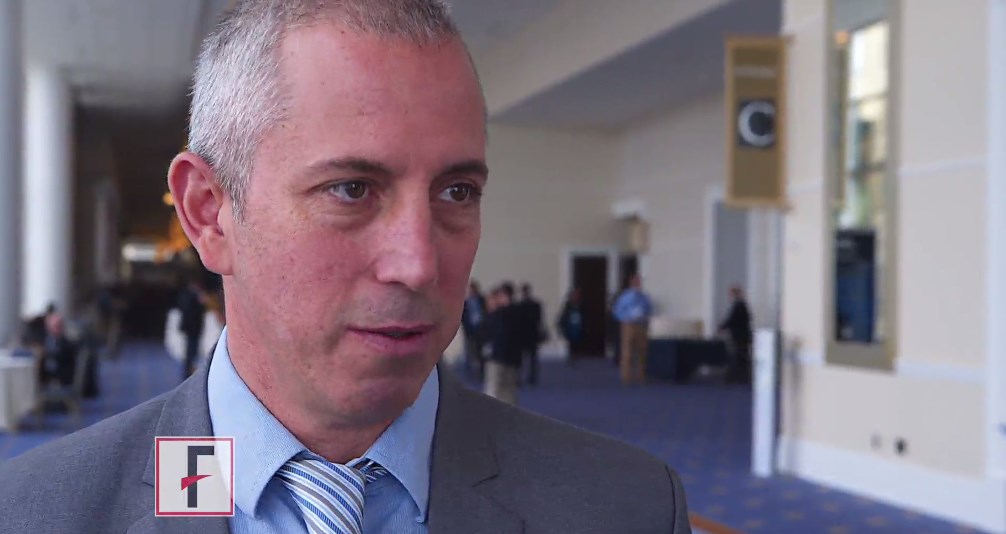
NATIONAL HARBOR, MD. – Laparoscopy offers advantages over laparotomy when performing nonobstetrical surgery on pregnant women, Yuval Kaufman, MD, said at the AAGL Global Congress.
“When we talk about advantages in referral to the pregnant patient, one of the most important things is early ambulation,” Dr. Kaufman, a gynecologic surgeon at Carmel Medical Center in Haifa, Israel, said in an interview. “These patients are in a hypercoagulable state; they are more likely to have DVT and PE. You need them up and running as soon as possible.”
Laparoscopy also tends to be better in terms of handling of the uterus, offering a field of view so that the uterus doesn’t need to be moved as much. In addition, laparoscopy is associated with a smaller, more easily healed scar, and usually requires fewer analgesics, which is better for the fetus, he said.
The Society of American Gastrointestinal and Endoscopic Surgeons recently issued guidelines for the use of laparoscopy during pregnancy, advising surgeons that these procedures can be safely performed during any trimester when the operation is indicated, he said.
“There was an older misconception that surgery has to be done in the second trimester only,” Dr. Kaufman said. “But they actually contradict that; they show that if you postpone surgery for this reason you might be doing much more damage to the mother and to the fetus.”
Dr. Kaufman reported having no relevant financial disclosures.
The video associated with this article is no longer available on this site. Please view all of our videos on the MDedge YouTube channel
[email protected]
On Twitter @eaztweets
NATIONAL HARBOR, MD. – Laparoscopy offers advantages over laparotomy when performing nonobstetrical surgery on pregnant women, Yuval Kaufman, MD, said at the AAGL Global Congress.
“When we talk about advantages in referral to the pregnant patient, one of the most important things is early ambulation,” Dr. Kaufman, a gynecologic surgeon at Carmel Medical Center in Haifa, Israel, said in an interview. “These patients are in a hypercoagulable state; they are more likely to have DVT and PE. You need them up and running as soon as possible.”
Laparoscopy also tends to be better in terms of handling of the uterus, offering a field of view so that the uterus doesn’t need to be moved as much. In addition, laparoscopy is associated with a smaller, more easily healed scar, and usually requires fewer analgesics, which is better for the fetus, he said.
The Society of American Gastrointestinal and Endoscopic Surgeons recently issued guidelines for the use of laparoscopy during pregnancy, advising surgeons that these procedures can be safely performed during any trimester when the operation is indicated, he said.
“There was an older misconception that surgery has to be done in the second trimester only,” Dr. Kaufman said. “But they actually contradict that; they show that if you postpone surgery for this reason you might be doing much more damage to the mother and to the fetus.”
Dr. Kaufman reported having no relevant financial disclosures.
The video associated with this article is no longer available on this site. Please view all of our videos on the MDedge YouTube channel
[email protected]
On Twitter @eaztweets
NATIONAL HARBOR, MD. – Laparoscopy offers advantages over laparotomy when performing nonobstetrical surgery on pregnant women, Yuval Kaufman, MD, said at the AAGL Global Congress.
“When we talk about advantages in referral to the pregnant patient, one of the most important things is early ambulation,” Dr. Kaufman, a gynecologic surgeon at Carmel Medical Center in Haifa, Israel, said in an interview. “These patients are in a hypercoagulable state; they are more likely to have DVT and PE. You need them up and running as soon as possible.”
Laparoscopy also tends to be better in terms of handling of the uterus, offering a field of view so that the uterus doesn’t need to be moved as much. In addition, laparoscopy is associated with a smaller, more easily healed scar, and usually requires fewer analgesics, which is better for the fetus, he said.
The Society of American Gastrointestinal and Endoscopic Surgeons recently issued guidelines for the use of laparoscopy during pregnancy, advising surgeons that these procedures can be safely performed during any trimester when the operation is indicated, he said.
“There was an older misconception that surgery has to be done in the second trimester only,” Dr. Kaufman said. “But they actually contradict that; they show that if you postpone surgery for this reason you might be doing much more damage to the mother and to the fetus.”
Dr. Kaufman reported having no relevant financial disclosures.
The video associated with this article is no longer available on this site. Please view all of our videos on the MDedge YouTube channel
[email protected]
On Twitter @eaztweets
AT AAGL 2017
Enhanced recovery protocol applied to liver surgery reduced costs
SCOTTSDALE, ARIZ. – A new study shows that an Enhanced Recovery in Liver Surgery (ERLS) program reduced costs at a high-volume liver surgery center. The savings were lower in patients receiving epidurals, which is prompting the center to explore alternative methods of pain control. The program reduced costs in minor hepatectomies, but not major hepatectomies.
“It has been clearly demonstrated that patients benefit from enhanced recovery programs – they’re getting home sooner, they’re on fewer opioids, and they do better. What’s less clear is if it’s cost effective. If you can demonstrate lower costs, then all the major stakeholders involved would potentially benefit,” Michael Egger, MD, assistant professor of surgery at the University of Louisville (Ky.), said in an interview.
The study was conducted at the University of Texas MD Anderson Cancer Center, Houston. Dr. Egger presented the research at the annual meeting of the Western Surgical Association.
The liver program is similar to other enhanced recovery protocols and includes use of nonnarcotic analgesia, early ambulation, and early initiation of oral diet. Aspects unique to liver surgery include avoidance of drains and tubes placed in the operating room and limitation of intravenous fluids during and following surgery.
The researchers analyzed data from 212 patients who underwent hepatectomy between February 2012 and September 2016: 72 patients who were in an ERLS program and 140 were enrolled in a traditional recovery (TR) program. The ERLS program included patient education, narcotic-sparing anesthesia and analgesia, rapid diet advancement, restrictive fluid use, early ambulation, and avoidance of drains and tubes.
A total of 32% of patients in the ERLS group underwent major hepatectomy, compared to 64% of patients in the TR group. Forty-three percent in the ERLS group had an epidural, compared with 75% in the TR group.
The ERLS group had a shorter median length of stay (5 days vs. 6 days; P = .001) and had a 9.1% reduction in costs (P = .001). The largest cost differences were attributable to lab costs (–15.0%), room and board (–13.9%), and professional costs (–19.3%; all P less than .05).
ERLS was not associated with a statistically significant cost saving in patients undergoing major hepatectomy. In minor hepatectomy, ERLS was associated with a 17.6% reduction in overall costs (P less than .05). There was no reduction in patients who had a hospital stay over 90 days
Among patients who received patient-controlled analgesia, those in the ERLS program had a 32.0% reduction in overall costs (P less than .001), largely driven by a 34.3% reduction in lab costs, a 33.3% reduction in room and board, a 51.6% reduction in professional costs, and a 22.5% reduction in pharmacy costs (all P less than .05).
There was also no difference in cost between the two programs in patients who underwent an epidural, which suggests an avenue for improvement. “We’re looking at other regional pain blocks, such as transverse abdominis plane (TAP) block using a long-acting analgesic, and that’s our trend going forward. We’re hoping we can reduce some of those increased costs associated with the epidural, but still reap the benefits of improved pain control and reduction of narcotics use,” said Dr. Egger.
The National Institutes of Health funded the study. Dr. Egger reported having no financial disclosures.
SCOTTSDALE, ARIZ. – A new study shows that an Enhanced Recovery in Liver Surgery (ERLS) program reduced costs at a high-volume liver surgery center. The savings were lower in patients receiving epidurals, which is prompting the center to explore alternative methods of pain control. The program reduced costs in minor hepatectomies, but not major hepatectomies.
“It has been clearly demonstrated that patients benefit from enhanced recovery programs – they’re getting home sooner, they’re on fewer opioids, and they do better. What’s less clear is if it’s cost effective. If you can demonstrate lower costs, then all the major stakeholders involved would potentially benefit,” Michael Egger, MD, assistant professor of surgery at the University of Louisville (Ky.), said in an interview.
The study was conducted at the University of Texas MD Anderson Cancer Center, Houston. Dr. Egger presented the research at the annual meeting of the Western Surgical Association.
The liver program is similar to other enhanced recovery protocols and includes use of nonnarcotic analgesia, early ambulation, and early initiation of oral diet. Aspects unique to liver surgery include avoidance of drains and tubes placed in the operating room and limitation of intravenous fluids during and following surgery.
The researchers analyzed data from 212 patients who underwent hepatectomy between February 2012 and September 2016: 72 patients who were in an ERLS program and 140 were enrolled in a traditional recovery (TR) program. The ERLS program included patient education, narcotic-sparing anesthesia and analgesia, rapid diet advancement, restrictive fluid use, early ambulation, and avoidance of drains and tubes.
A total of 32% of patients in the ERLS group underwent major hepatectomy, compared to 64% of patients in the TR group. Forty-three percent in the ERLS group had an epidural, compared with 75% in the TR group.
The ERLS group had a shorter median length of stay (5 days vs. 6 days; P = .001) and had a 9.1% reduction in costs (P = .001). The largest cost differences were attributable to lab costs (–15.0%), room and board (–13.9%), and professional costs (–19.3%; all P less than .05).
ERLS was not associated with a statistically significant cost saving in patients undergoing major hepatectomy. In minor hepatectomy, ERLS was associated with a 17.6% reduction in overall costs (P less than .05). There was no reduction in patients who had a hospital stay over 90 days
Among patients who received patient-controlled analgesia, those in the ERLS program had a 32.0% reduction in overall costs (P less than .001), largely driven by a 34.3% reduction in lab costs, a 33.3% reduction in room and board, a 51.6% reduction in professional costs, and a 22.5% reduction in pharmacy costs (all P less than .05).
There was also no difference in cost between the two programs in patients who underwent an epidural, which suggests an avenue for improvement. “We’re looking at other regional pain blocks, such as transverse abdominis plane (TAP) block using a long-acting analgesic, and that’s our trend going forward. We’re hoping we can reduce some of those increased costs associated with the epidural, but still reap the benefits of improved pain control and reduction of narcotics use,” said Dr. Egger.
The National Institutes of Health funded the study. Dr. Egger reported having no financial disclosures.
SCOTTSDALE, ARIZ. – A new study shows that an Enhanced Recovery in Liver Surgery (ERLS) program reduced costs at a high-volume liver surgery center. The savings were lower in patients receiving epidurals, which is prompting the center to explore alternative methods of pain control. The program reduced costs in minor hepatectomies, but not major hepatectomies.
“It has been clearly demonstrated that patients benefit from enhanced recovery programs – they’re getting home sooner, they’re on fewer opioids, and they do better. What’s less clear is if it’s cost effective. If you can demonstrate lower costs, then all the major stakeholders involved would potentially benefit,” Michael Egger, MD, assistant professor of surgery at the University of Louisville (Ky.), said in an interview.
The study was conducted at the University of Texas MD Anderson Cancer Center, Houston. Dr. Egger presented the research at the annual meeting of the Western Surgical Association.
The liver program is similar to other enhanced recovery protocols and includes use of nonnarcotic analgesia, early ambulation, and early initiation of oral diet. Aspects unique to liver surgery include avoidance of drains and tubes placed in the operating room and limitation of intravenous fluids during and following surgery.
The researchers analyzed data from 212 patients who underwent hepatectomy between February 2012 and September 2016: 72 patients who were in an ERLS program and 140 were enrolled in a traditional recovery (TR) program. The ERLS program included patient education, narcotic-sparing anesthesia and analgesia, rapid diet advancement, restrictive fluid use, early ambulation, and avoidance of drains and tubes.
A total of 32% of patients in the ERLS group underwent major hepatectomy, compared to 64% of patients in the TR group. Forty-three percent in the ERLS group had an epidural, compared with 75% in the TR group.
The ERLS group had a shorter median length of stay (5 days vs. 6 days; P = .001) and had a 9.1% reduction in costs (P = .001). The largest cost differences were attributable to lab costs (–15.0%), room and board (–13.9%), and professional costs (–19.3%; all P less than .05).
ERLS was not associated with a statistically significant cost saving in patients undergoing major hepatectomy. In minor hepatectomy, ERLS was associated with a 17.6% reduction in overall costs (P less than .05). There was no reduction in patients who had a hospital stay over 90 days
Among patients who received patient-controlled analgesia, those in the ERLS program had a 32.0% reduction in overall costs (P less than .001), largely driven by a 34.3% reduction in lab costs, a 33.3% reduction in room and board, a 51.6% reduction in professional costs, and a 22.5% reduction in pharmacy costs (all P less than .05).
There was also no difference in cost between the two programs in patients who underwent an epidural, which suggests an avenue for improvement. “We’re looking at other regional pain blocks, such as transverse abdominis plane (TAP) block using a long-acting analgesic, and that’s our trend going forward. We’re hoping we can reduce some of those increased costs associated with the epidural, but still reap the benefits of improved pain control and reduction of narcotics use,” said Dr. Egger.
The National Institutes of Health funded the study. Dr. Egger reported having no financial disclosures.
AT WSA 2017
Key clinical point: An enhanced recovery program reduced hospital costs for livery surgery.
Major finding: The program was associated with a 9% reduction in costs, but only in minor hepatectomy procedures.
Data source: Retrospective analysis of 212 patients.
Disclosures: The National Institutes of Health funded the study. Dr. Egger reported having no financial disclosures.
High-volume centers have lower costs for some pancreatic surgeries
SCOTTSDALE, ARIZ. – Surgeons who perform five or more pancreaticoduodenectomy (PD) or Whipple operations per year had significant cost reductions, compared with lower-volume surgeons, but there was no such relationship among surgeons performing distal pancreatectomy procedures.
The finding suggests that “high volume” may need to be defined differently for the two procedures to maximize cost effectiveness.
In the age of increased pressure to reduce health care costs, and with the merit-based incentive payment system (MIPS) set to be introduced, referring pancreatic procedures to high-volume centers has the potential to increase efficiency and reduce costs, but researchers are still working to determine how high a volume is required to realize such savings. High volume has been defined by as few as two operations per year and as many as 200, according to Brooke Vuong, MD, who presented the study at at the annual meeting of the Western Surgical Association.
There have been few studies of the impact of surgeon volume on costs and outcomes, and many of those rely on databases and emphasize academic medical centers.
“There was a significant cost reduction for a low-volume threshold of five, so it raises the idea that minimum volume requirements have value,” said Dr. Vuong, who is a surgical oncology fellow at the John Wayne Cancer Institute at Providence Saint John’s Health Center, Santa Monica, Calif.
The study, which is the first to look at detailed costs and value drivers for individual surgeons performing pancreatic surgery, suggests more work needs to be done to determine a high-volume cutoff for distal pancreatectomy (DP). The study, however, also revealed another cost-saving mechanism: After participating surgeons began sharing financial data with each other, overall costs dropped by about 7%.
“The sharing of detailed financial data with [other surgeons] on a regular basis provides the opportunity to evaluate practice patterns and thereby reduce cost, and this is especially important as health care systems and individual physicians are held accountable for value-based care,” Dr. Vuong said.
That point struck a chord with one audience member. “There’s nothing like seeing your data among your peers to drive down your length-of-stay costs and make you pay real attention to complications,” one surgeon said during the Q & A period.
The researchers examined data from procedures performed at 14 hospitals in five different states. The analysis included 54 surgeons and all patients who underwent DP (n = 270) or PD (n = 526) between January 2014 and July 2017. Average length of stay (LOS), 30-day mortality, and readmission rates were collected and compared by surgeon volume. Beginning in 2016, the team conducted bimonthly video conferences to share data in a hepatobiliary clinical performance group.
High-volume surgeons had PD costs of $21,026, compared with $24,706 among low-volume surgeons (difference, $3,680; P = .005). Specific areas of savings included operating room and anesthesia (P = .005); room and board (P = .03), and ICU (P = .042). Average LOS was 9 days among high-volume surgeons, compared with 11 days among low-volume surgeons (P less than .001).
In contrast, the researchers found no significant difference in overall cost between high-volume ($14,016) and low-volume ($15,856) surgeons performing DP, though there was a lower average LOS among high-volume surgeons (6 days vs. 7 days; P = .001). High-volume surgeons also had a lower associated frequency of blood transfusions (10.2% vs. 22.6%; P = .007).
In PD surgeries, low-volume surgeons were more likely to produce a cost in the top quartile than were high-volume surgeons (odds ratio, 6.89; P less than .001). The same was true with DP surgeries (odds ratio, 5.78; P less than .001).
The researchers compared surgical costs from before and after the hepatobiliary clinical performance group was established and found a median decrease of $1,397, from $19,411 in 2014-2015 to $18,014 for 2016 (P = .013).
Readmission rates and 30-day mortality were not significantly different between high-volume and low-volume surgeons in either procedure.
The study received no outside support. Dr. Vuong reported having no financial disclosures..
SCOTTSDALE, ARIZ. – Surgeons who perform five or more pancreaticoduodenectomy (PD) or Whipple operations per year had significant cost reductions, compared with lower-volume surgeons, but there was no such relationship among surgeons performing distal pancreatectomy procedures.
The finding suggests that “high volume” may need to be defined differently for the two procedures to maximize cost effectiveness.
In the age of increased pressure to reduce health care costs, and with the merit-based incentive payment system (MIPS) set to be introduced, referring pancreatic procedures to high-volume centers has the potential to increase efficiency and reduce costs, but researchers are still working to determine how high a volume is required to realize such savings. High volume has been defined by as few as two operations per year and as many as 200, according to Brooke Vuong, MD, who presented the study at at the annual meeting of the Western Surgical Association.
There have been few studies of the impact of surgeon volume on costs and outcomes, and many of those rely on databases and emphasize academic medical centers.
“There was a significant cost reduction for a low-volume threshold of five, so it raises the idea that minimum volume requirements have value,” said Dr. Vuong, who is a surgical oncology fellow at the John Wayne Cancer Institute at Providence Saint John’s Health Center, Santa Monica, Calif.
The study, which is the first to look at detailed costs and value drivers for individual surgeons performing pancreatic surgery, suggests more work needs to be done to determine a high-volume cutoff for distal pancreatectomy (DP). The study, however, also revealed another cost-saving mechanism: After participating surgeons began sharing financial data with each other, overall costs dropped by about 7%.
“The sharing of detailed financial data with [other surgeons] on a regular basis provides the opportunity to evaluate practice patterns and thereby reduce cost, and this is especially important as health care systems and individual physicians are held accountable for value-based care,” Dr. Vuong said.
That point struck a chord with one audience member. “There’s nothing like seeing your data among your peers to drive down your length-of-stay costs and make you pay real attention to complications,” one surgeon said during the Q & A period.
The researchers examined data from procedures performed at 14 hospitals in five different states. The analysis included 54 surgeons and all patients who underwent DP (n = 270) or PD (n = 526) between January 2014 and July 2017. Average length of stay (LOS), 30-day mortality, and readmission rates were collected and compared by surgeon volume. Beginning in 2016, the team conducted bimonthly video conferences to share data in a hepatobiliary clinical performance group.
High-volume surgeons had PD costs of $21,026, compared with $24,706 among low-volume surgeons (difference, $3,680; P = .005). Specific areas of savings included operating room and anesthesia (P = .005); room and board (P = .03), and ICU (P = .042). Average LOS was 9 days among high-volume surgeons, compared with 11 days among low-volume surgeons (P less than .001).
In contrast, the researchers found no significant difference in overall cost between high-volume ($14,016) and low-volume ($15,856) surgeons performing DP, though there was a lower average LOS among high-volume surgeons (6 days vs. 7 days; P = .001). High-volume surgeons also had a lower associated frequency of blood transfusions (10.2% vs. 22.6%; P = .007).
In PD surgeries, low-volume surgeons were more likely to produce a cost in the top quartile than were high-volume surgeons (odds ratio, 6.89; P less than .001). The same was true with DP surgeries (odds ratio, 5.78; P less than .001).
The researchers compared surgical costs from before and after the hepatobiliary clinical performance group was established and found a median decrease of $1,397, from $19,411 in 2014-2015 to $18,014 for 2016 (P = .013).
Readmission rates and 30-day mortality were not significantly different between high-volume and low-volume surgeons in either procedure.
The study received no outside support. Dr. Vuong reported having no financial disclosures..
SCOTTSDALE, ARIZ. – Surgeons who perform five or more pancreaticoduodenectomy (PD) or Whipple operations per year had significant cost reductions, compared with lower-volume surgeons, but there was no such relationship among surgeons performing distal pancreatectomy procedures.
The finding suggests that “high volume” may need to be defined differently for the two procedures to maximize cost effectiveness.
In the age of increased pressure to reduce health care costs, and with the merit-based incentive payment system (MIPS) set to be introduced, referring pancreatic procedures to high-volume centers has the potential to increase efficiency and reduce costs, but researchers are still working to determine how high a volume is required to realize such savings. High volume has been defined by as few as two operations per year and as many as 200, according to Brooke Vuong, MD, who presented the study at at the annual meeting of the Western Surgical Association.
There have been few studies of the impact of surgeon volume on costs and outcomes, and many of those rely on databases and emphasize academic medical centers.
“There was a significant cost reduction for a low-volume threshold of five, so it raises the idea that minimum volume requirements have value,” said Dr. Vuong, who is a surgical oncology fellow at the John Wayne Cancer Institute at Providence Saint John’s Health Center, Santa Monica, Calif.
The study, which is the first to look at detailed costs and value drivers for individual surgeons performing pancreatic surgery, suggests more work needs to be done to determine a high-volume cutoff for distal pancreatectomy (DP). The study, however, also revealed another cost-saving mechanism: After participating surgeons began sharing financial data with each other, overall costs dropped by about 7%.
“The sharing of detailed financial data with [other surgeons] on a regular basis provides the opportunity to evaluate practice patterns and thereby reduce cost, and this is especially important as health care systems and individual physicians are held accountable for value-based care,” Dr. Vuong said.
That point struck a chord with one audience member. “There’s nothing like seeing your data among your peers to drive down your length-of-stay costs and make you pay real attention to complications,” one surgeon said during the Q & A period.
The researchers examined data from procedures performed at 14 hospitals in five different states. The analysis included 54 surgeons and all patients who underwent DP (n = 270) or PD (n = 526) between January 2014 and July 2017. Average length of stay (LOS), 30-day mortality, and readmission rates were collected and compared by surgeon volume. Beginning in 2016, the team conducted bimonthly video conferences to share data in a hepatobiliary clinical performance group.
High-volume surgeons had PD costs of $21,026, compared with $24,706 among low-volume surgeons (difference, $3,680; P = .005). Specific areas of savings included operating room and anesthesia (P = .005); room and board (P = .03), and ICU (P = .042). Average LOS was 9 days among high-volume surgeons, compared with 11 days among low-volume surgeons (P less than .001).
In contrast, the researchers found no significant difference in overall cost between high-volume ($14,016) and low-volume ($15,856) surgeons performing DP, though there was a lower average LOS among high-volume surgeons (6 days vs. 7 days; P = .001). High-volume surgeons also had a lower associated frequency of blood transfusions (10.2% vs. 22.6%; P = .007).
In PD surgeries, low-volume surgeons were more likely to produce a cost in the top quartile than were high-volume surgeons (odds ratio, 6.89; P less than .001). The same was true with DP surgeries (odds ratio, 5.78; P less than .001).
The researchers compared surgical costs from before and after the hepatobiliary clinical performance group was established and found a median decrease of $1,397, from $19,411 in 2014-2015 to $18,014 for 2016 (P = .013).
Readmission rates and 30-day mortality were not significantly different between high-volume and low-volume surgeons in either procedure.
The study received no outside support. Dr. Vuong reported having no financial disclosures..
AT WSA 2017
Key clinical point: Surgeons performing five or more pancreaticoduodenectomies annually had lower overall costs.
Major finding: Costs dropped by $3,680, but there was no significant cost difference in distal pancreatectomies.
Data source: Retrospective analysis of 796 surgeries at 14 hospitals.
Disclosures: The study received no outside support. Dr. Vuong reported having no financial disclosures.
Keep PCI patients on aspirin for noncardiac surgery
ANAHEIM, CALIF. – For every 1,000 patients with a history of percutaneous coronary intervention undergoing noncardiac surgery, perioperative aspirin would prevent 59 myocardial infarctions but cause 8 major/life-threatening bleeds, according to a substudy of the POISE-2 trial presented at the American Heart Association scientific sessions.
For patients with previous PCI undergoing noncardiac surgery, “I think aspirin will be more likely to benefit them than harm them,” so long as they are not having an operation where bleeding would be devastating.” These include “delicate neurosurgery in which, if you bleed into your spine, you end up paralyzed,” said lead investigator Michelle Graham, MD, an interventional cardiologist and professor of cardiology at the University of Alberta, Edmonton.

The original multisite POISE-2 trial (Perioperative Ischemic Evaluation 2) evaluated the effect of perioperative aspirin for noncardiac surgery. Patients were randomized to receive 200 mg aspirin or placebo within 4 hours of surgery and then 100 mg aspirin or placebo in the early postoperative period. There was no significant effect on the composite rate of death or myocardial infarction, but an increased risk of serious bleeding (N Engl J Med. 2014 Apr 17;370[16]:1494-503).
The new substudy focused on the 470 patients with previous PCIs, because such patients are known to have a higher risk for postop complications. More than half received bare-metal stents and a quarter got drug-eluting stents; in most of the rest, the stent type was not known. The median duration from PCI to noncardiac surgery was 64 months, ranging from 34 to 113 months. Patients with bare-metal stents placed within 6 weeks or drug-eluting stents within a year, were excluded.
Overall, 234 patients were randomized to the aspirin group, and 236 to placebo. Among those who came in on chronic, daily aspirin therapy – as almost all of the PCI subjects did – those who were randomized to perioperative aspirin stayed on daily 100 mg aspirin for a week postop, and then flipped back to whatever dose they were on at home. Likewise, placebo patients resumed their home aspirin after 1 week.
The results were very different from the main trial. At 30 days’ follow-up, just 6% of patients in the aspirin arm reached the primary endpoint of death or MI, versus 11.5% in the placebo group, a statistically significant 50% reduction.
This difference was driven almost entirely by a reduction in MIs. Whereas 5.1% of patients in the aspirin arm had MIs, 11% of the placebo group did, a significant 64% reduction. Meanwhile, the risk of major or life-threatening bleeding was not only similar between groups, but also to the overall trial, noted in 5.6% of aspirin and 4.2% of placebo subjects.
Over 75% of the participants were men, almost 60% were undergoing a major surgery, 30% had diabetes, and many had hypertension. Very few were on direct oral anticoagulants. The two arms were well matched, with a median age of about 68 years.
Simultaneously with Dr. Graham’s presentation, the results were published online (Ann Intern Med. 2017 Nov 14; doi: 10.7326/M17-2341)
The work was funded mostly by the Canadian Institutes of Health Research. Bayer supplied the aspirin. Dr. Graham has no industry disclosures.
ANAHEIM, CALIF. – For every 1,000 patients with a history of percutaneous coronary intervention undergoing noncardiac surgery, perioperative aspirin would prevent 59 myocardial infarctions but cause 8 major/life-threatening bleeds, according to a substudy of the POISE-2 trial presented at the American Heart Association scientific sessions.
For patients with previous PCI undergoing noncardiac surgery, “I think aspirin will be more likely to benefit them than harm them,” so long as they are not having an operation where bleeding would be devastating.” These include “delicate neurosurgery in which, if you bleed into your spine, you end up paralyzed,” said lead investigator Michelle Graham, MD, an interventional cardiologist and professor of cardiology at the University of Alberta, Edmonton.
The original multisite POISE-2 trial (Perioperative Ischemic Evaluation 2) evaluated the effect of perioperative aspirin for noncardiac surgery. Patients were randomized to receive 200 mg aspirin or placebo within 4 hours of surgery and then 100 mg aspirin or placebo in the early postoperative period. There was no significant effect on the composite rate of death or myocardial infarction, but an increased risk of serious bleeding (N Engl J Med. 2014 Apr 17;370[16]:1494-503).
The new substudy focused on the 470 patients with previous PCIs, because such patients are known to have a higher risk for postop complications. More than half received bare-metal stents and a quarter got drug-eluting stents; in most of the rest, the stent type was not known. The median duration from PCI to noncardiac surgery was 64 months, ranging from 34 to 113 months. Patients with bare-metal stents placed within 6 weeks or drug-eluting stents within a year, were excluded.
Overall, 234 patients were randomized to the aspirin group, and 236 to placebo. Among those who came in on chronic, daily aspirin therapy – as almost all of the PCI subjects did – those who were randomized to perioperative aspirin stayed on daily 100 mg aspirin for a week postop, and then flipped back to whatever dose they were on at home. Likewise, placebo patients resumed their home aspirin after 1 week.
The results were very different from the main trial. At 30 days’ follow-up, just 6% of patients in the aspirin arm reached the primary endpoint of death or MI, versus 11.5% in the placebo group, a statistically significant 50% reduction.
This difference was driven almost entirely by a reduction in MIs. Whereas 5.1% of patients in the aspirin arm had MIs, 11% of the placebo group did, a significant 64% reduction. Meanwhile, the risk of major or life-threatening bleeding was not only similar between groups, but also to the overall trial, noted in 5.6% of aspirin and 4.2% of placebo subjects.
Over 75% of the participants were men, almost 60% were undergoing a major surgery, 30% had diabetes, and many had hypertension. Very few were on direct oral anticoagulants. The two arms were well matched, with a median age of about 68 years.
Simultaneously with Dr. Graham’s presentation, the results were published online (Ann Intern Med. 2017 Nov 14; doi: 10.7326/M17-2341)
The work was funded mostly by the Canadian Institutes of Health Research. Bayer supplied the aspirin. Dr. Graham has no industry disclosures.
ANAHEIM, CALIF. – For every 1,000 patients with a history of percutaneous coronary intervention undergoing noncardiac surgery, perioperative aspirin would prevent 59 myocardial infarctions but cause 8 major/life-threatening bleeds, according to a substudy of the POISE-2 trial presented at the American Heart Association scientific sessions.
For patients with previous PCI undergoing noncardiac surgery, “I think aspirin will be more likely to benefit them than harm them,” so long as they are not having an operation where bleeding would be devastating.” These include “delicate neurosurgery in which, if you bleed into your spine, you end up paralyzed,” said lead investigator Michelle Graham, MD, an interventional cardiologist and professor of cardiology at the University of Alberta, Edmonton.
The original multisite POISE-2 trial (Perioperative Ischemic Evaluation 2) evaluated the effect of perioperative aspirin for noncardiac surgery. Patients were randomized to receive 200 mg aspirin or placebo within 4 hours of surgery and then 100 mg aspirin or placebo in the early postoperative period. There was no significant effect on the composite rate of death or myocardial infarction, but an increased risk of serious bleeding (N Engl J Med. 2014 Apr 17;370[16]:1494-503).
The new substudy focused on the 470 patients with previous PCIs, because such patients are known to have a higher risk for postop complications. More than half received bare-metal stents and a quarter got drug-eluting stents; in most of the rest, the stent type was not known. The median duration from PCI to noncardiac surgery was 64 months, ranging from 34 to 113 months. Patients with bare-metal stents placed within 6 weeks or drug-eluting stents within a year, were excluded.
Overall, 234 patients were randomized to the aspirin group, and 236 to placebo. Among those who came in on chronic, daily aspirin therapy – as almost all of the PCI subjects did – those who were randomized to perioperative aspirin stayed on daily 100 mg aspirin for a week postop, and then flipped back to whatever dose they were on at home. Likewise, placebo patients resumed their home aspirin after 1 week.
The results were very different from the main trial. At 30 days’ follow-up, just 6% of patients in the aspirin arm reached the primary endpoint of death or MI, versus 11.5% in the placebo group, a statistically significant 50% reduction.
This difference was driven almost entirely by a reduction in MIs. Whereas 5.1% of patients in the aspirin arm had MIs, 11% of the placebo group did, a significant 64% reduction. Meanwhile, the risk of major or life-threatening bleeding was not only similar between groups, but also to the overall trial, noted in 5.6% of aspirin and 4.2% of placebo subjects.
Over 75% of the participants were men, almost 60% were undergoing a major surgery, 30% had diabetes, and many had hypertension. Very few were on direct oral anticoagulants. The two arms were well matched, with a median age of about 68 years.
Simultaneously with Dr. Graham’s presentation, the results were published online (Ann Intern Med. 2017 Nov 14; doi: 10.7326/M17-2341)
The work was funded mostly by the Canadian Institutes of Health Research. Bayer supplied the aspirin. Dr. Graham has no industry disclosures.
AT THE AHA SCIENTIFIC SESSIONS
Key clinical point:
Major finding: For every 1,000 patients with a history of percutaneous coronary intervention undergoing noncardiac surgery, perioperative aspirin would prevent 59 myocardial infarctions but cause 8 major/life-threatening bleeds.
Data source: POISE-2, a randomized trial of 470 PCI patients.
Disclosures: The work was funded mostly by the Canadian Institutes of Health Research. Bayer supplied the aspirin. The lead investigator has no industry disclosures.
VIDEO: MISS 2017– Hot topics, innovations, debates
Philip R. Schauer, MD, FACS, discusses innovations, hot topics, and controversies covered in the sessions of this year’s Minimally Invasive Surgery Symposium, held in Las Vegas. In addition to highlighting what’s new this year, Dr. Schauer also spoke about plans for next year’s meeting and what makes the MISS unique and valuable to attendees.

Philip R. Schauer, MD, FACS, discusses innovations, hot topics, and controversies covered in the sessions of this year’s Minimally Invasive Surgery Symposium, held in Las Vegas. In addition to highlighting what’s new this year, Dr. Schauer also spoke about plans for next year’s meeting and what makes the MISS unique and valuable to attendees.
Philip R. Schauer, MD, FACS, discusses innovations, hot topics, and controversies covered in the sessions of this year’s Minimally Invasive Surgery Symposium, held in Las Vegas. In addition to highlighting what’s new this year, Dr. Schauer also spoke about plans for next year’s meeting and what makes the MISS unique and valuable to attendees.
VIDEO: ERAS for minimally invasive surgery
Stacy A. Brethauer, MD, FACS, discusses the role of Enhanced Recovery After Surgery (ERAS) in minimally invasive surgical procedures. The goal of the ERAS approach is to minimize surgical stress on the patient, reduce length of stay, and reduce the use of opioids in the recovery phase. Dr. Brethauer discusses a pilot program, the Energy project, which will be conducted in more than 30 institutions for a year to look at an ERAS protocol designed to work with minimally invasive surgical procedures.
The video associated with this article is no longer available on this site. Please view all of our videos on the MDedge YouTube channel
Stacy A. Brethauer, MD, FACS, discusses the role of Enhanced Recovery After Surgery (ERAS) in minimally invasive surgical procedures. The goal of the ERAS approach is to minimize surgical stress on the patient, reduce length of stay, and reduce the use of opioids in the recovery phase. Dr. Brethauer discusses a pilot program, the Energy project, which will be conducted in more than 30 institutions for a year to look at an ERAS protocol designed to work with minimally invasive surgical procedures.
The video associated with this article is no longer available on this site. Please view all of our videos on the MDedge YouTube channel
Stacy A. Brethauer, MD, FACS, discusses the role of Enhanced Recovery After Surgery (ERAS) in minimally invasive surgical procedures. The goal of the ERAS approach is to minimize surgical stress on the patient, reduce length of stay, and reduce the use of opioids in the recovery phase. Dr. Brethauer discusses a pilot program, the Energy project, which will be conducted in more than 30 institutions for a year to look at an ERAS protocol designed to work with minimally invasive surgical procedures.
The video associated with this article is no longer available on this site. Please view all of our videos on the MDedge YouTube channel
Acute cholecystitis guidelines need work
SCOTTSDALE, ARIZ. – In patients with right upper quadrant pain, the Tokyo Guidelines (TG13) failed to detect acute cholecystitis with adequate sensitivity, according to a single institution retrospective review.
Researchers at the University of Arizona, Tucson, also found that the Tokyo Guidelines’ advice to manage grade II and grade III cholecystitis patients conservatively may be unwarranted, because there were no differences in safety outcomes between grade I and grade II patients who underwent early cholecystectomy.
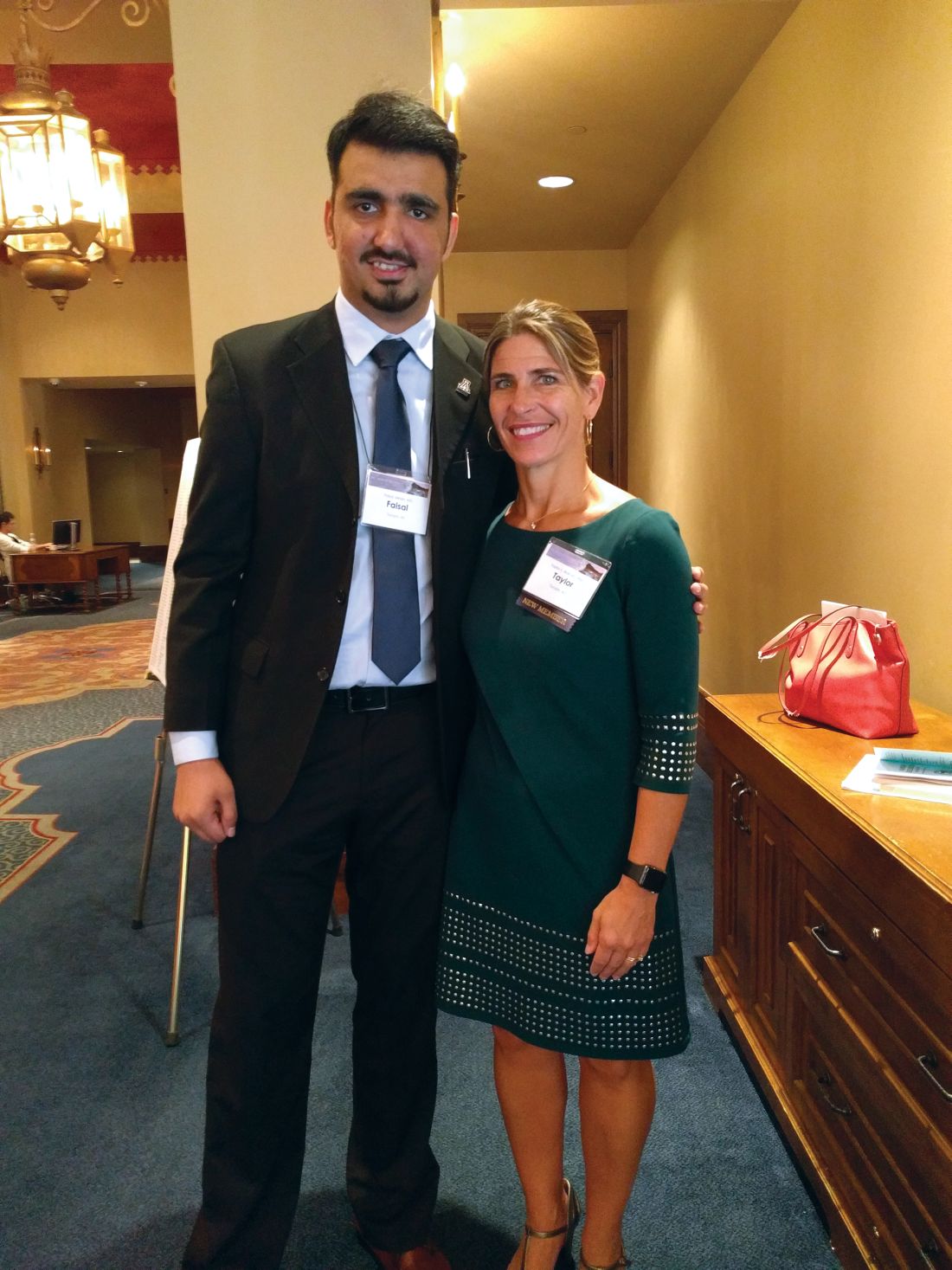
The Tokyo Guidelines were based on expert opinion rather than evidence, and may be limited by differences in practices in Japan and other countries. “There was no formal evaluation of the sensitivity and specificity in any other country,” Faisal Jehan, MD, a research fellow at the University of Arizona, said in an interview. Dr. Jehan presented the study at the annual meeting of the Western Surgical Association.
The study suggests there is additional work to be done before the guidelines are more generally applicable. They are being updated and the new version is slated to appear in 2018.
Cholecystectomy is one of the most common procedures in the United States, and hence represents a major source of health care expenditure. Useful guidelines will therefore be welcome to help standardize treatment, according to Dr. Riall. “I think while we’ve moved as a population toward earlier cholecystectomy, it isn’t uniformly practiced in the United States. So I think there is value in having guidelines that are relevant to our population and relevant to our practice,” she said.
But compared with the pathology report, the TG13 guidelines fared poorly in prediction of acute cholecystitis, with a sensitivity of just 53% (definitive 27%, suspected 26%, undiagnosed 53%). The underperformance of the guidelines may be due in part to recent changes in health-seeking behavior, as patients are likely to get to the hospital more quickly than in the past, and thus exhibit fewer clinical signs when first examined. “That could be decreasing the sensitivity,” said Dr. Jehan.
Suspicious that the guidelines were inadequate, the researchers analyzed their institution’s Emergency General Surgery registry, examining records from 952 patients who presented with right upper quadrant pain between 2013 and 2015. They compared diagnoses and severity assessed using the TG13 guidelines to the ensuing pathology reports, which were obtained from patient charts.
A total of 857 patients of the 952 had biliary disease. Of these, 779 patients went on to cholecystectomy, 15 had cholecystostomy-tube placement, and 63 were managed conservatively with no surgery. Among patients with biliary disease, the frequency of fever at presentation was just 4%, while 51.8% had leukocytosis. Right upper quadrant tenderness was the most sensitive predictor of acute cholecystitis (92%). Murphy’s sign occurred in 28.8% of patients and had a 72% sensitivity.
Following the TG13 guidelines resulted in classification of 414 patients as grade I, 400 as grade II, and 43 as grade III. A total of 92.5% of grade I patients underwent early cholecystectomy, as the TG-13 guidelines suggest. Nearly as many (89.3%) grade II patients also underwent early surgery, as did 50% of grade III patients. The complication rate was similar between grade I and grade II patients who underwent surgery (3.7% vs. 4.7%; P = .81). The rate of return to the operating room was also similar (0.6% vs. 0.7%; P = .95), as was mortality (0.3% vs. 0%; P = .96).
SCOTTSDALE, ARIZ. – In patients with right upper quadrant pain, the Tokyo Guidelines (TG13) failed to detect acute cholecystitis with adequate sensitivity, according to a single institution retrospective review.
Researchers at the University of Arizona, Tucson, also found that the Tokyo Guidelines’ advice to manage grade II and grade III cholecystitis patients conservatively may be unwarranted, because there were no differences in safety outcomes between grade I and grade II patients who underwent early cholecystectomy.
The Tokyo Guidelines were based on expert opinion rather than evidence, and may be limited by differences in practices in Japan and other countries. “There was no formal evaluation of the sensitivity and specificity in any other country,” Faisal Jehan, MD, a research fellow at the University of Arizona, said in an interview. Dr. Jehan presented the study at the annual meeting of the Western Surgical Association.
The study suggests there is additional work to be done before the guidelines are more generally applicable. They are being updated and the new version is slated to appear in 2018.
Cholecystectomy is one of the most common procedures in the United States, and hence represents a major source of health care expenditure. Useful guidelines will therefore be welcome to help standardize treatment, according to Dr. Riall. “I think while we’ve moved as a population toward earlier cholecystectomy, it isn’t uniformly practiced in the United States. So I think there is value in having guidelines that are relevant to our population and relevant to our practice,” she said.
But compared with the pathology report, the TG13 guidelines fared poorly in prediction of acute cholecystitis, with a sensitivity of just 53% (definitive 27%, suspected 26%, undiagnosed 53%). The underperformance of the guidelines may be due in part to recent changes in health-seeking behavior, as patients are likely to get to the hospital more quickly than in the past, and thus exhibit fewer clinical signs when first examined. “That could be decreasing the sensitivity,” said Dr. Jehan.
Suspicious that the guidelines were inadequate, the researchers analyzed their institution’s Emergency General Surgery registry, examining records from 952 patients who presented with right upper quadrant pain between 2013 and 2015. They compared diagnoses and severity assessed using the TG13 guidelines to the ensuing pathology reports, which were obtained from patient charts.
A total of 857 patients of the 952 had biliary disease. Of these, 779 patients went on to cholecystectomy, 15 had cholecystostomy-tube placement, and 63 were managed conservatively with no surgery. Among patients with biliary disease, the frequency of fever at presentation was just 4%, while 51.8% had leukocytosis. Right upper quadrant tenderness was the most sensitive predictor of acute cholecystitis (92%). Murphy’s sign occurred in 28.8% of patients and had a 72% sensitivity.
Following the TG13 guidelines resulted in classification of 414 patients as grade I, 400 as grade II, and 43 as grade III. A total of 92.5% of grade I patients underwent early cholecystectomy, as the TG-13 guidelines suggest. Nearly as many (89.3%) grade II patients also underwent early surgery, as did 50% of grade III patients. The complication rate was similar between grade I and grade II patients who underwent surgery (3.7% vs. 4.7%; P = .81). The rate of return to the operating room was also similar (0.6% vs. 0.7%; P = .95), as was mortality (0.3% vs. 0%; P = .96).
SCOTTSDALE, ARIZ. – In patients with right upper quadrant pain, the Tokyo Guidelines (TG13) failed to detect acute cholecystitis with adequate sensitivity, according to a single institution retrospective review.
Researchers at the University of Arizona, Tucson, also found that the Tokyo Guidelines’ advice to manage grade II and grade III cholecystitis patients conservatively may be unwarranted, because there were no differences in safety outcomes between grade I and grade II patients who underwent early cholecystectomy.
The Tokyo Guidelines were based on expert opinion rather than evidence, and may be limited by differences in practices in Japan and other countries. “There was no formal evaluation of the sensitivity and specificity in any other country,” Faisal Jehan, MD, a research fellow at the University of Arizona, said in an interview. Dr. Jehan presented the study at the annual meeting of the Western Surgical Association.
The study suggests there is additional work to be done before the guidelines are more generally applicable. They are being updated and the new version is slated to appear in 2018.
Cholecystectomy is one of the most common procedures in the United States, and hence represents a major source of health care expenditure. Useful guidelines will therefore be welcome to help standardize treatment, according to Dr. Riall. “I think while we’ve moved as a population toward earlier cholecystectomy, it isn’t uniformly practiced in the United States. So I think there is value in having guidelines that are relevant to our population and relevant to our practice,” she said.
But compared with the pathology report, the TG13 guidelines fared poorly in prediction of acute cholecystitis, with a sensitivity of just 53% (definitive 27%, suspected 26%, undiagnosed 53%). The underperformance of the guidelines may be due in part to recent changes in health-seeking behavior, as patients are likely to get to the hospital more quickly than in the past, and thus exhibit fewer clinical signs when first examined. “That could be decreasing the sensitivity,” said Dr. Jehan.
Suspicious that the guidelines were inadequate, the researchers analyzed their institution’s Emergency General Surgery registry, examining records from 952 patients who presented with right upper quadrant pain between 2013 and 2015. They compared diagnoses and severity assessed using the TG13 guidelines to the ensuing pathology reports, which were obtained from patient charts.
A total of 857 patients of the 952 had biliary disease. Of these, 779 patients went on to cholecystectomy, 15 had cholecystostomy-tube placement, and 63 were managed conservatively with no surgery. Among patients with biliary disease, the frequency of fever at presentation was just 4%, while 51.8% had leukocytosis. Right upper quadrant tenderness was the most sensitive predictor of acute cholecystitis (92%). Murphy’s sign occurred in 28.8% of patients and had a 72% sensitivity.
Following the TG13 guidelines resulted in classification of 414 patients as grade I, 400 as grade II, and 43 as grade III. A total of 92.5% of grade I patients underwent early cholecystectomy, as the TG-13 guidelines suggest. Nearly as many (89.3%) grade II patients also underwent early surgery, as did 50% of grade III patients. The complication rate was similar between grade I and grade II patients who underwent surgery (3.7% vs. 4.7%; P = .81). The rate of return to the operating room was also similar (0.6% vs. 0.7%; P = .95), as was mortality (0.3% vs. 0%; P = .96).
AT WSA 2017
Key clinical point: Early surgery for acute cholecystitis appears safe in well selected patients.
Major finding: TG13 guidelines predicted acute cholecystitis with a sensitivity of 53%.
Data source: Analysis of a prospectively collected data on 952 patients at a single institution.
Disclosures: The study received no outside funding. Dr. Jehan and Dr. Riall reported having no financial disclosures.
Most hyperparathyroidism cases can be considered cured after surgery
SCOTTSDALE, ARIZ. – Patients with hyperparathyroidism and single-gland disease can be considered cured if their intraoperative parathyroid hormone (PTH) level drops by 50% or more, or to normal or near-normal levels (15-65 pg/mL), and don’t require immediate follow-up for lab work, according to a retrospective review of patients who underwent parathyroidectomy at Mayo Clinic, Rochester, Minn.
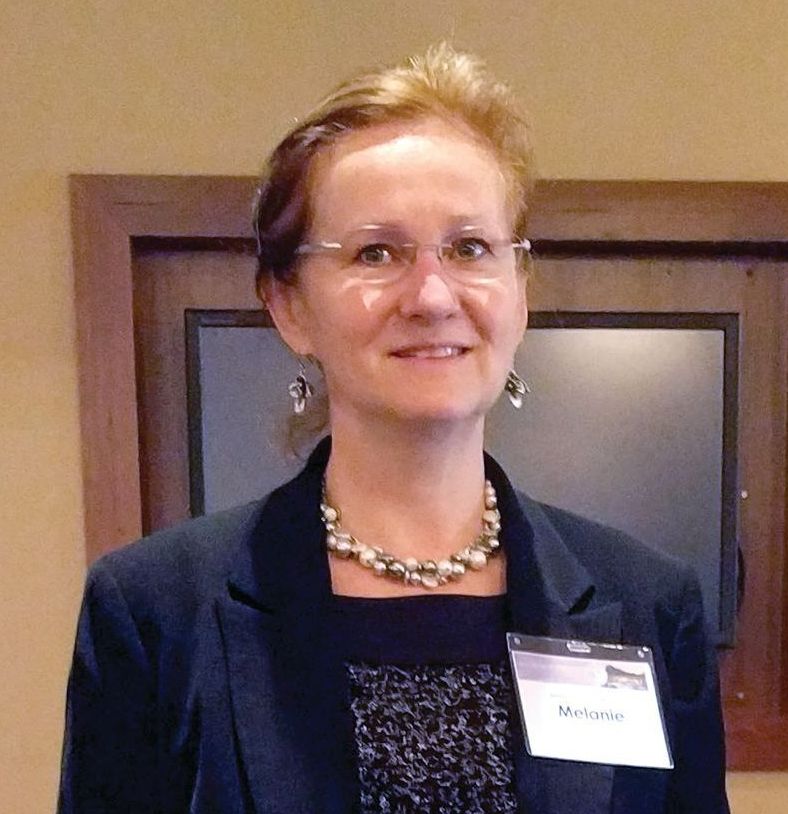
These findings applied only to patients in the study whose preoperative sestamibi scans were concordant with intraoperative findings. Single-gland disease represented about 85% of cases, Melanie L. Lyden, MD, reported at the annual meeting of the Western Surgical Association.
Her team conducted a retrospective analysis of 214 patients who underwent parathyroidectomy at Mayo Clinic, Rochester, between January 2012 and March 2014. The investigators excluded patients with a history of multiple endocrine neoplasia syndrome, as well as patients with secondary or tertiary hyperparathyroidism. All patients received instructions at discharge for completing calcium testing, as well as a follow-up letter and phone call.
The overall cure rate at 6 months was 94% (202 cured, 12 not cured). In 205 of 214 cases (96%), the patients had an intraoperative drop in PTH level by 50% to normal or near-normal levels, and were therefore considered cured immediately.
The cured and not cured rate groups had no significant differences in age, gland weight, or preoperative PTH levels. Final intraoperative PTH levels were lower in patients who were cured (37 pg/mL vs. 55 pg/mL, P = .008), and the percentage decrease in PTH was greater (69% vs. 43%, P less than .0001).
A subgroup analysis found that concordant sestamibi imaging, single adenoma pathology, and an intraoperative cure combined to correlate with a 6-month cure rate of 97%.
In addition to identifying cures early, the findings suggest that patients whose PTH levels don’t drop adequately during surgery, and those with multiglandular disease should be aggressively targeted for follow-up – an important concern because many patients fail to complete calcium testing. “We were very aggressive in terms of follow-up recommendations, a follow-up letter, and a follow-up phone call, and still close to 30% of them we were not able to get to come in and get their blood checked,” said Dr. Lyden.
The study received no external funding. Dr. Lyden reported having no relevant financial disclosures.
SCOTTSDALE, ARIZ. – Patients with hyperparathyroidism and single-gland disease can be considered cured if their intraoperative parathyroid hormone (PTH) level drops by 50% or more, or to normal or near-normal levels (15-65 pg/mL), and don’t require immediate follow-up for lab work, according to a retrospective review of patients who underwent parathyroidectomy at Mayo Clinic, Rochester, Minn.
These findings applied only to patients in the study whose preoperative sestamibi scans were concordant with intraoperative findings. Single-gland disease represented about 85% of cases, Melanie L. Lyden, MD, reported at the annual meeting of the Western Surgical Association.
Her team conducted a retrospective analysis of 214 patients who underwent parathyroidectomy at Mayo Clinic, Rochester, between January 2012 and March 2014. The investigators excluded patients with a history of multiple endocrine neoplasia syndrome, as well as patients with secondary or tertiary hyperparathyroidism. All patients received instructions at discharge for completing calcium testing, as well as a follow-up letter and phone call.
The overall cure rate at 6 months was 94% (202 cured, 12 not cured). In 205 of 214 cases (96%), the patients had an intraoperative drop in PTH level by 50% to normal or near-normal levels, and were therefore considered cured immediately.
The cured and not cured rate groups had no significant differences in age, gland weight, or preoperative PTH levels. Final intraoperative PTH levels were lower in patients who were cured (37 pg/mL vs. 55 pg/mL, P = .008), and the percentage decrease in PTH was greater (69% vs. 43%, P less than .0001).
A subgroup analysis found that concordant sestamibi imaging, single adenoma pathology, and an intraoperative cure combined to correlate with a 6-month cure rate of 97%.
In addition to identifying cures early, the findings suggest that patients whose PTH levels don’t drop adequately during surgery, and those with multiglandular disease should be aggressively targeted for follow-up – an important concern because many patients fail to complete calcium testing. “We were very aggressive in terms of follow-up recommendations, a follow-up letter, and a follow-up phone call, and still close to 30% of them we were not able to get to come in and get their blood checked,” said Dr. Lyden.
The study received no external funding. Dr. Lyden reported having no relevant financial disclosures.
SCOTTSDALE, ARIZ. – Patients with hyperparathyroidism and single-gland disease can be considered cured if their intraoperative parathyroid hormone (PTH) level drops by 50% or more, or to normal or near-normal levels (15-65 pg/mL), and don’t require immediate follow-up for lab work, according to a retrospective review of patients who underwent parathyroidectomy at Mayo Clinic, Rochester, Minn.
These findings applied only to patients in the study whose preoperative sestamibi scans were concordant with intraoperative findings. Single-gland disease represented about 85% of cases, Melanie L. Lyden, MD, reported at the annual meeting of the Western Surgical Association.
Her team conducted a retrospective analysis of 214 patients who underwent parathyroidectomy at Mayo Clinic, Rochester, between January 2012 and March 2014. The investigators excluded patients with a history of multiple endocrine neoplasia syndrome, as well as patients with secondary or tertiary hyperparathyroidism. All patients received instructions at discharge for completing calcium testing, as well as a follow-up letter and phone call.
The overall cure rate at 6 months was 94% (202 cured, 12 not cured). In 205 of 214 cases (96%), the patients had an intraoperative drop in PTH level by 50% to normal or near-normal levels, and were therefore considered cured immediately.
The cured and not cured rate groups had no significant differences in age, gland weight, or preoperative PTH levels. Final intraoperative PTH levels were lower in patients who were cured (37 pg/mL vs. 55 pg/mL, P = .008), and the percentage decrease in PTH was greater (69% vs. 43%, P less than .0001).
A subgroup analysis found that concordant sestamibi imaging, single adenoma pathology, and an intraoperative cure combined to correlate with a 6-month cure rate of 97%.
In addition to identifying cures early, the findings suggest that patients whose PTH levels don’t drop adequately during surgery, and those with multiglandular disease should be aggressively targeted for follow-up – an important concern because many patients fail to complete calcium testing. “We were very aggressive in terms of follow-up recommendations, a follow-up letter, and a follow-up phone call, and still close to 30% of them we were not able to get to come in and get their blood checked,” said Dr. Lyden.
The study received no external funding. Dr. Lyden reported having no relevant financial disclosures.
AT WSA 2017
Key clinical point: The vast majority of cures could be identified during surgery, reducing the need for costly follow-up to monitor calcium levels.
Major finding: Concordant sestamibi imaging, single adenoma pathology, and an intraoperative cure combined to correlate with a 6-month cure rate of 97%.
Data source: A retrospective analysis of 214 patients at a single center.
Disclosures: The study received no external funding. Dr. Lyden reported having no relevant financial disclosures.
FDA grants 510k clearance for glucose monitoring system
OptiScan Biomedical Corporation announced Oct. 18 that the Food and Drug Administration has granted 510(k) clearance for the OptiScanner 5000 Glucose Monitoring System.
The clearance allows the device to be used for monitoring plasma glucose levels and determining dysglycemia in surgical intensive care unit (SICU) patients. It is a bedside glucose monitoring system that provides physicians with critical trending and tracking information to manage patient glucose levels in the ICU.
It is estimated that roughly 20% of ICU patients have pre-existing diabetes and an additional 40- to- 60% of ICU patients suffer from “stress hyperglycemia” or a temporary elevation of glucose levels, with all of these patients requiring accurate glucose monitoring to maintain glycemic control.
“There is a broad consensus in the medical community regarding the need for automated, continuous and highly accurate glucose monitoring in the ICU and my experience with the OptiScanner 5000 indicates that this device will play a critical role in delivering this enhanced level of care. I look forward to implementing this technology as soon as possible,” said Grant V. Bochicchio, MD, MPH, FACS, chief of acute and critical care surgery, and Harry Edison Professor of Surgery, Washington University School of Medicine, in a press release.
Read the full press release here.
OptiScan Biomedical Corporation announced Oct. 18 that the Food and Drug Administration has granted 510(k) clearance for the OptiScanner 5000 Glucose Monitoring System.
The clearance allows the device to be used for monitoring plasma glucose levels and determining dysglycemia in surgical intensive care unit (SICU) patients. It is a bedside glucose monitoring system that provides physicians with critical trending and tracking information to manage patient glucose levels in the ICU.
It is estimated that roughly 20% of ICU patients have pre-existing diabetes and an additional 40- to- 60% of ICU patients suffer from “stress hyperglycemia” or a temporary elevation of glucose levels, with all of these patients requiring accurate glucose monitoring to maintain glycemic control.
“There is a broad consensus in the medical community regarding the need for automated, continuous and highly accurate glucose monitoring in the ICU and my experience with the OptiScanner 5000 indicates that this device will play a critical role in delivering this enhanced level of care. I look forward to implementing this technology as soon as possible,” said Grant V. Bochicchio, MD, MPH, FACS, chief of acute and critical care surgery, and Harry Edison Professor of Surgery, Washington University School of Medicine, in a press release.
Read the full press release here.
OptiScan Biomedical Corporation announced Oct. 18 that the Food and Drug Administration has granted 510(k) clearance for the OptiScanner 5000 Glucose Monitoring System.
The clearance allows the device to be used for monitoring plasma glucose levels and determining dysglycemia in surgical intensive care unit (SICU) patients. It is a bedside glucose monitoring system that provides physicians with critical trending and tracking information to manage patient glucose levels in the ICU.
It is estimated that roughly 20% of ICU patients have pre-existing diabetes and an additional 40- to- 60% of ICU patients suffer from “stress hyperglycemia” or a temporary elevation of glucose levels, with all of these patients requiring accurate glucose monitoring to maintain glycemic control.
“There is a broad consensus in the medical community regarding the need for automated, continuous and highly accurate glucose monitoring in the ICU and my experience with the OptiScanner 5000 indicates that this device will play a critical role in delivering this enhanced level of care. I look forward to implementing this technology as soon as possible,” said Grant V. Bochicchio, MD, MPH, FACS, chief of acute and critical care surgery, and Harry Edison Professor of Surgery, Washington University School of Medicine, in a press release.
Read the full press release here.