User login
Internet-based interventions do not reduce fear of breast cancer recurrence
Key clinical point: The Internet–based-targeted psychological interventions fail to reduce fear of recurrence among early breast cancer survivors.
Major finding: The Fear of Cancer Recurrence Inventory (FCRI) scores significantly decreased at 8 weeks from baseline in all groups (P less than .001). The magnitude of reduction in FCRI scores was similar in cognitive-behavioral interventions and attention controls.
Study details: The randomized controlled FoRtitude study of breast cancer survivors who completed primary treatment. The survivors were randomly assigned to 4 Internet-based interventions or controls. The 4 interventions given for 4 weeks consisted of 3 cognitive behavioral interventions (relaxation, cognitive restructuring, and worry practice vs. attention controls) and telecoaching (motivational interviewing to improve adherence vs. no telecoaching).
Disclosures: This work was supported by the National Cancer Institute at the National Institutes of Health and the ECOG-ACRIN Medical Research Foundation. The authors did not disclose any conflict of interest.
Source: Wagner LI. J Natl Cancer Inst. 2021 May 31. doi: 10.1093/jnci/djab100.
Key clinical point: The Internet–based-targeted psychological interventions fail to reduce fear of recurrence among early breast cancer survivors.
Major finding: The Fear of Cancer Recurrence Inventory (FCRI) scores significantly decreased at 8 weeks from baseline in all groups (P less than .001). The magnitude of reduction in FCRI scores was similar in cognitive-behavioral interventions and attention controls.
Study details: The randomized controlled FoRtitude study of breast cancer survivors who completed primary treatment. The survivors were randomly assigned to 4 Internet-based interventions or controls. The 4 interventions given for 4 weeks consisted of 3 cognitive behavioral interventions (relaxation, cognitive restructuring, and worry practice vs. attention controls) and telecoaching (motivational interviewing to improve adherence vs. no telecoaching).
Disclosures: This work was supported by the National Cancer Institute at the National Institutes of Health and the ECOG-ACRIN Medical Research Foundation. The authors did not disclose any conflict of interest.
Source: Wagner LI. J Natl Cancer Inst. 2021 May 31. doi: 10.1093/jnci/djab100.
Key clinical point: The Internet–based-targeted psychological interventions fail to reduce fear of recurrence among early breast cancer survivors.
Major finding: The Fear of Cancer Recurrence Inventory (FCRI) scores significantly decreased at 8 weeks from baseline in all groups (P less than .001). The magnitude of reduction in FCRI scores was similar in cognitive-behavioral interventions and attention controls.
Study details: The randomized controlled FoRtitude study of breast cancer survivors who completed primary treatment. The survivors were randomly assigned to 4 Internet-based interventions or controls. The 4 interventions given for 4 weeks consisted of 3 cognitive behavioral interventions (relaxation, cognitive restructuring, and worry practice vs. attention controls) and telecoaching (motivational interviewing to improve adherence vs. no telecoaching).
Disclosures: This work was supported by the National Cancer Institute at the National Institutes of Health and the ECOG-ACRIN Medical Research Foundation. The authors did not disclose any conflict of interest.
Source: Wagner LI. J Natl Cancer Inst. 2021 May 31. doi: 10.1093/jnci/djab100.
Metastatic breast cancer: Survival has improved over time
Key clinical point: The survival among patients with metastatic breast cancer has improved over past 3 decades.
Major finding: During 1988-2015, 1-year overall survival (OS) rate increased from 62.3% to 72.4% and 1-year cancer-specific survival (CSS) rate increased from 64.7% to 74.1%. Similarly, 5-year OS rate increased from 19.4% to 24.3% and 5-year CSS rate increased from 23.4% to 28.0% during 1998-2011.
Study details: A retrospective cohort study of 47,034 patients with de novo metastatic breast cancer in the Surveillance, Epidemiology, and End Results database from 1988 to 2016.
Disclosures: This study is in part supported by Duke Cancer Institute. Dr. OM Fayanju is supported by the National Institutes of Health. Some of the authors received research funding and consulting/advisory fees from various sources. Dr. JK Plichta and Dr. ES Hwang have served on various Cancer Committees. The other authors reported no competing interests.
Source: Taskindoust M. Ann Surg Oncol. 2021 May 28. doi: 10.1245/s10434-021-10227-3.
Key clinical point: The survival among patients with metastatic breast cancer has improved over past 3 decades.
Major finding: During 1988-2015, 1-year overall survival (OS) rate increased from 62.3% to 72.4% and 1-year cancer-specific survival (CSS) rate increased from 64.7% to 74.1%. Similarly, 5-year OS rate increased from 19.4% to 24.3% and 5-year CSS rate increased from 23.4% to 28.0% during 1998-2011.
Study details: A retrospective cohort study of 47,034 patients with de novo metastatic breast cancer in the Surveillance, Epidemiology, and End Results database from 1988 to 2016.
Disclosures: This study is in part supported by Duke Cancer Institute. Dr. OM Fayanju is supported by the National Institutes of Health. Some of the authors received research funding and consulting/advisory fees from various sources. Dr. JK Plichta and Dr. ES Hwang have served on various Cancer Committees. The other authors reported no competing interests.
Source: Taskindoust M. Ann Surg Oncol. 2021 May 28. doi: 10.1245/s10434-021-10227-3.
Key clinical point: The survival among patients with metastatic breast cancer has improved over past 3 decades.
Major finding: During 1988-2015, 1-year overall survival (OS) rate increased from 62.3% to 72.4% and 1-year cancer-specific survival (CSS) rate increased from 64.7% to 74.1%. Similarly, 5-year OS rate increased from 19.4% to 24.3% and 5-year CSS rate increased from 23.4% to 28.0% during 1998-2011.
Study details: A retrospective cohort study of 47,034 patients with de novo metastatic breast cancer in the Surveillance, Epidemiology, and End Results database from 1988 to 2016.
Disclosures: This study is in part supported by Duke Cancer Institute. Dr. OM Fayanju is supported by the National Institutes of Health. Some of the authors received research funding and consulting/advisory fees from various sources. Dr. JK Plichta and Dr. ES Hwang have served on various Cancer Committees. The other authors reported no competing interests.
Source: Taskindoust M. Ann Surg Oncol. 2021 May 28. doi: 10.1245/s10434-021-10227-3.
TNBC: Lower recurrence risk with breast-conserving surgery compared with mastectomy
Key clinical point: In patients with triple-negative breast cancer (TNBC), the risk for locoregional recurrence and distant metastasis is lower when treated with breast-conserving surgery (BCS) vs. mastectomy.
Major finding: BCS vs. mastectomy was associated with lower risk for locoregional recurrence (unadjusted pooled odds ratio, 0.64; P = .002). The risk for distant metastasis was also significantly lower with BCS vs. mastectomy (unadjusted pooled odds ratio, 0.70; P = .02).
Study details: A meta-analysis of 14 studies including 19,819 patients with TNBC who underwent either BCS or mastectomy.
Disclosures: This meta-analysis was supported by investigator grants from the National Health and Medical Research Council and the National Breast Cancer Foundation. The authors declared no conflicts of interest.
Source: Fancellu A. Br J Surg. 2021 May 31. doi: 10.1093/bjs/znab145.
Key clinical point: In patients with triple-negative breast cancer (TNBC), the risk for locoregional recurrence and distant metastasis is lower when treated with breast-conserving surgery (BCS) vs. mastectomy.
Major finding: BCS vs. mastectomy was associated with lower risk for locoregional recurrence (unadjusted pooled odds ratio, 0.64; P = .002). The risk for distant metastasis was also significantly lower with BCS vs. mastectomy (unadjusted pooled odds ratio, 0.70; P = .02).
Study details: A meta-analysis of 14 studies including 19,819 patients with TNBC who underwent either BCS or mastectomy.
Disclosures: This meta-analysis was supported by investigator grants from the National Health and Medical Research Council and the National Breast Cancer Foundation. The authors declared no conflicts of interest.
Source: Fancellu A. Br J Surg. 2021 May 31. doi: 10.1093/bjs/znab145.
Key clinical point: In patients with triple-negative breast cancer (TNBC), the risk for locoregional recurrence and distant metastasis is lower when treated with breast-conserving surgery (BCS) vs. mastectomy.
Major finding: BCS vs. mastectomy was associated with lower risk for locoregional recurrence (unadjusted pooled odds ratio, 0.64; P = .002). The risk for distant metastasis was also significantly lower with BCS vs. mastectomy (unadjusted pooled odds ratio, 0.70; P = .02).
Study details: A meta-analysis of 14 studies including 19,819 patients with TNBC who underwent either BCS or mastectomy.
Disclosures: This meta-analysis was supported by investigator grants from the National Health and Medical Research Council and the National Breast Cancer Foundation. The authors declared no conflicts of interest.
Source: Fancellu A. Br J Surg. 2021 May 31. doi: 10.1093/bjs/znab145.
HR-positive breast cancer: Aromatase inhibitors-based treatment yields survival benefit
Key clinical point: Patients with hormone receptor (HR)-positive breast cancer derive survival benefit from treatment with predominantly aromatase inhibitors after chemotherapy.
Major finding: The recurrence-free survival significantly improved in patients who received aromatase inhibitor for greater than 75% of their endocrine treatment duration (adjusted hazard ratio [aHR], 0.63; 95% confidence interval [CI], 0.46-0.86) and overall survival (aHR, 0.50; 95% CI, 0.34-0.74) vs. those who received aromatase inhibitors for less than 25% of their endocrine treatment duration.
Study details: A population-based cohort study of patients with stage I-III, HR-positive invasive breast cancer diagnosed between 2004 and 2007 and received adjuvant chemotherapy and endocrine treatment.
Disclosures: This work was funded by the Netherlands Organization for Health Research and Development, A Sisters Hope, and De Vrienden van UMC Utrecht. Some authors reported research support, grants, advisory fees, and nonfinancial support from various sources outside this work.
Source: Dackus GM et al. J Natl Cancer Inst. 2021 Jun 8. doi: 10.1093/jnci/djab091.
Key clinical point: Patients with hormone receptor (HR)-positive breast cancer derive survival benefit from treatment with predominantly aromatase inhibitors after chemotherapy.
Major finding: The recurrence-free survival significantly improved in patients who received aromatase inhibitor for greater than 75% of their endocrine treatment duration (adjusted hazard ratio [aHR], 0.63; 95% confidence interval [CI], 0.46-0.86) and overall survival (aHR, 0.50; 95% CI, 0.34-0.74) vs. those who received aromatase inhibitors for less than 25% of their endocrine treatment duration.
Study details: A population-based cohort study of patients with stage I-III, HR-positive invasive breast cancer diagnosed between 2004 and 2007 and received adjuvant chemotherapy and endocrine treatment.
Disclosures: This work was funded by the Netherlands Organization for Health Research and Development, A Sisters Hope, and De Vrienden van UMC Utrecht. Some authors reported research support, grants, advisory fees, and nonfinancial support from various sources outside this work.
Source: Dackus GM et al. J Natl Cancer Inst. 2021 Jun 8. doi: 10.1093/jnci/djab091.
Key clinical point: Patients with hormone receptor (HR)-positive breast cancer derive survival benefit from treatment with predominantly aromatase inhibitors after chemotherapy.
Major finding: The recurrence-free survival significantly improved in patients who received aromatase inhibitor for greater than 75% of their endocrine treatment duration (adjusted hazard ratio [aHR], 0.63; 95% confidence interval [CI], 0.46-0.86) and overall survival (aHR, 0.50; 95% CI, 0.34-0.74) vs. those who received aromatase inhibitors for less than 25% of their endocrine treatment duration.
Study details: A population-based cohort study of patients with stage I-III, HR-positive invasive breast cancer diagnosed between 2004 and 2007 and received adjuvant chemotherapy and endocrine treatment.
Disclosures: This work was funded by the Netherlands Organization for Health Research and Development, A Sisters Hope, and De Vrienden van UMC Utrecht. Some authors reported research support, grants, advisory fees, and nonfinancial support from various sources outside this work.
Source: Dackus GM et al. J Natl Cancer Inst. 2021 Jun 8. doi: 10.1093/jnci/djab091.
Adding ribociclib extends survival in HR-positive, HER-negative breast cancer
Key clinical point: In patients with hormone receptor (HR)-positive, human epidermal growth receptor (HER)-negative advanced breast cancer, the addition of ribociclib to fulvestrant extends median overall survival by 12 months.
Major finding: The median overall survival was 53.7 months with ribociclib and 41.5 months with placebo (hazard ratio, 0.73; 95% confidence interval, 0.59-0.90 months) at a median follow-up of 56.3 months. Neutropenia was the most common grade 3-4 adverse event.
Study details: A phase 3, randomized, double-blind, placebo-controlled MONALEESA-3 trial including 726 chemotherapy-naïve patients (men and postmenopausal women) with HR-positive, HER2-negative advanced breast cancer randomly assigned 2:1 to receive fulvestrant with either ribociclib or placebo.
Disclosures: The study was funded by the Novartis Pharmaceuticals Corporation. The authors reported advisory/consulting fees, stock ownership, research funding, grants, personal fees, honoraria, travel expenses, and nonfinancial support from various sources outside this work.
Source: Slamon DJ et al. Ann Oncol. 2021 Jun 5. doi: 10.1016/j.annonc.2021.05.353.
Key clinical point: In patients with hormone receptor (HR)-positive, human epidermal growth receptor (HER)-negative advanced breast cancer, the addition of ribociclib to fulvestrant extends median overall survival by 12 months.
Major finding: The median overall survival was 53.7 months with ribociclib and 41.5 months with placebo (hazard ratio, 0.73; 95% confidence interval, 0.59-0.90 months) at a median follow-up of 56.3 months. Neutropenia was the most common grade 3-4 adverse event.
Study details: A phase 3, randomized, double-blind, placebo-controlled MONALEESA-3 trial including 726 chemotherapy-naïve patients (men and postmenopausal women) with HR-positive, HER2-negative advanced breast cancer randomly assigned 2:1 to receive fulvestrant with either ribociclib or placebo.
Disclosures: The study was funded by the Novartis Pharmaceuticals Corporation. The authors reported advisory/consulting fees, stock ownership, research funding, grants, personal fees, honoraria, travel expenses, and nonfinancial support from various sources outside this work.
Source: Slamon DJ et al. Ann Oncol. 2021 Jun 5. doi: 10.1016/j.annonc.2021.05.353.
Key clinical point: In patients with hormone receptor (HR)-positive, human epidermal growth receptor (HER)-negative advanced breast cancer, the addition of ribociclib to fulvestrant extends median overall survival by 12 months.
Major finding: The median overall survival was 53.7 months with ribociclib and 41.5 months with placebo (hazard ratio, 0.73; 95% confidence interval, 0.59-0.90 months) at a median follow-up of 56.3 months. Neutropenia was the most common grade 3-4 adverse event.
Study details: A phase 3, randomized, double-blind, placebo-controlled MONALEESA-3 trial including 726 chemotherapy-naïve patients (men and postmenopausal women) with HR-positive, HER2-negative advanced breast cancer randomly assigned 2:1 to receive fulvestrant with either ribociclib or placebo.
Disclosures: The study was funded by the Novartis Pharmaceuticals Corporation. The authors reported advisory/consulting fees, stock ownership, research funding, grants, personal fees, honoraria, travel expenses, and nonfinancial support from various sources outside this work.
Source: Slamon DJ et al. Ann Oncol. 2021 Jun 5. doi: 10.1016/j.annonc.2021.05.353.
Residual TNBC: Platinum therapy does not improve outcomes
Key clinical point: Platinum agents do not improve outcomes in patients with basal subtype triple-negative breast cancer (TNBC) and residual invasive disease post-neoadjuvant chemotherapy (NAC) and are associated with higher toxicity rate vs. capecitabine.
Major finding: The invasive disease-free survival was not significantly different between platinum and capecitabine groups (hazard ratio, 1.06; 95% confidence interval, 0.62-1.81) after a median follow-up of 20 months. Grade 3 and 4 toxicities were more frequent in the platinum vs. capecitabine group (26% vs. 15%).
Study details: A phase 3, randomized controlled EA1131 trial involving 415 patients with stage II-III TNBC post-NAC, randomly assigned to receive platinum-based chemotherapy or capecitabine.
Disclosures: This study was supported by the National Cancer Institute of the National Institutes of Health. The authors received consulting/advisory fees, research funding, honoraria, travel/accommodation/expenses, and reported stock and other ownership interests in various companies. Some authors also reported patents, royalties, and other intellectual property.
Source: Mayer IA et al. J Clin Oncol. 2021 Jun 6. doi: 10.1200/JCO.21.00976.
Key clinical point: Platinum agents do not improve outcomes in patients with basal subtype triple-negative breast cancer (TNBC) and residual invasive disease post-neoadjuvant chemotherapy (NAC) and are associated with higher toxicity rate vs. capecitabine.
Major finding: The invasive disease-free survival was not significantly different between platinum and capecitabine groups (hazard ratio, 1.06; 95% confidence interval, 0.62-1.81) after a median follow-up of 20 months. Grade 3 and 4 toxicities were more frequent in the platinum vs. capecitabine group (26% vs. 15%).
Study details: A phase 3, randomized controlled EA1131 trial involving 415 patients with stage II-III TNBC post-NAC, randomly assigned to receive platinum-based chemotherapy or capecitabine.
Disclosures: This study was supported by the National Cancer Institute of the National Institutes of Health. The authors received consulting/advisory fees, research funding, honoraria, travel/accommodation/expenses, and reported stock and other ownership interests in various companies. Some authors also reported patents, royalties, and other intellectual property.
Source: Mayer IA et al. J Clin Oncol. 2021 Jun 6. doi: 10.1200/JCO.21.00976.
Key clinical point: Platinum agents do not improve outcomes in patients with basal subtype triple-negative breast cancer (TNBC) and residual invasive disease post-neoadjuvant chemotherapy (NAC) and are associated with higher toxicity rate vs. capecitabine.
Major finding: The invasive disease-free survival was not significantly different between platinum and capecitabine groups (hazard ratio, 1.06; 95% confidence interval, 0.62-1.81) after a median follow-up of 20 months. Grade 3 and 4 toxicities were more frequent in the platinum vs. capecitabine group (26% vs. 15%).
Study details: A phase 3, randomized controlled EA1131 trial involving 415 patients with stage II-III TNBC post-NAC, randomly assigned to receive platinum-based chemotherapy or capecitabine.
Disclosures: This study was supported by the National Cancer Institute of the National Institutes of Health. The authors received consulting/advisory fees, research funding, honoraria, travel/accommodation/expenses, and reported stock and other ownership interests in various companies. Some authors also reported patents, royalties, and other intellectual property.
Source: Mayer IA et al. J Clin Oncol. 2021 Jun 6. doi: 10.1200/JCO.21.00976.
Adjuvant olaparib yields survival benefit in HER2-negative BRCA1/2 breast cancer
Key clinical point: Adjuvant olaparib prolongs invasive disease-free survival and distant disease-free survival in patients with high-risk BRCA1/2-mutated human epidermal growth factor 2 (HER2)-negative early breast cancer who received local treatment and adjuvant/neoadjuvant chemotherapy.
Major finding: Adjuvant olaparib significantly improved invasive disease-free survival (hazard ratio, 0.58; P less than .001) and distant disease-free survival (hazard ratio, 0.57; P less than .001). The serious adverse event rate was 8.7% in the olaparib group and 8.4% in the placebo group.
Study details: A phase 3 double-blind, randomized OlympiA trial evaluated 1,836 patients with high-risk BRCA1/2-mutated HER2-negative early breast cancer who received local treatment and adjuvant/neoadjuvant chemotherapy. Patients were randomly assigned to olaparib or placebo.
Disclosures: The study received funding from the National Cancer Institute and AstraZeneca. The authors reported receiving grants, honoraria, advisory/speaker/consulting fees, financial/nonfinancial support, and travel expense from various sources and/or owning stocks in pharmaceutical companies. Dr. SJ Hollingsworth, Dr. A Fielding, and Dr. N Baker were employees at AstraZeneca.
Source: Tutt ANJ et al. New Eng J Med. 2021 Jun 3. doi: 10.1056/NEJMoa2105215.
Key clinical point: Adjuvant olaparib prolongs invasive disease-free survival and distant disease-free survival in patients with high-risk BRCA1/2-mutated human epidermal growth factor 2 (HER2)-negative early breast cancer who received local treatment and adjuvant/neoadjuvant chemotherapy.
Major finding: Adjuvant olaparib significantly improved invasive disease-free survival (hazard ratio, 0.58; P less than .001) and distant disease-free survival (hazard ratio, 0.57; P less than .001). The serious adverse event rate was 8.7% in the olaparib group and 8.4% in the placebo group.
Study details: A phase 3 double-blind, randomized OlympiA trial evaluated 1,836 patients with high-risk BRCA1/2-mutated HER2-negative early breast cancer who received local treatment and adjuvant/neoadjuvant chemotherapy. Patients were randomly assigned to olaparib or placebo.
Disclosures: The study received funding from the National Cancer Institute and AstraZeneca. The authors reported receiving grants, honoraria, advisory/speaker/consulting fees, financial/nonfinancial support, and travel expense from various sources and/or owning stocks in pharmaceutical companies. Dr. SJ Hollingsworth, Dr. A Fielding, and Dr. N Baker were employees at AstraZeneca.
Source: Tutt ANJ et al. New Eng J Med. 2021 Jun 3. doi: 10.1056/NEJMoa2105215.
Key clinical point: Adjuvant olaparib prolongs invasive disease-free survival and distant disease-free survival in patients with high-risk BRCA1/2-mutated human epidermal growth factor 2 (HER2)-negative early breast cancer who received local treatment and adjuvant/neoadjuvant chemotherapy.
Major finding: Adjuvant olaparib significantly improved invasive disease-free survival (hazard ratio, 0.58; P less than .001) and distant disease-free survival (hazard ratio, 0.57; P less than .001). The serious adverse event rate was 8.7% in the olaparib group and 8.4% in the placebo group.
Study details: A phase 3 double-blind, randomized OlympiA trial evaluated 1,836 patients with high-risk BRCA1/2-mutated HER2-negative early breast cancer who received local treatment and adjuvant/neoadjuvant chemotherapy. Patients were randomly assigned to olaparib or placebo.
Disclosures: The study received funding from the National Cancer Institute and AstraZeneca. The authors reported receiving grants, honoraria, advisory/speaker/consulting fees, financial/nonfinancial support, and travel expense from various sources and/or owning stocks in pharmaceutical companies. Dr. SJ Hollingsworth, Dr. A Fielding, and Dr. N Baker were employees at AstraZeneca.
Source: Tutt ANJ et al. New Eng J Med. 2021 Jun 3. doi: 10.1056/NEJMoa2105215.
Clinical Edge Journal Scan Commentary: Breast Cancer July 2021

The role of adjuvant olaparib was investigated in the phase 3 OlympiA trial, which included 1,836 patients with high-risk HER2-negative gBRCAm early breast cancer who received local treatment and adjuvant or neoadjuvant chemotherapy. One year of adjuvant olaparib was associated with a significant improvement in invasive disease-free survival (hazard ratio [HR] 0.58, P < .001) and distant disease-free survival (HR 0.57, P < .001). The 3-year invasive disease-free survival (iDFS) was 85.9% in the olaparib group and 77.1% in the placebo group (absolute benefit of 8.8%), and 3-year distant disease-free survival (dDFS) was 87.5% and 80.4%, respectively (difference of 7.1%). These results are considered practice changing and lead to questions regarding the expansion of germline testing in early stage breast cancer. Furthermore, PARP inhibitors have shown exciting results in the neoadjuvant setting. Among 61 patients with gBRCAm HER2-negative early breast cancer, neoadjuvant talazoparib produced a pathologic complete response (pCR) in 49.2%, and there may be a subgroup of patients for whom this approach is relevant.
The presence of residual disease after neoadjuvant chemotherapy has prognostic implications and can help tailor adjuvant treatment recommendations. The CREATE-X trial has established the role of adjuvant capecitabine for patients with triple-negative breast cancer with residual disease after pre-operative chemotherapy. The phase 3 EA1131 trial randomized 415 patients with stage II-III triple-negative breast cancer and residual disease post-neoadjuvant chemotherapy to platinum agent or capecitabine. There was no significant difference in 3-year iDFS (42% for platinum vs 49% for capecitabine; HR 1.06, 95% CI 0.62-1.81), and higher hematologic toxicity and dose reductions in the platinum arm. These data support the continued use of capecitabine in this population, and the high event rate highlights the need for more effective therapies in this setting.
The majority of patients with HR+/HER2- MBC will receive a CDK 4/6 inhibitor at some point during their treatment course. In an updated analysis of the phase 3 MONALEESA-3 trial which included postmenopausal patients with HR+HER2- MBC, with median follow-up of 56.3 months, ribociclib plus fulvestrant continued to show an overall survival (OS) benefit of greater than 1 year compared with fulvestrant alone (median OS 53.7 months vs 41.5 months in the ribociclib vs placebo arm, respectively; HR 0.726, 95% CI 0.59-0.90). Additionally, extended follow-up of the PALOMA-3 trial demonstrated OS benefit with palbociclib plus fulvestrant compared to fulvestrant alone in patients with HR+/HER2- MBC; at median follow-up of 73.3 months, median OS was 34.8 months in the palbociclib arm vs 28.0 months in the placebo arm (HR 0.81, P = .0221). Sequencing of other targeted therapies (such as PI3K inhibitors), predictors of CDK 4/6 inhibitor response in different intrinsic subtypes, and the role of CDK 4/6 inhibitor use beyond progression are areas where further research is warranted.
References:
Robson M, Im SA, Senkus E, et al. Olaparib for Metastatic Breast Cancer in Patients with a Germline BRCA Mutation. N Engl J Med. 2017;377(6):523-533.
Litton JK, Beck JT, Jones JM, et al. Neoadjuvant talazoparib in patients with germline BRCA1/2 (gBRCA1/2) mutation-positive, early HER2-negative breast cancer (BC): Results of a phase 2 study. J Clin Oncol 39, 2021 (suppl 15; abstr 505).
Symmans WF, Wei C, Gould R, et al. Long-Term Prognostic Risk After Neoadjuvant Chemotherapy Associated With Residual Cancer Burden and Breast Cancer Subtype. J Clin Oncol. 2017;35:1049-1060.
Masuda N, Lee SJ, Ohtani S, et al. Adjuvant Capecitabine for Breast Cancer after Preoperative Chemotherapy. N Engl J Med. 2017;376:2147-2159.
Cristofanilli M, Rugo H, Im SA, et al. Overall survival (OS) with palbociclib (PAL) + fulvestrant (FUL) in women with hormone receptor–positive (HR+), human epidermal growth factor receptor 2–negative (HER2–) advanced breast cancer (ABC): Updated analyses from PALOMA-3. J Clin Oncol. 2021; 39:15_suppl, 1000-1000.
The role of adjuvant olaparib was investigated in the phase 3 OlympiA trial, which included 1,836 patients with high-risk HER2-negative gBRCAm early breast cancer who received local treatment and adjuvant or neoadjuvant chemotherapy. One year of adjuvant olaparib was associated with a significant improvement in invasive disease-free survival (hazard ratio [HR] 0.58, P < .001) and distant disease-free survival (HR 0.57, P < .001). The 3-year invasive disease-free survival (iDFS) was 85.9% in the olaparib group and 77.1% in the placebo group (absolute benefit of 8.8%), and 3-year distant disease-free survival (dDFS) was 87.5% and 80.4%, respectively (difference of 7.1%). These results are considered practice changing and lead to questions regarding the expansion of germline testing in early stage breast cancer. Furthermore, PARP inhibitors have shown exciting results in the neoadjuvant setting. Among 61 patients with gBRCAm HER2-negative early breast cancer, neoadjuvant talazoparib produced a pathologic complete response (pCR) in 49.2%, and there may be a subgroup of patients for whom this approach is relevant.
The presence of residual disease after neoadjuvant chemotherapy has prognostic implications and can help tailor adjuvant treatment recommendations. The CREATE-X trial has established the role of adjuvant capecitabine for patients with triple-negative breast cancer with residual disease after pre-operative chemotherapy. The phase 3 EA1131 trial randomized 415 patients with stage II-III triple-negative breast cancer and residual disease post-neoadjuvant chemotherapy to platinum agent or capecitabine. There was no significant difference in 3-year iDFS (42% for platinum vs 49% for capecitabine; HR 1.06, 95% CI 0.62-1.81), and higher hematologic toxicity and dose reductions in the platinum arm. These data support the continued use of capecitabine in this population, and the high event rate highlights the need for more effective therapies in this setting.
The majority of patients with HR+/HER2- MBC will receive a CDK 4/6 inhibitor at some point during their treatment course. In an updated analysis of the phase 3 MONALEESA-3 trial which included postmenopausal patients with HR+HER2- MBC, with median follow-up of 56.3 months, ribociclib plus fulvestrant continued to show an overall survival (OS) benefit of greater than 1 year compared with fulvestrant alone (median OS 53.7 months vs 41.5 months in the ribociclib vs placebo arm, respectively; HR 0.726, 95% CI 0.59-0.90). Additionally, extended follow-up of the PALOMA-3 trial demonstrated OS benefit with palbociclib plus fulvestrant compared to fulvestrant alone in patients with HR+/HER2- MBC; at median follow-up of 73.3 months, median OS was 34.8 months in the palbociclib arm vs 28.0 months in the placebo arm (HR 0.81, P = .0221). Sequencing of other targeted therapies (such as PI3K inhibitors), predictors of CDK 4/6 inhibitor response in different intrinsic subtypes, and the role of CDK 4/6 inhibitor use beyond progression are areas where further research is warranted.
References:
Robson M, Im SA, Senkus E, et al. Olaparib for Metastatic Breast Cancer in Patients with a Germline BRCA Mutation. N Engl J Med. 2017;377(6):523-533.
Litton JK, Beck JT, Jones JM, et al. Neoadjuvant talazoparib in patients with germline BRCA1/2 (gBRCA1/2) mutation-positive, early HER2-negative breast cancer (BC): Results of a phase 2 study. J Clin Oncol 39, 2021 (suppl 15; abstr 505).
Symmans WF, Wei C, Gould R, et al. Long-Term Prognostic Risk After Neoadjuvant Chemotherapy Associated With Residual Cancer Burden and Breast Cancer Subtype. J Clin Oncol. 2017;35:1049-1060.
Masuda N, Lee SJ, Ohtani S, et al. Adjuvant Capecitabine for Breast Cancer after Preoperative Chemotherapy. N Engl J Med. 2017;376:2147-2159.
Cristofanilli M, Rugo H, Im SA, et al. Overall survival (OS) with palbociclib (PAL) + fulvestrant (FUL) in women with hormone receptor–positive (HR+), human epidermal growth factor receptor 2–negative (HER2–) advanced breast cancer (ABC): Updated analyses from PALOMA-3. J Clin Oncol. 2021; 39:15_suppl, 1000-1000.
The role of adjuvant olaparib was investigated in the phase 3 OlympiA trial, which included 1,836 patients with high-risk HER2-negative gBRCAm early breast cancer who received local treatment and adjuvant or neoadjuvant chemotherapy. One year of adjuvant olaparib was associated with a significant improvement in invasive disease-free survival (hazard ratio [HR] 0.58, P < .001) and distant disease-free survival (HR 0.57, P < .001). The 3-year invasive disease-free survival (iDFS) was 85.9% in the olaparib group and 77.1% in the placebo group (absolute benefit of 8.8%), and 3-year distant disease-free survival (dDFS) was 87.5% and 80.4%, respectively (difference of 7.1%). These results are considered practice changing and lead to questions regarding the expansion of germline testing in early stage breast cancer. Furthermore, PARP inhibitors have shown exciting results in the neoadjuvant setting. Among 61 patients with gBRCAm HER2-negative early breast cancer, neoadjuvant talazoparib produced a pathologic complete response (pCR) in 49.2%, and there may be a subgroup of patients for whom this approach is relevant.
The presence of residual disease after neoadjuvant chemotherapy has prognostic implications and can help tailor adjuvant treatment recommendations. The CREATE-X trial has established the role of adjuvant capecitabine for patients with triple-negative breast cancer with residual disease after pre-operative chemotherapy. The phase 3 EA1131 trial randomized 415 patients with stage II-III triple-negative breast cancer and residual disease post-neoadjuvant chemotherapy to platinum agent or capecitabine. There was no significant difference in 3-year iDFS (42% for platinum vs 49% for capecitabine; HR 1.06, 95% CI 0.62-1.81), and higher hematologic toxicity and dose reductions in the platinum arm. These data support the continued use of capecitabine in this population, and the high event rate highlights the need for more effective therapies in this setting.
The majority of patients with HR+/HER2- MBC will receive a CDK 4/6 inhibitor at some point during their treatment course. In an updated analysis of the phase 3 MONALEESA-3 trial which included postmenopausal patients with HR+HER2- MBC, with median follow-up of 56.3 months, ribociclib plus fulvestrant continued to show an overall survival (OS) benefit of greater than 1 year compared with fulvestrant alone (median OS 53.7 months vs 41.5 months in the ribociclib vs placebo arm, respectively; HR 0.726, 95% CI 0.59-0.90). Additionally, extended follow-up of the PALOMA-3 trial demonstrated OS benefit with palbociclib plus fulvestrant compared to fulvestrant alone in patients with HR+/HER2- MBC; at median follow-up of 73.3 months, median OS was 34.8 months in the palbociclib arm vs 28.0 months in the placebo arm (HR 0.81, P = .0221). Sequencing of other targeted therapies (such as PI3K inhibitors), predictors of CDK 4/6 inhibitor response in different intrinsic subtypes, and the role of CDK 4/6 inhibitor use beyond progression are areas where further research is warranted.
References:
Robson M, Im SA, Senkus E, et al. Olaparib for Metastatic Breast Cancer in Patients with a Germline BRCA Mutation. N Engl J Med. 2017;377(6):523-533.
Litton JK, Beck JT, Jones JM, et al. Neoadjuvant talazoparib in patients with germline BRCA1/2 (gBRCA1/2) mutation-positive, early HER2-negative breast cancer (BC): Results of a phase 2 study. J Clin Oncol 39, 2021 (suppl 15; abstr 505).
Symmans WF, Wei C, Gould R, et al. Long-Term Prognostic Risk After Neoadjuvant Chemotherapy Associated With Residual Cancer Burden and Breast Cancer Subtype. J Clin Oncol. 2017;35:1049-1060.
Masuda N, Lee SJ, Ohtani S, et al. Adjuvant Capecitabine for Breast Cancer after Preoperative Chemotherapy. N Engl J Med. 2017;376:2147-2159.
Cristofanilli M, Rugo H, Im SA, et al. Overall survival (OS) with palbociclib (PAL) + fulvestrant (FUL) in women with hormone receptor–positive (HR+), human epidermal growth factor receptor 2–negative (HER2–) advanced breast cancer (ABC): Updated analyses from PALOMA-3. J Clin Oncol. 2021; 39:15_suppl, 1000-1000.
DCIS: Biosignature helps guide postlumpectomy decisions
A biosignature tool helps women avoid unnecessary radiotherapy after undergoing lumpectomy for ductal carcinoma in situ (DCIS) – and also identifies women who need more intense treatment.
The DCISionRT test (PreludeDx) and its response subtype (Rst) biosignature provide personalized risk assessment, explains Frank Vicini, MD, a radiation oncologist at GenesisCare and a member of NRG Oncology, Pontiac, Mich.
He presented data on the test at a poster at the recent American Society of Clinical Oncology Annual Meeting.
They can also identify patients who would likely benefit from radiotherapy, Dr. Vicini reported.
The tool shows promise for identifying those whose cancer is likely to recur despite undergoing postlumpectomy radiotherapy – women who might benefit from intensified or alternate treatment approaches, he added.
The latter finding is particularly provocative because it suggests that the biosignatures “may appropriately identify patients with very radioresistant ductal carcinoma in situ,” Benjamin D. Smith, MD, commented during a poster discussion session at the meeting.
“I think these findings merit validation in translational research models,” said Dr. Smith, a radiation oncologist and professor of radiation oncology and health services research at the University of Texas MD Anderson Cancer Center, Houston.
DCISionRT, Rst, and risk
DCISionRT combines molecular biology innovations with risk-based scores to assess risk for recurrence, which is classified as either low or elevated, according to the test developer, PreludeDx.
Dr. Vicini and colleagues used the test to classify tissue samples from 485 women who were part of previous DCISionRT validation cohorts in Sweden, Australia, and the United States. The patients underwent breast cancer surgery (BCS) with or without radiotherapy between 1996 and 2011.
The Rst biosignature was used to further categorize those in the elevated-risk group as having a good response subtype (good Rst) or a poor response subtype (poor Rst) after BCS plus radiotherapy.
Radiotherapy was associated with significantly reduced recurrence rates among women with elevated risk and a good Rst (the hazard ratios for ipsilateral breast tumor recurrence [IBTR] and invasive breast cancer [IBC] were 0.18 and 0.15, respectively).
No radiotherapy benefit was seen among those with elevated risk and poor Rst.
The investigators also reported that, among patients with a poor Rst, 10-year IBTR and IBC rates were 25% and 16%, respectively, regardless of whether they received radiotherapy. These rates were much higher than the rates among women with good Rst (6.6% and 4.5%; hazard ratio, 3.6 and 4.4, respectively).
No significant difference was seen in 10-year IBTR and IBC rates among patients in the low-risk group, with or without radiotherapy.
Traditional clinicopathologic risk factors, including age younger than 50 years, grade 3 disease, and tumor size greater than 2.5 cm, did not identify poor versus good response subtypes in this cohort, and on multivariable analysis, neither of these factors nor endocrine therapy was significantly associated with IBTR or IBC.
Prospective validation needed
In his discussion, Dr. Smith said that the study provides “important data” that further validate the DCISionRT platform alone for assessing risk among women with DCIS who undergo BCS. But it is the Rst biosignature, which allows clinicians to “predict radioresistance of residual malignant chromogens following lumpectomy plus radiation therapy,” that really stands out, he added.
From the data presented, “it is reasonable to conclude that patients with a poor Rst score treated with lumpectomy and radiation had a much higher risk of in-breast tumor recurrence than one might predict or anticipate based on existing published randomized clinical trial data,” he said.
“In my opinion, it is very important to prospectively validate this finding with other cohorts,” he said. “Moving forward, I think there may come a time where there may be interest in studying radiosensitizing agents for poor-Rst ductal carcinoma in situ that are resistant to standard doses of radiation, and it may be that we consider the Rst as a factor moving forward in selecting patients for BCT versus mastectomy.”
However, because 75% of patients at elevated risk with poor Rst who undergo lumpectomy and radiotherapy do not experience recurrence in the decade following their treatment, it would be “inappropriate and misguided” to start recommending mastectomy for patients at DCISionRT elevated risk who have poor Rst, he said.
The study was funded by PreludeDx. Dr. Vicini reported employment with 21st Century Oncology and financial relationships with ImpediMed, Prelude Therapeutics, and Concure Oncology. Dr. Smith, through his employer, has an equity interest in Oncora Medical through a partnership agreement. He also has an uncompensated relationship with the American Society for Radiation Oncology.
A version of this article first appeared on Medscape.com.
A biosignature tool helps women avoid unnecessary radiotherapy after undergoing lumpectomy for ductal carcinoma in situ (DCIS) – and also identifies women who need more intense treatment.
The DCISionRT test (PreludeDx) and its response subtype (Rst) biosignature provide personalized risk assessment, explains Frank Vicini, MD, a radiation oncologist at GenesisCare and a member of NRG Oncology, Pontiac, Mich.
He presented data on the test at a poster at the recent American Society of Clinical Oncology Annual Meeting.
They can also identify patients who would likely benefit from radiotherapy, Dr. Vicini reported.
The tool shows promise for identifying those whose cancer is likely to recur despite undergoing postlumpectomy radiotherapy – women who might benefit from intensified or alternate treatment approaches, he added.
The latter finding is particularly provocative because it suggests that the biosignatures “may appropriately identify patients with very radioresistant ductal carcinoma in situ,” Benjamin D. Smith, MD, commented during a poster discussion session at the meeting.
“I think these findings merit validation in translational research models,” said Dr. Smith, a radiation oncologist and professor of radiation oncology and health services research at the University of Texas MD Anderson Cancer Center, Houston.
DCISionRT, Rst, and risk
DCISionRT combines molecular biology innovations with risk-based scores to assess risk for recurrence, which is classified as either low or elevated, according to the test developer, PreludeDx.
Dr. Vicini and colleagues used the test to classify tissue samples from 485 women who were part of previous DCISionRT validation cohorts in Sweden, Australia, and the United States. The patients underwent breast cancer surgery (BCS) with or without radiotherapy between 1996 and 2011.
The Rst biosignature was used to further categorize those in the elevated-risk group as having a good response subtype (good Rst) or a poor response subtype (poor Rst) after BCS plus radiotherapy.
Radiotherapy was associated with significantly reduced recurrence rates among women with elevated risk and a good Rst (the hazard ratios for ipsilateral breast tumor recurrence [IBTR] and invasive breast cancer [IBC] were 0.18 and 0.15, respectively).
No radiotherapy benefit was seen among those with elevated risk and poor Rst.
The investigators also reported that, among patients with a poor Rst, 10-year IBTR and IBC rates were 25% and 16%, respectively, regardless of whether they received radiotherapy. These rates were much higher than the rates among women with good Rst (6.6% and 4.5%; hazard ratio, 3.6 and 4.4, respectively).
No significant difference was seen in 10-year IBTR and IBC rates among patients in the low-risk group, with or without radiotherapy.
Traditional clinicopathologic risk factors, including age younger than 50 years, grade 3 disease, and tumor size greater than 2.5 cm, did not identify poor versus good response subtypes in this cohort, and on multivariable analysis, neither of these factors nor endocrine therapy was significantly associated with IBTR or IBC.
Prospective validation needed
In his discussion, Dr. Smith said that the study provides “important data” that further validate the DCISionRT platform alone for assessing risk among women with DCIS who undergo BCS. But it is the Rst biosignature, which allows clinicians to “predict radioresistance of residual malignant chromogens following lumpectomy plus radiation therapy,” that really stands out, he added.
From the data presented, “it is reasonable to conclude that patients with a poor Rst score treated with lumpectomy and radiation had a much higher risk of in-breast tumor recurrence than one might predict or anticipate based on existing published randomized clinical trial data,” he said.
“In my opinion, it is very important to prospectively validate this finding with other cohorts,” he said. “Moving forward, I think there may come a time where there may be interest in studying radiosensitizing agents for poor-Rst ductal carcinoma in situ that are resistant to standard doses of radiation, and it may be that we consider the Rst as a factor moving forward in selecting patients for BCT versus mastectomy.”
However, because 75% of patients at elevated risk with poor Rst who undergo lumpectomy and radiotherapy do not experience recurrence in the decade following their treatment, it would be “inappropriate and misguided” to start recommending mastectomy for patients at DCISionRT elevated risk who have poor Rst, he said.
The study was funded by PreludeDx. Dr. Vicini reported employment with 21st Century Oncology and financial relationships with ImpediMed, Prelude Therapeutics, and Concure Oncology. Dr. Smith, through his employer, has an equity interest in Oncora Medical through a partnership agreement. He also has an uncompensated relationship with the American Society for Radiation Oncology.
A version of this article first appeared on Medscape.com.
A biosignature tool helps women avoid unnecessary radiotherapy after undergoing lumpectomy for ductal carcinoma in situ (DCIS) – and also identifies women who need more intense treatment.
The DCISionRT test (PreludeDx) and its response subtype (Rst) biosignature provide personalized risk assessment, explains Frank Vicini, MD, a radiation oncologist at GenesisCare and a member of NRG Oncology, Pontiac, Mich.
He presented data on the test at a poster at the recent American Society of Clinical Oncology Annual Meeting.
They can also identify patients who would likely benefit from radiotherapy, Dr. Vicini reported.
The tool shows promise for identifying those whose cancer is likely to recur despite undergoing postlumpectomy radiotherapy – women who might benefit from intensified or alternate treatment approaches, he added.
The latter finding is particularly provocative because it suggests that the biosignatures “may appropriately identify patients with very radioresistant ductal carcinoma in situ,” Benjamin D. Smith, MD, commented during a poster discussion session at the meeting.
“I think these findings merit validation in translational research models,” said Dr. Smith, a radiation oncologist and professor of radiation oncology and health services research at the University of Texas MD Anderson Cancer Center, Houston.
DCISionRT, Rst, and risk
DCISionRT combines molecular biology innovations with risk-based scores to assess risk for recurrence, which is classified as either low or elevated, according to the test developer, PreludeDx.
Dr. Vicini and colleagues used the test to classify tissue samples from 485 women who were part of previous DCISionRT validation cohorts in Sweden, Australia, and the United States. The patients underwent breast cancer surgery (BCS) with or without radiotherapy between 1996 and 2011.
The Rst biosignature was used to further categorize those in the elevated-risk group as having a good response subtype (good Rst) or a poor response subtype (poor Rst) after BCS plus radiotherapy.
Radiotherapy was associated with significantly reduced recurrence rates among women with elevated risk and a good Rst (the hazard ratios for ipsilateral breast tumor recurrence [IBTR] and invasive breast cancer [IBC] were 0.18 and 0.15, respectively).
No radiotherapy benefit was seen among those with elevated risk and poor Rst.
The investigators also reported that, among patients with a poor Rst, 10-year IBTR and IBC rates were 25% and 16%, respectively, regardless of whether they received radiotherapy. These rates were much higher than the rates among women with good Rst (6.6% and 4.5%; hazard ratio, 3.6 and 4.4, respectively).
No significant difference was seen in 10-year IBTR and IBC rates among patients in the low-risk group, with or without radiotherapy.
Traditional clinicopathologic risk factors, including age younger than 50 years, grade 3 disease, and tumor size greater than 2.5 cm, did not identify poor versus good response subtypes in this cohort, and on multivariable analysis, neither of these factors nor endocrine therapy was significantly associated with IBTR or IBC.
Prospective validation needed
In his discussion, Dr. Smith said that the study provides “important data” that further validate the DCISionRT platform alone for assessing risk among women with DCIS who undergo BCS. But it is the Rst biosignature, which allows clinicians to “predict radioresistance of residual malignant chromogens following lumpectomy plus radiation therapy,” that really stands out, he added.
From the data presented, “it is reasonable to conclude that patients with a poor Rst score treated with lumpectomy and radiation had a much higher risk of in-breast tumor recurrence than one might predict or anticipate based on existing published randomized clinical trial data,” he said.
“In my opinion, it is very important to prospectively validate this finding with other cohorts,” he said. “Moving forward, I think there may come a time where there may be interest in studying radiosensitizing agents for poor-Rst ductal carcinoma in situ that are resistant to standard doses of radiation, and it may be that we consider the Rst as a factor moving forward in selecting patients for BCT versus mastectomy.”
However, because 75% of patients at elevated risk with poor Rst who undergo lumpectomy and radiotherapy do not experience recurrence in the decade following their treatment, it would be “inappropriate and misguided” to start recommending mastectomy for patients at DCISionRT elevated risk who have poor Rst, he said.
The study was funded by PreludeDx. Dr. Vicini reported employment with 21st Century Oncology and financial relationships with ImpediMed, Prelude Therapeutics, and Concure Oncology. Dr. Smith, through his employer, has an equity interest in Oncora Medical through a partnership agreement. He also has an uncompensated relationship with the American Society for Radiation Oncology.
A version of this article first appeared on Medscape.com.
Key strategies for managing breast cancer brain metastases
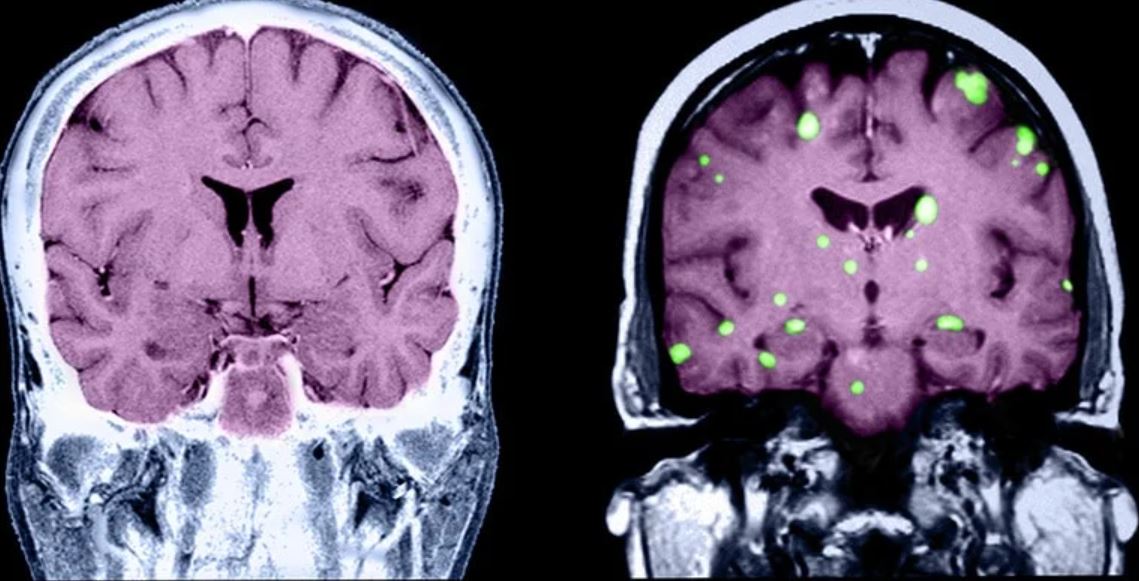
Brain metastases remain a frequent and often fatal consequence of metastatic breast cancer (MBC). MBC carries a median survival of about 3 years, but that rate drops significantly when cancer cells move to the brain. A recent analysis estimates median survival in patients with brain metastases ranges from 6 months in triple-negative breast cancer (TNBC) to 21 months in human epidermal growth factor receptor 2 (HER2)–positive disease.
This news organization spoke to Kevin M. Kalinsky, MD, acting associate professor in the department of hematology and medical oncology at Emory University School of Medicine in Atlanta and director of the Glenn Family Breast Center at the Winship Cancer Institute of Emory University, about the risk for brain metastases in patients with MBC, strategies for screening and treatment, and the work being done to achieve a better understanding of the disease.
Question: Before we dig into strategies to manage MBC brain metastasis, let’s talk about the risks. When and how often do brain metastases present in patients with MBC? What factors increase the likelihood of developing brain metastasis?
Dr. Kalinsky: The biggest risk factor for MBC spreading to the central nervous system (CNS), which includes the brain and spine, is breast cancer subtype. For patients with metastatic TNBC, the risk for brain metastasis can be more than 50%. For patients with HER2-positive disease, the risk may be slightly lower, with estimates in the range of 25%-50%, whereas the likelihood of brain metastasis in patients with hormone receptor–positive MBC is significantly lower at close to 14%. In addition, patients with metastatic TNBC may have brain metastases a little earlier in their disease progression compared with patients with HER2-positive or estrogen receptor–positive breast cancers, where brain metastases generally develop a little later in the disease course.
At what point is it recommended to screen patients with MBC for brain metastasis?
Current guidelines suggest that we scan for brain metastasis in the presence of new neurologic symptoms, such as headache, dizziness, or weakness in the arms or legs. MRI, in particular, is useful for evaluating brain metastasis, especially for smaller lesions, but lesions are sometimes detected through CT imaging of the head, too.
That’s where the guidelines are now. But as our systemic agents improve, there’s always the possibility these recommendations will be revisited and potentially include imaging as screening tools in asymptomatic patients, as well.
How do you assess which patients with MBC should receive local therapy?
Increasingly, because our systemic therapies in breast cancer are getting better in terms of crossing the blood-brain barrier, we think about local therapy on a case-by-case basis. We think about it with the question of whether we delay surgery or radiation — whole brain radiation, in particular — given concerns surrounding the side effects of these modalities, namely cognitive dysfunction for radiation and increased risk of bleeding and infection for surgery.
Giving a patient-directed local therapy, such as Gamma Knife radiosurgery or whole-brain radiotherapy, ultimately depends on the burden of brain metastasis, the status of systemic disease outside of the brain, and the number and size of the lesions seen on imaging. If, for instance, a patient has a large lesion that will immediately impact their neurologic status, we may opt to resect the lesion. If there are innumerable lesions, some of which are large, we may do whole-brain radiotherapy. If, however, a patient has systemic disease that is largely under control but is experiencing local progression in the brain, we may use local radiotherapy while continuing systemic therapy.
What about systemic therapies that cross the blood-brain barrier? What’s available now and how do you choose among the options?The subtype of breast cancer informs treatment with systemic therapies. For instance, patients with HER2-positive disease may receive oral tyrosine kinase inhibitors, such as tucatinib, neratinib, and lapatinib, which have strong CNS penetration. For patients with estrogen receptor–positive, HER2-negative MBC, estrogen therapies including aromatase inhibitors, as well as targeted therapies such as the mTOR inhibitor everolimus, have good CNS penetration. For patients with metastatic TNBC, we have chemotherapies that cross the blood-brain barrier, such as capecitabine and platinum-based chemotherapy.
Evidence suggests that tumors in the brain may harbor different genetic abnormalities from tumors in the breast. How do you consider the potential genetic heterogeneity in CNS tumors vs. the primary breast tumor?When a patient’s disease has spread to the brain, we may preferentially use agents we know cross the blood-brain barrier, so we can obtain systemic control both intracranially and extracranially. If we have already resected or biopsied cancerous brain tissue, it’s good to check the tumor’s estrogen receptor, progesterone receptor, and HER2 status and do next-generation sequencing to see if the tumor has any other targetable mutations, such as PIK3CA mutations.
But when a patient has multiple lesions, we don’t go in and biopsy all of them to check for heterogeneity. We have to make decisions based on samples we have. In cases where we start systemic therapy and notice one lesion is not responding to these agents while others are, the nonresponsive lesion may be an outlier in terms of its biologic characteristics. It may be worth targeting that lesion for biopsy and further sequencing to determine the next best systemic approach.
How do quality of life considerations factor into the management of patients with MBC brain metastases?
We use a multidisciplinary approach when treating patients. This means patient care involves a team of experts, which can include medical oncologists, radiation oncologists, and neuro-oncologists who help determine a treatment plan that takes factors such as survival and quality of life into account.
This is why, for example, we try to delay whole brain radiotherapy when we can. The HER2CLIMB study, which led to the approval of tucatinib as a treatment option for patients with HER2-positive MBC, showed us that patients with treated or untreated brain metastases receiving systemic therapy before local therapy could benefit from the combination of tucatinib, trastuzumab, and capecitabine. These patients exhibited a median progression-free survival of 7.6 months compared with 5.4 months in the placebo group.
HER2CLIMB has been practice changing because it showed us that tucatinib has good CNS activity in patients with brain metastases. The HER2CLIMB findings raise an important question: As our systemic therapies improve, how aggressive do we need to be with local therapy? Can we push off modalities like whole-brain radiotherapy, which are associated with toxicity?
This study also highlights how important it is for patients with metastatic disease to seek clinical trials. Although some trials exclude patients with brain metastases and others may have criteria that require the stability of brain metastasis for a certain amount of time, the knowledge gained can be invaluable.
Where are some of the main gaps in our understanding of brain metastases in patients with MBC?
One issue is our understanding of tropism to the brain. In other words, why does MBC spread to the brain? Once we understand this key piece, we can work on developing more effective therapies and therapeutic combinations to block brain metastasis.
For hormone receptor–positive disease, in particular, a central question is whether the current antiestrogen therapies — such as selective estrogen receptor degraders like fulvestrant, as well as targeted AKT inhibitors — have the potential to affect brain tumor activity. The same holds true for TNBC, where antibody drug conjugates and immunotherapies are being evaluated for treatment of brain tumors. For patients with HER2-positive MBC that has spread to the brain, understanding the continued role for tyrosine kinase inhibitors, such as tucatinib and neratinib, as well as whether antibody drug conjugates, including trastuzumab deruxtecan and trastuzumab emtansine, have CNS activity are important areas to explore further.
The CompassHER2 trial, going on now, is randomizing patients with residual HER2-positive disease after neoadjuvant chemotherapy and HER2-targeted therapy to receive trastuzumab emtansine with or without tucatinib. One of the core questions of this study is whether trastuzumab emtansine/tucatinib lowers the rate of brain metastasis and the incidence of systemic metastasis.
Another area in MBC that requires greater scrutiny is patients who develop leptomeningeal disease, which is when cancer cells spread to the cerebrospinal fluid. These patients have a particularly poor prognosis, and it would be helpful to evaluate the efficacy of existing therapies, but these patients are often excluded from clinical trials.
Overall, the ultimate goal in these endeavors is to decrease the rate of metastasis to the brain and improve survival and quality of life in patients with MBC who do experience brain metastases.
A version of this article first appeared on Medscape.com.
Brain metastases remain a frequent and often fatal consequence of metastatic breast cancer (MBC). MBC carries a median survival of about 3 years, but that rate drops significantly when cancer cells move to the brain. A recent analysis estimates median survival in patients with brain metastases ranges from 6 months in triple-negative breast cancer (TNBC) to 21 months in human epidermal growth factor receptor 2 (HER2)–positive disease.
This news organization spoke to Kevin M. Kalinsky, MD, acting associate professor in the department of hematology and medical oncology at Emory University School of Medicine in Atlanta and director of the Glenn Family Breast Center at the Winship Cancer Institute of Emory University, about the risk for brain metastases in patients with MBC, strategies for screening and treatment, and the work being done to achieve a better understanding of the disease.
Question: Before we dig into strategies to manage MBC brain metastasis, let’s talk about the risks. When and how often do brain metastases present in patients with MBC? What factors increase the likelihood of developing brain metastasis?
Dr. Kalinsky: The biggest risk factor for MBC spreading to the central nervous system (CNS), which includes the brain and spine, is breast cancer subtype. For patients with metastatic TNBC, the risk for brain metastasis can be more than 50%. For patients with HER2-positive disease, the risk may be slightly lower, with estimates in the range of 25%-50%, whereas the likelihood of brain metastasis in patients with hormone receptor–positive MBC is significantly lower at close to 14%. In addition, patients with metastatic TNBC may have brain metastases a little earlier in their disease progression compared with patients with HER2-positive or estrogen receptor–positive breast cancers, where brain metastases generally develop a little later in the disease course.
At what point is it recommended to screen patients with MBC for brain metastasis?
Current guidelines suggest that we scan for brain metastasis in the presence of new neurologic symptoms, such as headache, dizziness, or weakness in the arms or legs. MRI, in particular, is useful for evaluating brain metastasis, especially for smaller lesions, but lesions are sometimes detected through CT imaging of the head, too.
That’s where the guidelines are now. But as our systemic agents improve, there’s always the possibility these recommendations will be revisited and potentially include imaging as screening tools in asymptomatic patients, as well.
How do you assess which patients with MBC should receive local therapy?
Increasingly, because our systemic therapies in breast cancer are getting better in terms of crossing the blood-brain barrier, we think about local therapy on a case-by-case basis. We think about it with the question of whether we delay surgery or radiation — whole brain radiation, in particular — given concerns surrounding the side effects of these modalities, namely cognitive dysfunction for radiation and increased risk of bleeding and infection for surgery.
Giving a patient-directed local therapy, such as Gamma Knife radiosurgery or whole-brain radiotherapy, ultimately depends on the burden of brain metastasis, the status of systemic disease outside of the brain, and the number and size of the lesions seen on imaging. If, for instance, a patient has a large lesion that will immediately impact their neurologic status, we may opt to resect the lesion. If there are innumerable lesions, some of which are large, we may do whole-brain radiotherapy. If, however, a patient has systemic disease that is largely under control but is experiencing local progression in the brain, we may use local radiotherapy while continuing systemic therapy.
What about systemic therapies that cross the blood-brain barrier? What’s available now and how do you choose among the options?The subtype of breast cancer informs treatment with systemic therapies. For instance, patients with HER2-positive disease may receive oral tyrosine kinase inhibitors, such as tucatinib, neratinib, and lapatinib, which have strong CNS penetration. For patients with estrogen receptor–positive, HER2-negative MBC, estrogen therapies including aromatase inhibitors, as well as targeted therapies such as the mTOR inhibitor everolimus, have good CNS penetration. For patients with metastatic TNBC, we have chemotherapies that cross the blood-brain barrier, such as capecitabine and platinum-based chemotherapy.
Evidence suggests that tumors in the brain may harbor different genetic abnormalities from tumors in the breast. How do you consider the potential genetic heterogeneity in CNS tumors vs. the primary breast tumor?When a patient’s disease has spread to the brain, we may preferentially use agents we know cross the blood-brain barrier, so we can obtain systemic control both intracranially and extracranially. If we have already resected or biopsied cancerous brain tissue, it’s good to check the tumor’s estrogen receptor, progesterone receptor, and HER2 status and do next-generation sequencing to see if the tumor has any other targetable mutations, such as PIK3CA mutations.
But when a patient has multiple lesions, we don’t go in and biopsy all of them to check for heterogeneity. We have to make decisions based on samples we have. In cases where we start systemic therapy and notice one lesion is not responding to these agents while others are, the nonresponsive lesion may be an outlier in terms of its biologic characteristics. It may be worth targeting that lesion for biopsy and further sequencing to determine the next best systemic approach.
How do quality of life considerations factor into the management of patients with MBC brain metastases?
We use a multidisciplinary approach when treating patients. This means patient care involves a team of experts, which can include medical oncologists, radiation oncologists, and neuro-oncologists who help determine a treatment plan that takes factors such as survival and quality of life into account.
This is why, for example, we try to delay whole brain radiotherapy when we can. The HER2CLIMB study, which led to the approval of tucatinib as a treatment option for patients with HER2-positive MBC, showed us that patients with treated or untreated brain metastases receiving systemic therapy before local therapy could benefit from the combination of tucatinib, trastuzumab, and capecitabine. These patients exhibited a median progression-free survival of 7.6 months compared with 5.4 months in the placebo group.
HER2CLIMB has been practice changing because it showed us that tucatinib has good CNS activity in patients with brain metastases. The HER2CLIMB findings raise an important question: As our systemic therapies improve, how aggressive do we need to be with local therapy? Can we push off modalities like whole-brain radiotherapy, which are associated with toxicity?
This study also highlights how important it is for patients with metastatic disease to seek clinical trials. Although some trials exclude patients with brain metastases and others may have criteria that require the stability of brain metastasis for a certain amount of time, the knowledge gained can be invaluable.
Where are some of the main gaps in our understanding of brain metastases in patients with MBC?
One issue is our understanding of tropism to the brain. In other words, why does MBC spread to the brain? Once we understand this key piece, we can work on developing more effective therapies and therapeutic combinations to block brain metastasis.
For hormone receptor–positive disease, in particular, a central question is whether the current antiestrogen therapies — such as selective estrogen receptor degraders like fulvestrant, as well as targeted AKT inhibitors — have the potential to affect brain tumor activity. The same holds true for TNBC, where antibody drug conjugates and immunotherapies are being evaluated for treatment of brain tumors. For patients with HER2-positive MBC that has spread to the brain, understanding the continued role for tyrosine kinase inhibitors, such as tucatinib and neratinib, as well as whether antibody drug conjugates, including trastuzumab deruxtecan and trastuzumab emtansine, have CNS activity are important areas to explore further.
The CompassHER2 trial, going on now, is randomizing patients with residual HER2-positive disease after neoadjuvant chemotherapy and HER2-targeted therapy to receive trastuzumab emtansine with or without tucatinib. One of the core questions of this study is whether trastuzumab emtansine/tucatinib lowers the rate of brain metastasis and the incidence of systemic metastasis.
Another area in MBC that requires greater scrutiny is patients who develop leptomeningeal disease, which is when cancer cells spread to the cerebrospinal fluid. These patients have a particularly poor prognosis, and it would be helpful to evaluate the efficacy of existing therapies, but these patients are often excluded from clinical trials.
Overall, the ultimate goal in these endeavors is to decrease the rate of metastasis to the brain and improve survival and quality of life in patients with MBC who do experience brain metastases.
A version of this article first appeared on Medscape.com.
Brain metastases remain a frequent and often fatal consequence of metastatic breast cancer (MBC). MBC carries a median survival of about 3 years, but that rate drops significantly when cancer cells move to the brain. A recent analysis estimates median survival in patients with brain metastases ranges from 6 months in triple-negative breast cancer (TNBC) to 21 months in human epidermal growth factor receptor 2 (HER2)–positive disease.
This news organization spoke to Kevin M. Kalinsky, MD, acting associate professor in the department of hematology and medical oncology at Emory University School of Medicine in Atlanta and director of the Glenn Family Breast Center at the Winship Cancer Institute of Emory University, about the risk for brain metastases in patients with MBC, strategies for screening and treatment, and the work being done to achieve a better understanding of the disease.
Question: Before we dig into strategies to manage MBC brain metastasis, let’s talk about the risks. When and how often do brain metastases present in patients with MBC? What factors increase the likelihood of developing brain metastasis?
Dr. Kalinsky: The biggest risk factor for MBC spreading to the central nervous system (CNS), which includes the brain and spine, is breast cancer subtype. For patients with metastatic TNBC, the risk for brain metastasis can be more than 50%. For patients with HER2-positive disease, the risk may be slightly lower, with estimates in the range of 25%-50%, whereas the likelihood of brain metastasis in patients with hormone receptor–positive MBC is significantly lower at close to 14%. In addition, patients with metastatic TNBC may have brain metastases a little earlier in their disease progression compared with patients with HER2-positive or estrogen receptor–positive breast cancers, where brain metastases generally develop a little later in the disease course.
At what point is it recommended to screen patients with MBC for brain metastasis?
Current guidelines suggest that we scan for brain metastasis in the presence of new neurologic symptoms, such as headache, dizziness, or weakness in the arms or legs. MRI, in particular, is useful for evaluating brain metastasis, especially for smaller lesions, but lesions are sometimes detected through CT imaging of the head, too.
That’s where the guidelines are now. But as our systemic agents improve, there’s always the possibility these recommendations will be revisited and potentially include imaging as screening tools in asymptomatic patients, as well.
How do you assess which patients with MBC should receive local therapy?
Increasingly, because our systemic therapies in breast cancer are getting better in terms of crossing the blood-brain barrier, we think about local therapy on a case-by-case basis. We think about it with the question of whether we delay surgery or radiation — whole brain radiation, in particular — given concerns surrounding the side effects of these modalities, namely cognitive dysfunction for radiation and increased risk of bleeding and infection for surgery.
Giving a patient-directed local therapy, such as Gamma Knife radiosurgery or whole-brain radiotherapy, ultimately depends on the burden of brain metastasis, the status of systemic disease outside of the brain, and the number and size of the lesions seen on imaging. If, for instance, a patient has a large lesion that will immediately impact their neurologic status, we may opt to resect the lesion. If there are innumerable lesions, some of which are large, we may do whole-brain radiotherapy. If, however, a patient has systemic disease that is largely under control but is experiencing local progression in the brain, we may use local radiotherapy while continuing systemic therapy.
What about systemic therapies that cross the blood-brain barrier? What’s available now and how do you choose among the options?The subtype of breast cancer informs treatment with systemic therapies. For instance, patients with HER2-positive disease may receive oral tyrosine kinase inhibitors, such as tucatinib, neratinib, and lapatinib, which have strong CNS penetration. For patients with estrogen receptor–positive, HER2-negative MBC, estrogen therapies including aromatase inhibitors, as well as targeted therapies such as the mTOR inhibitor everolimus, have good CNS penetration. For patients with metastatic TNBC, we have chemotherapies that cross the blood-brain barrier, such as capecitabine and platinum-based chemotherapy.
Evidence suggests that tumors in the brain may harbor different genetic abnormalities from tumors in the breast. How do you consider the potential genetic heterogeneity in CNS tumors vs. the primary breast tumor?When a patient’s disease has spread to the brain, we may preferentially use agents we know cross the blood-brain barrier, so we can obtain systemic control both intracranially and extracranially. If we have already resected or biopsied cancerous brain tissue, it’s good to check the tumor’s estrogen receptor, progesterone receptor, and HER2 status and do next-generation sequencing to see if the tumor has any other targetable mutations, such as PIK3CA mutations.
But when a patient has multiple lesions, we don’t go in and biopsy all of them to check for heterogeneity. We have to make decisions based on samples we have. In cases where we start systemic therapy and notice one lesion is not responding to these agents while others are, the nonresponsive lesion may be an outlier in terms of its biologic characteristics. It may be worth targeting that lesion for biopsy and further sequencing to determine the next best systemic approach.
How do quality of life considerations factor into the management of patients with MBC brain metastases?
We use a multidisciplinary approach when treating patients. This means patient care involves a team of experts, which can include medical oncologists, radiation oncologists, and neuro-oncologists who help determine a treatment plan that takes factors such as survival and quality of life into account.
This is why, for example, we try to delay whole brain radiotherapy when we can. The HER2CLIMB study, which led to the approval of tucatinib as a treatment option for patients with HER2-positive MBC, showed us that patients with treated or untreated brain metastases receiving systemic therapy before local therapy could benefit from the combination of tucatinib, trastuzumab, and capecitabine. These patients exhibited a median progression-free survival of 7.6 months compared with 5.4 months in the placebo group.
HER2CLIMB has been practice changing because it showed us that tucatinib has good CNS activity in patients with brain metastases. The HER2CLIMB findings raise an important question: As our systemic therapies improve, how aggressive do we need to be with local therapy? Can we push off modalities like whole-brain radiotherapy, which are associated with toxicity?
This study also highlights how important it is for patients with metastatic disease to seek clinical trials. Although some trials exclude patients with brain metastases and others may have criteria that require the stability of brain metastasis for a certain amount of time, the knowledge gained can be invaluable.
Where are some of the main gaps in our understanding of brain metastases in patients with MBC?
One issue is our understanding of tropism to the brain. In other words, why does MBC spread to the brain? Once we understand this key piece, we can work on developing more effective therapies and therapeutic combinations to block brain metastasis.
For hormone receptor–positive disease, in particular, a central question is whether the current antiestrogen therapies — such as selective estrogen receptor degraders like fulvestrant, as well as targeted AKT inhibitors — have the potential to affect brain tumor activity. The same holds true for TNBC, where antibody drug conjugates and immunotherapies are being evaluated for treatment of brain tumors. For patients with HER2-positive MBC that has spread to the brain, understanding the continued role for tyrosine kinase inhibitors, such as tucatinib and neratinib, as well as whether antibody drug conjugates, including trastuzumab deruxtecan and trastuzumab emtansine, have CNS activity are important areas to explore further.
The CompassHER2 trial, going on now, is randomizing patients with residual HER2-positive disease after neoadjuvant chemotherapy and HER2-targeted therapy to receive trastuzumab emtansine with or without tucatinib. One of the core questions of this study is whether trastuzumab emtansine/tucatinib lowers the rate of brain metastasis and the incidence of systemic metastasis.
Another area in MBC that requires greater scrutiny is patients who develop leptomeningeal disease, which is when cancer cells spread to the cerebrospinal fluid. These patients have a particularly poor prognosis, and it would be helpful to evaluate the efficacy of existing therapies, but these patients are often excluded from clinical trials.
Overall, the ultimate goal in these endeavors is to decrease the rate of metastasis to the brain and improve survival and quality of life in patients with MBC who do experience brain metastases.
A version of this article first appeared on Medscape.com.