User login
MDedge conference coverage features onsite reporting of the latest study results and expert perspectives from leading researchers.
How clinicians can prepare for and defend against social media attacks
WASHINGTON – The entire video clip is just 15 seconds — 15 seconds that went viral and temporarily upended the entire life and disrupted the medical practice of Nicole Baldwin, MD, a pediatrician in Cincinnati, Ohio, in January 2020. At the annual meeting of the American Academy of Pediatrics, Dr. Baldwin told attendees how her pro-vaccine TikTok video led a horde of anti-vaccine activists to swarm her social media profiles across multiple platforms, leave one-star reviews with false stories about her medical practice on various doctor review sites, and personally threaten her.
The initial response to the video was positive, with 50,000 views in the first 24 hours after the video was posted and more than 1.5 million views the next day. But 2 days after the video was posted, an organized attack that originated on Facebook required Dr. Baldwin to enlist the help of 16 volunteers, working 24/7 for a week, to help ban and block more than 6,000 users on Facebook, Instagram, and TikTok. Just 4 days after she’d posted the video, Dr. Baldwin was reporting personal threats to the police and had begun contacting sites such as Yelp, Google, Healthgrades, Vitals, RateMDs, and WebMD so they could start removing false reviews about her practice.
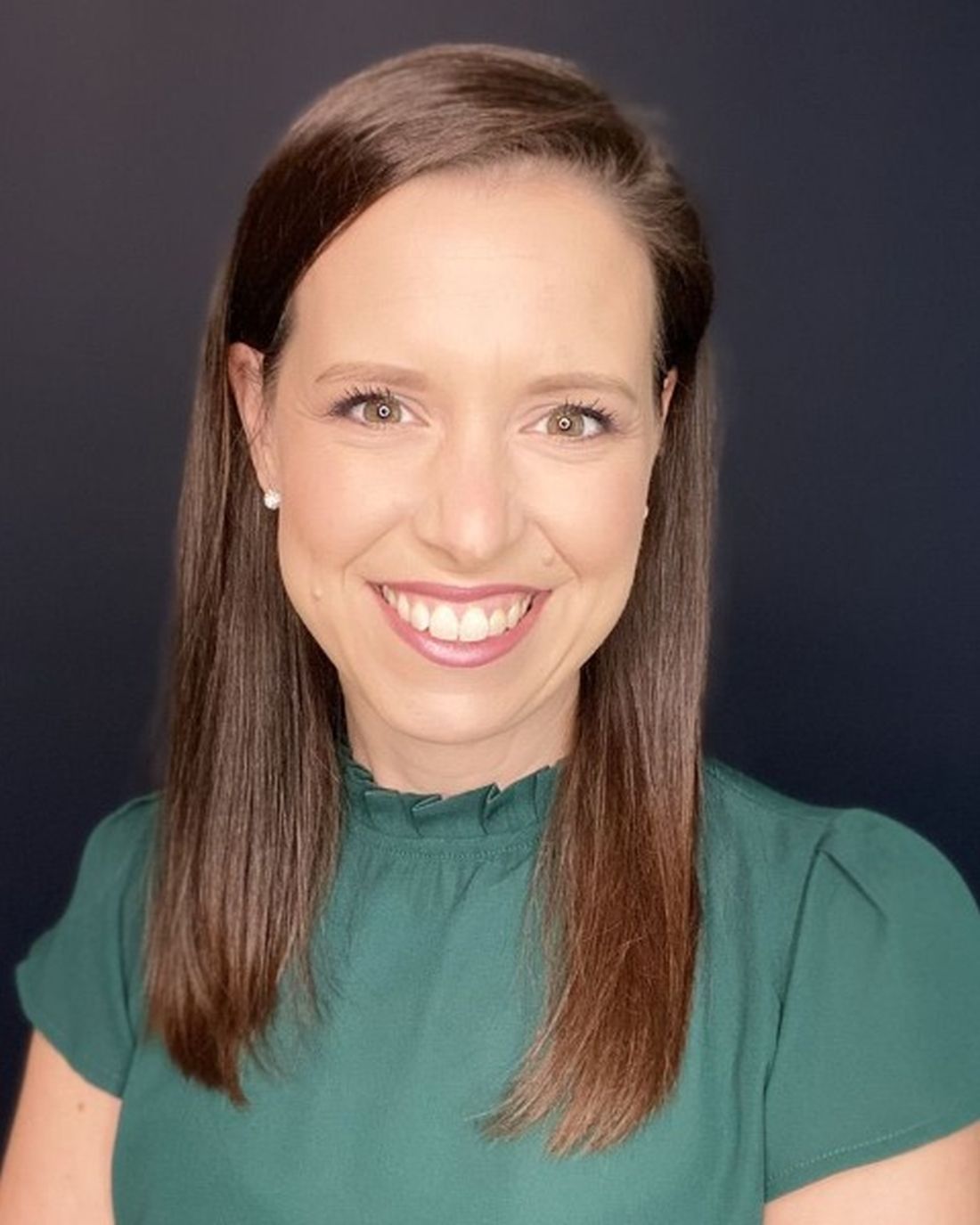
Today, years after those 2 exhausting, intense weeks of attacks, Dr. Baldwin has found two silver linings in the experience: More people have found her profiles, allowing her to share evidence-based information with an even wider audience, and she can now help other physicians protect themselves and reduce the risk of similar attacks, or at least know how to respond to them if they occur. Dr. Baldwin shared a wealth of tips and resources during her lecture to help pediatricians prepare ahead for the possibility that they will be targeted next, whether the issue is vaccines or another topic.
Online risks and benefits
A Pew survey of U.S. adults in September 2020 found that 41% have personally experienced online harassment, including a quarter of Americans who have experienced severe harassment. More than half of respondents said online harassment and bullying is a major problem – and that was a poll of the entire population, not even just physicians and scientists.
“Now, these numbers would be higher,” Dr. Baldwin said. “A lot has changed in the past 3 years, and the landscape is very different.”
The pandemic contributed to those changes to the landscape, including an increase in harassment of doctors and researchers. A June 2023 study revealed that two-thirds of 359 respondents in an online survey reported harassment on social media, a substantial number even after accounting for selection bias in the individuals who chose to respond to the survey. Although most of the attacks (88%) resulted from the respondent’s advocacy online, nearly half the attacks (45%) were gender based, 27% were based on race/ethnicity, and 13% were based on sexual orientation.
While hateful comments are likely the most common type of online harassment, other types can involve sharing or tagging your profile, creating fake profiles to misrepresent you, fake reviews of your practice, harassing phone calls and hate mail at your office, and doxxing, in which someone online widely shares your personal address, phone number, email, or other contact information.
Despite the risks of all these forms of harassment, Dr. Baldwin emphasized the value of doctors having a social media presence given how much misinformation thrives online. For example, a recent report from the Kaiser Family Foundation revealed how many people weren’t sure whether certain health misinformation claims were true or false. Barely a third of people were sure that COVID-19 vaccines had not caused thousands of deaths in healthy people, and only 22% of people were sure that ivermectin is not an effective treatment for COVID.
“There is so much that we need to be doing and working in these spaces to put evidence-based content out there so that people are not finding all of this crap from everybody else,” Dr. Baldwin said. Having an online presence is particularly important given that the public still has high levels of trust in their doctors, she added.
“They trust their physician, and you may not be their physician online, but I will tell you from experience, when you build a community of followers, you become that trusted source of information for them, and it is so important,” Dr. Baldwin said. “There is room for everybody in this space, and we need all of you.”
Proactive steps for protection
Dr. Baldwin then went through the details of what people should do now to make things easier in the event of an attack later. “The best defense is a good offense,” Dr. Baldwin said, “so make sure all of your accounts are secure.”
She recommended the following steps:
- Use two-factor authentication for all of your logins.
- Use strong, unique passwords for all of your logins.
- Use strong privacy settings on all of your private social media profiles, such as making sure photos are not visible on your personal Facebook account.
- Claim your Google profile and Yelp business profile.
- Claim your doctor and/or business profile on all of the medical review sites where you have one, including Google, Healthgrades, Vitals, RateMDs, and WebMD.
For doctors who are attacked specifically because of pro-vaccine advocacy, Dr. Baldwin recommended contacting Shots Heard Round The World, a site that was created by a physician whose practice was attacked by anti-vaccine activists. The site also has a toolkit that anyone can download for tips on preparing ahead for possible attacks and what to do if you are attacked.
Dr. Baldwin then reviewed how to set up different social media profiles to automatically hide certain comments, including comments with words commonly used by online harassers and trolls:
- Sheep
- Sheeple
- Pharma
- Shill
- Die
- Psychopath
- Clown
- Various curse words
- The clown emoji
In Instagram, go to “Settings and privacy —> Hidden Words” for options on hiding offensive comments and messages and for managing custom words and phrases that should be automatically hidden.
On Facebook, go to “Professional dashboard —> Moderation Assist,” where you can add or edit criteria to automatically hide comments on your Facebook page. In addition to hiding comments with certain keywords, you can hide comments from new accounts, accounts without profile photos, or accounts with no friends or followers.
On TikTok, click the three-line menu icon in the upper right, and choose “Privacy —> Comments —> Filter keywords.”
On the platform formerly known as Twitter, go to “Settings and privacy —> Privacy and safety —> Mute and block —> Muted words.”
On YouTube, under “Manage your community & comments,” select “Learn about comment settings.”
Dr. Baldwin did not discourage doctors from posting about controversial topics, but she said it’s important to know what they are so that you can be prepared for the possibility that a post about one of these topics could lead to online harassment. These hot button topics include vaccines, firearm safety, gender-affirming care, reproductive choice, safe sleep/bedsharing, breastfeeding, and COVID masks.
If you do post on one of these and suspect it could result in harassment, Dr. Baldwin recommends turning on your notifications so you know when attacks begin, alerting your office and call center staff if you think they might receive calls, and, when possible, post your content at a time when you’re more likely to be able to monitor the post. She acknowledged that this last tip isn’t always relevant since attacks can take a few days to start or gain steam.
Defending yourself in an attack
Even after taking all these precautions, it’s not possible to altogether prevent an attack from happening, so Dr. Baldwin provided suggestions on what to do if one occurs, starting with taking a deep breath.
“If you are attacked, first of all, please remain calm, which is a lot easier said than done,” she said. “But know that this too shall pass. These things do come to an end.”
She advises you to get help if you need it, enlisting friends or colleagues to help with moderation and banning/blocking. If necessary, alert your employer to the attack, as attackers may contact your employer. Some people may opt to turn off comments on their post, but doing so “is a really personal decision,” she said. It’s okay to turn off comments if you don’t have the bandwidth or help to deal with them.
However, Dr. Baldwin said she never turns off comments because she wants to be able to ban and block people to reduce the likelihood of a future attack from them, and each comment brings the post higher in the algorithm so that more people are able to see the original content. “So sometimes these things are actually a blessing in disguise,” she said.
If you do have comments turned on, take screenshots of the most egregious or threatening ones and then report them and ban/block them. The screenshots are evidence since blocking will remove the comment.
“Take breaks when you need to,” she said. “Don’t stay up all night” since there are only going to be more in the morning, and if you’re using keywords to help hide many of these comments, that will hide them from your followers while you’re away. She also advised monitoring your online reviews at doctor/practice review sites so you know whether you’re receiving spurious reviews that need to be removed.
Dr. Baldwin also addressed how to handle trolls, the people online who intentionally antagonize others with inflammatory, irrelevant, offensive, or otherwise disruptive comments or content. The No. 1 rule is not to engage – “Don’t feed the trolls” – but Dr. Baldwin acknowledged that she can find that difficult sometimes. So she uses kindness or humor to defuse them or calls them out on their inaccurate information and then thanks them for their engagement. Don’t forget that you are in charge of your own page, so any complaints about “censorship” or infringing “free speech” aren’t relevant.
If the comments are growing out of control and you’re unable to manage them, multiple social media platforms have options for limited interactions or who can comment on your page.
On Instagram under “Settings and privacy,” check out “Limited interactions,” “Comments —> Allow comments from,” and “Tags and mentions” to see ways you can limit who is able to comment, tag or mention your account. If you need a complete break, you can turn off commenting by clicking the three dots in the upper right corner of the post, or make your account temporarily private under “Settings and privacy —> Account privacy.”
On Facebook, click the three dots in the upper right corner of posts to select “Who can comment on your post?” Also, under “Settings —> Privacy —> Your Activity,” you can adjust who sees your future posts. Again, if things are out of control, you can temporarily deactivate your page under “Settings —> Privacy —> Facebook Page information.”
On TikTok, click the three lines in the upper right corner of your profile and select “Privacy —> Comments” to adjust who can comment and to filter comments. Again, you can make your account private under “Settings and privacy —> Privacy —> Private account.”
On the platform formerly known as Twitter, click the three dots in the upper right corner of the tweet to change who can reply to the tweet. If you select “Only people you mentioned,” then no one can reply if you did not mention anyone. You can control tagging under “Settings and privacy —> Privacy and safety —> Audience and tagging.”
If you or your practice receive false reviews on review sites, report the reviews and alert the rating site when you can. In the meantime, lock down your private social media accounts and ensure that no photos of your family are publicly available.
Social media self-care
Dr. Baldwin acknowledged that experiencing a social media attack can be intense and even frightening, but it’s rare and outweighed by the “hundreds and hundreds and hundreds of positive comments all the time.” She also reminded attendees that being on social media doesn’t mean being there all the time.
“Over time, my use of social media has certainly changed. It ebbs and flows,” she said. “There are times when I have a lot of bandwidth and I’m posting a lot, and then I actually have had some struggles with my own mental health, with some anxiety and mild depression, so I took a break from social media for a while. When I came back, I posted about my mental health struggles, and you wouldn’t believe how many people were so appreciative of that.”
Accurate information from a trusted source
Ultimately, Dr. Baldwin sees her work online as an extension of her work educating patients.
“This is where our patients are. They are in your office for maybe 10-15 minutes maybe once a year, but they are on these platforms every single day for hours,” she said. “They need to see this information from medical professionals because there are random people out there that are telling them [misinformation].”
Elizabeth Murray, DO, MBA, an emergency medicine pediatrician at Golisano Children’s Hospital at the University of Rochester, agreed that there’s substantial value in doctors sharing accurate information online.
“Disinformation and misinformation is rampant, and at the end of the day, we know the facts,” Dr. Murray said. “We know what parents want to hear and what they want to learn about, so we need to share that information and get the facts out there.”
Dr. Murray found the session very helpful because there’s so much to learn across different social media platforms and it can feel overwhelming if you aren’t familiar with the tools.
“Social media is always going to be here. We need to learn to live with all of these platforms,” Dr. Murray said. “That’s a skill set. We need to learn the skills and teach our kids the skill set. You never really know what you might put out there that, in your mind is innocent or very science-based, that for whatever reason somebody might take issue with. You might as well be ready because we’re all about prevention in pediatrics.”
There were no funders for the presentation. Dr. Baldwin and Dr. Murray had no disclosures.
WASHINGTON – The entire video clip is just 15 seconds — 15 seconds that went viral and temporarily upended the entire life and disrupted the medical practice of Nicole Baldwin, MD, a pediatrician in Cincinnati, Ohio, in January 2020. At the annual meeting of the American Academy of Pediatrics, Dr. Baldwin told attendees how her pro-vaccine TikTok video led a horde of anti-vaccine activists to swarm her social media profiles across multiple platforms, leave one-star reviews with false stories about her medical practice on various doctor review sites, and personally threaten her.
The initial response to the video was positive, with 50,000 views in the first 24 hours after the video was posted and more than 1.5 million views the next day. But 2 days after the video was posted, an organized attack that originated on Facebook required Dr. Baldwin to enlist the help of 16 volunteers, working 24/7 for a week, to help ban and block more than 6,000 users on Facebook, Instagram, and TikTok. Just 4 days after she’d posted the video, Dr. Baldwin was reporting personal threats to the police and had begun contacting sites such as Yelp, Google, Healthgrades, Vitals, RateMDs, and WebMD so they could start removing false reviews about her practice.
Today, years after those 2 exhausting, intense weeks of attacks, Dr. Baldwin has found two silver linings in the experience: More people have found her profiles, allowing her to share evidence-based information with an even wider audience, and she can now help other physicians protect themselves and reduce the risk of similar attacks, or at least know how to respond to them if they occur. Dr. Baldwin shared a wealth of tips and resources during her lecture to help pediatricians prepare ahead for the possibility that they will be targeted next, whether the issue is vaccines or another topic.
Online risks and benefits
A Pew survey of U.S. adults in September 2020 found that 41% have personally experienced online harassment, including a quarter of Americans who have experienced severe harassment. More than half of respondents said online harassment and bullying is a major problem – and that was a poll of the entire population, not even just physicians and scientists.
“Now, these numbers would be higher,” Dr. Baldwin said. “A lot has changed in the past 3 years, and the landscape is very different.”
The pandemic contributed to those changes to the landscape, including an increase in harassment of doctors and researchers. A June 2023 study revealed that two-thirds of 359 respondents in an online survey reported harassment on social media, a substantial number even after accounting for selection bias in the individuals who chose to respond to the survey. Although most of the attacks (88%) resulted from the respondent’s advocacy online, nearly half the attacks (45%) were gender based, 27% were based on race/ethnicity, and 13% were based on sexual orientation.
While hateful comments are likely the most common type of online harassment, other types can involve sharing or tagging your profile, creating fake profiles to misrepresent you, fake reviews of your practice, harassing phone calls and hate mail at your office, and doxxing, in which someone online widely shares your personal address, phone number, email, or other contact information.
Despite the risks of all these forms of harassment, Dr. Baldwin emphasized the value of doctors having a social media presence given how much misinformation thrives online. For example, a recent report from the Kaiser Family Foundation revealed how many people weren’t sure whether certain health misinformation claims were true or false. Barely a third of people were sure that COVID-19 vaccines had not caused thousands of deaths in healthy people, and only 22% of people were sure that ivermectin is not an effective treatment for COVID.
“There is so much that we need to be doing and working in these spaces to put evidence-based content out there so that people are not finding all of this crap from everybody else,” Dr. Baldwin said. Having an online presence is particularly important given that the public still has high levels of trust in their doctors, she added.
“They trust their physician, and you may not be their physician online, but I will tell you from experience, when you build a community of followers, you become that trusted source of information for them, and it is so important,” Dr. Baldwin said. “There is room for everybody in this space, and we need all of you.”
Proactive steps for protection
Dr. Baldwin then went through the details of what people should do now to make things easier in the event of an attack later. “The best defense is a good offense,” Dr. Baldwin said, “so make sure all of your accounts are secure.”
She recommended the following steps:
- Use two-factor authentication for all of your logins.
- Use strong, unique passwords for all of your logins.
- Use strong privacy settings on all of your private social media profiles, such as making sure photos are not visible on your personal Facebook account.
- Claim your Google profile and Yelp business profile.
- Claim your doctor and/or business profile on all of the medical review sites where you have one, including Google, Healthgrades, Vitals, RateMDs, and WebMD.
For doctors who are attacked specifically because of pro-vaccine advocacy, Dr. Baldwin recommended contacting Shots Heard Round The World, a site that was created by a physician whose practice was attacked by anti-vaccine activists. The site also has a toolkit that anyone can download for tips on preparing ahead for possible attacks and what to do if you are attacked.
Dr. Baldwin then reviewed how to set up different social media profiles to automatically hide certain comments, including comments with words commonly used by online harassers and trolls:
- Sheep
- Sheeple
- Pharma
- Shill
- Die
- Psychopath
- Clown
- Various curse words
- The clown emoji
In Instagram, go to “Settings and privacy —> Hidden Words” for options on hiding offensive comments and messages and for managing custom words and phrases that should be automatically hidden.
On Facebook, go to “Professional dashboard —> Moderation Assist,” where you can add or edit criteria to automatically hide comments on your Facebook page. In addition to hiding comments with certain keywords, you can hide comments from new accounts, accounts without profile photos, or accounts with no friends or followers.
On TikTok, click the three-line menu icon in the upper right, and choose “Privacy —> Comments —> Filter keywords.”
On the platform formerly known as Twitter, go to “Settings and privacy —> Privacy and safety —> Mute and block —> Muted words.”
On YouTube, under “Manage your community & comments,” select “Learn about comment settings.”
Dr. Baldwin did not discourage doctors from posting about controversial topics, but she said it’s important to know what they are so that you can be prepared for the possibility that a post about one of these topics could lead to online harassment. These hot button topics include vaccines, firearm safety, gender-affirming care, reproductive choice, safe sleep/bedsharing, breastfeeding, and COVID masks.
If you do post on one of these and suspect it could result in harassment, Dr. Baldwin recommends turning on your notifications so you know when attacks begin, alerting your office and call center staff if you think they might receive calls, and, when possible, post your content at a time when you’re more likely to be able to monitor the post. She acknowledged that this last tip isn’t always relevant since attacks can take a few days to start or gain steam.
Defending yourself in an attack
Even after taking all these precautions, it’s not possible to altogether prevent an attack from happening, so Dr. Baldwin provided suggestions on what to do if one occurs, starting with taking a deep breath.
“If you are attacked, first of all, please remain calm, which is a lot easier said than done,” she said. “But know that this too shall pass. These things do come to an end.”
She advises you to get help if you need it, enlisting friends or colleagues to help with moderation and banning/blocking. If necessary, alert your employer to the attack, as attackers may contact your employer. Some people may opt to turn off comments on their post, but doing so “is a really personal decision,” she said. It’s okay to turn off comments if you don’t have the bandwidth or help to deal with them.
However, Dr. Baldwin said she never turns off comments because she wants to be able to ban and block people to reduce the likelihood of a future attack from them, and each comment brings the post higher in the algorithm so that more people are able to see the original content. “So sometimes these things are actually a blessing in disguise,” she said.
If you do have comments turned on, take screenshots of the most egregious or threatening ones and then report them and ban/block them. The screenshots are evidence since blocking will remove the comment.
“Take breaks when you need to,” she said. “Don’t stay up all night” since there are only going to be more in the morning, and if you’re using keywords to help hide many of these comments, that will hide them from your followers while you’re away. She also advised monitoring your online reviews at doctor/practice review sites so you know whether you’re receiving spurious reviews that need to be removed.
Dr. Baldwin also addressed how to handle trolls, the people online who intentionally antagonize others with inflammatory, irrelevant, offensive, or otherwise disruptive comments or content. The No. 1 rule is not to engage – “Don’t feed the trolls” – but Dr. Baldwin acknowledged that she can find that difficult sometimes. So she uses kindness or humor to defuse them or calls them out on their inaccurate information and then thanks them for their engagement. Don’t forget that you are in charge of your own page, so any complaints about “censorship” or infringing “free speech” aren’t relevant.
If the comments are growing out of control and you’re unable to manage them, multiple social media platforms have options for limited interactions or who can comment on your page.
On Instagram under “Settings and privacy,” check out “Limited interactions,” “Comments —> Allow comments from,” and “Tags and mentions” to see ways you can limit who is able to comment, tag or mention your account. If you need a complete break, you can turn off commenting by clicking the three dots in the upper right corner of the post, or make your account temporarily private under “Settings and privacy —> Account privacy.”
On Facebook, click the three dots in the upper right corner of posts to select “Who can comment on your post?” Also, under “Settings —> Privacy —> Your Activity,” you can adjust who sees your future posts. Again, if things are out of control, you can temporarily deactivate your page under “Settings —> Privacy —> Facebook Page information.”
On TikTok, click the three lines in the upper right corner of your profile and select “Privacy —> Comments” to adjust who can comment and to filter comments. Again, you can make your account private under “Settings and privacy —> Privacy —> Private account.”
On the platform formerly known as Twitter, click the three dots in the upper right corner of the tweet to change who can reply to the tweet. If you select “Only people you mentioned,” then no one can reply if you did not mention anyone. You can control tagging under “Settings and privacy —> Privacy and safety —> Audience and tagging.”
If you or your practice receive false reviews on review sites, report the reviews and alert the rating site when you can. In the meantime, lock down your private social media accounts and ensure that no photos of your family are publicly available.
Social media self-care
Dr. Baldwin acknowledged that experiencing a social media attack can be intense and even frightening, but it’s rare and outweighed by the “hundreds and hundreds and hundreds of positive comments all the time.” She also reminded attendees that being on social media doesn’t mean being there all the time.
“Over time, my use of social media has certainly changed. It ebbs and flows,” she said. “There are times when I have a lot of bandwidth and I’m posting a lot, and then I actually have had some struggles with my own mental health, with some anxiety and mild depression, so I took a break from social media for a while. When I came back, I posted about my mental health struggles, and you wouldn’t believe how many people were so appreciative of that.”
Accurate information from a trusted source
Ultimately, Dr. Baldwin sees her work online as an extension of her work educating patients.
“This is where our patients are. They are in your office for maybe 10-15 minutes maybe once a year, but they are on these platforms every single day for hours,” she said. “They need to see this information from medical professionals because there are random people out there that are telling them [misinformation].”
Elizabeth Murray, DO, MBA, an emergency medicine pediatrician at Golisano Children’s Hospital at the University of Rochester, agreed that there’s substantial value in doctors sharing accurate information online.
“Disinformation and misinformation is rampant, and at the end of the day, we know the facts,” Dr. Murray said. “We know what parents want to hear and what they want to learn about, so we need to share that information and get the facts out there.”
Dr. Murray found the session very helpful because there’s so much to learn across different social media platforms and it can feel overwhelming if you aren’t familiar with the tools.
“Social media is always going to be here. We need to learn to live with all of these platforms,” Dr. Murray said. “That’s a skill set. We need to learn the skills and teach our kids the skill set. You never really know what you might put out there that, in your mind is innocent or very science-based, that for whatever reason somebody might take issue with. You might as well be ready because we’re all about prevention in pediatrics.”
There were no funders for the presentation. Dr. Baldwin and Dr. Murray had no disclosures.
WASHINGTON – The entire video clip is just 15 seconds — 15 seconds that went viral and temporarily upended the entire life and disrupted the medical practice of Nicole Baldwin, MD, a pediatrician in Cincinnati, Ohio, in January 2020. At the annual meeting of the American Academy of Pediatrics, Dr. Baldwin told attendees how her pro-vaccine TikTok video led a horde of anti-vaccine activists to swarm her social media profiles across multiple platforms, leave one-star reviews with false stories about her medical practice on various doctor review sites, and personally threaten her.
The initial response to the video was positive, with 50,000 views in the first 24 hours after the video was posted and more than 1.5 million views the next day. But 2 days after the video was posted, an organized attack that originated on Facebook required Dr. Baldwin to enlist the help of 16 volunteers, working 24/7 for a week, to help ban and block more than 6,000 users on Facebook, Instagram, and TikTok. Just 4 days after she’d posted the video, Dr. Baldwin was reporting personal threats to the police and had begun contacting sites such as Yelp, Google, Healthgrades, Vitals, RateMDs, and WebMD so they could start removing false reviews about her practice.
Today, years after those 2 exhausting, intense weeks of attacks, Dr. Baldwin has found two silver linings in the experience: More people have found her profiles, allowing her to share evidence-based information with an even wider audience, and she can now help other physicians protect themselves and reduce the risk of similar attacks, or at least know how to respond to them if they occur. Dr. Baldwin shared a wealth of tips and resources during her lecture to help pediatricians prepare ahead for the possibility that they will be targeted next, whether the issue is vaccines or another topic.
Online risks and benefits
A Pew survey of U.S. adults in September 2020 found that 41% have personally experienced online harassment, including a quarter of Americans who have experienced severe harassment. More than half of respondents said online harassment and bullying is a major problem – and that was a poll of the entire population, not even just physicians and scientists.
“Now, these numbers would be higher,” Dr. Baldwin said. “A lot has changed in the past 3 years, and the landscape is very different.”
The pandemic contributed to those changes to the landscape, including an increase in harassment of doctors and researchers. A June 2023 study revealed that two-thirds of 359 respondents in an online survey reported harassment on social media, a substantial number even after accounting for selection bias in the individuals who chose to respond to the survey. Although most of the attacks (88%) resulted from the respondent’s advocacy online, nearly half the attacks (45%) were gender based, 27% were based on race/ethnicity, and 13% were based on sexual orientation.
While hateful comments are likely the most common type of online harassment, other types can involve sharing or tagging your profile, creating fake profiles to misrepresent you, fake reviews of your practice, harassing phone calls and hate mail at your office, and doxxing, in which someone online widely shares your personal address, phone number, email, or other contact information.
Despite the risks of all these forms of harassment, Dr. Baldwin emphasized the value of doctors having a social media presence given how much misinformation thrives online. For example, a recent report from the Kaiser Family Foundation revealed how many people weren’t sure whether certain health misinformation claims were true or false. Barely a third of people were sure that COVID-19 vaccines had not caused thousands of deaths in healthy people, and only 22% of people were sure that ivermectin is not an effective treatment for COVID.
“There is so much that we need to be doing and working in these spaces to put evidence-based content out there so that people are not finding all of this crap from everybody else,” Dr. Baldwin said. Having an online presence is particularly important given that the public still has high levels of trust in their doctors, she added.
“They trust their physician, and you may not be their physician online, but I will tell you from experience, when you build a community of followers, you become that trusted source of information for them, and it is so important,” Dr. Baldwin said. “There is room for everybody in this space, and we need all of you.”
Proactive steps for protection
Dr. Baldwin then went through the details of what people should do now to make things easier in the event of an attack later. “The best defense is a good offense,” Dr. Baldwin said, “so make sure all of your accounts are secure.”
She recommended the following steps:
- Use two-factor authentication for all of your logins.
- Use strong, unique passwords for all of your logins.
- Use strong privacy settings on all of your private social media profiles, such as making sure photos are not visible on your personal Facebook account.
- Claim your Google profile and Yelp business profile.
- Claim your doctor and/or business profile on all of the medical review sites where you have one, including Google, Healthgrades, Vitals, RateMDs, and WebMD.
For doctors who are attacked specifically because of pro-vaccine advocacy, Dr. Baldwin recommended contacting Shots Heard Round The World, a site that was created by a physician whose practice was attacked by anti-vaccine activists. The site also has a toolkit that anyone can download for tips on preparing ahead for possible attacks and what to do if you are attacked.
Dr. Baldwin then reviewed how to set up different social media profiles to automatically hide certain comments, including comments with words commonly used by online harassers and trolls:
- Sheep
- Sheeple
- Pharma
- Shill
- Die
- Psychopath
- Clown
- Various curse words
- The clown emoji
In Instagram, go to “Settings and privacy —> Hidden Words” for options on hiding offensive comments and messages and for managing custom words and phrases that should be automatically hidden.
On Facebook, go to “Professional dashboard —> Moderation Assist,” where you can add or edit criteria to automatically hide comments on your Facebook page. In addition to hiding comments with certain keywords, you can hide comments from new accounts, accounts without profile photos, or accounts with no friends or followers.
On TikTok, click the three-line menu icon in the upper right, and choose “Privacy —> Comments —> Filter keywords.”
On the platform formerly known as Twitter, go to “Settings and privacy —> Privacy and safety —> Mute and block —> Muted words.”
On YouTube, under “Manage your community & comments,” select “Learn about comment settings.”
Dr. Baldwin did not discourage doctors from posting about controversial topics, but she said it’s important to know what they are so that you can be prepared for the possibility that a post about one of these topics could lead to online harassment. These hot button topics include vaccines, firearm safety, gender-affirming care, reproductive choice, safe sleep/bedsharing, breastfeeding, and COVID masks.
If you do post on one of these and suspect it could result in harassment, Dr. Baldwin recommends turning on your notifications so you know when attacks begin, alerting your office and call center staff if you think they might receive calls, and, when possible, post your content at a time when you’re more likely to be able to monitor the post. She acknowledged that this last tip isn’t always relevant since attacks can take a few days to start or gain steam.
Defending yourself in an attack
Even after taking all these precautions, it’s not possible to altogether prevent an attack from happening, so Dr. Baldwin provided suggestions on what to do if one occurs, starting with taking a deep breath.
“If you are attacked, first of all, please remain calm, which is a lot easier said than done,” she said. “But know that this too shall pass. These things do come to an end.”
She advises you to get help if you need it, enlisting friends or colleagues to help with moderation and banning/blocking. If necessary, alert your employer to the attack, as attackers may contact your employer. Some people may opt to turn off comments on their post, but doing so “is a really personal decision,” she said. It’s okay to turn off comments if you don’t have the bandwidth or help to deal with them.
However, Dr. Baldwin said she never turns off comments because she wants to be able to ban and block people to reduce the likelihood of a future attack from them, and each comment brings the post higher in the algorithm so that more people are able to see the original content. “So sometimes these things are actually a blessing in disguise,” she said.
If you do have comments turned on, take screenshots of the most egregious or threatening ones and then report them and ban/block them. The screenshots are evidence since blocking will remove the comment.
“Take breaks when you need to,” she said. “Don’t stay up all night” since there are only going to be more in the morning, and if you’re using keywords to help hide many of these comments, that will hide them from your followers while you’re away. She also advised monitoring your online reviews at doctor/practice review sites so you know whether you’re receiving spurious reviews that need to be removed.
Dr. Baldwin also addressed how to handle trolls, the people online who intentionally antagonize others with inflammatory, irrelevant, offensive, or otherwise disruptive comments or content. The No. 1 rule is not to engage – “Don’t feed the trolls” – but Dr. Baldwin acknowledged that she can find that difficult sometimes. So she uses kindness or humor to defuse them or calls them out on their inaccurate information and then thanks them for their engagement. Don’t forget that you are in charge of your own page, so any complaints about “censorship” or infringing “free speech” aren’t relevant.
If the comments are growing out of control and you’re unable to manage them, multiple social media platforms have options for limited interactions or who can comment on your page.
On Instagram under “Settings and privacy,” check out “Limited interactions,” “Comments —> Allow comments from,” and “Tags and mentions” to see ways you can limit who is able to comment, tag or mention your account. If you need a complete break, you can turn off commenting by clicking the three dots in the upper right corner of the post, or make your account temporarily private under “Settings and privacy —> Account privacy.”
On Facebook, click the three dots in the upper right corner of posts to select “Who can comment on your post?” Also, under “Settings —> Privacy —> Your Activity,” you can adjust who sees your future posts. Again, if things are out of control, you can temporarily deactivate your page under “Settings —> Privacy —> Facebook Page information.”
On TikTok, click the three lines in the upper right corner of your profile and select “Privacy —> Comments” to adjust who can comment and to filter comments. Again, you can make your account private under “Settings and privacy —> Privacy —> Private account.”
On the platform formerly known as Twitter, click the three dots in the upper right corner of the tweet to change who can reply to the tweet. If you select “Only people you mentioned,” then no one can reply if you did not mention anyone. You can control tagging under “Settings and privacy —> Privacy and safety —> Audience and tagging.”
If you or your practice receive false reviews on review sites, report the reviews and alert the rating site when you can. In the meantime, lock down your private social media accounts and ensure that no photos of your family are publicly available.
Social media self-care
Dr. Baldwin acknowledged that experiencing a social media attack can be intense and even frightening, but it’s rare and outweighed by the “hundreds and hundreds and hundreds of positive comments all the time.” She also reminded attendees that being on social media doesn’t mean being there all the time.
“Over time, my use of social media has certainly changed. It ebbs and flows,” she said. “There are times when I have a lot of bandwidth and I’m posting a lot, and then I actually have had some struggles with my own mental health, with some anxiety and mild depression, so I took a break from social media for a while. When I came back, I posted about my mental health struggles, and you wouldn’t believe how many people were so appreciative of that.”
Accurate information from a trusted source
Ultimately, Dr. Baldwin sees her work online as an extension of her work educating patients.
“This is where our patients are. They are in your office for maybe 10-15 minutes maybe once a year, but they are on these platforms every single day for hours,” she said. “They need to see this information from medical professionals because there are random people out there that are telling them [misinformation].”
Elizabeth Murray, DO, MBA, an emergency medicine pediatrician at Golisano Children’s Hospital at the University of Rochester, agreed that there’s substantial value in doctors sharing accurate information online.
“Disinformation and misinformation is rampant, and at the end of the day, we know the facts,” Dr. Murray said. “We know what parents want to hear and what they want to learn about, so we need to share that information and get the facts out there.”
Dr. Murray found the session very helpful because there’s so much to learn across different social media platforms and it can feel overwhelming if you aren’t familiar with the tools.
“Social media is always going to be here. We need to learn to live with all of these platforms,” Dr. Murray said. “That’s a skill set. We need to learn the skills and teach our kids the skill set. You never really know what you might put out there that, in your mind is innocent or very science-based, that for whatever reason somebody might take issue with. You might as well be ready because we’re all about prevention in pediatrics.”
There were no funders for the presentation. Dr. Baldwin and Dr. Murray had no disclosures.
AT AAP 2023
Frontline myeloma treatments: ASCT vs. CAR T
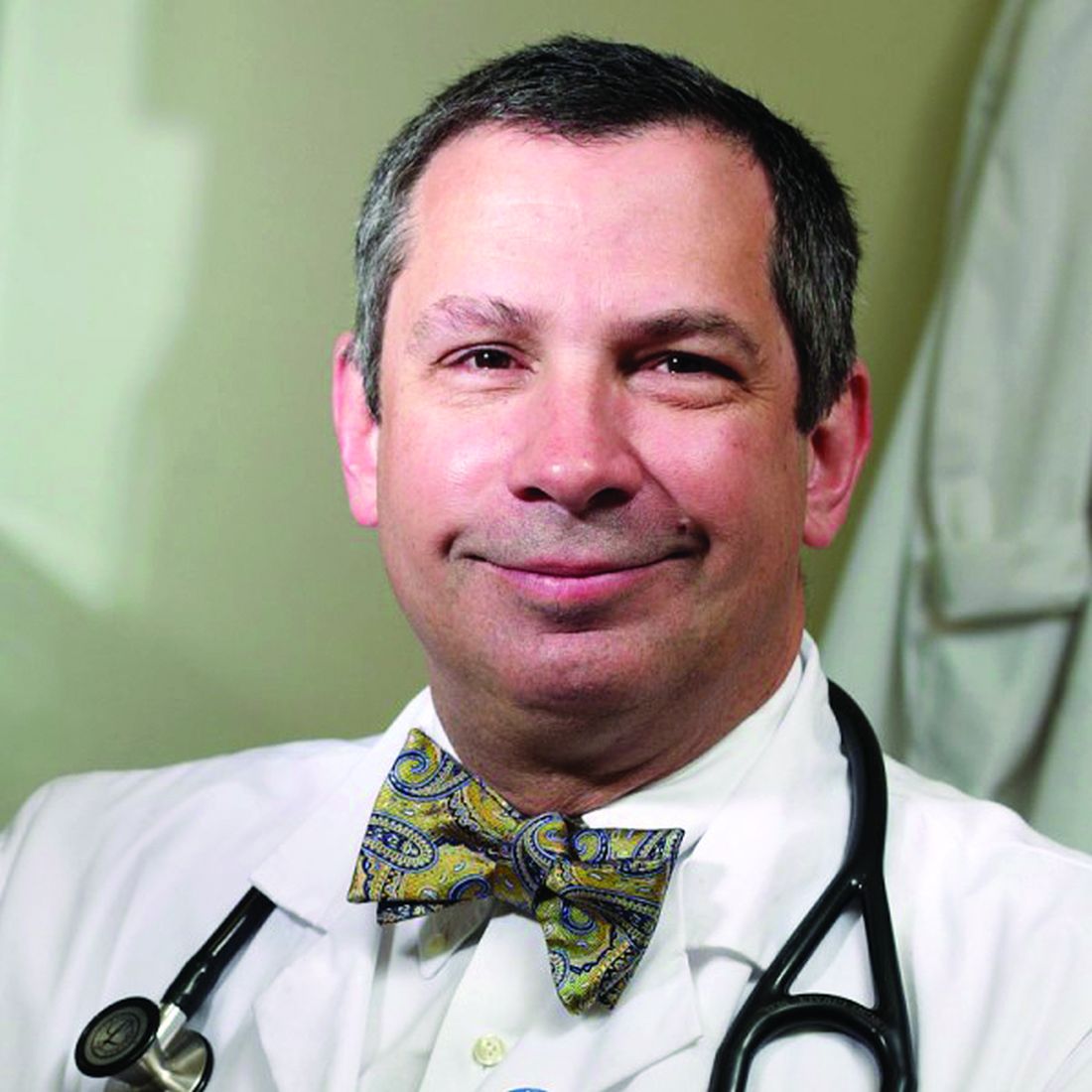
“In an otherwise healthy treatment-naive patient with multiple myeloma, to ensure the best chances of overall survival, I would always recommend standard of care consolidation therapy of chemotherapy + ASCT,” said Sergio Giralt, MD, of New York’s Memorial Sloan Kettering Cancer Center, debating the merits of ASCT versus CAR T as consolidation therapy at the Lymphoma, Leukemia & Myeloma (LLM) Congress 2023 in New York.
Final results from the phase II GRIFFIN trial highlight the benchmarks that CAR T-cell therapy would need to reach to achieve equivalence with ASCT. At a 4-year follow-up, newly diagnosed MM patients who received daratumumab, lenalidomide, bortezomib, and dexamethasone (D-RVd) followed by ASCT + D-RVd consolidation, and daratumumab maintenance, had a progression-free survival (PFS) rate of 87.3%, 92.7% overall survival (OS) rate, and 50% achieved minimal residual disease negativity.
Dr. Adriana Rossi, MD, assistant professor of medicine, Icahn School of Medicine at Mount Sinai, New York, cited a convergence of evidence suggesting that CAR T could achieve impressive results as a consolidation therapy in fit patients with MM, including: CARTITUDE 1 and CARTITUDE 4, which studied CAR T in RR MM patients. However, due to the fact that no head-to-head study of CAR T vs. ASCT as consolidation therapy in otherwise healthy MM patients exists, “There is not enough long-term data to support the equivalence CAR T with ASCT,” Dr. Giralt concluded.
Dr. Rossi further advocated for considering CAR T as a consolidation treatment because of the risks of secondary malignancies associated with ACST maintenance regimens.
Dr. Giralt rebutted this argument by citing data about averse events (AE) in studies of CAR-T therapies in RR MM patients like KarMMa-2, in which grade 3-4 neutropenia, anemia, and thrombocytopenia occurred in 94.6%, 45.9%, and 37.8% of patients respectively. Furthermore, 2 of 37 patients in KarMMA died (1 pneumonia, 1 pseudomonal sepsis), while rates of death from AEs related to ASCT occur in less than 1% of patients, according to Dr. Giralt.
Beyond a dearth of evidence thus far about the long term PFS, OS, and safety profile superiority of CAR-T therapies, compared with ASCT in treatment-naive MM patients, Dr. Giralt also noted the facts that CAR T-cell therapies are expensive and require manufacturing infrastructure also demonstrate that they cannot be easily adopted everywhere, even as a third-line therapy.
“In many places like Morocco, where I practice, we do not have access to CAR-T therapies,” said Sadia Zafad, MD, of the Clinique Al Madina Hematology and Oncology Center in Casablanca, Morocco. Dr. Zafad attended the debate.
A lack of access to CAR T is also a problem in the United States, where wait times for the therapy can stretch up to 6 months, getting insurance approval is challenging, and many patients simply don’t live near a center where CAR T-cell therapy is available. Citing all these factors, Dr. Giralt concluded: “Even if CAR T can be shown to have the same results as transplant, it is much more resource-intensive than transplant, and insurers are going to start saying there’s no necessary benefit. We have yet to use value as a primary end point, but as cancer care gets more and more expensive, that’s going to come up more, for CAR T and other novel therapies.”
Dr. Giralt reported relationships with Actinuum, Amgen, BMS, Celgene, Crisper, J&J, Jazz, Kite, Miltenyi, Novartis, Sanofi, and Takeda. Dr. Rossi disclosed ties with Adaptive, BMS, Celgene, JNJ, Sanofi & Genzyme. Dr. Zafad reported no disclosures.
“In an otherwise healthy treatment-naive patient with multiple myeloma, to ensure the best chances of overall survival, I would always recommend standard of care consolidation therapy of chemotherapy + ASCT,” said Sergio Giralt, MD, of New York’s Memorial Sloan Kettering Cancer Center, debating the merits of ASCT versus CAR T as consolidation therapy at the Lymphoma, Leukemia & Myeloma (LLM) Congress 2023 in New York.
Final results from the phase II GRIFFIN trial highlight the benchmarks that CAR T-cell therapy would need to reach to achieve equivalence with ASCT. At a 4-year follow-up, newly diagnosed MM patients who received daratumumab, lenalidomide, bortezomib, and dexamethasone (D-RVd) followed by ASCT + D-RVd consolidation, and daratumumab maintenance, had a progression-free survival (PFS) rate of 87.3%, 92.7% overall survival (OS) rate, and 50% achieved minimal residual disease negativity.
Dr. Adriana Rossi, MD, assistant professor of medicine, Icahn School of Medicine at Mount Sinai, New York, cited a convergence of evidence suggesting that CAR T could achieve impressive results as a consolidation therapy in fit patients with MM, including: CARTITUDE 1 and CARTITUDE 4, which studied CAR T in RR MM patients. However, due to the fact that no head-to-head study of CAR T vs. ASCT as consolidation therapy in otherwise healthy MM patients exists, “There is not enough long-term data to support the equivalence CAR T with ASCT,” Dr. Giralt concluded.
Dr. Rossi further advocated for considering CAR T as a consolidation treatment because of the risks of secondary malignancies associated with ACST maintenance regimens.
Dr. Giralt rebutted this argument by citing data about averse events (AE) in studies of CAR-T therapies in RR MM patients like KarMMa-2, in which grade 3-4 neutropenia, anemia, and thrombocytopenia occurred in 94.6%, 45.9%, and 37.8% of patients respectively. Furthermore, 2 of 37 patients in KarMMA died (1 pneumonia, 1 pseudomonal sepsis), while rates of death from AEs related to ASCT occur in less than 1% of patients, according to Dr. Giralt.
Beyond a dearth of evidence thus far about the long term PFS, OS, and safety profile superiority of CAR-T therapies, compared with ASCT in treatment-naive MM patients, Dr. Giralt also noted the facts that CAR T-cell therapies are expensive and require manufacturing infrastructure also demonstrate that they cannot be easily adopted everywhere, even as a third-line therapy.
“In many places like Morocco, where I practice, we do not have access to CAR-T therapies,” said Sadia Zafad, MD, of the Clinique Al Madina Hematology and Oncology Center in Casablanca, Morocco. Dr. Zafad attended the debate.
A lack of access to CAR T is also a problem in the United States, where wait times for the therapy can stretch up to 6 months, getting insurance approval is challenging, and many patients simply don’t live near a center where CAR T-cell therapy is available. Citing all these factors, Dr. Giralt concluded: “Even if CAR T can be shown to have the same results as transplant, it is much more resource-intensive than transplant, and insurers are going to start saying there’s no necessary benefit. We have yet to use value as a primary end point, but as cancer care gets more and more expensive, that’s going to come up more, for CAR T and other novel therapies.”
Dr. Giralt reported relationships with Actinuum, Amgen, BMS, Celgene, Crisper, J&J, Jazz, Kite, Miltenyi, Novartis, Sanofi, and Takeda. Dr. Rossi disclosed ties with Adaptive, BMS, Celgene, JNJ, Sanofi & Genzyme. Dr. Zafad reported no disclosures.
“In an otherwise healthy treatment-naive patient with multiple myeloma, to ensure the best chances of overall survival, I would always recommend standard of care consolidation therapy of chemotherapy + ASCT,” said Sergio Giralt, MD, of New York’s Memorial Sloan Kettering Cancer Center, debating the merits of ASCT versus CAR T as consolidation therapy at the Lymphoma, Leukemia & Myeloma (LLM) Congress 2023 in New York.
Final results from the phase II GRIFFIN trial highlight the benchmarks that CAR T-cell therapy would need to reach to achieve equivalence with ASCT. At a 4-year follow-up, newly diagnosed MM patients who received daratumumab, lenalidomide, bortezomib, and dexamethasone (D-RVd) followed by ASCT + D-RVd consolidation, and daratumumab maintenance, had a progression-free survival (PFS) rate of 87.3%, 92.7% overall survival (OS) rate, and 50% achieved minimal residual disease negativity.
Dr. Adriana Rossi, MD, assistant professor of medicine, Icahn School of Medicine at Mount Sinai, New York, cited a convergence of evidence suggesting that CAR T could achieve impressive results as a consolidation therapy in fit patients with MM, including: CARTITUDE 1 and CARTITUDE 4, which studied CAR T in RR MM patients. However, due to the fact that no head-to-head study of CAR T vs. ASCT as consolidation therapy in otherwise healthy MM patients exists, “There is not enough long-term data to support the equivalence CAR T with ASCT,” Dr. Giralt concluded.
Dr. Rossi further advocated for considering CAR T as a consolidation treatment because of the risks of secondary malignancies associated with ACST maintenance regimens.
Dr. Giralt rebutted this argument by citing data about averse events (AE) in studies of CAR-T therapies in RR MM patients like KarMMa-2, in which grade 3-4 neutropenia, anemia, and thrombocytopenia occurred in 94.6%, 45.9%, and 37.8% of patients respectively. Furthermore, 2 of 37 patients in KarMMA died (1 pneumonia, 1 pseudomonal sepsis), while rates of death from AEs related to ASCT occur in less than 1% of patients, according to Dr. Giralt.
Beyond a dearth of evidence thus far about the long term PFS, OS, and safety profile superiority of CAR-T therapies, compared with ASCT in treatment-naive MM patients, Dr. Giralt also noted the facts that CAR T-cell therapies are expensive and require manufacturing infrastructure also demonstrate that they cannot be easily adopted everywhere, even as a third-line therapy.
“In many places like Morocco, where I practice, we do not have access to CAR-T therapies,” said Sadia Zafad, MD, of the Clinique Al Madina Hematology and Oncology Center in Casablanca, Morocco. Dr. Zafad attended the debate.
A lack of access to CAR T is also a problem in the United States, where wait times for the therapy can stretch up to 6 months, getting insurance approval is challenging, and many patients simply don’t live near a center where CAR T-cell therapy is available. Citing all these factors, Dr. Giralt concluded: “Even if CAR T can be shown to have the same results as transplant, it is much more resource-intensive than transplant, and insurers are going to start saying there’s no necessary benefit. We have yet to use value as a primary end point, but as cancer care gets more and more expensive, that’s going to come up more, for CAR T and other novel therapies.”
Dr. Giralt reported relationships with Actinuum, Amgen, BMS, Celgene, Crisper, J&J, Jazz, Kite, Miltenyi, Novartis, Sanofi, and Takeda. Dr. Rossi disclosed ties with Adaptive, BMS, Celgene, JNJ, Sanofi & Genzyme. Dr. Zafad reported no disclosures.
AT LLM CONGRESS 2023
Dato-DXd trumps chemo in advanced HR+/HER2– breast cancer
The investigational anti-body drug conjugate (ADC) resistant to endocrine therapy, data from the phase 3 TROPION-Breast01 trial showed.
At a median follow-up of 10.8 months, the median progression-free survival (PFS) was 6.9 months for patients randomly assigned to receive Dato-DXd, compared with 4.9 months for the investigator’s choice of chemotherapy with either eribulin mesylate, vinorelbine, capecitabine, or gemcitabine. This difference translated into a 37% reduction in risk of disease progression with the ADC, reported Aditya Bardia, MD, MPH, director of the breast cancer research program at the Mass General Cancer Center in Boston.
Patients who received Dato-DXd had less than half the number of grade 3 or greater toxicities and fewer dose reductions or interruptions than patients who received chemotherapy, he noted in an oral abstract session at the 2023 European Society for Medical Oncology Congress.
“Overall, results support Dato-DXd as a potential new therapeutic option for patients with metastatic hormone receptor–positive breast cancer,” he said.
Different ADC, same target
Dr. Bardia noted that there is an unmet need for effective therapies for patients with metastatic HR+/HER2– breast cancer who experience disease progression after endocrine therapy and at least one line of systemic therapy.
Although chemotherapy is widely used in this population, it’s associated with low response rates, poor prognosis, and significant toxicities, including hematologic and neurologic adverse events (AEs).
Dato-DXd is composed of a monoclonal antibody targeting TROP2, a transmembrane glycoprotein overexpressed in cancer cells, linked to the topoisomerase 1 inhibitor deruxtecan as the toxic payload.
Dr. Bardia explained that Dato-DXd has four properties that distinguish it from other TROP2-directed ADCs: an optimized drug to antibody ratio of 4, a stable linker-payload, tumor-selective cleavable linker, both of which reduce off-target toxicities, and a bystander antitumor effect that can target TROP2-expressing cells in the tumor microenvironment.
In the phase I TROPION-PanTumor01 trial, Dato-DXd had promising anti-tumor activity and a manageable safety profile in patients with metastatic HR+/HER2– breast cancer, paving the way for the TROPION-Breast01 study reported here.
Efficacy results
In the Breast01 trial, 732 patients with inoperable or metastatic HR+/HER2– breast cancer previously treated with 1 or 2 lines of chemotherapy that had progressed on endocrine therapy were stratified by number of prior chemotherapy lines, geographic region, and prior CDK4/6 inhibitor status, and then randomized to either Dato-DXd 6 mg/kg intravenously on day 1 of each 3-week cycle (365 patients) or to investigator’s choice of chemotherapy (367 patients). According to the protocol, chemotherapy could be eribulin mesylate, vinorelbine, or gemcitabine delivered via IV on days 1 and 8 every 3 weeks, or oral capecitabine on days 1 through 14 of every 3-week cycle.
At the time of data cutoff, 93 patients assigned to the ADC and 39 assigned to chemotherapy were still on treatment.
As noted before, median PFS by blinded independent central review, one of two primary endpoints, was 6.9 months with Dato-DXd, compared with 4.9 months with chemotherapy, translating into a hazard ratio for progression of 0.63 (P < .0001).
The benefit was seen across nearly all subgroups except among patients who had not previously received a CDK4/6 inhibitor, and patients who had received a prior anthracycline but not a taxane.
Objective response rates (ORR) were 36.4% with Dato-DXd (99.5% partial and .5% complete response), compared with 22.9% with chemotherapy (all partial responses; P values not reported).
Overall survival data, the other primary endpoint, were not mature at a median OS follow-up of 9.7 months, and will be reported at a later date.
Safety results
“In terms of safety, the rate of grade 3 or higher treatment-related AEs in the Dato-DXd arm was less as compared to investigator choice of chemotherapy. This is a bit different from most of the studies; in general we see that the rate of adverse events is higher in the intervention arm as compared to the control arm,” Dr. Bardia commented.
Rates of dose reductions and dose interruptions due to treatment-related AEs were also lower with the ADC.
There were no patient deaths associated with Dato-DXd. One patient assigned to chemotherapy died from a complication associated with febrile neutropenia.
Most treatment-related AEs occurring in 15% of patients and AEs of special interest were of grade 1 and manageable.
The most common toxicities seen with the ADC were oral mucositis and dry eye. The most common side effects with chemotherapy were neutropenia and anemia, “the usual side effects you would expect with chemotherapy,” Dr. Bardia said, pointing out that the rate of grade 3 neutropenia was 31% with standard chemotherapy, compared with 1% with Dato-DXd.
Good, but we can do better
ESMO invited discussant Sarat Chandarlapaty, MD, PhD, a breast oncologist at Memorial Sloan Kettering Cancer Center in New York, commented that while the trial data showed superior efficacy and safety with Dato-DXd, compared with standard chemotherapy, it’s still unclear how it and other ADCs on the market and in the research pipeline may be used in therapy for this patient population.
“Would I rather prescribe Dato-DXd or more chemo after 1 to 2 lines of chemo in unselected HR-positive, HER2-negative breast cancer? The answer is Dato-DXd, but it leaves several unanswered questions for us,” he said.
“First, we have two ADCs approved in HR-positive breast cancer: another TROP2 ADC sacituzumab [govitecan] and a HER2 ADC trastuzumab deruxtecan. Would I rather give Dato over one of these? I don’t have an answer,” he added.
In addition, it’s unknown whether these drugs, which have the same topoisomerase-targeted payload, could be given in sequence, and there are as yet no clear answers as to whether patients might do better with Dato-DXd or with a PIK3ca inhibitor.
“I would say that the elephant in the room is really another question, and that is, ‘Is Dato-DXd in this context delivering on the promise of an ADC?’ ” Dr. Chandarlapaty said.
“I think translational research is urgently needed if we’re ultimately to deliver on the promise of these agents in the clinic,” he concluded.
The TROPION-Breast01 study is sponsored AstraZeneca, which is collaborating with Daiichi-Sankyo on global development and commercialization of Dato-DXd. Dr. Bardia disclosed advisory board activities and institutional research funding from AstraZeneca and Daiichi-Sankyo and others. Dr. Chandarlapaty disclosed research funding from both companies, and advisory board activities for AstraZeneca and others.
The investigational anti-body drug conjugate (ADC) resistant to endocrine therapy, data from the phase 3 TROPION-Breast01 trial showed.
At a median follow-up of 10.8 months, the median progression-free survival (PFS) was 6.9 months for patients randomly assigned to receive Dato-DXd, compared with 4.9 months for the investigator’s choice of chemotherapy with either eribulin mesylate, vinorelbine, capecitabine, or gemcitabine. This difference translated into a 37% reduction in risk of disease progression with the ADC, reported Aditya Bardia, MD, MPH, director of the breast cancer research program at the Mass General Cancer Center in Boston.
Patients who received Dato-DXd had less than half the number of grade 3 or greater toxicities and fewer dose reductions or interruptions than patients who received chemotherapy, he noted in an oral abstract session at the 2023 European Society for Medical Oncology Congress.
“Overall, results support Dato-DXd as a potential new therapeutic option for patients with metastatic hormone receptor–positive breast cancer,” he said.
Different ADC, same target
Dr. Bardia noted that there is an unmet need for effective therapies for patients with metastatic HR+/HER2– breast cancer who experience disease progression after endocrine therapy and at least one line of systemic therapy.
Although chemotherapy is widely used in this population, it’s associated with low response rates, poor prognosis, and significant toxicities, including hematologic and neurologic adverse events (AEs).
Dato-DXd is composed of a monoclonal antibody targeting TROP2, a transmembrane glycoprotein overexpressed in cancer cells, linked to the topoisomerase 1 inhibitor deruxtecan as the toxic payload.
Dr. Bardia explained that Dato-DXd has four properties that distinguish it from other TROP2-directed ADCs: an optimized drug to antibody ratio of 4, a stable linker-payload, tumor-selective cleavable linker, both of which reduce off-target toxicities, and a bystander antitumor effect that can target TROP2-expressing cells in the tumor microenvironment.
In the phase I TROPION-PanTumor01 trial, Dato-DXd had promising anti-tumor activity and a manageable safety profile in patients with metastatic HR+/HER2– breast cancer, paving the way for the TROPION-Breast01 study reported here.
Efficacy results
In the Breast01 trial, 732 patients with inoperable or metastatic HR+/HER2– breast cancer previously treated with 1 or 2 lines of chemotherapy that had progressed on endocrine therapy were stratified by number of prior chemotherapy lines, geographic region, and prior CDK4/6 inhibitor status, and then randomized to either Dato-DXd 6 mg/kg intravenously on day 1 of each 3-week cycle (365 patients) or to investigator’s choice of chemotherapy (367 patients). According to the protocol, chemotherapy could be eribulin mesylate, vinorelbine, or gemcitabine delivered via IV on days 1 and 8 every 3 weeks, or oral capecitabine on days 1 through 14 of every 3-week cycle.
At the time of data cutoff, 93 patients assigned to the ADC and 39 assigned to chemotherapy were still on treatment.
As noted before, median PFS by blinded independent central review, one of two primary endpoints, was 6.9 months with Dato-DXd, compared with 4.9 months with chemotherapy, translating into a hazard ratio for progression of 0.63 (P < .0001).
The benefit was seen across nearly all subgroups except among patients who had not previously received a CDK4/6 inhibitor, and patients who had received a prior anthracycline but not a taxane.
Objective response rates (ORR) were 36.4% with Dato-DXd (99.5% partial and .5% complete response), compared with 22.9% with chemotherapy (all partial responses; P values not reported).
Overall survival data, the other primary endpoint, were not mature at a median OS follow-up of 9.7 months, and will be reported at a later date.
Safety results
“In terms of safety, the rate of grade 3 or higher treatment-related AEs in the Dato-DXd arm was less as compared to investigator choice of chemotherapy. This is a bit different from most of the studies; in general we see that the rate of adverse events is higher in the intervention arm as compared to the control arm,” Dr. Bardia commented.
Rates of dose reductions and dose interruptions due to treatment-related AEs were also lower with the ADC.
There were no patient deaths associated with Dato-DXd. One patient assigned to chemotherapy died from a complication associated with febrile neutropenia.
Most treatment-related AEs occurring in 15% of patients and AEs of special interest were of grade 1 and manageable.
The most common toxicities seen with the ADC were oral mucositis and dry eye. The most common side effects with chemotherapy were neutropenia and anemia, “the usual side effects you would expect with chemotherapy,” Dr. Bardia said, pointing out that the rate of grade 3 neutropenia was 31% with standard chemotherapy, compared with 1% with Dato-DXd.
Good, but we can do better
ESMO invited discussant Sarat Chandarlapaty, MD, PhD, a breast oncologist at Memorial Sloan Kettering Cancer Center in New York, commented that while the trial data showed superior efficacy and safety with Dato-DXd, compared with standard chemotherapy, it’s still unclear how it and other ADCs on the market and in the research pipeline may be used in therapy for this patient population.
“Would I rather prescribe Dato-DXd or more chemo after 1 to 2 lines of chemo in unselected HR-positive, HER2-negative breast cancer? The answer is Dato-DXd, but it leaves several unanswered questions for us,” he said.
“First, we have two ADCs approved in HR-positive breast cancer: another TROP2 ADC sacituzumab [govitecan] and a HER2 ADC trastuzumab deruxtecan. Would I rather give Dato over one of these? I don’t have an answer,” he added.
In addition, it’s unknown whether these drugs, which have the same topoisomerase-targeted payload, could be given in sequence, and there are as yet no clear answers as to whether patients might do better with Dato-DXd or with a PIK3ca inhibitor.
“I would say that the elephant in the room is really another question, and that is, ‘Is Dato-DXd in this context delivering on the promise of an ADC?’ ” Dr. Chandarlapaty said.
“I think translational research is urgently needed if we’re ultimately to deliver on the promise of these agents in the clinic,” he concluded.
The TROPION-Breast01 study is sponsored AstraZeneca, which is collaborating with Daiichi-Sankyo on global development and commercialization of Dato-DXd. Dr. Bardia disclosed advisory board activities and institutional research funding from AstraZeneca and Daiichi-Sankyo and others. Dr. Chandarlapaty disclosed research funding from both companies, and advisory board activities for AstraZeneca and others.
The investigational anti-body drug conjugate (ADC) resistant to endocrine therapy, data from the phase 3 TROPION-Breast01 trial showed.
At a median follow-up of 10.8 months, the median progression-free survival (PFS) was 6.9 months for patients randomly assigned to receive Dato-DXd, compared with 4.9 months for the investigator’s choice of chemotherapy with either eribulin mesylate, vinorelbine, capecitabine, or gemcitabine. This difference translated into a 37% reduction in risk of disease progression with the ADC, reported Aditya Bardia, MD, MPH, director of the breast cancer research program at the Mass General Cancer Center in Boston.
Patients who received Dato-DXd had less than half the number of grade 3 or greater toxicities and fewer dose reductions or interruptions than patients who received chemotherapy, he noted in an oral abstract session at the 2023 European Society for Medical Oncology Congress.
“Overall, results support Dato-DXd as a potential new therapeutic option for patients with metastatic hormone receptor–positive breast cancer,” he said.
Different ADC, same target
Dr. Bardia noted that there is an unmet need for effective therapies for patients with metastatic HR+/HER2– breast cancer who experience disease progression after endocrine therapy and at least one line of systemic therapy.
Although chemotherapy is widely used in this population, it’s associated with low response rates, poor prognosis, and significant toxicities, including hematologic and neurologic adverse events (AEs).
Dato-DXd is composed of a monoclonal antibody targeting TROP2, a transmembrane glycoprotein overexpressed in cancer cells, linked to the topoisomerase 1 inhibitor deruxtecan as the toxic payload.
Dr. Bardia explained that Dato-DXd has four properties that distinguish it from other TROP2-directed ADCs: an optimized drug to antibody ratio of 4, a stable linker-payload, tumor-selective cleavable linker, both of which reduce off-target toxicities, and a bystander antitumor effect that can target TROP2-expressing cells in the tumor microenvironment.
In the phase I TROPION-PanTumor01 trial, Dato-DXd had promising anti-tumor activity and a manageable safety profile in patients with metastatic HR+/HER2– breast cancer, paving the way for the TROPION-Breast01 study reported here.
Efficacy results
In the Breast01 trial, 732 patients with inoperable or metastatic HR+/HER2– breast cancer previously treated with 1 or 2 lines of chemotherapy that had progressed on endocrine therapy were stratified by number of prior chemotherapy lines, geographic region, and prior CDK4/6 inhibitor status, and then randomized to either Dato-DXd 6 mg/kg intravenously on day 1 of each 3-week cycle (365 patients) or to investigator’s choice of chemotherapy (367 patients). According to the protocol, chemotherapy could be eribulin mesylate, vinorelbine, or gemcitabine delivered via IV on days 1 and 8 every 3 weeks, or oral capecitabine on days 1 through 14 of every 3-week cycle.
At the time of data cutoff, 93 patients assigned to the ADC and 39 assigned to chemotherapy were still on treatment.
As noted before, median PFS by blinded independent central review, one of two primary endpoints, was 6.9 months with Dato-DXd, compared with 4.9 months with chemotherapy, translating into a hazard ratio for progression of 0.63 (P < .0001).
The benefit was seen across nearly all subgroups except among patients who had not previously received a CDK4/6 inhibitor, and patients who had received a prior anthracycline but not a taxane.
Objective response rates (ORR) were 36.4% with Dato-DXd (99.5% partial and .5% complete response), compared with 22.9% with chemotherapy (all partial responses; P values not reported).
Overall survival data, the other primary endpoint, were not mature at a median OS follow-up of 9.7 months, and will be reported at a later date.
Safety results
“In terms of safety, the rate of grade 3 or higher treatment-related AEs in the Dato-DXd arm was less as compared to investigator choice of chemotherapy. This is a bit different from most of the studies; in general we see that the rate of adverse events is higher in the intervention arm as compared to the control arm,” Dr. Bardia commented.
Rates of dose reductions and dose interruptions due to treatment-related AEs were also lower with the ADC.
There were no patient deaths associated with Dato-DXd. One patient assigned to chemotherapy died from a complication associated with febrile neutropenia.
Most treatment-related AEs occurring in 15% of patients and AEs of special interest were of grade 1 and manageable.
The most common toxicities seen with the ADC were oral mucositis and dry eye. The most common side effects with chemotherapy were neutropenia and anemia, “the usual side effects you would expect with chemotherapy,” Dr. Bardia said, pointing out that the rate of grade 3 neutropenia was 31% with standard chemotherapy, compared with 1% with Dato-DXd.
Good, but we can do better
ESMO invited discussant Sarat Chandarlapaty, MD, PhD, a breast oncologist at Memorial Sloan Kettering Cancer Center in New York, commented that while the trial data showed superior efficacy and safety with Dato-DXd, compared with standard chemotherapy, it’s still unclear how it and other ADCs on the market and in the research pipeline may be used in therapy for this patient population.
“Would I rather prescribe Dato-DXd or more chemo after 1 to 2 lines of chemo in unselected HR-positive, HER2-negative breast cancer? The answer is Dato-DXd, but it leaves several unanswered questions for us,” he said.
“First, we have two ADCs approved in HR-positive breast cancer: another TROP2 ADC sacituzumab [govitecan] and a HER2 ADC trastuzumab deruxtecan. Would I rather give Dato over one of these? I don’t have an answer,” he added.
In addition, it’s unknown whether these drugs, which have the same topoisomerase-targeted payload, could be given in sequence, and there are as yet no clear answers as to whether patients might do better with Dato-DXd or with a PIK3ca inhibitor.
“I would say that the elephant in the room is really another question, and that is, ‘Is Dato-DXd in this context delivering on the promise of an ADC?’ ” Dr. Chandarlapaty said.
“I think translational research is urgently needed if we’re ultimately to deliver on the promise of these agents in the clinic,” he concluded.
The TROPION-Breast01 study is sponsored AstraZeneca, which is collaborating with Daiichi-Sankyo on global development and commercialization of Dato-DXd. Dr. Bardia disclosed advisory board activities and institutional research funding from AstraZeneca and Daiichi-Sankyo and others. Dr. Chandarlapaty disclosed research funding from both companies, and advisory board activities for AstraZeneca and others.
FROM ESMO CONGRESS 2023
‘Why did I choose this?’ Tackling burnout in oncology
MADRID – “Why did I choose this?”
That is the core question a Portuguese oncologist posed from the audience during a session at the annual meeting of the European Society for Medical Oncology (ESMO) that was dedicated to building a sustainable oncology workforce.
“Ten, twenty years ago, being a doctor was a dream,” she said, but right now doctors are underpaid, under strain, and have very few resources.
This oncologist is hardly alone.
A survey from ESMO conducted almost a decade ago found that more than 50% of oncologists across Europe, many of whom were early in their careers, reported being burned out.
This, Dr. Lim said, “was the starting point,” well before the COVID pandemic struck.
More recently, the pandemic has taken its own toll on the well-being of oncologists. A survey presented at ESMO 2020 revealed that 38% of participants, spanning 101 countries, reported experiencing burnout, and 66% said they were not able to perform their job.
Medscape’s 2023 Physician Burnout and Depression Report highlighted similar burnout rates, with 53% of U.S. physicians and 52% of oncologists saying they felt burned out, compared with about 42% in 2018, before the pandemic.
The oncology workforce is in crisis in every country, said Dr. Lim, from the Cancer Dynamics Lab, the Francis Crick Institute, London.
Burnout, characterized by emotional exhaustion, depersonalization or feelings of cynicism, and a low sense of personal accomplishment, can result in a poor work-life balance as well as poor mental and physical health. Factors linked to burnout include social isolation, increased workload, reduced quality of work, lack of control over work, and stressful professional experiences.
Together, these factors can affect patient care and further exacerbate staffing issues, Dr. Lim said.
Staffing shortages are common. Oncologists often work long hours or on weekends to cover gaps caused by staffing shortages. Recent data revealed that in high-income countries, there are on average 0.65 medical oncologists and 0.25 radiation oncologists per 100 patients — a situation made worse by professionals taking early retirement or leaving medicine during the pandemic.
“We have seen that the shortage of human resources in many countries as well as the increasing workload related to the increasing number of cancers,” as well as patients surviving longer, have increased pressures on the healthcare system, Andrés Cervantes, MD, PhD, president of ESMO, explained in a press conference.
While tackling these oncology workforce problems requires smaller, local changes to a physician’s daily routine, “the real change,” Dr. Lim said, lies at an infrastructure level.
In response to this chronic and growing problem, ESMO launched its Resilience Task Force in 2020 to evaluate burnout and well-being. The task force plans to publish a position paper in which it will propose a set of recommendations regarding the psychosocial risks of burnout as well as flexible work patterns, well-being resources, and targeted support.
A panel of experts at the meeting touched on some of these solutions.
Dealing with staff shortages is a must, said Jean-Yves Blay, MD, PhD, during the session. “It’s a simple mathematical equation,” Dr. Blay said. “We must increase the number of doctors in medical schools and the number of nurses and healthcare professionals in all schools.” Improving staffing would also help reduce chronic workload issues.
Resilience training should also be incorporated into physician training starting in medical school. Teaching oncologists how to deal with bad news and to cope when patients dies is particularly important.
“I was not taught that,” said the oncologist from Portugal. “I had to learn that at my own cost.”
The good news is that it’s possible to develop resiliency skills over time, said Claire Hardy, PhD, from Lancaster University, United Kingdom, who agreed that training programs could be one approach to improve oncologists’ work life.
However, a person’s needs are determined by their institution and personal responsibilities. “No one knows your job better than you,” Dr. Hardy said. “No one knows better than you where the inefficiencies are, where the bureaucracy is that could be taken away, or it could be done by somebody whose role it is to sort all that out.”
But having this understanding is not enough. Physician also need to feel “psychological safety to be able to speak out and say that something isn’t working right now or is too much,” or, “I’m spending too much time doing this.”
In other words, oncologists need to be able to set boundaries and say no.
Dr. Hardy said this concept “has been around a while, but it’s really gaining momentum,” and being able to discuss these issues in a forum such as the ESMO Congress is a promising start.
Dr. Lim has relationships with Janseen and SEOM. No other relevant financial relationships were disclosed.
A version of this article first appeared on Medscape.com.
MADRID – “Why did I choose this?”
That is the core question a Portuguese oncologist posed from the audience during a session at the annual meeting of the European Society for Medical Oncology (ESMO) that was dedicated to building a sustainable oncology workforce.
“Ten, twenty years ago, being a doctor was a dream,” she said, but right now doctors are underpaid, under strain, and have very few resources.
This oncologist is hardly alone.
A survey from ESMO conducted almost a decade ago found that more than 50% of oncologists across Europe, many of whom were early in their careers, reported being burned out.
This, Dr. Lim said, “was the starting point,” well before the COVID pandemic struck.
More recently, the pandemic has taken its own toll on the well-being of oncologists. A survey presented at ESMO 2020 revealed that 38% of participants, spanning 101 countries, reported experiencing burnout, and 66% said they were not able to perform their job.
Medscape’s 2023 Physician Burnout and Depression Report highlighted similar burnout rates, with 53% of U.S. physicians and 52% of oncologists saying they felt burned out, compared with about 42% in 2018, before the pandemic.
The oncology workforce is in crisis in every country, said Dr. Lim, from the Cancer Dynamics Lab, the Francis Crick Institute, London.
Burnout, characterized by emotional exhaustion, depersonalization or feelings of cynicism, and a low sense of personal accomplishment, can result in a poor work-life balance as well as poor mental and physical health. Factors linked to burnout include social isolation, increased workload, reduced quality of work, lack of control over work, and stressful professional experiences.
Together, these factors can affect patient care and further exacerbate staffing issues, Dr. Lim said.
Staffing shortages are common. Oncologists often work long hours or on weekends to cover gaps caused by staffing shortages. Recent data revealed that in high-income countries, there are on average 0.65 medical oncologists and 0.25 radiation oncologists per 100 patients — a situation made worse by professionals taking early retirement or leaving medicine during the pandemic.
“We have seen that the shortage of human resources in many countries as well as the increasing workload related to the increasing number of cancers,” as well as patients surviving longer, have increased pressures on the healthcare system, Andrés Cervantes, MD, PhD, president of ESMO, explained in a press conference.
While tackling these oncology workforce problems requires smaller, local changes to a physician’s daily routine, “the real change,” Dr. Lim said, lies at an infrastructure level.
In response to this chronic and growing problem, ESMO launched its Resilience Task Force in 2020 to evaluate burnout and well-being. The task force plans to publish a position paper in which it will propose a set of recommendations regarding the psychosocial risks of burnout as well as flexible work patterns, well-being resources, and targeted support.
A panel of experts at the meeting touched on some of these solutions.
Dealing with staff shortages is a must, said Jean-Yves Blay, MD, PhD, during the session. “It’s a simple mathematical equation,” Dr. Blay said. “We must increase the number of doctors in medical schools and the number of nurses and healthcare professionals in all schools.” Improving staffing would also help reduce chronic workload issues.
Resilience training should also be incorporated into physician training starting in medical school. Teaching oncologists how to deal with bad news and to cope when patients dies is particularly important.
“I was not taught that,” said the oncologist from Portugal. “I had to learn that at my own cost.”
The good news is that it’s possible to develop resiliency skills over time, said Claire Hardy, PhD, from Lancaster University, United Kingdom, who agreed that training programs could be one approach to improve oncologists’ work life.
However, a person’s needs are determined by their institution and personal responsibilities. “No one knows your job better than you,” Dr. Hardy said. “No one knows better than you where the inefficiencies are, where the bureaucracy is that could be taken away, or it could be done by somebody whose role it is to sort all that out.”
But having this understanding is not enough. Physician also need to feel “psychological safety to be able to speak out and say that something isn’t working right now or is too much,” or, “I’m spending too much time doing this.”
In other words, oncologists need to be able to set boundaries and say no.
Dr. Hardy said this concept “has been around a while, but it’s really gaining momentum,” and being able to discuss these issues in a forum such as the ESMO Congress is a promising start.
Dr. Lim has relationships with Janseen and SEOM. No other relevant financial relationships were disclosed.
A version of this article first appeared on Medscape.com.
MADRID – “Why did I choose this?”
That is the core question a Portuguese oncologist posed from the audience during a session at the annual meeting of the European Society for Medical Oncology (ESMO) that was dedicated to building a sustainable oncology workforce.
“Ten, twenty years ago, being a doctor was a dream,” she said, but right now doctors are underpaid, under strain, and have very few resources.
This oncologist is hardly alone.
A survey from ESMO conducted almost a decade ago found that more than 50% of oncologists across Europe, many of whom were early in their careers, reported being burned out.
This, Dr. Lim said, “was the starting point,” well before the COVID pandemic struck.
More recently, the pandemic has taken its own toll on the well-being of oncologists. A survey presented at ESMO 2020 revealed that 38% of participants, spanning 101 countries, reported experiencing burnout, and 66% said they were not able to perform their job.
Medscape’s 2023 Physician Burnout and Depression Report highlighted similar burnout rates, with 53% of U.S. physicians and 52% of oncologists saying they felt burned out, compared with about 42% in 2018, before the pandemic.
The oncology workforce is in crisis in every country, said Dr. Lim, from the Cancer Dynamics Lab, the Francis Crick Institute, London.
Burnout, characterized by emotional exhaustion, depersonalization or feelings of cynicism, and a low sense of personal accomplishment, can result in a poor work-life balance as well as poor mental and physical health. Factors linked to burnout include social isolation, increased workload, reduced quality of work, lack of control over work, and stressful professional experiences.
Together, these factors can affect patient care and further exacerbate staffing issues, Dr. Lim said.
Staffing shortages are common. Oncologists often work long hours or on weekends to cover gaps caused by staffing shortages. Recent data revealed that in high-income countries, there are on average 0.65 medical oncologists and 0.25 radiation oncologists per 100 patients — a situation made worse by professionals taking early retirement or leaving medicine during the pandemic.
“We have seen that the shortage of human resources in many countries as well as the increasing workload related to the increasing number of cancers,” as well as patients surviving longer, have increased pressures on the healthcare system, Andrés Cervantes, MD, PhD, president of ESMO, explained in a press conference.
While tackling these oncology workforce problems requires smaller, local changes to a physician’s daily routine, “the real change,” Dr. Lim said, lies at an infrastructure level.
In response to this chronic and growing problem, ESMO launched its Resilience Task Force in 2020 to evaluate burnout and well-being. The task force plans to publish a position paper in which it will propose a set of recommendations regarding the psychosocial risks of burnout as well as flexible work patterns, well-being resources, and targeted support.
A panel of experts at the meeting touched on some of these solutions.
Dealing with staff shortages is a must, said Jean-Yves Blay, MD, PhD, during the session. “It’s a simple mathematical equation,” Dr. Blay said. “We must increase the number of doctors in medical schools and the number of nurses and healthcare professionals in all schools.” Improving staffing would also help reduce chronic workload issues.
Resilience training should also be incorporated into physician training starting in medical school. Teaching oncologists how to deal with bad news and to cope when patients dies is particularly important.
“I was not taught that,” said the oncologist from Portugal. “I had to learn that at my own cost.”
The good news is that it’s possible to develop resiliency skills over time, said Claire Hardy, PhD, from Lancaster University, United Kingdom, who agreed that training programs could be one approach to improve oncologists’ work life.
However, a person’s needs are determined by their institution and personal responsibilities. “No one knows your job better than you,” Dr. Hardy said. “No one knows better than you where the inefficiencies are, where the bureaucracy is that could be taken away, or it could be done by somebody whose role it is to sort all that out.”
But having this understanding is not enough. Physician also need to feel “psychological safety to be able to speak out and say that something isn’t working right now or is too much,” or, “I’m spending too much time doing this.”
In other words, oncologists need to be able to set boundaries and say no.
Dr. Hardy said this concept “has been around a while, but it’s really gaining momentum,” and being able to discuss these issues in a forum such as the ESMO Congress is a promising start.
Dr. Lim has relationships with Janseen and SEOM. No other relevant financial relationships were disclosed.
A version of this article first appeared on Medscape.com.
FROM ESMO 2023
Enfortumab vedotin/pembrolizumab hailed as new standard for upfront mUC
following a phase 3 trial presented at the 2023 European Society for Medical Oncology annual meeting.
The combination soundly beat the current standard of care – platinum-based chemotherapy – with a median overall survival of 31.5 months among 442 subjects versus 16.1 months among 444 randomized to gemcitabine with cisplatin or carboplatin, an unprecedented 53% drop in the risk of mortality (P < .00001).
The elimination of chemotherapy also meant that there were substantially fewer grade 3 or higher adverse events with the new combination.
“This is the first time we’ve managed to beat chemotherapy in the first-line setting for overall survival despite multiple previous attempts.” The 30% remission rate with enfortumab vedotin plus pembrolizumab “is not something we’ve seen before,” said lead investigator Thomas Powles, MBBS, MD, a urologic oncologist and researcher at the University of London, who presented the findings.
“We welcome a new standard of care in the management of advanced, metastatic urothelial carcinoma, enfortumab vedotin plus pembrolizumab,” said Andrea Apolo, MD, a urologic oncology researcher at the National Cancer Institute in Bethesda, Md., and discussant on the trial, dubbed EV-302/KEYNOTE-A39.
The news overshadowed a second trial presented immediately after Dr. Powles’ that also showed improvement in overall survival versus standard platinum-based chemotherapy, CheckMate 901.
Instead of replacing chemotherapy, CheckMate 901 added nivolumab. With 304 patients randomized to each arm, nivolumab add-on led to a median overall survival of 21.7 months versus 18.9 months with stand-alone gemcitabine/cisplatin, a 22% drop in the risk of mortality (P = .0171).
It’s the first time that adding immunotherapy to first-line chemotherapy improved survival in metastatic urothelial carcinoma, said lead investigator Michiel van der Heijden, MD, PhD, a urologic oncologist and researcher at the Netherlands Cancer Institute, Amsterdam.
After decades of stagnation, Dr. Apolo said, it’s “monumental for our field” to have two trials that beat chemotherapy in the first-line setting.
However, she said that the much better survival with enfortumab vedotin/pembrolizumab means that the combination now “takes first place as the best first-line regimen in urothelial carcinoma.”
Major disruptions in the treatment paradigm
The crowning of a new first-line standard for locally advanced/metastatic urothelial carcinoma means that everything else in the treatment paradigm has to shift, Dr. Apolo said, and there are many new questions that need to be answered.
Among the most pressing, should the previous first-line standard – platinum-based chemotherapy – now move to the second line and be considered the treatment of choice after progression? Also, is there still a role for the previous second-line standards, pembrolizumab and other immunotherapies, if pembrolizumab fails in the first line?
Dr. Apolo said investigators also need to figure out if there is a role for enfortumab vedotin/pembrolizumab in earlier-stage disease, such as muscle-invasive bladder cancer, and if the dose and duration of enfortumab vedotin can be reduced to limit its peculiar ocular and other toxicities.
Finally, “we must discuss cost,” she said. Enfortumab vedotin plus pembrolizumab (EV+P) is expensive. “Will payers be able to afford” it?
Dr. Powles, the lead investigator on EV-302/KEYNOTE-A39, said he doesn’t know how negotiations are going with payers, but that he hopes they move quickly. “We’ve seen transformative results” with the combination for even aggressive cancers in very sick people. “I think it’s going to be a challenge with patients not to talk about these data.”
EV-302/KEYNOTE-059 details
Merck, the maker of pembrolizumab, and the makers/marketers of enfortumab vedotin, Astellas and Seagen, said they will use EV-302/KEYNOTE-059 to seek a first-line indication for locally advanced/metastatic urothelial carcinoma from the U.S. Food and Drug Administration and other regulators.
They also said the results serve as the confirmation FDA required when it gave accelerated approval to the combination in April 2023 for cisplatin-ineligible patients based on tumor response rates and response durability, according to press releases from the companies.
Pembrolizumab (P) in the trial was dosed at 200 mg on the first day of 3-week treatment cycles to a maximum of 35 cycles; enfortumab vedotin (EV) was given on the first and eighth day of the cycle with no limit in the number of cycles until progression or unacceptable toxicity.
Cisplatin or carboplatin (C) in the control arm was delivered on the first day and gemcitabine (G) on the first and eighth days for up to six 3-week cycles.
Patients in both arms were split about equally between performance statuses of 0 or 1; less than 4% in each group had statuses of 2.
Echoing the overall survival (OS) results, progression-free survival (PFS) was a median of 12.5 months with EV-P versus 6.3 months with GC, a 55% drop in the risk of progression or death (P < .00001).
The results held regardless of PD-L1 expression, cisplatin eligibility, and the presence or absence of visceral metastases.
Follow-up treatments in the trial begin to address Dr. Apolo’s questions: Almost 60% of GC patients went on to a PD-1/L1 for subsequent maintenance or progression, and almost a quarter of EV+P patients went on to subsequent platinum-based chemotherapy.
Grade 3 or higher adverse events occurred in 55.9% of subjects in the EV+P group versus 69.5% in the GC arm.
The most common in the chemotherapy arm were anemia, neutropenia, thrombocytopenia, fatigue, and nausea. The most common with EV+P were skin reactions, hyperglycemia, neutropenia, peripheral neuropathy, diarrhea, and anemia,
CheckMate 901 details
In CheckMate 901, gemcitabine and cisplatin were administered on the first day of 3-week treatment cycles for up to 6 cycles; subjects randomized to nivolumab add-on received 360 mg on day 1 of each cycle, followed by 480 mg every 4 weeks until disease progression or unacceptable toxicity for up to 2 years.
PFS results again mirrored OS, with a median PFS of 7.9 months in the nivolumab arm versus 7.6 months with stand-alone chemotherapy, a 28% drop in the risk of progression or death (P = .0012).
Although OS and PFS benefits were statistically significant overall, they were not significant in subgroup analyses of patients 65 years and older, women, or in patients with liver metastases.
Trends in OS and PFS actually favored chemotherapy in the 40 U.S. subjects (HR OS, 1.92; 95% confidence interval, 0.95-3.88).
The rate of grade 3 or higher adverse events was 61.8% with nivolumab add-on versus 51.7% with chemotherapy alone. Anemia and neutropenia were the most common in both arms, and higher in the nivolumab group.
EV-302/KEYNOTE-A39 was funded by Seagen, Astellas, and Merck. CheckMate 901 was funded by Bristol-Myers Squibb, the maker of nivolumab.
Dr. Powles reported extensive financial ties to pharmaceutical companies, including being an advisor to and receiving research funding from Bristol-Myers Squibb, Merck, SeaGen, and Astellas, as well as travel expenses from Merck. Among other disclosures, Dr. Heijden is an advisor to Seagen and an advisor and researcher for Bristol-Myers Squibb. Dr. Apolo is an unpaid consultant to Merck, Astellas, Seagen, Bristol-Myers Squibb, and other companies.
following a phase 3 trial presented at the 2023 European Society for Medical Oncology annual meeting.
The combination soundly beat the current standard of care – platinum-based chemotherapy – with a median overall survival of 31.5 months among 442 subjects versus 16.1 months among 444 randomized to gemcitabine with cisplatin or carboplatin, an unprecedented 53% drop in the risk of mortality (P < .00001).
The elimination of chemotherapy also meant that there were substantially fewer grade 3 or higher adverse events with the new combination.
“This is the first time we’ve managed to beat chemotherapy in the first-line setting for overall survival despite multiple previous attempts.” The 30% remission rate with enfortumab vedotin plus pembrolizumab “is not something we’ve seen before,” said lead investigator Thomas Powles, MBBS, MD, a urologic oncologist and researcher at the University of London, who presented the findings.
“We welcome a new standard of care in the management of advanced, metastatic urothelial carcinoma, enfortumab vedotin plus pembrolizumab,” said Andrea Apolo, MD, a urologic oncology researcher at the National Cancer Institute in Bethesda, Md., and discussant on the trial, dubbed EV-302/KEYNOTE-A39.
The news overshadowed a second trial presented immediately after Dr. Powles’ that also showed improvement in overall survival versus standard platinum-based chemotherapy, CheckMate 901.
Instead of replacing chemotherapy, CheckMate 901 added nivolumab. With 304 patients randomized to each arm, nivolumab add-on led to a median overall survival of 21.7 months versus 18.9 months with stand-alone gemcitabine/cisplatin, a 22% drop in the risk of mortality (P = .0171).
It’s the first time that adding immunotherapy to first-line chemotherapy improved survival in metastatic urothelial carcinoma, said lead investigator Michiel van der Heijden, MD, PhD, a urologic oncologist and researcher at the Netherlands Cancer Institute, Amsterdam.
After decades of stagnation, Dr. Apolo said, it’s “monumental for our field” to have two trials that beat chemotherapy in the first-line setting.
However, she said that the much better survival with enfortumab vedotin/pembrolizumab means that the combination now “takes first place as the best first-line regimen in urothelial carcinoma.”
Major disruptions in the treatment paradigm
The crowning of a new first-line standard for locally advanced/metastatic urothelial carcinoma means that everything else in the treatment paradigm has to shift, Dr. Apolo said, and there are many new questions that need to be answered.
Among the most pressing, should the previous first-line standard – platinum-based chemotherapy – now move to the second line and be considered the treatment of choice after progression? Also, is there still a role for the previous second-line standards, pembrolizumab and other immunotherapies, if pembrolizumab fails in the first line?
Dr. Apolo said investigators also need to figure out if there is a role for enfortumab vedotin/pembrolizumab in earlier-stage disease, such as muscle-invasive bladder cancer, and if the dose and duration of enfortumab vedotin can be reduced to limit its peculiar ocular and other toxicities.
Finally, “we must discuss cost,” she said. Enfortumab vedotin plus pembrolizumab (EV+P) is expensive. “Will payers be able to afford” it?
Dr. Powles, the lead investigator on EV-302/KEYNOTE-A39, said he doesn’t know how negotiations are going with payers, but that he hopes they move quickly. “We’ve seen transformative results” with the combination for even aggressive cancers in very sick people. “I think it’s going to be a challenge with patients not to talk about these data.”
EV-302/KEYNOTE-059 details
Merck, the maker of pembrolizumab, and the makers/marketers of enfortumab vedotin, Astellas and Seagen, said they will use EV-302/KEYNOTE-059 to seek a first-line indication for locally advanced/metastatic urothelial carcinoma from the U.S. Food and Drug Administration and other regulators.
They also said the results serve as the confirmation FDA required when it gave accelerated approval to the combination in April 2023 for cisplatin-ineligible patients based on tumor response rates and response durability, according to press releases from the companies.
Pembrolizumab (P) in the trial was dosed at 200 mg on the first day of 3-week treatment cycles to a maximum of 35 cycles; enfortumab vedotin (EV) was given on the first and eighth day of the cycle with no limit in the number of cycles until progression or unacceptable toxicity.
Cisplatin or carboplatin (C) in the control arm was delivered on the first day and gemcitabine (G) on the first and eighth days for up to six 3-week cycles.
Patients in both arms were split about equally between performance statuses of 0 or 1; less than 4% in each group had statuses of 2.
Echoing the overall survival (OS) results, progression-free survival (PFS) was a median of 12.5 months with EV-P versus 6.3 months with GC, a 55% drop in the risk of progression or death (P < .00001).
The results held regardless of PD-L1 expression, cisplatin eligibility, and the presence or absence of visceral metastases.
Follow-up treatments in the trial begin to address Dr. Apolo’s questions: Almost 60% of GC patients went on to a PD-1/L1 for subsequent maintenance or progression, and almost a quarter of EV+P patients went on to subsequent platinum-based chemotherapy.
Grade 3 or higher adverse events occurred in 55.9% of subjects in the EV+P group versus 69.5% in the GC arm.
The most common in the chemotherapy arm were anemia, neutropenia, thrombocytopenia, fatigue, and nausea. The most common with EV+P were skin reactions, hyperglycemia, neutropenia, peripheral neuropathy, diarrhea, and anemia,
CheckMate 901 details
In CheckMate 901, gemcitabine and cisplatin were administered on the first day of 3-week treatment cycles for up to 6 cycles; subjects randomized to nivolumab add-on received 360 mg on day 1 of each cycle, followed by 480 mg every 4 weeks until disease progression or unacceptable toxicity for up to 2 years.
PFS results again mirrored OS, with a median PFS of 7.9 months in the nivolumab arm versus 7.6 months with stand-alone chemotherapy, a 28% drop in the risk of progression or death (P = .0012).
Although OS and PFS benefits were statistically significant overall, they were not significant in subgroup analyses of patients 65 years and older, women, or in patients with liver metastases.
Trends in OS and PFS actually favored chemotherapy in the 40 U.S. subjects (HR OS, 1.92; 95% confidence interval, 0.95-3.88).
The rate of grade 3 or higher adverse events was 61.8% with nivolumab add-on versus 51.7% with chemotherapy alone. Anemia and neutropenia were the most common in both arms, and higher in the nivolumab group.
EV-302/KEYNOTE-A39 was funded by Seagen, Astellas, and Merck. CheckMate 901 was funded by Bristol-Myers Squibb, the maker of nivolumab.
Dr. Powles reported extensive financial ties to pharmaceutical companies, including being an advisor to and receiving research funding from Bristol-Myers Squibb, Merck, SeaGen, and Astellas, as well as travel expenses from Merck. Among other disclosures, Dr. Heijden is an advisor to Seagen and an advisor and researcher for Bristol-Myers Squibb. Dr. Apolo is an unpaid consultant to Merck, Astellas, Seagen, Bristol-Myers Squibb, and other companies.
following a phase 3 trial presented at the 2023 European Society for Medical Oncology annual meeting.
The combination soundly beat the current standard of care – platinum-based chemotherapy – with a median overall survival of 31.5 months among 442 subjects versus 16.1 months among 444 randomized to gemcitabine with cisplatin or carboplatin, an unprecedented 53% drop in the risk of mortality (P < .00001).
The elimination of chemotherapy also meant that there were substantially fewer grade 3 or higher adverse events with the new combination.
“This is the first time we’ve managed to beat chemotherapy in the first-line setting for overall survival despite multiple previous attempts.” The 30% remission rate with enfortumab vedotin plus pembrolizumab “is not something we’ve seen before,” said lead investigator Thomas Powles, MBBS, MD, a urologic oncologist and researcher at the University of London, who presented the findings.
“We welcome a new standard of care in the management of advanced, metastatic urothelial carcinoma, enfortumab vedotin plus pembrolizumab,” said Andrea Apolo, MD, a urologic oncology researcher at the National Cancer Institute in Bethesda, Md., and discussant on the trial, dubbed EV-302/KEYNOTE-A39.
The news overshadowed a second trial presented immediately after Dr. Powles’ that also showed improvement in overall survival versus standard platinum-based chemotherapy, CheckMate 901.
Instead of replacing chemotherapy, CheckMate 901 added nivolumab. With 304 patients randomized to each arm, nivolumab add-on led to a median overall survival of 21.7 months versus 18.9 months with stand-alone gemcitabine/cisplatin, a 22% drop in the risk of mortality (P = .0171).
It’s the first time that adding immunotherapy to first-line chemotherapy improved survival in metastatic urothelial carcinoma, said lead investigator Michiel van der Heijden, MD, PhD, a urologic oncologist and researcher at the Netherlands Cancer Institute, Amsterdam.
After decades of stagnation, Dr. Apolo said, it’s “monumental for our field” to have two trials that beat chemotherapy in the first-line setting.
However, she said that the much better survival with enfortumab vedotin/pembrolizumab means that the combination now “takes first place as the best first-line regimen in urothelial carcinoma.”
Major disruptions in the treatment paradigm
The crowning of a new first-line standard for locally advanced/metastatic urothelial carcinoma means that everything else in the treatment paradigm has to shift, Dr. Apolo said, and there are many new questions that need to be answered.
Among the most pressing, should the previous first-line standard – platinum-based chemotherapy – now move to the second line and be considered the treatment of choice after progression? Also, is there still a role for the previous second-line standards, pembrolizumab and other immunotherapies, if pembrolizumab fails in the first line?
Dr. Apolo said investigators also need to figure out if there is a role for enfortumab vedotin/pembrolizumab in earlier-stage disease, such as muscle-invasive bladder cancer, and if the dose and duration of enfortumab vedotin can be reduced to limit its peculiar ocular and other toxicities.
Finally, “we must discuss cost,” she said. Enfortumab vedotin plus pembrolizumab (EV+P) is expensive. “Will payers be able to afford” it?
Dr. Powles, the lead investigator on EV-302/KEYNOTE-A39, said he doesn’t know how negotiations are going with payers, but that he hopes they move quickly. “We’ve seen transformative results” with the combination for even aggressive cancers in very sick people. “I think it’s going to be a challenge with patients not to talk about these data.”
EV-302/KEYNOTE-059 details
Merck, the maker of pembrolizumab, and the makers/marketers of enfortumab vedotin, Astellas and Seagen, said they will use EV-302/KEYNOTE-059 to seek a first-line indication for locally advanced/metastatic urothelial carcinoma from the U.S. Food and Drug Administration and other regulators.
They also said the results serve as the confirmation FDA required when it gave accelerated approval to the combination in April 2023 for cisplatin-ineligible patients based on tumor response rates and response durability, according to press releases from the companies.
Pembrolizumab (P) in the trial was dosed at 200 mg on the first day of 3-week treatment cycles to a maximum of 35 cycles; enfortumab vedotin (EV) was given on the first and eighth day of the cycle with no limit in the number of cycles until progression or unacceptable toxicity.
Cisplatin or carboplatin (C) in the control arm was delivered on the first day and gemcitabine (G) on the first and eighth days for up to six 3-week cycles.
Patients in both arms were split about equally between performance statuses of 0 or 1; less than 4% in each group had statuses of 2.
Echoing the overall survival (OS) results, progression-free survival (PFS) was a median of 12.5 months with EV-P versus 6.3 months with GC, a 55% drop in the risk of progression or death (P < .00001).
The results held regardless of PD-L1 expression, cisplatin eligibility, and the presence or absence of visceral metastases.
Follow-up treatments in the trial begin to address Dr. Apolo’s questions: Almost 60% of GC patients went on to a PD-1/L1 for subsequent maintenance or progression, and almost a quarter of EV+P patients went on to subsequent platinum-based chemotherapy.
Grade 3 or higher adverse events occurred in 55.9% of subjects in the EV+P group versus 69.5% in the GC arm.
The most common in the chemotherapy arm were anemia, neutropenia, thrombocytopenia, fatigue, and nausea. The most common with EV+P were skin reactions, hyperglycemia, neutropenia, peripheral neuropathy, diarrhea, and anemia,
CheckMate 901 details
In CheckMate 901, gemcitabine and cisplatin were administered on the first day of 3-week treatment cycles for up to 6 cycles; subjects randomized to nivolumab add-on received 360 mg on day 1 of each cycle, followed by 480 mg every 4 weeks until disease progression or unacceptable toxicity for up to 2 years.
PFS results again mirrored OS, with a median PFS of 7.9 months in the nivolumab arm versus 7.6 months with stand-alone chemotherapy, a 28% drop in the risk of progression or death (P = .0012).
Although OS and PFS benefits were statistically significant overall, they were not significant in subgroup analyses of patients 65 years and older, women, or in patients with liver metastases.
Trends in OS and PFS actually favored chemotherapy in the 40 U.S. subjects (HR OS, 1.92; 95% confidence interval, 0.95-3.88).
The rate of grade 3 or higher adverse events was 61.8% with nivolumab add-on versus 51.7% with chemotherapy alone. Anemia and neutropenia were the most common in both arms, and higher in the nivolumab group.
EV-302/KEYNOTE-A39 was funded by Seagen, Astellas, and Merck. CheckMate 901 was funded by Bristol-Myers Squibb, the maker of nivolumab.
Dr. Powles reported extensive financial ties to pharmaceutical companies, including being an advisor to and receiving research funding from Bristol-Myers Squibb, Merck, SeaGen, and Astellas, as well as travel expenses from Merck. Among other disclosures, Dr. Heijden is an advisor to Seagen and an advisor and researcher for Bristol-Myers Squibb. Dr. Apolo is an unpaid consultant to Merck, Astellas, Seagen, Bristol-Myers Squibb, and other companies.
FROM ESMO 2023
The sobering facts about alcohol and cancer
There is an urgent need to raise global awareness about the direct link between alcohol consumption and cancer risk.
That message was delivered by Isabelle Soerjomataram, PhD, with the International Agency for Research on Cancer (IARC), Lyon, France, at a session devoted to alcohol and cancer at the annual meeting of the European Society for Medical Oncology.
Dr. Soerjomataram told the audience. “Health professionals – oncologists, nurses, medical doctors, GPs – have an important role in increasing awareness and bringing this knowledge to people, which may lead to reduced consumption.”
Session chair Gilberto Morgan, MD, medical oncologist, Skåne University Hospital, Lund, Sweden, agreed.
Dr. Morgan noted that healthcare professionals tend to downplay their influence over patients’ drinking habits and often don’t address these behaviors.
But that needs to change.
“We have absolutely no problem asking patients if they take supplements or vitamins or if they’re eating [healthy],” Dr. Morgan said. “So, what is the difference? Why not recommend that they cut down their alcohol intake and leave it up to everybody’s personal choice to do it or not?”
In the session, Dr. Soerjomataram highlighted the global statistics on alcohol use. IARC data show, for instance, that nearly half (46%) of the world’s population consumes alcohol, with rates higher in men (54%) than women (38%).
How much are people drinking?
Globally, on average, the amount comes to about six liters of pure ethanol per year per drinker, or about one wine bottle per week. However, consumption patterns vary widely by country. In France, people consume about 12 liters per year or about two wine bottles per week.
Dr. Soerjomataram stressed the link between alcohol consumption and cancer.
According to IARC data, heavy drinking – defined as more than 60 g/day or about six daily drinks – accounts for 47% of the alcohol-attributable cancers. Risky drinking – between 20 and 60 g/day – accounts for 29%, she explained, while moderate drinking – less than 20 g/day or about two daily drinks – accounts for roughly 14% of cases of alcohol-attributable cancers.
Globally, alcohol intake accounted for 4% of all cancers diagnosed in 2020, according to a 2021 analysis by IARC.
In the United Kingdom alone, “alcohol drinking caused nearly 17,000 cases of cancer in 2020,” Dr. Soerjomataram said, and breast cancer made up almost one in four of those new cases.
In addition to breast cancer, six other cancer types – oral cavity, pharyngeal, laryngeal, esophageal, colorectal, and liver cancer – can be attributed to alcohol consumption, and emerging evidence suggests stomach and pancreatic cancer may be as well.
The good news, said Dr. Soerjomataram, is that long-term trends show declines in alcohol drinking in many countries, including the high wine-producing countries of France and Italy, where large reductions in consumption have been noted since the peak of intake in the 1920s.
“If it’s possible in these countries, I can imagine it’s possible elsewhere,” said Dr. Soerjomataram.
Dr. Soerjomataram and Dr. Morgan report no relevant financial relationships.
A version of this article first appeared on Medscape.com.
There is an urgent need to raise global awareness about the direct link between alcohol consumption and cancer risk.
That message was delivered by Isabelle Soerjomataram, PhD, with the International Agency for Research on Cancer (IARC), Lyon, France, at a session devoted to alcohol and cancer at the annual meeting of the European Society for Medical Oncology.
Dr. Soerjomataram told the audience. “Health professionals – oncologists, nurses, medical doctors, GPs – have an important role in increasing awareness and bringing this knowledge to people, which may lead to reduced consumption.”
Session chair Gilberto Morgan, MD, medical oncologist, Skåne University Hospital, Lund, Sweden, agreed.
Dr. Morgan noted that healthcare professionals tend to downplay their influence over patients’ drinking habits and often don’t address these behaviors.
But that needs to change.
“We have absolutely no problem asking patients if they take supplements or vitamins or if they’re eating [healthy],” Dr. Morgan said. “So, what is the difference? Why not recommend that they cut down their alcohol intake and leave it up to everybody’s personal choice to do it or not?”
In the session, Dr. Soerjomataram highlighted the global statistics on alcohol use. IARC data show, for instance, that nearly half (46%) of the world’s population consumes alcohol, with rates higher in men (54%) than women (38%).
How much are people drinking?
Globally, on average, the amount comes to about six liters of pure ethanol per year per drinker, or about one wine bottle per week. However, consumption patterns vary widely by country. In France, people consume about 12 liters per year or about two wine bottles per week.
Dr. Soerjomataram stressed the link between alcohol consumption and cancer.
According to IARC data, heavy drinking – defined as more than 60 g/day or about six daily drinks – accounts for 47% of the alcohol-attributable cancers. Risky drinking – between 20 and 60 g/day – accounts for 29%, she explained, while moderate drinking – less than 20 g/day or about two daily drinks – accounts for roughly 14% of cases of alcohol-attributable cancers.
Globally, alcohol intake accounted for 4% of all cancers diagnosed in 2020, according to a 2021 analysis by IARC.
In the United Kingdom alone, “alcohol drinking caused nearly 17,000 cases of cancer in 2020,” Dr. Soerjomataram said, and breast cancer made up almost one in four of those new cases.
In addition to breast cancer, six other cancer types – oral cavity, pharyngeal, laryngeal, esophageal, colorectal, and liver cancer – can be attributed to alcohol consumption, and emerging evidence suggests stomach and pancreatic cancer may be as well.
The good news, said Dr. Soerjomataram, is that long-term trends show declines in alcohol drinking in many countries, including the high wine-producing countries of France and Italy, where large reductions in consumption have been noted since the peak of intake in the 1920s.
“If it’s possible in these countries, I can imagine it’s possible elsewhere,” said Dr. Soerjomataram.
Dr. Soerjomataram and Dr. Morgan report no relevant financial relationships.
A version of this article first appeared on Medscape.com.
There is an urgent need to raise global awareness about the direct link between alcohol consumption and cancer risk.
That message was delivered by Isabelle Soerjomataram, PhD, with the International Agency for Research on Cancer (IARC), Lyon, France, at a session devoted to alcohol and cancer at the annual meeting of the European Society for Medical Oncology.
Dr. Soerjomataram told the audience. “Health professionals – oncologists, nurses, medical doctors, GPs – have an important role in increasing awareness and bringing this knowledge to people, which may lead to reduced consumption.”
Session chair Gilberto Morgan, MD, medical oncologist, Skåne University Hospital, Lund, Sweden, agreed.
Dr. Morgan noted that healthcare professionals tend to downplay their influence over patients’ drinking habits and often don’t address these behaviors.
But that needs to change.
“We have absolutely no problem asking patients if they take supplements or vitamins or if they’re eating [healthy],” Dr. Morgan said. “So, what is the difference? Why not recommend that they cut down their alcohol intake and leave it up to everybody’s personal choice to do it or not?”
In the session, Dr. Soerjomataram highlighted the global statistics on alcohol use. IARC data show, for instance, that nearly half (46%) of the world’s population consumes alcohol, with rates higher in men (54%) than women (38%).
How much are people drinking?
Globally, on average, the amount comes to about six liters of pure ethanol per year per drinker, or about one wine bottle per week. However, consumption patterns vary widely by country. In France, people consume about 12 liters per year or about two wine bottles per week.
Dr. Soerjomataram stressed the link between alcohol consumption and cancer.
According to IARC data, heavy drinking – defined as more than 60 g/day or about six daily drinks – accounts for 47% of the alcohol-attributable cancers. Risky drinking – between 20 and 60 g/day – accounts for 29%, she explained, while moderate drinking – less than 20 g/day or about two daily drinks – accounts for roughly 14% of cases of alcohol-attributable cancers.
Globally, alcohol intake accounted for 4% of all cancers diagnosed in 2020, according to a 2021 analysis by IARC.
In the United Kingdom alone, “alcohol drinking caused nearly 17,000 cases of cancer in 2020,” Dr. Soerjomataram said, and breast cancer made up almost one in four of those new cases.
In addition to breast cancer, six other cancer types – oral cavity, pharyngeal, laryngeal, esophageal, colorectal, and liver cancer – can be attributed to alcohol consumption, and emerging evidence suggests stomach and pancreatic cancer may be as well.
The good news, said Dr. Soerjomataram, is that long-term trends show declines in alcohol drinking in many countries, including the high wine-producing countries of France and Italy, where large reductions in consumption have been noted since the peak of intake in the 1920s.
“If it’s possible in these countries, I can imagine it’s possible elsewhere,” said Dr. Soerjomataram.
Dr. Soerjomataram and Dr. Morgan report no relevant financial relationships.
A version of this article first appeared on Medscape.com.
FROM ESMO 2023
‘Frame running’ may help boost physical activity in MS
MILAN – , a pilot study suggests.
“Frame running” uses a three-wheeled frame with a saddle and body supports but no pedals to allow individuals with disabilities and balance impairments to walk and run under their own power.
Eight individuals with multiple sclerosis and moderate to severe walking impairments took part in a 12-week frame running intervention, which improved both objective physical performance and patient-reported outcomes measures.
“Frame running presents a feasible and enjoyable exercise option for people with multiple sclerosis,” lead author Gary McEwan, PhD, research fellow at the Centre for Health, Activity and Rehabilitation Research at Queen Margaret University, Edinburgh, and colleagues conclude.
It may, they add, “have potential to improve measures of physical function and the ability to perform mobility-related daily activities.”
The findings were presented at the 9th Joint ECTRIMS-ACTRIMS Meeting.
Dearth of exercise opportunities
The authors note regular physical activity and exercise are “amongst the most important adjunct therapies for managing the symptoms of multiple sclerosis,” and yet people with the disease are significantly less physically active than the general population.
This is particularly the case for individuals at the upper end of the disability spectrum, they continue, and may reflect the “relative dearth of exercise opportunities that are suitable for those with more severe mobility impairments.”
In recent years, frame running has emerged as a form of exercise that allows individuals with walking difficulties to engage in moderate to vigorous physical activity in a safe manner, but its feasibility in multiple sclerosis has not been investigated.
The researchers recruited people with multiple sclerosis who had moderate to severe walking impairments to take part in a 12-week frame running intervention, comprising a 1-hour session every week.
The 6-minute frame running test (6MFRT) and an adapted shuttle frame running test (SFRT) were used to assess physical function at baseline and after the intervention. Recruitment, retention, and attendance rates were recorded.
The participants also completed a series of patient-reported outcome measures, alongside the Canadian Occupational Performance Measure, to calculate self-perceived abilities in activities of daily living, and semistructured interviews to capture their experiences of the intervention.
The camaraderie of physical activity
With six females and two males enrolled in the study, the team reported that the recruitment rate was 47.1%, the retention rate was 75%, and attendance was 86.7%. No adverse events were reported, they note.
The results indicate there were improvements in performance on the physical measures, with small effect sizes on both the 6MFRT (d = 0.37) and the SFRT (d = 0.30).
There were also improvements on the Multiple Sclerosis Walking Scale (d = 0.27), the Fatigue Scale for Motor and Cognitive Functions (d = 0.20), and the Exercise Self-Efficacy Scale (d = 0.46), again with small effect sizes.
A medium effect size was seen for improvements on the Godin Leisure Time Exercise Questionnaire (d = 0.73), and 80% of the participants reported “changes in performance and in satisfaction with their activities of daily living,” the team says.
The qualitative data also suggested the patients found frame running to be “safe and enjoyable,” with key highlights being the “social aspect and camaraderie developed amongst participants.”
Mix of physical interventions
Approached for comment, Robert Motl, MD, professor of kinesiology and nutrition, College of Applied Health Sciences, University of Illinois at Chicago, said it “makes a lot of sense” that frame running can improve walking-related outcomes.
He told this news organization that, “for people who have balance-related problems, using their legs in that rhythmical way could really have some great benefits for walking.”
However, Dr. Motl said he is a “little more skeptical about the benefits for balance, because to improve balance you have to be doing something that challenges upright posture.”
With the frame, “I don’t think you’re having to regulate upright posture while you’re doing that intervention, because you have stability with three points and the ground,” he said. “So, I wonder a little bit about that as an outcome.”
Dr. Motl nevertheless underlined that walking can certainly improve physical activity, “and all the other things like vascular function, cardiovascular fitness,” and so on.
Consequently, frame running “could be part of the mix of things for people who are having a disability, particularly individuals who have some balance dysfunction and [for whom] ambulating might put them at risk of falling.”
The study was supported by a research grant from the Multiple Sclerosis Society UK. The study authors and Dr. Modl report no relevant financial relationships.
A version of this article first appeared on Medscape.com.
MILAN – , a pilot study suggests.
“Frame running” uses a three-wheeled frame with a saddle and body supports but no pedals to allow individuals with disabilities and balance impairments to walk and run under their own power.
Eight individuals with multiple sclerosis and moderate to severe walking impairments took part in a 12-week frame running intervention, which improved both objective physical performance and patient-reported outcomes measures.
“Frame running presents a feasible and enjoyable exercise option for people with multiple sclerosis,” lead author Gary McEwan, PhD, research fellow at the Centre for Health, Activity and Rehabilitation Research at Queen Margaret University, Edinburgh, and colleagues conclude.
It may, they add, “have potential to improve measures of physical function and the ability to perform mobility-related daily activities.”
The findings were presented at the 9th Joint ECTRIMS-ACTRIMS Meeting.
Dearth of exercise opportunities
The authors note regular physical activity and exercise are “amongst the most important adjunct therapies for managing the symptoms of multiple sclerosis,” and yet people with the disease are significantly less physically active than the general population.
This is particularly the case for individuals at the upper end of the disability spectrum, they continue, and may reflect the “relative dearth of exercise opportunities that are suitable for those with more severe mobility impairments.”
In recent years, frame running has emerged as a form of exercise that allows individuals with walking difficulties to engage in moderate to vigorous physical activity in a safe manner, but its feasibility in multiple sclerosis has not been investigated.
The researchers recruited people with multiple sclerosis who had moderate to severe walking impairments to take part in a 12-week frame running intervention, comprising a 1-hour session every week.
The 6-minute frame running test (6MFRT) and an adapted shuttle frame running test (SFRT) were used to assess physical function at baseline and after the intervention. Recruitment, retention, and attendance rates were recorded.
The participants also completed a series of patient-reported outcome measures, alongside the Canadian Occupational Performance Measure, to calculate self-perceived abilities in activities of daily living, and semistructured interviews to capture their experiences of the intervention.
The camaraderie of physical activity
With six females and two males enrolled in the study, the team reported that the recruitment rate was 47.1%, the retention rate was 75%, and attendance was 86.7%. No adverse events were reported, they note.
The results indicate there were improvements in performance on the physical measures, with small effect sizes on both the 6MFRT (d = 0.37) and the SFRT (d = 0.30).
There were also improvements on the Multiple Sclerosis Walking Scale (d = 0.27), the Fatigue Scale for Motor and Cognitive Functions (d = 0.20), and the Exercise Self-Efficacy Scale (d = 0.46), again with small effect sizes.
A medium effect size was seen for improvements on the Godin Leisure Time Exercise Questionnaire (d = 0.73), and 80% of the participants reported “changes in performance and in satisfaction with their activities of daily living,” the team says.
The qualitative data also suggested the patients found frame running to be “safe and enjoyable,” with key highlights being the “social aspect and camaraderie developed amongst participants.”
Mix of physical interventions
Approached for comment, Robert Motl, MD, professor of kinesiology and nutrition, College of Applied Health Sciences, University of Illinois at Chicago, said it “makes a lot of sense” that frame running can improve walking-related outcomes.
He told this news organization that, “for people who have balance-related problems, using their legs in that rhythmical way could really have some great benefits for walking.”
However, Dr. Motl said he is a “little more skeptical about the benefits for balance, because to improve balance you have to be doing something that challenges upright posture.”
With the frame, “I don’t think you’re having to regulate upright posture while you’re doing that intervention, because you have stability with three points and the ground,” he said. “So, I wonder a little bit about that as an outcome.”
Dr. Motl nevertheless underlined that walking can certainly improve physical activity, “and all the other things like vascular function, cardiovascular fitness,” and so on.
Consequently, frame running “could be part of the mix of things for people who are having a disability, particularly individuals who have some balance dysfunction and [for whom] ambulating might put them at risk of falling.”
The study was supported by a research grant from the Multiple Sclerosis Society UK. The study authors and Dr. Modl report no relevant financial relationships.
A version of this article first appeared on Medscape.com.
MILAN – , a pilot study suggests.
“Frame running” uses a three-wheeled frame with a saddle and body supports but no pedals to allow individuals with disabilities and balance impairments to walk and run under their own power.
Eight individuals with multiple sclerosis and moderate to severe walking impairments took part in a 12-week frame running intervention, which improved both objective physical performance and patient-reported outcomes measures.
“Frame running presents a feasible and enjoyable exercise option for people with multiple sclerosis,” lead author Gary McEwan, PhD, research fellow at the Centre for Health, Activity and Rehabilitation Research at Queen Margaret University, Edinburgh, and colleagues conclude.
It may, they add, “have potential to improve measures of physical function and the ability to perform mobility-related daily activities.”
The findings were presented at the 9th Joint ECTRIMS-ACTRIMS Meeting.
Dearth of exercise opportunities
The authors note regular physical activity and exercise are “amongst the most important adjunct therapies for managing the symptoms of multiple sclerosis,” and yet people with the disease are significantly less physically active than the general population.
This is particularly the case for individuals at the upper end of the disability spectrum, they continue, and may reflect the “relative dearth of exercise opportunities that are suitable for those with more severe mobility impairments.”
In recent years, frame running has emerged as a form of exercise that allows individuals with walking difficulties to engage in moderate to vigorous physical activity in a safe manner, but its feasibility in multiple sclerosis has not been investigated.
The researchers recruited people with multiple sclerosis who had moderate to severe walking impairments to take part in a 12-week frame running intervention, comprising a 1-hour session every week.
The 6-minute frame running test (6MFRT) and an adapted shuttle frame running test (SFRT) were used to assess physical function at baseline and after the intervention. Recruitment, retention, and attendance rates were recorded.
The participants also completed a series of patient-reported outcome measures, alongside the Canadian Occupational Performance Measure, to calculate self-perceived abilities in activities of daily living, and semistructured interviews to capture their experiences of the intervention.
The camaraderie of physical activity
With six females and two males enrolled in the study, the team reported that the recruitment rate was 47.1%, the retention rate was 75%, and attendance was 86.7%. No adverse events were reported, they note.
The results indicate there were improvements in performance on the physical measures, with small effect sizes on both the 6MFRT (d = 0.37) and the SFRT (d = 0.30).
There were also improvements on the Multiple Sclerosis Walking Scale (d = 0.27), the Fatigue Scale for Motor and Cognitive Functions (d = 0.20), and the Exercise Self-Efficacy Scale (d = 0.46), again with small effect sizes.
A medium effect size was seen for improvements on the Godin Leisure Time Exercise Questionnaire (d = 0.73), and 80% of the participants reported “changes in performance and in satisfaction with their activities of daily living,” the team says.
The qualitative data also suggested the patients found frame running to be “safe and enjoyable,” with key highlights being the “social aspect and camaraderie developed amongst participants.”
Mix of physical interventions
Approached for comment, Robert Motl, MD, professor of kinesiology and nutrition, College of Applied Health Sciences, University of Illinois at Chicago, said it “makes a lot of sense” that frame running can improve walking-related outcomes.
He told this news organization that, “for people who have balance-related problems, using their legs in that rhythmical way could really have some great benefits for walking.”
However, Dr. Motl said he is a “little more skeptical about the benefits for balance, because to improve balance you have to be doing something that challenges upright posture.”
With the frame, “I don’t think you’re having to regulate upright posture while you’re doing that intervention, because you have stability with three points and the ground,” he said. “So, I wonder a little bit about that as an outcome.”
Dr. Motl nevertheless underlined that walking can certainly improve physical activity, “and all the other things like vascular function, cardiovascular fitness,” and so on.
Consequently, frame running “could be part of the mix of things for people who are having a disability, particularly individuals who have some balance dysfunction and [for whom] ambulating might put them at risk of falling.”
The study was supported by a research grant from the Multiple Sclerosis Society UK. The study authors and Dr. Modl report no relevant financial relationships.
A version of this article first appeared on Medscape.com.
FROM ECTRIMS 2023
Postmenopausal stress linked to mood, cognitive symptoms
PHILADELPHIA – , according to research presented at the annual meeting of the Menopause Society (formerly the North American Menopause Society).
“This work suggests that markers of hypothalamic-pituitary-axis activation that capture total cortisol secretion over multiple months, [such as] hair cortisol, strongly correlate with cognitive performance on attention and working memory tasks, whereas measures of more acute cortisol, [such as] salivary cortisol, may be more strongly associated with depression symptom severity and verbal learning,” Christina Metcalf, PhD, an assistant professor of psychiatry in the Colorado Center for Women’s Behavioral Health and Wellness at the University of Colorado at Denver, Aurora, told attendees. “Given the associations with chronic stress, there’s a lot of potential here to increase our knowledge about how women are doing and managing stress and life stressors during this life transition,” she said.
The study involved collecting hair and saliva samples from 43 healthy women in late perimenopause or early postmenopause with an average age of 51. The participants were predominantly white and college educated. The hair sample was taken within 2 cm of the scalp, and the saliva samples were collected the day after the hair sample collection, at the start and end of a 30-minute rest period that took place between 2:00 and 3:00 p.m. local time.
All the participants had an intact uterus and at least one ovary. None of the participants were current smokers or had recent alcohol or drug dependence, and none had used hormones within the previous 6 months. The study also excluded women who were pregnant or breastfeeding, who had bleached hair or no hair, who were taking steroids, beta blockers or opioid medication, and who had recently taken NSAIDS.
Measuring hair cortisol more feasible
The study was conducted remotely, with participants using video conferencing to communicate with the study personnel and then completing study procedures at home, including 2 days of cognitive testing with the California Verbal Learning Test – Third Edition and the n-back and continuous performance tasks. The participants also completed the Center for Epidemiologic Studies Depression Scale (CES-D).
Participants with higher levels of hair cortisol and salivary cortisol also had more severe depression symptoms (P < .001). Hair cortisol was also significantly associated with attention and working memory: Women with higher levels had fewer correct answers on the 0-back and 1-back trials (P < .01) and made more mistakes on the 2-back trial (P < .001). They also scored with less specificity on the continuous performance tasks (P = .022).
Although no association existed between hair cortisol levels and verbal learning or verbal memory (P > .05), participants with higher hair cortisol did score worse on the immediate recall trials (P = .034). Salivary cortisol levels, on the other hand, showed no association with memory recall trials, attention or working memory (P > .05).
Measuring cortisol from hair samples is more feasible than using saliva samples and may offer valuable insights regarding hypothalamic-pituitary-axis activity “to consider alongside the cognitive and mental health of late peri-/early postmenopausal women,” Dr. Metcalf told attendees. The next step is to find out whether the hypothalamic-pituitary-axis axis is a modifiable biomarker that can be used to improve executive function.
The study was limited by its small population, its cross-sectional design, and the lack of covariates in the current analyses.
Monitor symptoms in midlife
Hadine Joffe, MD, MSc, a professor of psychiatry and executive director of the Mary Horrigan Connors Center for Women’s Health and Gender Biology at Brigham and Women’s Hospital and Harvard Medical School, both in Boston, said the study findings were not surprising given how common the complaints of stress and depressive symptoms are.
“Mood changes are linked with acute, immediate cortisol levels at the same point in time, and cognitive symptoms were linked to more chronically elevated cortisol levels,” Dr. Joffe said in an interview. “Women and their providers should monitor for these challenging brain symptoms in midlife as they affect performance and quality of life and are linked with changes in the HPA axis as stress biomarkers.”
Because the study is small and has a cross-sectional design, it’s not possible to determine the direction of the associations or to make any inferences about causation, Dr. Joffe said.
“We cannot make the conclusion that stress is adversely affecting mood and cognitive performance given the design limitations. It is possible that mood and cognitive issues contributed to these stress markers,” Dr. Joffe said.“However, it is known that the experience of stress is linked with vulnerability to mood and cognitive symptoms, and also that mood and cognitive symptoms induce significant stress.”
The research was funded by the Menopause Society, Colorado University, the Ludeman Family Center for Women’s Health Research, the National Institute of Mental Health, and the National Institute of Aging. Dr. Metcalf had no disclosures. Dr. Joffe has received grant support from Merck, Pfizer and Sage, and has been a consultant or advisor for Bayer, Merck and Hello Therapeutics.
PHILADELPHIA – , according to research presented at the annual meeting of the Menopause Society (formerly the North American Menopause Society).
“This work suggests that markers of hypothalamic-pituitary-axis activation that capture total cortisol secretion over multiple months, [such as] hair cortisol, strongly correlate with cognitive performance on attention and working memory tasks, whereas measures of more acute cortisol, [such as] salivary cortisol, may be more strongly associated with depression symptom severity and verbal learning,” Christina Metcalf, PhD, an assistant professor of psychiatry in the Colorado Center for Women’s Behavioral Health and Wellness at the University of Colorado at Denver, Aurora, told attendees. “Given the associations with chronic stress, there’s a lot of potential here to increase our knowledge about how women are doing and managing stress and life stressors during this life transition,” she said.
The study involved collecting hair and saliva samples from 43 healthy women in late perimenopause or early postmenopause with an average age of 51. The participants were predominantly white and college educated. The hair sample was taken within 2 cm of the scalp, and the saliva samples were collected the day after the hair sample collection, at the start and end of a 30-minute rest period that took place between 2:00 and 3:00 p.m. local time.
All the participants had an intact uterus and at least one ovary. None of the participants were current smokers or had recent alcohol or drug dependence, and none had used hormones within the previous 6 months. The study also excluded women who were pregnant or breastfeeding, who had bleached hair or no hair, who were taking steroids, beta blockers or opioid medication, and who had recently taken NSAIDS.
Measuring hair cortisol more feasible
The study was conducted remotely, with participants using video conferencing to communicate with the study personnel and then completing study procedures at home, including 2 days of cognitive testing with the California Verbal Learning Test – Third Edition and the n-back and continuous performance tasks. The participants also completed the Center for Epidemiologic Studies Depression Scale (CES-D).
Participants with higher levels of hair cortisol and salivary cortisol also had more severe depression symptoms (P < .001). Hair cortisol was also significantly associated with attention and working memory: Women with higher levels had fewer correct answers on the 0-back and 1-back trials (P < .01) and made more mistakes on the 2-back trial (P < .001). They also scored with less specificity on the continuous performance tasks (P = .022).
Although no association existed between hair cortisol levels and verbal learning or verbal memory (P > .05), participants with higher hair cortisol did score worse on the immediate recall trials (P = .034). Salivary cortisol levels, on the other hand, showed no association with memory recall trials, attention or working memory (P > .05).
Measuring cortisol from hair samples is more feasible than using saliva samples and may offer valuable insights regarding hypothalamic-pituitary-axis activity “to consider alongside the cognitive and mental health of late peri-/early postmenopausal women,” Dr. Metcalf told attendees. The next step is to find out whether the hypothalamic-pituitary-axis axis is a modifiable biomarker that can be used to improve executive function.
The study was limited by its small population, its cross-sectional design, and the lack of covariates in the current analyses.
Monitor symptoms in midlife
Hadine Joffe, MD, MSc, a professor of psychiatry and executive director of the Mary Horrigan Connors Center for Women’s Health and Gender Biology at Brigham and Women’s Hospital and Harvard Medical School, both in Boston, said the study findings were not surprising given how common the complaints of stress and depressive symptoms are.
“Mood changes are linked with acute, immediate cortisol levels at the same point in time, and cognitive symptoms were linked to more chronically elevated cortisol levels,” Dr. Joffe said in an interview. “Women and their providers should monitor for these challenging brain symptoms in midlife as they affect performance and quality of life and are linked with changes in the HPA axis as stress biomarkers.”
Because the study is small and has a cross-sectional design, it’s not possible to determine the direction of the associations or to make any inferences about causation, Dr. Joffe said.
“We cannot make the conclusion that stress is adversely affecting mood and cognitive performance given the design limitations. It is possible that mood and cognitive issues contributed to these stress markers,” Dr. Joffe said.“However, it is known that the experience of stress is linked with vulnerability to mood and cognitive symptoms, and also that mood and cognitive symptoms induce significant stress.”
The research was funded by the Menopause Society, Colorado University, the Ludeman Family Center for Women’s Health Research, the National Institute of Mental Health, and the National Institute of Aging. Dr. Metcalf had no disclosures. Dr. Joffe has received grant support from Merck, Pfizer and Sage, and has been a consultant or advisor for Bayer, Merck and Hello Therapeutics.
PHILADELPHIA – , according to research presented at the annual meeting of the Menopause Society (formerly the North American Menopause Society).
“This work suggests that markers of hypothalamic-pituitary-axis activation that capture total cortisol secretion over multiple months, [such as] hair cortisol, strongly correlate with cognitive performance on attention and working memory tasks, whereas measures of more acute cortisol, [such as] salivary cortisol, may be more strongly associated with depression symptom severity and verbal learning,” Christina Metcalf, PhD, an assistant professor of psychiatry in the Colorado Center for Women’s Behavioral Health and Wellness at the University of Colorado at Denver, Aurora, told attendees. “Given the associations with chronic stress, there’s a lot of potential here to increase our knowledge about how women are doing and managing stress and life stressors during this life transition,” she said.
The study involved collecting hair and saliva samples from 43 healthy women in late perimenopause or early postmenopause with an average age of 51. The participants were predominantly white and college educated. The hair sample was taken within 2 cm of the scalp, and the saliva samples were collected the day after the hair sample collection, at the start and end of a 30-minute rest period that took place between 2:00 and 3:00 p.m. local time.
All the participants had an intact uterus and at least one ovary. None of the participants were current smokers or had recent alcohol or drug dependence, and none had used hormones within the previous 6 months. The study also excluded women who were pregnant or breastfeeding, who had bleached hair or no hair, who were taking steroids, beta blockers or opioid medication, and who had recently taken NSAIDS.
Measuring hair cortisol more feasible
The study was conducted remotely, with participants using video conferencing to communicate with the study personnel and then completing study procedures at home, including 2 days of cognitive testing with the California Verbal Learning Test – Third Edition and the n-back and continuous performance tasks. The participants also completed the Center for Epidemiologic Studies Depression Scale (CES-D).
Participants with higher levels of hair cortisol and salivary cortisol also had more severe depression symptoms (P < .001). Hair cortisol was also significantly associated with attention and working memory: Women with higher levels had fewer correct answers on the 0-back and 1-back trials (P < .01) and made more mistakes on the 2-back trial (P < .001). They also scored with less specificity on the continuous performance tasks (P = .022).
Although no association existed between hair cortisol levels and verbal learning or verbal memory (P > .05), participants with higher hair cortisol did score worse on the immediate recall trials (P = .034). Salivary cortisol levels, on the other hand, showed no association with memory recall trials, attention or working memory (P > .05).
Measuring cortisol from hair samples is more feasible than using saliva samples and may offer valuable insights regarding hypothalamic-pituitary-axis activity “to consider alongside the cognitive and mental health of late peri-/early postmenopausal women,” Dr. Metcalf told attendees. The next step is to find out whether the hypothalamic-pituitary-axis axis is a modifiable biomarker that can be used to improve executive function.
The study was limited by its small population, its cross-sectional design, and the lack of covariates in the current analyses.
Monitor symptoms in midlife
Hadine Joffe, MD, MSc, a professor of psychiatry and executive director of the Mary Horrigan Connors Center for Women’s Health and Gender Biology at Brigham and Women’s Hospital and Harvard Medical School, both in Boston, said the study findings were not surprising given how common the complaints of stress and depressive symptoms are.
“Mood changes are linked with acute, immediate cortisol levels at the same point in time, and cognitive symptoms were linked to more chronically elevated cortisol levels,” Dr. Joffe said in an interview. “Women and their providers should monitor for these challenging brain symptoms in midlife as they affect performance and quality of life and are linked with changes in the HPA axis as stress biomarkers.”
Because the study is small and has a cross-sectional design, it’s not possible to determine the direction of the associations or to make any inferences about causation, Dr. Joffe said.
“We cannot make the conclusion that stress is adversely affecting mood and cognitive performance given the design limitations. It is possible that mood and cognitive issues contributed to these stress markers,” Dr. Joffe said.“However, it is known that the experience of stress is linked with vulnerability to mood and cognitive symptoms, and also that mood and cognitive symptoms induce significant stress.”
The research was funded by the Menopause Society, Colorado University, the Ludeman Family Center for Women’s Health Research, the National Institute of Mental Health, and the National Institute of Aging. Dr. Metcalf had no disclosures. Dr. Joffe has received grant support from Merck, Pfizer and Sage, and has been a consultant or advisor for Bayer, Merck and Hello Therapeutics.
AT NAMS 2023
Bariatric surgery, including sleeve gastrectomy, linked to fracture risk
VANCOUVER – Patients who undergo either Roux-en-Y gastric bypass (RYGB) or sleeve gastrectomy are at an increased risk of fracture, compared with patients with obesity who do not undergo surgery, according to a new analysis of a predominantly male group of U.S. veterans.
Previous studies involving premenopausal women have found a risk of bone mineral density loss and fracture with bariatric surgery, but little was known about the risk among men. Research has also shown an increase in risk after RYGB, but there is less information on risks associated with sleeve gastrectomy, though it is now the most common surgery for weight loss.
Bone density loss after bariatric surgery has been shown to be significant, according to Eileen H. Koh, MD. “It’s quite a lot of bone loss, quickly,” said Dr. Koh, a graduated fellow from the endocrinology program at the University of California, San Francisco, who is moving to the University of Washington, Seattle.
Those observations generally come from studies of younger women. The purpose of the new study “was to see if we see the same risk of fracture in veterans who are older men, so kind of the opposite of the typical bariatric patient,” said Dr. Koh, who presented the research at the annual meeting of the American Society for Bone and Mineral Research.
The researchers analyzed data from 8,299 U.S. veterans who underwent sleeve gastrectomy (41%), RYGB (51%), adjustable gastric banding (4%), or an unspecified bariatric procedure (4%) between 2000 and 2020. They were matched with 24,877 individuals with obesity who did not undergo surgery. The investigators excluded individuals who were at high risk of fracture because of another condition, such as organ transplantation or dialysis. Men made up 70% of both surgical and nonsurgical groups. The mean age was 52 years for both, and 89% and 88% were not Hispanic or Latino, respectively. The proportion of White individuals was 72% and 64%, and the proportion of Black individuals was 18% and 24%.
After adjustment for demographic variables and comorbidities, bariatric surgery was associated with a 68% increased risk of fracture (hazard ratio, 1.68; 95% confidence interval, 1.57-1.80), including hip fractures (HR, 2.42; 95% CI, 1.98-2.97), spine (HR, 1.82; 95% CI, 1.61-2.06), radius/ulna (HR, 2.38; 95% CI, 2.05-2.77), humerus (HR, 1.56; 95% CI, 1.28-1.89), pelvis (HR, 2.41; 95% CI, 1.68-3.46), and tibia/fibula/ankle (HR, 1.50; 95% CI, 1.33-1.69). Increased fracture risk was associated with RYGB (HR, 1.93; 95% CI, 1.75-2.12) and sleeve gastrectomy (HR, 1.50; 95% CI, 1.33-1.69) but not adjustable gastric banding.
Compared with sleeve gastrectomy, adjustable gastric banding was associated with a decreased risk of fracture (HR, 0.64; 95% CI, 0.49-0.84; P = .0012).
The study’s predominantly male population is important because men also get osteoporosis and are frequently overlooked, according to Anne Schafer, MD, who was the lead author of the study. “Even after they fracture, men are sometimes less likely to get care to prevent the next fracture. We’ve shown here that especially men who are on the older side, who go through surgical weight loss, do have a higher risk of fracture compared to those who are similarly obese but have not had the operation,” said Dr. Schafer, a professor of medicine at the University of California, San Francisco, and chief of endocrinology and metabolism at the San Francisco VA Medical Center.
There are limited data on fracture risk after sleeve gastrectomy. “I think this is one of the first times that I’ve been able to demonstrate that there was a higher risk of fracture with sleeve gastrectomy in comparison with nonsurgical cohorts. Of course, it’s necessary to confirm these findings in further studies, but it’s interesting,” said Julien Paccou, MD, who attended the poster session and was asked for comment. His group’s study of a French population showed an increased fracture risk associated with RYGB but not sleeve gastrectomy. Another study found a reduction of fracture risk associated with sleeve gastrectomy and no difference between RYGB and nonsurgical matched control patients in a Medicare population.
In fact, there is a belief that fracture risk may be lower with sleeve gastrectomy, according to Dr. Schafer. “It’s part of why it’s so popular,” she said.
The reasons for increased fracture risk following surgical weight loss remains unknown, according to Dr. Paccou, but they could include mechanical unloading, loss of lean mass, and hormone and nutrition changes. “There are many, many factors,” said Dr. Paccou, a professor of rheumatology at Hospital Roger Salengro in Lille, France.
The study’s findings of increased risk of fracture after sleeve gastrectomy may be an argument against malabsorption because the procedure shouldn’t affect nutrient absorption. It suggests that other factors are at play. “It’s not the only reason,” Dr. Schafer said.
There are recommendations for postbariatric surgery care to optimize bone health, such as protein intake and calcium and vitamin D targets, along with lifestyle factors. “Despite all those [efforts], we still know that bone loss occurs,” Dr. Koh said. In fact, the group is conducting a study funded by Amgen of the use of denosumab (Prolia) for the prevention of high-turnover bone loss after RYGB and sleeve gastrectomy.
Dr. Schafer has received research support from Bone Health Technologies and Amgen. Dr. Koh and Dr. Paccou have disclosed no relevant financial relationships.
A version of this article first appeared on Medscape.com.
VANCOUVER – Patients who undergo either Roux-en-Y gastric bypass (RYGB) or sleeve gastrectomy are at an increased risk of fracture, compared with patients with obesity who do not undergo surgery, according to a new analysis of a predominantly male group of U.S. veterans.
Previous studies involving premenopausal women have found a risk of bone mineral density loss and fracture with bariatric surgery, but little was known about the risk among men. Research has also shown an increase in risk after RYGB, but there is less information on risks associated with sleeve gastrectomy, though it is now the most common surgery for weight loss.
Bone density loss after bariatric surgery has been shown to be significant, according to Eileen H. Koh, MD. “It’s quite a lot of bone loss, quickly,” said Dr. Koh, a graduated fellow from the endocrinology program at the University of California, San Francisco, who is moving to the University of Washington, Seattle.
Those observations generally come from studies of younger women. The purpose of the new study “was to see if we see the same risk of fracture in veterans who are older men, so kind of the opposite of the typical bariatric patient,” said Dr. Koh, who presented the research at the annual meeting of the American Society for Bone and Mineral Research.
The researchers analyzed data from 8,299 U.S. veterans who underwent sleeve gastrectomy (41%), RYGB (51%), adjustable gastric banding (4%), or an unspecified bariatric procedure (4%) between 2000 and 2020. They were matched with 24,877 individuals with obesity who did not undergo surgery. The investigators excluded individuals who were at high risk of fracture because of another condition, such as organ transplantation or dialysis. Men made up 70% of both surgical and nonsurgical groups. The mean age was 52 years for both, and 89% and 88% were not Hispanic or Latino, respectively. The proportion of White individuals was 72% and 64%, and the proportion of Black individuals was 18% and 24%.
After adjustment for demographic variables and comorbidities, bariatric surgery was associated with a 68% increased risk of fracture (hazard ratio, 1.68; 95% confidence interval, 1.57-1.80), including hip fractures (HR, 2.42; 95% CI, 1.98-2.97), spine (HR, 1.82; 95% CI, 1.61-2.06), radius/ulna (HR, 2.38; 95% CI, 2.05-2.77), humerus (HR, 1.56; 95% CI, 1.28-1.89), pelvis (HR, 2.41; 95% CI, 1.68-3.46), and tibia/fibula/ankle (HR, 1.50; 95% CI, 1.33-1.69). Increased fracture risk was associated with RYGB (HR, 1.93; 95% CI, 1.75-2.12) and sleeve gastrectomy (HR, 1.50; 95% CI, 1.33-1.69) but not adjustable gastric banding.
Compared with sleeve gastrectomy, adjustable gastric banding was associated with a decreased risk of fracture (HR, 0.64; 95% CI, 0.49-0.84; P = .0012).
The study’s predominantly male population is important because men also get osteoporosis and are frequently overlooked, according to Anne Schafer, MD, who was the lead author of the study. “Even after they fracture, men are sometimes less likely to get care to prevent the next fracture. We’ve shown here that especially men who are on the older side, who go through surgical weight loss, do have a higher risk of fracture compared to those who are similarly obese but have not had the operation,” said Dr. Schafer, a professor of medicine at the University of California, San Francisco, and chief of endocrinology and metabolism at the San Francisco VA Medical Center.
There are limited data on fracture risk after sleeve gastrectomy. “I think this is one of the first times that I’ve been able to demonstrate that there was a higher risk of fracture with sleeve gastrectomy in comparison with nonsurgical cohorts. Of course, it’s necessary to confirm these findings in further studies, but it’s interesting,” said Julien Paccou, MD, who attended the poster session and was asked for comment. His group’s study of a French population showed an increased fracture risk associated with RYGB but not sleeve gastrectomy. Another study found a reduction of fracture risk associated with sleeve gastrectomy and no difference between RYGB and nonsurgical matched control patients in a Medicare population.
In fact, there is a belief that fracture risk may be lower with sleeve gastrectomy, according to Dr. Schafer. “It’s part of why it’s so popular,” she said.
The reasons for increased fracture risk following surgical weight loss remains unknown, according to Dr. Paccou, but they could include mechanical unloading, loss of lean mass, and hormone and nutrition changes. “There are many, many factors,” said Dr. Paccou, a professor of rheumatology at Hospital Roger Salengro in Lille, France.
The study’s findings of increased risk of fracture after sleeve gastrectomy may be an argument against malabsorption because the procedure shouldn’t affect nutrient absorption. It suggests that other factors are at play. “It’s not the only reason,” Dr. Schafer said.
There are recommendations for postbariatric surgery care to optimize bone health, such as protein intake and calcium and vitamin D targets, along with lifestyle factors. “Despite all those [efforts], we still know that bone loss occurs,” Dr. Koh said. In fact, the group is conducting a study funded by Amgen of the use of denosumab (Prolia) for the prevention of high-turnover bone loss after RYGB and sleeve gastrectomy.
Dr. Schafer has received research support from Bone Health Technologies and Amgen. Dr. Koh and Dr. Paccou have disclosed no relevant financial relationships.
A version of this article first appeared on Medscape.com.
VANCOUVER – Patients who undergo either Roux-en-Y gastric bypass (RYGB) or sleeve gastrectomy are at an increased risk of fracture, compared with patients with obesity who do not undergo surgery, according to a new analysis of a predominantly male group of U.S. veterans.
Previous studies involving premenopausal women have found a risk of bone mineral density loss and fracture with bariatric surgery, but little was known about the risk among men. Research has also shown an increase in risk after RYGB, but there is less information on risks associated with sleeve gastrectomy, though it is now the most common surgery for weight loss.
Bone density loss after bariatric surgery has been shown to be significant, according to Eileen H. Koh, MD. “It’s quite a lot of bone loss, quickly,” said Dr. Koh, a graduated fellow from the endocrinology program at the University of California, San Francisco, who is moving to the University of Washington, Seattle.
Those observations generally come from studies of younger women. The purpose of the new study “was to see if we see the same risk of fracture in veterans who are older men, so kind of the opposite of the typical bariatric patient,” said Dr. Koh, who presented the research at the annual meeting of the American Society for Bone and Mineral Research.
The researchers analyzed data from 8,299 U.S. veterans who underwent sleeve gastrectomy (41%), RYGB (51%), adjustable gastric banding (4%), or an unspecified bariatric procedure (4%) between 2000 and 2020. They were matched with 24,877 individuals with obesity who did not undergo surgery. The investigators excluded individuals who were at high risk of fracture because of another condition, such as organ transplantation or dialysis. Men made up 70% of both surgical and nonsurgical groups. The mean age was 52 years for both, and 89% and 88% were not Hispanic or Latino, respectively. The proportion of White individuals was 72% and 64%, and the proportion of Black individuals was 18% and 24%.
After adjustment for demographic variables and comorbidities, bariatric surgery was associated with a 68% increased risk of fracture (hazard ratio, 1.68; 95% confidence interval, 1.57-1.80), including hip fractures (HR, 2.42; 95% CI, 1.98-2.97), spine (HR, 1.82; 95% CI, 1.61-2.06), radius/ulna (HR, 2.38; 95% CI, 2.05-2.77), humerus (HR, 1.56; 95% CI, 1.28-1.89), pelvis (HR, 2.41; 95% CI, 1.68-3.46), and tibia/fibula/ankle (HR, 1.50; 95% CI, 1.33-1.69). Increased fracture risk was associated with RYGB (HR, 1.93; 95% CI, 1.75-2.12) and sleeve gastrectomy (HR, 1.50; 95% CI, 1.33-1.69) but not adjustable gastric banding.
Compared with sleeve gastrectomy, adjustable gastric banding was associated with a decreased risk of fracture (HR, 0.64; 95% CI, 0.49-0.84; P = .0012).
The study’s predominantly male population is important because men also get osteoporosis and are frequently overlooked, according to Anne Schafer, MD, who was the lead author of the study. “Even after they fracture, men are sometimes less likely to get care to prevent the next fracture. We’ve shown here that especially men who are on the older side, who go through surgical weight loss, do have a higher risk of fracture compared to those who are similarly obese but have not had the operation,” said Dr. Schafer, a professor of medicine at the University of California, San Francisco, and chief of endocrinology and metabolism at the San Francisco VA Medical Center.
There are limited data on fracture risk after sleeve gastrectomy. “I think this is one of the first times that I’ve been able to demonstrate that there was a higher risk of fracture with sleeve gastrectomy in comparison with nonsurgical cohorts. Of course, it’s necessary to confirm these findings in further studies, but it’s interesting,” said Julien Paccou, MD, who attended the poster session and was asked for comment. His group’s study of a French population showed an increased fracture risk associated with RYGB but not sleeve gastrectomy. Another study found a reduction of fracture risk associated with sleeve gastrectomy and no difference between RYGB and nonsurgical matched control patients in a Medicare population.
In fact, there is a belief that fracture risk may be lower with sleeve gastrectomy, according to Dr. Schafer. “It’s part of why it’s so popular,” she said.
The reasons for increased fracture risk following surgical weight loss remains unknown, according to Dr. Paccou, but they could include mechanical unloading, loss of lean mass, and hormone and nutrition changes. “There are many, many factors,” said Dr. Paccou, a professor of rheumatology at Hospital Roger Salengro in Lille, France.
The study’s findings of increased risk of fracture after sleeve gastrectomy may be an argument against malabsorption because the procedure shouldn’t affect nutrient absorption. It suggests that other factors are at play. “It’s not the only reason,” Dr. Schafer said.
There are recommendations for postbariatric surgery care to optimize bone health, such as protein intake and calcium and vitamin D targets, along with lifestyle factors. “Despite all those [efforts], we still know that bone loss occurs,” Dr. Koh said. In fact, the group is conducting a study funded by Amgen of the use of denosumab (Prolia) for the prevention of high-turnover bone loss after RYGB and sleeve gastrectomy.
Dr. Schafer has received research support from Bone Health Technologies and Amgen. Dr. Koh and Dr. Paccou have disclosed no relevant financial relationships.
A version of this article first appeared on Medscape.com.
AT ASBMR 2023
Tricyclics may raise fracture risk in type 2 diabetes
VANCOUVER – , independent of any prevalent neuropathy, according to findings from an analysis of a large, randomized clinical trial.
Although the findings are suggestive, they don’t definitively pin blame on TCAs, said Rachel Elam, MD, who presented the study at the annual meeting of the American Society for Bone and Mineral Research. “I think that there’s not enough information to conclude that tricyclic antidepressants directly lead to fractures, but I think it opens the door [to] something we should look into more. Is it being mediated by a better predictor, or is it the medication itself? I think it’s more hypothesis generating,” said Dr. Elam, an assistant professor of medicine in the division of rheumatology at the Medical College of Georgia, Augusta.
Patients with type 2 diabetes are known to be at increased risk of fracture, but prediction tools tend to underestimate this risk, Dr. Elam said. “Type 2 diabetes–specific clinical risk factors may be helpful for finding out fracture risk in this population,” Dr. Elam said during her talk.
Glycemic control is one candidate risk factor because advanced glycation end products are linked to reduced bone strength. Other factors include antidiabetic medication use, neuropathy, and microvascular disease, which has been linked to increased cortical porosity.
The study examined a somewhat younger population than previous surveys, having drawn from the Look AHEAD-C clinical trial, which examined the effects of an intensive lifestyle intervention on type 2 diabetes. Look AHEAD-C included 4,697 participants aged 45-75 from 16 U.S. clinical sites. Participants had a body mass index of 25.0 kg/m2 or higher and hemoglobin A1c levels of 11% or below.
Dr. Elam cited the database’s inclusion of factors like A1c levels, renal parameters, and diabetic neuropathy. “It gave us a really good population to look at those risk factors” in a large group of people with type 2 diabetes, she said.
Over a median follow-up of 16.6 years, there were 649 participants with incident first clinical fracture(s). Statistically significant factors predicting fracture risk included TCA use (hazard ratio, 2.24; 95% confidence interval, 1.14-4.43), female gender (HR, 2.20; 95% CI, 1.83-2.66), insulin use (HR, 1.26; 95% CI, 1.02-1.57), increases in A1c level (per 1% increase: HR, 1.12; 95% CI, 1.04-1.20), age (HR, 1.02; 95% CI, 1.01-1.04), other or mixed race/ethnicity (HR, 0.68; 95% CI, 0.52-0.87), Hispanic White race/ethnicity (HR, 0.60; 95% CI, 0.39-0.91), non-Hispanic Black race/ethnicity (HR, 0.35; 95% CI, 0.26-0.47), and estrogen use (HR, 0.65; 95% CI, 0.44-0.98).
During the Q&A session following the presentation, Elsa Strotmeyer, PhD, commented that TCAs have been linked to central nervous system pathways in falls in other populations. “It’s a very nice study. It’s important to look at the diabetes complications related to the fracture risk, but I thought that they should have emphasized some more of the diabetes complications being related to fracture rather than these tricyclic antidepressants, because that is not a unique factor to that population,” said Dr. Strotmeyer, who is an associate professor of epidemiology at the University of Pittsburgh.
Instead, she noted a different strength of the study. “The study population is important because they’re a relatively young population with type 2 diabetes, compared to many studies [that] have been published in older populations. Showing similar things that we found in older populations was the unique piece and the important piece of this study,” Dr. Strotmeyer said.
Ultimately, the model wasn’t sufficient to be used as a fall risk predictor, but it should inform future work, according to Dr. Elam. “I think it does lay some new groundwork that when we’re looking forward, it may [help in building] other models to better predict fracture risk in type 2 diabetes. Things that would be important to include [in future models] would be medication use, such as tricyclic antidepressants,” and to make sure we include glycemic control, A1c, and insulin medication.
The study was independently funded. Dr. Elam and Dr. Strotmeyer report no relevant financial relationships.
A version of this article first appeared on Medscape.com.
VANCOUVER – , independent of any prevalent neuropathy, according to findings from an analysis of a large, randomized clinical trial.
Although the findings are suggestive, they don’t definitively pin blame on TCAs, said Rachel Elam, MD, who presented the study at the annual meeting of the American Society for Bone and Mineral Research. “I think that there’s not enough information to conclude that tricyclic antidepressants directly lead to fractures, but I think it opens the door [to] something we should look into more. Is it being mediated by a better predictor, or is it the medication itself? I think it’s more hypothesis generating,” said Dr. Elam, an assistant professor of medicine in the division of rheumatology at the Medical College of Georgia, Augusta.
Patients with type 2 diabetes are known to be at increased risk of fracture, but prediction tools tend to underestimate this risk, Dr. Elam said. “Type 2 diabetes–specific clinical risk factors may be helpful for finding out fracture risk in this population,” Dr. Elam said during her talk.
Glycemic control is one candidate risk factor because advanced glycation end products are linked to reduced bone strength. Other factors include antidiabetic medication use, neuropathy, and microvascular disease, which has been linked to increased cortical porosity.
The study examined a somewhat younger population than previous surveys, having drawn from the Look AHEAD-C clinical trial, which examined the effects of an intensive lifestyle intervention on type 2 diabetes. Look AHEAD-C included 4,697 participants aged 45-75 from 16 U.S. clinical sites. Participants had a body mass index of 25.0 kg/m2 or higher and hemoglobin A1c levels of 11% or below.
Dr. Elam cited the database’s inclusion of factors like A1c levels, renal parameters, and diabetic neuropathy. “It gave us a really good population to look at those risk factors” in a large group of people with type 2 diabetes, she said.
Over a median follow-up of 16.6 years, there were 649 participants with incident first clinical fracture(s). Statistically significant factors predicting fracture risk included TCA use (hazard ratio, 2.24; 95% confidence interval, 1.14-4.43), female gender (HR, 2.20; 95% CI, 1.83-2.66), insulin use (HR, 1.26; 95% CI, 1.02-1.57), increases in A1c level (per 1% increase: HR, 1.12; 95% CI, 1.04-1.20), age (HR, 1.02; 95% CI, 1.01-1.04), other or mixed race/ethnicity (HR, 0.68; 95% CI, 0.52-0.87), Hispanic White race/ethnicity (HR, 0.60; 95% CI, 0.39-0.91), non-Hispanic Black race/ethnicity (HR, 0.35; 95% CI, 0.26-0.47), and estrogen use (HR, 0.65; 95% CI, 0.44-0.98).
During the Q&A session following the presentation, Elsa Strotmeyer, PhD, commented that TCAs have been linked to central nervous system pathways in falls in other populations. “It’s a very nice study. It’s important to look at the diabetes complications related to the fracture risk, but I thought that they should have emphasized some more of the diabetes complications being related to fracture rather than these tricyclic antidepressants, because that is not a unique factor to that population,” said Dr. Strotmeyer, who is an associate professor of epidemiology at the University of Pittsburgh.
Instead, she noted a different strength of the study. “The study population is important because they’re a relatively young population with type 2 diabetes, compared to many studies [that] have been published in older populations. Showing similar things that we found in older populations was the unique piece and the important piece of this study,” Dr. Strotmeyer said.
Ultimately, the model wasn’t sufficient to be used as a fall risk predictor, but it should inform future work, according to Dr. Elam. “I think it does lay some new groundwork that when we’re looking forward, it may [help in building] other models to better predict fracture risk in type 2 diabetes. Things that would be important to include [in future models] would be medication use, such as tricyclic antidepressants,” and to make sure we include glycemic control, A1c, and insulin medication.
The study was independently funded. Dr. Elam and Dr. Strotmeyer report no relevant financial relationships.
A version of this article first appeared on Medscape.com.
VANCOUVER – , independent of any prevalent neuropathy, according to findings from an analysis of a large, randomized clinical trial.
Although the findings are suggestive, they don’t definitively pin blame on TCAs, said Rachel Elam, MD, who presented the study at the annual meeting of the American Society for Bone and Mineral Research. “I think that there’s not enough information to conclude that tricyclic antidepressants directly lead to fractures, but I think it opens the door [to] something we should look into more. Is it being mediated by a better predictor, or is it the medication itself? I think it’s more hypothesis generating,” said Dr. Elam, an assistant professor of medicine in the division of rheumatology at the Medical College of Georgia, Augusta.
Patients with type 2 diabetes are known to be at increased risk of fracture, but prediction tools tend to underestimate this risk, Dr. Elam said. “Type 2 diabetes–specific clinical risk factors may be helpful for finding out fracture risk in this population,” Dr. Elam said during her talk.
Glycemic control is one candidate risk factor because advanced glycation end products are linked to reduced bone strength. Other factors include antidiabetic medication use, neuropathy, and microvascular disease, which has been linked to increased cortical porosity.
The study examined a somewhat younger population than previous surveys, having drawn from the Look AHEAD-C clinical trial, which examined the effects of an intensive lifestyle intervention on type 2 diabetes. Look AHEAD-C included 4,697 participants aged 45-75 from 16 U.S. clinical sites. Participants had a body mass index of 25.0 kg/m2 or higher and hemoglobin A1c levels of 11% or below.
Dr. Elam cited the database’s inclusion of factors like A1c levels, renal parameters, and diabetic neuropathy. “It gave us a really good population to look at those risk factors” in a large group of people with type 2 diabetes, she said.
Over a median follow-up of 16.6 years, there were 649 participants with incident first clinical fracture(s). Statistically significant factors predicting fracture risk included TCA use (hazard ratio, 2.24; 95% confidence interval, 1.14-4.43), female gender (HR, 2.20; 95% CI, 1.83-2.66), insulin use (HR, 1.26; 95% CI, 1.02-1.57), increases in A1c level (per 1% increase: HR, 1.12; 95% CI, 1.04-1.20), age (HR, 1.02; 95% CI, 1.01-1.04), other or mixed race/ethnicity (HR, 0.68; 95% CI, 0.52-0.87), Hispanic White race/ethnicity (HR, 0.60; 95% CI, 0.39-0.91), non-Hispanic Black race/ethnicity (HR, 0.35; 95% CI, 0.26-0.47), and estrogen use (HR, 0.65; 95% CI, 0.44-0.98).
During the Q&A session following the presentation, Elsa Strotmeyer, PhD, commented that TCAs have been linked to central nervous system pathways in falls in other populations. “It’s a very nice study. It’s important to look at the diabetes complications related to the fracture risk, but I thought that they should have emphasized some more of the diabetes complications being related to fracture rather than these tricyclic antidepressants, because that is not a unique factor to that population,” said Dr. Strotmeyer, who is an associate professor of epidemiology at the University of Pittsburgh.
Instead, she noted a different strength of the study. “The study population is important because they’re a relatively young population with type 2 diabetes, compared to many studies [that] have been published in older populations. Showing similar things that we found in older populations was the unique piece and the important piece of this study,” Dr. Strotmeyer said.
Ultimately, the model wasn’t sufficient to be used as a fall risk predictor, but it should inform future work, according to Dr. Elam. “I think it does lay some new groundwork that when we’re looking forward, it may [help in building] other models to better predict fracture risk in type 2 diabetes. Things that would be important to include [in future models] would be medication use, such as tricyclic antidepressants,” and to make sure we include glycemic control, A1c, and insulin medication.
The study was independently funded. Dr. Elam and Dr. Strotmeyer report no relevant financial relationships.
A version of this article first appeared on Medscape.com.
AT ASBMR 2023