User login
Bringing you the latest news, research and reviews, exclusive interviews, podcasts, quizzes, and more.
div[contains(@class, 'header__large-screen')]
div[contains(@class, 'read-next-article')]
div[contains(@class, 'main-prefix')]
div[contains(@class, 'nav-primary')]
nav[contains(@class, 'nav-primary')]
section[contains(@class, 'footer-nav-section-wrapper')]
footer[@id='footer']
section[contains(@class, 'nav-hidden')]
div[contains(@class, 'ce-card-content')]
nav[contains(@class, 'nav-ce-stack')]
div[contains(@class, 'view-medstat-quiz-listing-panes')]
div[contains(@class, 'pane-article-sidebar-latest-news')]
div[contains(@class, 'medstat-accordion-set article-series')]
Commentary: Evaluating New Treatments and Cardiovascular Risk in PsA, July 2022

Advanced targeted therapies have proven safety and efficacy over conventional therapies, often dramatically improving signs and symptoms. However, it is also desirable that such expensive therapies also show benefit in other outcomes, such as work productivity and quality of life. To evaluate work productivity and daily activity impairment and health-related quality of life in patients with inflammatory arthritis (rheumatoid arthritis, n = 95; PsA, n = 69, and axial spondyloarthritis, n = 95) treated with golimumab, Dejaco and colleagues conducted a prospective, multicenter study in Austria. A total of 110 of these patients were followed for 24 months. At 24 months after golimumab initiation, there was significant improvement in total work productivity, presenteeism, activity impairment, and quality-of-life scores. Thus, golimumab, in addition to reducing disease activity, improved work productivity, activity, and health-related quality of life in patients with inflammatory arthritis, including PsA.
Cardiovascular disease (CVD) remains a major comorbidity in patients with PsA. This observation was once again confirmed in an observational, cross-sectional, case-control study including 207 patients with PsA and 414 matched controls from France. Degboe and colleagues demonstrated that patients with PsA had a higher prevalence of cardiovascular events and cardiovascular risk factors, such as high body mass index, triglyceride level, and hypertension, compared with controls. The proportion of patients with PsA who were estimated to have very high cardiovascular risk factors (≥ 10%) increased when SCORE (European Society of Cardiology Systematic Coronary Risk Evaluation) and QRISK2 (British Heart Foundation) equations considered the additional risk attributable to PsA. However, risk predictions scores such as SCORE and QRISK2 perform poorly in patients with PsA. To identify novel inflammatory and metabolic parameters associated with cardiovascular disease, Schwartz and colleagues looked at 18F-fluorodeoxyglucose (FDG) PET-CT uptake in a cross-sectional analysis of a prospective study including 39 patients with biologic-treatment-naive PsA and 56 age-sex matched controls without PsA. They found that coronary artery disease (CAD) was significantly associated with visceral adiposity and FDG uptake in the bone marrow, liver, spleen, and subcutaneous adipose tissue. Thus, inflammatory and metabolic parameters, including visceral adiposity, potentially contribute to subclinical CAD in patients with PsA and may in the future be used to refine CVD risk and be targets for CAD preventive treatments.
Advanced targeted therapies have proven safety and efficacy over conventional therapies, often dramatically improving signs and symptoms. However, it is also desirable that such expensive therapies also show benefit in other outcomes, such as work productivity and quality of life. To evaluate work productivity and daily activity impairment and health-related quality of life in patients with inflammatory arthritis (rheumatoid arthritis, n = 95; PsA, n = 69, and axial spondyloarthritis, n = 95) treated with golimumab, Dejaco and colleagues conducted a prospective, multicenter study in Austria. A total of 110 of these patients were followed for 24 months. At 24 months after golimumab initiation, there was significant improvement in total work productivity, presenteeism, activity impairment, and quality-of-life scores. Thus, golimumab, in addition to reducing disease activity, improved work productivity, activity, and health-related quality of life in patients with inflammatory arthritis, including PsA.
Cardiovascular disease (CVD) remains a major comorbidity in patients with PsA. This observation was once again confirmed in an observational, cross-sectional, case-control study including 207 patients with PsA and 414 matched controls from France. Degboe and colleagues demonstrated that patients with PsA had a higher prevalence of cardiovascular events and cardiovascular risk factors, such as high body mass index, triglyceride level, and hypertension, compared with controls. The proportion of patients with PsA who were estimated to have very high cardiovascular risk factors (≥ 10%) increased when SCORE (European Society of Cardiology Systematic Coronary Risk Evaluation) and QRISK2 (British Heart Foundation) equations considered the additional risk attributable to PsA. However, risk predictions scores such as SCORE and QRISK2 perform poorly in patients with PsA. To identify novel inflammatory and metabolic parameters associated with cardiovascular disease, Schwartz and colleagues looked at 18F-fluorodeoxyglucose (FDG) PET-CT uptake in a cross-sectional analysis of a prospective study including 39 patients with biologic-treatment-naive PsA and 56 age-sex matched controls without PsA. They found that coronary artery disease (CAD) was significantly associated with visceral adiposity and FDG uptake in the bone marrow, liver, spleen, and subcutaneous adipose tissue. Thus, inflammatory and metabolic parameters, including visceral adiposity, potentially contribute to subclinical CAD in patients with PsA and may in the future be used to refine CVD risk and be targets for CAD preventive treatments.
Advanced targeted therapies have proven safety and efficacy over conventional therapies, often dramatically improving signs and symptoms. However, it is also desirable that such expensive therapies also show benefit in other outcomes, such as work productivity and quality of life. To evaluate work productivity and daily activity impairment and health-related quality of life in patients with inflammatory arthritis (rheumatoid arthritis, n = 95; PsA, n = 69, and axial spondyloarthritis, n = 95) treated with golimumab, Dejaco and colleagues conducted a prospective, multicenter study in Austria. A total of 110 of these patients were followed for 24 months. At 24 months after golimumab initiation, there was significant improvement in total work productivity, presenteeism, activity impairment, and quality-of-life scores. Thus, golimumab, in addition to reducing disease activity, improved work productivity, activity, and health-related quality of life in patients with inflammatory arthritis, including PsA.
Cardiovascular disease (CVD) remains a major comorbidity in patients with PsA. This observation was once again confirmed in an observational, cross-sectional, case-control study including 207 patients with PsA and 414 matched controls from France. Degboe and colleagues demonstrated that patients with PsA had a higher prevalence of cardiovascular events and cardiovascular risk factors, such as high body mass index, triglyceride level, and hypertension, compared with controls. The proportion of patients with PsA who were estimated to have very high cardiovascular risk factors (≥ 10%) increased when SCORE (European Society of Cardiology Systematic Coronary Risk Evaluation) and QRISK2 (British Heart Foundation) equations considered the additional risk attributable to PsA. However, risk predictions scores such as SCORE and QRISK2 perform poorly in patients with PsA. To identify novel inflammatory and metabolic parameters associated with cardiovascular disease, Schwartz and colleagues looked at 18F-fluorodeoxyglucose (FDG) PET-CT uptake in a cross-sectional analysis of a prospective study including 39 patients with biologic-treatment-naive PsA and 56 age-sex matched controls without PsA. They found that coronary artery disease (CAD) was significantly associated with visceral adiposity and FDG uptake in the bone marrow, liver, spleen, and subcutaneous adipose tissue. Thus, inflammatory and metabolic parameters, including visceral adiposity, potentially contribute to subclinical CAD in patients with PsA and may in the future be used to refine CVD risk and be targets for CAD preventive treatments.
Murder of physician raises the stress level for all clinicians
As if it weren’t enough that doctors work in a profession where it’s almost more a question of when they’ll be sued than if they’ll be sued – where COVID, staff shortages, long hours, and patients frustrated over canceled procedures have caused unrelenting fatigue and stress – they now have to worry that an unhappy patient is going to buy a gun, walk into their office, and kill them.
That’s exactly what happened in Tulsa, Okla., where a patient complaining of pain after back surgery murdered his doctor and several others who happened to be in the wrong place at the wrong time.
The temptation in the aftermath of such tragedies is to think about preventive measures: Make medical facilities “hardened” targets, like schools have become, with armed guards, metal detectors, automatically locking doors, physical barriers within, security cameras, and buzzers for entry – although hardening a large medical center where members of the community routinely come and go would be challenging.
What about the enormous stress on doctors, nurses, and others in the medical workplace? Physicians who have been sued for malpractice often describe how it changes the way they interact with patients: They now size patients up and make judgments about their potential litigiousness. Will the physicians now look over their patients’ shoulders at the video feed from a security camera when they’re taking a history? Will medical professionals be forced to make snap judgments about patients’ psychological state before deciding whether to treat them?
Remember, there was a time when school shootings were unimaginable. Once one person crosses that line, others inevitably follow.
It could be a drug-seeking patient complaining of ongoing pain, angry because he can’t get a new prescription. It could be a patient whose unpaid bill was turned over to a collection agency, angry because he’s now getting calls from collectors. It could be someone who blames a physician for the loss of a loved one. It could be someone who would otherwise have filed a lawsuit, who now thinks he has a more effective option for exacting retribution.
Most of us would find it unbearable to live and work under the kind of stress faced by medical professionals today. And unfortunately, there is no short-term, systemic relief on the horizon. But there are methods of relieving at least some of the psychological burden being carried by these dedicated individuals.
For starters, the government should provide funds to improve safety and security at medical facilities. It’s sad but it’s a fact of life. The physical structure of schools, along with emergency procedures, have been changed since Columbine and Sandy Hook, and our children and their teachers undergo active shooter drills. Health care facilities will need to adopt similar strategies.
But if we don’t also support the individuals who work in health care, we’ll no longer have even partially staffed health care facilities. Hospitals and medical groups need to be conscious of the effects stress may have on them. Medical staff and administrators need to recognize changes in their colleagues’ behavior and refer those cohorts to professional stress coaches who can get them back on track.
Medical personnel should be picking up on warning signs, like irritability, depression, sudden weight gain or loss, lack of motivation and job satisfaction, obsessiveness, unusual levels of fatigue, alcohol or drug use, and, of course, avoidable medical errors.
In addition, colleagues in the medical workplace need to know each other well. They are usually the first ones to notice if something is off and may be in the best position to refer coworkers for help. Also, medical malpractice insurance carriers should consider encouraging and covering coaching sessions, because helping physicians cope with this heightened stress will prevent medical errors and the lawsuits that inevitably accompany mistakes.
This needn’t be a long-term process like ongoing psychotherapy; a few sessions with a well-trained coach may help psychologically challenged peers restore their focus and perspective. It won’t eliminate the threat any more than litigation stress coaching eliminates the threat of being sued, but it can prevent that stress from leading to avoidable errors. It also can prevent physicians’ personal lives and relationships from going off the rails and driving them out of the medical profession.
None of us can afford to ignore the impacts that these new stressors are having and simply act as if it’s business as usual. The people in the trenches need our help.
Ms. Fiore is President of Winning Focus in Murrysville, Pa. She has disclosed no relevant financial relationships.
A version of this article first appeared on Medscape.com.
As if it weren’t enough that doctors work in a profession where it’s almost more a question of when they’ll be sued than if they’ll be sued – where COVID, staff shortages, long hours, and patients frustrated over canceled procedures have caused unrelenting fatigue and stress – they now have to worry that an unhappy patient is going to buy a gun, walk into their office, and kill them.
That’s exactly what happened in Tulsa, Okla., where a patient complaining of pain after back surgery murdered his doctor and several others who happened to be in the wrong place at the wrong time.
The temptation in the aftermath of such tragedies is to think about preventive measures: Make medical facilities “hardened” targets, like schools have become, with armed guards, metal detectors, automatically locking doors, physical barriers within, security cameras, and buzzers for entry – although hardening a large medical center where members of the community routinely come and go would be challenging.
What about the enormous stress on doctors, nurses, and others in the medical workplace? Physicians who have been sued for malpractice often describe how it changes the way they interact with patients: They now size patients up and make judgments about their potential litigiousness. Will the physicians now look over their patients’ shoulders at the video feed from a security camera when they’re taking a history? Will medical professionals be forced to make snap judgments about patients’ psychological state before deciding whether to treat them?
Remember, there was a time when school shootings were unimaginable. Once one person crosses that line, others inevitably follow.
It could be a drug-seeking patient complaining of ongoing pain, angry because he can’t get a new prescription. It could be a patient whose unpaid bill was turned over to a collection agency, angry because he’s now getting calls from collectors. It could be someone who blames a physician for the loss of a loved one. It could be someone who would otherwise have filed a lawsuit, who now thinks he has a more effective option for exacting retribution.
Most of us would find it unbearable to live and work under the kind of stress faced by medical professionals today. And unfortunately, there is no short-term, systemic relief on the horizon. But there are methods of relieving at least some of the psychological burden being carried by these dedicated individuals.
For starters, the government should provide funds to improve safety and security at medical facilities. It’s sad but it’s a fact of life. The physical structure of schools, along with emergency procedures, have been changed since Columbine and Sandy Hook, and our children and their teachers undergo active shooter drills. Health care facilities will need to adopt similar strategies.
But if we don’t also support the individuals who work in health care, we’ll no longer have even partially staffed health care facilities. Hospitals and medical groups need to be conscious of the effects stress may have on them. Medical staff and administrators need to recognize changes in their colleagues’ behavior and refer those cohorts to professional stress coaches who can get them back on track.
Medical personnel should be picking up on warning signs, like irritability, depression, sudden weight gain or loss, lack of motivation and job satisfaction, obsessiveness, unusual levels of fatigue, alcohol or drug use, and, of course, avoidable medical errors.
In addition, colleagues in the medical workplace need to know each other well. They are usually the first ones to notice if something is off and may be in the best position to refer coworkers for help. Also, medical malpractice insurance carriers should consider encouraging and covering coaching sessions, because helping physicians cope with this heightened stress will prevent medical errors and the lawsuits that inevitably accompany mistakes.
This needn’t be a long-term process like ongoing psychotherapy; a few sessions with a well-trained coach may help psychologically challenged peers restore their focus and perspective. It won’t eliminate the threat any more than litigation stress coaching eliminates the threat of being sued, but it can prevent that stress from leading to avoidable errors. It also can prevent physicians’ personal lives and relationships from going off the rails and driving them out of the medical profession.
None of us can afford to ignore the impacts that these new stressors are having and simply act as if it’s business as usual. The people in the trenches need our help.
Ms. Fiore is President of Winning Focus in Murrysville, Pa. She has disclosed no relevant financial relationships.
A version of this article first appeared on Medscape.com.
As if it weren’t enough that doctors work in a profession where it’s almost more a question of when they’ll be sued than if they’ll be sued – where COVID, staff shortages, long hours, and patients frustrated over canceled procedures have caused unrelenting fatigue and stress – they now have to worry that an unhappy patient is going to buy a gun, walk into their office, and kill them.
That’s exactly what happened in Tulsa, Okla., where a patient complaining of pain after back surgery murdered his doctor and several others who happened to be in the wrong place at the wrong time.
The temptation in the aftermath of such tragedies is to think about preventive measures: Make medical facilities “hardened” targets, like schools have become, with armed guards, metal detectors, automatically locking doors, physical barriers within, security cameras, and buzzers for entry – although hardening a large medical center where members of the community routinely come and go would be challenging.
What about the enormous stress on doctors, nurses, and others in the medical workplace? Physicians who have been sued for malpractice often describe how it changes the way they interact with patients: They now size patients up and make judgments about their potential litigiousness. Will the physicians now look over their patients’ shoulders at the video feed from a security camera when they’re taking a history? Will medical professionals be forced to make snap judgments about patients’ psychological state before deciding whether to treat them?
Remember, there was a time when school shootings were unimaginable. Once one person crosses that line, others inevitably follow.
It could be a drug-seeking patient complaining of ongoing pain, angry because he can’t get a new prescription. It could be a patient whose unpaid bill was turned over to a collection agency, angry because he’s now getting calls from collectors. It could be someone who blames a physician for the loss of a loved one. It could be someone who would otherwise have filed a lawsuit, who now thinks he has a more effective option for exacting retribution.
Most of us would find it unbearable to live and work under the kind of stress faced by medical professionals today. And unfortunately, there is no short-term, systemic relief on the horizon. But there are methods of relieving at least some of the psychological burden being carried by these dedicated individuals.
For starters, the government should provide funds to improve safety and security at medical facilities. It’s sad but it’s a fact of life. The physical structure of schools, along with emergency procedures, have been changed since Columbine and Sandy Hook, and our children and their teachers undergo active shooter drills. Health care facilities will need to adopt similar strategies.
But if we don’t also support the individuals who work in health care, we’ll no longer have even partially staffed health care facilities. Hospitals and medical groups need to be conscious of the effects stress may have on them. Medical staff and administrators need to recognize changes in their colleagues’ behavior and refer those cohorts to professional stress coaches who can get them back on track.
Medical personnel should be picking up on warning signs, like irritability, depression, sudden weight gain or loss, lack of motivation and job satisfaction, obsessiveness, unusual levels of fatigue, alcohol or drug use, and, of course, avoidable medical errors.
In addition, colleagues in the medical workplace need to know each other well. They are usually the first ones to notice if something is off and may be in the best position to refer coworkers for help. Also, medical malpractice insurance carriers should consider encouraging and covering coaching sessions, because helping physicians cope with this heightened stress will prevent medical errors and the lawsuits that inevitably accompany mistakes.
This needn’t be a long-term process like ongoing psychotherapy; a few sessions with a well-trained coach may help psychologically challenged peers restore their focus and perspective. It won’t eliminate the threat any more than litigation stress coaching eliminates the threat of being sued, but it can prevent that stress from leading to avoidable errors. It also can prevent physicians’ personal lives and relationships from going off the rails and driving them out of the medical profession.
None of us can afford to ignore the impacts that these new stressors are having and simply act as if it’s business as usual. The people in the trenches need our help.
Ms. Fiore is President of Winning Focus in Murrysville, Pa. She has disclosed no relevant financial relationships.
A version of this article first appeared on Medscape.com.
In the Grand Canyon, norovirus gives new meaning to ‘leave no trace’
Ain’t gastroenteritis grand?
The Grand Canyon is perhaps America’s greatest natural wonder. The mile-deep gorge of epic proportions, carved over eons by the Colorado River, elicits superlatives of the highest order from those seeing it for the first time. In the past few months, though, visitors to the Grand Canyon have been experiencing a rather more unpleasant sort of reaction: Involuntary bowel evacuation.
Since April, more than 150 river rafters and backcountry campers have fallen ill with bouts of acute gastroenteritis, likely caused by norovirus. Hey, a viral outbreak and our old friend SARS-CoV-2 isn’t involved! Hopefully it won’t get jealous. Whatever the culprit is, however, it got everywhere, as clusters of illness have popped up in unconnected parts of the park and some hikers have been restricted to a smaller portion of the park to avoid further disease spread. The majority of cases occurred in May, so it’s hoped that the outbreak is dying down, but the park remains on alert.
Now, acute gastroenteritis is certainly an unpleasant disease, but it isn’t typically a life-threatening one. There are, however, a couple of unique factors complicating this outbreak. For one, the Grand Canyon is in Arizona (duh), which can get rather hot in the summer months. Expelling waste from both ends becomes rather more dangerous when the thermometer reads over a hundred degrees, and there have been reports of multiple helicopter rescues.
That’s pretty bad, but in a way, they’re the lucky ones. How can we explain this … see, when you visit the Grand Canyon, you’re expected to follow the general rules of Leave No Trace. That means several things, but essentially, if you bring it in, you have to bring it out. Yes, that includes the various consequences of an acute gastroenteritis attack.
Forget spooky campfire stories and hungry wildlife lurking in the night, because true horror is scraping your friend’s diarrhea off the walls of the Grand Canyon into a plastic bag and stuffing it into your backpack. Probably not the sublime one-on-one Grand Canyon experience that people are expecting.
Give us a pee! ... for stem cell retrieval
Getting cells for regenerative stem cell treatment has traditionally been painful and difficult – usually they are retrieved by surgical means from bone marrow or fat tissue – but there may be an easier way.
Just pee in a cup.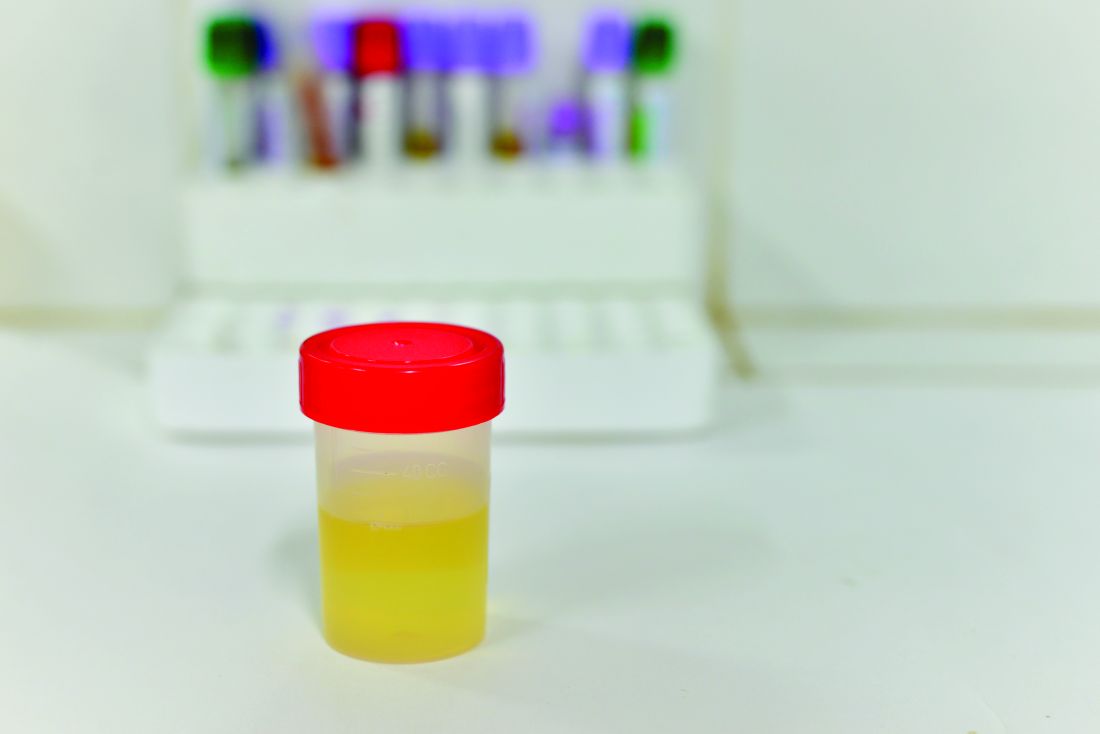
Apparently, human urine contains stem cells with the potential to be used for regenerative effects. The magic ingredient? The enzyme telomerase, which “is essential for the self-renewal and potential of different types of stem cells” and is related to longevity, according to researchers at Wake Forest Institute for Regenerative Medicine.
They looked into how regenerative telomerase activity is for various capabilities beyond chromosomal stability, and whether these stem cells can become other kinds of cells for optimal tissue repair. Turns out they could, acting as a “distinct subpopulation” that has the ability not only to grow cells but also to morph into other cells, they said in a written statement.
Safety is also an issue. “Being able to use a patient’s own stem cells for therapy is considered advantageous because they do not induce immune responses or rejection,” said Anthony Atala, MD, a coauthor of the study published in Frontiers in Cell and Developmental Biology.
So less risk, easier retrieval, and great regenerative results. If this takes off, the other methods of retrieval could get flushed down the toilet.
Politicians playing the long game, literally
Before we get started with actual information, here’s a joke about politicians:
What do you call a lawyer with an IQ of 100? Your Honor.
What do you call a lawyer with an IQ of 50? Senator.
Politics is a dirty business, no doubt, so why do people do it? Is it for the prestige? Seems like everyone hates politicians, so it’s probably not that. Is it their selfless concern for the well-being of others? Probably not that either. Is it for the money? Most members of Congress have more corporate sponsors than a NASCAR driver, but we’re going to pass on that one as well.
Once again, science gives us the real answer: Longevity. Politicians live longer than the rest of us, and that longevity gap is getting wider.
Investigators looked at data from 11 industrialized countries, some of it going back to 1817, and found that politicians in the United States can expect to live about 7 years longer than the national average. The difference is around 3 years in Switzerland, 4.5 years in Germany, and 6 years in France.
“For almost all countries, politicians had similar rates of mortality to the general population in the late 19th and early 20th centuries. Throughout the 20th century, differences in mortality rates widened significantly across all countries, so that politicians had an increasing survival advantage over the general population,” they said in a written statement.
Income inequality could be a factor, but the longevity gains made by politicians, which started before the 1940s, predate the rise of their earnings relative to the rest of the population, which didn’t really get going until the 1980s, the investigators noted.
Whatever the reason, we have this closing thought regarding our long-lived lawmakers: What’s the difference between a politician and a snail? One is a slimy pest that leaves a trail everywhere. The other is a snail.
Land of the free, home of obesity
In the United States, it seems, people are becoming more comfortable with obesity. TikTok and Instagram trends often try to show the world that all sizes are beautiful. There’s also the growing popularity of the dad bod.

America, it has been said, is the land of the free. We love our freedom, and we value our individualism. If an obese man orders three meals from McDonald’s just for himself, no one is going to stop him. Many Americans also have more access to the food they want at any given time, even while they are moving around a lot less because of their sedentary lifestyles.
According to a recent study cited by the New York Post, however, America is not the only country battling obesity. Egypt and Mexico, for example, also have men with higher BMIs who cherish their individualism and the right to eat what they want, Plamen Akaliyski, PhD, of University Carlos III of Madrid, and associates, said in Social Science & Medicine.
Women are not as likely to think the same way. “Men in particular think, ‘I’m an individual, don’t tell me what to do. I’m going to eat what I want,’ ” bariatric surgeon George A. Fielding, MD, said in the Post article. Dr. Fielding also noted that women are three times more likely than men to seek bariatric surgery.
Dr. Akaliyski and associates found that Asian countries such as Japan, Singapore, and South Korea – countries that value thrift, discipline, self control, and delaying gratification – have lower rates of obesity.
So yes, we can go to the drive through of a fast food restaurant whenever we want and order whatever we want, but can doesn’t always mean should.
Ain’t gastroenteritis grand?
The Grand Canyon is perhaps America’s greatest natural wonder. The mile-deep gorge of epic proportions, carved over eons by the Colorado River, elicits superlatives of the highest order from those seeing it for the first time. In the past few months, though, visitors to the Grand Canyon have been experiencing a rather more unpleasant sort of reaction: Involuntary bowel evacuation.
Since April, more than 150 river rafters and backcountry campers have fallen ill with bouts of acute gastroenteritis, likely caused by norovirus. Hey, a viral outbreak and our old friend SARS-CoV-2 isn’t involved! Hopefully it won’t get jealous. Whatever the culprit is, however, it got everywhere, as clusters of illness have popped up in unconnected parts of the park and some hikers have been restricted to a smaller portion of the park to avoid further disease spread. The majority of cases occurred in May, so it’s hoped that the outbreak is dying down, but the park remains on alert.
Now, acute gastroenteritis is certainly an unpleasant disease, but it isn’t typically a life-threatening one. There are, however, a couple of unique factors complicating this outbreak. For one, the Grand Canyon is in Arizona (duh), which can get rather hot in the summer months. Expelling waste from both ends becomes rather more dangerous when the thermometer reads over a hundred degrees, and there have been reports of multiple helicopter rescues.
That’s pretty bad, but in a way, they’re the lucky ones. How can we explain this … see, when you visit the Grand Canyon, you’re expected to follow the general rules of Leave No Trace. That means several things, but essentially, if you bring it in, you have to bring it out. Yes, that includes the various consequences of an acute gastroenteritis attack.
Forget spooky campfire stories and hungry wildlife lurking in the night, because true horror is scraping your friend’s diarrhea off the walls of the Grand Canyon into a plastic bag and stuffing it into your backpack. Probably not the sublime one-on-one Grand Canyon experience that people are expecting.
Give us a pee! ... for stem cell retrieval
Getting cells for regenerative stem cell treatment has traditionally been painful and difficult – usually they are retrieved by surgical means from bone marrow or fat tissue – but there may be an easier way.
Just pee in a cup.
Apparently, human urine contains stem cells with the potential to be used for regenerative effects. The magic ingredient? The enzyme telomerase, which “is essential for the self-renewal and potential of different types of stem cells” and is related to longevity, according to researchers at Wake Forest Institute for Regenerative Medicine.
They looked into how regenerative telomerase activity is for various capabilities beyond chromosomal stability, and whether these stem cells can become other kinds of cells for optimal tissue repair. Turns out they could, acting as a “distinct subpopulation” that has the ability not only to grow cells but also to morph into other cells, they said in a written statement.
Safety is also an issue. “Being able to use a patient’s own stem cells for therapy is considered advantageous because they do not induce immune responses or rejection,” said Anthony Atala, MD, a coauthor of the study published in Frontiers in Cell and Developmental Biology.
So less risk, easier retrieval, and great regenerative results. If this takes off, the other methods of retrieval could get flushed down the toilet.
Politicians playing the long game, literally
Before we get started with actual information, here’s a joke about politicians:
What do you call a lawyer with an IQ of 100? Your Honor.
What do you call a lawyer with an IQ of 50? Senator.
Politics is a dirty business, no doubt, so why do people do it? Is it for the prestige? Seems like everyone hates politicians, so it’s probably not that. Is it their selfless concern for the well-being of others? Probably not that either. Is it for the money? Most members of Congress have more corporate sponsors than a NASCAR driver, but we’re going to pass on that one as well.
Once again, science gives us the real answer: Longevity. Politicians live longer than the rest of us, and that longevity gap is getting wider.
Investigators looked at data from 11 industrialized countries, some of it going back to 1817, and found that politicians in the United States can expect to live about 7 years longer than the national average. The difference is around 3 years in Switzerland, 4.5 years in Germany, and 6 years in France.
“For almost all countries, politicians had similar rates of mortality to the general population in the late 19th and early 20th centuries. Throughout the 20th century, differences in mortality rates widened significantly across all countries, so that politicians had an increasing survival advantage over the general population,” they said in a written statement.
Income inequality could be a factor, but the longevity gains made by politicians, which started before the 1940s, predate the rise of their earnings relative to the rest of the population, which didn’t really get going until the 1980s, the investigators noted.
Whatever the reason, we have this closing thought regarding our long-lived lawmakers: What’s the difference between a politician and a snail? One is a slimy pest that leaves a trail everywhere. The other is a snail.
Land of the free, home of obesity
In the United States, it seems, people are becoming more comfortable with obesity. TikTok and Instagram trends often try to show the world that all sizes are beautiful. There’s also the growing popularity of the dad bod.
America, it has been said, is the land of the free. We love our freedom, and we value our individualism. If an obese man orders three meals from McDonald’s just for himself, no one is going to stop him. Many Americans also have more access to the food they want at any given time, even while they are moving around a lot less because of their sedentary lifestyles.
According to a recent study cited by the New York Post, however, America is not the only country battling obesity. Egypt and Mexico, for example, also have men with higher BMIs who cherish their individualism and the right to eat what they want, Plamen Akaliyski, PhD, of University Carlos III of Madrid, and associates, said in Social Science & Medicine.
Women are not as likely to think the same way. “Men in particular think, ‘I’m an individual, don’t tell me what to do. I’m going to eat what I want,’ ” bariatric surgeon George A. Fielding, MD, said in the Post article. Dr. Fielding also noted that women are three times more likely than men to seek bariatric surgery.
Dr. Akaliyski and associates found that Asian countries such as Japan, Singapore, and South Korea – countries that value thrift, discipline, self control, and delaying gratification – have lower rates of obesity.
So yes, we can go to the drive through of a fast food restaurant whenever we want and order whatever we want, but can doesn’t always mean should.
Ain’t gastroenteritis grand?
The Grand Canyon is perhaps America’s greatest natural wonder. The mile-deep gorge of epic proportions, carved over eons by the Colorado River, elicits superlatives of the highest order from those seeing it for the first time. In the past few months, though, visitors to the Grand Canyon have been experiencing a rather more unpleasant sort of reaction: Involuntary bowel evacuation.
Since April, more than 150 river rafters and backcountry campers have fallen ill with bouts of acute gastroenteritis, likely caused by norovirus. Hey, a viral outbreak and our old friend SARS-CoV-2 isn’t involved! Hopefully it won’t get jealous. Whatever the culprit is, however, it got everywhere, as clusters of illness have popped up in unconnected parts of the park and some hikers have been restricted to a smaller portion of the park to avoid further disease spread. The majority of cases occurred in May, so it’s hoped that the outbreak is dying down, but the park remains on alert.
Now, acute gastroenteritis is certainly an unpleasant disease, but it isn’t typically a life-threatening one. There are, however, a couple of unique factors complicating this outbreak. For one, the Grand Canyon is in Arizona (duh), which can get rather hot in the summer months. Expelling waste from both ends becomes rather more dangerous when the thermometer reads over a hundred degrees, and there have been reports of multiple helicopter rescues.
That’s pretty bad, but in a way, they’re the lucky ones. How can we explain this … see, when you visit the Grand Canyon, you’re expected to follow the general rules of Leave No Trace. That means several things, but essentially, if you bring it in, you have to bring it out. Yes, that includes the various consequences of an acute gastroenteritis attack.
Forget spooky campfire stories and hungry wildlife lurking in the night, because true horror is scraping your friend’s diarrhea off the walls of the Grand Canyon into a plastic bag and stuffing it into your backpack. Probably not the sublime one-on-one Grand Canyon experience that people are expecting.
Give us a pee! ... for stem cell retrieval
Getting cells for regenerative stem cell treatment has traditionally been painful and difficult – usually they are retrieved by surgical means from bone marrow or fat tissue – but there may be an easier way.
Just pee in a cup.
Apparently, human urine contains stem cells with the potential to be used for regenerative effects. The magic ingredient? The enzyme telomerase, which “is essential for the self-renewal and potential of different types of stem cells” and is related to longevity, according to researchers at Wake Forest Institute for Regenerative Medicine.
They looked into how regenerative telomerase activity is for various capabilities beyond chromosomal stability, and whether these stem cells can become other kinds of cells for optimal tissue repair. Turns out they could, acting as a “distinct subpopulation” that has the ability not only to grow cells but also to morph into other cells, they said in a written statement.
Safety is also an issue. “Being able to use a patient’s own stem cells for therapy is considered advantageous because they do not induce immune responses or rejection,” said Anthony Atala, MD, a coauthor of the study published in Frontiers in Cell and Developmental Biology.
So less risk, easier retrieval, and great regenerative results. If this takes off, the other methods of retrieval could get flushed down the toilet.
Politicians playing the long game, literally
Before we get started with actual information, here’s a joke about politicians:
What do you call a lawyer with an IQ of 100? Your Honor.
What do you call a lawyer with an IQ of 50? Senator.
Politics is a dirty business, no doubt, so why do people do it? Is it for the prestige? Seems like everyone hates politicians, so it’s probably not that. Is it their selfless concern for the well-being of others? Probably not that either. Is it for the money? Most members of Congress have more corporate sponsors than a NASCAR driver, but we’re going to pass on that one as well.
Once again, science gives us the real answer: Longevity. Politicians live longer than the rest of us, and that longevity gap is getting wider.
Investigators looked at data from 11 industrialized countries, some of it going back to 1817, and found that politicians in the United States can expect to live about 7 years longer than the national average. The difference is around 3 years in Switzerland, 4.5 years in Germany, and 6 years in France.
“For almost all countries, politicians had similar rates of mortality to the general population in the late 19th and early 20th centuries. Throughout the 20th century, differences in mortality rates widened significantly across all countries, so that politicians had an increasing survival advantage over the general population,” they said in a written statement.
Income inequality could be a factor, but the longevity gains made by politicians, which started before the 1940s, predate the rise of their earnings relative to the rest of the population, which didn’t really get going until the 1980s, the investigators noted.
Whatever the reason, we have this closing thought regarding our long-lived lawmakers: What’s the difference between a politician and a snail? One is a slimy pest that leaves a trail everywhere. The other is a snail.
Land of the free, home of obesity
In the United States, it seems, people are becoming more comfortable with obesity. TikTok and Instagram trends often try to show the world that all sizes are beautiful. There’s also the growing popularity of the dad bod.
America, it has been said, is the land of the free. We love our freedom, and we value our individualism. If an obese man orders three meals from McDonald’s just for himself, no one is going to stop him. Many Americans also have more access to the food they want at any given time, even while they are moving around a lot less because of their sedentary lifestyles.
According to a recent study cited by the New York Post, however, America is not the only country battling obesity. Egypt and Mexico, for example, also have men with higher BMIs who cherish their individualism and the right to eat what they want, Plamen Akaliyski, PhD, of University Carlos III of Madrid, and associates, said in Social Science & Medicine.
Women are not as likely to think the same way. “Men in particular think, ‘I’m an individual, don’t tell me what to do. I’m going to eat what I want,’ ” bariatric surgeon George A. Fielding, MD, said in the Post article. Dr. Fielding also noted that women are three times more likely than men to seek bariatric surgery.
Dr. Akaliyski and associates found that Asian countries such as Japan, Singapore, and South Korea – countries that value thrift, discipline, self control, and delaying gratification – have lower rates of obesity.
So yes, we can go to the drive through of a fast food restaurant whenever we want and order whatever we want, but can doesn’t always mean should.
Rheumatoid arthritis increases mortality risk in chronic kidney disease
Key clinical point: Patients with both chronic kidney disease (CKD) and rheumatoid arthritis (RA) were at an increased risk for mortality compared with those with CKD alone, with RA having no impact on progressive renal decline.
Major finding: Presence of both CKD and RA vs. CKD alone was associated with an increased risk for all-cause mortality (adjusted hazard ratio [aHR] 1.73; 95% CI 1.27-2.35) and composite of myocardial infarction, cerebrovascular accident, heart failure, or death (aHR 1.65; 95% CI 1.27-2.15), without significantly increasing the risk for progressive renal decline.
Study details: The data come from a retrospective study including 3333 patients with CKD from the Chronic Renal Insufficiency Cohort (CRIC) study, of which 83 patients had RA and were taking a disease-modifying antirheumatic therapy.
Disclosures: CRIC study was supported by the US National Institute of Diabetes and Digestive and Kidney Diseases. No conflicts of interest were declared.
Source: Ezeanuna MN et al. Association of rheumatoid arthritis with mortality in chronic kidney disease: a cohort study. Clin Rheumatol. 2022 (May 25). Doi: 10.1007/s10067-022-06223-x
Key clinical point: Patients with both chronic kidney disease (CKD) and rheumatoid arthritis (RA) were at an increased risk for mortality compared with those with CKD alone, with RA having no impact on progressive renal decline.
Major finding: Presence of both CKD and RA vs. CKD alone was associated with an increased risk for all-cause mortality (adjusted hazard ratio [aHR] 1.73; 95% CI 1.27-2.35) and composite of myocardial infarction, cerebrovascular accident, heart failure, or death (aHR 1.65; 95% CI 1.27-2.15), without significantly increasing the risk for progressive renal decline.
Study details: The data come from a retrospective study including 3333 patients with CKD from the Chronic Renal Insufficiency Cohort (CRIC) study, of which 83 patients had RA and were taking a disease-modifying antirheumatic therapy.
Disclosures: CRIC study was supported by the US National Institute of Diabetes and Digestive and Kidney Diseases. No conflicts of interest were declared.
Source: Ezeanuna MN et al. Association of rheumatoid arthritis with mortality in chronic kidney disease: a cohort study. Clin Rheumatol. 2022 (May 25). Doi: 10.1007/s10067-022-06223-x
Key clinical point: Patients with both chronic kidney disease (CKD) and rheumatoid arthritis (RA) were at an increased risk for mortality compared with those with CKD alone, with RA having no impact on progressive renal decline.
Major finding: Presence of both CKD and RA vs. CKD alone was associated with an increased risk for all-cause mortality (adjusted hazard ratio [aHR] 1.73; 95% CI 1.27-2.35) and composite of myocardial infarction, cerebrovascular accident, heart failure, or death (aHR 1.65; 95% CI 1.27-2.15), without significantly increasing the risk for progressive renal decline.
Study details: The data come from a retrospective study including 3333 patients with CKD from the Chronic Renal Insufficiency Cohort (CRIC) study, of which 83 patients had RA and were taking a disease-modifying antirheumatic therapy.
Disclosures: CRIC study was supported by the US National Institute of Diabetes and Digestive and Kidney Diseases. No conflicts of interest were declared.
Source: Ezeanuna MN et al. Association of rheumatoid arthritis with mortality in chronic kidney disease: a cohort study. Clin Rheumatol. 2022 (May 25). Doi: 10.1007/s10067-022-06223-x
Real-world study evaluates benefits of treat-to-target therapy for BMD loss in RA
Key clinical point: Loss of bone mineral density (BMD) was lower in patients with rheumatoid arthritis (RA) who achieved remission, indicating an important role of treat-to-target therapy in RA, with female sex being a risk factor and low disease activity and bisphosphonate therapy being protective factors.
Major finding: Patients achieving remission had less yearly BMD loss in the lumbar spine (P = .036). Female sex was a risk factor (P = .016), whereas low disease activity (P = .001) and bisphosphonate treatment (P < .001) were protective factors for BMD loss in patients with RA.
Study details: The data comes from a prospective, observational cohort including 268 patients with RA.
Disclosures: This study was supported by the National Natural Science Foundation of China and Peking University Health Science Center. The authors declared no conflicts of interest.
Source: Huang H et al. Impact of treat-to-target therapy on bone mineral density loss in patients with rheumatoid arthritis: A prospective cohort study. Front Endocrinol. 2022;13:867610 (May 17). Doi: 10.3389/fendo.2022.867610
Key clinical point: Loss of bone mineral density (BMD) was lower in patients with rheumatoid arthritis (RA) who achieved remission, indicating an important role of treat-to-target therapy in RA, with female sex being a risk factor and low disease activity and bisphosphonate therapy being protective factors.
Major finding: Patients achieving remission had less yearly BMD loss in the lumbar spine (P = .036). Female sex was a risk factor (P = .016), whereas low disease activity (P = .001) and bisphosphonate treatment (P < .001) were protective factors for BMD loss in patients with RA.
Study details: The data comes from a prospective, observational cohort including 268 patients with RA.
Disclosures: This study was supported by the National Natural Science Foundation of China and Peking University Health Science Center. The authors declared no conflicts of interest.
Source: Huang H et al. Impact of treat-to-target therapy on bone mineral density loss in patients with rheumatoid arthritis: A prospective cohort study. Front Endocrinol. 2022;13:867610 (May 17). Doi: 10.3389/fendo.2022.867610
Key clinical point: Loss of bone mineral density (BMD) was lower in patients with rheumatoid arthritis (RA) who achieved remission, indicating an important role of treat-to-target therapy in RA, with female sex being a risk factor and low disease activity and bisphosphonate therapy being protective factors.
Major finding: Patients achieving remission had less yearly BMD loss in the lumbar spine (P = .036). Female sex was a risk factor (P = .016), whereas low disease activity (P = .001) and bisphosphonate treatment (P < .001) were protective factors for BMD loss in patients with RA.
Study details: The data comes from a prospective, observational cohort including 268 patients with RA.
Disclosures: This study was supported by the National Natural Science Foundation of China and Peking University Health Science Center. The authors declared no conflicts of interest.
Source: Huang H et al. Impact of treat-to-target therapy on bone mineral density loss in patients with rheumatoid arthritis: A prospective cohort study. Front Endocrinol. 2022;13:867610 (May 17). Doi: 10.3389/fendo.2022.867610
Joint-inflammation trajectories differ by SDFR status in ACPA-positive and ACPA-negative RA
Key clinical point: Patients with anticitrullinated peptide antibody (ACPA)-positive and ACPA-negative rheumatoid arthritis (RA) show different magnetic resonance imaging-detected joint inflammation trajectories based on the sustained disease-modifying antirheumatic drug (DMARD)-free remission (SDFR) status.
Major finding: Patients with ACPA-positive RA who achieved vs. did not achieve SDFR had lower inflammation levels at disease presentation and subsequent follow-up (P = .02). However, although all patients with ACPA-negative RA had similar inflammation levels at disease presentation, those who achieved vs. did not achieve SDFR had significantly lower inflammation levels in the first year of DMARD treatment (P < .01).
Study details: This study included 198 patients with RA (ACPA-positive [n = 104] and ACPA-negative [n = 94]) treated with DMARD and 174 patients with ACPA-positive RA from the AVERT-1 trial.
Disclosures: The study was funded by the Dutch Arthritis Foundation and the European Research Council. TWJ Huizinga reported receiving research support, lecture fees, and consulting fees from various sources. Two authors reported being shareholders and employees of Bristol Myers Squibb.
Source: Verstappen M et al. ACPA-negative and ACPA-positive RA patients achieving disease resolution demonstrate distinct patterns of MRI-detected joint-inflammation. Rheumatology (Oxford). 2022 (May 18). Doi: 10.1093/rheumatology/keac294
Key clinical point: Patients with anticitrullinated peptide antibody (ACPA)-positive and ACPA-negative rheumatoid arthritis (RA) show different magnetic resonance imaging-detected joint inflammation trajectories based on the sustained disease-modifying antirheumatic drug (DMARD)-free remission (SDFR) status.
Major finding: Patients with ACPA-positive RA who achieved vs. did not achieve SDFR had lower inflammation levels at disease presentation and subsequent follow-up (P = .02). However, although all patients with ACPA-negative RA had similar inflammation levels at disease presentation, those who achieved vs. did not achieve SDFR had significantly lower inflammation levels in the first year of DMARD treatment (P < .01).
Study details: This study included 198 patients with RA (ACPA-positive [n = 104] and ACPA-negative [n = 94]) treated with DMARD and 174 patients with ACPA-positive RA from the AVERT-1 trial.
Disclosures: The study was funded by the Dutch Arthritis Foundation and the European Research Council. TWJ Huizinga reported receiving research support, lecture fees, and consulting fees from various sources. Two authors reported being shareholders and employees of Bristol Myers Squibb.
Source: Verstappen M et al. ACPA-negative and ACPA-positive RA patients achieving disease resolution demonstrate distinct patterns of MRI-detected joint-inflammation. Rheumatology (Oxford). 2022 (May 18). Doi: 10.1093/rheumatology/keac294
Key clinical point: Patients with anticitrullinated peptide antibody (ACPA)-positive and ACPA-negative rheumatoid arthritis (RA) show different magnetic resonance imaging-detected joint inflammation trajectories based on the sustained disease-modifying antirheumatic drug (DMARD)-free remission (SDFR) status.
Major finding: Patients with ACPA-positive RA who achieved vs. did not achieve SDFR had lower inflammation levels at disease presentation and subsequent follow-up (P = .02). However, although all patients with ACPA-negative RA had similar inflammation levels at disease presentation, those who achieved vs. did not achieve SDFR had significantly lower inflammation levels in the first year of DMARD treatment (P < .01).
Study details: This study included 198 patients with RA (ACPA-positive [n = 104] and ACPA-negative [n = 94]) treated with DMARD and 174 patients with ACPA-positive RA from the AVERT-1 trial.
Disclosures: The study was funded by the Dutch Arthritis Foundation and the European Research Council. TWJ Huizinga reported receiving research support, lecture fees, and consulting fees from various sources. Two authors reported being shareholders and employees of Bristol Myers Squibb.
Source: Verstappen M et al. ACPA-negative and ACPA-positive RA patients achieving disease resolution demonstrate distinct patterns of MRI-detected joint-inflammation. Rheumatology (Oxford). 2022 (May 18). Doi: 10.1093/rheumatology/keac294
Methotrexate reduces risk for mortality in rheumatoid arthritis
Key clinical point: Methotrexate reduced the risk for overall mortality in rheumatoid arthritis (RA), particularly mortality from RA with cardiovascular diseases and RA-associated interstitial lung diseases.
Major finding: Methotrexate significantly reduced risk for overall mortality by 41% (hazard ratio [HR] 0.59; P < .001), mortality from RA with cardiovascular disease by 28% (HR 0.72; P = .031), and mortality from RA-associated interstitial lung diseases by 56% (HR 0.44; P = .037).
Study details: Findings are from a meta-analysis of 15 cohort studies involving 69,914 participants.
Disclosures: The study was supported by grants from the National Natural Science Foundation of China and others. The authors declared no conflicts of interest.
Source: Xu J et al. Methotrexate use reduces mortality risk in rheumatoid arthritis: A systematic review and meta-analysis of cohort studies. Semin Arthritis Rheum. 2022;55:152031 (Jun 4). Doi: 10.1016/j.semarthrit.2022.152031
Key clinical point: Methotrexate reduced the risk for overall mortality in rheumatoid arthritis (RA), particularly mortality from RA with cardiovascular diseases and RA-associated interstitial lung diseases.
Major finding: Methotrexate significantly reduced risk for overall mortality by 41% (hazard ratio [HR] 0.59; P < .001), mortality from RA with cardiovascular disease by 28% (HR 0.72; P = .031), and mortality from RA-associated interstitial lung diseases by 56% (HR 0.44; P = .037).
Study details: Findings are from a meta-analysis of 15 cohort studies involving 69,914 participants.
Disclosures: The study was supported by grants from the National Natural Science Foundation of China and others. The authors declared no conflicts of interest.
Source: Xu J et al. Methotrexate use reduces mortality risk in rheumatoid arthritis: A systematic review and meta-analysis of cohort studies. Semin Arthritis Rheum. 2022;55:152031 (Jun 4). Doi: 10.1016/j.semarthrit.2022.152031
Key clinical point: Methotrexate reduced the risk for overall mortality in rheumatoid arthritis (RA), particularly mortality from RA with cardiovascular diseases and RA-associated interstitial lung diseases.
Major finding: Methotrexate significantly reduced risk for overall mortality by 41% (hazard ratio [HR] 0.59; P < .001), mortality from RA with cardiovascular disease by 28% (HR 0.72; P = .031), and mortality from RA-associated interstitial lung diseases by 56% (HR 0.44; P = .037).
Study details: Findings are from a meta-analysis of 15 cohort studies involving 69,914 participants.
Disclosures: The study was supported by grants from the National Natural Science Foundation of China and others. The authors declared no conflicts of interest.
Source: Xu J et al. Methotrexate use reduces mortality risk in rheumatoid arthritis: A systematic review and meta-analysis of cohort studies. Semin Arthritis Rheum. 2022;55:152031 (Jun 4). Doi: 10.1016/j.semarthrit.2022.152031
Genetic liability to RA and cardiovascular risk: What is the link?
Key clinical point: Genetic liability to rheumatoid arthritis (RA) was positively associated with the risk for coronary artery disease (CAD) and intracerebral hemorrhage (IA), with the high levels of C-reactive protein (CRP) appearing to mediate the association with CAD.
Major finding: Each unit increase in log odds of RA increased the risk for CAD (combined odds ratio [cOR] 1.02; P = .003) and IA (cOR 1.05; P = .001), with the levels of genetically predicted CRP influencing the risk association between RA and CAD (adjusted cOR 1.01; P = .268).
Study details: This was a two-sample Mendelian randomization study that selected 70 single nucleotide polymorphisms strongly associated with RA from a genome-wide association meta-analysis including 14,361 patients with RA and 43,923 control individuals.
Disclosures: The study was supported by research grants from Swedish Heart-Lung Foundation, the Swedish Research Council for Health, and others. The authors declared no conflicts of interest.
Source: Yuan S et al. Genetic liability to rheumatoid arthritis in relation to coronary artery disease and stroke risk. Arthritis Rheumatol. 2022 (May 18). Doi: 10.1002/art.42239
Key clinical point: Genetic liability to rheumatoid arthritis (RA) was positively associated with the risk for coronary artery disease (CAD) and intracerebral hemorrhage (IA), with the high levels of C-reactive protein (CRP) appearing to mediate the association with CAD.
Major finding: Each unit increase in log odds of RA increased the risk for CAD (combined odds ratio [cOR] 1.02; P = .003) and IA (cOR 1.05; P = .001), with the levels of genetically predicted CRP influencing the risk association between RA and CAD (adjusted cOR 1.01; P = .268).
Study details: This was a two-sample Mendelian randomization study that selected 70 single nucleotide polymorphisms strongly associated with RA from a genome-wide association meta-analysis including 14,361 patients with RA and 43,923 control individuals.
Disclosures: The study was supported by research grants from Swedish Heart-Lung Foundation, the Swedish Research Council for Health, and others. The authors declared no conflicts of interest.
Source: Yuan S et al. Genetic liability to rheumatoid arthritis in relation to coronary artery disease and stroke risk. Arthritis Rheumatol. 2022 (May 18). Doi: 10.1002/art.42239
Key clinical point: Genetic liability to rheumatoid arthritis (RA) was positively associated with the risk for coronary artery disease (CAD) and intracerebral hemorrhage (IA), with the high levels of C-reactive protein (CRP) appearing to mediate the association with CAD.
Major finding: Each unit increase in log odds of RA increased the risk for CAD (combined odds ratio [cOR] 1.02; P = .003) and IA (cOR 1.05; P = .001), with the levels of genetically predicted CRP influencing the risk association between RA and CAD (adjusted cOR 1.01; P = .268).
Study details: This was a two-sample Mendelian randomization study that selected 70 single nucleotide polymorphisms strongly associated with RA from a genome-wide association meta-analysis including 14,361 patients with RA and 43,923 control individuals.
Disclosures: The study was supported by research grants from Swedish Heart-Lung Foundation, the Swedish Research Council for Health, and others. The authors declared no conflicts of interest.
Source: Yuan S et al. Genetic liability to rheumatoid arthritis in relation to coronary artery disease and stroke risk. Arthritis Rheumatol. 2022 (May 18). Doi: 10.1002/art.42239
RA: No increased risk for malignancy with tofacitinib vs. TNFi in real world
Key clinical point: This real-world study found no evidence of increased risk for malignancy in patients with rheumatoid arthritis (RA) who initiated tofacitinib vs. tumor necrosis factor inhibitors (TNFi).
Major finding: The risk for cumulative malignancies in patients who initiated tofacitinib vs. TNFi was not higher in the real-world evidence (RWE) cohort (pooled weighted hazard ratio [pwHR] 1.01; 95% CI 0.83-1.22), but was numerically higher in the randomized controlled trial (RCT)-duplicate cohort of patients aged ≥50 years with at least one cardiovascular risk factor (pwHR 1.17; 95% CI 0.85-1.62).
Study details: This was a population-based observational, STAR-RA, study including 83,295 patients in the RWE cohort and 27,035 patients in the RCT-duplicate cohort who initiated tofacitinib or TNFi.
Disclosures: The study was supported by the Brigham and Women’s Hospital & Harvard Medical School (BWHHMS). SC Kim and RJ Desai reported receiving research grants to BWHHMS from various sources.
Source: Khosrow-Khavar F et al. Tofacitinib and risk of malignancy: Results from the Safety of TofAcitinib in Routine care patients with Rheumatoid Arthritis (STAR-RA) Study. Arthritis Rheumatol. 2022 (May 29). Doi: 10.1002/art.42250
Key clinical point: This real-world study found no evidence of increased risk for malignancy in patients with rheumatoid arthritis (RA) who initiated tofacitinib vs. tumor necrosis factor inhibitors (TNFi).
Major finding: The risk for cumulative malignancies in patients who initiated tofacitinib vs. TNFi was not higher in the real-world evidence (RWE) cohort (pooled weighted hazard ratio [pwHR] 1.01; 95% CI 0.83-1.22), but was numerically higher in the randomized controlled trial (RCT)-duplicate cohort of patients aged ≥50 years with at least one cardiovascular risk factor (pwHR 1.17; 95% CI 0.85-1.62).
Study details: This was a population-based observational, STAR-RA, study including 83,295 patients in the RWE cohort and 27,035 patients in the RCT-duplicate cohort who initiated tofacitinib or TNFi.
Disclosures: The study was supported by the Brigham and Women’s Hospital & Harvard Medical School (BWHHMS). SC Kim and RJ Desai reported receiving research grants to BWHHMS from various sources.
Source: Khosrow-Khavar F et al. Tofacitinib and risk of malignancy: Results from the Safety of TofAcitinib in Routine care patients with Rheumatoid Arthritis (STAR-RA) Study. Arthritis Rheumatol. 2022 (May 29). Doi: 10.1002/art.42250
Key clinical point: This real-world study found no evidence of increased risk for malignancy in patients with rheumatoid arthritis (RA) who initiated tofacitinib vs. tumor necrosis factor inhibitors (TNFi).
Major finding: The risk for cumulative malignancies in patients who initiated tofacitinib vs. TNFi was not higher in the real-world evidence (RWE) cohort (pooled weighted hazard ratio [pwHR] 1.01; 95% CI 0.83-1.22), but was numerically higher in the randomized controlled trial (RCT)-duplicate cohort of patients aged ≥50 years with at least one cardiovascular risk factor (pwHR 1.17; 95% CI 0.85-1.62).
Study details: This was a population-based observational, STAR-RA, study including 83,295 patients in the RWE cohort and 27,035 patients in the RCT-duplicate cohort who initiated tofacitinib or TNFi.
Disclosures: The study was supported by the Brigham and Women’s Hospital & Harvard Medical School (BWHHMS). SC Kim and RJ Desai reported receiving research grants to BWHHMS from various sources.
Source: Khosrow-Khavar F et al. Tofacitinib and risk of malignancy: Results from the Safety of TofAcitinib in Routine care patients with Rheumatoid Arthritis (STAR-RA) Study. Arthritis Rheumatol. 2022 (May 29). Doi: 10.1002/art.42250
Tapering rituximab dose is a valid option in RA patients with comorbidities
Key clinical point: Reduced doses of rituximab can be considered in patients with rheumatoid arthritis (RA) who have had treatment failure with multiple biologic disease-modifying antirheumatic drugs (bDMARD), significant comorbidities, and an initial sustained clinical response.
Major finding: Over a 60-month follow-up, only 7.5% and 5.9% of patients relapsed on low-dose and standard-dose rituximab, respectively (P = .6), with patients on low-dose vs. standard-dose rituximab having significantly lower rates of serious adverse events (incidence rate: 0.77 vs. 1.57 per 1000 person-years; P < .0001) and drug discontinuation due to treatment failure (37.9% vs. 63.6%; P < .0001).
Study details: This was a prospective, observational study including 361 patients with established RA and prior failure using bDMARD who received low-dose (n = 81) or standard-dose (n =280) rituximab.
Disclosures: The study was partly supported by the Pancretan Health Association. The authors declared no conflicts of interest.
Source: Bertsias A et al. Rheumatoid arthritis patients initiating rituximab with low number of previous bDMARDs failures may effectively reduce rituximab dose and experience fewer serious adverse events than patients on full dose: A 5-year cohort study. Arthritis Res Ther. 2022;24:132 (Jun 2). Doi: 10.1186/s13075-022-02826-6
Key clinical point: Reduced doses of rituximab can be considered in patients with rheumatoid arthritis (RA) who have had treatment failure with multiple biologic disease-modifying antirheumatic drugs (bDMARD), significant comorbidities, and an initial sustained clinical response.
Major finding: Over a 60-month follow-up, only 7.5% and 5.9% of patients relapsed on low-dose and standard-dose rituximab, respectively (P = .6), with patients on low-dose vs. standard-dose rituximab having significantly lower rates of serious adverse events (incidence rate: 0.77 vs. 1.57 per 1000 person-years; P < .0001) and drug discontinuation due to treatment failure (37.9% vs. 63.6%; P < .0001).
Study details: This was a prospective, observational study including 361 patients with established RA and prior failure using bDMARD who received low-dose (n = 81) or standard-dose (n =280) rituximab.
Disclosures: The study was partly supported by the Pancretan Health Association. The authors declared no conflicts of interest.
Source: Bertsias A et al. Rheumatoid arthritis patients initiating rituximab with low number of previous bDMARDs failures may effectively reduce rituximab dose and experience fewer serious adverse events than patients on full dose: A 5-year cohort study. Arthritis Res Ther. 2022;24:132 (Jun 2). Doi: 10.1186/s13075-022-02826-6
Key clinical point: Reduced doses of rituximab can be considered in patients with rheumatoid arthritis (RA) who have had treatment failure with multiple biologic disease-modifying antirheumatic drugs (bDMARD), significant comorbidities, and an initial sustained clinical response.
Major finding: Over a 60-month follow-up, only 7.5% and 5.9% of patients relapsed on low-dose and standard-dose rituximab, respectively (P = .6), with patients on low-dose vs. standard-dose rituximab having significantly lower rates of serious adverse events (incidence rate: 0.77 vs. 1.57 per 1000 person-years; P < .0001) and drug discontinuation due to treatment failure (37.9% vs. 63.6%; P < .0001).
Study details: This was a prospective, observational study including 361 patients with established RA and prior failure using bDMARD who received low-dose (n = 81) or standard-dose (n =280) rituximab.
Disclosures: The study was partly supported by the Pancretan Health Association. The authors declared no conflicts of interest.
Source: Bertsias A et al. Rheumatoid arthritis patients initiating rituximab with low number of previous bDMARDs failures may effectively reduce rituximab dose and experience fewer serious adverse events than patients on full dose: A 5-year cohort study. Arthritis Res Ther. 2022;24:132 (Jun 2). Doi: 10.1186/s13075-022-02826-6