User login
Stigmatizing of chronic pain begins with clinicians, experts say
LAKE BUENA VISTA, FLA. – Discomfort treating chronic pain, inadequate empathy for pain complaints, and failure to set appropriate boundaries for scheduled pain medications are among the key obstacles to effective chronic pain management by primary care physicians, according to two experts.
For those with doubts about their abilities or the validity of pain complaints, “how you feel about treating chronic pain is going to be perceived by the patient,” cautioned Louis Kuritzky, MD, clinical assistant professor, University of Florida, Gainesville. “The mindset of the clinician is important.”
When clinicians consider chronic pain patients difficult or burdensome, patients can develop a sense of stigmatization without anything explicit being expressed by the treating physician, Dr. Kuritzky said. This can be self-defeating. The clinician-patient relationship and the chance of successful therapy are in trouble before either gets started.
Primary care physicians – not chronic pain specialists – provide most of the care for chronic pain, according to several experts at the meeting, held by the American Pain Society and Global Medical Academy. Yet, chronic pain management receives limited attention in family medicine or internal medicine training. According to one survey cited at the meeting, the majority of primary care physicians report that they are uncomfortable treating these complaints.
“What are the two things that primary care specialists struggle with most? Pain and psychiatric disorders,” said Robert M. McCarron, DO, DFAPA, director of pain psychiatry in the division of pain medicine at the University of California, Davis, in Sacramento. Like Dr. Kuritzky, he believes the physician-patient relationship often sours when patients sense their clinician’s discomfort.
“They feel the angst from us, and it becomes a countertransference,” Dr. McCarron said.
The first steps, Dr. Kuritzky and Dr. McCarron said, are to develop a genuine empathy for the burden of the pain and the confidence that effective options exist – even when pain includes a psychiatric component.
Although both Dr. Kuritzky and Dr. McCarron conceded that treating chronic pain is challenging, they also agreed that effective pain control is built upon a systematic approach starting with a structured assessment. While recognizing that both physical complaints and psychiatric comorbidity may be involved, each expert counseled that the immediate goal is not typically complete pain control. Rather, it is some reasonable degree of improvement.
“Identify functional improvements that the patient considers to be important and set realistic goals,” Dr. Kuritzky said. An incremental reduction in the burden of pain, whether the level of discomfort or the restoration of an activity that pain had prevented, can be the first step for a patient trying to escape from the vicious cycle of that sustains pain-related disability.
Not least of the reasons that many primary physicians are reluctant to treat chronic pain is their fear that a prescription of analgesics will lead to dependence or abuse, Dr. Kuritzky and Dr. McCarron said. They noted that patients often insist on pain medications even when clinicians are not convinced that these are in their best interest. The defense, according to Dr. Kuritzky, is for physicians to exercise their fiduciary duty.
“In our fiduciary capacity, we have been entrusted to act on behalf of the best interests of our patients,” Dr. Kuritzky explained. He urged clinicians to explain to patients when they feel a scheduled medication such as an opioid poses a greater potential for harm than benefit. This explanation, when offered with confidence, is persuasive for many patients, he said.
Dr. McCarron said it is important not to ignore the mind-body connection. Pain often has an emotional component even when a physical basis is present. He suggested that primary care physicians often are uncomfortable with the psychosomatic aspect common to chronic pain. But this discomfort prove counterproductive.
“Authentic suffering and distress from the symptom or symptoms should be the diagnostic and treatment focus” independent of etiology, Dr. McCarron maintained. He suggested that clinicians who can develop empathy for the very real symptoms of pain are better prepared to pursue the steps needed to bring chronic pain under control.
Dr. Kuritzky and Dr. McCarron reported no conflicts of interest. Global Academy and this organization are owned by the same company.
LAKE BUENA VISTA, FLA. – Discomfort treating chronic pain, inadequate empathy for pain complaints, and failure to set appropriate boundaries for scheduled pain medications are among the key obstacles to effective chronic pain management by primary care physicians, according to two experts.
For those with doubts about their abilities or the validity of pain complaints, “how you feel about treating chronic pain is going to be perceived by the patient,” cautioned Louis Kuritzky, MD, clinical assistant professor, University of Florida, Gainesville. “The mindset of the clinician is important.”
When clinicians consider chronic pain patients difficult or burdensome, patients can develop a sense of stigmatization without anything explicit being expressed by the treating physician, Dr. Kuritzky said. This can be self-defeating. The clinician-patient relationship and the chance of successful therapy are in trouble before either gets started.
Primary care physicians – not chronic pain specialists – provide most of the care for chronic pain, according to several experts at the meeting, held by the American Pain Society and Global Medical Academy. Yet, chronic pain management receives limited attention in family medicine or internal medicine training. According to one survey cited at the meeting, the majority of primary care physicians report that they are uncomfortable treating these complaints.
“What are the two things that primary care specialists struggle with most? Pain and psychiatric disorders,” said Robert M. McCarron, DO, DFAPA, director of pain psychiatry in the division of pain medicine at the University of California, Davis, in Sacramento. Like Dr. Kuritzky, he believes the physician-patient relationship often sours when patients sense their clinician’s discomfort.
“They feel the angst from us, and it becomes a countertransference,” Dr. McCarron said.
The first steps, Dr. Kuritzky and Dr. McCarron said, are to develop a genuine empathy for the burden of the pain and the confidence that effective options exist – even when pain includes a psychiatric component.
Although both Dr. Kuritzky and Dr. McCarron conceded that treating chronic pain is challenging, they also agreed that effective pain control is built upon a systematic approach starting with a structured assessment. While recognizing that both physical complaints and psychiatric comorbidity may be involved, each expert counseled that the immediate goal is not typically complete pain control. Rather, it is some reasonable degree of improvement.
“Identify functional improvements that the patient considers to be important and set realistic goals,” Dr. Kuritzky said. An incremental reduction in the burden of pain, whether the level of discomfort or the restoration of an activity that pain had prevented, can be the first step for a patient trying to escape from the vicious cycle of that sustains pain-related disability.
Not least of the reasons that many primary physicians are reluctant to treat chronic pain is their fear that a prescription of analgesics will lead to dependence or abuse, Dr. Kuritzky and Dr. McCarron said. They noted that patients often insist on pain medications even when clinicians are not convinced that these are in their best interest. The defense, according to Dr. Kuritzky, is for physicians to exercise their fiduciary duty.
“In our fiduciary capacity, we have been entrusted to act on behalf of the best interests of our patients,” Dr. Kuritzky explained. He urged clinicians to explain to patients when they feel a scheduled medication such as an opioid poses a greater potential for harm than benefit. This explanation, when offered with confidence, is persuasive for many patients, he said.
Dr. McCarron said it is important not to ignore the mind-body connection. Pain often has an emotional component even when a physical basis is present. He suggested that primary care physicians often are uncomfortable with the psychosomatic aspect common to chronic pain. But this discomfort prove counterproductive.
“Authentic suffering and distress from the symptom or symptoms should be the diagnostic and treatment focus” independent of etiology, Dr. McCarron maintained. He suggested that clinicians who can develop empathy for the very real symptoms of pain are better prepared to pursue the steps needed to bring chronic pain under control.
Dr. Kuritzky and Dr. McCarron reported no conflicts of interest. Global Academy and this organization are owned by the same company.
LAKE BUENA VISTA, FLA. – Discomfort treating chronic pain, inadequate empathy for pain complaints, and failure to set appropriate boundaries for scheduled pain medications are among the key obstacles to effective chronic pain management by primary care physicians, according to two experts.
For those with doubts about their abilities or the validity of pain complaints, “how you feel about treating chronic pain is going to be perceived by the patient,” cautioned Louis Kuritzky, MD, clinical assistant professor, University of Florida, Gainesville. “The mindset of the clinician is important.”
When clinicians consider chronic pain patients difficult or burdensome, patients can develop a sense of stigmatization without anything explicit being expressed by the treating physician, Dr. Kuritzky said. This can be self-defeating. The clinician-patient relationship and the chance of successful therapy are in trouble before either gets started.
Primary care physicians – not chronic pain specialists – provide most of the care for chronic pain, according to several experts at the meeting, held by the American Pain Society and Global Medical Academy. Yet, chronic pain management receives limited attention in family medicine or internal medicine training. According to one survey cited at the meeting, the majority of primary care physicians report that they are uncomfortable treating these complaints.
“What are the two things that primary care specialists struggle with most? Pain and psychiatric disorders,” said Robert M. McCarron, DO, DFAPA, director of pain psychiatry in the division of pain medicine at the University of California, Davis, in Sacramento. Like Dr. Kuritzky, he believes the physician-patient relationship often sours when patients sense their clinician’s discomfort.
“They feel the angst from us, and it becomes a countertransference,” Dr. McCarron said.
The first steps, Dr. Kuritzky and Dr. McCarron said, are to develop a genuine empathy for the burden of the pain and the confidence that effective options exist – even when pain includes a psychiatric component.
Although both Dr. Kuritzky and Dr. McCarron conceded that treating chronic pain is challenging, they also agreed that effective pain control is built upon a systematic approach starting with a structured assessment. While recognizing that both physical complaints and psychiatric comorbidity may be involved, each expert counseled that the immediate goal is not typically complete pain control. Rather, it is some reasonable degree of improvement.
“Identify functional improvements that the patient considers to be important and set realistic goals,” Dr. Kuritzky said. An incremental reduction in the burden of pain, whether the level of discomfort or the restoration of an activity that pain had prevented, can be the first step for a patient trying to escape from the vicious cycle of that sustains pain-related disability.
Not least of the reasons that many primary physicians are reluctant to treat chronic pain is their fear that a prescription of analgesics will lead to dependence or abuse, Dr. Kuritzky and Dr. McCarron said. They noted that patients often insist on pain medications even when clinicians are not convinced that these are in their best interest. The defense, according to Dr. Kuritzky, is for physicians to exercise their fiduciary duty.
“In our fiduciary capacity, we have been entrusted to act on behalf of the best interests of our patients,” Dr. Kuritzky explained. He urged clinicians to explain to patients when they feel a scheduled medication such as an opioid poses a greater potential for harm than benefit. This explanation, when offered with confidence, is persuasive for many patients, he said.
Dr. McCarron said it is important not to ignore the mind-body connection. Pain often has an emotional component even when a physical basis is present. He suggested that primary care physicians often are uncomfortable with the psychosomatic aspect common to chronic pain. But this discomfort prove counterproductive.
“Authentic suffering and distress from the symptom or symptoms should be the diagnostic and treatment focus” independent of etiology, Dr. McCarron maintained. He suggested that clinicians who can develop empathy for the very real symptoms of pain are better prepared to pursue the steps needed to bring chronic pain under control.
Dr. Kuritzky and Dr. McCarron reported no conflicts of interest. Global Academy and this organization are owned by the same company.
EXPERT ANALYSIS FROM PAIN CARE FOR PRIMARY CARE
Prophylaxis key to preventing medication overuse migraine
LAKE BUENA VISTA, FLA. – The etiology of intractable daily headaches is broad and includes life-threatening diagnoses. But a large proportion of those headaches results from overuse of therapies for migraine, making them in some cases an iatrogenic and avoidable complication, according to a headache specialist.
After ruling out serious systemic diseases, one of the first questions to ask patients with chronic daily headache is whether they have a history of migraine and, if this history is positive, how often they have been taking medications to abort symptoms, reported Wendy L. Wright, MS, a headache specialist and family nurse practitioner in private practice in Amherst, N.H.

“Use of any medicine for the treatment of migraine more than 2 or 3 times per week can result in medication overuse headache,” according to Ms. Wright, who maintained that medication overuse headache is “almost always transformed migraine.”
Medication overuse headaches do not stem from prescription drugs only, Ms. Wright said at the meeting, which was held by the American Pain Society and Global Academy for Medical Education. Global Academy and this organization are owned by the same company. She cited data indicating that acetaminophen is implicated in almost half of overuse headaches, but most patients are taking this drug or others in combinations. One study found that at the time that overuse headache developed, the average number of daily doses of headache drugs, including different types of drugs, was 5.2, Ms. Wright said.
Controlling medication overuse headaches is challenging and often requires several steps, she said. Overuse of butalbital, for example, requires tapering.
“You do not want to cold turkey individuals who have been taking high doses of butalbiltal because they can actually have a seizure,” Ms. Wright cautioned.
A more prudent strategy outlined by Ms. Wright involves a slow taper of the medication that the patient has been overusing while simultaneously uptitrating prophylactic therapies, such as beta blockers, divalproex, or topiramate. For butalbital, specifically, Ms. Wright recommended reducing the dose by about 10% per week with complete withdrawal in 2 to 3 months. For treatment of migraine, abortive medications should be used that have a different mechanism of action from the one implicated in the overuse complication.
“Here is one of my strategies: 0.5 mg to 1.0 mg per day of prednisone along with a [proton pump inhibitor],” Ms. Wright reported. “I taper the prednisone over 21 days, but at the same time I am pulling away their abortive medications.”
As migraine transforms from medication overuse into chronic daily headache, the presentation often shifts from its rapid attack-like onset into a less severe presentation, often losing the aura for those who had aura previously, Ms. Wright said. For migraine patients who develop chronic daily headache, other etiologies, such as meningitis or a tumor, must be considered. However, suspicion of an overuse syndrome should intensify for patients who report taking drugs like triptans 10 or more days per month or analgesics such as acetaminophen or nonsteroidal anti-inflammatory medications 15 days or more per days per month.
In some cases, patients take it upon themselves to increase the frequency of drugs they use to control migraine. This is particularly common for nonprescription agents, such as acetaminophen, that patients consider to be benign. However, many patients come to her specialty clinic from another provider who increased the frequency of abortive medications without understanding or considering the overuse phenomenon. Patients should be educated about the risks of medication overuse, but clinicians can avoid overuse by increasing their focus on prophylaxis.
Prophylaxis is particularly useful in patients with known triggers or a consistent pattern of migraine, such as migraine related to the menstrual cycle, Ms. Wright said. She referred to joint guidelines from the American Headache Society and the American Academy of Neurology (AHS/AAN) that have outlined available prophylactic therapies grouped by level of supporting evidence (Headache. 2012 Jun;52[6]:930-45).
Medication overuse headache is such a well-recognized phenomenon that it has been given its own ICD-10 code for reimbursement, but Ms. Wright said. In addition to prophylactic therapies recommended by AHS/AAN, she recommended pursuing adjunctive nonpharmacologic strategies for migraine prevention. Acupuncture is one such option. In addition, patients must be educated about the risks.
Ms. Wright has financial relationships with Merck, Pfizer, and Takeda.
LAKE BUENA VISTA, FLA. – The etiology of intractable daily headaches is broad and includes life-threatening diagnoses. But a large proportion of those headaches results from overuse of therapies for migraine, making them in some cases an iatrogenic and avoidable complication, according to a headache specialist.
After ruling out serious systemic diseases, one of the first questions to ask patients with chronic daily headache is whether they have a history of migraine and, if this history is positive, how often they have been taking medications to abort symptoms, reported Wendy L. Wright, MS, a headache specialist and family nurse practitioner in private practice in Amherst, N.H.
“Use of any medicine for the treatment of migraine more than 2 or 3 times per week can result in medication overuse headache,” according to Ms. Wright, who maintained that medication overuse headache is “almost always transformed migraine.”
Medication overuse headaches do not stem from prescription drugs only, Ms. Wright said at the meeting, which was held by the American Pain Society and Global Academy for Medical Education. Global Academy and this organization are owned by the same company. She cited data indicating that acetaminophen is implicated in almost half of overuse headaches, but most patients are taking this drug or others in combinations. One study found that at the time that overuse headache developed, the average number of daily doses of headache drugs, including different types of drugs, was 5.2, Ms. Wright said.
Controlling medication overuse headaches is challenging and often requires several steps, she said. Overuse of butalbital, for example, requires tapering.
“You do not want to cold turkey individuals who have been taking high doses of butalbiltal because they can actually have a seizure,” Ms. Wright cautioned.
A more prudent strategy outlined by Ms. Wright involves a slow taper of the medication that the patient has been overusing while simultaneously uptitrating prophylactic therapies, such as beta blockers, divalproex, or topiramate. For butalbital, specifically, Ms. Wright recommended reducing the dose by about 10% per week with complete withdrawal in 2 to 3 months. For treatment of migraine, abortive medications should be used that have a different mechanism of action from the one implicated in the overuse complication.
“Here is one of my strategies: 0.5 mg to 1.0 mg per day of prednisone along with a [proton pump inhibitor],” Ms. Wright reported. “I taper the prednisone over 21 days, but at the same time I am pulling away their abortive medications.”
As migraine transforms from medication overuse into chronic daily headache, the presentation often shifts from its rapid attack-like onset into a less severe presentation, often losing the aura for those who had aura previously, Ms. Wright said. For migraine patients who develop chronic daily headache, other etiologies, such as meningitis or a tumor, must be considered. However, suspicion of an overuse syndrome should intensify for patients who report taking drugs like triptans 10 or more days per month or analgesics such as acetaminophen or nonsteroidal anti-inflammatory medications 15 days or more per days per month.
In some cases, patients take it upon themselves to increase the frequency of drugs they use to control migraine. This is particularly common for nonprescription agents, such as acetaminophen, that patients consider to be benign. However, many patients come to her specialty clinic from another provider who increased the frequency of abortive medications without understanding or considering the overuse phenomenon. Patients should be educated about the risks of medication overuse, but clinicians can avoid overuse by increasing their focus on prophylaxis.
Prophylaxis is particularly useful in patients with known triggers or a consistent pattern of migraine, such as migraine related to the menstrual cycle, Ms. Wright said. She referred to joint guidelines from the American Headache Society and the American Academy of Neurology (AHS/AAN) that have outlined available prophylactic therapies grouped by level of supporting evidence (Headache. 2012 Jun;52[6]:930-45).
Medication overuse headache is such a well-recognized phenomenon that it has been given its own ICD-10 code for reimbursement, but Ms. Wright said. In addition to prophylactic therapies recommended by AHS/AAN, she recommended pursuing adjunctive nonpharmacologic strategies for migraine prevention. Acupuncture is one such option. In addition, patients must be educated about the risks.
Ms. Wright has financial relationships with Merck, Pfizer, and Takeda.
LAKE BUENA VISTA, FLA. – The etiology of intractable daily headaches is broad and includes life-threatening diagnoses. But a large proportion of those headaches results from overuse of therapies for migraine, making them in some cases an iatrogenic and avoidable complication, according to a headache specialist.
After ruling out serious systemic diseases, one of the first questions to ask patients with chronic daily headache is whether they have a history of migraine and, if this history is positive, how often they have been taking medications to abort symptoms, reported Wendy L. Wright, MS, a headache specialist and family nurse practitioner in private practice in Amherst, N.H.
“Use of any medicine for the treatment of migraine more than 2 or 3 times per week can result in medication overuse headache,” according to Ms. Wright, who maintained that medication overuse headache is “almost always transformed migraine.”
Medication overuse headaches do not stem from prescription drugs only, Ms. Wright said at the meeting, which was held by the American Pain Society and Global Academy for Medical Education. Global Academy and this organization are owned by the same company. She cited data indicating that acetaminophen is implicated in almost half of overuse headaches, but most patients are taking this drug or others in combinations. One study found that at the time that overuse headache developed, the average number of daily doses of headache drugs, including different types of drugs, was 5.2, Ms. Wright said.
Controlling medication overuse headaches is challenging and often requires several steps, she said. Overuse of butalbital, for example, requires tapering.
“You do not want to cold turkey individuals who have been taking high doses of butalbiltal because they can actually have a seizure,” Ms. Wright cautioned.
A more prudent strategy outlined by Ms. Wright involves a slow taper of the medication that the patient has been overusing while simultaneously uptitrating prophylactic therapies, such as beta blockers, divalproex, or topiramate. For butalbital, specifically, Ms. Wright recommended reducing the dose by about 10% per week with complete withdrawal in 2 to 3 months. For treatment of migraine, abortive medications should be used that have a different mechanism of action from the one implicated in the overuse complication.
“Here is one of my strategies: 0.5 mg to 1.0 mg per day of prednisone along with a [proton pump inhibitor],” Ms. Wright reported. “I taper the prednisone over 21 days, but at the same time I am pulling away their abortive medications.”
As migraine transforms from medication overuse into chronic daily headache, the presentation often shifts from its rapid attack-like onset into a less severe presentation, often losing the aura for those who had aura previously, Ms. Wright said. For migraine patients who develop chronic daily headache, other etiologies, such as meningitis or a tumor, must be considered. However, suspicion of an overuse syndrome should intensify for patients who report taking drugs like triptans 10 or more days per month or analgesics such as acetaminophen or nonsteroidal anti-inflammatory medications 15 days or more per days per month.
In some cases, patients take it upon themselves to increase the frequency of drugs they use to control migraine. This is particularly common for nonprescription agents, such as acetaminophen, that patients consider to be benign. However, many patients come to her specialty clinic from another provider who increased the frequency of abortive medications without understanding or considering the overuse phenomenon. Patients should be educated about the risks of medication overuse, but clinicians can avoid overuse by increasing their focus on prophylaxis.
Prophylaxis is particularly useful in patients with known triggers or a consistent pattern of migraine, such as migraine related to the menstrual cycle, Ms. Wright said. She referred to joint guidelines from the American Headache Society and the American Academy of Neurology (AHS/AAN) that have outlined available prophylactic therapies grouped by level of supporting evidence (Headache. 2012 Jun;52[6]:930-45).
Medication overuse headache is such a well-recognized phenomenon that it has been given its own ICD-10 code for reimbursement, but Ms. Wright said. In addition to prophylactic therapies recommended by AHS/AAN, she recommended pursuing adjunctive nonpharmacologic strategies for migraine prevention. Acupuncture is one such option. In addition, patients must be educated about the risks.
Ms. Wright has financial relationships with Merck, Pfizer, and Takeda.
EXPERT ANALYSIS FROM PAIN CARE FOR PRIMARY CARE

Opioid overdoses falling at centers adhering to guidelines
LAKE BUENA VISTA, FLA. – Mortality related to prescription opioids is still climbing nationwide but not in centers or regions where there has been widespread implementation of guidelines for appropriate use, according to an expert involved in implementing guidelines in Washington state.
“If you follow guidelines for use of opioids, you can do what we did in Washington state and change the direction of those mortality curves,” reported David J. Tauben, MD, chief of pain medicine at the University of Washington, Seattle.

In data presented at the meeting, Dr. Tauben showed that the steep increase in opioid-related deaths and hospitalizations dating back to 1997 plateaued in Washington soon after the guidelines were implemented in 2007 and have followed a steep downward trajectory through the last year of follow-up in 2014.
Those data contrast starkly with nationwide figures updated June 21, 2016, on the Centers for Disease Control and Prevention website. In those figures, which also track data through 2014, the rates of deaths tied to drug overdose overall and to related to prescription opioids specifically have continued to climb. On the CDC website, which states that deaths related to prescription opioids have quadrupled since 1999, it was noted that more patients died from drug overdoses in 2014 than in any previous year. Prescriptions opioids were characterized as the “driving force” of this ongoing epidemic.
Washington state’s guidelines were created by the State Agency Medical Directors’ Group. But Dr. Tauben said that the principles of appropriate use of prescription opioids are well established and most recently were described in the CDC’s March 15, 2016, Morbidity and Mortality Weekly Report (MMWR). He suggested that adherence to these recommendations, which guide who to treat, how to treat, and how to assess for those most at risk for complications from opioids, can be expected to produce the same result.
Not least important, clinicians can keep the risk of overdose low by keeping doses low. Collating data from several studies, Dr. Tauben showed that the risk of overdose remains modest at opioid equivalent doses of 20 mg to about 50 mg per day. Graphically, the daily 50-mg equivalent was characterized as “the point of deflection where patients get in trouble.” In three of four published studies, the rise of rates in overdose was precipitous at about this point.
Keeping patients at a daily dose of 50 mg or below is further supported by the fact that “there is no evidence that a higher dose provides any additional benefit,” Dr. Tauben said. He also cited a study showing that patients at higher doses are more likely to have psychiatric comorbidity that complicates the pain complaint and may be better treated by alternative strategies.
At the University of Washington, chronic pain now is addressed routinely with a collaborative team approach that not only includes pain specialists but nursing care coordinators, pharmacists, physical therapists, and others, Dr. Tauben said. He considers increased physical activity, one of the goals in a collaborative multidisciplinary approach to chronic pain, a “miracle cure,” but acknowledged that designing comprehensive treatment that includes such strategies takes time and, at least initially, increases costs. However, he believes there is a clear return on investment.
“The evidence shows that effective control of chronic pain ultimately reduces costs,” Dr. Tauben said. Citing several studies, Dr. Tauben explained that chronic pain patients are major consumers of health care services and that consumption diminishes markedly when pain is controlled. He believes that most institutions would adopt and fund multidisciplinary pain care if fully informed of the cost benefits.
Although he acknowledged that many clinicians consider chronic pain patients challenging, Dr. Tauben said comprehensive pain management strategies are effective in most patients. After many years in general practice, Dr. Tauben switched to a focus on chronic pain because of the large unmet need and the success that can be achieved when a multidisciplinary treatment approach is applied.
“I became a pain specialist because it was the most satisfying part of my career,” Dr. Tauben reported.
To see the June 21 CDC data on opioid overdose, visit http//www.cdc.gov/drugoverdose/date/overdose.html. The March 15 MMWR report on the CDC guideline for prescribing opioids for chronic pain can be found at www.cdc.gov/mmwr/volumes/65/rr/6501e1.htm.
The meeting was held by the American Pain Society and Global Academy for Medical Education. Global Academy and this news organization are owned by the same company. Dr. Tauben reported no potential financial conflicts of interest.
LAKE BUENA VISTA, FLA. – Mortality related to prescription opioids is still climbing nationwide but not in centers or regions where there has been widespread implementation of guidelines for appropriate use, according to an expert involved in implementing guidelines in Washington state.
“If you follow guidelines for use of opioids, you can do what we did in Washington state and change the direction of those mortality curves,” reported David J. Tauben, MD, chief of pain medicine at the University of Washington, Seattle.
In data presented at the meeting, Dr. Tauben showed that the steep increase in opioid-related deaths and hospitalizations dating back to 1997 plateaued in Washington soon after the guidelines were implemented in 2007 and have followed a steep downward trajectory through the last year of follow-up in 2014.
Those data contrast starkly with nationwide figures updated June 21, 2016, on the Centers for Disease Control and Prevention website. In those figures, which also track data through 2014, the rates of deaths tied to drug overdose overall and to related to prescription opioids specifically have continued to climb. On the CDC website, which states that deaths related to prescription opioids have quadrupled since 1999, it was noted that more patients died from drug overdoses in 2014 than in any previous year. Prescriptions opioids were characterized as the “driving force” of this ongoing epidemic.
Washington state’s guidelines were created by the State Agency Medical Directors’ Group. But Dr. Tauben said that the principles of appropriate use of prescription opioids are well established and most recently were described in the CDC’s March 15, 2016, Morbidity and Mortality Weekly Report (MMWR). He suggested that adherence to these recommendations, which guide who to treat, how to treat, and how to assess for those most at risk for complications from opioids, can be expected to produce the same result.
Not least important, clinicians can keep the risk of overdose low by keeping doses low. Collating data from several studies, Dr. Tauben showed that the risk of overdose remains modest at opioid equivalent doses of 20 mg to about 50 mg per day. Graphically, the daily 50-mg equivalent was characterized as “the point of deflection where patients get in trouble.” In three of four published studies, the rise of rates in overdose was precipitous at about this point.
Keeping patients at a daily dose of 50 mg or below is further supported by the fact that “there is no evidence that a higher dose provides any additional benefit,” Dr. Tauben said. He also cited a study showing that patients at higher doses are more likely to have psychiatric comorbidity that complicates the pain complaint and may be better treated by alternative strategies.
At the University of Washington, chronic pain now is addressed routinely with a collaborative team approach that not only includes pain specialists but nursing care coordinators, pharmacists, physical therapists, and others, Dr. Tauben said. He considers increased physical activity, one of the goals in a collaborative multidisciplinary approach to chronic pain, a “miracle cure,” but acknowledged that designing comprehensive treatment that includes such strategies takes time and, at least initially, increases costs. However, he believes there is a clear return on investment.
“The evidence shows that effective control of chronic pain ultimately reduces costs,” Dr. Tauben said. Citing several studies, Dr. Tauben explained that chronic pain patients are major consumers of health care services and that consumption diminishes markedly when pain is controlled. He believes that most institutions would adopt and fund multidisciplinary pain care if fully informed of the cost benefits.
Although he acknowledged that many clinicians consider chronic pain patients challenging, Dr. Tauben said comprehensive pain management strategies are effective in most patients. After many years in general practice, Dr. Tauben switched to a focus on chronic pain because of the large unmet need and the success that can be achieved when a multidisciplinary treatment approach is applied.
“I became a pain specialist because it was the most satisfying part of my career,” Dr. Tauben reported.
To see the June 21 CDC data on opioid overdose, visit http//www.cdc.gov/drugoverdose/date/overdose.html. The March 15 MMWR report on the CDC guideline for prescribing opioids for chronic pain can be found at www.cdc.gov/mmwr/volumes/65/rr/6501e1.htm.
The meeting was held by the American Pain Society and Global Academy for Medical Education. Global Academy and this news organization are owned by the same company. Dr. Tauben reported no potential financial conflicts of interest.
LAKE BUENA VISTA, FLA. – Mortality related to prescription opioids is still climbing nationwide but not in centers or regions where there has been widespread implementation of guidelines for appropriate use, according to an expert involved in implementing guidelines in Washington state.
“If you follow guidelines for use of opioids, you can do what we did in Washington state and change the direction of those mortality curves,” reported David J. Tauben, MD, chief of pain medicine at the University of Washington, Seattle.
In data presented at the meeting, Dr. Tauben showed that the steep increase in opioid-related deaths and hospitalizations dating back to 1997 plateaued in Washington soon after the guidelines were implemented in 2007 and have followed a steep downward trajectory through the last year of follow-up in 2014.
Those data contrast starkly with nationwide figures updated June 21, 2016, on the Centers for Disease Control and Prevention website. In those figures, which also track data through 2014, the rates of deaths tied to drug overdose overall and to related to prescription opioids specifically have continued to climb. On the CDC website, which states that deaths related to prescription opioids have quadrupled since 1999, it was noted that more patients died from drug overdoses in 2014 than in any previous year. Prescriptions opioids were characterized as the “driving force” of this ongoing epidemic.
Washington state’s guidelines were created by the State Agency Medical Directors’ Group. But Dr. Tauben said that the principles of appropriate use of prescription opioids are well established and most recently were described in the CDC’s March 15, 2016, Morbidity and Mortality Weekly Report (MMWR). He suggested that adherence to these recommendations, which guide who to treat, how to treat, and how to assess for those most at risk for complications from opioids, can be expected to produce the same result.
Not least important, clinicians can keep the risk of overdose low by keeping doses low. Collating data from several studies, Dr. Tauben showed that the risk of overdose remains modest at opioid equivalent doses of 20 mg to about 50 mg per day. Graphically, the daily 50-mg equivalent was characterized as “the point of deflection where patients get in trouble.” In three of four published studies, the rise of rates in overdose was precipitous at about this point.
Keeping patients at a daily dose of 50 mg or below is further supported by the fact that “there is no evidence that a higher dose provides any additional benefit,” Dr. Tauben said. He also cited a study showing that patients at higher doses are more likely to have psychiatric comorbidity that complicates the pain complaint and may be better treated by alternative strategies.
At the University of Washington, chronic pain now is addressed routinely with a collaborative team approach that not only includes pain specialists but nursing care coordinators, pharmacists, physical therapists, and others, Dr. Tauben said. He considers increased physical activity, one of the goals in a collaborative multidisciplinary approach to chronic pain, a “miracle cure,” but acknowledged that designing comprehensive treatment that includes such strategies takes time and, at least initially, increases costs. However, he believes there is a clear return on investment.
“The evidence shows that effective control of chronic pain ultimately reduces costs,” Dr. Tauben said. Citing several studies, Dr. Tauben explained that chronic pain patients are major consumers of health care services and that consumption diminishes markedly when pain is controlled. He believes that most institutions would adopt and fund multidisciplinary pain care if fully informed of the cost benefits.
Although he acknowledged that many clinicians consider chronic pain patients challenging, Dr. Tauben said comprehensive pain management strategies are effective in most patients. After many years in general practice, Dr. Tauben switched to a focus on chronic pain because of the large unmet need and the success that can be achieved when a multidisciplinary treatment approach is applied.
“I became a pain specialist because it was the most satisfying part of my career,” Dr. Tauben reported.
To see the June 21 CDC data on opioid overdose, visit http//www.cdc.gov/drugoverdose/date/overdose.html. The March 15 MMWR report on the CDC guideline for prescribing opioids for chronic pain can be found at www.cdc.gov/mmwr/volumes/65/rr/6501e1.htm.
The meeting was held by the American Pain Society and Global Academy for Medical Education. Global Academy and this news organization are owned by the same company. Dr. Tauben reported no potential financial conflicts of interest.
EXPERT ANALYSIS FROM PAIN CARE FOR PRIMARY CARE

‘Shark tank’ panel probes GI innovations at AGA Tech Summit
BOSTON – Several innovators had the opportunity to present their novel technologies to a five-person “shark tank” panel – two entrepreneurs, a practicing physician, a venture capitalist, and a businessman – at the 2016 AGA Tech Summit.
After the innovators explained why they expected their products to fill an unmet need, the “sharks” probed for weaknesses and offered advice on what data were needed to confirm a viable advantage over existing options.
“These presentations offer a glimpse into what innovators are working on to improve the practice of gastroenterology,” said Michael L. Kochman, M.D., AGAF, one of the “sharks,” who is chair of the AGA Center for GI Innovation and Technology, which sponsored the summit.
“This ‘shark tank’ is a perfect illustration of what the AGA Center for GI Innovation and Technology is all about – we’re here to help move the field forward and discuss what’s next for the care of patients with digestive disorders.”
In addition to Dr. Kochman, the panel comprised Jay Pasricha, M.D., professor of medicine at Johns Hopkins University, who has been involved in several start-ups; Thomas Shehab, MD, a trained gastroenterologist who is now a principal at Arboretum Ventures; Mr. Brian Tinkham, a founder of Beacon Endoscopic and now vice president, New Technologies, GI Solutions, at Medtronic; and Mr. David Pierce, senior vice president at Boston Scientific.
Amenity Health – MedCline™
Amenity Health developed MedCline™ based on the work of Dr. Carl Melcher, as a positional therapy for nocturnal acid reflux in patients with GERD refractory to pharmacologic treatment. As a component of the GERD treatment plan, MedCline™ is a sleeping device designed to raise the torso and facilitate left-side positioning, both of which have been shown to reduce the risk of nocturnal gastroesophageal reflux disease (GERD). Currently, there are five published studies assessing MedCline™ for nocturnal reflux.
“With so many patients still having nighttime reflux even on daily PPIs and growing concerns of long-term side effects of these medications, it’s a perfect time to bring an effective, nonpharmacological treatment to market like MedCline,™” noted Aaron Clark, COO and co-inventor, at Amenity Health.

“We are happy to be offering both patients and physicians a much-needed treatment alternative for nocturnal GERD and are grateful to our research partners for their studies showing that MedCline™ is far more effective at treating nocturnal GERD than bed wedges or propping up the head of the bed,” Mr. Clark said. “We now hope to garner the support of the professional societies and payers to help make MedCline™ more accessible to patients who are in desperate need of nighttime relief.”
All of the sharks agreed that the team at Amenity Health should focus on marketing this device to patients, rather than physicians. Expressing some skepticism about the prospects for third-party reimbursement, all agreed that a direct-to-consumer marketing strategy is needed even if the company can generate more data showing value, such as decreased use of pharmacologic therapy. When told by Mr. Clark that the plan was to market to both physicians and patients, Dr. Pasricha cautioned, “I would require a higher level of evidence [than what was so far presented] before I would recommend it to patients.”
BioInnovate Ireland – Microwave ablation of varices
According to Jonathan Bouchier-Hayes, BSc, MBA, at BioInnovate, current strategies for the treatment of gastroesophageal varices have several limitations. Endoscopic banding, in particular, which is commonly used, requires two to four treatments over several weeks and is associated with a high risk of recurrence. BioInnovate proposes a microwave energy solution integrated into a standard endoscope. By inducing coagulation, the aim of microwave energy is to treat gastroesophageal varices in a single procedure. The advantage of microwave therapy is that it appears to preserve the mucosal layer, reducing the risk of complications associated with endoscopic banding and providing a reduced risk of recurrence. In the experimental studies conducted so far, the fibrosis produced by microwave energy also proved to be a barrier for recurrence. Mr. Bouchier-Hayes believes that the reduction in rebleeding and recurrence will make this approach cost effective. Clinical trials have not yet been initiated.
Several sharks implied that the disadvantages of endoscopic banding, which is widely performed and associated with a relatively low rate of complications, might be less of a concern than was in Mr. Bouchier-Hayes’ analysis of the unmet need, but they were intrigued with this concept if clinical development includes studies that show a cost advantage over current options. To invest, Dr. Shehab reported that he would require a detailed understanding of the specific clinical trials that were planned from which a “go or no-go” decision would be made for further development. Others agreed that it is not just efficacy but economic viability that will be important as development proceeds.
GI-Logic – AbStats™ system
In collaboration with the UCLA gastroenterology department and the UCLA Wireless Health Institute, GI-Logic developed the AbStats™ system to provide continuous telemetry monitoring of the gastrointestinal tract function. With sensors placed on the patient’s abdomen, telemetry is employed to record and analyze vibrations of the digestive tract. Although there is a wide number of applications being considered, one focus has been on the ability of the AbStats™ system to evaluate postoperative ileus. Clinical studies suggest that this tool can signal when patients can resume eating, including distinguishing between suitability for solid foods relative to a liquid diet.
“The AbStats™ system is being studied in a number of chronic GI conditions and will allow clinic physicians a tool to monitor patient conditions and therapeutic impact of both drugs and interventional therapies. The AbStats™ system was recently cleared by the Food and Drug Administration and will be launching in selective centers in May of 2016,” noted Ken Beres, vice president of marketing and business development at GI Logic.
“The system will allow for care teams to for the first time use objective data to guide the feeding and pharmacological management of patients to both improve outcomes and reduce health care expenses.”
The sharks agreed that this tool has potential clinical utility, but there was also general consensus that more data are needed to confirm that it has value from an economic perspective. They suggested that studies are needed to show how the tool alters clinical decisions in a way that saves money or improves outcomes. Dr. Pasricha suggested, “You have to prove that you are not just another layer of diagnosis,” but are providing information that leads to improved patient care.
GI Therapies – TAGS™

The transabdominal gastrointestinal stimulation (TAGS™) device was developed by GI Therapies as a noninvasive tool for the treatment of chronic constipation. The TAGS™ device, which sends small electric pulses to promote peristaltic contractions, was tested in a small pilot study of six women with gastroparesis and chronic constipation. All five patients who required nutritional support (total parenteral nutrition or enteral feedings) at the start of the study were no longer requiring nutritional support after 3-4 months.
GI Therapies is looking to conduct a larger, sham-controlled trial to investigate the use of TAGS™ for the treatment of symptoms of gastroparesis, according to Dr. David Fischer, a principal at GI Therapies, who noted that current therapeutic options for the treatment of gastroparesis, which is a relatively common problem, are “very limited.” He indicated that interest in alternatives to the current array of pharmacologic therapies “is substantial.”
The sharks agreed that gastroparesis is a common and challenging clinical complaint, and they also encouraged the plans to conduct a well-controlled trial using a sham device. However, there was also consensus that patient selection will be critical to efforts to demonstrate a positive outcome, as placebo responses are substantial and not all forms of gastroparesis may respond to this form of electrical stimulation. Several sharks, including Mr. Tinkham, suggested that the developers should already be considering what type of company might be most interested in acquiring this device if clinical studies confirm benefit.
Wake Forest Institute for Regenerative Medicine – BioSphincter™
Using autologous enteric neural progenitor and smooth muscle cells, Khalil N Bitar, Ph.D., AGAF, was able to bioengineer innervated internal anal sphincters, which have been successfully implanted into rabbits after a sphincterectomy. In these experimental studies, sustained continence was restored over a follow-up of 12 months.
“Fecal incontinence, the inability to control bowel movements allowing stool to leak unexpectedly from the rectum, afflicts 6.6 million people in the United States. The true prevalence is thought to be much higher, but is underreported due to social factors. Fecal incontinence represents the second leading cause of institutionalization in the elderly,” Dr. Bitar noted.
“Using autologous cell sources, bioengineered internal anal sphincter, BioSphincter™ is a unique regenerative medicine solution to reinstate function in the anorectum, restoring both smooth muscle and intrinsic neural components, resulting in continence. This regenerative medicine approach to reinstate physiological function to treat fecal incontinence using BioSphincter is promising for translation into clinical practice,” Dr. Bitar added.
The sharks were enthusiastic. Although Dr. Bitar was faced with a barrage of questions about the logistics of harvesting muscle and neuroendocrine cells to create an effective implantable sphincter, they suggested that this could provide a major advance in a condition for which there are now very few options. However, they noted that enthusiasm must be tempered by the relatively early clinical development and the likelihood of many potential hurdles to overcome. Of those intrigued, Mr. Pierce initially questioned whether this approach could be adequately protected as intellectual property from competitors but was reassured by Dr. Bitar’s description of the patentable aspects of the bioengineering.
Dark Canyon Labs – DCL-101 colonoscopy preparation
In an effort to make the colonoscopy preparation process more tolerable, Dark Canyon Labs has developed a novel preparation designed to avoid the bad taste of current options while preserving efficacy. Currently, bowel preps combine polyethylene glycol (PEG) solutions with salts to achieve the cathartic effect. The PEG is tasteless but the salts are not. The concept of the novel prep is to administer the PEG in the usual liquid form but deliver the salts by capsule, avoiding the bad taste. Once the PEG and capsules reach the stomach, they mix and reform the same concentration of a standard prep.
The product as currently formulated reproduces the electrolyte composition of GoLYTELY®. Rather than 4 liters of the typical preps, the patient takes 2 liters of solution along with 48 capsules, according to Dr. Dale Bachwich, cofounder and chief medical officer of Dark Canyon Laboratories and a practicing gastroenterologist.
“A better colonoscopy prep benefits everyone – patients, physicians, endoscopy centers, payers, and society,” said Dr. Bachwich, who presented several sets of data demonstrating that patients far preferred the tasteless prep despite the 48-capsule requirement. Like standard bowel preps, the new formulation can be taken in single or split doses.
The sharks, who were given a taste test in which they compared the liquid portion of the new bowel prep to a conventional prep, agreed that the new prep was relatively tasteless and could provide a large advantage over current formulations despite the large pill burden. However, there was unanimous agreement that the purported advantages, including greater compliance and fewer canceled colonoscopies due to inadequate prep, need to be demonstrated in a well-controlled trial, particularly if the novel bowel preparation has a higher price. Mr. Pierce said that there is a potential value proposition for the advantages Dr. Bachwich outlined, but objective supportive evidence is needed.
BOSTON – Several innovators had the opportunity to present their novel technologies to a five-person “shark tank” panel – two entrepreneurs, a practicing physician, a venture capitalist, and a businessman – at the 2016 AGA Tech Summit.
After the innovators explained why they expected their products to fill an unmet need, the “sharks” probed for weaknesses and offered advice on what data were needed to confirm a viable advantage over existing options.
“These presentations offer a glimpse into what innovators are working on to improve the practice of gastroenterology,” said Michael L. Kochman, M.D., AGAF, one of the “sharks,” who is chair of the AGA Center for GI Innovation and Technology, which sponsored the summit.
“This ‘shark tank’ is a perfect illustration of what the AGA Center for GI Innovation and Technology is all about – we’re here to help move the field forward and discuss what’s next for the care of patients with digestive disorders.”
In addition to Dr. Kochman, the panel comprised Jay Pasricha, M.D., professor of medicine at Johns Hopkins University, who has been involved in several start-ups; Thomas Shehab, MD, a trained gastroenterologist who is now a principal at Arboretum Ventures; Mr. Brian Tinkham, a founder of Beacon Endoscopic and now vice president, New Technologies, GI Solutions, at Medtronic; and Mr. David Pierce, senior vice president at Boston Scientific.
Amenity Health – MedCline™
Amenity Health developed MedCline™ based on the work of Dr. Carl Melcher, as a positional therapy for nocturnal acid reflux in patients with GERD refractory to pharmacologic treatment. As a component of the GERD treatment plan, MedCline™ is a sleeping device designed to raise the torso and facilitate left-side positioning, both of which have been shown to reduce the risk of nocturnal gastroesophageal reflux disease (GERD). Currently, there are five published studies assessing MedCline™ for nocturnal reflux.
“With so many patients still having nighttime reflux even on daily PPIs and growing concerns of long-term side effects of these medications, it’s a perfect time to bring an effective, nonpharmacological treatment to market like MedCline,™” noted Aaron Clark, COO and co-inventor, at Amenity Health.
“We are happy to be offering both patients and physicians a much-needed treatment alternative for nocturnal GERD and are grateful to our research partners for their studies showing that MedCline™ is far more effective at treating nocturnal GERD than bed wedges or propping up the head of the bed,” Mr. Clark said. “We now hope to garner the support of the professional societies and payers to help make MedCline™ more accessible to patients who are in desperate need of nighttime relief.”
All of the sharks agreed that the team at Amenity Health should focus on marketing this device to patients, rather than physicians. Expressing some skepticism about the prospects for third-party reimbursement, all agreed that a direct-to-consumer marketing strategy is needed even if the company can generate more data showing value, such as decreased use of pharmacologic therapy. When told by Mr. Clark that the plan was to market to both physicians and patients, Dr. Pasricha cautioned, “I would require a higher level of evidence [than what was so far presented] before I would recommend it to patients.”
BioInnovate Ireland – Microwave ablation of varices
According to Jonathan Bouchier-Hayes, BSc, MBA, at BioInnovate, current strategies for the treatment of gastroesophageal varices have several limitations. Endoscopic banding, in particular, which is commonly used, requires two to four treatments over several weeks and is associated with a high risk of recurrence. BioInnovate proposes a microwave energy solution integrated into a standard endoscope. By inducing coagulation, the aim of microwave energy is to treat gastroesophageal varices in a single procedure. The advantage of microwave therapy is that it appears to preserve the mucosal layer, reducing the risk of complications associated with endoscopic banding and providing a reduced risk of recurrence. In the experimental studies conducted so far, the fibrosis produced by microwave energy also proved to be a barrier for recurrence. Mr. Bouchier-Hayes believes that the reduction in rebleeding and recurrence will make this approach cost effective. Clinical trials have not yet been initiated.
Several sharks implied that the disadvantages of endoscopic banding, which is widely performed and associated with a relatively low rate of complications, might be less of a concern than was in Mr. Bouchier-Hayes’ analysis of the unmet need, but they were intrigued with this concept if clinical development includes studies that show a cost advantage over current options. To invest, Dr. Shehab reported that he would require a detailed understanding of the specific clinical trials that were planned from which a “go or no-go” decision would be made for further development. Others agreed that it is not just efficacy but economic viability that will be important as development proceeds.
GI-Logic – AbStats™ system
In collaboration with the UCLA gastroenterology department and the UCLA Wireless Health Institute, GI-Logic developed the AbStats™ system to provide continuous telemetry monitoring of the gastrointestinal tract function. With sensors placed on the patient’s abdomen, telemetry is employed to record and analyze vibrations of the digestive tract. Although there is a wide number of applications being considered, one focus has been on the ability of the AbStats™ system to evaluate postoperative ileus. Clinical studies suggest that this tool can signal when patients can resume eating, including distinguishing between suitability for solid foods relative to a liquid diet.
“The AbStats™ system is being studied in a number of chronic GI conditions and will allow clinic physicians a tool to monitor patient conditions and therapeutic impact of both drugs and interventional therapies. The AbStats™ system was recently cleared by the Food and Drug Administration and will be launching in selective centers in May of 2016,” noted Ken Beres, vice president of marketing and business development at GI Logic.
“The system will allow for care teams to for the first time use objective data to guide the feeding and pharmacological management of patients to both improve outcomes and reduce health care expenses.”
The sharks agreed that this tool has potential clinical utility, but there was also general consensus that more data are needed to confirm that it has value from an economic perspective. They suggested that studies are needed to show how the tool alters clinical decisions in a way that saves money or improves outcomes. Dr. Pasricha suggested, “You have to prove that you are not just another layer of diagnosis,” but are providing information that leads to improved patient care.
GI Therapies – TAGS™
The transabdominal gastrointestinal stimulation (TAGS™) device was developed by GI Therapies as a noninvasive tool for the treatment of chronic constipation. The TAGS™ device, which sends small electric pulses to promote peristaltic contractions, was tested in a small pilot study of six women with gastroparesis and chronic constipation. All five patients who required nutritional support (total parenteral nutrition or enteral feedings) at the start of the study were no longer requiring nutritional support after 3-4 months.
GI Therapies is looking to conduct a larger, sham-controlled trial to investigate the use of TAGS™ for the treatment of symptoms of gastroparesis, according to Dr. David Fischer, a principal at GI Therapies, who noted that current therapeutic options for the treatment of gastroparesis, which is a relatively common problem, are “very limited.” He indicated that interest in alternatives to the current array of pharmacologic therapies “is substantial.”
The sharks agreed that gastroparesis is a common and challenging clinical complaint, and they also encouraged the plans to conduct a well-controlled trial using a sham device. However, there was also consensus that patient selection will be critical to efforts to demonstrate a positive outcome, as placebo responses are substantial and not all forms of gastroparesis may respond to this form of electrical stimulation. Several sharks, including Mr. Tinkham, suggested that the developers should already be considering what type of company might be most interested in acquiring this device if clinical studies confirm benefit.
Wake Forest Institute for Regenerative Medicine – BioSphincter™
Using autologous enteric neural progenitor and smooth muscle cells, Khalil N Bitar, Ph.D., AGAF, was able to bioengineer innervated internal anal sphincters, which have been successfully implanted into rabbits after a sphincterectomy. In these experimental studies, sustained continence was restored over a follow-up of 12 months.
“Fecal incontinence, the inability to control bowel movements allowing stool to leak unexpectedly from the rectum, afflicts 6.6 million people in the United States. The true prevalence is thought to be much higher, but is underreported due to social factors. Fecal incontinence represents the second leading cause of institutionalization in the elderly,” Dr. Bitar noted.
“Using autologous cell sources, bioengineered internal anal sphincter, BioSphincter™ is a unique regenerative medicine solution to reinstate function in the anorectum, restoring both smooth muscle and intrinsic neural components, resulting in continence. This regenerative medicine approach to reinstate physiological function to treat fecal incontinence using BioSphincter is promising for translation into clinical practice,” Dr. Bitar added.
The sharks were enthusiastic. Although Dr. Bitar was faced with a barrage of questions about the logistics of harvesting muscle and neuroendocrine cells to create an effective implantable sphincter, they suggested that this could provide a major advance in a condition for which there are now very few options. However, they noted that enthusiasm must be tempered by the relatively early clinical development and the likelihood of many potential hurdles to overcome. Of those intrigued, Mr. Pierce initially questioned whether this approach could be adequately protected as intellectual property from competitors but was reassured by Dr. Bitar’s description of the patentable aspects of the bioengineering.
Dark Canyon Labs – DCL-101 colonoscopy preparation
In an effort to make the colonoscopy preparation process more tolerable, Dark Canyon Labs has developed a novel preparation designed to avoid the bad taste of current options while preserving efficacy. Currently, bowel preps combine polyethylene glycol (PEG) solutions with salts to achieve the cathartic effect. The PEG is tasteless but the salts are not. The concept of the novel prep is to administer the PEG in the usual liquid form but deliver the salts by capsule, avoiding the bad taste. Once the PEG and capsules reach the stomach, they mix and reform the same concentration of a standard prep.
The product as currently formulated reproduces the electrolyte composition of GoLYTELY®. Rather than 4 liters of the typical preps, the patient takes 2 liters of solution along with 48 capsules, according to Dr. Dale Bachwich, cofounder and chief medical officer of Dark Canyon Laboratories and a practicing gastroenterologist.
“A better colonoscopy prep benefits everyone – patients, physicians, endoscopy centers, payers, and society,” said Dr. Bachwich, who presented several sets of data demonstrating that patients far preferred the tasteless prep despite the 48-capsule requirement. Like standard bowel preps, the new formulation can be taken in single or split doses.
The sharks, who were given a taste test in which they compared the liquid portion of the new bowel prep to a conventional prep, agreed that the new prep was relatively tasteless and could provide a large advantage over current formulations despite the large pill burden. However, there was unanimous agreement that the purported advantages, including greater compliance and fewer canceled colonoscopies due to inadequate prep, need to be demonstrated in a well-controlled trial, particularly if the novel bowel preparation has a higher price. Mr. Pierce said that there is a potential value proposition for the advantages Dr. Bachwich outlined, but objective supportive evidence is needed.
BOSTON – Several innovators had the opportunity to present their novel technologies to a five-person “shark tank” panel – two entrepreneurs, a practicing physician, a venture capitalist, and a businessman – at the 2016 AGA Tech Summit.
After the innovators explained why they expected their products to fill an unmet need, the “sharks” probed for weaknesses and offered advice on what data were needed to confirm a viable advantage over existing options.
“These presentations offer a glimpse into what innovators are working on to improve the practice of gastroenterology,” said Michael L. Kochman, M.D., AGAF, one of the “sharks,” who is chair of the AGA Center for GI Innovation and Technology, which sponsored the summit.
“This ‘shark tank’ is a perfect illustration of what the AGA Center for GI Innovation and Technology is all about – we’re here to help move the field forward and discuss what’s next for the care of patients with digestive disorders.”
In addition to Dr. Kochman, the panel comprised Jay Pasricha, M.D., professor of medicine at Johns Hopkins University, who has been involved in several start-ups; Thomas Shehab, MD, a trained gastroenterologist who is now a principal at Arboretum Ventures; Mr. Brian Tinkham, a founder of Beacon Endoscopic and now vice president, New Technologies, GI Solutions, at Medtronic; and Mr. David Pierce, senior vice president at Boston Scientific.
Amenity Health – MedCline™
Amenity Health developed MedCline™ based on the work of Dr. Carl Melcher, as a positional therapy for nocturnal acid reflux in patients with GERD refractory to pharmacologic treatment. As a component of the GERD treatment plan, MedCline™ is a sleeping device designed to raise the torso and facilitate left-side positioning, both of which have been shown to reduce the risk of nocturnal gastroesophageal reflux disease (GERD). Currently, there are five published studies assessing MedCline™ for nocturnal reflux.
“With so many patients still having nighttime reflux even on daily PPIs and growing concerns of long-term side effects of these medications, it’s a perfect time to bring an effective, nonpharmacological treatment to market like MedCline,™” noted Aaron Clark, COO and co-inventor, at Amenity Health.
“We are happy to be offering both patients and physicians a much-needed treatment alternative for nocturnal GERD and are grateful to our research partners for their studies showing that MedCline™ is far more effective at treating nocturnal GERD than bed wedges or propping up the head of the bed,” Mr. Clark said. “We now hope to garner the support of the professional societies and payers to help make MedCline™ more accessible to patients who are in desperate need of nighttime relief.”
All of the sharks agreed that the team at Amenity Health should focus on marketing this device to patients, rather than physicians. Expressing some skepticism about the prospects for third-party reimbursement, all agreed that a direct-to-consumer marketing strategy is needed even if the company can generate more data showing value, such as decreased use of pharmacologic therapy. When told by Mr. Clark that the plan was to market to both physicians and patients, Dr. Pasricha cautioned, “I would require a higher level of evidence [than what was so far presented] before I would recommend it to patients.”
BioInnovate Ireland – Microwave ablation of varices
According to Jonathan Bouchier-Hayes, BSc, MBA, at BioInnovate, current strategies for the treatment of gastroesophageal varices have several limitations. Endoscopic banding, in particular, which is commonly used, requires two to four treatments over several weeks and is associated with a high risk of recurrence. BioInnovate proposes a microwave energy solution integrated into a standard endoscope. By inducing coagulation, the aim of microwave energy is to treat gastroesophageal varices in a single procedure. The advantage of microwave therapy is that it appears to preserve the mucosal layer, reducing the risk of complications associated with endoscopic banding and providing a reduced risk of recurrence. In the experimental studies conducted so far, the fibrosis produced by microwave energy also proved to be a barrier for recurrence. Mr. Bouchier-Hayes believes that the reduction in rebleeding and recurrence will make this approach cost effective. Clinical trials have not yet been initiated.
Several sharks implied that the disadvantages of endoscopic banding, which is widely performed and associated with a relatively low rate of complications, might be less of a concern than was in Mr. Bouchier-Hayes’ analysis of the unmet need, but they were intrigued with this concept if clinical development includes studies that show a cost advantage over current options. To invest, Dr. Shehab reported that he would require a detailed understanding of the specific clinical trials that were planned from which a “go or no-go” decision would be made for further development. Others agreed that it is not just efficacy but economic viability that will be important as development proceeds.
GI-Logic – AbStats™ system
In collaboration with the UCLA gastroenterology department and the UCLA Wireless Health Institute, GI-Logic developed the AbStats™ system to provide continuous telemetry monitoring of the gastrointestinal tract function. With sensors placed on the patient’s abdomen, telemetry is employed to record and analyze vibrations of the digestive tract. Although there is a wide number of applications being considered, one focus has been on the ability of the AbStats™ system to evaluate postoperative ileus. Clinical studies suggest that this tool can signal when patients can resume eating, including distinguishing between suitability for solid foods relative to a liquid diet.
“The AbStats™ system is being studied in a number of chronic GI conditions and will allow clinic physicians a tool to monitor patient conditions and therapeutic impact of both drugs and interventional therapies. The AbStats™ system was recently cleared by the Food and Drug Administration and will be launching in selective centers in May of 2016,” noted Ken Beres, vice president of marketing and business development at GI Logic.
“The system will allow for care teams to for the first time use objective data to guide the feeding and pharmacological management of patients to both improve outcomes and reduce health care expenses.”
The sharks agreed that this tool has potential clinical utility, but there was also general consensus that more data are needed to confirm that it has value from an economic perspective. They suggested that studies are needed to show how the tool alters clinical decisions in a way that saves money or improves outcomes. Dr. Pasricha suggested, “You have to prove that you are not just another layer of diagnosis,” but are providing information that leads to improved patient care.
GI Therapies – TAGS™
The transabdominal gastrointestinal stimulation (TAGS™) device was developed by GI Therapies as a noninvasive tool for the treatment of chronic constipation. The TAGS™ device, which sends small electric pulses to promote peristaltic contractions, was tested in a small pilot study of six women with gastroparesis and chronic constipation. All five patients who required nutritional support (total parenteral nutrition or enteral feedings) at the start of the study were no longer requiring nutritional support after 3-4 months.
GI Therapies is looking to conduct a larger, sham-controlled trial to investigate the use of TAGS™ for the treatment of symptoms of gastroparesis, according to Dr. David Fischer, a principal at GI Therapies, who noted that current therapeutic options for the treatment of gastroparesis, which is a relatively common problem, are “very limited.” He indicated that interest in alternatives to the current array of pharmacologic therapies “is substantial.”
The sharks agreed that gastroparesis is a common and challenging clinical complaint, and they also encouraged the plans to conduct a well-controlled trial using a sham device. However, there was also consensus that patient selection will be critical to efforts to demonstrate a positive outcome, as placebo responses are substantial and not all forms of gastroparesis may respond to this form of electrical stimulation. Several sharks, including Mr. Tinkham, suggested that the developers should already be considering what type of company might be most interested in acquiring this device if clinical studies confirm benefit.
Wake Forest Institute for Regenerative Medicine – BioSphincter™
Using autologous enteric neural progenitor and smooth muscle cells, Khalil N Bitar, Ph.D., AGAF, was able to bioengineer innervated internal anal sphincters, which have been successfully implanted into rabbits after a sphincterectomy. In these experimental studies, sustained continence was restored over a follow-up of 12 months.
“Fecal incontinence, the inability to control bowel movements allowing stool to leak unexpectedly from the rectum, afflicts 6.6 million people in the United States. The true prevalence is thought to be much higher, but is underreported due to social factors. Fecal incontinence represents the second leading cause of institutionalization in the elderly,” Dr. Bitar noted.
“Using autologous cell sources, bioengineered internal anal sphincter, BioSphincter™ is a unique regenerative medicine solution to reinstate function in the anorectum, restoring both smooth muscle and intrinsic neural components, resulting in continence. This regenerative medicine approach to reinstate physiological function to treat fecal incontinence using BioSphincter is promising for translation into clinical practice,” Dr. Bitar added.
The sharks were enthusiastic. Although Dr. Bitar was faced with a barrage of questions about the logistics of harvesting muscle and neuroendocrine cells to create an effective implantable sphincter, they suggested that this could provide a major advance in a condition for which there are now very few options. However, they noted that enthusiasm must be tempered by the relatively early clinical development and the likelihood of many potential hurdles to overcome. Of those intrigued, Mr. Pierce initially questioned whether this approach could be adequately protected as intellectual property from competitors but was reassured by Dr. Bitar’s description of the patentable aspects of the bioengineering.
Dark Canyon Labs – DCL-101 colonoscopy preparation
In an effort to make the colonoscopy preparation process more tolerable, Dark Canyon Labs has developed a novel preparation designed to avoid the bad taste of current options while preserving efficacy. Currently, bowel preps combine polyethylene glycol (PEG) solutions with salts to achieve the cathartic effect. The PEG is tasteless but the salts are not. The concept of the novel prep is to administer the PEG in the usual liquid form but deliver the salts by capsule, avoiding the bad taste. Once the PEG and capsules reach the stomach, they mix and reform the same concentration of a standard prep.
The product as currently formulated reproduces the electrolyte composition of GoLYTELY®. Rather than 4 liters of the typical preps, the patient takes 2 liters of solution along with 48 capsules, according to Dr. Dale Bachwich, cofounder and chief medical officer of Dark Canyon Laboratories and a practicing gastroenterologist.
“A better colonoscopy prep benefits everyone – patients, physicians, endoscopy centers, payers, and society,” said Dr. Bachwich, who presented several sets of data demonstrating that patients far preferred the tasteless prep despite the 48-capsule requirement. Like standard bowel preps, the new formulation can be taken in single or split doses.
The sharks, who were given a taste test in which they compared the liquid portion of the new bowel prep to a conventional prep, agreed that the new prep was relatively tasteless and could provide a large advantage over current formulations despite the large pill burden. However, there was unanimous agreement that the purported advantages, including greater compliance and fewer canceled colonoscopies due to inadequate prep, need to be demonstrated in a well-controlled trial, particularly if the novel bowel preparation has a higher price. Mr. Pierce said that there is a potential value proposition for the advantages Dr. Bachwich outlined, but objective supportive evidence is needed.
AT THE 2016 AGA TECH SUMMIT

Session on failing organs encompasses strategy to regenerate liver function
BOSTON – More than half a century after the first successful kidney transplant, various new strategies are being pursued to intervene when major organs, such as the heart or kidney, are failing, according to experts at the 2016 AGA Tech Summit, which was sponsored by the AGA Center for GI Innovation and Technology.
Strategies include regenerating tissue and employing artificial devices to perform the function of the failing organ. For tissue regeneration, some of the most promising work is being done in the treatment of the decompensated liver. The unmet need is enormous.

Most patients are not candidates for liver transplant, and those with severe disease have a 30%-50% risk of dying within 90 days of diagnosis, explained Dr. Bill Frank, vice president of medical sciences at Vital Therapies in San Diego. Given the limitations of liver transplantation, he and fellow researchers at Vital Therapies designed an extracorporeal system that continuously delivers a proprietary line of human C3A liver cells. This immortal cell line expresses a number of proteins relevant to liver function, including cytochrome P450 isoenzymes, coagulation factors, growth factors, anti-inflammatory proteins, and anti-apoptotic factors.
The system, called ELAD®, has already been evaluated in a phase III trial conducted in patients with alcohol-induced liver decompensation (AILD). In the study, 203 patients were randomized to ELAD® or usual care. Although those randomized to ELAD® did not have a significantly improved survival at the end of 3 months compared with controls, which was the primary study endpoint, there was a trend toward a survival in benefit in the prespecified subgroups of younger patients (median age 46.9 years) and patients with lower MELD scores (less than 28). In these, the risk of death was reduced by more than 40% (P = .77) and more than 35% (P = .167), respectively.
The outcomes in these subgroups were sufficient for the Food and Drug Administration to permit further clinical trials, and Dr. Frank suggested that this approach remains promising.
“ELAD® treatment has the potential to modulate or reduce the inflammatory response and apoptosis and promote hepatic regeneration,” reported Dr. Frank, noting that it might be used for the treatment of a variety of types of liver decompensation, not just AILD. This includes small-for-size liver, liver damage due to hepatitis C virus (HCV) infection, and even septic liver disease.
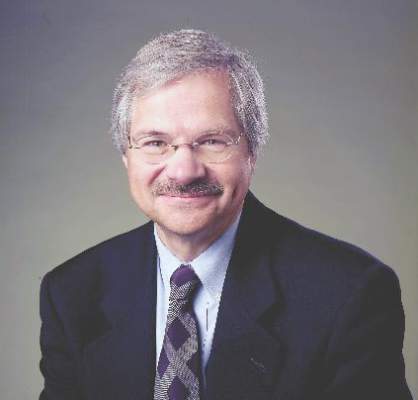
A new phase III trial in patients with AILD is anticipated in the first half of 2016, and top-line data are expected by mid-2018, he added. Bringing those interested in GI technology up to speed on a key problem in solid organ transplantation, John J. Sninsky, Ph.D., chief scientific officer at CareDX, Inc. in Brisbane, Calif., reported progress in minimizing key factors involved in graft rejection. This continues to be one of the biggest hurdles in ensuring long-term survival.
“Suboptimal immunosuppressive dosing and the threat of allograft rejection must be balanced with excessive dosing and increased risks of infections and cancer,” Dr. Sninsky said. He described an array of approaches to reduce protein expression or other signals from donor grafts that prompt an immunologic response, but he focused on current initiatives to identify signals of rejection before they produce adverse clinical consequences so immunosuppressive therapy can be adjusted in time.
Of these strategies, cell-free DNA (cfDNA) is intriguing because it is released from dying cells in both the allograft and recipient, and next-generation sequencing can distinguish their respective genomes, Dr. Sninsky said. In a recent longitudinal study of heart and kidney transplant recipients, levels of donor cfDNA rose significantly before biopsy-confirmed transplant rejection. Moreover, donor cfDNA levels dropped after adjustment of immunosuppressive therapy.
“The cfDNA compartment also harbors information about specific infectious diseases and somatic mutations associated with cancer development,” Dr. Sninsky said. Such technology could one day help fulfill a “significant unmet need” for tools to help monitor how patients are responding to transplant, he added.
In the acutely failing kidney, transplantation may not be feasible, but an alternative strategy involving a bioartificial kidney is showing promise in clinical trials, according to Dr. H. David Humes, professor of nephrology, University of Michigan, Ann Arbor. He predicted that such a device might be commercially available sometime in 2017.
Describing the bioartificial kidney as a “renal tubule assist device,” Dr. Humes, who was instrumental in its development, said that living cells are employed to perform their normal filtration activities but also to regulate immune function. Dr. Humes said this extracorporeal device can “buy time” when patients are recovering from an acute insult. In particular, this device is promising for those with renal failure in the intensive care unit, where the mortality associated with this complication is approximately 50%.
Although the current work is focused on acute renal injury, Dr. Humes acknowledged that the ongoing work might eventually lead to an implantable device employing the same principles for patients in end-stage renal disease. This development, however, may be years away.
BOSTON – More than half a century after the first successful kidney transplant, various new strategies are being pursued to intervene when major organs, such as the heart or kidney, are failing, according to experts at the 2016 AGA Tech Summit, which was sponsored by the AGA Center for GI Innovation and Technology.
Strategies include regenerating tissue and employing artificial devices to perform the function of the failing organ. For tissue regeneration, some of the most promising work is being done in the treatment of the decompensated liver. The unmet need is enormous.
Most patients are not candidates for liver transplant, and those with severe disease have a 30%-50% risk of dying within 90 days of diagnosis, explained Dr. Bill Frank, vice president of medical sciences at Vital Therapies in San Diego. Given the limitations of liver transplantation, he and fellow researchers at Vital Therapies designed an extracorporeal system that continuously delivers a proprietary line of human C3A liver cells. This immortal cell line expresses a number of proteins relevant to liver function, including cytochrome P450 isoenzymes, coagulation factors, growth factors, anti-inflammatory proteins, and anti-apoptotic factors.
The system, called ELAD®, has already been evaluated in a phase III trial conducted in patients with alcohol-induced liver decompensation (AILD). In the study, 203 patients were randomized to ELAD® or usual care. Although those randomized to ELAD® did not have a significantly improved survival at the end of 3 months compared with controls, which was the primary study endpoint, there was a trend toward a survival in benefit in the prespecified subgroups of younger patients (median age 46.9 years) and patients with lower MELD scores (less than 28). In these, the risk of death was reduced by more than 40% (P = .77) and more than 35% (P = .167), respectively.
The outcomes in these subgroups were sufficient for the Food and Drug Administration to permit further clinical trials, and Dr. Frank suggested that this approach remains promising.
“ELAD® treatment has the potential to modulate or reduce the inflammatory response and apoptosis and promote hepatic regeneration,” reported Dr. Frank, noting that it might be used for the treatment of a variety of types of liver decompensation, not just AILD. This includes small-for-size liver, liver damage due to hepatitis C virus (HCV) infection, and even septic liver disease.
A new phase III trial in patients with AILD is anticipated in the first half of 2016, and top-line data are expected by mid-2018, he added. Bringing those interested in GI technology up to speed on a key problem in solid organ transplantation, John J. Sninsky, Ph.D., chief scientific officer at CareDX, Inc. in Brisbane, Calif., reported progress in minimizing key factors involved in graft rejection. This continues to be one of the biggest hurdles in ensuring long-term survival.
“Suboptimal immunosuppressive dosing and the threat of allograft rejection must be balanced with excessive dosing and increased risks of infections and cancer,” Dr. Sninsky said. He described an array of approaches to reduce protein expression or other signals from donor grafts that prompt an immunologic response, but he focused on current initiatives to identify signals of rejection before they produce adverse clinical consequences so immunosuppressive therapy can be adjusted in time.
Of these strategies, cell-free DNA (cfDNA) is intriguing because it is released from dying cells in both the allograft and recipient, and next-generation sequencing can distinguish their respective genomes, Dr. Sninsky said. In a recent longitudinal study of heart and kidney transplant recipients, levels of donor cfDNA rose significantly before biopsy-confirmed transplant rejection. Moreover, donor cfDNA levels dropped after adjustment of immunosuppressive therapy.
“The cfDNA compartment also harbors information about specific infectious diseases and somatic mutations associated with cancer development,” Dr. Sninsky said. Such technology could one day help fulfill a “significant unmet need” for tools to help monitor how patients are responding to transplant, he added.
In the acutely failing kidney, transplantation may not be feasible, but an alternative strategy involving a bioartificial kidney is showing promise in clinical trials, according to Dr. H. David Humes, professor of nephrology, University of Michigan, Ann Arbor. He predicted that such a device might be commercially available sometime in 2017.
Describing the bioartificial kidney as a “renal tubule assist device,” Dr. Humes, who was instrumental in its development, said that living cells are employed to perform their normal filtration activities but also to regulate immune function. Dr. Humes said this extracorporeal device can “buy time” when patients are recovering from an acute insult. In particular, this device is promising for those with renal failure in the intensive care unit, where the mortality associated with this complication is approximately 50%.
Although the current work is focused on acute renal injury, Dr. Humes acknowledged that the ongoing work might eventually lead to an implantable device employing the same principles for patients in end-stage renal disease. This development, however, may be years away.
BOSTON – More than half a century after the first successful kidney transplant, various new strategies are being pursued to intervene when major organs, such as the heart or kidney, are failing, according to experts at the 2016 AGA Tech Summit, which was sponsored by the AGA Center for GI Innovation and Technology.
Strategies include regenerating tissue and employing artificial devices to perform the function of the failing organ. For tissue regeneration, some of the most promising work is being done in the treatment of the decompensated liver. The unmet need is enormous.
Most patients are not candidates for liver transplant, and those with severe disease have a 30%-50% risk of dying within 90 days of diagnosis, explained Dr. Bill Frank, vice president of medical sciences at Vital Therapies in San Diego. Given the limitations of liver transplantation, he and fellow researchers at Vital Therapies designed an extracorporeal system that continuously delivers a proprietary line of human C3A liver cells. This immortal cell line expresses a number of proteins relevant to liver function, including cytochrome P450 isoenzymes, coagulation factors, growth factors, anti-inflammatory proteins, and anti-apoptotic factors.
The system, called ELAD®, has already been evaluated in a phase III trial conducted in patients with alcohol-induced liver decompensation (AILD). In the study, 203 patients were randomized to ELAD® or usual care. Although those randomized to ELAD® did not have a significantly improved survival at the end of 3 months compared with controls, which was the primary study endpoint, there was a trend toward a survival in benefit in the prespecified subgroups of younger patients (median age 46.9 years) and patients with lower MELD scores (less than 28). In these, the risk of death was reduced by more than 40% (P = .77) and more than 35% (P = .167), respectively.
The outcomes in these subgroups were sufficient for the Food and Drug Administration to permit further clinical trials, and Dr. Frank suggested that this approach remains promising.
“ELAD® treatment has the potential to modulate or reduce the inflammatory response and apoptosis and promote hepatic regeneration,” reported Dr. Frank, noting that it might be used for the treatment of a variety of types of liver decompensation, not just AILD. This includes small-for-size liver, liver damage due to hepatitis C virus (HCV) infection, and even septic liver disease.
A new phase III trial in patients with AILD is anticipated in the first half of 2016, and top-line data are expected by mid-2018, he added. Bringing those interested in GI technology up to speed on a key problem in solid organ transplantation, John J. Sninsky, Ph.D., chief scientific officer at CareDX, Inc. in Brisbane, Calif., reported progress in minimizing key factors involved in graft rejection. This continues to be one of the biggest hurdles in ensuring long-term survival.
“Suboptimal immunosuppressive dosing and the threat of allograft rejection must be balanced with excessive dosing and increased risks of infections and cancer,” Dr. Sninsky said. He described an array of approaches to reduce protein expression or other signals from donor grafts that prompt an immunologic response, but he focused on current initiatives to identify signals of rejection before they produce adverse clinical consequences so immunosuppressive therapy can be adjusted in time.
Of these strategies, cell-free DNA (cfDNA) is intriguing because it is released from dying cells in both the allograft and recipient, and next-generation sequencing can distinguish their respective genomes, Dr. Sninsky said. In a recent longitudinal study of heart and kidney transplant recipients, levels of donor cfDNA rose significantly before biopsy-confirmed transplant rejection. Moreover, donor cfDNA levels dropped after adjustment of immunosuppressive therapy.
“The cfDNA compartment also harbors information about specific infectious diseases and somatic mutations associated with cancer development,” Dr. Sninsky said. Such technology could one day help fulfill a “significant unmet need” for tools to help monitor how patients are responding to transplant, he added.
In the acutely failing kidney, transplantation may not be feasible, but an alternative strategy involving a bioartificial kidney is showing promise in clinical trials, according to Dr. H. David Humes, professor of nephrology, University of Michigan, Ann Arbor. He predicted that such a device might be commercially available sometime in 2017.
Describing the bioartificial kidney as a “renal tubule assist device,” Dr. Humes, who was instrumental in its development, said that living cells are employed to perform their normal filtration activities but also to regulate immune function. Dr. Humes said this extracorporeal device can “buy time” when patients are recovering from an acute insult. In particular, this device is promising for those with renal failure in the intensive care unit, where the mortality associated with this complication is approximately 50%.
Although the current work is focused on acute renal injury, Dr. Humes acknowledged that the ongoing work might eventually lead to an implantable device employing the same principles for patients in end-stage renal disease. This development, however, may be years away.
AT THE 2016 AGA TECH SUMMIT

Angina rates similar across metal stents
WASHINGTON – In patients with coronary artery disease, there is no increased risk of angina 1 year after percutaneous coronary intervention for bare metal stents relative to drug-eluting metal stents, according to data presented at Cardiovascular Research Technologies 2016.
“Angina pectoris in the first year after PCI [percutaneous coronary intervention] is remarkably common, affecting 32.3% of patients,” but “metallic stent type is not independently associated with the occurrence of angina,” reported Dr. Michael A. Gaglia Jr., an interventional cardiologist at MedStar Heart and Vascular Institute in Washington.

This conclusion was based on a study in which 8,804 patients who underwent PCI with metal stents were questioned about angina and its severity. The incidence of angina was compared for bare-metal stents relative to five drug-eluting metal stents: Cypher (sirolimus-eluting, Johnson & Johnson), Taxus Express2 (paclitaxel, Boston Scientific), Xience V (everolimus, Abbott Vascular), Promus Element (everolimus, Boston Scientific), and Resolute Integrity (zotarolimus, Medtronic).
For nearly 3 months, the cumulative incidence of angina remained tightly grouped at 5% or less across stent types. Incidence rates began climbing slowly through the first 9 months of follow-up and then more steeply at about 10 months. When depicted graphically, the incidence of angina appeared higher after placement of the Cypher stent, which was discontinued in 2011, but multivariate analysis found “no significant association between stent type and angina at 1 year after PCI,” Dr. Gaglia reported.
Although risk of angina was not correlated with type of metal stent, angina was highly correlated with risk of a major adverse cardiovascular event (MACE). When angina severity was stratified by the Canadian Cardiovascular Society system, MACE, defined as a composite of all-cause mortality, target vessel revascularization, and Q-wave myocardial infarction, occurred in 6.8% of those without angina, 10.0% of those with class 1 or 2 angina, and 19.7% of those with class 3 or 4 angina (P less than .001 for this trend) over the course of follow-up.
Independent of stent type, angina was more common in patients with a history of severe angina prior to PCI, a prior PCI, or prior coronary artery bypass grafting. A reduced likelihood of angina was independently associated with older age, male sex, a presentation of acute coronary syndrome, and a longer stented length.
Other studies have also shown that angina after PCI is associated with an increased risk of MACE relative to the absence of ischemia, but the contribution of this study is that it is the first set of data to suggest that drug eluting stents provide no advantage over bare metal stents for controlling angina, according to the authors. In the graphic representation of angina incidence for different stent types over 1-year of follow-up, four of the six lines, including the line representing bare metal stents, were essentially superimposable. In addition to the line representing angina incidence in those receiving the Cypher stent, the line representing angina incidence on the Promus Element stent climbed higher at 9 months relative to the remaining four stent types, but this line had rejoined the others at 12 months.
“Metallic coronary stents alter vessel geometry, shear stress, and hemodynamics. Stents also vary in design and architecture,” Dr. Gaglia observed. Although protection from angina is one of the major indications for the placement of stents, Dr. Gaglia emphasized that data comparing different metallic stents in regards to the incidence of angina pectoris at long-term follow-up have until this study “been lacking.”
The meeting was sponsored by the Cardiovascular Research Institute at Washington Hospital Center. Dr. Gaglia reports no relevant financial relationships. Abbott Vascular funded the study.
WASHINGTON – In patients with coronary artery disease, there is no increased risk of angina 1 year after percutaneous coronary intervention for bare metal stents relative to drug-eluting metal stents, according to data presented at Cardiovascular Research Technologies 2016.
“Angina pectoris in the first year after PCI [percutaneous coronary intervention] is remarkably common, affecting 32.3% of patients,” but “metallic stent type is not independently associated with the occurrence of angina,” reported Dr. Michael A. Gaglia Jr., an interventional cardiologist at MedStar Heart and Vascular Institute in Washington.
This conclusion was based on a study in which 8,804 patients who underwent PCI with metal stents were questioned about angina and its severity. The incidence of angina was compared for bare-metal stents relative to five drug-eluting metal stents: Cypher (sirolimus-eluting, Johnson & Johnson), Taxus Express2 (paclitaxel, Boston Scientific), Xience V (everolimus, Abbott Vascular), Promus Element (everolimus, Boston Scientific), and Resolute Integrity (zotarolimus, Medtronic).
For nearly 3 months, the cumulative incidence of angina remained tightly grouped at 5% or less across stent types. Incidence rates began climbing slowly through the first 9 months of follow-up and then more steeply at about 10 months. When depicted graphically, the incidence of angina appeared higher after placement of the Cypher stent, which was discontinued in 2011, but multivariate analysis found “no significant association between stent type and angina at 1 year after PCI,” Dr. Gaglia reported.
Although risk of angina was not correlated with type of metal stent, angina was highly correlated with risk of a major adverse cardiovascular event (MACE). When angina severity was stratified by the Canadian Cardiovascular Society system, MACE, defined as a composite of all-cause mortality, target vessel revascularization, and Q-wave myocardial infarction, occurred in 6.8% of those without angina, 10.0% of those with class 1 or 2 angina, and 19.7% of those with class 3 or 4 angina (P less than .001 for this trend) over the course of follow-up.
Independent of stent type, angina was more common in patients with a history of severe angina prior to PCI, a prior PCI, or prior coronary artery bypass grafting. A reduced likelihood of angina was independently associated with older age, male sex, a presentation of acute coronary syndrome, and a longer stented length.
Other studies have also shown that angina after PCI is associated with an increased risk of MACE relative to the absence of ischemia, but the contribution of this study is that it is the first set of data to suggest that drug eluting stents provide no advantage over bare metal stents for controlling angina, according to the authors. In the graphic representation of angina incidence for different stent types over 1-year of follow-up, four of the six lines, including the line representing bare metal stents, were essentially superimposable. In addition to the line representing angina incidence in those receiving the Cypher stent, the line representing angina incidence on the Promus Element stent climbed higher at 9 months relative to the remaining four stent types, but this line had rejoined the others at 12 months.
“Metallic coronary stents alter vessel geometry, shear stress, and hemodynamics. Stents also vary in design and architecture,” Dr. Gaglia observed. Although protection from angina is one of the major indications for the placement of stents, Dr. Gaglia emphasized that data comparing different metallic stents in regards to the incidence of angina pectoris at long-term follow-up have until this study “been lacking.”
The meeting was sponsored by the Cardiovascular Research Institute at Washington Hospital Center. Dr. Gaglia reports no relevant financial relationships. Abbott Vascular funded the study.
WASHINGTON – In patients with coronary artery disease, there is no increased risk of angina 1 year after percutaneous coronary intervention for bare metal stents relative to drug-eluting metal stents, according to data presented at Cardiovascular Research Technologies 2016.
“Angina pectoris in the first year after PCI [percutaneous coronary intervention] is remarkably common, affecting 32.3% of patients,” but “metallic stent type is not independently associated with the occurrence of angina,” reported Dr. Michael A. Gaglia Jr., an interventional cardiologist at MedStar Heart and Vascular Institute in Washington.
This conclusion was based on a study in which 8,804 patients who underwent PCI with metal stents were questioned about angina and its severity. The incidence of angina was compared for bare-metal stents relative to five drug-eluting metal stents: Cypher (sirolimus-eluting, Johnson & Johnson), Taxus Express2 (paclitaxel, Boston Scientific), Xience V (everolimus, Abbott Vascular), Promus Element (everolimus, Boston Scientific), and Resolute Integrity (zotarolimus, Medtronic).
For nearly 3 months, the cumulative incidence of angina remained tightly grouped at 5% or less across stent types. Incidence rates began climbing slowly through the first 9 months of follow-up and then more steeply at about 10 months. When depicted graphically, the incidence of angina appeared higher after placement of the Cypher stent, which was discontinued in 2011, but multivariate analysis found “no significant association between stent type and angina at 1 year after PCI,” Dr. Gaglia reported.
Although risk of angina was not correlated with type of metal stent, angina was highly correlated with risk of a major adverse cardiovascular event (MACE). When angina severity was stratified by the Canadian Cardiovascular Society system, MACE, defined as a composite of all-cause mortality, target vessel revascularization, and Q-wave myocardial infarction, occurred in 6.8% of those without angina, 10.0% of those with class 1 or 2 angina, and 19.7% of those with class 3 or 4 angina (P less than .001 for this trend) over the course of follow-up.
Independent of stent type, angina was more common in patients with a history of severe angina prior to PCI, a prior PCI, or prior coronary artery bypass grafting. A reduced likelihood of angina was independently associated with older age, male sex, a presentation of acute coronary syndrome, and a longer stented length.
Other studies have also shown that angina after PCI is associated with an increased risk of MACE relative to the absence of ischemia, but the contribution of this study is that it is the first set of data to suggest that drug eluting stents provide no advantage over bare metal stents for controlling angina, according to the authors. In the graphic representation of angina incidence for different stent types over 1-year of follow-up, four of the six lines, including the line representing bare metal stents, were essentially superimposable. In addition to the line representing angina incidence in those receiving the Cypher stent, the line representing angina incidence on the Promus Element stent climbed higher at 9 months relative to the remaining four stent types, but this line had rejoined the others at 12 months.
“Metallic coronary stents alter vessel geometry, shear stress, and hemodynamics. Stents also vary in design and architecture,” Dr. Gaglia observed. Although protection from angina is one of the major indications for the placement of stents, Dr. Gaglia emphasized that data comparing different metallic stents in regards to the incidence of angina pectoris at long-term follow-up have until this study “been lacking.”
The meeting was sponsored by the Cardiovascular Research Institute at Washington Hospital Center. Dr. Gaglia reports no relevant financial relationships. Abbott Vascular funded the study.
AT CARDIOVASCULAR RESEARCH TECHNOLOGIES 2016
Key clinical point: One year after stent placement, angina rates are no higher with bare metal stents than with drug-eluting metal stents.
Major finding: One year after stenting, the incidence of angina was 32.3%.
Data source: Observational study with 8,804 patients.
Disclosures: Dr. Gaglia reports no relevant financial relationships. Abbott Vascular funded the study.

Actionable traits will guide gastroenterologists in treatment of obesity
BOSTON – Gastroenterologists need to recognize that obesity is not one but multiple diseases and band together with other specialists in an interdisciplinary fashion to develop workable plans for long-term weight control, according to a panel of experts at the 2016 AGA Tech Summit, which is sponsored by the AGA Center for GI Innovation and Technology.
More than one-third of U.S. adults have obesity, at a medical cost of between $147 and $300 billion annually, according to the Centers for Disease Control and Prevention. There are many reasons people suffer from obesity, said Dr. Robert Fanelli, chief of minimally invasive surgery and surgical endoscopy at the Guthrie Clinic in Sayre, Pa. These range from poor diet to genetics, and, accordingly, physicians are going to have to turn to personalized care.

“The time has come for gastroenterologists to play a role in addressing this crisis,” said Dr. Sarah Streett, clinical associate professor of medicine at Stanford (Calif.) University. “Gastroenterologists are uniquely positioned to help in this area because we are, by training, internists, digestive disease specialists, and endoscopists, and endoscopic bariatric therapies are entering the armamentarium of tools to treat obesity,” she added.
Over the last few decades, GI experts’ attention has focused on colon cancer screening and significant innovations in the areas of endoscopic therapeutics and the treatment of hepatitis and inflammatory bowel disease, Dr. Streett said, “but many in GI appreciate that obesity is a root cause for so many of the conditions that we’re already treating: esophageal reflux and its complications, fatty liver disease, gallbladder disease, and gastrointestinal cancers.”
Because the disease is complex, said Dr. Streett, who is also the chair of the AGA Practice Management and Economics Committee, it’s imperative to work collaboratively with others, including obesity medicine specialists, dietitians, counselors, psychologists, and bariatric surgeons, to create a continuum of care tailored to patients’ individual needs, with good nutrition, physical activity, and stress reduction as central tenets.
AGA – in conjunction with the Society of American Gastrointestinal and Endoscopic Surgeons, the Obesity Society, and the North American Society for Pediatric Gastroenterology, Hepatology and Nutrition – is developing a program to guide gastroenterologists who want to develop comprehensive care management programs to treat obesity with a multimodal approach, she said. The initiative, called “POWER: Practice Guide on Obesity and Weight Management, Education and Resources,” will be made available on the AGA website later this year.

For patients in need, there are safe, robust surgical options to manage obesity, including gastric bypass and sleeve gastrectomy, said Dr. Kevin Reavis, a bariatric surgeon at the Oregon Clinic in Portland. The safety record for bariatric surgery is now on par with elective gallbladder surgery and matches or betters heart surgery, he said. A less invasive option is the endoscopic placement of devices like gastric balloons that generate an early sense of satiety by applying pressure to the upper stomach.
Moving toward the future, there is a lot of “out of the box thinking” that has led to research into ways to alter consumption and digestion of food with such approaches as blocking the vagus nerve or employing deep brain stimulation. Although some devices or interventions are designed to block calories from being absorbed from the GI tract, others may be able to reset patients’ metabolic balance, enabling easier weight loss and maintenance.
Physicians’ understanding of obesity is changing, said Dr. Lee Kaplan, director of the Obesity, Metabolism and Nutrition Institute at Massachusetts General Hospital, Boston. “We now understand that the body has an elaborate and powerful regulatory system that seeks to maintain a stable amount of fat,” a phenomenon he characterized as “the fat mass set point.”
Changes in modern society, including the type of foods we eat, lack of exercise, disturbed sleep, increased stress, and medications that stimulate appetite, all send aberrant signals to the brain, causing it to seek too high a fat mass, he said. Any therapy that is to be successful must lower that set point.

Different from other heterogeneous disorders like cancer, it’s not yet clear which treatments will work best for which types of obesity, Dr. Kaplan noted. Meanwhile, “we’re recommending more and more that we approach obesity in the same way that we approach any other disease, which is to start with lifestyle changes,” he said, “and if that doesn’t work, to move on to more classically medical approaches, including medications and surgery.”
Once an effective treatment is implemented, continuing care is essential. Obesity is not cured with current treatments, which means that patients require ongoing support.
After weight is reduced, “we abandon patients as a matter of routine,” said Dr. Kaplan, noting that this is not the case in other serious chronic diseases. This is one aspect of obesity care that “we must change.”
Dr. Kaplan receives consulting fees from Eisai, Ethicon, GI Dynamics, Novo Nordisk, and Vivus, and has an ownership interest in GI Dynamics. Dr. Fanelli is a part owner of Allurion Technologies, a company that manufacturers an intragastric balloon for weight loss, and an advisor to EndoGastric Solutions. Dr. Streett and Dr. Reavis reported no relevant financial disclosures.
BOSTON – Gastroenterologists need to recognize that obesity is not one but multiple diseases and band together with other specialists in an interdisciplinary fashion to develop workable plans for long-term weight control, according to a panel of experts at the 2016 AGA Tech Summit, which is sponsored by the AGA Center for GI Innovation and Technology.
More than one-third of U.S. adults have obesity, at a medical cost of between $147 and $300 billion annually, according to the Centers for Disease Control and Prevention. There are many reasons people suffer from obesity, said Dr. Robert Fanelli, chief of minimally invasive surgery and surgical endoscopy at the Guthrie Clinic in Sayre, Pa. These range from poor diet to genetics, and, accordingly, physicians are going to have to turn to personalized care.
“The time has come for gastroenterologists to play a role in addressing this crisis,” said Dr. Sarah Streett, clinical associate professor of medicine at Stanford (Calif.) University. “Gastroenterologists are uniquely positioned to help in this area because we are, by training, internists, digestive disease specialists, and endoscopists, and endoscopic bariatric therapies are entering the armamentarium of tools to treat obesity,” she added.
Over the last few decades, GI experts’ attention has focused on colon cancer screening and significant innovations in the areas of endoscopic therapeutics and the treatment of hepatitis and inflammatory bowel disease, Dr. Streett said, “but many in GI appreciate that obesity is a root cause for so many of the conditions that we’re already treating: esophageal reflux and its complications, fatty liver disease, gallbladder disease, and gastrointestinal cancers.”
Because the disease is complex, said Dr. Streett, who is also the chair of the AGA Practice Management and Economics Committee, it’s imperative to work collaboratively with others, including obesity medicine specialists, dietitians, counselors, psychologists, and bariatric surgeons, to create a continuum of care tailored to patients’ individual needs, with good nutrition, physical activity, and stress reduction as central tenets.
AGA – in conjunction with the Society of American Gastrointestinal and Endoscopic Surgeons, the Obesity Society, and the North American Society for Pediatric Gastroenterology, Hepatology and Nutrition – is developing a program to guide gastroenterologists who want to develop comprehensive care management programs to treat obesity with a multimodal approach, she said. The initiative, called “POWER: Practice Guide on Obesity and Weight Management, Education and Resources,” will be made available on the AGA website later this year.
For patients in need, there are safe, robust surgical options to manage obesity, including gastric bypass and sleeve gastrectomy, said Dr. Kevin Reavis, a bariatric surgeon at the Oregon Clinic in Portland. The safety record for bariatric surgery is now on par with elective gallbladder surgery and matches or betters heart surgery, he said. A less invasive option is the endoscopic placement of devices like gastric balloons that generate an early sense of satiety by applying pressure to the upper stomach.
Moving toward the future, there is a lot of “out of the box thinking” that has led to research into ways to alter consumption and digestion of food with such approaches as blocking the vagus nerve or employing deep brain stimulation. Although some devices or interventions are designed to block calories from being absorbed from the GI tract, others may be able to reset patients’ metabolic balance, enabling easier weight loss and maintenance.
Physicians’ understanding of obesity is changing, said Dr. Lee Kaplan, director of the Obesity, Metabolism and Nutrition Institute at Massachusetts General Hospital, Boston. “We now understand that the body has an elaborate and powerful regulatory system that seeks to maintain a stable amount of fat,” a phenomenon he characterized as “the fat mass set point.”
Changes in modern society, including the type of foods we eat, lack of exercise, disturbed sleep, increased stress, and medications that stimulate appetite, all send aberrant signals to the brain, causing it to seek too high a fat mass, he said. Any therapy that is to be successful must lower that set point.
Different from other heterogeneous disorders like cancer, it’s not yet clear which treatments will work best for which types of obesity, Dr. Kaplan noted. Meanwhile, “we’re recommending more and more that we approach obesity in the same way that we approach any other disease, which is to start with lifestyle changes,” he said, “and if that doesn’t work, to move on to more classically medical approaches, including medications and surgery.”
Once an effective treatment is implemented, continuing care is essential. Obesity is not cured with current treatments, which means that patients require ongoing support.
After weight is reduced, “we abandon patients as a matter of routine,” said Dr. Kaplan, noting that this is not the case in other serious chronic diseases. This is one aspect of obesity care that “we must change.”
Dr. Kaplan receives consulting fees from Eisai, Ethicon, GI Dynamics, Novo Nordisk, and Vivus, and has an ownership interest in GI Dynamics. Dr. Fanelli is a part owner of Allurion Technologies, a company that manufacturers an intragastric balloon for weight loss, and an advisor to EndoGastric Solutions. Dr. Streett and Dr. Reavis reported no relevant financial disclosures.
BOSTON – Gastroenterologists need to recognize that obesity is not one but multiple diseases and band together with other specialists in an interdisciplinary fashion to develop workable plans for long-term weight control, according to a panel of experts at the 2016 AGA Tech Summit, which is sponsored by the AGA Center for GI Innovation and Technology.
More than one-third of U.S. adults have obesity, at a medical cost of between $147 and $300 billion annually, according to the Centers for Disease Control and Prevention. There are many reasons people suffer from obesity, said Dr. Robert Fanelli, chief of minimally invasive surgery and surgical endoscopy at the Guthrie Clinic in Sayre, Pa. These range from poor diet to genetics, and, accordingly, physicians are going to have to turn to personalized care.
“The time has come for gastroenterologists to play a role in addressing this crisis,” said Dr. Sarah Streett, clinical associate professor of medicine at Stanford (Calif.) University. “Gastroenterologists are uniquely positioned to help in this area because we are, by training, internists, digestive disease specialists, and endoscopists, and endoscopic bariatric therapies are entering the armamentarium of tools to treat obesity,” she added.
Over the last few decades, GI experts’ attention has focused on colon cancer screening and significant innovations in the areas of endoscopic therapeutics and the treatment of hepatitis and inflammatory bowel disease, Dr. Streett said, “but many in GI appreciate that obesity is a root cause for so many of the conditions that we’re already treating: esophageal reflux and its complications, fatty liver disease, gallbladder disease, and gastrointestinal cancers.”
Because the disease is complex, said Dr. Streett, who is also the chair of the AGA Practice Management and Economics Committee, it’s imperative to work collaboratively with others, including obesity medicine specialists, dietitians, counselors, psychologists, and bariatric surgeons, to create a continuum of care tailored to patients’ individual needs, with good nutrition, physical activity, and stress reduction as central tenets.
AGA – in conjunction with the Society of American Gastrointestinal and Endoscopic Surgeons, the Obesity Society, and the North American Society for Pediatric Gastroenterology, Hepatology and Nutrition – is developing a program to guide gastroenterologists who want to develop comprehensive care management programs to treat obesity with a multimodal approach, she said. The initiative, called “POWER: Practice Guide on Obesity and Weight Management, Education and Resources,” will be made available on the AGA website later this year.
For patients in need, there are safe, robust surgical options to manage obesity, including gastric bypass and sleeve gastrectomy, said Dr. Kevin Reavis, a bariatric surgeon at the Oregon Clinic in Portland. The safety record for bariatric surgery is now on par with elective gallbladder surgery and matches or betters heart surgery, he said. A less invasive option is the endoscopic placement of devices like gastric balloons that generate an early sense of satiety by applying pressure to the upper stomach.
Moving toward the future, there is a lot of “out of the box thinking” that has led to research into ways to alter consumption and digestion of food with such approaches as blocking the vagus nerve or employing deep brain stimulation. Although some devices or interventions are designed to block calories from being absorbed from the GI tract, others may be able to reset patients’ metabolic balance, enabling easier weight loss and maintenance.
Physicians’ understanding of obesity is changing, said Dr. Lee Kaplan, director of the Obesity, Metabolism and Nutrition Institute at Massachusetts General Hospital, Boston. “We now understand that the body has an elaborate and powerful regulatory system that seeks to maintain a stable amount of fat,” a phenomenon he characterized as “the fat mass set point.”
Changes in modern society, including the type of foods we eat, lack of exercise, disturbed sleep, increased stress, and medications that stimulate appetite, all send aberrant signals to the brain, causing it to seek too high a fat mass, he said. Any therapy that is to be successful must lower that set point.
Different from other heterogeneous disorders like cancer, it’s not yet clear which treatments will work best for which types of obesity, Dr. Kaplan noted. Meanwhile, “we’re recommending more and more that we approach obesity in the same way that we approach any other disease, which is to start with lifestyle changes,” he said, “and if that doesn’t work, to move on to more classically medical approaches, including medications and surgery.”
Once an effective treatment is implemented, continuing care is essential. Obesity is not cured with current treatments, which means that patients require ongoing support.
After weight is reduced, “we abandon patients as a matter of routine,” said Dr. Kaplan, noting that this is not the case in other serious chronic diseases. This is one aspect of obesity care that “we must change.”
Dr. Kaplan receives consulting fees from Eisai, Ethicon, GI Dynamics, Novo Nordisk, and Vivus, and has an ownership interest in GI Dynamics. Dr. Fanelli is a part owner of Allurion Technologies, a company that manufacturers an intragastric balloon for weight loss, and an advisor to EndoGastric Solutions. Dr. Streett and Dr. Reavis reported no relevant financial disclosures.
AT THE AGA 2016 TECH SUMMIT

Age over 80 years should not preclude stenting of left main artery
WASHINGTON – Octogenarians rejected for coronary surgical revascularization can expect outcomes from percutaneous coronary intervention similar to those provided to younger patients who have also been considered to be too high risk for surgery, according to an experience reported by researchers from the University of Southern California, Los Angeles, at the Cardiovascular Research Technologies 2016 conference, sponsored by the Cardiovascular Research Institute at Washington Hospital Center. In a series of patients requiring revascularization for unprotected left main coronary artery (ULMCA) stenosis, there were no significant differences in either short-term or long-term outcomes, reported Dr. Meena R. Narayanan of the University of Southern California, Los Angeles.
The analysis was based on a series of 71 patients with ULMCA stenosis who were considered to be too high risk for surgical revascularization and underwent percutaneous coronary intervention and stent placement as an alternative. Of these, 18 were more than 80 years of age and 53 were younger.
When the two groups were compared, most of the baseline characteristics were similar. However, there were exceptions. Diabetes mellitus was substantially more frequent in the younger patients (55% vs. 22%) but advanced chronic kidney disease was far more common in the octogenarians (61% vs. 30%).
The octogenarians also had significantly higher Society of Thoracic Surgeons (STS) scores (14.1 vs. 6.5; P = .009) and higher European System for Cardiac Operative Risk Evaluation (EUROSCORE) numbers (17.0 vs. 8.2; P = .01), both signifying a worse prognosis. However, both scoring systems use older age as an incremental factor for increased risk.
Regarding mortality, both the 30-day (17% vs. 4%) and the 1-year (28% vs. 21%) rates were higher for the octogenarians relative to those younger, but neither difference reached statistical significance, according to Dr. Narayanan. There also did not appear to be any differences in complications during acute recovery after percutaneous coronary intervention. For example, the need for temporary dialysis was exactly the same (20% in both groups) and the average length of stay, although longer among those older (12.0 vs. 8.4 days), also did not differ significantly.
“Elderly patients are well known to have higher mortality rates associated with coronary surgical revascularization,” reported Dr. Narayanan, but these data suggest that stenting is a reasonable alternative. It is notable that this study is not the first to suggest that age above 80 years may not be an appropriate exclusion factor for coronary stenting. In a study published 3 years ago, outcomes were evaluated in 70 consecutive patients 80 years of age or older undergoing left main coronary stenting (Cardiovasc Revasc Med. 2012;13:119-24). In-hospital mortality was 11% but overall mortality after a mean follow-up time of 30.5 months was 28%, which was considered reasonable in a high-risk population.
The authors of the 2012 study, like Dr. Narayanan, concluded that stenting appears to be a reasonable approach in octogenarians who are not candidates for surgical revascularization.
WASHINGTON – Octogenarians rejected for coronary surgical revascularization can expect outcomes from percutaneous coronary intervention similar to those provided to younger patients who have also been considered to be too high risk for surgery, according to an experience reported by researchers from the University of Southern California, Los Angeles, at the Cardiovascular Research Technologies 2016 conference, sponsored by the Cardiovascular Research Institute at Washington Hospital Center. In a series of patients requiring revascularization for unprotected left main coronary artery (ULMCA) stenosis, there were no significant differences in either short-term or long-term outcomes, reported Dr. Meena R. Narayanan of the University of Southern California, Los Angeles.
The analysis was based on a series of 71 patients with ULMCA stenosis who were considered to be too high risk for surgical revascularization and underwent percutaneous coronary intervention and stent placement as an alternative. Of these, 18 were more than 80 years of age and 53 were younger.
When the two groups were compared, most of the baseline characteristics were similar. However, there were exceptions. Diabetes mellitus was substantially more frequent in the younger patients (55% vs. 22%) but advanced chronic kidney disease was far more common in the octogenarians (61% vs. 30%).
The octogenarians also had significantly higher Society of Thoracic Surgeons (STS) scores (14.1 vs. 6.5; P = .009) and higher European System for Cardiac Operative Risk Evaluation (EUROSCORE) numbers (17.0 vs. 8.2; P = .01), both signifying a worse prognosis. However, both scoring systems use older age as an incremental factor for increased risk.
Regarding mortality, both the 30-day (17% vs. 4%) and the 1-year (28% vs. 21%) rates were higher for the octogenarians relative to those younger, but neither difference reached statistical significance, according to Dr. Narayanan. There also did not appear to be any differences in complications during acute recovery after percutaneous coronary intervention. For example, the need for temporary dialysis was exactly the same (20% in both groups) and the average length of stay, although longer among those older (12.0 vs. 8.4 days), also did not differ significantly.
“Elderly patients are well known to have higher mortality rates associated with coronary surgical revascularization,” reported Dr. Narayanan, but these data suggest that stenting is a reasonable alternative. It is notable that this study is not the first to suggest that age above 80 years may not be an appropriate exclusion factor for coronary stenting. In a study published 3 years ago, outcomes were evaluated in 70 consecutive patients 80 years of age or older undergoing left main coronary stenting (Cardiovasc Revasc Med. 2012;13:119-24). In-hospital mortality was 11% but overall mortality after a mean follow-up time of 30.5 months was 28%, which was considered reasonable in a high-risk population.
The authors of the 2012 study, like Dr. Narayanan, concluded that stenting appears to be a reasonable approach in octogenarians who are not candidates for surgical revascularization.
WASHINGTON – Octogenarians rejected for coronary surgical revascularization can expect outcomes from percutaneous coronary intervention similar to those provided to younger patients who have also been considered to be too high risk for surgery, according to an experience reported by researchers from the University of Southern California, Los Angeles, at the Cardiovascular Research Technologies 2016 conference, sponsored by the Cardiovascular Research Institute at Washington Hospital Center. In a series of patients requiring revascularization for unprotected left main coronary artery (ULMCA) stenosis, there were no significant differences in either short-term or long-term outcomes, reported Dr. Meena R. Narayanan of the University of Southern California, Los Angeles.
The analysis was based on a series of 71 patients with ULMCA stenosis who were considered to be too high risk for surgical revascularization and underwent percutaneous coronary intervention and stent placement as an alternative. Of these, 18 were more than 80 years of age and 53 were younger.
When the two groups were compared, most of the baseline characteristics were similar. However, there were exceptions. Diabetes mellitus was substantially more frequent in the younger patients (55% vs. 22%) but advanced chronic kidney disease was far more common in the octogenarians (61% vs. 30%).
The octogenarians also had significantly higher Society of Thoracic Surgeons (STS) scores (14.1 vs. 6.5; P = .009) and higher European System for Cardiac Operative Risk Evaluation (EUROSCORE) numbers (17.0 vs. 8.2; P = .01), both signifying a worse prognosis. However, both scoring systems use older age as an incremental factor for increased risk.
Regarding mortality, both the 30-day (17% vs. 4%) and the 1-year (28% vs. 21%) rates were higher for the octogenarians relative to those younger, but neither difference reached statistical significance, according to Dr. Narayanan. There also did not appear to be any differences in complications during acute recovery after percutaneous coronary intervention. For example, the need for temporary dialysis was exactly the same (20% in both groups) and the average length of stay, although longer among those older (12.0 vs. 8.4 days), also did not differ significantly.
“Elderly patients are well known to have higher mortality rates associated with coronary surgical revascularization,” reported Dr. Narayanan, but these data suggest that stenting is a reasonable alternative. It is notable that this study is not the first to suggest that age above 80 years may not be an appropriate exclusion factor for coronary stenting. In a study published 3 years ago, outcomes were evaluated in 70 consecutive patients 80 years of age or older undergoing left main coronary stenting (Cardiovasc Revasc Med. 2012;13:119-24). In-hospital mortality was 11% but overall mortality after a mean follow-up time of 30.5 months was 28%, which was considered reasonable in a high-risk population.
The authors of the 2012 study, like Dr. Narayanan, concluded that stenting appears to be a reasonable approach in octogenarians who are not candidates for surgical revascularization.
AT THE CARDIOVASCULAR RESEARCH TECHNOLOGIES 2016
Key clinical point: Among patients who are not candidates for surgical revascularization of stenosis in the left main coronary artery, those over the age of 80 years appear to achieve similar outcomes relative to younger patients.
Major finding: When patients over 80 years of age were compared with younger patients, there were no significant differences in any outcome, including 30-day and 1-year mortality.
Data source: Observational study.
Disclosures: Dr. Narayanan reports no financial relationships relevant to this study.
Safety of bioresorbable stents does not match that of metal stents
Bioresorbable vascular scaffold stents are improving rapidly but they are still associated with a higher risk of complications compared with drug-eluting metal stents, according to a meta-analysis of published studies presented at Cardiovascular Research Technologies 2016.
“Bioresorbable stents are clearly an attractive strategy, but our data suggest that physicians and patients should remain aware of the risks,” reported Dr. Alok Saurav of Creighton University Medical Center, Omaha, Neb.

The first bioresorbable vascular scaffold (BVS) device, Synergy, was approved this past October, but this stent, despite bioresorbable struts, still has body parts that are not fully bioresorbable. However, several fully bioresorbable devices have reached late stages of testing and may receive regulatory approval this year.
In the meta-analysis, eight studies – five randomized trials, two studies with propensity matching, and an observational study –the primary goal was to compare BVS to drug eluting metal (DEM) stents for definite stent thrombosis. Secondary outcomes included subacute stent thrombosis within 30 days and within 1 year and cardiac death, all-cause death, MI, and ischemia-driven target vessel revascularization (TVR).
Despite the fact that the mean age and gender distribution was the same when the 2,760 patients receiving BVS stents were compared to the 2,212 receiving DEM stents, and both received comparable antiplatelet regimens after the stent was placed, there was an 80% greater relative risk for definite stent thrombosis in the BVS group. Although this difference fell short of statistical significance (P = .06), Dr. Saurav called it a “strong trend.”
Several of the adverse events that were analyzed as secondary outcomes in this study were less frequent with the BVS, such as cardiac death (relative risk, 0.83) and all-cause death (RR, 0.74), but the statistics did not suggest a trend, so Dr. Saurav characterized these outcomes as similar. MI was an exception. This was more frequent in those received a BVS stent (RR, 1.35; P = .049), and this reached significance.
Most of the studies included in this analysis were conducted with the everolimus-eluting Absorb BVS device, which many are predicting will be the first fully bioresorbable stent to receive regulatory approval.
It is notable that another meta-analysis including some of the same studies and published just weeks prior to the CRT meeting drew the same conclusion about the increased risk of stent thrombosis with BVS relative to DEM stents (Lancet 2016;387:537-44). This meta-analysis was restricted to six trials with 3,738 randomized patients. Unlike the meta-analysis presented at CRT, this study compared the two types of stents for both definite and probable stent thrombosis. For BVS relative to DEM stents, the relative risk for this outcome was 1.99 (P = .05).
“We think our restriction to definite stent thrombosis provides a stricter endpoint, but it’s notable that the results were relatively consistent,” Dr. Saurav reported.
Acknowledging that the increased risk of stent thrombosis appears to be modest for BVS relative to DEM stents, Dr. Saurav emphasized that these data should not discourage further development of bioresorbable stents, which are conceptually attractive.
“We cannot take these bioresorbable devices off the table,” he said. “But we do need more data to evaluate their risks relative to the conventional devices that are now available.”
The meeting was sponsored by the Cardiovascular Research Institute at Washington Hospital Center. Dr. Saurav reported no conflicts of interest.
Bioresorbable vascular scaffold stents are improving rapidly but they are still associated with a higher risk of complications compared with drug-eluting metal stents, according to a meta-analysis of published studies presented at Cardiovascular Research Technologies 2016.
“Bioresorbable stents are clearly an attractive strategy, but our data suggest that physicians and patients should remain aware of the risks,” reported Dr. Alok Saurav of Creighton University Medical Center, Omaha, Neb.
The first bioresorbable vascular scaffold (BVS) device, Synergy, was approved this past October, but this stent, despite bioresorbable struts, still has body parts that are not fully bioresorbable. However, several fully bioresorbable devices have reached late stages of testing and may receive regulatory approval this year.
In the meta-analysis, eight studies – five randomized trials, two studies with propensity matching, and an observational study –the primary goal was to compare BVS to drug eluting metal (DEM) stents for definite stent thrombosis. Secondary outcomes included subacute stent thrombosis within 30 days and within 1 year and cardiac death, all-cause death, MI, and ischemia-driven target vessel revascularization (TVR).
Despite the fact that the mean age and gender distribution was the same when the 2,760 patients receiving BVS stents were compared to the 2,212 receiving DEM stents, and both received comparable antiplatelet regimens after the stent was placed, there was an 80% greater relative risk for definite stent thrombosis in the BVS group. Although this difference fell short of statistical significance (P = .06), Dr. Saurav called it a “strong trend.”
Several of the adverse events that were analyzed as secondary outcomes in this study were less frequent with the BVS, such as cardiac death (relative risk, 0.83) and all-cause death (RR, 0.74), but the statistics did not suggest a trend, so Dr. Saurav characterized these outcomes as similar. MI was an exception. This was more frequent in those received a BVS stent (RR, 1.35; P = .049), and this reached significance.
Most of the studies included in this analysis were conducted with the everolimus-eluting Absorb BVS device, which many are predicting will be the first fully bioresorbable stent to receive regulatory approval.
It is notable that another meta-analysis including some of the same studies and published just weeks prior to the CRT meeting drew the same conclusion about the increased risk of stent thrombosis with BVS relative to DEM stents (Lancet 2016;387:537-44). This meta-analysis was restricted to six trials with 3,738 randomized patients. Unlike the meta-analysis presented at CRT, this study compared the two types of stents for both definite and probable stent thrombosis. For BVS relative to DEM stents, the relative risk for this outcome was 1.99 (P = .05).
“We think our restriction to definite stent thrombosis provides a stricter endpoint, but it’s notable that the results were relatively consistent,” Dr. Saurav reported.
Acknowledging that the increased risk of stent thrombosis appears to be modest for BVS relative to DEM stents, Dr. Saurav emphasized that these data should not discourage further development of bioresorbable stents, which are conceptually attractive.
“We cannot take these bioresorbable devices off the table,” he said. “But we do need more data to evaluate their risks relative to the conventional devices that are now available.”
The meeting was sponsored by the Cardiovascular Research Institute at Washington Hospital Center. Dr. Saurav reported no conflicts of interest.
Bioresorbable vascular scaffold stents are improving rapidly but they are still associated with a higher risk of complications compared with drug-eluting metal stents, according to a meta-analysis of published studies presented at Cardiovascular Research Technologies 2016.
“Bioresorbable stents are clearly an attractive strategy, but our data suggest that physicians and patients should remain aware of the risks,” reported Dr. Alok Saurav of Creighton University Medical Center, Omaha, Neb.
The first bioresorbable vascular scaffold (BVS) device, Synergy, was approved this past October, but this stent, despite bioresorbable struts, still has body parts that are not fully bioresorbable. However, several fully bioresorbable devices have reached late stages of testing and may receive regulatory approval this year.
In the meta-analysis, eight studies – five randomized trials, two studies with propensity matching, and an observational study –the primary goal was to compare BVS to drug eluting metal (DEM) stents for definite stent thrombosis. Secondary outcomes included subacute stent thrombosis within 30 days and within 1 year and cardiac death, all-cause death, MI, and ischemia-driven target vessel revascularization (TVR).
Despite the fact that the mean age and gender distribution was the same when the 2,760 patients receiving BVS stents were compared to the 2,212 receiving DEM stents, and both received comparable antiplatelet regimens after the stent was placed, there was an 80% greater relative risk for definite stent thrombosis in the BVS group. Although this difference fell short of statistical significance (P = .06), Dr. Saurav called it a “strong trend.”
Several of the adverse events that were analyzed as secondary outcomes in this study were less frequent with the BVS, such as cardiac death (relative risk, 0.83) and all-cause death (RR, 0.74), but the statistics did not suggest a trend, so Dr. Saurav characterized these outcomes as similar. MI was an exception. This was more frequent in those received a BVS stent (RR, 1.35; P = .049), and this reached significance.
Most of the studies included in this analysis were conducted with the everolimus-eluting Absorb BVS device, which many are predicting will be the first fully bioresorbable stent to receive regulatory approval.
It is notable that another meta-analysis including some of the same studies and published just weeks prior to the CRT meeting drew the same conclusion about the increased risk of stent thrombosis with BVS relative to DEM stents (Lancet 2016;387:537-44). This meta-analysis was restricted to six trials with 3,738 randomized patients. Unlike the meta-analysis presented at CRT, this study compared the two types of stents for both definite and probable stent thrombosis. For BVS relative to DEM stents, the relative risk for this outcome was 1.99 (P = .05).
“We think our restriction to definite stent thrombosis provides a stricter endpoint, but it’s notable that the results were relatively consistent,” Dr. Saurav reported.
Acknowledging that the increased risk of stent thrombosis appears to be modest for BVS relative to DEM stents, Dr. Saurav emphasized that these data should not discourage further development of bioresorbable stents, which are conceptually attractive.
“We cannot take these bioresorbable devices off the table,” he said. “But we do need more data to evaluate their risks relative to the conventional devices that are now available.”
The meeting was sponsored by the Cardiovascular Research Institute at Washington Hospital Center. Dr. Saurav reported no conflicts of interest.
AT CARDIOVASCULAR RESEARCH TECHNOLOGIES 2016
Key clinical point: Trial data suggest the risk of thrombosis and other adverse events remains higher with bioresorbable stents than with conventional drug-eluting metal stents.
Major finding: In a meta-analysis, the 80% increased risk of definite stent thrombosis for bioresorbable relative to metal stents fell just short of significance (P = .06) but the 35% increased risk of subsequent MI was significant (P = .049).
Data source: Meta-analysis of eight studies.
Disclosures: Dr. Saurav reported no conflicts of interest.

Troponin reaffirmed as valuable prognostic marker after PCI
WASHINGTON – After elective percutaneous coronary interventions, troponin levels are an important predictor of adverse events, including cardiac events, and should be evaluated, according to a retrospective analysis.
“In the setting of elective PCI for patients with stable angina, there has been controversy regarding the utility of measuring troponin despite a class IIa American Heart Association/American College of Cardiology guideline recommendation. Our data support the guideline,” Dr. Hannah I. Chaudry reported at Cardiovascular Research Technologies 2016.

According to Dr. Chaudry, troponin, although almost always ordered prior to and after PCI, is no longer routinely consulted at many centers after elective procedures. Her data suggest that it should not only be consulted but the results are actionable.
“After elective PCI, patients with elevated troponin have a significant risk of an adverse event. Our data suggest these patients should be monitored more closely, which may include an extra day of observation,” said Dr. Chaudry of Dartmouth Hitchcock Medical Center, Lebanon, N.H.
In this study, data were obtained and evaluated for 2,861 elective PCIs performed over a recent period of roughly 10 years. The retrospective cohort analysis was restricted to 1,709 PCIs in which patients had normal troponin levels prior to the PCI and then underwent uncomplicated and successful procedures. The analysis was conducted with two definitions of elevated troponin; the stricter 5 times (5X) upper limit of normal (ULN), which is greater than 0.15 ng/mL, and a less strict 3X ULN (greater than 0.09 ng/mL).
Of the patients in this analysis, 5% had a troponin elevation above 3X ULN and 3% had a troponin elevation above 5X ULN immediately after the procedure. A peak post PCI elevation of more than 5X ULN, which included measurements taken 24 hours or more after PCI, was observed in 10%. The rate of in-hospital adverse events was higher in those meeting any of these troponin elevations, compared with those who did not.
Specifically, the rate of in-hospital cardiac events in those meeting the greater-than-3X ULN cut-off immediately after PCI was 9%, compared with 3% in those who did not. For those meeting the 5X ULN cut-off immediately after PCI, the rate of cardiac events was 11%, compared with 3% for those who did not. For those with a peak postprocedure troponin of more than 5X ULN, the rates of any post PCI event (25% vs. 7%) and cardiac events (17% vs. 2%) were both greater. All these differences were statistically significant at P less than .05.
According to Dr. Chaudry, these data have immediate clinical relevance. She noted that troponin levels are among prognostic markers in PCI conducted for acute MI, but many centers do not require documentation of troponin after elective procedures because of conflicting data regarding their predictive value, even though they are frequently obtained.
One of the strengths of this analysis was that it was restricted to patients without successful uncomplicated procedures, yet the troponin levels remained significantly predictive of complications.
“These data indicate that elevated troponin does have predictive value and should be evaluated in all patients,” Dr. Chaudry said. While a normal troponin in the absence of other complications may be reassuring when considering a same-day discharge, she suggested an elevated troponin, including a troponin of more than 3X ULN, supports further observation.
The meeting was sponsored by the Cardiovascular Research Institute at Washington Hospital Center. Dr. Chaudry reported no financial relationships relevant to this study.
WASHINGTON – After elective percutaneous coronary interventions, troponin levels are an important predictor of adverse events, including cardiac events, and should be evaluated, according to a retrospective analysis.
“In the setting of elective PCI for patients with stable angina, there has been controversy regarding the utility of measuring troponin despite a class IIa American Heart Association/American College of Cardiology guideline recommendation. Our data support the guideline,” Dr. Hannah I. Chaudry reported at Cardiovascular Research Technologies 2016.
According to Dr. Chaudry, troponin, although almost always ordered prior to and after PCI, is no longer routinely consulted at many centers after elective procedures. Her data suggest that it should not only be consulted but the results are actionable.
“After elective PCI, patients with elevated troponin have a significant risk of an adverse event. Our data suggest these patients should be monitored more closely, which may include an extra day of observation,” said Dr. Chaudry of Dartmouth Hitchcock Medical Center, Lebanon, N.H.
In this study, data were obtained and evaluated for 2,861 elective PCIs performed over a recent period of roughly 10 years. The retrospective cohort analysis was restricted to 1,709 PCIs in which patients had normal troponin levels prior to the PCI and then underwent uncomplicated and successful procedures. The analysis was conducted with two definitions of elevated troponin; the stricter 5 times (5X) upper limit of normal (ULN), which is greater than 0.15 ng/mL, and a less strict 3X ULN (greater than 0.09 ng/mL).
Of the patients in this analysis, 5% had a troponin elevation above 3X ULN and 3% had a troponin elevation above 5X ULN immediately after the procedure. A peak post PCI elevation of more than 5X ULN, which included measurements taken 24 hours or more after PCI, was observed in 10%. The rate of in-hospital adverse events was higher in those meeting any of these troponin elevations, compared with those who did not.
Specifically, the rate of in-hospital cardiac events in those meeting the greater-than-3X ULN cut-off immediately after PCI was 9%, compared with 3% in those who did not. For those meeting the 5X ULN cut-off immediately after PCI, the rate of cardiac events was 11%, compared with 3% for those who did not. For those with a peak postprocedure troponin of more than 5X ULN, the rates of any post PCI event (25% vs. 7%) and cardiac events (17% vs. 2%) were both greater. All these differences were statistically significant at P less than .05.
According to Dr. Chaudry, these data have immediate clinical relevance. She noted that troponin levels are among prognostic markers in PCI conducted for acute MI, but many centers do not require documentation of troponin after elective procedures because of conflicting data regarding their predictive value, even though they are frequently obtained.
One of the strengths of this analysis was that it was restricted to patients without successful uncomplicated procedures, yet the troponin levels remained significantly predictive of complications.
“These data indicate that elevated troponin does have predictive value and should be evaluated in all patients,” Dr. Chaudry said. While a normal troponin in the absence of other complications may be reassuring when considering a same-day discharge, she suggested an elevated troponin, including a troponin of more than 3X ULN, supports further observation.
The meeting was sponsored by the Cardiovascular Research Institute at Washington Hospital Center. Dr. Chaudry reported no financial relationships relevant to this study.
WASHINGTON – After elective percutaneous coronary interventions, troponin levels are an important predictor of adverse events, including cardiac events, and should be evaluated, according to a retrospective analysis.
“In the setting of elective PCI for patients with stable angina, there has been controversy regarding the utility of measuring troponin despite a class IIa American Heart Association/American College of Cardiology guideline recommendation. Our data support the guideline,” Dr. Hannah I. Chaudry reported at Cardiovascular Research Technologies 2016.
According to Dr. Chaudry, troponin, although almost always ordered prior to and after PCI, is no longer routinely consulted at many centers after elective procedures. Her data suggest that it should not only be consulted but the results are actionable.
“After elective PCI, patients with elevated troponin have a significant risk of an adverse event. Our data suggest these patients should be monitored more closely, which may include an extra day of observation,” said Dr. Chaudry of Dartmouth Hitchcock Medical Center, Lebanon, N.H.
In this study, data were obtained and evaluated for 2,861 elective PCIs performed over a recent period of roughly 10 years. The retrospective cohort analysis was restricted to 1,709 PCIs in which patients had normal troponin levels prior to the PCI and then underwent uncomplicated and successful procedures. The analysis was conducted with two definitions of elevated troponin; the stricter 5 times (5X) upper limit of normal (ULN), which is greater than 0.15 ng/mL, and a less strict 3X ULN (greater than 0.09 ng/mL).
Of the patients in this analysis, 5% had a troponin elevation above 3X ULN and 3% had a troponin elevation above 5X ULN immediately after the procedure. A peak post PCI elevation of more than 5X ULN, which included measurements taken 24 hours or more after PCI, was observed in 10%. The rate of in-hospital adverse events was higher in those meeting any of these troponin elevations, compared with those who did not.
Specifically, the rate of in-hospital cardiac events in those meeting the greater-than-3X ULN cut-off immediately after PCI was 9%, compared with 3% in those who did not. For those meeting the 5X ULN cut-off immediately after PCI, the rate of cardiac events was 11%, compared with 3% for those who did not. For those with a peak postprocedure troponin of more than 5X ULN, the rates of any post PCI event (25% vs. 7%) and cardiac events (17% vs. 2%) were both greater. All these differences were statistically significant at P less than .05.
According to Dr. Chaudry, these data have immediate clinical relevance. She noted that troponin levels are among prognostic markers in PCI conducted for acute MI, but many centers do not require documentation of troponin after elective procedures because of conflicting data regarding their predictive value, even though they are frequently obtained.
One of the strengths of this analysis was that it was restricted to patients without successful uncomplicated procedures, yet the troponin levels remained significantly predictive of complications.
“These data indicate that elevated troponin does have predictive value and should be evaluated in all patients,” Dr. Chaudry said. While a normal troponin in the absence of other complications may be reassuring when considering a same-day discharge, she suggested an elevated troponin, including a troponin of more than 3X ULN, supports further observation.
The meeting was sponsored by the Cardiovascular Research Institute at Washington Hospital Center. Dr. Chaudry reported no financial relationships relevant to this study.
AT CARDIOVASCULAR RESEARCH TECHNOLOGIES 2016
Key clinical point: Following elective percutaneous coronary intervention procedures, elevated troponin is a significant predictor of adverse cardiac events and a useful tool for management decisions.
Major finding: The cardiac event rate was three times more common (11% vs. 3%; P less than .05) in those meeting criteria for elevated troponin relative to those who did not.
Data source: Retrospective cohort analysis.
Disclosures: Dr. Chaudry reported no financial relationships relevant to this study.