User login
Predicting drug’s efficacy in relapsed DLBCL
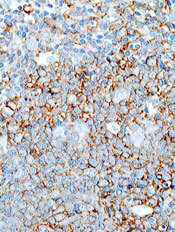
The histone deacetylase inhibitor panobinostat can produce durable responses in certain patients with relapsed diffuse large B-cell lymphoma (DLBCL), according to a phase 2 trial.
Though less than 30% of the patients in this trial responded to treatment, the median duration of response was 14.5 months, and the longest ongoing response has lasted more than 3.5 years.
In addition, researchers found the presence of mutations in MEF2B and levels of circulating tumor DNA (ctDNA) could be used to predict response.
Sarit Assouline, MD, of Jewish General Hospital in Montreal, Quebec, Canada, and her colleagues reported these findings in Blood.
“DLBCL is one of the more common forms of lymphoma and is highly aggressive,” Dr Assouline noted. “Following relapse, there are no effective standards of treatment, and life expectancy averages 6 months.”
“Our challenge is to identify new biomarkers and target specific mutations in order to improve the prognosis. While many clinical trials simply report on how patients respond to a therapy, we devised this study to reveal the mechanisms on which the therapy works in order to understand which patients would benefit.”
The trial enrolled 40 patients with relapsed or refractory de novo (n=27) or transformed (n=13) DLBCL. The patients’ median age was 59.8 (range, 28.9-78.6). They received a median of 3 prior therapies (range, 1-9), and 75% of patients (n=30) were refractory to their most recent therapy.
The patients received panobinostat at 30 mg three times a week, with rituximab (n=19) or without (n=21).
Adverse events
The most common grade 3 or higher adverse events (AEs) that were thought to be related to panobinostat (with and without rituximab, respectively) were thrombocytopenia (68% and 71%) and neutropenia (11% and 24%).
Twenty-three patients (58%) required dose reductions, and 22 (55%) required dose interruptions. All of these were due to AEs, and there was no difference between patients who received rituximab and those who did not.
All 19 serious AEs were a result of disease progression.
Response
Twenty-eight percent of the patients (11/40) responded to treatment, and receiving rituximab did not increase the likelihood of response. Six patients (29%) responded to panobinostat alone, and 5 (26%) responded to panobinostat and rituximab.
There were 7 complete responses—5 of them among patients who received panobinostat alone. And there were 4 partial responses—3 among the patients who received panobinostat plus rituximab.
The median duration of response was 14.5 months overall, 9.4 months among patients who received panobinostat plus rituximab, and it was not reached among patients who received panobinostat alone.
At the data cutoff, 6 of the 11 responders had not progressed. The longest response had lasted more than 43 months and was ongoing at the cutoff point.
Predicting response
The researchers performed genome and exome sequencing in relapsed tumor biopsies and quantified ctDNA in serial plasma samples.
They found that mutations in MEF2B were significantly associated with response to panobinostat. The likelihood ratio for response was 3.67 for patients with MEF2B mutations.
On the other hand, increased levels of ctDNA were strongly associated with treatment failure. A significant increase in ctDNA at day 15 after treatment initiation could predict a lack of response with a sensitivity of 71.4% and a specificity of 100%.
“This trial has generated considerable data regarding methodology for processing samples from a clinical study, the genetic mutations associated with DLBCL and how they evolve over time, on ctDNA, and mechanisms of resistance to histone deacetylase inhibitors,” Dr Assouline concluded.
Novartis provided panobinostat and financial support for this trial, and Hoffman-LaRoche supplied rituximab. 
The histone deacetylase inhibitor panobinostat can produce durable responses in certain patients with relapsed diffuse large B-cell lymphoma (DLBCL), according to a phase 2 trial.
Though less than 30% of the patients in this trial responded to treatment, the median duration of response was 14.5 months, and the longest ongoing response has lasted more than 3.5 years.
In addition, researchers found the presence of mutations in MEF2B and levels of circulating tumor DNA (ctDNA) could be used to predict response.
Sarit Assouline, MD, of Jewish General Hospital in Montreal, Quebec, Canada, and her colleagues reported these findings in Blood.
“DLBCL is one of the more common forms of lymphoma and is highly aggressive,” Dr Assouline noted. “Following relapse, there are no effective standards of treatment, and life expectancy averages 6 months.”
“Our challenge is to identify new biomarkers and target specific mutations in order to improve the prognosis. While many clinical trials simply report on how patients respond to a therapy, we devised this study to reveal the mechanisms on which the therapy works in order to understand which patients would benefit.”
The trial enrolled 40 patients with relapsed or refractory de novo (n=27) or transformed (n=13) DLBCL. The patients’ median age was 59.8 (range, 28.9-78.6). They received a median of 3 prior therapies (range, 1-9), and 75% of patients (n=30) were refractory to their most recent therapy.
The patients received panobinostat at 30 mg three times a week, with rituximab (n=19) or without (n=21).
Adverse events
The most common grade 3 or higher adverse events (AEs) that were thought to be related to panobinostat (with and without rituximab, respectively) were thrombocytopenia (68% and 71%) and neutropenia (11% and 24%).
Twenty-three patients (58%) required dose reductions, and 22 (55%) required dose interruptions. All of these were due to AEs, and there was no difference between patients who received rituximab and those who did not.
All 19 serious AEs were a result of disease progression.
Response
Twenty-eight percent of the patients (11/40) responded to treatment, and receiving rituximab did not increase the likelihood of response. Six patients (29%) responded to panobinostat alone, and 5 (26%) responded to panobinostat and rituximab.
There were 7 complete responses—5 of them among patients who received panobinostat alone. And there were 4 partial responses—3 among the patients who received panobinostat plus rituximab.
The median duration of response was 14.5 months overall, 9.4 months among patients who received panobinostat plus rituximab, and it was not reached among patients who received panobinostat alone.
At the data cutoff, 6 of the 11 responders had not progressed. The longest response had lasted more than 43 months and was ongoing at the cutoff point.
Predicting response
The researchers performed genome and exome sequencing in relapsed tumor biopsies and quantified ctDNA in serial plasma samples.
They found that mutations in MEF2B were significantly associated with response to panobinostat. The likelihood ratio for response was 3.67 for patients with MEF2B mutations.
On the other hand, increased levels of ctDNA were strongly associated with treatment failure. A significant increase in ctDNA at day 15 after treatment initiation could predict a lack of response with a sensitivity of 71.4% and a specificity of 100%.
“This trial has generated considerable data regarding methodology for processing samples from a clinical study, the genetic mutations associated with DLBCL and how they evolve over time, on ctDNA, and mechanisms of resistance to histone deacetylase inhibitors,” Dr Assouline concluded.
Novartis provided panobinostat and financial support for this trial, and Hoffman-LaRoche supplied rituximab.
The histone deacetylase inhibitor panobinostat can produce durable responses in certain patients with relapsed diffuse large B-cell lymphoma (DLBCL), according to a phase 2 trial.
Though less than 30% of the patients in this trial responded to treatment, the median duration of response was 14.5 months, and the longest ongoing response has lasted more than 3.5 years.
In addition, researchers found the presence of mutations in MEF2B and levels of circulating tumor DNA (ctDNA) could be used to predict response.
Sarit Assouline, MD, of Jewish General Hospital in Montreal, Quebec, Canada, and her colleagues reported these findings in Blood.
“DLBCL is one of the more common forms of lymphoma and is highly aggressive,” Dr Assouline noted. “Following relapse, there are no effective standards of treatment, and life expectancy averages 6 months.”
“Our challenge is to identify new biomarkers and target specific mutations in order to improve the prognosis. While many clinical trials simply report on how patients respond to a therapy, we devised this study to reveal the mechanisms on which the therapy works in order to understand which patients would benefit.”
The trial enrolled 40 patients with relapsed or refractory de novo (n=27) or transformed (n=13) DLBCL. The patients’ median age was 59.8 (range, 28.9-78.6). They received a median of 3 prior therapies (range, 1-9), and 75% of patients (n=30) were refractory to their most recent therapy.
The patients received panobinostat at 30 mg three times a week, with rituximab (n=19) or without (n=21).
Adverse events
The most common grade 3 or higher adverse events (AEs) that were thought to be related to panobinostat (with and without rituximab, respectively) were thrombocytopenia (68% and 71%) and neutropenia (11% and 24%).
Twenty-three patients (58%) required dose reductions, and 22 (55%) required dose interruptions. All of these were due to AEs, and there was no difference between patients who received rituximab and those who did not.
All 19 serious AEs were a result of disease progression.
Response
Twenty-eight percent of the patients (11/40) responded to treatment, and receiving rituximab did not increase the likelihood of response. Six patients (29%) responded to panobinostat alone, and 5 (26%) responded to panobinostat and rituximab.
There were 7 complete responses—5 of them among patients who received panobinostat alone. And there were 4 partial responses—3 among the patients who received panobinostat plus rituximab.
The median duration of response was 14.5 months overall, 9.4 months among patients who received panobinostat plus rituximab, and it was not reached among patients who received panobinostat alone.
At the data cutoff, 6 of the 11 responders had not progressed. The longest response had lasted more than 43 months and was ongoing at the cutoff point.
Predicting response
The researchers performed genome and exome sequencing in relapsed tumor biopsies and quantified ctDNA in serial plasma samples.
They found that mutations in MEF2B were significantly associated with response to panobinostat. The likelihood ratio for response was 3.67 for patients with MEF2B mutations.
On the other hand, increased levels of ctDNA were strongly associated with treatment failure. A significant increase in ctDNA at day 15 after treatment initiation could predict a lack of response with a sensitivity of 71.4% and a specificity of 100%.
“This trial has generated considerable data regarding methodology for processing samples from a clinical study, the genetic mutations associated with DLBCL and how they evolve over time, on ctDNA, and mechanisms of resistance to histone deacetylase inhibitors,” Dr Assouline concluded.
Novartis provided panobinostat and financial support for this trial, and Hoffman-LaRoche supplied rituximab.
Team devises novel fluorescence microscopy technique
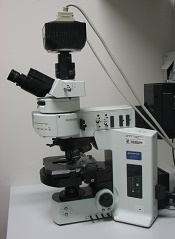
Researchers say they have developed a fluorescence microscopy technique that improves image resolution by acquiring 3 views of a sample at the same time.
The team applied their technique in 2 microscopy modes and used it to image several types of biological samples.
For both modes, the technique demonstrated a volumetric resolution of up to 235 by 235 by 340 nanometers, double the volumetric resolution of traditional methods.
The researchers believe this technique will prove particularly useful for watching the dynamics of biological processes, which can provide insights into the workings of healthy and diseased cells.
They described the technique in the journal Optica.
The researchers noted that most fluorescence microscopy methods fail to capture much of the fluorescence emitted from a sample, which represents lost information and reduces image resolution.
“In our work, we captured this previously neglected fluorescence and fused it with the traditional views used in conventional microscopy,” said study author Yicong Wu, PhD, of the National Institute of Biomedical Imaging and Bioengineering at the National Institutes of Health in Bethesda, Maryland.
“This increases resolution without compromising either temporal resolution or adding additional light to the sample.”
Adding a third objective lens
The new multi-view approach helps improve a technique the researchers previously developed called dual-view plane illumination microscopy (diSPIM). Scientists around the world employ commercial versions of diSPIM, which uses a thin sheet of light and 2 objective lenses to excite and detect fluorescence.
“The main motivation of this new research was that the resolution in diSPIM was limited by the numerical aperture of the upper lenses, and fluorescence emitted in the direction of the coverslip is not captured,” explained study author Hari Shroff, PhD, also of the National Institute of Biomedical Imaging and Bioengineering.
“We reasoned that if we could simultaneously image this neglected signal by adding a higher numerical aperture lens that acquired the bottom view, then we could boost the lateral resolution.”
In the improved diSPIM microscopy technique, each light sheet is tilted at a 45-degree angle relative to an additional lower objective lens.
In its current design, the researchers swept the lower objective’s plane of focus through the sample to image the previously unused fluorescence, but this mechanical scanning could be replaced with a passive optic in future versions of the microscope.
Using the multi-view approach improved the lateral, or horizontal, resolution of diSPIM to about 235 nm.
The researchers also implemented the new technique in wide-field mode by scanning the 3 objectives through a sample simultaneously to produce 3 individual 3D views. With this mode, the multi-view method improved axial, or Z-axis, resolution, to about 340 nm, an increase of 45%.
Merging 3 views into 1
Whether acquired in wide-field or light-sheet mode, the 3 views must be precisely aligned and also cleaned up with an image processing technique known as deconvolution.
“One helpful trick was to deconvolve each view first to increase image quality, contrast, and so forth, which then allowed accurate registration of the 3 views,” Dr Wu said. “In wide-field mode, we further aided registration of the images by adding fluorescent beads to the samples as point of reference.”
The researchers demonstrated the multi-view technique by imaging biological samples and were able to see detailed features not typically observable.
For example, the wide-field multi-view microscope clearly resolved the spherical protein shell present when Bacillus subtilis forms a spore and also allowed the researchers to observe the dynamics of organelles inside cells.
In light-sheet mode, the team clearly saw the 3D dynamic nature of tiny protrusions on living white blood cells when they acquired 150 triple-view images over 40 minutes.
Although other methods have been used to capture multiple views sequentially, the researchers said this new method improves spatial resolution without introducing additional illumination or compromising temporal resolution relative to conventional imaging.
This is important because additional light can be damaging and even deadly to living cells, and the temporal resolution is needed to capture fast processes.
The researchers are now exploring additional biological applications for the new system and are working to extend the method to other microscope modalities, such as confocal microscopy.
Researchers say they have developed a fluorescence microscopy technique that improves image resolution by acquiring 3 views of a sample at the same time.
The team applied their technique in 2 microscopy modes and used it to image several types of biological samples.
For both modes, the technique demonstrated a volumetric resolution of up to 235 by 235 by 340 nanometers, double the volumetric resolution of traditional methods.
The researchers believe this technique will prove particularly useful for watching the dynamics of biological processes, which can provide insights into the workings of healthy and diseased cells.
They described the technique in the journal Optica.
The researchers noted that most fluorescence microscopy methods fail to capture much of the fluorescence emitted from a sample, which represents lost information and reduces image resolution.
“In our work, we captured this previously neglected fluorescence and fused it with the traditional views used in conventional microscopy,” said study author Yicong Wu, PhD, of the National Institute of Biomedical Imaging and Bioengineering at the National Institutes of Health in Bethesda, Maryland.
“This increases resolution without compromising either temporal resolution or adding additional light to the sample.”
Adding a third objective lens
The new multi-view approach helps improve a technique the researchers previously developed called dual-view plane illumination microscopy (diSPIM). Scientists around the world employ commercial versions of diSPIM, which uses a thin sheet of light and 2 objective lenses to excite and detect fluorescence.
“The main motivation of this new research was that the resolution in diSPIM was limited by the numerical aperture of the upper lenses, and fluorescence emitted in the direction of the coverslip is not captured,” explained study author Hari Shroff, PhD, also of the National Institute of Biomedical Imaging and Bioengineering.
“We reasoned that if we could simultaneously image this neglected signal by adding a higher numerical aperture lens that acquired the bottom view, then we could boost the lateral resolution.”
In the improved diSPIM microscopy technique, each light sheet is tilted at a 45-degree angle relative to an additional lower objective lens.
In its current design, the researchers swept the lower objective’s plane of focus through the sample to image the previously unused fluorescence, but this mechanical scanning could be replaced with a passive optic in future versions of the microscope.
Using the multi-view approach improved the lateral, or horizontal, resolution of diSPIM to about 235 nm.
The researchers also implemented the new technique in wide-field mode by scanning the 3 objectives through a sample simultaneously to produce 3 individual 3D views. With this mode, the multi-view method improved axial, or Z-axis, resolution, to about 340 nm, an increase of 45%.
Merging 3 views into 1
Whether acquired in wide-field or light-sheet mode, the 3 views must be precisely aligned and also cleaned up with an image processing technique known as deconvolution.
“One helpful trick was to deconvolve each view first to increase image quality, contrast, and so forth, which then allowed accurate registration of the 3 views,” Dr Wu said. “In wide-field mode, we further aided registration of the images by adding fluorescent beads to the samples as point of reference.”
The researchers demonstrated the multi-view technique by imaging biological samples and were able to see detailed features not typically observable.
For example, the wide-field multi-view microscope clearly resolved the spherical protein shell present when Bacillus subtilis forms a spore and also allowed the researchers to observe the dynamics of organelles inside cells.
In light-sheet mode, the team clearly saw the 3D dynamic nature of tiny protrusions on living white blood cells when they acquired 150 triple-view images over 40 minutes.
Although other methods have been used to capture multiple views sequentially, the researchers said this new method improves spatial resolution without introducing additional illumination or compromising temporal resolution relative to conventional imaging.
This is important because additional light can be damaging and even deadly to living cells, and the temporal resolution is needed to capture fast processes.
The researchers are now exploring additional biological applications for the new system and are working to extend the method to other microscope modalities, such as confocal microscopy.
Researchers say they have developed a fluorescence microscopy technique that improves image resolution by acquiring 3 views of a sample at the same time.
The team applied their technique in 2 microscopy modes and used it to image several types of biological samples.
For both modes, the technique demonstrated a volumetric resolution of up to 235 by 235 by 340 nanometers, double the volumetric resolution of traditional methods.
The researchers believe this technique will prove particularly useful for watching the dynamics of biological processes, which can provide insights into the workings of healthy and diseased cells.
They described the technique in the journal Optica.
The researchers noted that most fluorescence microscopy methods fail to capture much of the fluorescence emitted from a sample, which represents lost information and reduces image resolution.
“In our work, we captured this previously neglected fluorescence and fused it with the traditional views used in conventional microscopy,” said study author Yicong Wu, PhD, of the National Institute of Biomedical Imaging and Bioengineering at the National Institutes of Health in Bethesda, Maryland.
“This increases resolution without compromising either temporal resolution or adding additional light to the sample.”
Adding a third objective lens
The new multi-view approach helps improve a technique the researchers previously developed called dual-view plane illumination microscopy (diSPIM). Scientists around the world employ commercial versions of diSPIM, which uses a thin sheet of light and 2 objective lenses to excite and detect fluorescence.
“The main motivation of this new research was that the resolution in diSPIM was limited by the numerical aperture of the upper lenses, and fluorescence emitted in the direction of the coverslip is not captured,” explained study author Hari Shroff, PhD, also of the National Institute of Biomedical Imaging and Bioengineering.
“We reasoned that if we could simultaneously image this neglected signal by adding a higher numerical aperture lens that acquired the bottom view, then we could boost the lateral resolution.”
In the improved diSPIM microscopy technique, each light sheet is tilted at a 45-degree angle relative to an additional lower objective lens.
In its current design, the researchers swept the lower objective’s plane of focus through the sample to image the previously unused fluorescence, but this mechanical scanning could be replaced with a passive optic in future versions of the microscope.
Using the multi-view approach improved the lateral, or horizontal, resolution of diSPIM to about 235 nm.
The researchers also implemented the new technique in wide-field mode by scanning the 3 objectives through a sample simultaneously to produce 3 individual 3D views. With this mode, the multi-view method improved axial, or Z-axis, resolution, to about 340 nm, an increase of 45%.
Merging 3 views into 1
Whether acquired in wide-field or light-sheet mode, the 3 views must be precisely aligned and also cleaned up with an image processing technique known as deconvolution.
“One helpful trick was to deconvolve each view first to increase image quality, contrast, and so forth, which then allowed accurate registration of the 3 views,” Dr Wu said. “In wide-field mode, we further aided registration of the images by adding fluorescent beads to the samples as point of reference.”
The researchers demonstrated the multi-view technique by imaging biological samples and were able to see detailed features not typically observable.
For example, the wide-field multi-view microscope clearly resolved the spherical protein shell present when Bacillus subtilis forms a spore and also allowed the researchers to observe the dynamics of organelles inside cells.
In light-sheet mode, the team clearly saw the 3D dynamic nature of tiny protrusions on living white blood cells when they acquired 150 triple-view images over 40 minutes.
Although other methods have been used to capture multiple views sequentially, the researchers said this new method improves spatial resolution without introducing additional illumination or compromising temporal resolution relative to conventional imaging.
This is important because additional light can be damaging and even deadly to living cells, and the temporal resolution is needed to capture fast processes.
The researchers are now exploring additional biological applications for the new system and are working to extend the method to other microscope modalities, such as confocal microscopy.
Immunotherapy might treat, prevent malaria

Image courtesy of Ute
Frevert and Margaret Shear
A synthetic version of the protein PD-L2 can treat malaria in mice and protect them from re-infection, according to researchers.
The team’s experiments indicated that PD-L2 determines the severity of malaria infection and is essential for CD4+ T-cell immunity against malaria.
When the researchers administered soluble multimeric PD-L2 to mice, the animals were cured of severe malaria and protected from re-infection months later.
Michelle Wykes, DPhil, of QIMR Berghofer Medical Research Institute in Herston, Queensland, Australia, and her colleagues reported these results in Immunity.
The researchers noted that Plasmodium parasites exploit the interaction between PD-1 and PD-L1 to prevent T cells from fighting malaria, but the role of PD-L2 has not been clear.
With this study, the team found that PD-L2 regulates the PD-1—PD-L1 interaction and might therefore be used to treat malaria.
“We found that, when humans and mice are infected with severe malaria, levels of PD-L2 decrease, and so the T cells aren’t being told to keep fighting the parasites,” Dr Wykes explained.
“We don’t know how malaria manages to block the production of PD-L2. But once we knew how important this protein was for fighting the disease, we developed a synthetic version of it in the laboratory.”
The researchers gave 3 doses of this synthetic PD-L2 to mice that had been infected with a lethal dose of malaria.
“All of these mice were cured of the malaria,” Dr Wykes said. “About 5 months later, we re-infected the same mice with malaria parasites, but, this time, we didn’t give them any more of the synthetic protein. All of the mice were completely protected and didn’t become infected.”
Dr Wykes said these findings could form the basis for new ways to treat malaria in the future.
“[I]f this approach is successful, it should treat all species of malaria parasite,” she noted. “This would be a completely new way of treating malaria—by stimulating a person’s own immune system to destroy the parasites.”
Image courtesy of Ute
Frevert and Margaret Shear
A synthetic version of the protein PD-L2 can treat malaria in mice and protect them from re-infection, according to researchers.
The team’s experiments indicated that PD-L2 determines the severity of malaria infection and is essential for CD4+ T-cell immunity against malaria.
When the researchers administered soluble multimeric PD-L2 to mice, the animals were cured of severe malaria and protected from re-infection months later.
Michelle Wykes, DPhil, of QIMR Berghofer Medical Research Institute in Herston, Queensland, Australia, and her colleagues reported these results in Immunity.
The researchers noted that Plasmodium parasites exploit the interaction between PD-1 and PD-L1 to prevent T cells from fighting malaria, but the role of PD-L2 has not been clear.
With this study, the team found that PD-L2 regulates the PD-1—PD-L1 interaction and might therefore be used to treat malaria.
“We found that, when humans and mice are infected with severe malaria, levels of PD-L2 decrease, and so the T cells aren’t being told to keep fighting the parasites,” Dr Wykes explained.
“We don’t know how malaria manages to block the production of PD-L2. But once we knew how important this protein was for fighting the disease, we developed a synthetic version of it in the laboratory.”
The researchers gave 3 doses of this synthetic PD-L2 to mice that had been infected with a lethal dose of malaria.
“All of these mice were cured of the malaria,” Dr Wykes said. “About 5 months later, we re-infected the same mice with malaria parasites, but, this time, we didn’t give them any more of the synthetic protein. All of the mice were completely protected and didn’t become infected.”
Dr Wykes said these findings could form the basis for new ways to treat malaria in the future.
“[I]f this approach is successful, it should treat all species of malaria parasite,” she noted. “This would be a completely new way of treating malaria—by stimulating a person’s own immune system to destroy the parasites.”
Image courtesy of Ute
Frevert and Margaret Shear
A synthetic version of the protein PD-L2 can treat malaria in mice and protect them from re-infection, according to researchers.
The team’s experiments indicated that PD-L2 determines the severity of malaria infection and is essential for CD4+ T-cell immunity against malaria.
When the researchers administered soluble multimeric PD-L2 to mice, the animals were cured of severe malaria and protected from re-infection months later.
Michelle Wykes, DPhil, of QIMR Berghofer Medical Research Institute in Herston, Queensland, Australia, and her colleagues reported these results in Immunity.
The researchers noted that Plasmodium parasites exploit the interaction between PD-1 and PD-L1 to prevent T cells from fighting malaria, but the role of PD-L2 has not been clear.
With this study, the team found that PD-L2 regulates the PD-1—PD-L1 interaction and might therefore be used to treat malaria.
“We found that, when humans and mice are infected with severe malaria, levels of PD-L2 decrease, and so the T cells aren’t being told to keep fighting the parasites,” Dr Wykes explained.
“We don’t know how malaria manages to block the production of PD-L2. But once we knew how important this protein was for fighting the disease, we developed a synthetic version of it in the laboratory.”
The researchers gave 3 doses of this synthetic PD-L2 to mice that had been infected with a lethal dose of malaria.
“All of these mice were cured of the malaria,” Dr Wykes said. “About 5 months later, we re-infected the same mice with malaria parasites, but, this time, we didn’t give them any more of the synthetic protein. All of the mice were completely protected and didn’t become infected.”
Dr Wykes said these findings could form the basis for new ways to treat malaria in the future.
“[I]f this approach is successful, it should treat all species of malaria parasite,” she noted. “This would be a completely new way of treating malaria—by stimulating a person’s own immune system to destroy the parasites.”
Cancer survivors have ‘normal’ sex lives, survey says

receiving treatment
Photo by Rhoda Baer
A new study suggests cancer survivors and the general population have comparable sex lives, although cancer survivors don’t realize it.
According to a survey of more than 6500 people, cancer survivors over the age of 49 have just as much sex and similar levels of sexual function as individuals of the same age who never had cancer.
However, the cancer survivors were more likely to report being dissatisfied with their sex lives.
“We hope our findings will put cancer survivors’ concerns to rest—showing that they are just as sexually active and function just as well as others their age,” said Sarah Jackson, PhD, of University College London in the UK.
“The next stage of our research will look at why cancer patients feel less satisfied with their sex lives.”
Dr Jackson and her colleagues reported their current findings in Cancer.
The researchers set out to explore differences in sexual activity and function, as well as concerns about sex, between cancer survivors and cancer-free controls in a population-based study.
The team surveyed 3708 women (341 cancer survivors and 3367 controls) and 2982 men (220 cancer survivors and 2762 controls) aged 50 and older. Male and female cancer survivors were significantly older than controls (P<0.001 for both) and reported more comorbidities (P=0.003 for both).
Frequency
There were no significant differences in levels of sexual activity between cancer survivors and controls of either sex.
Among women, 58.2% of cancer survivors and 55.5% of controls reported having any sexual activity in the last year. Among men, the rates were 76.0% and 78.5%, respectively.
Overall, about half of the people surveyed reported having “frequent” sexual intercourse, which was defined as 2 to 3 times a month or more.
This included 49.1% of female cancer survivors, 50.1% of female controls, 49% of male cancer survivors, and 48% of male controls.
Function
The incidence of sexual problems was similar in cancer survivors and controls—both male and female.
For example, around a third of the women said they had problems becoming aroused (31.4% of cancer survivors and 31.8% of controls), and about 40% of the men had erectile dysfunction (40.3% of cancer survivors and 39.3% of controls).
Satisfaction
Despite similar levels of sexual activity and function, cancer survivors were more likely than controls to report feeling dissatisfied with their sex lives.
Among the women, 18.2% of cancer survivors and 11.8% of controls reported dissatisfaction (P=0.034). Among the men, the rates were 30.9% and 19.8%, respectively (P=0.023).
In addition, female cancer survivors were more likely to be concerned about their libido than female controls—10.2% and 7.1%, respectively (P=0.006). But there was no significant difference for the men.
Time from cancer diagnosis
The researchers also found the amount of time from cancer diagnosis was a factor affecting sexual function and concern among women but not men.
Females diagnosed with cancer less than 5 years from the time they were surveyed were more likely than female controls to report difficulty becoming aroused (55.4% and 31.8%, respectively, P=0.016) and achieving orgasm (60.6% and 28.3%, respectively, P<0.001).
The recently diagnosed females were also more likely than controls to be concerned about sexual desire (14.8% and 7.1%, respectively, P=0.007) and orgasmic experience (17.6% and 7.1%, respectively, P=0.042).
“Although some cancer treatments are known to impact on sexual function, this study suggests that the majority of cancer patients have similar sexual function and activity as the general population,” said Martin Ledwick, of Cancer Research UK, which sponsored this study.
“However, cancer patients in the study were more likely to be dissatisfied with their sex lives . . . . This highlights the need for health professionals to make sure they talk about sex with all patients—not just the ones whose sexual function is likely to be affected by their cancer or its treatment.”
receiving treatment
Photo by Rhoda Baer
A new study suggests cancer survivors and the general population have comparable sex lives, although cancer survivors don’t realize it.
According to a survey of more than 6500 people, cancer survivors over the age of 49 have just as much sex and similar levels of sexual function as individuals of the same age who never had cancer.
However, the cancer survivors were more likely to report being dissatisfied with their sex lives.
“We hope our findings will put cancer survivors’ concerns to rest—showing that they are just as sexually active and function just as well as others their age,” said Sarah Jackson, PhD, of University College London in the UK.
“The next stage of our research will look at why cancer patients feel less satisfied with their sex lives.”
Dr Jackson and her colleagues reported their current findings in Cancer.
The researchers set out to explore differences in sexual activity and function, as well as concerns about sex, between cancer survivors and cancer-free controls in a population-based study.
The team surveyed 3708 women (341 cancer survivors and 3367 controls) and 2982 men (220 cancer survivors and 2762 controls) aged 50 and older. Male and female cancer survivors were significantly older than controls (P<0.001 for both) and reported more comorbidities (P=0.003 for both).
Frequency
There were no significant differences in levels of sexual activity between cancer survivors and controls of either sex.
Among women, 58.2% of cancer survivors and 55.5% of controls reported having any sexual activity in the last year. Among men, the rates were 76.0% and 78.5%, respectively.
Overall, about half of the people surveyed reported having “frequent” sexual intercourse, which was defined as 2 to 3 times a month or more.
This included 49.1% of female cancer survivors, 50.1% of female controls, 49% of male cancer survivors, and 48% of male controls.
Function
The incidence of sexual problems was similar in cancer survivors and controls—both male and female.
For example, around a third of the women said they had problems becoming aroused (31.4% of cancer survivors and 31.8% of controls), and about 40% of the men had erectile dysfunction (40.3% of cancer survivors and 39.3% of controls).
Satisfaction
Despite similar levels of sexual activity and function, cancer survivors were more likely than controls to report feeling dissatisfied with their sex lives.
Among the women, 18.2% of cancer survivors and 11.8% of controls reported dissatisfaction (P=0.034). Among the men, the rates were 30.9% and 19.8%, respectively (P=0.023).
In addition, female cancer survivors were more likely to be concerned about their libido than female controls—10.2% and 7.1%, respectively (P=0.006). But there was no significant difference for the men.
Time from cancer diagnosis
The researchers also found the amount of time from cancer diagnosis was a factor affecting sexual function and concern among women but not men.
Females diagnosed with cancer less than 5 years from the time they were surveyed were more likely than female controls to report difficulty becoming aroused (55.4% and 31.8%, respectively, P=0.016) and achieving orgasm (60.6% and 28.3%, respectively, P<0.001).
The recently diagnosed females were also more likely than controls to be concerned about sexual desire (14.8% and 7.1%, respectively, P=0.007) and orgasmic experience (17.6% and 7.1%, respectively, P=0.042).
“Although some cancer treatments are known to impact on sexual function, this study suggests that the majority of cancer patients have similar sexual function and activity as the general population,” said Martin Ledwick, of Cancer Research UK, which sponsored this study.
“However, cancer patients in the study were more likely to be dissatisfied with their sex lives . . . . This highlights the need for health professionals to make sure they talk about sex with all patients—not just the ones whose sexual function is likely to be affected by their cancer or its treatment.”
receiving treatment
Photo by Rhoda Baer
A new study suggests cancer survivors and the general population have comparable sex lives, although cancer survivors don’t realize it.
According to a survey of more than 6500 people, cancer survivors over the age of 49 have just as much sex and similar levels of sexual function as individuals of the same age who never had cancer.
However, the cancer survivors were more likely to report being dissatisfied with their sex lives.
“We hope our findings will put cancer survivors’ concerns to rest—showing that they are just as sexually active and function just as well as others their age,” said Sarah Jackson, PhD, of University College London in the UK.
“The next stage of our research will look at why cancer patients feel less satisfied with their sex lives.”
Dr Jackson and her colleagues reported their current findings in Cancer.
The researchers set out to explore differences in sexual activity and function, as well as concerns about sex, between cancer survivors and cancer-free controls in a population-based study.
The team surveyed 3708 women (341 cancer survivors and 3367 controls) and 2982 men (220 cancer survivors and 2762 controls) aged 50 and older. Male and female cancer survivors were significantly older than controls (P<0.001 for both) and reported more comorbidities (P=0.003 for both).
Frequency
There were no significant differences in levels of sexual activity between cancer survivors and controls of either sex.
Among women, 58.2% of cancer survivors and 55.5% of controls reported having any sexual activity in the last year. Among men, the rates were 76.0% and 78.5%, respectively.
Overall, about half of the people surveyed reported having “frequent” sexual intercourse, which was defined as 2 to 3 times a month or more.
This included 49.1% of female cancer survivors, 50.1% of female controls, 49% of male cancer survivors, and 48% of male controls.
Function
The incidence of sexual problems was similar in cancer survivors and controls—both male and female.
For example, around a third of the women said they had problems becoming aroused (31.4% of cancer survivors and 31.8% of controls), and about 40% of the men had erectile dysfunction (40.3% of cancer survivors and 39.3% of controls).
Satisfaction
Despite similar levels of sexual activity and function, cancer survivors were more likely than controls to report feeling dissatisfied with their sex lives.
Among the women, 18.2% of cancer survivors and 11.8% of controls reported dissatisfaction (P=0.034). Among the men, the rates were 30.9% and 19.8%, respectively (P=0.023).
In addition, female cancer survivors were more likely to be concerned about their libido than female controls—10.2% and 7.1%, respectively (P=0.006). But there was no significant difference for the men.
Time from cancer diagnosis
The researchers also found the amount of time from cancer diagnosis was a factor affecting sexual function and concern among women but not men.
Females diagnosed with cancer less than 5 years from the time they were surveyed were more likely than female controls to report difficulty becoming aroused (55.4% and 31.8%, respectively, P=0.016) and achieving orgasm (60.6% and 28.3%, respectively, P<0.001).
The recently diagnosed females were also more likely than controls to be concerned about sexual desire (14.8% and 7.1%, respectively, P=0.007) and orgasmic experience (17.6% and 7.1%, respectively, P=0.042).
“Although some cancer treatments are known to impact on sexual function, this study suggests that the majority of cancer patients have similar sexual function and activity as the general population,” said Martin Ledwick, of Cancer Research UK, which sponsored this study.
“However, cancer patients in the study were more likely to be dissatisfied with their sex lives . . . . This highlights the need for health professionals to make sure they talk about sex with all patients—not just the ones whose sexual function is likely to be affected by their cancer or its treatment.”
Anemia linked to risk of death after stroke
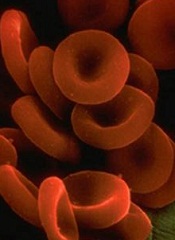
Anemia may increase the risk of death in older adults who have had a stroke, according to research published in the Journal of the American Heart Association.
An initial analysis of more than 8000 patients showed that anemia was associated with a higher risk of death for up to 1 year following ischemic or hemorrhagic stroke.
A second analysis of nearly 30,000 patients suggested the risk of dying from ischemic stroke is about 2 times higher in patients with anemia than those without it, and the risk of death from hemorrhagic stroke is about 1.5 times higher in anemic patients.
“So there’s the potential for a much poorer outcome if somebody comes in with stroke and they’re also anemic,” said study author Phyo Myint, MD, of the University of Aberdeen in Scotland.
Dr Myint and his colleagues first examined data from the UK Regional Stroke Register. This included 8013 patients with an average age of 78 who were admitted to the hospital with acute stroke between 2003 and 2015.
The team assessed the impact of anemia and hemoglobin levels at admission on death at different time points—inpatient, 7 days, 14 days, 1 month, 3 months, 6 months, and 1 year after stroke.
Anemia was associated with higher odds of death at most of the time points examined. And elevated hemoglobin was associated with a higher risk of death, mainly within the first month.
In addition to analyzing data from the UK Regional Stroke Registry, the researchers systematically reviewed relevant literature published to date. They compiled data from 20 previous studies, increasing the study population to 29,943 stroke patients.
In analyzing these patients, the researchers found that anemia on admission was associated with an increased risk of mortality in both ischemic stroke and hemorrhagic stroke. The odds ratios were 1.97 and 1.46, respectively.
The researchers believe this study emphasizes the impact of anemia on stroke outcomes and the need for increased awareness and interventions for stroke patients with anemia.
“One example of an intervention might be treating the underlying causes of anemia, such as iron deficiency, which is common in this age group,” said study author Raphae Barlas, a medical student at the University of Aberdeen.
“As the study has convincingly demonstrated, anemia does worsen the outcome of stroke, so it is very important that we identify at-risk patients and optimize the management.”
Anemia may increase the risk of death in older adults who have had a stroke, according to research published in the Journal of the American Heart Association.
An initial analysis of more than 8000 patients showed that anemia was associated with a higher risk of death for up to 1 year following ischemic or hemorrhagic stroke.
A second analysis of nearly 30,000 patients suggested the risk of dying from ischemic stroke is about 2 times higher in patients with anemia than those without it, and the risk of death from hemorrhagic stroke is about 1.5 times higher in anemic patients.
“So there’s the potential for a much poorer outcome if somebody comes in with stroke and they’re also anemic,” said study author Phyo Myint, MD, of the University of Aberdeen in Scotland.
Dr Myint and his colleagues first examined data from the UK Regional Stroke Register. This included 8013 patients with an average age of 78 who were admitted to the hospital with acute stroke between 2003 and 2015.
The team assessed the impact of anemia and hemoglobin levels at admission on death at different time points—inpatient, 7 days, 14 days, 1 month, 3 months, 6 months, and 1 year after stroke.
Anemia was associated with higher odds of death at most of the time points examined. And elevated hemoglobin was associated with a higher risk of death, mainly within the first month.
In addition to analyzing data from the UK Regional Stroke Registry, the researchers systematically reviewed relevant literature published to date. They compiled data from 20 previous studies, increasing the study population to 29,943 stroke patients.
In analyzing these patients, the researchers found that anemia on admission was associated with an increased risk of mortality in both ischemic stroke and hemorrhagic stroke. The odds ratios were 1.97 and 1.46, respectively.
The researchers believe this study emphasizes the impact of anemia on stroke outcomes and the need for increased awareness and interventions for stroke patients with anemia.
“One example of an intervention might be treating the underlying causes of anemia, such as iron deficiency, which is common in this age group,” said study author Raphae Barlas, a medical student at the University of Aberdeen.
“As the study has convincingly demonstrated, anemia does worsen the outcome of stroke, so it is very important that we identify at-risk patients and optimize the management.”
Anemia may increase the risk of death in older adults who have had a stroke, according to research published in the Journal of the American Heart Association.
An initial analysis of more than 8000 patients showed that anemia was associated with a higher risk of death for up to 1 year following ischemic or hemorrhagic stroke.
A second analysis of nearly 30,000 patients suggested the risk of dying from ischemic stroke is about 2 times higher in patients with anemia than those without it, and the risk of death from hemorrhagic stroke is about 1.5 times higher in anemic patients.
“So there’s the potential for a much poorer outcome if somebody comes in with stroke and they’re also anemic,” said study author Phyo Myint, MD, of the University of Aberdeen in Scotland.
Dr Myint and his colleagues first examined data from the UK Regional Stroke Register. This included 8013 patients with an average age of 78 who were admitted to the hospital with acute stroke between 2003 and 2015.
The team assessed the impact of anemia and hemoglobin levels at admission on death at different time points—inpatient, 7 days, 14 days, 1 month, 3 months, 6 months, and 1 year after stroke.
Anemia was associated with higher odds of death at most of the time points examined. And elevated hemoglobin was associated with a higher risk of death, mainly within the first month.
In addition to analyzing data from the UK Regional Stroke Registry, the researchers systematically reviewed relevant literature published to date. They compiled data from 20 previous studies, increasing the study population to 29,943 stroke patients.
In analyzing these patients, the researchers found that anemia on admission was associated with an increased risk of mortality in both ischemic stroke and hemorrhagic stroke. The odds ratios were 1.97 and 1.46, respectively.
The researchers believe this study emphasizes the impact of anemia on stroke outcomes and the need for increased awareness and interventions for stroke patients with anemia.
“One example of an intervention might be treating the underlying causes of anemia, such as iron deficiency, which is common in this age group,” said study author Raphae Barlas, a medical student at the University of Aberdeen.
“As the study has convincingly demonstrated, anemia does worsen the outcome of stroke, so it is very important that we identify at-risk patients and optimize the management.”
Music may alleviate cancer patients’ symptoms

Photo by Lars Frantzen
Results of a systematic review suggest music can help alleviate symptoms of anxiety, pain, and fatigue in cancer patients.
The review included more than 50 studies investigating the impact of music therapy—a personalized music experience offered by trained music therapists—and music medicine—listening to pre-recorded music provided by a doctor or nurse—on psychological and physical outcomes in people with cancer.
“We found that music therapy interventions specifically help improve patients’ quality of life,” said study author Joke Bradt, PhD, of Drexel University in Philadelphia, Pennsylvania.
“These are important findings, as these outcomes play an important role in patients’ overall well-being.”
Dr Bradt and her colleagues reported their findings in Cochrane Database of Systematic Reviews.
The researchers examined 52 trials including 3731 cancer patients. The music interventions were classified as music therapy in 23 of the trials and as music medicine in 29 trials.
Analyses suggested that both types of music interventions positively impacted patients. The interventions had a moderate-to-strong effect on anxiety, a strong effect on pain reduction, and a small-to-moderate effect on fatigue.
Small reductions in heart and respiratory rates, as well as lowered blood pressure, were linked to the interventions as well.
In addition, the researchers observed a moderate increase in patients’ quality of life with music therapy but not music medicine.
The team could not determine the effect of music interventions on depression due to the low quality of evidence. And there was no evidence that the interventions improve mood, distress, or physical functioning, but there were few trials investigating these outcomes.
Similarly, the researchers said they could not draw any conclusions about the effect of music interventions on immunologic functioning, coping, resilience, or communication because there were not enough trials evaluating these outcomes.
Still, the researchers hope music interventions will become more widely used, in light of the potential benefits to cancer patients.
“We hope that the findings of this review will encourage healthcare providers in medical settings to seriously consider the use of music therapy in the psychosocial care of people with cancer,” Dr Bradt said.
Photo by Lars Frantzen
Results of a systematic review suggest music can help alleviate symptoms of anxiety, pain, and fatigue in cancer patients.
The review included more than 50 studies investigating the impact of music therapy—a personalized music experience offered by trained music therapists—and music medicine—listening to pre-recorded music provided by a doctor or nurse—on psychological and physical outcomes in people with cancer.
“We found that music therapy interventions specifically help improve patients’ quality of life,” said study author Joke Bradt, PhD, of Drexel University in Philadelphia, Pennsylvania.
“These are important findings, as these outcomes play an important role in patients’ overall well-being.”
Dr Bradt and her colleagues reported their findings in Cochrane Database of Systematic Reviews.
The researchers examined 52 trials including 3731 cancer patients. The music interventions were classified as music therapy in 23 of the trials and as music medicine in 29 trials.
Analyses suggested that both types of music interventions positively impacted patients. The interventions had a moderate-to-strong effect on anxiety, a strong effect on pain reduction, and a small-to-moderate effect on fatigue.
Small reductions in heart and respiratory rates, as well as lowered blood pressure, were linked to the interventions as well.
In addition, the researchers observed a moderate increase in patients’ quality of life with music therapy but not music medicine.
The team could not determine the effect of music interventions on depression due to the low quality of evidence. And there was no evidence that the interventions improve mood, distress, or physical functioning, but there were few trials investigating these outcomes.
Similarly, the researchers said they could not draw any conclusions about the effect of music interventions on immunologic functioning, coping, resilience, or communication because there were not enough trials evaluating these outcomes.
Still, the researchers hope music interventions will become more widely used, in light of the potential benefits to cancer patients.
“We hope that the findings of this review will encourage healthcare providers in medical settings to seriously consider the use of music therapy in the psychosocial care of people with cancer,” Dr Bradt said.
Photo by Lars Frantzen
Results of a systematic review suggest music can help alleviate symptoms of anxiety, pain, and fatigue in cancer patients.
The review included more than 50 studies investigating the impact of music therapy—a personalized music experience offered by trained music therapists—and music medicine—listening to pre-recorded music provided by a doctor or nurse—on psychological and physical outcomes in people with cancer.
“We found that music therapy interventions specifically help improve patients’ quality of life,” said study author Joke Bradt, PhD, of Drexel University in Philadelphia, Pennsylvania.
“These are important findings, as these outcomes play an important role in patients’ overall well-being.”
Dr Bradt and her colleagues reported their findings in Cochrane Database of Systematic Reviews.
The researchers examined 52 trials including 3731 cancer patients. The music interventions were classified as music therapy in 23 of the trials and as music medicine in 29 trials.
Analyses suggested that both types of music interventions positively impacted patients. The interventions had a moderate-to-strong effect on anxiety, a strong effect on pain reduction, and a small-to-moderate effect on fatigue.
Small reductions in heart and respiratory rates, as well as lowered blood pressure, were linked to the interventions as well.
In addition, the researchers observed a moderate increase in patients’ quality of life with music therapy but not music medicine.
The team could not determine the effect of music interventions on depression due to the low quality of evidence. And there was no evidence that the interventions improve mood, distress, or physical functioning, but there were few trials investigating these outcomes.
Similarly, the researchers said they could not draw any conclusions about the effect of music interventions on immunologic functioning, coping, resilience, or communication because there were not enough trials evaluating these outcomes.
Still, the researchers hope music interventions will become more widely used, in light of the potential benefits to cancer patients.
“We hope that the findings of this review will encourage healthcare providers in medical settings to seriously consider the use of music therapy in the psychosocial care of people with cancer,” Dr Bradt said.
BM transplants provide better quality of life
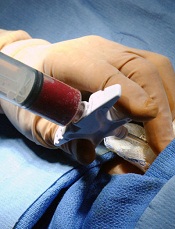
Photo by Chad McNeeley
Patients receiving hematopoietic stem cell transplants from unrelated donors have better quality of life if they receive cells derived from bone marrow (BM) rather than peripheral blood (PB), according to a large study.
Recipients of BM transplants reported better psychological well-being, had fewer symptoms of graft-versus-host disease (GVHD), and were more likely to be back at work 5 years after their transplant.
However, there was no significant difference in overall survival, treatment-related death, or relapse between patients who received BM grafts and those who received PB transplants.
Stephanie Lee, MD, of Fred Hutchinson Cancer Research Center in Seattle, Washington, and her colleagues reported these results in JAMA Oncology.
“We’re hoping that, once we provide information about long-term quality of life and recovery, patients and their doctors can take this into account when they’re planning their transplants,” Dr Lee said.
She noted, however, that the results would only be applicable to transplant patients who are similar to those enrolled in this study.
The study included 551 patients, ages 16 to 66, who were receiving transplants from unrelated donors to treat hematologic neoplasms. The patients were randomly assigned to receive PB or BM grafts.
From 6 months to 5 years after transplant, researchers called the patients periodically to assess how they were doing.
At the 5-year mark, 102 BM recipients and 93 PB recipients were still alive and eligible for assessment.
At a median follow-up of 73 months (range, 30-121 months), there was no significant difference in survival rate, relapse incidence, or treatment-related mortality between BM and PB recipients.
The survival rate was 40% for BM recipients and 39% for PB recipients (P=0.84). The relapse rates were 32% and 29%, respectively (P=0.47). And the treatment-related mortality rates were 29% and 32%, respectively (P=0.44).
However, BM recipients were more likely to report better psychological well-being, earning higher Mental Health Inventory Psychological Well-Being scores than PB recipients. The mean scores were 78.9 and 72.2, respectively (P=0.01).
In addition, BM recipients had fewer symptoms of GVHD, earning lower Lee Chronic GVHD symptom scores than PB recipients. The mean scores were 13.1 and 19.3, respectively (P=0.004).
The researchers suspected, but could not confirm, that BM recipients had better psychological well-being because they experienced fewer self-reported symptoms of chronic GVHD.
The researchers also found that BM recipients were more likely than PB recipients to be working full-time or part-time 5 years after transplant. When the team adjusted for work status before transplant, the odds ratio was 1.5 (P=0.002).
“Results of this study set bone marrow as the standard source of stem cells for transplantation from unrelated donors,” said study author Claudio Anasetti, MD, of Moffitt Cancer Center in Tampa, Florida.
“When both your disease and the recommended treatment are life-threatening, I don’t think people are necessarily asking, ‘Which treatment is going to give me better quality of life years from now?’” Dr Lee added.
“Yet, if you’re going to make it through, as many patients do, you want to do it with good quality of life. That’s the whole point of having the transplant. It’s not just to cure your disease but also to try to get back to as normal a lifestyle as you can.”
Photo by Chad McNeeley
Patients receiving hematopoietic stem cell transplants from unrelated donors have better quality of life if they receive cells derived from bone marrow (BM) rather than peripheral blood (PB), according to a large study.
Recipients of BM transplants reported better psychological well-being, had fewer symptoms of graft-versus-host disease (GVHD), and were more likely to be back at work 5 years after their transplant.
However, there was no significant difference in overall survival, treatment-related death, or relapse between patients who received BM grafts and those who received PB transplants.
Stephanie Lee, MD, of Fred Hutchinson Cancer Research Center in Seattle, Washington, and her colleagues reported these results in JAMA Oncology.
“We’re hoping that, once we provide information about long-term quality of life and recovery, patients and their doctors can take this into account when they’re planning their transplants,” Dr Lee said.
She noted, however, that the results would only be applicable to transplant patients who are similar to those enrolled in this study.
The study included 551 patients, ages 16 to 66, who were receiving transplants from unrelated donors to treat hematologic neoplasms. The patients were randomly assigned to receive PB or BM grafts.
From 6 months to 5 years after transplant, researchers called the patients periodically to assess how they were doing.
At the 5-year mark, 102 BM recipients and 93 PB recipients were still alive and eligible for assessment.
At a median follow-up of 73 months (range, 30-121 months), there was no significant difference in survival rate, relapse incidence, or treatment-related mortality between BM and PB recipients.
The survival rate was 40% for BM recipients and 39% for PB recipients (P=0.84). The relapse rates were 32% and 29%, respectively (P=0.47). And the treatment-related mortality rates were 29% and 32%, respectively (P=0.44).
However, BM recipients were more likely to report better psychological well-being, earning higher Mental Health Inventory Psychological Well-Being scores than PB recipients. The mean scores were 78.9 and 72.2, respectively (P=0.01).
In addition, BM recipients had fewer symptoms of GVHD, earning lower Lee Chronic GVHD symptom scores than PB recipients. The mean scores were 13.1 and 19.3, respectively (P=0.004).
The researchers suspected, but could not confirm, that BM recipients had better psychological well-being because they experienced fewer self-reported symptoms of chronic GVHD.
The researchers also found that BM recipients were more likely than PB recipients to be working full-time or part-time 5 years after transplant. When the team adjusted for work status before transplant, the odds ratio was 1.5 (P=0.002).
“Results of this study set bone marrow as the standard source of stem cells for transplantation from unrelated donors,” said study author Claudio Anasetti, MD, of Moffitt Cancer Center in Tampa, Florida.
“When both your disease and the recommended treatment are life-threatening, I don’t think people are necessarily asking, ‘Which treatment is going to give me better quality of life years from now?’” Dr Lee added.
“Yet, if you’re going to make it through, as many patients do, you want to do it with good quality of life. That’s the whole point of having the transplant. It’s not just to cure your disease but also to try to get back to as normal a lifestyle as you can.”
Photo by Chad McNeeley
Patients receiving hematopoietic stem cell transplants from unrelated donors have better quality of life if they receive cells derived from bone marrow (BM) rather than peripheral blood (PB), according to a large study.
Recipients of BM transplants reported better psychological well-being, had fewer symptoms of graft-versus-host disease (GVHD), and were more likely to be back at work 5 years after their transplant.
However, there was no significant difference in overall survival, treatment-related death, or relapse between patients who received BM grafts and those who received PB transplants.
Stephanie Lee, MD, of Fred Hutchinson Cancer Research Center in Seattle, Washington, and her colleagues reported these results in JAMA Oncology.
“We’re hoping that, once we provide information about long-term quality of life and recovery, patients and their doctors can take this into account when they’re planning their transplants,” Dr Lee said.
She noted, however, that the results would only be applicable to transplant patients who are similar to those enrolled in this study.
The study included 551 patients, ages 16 to 66, who were receiving transplants from unrelated donors to treat hematologic neoplasms. The patients were randomly assigned to receive PB or BM grafts.
From 6 months to 5 years after transplant, researchers called the patients periodically to assess how they were doing.
At the 5-year mark, 102 BM recipients and 93 PB recipients were still alive and eligible for assessment.
At a median follow-up of 73 months (range, 30-121 months), there was no significant difference in survival rate, relapse incidence, or treatment-related mortality between BM and PB recipients.
The survival rate was 40% for BM recipients and 39% for PB recipients (P=0.84). The relapse rates were 32% and 29%, respectively (P=0.47). And the treatment-related mortality rates were 29% and 32%, respectively (P=0.44).
However, BM recipients were more likely to report better psychological well-being, earning higher Mental Health Inventory Psychological Well-Being scores than PB recipients. The mean scores were 78.9 and 72.2, respectively (P=0.01).
In addition, BM recipients had fewer symptoms of GVHD, earning lower Lee Chronic GVHD symptom scores than PB recipients. The mean scores were 13.1 and 19.3, respectively (P=0.004).
The researchers suspected, but could not confirm, that BM recipients had better psychological well-being because they experienced fewer self-reported symptoms of chronic GVHD.
The researchers also found that BM recipients were more likely than PB recipients to be working full-time or part-time 5 years after transplant. When the team adjusted for work status before transplant, the odds ratio was 1.5 (P=0.002).
“Results of this study set bone marrow as the standard source of stem cells for transplantation from unrelated donors,” said study author Claudio Anasetti, MD, of Moffitt Cancer Center in Tampa, Florida.
“When both your disease and the recommended treatment are life-threatening, I don’t think people are necessarily asking, ‘Which treatment is going to give me better quality of life years from now?’” Dr Lee added.
“Yet, if you’re going to make it through, as many patients do, you want to do it with good quality of life. That’s the whole point of having the transplant. It’s not just to cure your disease but also to try to get back to as normal a lifestyle as you can.”
Assay can aid blood biomarker research
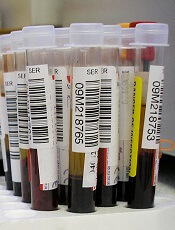
Photo by Graham Colm
A new assay can overcome a limitation in blood biomarker research, according to a study published in Scientific Reports.
Researchers noted that transcriptome sequencing of whole-blood RNA holds promise for the identification and tracking of biomarkers.
Unfortunately, the high globin mRNA (gmRNA) content of erythrocytes can be problematic, causing technical bias and leaving biologically relevant molecules undetectable.
With this in mind, the researchers developed an assay known as GlobinLock, which is designed to preserve RNA quality by reducing globin content.
“The globin reduction rate of GlobinLock is sufficient for any application,” said study author Kaarel Krjutškov, PhD, of Karolinska Institutet in Huddinge, Sweden.
“It reduces the globin prevalence from 63% . . . to 5%, which makes it an effective tool for biotechnology companies as an additive to their kits.”
GlobinLock consists of a pair of gmRNA-specific oligonucleotides that silence the majority of globin RNA molecules by highly specific binding.
The oligonucleotides are introduced to a purified RNA sample and, according to the researchers, are effective immediately after RNA denaturation.
“We show that globin locking is fully effective not only for human samples but also for widely used animal models, like mouse and rat, cow, dog, and even zebrafish,” said study author Juha Kere, MD, PhD, of Karolinska Institutet.
Photo by Graham Colm
A new assay can overcome a limitation in blood biomarker research, according to a study published in Scientific Reports.
Researchers noted that transcriptome sequencing of whole-blood RNA holds promise for the identification and tracking of biomarkers.
Unfortunately, the high globin mRNA (gmRNA) content of erythrocytes can be problematic, causing technical bias and leaving biologically relevant molecules undetectable.
With this in mind, the researchers developed an assay known as GlobinLock, which is designed to preserve RNA quality by reducing globin content.
“The globin reduction rate of GlobinLock is sufficient for any application,” said study author Kaarel Krjutškov, PhD, of Karolinska Institutet in Huddinge, Sweden.
“It reduces the globin prevalence from 63% . . . to 5%, which makes it an effective tool for biotechnology companies as an additive to their kits.”
GlobinLock consists of a pair of gmRNA-specific oligonucleotides that silence the majority of globin RNA molecules by highly specific binding.
The oligonucleotides are introduced to a purified RNA sample and, according to the researchers, are effective immediately after RNA denaturation.
“We show that globin locking is fully effective not only for human samples but also for widely used animal models, like mouse and rat, cow, dog, and even zebrafish,” said study author Juha Kere, MD, PhD, of Karolinska Institutet.
Photo by Graham Colm
A new assay can overcome a limitation in blood biomarker research, according to a study published in Scientific Reports.
Researchers noted that transcriptome sequencing of whole-blood RNA holds promise for the identification and tracking of biomarkers.
Unfortunately, the high globin mRNA (gmRNA) content of erythrocytes can be problematic, causing technical bias and leaving biologically relevant molecules undetectable.
With this in mind, the researchers developed an assay known as GlobinLock, which is designed to preserve RNA quality by reducing globin content.
“The globin reduction rate of GlobinLock is sufficient for any application,” said study author Kaarel Krjutškov, PhD, of Karolinska Institutet in Huddinge, Sweden.
“It reduces the globin prevalence from 63% . . . to 5%, which makes it an effective tool for biotechnology companies as an additive to their kits.”
GlobinLock consists of a pair of gmRNA-specific oligonucleotides that silence the majority of globin RNA molecules by highly specific binding.
The oligonucleotides are introduced to a purified RNA sample and, according to the researchers, are effective immediately after RNA denaturation.
“We show that globin locking is fully effective not only for human samples but also for widely used animal models, like mouse and rat, cow, dog, and even zebrafish,” said study author Juha Kere, MD, PhD, of Karolinska Institutet.
Drug can worsen allo-HSCT outcomes in ATLL

Photo by Chad McNeeley
Results of a large, retrospective study suggest that receiving mogamulizumab before allogeneic hematopoietic stem cell transplant (allo-HSCT) can worsen outcomes in patients with adult T-cell leukemia/lymphoma (ATLL).
Patients who received mogamulizumab had a higher risk of grade 3/4 acute graft-versus-host disease (GVHD), a higher incidence of nonrelapse mortality, and worse overall survival than patients who did not take the drug.
Researchers reported these findings in the Journal of Clinical Oncology.
Previous research suggested that pre-HSCT mogamulizumab can produce adverse effects, but these studies had small patient numbers. Researchers have suggested the adverse effects may occur because mogamulizumab depletes regulatory T cells for several months, but there has been no direct evidence supporting this idea.
To investigate the issue, Shigeo Fuji, MD, of National Cancer Center Hospital in Tokyo, Japan, and colleagues assessed the impact of pre-HSCT mogamulizumab in a large group of ATLL patients undergoing allo-HSCT.
The study included 996 patients age 70 and younger. Patients had aggressive ATLL diagnosed between 2000 and 2013. They received intensive chemotherapy as first-line treatment.
Eighty-two of the patients received mogamulizumab before HSCT, with a median of 45 days from the last mogamulizumab treatment to allo-HSCT.
Pre-HSCT mogamulizumab was associated with an increased risk of grade 3/4 acute GVHD, with a relative risk of 1.80 (P<0.01).
Patients who received mogamulizumab were also more likely to be refractory to the systemic corticosteroids given to treat acute GVHD, with a relative risk of 2.09 (P<0.01).
The 1-year cumulative incidence of nonrelapse mortality was significantly higher among patients who received mogamulizumab than among those who did not—43.7% and 25.1%, respectively (P<0.01).
And the probability of 1-year overall survival was significantly lower in patients who received mogamulizumab than in those who did not—32.3% and 49.4%, respectively (P<0.01).
The researchers noted that outcomes were particularly poor when patients received mogamulizumab within less than 50 days of allo-HSCT.
The team said this study appears to confirm that pre-HSCT mogamulizumab significantly worsens clinical outcomes, mainly because of an increased risk of severe/corticosteroid-refractory acute GVHD. And the results support the idea that the drug depletes regulatory T cells.
The researchers concluded that mogamulizumab should be used with caution in ATLL patients who are eligible for allo-HSCT. And the possibility of intensifying GVHD prophylaxis in patients who do receive pre-HSCT mogamulizumab should be explored.
Photo by Chad McNeeley
Results of a large, retrospective study suggest that receiving mogamulizumab before allogeneic hematopoietic stem cell transplant (allo-HSCT) can worsen outcomes in patients with adult T-cell leukemia/lymphoma (ATLL).
Patients who received mogamulizumab had a higher risk of grade 3/4 acute graft-versus-host disease (GVHD), a higher incidence of nonrelapse mortality, and worse overall survival than patients who did not take the drug.
Researchers reported these findings in the Journal of Clinical Oncology.
Previous research suggested that pre-HSCT mogamulizumab can produce adverse effects, but these studies had small patient numbers. Researchers have suggested the adverse effects may occur because mogamulizumab depletes regulatory T cells for several months, but there has been no direct evidence supporting this idea.
To investigate the issue, Shigeo Fuji, MD, of National Cancer Center Hospital in Tokyo, Japan, and colleagues assessed the impact of pre-HSCT mogamulizumab in a large group of ATLL patients undergoing allo-HSCT.
The study included 996 patients age 70 and younger. Patients had aggressive ATLL diagnosed between 2000 and 2013. They received intensive chemotherapy as first-line treatment.
Eighty-two of the patients received mogamulizumab before HSCT, with a median of 45 days from the last mogamulizumab treatment to allo-HSCT.
Pre-HSCT mogamulizumab was associated with an increased risk of grade 3/4 acute GVHD, with a relative risk of 1.80 (P<0.01).
Patients who received mogamulizumab were also more likely to be refractory to the systemic corticosteroids given to treat acute GVHD, with a relative risk of 2.09 (P<0.01).
The 1-year cumulative incidence of nonrelapse mortality was significantly higher among patients who received mogamulizumab than among those who did not—43.7% and 25.1%, respectively (P<0.01).
And the probability of 1-year overall survival was significantly lower in patients who received mogamulizumab than in those who did not—32.3% and 49.4%, respectively (P<0.01).
The researchers noted that outcomes were particularly poor when patients received mogamulizumab within less than 50 days of allo-HSCT.
The team said this study appears to confirm that pre-HSCT mogamulizumab significantly worsens clinical outcomes, mainly because of an increased risk of severe/corticosteroid-refractory acute GVHD. And the results support the idea that the drug depletes regulatory T cells.
The researchers concluded that mogamulizumab should be used with caution in ATLL patients who are eligible for allo-HSCT. And the possibility of intensifying GVHD prophylaxis in patients who do receive pre-HSCT mogamulizumab should be explored.
Photo by Chad McNeeley
Results of a large, retrospective study suggest that receiving mogamulizumab before allogeneic hematopoietic stem cell transplant (allo-HSCT) can worsen outcomes in patients with adult T-cell leukemia/lymphoma (ATLL).
Patients who received mogamulizumab had a higher risk of grade 3/4 acute graft-versus-host disease (GVHD), a higher incidence of nonrelapse mortality, and worse overall survival than patients who did not take the drug.
Researchers reported these findings in the Journal of Clinical Oncology.
Previous research suggested that pre-HSCT mogamulizumab can produce adverse effects, but these studies had small patient numbers. Researchers have suggested the adverse effects may occur because mogamulizumab depletes regulatory T cells for several months, but there has been no direct evidence supporting this idea.
To investigate the issue, Shigeo Fuji, MD, of National Cancer Center Hospital in Tokyo, Japan, and colleagues assessed the impact of pre-HSCT mogamulizumab in a large group of ATLL patients undergoing allo-HSCT.
The study included 996 patients age 70 and younger. Patients had aggressive ATLL diagnosed between 2000 and 2013. They received intensive chemotherapy as first-line treatment.
Eighty-two of the patients received mogamulizumab before HSCT, with a median of 45 days from the last mogamulizumab treatment to allo-HSCT.
Pre-HSCT mogamulizumab was associated with an increased risk of grade 3/4 acute GVHD, with a relative risk of 1.80 (P<0.01).
Patients who received mogamulizumab were also more likely to be refractory to the systemic corticosteroids given to treat acute GVHD, with a relative risk of 2.09 (P<0.01).
The 1-year cumulative incidence of nonrelapse mortality was significantly higher among patients who received mogamulizumab than among those who did not—43.7% and 25.1%, respectively (P<0.01).
And the probability of 1-year overall survival was significantly lower in patients who received mogamulizumab than in those who did not—32.3% and 49.4%, respectively (P<0.01).
The researchers noted that outcomes were particularly poor when patients received mogamulizumab within less than 50 days of allo-HSCT.
The team said this study appears to confirm that pre-HSCT mogamulizumab significantly worsens clinical outcomes, mainly because of an increased risk of severe/corticosteroid-refractory acute GVHD. And the results support the idea that the drug depletes regulatory T cells.
The researchers concluded that mogamulizumab should be used with caution in ATLL patients who are eligible for allo-HSCT. And the possibility of intensifying GVHD prophylaxis in patients who do receive pre-HSCT mogamulizumab should be explored.
Treg-boosting strategy prevents GVHD in mice

Photo by Aaron Logan
A treatment strategy that increases the production of regulatory T cells (Tregs) can prevent graft-versus-host disease (GVHD) in mice, according to research published in The Journal of Experimental Medicine.
One way to prevent GVHD after allogeneic hematopoietic stem cell transplant (allo-HSCT) is to co-transplant large numbers of Tregs, which can suppress the donor cells’ effects on healthy tissue without affecting their ability to kill tumor cells.
This approach is challenging, however, because the Tregs must first be isolated from the donor’s peripheral blood or bone marrow and then cultivated in the lab to produce sufficient numbers for transplant.
Andreas Beilhack, MD, of University Hospital Würzburg in Germany, and his colleagues have found a way to overcome this obstacle, at least in mice.
The team developed a protein agonist called STAR2, which selectively activates TNFR2. The researchers noted that TNF and its receptors, TNFR1 and TNFR2, have been shown to play a crucial role in both GVHD and the graft-versus-leukemia effect.
With their experiments, Dr Beilhack and his colleagues showed that STAR2 binds to TNFR2, activating a signaling pathway that increases the number of natural Tregs in vitro and in vivo.
The team also tested STAR2 in mice with lymphoma. Pretreating the mice with STAR2 protected them from developing GVHD after allo-HSCT. And the donor-derived cells retained their ability to kill lymphoma cells.
In addition, the researchers found that a slightly modified version of STAR2 has a similar effect on human Tregs, which suggests this approach could also prevent GVHD in humans undergoing allo-HSCT.
“Furthermore, this strategy may be beneficial for other pathological settings in which elevated numbers of regulatory T cells are desirable, such as autoimmune diseases and solid organ transplantation,” Dr Beilhack said.
Photo by Aaron Logan
A treatment strategy that increases the production of regulatory T cells (Tregs) can prevent graft-versus-host disease (GVHD) in mice, according to research published in The Journal of Experimental Medicine.
One way to prevent GVHD after allogeneic hematopoietic stem cell transplant (allo-HSCT) is to co-transplant large numbers of Tregs, which can suppress the donor cells’ effects on healthy tissue without affecting their ability to kill tumor cells.
This approach is challenging, however, because the Tregs must first be isolated from the donor’s peripheral blood or bone marrow and then cultivated in the lab to produce sufficient numbers for transplant.
Andreas Beilhack, MD, of University Hospital Würzburg in Germany, and his colleagues have found a way to overcome this obstacle, at least in mice.
The team developed a protein agonist called STAR2, which selectively activates TNFR2. The researchers noted that TNF and its receptors, TNFR1 and TNFR2, have been shown to play a crucial role in both GVHD and the graft-versus-leukemia effect.
With their experiments, Dr Beilhack and his colleagues showed that STAR2 binds to TNFR2, activating a signaling pathway that increases the number of natural Tregs in vitro and in vivo.
The team also tested STAR2 in mice with lymphoma. Pretreating the mice with STAR2 protected them from developing GVHD after allo-HSCT. And the donor-derived cells retained their ability to kill lymphoma cells.
In addition, the researchers found that a slightly modified version of STAR2 has a similar effect on human Tregs, which suggests this approach could also prevent GVHD in humans undergoing allo-HSCT.
“Furthermore, this strategy may be beneficial for other pathological settings in which elevated numbers of regulatory T cells are desirable, such as autoimmune diseases and solid organ transplantation,” Dr Beilhack said.
Photo by Aaron Logan
A treatment strategy that increases the production of regulatory T cells (Tregs) can prevent graft-versus-host disease (GVHD) in mice, according to research published in The Journal of Experimental Medicine.
One way to prevent GVHD after allogeneic hematopoietic stem cell transplant (allo-HSCT) is to co-transplant large numbers of Tregs, which can suppress the donor cells’ effects on healthy tissue without affecting their ability to kill tumor cells.
This approach is challenging, however, because the Tregs must first be isolated from the donor’s peripheral blood or bone marrow and then cultivated in the lab to produce sufficient numbers for transplant.
Andreas Beilhack, MD, of University Hospital Würzburg in Germany, and his colleagues have found a way to overcome this obstacle, at least in mice.
The team developed a protein agonist called STAR2, which selectively activates TNFR2. The researchers noted that TNF and its receptors, TNFR1 and TNFR2, have been shown to play a crucial role in both GVHD and the graft-versus-leukemia effect.
With their experiments, Dr Beilhack and his colleagues showed that STAR2 binds to TNFR2, activating a signaling pathway that increases the number of natural Tregs in vitro and in vivo.
The team also tested STAR2 in mice with lymphoma. Pretreating the mice with STAR2 protected them from developing GVHD after allo-HSCT. And the donor-derived cells retained their ability to kill lymphoma cells.
In addition, the researchers found that a slightly modified version of STAR2 has a similar effect on human Tregs, which suggests this approach could also prevent GVHD in humans undergoing allo-HSCT.
“Furthermore, this strategy may be beneficial for other pathological settings in which elevated numbers of regulatory T cells are desirable, such as autoimmune diseases and solid organ transplantation,” Dr Beilhack said.