User login
Pop Goes the Elbow
Northern New Englanders enjoy befuddling tourists by telling them, "You can’t get there from here." Closer to the truth is the observation that when you leave Maine by plane, it will take you at least a full day regardless of your destination. Our remote location and terrorist-induced paranoia guarantee that I am going to spend a large chunk of my travel day sitting in airport terminals. I plan ahead by stockpiling unread copies of Pediatrics in Review, but they lose their appeal after a few hours. This leaves me enough time to observe the river of humanity streaming down the airport concourses.
How did we allow ourselves to get so fat? "Have you thought about what that tattoo is going to look like in 20 years?" Every few minutes the torrent of travelers divides to flow around a knot of people who have stopped to play out a little scenario for my entertainment.
On my last trip, a young family with a 2-year-old in tow was moving easily with the flow when the toddler stopped suddenly to look at the cowboy in full regalia sitting across from me. One bark and tug on her hand by her mother and they continued on down the concourse.
I’m sure it was a nonevent to anyone else who saw it. But to a pediatrician with time to kill, this ripple in the traffic flow was food for thought. What if the mother had jerked a little more firmly? A tearful little girl with her left arm hanging limply at her side would be standing within my arm’s reach.
Had this occurred on the grassy mall in the center of Brunswick, there is no question what I would do. If the mother didn’t recognize me, I would introduce myself and reduce the joint on the spot. But this was a very different environment. While I don’t look like someone who has just staggered out of a biker bar, I was bereft of any doctor paraphernalia. I carry my American Academy of Pediatrics card in my wallet. But have you looked at yours lately? Mine is a pretty sad and flimsy excuse for an ID. I’d be more likely to convince this mother of my authenticity with my AARP card.
In today’s litigious climate, should I even bother to intervene? The injury was minor. As long as the child could keep her arm at her side, she would be comfortable. Eventually, her family would find their way to an ED or an urgent care center. The elbow might even pop in place on its own. But this was going to put a major wrinkle in this family’s travel plans. She might have a needless x-ray. If she were lucky, she would be seen by a physician who could correctly diagnose and reduce this subluxation on the first attempt. But it could be worse.
What were my risks? My lifetime success rate at reduction is 99%. It’s actually 100% in the last 20 years, since I adopted the habit of keeping the child’s elbow flexed for at least 5 minutes after I felt the reassuring pop. At home I order an x-ray only if the injury was unwitnessed and I am uncomfortable with my exam.
But here I was in a strange town facing parents who didn’t know me from Adam. If they trusted me, could I trust them? Were they traveling from a state with an unfavorable malpractice history? The chances that I would do more harm than good were slim. The fact that our society has reached a place in which I was even having to think this through depressed me more than watching the parade of obesity.
During our vacation, I continued to mull my hypothetical dilemma. Eventually, I decided that I would introduce myself, describe the child’s problem, and explain how it could be fixed. I would suggest that if they had a choice when they reached their destination they seek out a pediatrician instead of going to an ED. But I would stop short of offering to do the reduction myself.
I’m still not happy with my solution, but I guess that’s the definition of a compromise. I would enjoy hearing what you would have done on that airport concourse.
Dr. Wilkoff practices general pediatrics in a multispecialty group practice in Brunswick, Maine.
Northern New Englanders enjoy befuddling tourists by telling them, "You can’t get there from here." Closer to the truth is the observation that when you leave Maine by plane, it will take you at least a full day regardless of your destination. Our remote location and terrorist-induced paranoia guarantee that I am going to spend a large chunk of my travel day sitting in airport terminals. I plan ahead by stockpiling unread copies of Pediatrics in Review, but they lose their appeal after a few hours. This leaves me enough time to observe the river of humanity streaming down the airport concourses.
How did we allow ourselves to get so fat? "Have you thought about what that tattoo is going to look like in 20 years?" Every few minutes the torrent of travelers divides to flow around a knot of people who have stopped to play out a little scenario for my entertainment.
On my last trip, a young family with a 2-year-old in tow was moving easily with the flow when the toddler stopped suddenly to look at the cowboy in full regalia sitting across from me. One bark and tug on her hand by her mother and they continued on down the concourse.
I’m sure it was a nonevent to anyone else who saw it. But to a pediatrician with time to kill, this ripple in the traffic flow was food for thought. What if the mother had jerked a little more firmly? A tearful little girl with her left arm hanging limply at her side would be standing within my arm’s reach.
Had this occurred on the grassy mall in the center of Brunswick, there is no question what I would do. If the mother didn’t recognize me, I would introduce myself and reduce the joint on the spot. But this was a very different environment. While I don’t look like someone who has just staggered out of a biker bar, I was bereft of any doctor paraphernalia. I carry my American Academy of Pediatrics card in my wallet. But have you looked at yours lately? Mine is a pretty sad and flimsy excuse for an ID. I’d be more likely to convince this mother of my authenticity with my AARP card.
In today’s litigious climate, should I even bother to intervene? The injury was minor. As long as the child could keep her arm at her side, she would be comfortable. Eventually, her family would find their way to an ED or an urgent care center. The elbow might even pop in place on its own. But this was going to put a major wrinkle in this family’s travel plans. She might have a needless x-ray. If she were lucky, she would be seen by a physician who could correctly diagnose and reduce this subluxation on the first attempt. But it could be worse.
What were my risks? My lifetime success rate at reduction is 99%. It’s actually 100% in the last 20 years, since I adopted the habit of keeping the child’s elbow flexed for at least 5 minutes after I felt the reassuring pop. At home I order an x-ray only if the injury was unwitnessed and I am uncomfortable with my exam.
But here I was in a strange town facing parents who didn’t know me from Adam. If they trusted me, could I trust them? Were they traveling from a state with an unfavorable malpractice history? The chances that I would do more harm than good were slim. The fact that our society has reached a place in which I was even having to think this through depressed me more than watching the parade of obesity.
During our vacation, I continued to mull my hypothetical dilemma. Eventually, I decided that I would introduce myself, describe the child’s problem, and explain how it could be fixed. I would suggest that if they had a choice when they reached their destination they seek out a pediatrician instead of going to an ED. But I would stop short of offering to do the reduction myself.
I’m still not happy with my solution, but I guess that’s the definition of a compromise. I would enjoy hearing what you would have done on that airport concourse.
Dr. Wilkoff practices general pediatrics in a multispecialty group practice in Brunswick, Maine.
Northern New Englanders enjoy befuddling tourists by telling them, "You can’t get there from here." Closer to the truth is the observation that when you leave Maine by plane, it will take you at least a full day regardless of your destination. Our remote location and terrorist-induced paranoia guarantee that I am going to spend a large chunk of my travel day sitting in airport terminals. I plan ahead by stockpiling unread copies of Pediatrics in Review, but they lose their appeal after a few hours. This leaves me enough time to observe the river of humanity streaming down the airport concourses.
How did we allow ourselves to get so fat? "Have you thought about what that tattoo is going to look like in 20 years?" Every few minutes the torrent of travelers divides to flow around a knot of people who have stopped to play out a little scenario for my entertainment.
On my last trip, a young family with a 2-year-old in tow was moving easily with the flow when the toddler stopped suddenly to look at the cowboy in full regalia sitting across from me. One bark and tug on her hand by her mother and they continued on down the concourse.
I’m sure it was a nonevent to anyone else who saw it. But to a pediatrician with time to kill, this ripple in the traffic flow was food for thought. What if the mother had jerked a little more firmly? A tearful little girl with her left arm hanging limply at her side would be standing within my arm’s reach.
Had this occurred on the grassy mall in the center of Brunswick, there is no question what I would do. If the mother didn’t recognize me, I would introduce myself and reduce the joint on the spot. But this was a very different environment. While I don’t look like someone who has just staggered out of a biker bar, I was bereft of any doctor paraphernalia. I carry my American Academy of Pediatrics card in my wallet. But have you looked at yours lately? Mine is a pretty sad and flimsy excuse for an ID. I’d be more likely to convince this mother of my authenticity with my AARP card.
In today’s litigious climate, should I even bother to intervene? The injury was minor. As long as the child could keep her arm at her side, she would be comfortable. Eventually, her family would find their way to an ED or an urgent care center. The elbow might even pop in place on its own. But this was going to put a major wrinkle in this family’s travel plans. She might have a needless x-ray. If she were lucky, she would be seen by a physician who could correctly diagnose and reduce this subluxation on the first attempt. But it could be worse.
What were my risks? My lifetime success rate at reduction is 99%. It’s actually 100% in the last 20 years, since I adopted the habit of keeping the child’s elbow flexed for at least 5 minutes after I felt the reassuring pop. At home I order an x-ray only if the injury was unwitnessed and I am uncomfortable with my exam.
But here I was in a strange town facing parents who didn’t know me from Adam. If they trusted me, could I trust them? Were they traveling from a state with an unfavorable malpractice history? The chances that I would do more harm than good were slim. The fact that our society has reached a place in which I was even having to think this through depressed me more than watching the parade of obesity.
During our vacation, I continued to mull my hypothetical dilemma. Eventually, I decided that I would introduce myself, describe the child’s problem, and explain how it could be fixed. I would suggest that if they had a choice when they reached their destination they seek out a pediatrician instead of going to an ED. But I would stop short of offering to do the reduction myself.
I’m still not happy with my solution, but I guess that’s the definition of a compromise. I would enjoy hearing what you would have done on that airport concourse.
Dr. Wilkoff practices general pediatrics in a multispecialty group practice in Brunswick, Maine.
Human Pacifiers
If you haven’t seen the May 21, 2012, cover of Time Magazine, take a look. Standing on a short chair is a young boy who looks like he could be 4 years old (he is alleged to be younger) suckling his mother’s left breast. She is a willowy blond who looks as though she is on a short break from a fashion magazine shoot. Regardless of your perspective, it is a striking image.
The cover story, "Are You Mom Enough?" addresses the phenomenon known variously as "attachment parenting" or "extreme mothering." If you practice in or around San Francisco, you are probably painfully aware of this trend. However, if your office is in Topeka you may not have dealt with a family who is practicing full contact attachment parenting ... yet. But I am sure you have dealt with parents whose style of parenting doesn’t quite sync with your own. How should a pediatrician deal with these discrepancies?
There has been a lot written and said about how pediatricians deal with the parents who choose to delay or decline immunizations. But when the differences in parenting style appear to lack the gravity of immunization choice, is this just a matter of different strokes for different folks? Should we maintain a professional silence and be content with sharing (HIPAA compliant, of course) anonymous anecdotes with our spouses? Or should we speak up and tactfully present an alternate strategy for parenting in a specific situation even though we may not have been asked for an opinion on the subject?
As the years have rolled by, I have broadened my view of how parenting should happen. Watching my brother-in-law and his wife raise their four children has been part of this education. Their decisions on activities, time management, and toy selection have been significantly different from those my wife and I had made. None of their decisions placed my nieces and nephews in danger, but they just weren’t the ones I would have made. Occasionally, when I was asked for an opinion, I would decline to offer one because they had already embarked on a path so different from the one I would have suggested that turning the ship around would have been difficult, if not impossible. The bottom line is that 20 years later, their children are growing into productive and considerate adults that I am proud to claim as nieces and nephews.
Although in general my views on parenting style have softened, there are some areas that have hardened. And some of these put me in conflict with attachment parenting advocates. I will admit that at some level seeing a 2½-year-old nursing makes me feel uncomfortable. But if that works for that family, I can accept it. The problem is that for every mother who can successfully allow nursing to occupy such a large chunk of her life, there are scores who have spent 1 or 2 years of their lives dangerously sleep deprived.
There are too many benefits of breastfeeding to include in this 500-word column. But mothers must not become human pacifiers. It may have worked when we were hunter-gatherers. But most families today can’t afford the flexibility that would allow a mother to be available to nurse her baby to sleep whenever the child is tired. In our society, when a mother’s breast becomes the primary comfort and sleep aid, something has to give and it is usually the mother’s sleep needs. Sleep-deprived mothers are usually not happy people. The evidence is mounting on the toll that depression takes on the health of the entire family.
So I continue to gently coach new mothers to try strategies that will allow them and their babies to enjoy the benefits of breastfeeding, and avoid the traps that can make parenting less enjoyable and effective.
Dr. Wilkoff practices general pediatrics in a multispecialty group practice in Brunswick, Maine. E-mail him at [email protected].
If you haven’t seen the May 21, 2012, cover of Time Magazine, take a look. Standing on a short chair is a young boy who looks like he could be 4 years old (he is alleged to be younger) suckling his mother’s left breast. She is a willowy blond who looks as though she is on a short break from a fashion magazine shoot. Regardless of your perspective, it is a striking image.
The cover story, "Are You Mom Enough?" addresses the phenomenon known variously as "attachment parenting" or "extreme mothering." If you practice in or around San Francisco, you are probably painfully aware of this trend. However, if your office is in Topeka you may not have dealt with a family who is practicing full contact attachment parenting ... yet. But I am sure you have dealt with parents whose style of parenting doesn’t quite sync with your own. How should a pediatrician deal with these discrepancies?
There has been a lot written and said about how pediatricians deal with the parents who choose to delay or decline immunizations. But when the differences in parenting style appear to lack the gravity of immunization choice, is this just a matter of different strokes for different folks? Should we maintain a professional silence and be content with sharing (HIPAA compliant, of course) anonymous anecdotes with our spouses? Or should we speak up and tactfully present an alternate strategy for parenting in a specific situation even though we may not have been asked for an opinion on the subject?
As the years have rolled by, I have broadened my view of how parenting should happen. Watching my brother-in-law and his wife raise their four children has been part of this education. Their decisions on activities, time management, and toy selection have been significantly different from those my wife and I had made. None of their decisions placed my nieces and nephews in danger, but they just weren’t the ones I would have made. Occasionally, when I was asked for an opinion, I would decline to offer one because they had already embarked on a path so different from the one I would have suggested that turning the ship around would have been difficult, if not impossible. The bottom line is that 20 years later, their children are growing into productive and considerate adults that I am proud to claim as nieces and nephews.
Although in general my views on parenting style have softened, there are some areas that have hardened. And some of these put me in conflict with attachment parenting advocates. I will admit that at some level seeing a 2½-year-old nursing makes me feel uncomfortable. But if that works for that family, I can accept it. The problem is that for every mother who can successfully allow nursing to occupy such a large chunk of her life, there are scores who have spent 1 or 2 years of their lives dangerously sleep deprived.
There are too many benefits of breastfeeding to include in this 500-word column. But mothers must not become human pacifiers. It may have worked when we were hunter-gatherers. But most families today can’t afford the flexibility that would allow a mother to be available to nurse her baby to sleep whenever the child is tired. In our society, when a mother’s breast becomes the primary comfort and sleep aid, something has to give and it is usually the mother’s sleep needs. Sleep-deprived mothers are usually not happy people. The evidence is mounting on the toll that depression takes on the health of the entire family.
So I continue to gently coach new mothers to try strategies that will allow them and their babies to enjoy the benefits of breastfeeding, and avoid the traps that can make parenting less enjoyable and effective.
Dr. Wilkoff practices general pediatrics in a multispecialty group practice in Brunswick, Maine. E-mail him at [email protected].
If you haven’t seen the May 21, 2012, cover of Time Magazine, take a look. Standing on a short chair is a young boy who looks like he could be 4 years old (he is alleged to be younger) suckling his mother’s left breast. She is a willowy blond who looks as though she is on a short break from a fashion magazine shoot. Regardless of your perspective, it is a striking image.
The cover story, "Are You Mom Enough?" addresses the phenomenon known variously as "attachment parenting" or "extreme mothering." If you practice in or around San Francisco, you are probably painfully aware of this trend. However, if your office is in Topeka you may not have dealt with a family who is practicing full contact attachment parenting ... yet. But I am sure you have dealt with parents whose style of parenting doesn’t quite sync with your own. How should a pediatrician deal with these discrepancies?
There has been a lot written and said about how pediatricians deal with the parents who choose to delay or decline immunizations. But when the differences in parenting style appear to lack the gravity of immunization choice, is this just a matter of different strokes for different folks? Should we maintain a professional silence and be content with sharing (HIPAA compliant, of course) anonymous anecdotes with our spouses? Or should we speak up and tactfully present an alternate strategy for parenting in a specific situation even though we may not have been asked for an opinion on the subject?
As the years have rolled by, I have broadened my view of how parenting should happen. Watching my brother-in-law and his wife raise their four children has been part of this education. Their decisions on activities, time management, and toy selection have been significantly different from those my wife and I had made. None of their decisions placed my nieces and nephews in danger, but they just weren’t the ones I would have made. Occasionally, when I was asked for an opinion, I would decline to offer one because they had already embarked on a path so different from the one I would have suggested that turning the ship around would have been difficult, if not impossible. The bottom line is that 20 years later, their children are growing into productive and considerate adults that I am proud to claim as nieces and nephews.
Although in general my views on parenting style have softened, there are some areas that have hardened. And some of these put me in conflict with attachment parenting advocates. I will admit that at some level seeing a 2½-year-old nursing makes me feel uncomfortable. But if that works for that family, I can accept it. The problem is that for every mother who can successfully allow nursing to occupy such a large chunk of her life, there are scores who have spent 1 or 2 years of their lives dangerously sleep deprived.
There are too many benefits of breastfeeding to include in this 500-word column. But mothers must not become human pacifiers. It may have worked when we were hunter-gatherers. But most families today can’t afford the flexibility that would allow a mother to be available to nurse her baby to sleep whenever the child is tired. In our society, when a mother’s breast becomes the primary comfort and sleep aid, something has to give and it is usually the mother’s sleep needs. Sleep-deprived mothers are usually not happy people. The evidence is mounting on the toll that depression takes on the health of the entire family.
So I continue to gently coach new mothers to try strategies that will allow them and their babies to enjoy the benefits of breastfeeding, and avoid the traps that can make parenting less enjoyable and effective.
Dr. Wilkoff practices general pediatrics in a multispecialty group practice in Brunswick, Maine. E-mail him at [email protected].
The Child Not Seen
It was Natalie Saunders’ (not her real name) first visit to our practice. As usual I asked her why she had chosen our office. She replied that the practice she had been going to "wouldn’t see my son. I called several times, and I was always transferred to a nurse who would ask me a whole bunch of questions, some of which made me wonder if she had been listening to my answers. She would tell me that everything sounded okay, but to call if his symptoms persisted. When I would call back it was the same runaround."
I asked her if she had ever told the nurse that she wanted her son to see the doctor. She wasn’t sure that she had. And, knowing just a little about the pediatricians in that practice several towns away, I’m sure that had she been more assertive they would have seen her son promptly.
Unfortunately, I have heard similar stories from other parents, friends, and family members scattered across the country. And, even more unfortunately, I have had a few parents tell me that it has happened in our office
After listening to the history of her son’s complaint and examining him, it was clear that his symptoms hadn’t required an office visit. However, it also was apparent that the face-to-face encounter had allowed her to close that chapter and move on.
Many doctor’s offices are struggling to meet the demands of the population they serve. Sometimes it is the result of a shortage of providers. Sometimes it is because a practice has become too popular for its own good. Occasionally, "too-busy-to-see-you" situations are temporary, such as during an influenza or respiratory syncytial virus (RSV) outbreak. However, there are times when deflecting patients is a reflection of disorganization and lack of communication within an office. As in Natalie Saunders’ case, I’ll bet if someone had told the doctor the story, he or she would have said, "Sure, I don’t think we need to see him, but have him come on in."
But, the person on the front line, be it a nurse or a receptionist, may have incorrectly perceived that the doctors were too busy to squeeze in a patient whose symptoms didn’t require a face-to-face encounter. Sometimes this is a genuine desire to protect a dangerously stressed physician. Occasionally, triage personnel have developed a pride in their ability to deflect calls and view every scheduled office visit as a failure. Armed with a lengthy algorithm, a nurse or receptionist can wear down even the most persistent parent.
One of the worst culprits is an unrealistically crafted appointment book or computer screen. If applied correctly, the concept of "open-access booking" might have solved Natalie’s problem. It may be that every triage algorithm should begin, "I sense you are concerned. Do you want to come in and see the doctor?" The time saved answering repeat calls and employing tedious deflecting strategies usually compensates for that invested in seeing the patient.
I fear that some physicians have avoided open-access booking because they have developed a habit of scheduling follow-up visits in situations where a phone call would have been at least as effective. Parents appreciate phone calls even if it is from an assistant, but they don’t appreciate taking time off from work and sitting in a waiting room for an appointment that they realize has little or no value.
Second, a schedule that is too heavily weighted toward health maintenance visits doesn’t leave enough room for same-day calls. Does an 8-year-old with a spotless health record really need annual checkups? If the physician has time. Maybe. But, if the trade-off is a front office deflecting calls from the worried well, not to mention the seriously ill who might slip through the cracks in a triage algorithm, it’s a bad deal. The notion that a pediatrician can’t or doesn’t do some targeted anticipatory guidance and health promotion at an acute sick visit is bogus.
Twenty years ago when we had only 3 pediatricians for the same population base that is now served by 12, the office staff was too busy to deflect calls for an appointment. If you called, you got seen.
Dr. William G. Wilkoff practices general pediatrics in a multispecialty group practice in Brunswick, Maine. E-mail him.
It was Natalie Saunders’ (not her real name) first visit to our practice. As usual I asked her why she had chosen our office. She replied that the practice she had been going to "wouldn’t see my son. I called several times, and I was always transferred to a nurse who would ask me a whole bunch of questions, some of which made me wonder if she had been listening to my answers. She would tell me that everything sounded okay, but to call if his symptoms persisted. When I would call back it was the same runaround."
I asked her if she had ever told the nurse that she wanted her son to see the doctor. She wasn’t sure that she had. And, knowing just a little about the pediatricians in that practice several towns away, I’m sure that had she been more assertive they would have seen her son promptly.
Unfortunately, I have heard similar stories from other parents, friends, and family members scattered across the country. And, even more unfortunately, I have had a few parents tell me that it has happened in our office
After listening to the history of her son’s complaint and examining him, it was clear that his symptoms hadn’t required an office visit. However, it also was apparent that the face-to-face encounter had allowed her to close that chapter and move on.
Many doctor’s offices are struggling to meet the demands of the population they serve. Sometimes it is the result of a shortage of providers. Sometimes it is because a practice has become too popular for its own good. Occasionally, "too-busy-to-see-you" situations are temporary, such as during an influenza or respiratory syncytial virus (RSV) outbreak. However, there are times when deflecting patients is a reflection of disorganization and lack of communication within an office. As in Natalie Saunders’ case, I’ll bet if someone had told the doctor the story, he or she would have said, "Sure, I don’t think we need to see him, but have him come on in."
But, the person on the front line, be it a nurse or a receptionist, may have incorrectly perceived that the doctors were too busy to squeeze in a patient whose symptoms didn’t require a face-to-face encounter. Sometimes this is a genuine desire to protect a dangerously stressed physician. Occasionally, triage personnel have developed a pride in their ability to deflect calls and view every scheduled office visit as a failure. Armed with a lengthy algorithm, a nurse or receptionist can wear down even the most persistent parent.
One of the worst culprits is an unrealistically crafted appointment book or computer screen. If applied correctly, the concept of "open-access booking" might have solved Natalie’s problem. It may be that every triage algorithm should begin, "I sense you are concerned. Do you want to come in and see the doctor?" The time saved answering repeat calls and employing tedious deflecting strategies usually compensates for that invested in seeing the patient.
I fear that some physicians have avoided open-access booking because they have developed a habit of scheduling follow-up visits in situations where a phone call would have been at least as effective. Parents appreciate phone calls even if it is from an assistant, but they don’t appreciate taking time off from work and sitting in a waiting room for an appointment that they realize has little or no value.
Second, a schedule that is too heavily weighted toward health maintenance visits doesn’t leave enough room for same-day calls. Does an 8-year-old with a spotless health record really need annual checkups? If the physician has time. Maybe. But, if the trade-off is a front office deflecting calls from the worried well, not to mention the seriously ill who might slip through the cracks in a triage algorithm, it’s a bad deal. The notion that a pediatrician can’t or doesn’t do some targeted anticipatory guidance and health promotion at an acute sick visit is bogus.
Twenty years ago when we had only 3 pediatricians for the same population base that is now served by 12, the office staff was too busy to deflect calls for an appointment. If you called, you got seen.
Dr. William G. Wilkoff practices general pediatrics in a multispecialty group practice in Brunswick, Maine. E-mail him.
It was Natalie Saunders’ (not her real name) first visit to our practice. As usual I asked her why she had chosen our office. She replied that the practice she had been going to "wouldn’t see my son. I called several times, and I was always transferred to a nurse who would ask me a whole bunch of questions, some of which made me wonder if she had been listening to my answers. She would tell me that everything sounded okay, but to call if his symptoms persisted. When I would call back it was the same runaround."
I asked her if she had ever told the nurse that she wanted her son to see the doctor. She wasn’t sure that she had. And, knowing just a little about the pediatricians in that practice several towns away, I’m sure that had she been more assertive they would have seen her son promptly.
Unfortunately, I have heard similar stories from other parents, friends, and family members scattered across the country. And, even more unfortunately, I have had a few parents tell me that it has happened in our office
After listening to the history of her son’s complaint and examining him, it was clear that his symptoms hadn’t required an office visit. However, it also was apparent that the face-to-face encounter had allowed her to close that chapter and move on.
Many doctor’s offices are struggling to meet the demands of the population they serve. Sometimes it is the result of a shortage of providers. Sometimes it is because a practice has become too popular for its own good. Occasionally, "too-busy-to-see-you" situations are temporary, such as during an influenza or respiratory syncytial virus (RSV) outbreak. However, there are times when deflecting patients is a reflection of disorganization and lack of communication within an office. As in Natalie Saunders’ case, I’ll bet if someone had told the doctor the story, he or she would have said, "Sure, I don’t think we need to see him, but have him come on in."
But, the person on the front line, be it a nurse or a receptionist, may have incorrectly perceived that the doctors were too busy to squeeze in a patient whose symptoms didn’t require a face-to-face encounter. Sometimes this is a genuine desire to protect a dangerously stressed physician. Occasionally, triage personnel have developed a pride in their ability to deflect calls and view every scheduled office visit as a failure. Armed with a lengthy algorithm, a nurse or receptionist can wear down even the most persistent parent.
One of the worst culprits is an unrealistically crafted appointment book or computer screen. If applied correctly, the concept of "open-access booking" might have solved Natalie’s problem. It may be that every triage algorithm should begin, "I sense you are concerned. Do you want to come in and see the doctor?" The time saved answering repeat calls and employing tedious deflecting strategies usually compensates for that invested in seeing the patient.
I fear that some physicians have avoided open-access booking because they have developed a habit of scheduling follow-up visits in situations where a phone call would have been at least as effective. Parents appreciate phone calls even if it is from an assistant, but they don’t appreciate taking time off from work and sitting in a waiting room for an appointment that they realize has little or no value.
Second, a schedule that is too heavily weighted toward health maintenance visits doesn’t leave enough room for same-day calls. Does an 8-year-old with a spotless health record really need annual checkups? If the physician has time. Maybe. But, if the trade-off is a front office deflecting calls from the worried well, not to mention the seriously ill who might slip through the cracks in a triage algorithm, it’s a bad deal. The notion that a pediatrician can’t or doesn’t do some targeted anticipatory guidance and health promotion at an acute sick visit is bogus.
Twenty years ago when we had only 3 pediatricians for the same population base that is now served by 12, the office staff was too busy to deflect calls for an appointment. If you called, you got seen.
Dr. William G. Wilkoff practices general pediatrics in a multispecialty group practice in Brunswick, Maine. E-mail him.
Letters From Maine & Teddy Bears
When we look at an image of a teddy bear or a small collection of alphabet blocks, our synapses flash "early childhood." We categorize someone who still relies on his teddy bear as childish, but maybe it is time to phase out that stereotype.
In an experiment conducted by researchers in Singapore, undergraduates were told that on the basis of a bogus test they had taken, either they were almost certain to have "rewarding relationships" or they had a personality type of someone who was likely to end up alone (Soc. Psychol. Personal Sci. 2011 April 12 [doi: 10.1177/1948550611404707]).
The subjects were then asked to consider a teddy bear that was alleged to be for sale. Half were encouraged to hold the bear; the others were only allowed to view the bear from a distance. They were also offered the opportunity to volunteer for more studies that would offer them more interactions with people in a lab setting. Of the subjects who had been given the bad news about their risk for social exclusion, those who had handled the bear were twice as likely to volunteer for more personal contact as were those who had not.
Teddy bears and their cuddly cousins, whether they be bunnies or blankets with satin binding, go by a variety of names. Some people refer to them as "security objects," others as "transitional objects." If you have been a regular reader of this column, you would correctly guess that I generally refer to soft cuddly favorites as "sleep aids," because from my perspective it is during the transition from awake to asleep when they are most valued by child-owners.
I can remember watching with surprise how many of my preteen daughters’ friends unpacked fuzzy sleep aids at the one and only slumber party we hosted. One girl’s must-have object was a man’s white undershirt. I was afraid to ask how that attachment began.
But I am willing to admit that teddy bears can fulfill a wide variety of needs for children, and now I learn that they can provide encouragement for adults as well. It is clear to all of us who continue to see our patients through adolescence that many of them are troubled. And often their concerns revolve around social exclusion. Either they have been rejected by a girlfriend or boyfriend, or they have been excluded by a peer group, or they feel they don’t fit in and worry that they may never develop the skills and courage to make social connections.
Our cultural norms may be robbing some adolescents of powerful and cuddly support during their rocky ride toward adulthood.
A plush ursine with button eyes may never replace good and empathetic counseling, but I am going begin asking my troubled teenage patients if they know where their teddy bears are. And when I do a precollege physical I am going to modify my exit speech. "Please call me if you have any problems. And pack your teddy bear. He may come in handy."
Dr. William G. Wilkoff practices general pediatrics in a multispecialty group practice in Brunswick, Maine. E-mail him.
When we look at an image of a teddy bear or a small collection of alphabet blocks, our synapses flash "early childhood." We categorize someone who still relies on his teddy bear as childish, but maybe it is time to phase out that stereotype.
In an experiment conducted by researchers in Singapore, undergraduates were told that on the basis of a bogus test they had taken, either they were almost certain to have "rewarding relationships" or they had a personality type of someone who was likely to end up alone (Soc. Psychol. Personal Sci. 2011 April 12 [doi: 10.1177/1948550611404707]).
The subjects were then asked to consider a teddy bear that was alleged to be for sale. Half were encouraged to hold the bear; the others were only allowed to view the bear from a distance. They were also offered the opportunity to volunteer for more studies that would offer them more interactions with people in a lab setting. Of the subjects who had been given the bad news about their risk for social exclusion, those who had handled the bear were twice as likely to volunteer for more personal contact as were those who had not.
Teddy bears and their cuddly cousins, whether they be bunnies or blankets with satin binding, go by a variety of names. Some people refer to them as "security objects," others as "transitional objects." If you have been a regular reader of this column, you would correctly guess that I generally refer to soft cuddly favorites as "sleep aids," because from my perspective it is during the transition from awake to asleep when they are most valued by child-owners.
I can remember watching with surprise how many of my preteen daughters’ friends unpacked fuzzy sleep aids at the one and only slumber party we hosted. One girl’s must-have object was a man’s white undershirt. I was afraid to ask how that attachment began.
But I am willing to admit that teddy bears can fulfill a wide variety of needs for children, and now I learn that they can provide encouragement for adults as well. It is clear to all of us who continue to see our patients through adolescence that many of them are troubled. And often their concerns revolve around social exclusion. Either they have been rejected by a girlfriend or boyfriend, or they have been excluded by a peer group, or they feel they don’t fit in and worry that they may never develop the skills and courage to make social connections.
Our cultural norms may be robbing some adolescents of powerful and cuddly support during their rocky ride toward adulthood.
A plush ursine with button eyes may never replace good and empathetic counseling, but I am going begin asking my troubled teenage patients if they know where their teddy bears are. And when I do a precollege physical I am going to modify my exit speech. "Please call me if you have any problems. And pack your teddy bear. He may come in handy."
Dr. William G. Wilkoff practices general pediatrics in a multispecialty group practice in Brunswick, Maine. E-mail him.
When we look at an image of a teddy bear or a small collection of alphabet blocks, our synapses flash "early childhood." We categorize someone who still relies on his teddy bear as childish, but maybe it is time to phase out that stereotype.
In an experiment conducted by researchers in Singapore, undergraduates were told that on the basis of a bogus test they had taken, either they were almost certain to have "rewarding relationships" or they had a personality type of someone who was likely to end up alone (Soc. Psychol. Personal Sci. 2011 April 12 [doi: 10.1177/1948550611404707]).
The subjects were then asked to consider a teddy bear that was alleged to be for sale. Half were encouraged to hold the bear; the others were only allowed to view the bear from a distance. They were also offered the opportunity to volunteer for more studies that would offer them more interactions with people in a lab setting. Of the subjects who had been given the bad news about their risk for social exclusion, those who had handled the bear were twice as likely to volunteer for more personal contact as were those who had not.
Teddy bears and their cuddly cousins, whether they be bunnies or blankets with satin binding, go by a variety of names. Some people refer to them as "security objects," others as "transitional objects." If you have been a regular reader of this column, you would correctly guess that I generally refer to soft cuddly favorites as "sleep aids," because from my perspective it is during the transition from awake to asleep when they are most valued by child-owners.
I can remember watching with surprise how many of my preteen daughters’ friends unpacked fuzzy sleep aids at the one and only slumber party we hosted. One girl’s must-have object was a man’s white undershirt. I was afraid to ask how that attachment began.
But I am willing to admit that teddy bears can fulfill a wide variety of needs for children, and now I learn that they can provide encouragement for adults as well. It is clear to all of us who continue to see our patients through adolescence that many of them are troubled. And often their concerns revolve around social exclusion. Either they have been rejected by a girlfriend or boyfriend, or they have been excluded by a peer group, or they feel they don’t fit in and worry that they may never develop the skills and courage to make social connections.
Our cultural norms may be robbing some adolescents of powerful and cuddly support during their rocky ride toward adulthood.
A plush ursine with button eyes may never replace good and empathetic counseling, but I am going begin asking my troubled teenage patients if they know where their teddy bears are. And when I do a precollege physical I am going to modify my exit speech. "Please call me if you have any problems. And pack your teddy bear. He may come in handy."
Dr. William G. Wilkoff practices general pediatrics in a multispecialty group practice in Brunswick, Maine. E-mail him.
Editorial: Letters From Maine — Nature vs. Nurture
The debate continues.
An article by Motoko Rich quotes several authors about the role of parents in the outcome of their children ("Nature? Nurture? Not So Fast ..." New York Times, April 17, 2011).
On one side is Amy Chua, the self-professed Tiger Mother, whose behavior suggests that she feels parents can create rules that will mold their children into productive adults ("Battle Hymn of the Tiger Mother," New York: Penguin Press, 2011). On the other side of the spectrum is an economist, Bryan Caplan, Ph.D., who feels that parent-made rules are irrelevant ("Selfish Reasons to Have More Kids: Why Being a Great Parent is Less Work and More Fun Than You Think," New York: Basic Books, 2011).
Ms. Rich goes on to introduce two more positions that I find more appealing. Judith Rich Harris feels that peers have more influence than parents ("The Nurture Assumption: Why Children Turn Out the Way They Do," New York: The Free Press, 1998). And in "Freakonomics: A Rogue Economist Explores the Hidden Side of Everything" (New York: William Morrow, 2005), Steven D. Levitt and Stephen J. Dubner say, "It isn’t so much a matter of what you do as a parent; it’s who you are."
It is this last quote that agrees most closely with my observations after more than 35 years as a pediatrician and parent. Every argument about nature vs. nurture is really about which is more important. No credible observer would deny that who we become as adults is influenced by both our genetic makeup and the environment in which we matured. For the bulk of my career, physicians, or for that matter anyone else, have had little influence on the genetic side of the equation. As for the nurture side, my interest has been primarily in the roles played by peers and parents.
Two aphorisms characterize my observations about the role of parenting.
The first is "monkey see, monkey do." At all ages, one of our most powerful learning tools is mimicry. Our ability to learn by observation has been hard-wired into our nervous system many branches back on our evolutionary tree. Richard Dawkins, an evolutionary biologist, feels that many of the things we do are the reflection of "memes," which were originally learned by copying our living ancestors and then passed down from generations following a pattern similar to genes, but lacking the physical counterpart of DNA. Trial and error may be more powerful, but mimicry is generally safer.
It may just be semantics, but I disagree with the distinction between who we are and what we do, made by the authors of "Freakonomics." While for short periods of time what we do may not be a reflection of who we are, in a home setting it doesn’t take long for children to see through the veneer of what their parents do in public, and to understand who they really are. Unfortunately, children can model the badness in a parent as easily as they can model the goodness.
The second aphorism is "talk is cheap." Too many parents seem to believe that they can talk their children into a desired behavior. It is really a parent’s behavior and not so much what he or she says that sets the example that a child will model. Even very young children understand the sarcasm in "do as I say, not as I do." But a parent must be around to serve as a model. The problem is that parents have a relatively small window in which to model good behavior before the often more powerful force from peers begins to dilute their influence.
The good news in this nature vs. nurture debate is that none of this is absolute. We all know situations in which children have risen above seemingly insurmountable genetic disadvantages. And we have seen successful adults emerge from environments that seemed to lack positive parental modeling. It’s rare, but it happens. Not every apple rots where it falls. Some are lucky enough to roll into a fertile sun-drenched spot and sprout.
Dr. Wilkoff practices general pediatrics in a multispecialty group practice in Brunswick, Maine. E-mail him at [email protected].
The debate continues.
An article by Motoko Rich quotes several authors about the role of parents in the outcome of their children ("Nature? Nurture? Not So Fast ..." New York Times, April 17, 2011).
On one side is Amy Chua, the self-professed Tiger Mother, whose behavior suggests that she feels parents can create rules that will mold their children into productive adults ("Battle Hymn of the Tiger Mother," New York: Penguin Press, 2011). On the other side of the spectrum is an economist, Bryan Caplan, Ph.D., who feels that parent-made rules are irrelevant ("Selfish Reasons to Have More Kids: Why Being a Great Parent is Less Work and More Fun Than You Think," New York: Basic Books, 2011).
Ms. Rich goes on to introduce two more positions that I find more appealing. Judith Rich Harris feels that peers have more influence than parents ("The Nurture Assumption: Why Children Turn Out the Way They Do," New York: The Free Press, 1998). And in "Freakonomics: A Rogue Economist Explores the Hidden Side of Everything" (New York: William Morrow, 2005), Steven D. Levitt and Stephen J. Dubner say, "It isn’t so much a matter of what you do as a parent; it’s who you are."
It is this last quote that agrees most closely with my observations after more than 35 years as a pediatrician and parent. Every argument about nature vs. nurture is really about which is more important. No credible observer would deny that who we become as adults is influenced by both our genetic makeup and the environment in which we matured. For the bulk of my career, physicians, or for that matter anyone else, have had little influence on the genetic side of the equation. As for the nurture side, my interest has been primarily in the roles played by peers and parents.
Two aphorisms characterize my observations about the role of parenting.
The first is "monkey see, monkey do." At all ages, one of our most powerful learning tools is mimicry. Our ability to learn by observation has been hard-wired into our nervous system many branches back on our evolutionary tree. Richard Dawkins, an evolutionary biologist, feels that many of the things we do are the reflection of "memes," which were originally learned by copying our living ancestors and then passed down from generations following a pattern similar to genes, but lacking the physical counterpart of DNA. Trial and error may be more powerful, but mimicry is generally safer.
It may just be semantics, but I disagree with the distinction between who we are and what we do, made by the authors of "Freakonomics." While for short periods of time what we do may not be a reflection of who we are, in a home setting it doesn’t take long for children to see through the veneer of what their parents do in public, and to understand who they really are. Unfortunately, children can model the badness in a parent as easily as they can model the goodness.
The second aphorism is "talk is cheap." Too many parents seem to believe that they can talk their children into a desired behavior. It is really a parent’s behavior and not so much what he or she says that sets the example that a child will model. Even very young children understand the sarcasm in "do as I say, not as I do." But a parent must be around to serve as a model. The problem is that parents have a relatively small window in which to model good behavior before the often more powerful force from peers begins to dilute their influence.
The good news in this nature vs. nurture debate is that none of this is absolute. We all know situations in which children have risen above seemingly insurmountable genetic disadvantages. And we have seen successful adults emerge from environments that seemed to lack positive parental modeling. It’s rare, but it happens. Not every apple rots where it falls. Some are lucky enough to roll into a fertile sun-drenched spot and sprout.
Dr. Wilkoff practices general pediatrics in a multispecialty group practice in Brunswick, Maine. E-mail him at [email protected].
The debate continues.
An article by Motoko Rich quotes several authors about the role of parents in the outcome of their children ("Nature? Nurture? Not So Fast ..." New York Times, April 17, 2011).
On one side is Amy Chua, the self-professed Tiger Mother, whose behavior suggests that she feels parents can create rules that will mold their children into productive adults ("Battle Hymn of the Tiger Mother," New York: Penguin Press, 2011). On the other side of the spectrum is an economist, Bryan Caplan, Ph.D., who feels that parent-made rules are irrelevant ("Selfish Reasons to Have More Kids: Why Being a Great Parent is Less Work and More Fun Than You Think," New York: Basic Books, 2011).
Ms. Rich goes on to introduce two more positions that I find more appealing. Judith Rich Harris feels that peers have more influence than parents ("The Nurture Assumption: Why Children Turn Out the Way They Do," New York: The Free Press, 1998). And in "Freakonomics: A Rogue Economist Explores the Hidden Side of Everything" (New York: William Morrow, 2005), Steven D. Levitt and Stephen J. Dubner say, "It isn’t so much a matter of what you do as a parent; it’s who you are."
It is this last quote that agrees most closely with my observations after more than 35 years as a pediatrician and parent. Every argument about nature vs. nurture is really about which is more important. No credible observer would deny that who we become as adults is influenced by both our genetic makeup and the environment in which we matured. For the bulk of my career, physicians, or for that matter anyone else, have had little influence on the genetic side of the equation. As for the nurture side, my interest has been primarily in the roles played by peers and parents.
Two aphorisms characterize my observations about the role of parenting.
The first is "monkey see, monkey do." At all ages, one of our most powerful learning tools is mimicry. Our ability to learn by observation has been hard-wired into our nervous system many branches back on our evolutionary tree. Richard Dawkins, an evolutionary biologist, feels that many of the things we do are the reflection of "memes," which were originally learned by copying our living ancestors and then passed down from generations following a pattern similar to genes, but lacking the physical counterpart of DNA. Trial and error may be more powerful, but mimicry is generally safer.
It may just be semantics, but I disagree with the distinction between who we are and what we do, made by the authors of "Freakonomics." While for short periods of time what we do may not be a reflection of who we are, in a home setting it doesn’t take long for children to see through the veneer of what their parents do in public, and to understand who they really are. Unfortunately, children can model the badness in a parent as easily as they can model the goodness.
The second aphorism is "talk is cheap." Too many parents seem to believe that they can talk their children into a desired behavior. It is really a parent’s behavior and not so much what he or she says that sets the example that a child will model. Even very young children understand the sarcasm in "do as I say, not as I do." But a parent must be around to serve as a model. The problem is that parents have a relatively small window in which to model good behavior before the often more powerful force from peers begins to dilute their influence.
The good news in this nature vs. nurture debate is that none of this is absolute. We all know situations in which children have risen above seemingly insurmountable genetic disadvantages. And we have seen successful adults emerge from environments that seemed to lack positive parental modeling. It’s rare, but it happens. Not every apple rots where it falls. Some are lucky enough to roll into a fertile sun-drenched spot and sprout.
Dr. Wilkoff practices general pediatrics in a multispecialty group practice in Brunswick, Maine. E-mail him at [email protected].
Editorial: Letters From Maine — Sleepovers ... Not
Unless you have been under a very large rock lately, you must have felt the buzz vibrating from "Battle Hymn of the Tiger Mom." This best-selling book (New York: Penguin Press, 2011) by Amy Chua, a Yale University law professor, describes her Chinese-influenced parenting style that demands academic excellence and expects hours of practice with a musical instrument. The book has triggered lively debates: Most of the reaction here in the United States has been negative.
A frequent criticism has been that the Tiger Mom’s parenting style leaves little time for play and the creativity it can generate. One of the most often cited examples of Ms. Chua’s curmudgeonly style is that she forbids her daughters from participating in sleepovers. Now I admit that I haven’t read her book, nor do I plan to, because it doesn’t sound like I will find much in it I can agree with.
However, anyone who is in favor of banning sleepovers must have at least one screw properly tightened.
Four decades of professional and parental observations have made it very clear that sleepovers have a serious downside. First, let’s talk about the term itself. How can any adult in his or her right mind expect a child spending the night in a strange place with a peer or peers whispering-distance away go to sleep? Even worse is the term "slumber party." During my residency I nodded off during some very boring dinner parties hosted by well-meaning instructors. But in general, "slumber" and "party" are two words that really don’t belong in the same sentence.
It is the rare child who can survive the day following a slumber party without being seriously sleep deprived. Depending on the individual child’s stamina and manner of expressing fatigue, the symptoms can run from being simply mildly cranky to being knocked off her feet with a blistering migraine headache. I can recall in the case of my daughters that they were basically nonfunctional for the next 18-24 hours.
It is easy to understand why a Tiger Mom who was expecting a full day of piano practice and algebra exercises from her daughter would be upset. In our house, these days lost to sleep deprivation meant that any family activities we had planned for the rest of the weekend had to be suspended. The alternative was to run the significant risk that we would have a cranky and tearful preteen on our hands.
When I’m offered the chance to comment on sleepovers, I make it clear to parents that I’m not wild about them. But I try to be fair and point out that they must weigh the upside of social interaction with the downside that will depend on how their child reacts to sleep deprivation.
For a child with lingering separation anxiety or nocturnal enuresis, an invitation to a sleepover presents a different and at times uncomfortable dilemma. On one hand, he would desperately like to join his peers in an event he believes will be fun. On the other hand is the worry that he will be embarrassed if his vulnerabilities are exposed. Some of these children have clever and caring parents who can coordinate cover-up strategies with the host family to keep the pull-up secret alive.
Some lucky children can feign disappointment as they report, "My mother is one those evil Tiger Moms and she won’t let me do sleepovers or have any fun at all."
Dr. Wilkoff practices general pediatrics in a multispecialty group practice in Brunswick, Maine. E-mail him at [email protected].
Unless you have been under a very large rock lately, you must have felt the buzz vibrating from "Battle Hymn of the Tiger Mom." This best-selling book (New York: Penguin Press, 2011) by Amy Chua, a Yale University law professor, describes her Chinese-influenced parenting style that demands academic excellence and expects hours of practice with a musical instrument. The book has triggered lively debates: Most of the reaction here in the United States has been negative.
A frequent criticism has been that the Tiger Mom’s parenting style leaves little time for play and the creativity it can generate. One of the most often cited examples of Ms. Chua’s curmudgeonly style is that she forbids her daughters from participating in sleepovers. Now I admit that I haven’t read her book, nor do I plan to, because it doesn’t sound like I will find much in it I can agree with.
However, anyone who is in favor of banning sleepovers must have at least one screw properly tightened.
Four decades of professional and parental observations have made it very clear that sleepovers have a serious downside. First, let’s talk about the term itself. How can any adult in his or her right mind expect a child spending the night in a strange place with a peer or peers whispering-distance away go to sleep? Even worse is the term "slumber party." During my residency I nodded off during some very boring dinner parties hosted by well-meaning instructors. But in general, "slumber" and "party" are two words that really don’t belong in the same sentence.
It is the rare child who can survive the day following a slumber party without being seriously sleep deprived. Depending on the individual child’s stamina and manner of expressing fatigue, the symptoms can run from being simply mildly cranky to being knocked off her feet with a blistering migraine headache. I can recall in the case of my daughters that they were basically nonfunctional for the next 18-24 hours.
It is easy to understand why a Tiger Mom who was expecting a full day of piano practice and algebra exercises from her daughter would be upset. In our house, these days lost to sleep deprivation meant that any family activities we had planned for the rest of the weekend had to be suspended. The alternative was to run the significant risk that we would have a cranky and tearful preteen on our hands.
When I’m offered the chance to comment on sleepovers, I make it clear to parents that I’m not wild about them. But I try to be fair and point out that they must weigh the upside of social interaction with the downside that will depend on how their child reacts to sleep deprivation.
For a child with lingering separation anxiety or nocturnal enuresis, an invitation to a sleepover presents a different and at times uncomfortable dilemma. On one hand, he would desperately like to join his peers in an event he believes will be fun. On the other hand is the worry that he will be embarrassed if his vulnerabilities are exposed. Some of these children have clever and caring parents who can coordinate cover-up strategies with the host family to keep the pull-up secret alive.
Some lucky children can feign disappointment as they report, "My mother is one those evil Tiger Moms and she won’t let me do sleepovers or have any fun at all."
Dr. Wilkoff practices general pediatrics in a multispecialty group practice in Brunswick, Maine. E-mail him at [email protected].
Unless you have been under a very large rock lately, you must have felt the buzz vibrating from "Battle Hymn of the Tiger Mom." This best-selling book (New York: Penguin Press, 2011) by Amy Chua, a Yale University law professor, describes her Chinese-influenced parenting style that demands academic excellence and expects hours of practice with a musical instrument. The book has triggered lively debates: Most of the reaction here in the United States has been negative.
A frequent criticism has been that the Tiger Mom’s parenting style leaves little time for play and the creativity it can generate. One of the most often cited examples of Ms. Chua’s curmudgeonly style is that she forbids her daughters from participating in sleepovers. Now I admit that I haven’t read her book, nor do I plan to, because it doesn’t sound like I will find much in it I can agree with.
However, anyone who is in favor of banning sleepovers must have at least one screw properly tightened.
Four decades of professional and parental observations have made it very clear that sleepovers have a serious downside. First, let’s talk about the term itself. How can any adult in his or her right mind expect a child spending the night in a strange place with a peer or peers whispering-distance away go to sleep? Even worse is the term "slumber party." During my residency I nodded off during some very boring dinner parties hosted by well-meaning instructors. But in general, "slumber" and "party" are two words that really don’t belong in the same sentence.
It is the rare child who can survive the day following a slumber party without being seriously sleep deprived. Depending on the individual child’s stamina and manner of expressing fatigue, the symptoms can run from being simply mildly cranky to being knocked off her feet with a blistering migraine headache. I can recall in the case of my daughters that they were basically nonfunctional for the next 18-24 hours.
It is easy to understand why a Tiger Mom who was expecting a full day of piano practice and algebra exercises from her daughter would be upset. In our house, these days lost to sleep deprivation meant that any family activities we had planned for the rest of the weekend had to be suspended. The alternative was to run the significant risk that we would have a cranky and tearful preteen on our hands.
When I’m offered the chance to comment on sleepovers, I make it clear to parents that I’m not wild about them. But I try to be fair and point out that they must weigh the upside of social interaction with the downside that will depend on how their child reacts to sleep deprivation.
For a child with lingering separation anxiety or nocturnal enuresis, an invitation to a sleepover presents a different and at times uncomfortable dilemma. On one hand, he would desperately like to join his peers in an event he believes will be fun. On the other hand is the worry that he will be embarrassed if his vulnerabilities are exposed. Some of these children have clever and caring parents who can coordinate cover-up strategies with the host family to keep the pull-up secret alive.
Some lucky children can feign disappointment as they report, "My mother is one those evil Tiger Moms and she won’t let me do sleepovers or have any fun at all."
Dr. Wilkoff practices general pediatrics in a multispecialty group practice in Brunswick, Maine. E-mail him at [email protected].
Snot a Problem
"Isn’t it boring seeing all those snotty-nosed kids?"
This isn’t the first time I’ve heard this question from one of my colleagues who wouldn’t think of laying his stethoscope on anyone under the age of 25. My usual response is, "How can you tolerate a whole day of listening to whining adults?" I guess after awhile one just accepts the potholes in the path one has chosen.
But for me, snotty noses aren’t just slimy annoyances that I have learned to tolerate. I have actually come to appreciate and even embrace the reality of snot in all its multicolored drippiness. The fact that snot was probably not a word you encountered in medical school is a bit odd, because snot is the very substance that lubricates the wheels of general pediatrics. Without snot, your office accounts receivable would grind to a bankrupting halt.
If noses didn’t run, a parent might not know his child’s cold had lasted for 3 weeks. How many of the children with allergic rhinitis would sit in your office saluting each other across the waiting room if their noses were dry?
I have been immersed in snot since the day I chose to practice pediatrics. It’s the reason why between patients sometimes I must scrub up to my elbows like a surgeon. Snot is what I polish off my glasses at the end of a busy morning.
But not everyone seems to understand and appreciate the variety of liquids that can run out of a youngster’s nose. For example, too few people appreciate the counterintuitive fact that for the most part the color of snot is not one of Mother Nature’s warning signs of severe illness. I try to appear to be listening patiently as parents struggle to choose just the right shade and consistency to describe their child’s runny nose. I always end up blurting out, "You know, color doesn’t really tell me much; let me hear some more about his other symptoms." I have struggled mightily to get day care providers to expunge the words "colored nasal mucus" from their lists of exclusionary conditions. But, sometimes I feel as if I am swimming up stream, so to speak.
I continue to be surprised and disappointed at the number of physicians who diagnose and treat "sinusitis" in situations in which the child’s only sign or symptom seems to have been off-color mucus. Once a child has been labeled as sinusitis prone, I have a devil of a time convincing his parents that an antibiotic isn’t the best choice every time he has a yucky-looking runny nose.
I have even more trouble convincing parents to stop wiping their child’s nose every time they see it dripping. By the end of the day, the poor little tyke’s nostrils and upper lip look like raw hamburger. It seems to be a blow against motherhood to suggest that they should just let the snot cake up and then gently soak it off before naps and bedtimes. I know it’s not a pretty picture, but it’s the right thing to do.
While it may not qualify as snot, the foul-smelling unilateral runny nose that usually accompanies a retained foreign body has provided me with numerous rewarding diagnostic and therapeutic successes. Extracting a rank piece of foam rubber from the nose of 2-year-old is on a par with deftly removing a cerumen plug the size of a pencil eraser with a single swipe of an ear curette.
If I still haven’t convinced you to view snot in the same positive light that I do, how about this: In a recent issue of the New York Times, there was a report suggesting that a runny nose is a sign of a strong and functioning immune system. It turns out the rhinovirus and its cousins create little or no damage to nasal mucosa. Snot is simply a drippy sign that our defenses are revved up and working. Snotty noses are going to be around as long as there are little children. Learn to embrace them.
This column, "Letters From Maine," regularly appears in Pediatric News, an Elsevier publication. Dr. Wilkoff practices general pediatrics in a multispecialty group practice in Brunswick, Maine. E-mail him.
"Isn’t it boring seeing all those snotty-nosed kids?"
This isn’t the first time I’ve heard this question from one of my colleagues who wouldn’t think of laying his stethoscope on anyone under the age of 25. My usual response is, "How can you tolerate a whole day of listening to whining adults?" I guess after awhile one just accepts the potholes in the path one has chosen.
But for me, snotty noses aren’t just slimy annoyances that I have learned to tolerate. I have actually come to appreciate and even embrace the reality of snot in all its multicolored drippiness. The fact that snot was probably not a word you encountered in medical school is a bit odd, because snot is the very substance that lubricates the wheels of general pediatrics. Without snot, your office accounts receivable would grind to a bankrupting halt.
If noses didn’t run, a parent might not know his child’s cold had lasted for 3 weeks. How many of the children with allergic rhinitis would sit in your office saluting each other across the waiting room if their noses were dry?
I have been immersed in snot since the day I chose to practice pediatrics. It’s the reason why between patients sometimes I must scrub up to my elbows like a surgeon. Snot is what I polish off my glasses at the end of a busy morning.
But not everyone seems to understand and appreciate the variety of liquids that can run out of a youngster’s nose. For example, too few people appreciate the counterintuitive fact that for the most part the color of snot is not one of Mother Nature’s warning signs of severe illness. I try to appear to be listening patiently as parents struggle to choose just the right shade and consistency to describe their child’s runny nose. I always end up blurting out, "You know, color doesn’t really tell me much; let me hear some more about his other symptoms." I have struggled mightily to get day care providers to expunge the words "colored nasal mucus" from their lists of exclusionary conditions. But, sometimes I feel as if I am swimming up stream, so to speak.
I continue to be surprised and disappointed at the number of physicians who diagnose and treat "sinusitis" in situations in which the child’s only sign or symptom seems to have been off-color mucus. Once a child has been labeled as sinusitis prone, I have a devil of a time convincing his parents that an antibiotic isn’t the best choice every time he has a yucky-looking runny nose.
I have even more trouble convincing parents to stop wiping their child’s nose every time they see it dripping. By the end of the day, the poor little tyke’s nostrils and upper lip look like raw hamburger. It seems to be a blow against motherhood to suggest that they should just let the snot cake up and then gently soak it off before naps and bedtimes. I know it’s not a pretty picture, but it’s the right thing to do.
While it may not qualify as snot, the foul-smelling unilateral runny nose that usually accompanies a retained foreign body has provided me with numerous rewarding diagnostic and therapeutic successes. Extracting a rank piece of foam rubber from the nose of 2-year-old is on a par with deftly removing a cerumen plug the size of a pencil eraser with a single swipe of an ear curette.
If I still haven’t convinced you to view snot in the same positive light that I do, how about this: In a recent issue of the New York Times, there was a report suggesting that a runny nose is a sign of a strong and functioning immune system. It turns out the rhinovirus and its cousins create little or no damage to nasal mucosa. Snot is simply a drippy sign that our defenses are revved up and working. Snotty noses are going to be around as long as there are little children. Learn to embrace them.
This column, "Letters From Maine," regularly appears in Pediatric News, an Elsevier publication. Dr. Wilkoff practices general pediatrics in a multispecialty group practice in Brunswick, Maine. E-mail him.
"Isn’t it boring seeing all those snotty-nosed kids?"
This isn’t the first time I’ve heard this question from one of my colleagues who wouldn’t think of laying his stethoscope on anyone under the age of 25. My usual response is, "How can you tolerate a whole day of listening to whining adults?" I guess after awhile one just accepts the potholes in the path one has chosen.
But for me, snotty noses aren’t just slimy annoyances that I have learned to tolerate. I have actually come to appreciate and even embrace the reality of snot in all its multicolored drippiness. The fact that snot was probably not a word you encountered in medical school is a bit odd, because snot is the very substance that lubricates the wheels of general pediatrics. Without snot, your office accounts receivable would grind to a bankrupting halt.
If noses didn’t run, a parent might not know his child’s cold had lasted for 3 weeks. How many of the children with allergic rhinitis would sit in your office saluting each other across the waiting room if their noses were dry?
I have been immersed in snot since the day I chose to practice pediatrics. It’s the reason why between patients sometimes I must scrub up to my elbows like a surgeon. Snot is what I polish off my glasses at the end of a busy morning.
But not everyone seems to understand and appreciate the variety of liquids that can run out of a youngster’s nose. For example, too few people appreciate the counterintuitive fact that for the most part the color of snot is not one of Mother Nature’s warning signs of severe illness. I try to appear to be listening patiently as parents struggle to choose just the right shade and consistency to describe their child’s runny nose. I always end up blurting out, "You know, color doesn’t really tell me much; let me hear some more about his other symptoms." I have struggled mightily to get day care providers to expunge the words "colored nasal mucus" from their lists of exclusionary conditions. But, sometimes I feel as if I am swimming up stream, so to speak.
I continue to be surprised and disappointed at the number of physicians who diagnose and treat "sinusitis" in situations in which the child’s only sign or symptom seems to have been off-color mucus. Once a child has been labeled as sinusitis prone, I have a devil of a time convincing his parents that an antibiotic isn’t the best choice every time he has a yucky-looking runny nose.
I have even more trouble convincing parents to stop wiping their child’s nose every time they see it dripping. By the end of the day, the poor little tyke’s nostrils and upper lip look like raw hamburger. It seems to be a blow against motherhood to suggest that they should just let the snot cake up and then gently soak it off before naps and bedtimes. I know it’s not a pretty picture, but it’s the right thing to do.
While it may not qualify as snot, the foul-smelling unilateral runny nose that usually accompanies a retained foreign body has provided me with numerous rewarding diagnostic and therapeutic successes. Extracting a rank piece of foam rubber from the nose of 2-year-old is on a par with deftly removing a cerumen plug the size of a pencil eraser with a single swipe of an ear curette.
If I still haven’t convinced you to view snot in the same positive light that I do, how about this: In a recent issue of the New York Times, there was a report suggesting that a runny nose is a sign of a strong and functioning immune system. It turns out the rhinovirus and its cousins create little or no damage to nasal mucosa. Snot is simply a drippy sign that our defenses are revved up and working. Snotty noses are going to be around as long as there are little children. Learn to embrace them.
This column, "Letters From Maine," regularly appears in Pediatric News, an Elsevier publication. Dr. Wilkoff practices general pediatrics in a multispecialty group practice in Brunswick, Maine. E-mail him.
The 3-Minute Goose Egg
I know that I’ve opined and whined about electronic health records several times in the last year and a half, but it’s an issue, a big issue that just isn’t going away. And it isn’t being realistically addressed in either the professional or the lay press.
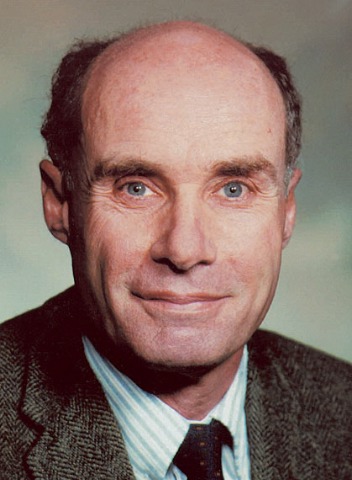
Just to remind you, I am not a Luddite. We’ve had a computer in our home since Apple first started selling them. Our office has had its own homegrown electronic health record (EHR) system for a decade. It was embraced by all of us, but for a variety of reasons – some good and some bad – it was retired. We purchased an off-the-shelf model from one of the largest purveyors of EHRs.
About 4 months ago, I was still on the steep part of the learning curve, but was optimistic that I could adapt to its quirks and clumsiness. My biggest gripe then was that the new system didn’t allow me to enhance the record with my self-drawn illustrations. As I write today I’m resting somewhat uncomfortably on the plateau above the curve, curled up in a fetal position with my thumb in my mouth.
I have created a manageable number of shortcuts to create authentic text with just a few keystrokes. I can navigate the redundant screens with a minimum of mouse clicks. I haven’t seen anyone in the group who can chart electronically faster than I can. However, even at the top of my game, it takes me at least 3 minutes longer to complete an encounter with a patient than it did using our old system.
Where did this time go? To begin with, I quickly discovered that if I want to maintain eye contact with the patient, I will have to suspend my charting until they or I have left the exam room. When I was writing by hand, I could scribble a phrase or check a box or two and still be looking at the patient or parent 90% of the time. Even if the screen is well positioned, I still find that my eyes will be on it and not the patient. In situations in which I don’t know the patient well or his or her problems are very complex, I will try to review the record before I enter the exam room to minimize my screen time with the patient.
When the visit is over, there is some awkwardness. They were accustomed to my leaving the room first or walking with them to the front desk. Now I just want them to leave me alone with the computer so I can do my charting before I forget what I wanted to write. I have resorted to giving them a bogus piece of paper and asking them to give it to the receptionist on their way out. But the old system of last-in-first-out still prompts many families to linger uncomfortably. However, the trade-off is that I know that I am at least more visually attentive to patients.
So what about those 3 minutes? I suspect that to the program and system developers this doesn’t seem like a big deal. Most of them aren’t physicians, and the few who were have been so distracted by their algorithms that they haven’t seen a patient in years. But just do the math. If you only see 20 patients a day, an extra 3 minutes per patient is 60 minutes, known to most of us as 1 hour. And that’s what most of us in the office have found we’ve lost. We are spending nearly 1 hour more per day charting or, if our pocketbooks can absorb the associated loss, we are seeing fewer patients.
I am sure this ugly reality has been experienced by thousands of other physicians who have been electronified. The government is creating financial incentives to adopt EHRs, but if I were faced with the decision now, I would wait, wait, wait. If time is important to you, I don’t think there is a system out there yet that will save you any time, and most will lose you at least 3 minutes per patient of that precious stuff you can’t recoup once it’s lost.
Dr. Wilkoff writes the column, "Letters From Maine," which regularly appears in Pediatric News. He practices general pediatrics in a multispecialty group practice in Brunswick, Maine. E-mail him.
I know that I’ve opined and whined about electronic health records several times in the last year and a half, but it’s an issue, a big issue that just isn’t going away. And it isn’t being realistically addressed in either the professional or the lay press.
Just to remind you, I am not a Luddite. We’ve had a computer in our home since Apple first started selling them. Our office has had its own homegrown electronic health record (EHR) system for a decade. It was embraced by all of us, but for a variety of reasons – some good and some bad – it was retired. We purchased an off-the-shelf model from one of the largest purveyors of EHRs.
About 4 months ago, I was still on the steep part of the learning curve, but was optimistic that I could adapt to its quirks and clumsiness. My biggest gripe then was that the new system didn’t allow me to enhance the record with my self-drawn illustrations. As I write today I’m resting somewhat uncomfortably on the plateau above the curve, curled up in a fetal position with my thumb in my mouth.
I have created a manageable number of shortcuts to create authentic text with just a few keystrokes. I can navigate the redundant screens with a minimum of mouse clicks. I haven’t seen anyone in the group who can chart electronically faster than I can. However, even at the top of my game, it takes me at least 3 minutes longer to complete an encounter with a patient than it did using our old system.
Where did this time go? To begin with, I quickly discovered that if I want to maintain eye contact with the patient, I will have to suspend my charting until they or I have left the exam room. When I was writing by hand, I could scribble a phrase or check a box or two and still be looking at the patient or parent 90% of the time. Even if the screen is well positioned, I still find that my eyes will be on it and not the patient. In situations in which I don’t know the patient well or his or her problems are very complex, I will try to review the record before I enter the exam room to minimize my screen time with the patient.
When the visit is over, there is some awkwardness. They were accustomed to my leaving the room first or walking with them to the front desk. Now I just want them to leave me alone with the computer so I can do my charting before I forget what I wanted to write. I have resorted to giving them a bogus piece of paper and asking them to give it to the receptionist on their way out. But the old system of last-in-first-out still prompts many families to linger uncomfortably. However, the trade-off is that I know that I am at least more visually attentive to patients.
So what about those 3 minutes? I suspect that to the program and system developers this doesn’t seem like a big deal. Most of them aren’t physicians, and the few who were have been so distracted by their algorithms that they haven’t seen a patient in years. But just do the math. If you only see 20 patients a day, an extra 3 minutes per patient is 60 minutes, known to most of us as 1 hour. And that’s what most of us in the office have found we’ve lost. We are spending nearly 1 hour more per day charting or, if our pocketbooks can absorb the associated loss, we are seeing fewer patients.
I am sure this ugly reality has been experienced by thousands of other physicians who have been electronified. The government is creating financial incentives to adopt EHRs, but if I were faced with the decision now, I would wait, wait, wait. If time is important to you, I don’t think there is a system out there yet that will save you any time, and most will lose you at least 3 minutes per patient of that precious stuff you can’t recoup once it’s lost.
Dr. Wilkoff writes the column, "Letters From Maine," which regularly appears in Pediatric News. He practices general pediatrics in a multispecialty group practice in Brunswick, Maine. E-mail him.
I know that I’ve opined and whined about electronic health records several times in the last year and a half, but it’s an issue, a big issue that just isn’t going away. And it isn’t being realistically addressed in either the professional or the lay press.
Just to remind you, I am not a Luddite. We’ve had a computer in our home since Apple first started selling them. Our office has had its own homegrown electronic health record (EHR) system for a decade. It was embraced by all of us, but for a variety of reasons – some good and some bad – it was retired. We purchased an off-the-shelf model from one of the largest purveyors of EHRs.
About 4 months ago, I was still on the steep part of the learning curve, but was optimistic that I could adapt to its quirks and clumsiness. My biggest gripe then was that the new system didn’t allow me to enhance the record with my self-drawn illustrations. As I write today I’m resting somewhat uncomfortably on the plateau above the curve, curled up in a fetal position with my thumb in my mouth.
I have created a manageable number of shortcuts to create authentic text with just a few keystrokes. I can navigate the redundant screens with a minimum of mouse clicks. I haven’t seen anyone in the group who can chart electronically faster than I can. However, even at the top of my game, it takes me at least 3 minutes longer to complete an encounter with a patient than it did using our old system.
Where did this time go? To begin with, I quickly discovered that if I want to maintain eye contact with the patient, I will have to suspend my charting until they or I have left the exam room. When I was writing by hand, I could scribble a phrase or check a box or two and still be looking at the patient or parent 90% of the time. Even if the screen is well positioned, I still find that my eyes will be on it and not the patient. In situations in which I don’t know the patient well or his or her problems are very complex, I will try to review the record before I enter the exam room to minimize my screen time with the patient.
When the visit is over, there is some awkwardness. They were accustomed to my leaving the room first or walking with them to the front desk. Now I just want them to leave me alone with the computer so I can do my charting before I forget what I wanted to write. I have resorted to giving them a bogus piece of paper and asking them to give it to the receptionist on their way out. But the old system of last-in-first-out still prompts many families to linger uncomfortably. However, the trade-off is that I know that I am at least more visually attentive to patients.
So what about those 3 minutes? I suspect that to the program and system developers this doesn’t seem like a big deal. Most of them aren’t physicians, and the few who were have been so distracted by their algorithms that they haven’t seen a patient in years. But just do the math. If you only see 20 patients a day, an extra 3 minutes per patient is 60 minutes, known to most of us as 1 hour. And that’s what most of us in the office have found we’ve lost. We are spending nearly 1 hour more per day charting or, if our pocketbooks can absorb the associated loss, we are seeing fewer patients.
I am sure this ugly reality has been experienced by thousands of other physicians who have been electronified. The government is creating financial incentives to adopt EHRs, but if I were faced with the decision now, I would wait, wait, wait. If time is important to you, I don’t think there is a system out there yet that will save you any time, and most will lose you at least 3 minutes per patient of that precious stuff you can’t recoup once it’s lost.
Dr. Wilkoff writes the column, "Letters From Maine," which regularly appears in Pediatric News. He practices general pediatrics in a multispecialty group practice in Brunswick, Maine. E-mail him.
The 3-Minute Goose Egg
I know that I’ve opined and whined about electronic health records several times in the last year and a half, but it’s an issue, a big issue that just isn’t going away. And it isn’t being realistically addressed in either the professional or the lay press.
Just to remind you, I am not a Luddite. We’ve had a computer in our home since Apple first started selling them. Our office has had its own homegrown electronic health record (EHR) system for a decade. It was embraced by all of us, but for a variety of reasons – some good and some bad – it was retired. We purchased an off-the-shelf model from one of the largest purveyors of EHRs.
About 4 months ago, I was still on the steep part of the learning curve, but was optimistic that I could adapt to its quirks and clumsiness. My biggest gripe then was that the new system didn’t allow me to enhance the record with my self-drawn illustrations. As I write today I’m resting somewhat uncomfortably on the plateau above the curve, curled up in a fetal position with my thumb in my mouth.
I have created a manageable number of shortcuts to create authentic text with just a few keystrokes. I can navigate the redundant screens with a minimum of mouse clicks. I haven’t seen anyone in the group who can chart electronically faster than I can. However, even at the top of my game, it takes me at least 3 minutes longer to complete an encounter with a patient than it did using our old system.
Where did this time go? To begin with, I quickly discovered that if I want to maintain eye contact with the patient, I will have to suspend my charting until they or I have left the exam room. When I was writing by hand, I could scribble a phrase or check a box or two and still be looking at the patient or parent 90% of the time. Even if the screen is well positioned, I still find that my eyes will be on it and not the patient. In situations in which I don’t know the patient well or his or her problems are very complex, I will try to review the record before I enter the exam room to minimize my screen time with the patient.
When the visit is over, there is some awkwardness. They were accustomed to my leaving the room first or walking with them to the front desk. Now I just want them to leave me alone with the computer so I can do my charting before I forget what I wanted to write. I have resorted to giving them a bogus piece of paper and asking them to give it to the receptionist on their way out. But the old system of last-in-first-out still prompts many families to linger uncomfortably. However, the trade-off is that I know that I am at least more visually attentive to patients.
So what about those 3 minutes? I suspect that to the program and system developers this doesn’t seem like a big deal. Most of them aren’t physicians, and the few who were have been so distracted by their algorithms that they haven’t seen a patient in years. But just do the math. If you only see 20 patients a day, an extra 3 minutes per patient is 60 minutes, known to most of us as 1 hour. And that’s what most of us in the office have found we’ve lost. We are spending nearly 1 hour more per day charting or, if our pocketbooks can absorb the associated loss, we are seeing fewer patients.
I am sure this ugly reality has been experienced by thousands of other physicians who have been electronified. The government is creating financial incentives to adopt EHRs, but if I were faced with the decision now, I would wait, wait, wait. If time is important to you, I don’t think there is a system out there yet that will save you any time, and most will lose you at least 3 minutes per patient of that precious stuff you can’t recoup once it’s lost.
Dr. Wilkoff writes the column, "Letters From Maine," which regularly appears in Pediatric News. He practices general pediatrics in a multispecialty group practice in Brunswick, Maine. E-mail him.
I know that I’ve opined and whined about electronic health records several times in the last year and a half, but it’s an issue, a big issue that just isn’t going away. And it isn’t being realistically addressed in either the professional or the lay press.
Just to remind you, I am not a Luddite. We’ve had a computer in our home since Apple first started selling them. Our office has had its own homegrown electronic health record (EHR) system for a decade. It was embraced by all of us, but for a variety of reasons – some good and some bad – it was retired. We purchased an off-the-shelf model from one of the largest purveyors of EHRs.
About 4 months ago, I was still on the steep part of the learning curve, but was optimistic that I could adapt to its quirks and clumsiness. My biggest gripe then was that the new system didn’t allow me to enhance the record with my self-drawn illustrations. As I write today I’m resting somewhat uncomfortably on the plateau above the curve, curled up in a fetal position with my thumb in my mouth.
I have created a manageable number of shortcuts to create authentic text with just a few keystrokes. I can navigate the redundant screens with a minimum of mouse clicks. I haven’t seen anyone in the group who can chart electronically faster than I can. However, even at the top of my game, it takes me at least 3 minutes longer to complete an encounter with a patient than it did using our old system.
Where did this time go? To begin with, I quickly discovered that if I want to maintain eye contact with the patient, I will have to suspend my charting until they or I have left the exam room. When I was writing by hand, I could scribble a phrase or check a box or two and still be looking at the patient or parent 90% of the time. Even if the screen is well positioned, I still find that my eyes will be on it and not the patient. In situations in which I don’t know the patient well or his or her problems are very complex, I will try to review the record before I enter the exam room to minimize my screen time with the patient.
When the visit is over, there is some awkwardness. They were accustomed to my leaving the room first or walking with them to the front desk. Now I just want them to leave me alone with the computer so I can do my charting before I forget what I wanted to write. I have resorted to giving them a bogus piece of paper and asking them to give it to the receptionist on their way out. But the old system of last-in-first-out still prompts many families to linger uncomfortably. However, the trade-off is that I know that I am at least more visually attentive to patients.
So what about those 3 minutes? I suspect that to the program and system developers this doesn’t seem like a big deal. Most of them aren’t physicians, and the few who were have been so distracted by their algorithms that they haven’t seen a patient in years. But just do the math. If you only see 20 patients a day, an extra 3 minutes per patient is 60 minutes, known to most of us as 1 hour. And that’s what most of us in the office have found we’ve lost. We are spending nearly 1 hour more per day charting or, if our pocketbooks can absorb the associated loss, we are seeing fewer patients.
I am sure this ugly reality has been experienced by thousands of other physicians who have been electronified. The government is creating financial incentives to adopt EHRs, but if I were faced with the decision now, I would wait, wait, wait. If time is important to you, I don’t think there is a system out there yet that will save you any time, and most will lose you at least 3 minutes per patient of that precious stuff you can’t recoup once it’s lost.
Dr. Wilkoff writes the column, "Letters From Maine," which regularly appears in Pediatric News. He practices general pediatrics in a multispecialty group practice in Brunswick, Maine. E-mail him.
I know that I’ve opined and whined about electronic health records several times in the last year and a half, but it’s an issue, a big issue that just isn’t going away. And it isn’t being realistically addressed in either the professional or the lay press.
Just to remind you, I am not a Luddite. We’ve had a computer in our home since Apple first started selling them. Our office has had its own homegrown electronic health record (EHR) system for a decade. It was embraced by all of us, but for a variety of reasons – some good and some bad – it was retired. We purchased an off-the-shelf model from one of the largest purveyors of EHRs.
About 4 months ago, I was still on the steep part of the learning curve, but was optimistic that I could adapt to its quirks and clumsiness. My biggest gripe then was that the new system didn’t allow me to enhance the record with my self-drawn illustrations. As I write today I’m resting somewhat uncomfortably on the plateau above the curve, curled up in a fetal position with my thumb in my mouth.
I have created a manageable number of shortcuts to create authentic text with just a few keystrokes. I can navigate the redundant screens with a minimum of mouse clicks. I haven’t seen anyone in the group who can chart electronically faster than I can. However, even at the top of my game, it takes me at least 3 minutes longer to complete an encounter with a patient than it did using our old system.
Where did this time go? To begin with, I quickly discovered that if I want to maintain eye contact with the patient, I will have to suspend my charting until they or I have left the exam room. When I was writing by hand, I could scribble a phrase or check a box or two and still be looking at the patient or parent 90% of the time. Even if the screen is well positioned, I still find that my eyes will be on it and not the patient. In situations in which I don’t know the patient well or his or her problems are very complex, I will try to review the record before I enter the exam room to minimize my screen time with the patient.
When the visit is over, there is some awkwardness. They were accustomed to my leaving the room first or walking with them to the front desk. Now I just want them to leave me alone with the computer so I can do my charting before I forget what I wanted to write. I have resorted to giving them a bogus piece of paper and asking them to give it to the receptionist on their way out. But the old system of last-in-first-out still prompts many families to linger uncomfortably. However, the trade-off is that I know that I am at least more visually attentive to patients.
So what about those 3 minutes? I suspect that to the program and system developers this doesn’t seem like a big deal. Most of them aren’t physicians, and the few who were have been so distracted by their algorithms that they haven’t seen a patient in years. But just do the math. If you only see 20 patients a day, an extra 3 minutes per patient is 60 minutes, known to most of us as 1 hour. And that’s what most of us in the office have found we’ve lost. We are spending nearly 1 hour more per day charting or, if our pocketbooks can absorb the associated loss, we are seeing fewer patients.
I am sure this ugly reality has been experienced by thousands of other physicians who have been electronified. The government is creating financial incentives to adopt EHRs, but if I were faced with the decision now, I would wait, wait, wait. If time is important to you, I don’t think there is a system out there yet that will save you any time, and most will lose you at least 3 minutes per patient of that precious stuff you can’t recoup once it’s lost.
Dr. Wilkoff writes the column, "Letters From Maine," which regularly appears in Pediatric News. He practices general pediatrics in a multispecialty group practice in Brunswick, Maine. E-mail him.
A Bedtime Story
Regular readers of this column know that I think a lot about (my wife might say obsess over) the role of sleep in the whole wellness package. I suspect that many parents here in Brunswick believe that regardless of their child’s diagnosis, I always will manage to include "more sleep" in my list of therapeutic recommendations. Whether the problem is a sprained ankle or nocturnal leg pains, better sleep habits couldn’t hurt.

I have recently stumbled across two new studies that have added more fuel to my fire. The first was a survey of more than 15,000 adolescents by James E. Gangwisch, Ph.D., and his associates in the journal Sleep (2010;33:97-106). These researchers found that adolescents who were depressed had shorter sleep durations and later bedtimes than those who were not depressed. Surprisingly, there seemed to be no difference between the groups when they were asked to report whether they were compliant with their bedtimes. In other words, it appears that simply the parental act of setting a bedtime had some protective effect.
The second study was by Erika Gaylor, Ph.D., a researcher from SRI International in Menlo Park, Calif. She reported at the annual meeting of the Associated Professional Sleep Societies held in San Antonio that earlier bedtimes were associated with higher scores in several developmental areas including receptive language and early math, in a survey of 8,000 preschoolers. I was unfortunately not surprised to learn that three-quarters of the children had bedtimes between 8 and 10 p.m. and that a little more than 20% got to bed at 10 p.m. or later. Children living in a higher socioeconomic status household were more likely to have an earlier bedtime and to have been given a rule about bedtime.
I suspect that you aren’t surprised by the findings in either of these studies. My mother knew all this stuff already. In fact, anyone who has been observing children for more than a handful of years could have predicted the results. Ben Franklin was right, at least about the early to bed bit. But why isn’t the message filtering down to parents?
Are we pediatricians not being vocal enough about the importance of sleep? How much anticipatory guidance do you give parents about sleep? Do you wait for them to raise the issue when they perceive a problem? Do you recommend a bedtime? These studies suggest to me that the benefits of having a parentally mandated bedtime are so substantial that every pediatrician should be including this recommendation at every visit.
We all have participated in the Back to Sleep initiative. Why not a To-Bed-by-Seven campaign aimed at new parents. Although adolescent depression and sub-optimal school performance don’t tug at our emotions the way that SIDS does, they are nonetheless problems that affect a larger segment of the pediatric population. And there are scores of other conditions – including obesity, attention-deficit/hyperactivity disorder, and migraine headaches – that have some link to sleep deprivation.
I don’t have to tell you that it won’t be an easy sell. Societal forces that have nudged children’s bedtimes well out of the healthy range are deep and complex. A parent who returns from work after 7 o’clock would like to have some "quality time" with his or her child and share in the bedtime ritual is not going to accept this recommendation happily. It should be our job to point out that there isn’t much quality going on when a child is kept up past a healthy hour. However, I may just have to be content when I can get the family to at least set a bedtime – even if I know it is too late. It looks like half a loaf may be better than none at all.
This column, "Letters From Maine," regularly appears in Pediatric News, an Elsevier publication. Dr. Wilkoff practices general pediatrics in a multispecialty group practice in Brunswick, Maine. E-mail him at [email protected].
Regular readers of this column know that I think a lot about (my wife might say obsess over) the role of sleep in the whole wellness package. I suspect that many parents here in Brunswick believe that regardless of their child’s diagnosis, I always will manage to include "more sleep" in my list of therapeutic recommendations. Whether the problem is a sprained ankle or nocturnal leg pains, better sleep habits couldn’t hurt.
I have recently stumbled across two new studies that have added more fuel to my fire. The first was a survey of more than 15,000 adolescents by James E. Gangwisch, Ph.D., and his associates in the journal Sleep (2010;33:97-106). These researchers found that adolescents who were depressed had shorter sleep durations and later bedtimes than those who were not depressed. Surprisingly, there seemed to be no difference between the groups when they were asked to report whether they were compliant with their bedtimes. In other words, it appears that simply the parental act of setting a bedtime had some protective effect.
The second study was by Erika Gaylor, Ph.D., a researcher from SRI International in Menlo Park, Calif. She reported at the annual meeting of the Associated Professional Sleep Societies held in San Antonio that earlier bedtimes were associated with higher scores in several developmental areas including receptive language and early math, in a survey of 8,000 preschoolers. I was unfortunately not surprised to learn that three-quarters of the children had bedtimes between 8 and 10 p.m. and that a little more than 20% got to bed at 10 p.m. or later. Children living in a higher socioeconomic status household were more likely to have an earlier bedtime and to have been given a rule about bedtime.
I suspect that you aren’t surprised by the findings in either of these studies. My mother knew all this stuff already. In fact, anyone who has been observing children for more than a handful of years could have predicted the results. Ben Franklin was right, at least about the early to bed bit. But why isn’t the message filtering down to parents?
Are we pediatricians not being vocal enough about the importance of sleep? How much anticipatory guidance do you give parents about sleep? Do you wait for them to raise the issue when they perceive a problem? Do you recommend a bedtime? These studies suggest to me that the benefits of having a parentally mandated bedtime are so substantial that every pediatrician should be including this recommendation at every visit.
We all have participated in the Back to Sleep initiative. Why not a To-Bed-by-Seven campaign aimed at new parents. Although adolescent depression and sub-optimal school performance don’t tug at our emotions the way that SIDS does, they are nonetheless problems that affect a larger segment of the pediatric population. And there are scores of other conditions – including obesity, attention-deficit/hyperactivity disorder, and migraine headaches – that have some link to sleep deprivation.
I don’t have to tell you that it won’t be an easy sell. Societal forces that have nudged children’s bedtimes well out of the healthy range are deep and complex. A parent who returns from work after 7 o’clock would like to have some "quality time" with his or her child and share in the bedtime ritual is not going to accept this recommendation happily. It should be our job to point out that there isn’t much quality going on when a child is kept up past a healthy hour. However, I may just have to be content when I can get the family to at least set a bedtime – even if I know it is too late. It looks like half a loaf may be better than none at all.
This column, "Letters From Maine," regularly appears in Pediatric News, an Elsevier publication. Dr. Wilkoff practices general pediatrics in a multispecialty group practice in Brunswick, Maine. E-mail him at [email protected].
Regular readers of this column know that I think a lot about (my wife might say obsess over) the role of sleep in the whole wellness package. I suspect that many parents here in Brunswick believe that regardless of their child’s diagnosis, I always will manage to include "more sleep" in my list of therapeutic recommendations. Whether the problem is a sprained ankle or nocturnal leg pains, better sleep habits couldn’t hurt.
I have recently stumbled across two new studies that have added more fuel to my fire. The first was a survey of more than 15,000 adolescents by James E. Gangwisch, Ph.D., and his associates in the journal Sleep (2010;33:97-106). These researchers found that adolescents who were depressed had shorter sleep durations and later bedtimes than those who were not depressed. Surprisingly, there seemed to be no difference between the groups when they were asked to report whether they were compliant with their bedtimes. In other words, it appears that simply the parental act of setting a bedtime had some protective effect.
The second study was by Erika Gaylor, Ph.D., a researcher from SRI International in Menlo Park, Calif. She reported at the annual meeting of the Associated Professional Sleep Societies held in San Antonio that earlier bedtimes were associated with higher scores in several developmental areas including receptive language and early math, in a survey of 8,000 preschoolers. I was unfortunately not surprised to learn that three-quarters of the children had bedtimes between 8 and 10 p.m. and that a little more than 20% got to bed at 10 p.m. or later. Children living in a higher socioeconomic status household were more likely to have an earlier bedtime and to have been given a rule about bedtime.
I suspect that you aren’t surprised by the findings in either of these studies. My mother knew all this stuff already. In fact, anyone who has been observing children for more than a handful of years could have predicted the results. Ben Franklin was right, at least about the early to bed bit. But why isn’t the message filtering down to parents?
Are we pediatricians not being vocal enough about the importance of sleep? How much anticipatory guidance do you give parents about sleep? Do you wait for them to raise the issue when they perceive a problem? Do you recommend a bedtime? These studies suggest to me that the benefits of having a parentally mandated bedtime are so substantial that every pediatrician should be including this recommendation at every visit.
We all have participated in the Back to Sleep initiative. Why not a To-Bed-by-Seven campaign aimed at new parents. Although adolescent depression and sub-optimal school performance don’t tug at our emotions the way that SIDS does, they are nonetheless problems that affect a larger segment of the pediatric population. And there are scores of other conditions – including obesity, attention-deficit/hyperactivity disorder, and migraine headaches – that have some link to sleep deprivation.
I don’t have to tell you that it won’t be an easy sell. Societal forces that have nudged children’s bedtimes well out of the healthy range are deep and complex. A parent who returns from work after 7 o’clock would like to have some "quality time" with his or her child and share in the bedtime ritual is not going to accept this recommendation happily. It should be our job to point out that there isn’t much quality going on when a child is kept up past a healthy hour. However, I may just have to be content when I can get the family to at least set a bedtime – even if I know it is too late. It looks like half a loaf may be better than none at all.
This column, "Letters From Maine," regularly appears in Pediatric News, an Elsevier publication. Dr. Wilkoff practices general pediatrics in a multispecialty group practice in Brunswick, Maine. E-mail him at [email protected].