User login
RITA Shows Good Patency After 10 Years
SAN DIEGO – Although the right internal thoracic artery is biologically identical to the left internal thoracic artery, it is rarely used in coronary artery bypass grafting.
In a study comparing the use of different graft sources for CABG, Dr. James Tatoulis and his colleagues found that the right internal thoracic artery (RITA) showed equivalent results to using the left internal thoracic artery (LITA).
Dr. Tatoulis of the Royal Melbourne Hospital and his colleagues evaluated consecutive RITA graft angiograms performed from 1986 to 2008. Patency was examined over time by coronary territory and by whether the RITA was in situ or free, and was compared with other coronary conduits.
A total of 5,766 patients had a RITA graft, usually as part of bilateral internal thoracic artery CABG. The operative mortality was 1.1%, and the rate of deep sternal infection was 1.5%. Of the nearly 7,800 coronary conduits studied, 991 RITA conduits were examined at a mean of 100 months postoperatively.
The overall 10-year RITA patency was 90%. RITA graft patency to the left anterior descending artery (n = 149) was 95% at 10 years and 90% at 15 years. Ten-year RITA patency to the circumflex marginal artery was 91% (n = 436), 85% (n = 199) to the right coronary artery (RCA), and 86% (n = 207) to the posterior descending artery (PDA). Ten-year patencies of RITA and LITA to the left anterior descending artery were identical.
In situ RITA (n = 451) and free RITA (n = 540) had similar 10-year patencies, 89% vs. 91% respectively.
RITA patency was found to be significantly better than radial artery and saphenous vein grafts for the circumflex marginal artery, the RCA, and the PDA. The 10-year survival of patients with RITA and LITA for triple-vessel coronary disease was identical at 89%.
Dr. Tatoulis and his colleagues reported that they had no relevant disclosures.
SAN DIEGO – Although the right internal thoracic artery is biologically identical to the left internal thoracic artery, it is rarely used in coronary artery bypass grafting.
In a study comparing the use of different graft sources for CABG, Dr. James Tatoulis and his colleagues found that the right internal thoracic artery (RITA) showed equivalent results to using the left internal thoracic artery (LITA).
Dr. Tatoulis of the Royal Melbourne Hospital and his colleagues evaluated consecutive RITA graft angiograms performed from 1986 to 2008. Patency was examined over time by coronary territory and by whether the RITA was in situ or free, and was compared with other coronary conduits.
A total of 5,766 patients had a RITA graft, usually as part of bilateral internal thoracic artery CABG. The operative mortality was 1.1%, and the rate of deep sternal infection was 1.5%. Of the nearly 7,800 coronary conduits studied, 991 RITA conduits were examined at a mean of 100 months postoperatively.
The overall 10-year RITA patency was 90%. RITA graft patency to the left anterior descending artery (n = 149) was 95% at 10 years and 90% at 15 years. Ten-year RITA patency to the circumflex marginal artery was 91% (n = 436), 85% (n = 199) to the right coronary artery (RCA), and 86% (n = 207) to the posterior descending artery (PDA). Ten-year patencies of RITA and LITA to the left anterior descending artery were identical.
In situ RITA (n = 451) and free RITA (n = 540) had similar 10-year patencies, 89% vs. 91% respectively.
RITA patency was found to be significantly better than radial artery and saphenous vein grafts for the circumflex marginal artery, the RCA, and the PDA. The 10-year survival of patients with RITA and LITA for triple-vessel coronary disease was identical at 89%.
Dr. Tatoulis and his colleagues reported that they had no relevant disclosures.
SAN DIEGO – Although the right internal thoracic artery is biologically identical to the left internal thoracic artery, it is rarely used in coronary artery bypass grafting.
In a study comparing the use of different graft sources for CABG, Dr. James Tatoulis and his colleagues found that the right internal thoracic artery (RITA) showed equivalent results to using the left internal thoracic artery (LITA).
Dr. Tatoulis of the Royal Melbourne Hospital and his colleagues evaluated consecutive RITA graft angiograms performed from 1986 to 2008. Patency was examined over time by coronary territory and by whether the RITA was in situ or free, and was compared with other coronary conduits.
A total of 5,766 patients had a RITA graft, usually as part of bilateral internal thoracic artery CABG. The operative mortality was 1.1%, and the rate of deep sternal infection was 1.5%. Of the nearly 7,800 coronary conduits studied, 991 RITA conduits were examined at a mean of 100 months postoperatively.
The overall 10-year RITA patency was 90%. RITA graft patency to the left anterior descending artery (n = 149) was 95% at 10 years and 90% at 15 years. Ten-year RITA patency to the circumflex marginal artery was 91% (n = 436), 85% (n = 199) to the right coronary artery (RCA), and 86% (n = 207) to the posterior descending artery (PDA). Ten-year patencies of RITA and LITA to the left anterior descending artery were identical.
In situ RITA (n = 451) and free RITA (n = 540) had similar 10-year patencies, 89% vs. 91% respectively.
RITA patency was found to be significantly better than radial artery and saphenous vein grafts for the circumflex marginal artery, the RCA, and the PDA. The 10-year survival of patients with RITA and LITA for triple-vessel coronary disease was identical at 89%.
Dr. Tatoulis and his colleagues reported that they had no relevant disclosures.
Preop Beta-Blockers No Benefit Before CABG
Major Finding: The use of preoperative beta-blockers before CABG showed no difference between events, compared with untreated, matched patients.
Data Source: A propensity-matched retrospective study using data from the STS National Database.
Disclosures: Dr. Brinkman reported being on the speakers bureau of the Medicines Company; all authors had an ownership interest in the Heart Hospital Baylor Plano. Some of the authors had a financial relationship with heart device companies.
SAN DIEGO – Since 2007, the use of preoperative beta-blockers has been a quality standard for patients undergoing coronary artery bypass graft surgery. However, a study by Dr. William T. Brinkman of the Cardiopulmonary Research Science and Technology Institute, Dallas, and his colleagues found no evidence that perioperative beta-blocker usage before CABG was beneficial.
Using 2000–2008 data from the STS National Database, Dr. Brinkman and his colleagues compared outcomes between two propensity-matched groups obtained from their overall study group. These subgroups comprised 4,474 patients who received preoperative beta-blockers and 4,474 who did not.
In the propensity-matched groups, there was no difference between event rates in patients treated with beta-blockers and those who were not. However, significantly more beta-blocker-treated patients required intraoperative blood product use. Calculating the adjusted odds ratios showed that the preoperative use of beta-blockers was not an independent predictor of mortality in either group, Dr. Brinkman said at the meeting.
In the remaining unmatched cohort from the overall group study patients, only deep sternal infection (in 0.3% with beta-blocker and 0.5% without), pneumonia (1.9% and 2.4%, respectively), and intraoperative blood usage (37.2% vs. 34.1%) reached statistical significance.
“We were unable to substantiate any benefit to routine use of preoperative beta-blocker therapy. Our findings do not support continued use of preoperative beta-blockade as a quality indicator for CABG,” Dr. Brinkman said in an interview.
“This illustrates the importance of cardiac surgeon participation in decisions regarding quality and value in cardiac surgery.”
Discussant Dr. David M. Shahian, chair of the STS National Database Workforce – which has advocated beta-blocker use as a quality control measure – stated that he disagreed with the conclusions of Dr. Brinkman's study. “There are now almost 30 randomized clinical trials that demonstrate on average a 60% reduction in the odds of postoperative atrial fibrillation with the use of perioperative beta-blockade.” Because of this and other benefits for patients with various heart conditions, the use of these drugs has had long-standing support, unless contraindicated. “For beta-blockade–naive patients, beginning therapy as far in advance of surgery as possible, and titration to optimal heart rate, are the safest and most efficacious strategies,” Dr. Shahian added.

'Our findings do not support continued use of preoperative beta-blockade as a quality indicator for CABG.'
Source DR. BRINKMAN
Major Finding: The use of preoperative beta-blockers before CABG showed no difference between events, compared with untreated, matched patients.
Data Source: A propensity-matched retrospective study using data from the STS National Database.
Disclosures: Dr. Brinkman reported being on the speakers bureau of the Medicines Company; all authors had an ownership interest in the Heart Hospital Baylor Plano. Some of the authors had a financial relationship with heart device companies.
SAN DIEGO – Since 2007, the use of preoperative beta-blockers has been a quality standard for patients undergoing coronary artery bypass graft surgery. However, a study by Dr. William T. Brinkman of the Cardiopulmonary Research Science and Technology Institute, Dallas, and his colleagues found no evidence that perioperative beta-blocker usage before CABG was beneficial.
Using 2000–2008 data from the STS National Database, Dr. Brinkman and his colleagues compared outcomes between two propensity-matched groups obtained from their overall study group. These subgroups comprised 4,474 patients who received preoperative beta-blockers and 4,474 who did not.
In the propensity-matched groups, there was no difference between event rates in patients treated with beta-blockers and those who were not. However, significantly more beta-blocker-treated patients required intraoperative blood product use. Calculating the adjusted odds ratios showed that the preoperative use of beta-blockers was not an independent predictor of mortality in either group, Dr. Brinkman said at the meeting.
In the remaining unmatched cohort from the overall group study patients, only deep sternal infection (in 0.3% with beta-blocker and 0.5% without), pneumonia (1.9% and 2.4%, respectively), and intraoperative blood usage (37.2% vs. 34.1%) reached statistical significance.
“We were unable to substantiate any benefit to routine use of preoperative beta-blocker therapy. Our findings do not support continued use of preoperative beta-blockade as a quality indicator for CABG,” Dr. Brinkman said in an interview.
“This illustrates the importance of cardiac surgeon participation in decisions regarding quality and value in cardiac surgery.”
Discussant Dr. David M. Shahian, chair of the STS National Database Workforce – which has advocated beta-blocker use as a quality control measure – stated that he disagreed with the conclusions of Dr. Brinkman's study. “There are now almost 30 randomized clinical trials that demonstrate on average a 60% reduction in the odds of postoperative atrial fibrillation with the use of perioperative beta-blockade.” Because of this and other benefits for patients with various heart conditions, the use of these drugs has had long-standing support, unless contraindicated. “For beta-blockade–naive patients, beginning therapy as far in advance of surgery as possible, and titration to optimal heart rate, are the safest and most efficacious strategies,” Dr. Shahian added.
'Our findings do not support continued use of preoperative beta-blockade as a quality indicator for CABG.'
Source DR. BRINKMAN
Major Finding: The use of preoperative beta-blockers before CABG showed no difference between events, compared with untreated, matched patients.
Data Source: A propensity-matched retrospective study using data from the STS National Database.
Disclosures: Dr. Brinkman reported being on the speakers bureau of the Medicines Company; all authors had an ownership interest in the Heart Hospital Baylor Plano. Some of the authors had a financial relationship with heart device companies.
SAN DIEGO – Since 2007, the use of preoperative beta-blockers has been a quality standard for patients undergoing coronary artery bypass graft surgery. However, a study by Dr. William T. Brinkman of the Cardiopulmonary Research Science and Technology Institute, Dallas, and his colleagues found no evidence that perioperative beta-blocker usage before CABG was beneficial.
Using 2000–2008 data from the STS National Database, Dr. Brinkman and his colleagues compared outcomes between two propensity-matched groups obtained from their overall study group. These subgroups comprised 4,474 patients who received preoperative beta-blockers and 4,474 who did not.
In the propensity-matched groups, there was no difference between event rates in patients treated with beta-blockers and those who were not. However, significantly more beta-blocker-treated patients required intraoperative blood product use. Calculating the adjusted odds ratios showed that the preoperative use of beta-blockers was not an independent predictor of mortality in either group, Dr. Brinkman said at the meeting.
In the remaining unmatched cohort from the overall group study patients, only deep sternal infection (in 0.3% with beta-blocker and 0.5% without), pneumonia (1.9% and 2.4%, respectively), and intraoperative blood usage (37.2% vs. 34.1%) reached statistical significance.
“We were unable to substantiate any benefit to routine use of preoperative beta-blocker therapy. Our findings do not support continued use of preoperative beta-blockade as a quality indicator for CABG,” Dr. Brinkman said in an interview.
“This illustrates the importance of cardiac surgeon participation in decisions regarding quality and value in cardiac surgery.”
Discussant Dr. David M. Shahian, chair of the STS National Database Workforce – which has advocated beta-blocker use as a quality control measure – stated that he disagreed with the conclusions of Dr. Brinkman's study. “There are now almost 30 randomized clinical trials that demonstrate on average a 60% reduction in the odds of postoperative atrial fibrillation with the use of perioperative beta-blockade.” Because of this and other benefits for patients with various heart conditions, the use of these drugs has had long-standing support, unless contraindicated. “For beta-blockade–naive patients, beginning therapy as far in advance of surgery as possible, and titration to optimal heart rate, are the safest and most efficacious strategies,” Dr. Shahian added.
'Our findings do not support continued use of preoperative beta-blockade as a quality indicator for CABG.'
Source DR. BRINKMAN
CABG Plus Adult CHD Repair Yields Good Late Outcomes
Major Finding: Disease of the left anterior descending coronary artery was most common and 10-year survival was significantly higher when the left internal mammary artery was used for grafting (66% vs. 36%).
Data Source: A retrospective analysis of 122 patients who underwent concomitant coronary artery bypass grafting for atherosclerotic coronary artery disease during repair of adult congenital heart disease.
Disclosures: Dr. Stulak and his colleagues reported that they had no disclosures.
SAN DIEGO – More and more patients with congenital heart disease are surviving into adulthood, resulting in a growing number of operations performed to repair adult congenital heart disease.
Many of these patients also have atherosclerotic coronary artery disease that may need to be addressed at the time of adult congenital heart disease (ACHD) surgery, but data on the prevalence of coronary artery disease in this population, as well as outcomes after such surgery, are limited.
To address this issue, Dr. John M. Stulak of the Mayo Medical School, Rochester, Minn., and his associates conducted a study of 122 patients (77 male) who underwent concomitant coronary artery bypass grafting (CABG) for atherosclerotic coronary artery disease at the time of ACHD repair. Dr. Stulak presented the results at the meeting.
He noted that, based on his findings, “Concomitant CABG may be required at the time of repair of ACHD. Disease of the LAD [left anterior descending coronary artery] is most common, and survival is higher when a LIMA [left internal mammary artery] graft is used. Late functional outcome is good with a low incidence of late angina, myocardial infarction, or the need for percutaneous coronary intervention.”
The patients, whose mean age was 64 years, underwent surgery between February 1972 and August 2009. A total of 25% had angina, 6% had prior myocardial infarction, and 5% had undergone percutaneous coronary intervention previously.
The most common primary cardiac diagnoses were secundum atrial septal defect, in 60%; Ebstein anomaly, in 11%; partial anomalous pulmonary venous connection (PAPVC), in 7%; and ventricular septal defect, in 6%. A total of 17% of the patients had a prior cardiac operation.
The most common operations included atrial septal defect repair, in 64%; tricuspid valve surgery, in 11%; pulmonary valve surgery, in 8%; ventricular septal defect repair, in 8%; and PAPVC repair, in 7%.
A single bypass graft was performed in 69 patients, two grafts in 32 patients, three grafts in 14 patients, four grafts in 5 patients, and five grafts in 2 patients.
The LIMA was used in 57 of 82 patients (70%) with LAD disease.
The median follow-up was 6 years and was available for 111 patients. During that time, recurrent coronary artery disease was reported in nine patients (8%); eight patients (7%) had angina, and five (4%) had an MI. Six (5%) patients underwent intervention. All but 11 patients achieved NYHA functional class 1 or 2.
The overall survival observed was 76% at 5 years, 56% at 10 years, and 33% at 15 years. In those patients with LAD disease, 10-year survival was significantly higher when LIMA was used (66% vs. 36%).
Dr. Stulak added in an interview that although awareness of concomitant coronary artery disease in this population is growing, there are no firm recommendations on when to evaluate individual patients for the disease.
In addition, he said, the importance of this study is not only to increase appreciation for the potential need for CABG during ACHD repair, but to stress that each treatment approach should be individualized whether it is conventional CABG, off-pump CABG, or a staged hybrid technique with percutaneous coronary intervention for coronary artery disease.

'There are no firm recommendations on when to evaluate individual patients' for coronary artery disease.
Source DR. STULAK
Major Finding: Disease of the left anterior descending coronary artery was most common and 10-year survival was significantly higher when the left internal mammary artery was used for grafting (66% vs. 36%).
Data Source: A retrospective analysis of 122 patients who underwent concomitant coronary artery bypass grafting for atherosclerotic coronary artery disease during repair of adult congenital heart disease.
Disclosures: Dr. Stulak and his colleagues reported that they had no disclosures.
SAN DIEGO – More and more patients with congenital heart disease are surviving into adulthood, resulting in a growing number of operations performed to repair adult congenital heart disease.
Many of these patients also have atherosclerotic coronary artery disease that may need to be addressed at the time of adult congenital heart disease (ACHD) surgery, but data on the prevalence of coronary artery disease in this population, as well as outcomes after such surgery, are limited.
To address this issue, Dr. John M. Stulak of the Mayo Medical School, Rochester, Minn., and his associates conducted a study of 122 patients (77 male) who underwent concomitant coronary artery bypass grafting (CABG) for atherosclerotic coronary artery disease at the time of ACHD repair. Dr. Stulak presented the results at the meeting.
He noted that, based on his findings, “Concomitant CABG may be required at the time of repair of ACHD. Disease of the LAD [left anterior descending coronary artery] is most common, and survival is higher when a LIMA [left internal mammary artery] graft is used. Late functional outcome is good with a low incidence of late angina, myocardial infarction, or the need for percutaneous coronary intervention.”
The patients, whose mean age was 64 years, underwent surgery between February 1972 and August 2009. A total of 25% had angina, 6% had prior myocardial infarction, and 5% had undergone percutaneous coronary intervention previously.
The most common primary cardiac diagnoses were secundum atrial septal defect, in 60%; Ebstein anomaly, in 11%; partial anomalous pulmonary venous connection (PAPVC), in 7%; and ventricular septal defect, in 6%. A total of 17% of the patients had a prior cardiac operation.
The most common operations included atrial septal defect repair, in 64%; tricuspid valve surgery, in 11%; pulmonary valve surgery, in 8%; ventricular septal defect repair, in 8%; and PAPVC repair, in 7%.
A single bypass graft was performed in 69 patients, two grafts in 32 patients, three grafts in 14 patients, four grafts in 5 patients, and five grafts in 2 patients.
The LIMA was used in 57 of 82 patients (70%) with LAD disease.
The median follow-up was 6 years and was available for 111 patients. During that time, recurrent coronary artery disease was reported in nine patients (8%); eight patients (7%) had angina, and five (4%) had an MI. Six (5%) patients underwent intervention. All but 11 patients achieved NYHA functional class 1 or 2.
The overall survival observed was 76% at 5 years, 56% at 10 years, and 33% at 15 years. In those patients with LAD disease, 10-year survival was significantly higher when LIMA was used (66% vs. 36%).
Dr. Stulak added in an interview that although awareness of concomitant coronary artery disease in this population is growing, there are no firm recommendations on when to evaluate individual patients for the disease.
In addition, he said, the importance of this study is not only to increase appreciation for the potential need for CABG during ACHD repair, but to stress that each treatment approach should be individualized whether it is conventional CABG, off-pump CABG, or a staged hybrid technique with percutaneous coronary intervention for coronary artery disease.
'There are no firm recommendations on when to evaluate individual patients' for coronary artery disease.
Source DR. STULAK
Major Finding: Disease of the left anterior descending coronary artery was most common and 10-year survival was significantly higher when the left internal mammary artery was used for grafting (66% vs. 36%).
Data Source: A retrospective analysis of 122 patients who underwent concomitant coronary artery bypass grafting for atherosclerotic coronary artery disease during repair of adult congenital heart disease.
Disclosures: Dr. Stulak and his colleagues reported that they had no disclosures.
SAN DIEGO – More and more patients with congenital heart disease are surviving into adulthood, resulting in a growing number of operations performed to repair adult congenital heart disease.
Many of these patients also have atherosclerotic coronary artery disease that may need to be addressed at the time of adult congenital heart disease (ACHD) surgery, but data on the prevalence of coronary artery disease in this population, as well as outcomes after such surgery, are limited.
To address this issue, Dr. John M. Stulak of the Mayo Medical School, Rochester, Minn., and his associates conducted a study of 122 patients (77 male) who underwent concomitant coronary artery bypass grafting (CABG) for atherosclerotic coronary artery disease at the time of ACHD repair. Dr. Stulak presented the results at the meeting.
He noted that, based on his findings, “Concomitant CABG may be required at the time of repair of ACHD. Disease of the LAD [left anterior descending coronary artery] is most common, and survival is higher when a LIMA [left internal mammary artery] graft is used. Late functional outcome is good with a low incidence of late angina, myocardial infarction, or the need for percutaneous coronary intervention.”
The patients, whose mean age was 64 years, underwent surgery between February 1972 and August 2009. A total of 25% had angina, 6% had prior myocardial infarction, and 5% had undergone percutaneous coronary intervention previously.
The most common primary cardiac diagnoses were secundum atrial septal defect, in 60%; Ebstein anomaly, in 11%; partial anomalous pulmonary venous connection (PAPVC), in 7%; and ventricular septal defect, in 6%. A total of 17% of the patients had a prior cardiac operation.
The most common operations included atrial septal defect repair, in 64%; tricuspid valve surgery, in 11%; pulmonary valve surgery, in 8%; ventricular septal defect repair, in 8%; and PAPVC repair, in 7%.
A single bypass graft was performed in 69 patients, two grafts in 32 patients, three grafts in 14 patients, four grafts in 5 patients, and five grafts in 2 patients.
The LIMA was used in 57 of 82 patients (70%) with LAD disease.
The median follow-up was 6 years and was available for 111 patients. During that time, recurrent coronary artery disease was reported in nine patients (8%); eight patients (7%) had angina, and five (4%) had an MI. Six (5%) patients underwent intervention. All but 11 patients achieved NYHA functional class 1 or 2.
The overall survival observed was 76% at 5 years, 56% at 10 years, and 33% at 15 years. In those patients with LAD disease, 10-year survival was significantly higher when LIMA was used (66% vs. 36%).
Dr. Stulak added in an interview that although awareness of concomitant coronary artery disease in this population is growing, there are no firm recommendations on when to evaluate individual patients for the disease.
In addition, he said, the importance of this study is not only to increase appreciation for the potential need for CABG during ACHD repair, but to stress that each treatment approach should be individualized whether it is conventional CABG, off-pump CABG, or a staged hybrid technique with percutaneous coronary intervention for coronary artery disease.
'There are no firm recommendations on when to evaluate individual patients' for coronary artery disease.
Source DR. STULAK
Surgical Methods for Congenital Repair Studied : Several procedures were investigated; Rastelli was the most common, although not the norm in France.
Major Finding: Rastelli outcomes among different groups, overall rates of freedom from reoperation, and event-free survival were found to be unsatisfactory, with event-free survival rates at 10 years that vary from 24% to 49%.
Data Source: A retrospective study of 146 patients who underwent surgery from 1980 to 2008 in eight European hospitals.
Disclosures: The authors reported no disclosures deemed relevant by the editors of the journal.
Optimal surgical management of patients with transposition of the great arteries, ventricular septal defect, and left ventricular outflow obstruction is still considered controversial.
Although the Rastelli operation is the most commonly performed procedure, the Réparation à l'Etage Ventriculaire procedure and the Metras modification yielded the best long-term results for both survival and event-free survival, according to a retrospective study of 146 patients who underwent surgery from 1980 to 2008 in eight European hospitals.
The multicenter study compared use and outcomes of several different surgical operations for transposition of the great arteries (TGA), ventricular septal defect (VSD), and left ventricular outflow tract obstruction (LVOTO).
A total of 141 patients had TGA, VSD, and LVOTO; 5 patients had the TGA type of double-outlet right ventricle (DORV) with LVOTO. Only those patients for whom the surgical method chosen was equivalent to those for TGA, VSD, and LVOTO were included in the study; all other DORV types were excluded, according to Dr. Mark Gerard Hazekamp of Leids Universitair Medisch Centrum, Leiden, the Netherlands, and his colleagues from various European universities on behalf of the European Congenital Heart Surgeons Association.
The surgical procedures investigated were the Rastelli procedure (82 patients), arterial (24) and atrial (5) switch operation with relief of LVOTO, Réparation à l'Etage Ventriculaire (REV) procedure (7), and Metras modification (24), as well as the Nikaidoh procedure (4).
The type of surgery used on these patients has traditionally been performed differently in different countries, according to the researchers, with the REV procedure and Metras modification mainly performed in France and the Rastelli procedure being the norm in most other countries.
The patients had a median age at operation of 21.5 months (range 0.2–165.1 months) and a median weight of 10 kg (range 2.0–41.0 kg). Pulmonary stenosis was found in 119 patients, while 27 had pulmonary atresia. LVOTO was solely valvar in 24% of the patients, only subvalvar in 37% of patients, and multilevel in 39%.
The location of the most important VSD was known in 143 patients, with outlet septum in 102, inlet septum in 14, trabecular septum in 3, and a combination of the three in 24 patients. The great majority of the 140 patients for whom data were available had great artery commitment of the biggest VSD: to the aorta in 60, the pulmonary artery in 32, and doubly committed to both in 19. Only 29 patients had noncommitment of one of the great arteries to the VSD.
Overall postoperative survival was 92% at 1 month, 88% at 1 year, 88% at 10 years, and 58% at 20 years. Events were followed as an outcome and were defined as death, reoperation, transcatheter intervention, or cardiac transplantation. The frequent necessity of reintervention (40.7% over the entire follow-up period) caused the overall event-free survival to be much lower, at 85% at 1 month, 80% at 1 year, 45% at 10 years, and 26% at 20 years (Euro. J. Cardiothorac. Surg. 2010;38:699-706).
There were 41 surgical reinterventions and 20 percutaneous procedures, with the most frequent cause of reoperation being RVOT obstruction, including conduit failure (25.0%), followed by LVOT obstruction (7.9%), residual VSD closure (7.1%), and pulmonary artery plasty (4.3%).
In multivariate analysis, age at the corrective surgery, year of the operation, and type of operation were significant predictors for reoperation and transcatheter intervention, in general, as well as for RVOT reoperation/intervention. The younger the patient at the time of operation, the higher the risk of later reoperation, according to the researchers, leading them to speculate that the more recently the surgery was performed, the less the probability that a patient would undergo reoperation.
Reoperation for RVOTO was observed to be most common in patients with a Rastelli operation, according to the authors.
“Although there are some differences between Rastelli outcomes among different groups, the all-over rates of freedom from reoperation and, especially, event-free survival, are not satisfactory with event-free survival rates at 10 years that vary from 24% to 49%,” the researchers said.
“The Rastelli procedure was a significant independent risk factor for re-operation, with the REV/Metras and the Nikaidoh having the lowest re-intervention rates,” they wrote. Although they pointed out that the number of Nikaidoh operations was low, the technique was recent, and it required considerable surgical experience, so further studies are needed to confirm the benefit seen.
Major Finding: Rastelli outcomes among different groups, overall rates of freedom from reoperation, and event-free survival were found to be unsatisfactory, with event-free survival rates at 10 years that vary from 24% to 49%.
Data Source: A retrospective study of 146 patients who underwent surgery from 1980 to 2008 in eight European hospitals.
Disclosures: The authors reported no disclosures deemed relevant by the editors of the journal.
Optimal surgical management of patients with transposition of the great arteries, ventricular septal defect, and left ventricular outflow obstruction is still considered controversial.
Although the Rastelli operation is the most commonly performed procedure, the Réparation à l'Etage Ventriculaire procedure and the Metras modification yielded the best long-term results for both survival and event-free survival, according to a retrospective study of 146 patients who underwent surgery from 1980 to 2008 in eight European hospitals.
The multicenter study compared use and outcomes of several different surgical operations for transposition of the great arteries (TGA), ventricular septal defect (VSD), and left ventricular outflow tract obstruction (LVOTO).
A total of 141 patients had TGA, VSD, and LVOTO; 5 patients had the TGA type of double-outlet right ventricle (DORV) with LVOTO. Only those patients for whom the surgical method chosen was equivalent to those for TGA, VSD, and LVOTO were included in the study; all other DORV types were excluded, according to Dr. Mark Gerard Hazekamp of Leids Universitair Medisch Centrum, Leiden, the Netherlands, and his colleagues from various European universities on behalf of the European Congenital Heart Surgeons Association.
The surgical procedures investigated were the Rastelli procedure (82 patients), arterial (24) and atrial (5) switch operation with relief of LVOTO, Réparation à l'Etage Ventriculaire (REV) procedure (7), and Metras modification (24), as well as the Nikaidoh procedure (4).
The type of surgery used on these patients has traditionally been performed differently in different countries, according to the researchers, with the REV procedure and Metras modification mainly performed in France and the Rastelli procedure being the norm in most other countries.
The patients had a median age at operation of 21.5 months (range 0.2–165.1 months) and a median weight of 10 kg (range 2.0–41.0 kg). Pulmonary stenosis was found in 119 patients, while 27 had pulmonary atresia. LVOTO was solely valvar in 24% of the patients, only subvalvar in 37% of patients, and multilevel in 39%.
The location of the most important VSD was known in 143 patients, with outlet septum in 102, inlet septum in 14, trabecular septum in 3, and a combination of the three in 24 patients. The great majority of the 140 patients for whom data were available had great artery commitment of the biggest VSD: to the aorta in 60, the pulmonary artery in 32, and doubly committed to both in 19. Only 29 patients had noncommitment of one of the great arteries to the VSD.
Overall postoperative survival was 92% at 1 month, 88% at 1 year, 88% at 10 years, and 58% at 20 years. Events were followed as an outcome and were defined as death, reoperation, transcatheter intervention, or cardiac transplantation. The frequent necessity of reintervention (40.7% over the entire follow-up period) caused the overall event-free survival to be much lower, at 85% at 1 month, 80% at 1 year, 45% at 10 years, and 26% at 20 years (Euro. J. Cardiothorac. Surg. 2010;38:699-706).
There were 41 surgical reinterventions and 20 percutaneous procedures, with the most frequent cause of reoperation being RVOT obstruction, including conduit failure (25.0%), followed by LVOT obstruction (7.9%), residual VSD closure (7.1%), and pulmonary artery plasty (4.3%).
In multivariate analysis, age at the corrective surgery, year of the operation, and type of operation were significant predictors for reoperation and transcatheter intervention, in general, as well as for RVOT reoperation/intervention. The younger the patient at the time of operation, the higher the risk of later reoperation, according to the researchers, leading them to speculate that the more recently the surgery was performed, the less the probability that a patient would undergo reoperation.
Reoperation for RVOTO was observed to be most common in patients with a Rastelli operation, according to the authors.
“Although there are some differences between Rastelli outcomes among different groups, the all-over rates of freedom from reoperation and, especially, event-free survival, are not satisfactory with event-free survival rates at 10 years that vary from 24% to 49%,” the researchers said.
“The Rastelli procedure was a significant independent risk factor for re-operation, with the REV/Metras and the Nikaidoh having the lowest re-intervention rates,” they wrote. Although they pointed out that the number of Nikaidoh operations was low, the technique was recent, and it required considerable surgical experience, so further studies are needed to confirm the benefit seen.
Major Finding: Rastelli outcomes among different groups, overall rates of freedom from reoperation, and event-free survival were found to be unsatisfactory, with event-free survival rates at 10 years that vary from 24% to 49%.
Data Source: A retrospective study of 146 patients who underwent surgery from 1980 to 2008 in eight European hospitals.
Disclosures: The authors reported no disclosures deemed relevant by the editors of the journal.
Optimal surgical management of patients with transposition of the great arteries, ventricular septal defect, and left ventricular outflow obstruction is still considered controversial.
Although the Rastelli operation is the most commonly performed procedure, the Réparation à l'Etage Ventriculaire procedure and the Metras modification yielded the best long-term results for both survival and event-free survival, according to a retrospective study of 146 patients who underwent surgery from 1980 to 2008 in eight European hospitals.
The multicenter study compared use and outcomes of several different surgical operations for transposition of the great arteries (TGA), ventricular septal defect (VSD), and left ventricular outflow tract obstruction (LVOTO).
A total of 141 patients had TGA, VSD, and LVOTO; 5 patients had the TGA type of double-outlet right ventricle (DORV) with LVOTO. Only those patients for whom the surgical method chosen was equivalent to those for TGA, VSD, and LVOTO were included in the study; all other DORV types were excluded, according to Dr. Mark Gerard Hazekamp of Leids Universitair Medisch Centrum, Leiden, the Netherlands, and his colleagues from various European universities on behalf of the European Congenital Heart Surgeons Association.
The surgical procedures investigated were the Rastelli procedure (82 patients), arterial (24) and atrial (5) switch operation with relief of LVOTO, Réparation à l'Etage Ventriculaire (REV) procedure (7), and Metras modification (24), as well as the Nikaidoh procedure (4).
The type of surgery used on these patients has traditionally been performed differently in different countries, according to the researchers, with the REV procedure and Metras modification mainly performed in France and the Rastelli procedure being the norm in most other countries.
The patients had a median age at operation of 21.5 months (range 0.2–165.1 months) and a median weight of 10 kg (range 2.0–41.0 kg). Pulmonary stenosis was found in 119 patients, while 27 had pulmonary atresia. LVOTO was solely valvar in 24% of the patients, only subvalvar in 37% of patients, and multilevel in 39%.
The location of the most important VSD was known in 143 patients, with outlet septum in 102, inlet septum in 14, trabecular septum in 3, and a combination of the three in 24 patients. The great majority of the 140 patients for whom data were available had great artery commitment of the biggest VSD: to the aorta in 60, the pulmonary artery in 32, and doubly committed to both in 19. Only 29 patients had noncommitment of one of the great arteries to the VSD.
Overall postoperative survival was 92% at 1 month, 88% at 1 year, 88% at 10 years, and 58% at 20 years. Events were followed as an outcome and were defined as death, reoperation, transcatheter intervention, or cardiac transplantation. The frequent necessity of reintervention (40.7% over the entire follow-up period) caused the overall event-free survival to be much lower, at 85% at 1 month, 80% at 1 year, 45% at 10 years, and 26% at 20 years (Euro. J. Cardiothorac. Surg. 2010;38:699-706).
There were 41 surgical reinterventions and 20 percutaneous procedures, with the most frequent cause of reoperation being RVOT obstruction, including conduit failure (25.0%), followed by LVOT obstruction (7.9%), residual VSD closure (7.1%), and pulmonary artery plasty (4.3%).
In multivariate analysis, age at the corrective surgery, year of the operation, and type of operation were significant predictors for reoperation and transcatheter intervention, in general, as well as for RVOT reoperation/intervention. The younger the patient at the time of operation, the higher the risk of later reoperation, according to the researchers, leading them to speculate that the more recently the surgery was performed, the less the probability that a patient would undergo reoperation.
Reoperation for RVOTO was observed to be most common in patients with a Rastelli operation, according to the authors.
“Although there are some differences between Rastelli outcomes among different groups, the all-over rates of freedom from reoperation and, especially, event-free survival, are not satisfactory with event-free survival rates at 10 years that vary from 24% to 49%,” the researchers said.
“The Rastelli procedure was a significant independent risk factor for re-operation, with the REV/Metras and the Nikaidoh having the lowest re-intervention rates,” they wrote. Although they pointed out that the number of Nikaidoh operations was low, the technique was recent, and it required considerable surgical experience, so further studies are needed to confirm the benefit seen.
Changing Indications in Pediatric Heart Transplants
SAN DIEGO – Over the past 24 years, the prevalence of indications for pediatric heart transplantation resulting from congenital heart disease has changed. Transplantation for failed SV palliation, including failed Fontan procedure, has now become the predominant indication, according to the observations of a single-center experience reported in the J. Maxwell Chamberlain Memorial Paper for Congenital Heart Surgery at the annual meeting of the Society of Thoracic Surgeons.
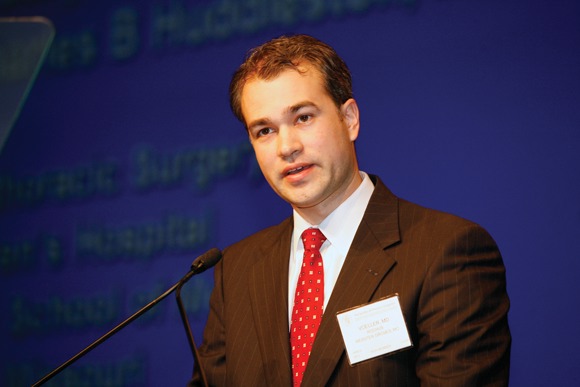
Heart transplantation is the only viable treatment for children with end-stage heart failure resulting from either congenital heart disease (CHD) or cardiomyopathy. The purpose of this study by Dr. Rochus K. Voeller and his colleagues at Washington University in St. Louis was to review the trends in the indications for transplant and survival following transplant, using a retrospective review of all 307 orthotopic heart transplants performed at St. Louis Children’s Hospital from January 1986 to December 2009. Combined heart-lung transplants were excluded from the study.
The indications for transplantation in 1986-2009 were 39% cardiomyopathy, 57% CHD, and 4% retransplant. Of the 174 patients with CHD, 80% had single-ventricle anomalies (SV). In the CHD group, transplantation for failed SV palliation, including the failed Fontan procedure, became the predominant indication in the latest 8-year interval of their program (increasing from 11% in the 1984-1993 period to 60% in the 2002-2009 period). The rate of retransplantation remained low and unchanged across the various time periods, according to Dr. Voeller.
The mean recipient age was 6.1 years, with 41% of the recipients aged younger than 1 year at the time of transplantation. Nearly one-third of all patients had prior surgical procedures or surgery ranging from banding to Fontan operations; 55% of the patients were boys; 8% of patients were bridged with either ECMO (extracorporeal circulation membrane oxygenation) or VAD (ventricular assist devices).
Overall survival of transplant patients was 81%, 76%, 72%, and 65% at 1, 3, 5, and 10 years, respectively. Survival was best in those patients who were transplanted for cardiomyopathy (1-, 3-, 5-, and 10-year survival of 90%, 84%, 81%, and 81%, respectively) and worst in patients with failed palliations for SV anomalies, especially failed Fontan procedures (1-, 3-, 5-, and 10-year survival of 66%, 61%, 61%, and 53%, respectively).
"Our results demonstrate the high-risk nature of transplants in patients with failed palliations for SV anomalies, including Fontan procedures performed during infancy. As the survival with early palliation for SV anomaly patients improves, more centers will be referred with these patients who will require transplantation at some point," said Dr. Voeller in an interview.
"This will not only impact pediatric heart transplant programs, but it will also influence adult transplant programs as well. Patients following SV palliation, including Fontan procedure, are much more difficult patients to transplant because of a variety of factors. Risk factor analysis will be needed to determine which patients might benefit from earlier transplant referral and how to better prepare these patient for transplant in order to reduce the risk of the procedure," he concluded.
Dr. Voeller reported that none of the authors had any financial disclosures.
SAN DIEGO – Over the past 24 years, the prevalence of indications for pediatric heart transplantation resulting from congenital heart disease has changed. Transplantation for failed SV palliation, including failed Fontan procedure, has now become the predominant indication, according to the observations of a single-center experience reported in the J. Maxwell Chamberlain Memorial Paper for Congenital Heart Surgery at the annual meeting of the Society of Thoracic Surgeons.
Heart transplantation is the only viable treatment for children with end-stage heart failure resulting from either congenital heart disease (CHD) or cardiomyopathy. The purpose of this study by Dr. Rochus K. Voeller and his colleagues at Washington University in St. Louis was to review the trends in the indications for transplant and survival following transplant, using a retrospective review of all 307 orthotopic heart transplants performed at St. Louis Children’s Hospital from January 1986 to December 2009. Combined heart-lung transplants were excluded from the study.
The indications for transplantation in 1986-2009 were 39% cardiomyopathy, 57% CHD, and 4% retransplant. Of the 174 patients with CHD, 80% had single-ventricle anomalies (SV). In the CHD group, transplantation for failed SV palliation, including the failed Fontan procedure, became the predominant indication in the latest 8-year interval of their program (increasing from 11% in the 1984-1993 period to 60% in the 2002-2009 period). The rate of retransplantation remained low and unchanged across the various time periods, according to Dr. Voeller.
The mean recipient age was 6.1 years, with 41% of the recipients aged younger than 1 year at the time of transplantation. Nearly one-third of all patients had prior surgical procedures or surgery ranging from banding to Fontan operations; 55% of the patients were boys; 8% of patients were bridged with either ECMO (extracorporeal circulation membrane oxygenation) or VAD (ventricular assist devices).
Overall survival of transplant patients was 81%, 76%, 72%, and 65% at 1, 3, 5, and 10 years, respectively. Survival was best in those patients who were transplanted for cardiomyopathy (1-, 3-, 5-, and 10-year survival of 90%, 84%, 81%, and 81%, respectively) and worst in patients with failed palliations for SV anomalies, especially failed Fontan procedures (1-, 3-, 5-, and 10-year survival of 66%, 61%, 61%, and 53%, respectively).
"Our results demonstrate the high-risk nature of transplants in patients with failed palliations for SV anomalies, including Fontan procedures performed during infancy. As the survival with early palliation for SV anomaly patients improves, more centers will be referred with these patients who will require transplantation at some point," said Dr. Voeller in an interview.
"This will not only impact pediatric heart transplant programs, but it will also influence adult transplant programs as well. Patients following SV palliation, including Fontan procedure, are much more difficult patients to transplant because of a variety of factors. Risk factor analysis will be needed to determine which patients might benefit from earlier transplant referral and how to better prepare these patient for transplant in order to reduce the risk of the procedure," he concluded.
Dr. Voeller reported that none of the authors had any financial disclosures.
SAN DIEGO – Over the past 24 years, the prevalence of indications for pediatric heart transplantation resulting from congenital heart disease has changed. Transplantation for failed SV palliation, including failed Fontan procedure, has now become the predominant indication, according to the observations of a single-center experience reported in the J. Maxwell Chamberlain Memorial Paper for Congenital Heart Surgery at the annual meeting of the Society of Thoracic Surgeons.
Heart transplantation is the only viable treatment for children with end-stage heart failure resulting from either congenital heart disease (CHD) or cardiomyopathy. The purpose of this study by Dr. Rochus K. Voeller and his colleagues at Washington University in St. Louis was to review the trends in the indications for transplant and survival following transplant, using a retrospective review of all 307 orthotopic heart transplants performed at St. Louis Children’s Hospital from January 1986 to December 2009. Combined heart-lung transplants were excluded from the study.
The indications for transplantation in 1986-2009 were 39% cardiomyopathy, 57% CHD, and 4% retransplant. Of the 174 patients with CHD, 80% had single-ventricle anomalies (SV). In the CHD group, transplantation for failed SV palliation, including the failed Fontan procedure, became the predominant indication in the latest 8-year interval of their program (increasing from 11% in the 1984-1993 period to 60% in the 2002-2009 period). The rate of retransplantation remained low and unchanged across the various time periods, according to Dr. Voeller.
The mean recipient age was 6.1 years, with 41% of the recipients aged younger than 1 year at the time of transplantation. Nearly one-third of all patients had prior surgical procedures or surgery ranging from banding to Fontan operations; 55% of the patients were boys; 8% of patients were bridged with either ECMO (extracorporeal circulation membrane oxygenation) or VAD (ventricular assist devices).
Overall survival of transplant patients was 81%, 76%, 72%, and 65% at 1, 3, 5, and 10 years, respectively. Survival was best in those patients who were transplanted for cardiomyopathy (1-, 3-, 5-, and 10-year survival of 90%, 84%, 81%, and 81%, respectively) and worst in patients with failed palliations for SV anomalies, especially failed Fontan procedures (1-, 3-, 5-, and 10-year survival of 66%, 61%, 61%, and 53%, respectively).
"Our results demonstrate the high-risk nature of transplants in patients with failed palliations for SV anomalies, including Fontan procedures performed during infancy. As the survival with early palliation for SV anomaly patients improves, more centers will be referred with these patients who will require transplantation at some point," said Dr. Voeller in an interview.
"This will not only impact pediatric heart transplant programs, but it will also influence adult transplant programs as well. Patients following SV palliation, including Fontan procedure, are much more difficult patients to transplant because of a variety of factors. Risk factor analysis will be needed to determine which patients might benefit from earlier transplant referral and how to better prepare these patient for transplant in order to reduce the risk of the procedure," he concluded.
Dr. Voeller reported that none of the authors had any financial disclosures.
FROM THE ANNUAL MEETING OF THE SOCIETY OF THORACIC SURGEONS
Changing Indications in Pediatric Heart Transplants
SAN DIEGO – Over the past 24 years, the prevalence of indications for pediatric heart transplantation resulting from congenital heart disease has changed. Transplantation for failed SV palliation, including failed Fontan procedure, has now become the predominant indication, according to the observations of a single-center experience reported in the J. Maxwell Chamberlain Memorial Paper for Congenital Heart Surgery at the annual meeting of the Society of Thoracic Surgeons.
Heart transplantation is the only viable treatment for children with end-stage heart failure resulting from either congenital heart disease (CHD) or cardiomyopathy. The purpose of this study by Dr. Rochus K. Voeller and his colleagues at Washington University in St. Louis was to review the trends in the indications for transplant and survival following transplant, using a retrospective review of all 307 orthotopic heart transplants performed at St. Louis Children’s Hospital from January 1986 to December 2009. Combined heart-lung transplants were excluded from the study.
The indications for transplantation in 1986-2009 were 39% cardiomyopathy, 57% CHD, and 4% retransplant. Of the 174 patients with CHD, 80% had single-ventricle anomalies (SV). In the CHD group, transplantation for failed SV palliation, including the failed Fontan procedure, became the predominant indication in the latest 8-year interval of their program (increasing from 11% in the 1984-1993 period to 60% in the 2002-2009 period). The rate of retransplantation remained low and unchanged across the various time periods, according to Dr. Voeller.
The mean recipient age was 6.1 years, with 41% of the recipients aged younger than 1 year at the time of transplantation. Nearly one-third of all patients had prior surgical procedures or surgery ranging from banding to Fontan operations; 55% of the patients were boys; 8% of patients were bridged with either ECMO (extracorporeal circulation membrane oxygenation) or VAD (ventricular assist devices).
Overall survival of transplant patients was 81%, 76%, 72%, and 65% at 1, 3, 5, and 10 years, respectively. Survival was best in those patients who were transplanted for cardiomyopathy (1-, 3-, 5-, and 10-year survival of 90%, 84%, 81%, and 81%, respectively) and worst in patients with failed palliations for SV anomalies, especially failed Fontan procedures (1-, 3-, 5-, and 10-year survival of 66%, 61%, 61%, and 53%, respectively).
"Our results demonstrate the high-risk nature of transplants in patients with failed palliations for SV anomalies, including Fontan procedures performed during infancy. As the survival with early palliation for SV anomaly patients improves, more centers will be referred with these patients who will require transplantation at some point," said Dr. Voeller in an interview.
"This will not only impact pediatric heart transplant programs, but it will also influence adult transplant programs as well. Patients following SV palliation, including Fontan procedure, are much more difficult patients to transplant because of a variety of factors. Risk factor analysis will be needed to determine which patients might benefit from earlier transplant referral and how to better prepare these patient for transplant in order to reduce the risk of the procedure," he concluded.
Dr. Voeller reported that none of the authors had any financial disclosures.
SAN DIEGO – Over the past 24 years, the prevalence of indications for pediatric heart transplantation resulting from congenital heart disease has changed. Transplantation for failed SV palliation, including failed Fontan procedure, has now become the predominant indication, according to the observations of a single-center experience reported in the J. Maxwell Chamberlain Memorial Paper for Congenital Heart Surgery at the annual meeting of the Society of Thoracic Surgeons.
Heart transplantation is the only viable treatment for children with end-stage heart failure resulting from either congenital heart disease (CHD) or cardiomyopathy. The purpose of this study by Dr. Rochus K. Voeller and his colleagues at Washington University in St. Louis was to review the trends in the indications for transplant and survival following transplant, using a retrospective review of all 307 orthotopic heart transplants performed at St. Louis Children’s Hospital from January 1986 to December 2009. Combined heart-lung transplants were excluded from the study.
The indications for transplantation in 1986-2009 were 39% cardiomyopathy, 57% CHD, and 4% retransplant. Of the 174 patients with CHD, 80% had single-ventricle anomalies (SV). In the CHD group, transplantation for failed SV palliation, including the failed Fontan procedure, became the predominant indication in the latest 8-year interval of their program (increasing from 11% in the 1984-1993 period to 60% in the 2002-2009 period). The rate of retransplantation remained low and unchanged across the various time periods, according to Dr. Voeller.
The mean recipient age was 6.1 years, with 41% of the recipients aged younger than 1 year at the time of transplantation. Nearly one-third of all patients had prior surgical procedures or surgery ranging from banding to Fontan operations; 55% of the patients were boys; 8% of patients were bridged with either ECMO (extracorporeal circulation membrane oxygenation) or VAD (ventricular assist devices).
Overall survival of transplant patients was 81%, 76%, 72%, and 65% at 1, 3, 5, and 10 years, respectively. Survival was best in those patients who were transplanted for cardiomyopathy (1-, 3-, 5-, and 10-year survival of 90%, 84%, 81%, and 81%, respectively) and worst in patients with failed palliations for SV anomalies, especially failed Fontan procedures (1-, 3-, 5-, and 10-year survival of 66%, 61%, 61%, and 53%, respectively).
"Our results demonstrate the high-risk nature of transplants in patients with failed palliations for SV anomalies, including Fontan procedures performed during infancy. As the survival with early palliation for SV anomaly patients improves, more centers will be referred with these patients who will require transplantation at some point," said Dr. Voeller in an interview.
"This will not only impact pediatric heart transplant programs, but it will also influence adult transplant programs as well. Patients following SV palliation, including Fontan procedure, are much more difficult patients to transplant because of a variety of factors. Risk factor analysis will be needed to determine which patients might benefit from earlier transplant referral and how to better prepare these patient for transplant in order to reduce the risk of the procedure," he concluded.
Dr. Voeller reported that none of the authors had any financial disclosures.
SAN DIEGO – Over the past 24 years, the prevalence of indications for pediatric heart transplantation resulting from congenital heart disease has changed. Transplantation for failed SV palliation, including failed Fontan procedure, has now become the predominant indication, according to the observations of a single-center experience reported in the J. Maxwell Chamberlain Memorial Paper for Congenital Heart Surgery at the annual meeting of the Society of Thoracic Surgeons.
Heart transplantation is the only viable treatment for children with end-stage heart failure resulting from either congenital heart disease (CHD) or cardiomyopathy. The purpose of this study by Dr. Rochus K. Voeller and his colleagues at Washington University in St. Louis was to review the trends in the indications for transplant and survival following transplant, using a retrospective review of all 307 orthotopic heart transplants performed at St. Louis Children’s Hospital from January 1986 to December 2009. Combined heart-lung transplants were excluded from the study.
The indications for transplantation in 1986-2009 were 39% cardiomyopathy, 57% CHD, and 4% retransplant. Of the 174 patients with CHD, 80% had single-ventricle anomalies (SV). In the CHD group, transplantation for failed SV palliation, including the failed Fontan procedure, became the predominant indication in the latest 8-year interval of their program (increasing from 11% in the 1984-1993 period to 60% in the 2002-2009 period). The rate of retransplantation remained low and unchanged across the various time periods, according to Dr. Voeller.
The mean recipient age was 6.1 years, with 41% of the recipients aged younger than 1 year at the time of transplantation. Nearly one-third of all patients had prior surgical procedures or surgery ranging from banding to Fontan operations; 55% of the patients were boys; 8% of patients were bridged with either ECMO (extracorporeal circulation membrane oxygenation) or VAD (ventricular assist devices).
Overall survival of transplant patients was 81%, 76%, 72%, and 65% at 1, 3, 5, and 10 years, respectively. Survival was best in those patients who were transplanted for cardiomyopathy (1-, 3-, 5-, and 10-year survival of 90%, 84%, 81%, and 81%, respectively) and worst in patients with failed palliations for SV anomalies, especially failed Fontan procedures (1-, 3-, 5-, and 10-year survival of 66%, 61%, 61%, and 53%, respectively).
"Our results demonstrate the high-risk nature of transplants in patients with failed palliations for SV anomalies, including Fontan procedures performed during infancy. As the survival with early palliation for SV anomaly patients improves, more centers will be referred with these patients who will require transplantation at some point," said Dr. Voeller in an interview.
"This will not only impact pediatric heart transplant programs, but it will also influence adult transplant programs as well. Patients following SV palliation, including Fontan procedure, are much more difficult patients to transplant because of a variety of factors. Risk factor analysis will be needed to determine which patients might benefit from earlier transplant referral and how to better prepare these patient for transplant in order to reduce the risk of the procedure," he concluded.
Dr. Voeller reported that none of the authors had any financial disclosures.
FROM THE ANNUAL MEETING OF THE SOCIETY OF THORACIC SURGEONS
Major Finding: Survival was best in patients who were transplanted for cardiomyopathy (1-, 3-, 5-, and 10-year survival of 90%, 84%, 81%, and 81%, respectively) and worst in patients with failed palliations for SV anomalies, especially failed Fontan procedures (1-, 3-, 5-, and 10-year survival of 66%, 61%, 61%, and 53%, respectively).
Data Source: A retrospective study of 307 pediatric heart transplants over a 24-year period at St. Louis Children’s Hospital.
Disclosures: Dr. Voeller reported that none of the authors had any financial disclosures.
Predictors Identified for Psychological Outcomes in Children With Congenital Heart Interventions
Long-term behavioral and emotional outcomes after congenital heart surgery can be predicted by medical history and therapeutic intervention, according to a study of 114 congenital heart disease patients.
Patients who received cardiac medication (diuretics or prostaglandin E1) before surgery or intervention had significantly worse long-term psychological outcomes compared with those who received palliative treatment (a Rashkind procedure) before undergoing surgery or intervention.
As long-term survival from congenital heart interventions becomes more and more common, outcomes beyond mortality and physical morbidity are receiving more attention; these outcomes include behavioral and emotional well-being, according to Dr. Alinda W. Spijkerboer of the Erasmus Medical Centre – Sophia Children’s Hospital, Rotterdam, The Netherlands, and her colleagues.
The researchers used the Child Behavior Checklist (CBC) to determine the extent of behavioral and emotional problems in 7- to 17-year-old participants (64 boys, 50 girls) with congenital heart disease who underwent invasive treatment between 1990 and 1995.
Analyses were performed to correlate the behavioral and emotional outcomes with medical history; therapeutic intervention and direct postinterventional course; long-term medical course; present contact with physicians; and present medical status. The participants were also assessed as to whether problems were internalizing or externalizing. The General Health Questionnaire (GHQ) was used to assess parental distress, especially anxiety.
The CBC includes a section with 120 items for which parents rate their child’s behavior in the preceding 6 months on a 3-point scale (0 = not true, 1 = somewhat or sometimes true, 2 = very true or often true). A total problems score was obtained by adding all scores in this section, with higher scores indicating a higher level of problems. The 28-item GHQ was used to assess parental level of psychological distress. The scale score on anxiety and sleeplessness and the total score were used (J. Ped. Surg.2010;45:2146-53).
The four diagnostic categories of congenital heart disease were surgical closure of atrial septal defect (27 patients), surgical closure of a ventricular septal defect (43 patients), arterial switch operation of transposition of the great arteries (31 patients), and balloon dilatation for pulmonary stenosis (13 patients).
"The only significant predictors found in this study all seemed to originate from the cluster medical history," the authors stated. Use of cardiac medication before therapeutic intervention significantly predicted a higher CBC total problems score. Earlier palliative intervention with the Rashkind procedure before treatment was significantly associated with lower scores in total problems and externalizing (the Rashkind procedure is a catheter-based intervention to enlarge an opening in the cardiac septum between the right and left atria for improved blood oxygenation).
The variable scar from treatment judged by the physician as moderately or poorly healed was significantly associated with a higher internalizing score on the CBC. The diagnostic categories of atrial septal defect and pulmonary stenosis were associated with lower externalizing scores.
Mothers who reported more long-term behavioral and emotional problems for their children also showed significantly more anxiety and psychological distress in their own scores. Fathers showed a similar trend, but it did not reach significance. No parental score differences were found between parents of the four diagnostic groups or between those of children undergoing surgery versus catheter intervention.
One limitation of the study, according to the authors, was the fact that the sample contained only four diagnostic groups, and therefore was not representative of all congenital heart disease anomalies. Also, medical outcomes and parent-reported behavioral and emotional problems were not assessable in all eligible patients/parents. In addition, few fathers were represented in the parental data.
The authors speculated that because cardiac medication before therapeutic intervention is usually related to the severity of an infant’s clinical state, this could be one explanation for their results. However, if patients received both prior cardiac medications and palliative treatment, they did not show increased problems, something which they could not explain.
"Our results indicate that, overall, the use of cardiac medication before surgical or interventional treatment was associated with unfavorable long-term behavioral and emotional outcomes. A palliative intervention before therapeutic intervention was associated with favorable long-term outcomes," the researchers stated, although they concluded that causal relationships need to be established.
The study was financially supported by Doctors for Children. The authors reported having no conflicts which the journal deemed relevant.
Long-term behavioral and emotional outcomes after congenital heart surgery can be predicted by medical history and therapeutic intervention, according to a study of 114 congenital heart disease patients.
Patients who received cardiac medication (diuretics or prostaglandin E1) before surgery or intervention had significantly worse long-term psychological outcomes compared with those who received palliative treatment (a Rashkind procedure) before undergoing surgery or intervention.
As long-term survival from congenital heart interventions becomes more and more common, outcomes beyond mortality and physical morbidity are receiving more attention; these outcomes include behavioral and emotional well-being, according to Dr. Alinda W. Spijkerboer of the Erasmus Medical Centre – Sophia Children’s Hospital, Rotterdam, The Netherlands, and her colleagues.
The researchers used the Child Behavior Checklist (CBC) to determine the extent of behavioral and emotional problems in 7- to 17-year-old participants (64 boys, 50 girls) with congenital heart disease who underwent invasive treatment between 1990 and 1995.
Analyses were performed to correlate the behavioral and emotional outcomes with medical history; therapeutic intervention and direct postinterventional course; long-term medical course; present contact with physicians; and present medical status. The participants were also assessed as to whether problems were internalizing or externalizing. The General Health Questionnaire (GHQ) was used to assess parental distress, especially anxiety.
The CBC includes a section with 120 items for which parents rate their child’s behavior in the preceding 6 months on a 3-point scale (0 = not true, 1 = somewhat or sometimes true, 2 = very true or often true). A total problems score was obtained by adding all scores in this section, with higher scores indicating a higher level of problems. The 28-item GHQ was used to assess parental level of psychological distress. The scale score on anxiety and sleeplessness and the total score were used (J. Ped. Surg.2010;45:2146-53).
The four diagnostic categories of congenital heart disease were surgical closure of atrial septal defect (27 patients), surgical closure of a ventricular septal defect (43 patients), arterial switch operation of transposition of the great arteries (31 patients), and balloon dilatation for pulmonary stenosis (13 patients).
"The only significant predictors found in this study all seemed to originate from the cluster medical history," the authors stated. Use of cardiac medication before therapeutic intervention significantly predicted a higher CBC total problems score. Earlier palliative intervention with the Rashkind procedure before treatment was significantly associated with lower scores in total problems and externalizing (the Rashkind procedure is a catheter-based intervention to enlarge an opening in the cardiac septum between the right and left atria for improved blood oxygenation).
The variable scar from treatment judged by the physician as moderately or poorly healed was significantly associated with a higher internalizing score on the CBC. The diagnostic categories of atrial septal defect and pulmonary stenosis were associated with lower externalizing scores.
Mothers who reported more long-term behavioral and emotional problems for their children also showed significantly more anxiety and psychological distress in their own scores. Fathers showed a similar trend, but it did not reach significance. No parental score differences were found between parents of the four diagnostic groups or between those of children undergoing surgery versus catheter intervention.
One limitation of the study, according to the authors, was the fact that the sample contained only four diagnostic groups, and therefore was not representative of all congenital heart disease anomalies. Also, medical outcomes and parent-reported behavioral and emotional problems were not assessable in all eligible patients/parents. In addition, few fathers were represented in the parental data.
The authors speculated that because cardiac medication before therapeutic intervention is usually related to the severity of an infant’s clinical state, this could be one explanation for their results. However, if patients received both prior cardiac medications and palliative treatment, they did not show increased problems, something which they could not explain.
"Our results indicate that, overall, the use of cardiac medication before surgical or interventional treatment was associated with unfavorable long-term behavioral and emotional outcomes. A palliative intervention before therapeutic intervention was associated with favorable long-term outcomes," the researchers stated, although they concluded that causal relationships need to be established.
The study was financially supported by Doctors for Children. The authors reported having no conflicts which the journal deemed relevant.
Long-term behavioral and emotional outcomes after congenital heart surgery can be predicted by medical history and therapeutic intervention, according to a study of 114 congenital heart disease patients.
Patients who received cardiac medication (diuretics or prostaglandin E1) before surgery or intervention had significantly worse long-term psychological outcomes compared with those who received palliative treatment (a Rashkind procedure) before undergoing surgery or intervention.
As long-term survival from congenital heart interventions becomes more and more common, outcomes beyond mortality and physical morbidity are receiving more attention; these outcomes include behavioral and emotional well-being, according to Dr. Alinda W. Spijkerboer of the Erasmus Medical Centre – Sophia Children’s Hospital, Rotterdam, The Netherlands, and her colleagues.
The researchers used the Child Behavior Checklist (CBC) to determine the extent of behavioral and emotional problems in 7- to 17-year-old participants (64 boys, 50 girls) with congenital heart disease who underwent invasive treatment between 1990 and 1995.
Analyses were performed to correlate the behavioral and emotional outcomes with medical history; therapeutic intervention and direct postinterventional course; long-term medical course; present contact with physicians; and present medical status. The participants were also assessed as to whether problems were internalizing or externalizing. The General Health Questionnaire (GHQ) was used to assess parental distress, especially anxiety.
The CBC includes a section with 120 items for which parents rate their child’s behavior in the preceding 6 months on a 3-point scale (0 = not true, 1 = somewhat or sometimes true, 2 = very true or often true). A total problems score was obtained by adding all scores in this section, with higher scores indicating a higher level of problems. The 28-item GHQ was used to assess parental level of psychological distress. The scale score on anxiety and sleeplessness and the total score were used (J. Ped. Surg.2010;45:2146-53).
The four diagnostic categories of congenital heart disease were surgical closure of atrial septal defect (27 patients), surgical closure of a ventricular septal defect (43 patients), arterial switch operation of transposition of the great arteries (31 patients), and balloon dilatation for pulmonary stenosis (13 patients).
"The only significant predictors found in this study all seemed to originate from the cluster medical history," the authors stated. Use of cardiac medication before therapeutic intervention significantly predicted a higher CBC total problems score. Earlier palliative intervention with the Rashkind procedure before treatment was significantly associated with lower scores in total problems and externalizing (the Rashkind procedure is a catheter-based intervention to enlarge an opening in the cardiac septum between the right and left atria for improved blood oxygenation).
The variable scar from treatment judged by the physician as moderately or poorly healed was significantly associated with a higher internalizing score on the CBC. The diagnostic categories of atrial septal defect and pulmonary stenosis were associated with lower externalizing scores.
Mothers who reported more long-term behavioral and emotional problems for their children also showed significantly more anxiety and psychological distress in their own scores. Fathers showed a similar trend, but it did not reach significance. No parental score differences were found between parents of the four diagnostic groups or between those of children undergoing surgery versus catheter intervention.
One limitation of the study, according to the authors, was the fact that the sample contained only four diagnostic groups, and therefore was not representative of all congenital heart disease anomalies. Also, medical outcomes and parent-reported behavioral and emotional problems were not assessable in all eligible patients/parents. In addition, few fathers were represented in the parental data.
The authors speculated that because cardiac medication before therapeutic intervention is usually related to the severity of an infant’s clinical state, this could be one explanation for their results. However, if patients received both prior cardiac medications and palliative treatment, they did not show increased problems, something which they could not explain.
"Our results indicate that, overall, the use of cardiac medication before surgical or interventional treatment was associated with unfavorable long-term behavioral and emotional outcomes. A palliative intervention before therapeutic intervention was associated with favorable long-term outcomes," the researchers stated, although they concluded that causal relationships need to be established.
The study was financially supported by Doctors for Children. The authors reported having no conflicts which the journal deemed relevant.
FROM THE JOURNAL OF PEDIATRIC SURGERY
Predictors Identified for Psychological Outcomes in Children With Congenital Heart Interventions
Long-term behavioral and emotional outcomes after congenital heart surgery can be predicted by medical history and therapeutic intervention, according to a study of 114 congenital heart disease patients.
Patients who received cardiac medication (diuretics or prostaglandin E1) before surgery or intervention had significantly worse long-term psychological outcomes compared with those who received palliative treatment (a Rashkind procedure) before undergoing surgery or intervention.
As long-term survival from congenital heart interventions becomes more and more common, outcomes beyond mortality and physical morbidity are receiving more attention; these outcomes include behavioral and emotional well-being, according to Dr. Alinda W. Spijkerboer of the Erasmus Medical Centre – Sophia Children’s Hospital, Rotterdam, The Netherlands, and her colleagues.
The researchers used the Child Behavior Checklist (CBC) to determine the extent of behavioral and emotional problems in 7- to 17-year-old participants (64 boys, 50 girls) with congenital heart disease who underwent invasive treatment between 1990 and 1995.
Analyses were performed to correlate the behavioral and emotional outcomes with medical history; therapeutic intervention and direct postinterventional course; long-term medical course; present contact with physicians; and present medical status. The participants were also assessed as to whether problems were internalizing or externalizing. The General Health Questionnaire (GHQ) was used to assess parental distress, especially anxiety.
The CBC includes a section with 120 items for which parents rate their child’s behavior in the preceding 6 months on a 3-point scale (0 = not true, 1 = somewhat or sometimes true, 2 = very true or often true). A total problems score was obtained by adding all scores in this section, with higher scores indicating a higher level of problems. The 28-item GHQ was used to assess parental level of psychological distress. The scale score on anxiety and sleeplessness and the total score were used (J. Ped. Surg.2010;45:2146-53).
The four diagnostic categories of congenital heart disease were surgical closure of atrial septal defect (27 patients), surgical closure of a ventricular septal defect (43 patients), arterial switch operation of transposition of the great arteries (31 patients), and balloon dilatation for pulmonary stenosis (13 patients).
"The only significant predictors found in this study all seemed to originate from the cluster medical history," the authors stated. Use of cardiac medication before therapeutic intervention significantly predicted a higher CBC total problems score. Earlier palliative intervention with the Rashkind procedure before treatment was significantly associated with lower scores in total problems and externalizing (the Rashkind procedure is a catheter-based intervention to enlarge an opening in the cardiac septum between the right and left atria for improved blood oxygenation).
The variable scar from treatment judged by the physician as moderately or poorly healed was significantly associated with a higher internalizing score on the CBC. The diagnostic categories of atrial septal defect and pulmonary stenosis were associated with lower externalizing scores.
Mothers who reported more long-term behavioral and emotional problems for their children also showed significantly more anxiety and psychological distress in their own scores. Fathers showed a similar trend, but it did not reach significance. No parental score differences were found between parents of the four diagnostic groups or between those of children undergoing surgery versus catheter intervention.
One limitation of the study, according to the authors, was the fact that the sample contained only four diagnostic groups, and therefore was not representative of all congenital heart disease anomalies. Also, medical outcomes and parent-reported behavioral and emotional problems were not assessable in all eligible patients/parents. In addition, few fathers were represented in the parental data.
The authors speculated that because cardiac medication before therapeutic intervention is usually related to the severity of an infant’s clinical state, this could be one explanation for their results. However, if patients received both prior cardiac medications and palliative treatment, they did not show increased problems, something which they could not explain.
"Our results indicate that, overall, the use of cardiac medication before surgical or interventional treatment was associated with unfavorable long-term behavioral and emotional outcomes. A palliative intervention before therapeutic intervention was associated with favorable long-term outcomes," the researchers stated, although they concluded that causal relationships need to be established.
The study was financially supported by Doctors for Children. The authors reported having no conflicts which the journal deemed relevant.
Long-term behavioral and emotional outcomes after congenital heart surgery can be predicted by medical history and therapeutic intervention, according to a study of 114 congenital heart disease patients.
Patients who received cardiac medication (diuretics or prostaglandin E1) before surgery or intervention had significantly worse long-term psychological outcomes compared with those who received palliative treatment (a Rashkind procedure) before undergoing surgery or intervention.
As long-term survival from congenital heart interventions becomes more and more common, outcomes beyond mortality and physical morbidity are receiving more attention; these outcomes include behavioral and emotional well-being, according to Dr. Alinda W. Spijkerboer of the Erasmus Medical Centre – Sophia Children’s Hospital, Rotterdam, The Netherlands, and her colleagues.
The researchers used the Child Behavior Checklist (CBC) to determine the extent of behavioral and emotional problems in 7- to 17-year-old participants (64 boys, 50 girls) with congenital heart disease who underwent invasive treatment between 1990 and 1995.
Analyses were performed to correlate the behavioral and emotional outcomes with medical history; therapeutic intervention and direct postinterventional course; long-term medical course; present contact with physicians; and present medical status. The participants were also assessed as to whether problems were internalizing or externalizing. The General Health Questionnaire (GHQ) was used to assess parental distress, especially anxiety.
The CBC includes a section with 120 items for which parents rate their child’s behavior in the preceding 6 months on a 3-point scale (0 = not true, 1 = somewhat or sometimes true, 2 = very true or often true). A total problems score was obtained by adding all scores in this section, with higher scores indicating a higher level of problems. The 28-item GHQ was used to assess parental level of psychological distress. The scale score on anxiety and sleeplessness and the total score were used (J. Ped. Surg.2010;45:2146-53).
The four diagnostic categories of congenital heart disease were surgical closure of atrial septal defect (27 patients), surgical closure of a ventricular septal defect (43 patients), arterial switch operation of transposition of the great arteries (31 patients), and balloon dilatation for pulmonary stenosis (13 patients).
"The only significant predictors found in this study all seemed to originate from the cluster medical history," the authors stated. Use of cardiac medication before therapeutic intervention significantly predicted a higher CBC total problems score. Earlier palliative intervention with the Rashkind procedure before treatment was significantly associated with lower scores in total problems and externalizing (the Rashkind procedure is a catheter-based intervention to enlarge an opening in the cardiac septum between the right and left atria for improved blood oxygenation).
The variable scar from treatment judged by the physician as moderately or poorly healed was significantly associated with a higher internalizing score on the CBC. The diagnostic categories of atrial septal defect and pulmonary stenosis were associated with lower externalizing scores.
Mothers who reported more long-term behavioral and emotional problems for their children also showed significantly more anxiety and psychological distress in their own scores. Fathers showed a similar trend, but it did not reach significance. No parental score differences were found between parents of the four diagnostic groups or between those of children undergoing surgery versus catheter intervention.
One limitation of the study, according to the authors, was the fact that the sample contained only four diagnostic groups, and therefore was not representative of all congenital heart disease anomalies. Also, medical outcomes and parent-reported behavioral and emotional problems were not assessable in all eligible patients/parents. In addition, few fathers were represented in the parental data.
The authors speculated that because cardiac medication before therapeutic intervention is usually related to the severity of an infant’s clinical state, this could be one explanation for their results. However, if patients received both prior cardiac medications and palliative treatment, they did not show increased problems, something which they could not explain.
"Our results indicate that, overall, the use of cardiac medication before surgical or interventional treatment was associated with unfavorable long-term behavioral and emotional outcomes. A palliative intervention before therapeutic intervention was associated with favorable long-term outcomes," the researchers stated, although they concluded that causal relationships need to be established.
The study was financially supported by Doctors for Children. The authors reported having no conflicts which the journal deemed relevant.
Long-term behavioral and emotional outcomes after congenital heart surgery can be predicted by medical history and therapeutic intervention, according to a study of 114 congenital heart disease patients.
Patients who received cardiac medication (diuretics or prostaglandin E1) before surgery or intervention had significantly worse long-term psychological outcomes compared with those who received palliative treatment (a Rashkind procedure) before undergoing surgery or intervention.
As long-term survival from congenital heart interventions becomes more and more common, outcomes beyond mortality and physical morbidity are receiving more attention; these outcomes include behavioral and emotional well-being, according to Dr. Alinda W. Spijkerboer of the Erasmus Medical Centre – Sophia Children’s Hospital, Rotterdam, The Netherlands, and her colleagues.
The researchers used the Child Behavior Checklist (CBC) to determine the extent of behavioral and emotional problems in 7- to 17-year-old participants (64 boys, 50 girls) with congenital heart disease who underwent invasive treatment between 1990 and 1995.
Analyses were performed to correlate the behavioral and emotional outcomes with medical history; therapeutic intervention and direct postinterventional course; long-term medical course; present contact with physicians; and present medical status. The participants were also assessed as to whether problems were internalizing or externalizing. The General Health Questionnaire (GHQ) was used to assess parental distress, especially anxiety.
The CBC includes a section with 120 items for which parents rate their child’s behavior in the preceding 6 months on a 3-point scale (0 = not true, 1 = somewhat or sometimes true, 2 = very true or often true). A total problems score was obtained by adding all scores in this section, with higher scores indicating a higher level of problems. The 28-item GHQ was used to assess parental level of psychological distress. The scale score on anxiety and sleeplessness and the total score were used (J. Ped. Surg.2010;45:2146-53).
The four diagnostic categories of congenital heart disease were surgical closure of atrial septal defect (27 patients), surgical closure of a ventricular septal defect (43 patients), arterial switch operation of transposition of the great arteries (31 patients), and balloon dilatation for pulmonary stenosis (13 patients).
"The only significant predictors found in this study all seemed to originate from the cluster medical history," the authors stated. Use of cardiac medication before therapeutic intervention significantly predicted a higher CBC total problems score. Earlier palliative intervention with the Rashkind procedure before treatment was significantly associated with lower scores in total problems and externalizing (the Rashkind procedure is a catheter-based intervention to enlarge an opening in the cardiac septum between the right and left atria for improved blood oxygenation).
The variable scar from treatment judged by the physician as moderately or poorly healed was significantly associated with a higher internalizing score on the CBC. The diagnostic categories of atrial septal defect and pulmonary stenosis were associated with lower externalizing scores.
Mothers who reported more long-term behavioral and emotional problems for their children also showed significantly more anxiety and psychological distress in their own scores. Fathers showed a similar trend, but it did not reach significance. No parental score differences were found between parents of the four diagnostic groups or between those of children undergoing surgery versus catheter intervention.
One limitation of the study, according to the authors, was the fact that the sample contained only four diagnostic groups, and therefore was not representative of all congenital heart disease anomalies. Also, medical outcomes and parent-reported behavioral and emotional problems were not assessable in all eligible patients/parents. In addition, few fathers were represented in the parental data.
The authors speculated that because cardiac medication before therapeutic intervention is usually related to the severity of an infant’s clinical state, this could be one explanation for their results. However, if patients received both prior cardiac medications and palliative treatment, they did not show increased problems, something which they could not explain.
"Our results indicate that, overall, the use of cardiac medication before surgical or interventional treatment was associated with unfavorable long-term behavioral and emotional outcomes. A palliative intervention before therapeutic intervention was associated with favorable long-term outcomes," the researchers stated, although they concluded that causal relationships need to be established.
The study was financially supported by Doctors for Children. The authors reported having no conflicts which the journal deemed relevant.
FROM THE JOURNAL OF PEDIATRIC SURGERY
Major Finding: Higher Child Behavior Checklist total problems scores were significantly predicted by the use of cardiac medication before therapeutic intervention in children with four types of congenital heart disease. Conversely, palliative intervention before therapeutic intervention was significantly associated with more favorable (lower) scores on the Checklist.
Data Source: Analysis of 114 patients receiving invasive congenital heart disease treatment between 1990 and 1996.
Disclosures: The study was financially supported by Doctors for Children. The authors reported having no conflicts which the journal deemed relevant.
Late Outcomes Good After CABG Plus Adult Congenital Heart Disease Repair
SAN DIEGO – More and more patients with congenital heart disease are surviving into adulthood, resulting in a growing number of operations performed to repair adult congenital heart disease (ACHD). Many of these patients also have atherosclerotic coronary artery disease that may need to be addressed at the time of ACHD surgery, but data on the prevalence of coronary artery disease in this population, as well as outcomes after such surgery, are limited.
To address this issue, Dr. John M. Stulak of the Mayo Medical School, Rochester, Minn., and his associates conducted a study of 122 patients (77 male) who underwent concomitant coronary artery bypass grafting (CABG) for atherosclerotic coronary artery disease (CAD) at the time of ACHD repair. Dr. Stulak presented the results at the annual meeting of the Society of Thoracic Surgeons.
Dr. Stulak noted that, based on his findings, "Concomitant CABG may be required at the time of repair of ACHD. Disease of the LAD [left anterior descending coronary artery] is most common, and survival is higher when a LIMA [left internal mammary artery] graft is used. Late functional outcome is good with a low incidence of late angina, MI, or the need for percutaneous coronary intervention."
The patients, mean age 64 years, underwent surgery between February 1972 and August 2009. A total of 25% had angina, 6% had prior myocardial infarction, and 5% had undergone percutaneous intervention previously.
The most common primary cardiac diagnoses were secundum atrial septal defect (ASD) in 60%, Ebstein anomaly in 11%, partial anomalous pulmonary venous connection (PAPVC) in 7%, and ventricular septal defect (VSD) in 6%. A total of 17% of the patients had a prior cardiac operation.
The most common operations included ASD repair in 64%; tricuspid valve surgery (11%), pulmonary valve surgery (8%), VSD repair (8%), and PAPVC repair (7%).
A single bypass graft was performed in 69 patients, 2 grafts in 32 patients, 3 grafts in 14 patients, 4 grafts in 5 patients, and 5 grafts in 2 patients.
The LIMA was used in 57 of 82 patients (70%) with LAD disease.
The median follow-up was 6 years and was available for 111 patients. During that time, recurrent CAD was reported in 9 patients (8%); 8 patients (7%) had angina, and 5 (4%) had an MI. Six (5%) patients underwent intervention. All but 11 patients achieved NYHA functional class 1 or 2.
The overall survival observed was 76% at 5 years, 56% at 10 years, and 33% at 15 years. In those patients with LAD disease, 10-year survival was significantly higher when LIMA was used (66% vs. 36%).
Dr. Stulak added in an interview that although awareness of concomitant CAD in this population is growing, there are no firm recommendations on when to evaluate individual patients for the disease.
In addition, he said, the importance of this study is not only to increase appreciation for the potential need for CABG during ACHD repair, but to stress that each treatment approach should be individualized whether it is conventional CABG, off-pump CABG, or a staged hybrid technique with percutaneous coronary intervention for CAD.
Dr. Stulak and his colleagues reported that they had no disclosures.
SAN DIEGO – More and more patients with congenital heart disease are surviving into adulthood, resulting in a growing number of operations performed to repair adult congenital heart disease (ACHD). Many of these patients also have atherosclerotic coronary artery disease that may need to be addressed at the time of ACHD surgery, but data on the prevalence of coronary artery disease in this population, as well as outcomes after such surgery, are limited.
To address this issue, Dr. John M. Stulak of the Mayo Medical School, Rochester, Minn., and his associates conducted a study of 122 patients (77 male) who underwent concomitant coronary artery bypass grafting (CABG) for atherosclerotic coronary artery disease (CAD) at the time of ACHD repair. Dr. Stulak presented the results at the annual meeting of the Society of Thoracic Surgeons.
Dr. Stulak noted that, based on his findings, "Concomitant CABG may be required at the time of repair of ACHD. Disease of the LAD [left anterior descending coronary artery] is most common, and survival is higher when a LIMA [left internal mammary artery] graft is used. Late functional outcome is good with a low incidence of late angina, MI, or the need for percutaneous coronary intervention."
The patients, mean age 64 years, underwent surgery between February 1972 and August 2009. A total of 25% had angina, 6% had prior myocardial infarction, and 5% had undergone percutaneous intervention previously.
The most common primary cardiac diagnoses were secundum atrial septal defect (ASD) in 60%, Ebstein anomaly in 11%, partial anomalous pulmonary venous connection (PAPVC) in 7%, and ventricular septal defect (VSD) in 6%. A total of 17% of the patients had a prior cardiac operation.
The most common operations included ASD repair in 64%; tricuspid valve surgery (11%), pulmonary valve surgery (8%), VSD repair (8%), and PAPVC repair (7%).
A single bypass graft was performed in 69 patients, 2 grafts in 32 patients, 3 grafts in 14 patients, 4 grafts in 5 patients, and 5 grafts in 2 patients.
The LIMA was used in 57 of 82 patients (70%) with LAD disease.
The median follow-up was 6 years and was available for 111 patients. During that time, recurrent CAD was reported in 9 patients (8%); 8 patients (7%) had angina, and 5 (4%) had an MI. Six (5%) patients underwent intervention. All but 11 patients achieved NYHA functional class 1 or 2.
The overall survival observed was 76% at 5 years, 56% at 10 years, and 33% at 15 years. In those patients with LAD disease, 10-year survival was significantly higher when LIMA was used (66% vs. 36%).
Dr. Stulak added in an interview that although awareness of concomitant CAD in this population is growing, there are no firm recommendations on when to evaluate individual patients for the disease.
In addition, he said, the importance of this study is not only to increase appreciation for the potential need for CABG during ACHD repair, but to stress that each treatment approach should be individualized whether it is conventional CABG, off-pump CABG, or a staged hybrid technique with percutaneous coronary intervention for CAD.
Dr. Stulak and his colleagues reported that they had no disclosures.
SAN DIEGO – More and more patients with congenital heart disease are surviving into adulthood, resulting in a growing number of operations performed to repair adult congenital heart disease (ACHD). Many of these patients also have atherosclerotic coronary artery disease that may need to be addressed at the time of ACHD surgery, but data on the prevalence of coronary artery disease in this population, as well as outcomes after such surgery, are limited.
To address this issue, Dr. John M. Stulak of the Mayo Medical School, Rochester, Minn., and his associates conducted a study of 122 patients (77 male) who underwent concomitant coronary artery bypass grafting (CABG) for atherosclerotic coronary artery disease (CAD) at the time of ACHD repair. Dr. Stulak presented the results at the annual meeting of the Society of Thoracic Surgeons.
Dr. Stulak noted that, based on his findings, "Concomitant CABG may be required at the time of repair of ACHD. Disease of the LAD [left anterior descending coronary artery] is most common, and survival is higher when a LIMA [left internal mammary artery] graft is used. Late functional outcome is good with a low incidence of late angina, MI, or the need for percutaneous coronary intervention."
The patients, mean age 64 years, underwent surgery between February 1972 and August 2009. A total of 25% had angina, 6% had prior myocardial infarction, and 5% had undergone percutaneous intervention previously.
The most common primary cardiac diagnoses were secundum atrial septal defect (ASD) in 60%, Ebstein anomaly in 11%, partial anomalous pulmonary venous connection (PAPVC) in 7%, and ventricular septal defect (VSD) in 6%. A total of 17% of the patients had a prior cardiac operation.
The most common operations included ASD repair in 64%; tricuspid valve surgery (11%), pulmonary valve surgery (8%), VSD repair (8%), and PAPVC repair (7%).
A single bypass graft was performed in 69 patients, 2 grafts in 32 patients, 3 grafts in 14 patients, 4 grafts in 5 patients, and 5 grafts in 2 patients.
The LIMA was used in 57 of 82 patients (70%) with LAD disease.
The median follow-up was 6 years and was available for 111 patients. During that time, recurrent CAD was reported in 9 patients (8%); 8 patients (7%) had angina, and 5 (4%) had an MI. Six (5%) patients underwent intervention. All but 11 patients achieved NYHA functional class 1 or 2.
The overall survival observed was 76% at 5 years, 56% at 10 years, and 33% at 15 years. In those patients with LAD disease, 10-year survival was significantly higher when LIMA was used (66% vs. 36%).
Dr. Stulak added in an interview that although awareness of concomitant CAD in this population is growing, there are no firm recommendations on when to evaluate individual patients for the disease.
In addition, he said, the importance of this study is not only to increase appreciation for the potential need for CABG during ACHD repair, but to stress that each treatment approach should be individualized whether it is conventional CABG, off-pump CABG, or a staged hybrid technique with percutaneous coronary intervention for CAD.
Dr. Stulak and his colleagues reported that they had no disclosures.
FROM THE ANNUAL MEETING OF THE SOCIETY OF THORACIC SURGEONS
Late Outcomes Good After CABG Plus Adult Congenital Heart Disease Repair
SAN DIEGO – More and more patients with congenital heart disease are surviving into adulthood, resulting in a growing number of operations performed to repair adult congenital heart disease (ACHD). Many of these patients also have atherosclerotic coronary artery disease that may need to be addressed at the time of ACHD surgery, but data on the prevalence of coronary artery disease in this population, as well as outcomes after such surgery, are limited.
To address this issue, Dr. John M. Stulak of the Mayo Medical School, Rochester, Minn., and his associates conducted a study of 122 patients (77 male) who underwent concomitant coronary artery bypass grafting (CABG) for atherosclerotic coronary artery disease (CAD) at the time of ACHD repair. Dr. Stulak presented the results at the annual meeting of the Society of Thoracic Surgeons.
Dr. Stulak noted that, based on his findings, "Concomitant CABG may be required at the time of repair of ACHD. Disease of the LAD [left anterior descending coronary artery] is most common, and survival is higher when a LIMA [left internal mammary artery] graft is used. Late functional outcome is good with a low incidence of late angina, MI, or the need for percutaneous coronary intervention."
The patients, mean age 64 years, underwent surgery between February 1972 and August 2009. A total of 25% had angina, 6% had prior myocardial infarction, and 5% had undergone percutaneous intervention previously.
The most common primary cardiac diagnoses were secundum atrial septal defect (ASD) in 60%, Ebstein anomaly in 11%, partial anomalous pulmonary venous connection (PAPVC) in 7%, and ventricular septal defect (VSD) in 6%. A total of 17% of the patients had a prior cardiac operation.
The most common operations included ASD repair in 64%; tricuspid valve surgery (11%), pulmonary valve surgery (8%), VSD repair (8%), and PAPVC repair (7%).
A single bypass graft was performed in 69 patients, 2 grafts in 32 patients, 3 grafts in 14 patients, 4 grafts in 5 patients, and 5 grafts in 2 patients.
The LIMA was used in 57 of 82 patients (70%) with LAD disease.
The median follow-up was 6 years and was available for 111 patients. During that time, recurrent CAD was reported in 9 patients (8%); 8 patients (7%) had angina, and 5 (4%) had an MI. Six (5%) patients underwent intervention. All but 11 patients achieved NYHA functional class 1 or 2.
The overall survival observed was 76% at 5 years, 56% at 10 years, and 33% at 15 years. In those patients with LAD disease, 10-year survival was significantly higher when LIMA was used (66% vs. 36%).
Dr. Stulak added in an interview that although awareness of concomitant CAD in this population is growing, there are no firm recommendations on when to evaluate individual patients for the disease.
In addition, he said, the importance of this study is not only to increase appreciation for the potential need for CABG during ACHD repair, but to stress that each treatment approach should be individualized whether it is conventional CABG, off-pump CABG, or a staged hybrid technique with percutaneous coronary intervention for CAD.
Dr. Stulak and his colleagues reported that they had no disclosures.
SAN DIEGO – More and more patients with congenital heart disease are surviving into adulthood, resulting in a growing number of operations performed to repair adult congenital heart disease (ACHD). Many of these patients also have atherosclerotic coronary artery disease that may need to be addressed at the time of ACHD surgery, but data on the prevalence of coronary artery disease in this population, as well as outcomes after such surgery, are limited.
To address this issue, Dr. John M. Stulak of the Mayo Medical School, Rochester, Minn., and his associates conducted a study of 122 patients (77 male) who underwent concomitant coronary artery bypass grafting (CABG) for atherosclerotic coronary artery disease (CAD) at the time of ACHD repair. Dr. Stulak presented the results at the annual meeting of the Society of Thoracic Surgeons.
Dr. Stulak noted that, based on his findings, "Concomitant CABG may be required at the time of repair of ACHD. Disease of the LAD [left anterior descending coronary artery] is most common, and survival is higher when a LIMA [left internal mammary artery] graft is used. Late functional outcome is good with a low incidence of late angina, MI, or the need for percutaneous coronary intervention."
The patients, mean age 64 years, underwent surgery between February 1972 and August 2009. A total of 25% had angina, 6% had prior myocardial infarction, and 5% had undergone percutaneous intervention previously.
The most common primary cardiac diagnoses were secundum atrial septal defect (ASD) in 60%, Ebstein anomaly in 11%, partial anomalous pulmonary venous connection (PAPVC) in 7%, and ventricular septal defect (VSD) in 6%. A total of 17% of the patients had a prior cardiac operation.
The most common operations included ASD repair in 64%; tricuspid valve surgery (11%), pulmonary valve surgery (8%), VSD repair (8%), and PAPVC repair (7%).
A single bypass graft was performed in 69 patients, 2 grafts in 32 patients, 3 grafts in 14 patients, 4 grafts in 5 patients, and 5 grafts in 2 patients.
The LIMA was used in 57 of 82 patients (70%) with LAD disease.
The median follow-up was 6 years and was available for 111 patients. During that time, recurrent CAD was reported in 9 patients (8%); 8 patients (7%) had angina, and 5 (4%) had an MI. Six (5%) patients underwent intervention. All but 11 patients achieved NYHA functional class 1 or 2.
The overall survival observed was 76% at 5 years, 56% at 10 years, and 33% at 15 years. In those patients with LAD disease, 10-year survival was significantly higher when LIMA was used (66% vs. 36%).
Dr. Stulak added in an interview that although awareness of concomitant CAD in this population is growing, there are no firm recommendations on when to evaluate individual patients for the disease.
In addition, he said, the importance of this study is not only to increase appreciation for the potential need for CABG during ACHD repair, but to stress that each treatment approach should be individualized whether it is conventional CABG, off-pump CABG, or a staged hybrid technique with percutaneous coronary intervention for CAD.
Dr. Stulak and his colleagues reported that they had no disclosures.
SAN DIEGO – More and more patients with congenital heart disease are surviving into adulthood, resulting in a growing number of operations performed to repair adult congenital heart disease (ACHD). Many of these patients also have atherosclerotic coronary artery disease that may need to be addressed at the time of ACHD surgery, but data on the prevalence of coronary artery disease in this population, as well as outcomes after such surgery, are limited.
To address this issue, Dr. John M. Stulak of the Mayo Medical School, Rochester, Minn., and his associates conducted a study of 122 patients (77 male) who underwent concomitant coronary artery bypass grafting (CABG) for atherosclerotic coronary artery disease (CAD) at the time of ACHD repair. Dr. Stulak presented the results at the annual meeting of the Society of Thoracic Surgeons.
Dr. Stulak noted that, based on his findings, "Concomitant CABG may be required at the time of repair of ACHD. Disease of the LAD [left anterior descending coronary artery] is most common, and survival is higher when a LIMA [left internal mammary artery] graft is used. Late functional outcome is good with a low incidence of late angina, MI, or the need for percutaneous coronary intervention."
The patients, mean age 64 years, underwent surgery between February 1972 and August 2009. A total of 25% had angina, 6% had prior myocardial infarction, and 5% had undergone percutaneous intervention previously.
The most common primary cardiac diagnoses were secundum atrial septal defect (ASD) in 60%, Ebstein anomaly in 11%, partial anomalous pulmonary venous connection (PAPVC) in 7%, and ventricular septal defect (VSD) in 6%. A total of 17% of the patients had a prior cardiac operation.
The most common operations included ASD repair in 64%; tricuspid valve surgery (11%), pulmonary valve surgery (8%), VSD repair (8%), and PAPVC repair (7%).
A single bypass graft was performed in 69 patients, 2 grafts in 32 patients, 3 grafts in 14 patients, 4 grafts in 5 patients, and 5 grafts in 2 patients.
The LIMA was used in 57 of 82 patients (70%) with LAD disease.
The median follow-up was 6 years and was available for 111 patients. During that time, recurrent CAD was reported in 9 patients (8%); 8 patients (7%) had angina, and 5 (4%) had an MI. Six (5%) patients underwent intervention. All but 11 patients achieved NYHA functional class 1 or 2.
The overall survival observed was 76% at 5 years, 56% at 10 years, and 33% at 15 years. In those patients with LAD disease, 10-year survival was significantly higher when LIMA was used (66% vs. 36%).
Dr. Stulak added in an interview that although awareness of concomitant CAD in this population is growing, there are no firm recommendations on when to evaluate individual patients for the disease.
In addition, he said, the importance of this study is not only to increase appreciation for the potential need for CABG during ACHD repair, but to stress that each treatment approach should be individualized whether it is conventional CABG, off-pump CABG, or a staged hybrid technique with percutaneous coronary intervention for CAD.
Dr. Stulak and his colleagues reported that they had no disclosures.
FROM THE ANNUAL MEETING OF THE SOCIETY OF THORACIC SURGEONS
Major Finding: Disease of the left anterior descending coronary artery was most common and 10-year survival was significantly higher when the left internal mammary artery was used for grafting (66% vs. 36%).
Data Source: A retrospective analysis of 122 patients who underwent concomitant coronary artery bypass grafting for atherosclerotic coronary artery disease during repair of adult congenital heart disease.
Disclosures: Dr. Stulak and his colleagues reported that they had no disclosures.