User login
Head of Defense Health Agency Abruptly Retires
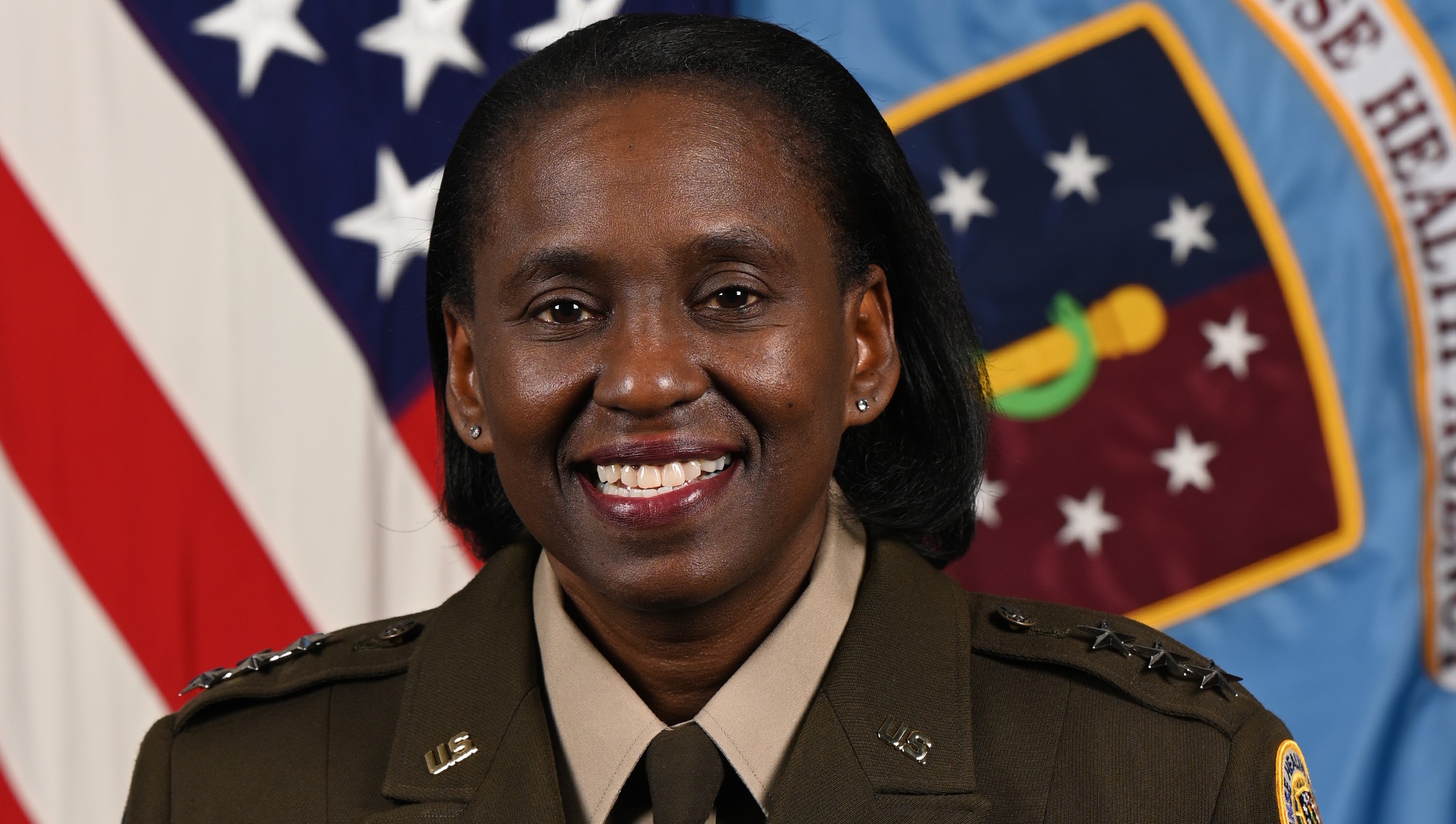
Army Lt. Gen. Telita Crosland, MD, MPH, MS, fourth director of the Defense Health Agency (DHA) and first Black woman to hold the position, has retired, bringing an abrupt end to an illustrious 32-year military career.
Acting Assistant Secretary of Defense for Health Affairs Stephen Ferrara, MD, said Crosland was “beginning her retirement” effective Feb. 28. According to Reuters, the statement offered no reasoning for Crosland’s quick departure, but 2 officials said she was informed that she must retire and was not given a reason why.
When she was promoted to director in January 2023, Lt. Gen. Crosland made history as the first Black woman to lead the DHA. Her former boss, Army Surgeon General Lt. Gen. R. Scott Dingle, called Crosland a “wonder woman” and “the baddest woman in the Army.” Her awards and decorations include the Legion of Merit with 2 oak leaf clusters, Meritorious Service Medal with 4 oak leaf clusters, Army Commendation Medal with 3 oak leaf clusters, Joint Service Achievement Medal, Army Staff Badge, and the Parachutist’s Badge. Lt. Gen. Crosland is also a member of the Order of Military Medical Merit. In addition to her medical and public health degrees, she has an master’s of science in national resource strategy.
Crosland entered the Army as a Medical Corps officer in 1993. Before becoming Director, she served as the Army’s Deputy Surgeon General, during which she oversaw response to a plethora of challenges: the COVID-19 pandemic, reformation of medical structures of the Army and other branches of services, and the Afghanistan withdrawal brought hundreds of evacuees with health needs.
“It was a sporty 3 years,” Crosland said in an interview with Military Times and other media, shortly before her promotion ceremony. But the pandemic and the Afghanistan mission helped her clarify how the services can work together as a team, she said.
Then, following a congressional mandate in 2024, > 700 military medical, dental, and veterinary facilities from the Army, Navy, and Air Force were being shifted over to the DHA. “The transition was tough. It was tough,” Crosland said. “First of all, it’s change, arguably the largest change in the Department of Defense since the Air Force moved from the Army. We’re talking about bringing all the military health care systems into one entity. Change is difficult.”
But the essence of the services’ military health care has never changed, she said in the press conference. A family health physician, Crosland emphasized the importance of caring for all the 9.6 million beneficiaries in the Military Health System. “The pandemic showed what we’re for,” she said. “We’re still a military health care system that has to take care of the force, and the beneficiaries we’re privileged to serve.”
Family medicine is about the holistic person, Crosland said. “That will come out as I look at our health care system to make sure that ultimately that’s what we’re about … improving the health of an individual, whether you wear a uniform, you wore a uniform, or you served side-by-side with someone who wore a uniform.”
Crosland’s departure came just days before she was scheduled to speak at the AMSUS - Society of Federal Health Professionals’ annual military and federal health care conference. It also comes days after the Trump administration fired multiple top military leaders, including Joint Chiefs of Staff Chairman Gen. CQ Brown, Chief of Naval Operations Adm. Lisa Franchetti, Air Force Vice Chief of Staff Gen. James C. Slife and several top military lawyers.
Ferrara thanked Crosland “for her dedication to the nation, to the Military Health System, and to Army Medicine for the past 32 years.”
David Smith, MD, acting principal deputy assistant secretary of defense for health affairs, will serve as acting director of DHA while the US Department of Defense conducts a nomination process to replace Crosland.
Army Lt. Gen. Telita Crosland, MD, MPH, MS, fourth director of the Defense Health Agency (DHA) and first Black woman to hold the position, has retired, bringing an abrupt end to an illustrious 32-year military career.
Acting Assistant Secretary of Defense for Health Affairs Stephen Ferrara, MD, said Crosland was “beginning her retirement” effective Feb. 28. According to Reuters, the statement offered no reasoning for Crosland’s quick departure, but 2 officials said she was informed that she must retire and was not given a reason why.
When she was promoted to director in January 2023, Lt. Gen. Crosland made history as the first Black woman to lead the DHA. Her former boss, Army Surgeon General Lt. Gen. R. Scott Dingle, called Crosland a “wonder woman” and “the baddest woman in the Army.” Her awards and decorations include the Legion of Merit with 2 oak leaf clusters, Meritorious Service Medal with 4 oak leaf clusters, Army Commendation Medal with 3 oak leaf clusters, Joint Service Achievement Medal, Army Staff Badge, and the Parachutist’s Badge. Lt. Gen. Crosland is also a member of the Order of Military Medical Merit. In addition to her medical and public health degrees, she has an master’s of science in national resource strategy.
Crosland entered the Army as a Medical Corps officer in 1993. Before becoming Director, she served as the Army’s Deputy Surgeon General, during which she oversaw response to a plethora of challenges: the COVID-19 pandemic, reformation of medical structures of the Army and other branches of services, and the Afghanistan withdrawal brought hundreds of evacuees with health needs.
“It was a sporty 3 years,” Crosland said in an interview with Military Times and other media, shortly before her promotion ceremony. But the pandemic and the Afghanistan mission helped her clarify how the services can work together as a team, she said.
Then, following a congressional mandate in 2024, > 700 military medical, dental, and veterinary facilities from the Army, Navy, and Air Force were being shifted over to the DHA. “The transition was tough. It was tough,” Crosland said. “First of all, it’s change, arguably the largest change in the Department of Defense since the Air Force moved from the Army. We’re talking about bringing all the military health care systems into one entity. Change is difficult.”
But the essence of the services’ military health care has never changed, she said in the press conference. A family health physician, Crosland emphasized the importance of caring for all the 9.6 million beneficiaries in the Military Health System. “The pandemic showed what we’re for,” she said. “We’re still a military health care system that has to take care of the force, and the beneficiaries we’re privileged to serve.”
Family medicine is about the holistic person, Crosland said. “That will come out as I look at our health care system to make sure that ultimately that’s what we’re about … improving the health of an individual, whether you wear a uniform, you wore a uniform, or you served side-by-side with someone who wore a uniform.”
Crosland’s departure came just days before she was scheduled to speak at the AMSUS - Society of Federal Health Professionals’ annual military and federal health care conference. It also comes days after the Trump administration fired multiple top military leaders, including Joint Chiefs of Staff Chairman Gen. CQ Brown, Chief of Naval Operations Adm. Lisa Franchetti, Air Force Vice Chief of Staff Gen. James C. Slife and several top military lawyers.
Ferrara thanked Crosland “for her dedication to the nation, to the Military Health System, and to Army Medicine for the past 32 years.”
David Smith, MD, acting principal deputy assistant secretary of defense for health affairs, will serve as acting director of DHA while the US Department of Defense conducts a nomination process to replace Crosland.
Army Lt. Gen. Telita Crosland, MD, MPH, MS, fourth director of the Defense Health Agency (DHA) and first Black woman to hold the position, has retired, bringing an abrupt end to an illustrious 32-year military career.
Acting Assistant Secretary of Defense for Health Affairs Stephen Ferrara, MD, said Crosland was “beginning her retirement” effective Feb. 28. According to Reuters, the statement offered no reasoning for Crosland’s quick departure, but 2 officials said she was informed that she must retire and was not given a reason why.
When she was promoted to director in January 2023, Lt. Gen. Crosland made history as the first Black woman to lead the DHA. Her former boss, Army Surgeon General Lt. Gen. R. Scott Dingle, called Crosland a “wonder woman” and “the baddest woman in the Army.” Her awards and decorations include the Legion of Merit with 2 oak leaf clusters, Meritorious Service Medal with 4 oak leaf clusters, Army Commendation Medal with 3 oak leaf clusters, Joint Service Achievement Medal, Army Staff Badge, and the Parachutist’s Badge. Lt. Gen. Crosland is also a member of the Order of Military Medical Merit. In addition to her medical and public health degrees, she has an master’s of science in national resource strategy.
Crosland entered the Army as a Medical Corps officer in 1993. Before becoming Director, she served as the Army’s Deputy Surgeon General, during which she oversaw response to a plethora of challenges: the COVID-19 pandemic, reformation of medical structures of the Army and other branches of services, and the Afghanistan withdrawal brought hundreds of evacuees with health needs.
“It was a sporty 3 years,” Crosland said in an interview with Military Times and other media, shortly before her promotion ceremony. But the pandemic and the Afghanistan mission helped her clarify how the services can work together as a team, she said.
Then, following a congressional mandate in 2024, > 700 military medical, dental, and veterinary facilities from the Army, Navy, and Air Force were being shifted over to the DHA. “The transition was tough. It was tough,” Crosland said. “First of all, it’s change, arguably the largest change in the Department of Defense since the Air Force moved from the Army. We’re talking about bringing all the military health care systems into one entity. Change is difficult.”
But the essence of the services’ military health care has never changed, she said in the press conference. A family health physician, Crosland emphasized the importance of caring for all the 9.6 million beneficiaries in the Military Health System. “The pandemic showed what we’re for,” she said. “We’re still a military health care system that has to take care of the force, and the beneficiaries we’re privileged to serve.”
Family medicine is about the holistic person, Crosland said. “That will come out as I look at our health care system to make sure that ultimately that’s what we’re about … improving the health of an individual, whether you wear a uniform, you wore a uniform, or you served side-by-side with someone who wore a uniform.”
Crosland’s departure came just days before she was scheduled to speak at the AMSUS - Society of Federal Health Professionals’ annual military and federal health care conference. It also comes days after the Trump administration fired multiple top military leaders, including Joint Chiefs of Staff Chairman Gen. CQ Brown, Chief of Naval Operations Adm. Lisa Franchetti, Air Force Vice Chief of Staff Gen. James C. Slife and several top military lawyers.
Ferrara thanked Crosland “for her dedication to the nation, to the Military Health System, and to Army Medicine for the past 32 years.”
David Smith, MD, acting principal deputy assistant secretary of defense for health affairs, will serve as acting director of DHA while the US Department of Defense conducts a nomination process to replace Crosland.
More Layoffs at VA and Other Health Agencies
The large-scale layoffs in the federal government that began in January continue, as the US Department of Veterans Affairs (VA) announced the dismissal of > 1400 employees in “non-mission critical roles,” including those “related to DEI” (diversity, equity, inclusion) on Feb. 24. According to VA, those fired are bargaining-unit probationary employees who have served > 1 year in a competitive service appointment or who have served > 2 years in an excepted service appointment.
The agency says the “personnel moves” will save > $83 million annually, which will be redirected back toward health care, benefits and services for VA beneficiaries.
Of the nearly 40,000 probationary employees in the department, the majority were exempt, the VA says, because they serve in mission-critical positions—primarily those supporting benefits and services for VA beneficiaries, such as Veterans Crisis Line responders. VA employees who elected to participate in the Office of Personnel Management’s (OPM) deferred resignation program are also exempt. As an “additional safeguard,” the VA says the first Senior Executive Service (SES) or SES-equivalent leader in a dismissed employee’s chain of command can request the employee be exempted from removal.
The latest cuts follow the dismissal of > 1000 employees announced Feb. 13. In that case, the VA expected to save > $98 million annually, also to be “redirected back” toward health care, benefits, and services. VA insists it continues to hire for mission-critical positions that are exempt from the federal hiring freeze.
Layoffs are also impacting other federal public health agencies. Although the White House has not released figures, a ProPublica investigation details the impact of the layoffs on organ transplant and maternal mortality programs. Other layoffs that have been reported include :
- About 750 workers at the Centers for Disease Control and Prevention
- More than 1000 staffers at the National Institutes of Health
- “Dozens” at the Centers for Medicare and Medicaid Services
- “Scores” at the US Food and Drug Administration
- Downsizing at the VA EHR Modernization Integration Office
“By gutting essential health staff, hiding vital public health data, and silencing health experts, these actions have left every American family more vulnerable to deadly disease outbreaks, unsafe food and water, and preventable deaths,” the American Public Health Association said in a press release. “This is also not just an attack on federal institutions – it's a direct attack on every parent trying to protect their child from disease, every worker relying on public health safeguards and every family depending on rapid responses to outbreaks and emergencies.” American Public Health Association also announced that is suing the Department of Government Efficiency for violating federal transparency laws. “It is unfathomable that anybody thinks these cuts have value and are doing anything other than being performative.”
In 2024, the VA had planned to trim its 458,000-member workforce by about 2%, or 10,000 employees, through attrition (with most of the reduction coming from VHA). VHA Chief Financial Officer Laura Duke told reporters in March 2024 that the reduction was needed because the agency had far exceeded its hiring goals last year, and was also seeing higher-than-expected retention rates.
“These and other recent personnel decisions are extraordinarily difficult, but VA is focused on allocating its resources to help as many veterans, families, caregivers, and survivors as possible,” VA Secretary Doug Collins said. “These moves will not hurt VA health care, benefits or beneficiaries. In fact, veterans are going to notice a change for the better. In the coming weeks and months, VA will be announcing plans to put these resources to work helping the department fulfill its core mission: providing the best possible care and benefits to veterans, their families, caregivers and survivors.”
Senate Veterans’ Affairs Committee Ranking Member Richard Blumenthal (D-CT) and a group of 35 Democratic senators signed a letter earlier in February calling for Sec. Collins to immediately reinstate the terminated VA employees. “[W]e were outraged,” the letter said, “by the Administration’s abrupt and indiscriminate termination of tens of thousands of workers across almost every government agency, including more than 1000 Department of Veterans Affairs (VA) employees. We were further disturbed by the manner in which you publicly celebrated this reprehensible announcement—a clear departure from the assurances provided throughout your confirmation process to never ‘balance budgets on the back of veterans’ benefits’ and to always ‘put the veteran first.’”
Blumenthal also notes that the “continued mass terminations” come at a time when the VA faces critical staffing shortages and increased demand for its services. The senators detailed the effects the cuts were having, including how openings for new clinics were delayed because the VA cannot hire the necessary staff to open their doors; service lines at VA hospitals and clinics halted; beds and operating rooms at VA facilities suspended; support lines for caregivers reduced; Veterans Crisis Line employees fired; and suicide prevention training sessions postponed or canceled.
The large-scale layoffs in the federal government that began in January continue, as the US Department of Veterans Affairs (VA) announced the dismissal of > 1400 employees in “non-mission critical roles,” including those “related to DEI” (diversity, equity, inclusion) on Feb. 24. According to VA, those fired are bargaining-unit probationary employees who have served > 1 year in a competitive service appointment or who have served > 2 years in an excepted service appointment.
The agency says the “personnel moves” will save > $83 million annually, which will be redirected back toward health care, benefits and services for VA beneficiaries.
Of the nearly 40,000 probationary employees in the department, the majority were exempt, the VA says, because they serve in mission-critical positions—primarily those supporting benefits and services for VA beneficiaries, such as Veterans Crisis Line responders. VA employees who elected to participate in the Office of Personnel Management’s (OPM) deferred resignation program are also exempt. As an “additional safeguard,” the VA says the first Senior Executive Service (SES) or SES-equivalent leader in a dismissed employee’s chain of command can request the employee be exempted from removal.
The latest cuts follow the dismissal of > 1000 employees announced Feb. 13. In that case, the VA expected to save > $98 million annually, also to be “redirected back” toward health care, benefits, and services. VA insists it continues to hire for mission-critical positions that are exempt from the federal hiring freeze.
Layoffs are also impacting other federal public health agencies. Although the White House has not released figures, a ProPublica investigation details the impact of the layoffs on organ transplant and maternal mortality programs. Other layoffs that have been reported include :
- About 750 workers at the Centers for Disease Control and Prevention
- More than 1000 staffers at the National Institutes of Health
- “Dozens” at the Centers for Medicare and Medicaid Services
- “Scores” at the US Food and Drug Administration
- Downsizing at the VA EHR Modernization Integration Office
“By gutting essential health staff, hiding vital public health data, and silencing health experts, these actions have left every American family more vulnerable to deadly disease outbreaks, unsafe food and water, and preventable deaths,” the American Public Health Association said in a press release. “This is also not just an attack on federal institutions – it's a direct attack on every parent trying to protect their child from disease, every worker relying on public health safeguards and every family depending on rapid responses to outbreaks and emergencies.” American Public Health Association also announced that is suing the Department of Government Efficiency for violating federal transparency laws. “It is unfathomable that anybody thinks these cuts have value and are doing anything other than being performative.”
In 2024, the VA had planned to trim its 458,000-member workforce by about 2%, or 10,000 employees, through attrition (with most of the reduction coming from VHA). VHA Chief Financial Officer Laura Duke told reporters in March 2024 that the reduction was needed because the agency had far exceeded its hiring goals last year, and was also seeing higher-than-expected retention rates.
“These and other recent personnel decisions are extraordinarily difficult, but VA is focused on allocating its resources to help as many veterans, families, caregivers, and survivors as possible,” VA Secretary Doug Collins said. “These moves will not hurt VA health care, benefits or beneficiaries. In fact, veterans are going to notice a change for the better. In the coming weeks and months, VA will be announcing plans to put these resources to work helping the department fulfill its core mission: providing the best possible care and benefits to veterans, their families, caregivers and survivors.”
Senate Veterans’ Affairs Committee Ranking Member Richard Blumenthal (D-CT) and a group of 35 Democratic senators signed a letter earlier in February calling for Sec. Collins to immediately reinstate the terminated VA employees. “[W]e were outraged,” the letter said, “by the Administration’s abrupt and indiscriminate termination of tens of thousands of workers across almost every government agency, including more than 1000 Department of Veterans Affairs (VA) employees. We were further disturbed by the manner in which you publicly celebrated this reprehensible announcement—a clear departure from the assurances provided throughout your confirmation process to never ‘balance budgets on the back of veterans’ benefits’ and to always ‘put the veteran first.’”
Blumenthal also notes that the “continued mass terminations” come at a time when the VA faces critical staffing shortages and increased demand for its services. The senators detailed the effects the cuts were having, including how openings for new clinics were delayed because the VA cannot hire the necessary staff to open their doors; service lines at VA hospitals and clinics halted; beds and operating rooms at VA facilities suspended; support lines for caregivers reduced; Veterans Crisis Line employees fired; and suicide prevention training sessions postponed or canceled.
The large-scale layoffs in the federal government that began in January continue, as the US Department of Veterans Affairs (VA) announced the dismissal of > 1400 employees in “non-mission critical roles,” including those “related to DEI” (diversity, equity, inclusion) on Feb. 24. According to VA, those fired are bargaining-unit probationary employees who have served > 1 year in a competitive service appointment or who have served > 2 years in an excepted service appointment.
The agency says the “personnel moves” will save > $83 million annually, which will be redirected back toward health care, benefits and services for VA beneficiaries.
Of the nearly 40,000 probationary employees in the department, the majority were exempt, the VA says, because they serve in mission-critical positions—primarily those supporting benefits and services for VA beneficiaries, such as Veterans Crisis Line responders. VA employees who elected to participate in the Office of Personnel Management’s (OPM) deferred resignation program are also exempt. As an “additional safeguard,” the VA says the first Senior Executive Service (SES) or SES-equivalent leader in a dismissed employee’s chain of command can request the employee be exempted from removal.
The latest cuts follow the dismissal of > 1000 employees announced Feb. 13. In that case, the VA expected to save > $98 million annually, also to be “redirected back” toward health care, benefits, and services. VA insists it continues to hire for mission-critical positions that are exempt from the federal hiring freeze.
Layoffs are also impacting other federal public health agencies. Although the White House has not released figures, a ProPublica investigation details the impact of the layoffs on organ transplant and maternal mortality programs. Other layoffs that have been reported include :
- About 750 workers at the Centers for Disease Control and Prevention
- More than 1000 staffers at the National Institutes of Health
- “Dozens” at the Centers for Medicare and Medicaid Services
- “Scores” at the US Food and Drug Administration
- Downsizing at the VA EHR Modernization Integration Office
“By gutting essential health staff, hiding vital public health data, and silencing health experts, these actions have left every American family more vulnerable to deadly disease outbreaks, unsafe food and water, and preventable deaths,” the American Public Health Association said in a press release. “This is also not just an attack on federal institutions – it's a direct attack on every parent trying to protect their child from disease, every worker relying on public health safeguards and every family depending on rapid responses to outbreaks and emergencies.” American Public Health Association also announced that is suing the Department of Government Efficiency for violating federal transparency laws. “It is unfathomable that anybody thinks these cuts have value and are doing anything other than being performative.”
In 2024, the VA had planned to trim its 458,000-member workforce by about 2%, or 10,000 employees, through attrition (with most of the reduction coming from VHA). VHA Chief Financial Officer Laura Duke told reporters in March 2024 that the reduction was needed because the agency had far exceeded its hiring goals last year, and was also seeing higher-than-expected retention rates.
“These and other recent personnel decisions are extraordinarily difficult, but VA is focused on allocating its resources to help as many veterans, families, caregivers, and survivors as possible,” VA Secretary Doug Collins said. “These moves will not hurt VA health care, benefits or beneficiaries. In fact, veterans are going to notice a change for the better. In the coming weeks and months, VA will be announcing plans to put these resources to work helping the department fulfill its core mission: providing the best possible care and benefits to veterans, their families, caregivers and survivors.”
Senate Veterans’ Affairs Committee Ranking Member Richard Blumenthal (D-CT) and a group of 35 Democratic senators signed a letter earlier in February calling for Sec. Collins to immediately reinstate the terminated VA employees. “[W]e were outraged,” the letter said, “by the Administration’s abrupt and indiscriminate termination of tens of thousands of workers across almost every government agency, including more than 1000 Department of Veterans Affairs (VA) employees. We were further disturbed by the manner in which you publicly celebrated this reprehensible announcement—a clear departure from the assurances provided throughout your confirmation process to never ‘balance budgets on the back of veterans’ benefits’ and to always ‘put the veteran first.’”
Blumenthal also notes that the “continued mass terminations” come at a time when the VA faces critical staffing shortages and increased demand for its services. The senators detailed the effects the cuts were having, including how openings for new clinics were delayed because the VA cannot hire the necessary staff to open their doors; service lines at VA hospitals and clinics halted; beds and operating rooms at VA facilities suspended; support lines for caregivers reduced; Veterans Crisis Line employees fired; and suicide prevention training sessions postponed or canceled.
Landmark VA Study Uncovers Gene Variant Linked to Prostate Cancer
Only about 5% of hereditary prostate cancer (HPC) cases can be explained by known genetic variants, but a groundbreaking US Department of Veterans Affairs (VA) study could revolutionize the diagnosis, prevention, and treatment of HPC in a similar fashion that the discovery of the BRAC2 gene did in breast cancer.
The study, conducted at the VA Tennessee Valley Healthcare System in accordance with Vanderbilt University Medical Center and the VA Million Veteran Program (MVP), linked variants of the WNT9B gene with a greater risk of prostate cancer.
About 15,000 veterans are diagnosed with prostate cancer and treated at the VA annually, and > 200,000 veterans are prostate cancer survivors. According to Bruce Montgomery, MD, an oncologist with VA Puget Sound Health Care System, “Veterans are unique in that those men exposed to Agent Orange during the Vietnam War are at elevated risk for prostate cancer.” Montgomery added that germline pathogenic variants in genes such as BRCA2 and HOXB13 are other risk factors.
This genome-wide study searched for recurrently observed variants that carried the most risk. The study gathered data from a familial case-control population in the Nashville Familial Prostate Cancer Study (NFPCS) and International Consortium for Prostate Cancer Genetics (ICPCG). For evidence of replication, the study turned to 4 biobanks: the MVP, All of Us, the UK Biobank, and FinnGen.
The NFPCS is a case-control study based on family history. Patients included those undergoing treatment for prostate cancer and controls undergoing routine screening at Vanderbilt University Medical Center and the Nashville VA Medical Center between 2003 and 2009. Patients were included in the analysis if they had also had a first- or second-degree relative with prostate cancer.
The ICPCG dataset encompasses unrelated HPC cases aggregated from 12 study sites across Finland, France, Germany, the UK, and the US. The MVP is the nation’s largest biorepository of veteran data and has one of the world’s most diverse cohorts of any genetic research program. More than 1 million veterans are enrolled, and 800-plus researchers are working on > 100 projects.
Pathogenic variants of only 2 genes met the replication requirement with genome-wide significance: HOXB13 and WNT9B. HOXB13 has been reported on in the literature, but this is the first study to investigate WNT9B.
Researchers identified 2 variants of the WNT9B gene: WNT9B E152K carried 2.5-fold risk and reached genome-wide significance under meta-analysis, collectively encompassing one-half million patients. The association of WNT9B E152K with prostate cancer was supported by the familial study populations and each biobank, with genome-wide significance. Variant WNT9B Q47R reached genome-wide significance in the Finnish study. The Q47R founder haplotype was also carried by familial prostate cancer cases in the US and UK.
Autosomal dominant WNT9B pathogenic variants are already known to cause embryonic developmental sequence defects, leading later to prostatic cysts, enlarged prostate, and seminal vesicle cysts. Seminal vesicle adenocarcinoma (or squamous cell carcinoma) and clear cell carcinoma of the prostate have also been reported.
The study found that HOXB13 and WNT9B “share an unexpected commonality.” Both genes function in embryonic genitourinary development. WNT9B pathogenic variants cause the autosomal dominant Mayer-Rokitansky-Küster-Hauser syndrome, featuring genitourinary developmental defects. The study concluded: “Collectively, our observations implicate inherited variation in pathways guiding embryonic genitourinary development in the development of prostate cancer.”
“Significant investments” in VA-specific clinical trials recently have been pursued through a joint agreement between the VA and the Prostate Cancer Foundation, Montgomery said: “The Prostate Cancer Foundation is supporting tumor and germline sequencing of prostate cancer for veterans with advanced disease and providing resources to set up research infrastructure at 10 centers nationwide.”
The VA has also published a prostate cancer clinical pathway and is in the process of creating a national prostate cancer registry. Such a database, as well as the MVP are both unique to the VA and key to research such as the Predicting Metastatic Progression of High Risk Localized Prostate Cancer study, which began in 2023. Five VA medical centers are collaborating on an artificial intelligence algorithm that will detect patterns indicative of aggressive prostate cancer.
“A digital repository for data will allow for development, testing, and validation of prognostic classifiers that could positively impact clinical management of veterans with high-risk prostate cancer,” said Matthew Rettig, MD, chief of oncology and hematology at the Greater Los Angeles VA Medical Center who was coprincipal investigator for the study. “The infrastructure developed by this research will serve as a valuable hub for future discovery.”
About 12% of men with metastatic prostate cancer carry a pathogenic germline alteration that could warrant the use of PARP (poly [ADP-ribose] polymerase) inhibitors or platinum chemotherapy, neither of which is part of standard care. National Comprehensive Cancer Network guidelines recommend germline testing in men with metastatic prostate cancer. In addition, “the family members of veterans who carry these alterations could benefit from undergoing testing and taking advantage of potentially life-saving interventions and surveillance strategies if they are also carriers,” Montgomery wrote.
The VA is committed to improving access to germline testing for men with metastatic prostate cancer in several ways. Montgomery pointed to the system-wide VA genetic counseling and testing resource, the Genomic Medicine Service, and said somatic testing is available across the VA through the National Precision Oncology Program. Both programs can be extremely important to veterans because they provide access to precision oncology studies, along with off-label use of effective treatments.
Precision oncology is the most rapidly moving area in prostate cancer, according to Montgomery. “In the VA, this has been embraced as a very specific need to find these therapeutic options for all veterans as quickly as possible. I am most excited by how the enthusiasm for these approaches is supported at all levels, both nationally and locally, because it makes implementing very significant changes to research and treatment possible.”
Only about 5% of hereditary prostate cancer (HPC) cases can be explained by known genetic variants, but a groundbreaking US Department of Veterans Affairs (VA) study could revolutionize the diagnosis, prevention, and treatment of HPC in a similar fashion that the discovery of the BRAC2 gene did in breast cancer.
The study, conducted at the VA Tennessee Valley Healthcare System in accordance with Vanderbilt University Medical Center and the VA Million Veteran Program (MVP), linked variants of the WNT9B gene with a greater risk of prostate cancer.
About 15,000 veterans are diagnosed with prostate cancer and treated at the VA annually, and > 200,000 veterans are prostate cancer survivors. According to Bruce Montgomery, MD, an oncologist with VA Puget Sound Health Care System, “Veterans are unique in that those men exposed to Agent Orange during the Vietnam War are at elevated risk for prostate cancer.” Montgomery added that germline pathogenic variants in genes such as BRCA2 and HOXB13 are other risk factors.
This genome-wide study searched for recurrently observed variants that carried the most risk. The study gathered data from a familial case-control population in the Nashville Familial Prostate Cancer Study (NFPCS) and International Consortium for Prostate Cancer Genetics (ICPCG). For evidence of replication, the study turned to 4 biobanks: the MVP, All of Us, the UK Biobank, and FinnGen.
The NFPCS is a case-control study based on family history. Patients included those undergoing treatment for prostate cancer and controls undergoing routine screening at Vanderbilt University Medical Center and the Nashville VA Medical Center between 2003 and 2009. Patients were included in the analysis if they had also had a first- or second-degree relative with prostate cancer.
The ICPCG dataset encompasses unrelated HPC cases aggregated from 12 study sites across Finland, France, Germany, the UK, and the US. The MVP is the nation’s largest biorepository of veteran data and has one of the world’s most diverse cohorts of any genetic research program. More than 1 million veterans are enrolled, and 800-plus researchers are working on > 100 projects.
Pathogenic variants of only 2 genes met the replication requirement with genome-wide significance: HOXB13 and WNT9B. HOXB13 has been reported on in the literature, but this is the first study to investigate WNT9B.
Researchers identified 2 variants of the WNT9B gene: WNT9B E152K carried 2.5-fold risk and reached genome-wide significance under meta-analysis, collectively encompassing one-half million patients. The association of WNT9B E152K with prostate cancer was supported by the familial study populations and each biobank, with genome-wide significance. Variant WNT9B Q47R reached genome-wide significance in the Finnish study. The Q47R founder haplotype was also carried by familial prostate cancer cases in the US and UK.
Autosomal dominant WNT9B pathogenic variants are already known to cause embryonic developmental sequence defects, leading later to prostatic cysts, enlarged prostate, and seminal vesicle cysts. Seminal vesicle adenocarcinoma (or squamous cell carcinoma) and clear cell carcinoma of the prostate have also been reported.
The study found that HOXB13 and WNT9B “share an unexpected commonality.” Both genes function in embryonic genitourinary development. WNT9B pathogenic variants cause the autosomal dominant Mayer-Rokitansky-Küster-Hauser syndrome, featuring genitourinary developmental defects. The study concluded: “Collectively, our observations implicate inherited variation in pathways guiding embryonic genitourinary development in the development of prostate cancer.”
“Significant investments” in VA-specific clinical trials recently have been pursued through a joint agreement between the VA and the Prostate Cancer Foundation, Montgomery said: “The Prostate Cancer Foundation is supporting tumor and germline sequencing of prostate cancer for veterans with advanced disease and providing resources to set up research infrastructure at 10 centers nationwide.”
The VA has also published a prostate cancer clinical pathway and is in the process of creating a national prostate cancer registry. Such a database, as well as the MVP are both unique to the VA and key to research such as the Predicting Metastatic Progression of High Risk Localized Prostate Cancer study, which began in 2023. Five VA medical centers are collaborating on an artificial intelligence algorithm that will detect patterns indicative of aggressive prostate cancer.
“A digital repository for data will allow for development, testing, and validation of prognostic classifiers that could positively impact clinical management of veterans with high-risk prostate cancer,” said Matthew Rettig, MD, chief of oncology and hematology at the Greater Los Angeles VA Medical Center who was coprincipal investigator for the study. “The infrastructure developed by this research will serve as a valuable hub for future discovery.”
About 12% of men with metastatic prostate cancer carry a pathogenic germline alteration that could warrant the use of PARP (poly [ADP-ribose] polymerase) inhibitors or platinum chemotherapy, neither of which is part of standard care. National Comprehensive Cancer Network guidelines recommend germline testing in men with metastatic prostate cancer. In addition, “the family members of veterans who carry these alterations could benefit from undergoing testing and taking advantage of potentially life-saving interventions and surveillance strategies if they are also carriers,” Montgomery wrote.
The VA is committed to improving access to germline testing for men with metastatic prostate cancer in several ways. Montgomery pointed to the system-wide VA genetic counseling and testing resource, the Genomic Medicine Service, and said somatic testing is available across the VA through the National Precision Oncology Program. Both programs can be extremely important to veterans because they provide access to precision oncology studies, along with off-label use of effective treatments.
Precision oncology is the most rapidly moving area in prostate cancer, according to Montgomery. “In the VA, this has been embraced as a very specific need to find these therapeutic options for all veterans as quickly as possible. I am most excited by how the enthusiasm for these approaches is supported at all levels, both nationally and locally, because it makes implementing very significant changes to research and treatment possible.”
Only about 5% of hereditary prostate cancer (HPC) cases can be explained by known genetic variants, but a groundbreaking US Department of Veterans Affairs (VA) study could revolutionize the diagnosis, prevention, and treatment of HPC in a similar fashion that the discovery of the BRAC2 gene did in breast cancer.
The study, conducted at the VA Tennessee Valley Healthcare System in accordance with Vanderbilt University Medical Center and the VA Million Veteran Program (MVP), linked variants of the WNT9B gene with a greater risk of prostate cancer.
About 15,000 veterans are diagnosed with prostate cancer and treated at the VA annually, and > 200,000 veterans are prostate cancer survivors. According to Bruce Montgomery, MD, an oncologist with VA Puget Sound Health Care System, “Veterans are unique in that those men exposed to Agent Orange during the Vietnam War are at elevated risk for prostate cancer.” Montgomery added that germline pathogenic variants in genes such as BRCA2 and HOXB13 are other risk factors.
This genome-wide study searched for recurrently observed variants that carried the most risk. The study gathered data from a familial case-control population in the Nashville Familial Prostate Cancer Study (NFPCS) and International Consortium for Prostate Cancer Genetics (ICPCG). For evidence of replication, the study turned to 4 biobanks: the MVP, All of Us, the UK Biobank, and FinnGen.
The NFPCS is a case-control study based on family history. Patients included those undergoing treatment for prostate cancer and controls undergoing routine screening at Vanderbilt University Medical Center and the Nashville VA Medical Center between 2003 and 2009. Patients were included in the analysis if they had also had a first- or second-degree relative with prostate cancer.
The ICPCG dataset encompasses unrelated HPC cases aggregated from 12 study sites across Finland, France, Germany, the UK, and the US. The MVP is the nation’s largest biorepository of veteran data and has one of the world’s most diverse cohorts of any genetic research program. More than 1 million veterans are enrolled, and 800-plus researchers are working on > 100 projects.
Pathogenic variants of only 2 genes met the replication requirement with genome-wide significance: HOXB13 and WNT9B. HOXB13 has been reported on in the literature, but this is the first study to investigate WNT9B.
Researchers identified 2 variants of the WNT9B gene: WNT9B E152K carried 2.5-fold risk and reached genome-wide significance under meta-analysis, collectively encompassing one-half million patients. The association of WNT9B E152K with prostate cancer was supported by the familial study populations and each biobank, with genome-wide significance. Variant WNT9B Q47R reached genome-wide significance in the Finnish study. The Q47R founder haplotype was also carried by familial prostate cancer cases in the US and UK.
Autosomal dominant WNT9B pathogenic variants are already known to cause embryonic developmental sequence defects, leading later to prostatic cysts, enlarged prostate, and seminal vesicle cysts. Seminal vesicle adenocarcinoma (or squamous cell carcinoma) and clear cell carcinoma of the prostate have also been reported.
The study found that HOXB13 and WNT9B “share an unexpected commonality.” Both genes function in embryonic genitourinary development. WNT9B pathogenic variants cause the autosomal dominant Mayer-Rokitansky-Küster-Hauser syndrome, featuring genitourinary developmental defects. The study concluded: “Collectively, our observations implicate inherited variation in pathways guiding embryonic genitourinary development in the development of prostate cancer.”
“Significant investments” in VA-specific clinical trials recently have been pursued through a joint agreement between the VA and the Prostate Cancer Foundation, Montgomery said: “The Prostate Cancer Foundation is supporting tumor and germline sequencing of prostate cancer for veterans with advanced disease and providing resources to set up research infrastructure at 10 centers nationwide.”
The VA has also published a prostate cancer clinical pathway and is in the process of creating a national prostate cancer registry. Such a database, as well as the MVP are both unique to the VA and key to research such as the Predicting Metastatic Progression of High Risk Localized Prostate Cancer study, which began in 2023. Five VA medical centers are collaborating on an artificial intelligence algorithm that will detect patterns indicative of aggressive prostate cancer.
“A digital repository for data will allow for development, testing, and validation of prognostic classifiers that could positively impact clinical management of veterans with high-risk prostate cancer,” said Matthew Rettig, MD, chief of oncology and hematology at the Greater Los Angeles VA Medical Center who was coprincipal investigator for the study. “The infrastructure developed by this research will serve as a valuable hub for future discovery.”
About 12% of men with metastatic prostate cancer carry a pathogenic germline alteration that could warrant the use of PARP (poly [ADP-ribose] polymerase) inhibitors or platinum chemotherapy, neither of which is part of standard care. National Comprehensive Cancer Network guidelines recommend germline testing in men with metastatic prostate cancer. In addition, “the family members of veterans who carry these alterations could benefit from undergoing testing and taking advantage of potentially life-saving interventions and surveillance strategies if they are also carriers,” Montgomery wrote.
The VA is committed to improving access to germline testing for men with metastatic prostate cancer in several ways. Montgomery pointed to the system-wide VA genetic counseling and testing resource, the Genomic Medicine Service, and said somatic testing is available across the VA through the National Precision Oncology Program. Both programs can be extremely important to veterans because they provide access to precision oncology studies, along with off-label use of effective treatments.
Precision oncology is the most rapidly moving area in prostate cancer, according to Montgomery. “In the VA, this has been embraced as a very specific need to find these therapeutic options for all veterans as quickly as possible. I am most excited by how the enthusiasm for these approaches is supported at all levels, both nationally and locally, because it makes implementing very significant changes to research and treatment possible.”

VA Exempts Clinical Staff From OPM Deferred Resignation Program
The US Department of Veterans Affairs (VA) announced on Feb. 7, 2025, that 116 Veterans Health Administration job classifications will not be eligible for the deferred resignation plan emailed by the Office of Personnel Management (OPM). The exemptions include Title 38 and Hybrid Title 38 positions, including doctors, nurses, and most medical staff.
The original OPM email offer had a Feb. 6, 2025, deadline for accepting the offer and a resignation date of no later than Sept. 30, 2025. However, the offer has been put on hold following a limited temporary restraining order from a Federal District Court in Massachusetts. Judge George O’Toole enjoined the OPM from “taking any further action to implement the so-called Fork Directive.” Arguments on the program’s legal merits began at a separate hearing on Monday.
The 116 roles exempted include physicians, nurses, pharmacists and pharmacy technicians, therapists, data scientists, dieticians, health and medical instrument technicians, among other roles.
OPM also included Voluntary Early Retirement Authority (VERA) in the deferred resignation offer. In a Feb. 6 email, the VA’s Office of the Chief Human Capital Officer (OCHCO) said: “The Department of Veterans Affairs established a list of occupations that are excluded from participating in DRP and VERA. If your occupation is on this list, you are not eligible to participate in the DRP.”
The US Department of Veterans Affairs (VA) announced on Feb. 7, 2025, that 116 Veterans Health Administration job classifications will not be eligible for the deferred resignation plan emailed by the Office of Personnel Management (OPM). The exemptions include Title 38 and Hybrid Title 38 positions, including doctors, nurses, and most medical staff.
The original OPM email offer had a Feb. 6, 2025, deadline for accepting the offer and a resignation date of no later than Sept. 30, 2025. However, the offer has been put on hold following a limited temporary restraining order from a Federal District Court in Massachusetts. Judge George O’Toole enjoined the OPM from “taking any further action to implement the so-called Fork Directive.” Arguments on the program’s legal merits began at a separate hearing on Monday.
The 116 roles exempted include physicians, nurses, pharmacists and pharmacy technicians, therapists, data scientists, dieticians, health and medical instrument technicians, among other roles.
OPM also included Voluntary Early Retirement Authority (VERA) in the deferred resignation offer. In a Feb. 6 email, the VA’s Office of the Chief Human Capital Officer (OCHCO) said: “The Department of Veterans Affairs established a list of occupations that are excluded from participating in DRP and VERA. If your occupation is on this list, you are not eligible to participate in the DRP.”
The US Department of Veterans Affairs (VA) announced on Feb. 7, 2025, that 116 Veterans Health Administration job classifications will not be eligible for the deferred resignation plan emailed by the Office of Personnel Management (OPM). The exemptions include Title 38 and Hybrid Title 38 positions, including doctors, nurses, and most medical staff.
The original OPM email offer had a Feb. 6, 2025, deadline for accepting the offer and a resignation date of no later than Sept. 30, 2025. However, the offer has been put on hold following a limited temporary restraining order from a Federal District Court in Massachusetts. Judge George O’Toole enjoined the OPM from “taking any further action to implement the so-called Fork Directive.” Arguments on the program’s legal merits began at a separate hearing on Monday.
The 116 roles exempted include physicians, nurses, pharmacists and pharmacy technicians, therapists, data scientists, dieticians, health and medical instrument technicians, among other roles.
OPM also included Voluntary Early Retirement Authority (VERA) in the deferred resignation offer. In a Feb. 6 email, the VA’s Office of the Chief Human Capital Officer (OCHCO) said: “The Department of Veterans Affairs established a list of occupations that are excluded from participating in DRP and VERA. If your occupation is on this list, you are not eligible to participate in the DRP.”

Walter Reed National Military Medical Center Recovering After Flood
A burst sprinkler pipe and broken steam system caused significant infrastructure failures and wreaked havoc on patient care at Walter Reed National Military Medical Center in January.
An email sent to Walter Reed staff from the medical center’s director, Navy Capt. Melissa C. Austin, said 60,000 gallons of water, or enough “to fill a 25x50 foot swimming pool” flooded throughout the facility on Jan. 20 before it was contained, damaging 50 rooms and 6 elevators.
Frozen pipes burst due to extreme cold, and the issues were exacerbated by aging infrastructure and “deferred maintenance due to underfunding,” the Defense Health Agency (DHA), which oversees Walter Reed, said in a public statement.
The damage was severe enough to impact patient care. The facility had to evacuate the neonatal intensive care unit as well as several clinics. The steam system outages also meant operating rooms had fewer clean surgical tools available and had to send them to regional hospitals for sterilization, staffers told The Washington Post. Health care workers could not “flash sterilize” equipment in emergencies, further risking patient safety.
Rick McNamara, a spokesperson for the Defense Health Network National Capital Region, confirmed other hospitals are “sharing the burden” to sterilize equipment. McNamara said it could take 6 weeks to complete the immediate repairs, which will cost between $1 million and $2 million.
Patient appointments were delayed, and nonemergency procedures were canceled or delayed. Overall, 212 patients were “deferred or rescheduled,” and 56 other patients were sent to other hospitals to receive care.
Defense Secretary Pete Hegseth said on Jan. 31 the problem was “real and unacceptable” in response to a video circulating on social media that showed flooding.
Acknowledging that the water damage “temporarily impacted health care operations,” the Defense Department says DHA and Walter Reed staff were “working diligently around the clock” to find and implement solutions while minimizing disruptions to patient care: “High waters and loss of steam pressure impacted the capacity of services delivered, but the ability to deliver the hospital’s core capabilities of safe, quality care was never compromised,” the agency said.
In response to the flooding, the hospital moved quickly to provide the required urgent care: “We are utilizing all the hospitals and clinics in the National Capital Region Network from Malcom Grow at Joint Base Andrews to Kimbrough Ambulatory Care Center at Fort Meade to the Alexander T. Augusta Military Medical Center at Fort Belvoir,” Capt. Austin said.
DHA is also funding emergency work orders and contract modifications required to return Walter Reed to full operational capability. It is prioritizing resources for repairs and is collaborating with the Naval Installations Command and Naval Support Activity Bethesda to implement necessary repairs.
“This acute issue is being managed aggressively to ensure patient care continues to be delivered safely,” DHA said
A burst sprinkler pipe and broken steam system caused significant infrastructure failures and wreaked havoc on patient care at Walter Reed National Military Medical Center in January.
An email sent to Walter Reed staff from the medical center’s director, Navy Capt. Melissa C. Austin, said 60,000 gallons of water, or enough “to fill a 25x50 foot swimming pool” flooded throughout the facility on Jan. 20 before it was contained, damaging 50 rooms and 6 elevators.
Frozen pipes burst due to extreme cold, and the issues were exacerbated by aging infrastructure and “deferred maintenance due to underfunding,” the Defense Health Agency (DHA), which oversees Walter Reed, said in a public statement.
The damage was severe enough to impact patient care. The facility had to evacuate the neonatal intensive care unit as well as several clinics. The steam system outages also meant operating rooms had fewer clean surgical tools available and had to send them to regional hospitals for sterilization, staffers told The Washington Post. Health care workers could not “flash sterilize” equipment in emergencies, further risking patient safety.
Rick McNamara, a spokesperson for the Defense Health Network National Capital Region, confirmed other hospitals are “sharing the burden” to sterilize equipment. McNamara said it could take 6 weeks to complete the immediate repairs, which will cost between $1 million and $2 million.
Patient appointments were delayed, and nonemergency procedures were canceled or delayed. Overall, 212 patients were “deferred or rescheduled,” and 56 other patients were sent to other hospitals to receive care.
Defense Secretary Pete Hegseth said on Jan. 31 the problem was “real and unacceptable” in response to a video circulating on social media that showed flooding.
Acknowledging that the water damage “temporarily impacted health care operations,” the Defense Department says DHA and Walter Reed staff were “working diligently around the clock” to find and implement solutions while minimizing disruptions to patient care: “High waters and loss of steam pressure impacted the capacity of services delivered, but the ability to deliver the hospital’s core capabilities of safe, quality care was never compromised,” the agency said.
In response to the flooding, the hospital moved quickly to provide the required urgent care: “We are utilizing all the hospitals and clinics in the National Capital Region Network from Malcom Grow at Joint Base Andrews to Kimbrough Ambulatory Care Center at Fort Meade to the Alexander T. Augusta Military Medical Center at Fort Belvoir,” Capt. Austin said.
DHA is also funding emergency work orders and contract modifications required to return Walter Reed to full operational capability. It is prioritizing resources for repairs and is collaborating with the Naval Installations Command and Naval Support Activity Bethesda to implement necessary repairs.
“This acute issue is being managed aggressively to ensure patient care continues to be delivered safely,” DHA said
A burst sprinkler pipe and broken steam system caused significant infrastructure failures and wreaked havoc on patient care at Walter Reed National Military Medical Center in January.
An email sent to Walter Reed staff from the medical center’s director, Navy Capt. Melissa C. Austin, said 60,000 gallons of water, or enough “to fill a 25x50 foot swimming pool” flooded throughout the facility on Jan. 20 before it was contained, damaging 50 rooms and 6 elevators.
Frozen pipes burst due to extreme cold, and the issues were exacerbated by aging infrastructure and “deferred maintenance due to underfunding,” the Defense Health Agency (DHA), which oversees Walter Reed, said in a public statement.
The damage was severe enough to impact patient care. The facility had to evacuate the neonatal intensive care unit as well as several clinics. The steam system outages also meant operating rooms had fewer clean surgical tools available and had to send them to regional hospitals for sterilization, staffers told The Washington Post. Health care workers could not “flash sterilize” equipment in emergencies, further risking patient safety.
Rick McNamara, a spokesperson for the Defense Health Network National Capital Region, confirmed other hospitals are “sharing the burden” to sterilize equipment. McNamara said it could take 6 weeks to complete the immediate repairs, which will cost between $1 million and $2 million.
Patient appointments were delayed, and nonemergency procedures were canceled or delayed. Overall, 212 patients were “deferred or rescheduled,” and 56 other patients were sent to other hospitals to receive care.
Defense Secretary Pete Hegseth said on Jan. 31 the problem was “real and unacceptable” in response to a video circulating on social media that showed flooding.
Acknowledging that the water damage “temporarily impacted health care operations,” the Defense Department says DHA and Walter Reed staff were “working diligently around the clock” to find and implement solutions while minimizing disruptions to patient care: “High waters and loss of steam pressure impacted the capacity of services delivered, but the ability to deliver the hospital’s core capabilities of safe, quality care was never compromised,” the agency said.
In response to the flooding, the hospital moved quickly to provide the required urgent care: “We are utilizing all the hospitals and clinics in the National Capital Region Network from Malcom Grow at Joint Base Andrews to Kimbrough Ambulatory Care Center at Fort Meade to the Alexander T. Augusta Military Medical Center at Fort Belvoir,” Capt. Austin said.
DHA is also funding emergency work orders and contract modifications required to return Walter Reed to full operational capability. It is prioritizing resources for repairs and is collaborating with the Naval Installations Command and Naval Support Activity Bethesda to implement necessary repairs.
“This acute issue is being managed aggressively to ensure patient care continues to be delivered safely,” DHA said
Impact of Return to Office on VA Telehealth Remains Unclear
Nearly 96,000 US Department of Veterans Affairs (VA) employees—about 20% of the workforce—will be required to return to in-office work by the end of February. The announcement follows a Jan. 20 presidential memorandum, which states agency heads must “take all necessary steps to terminate remote work arrangements and require employees to return to work in-person at their respective duty stations on a full-time basis.” According to a Jan. 28 email sent from the Office of Personnel Management but without a signature, federal employees who refuse will be offered “dignified, fair departure from the federal government utilizing a deferred resignation program.”
The revised VA work policy states “eligible employees must work full-time at their respective duty stations (agency worksites) unless excused due to a disability, qualifying medical condition or other compelling reason.” All nonbargaining unit employees and supervisors who are within 50 miles of their office have until Feb. 24 to return. The VA stated that further guidance is coming for those who live > 50 miles from a facility.
“VA’s policy allows exceptions for arrangements approved for employees as a reasonable accommodation due to a disability or a qualifying medical condition. Exceptions may also be allowed for military spouses with permanent change of station orders,” according to a VA press release.
“This is a commonsense step toward treating all VA employees equally,” acting VA Secretary Todd Hunter said. “Most VA clinical staff don’t have the luxury of working remotely, and we believe the performance, collaboration and productivity of the department will improve if all VA employees are held to the same standard.”
The impact on Veterans Health Administration operations remains difficult to determine. The order appears to include personnel providing telehealth care from remote locations, including those at the Clinical Resource Hub (CRH) program. CRH uses a hub and spoke model for limited time primary care and mental health care staffing to cover local clinician vacancies. CRH clinicians have provided > 500,000 veterans with care, averaging > 25,000 encounters in the program’s first year. Started during fiscal year 2020 amid the COVID-19 pandemic, CRH employed 636 clinicians, but more recent data are not available. The VA provided > 28 million telehealth sessions to veterans across all of its telehealth modalities in 2023. Details on how many CRH clinicians and other telehealth practitioners work remotely are also not available.
On Feb. 3, the Office of Personnel Management issued a memo to federal agency heads arguing that any collective bargaining agreements that include teleworking may “conflict with management rights” and therefore may be “unlawful and cannot be enforced.”
The American Federation of Government Employees (AFGE), which represents 800,000 federal employees, disputed the memo. “Federal employees should know that approved union contracts are enforceable by law, and the President does not have the authority to make unilateral changes to those agreements,” AFGE President Everett Kelley said. “AFGE members will not be intimidated. If our contracts are violated, we will aggressively defend them.”
The VA must decide where to put the more than 47,000 workers who may be coming back. According to the Government Accountability Office, “Federal agencies have long struggled to determine how much office space they needed to fulfill their missions efficiently.” The VA has reduced its office space by > 290,000 ft2 over the last few years in the National Capital Region alone.
In his confirmation hearing last month, VA Secretary nominee Doug Collins told lawmakers that, if confirmed, he would “encourage employees to come back to work,” but he also said he would ensure the department was following the White House’s remote work limits. “We’re going to make sure that we get people in there,” he said, “because at the end of the day, it’s about veterans.”
Nearly 96,000 US Department of Veterans Affairs (VA) employees—about 20% of the workforce—will be required to return to in-office work by the end of February. The announcement follows a Jan. 20 presidential memorandum, which states agency heads must “take all necessary steps to terminate remote work arrangements and require employees to return to work in-person at their respective duty stations on a full-time basis.” According to a Jan. 28 email sent from the Office of Personnel Management but without a signature, federal employees who refuse will be offered “dignified, fair departure from the federal government utilizing a deferred resignation program.”
The revised VA work policy states “eligible employees must work full-time at their respective duty stations (agency worksites) unless excused due to a disability, qualifying medical condition or other compelling reason.” All nonbargaining unit employees and supervisors who are within 50 miles of their office have until Feb. 24 to return. The VA stated that further guidance is coming for those who live > 50 miles from a facility.
“VA’s policy allows exceptions for arrangements approved for employees as a reasonable accommodation due to a disability or a qualifying medical condition. Exceptions may also be allowed for military spouses with permanent change of station orders,” according to a VA press release.
“This is a commonsense step toward treating all VA employees equally,” acting VA Secretary Todd Hunter said. “Most VA clinical staff don’t have the luxury of working remotely, and we believe the performance, collaboration and productivity of the department will improve if all VA employees are held to the same standard.”
The impact on Veterans Health Administration operations remains difficult to determine. The order appears to include personnel providing telehealth care from remote locations, including those at the Clinical Resource Hub (CRH) program. CRH uses a hub and spoke model for limited time primary care and mental health care staffing to cover local clinician vacancies. CRH clinicians have provided > 500,000 veterans with care, averaging > 25,000 encounters in the program’s first year. Started during fiscal year 2020 amid the COVID-19 pandemic, CRH employed 636 clinicians, but more recent data are not available. The VA provided > 28 million telehealth sessions to veterans across all of its telehealth modalities in 2023. Details on how many CRH clinicians and other telehealth practitioners work remotely are also not available.
On Feb. 3, the Office of Personnel Management issued a memo to federal agency heads arguing that any collective bargaining agreements that include teleworking may “conflict with management rights” and therefore may be “unlawful and cannot be enforced.”
The American Federation of Government Employees (AFGE), which represents 800,000 federal employees, disputed the memo. “Federal employees should know that approved union contracts are enforceable by law, and the President does not have the authority to make unilateral changes to those agreements,” AFGE President Everett Kelley said. “AFGE members will not be intimidated. If our contracts are violated, we will aggressively defend them.”
The VA must decide where to put the more than 47,000 workers who may be coming back. According to the Government Accountability Office, “Federal agencies have long struggled to determine how much office space they needed to fulfill their missions efficiently.” The VA has reduced its office space by > 290,000 ft2 over the last few years in the National Capital Region alone.
In his confirmation hearing last month, VA Secretary nominee Doug Collins told lawmakers that, if confirmed, he would “encourage employees to come back to work,” but he also said he would ensure the department was following the White House’s remote work limits. “We’re going to make sure that we get people in there,” he said, “because at the end of the day, it’s about veterans.”
Nearly 96,000 US Department of Veterans Affairs (VA) employees—about 20% of the workforce—will be required to return to in-office work by the end of February. The announcement follows a Jan. 20 presidential memorandum, which states agency heads must “take all necessary steps to terminate remote work arrangements and require employees to return to work in-person at their respective duty stations on a full-time basis.” According to a Jan. 28 email sent from the Office of Personnel Management but without a signature, federal employees who refuse will be offered “dignified, fair departure from the federal government utilizing a deferred resignation program.”
The revised VA work policy states “eligible employees must work full-time at their respective duty stations (agency worksites) unless excused due to a disability, qualifying medical condition or other compelling reason.” All nonbargaining unit employees and supervisors who are within 50 miles of their office have until Feb. 24 to return. The VA stated that further guidance is coming for those who live > 50 miles from a facility.
“VA’s policy allows exceptions for arrangements approved for employees as a reasonable accommodation due to a disability or a qualifying medical condition. Exceptions may also be allowed for military spouses with permanent change of station orders,” according to a VA press release.
“This is a commonsense step toward treating all VA employees equally,” acting VA Secretary Todd Hunter said. “Most VA clinical staff don’t have the luxury of working remotely, and we believe the performance, collaboration and productivity of the department will improve if all VA employees are held to the same standard.”
The impact on Veterans Health Administration operations remains difficult to determine. The order appears to include personnel providing telehealth care from remote locations, including those at the Clinical Resource Hub (CRH) program. CRH uses a hub and spoke model for limited time primary care and mental health care staffing to cover local clinician vacancies. CRH clinicians have provided > 500,000 veterans with care, averaging > 25,000 encounters in the program’s first year. Started during fiscal year 2020 amid the COVID-19 pandemic, CRH employed 636 clinicians, but more recent data are not available. The VA provided > 28 million telehealth sessions to veterans across all of its telehealth modalities in 2023. Details on how many CRH clinicians and other telehealth practitioners work remotely are also not available.
On Feb. 3, the Office of Personnel Management issued a memo to federal agency heads arguing that any collective bargaining agreements that include teleworking may “conflict with management rights” and therefore may be “unlawful and cannot be enforced.”
The American Federation of Government Employees (AFGE), which represents 800,000 federal employees, disputed the memo. “Federal employees should know that approved union contracts are enforceable by law, and the President does not have the authority to make unilateral changes to those agreements,” AFGE President Everett Kelley said. “AFGE members will not be intimidated. If our contracts are violated, we will aggressively defend them.”
The VA must decide where to put the more than 47,000 workers who may be coming back. According to the Government Accountability Office, “Federal agencies have long struggled to determine how much office space they needed to fulfill their missions efficiently.” The VA has reduced its office space by > 290,000 ft2 over the last few years in the National Capital Region alone.
In his confirmation hearing last month, VA Secretary nominee Doug Collins told lawmakers that, if confirmed, he would “encourage employees to come back to work,” but he also said he would ensure the department was following the White House’s remote work limits. “We’re going to make sure that we get people in there,” he said, “because at the end of the day, it’s about veterans.”

Reports Find Room for Improvement in VA Suicide-Risk Screening
About 18 veterans die by suicide daily, and while many received health care services in the year prior to their death, half did not receive a mental health diagnosis.
To address this, the Veterans Health Administration (VHA) has updated or initiated programs and policies aimed at identifying at-risk veterans. Since May 2018, the VHA introduced the Suicide Risk Identification Strategy (Risk ID) program, which includes screening patients using the Columbia-Suicide Severity Rating Scale (C-SSRS). Positive screenings call for a licensed independent clinician to document a comprehensive suicide risk evaluation.
Despite these measures, challenges persist in implementation and effectiveness, outlined in reports issue by the VA Office of Inspector General (OIG) during the Biden Administration. Michael Missal, who had served as VA Inspector General since 2016 was recently dismissed by President Trump.
Risk ID
The OIG report surveyed 137 facilities regarding Risk ID processes, training, and monitoring. Findings from that review revealed gaps in training: suicide prevention training does not adequately address Risk ID requirements, leaving staff unprepared to conduct screenings and evaluations. Although the VHA has developed additional training related to Risk ID, the training is not required and the VHA does not monitor staff training completion.
The VHA requires annual screening for all patients and has established a screening clinical reminder in patients’ electronic health records. Despite this, the national screening metric remained below 60% in 2023. Conversely, same-day evaluations after positive screenings reached 82%, though this metric excludes patients who were not screened. In 2024, the VHA added Risk ID evaluation metrics to leadership performance plans, aiming to clarify standards and promote adherence.
Mental Health Treatment Coordinators
A second OIG investigation from December 2024 reviewed VHA requirements related to suicide risk identification processes and also evaluated national compliance with mental health treatment coordinator (MHTC) role requirements.
Suicide risks peaks after discharge from mental health units, with 40% of suicidal behaviors occurring within 90 days. The VHA requires suicide risk screening within 24 hours of discharge and safety plans for high-risk patients using the C-SSRS, but the OIG found adherence issues. In a review of 200 patients discharged between October 2019 and September 2020, staff failed to complete the required screening for 27% of patients and safety plans for 12% of patients.
The VHA also requires clinicians to develop a safety plan with patients who recently attempted suicide or expressed suicidal ideation, are at risk of suicide prior to mental health unit discharge, or are determined to be at “high or intermediate acute or chronic risk” of suicide. For those patients, staff must flag the electronic health record.
OIG also found that over half of surveyed patients with an assigned MHTC were not able to identify the MHTC or another VHA staff member to contact for help with care. One-third of assigned MHTCs did not participate in patients’ transitions from inpatient to outpatient care. Despite the VHA no longer requiring 7-day follow-up appointments as of 2023, the OIG emphasized the need for guidance on scheduling postdischarge mental health appointments to promote engagement.
Consistent with VHA’s discontinuation of a required 7-day follow-up appointment, the OIG recognizes that postdischarge follow-up appointments are most effectively scheduled in consideration of a patient’s treatment needs, preferences, and availability rather than an arbitrary timeliness expectation. Patients flagged as high-risk must attend 4 mental health visits within 30 days of discharge. However, the OIG found that only 48% met this requirement, while 34% attended 1 to 3 appointments, and 18% attended none. Among surveyed patients, self-motivation and encouragement from family or friends were key drivers of attendance.
The OIG concluded that failures in suicide risk identification and care coordination could lead to underestimated suicide risk, overestimated discharge readiness, and unmitigated risks. Inadequate safety planning may also leave patients ill-equipped to manage crises. While the VHA has updated guidelines for MHTC involvement, these measures have not significantly improved continuity of care.
About 18 veterans die by suicide daily, and while many received health care services in the year prior to their death, half did not receive a mental health diagnosis.
To address this, the Veterans Health Administration (VHA) has updated or initiated programs and policies aimed at identifying at-risk veterans. Since May 2018, the VHA introduced the Suicide Risk Identification Strategy (Risk ID) program, which includes screening patients using the Columbia-Suicide Severity Rating Scale (C-SSRS). Positive screenings call for a licensed independent clinician to document a comprehensive suicide risk evaluation.
Despite these measures, challenges persist in implementation and effectiveness, outlined in reports issue by the VA Office of Inspector General (OIG) during the Biden Administration. Michael Missal, who had served as VA Inspector General since 2016 was recently dismissed by President Trump.
Risk ID
The OIG report surveyed 137 facilities regarding Risk ID processes, training, and monitoring. Findings from that review revealed gaps in training: suicide prevention training does not adequately address Risk ID requirements, leaving staff unprepared to conduct screenings and evaluations. Although the VHA has developed additional training related to Risk ID, the training is not required and the VHA does not monitor staff training completion.
The VHA requires annual screening for all patients and has established a screening clinical reminder in patients’ electronic health records. Despite this, the national screening metric remained below 60% in 2023. Conversely, same-day evaluations after positive screenings reached 82%, though this metric excludes patients who were not screened. In 2024, the VHA added Risk ID evaluation metrics to leadership performance plans, aiming to clarify standards and promote adherence.
Mental Health Treatment Coordinators
A second OIG investigation from December 2024 reviewed VHA requirements related to suicide risk identification processes and also evaluated national compliance with mental health treatment coordinator (MHTC) role requirements.
Suicide risks peaks after discharge from mental health units, with 40% of suicidal behaviors occurring within 90 days. The VHA requires suicide risk screening within 24 hours of discharge and safety plans for high-risk patients using the C-SSRS, but the OIG found adherence issues. In a review of 200 patients discharged between October 2019 and September 2020, staff failed to complete the required screening for 27% of patients and safety plans for 12% of patients.
The VHA also requires clinicians to develop a safety plan with patients who recently attempted suicide or expressed suicidal ideation, are at risk of suicide prior to mental health unit discharge, or are determined to be at “high or intermediate acute or chronic risk” of suicide. For those patients, staff must flag the electronic health record.
OIG also found that over half of surveyed patients with an assigned MHTC were not able to identify the MHTC or another VHA staff member to contact for help with care. One-third of assigned MHTCs did not participate in patients’ transitions from inpatient to outpatient care. Despite the VHA no longer requiring 7-day follow-up appointments as of 2023, the OIG emphasized the need for guidance on scheduling postdischarge mental health appointments to promote engagement.
Consistent with VHA’s discontinuation of a required 7-day follow-up appointment, the OIG recognizes that postdischarge follow-up appointments are most effectively scheduled in consideration of a patient’s treatment needs, preferences, and availability rather than an arbitrary timeliness expectation. Patients flagged as high-risk must attend 4 mental health visits within 30 days of discharge. However, the OIG found that only 48% met this requirement, while 34% attended 1 to 3 appointments, and 18% attended none. Among surveyed patients, self-motivation and encouragement from family or friends were key drivers of attendance.
The OIG concluded that failures in suicide risk identification and care coordination could lead to underestimated suicide risk, overestimated discharge readiness, and unmitigated risks. Inadequate safety planning may also leave patients ill-equipped to manage crises. While the VHA has updated guidelines for MHTC involvement, these measures have not significantly improved continuity of care.
About 18 veterans die by suicide daily, and while many received health care services in the year prior to their death, half did not receive a mental health diagnosis.
To address this, the Veterans Health Administration (VHA) has updated or initiated programs and policies aimed at identifying at-risk veterans. Since May 2018, the VHA introduced the Suicide Risk Identification Strategy (Risk ID) program, which includes screening patients using the Columbia-Suicide Severity Rating Scale (C-SSRS). Positive screenings call for a licensed independent clinician to document a comprehensive suicide risk evaluation.
Despite these measures, challenges persist in implementation and effectiveness, outlined in reports issue by the VA Office of Inspector General (OIG) during the Biden Administration. Michael Missal, who had served as VA Inspector General since 2016 was recently dismissed by President Trump.
Risk ID
The OIG report surveyed 137 facilities regarding Risk ID processes, training, and monitoring. Findings from that review revealed gaps in training: suicide prevention training does not adequately address Risk ID requirements, leaving staff unprepared to conduct screenings and evaluations. Although the VHA has developed additional training related to Risk ID, the training is not required and the VHA does not monitor staff training completion.
The VHA requires annual screening for all patients and has established a screening clinical reminder in patients’ electronic health records. Despite this, the national screening metric remained below 60% in 2023. Conversely, same-day evaluations after positive screenings reached 82%, though this metric excludes patients who were not screened. In 2024, the VHA added Risk ID evaluation metrics to leadership performance plans, aiming to clarify standards and promote adherence.
Mental Health Treatment Coordinators
A second OIG investigation from December 2024 reviewed VHA requirements related to suicide risk identification processes and also evaluated national compliance with mental health treatment coordinator (MHTC) role requirements.
Suicide risks peaks after discharge from mental health units, with 40% of suicidal behaviors occurring within 90 days. The VHA requires suicide risk screening within 24 hours of discharge and safety plans for high-risk patients using the C-SSRS, but the OIG found adherence issues. In a review of 200 patients discharged between October 2019 and September 2020, staff failed to complete the required screening for 27% of patients and safety plans for 12% of patients.
The VHA also requires clinicians to develop a safety plan with patients who recently attempted suicide or expressed suicidal ideation, are at risk of suicide prior to mental health unit discharge, or are determined to be at “high or intermediate acute or chronic risk” of suicide. For those patients, staff must flag the electronic health record.
OIG also found that over half of surveyed patients with an assigned MHTC were not able to identify the MHTC or another VHA staff member to contact for help with care. One-third of assigned MHTCs did not participate in patients’ transitions from inpatient to outpatient care. Despite the VHA no longer requiring 7-day follow-up appointments as of 2023, the OIG emphasized the need for guidance on scheduling postdischarge mental health appointments to promote engagement.
Consistent with VHA’s discontinuation of a required 7-day follow-up appointment, the OIG recognizes that postdischarge follow-up appointments are most effectively scheduled in consideration of a patient’s treatment needs, preferences, and availability rather than an arbitrary timeliness expectation. Patients flagged as high-risk must attend 4 mental health visits within 30 days of discharge. However, the OIG found that only 48% met this requirement, while 34% attended 1 to 3 appointments, and 18% attended none. Among surveyed patients, self-motivation and encouragement from family or friends were key drivers of attendance.
The OIG concluded that failures in suicide risk identification and care coordination could lead to underestimated suicide risk, overestimated discharge readiness, and unmitigated risks. Inadequate safety planning may also leave patients ill-equipped to manage crises. While the VHA has updated guidelines for MHTC involvement, these measures have not significantly improved continuity of care.
PharmDs, Not MDs, RNs in VA Hiring Freeze Exemption List
The US Department of Veterans Affairs (VA) has outlined > 300,000 exemptions to the federal hiring freeze to fill essential benefits and health positions. The exempted positions are primarily medical support staff. While the exemptions include pharmacists, physicians and nurses were not included. The day after taking office for the second time, President Trump signed an Executive Order implementing a “freeze on the hiring of Federal civilian employees, to be applied throughout the executive branch” but left many of the details to individual agencies.
Set to last 90 days, the hiring freeze forced Federal agencies to develop plans to reduce the size of their workforces through efficiencies and attrition, Trump said. These agencies would also not be able to hire contractors.
Three days later, however, the VA responded “Following successful implementation of President Trump’s federal hiring freeze, the Department of Veterans Affairs announced several exemptions to the policy. These exemptions clarify the department’s ability to continue filling essential positions that provide health care and other vital services to Veterans and VA beneficiaries.”
This allowed > 304,000 jobs to be exempt from the freeze. Almost 92% of the VA’s 450,000 employees work in health care and health administration and support services. Most of the exemptions involve support staff. No physicians, mental health professionals or nursing positions are on the list. However, it does include 12,622 pharmacists and 5,975 pharmacy technicians.
The VA worked in accordance with the White House and Office of Personnel Management to develop the updated guidance, Acting Veterans Affairs Secretary Todd Hunter said. In a Jan. 21 memo, Hunter wrote: "Positions critical to delivering care to veterans in the Veteran[s] Health Administration ... are exempted under the category of public safety.”
According to Hunter's memo, no other vacancies that existed as of midday Monday will be filled. Candidates who received job offers before noon on Jan. 20 and have a start date on or before Feb. 8 will be onboarded, while those with a start date after Feb. 8—or one that is undetermined—will have their offers rescinded.
The first Trump Administration began the same way in 2017, initiating a freeze on Federal hiring and receiving a similar response from the VA. In 2017, the hiring of doctors and nurses continued while that freeze was in effect, but onboarding of new support and administrative staff was not. Then-Secretary of Veterans Affairs Dr. David J. Shulkin said, “VA is committed to serving veterans, but at the same time improving efficiency and reducing bureaucracy.”
The current Executive Order states it “shall not adversely impact veterans’ benefits and does not apply to positions related to public safety” (or military personnel, immigration enforcement, and national security). It also says it does not adversely impact the provision of Social Security, Medicare, or Veterans’ benefits.
“Under President Trump’s leadership, VA will always do what is necessary to provide America’s Veterans with the benefits and services they have earned. The targeted hiring-freeze exemptions announced today underscore that fact,” said VA Director of Media Affairs Morgan Ackley.
Some in Congress feel the VA should be doing more, though, and are pushing for an exemption of all VA employees. On Friday, Senate Veterans’ Affairs Committee Ranking Member Richard Blumenthal (D-CT) released a statement on the exemptions. “The latest Administration hiring freeze announcement still falls short. While I’m encouraged the President responded to our concerns by exempting certain VA personnel, only a clear, unequivocal statement to exempt all VA employees from the hiring freeze will reassure me—and veterans—they will receive the care and benefits they need and deserve. The exemptions listed yesterday provide more questions than answers and fail to include key personnel, including Veterans Benefits Administration employees. The Trump Administration is going to try to confuse the issue with a lot of vague assurances. We need a clear commitment every VA employee is exempt—effective immediately. Moreover, the Trump Administration must address the offers it has already rescinded that are now exempt.”
Blumenthal and 24 Democratic Senators also signed a letter to that effect, stressing concerns about the negative impact the hiring freeze will have on the delivery of veterans’ health care and benefits nationwide “if not quickly reversed.” Blumenthal also pressed Doug Collins (R-GA), Trump’s nominee for VA Secretary, to push back against a hiring freeze at VA, if his nomination is confirmed: “This is going to be a first test of your leadership.”
“We’ll take a look at the current levels of employees that we have and where they’re properly located,” Collins said, adding that he was “still examining” the freeze’s impact on the VA. “We will work under the Executive Order [Trump] has given us.”
Blumenthal argued that the new exemptions exclude a number of critical positions at VA. Among them include all positions at the Veterans Benefits Administration and National Cemetery Administration, which provide veterans’ claims processing, survivor benefits, GI Bill education benefits, and burial scheduling and operations; many nonclinical positions critical to VA hospital functioning, including patient advocates, food service workers, and chaplains; and positions relating to construction project management for new hospitals and clinics, new nursing homes, new cemetery construction, leases, and repairs to existing VA facilities.
The US Department of Veterans Affairs (VA) has outlined > 300,000 exemptions to the federal hiring freeze to fill essential benefits and health positions. The exempted positions are primarily medical support staff. While the exemptions include pharmacists, physicians and nurses were not included. The day after taking office for the second time, President Trump signed an Executive Order implementing a “freeze on the hiring of Federal civilian employees, to be applied throughout the executive branch” but left many of the details to individual agencies.
Set to last 90 days, the hiring freeze forced Federal agencies to develop plans to reduce the size of their workforces through efficiencies and attrition, Trump said. These agencies would also not be able to hire contractors.
Three days later, however, the VA responded “Following successful implementation of President Trump’s federal hiring freeze, the Department of Veterans Affairs announced several exemptions to the policy. These exemptions clarify the department’s ability to continue filling essential positions that provide health care and other vital services to Veterans and VA beneficiaries.”
This allowed > 304,000 jobs to be exempt from the freeze. Almost 92% of the VA’s 450,000 employees work in health care and health administration and support services. Most of the exemptions involve support staff. No physicians, mental health professionals or nursing positions are on the list. However, it does include 12,622 pharmacists and 5,975 pharmacy technicians.
The VA worked in accordance with the White House and Office of Personnel Management to develop the updated guidance, Acting Veterans Affairs Secretary Todd Hunter said. In a Jan. 21 memo, Hunter wrote: "Positions critical to delivering care to veterans in the Veteran[s] Health Administration ... are exempted under the category of public safety.”
According to Hunter's memo, no other vacancies that existed as of midday Monday will be filled. Candidates who received job offers before noon on Jan. 20 and have a start date on or before Feb. 8 will be onboarded, while those with a start date after Feb. 8—or one that is undetermined—will have their offers rescinded.
The first Trump Administration began the same way in 2017, initiating a freeze on Federal hiring and receiving a similar response from the VA. In 2017, the hiring of doctors and nurses continued while that freeze was in effect, but onboarding of new support and administrative staff was not. Then-Secretary of Veterans Affairs Dr. David J. Shulkin said, “VA is committed to serving veterans, but at the same time improving efficiency and reducing bureaucracy.”
The current Executive Order states it “shall not adversely impact veterans’ benefits and does not apply to positions related to public safety” (or military personnel, immigration enforcement, and national security). It also says it does not adversely impact the provision of Social Security, Medicare, or Veterans’ benefits.
“Under President Trump’s leadership, VA will always do what is necessary to provide America’s Veterans with the benefits and services they have earned. The targeted hiring-freeze exemptions announced today underscore that fact,” said VA Director of Media Affairs Morgan Ackley.
Some in Congress feel the VA should be doing more, though, and are pushing for an exemption of all VA employees. On Friday, Senate Veterans’ Affairs Committee Ranking Member Richard Blumenthal (D-CT) released a statement on the exemptions. “The latest Administration hiring freeze announcement still falls short. While I’m encouraged the President responded to our concerns by exempting certain VA personnel, only a clear, unequivocal statement to exempt all VA employees from the hiring freeze will reassure me—and veterans—they will receive the care and benefits they need and deserve. The exemptions listed yesterday provide more questions than answers and fail to include key personnel, including Veterans Benefits Administration employees. The Trump Administration is going to try to confuse the issue with a lot of vague assurances. We need a clear commitment every VA employee is exempt—effective immediately. Moreover, the Trump Administration must address the offers it has already rescinded that are now exempt.”
Blumenthal and 24 Democratic Senators also signed a letter to that effect, stressing concerns about the negative impact the hiring freeze will have on the delivery of veterans’ health care and benefits nationwide “if not quickly reversed.” Blumenthal also pressed Doug Collins (R-GA), Trump’s nominee for VA Secretary, to push back against a hiring freeze at VA, if his nomination is confirmed: “This is going to be a first test of your leadership.”
“We’ll take a look at the current levels of employees that we have and where they’re properly located,” Collins said, adding that he was “still examining” the freeze’s impact on the VA. “We will work under the Executive Order [Trump] has given us.”
Blumenthal argued that the new exemptions exclude a number of critical positions at VA. Among them include all positions at the Veterans Benefits Administration and National Cemetery Administration, which provide veterans’ claims processing, survivor benefits, GI Bill education benefits, and burial scheduling and operations; many nonclinical positions critical to VA hospital functioning, including patient advocates, food service workers, and chaplains; and positions relating to construction project management for new hospitals and clinics, new nursing homes, new cemetery construction, leases, and repairs to existing VA facilities.
The US Department of Veterans Affairs (VA) has outlined > 300,000 exemptions to the federal hiring freeze to fill essential benefits and health positions. The exempted positions are primarily medical support staff. While the exemptions include pharmacists, physicians and nurses were not included. The day after taking office for the second time, President Trump signed an Executive Order implementing a “freeze on the hiring of Federal civilian employees, to be applied throughout the executive branch” but left many of the details to individual agencies.
Set to last 90 days, the hiring freeze forced Federal agencies to develop plans to reduce the size of their workforces through efficiencies and attrition, Trump said. These agencies would also not be able to hire contractors.
Three days later, however, the VA responded “Following successful implementation of President Trump’s federal hiring freeze, the Department of Veterans Affairs announced several exemptions to the policy. These exemptions clarify the department’s ability to continue filling essential positions that provide health care and other vital services to Veterans and VA beneficiaries.”
This allowed > 304,000 jobs to be exempt from the freeze. Almost 92% of the VA’s 450,000 employees work in health care and health administration and support services. Most of the exemptions involve support staff. No physicians, mental health professionals or nursing positions are on the list. However, it does include 12,622 pharmacists and 5,975 pharmacy technicians.
The VA worked in accordance with the White House and Office of Personnel Management to develop the updated guidance, Acting Veterans Affairs Secretary Todd Hunter said. In a Jan. 21 memo, Hunter wrote: "Positions critical to delivering care to veterans in the Veteran[s] Health Administration ... are exempted under the category of public safety.”
According to Hunter's memo, no other vacancies that existed as of midday Monday will be filled. Candidates who received job offers before noon on Jan. 20 and have a start date on or before Feb. 8 will be onboarded, while those with a start date after Feb. 8—or one that is undetermined—will have their offers rescinded.
The first Trump Administration began the same way in 2017, initiating a freeze on Federal hiring and receiving a similar response from the VA. In 2017, the hiring of doctors and nurses continued while that freeze was in effect, but onboarding of new support and administrative staff was not. Then-Secretary of Veterans Affairs Dr. David J. Shulkin said, “VA is committed to serving veterans, but at the same time improving efficiency and reducing bureaucracy.”
The current Executive Order states it “shall not adversely impact veterans’ benefits and does not apply to positions related to public safety” (or military personnel, immigration enforcement, and national security). It also says it does not adversely impact the provision of Social Security, Medicare, or Veterans’ benefits.
“Under President Trump’s leadership, VA will always do what is necessary to provide America’s Veterans with the benefits and services they have earned. The targeted hiring-freeze exemptions announced today underscore that fact,” said VA Director of Media Affairs Morgan Ackley.
Some in Congress feel the VA should be doing more, though, and are pushing for an exemption of all VA employees. On Friday, Senate Veterans’ Affairs Committee Ranking Member Richard Blumenthal (D-CT) released a statement on the exemptions. “The latest Administration hiring freeze announcement still falls short. While I’m encouraged the President responded to our concerns by exempting certain VA personnel, only a clear, unequivocal statement to exempt all VA employees from the hiring freeze will reassure me—and veterans—they will receive the care and benefits they need and deserve. The exemptions listed yesterday provide more questions than answers and fail to include key personnel, including Veterans Benefits Administration employees. The Trump Administration is going to try to confuse the issue with a lot of vague assurances. We need a clear commitment every VA employee is exempt—effective immediately. Moreover, the Trump Administration must address the offers it has already rescinded that are now exempt.”
Blumenthal and 24 Democratic Senators also signed a letter to that effect, stressing concerns about the negative impact the hiring freeze will have on the delivery of veterans’ health care and benefits nationwide “if not quickly reversed.” Blumenthal also pressed Doug Collins (R-GA), Trump’s nominee for VA Secretary, to push back against a hiring freeze at VA, if his nomination is confirmed: “This is going to be a first test of your leadership.”
“We’ll take a look at the current levels of employees that we have and where they’re properly located,” Collins said, adding that he was “still examining” the freeze’s impact on the VA. “We will work under the Executive Order [Trump] has given us.”
Blumenthal argued that the new exemptions exclude a number of critical positions at VA. Among them include all positions at the Veterans Benefits Administration and National Cemetery Administration, which provide veterans’ claims processing, survivor benefits, GI Bill education benefits, and burial scheduling and operations; many nonclinical positions critical to VA hospital functioning, including patient advocates, food service workers, and chaplains; and positions relating to construction project management for new hospitals and clinics, new nursing homes, new cemetery construction, leases, and repairs to existing VA facilities.
VA Pays Billions for Costs Shifted From Medicare
In Fiscal Year (FY) 2023, > 40% of veterans enrolled by the US Department of Veterans Affairs (VA) received care from private practice, mainly for emergency services. Costs associated with that care have shifted from Medicare to the VA to the tune of billions of dollars, according to a recent study published in JAMA Health Forum.
The expenses are a result of the Maintaining Internal Systems and Strengthening Integrated Outside Networks (MISSION) Act of 2018, which established the Veterans Community Care Program (VCCP) and allowed the VA to contract with private clinicians. This provided veterans enrolled in both the Veterans Health Administration (VHA) and Medicare to have 2 government sources of health care financing. The VHA is billed if the veteran receives care at one of its facilities or is referred to a community facility; Medicare is billed only if the veteran is treated for a service not covered by VHA.
These shifts are concerning, according to Kenneth W. Kizer, MD, MPH, and Said Ibrahim, MD, MPH. In an accompanying editorial, they outline how the changes affect whether VHA care will have adequate funding to provide care for the additional 740,000 enrollees who have entered the system in the past 2 years.
“This has created a $12 billion medical care budget shortfall for FY 2024,” Kizer and Ibrahim argue. The resulting “substantial budgetary tumult … is adversely impacting the front lines of care delivery at individual VA facilities, leading to delays in hiring caregivers and impeding access to VA care and timely care delivery, as well as greatly straining the traditional roles of VA staff and clinicians trying to manage the challenging cross-system referral processes.”
The study calculated the number of yearly emergency department (ED) visits per 1000 veterans in Medicare overall and by VA ED visits, VA-purchased community ED visits, and Medicare-purchased community ED visits. Estimated total costs shifted from Medicare to the VA after the MISSION Act between 2016 and 2021 were then calculated.
Of the 4,960,189 VA and Medicare enrollees in 2016, 37.0% presented to the ED at least once. Of the 4,837,436 dual enrollees in 2021, 37.6% presented to the ED at least once. ED visits increased 8%, from 820 per 1000 veterans in 2016, to 886 per 1000 veterans in 2019. The COVID-19 pandemic caused a dip in ED visits in 2020 by veterans (769 per 1000), but the number rose 2021 (852 per 1000 veterans).
Between 2016 and 2021, the percentage of VA-purchased community ED visits more than doubled, from 8.0% to 21.1%, while Medicare-purchased community ED visits dropped from 65.2% to 52.6%. Patterns were similar among veterans enrolled in traditional Medicare vs Medicare Advantage (MA). The study estimated that in 2021 at least $2 billion of VA community ED spending was due to payer shift from Medicare.
The shift is “particularly concerning” among veterans enrolled in MA since insurance plans receive capitated payments regardless of actual use of VA- or Medicare-covered services. However, the study’s observational design “limited our ability to infer causality between MISSION Act implementation and payer change.”
The cost shifting is “symptomatic of the fiscally undisciplined implementation of the VCCP and the lack of financially sound policy on payment for VA-Medicare dual enrollees,” according to Drs. Kizer and Ibrahim. “Addressing this matter seems especially important in light of numerous studies showing that the quality of community care often may be inferior to VA care, as well as less timely.”
Kizer and Ibrahim point out that when a veteran who is jointly enrolled in VA and MA plans receives care from the VA, the VA incurs the cost of providing those services even though the MA plan is being paid to provide them. The VA is not allowed to recoup its costs from Medicare. Thus, the government pays twice for the care of the same person.
A recent study reported > $78 billion in duplicate VA-MA spending between 2011 and 2020, with $12 billion in FY 2020. Kizer and Ibrahim suggest the current VA-MA duplicate spending is likely to be significantly more than the reported amounts.
“[No] evidence shows that this duplicate spending yields a demonstrable health benefit for veterans, although undoubtedly it benefits the financial well-being of the MA plans,” they write.
It’s a “challenging policy and programmatic conundrum,” the co-authors say, noting that eligible veterans often have military service-related conditions that the VA is uniquely experienced in treating.
“Policies and programs need to be designed and aligned to ensure that veterans have timely access to emergency and other services and that rising community care costs do not jeopardize veterans’ choice to access and use VA services, nor compromise the nationally vital roles of the VA in graduate medical education and other health professional training, research, and emergency preparedness.”
In Fiscal Year (FY) 2023, > 40% of veterans enrolled by the US Department of Veterans Affairs (VA) received care from private practice, mainly for emergency services. Costs associated with that care have shifted from Medicare to the VA to the tune of billions of dollars, according to a recent study published in JAMA Health Forum.
The expenses are a result of the Maintaining Internal Systems and Strengthening Integrated Outside Networks (MISSION) Act of 2018, which established the Veterans Community Care Program (VCCP) and allowed the VA to contract with private clinicians. This provided veterans enrolled in both the Veterans Health Administration (VHA) and Medicare to have 2 government sources of health care financing. The VHA is billed if the veteran receives care at one of its facilities or is referred to a community facility; Medicare is billed only if the veteran is treated for a service not covered by VHA.
These shifts are concerning, according to Kenneth W. Kizer, MD, MPH, and Said Ibrahim, MD, MPH. In an accompanying editorial, they outline how the changes affect whether VHA care will have adequate funding to provide care for the additional 740,000 enrollees who have entered the system in the past 2 years.
“This has created a $12 billion medical care budget shortfall for FY 2024,” Kizer and Ibrahim argue. The resulting “substantial budgetary tumult … is adversely impacting the front lines of care delivery at individual VA facilities, leading to delays in hiring caregivers and impeding access to VA care and timely care delivery, as well as greatly straining the traditional roles of VA staff and clinicians trying to manage the challenging cross-system referral processes.”
The study calculated the number of yearly emergency department (ED) visits per 1000 veterans in Medicare overall and by VA ED visits, VA-purchased community ED visits, and Medicare-purchased community ED visits. Estimated total costs shifted from Medicare to the VA after the MISSION Act between 2016 and 2021 were then calculated.
Of the 4,960,189 VA and Medicare enrollees in 2016, 37.0% presented to the ED at least once. Of the 4,837,436 dual enrollees in 2021, 37.6% presented to the ED at least once. ED visits increased 8%, from 820 per 1000 veterans in 2016, to 886 per 1000 veterans in 2019. The COVID-19 pandemic caused a dip in ED visits in 2020 by veterans (769 per 1000), but the number rose 2021 (852 per 1000 veterans).
Between 2016 and 2021, the percentage of VA-purchased community ED visits more than doubled, from 8.0% to 21.1%, while Medicare-purchased community ED visits dropped from 65.2% to 52.6%. Patterns were similar among veterans enrolled in traditional Medicare vs Medicare Advantage (MA). The study estimated that in 2021 at least $2 billion of VA community ED spending was due to payer shift from Medicare.
The shift is “particularly concerning” among veterans enrolled in MA since insurance plans receive capitated payments regardless of actual use of VA- or Medicare-covered services. However, the study’s observational design “limited our ability to infer causality between MISSION Act implementation and payer change.”
The cost shifting is “symptomatic of the fiscally undisciplined implementation of the VCCP and the lack of financially sound policy on payment for VA-Medicare dual enrollees,” according to Drs. Kizer and Ibrahim. “Addressing this matter seems especially important in light of numerous studies showing that the quality of community care often may be inferior to VA care, as well as less timely.”
Kizer and Ibrahim point out that when a veteran who is jointly enrolled in VA and MA plans receives care from the VA, the VA incurs the cost of providing those services even though the MA plan is being paid to provide them. The VA is not allowed to recoup its costs from Medicare. Thus, the government pays twice for the care of the same person.
A recent study reported > $78 billion in duplicate VA-MA spending between 2011 and 2020, with $12 billion in FY 2020. Kizer and Ibrahim suggest the current VA-MA duplicate spending is likely to be significantly more than the reported amounts.
“[No] evidence shows that this duplicate spending yields a demonstrable health benefit for veterans, although undoubtedly it benefits the financial well-being of the MA plans,” they write.
It’s a “challenging policy and programmatic conundrum,” the co-authors say, noting that eligible veterans often have military service-related conditions that the VA is uniquely experienced in treating.
“Policies and programs need to be designed and aligned to ensure that veterans have timely access to emergency and other services and that rising community care costs do not jeopardize veterans’ choice to access and use VA services, nor compromise the nationally vital roles of the VA in graduate medical education and other health professional training, research, and emergency preparedness.”
In Fiscal Year (FY) 2023, > 40% of veterans enrolled by the US Department of Veterans Affairs (VA) received care from private practice, mainly for emergency services. Costs associated with that care have shifted from Medicare to the VA to the tune of billions of dollars, according to a recent study published in JAMA Health Forum.
The expenses are a result of the Maintaining Internal Systems and Strengthening Integrated Outside Networks (MISSION) Act of 2018, which established the Veterans Community Care Program (VCCP) and allowed the VA to contract with private clinicians. This provided veterans enrolled in both the Veterans Health Administration (VHA) and Medicare to have 2 government sources of health care financing. The VHA is billed if the veteran receives care at one of its facilities or is referred to a community facility; Medicare is billed only if the veteran is treated for a service not covered by VHA.
These shifts are concerning, according to Kenneth W. Kizer, MD, MPH, and Said Ibrahim, MD, MPH. In an accompanying editorial, they outline how the changes affect whether VHA care will have adequate funding to provide care for the additional 740,000 enrollees who have entered the system in the past 2 years.
“This has created a $12 billion medical care budget shortfall for FY 2024,” Kizer and Ibrahim argue. The resulting “substantial budgetary tumult … is adversely impacting the front lines of care delivery at individual VA facilities, leading to delays in hiring caregivers and impeding access to VA care and timely care delivery, as well as greatly straining the traditional roles of VA staff and clinicians trying to manage the challenging cross-system referral processes.”
The study calculated the number of yearly emergency department (ED) visits per 1000 veterans in Medicare overall and by VA ED visits, VA-purchased community ED visits, and Medicare-purchased community ED visits. Estimated total costs shifted from Medicare to the VA after the MISSION Act between 2016 and 2021 were then calculated.
Of the 4,960,189 VA and Medicare enrollees in 2016, 37.0% presented to the ED at least once. Of the 4,837,436 dual enrollees in 2021, 37.6% presented to the ED at least once. ED visits increased 8%, from 820 per 1000 veterans in 2016, to 886 per 1000 veterans in 2019. The COVID-19 pandemic caused a dip in ED visits in 2020 by veterans (769 per 1000), but the number rose 2021 (852 per 1000 veterans).
Between 2016 and 2021, the percentage of VA-purchased community ED visits more than doubled, from 8.0% to 21.1%, while Medicare-purchased community ED visits dropped from 65.2% to 52.6%. Patterns were similar among veterans enrolled in traditional Medicare vs Medicare Advantage (MA). The study estimated that in 2021 at least $2 billion of VA community ED spending was due to payer shift from Medicare.
The shift is “particularly concerning” among veterans enrolled in MA since insurance plans receive capitated payments regardless of actual use of VA- or Medicare-covered services. However, the study’s observational design “limited our ability to infer causality between MISSION Act implementation and payer change.”
The cost shifting is “symptomatic of the fiscally undisciplined implementation of the VCCP and the lack of financially sound policy on payment for VA-Medicare dual enrollees,” according to Drs. Kizer and Ibrahim. “Addressing this matter seems especially important in light of numerous studies showing that the quality of community care often may be inferior to VA care, as well as less timely.”
Kizer and Ibrahim point out that when a veteran who is jointly enrolled in VA and MA plans receives care from the VA, the VA incurs the cost of providing those services even though the MA plan is being paid to provide them. The VA is not allowed to recoup its costs from Medicare. Thus, the government pays twice for the care of the same person.
A recent study reported > $78 billion in duplicate VA-MA spending between 2011 and 2020, with $12 billion in FY 2020. Kizer and Ibrahim suggest the current VA-MA duplicate spending is likely to be significantly more than the reported amounts.
“[No] evidence shows that this duplicate spending yields a demonstrable health benefit for veterans, although undoubtedly it benefits the financial well-being of the MA plans,” they write.
It’s a “challenging policy and programmatic conundrum,” the co-authors say, noting that eligible veterans often have military service-related conditions that the VA is uniquely experienced in treating.
“Policies and programs need to be designed and aligned to ensure that veterans have timely access to emergency and other services and that rising community care costs do not jeopardize veterans’ choice to access and use VA services, nor compromise the nationally vital roles of the VA in graduate medical education and other health professional training, research, and emergency preparedness.”

Murthy Offers Hope as Tenure Ends
In his parting words as US Surgeon General, Vivek Murthy, MD, MBA, urges togetherness as it works through current and future issues, as opposed to continuing down the path of divisiveness.
“Today, we are faced with a profound choice: do we continue with the status quo, marked by pain, disconnection, and division? Or do we choose a different path—one of joy, health, and fulfillment where we turn toward each other instead of away from each other, where we choose love over fear; where we recognize community as the irreplaceable foundation for our well-being?” Murthy writes in his Jan. 7 valedictory essay. “As I finish my tenure as Surgeon General, this is my parting prescription, my final wish for all of us: choose community.”
Murthy based his essay on personal and professional experiences from his tenures as the 19th and 21st US Surgeon General. He outlines his individual perspective on the root causes of widespread pain and unhappiness he has seen across America and offers a prescription for how we can “cultivate health and fulfillment.”
The core pillars of community—relationships, service, and purpose—are powerful drivers of fulfillment, Murthy writes, because “community is a powerful source of life satisfaction and life expectancy.” In his essay, he describes how these elements affect our health.
Relationships can be a powerful source of joy and support. They can act as buffers to stress and break down the barriers of loneliness and improve your overall health. According to Murthy, one-third of adults and one-half of young people experience loneliness; and social disconnectedness increases the risk of heart disease, dementia, depression, anxiety, and premature death.
Service comprises the actions we take that benefit others. Research shows that sustained service efforts can reduce the risk of hypertension, stroke, early death, depression, and cognitive decline.
And purpose is the feeling of having an overarching life aim to guide our decisions and actions. Simply, it is the “why” we do something, and according to Murthy, a high sense of individual purpose may reduce the risk of early death as well as stroke, lung disease, and dementia.
Building community isn’t always easy, Murthy wrote. It requires “rethinking and, in some cases, rejecting the conventional wisdom that tells us what defines success and a good life.” At the conclusion of his essay, Murthy notes how choices we make now must be made with an eye toward the future.
“The choice we make to build community has the power to change lives and transform society,” he writes. “Let us never forget that good people with hearts full of love can change the world.”
In his parting words as US Surgeon General, Vivek Murthy, MD, MBA, urges togetherness as it works through current and future issues, as opposed to continuing down the path of divisiveness.
“Today, we are faced with a profound choice: do we continue with the status quo, marked by pain, disconnection, and division? Or do we choose a different path—one of joy, health, and fulfillment where we turn toward each other instead of away from each other, where we choose love over fear; where we recognize community as the irreplaceable foundation for our well-being?” Murthy writes in his Jan. 7 valedictory essay. “As I finish my tenure as Surgeon General, this is my parting prescription, my final wish for all of us: choose community.”
Murthy based his essay on personal and professional experiences from his tenures as the 19th and 21st US Surgeon General. He outlines his individual perspective on the root causes of widespread pain and unhappiness he has seen across America and offers a prescription for how we can “cultivate health and fulfillment.”
The core pillars of community—relationships, service, and purpose—are powerful drivers of fulfillment, Murthy writes, because “community is a powerful source of life satisfaction and life expectancy.” In his essay, he describes how these elements affect our health.
Relationships can be a powerful source of joy and support. They can act as buffers to stress and break down the barriers of loneliness and improve your overall health. According to Murthy, one-third of adults and one-half of young people experience loneliness; and social disconnectedness increases the risk of heart disease, dementia, depression, anxiety, and premature death.
Service comprises the actions we take that benefit others. Research shows that sustained service efforts can reduce the risk of hypertension, stroke, early death, depression, and cognitive decline.
And purpose is the feeling of having an overarching life aim to guide our decisions and actions. Simply, it is the “why” we do something, and according to Murthy, a high sense of individual purpose may reduce the risk of early death as well as stroke, lung disease, and dementia.
Building community isn’t always easy, Murthy wrote. It requires “rethinking and, in some cases, rejecting the conventional wisdom that tells us what defines success and a good life.” At the conclusion of his essay, Murthy notes how choices we make now must be made with an eye toward the future.
“The choice we make to build community has the power to change lives and transform society,” he writes. “Let us never forget that good people with hearts full of love can change the world.”
In his parting words as US Surgeon General, Vivek Murthy, MD, MBA, urges togetherness as it works through current and future issues, as opposed to continuing down the path of divisiveness.
“Today, we are faced with a profound choice: do we continue with the status quo, marked by pain, disconnection, and division? Or do we choose a different path—one of joy, health, and fulfillment where we turn toward each other instead of away from each other, where we choose love over fear; where we recognize community as the irreplaceable foundation for our well-being?” Murthy writes in his Jan. 7 valedictory essay. “As I finish my tenure as Surgeon General, this is my parting prescription, my final wish for all of us: choose community.”
Murthy based his essay on personal and professional experiences from his tenures as the 19th and 21st US Surgeon General. He outlines his individual perspective on the root causes of widespread pain and unhappiness he has seen across America and offers a prescription for how we can “cultivate health and fulfillment.”
The core pillars of community—relationships, service, and purpose—are powerful drivers of fulfillment, Murthy writes, because “community is a powerful source of life satisfaction and life expectancy.” In his essay, he describes how these elements affect our health.
Relationships can be a powerful source of joy and support. They can act as buffers to stress and break down the barriers of loneliness and improve your overall health. According to Murthy, one-third of adults and one-half of young people experience loneliness; and social disconnectedness increases the risk of heart disease, dementia, depression, anxiety, and premature death.
Service comprises the actions we take that benefit others. Research shows that sustained service efforts can reduce the risk of hypertension, stroke, early death, depression, and cognitive decline.
And purpose is the feeling of having an overarching life aim to guide our decisions and actions. Simply, it is the “why” we do something, and according to Murthy, a high sense of individual purpose may reduce the risk of early death as well as stroke, lung disease, and dementia.
Building community isn’t always easy, Murthy wrote. It requires “rethinking and, in some cases, rejecting the conventional wisdom that tells us what defines success and a good life.” At the conclusion of his essay, Murthy notes how choices we make now must be made with an eye toward the future.
“The choice we make to build community has the power to change lives and transform society,” he writes. “Let us never forget that good people with hearts full of love can change the world.”